Blog

Historical Haven at Lindisfarne

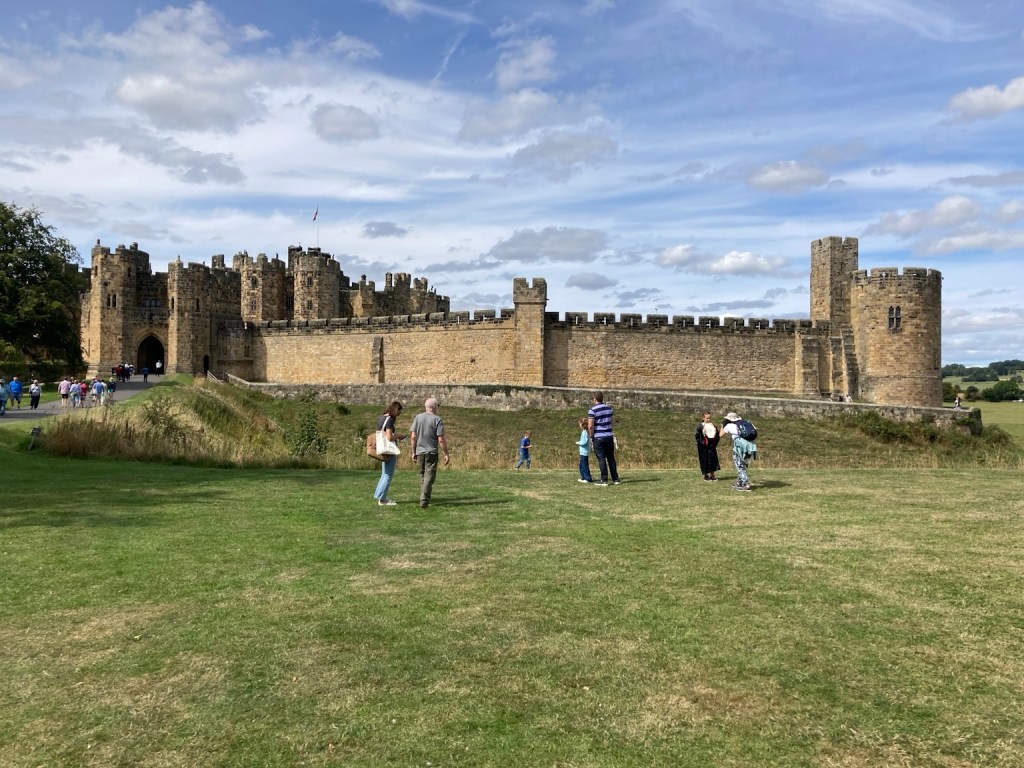
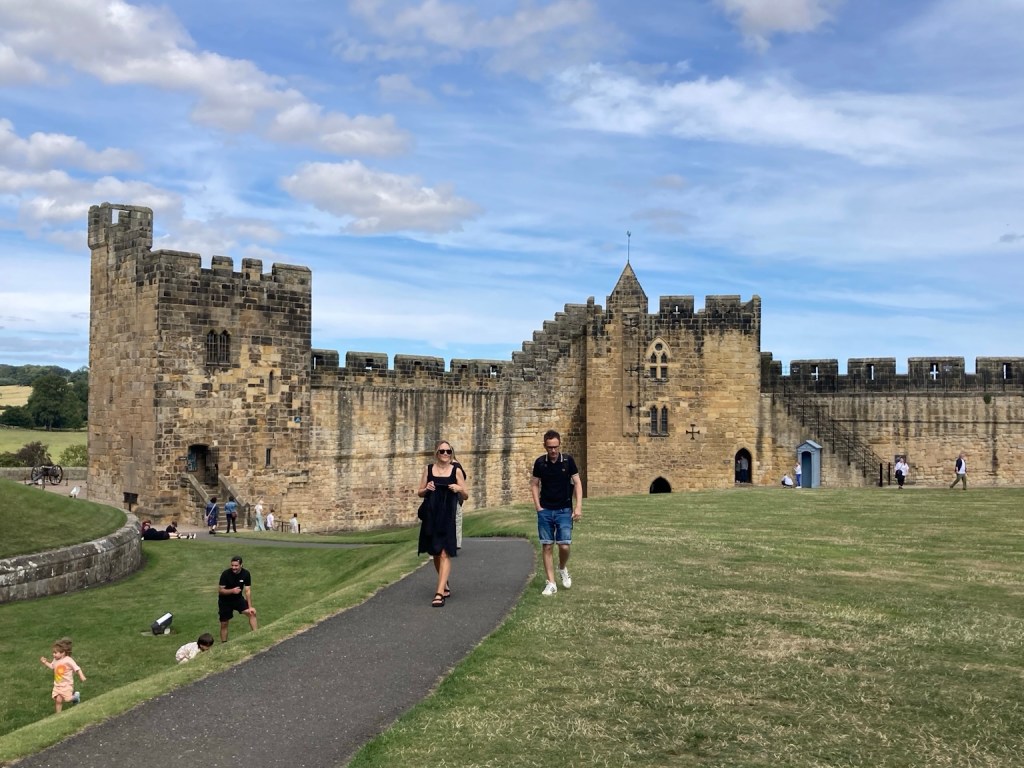
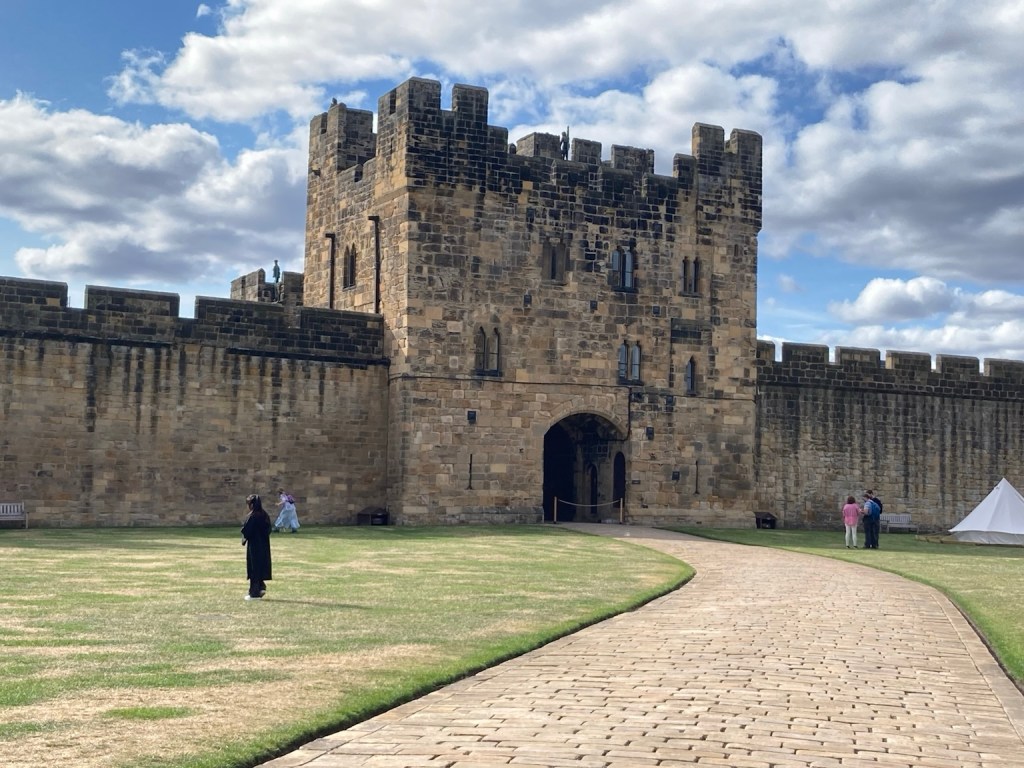
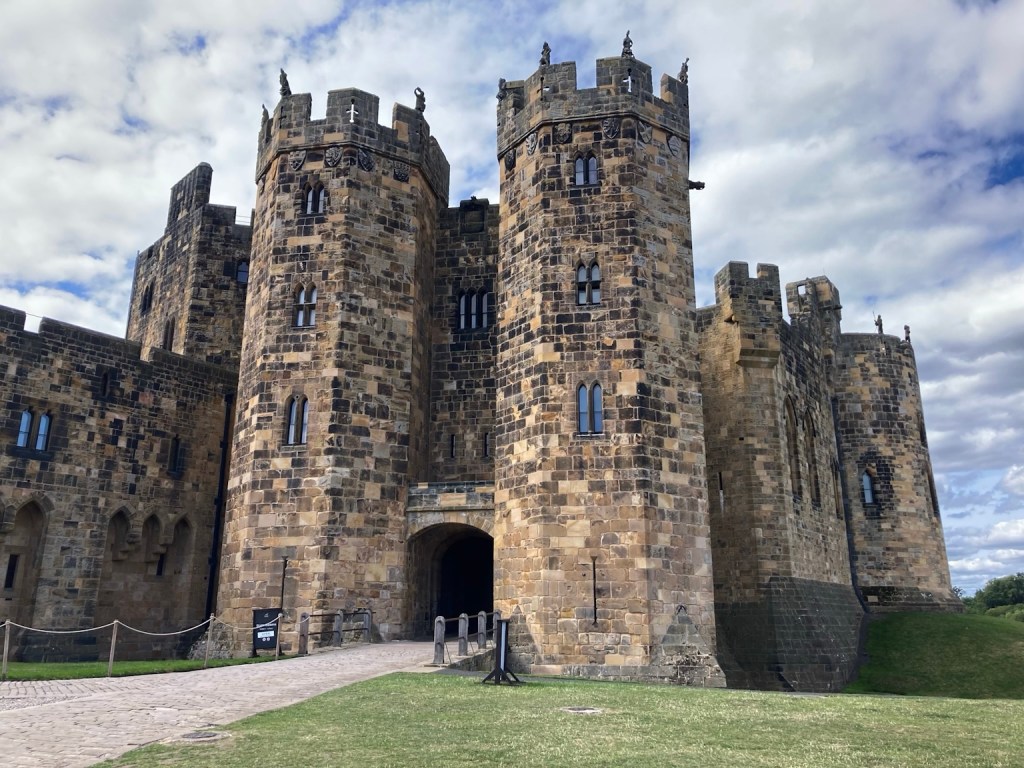
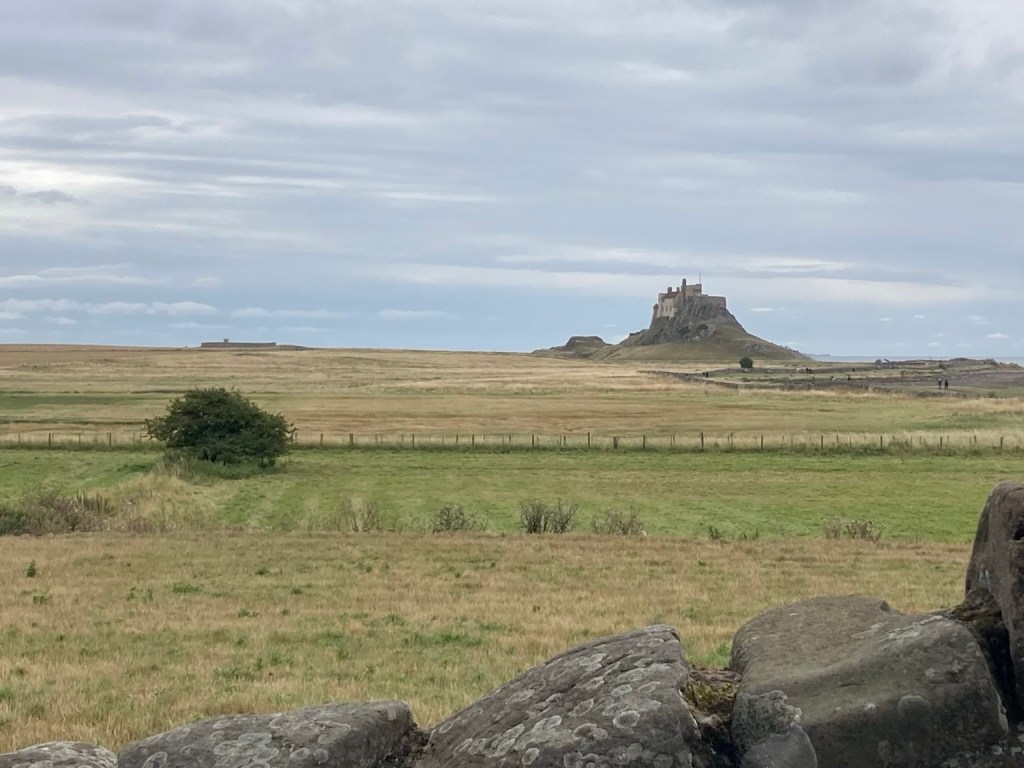
Today we went to visit a castle that’s not a castle, on an island that’s not an island!

Holy Island or Lindisfarne is a tidal island and can be visited at low tide by taking the 3 mile walking route called the Pilgrims Way marked by wooden poles across the mudflats, or by car along the causeway built in the 1950s. At any other time, a boat is the only option.
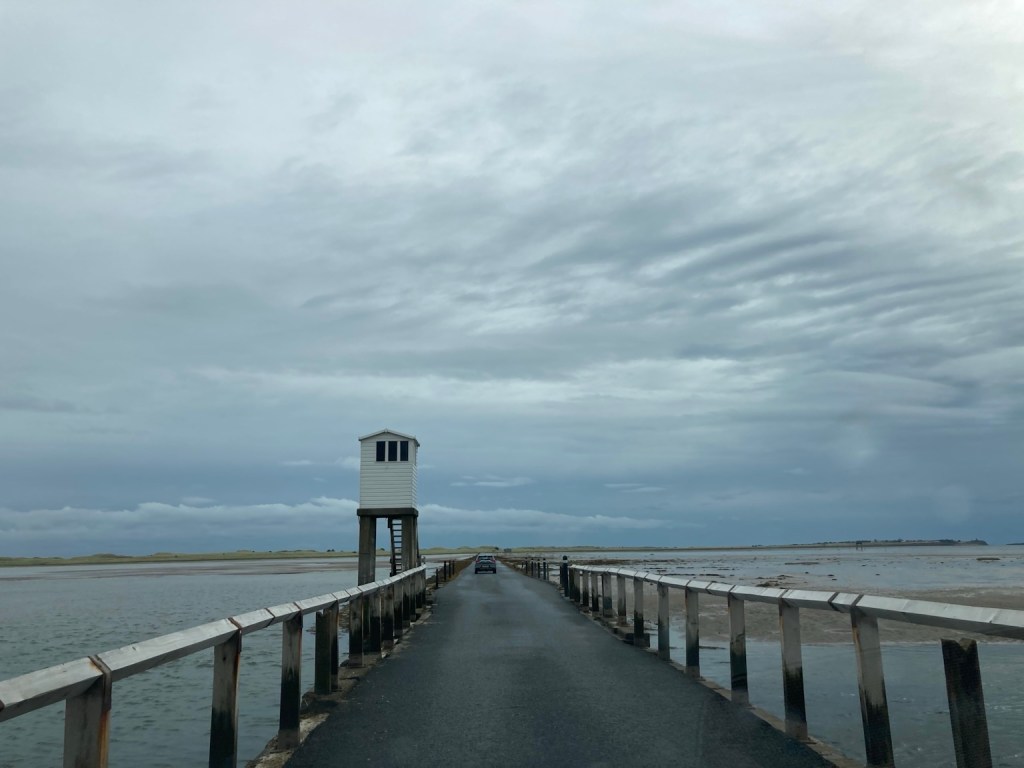
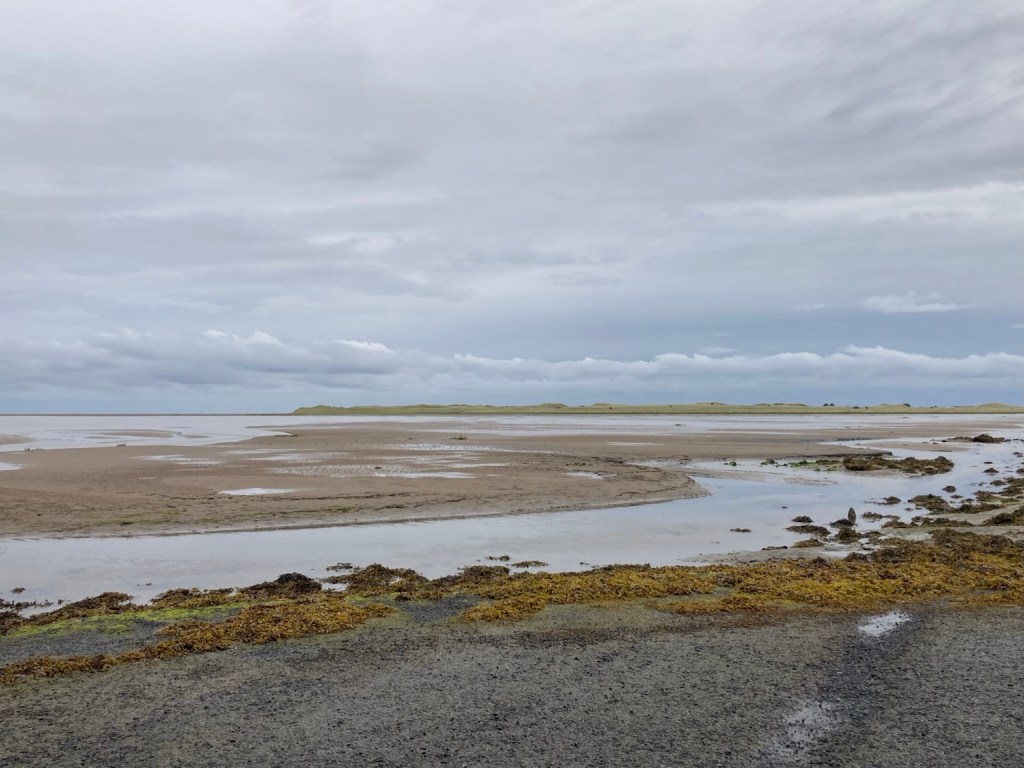
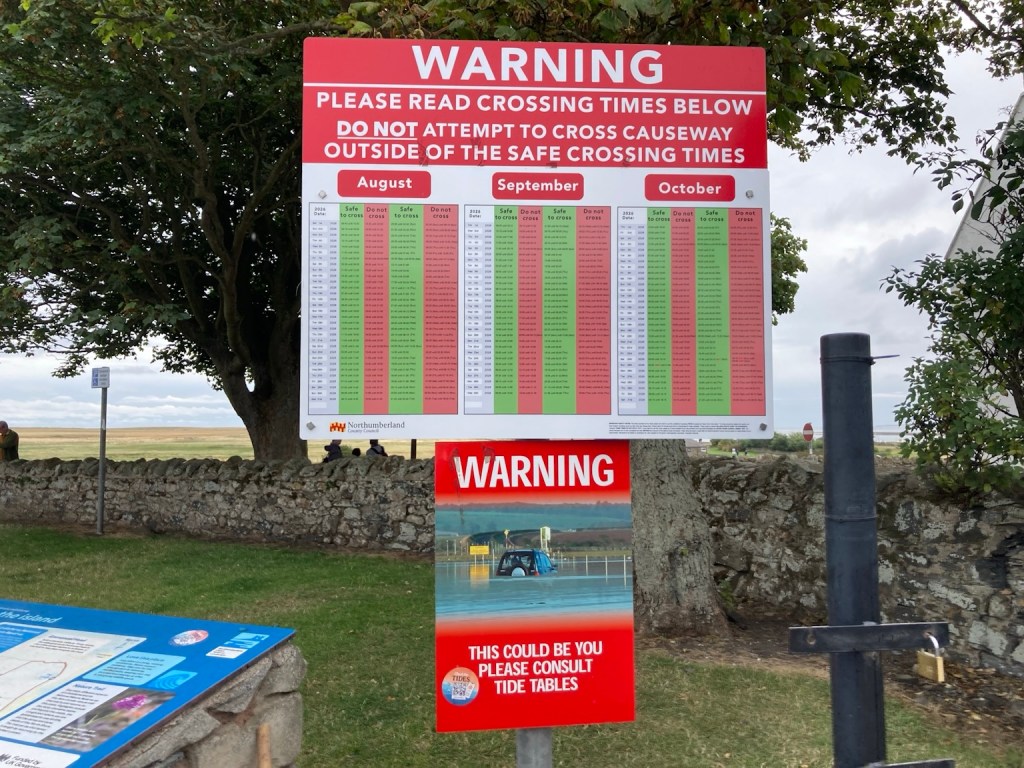
Having checked out the tide tables, we had a window of six hours so we were heading over the causeway at 9.50, as early as it was safe to go.  We parked and signs reminded us to check our safe departure time.  
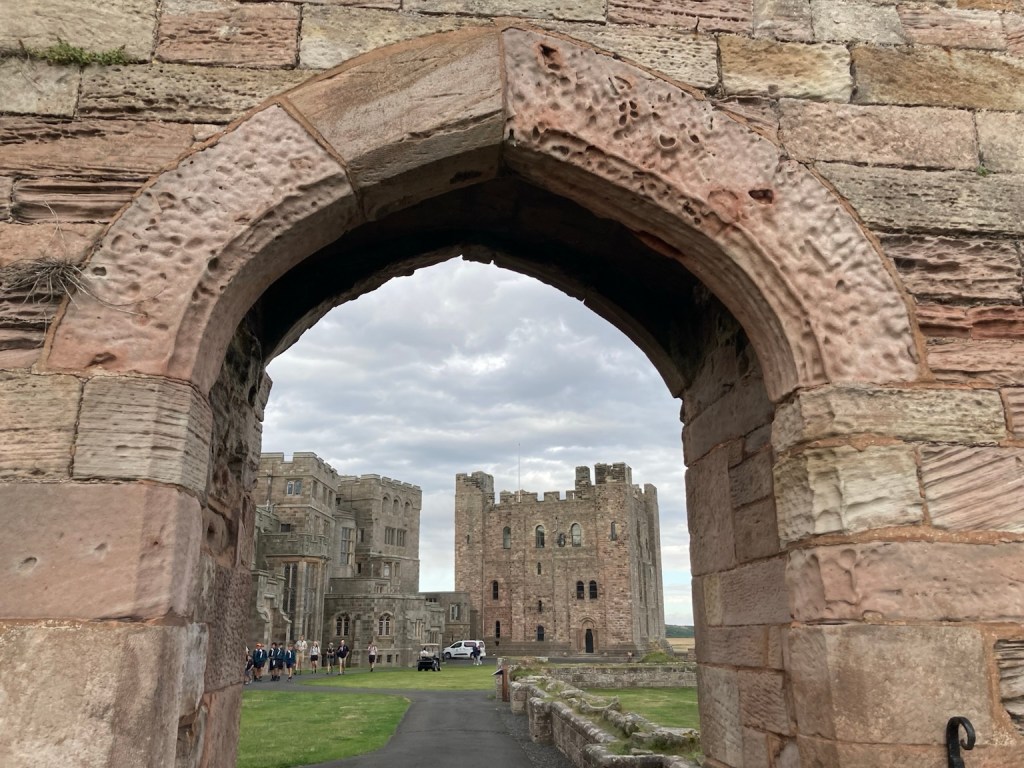
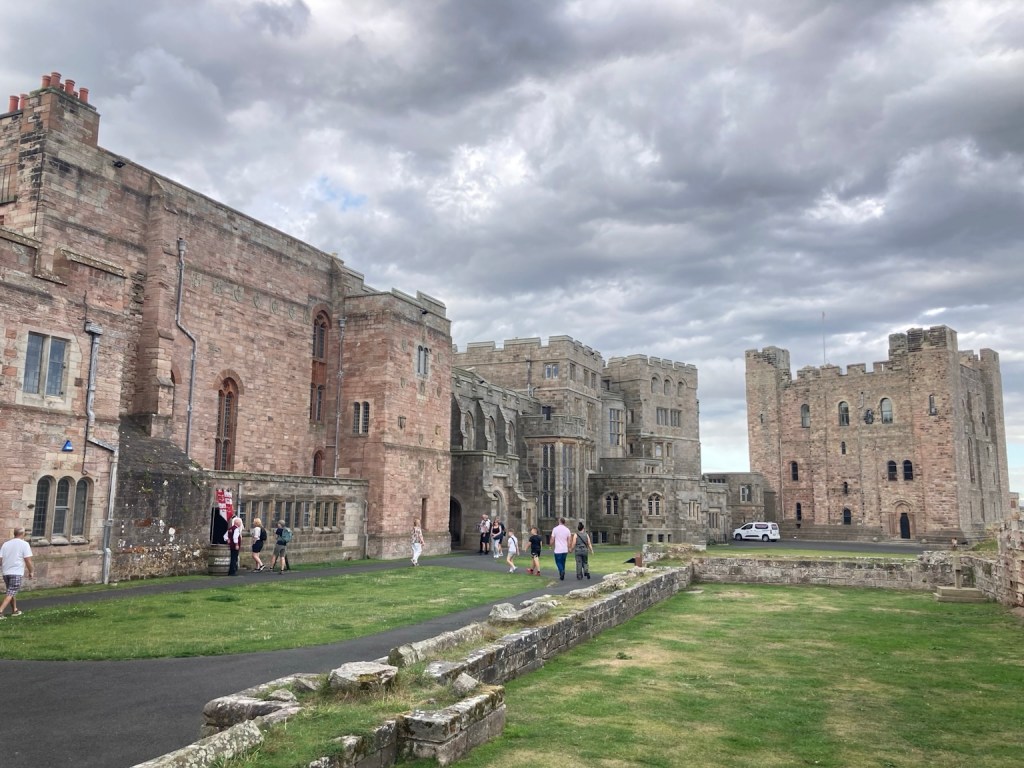
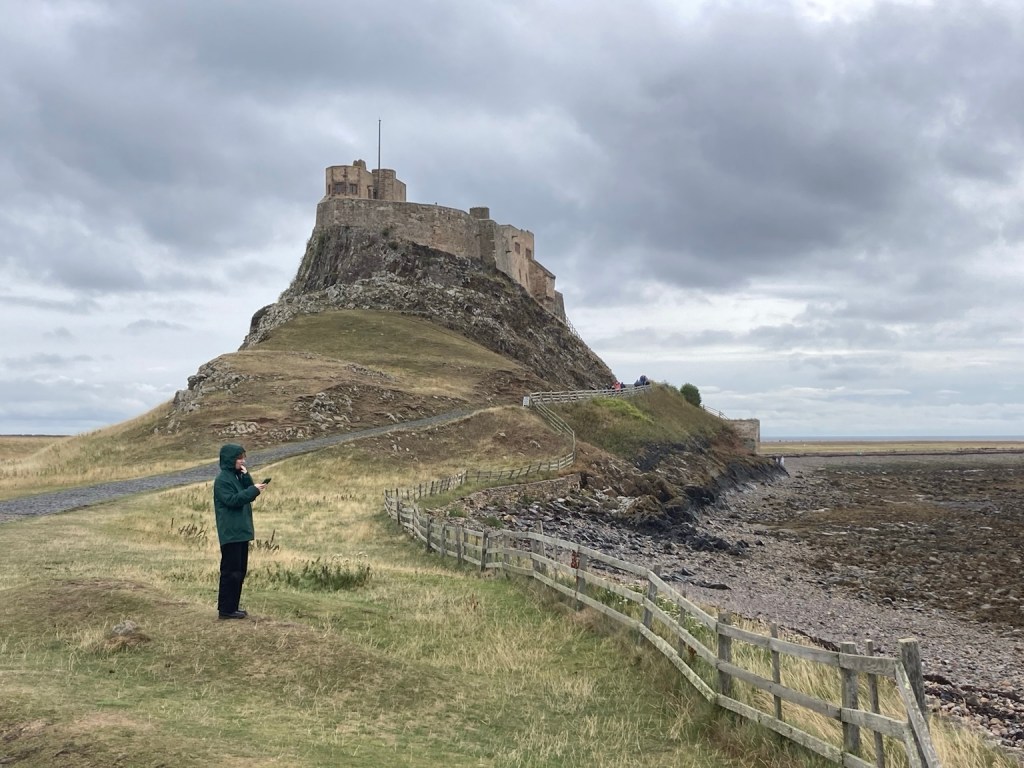
There were a few drops of rain as we walked through the up to Lindisfarne Castle which is run by the National Trust.
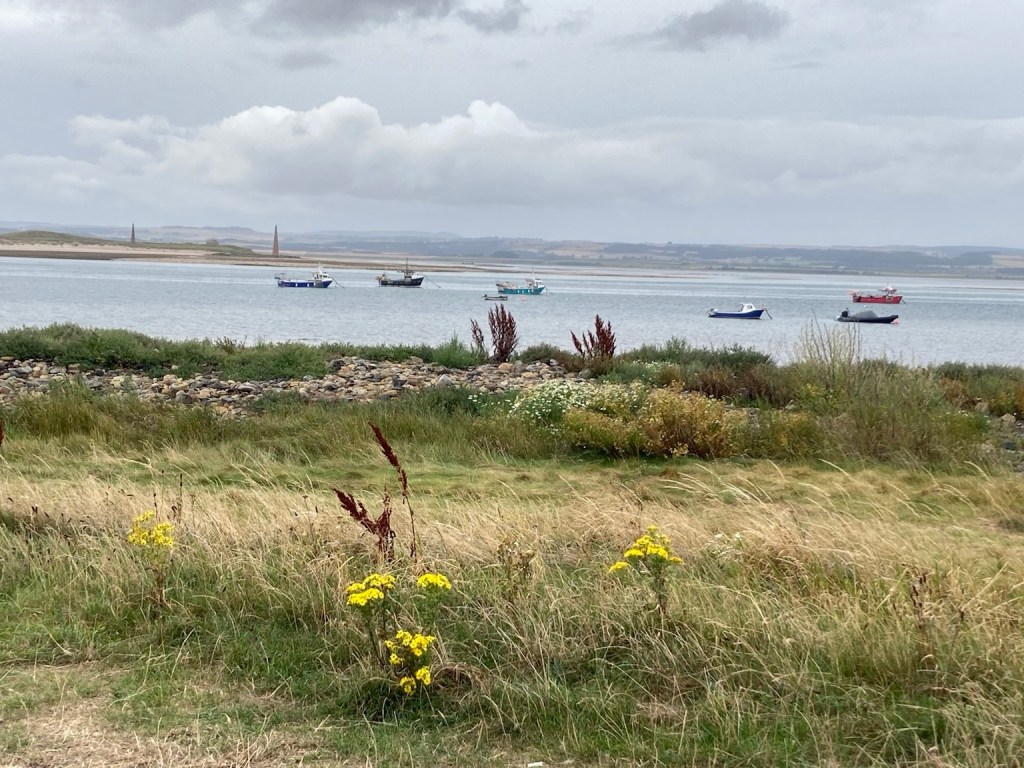
Across the harbour, we could see two tall pointed towers which we later found out are the Old Law Beacons.  Sailors lined them up to steer their ship safely into harbour keeping clear of shallow sandbars, and they didn’t need to be lit as entering at night was too dangerous.
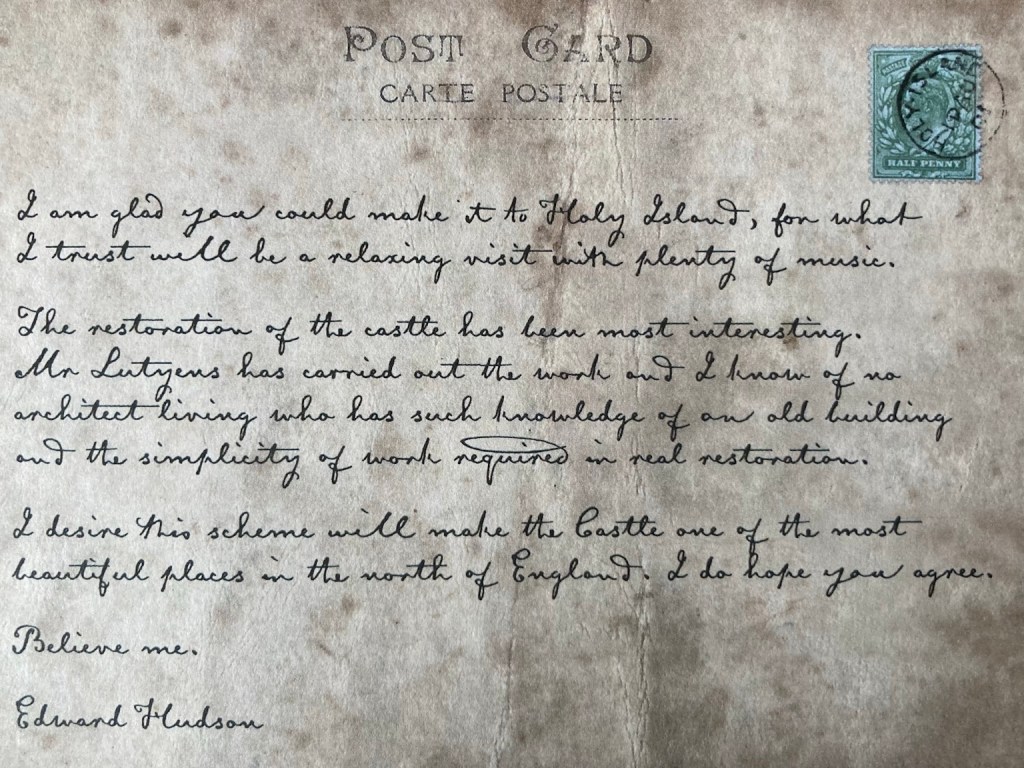
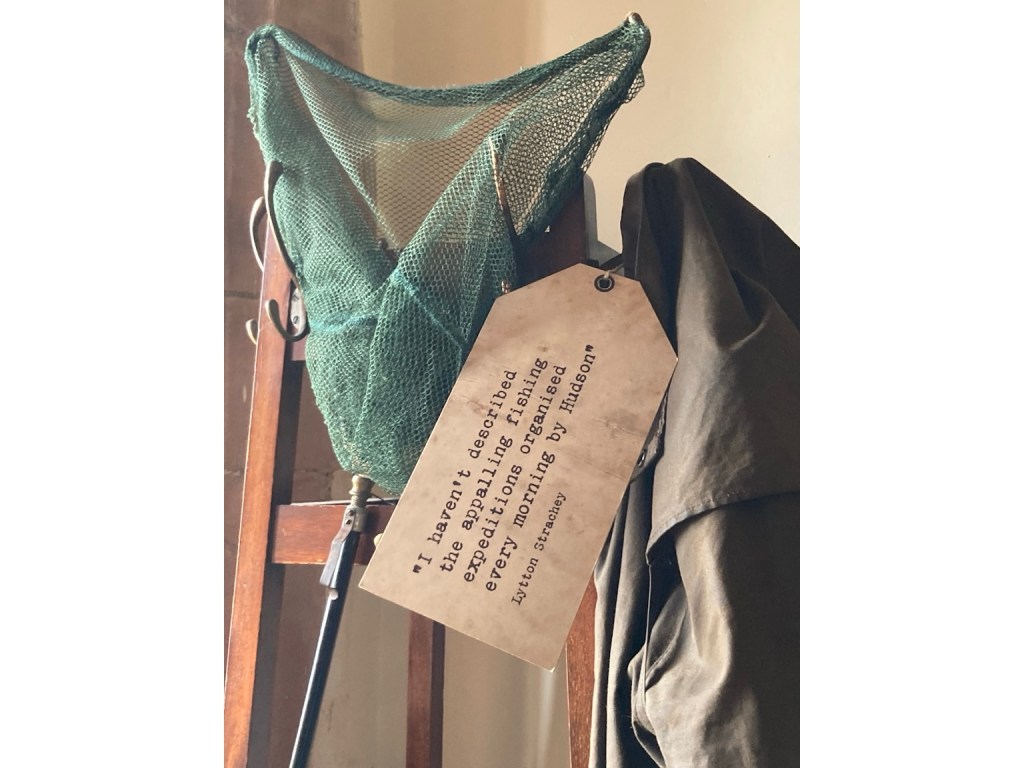
In 1901, Edward Hudson, founder of Country Life magazine, fell in love with the derelict Tudor fort built high on a large rock and engaged his friend Edwin Lutyens, a young and upcoming architect to convert it into an Arts & Crafts style holiday home.  The fort had been built by the Tudors to protect first against the Scots and then the French but had been empty for years so a fair bit of work was needed.

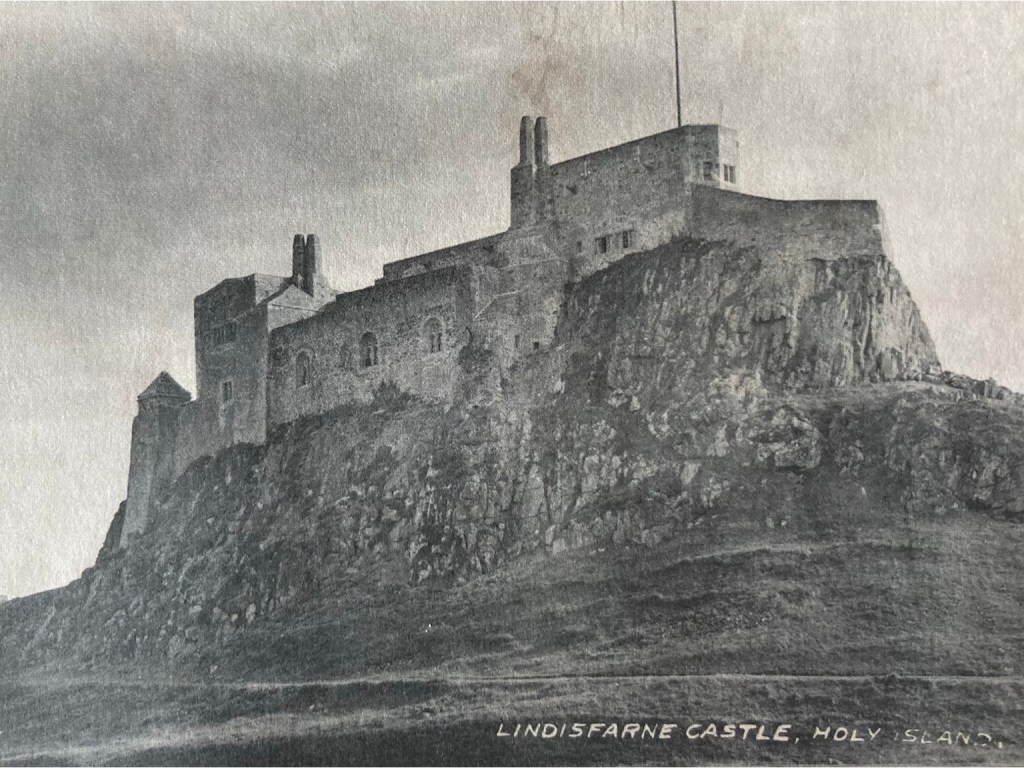
We were handed a postcard …
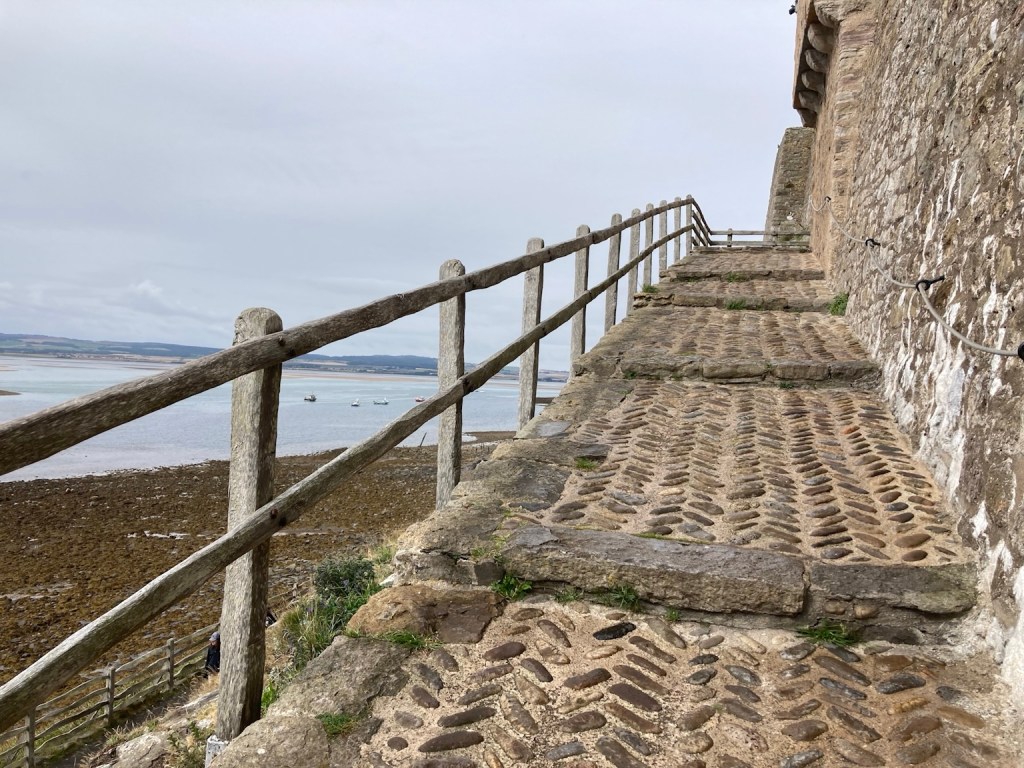
Once up the ramp …
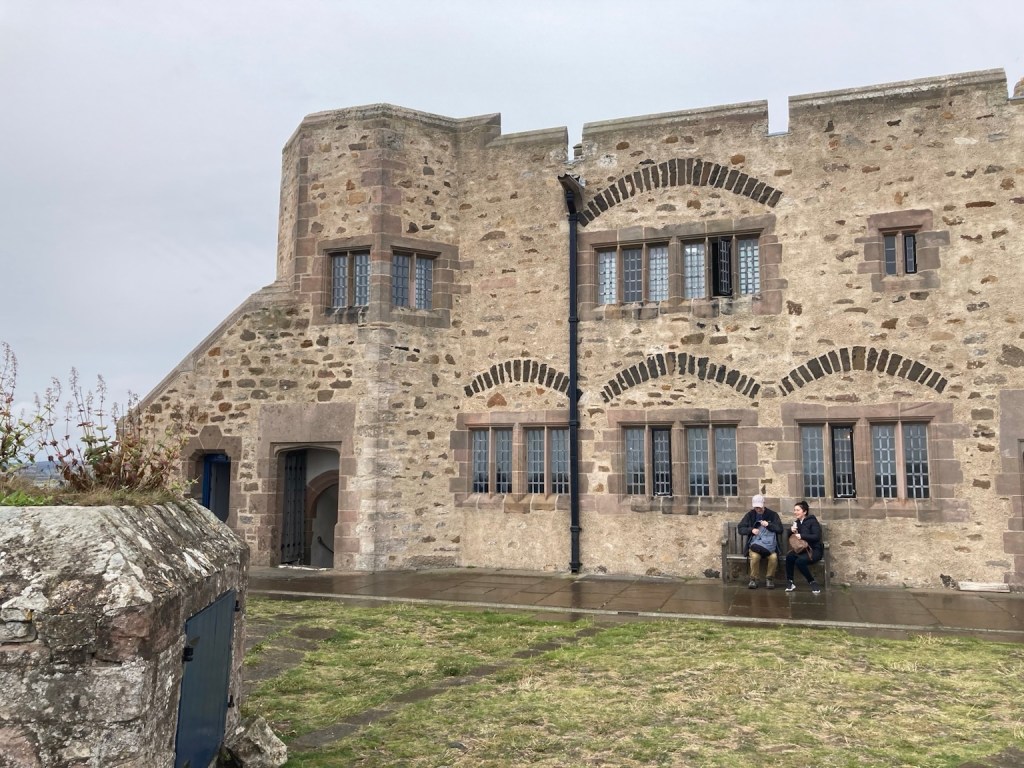
… we entered the lower battery where the facade blends original Tudor stonework with new mullions and lintels of local pink sandstone as well as arches added above the windows.  
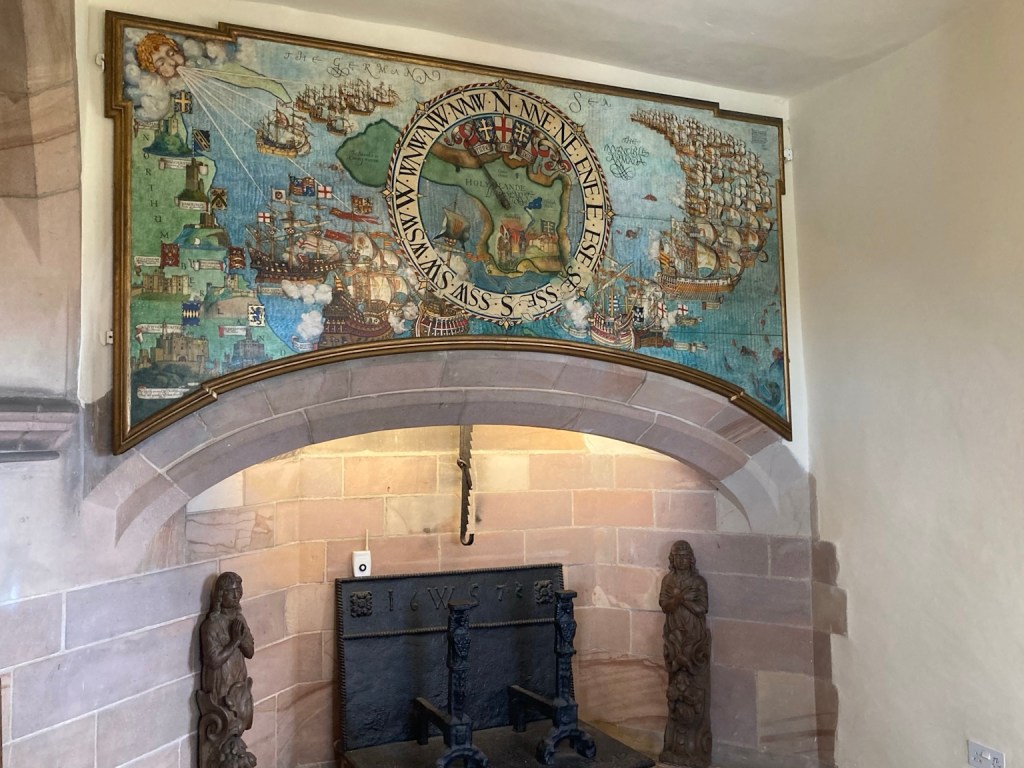
Inside, Lutyens has played with proportions, ensuring a snug homely feel with low doorways and winding passages.  The entrance hall features this colourful wind direction indicator commissioned for the house … and a suggestion of what the weather can be like here!
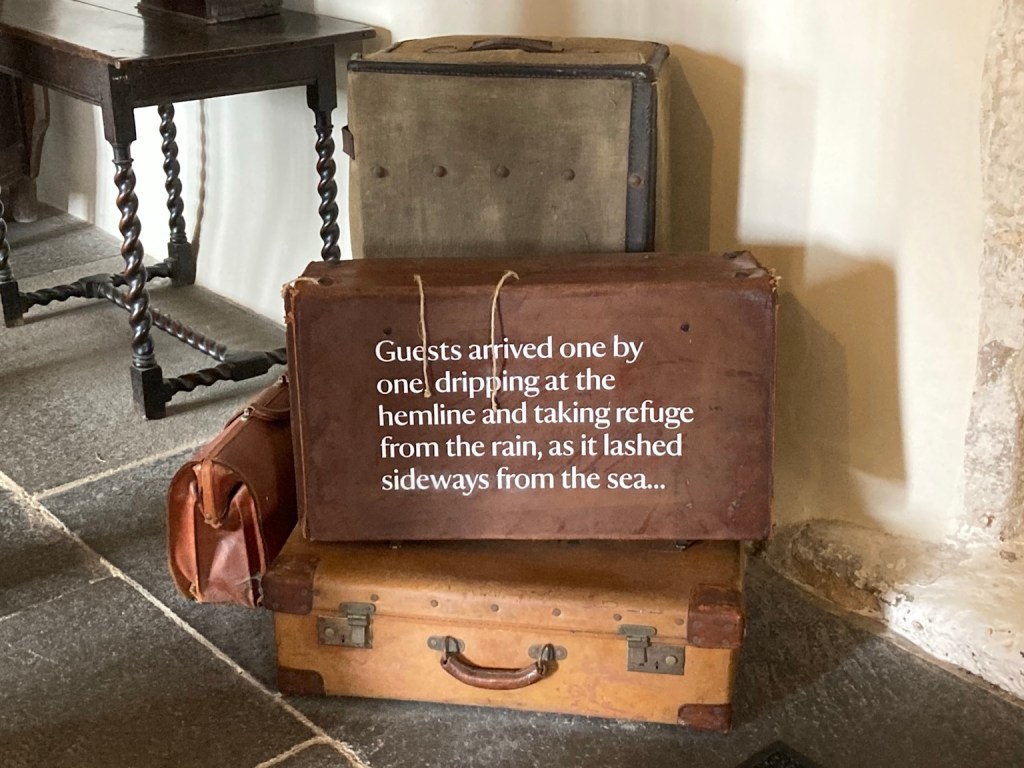
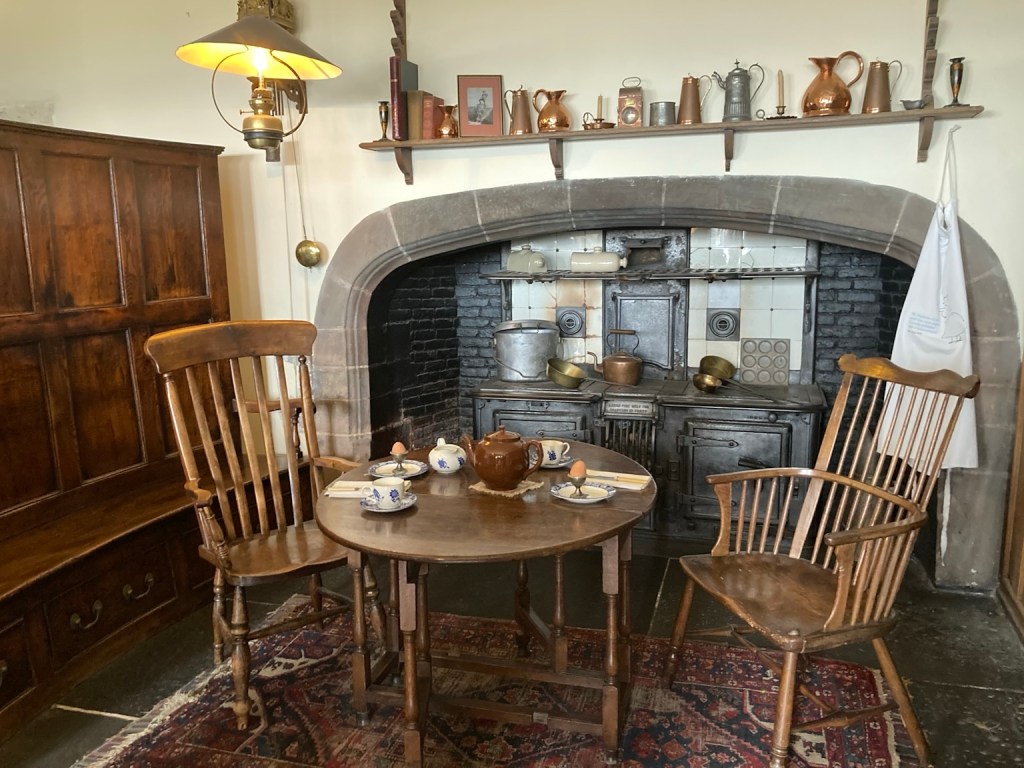
This is the kitchen, domain of Jack and Hannah Lilburn who began the three-generation relationship as housekeepers for the castle’s owners …
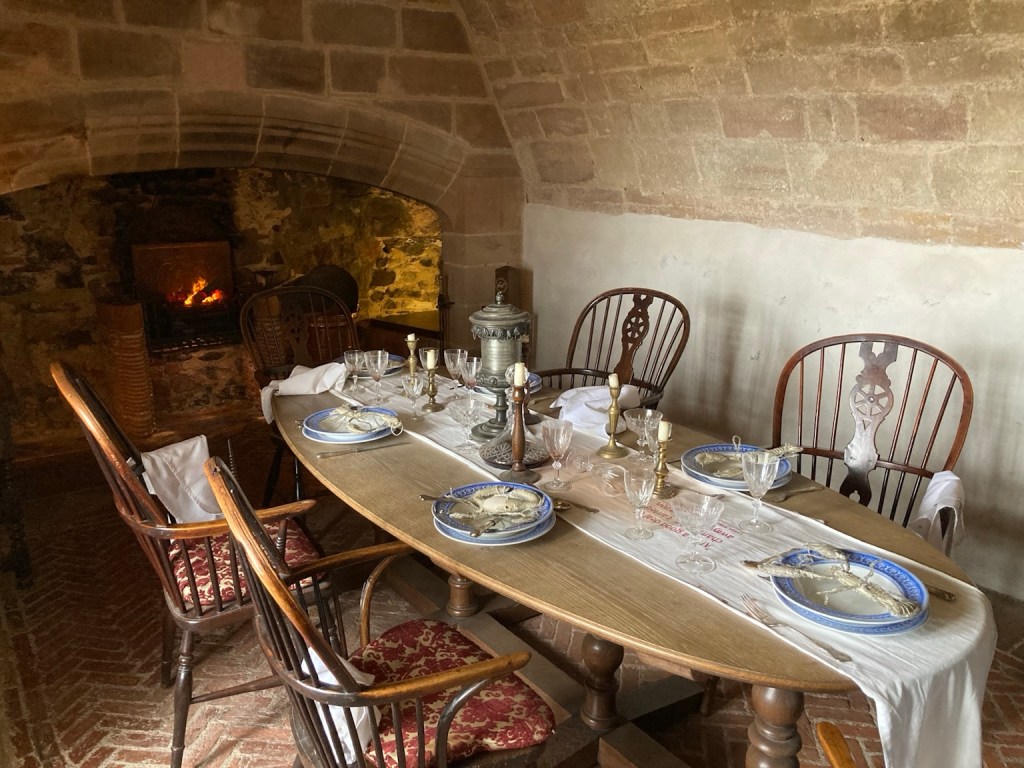
… the dining room with its cavernous fireplace …
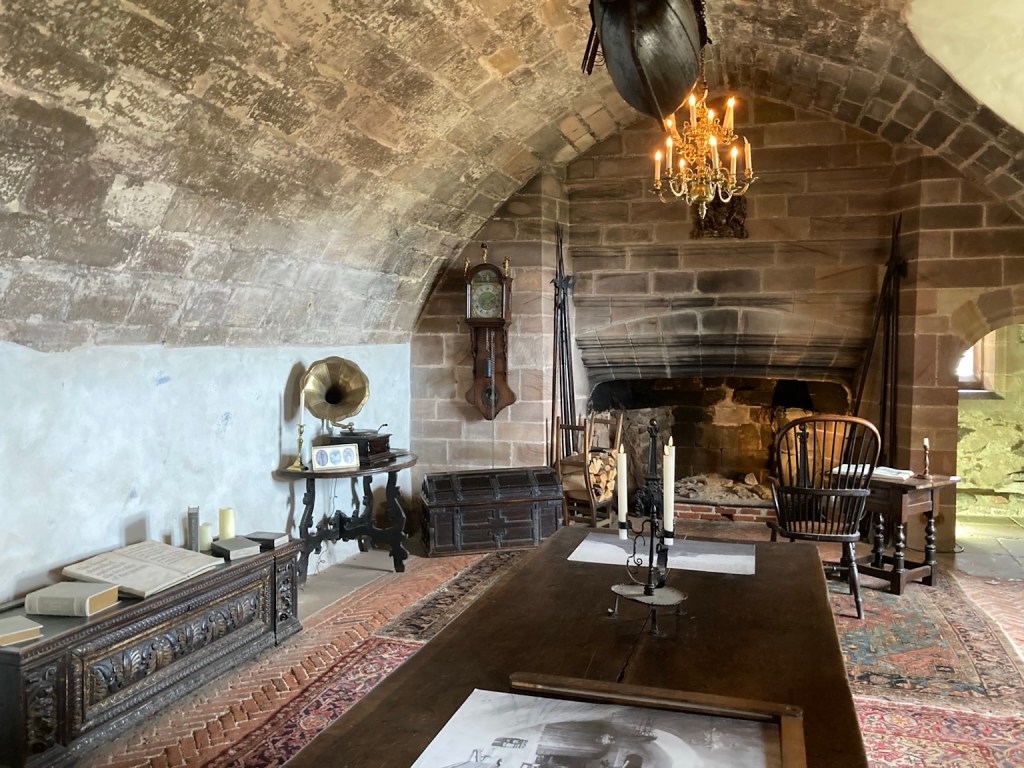
… and the Ship Room used as a drawing room.
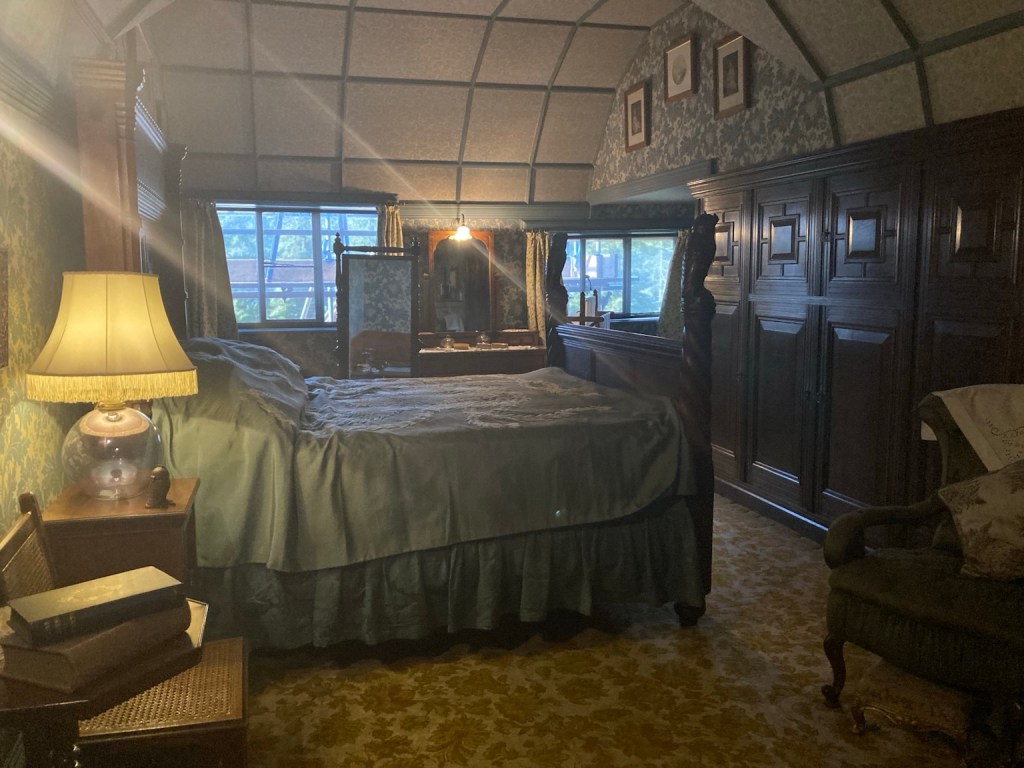
There were seven bedrooms in all including Hudson’s …
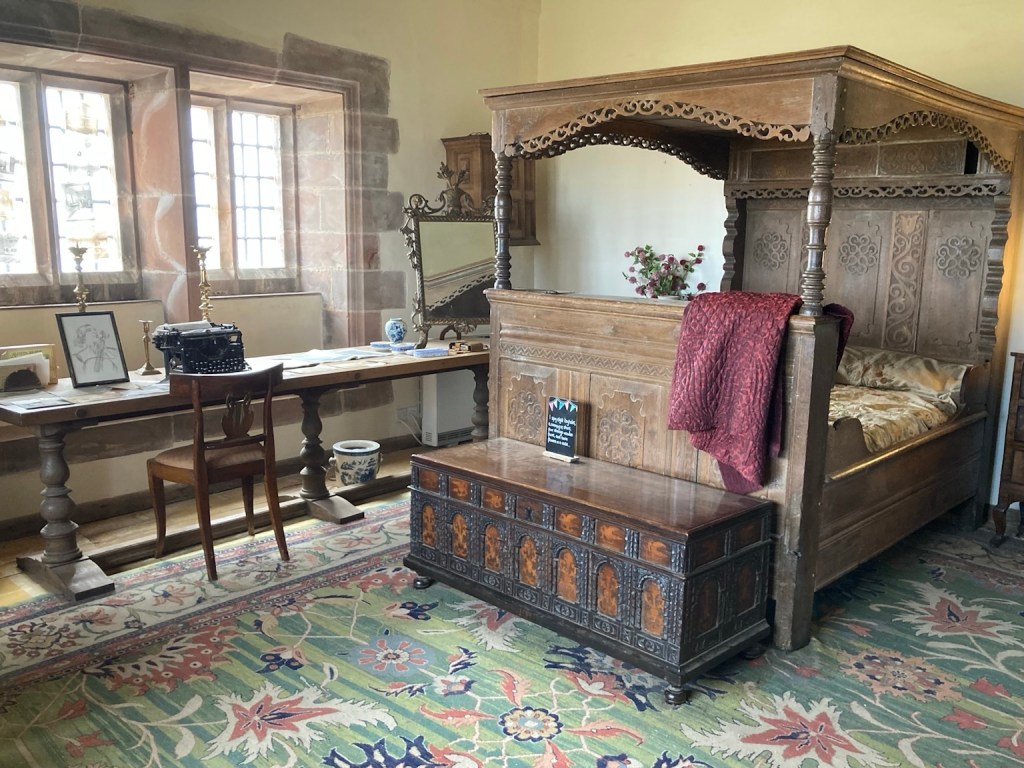
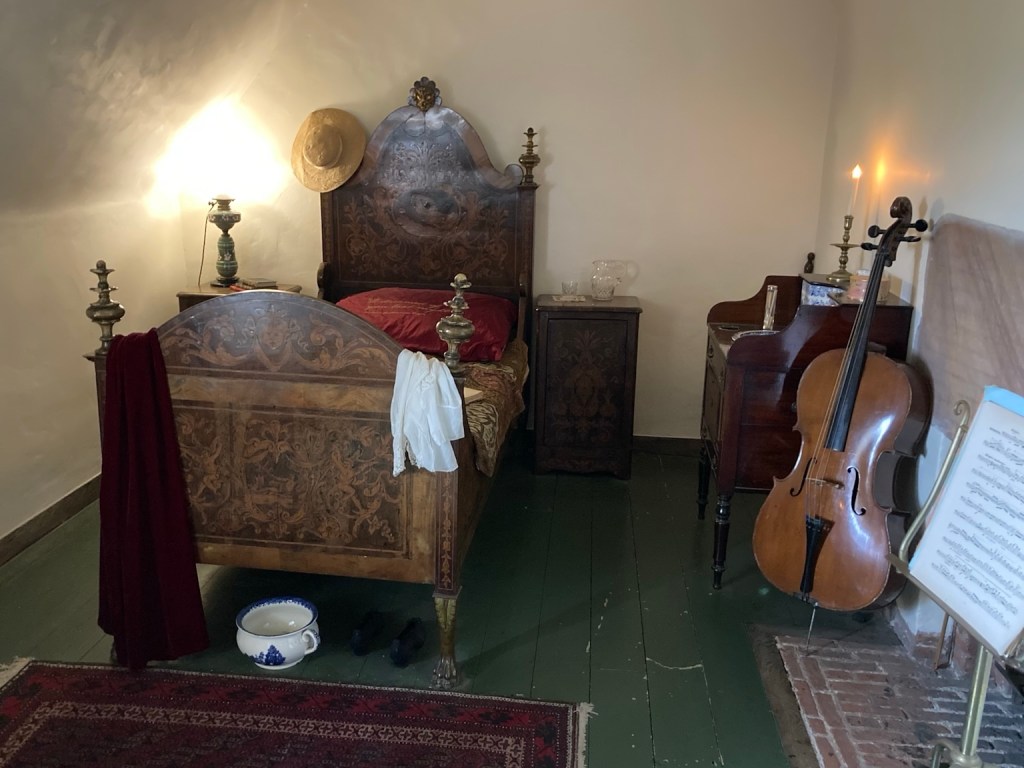
… and one for Madame Suggia, a famous Portuguese cellist and Hudson’s fiancé.
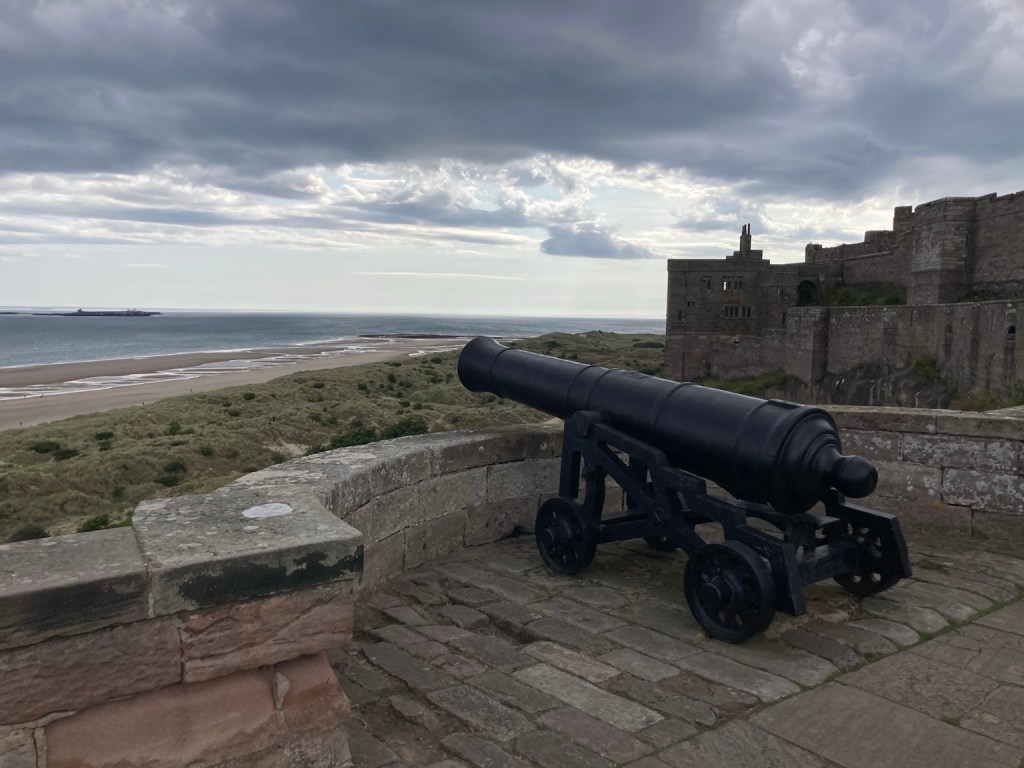
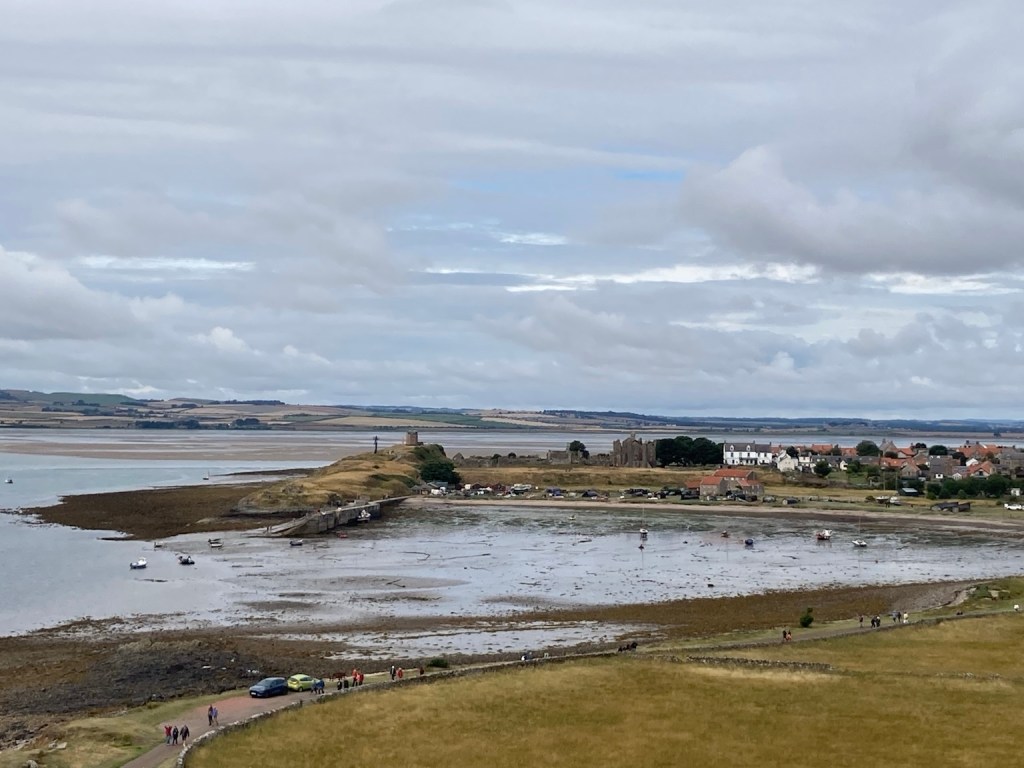
From the Upper Battery where gun emplacements can still be seen, there is a great view out towards the ruined Priory which we will visit next.
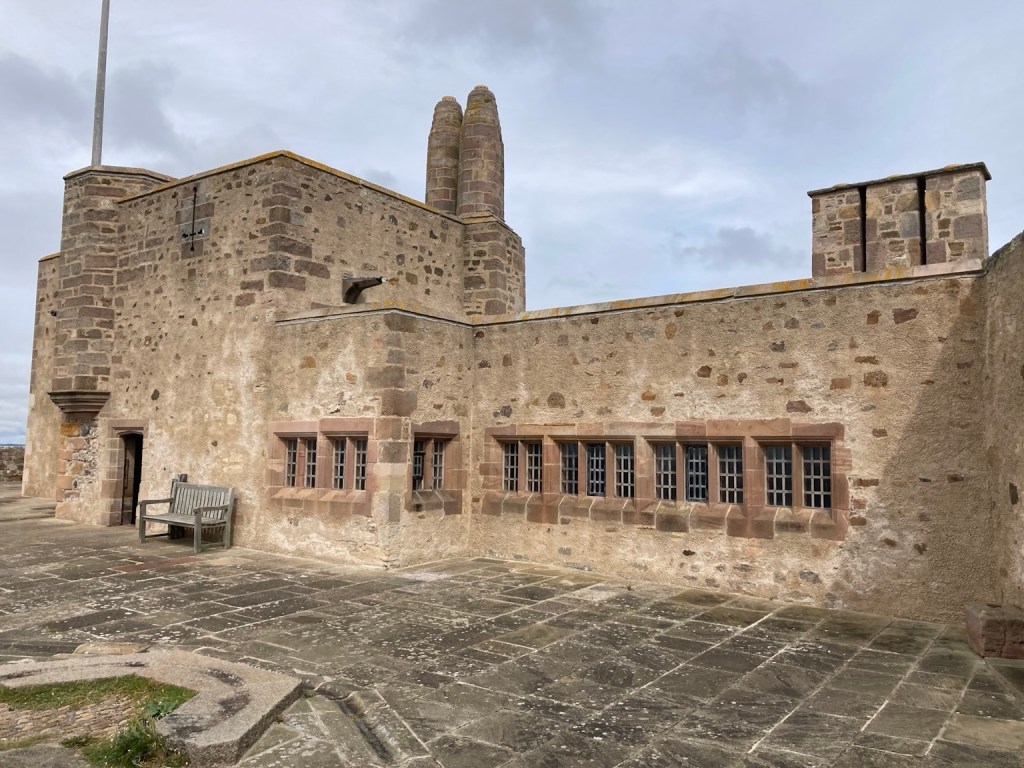
The facade features clustered chimneys, a Lutyens favourite, and more mullioned windows, looking so modern!  
Once complete, Hudson only used the castle for brief visits during a six week period in the summer, often inviting guests including famous artists, writers, and high-society figures. His guests enjoyed champagne and long dinners, though some complained the lack of comfortable seating and modern comfort and organised entertainment!
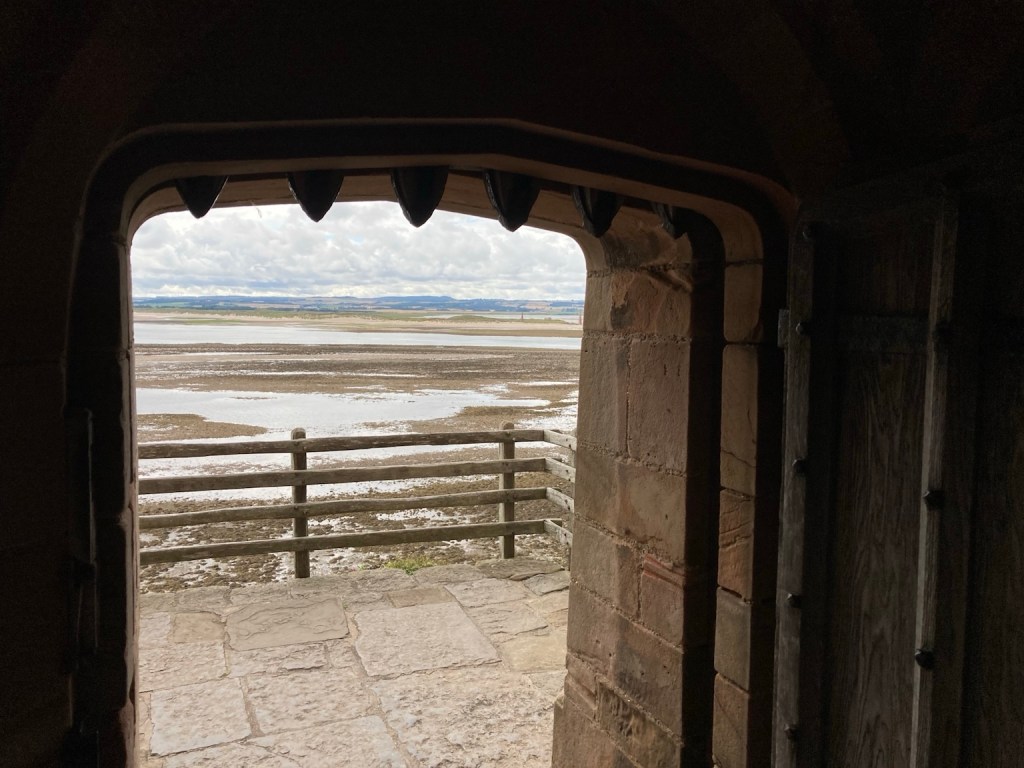
On our way out, we noticed the portcullis, a small touch added by Hudson to add to the medieval charm!
By 1921 though, Hudson decided to sell, possibly due to high running costs, but also that his intended heir had been killed in the war. The two later owners kept the Lutyens design and it was given to the National Trust in 1944.

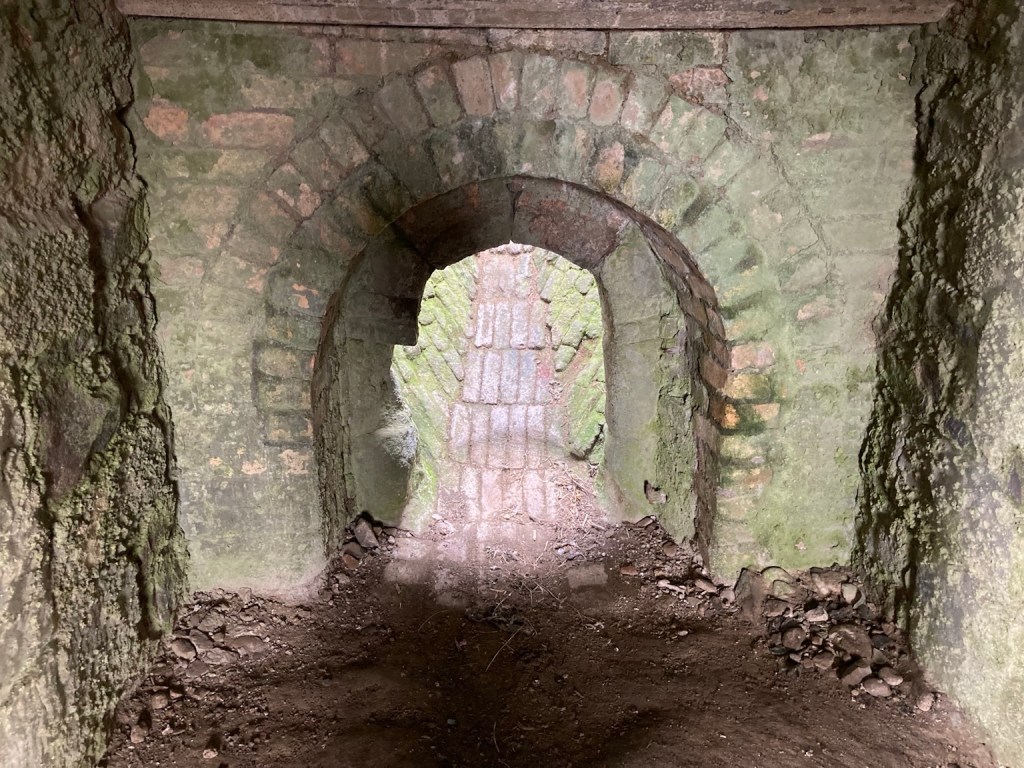
In the 19th Century, Lindisfarne had a long-established lime-burning industry, and the kilns by the castle still survive. 
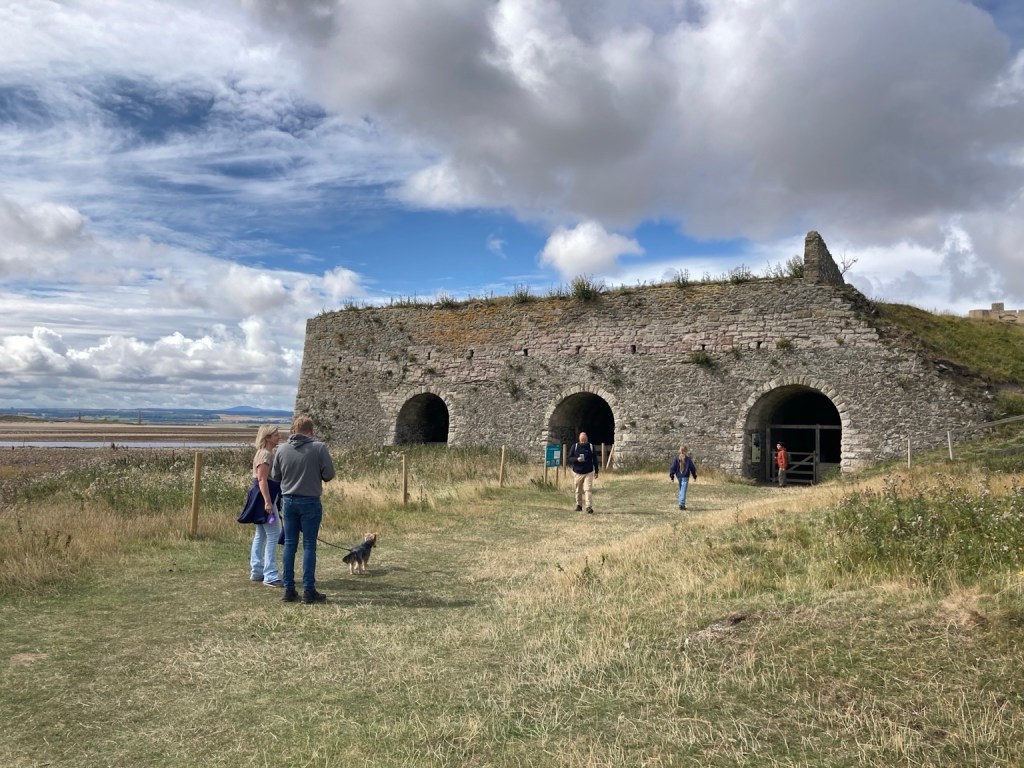
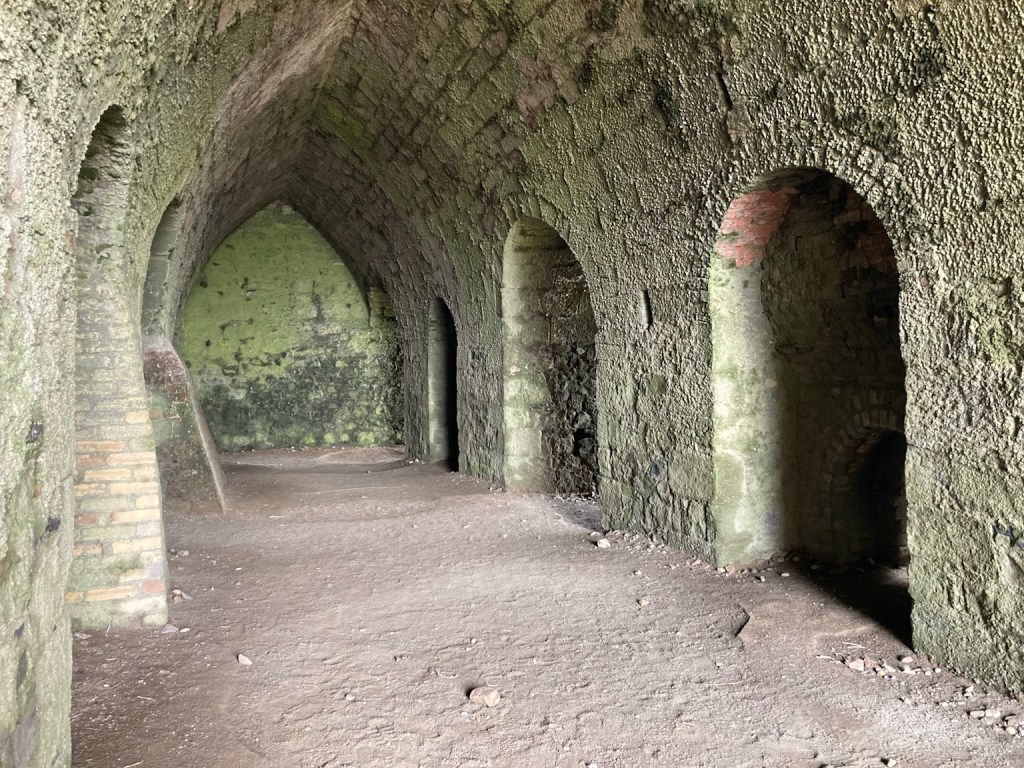
Limestone quarried from the island was layered with coal brought in by ship and burnt to make quicklime.  It would have been a hot, smelly and dangerous job and men often suffered caustic burns and lung damage and in the peace,of today, it’s hard to imagine such a horrid industrial site being here.
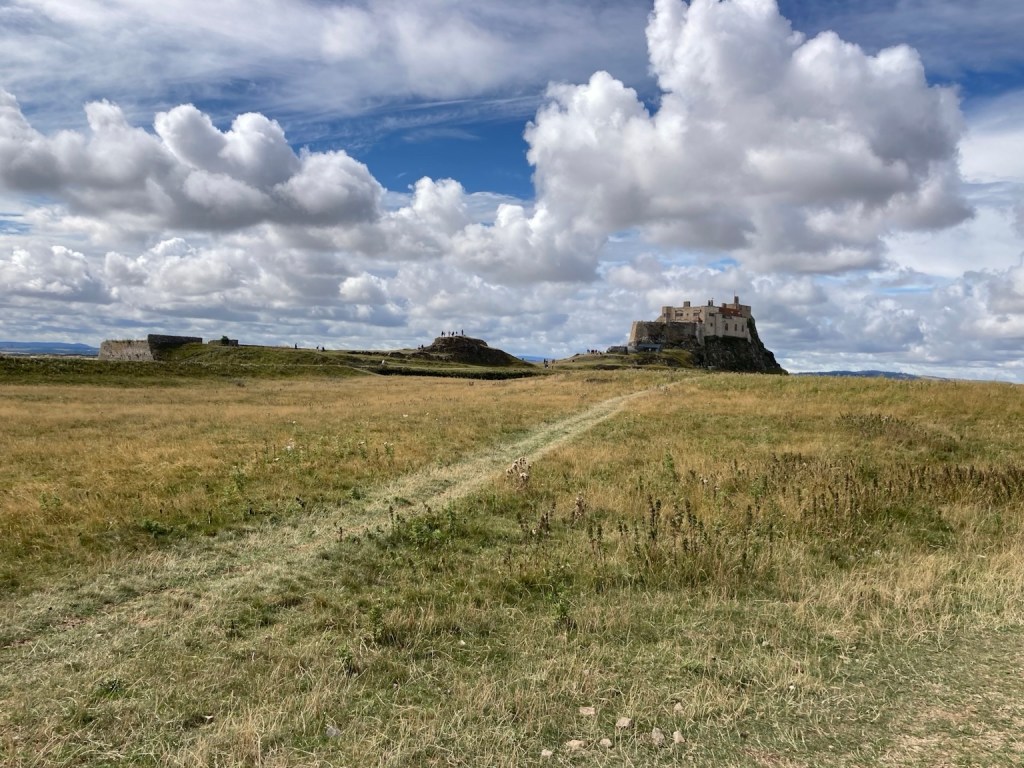
As we walked back towards the village …
… we passed a small walled garden, once the garrison vegetable plot. 
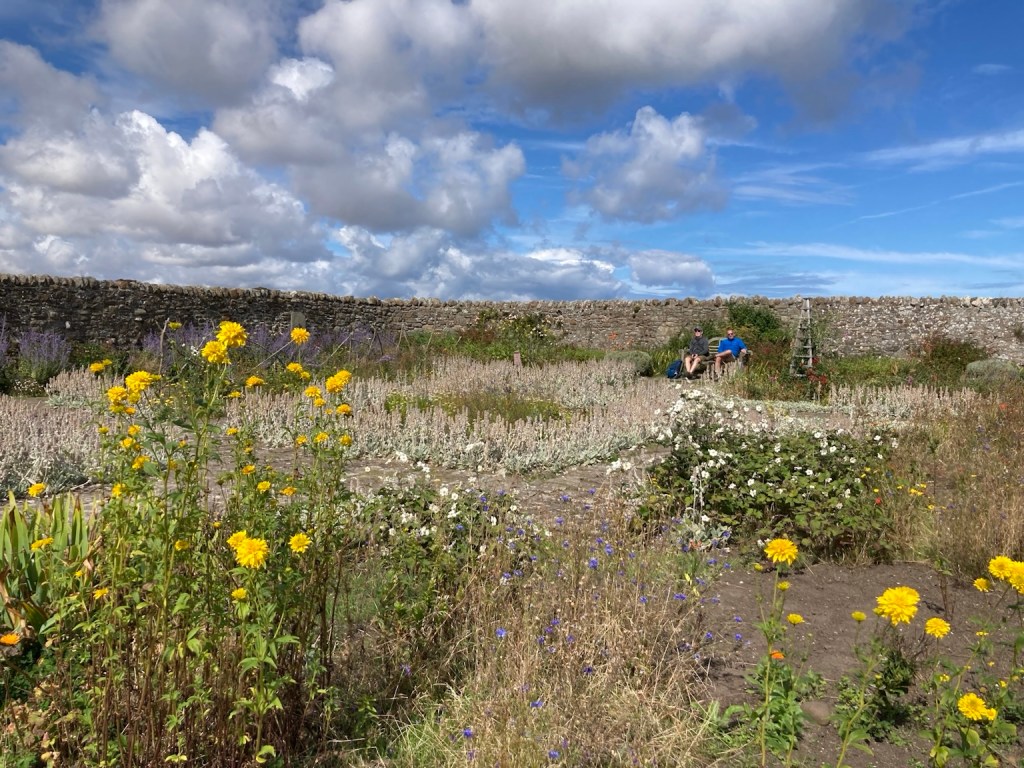
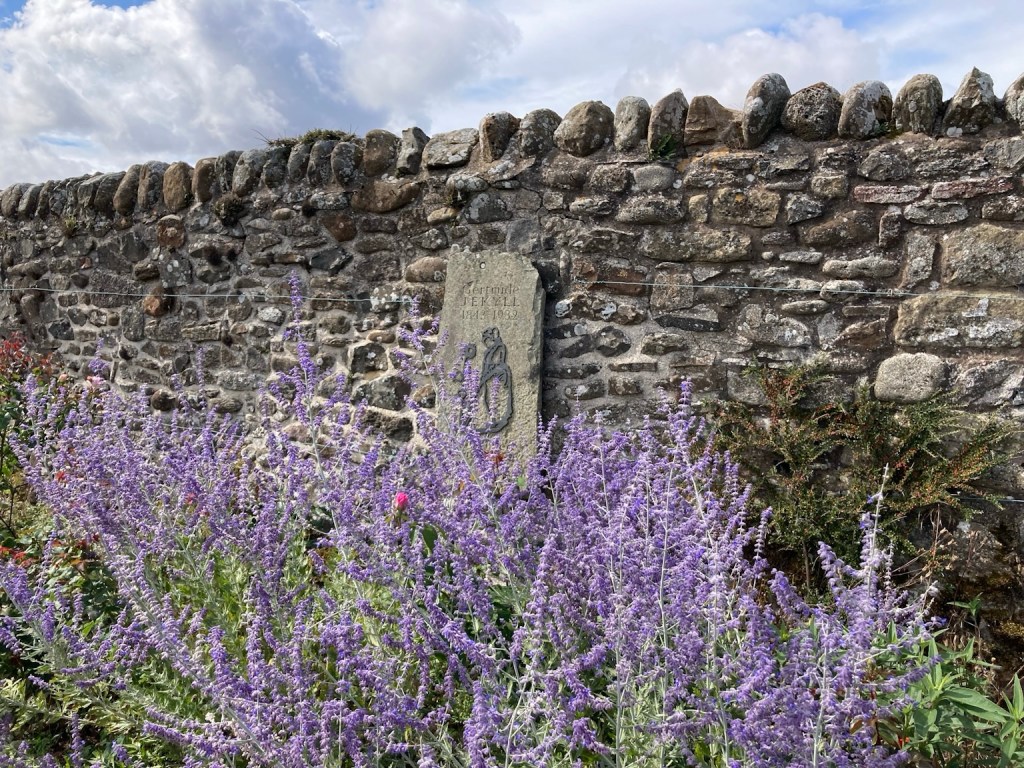
In 1911 Gertrude Jekyll planted a garden of perennials to be colourful especially during August when the castle was most visited and was quite an achievement in such a remote spot.
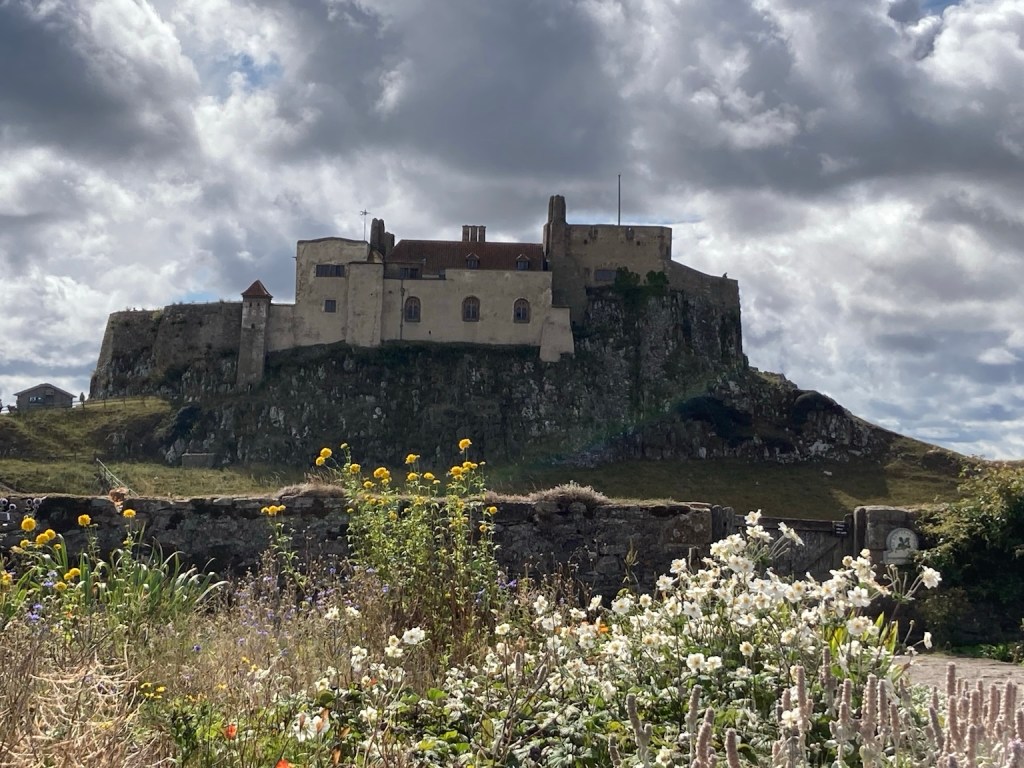
The village is pretty small and most shops were closed as it was Sunday, but The Crown & Anchor was a perfect spot for a late lunch and we munched sandwiches in the garden.  

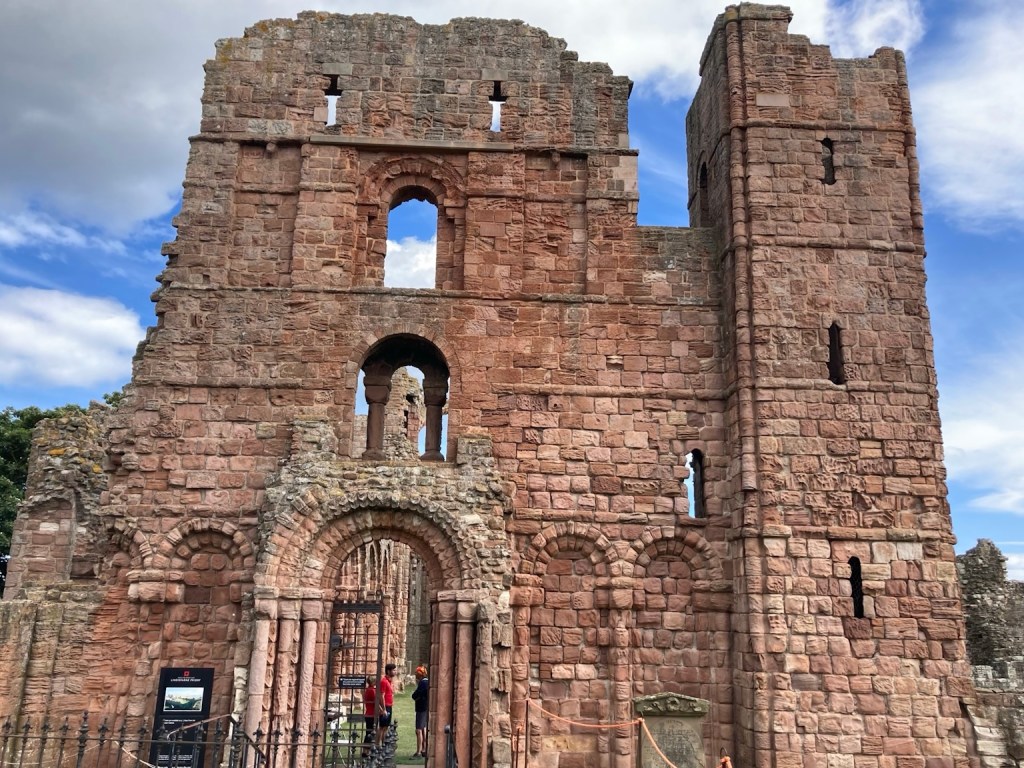
Our last stop was the ruined priory, which we’d seen from the castle. 
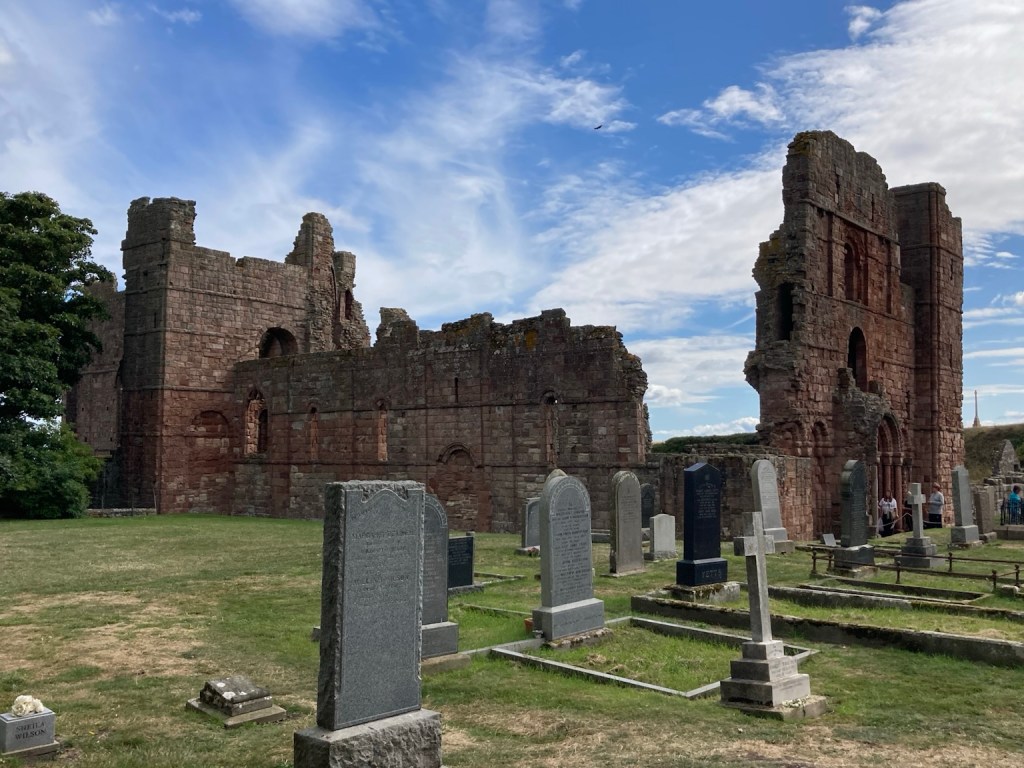
In 635 AD, King Oswald gave Holy Island to St Aidan to establish a monastery, and it soon became a renowned centre of Christianity and learning. St Cuthbert became Lindisfarne’s greatest saint and, following his death, the island developed into an important place of pilgrimage. The magnificent Lindisfarne Gospels were created here before Viking raids brought devastation to the community. This stone depicts a procession of men armed with axes and swords and may commemorate that Viking raid. 
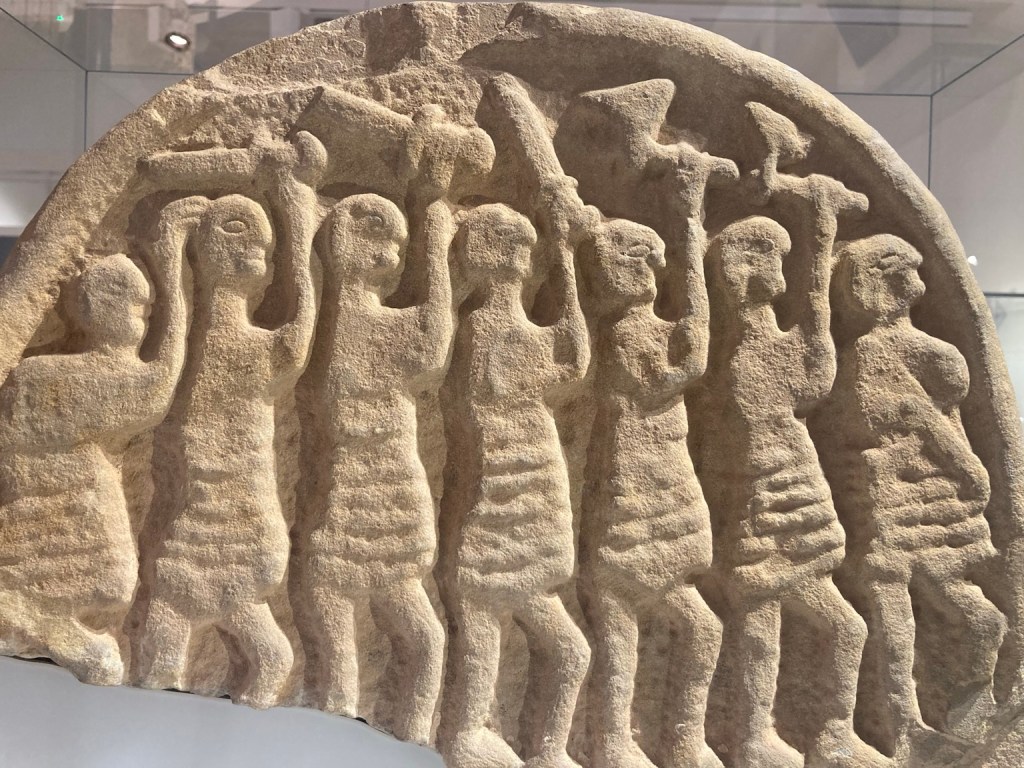
Monastic life eventually returned with the building of the Norman priory, which continued until the Dissolution of the Monasteries. Today it is a ruin … with St Cuthbert’s original resting place marked with a stone.
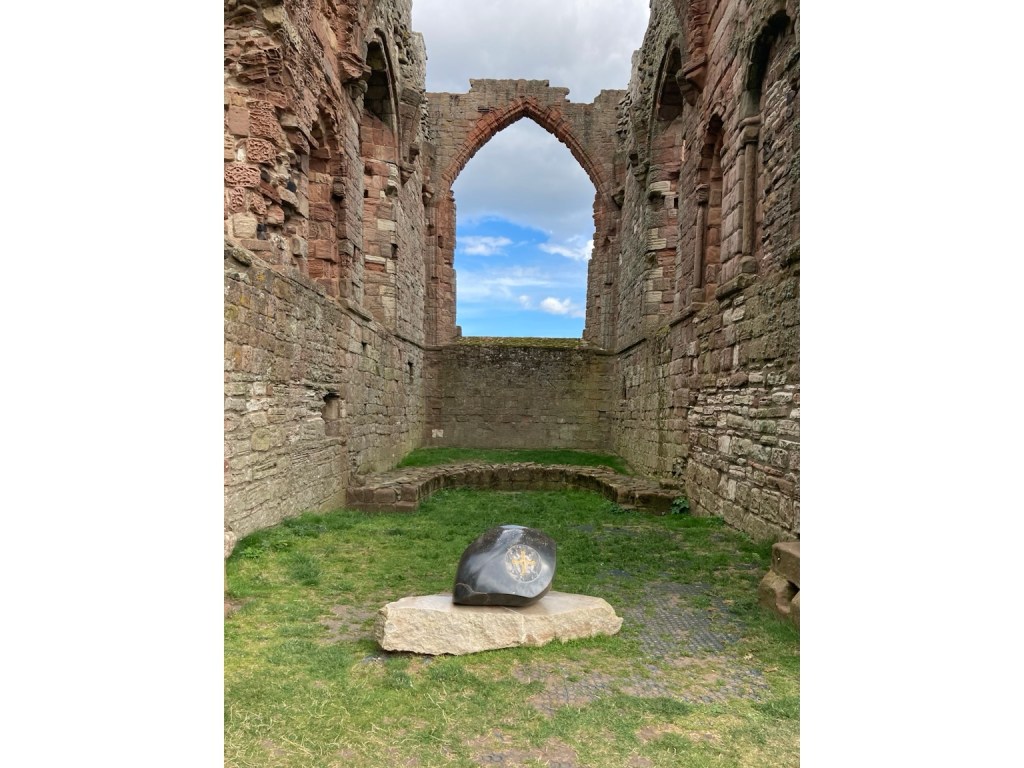
And when the sun came out, the dark red sandstone shone!
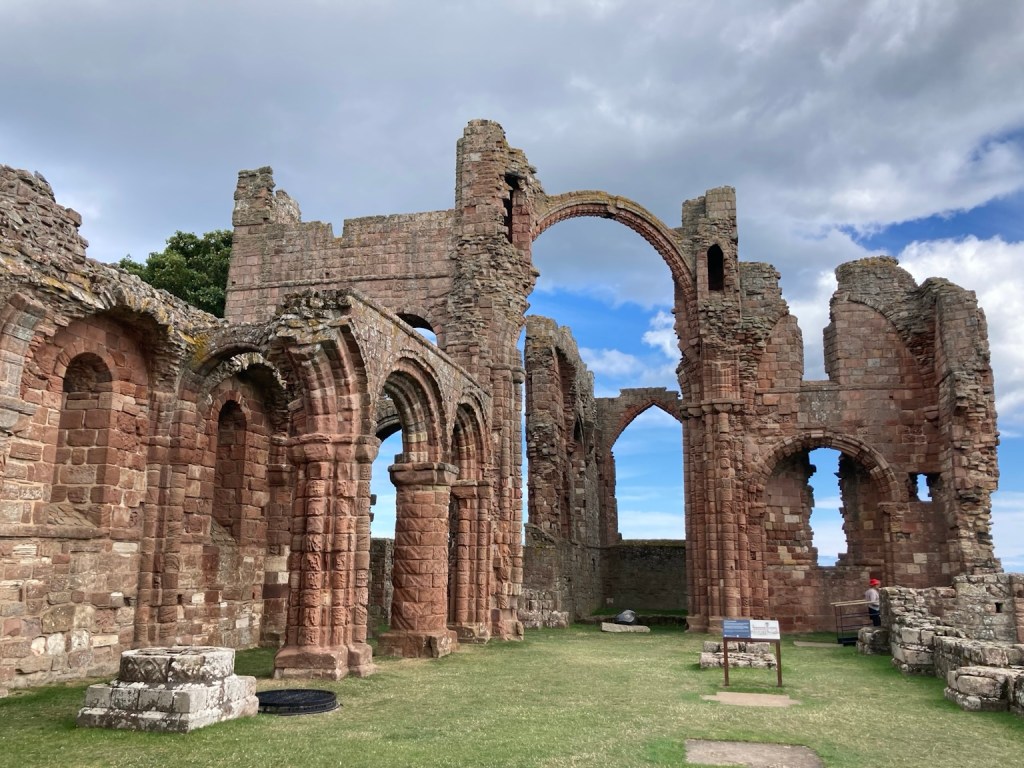
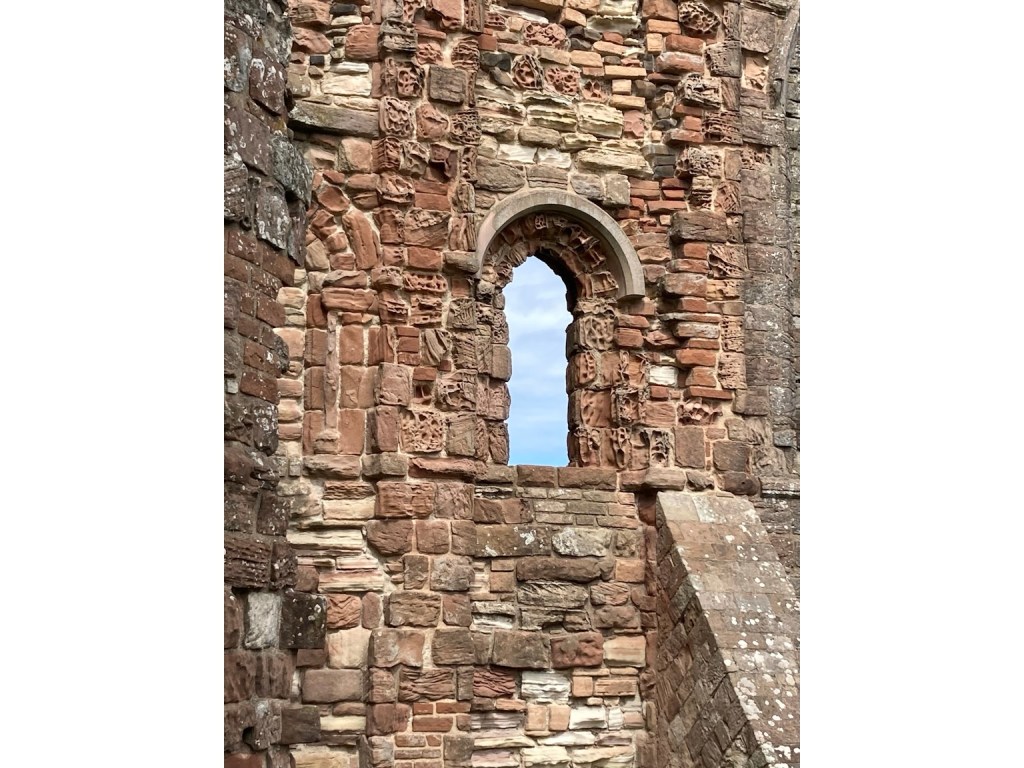
Our sightseeing done, we were back over the causeway with plenty of time to spare and we drove back through some lovely countryside …
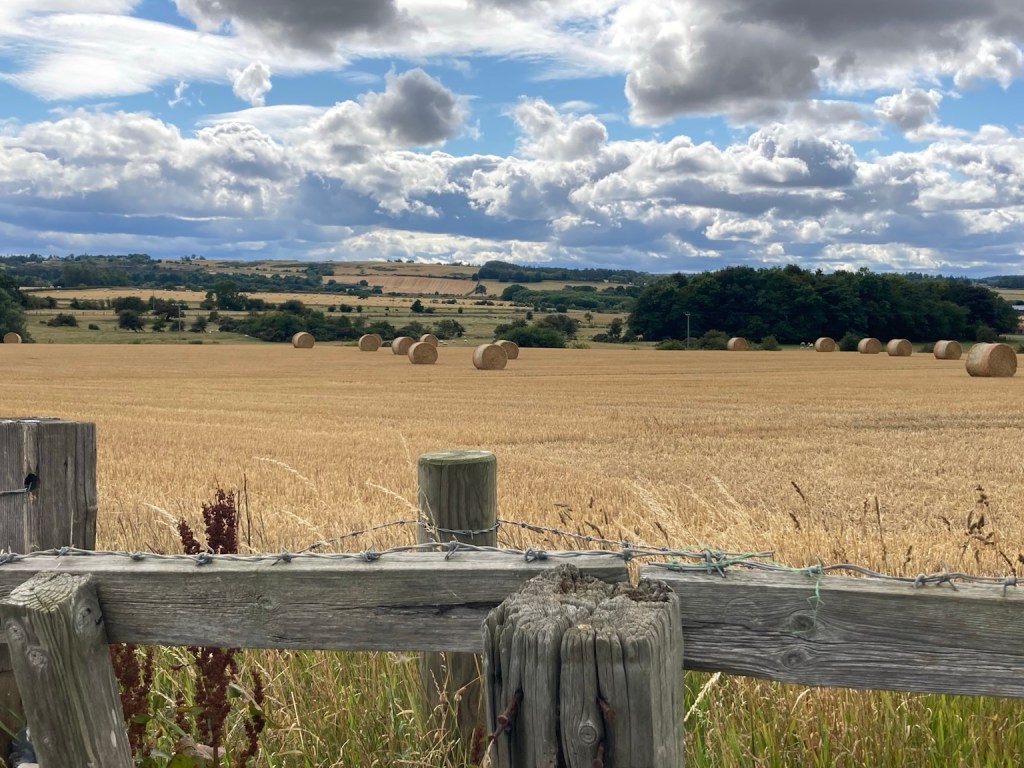
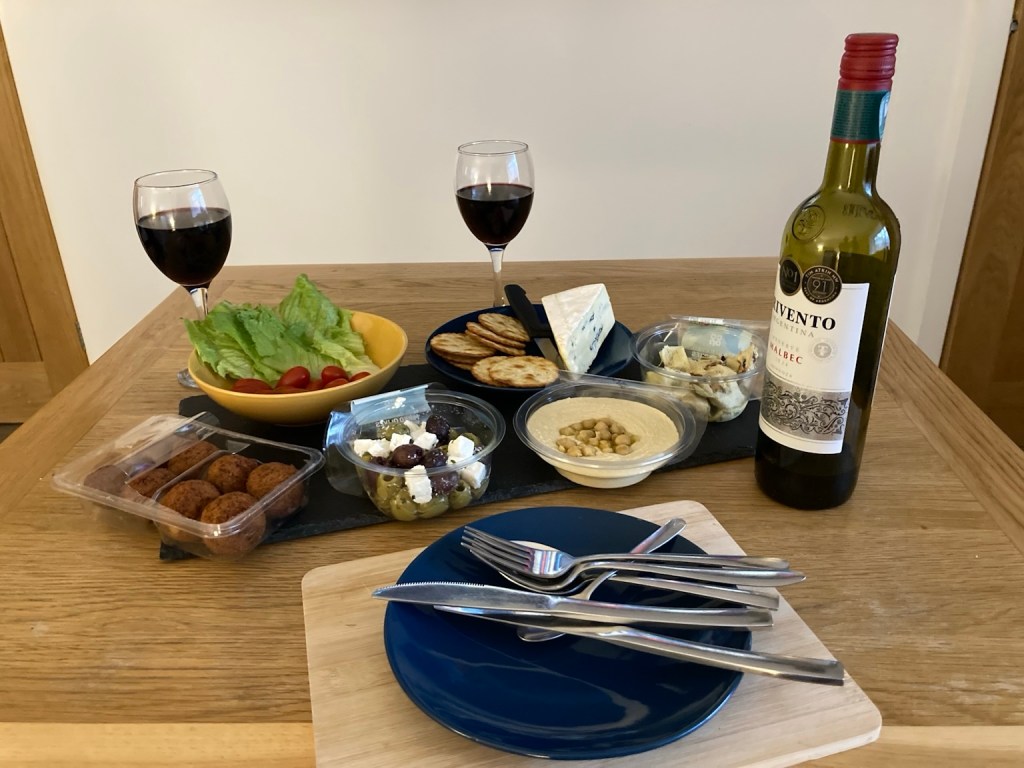
… then stopped at the Coop to put together a picky tea and we spent the evening in with Ride or Die on Prime!
Map

Powerful Percys at Alnwick

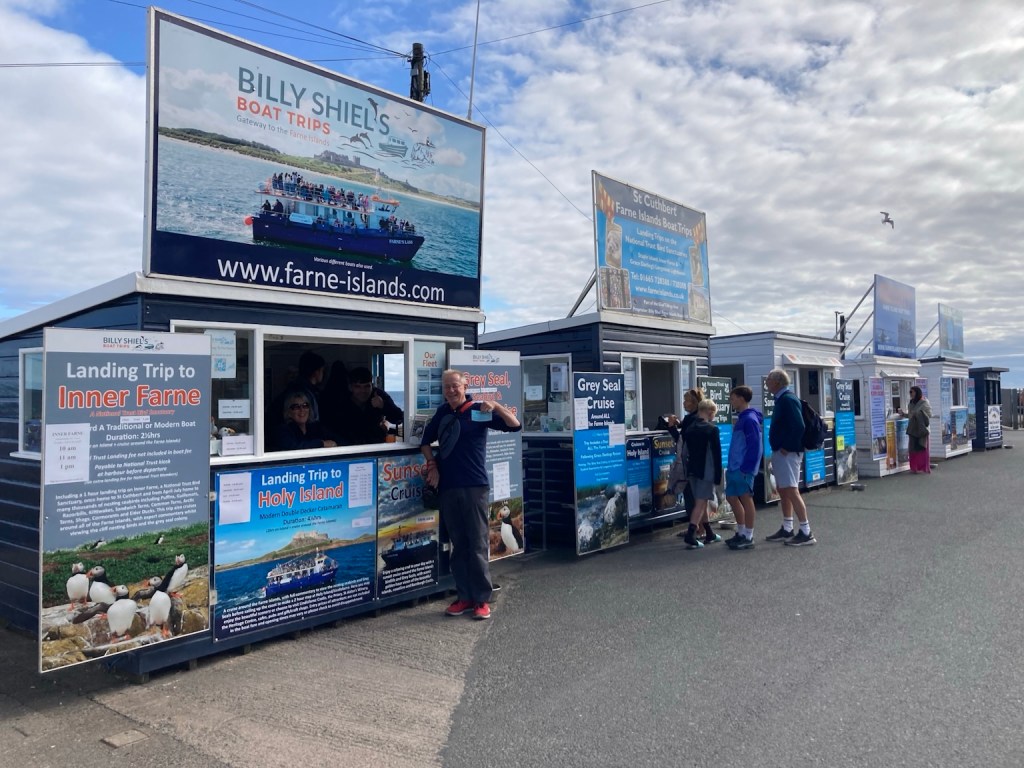
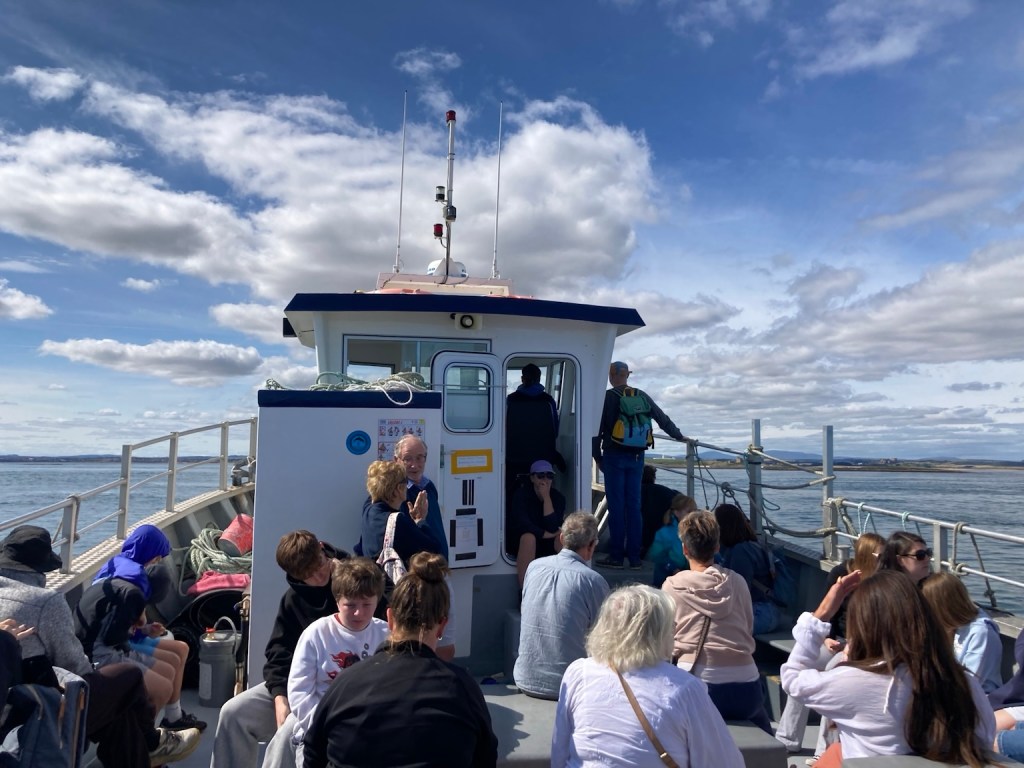
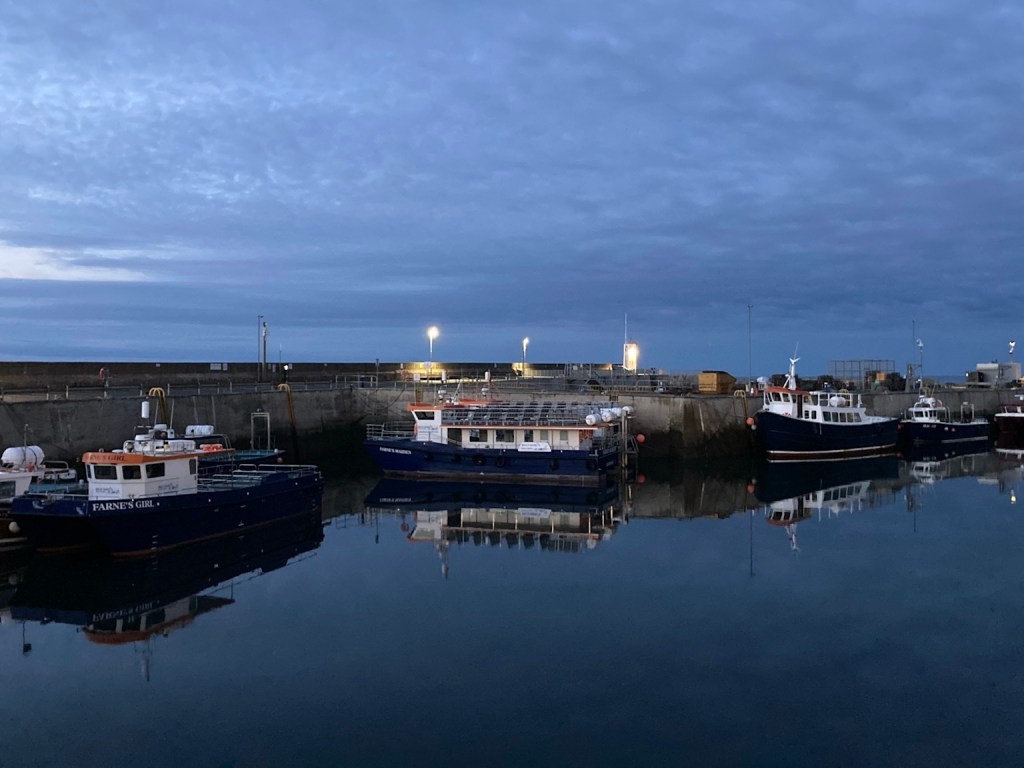
The weather has been great with sunny intervals and a light breeze, perfect for a boat trip so we headed down to the harbour so Billy Shiel could take us round the Farne islands.

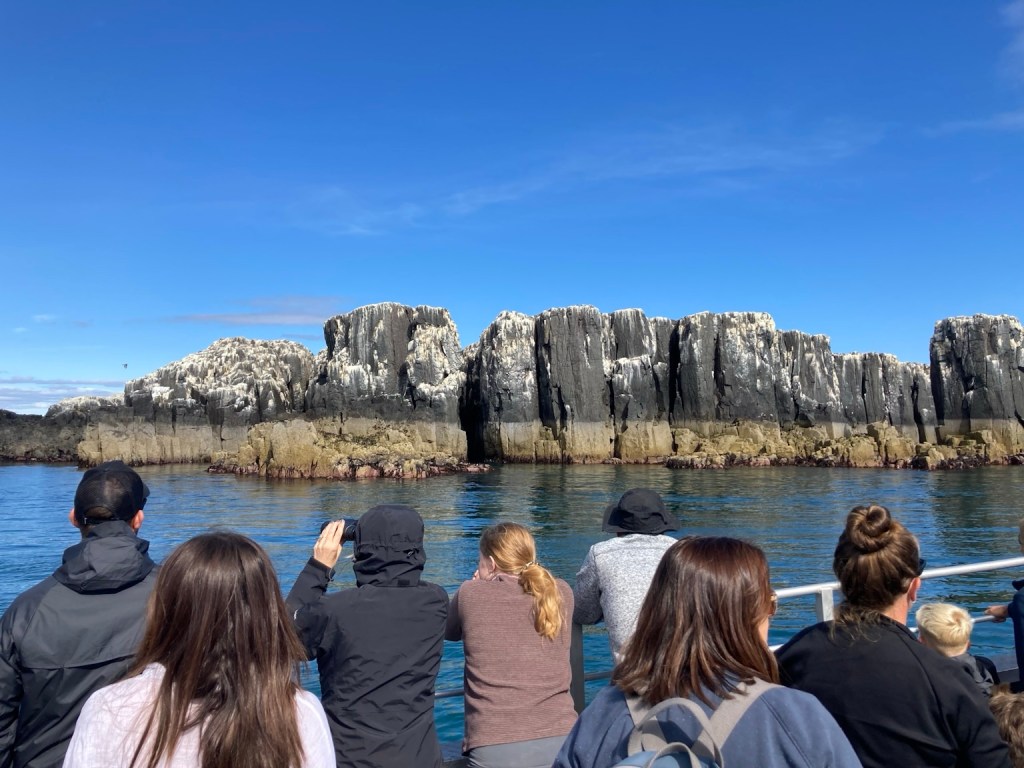
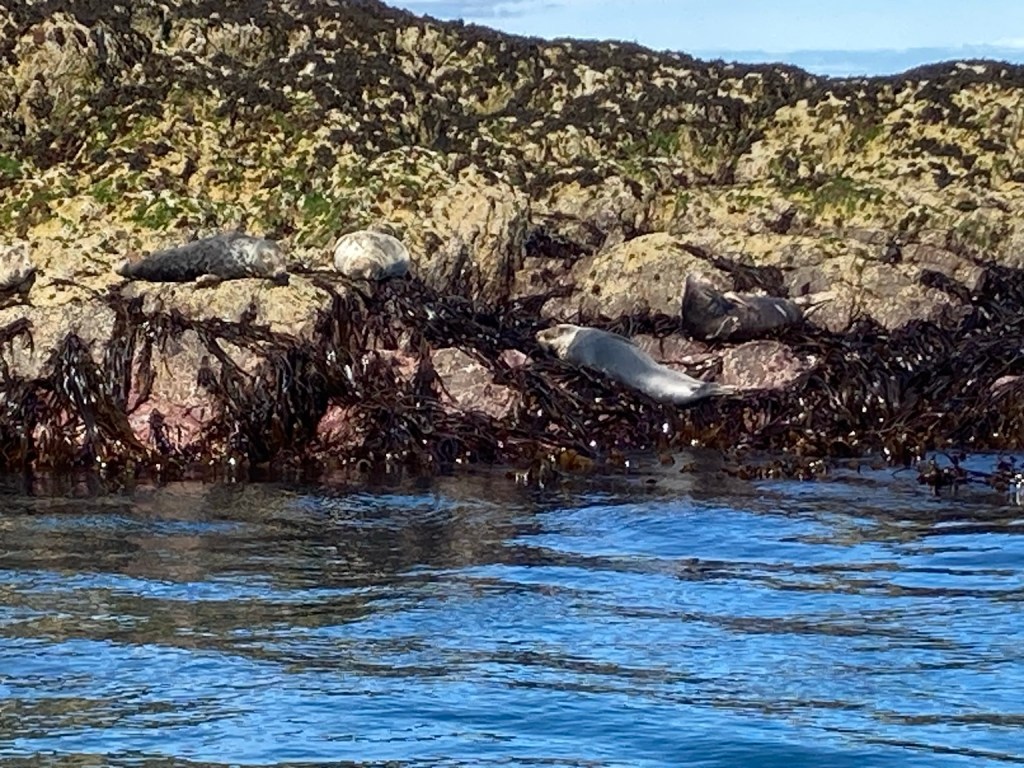
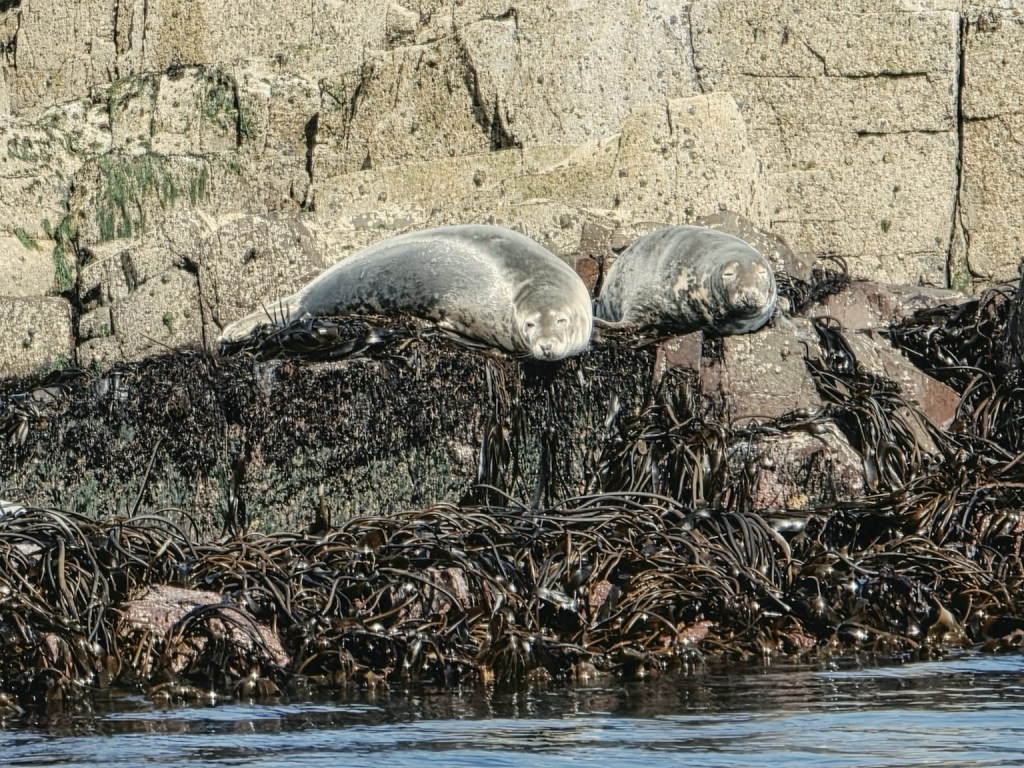
Huge numbers of seabirds come here to breed including Puffins, Razorbills & Kittiwakes and these Pinnacle Rocks are a favourite. It is late summer now and most have left, although the fishy aroma of the rocks remains as do the grey seals.

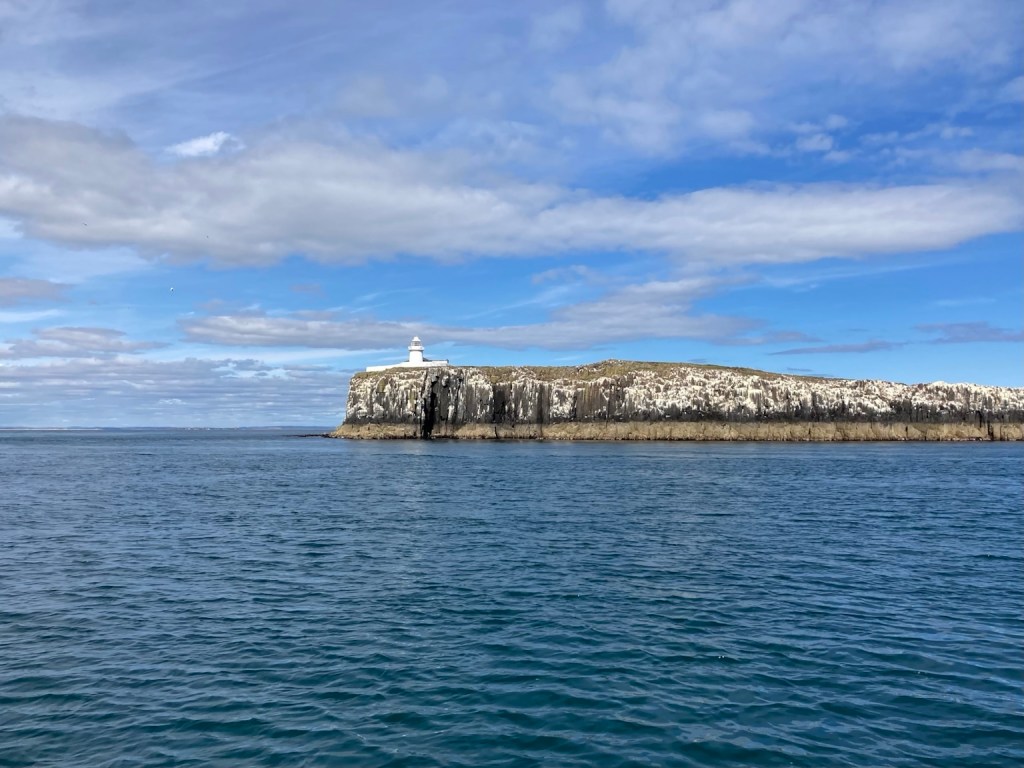
We also saw two lighthouses, this one on Inner Farne, the island where St Cuthbert lived in solitude and prayer …

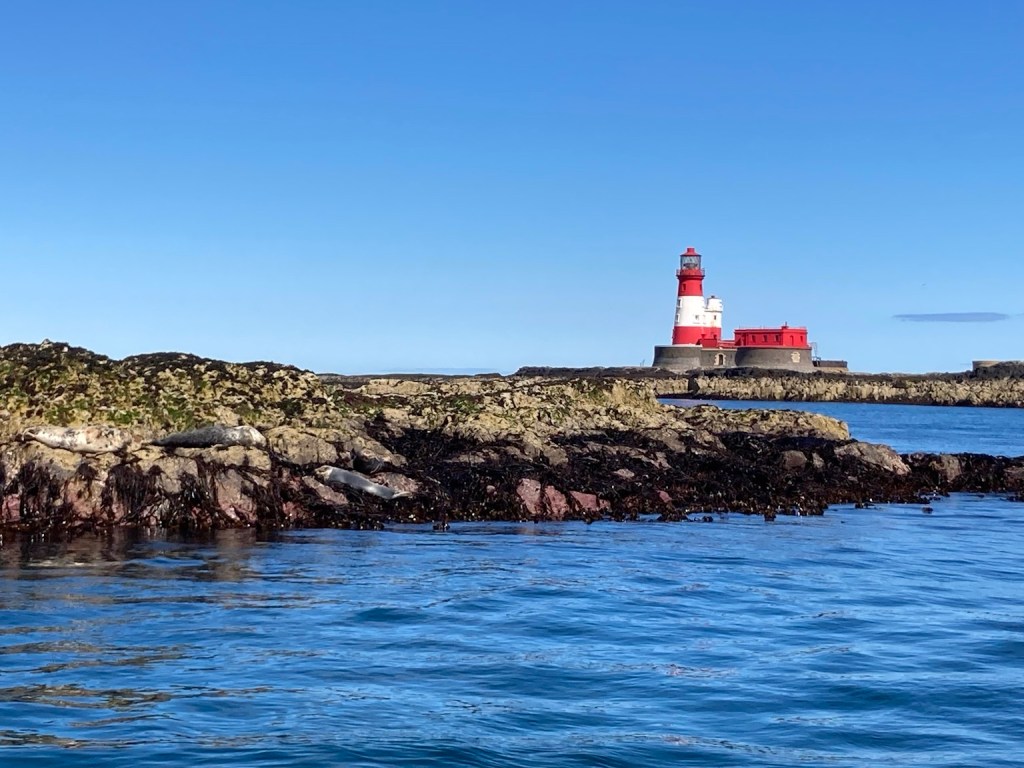
… and the Longstone Lighthouse on Outer Farne where Grace Darling lived and from which she and her father rowed out to make their rescue.

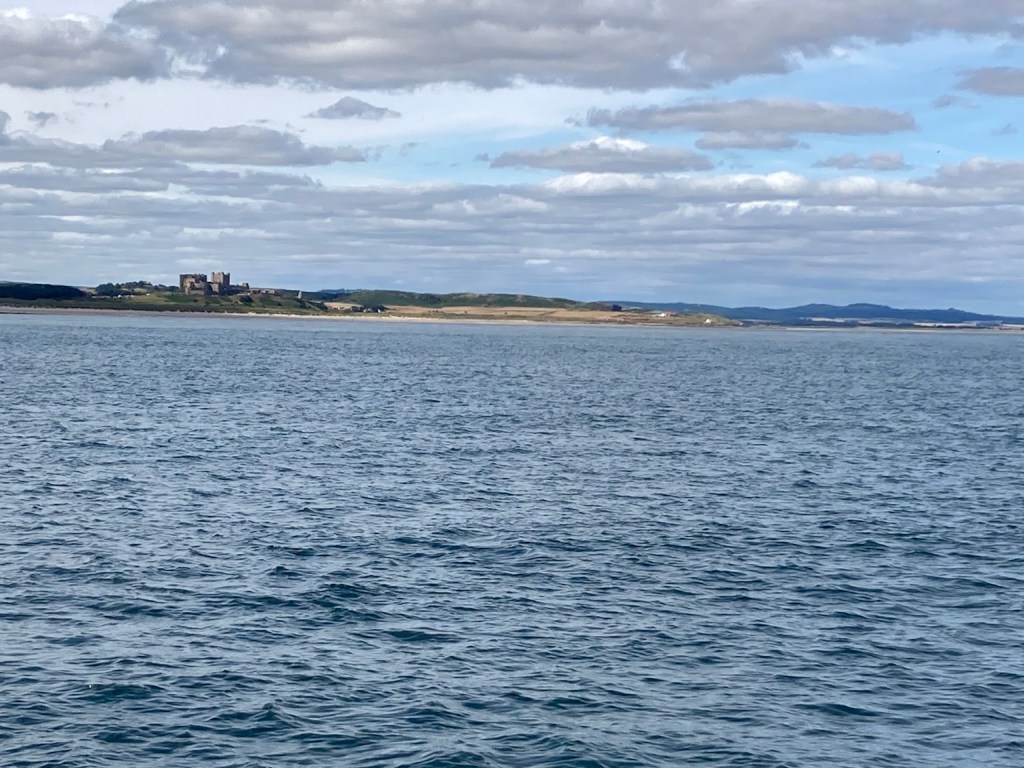
We could see Bamburgh in the distance as we returned …

… then picked up some bits for a quick lunch, namely a crab sandwich from the harbour for me, then set off to Alnwick for the afternoon.

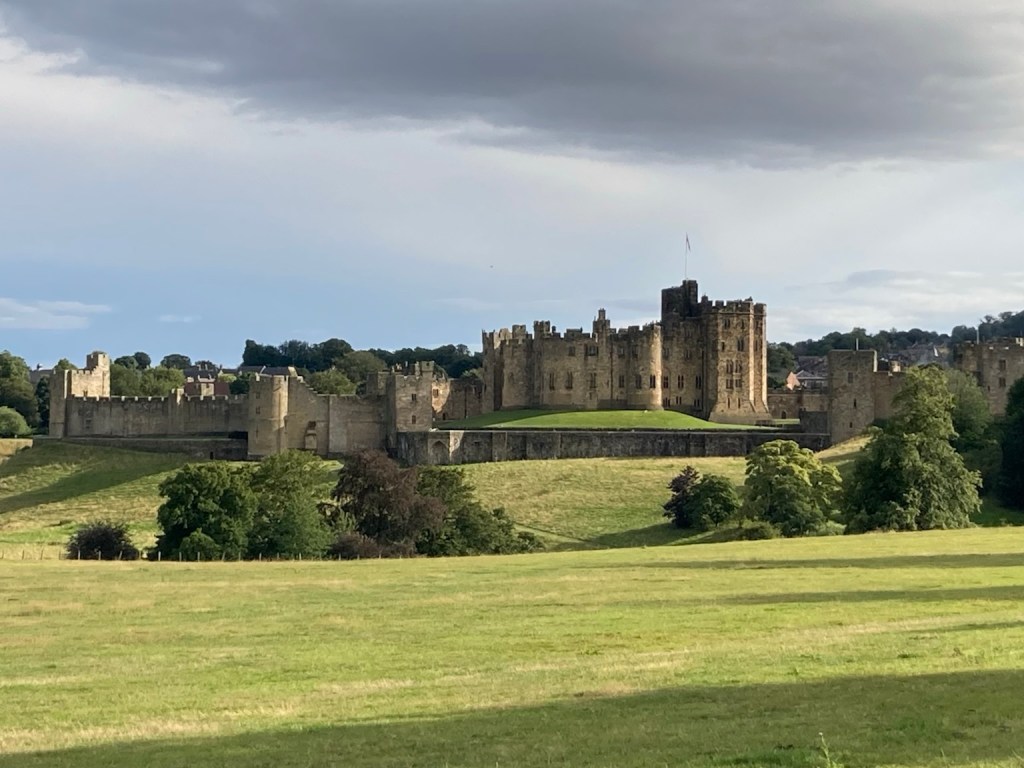
Henry de Percy became the 1st Lord Percy of Alnwick after acquiring the castle and barony in 1309.

Over the following decades, it was transformed it into a mighty border fortress, with strong towers and a well-defended curtain wall.

By the C15th the Barbican was both the main entrance to Alnwick Castle and a first line of defence and following a series of sieges during the Wars of the Roses, the 4th Earl of Northumberland added his badge to the archway. 

Alnwick was used less by the Percy family over the following years and had fallen into disrepair until the heiress Elizabeth Percy and her husband Hugh, returned to Alnwick.  They restored the castle as their northern seat, creating a grand palace in the fashionable Gothic style with grounds by Capability Brown and in 1766 were made the 1st Duke and Duchess of Northumberland by King George III.

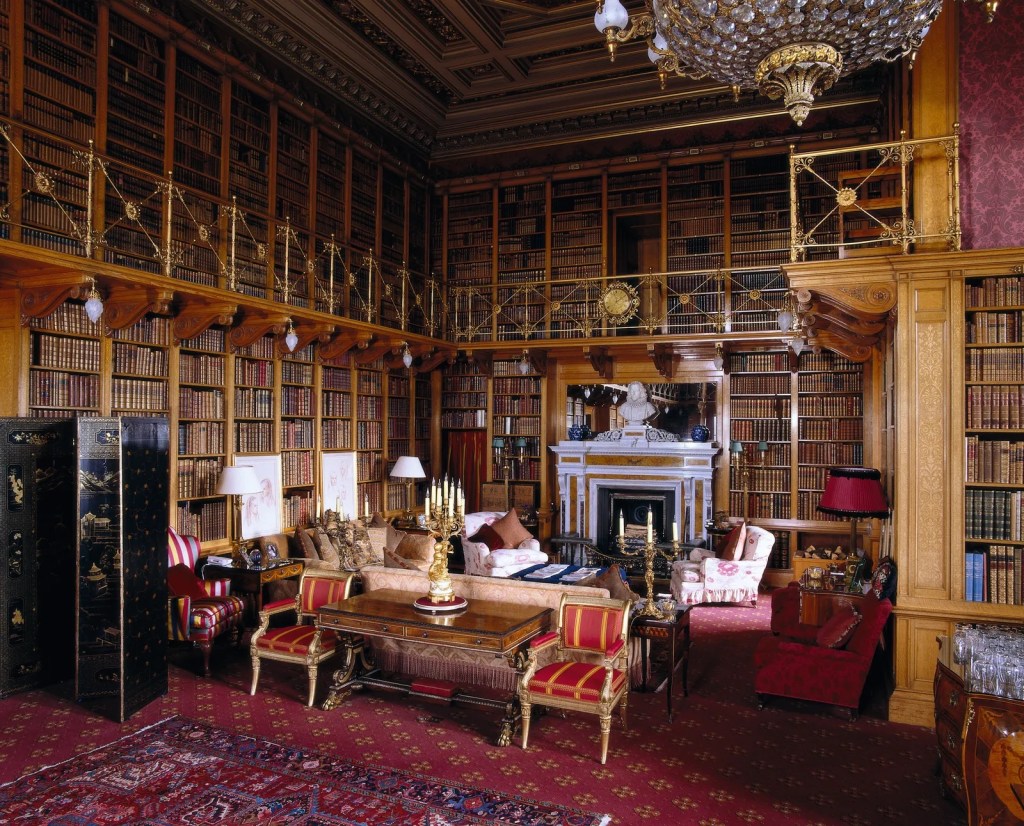
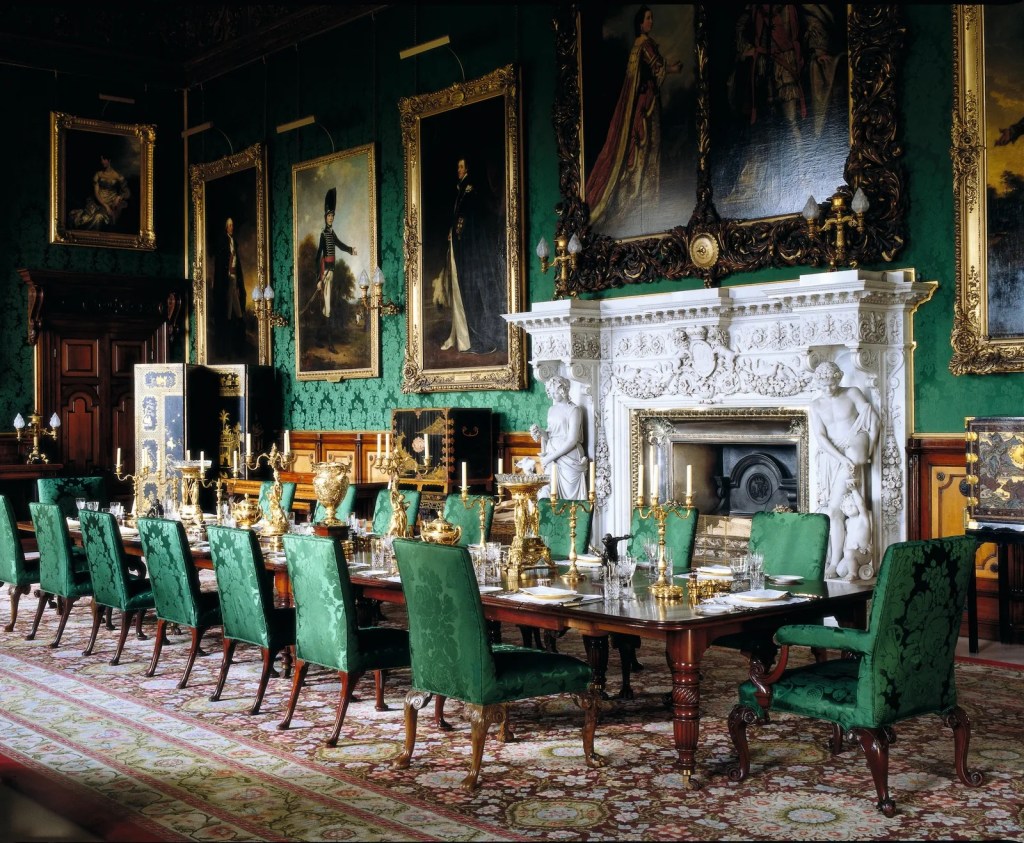
After taking the grand tour, the 4th Duke wanted the lavish style of the Italian Renaissance reproduced in the state rooms which we walked round but couldn’t photograph, but here is the library and dining room from their website.

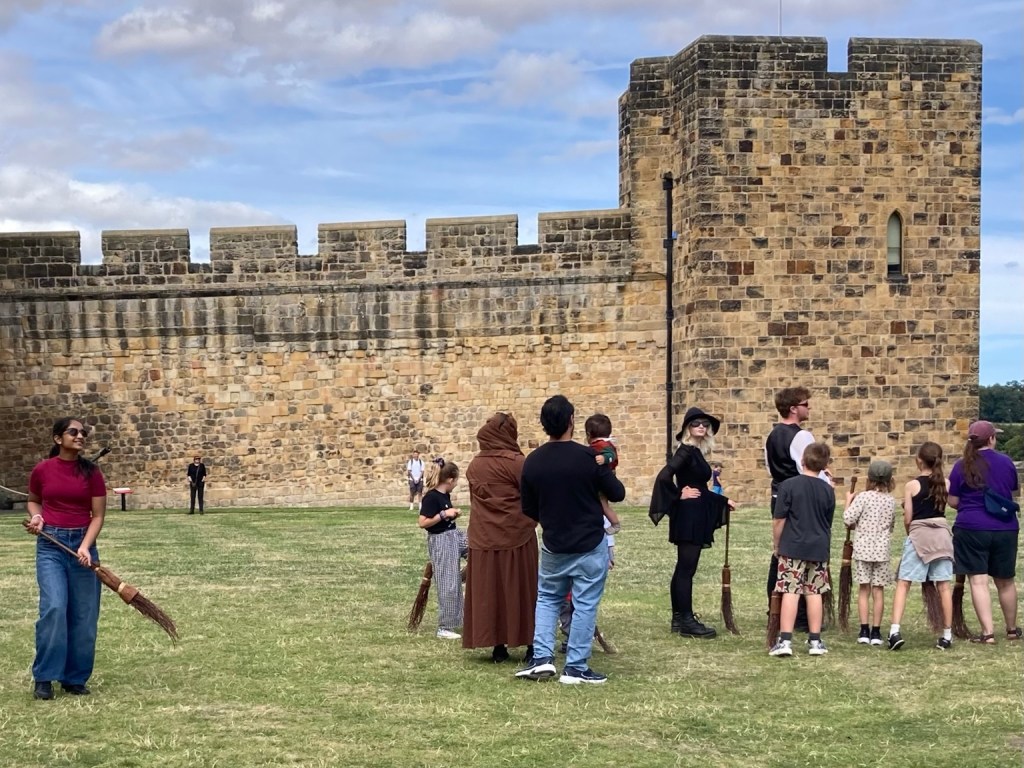
Today Alnwick is home to Ralph Percy, the 12th duke and the castle is visited by many to see the location of films such as Harry Potter and Downton and broomstick training was in progress in the outer bailey!

We listened to a movie magic tour, telling us various tales such as how the fake snow made of paper and water paste for the scene of Hagrid dragging the Xmas tree into Hogwarts ended up drying out and blowing all over Alnwick town during filming and also how the huge tv screen in the library had to be concealed for the Downton Xmas special.

The late afternoon made the most of the honey coloured stone as we took a last picture from the best viewpoint.

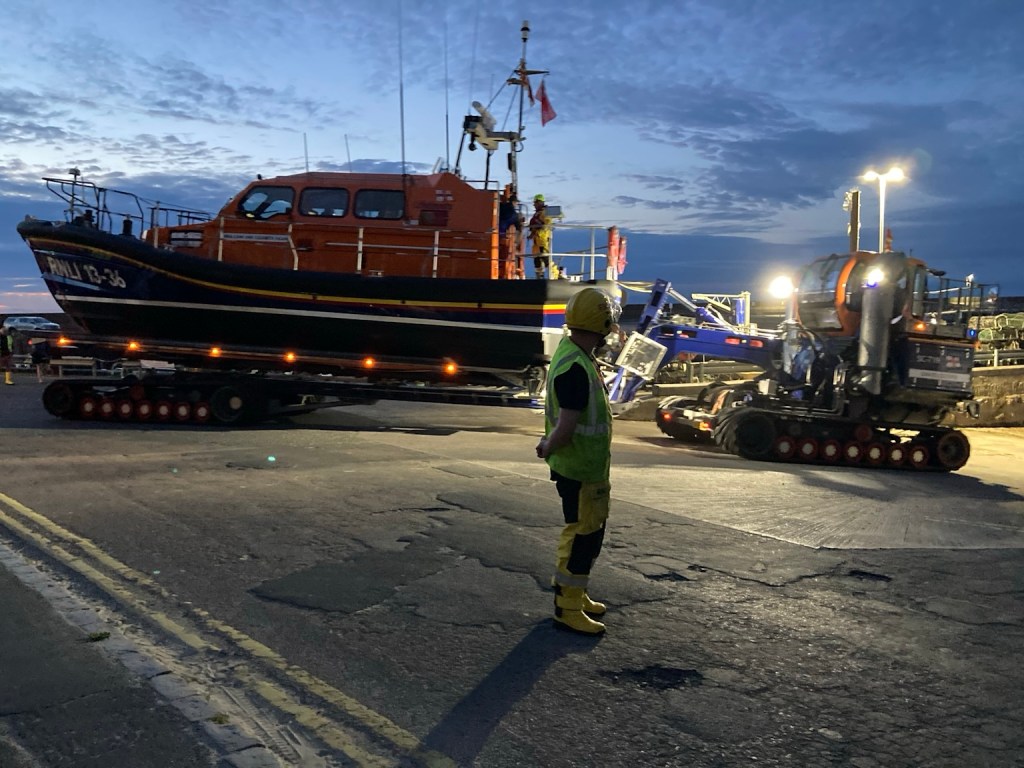
That evening, walking back after dinner, we ran into the lifeboat being launched to help a yacht which had been caught up in fishing nets.

Next day their Facebook page reported the yacht had been safely detached then towed back to harbour for repairs. The Seahouses lifeboat has an average of 42 call outs a year, sadly many to rescue people stranded on the Lindisfarne causeway when they should know better, which is why we have researched tomorrows outing most carefully!

Map

Royal Legacy at Bamburgh

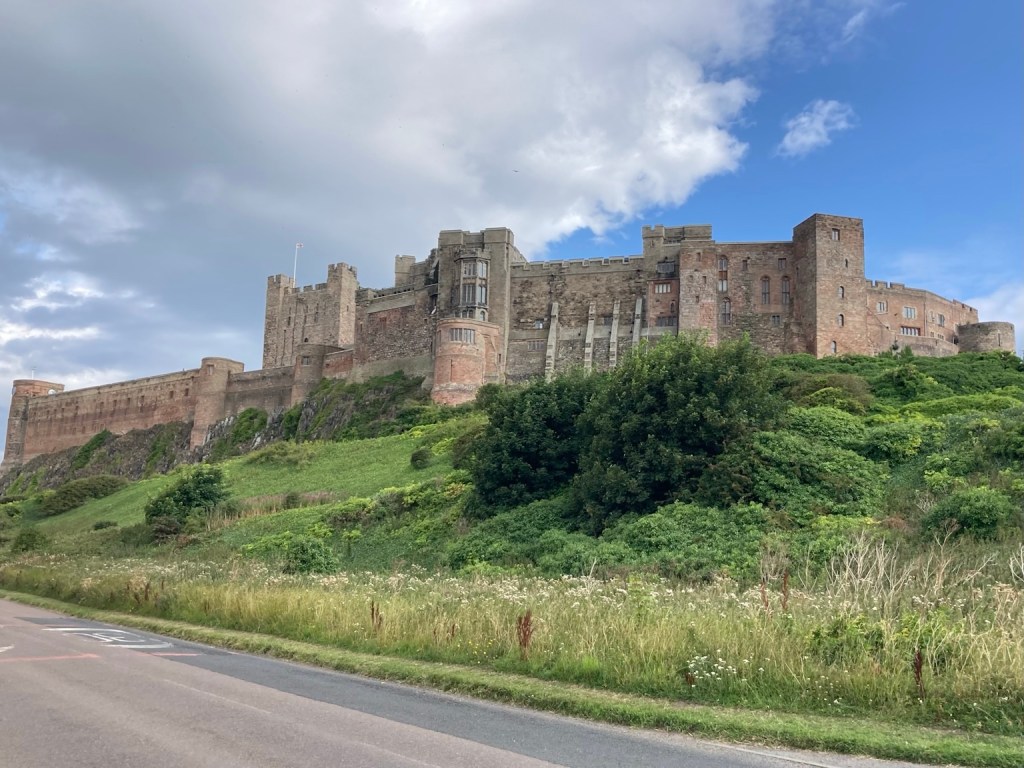
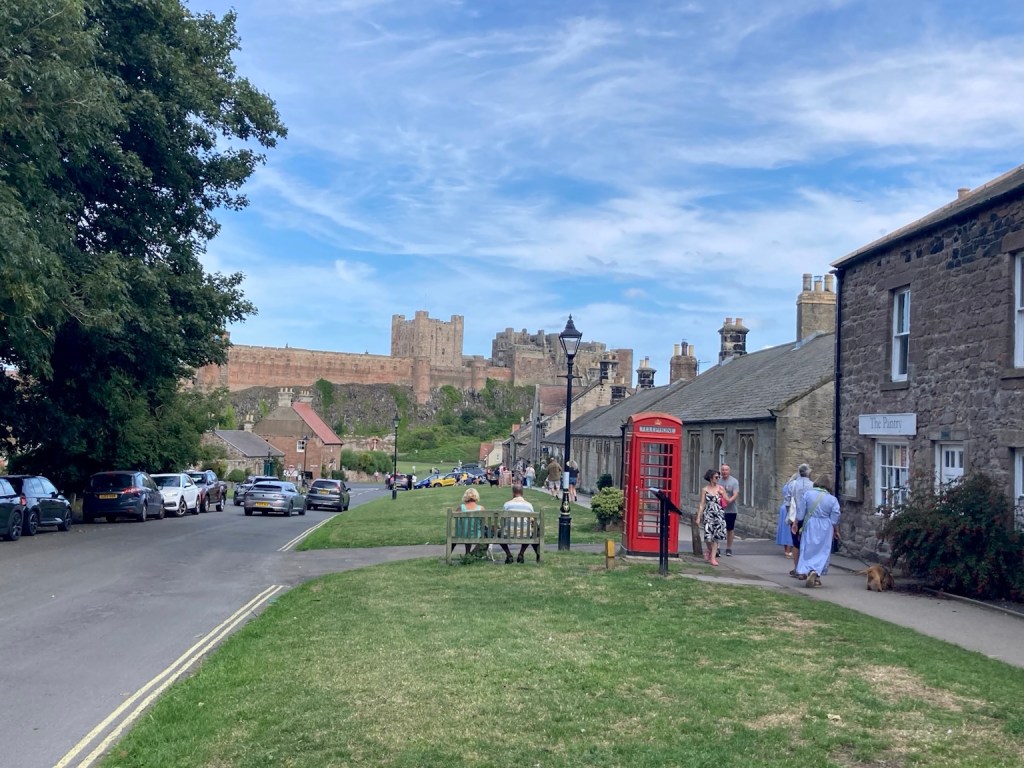
Another day … another castle … and today we are off to Bamburgh, just ten minutes up the road.  It looks very imposing, sitting high on a cliff.

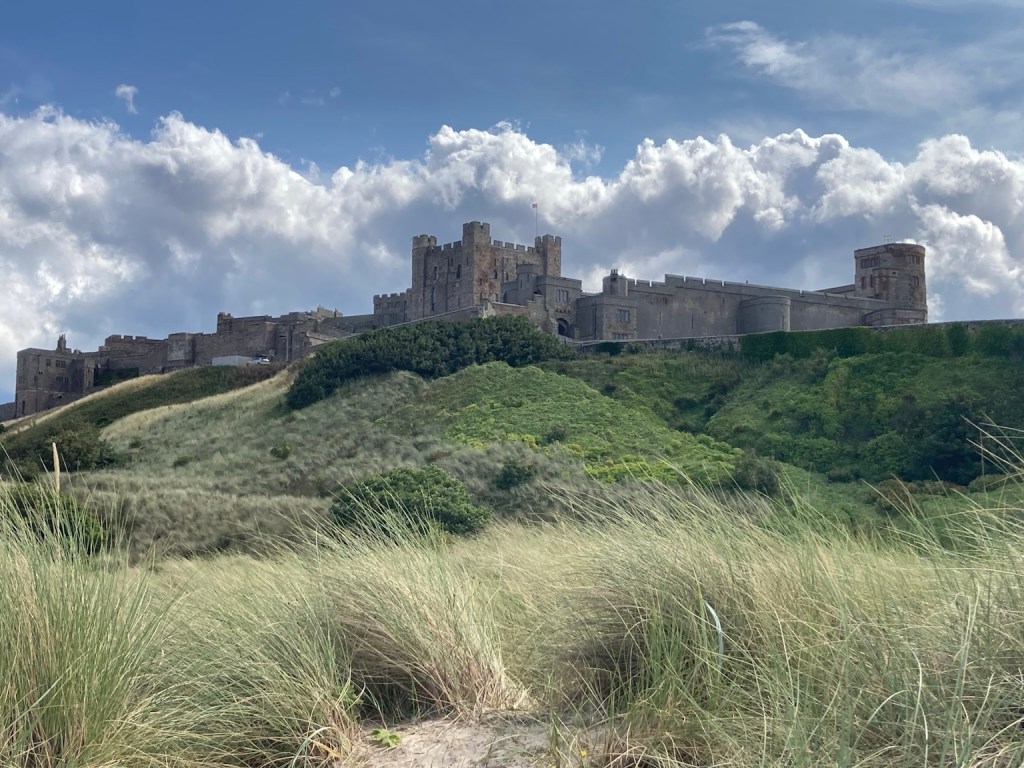
First home to a fort of the Celtic Britons called Din Guarie, it was captured by the Anglian King, Ida the Flamebearer in 547AD.  His grandson named it Bebbanburg after his queen, and for centuries, this was the Royal Capital of the Kingdom of Northumbria until devastating Viking raids in 993AD ransacked and burned the ancient Anglo-Saxon royal citadel.  When the Normans came in the C12th, they built the stone keep as a border garrison against the Scots and it remained a royal castle, protecting the border until it came under cannon fire in the War of the Roses.

After centuries of withstanding assault, it was the first castle in England to be destroyed by gunfire. Later, no longer required by the Crown, it was given to the Forster family, and when the last heir married Lord Crewe, a trust was set up which enabled it to be restored for the community providing a hospital, school and even the first coastguard station. By 1894, the money ran out and it was sold to William Armstrong, the industrialist and owner of Cragside, who demolished the Georgian additions and rebuilt the medieval hall as his legacy.

It remains in the family’s care today, and the present owner who used to be a volunteer RNLI crew member with Seahouses Lifeboat, is very proud that the first ever lifeboat was commissioned and launched at Bamburgh by Dr John Sharp, a trustee at the Castle in 1786.

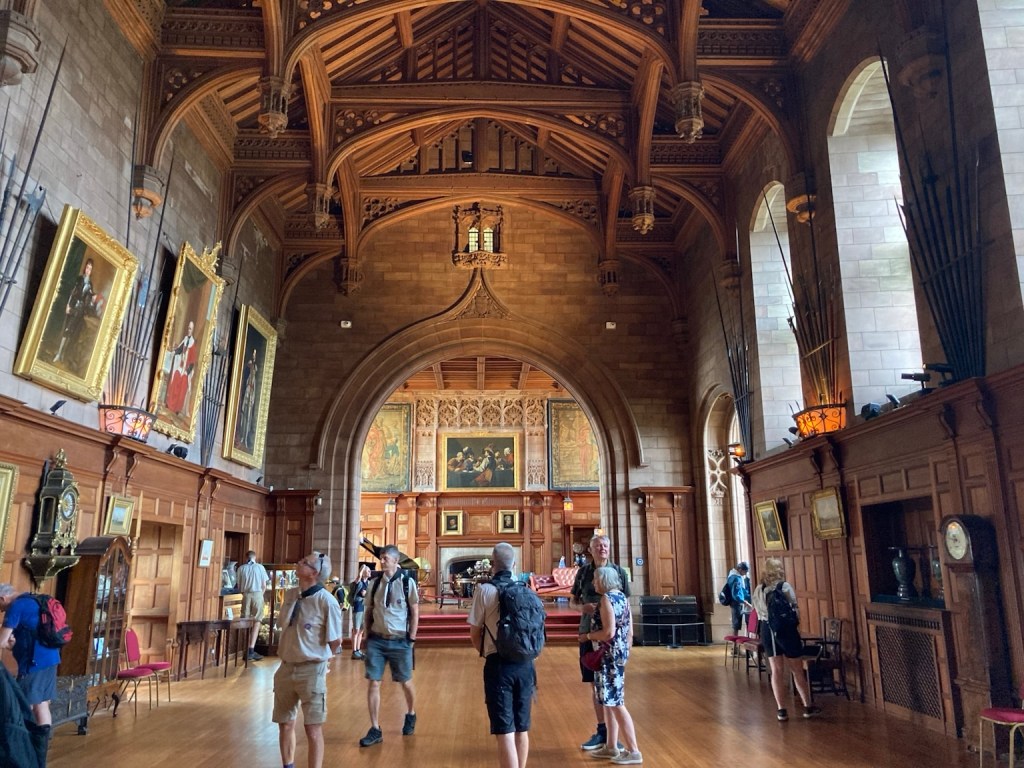
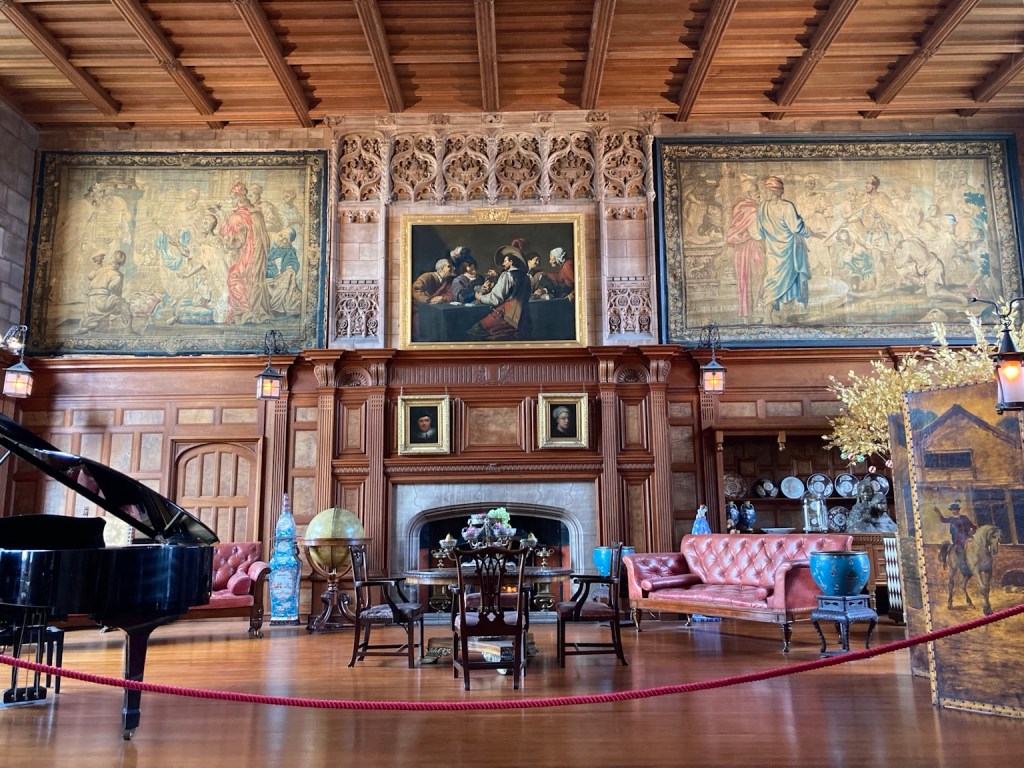
The hall is certainly impressive, with a vaulted wooden roof and panelling, decorated with tapestries, paintings and treasures.  

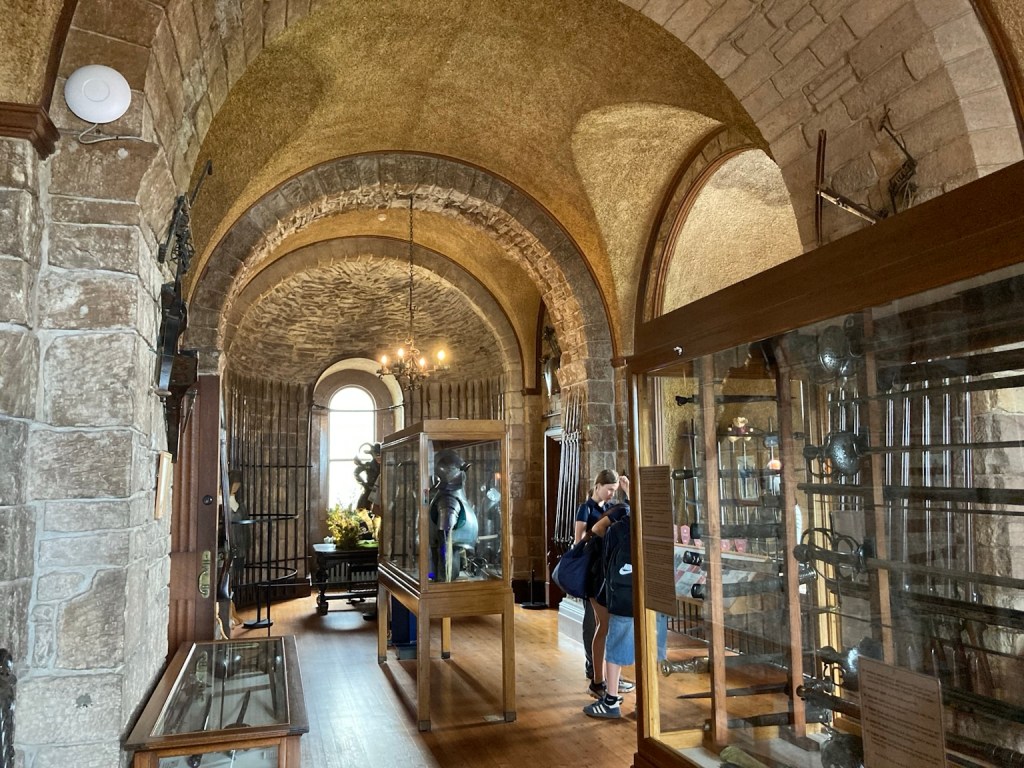
We also went through part of the keep, the oldest part of the castle.

Afterwards we walked into the town for some lunch …

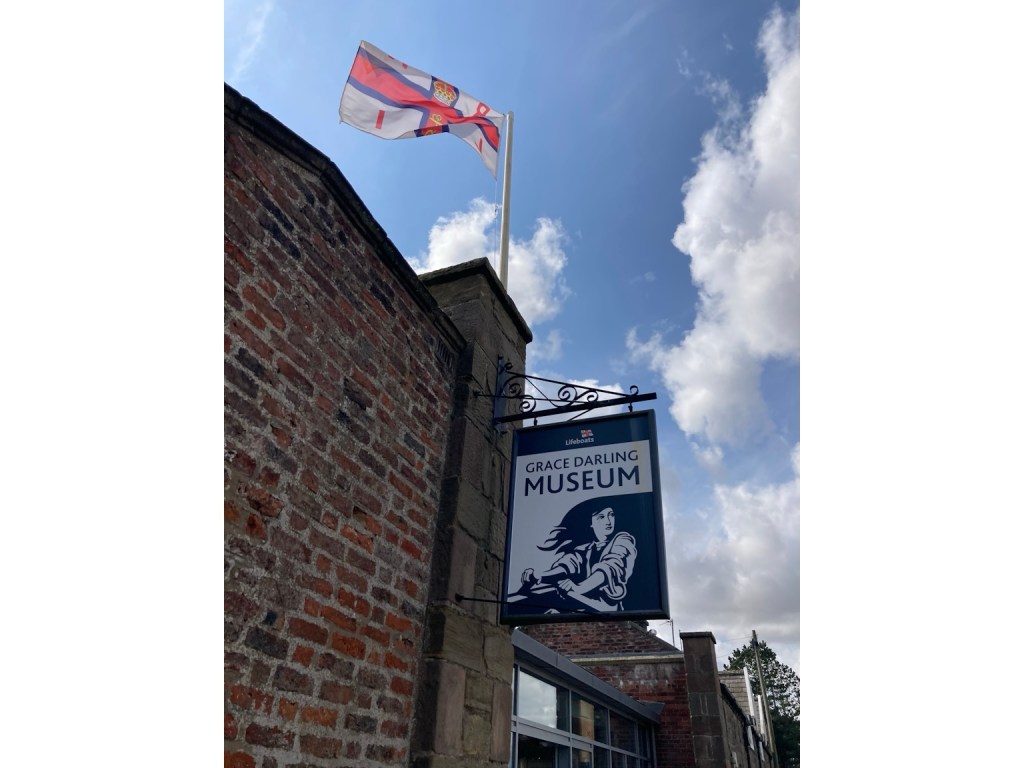
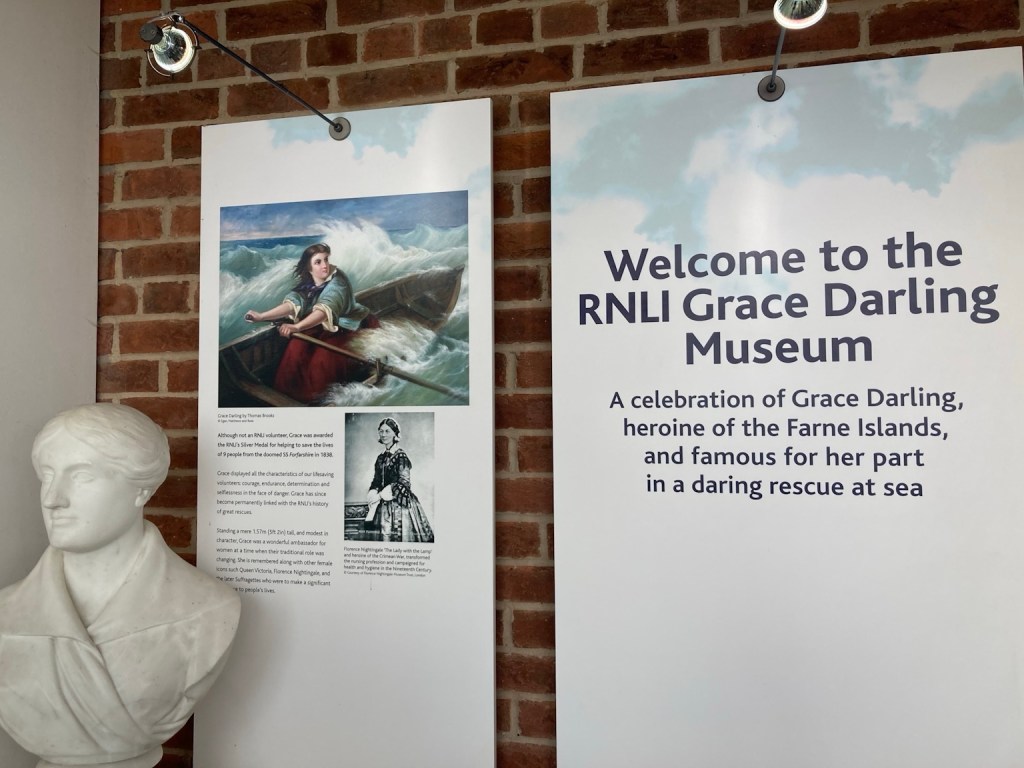
… then went to the Grace Darling museum to find out more about Bamburgh’s heroine and how she helped in the rescue of 9 people from the doomed SS Forfarshire in 1838 when she was only 22.

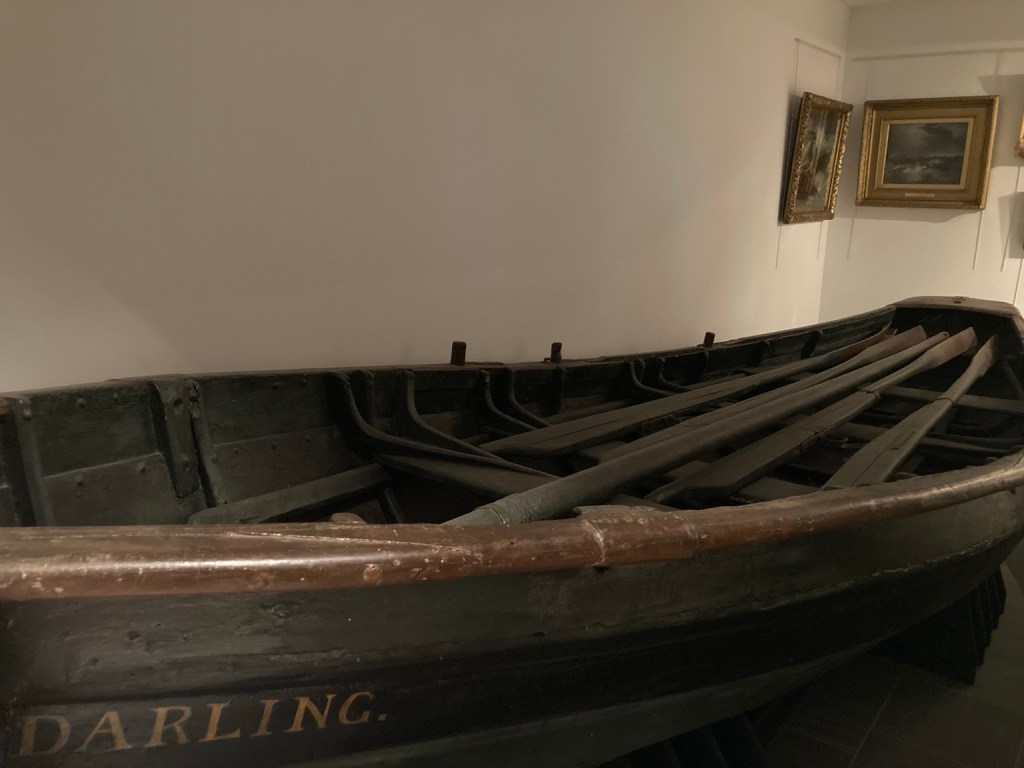
We saw the cobble she rowed …

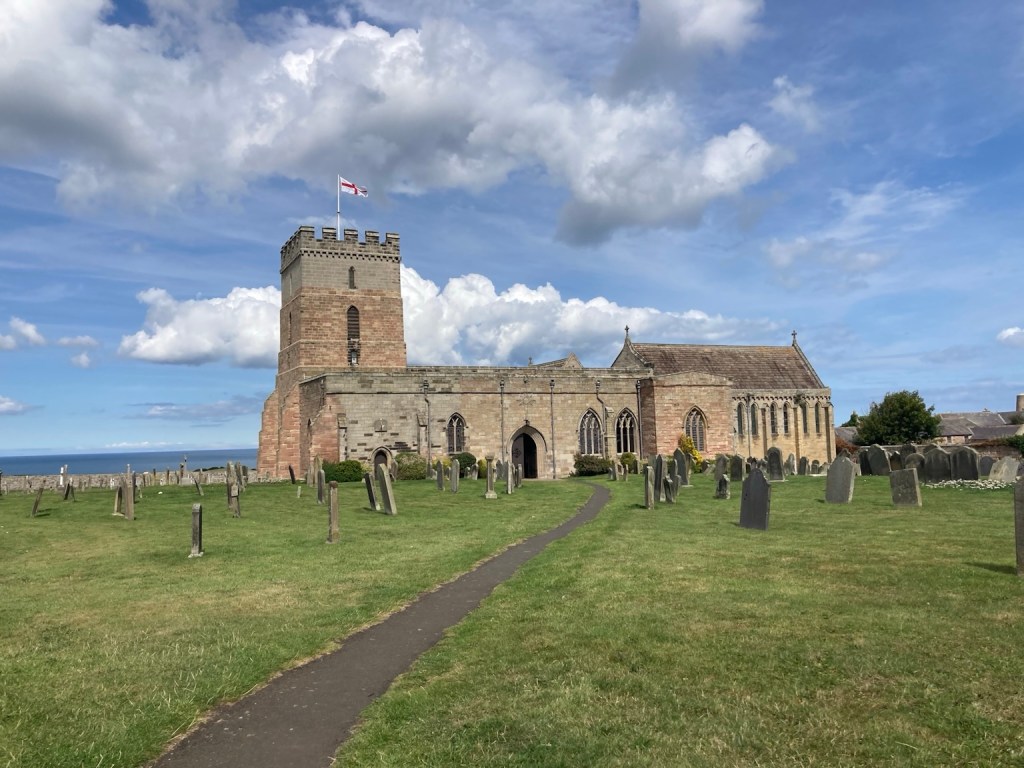
… then went to the parish church …

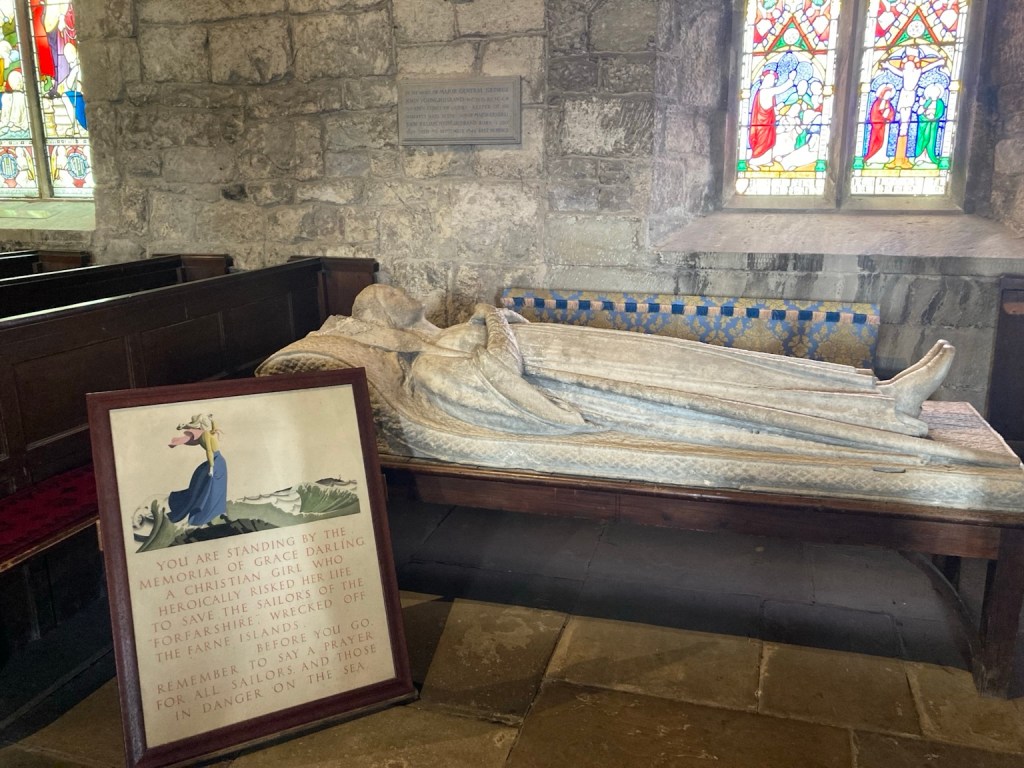
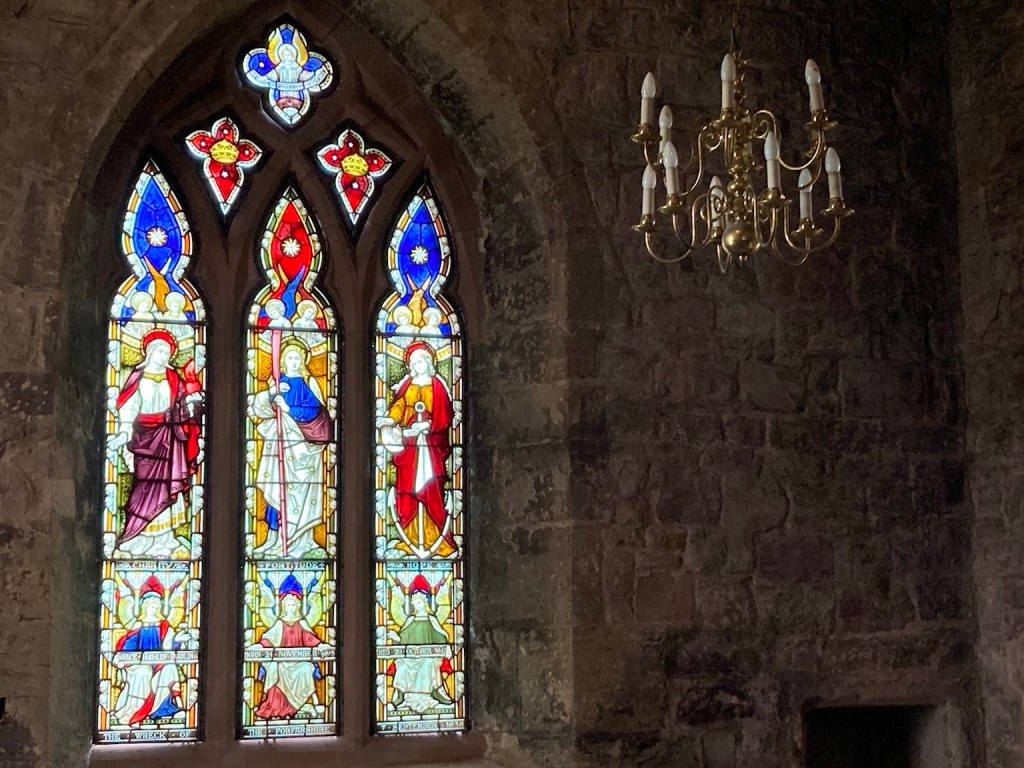
… where there is a memorial and a window.

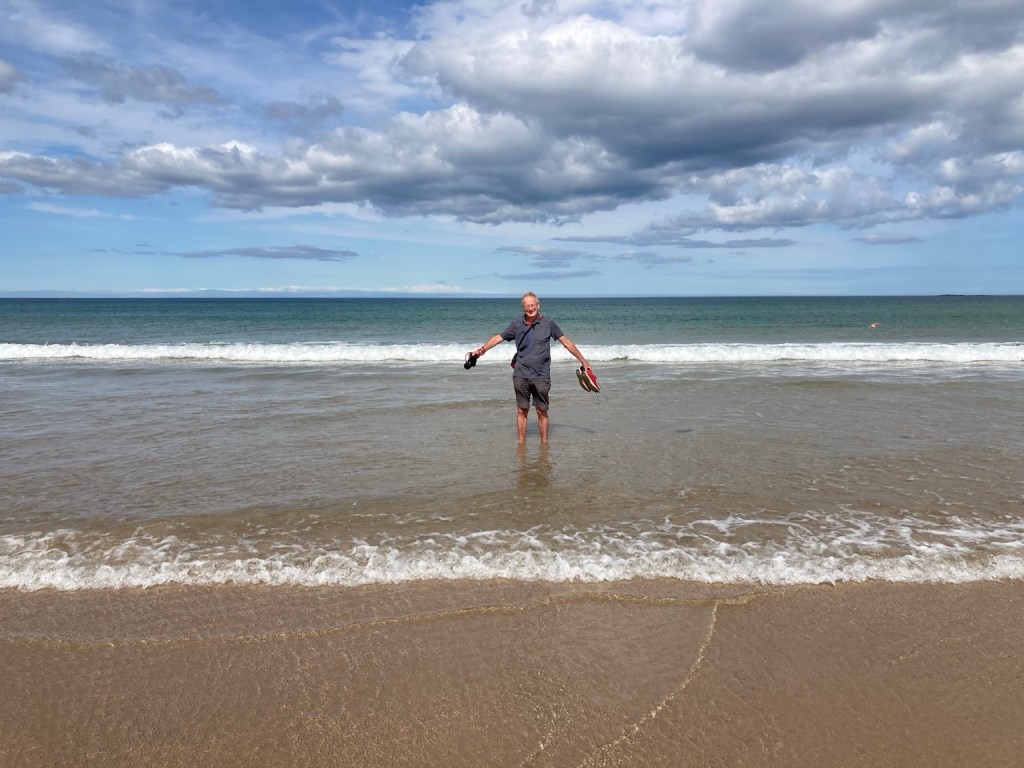
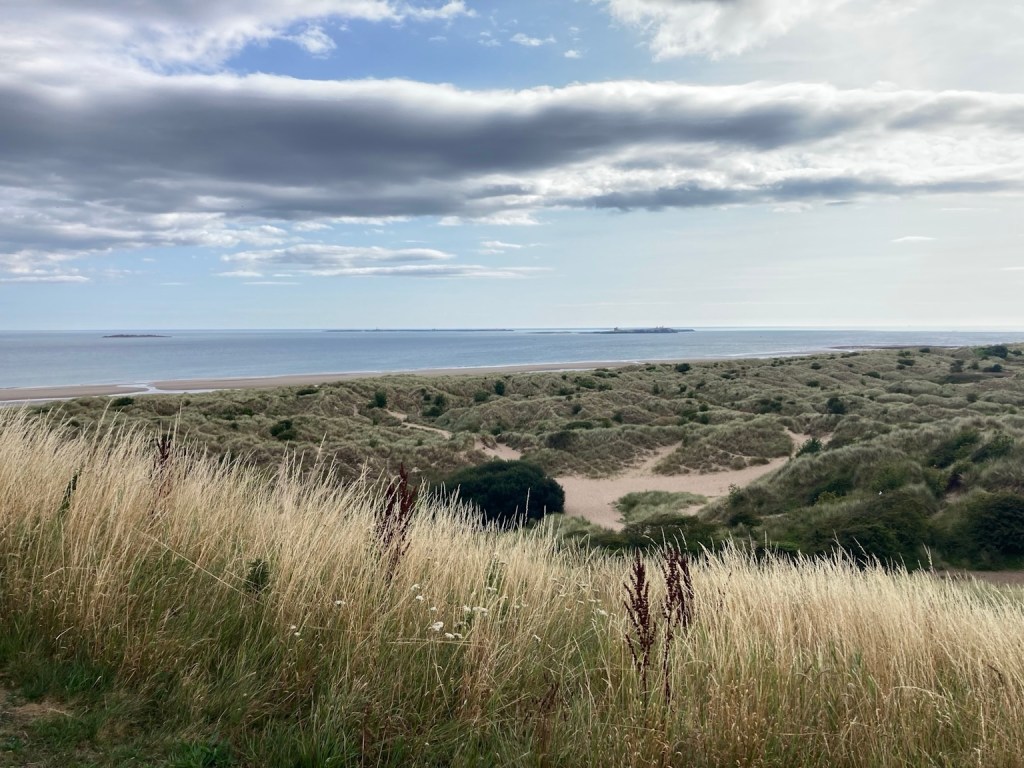
We took a walk along the dunes and enjoyed the powdery sand and even had a paddle …

… before taking a photo of the castle and wending our way back. 

Our last pic of the day was the sunset from Seahouses beach after dinner.

Map

Remote Ruins at Dunstanburgh

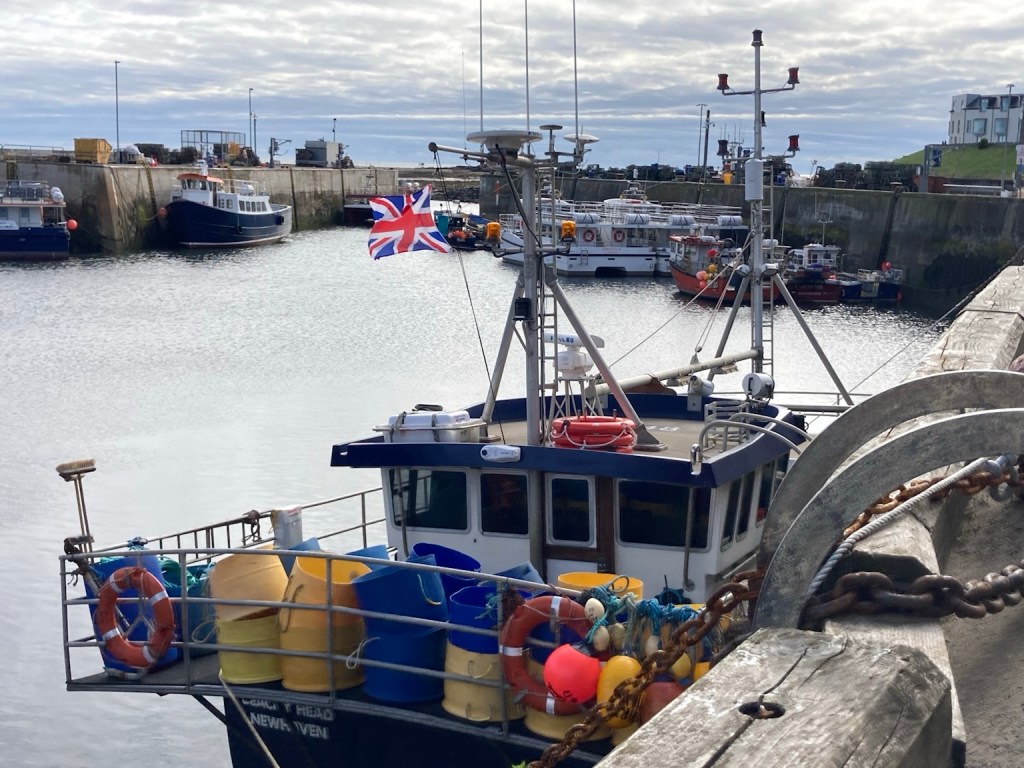
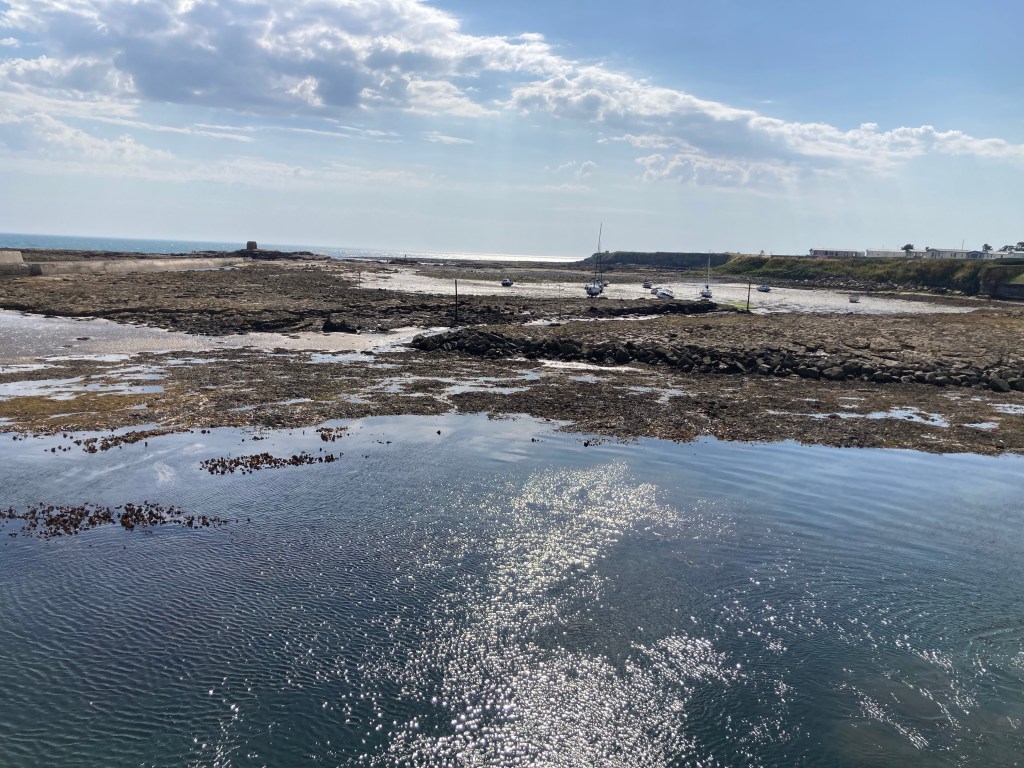
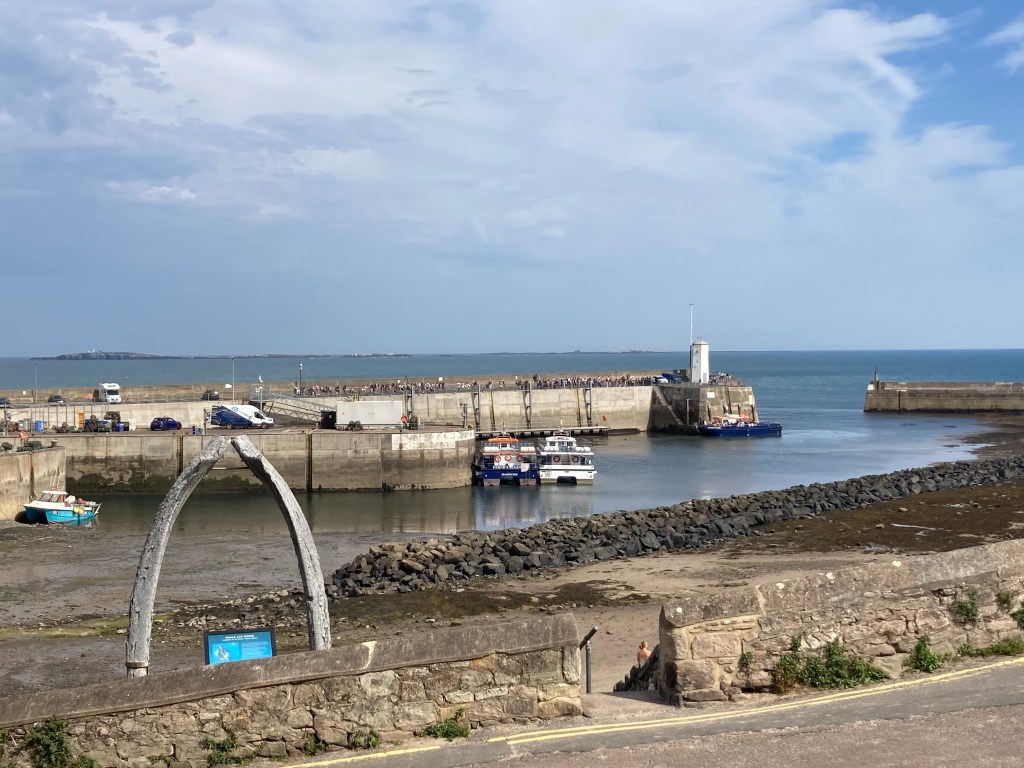
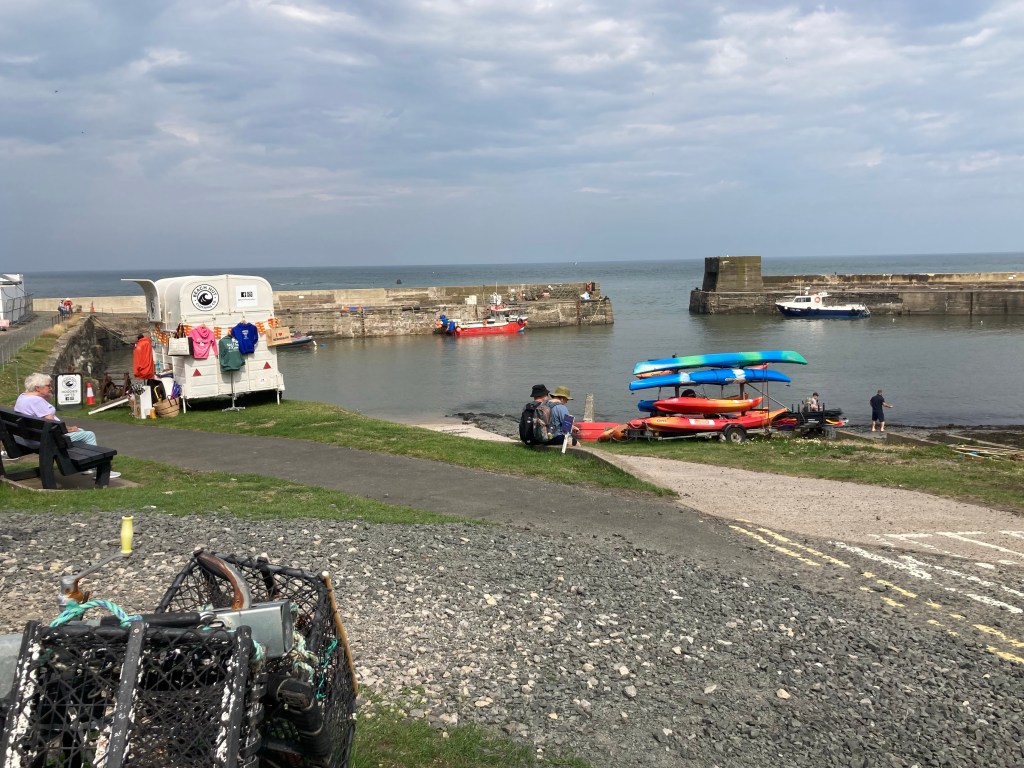
After a busy couple of days, we began with a slow start and a potter round Seahouses.  The tide was out and the sun was shining as we made our way to the harbour.  

We saw visitors waiting to take a trip to the Farne Islands, visible on the horizon and the Seahouses Whalebones which had been found washed up on the beach some years ago.

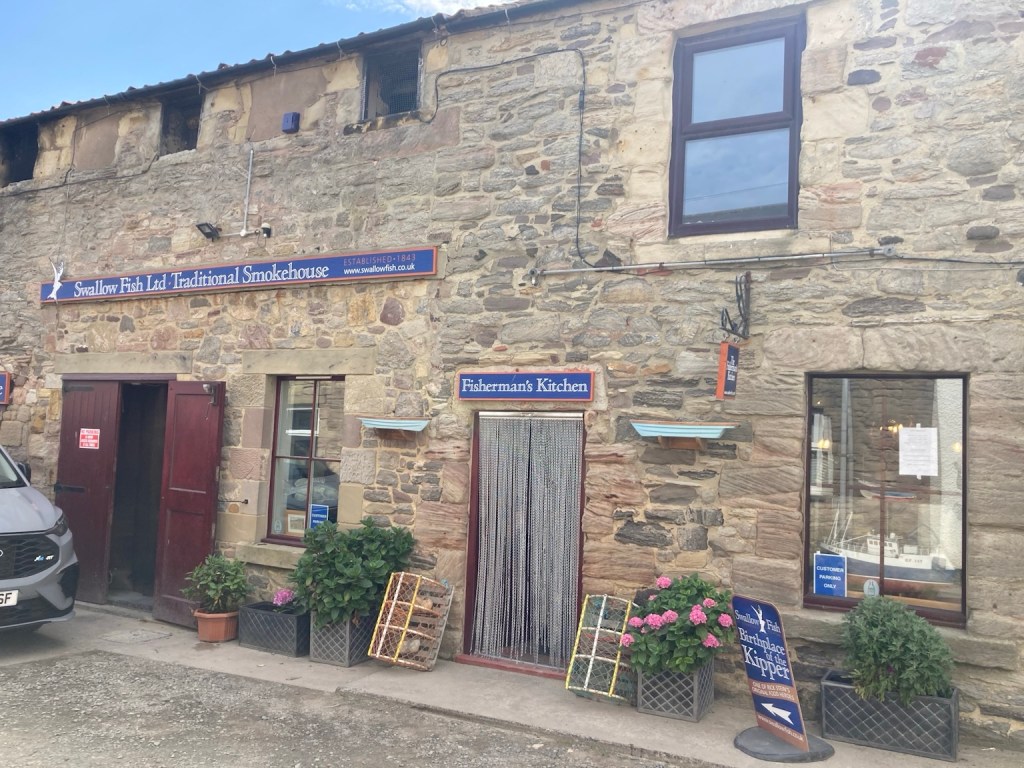
Seahouses is traditionally the home of the kipper, a herring which is split flat, salted and cold smoked. Fish had been smoked for years, but the modern kipper was popularized here in 1843 by John Woodger and the growth of the railways allowed lightly smoked, perishable kippers to reach British breakfast tables quickly and safely. Hopefully there will be an opportunity to try out a kipper roll during our stay.

Later, we went to meet Heather & Stuart in Carnaby’s, a cafe they recommended midway between us.  Heather and I met at school and realised we’ve now known each other for over 50 years and it was good to have a catch up over a delicious lunch. She and Stuart recently moved to a cottage on the Ford Etal estate and we are looking forward to spending a day with them next week.

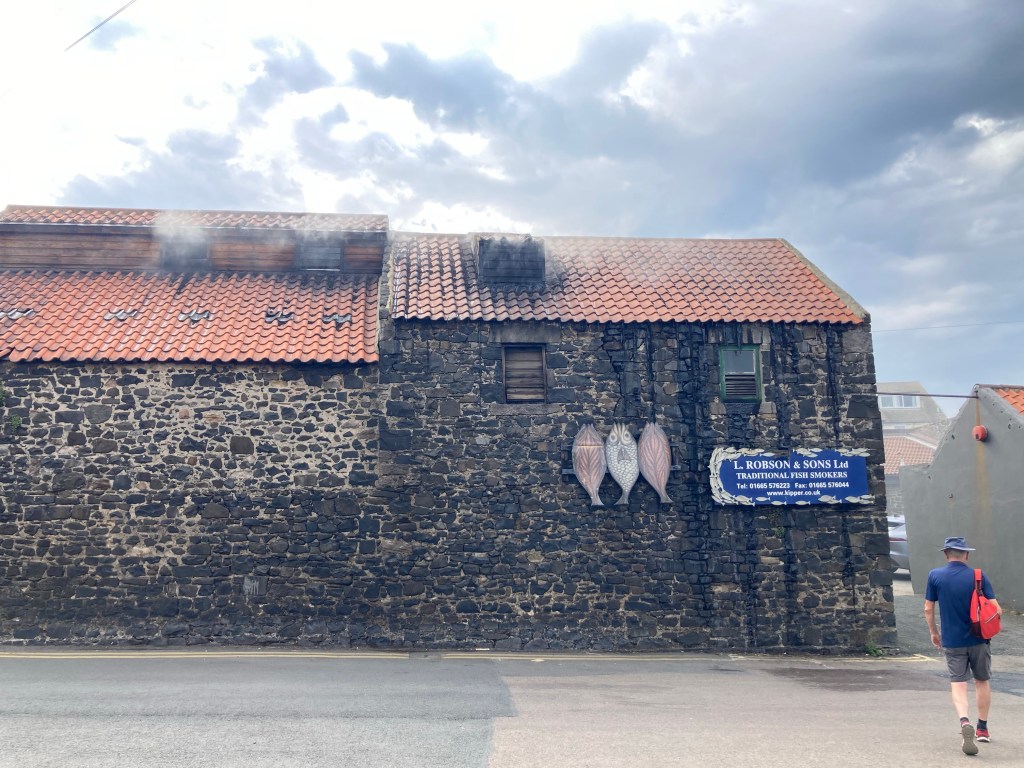
A bit of a walk seemed a plan, so we drove and parked at Craster.  We took the path through the village, past another smokehouse …

… to the harbour …

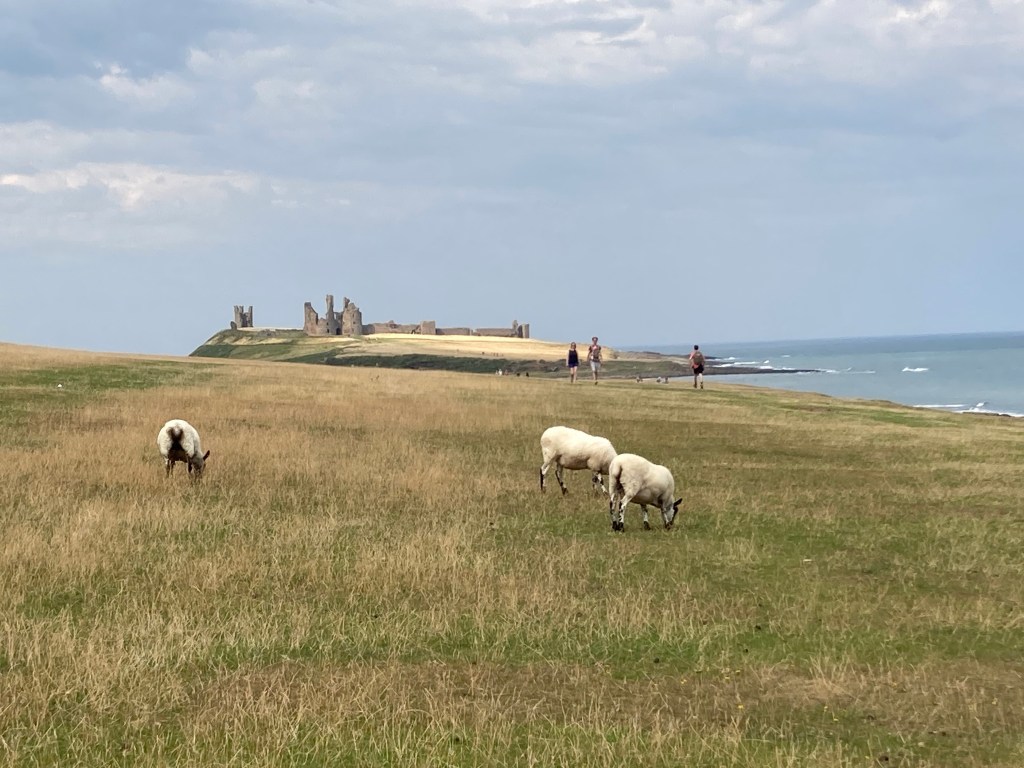
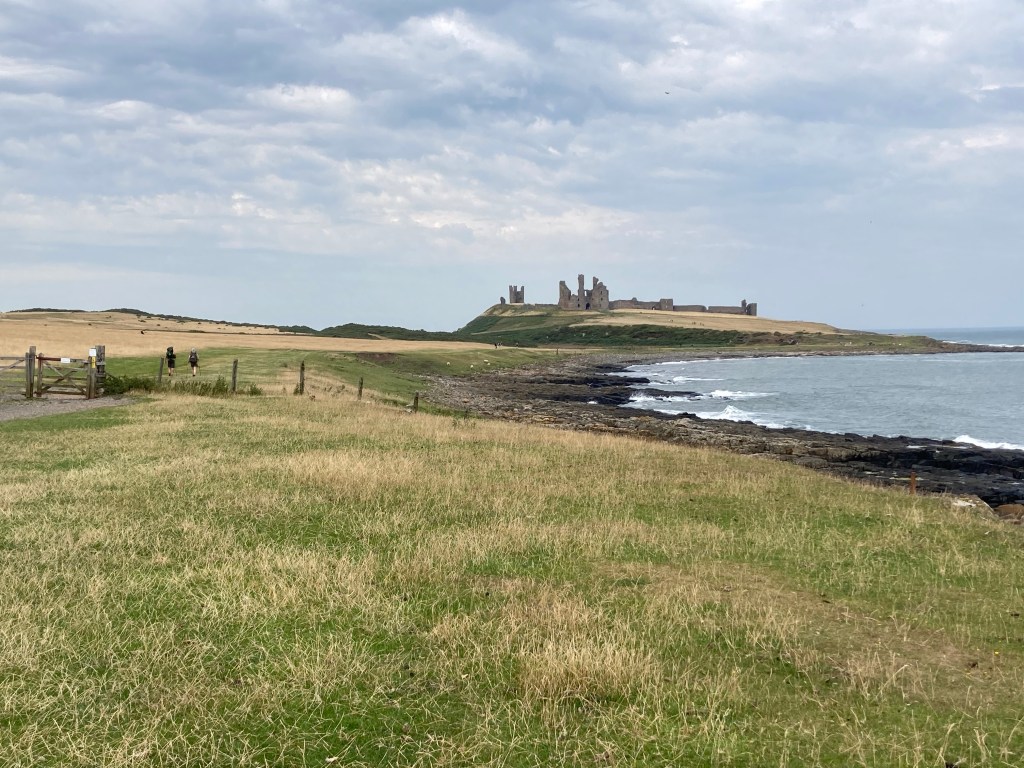
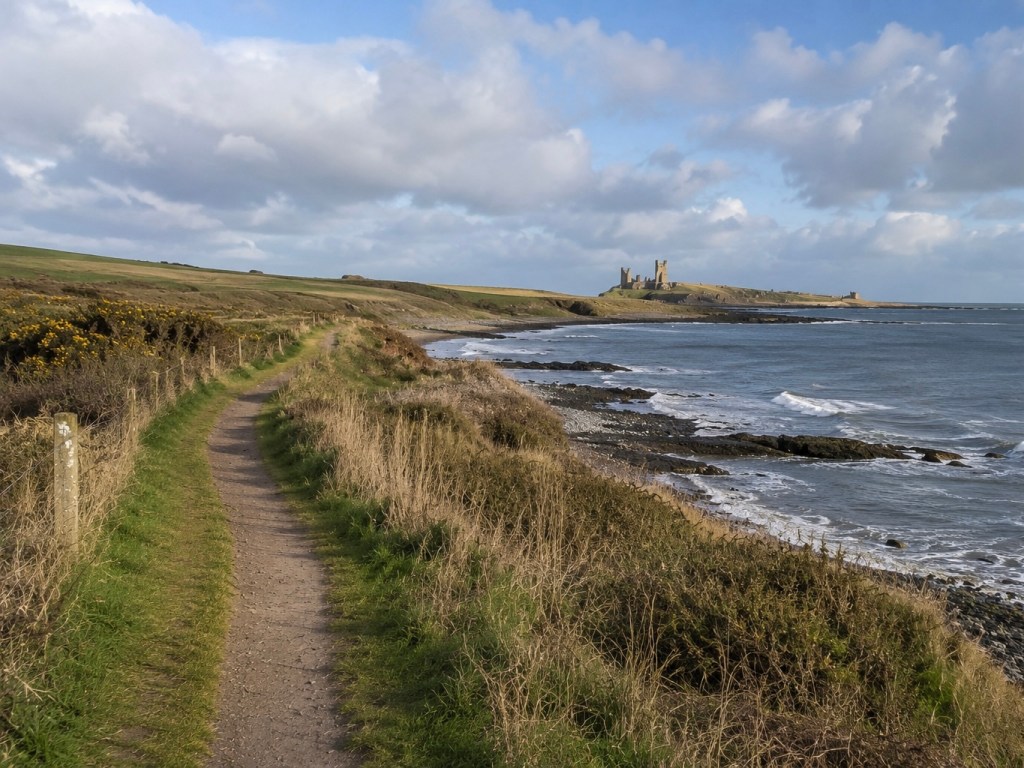
… and along the coast, watching as Dunstanburgh Castle got closer the further we walked!

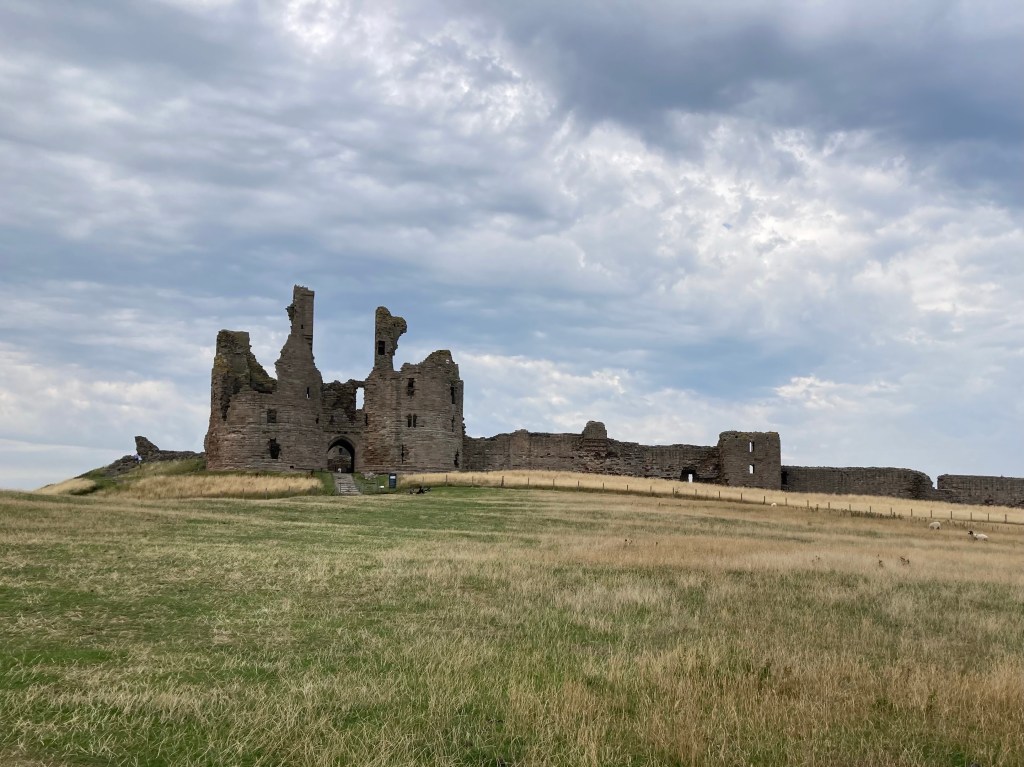
The castle was built in 1313 by Thomas, Earl of Lancaster, who was cousin of the king and leader of the political opposition to him. It was meant as a show of power, situated on a headland, and visible from the royal castle of Bamburgh just down the coast.  Thomas led a rebellion against Edward II but was defeated and executed in 1322.

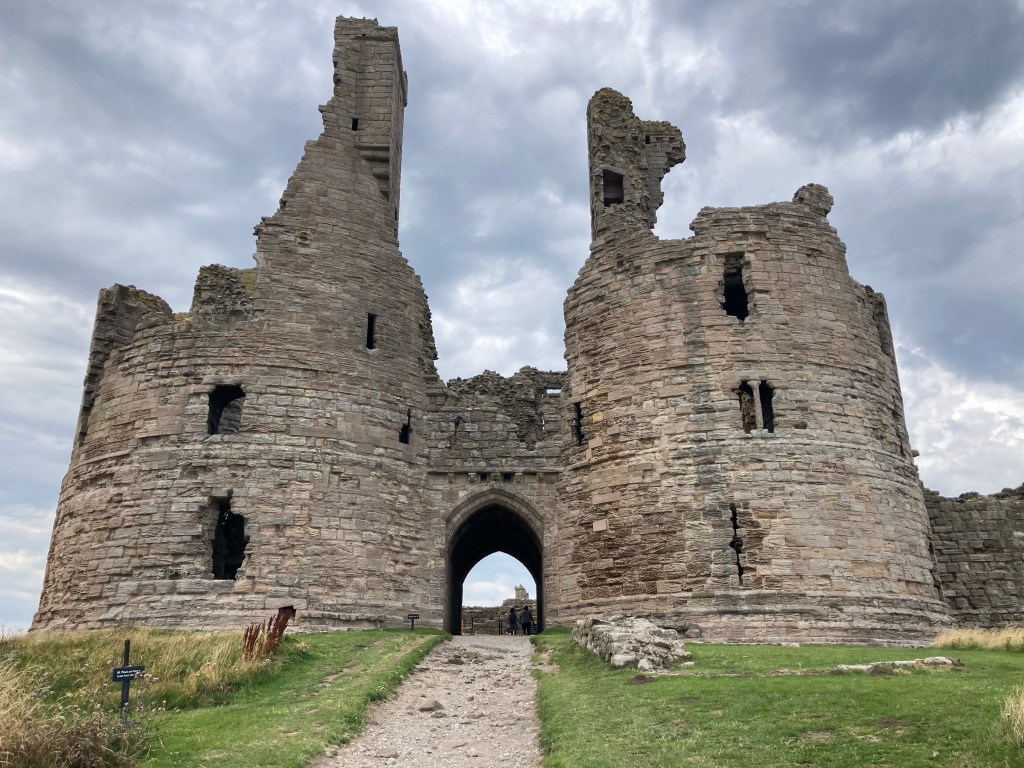
It was then given to John of Gaunt who updated the fortress and it continued a northern stronghold until it suffered heavy damage during the Wars of the Roses.  It later fell into ruin and is managed by English Heritage who told us it is the most remote property they look after as it the one furthest from a public road. We looked round the ruins …

… then walked the curtain wall for sea views before a restorative ice cream to set us up for the walk back.

Map

Victorian Vision at Cragside

We spent the morning driving further north, enjoying the views over the English countryside in late summer, a patchwork of golden harvested fields bordered with green hedgerows.  We came upon a glimpse of the Angel of the North rather suddenly and taking snaps from the car is always tricky, so we’ll make a point to stop in the way back for a proper look.

We didn’t want to delay as we were eager to get to Cragside, the dramatic Victorian country house built for the inventor and industrialist Lord William Armstrong and his wife Margaret.  They shared a vision of a dream home set within a landscape of trees and lakes, and blends pioneering technology with grand Tudor Revival architecture designed by Norman Shaw.  It was also the first home in the world to be lit by hydroelectricity.

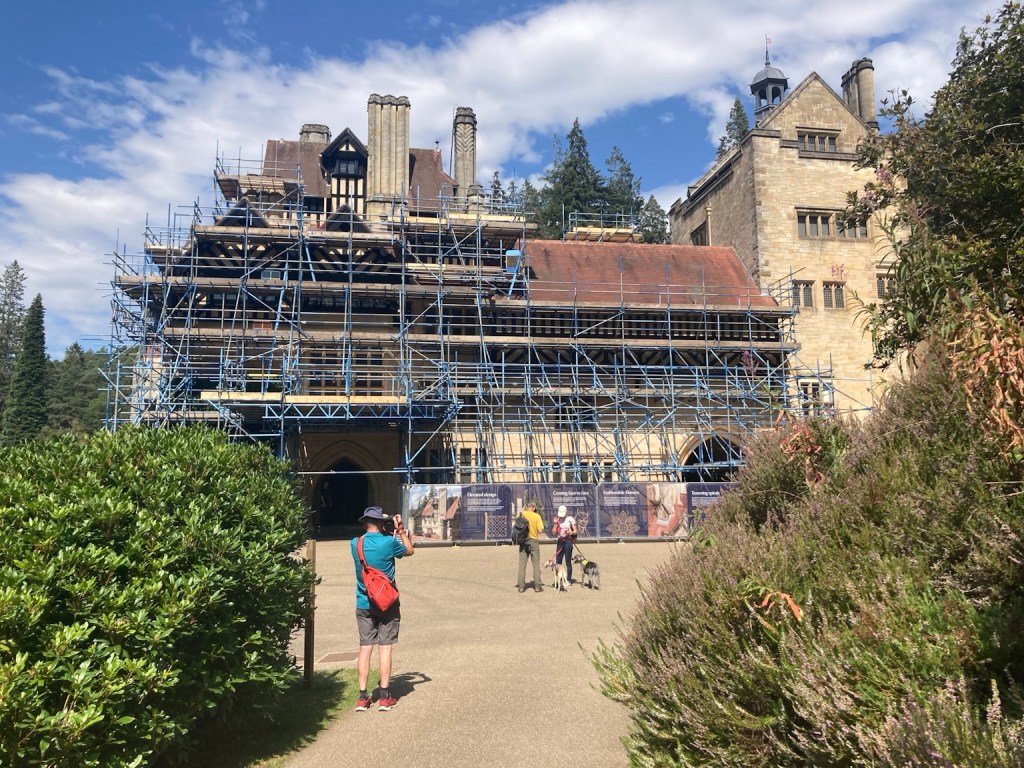
At present, there is an extensive conservation project to repair and renovate the roof so a lot is hidden behind scaffolding but some of the main architectural features of the exterior can still be seen like the Tudor style chimney stacks, half timbered walls, Gothic arched doorways and stone mullioned windows.

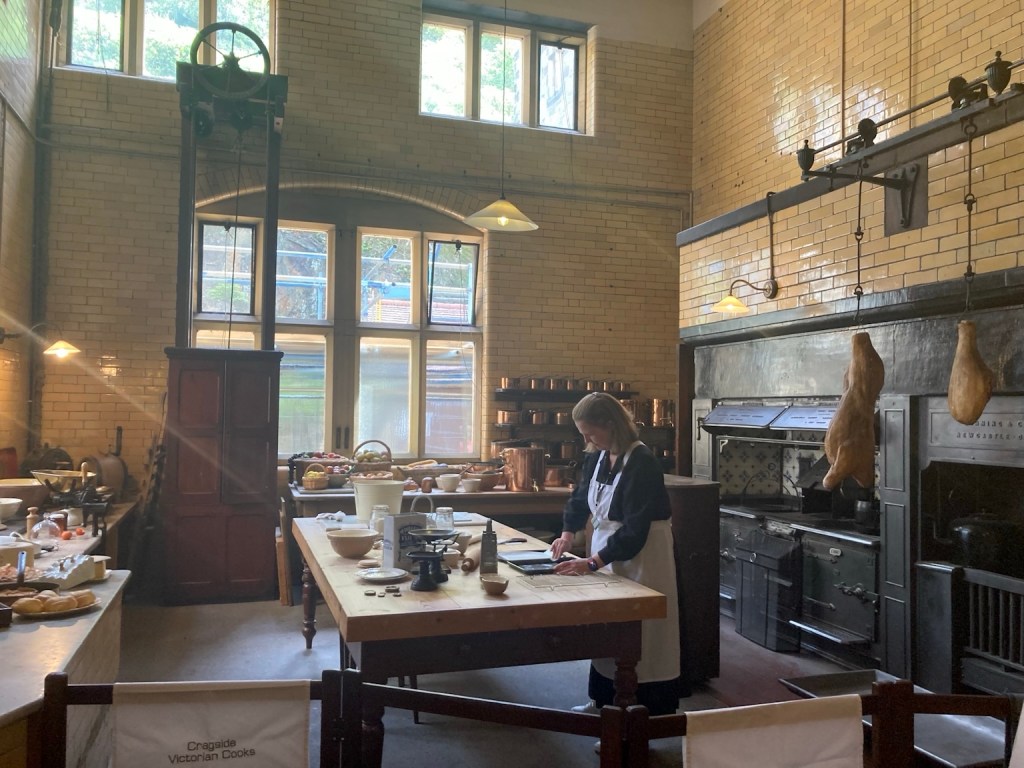
The visitor route took us first to the kitchen where there were several modern labour saving devices including a water-powered roasting spit over the range and a hand-operated dumb waiter in the far corner.  

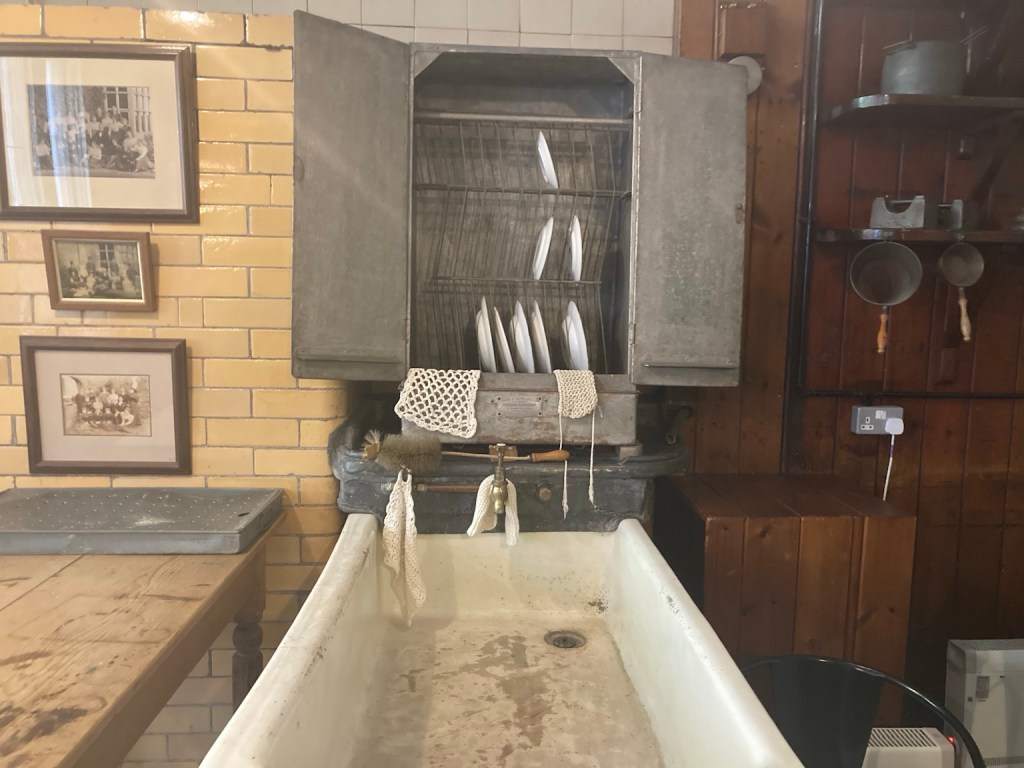
There was even an early dishwasher set above the sink!

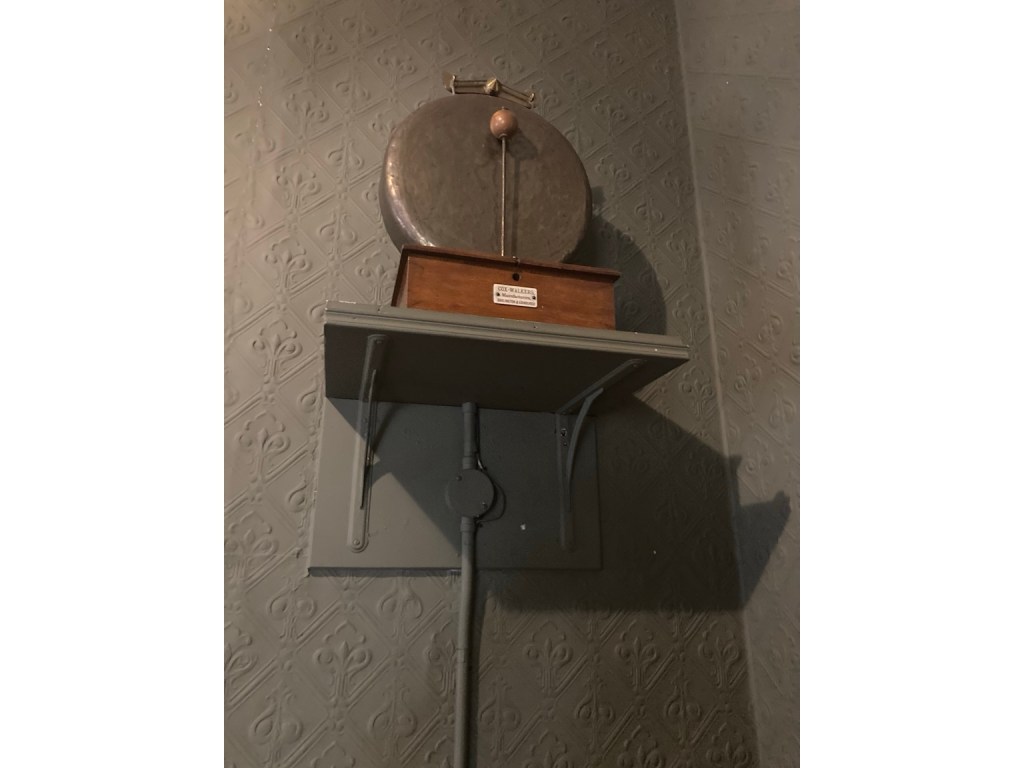
There was no excuse to be late for dinner at Cragside as the butler sound the electric dinner gong with the touch of a button …

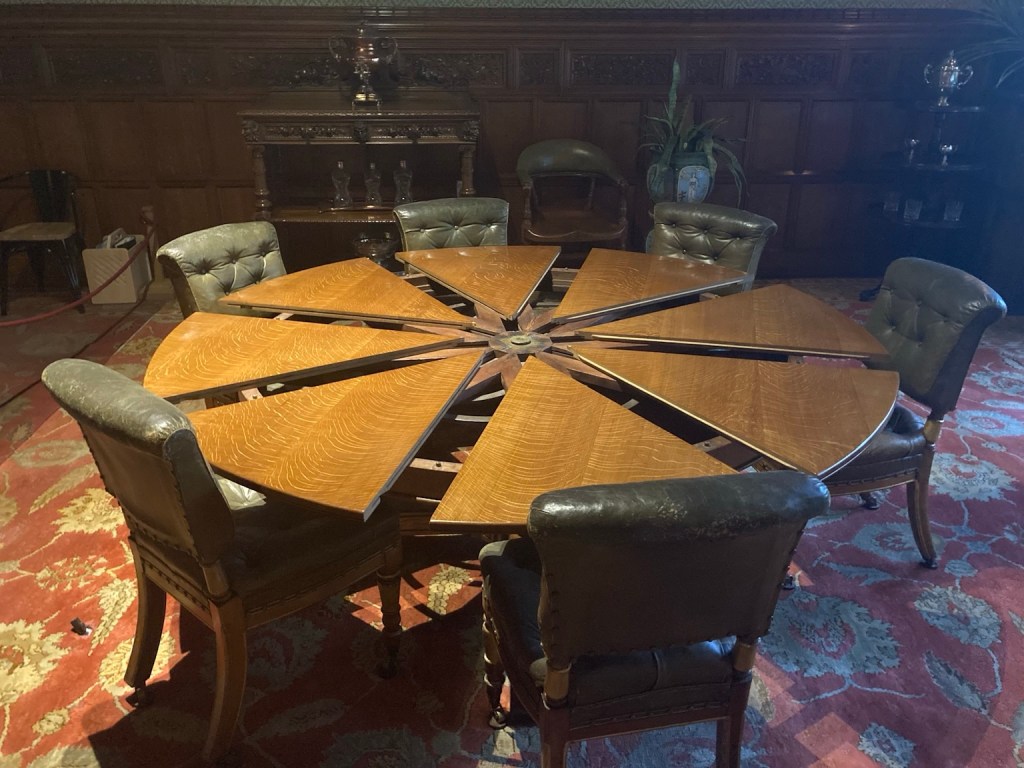
… and the dining room had an ingenious Capstan table which could be extended with extra sections to seat up to 12 people.

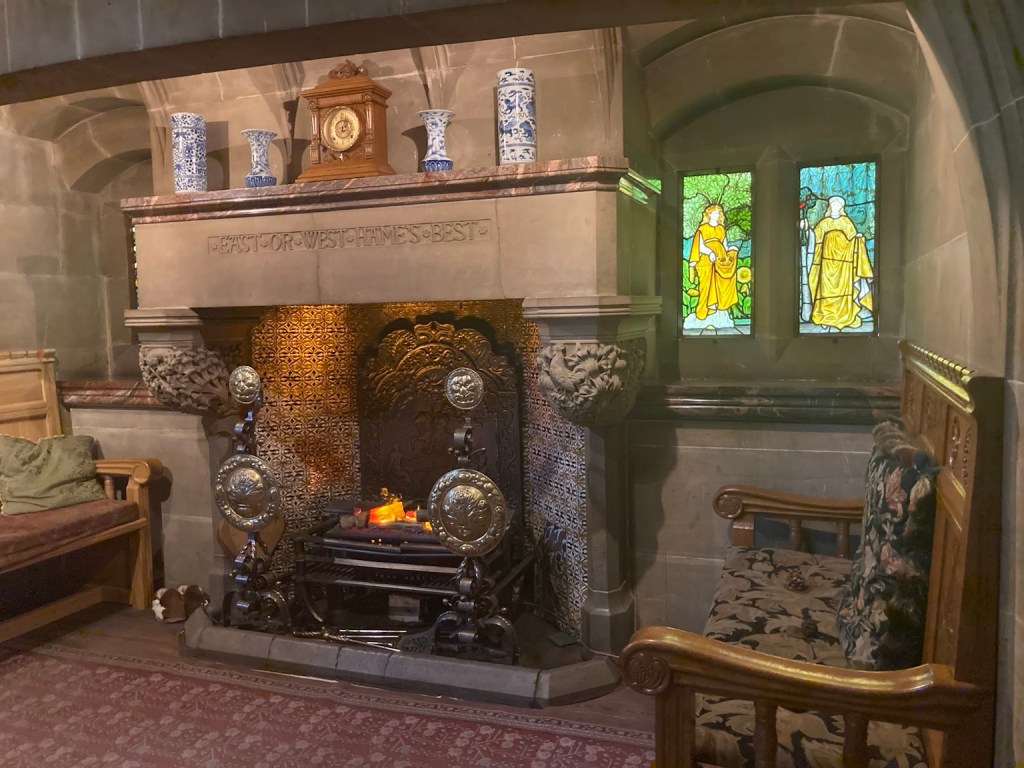
But the part of the house I loved best was this cosy Arts & Crafts inglenook fireplace decorated with stained glass panels of the seasons designed by William Morris.

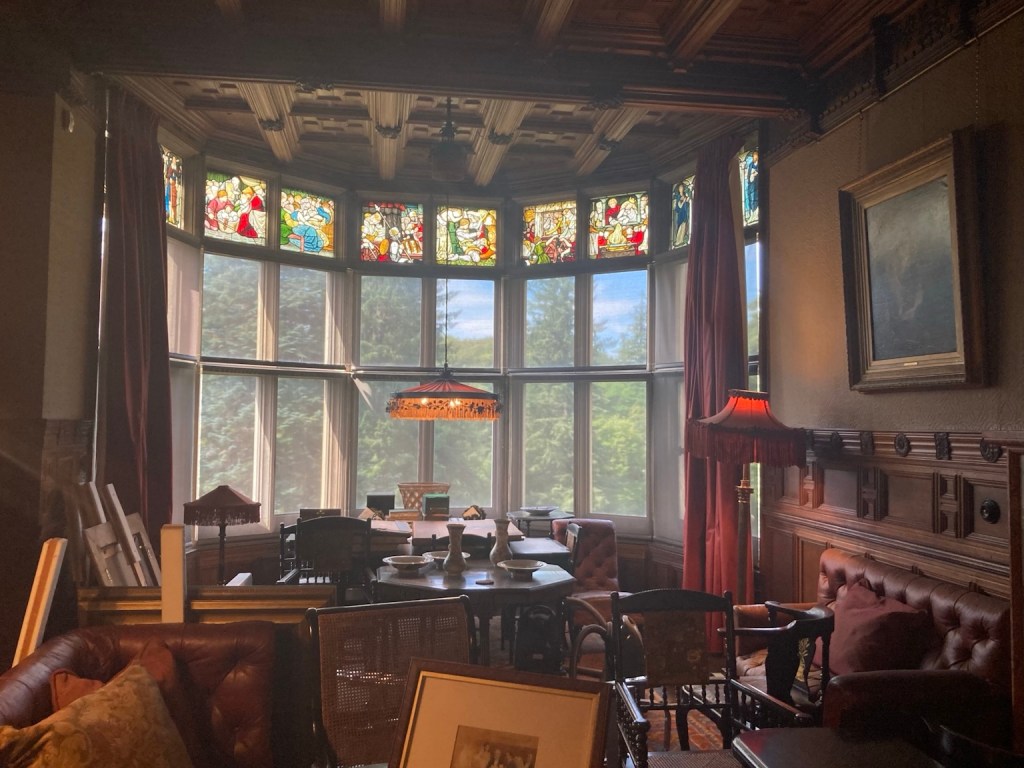
There was more stained glass in the library, but we couldn’t get very close and the contents of the room had all been pushed together to facilitate the scaffolding.

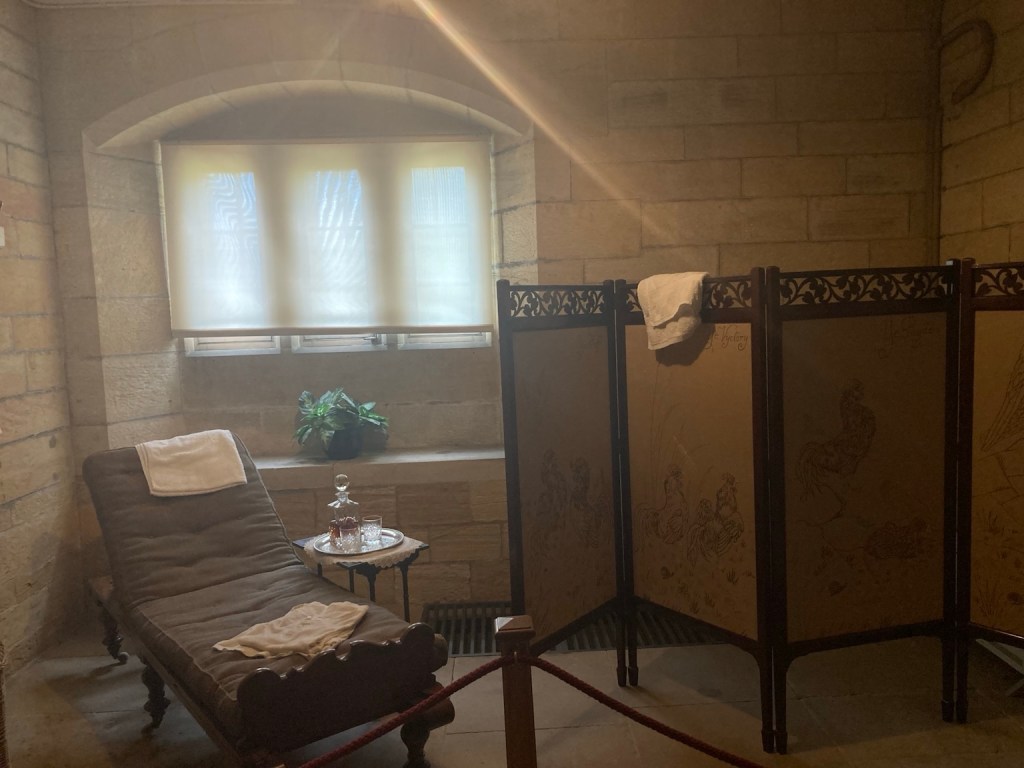
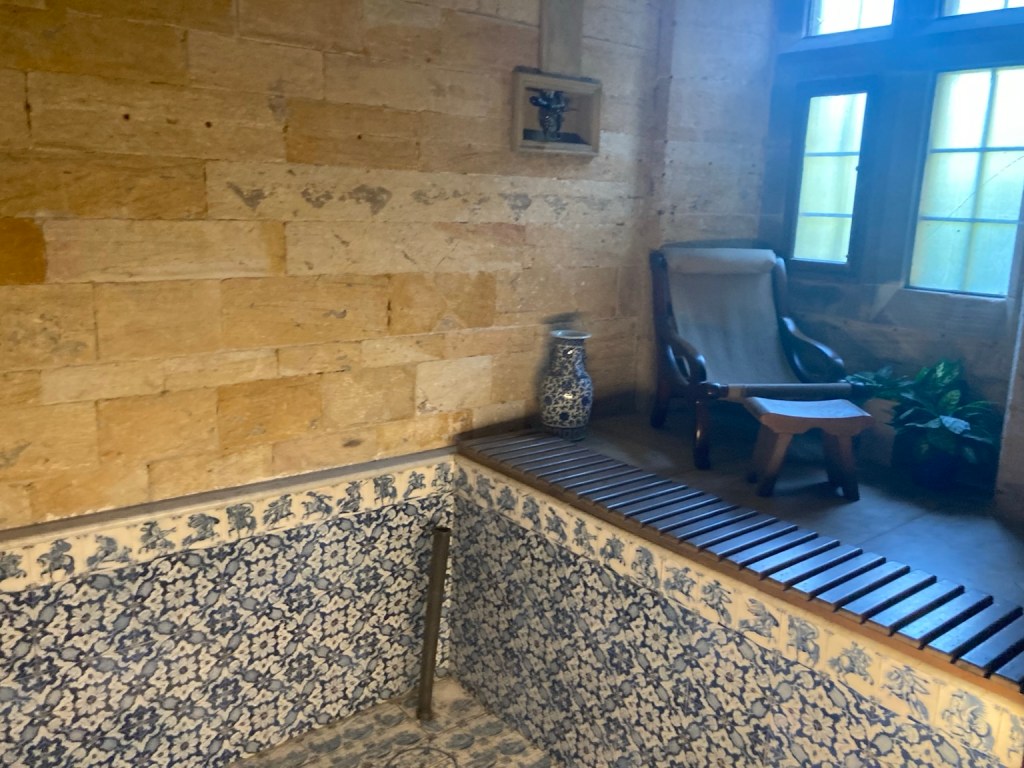
Downstairs we were surprised to find Cragside comes with its own Turkish Bath suite  which features a hot room, steam bath, cooling-room, shower and plunge pool … how lovely!

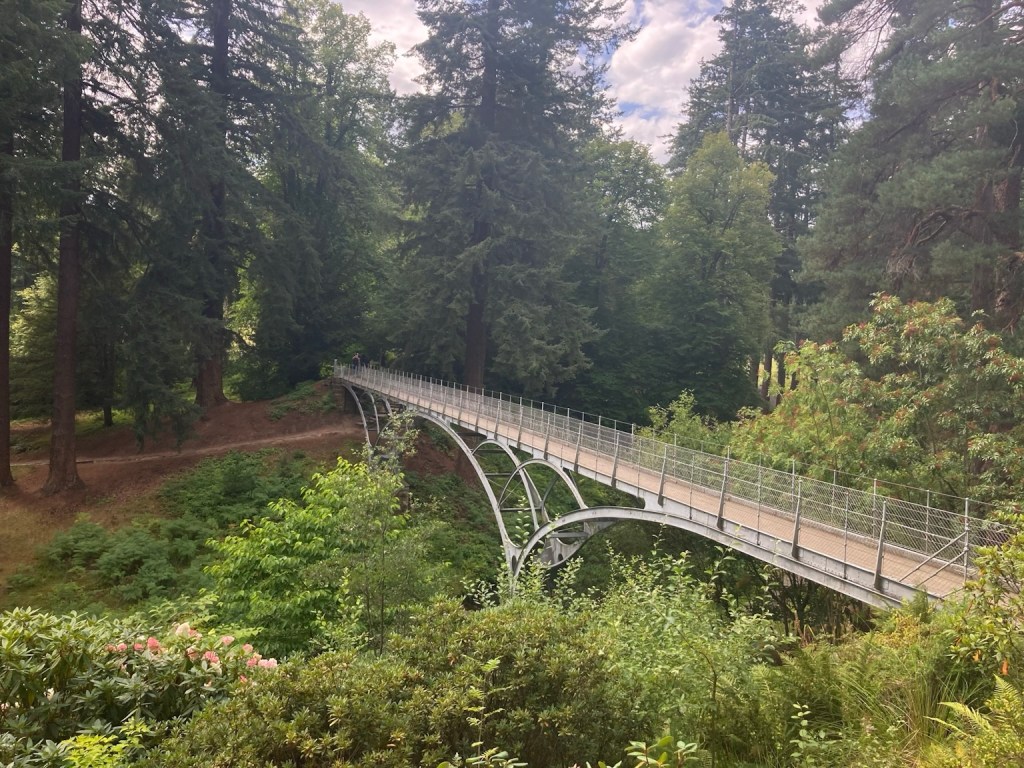
Once we started going round the upper rooms, they were all a little dark, mainly due to the conservation blinds, but we got a glimpse out of a window at the iron bridge below and it’s obvious how large the surrounding trees have grown so while there may once have been vistas, now it feels a little oppressive.

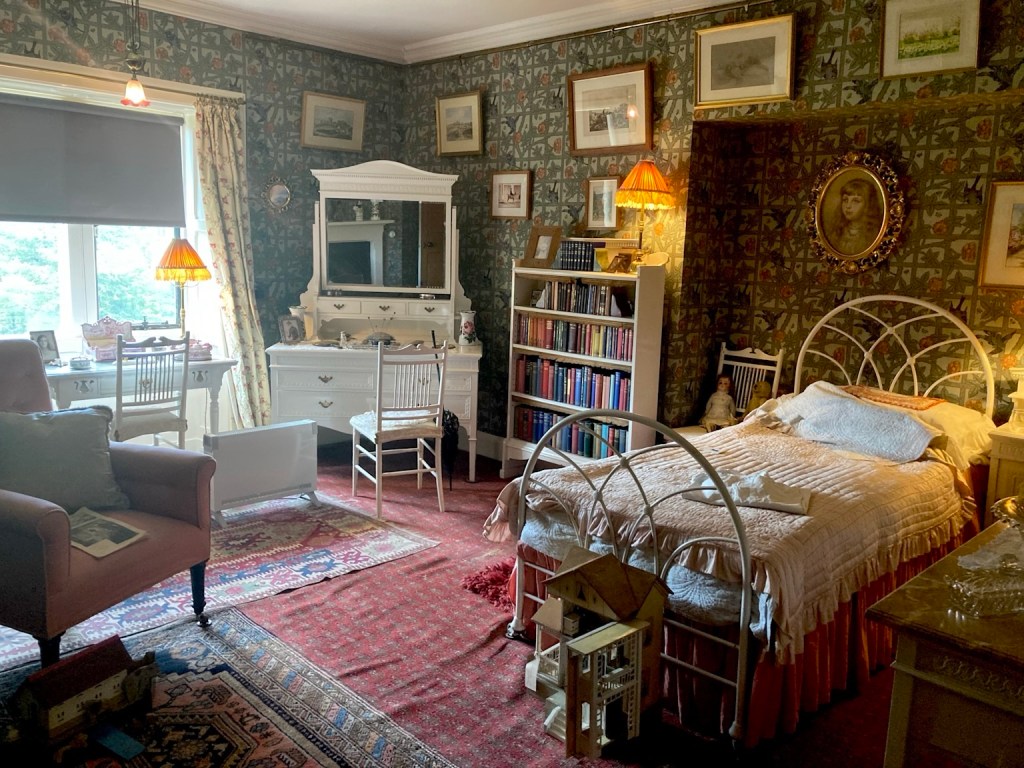
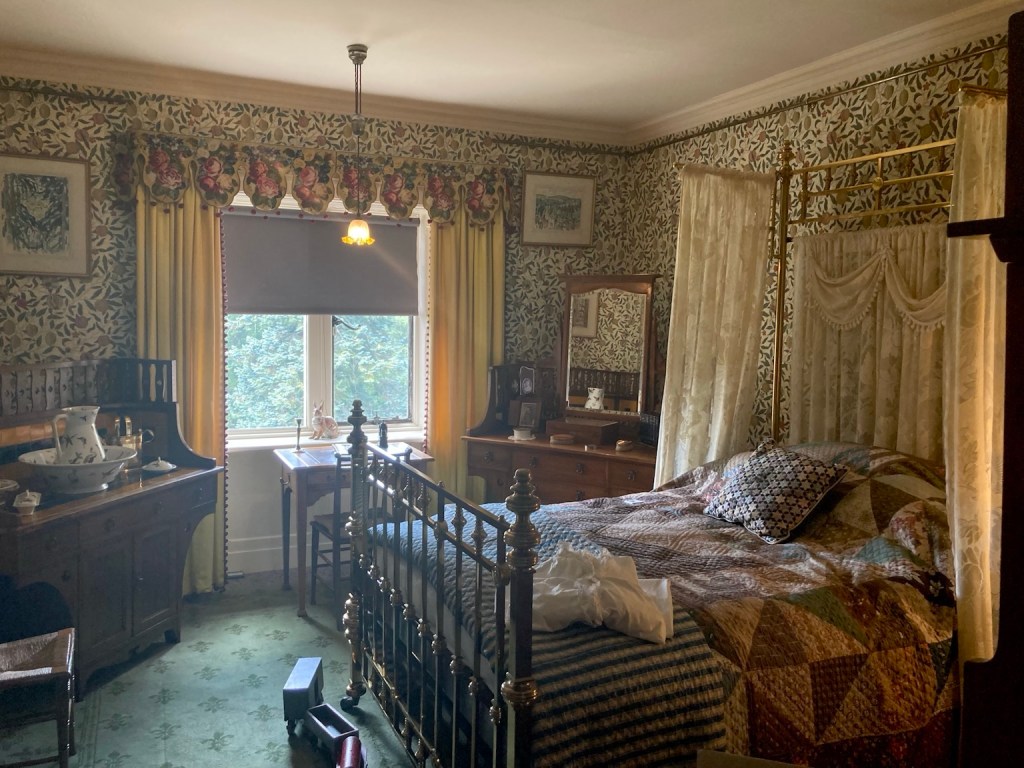
William and Mary Armstrong had no children, so their great-nephew, William Watson Armstrong inherited and these two bedrooms were used by his children William and Winifred. 

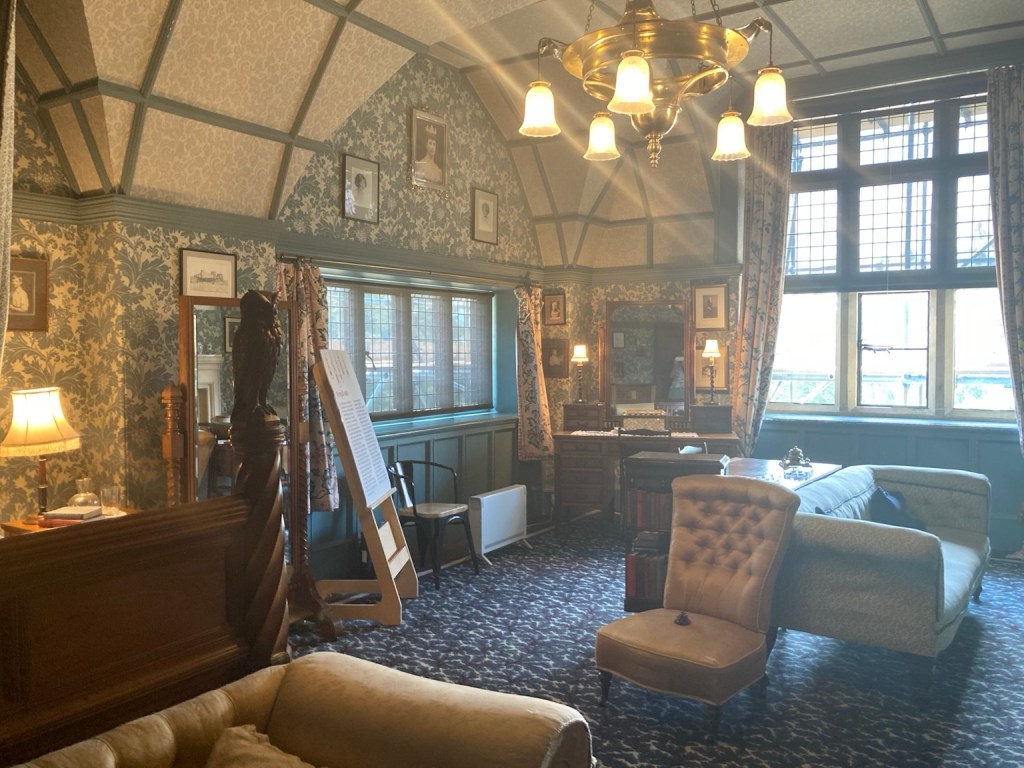
In preparation for a royal visit from the Prince and Princess of Wales in 1884, an extension was built with the lavish Owl Suite for the royal couple …

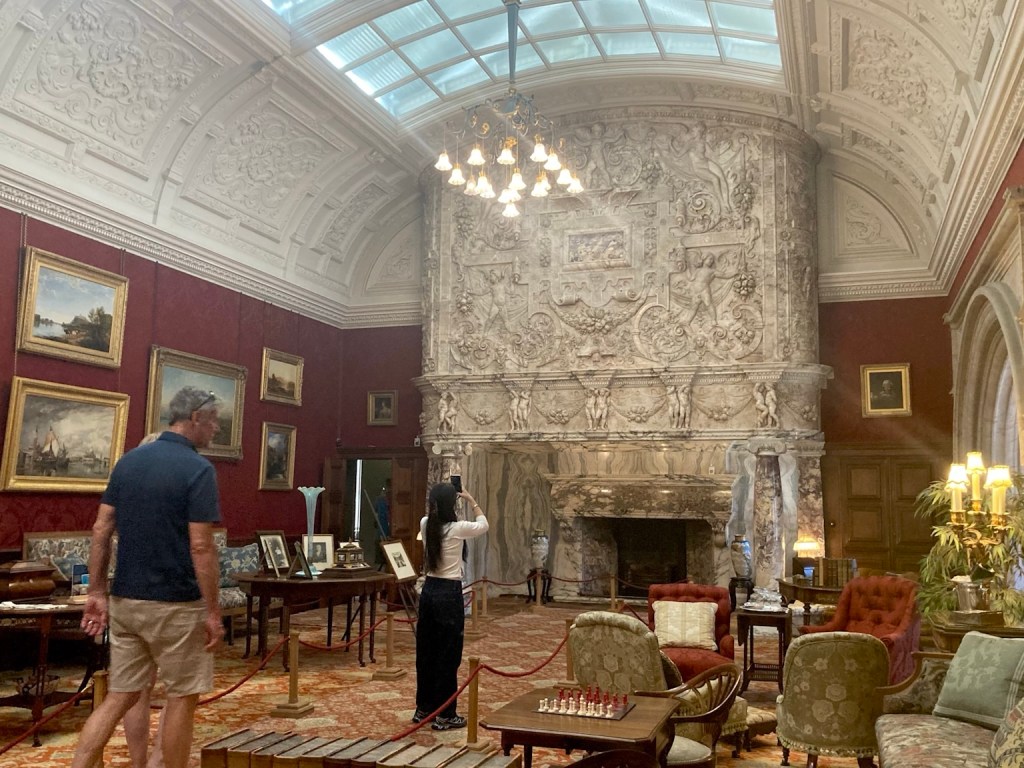
… and also a new drawing room with this colossal marble and alabaster fireplace.  It was a mark of Armstrong’s success and Cragside’s fame that the future King Edward VIl chose to stay at the home of an industrialist who was not yet a lord.  

In 1878 Armstrong experimented with lighting the house with electricity, using arc lamps in the gallery which was apparently splendid but also unreliable, noisy, smelly and dangerous. By 1880 the Library became the first domestic room in the world to be illuminated with incandescent light bulbs invented by Joseph Swan. The lights would be ‘turned on’ by placing cloisonné vases acting as bulb holders into charged bowls of mercury. The copper sides of the vases acted like ‘return wires’ and hey presto there was light, but bowls of mercury round the house doesn’t sound much safer either!

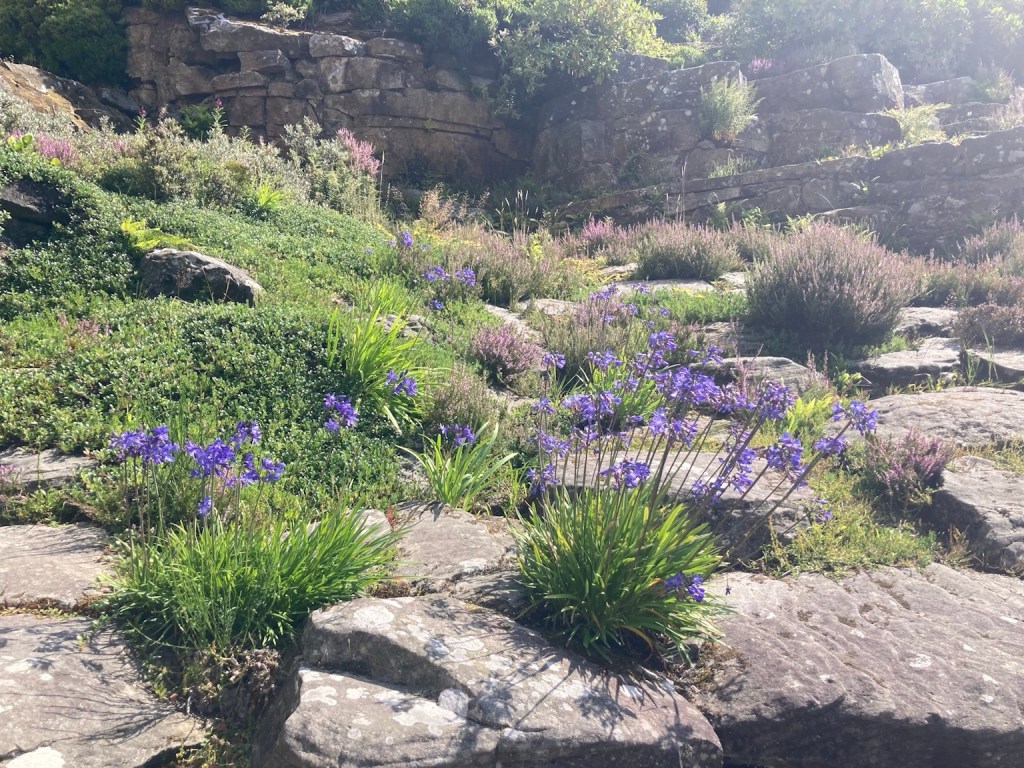
We left the house and took a walk round part of the estate and garden which included a rock garden …

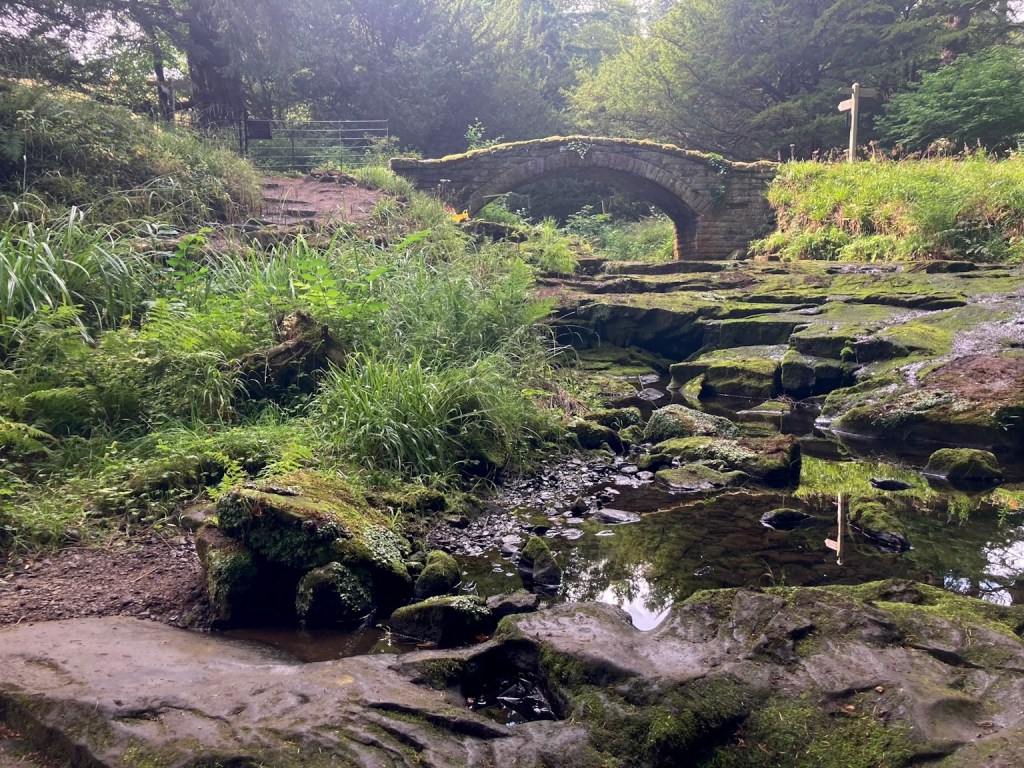
… and gorge leading down to the river. 

From the iron bridge we were able to get a pretty good view of the back of Cragside.

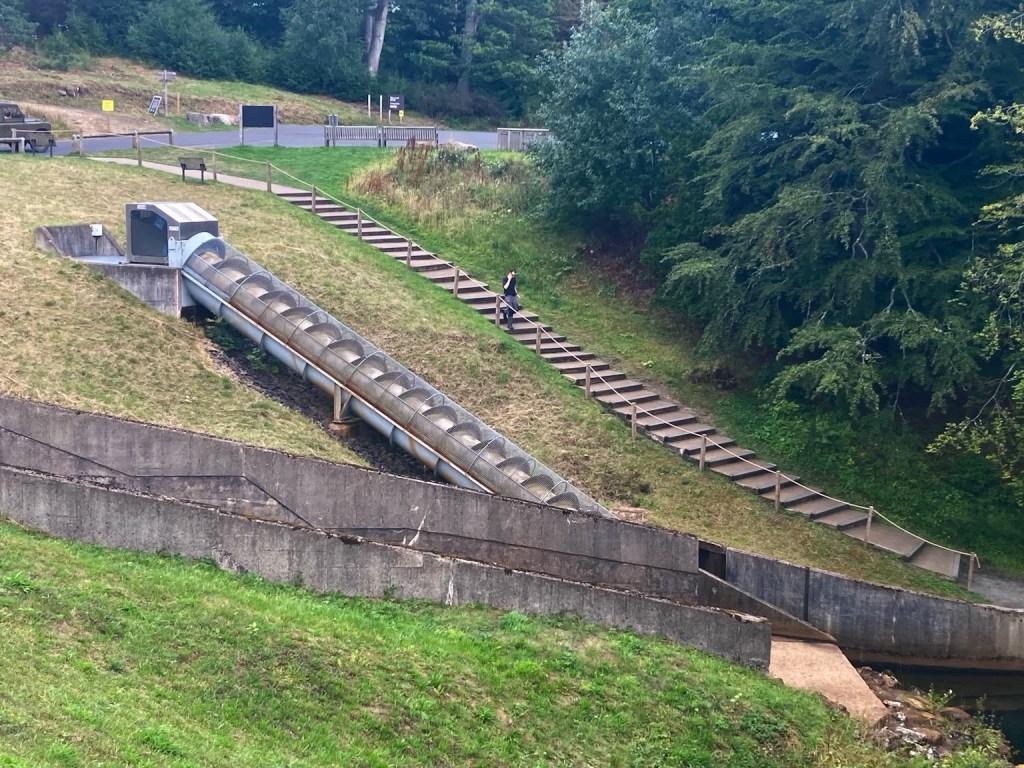
Finally, before we left, we saw the modern Archimedes screw, installed by the National Trust in 2014 to continue Armstrong’s legacy of lighting Cragside with hydroelectric power.  Water from the lake flows through turning the blades and this energy is sufficient to light the 350 light bulbs in the house.

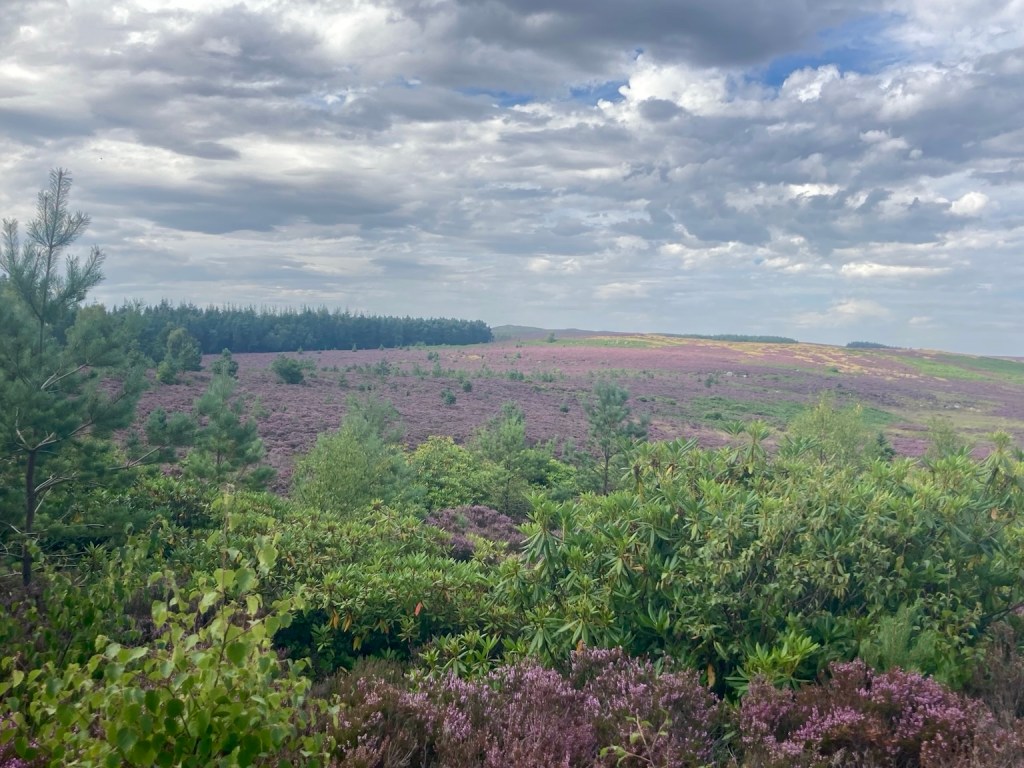
As we left, we took the 6 mile carriage drive, designed to show off the estate to visitors although original vistas seem to have overgrown except this one over the moors.

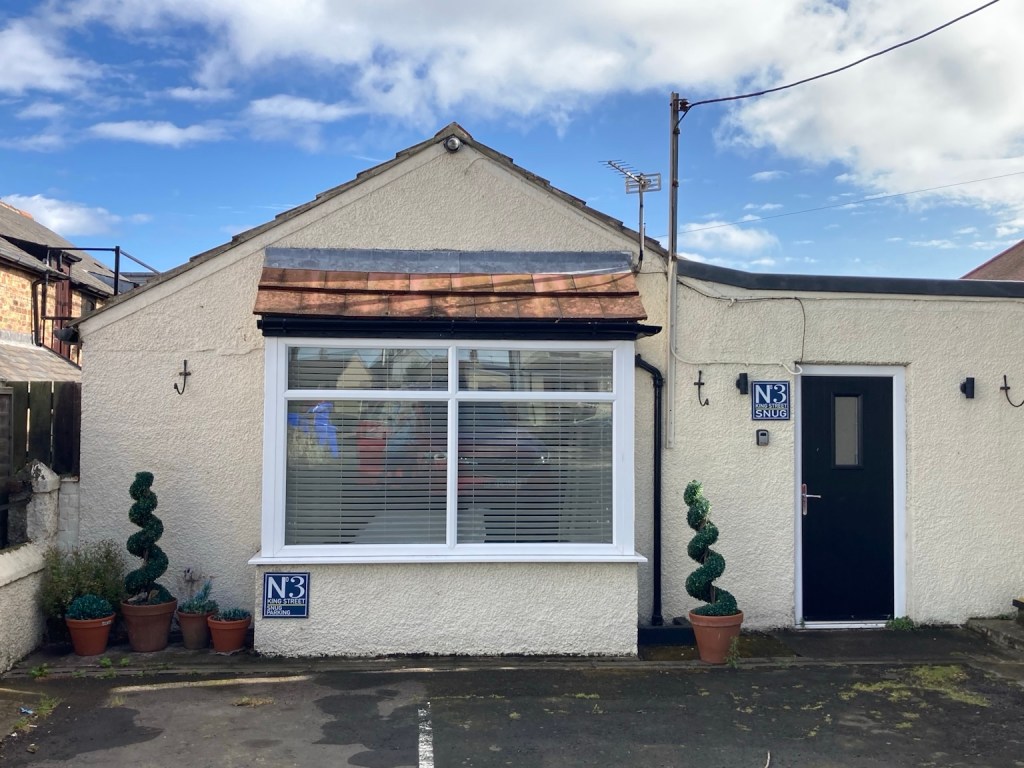
A short drive brought us to Seahouses where we are staying in an ideal holiday apartment right in the centre of town… with a parking space!  
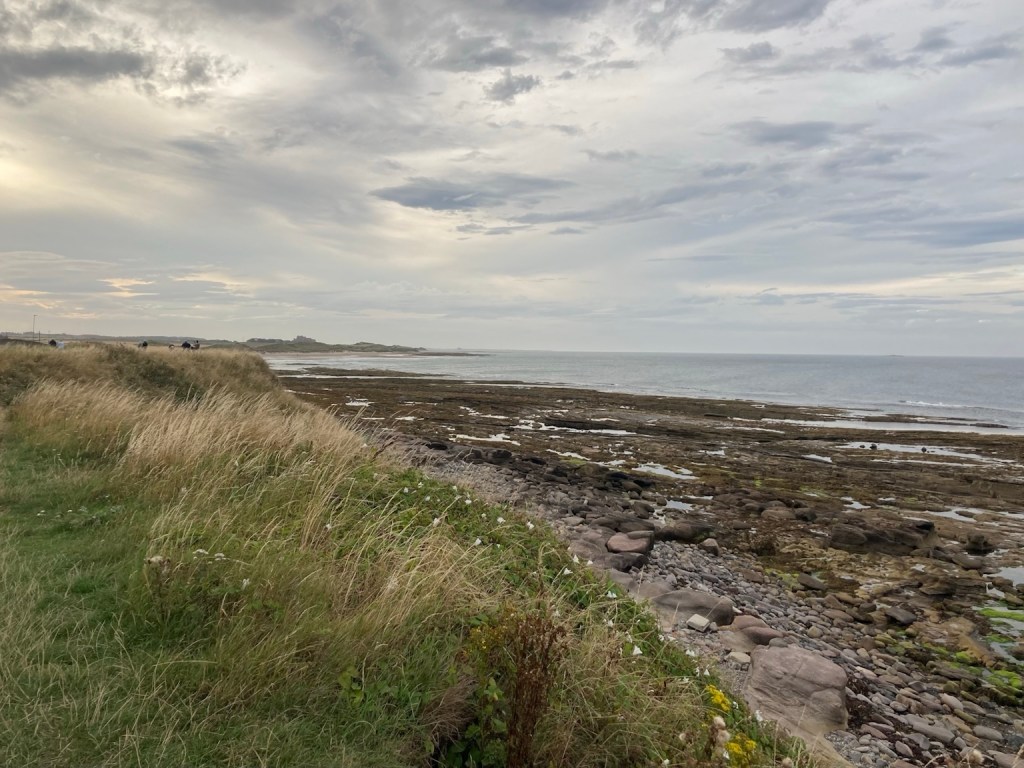
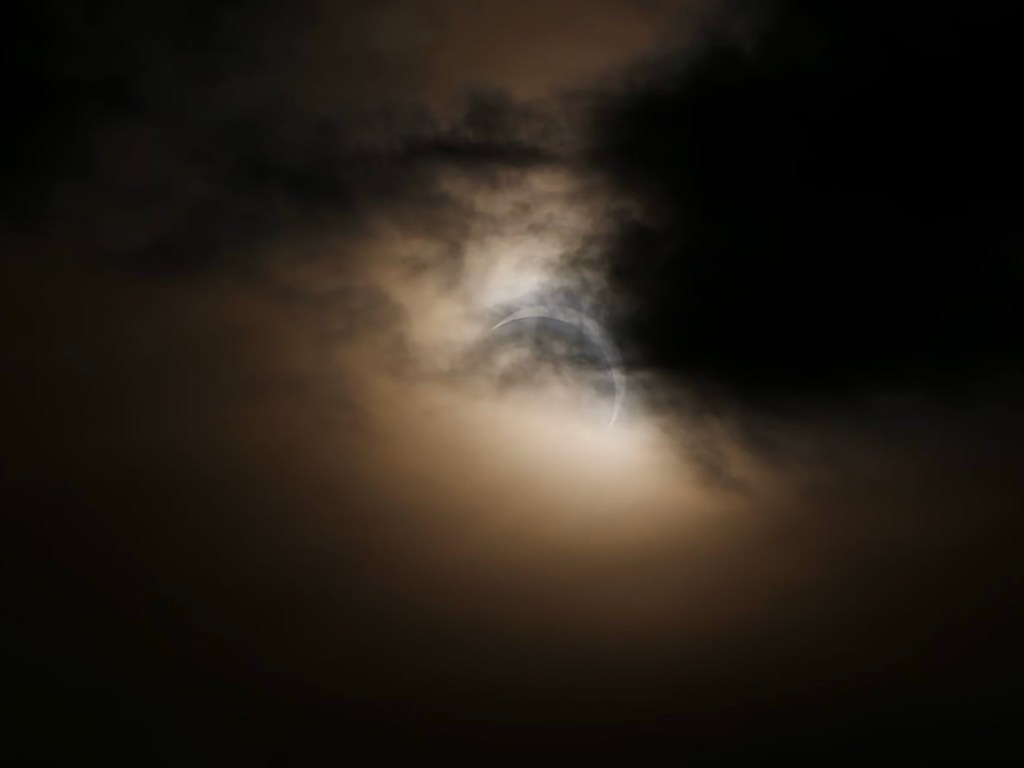
No sooner had we settled in, it was time to wander down to the beach to see if we could catch a glimpse of the much advertised solar eclipse, the first since 1999.  Clouds obscured much of the event, but here’s the view towards Bamburgh …

… and Chris managed this with his phone.

Map

Revels and Royalty at Bolsover

Our trip north includes several English Heritage sites so when a special offer for annual membership appeared we snapped it up and looked to see if we couldn’t include a couple of extras.

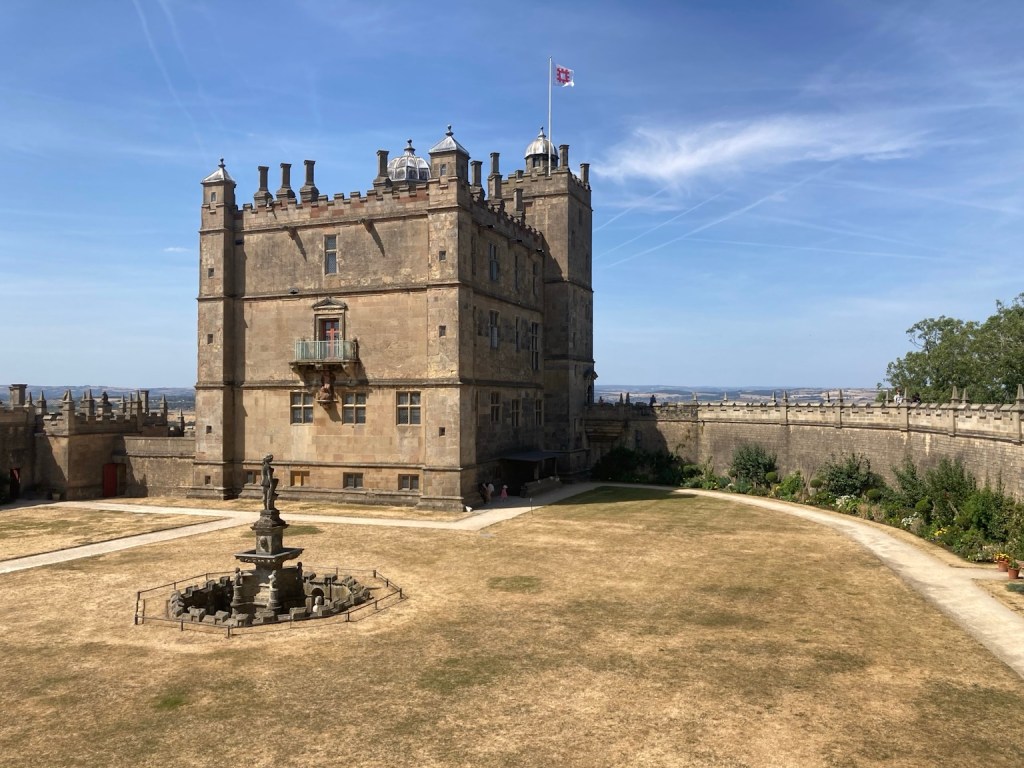
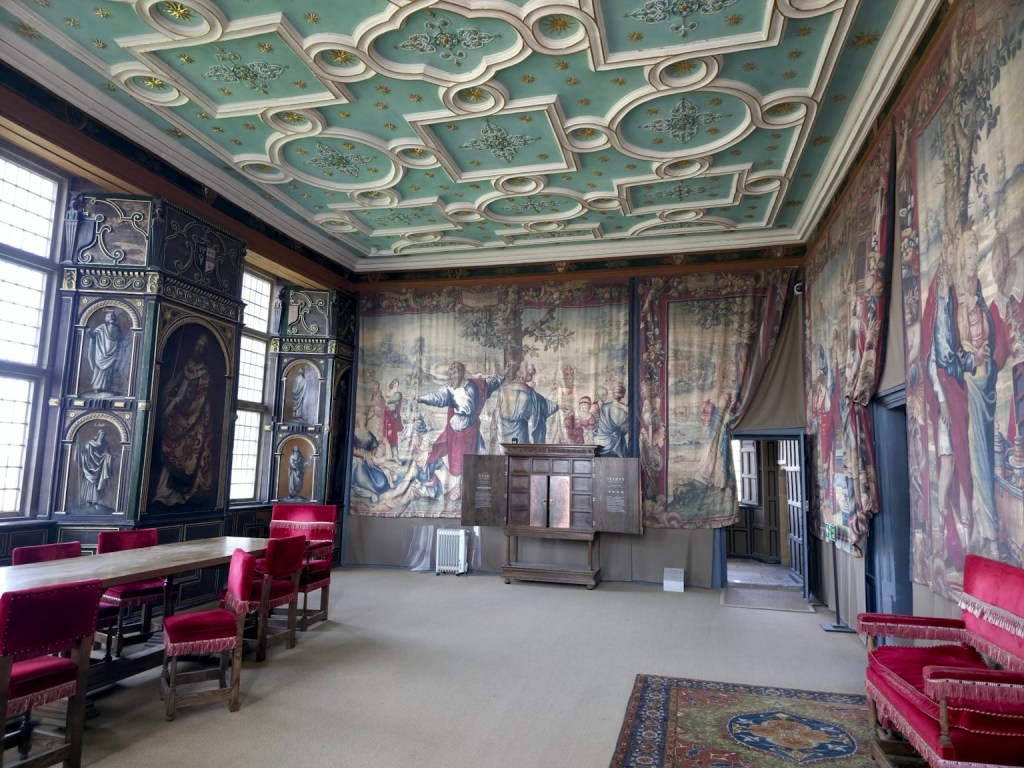
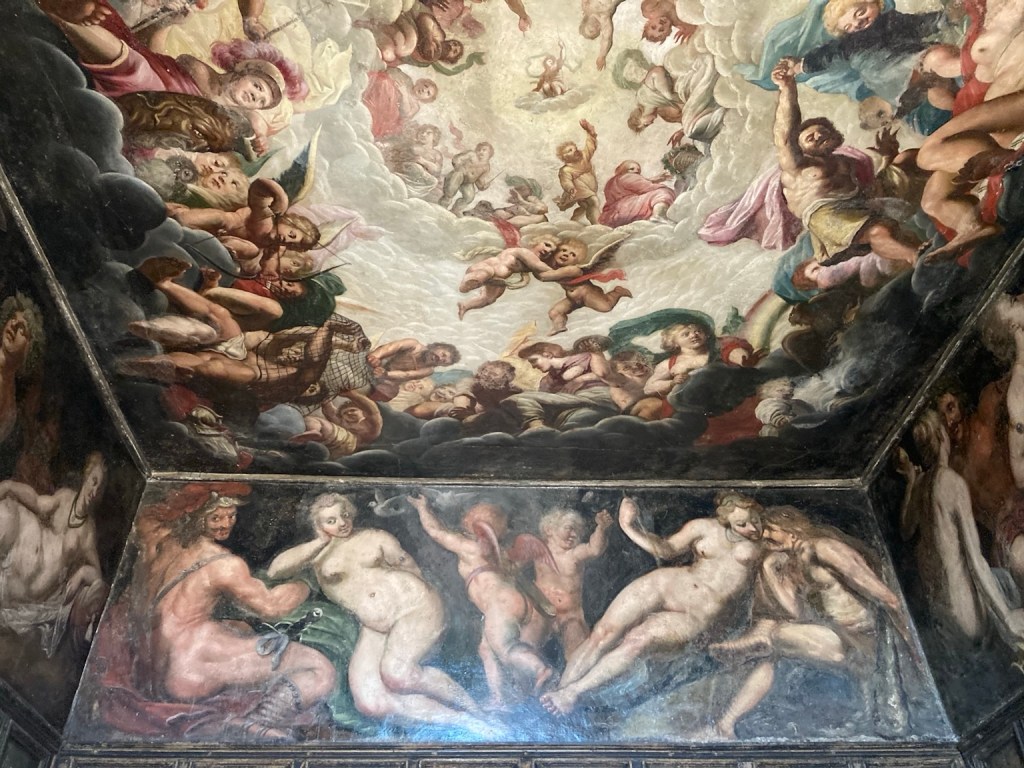
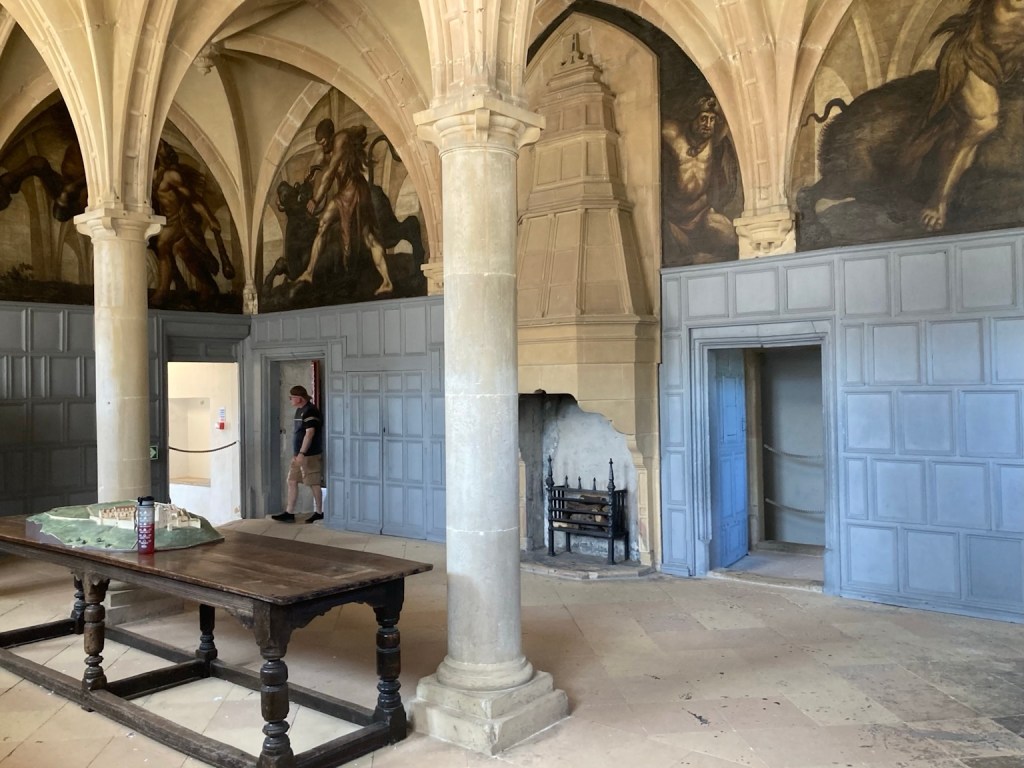
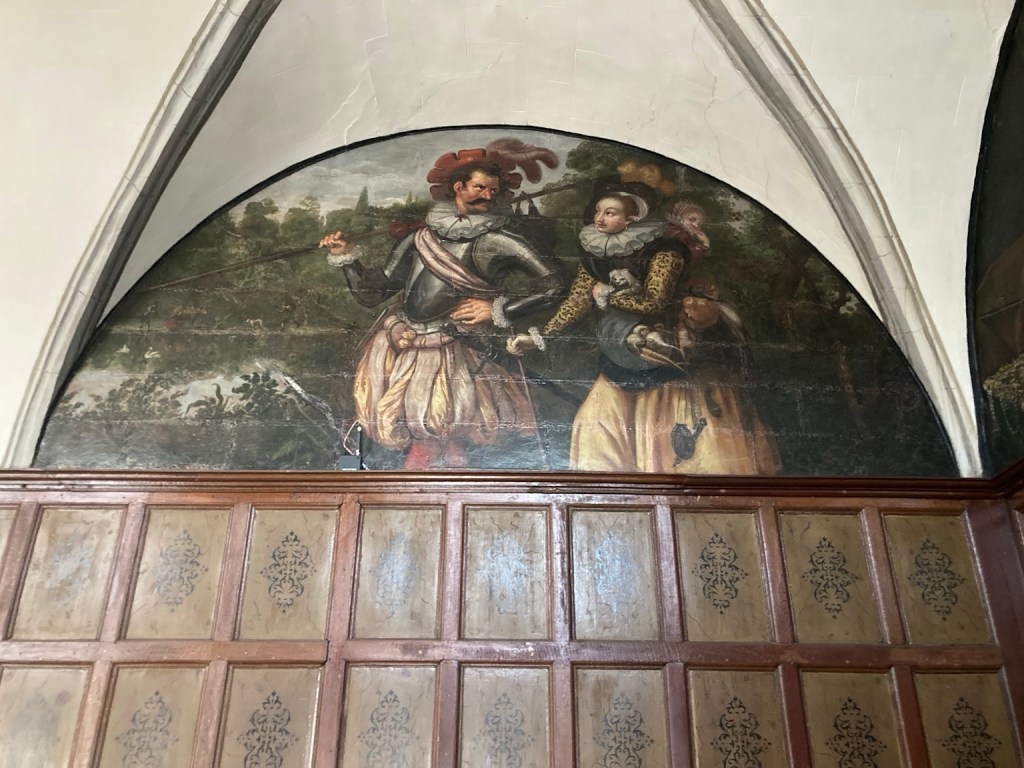
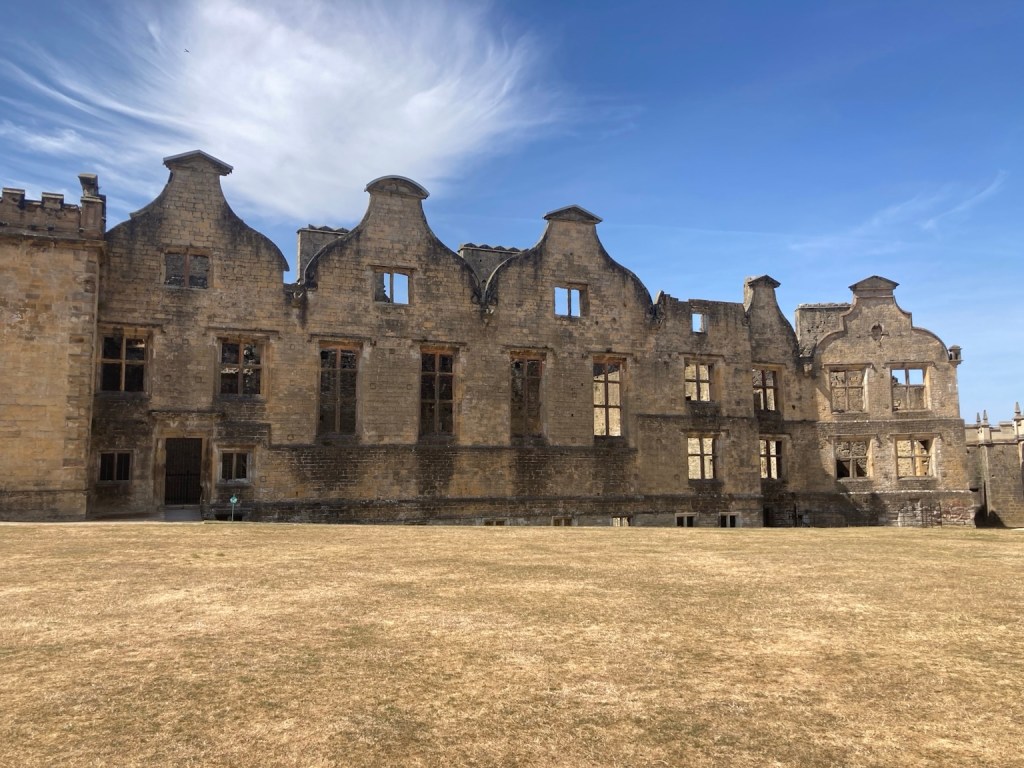
That has brought us here to Bolsover Castle in Derbyshire, which was founded in the late C11th by William Peveril, one of William the Conqueror’s knights. Abandoned in the C14th, it was transformed in 1612 into a luxurious Jacobean mansion and entertainment palace by Sir Charles Cavendish and his son William to impress and entertain. It became a lavish showpiece packed with grand interiors, theatrical flair and remarkable artwork.

As an example, in July 1634 William invited all the gentry of the county to attend a royal entertainment at Bolsover. With lavish feasting, the total cost of the visit was around £14,000, nearing William’s total annual income.

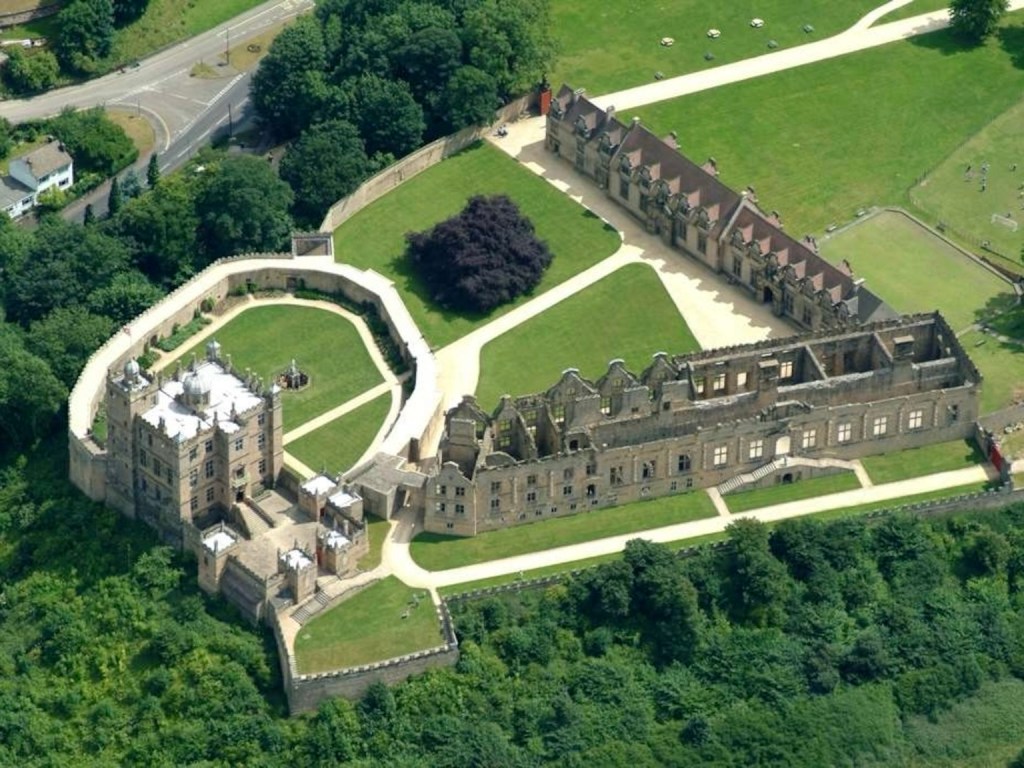
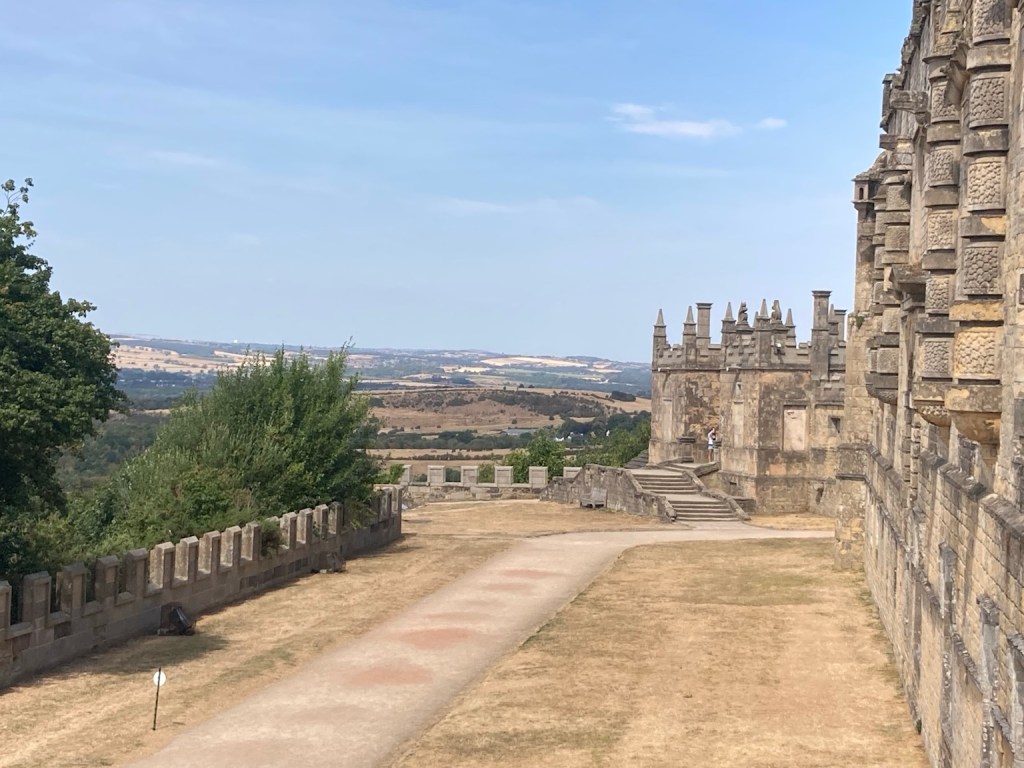
The remaining centrepiece is the Little Castle with its medieval turrets and towers, surrounded by the restored wall walk with a garden and fountain of Venus in the middle,

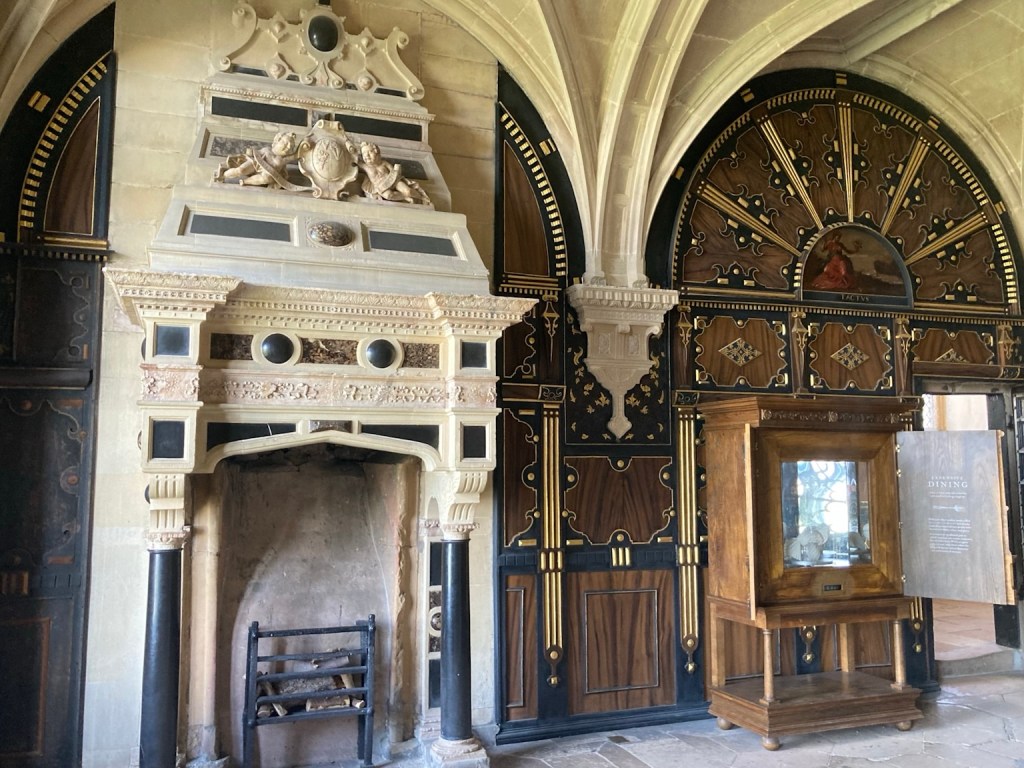
It still has the original wood panelling and alabaster fireplaces …

… and is decorated with wall paintings and painted panelling with classical mythology and Christian themes.

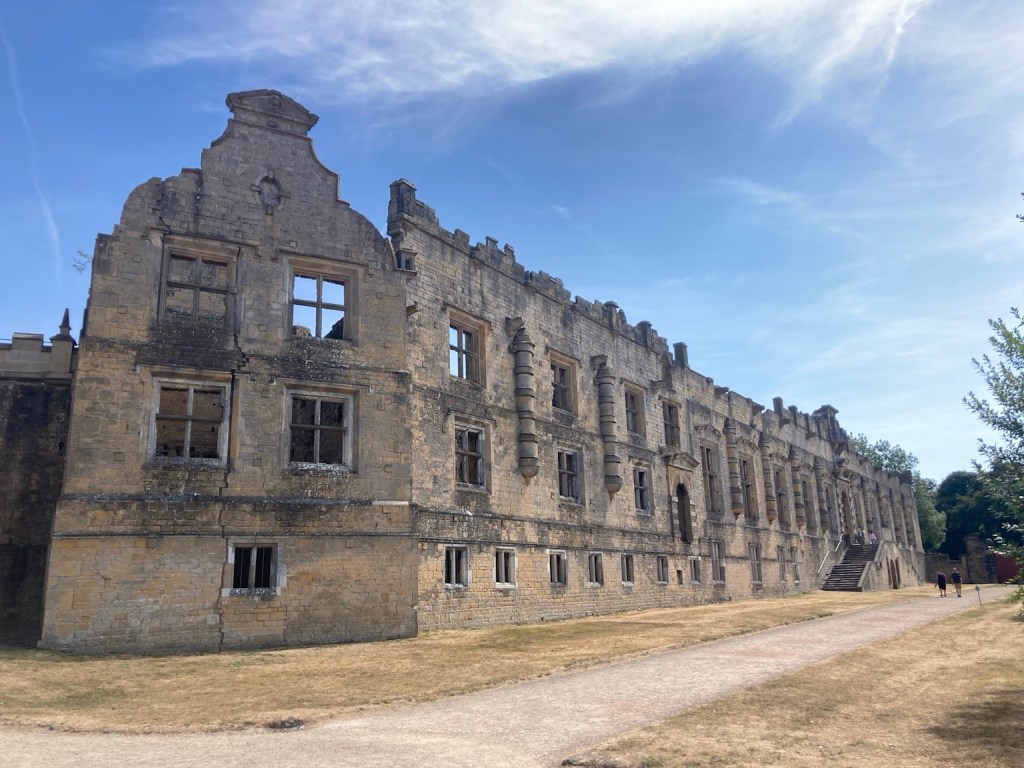
This aerial view shows the now ruined state apartments at the bottom.

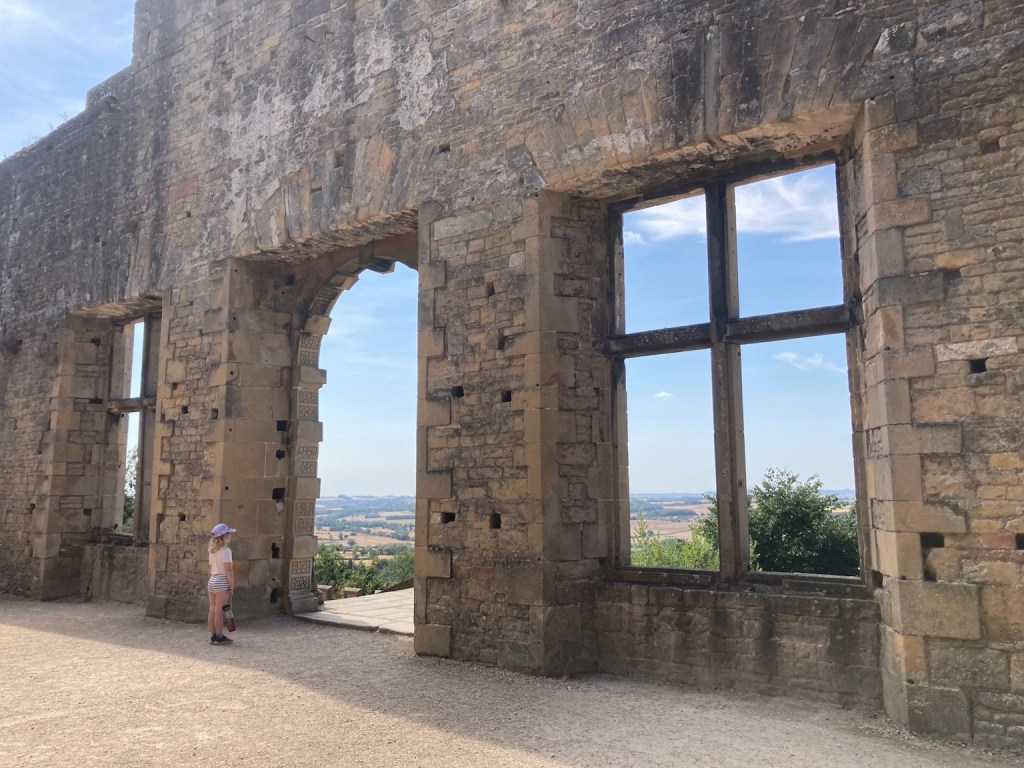
We walked through to the gallery to the terrace with its amazing view of the countryside.

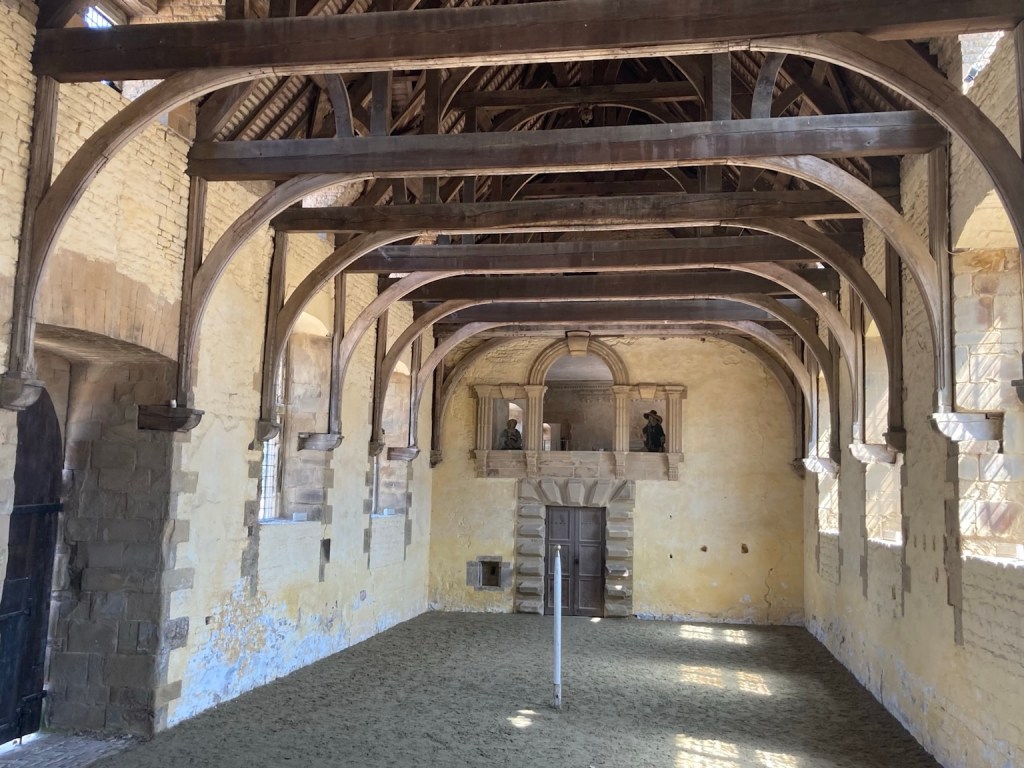
William Cavendish was riding master to King Charles II and the last block of buildings contains the oldest surviving indoor riding school in the country. He disagreed with harsh training, instead showing how gentler methods were more successful and is considered the father of modern dressage.

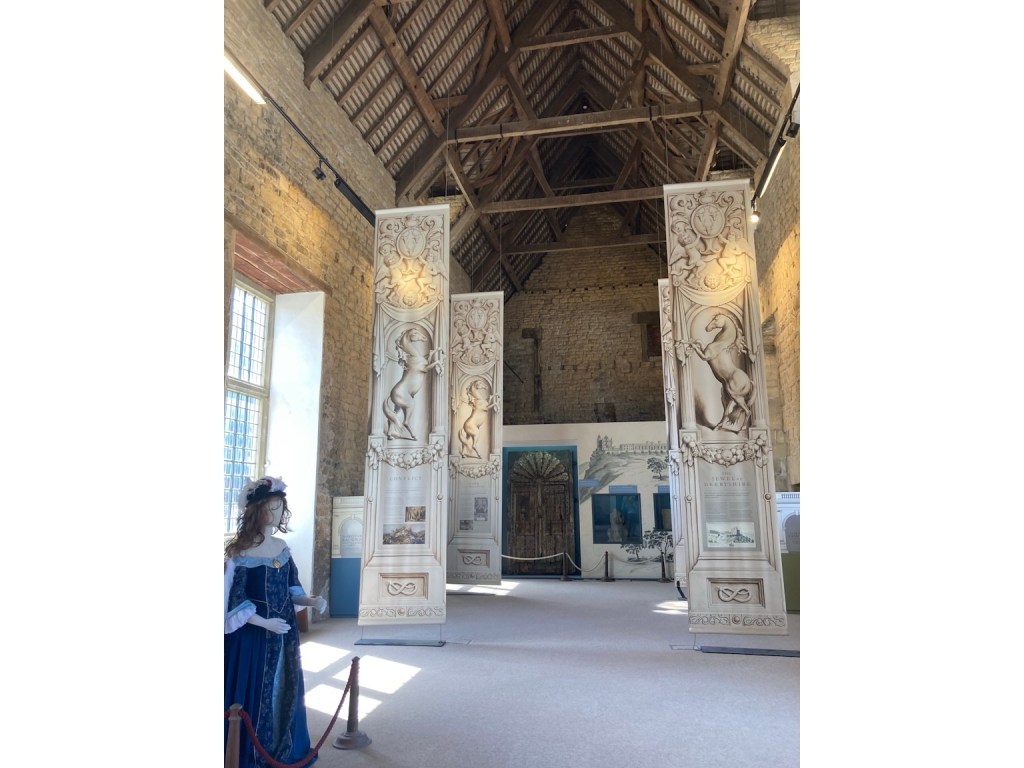
There was also plenty of information about the history of the family and the castle.

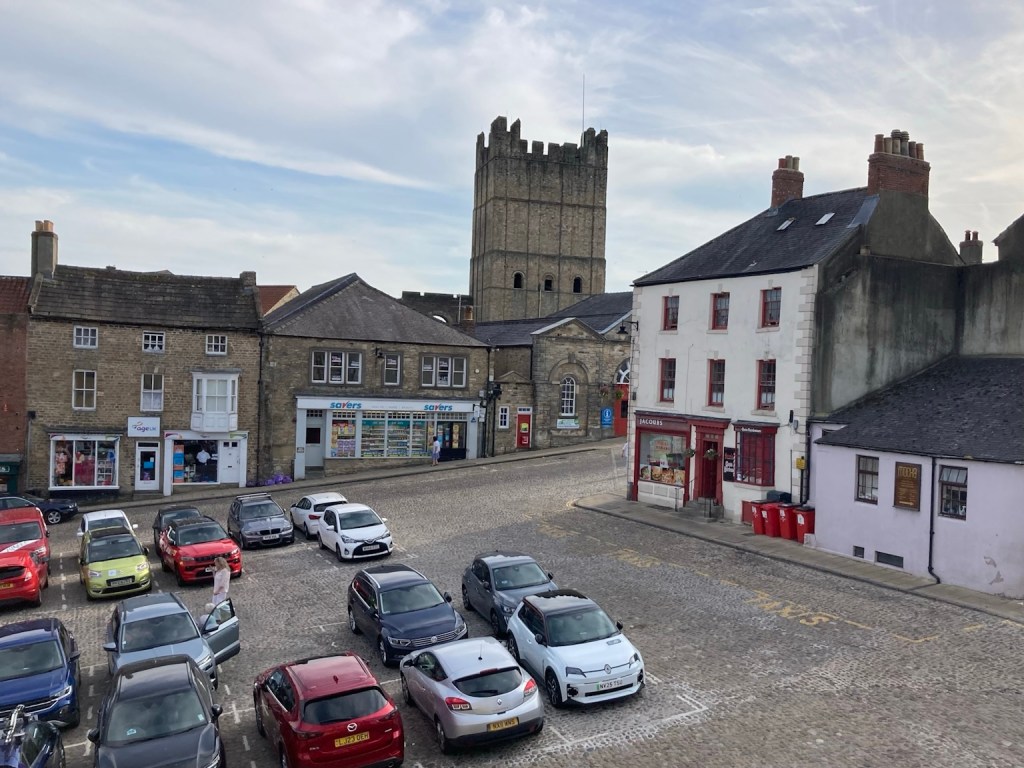
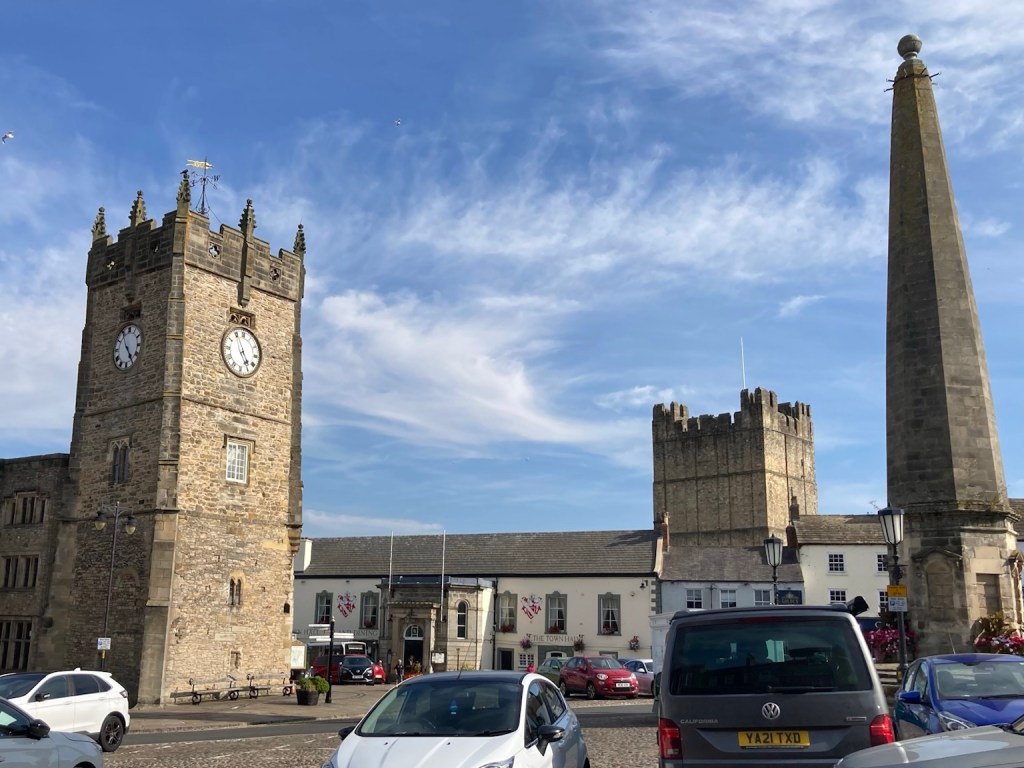
We had lunch in the cafe then continued our drive north to Yorkshire. A couple of hours later, we arrived in Richmond and checked in to the Castle Tavern, right in the centre of town overlooking market place and the castle.

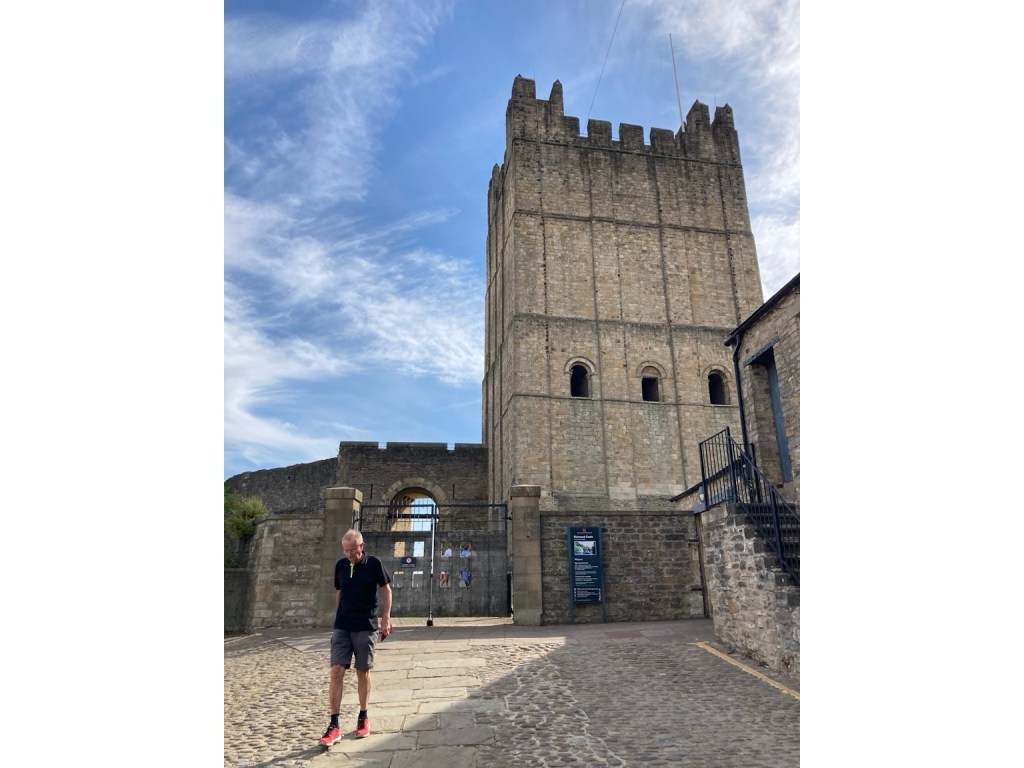
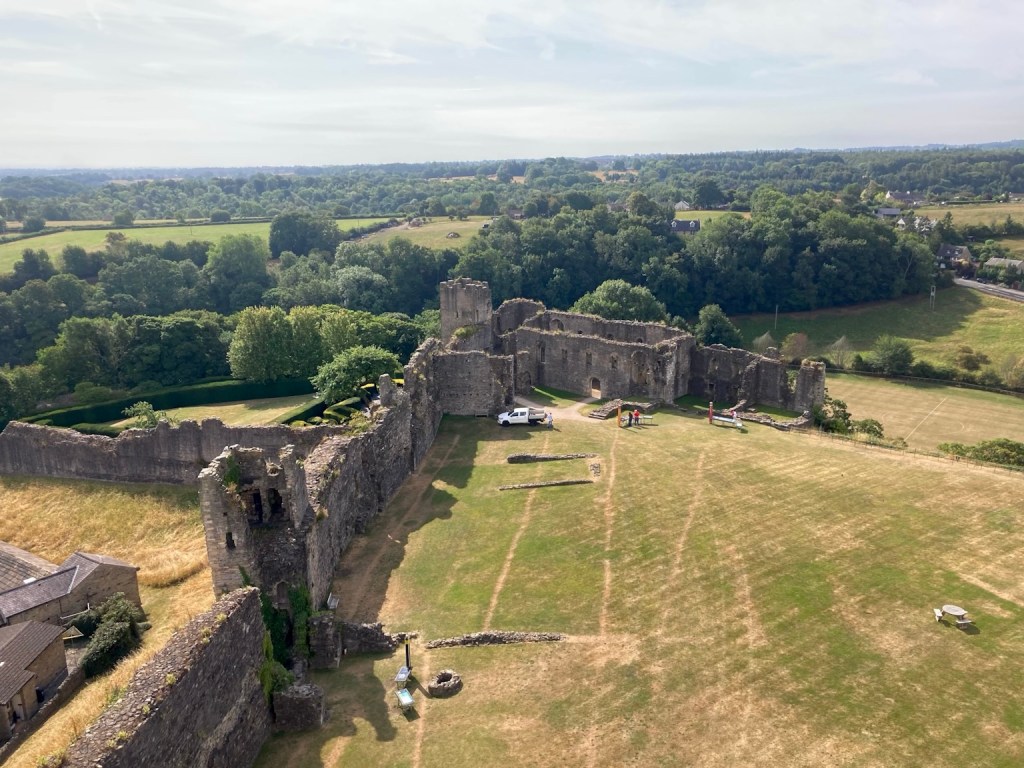
Richmond Castle dominates the town and was built by Alan Rufus, the 1st Lord of Richmond who was a Breton nobleman and kinsman to William the Conqueror, but unfortunately we were too late and it was closed.

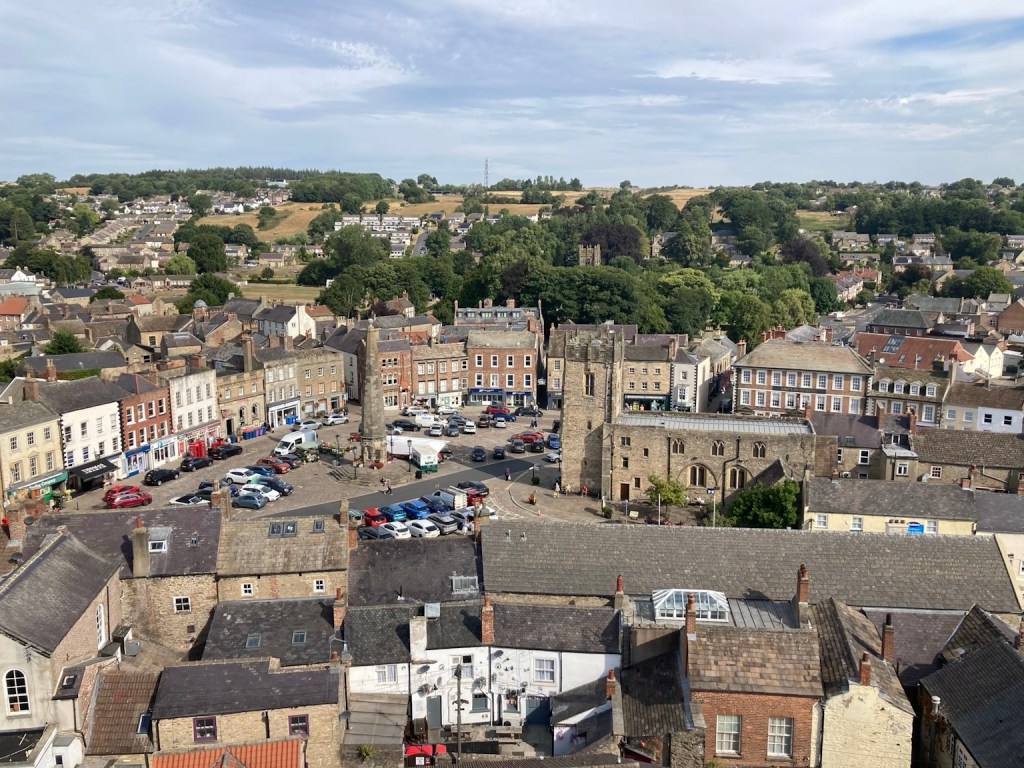
Instead we wandered round the town to stretch our legs and were interested by the obelisk. It was built in 1771 to replace a dilapidated medieval market cross, possibly inspired by a similar obelisk in Ripon. It also marks the spot of a 12,000 gallon underwater reservoir beneath the cobbles which was filled from springs above the town and supplied the water until 1837.

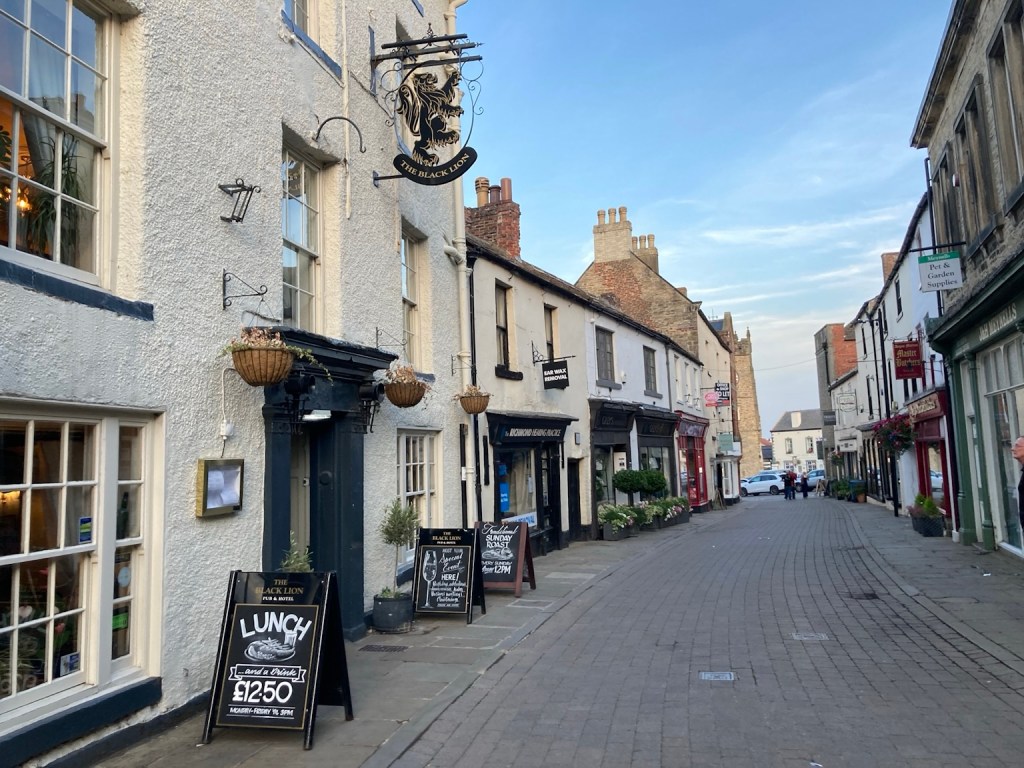
We had a lovely meal in the Black Lion …

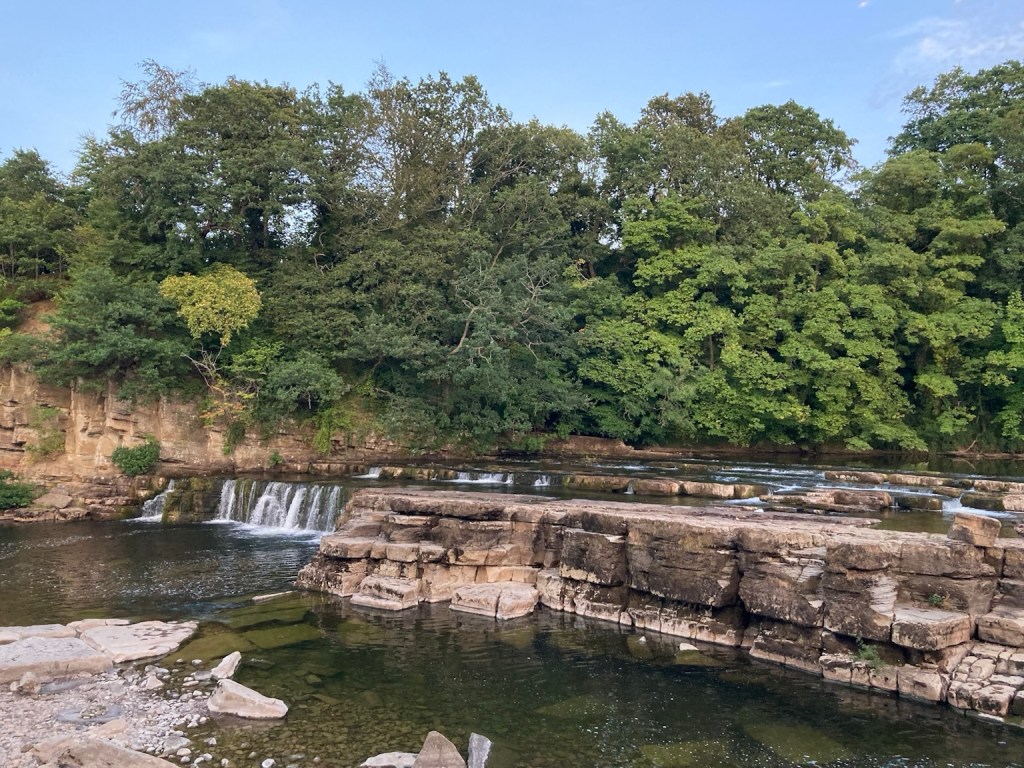
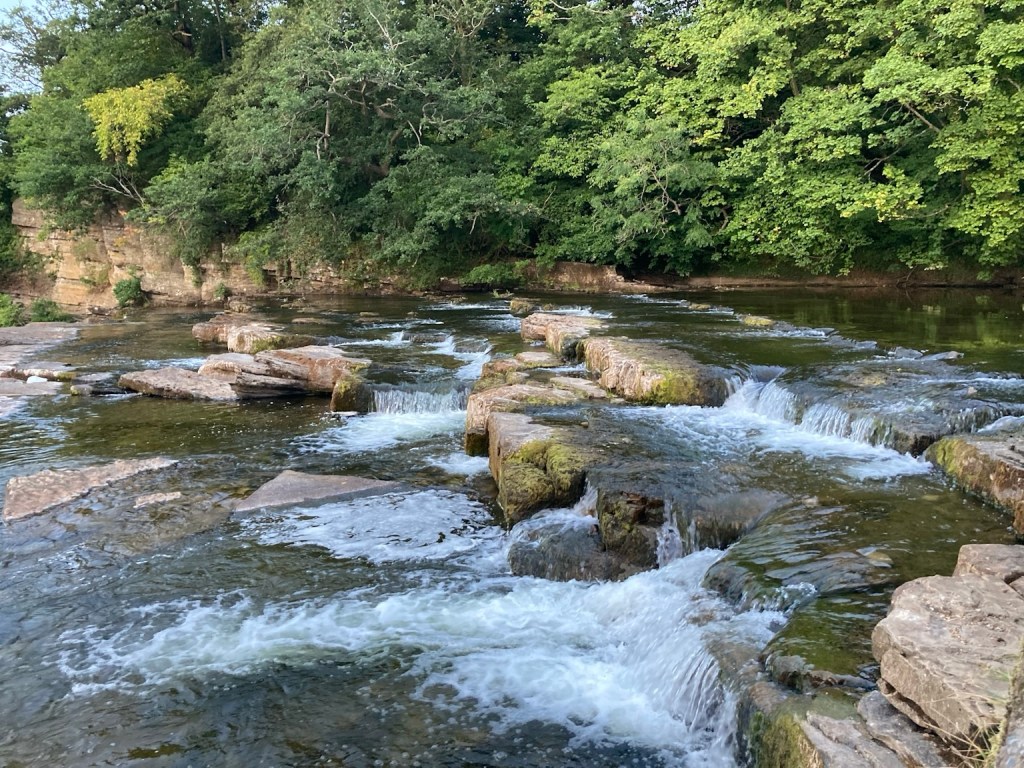
… then went for a stroll to the Fosse, a series of limestone cascades in the River Swale.

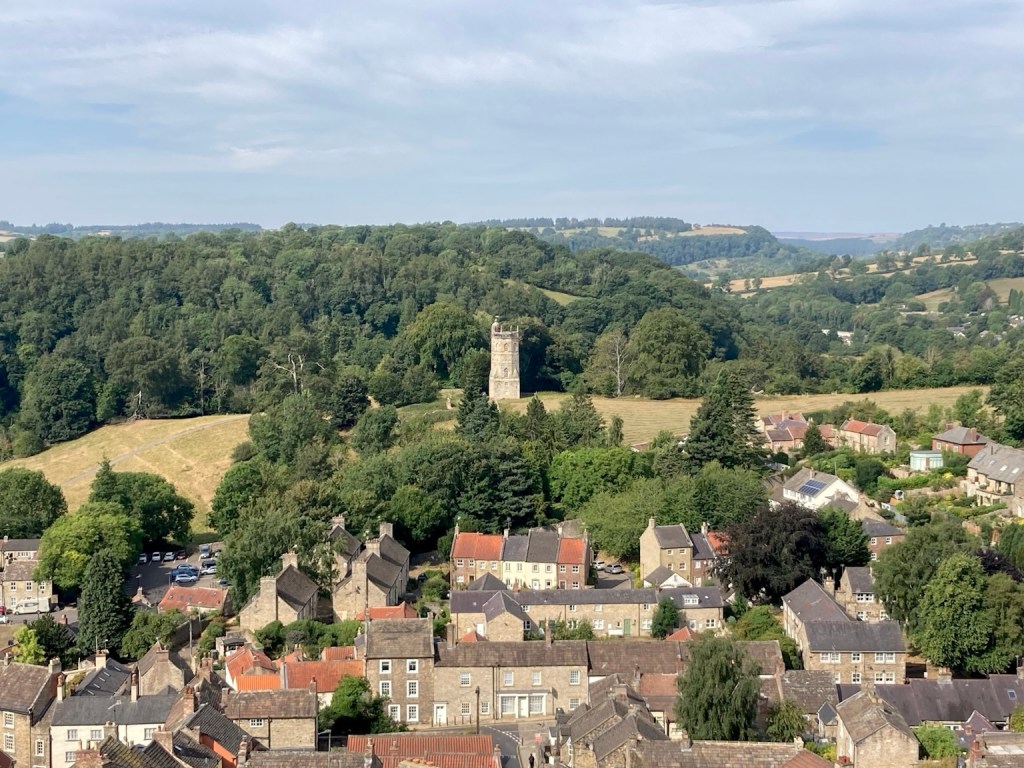
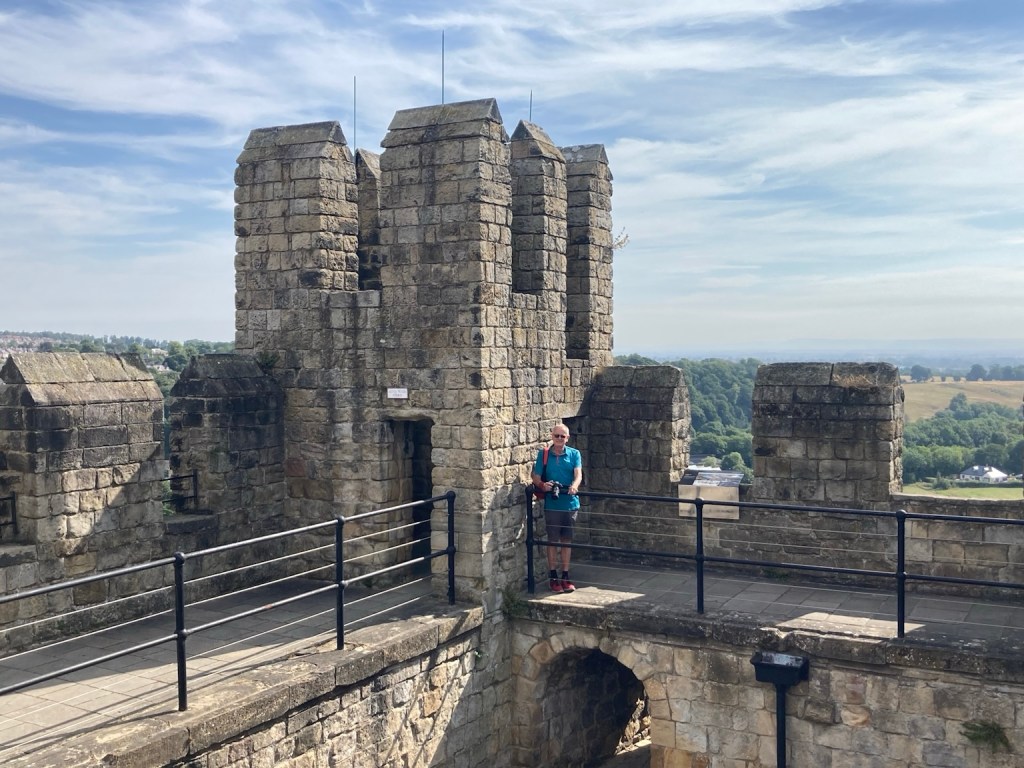
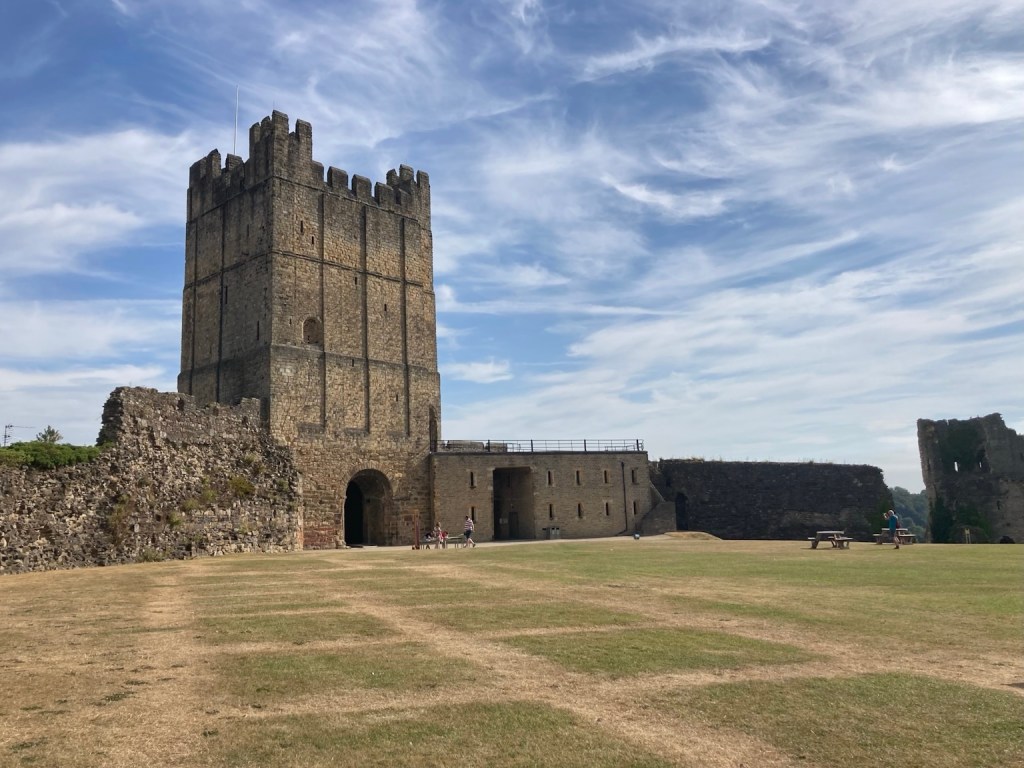
We were ready and waiting when Richmond Castle opened and climbed to the top of the keep for great views of the town and surrounding countryside.

Then it was back to the car … next stop Northumberland!
Map

Chris & Elaine Explore the Northumberland Coast 2026

Our last trip to Northumberland focused on Hadrian’s Wall so this time we are heading for the coast and staying in the fishing village of Seahouses. This coastline is known for its medieval castles, sandy beaches and stunning views so there will be lots to do and we are also looking forward to catching up with one of my school friends.

I plan to do a bit of beachcombing to find treasures to inspire or include in my stitching while Chris checks the angles for that award winning photo so fingers are crossed that the fine weather continues.

Itinerary

Revels and Royalty at Bolsover

Victorian Vision at Cragside

Remote Ruins at Dunstanburgh

Royal Legacy at Bamburgh

Powerful Percys at Alnwick

Historical Haven at Lindisfarne

Family Favourite at Warkworth

Border Bastion at Berwick

Ruins and Ritual at Ripon

Map

The Tamada

Our flight is not until this evening which is lucky as there are a couple of things left on the list!

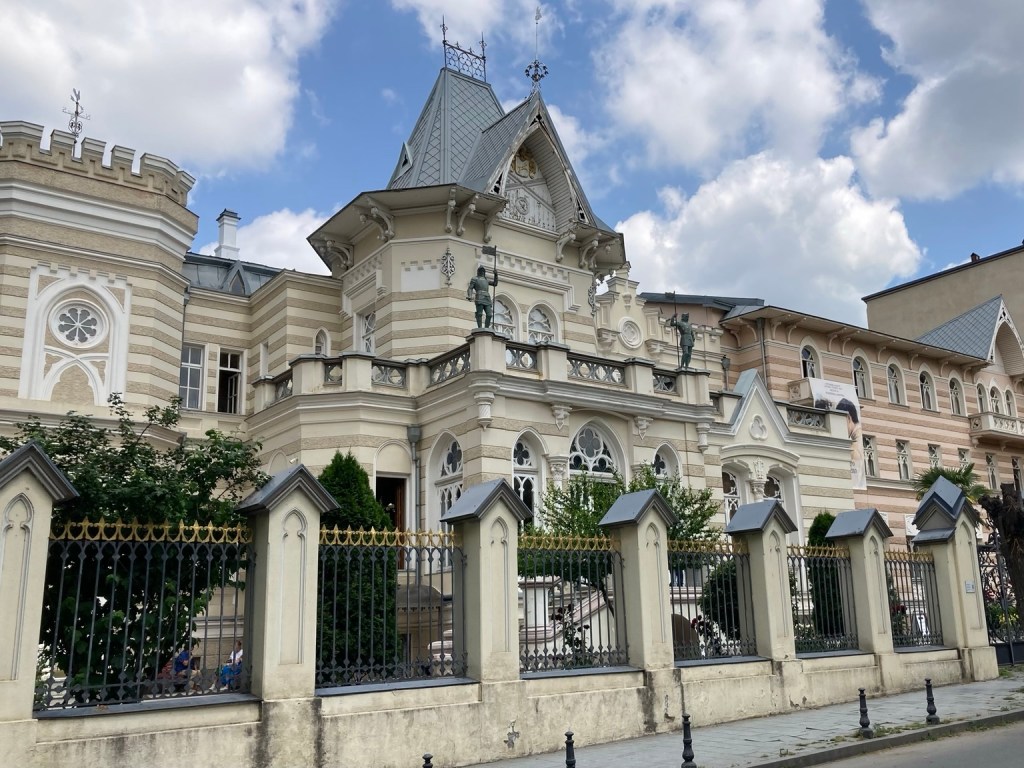
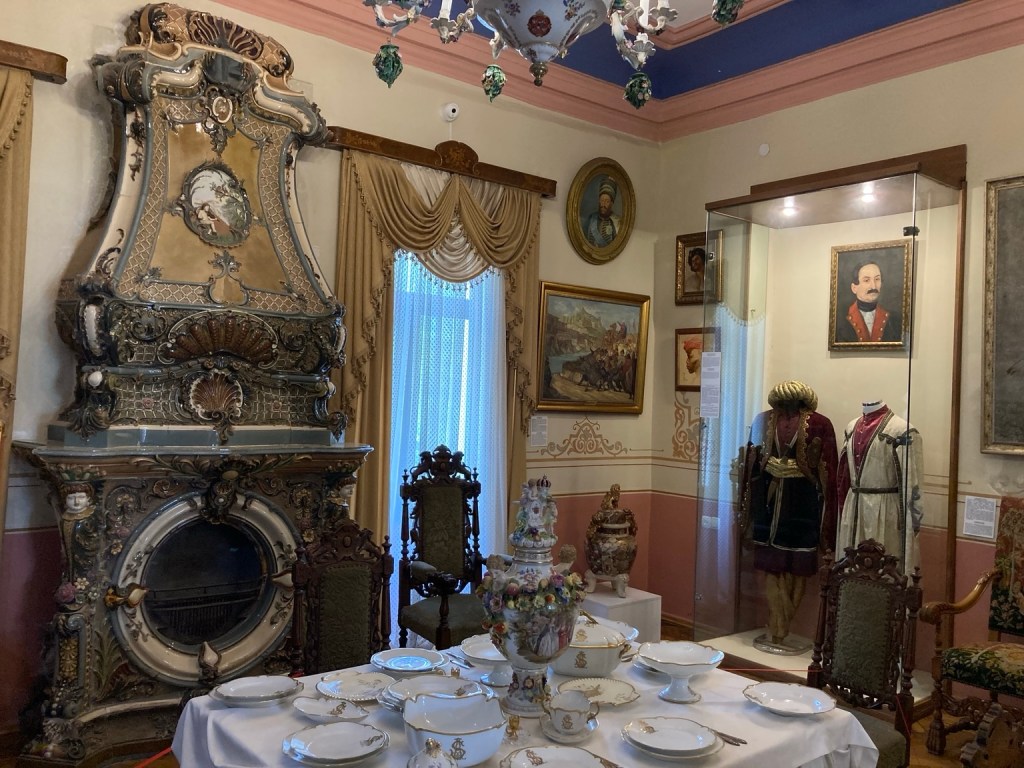
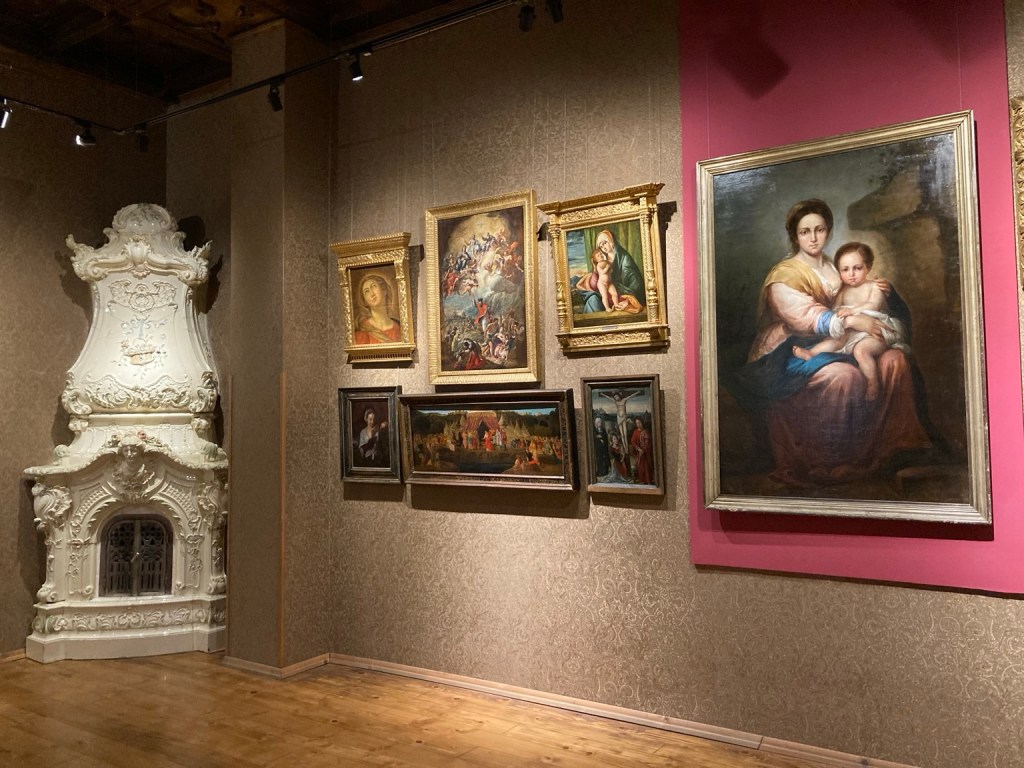
Slightly off the beaten track, The Art Palace is a C19th gothic century mansion adorned with hand-painted frescoes and ornate fireplaces and paintings collected by the original owner. 

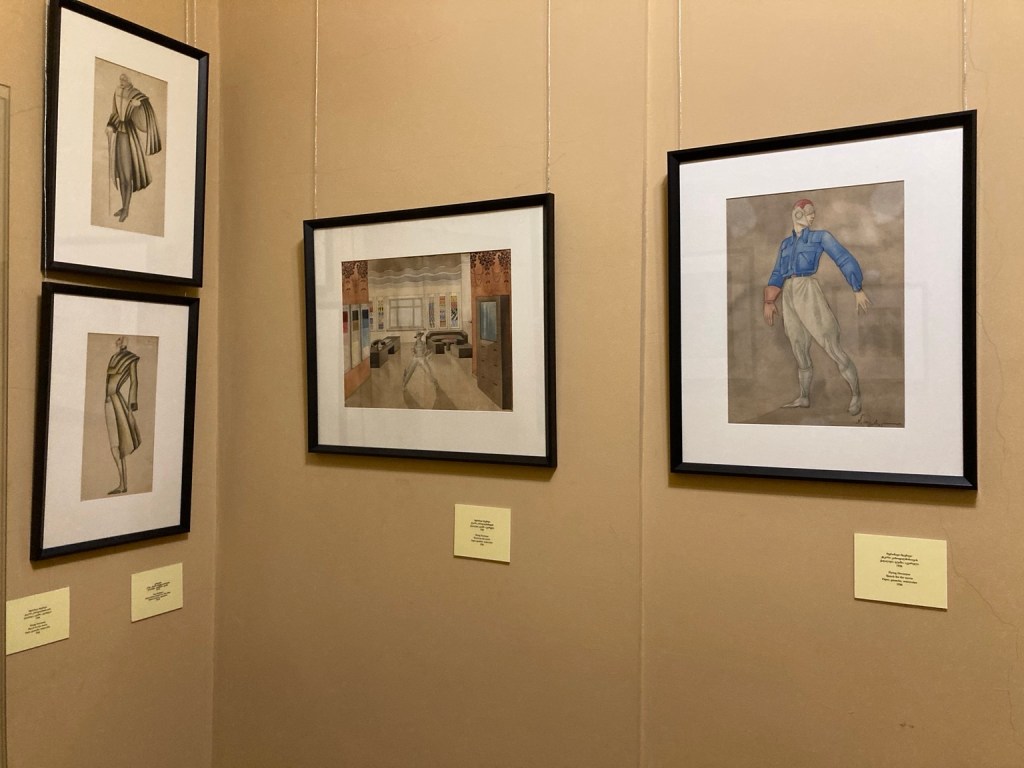
There is also theatre, opera and ballet memorabillia including these very modernist looking set designs by Petra Ostskheli.

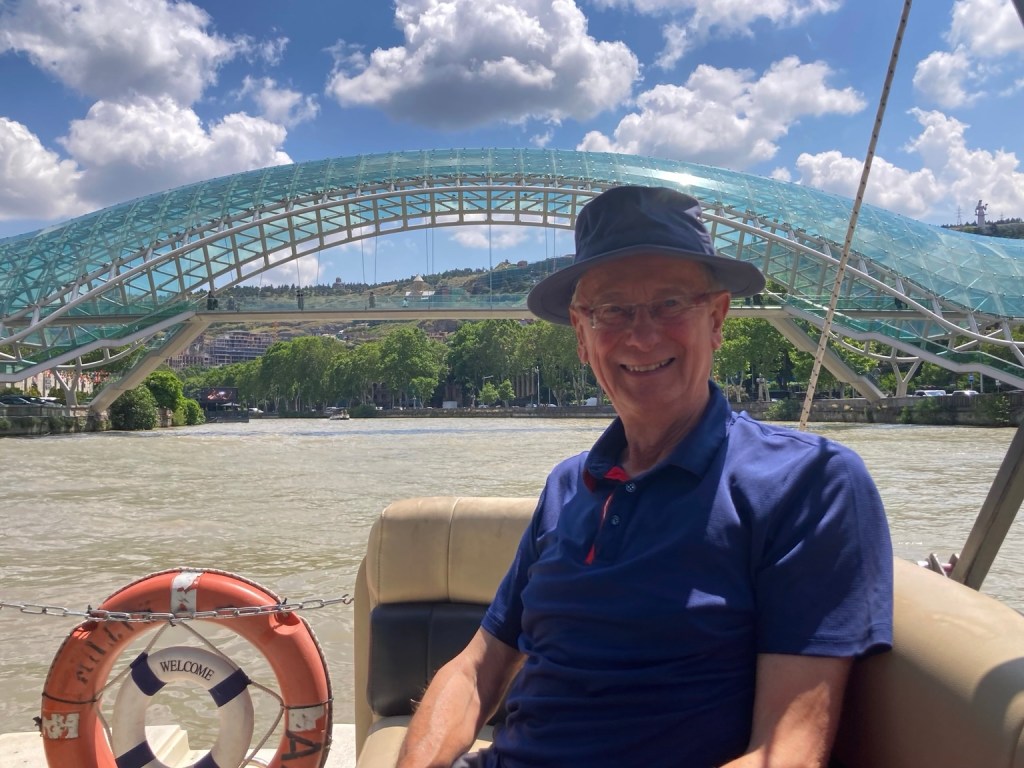
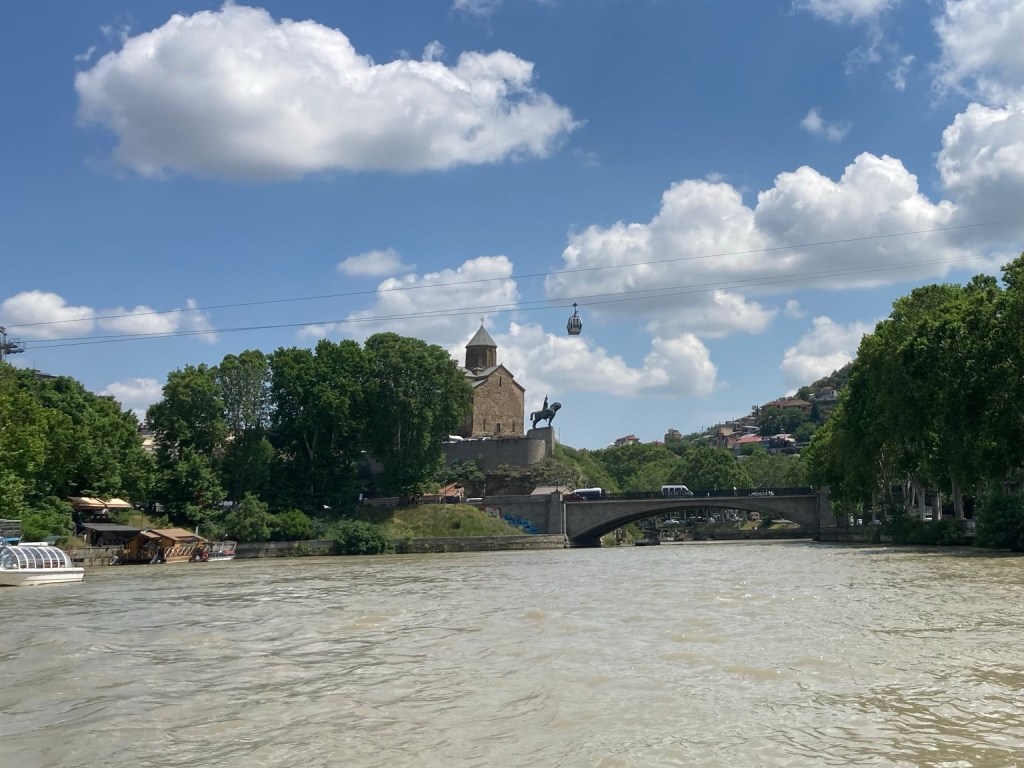
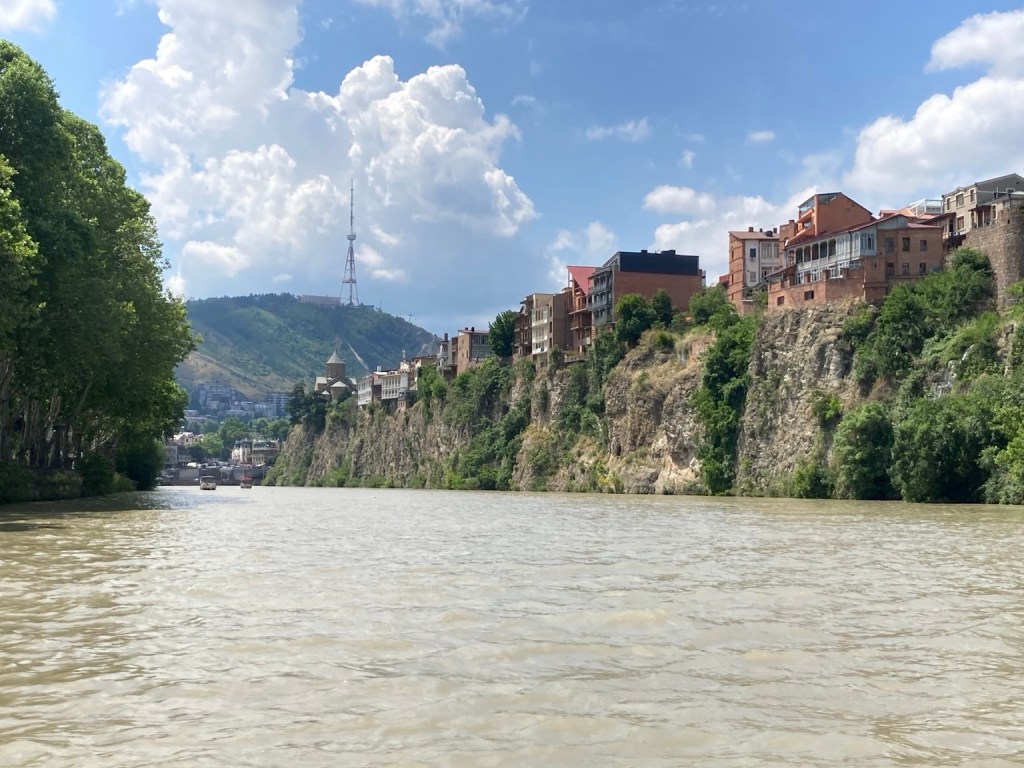
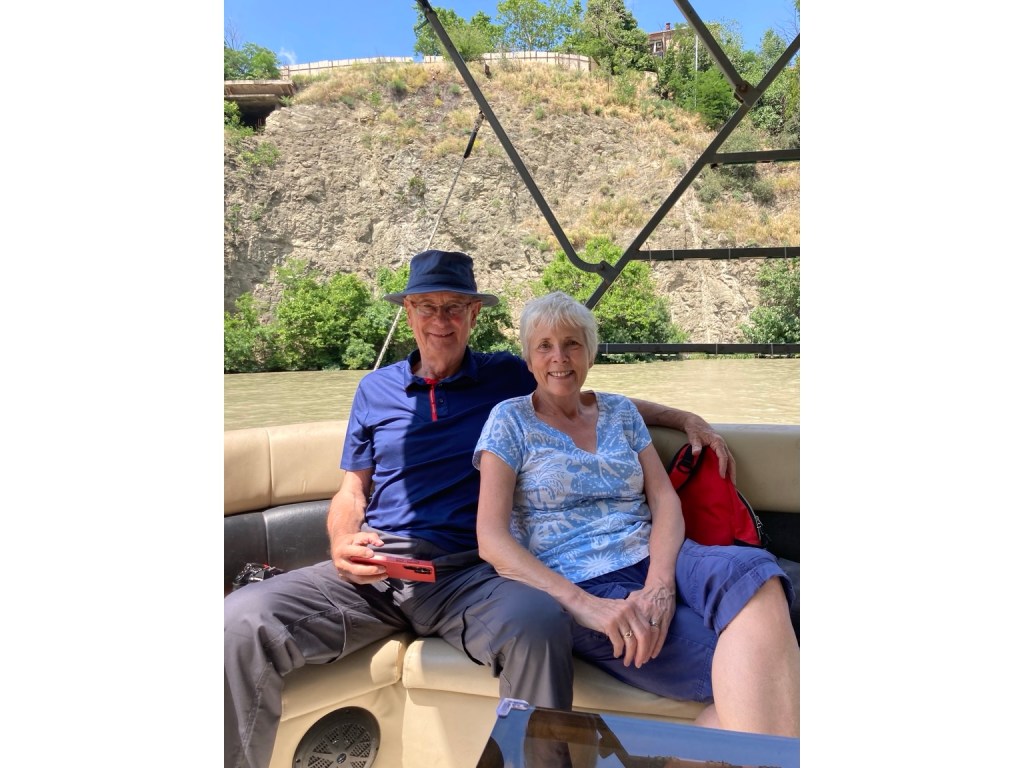
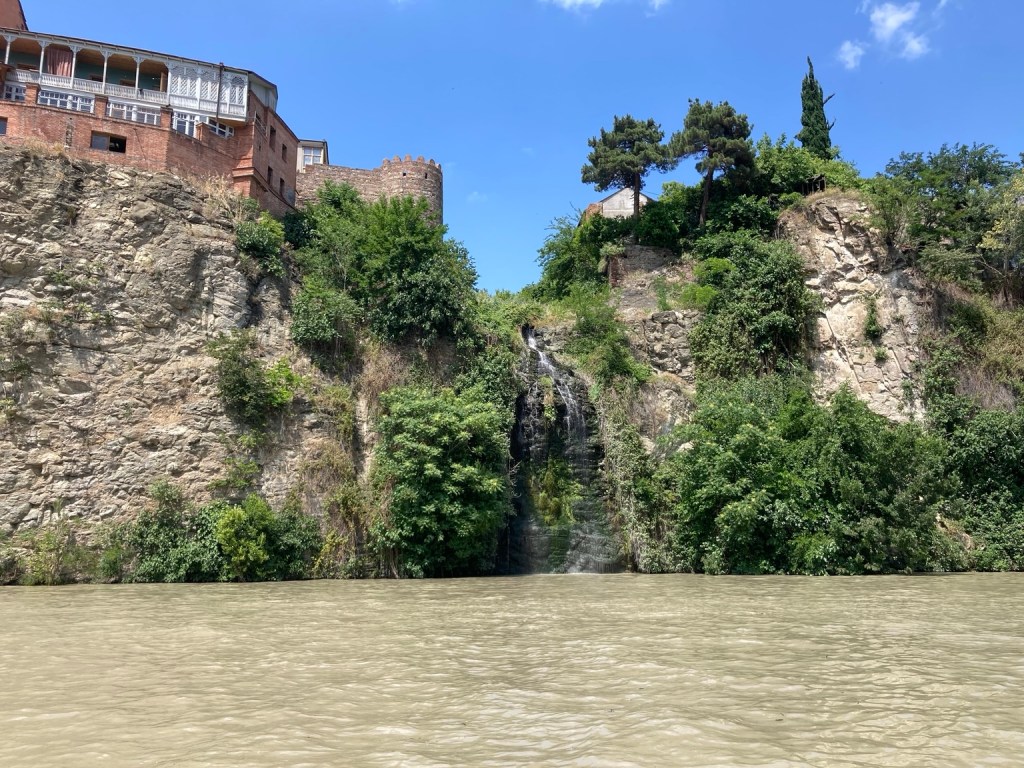
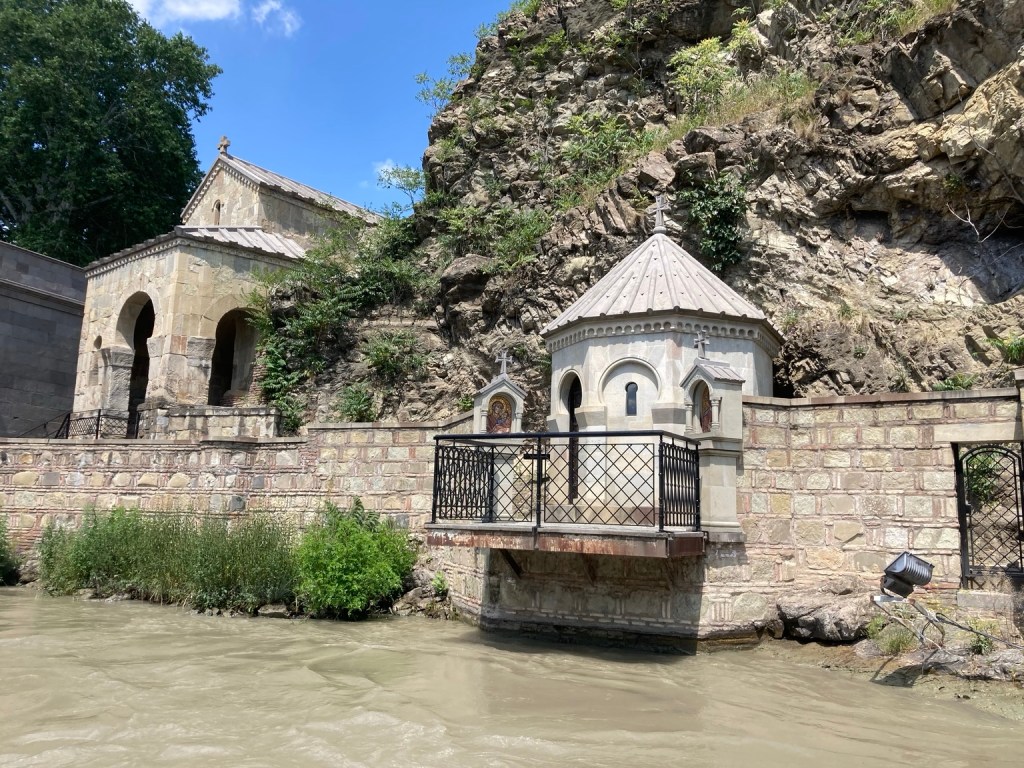
We have been so impressed with the bus network, how frequently the buses run and how easy it is to follow the route on google maps and get off at the right place, in this case beside the Peace Bridge for a boat trip.  We’ve seen youngsters trying to entice visitors to the water since we arrived.  Not only does it give a different perspective but it’s warm today and the boats have shade!
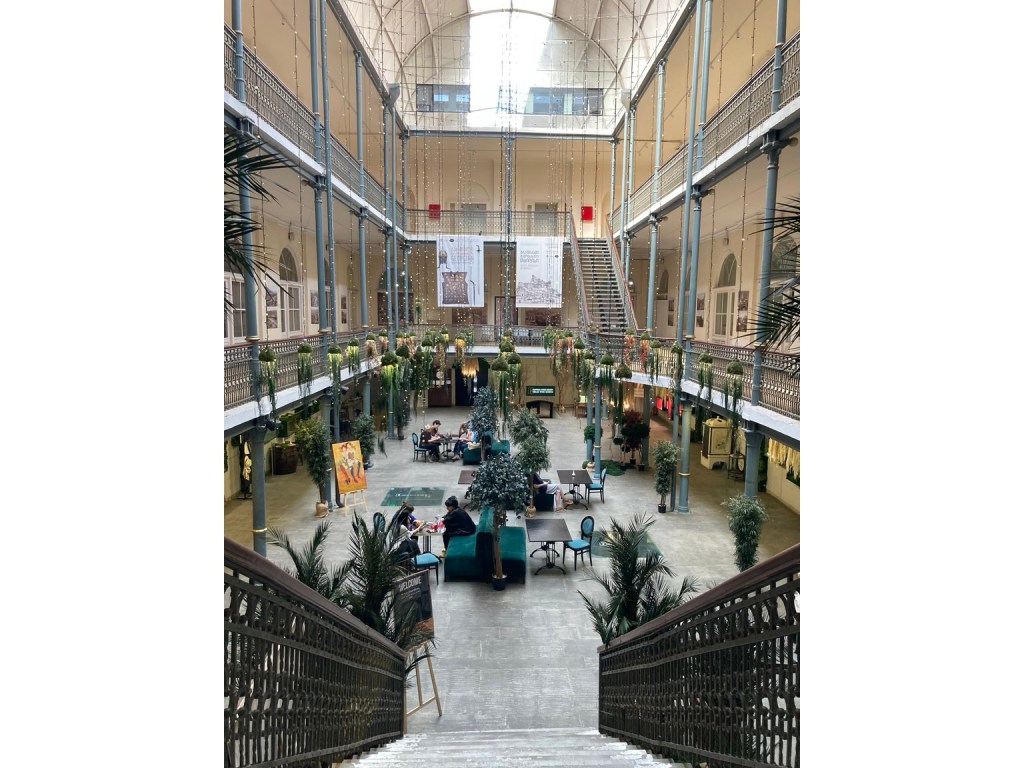
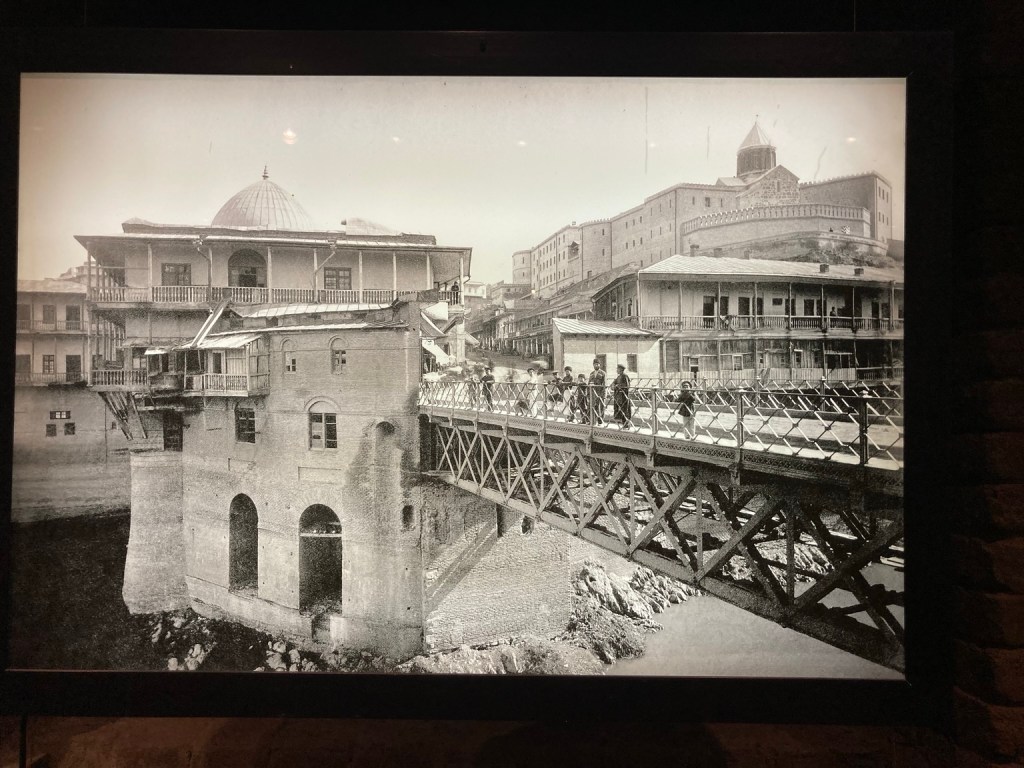
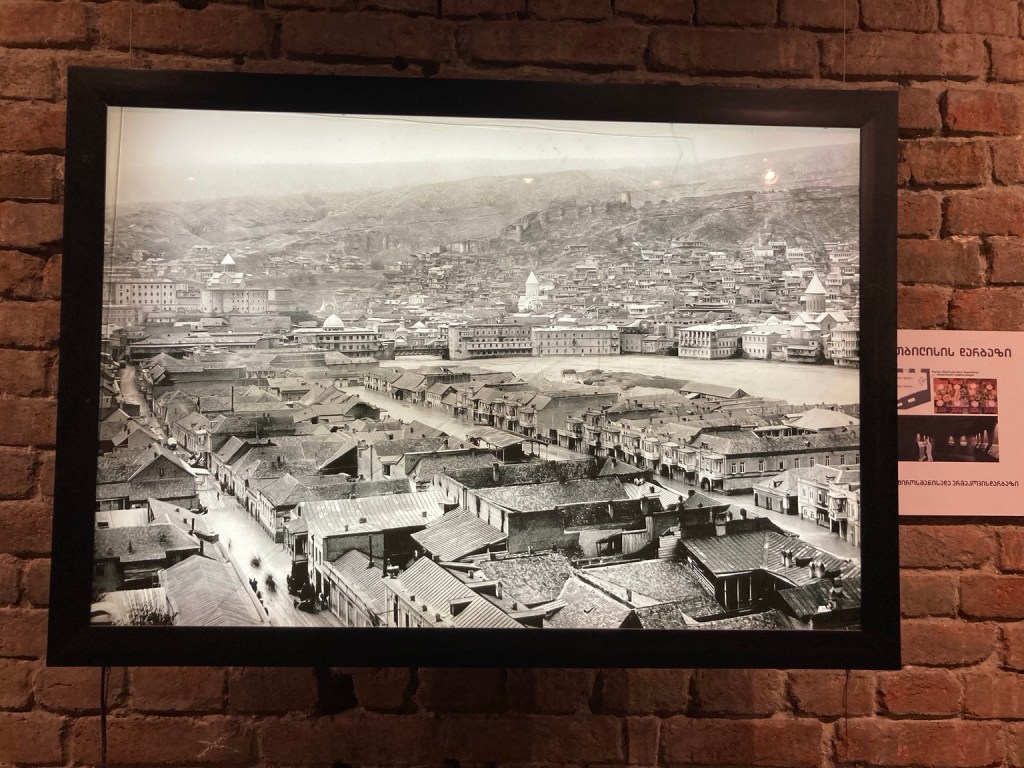
Afterwards we made our way to the Tbilisi History Museum which does what it says on the tin, explores the city’s rich cultural heritage and historical evolution and included a selection of old photos of the city.  It is fitting it should be housed in an old caravanserai which has a history echoing the city.  Built in the C17th as part of the Sioni Cathedral, the building has endured numerous sieges, fires, and reconstructions and is now largely a shopping mall. 

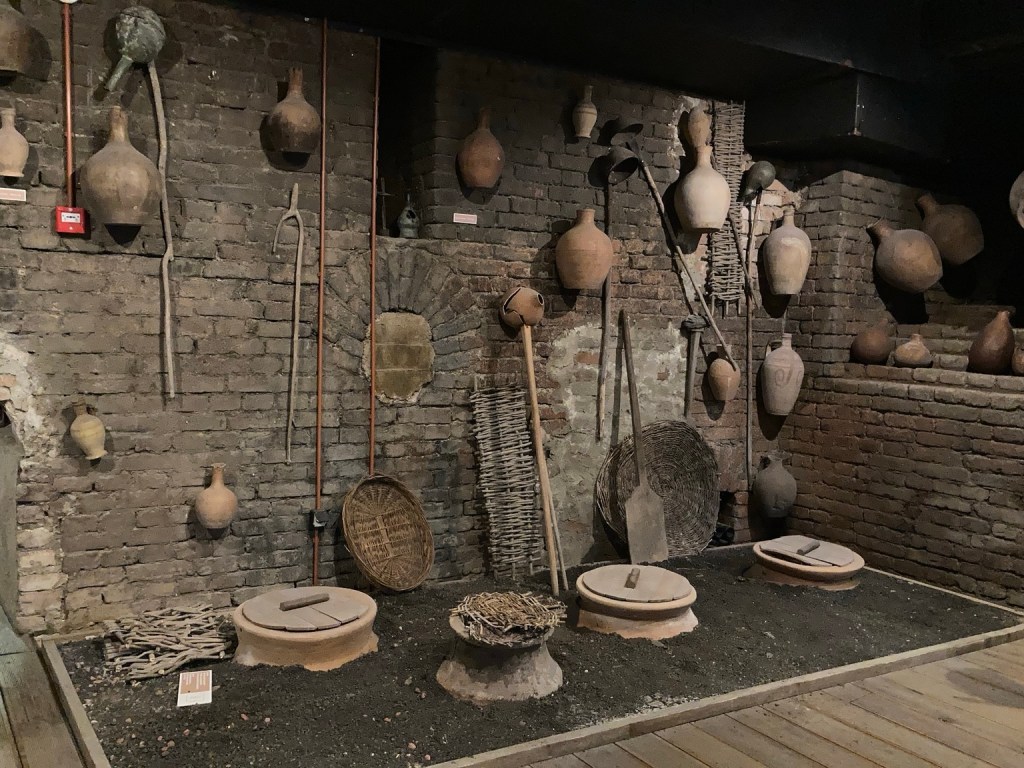
It also contains a wine museum and we had a tour which explained how the grapes were crushed underfoot in hollowed out logs, everything was then poured into the clay pots which were sunk in the ground and left for several months to ferment. 

Finally the wine was siphoned off for drinking. We’ve tried wine made like this and all I can say is I’m pleased they now also embrace the classic method using stainless steel vats! 
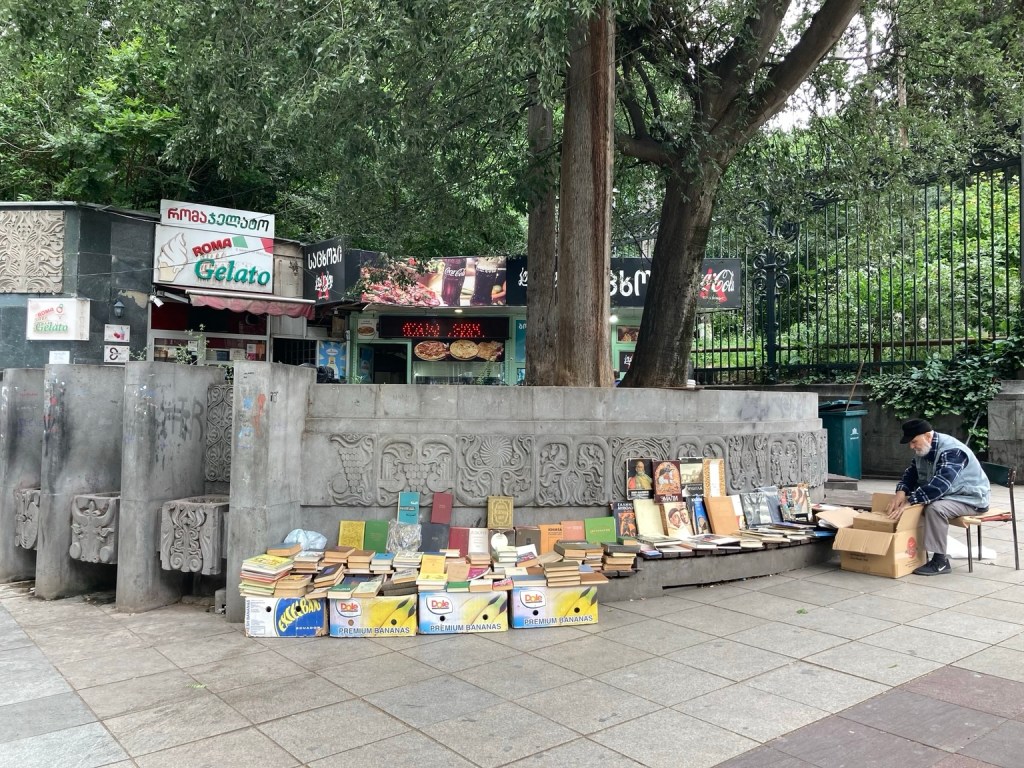
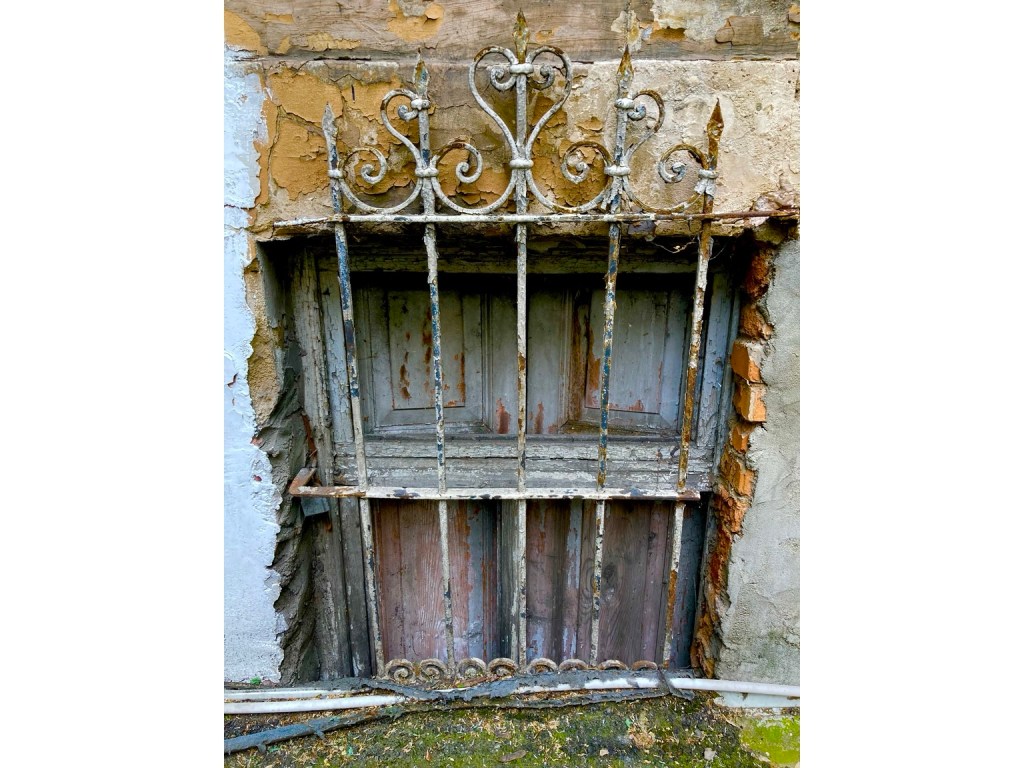
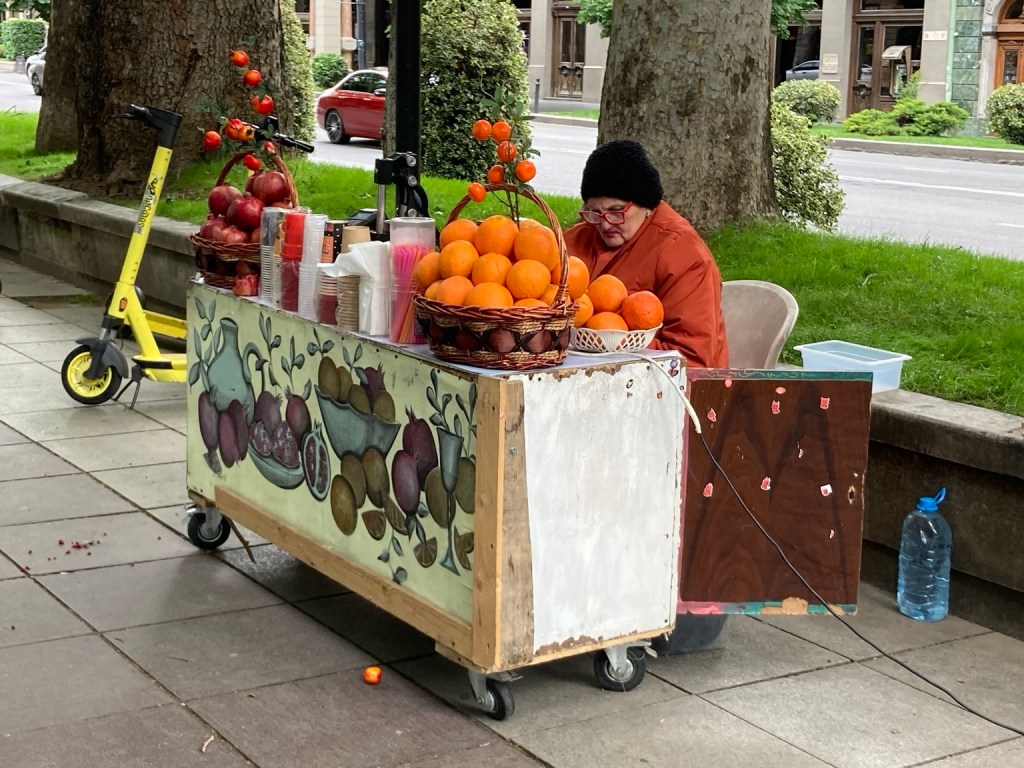
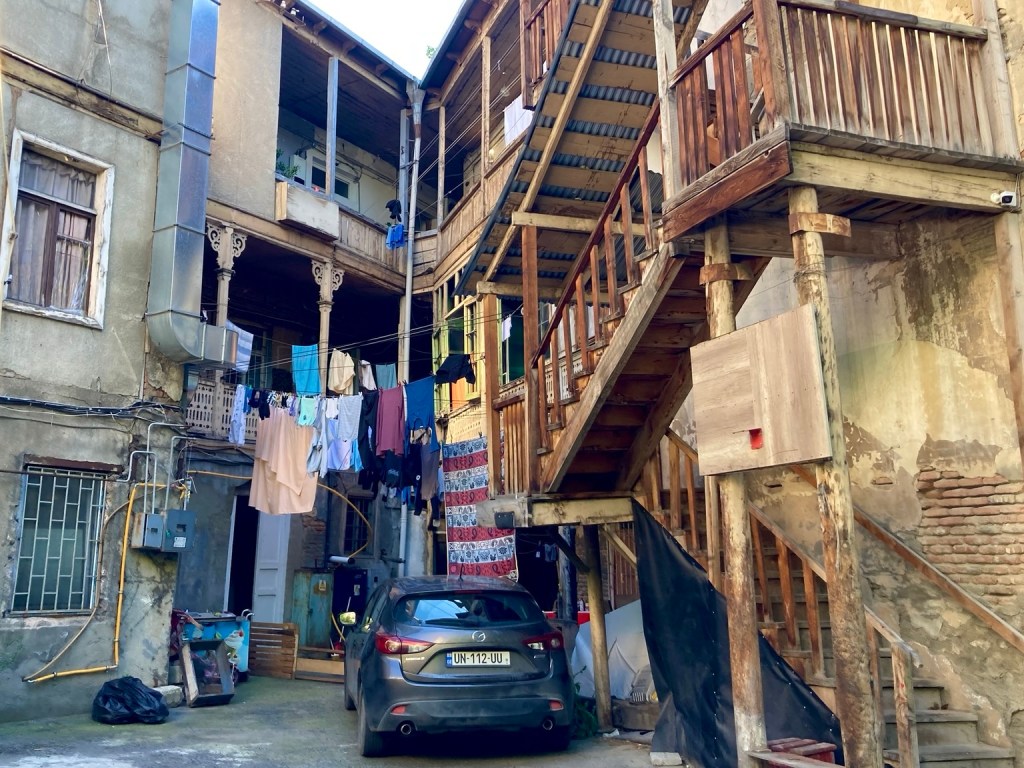
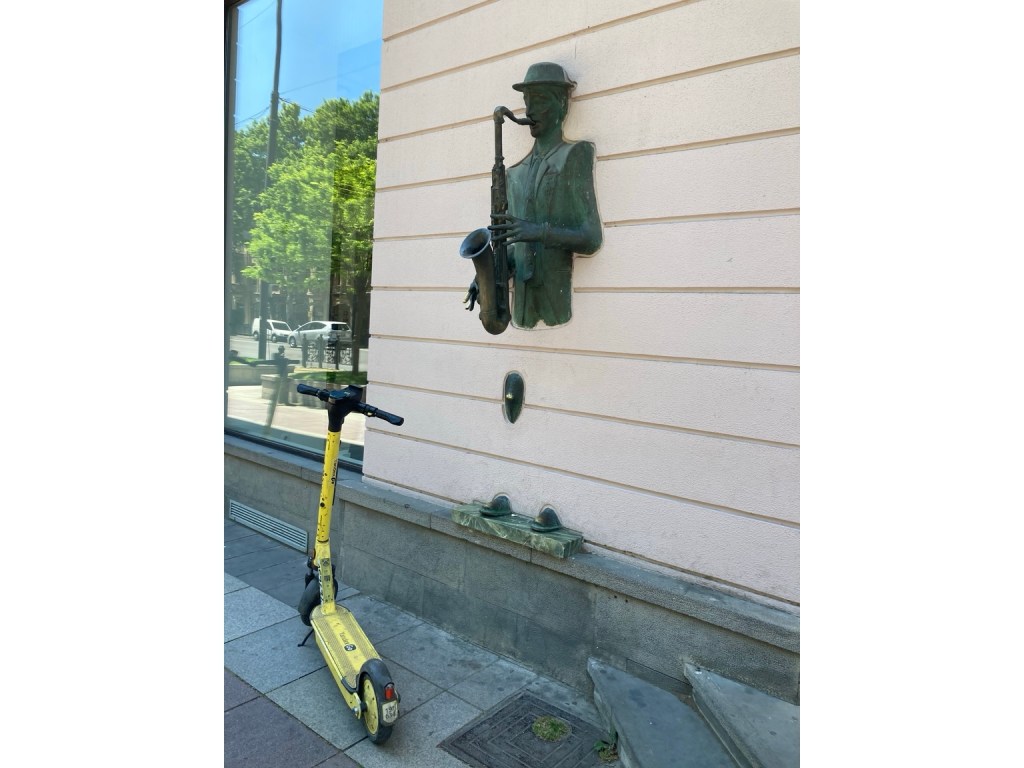
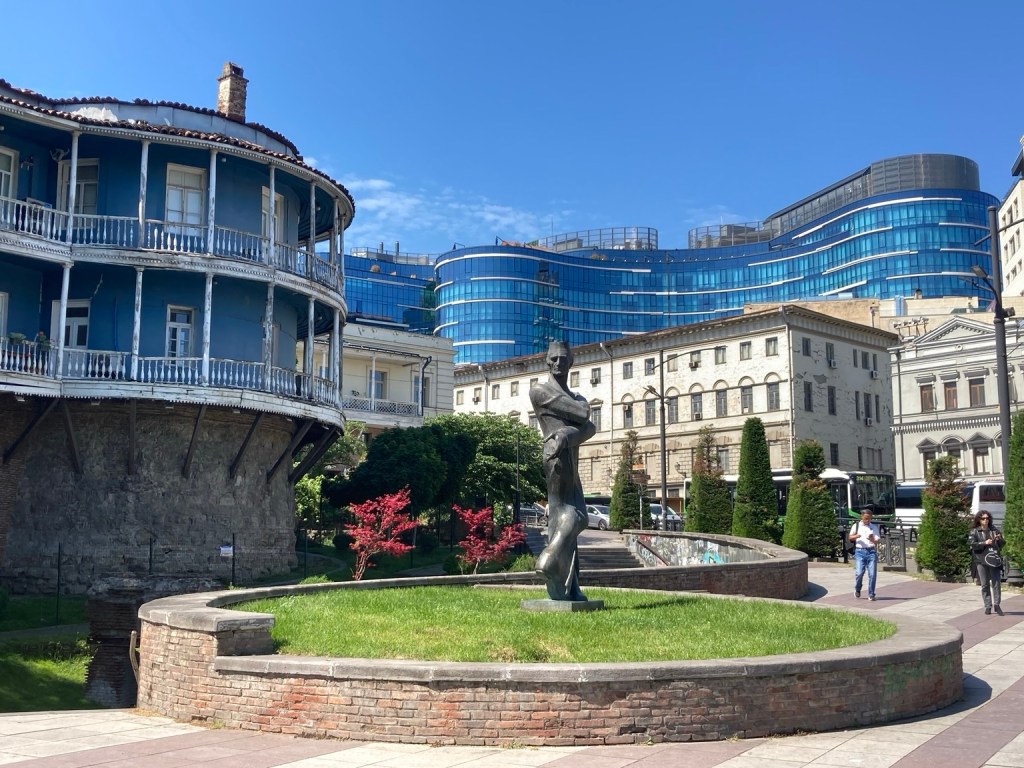
As we walked back through the centre of the old town for the last time, we reflected on the mix of old and new in the city, and how you’ll never quite know what’s round the next corner. Here’s a mixed bunch of images that haven’t quite fitted the narrative, but deserve a space …

Cafe Leila, which has become one of our favourite people watching spots, was perfect for a late lunch before returning to the apartment and picking up our luggage for the trip home.

As we sat over a selection of the vegetarian dishes Georgia does so well, we reflected on how well we have eaten since we’ve been here with every meal freshly cooked and really tasty. Everyone is friendly and welcoming and the weather has been perfect. Our choice to be city based combined with a few day trips has paid off and the pace has suited us really well, so this might be useful for future trip planning.  We are also pleased we got here early, after all direct flights only started last year, and we’re sure it will be popular once word gets round.

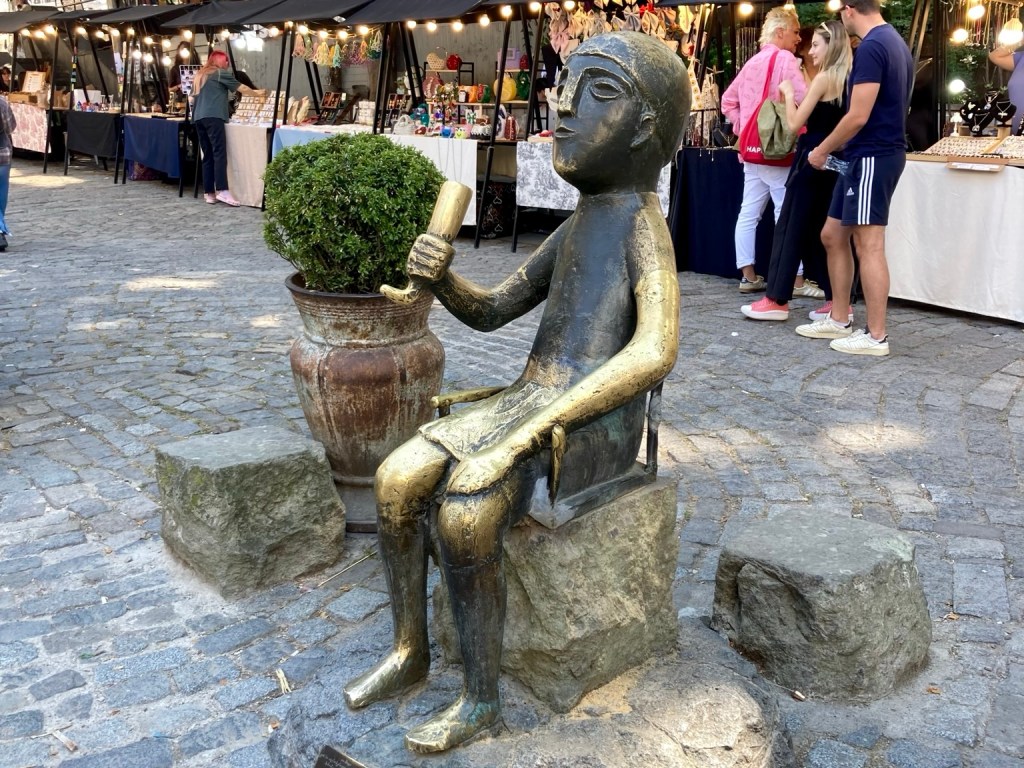
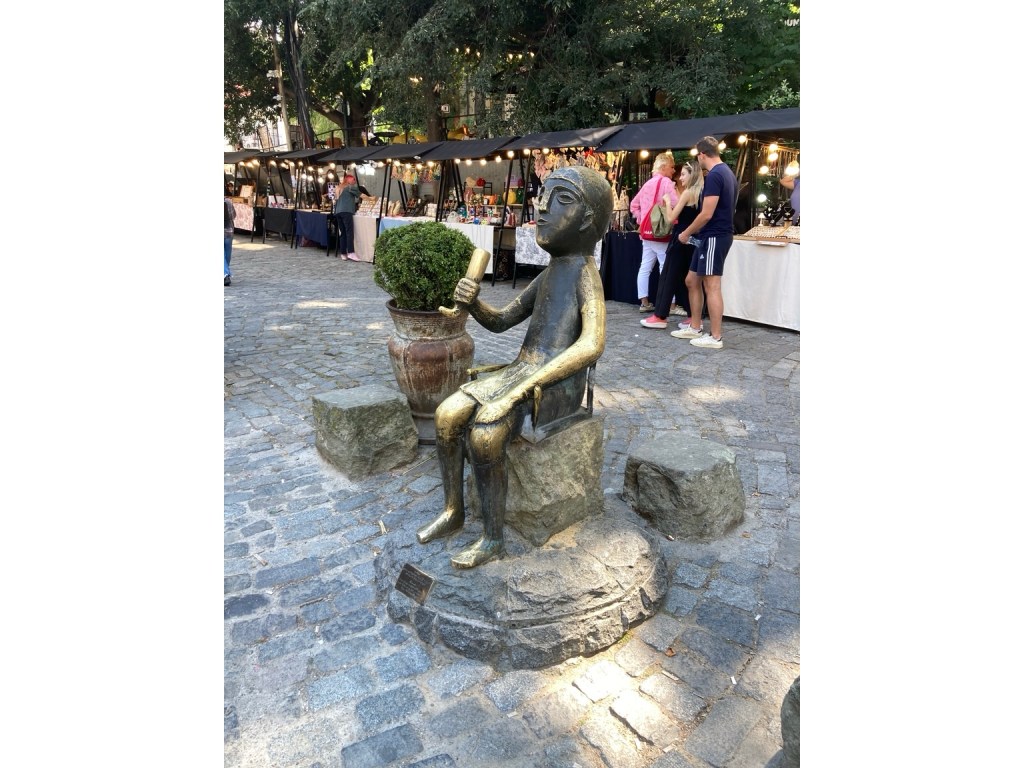
I’d like to end with this chap, right in the heart of the old town. He is an enlarged replica of a C7th BC Colchian figurine and represents the tamada or toastmaster holding his drinking horn, a symbol of the welcoming hospitality of Georgia.

And this is us signing off and saying thank you … Madloba Tbilisi … it’s been great!

Map

Monastery in the Mountains

For our last our trip out of the city, we’ve chosen a trip to the Kakheti region, largely because it will give us the chance for some time in the countryside but also the tour is in a different direction, south towards Azerbaijan.

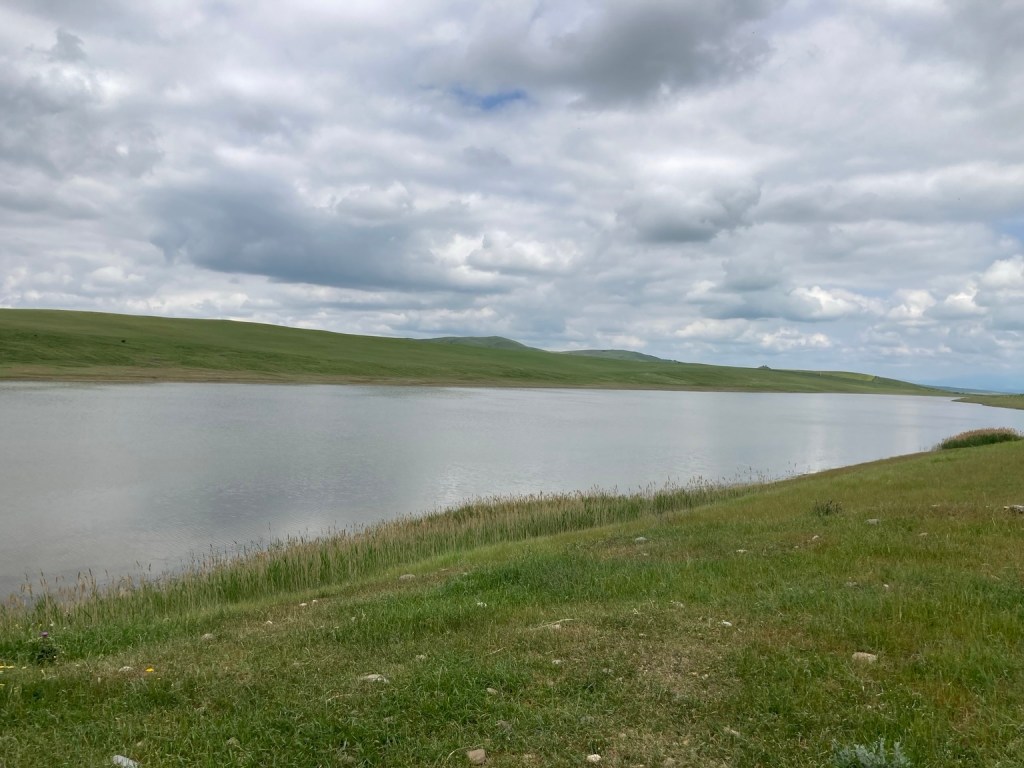
Having driven through farmland with vines lining both sides of the road, we rose to grazing land and stopped briefly at a lake for a leg stretch.

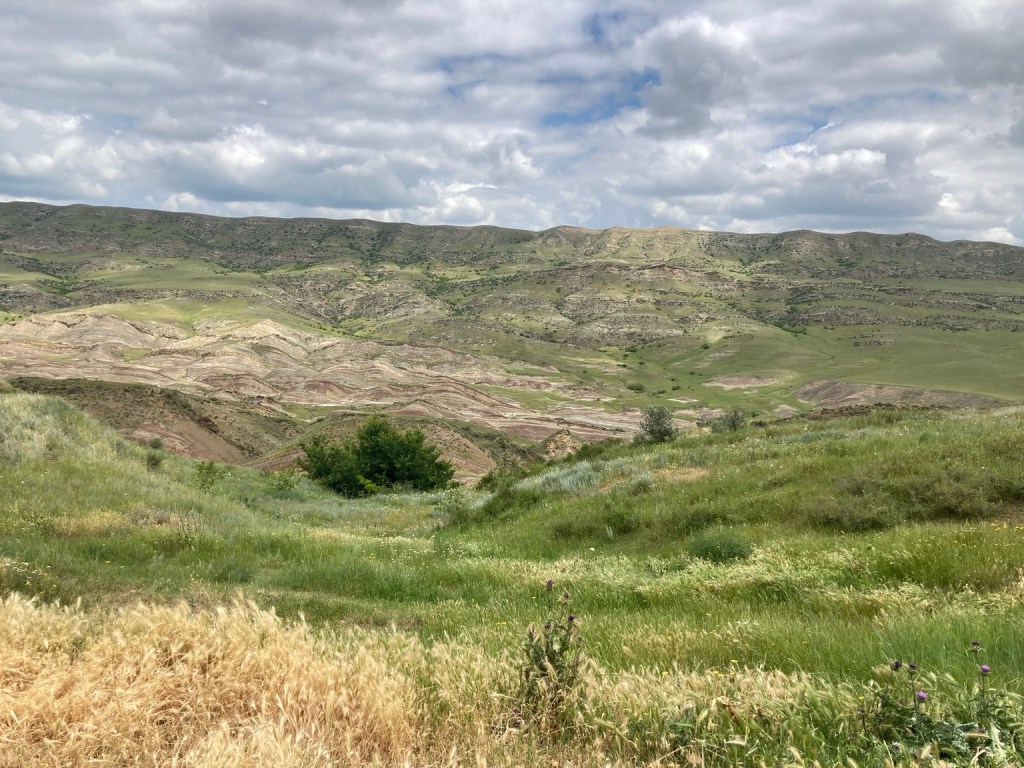
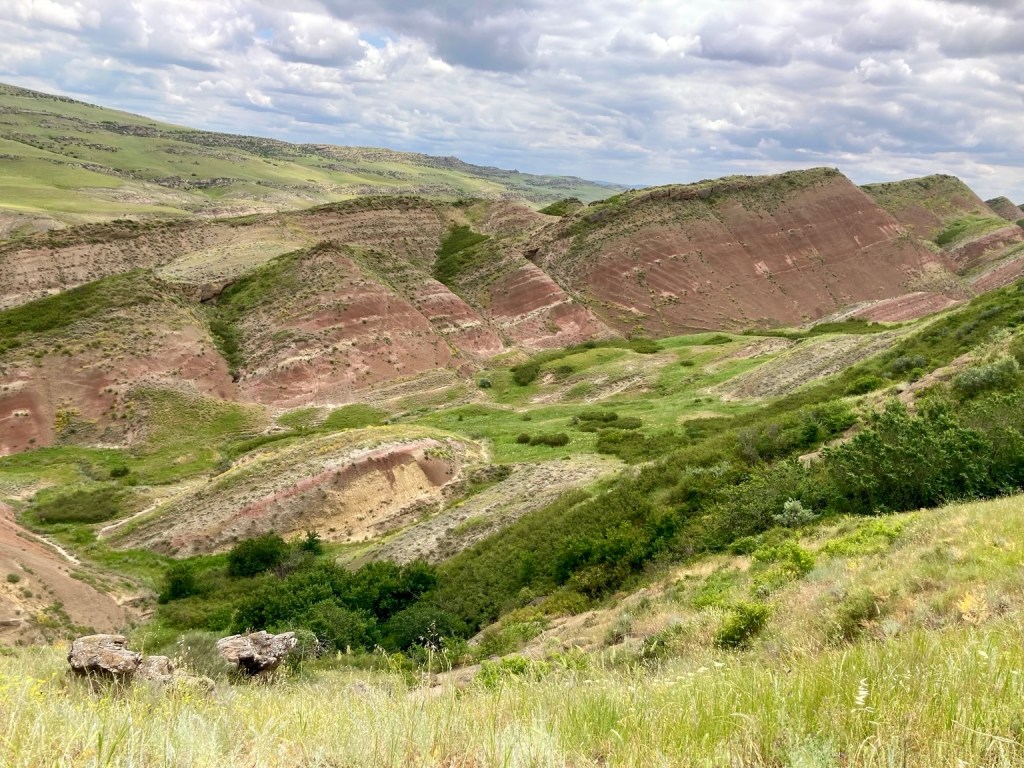
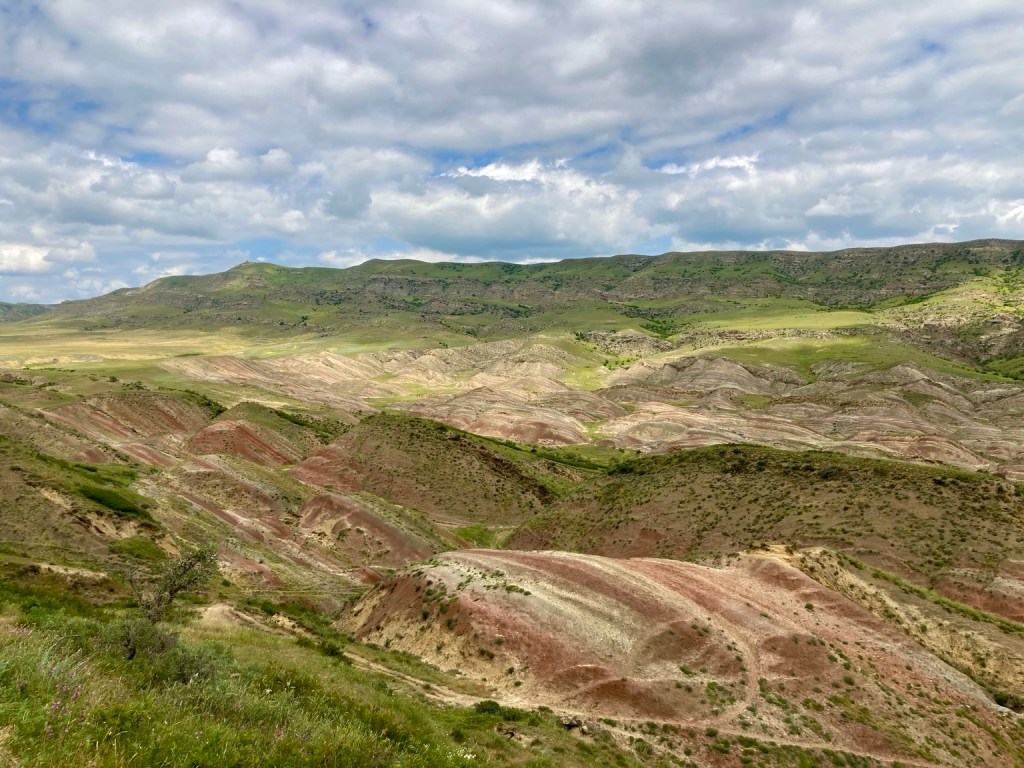
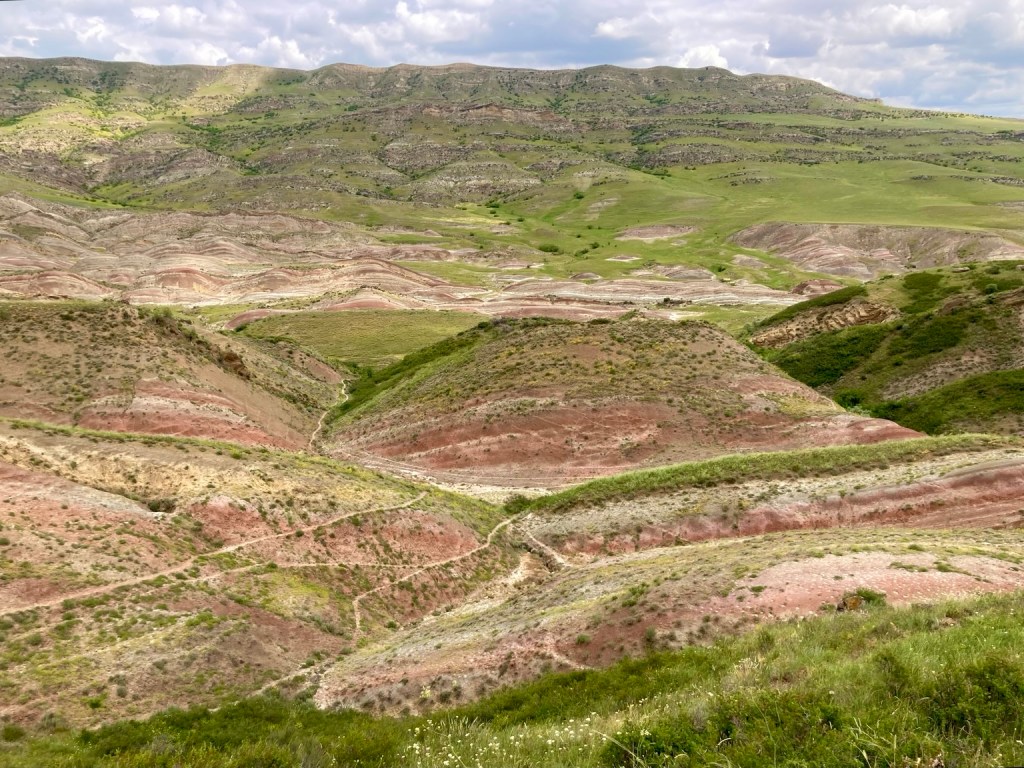
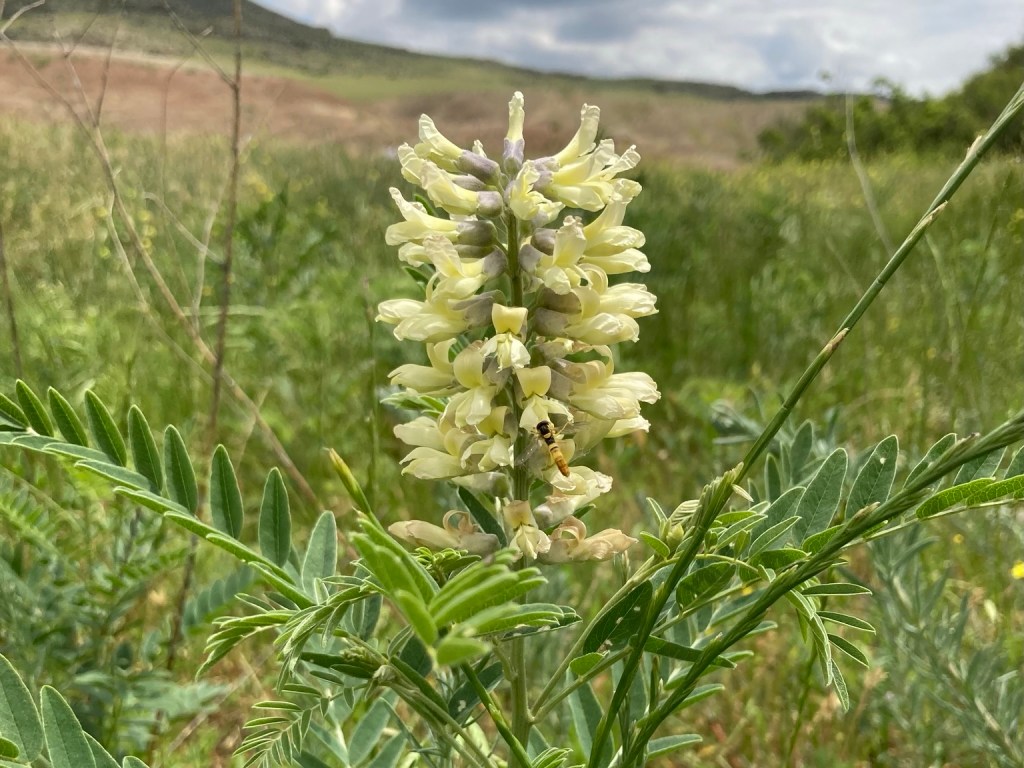
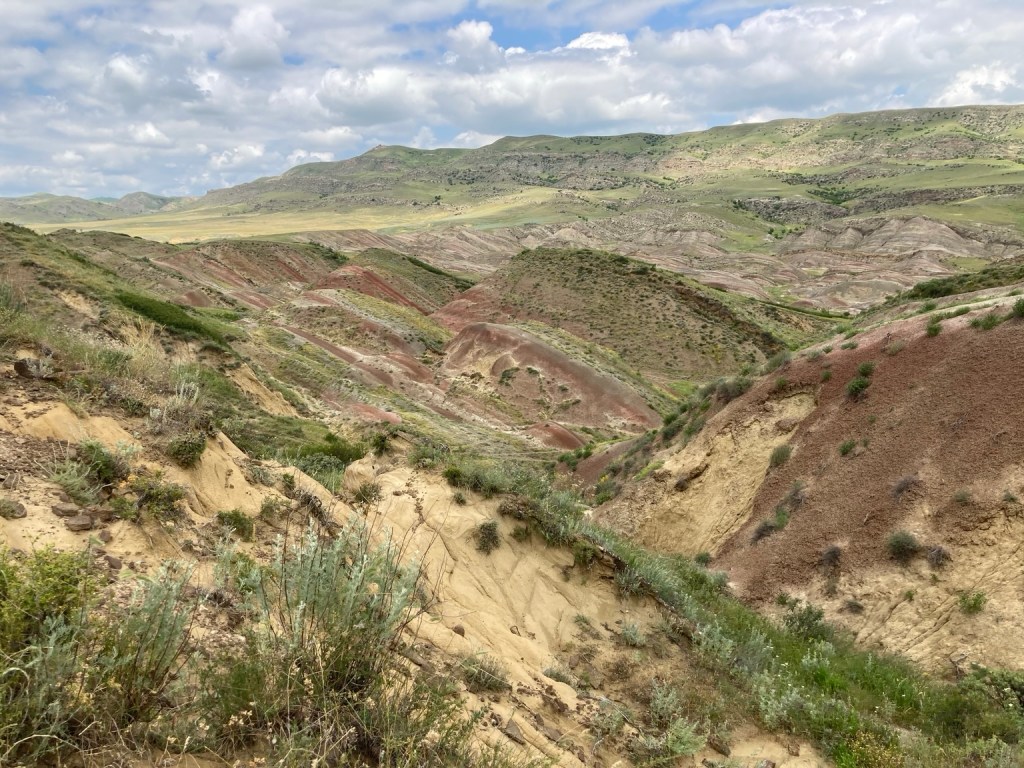
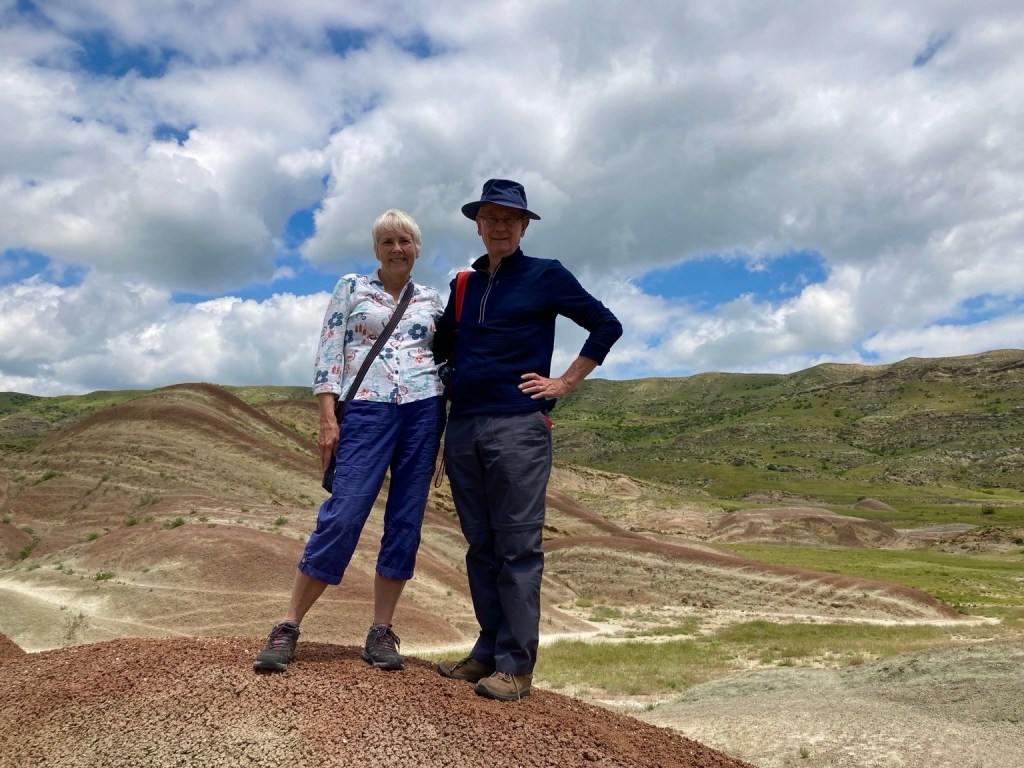
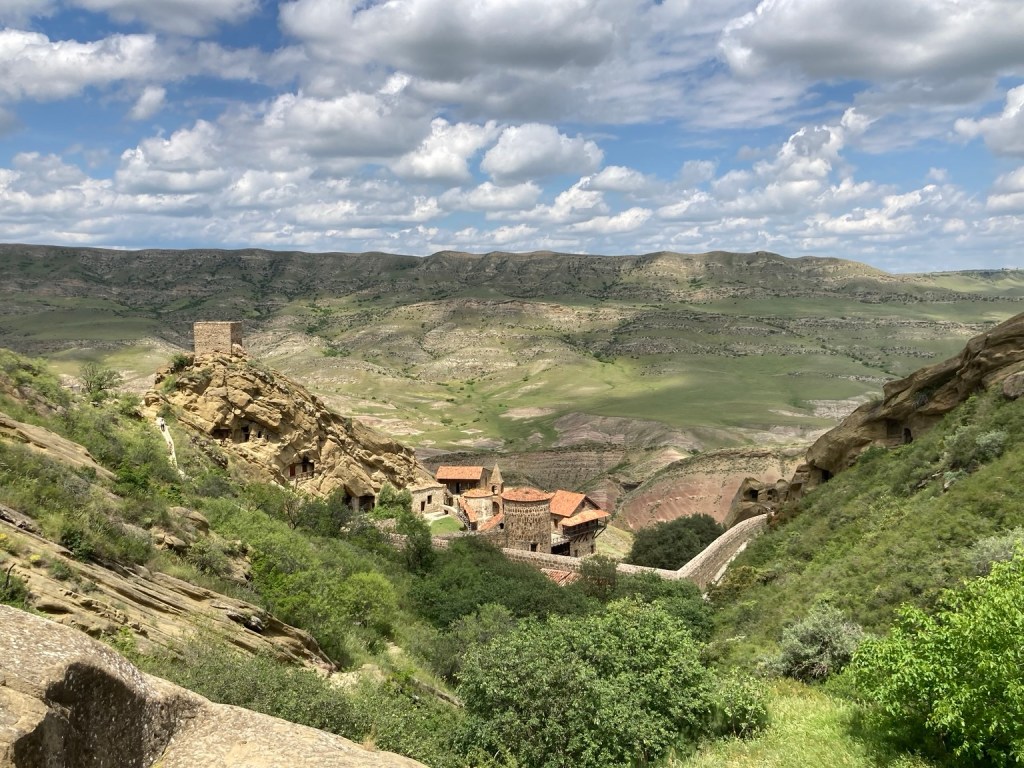
The landscape became more arid, becoming an area of semi-desert. Here, the mineral-rich sedimentary rocks look like they’ve been painted with brightly coloured stripes so are often referred to as the Rainbow Mountains.

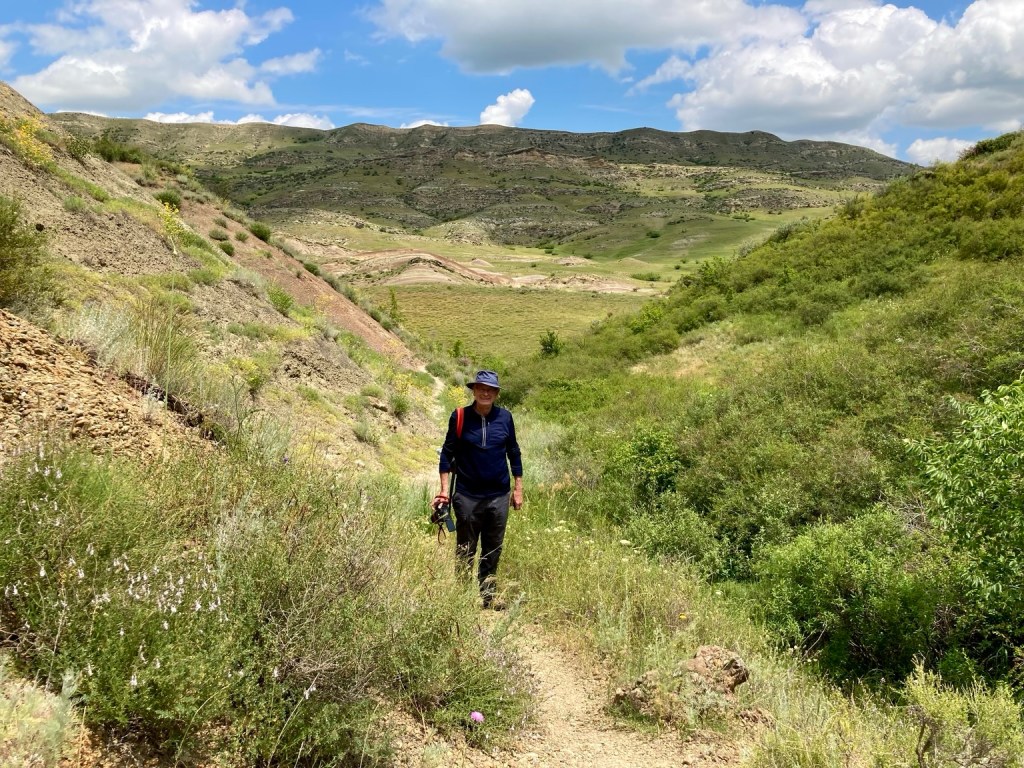
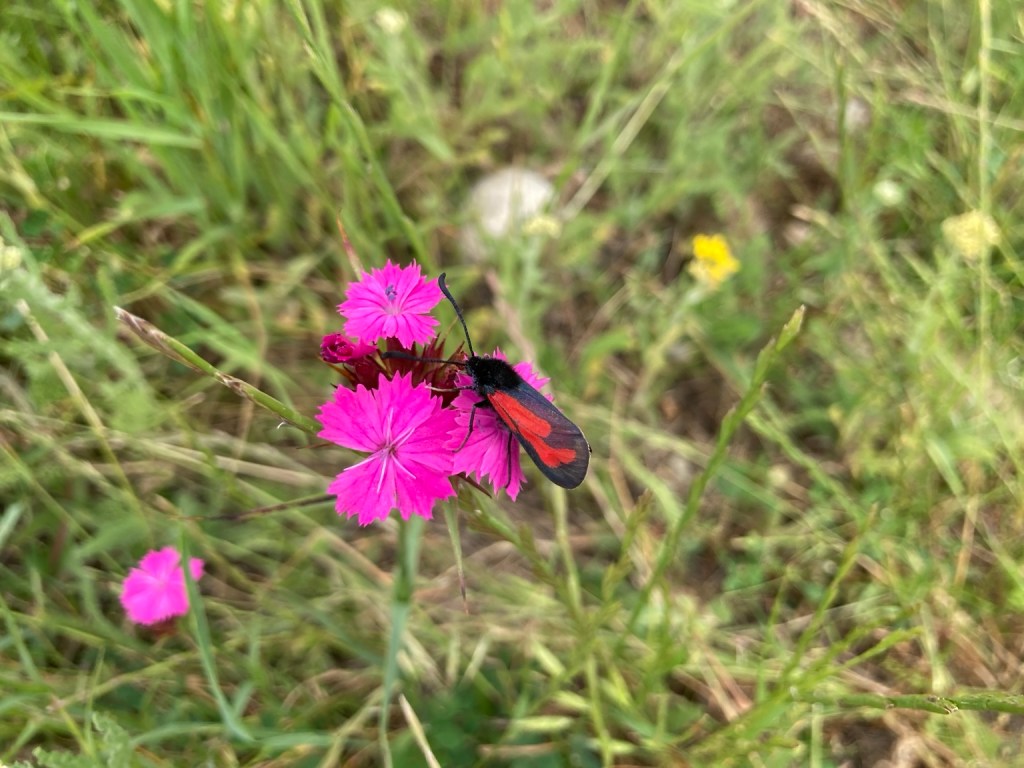
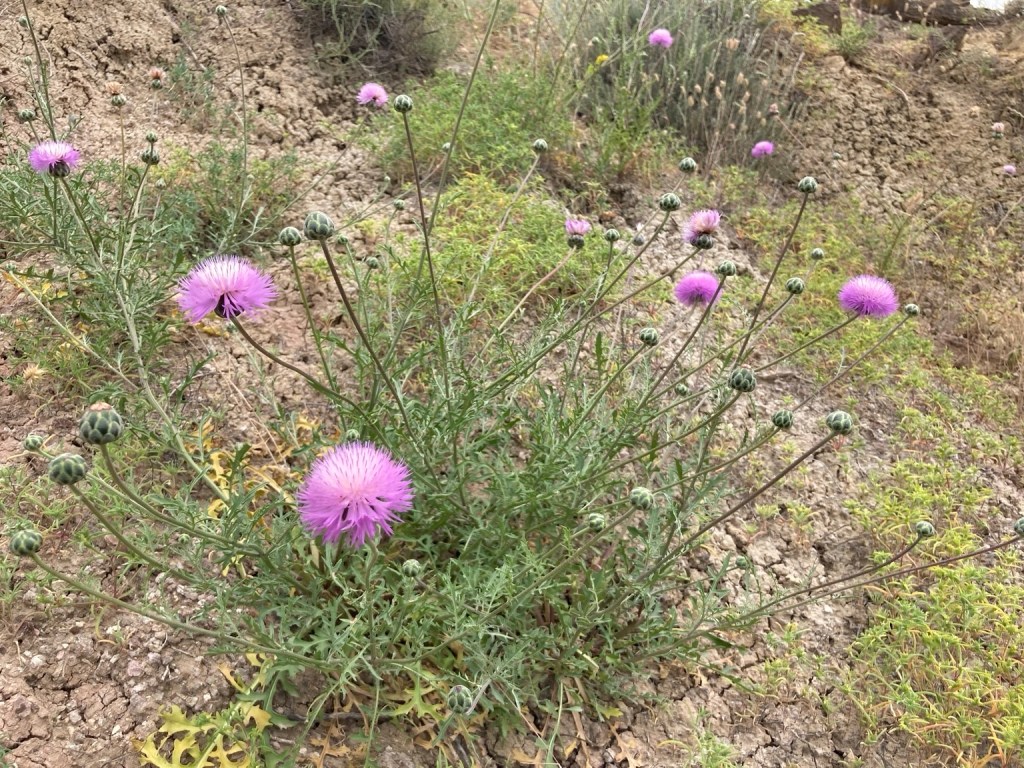
We enjoyed our short hike down into valley through a wildflower meadow with time to explore.

… and then had time to explore.

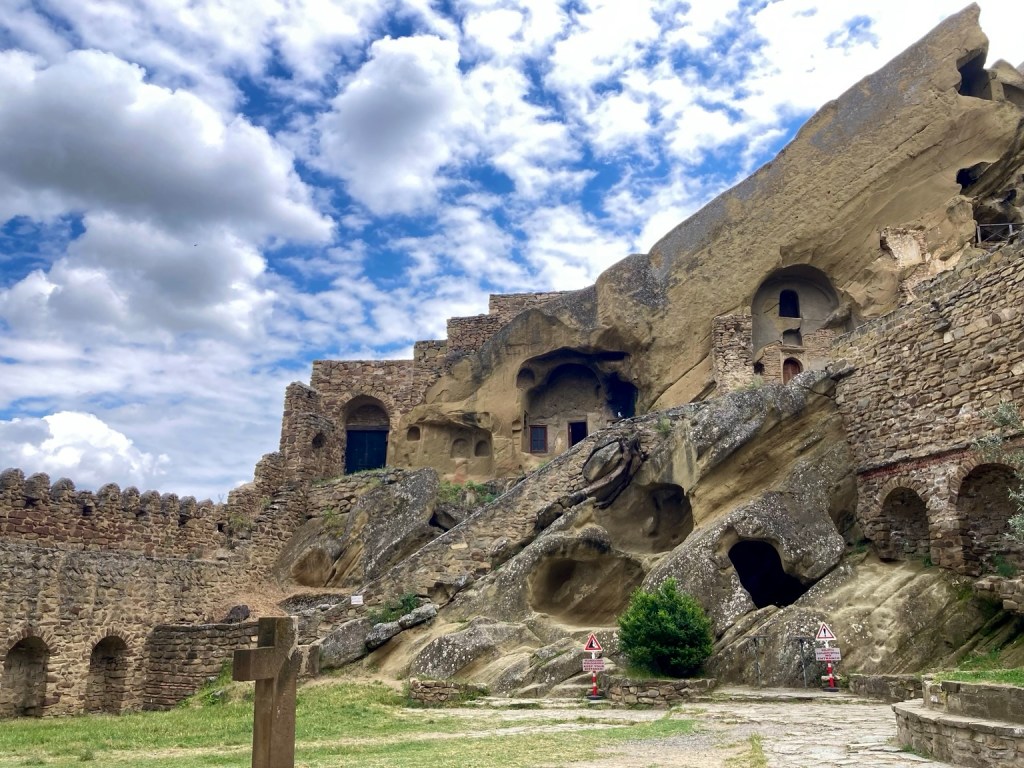
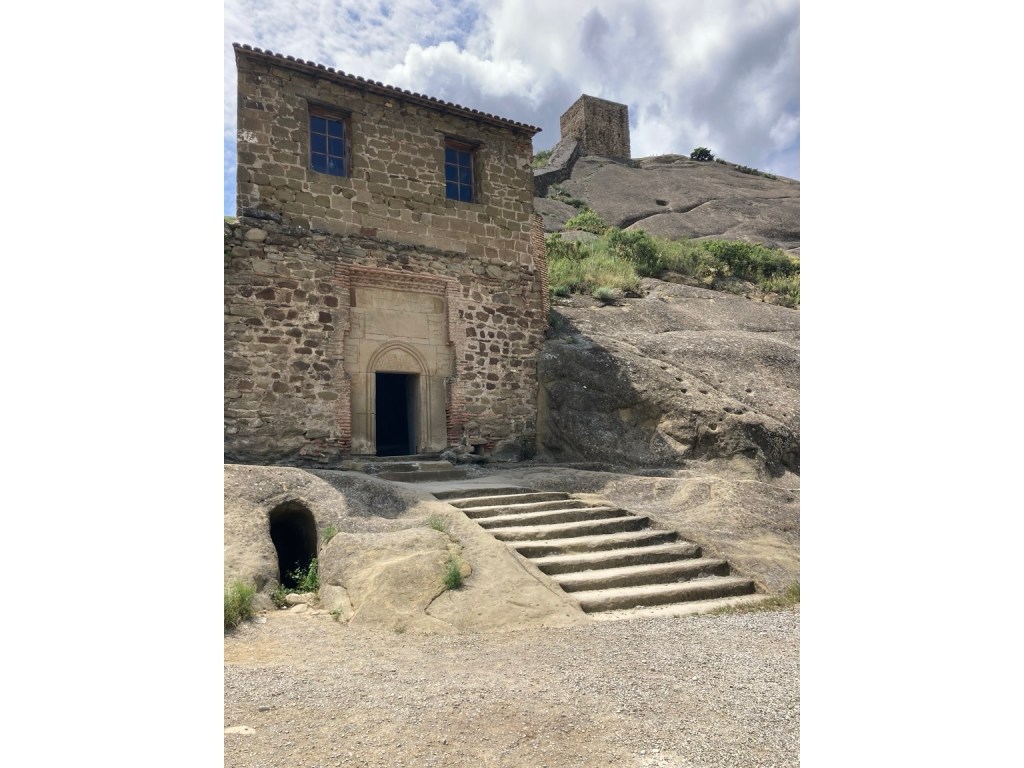
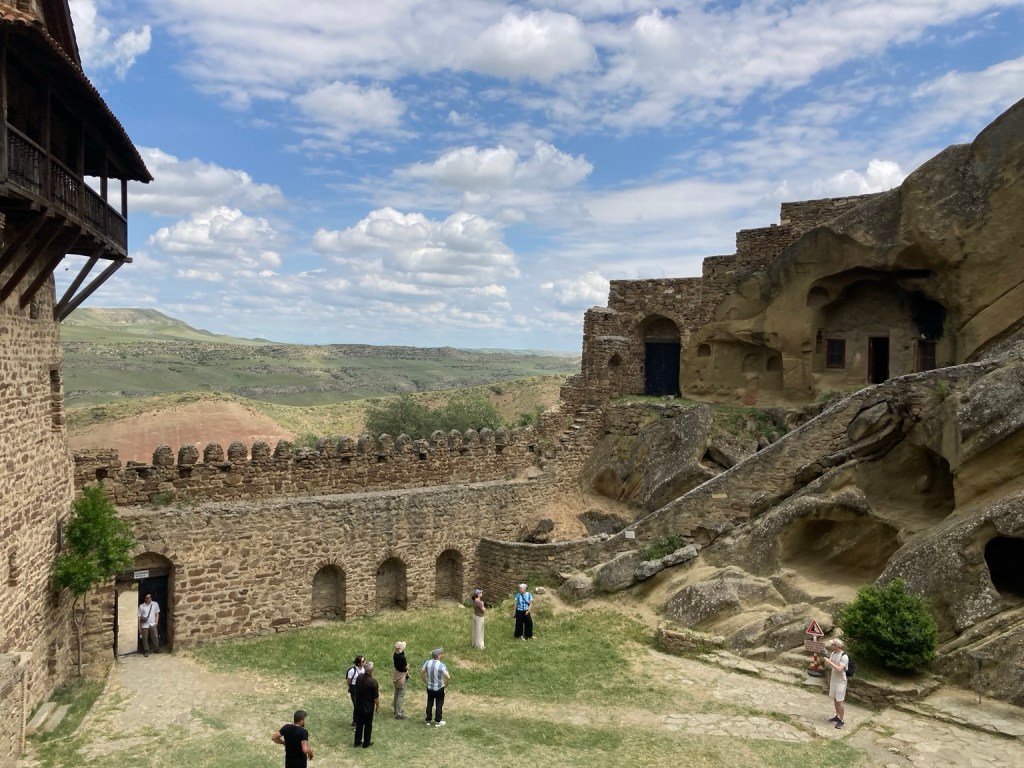
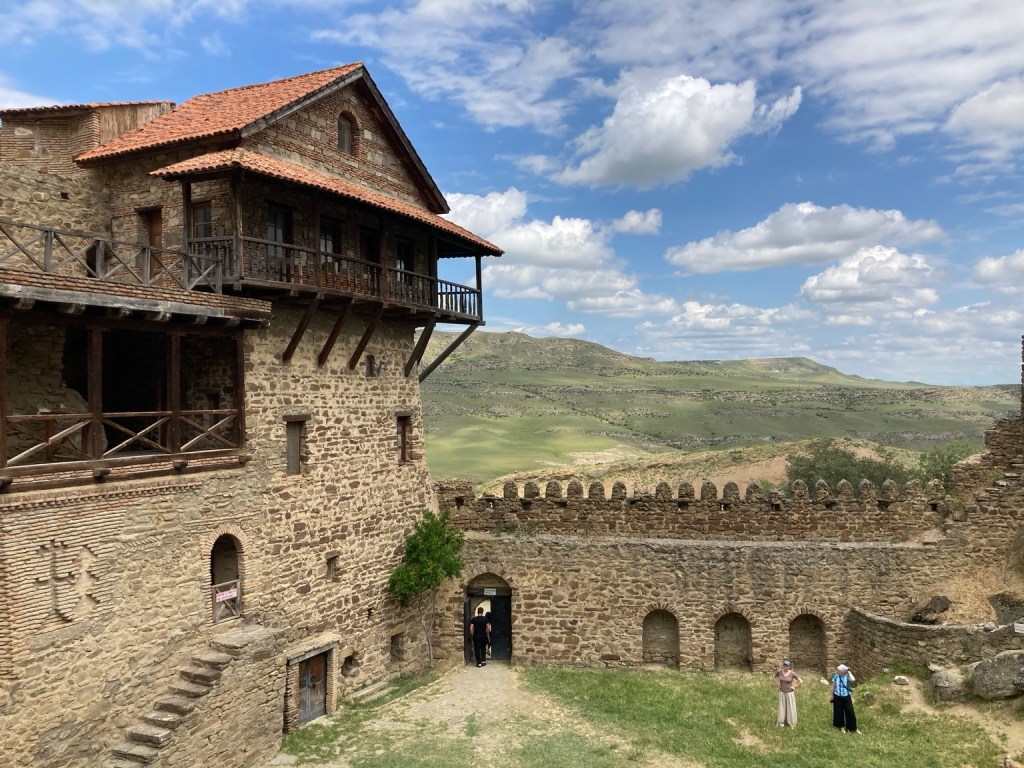
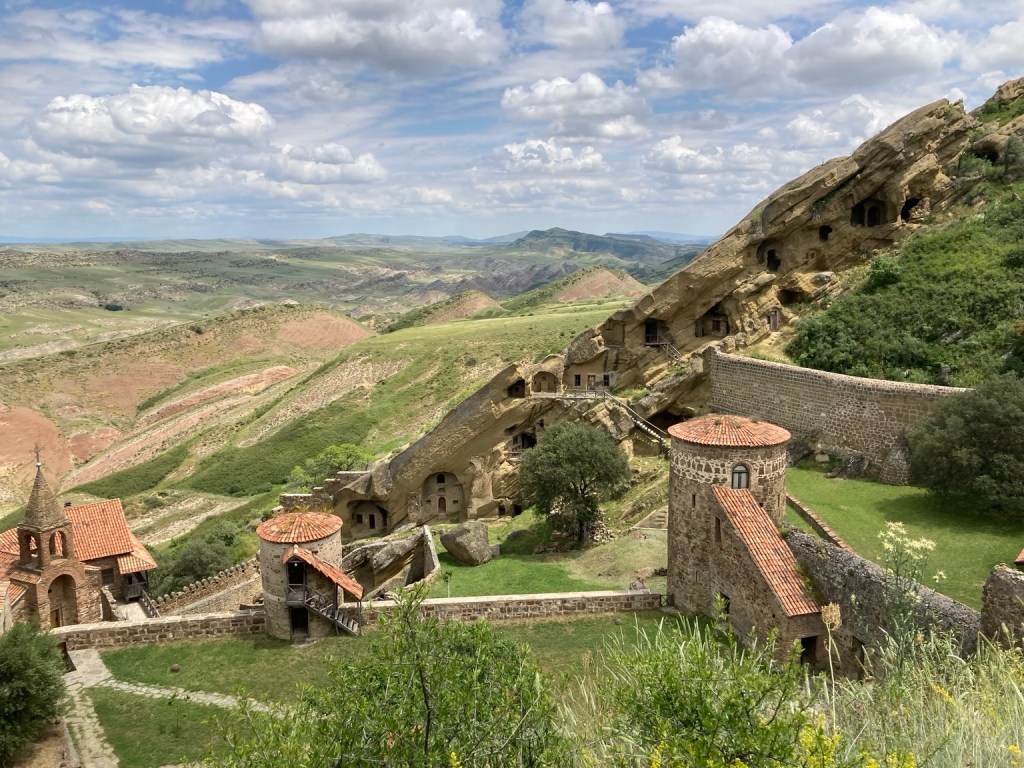
This also the location of a massive rock-hewn monastery complex built in the C6th by Davit Garejeli who came to Georgia to preach Christianity. 

We visited the Lavra monastery, on the slopes of Mount Garejeli, and like Uplistsikhe, this was carved directly into the sandstone.

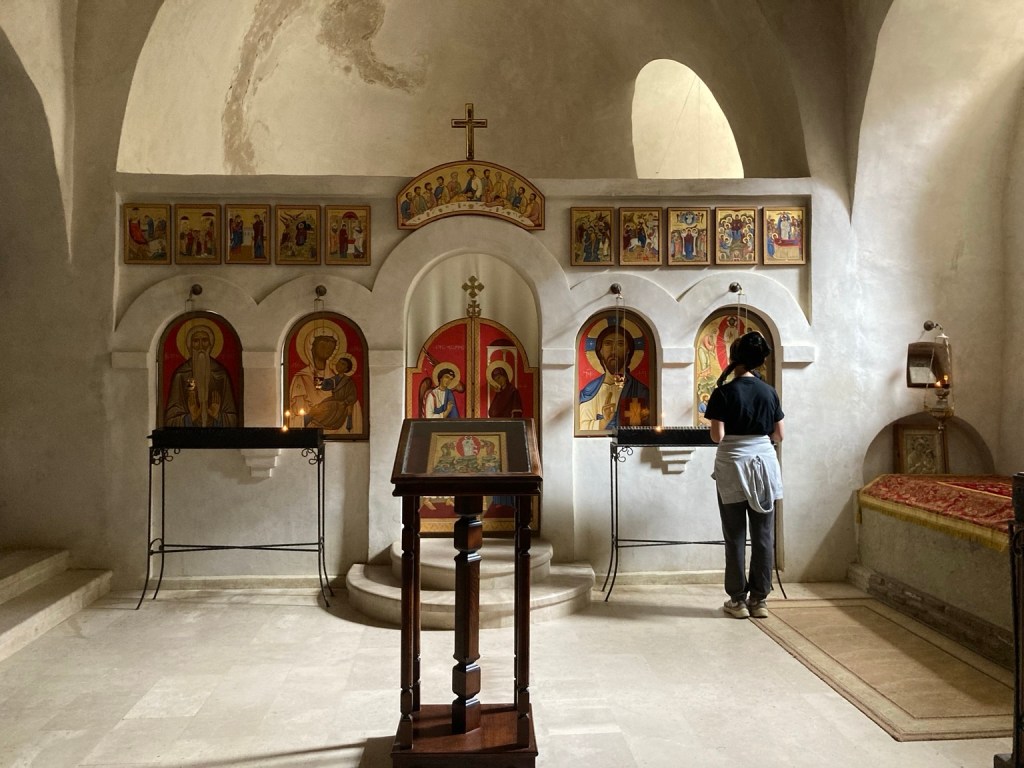
Access was rather limited as the monastery is still inhabited by monks, but were able to go in the chapel where Davit Garejeli is buried.  

We hadn’t appreciated that as the complex straddles the Georgia-Azerbaijan border which has been disputed since 2019, the rest is closed to tourists, a shame as the best frescoed walls are there.

Leaving the monastery courtyard, our guide led us round the outside of the wall, up the hill behind the monastery …

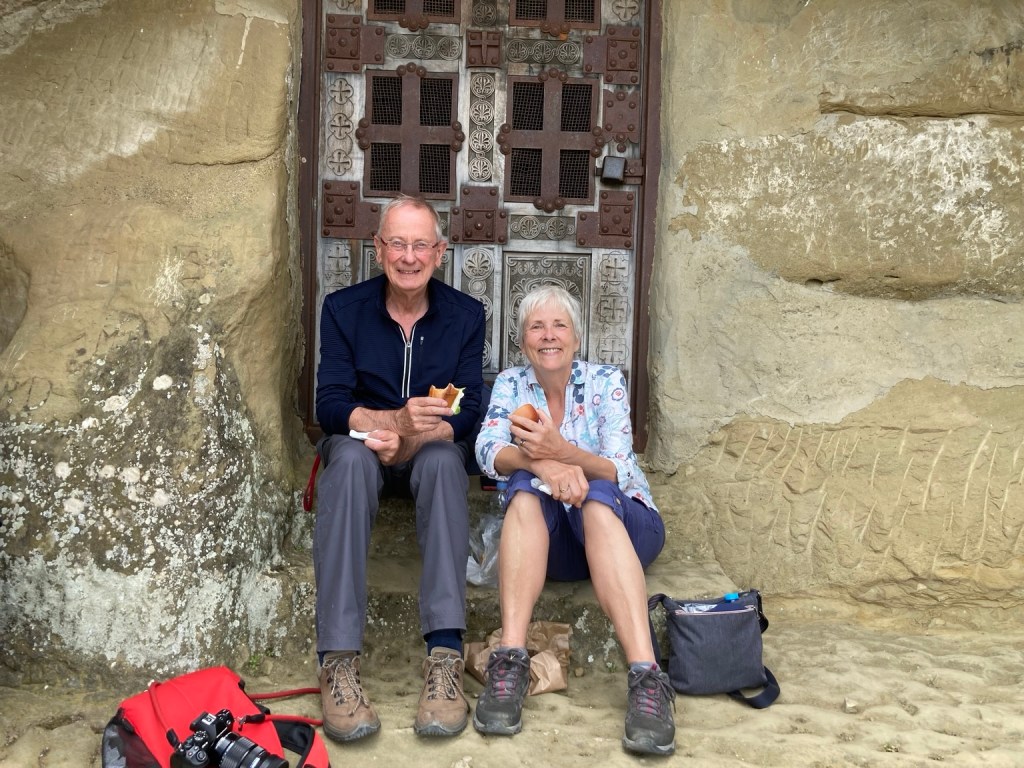
… past the Georgian soldier at the border of Georgia and Azerbaijan, and up to a platform in front of a gated cave where we sat and ate our picnic lunch.  Some view! 

It wasn’t until I looked carefully at the map later that I realised that the highway we had taken actually crosses the border briefly and we had spent 150m in Azerbaijan … on the way there … and in the way back!

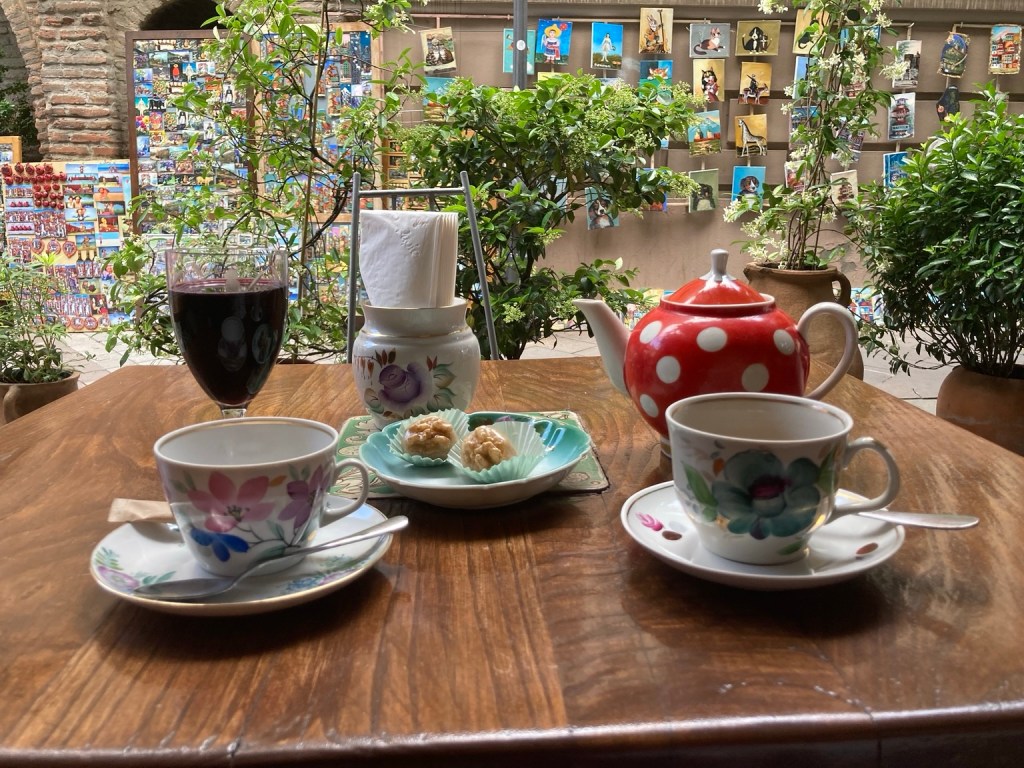
We were back in Tbilisi in time for a cuppa at Cafe Leila, and their speciality.  Orbeliani’s Candy, is a C19th royal sweet with a hard crystalized shell, a creamy walnut inner filling, and a single piece of crunchy walnut inside – yum!

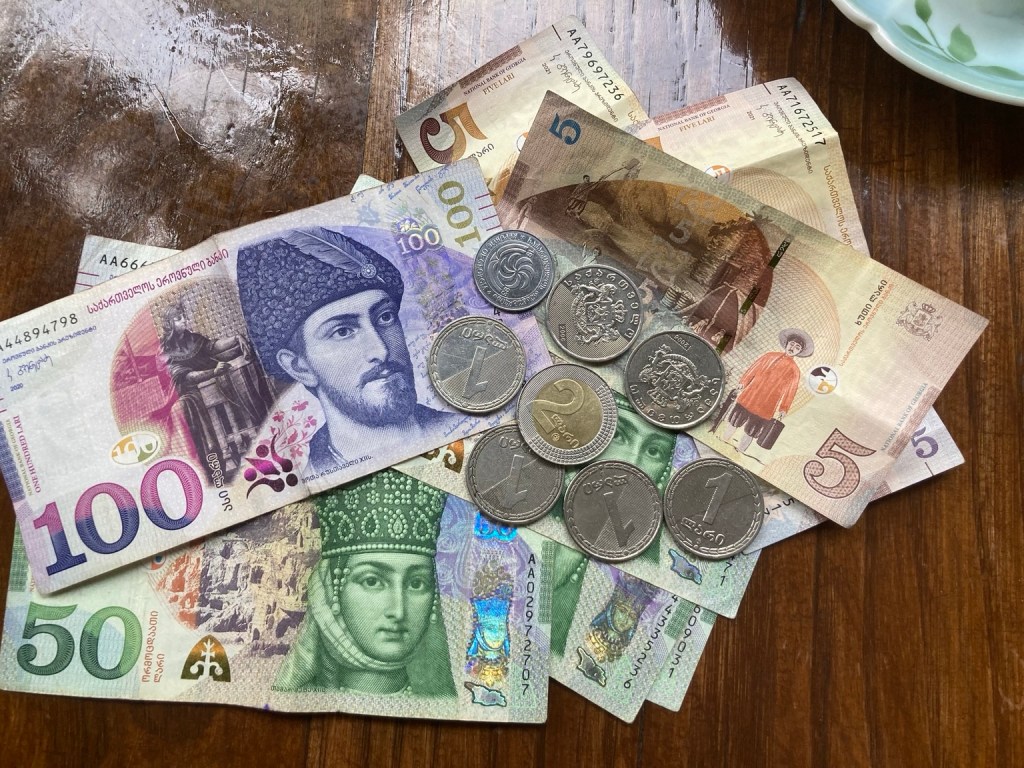
We also had a count up of the last of our Georgian Lari. Here is the poet Rustaveli on the 100, Queen Tamar on the 50, and Pirosmani’s Fisherman in a Red Shirt on the 5.

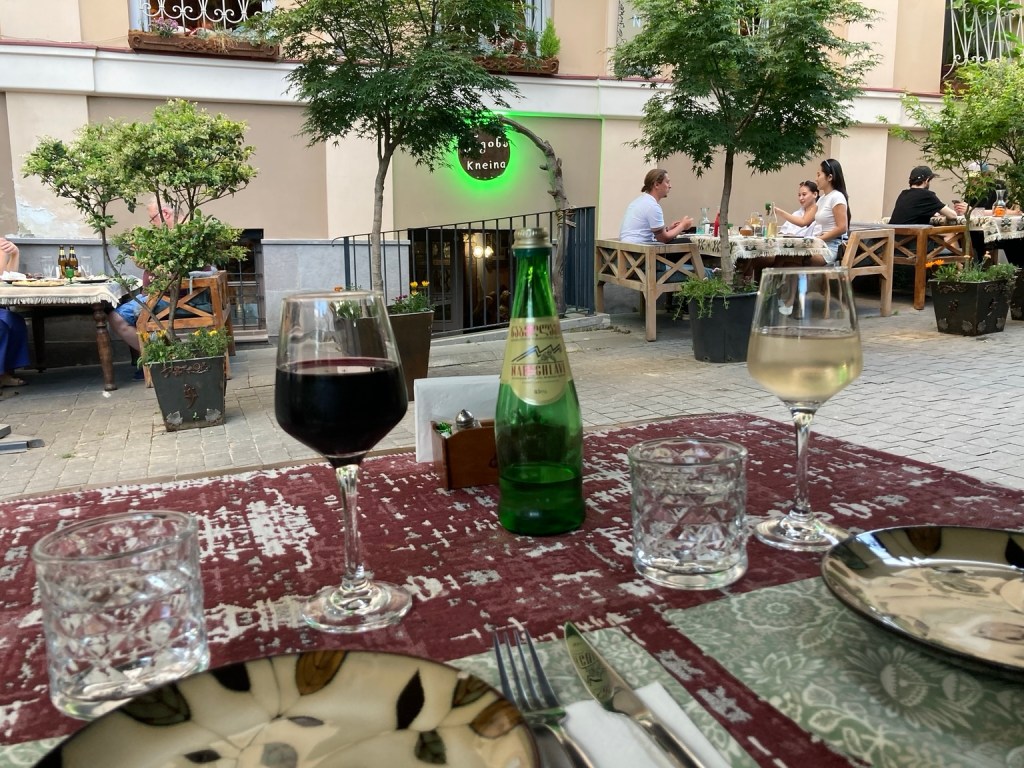
It was our last evening and we returned to Kneina for dinner with special Georgian cheesy mash called Tashmijabi and bbq mushrooms for Chris and creamy garlic chicken and grilled veg for me.  

Map

Khinkali and Khachapuri

While there are a number of unique structures dating from the Soviet era, they are distributed throughout the metropolitan area of Tbilisi so we’ve chosen just one.

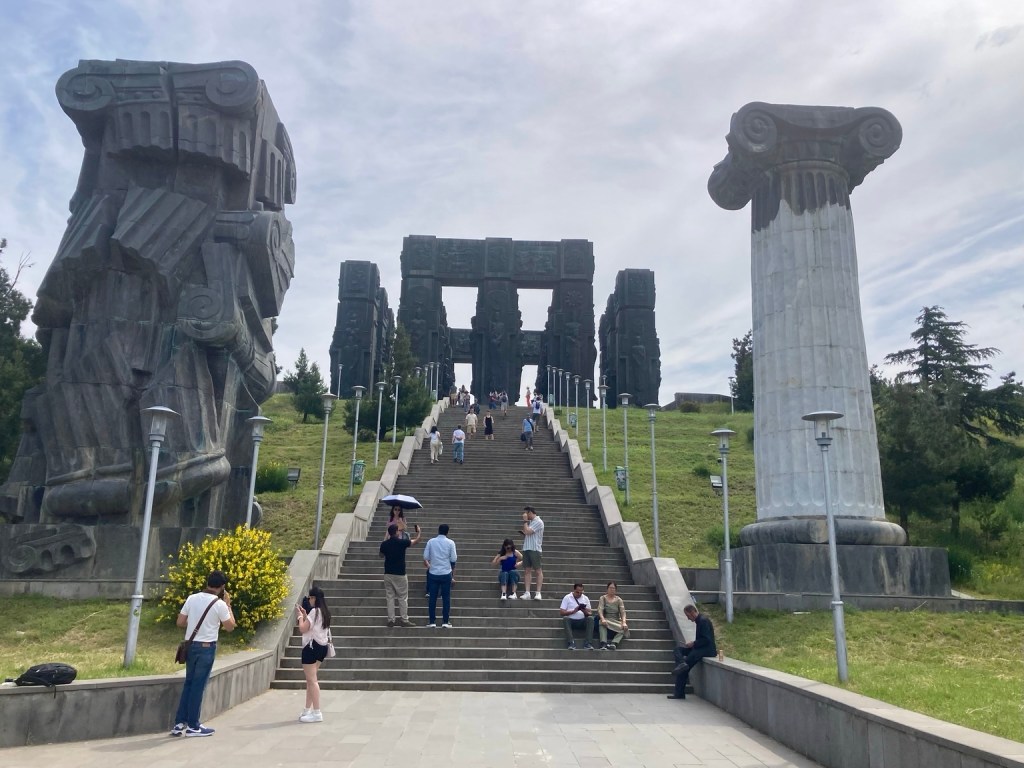
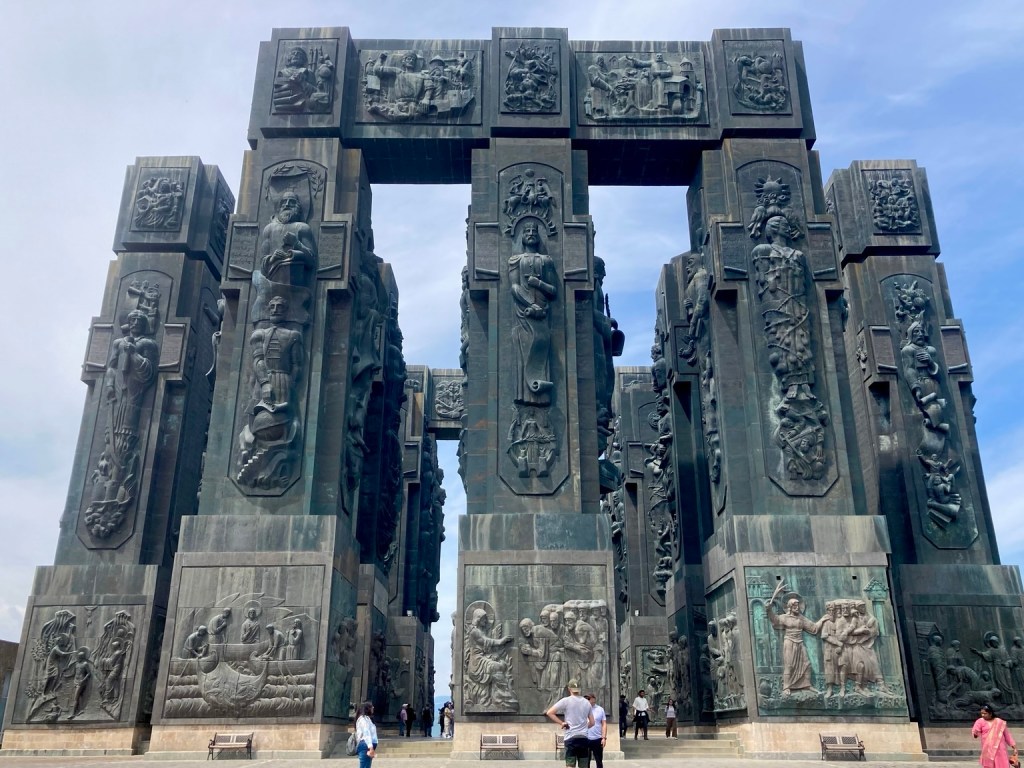
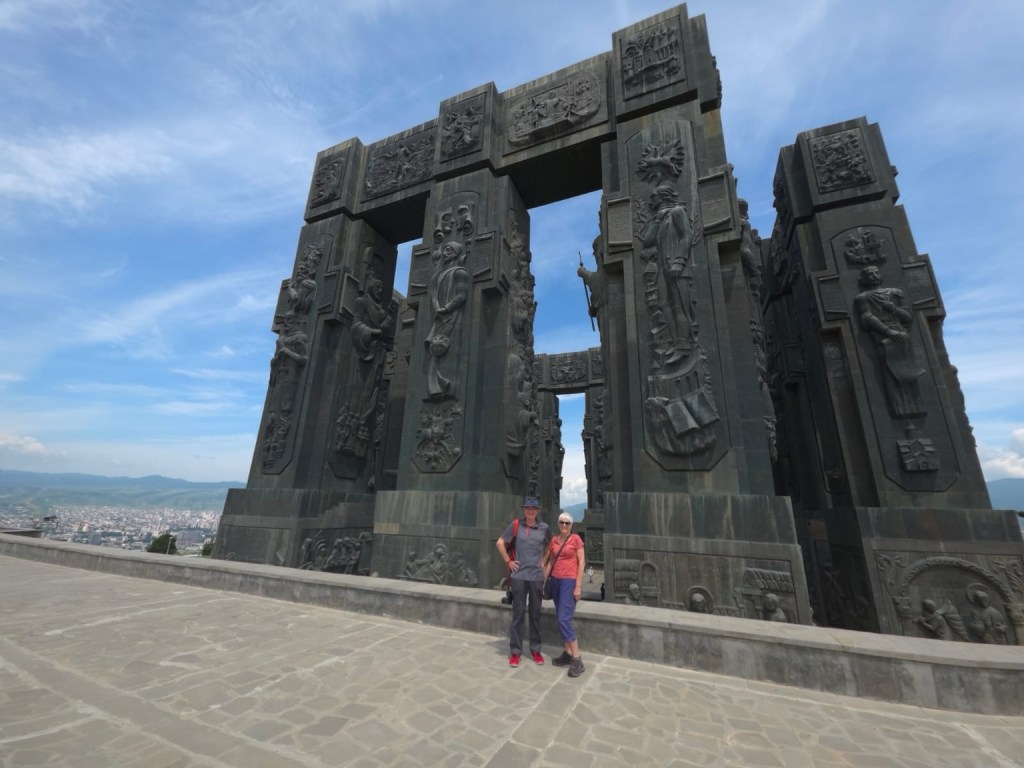
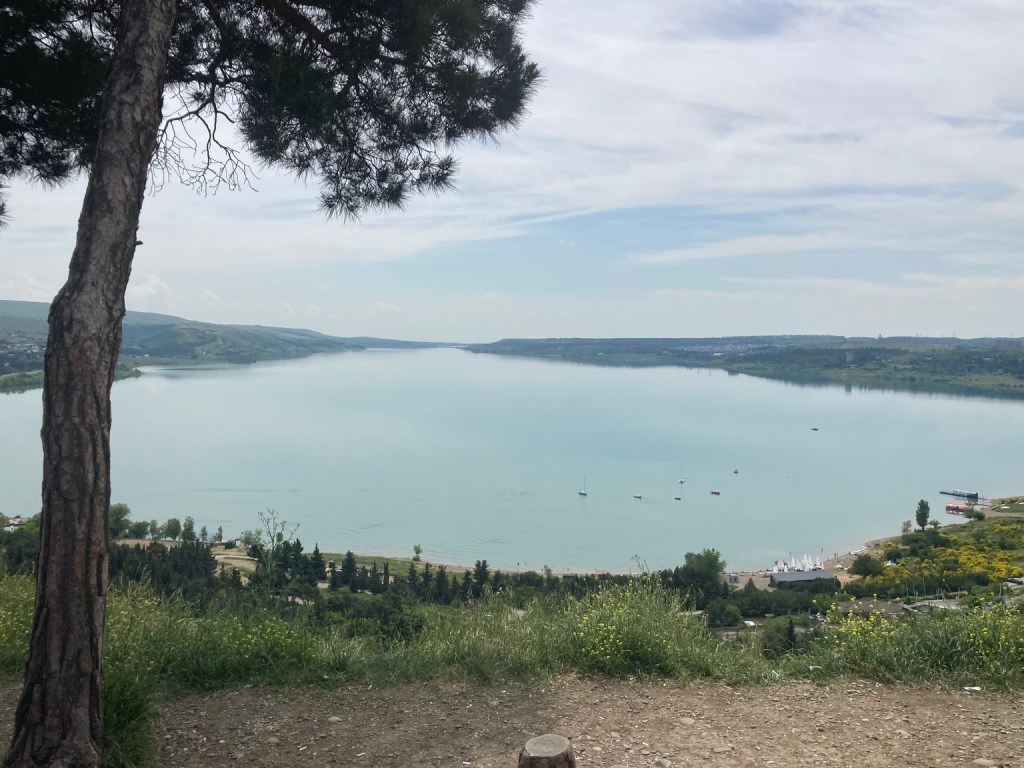
The Chronicle of Georgia is a massive bronze, copper and stone sculpture overlooking a huge reservoir in the north of the city. 

It was designed by Zurab Tsereteli, who also created the sculpture of St. George in the centre of Freedom Square, to commemorate 3,000 years of Georgian statehood, and 2,000 years of Christianity in the country.  Work started in 1985 and almost 40 years later, it is almost done, possibly as it has proved popular with visitors to Tbilisi!

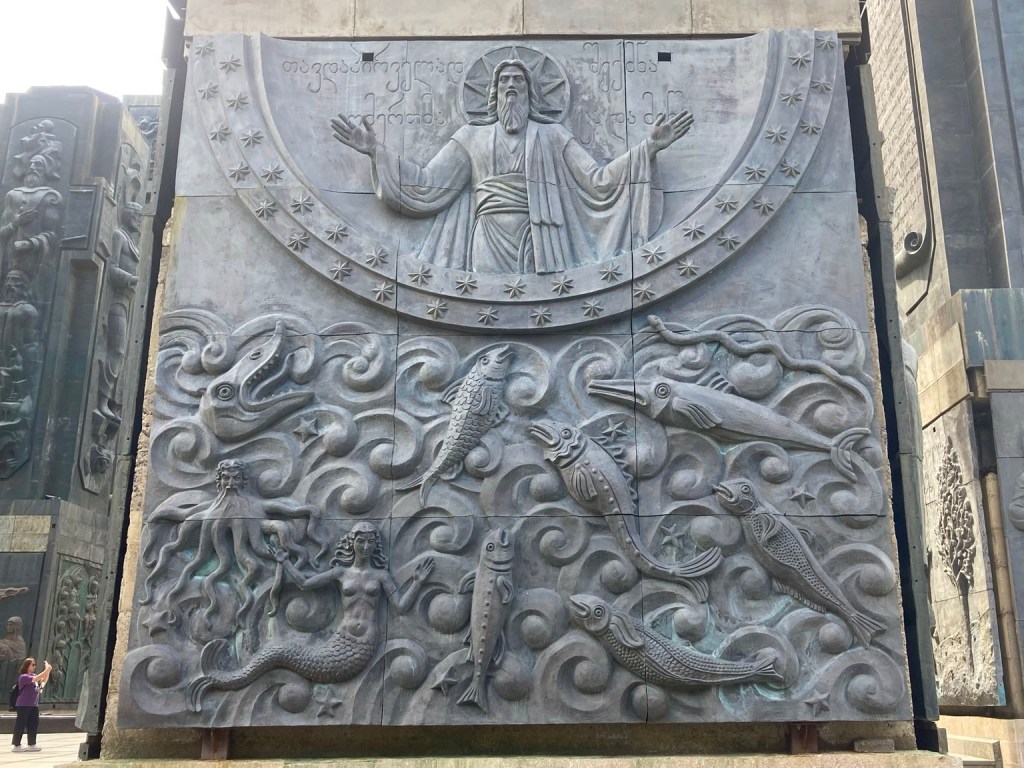
The pillars have three levels of reliefs, with the bottom telling Bible stories …

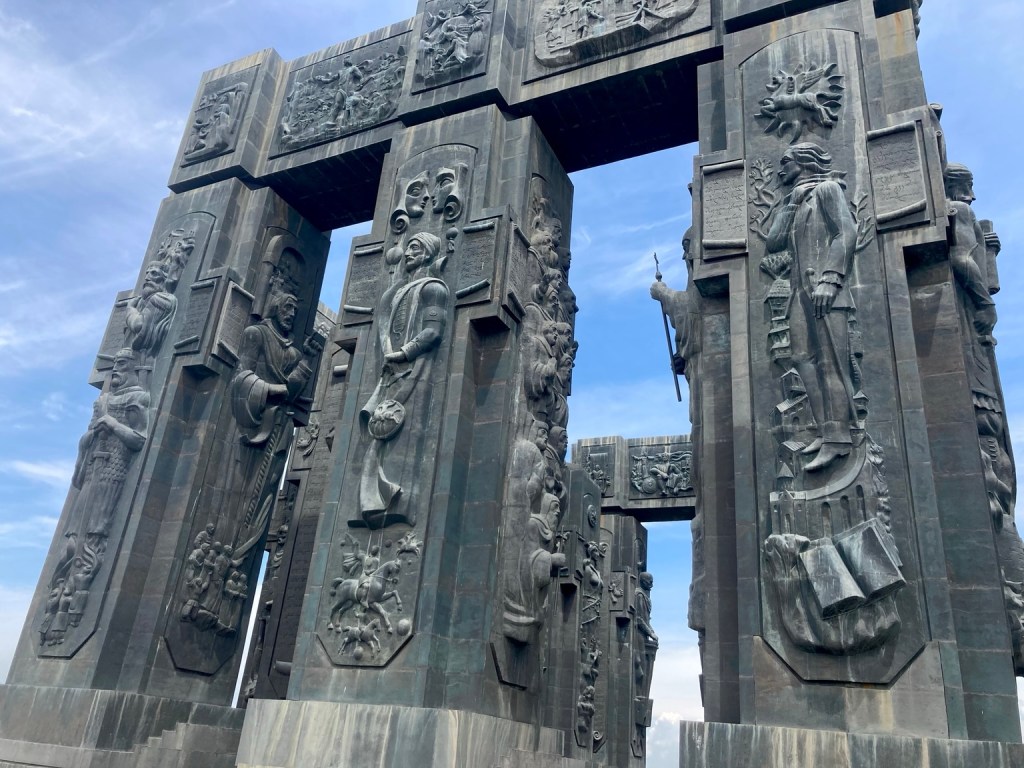
… the middle depicting important characters from Georgian history and the top showing Georgian traditions such as the wine harvest.  

Figuring out the images was a bit of a guessing game, and by the time we arrived, the sun made taking photographs a bit of a challenge, but there is no denying it is a feat of engineering and a very striking monument to Georgia’s history.

The view across the lake was serene …

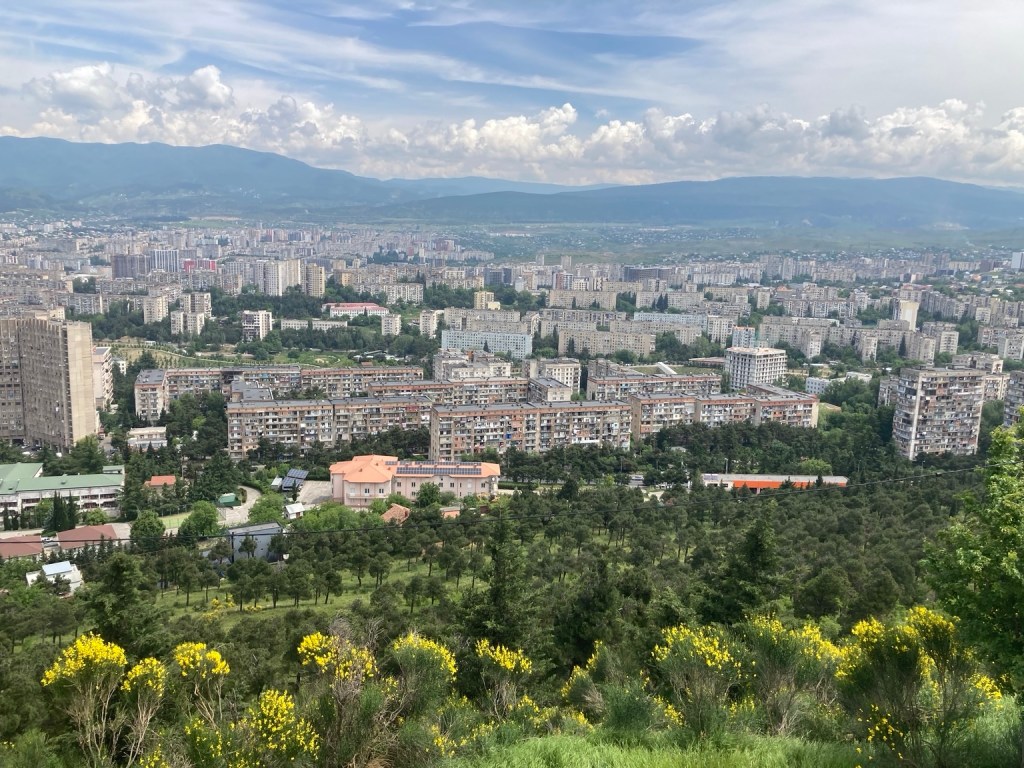
… but turning just a few degrees we saw ranks of apartment buildings extending into the distance, unsurprising when a third of Georgia’s population live in the city.

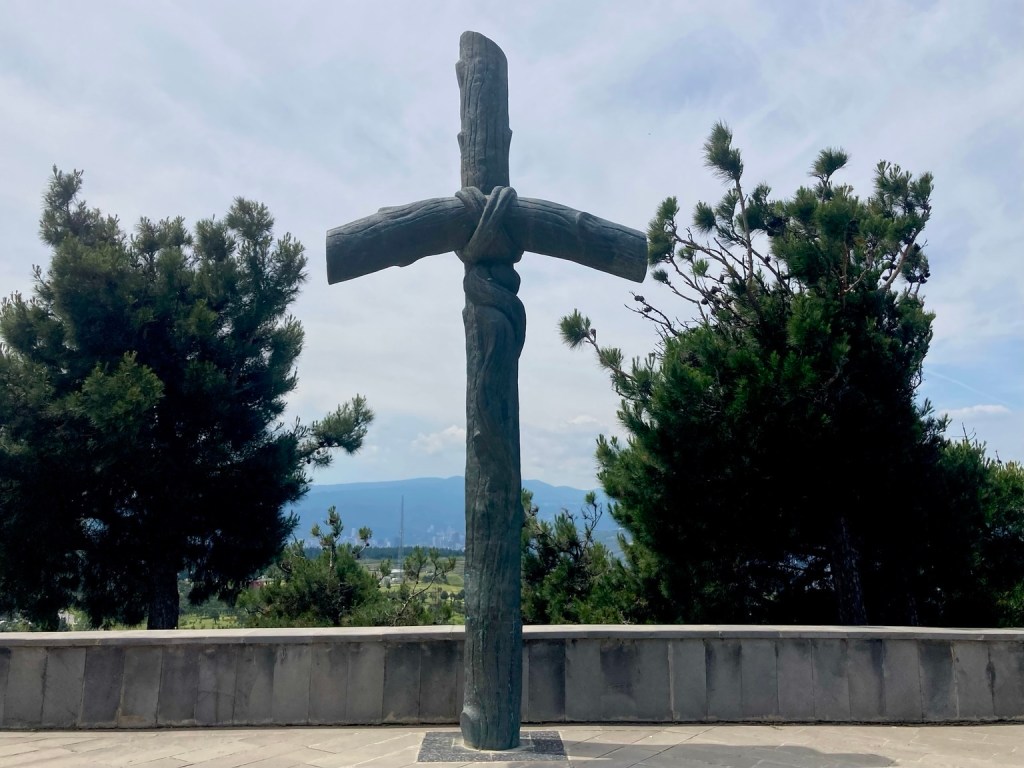
Finally, there was a Grapevine Cross of Saint Nino with its trademark drooping arms, originally crafted from twisted grape vines fastened together with strands of Nino’s own hair.

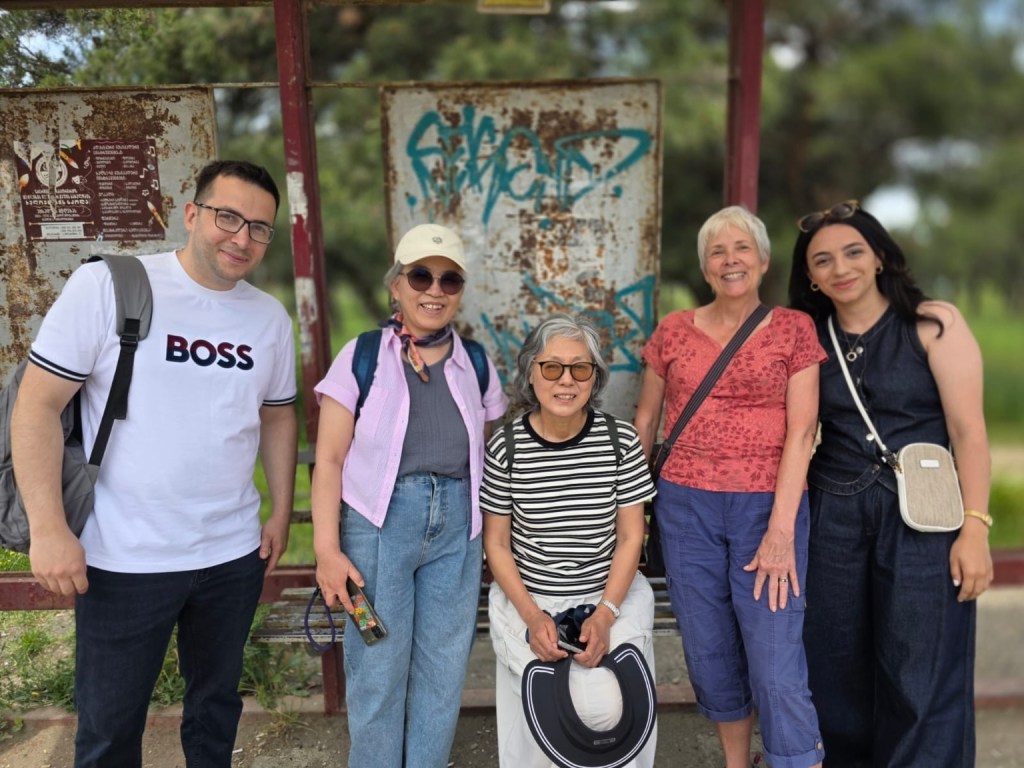
Having arrived by cab which took 30mins, we decided to return by public transport especially since it also gives us the opportunity to use the metro!  But first the bus and we found ourselves waiting in a line with the same couple of Korean ladies who we’d chatted to in front of Pirosmani’s giraffe and then the whole queue got chatting! 

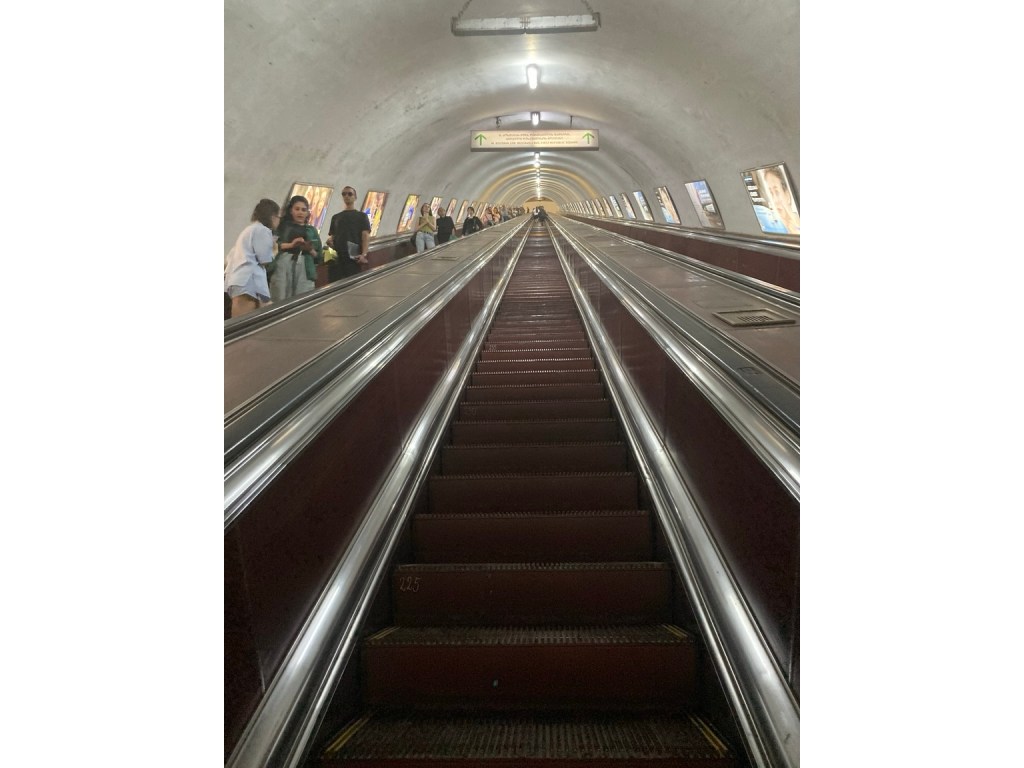
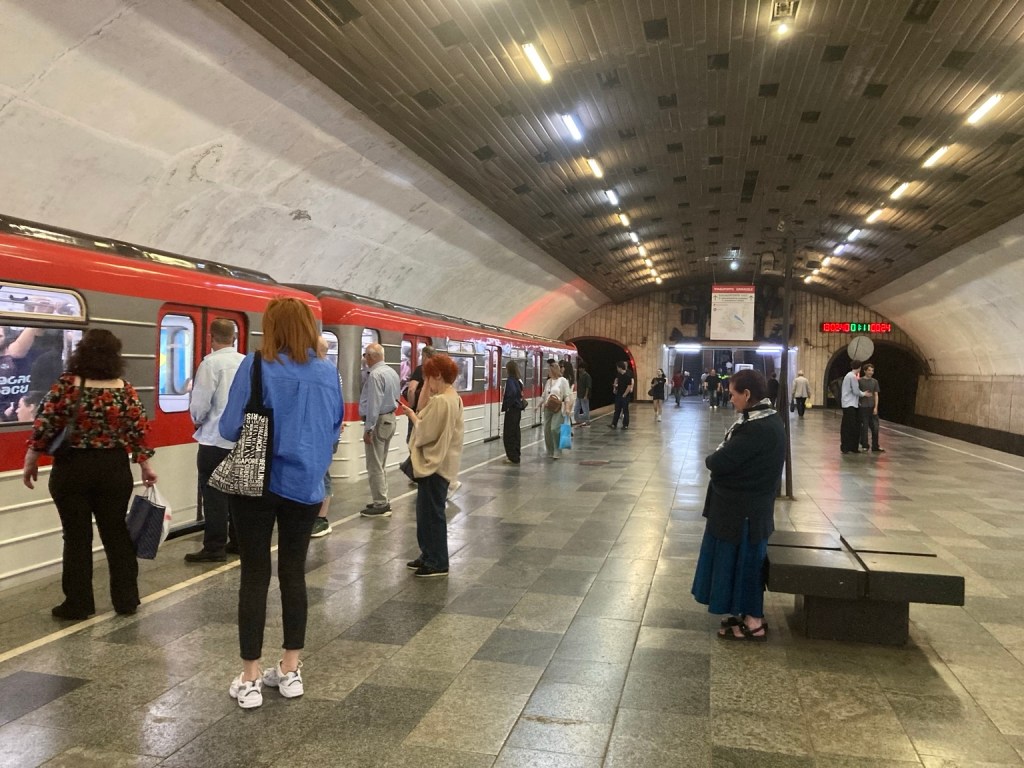
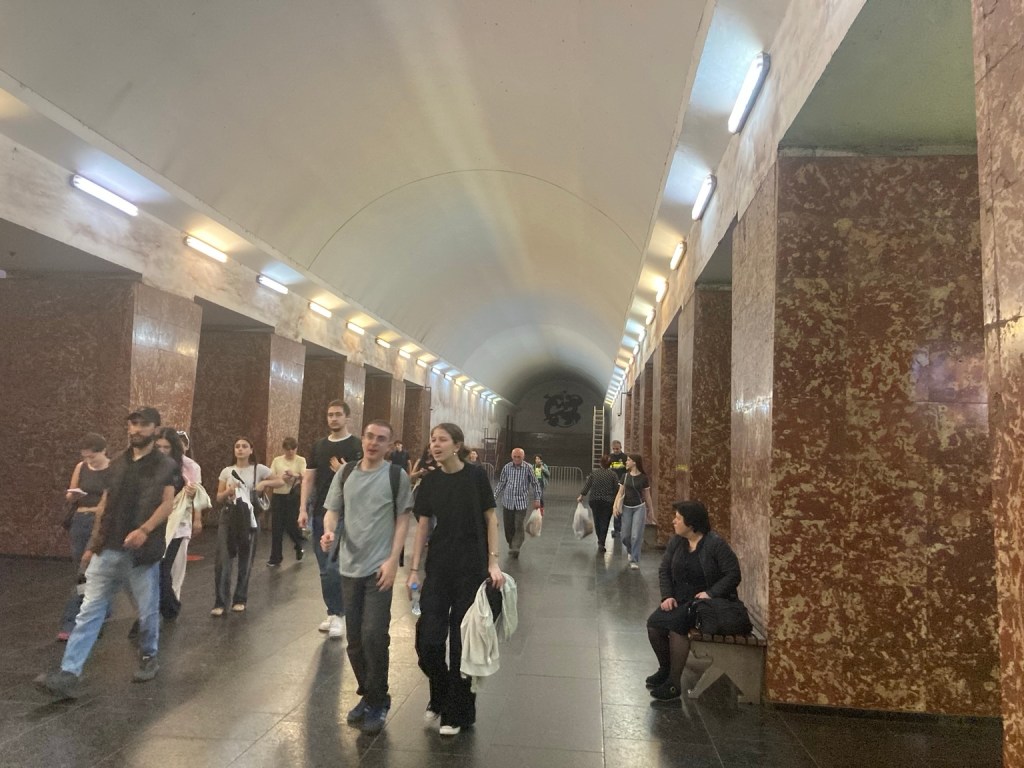
Next up the metro which opened in 1966, with heavily engineered deep-level tunnels that could also act as fallout shelters. 

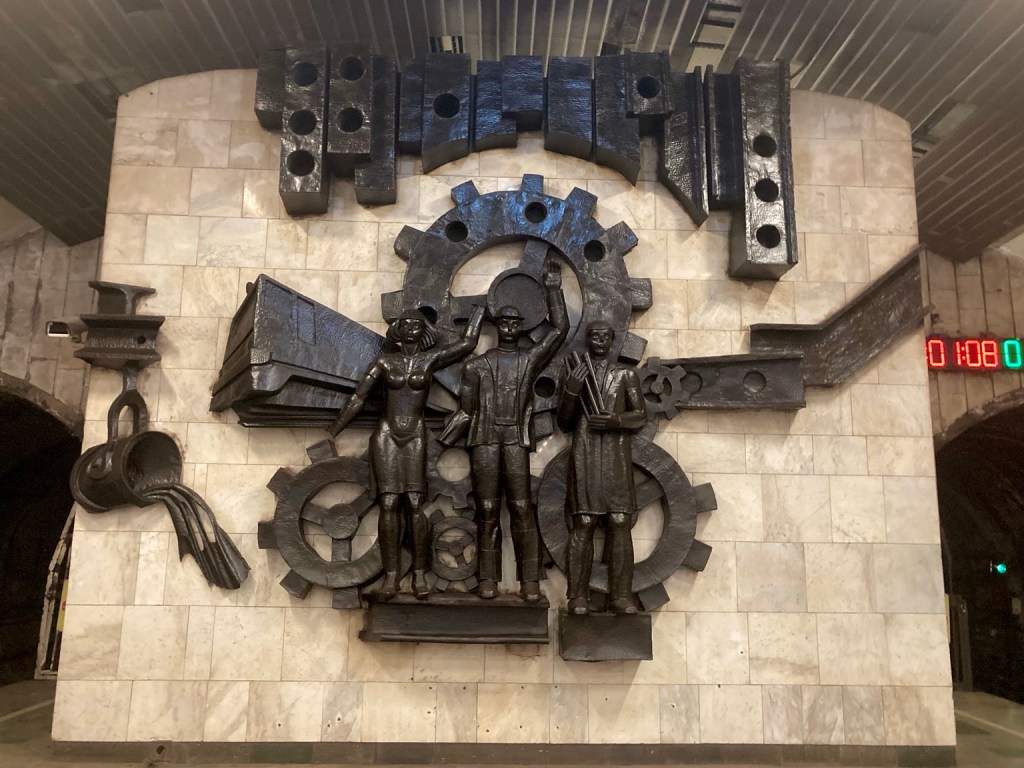
We were expecting a little more Soviet style decoration, but then we only visited two stations.   

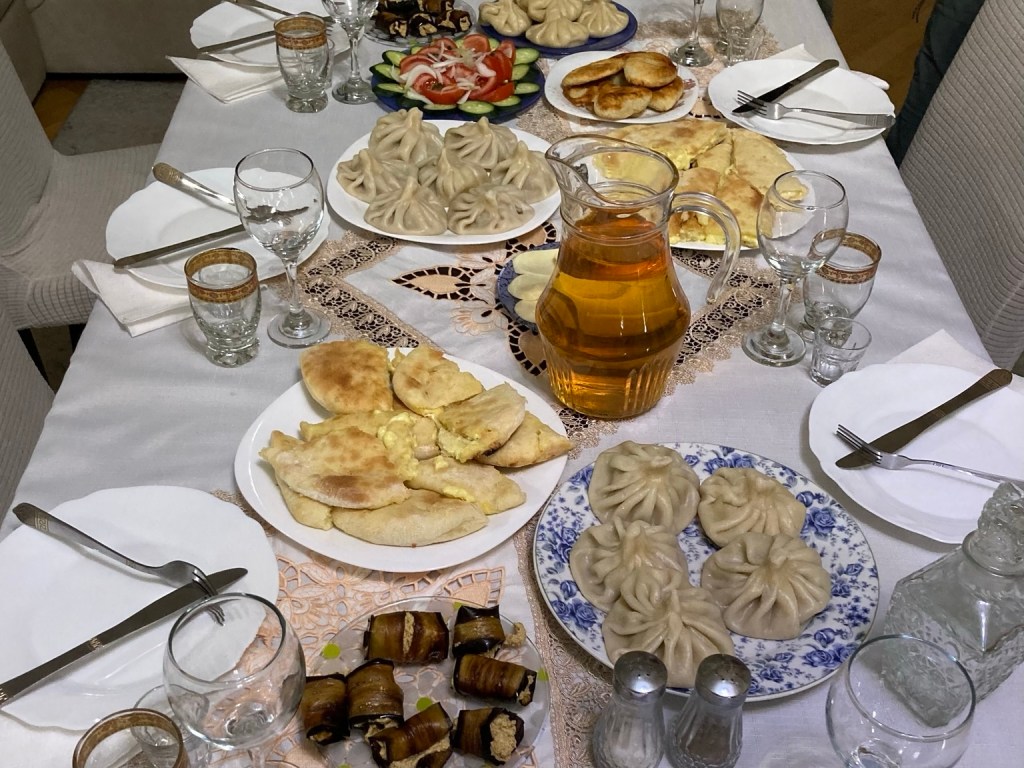
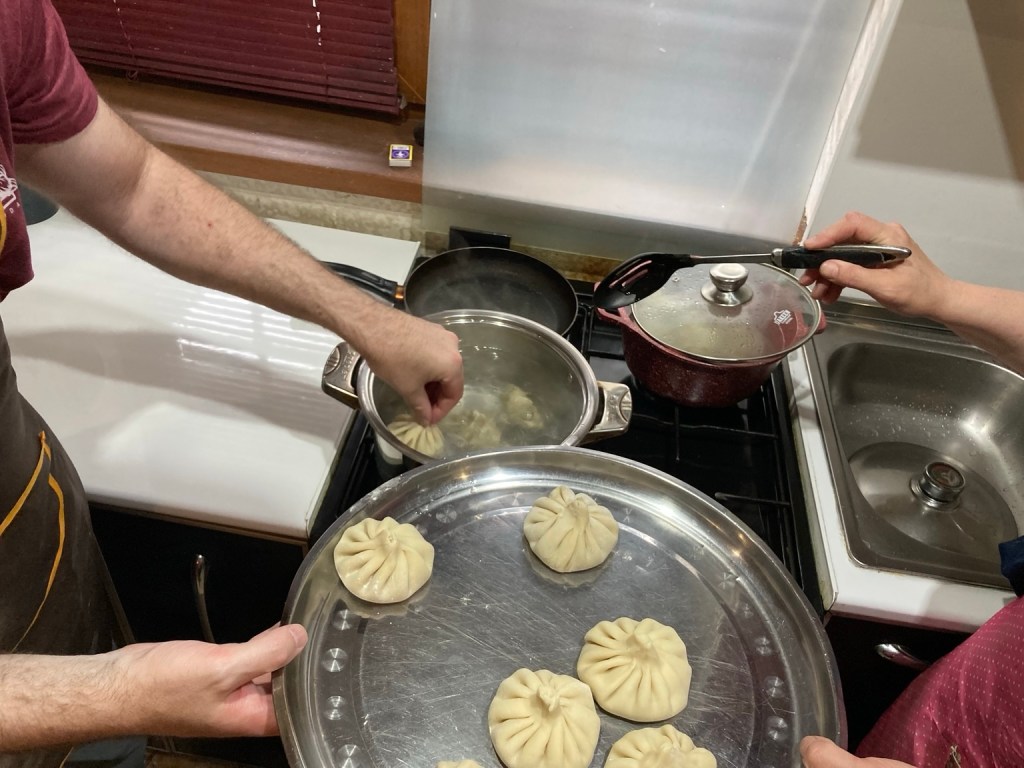
We couldn’t come to Georgia and eat khinkali and khachapuri without learning how to cook them so after a little downtime, we were off to a cooking class.  We were in a group of six with a NZ couple on a 3 year sabbatical in Europe and a couple who had been living all over including Costa Rica and working remotely, as well our guide who translated for us.  I made khinkali with a seasoned beef and pork filling while Chris made potato ones, from discs of dough made from flour and water.  They were then pleated to enclose the filling and cooked in boiling water and Chris was delighted to achieve the gold standard of 19 pleats!

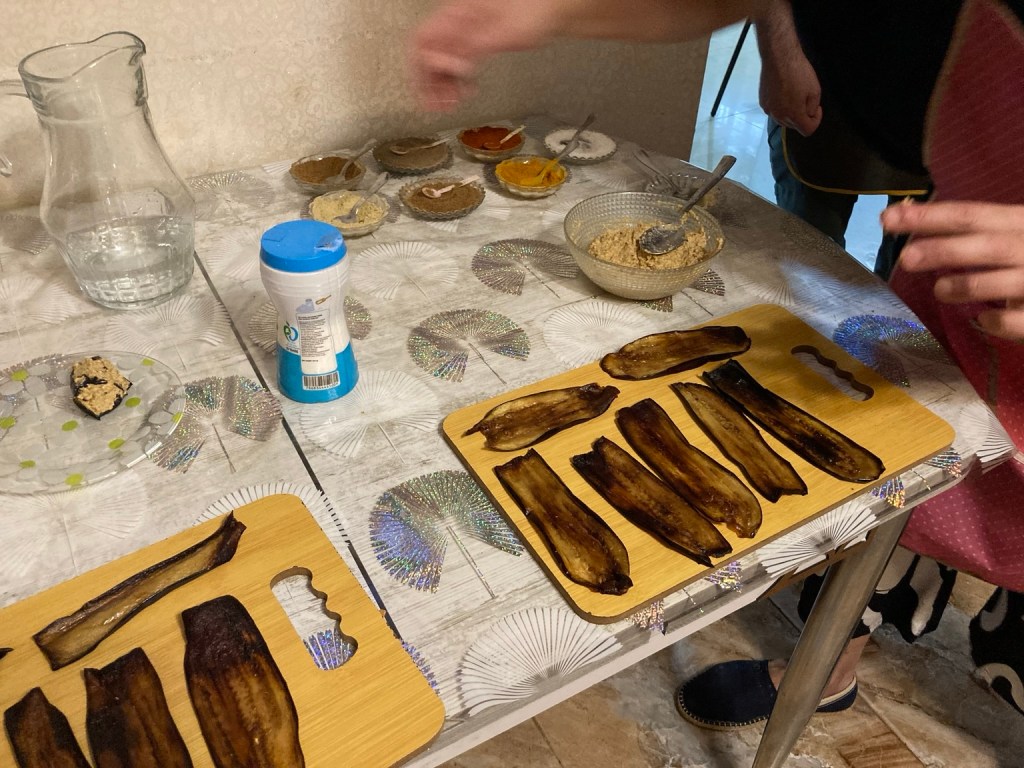
The khachapuri were Imeretian style, from discs of yeast dough stretched into a circle, topped with local cheese, which was then enclosed like an Eccles cake and turned over onto a tin for baking.   Finally, we made eggplant rolls filled with walnut paste.  

Our guide told us about the Georgian supra, a traditional feast that marks joyful and solemn occasions, where the table is laden with food and all are welcome. 

We all sat down for dinner together and our guide began by telling us that traditional meat khinkali must be held by the knob with the filling upwards, then bites taken so none of the cooking juices are lost, before eating the knob last!  They were delicious, peppery and well seasoned and I hate to say it, far better than the veggie ones!

Every supra is guided by a tamada or toastmaster, chosen for his eloquence, wit and ability to hold his alcohol – essential due to the tradition of consuming a whole glass of wine for each toast!  We had homemade wine with our meal and took turns raising a toast Georgian style, ending with Gaumarjos or cheers!  We really enjoyed our evening chatting with our group as we ate and finally there was homemade cha cha, Georgian brandy, often several times distilled and strong so one small glass was plenty!

Map