Our trip north includes several English Heritage sites so when a special offer for annual membership appeared we snapped it up and looked to see if we couldn’t include a couple of extras.
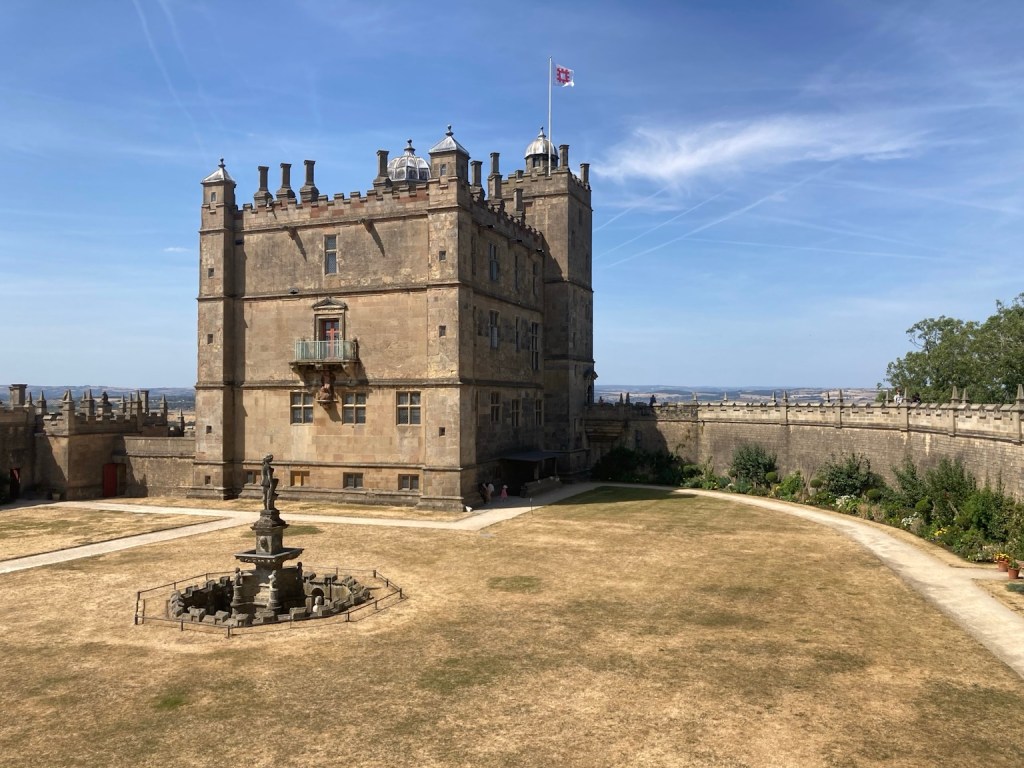
That has brought us here to Bolsover Castle in Derbyshire, which was founded in the late C11th by William Peveril, one of William the Conqueror’s knights. Abandoned in the C14th, it was transformed in 1612 into a luxurious Jacobean mansion and entertainment palace by Sir Charles Cavendish and his son William to impress and entertain. It became a lavish showpiece packed with grand interiors, theatrical flair and remarkable artwork.
As an example, in July 1634 William invited all the gentry of the county to attend a royal entertainment at Bolsover. With lavish feasting, the total cost of the visit was around £14,000, nearing William’s total annual income.
The remaining centrepiece is the Little Castle with its medieval turrets and towers, surrounded by the restored wall walk with a garden and fountain of Venus in the middle,
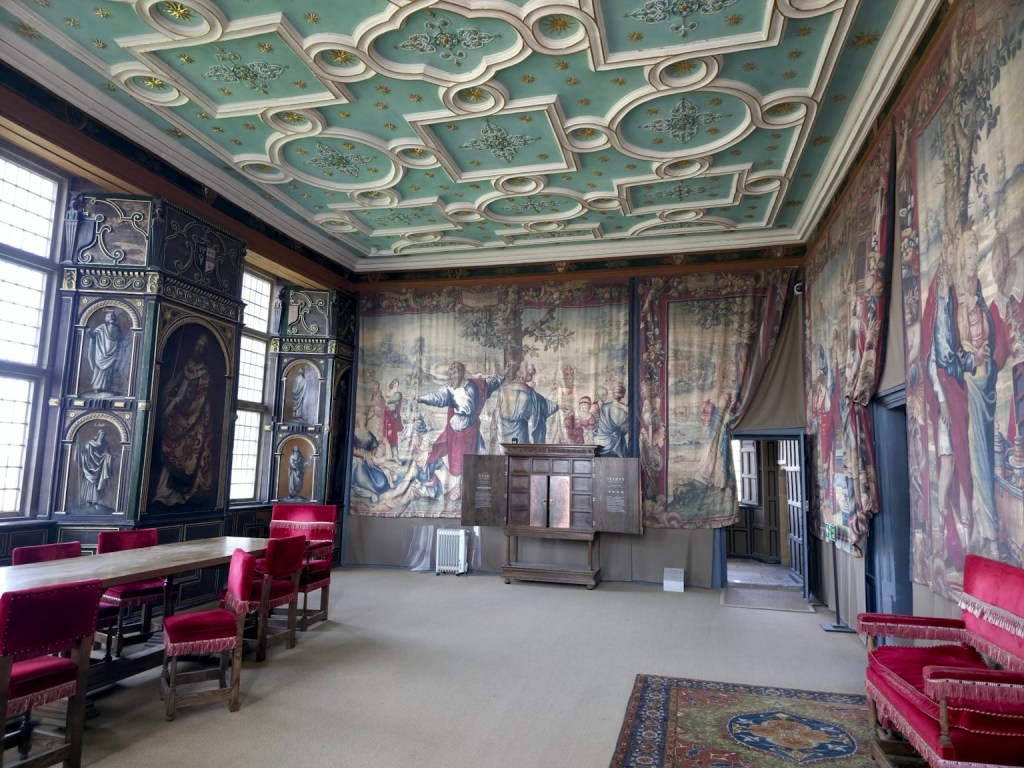
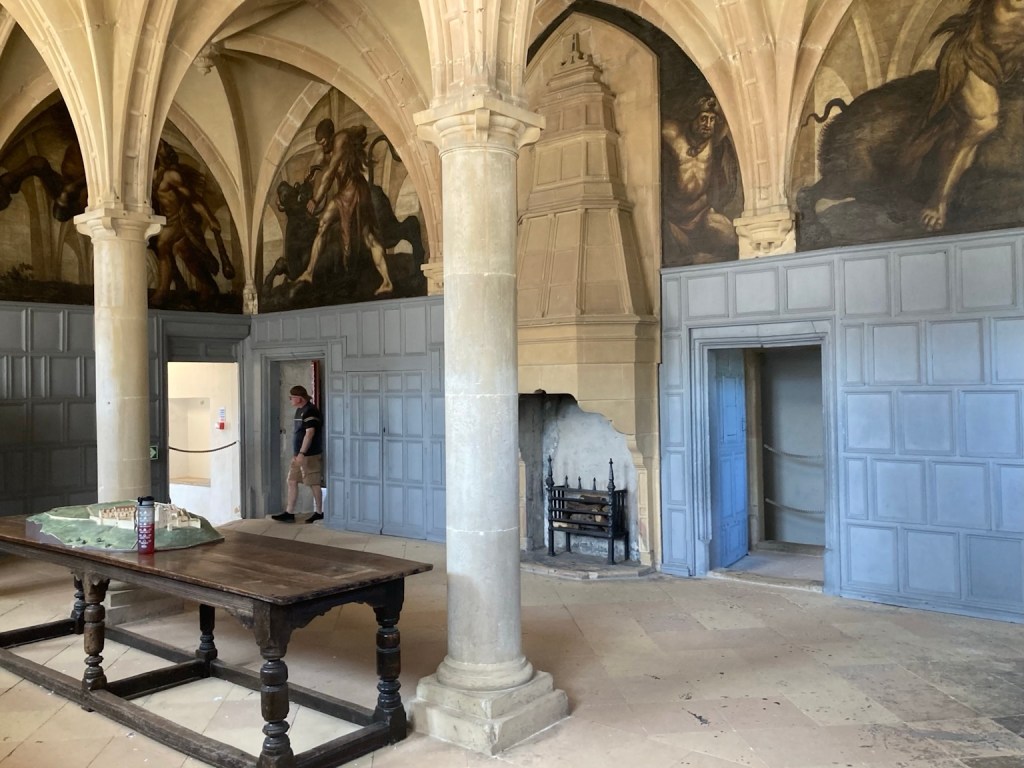
It still has the original wood panelling and alabaster fireplaces …
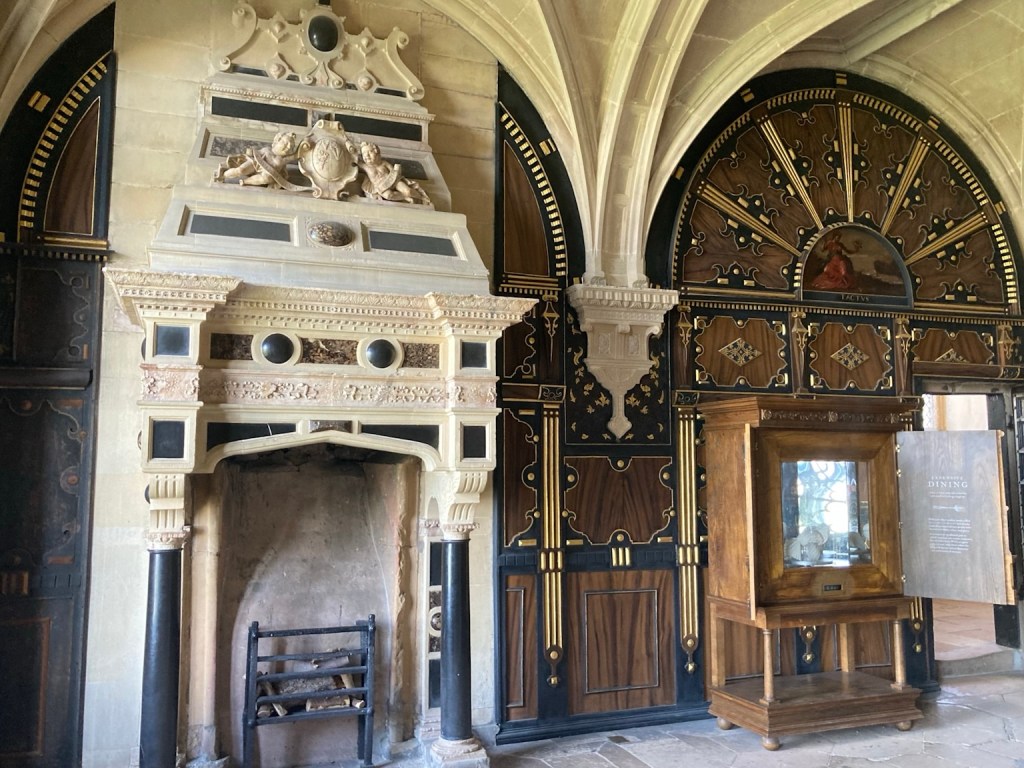
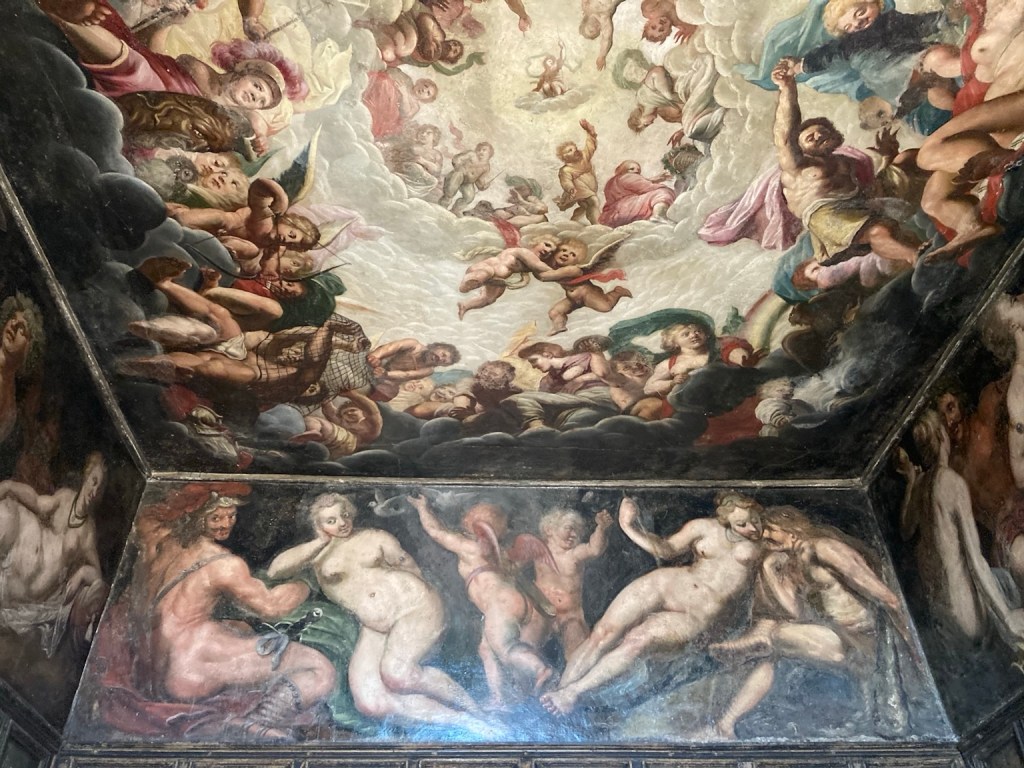
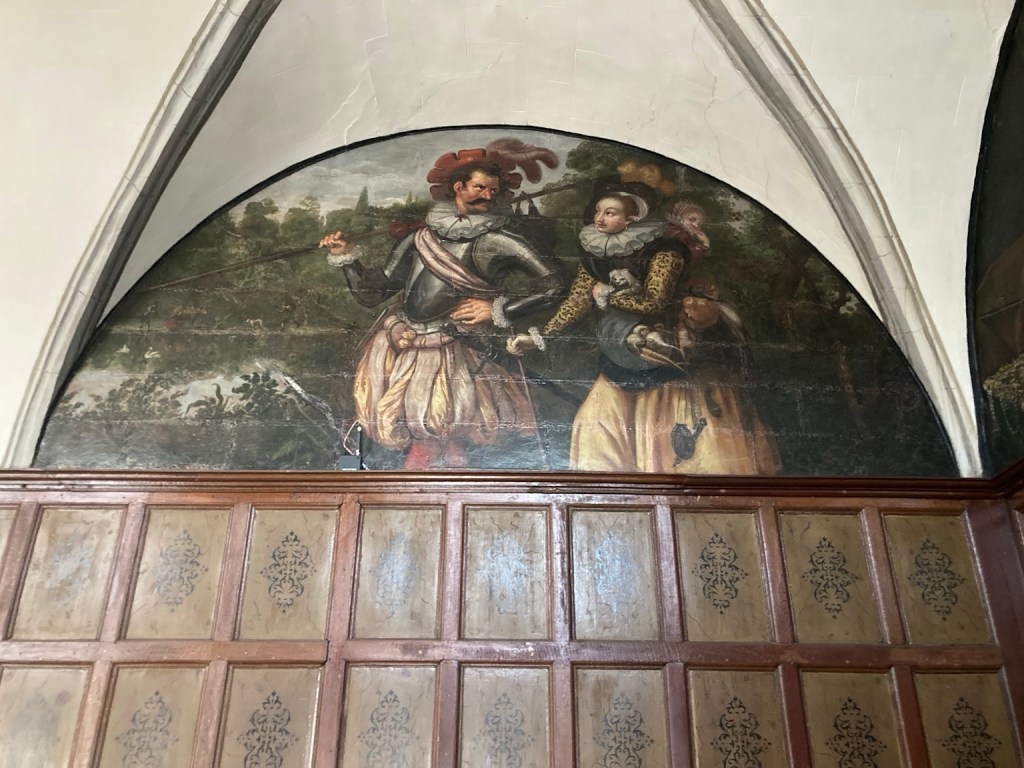
… and is decorated with wall paintings and painted panelling with classical mythology and Christian themes.
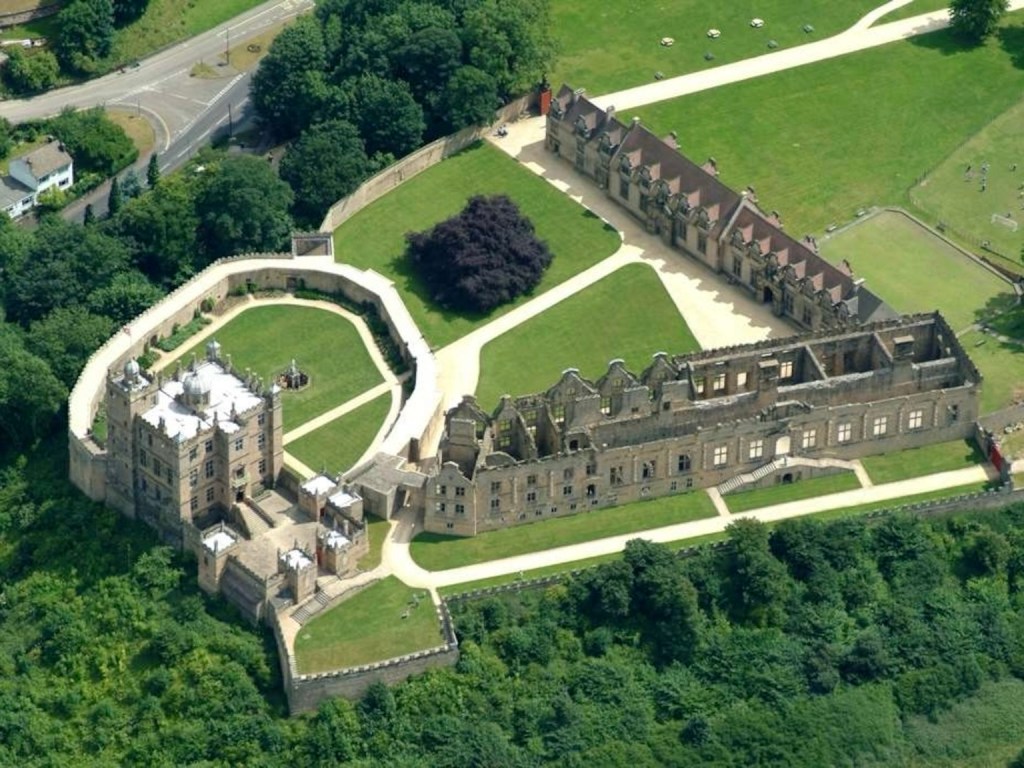
This aerial view shows the now ruined state apartments at the bottom.
We walked through to the gallery to the terrace with its amazing view of the countryside.
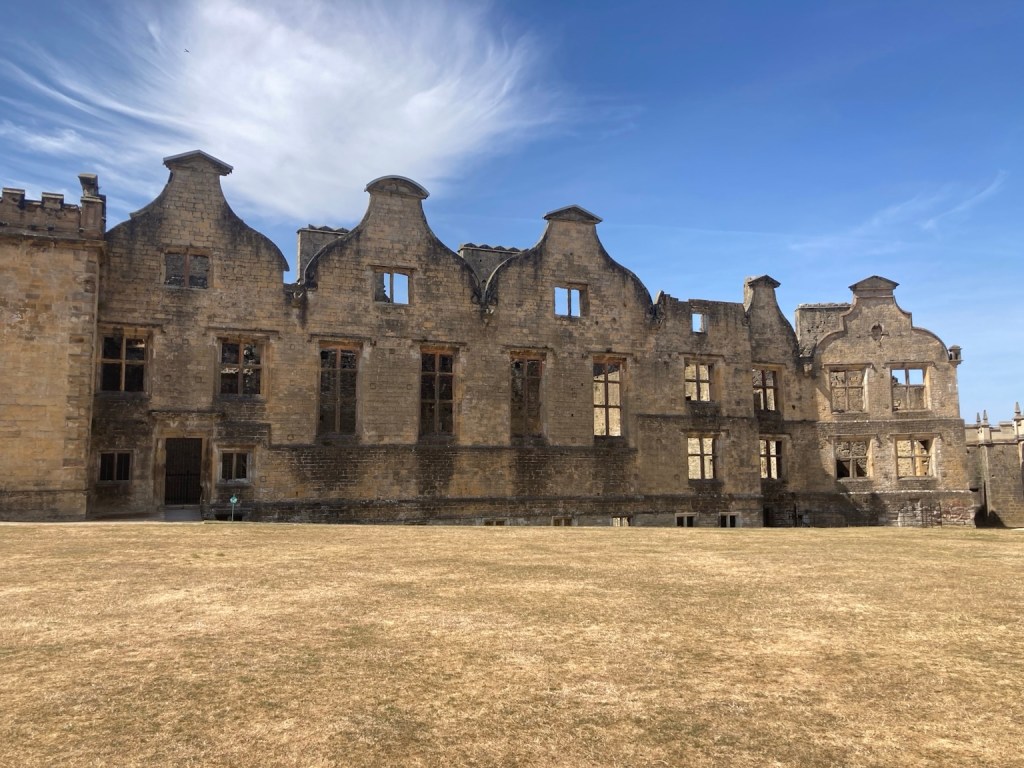
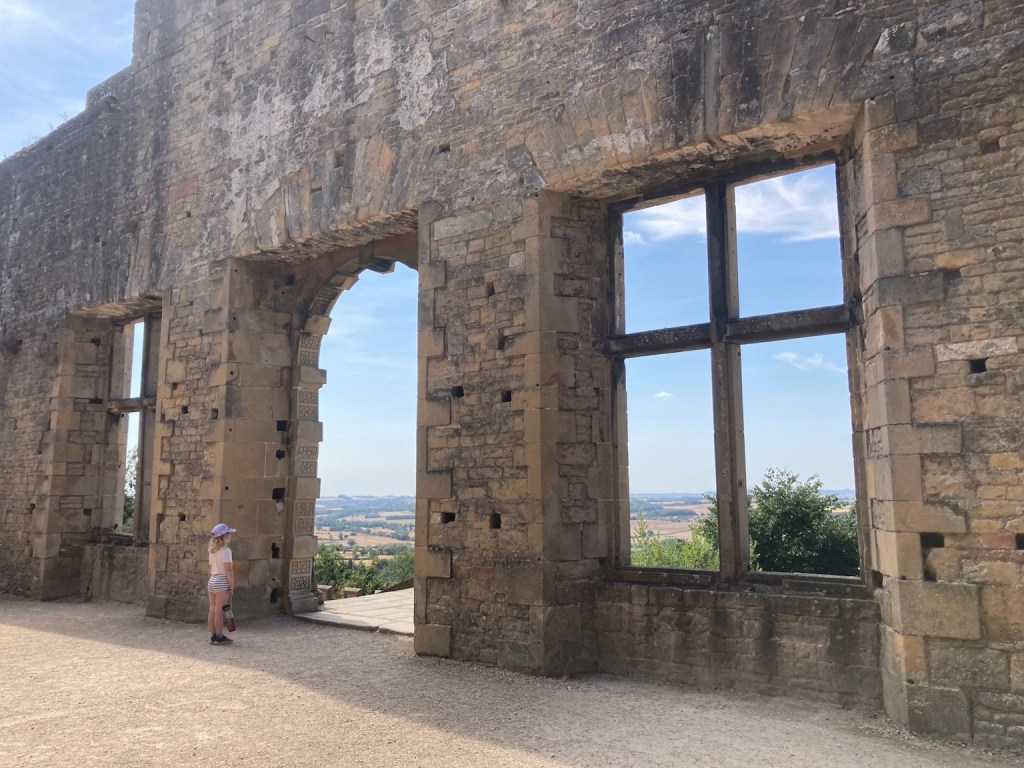
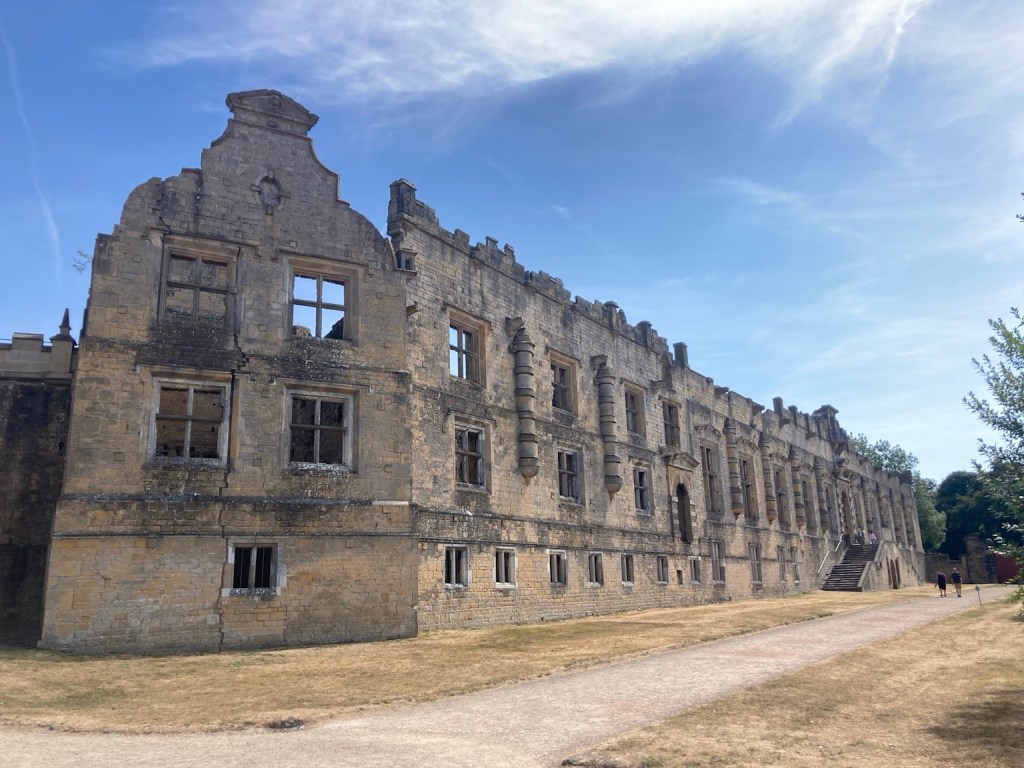
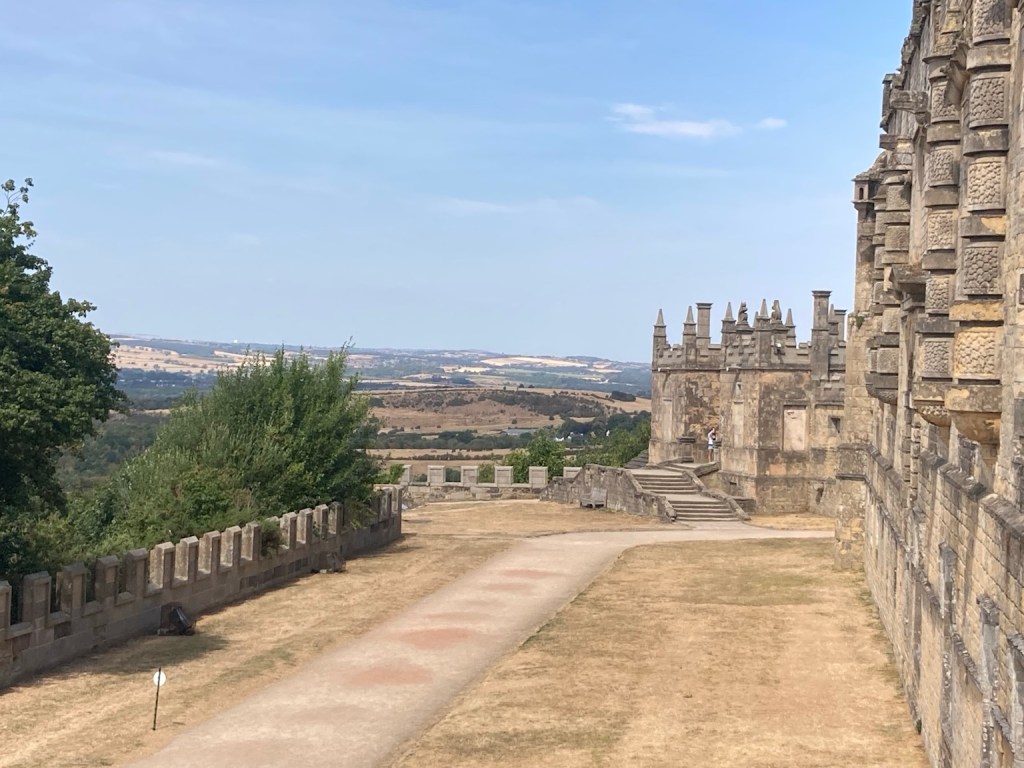
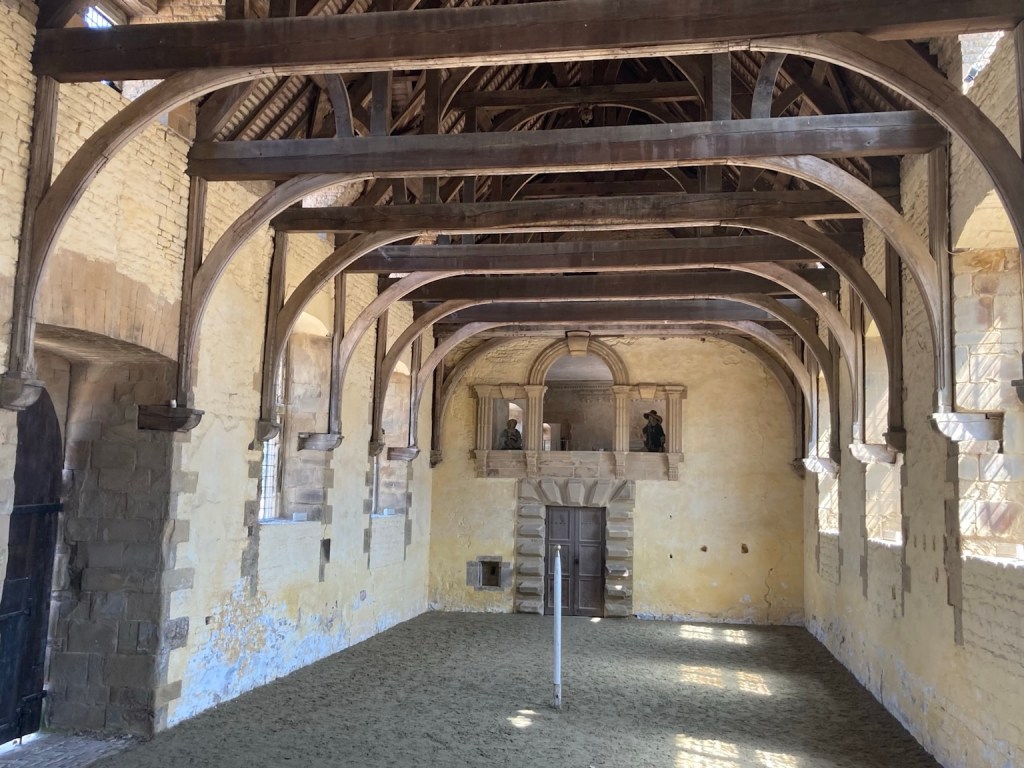
William Cavendish was riding master to King Charles II and the last block of buildings contains the oldest surviving indoor riding school in the country. He disagreed with harsh training, instead showing how gentler methods were more successful and is considered the father of modern dressage.
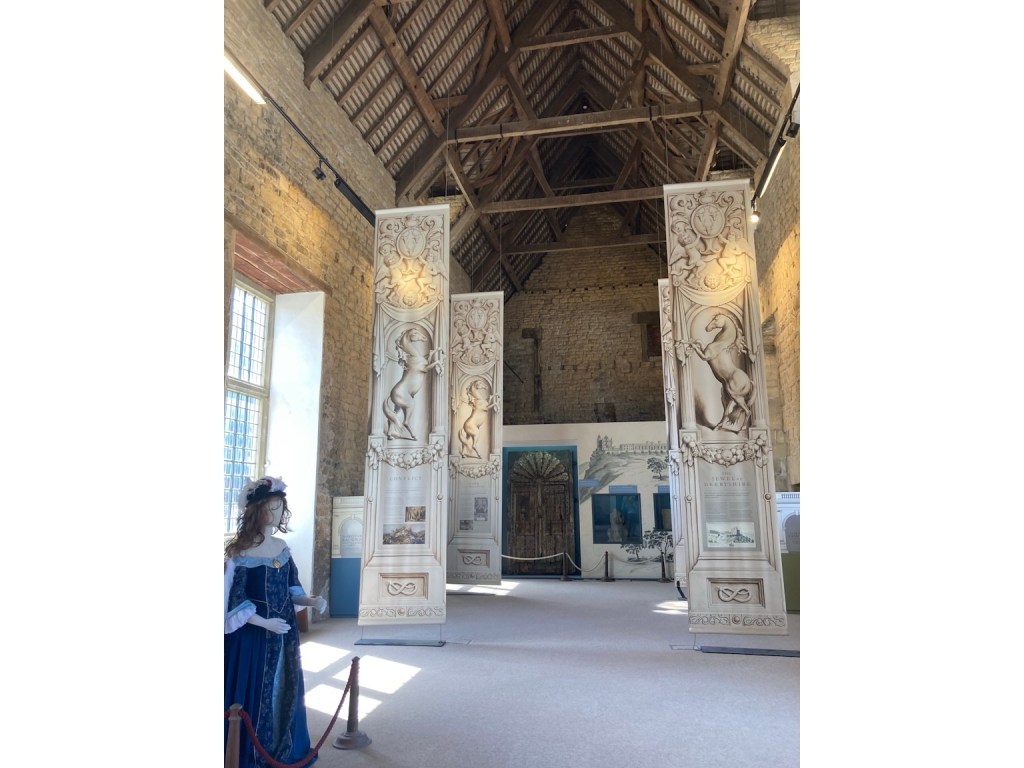
There was also plenty of information about the history of the family and the castle.
We had lunch in the cafe then continued our drive north to Yorkshire. A couple of hours later, we arrived in Richmond and checked in to the Castle Tavern, right in the centre of town overlooking market place and the castle.
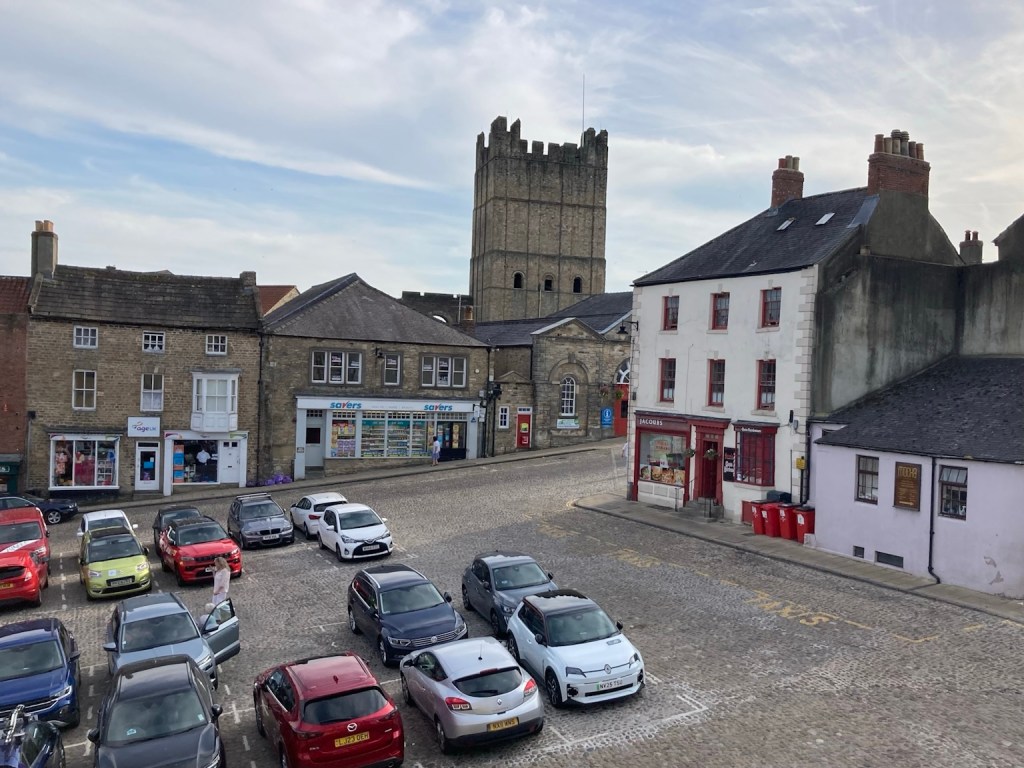
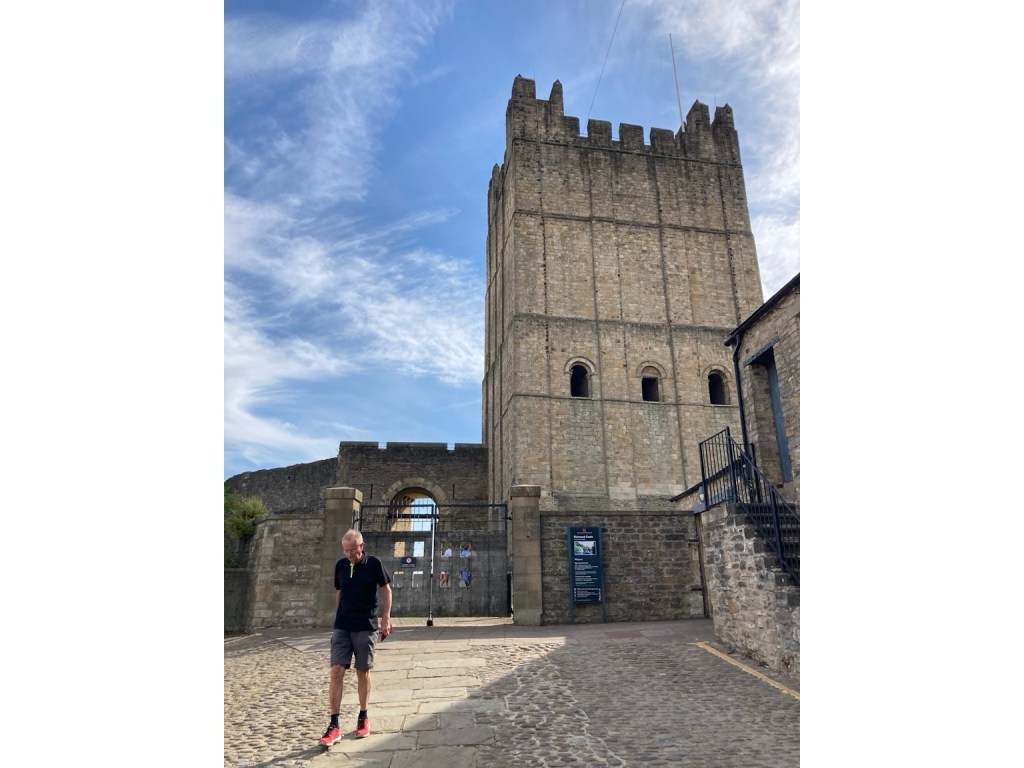
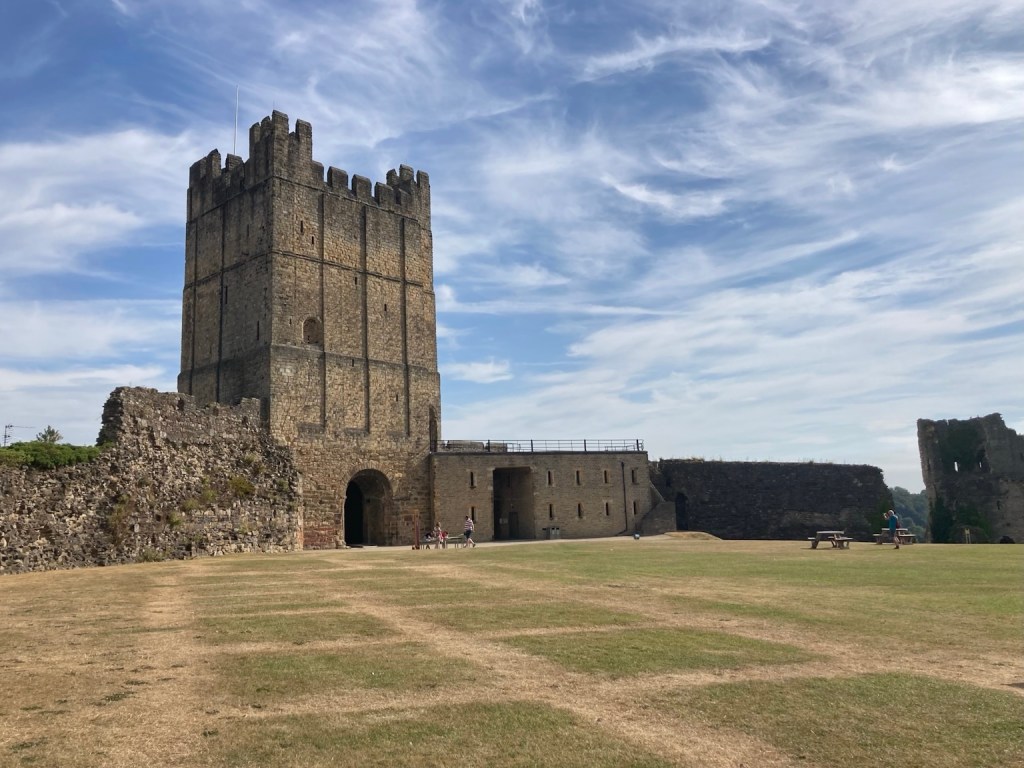
Richmond Castle dominates the town and was built by Alan Rufus, the 1st Lord of Richmond who was a Breton nobleman and kinsman to William the Conqueror, but unfortunately we were too late and it was closed.
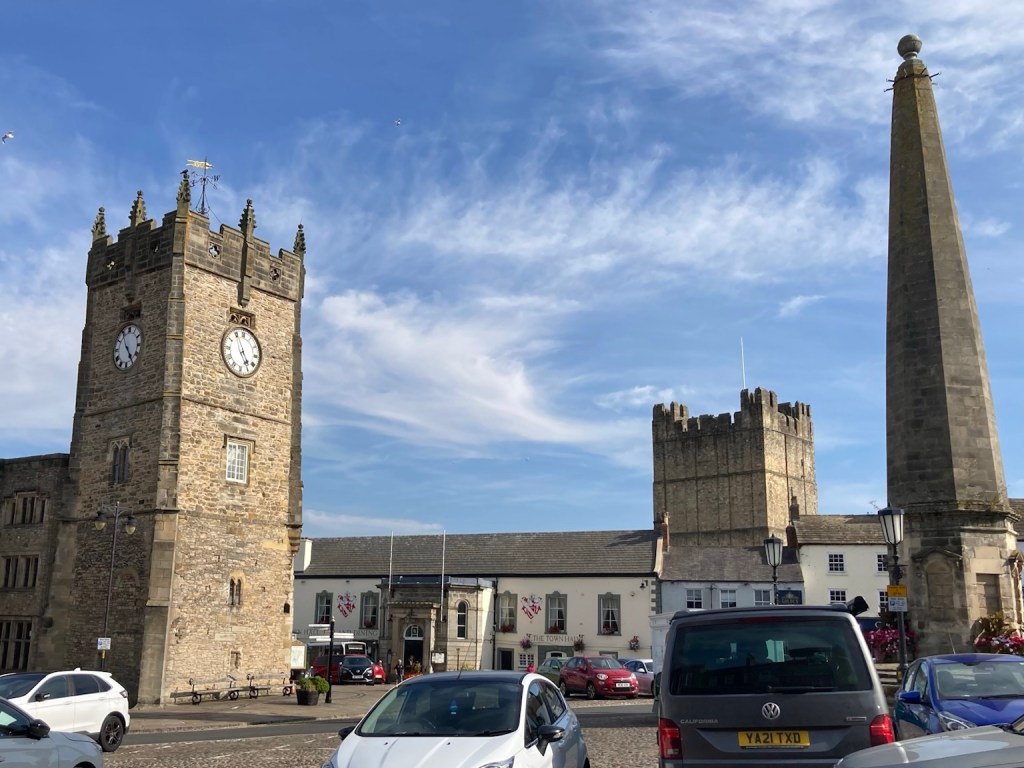
Instead we wandered round the town to stretch our legs and were interested by the obelisk. It was built in 1771 to replace a dilapidated medieval market cross, possibly inspired by a similar obelisk in Ripon. It also marks the spot of a 12,000 gallon underwater reservoir beneath the cobbles which was filled from springs above the town and supplied the water until 1837.
We had a lovely meal in the Black Lion …
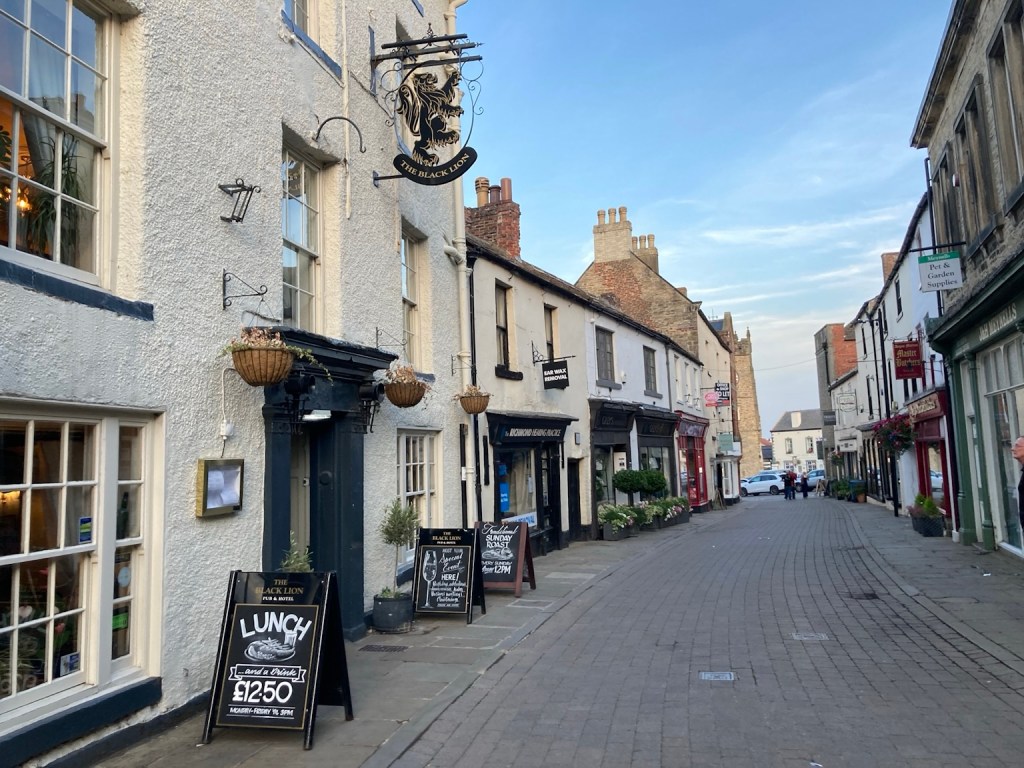
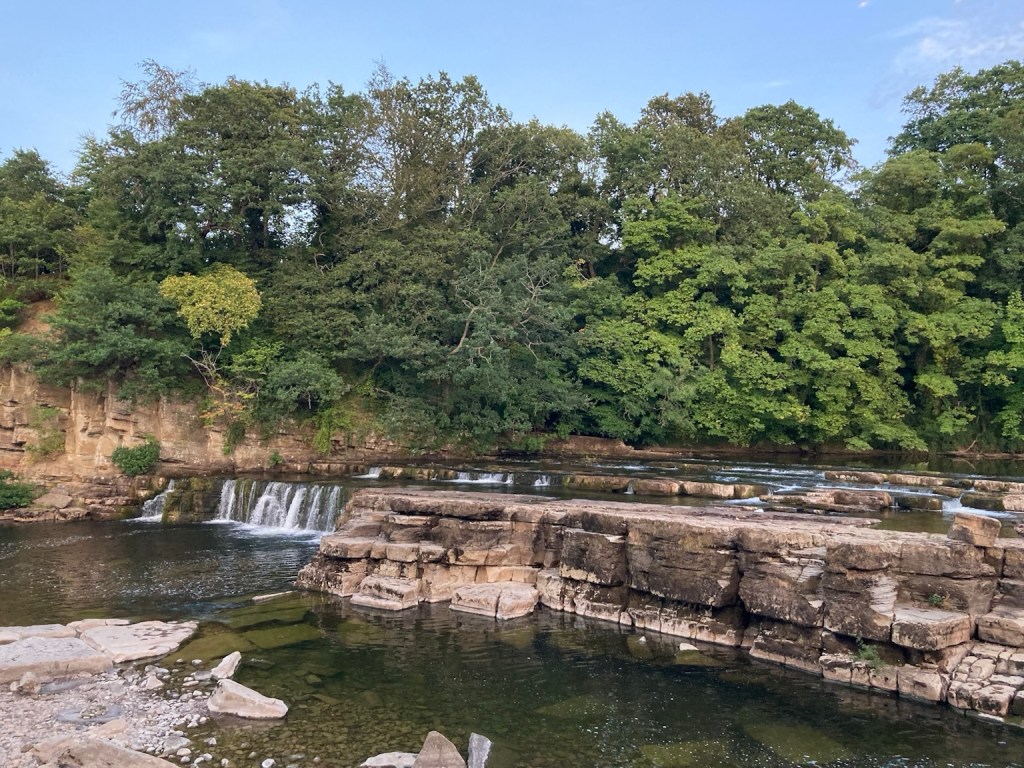
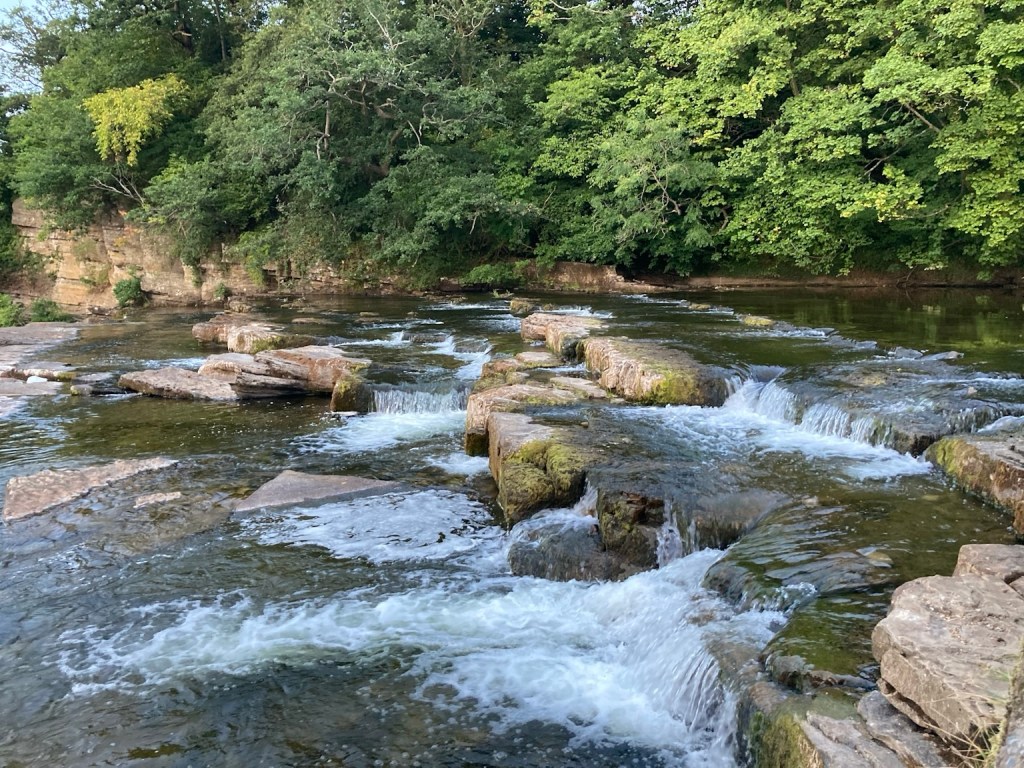
… then went for a stroll to the Fosse, a series of limestone cascades in the River Swale.
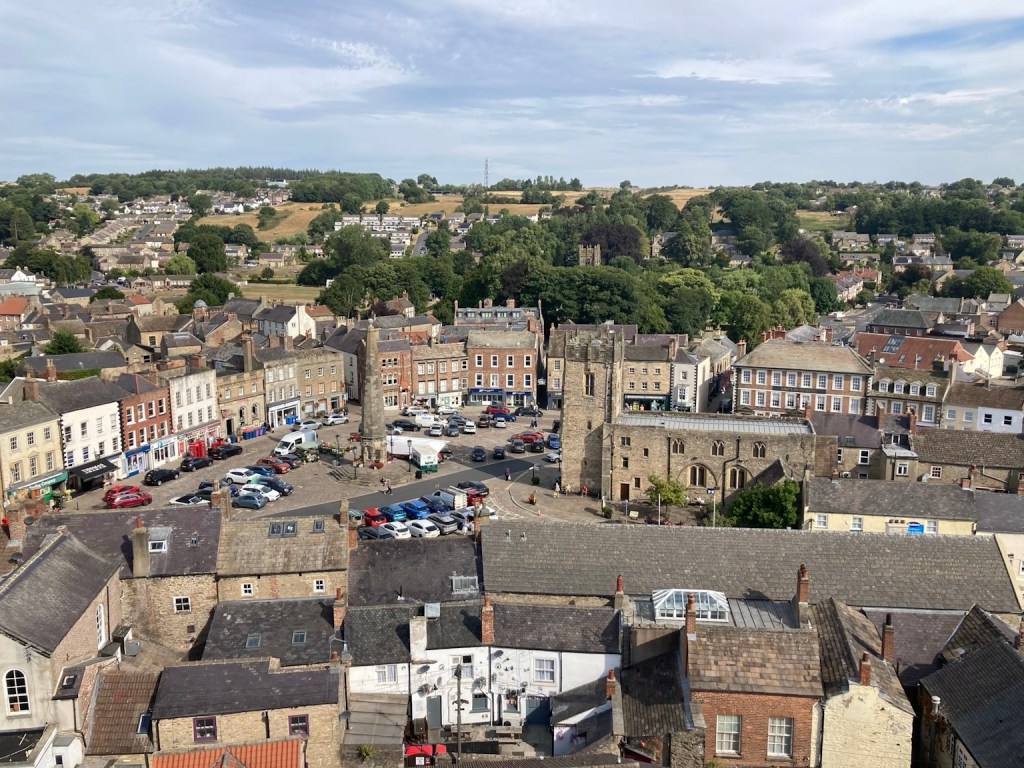
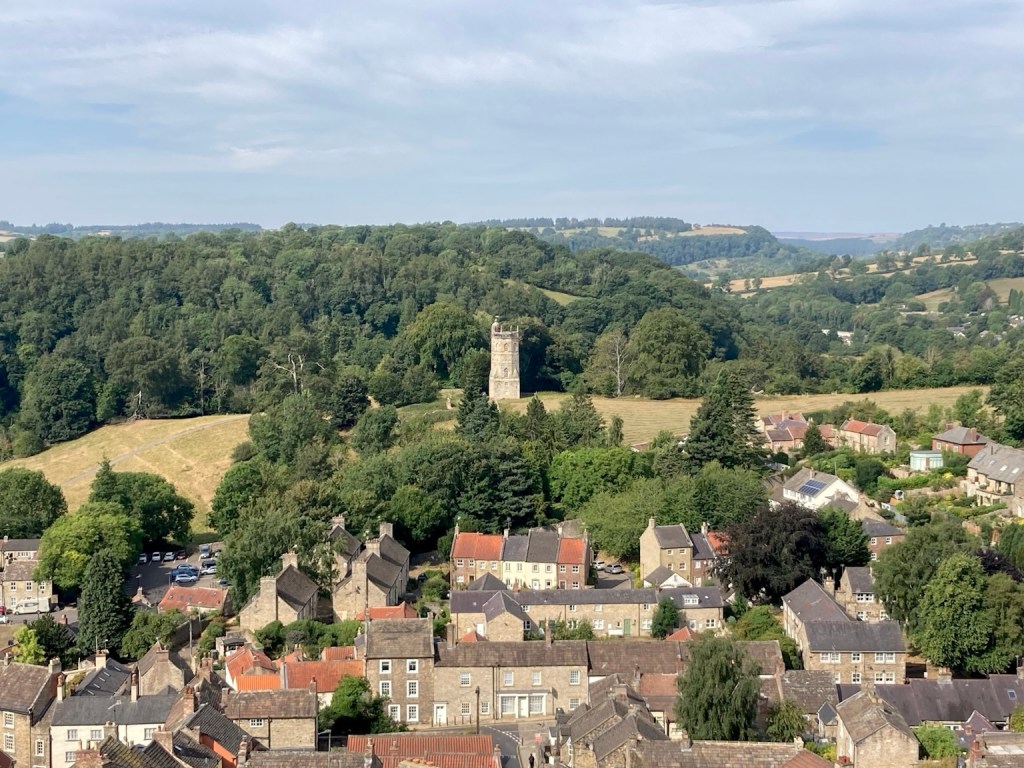
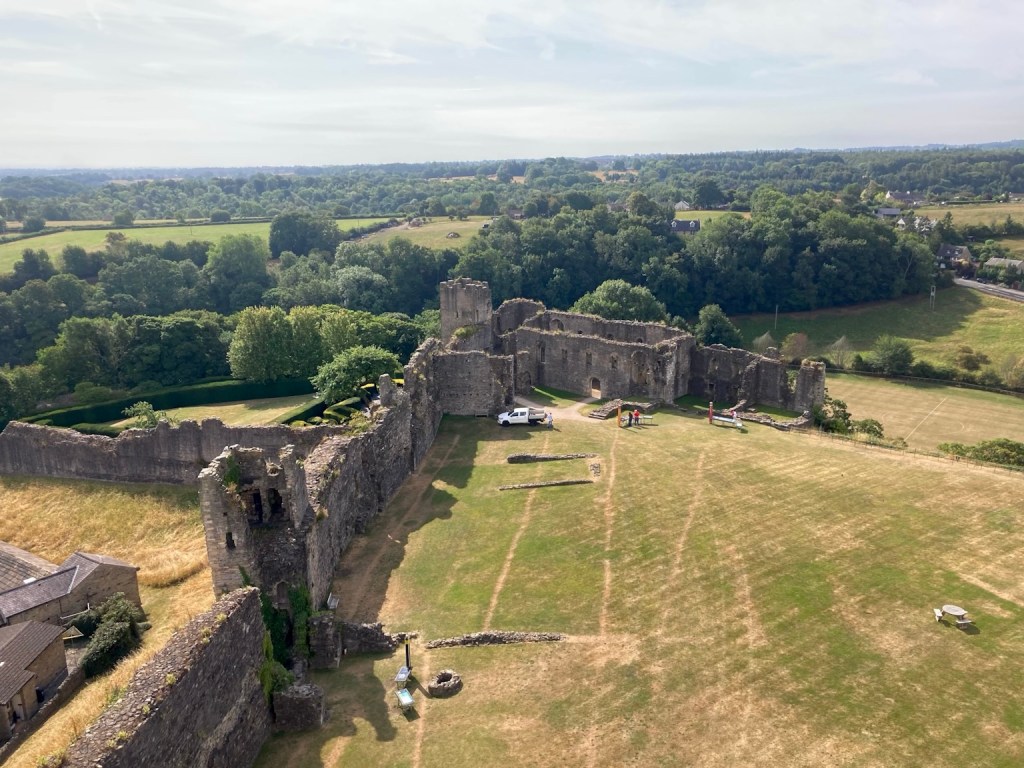
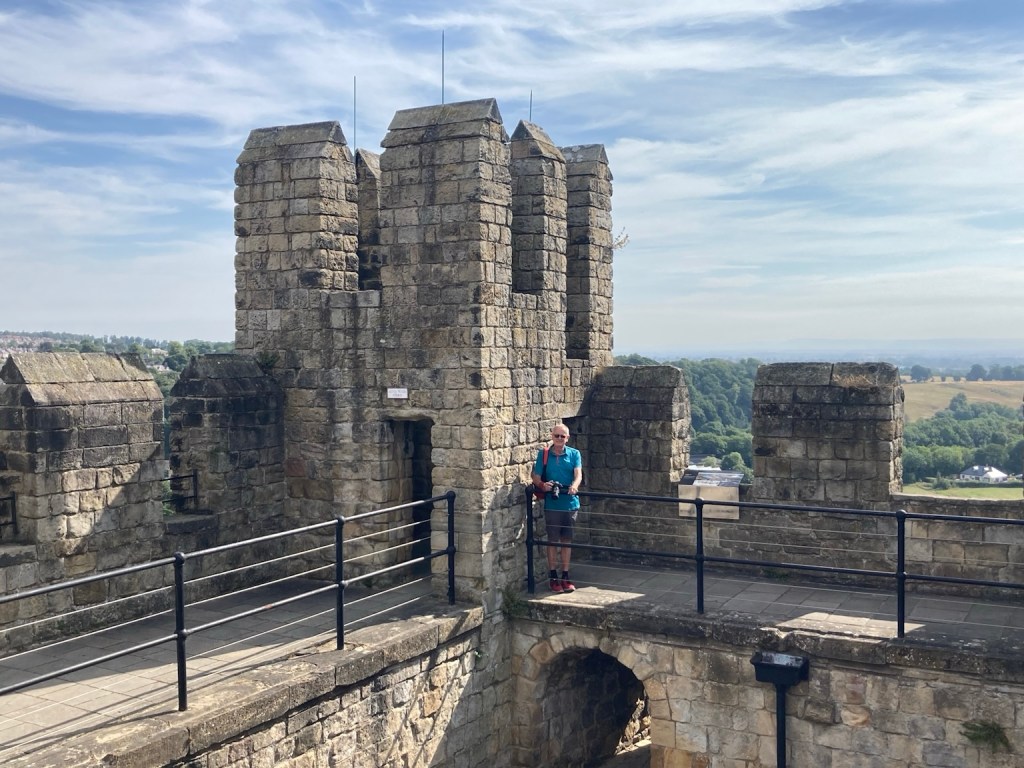
We were ready and waiting when Richmond Castle opened and climbed to the top of the keep for great views of the town and surrounding countryside.
Then it was back to the car … next stop Northumberland!

