 The history of Sri Lanka revolves round two groups of immigrant people – those from North India who became the Sinhalese and those from the south who became Tamils. There is much controversy as to who got here first, who has rights to what and what it means to be Sri Lankan. So let’s start with Anuradhapura, the first major Sinhalese kingdom, which began around 377BC, becoming one of the greatest cities of its age for almost a millennium before being destroyed by Indian invaders in 933. Following the introduction of Buddhism, it developed into one of the largest monastic cities with some 10,000 monks and many monasteries. The kings of Anuradhapura ruled over a golden age of Singalese culture and the dagobas erected were huge architectural feats, surpassed only by the Great Pyramids at Giza.
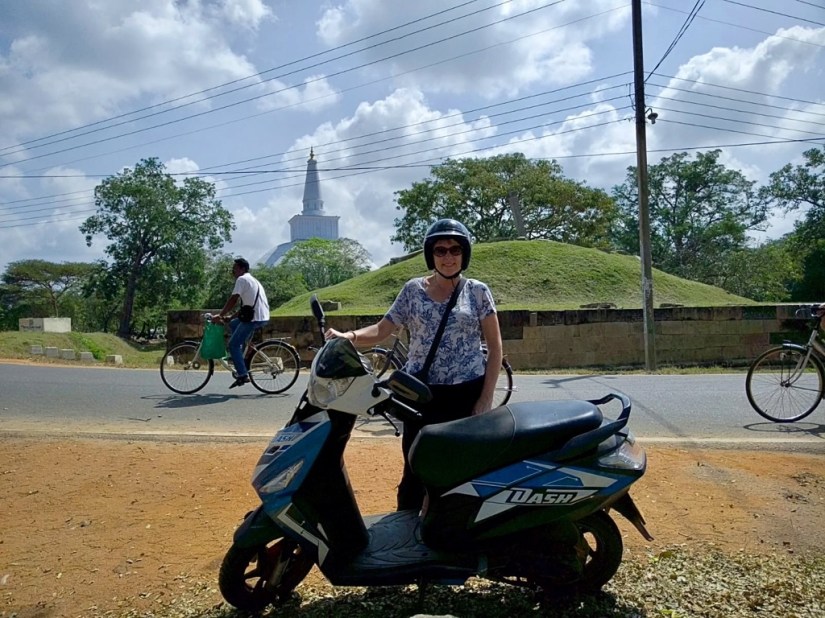
Most of the sites here are included in a single $25 day ticket to the Sacred Precinct so we wanted to pack as much as we could into one day. Too far to walk, too hot to cycle even if I was competent, could hire a tuk-tuk – but we chose to hire a scooter from the guesthouse for greatest flexibility.
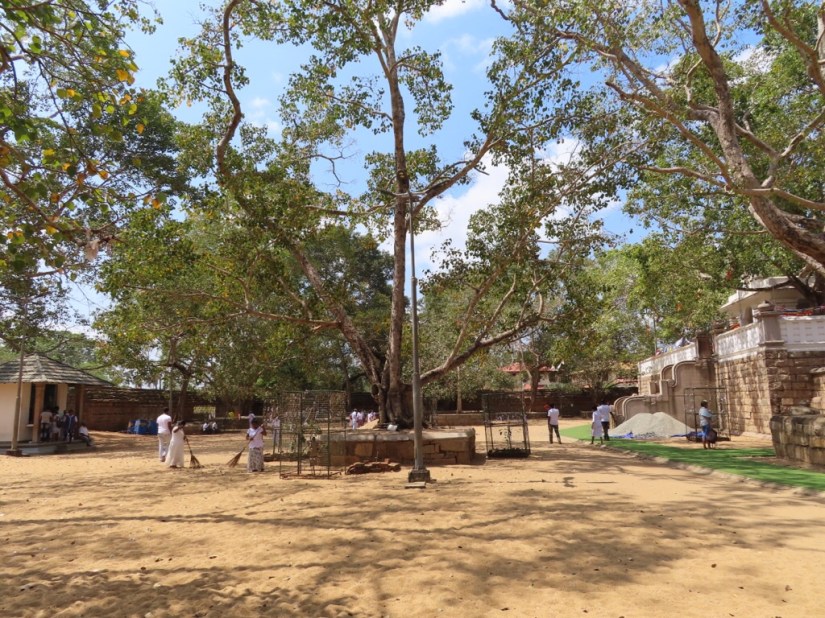
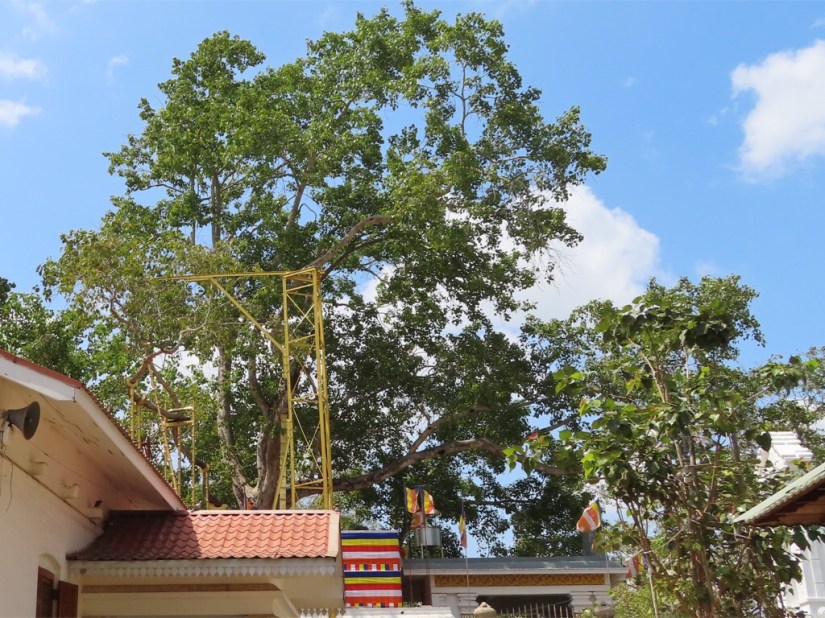
The monuments are grouped into 3 main monastery groups and we started with the oldest, the Mahavihara which was founded in the C3rd BC by Devanampiyatissa Tissa, the king in the mango story, around the Sri Maha Bodhi, or Sacred Bo Tree. The tree grew from a cutting from the original tree in India under which Buddha attained enlightenment and was brought here by Malinda’s sister. It took on more importance when the original tree was destroyed not long afterwards and all trees grown in other monasteries in Sri Lanka and other SE Asian countries come from this tree.
The building surrounding the tree was closed, but we could enter the courtyard and glimpse the tree, it’s ancient branches supported by golden poles. This would be a good moment to say how pleased we were that we brought socks with us … as having surrendered our sandals at the door, the ground was jolly hot and a bit rough and stony without our lucky socks!
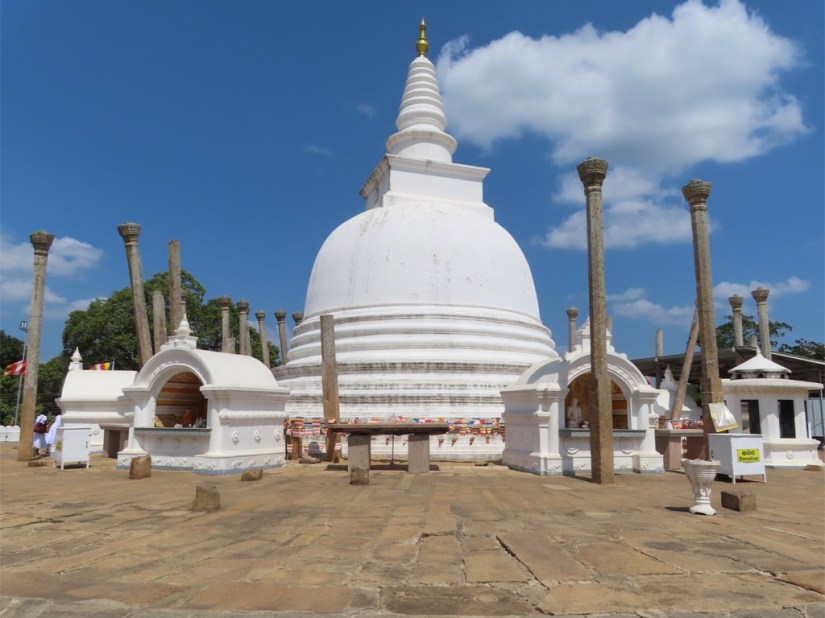
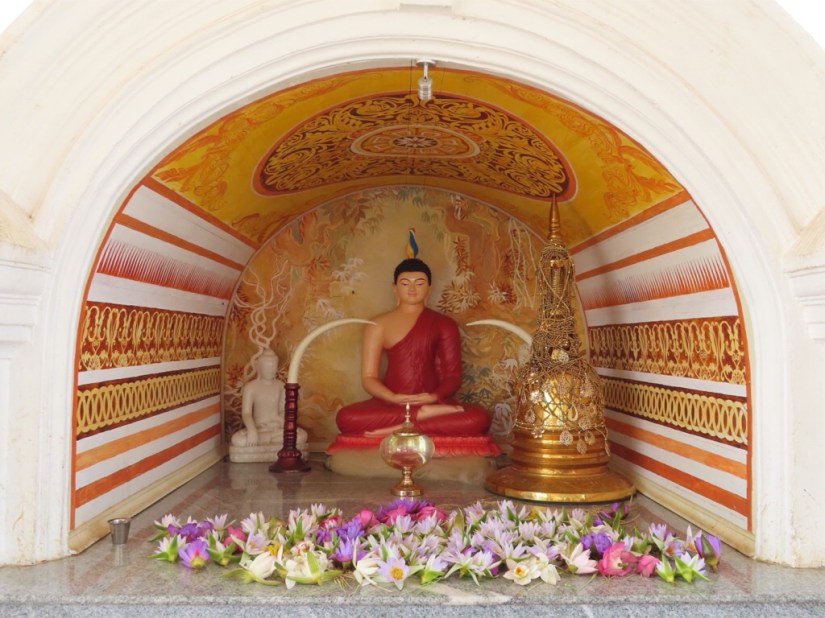
Next was the Thuparamaya, the first dagoba to be built in Sri Lanka, again by the same king, who sent a monk to Ashoka in India who gave him Buddha’s right collarbone which was enshrined in the monument. In time, it fell into disrepair and a later king converted it into a vatadage, or circular relic house, a uniquely Sri Lankan form of architecture, with the original dagoba being enclosed with a roof with circles of pillar supports. Here’s a picture of what it might have looked like …

… but the roof is gone, the pillars lean every-which-way and the dagoba was rebuilt in 1862 so this is how it looks now!
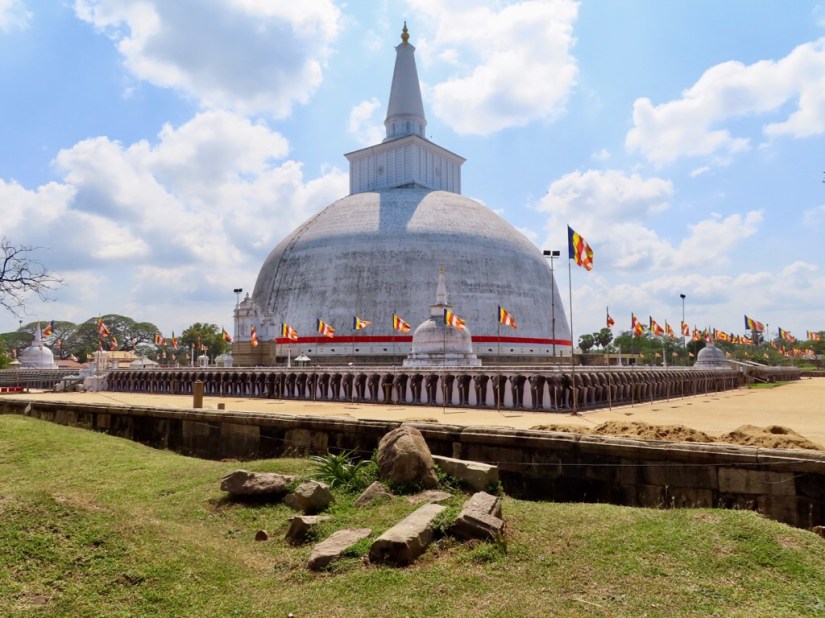
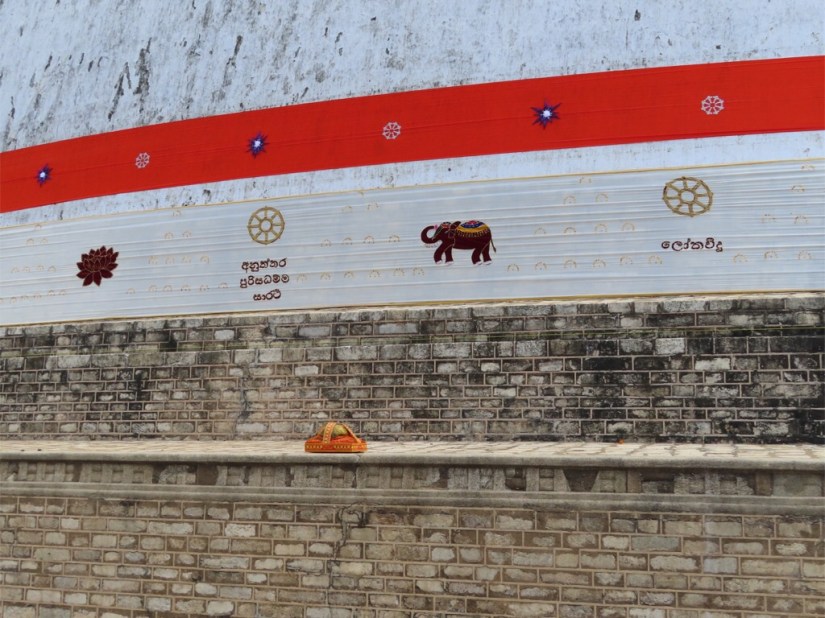
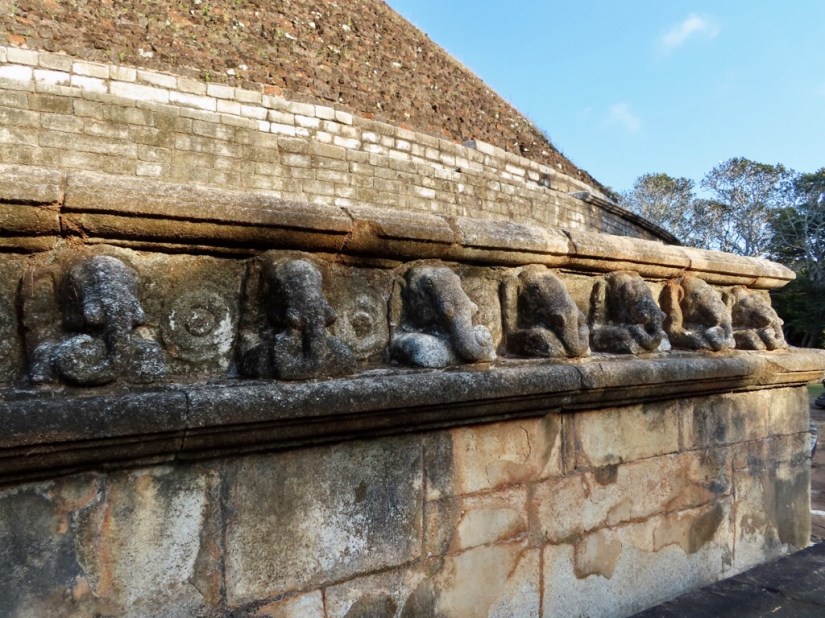
Just close by was the very revered Ruwanwelisaya dagoba which contains various remains of the Buddha and was commissioned by Dutugemunu who evicted the Tamils and united the island under Sinhalese rule for the first time in 161BC. Needless to say, being so revered, it has undergone regular renovations. It is huge, with the strip of red ribbon measuring 300m and we had to step quite a way back to get a good view, especially to include all the elephants symbolically supporting the weight.

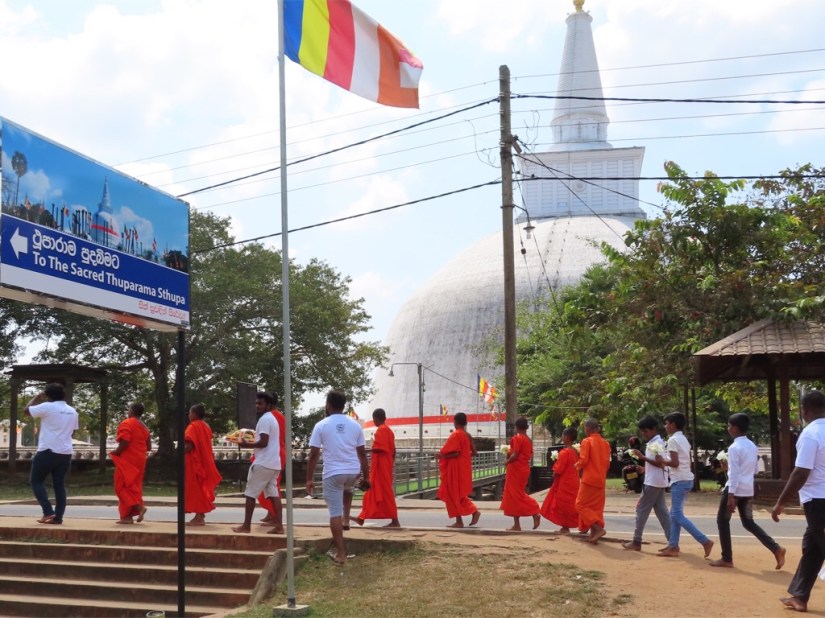
There were lots of people on pilgrimage here including groups of monks and several families with newborn babies, generally wearing white clothes and bringing flowers as an offering which filled the air with scent.


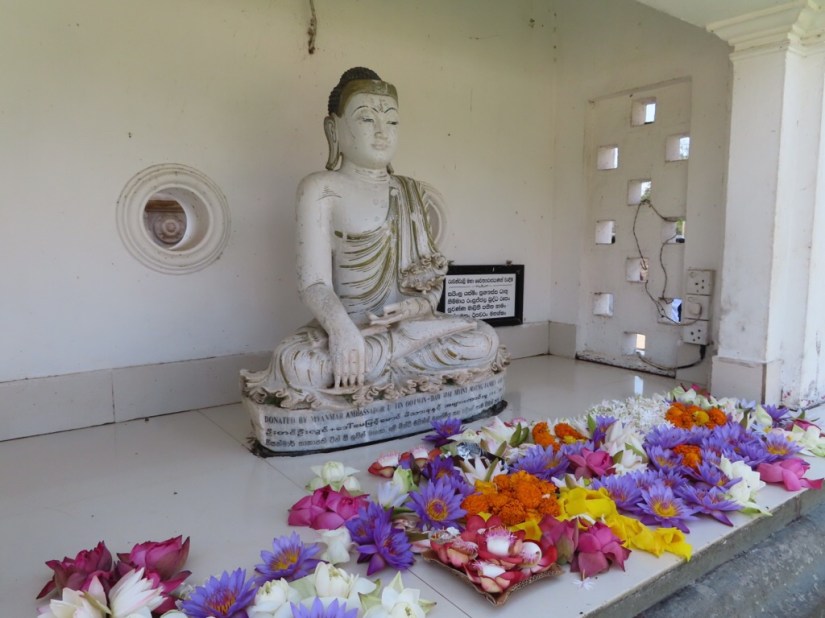
Some also left what looked like care packages for the monks containing a robe and alms bowl.
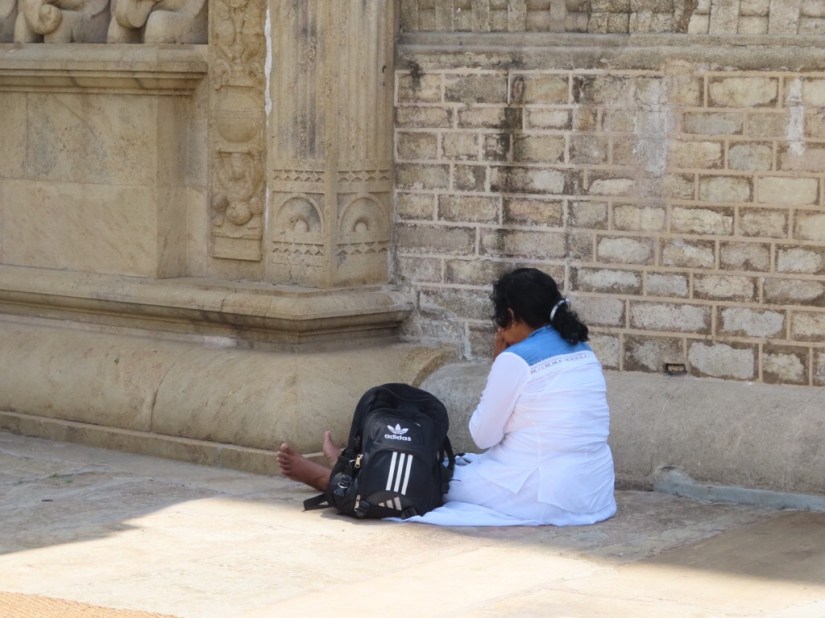
As we walked clockwise round the dagoba, we saw people taking a quiet moment in any scrap of shade they could find.
From here we headed to the second monastery group but it was getting quite warm so be took a lunch break at the very rustic looking Bamboo Garden where we had a lovely spread of curries and rice that was grown in the paddy outside.


Refreshed we continued to the Abhayagiri monastery, found by Vattagamini Abhaya in 88BC after a victory over invading Tamils. It surpassed the older Mahavihara, becoming home to 5,000 monks by the C5th and an important source of new doctrine.
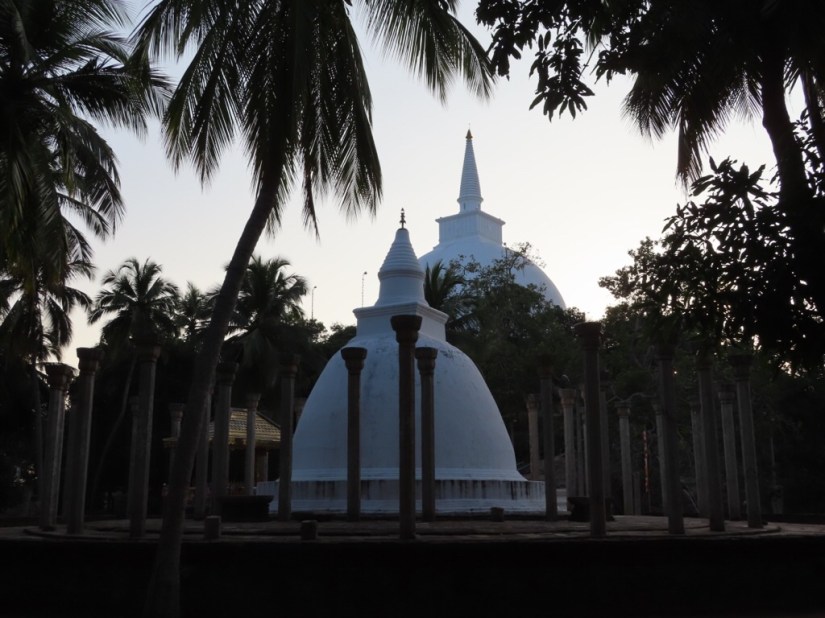
We stopped briefly at the Lankarma vatadage, with a thoroughly rebuilt dagoba in the middle …

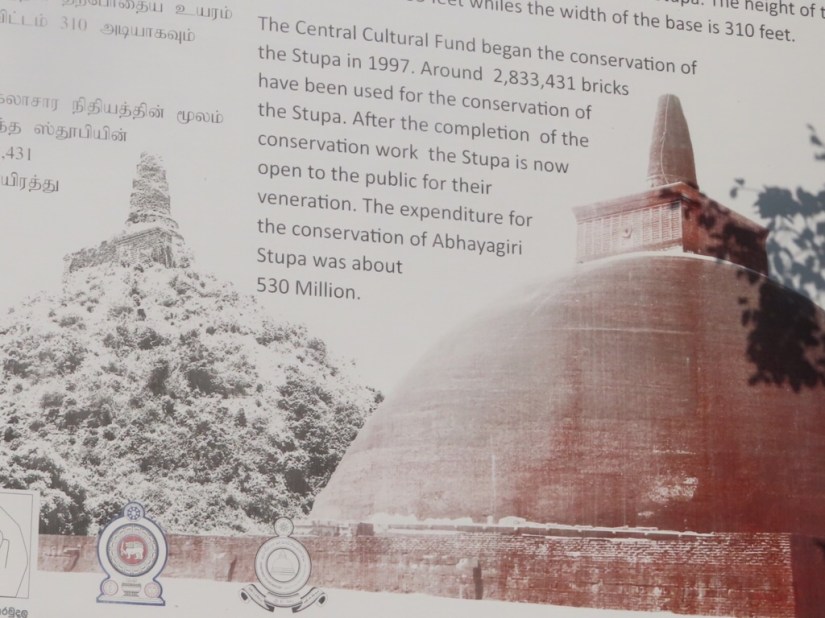
… then continued to the Abhapyyagiri dagoba, marking a spot where Buddha left a footprint. Once 115m tall before it lost its pinnacle, it became very overgrown before being restored and has been left with a brick finish.

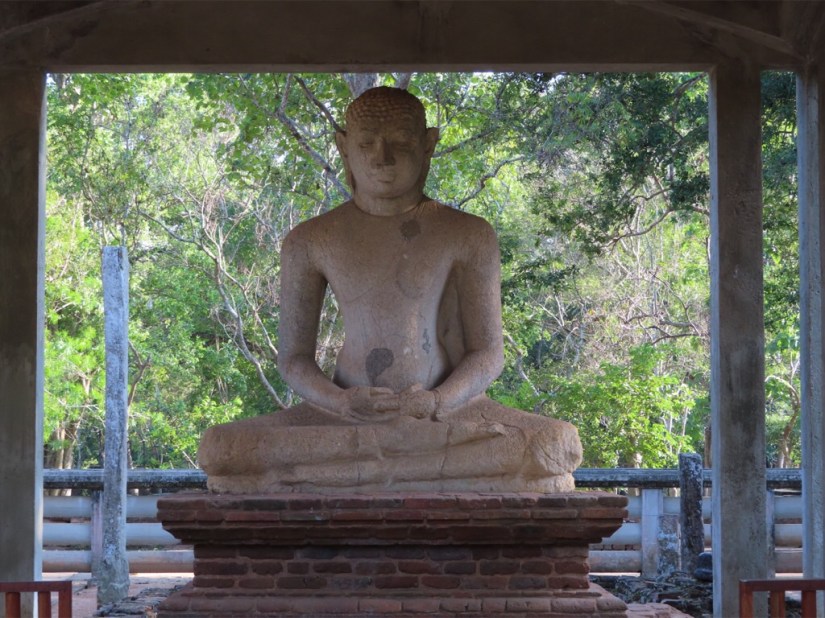
Nearby was the C4th Samadhi Buddha which would once have been painted with gems for eyes …
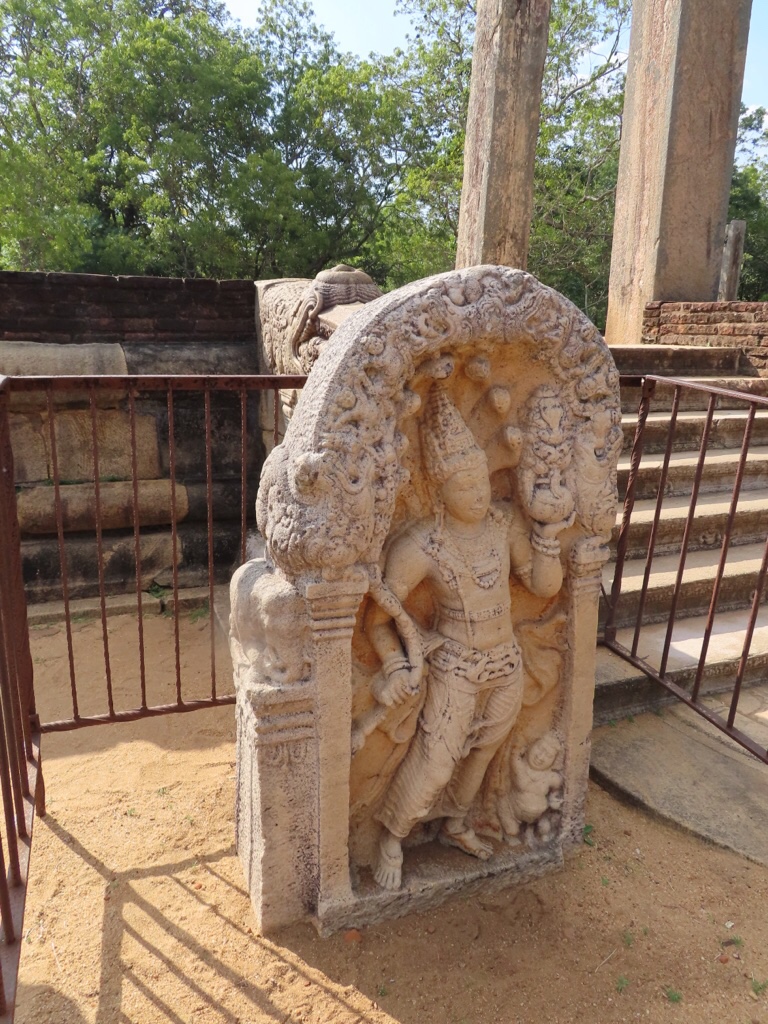
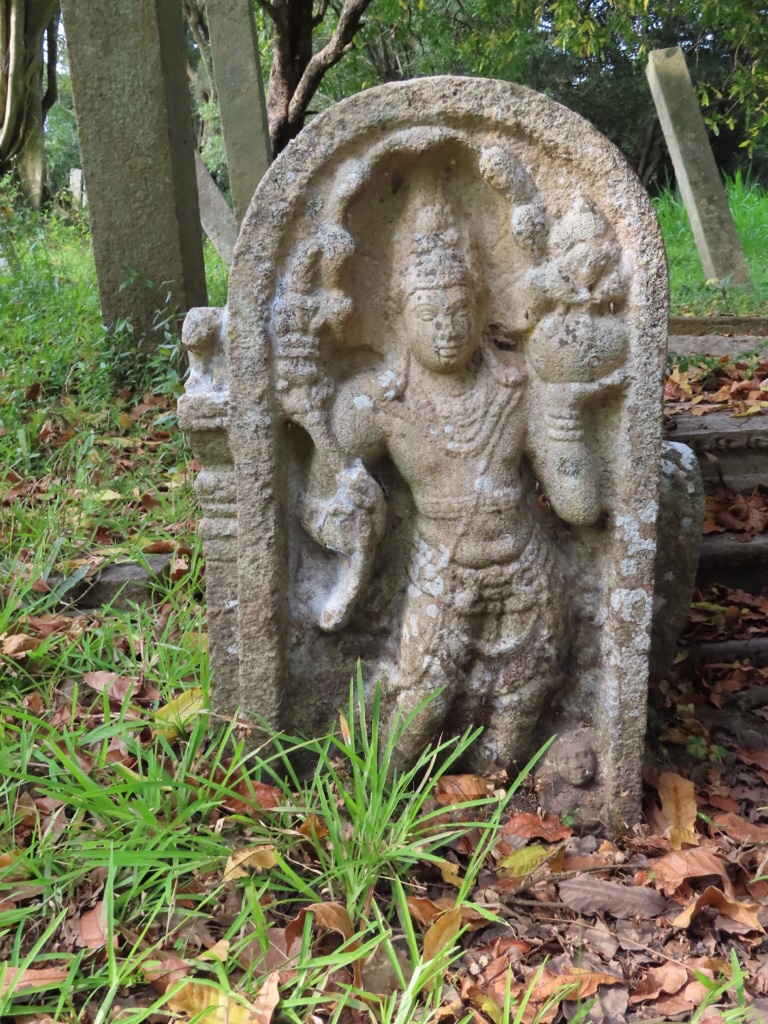
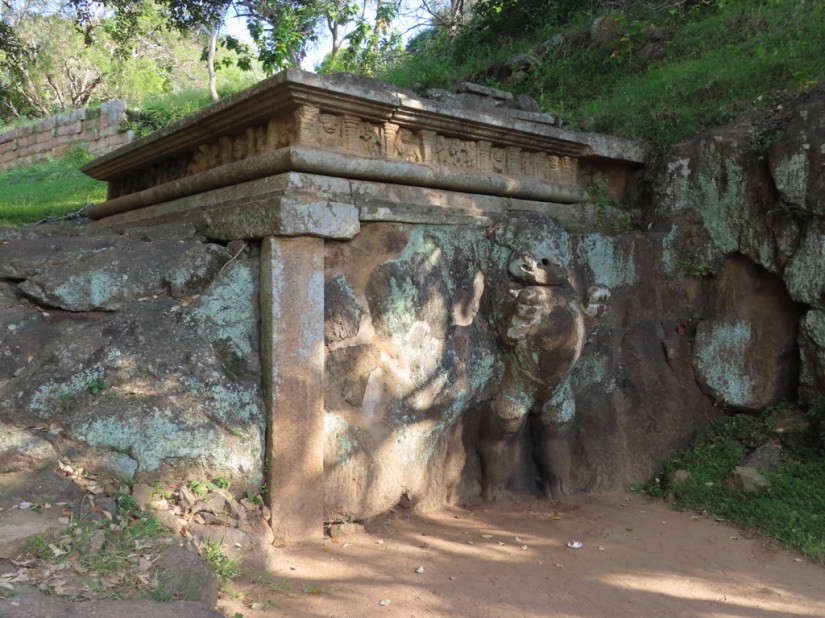
… the Ratna Prasada or main chapter House which was worth noting for its magnificent guardstone …
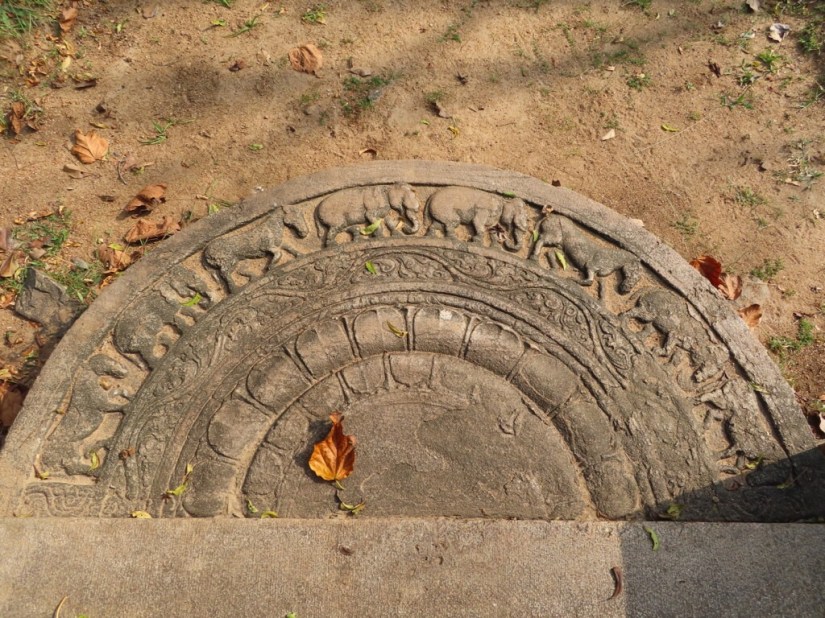
… and the best preserved moonstone here.

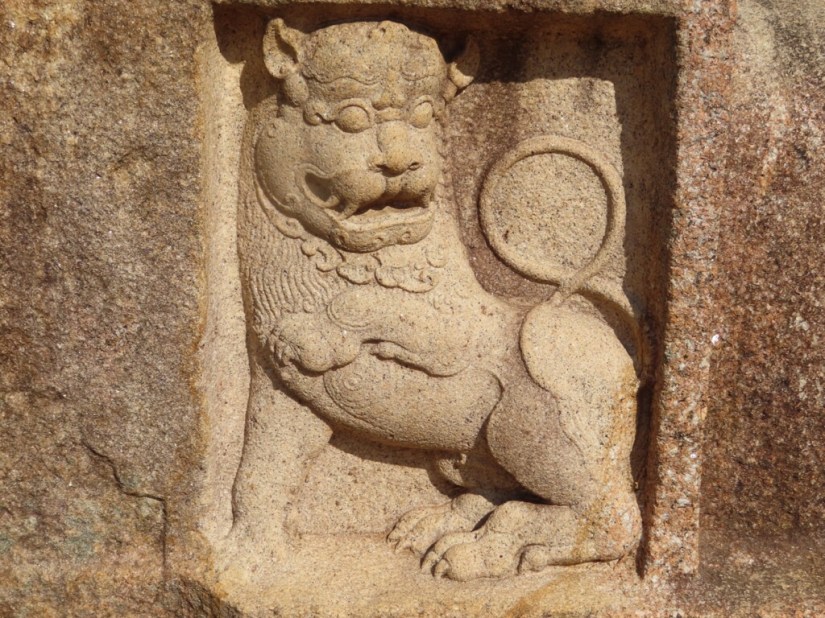
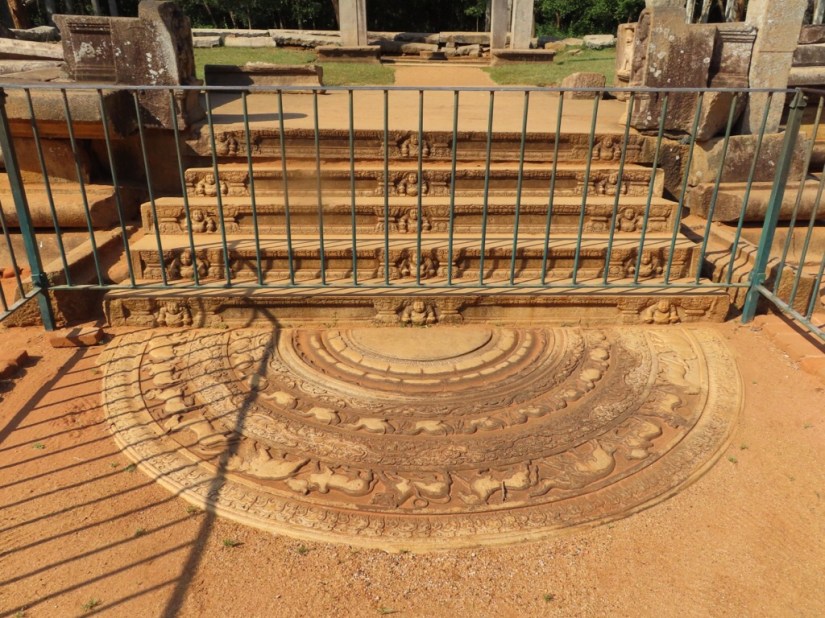 The moonstone is a semi circular stone at the entrance to shrines meant to concentrate the mind of the worshipper before entering. This one clearly shows all the main features – flames on the outside to purify, the four Buddhist animals – the elephant for birth, the horse for old age, the lion for illness and the bull for death, vines for attachment to life, geese for purity and a lotus at the centre as the symbol for Buddha and nirvana.

There are also splendid dwarfs holding up the steps and also some lions.

Having seen one moonstone, we realised we had seen a couple of others along the way …
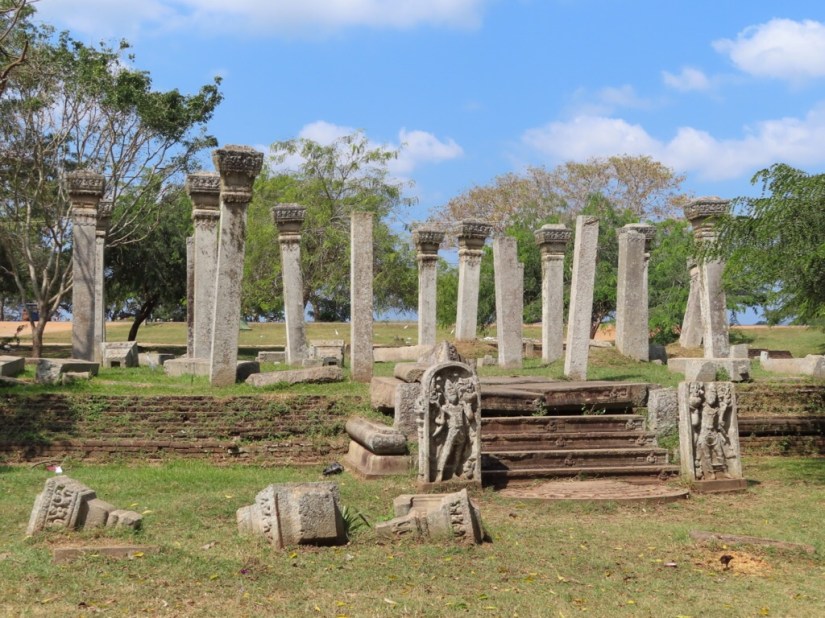

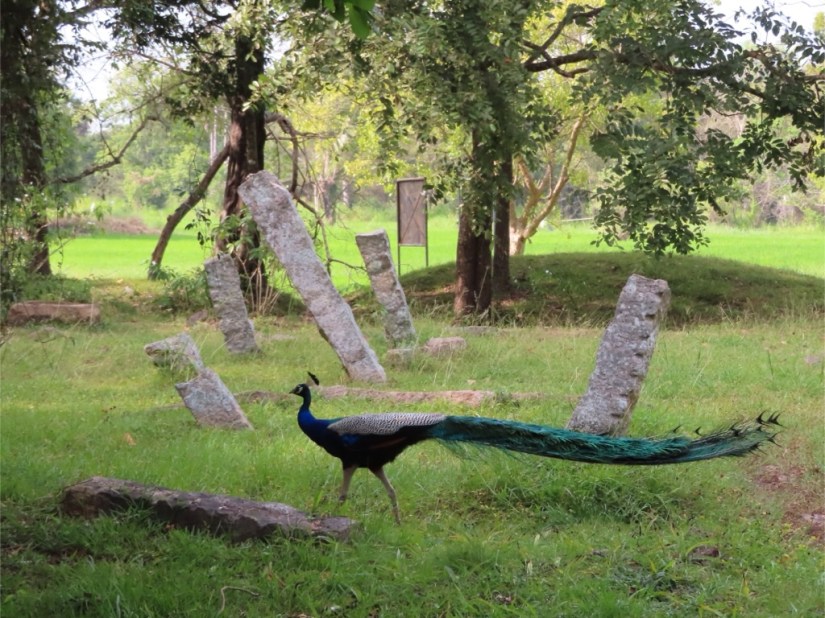
I should say, there are ruins just everywhere … outlines of buildings, wonky pillars, bits of wall, much half buried in the grass with trees between. All of these would have been various monastery buildings needed for the life and work of the monks. Only the major dagobas have been restored, following ‘rediscovery’ in the C19th.
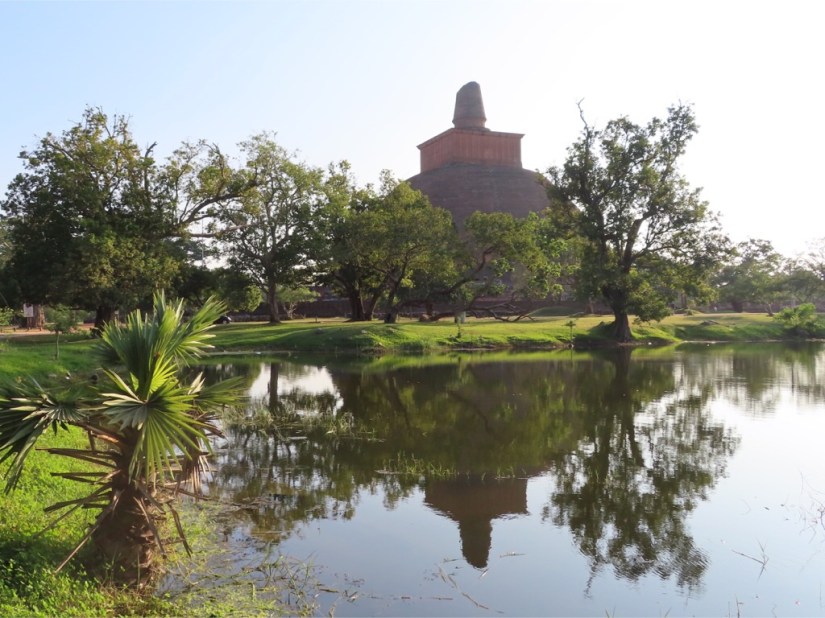
By now we were getting tired … but there was one more monastery, Jethavanaramaya, raised on the site where Mahinda once preached and where his body was later cremated and founded by Mahesena in the C3rd. The Jetavana dagoba is monumental. Originally 120m high and the third tallest structure when built, it was surpassed only by two of the pyramids at Giza and remains the tallest and largest brick built structure on earth.

As we returned to the guesthouse, we made a final stop, at Isurumuniya Viharaya, a rock temple dating back to C3rd BC.

 There were some carvings of bathing elephants, and a man with a horse, and a gilded shrine with a moonstone at the entrance.


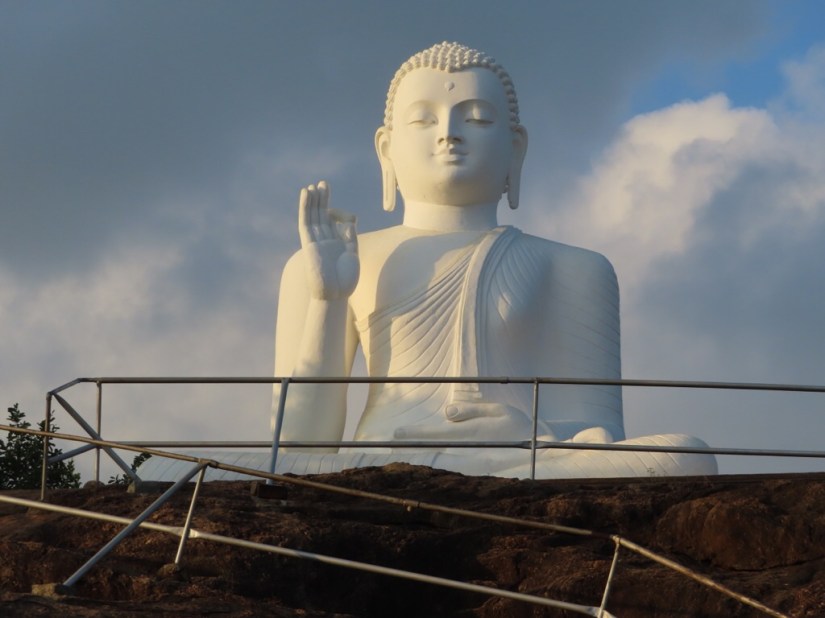
Climbing up, we could see the white dagoba on the hill tab Mihintale we visited the day before …
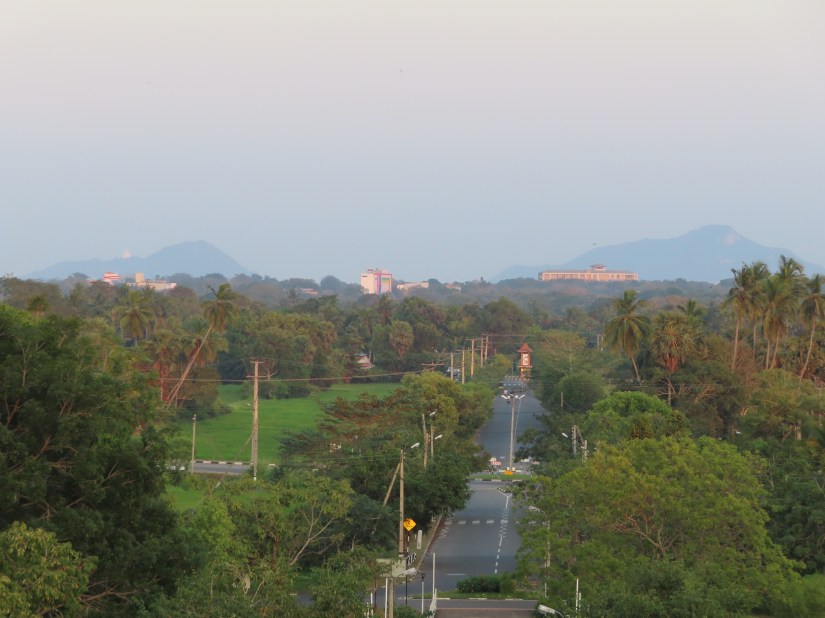 … and also the Sandahiru Seya or Triumphant Stupa, a new dagoba begun in 2014 to commemorate the soldiers who died fighting the LTTE … also known as the Tamil Tigers … times don’t change …

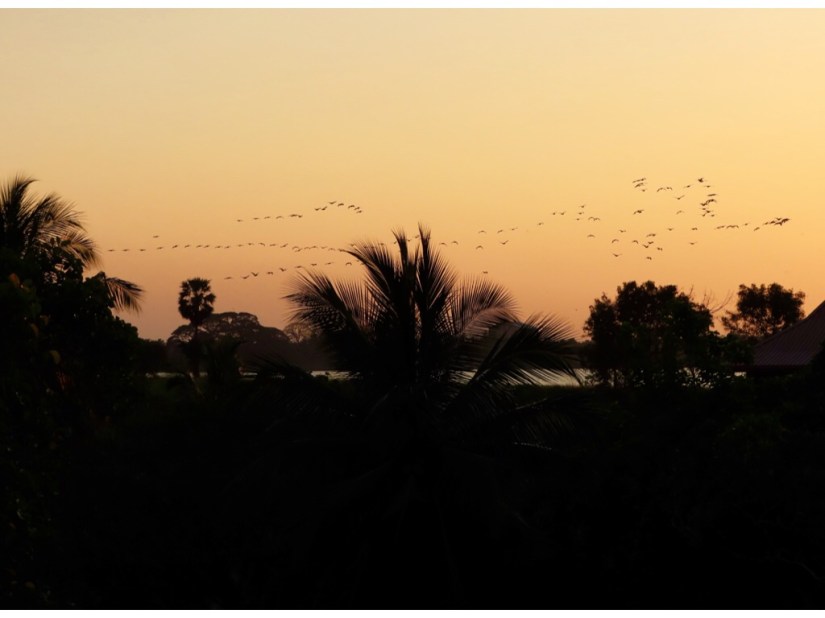
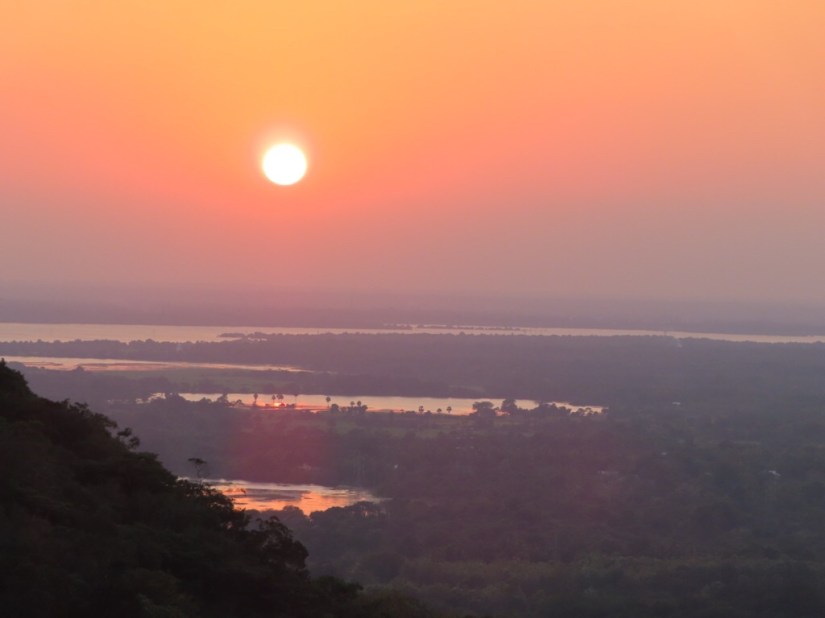
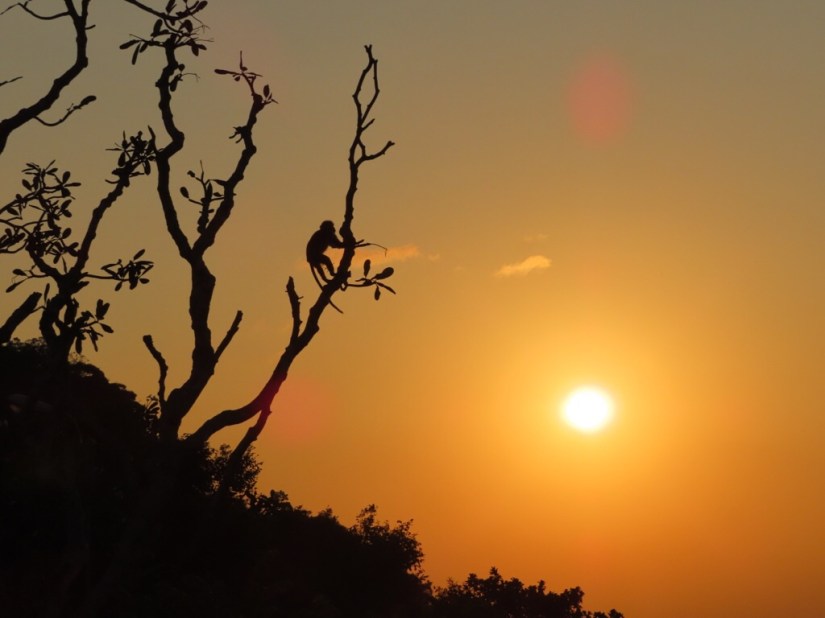
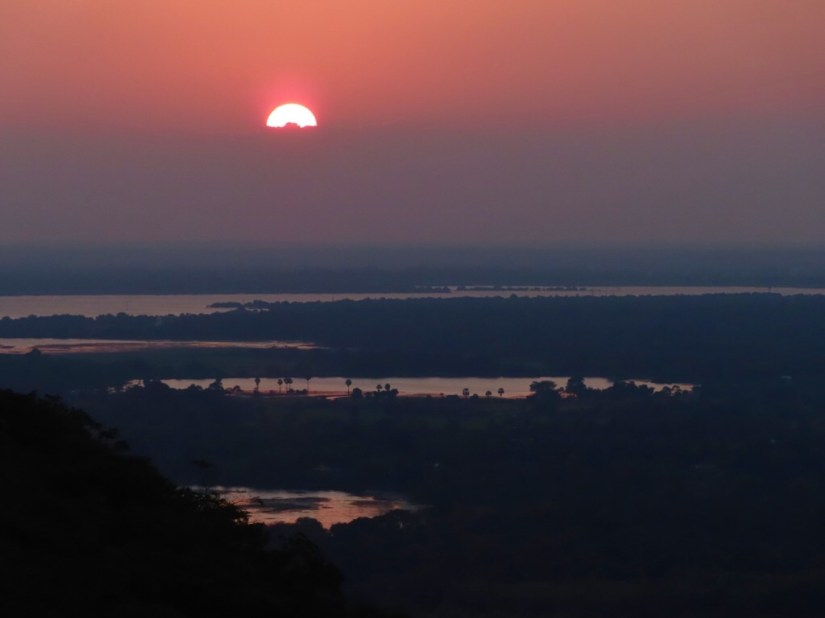
… and the sun still sets!
Map
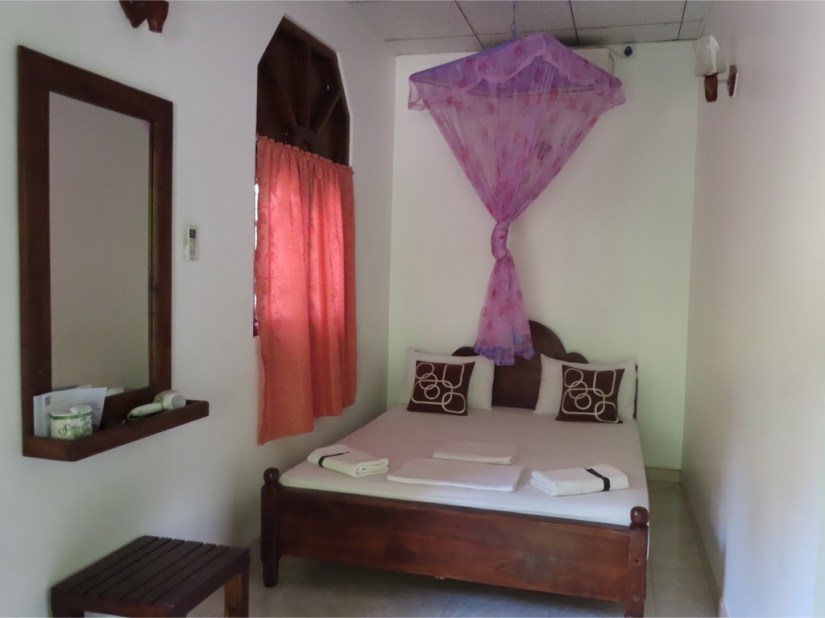
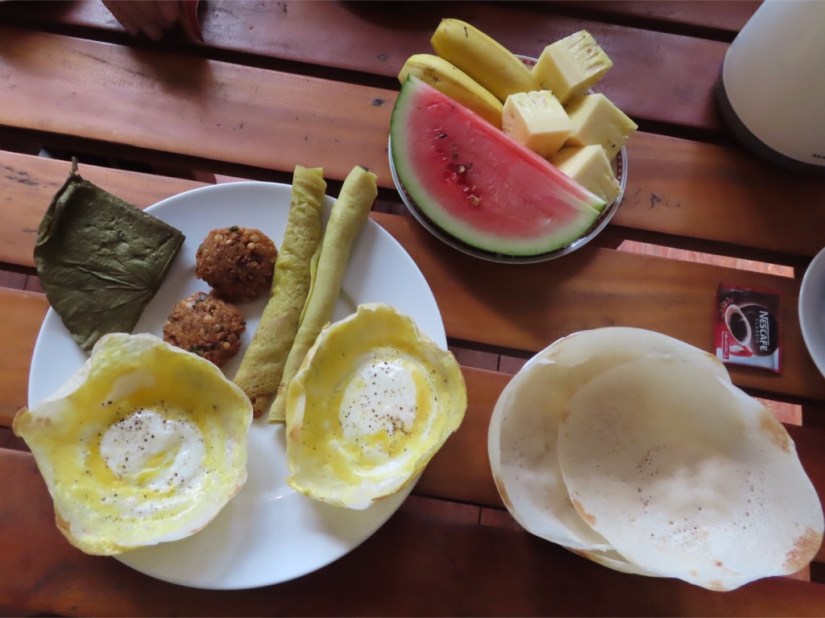
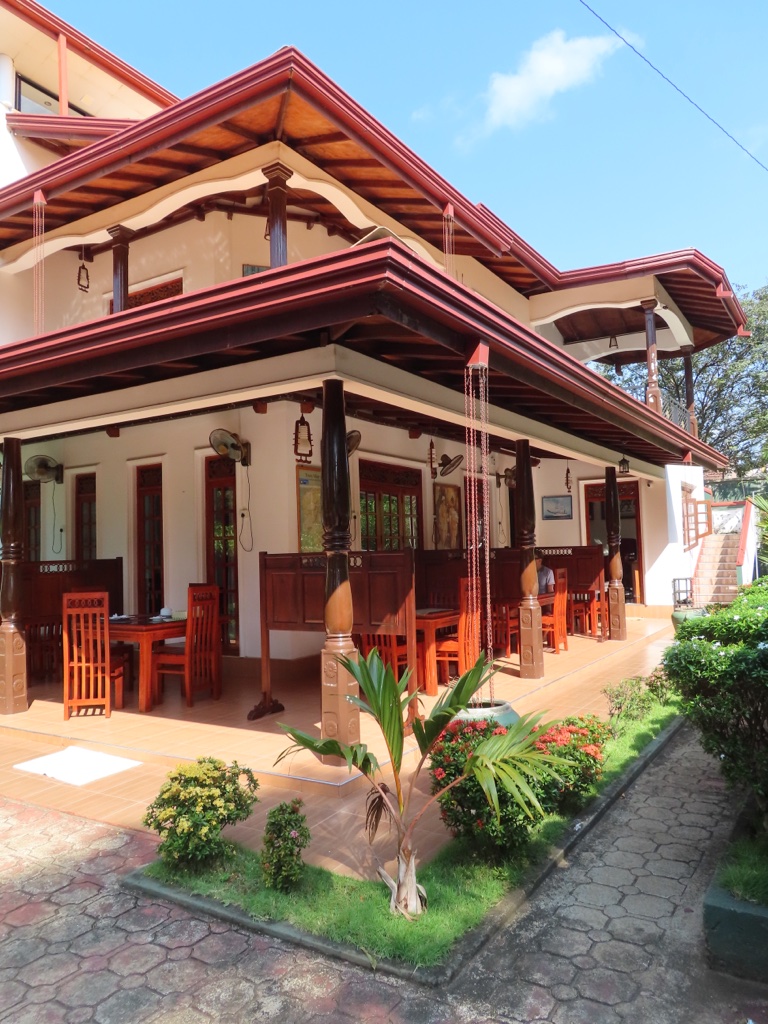
 Arriving in the afternoon, we checked in to the Golden Rainbow Guesthouse …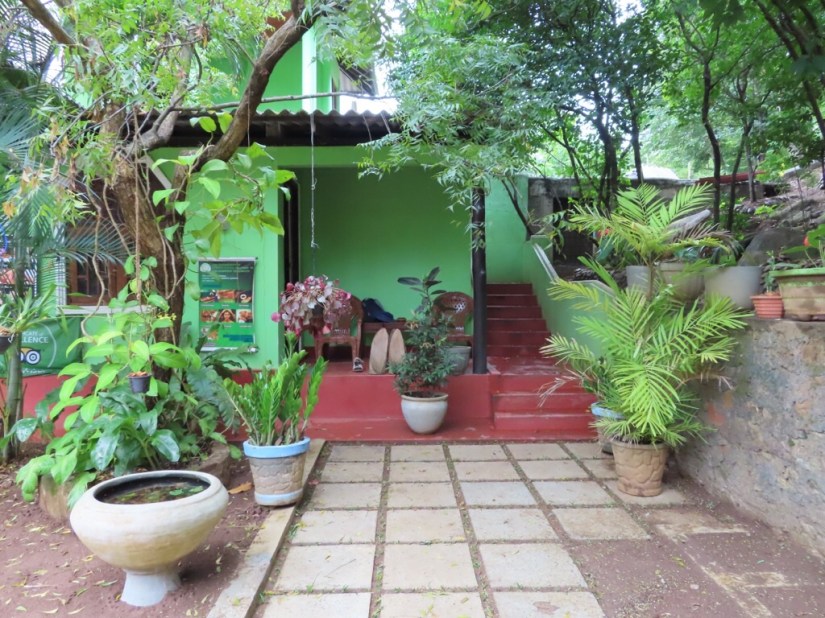
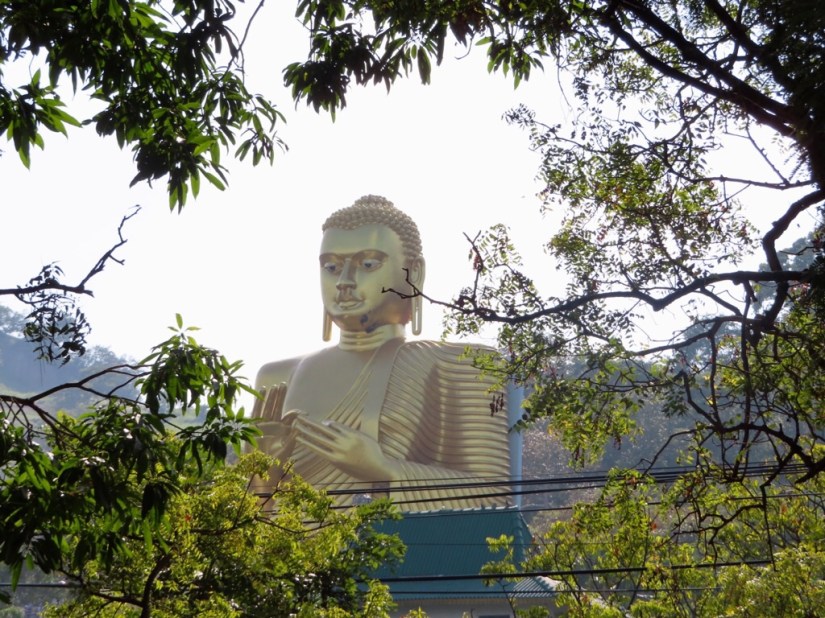
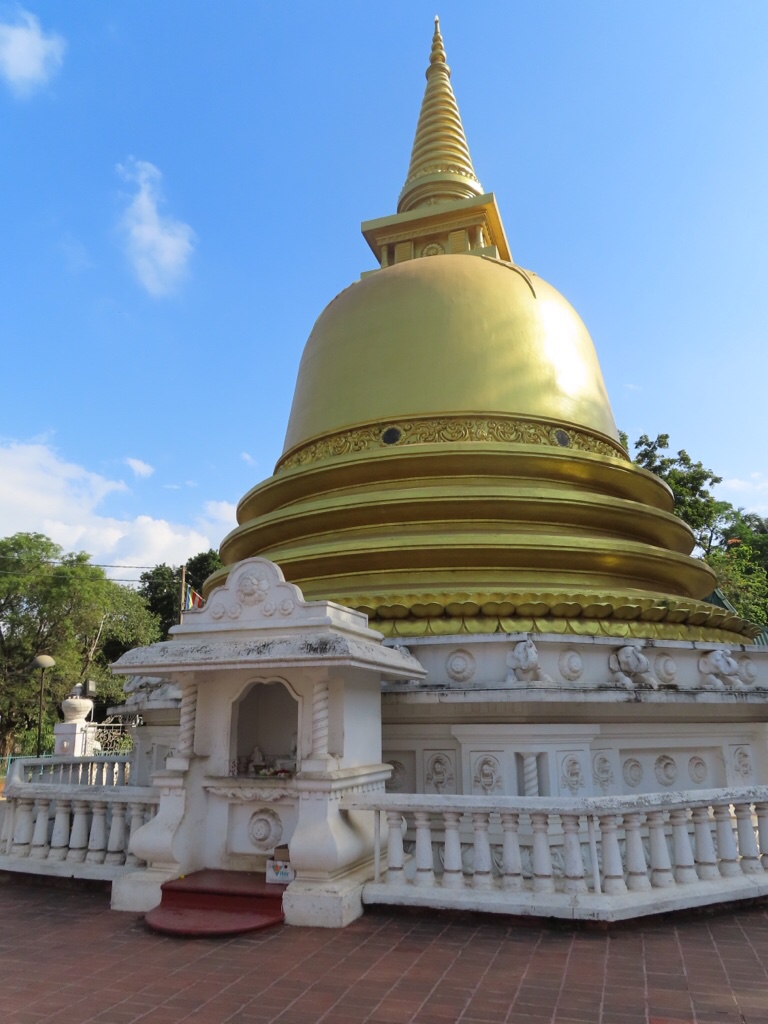
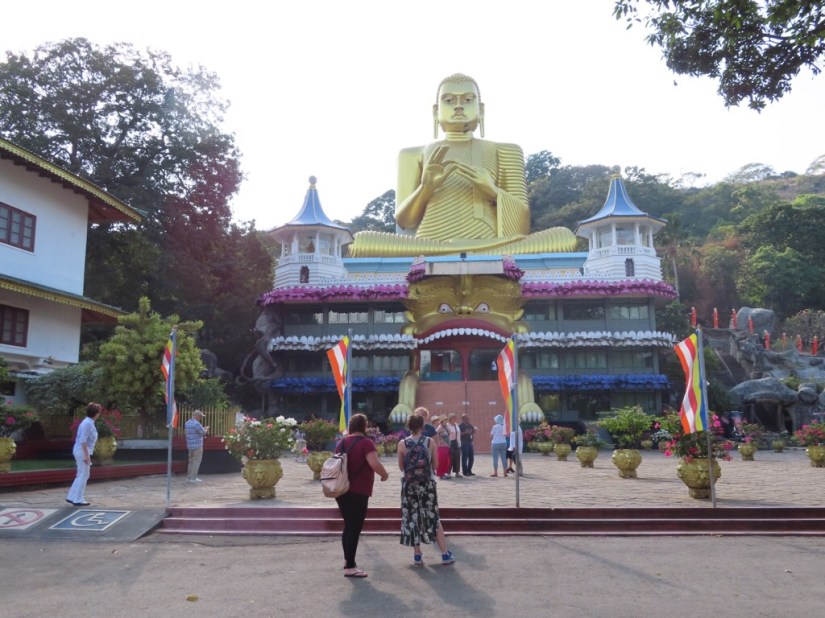

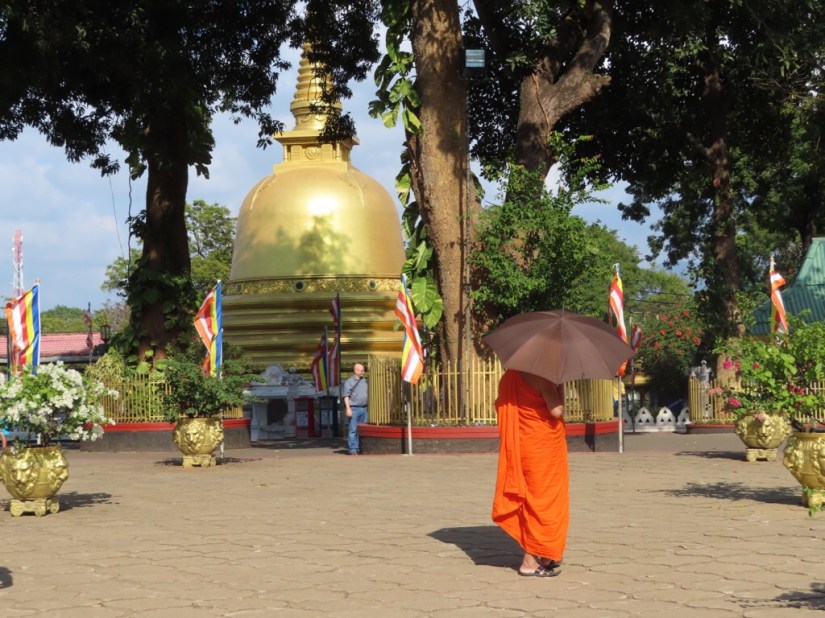
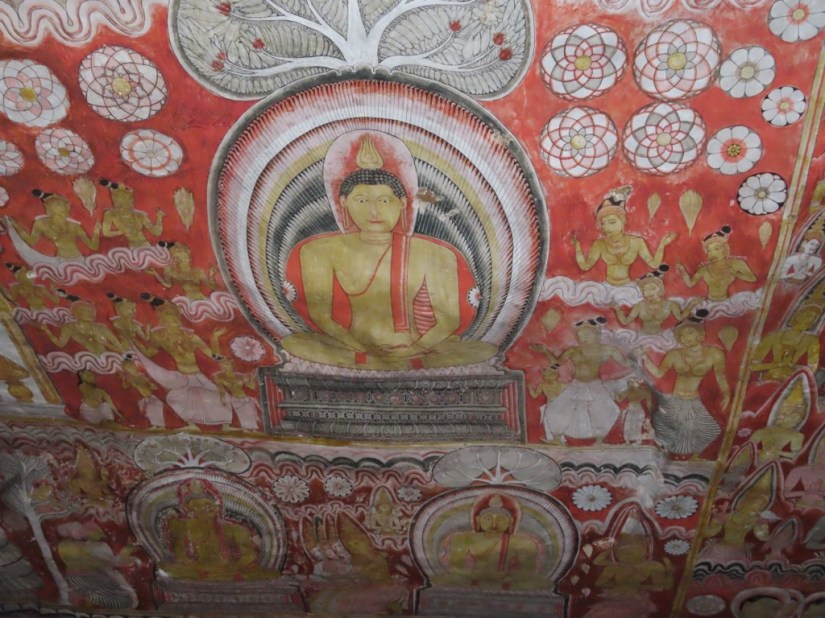
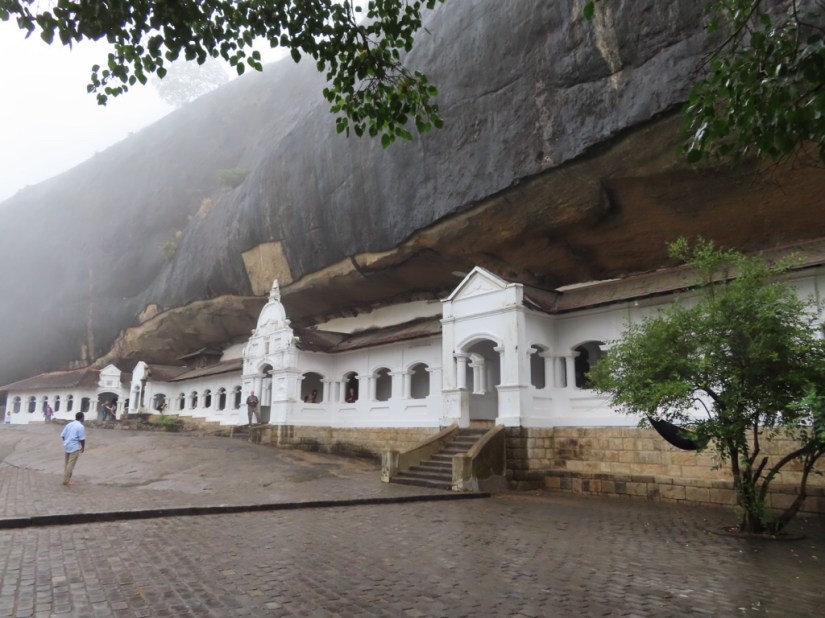
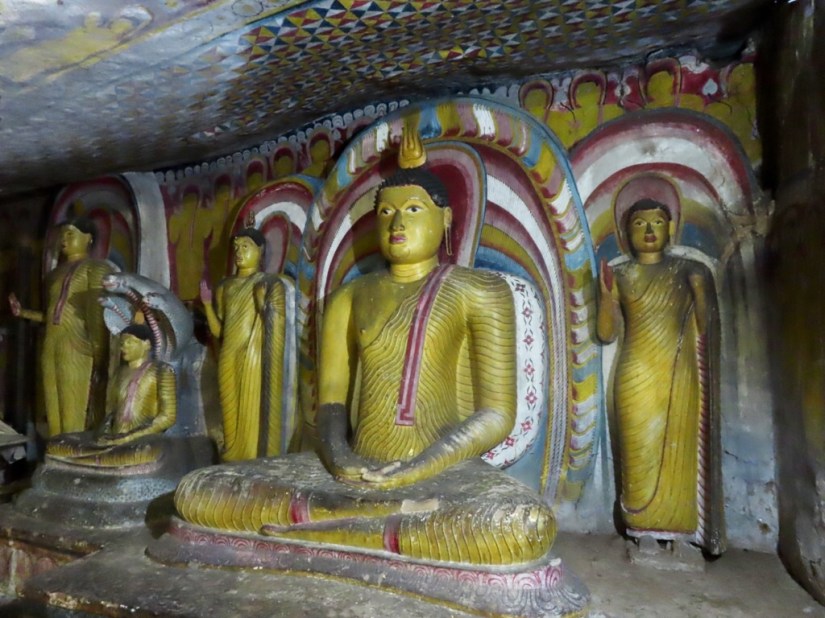
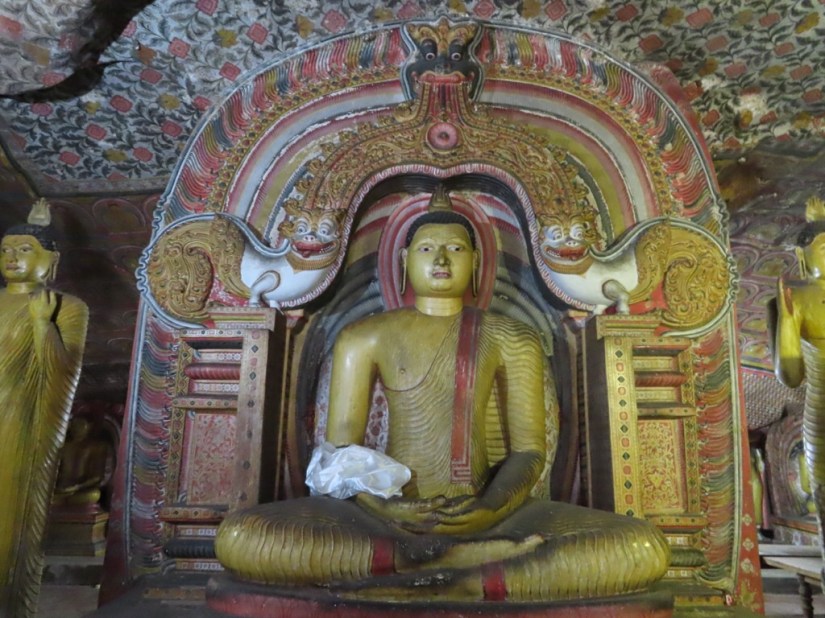
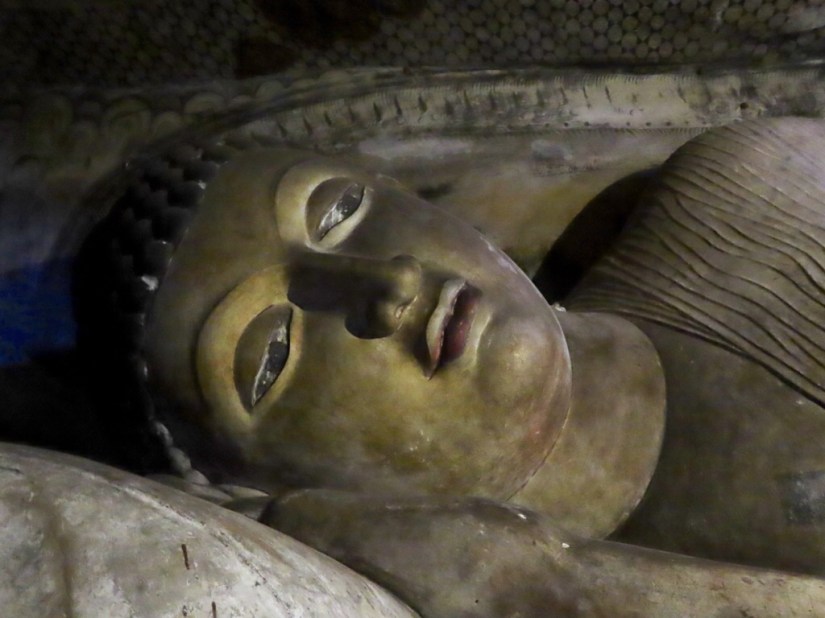
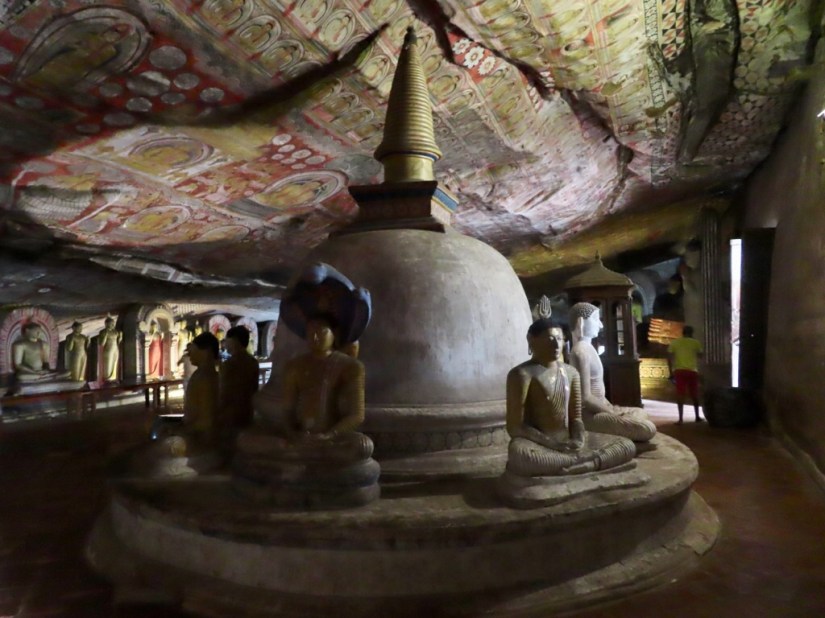
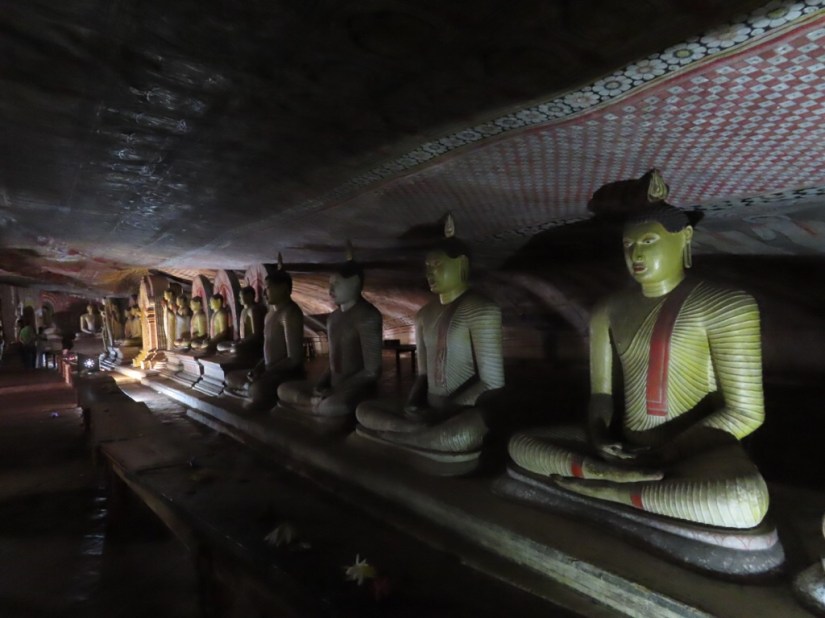
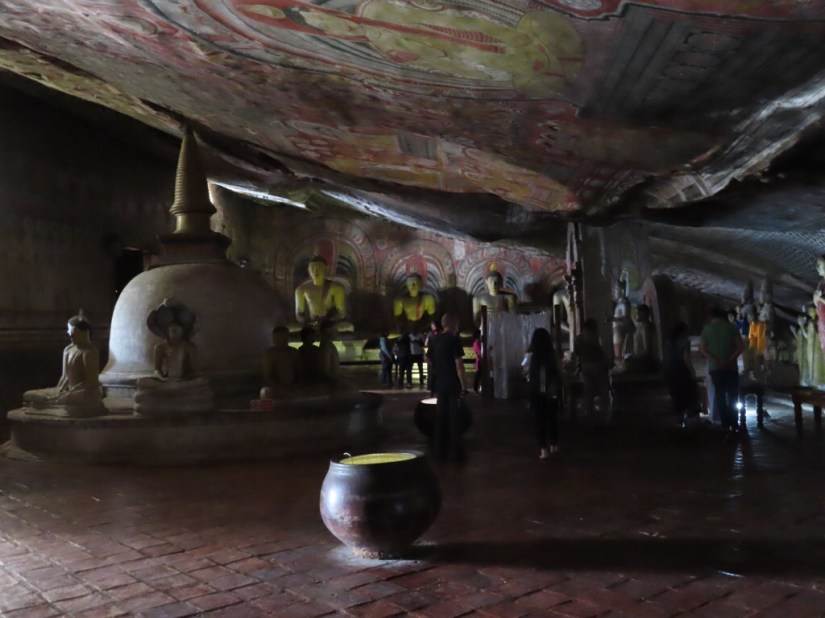
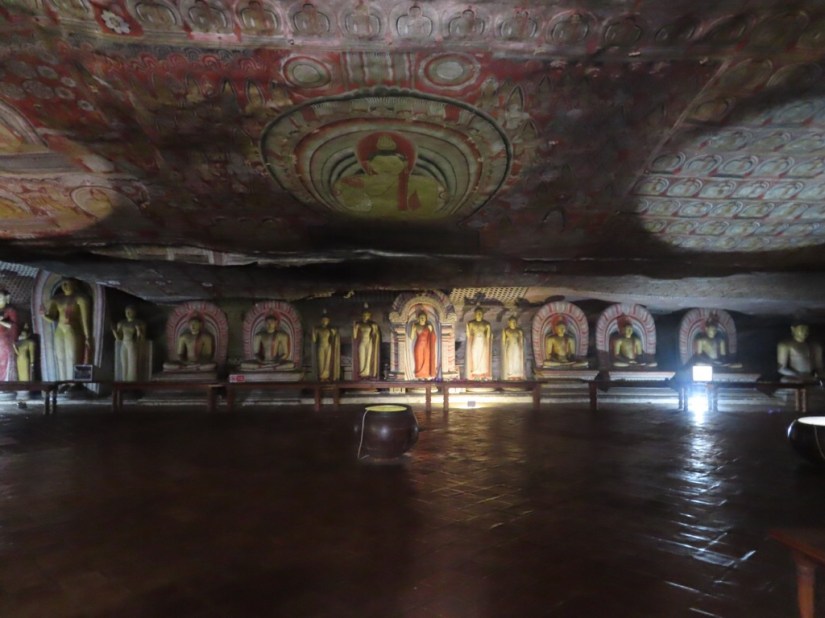
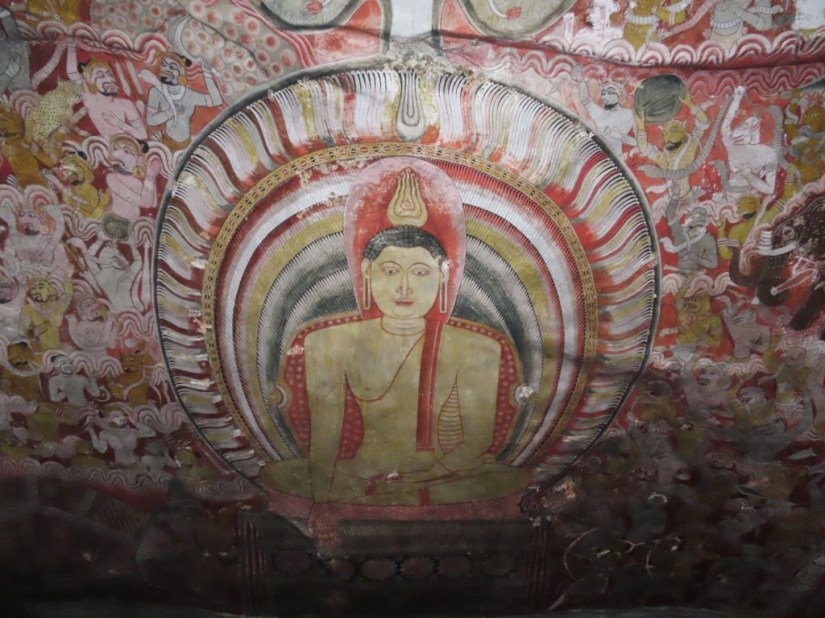
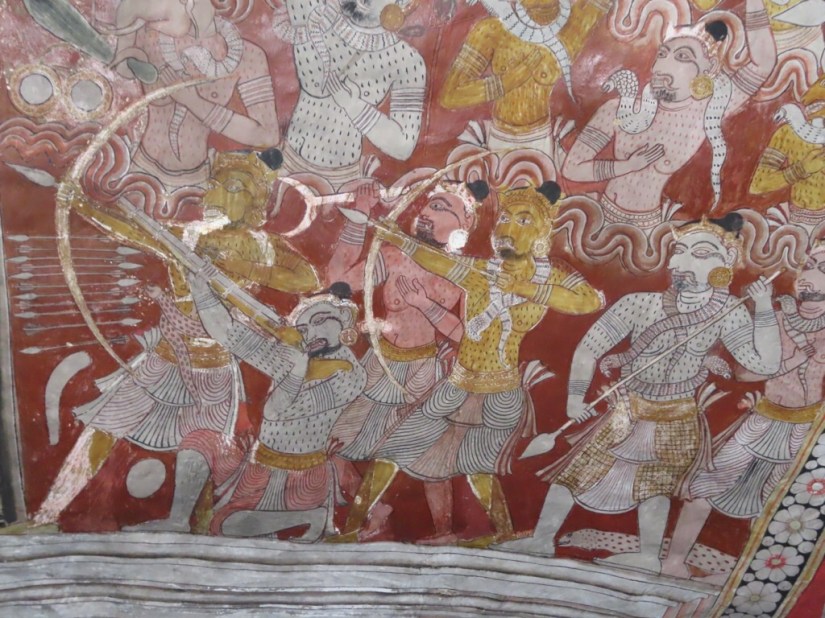
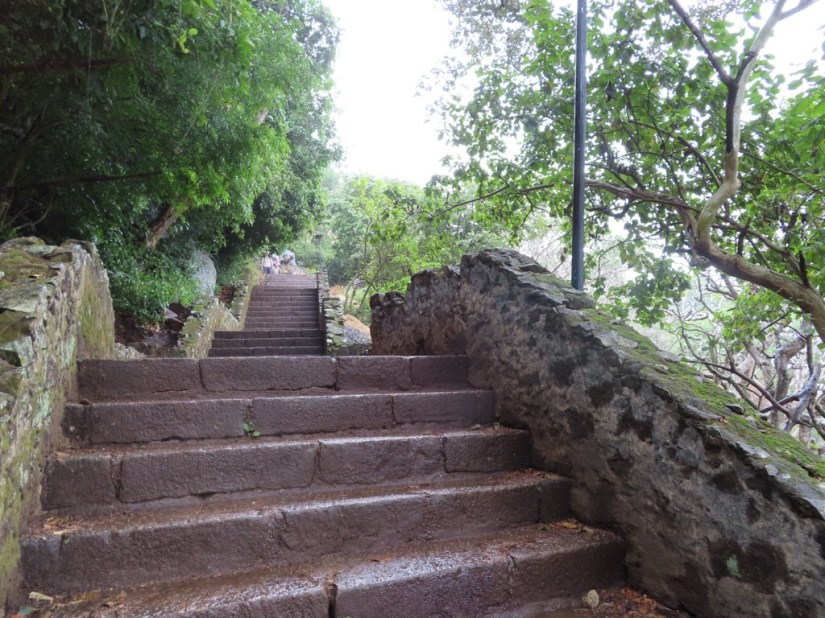 The caves are built into a huge granite outcrop which rises 160m above the countryside. Just five months after becoming king in 103BC, Vattagamini lost his throne to Tamil invaders and took refuge in these caves for 14 years. On regaining his throne, he had the temples constructed in gratitude for his shelter. Later kings embellished, restored and repainted the temples regularly as the paint faded. There are five caves of varying sizes, containing a mixture of standing, seated and reclining Buddhas and decorated with the best murals in Sri Lanka.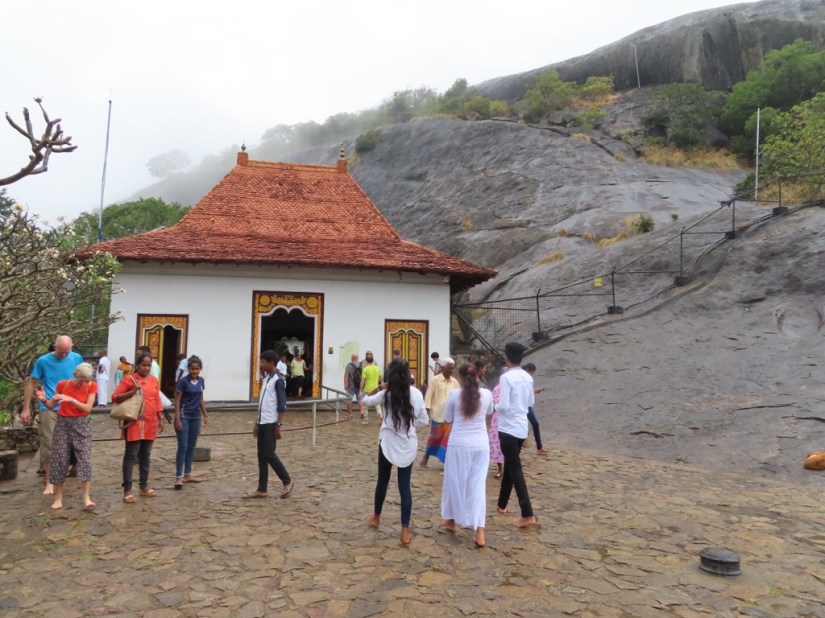
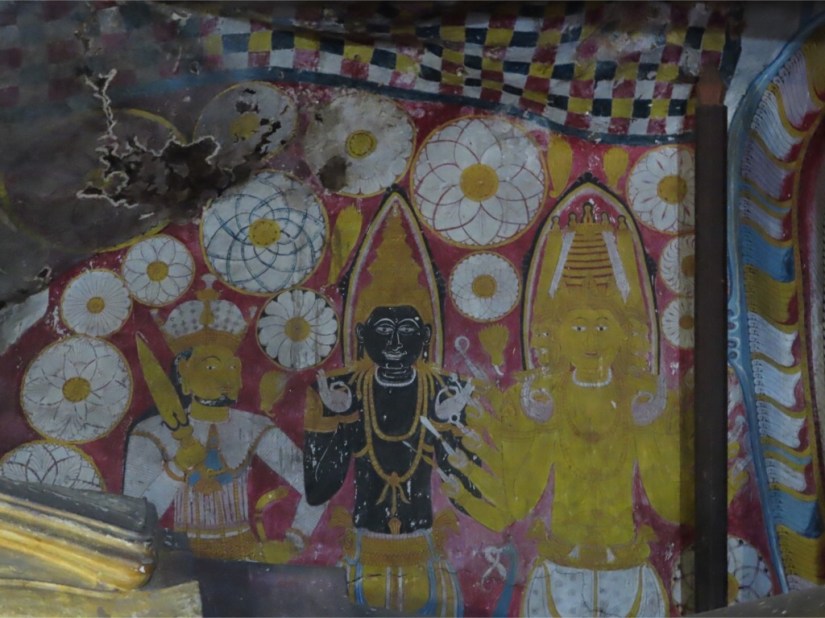
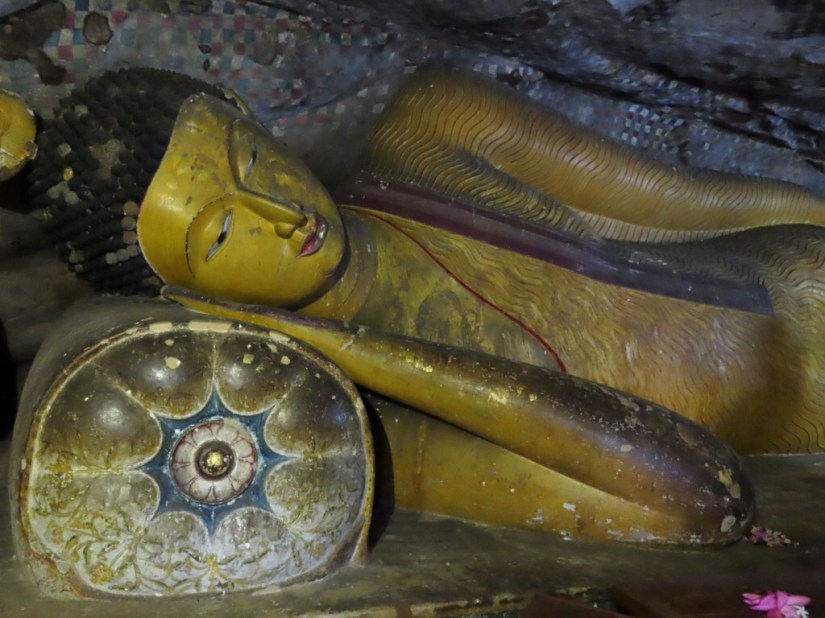
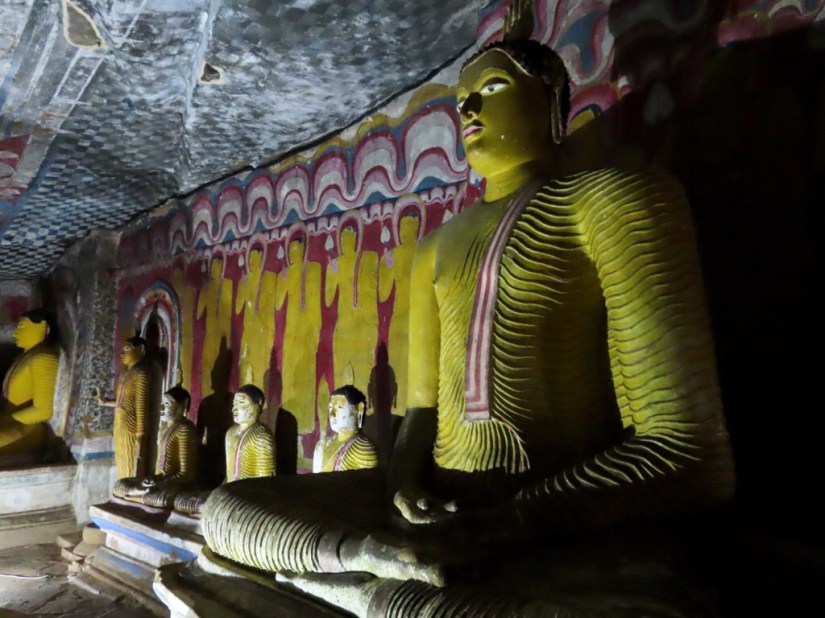

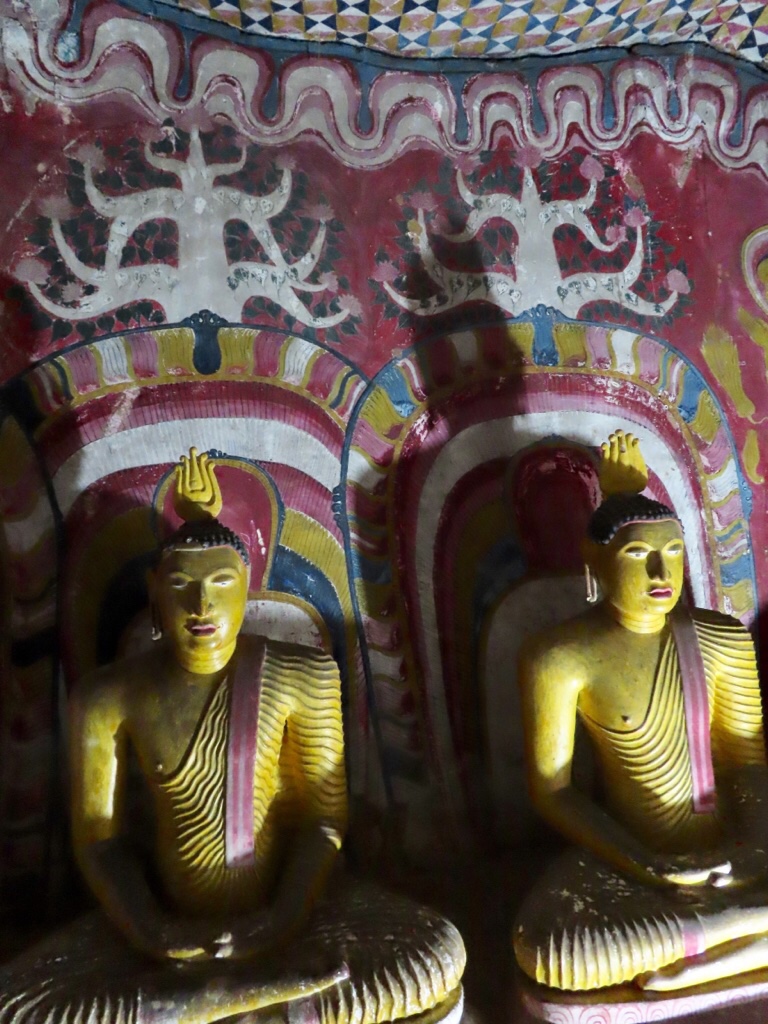
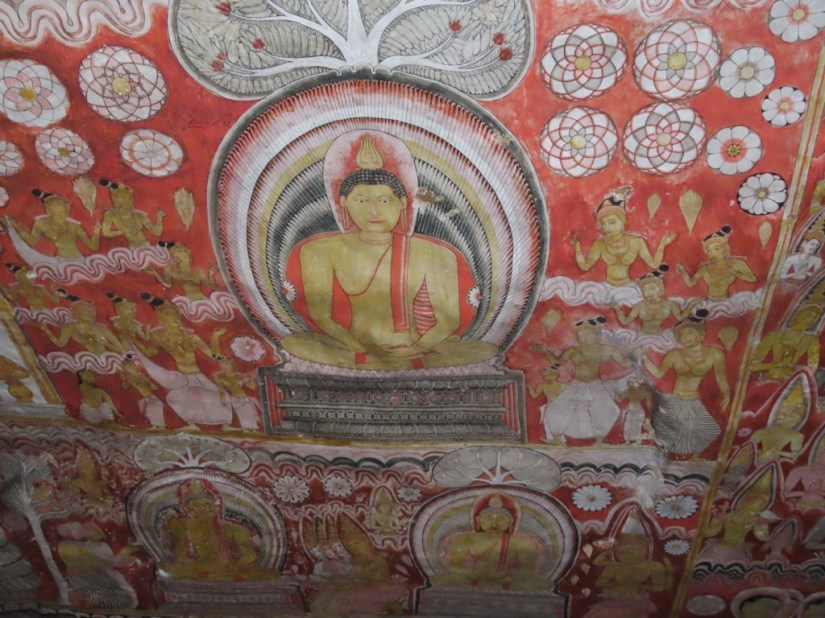
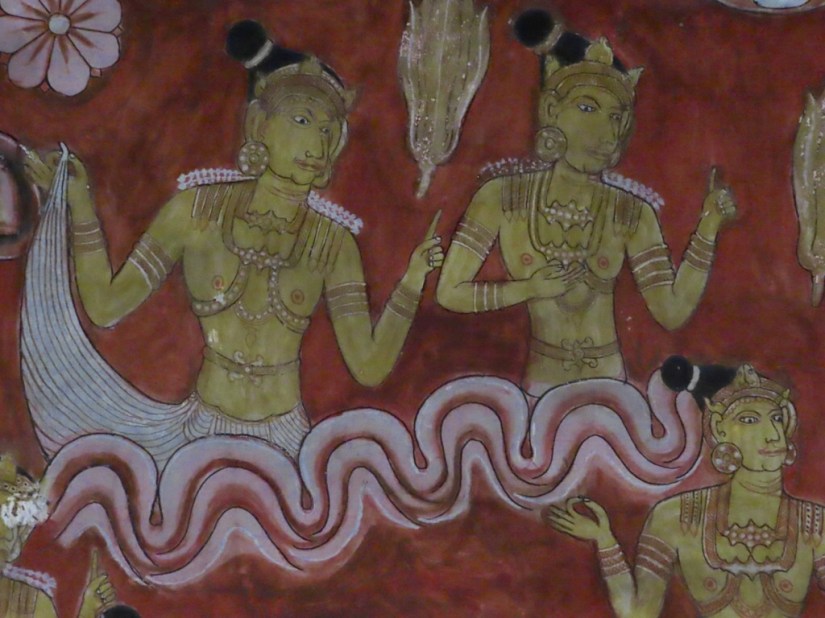
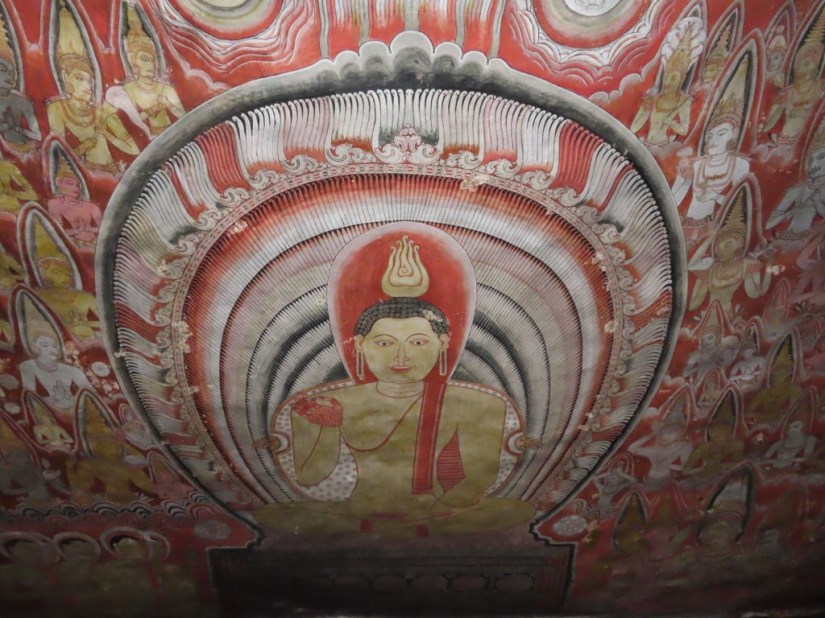
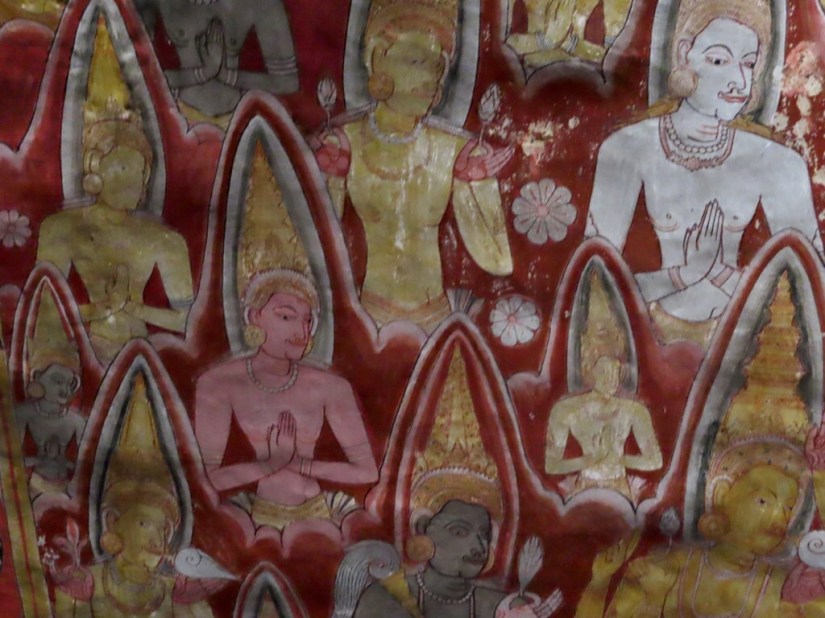
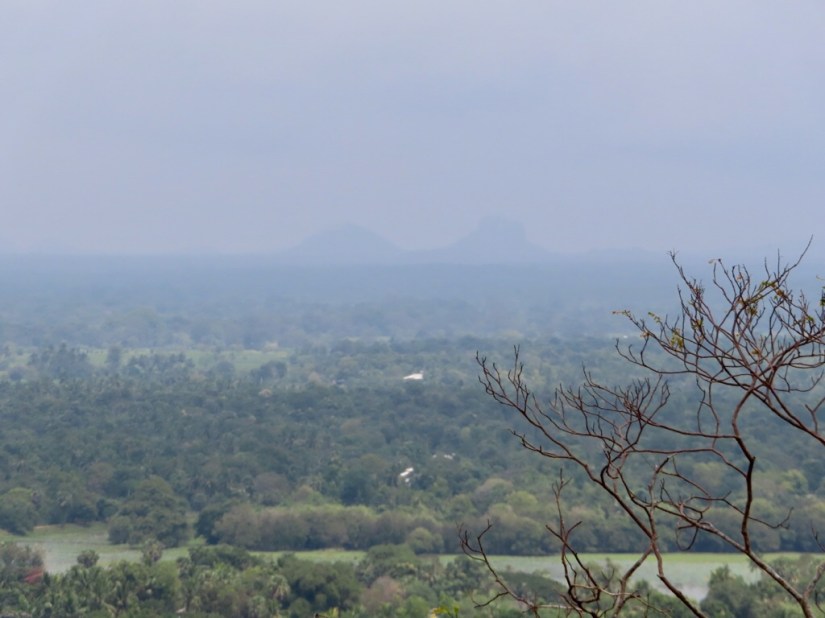
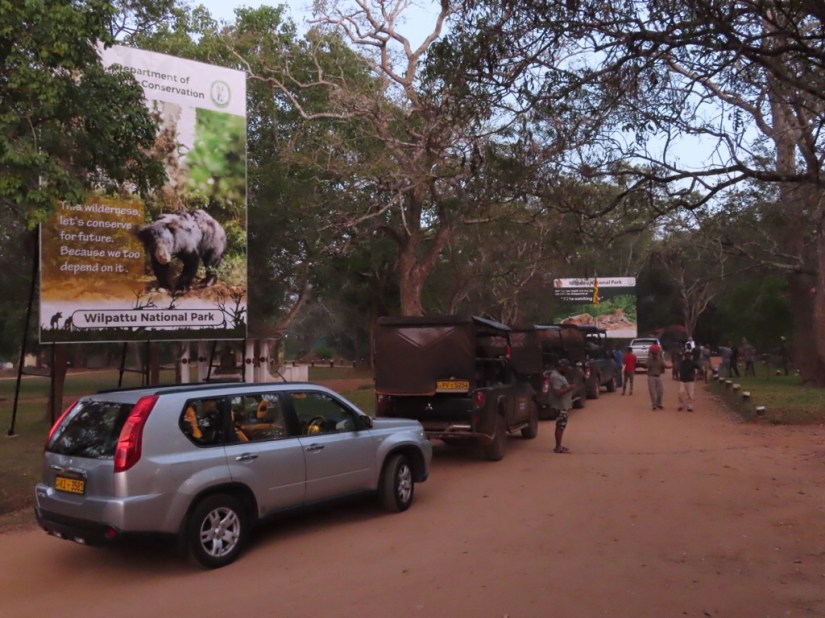
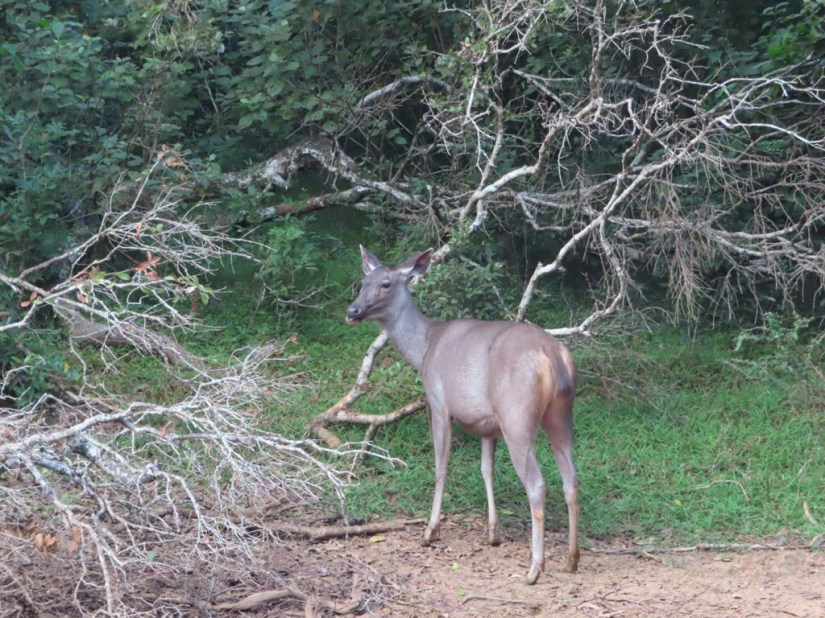
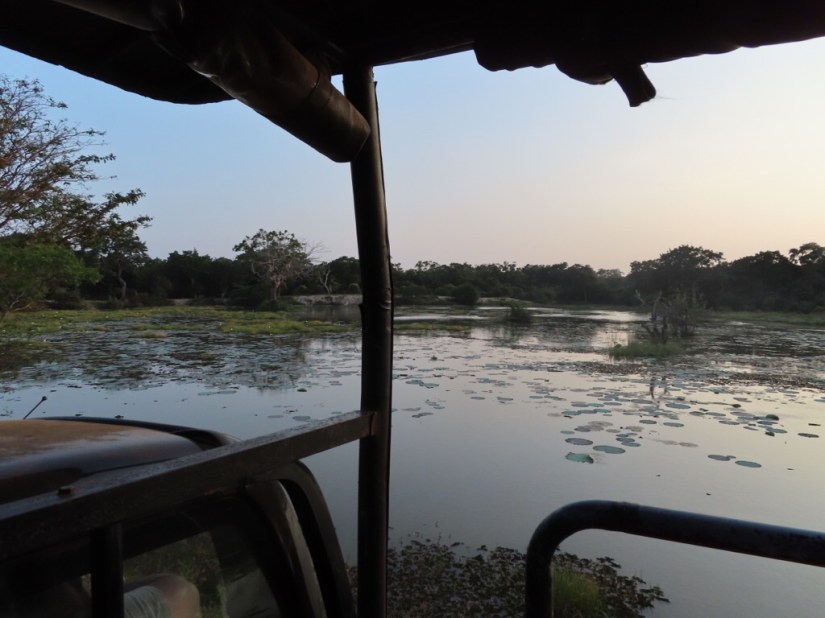 We arrived at Wilpattu National Park late morning after a short drive west. We are staying at a tented camp run by Big Game Camps and were shown to our cute little tent with all mod cons – power, lighting, a double bed, and bathroom with loo and shower.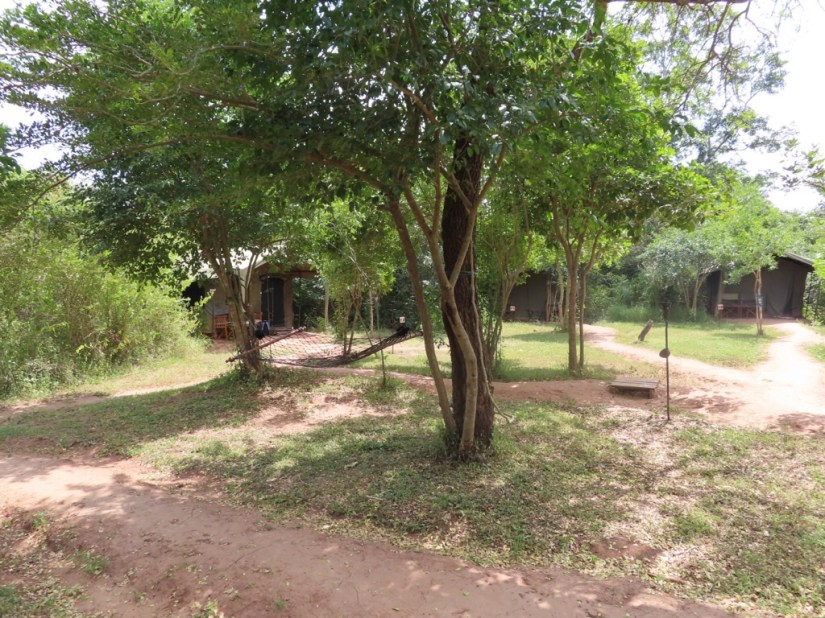

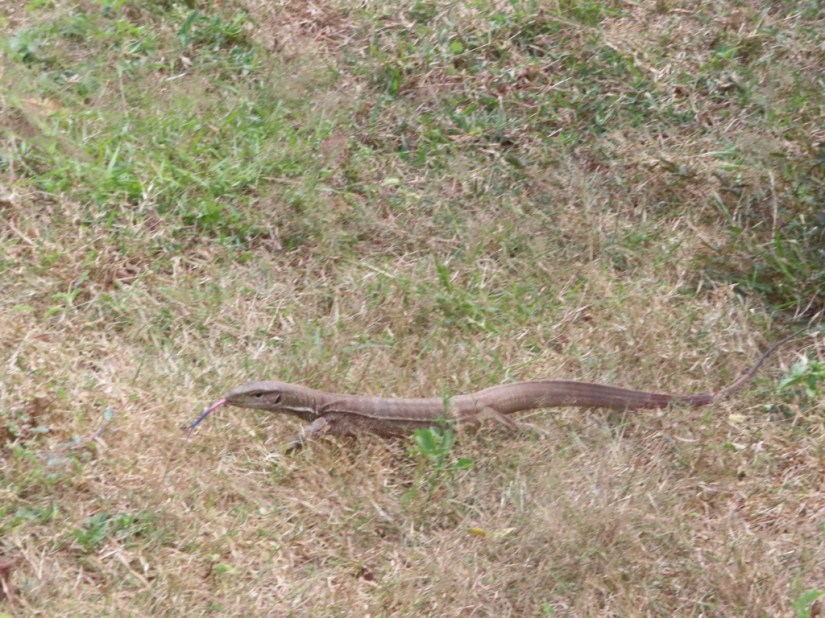
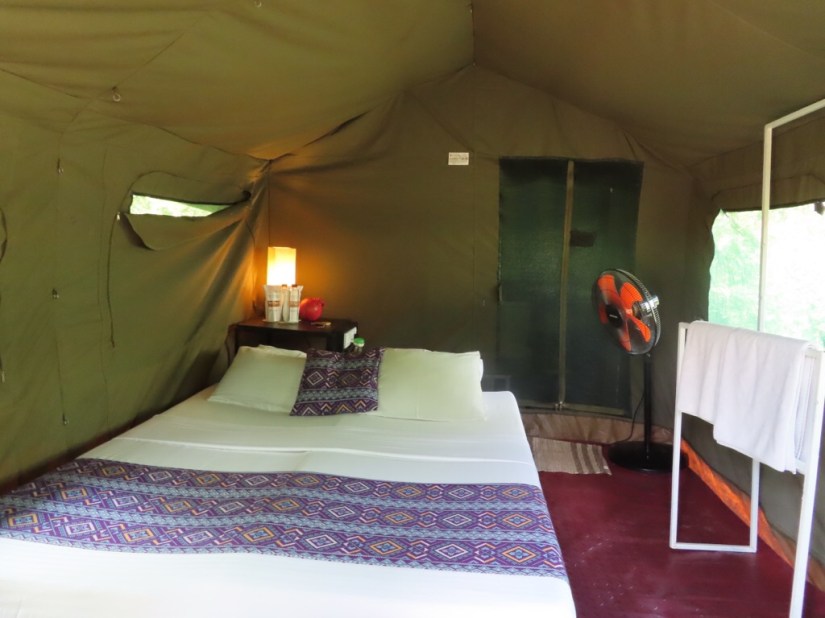 We were warned to keep the sleeping compartment zipped up at all times and soon found out why when we saw a lizard sneaking about!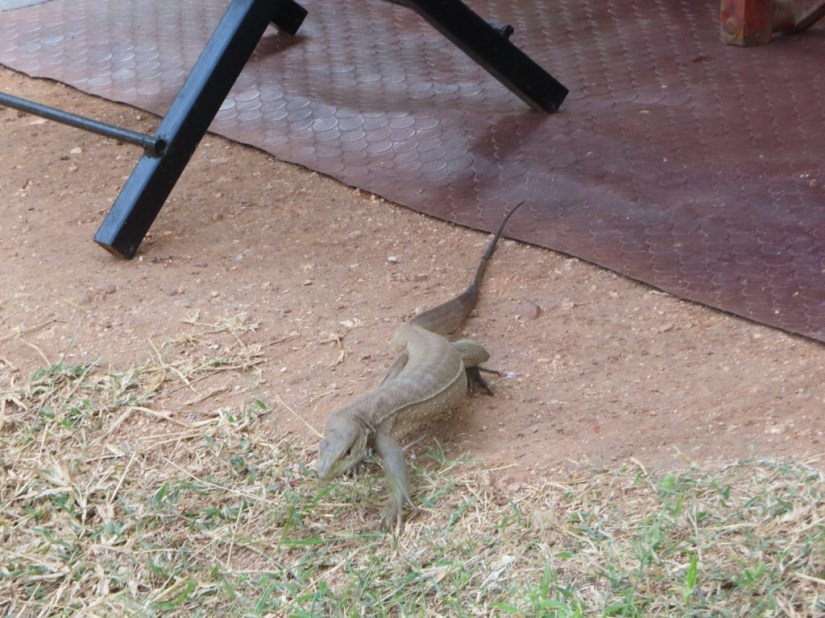
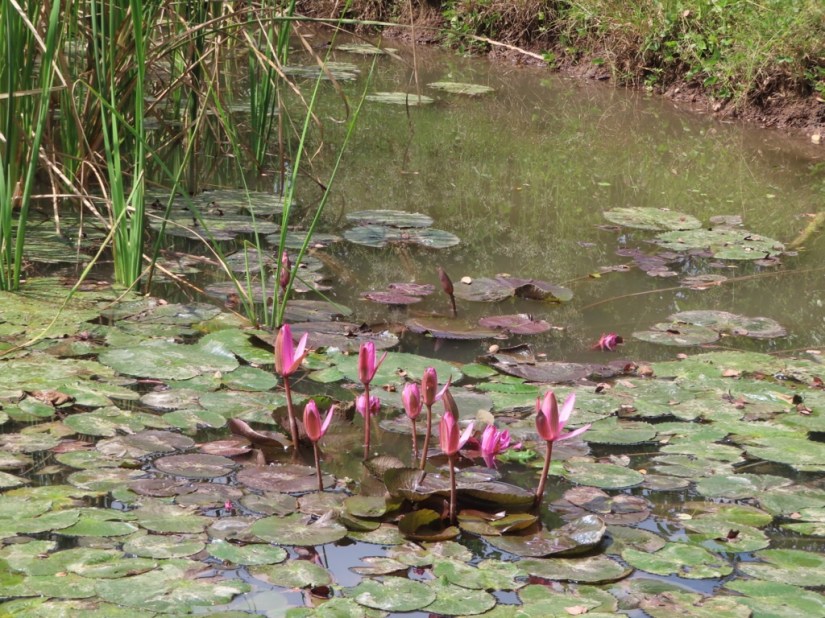
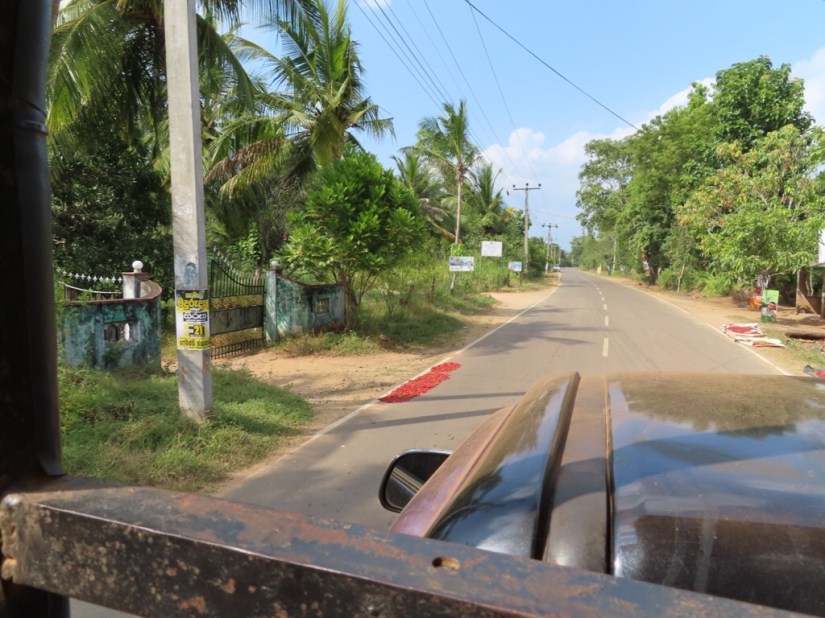
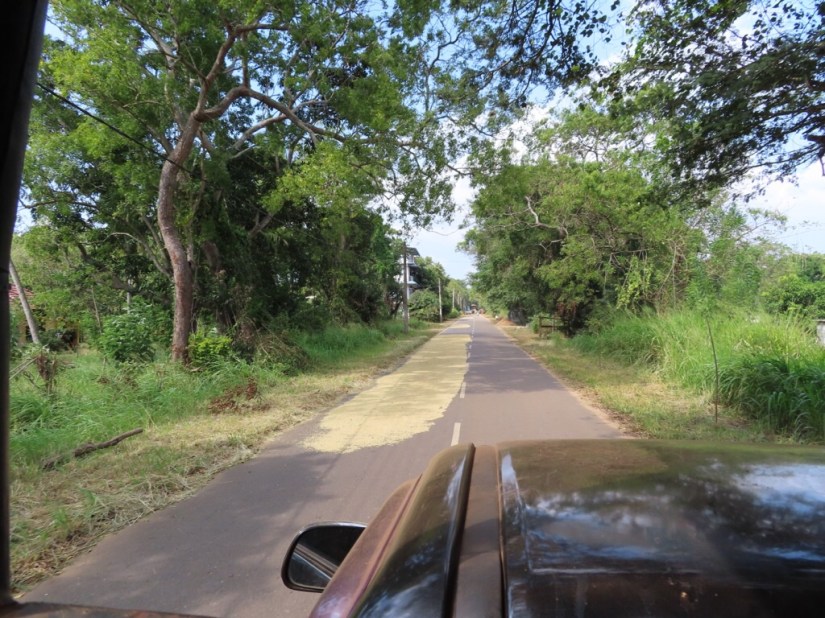
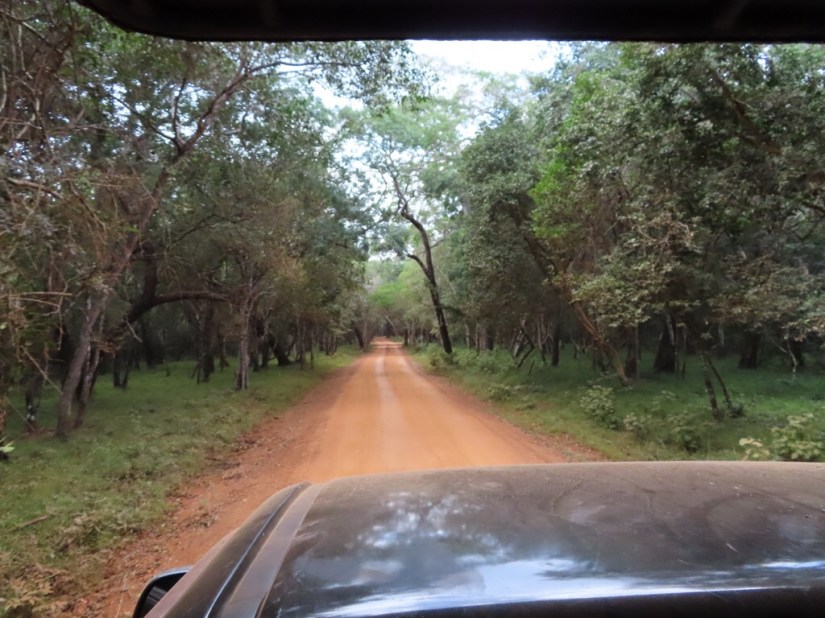
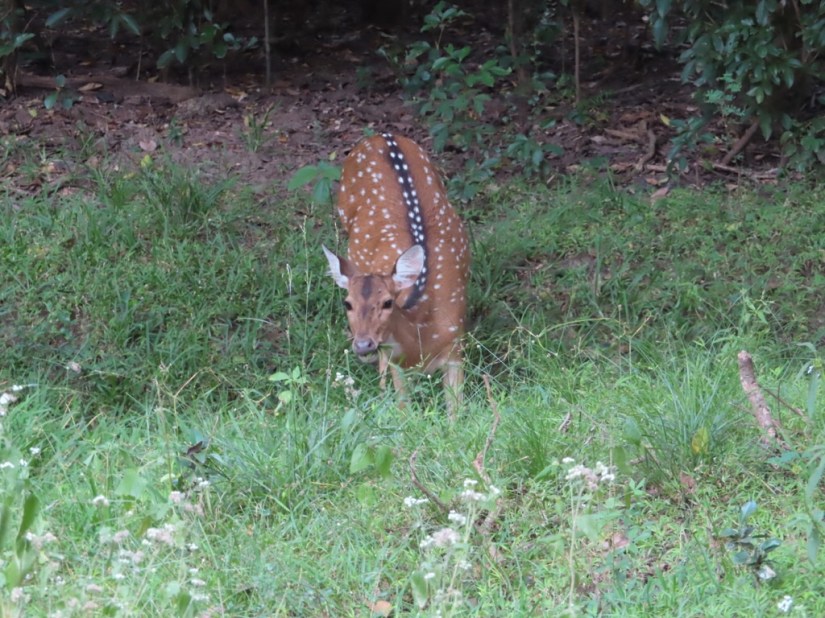
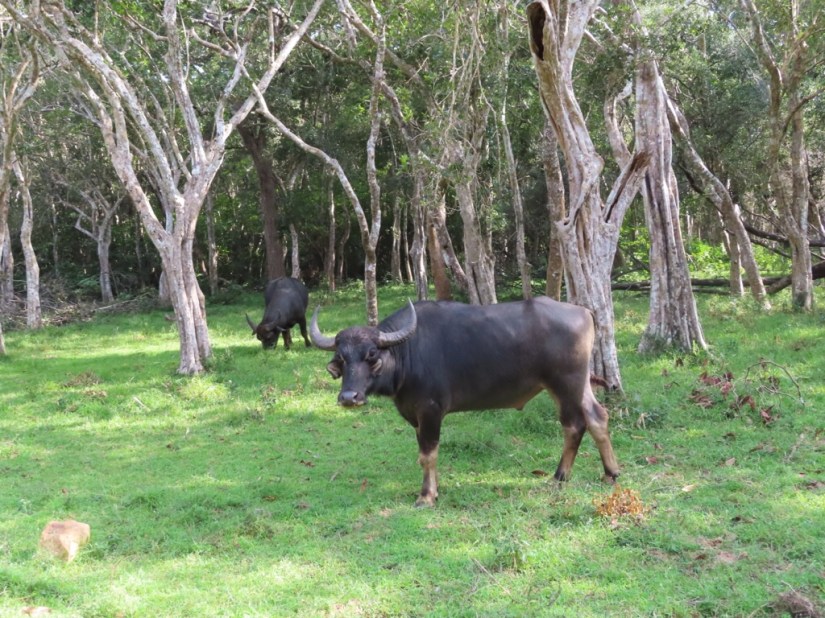
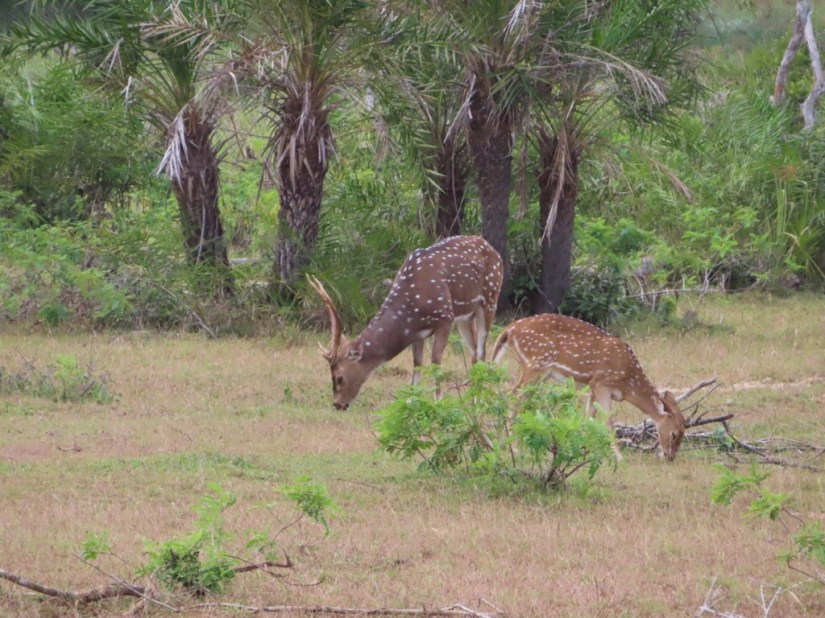
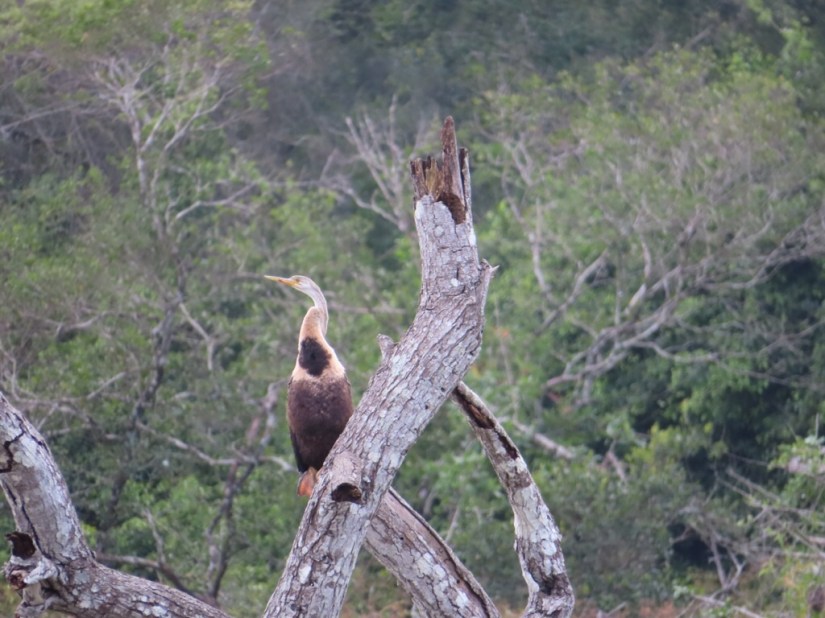

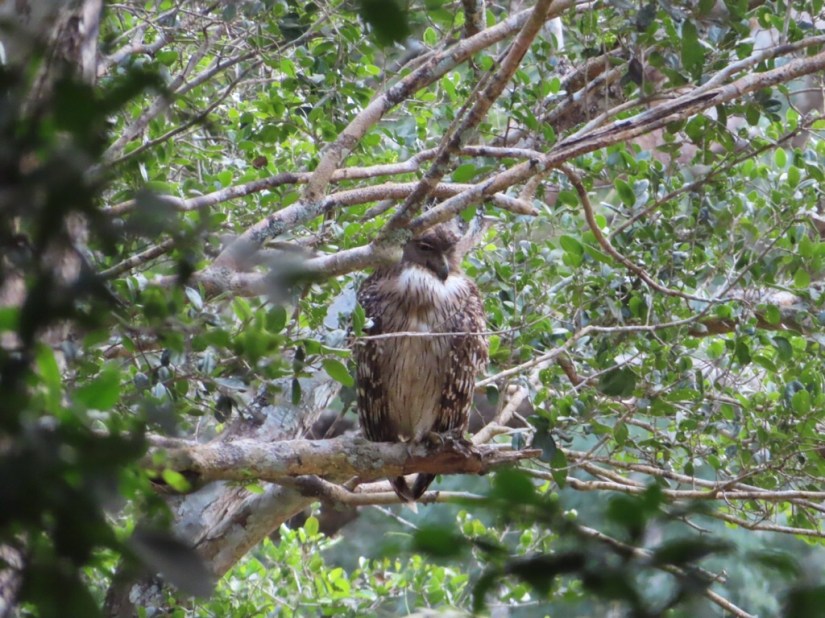
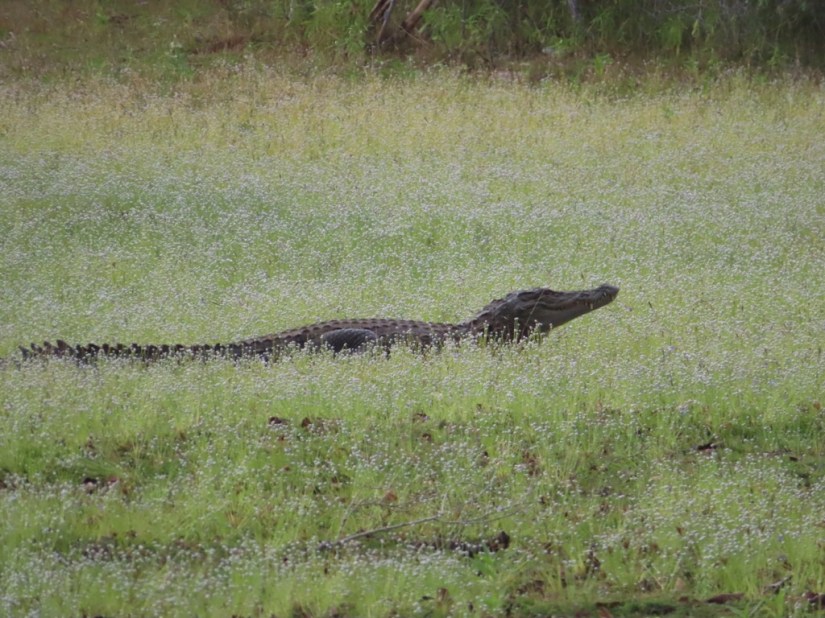
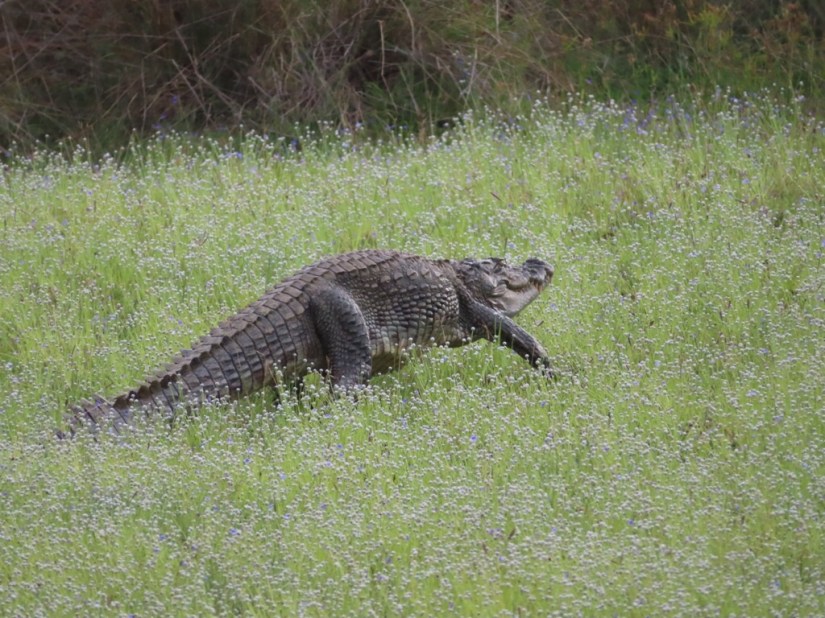
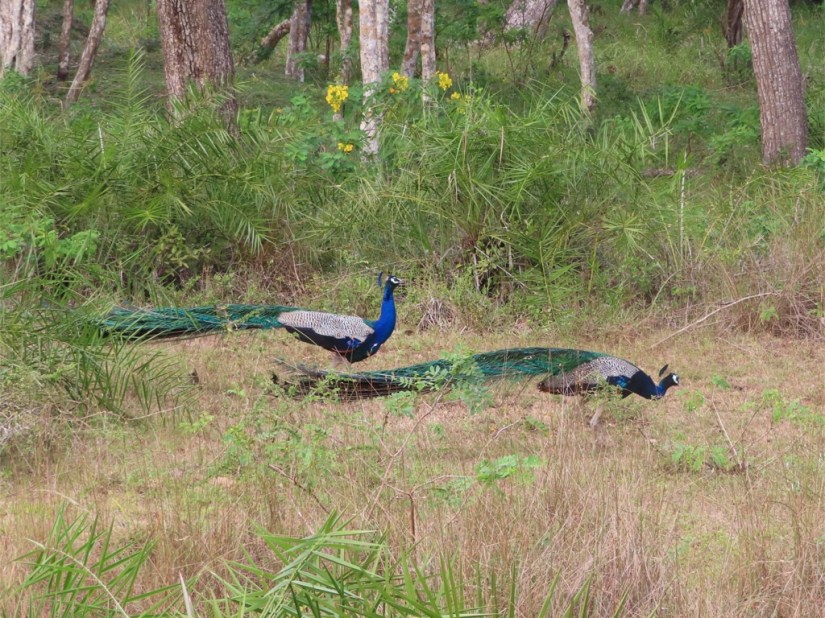
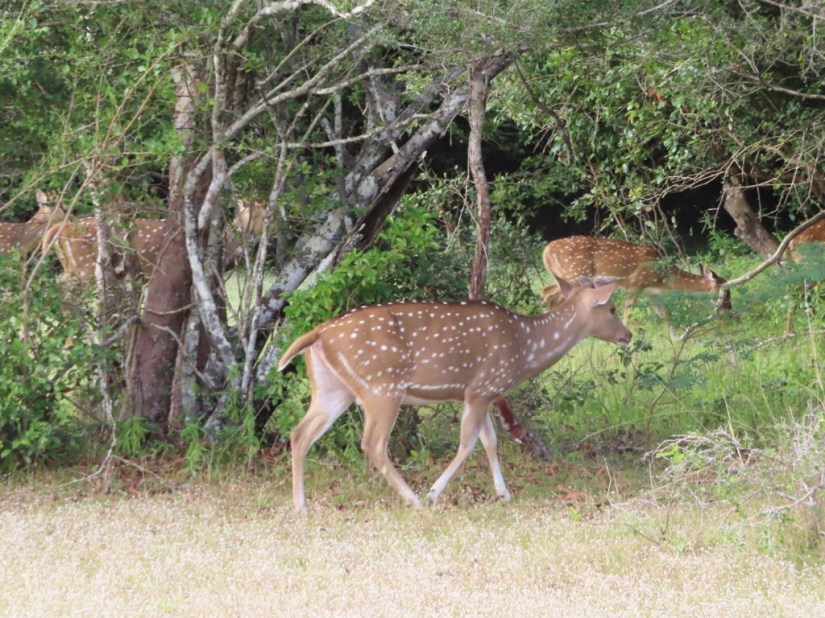
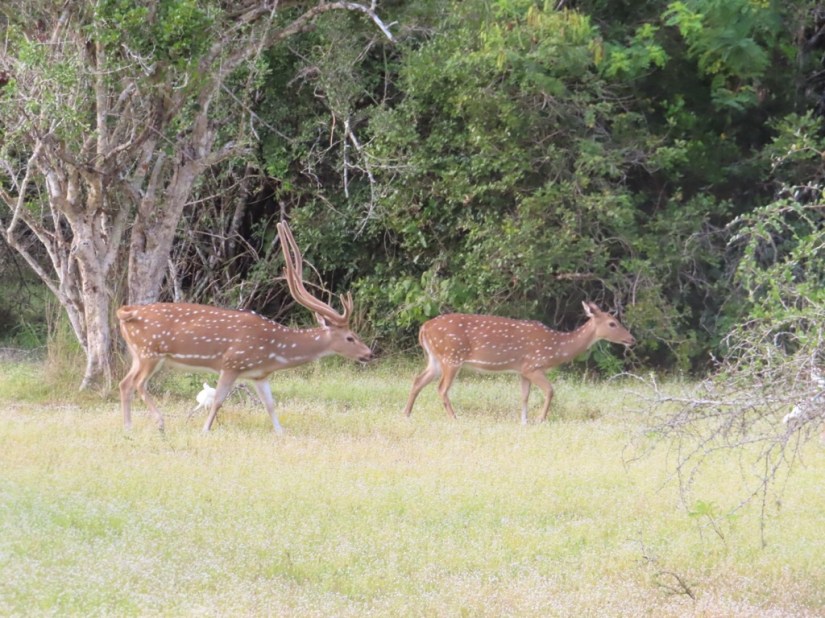
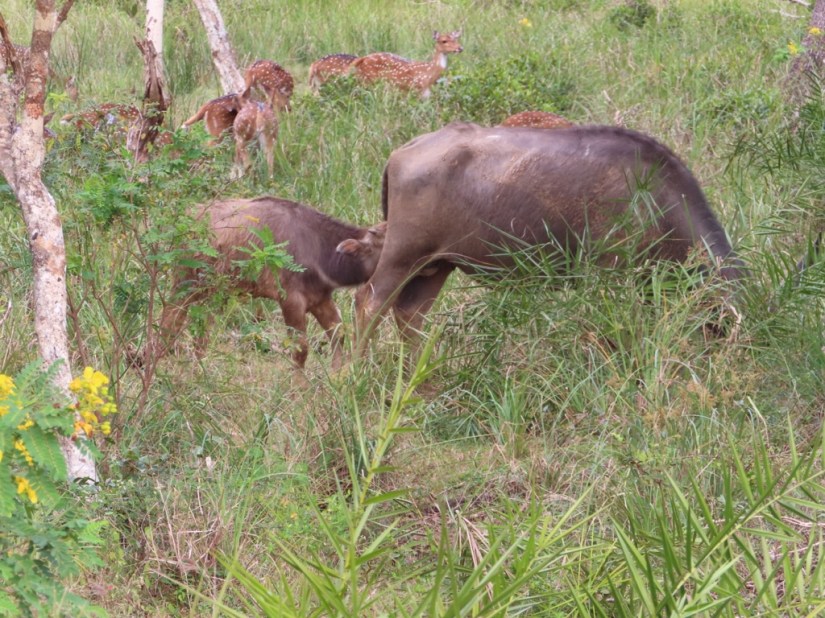
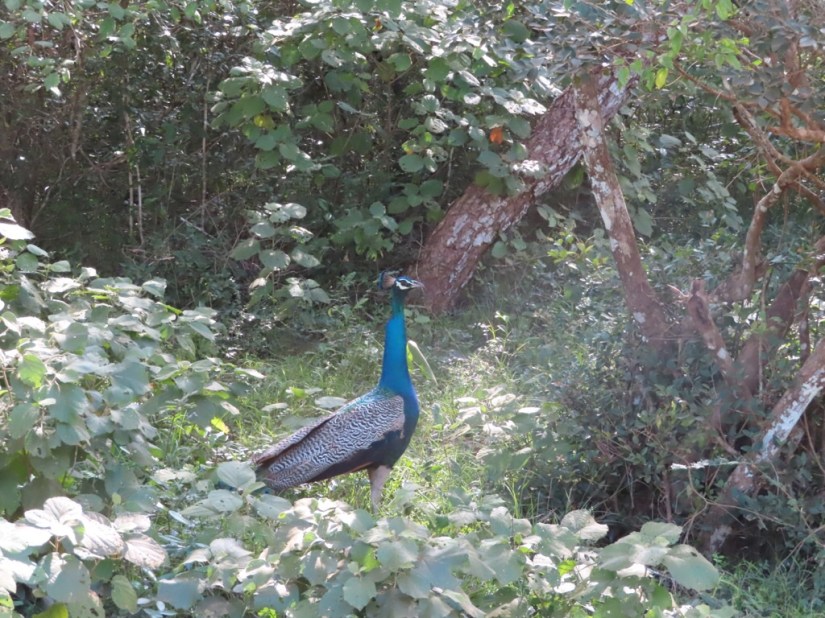
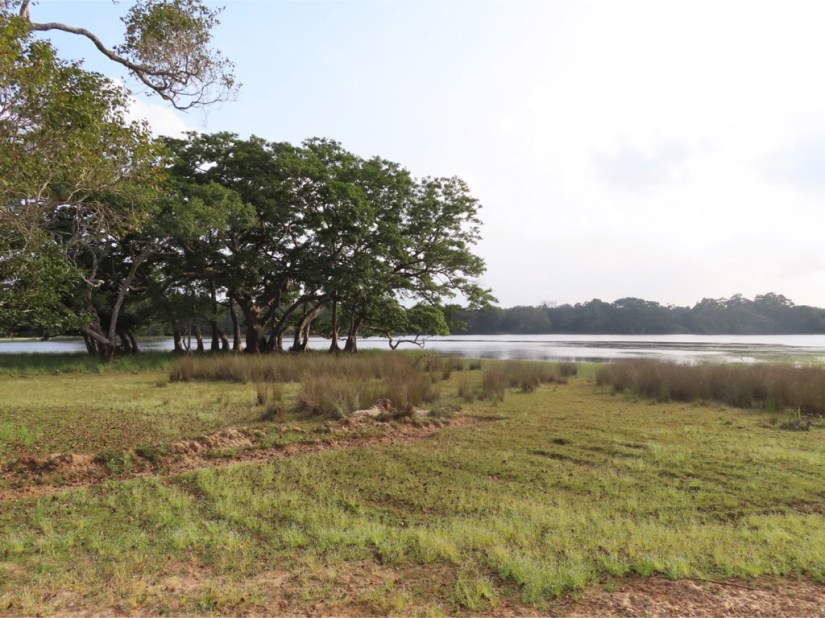
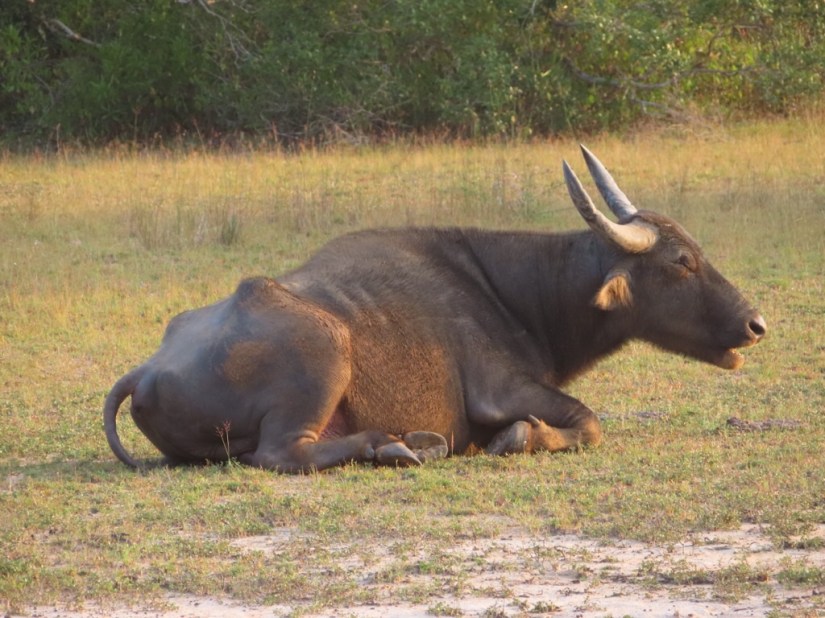
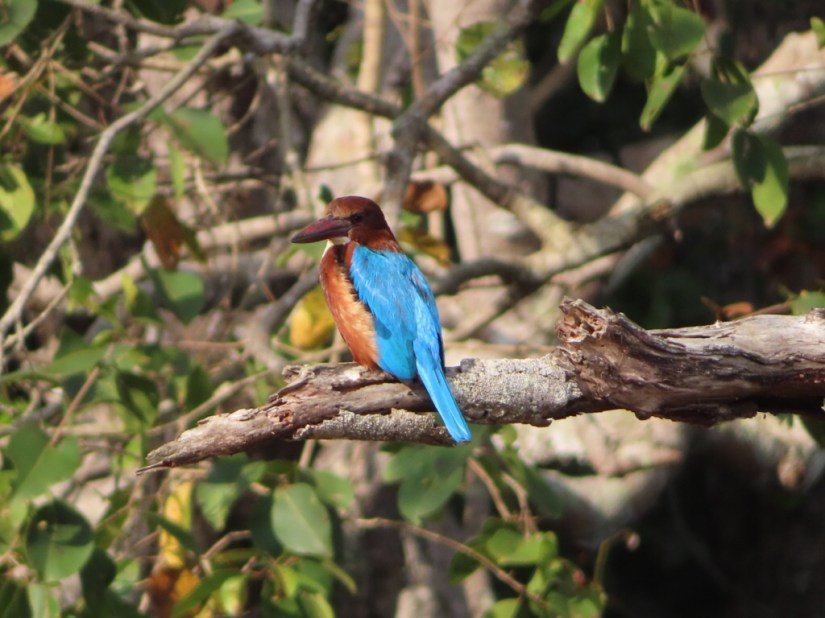
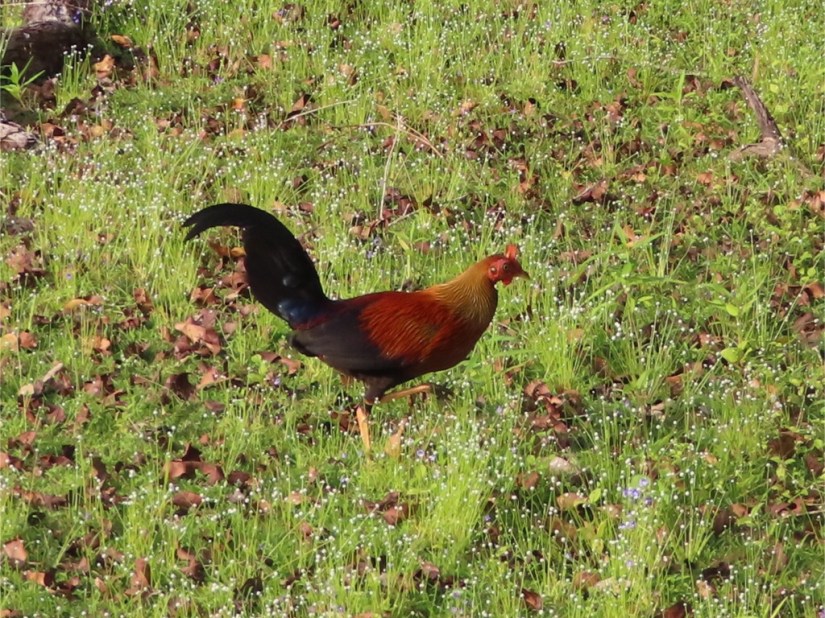
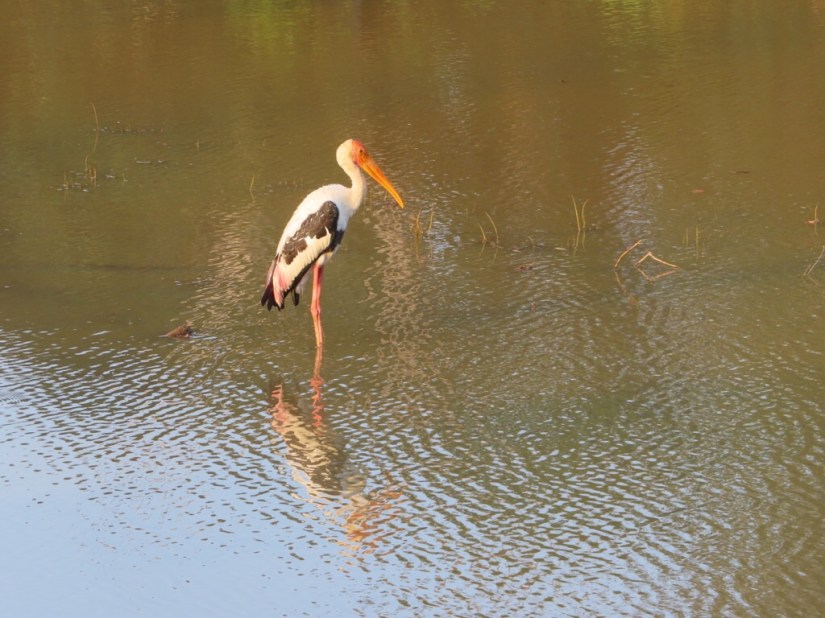
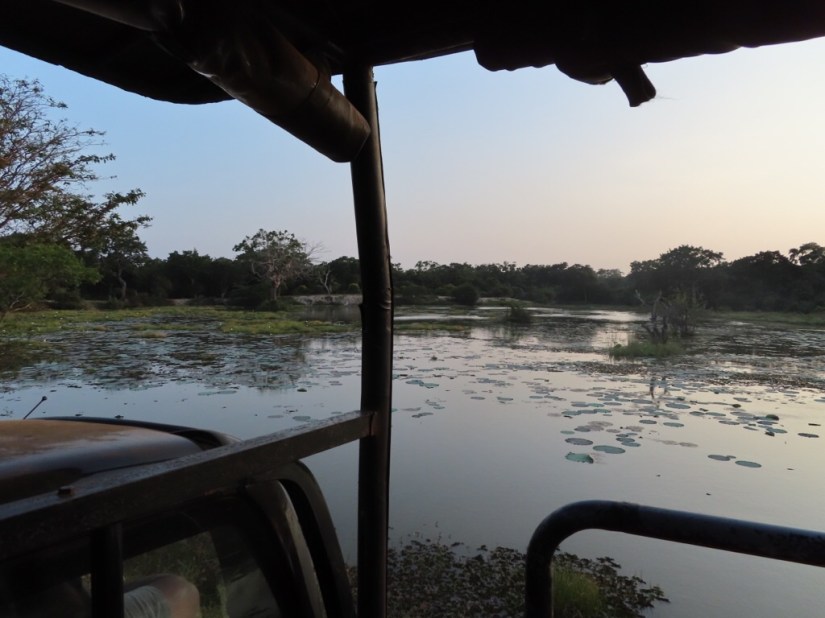
 The shower was excellent, if cold, and was followed by dinner by candlelight round a bonfire and an early night.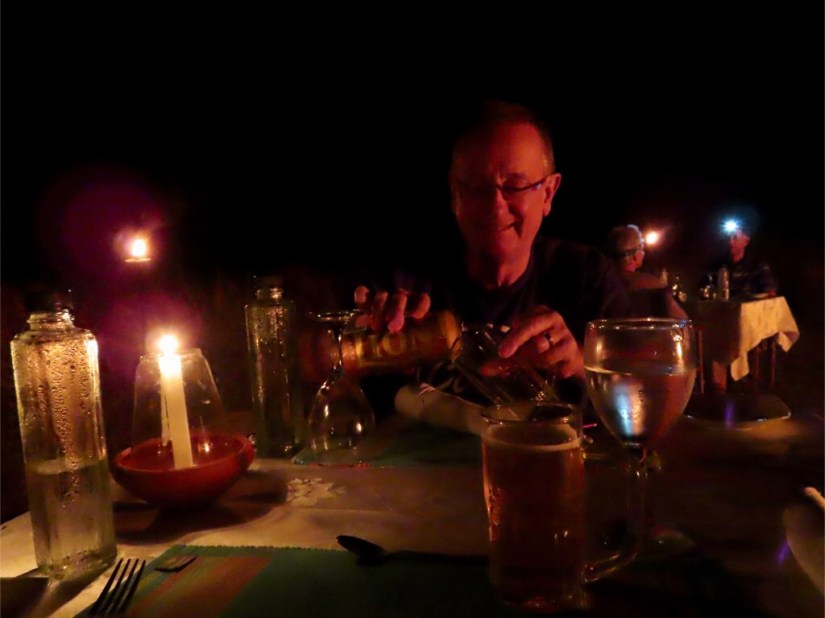
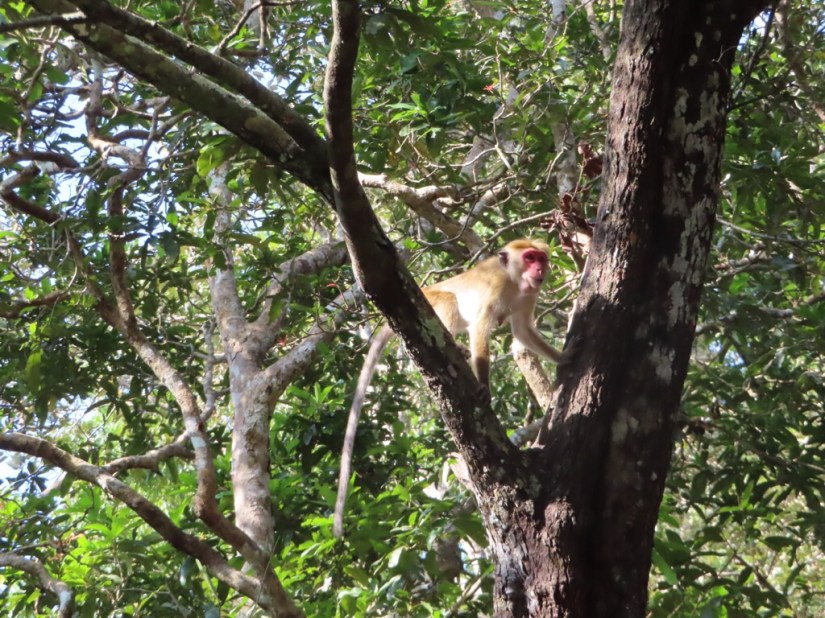
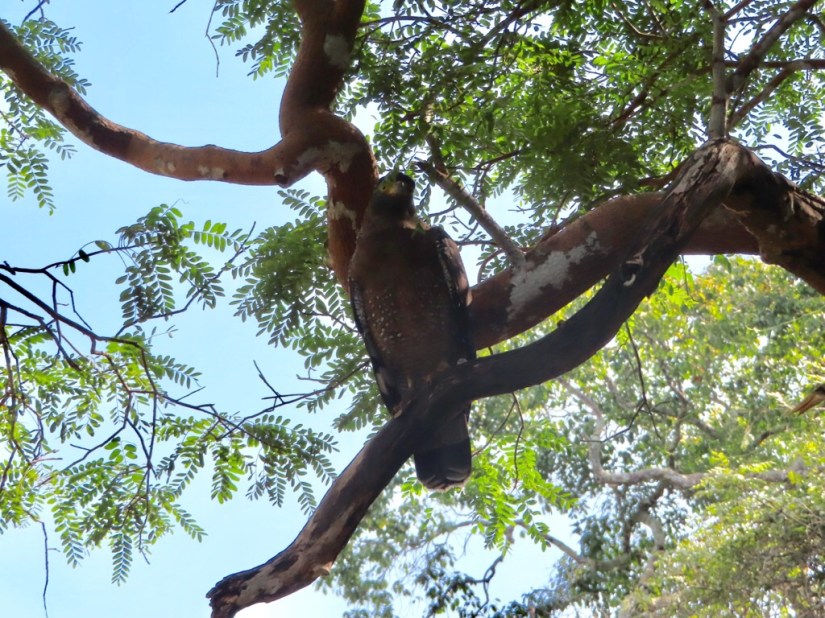
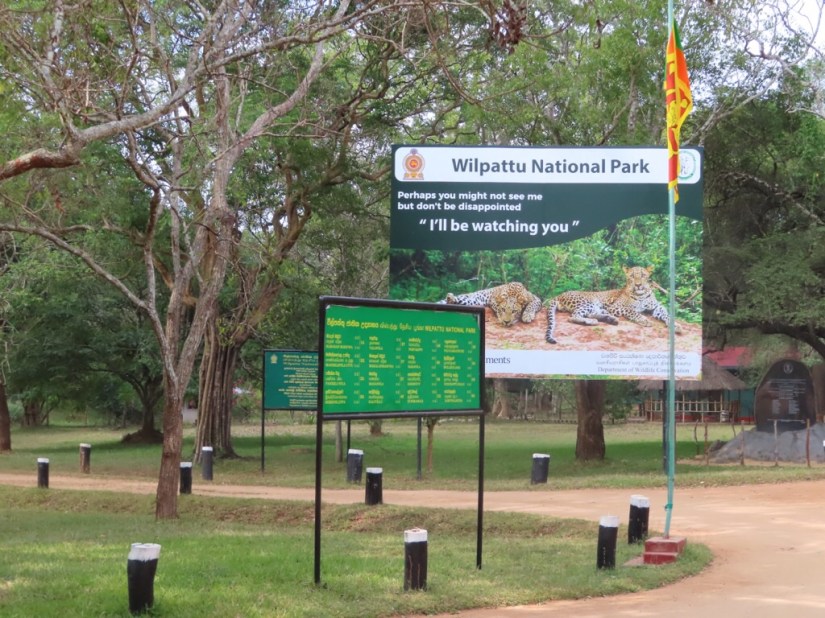

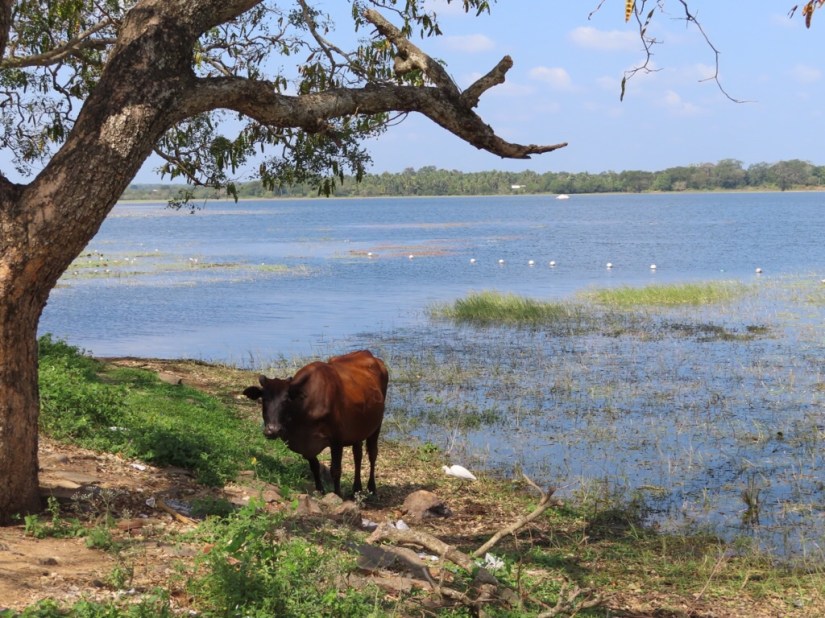
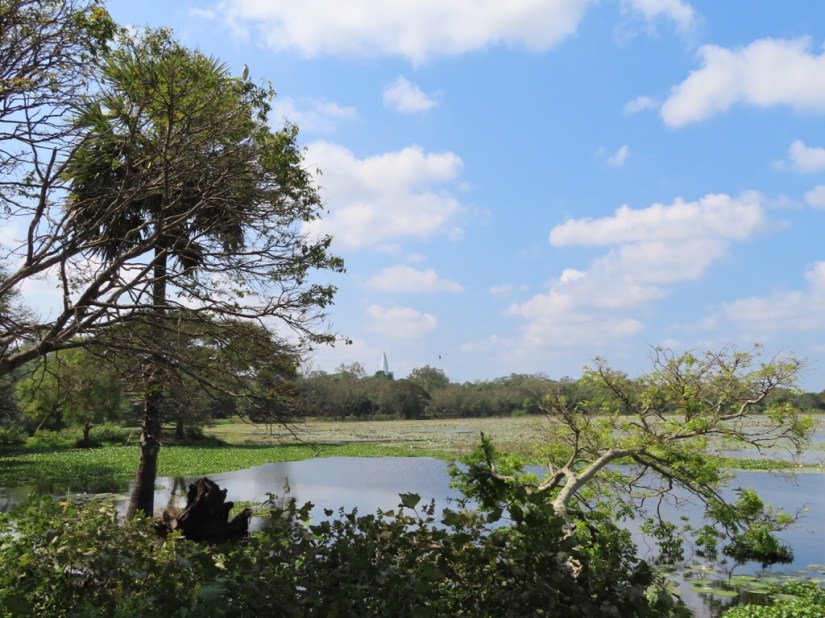
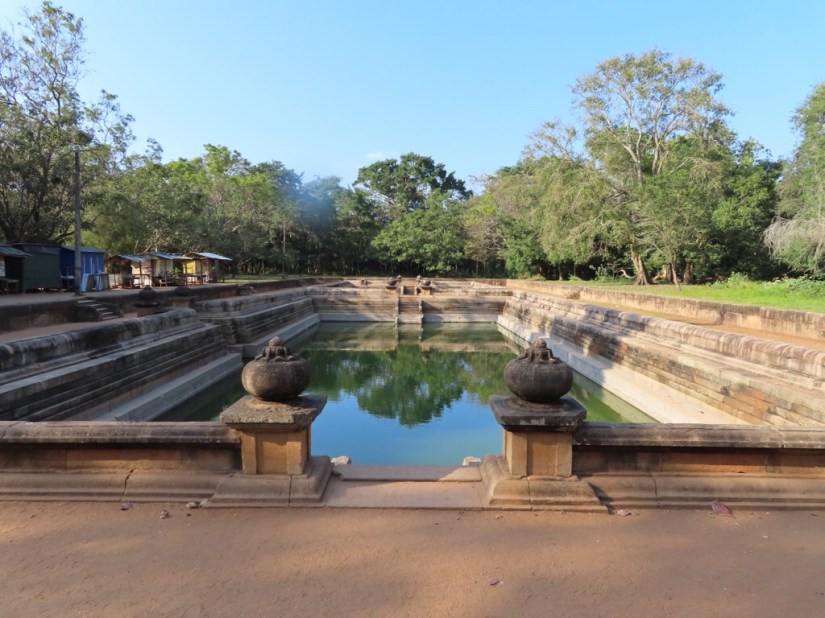
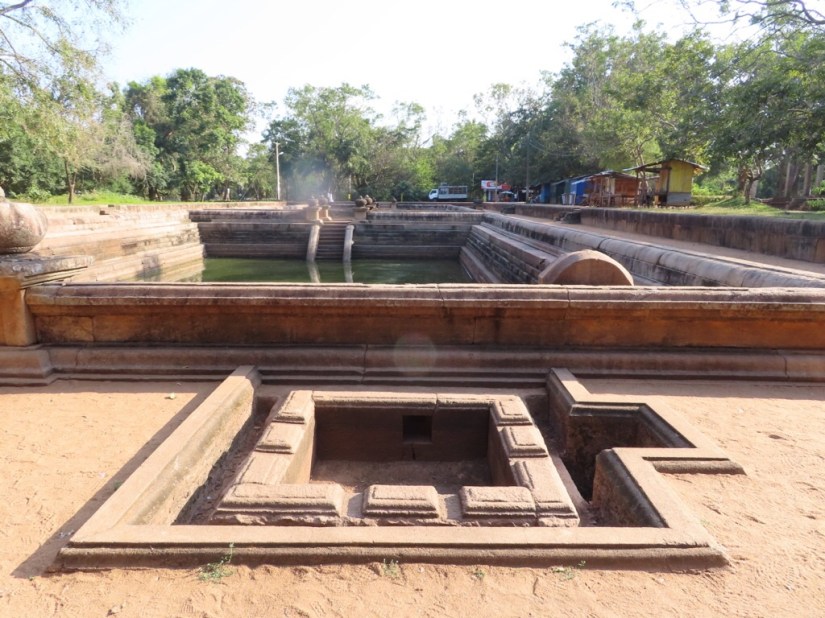
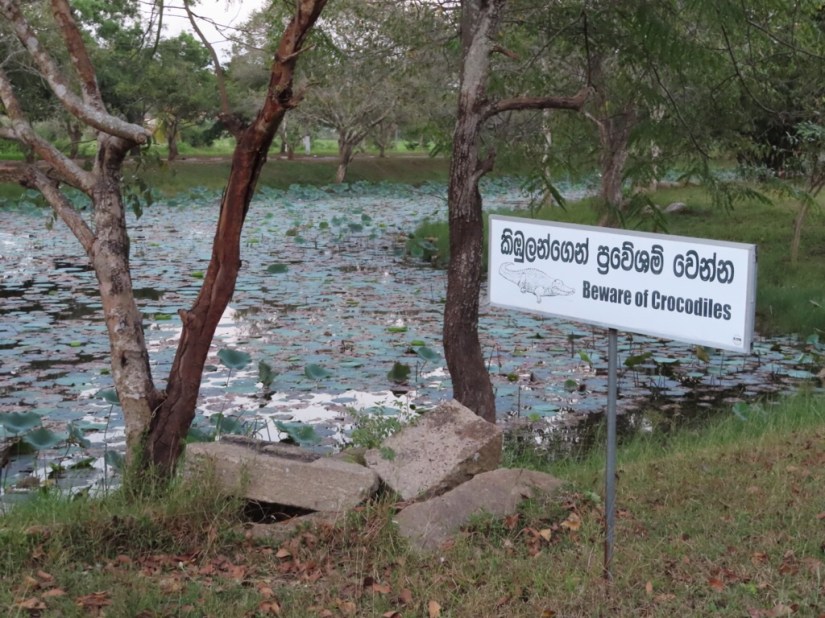 … and here is Nuwara Wewa, the largest of the three tanks, or reservoirs in Anuradhapura made by King Valagamba in the first century BC. King Dhatusena later constructed the Jaya Ganga canal, almost 90km long, and maintaining a steady gradient of six inches to the mile delivering water to Anuradhapura from the huge Kala Wela tank.












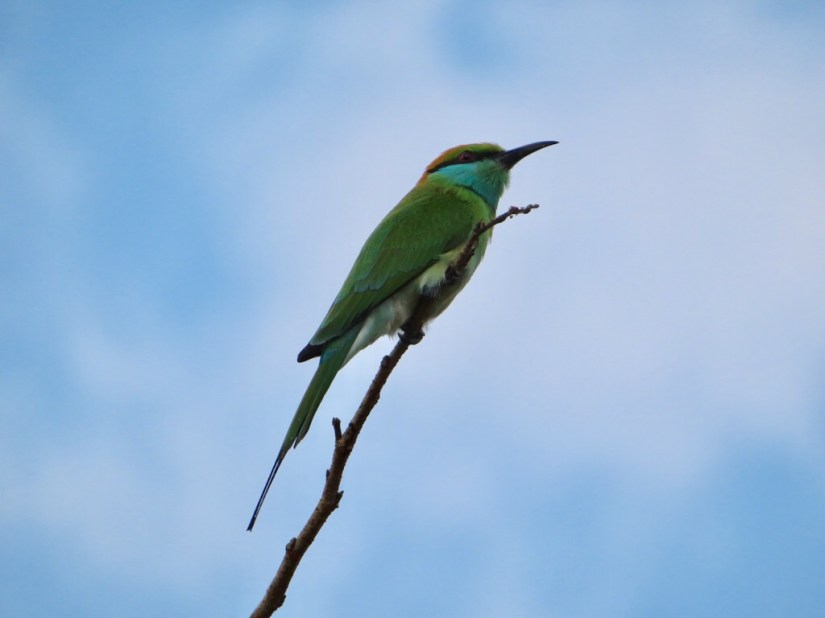
 As we left, I spotted a flash of colour and saw this pretty pair … apparently blue-tailed bee-eaters.





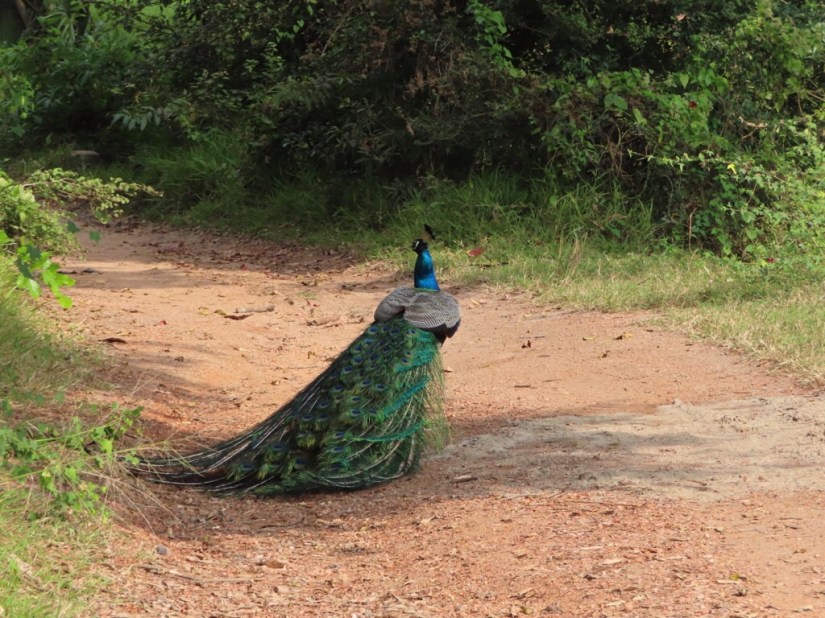
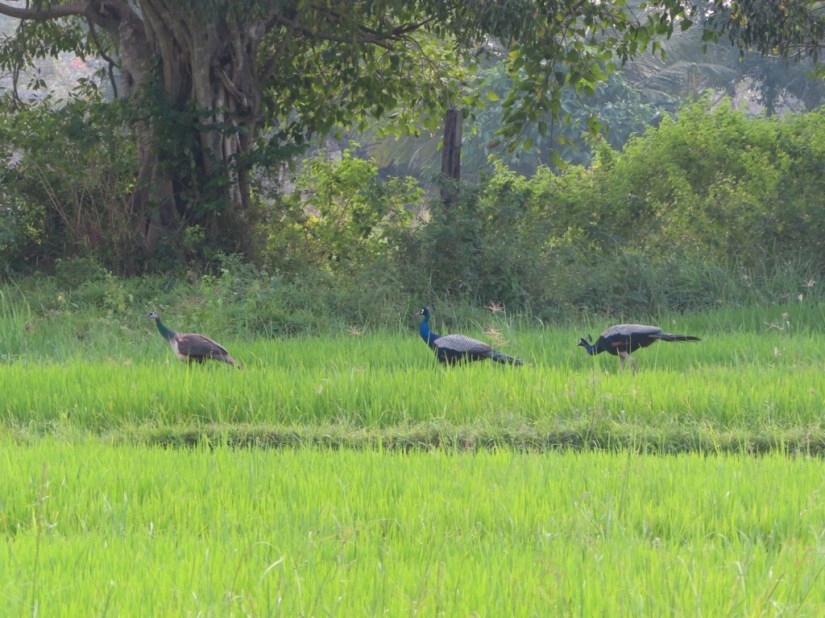
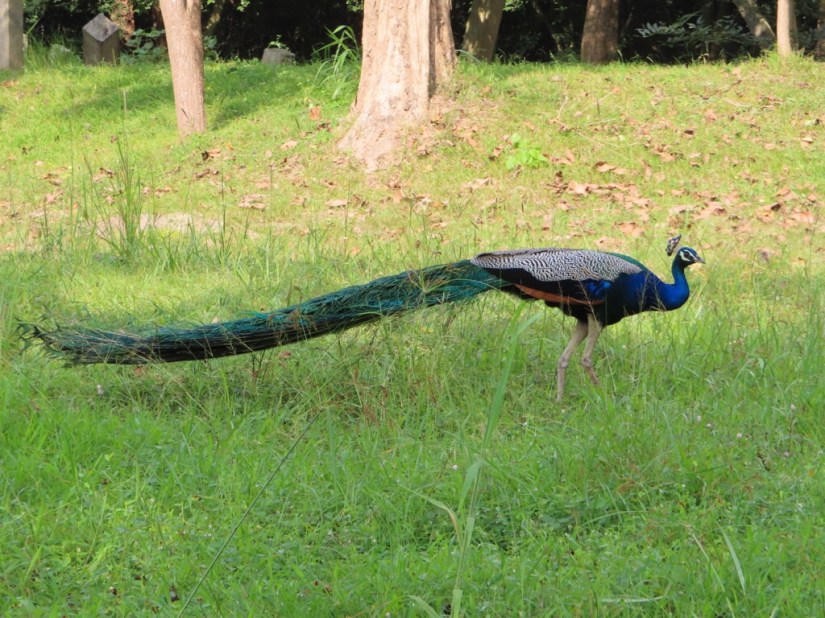
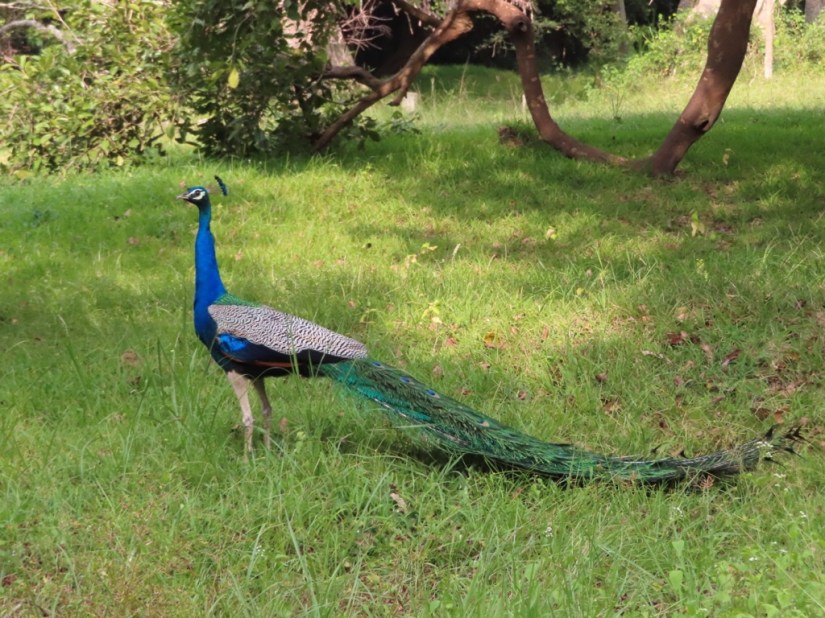
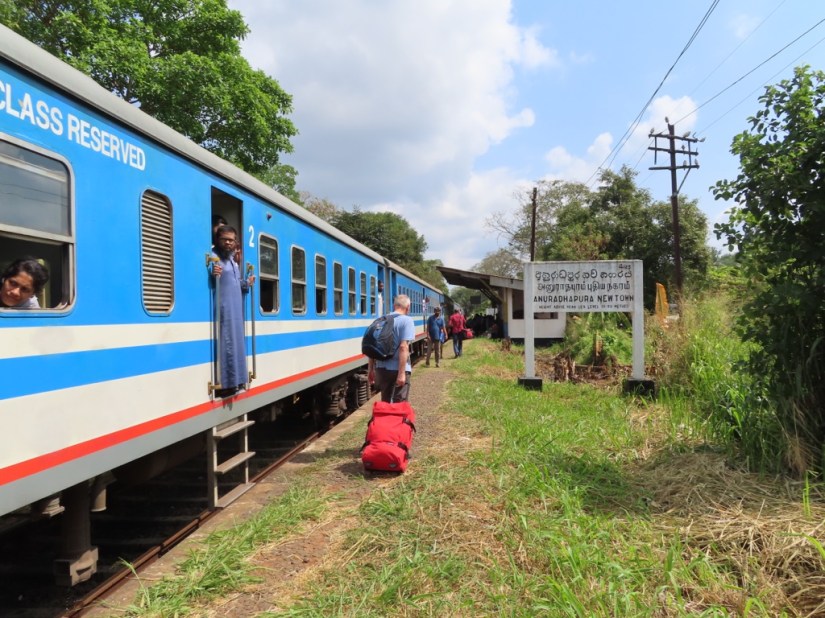
 We travelled 125 miles north in 4.5 hours in reserved 1st class seats with and electric fan on the ceiling and open windows providing the AC! We passed a lot of rice paddies, with patches of woodland, the odd stand of palm trees or bananas and a scattering of cows, egrets and one peacock.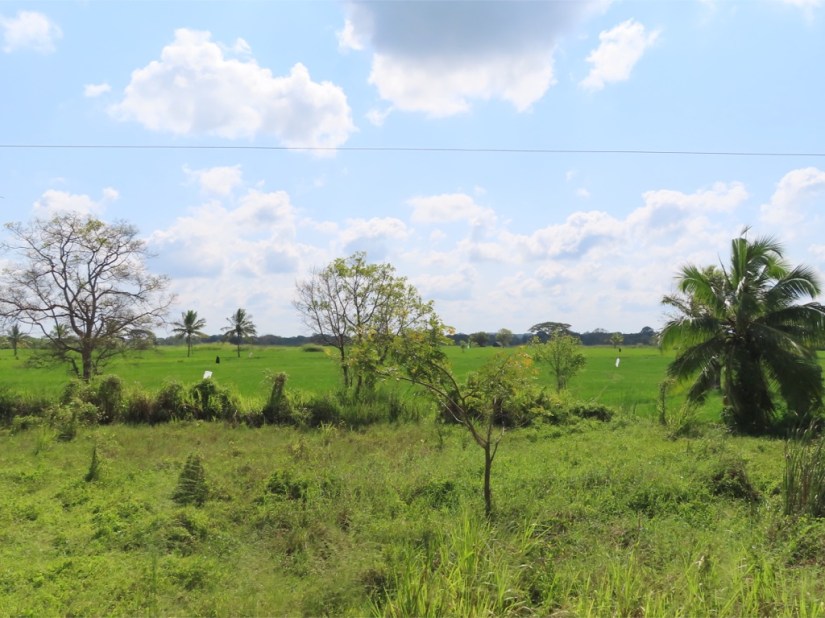

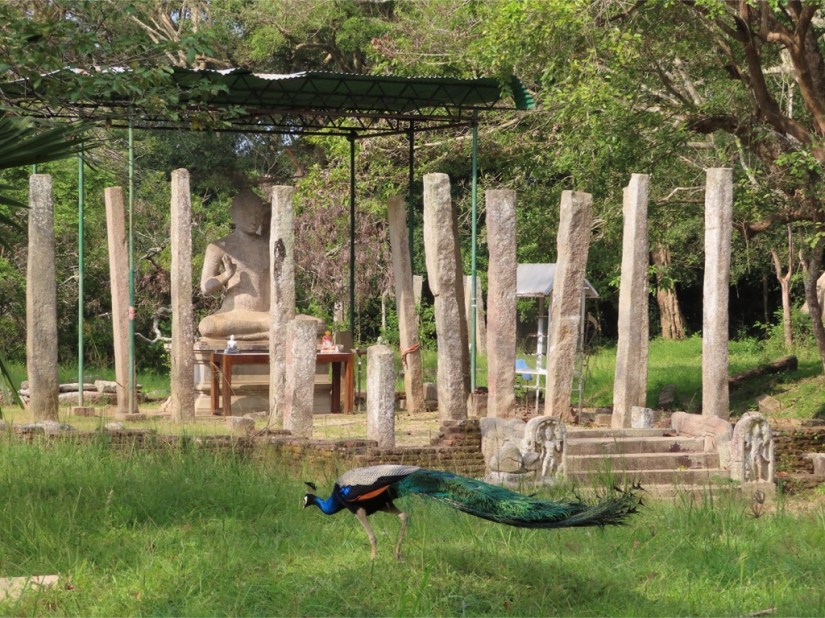
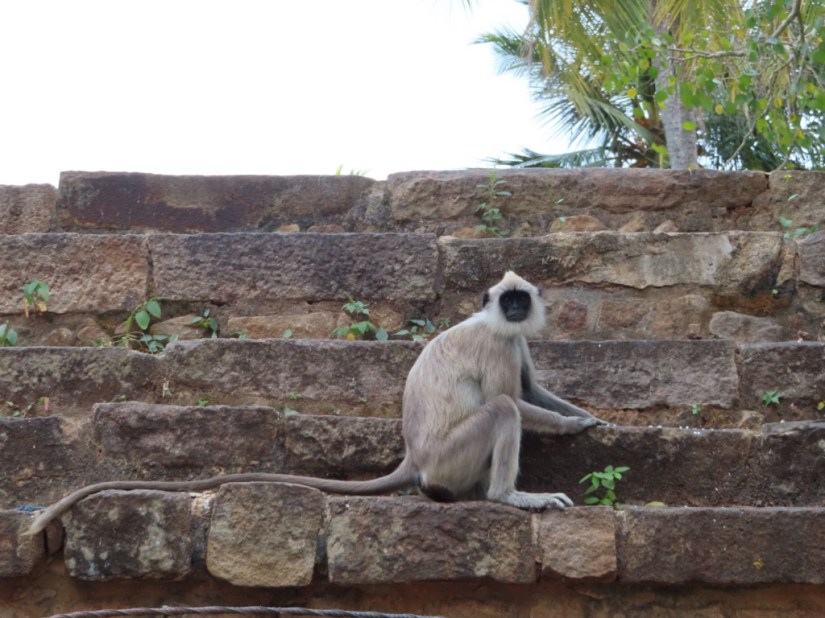
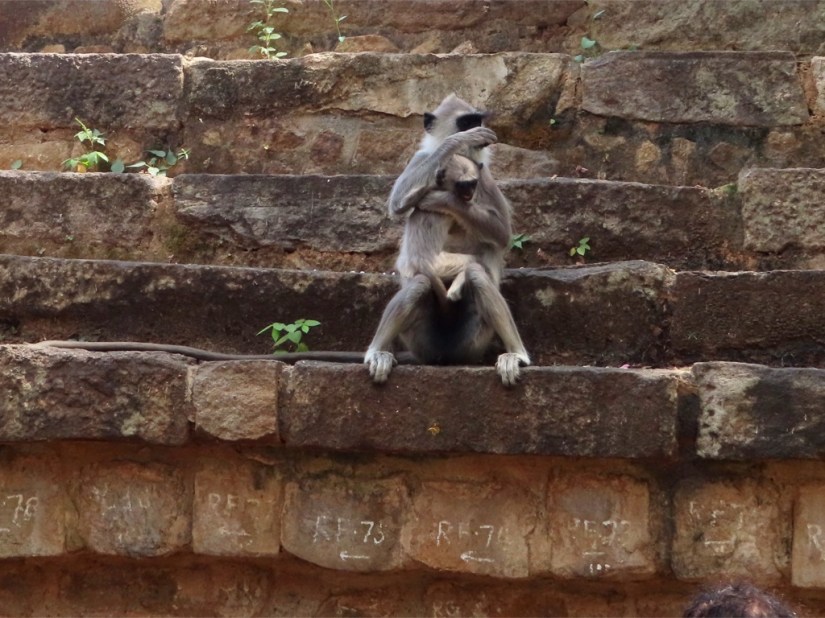
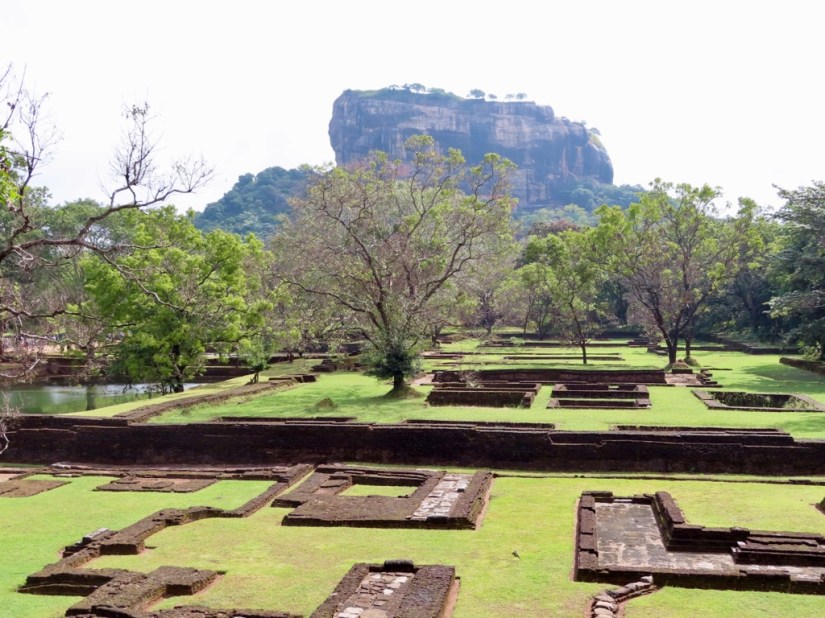
 … wildlife between the ruins …





 We arrived at Katunayake International airport and took the express bus for around an hour to Colombo central bus stand then a tuk-tuk to our hotel in the historic Fort district. We are just here for one night, and have to leave even earlier in the morning than planned, with our train leaving at 06.35.
 … then walked to the railway station to collect our tickets, overshadowed by the Lotus Tower soaring above.




 Another chilly January in England but fortunately we are off to warmer climes …
 When I realised we would be driving past a house designed by Frank Lloyd Wright on the way to the airport and that it was one of the few open to the public, we just had to fit it in and I booked places on their popular tour months ago.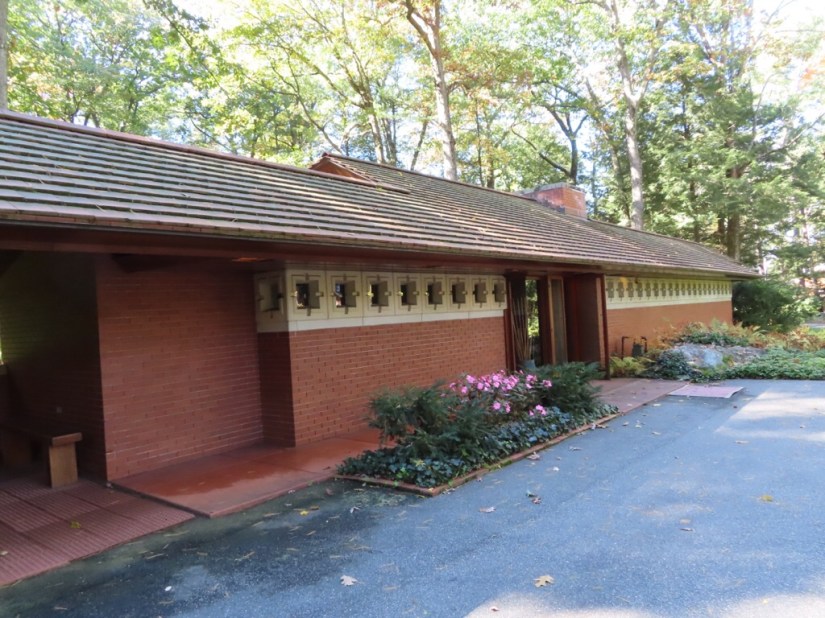
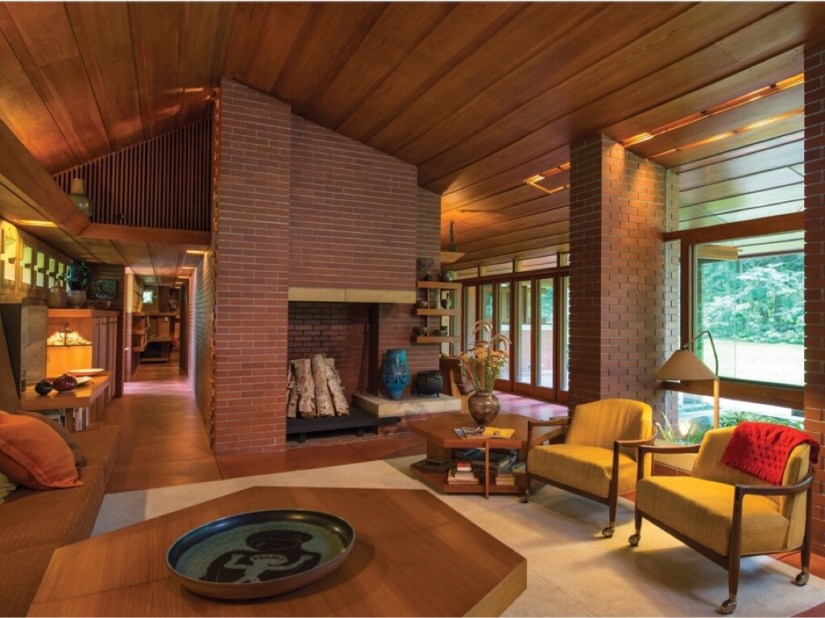 During the tour we heard how the Zimmermans approached Wright, the design process and the features of the house including the interior design, furnishings and the planting for the garden. Wright insisted that nothing should be changed after completion and this together with the fact that the Zimmerman’s left their house to the Currier Museum is why the house can be seen today almost as it was originally built.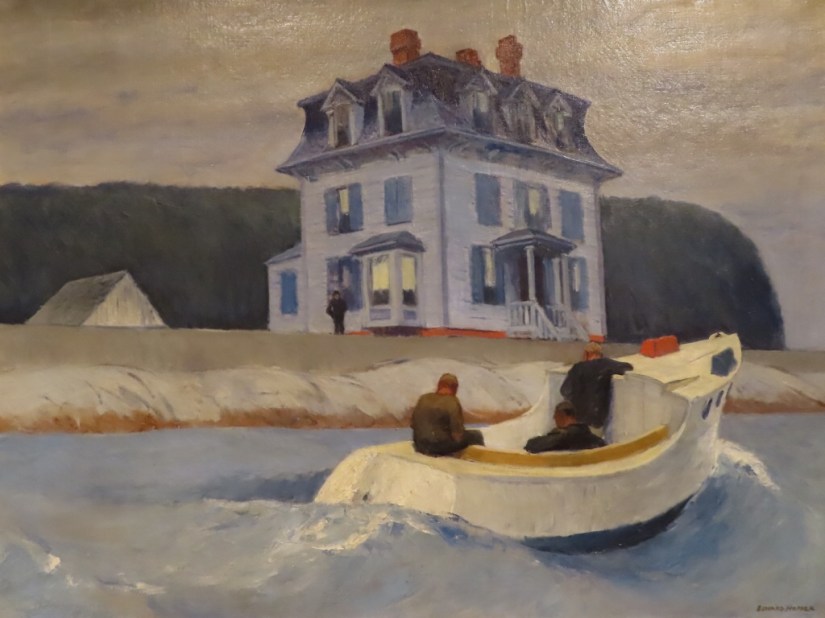




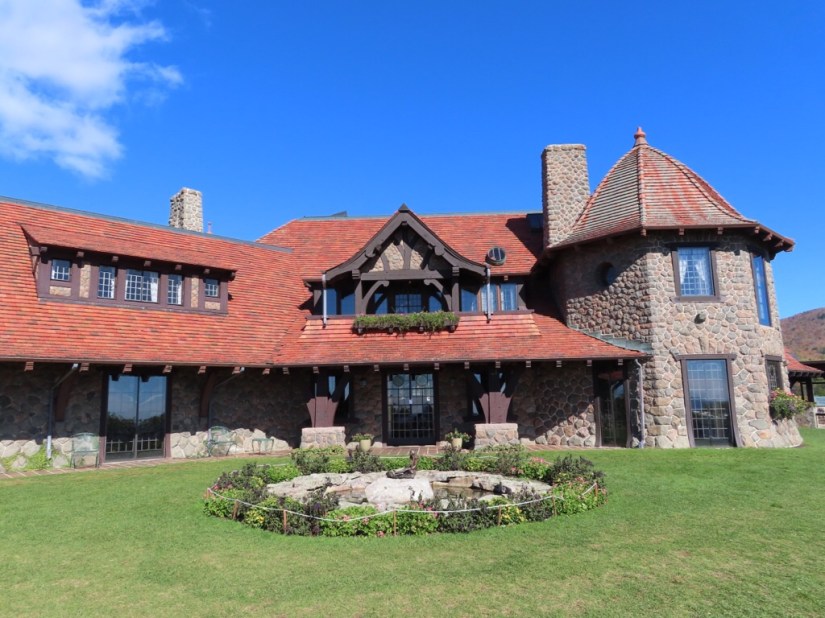




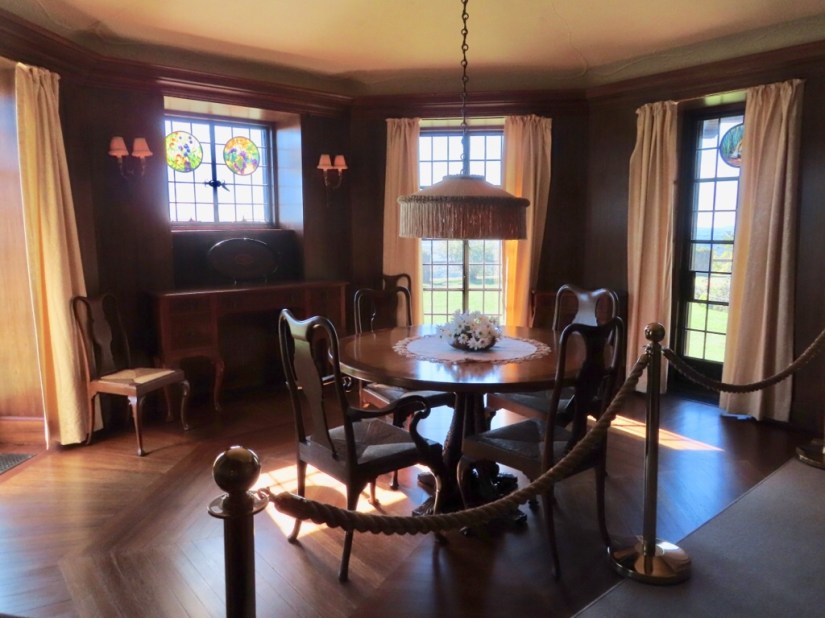 It was fitted with the latest technology like needle showers, central vacuuming, ammonia refrigeration and an internal telephone system. It also had some lovely design touches like these stained glass roundels set into many of the windows and some with scenes from the estate.




 Dinner at Walters Basin overlooking the moonlit lake was a lovely end to the day as was my excellent coffee bbq steak.
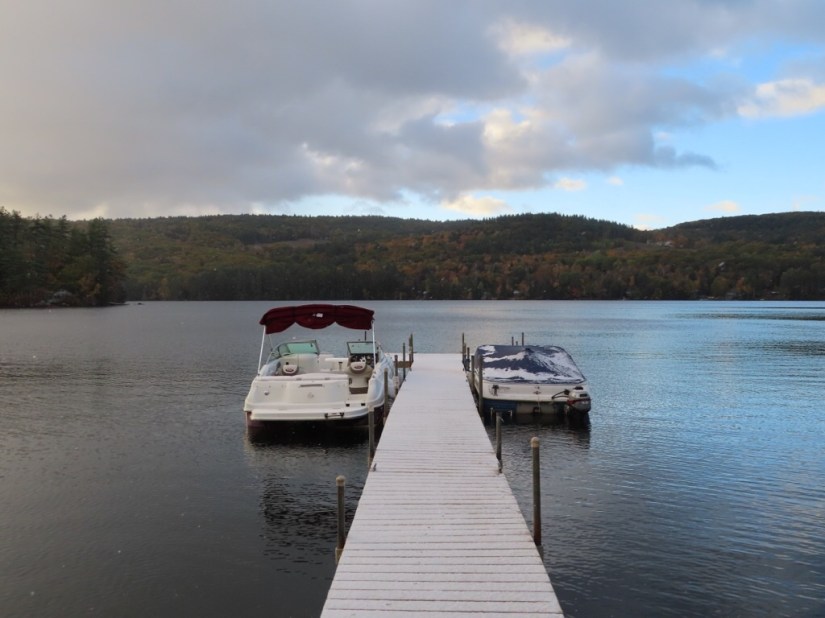
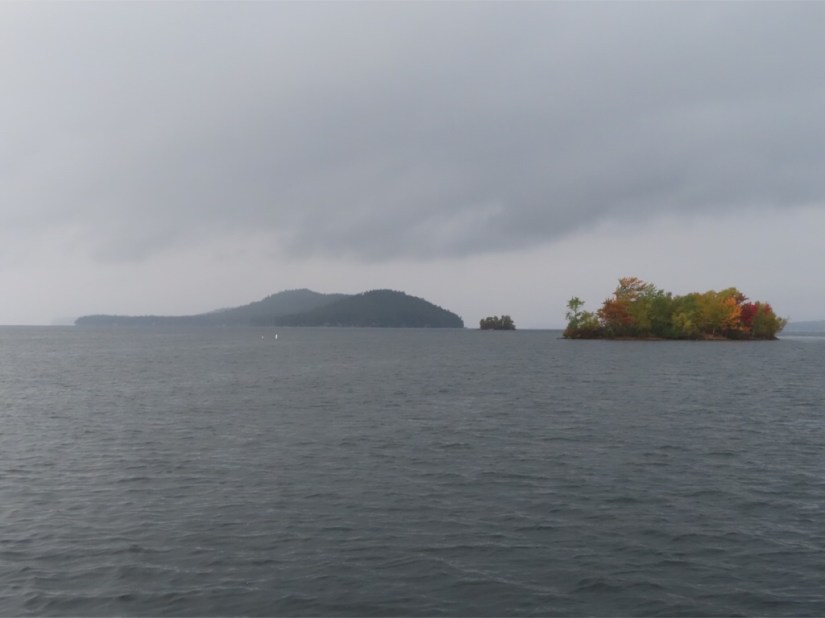 We woke on our 7th wedding anniversary to a chilly morning with mist on Squam Lake.


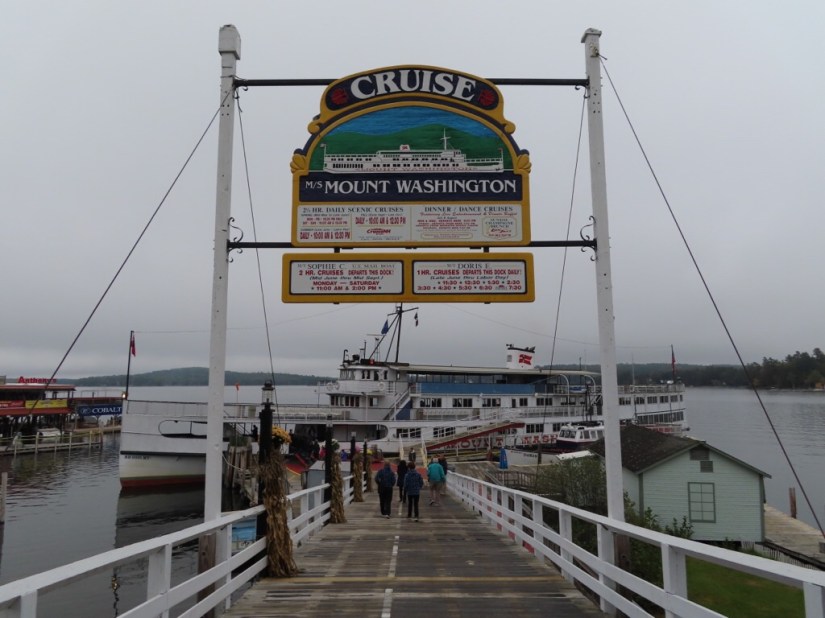

 We went aboard the MS Mount Washington and took a few atmospheric photos then retreated indoors for hot breakfast rolls and coffee.


