On our last day, we planned a wander through three quite different neighbourhoods, but first breakfast and we wanted to try Japanese style fluffy French toast which became a viral cafe trend a few years ago and is still going strong. Cafe Aaliya did a grand job, serving it with whipped cream and a little cinnamon shaker!
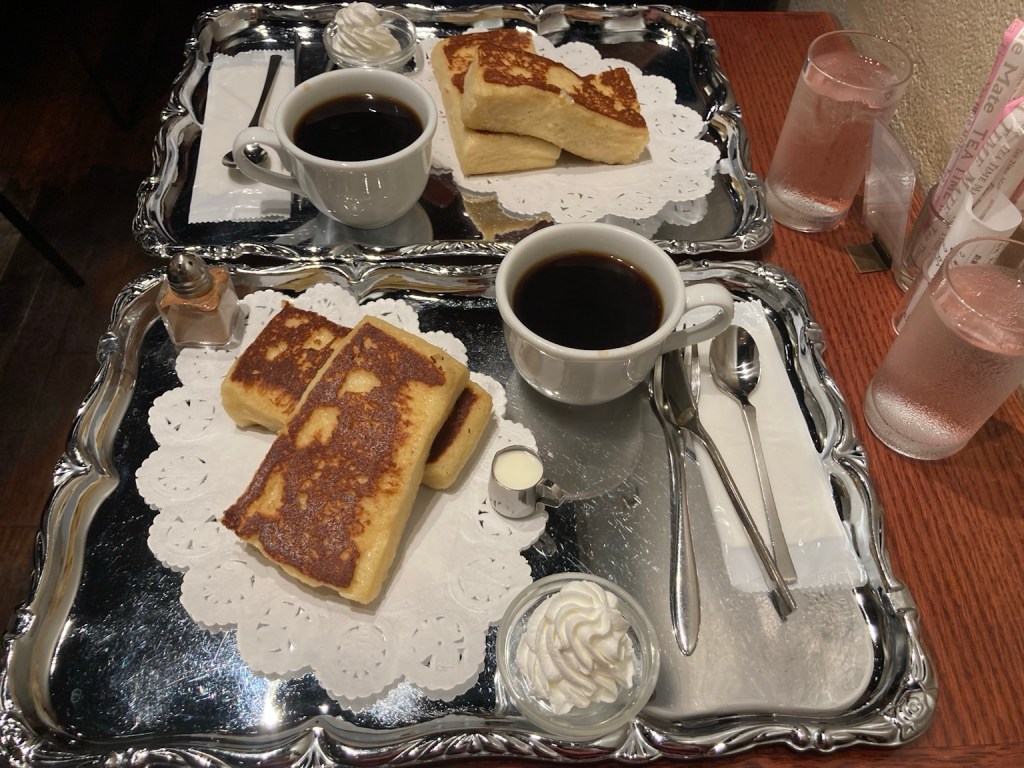
Everywhere we look, there are sweet treats of all kinds – sugary white buns, pastries, pancakes and French toast – which appears at odds with the healthy diet we think Japan has. Surprisingly, sugary treats are quite acceptable and thought beneficial to good health as long as they are occasional and eaten in a small portion. Any negative impact is reduced by a healthy daily diet and a reliance on public transport which means plenty of daily exercise.
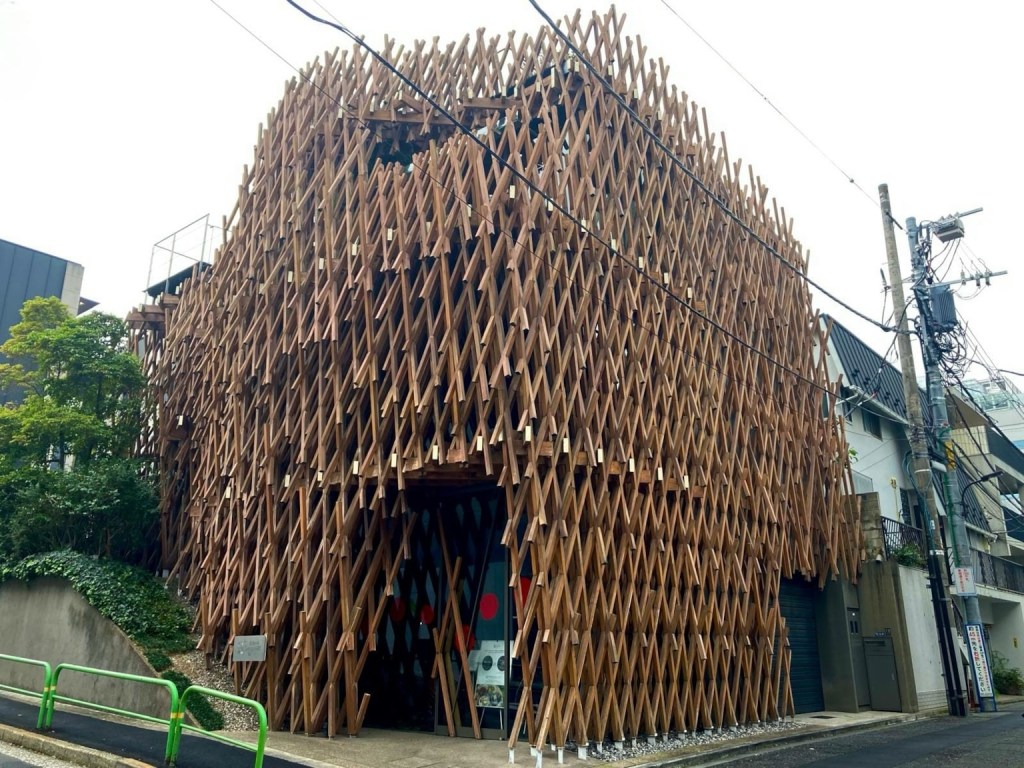
We took the train to Omotesando, a wide boulevard lined by magnificent zelkova trees which was originally created as the main approach to Meiji Jingu Shrine. Most visitors come to browse the luxury stores, but we were going to look at the architecture instead. Starting at Omotesando station, we began with Sunny Hills, an unexpected building clad in timber strips, designed by Kengo Kuma, a renowned Japanese architect known for his use of natural materials. The strips are joined using a traditional technique without nails or fasteners.
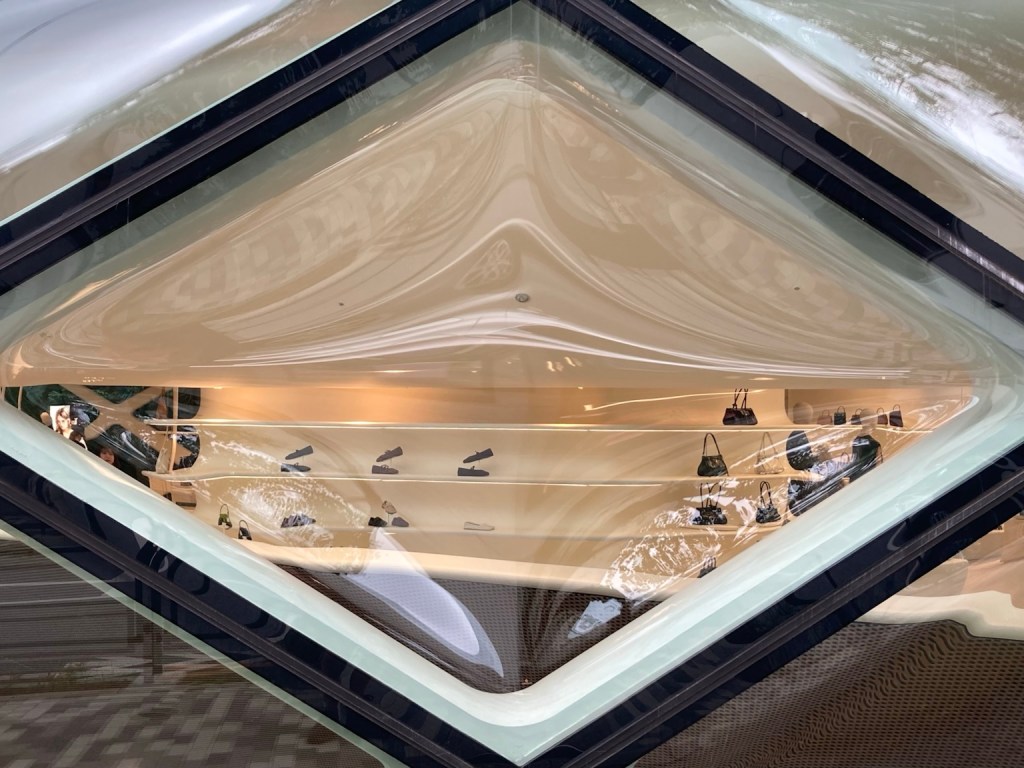
Returning to the main street there are two buildings by Herzog & de Meuron. The first for Prada is covered in glass panels that look like shiny bubble wrap.
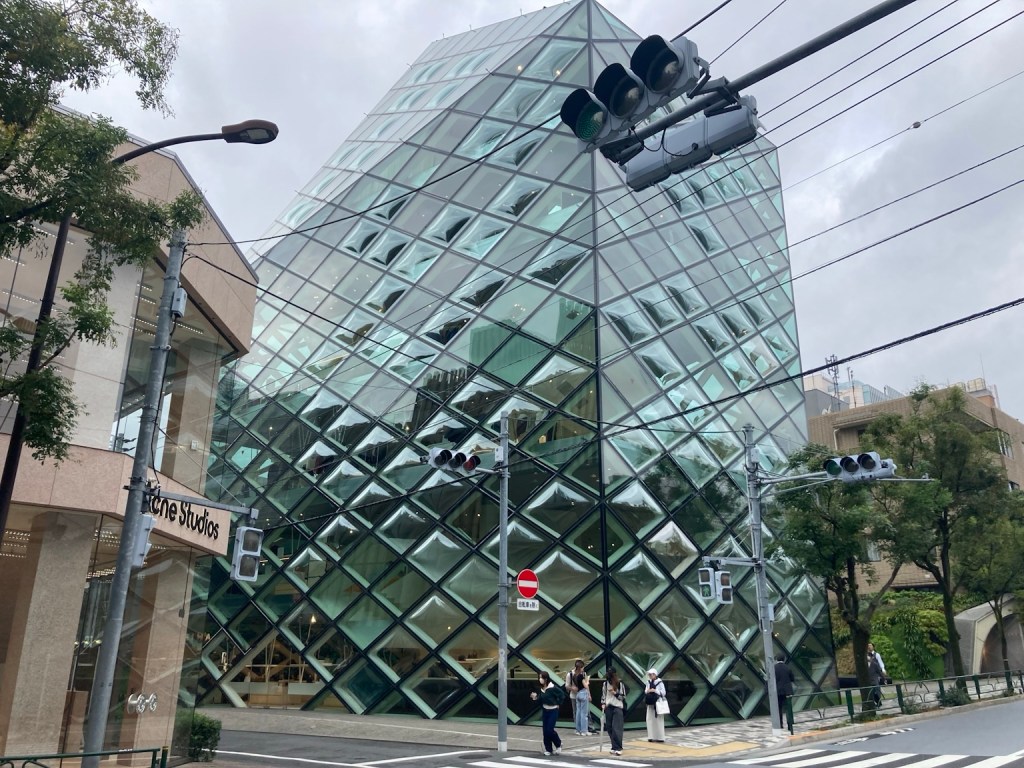
The mixture of flat, convex and concave panels distort reflections and the light ripples across the surface.
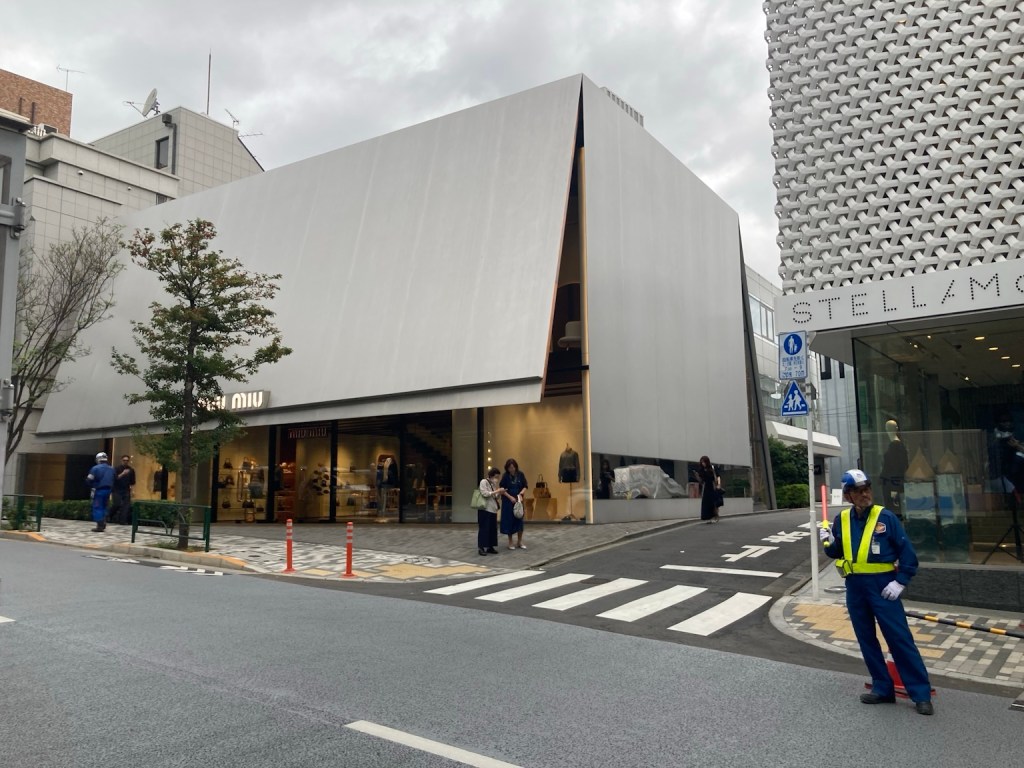
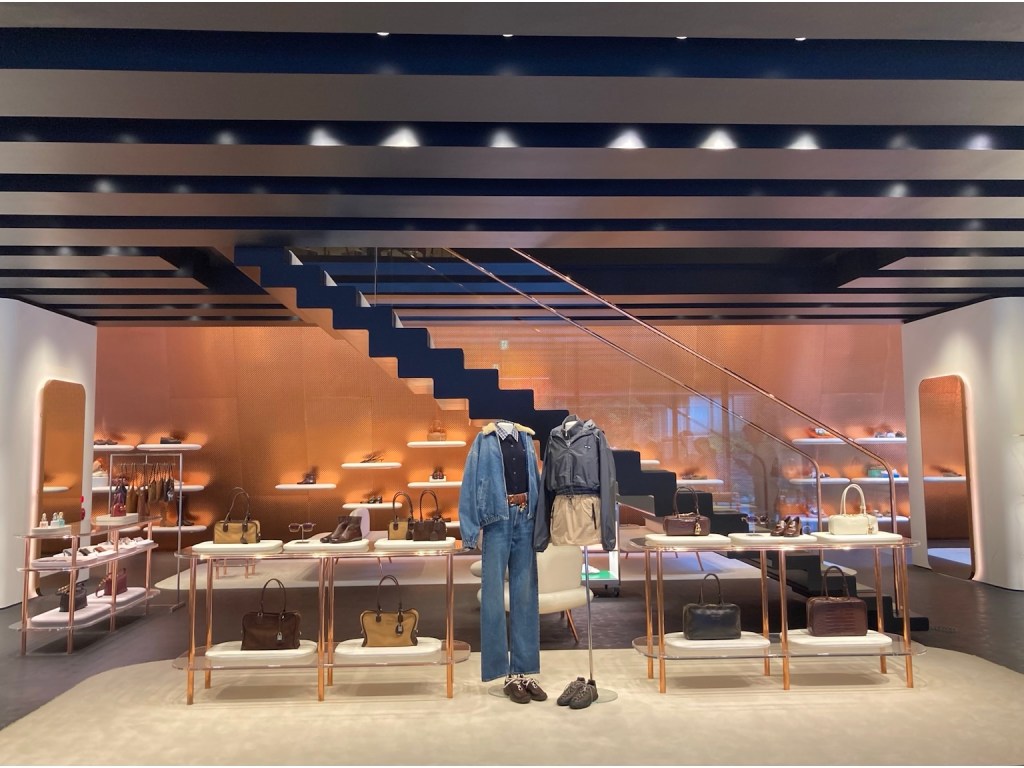
The other for Miu Miu is the complete opposite – rather than transparent, it is a closed box, wrapped in copper coloured panels which are continued inside.
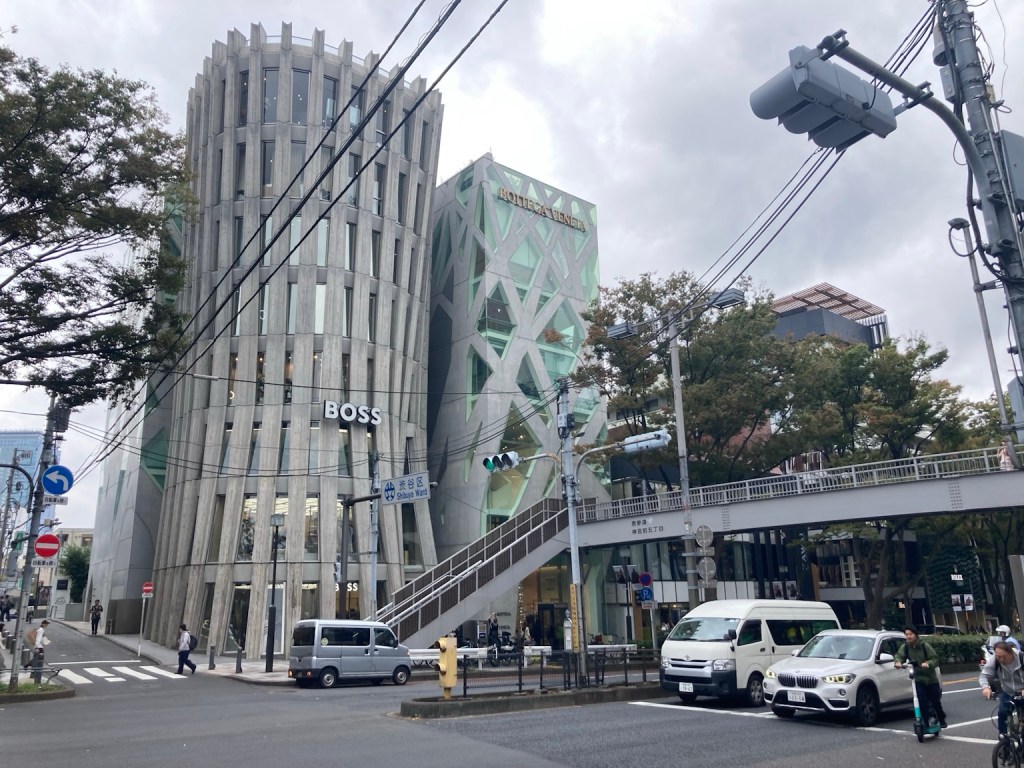
Next a pair of concrete clad building standing side by side, the Boss building shaped to fit the corner space and Tod’s with angular braces that repeating the shape of the zelkova trees outside.
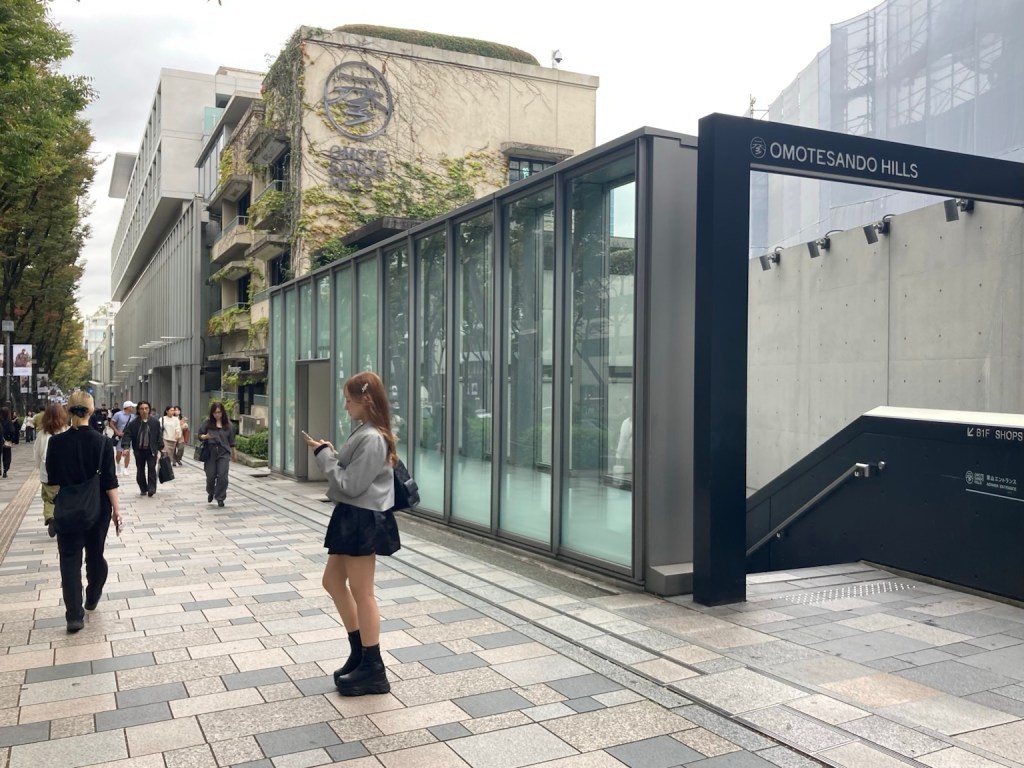
This unassuming exterior by Tadao Ando cleverly concealed six floors of the Omotesando Hills shopping mall built deep under the street, with lots of angles to photograph …
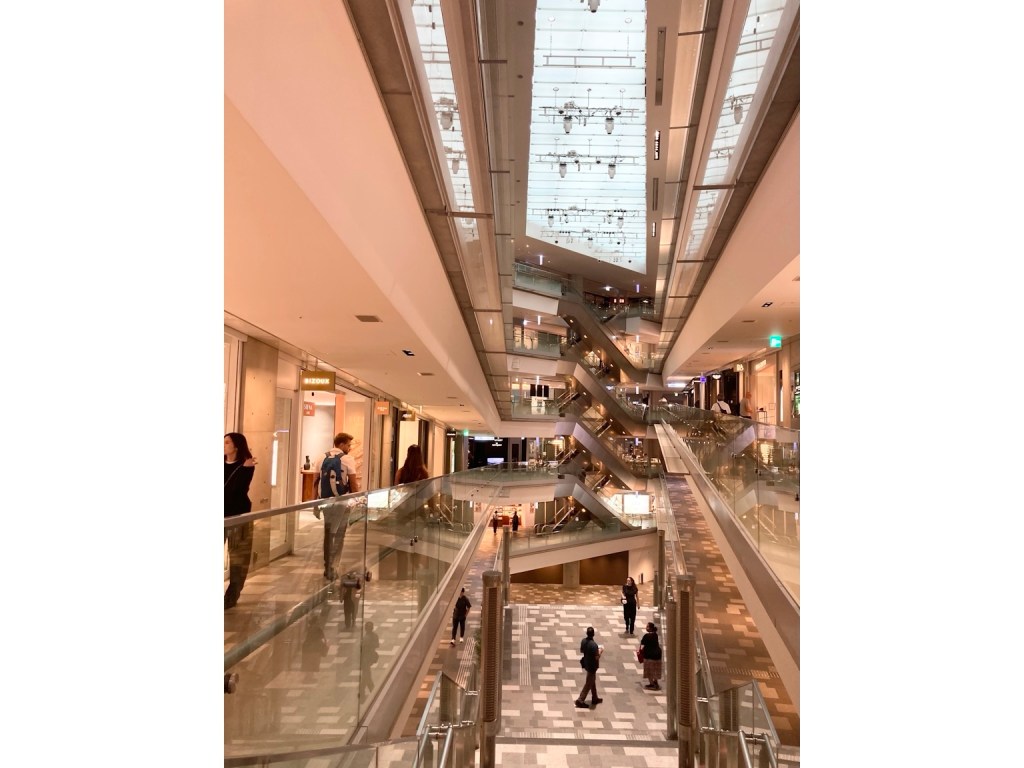
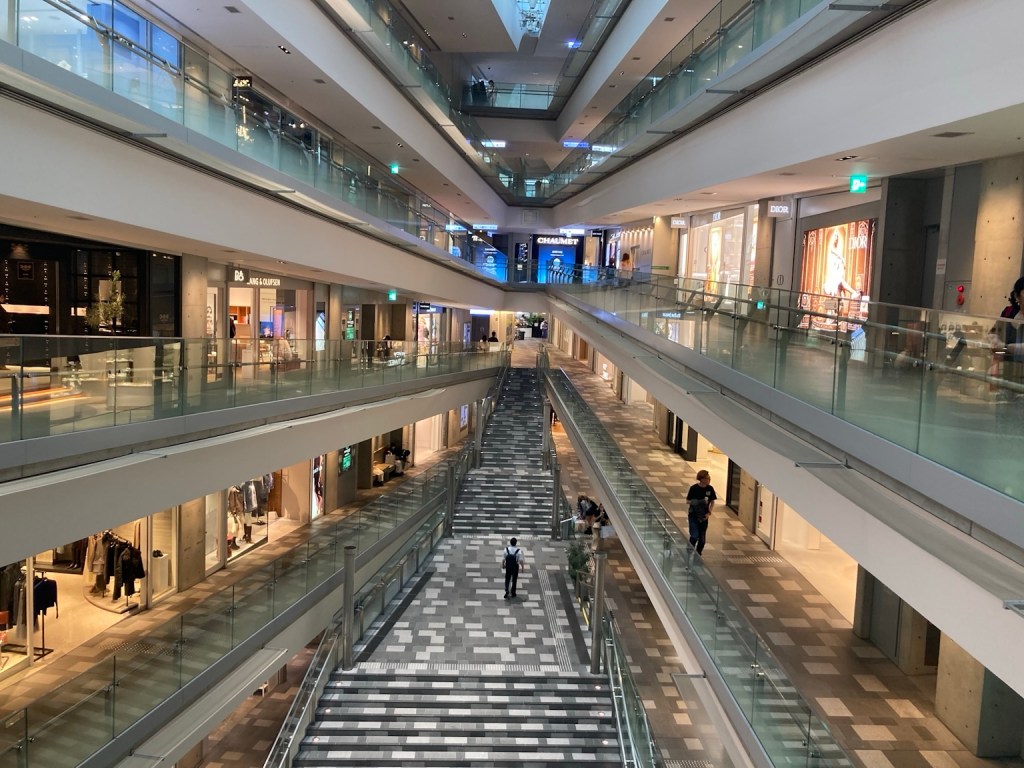
… and I liked this pair also.
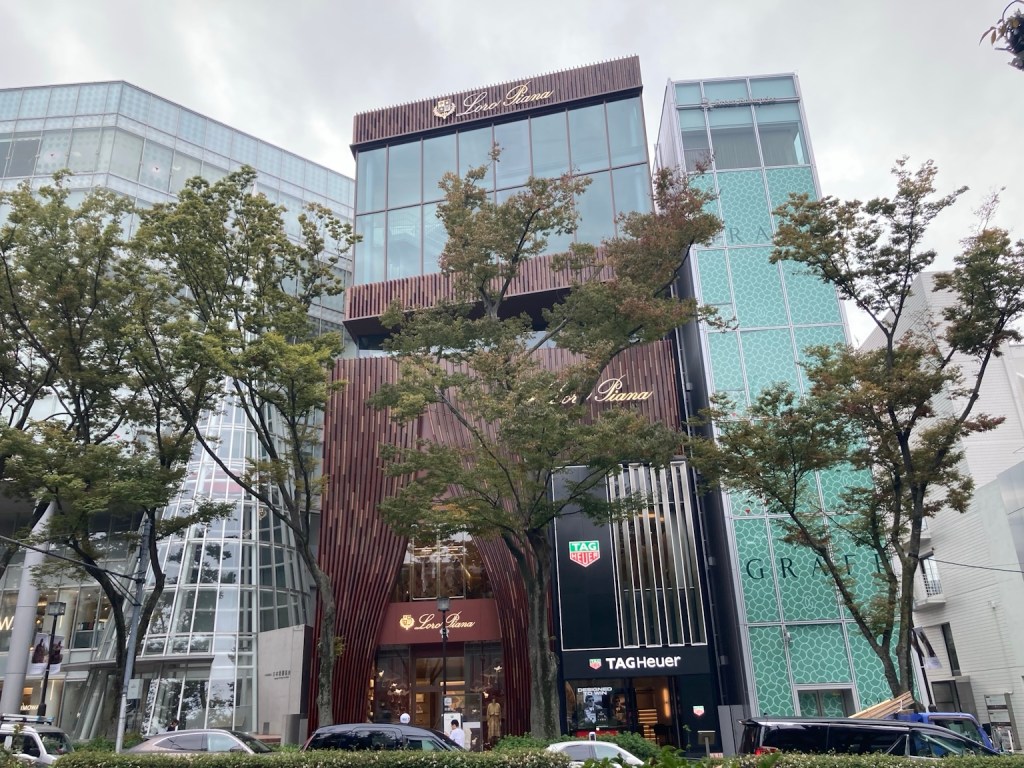
Some of the window displays were as striking as the buildings …
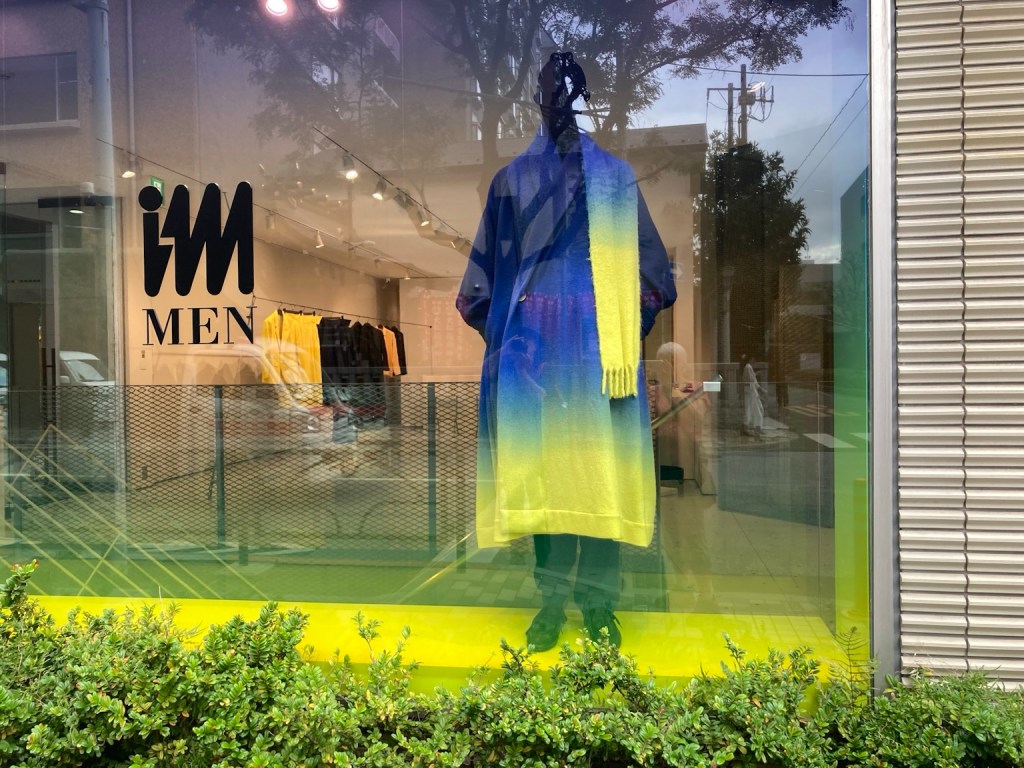
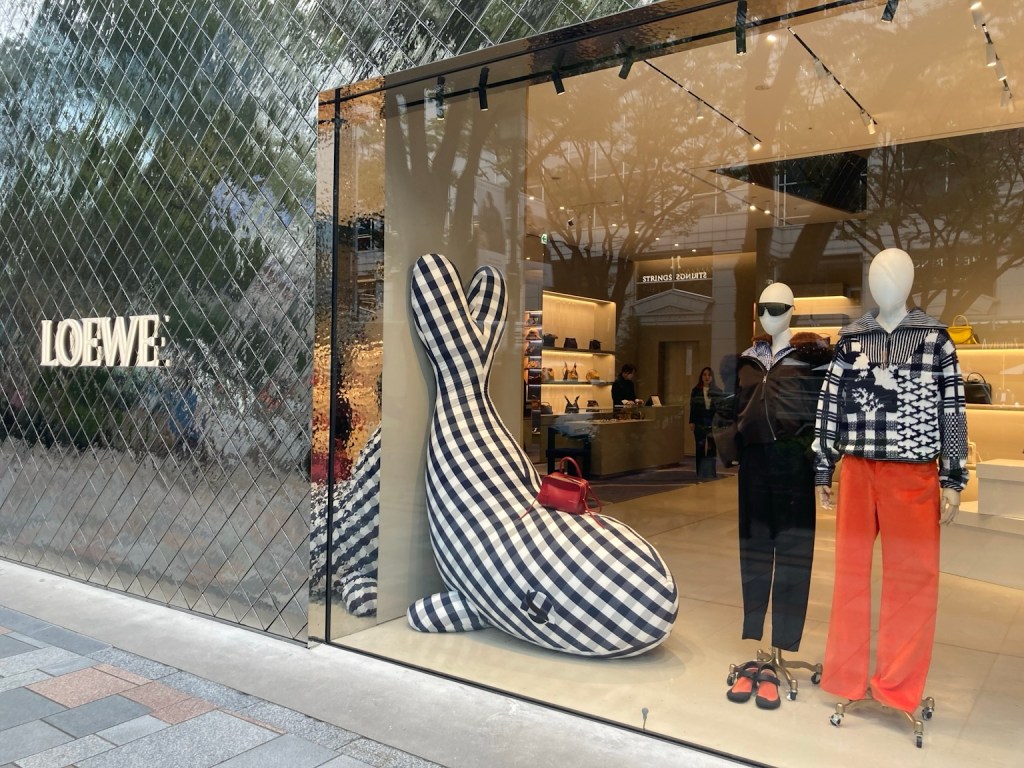
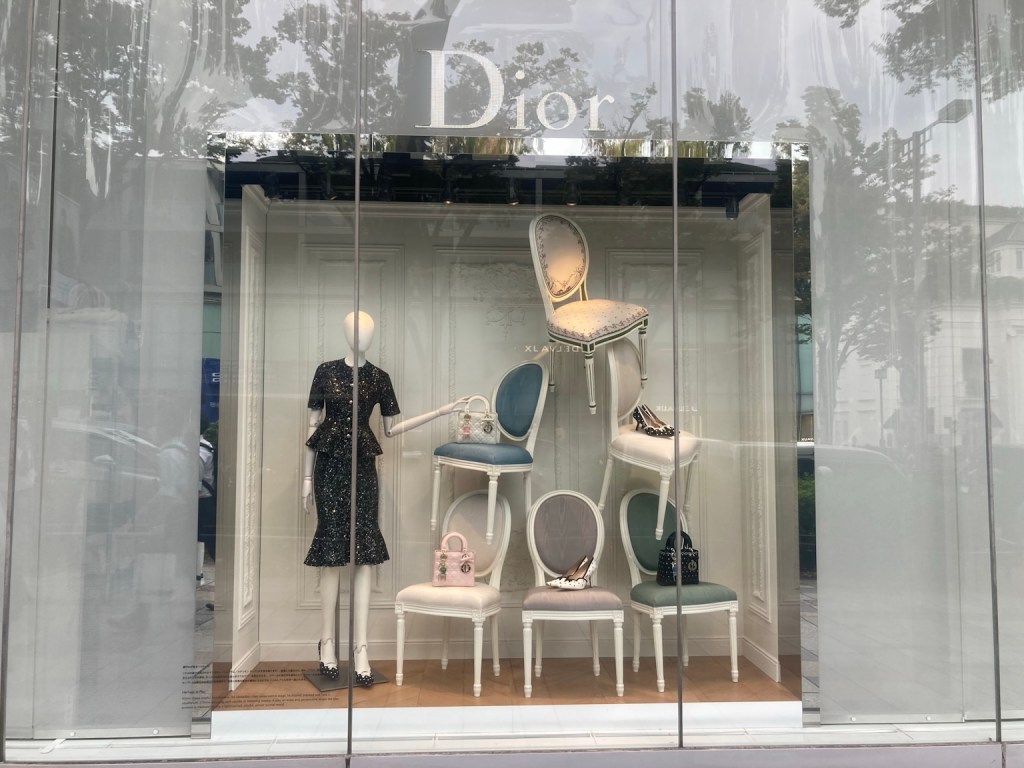
… and here’s a view down the street.
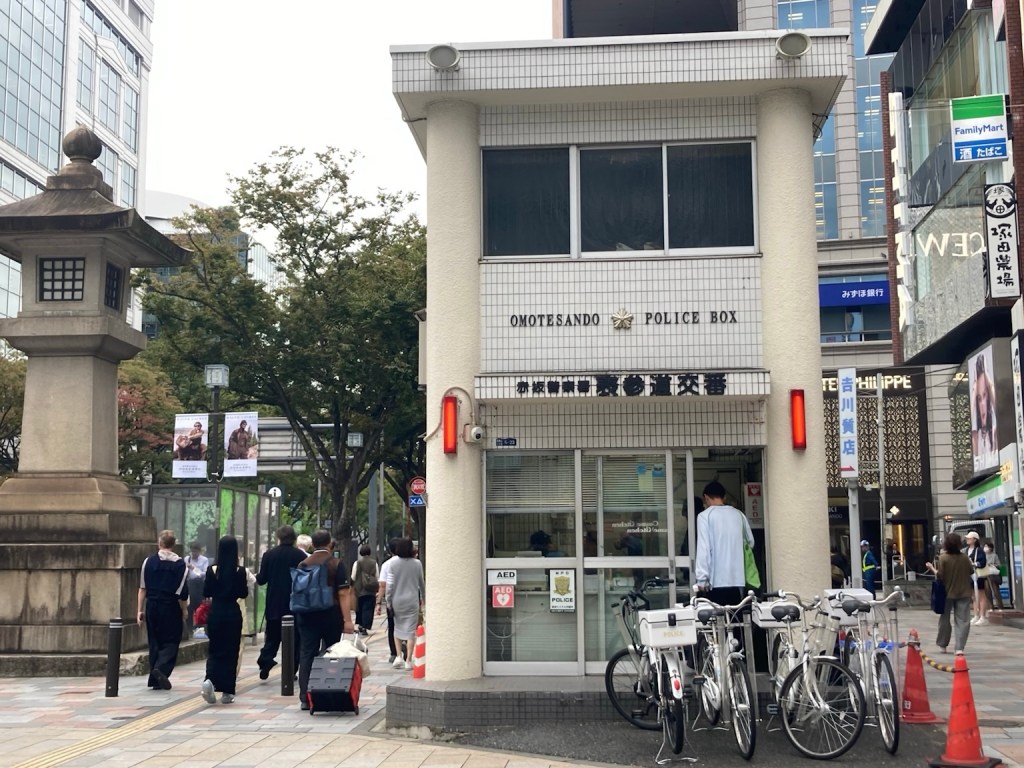
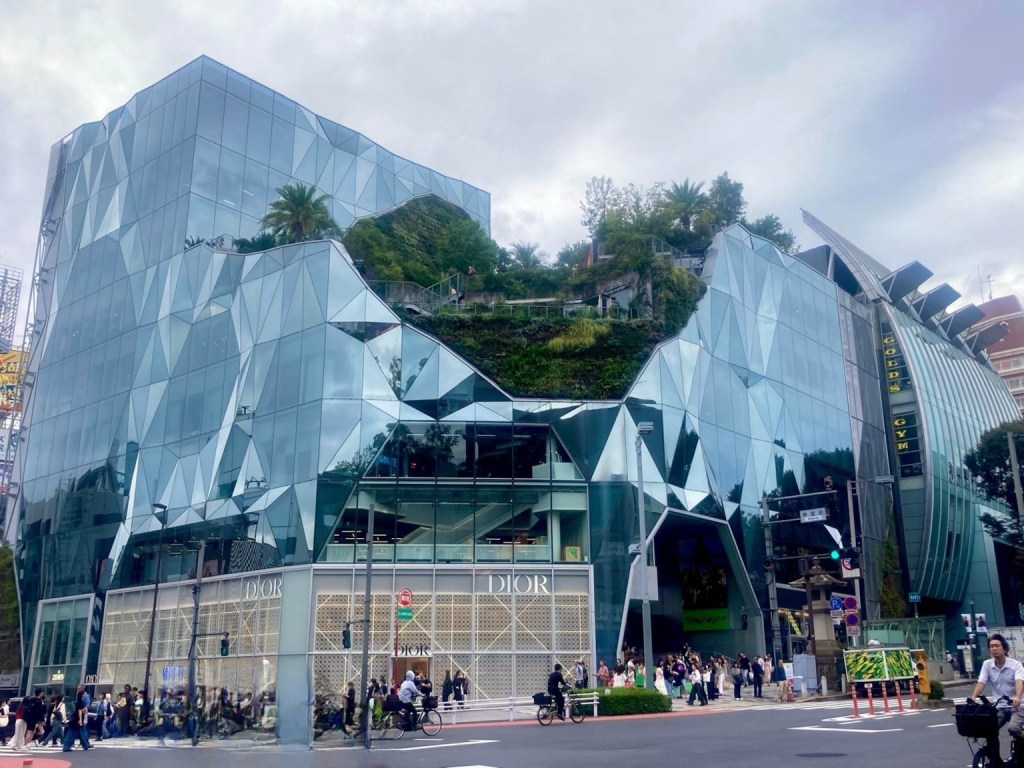
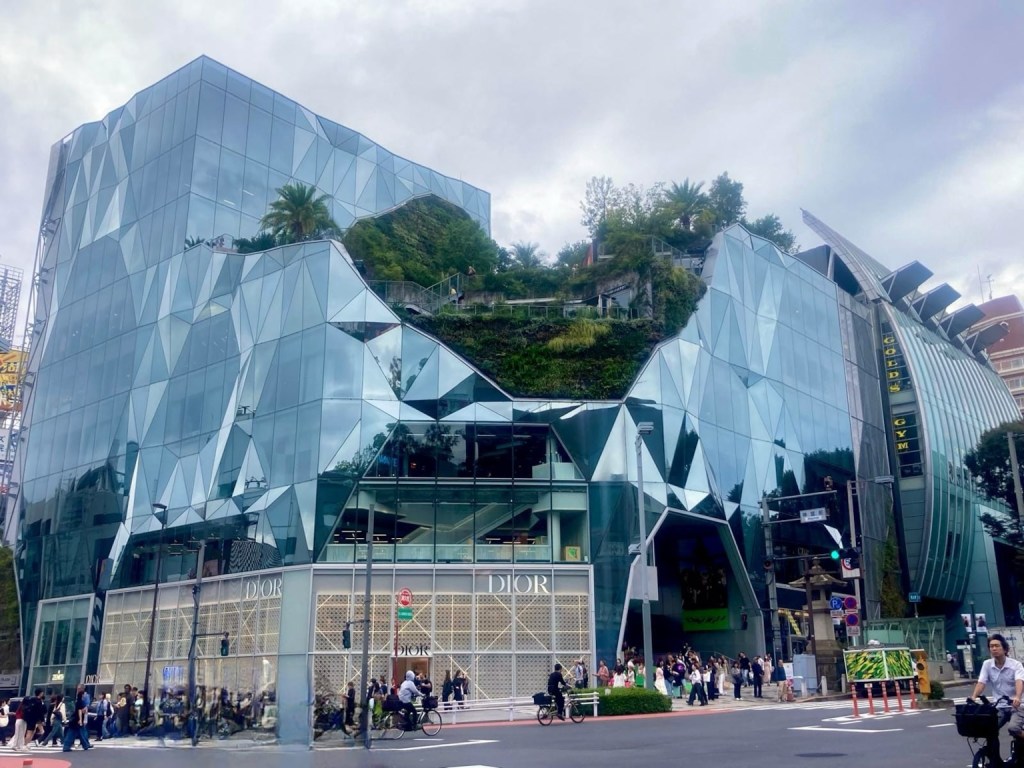
Opposite each other on a crossroads was Tokyu Plaza Harakado, more multi-faceted glass, this time with a garden …
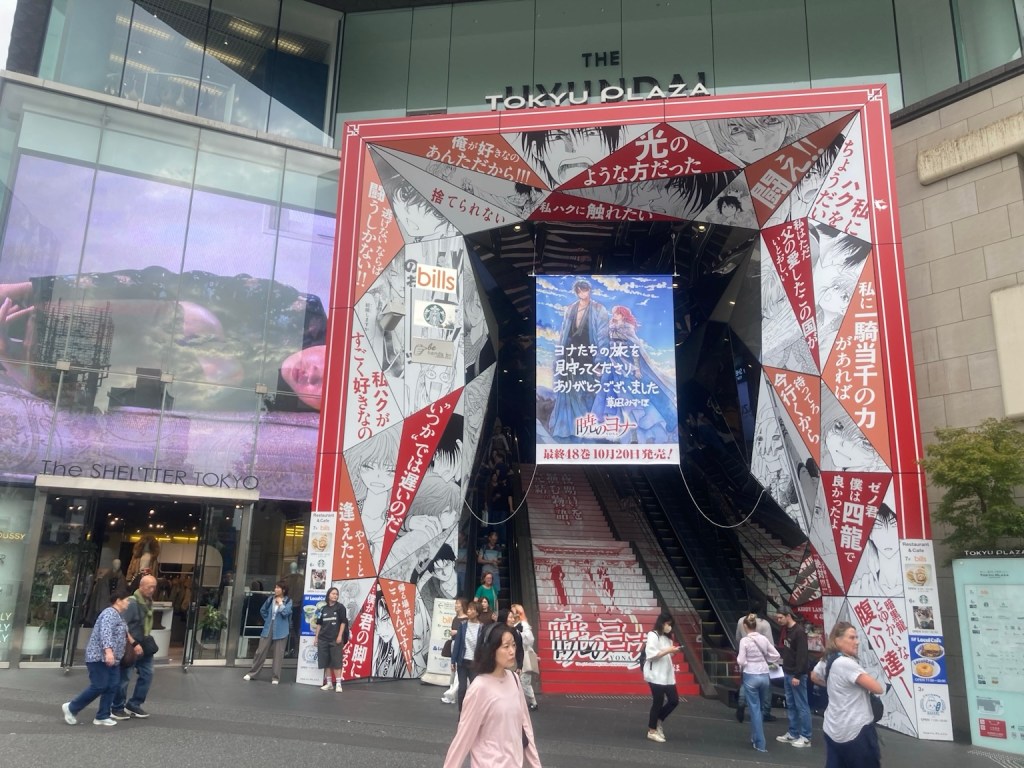
… and Tokyu Plaza Omokado, where unfortunately the iconic mirrored entrance was temporarily covered with advertising.
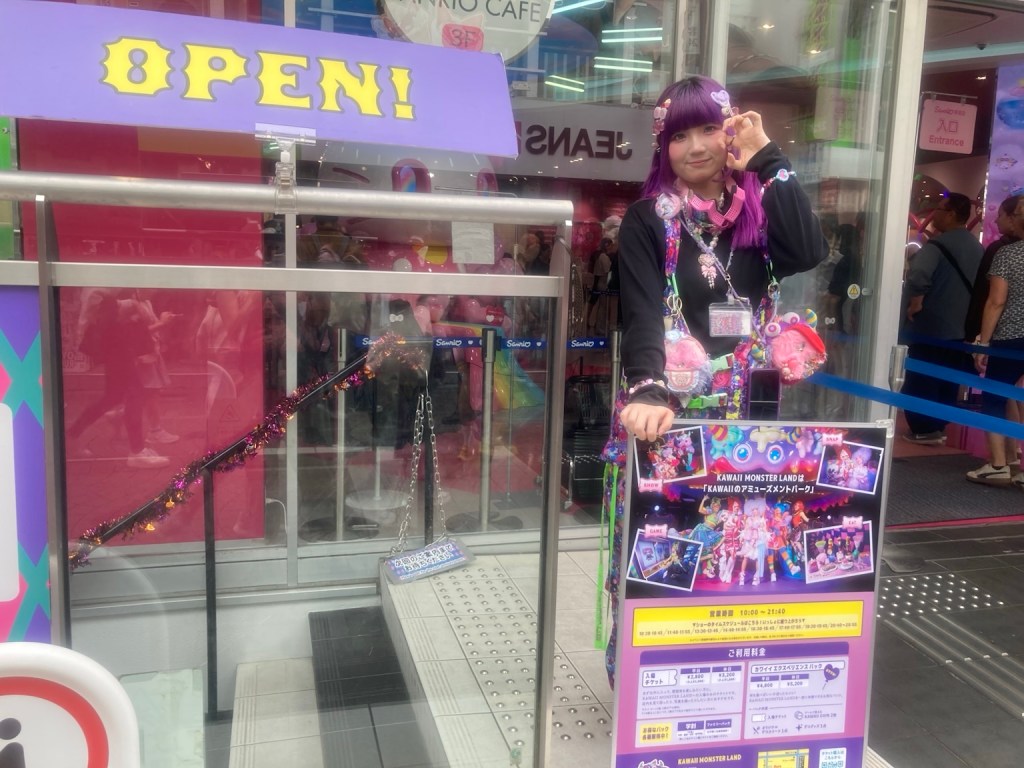
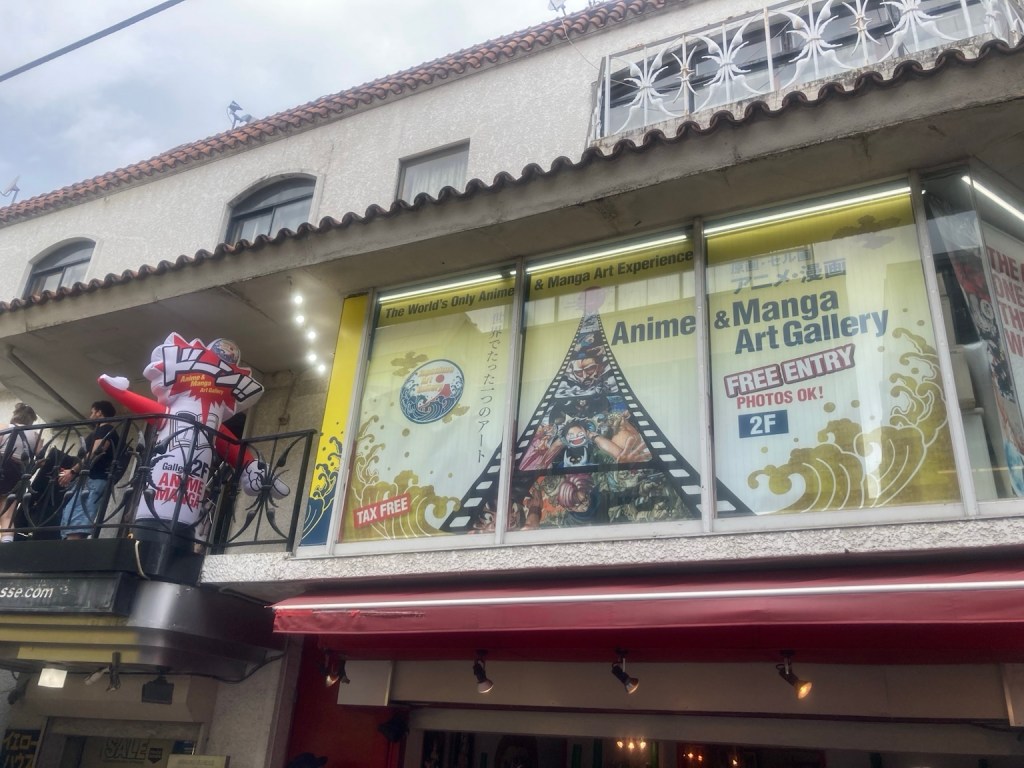
When we turned into Takeshita-Dori Street, the vibe changed entirely.
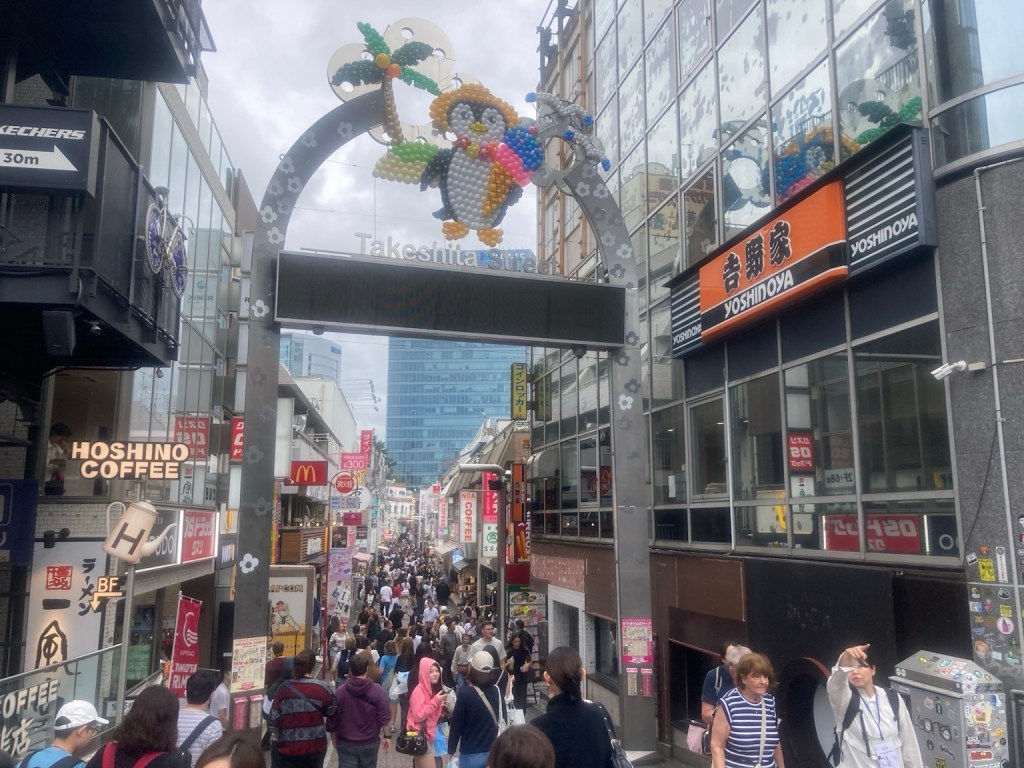
This narrow, bustling pedestrian street is the epicenter of teenage pop culture, kawaii fashion, and subcultures including goth, grunge and punk.
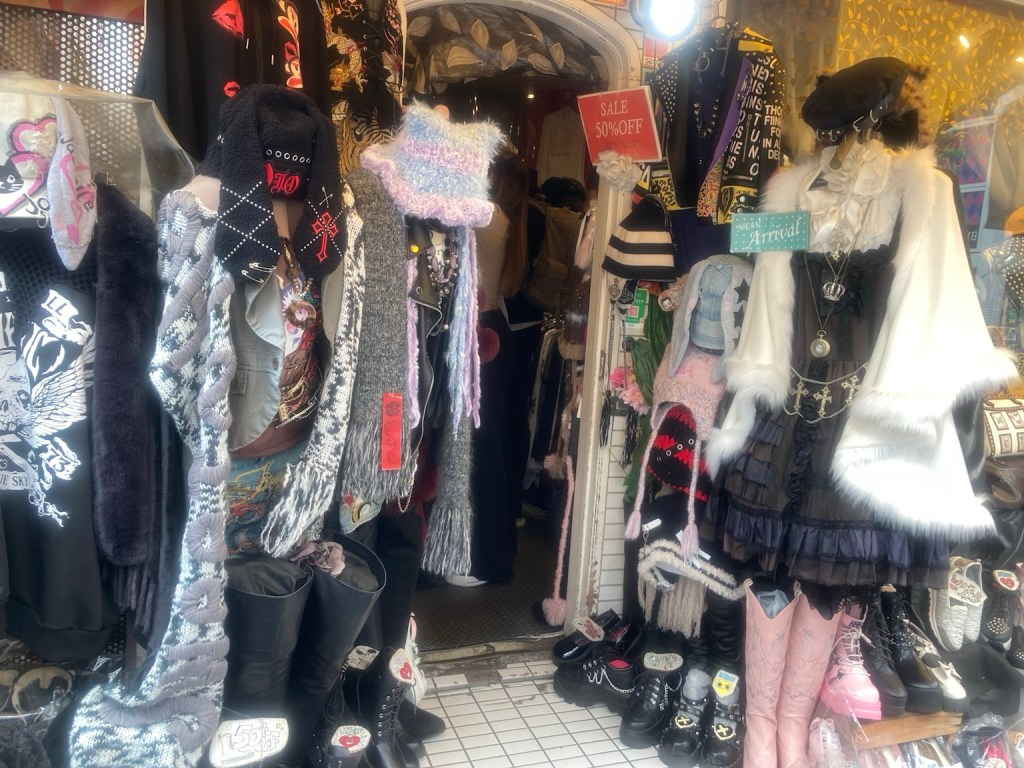
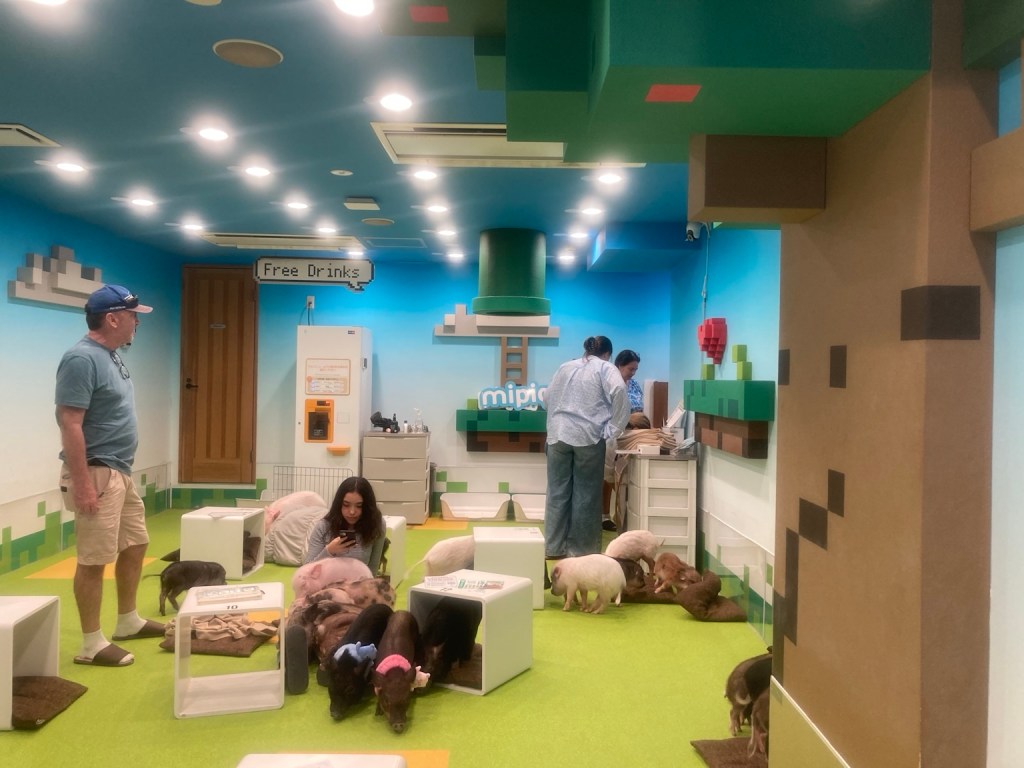
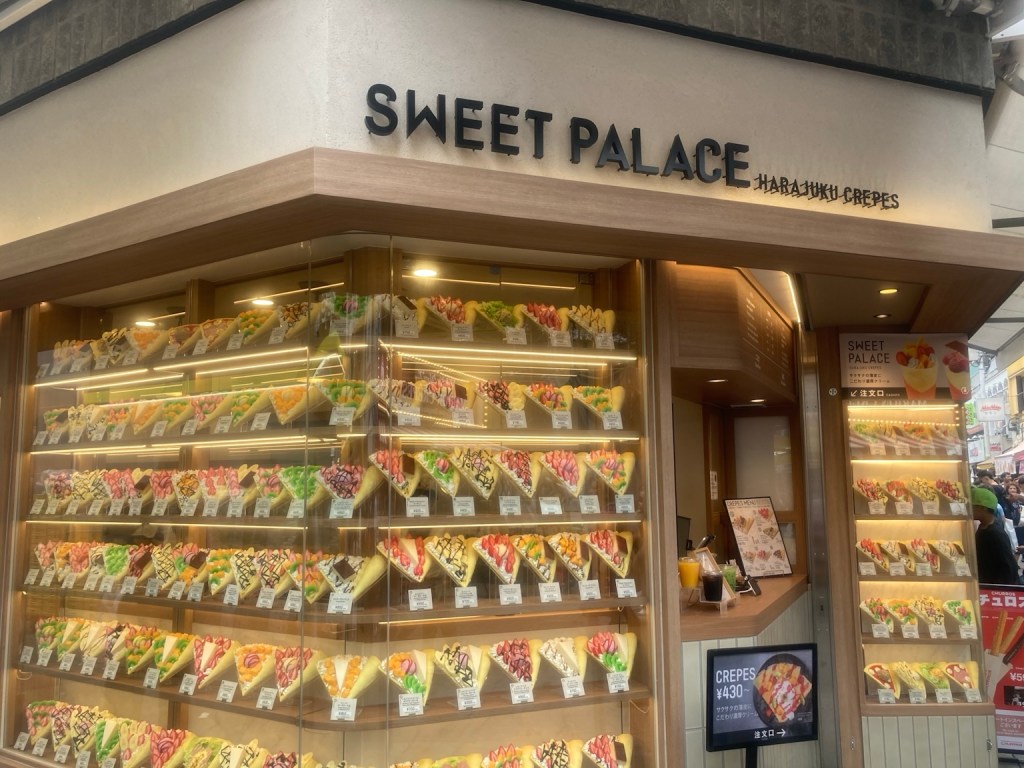
There were trendy boutiques, sweet treats and petting parlours … and it was all very pink!
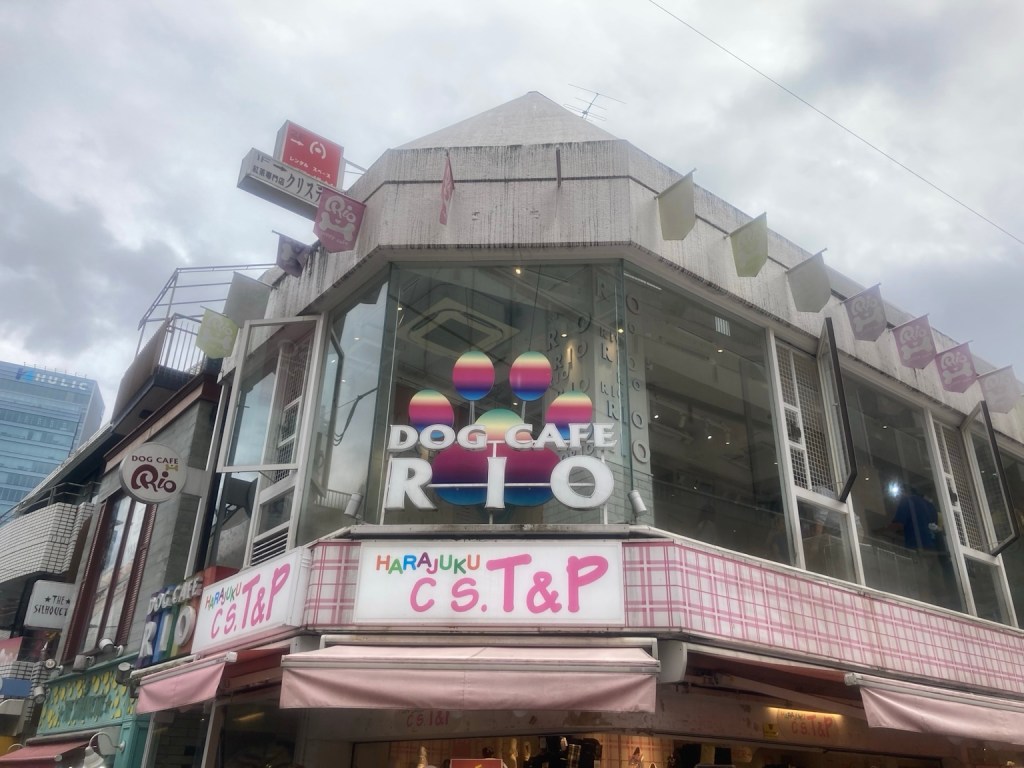
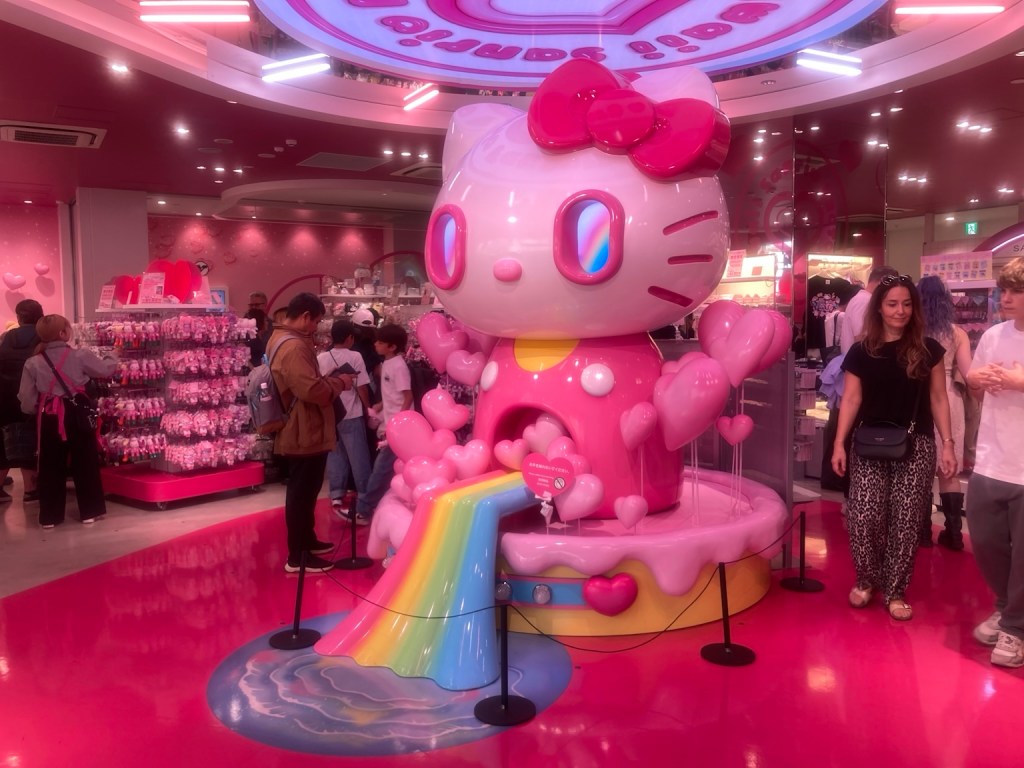
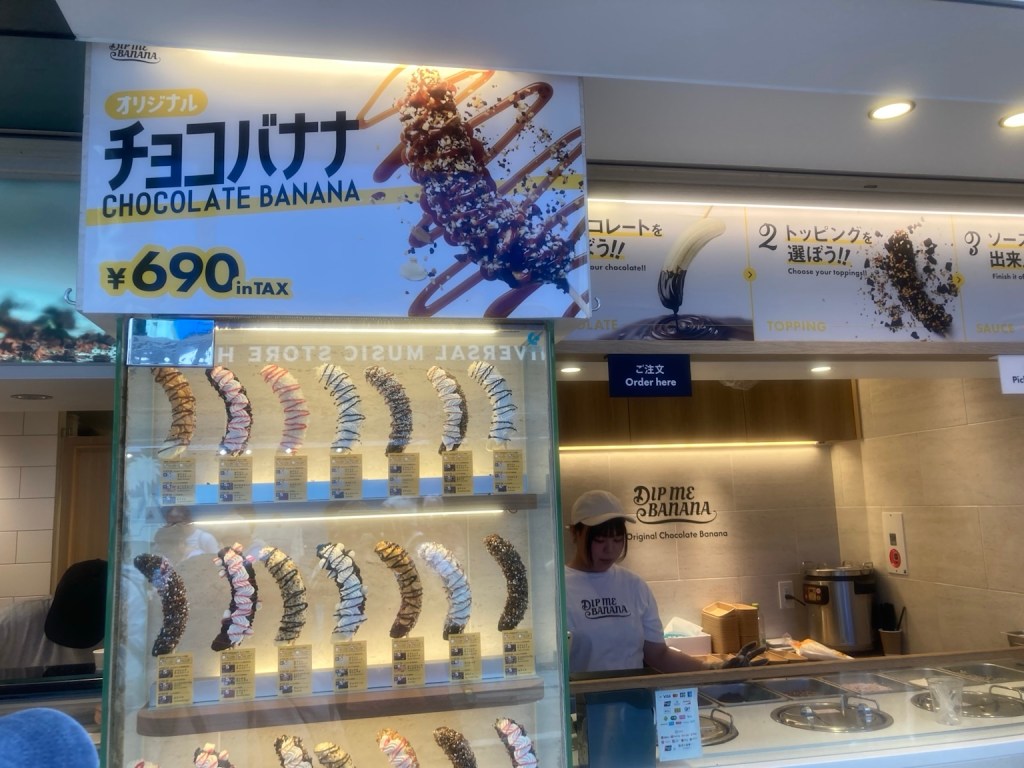
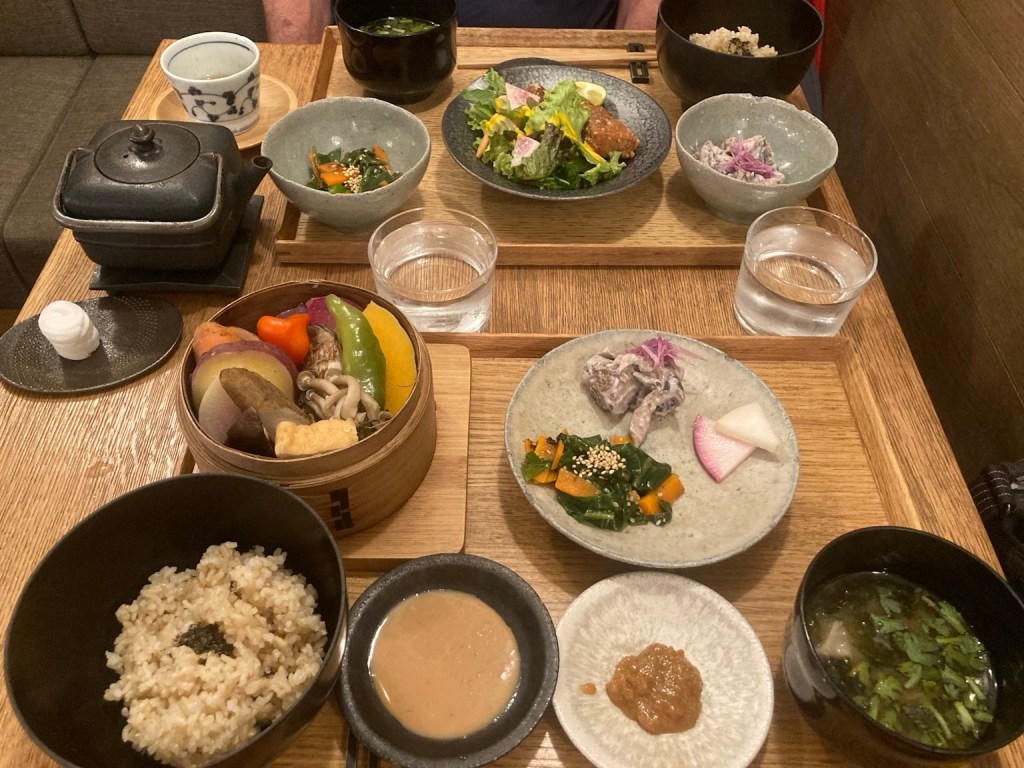
Exhausted by the crowds, we made our way to Brown Rice, a vegan restaurant specialising in seasonal menus showcasing local vegetables where I had reserved a table for lunch.
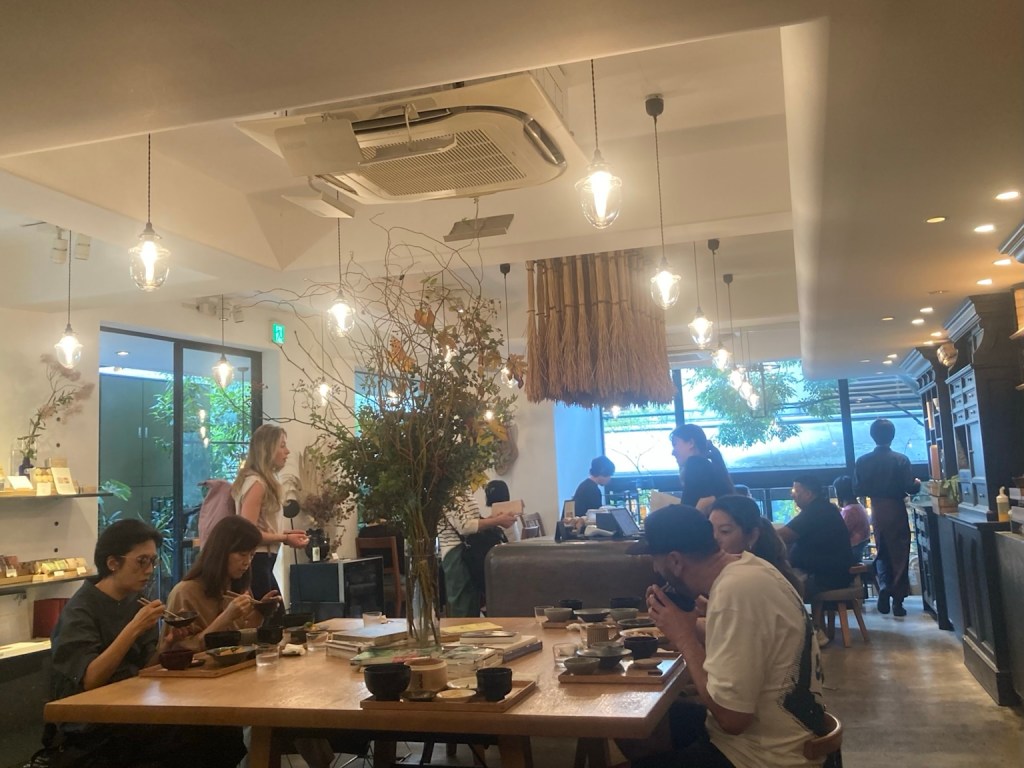
It was a calm oasis, where everything was beautifully presented. Chris had the daily set menu with fried tofu salad and side dishes and I had basket of steamed seasonal with two dipping sauces – sesame and miso … lovely.
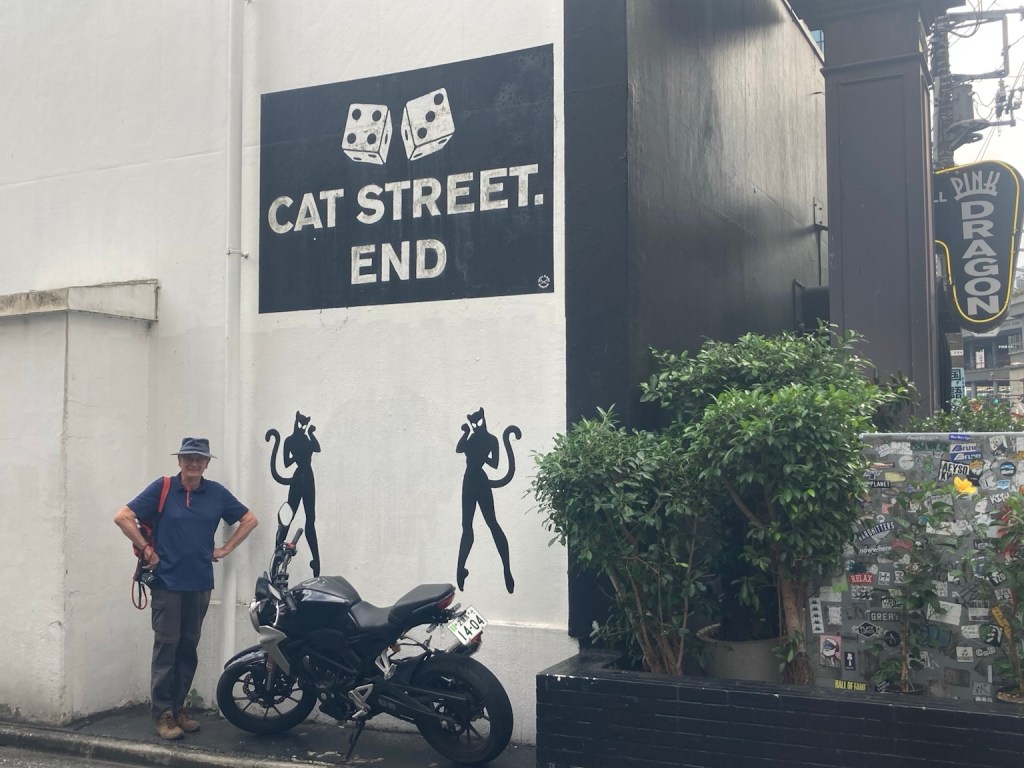
In the afternoon we walked down Cat Street lined with trendy urban outfitters …
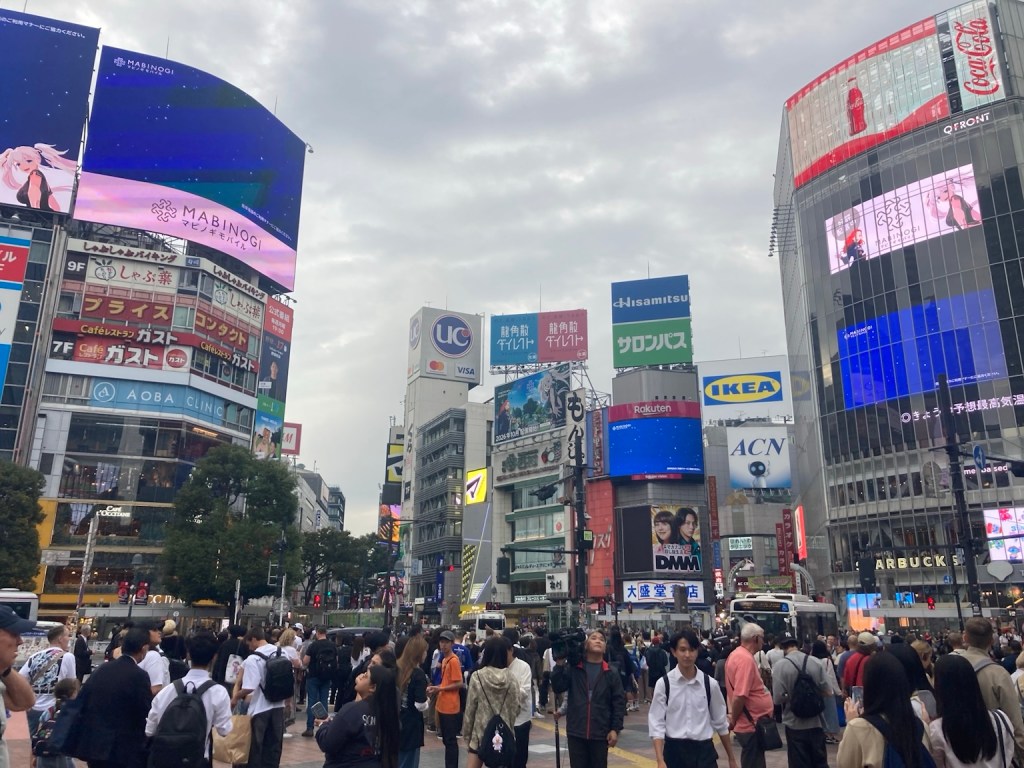
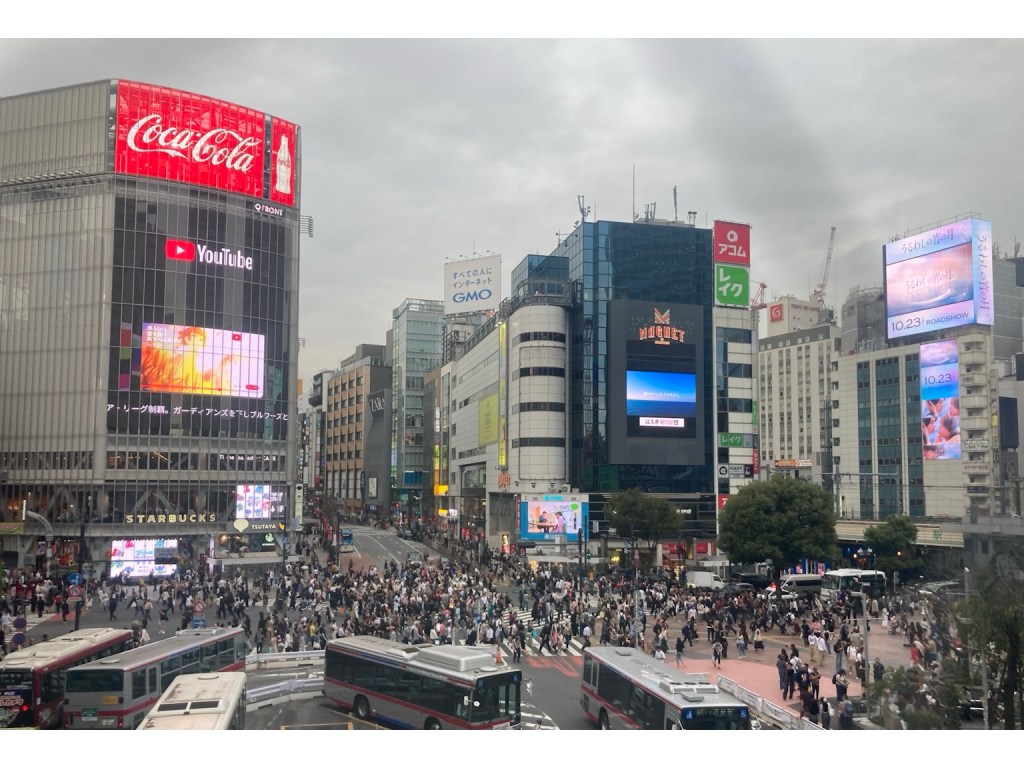
… which led to the famous Shibuya Scramble Crossing.
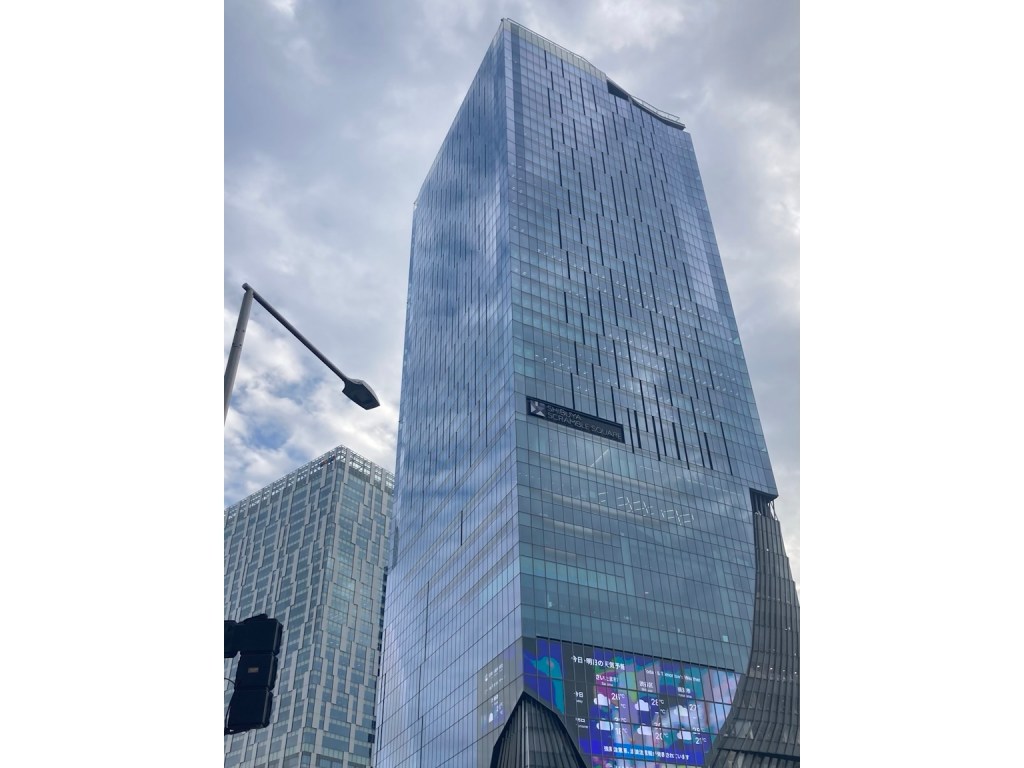
Before we came, we thought it unique, but we have come across other junctions where all the traffic is stopped and people can cross the junction whichever way they please – I guess this is just the busiest! We walked it, then went into the train station to get a better view.
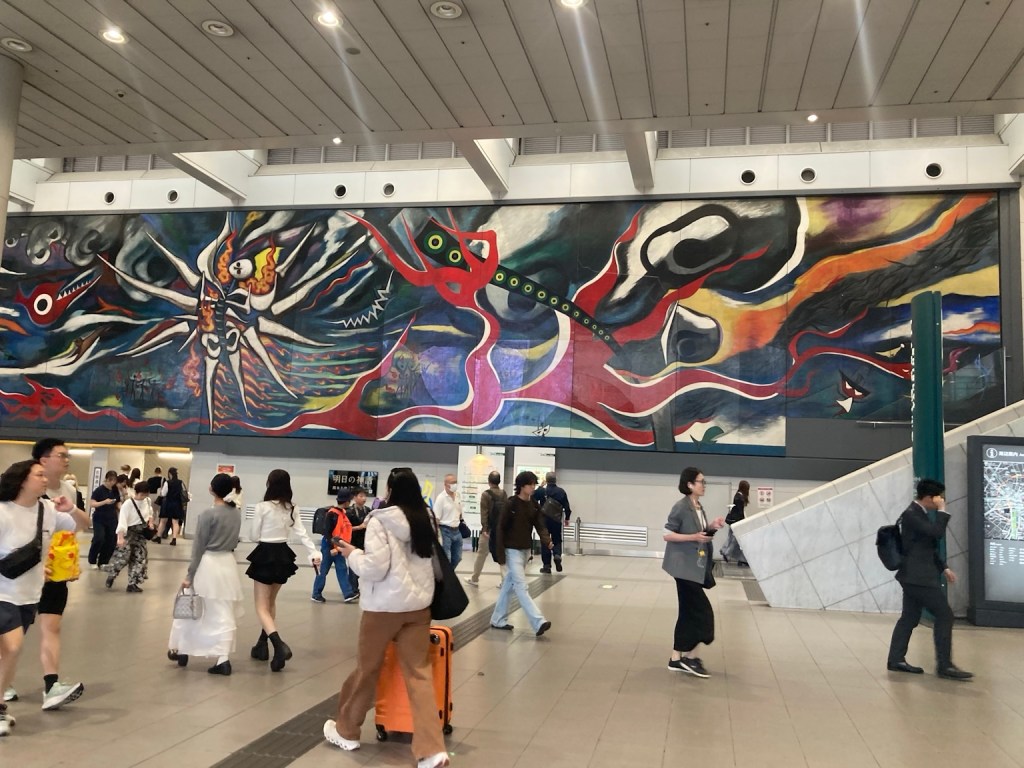
It was also the location of the Myth of Tomorrow, a massive mural created by Taro Okamato in 1969 showing the terror of an atomic bomb explosion, but also the resilience of humanity. It was painted for a hotel in Mexico City, lost for many years and installed here in 2008.
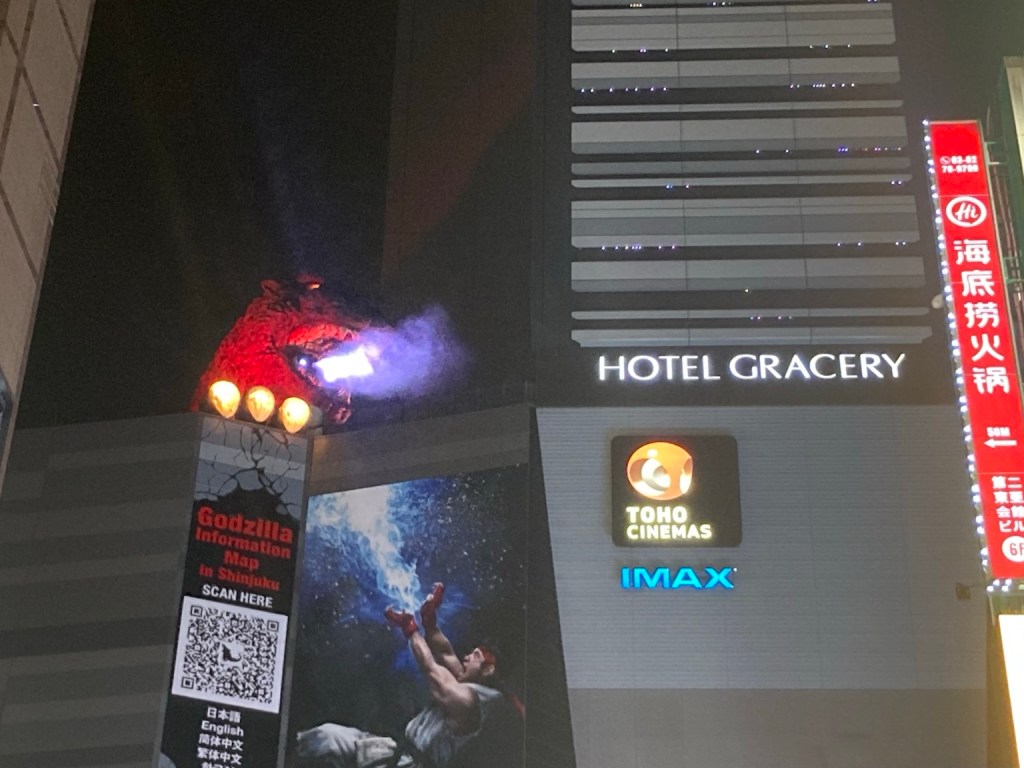
We then headed back to Shinjuku to see Godzilla lit up, growling and breathing fire which he does every hour on the hour midday till 8 … but he didn’t frighten us!!
All our sightseeing checked off, we deserved a sit down, especially as we had clocked up 9 miles already, and there was packing to do!
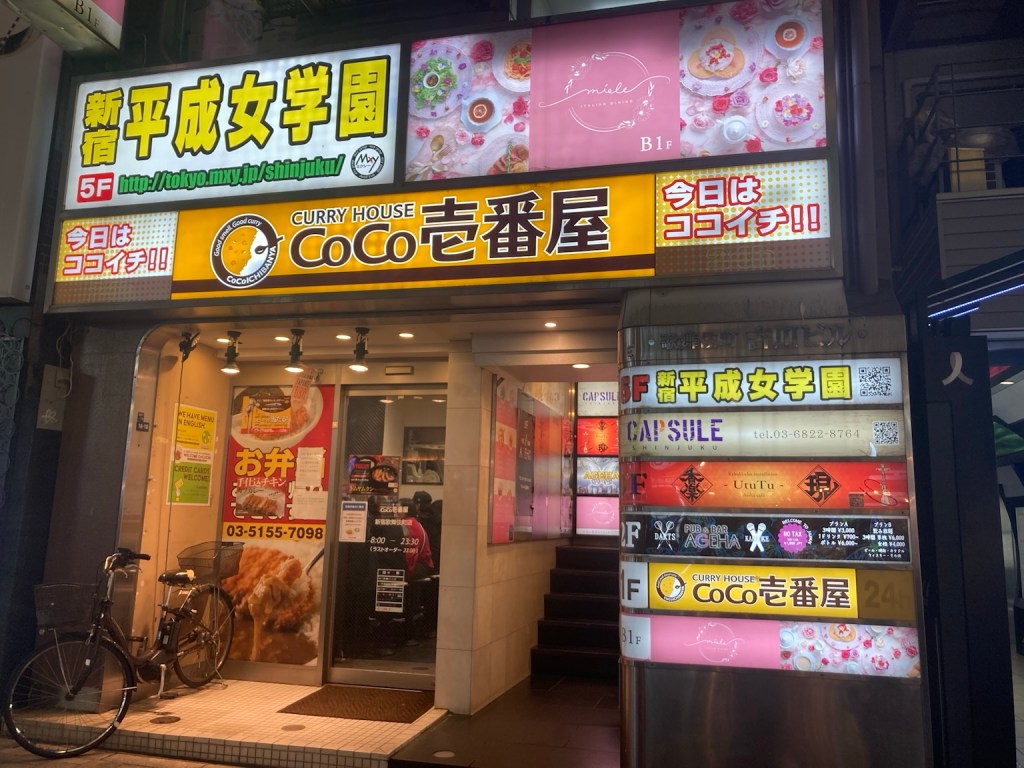
Later we went to Coco Ichibanya, a popular chain serving Japan’s comfort food, curry.
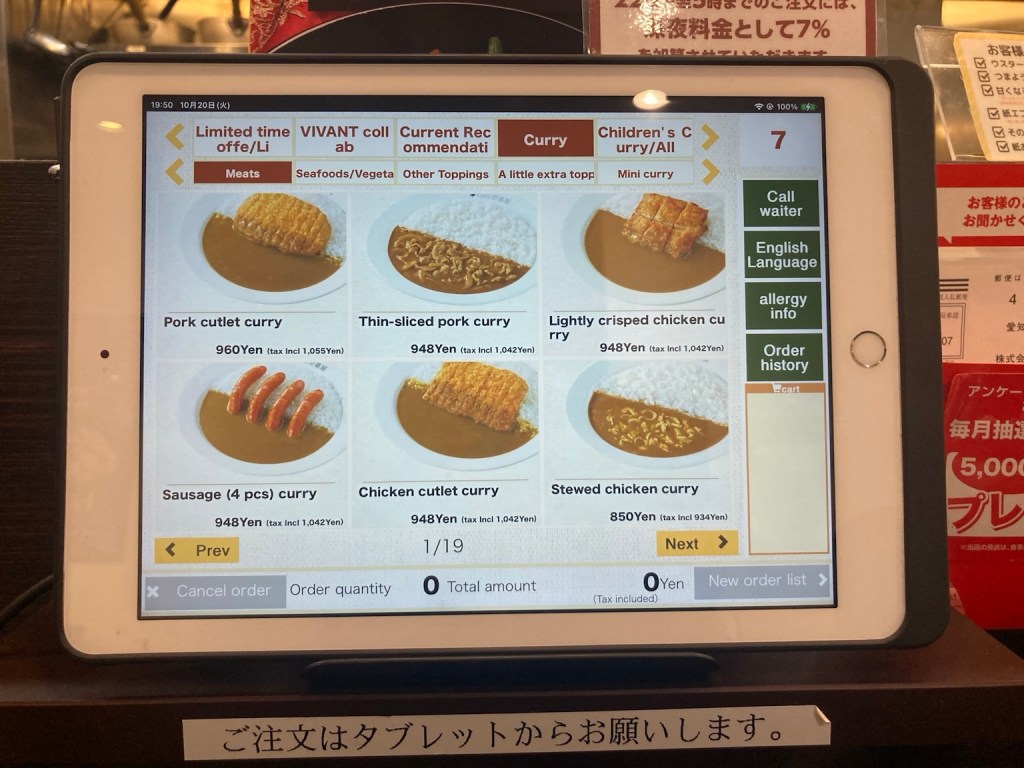
Once seated in front of a screen, we were able to customise our meal by choosing size of portion, spice level and toppings.
While waiting for it to arrive, I was surprised to find out that it was the British Navy who introduced curry to Japan, adopted first for sailors rations then later for school dinners making it the comforting national favorite for generations of children.
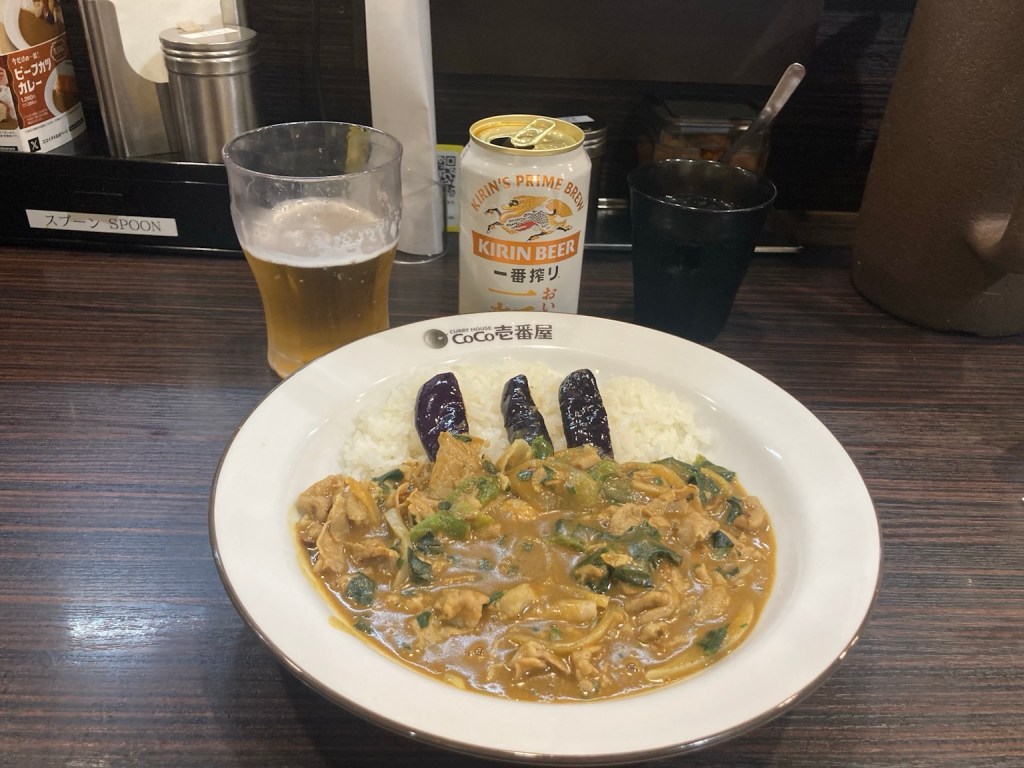
It was delicious – mine pork, spinach and aubergine and Chris’s just veg, with an egg!
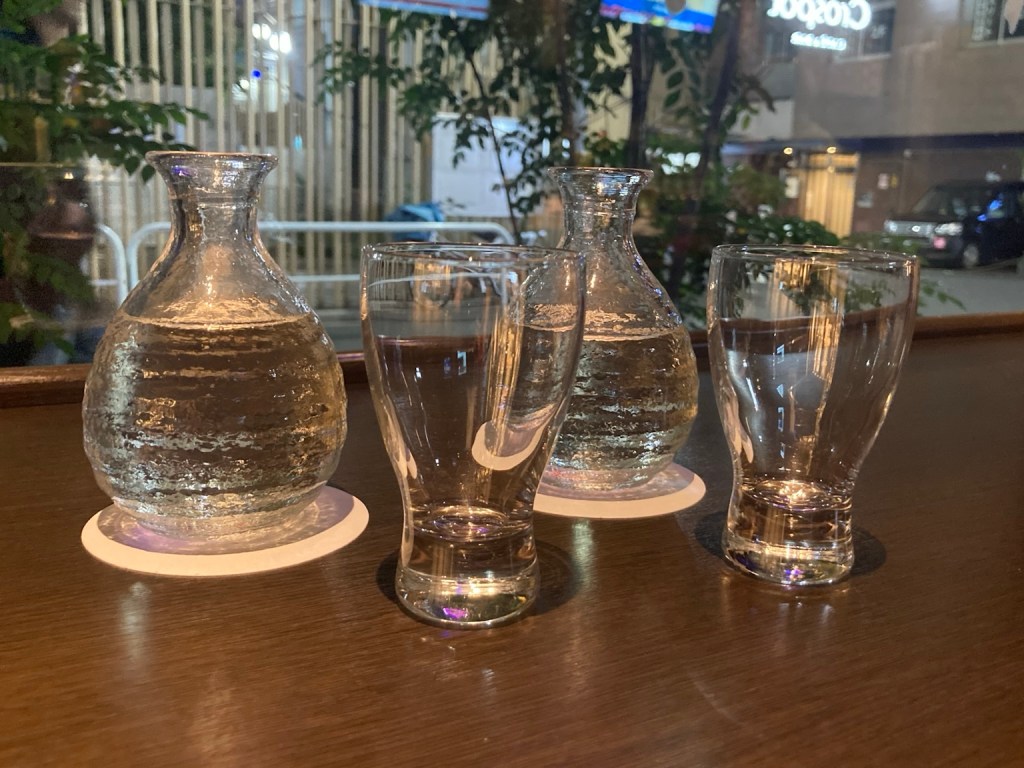
It had become obvious during our stay that we were in the midst of the red light district, and while it felt quite safe, these weren’t the type of bars to visit for a quiet nightcap! We tried a couple a few streets away, but chose not to stay and ending up back at the hotel where sake was on the menu! It was a great end to our trip and we sat and reflected on our experience which seems to have become a tale of temples, trains, and tofu!
By the end, there was no doubt we had temple fatigue, despite the fact we’d been selective and tried to mix it up each day, but the buildings are quite stunning and we had beautiful weather to admire them.
The trains are fabulous but some of the larger stations are tricky to navigate. I think my favourite was the Romancecar as it didn’t travel quite so fast so the view was better and travelling with a bento box is definitely the way to go.
Food was challenging as we found it hard to get a handle on what kind of place look for. The best were regular restaurants with an extra vegan menu as that suited us both, but since fish broth is used everywhere, without a vegan tag it’s risky. And just when you think you’ve got it sorted and go completely vegan, their mastery with soy to make it look and taste like meat or fish means Mr Hayes won’t eat it … and I could barely tell the difference!
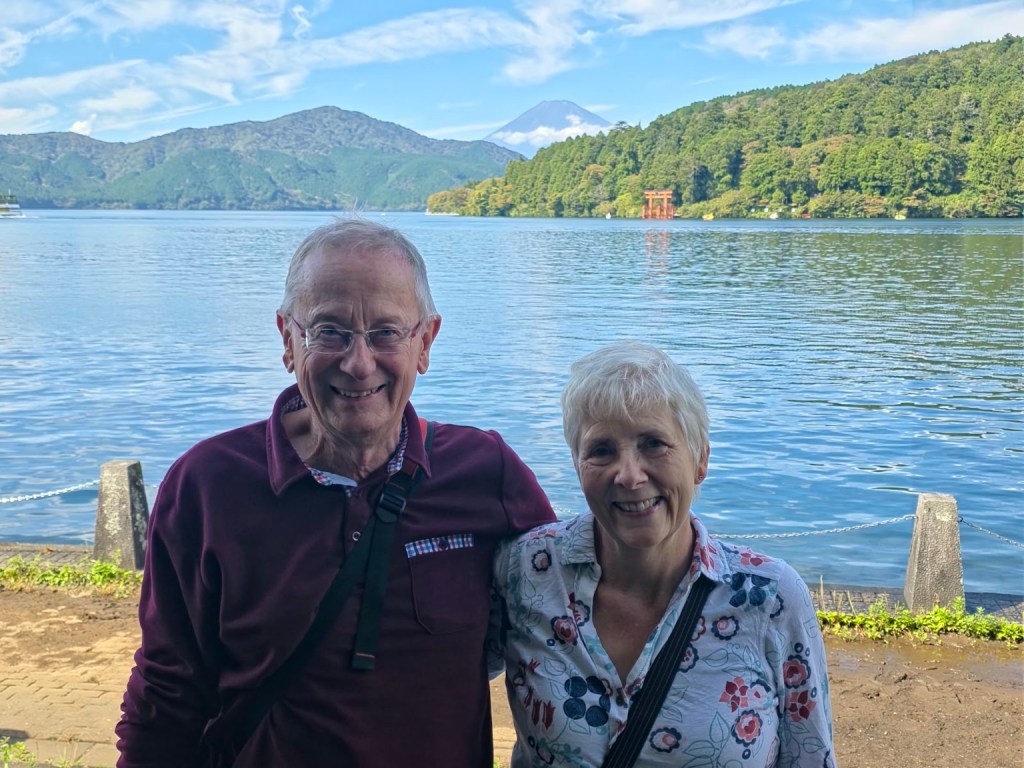
But the big question when we arrived was would we see it or would we not!
The fact that Mount Fuji is so elusive makes seeing it all the more special, and we both feel incredibly lucky to have caught such a clear view. It truly dominates the landscape, a majestic presence that makes it easy to understand why the Japanese people view it with such spiritual reverence and national pride.
All in all, our Journey to Japan has certainly delivered!