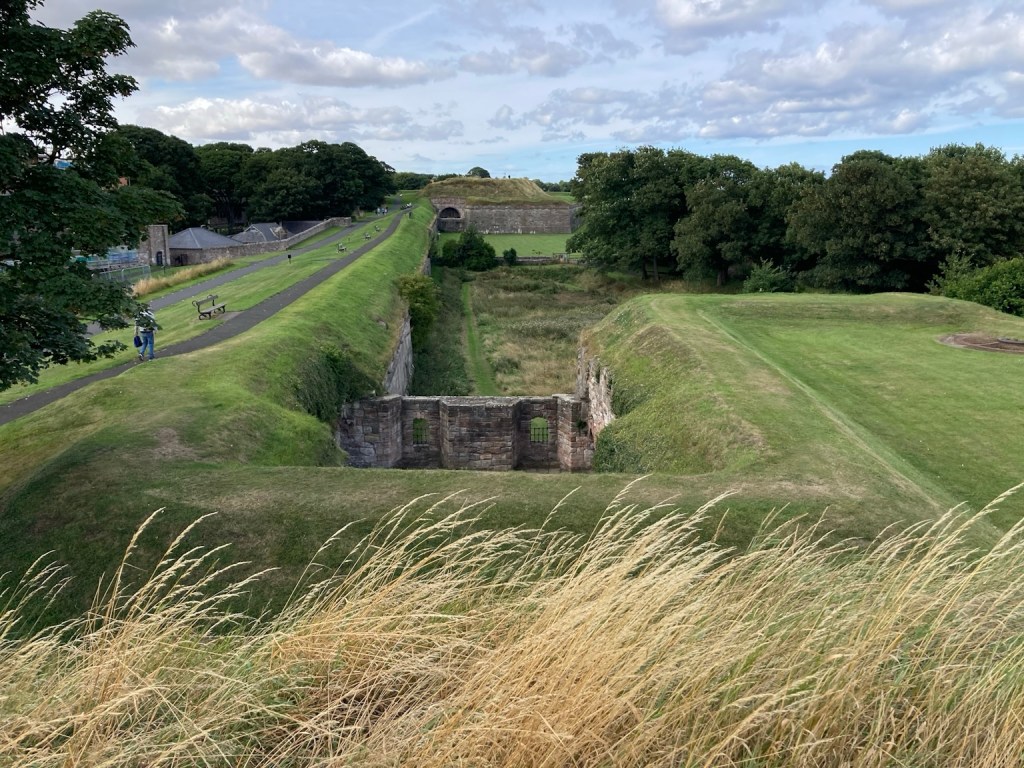
Finding ourselves with a spare day, we decided to visit England’s most northern border town, Berwick on Tweed which changed hands between England and Scotland 13 times before being permanently retaken by England in 1482. It is famous for its unique bastioned town walls built by Elizabeth I which are still complete and we planned to walk round the ramparts.
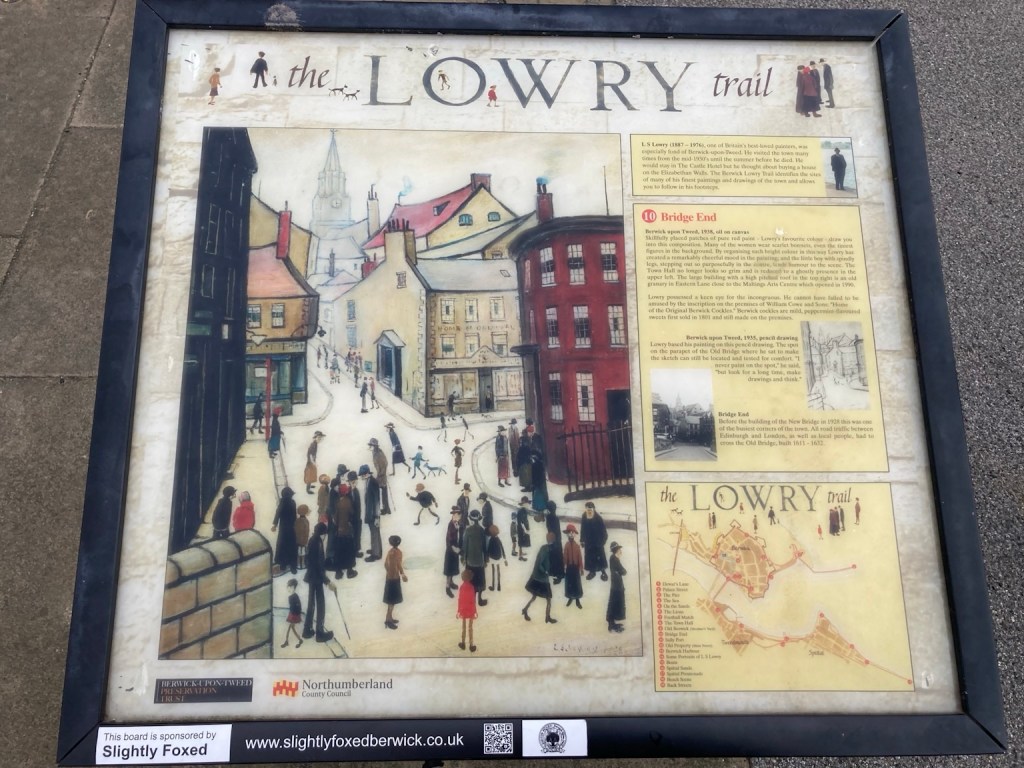
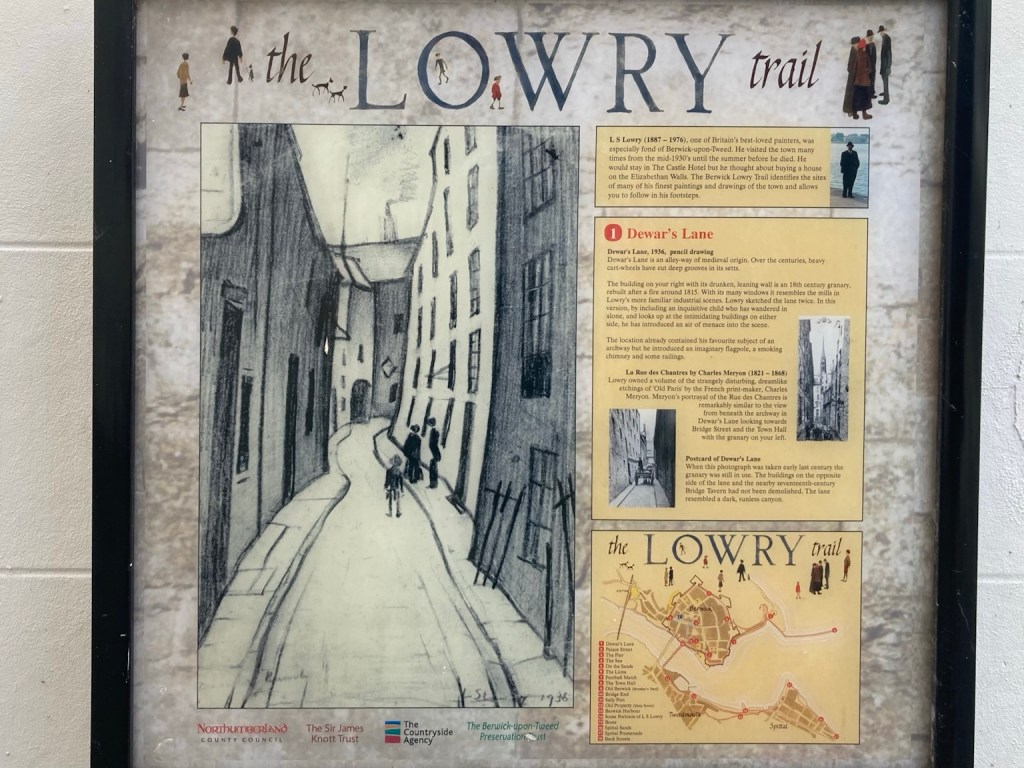
As we sat having coffee at the quayside, we also found out that Berwick was a favourite destination for L S Lowry who was a regular visitor here and made many images of the town. The Lowry Trail enables visitors to follow in his footsteps so we thought we’d keep an eye out for them.
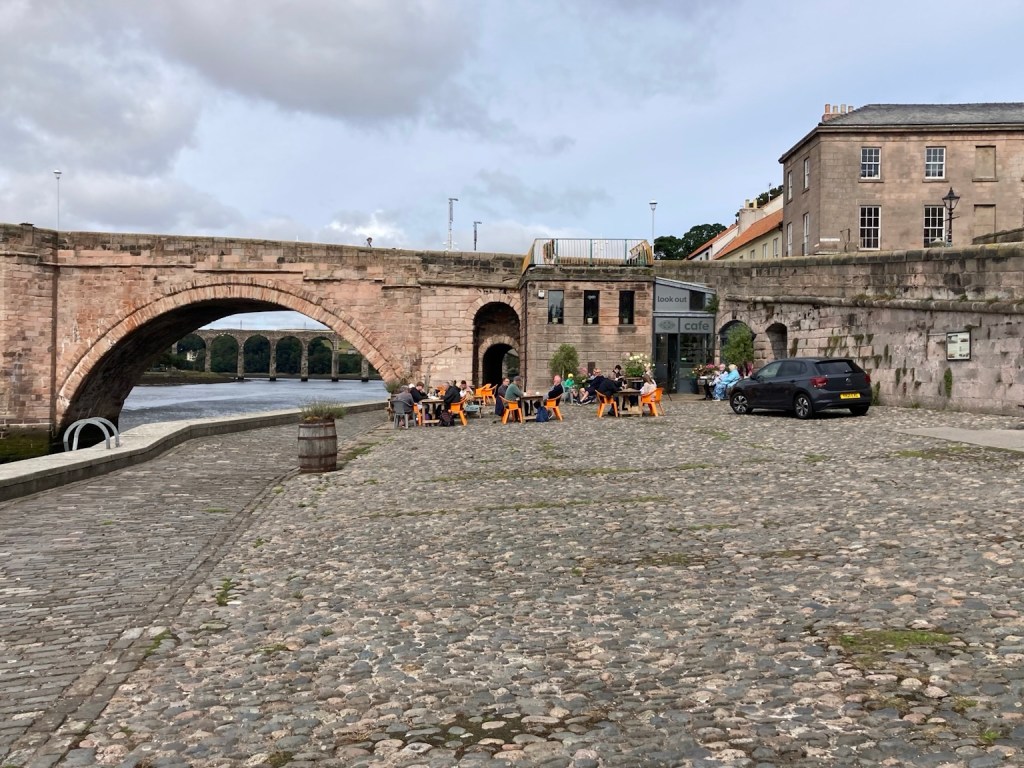
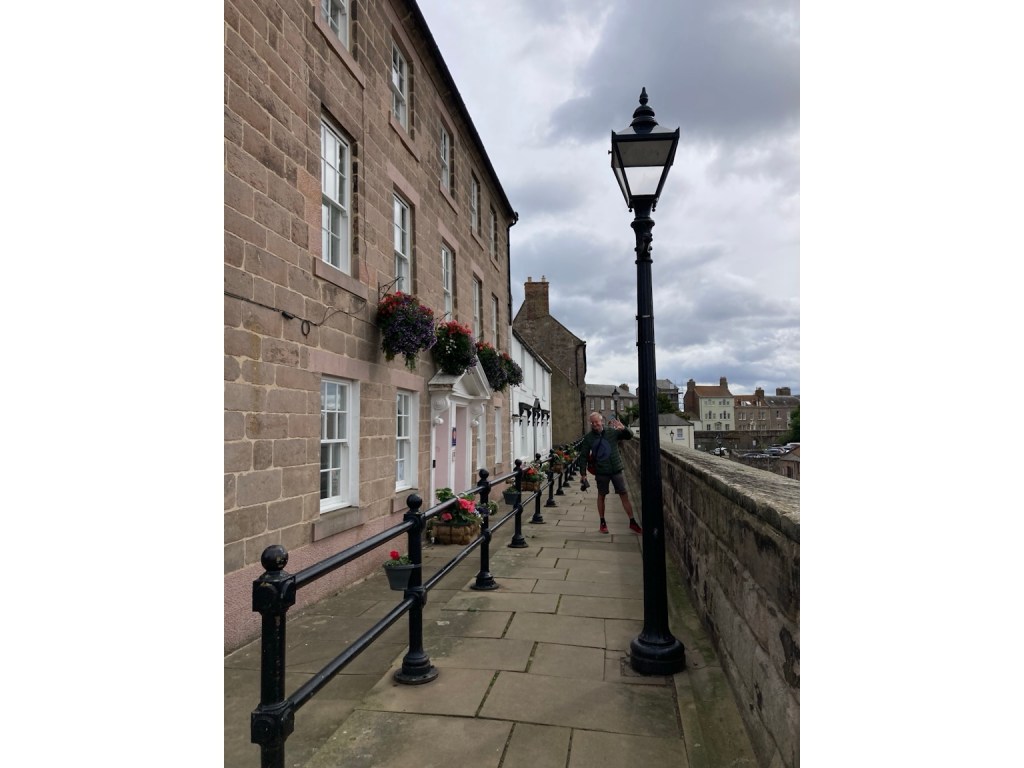
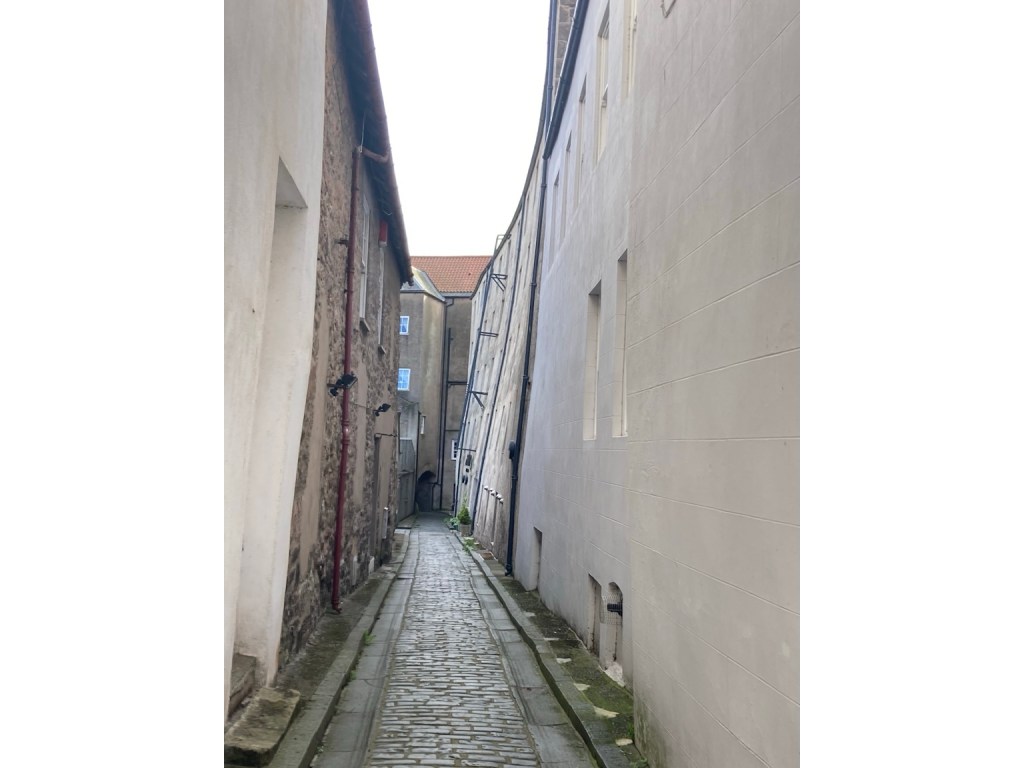
We found the first board as we joined the walls at Bridge End and took our own photo to compare!
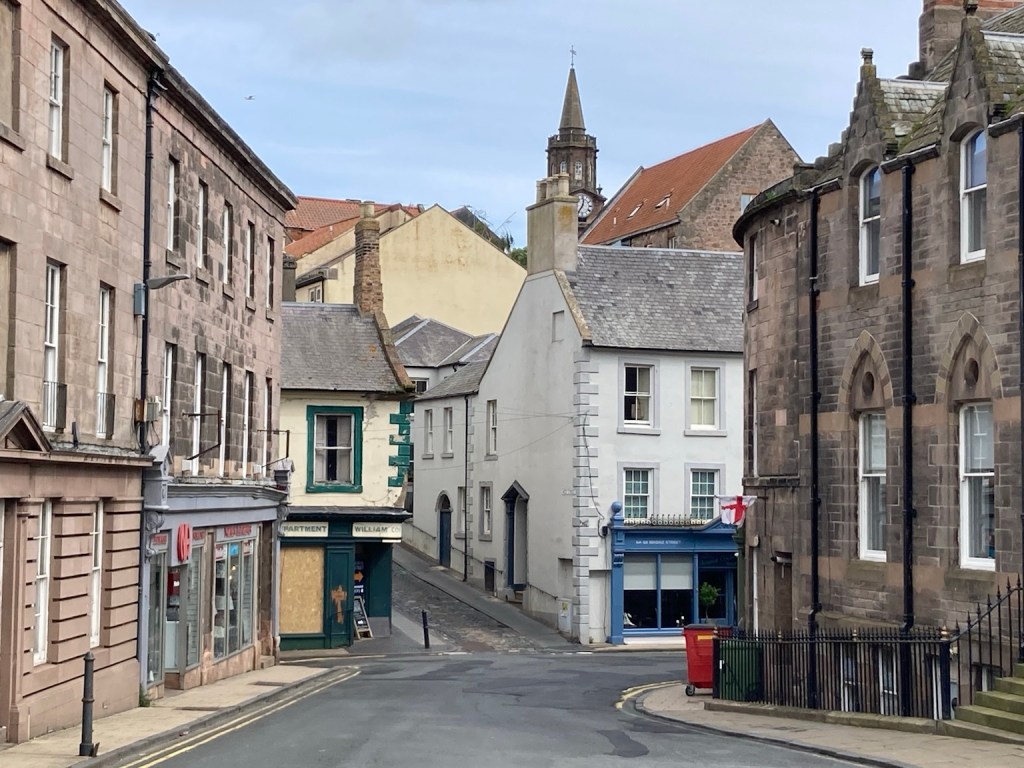
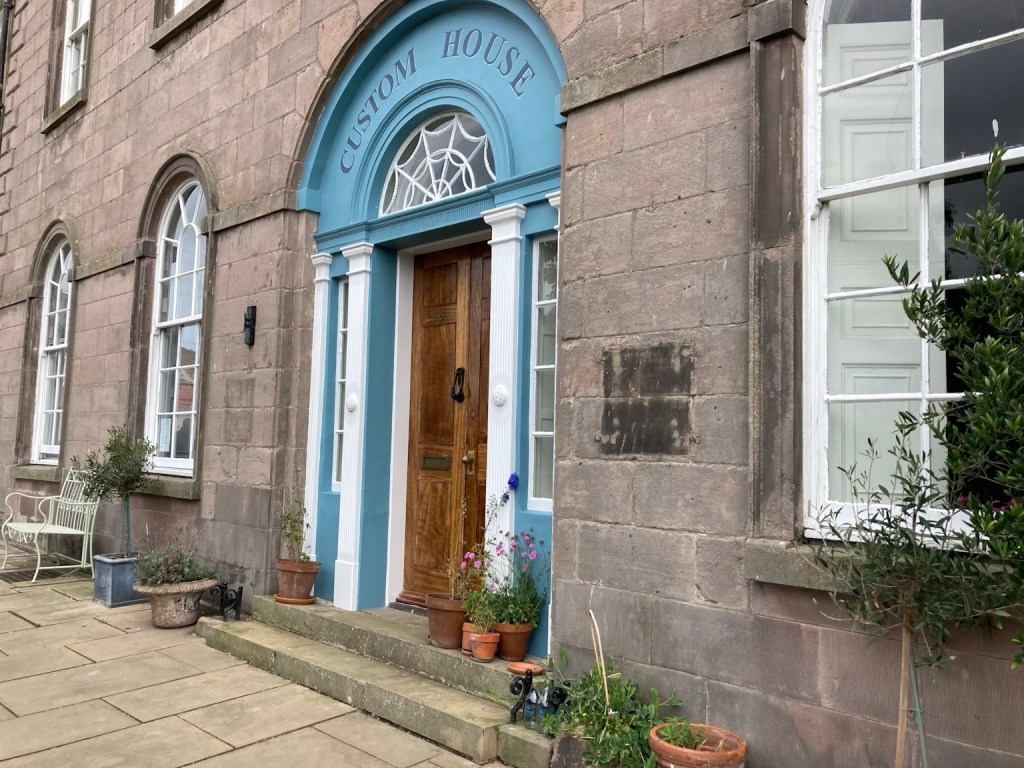
There were some handsome Georgian houses and the Custom House along the first section …
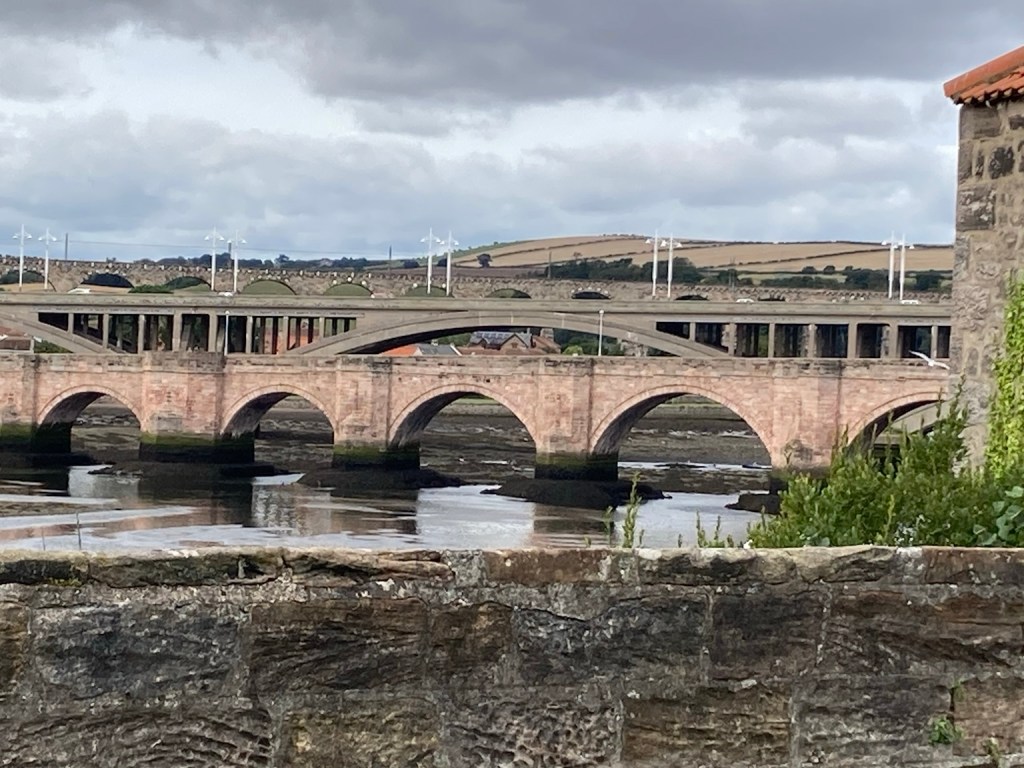
… and also a good view of Berwick’s three bridges over the Tweed. The closest is the Old Bridge, built of sandstone in 1624 and still carrying traffic, next is the Royal Tweed Bridge built in 1925 to carry the AI and behind is Stephenson’s Royal Tweed Bridge from 1850, a railway viaduct with 28 arches.
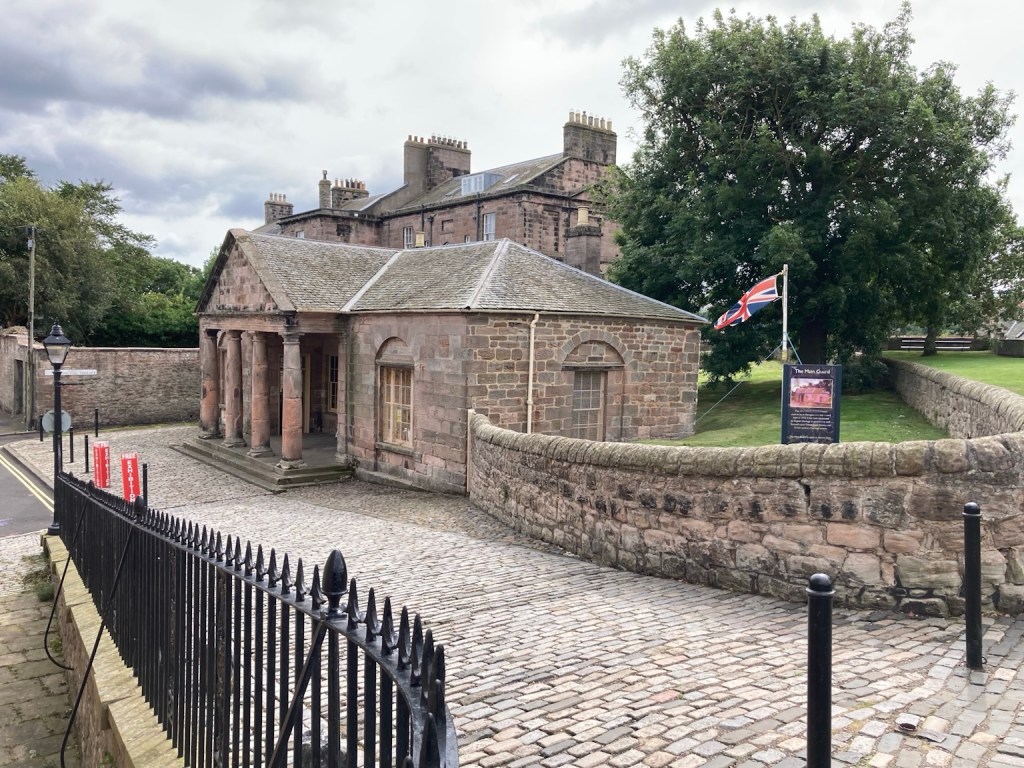
Then we came to the main guardhouse which is the beginning of the Elizabethan walls …
… and they became much thicker, with wide ramparts.
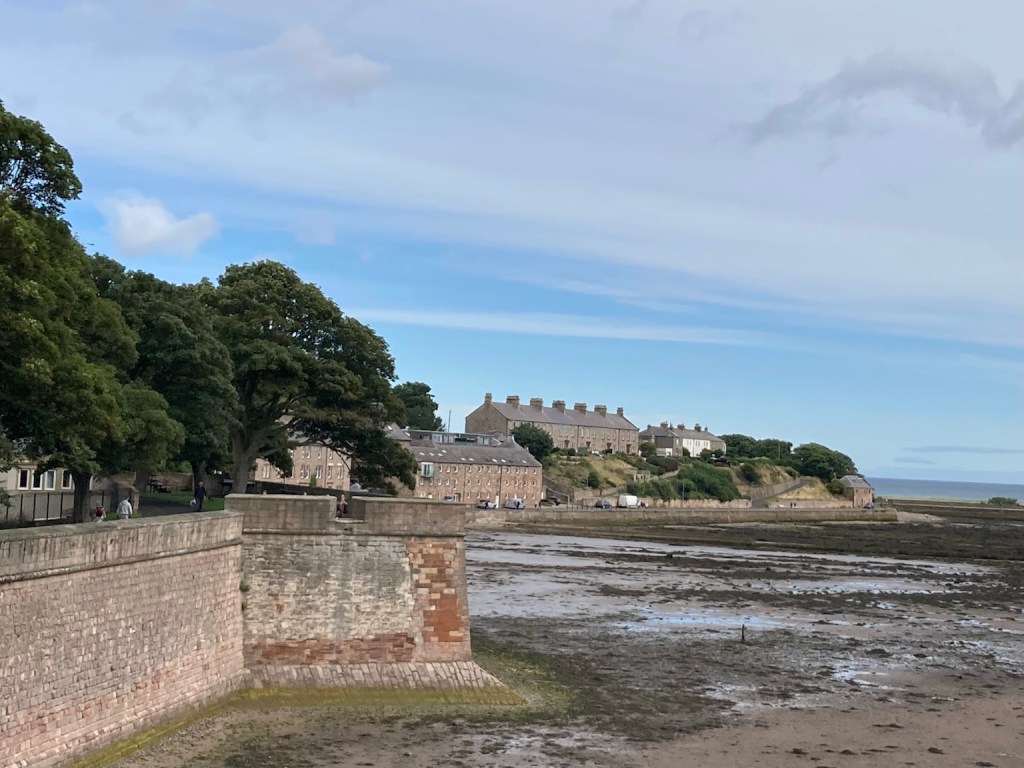
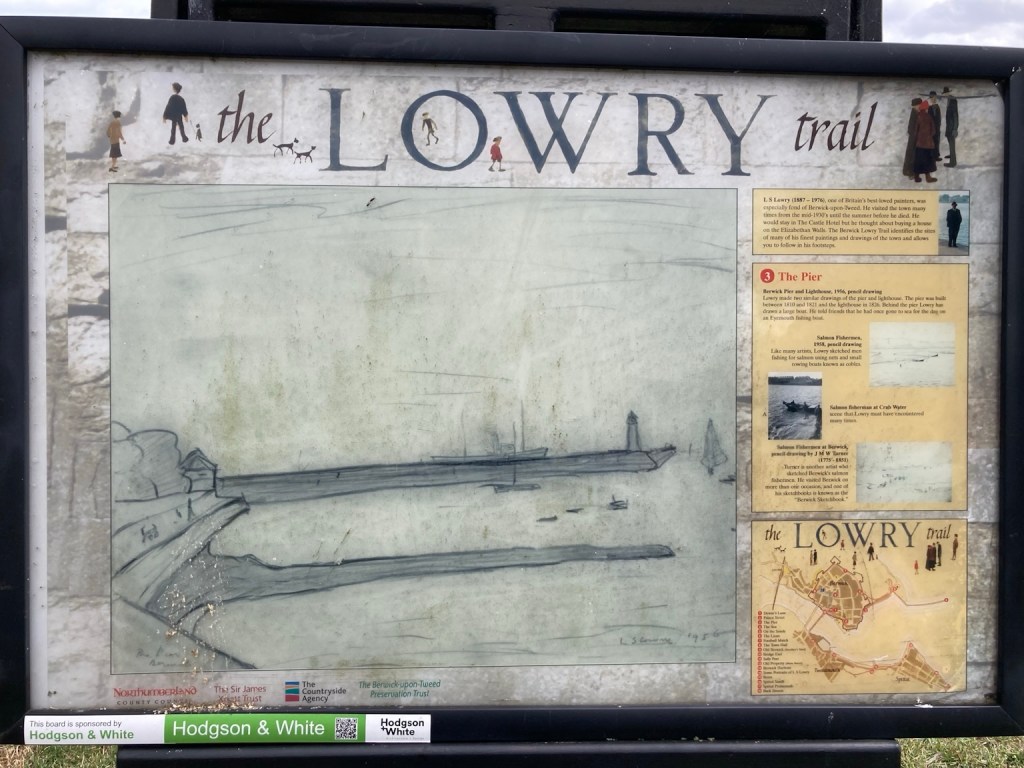
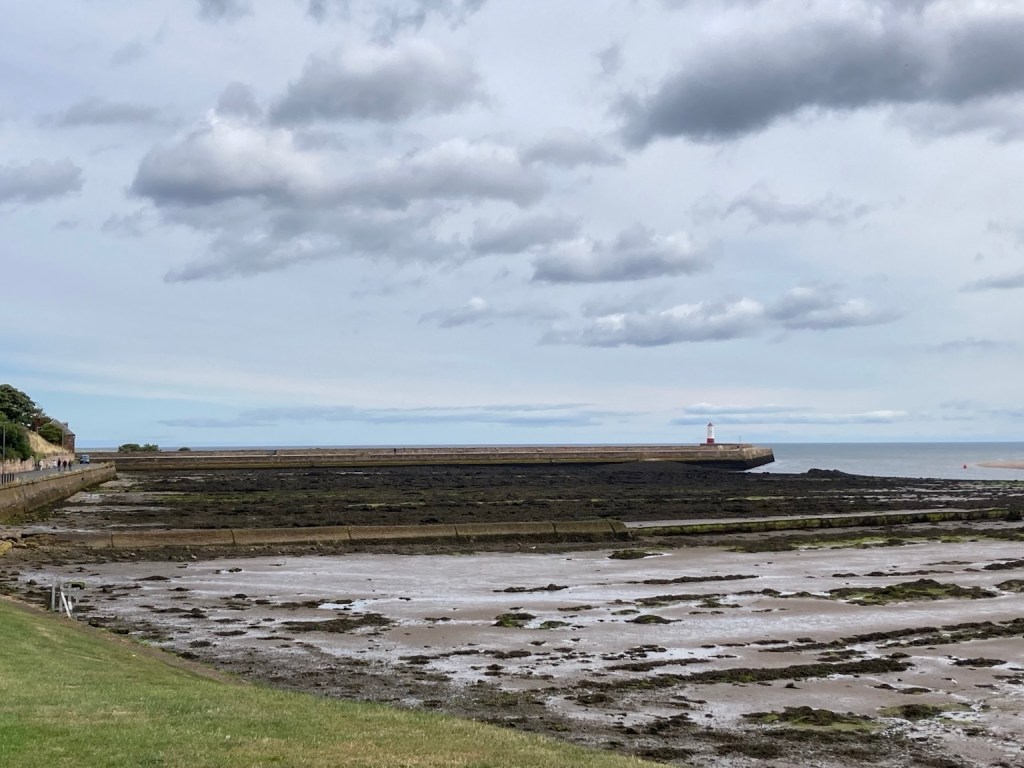
The pier featured in another of Lowry’s sketches and it has hardly changed …
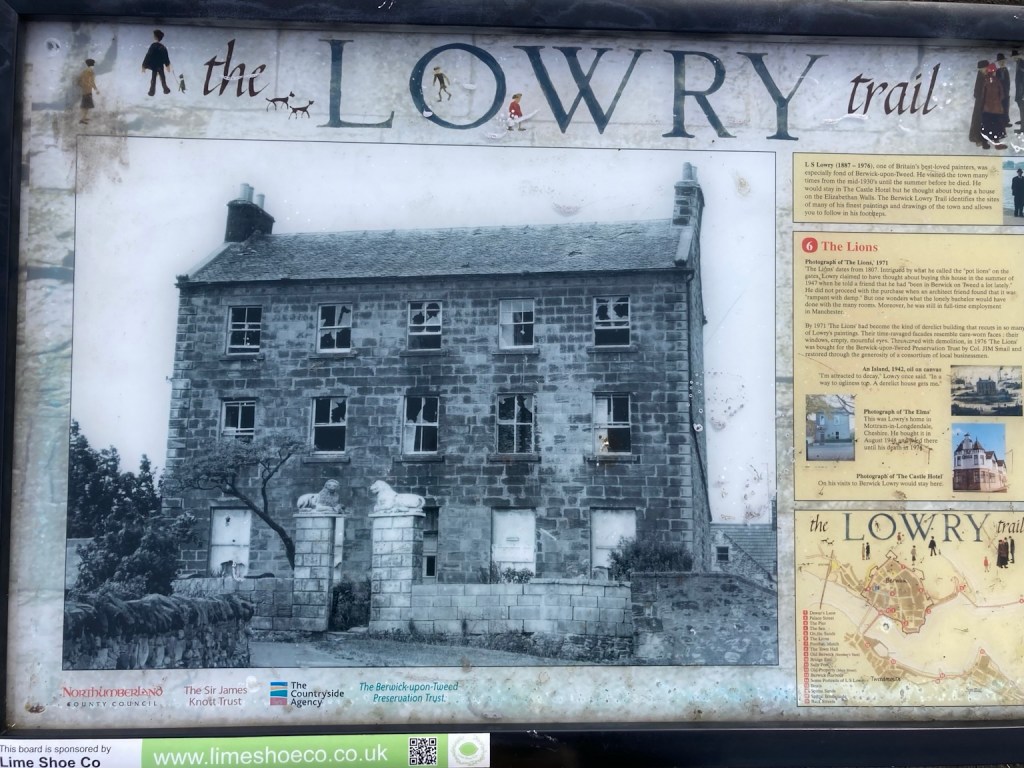
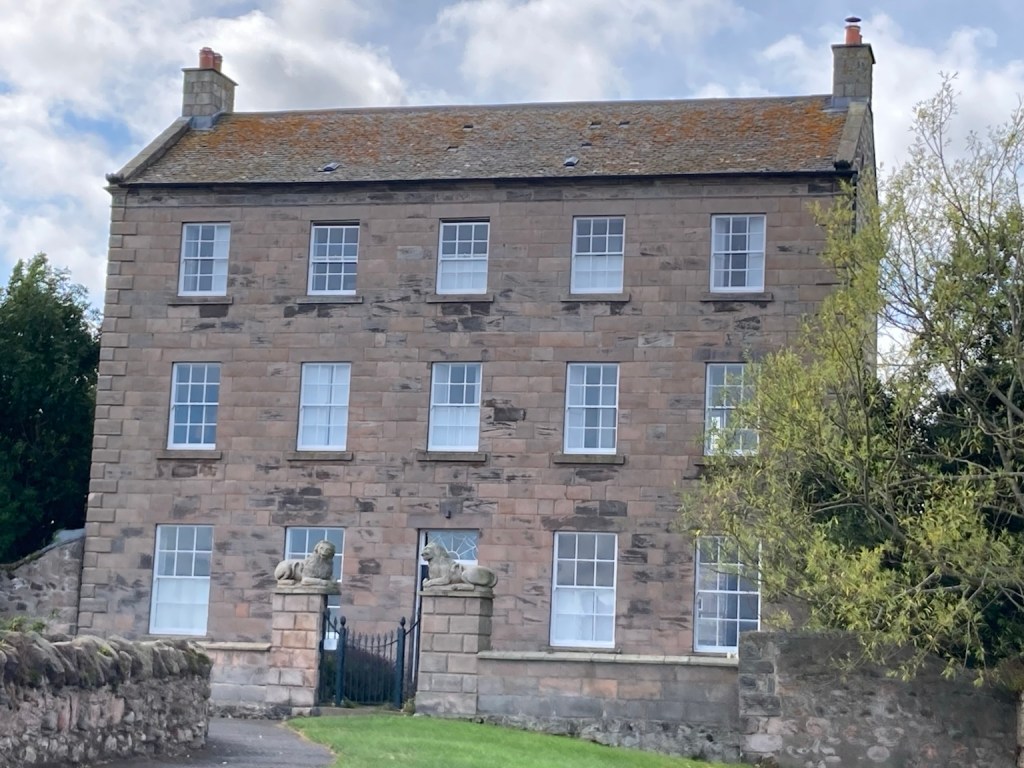
… nor has the house he considered buying called The Lions, which he rejected as it was rampant with damp!
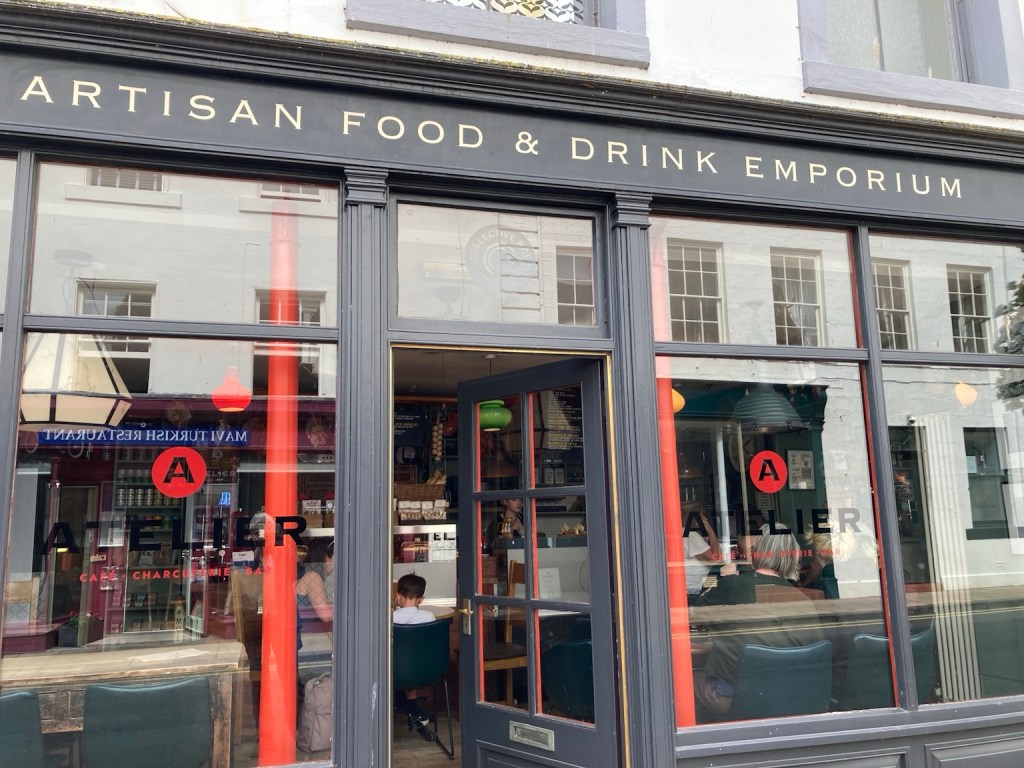
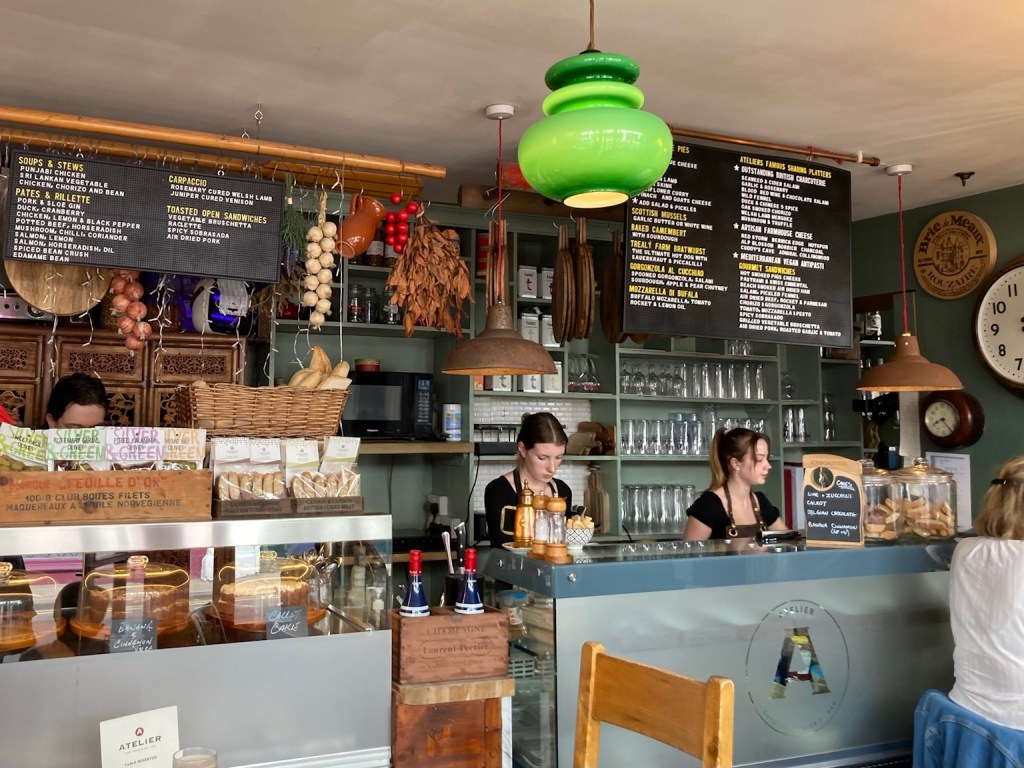
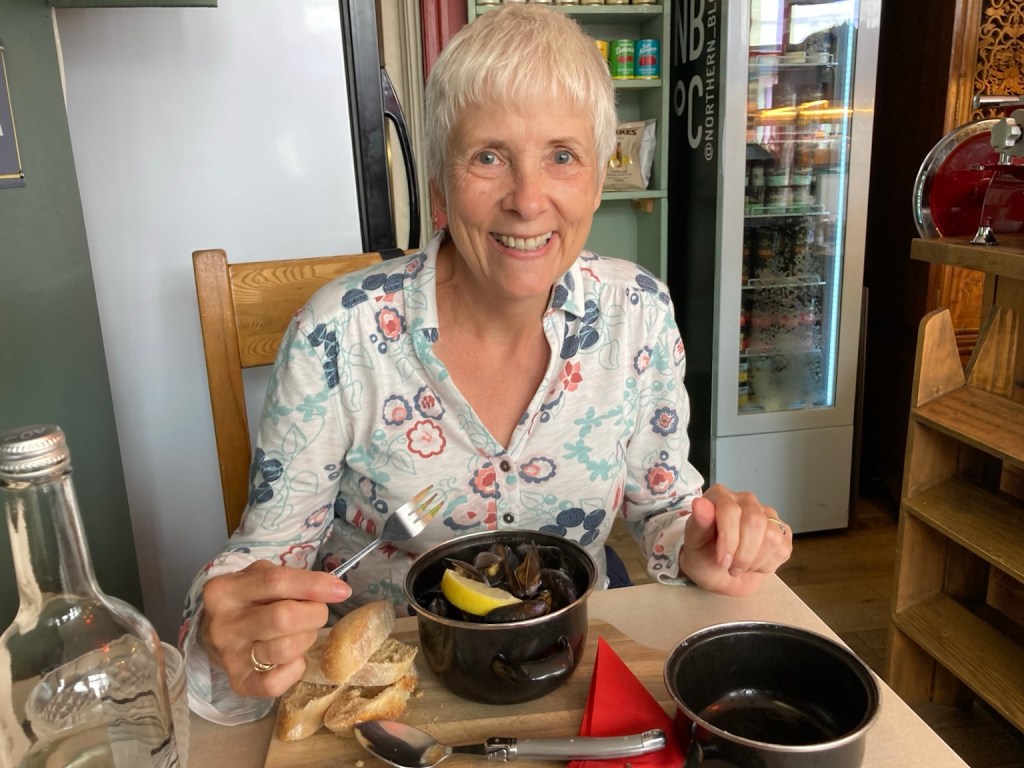
We were only halfway round, but getting hungry, so we made a break for Bridge Street where we had been told there were some lovely shops and eateries. Atelier proved perfect for lunch, and I tucked into another plate of mussels!
As for the shops, there was Lucy selling her own hand made paper, another offering fabrics for dressmaking as well hand dyed yarn from local sheep and classes to learn to use both, a haberdashers, and then there was Jennie with all things woolly!
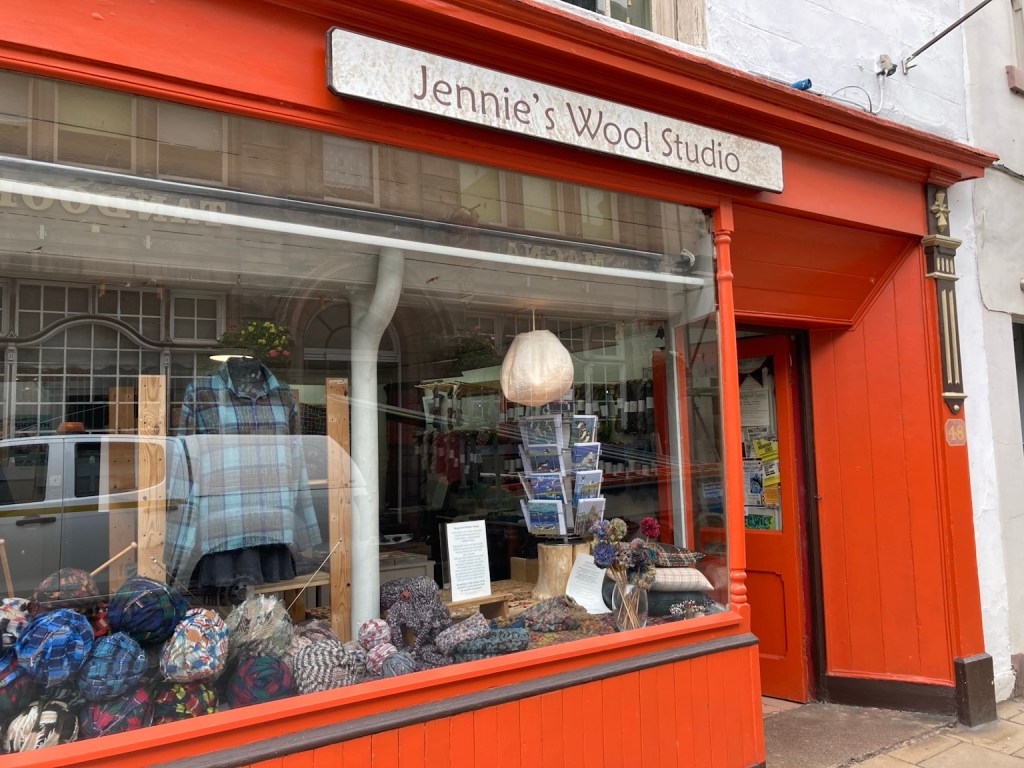
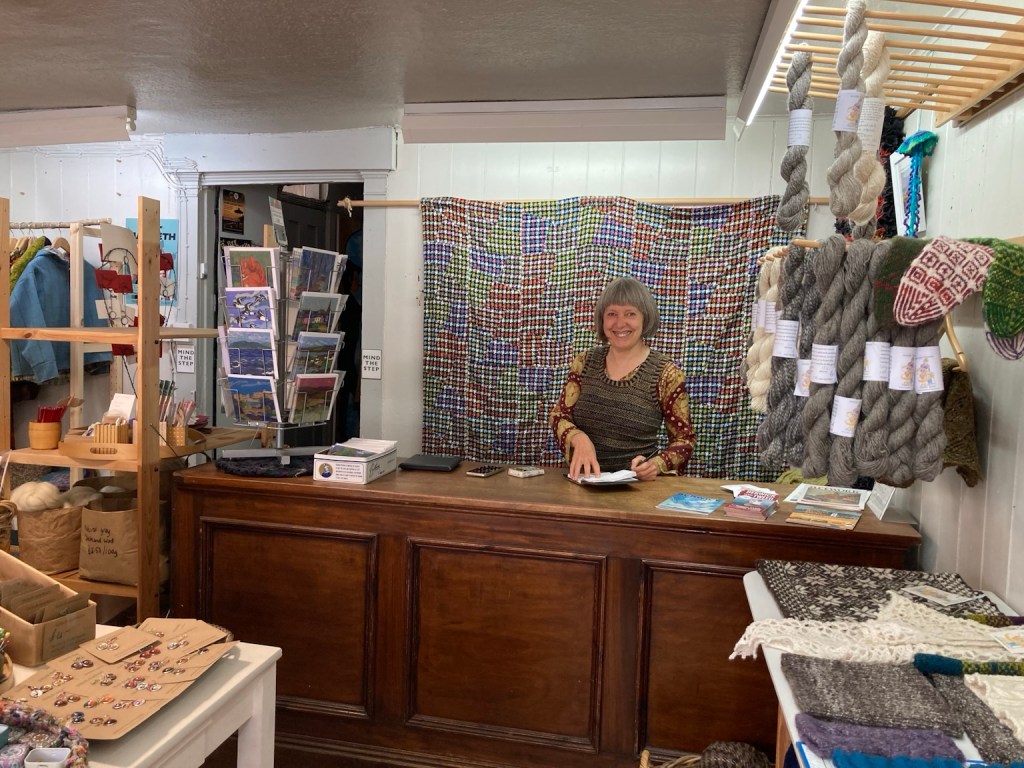
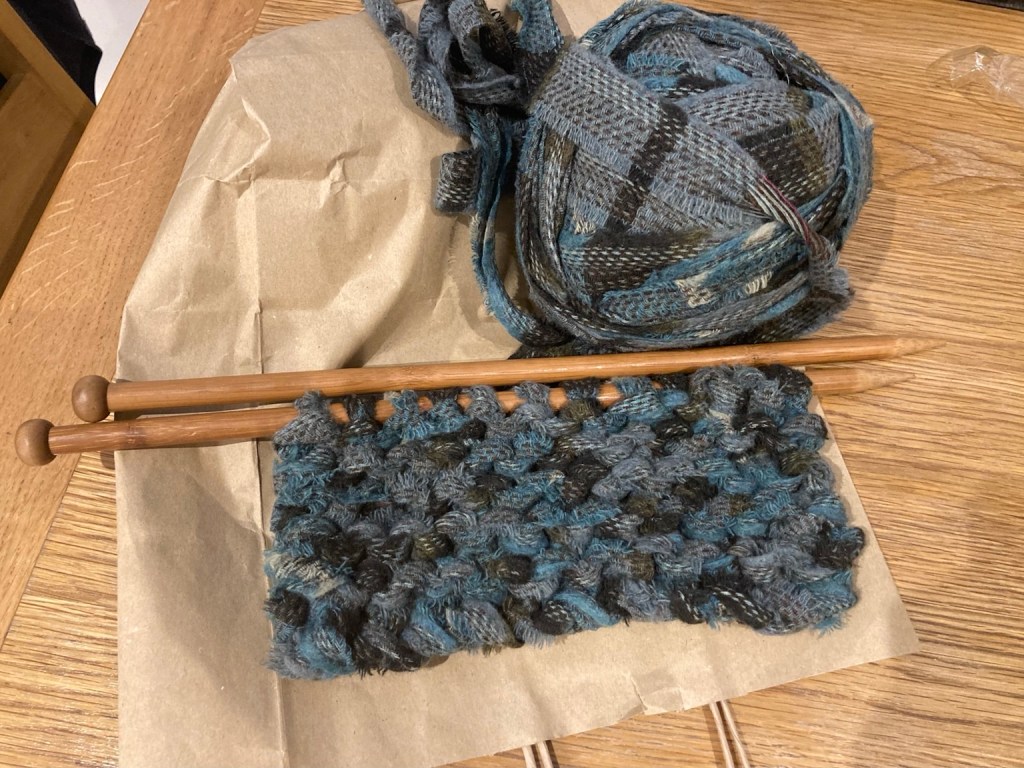
I couldn’t resist a couple of balls of the selvedge trim, especially some in a blue/green that I fell in love with. These are made from the edges of textile cloth which are trimmed off after weaving. I wasn’t quite sure what I was doing to do with them, but she gave me some ideas and I bought some large knitting needles as well!
Time to get back to the wall, which was becoming more impressive.
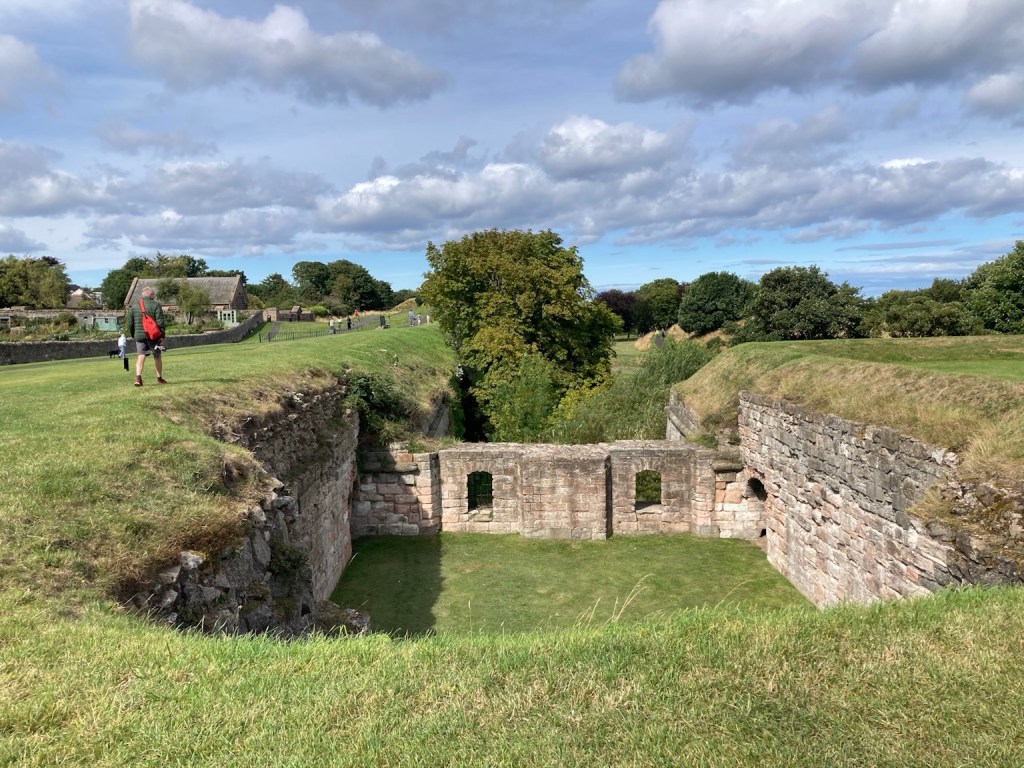
Here is the magazine for keeping gunpowder …
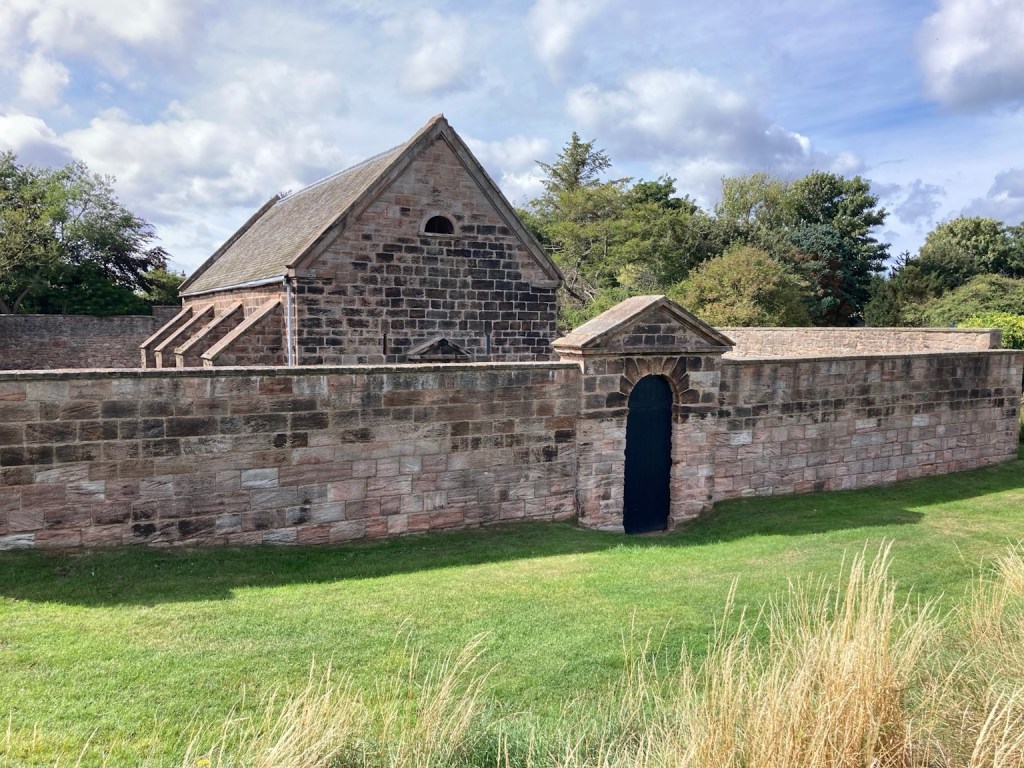
… the Windmill Bastion …
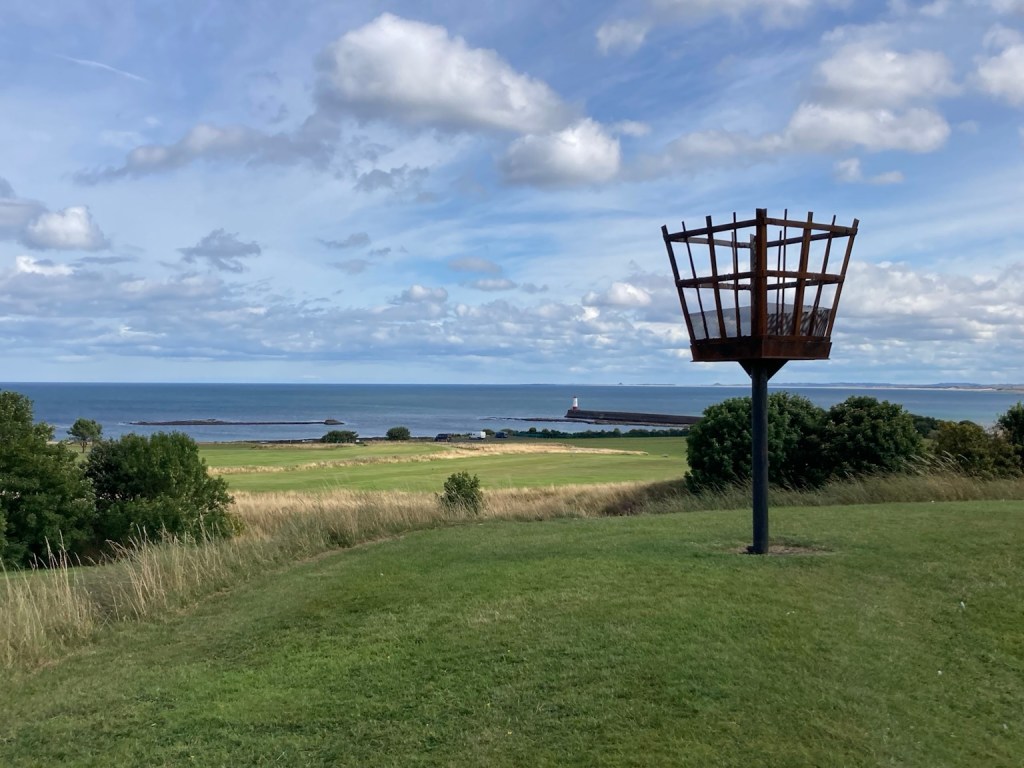
… and the stretch down to the Brass Bastion with the garrison on the left, at present closed.
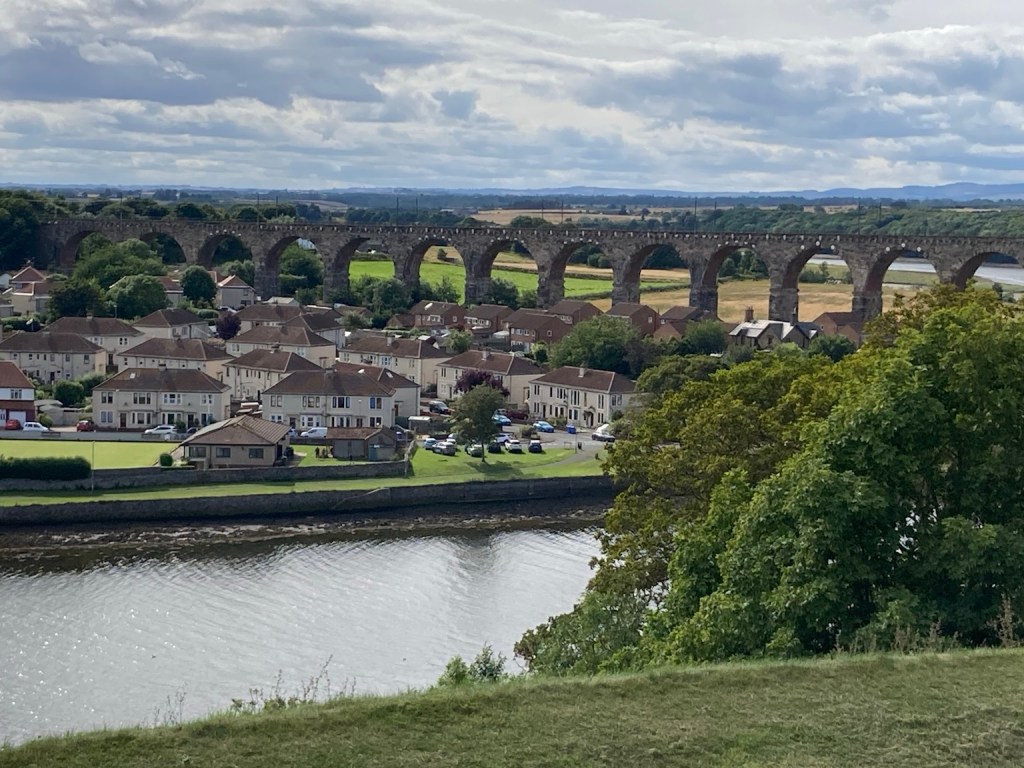
Finally we reach Meg’s Mount with a lovely view of the viaduct.
We also spotted another board, this time with a bird’s eye view of the high street and town hall.
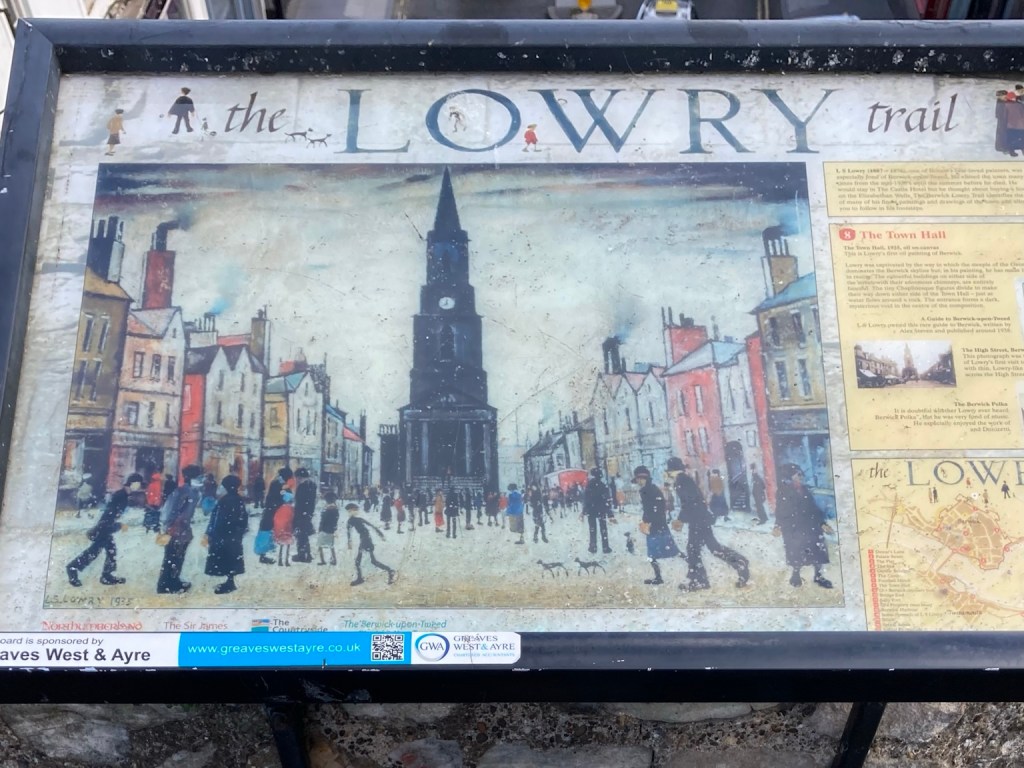
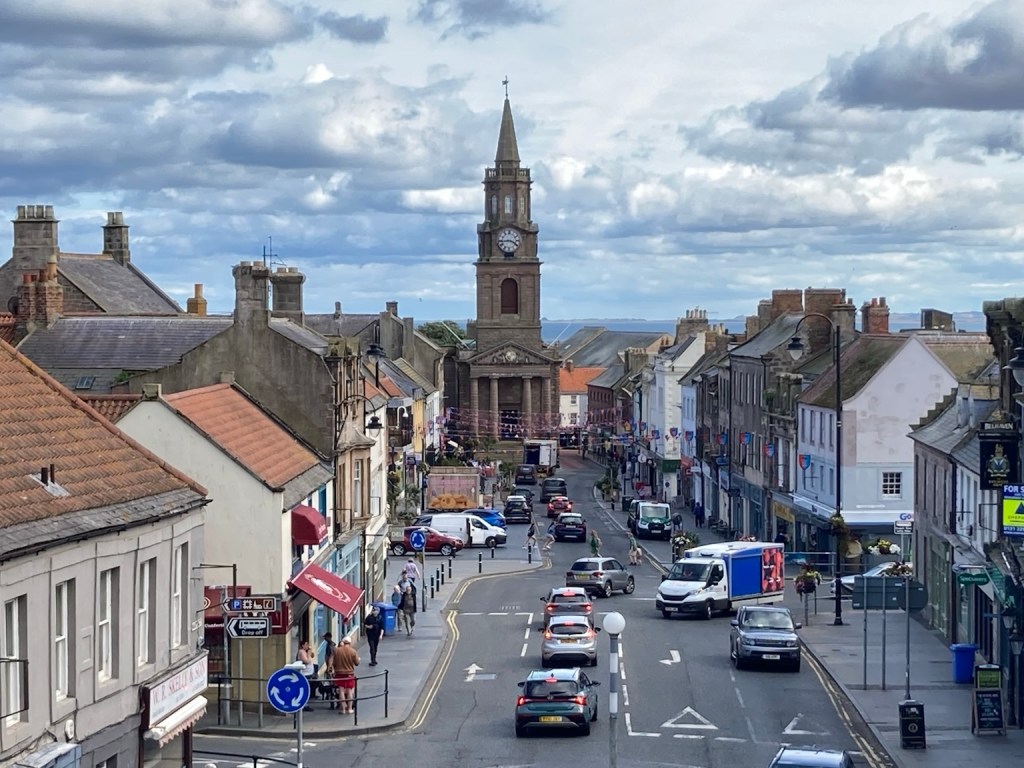
We wandered round the centre, had a cuppa and found a final board down a back alley.
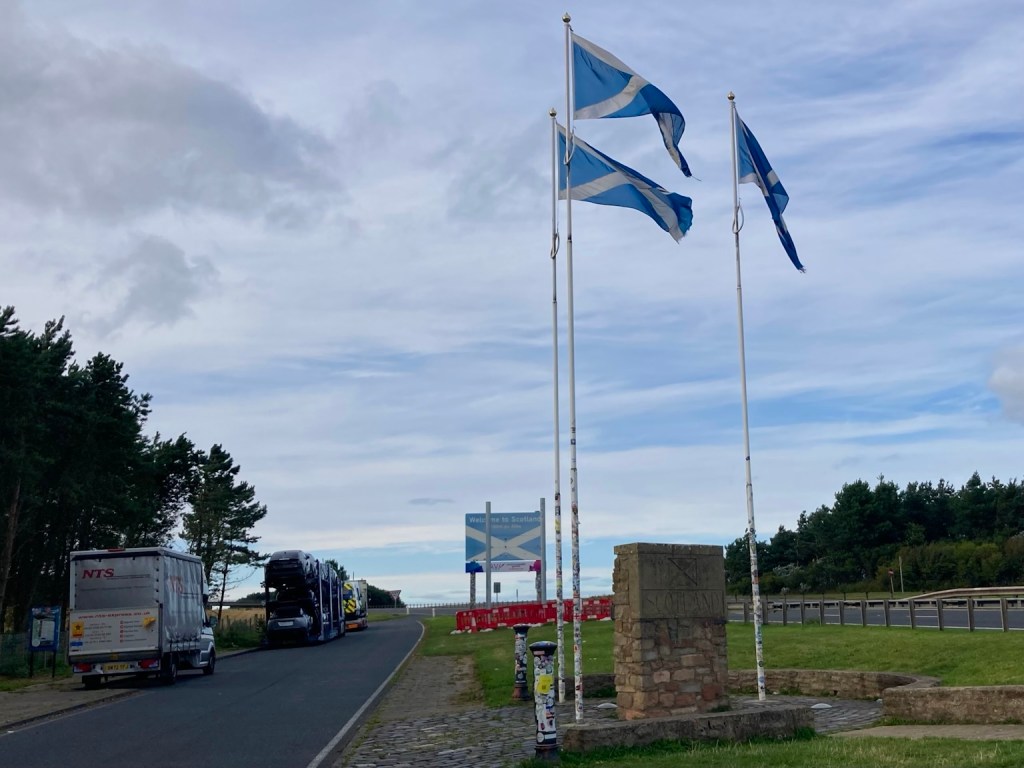
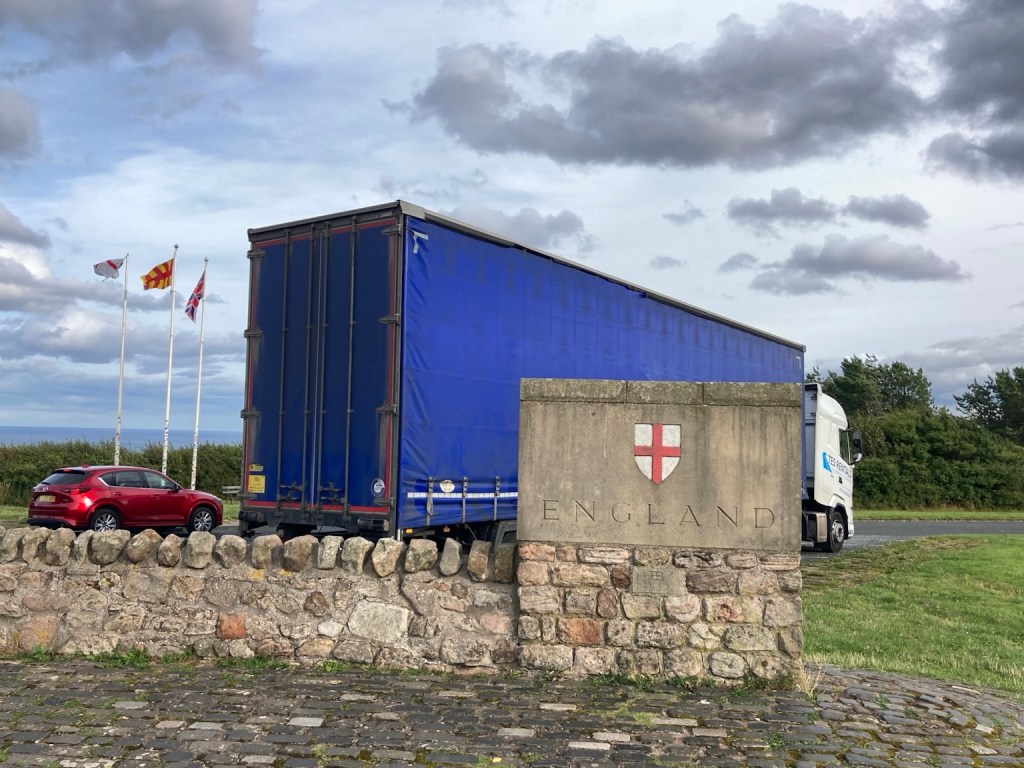
Time to go, but being so close to the border, we couldn’t resist a quick trip to Scotland, just to take photos of the border posts!
That evening I experimented knitting the trim which has a little mohair in it and feels lovely to work with … I’m just not quite sure what it will be!
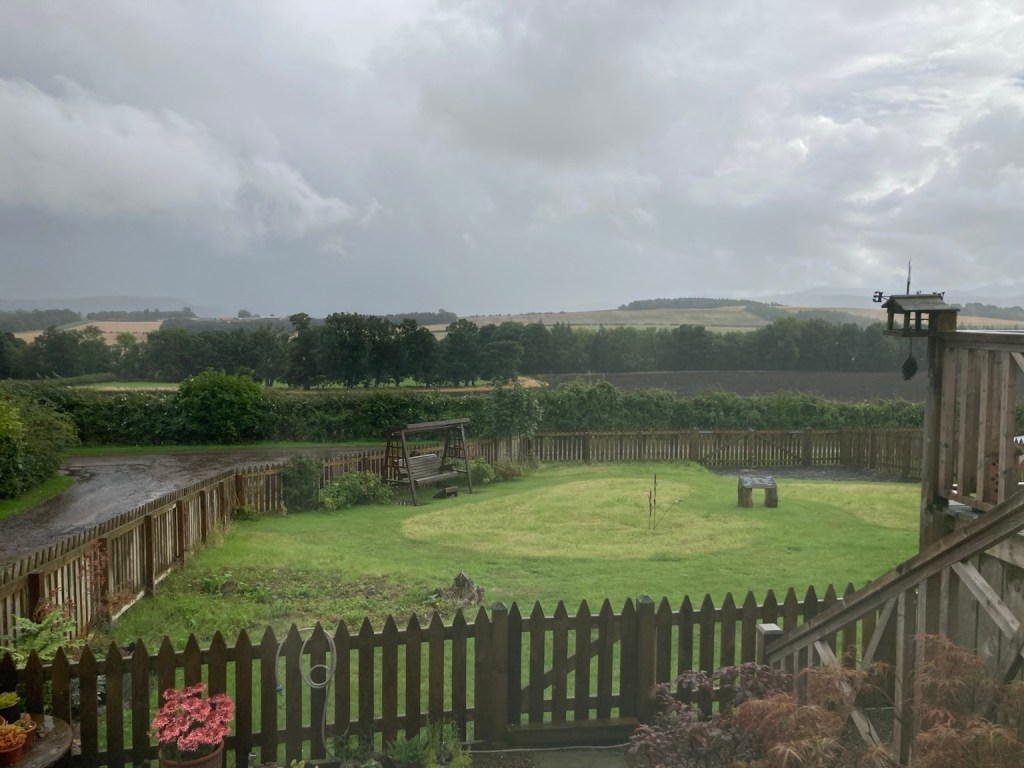
Next day was our last in Seahouses and we spent it with Heather & Stuart finding out more about their new home on the Ford & Etal estate, where their cottage has views across to the Cheviot Hills.
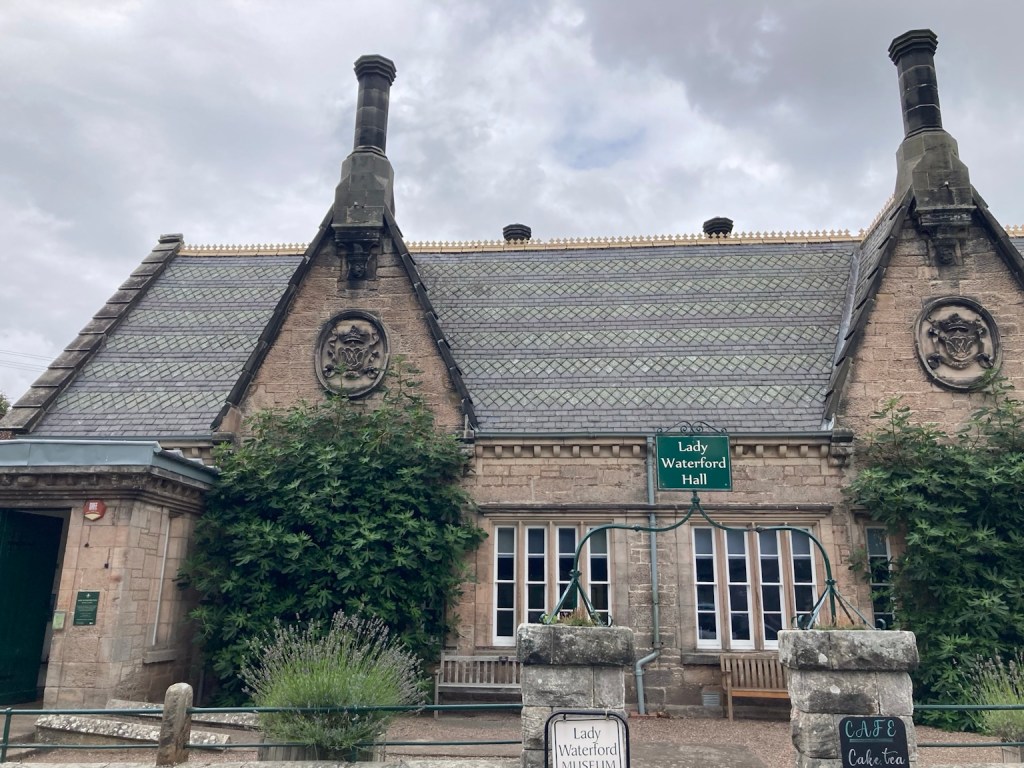
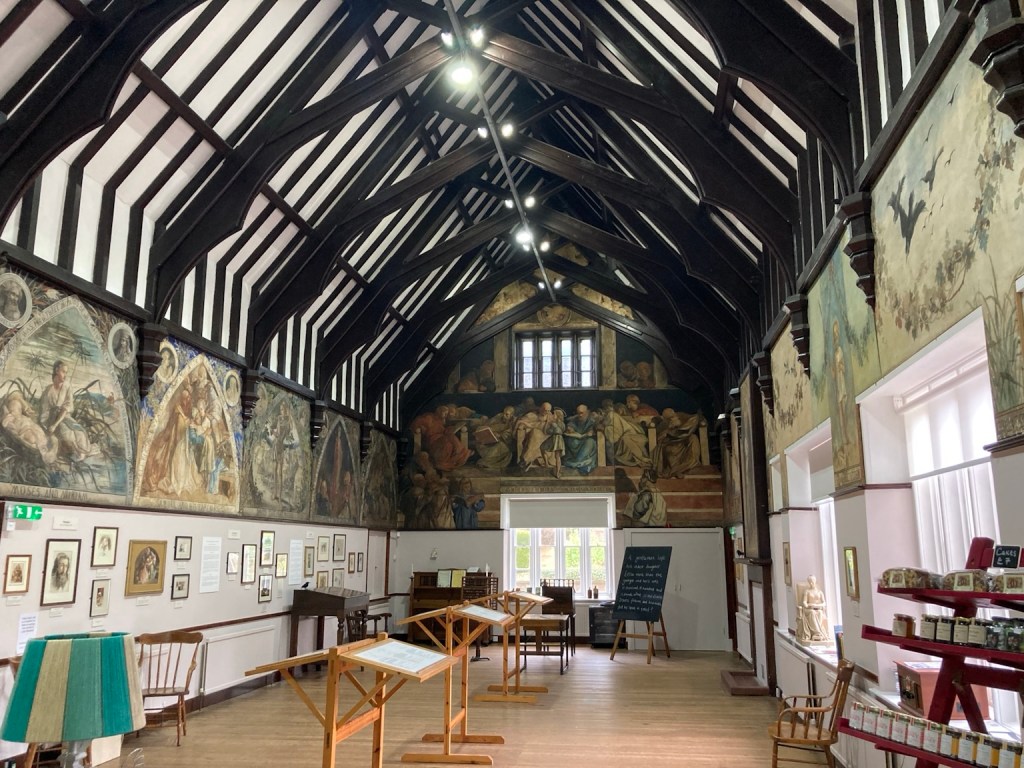
They took us to the pretty village of Ford which is famed locally for the Lady Waterford Hall, built as a school in 1860.
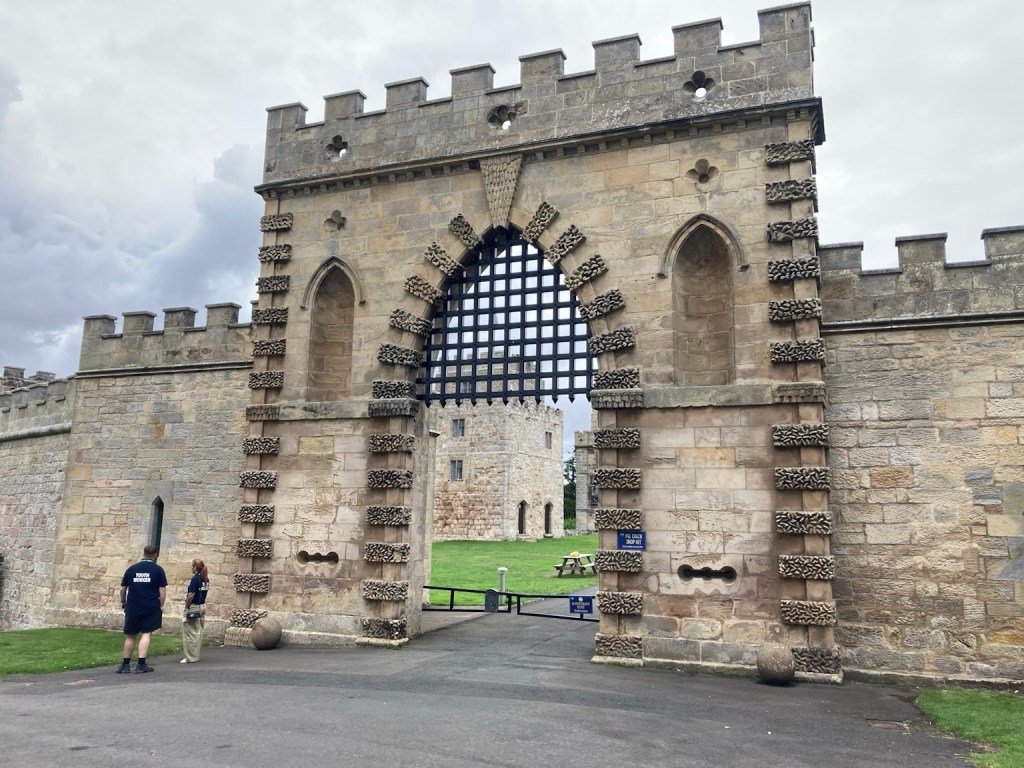
Lady Louisa had been widowed young, and threw herself into philanthropic work for the community during her life at Ford Castle, now a youth centre.
She was also an accomplished artist inspired by the Pre-Raphaelites, many of whom were friends such as Rossetti, Ruskin and Millais and decorated the hall with watercolour murals of biblical scenes, which took some 20 years to complete.
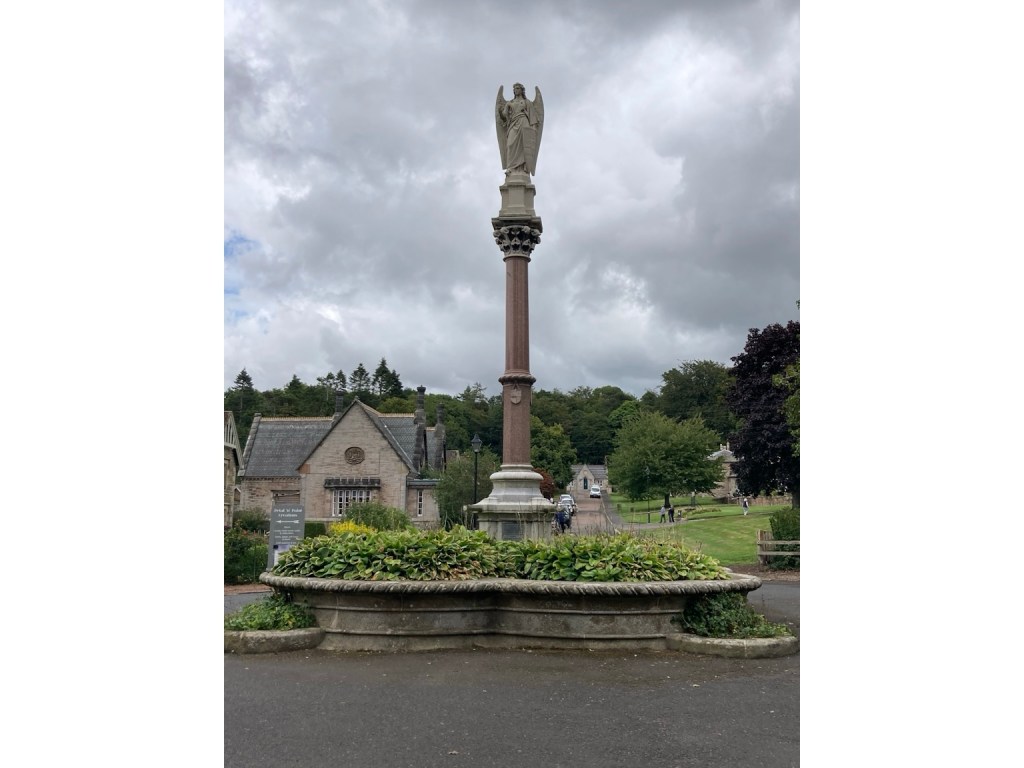
We also saw the monument to her husband by Gilbert Scott …
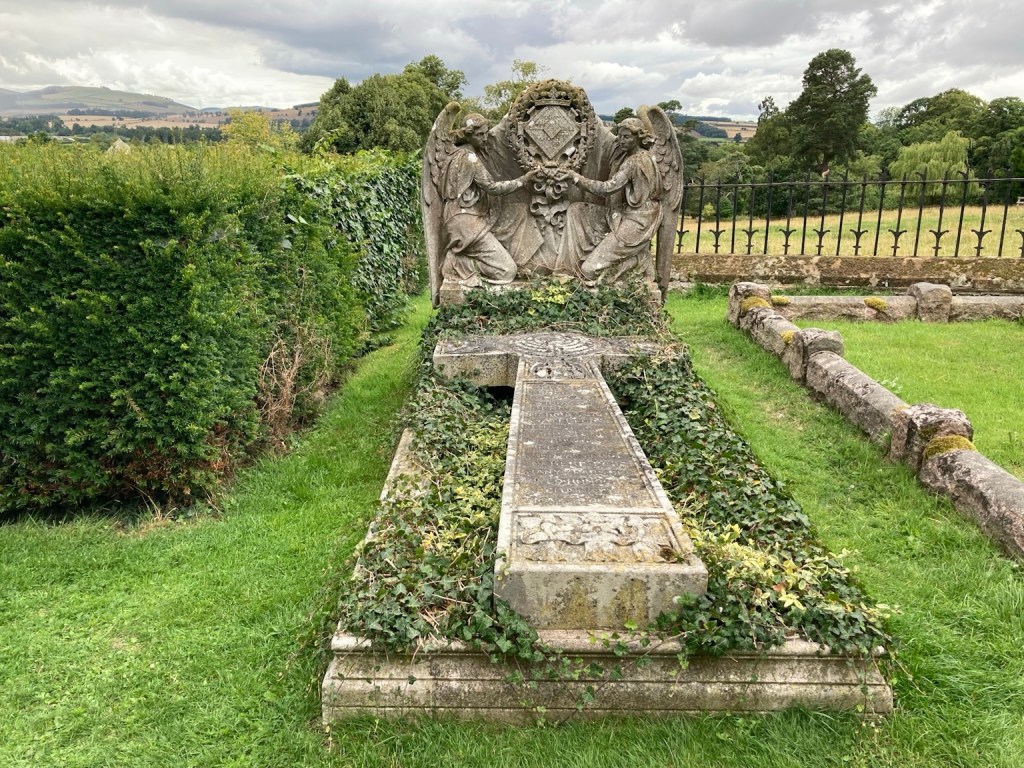
… and her grave which was designed by GF Watts and his wife Mary.
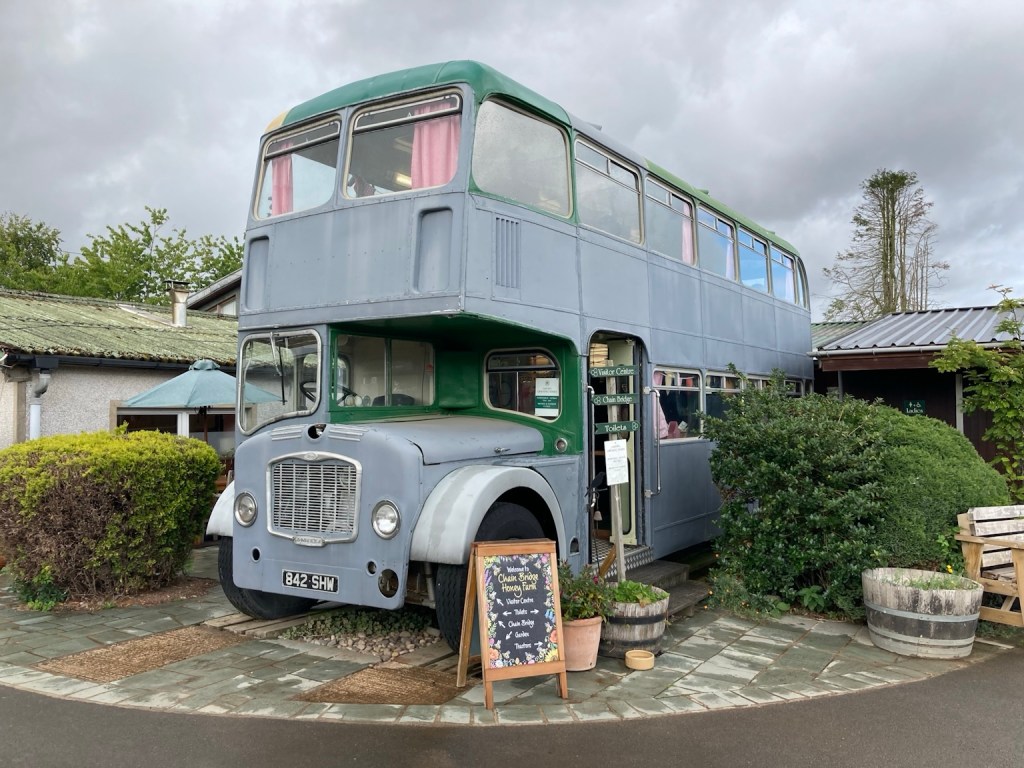
We had lunch in a bus at the Chain Bridge Honey Farm …
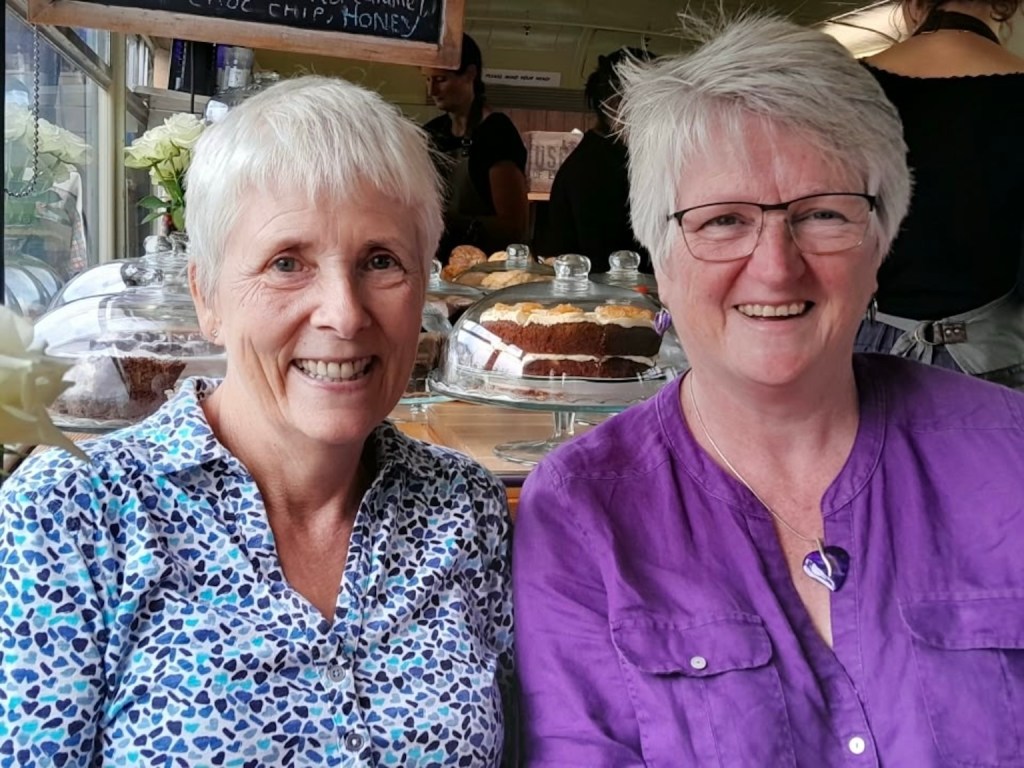
… but then rain brought our outing to an end, so with more to see, it looks like we’ll need to make a return trip!

