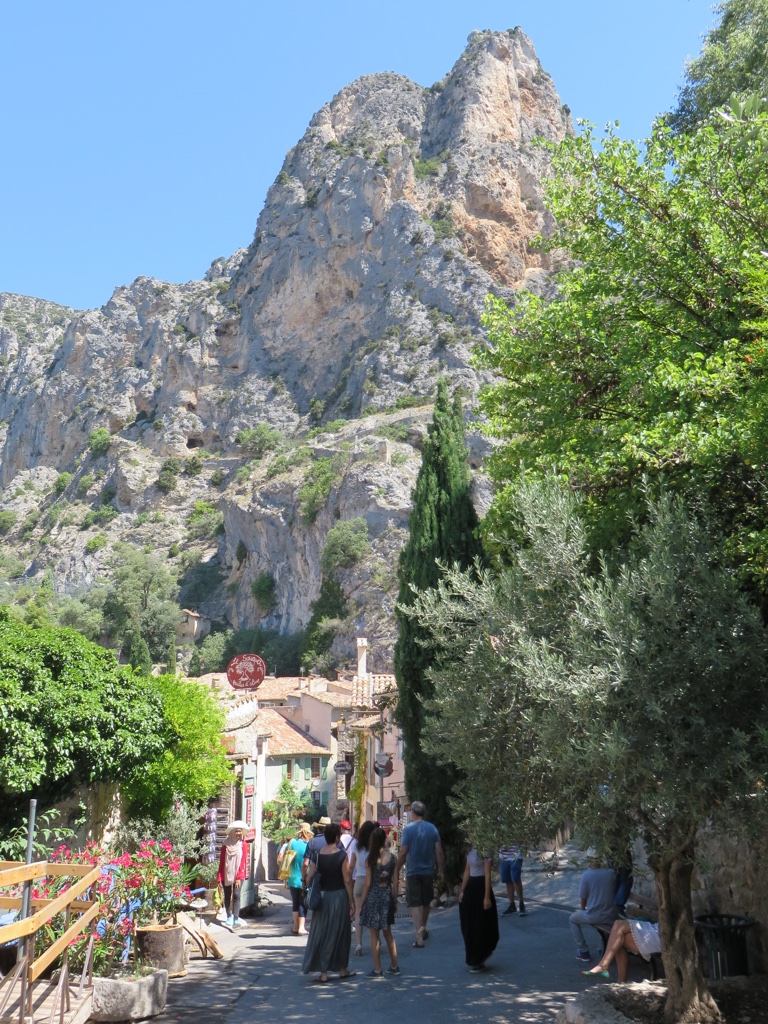
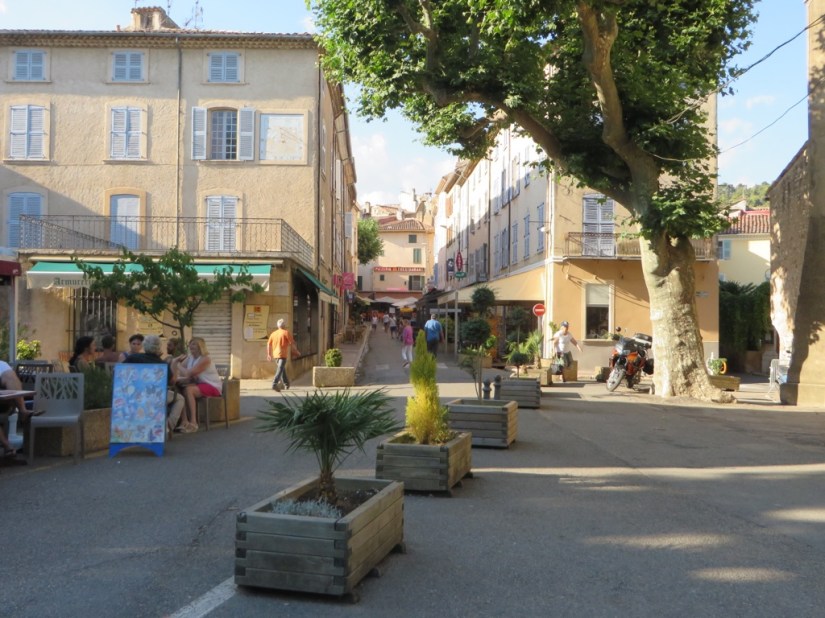
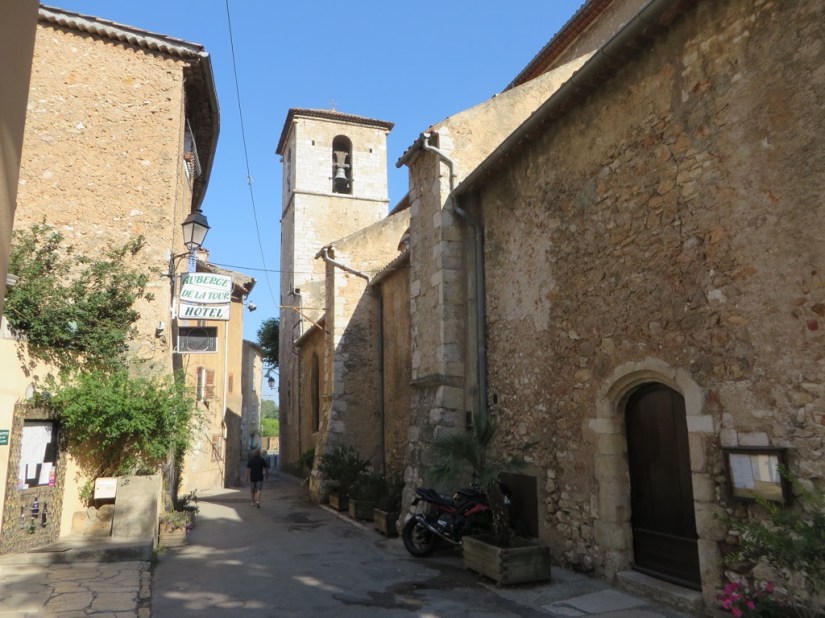
 Moustiers says it’s one of the most picturesque villages in Provence and it certainly is lovely. We arrived around lunchtime and it was busy with visitors.
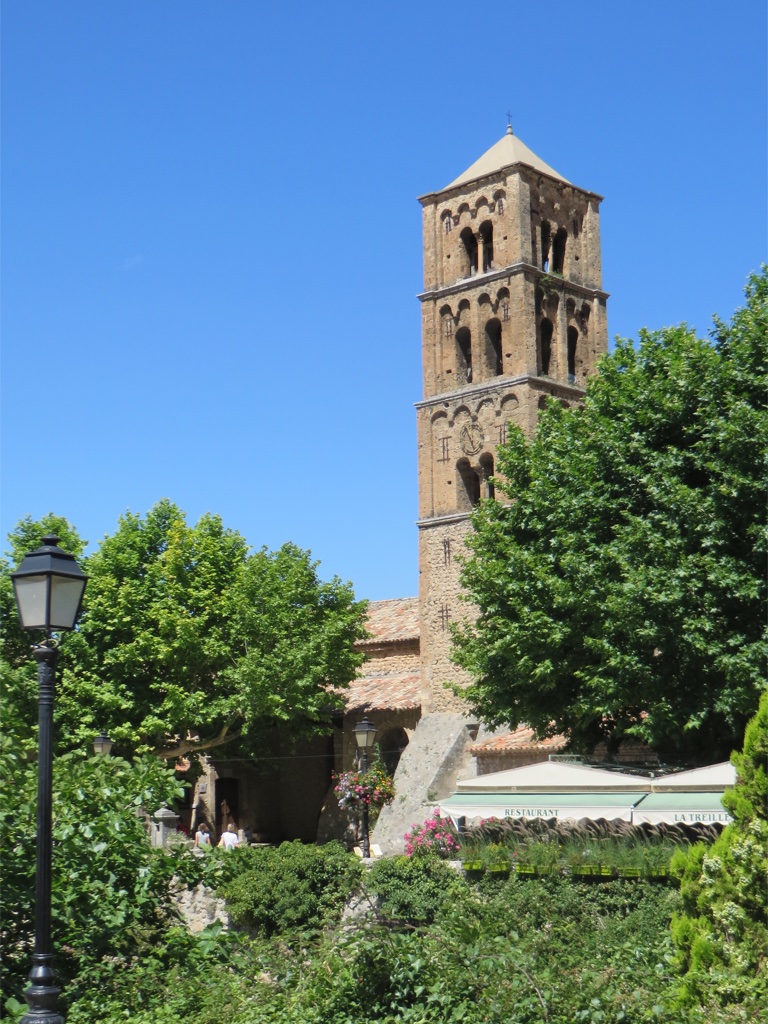
We walked up the 262 steps to the little chapel Notre-Dame de Beauvoir, passing the stations of the cross on the way.


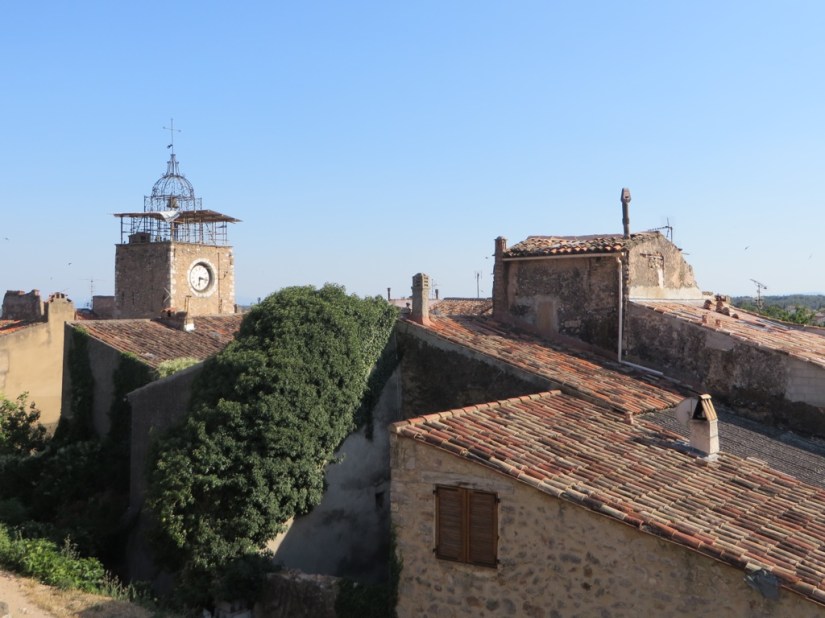
The view over the village and plain was worth the climb …

We looked up at the small gold star, suspended above, which is in fact almost 2m across, but almost impossible to see in a photo. It has been replaced many times over the years, but nobody knows how it originally came to be there, although one legend says that during the Crusades the knight Bozon de Blacas was held prisoner by the Saracens and he vowed to hang a star over his village if he was able to return.
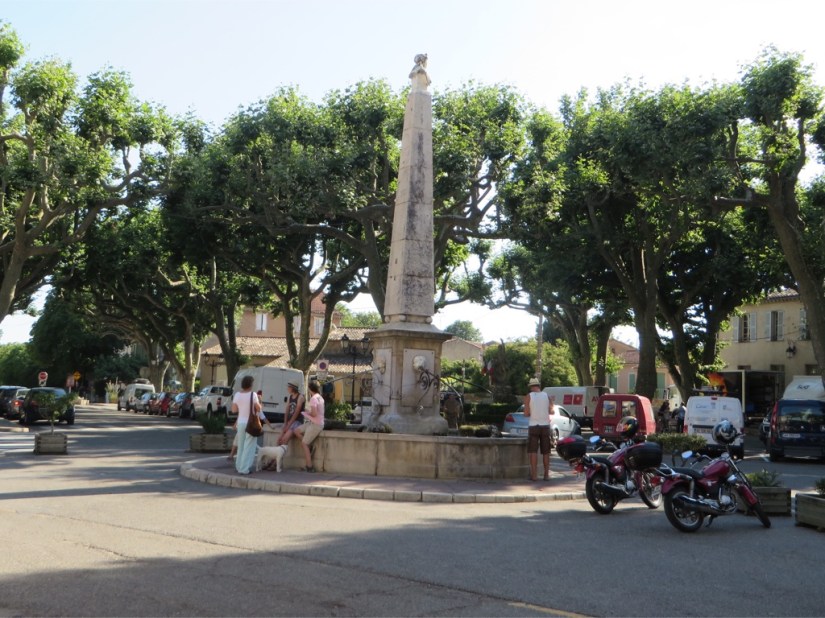
We found a boulangerie and bought fougasse for lunch, one with béchamel sauce and black olives and the other with bechamel and spinach and we ate them in a shady square beside a fountain.


Afterwards we wandered round the cobbled streets where many ceramics were for sale. Moustiers is famous for its pottery, thanks to a visiting Italian monk in the Middle Ages who brought the secret of how to make a white tin glaze which became very popular.


We are staying at Maison d’Hotes a Angouire for the next couple of nights, a lovely Provencal home set just out of town up a rough track amongst woodland.

And we’ve swapped resident sheep with bells for resident donkeys with bells … luckily they sleep in!


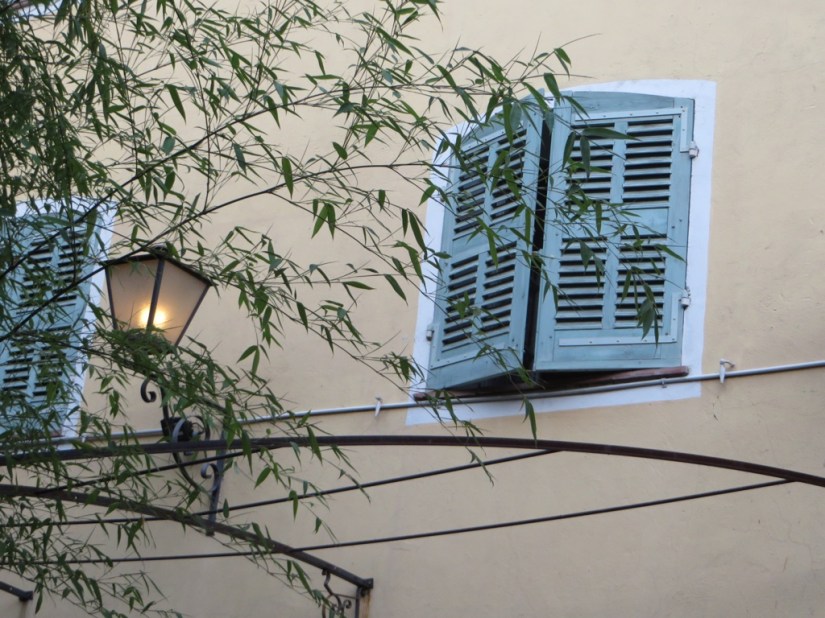
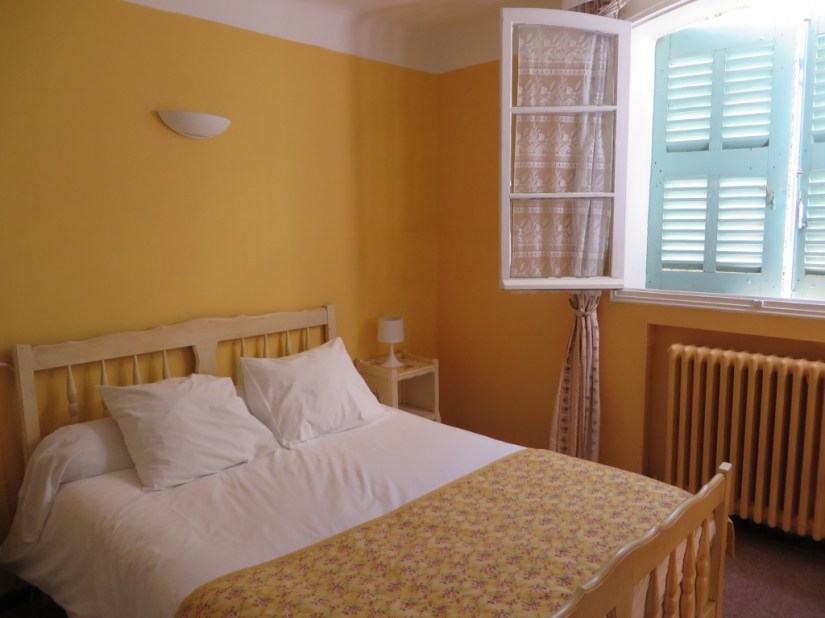
Our room was pretty with shuttered windows, wooden floors and crispy white linen and we arrived early enough to relax in the garden and watch a dozen or so hang gliders catching the air currents.


When we booked we requested dinner and Emmanuelle cooked us a fabulous meal of mixed entrees, pasta, cheese and homemade fruit tart which we ate sitting on the terrace, watching the sunset.


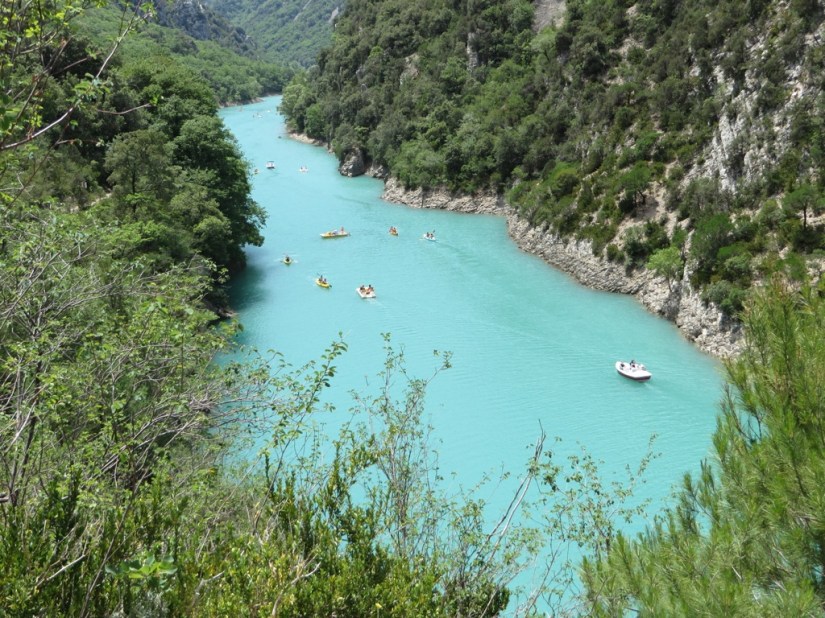
We made an early start next day to drive to Quinson at the far end of Sainte-Croix-du-Lac and had barely left the town before we saw our first field of lavender, followed by several others stretching in every direction. We had to restrain our temptation to stop and take pictures as we had a boat to catch, but knew we would have time later. Arriving at Verdon Electronautic, we picked up our little electric boat which would take us 9kms into the gorge and back again.
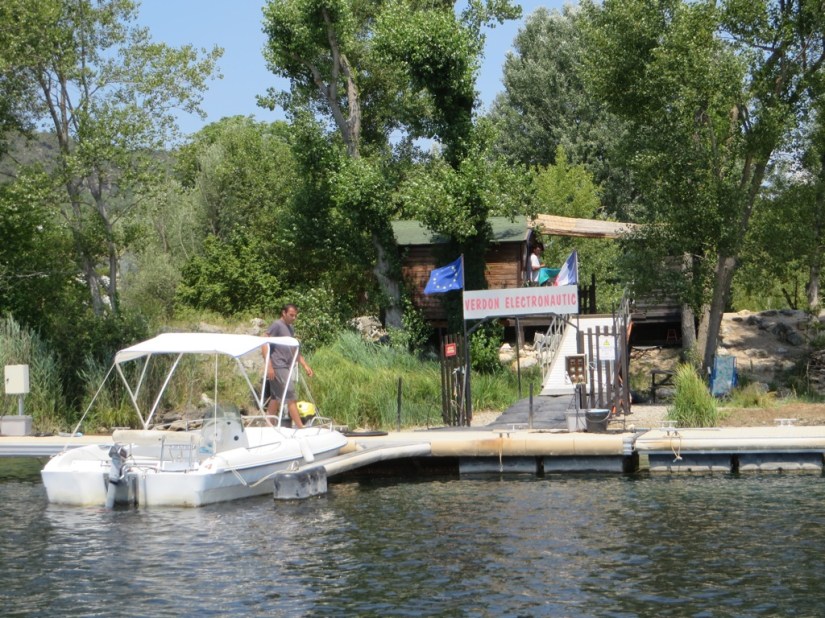


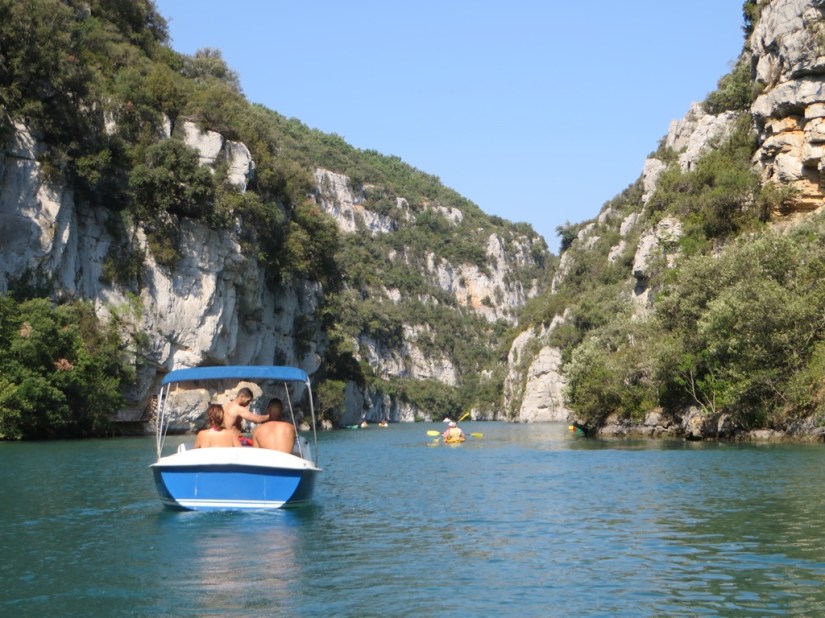


There were lots of people out on a Sunday enjoying the river, some more energetic than us in canoes and pedaloes but our boat was great and a really peaceful way to travel.
Back in Quinson, we followed another route back, stopping at St Croix for lunch with a lake view.


After lunch, we stopped at every lavender field we passed to take photos … and we saw sunflowers too! You really have to be here to realise that as well as the view that goes on forever, the air is completely saturated with the scent of lavender and humming with the constant buzz of bees.


As we approached Moustiers, the sun caught the gold star above the town and you can even spot it in the photo!

Having eaten lunch late, we picked up provisions and decided on a quiet evening on the terrace with bread, cheese, olives and another bottle of local rose to watch another sunset.
Tomorrow it is time to move on … west towards more lavender!
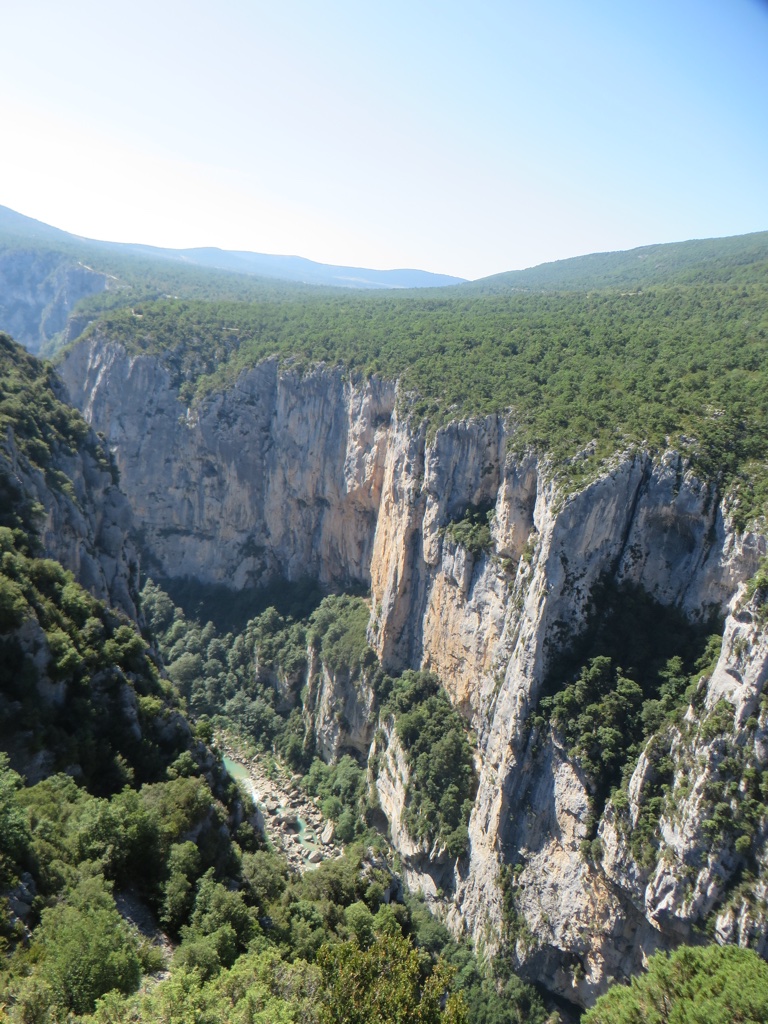 Having seen some photos, we felt we had to include the stunning Gorges Du Verdon in our trip. The ravine, some 25 kms long and up to 700 meters deep, has been cut in the limestone by the startling green waters that give the Verdon River its name. The river now flows into Sainte-Croix-du-Lac, the largest reservoir in France, formed when dams were built.

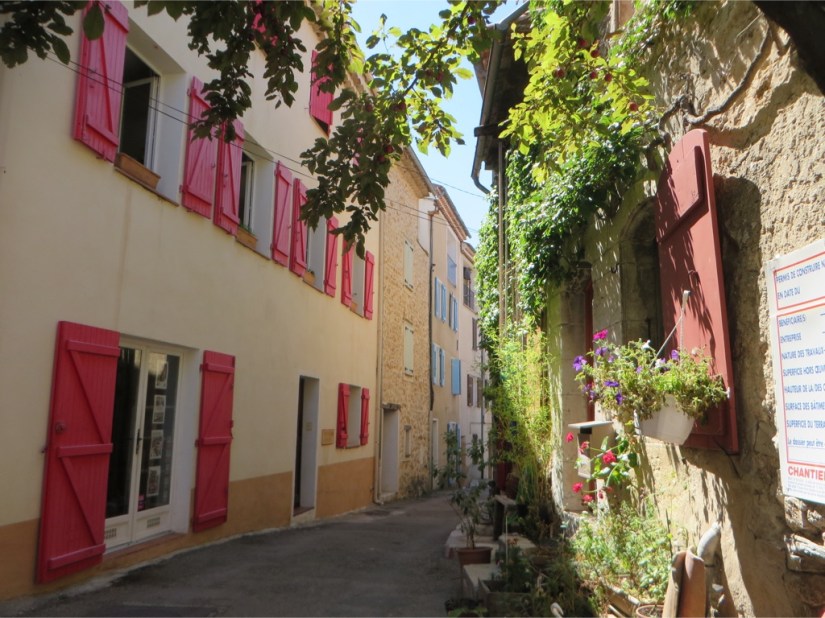
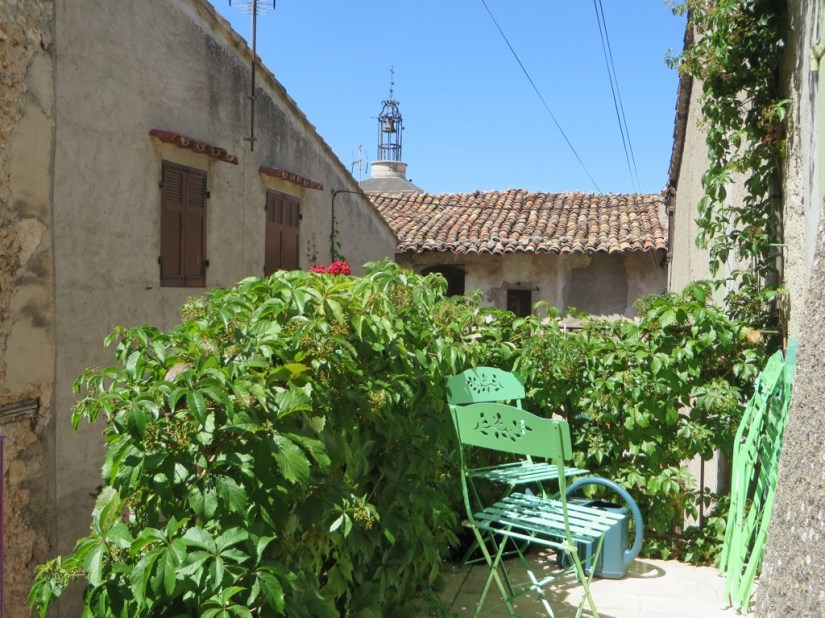


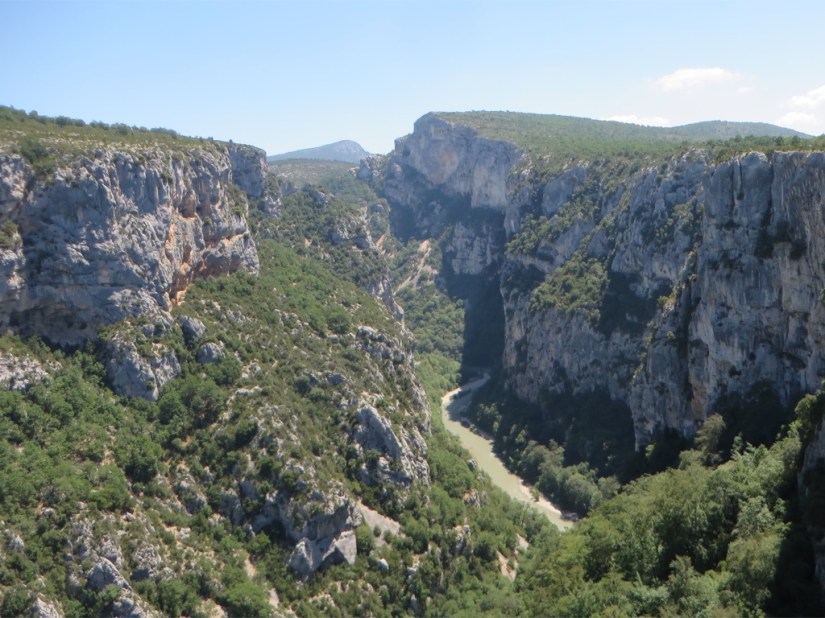
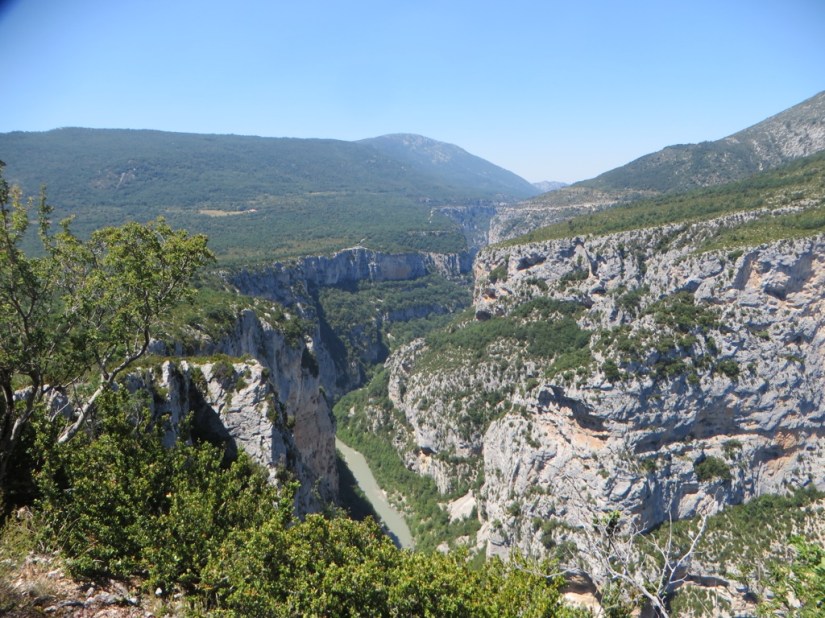


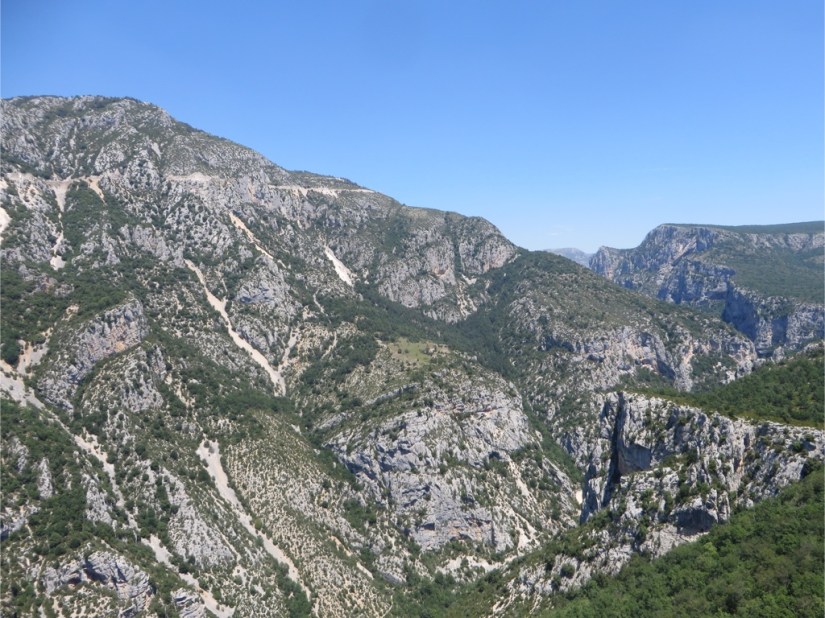

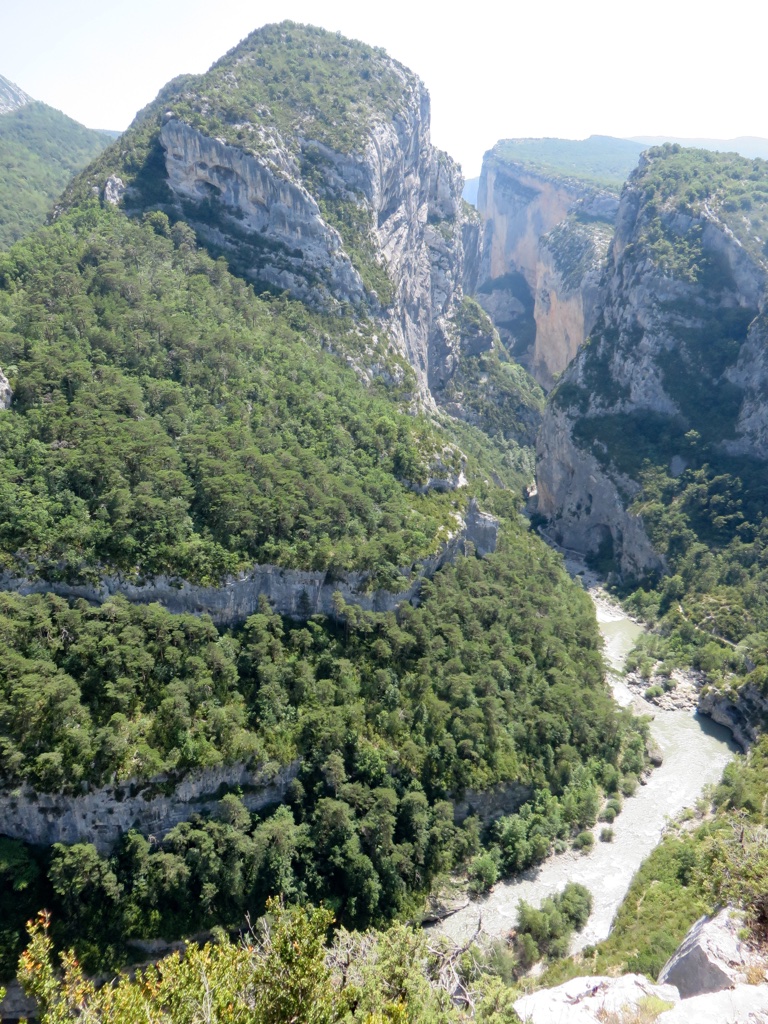
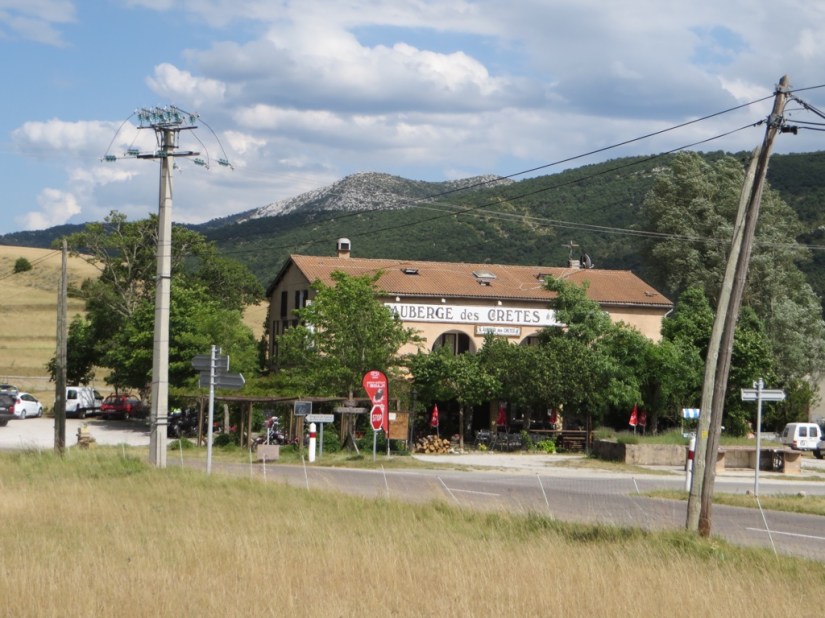


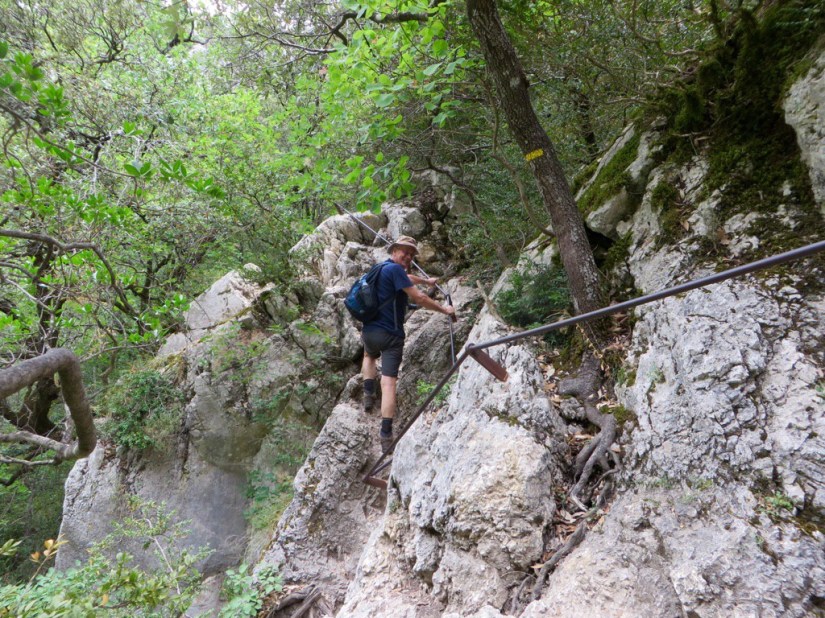


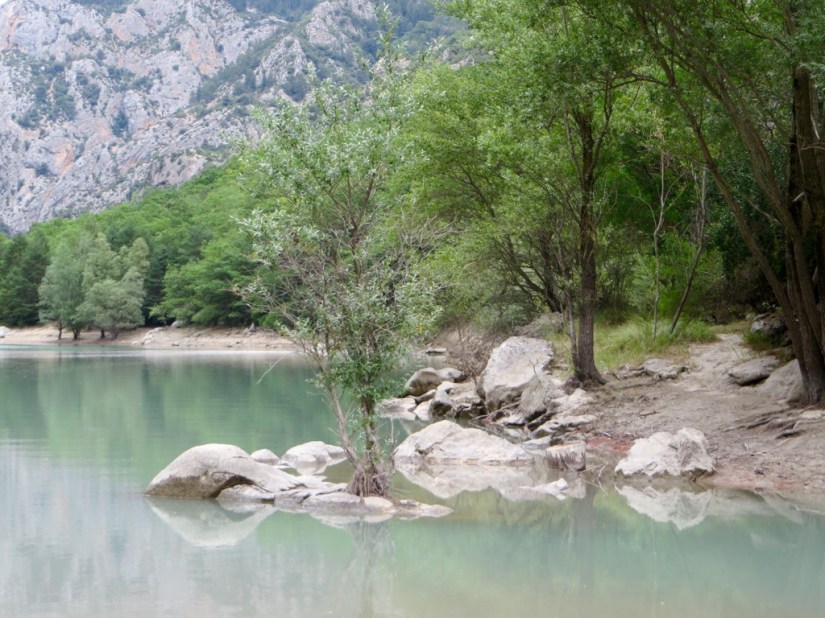

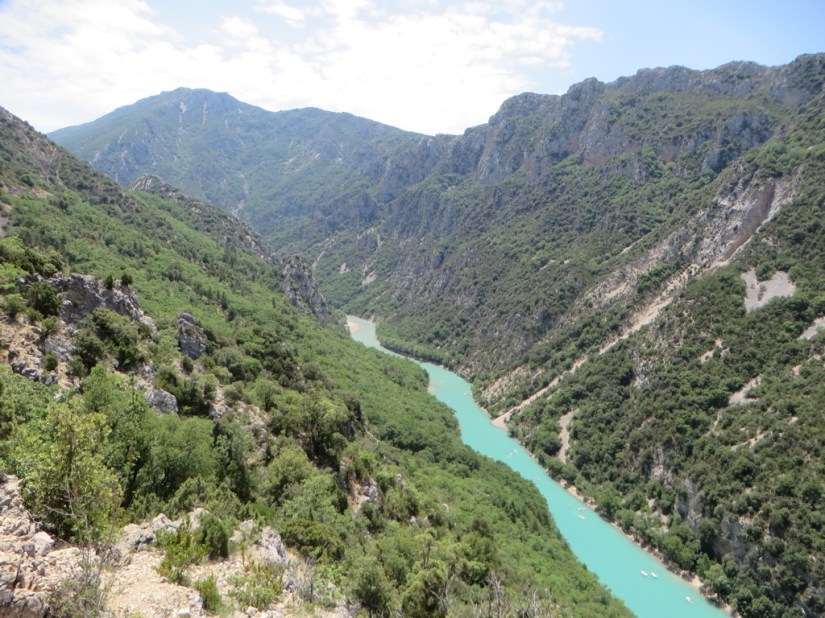


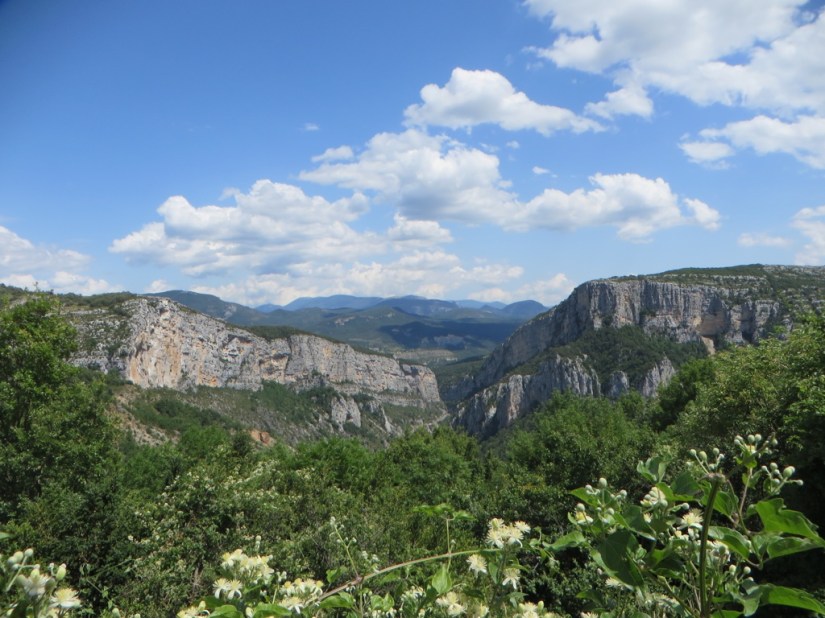


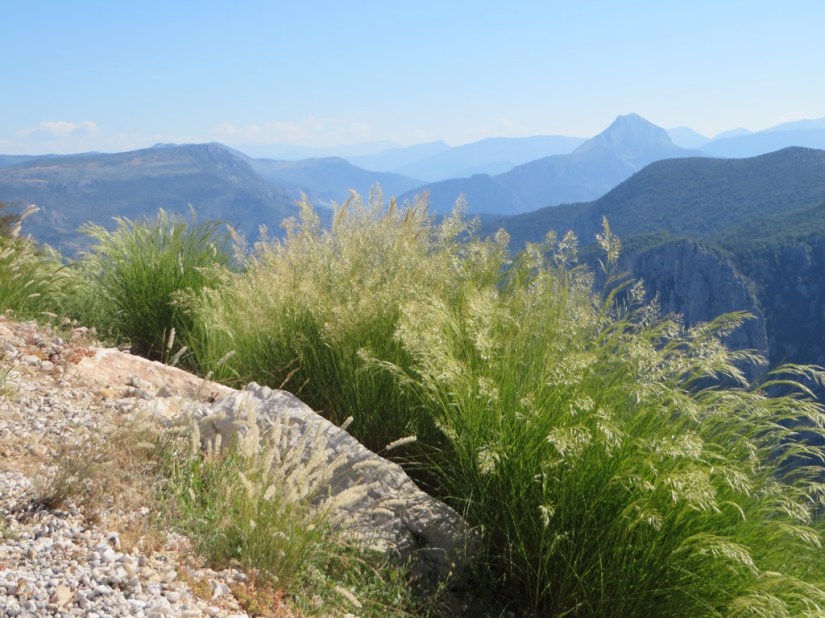

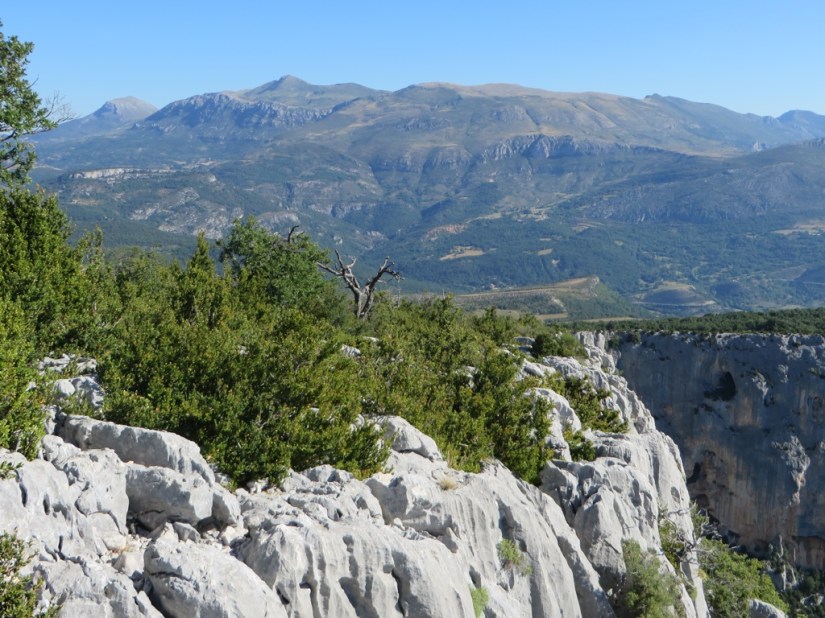 We were able to see the Corniche Sublime on the other side of the gorge that we had driven down a couple of days ago as well as some goats guarding one of the tunnels.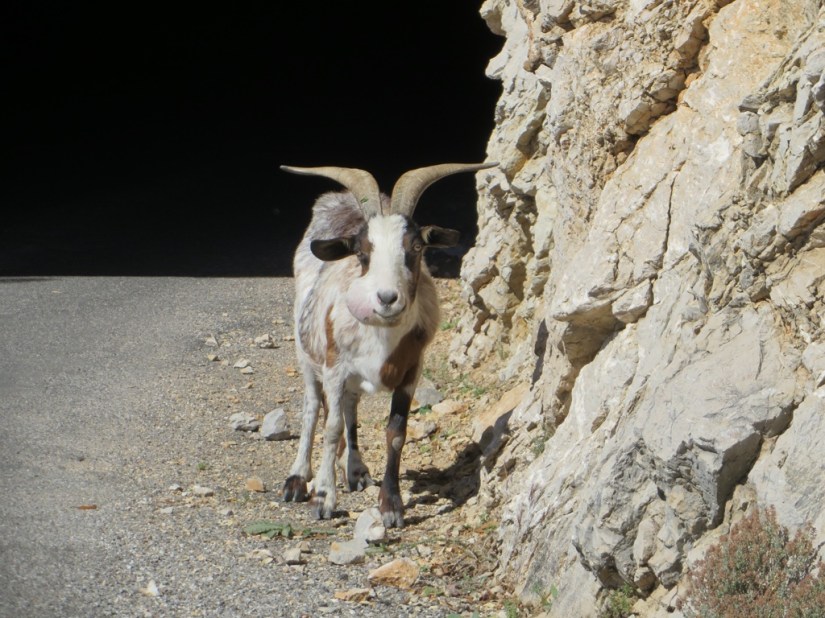

 Having flown into Marseille airport and collected our car, we then drove straight out, north-east, away from the coast. The road got smaller and wound between vineyards and olive trees until we reached the Abbaye du Thoronet, the oldest of three Cistercian monasteries, known as The Three Sisters of Provence and conveniently placed for a lunch stop. The little kiosk had tables set under the shady trees, perfect with the temperature just over 30, and made a great fromage gallette with salad. Revived, we walked round the monastery, built in the C12, and celebrated for its austere lines and pure proportions. Even the acoustics imposed a discipline on the monks as the stone walls created a long echo forcing them to sing slowly and perfectly together.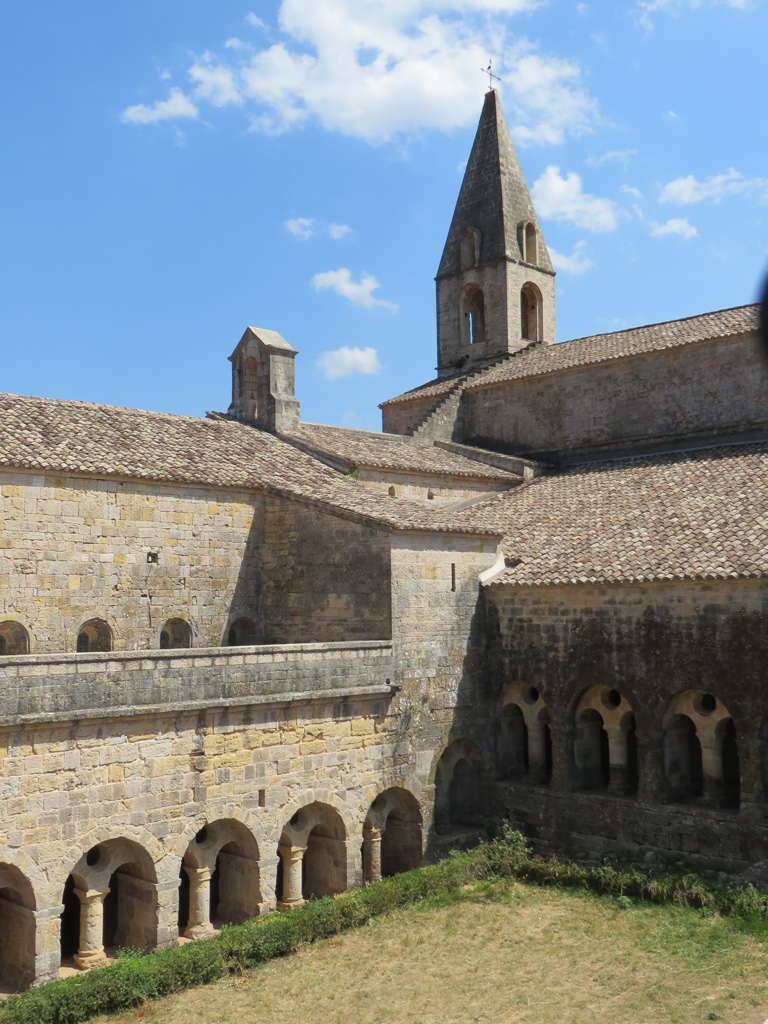





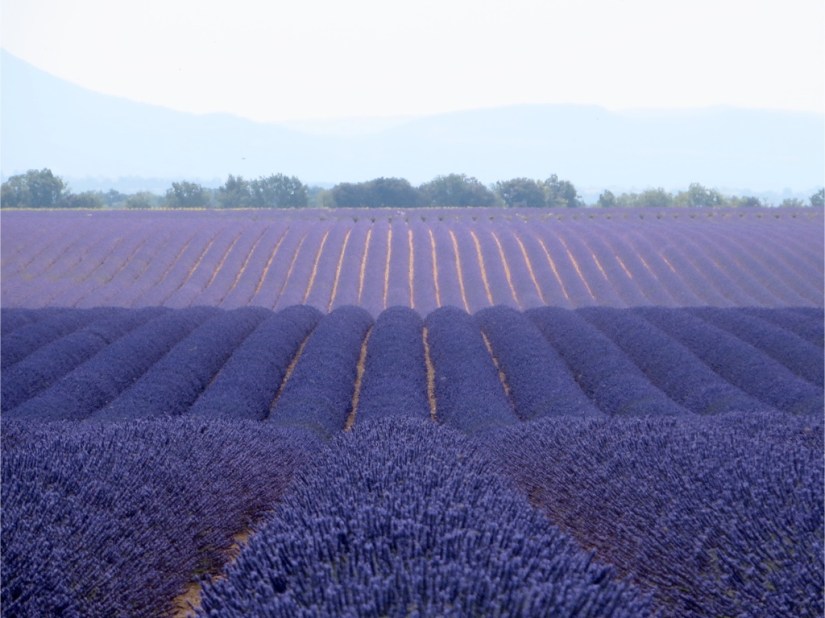 We want to see purple as far as the eye can see … fields of lavender disappearing into the distance … and thought Provence in July would be the place to come.
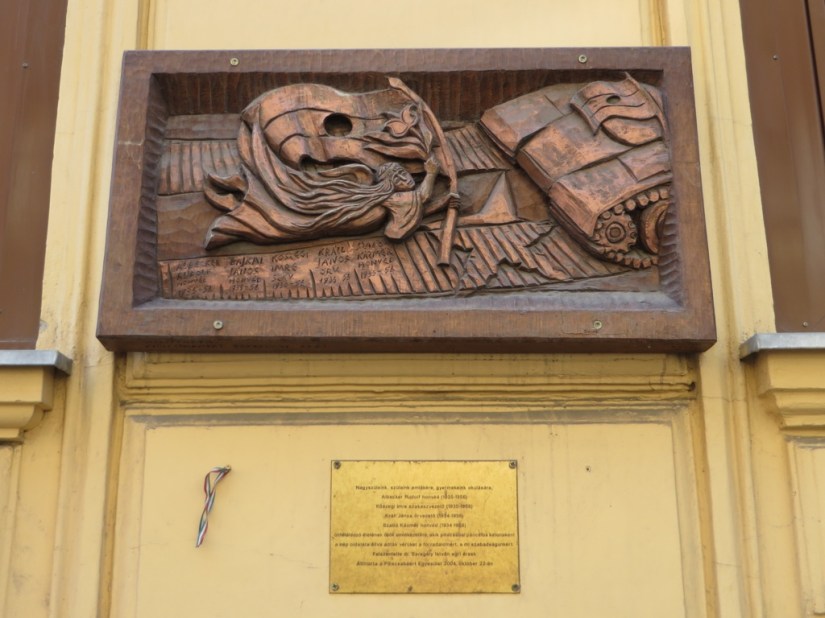
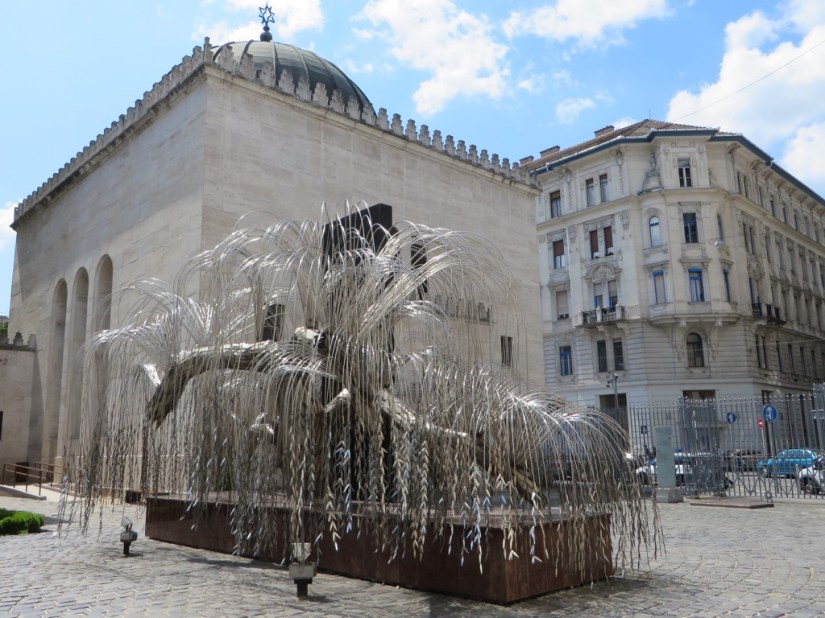 During our visit, we have been staying round the corner from two buildings. Firstly Magyar Radio from which a final plea from help came on 4 November 1956 when 1000 Russian tanks rolled into Budapest at dawn. By 8.10am they had destroyed the Hungarian army and captured Magyar Radio. Hungarian people fought them with machine guns. Some 4000 Hungarians were killed fighting the Russians. Wanting to know more we found this clip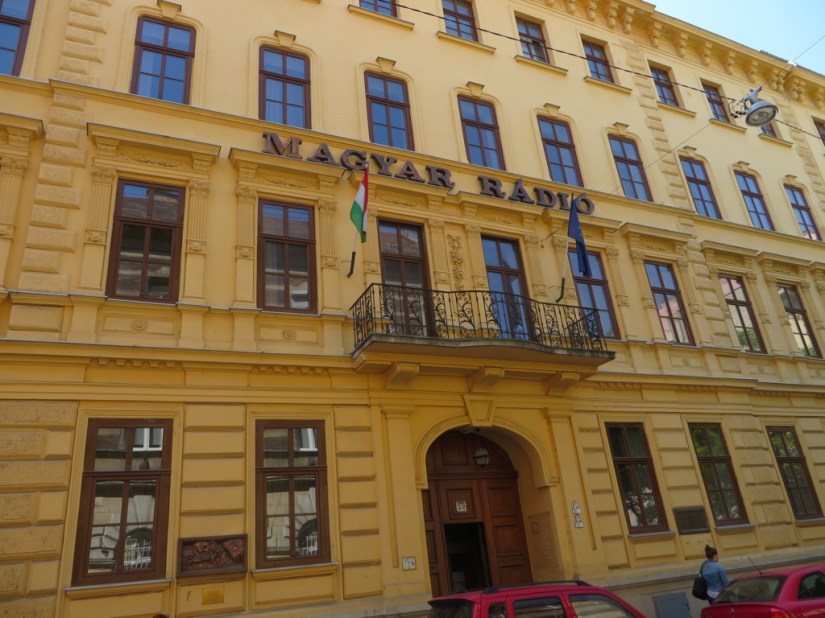
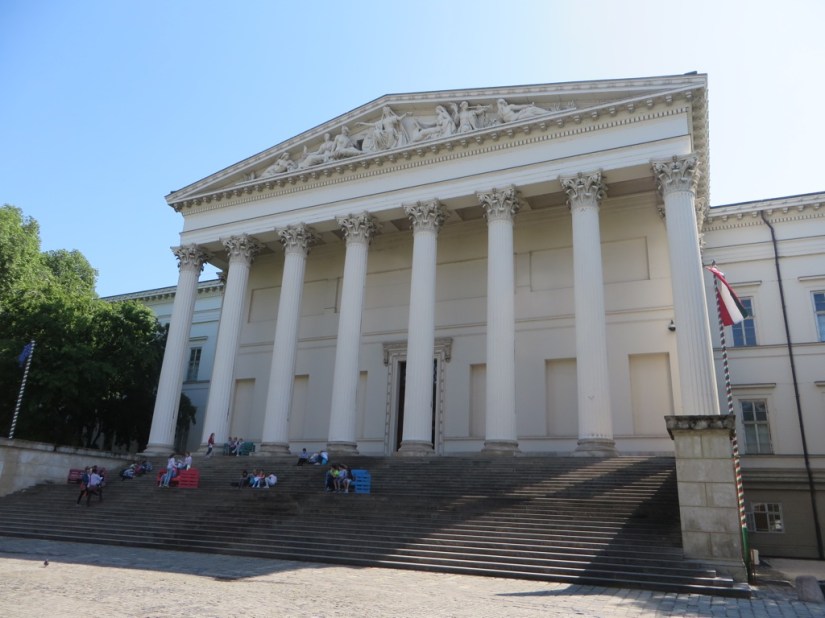
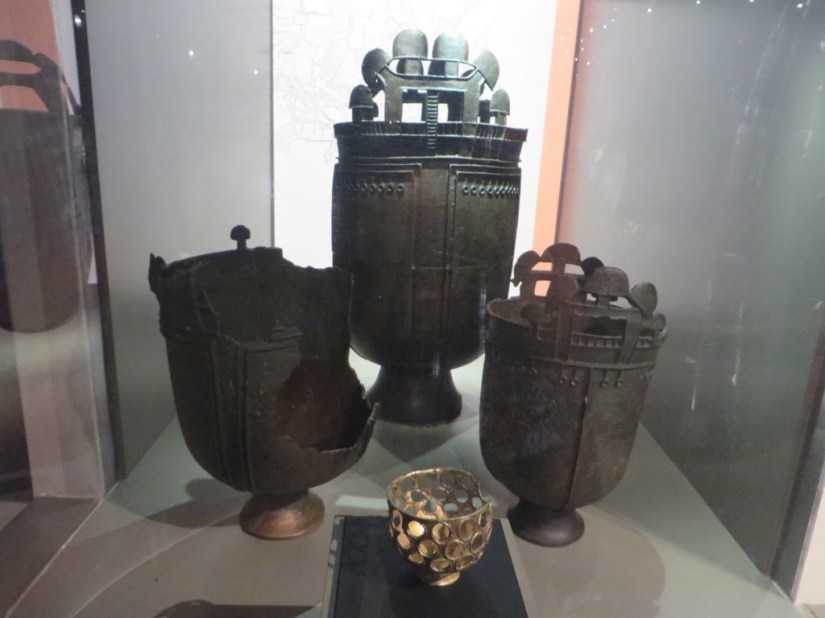
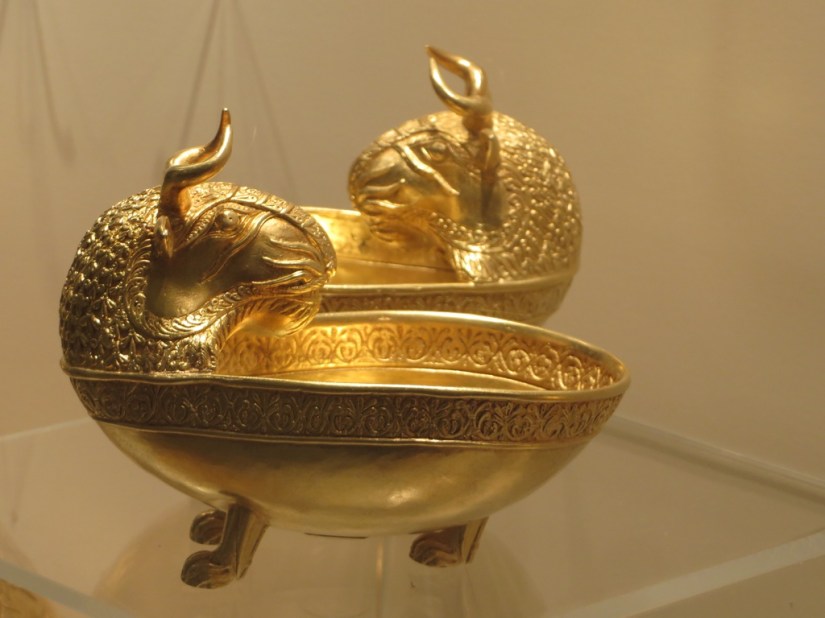
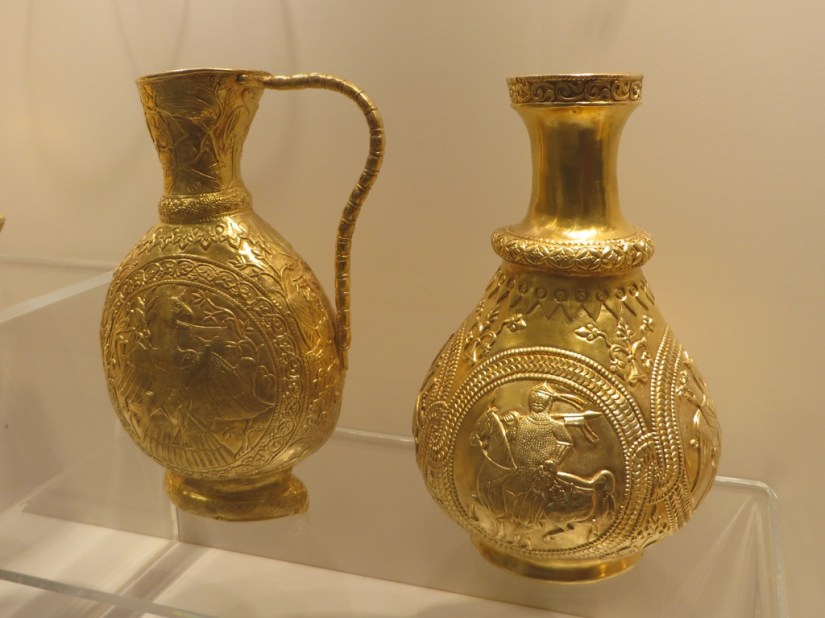




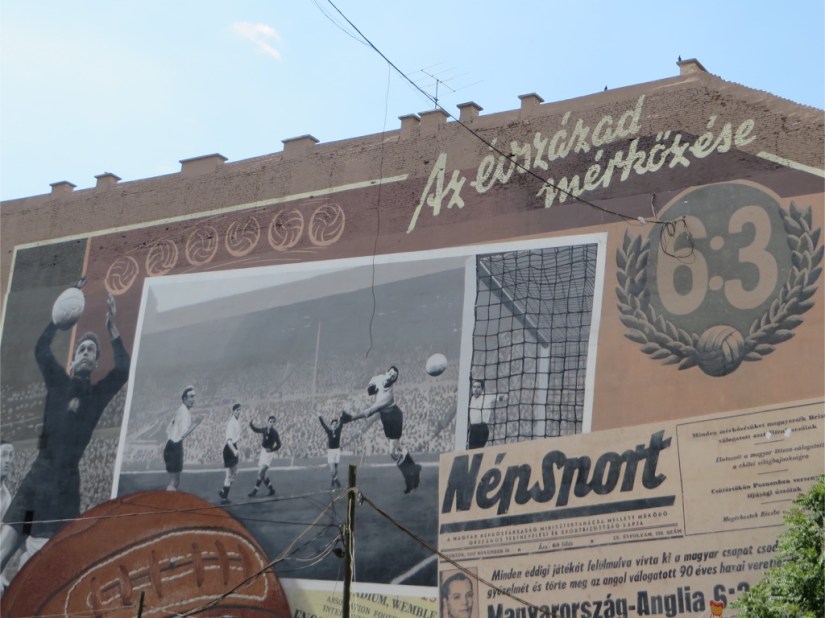
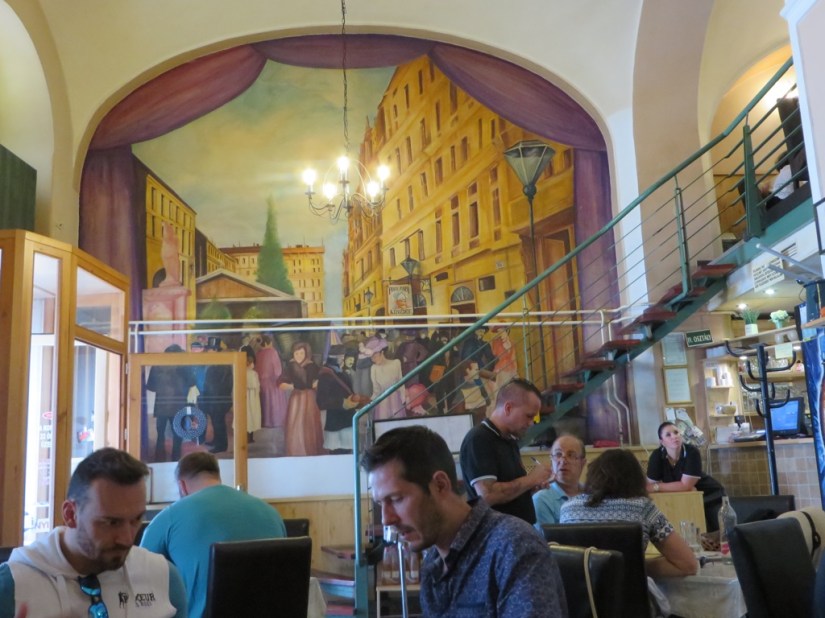
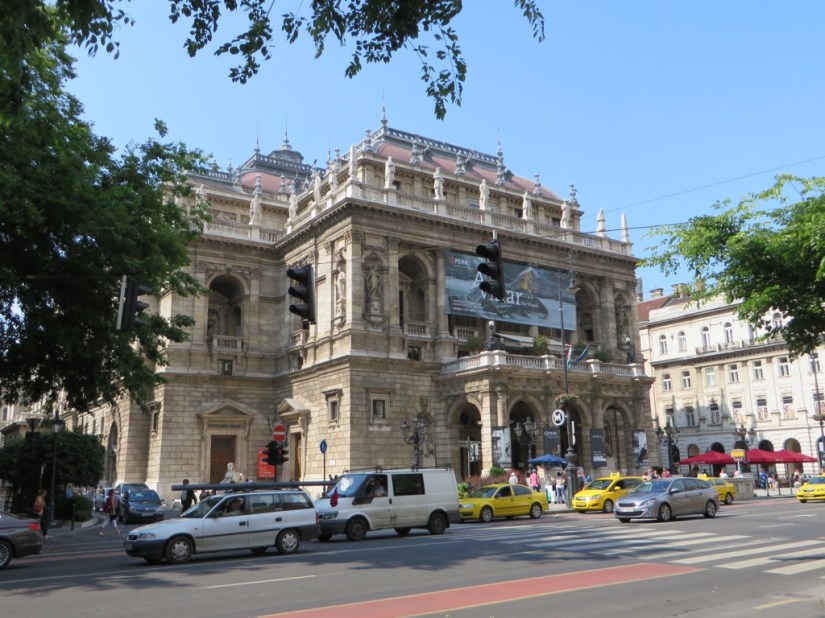
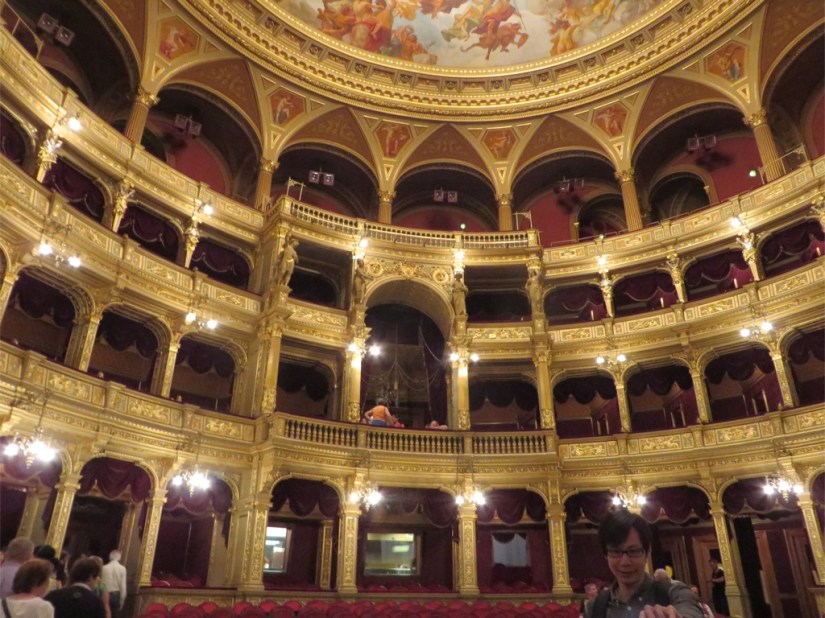
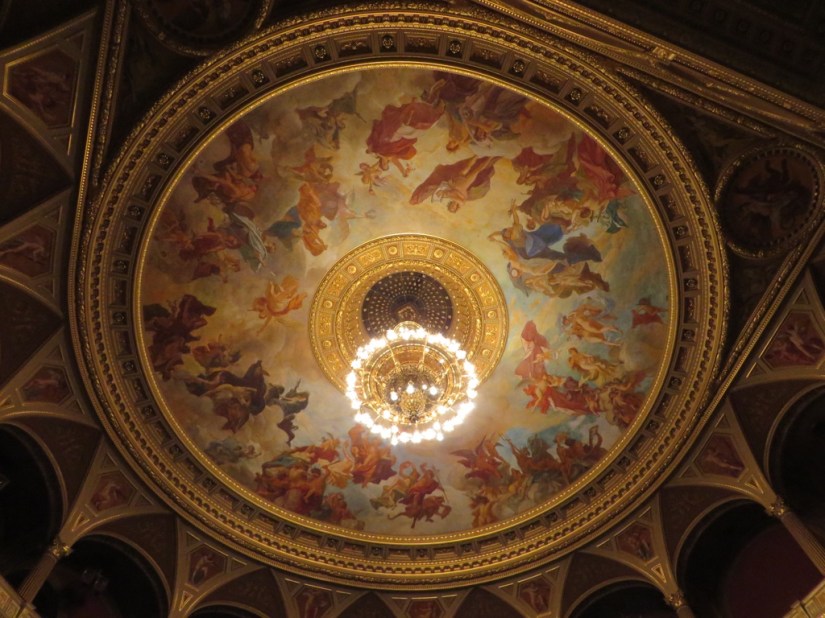
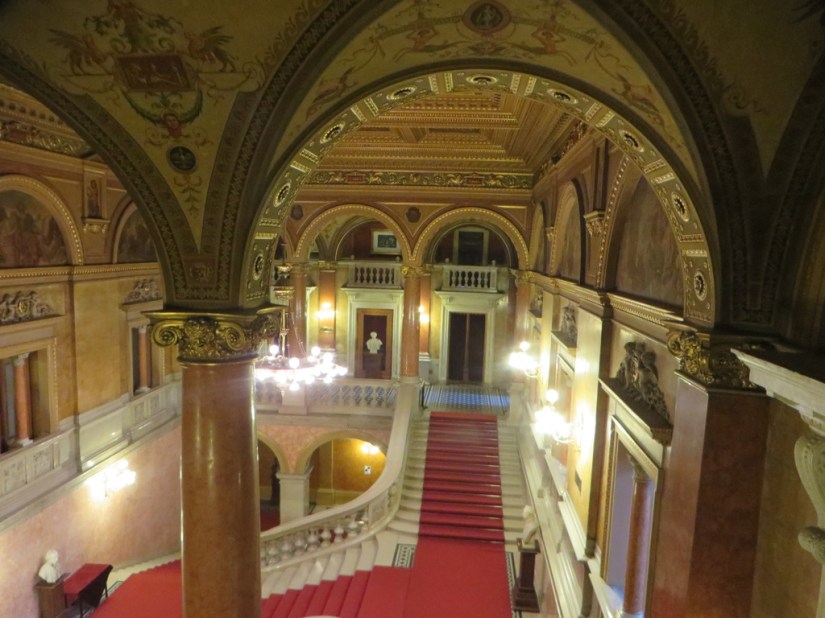


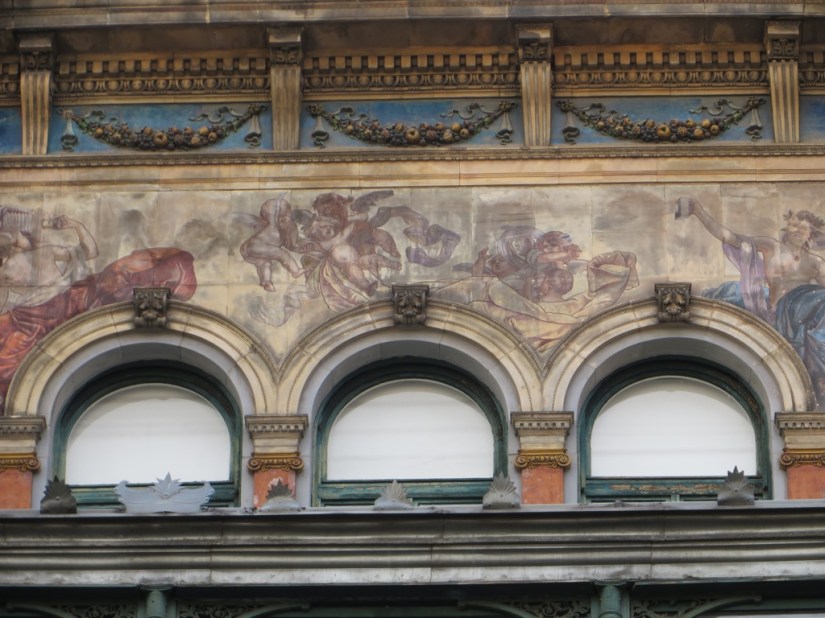
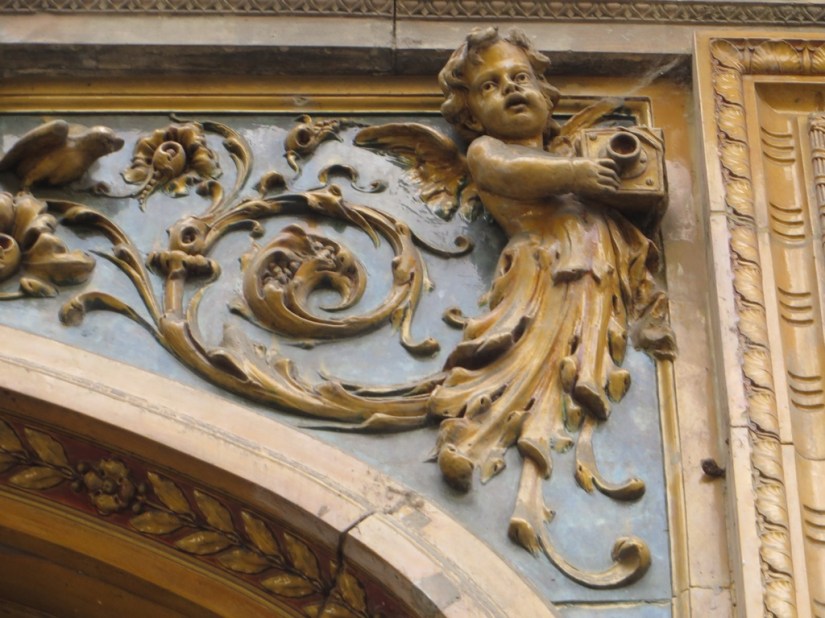


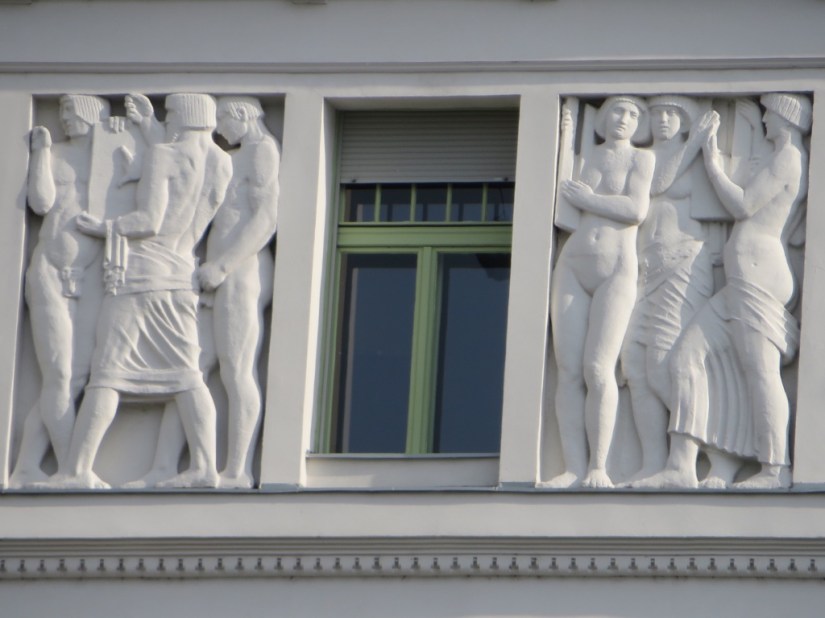


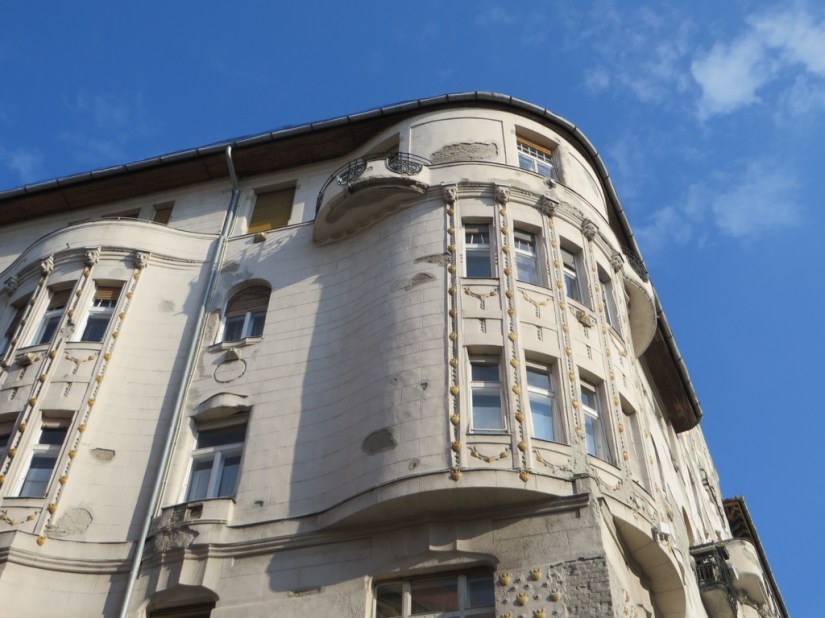
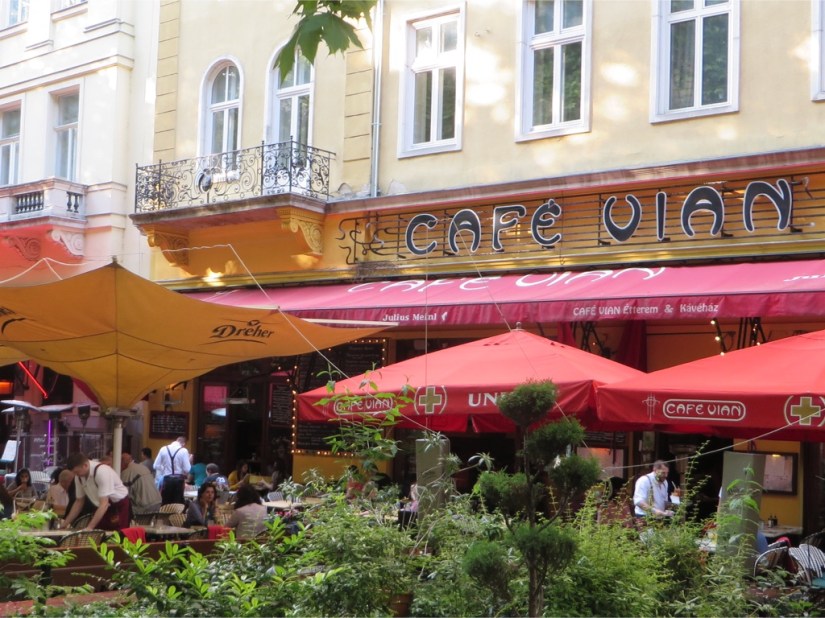
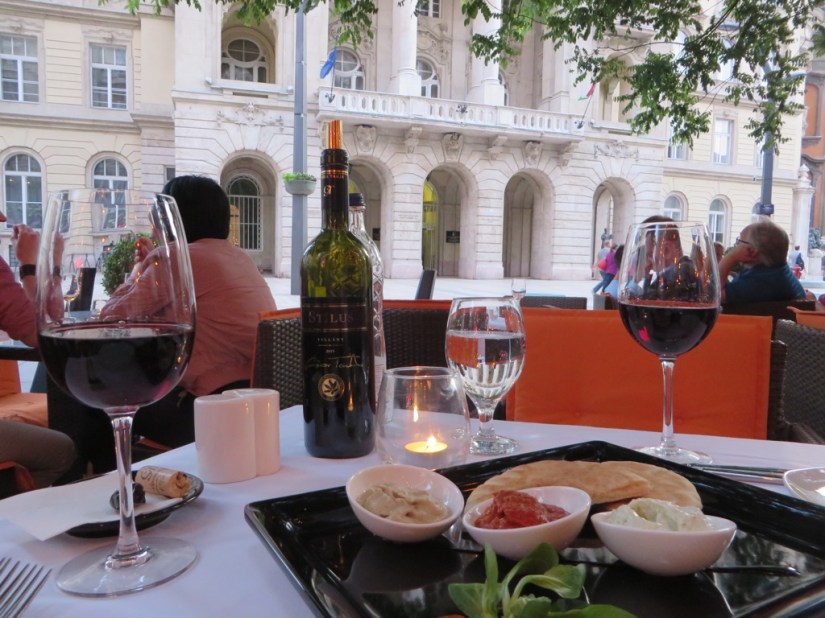
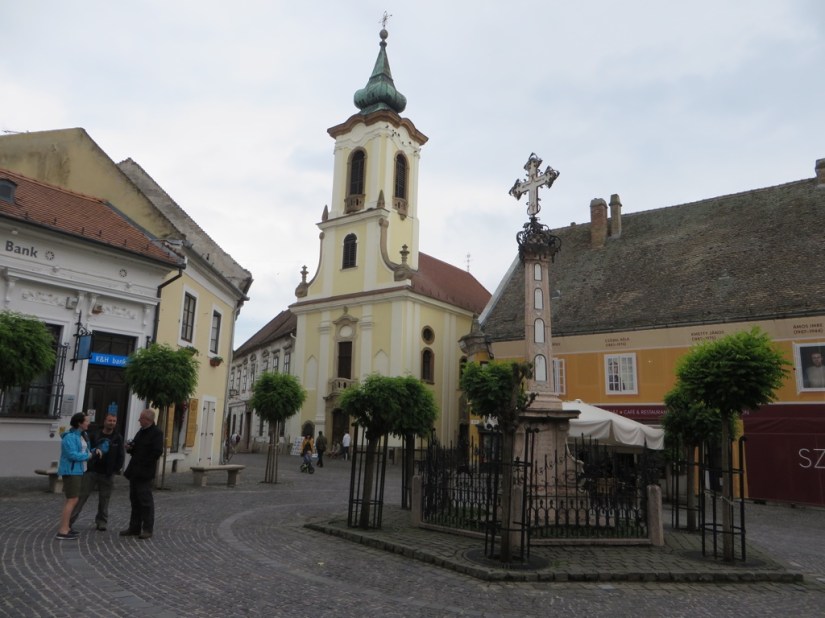
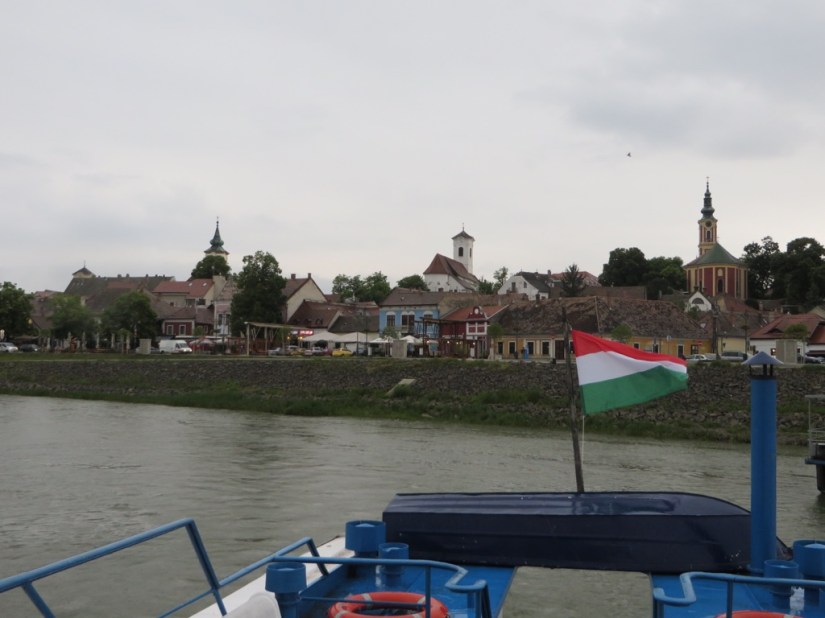
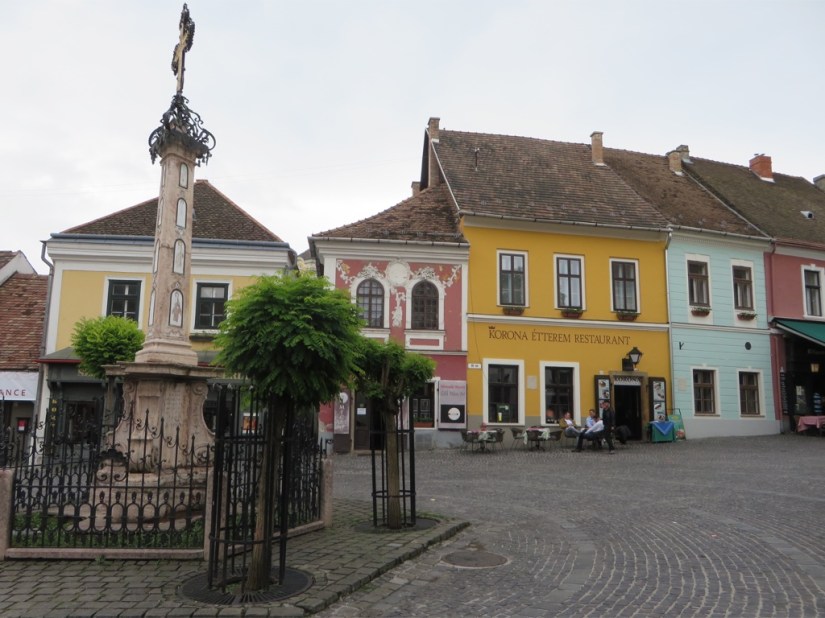 After thunderstorms through the night, we woke to a grey day with the promise of showers, but we had planned a trip by boat to Szentendre, an hour or so upstream and just had our fingers crossed.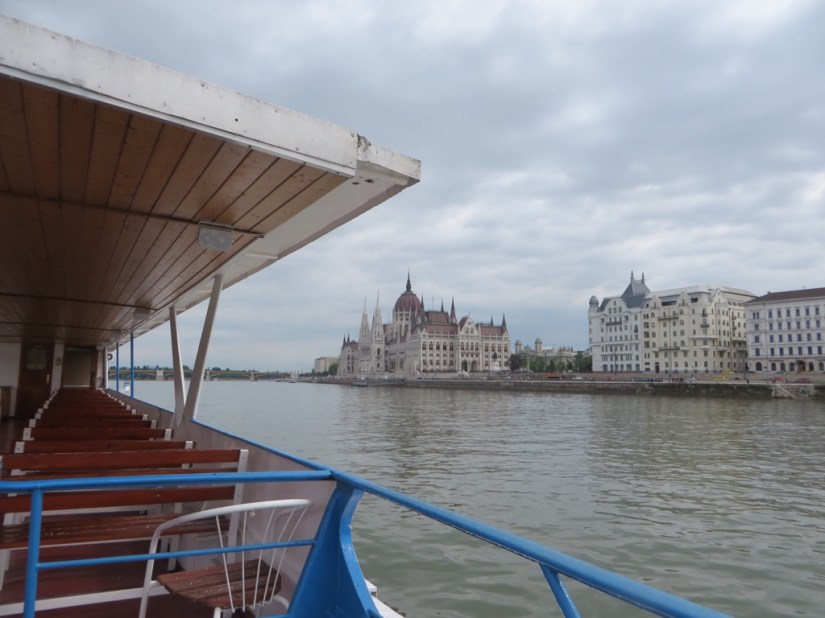




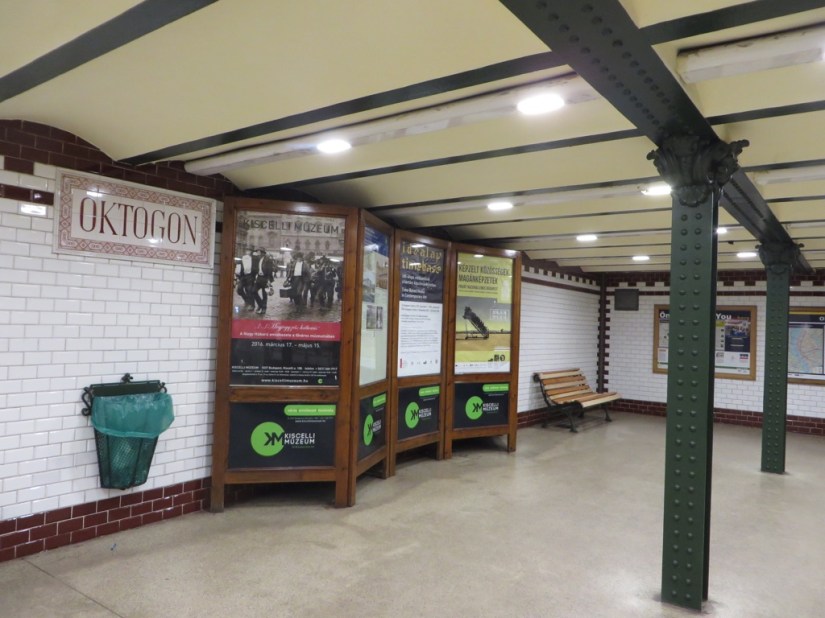
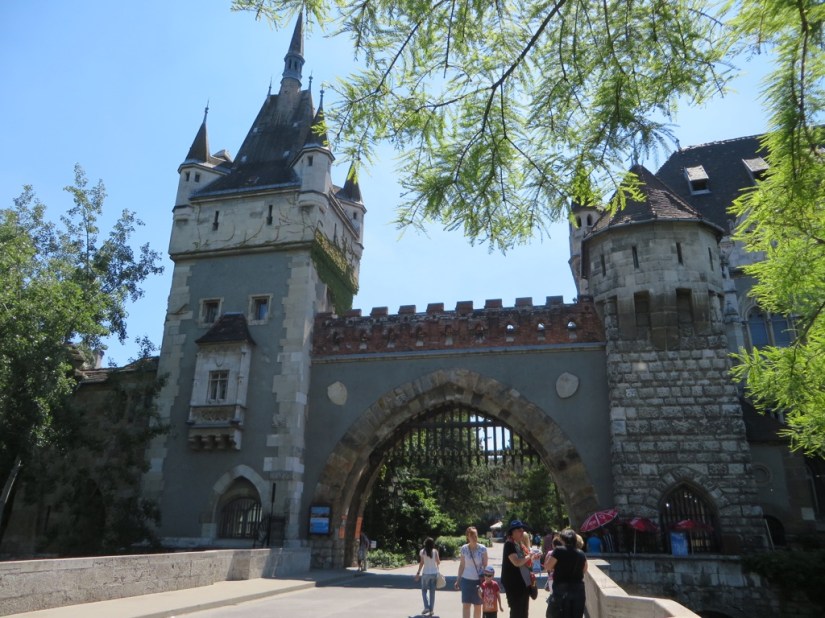
 Our first destination was Hosok ter or Heroes’ Square, which together with the Varosliget or City Park were created in 1896 for the nationwide celebrations of the Magyar conquest of Hungary. We arrived from the centre of the city on The Millennium Underground which has been beautifully restored with its heritage tiling and fittings, but is the oldest metro line in continental Europe.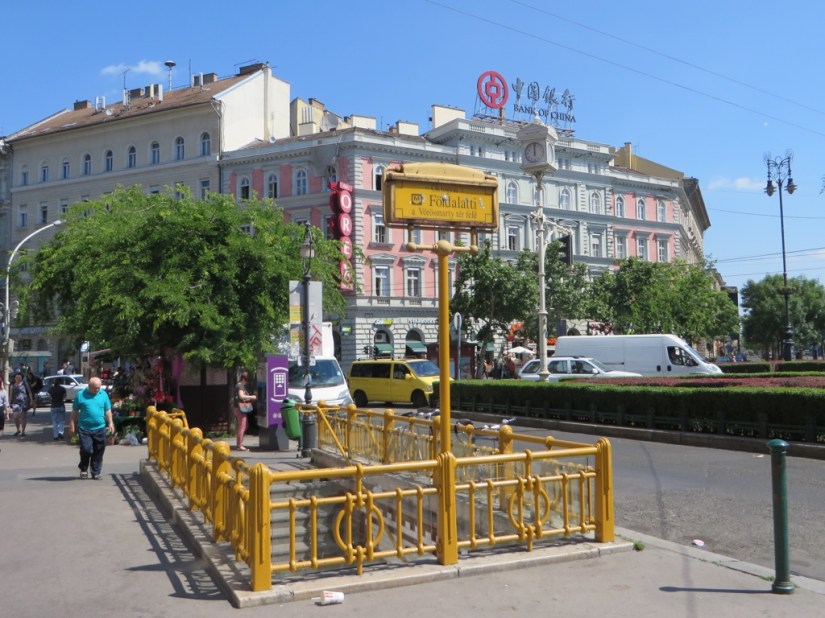






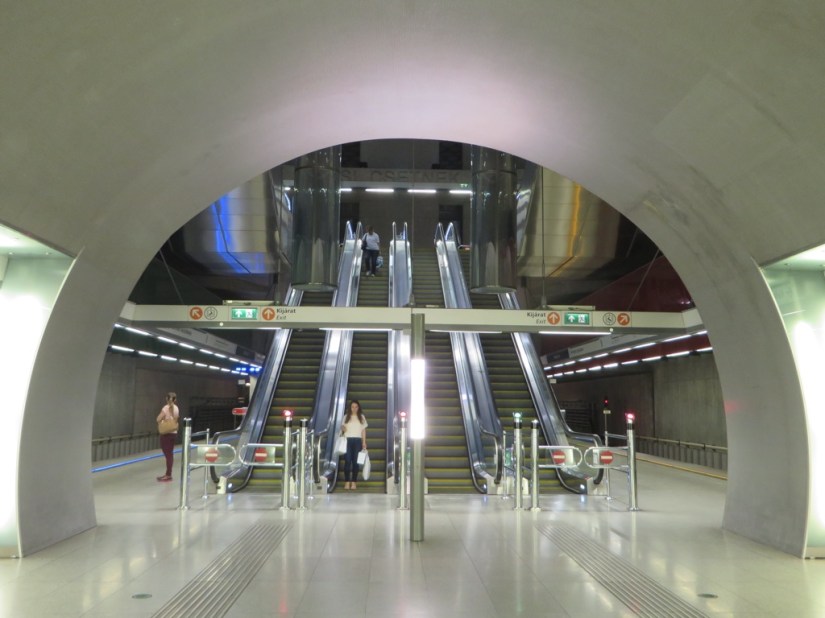







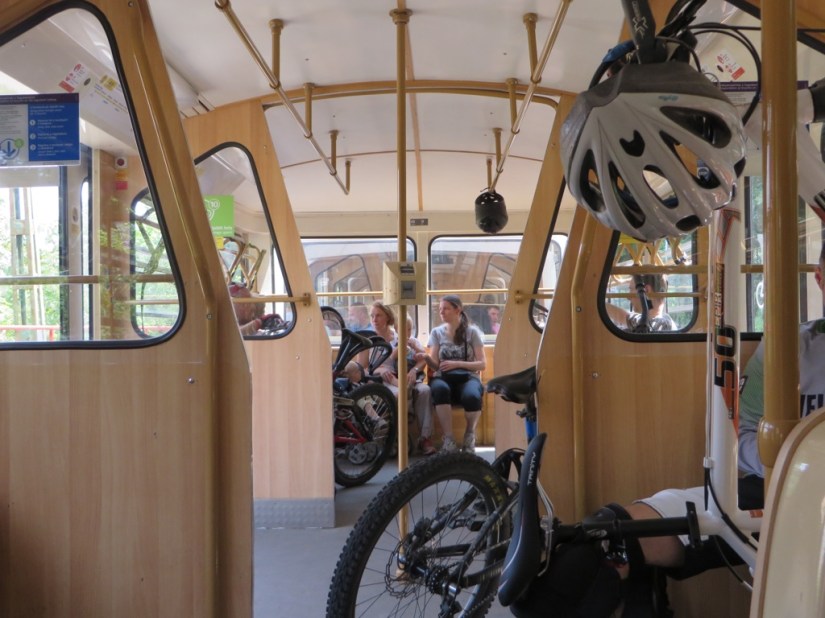
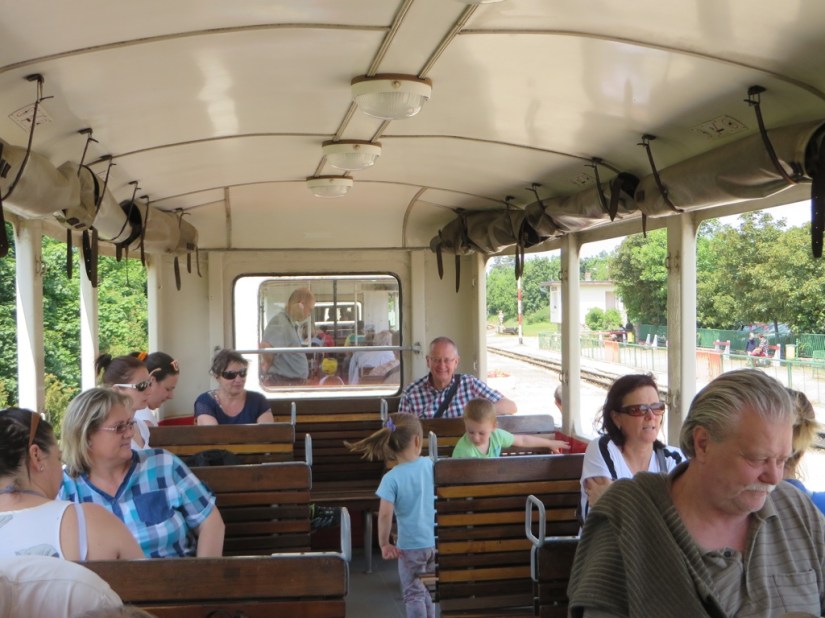
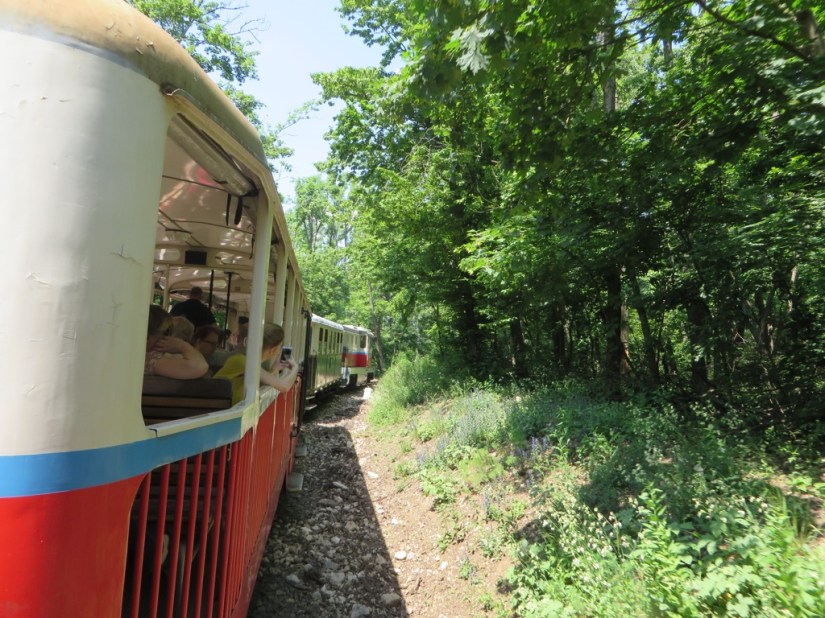
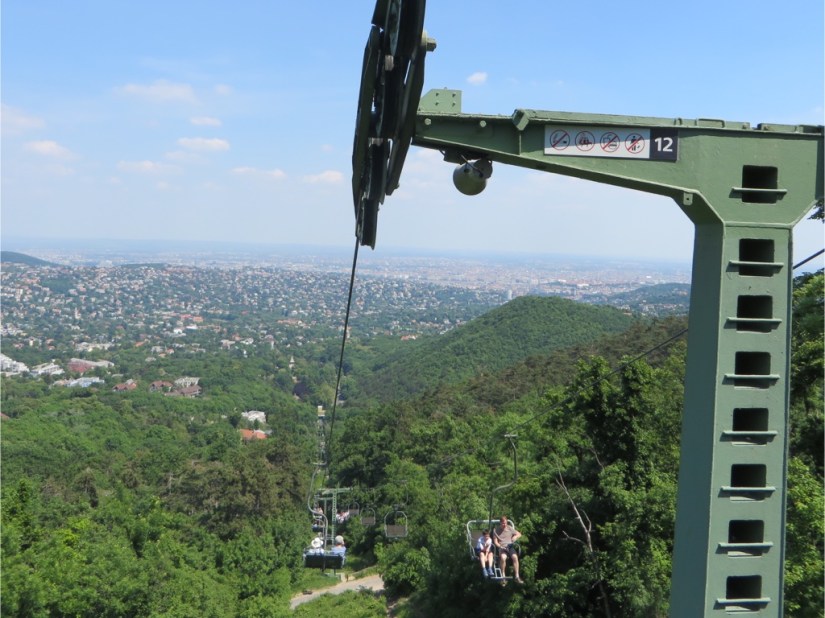 Another lovely day and we are off for a transport medley in the Buda Hillls. Firstly we took the metro over to Buda, then a tram to the beginning of the Cogwheel Railway which was built in 1874 and climbs 300m over 4km up through the suburbs to the top.




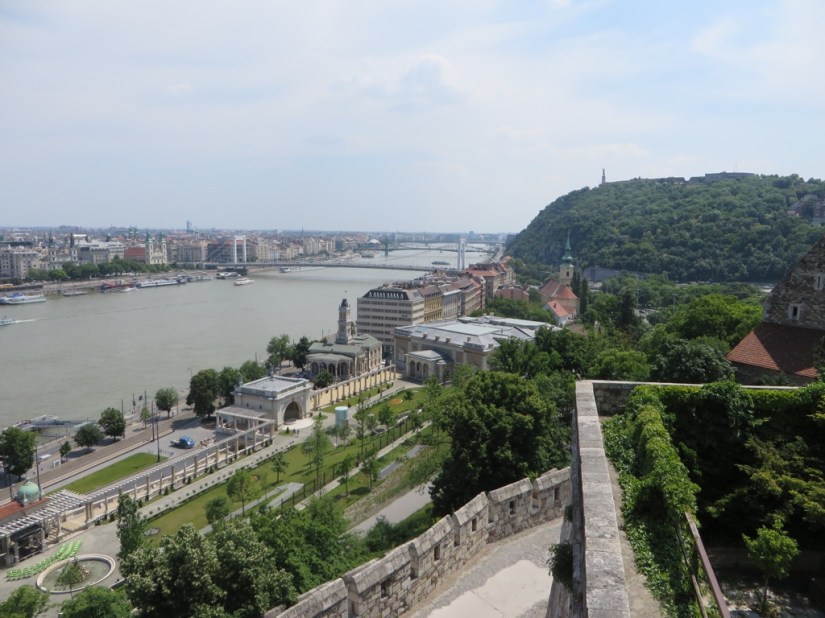
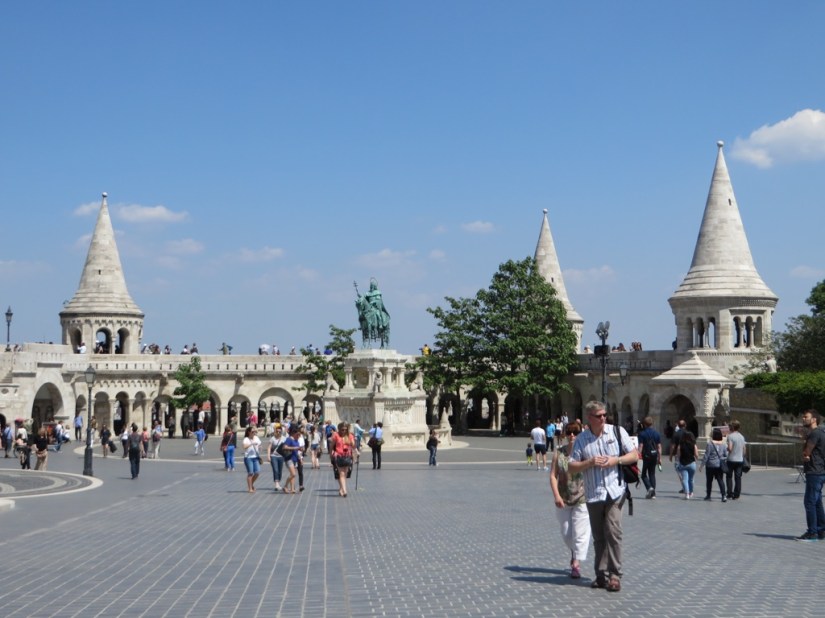
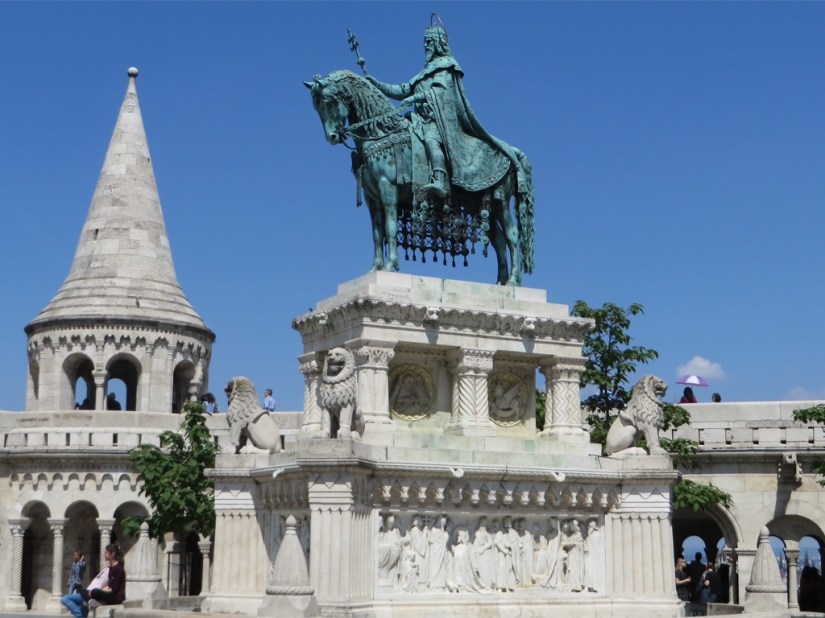
 Today we walked over the Chain Bridge to the Buda side of Budapest. We thought we might ride on the funicular to The Var or Castle Hill, but the queue was long so we walked instead.









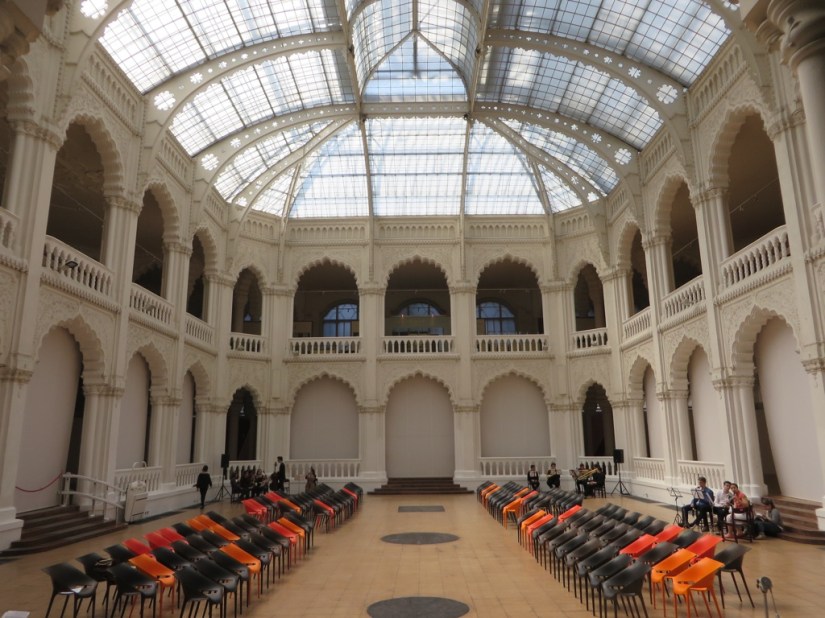

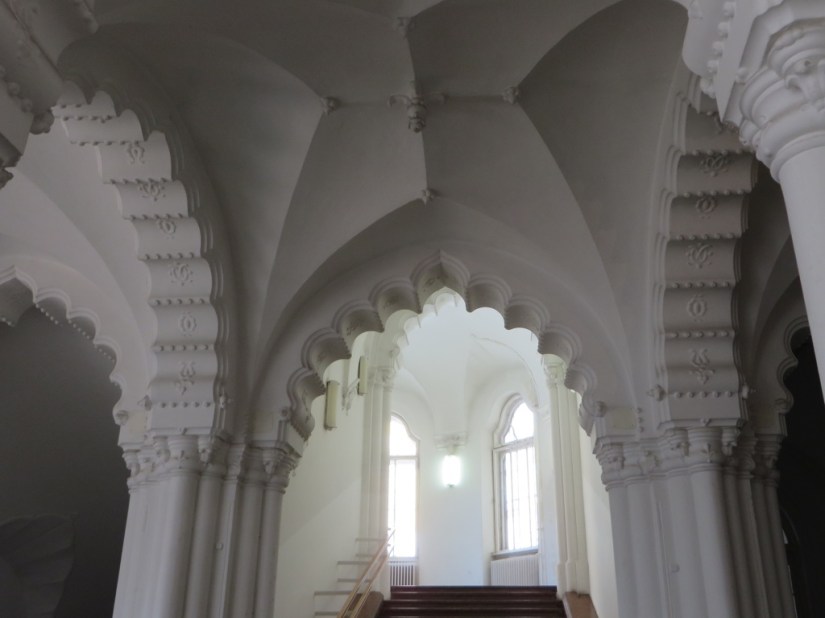

 The exhibits showcase the best of design both donated and bought to inspire Budapest artists and craftsmen. My favourite was a lovely iridescent floor vase.