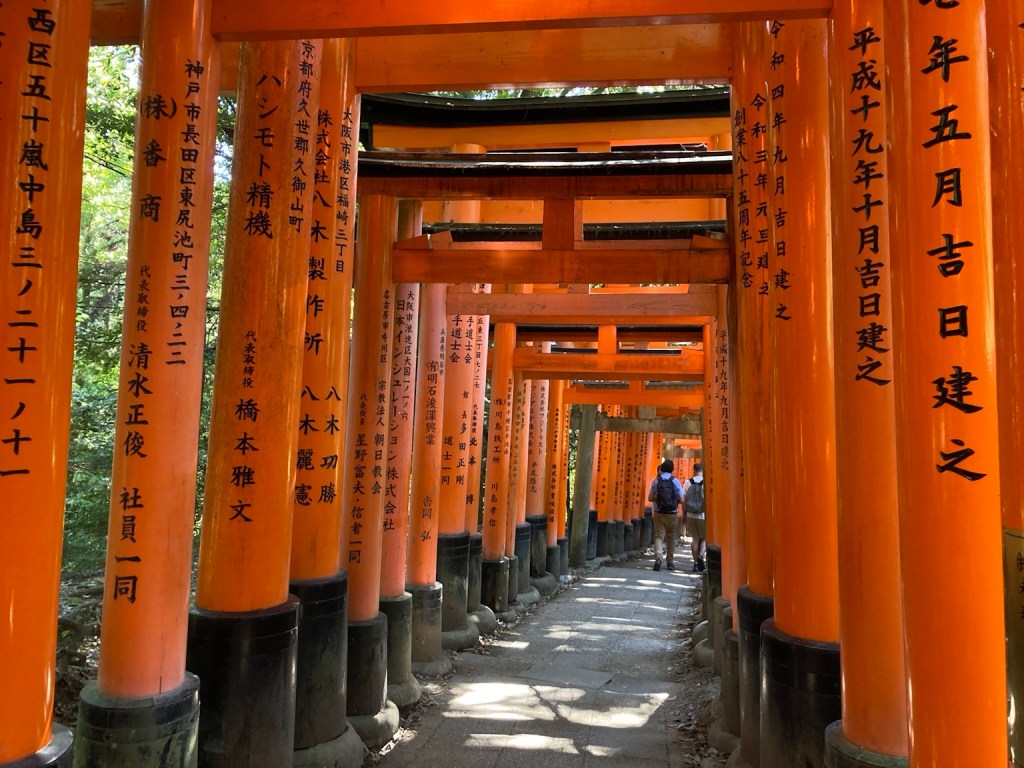
Today is a public holiday called a Sports Day which gives people the free time to participate in physical fitness activities and municipal resources are open for free. We are getting our exercise by visiting the Fushimi Inari Taisha shrine, dedicated to Inari, the Shinto deity of rice, agriculture, and prosperity and so is everyone else!
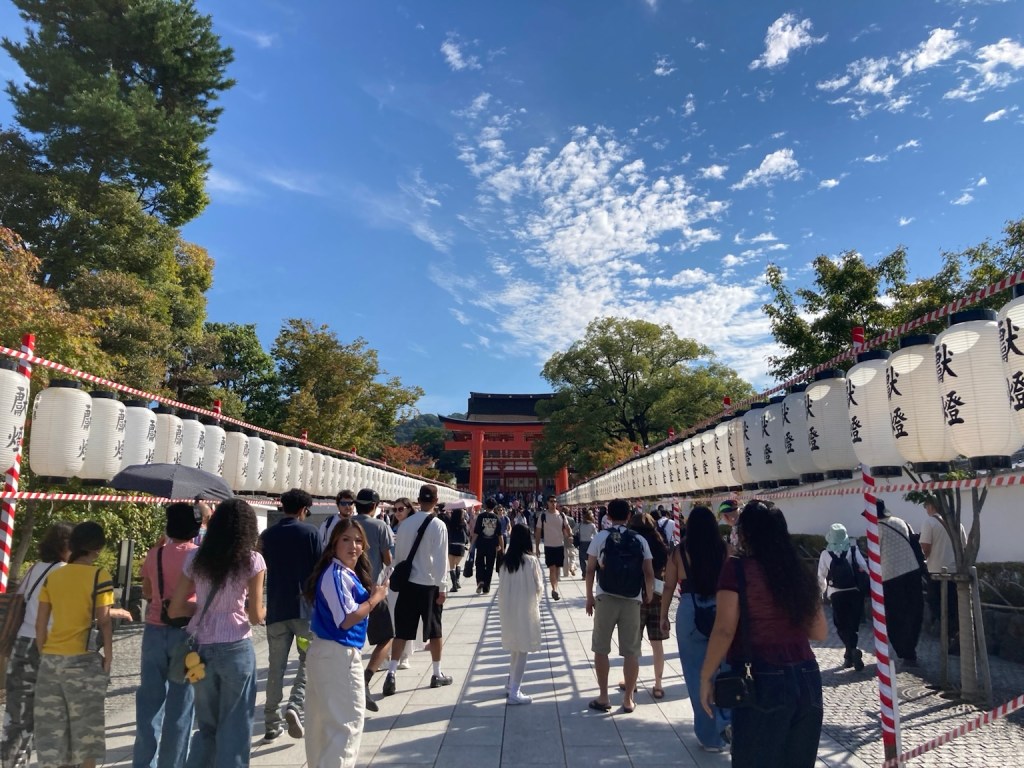
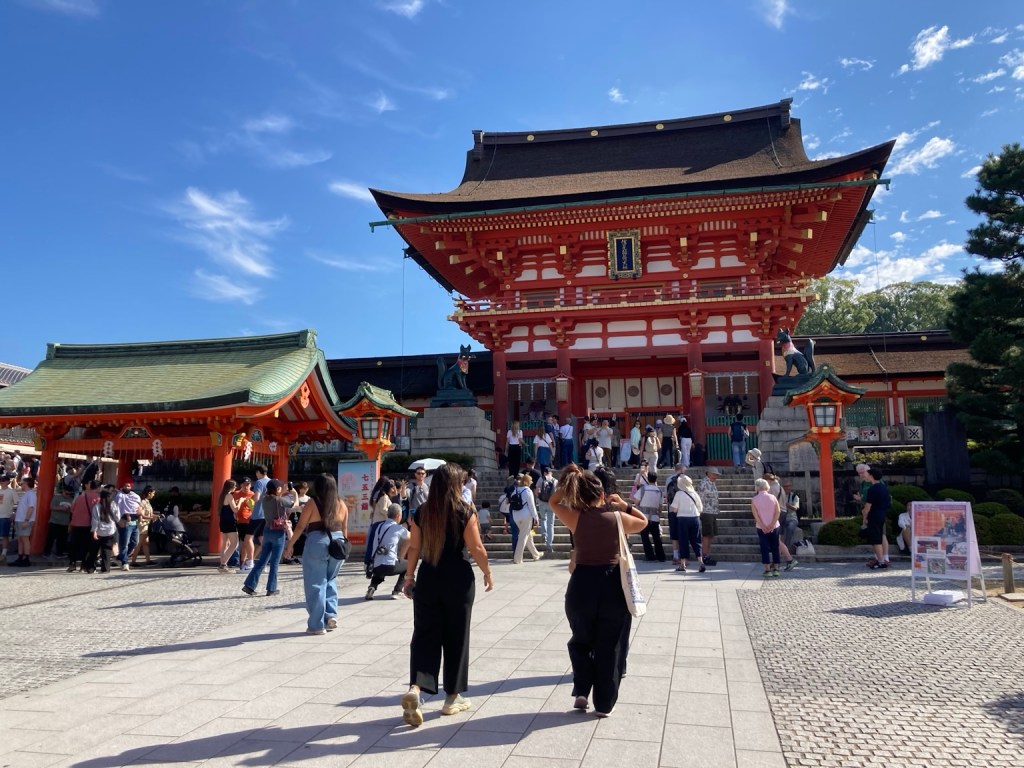
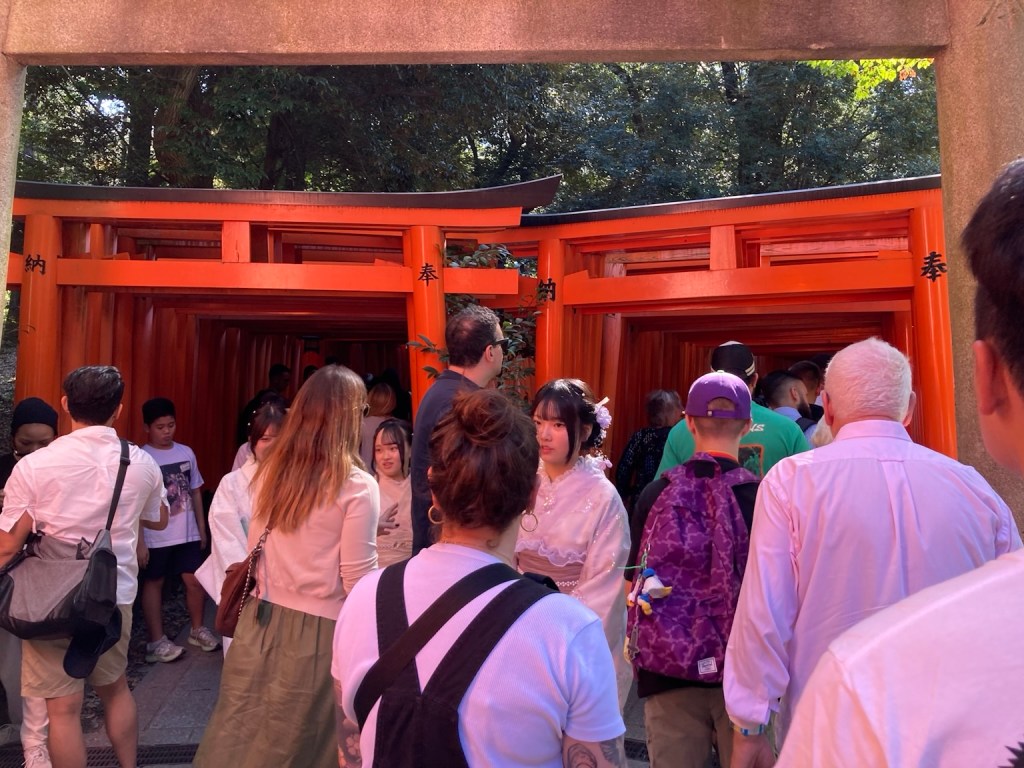
Like all Shinto shrines, it begins with a torii, but the attraction here is the sheer number.
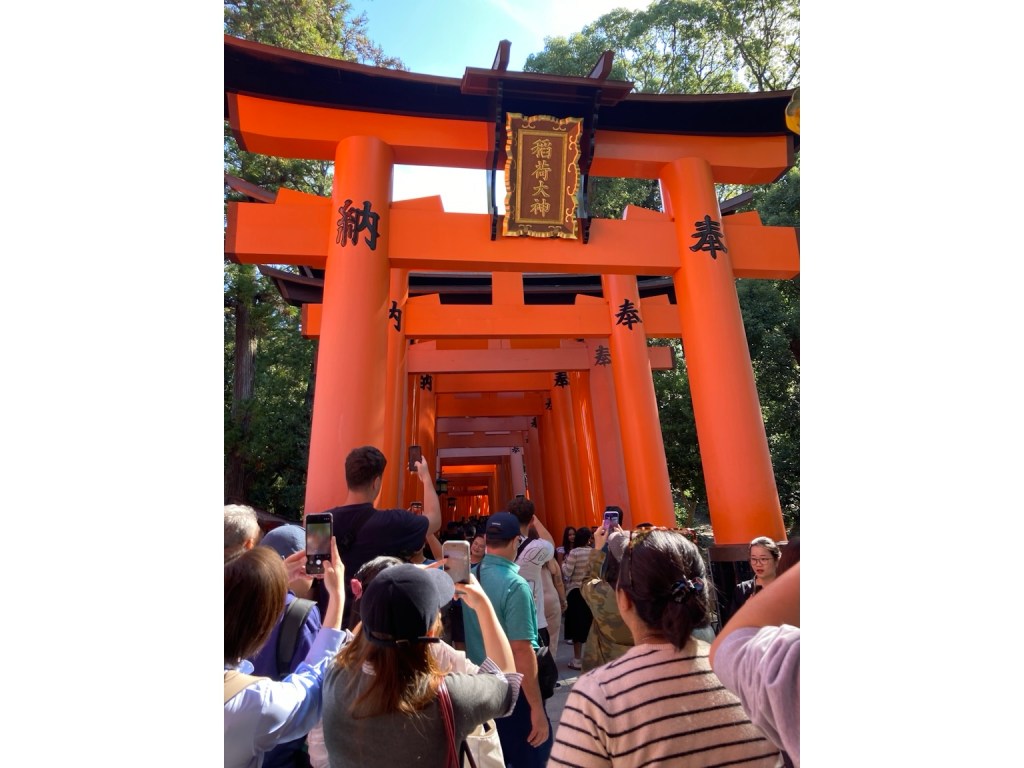
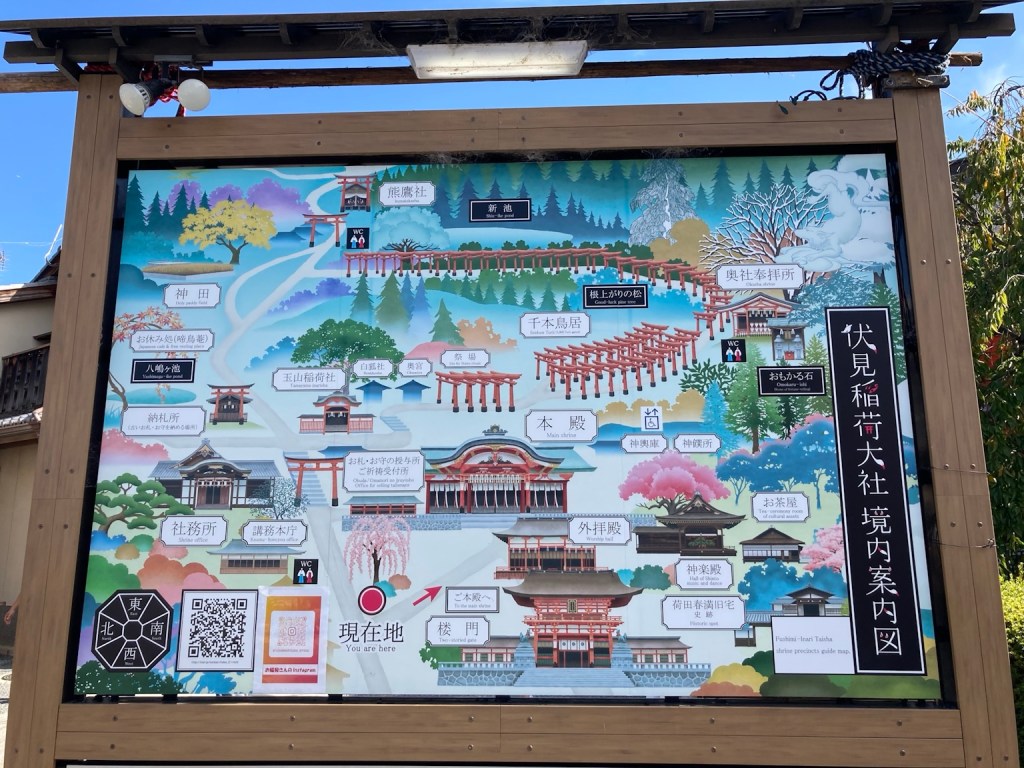
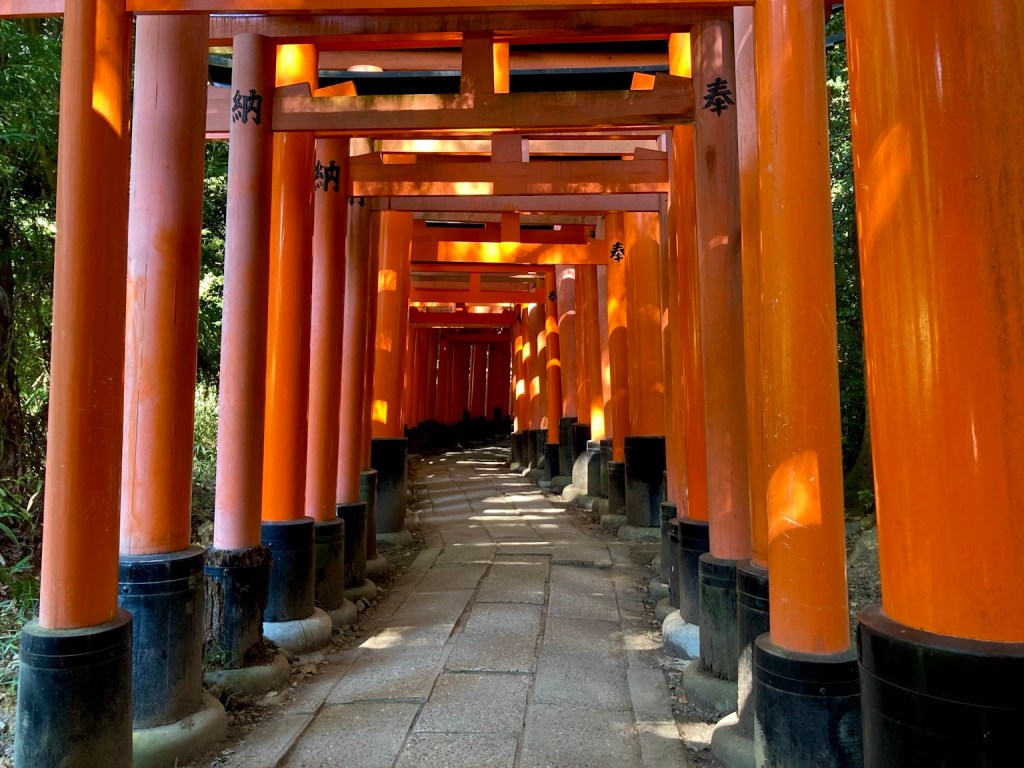
Shortly after the start, the path separates into two tightly packed parallel tunnels of bright vermilion wooden gates which snake up the mountain.
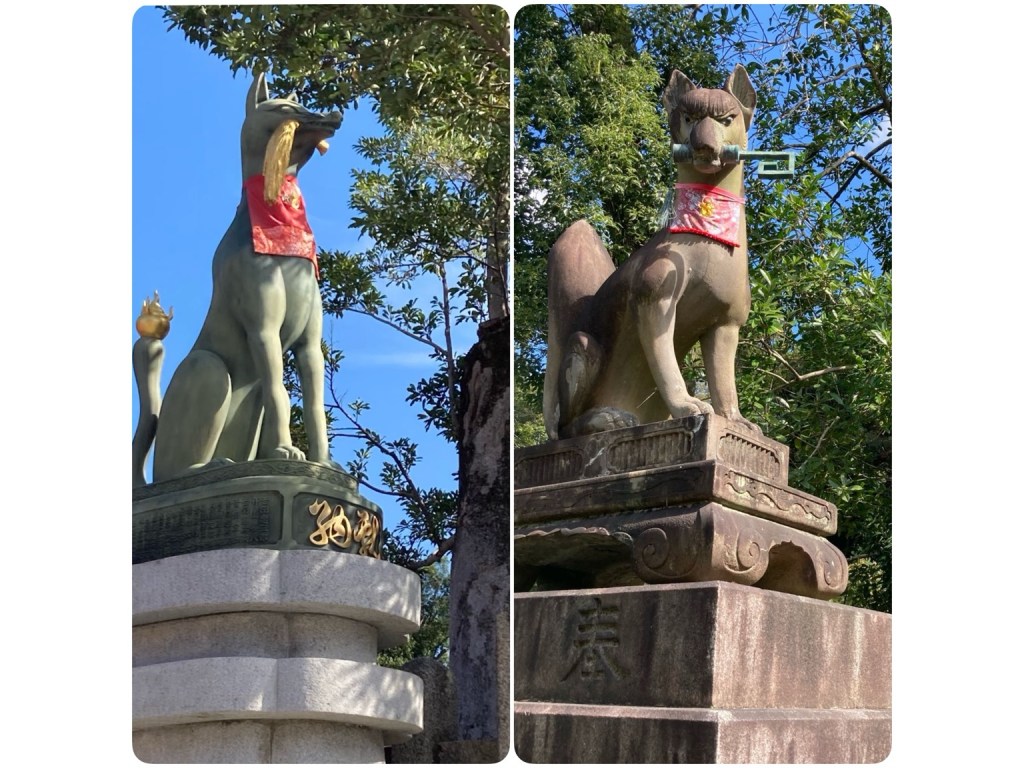
There are no guardians or lions here, instead the shrine is protected by stone foxes, who serve as Inari’s sacred messengers. In their mouths they hold either a key to the rice granary or a jewel representing the soul of the deity.
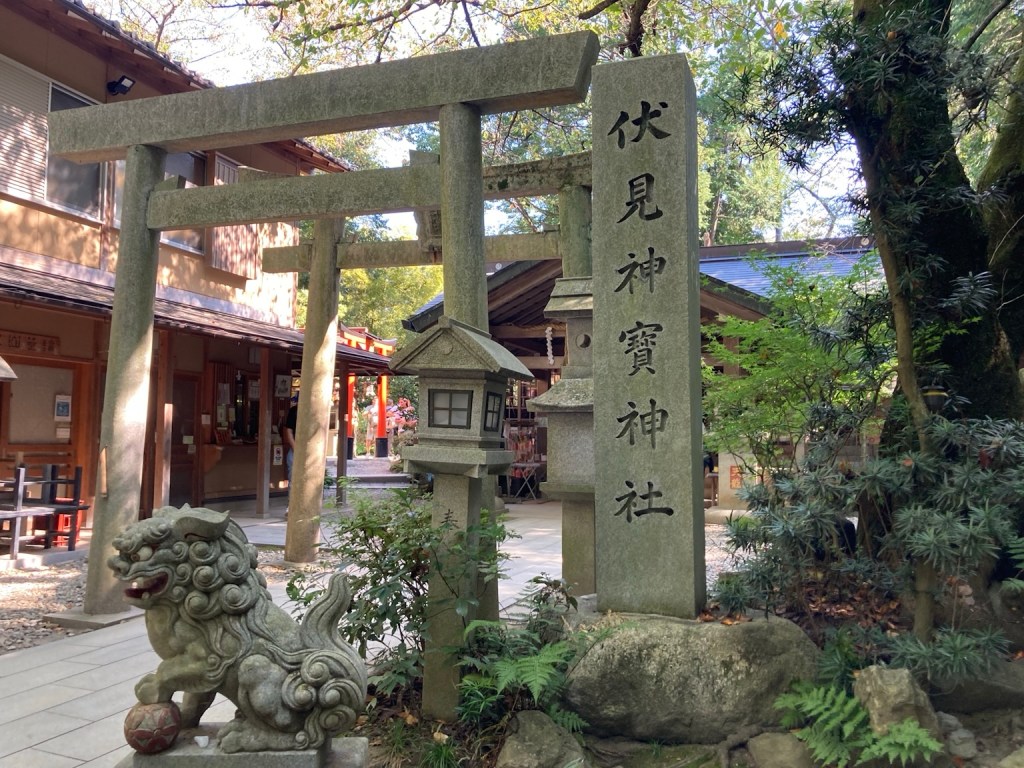
There were several small shrines off to the sides along the way …
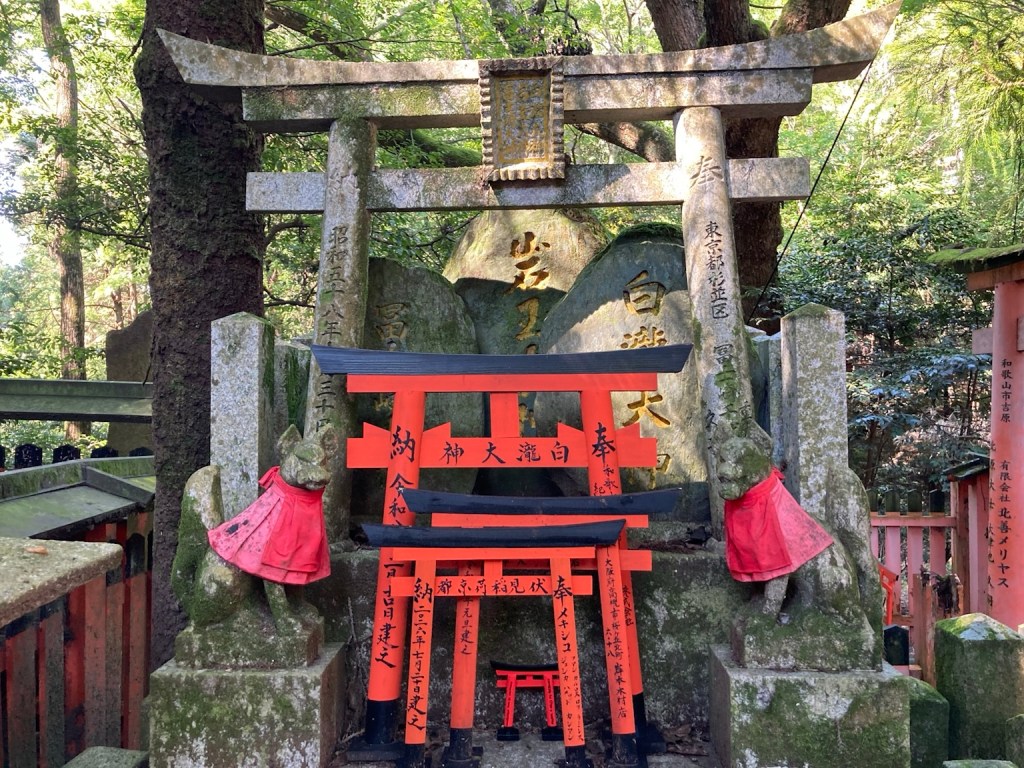
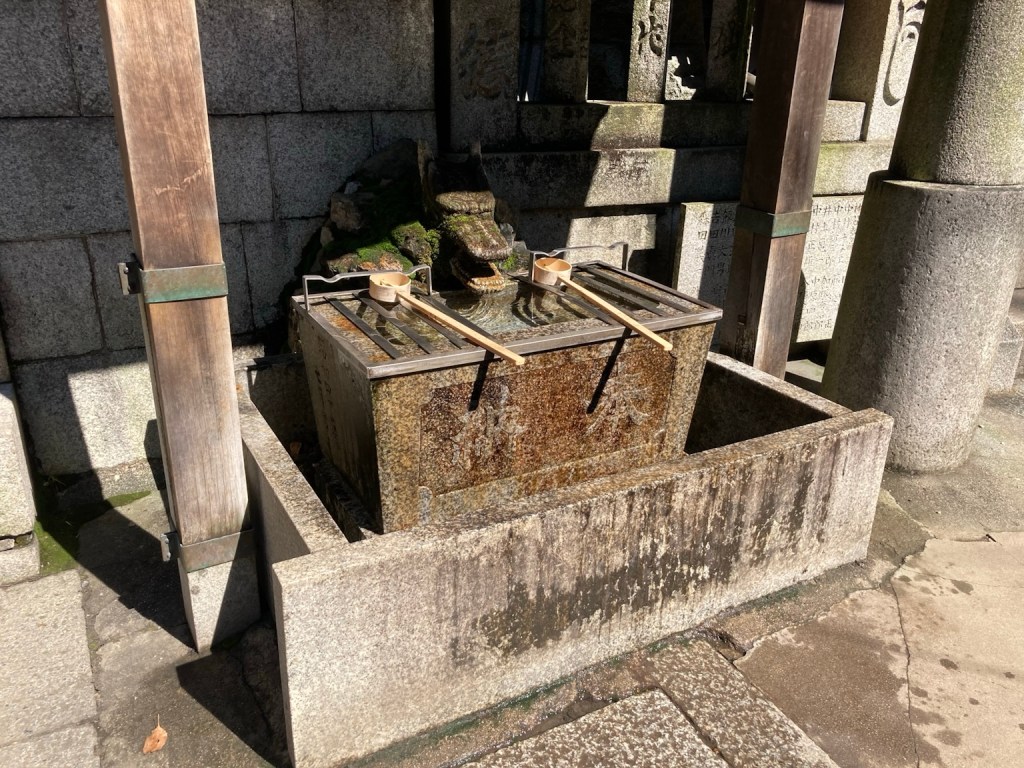
… and also a couple of paths back down the mountain so the crowd thinned, but we kept on going …
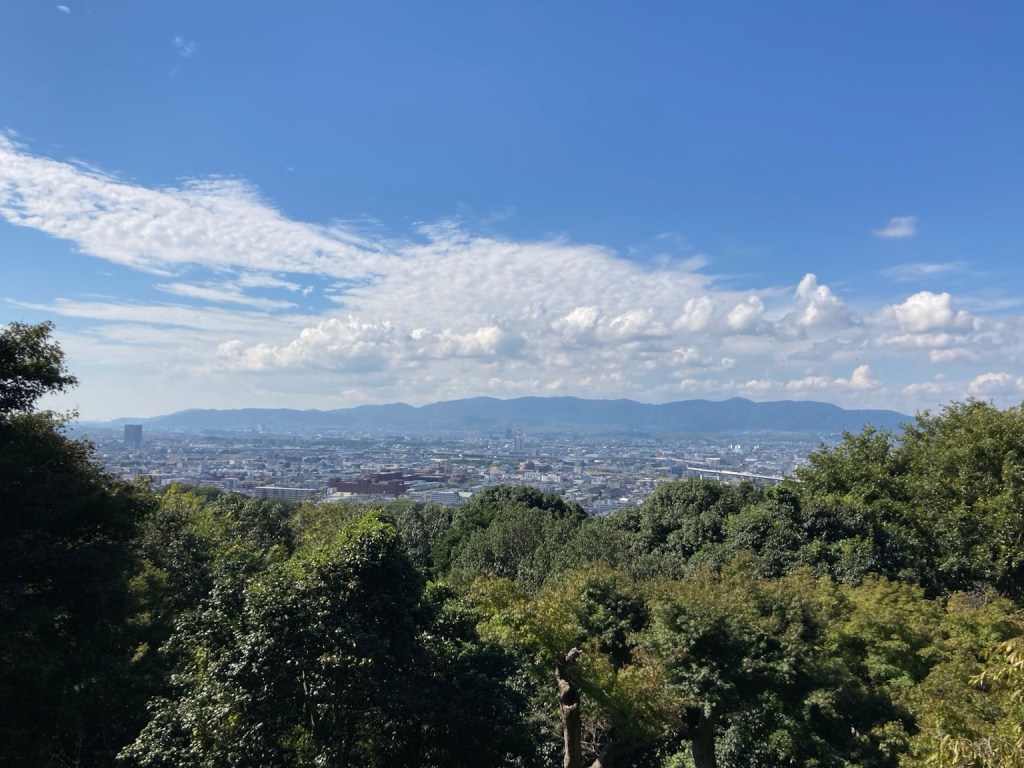
… up to the Yotsutsuji Crossroads Viewpoint where we could see Kyoto below.
On our return, we could see the reverse of the gates, with kanji characters listing the names or the donor of the gate.
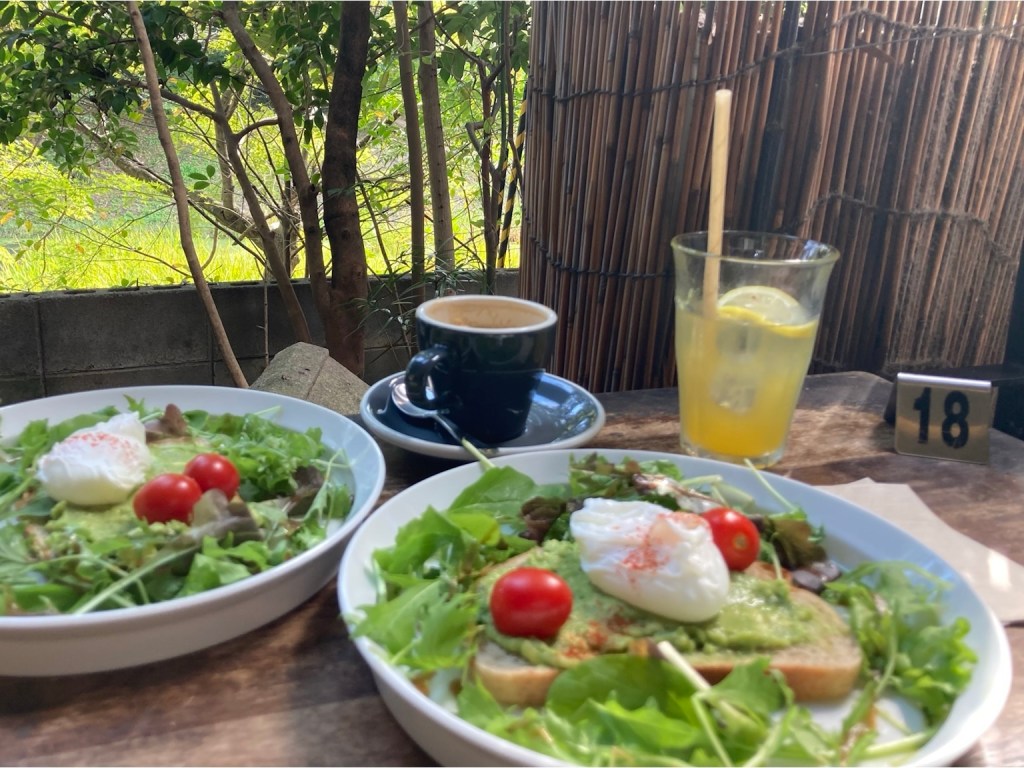
The Vermillion cafe was a perfect stop for lunch, an Australian style cafe with a terrace overlooking a pond where we had avo toast for lunch.
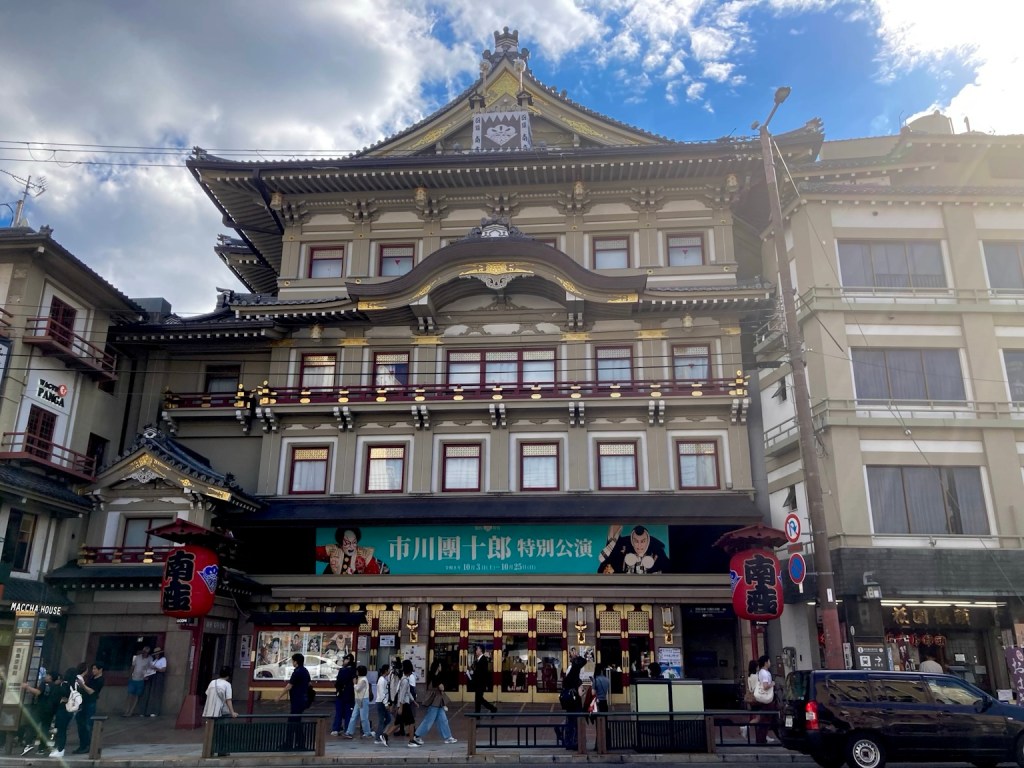
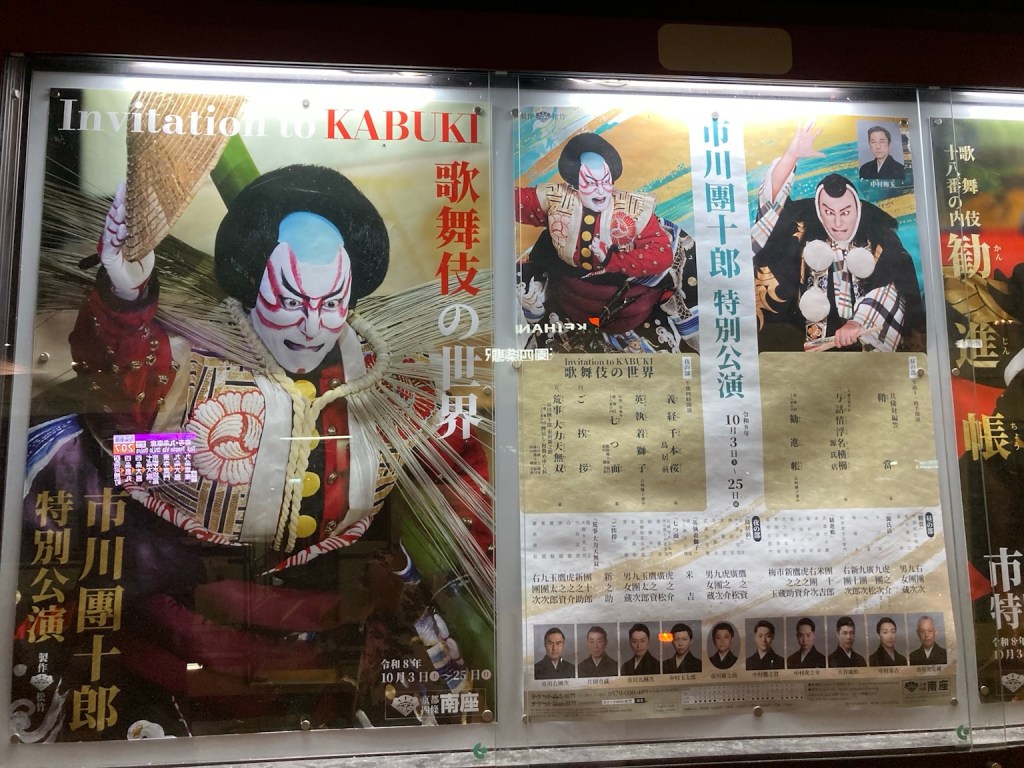
Returning to central Kyoto, we made our way back to Gion, and passed the Minamiza Theatre, where Kabuki first started in 1610 …
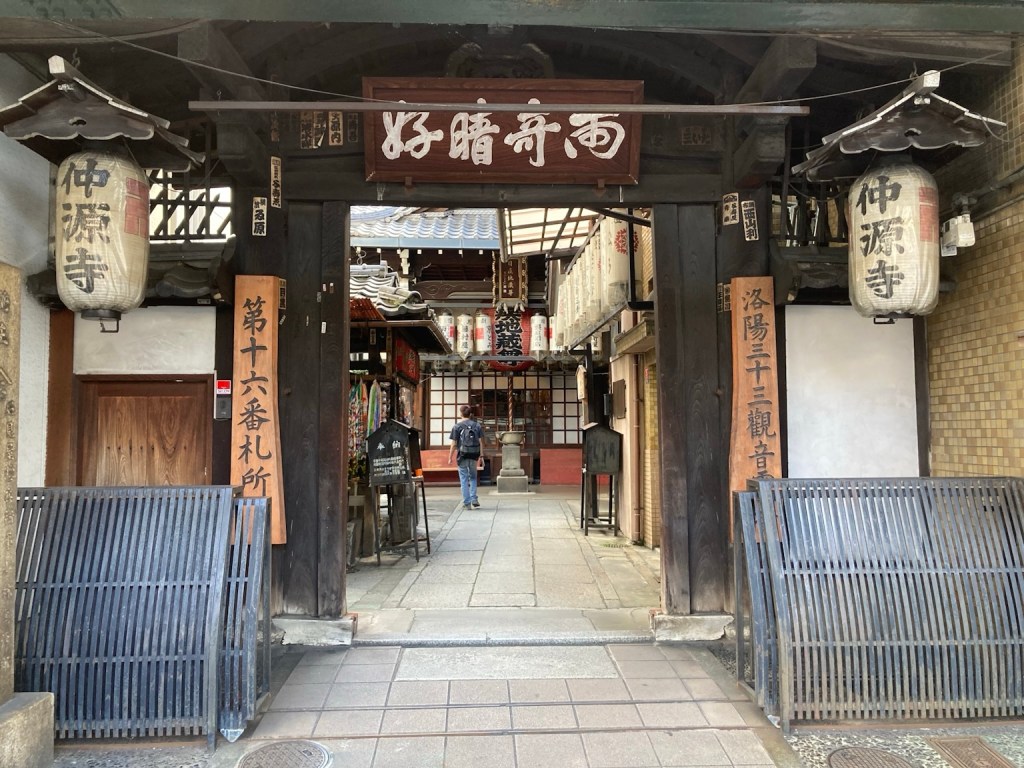
… this tiny temple where local shopkeepers stop nightly to pray for good fortune …
… and Ichiriki Ochaya, one of the most famous, exclusive, and historic geisha teahouses in Japan, although it was too early to see a kimono clad Geiko.
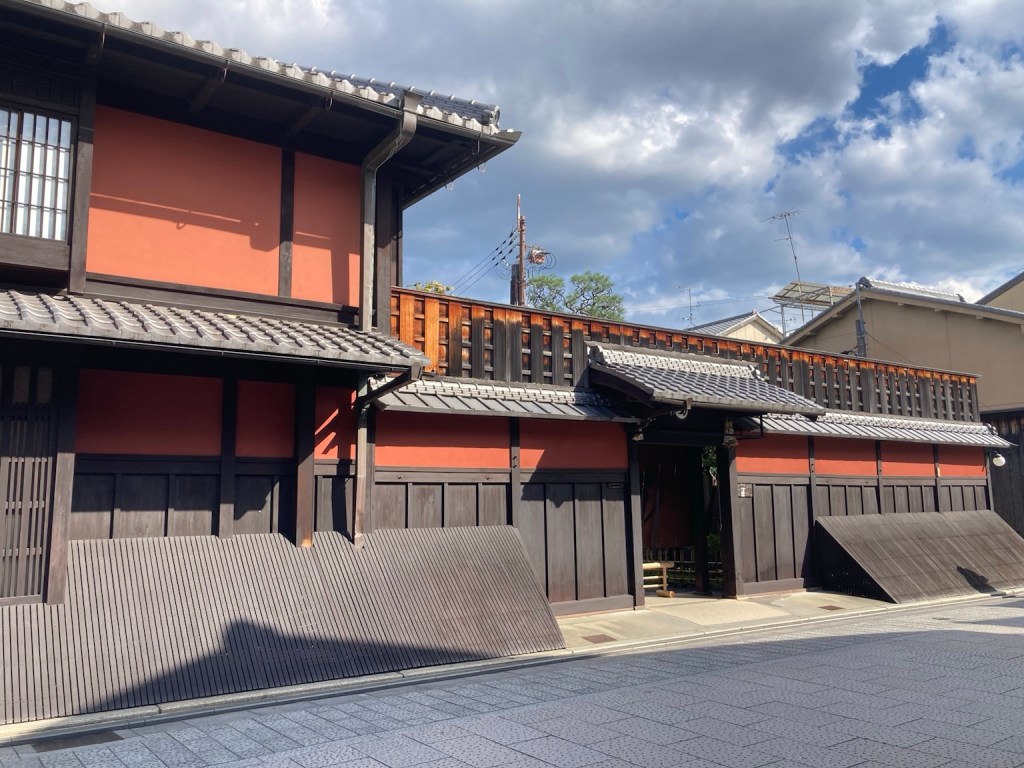
We had booked tickets to watch and take part in a tea ceremony right in the heart of Gion.
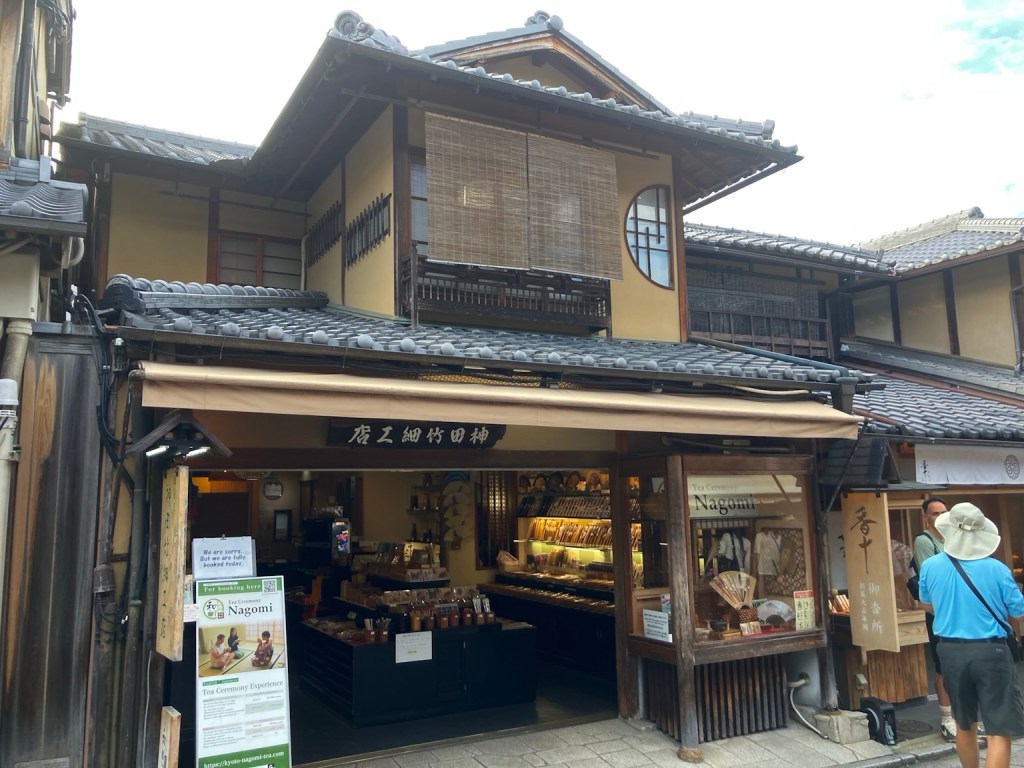
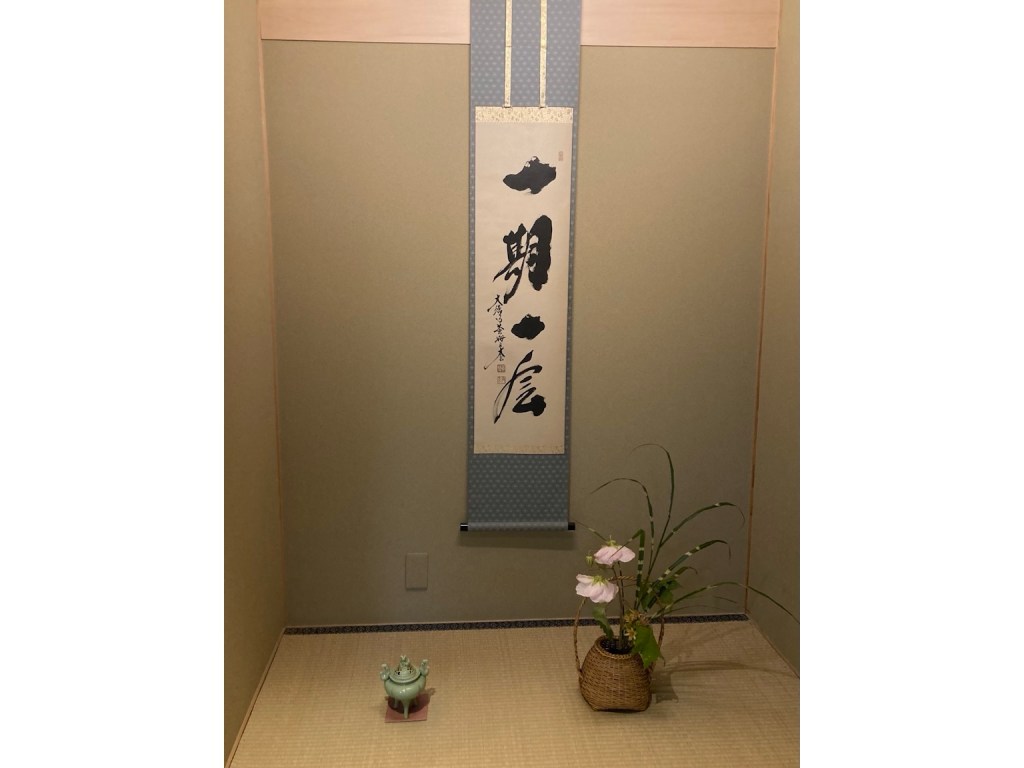
Our group were seated round the room as the tea master explained the significance of the room and the ritual of the ceremony. Ichigo ichie is important as it translates as once in a lifetime, meaning this is an unrepeatable moment that we are all sharing, that can never be replicated exactly. This encourages us to focus on the here and now and to approach it with mindfulness.
The room is decorated with an alcove containing a scroll, a flower arrangement and an incense pot, carefully chosen to match the season
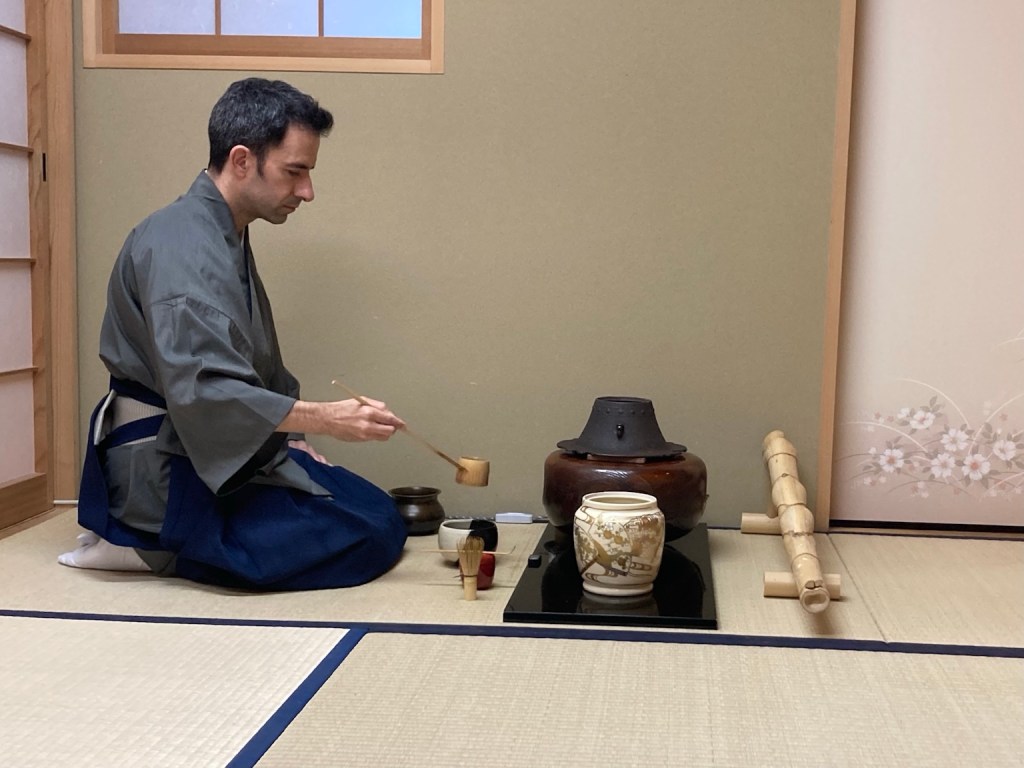
After we had watched him make the matcha, we all had a go too, whisking the matcha until a fine foam formed on top.
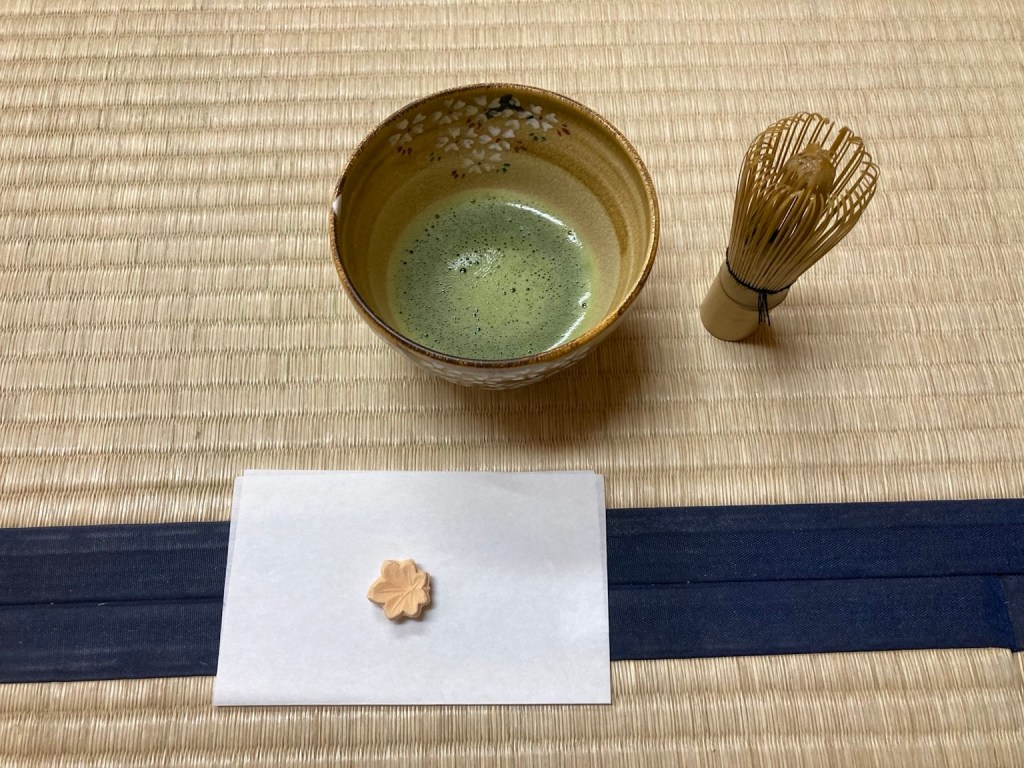
I’m sorry but I will not be a convert – however many antioxidants it might have, it still tastes like cabbage water!
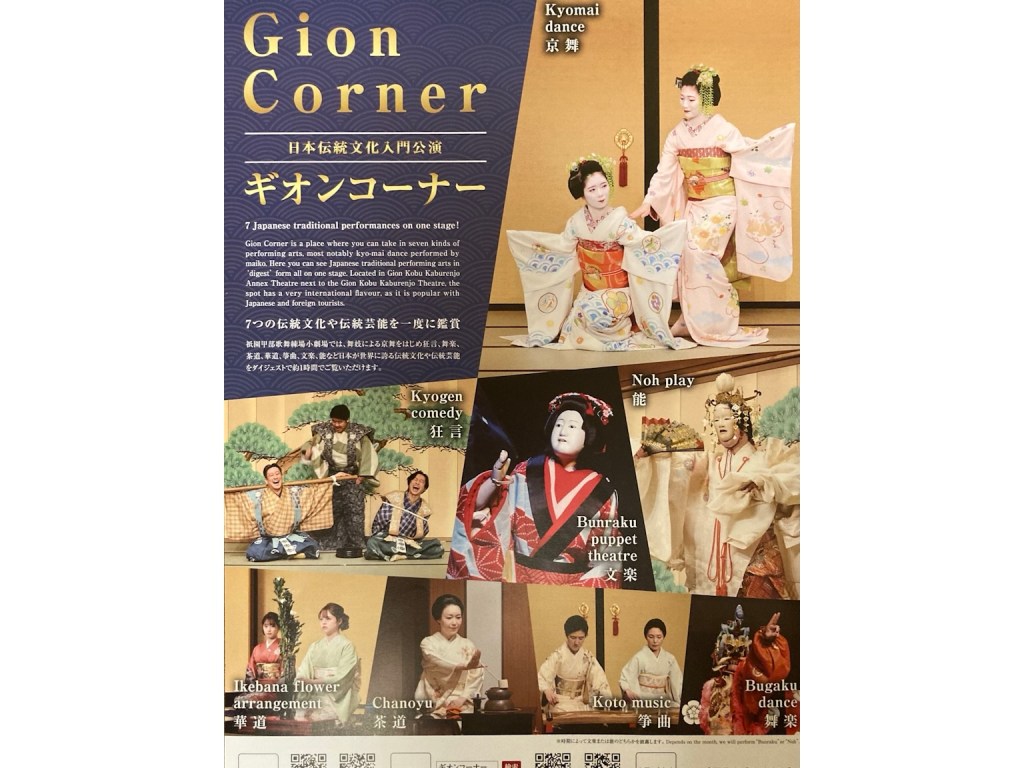
Our education continued in the evening with a short show at Gion Corner with various cultural performances ranging from very formal dance, to comedy and even puppetry.
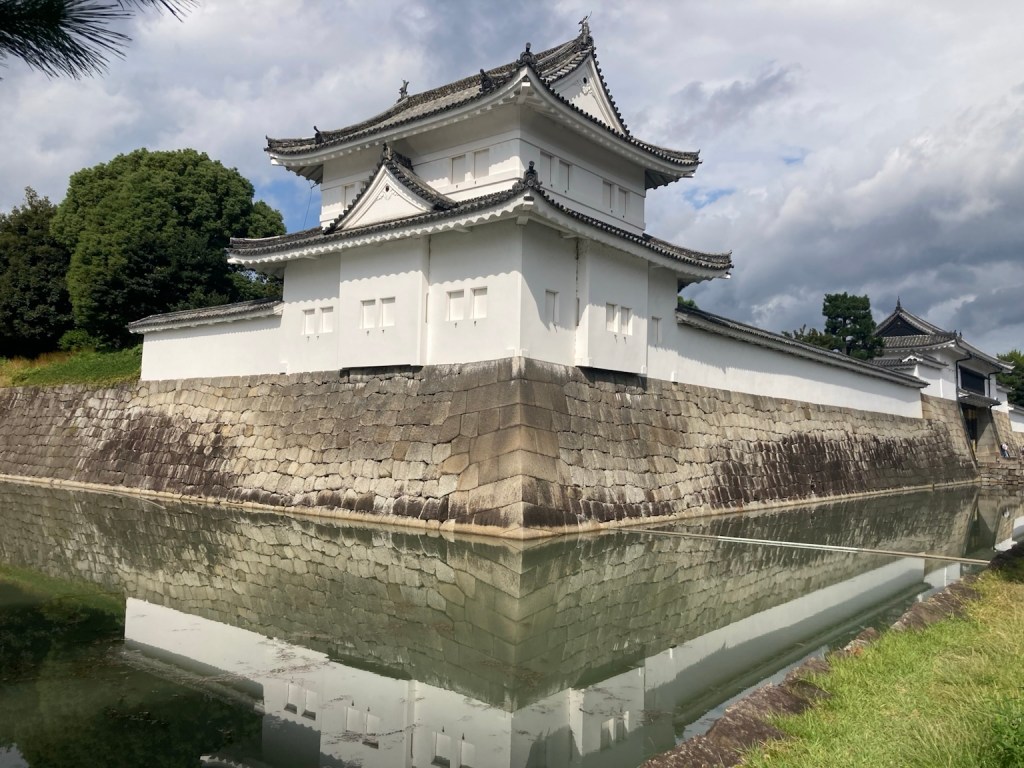
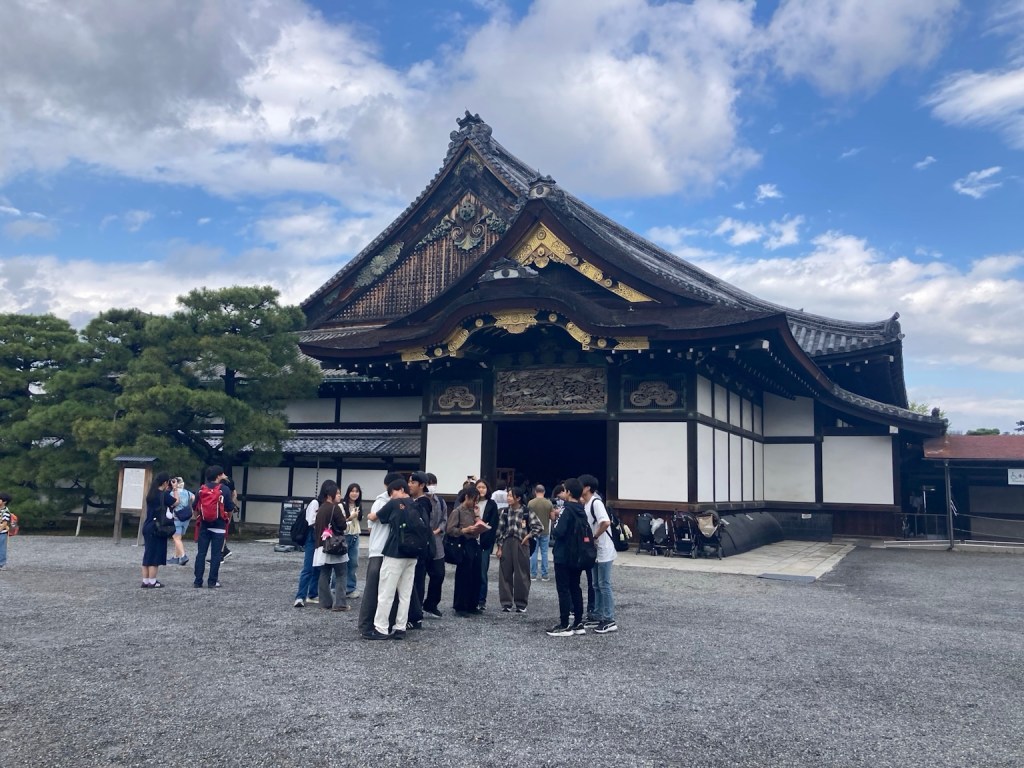
The next day was out last in Kyoto and in the morning we went to Nijo-jo, a historic castle complex commissioned by Tokugawa Ieyasu in 1601 which served as the Kyoto residence of the Tokugawa shoguns. It was also the place where the shogunate ended and political power returned to the Emperor in 1867.
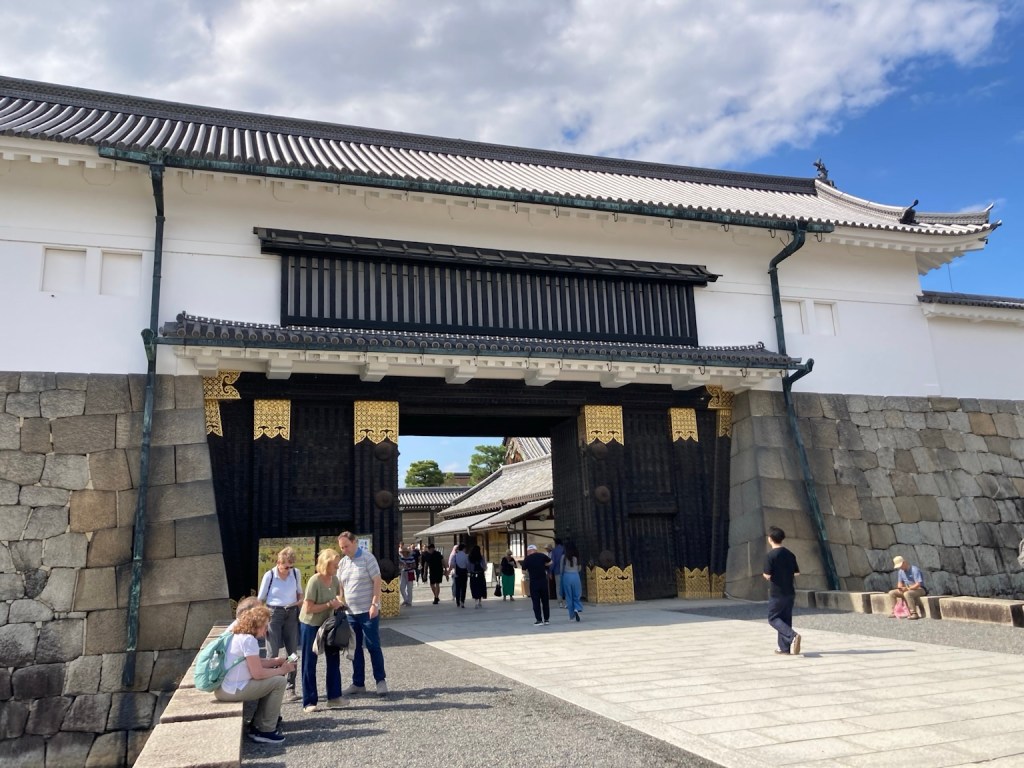
Here’s the ornate Chinese-style gate leading into the outer Ninomaru Palace, but no photos were allowed of the inside, decorated by beautiful painted screens.
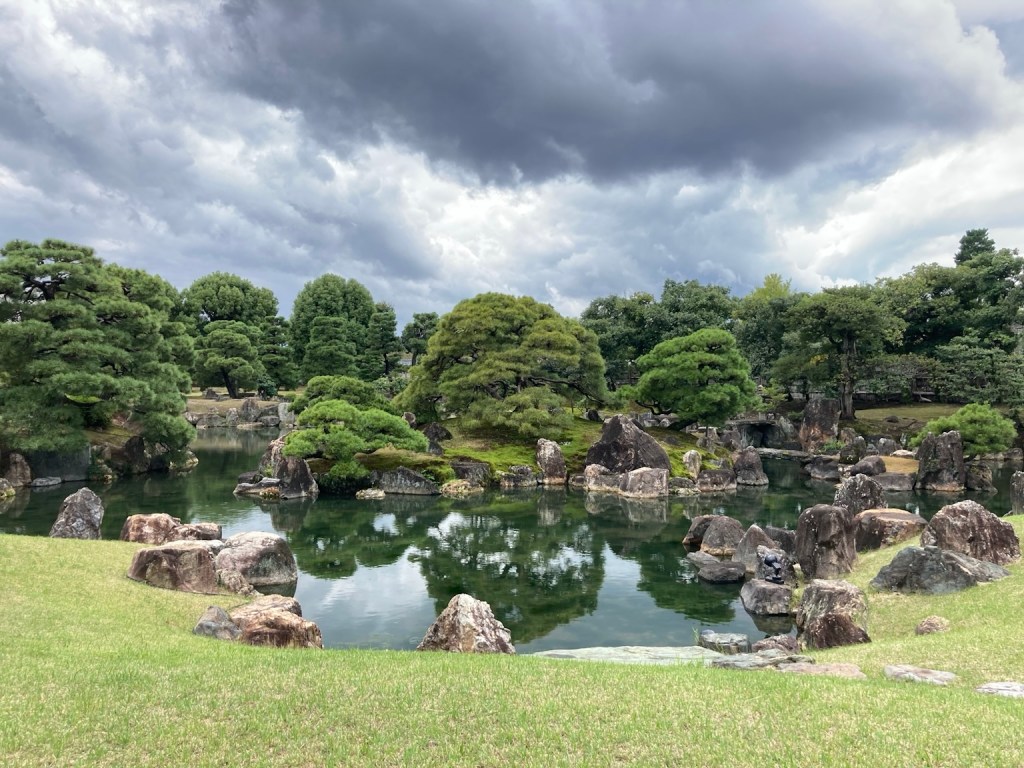
There were a couple of modern but peaceful gardens …
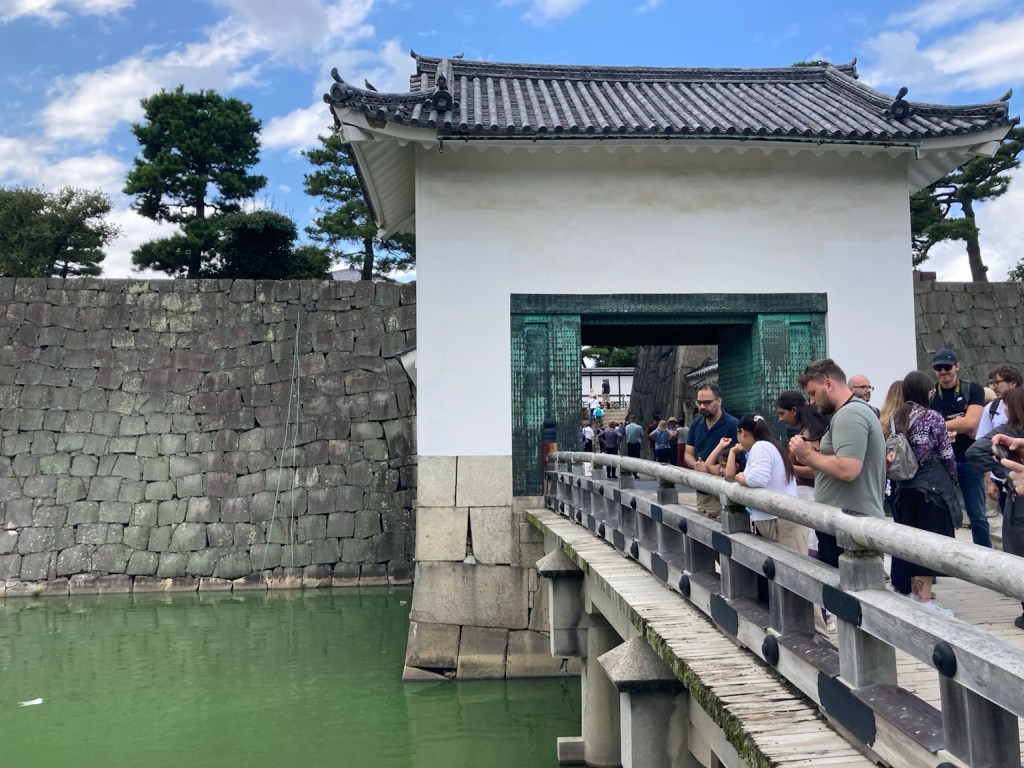
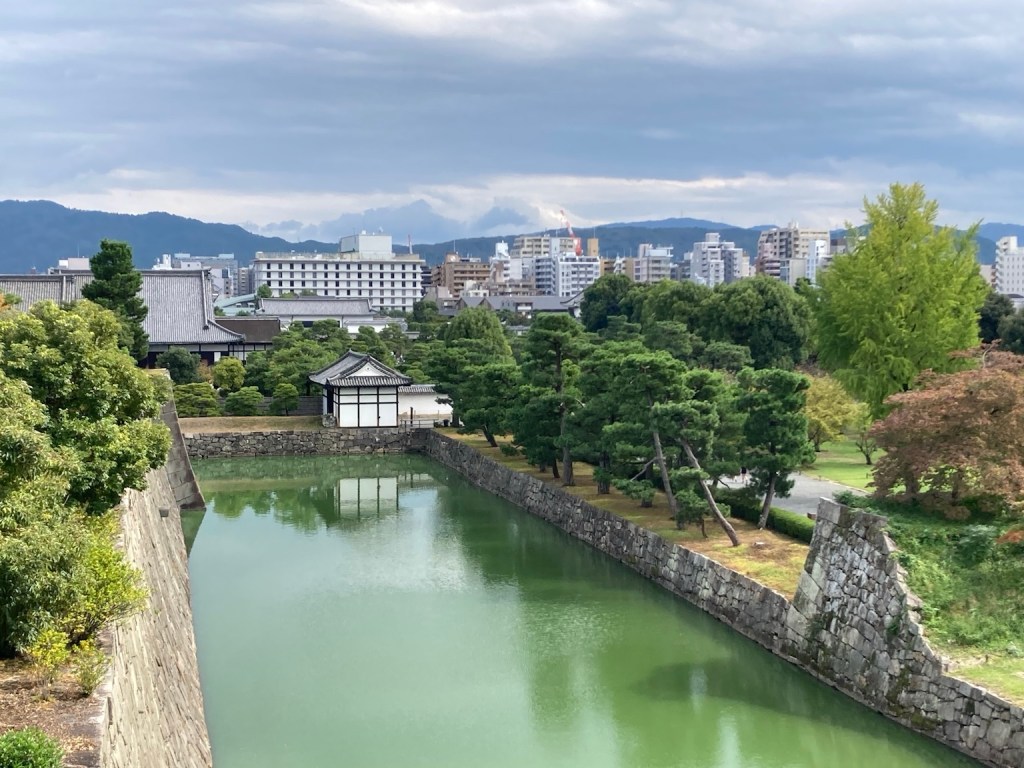
… and a bridge leading to the central area which contained the inner keep until it burned down in the C18th.
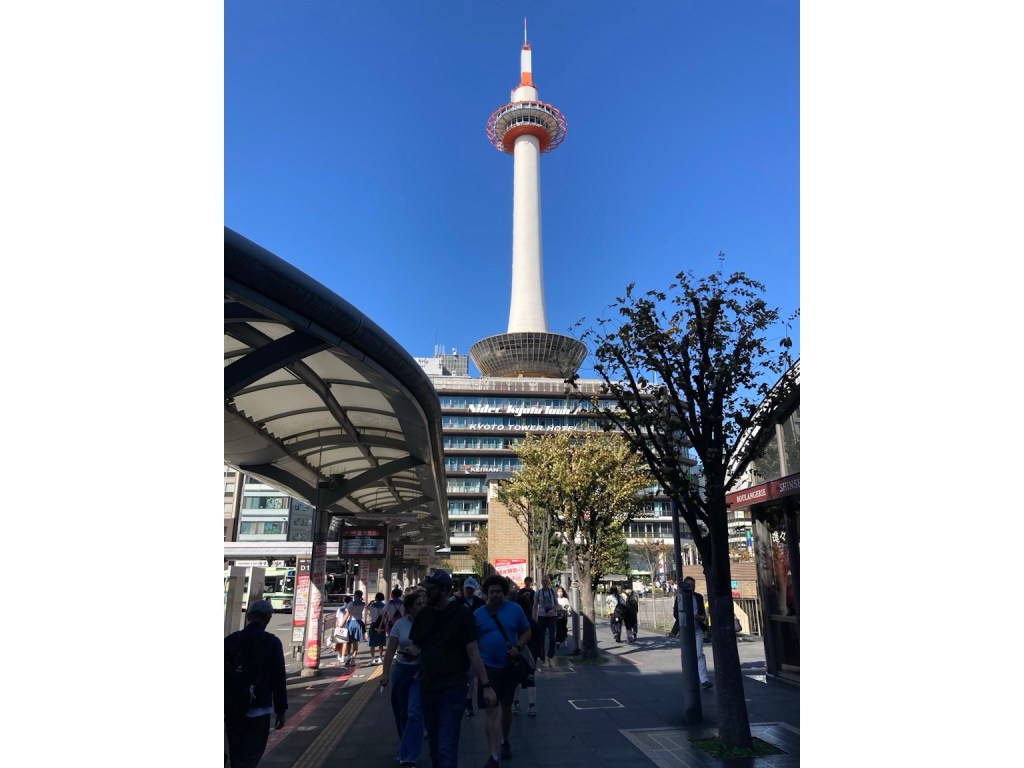
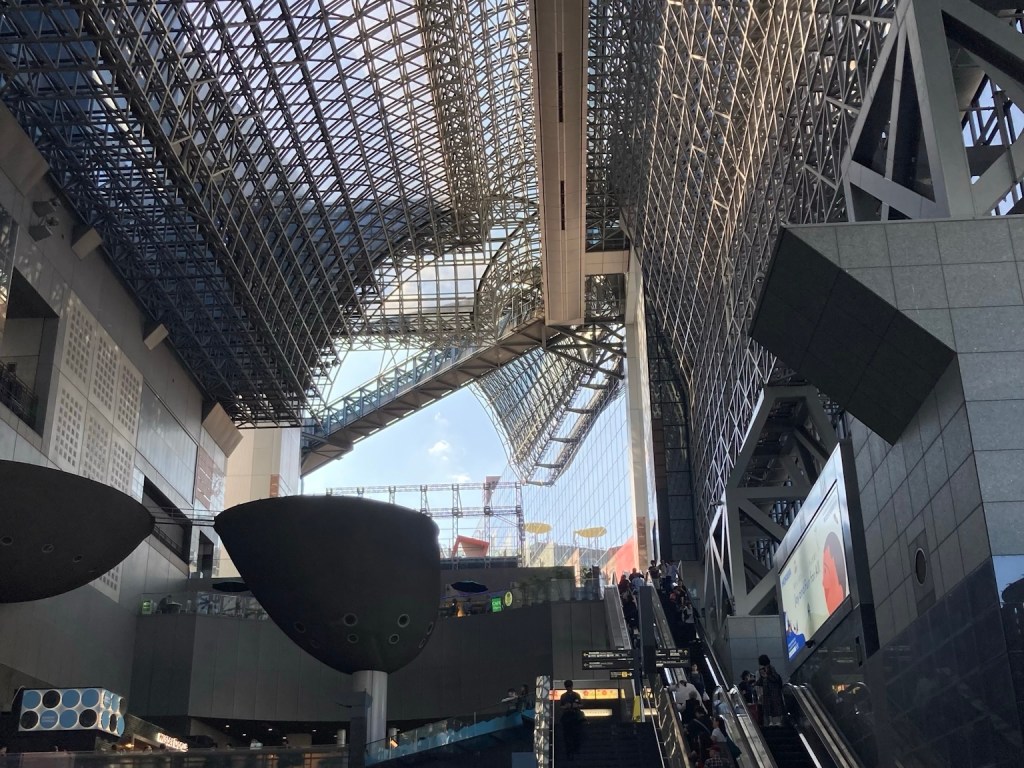
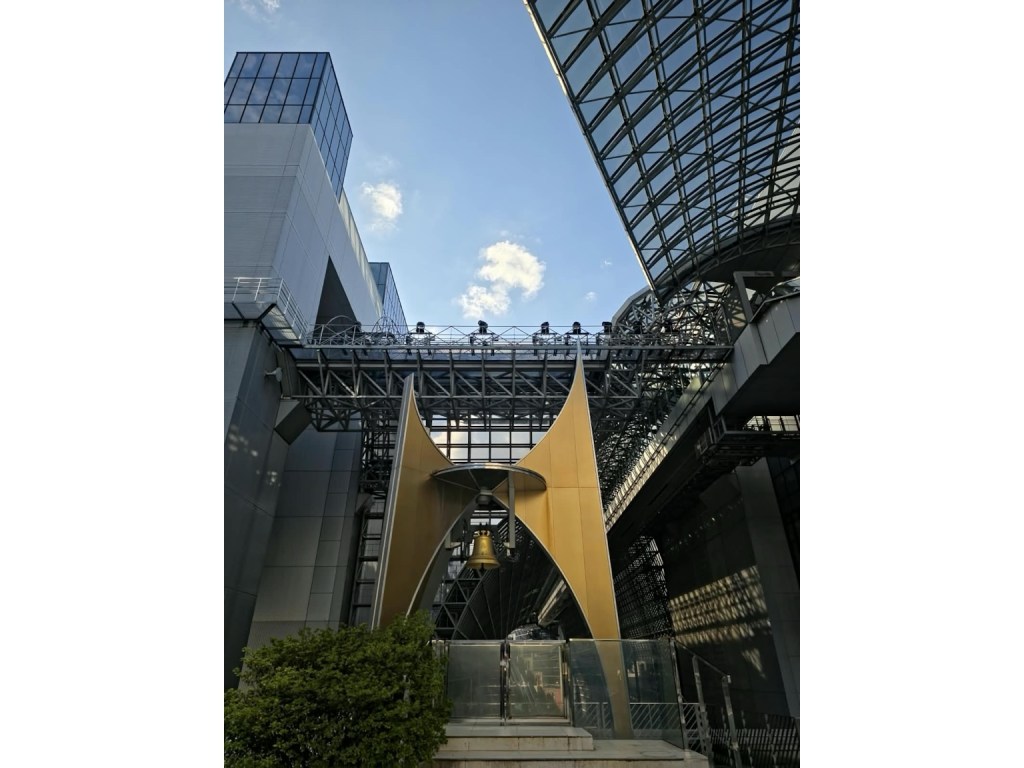
On the way back, Chris spent some time taking pictures of the futuristic atrium of Kyoto Station

… and we returned to Renkon-ya later where we had his and hers hot pot – one with tofu and the other with duck!
Tomorrow we say farewell to Kyoto and start on our journey back towards Tokyo.

