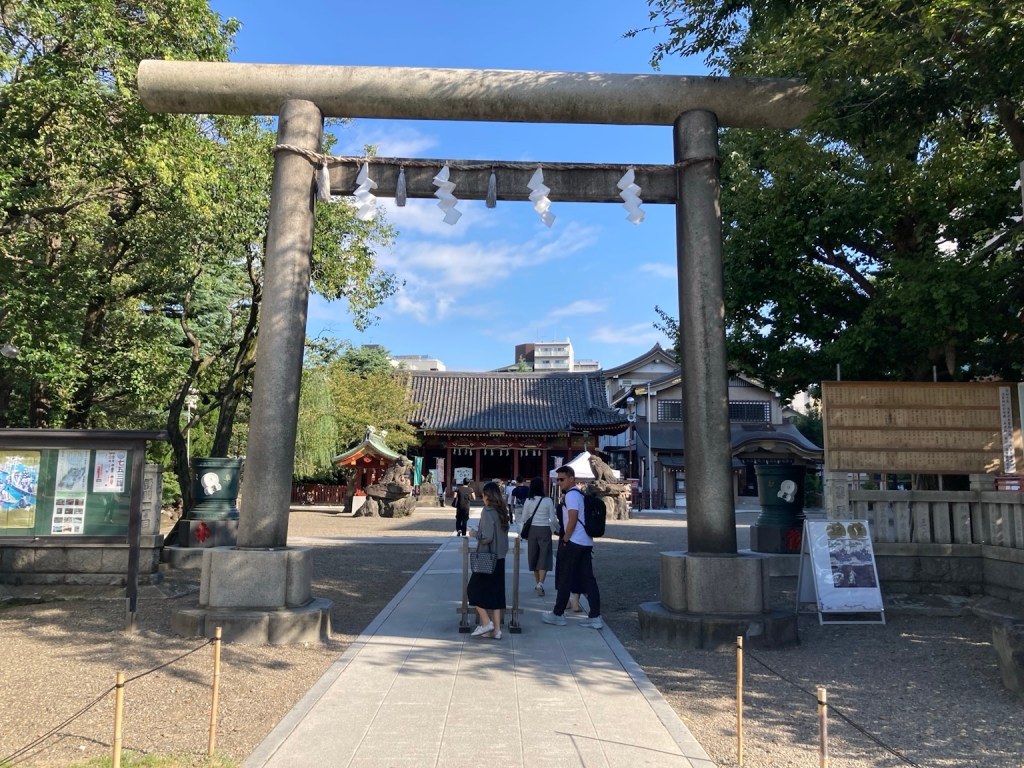
On our way to breakfast we visited the one part of Senso-ji we’d missed, the Shinto shrine which honors the three men who founded Senso-ji and is one of the few buildings in the area that survived WW2. We entered through a torii gate …
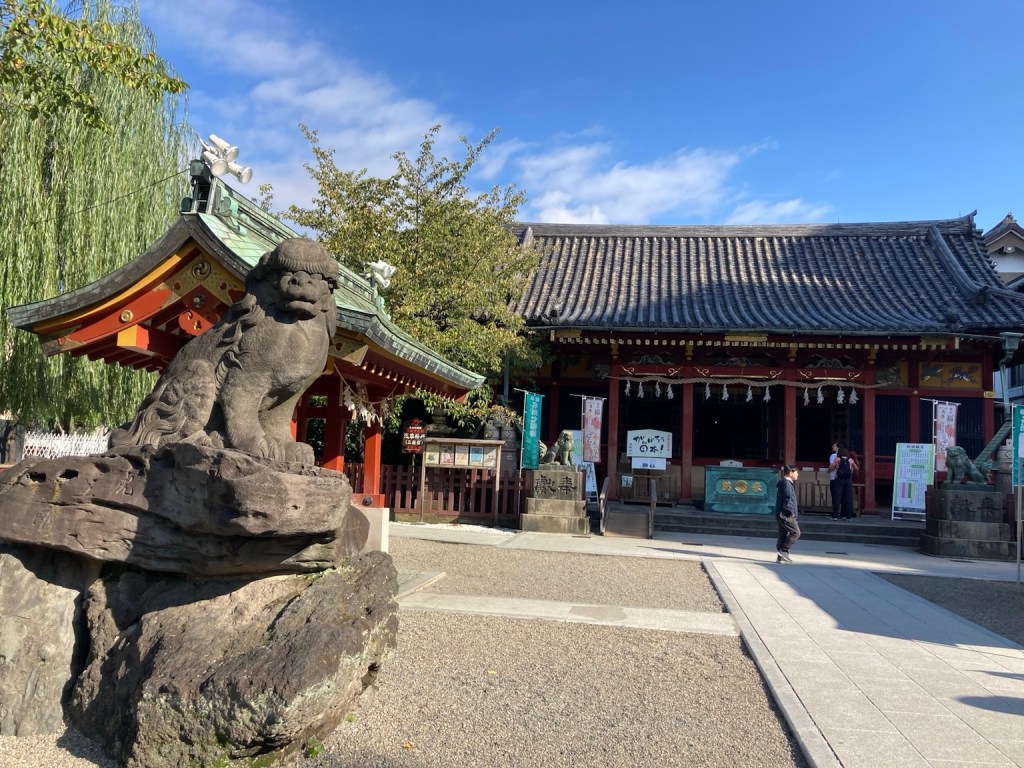
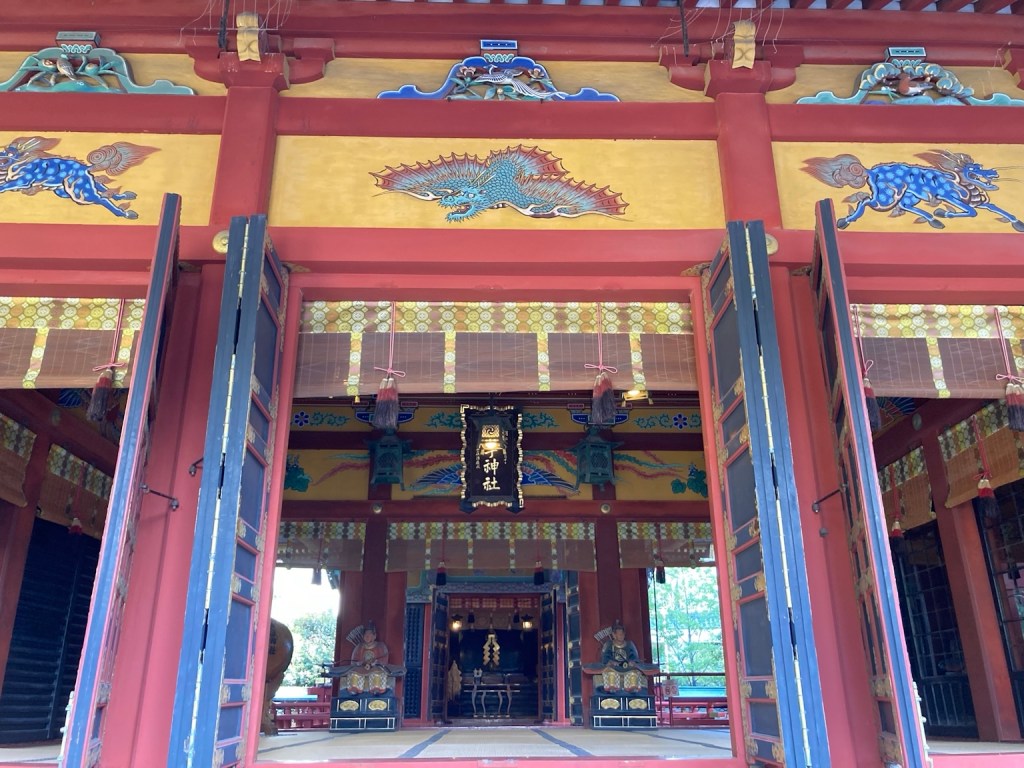
… admired the fierce lion and the brightly painted hall before going for breakfast.
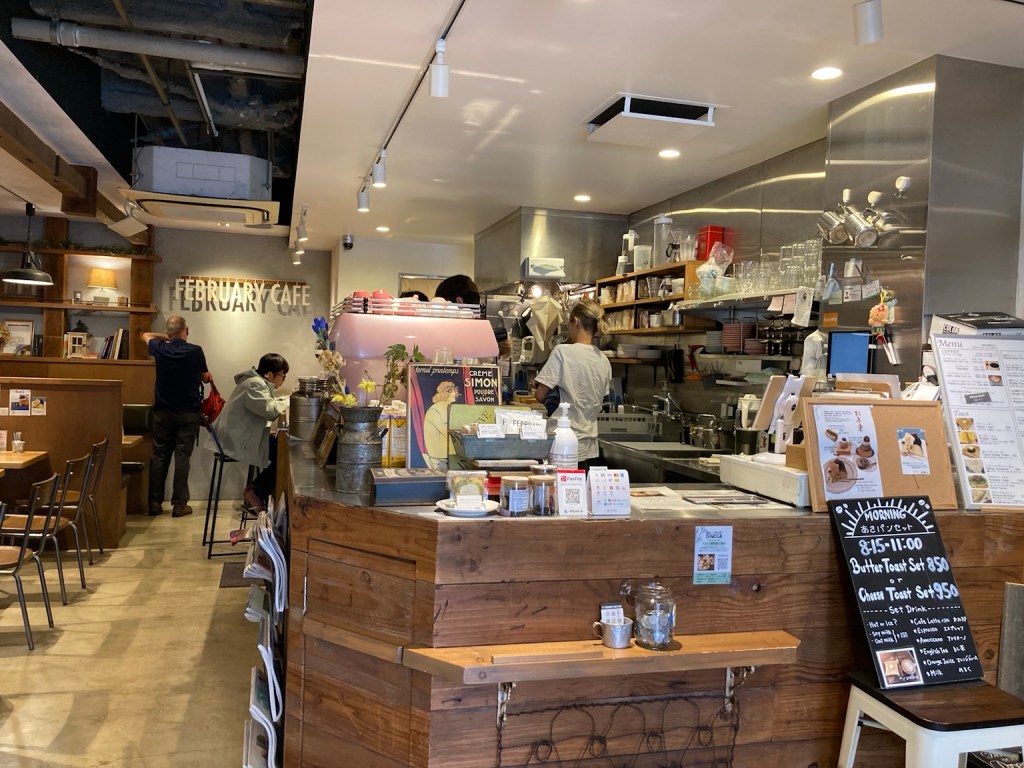
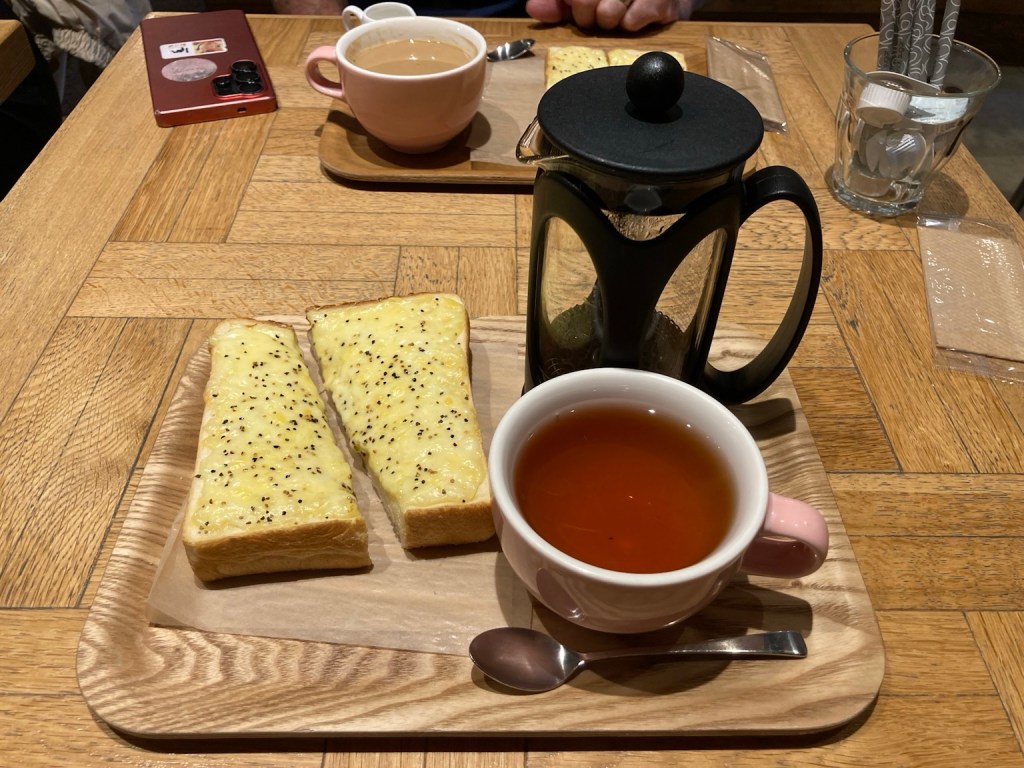
Meal sets seem very popular here, and the breakfast set at The February Cafe featured cheese toast and great coffee.
We took the train to Ueno Park where we visited the Tokyo National Museum for their gallery of chronological highlights of Japanese decorative art.
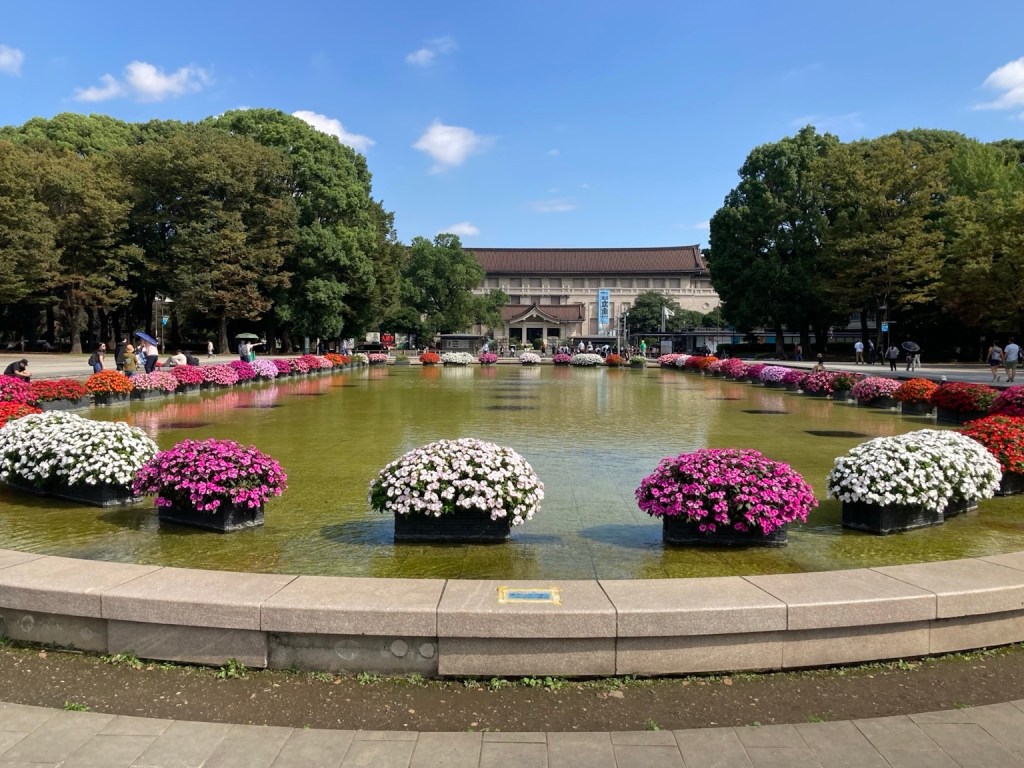
There was everything from ancient pottery and Buddhist statues to samurai armour and kimonos. Also lots of ceramics, metalwork, lacquerware, and painting and sections on Japanese theatre and the tea ceremony.
The rest of the day was spent walking through Yansen, a traditional old-town district in Tokyo made up of three neighborhoods: Yanaka, Nezu, and Sendagi. This quiet area survived major wartime bombings, allowing it to keep its narrow alleys, historic wooden houses, and slow pace of life. It has also become home to several artist and galleries.
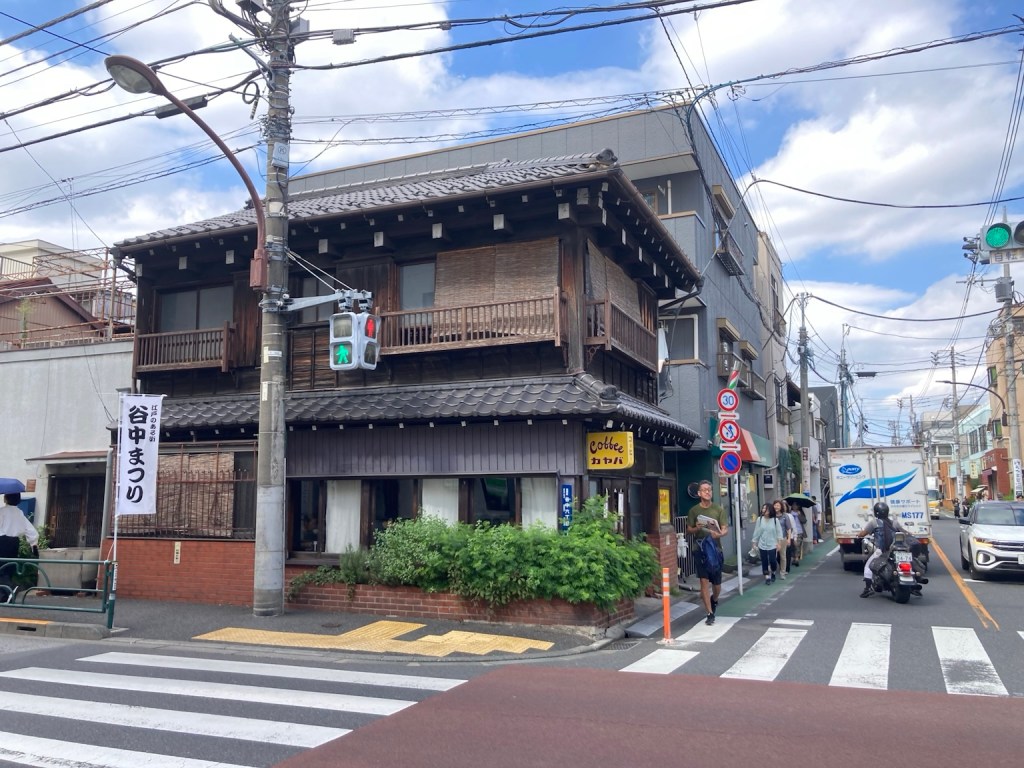
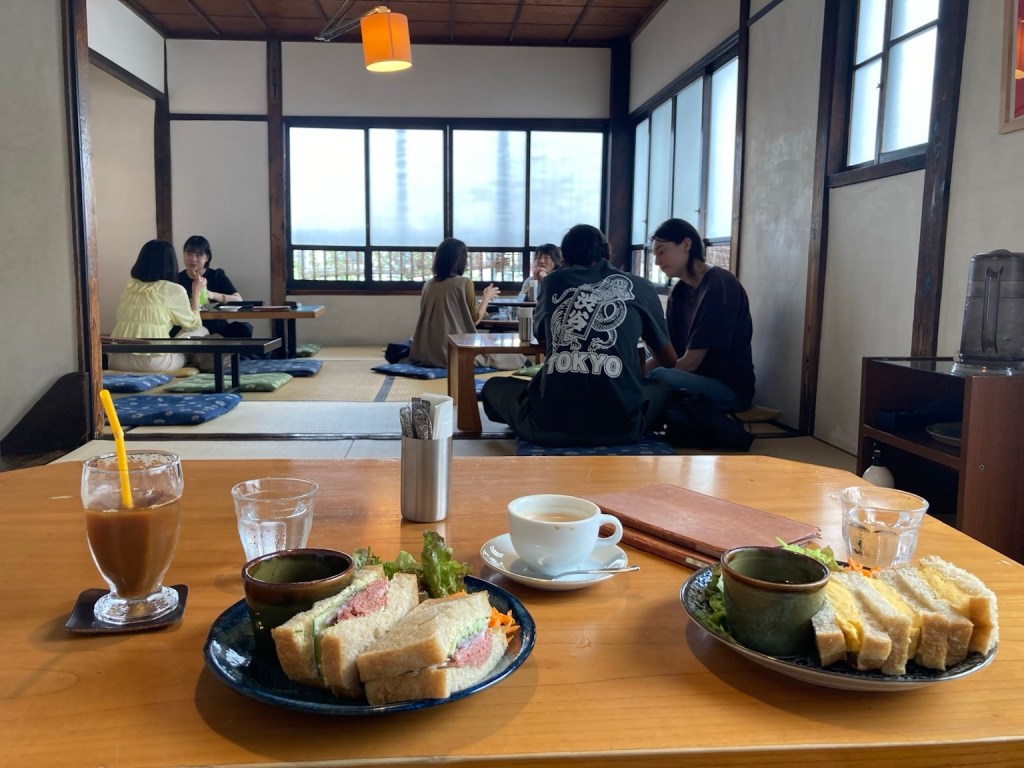
Our first stop was Kaybaya Coffee. This two-story wooden machiya-style building began as a milk bar and sweet shop when it opened in 1916, then continued as a coffee shop with its original counter and seating until its owner died in 2006.
It was saved by a local historical society, the upstairs living quarters changed to additional seating and reopened, still serving its signature egg sandwiches and ‘Russian’ coffee which Chris ordered, while I had a very retro corned beef sandwich.
Across the road is a preserved liquor shop. Built in 1910, it shows features of merchant architecture from the mid-Edo period to the Meiji period …
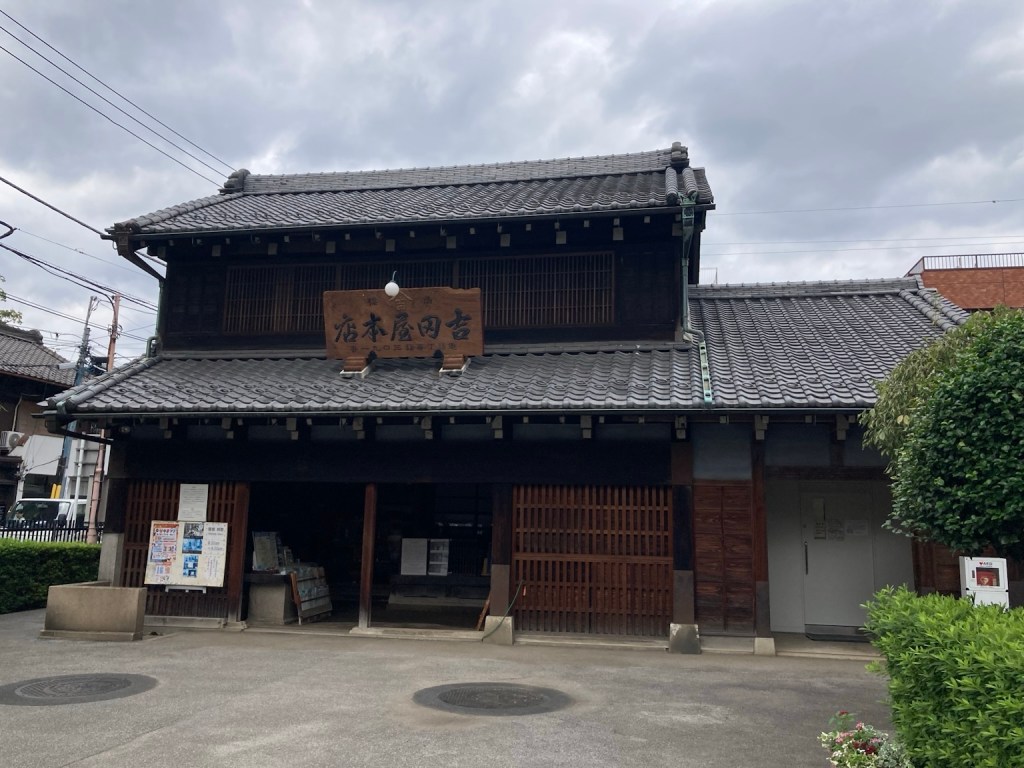
… and inside there were rice straw sake barrels and original vintage advertising posters.
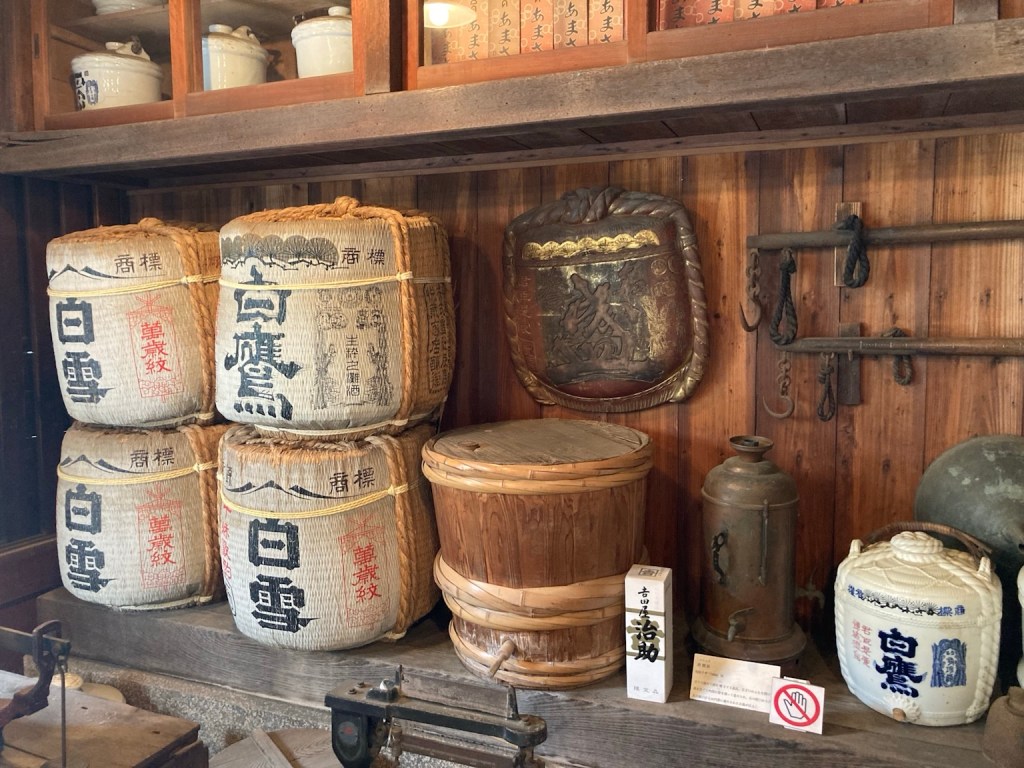
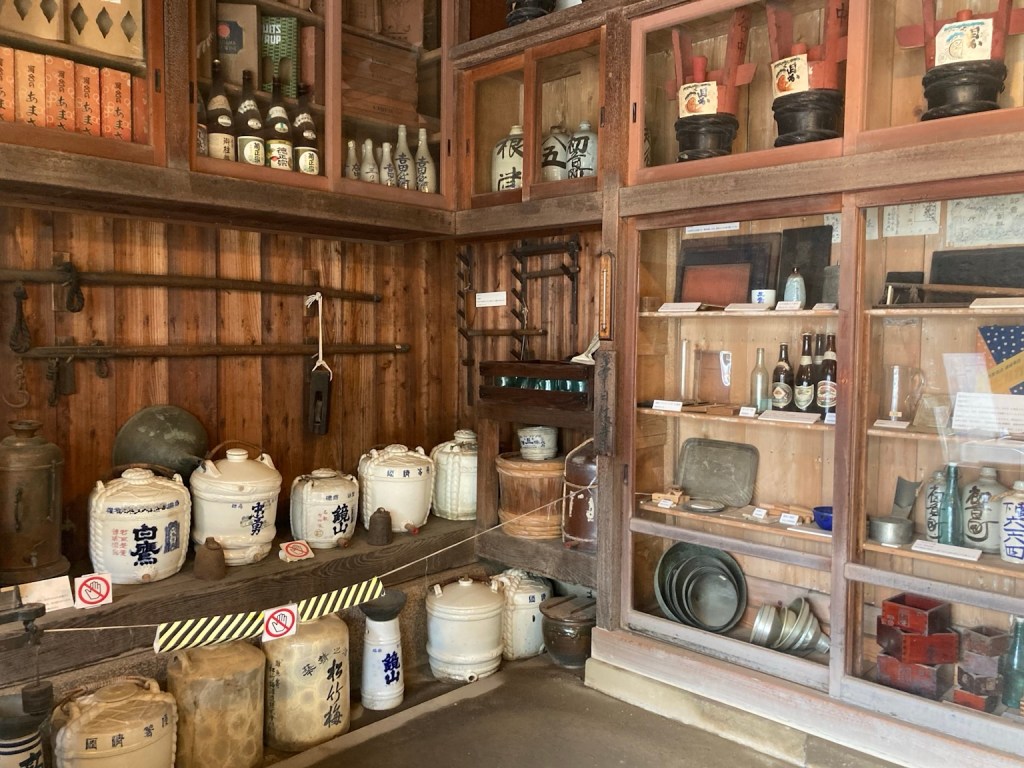
Next we stumbled across a cemetery, and were fascinated by the bundles of wooden planks by each stone, covered in text.
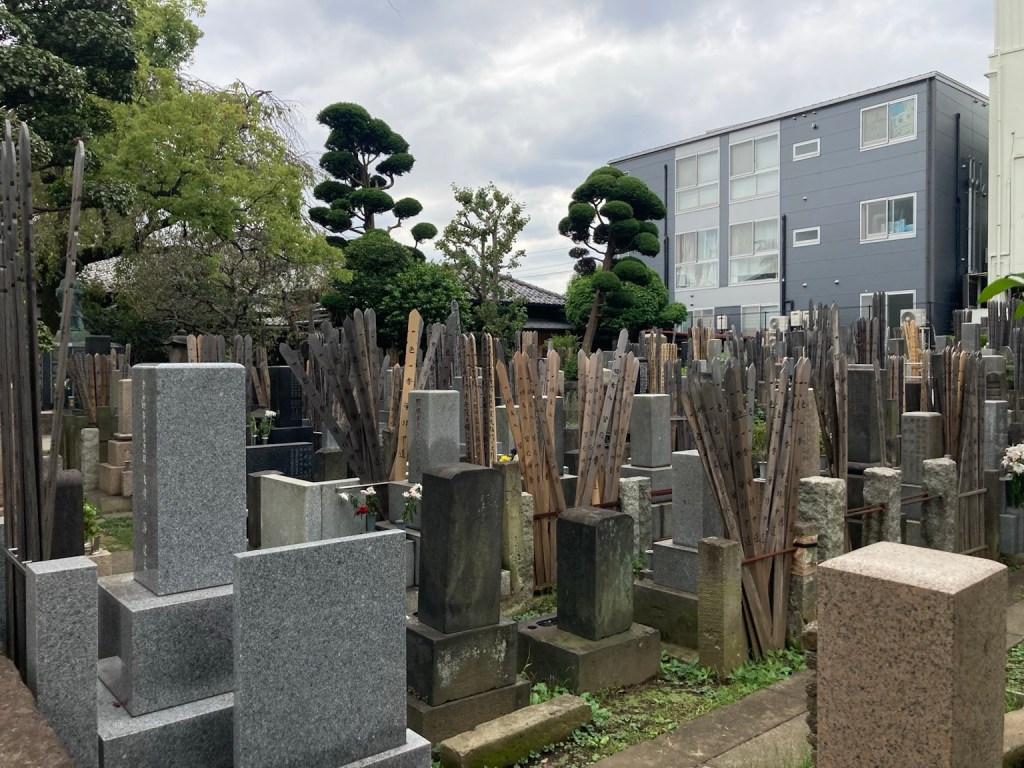
I discovered that they are sotoba and show the deceased’s posthumous Buddhist name and are updated during memorial services which is why some look newer than others. Also most Japanese people are cremated, and their ashes are placed inside a single stone family tomb, so these bundles of planks represent a whole family.
The SCAI gallery is housed in a building which was once the public bath house.
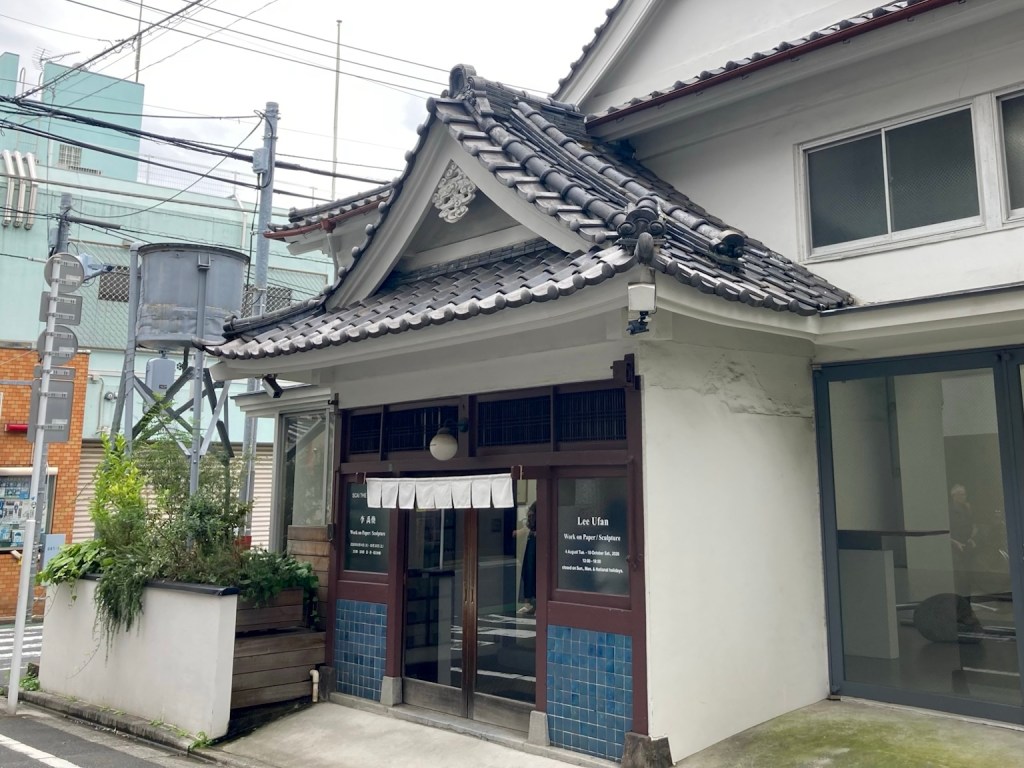
When we first looked inside, I was a bit dismissive of the rocks and poles on the floor, but as I looked and walked round them, I liked seeing them from one direction more than another and was pleased to have looked longer.
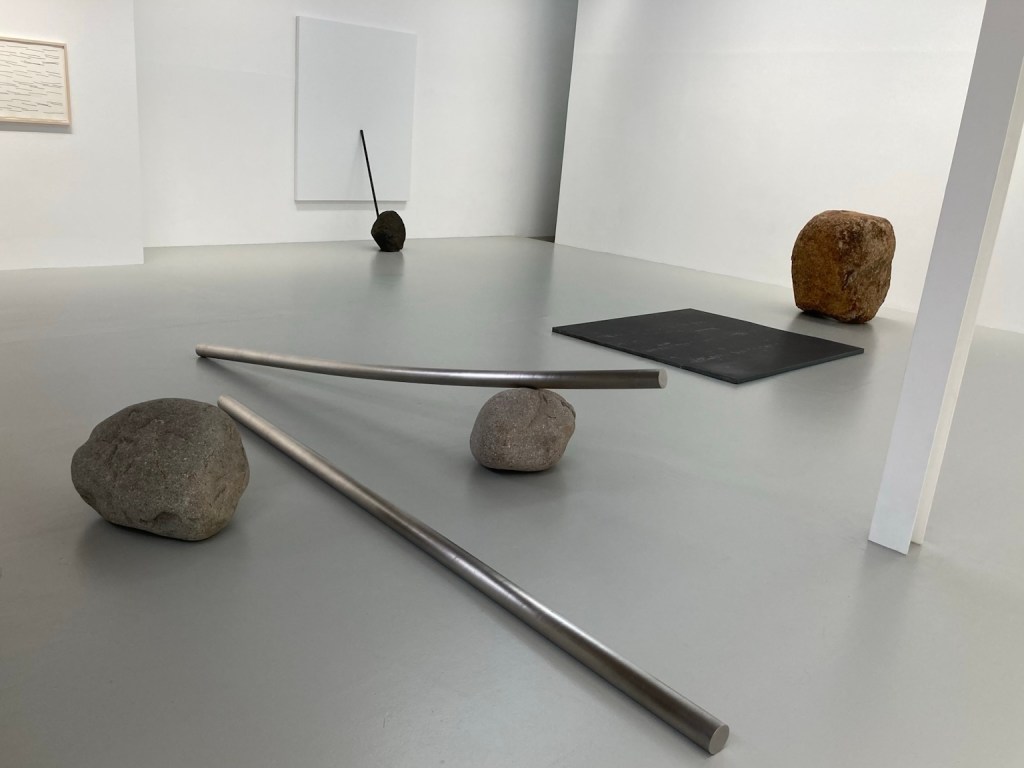
The artist Lee Ufan said this work called Relatum was ‘an inquiry into the encounter between thing and thing, thing and human being, and thing and place’.
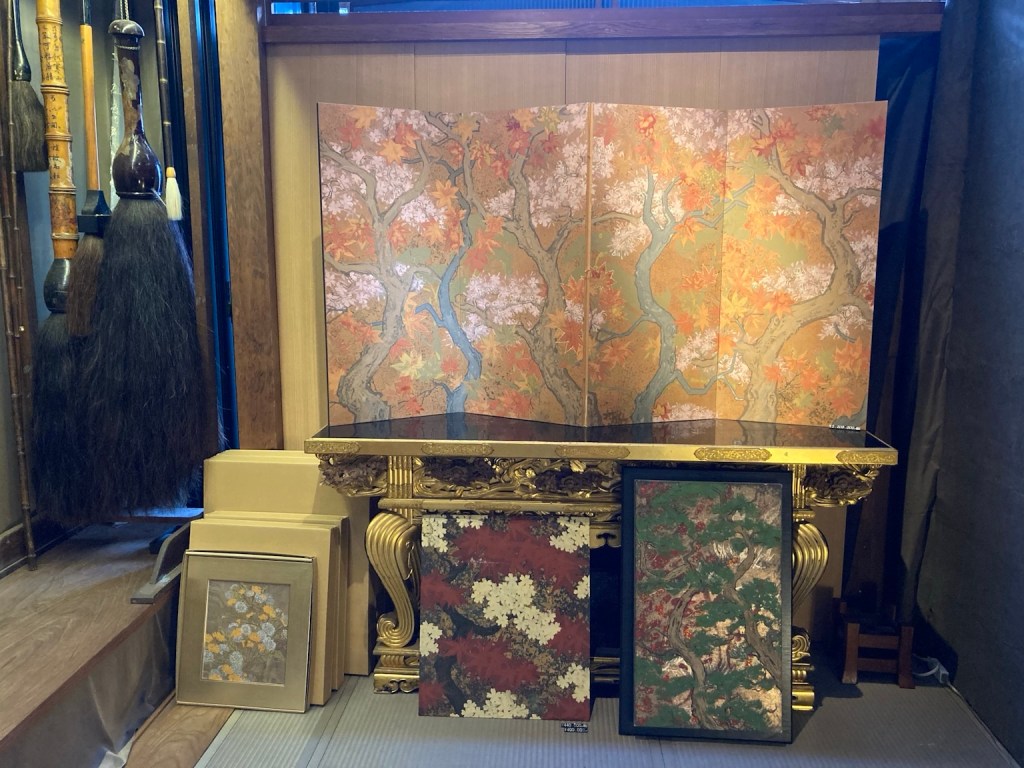
Another gallery was that of Alan West, an American-born artist who is renowned for mastering Nihonga, an ancient style of traditional Japanese painting using natural mineral pigments and gold leaf. We walked round his studio, a converted auto repair shop fronted with an old temple gate …
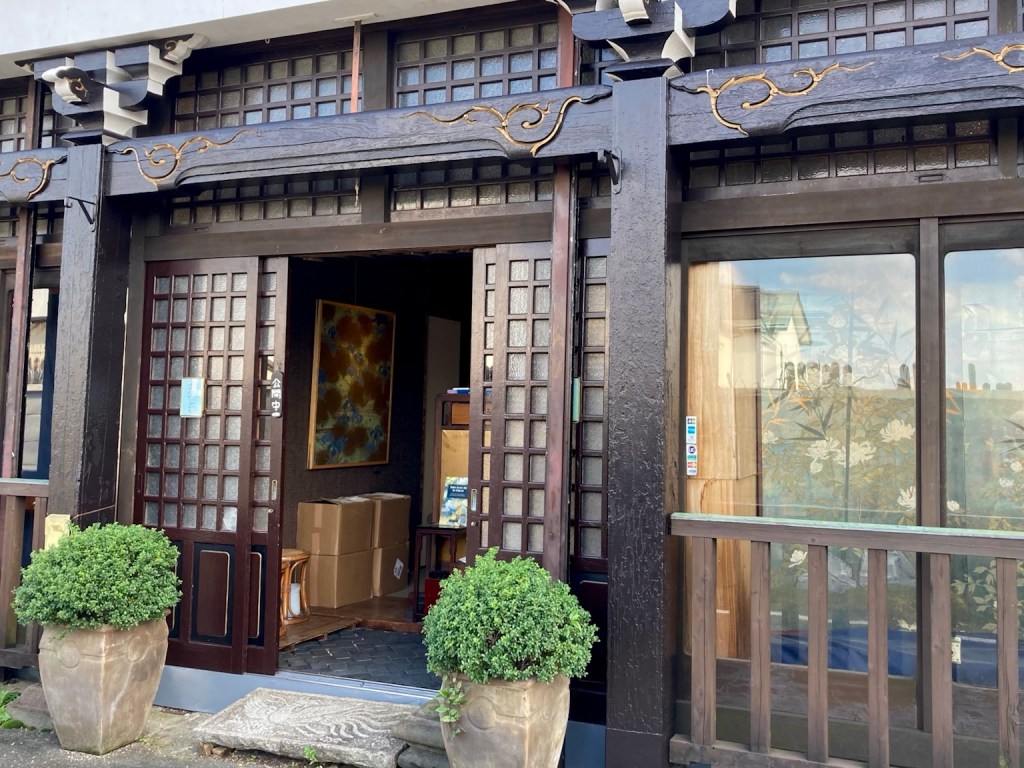
… and saw where he sat to paint …
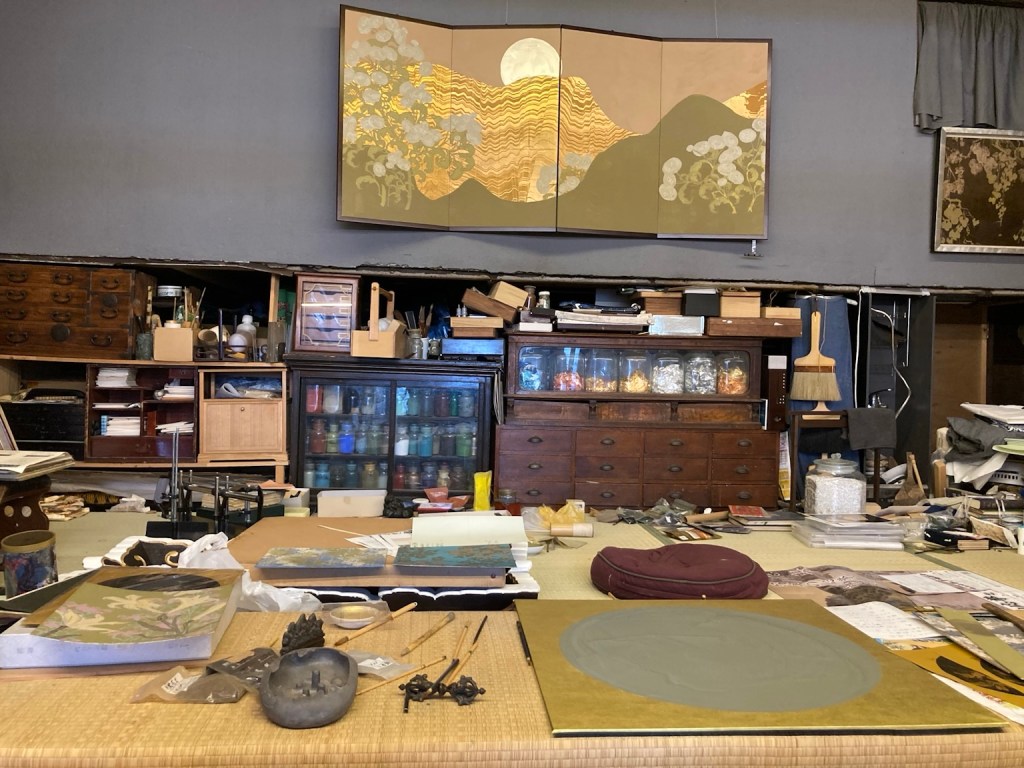
… and some of his work.
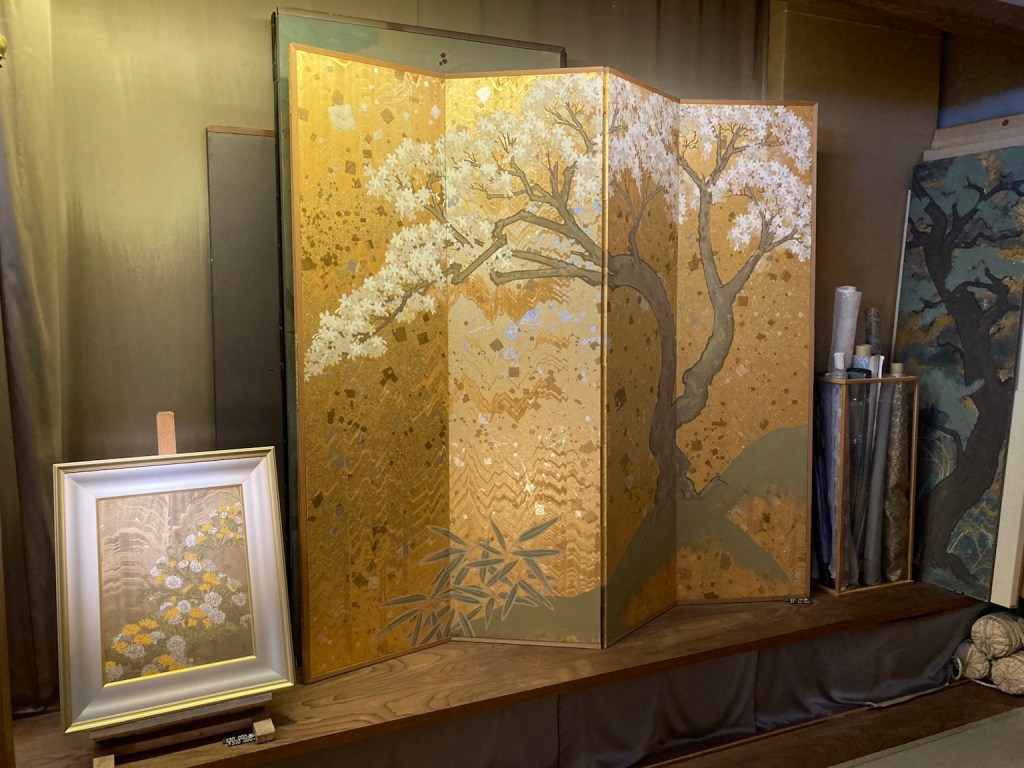
The combination of spring blossom and autumn maple is a popular Japanese design called unkin and I remembered seeing a bowl decorated this way in the museum earlier and he has used it on this screen.
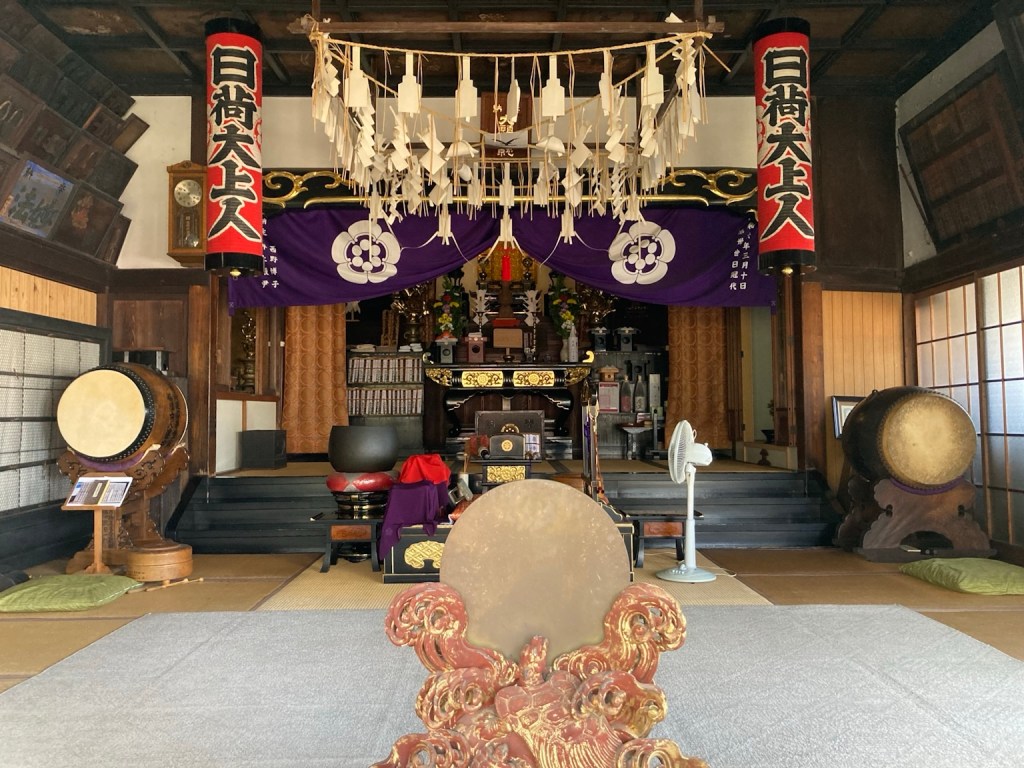
In between galleries were temples including Enju-ji where the monk Nichika Shonin known as the god of good legs is enshrined, so popular for leg and foot complaints …
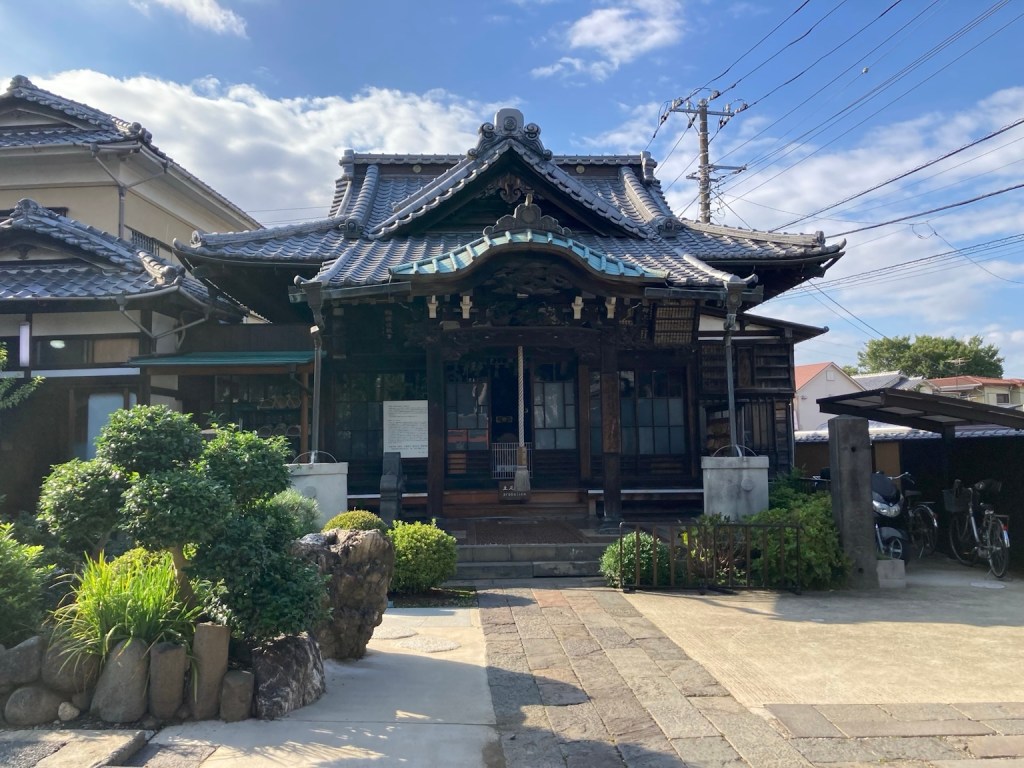
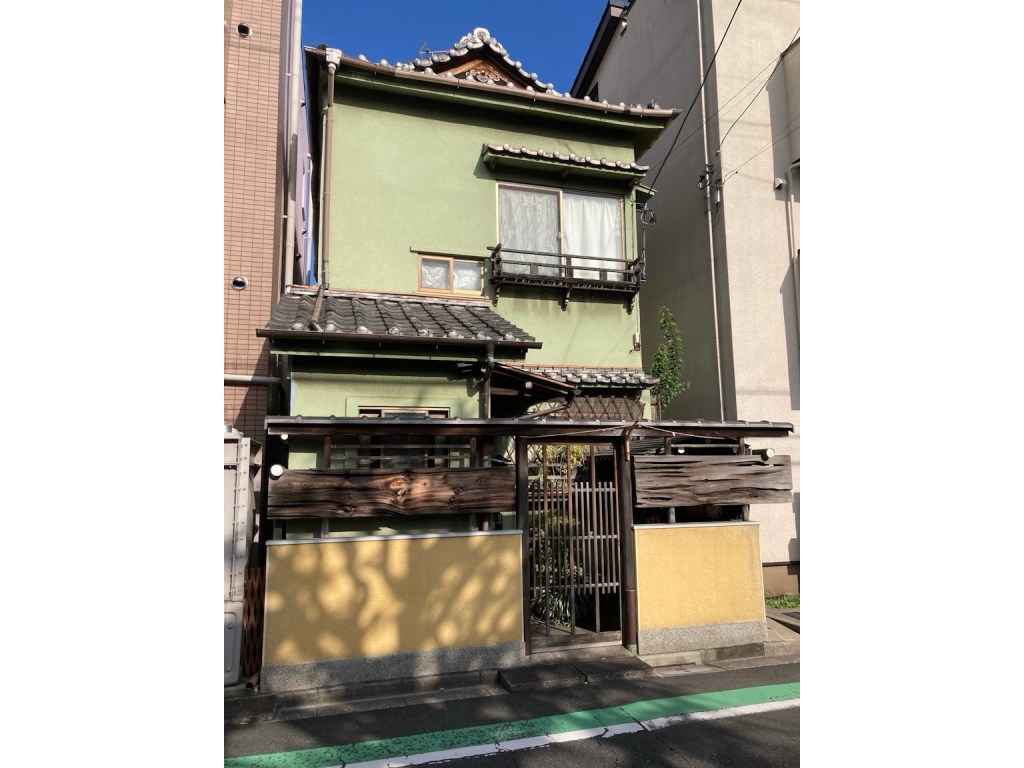
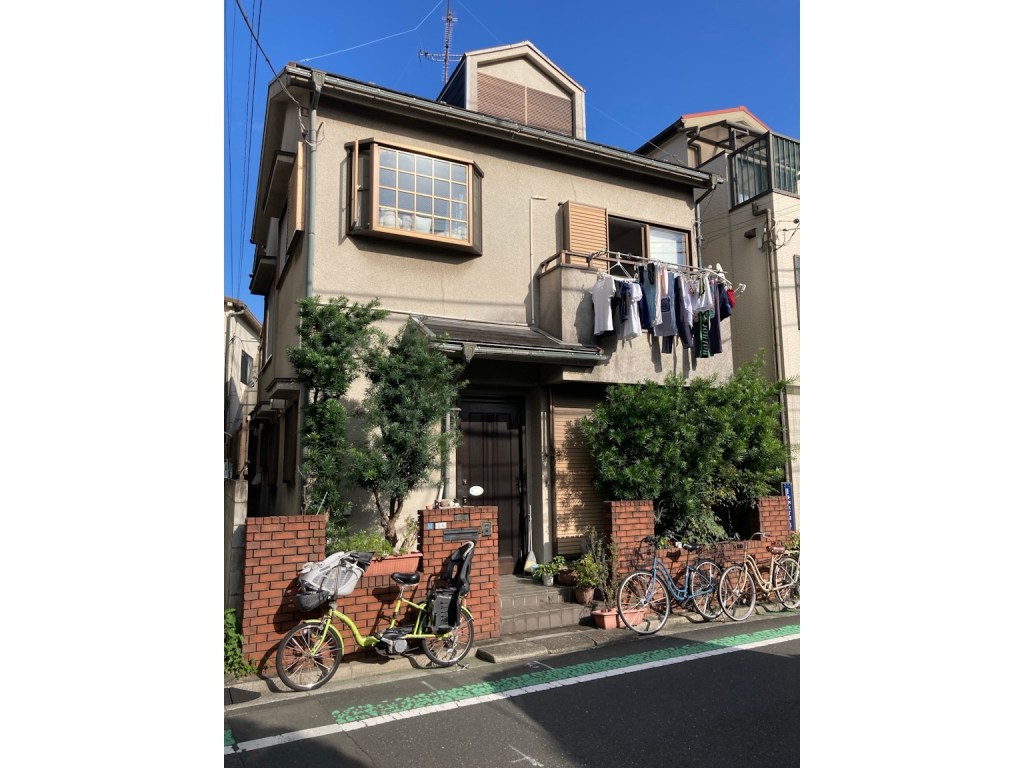
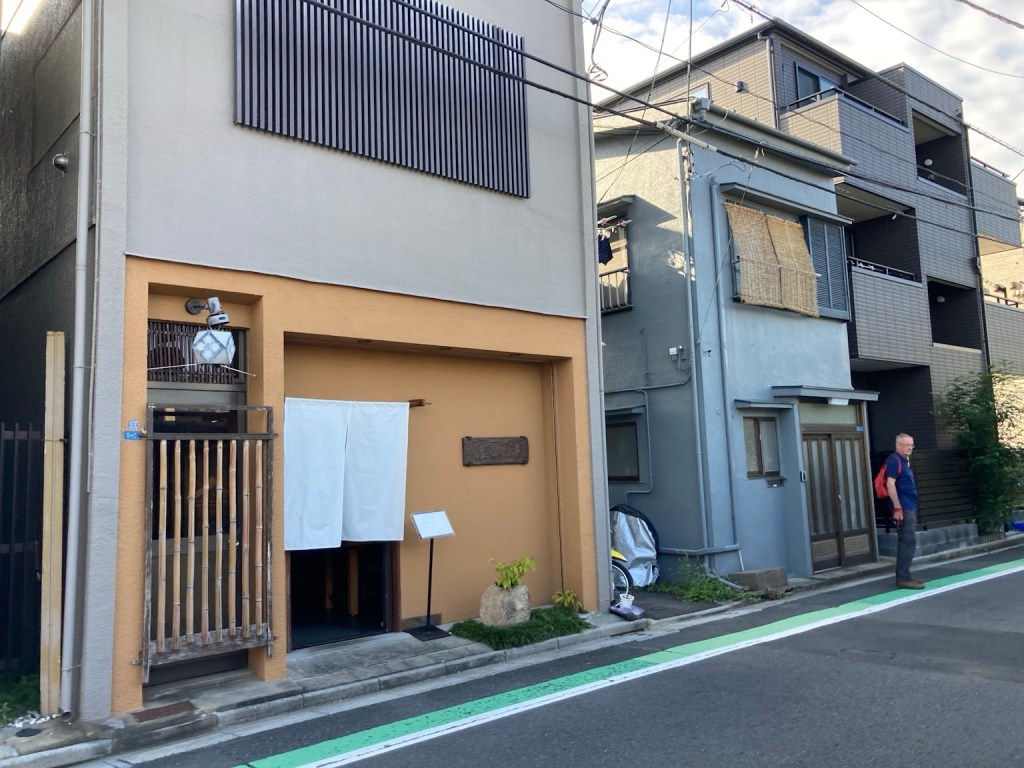
… and also a mixture of homes, some older and others more modern.
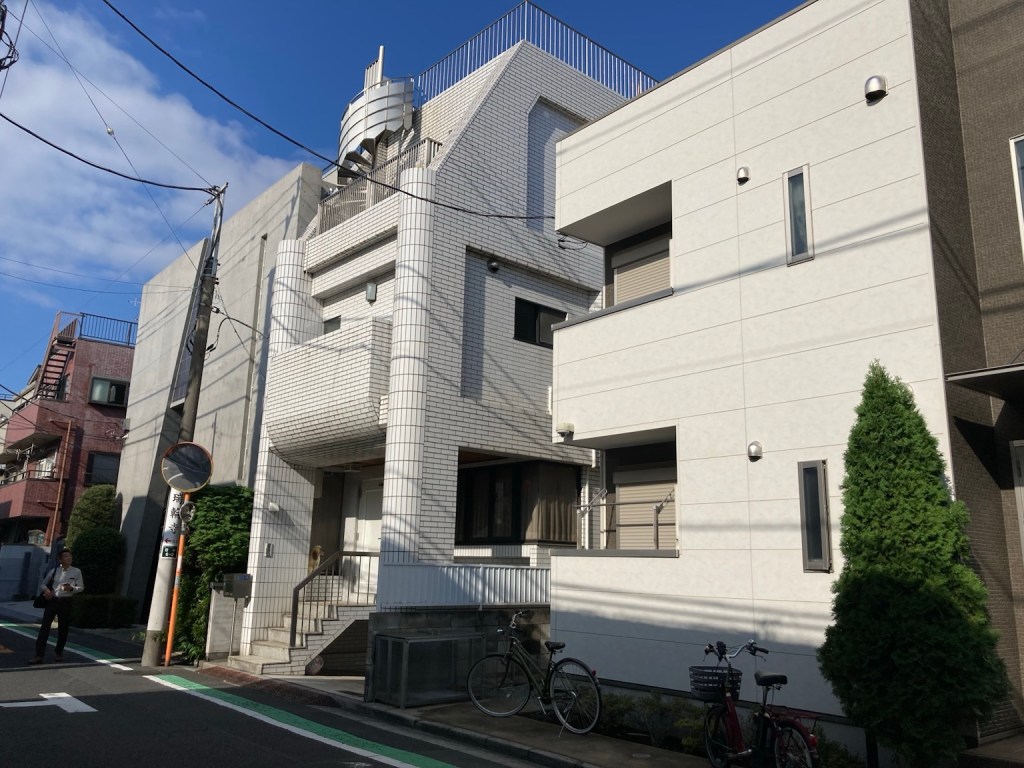
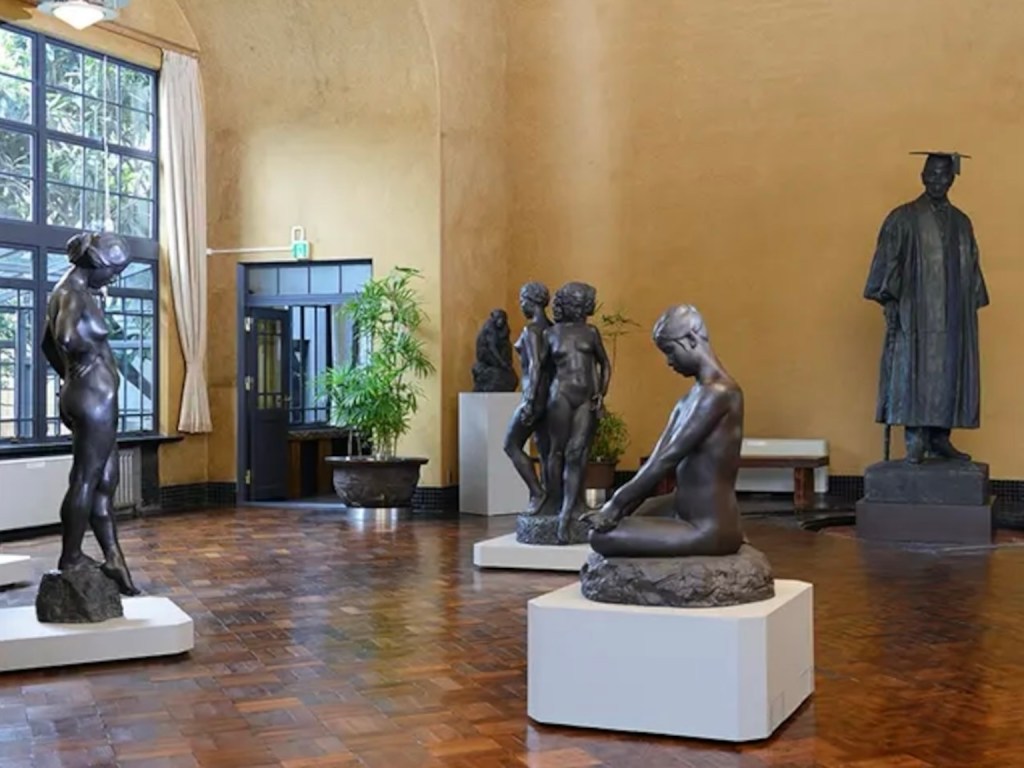
The final gallery is the former residence and studio of modern Japanese master sculptor Fumio Asakura. He personally designed the striking black, curved concrete facade which contrasts beautifully with the traditional wooden residence inside, with views over the central courtyard and pond.
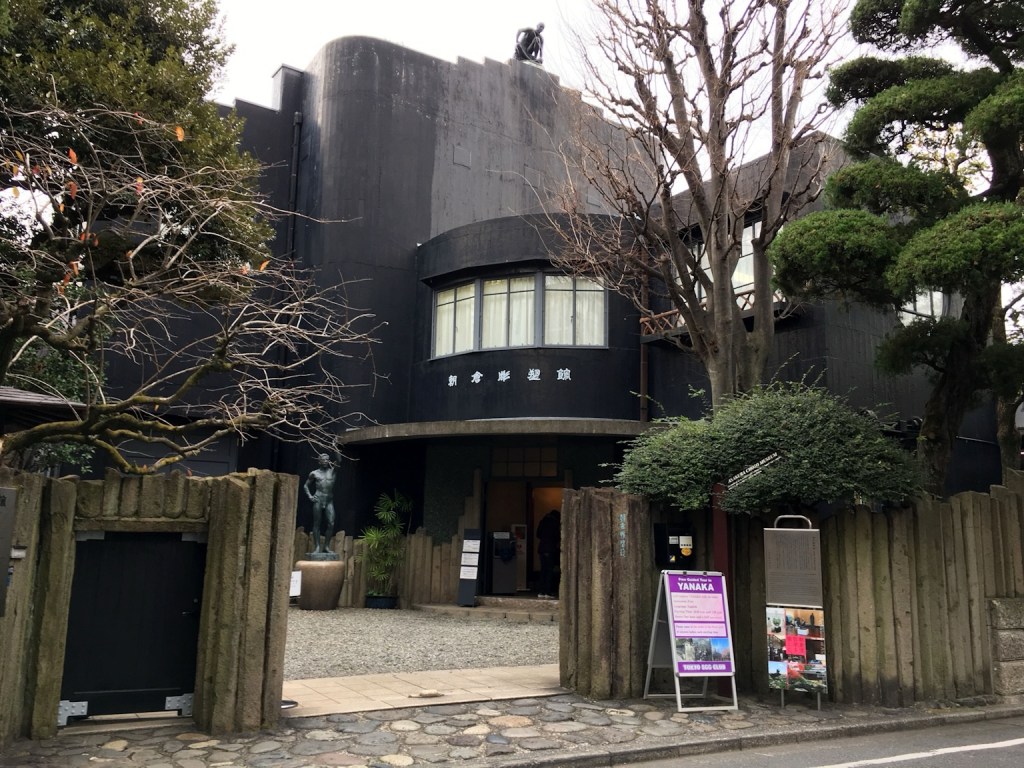
The house was well worth visiting although photos were only allowed in one room which contained a collection of his bronze animal sculptures.
We headed down the staircase known as Yuyake Dandan …
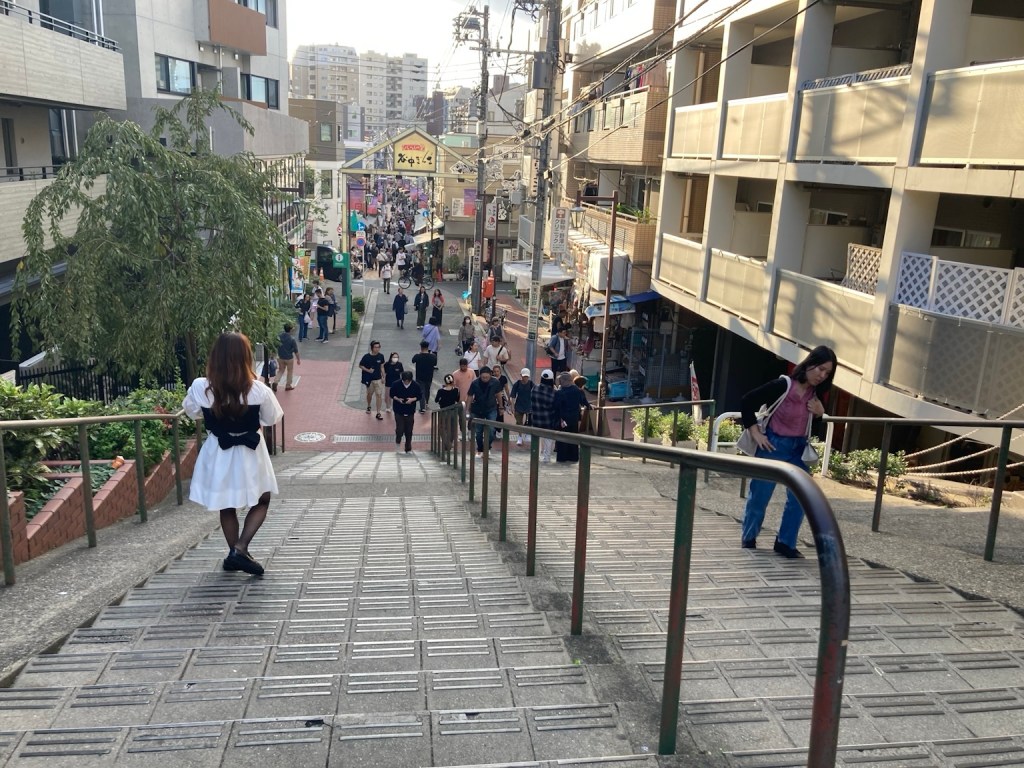
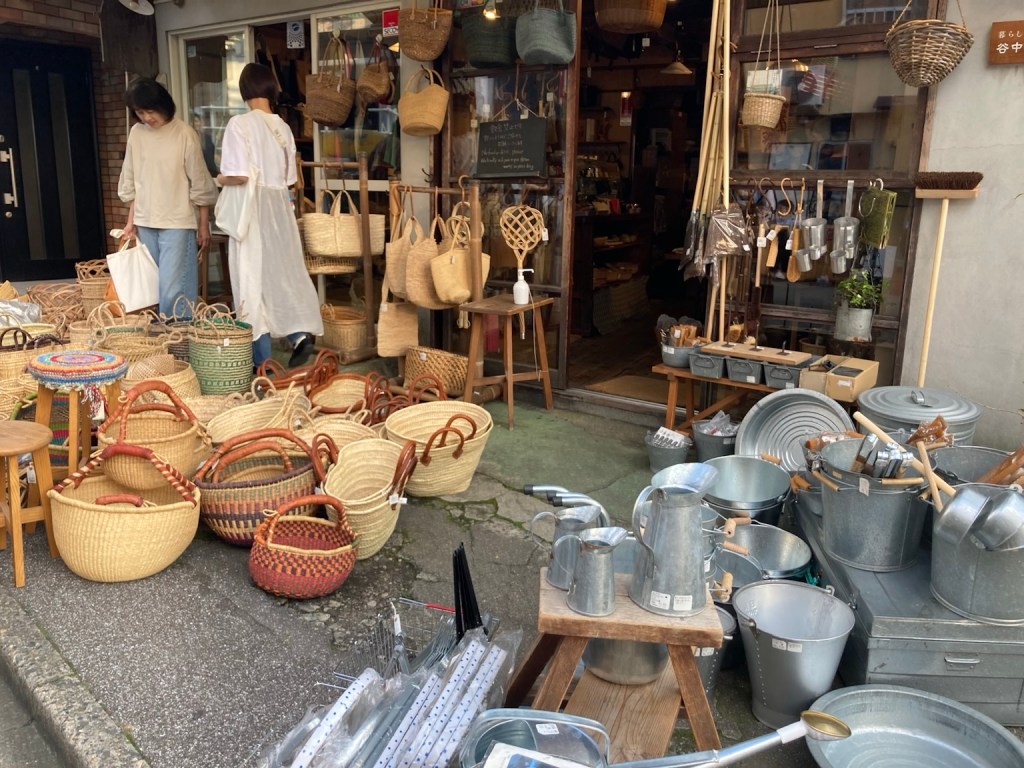
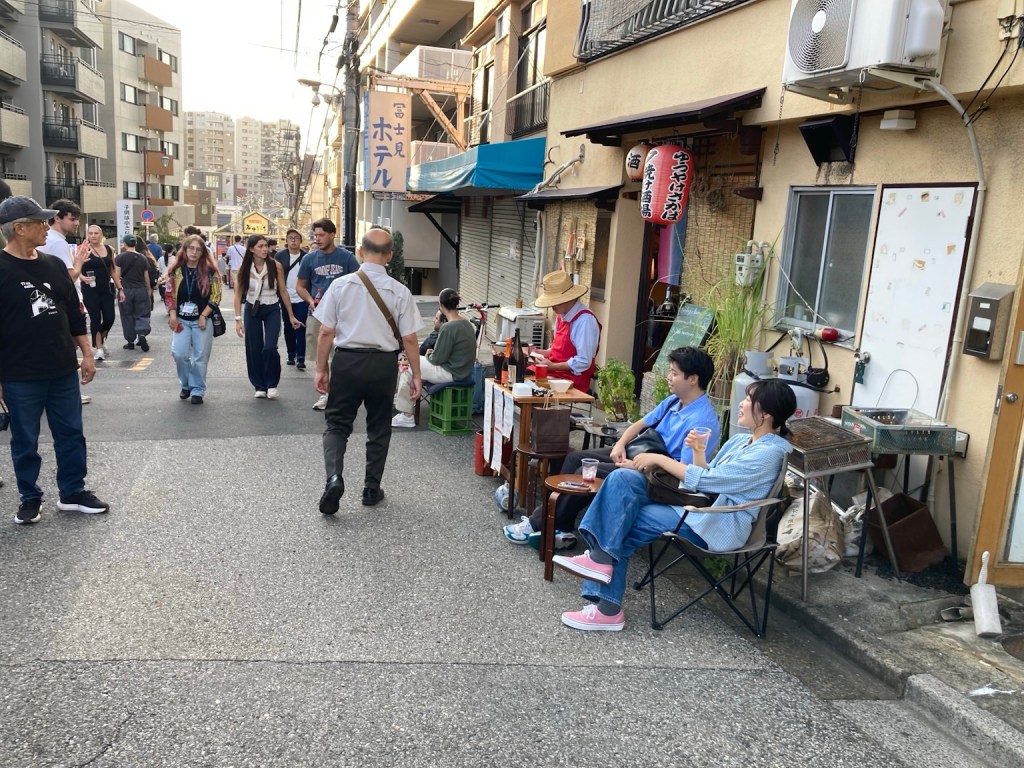
… to the retro shopping street of Yanaka Ginza busy with people browsing, and sitting with a coffee or a beer.
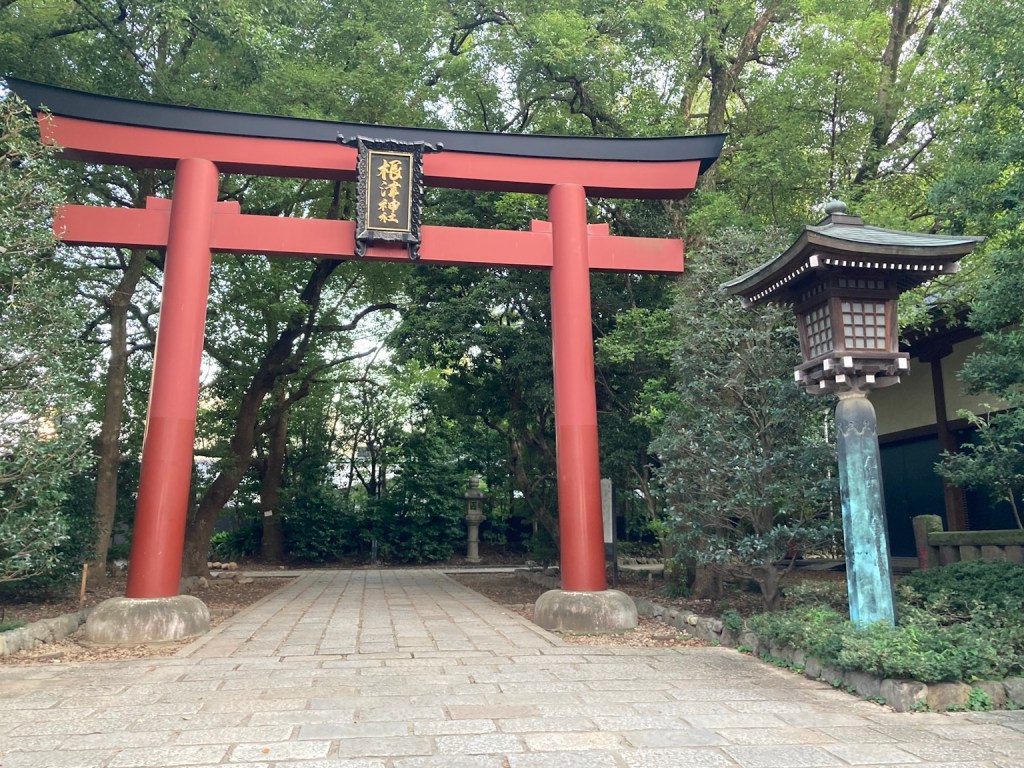
Our last stop was Nezu-jinja Shrine, one of the oldest surviving structures in Tokyo.
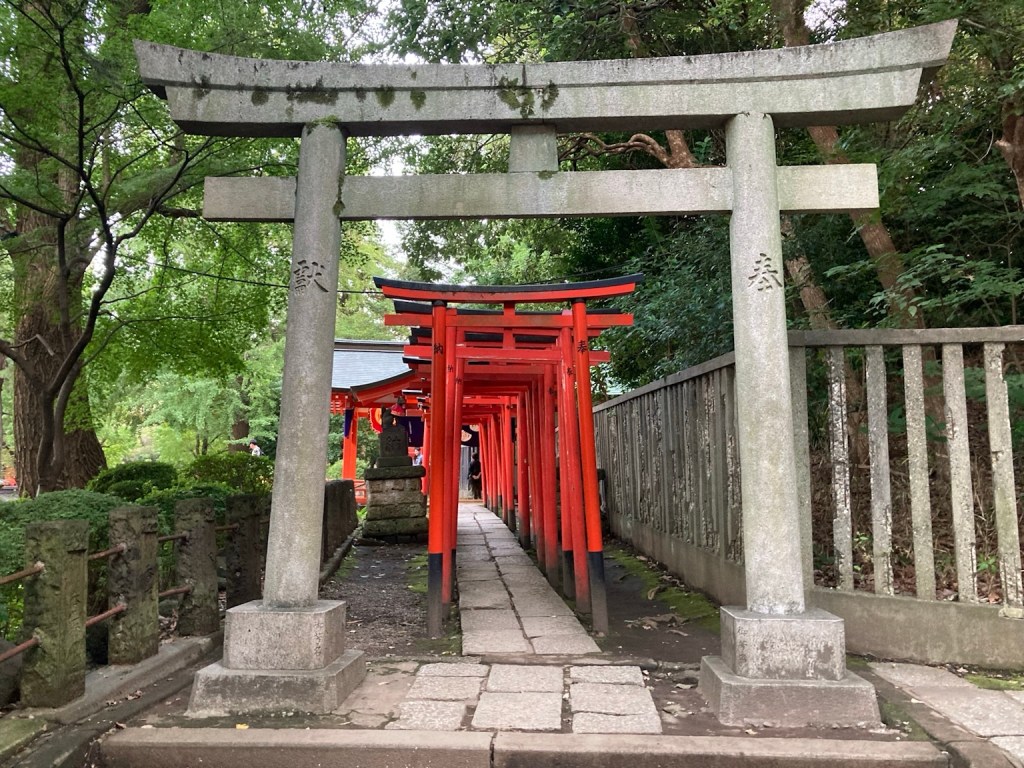
First though, we walked through a tunnel of small red torii gates, many with the inscription of the family or business that donated it …
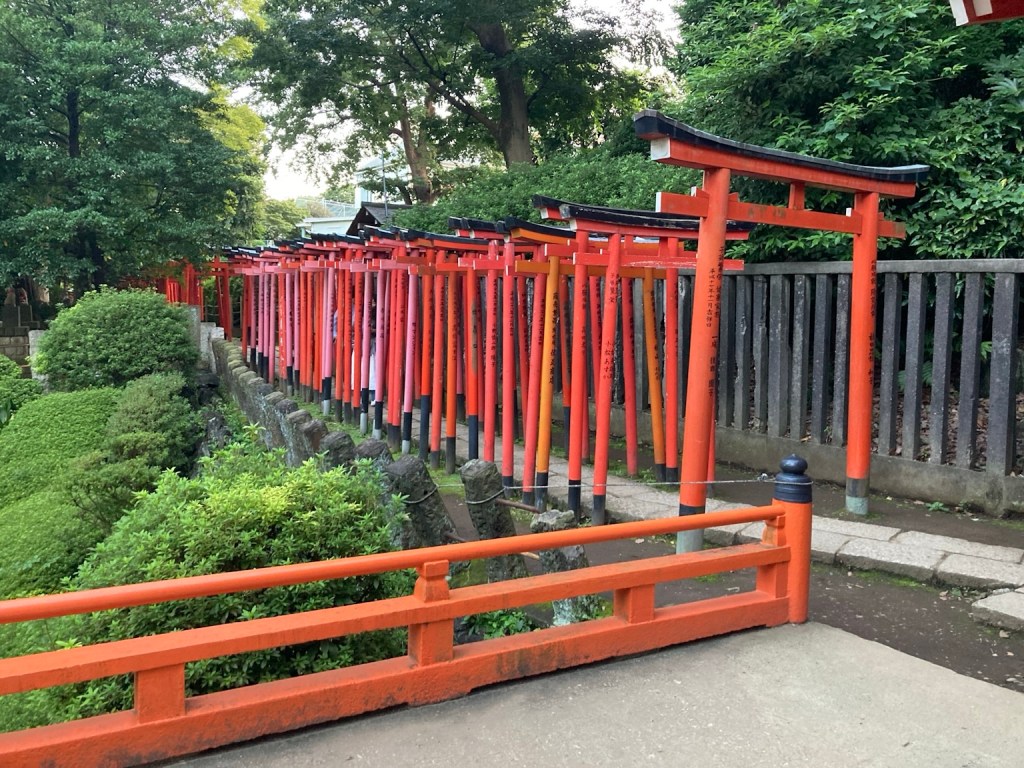
…until we reached the shrine.
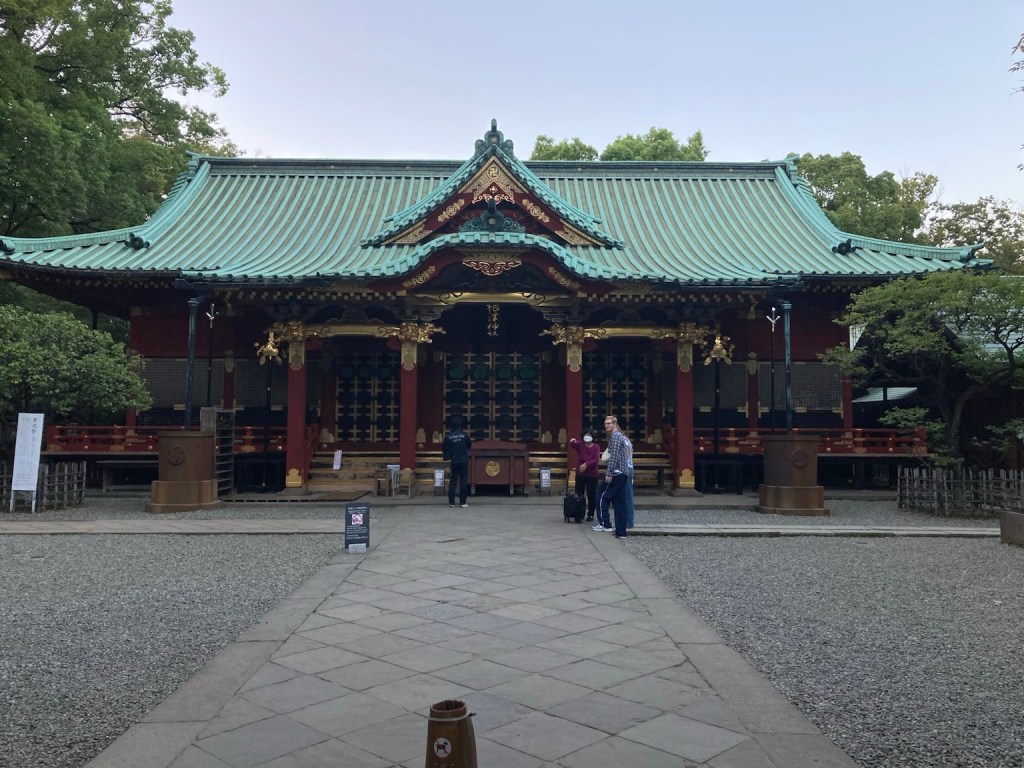
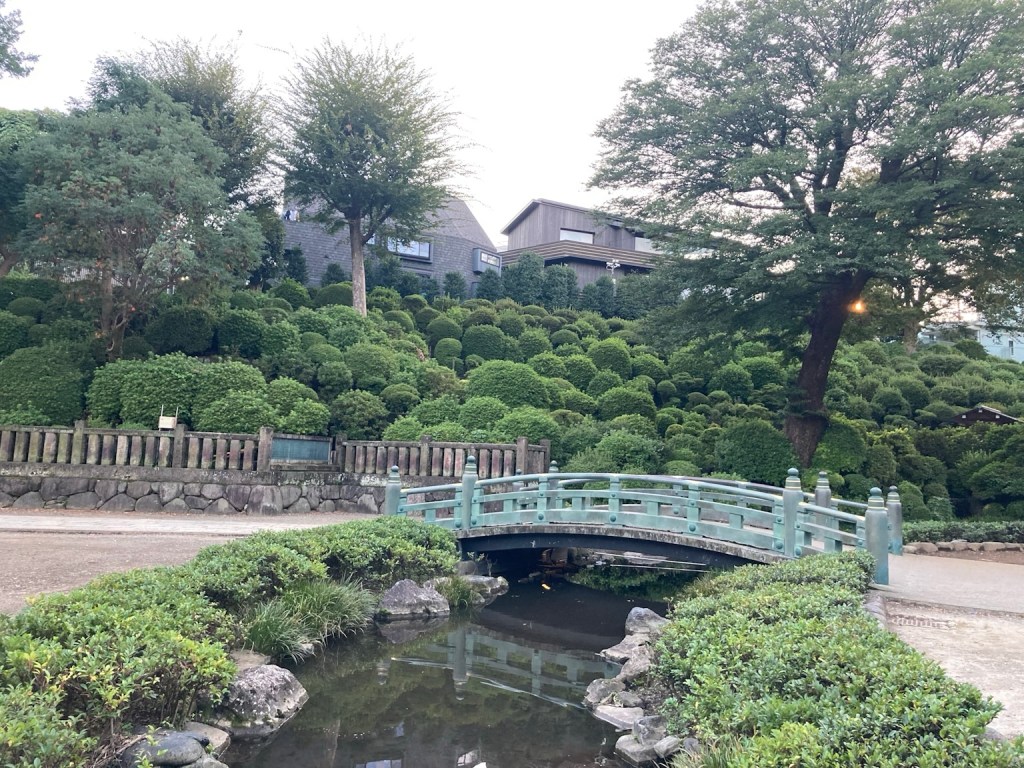
We passed the bridge on our way out, and lots of azaleas that must look stunning in spring.
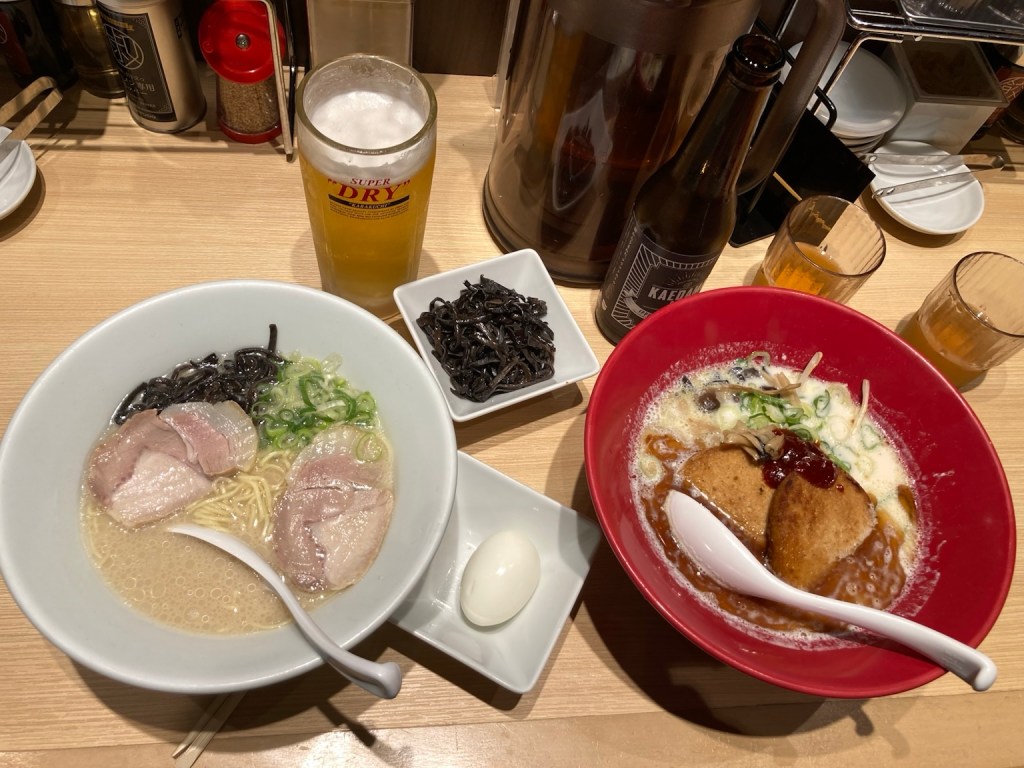
Our day done, we got the bus back to Asakusa and went straight for dinner at our local Ippudo Ramen …
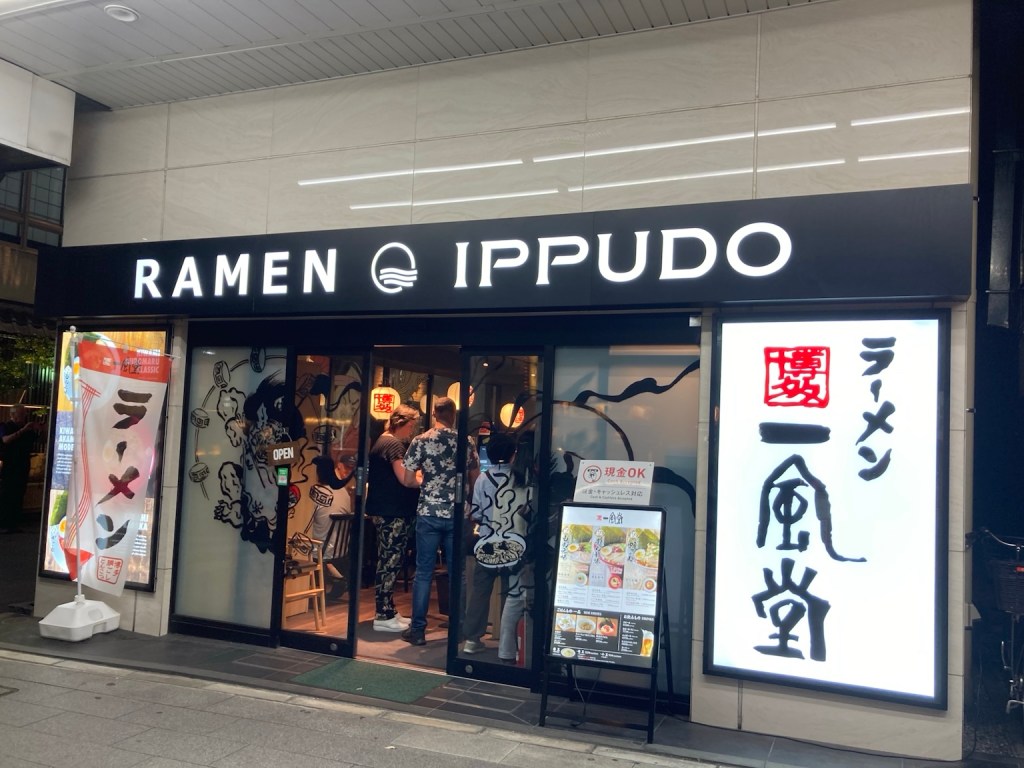
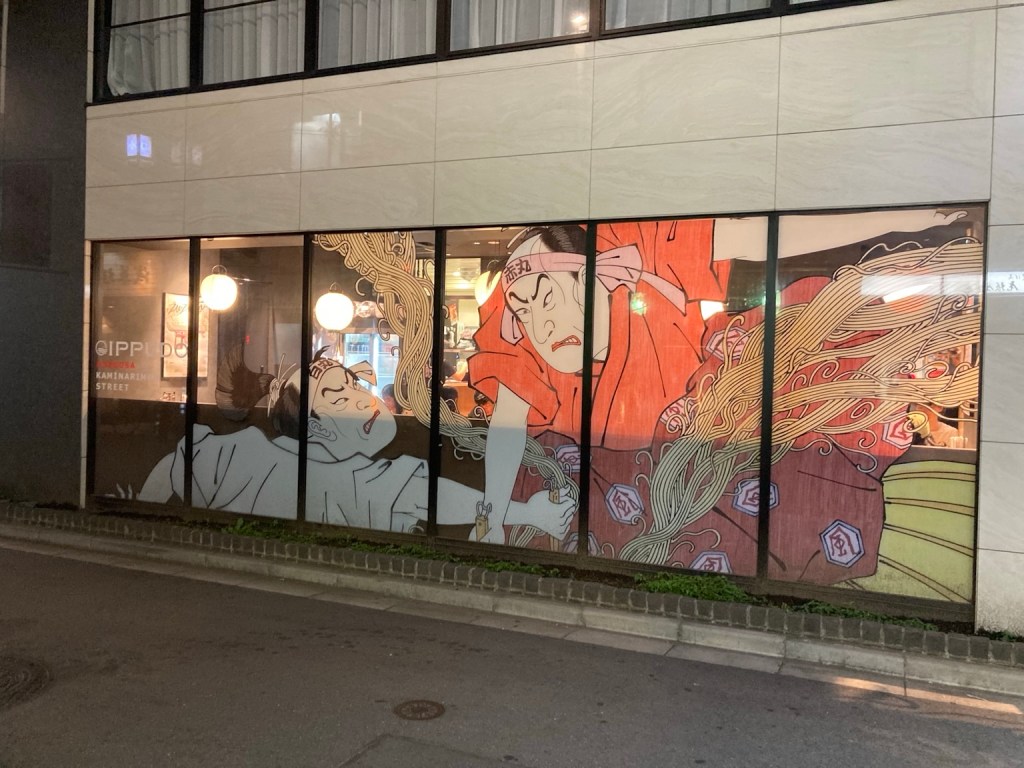
… where Chris could have the vegan special while I chose their Shiramaru original taste ramen with pork. We both thoroughly enjoyed our meal and I’ll be looking out for Ippudo in Kyoto!
We’ve had a great start in Tokyo, but are eager to get out into some countryside so tomorrow we move on, northwards to Nikko.

