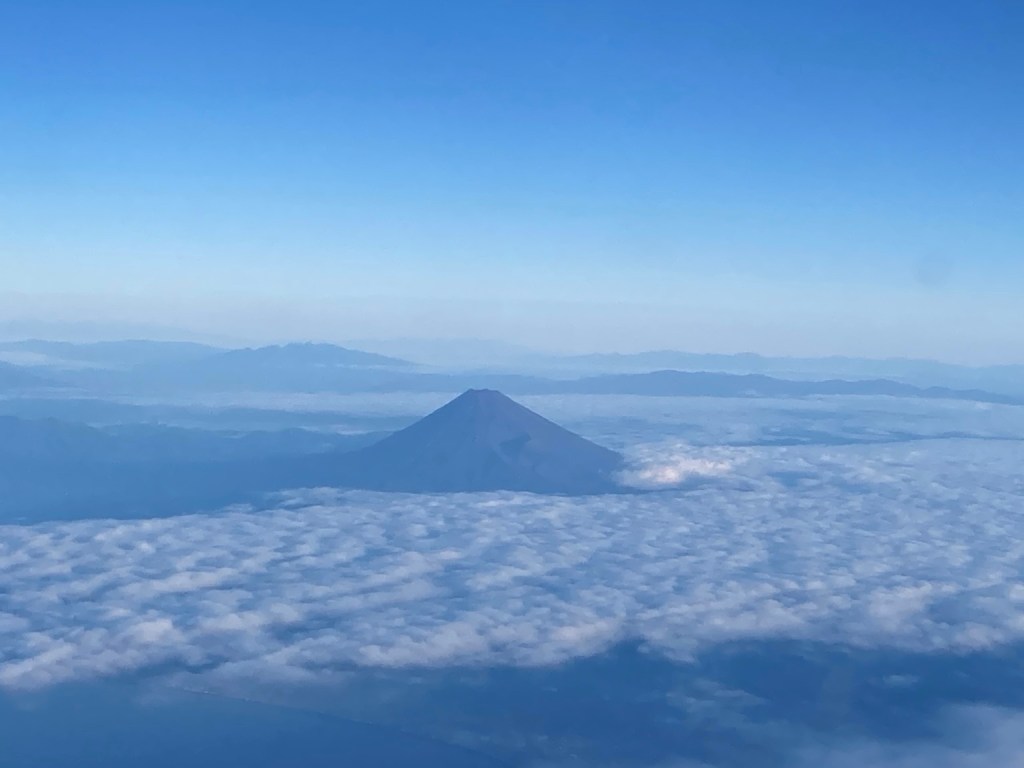
Our trip got off to a great start with this lovely early morning view of Fuji on our approach to Tokyo airport …
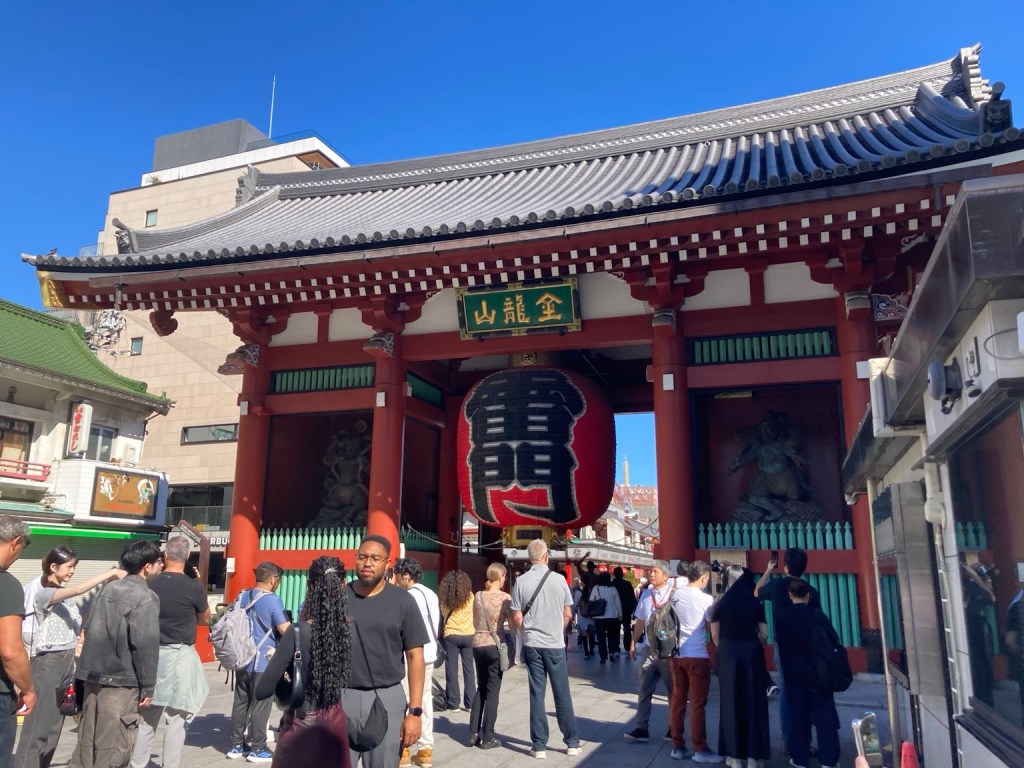
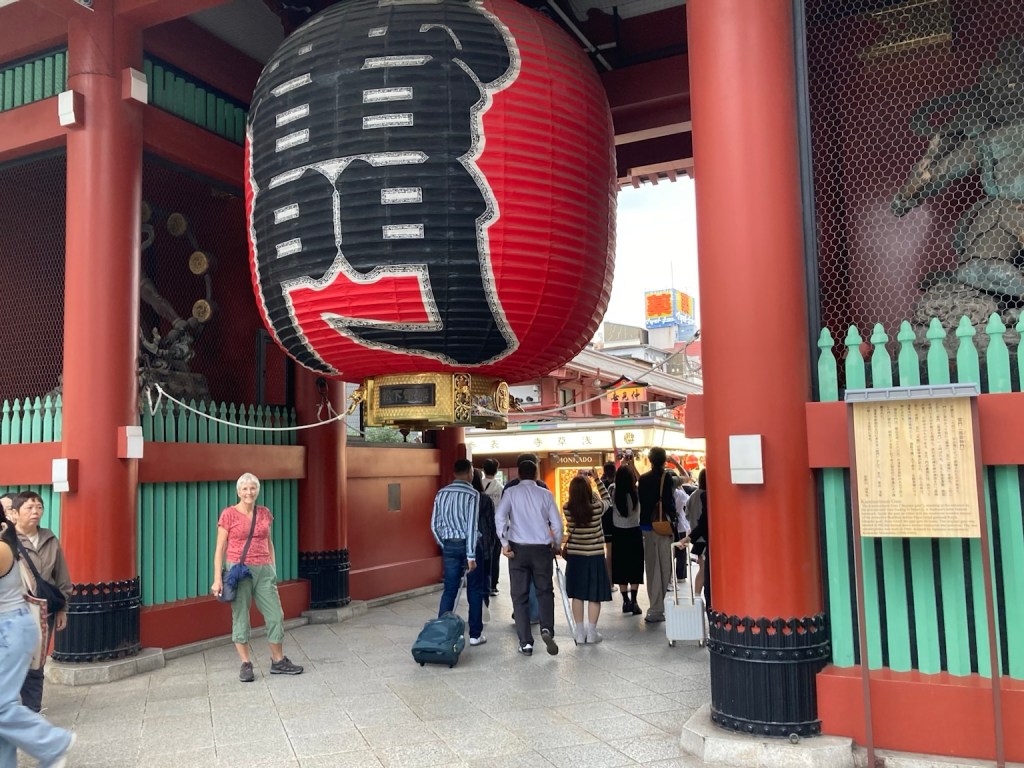
… and despite feeling groggy from the long flight, we easily negotiated our way through the airport and by train to Asakusa. The short walk to our hotel took us directly through Senso-ji temple with this impressive gateway …
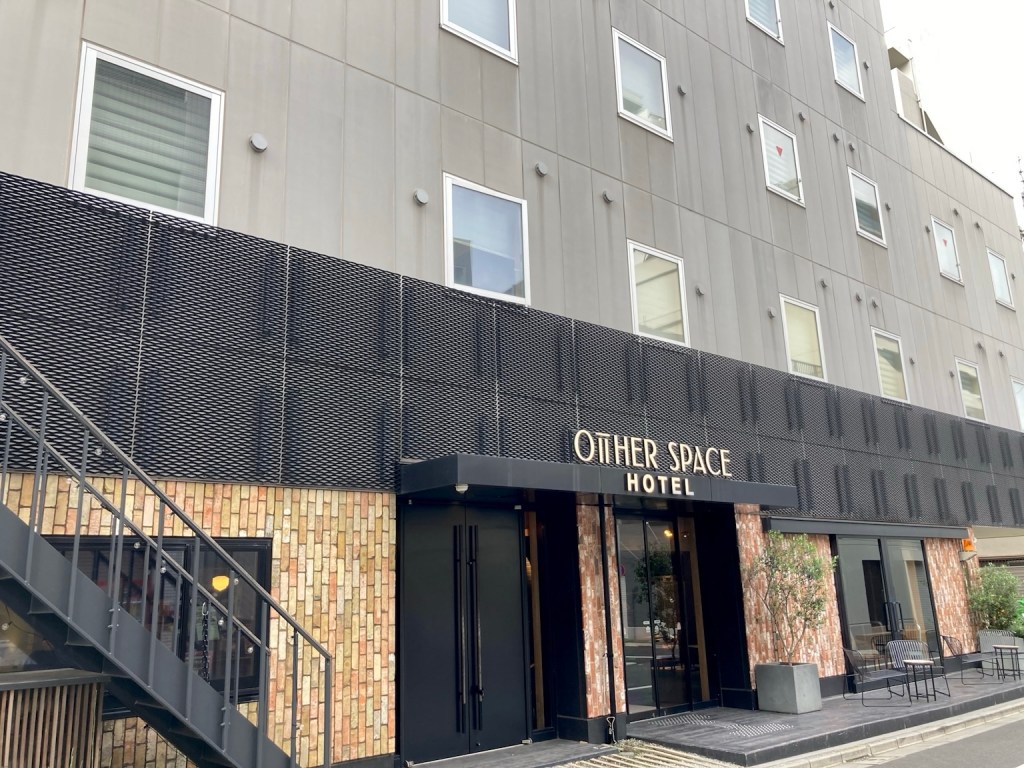
… but we didn’t linger, and continued to Other Space, where we freshened up and left our luggage as our room wouldn’t be ready till later.
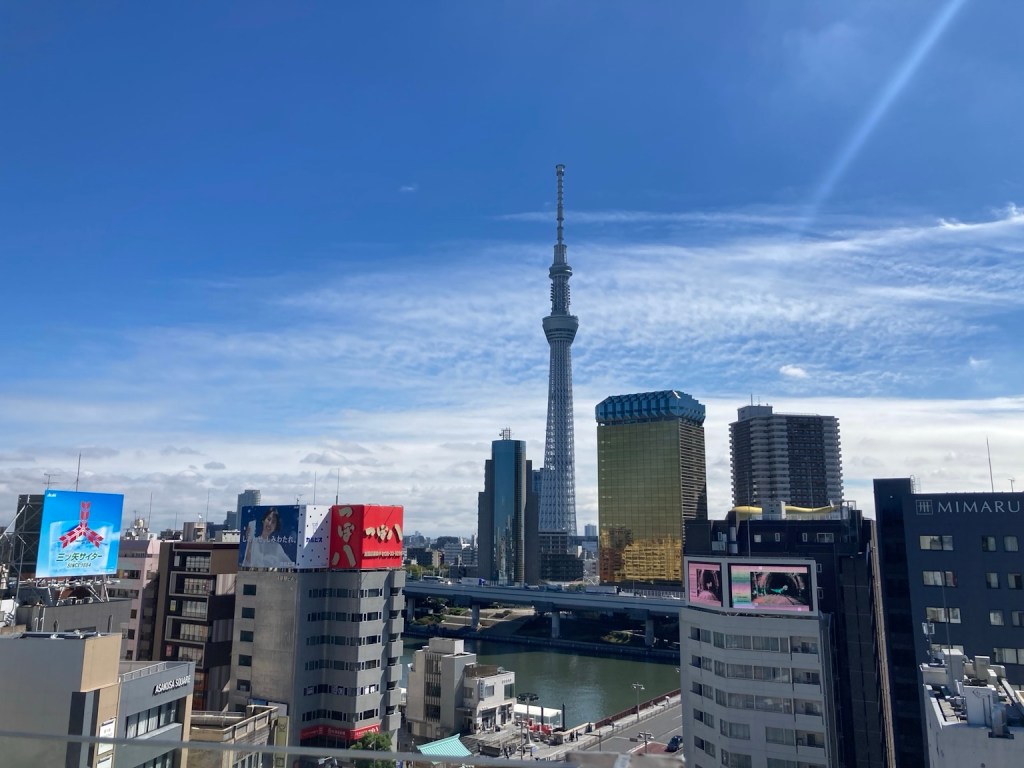
I had booked us onto the free tour from the information office so we would get an introduction to the area and not have to think too much on our first morning! We took the lift to see the view from the top of the info centre towards the river …
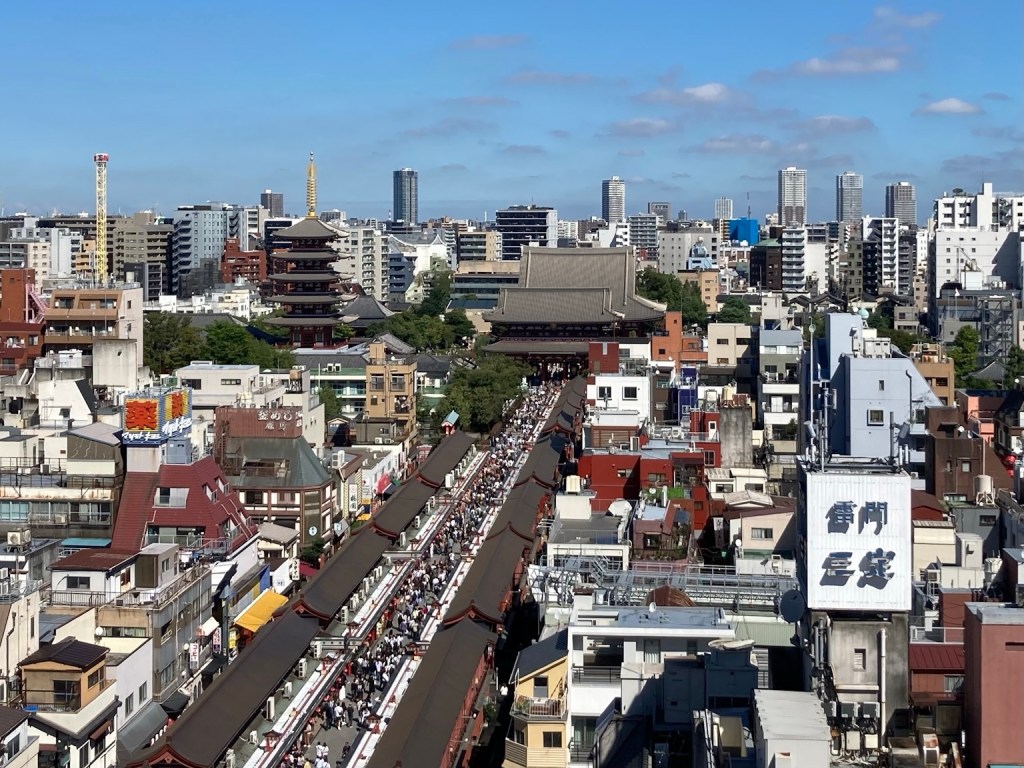
… and also towards Senso-ji down Nakamise-dori, a historic 250m shopping street with over 100 stalls selling traditional snacks and souvenirs.
It was just a small group and our guide Aki started by telling us we were lucky to have sunshine as there has been rain in Tokyo every day for the last 33 days! He took us first taking to the Sumida River, for a view across to the Tokyo Skytree.
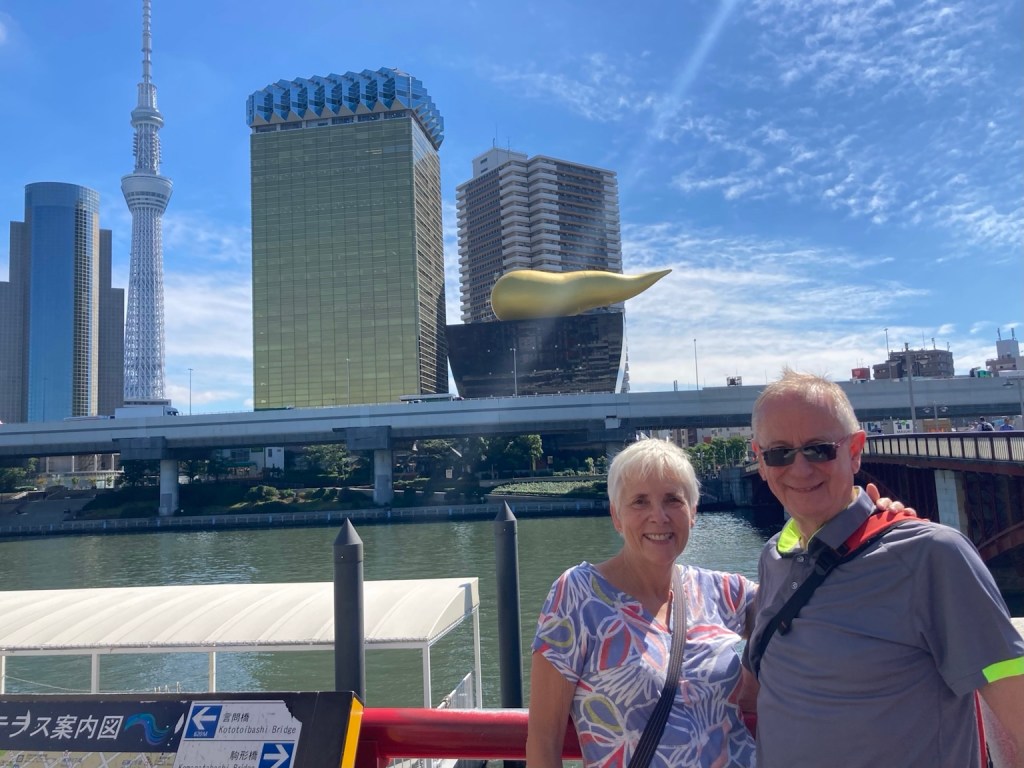
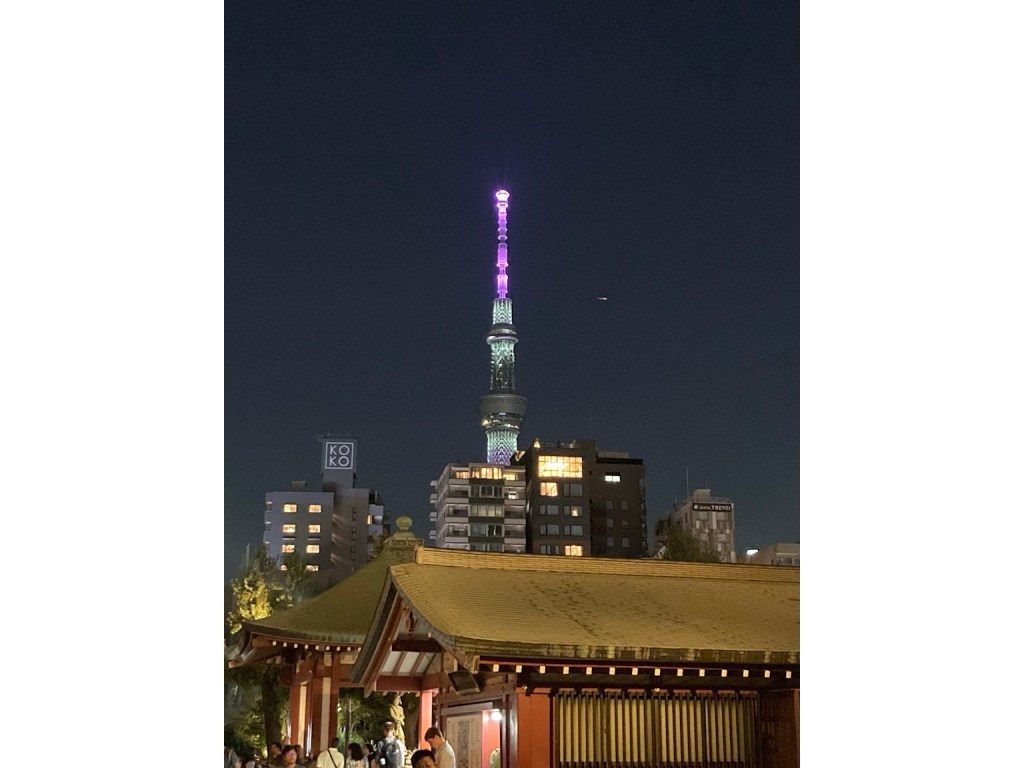
This huge broadcasting and observation tower was opened in 2012 and at 634 meters, is the tallest tower in the world, and stands beside the headquarters for Asahi who make Super Dry, probably the most famous beer in Japan. It is topped by a giant golden flame designed by French architect Philippe Starck in 1989 to represent the “burning heart of Asahi beer,” though locals famously nicknamed it kin no unko – the golden poop!
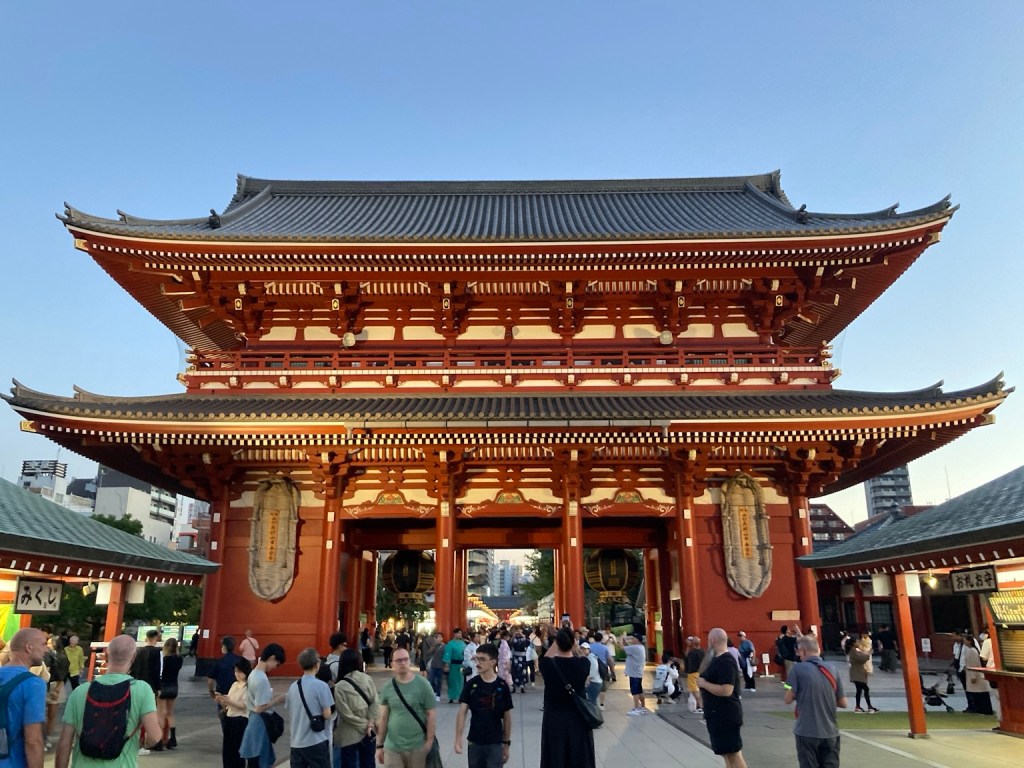
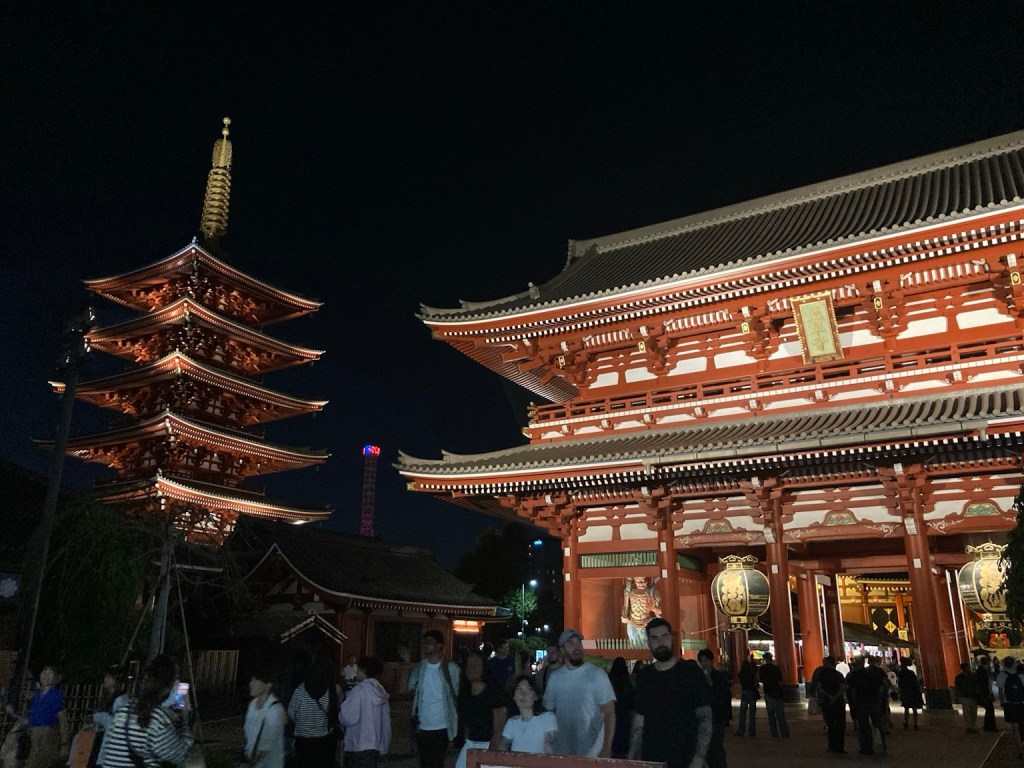
Senso-ji is Tokyo’s oldest and most iconic Buddhist temple and entrance is by the Kaminarimon or Thunder Gate with its massive 700kg red paper lantern.
Aki showed us round the temple area explaining that much was destroyed in WW2 so these are perfect modern reconstructions with fireproof materials. He also told us about the coexistence of Shinto and Buddhism here in Japan where Shinto handles celebrations of life and beginnings, while Buddhism manages rituals concerning death and the afterlife. He showed us how to visit the Buddhist temple, firstly by washing, then to approach, give a coin, bow and clap and make a prayer – the Shinto shrine was similar but with an extra clap! The tour was a great start to our trip and afterwards went for some lunch.
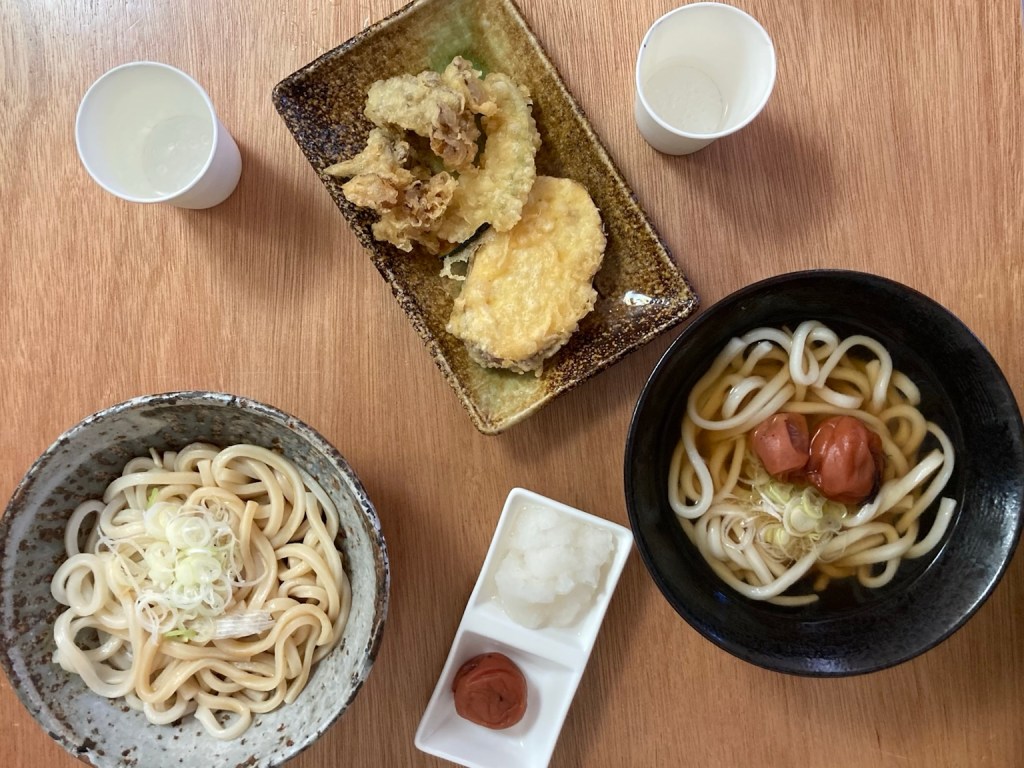
One of our biggest concerns in planning was that vegetarian in Japan just means no meat and it needs to be vegan to avoid fish in all its forms, which is not available everywhere. Fortunately, Asakusa Udon also make a rich soy-based kelp dashi for vegans so we were both happy, and shared tempura veg, spring onions and pickled plums which were delicious.
We tried to keep going, but the jet lag hit so we gave in to a 45 minute power nap, showered, then explored Senso-ji some more.
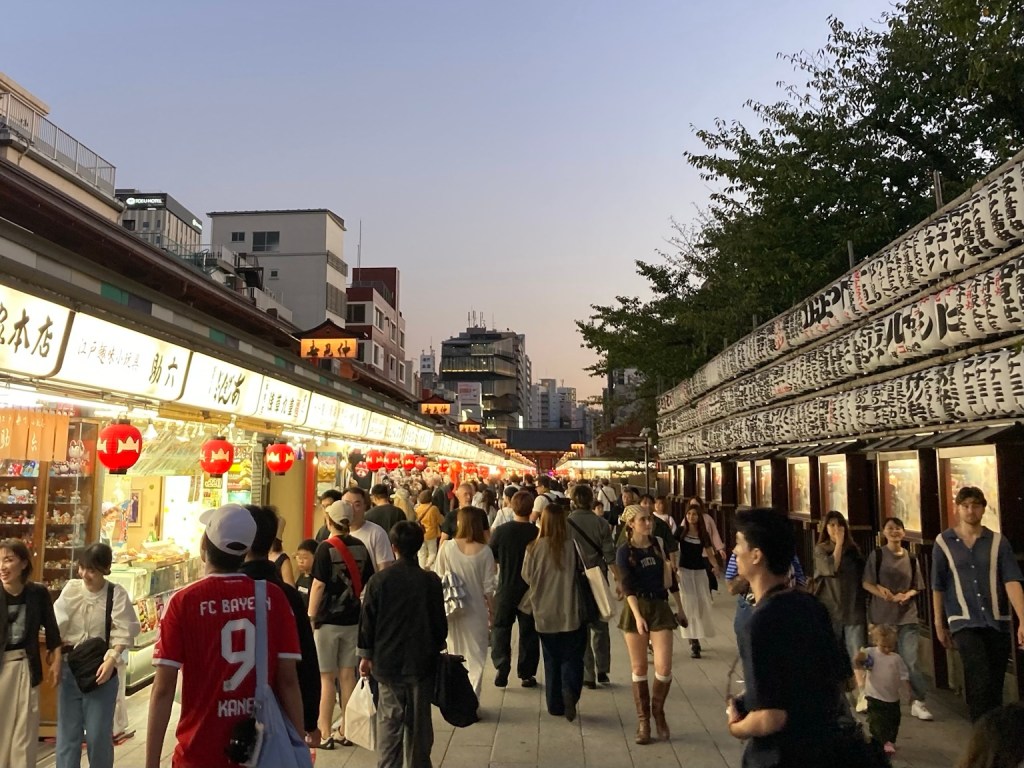
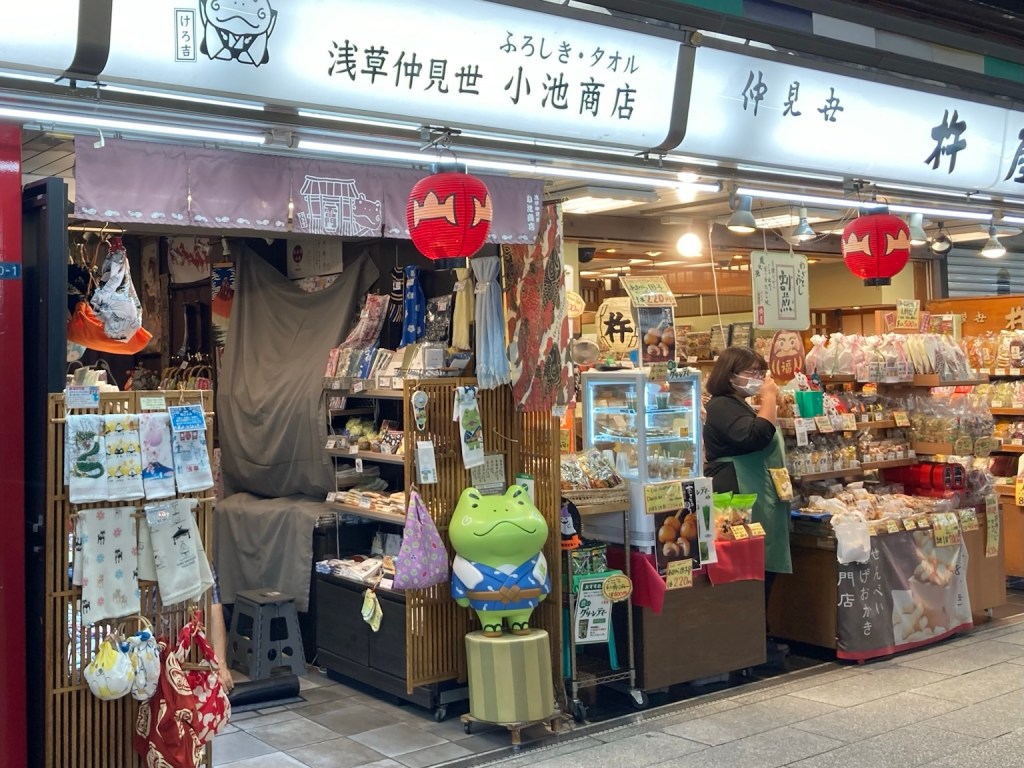
Here is the shopping street we had seen from above …
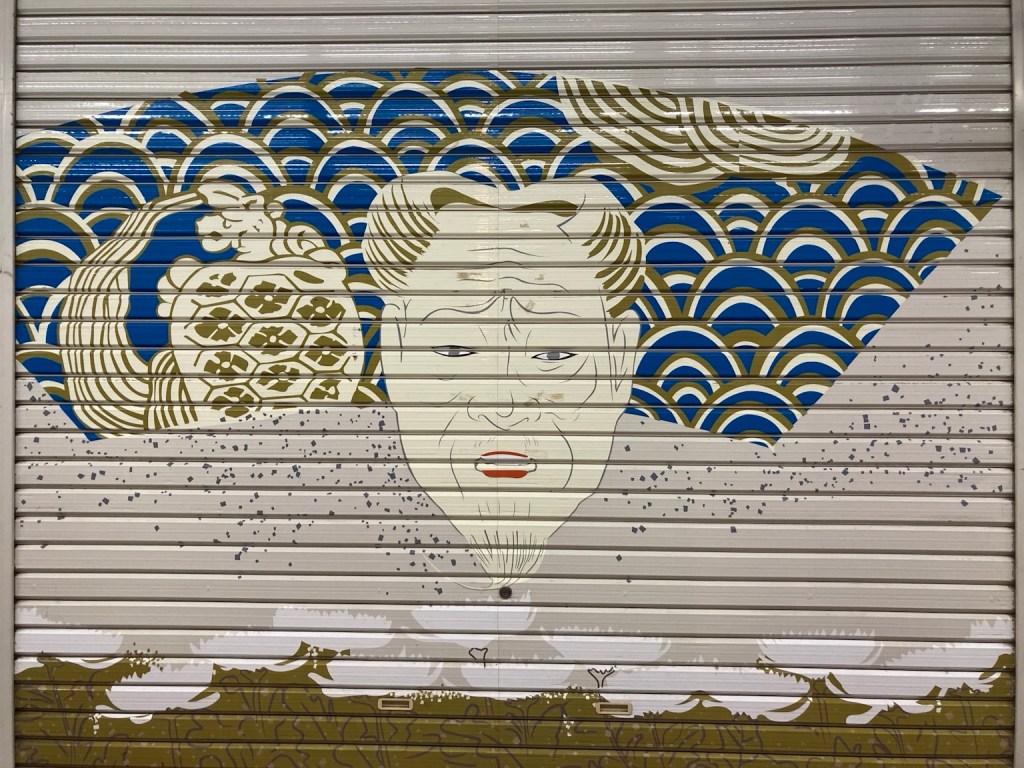
… with decorated shutters on stores that were closed …
… and then the Hozomon or Treasure House Gate with the temple’s sacred Buddhist sutras inside. The front is guarded by two fierce Nio warrior statues, one with his mouth open …
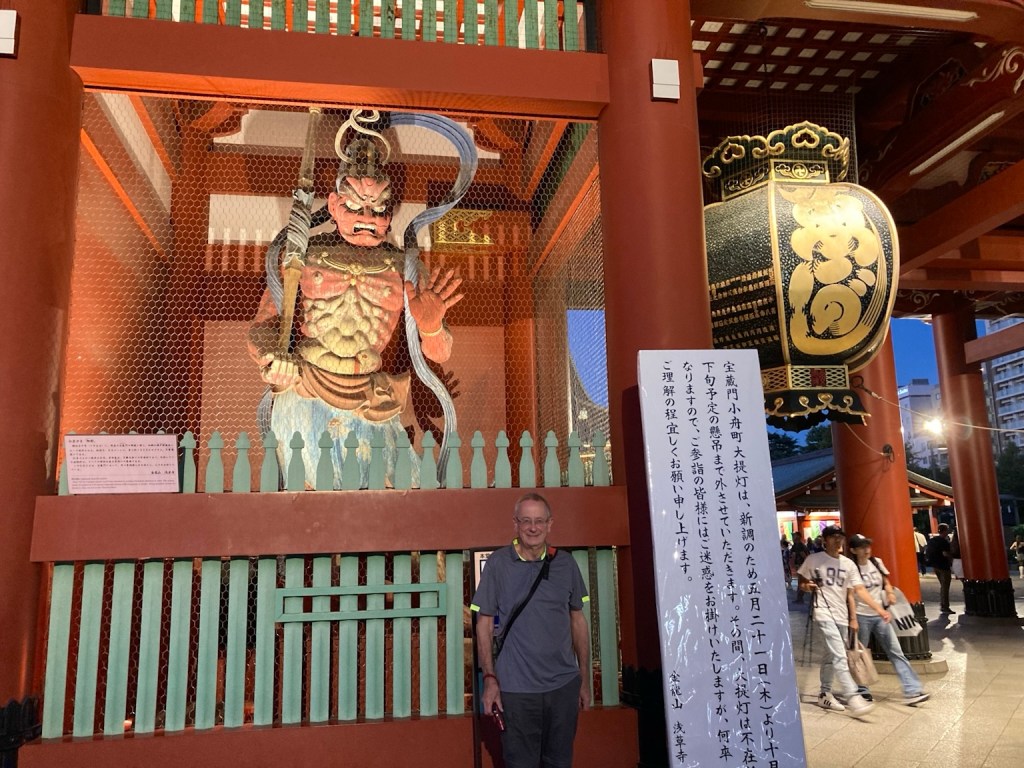
and the other with his mouth closed!
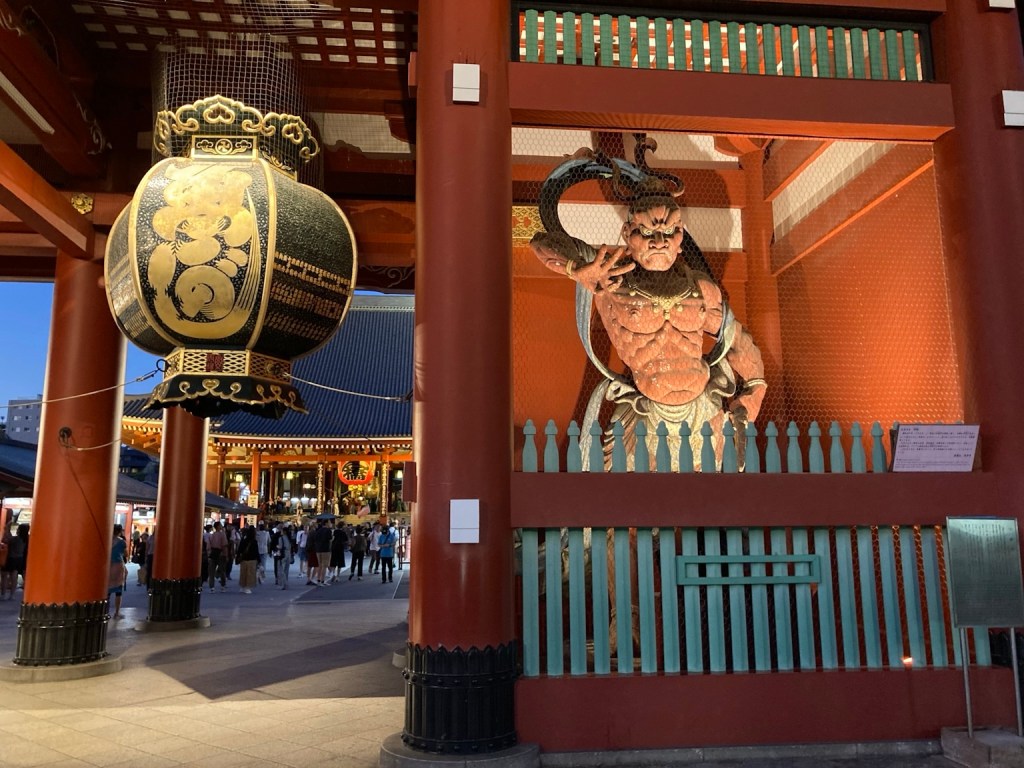
The back has two massive straw sandals, suggesting the power of the guardians to frighten away evil.
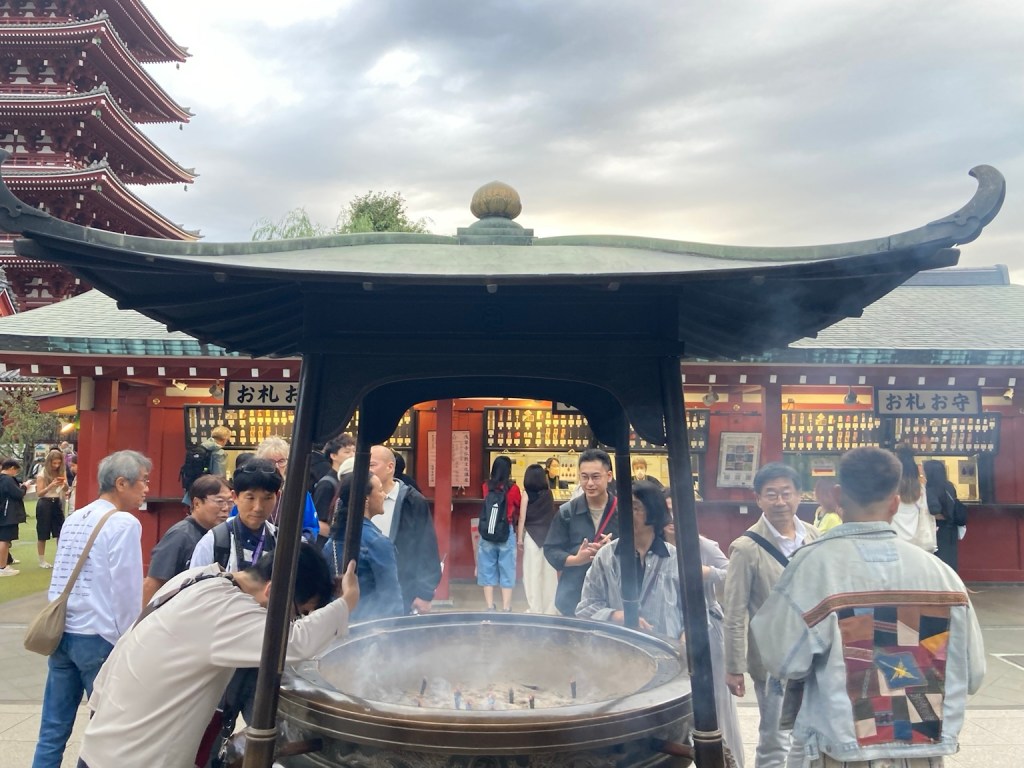
This is the giant central incense burner where we wafted smoke over ourselves for health and good fortune.
The water fountain is topped by Sakura, the King of Water or the dragon king …
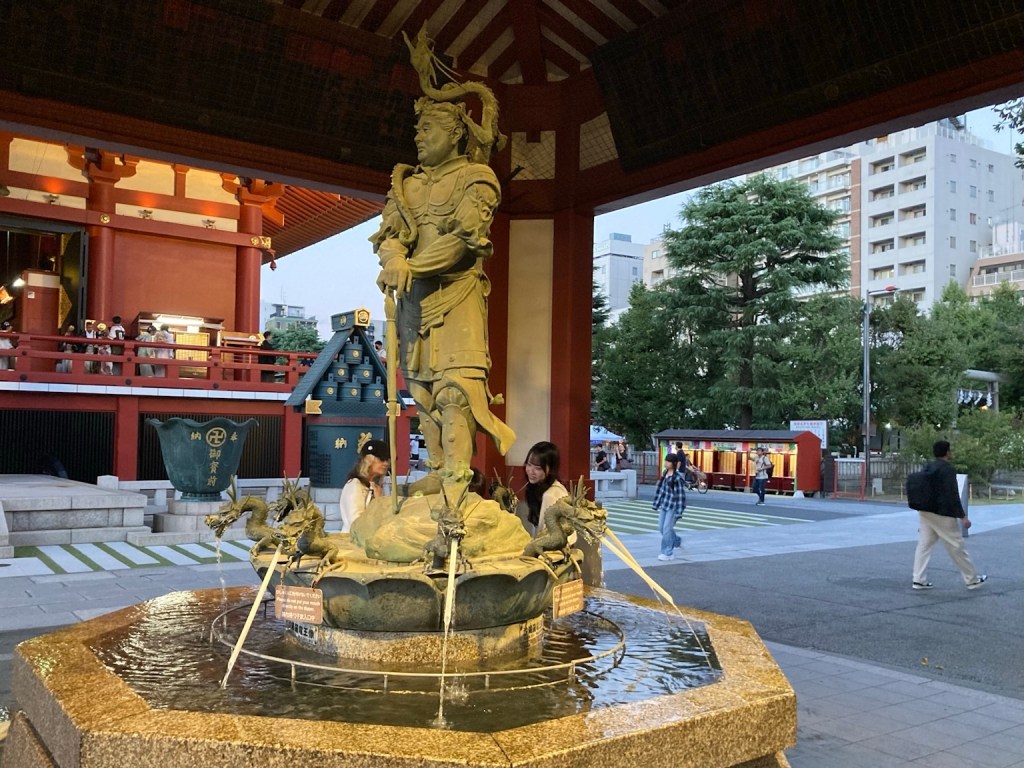
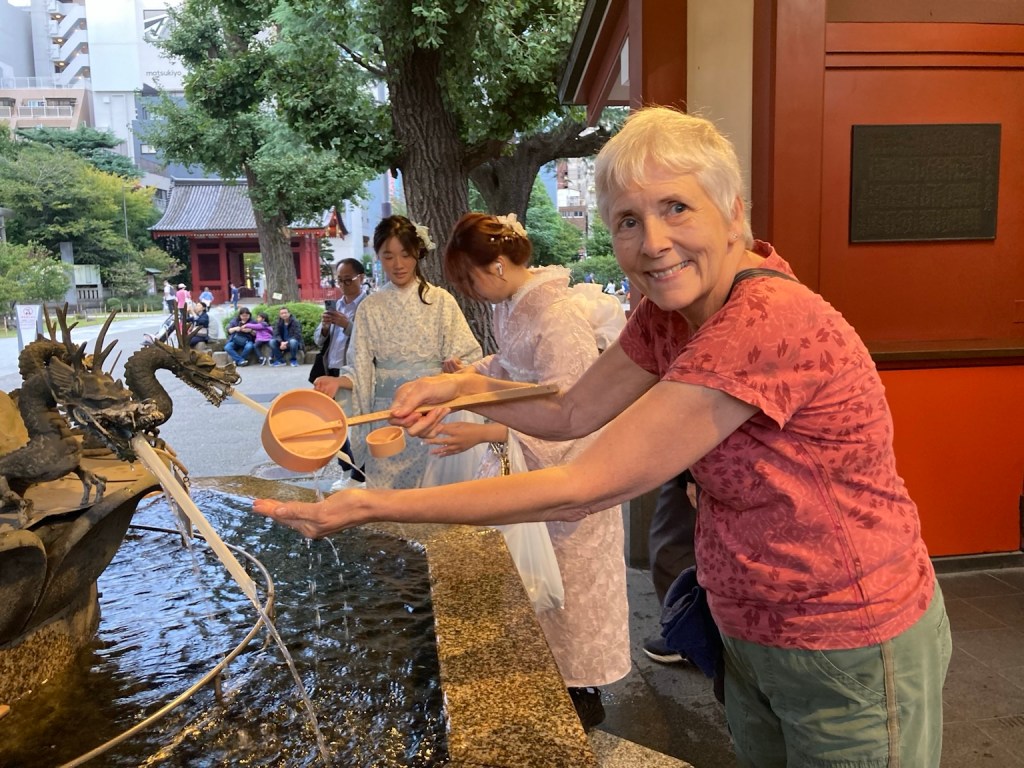
… and here’s me carefully washing each hand then the ladle handle for the next person.
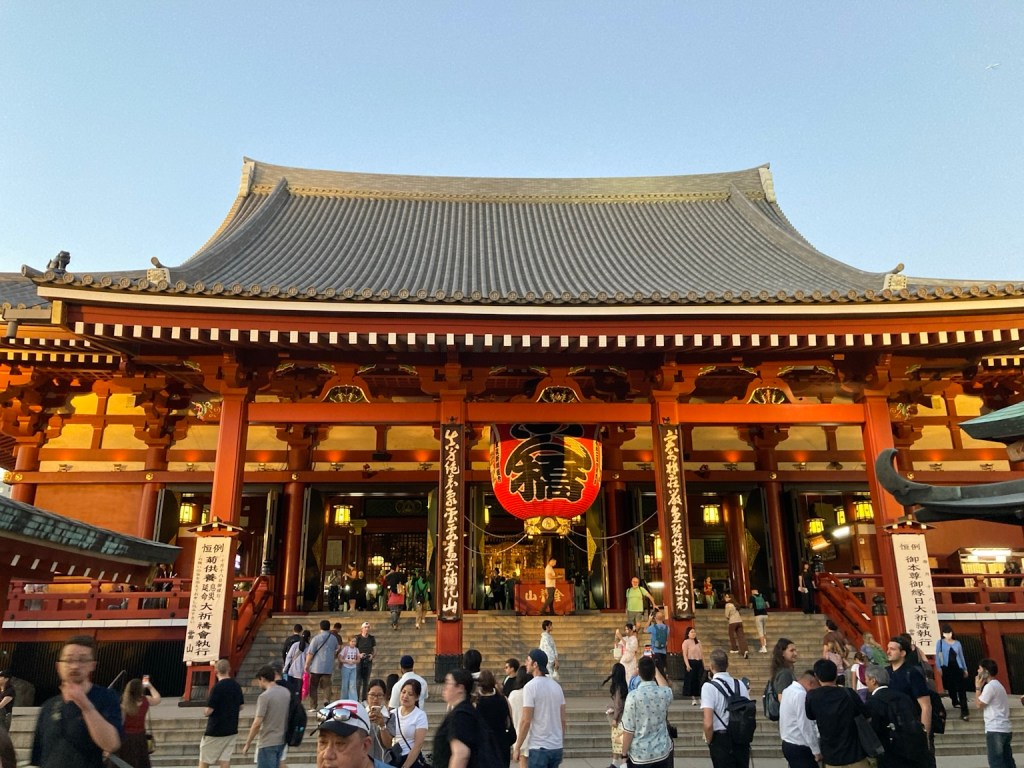
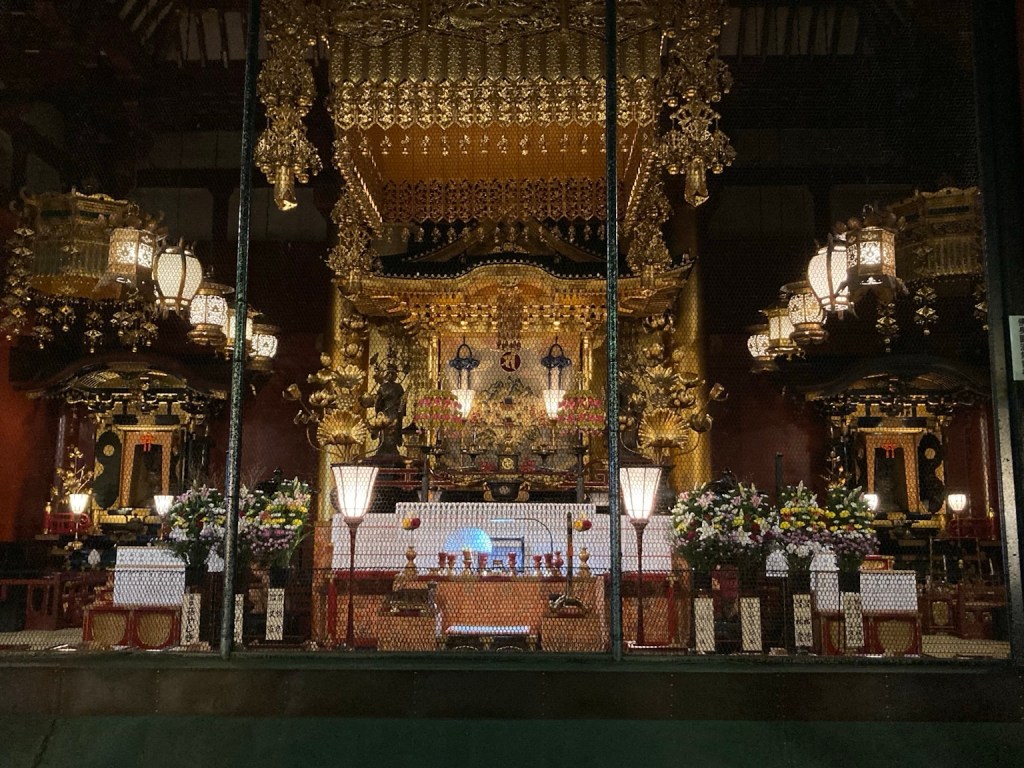
Finally, we had reached the Hondo or main hall. Rebuilt in 1958, the curved roof is made of titanium tiles which mimic traditional clay.
We dropped our coin into the box and offered up our prayer, before entering.
That evening we returned to have our fortunes told using the Omikuji or traditional Japanese fortune slip.
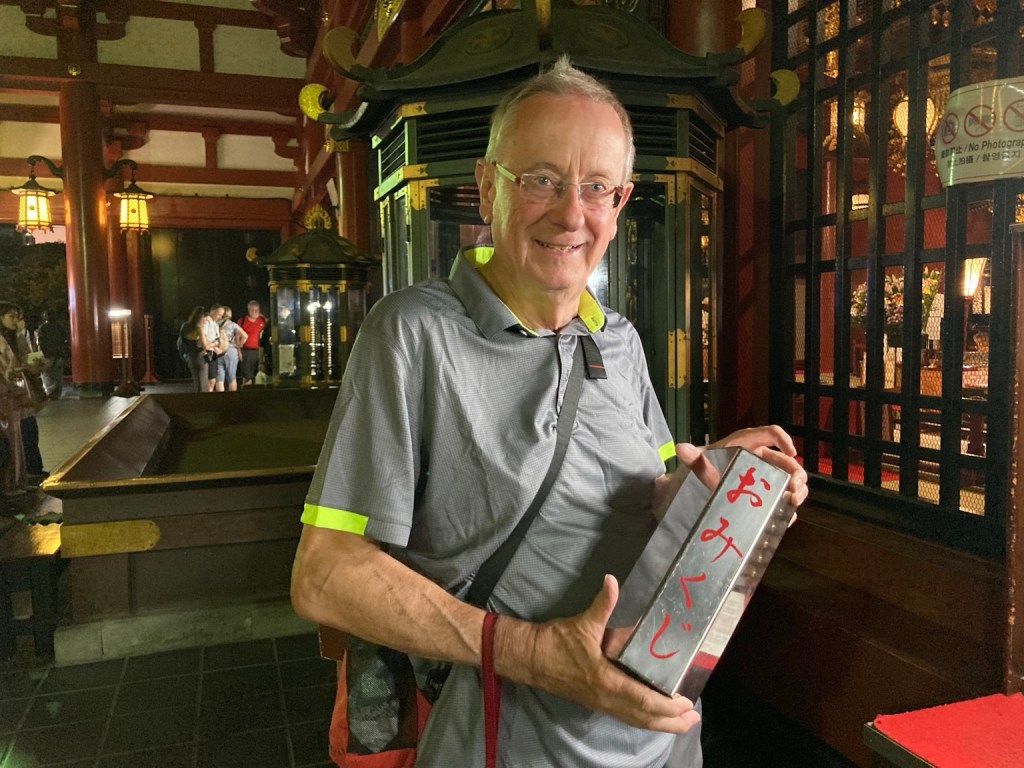
The box is shaken, a wish made, a numbered stick falls out and the correct slip located.
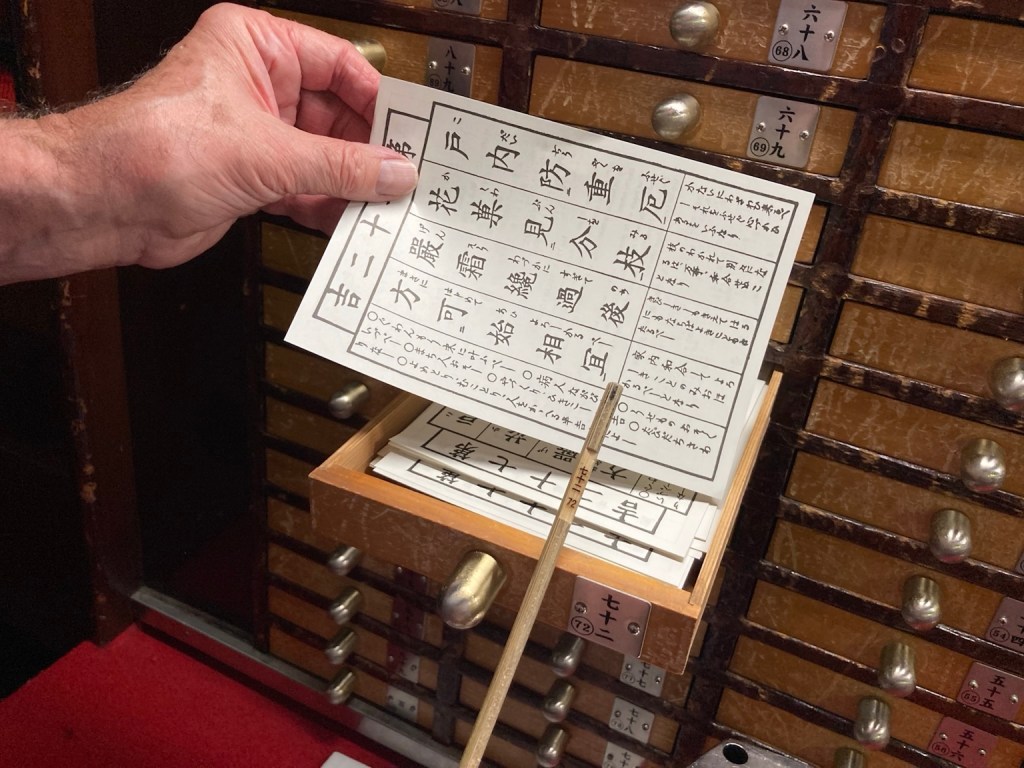
I wished for good fortune on our trip and it said ‘Red clouds move and cover your way, and sign of being fortunate is always on your way’ so it seems that despite momentary confusion, protection and good luck will be on our side. Definitely a good fortune and worth keeping but Chris was not quite so lucky.
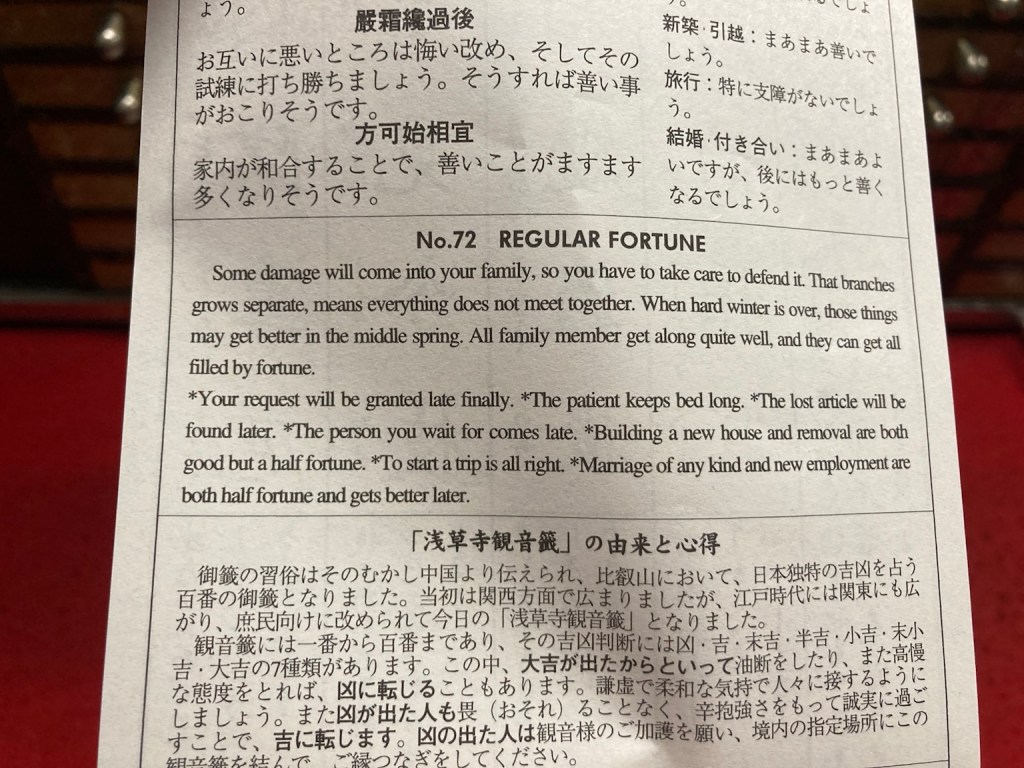
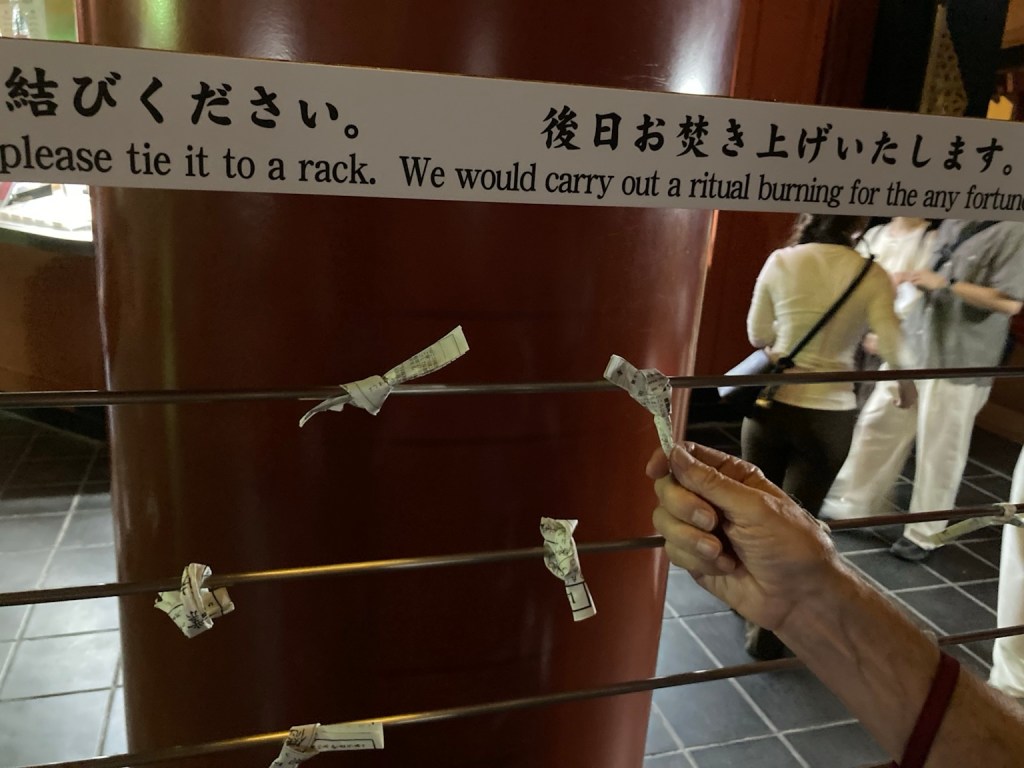
Fortunately there is a simple way to dispose of bad luck, just tie the slip to a railing in the temple which leaves the bad luck behind, and it will be burnt later.
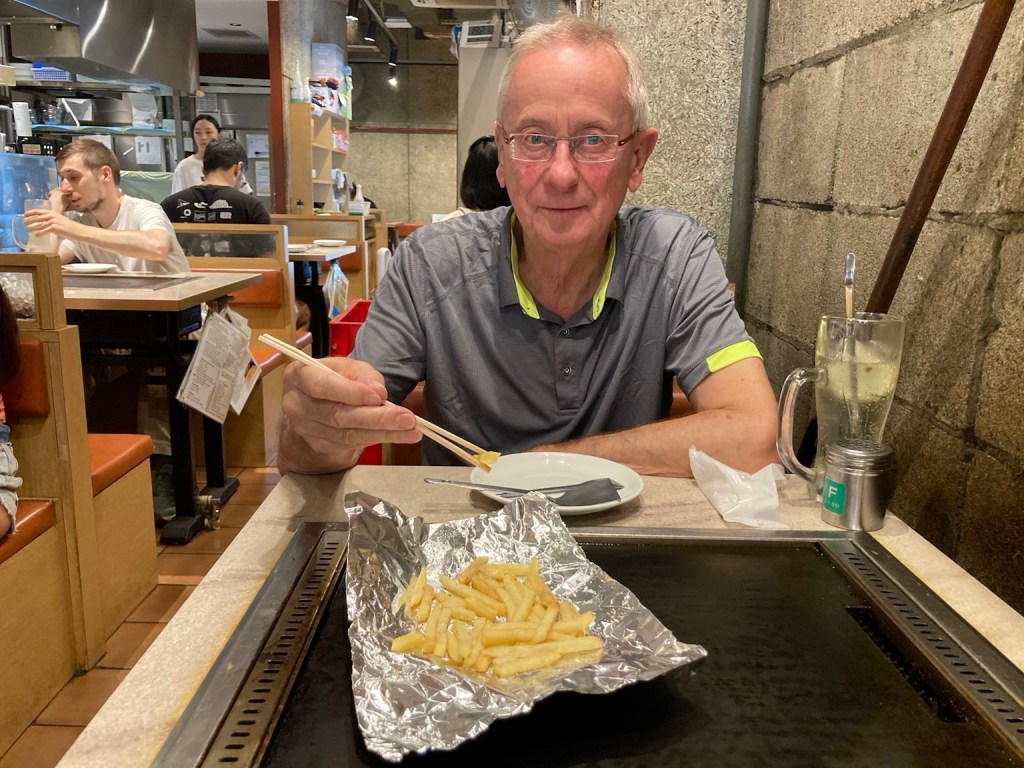
That evening we went for okonomiyaki, a Japanese savoury pancake cooked on a griddle, usually containing cabbage with various toppings and sauce. We picked a place with a vegan menu and ordered cheese and cabbage for Chris, shrimp and bonito flakes for me and some veggie side dishes too …
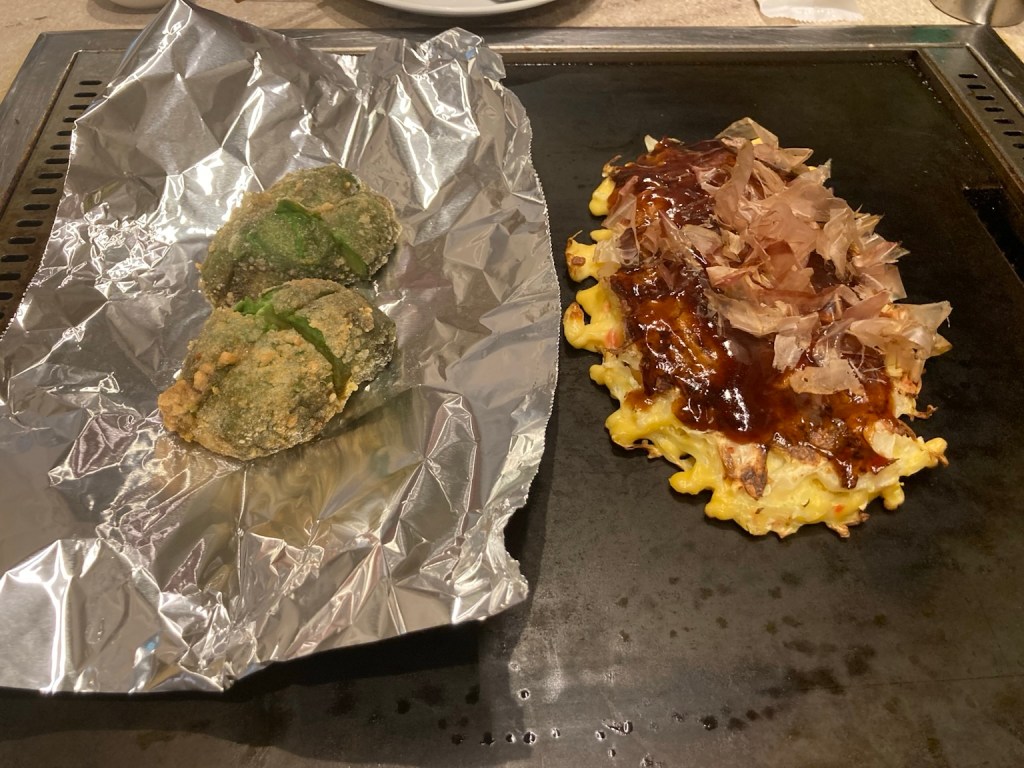
… including fries just to be on the safe side!
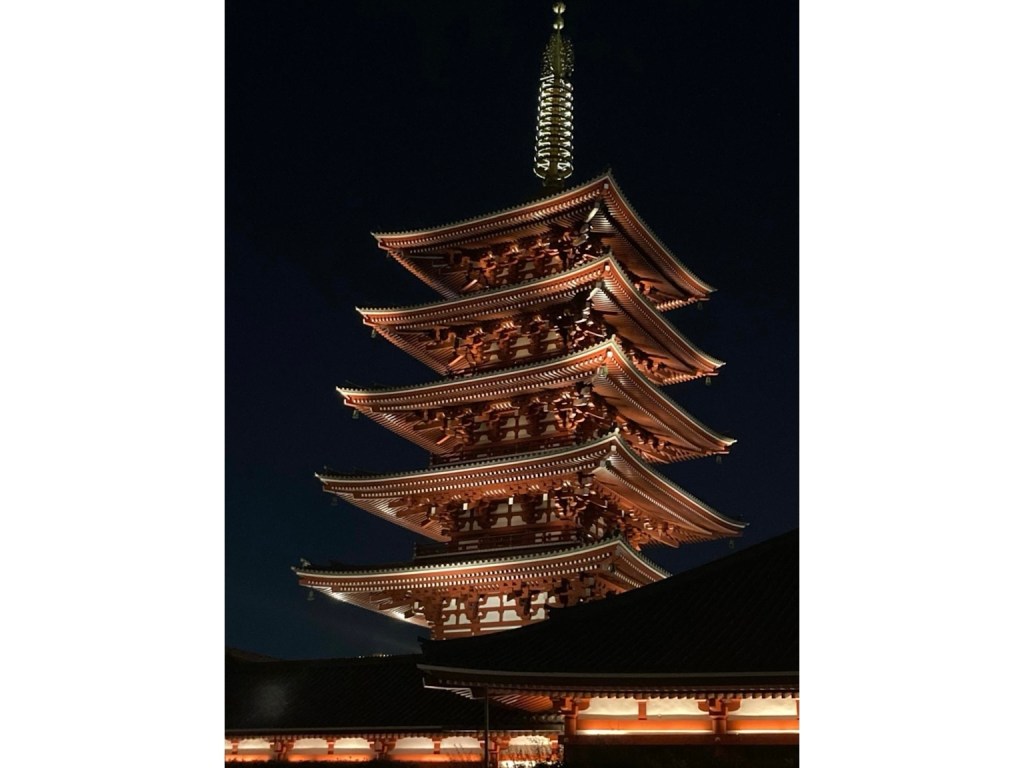
All was lit up on the way back which was a fine end to our first day.
But there was more in store! I was cleaning my teeth before bed and I could feel the building sway – in fact it was over so fast we almost thought we’d imagined it, but next morning we found it was caused by a 5.1 earthquake in northeastern Chiba Prefecture which was felt throughout Tokyo.

