
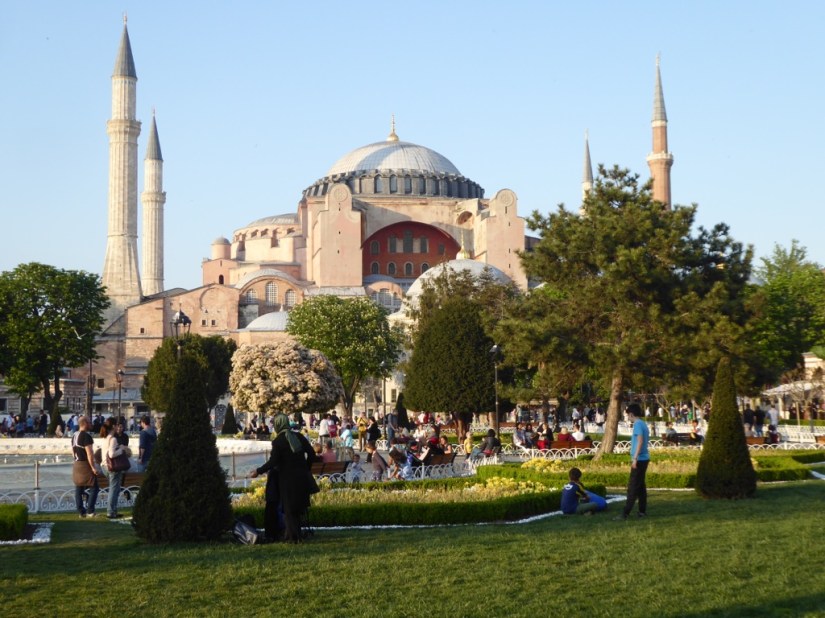
Next morning we were in the queue for Hagia Sophia by 9.00 and just under an hour later, we entered! It was built in the C6th for Emperor Justinian as a Byzantine church and remained the largest enclosed space in the world for a thousand years.

The huge dome has collapsed a couple of times and been rebuilt, with bigger buttresses that block some of the windows, making the interior rather gloomy, not helped by the grey marble. In 1453 the city was captured by the Turks and Hagia Sophia was converted to a mosque, which it remained until 1934 when it became a museum. They are part way through redecorating, which must be a huge task in building of this size. We wandered round the gallery first …
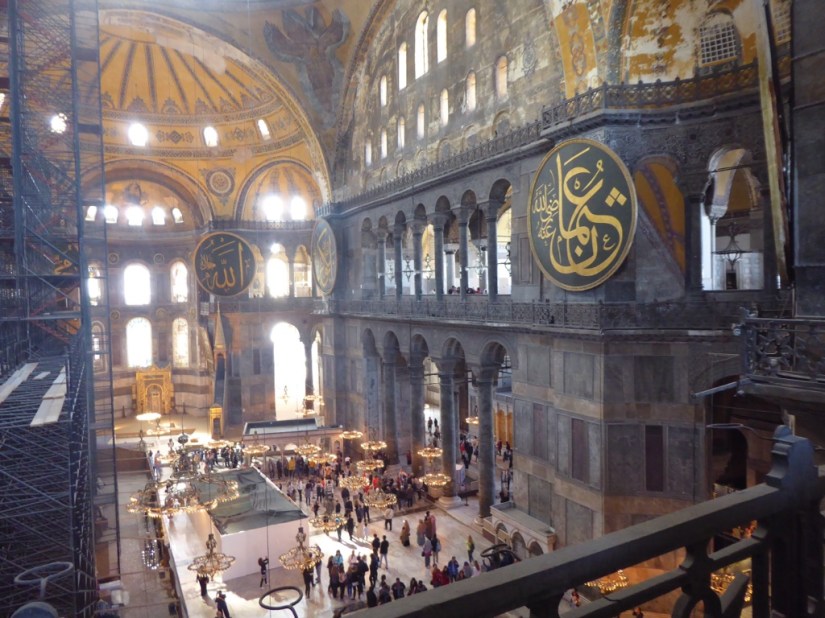


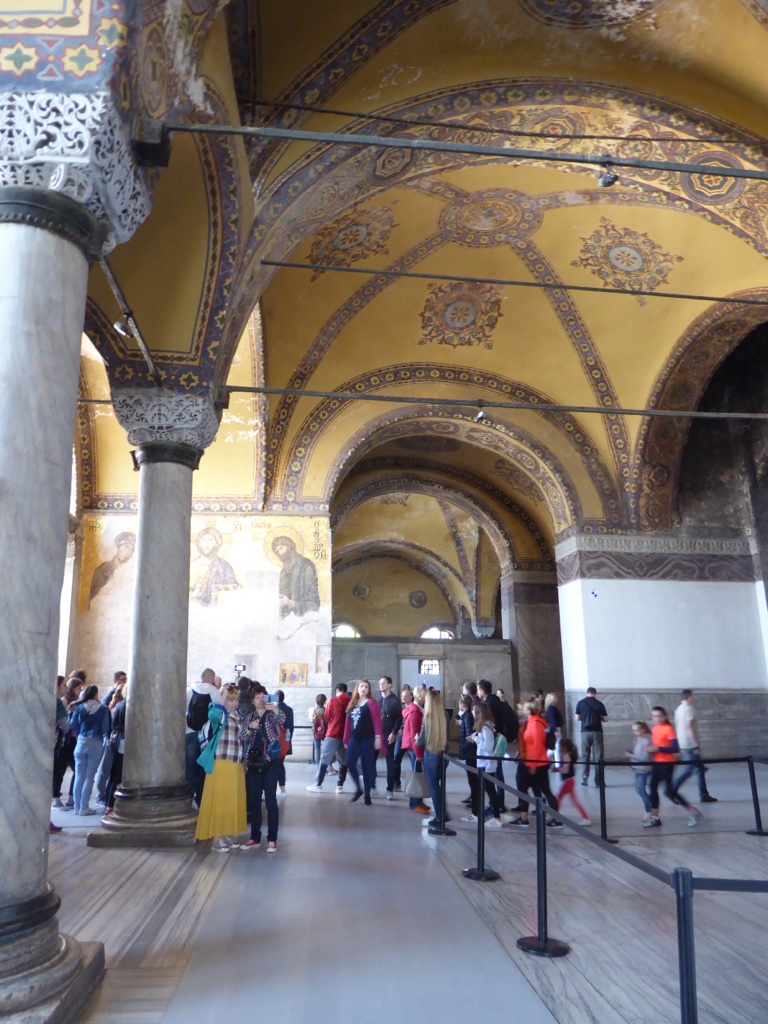


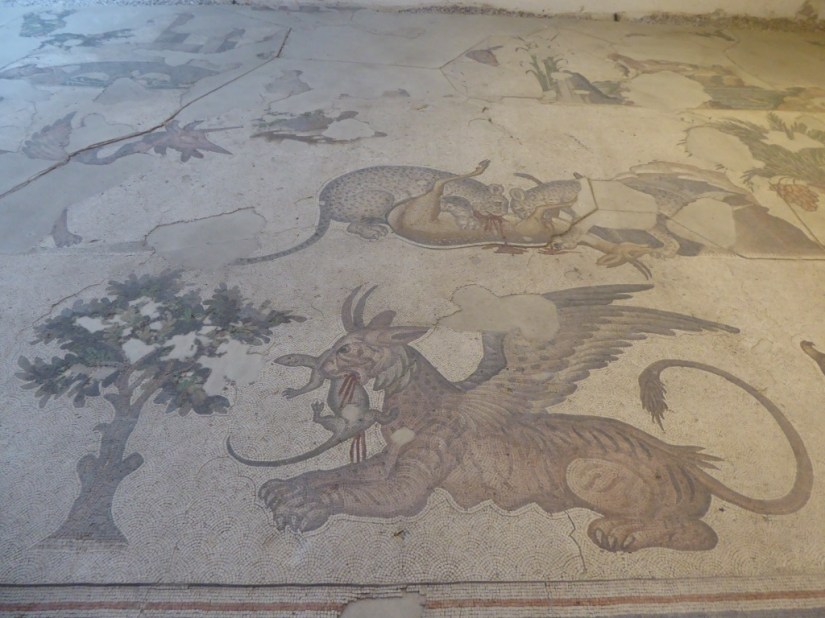
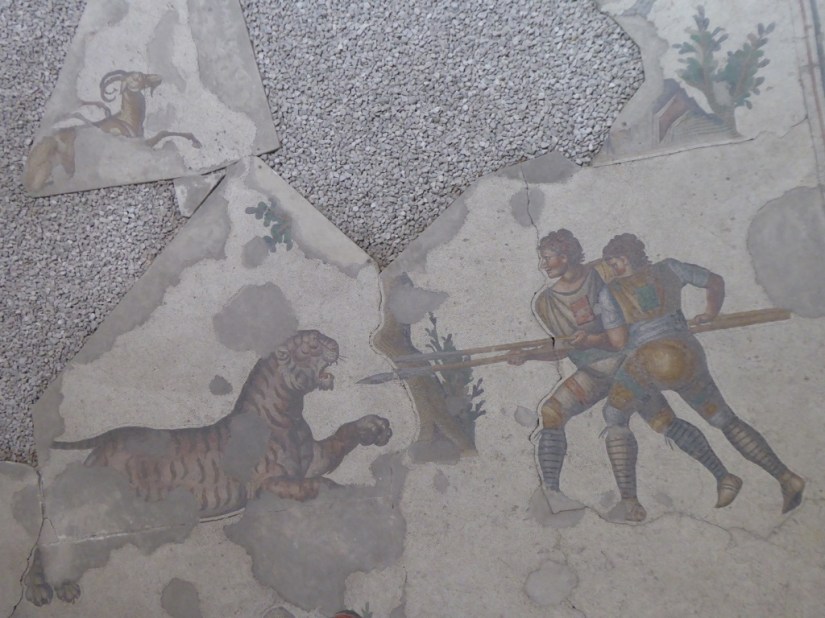
… and saw some of the Byzantine mosaics …
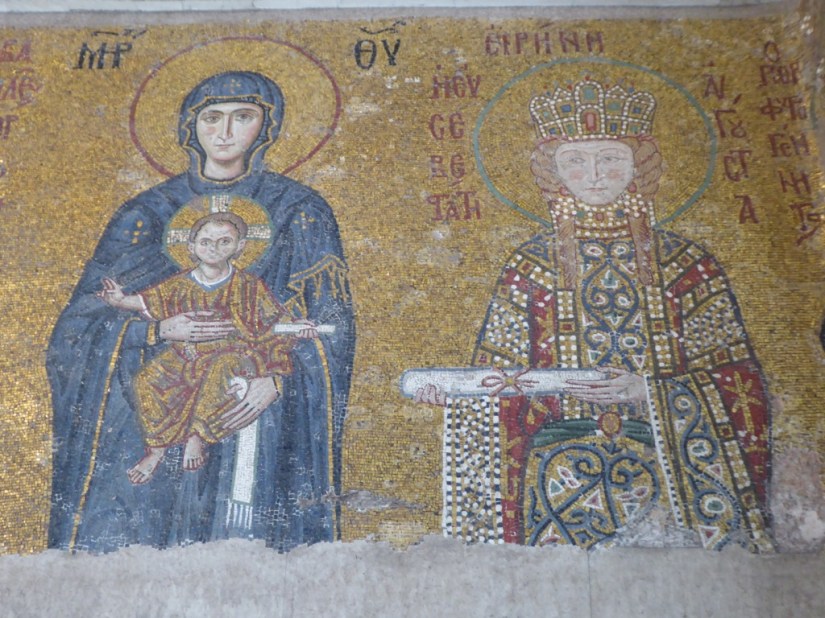


… and also some Viking graffiti left by warriors who were employed as bodyguards to the Emperor.

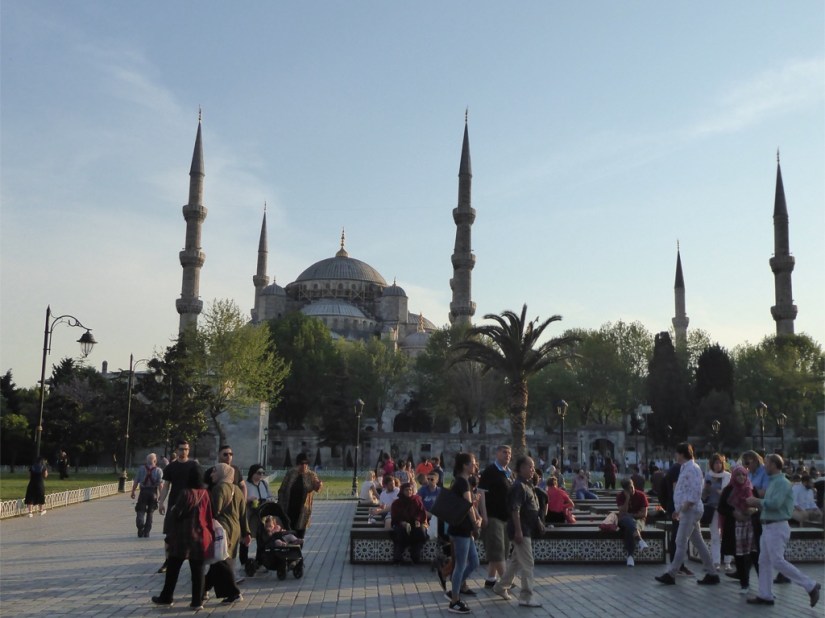
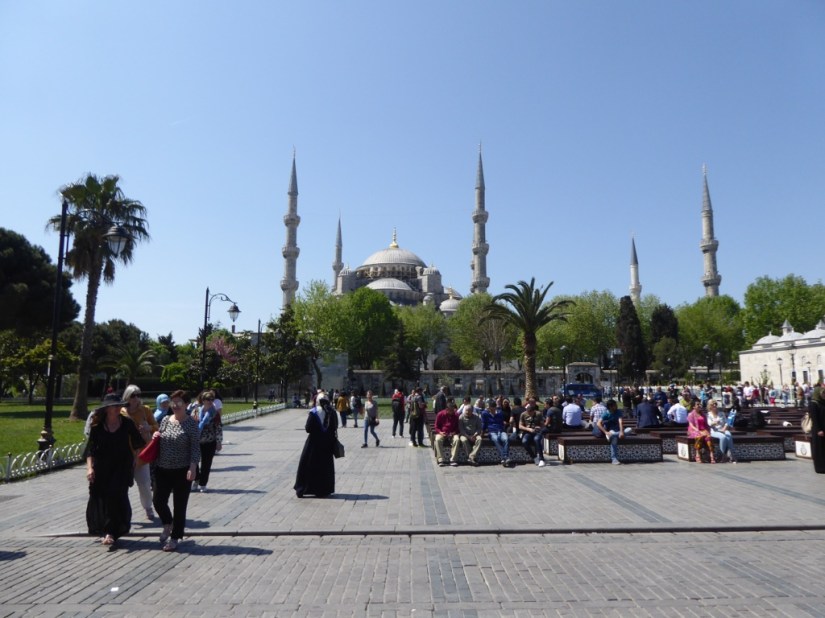
We even caught a glimpse of the Blue Mosque through the window!

Downstairs, the spot where Byzantine emperors were crowned is marked by marble inlay …

… and behind is the mimbar or pulpit and the mihrab …


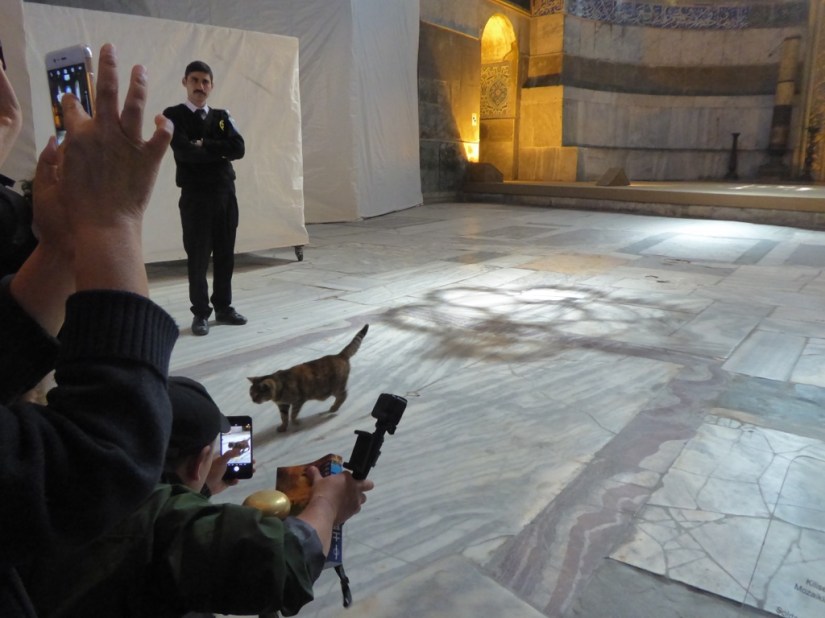
… but there seemed to be as much interest in the resident felines!

On the way out, Chris touched the weeping column as it is renowned for curing ills in the hope it would help get rid of the nasty cough he’s been suffering with.

Over the road, the underground Basilica Cistern was built in the C6th to store water for the palace and the roof is supported by 336 columns. A couple of the columns are supported by Medusa heads, clearly relics from a previous building, and while it was suggested they were to protect the cistern, it seems strange for this one to be upside down. The atmospheric lighting alone made it worth a visit.


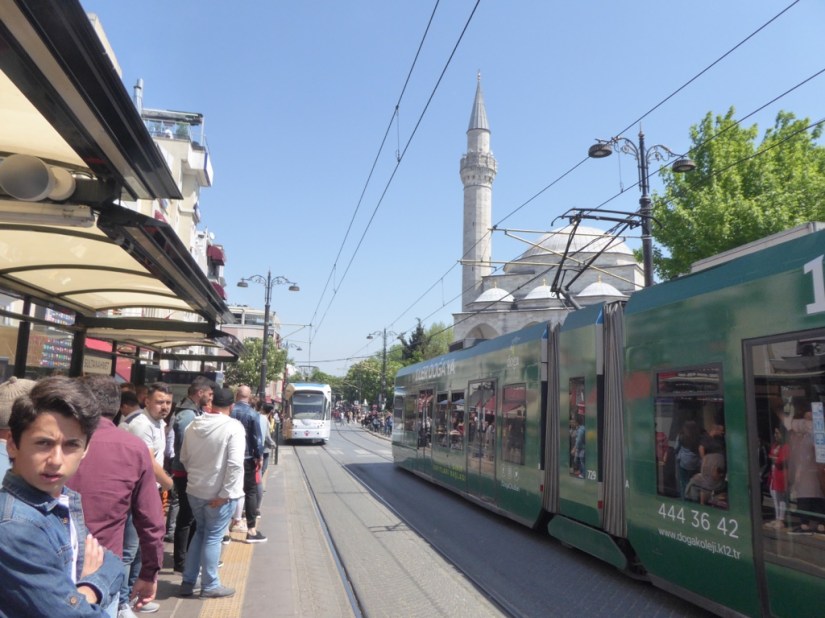
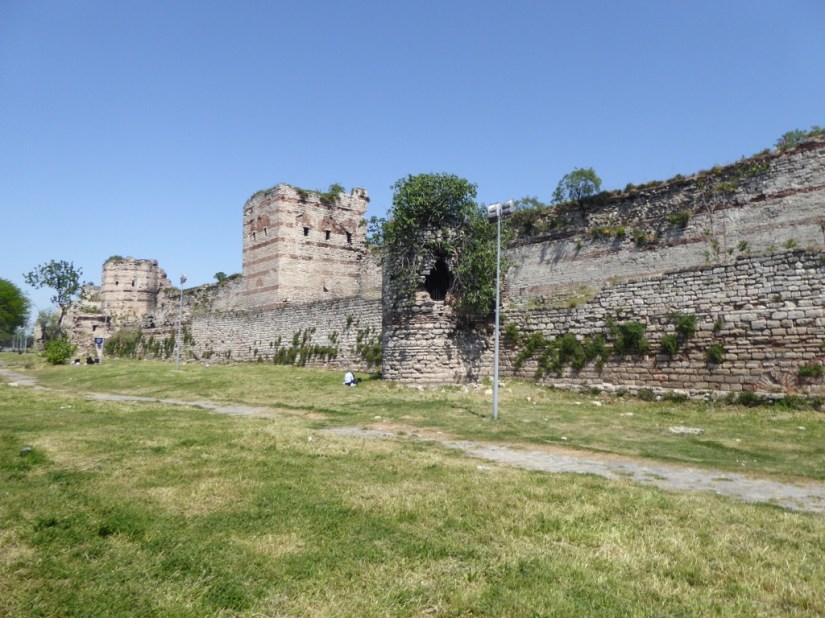
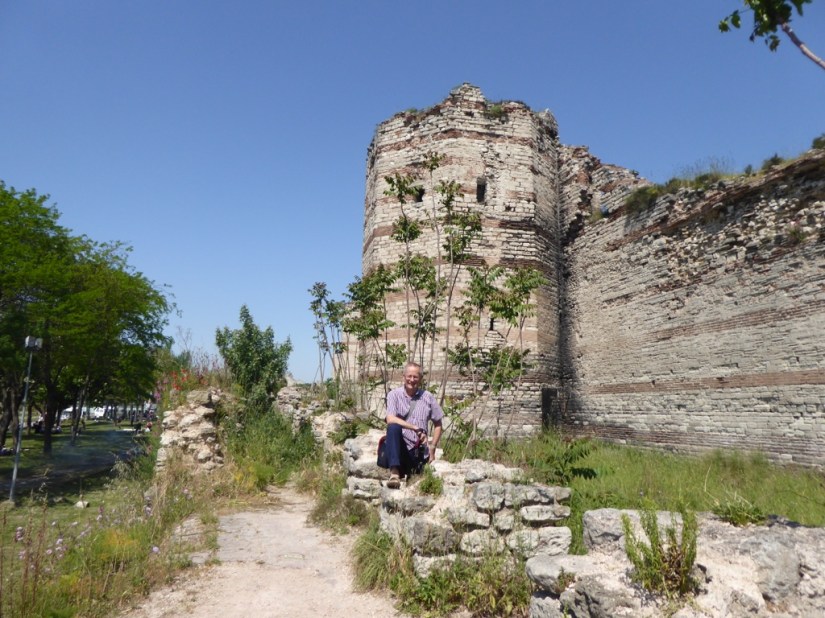
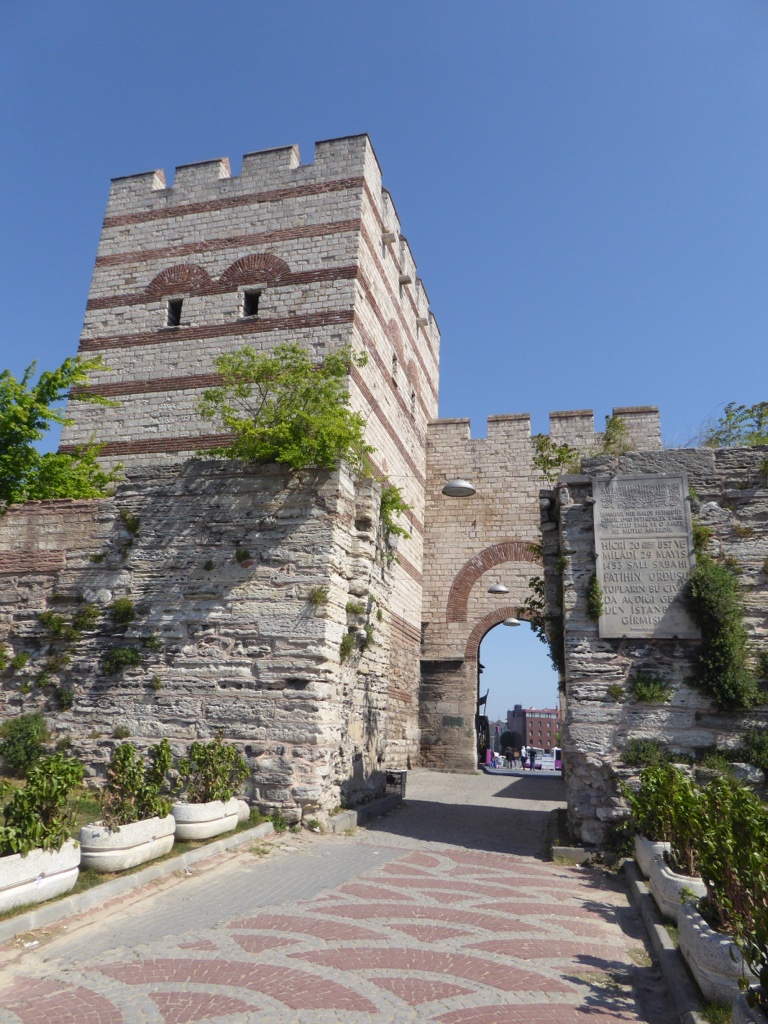
Returning to the story of the Turks capturing the city in 1453, we took a tram to look at the Byzantine land walls, of which various stretches remain. We went to the Panorama Park, a popular place for locals to go for a weekend bbq and picnic, and walked along the walls until we reached the spot that Mehmed the Conqueror and his troops breached the walls and entered the city.



Close by is the Kariye Museum, which was billed as having some of the best preserved Byzantine mosaics and frescoes in the world. Unfortunately, it was undergoing renovation, and only part was open but here is the best of what we saw.

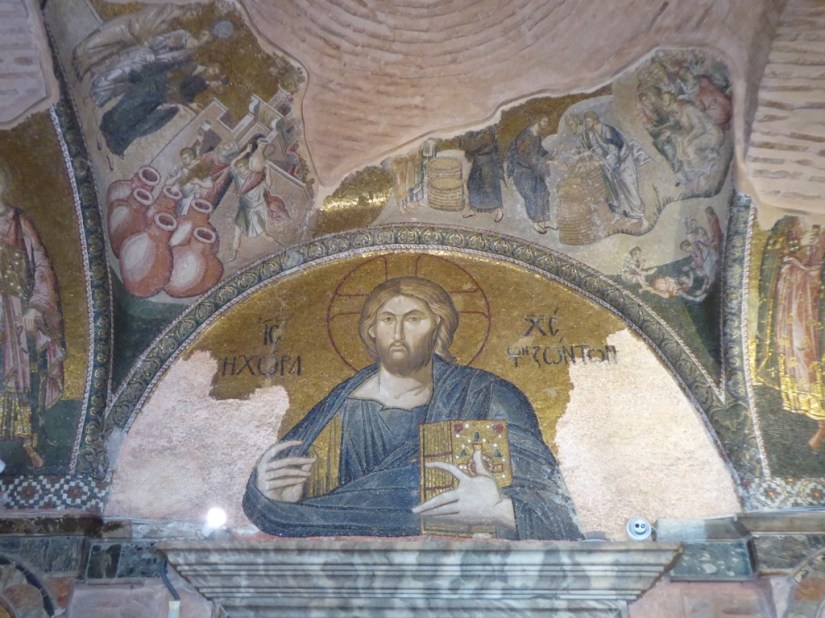

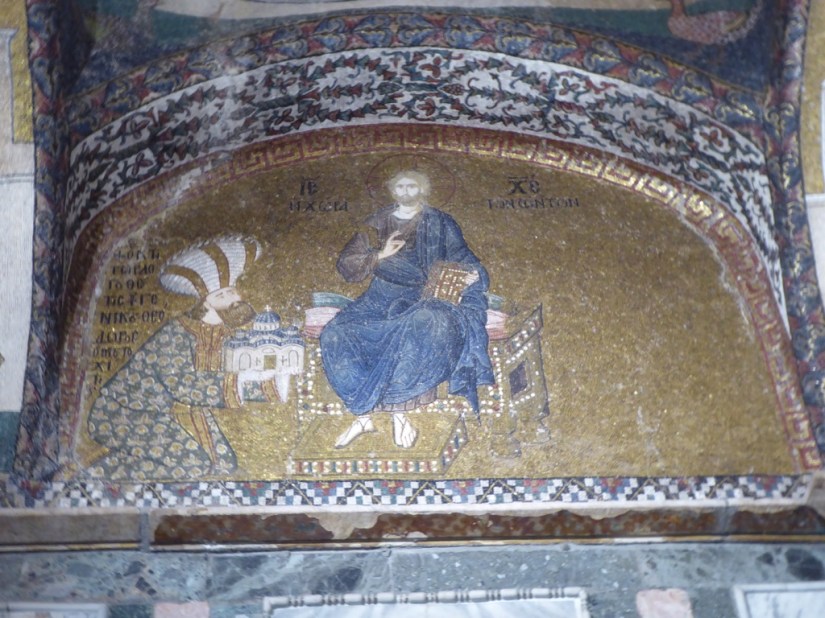


A short cab ride in the busy Istanbul traffic, spotting a stretch of aqueduct on the way …
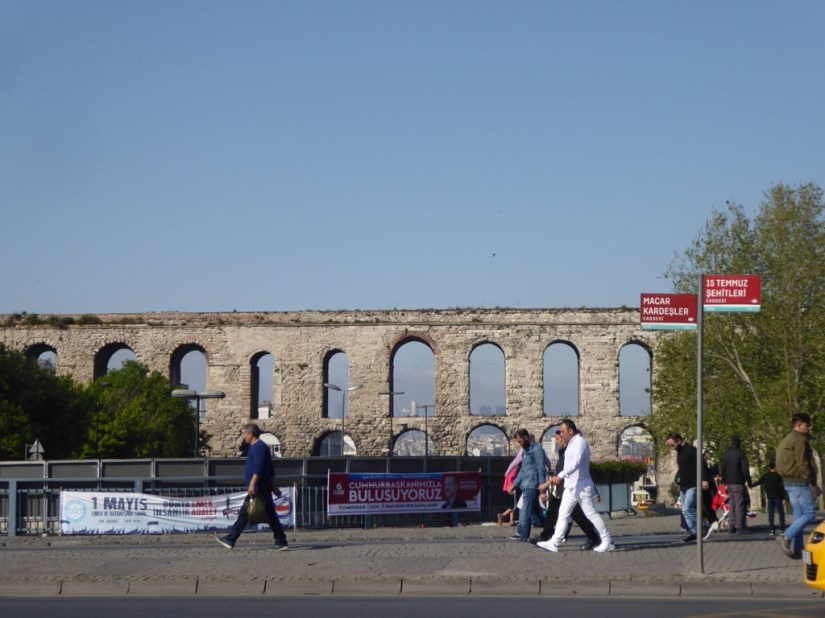
… took us up to the top of the hill to the Suleymaniye Mosque, completed in 1557 by the renowned architect Mimar Sinan for his patron Süleyman the Magnificent.
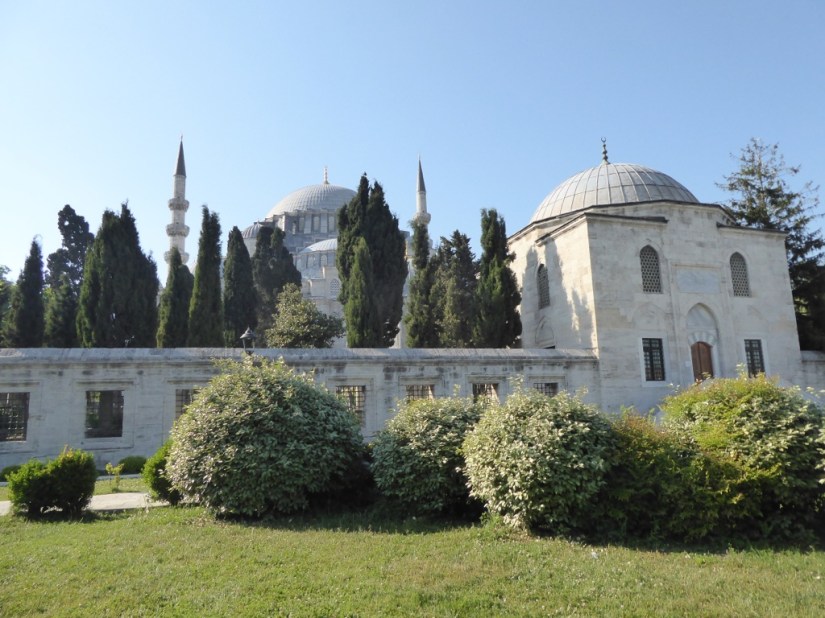

We arrived during prayers and enjoyed the courtyard until we were allowed to enter.
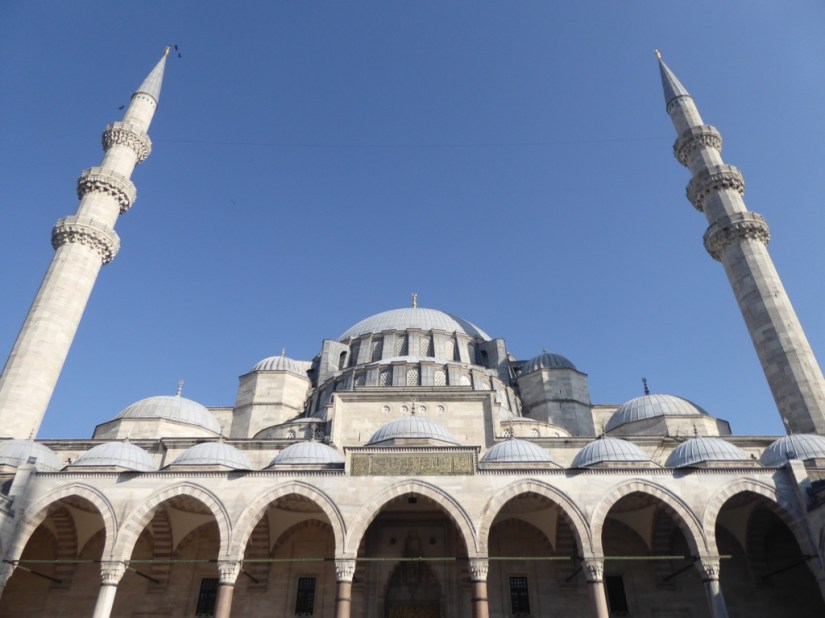

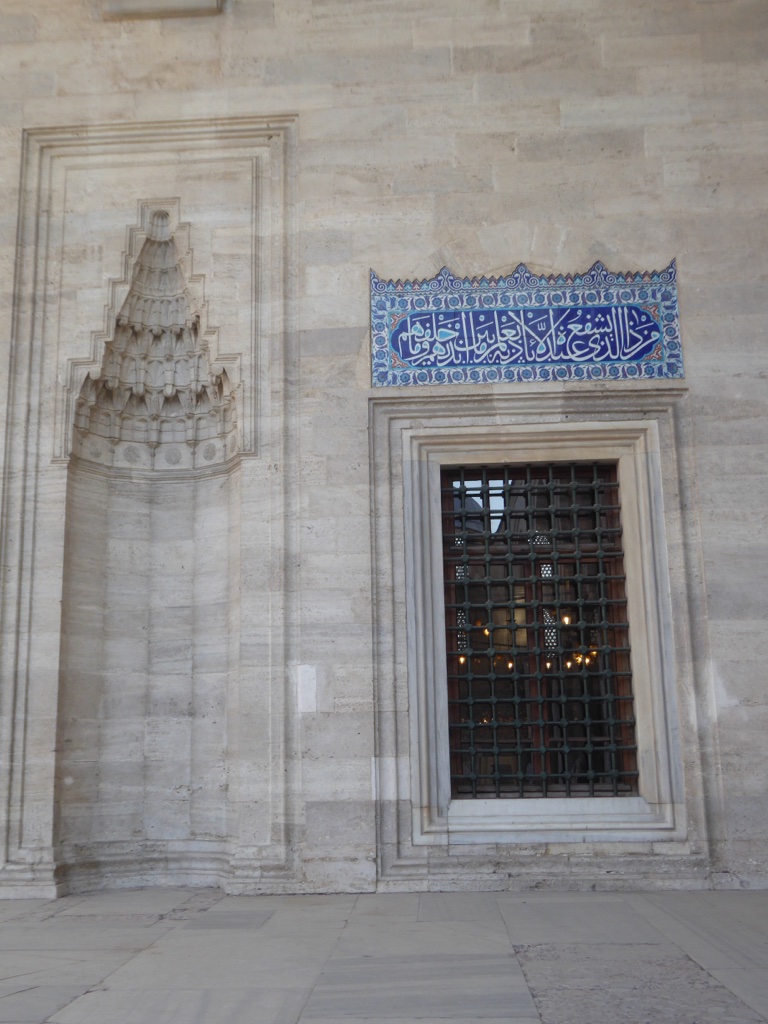
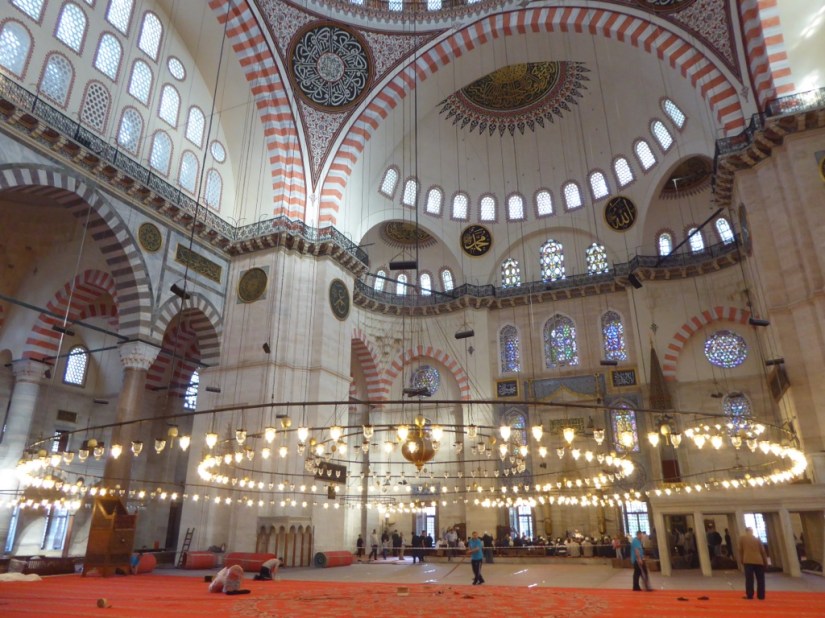
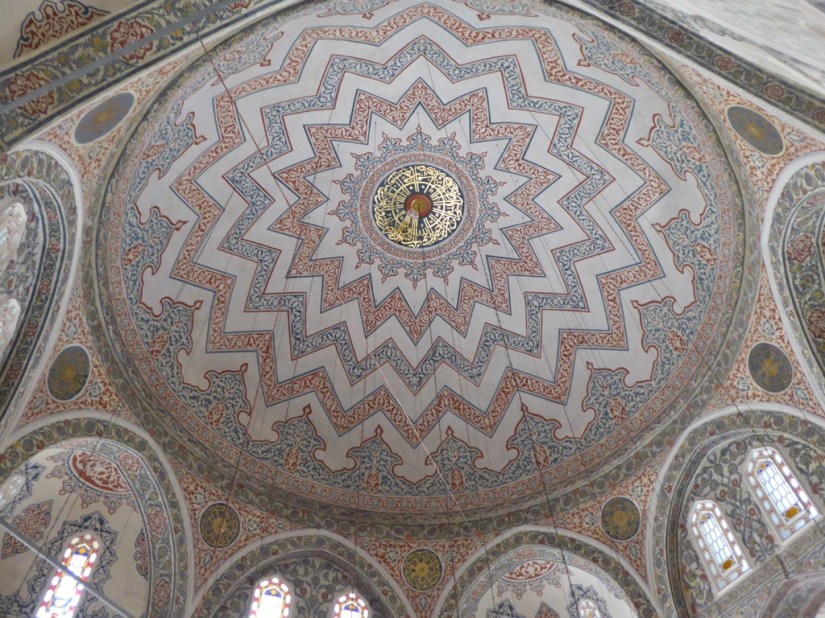
The difference when compared with Hagia Sofia this morning is astounding – it is big, but manages to be so light and airy and uncluttered!

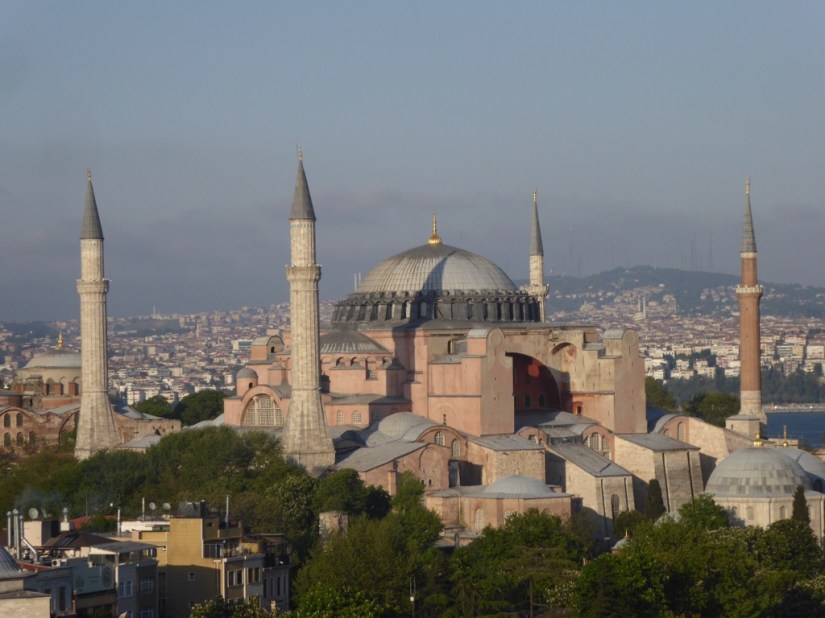
A short walk down the hill, a tram ride back and one last stop … the Arcadia Blue Hotel which has a rooftop bar with a bit of a view of both Hagia Sofia and the Blue Mosque, which we enjoyed with our glass of rose!

Later we returned to Akbiyik Cad where we have eaten every night and had a lovely meal at the Magnaura Cafe & Restaurant.
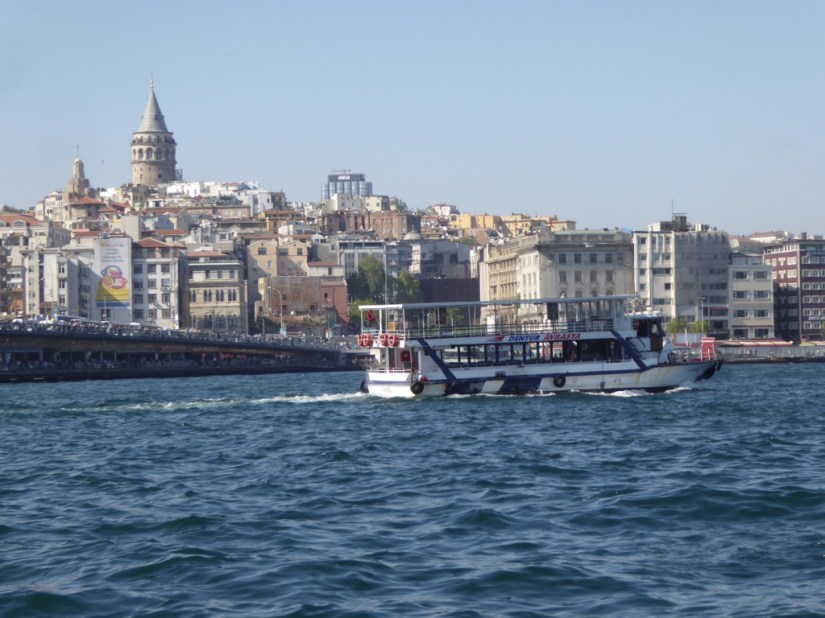
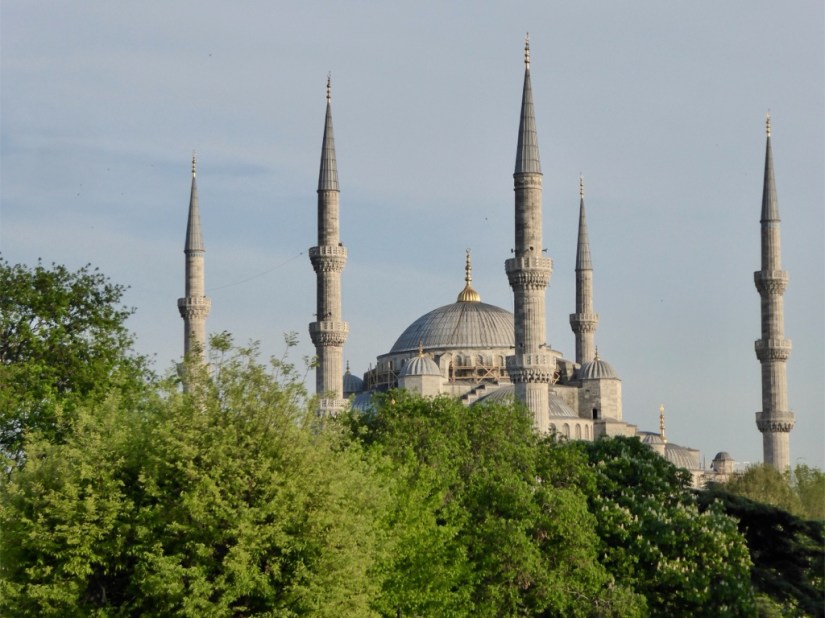 Istanbul sits on the Bosphorus, with Europe on one side and Asia on the other. It has been the capital of both Christian and Islamic empires and while no longer the capital, it is the economic and cultural heart of a modern secular Turkey.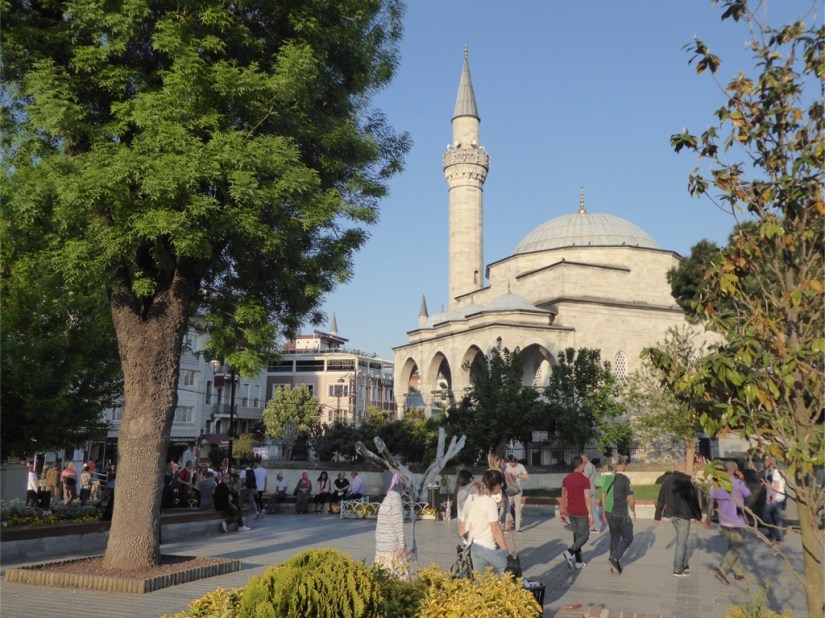













 Off Travelling Together