Lima … Cloudy with Fountains

25FD7185-EE29-4D75-ABDC-42556D0A7C9BNot surprisingly, Lima was cloudy when we arrived and the air temperature was a bit of a shock going from 95 in the jungle to 60 in Lima. We planned a last night in Lima just in case there were flight delays leaving the jungle.

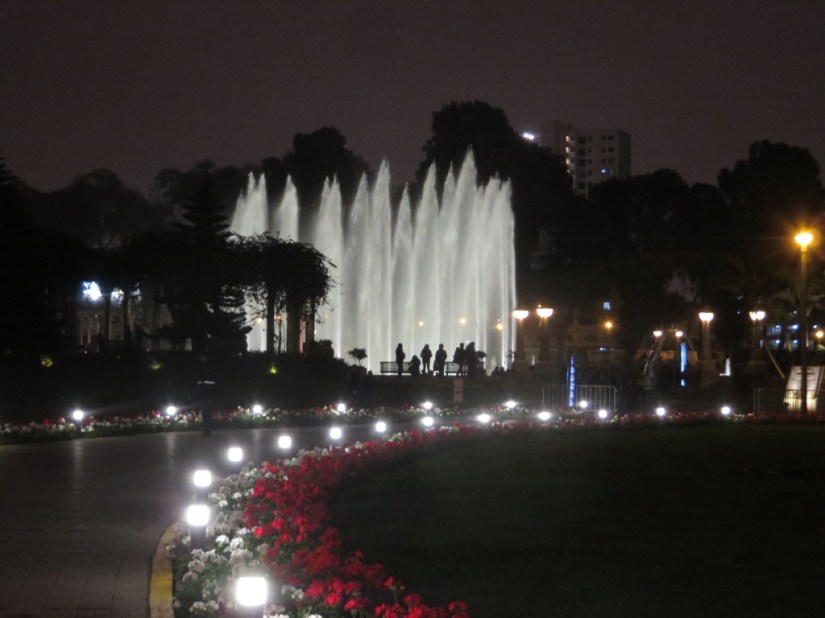
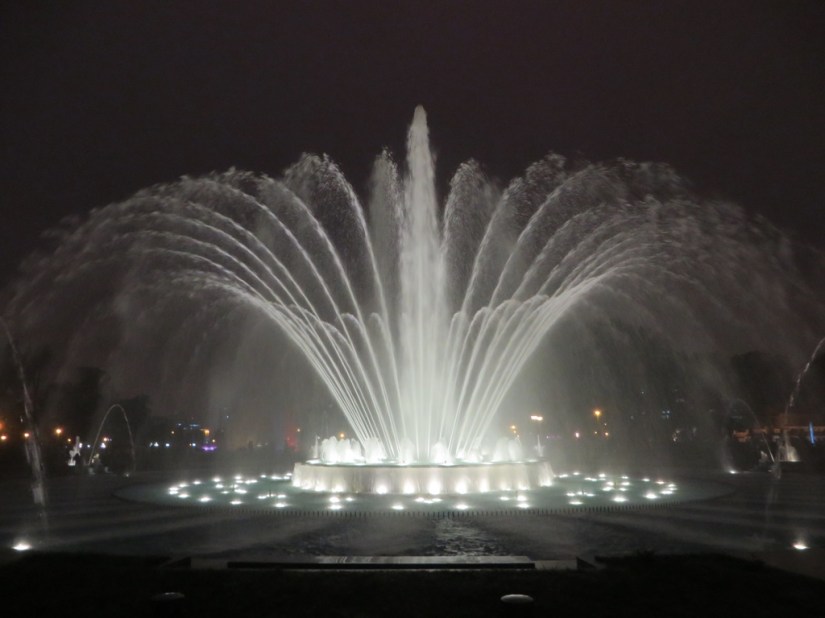
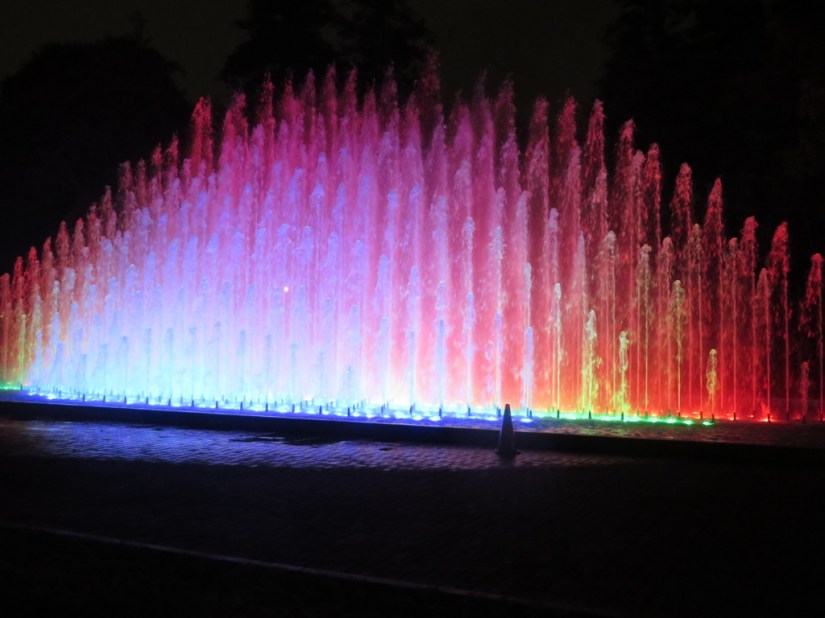
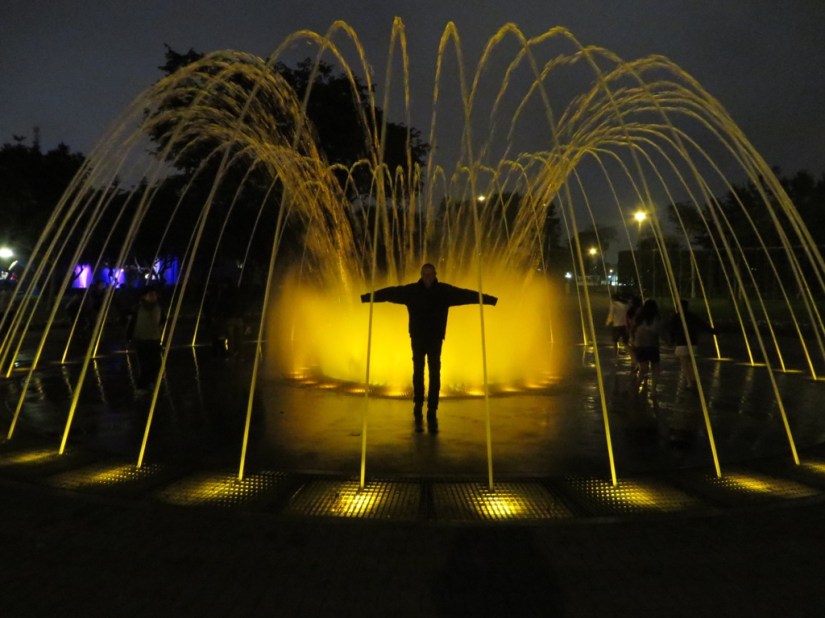
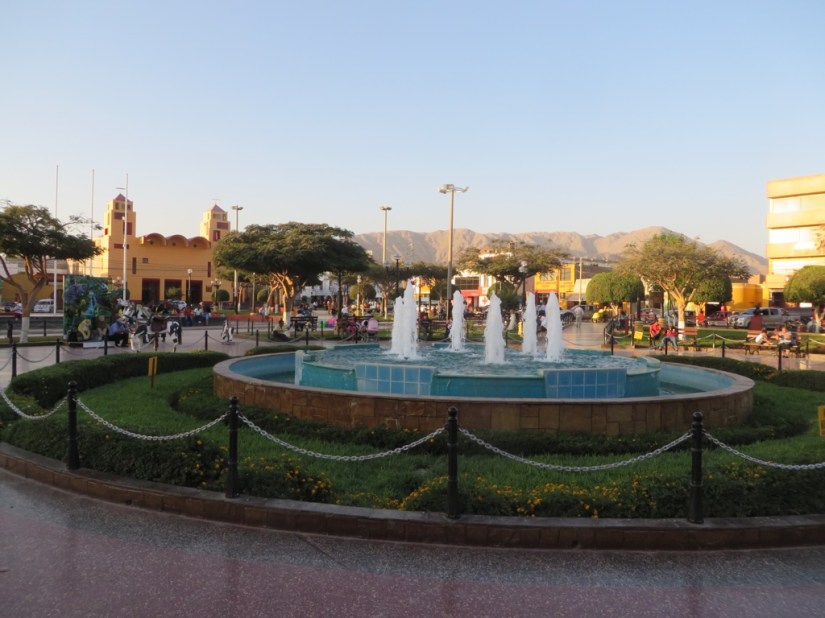
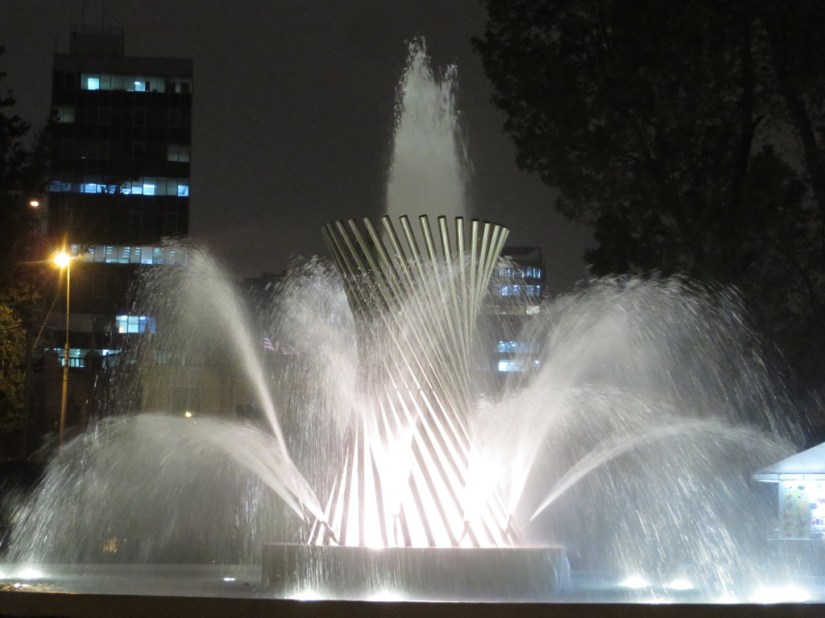
We had time to visit the Parque de la Reserva, where there are fountains, beautifully lit at night, with a musical laser light show played against one of the fountains every hour.  Some you can walk between, taking care not to get wet as different jets start and stop, and a tunnel you can walk under.

541C2685-5C19-4DE4-9CB2-90F7DCD2AF9E13EAD8A8-D6FA-43C8-95FA-CABBA9D46278528D9CEA-5ED9-4D3E-A82E-67D2D91890661EC35D04-9A84-417B-86D8-7891B67D6C7A8D8FA9C0-69C4-4C42-9F34-964CFEE454F3E47908D6-070D-45D0-9939-7FDE816BAF24776CABEE-9153-4EC2-9C07-1C9DE43FCF0027281BCA-9B43-4A2F-86F9-2481A1E59D1A62D710A5-6C1E-4CC1-8913-E973E1BD4155

We then returned to Huaca Pucllana, where we had our first lunch when we arrived in Lima almost a month ago. This time we sat outside overlooking the floodlit pyramid and raised our last pisco sours to our wonderful travels in Peru.

Hope all the postcards arrived safely and till the next time … adios!


Tambopata National Reserve … The Jungly Jungle

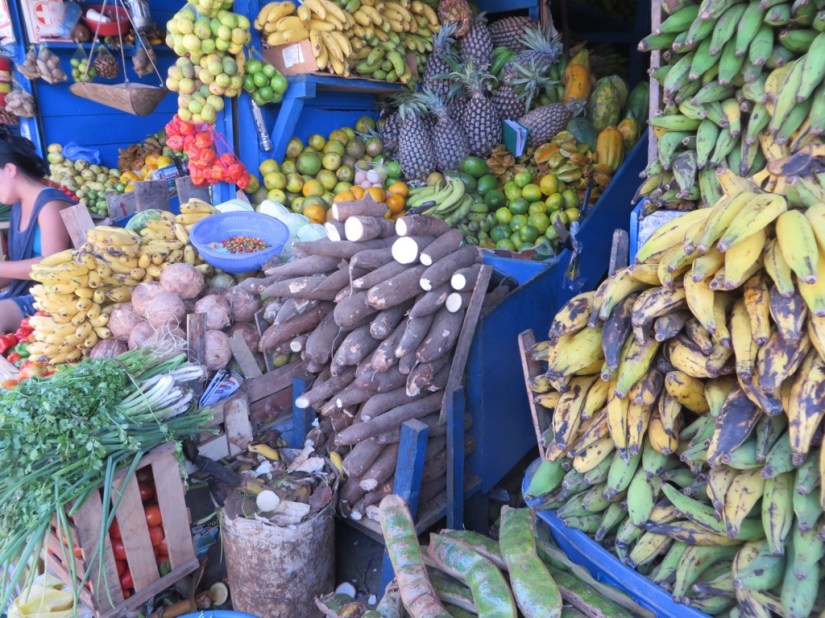
070888AF-FE95-4A95-836A-C554AE65373EWe flew in to Puerto Maldonaldo, had a quick tour of the town, particularly the market with a huge array of produce, had lunch wrapped up in a banana leaf, then travelled by bus and boat to Inotawa Lodge.

BDFAFFDE-A23B-4878-A7E8-7E0B51696E969336C710-9C1B-4B70-ACAF-974F3FA332432A443CE3-D308-4CA1-AA53-92A98CDC0EA3DCDD9D23-B981-47B5-AA47-0B0C541D549C

We are in a group with Suzanna and Twan from Holland and our guide is Victor. On the way we saw butterflies on a clay lick and a fabulous macaw.

6C809D85-313A-4D52-9618-15AD1B2C564A4DC168DB-672D-42C9-9D17-EF25E5F00EE7AD7558CB-07A5-4FD2-865A-96B07B83DAB2

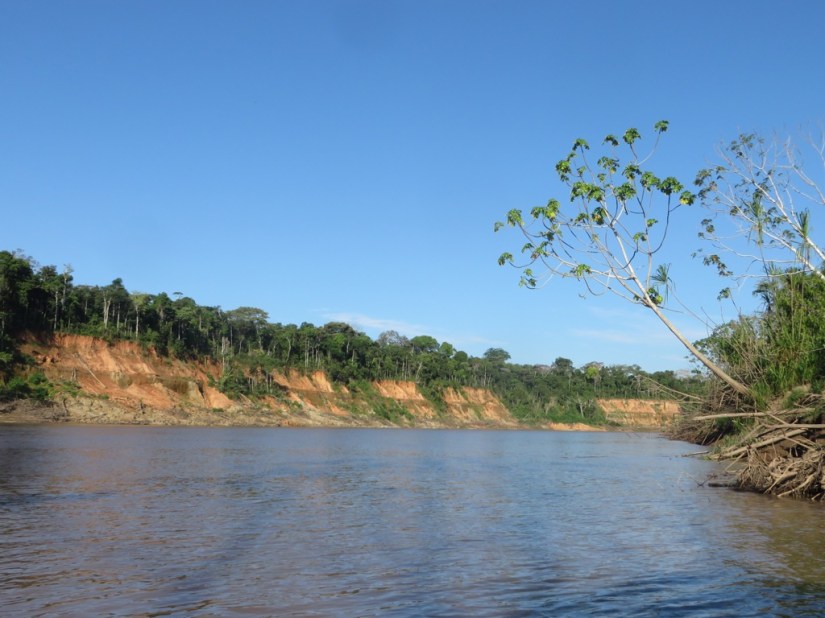
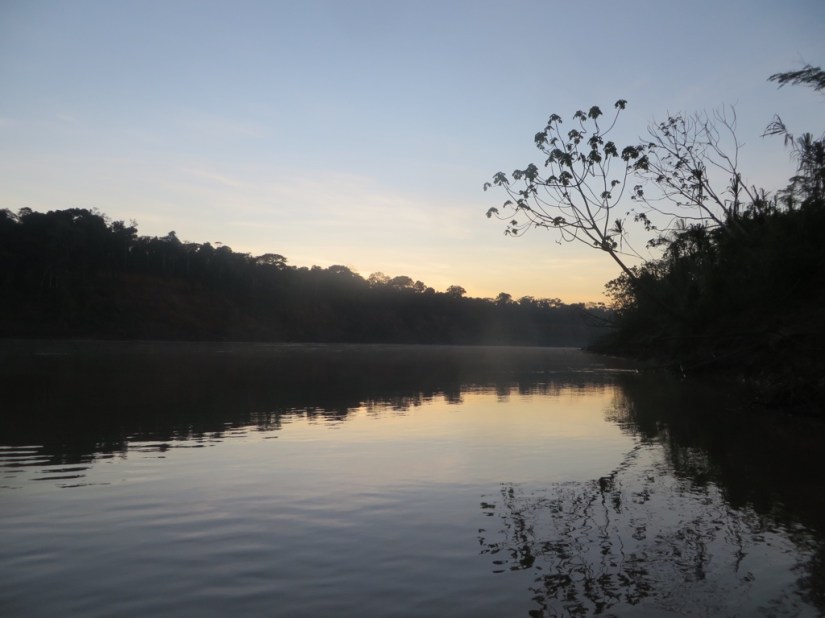
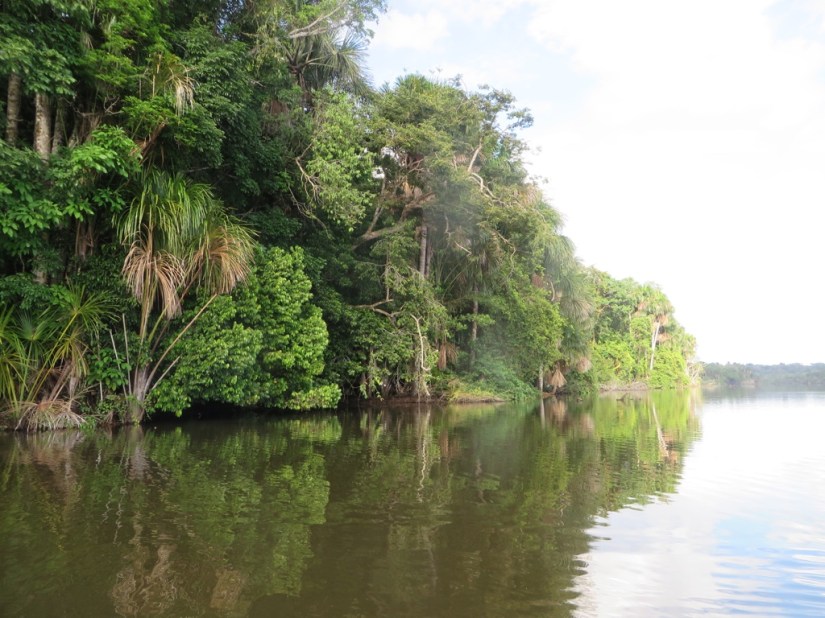
The Lodge is situated in the Amazon basin, beside the Rio de Tambopata, and while basic, is perfect for three days in the rainforest. We left the boat and climbed the bank to the Lodge.

F109CFC0-BA43-47E5-80F5-E25BCC602F8C487803C9-B77A-4D5D-8EB4-E7C7AB3781E6C1B6C222-37A3-4301-AA7D-83F1089EBF6F

We have a bungalow with bathroom, although the water is only cold and there is no power, just candles.

4ED94B41-AE5E-450C-9EE6-933696E0546D

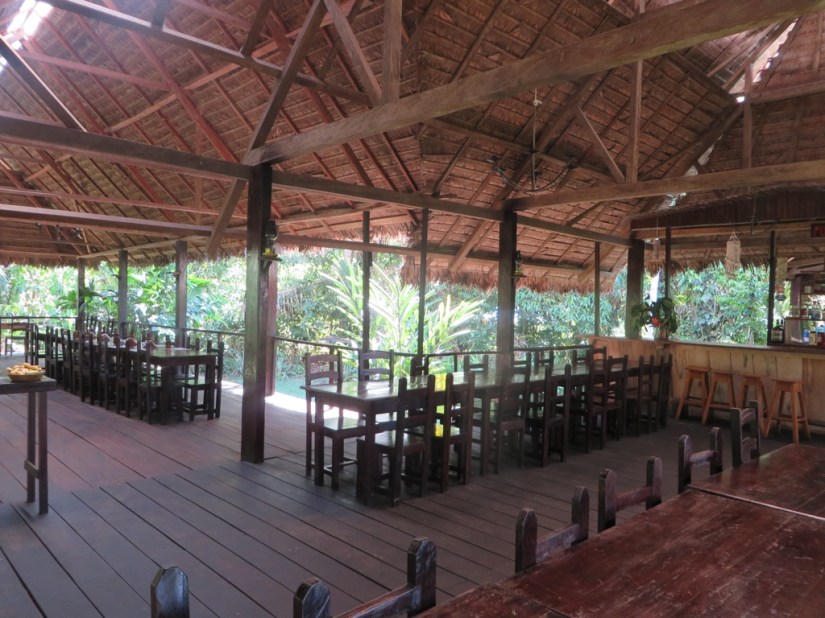
The main dining area is also candlelit at night, and everyone eats together. The food has been very good and included local delicacies such as cassava and plantain.

72843FA1-F3E2-4D64-B371-12BA0B4F9071

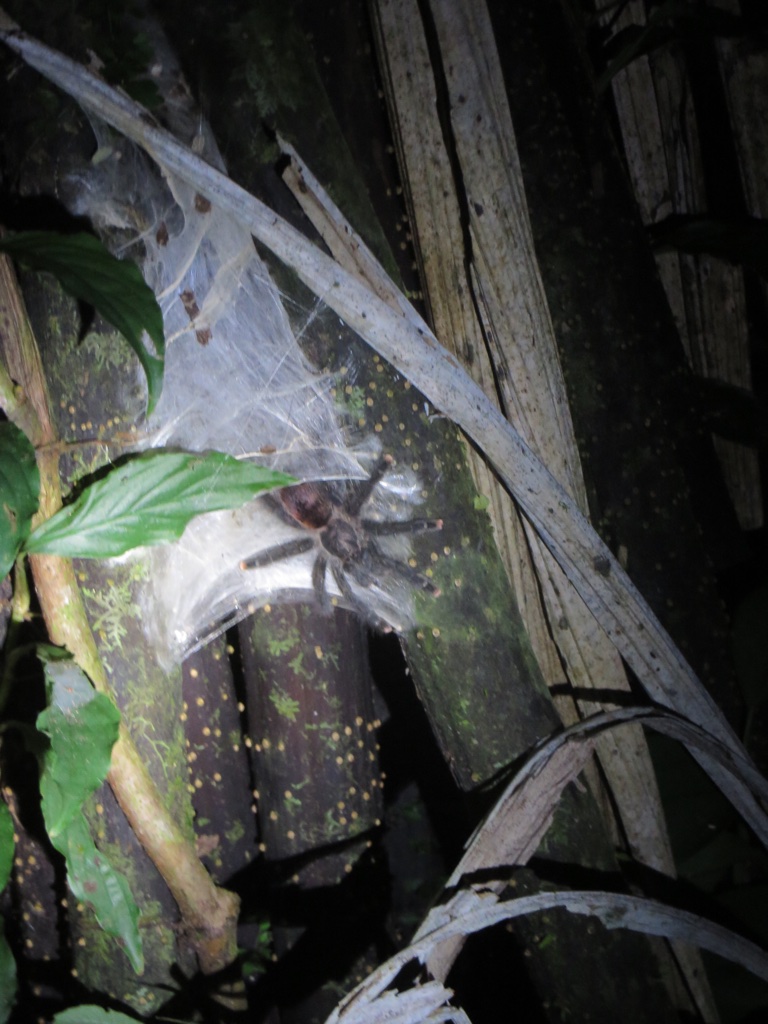
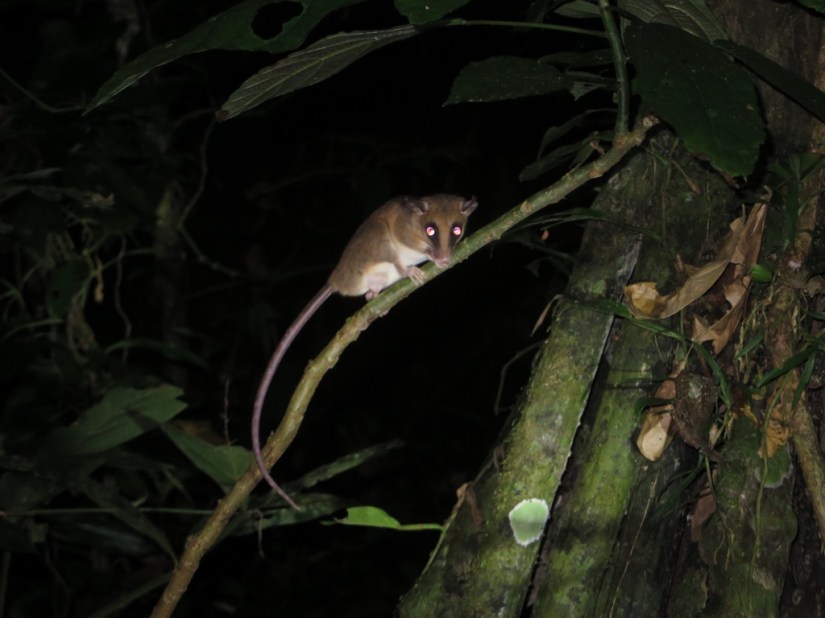
Once night fell, we went for a walk and saw lots of bugs, including a pink toed tarantula, a stick insect, a monkey tree frog and an opossum.

055FA59B-ABFD-4DD5-B4B7-88173109F2F97580A018-DB2E-4E92-9E79-3ADF27338749E4B632EF-904A-421B-805A-58BCD4D255CE58A0DE8D-331D-4685-A1D9-7B305572148A

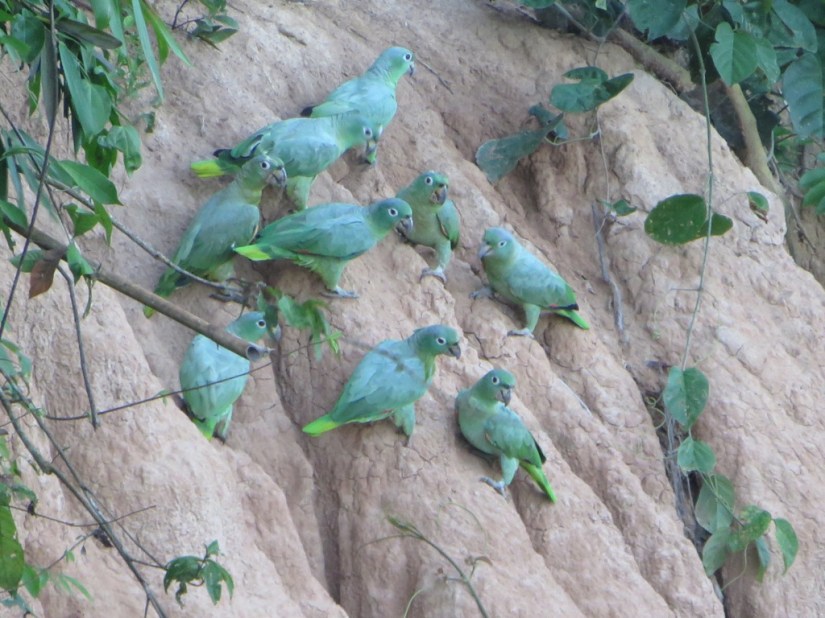
Next morning it was an early start to go by boat to the clay lick, hopefully to see macaws and parrots getting their regular dose of minerals from the clay. There were many birds, of different varieties, landing on a branch, checking it was safe, and going for a beakful! After putting on a grand show, many birds were sitting on a dead branch, and suddenly it broke and a cloud of green rose into the sky as they flew away.

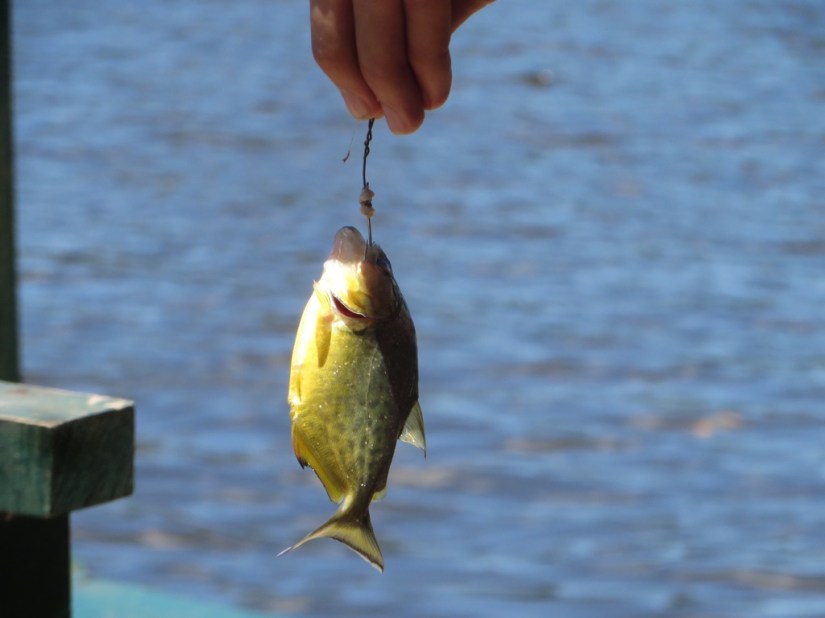
7AA140BB-E1F2-4037-9D22-7D574502D637781864AA-18A3-4041-A942-ECE8F577D59E070888AF-FE95-4A95-836A-C554AE65373ECBA4A914-75FE-4D1A-8F9C-53C6A781D8AE27F240B1-5FA2-479B-AEEF-7F30DD9137D8F2A66E61-FD6F-4E7F-A4E6-D90961EBC236After breakfast we were off again, this time to Tres Chimbadas Lake, where we took a catamaran across the lake and tried piraña fishing with rods baited with bits of meat. We were joined by another couple so six of us were trying, and only Twan was successful. Some swam before returning for lunch, but it looked a bit murky to us!

DB92E527-351C-4A0D-BE40-D061707F291EE178B076-4652-42FF-989E-35D85F592956

There are lots of butterflies, all different colours, especially royal blue ones and red ones, but they are too shy for a photo. The howler monkeys have been heard and not seen, the Tito monkey was seen only briefly, but we finally caught a spider monkey.

2FC638B4-E034-449F-9B5B-BB83071E6001

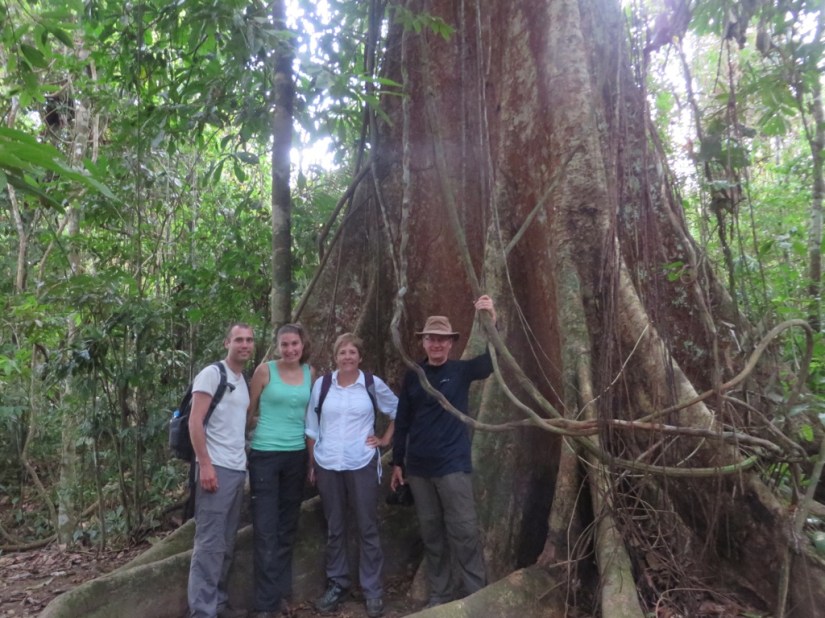
Also seen an owl that looks like a branch, fungus and a huge kapok tree.

04431062-0E63-4025-A2B0-E28596F2E6AD38571F90-D91D-4D48-AAC1-CF2485FB945EBDCF0F5C-BFEB-404D-80F3-3F18D4046B25

The flowers here are just show offs and can’t wait to pose …

363008DC-6C24-44C5-B1BB-0CF9A5BC4CD52C4427C7-D215-4777-8B2F-76BE07CFEDB2CA33B5F9-92BC-48A8-8F31-C245CCB7896998544794-9EAD-4F81-BC54-55E1F033489C

Later we went for a walk and Victor pointed out various spices like the garlic tree, ginger and turmeric as well as fruit in a plantation with several sorts of banana and plantain, star fruit, papaya, and citrus fruits. We were accompanied by the soulful three note whistle of of the Great Tinamou, a bird like a grouse, although we didn’t see it. As the light faded, cicadas took up the chorus raising a mighty racket as they tuned up their legs!

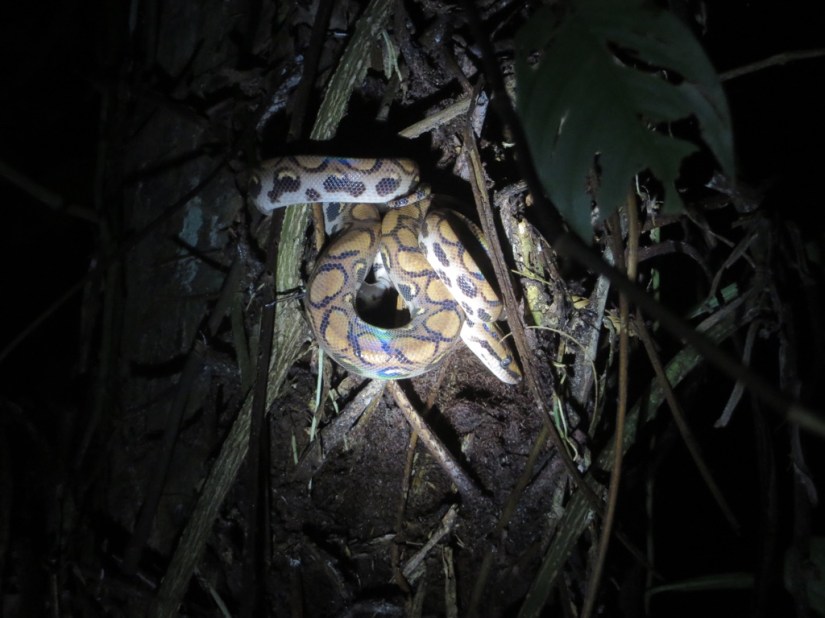
Once properly dark we went down to the river, and Suzanna spotted both a rainbow boa constrictor and a huge tarantula.

AD7CBDE2-82AD-46AA-B6BA-35DA06C1B619250B747B-FF47-40F9-86FD-1729D37B9FEF

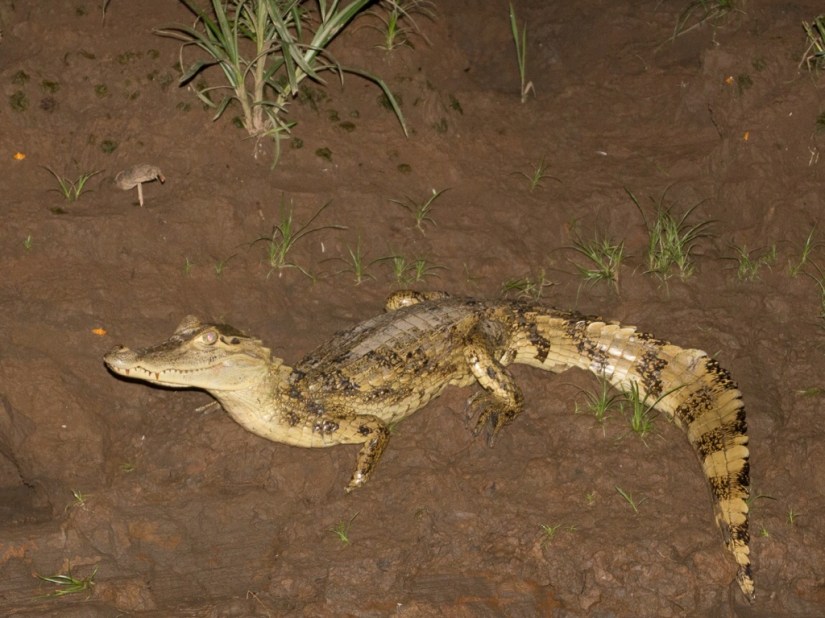
We went out in a boat to try to spot a cayman, and found a couple including one over a metre long.

C83FBA3B-B9AB-4A9A-9862-4B5AAD38916F

Next day and another early start to visit Lake Cocacocha in the hope of seeing giant river otters. We went by boat to the edge of the Tambopata National Reserve then walked 5km to the lake and took out a small boat, spotting cormorants and a hoatzin in the trees.

87A4D4D9-DC69-48E4-BA21-E98552DC86F1AF885264-2F43-454F-8327-C531D88BE4B7F123BD23-2B25-4C43-B64F-BD7D0C78C575

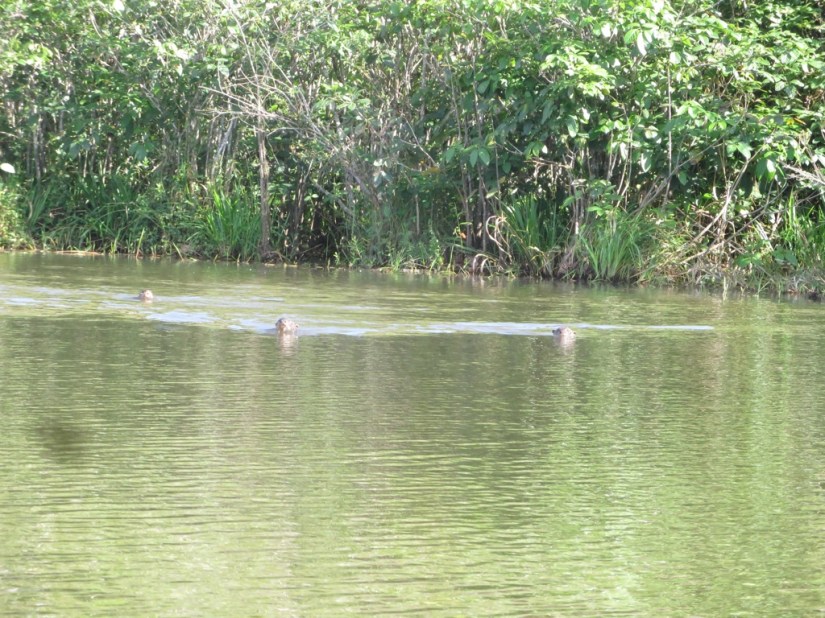
We had a brief rain shower then saw the otter family fishing for breakfast. There were 7 in all, and we watched them swimming and diving for fish.

DA97F5D6-3EAC-440B-84CA-388E059926F796F64760-BF5F-4061-832F-BBE4B1DB7859

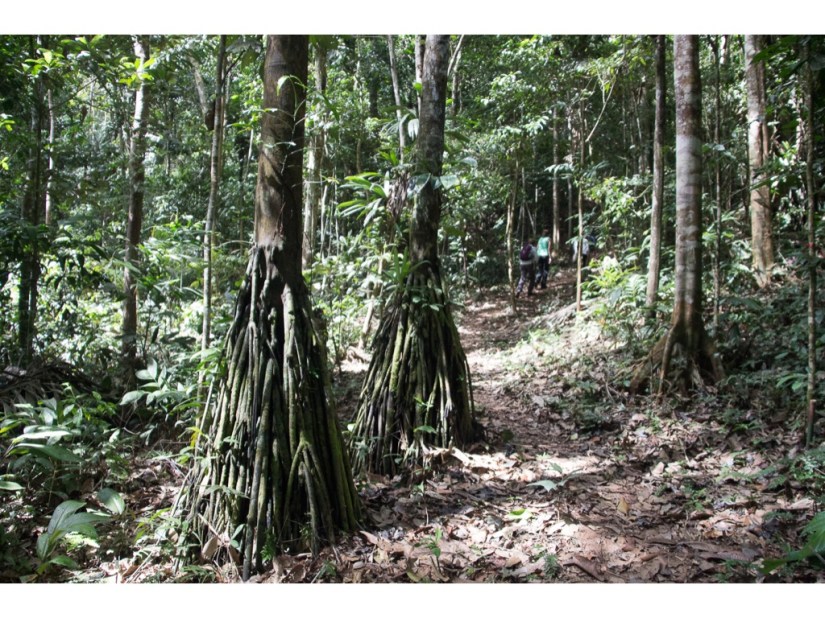
Then we returned … but that doesn’t quite explain what it was like. The path was narrow with roots and branches ready to attack the unwary but fortunately Victor was ready with his machete for any serious problems.

We crossed creeks on rickety bridges of cut logs and the path seemed to go on forever with jungly jungle all around.

B6FCB1C6-746B-43AC-B13B-A9BCFC36831D1E7EC829-826C-493D-960F-6638B04B596632FB38F1-6A91-4CF6-9374-3BA0E8818C5F

The air was so humid it was just like being in a sauna, with no plunge pool for relief, and even after showering on our return, skin is soon sticky with sweat again.

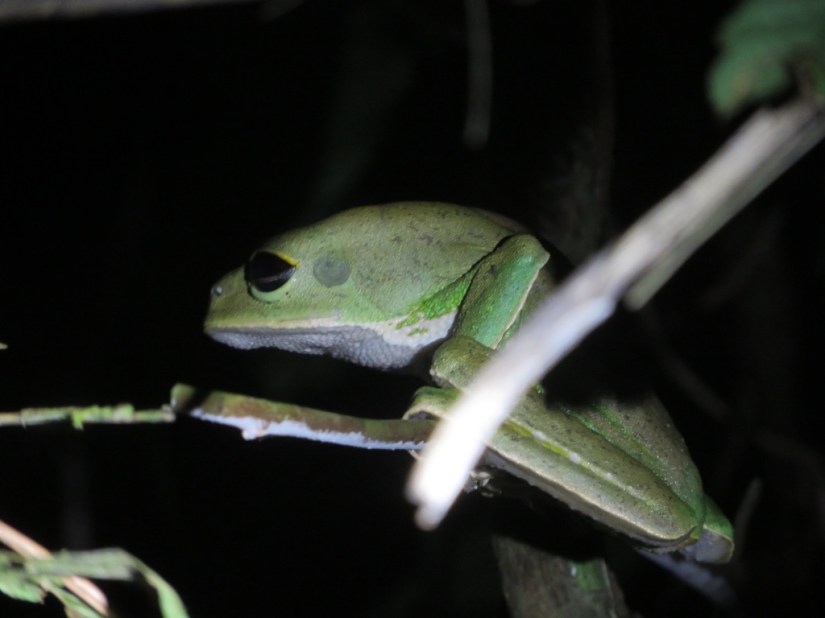
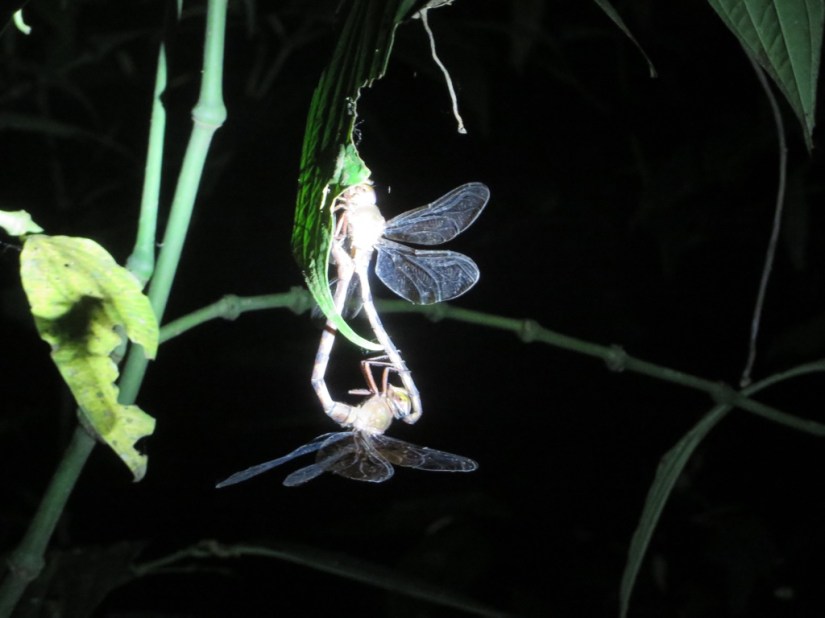
On our final nocturnal walk we saw lots of fire flies, mating dragonflies and really cute frog.

950CA1AA-3DFE-4668-A8E5-7033E128A1E850A5BB60-60E7-4502-8F67-56C235FF73C6

We have been incredibly lucky during our stay here. Firstly, although it is the dry season, it still rains several times a month, and has only done so at night so our ponchos remain unworn which is good as walks would have been harder with sticky mud underfoot. Secondly, we have seen all the wildlife we had hoped to see even if they didn’t all hang around for photos, and finally Victor our guide and Suzanna and Twan have been great company to share our adventure with.

We will be leaving in the morning, back to Puerto Maldonaldo, then a flight to Lima where we spend our last night in Peru.


Cusco … Citadel & Cuy

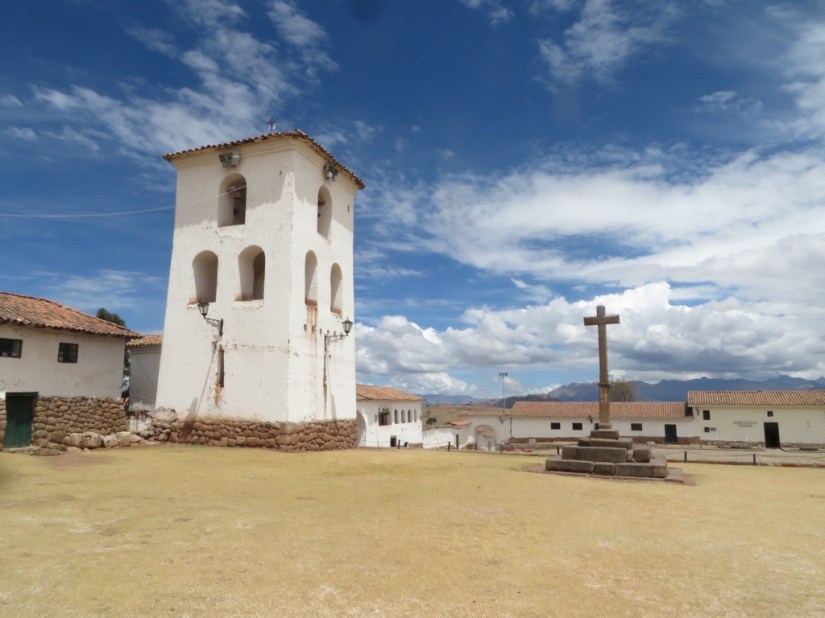
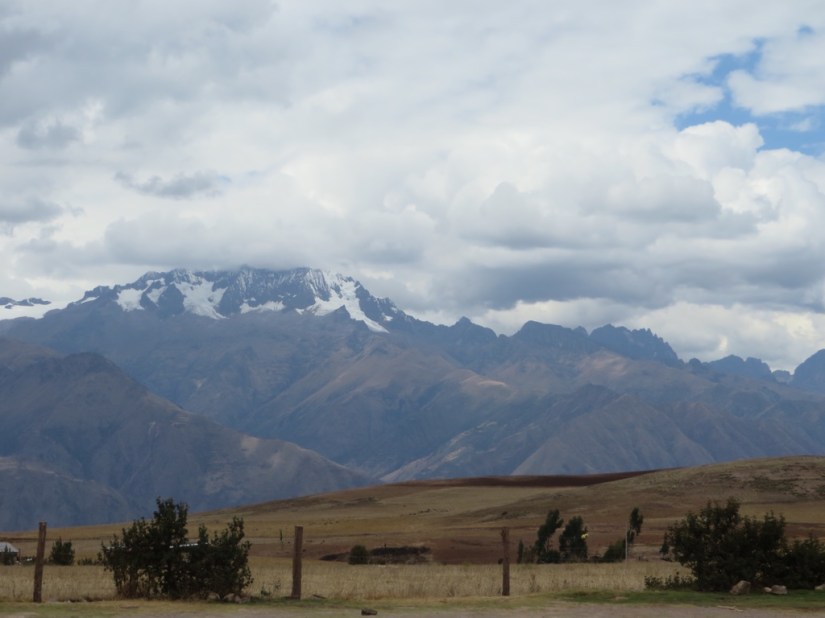
9DA97C65-A154-412B-9C8A-6BBC04054A28We came by taxi stopping at the church at Chinchero, which had a beautifully painted wooden ceiling and murals. It has a lively market on a Sunday and even had a few stalls when we visited as well as what we thought might be our last view of snowy peaks.

7EF12281-A1B6-4093-8B3E-9F92DF5E500CA6250215-EFA1-43F6-A2DD-6C941B3E99611AAD3654-4B58-400B-9F68-CAC5E59D8482

Time for a quick Peruvian history lesson … do skip this bit if you want!

The Inca Dynasty began in 1200 founded by Manco Capac in the valleys round Cusco, but little is known until 1438 when Pachacuti became emperor and a period of expansion began, continuing under his son Tupac, so that the Empire then stretched from Ecuador to Chile. The next emperor Huayna Capac, spent his reign focused in the north and died of smallpox, which had travelled south, brought to Mexico by Europeans. Civil war then broke out over the succession between his two sons and finally Huascar is defeated by Atahualpa whose reign is to last only months. So the Inca Empire is in a weakened state after a smallpox epidemic that killed a third of the population and a civil war that killed even more.

Enter the Spanish conquistadors, just 168 of them, led by Francisco Pizarro who landed in 1532 and made their way to Cajamarca and massacred thousands of Incas and captured Atahualpa, aided by surprise, steel, cannons and cavalry. Atahualpa was promised freedom if the Incas filled a room with gold, which they did, but the Spanish killed him anyway. Pizzaro then made his way to Cusco where he crowned Manco Inca a puppet emperor.

In 1536, Manco fled to the Sacred Valley to gather troops for the great rebellion. Days later over 100,000 Inca rebels lay siege to Cusco. Manco managed to reclaim the city for a few days, but Spanish troops attacked and took Sacsayhuaman, and while the siege continued for ten months, ultimately Manco retreated to Ollantaytambo and then to mountains northwest of Cusco. Here he conducted regular raids on the Spanish, dying at the hands of a Spanish outlaw in 1544. The rebel Inca state continued successively under three of Manco’s sons, the last being Tupac Amaru who after fierce fighting was captured and beheaded in Cusco in 1572.

End of history lesson!

Cusco is at 3400m, surrounded by mountains and was occupied by the Killke before becoming the centre of the Inca empire under Pachacutec. Several remaining Inca ruins can be seen by getting a taxi high up the mountain above Cusco, and walking 8km back to the city, so we set off for a day out. The first was Tambo Machay, a site for ritual bathing or water worship where carefully cut stones channel a fresh water spring.

B1A9686A-C4BF-444C-91F7-237DB928F039

Next we came to Puca Pucara, possibly a hunting lodge connected to a military checkpoint.

FCC76E01-60AB-47F3-9D8C-99AB5DCF476E

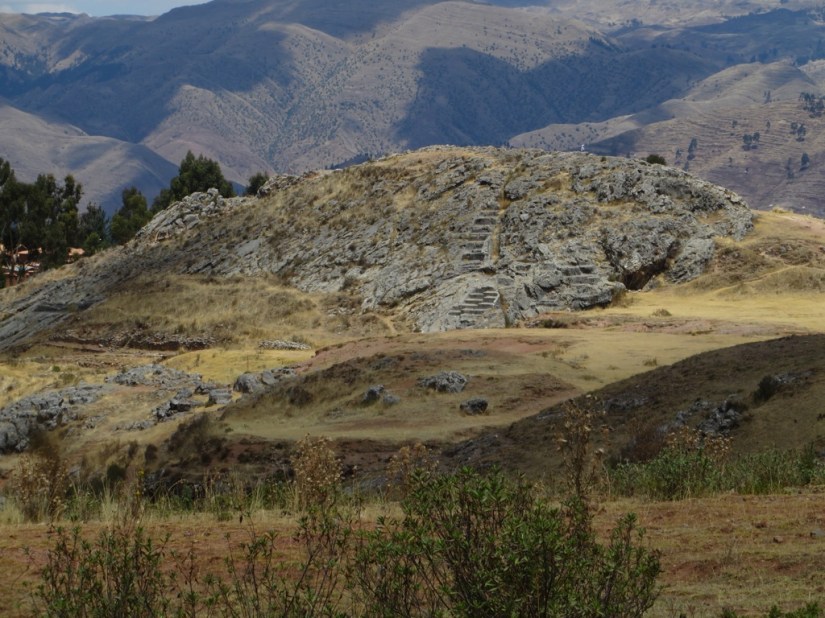
We then walked through the countryside, downhill, passing grazing animals and flowers until we reached Salapunco, a Huaca or sacred giant limestone outcrop, also called the Temple of the Moon.

C4A232BB-5DDE-41E1-8209-855564F42F1BF7400179-925F-4CC8-AFD7-C48AF0058AD06A41A29A-0C39-489C-8535-D10C91388C17D8C9C872-B65B-404D-BE7C-BC377746E2BB

Here we met Gabriella, who showed us around, pointing out rock carvings such as the llama …

F68AAAF7-BF71-4C38-BBAD-C5C3A52A4D3B

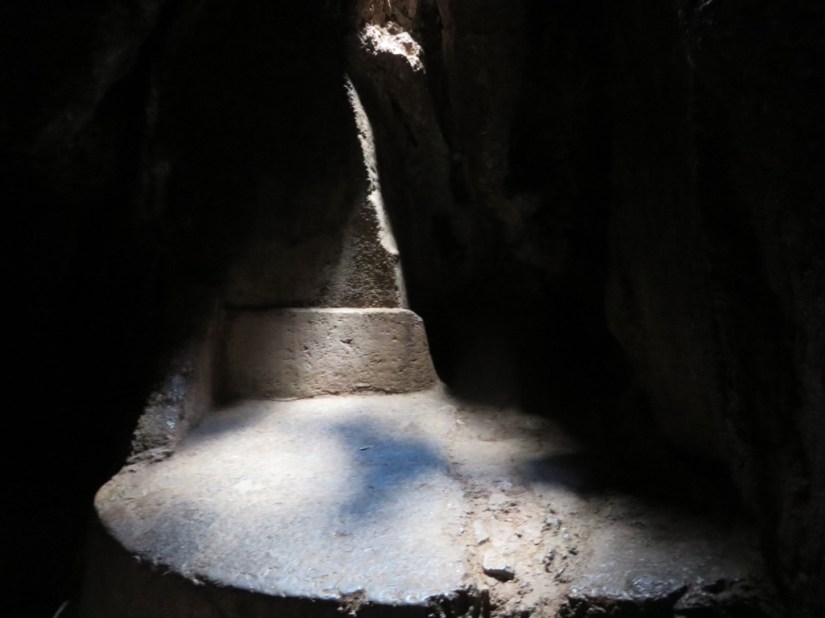
… and the seat the Inca would have sat upon …

6B92BD1A-E887-4B7A-8F9A-06B43982E4EC

… and then into the cave below.

1FB8E9C9-56CE-4D98-8394-E9AB32AAA3A3

She said it was here that the Chosen Women were divided into Women of the Moon if they were illuminated by the moon as it entered the cave from a hole in the roof enabling them to be wives of the Inca, or Women of the Sun if they were only partly illuminated, in which case they would be eligible for sacrifice like Juanita. Local people still go the the temple and touch the ceremonial stone and let their breathe exhale, together with any badness within so they can leave ritually cleansed and also leave offerings of coca leaves to Pachamama, or Mother Earth. On the way out was a ceremonial platform showing part of the Inca Cross, the centre representing Pachamama and the three steps for the three realms.

DCD3054B-0820-495A-84F4-DAEA43EE1D0A

We certainly would not have understood so much about Salapunco if we had not met Gabriella.

We continued our walk to Quenko, another Inca Huaca, where a llama would be sacrificed annually to determine how good the harvest would be. It is likely that other rituals would also have taken place here.

A little further on, we came to Sacsayhuaman, which is admired for its 600m long zigzagged defensive walls made of the most monolithic stones in Peru. They resemble cats teeth and cleverly expose the flanks of an attacking force, not that this helped Manco when the Spanish attacked. Originally there were three towers, demolished by the Spanish and also a Temple of the Sun. We then walked down into Cusco, very pleased with our achievement.

3A2AEBC4-E485-4514-8427-AD59A41AE86C588BB5B3-EF69-4CA8-A906-63913417DA734BA3ED09-FDE6-412A-96FB-1CFF5FAFB94D44E04C1A-85C3-404D-A282-0BE386483AFA

The Qorikancha or “golden place”, was the most important sanctuary dedicated to the Sun God Inti at the time of the Inca Empire. According to Spanish chronicles, it was said to have featured a large solid golden disc that was studded with precious stones and represented the Inca Sun God, and the Sacred Garden in front of the temple had golden plants with leaves of beaten gold, stems of silver, solid gold corn-cobs and 20 life-size llamas and their herders all in solid gold. The temple was destroyed by the Spanish invaders and only a curved outer wall remains at the site with a convent built on top and a memorial.

916BEB91-087E-4625-8AB5-A33A49D8FFCDD196F2B7-CE20-4192-A8DA-2BB81467458C

The Spanish destroyed many Inca buildings, temples and palaces. They used the remaining walls as bases for the construction of a new city, buildings with a mixture of Spanish influence and with Inca indigenous architecture, replacing temples with Catholic churches, and palaces with mansions for the invaders.

88C128C0-DA23-4061-AE80-BA8BEF5C230D

Hathun Rumiyoq, one of the main streets has superb stonework, including one huge boulder with twelve angles.

96337EB1-BB15-4127-89AA-33DAB5092F21

The Catholic Church were keen to convert the native population, and art was considered a good way to pass on the message. The School of Cusco was a 17C movement which blended European and indigenous motifs to create a New World art form. Paintings were of a religious nature with archangels in sumptuous Spanish fashion, sombre backgrounds, lots of red and blue and some grisly death scenes as well as a fixation for gold leaf appliqué especially for saints clothing. The Marcos Zapata painting of the last supper in the Cathedral has them dining roast guinea pig!


68404F5F-3561-4FD6-BEAF-587FF4373C70C9B3D69A-E91A-4702-B1BF-304251F2B6AD

The Plaza de Armas is dominated by the cathedral and two other churches, all built in a red stone and is surrounded by stone arcades, many of which are embellished with balconies of Colonial era woodwork, typical to Cusco. The churches are all richly decorated inside with a lot of gold and silver work on the altars.

39F910E0-5249-4B35-8159-1F8F8508C7B9F9A5A461-5624-4AA2-943C-E94DCEF4D2D5

CFFD84B4-E845-4E81-996C-7117B5DC1EA39B990FDF-FCE4-4220-8B4F-5BDB399E0698

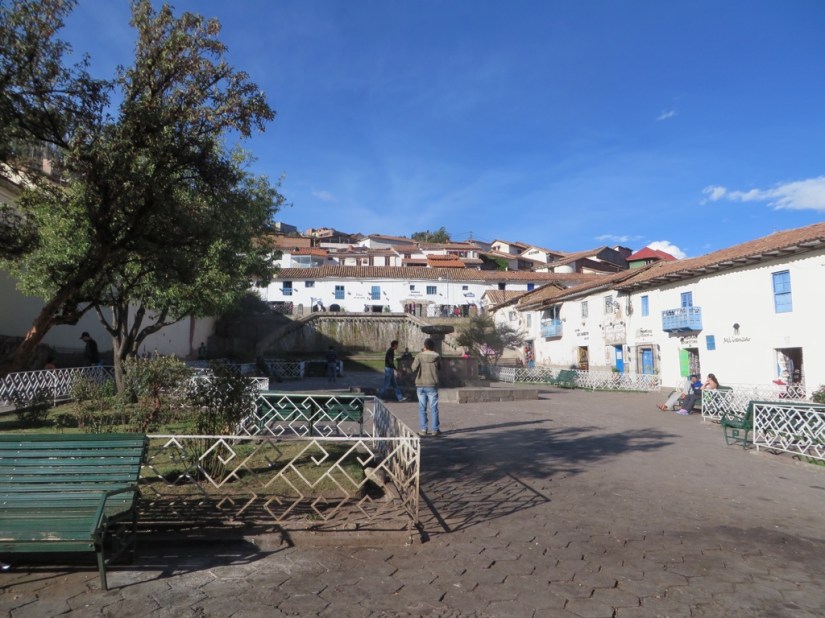
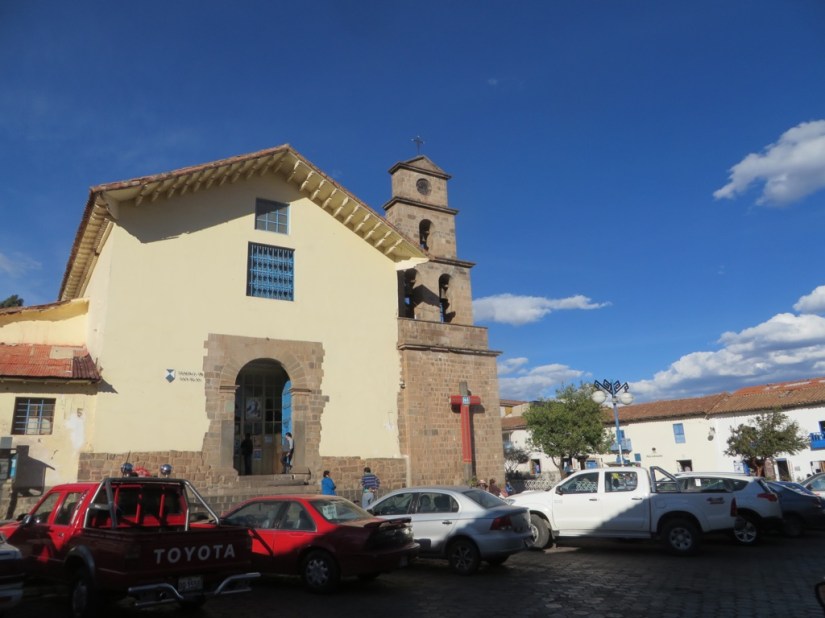
We wandered round the Barrio de San Blas, a picturesque neighborhood housing artisans, workshops and craft shops. Its streets are steep and narrow with old houses and it has an attractive square and the oldest parish church in Cusco.

E9095DE8-4B7D-41DD-9156-CD9C7275C75F0A9CE6F8-2A0B-4FB7-885C-54368450FB443FFCFA03-B96B-404D-86FA-847E5AAAB465

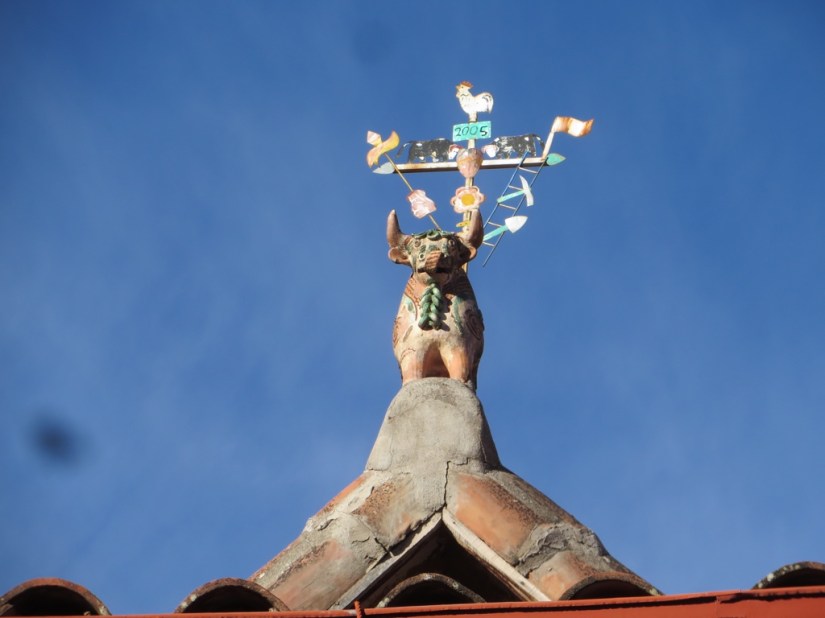
We have seen many houses around, and in Cusco, with bulls on the roof. These are to bring good fortune on the house and happiness to those within. In Inca times, a pottery llama was used to bring good luck to the llama herd, but this converted to a bull with the arrival of the Spanish.

9DA97C65-A154-412B-9C8A-6BBC04054A28


We returned to Ninos a Hotel exhausted!

320B6861-5A0B-46D8-B0A4-E30DEBEBB4A7

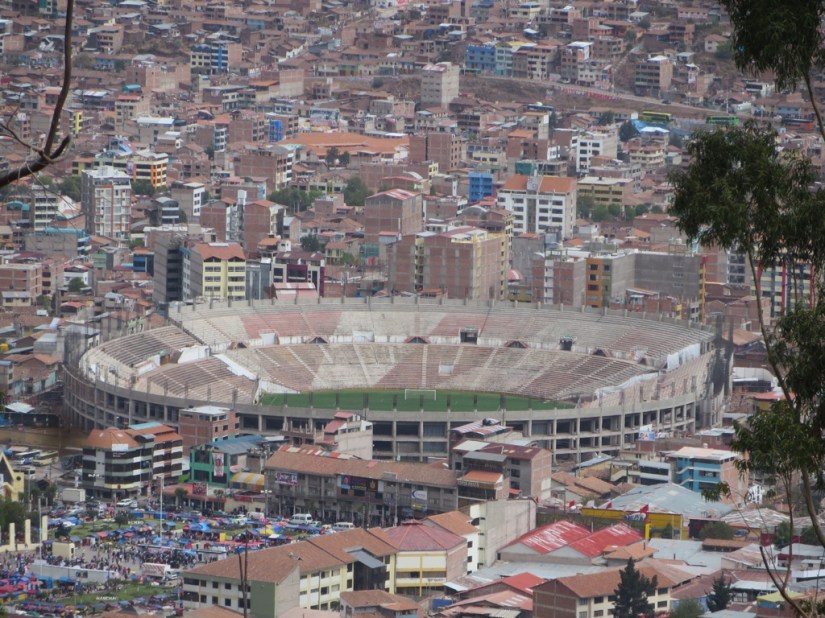
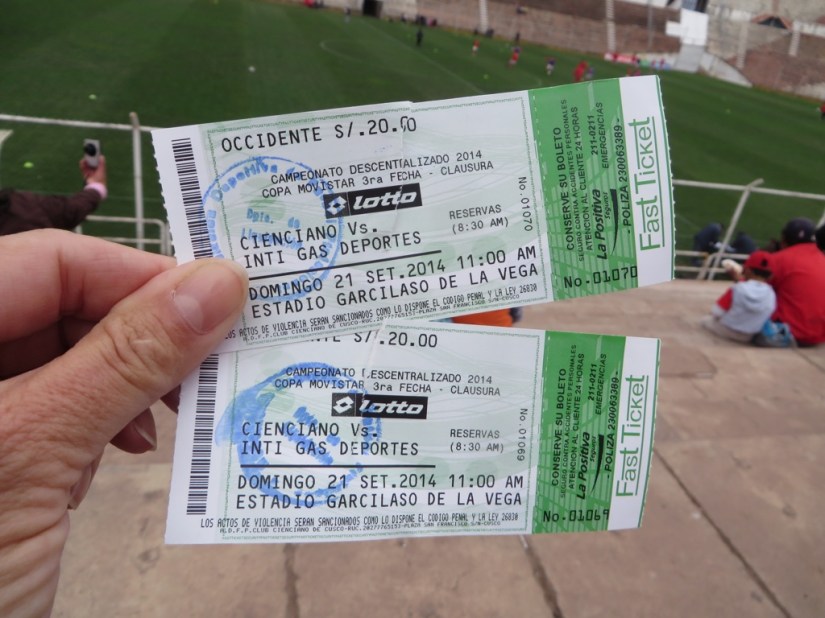
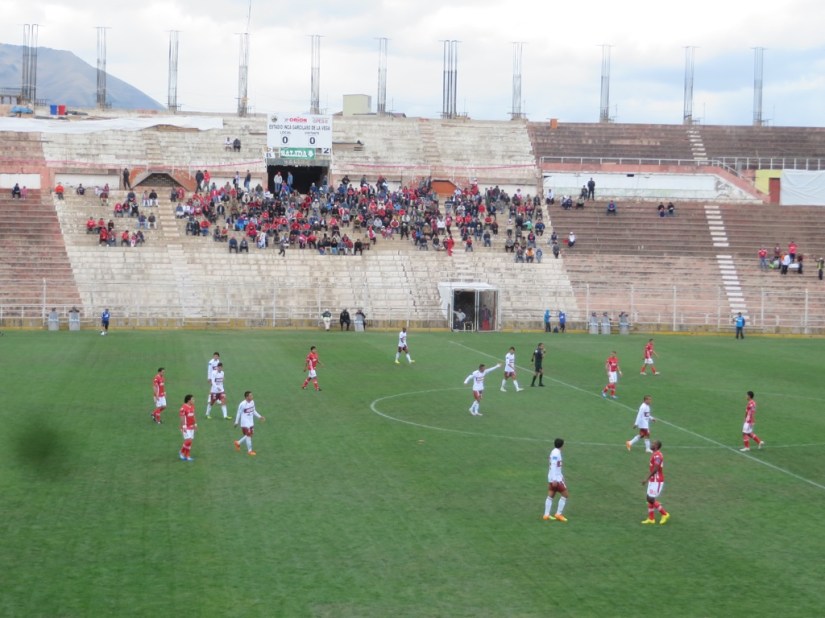
Cusco’s main stadium Estadio Garcilaso de la Vega is home to the local team Cienciano, and we paid £4 each to see them play.

850A8E37-97EB-4EE6-99E0-DBE03B5CFF5335F1AFEE-60DB-4103-8CC6-37E151926249007B4387-C5C3-4E69-B01A-291D2926770E428CD679-CDF3-450E-B286-14BE8113F186318BB4F4-2ACA-43BF-A281-18A62F8451B7C2151BFE-C528-47CD-A636-8B17D238203F

Chris was in his element, not only was he at a football match in a foreign country but the home team were in a red strip and he saw a local Liverpool supporter! Although Cienciano had possession for most of the game, they couldn’t consolidate their attacks into a goal, and the match ended in an entertaining nil nil draw.

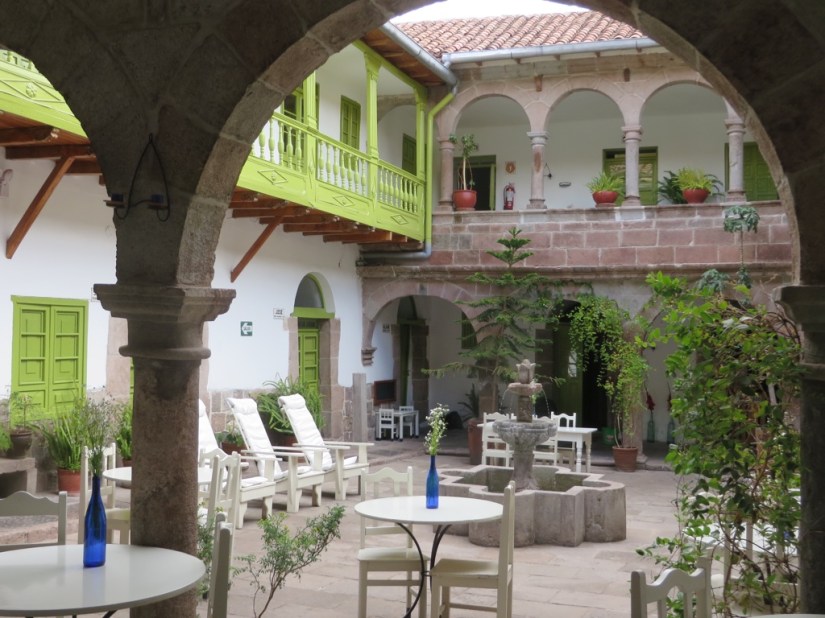
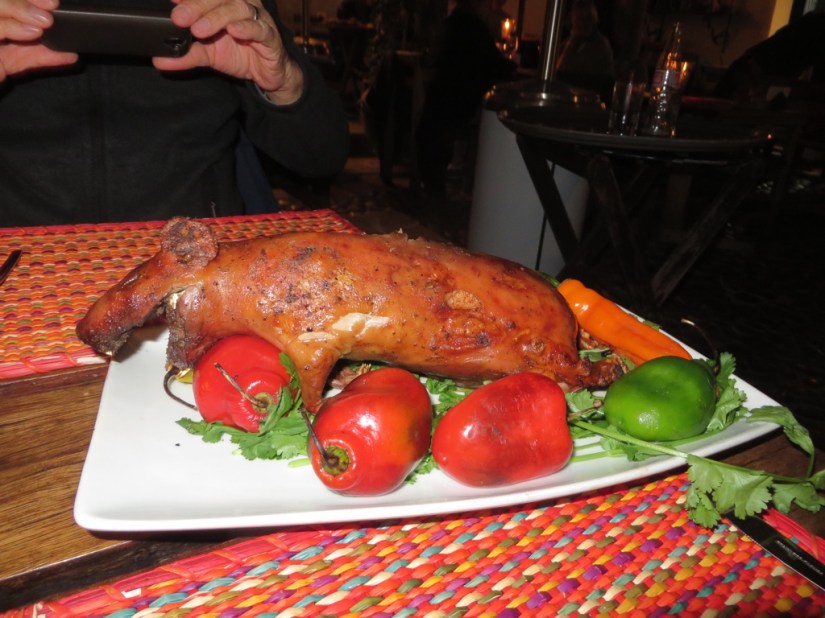
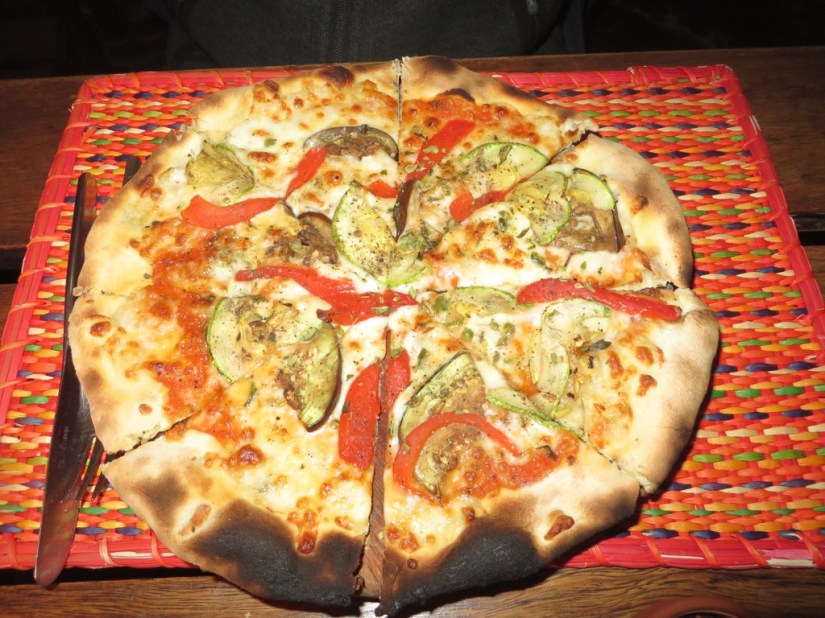
Finally it has arrived, our last night in Cusco and my last chance to try guinea pig or cuy … pronounced cooee … as they call it here. Last night we saw Megan and Nicola sharing one and they tucked in with vigour and said it was a bit like chicken. So here goes, Pachapapa’s best cuy roasted in a wood-fired oven, handy as Chris can have pizza! We sat in the candlelit courtyard, watching the chefs busily pushing things into the ovens, checking them, pulling them out … and then our dinner arrived!

We were both pleased with our choices, the pizza was crisp and tasty and the cuy tender and a bit like chicken.

00954F24-1E86-4462-A5E8-4D6BC8C35723D3BE7BD6-255D-478A-8F6C-0E61DEDC8C36

Tomorrow we fly to Puerto Maldonado …


Ollantaytambo … Stepping Stone to Machu Picchu

9F6EF84E-6ED1-4592-A949-EA57872D0197It is a pretty little town, built where the Patakancha River flows into the Urabamba, set round a main square, with the usual comings and goings.
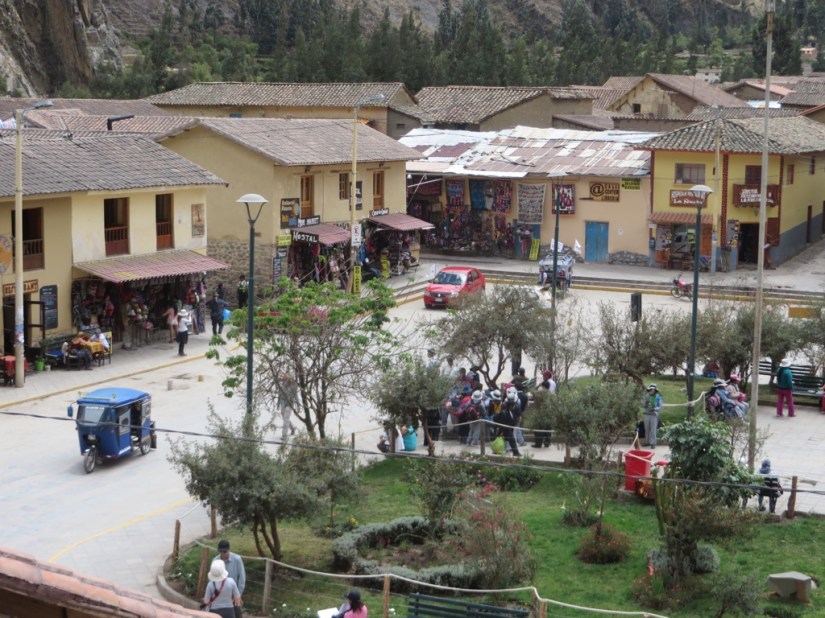
6EA25268-8677-4CB3-93B9-C5C4BEA847D4A8988D97-AD57-47ED-BDDA-8A46C1E2588F777E0D7E-1DE4-4B49-932E-CB4393988CDAWe stayed at Picaflor Tambo, a friendly guesthouse where we were welcomed by Hilda and Lillian. Also staying were Lauren who is halfway though a 2 year volunteering programme with the Peace Corps and her mum Lynn who was visiting from Florida with whom we had several giggles over breakfast!
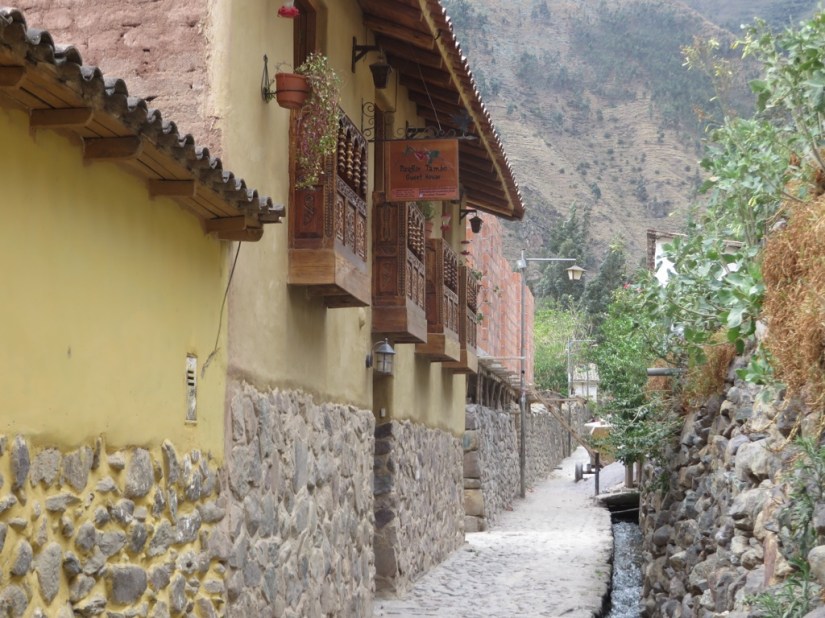
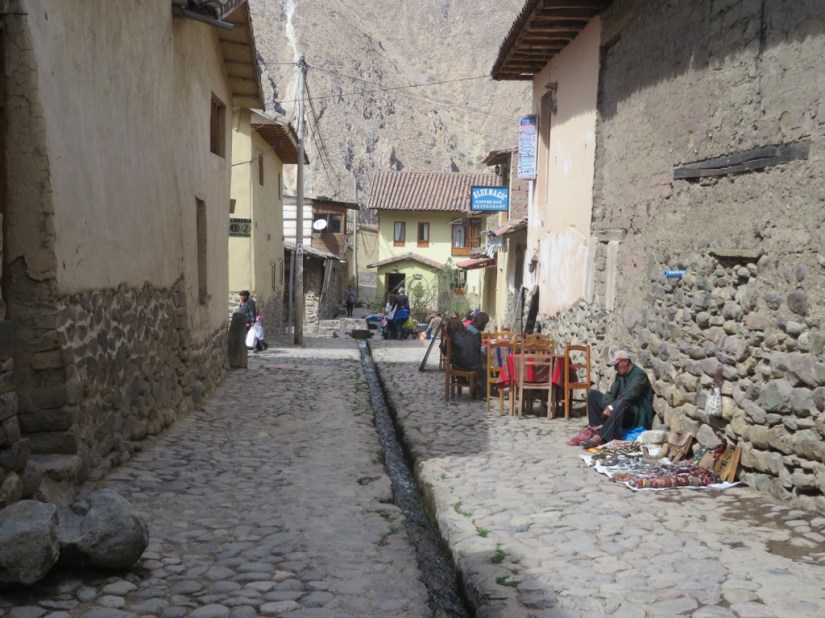
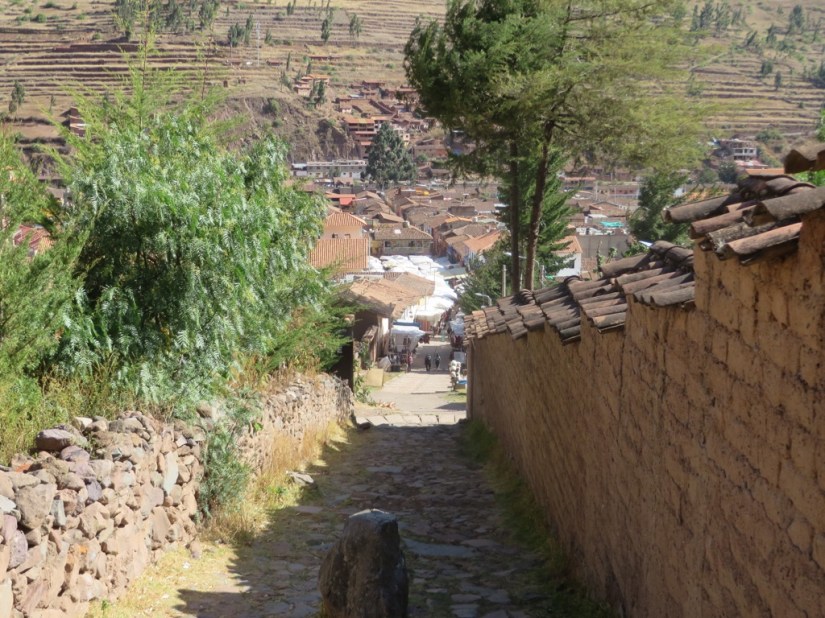
4A9029F5-DF8F-4065-A5B7-1C785297A61EThe side streets are cobbled, many with water courses running along them and there are still splendid Inca doorways to be seen.

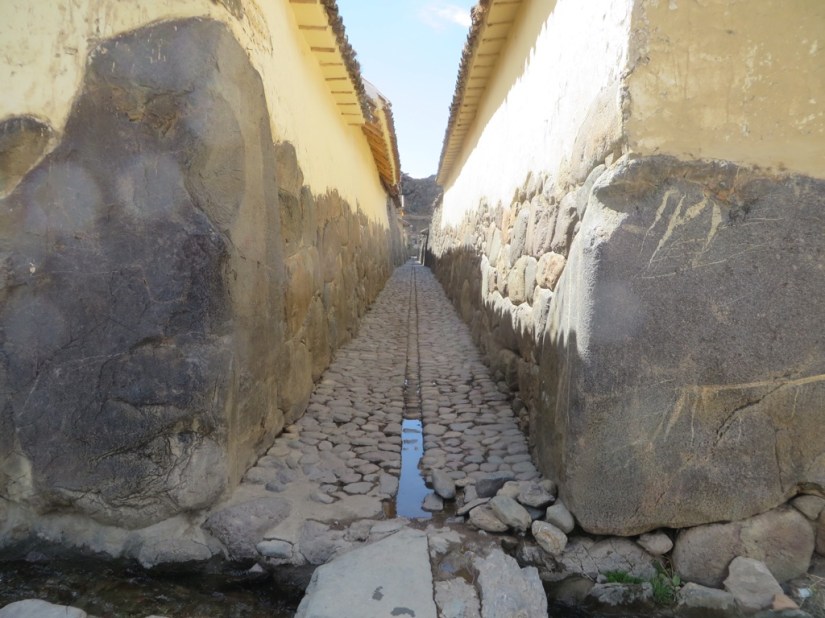
197D88B9-BD62-4BF8-B843-1573412E6F376AD6575C-B023-47D8-BD66-188A13C281D0411888E8-C3C8-4C53-9BF0-06867361911427C2783D-BD7F-411C-9711-B6B2EC742019There are a couple of traditional community courtyards or cancha each belonging to an ayllu or extended kinship group and shared by the four houses set round them and we went into one. Not only do the houses have guinea pigs running round the floor, they have ancestor’s skulls as a shrine on the wall.

1279184A-AD45-4D8F-A648-792AFBA8B2E9C75D21E5-A55D-480F-B3E6-0F95F90A6465There is a fair amount of traffic and lots of tourist coaches during the day, although quiet at night.

CAE03152-6967-4CB7-ACD4-884CCF224D15812450BD-A85B-43E4-A577-FA31276E5676Ollantaytambo was captured and rebuilt by Pachacuti as a royal estate and ceremonial centre although the religious area remained unfinished. It was also the site of one of the few victories the guerrilla Inca forces had under Manco Inca. All his soldiers were arrayed on the terraces, with Manco himself astride a captured horse. Once the Spanish approached the terraces, water was released from the channelled waterways to flood the plain and it was only with luck that the conquistadors managed to ford the swollen river and retreat humiliated and wet.
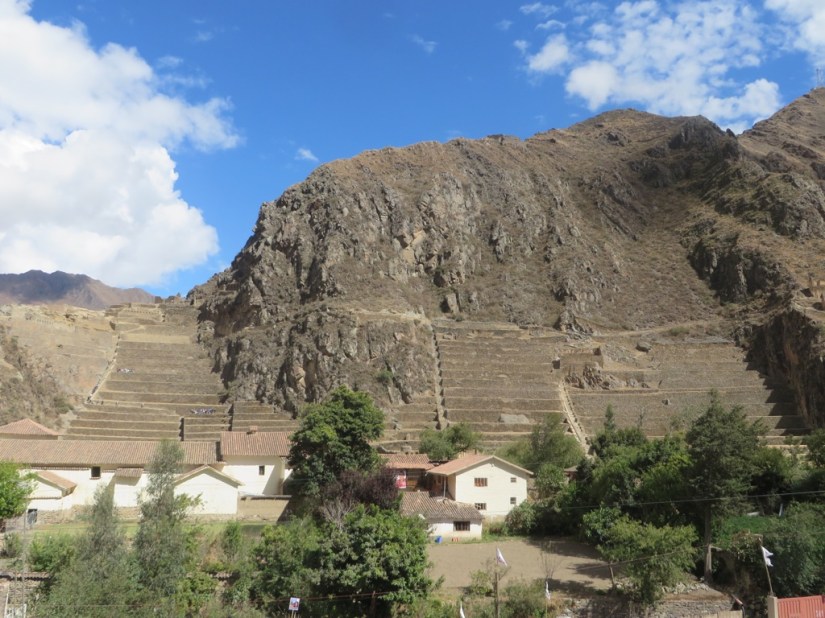
9CDC6CCB-2719-452C-9ED5-8F6FCB2C39AFWe visited early, while the sun still shone on the terraces, and climbed the 200 steps to the temple entrance, an impressive door jamb, beside the Temple of the Ten Niches.

9A4F12CF-6452-4AB8-86BE-3A7E93644148Then to six huge red granite slabs, part of the unfinished Temple of the Sun.

8667C6AD-2755-4A50-9627-120B554B192AThere are various stone slabs cut ready for use around the site as well as a system of water courses and fountains and a view down to the valley from the top.

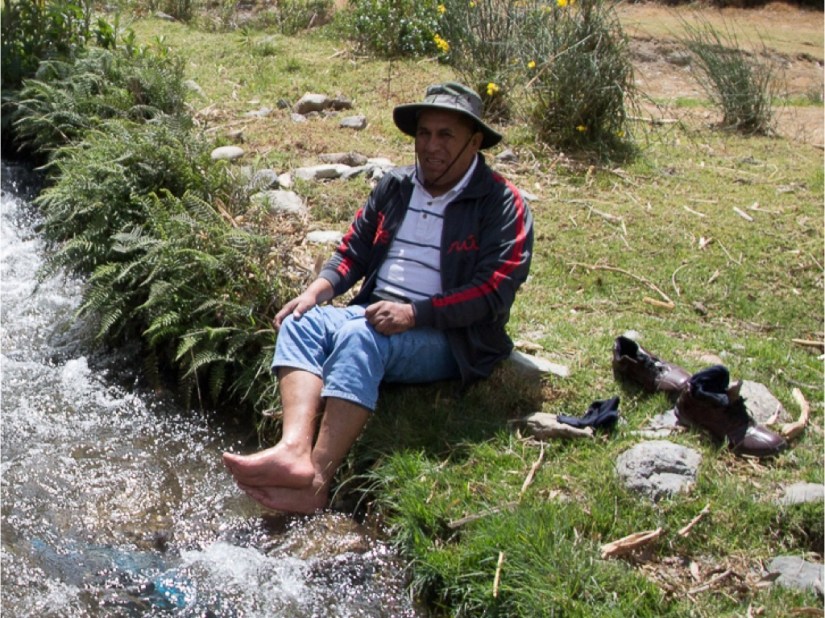
31F54A9C-FA1E-4DCE-9D3C-5FCDB53F8FA852D76605-13AC-47ED-9BEC-BF0C8E20156CA9B6C691-12EA-4C53-B077-87A110322B2AWe were tempted to cool our feet in the stream and joined a local chap who had been working in the fields.
E5E4890A-F2E2-4A76-8EA0-9C9067C14B79EBDA712F-21A1-448D-8893-B6E9A01ECA1COn the opposite side of the valley are buildings believed to be granaries, as their position with more wind and lower temperature would have helped to prevent decay.

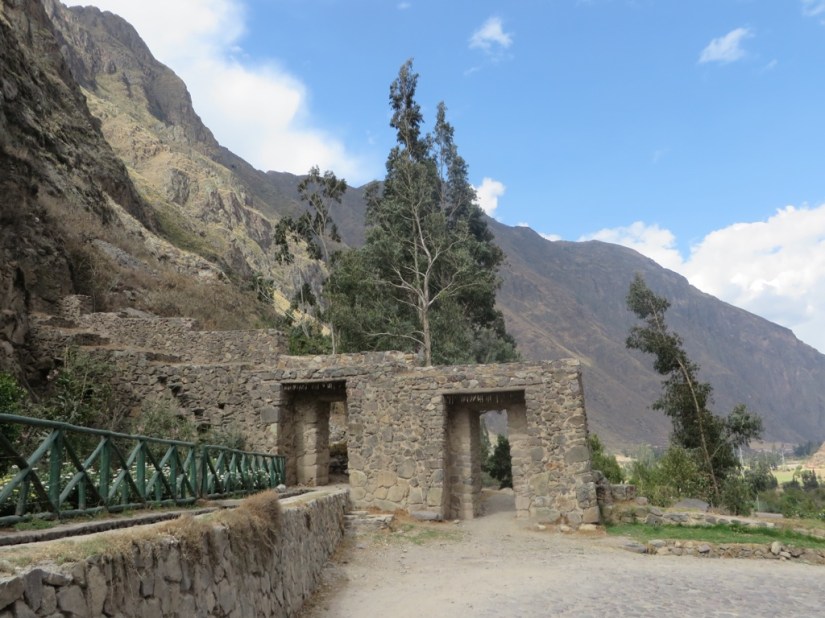
A962E83B-CD77-4BE3-B780-A505C80DF407EA4C5D30-7EA1-41B5-A0CD-C2A65634F807We also wandered round the outskirts of town and saw Punku Punku, a gate to the town …
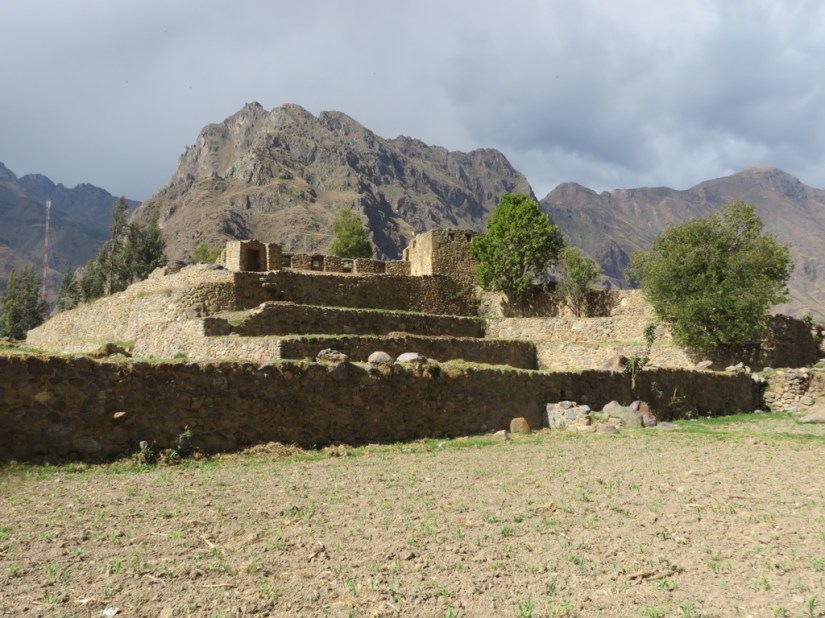
AFAB1623-CD56-46C0-A504-443B0E192ECD… and some ruins called Quelloracay overlooking the river which may have been a noble residence, surrounded by terraces which, which now it is spring, have been planted with wheat and maize.
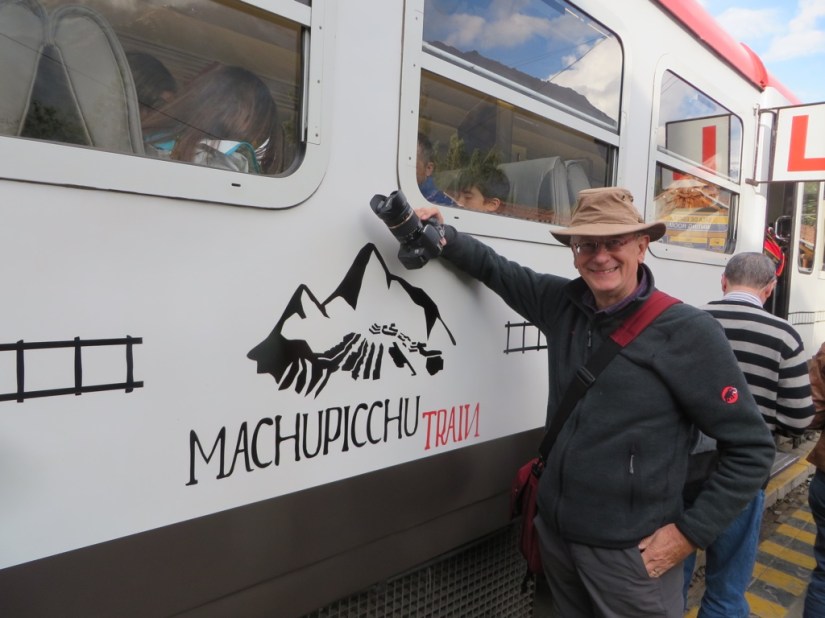
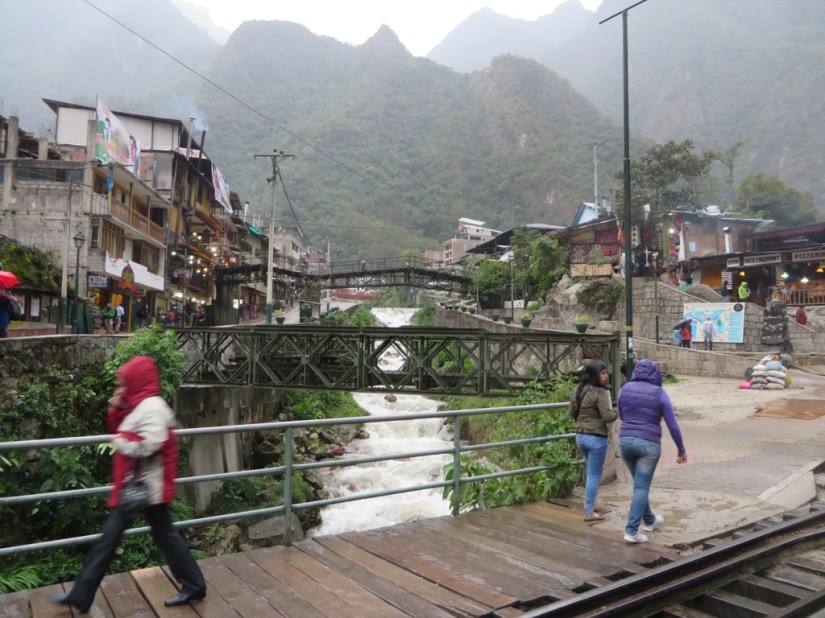
A1BB526B-95AD-447F-917D-2060D4453F4BF1C87E5B-589F-43EC-B454-8225391F6F92The main reason for stopping here is our visit to Machu Picchu, not by hiking the Inca Trail, but by train to Machu Picchu Pueblo which takes 90 minutes, and 30 minutes on the bus, upwards!

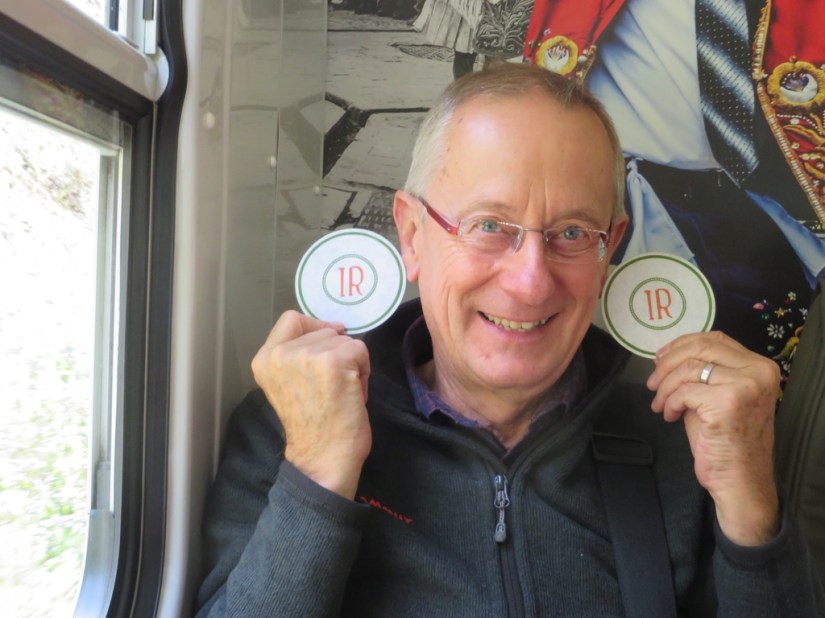
42818CA5-7BE3-4062-AA21-AF3B35F0545F903DC9B9-0657-4176-9792-1346EC84E2E5During the journey, we chatted with Keeley from Seattle, and Chris did a Pachacuti impression, improvising Inca Rail drinks mats for the Inca ear plugs! Inca men wore gold or silver plugs in the ears, which indicated their nobility. Their stretched piercings, which could reach the size of two inches, later inspired a Spanish nickname for the Inca people: orejones (“big ears”).

398CE47B-9A88-49FE-9B0E-DAC53096BEEFEB5F5C68-5D8B-4908-B7F6-4530492489A5As the train carried us closer, the valley narrowed, the surrounding peaks grew higher and the vegetation around became more jungly (I love that word!)

Machu Picchu, meaning “old peak”, was first documented by Hiram Bingham in 1911, although there had been references to ruins previously and local people obviously knew it was there. There have been many theories, but it is now believed to be a royal estate built by Pachacuti. Sacred geography and astronomy would have been factors in the choice of location at 2492m, perched above a bend in the Urabamba river, surrounded by peaks with great views, as well as its agricultural potential to produce sufficient sacred coca and maize for the Inca nobles and priests in Cusco.

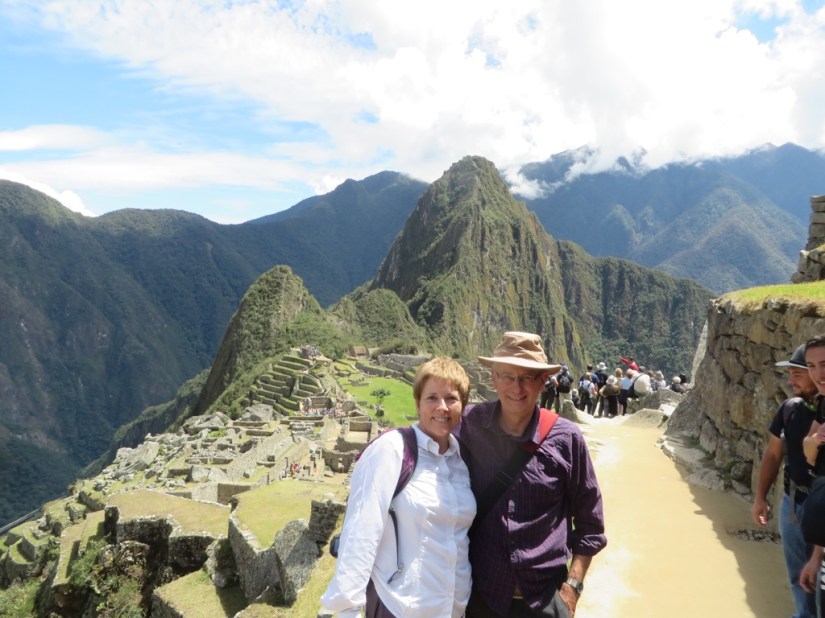
Our first great view was from the Guardhouse, across the whole site, with a blue sky and the sun shining and it certainly lived up to expectations, despite the number of tourists and the fact that it is such an iconic image. We felt a childish excitement to actually be there!
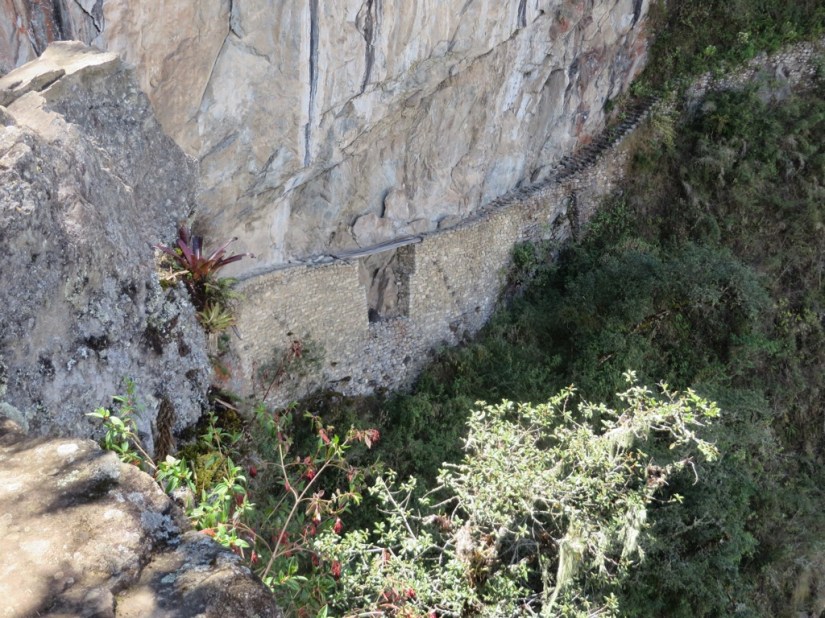
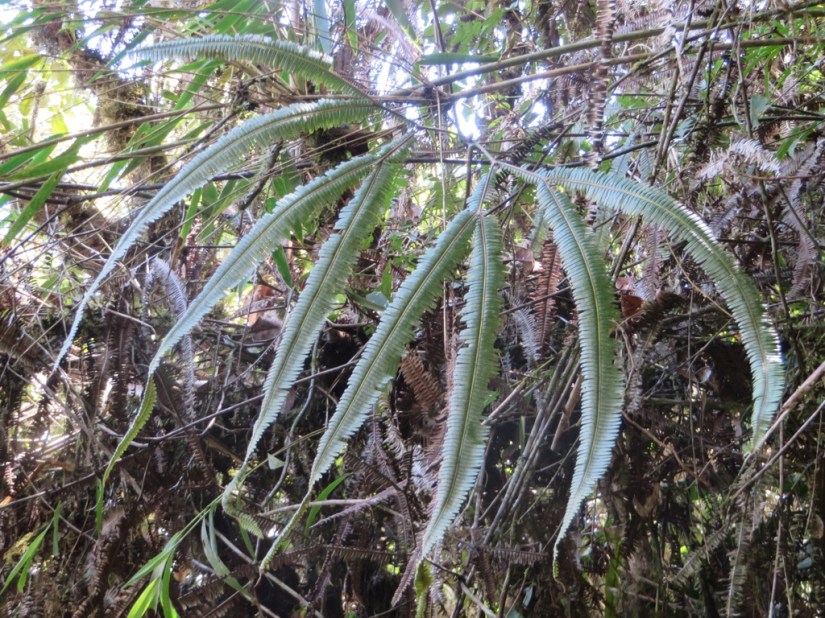
9F6EF84E-6ED1-4592-A949-EA57872D01974EF4770C-AF0C-43DB-A338-DC18DD59A726We then headed on a short hike to the Inca Drawbridge which followed a path round Machu Picchu mountain, through more jungly (that word again) undergrowth … giving us an impression of maybe what “The Inca Trail” would have been like! The bridge is a gap in the rock face, bridged by a narrow piece of wood that can be removed in the event of enemy attack, with a 1000ft fall for the unlucky!
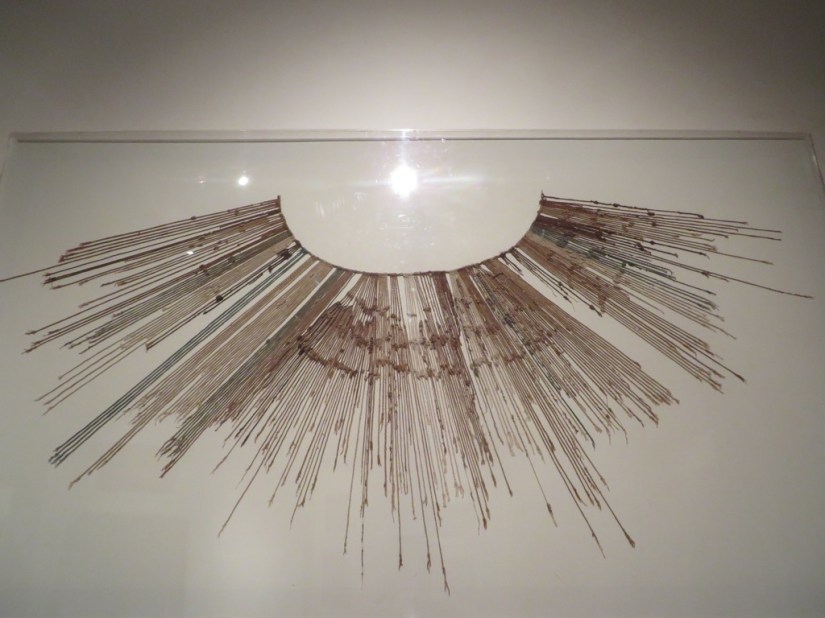
9433311A-503D-4267-8F3D-21CADC3412A4B36CCB96-02FD-45AA-928F-7C5FE284E719FD50199F-07F4-4B0F-B2AF-DEEAC0DADF35We then explored the site, guidebook in hand. The Incas had no form of writing, only recording information using a quipus, a series of different coloured strings with knots used to communicate ideas, record information and keep track of the calendar, but which are no longer decipherable.
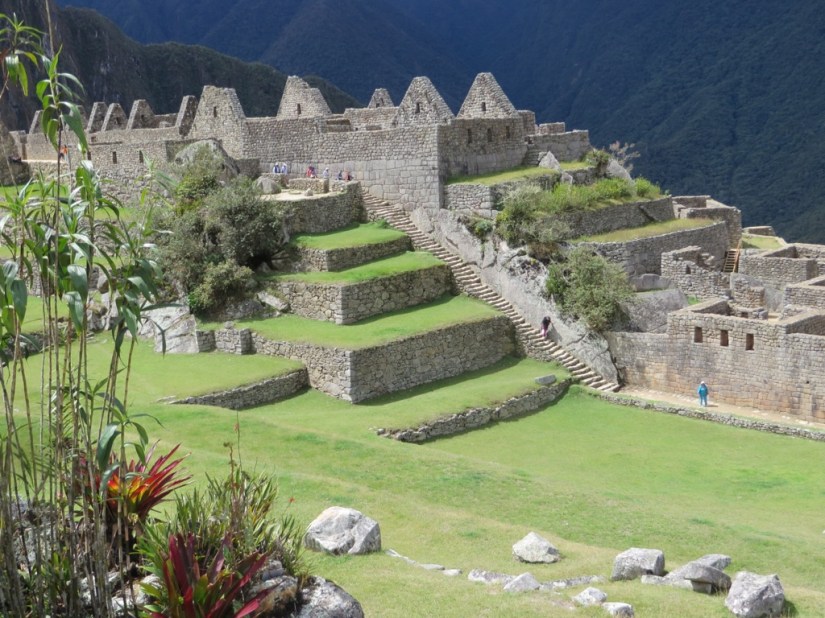
DCE48F34-0219-4936-B03B-8BFD86D49EC0Also, Machu Picchu was not known to the Spanish, so no reports of the conquistadores mention it. In other words, a lot of what has been written about the site has later been discredited, and a large proportion is supposition, albeit based on evidence from other sites. We walked round, mainly admiring the incredible workmanship in the stonework and brute strength needed to erect some of the buildings …

E5ADA807-39D1-4AEE-89D3-247BFD110B4BD0F5C127-5CAE-40CE-A931-C02D857ADF3B…  including the wall Hiram Bingham called “The most beautiful wall in America”.

7B31BCE3-191C-4EE6-ADB9-C32AE6EAC4E0So we saw the Temple of The Three Windows …

FA8BF284-5F40-4DFB-93B8-07EA29F91C1A… The Principal Temple …

6A9D209C-71E2-440B-BF3C-9E79C11426DB… and even the Grand Staircase and Artisans Wall.
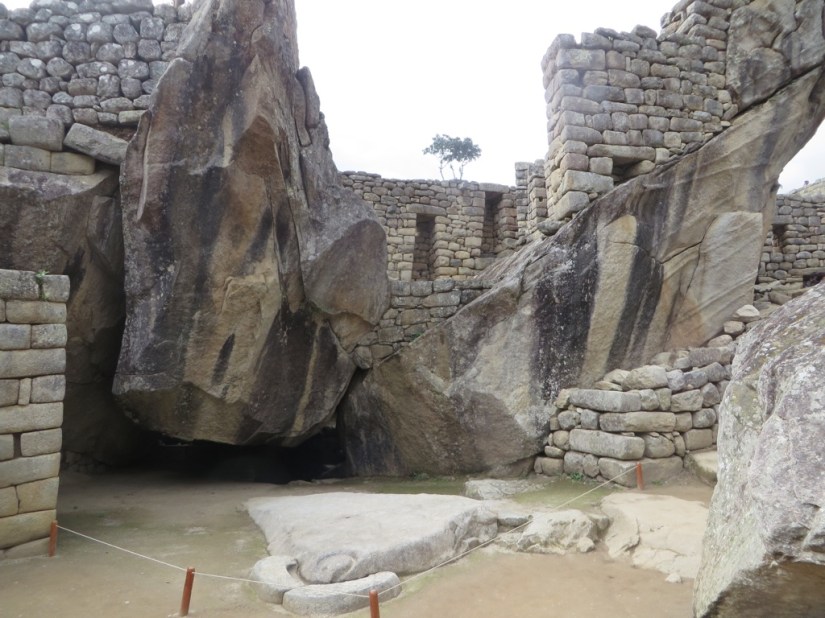
BD73E6C6-2069-45A3-AAA7-D0CAD7B0C5B3The Temple of the Condor is theatrical! Craftsmen have embellished natural formations, with a triangular rock on the ground carved with eyes, beak and ruff to be the head of the condor and the two outstretched wings rising above.
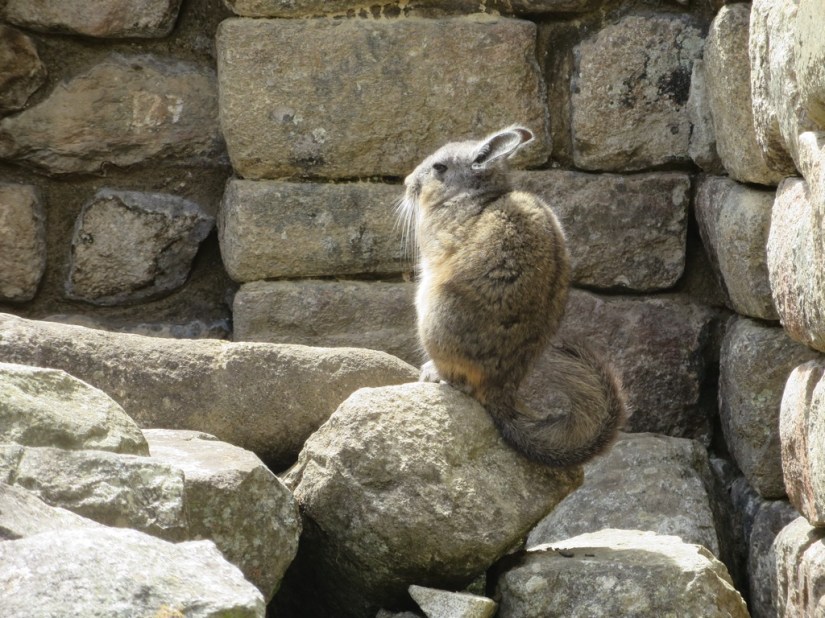
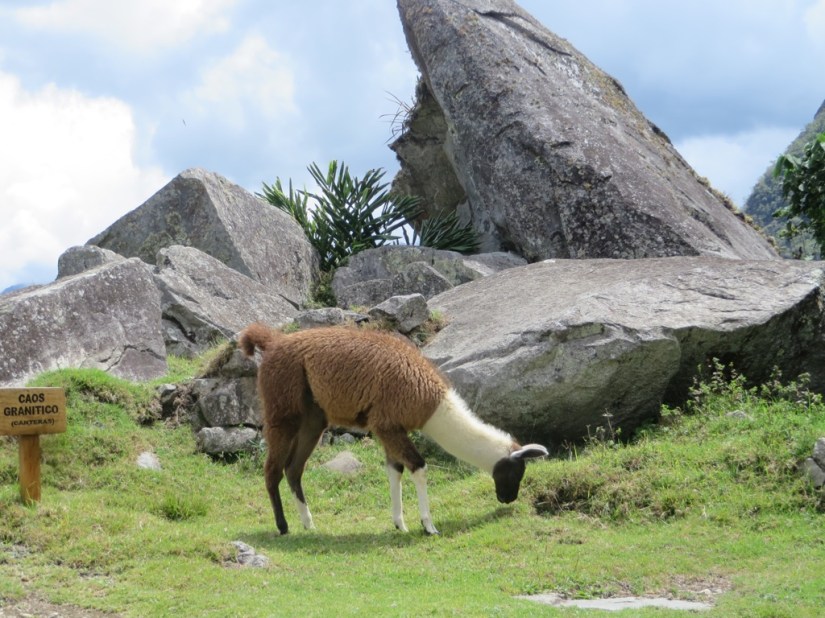
7B910A02-9BD1-4EE7-9B56-05150FDF1D20We also appreciated the aesthetic of the masonry set against the backdrop of sky and mountains and the feeling that you are almost on a stage set before god and nature. Lots of nature in fact including a viscacha and the inevitable llamas!
92F1DBBA-2DCE-487F-8379-B0B30C806C47847A3F7B-738F-4B44-A157-521552E55D82916F8FCF-2261-44F7-B6E0-517CF5E577DAThe Incas worshipped Viracocha the creator god, but also many others and they occupied three realms – the celestial realm in the sky, represented by the condor, the inner earth realm, the domain of Pachamama or earth mother and the ancestors, represented by the snake and the outer earth where humans live, represented by a puma. Creatures that can broach realms, like frogs who live underwater and on land are particularly esteemed. Huacas, meaning sacredness, are also worshipped and are often natural features which bring them closer to the other realms like mountains reaching to the heavens and caves reaching downwards as well as immense rocks.

We can see several specially carved stones at Machu Picchu, Ceremonial Stone by the Guardhouse …

0F8BDEF5-1079-495E-8A59-25939D4EED1ASacred Rock resembling Mount Yanatin behind …

C07C98BF-12B7-4408-A0AA-AAF8CF456BE3… Intiwatana echoing Huaca Picchu from the right angle …

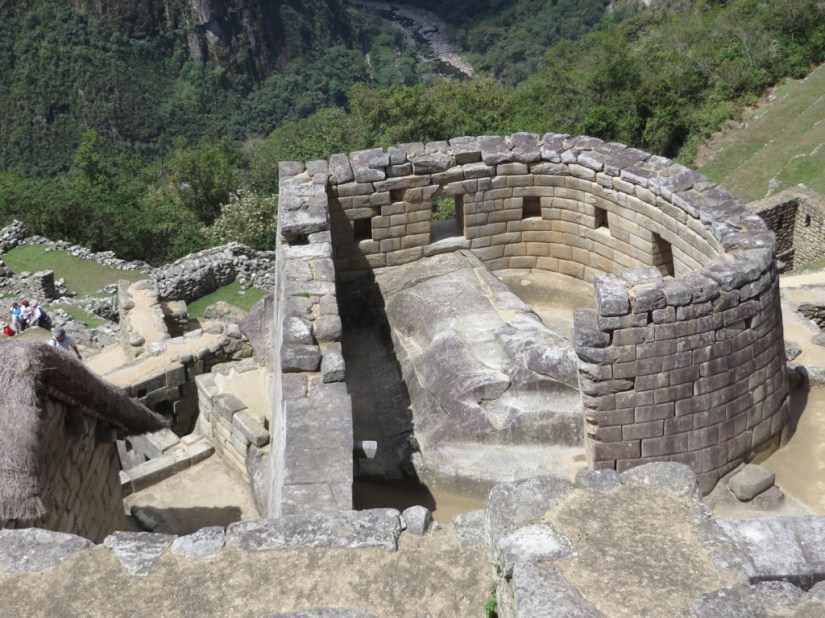
7F199565-867F-4A08-A8E8-BE4C024C0940… and even the sacred rock in the Temple of the Sun with a carved ledge bisecting sunlight at the solstice making a solar observatory.
AC5A6AE9-1B09-4C5D-9F25-83DFCD28A2B7Later, the sky started to darken as clouds gathered, the whole atmosphere becoming more dramatic …

0BE5E163-C809-40C1-8A01-F18343B162FC… and then we had thunder and lightening, rain and finally a rainbow … magical!

7BF67F42-E145-41B8-87E1-25602C79D67CWe returned to Machu Picchu Pueblo, went for an early dinner and piscos in the warm while we dried out then ambled through the souvenir market, buying bracelets, llama pom-Poms and frogs!
ADD686B5-99CB-4210-A9D3-DF8267000420

Sacred Valley … Following an Inca Trail

E17E5892-3481-4792-95B6-BB4F7FA3BFE1The Urabamba river kept us company as we drove into the upper part of the Sacred Valley. The countryside changed completely, with far more arable land, and trees. In fact there are many eucalyptus, introduced from Australia to use for the railway and now invaluable as they grow in just 3-4 years and can be used for building and to fuel fires. They do take a lot of water from the soil, and moves are being made to try to return to planting indigenous species.
1230168E-E6EF-4AD9-8706-A4DA7224214191D03F96-D1D2-49B8-A388-5D91363AEE31

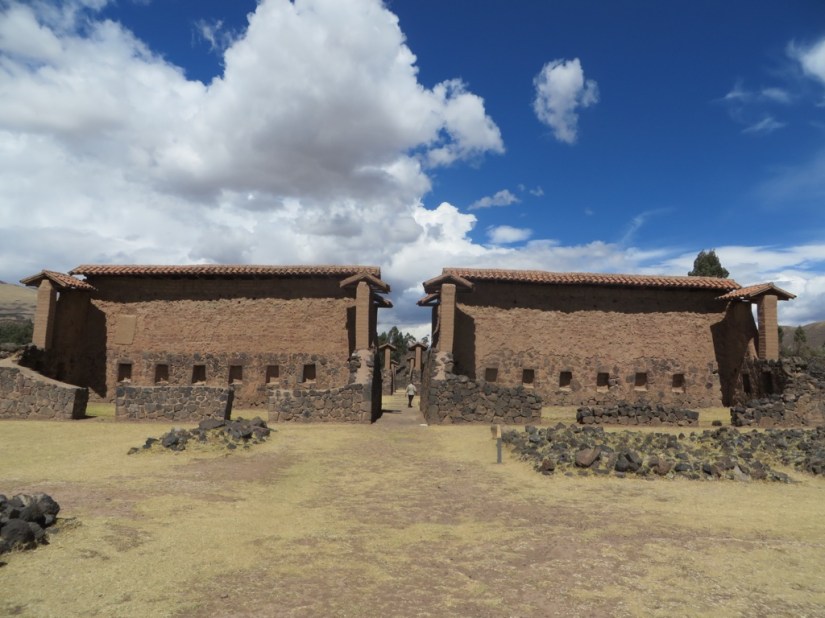
We stopped at Raqchi, an Inca control point on the road to Cusco.

756D4B78-8F31-4355-BBDD-AC6714A7C2AEF1AFE3C8-CB32-4CAC-9BE4-E6D36C3AE18A

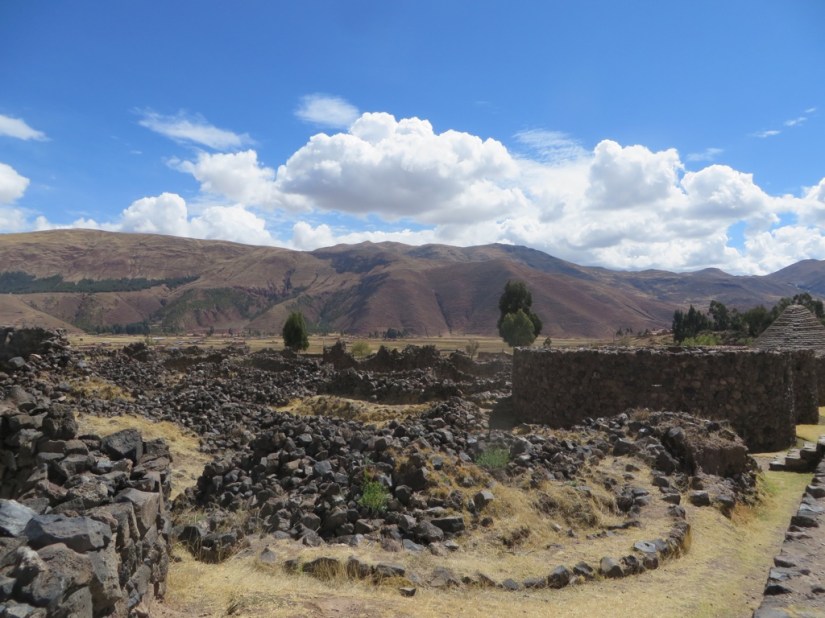
The buildings, consisting of living areas for priests and administrators, a guesthouse for travellers, and some 150 round storehouses to contain food collected in taxes from the people, as well as the most prominent building, the Temple of Viracocha, in honour of the Inca’s god of gods. This structure had a central adobe wall, flanked on each side by a row of 11 columns, over which a pitched roof would have stretched, some 25m beyond the columns each side, and was probably the largest single roof in the Incan empire. Today a surprising amount of the main wall survives and other parts have been reconstructed, and the sun still rises at the equinox in line with the buildings.

964F42C3-E542-45BC-9B2C-CD6C546C320B

Cusco was the centre of Tahuantinsuyu, the formal name for the Inca empire, meaning the four quarters of the world, and the great royal roads to the four suyus or quarters began in the main square. There were also four gateways leading out of the city to the suyus and as we approach Cusco we passed one.

D3D497C1-05DF-4D42-9027-3E48121ABD20

There was a network of over 14,000 miles of paved roads stretching from Ecuador to Chile and without the horse or the wheel, transportation was by porter or using llamas as pack animals. Communications were by teams of couriers who ran relays between way stations.

We will be returning to Cusco later, but for now we are travelling through, and staying in a village called Huaron with Kelly at the Green House, a fabulous ecofriendly B&B, where we had a lovely homemade dinner after such a long day.

A7D50867-B804-4D4D-A23F-1C692C9763C21137CFC4-EE49-42EE-A2DE-1FABB263D3F0D8453695-CC5B-4CA1-8A88-C258C76159C8

The next day we set off and using a mixture of local buses and a taxi, visited Moray set on a high plateau above the Urabamba river where there are several enormous terraced circular depressions built by the Incas.

2FC7986F-7284-4F42-AF59-D5C2E681AC3DBB95D9E1-813F-45BB-92B8-356695C6205F81E03922-DAE1-453F-B675-4BFF97297E719416E86C-D099-4FA6-83FB-CF6D6AC0EDED

The purpose is uncertain, but their positioning creates a temperature difference of around 15°C between the top and the bottom and this may have been used by the Inca to study the effects of climate on crops – an Inca agricultural experiment station – and evidence of pollen from imported plants supports this theory.

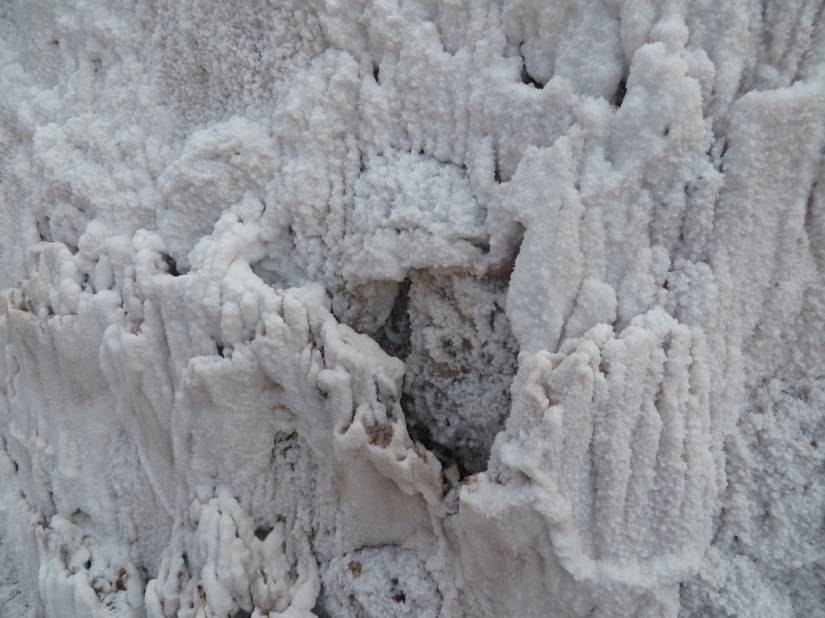
We then visited the Salineras of Maras. We started at the top, and walked down through the salt pans on narrow paths. Since pre-Inca times, salt has been obtained in Maras by evaporating salty water from a local subterranean stream. The flow from the spring is directed into an intricate system of tiny channels enabling the water to run gradually down onto the several hundred ancient terraced ponds.

347ACCE5-806B-4D9B-B3D8-04B2DA935D279B7FF963-54F9-44B9-95D1-E63A53F5355373ED5D83-5E61-47C2-BAA0-EFB9619BA725

The water evaporates, the salt precipitates then the salt is carefully scraped up. The salt mines are available to anyone wishing to harvest salt and prospective farmers just have to consult the cooperative, learn how to work the pond and begin. Many just work here in the dry season and farm the land in the rainy season when the salt pans cannot be used.

83CD8ABF-1E6E-4573-B39B-94DE5CB05CD1D87B21CE-E4C4-46F6-BBC8-6FEF03393411

We continued walking down to the river, which we crossed on a rickety bridge. Along the way, we saw adobe bricks being made, then caught the bus back.

C698F7B9-CF87-40EE-B298-E7322B7A7C3993D35A20-6DED-4F3A-A532-EA63DAA65C29

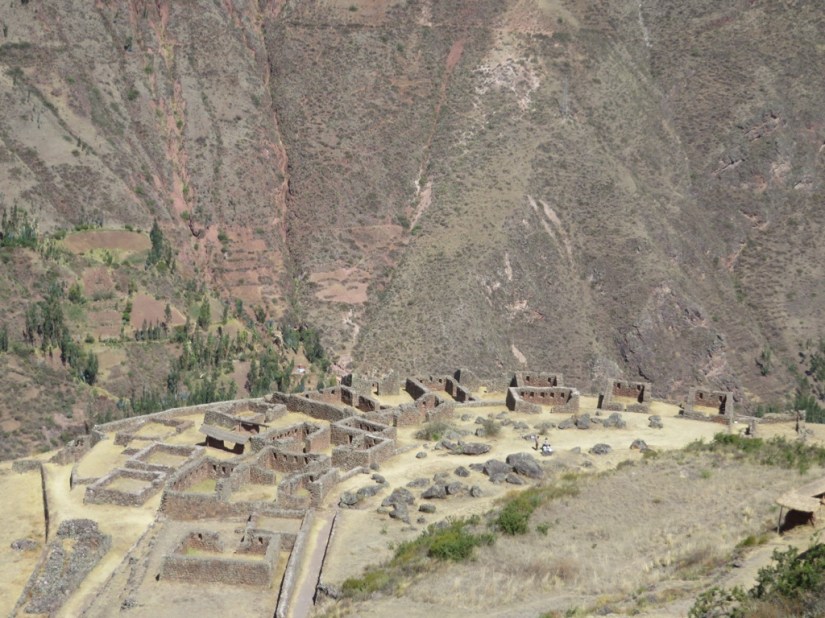
On Sunday we went to Pisac to see the ruins and the market. We went with Stephanie, Mariya, Clinton and Liz who are also staying at The Green House, and managed to squeeze onto the little local bus! Once in Pisac we took a taxi up the hill to the ruins, leaving the other to shop.

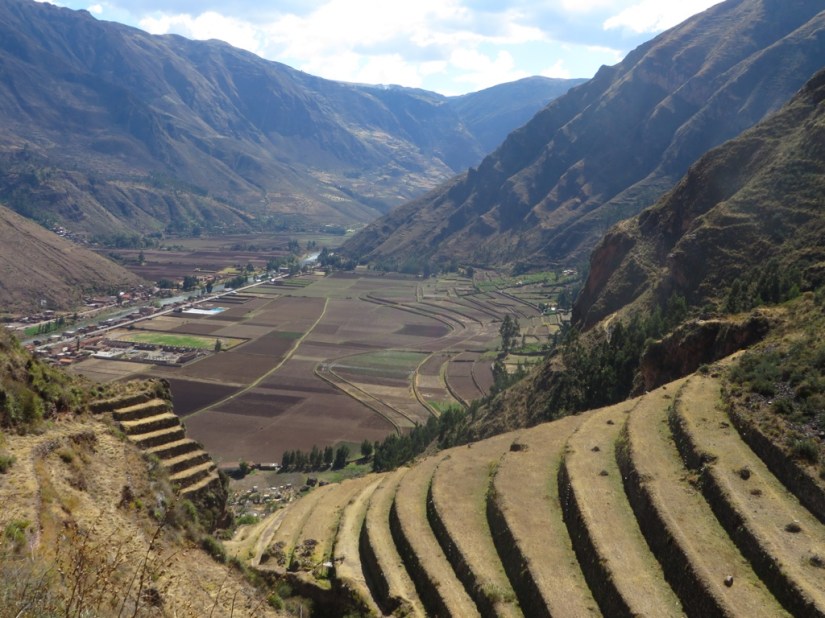
The first splendid view of the site is of the steep hill covered in narrow agricultural terraces, catching the sun in their contours. They are thought to represent the wing of a partridge (pisaca), from which the village and ruins get their name and corn, potatoes and quinoa would have been grown here.

E17E5892-3481-4792-95B6-BB4F7FA3BFE1FBE85024-EF6A-4D2D-B201-DBD918D1E4D6

Next we climbed Qantusraqay, a residential area of rough stone buildings, walls with niches and small squares which was probably a military garrison to guard against incursion from the Anti people from the rainforest. To the right, embedded in the hillside, is a huge Inca cemetery with some 3,500 tombs, although the mummies are long gone.

6EC6A246-382B-46BC-B39C-4F73F8A9AC577DBBF512-DC9E-417E-ACAE-E217914A5BB3

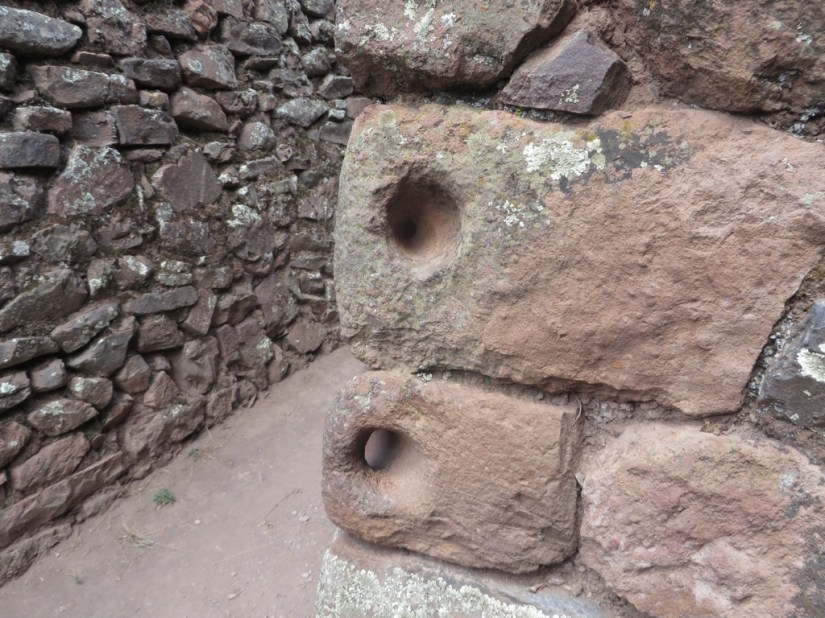
The path crosses a military wall with a perfect trapezoidal door, known as the Door of the Serpent and continues through an enlarged rock fissure where the Incas just bored through the rock, giving the Kallaqasa or Split Rock tunnel.

We saw these gateways but don’t know what the holes are for …

A90E72D7-A6A4-49CA-8C00-B7F05CE19A67CE2556A0-FCB5-4362-B8C2-3B201C63CA85

… and people who couldn’t read …!

0DB4F228-FDE9-4C75-BEC2-0BE47A1B70C49F804993-3277-4F43-B2FF-81C556B7B62F

We then saw the Intiwatana, or sun calendar in Qechua, a volcanic outcrop carved into a “hitching post for the Sun” or Inti. The angles of its base suggest that it served to define the changes of the season.

092BDEAB-783F-4445-B419-969F73CA9121

We began the descent, passing another residential area, arranged in a semicircle and probably homes for the elite.

ECDF3FC0-38AC-47A4-91E4-801CCBDAD968

We continued down the narrow path, which descended, crossing a stream and some terracing, down to the back of Pisac market.

8794B4C9-6E3D-4340-BC9F-FF6D84423B8790BE10C7-ED18-4E4C-A773-6DE791E766CAB1CD201E-F37C-4F12-A045-7E9175ECB723E23185B3-F5F1-4DAB-A341-67069CD5EEAE

We wandered round, past trinkets and weaving and purchasing a small llama, then to the business end of the market with women wearing bowler hats, selling their wares.

B7910559-E0CF-4DFF-A1B2-EBCD8484672FD6BFA076-63E7-4E59-ADF7-7D5126CF27EB89481D69-3980-4098-B67B-AC227EF61AAB70EFCC90-660C-49A9-8332-30E22C44F57B

Both Quechua and Aymara women in Peru and Bolivia took up the style of wearing bowler hats since the 1920s. According to legend, a shipment of bowler hats was sent from Europe to Bolivia via Peru for use by Europeans working on railroad construction. When the hats were found to be too small, they were given to the local people.

Over another delicious dinner, we all shared our day and our travels. Tomorrow we move on, remaining in the Sacred Valley, but further west in Ollantayambo.

Puno … Traditions of Lake Titicaca

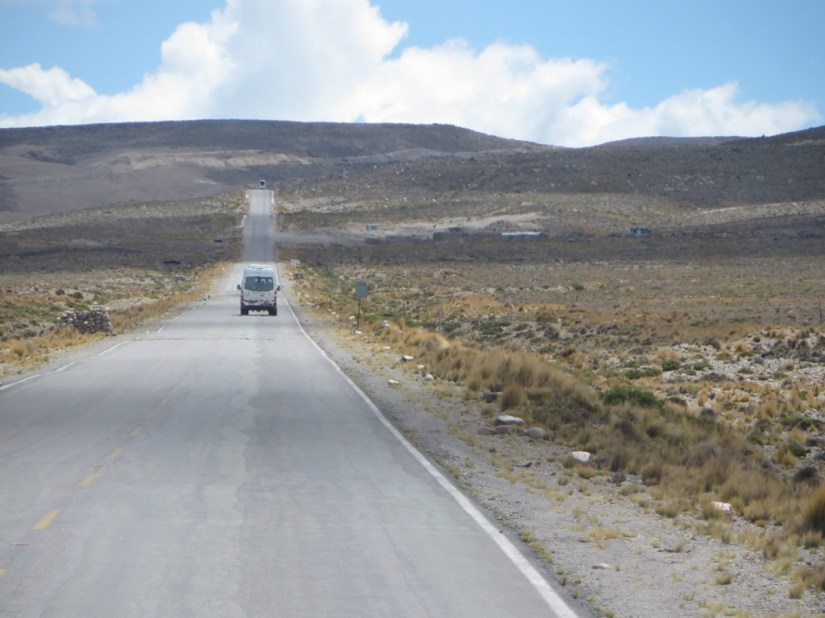
995359D9-165E-41A5-8530-3855A8D3DFC3We left Yanque at lunchtime and fortunately Chris was feeling much better. We travelled by bus back over the Patampampa Pass and this time turned left to Puno, a six hour journey. The road took us through more high puna grasslands with tufts of ichu grass and small shrubs and a background of rolling hills.

FA02DB3E-3DE5-44F4-85FC-D1521F2E77EA

There were a couple of villages, but we saw more alpaca than people. We stopped at Lagunillas and took a photo of the lake, then continued down to Puno.

45F8CDB3-A8D3-4129-9B72-6C99A5598FF9

We spent a fabulous day with Percy from Edgar Adventures on their Titicaca Express Tour. Lake Titicaca is the worlds highest navigatable lake, some 8400 sq km and 3850m above sea level, half in Peru and half in Bolivia. According to Inca legend, the god Viracocha had his children Manco Capac and his sister consort Mama Ocllo sprang from the freezing water of Lake Titicaca. They searched for a fertile place where their gold staff would sink into the ground, and founded Cusco where the Inca dynasty began and the men farmed and the women learned to weave.

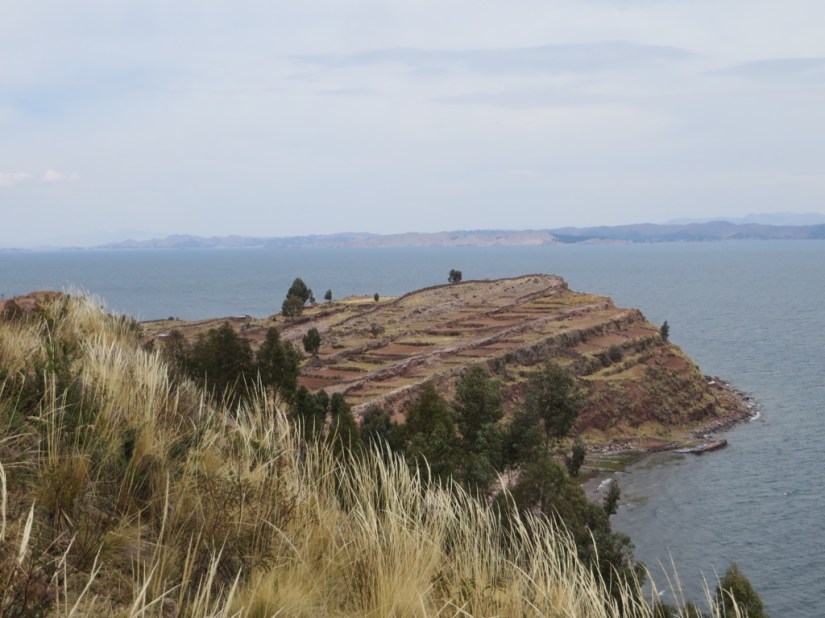
The speedboat took us out from Puno to Taquile Island, which is home to 2,000 people living in 36 community groups. The islanders live in a very traditional way, electing their leaders, who must be over 25 and married, by a show of hands every 2 years. Number one rule on the island is not to be lazy, and to this end they have refused vehicles or pack animals and carry anything that needs carrying themselves. They fish, grow vegetables, keep animals and everyone on the island knits or weaves, including the men. One side of the island has a small harbour with steps up to a main square with some tourist shops and restaurants, but we landed the other side so we could visit with one of the community groups.

As we arrived, we could see there was a large project in hand to build a path upwards from the shore. We were told that each day a different group works on the path till it is done, with everyone helping. They wear traditional clothes, hats, belts and bags for coca leaves for the men and red jumpers and black skirts and shawls for the women.

8ECC7A23-E3CF-4A9E-90BF-51920EEF32D9AD89F228-A047-4CF2-AA75-E5FE5B4C9404

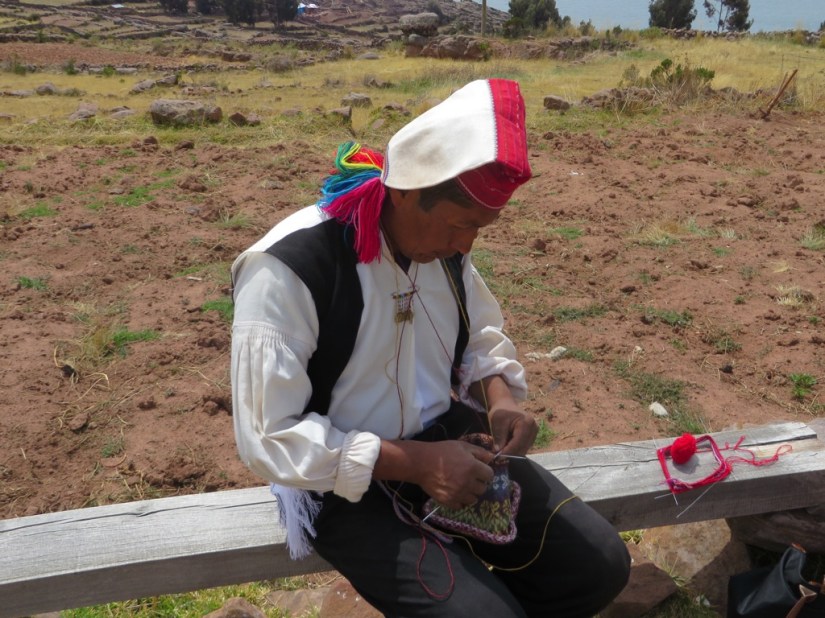
The islanders are largely self sufficient, trading fish and woven goods for any items they need. However, it is the money they receive from tourist visits, around £1.50 per person for 500-750 visitors a day, shared between the various islands round the lake, that make buying cement for the path and also installing solar power and a water pumping system possible. We watched the women weaving, using a ancient llama bone to push down the threads, and a man kitting a hat on 5 needles with very fine wool.

16591DAC-153A-42D5-ACF4-FEA7B47C3436080D38EE-C3C9-494B-B499-3BDCD6B4A3F2

D6980596-1BD0-4B2F-9BD5-11358D661D5F

We met Rosa, who though young, is already married with 2 children and weaves bracelets.

B7D4ACF4-5B90-47EC-A6A4-C1F1AF7514CB

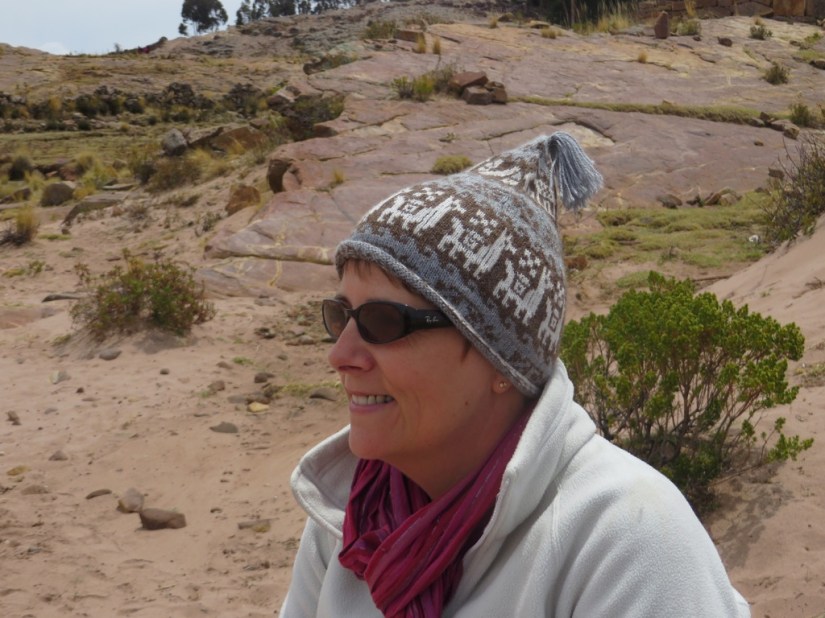
They also buy alpaca wool and knit for tourists and Chris bought me a cute hat with alpacas.

5BFD1FD4-C0C8-4A7A-8E2F-ECD858B51690

While we were there the cloud started to burn off and there was an amazing halo effect round the sun.

00E787CA-A459-40C4-AE0F-A4037C6D65C7

They still maintain traditional courtship rituals starting with a boy reflecting the sun off a piece of mirror at a girl he likes, who can either ignore him if she is not interested, or reciprocate with her mirror. She then steals his hat to test whether it holds water, which shows he has knitted himself a quality hat and is a good boy, in which case she accepts him, otherwise she throws his hat away and that is the end of it! Next the girl has to pass a potato peeling test for her prospective mother-in-law to prove she is a good cook. Assuming all goes well and they marry, the girl cuts off her long hair and gives it to her husband who weaves it into a belt.

FA46AF9F-D47F-4A92-827A-B17BD47570C3

She then weaves a band with special motifs, like fish if he is a fisherman, for him to wear over the top.

3B321EE4-70B6-44C2-B696-BAD8FE824C5B

We walked across the island and down to the beach … far too chilly for a swim!

F50B4AF2-1C93-4C9C-B593-0C58E6D8FC0792F1B066-6274-426D-986C-4688F6440AE3

Next we stopped at the peninsular of Capachica where local families take turns to cook a pachamanca, usually cooked only on feast days, for the tourists. They had heated rocks for 2hrs, then added wrapped parcels of food, and piled on more rocks, a cloth, then soil and left it to cook for an hour. The community leader came and said prayers to pachamama or Mother Earth, and put coca leaves and chicha beer on the mound in thanks for the food, before uncovering the mound and serving the food, potatoes, bananas, chicken, trout and fava beans.

6AE98DAA-5F55-479C-BACD-FD679915FF7618AA1920-6B69-47DC-B4E4-BE591F19F930

There are traditional rituals in Capachica too, as on marriage, the man makes a hat for the woman and she makes him a poncho.

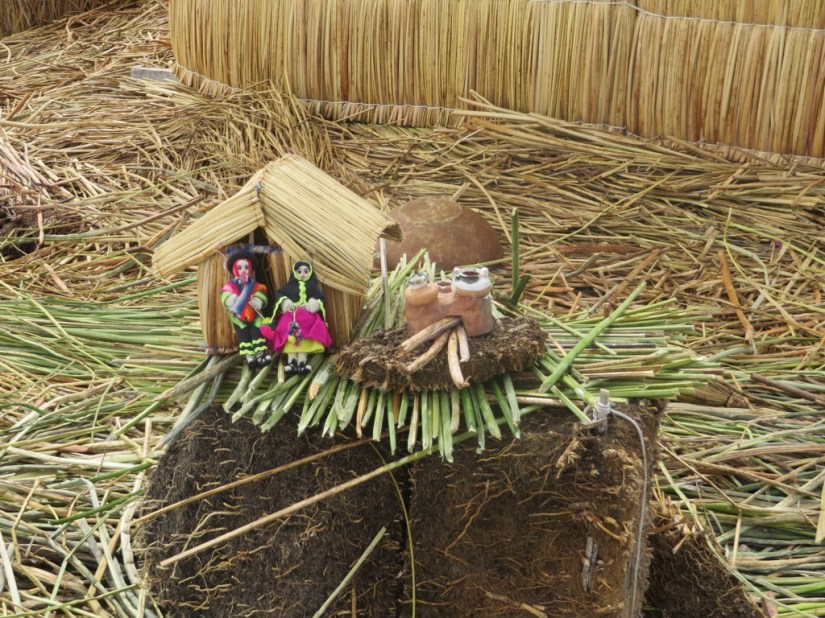
Lastly we visited one of the more remote Uros islands. It is a floating reed island, about 40m diameter, made by lashing together blocks of reed roots, which after a time grow together, then can be topped with cut reeds and anchored to the lakebed. 30cm of fresh reeds have to be added each week and care taken the island remains floating.

869FD345-B585-4BE2-B9FF-DF456AF4A670D0FAEBF8-CA22-4552-AE7C-40BBEBAA0E5B

There are five reed houses, one for each family. The soft stems of the reeds can even be eaten.

C93FAC9F-BB78-4A9D-83EB-77FC2EE2E3670022DBC2-99EF-4D99-9CF0-2223ADAB6A31

The islanders were reluctant to accept tourists, but fishing is very poor, so now they need the extra money to survive, and made us most welcome, telling us about their way of life, then taking us on a short trip in a reed boat which were traditionally used for fishing, although now wooden boats are used.

DB990469-BB18-465D-A338-B09875D8BE7DE63D519A-3854-4BE0-A9B7-930E026892B3DBA55379-D1B0-4322-BC5D-F77F9C9351D3

Leaving Puno, we travelled on our last long coach trip, 385km to Cusco, driving again through the altiplano, a grassy high plateau sitting between the east and west range of the Andes, which turns green with the rains. Few people live here, and those that do live in small houses without chimney, burning animal dung in the winter when nights can dip to -18C. They herd animals and also grow crops such as potatoes, of which there are some 3,500 varieties in Peru, with the best ones growing over 4000m, and quinoa.

6C8E297C-9DD7-4D62-A18A-78CC78409C23

We have realised how flexible quinoa is since we have been in Peru. There are a huge number of varieties from white quinoa, through pink and red to brown and black. It is used in soup, to make risotto, as a side dish, to make a crispy coating for say fish, but also popped for breakfast cereal, in baking such as cookies and in deserts like milk puddings.

671CC707-2C0F-4088-A66E-8C2F6B0334CD83416B60-865A-4425-AA01-ECA9ECDCB0F0

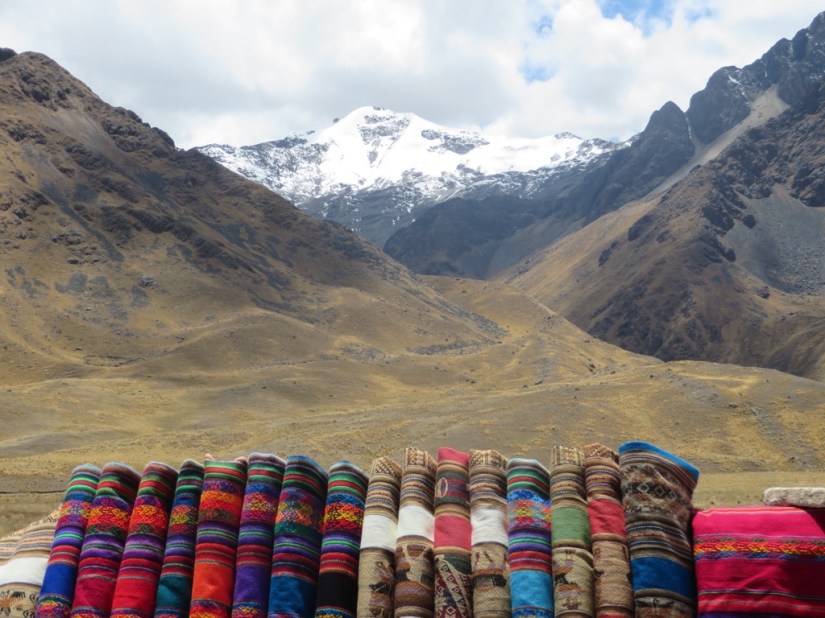
We then climbed until we reached La Raya Pass at 4335m, and saw Chimpulla standing high above, the source of the Urabamba river which runs through The Sacred Valley, our next destination.

6F7B598F-4B05-4E34-85CF-D375CA951C24


Yanque … Colca Canyon Condors

1F177F20-8565-43DB-8BC7-CEE80FB4F0E0

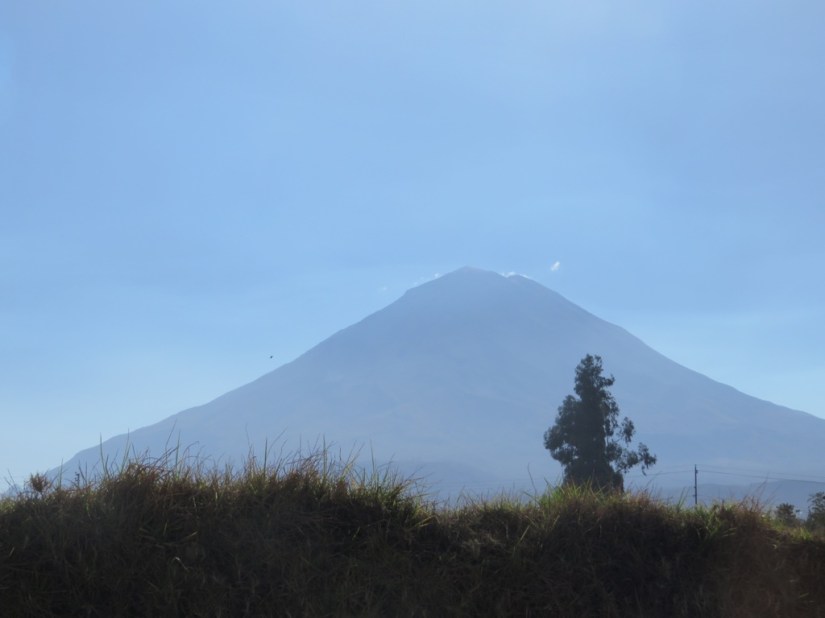
We left Arequipa on a sunny clear morning, and got great views of El Misti, meaning “majestic lord” …

A621A394-1E7D-48DB-8D00-63A28647DE35

… and snow covered Chachani “”dressed in white”.

DA585827-64D2-4D4B-BDAE-659719AAEB91

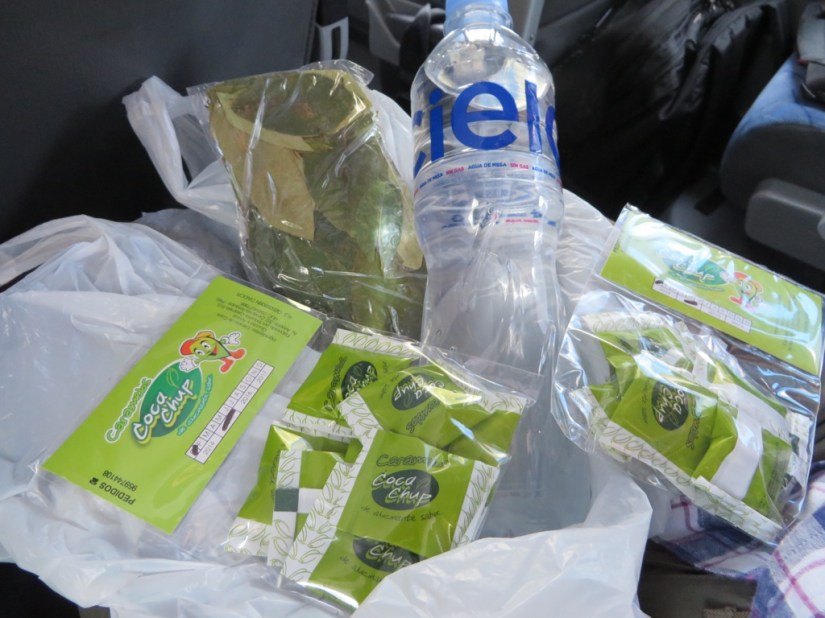
After stocking up with coca goodies, we were ready for our ascent of the Andes, passing Mount Ampato (where Juanita the ice maiden was found) on the left and Sabancaya which was smoking.

1A83BD20-D334-4F13-AC5B-F982A34767A0B8905256-D28C-4971-AAF6-82CAFB3B8DB9

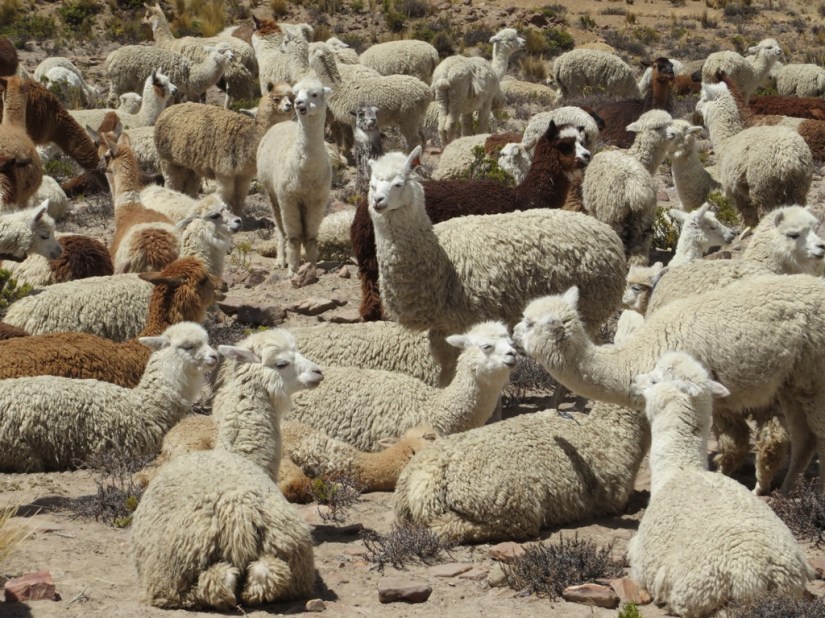
We then entered the cold and dry puna of the National Reserve of Salinas and Aguada Blanca, the home of several camelids. The first is the shy and very pretty wild vicuna.

E03CC11D-0ED2-4C51-BA31-AE1A6D02B0F1

Annually there is the Chaccu festival where a human chain of 1000 people surround and corral some 300 vicunas for shearing. About 1/4 kilo of fibre is obtained from each animal which is tagged so it is only sheared every 2 years. Since this custom was resumed a few years ago, the community, who profit from the fibre, has more responsibility for the animals and poaching has reduced. A scarf retails for $500 due to its extreme softness. Afterwards they have a big celebration with much singing, dancing and chicha beer! Talking of drinks, we stopped for our first mate de coca or coca tea, flavoured also with thyme and very good.

B65AB5AA-BFB3-4CFD-B3AD-6D15BDC44CD0

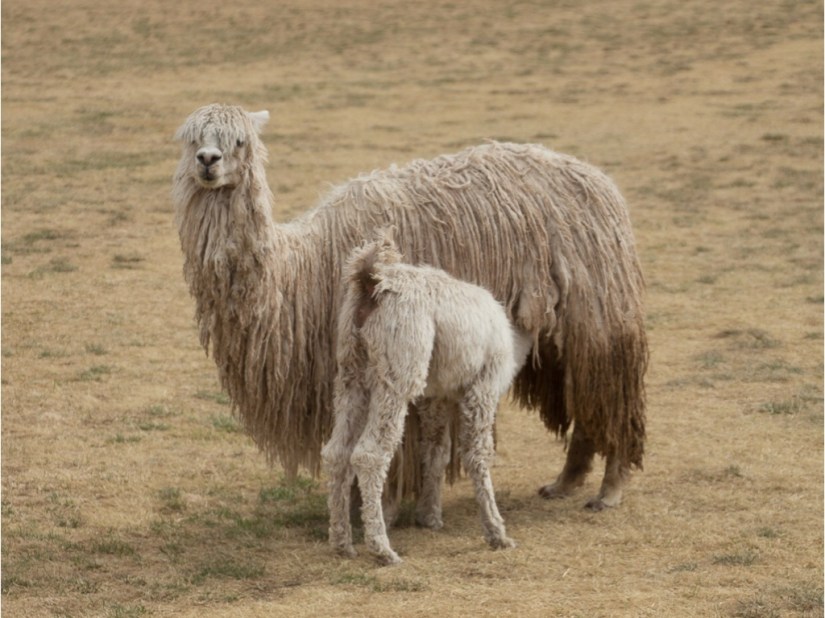
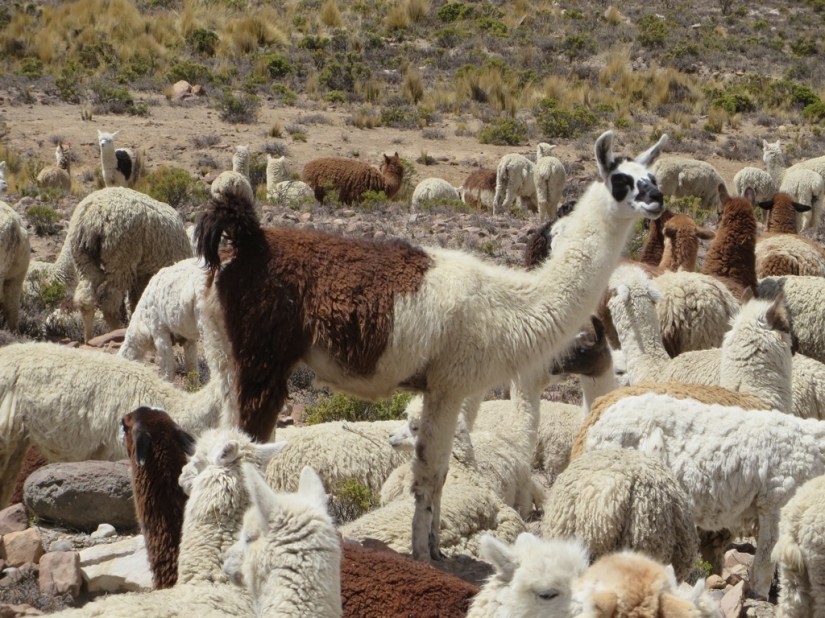
Next we saw alpacas (only one colour, short legs, short neck and tail down) which are bred for meat and wool for clothing …

29952DAB-FEAD-41A5-A407-A6E1AB532C7F

… and the taller llamas (more than one colour, long legs, long neck, tail up) bred for carrying packs up to 40kg and wool for blankets.

182BAB84-AD89-4E60-A870-E907806F8C5B

The meat of the llama is no good as they eat a certain bush that makes it taste nasty, while alpacas eat grass and the meat of young animals is good. They all looked very cute … but that didn’t stop me trying alpaca steak for dinner, and very nice it was!

We were climbing higher and were about to reach the highest point of our journey, crossing Patapampa Pass as 4010m.

71071A3E-2E5E-465A-BF5A-589AA49DE0DD2AB26D4B-BF60-4823-AAAE-B84E411E7D7F

So far we had been feeling fine, we had been drinking mate de coca and sucking coca sweets which help to increase the absorption of oxygen into the blood, which in turn helps to reduce the affects of altitude, which can kick in from 2500m, especially if you exert yourself. And yes, it is the same leaf that is used to make cocaine, but rest assured, we won’t get hooked … 500g of leaves would be needed to make just 1 gram of cocaine, and each cuppa contains 3 or 4 leaves! Having said that, best not slip any in the luggage home just in case!

Having said all that, we both felt distinctly queasy in the time it took at the pass to take a few photos …

AA83AC71-C874-40F6-8F7E-563899BA9474

… and build our small apacheta which I dedicated to Mismi in the background, the source of the Amazon, and say a prayer before returning to the bus.

775C3F96-323C-456E-9053-69475B1F25DCABC28564-9335-42CA-9061-3018DFC1121B

We then descended a winding road to the Colca Valley below.

1DA9F9A5-E12A-46D1-AA73-F444D86ACFBDB967A28C-D257-434E-86D5-F1C7C4305379F974FF11-54F8-423A-9CC6-5D6B9B8C5989

We stopped to admire the view then arrived at our B&B in Yanque, which also has great views. We had a chat and a giggle with Rose and Barbara, two friends from Boston who were sharing the Colca tour and the B&B, and had travelled all over the world together.

3E7B8857-BC69-4584-A855-A609032C6AA8

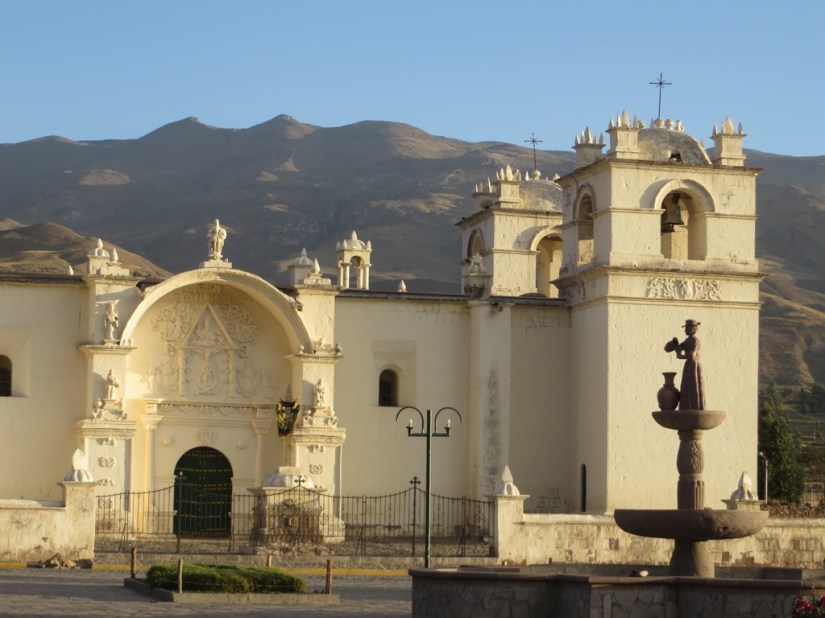
After the early start we were glad of some downtime, checked out the hammocks and later went for a walk round the town where we saw a woman winnowing her quinoa, the church and some splendid cacti!

1C77B761-F70D-48AF-BC7C-0D530CC3EBBE36A25AF1-3EEE-4C64-B432-4FC23226110F87E80866-2E2D-4764-BB62-719B8E1B05341B8EEB93-BFA6-4992-AAF2-4AF0FF83DD0685C4ED67-F764-4D0E-A528-2C3DA7F11FB3

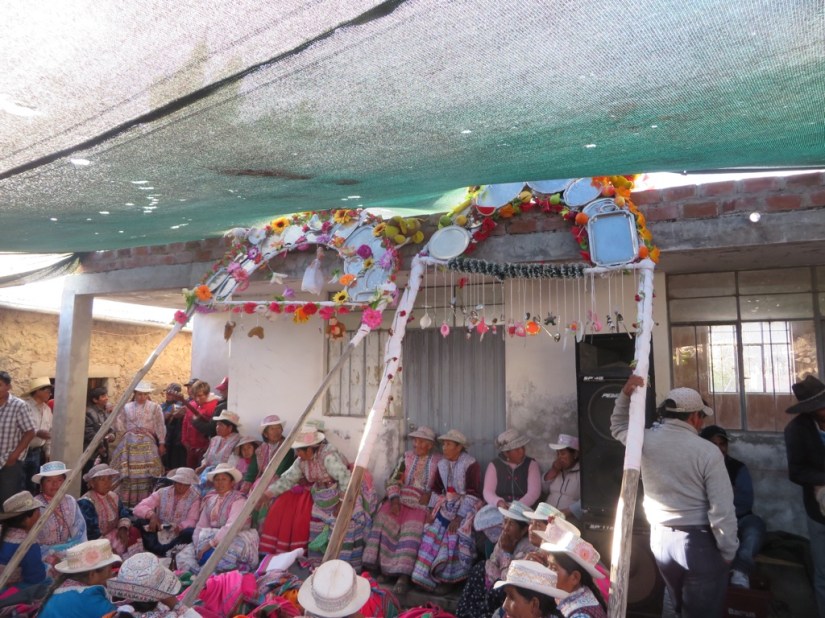
We were drawn by loud music, and guess what, ended up inviting ourselves to another party, this time a wedding, where many of the women were in traditional costumes. We tried the chicha beer, which we didn’t like, but everyone else did! Chris gave some money to the happy couple and danced with the bride, and joined a circle dance!

A490D574-1711-4B74-A2C9-2880030BF28B925E1F6D-75C5-49AD-A848-89AFBE04E7F71E1F1E72-EE26-4609-BBAB-585E2BCC34035AA28510-C83E-432E-858D-75B83D171A55

We had an early start in the morning to see the condors rising on the currents in the canyon from their nests as the go looking for food. They were amazingly graceful as they soared backwards and forwards, ever higher, till they flew away.

1F177F20-8565-43DB-8BC7-CEE80FB4F0E052B68351-058D-476A-9E0C-BED3E09722F8

On the way back we walked along the edge of the canyon which is 1km from cliff top to river bottom, admiring the flowers and the view.

0FDBFD30-F233-49E1-B817-F7816A3F97F39D28F1DF-0EA3-4CAD-A285-973E36AE7896312AC2F6-B7FF-4344-AE9E-BC8A22F44017C0EAA9D0-1FC5-41C0-95B9-D2EECE774046

And also admired the impressive ancient terracing on either side of the Colca valley.

FC5893A0-BB73-48E1-9ACD-FD8CA1ADEC6027D32B6C-6742-4CE0-BC76-1FDDB28BF64C1BFE9662-173B-43CE-ABF9-D3ACCAF741DBB2E91816-38CB-4541-8BB2-3F362D1C8451

One little story Victor our guide told us as we returned from our trip was that two distinct ethnic groups live in the canyon, the Aymara speaking Collaguas in the highlands and the Quechua speaking Cabanas in the valley. Each in pre-inca times used different techniques to deform the heads of their children so they resembled the apu or mountain god they prayed to … elongated heads of the Collaguas and flattened heads of the Cabanos. When the Spanish arrived, they killed those involved so the people decided to stop to prevent further death, and since then it is the shape of the women’s hats that show the difference, with the Collaguas wearing rounded hats and the Cabanas flat boaters. Both tribes have always been friends as can be seen at the wedding with both hat shapes present.

DF98C4A1-01B8-4933-82C6-82BB93488F58

Another interesting fact was the fruit from a local cactus is very good for liver problems and hangovers … maybe this is how they can party for 3 days at a time … and we tried some made into sorbet, which was like a sour kiwi, even looking like it, bright green with tiny black seeds.

29624500-2F12-4D96-A4A6-5DF6DD3C21AA

We spent a quiet afternoon as Chris isn’t his usual self, not helped by the energetic dancing, being kept awake by the music, our early start and the altitude which have conspired to give him a headache. Hopefully he will feel better tomorrow as we depart for Puno.


Arequipa … Monastery & Churches

82F61286-B949-442E-AF0E-8A8152064B91The coach followed the coast south through the night, then turned inland and started climbing till we reached Arequipa at 2335m, with the volcano El Misti standing behind. Arequipa was a stronghold of colonial Spain and one of the few major settlements of Peru that wasn’t first founded by the Inca people. It then became wealthy again in the 19C from the wool trade with England and today is a mining centre. It still has fine colonial building made from white volcanic sillar rock cut locally and often flecked with black ash which give the city its striking appearance.

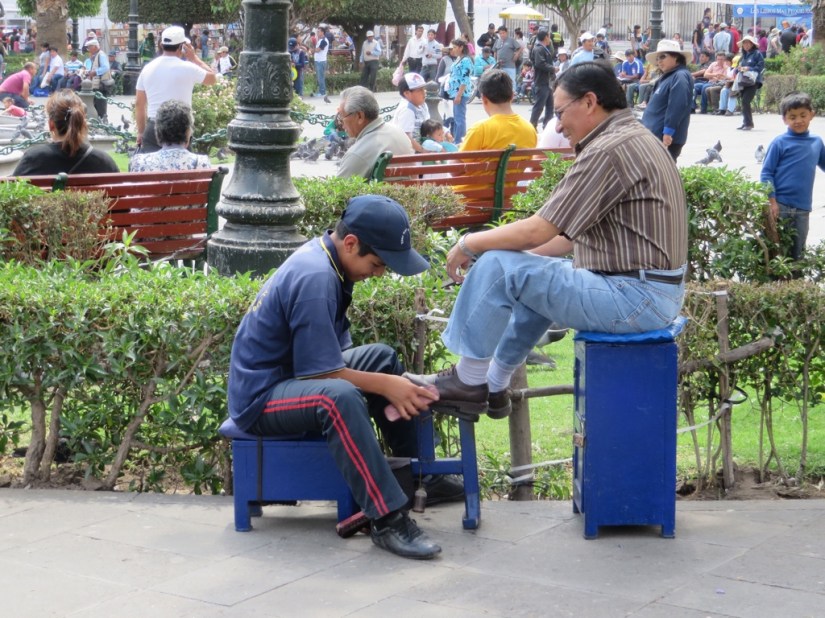
The Plaza de Armas is dominated by the cathedral, with arcades running round the rest of the square with balconies above and a lovely park in the centre busy with everyday life including show shining …

5B34E93C-E297-428E-A8D5-D31B6F35CD3C

… portrait drawing …

7D544393-D7A2-4262-9E1D-19F084BDC5FA

… letter typing …

71F1CF48-D195-4829-97FC-9344460C9817

… bird feeding …

C407FF24-9DAB-4C24-B0F0-22975DE3DE19

… and ice cream selling.

74EC5B61-CA94-4CF4-8147-92858988FD8E

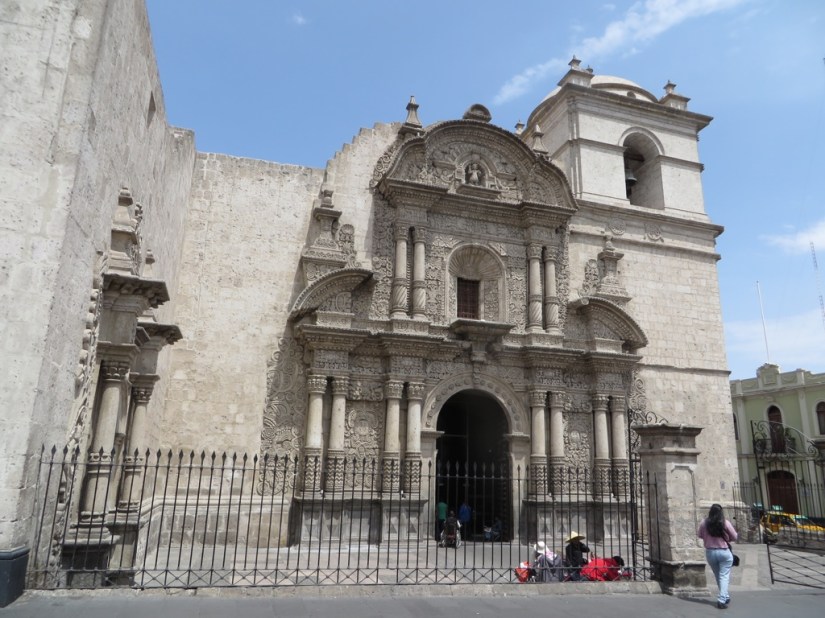
There are several churches with fabulous carved doorways and cloisters in a local Baroque meets mestizo style – Iglesia San Domingo which has an Indian face and cacti included in the carving …

B68C775C-7761-47DE-B6F7-0207847A35B9CEB6987A-774A-4171-A3CE-F471C6055457

… Iglesia San Agustin

36AA34C6-5E91-4E5E-A620-09580D4BB8C5

… Iglesia Compania …

9E137F63-7F8C-46FE-B296-01B33705F98F74228FEA-D7B0-4584-9613-AF38780C47A6

D2E7F240-7BBE-494D-9E93-5C45F7A2EA53

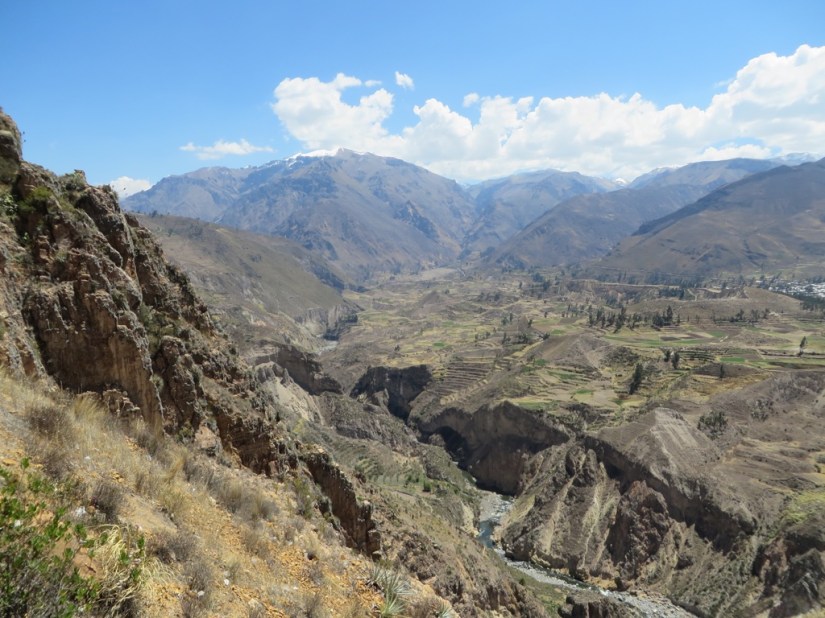
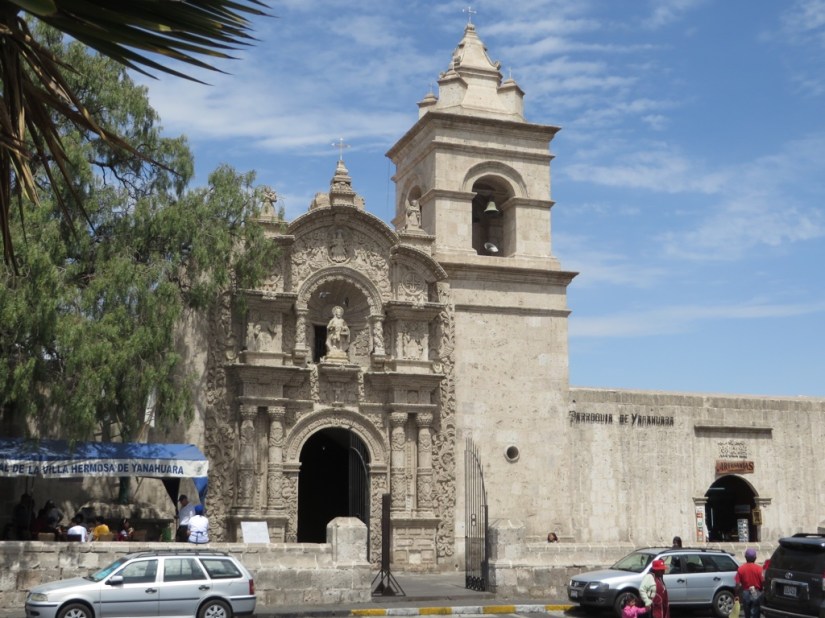
The mirador at Yanahuara is well known for its views, but El Misti, the volcano that stands behind Arequipa has been just that … misty so the photo was a bit disappointing, more so for the fact that despite being winter, there is no snowy cap. Ironically, it doesn’t rain in the winter in the mountains, so gradually the snow melts until it is replenished during the summer rains which begin in November.

CD96548D-74FC-455A-9802-BFA41191CFE4

There was another pretty church, with some lovely carvings.

38462917-0C33-49FB-B4E3-3EB5A436DB5C76A969F2-BDEE-4CD4-9375-BAE73D1A850F0F9847C2-2642-4717-B1BC-F9220BDF4872

Talking snow, in 1995 the snowcap on Mount Ampato melted due to volcanic ash from the nearby erupting volcano of Sabancaya, enabling the discovery of an Inca grave marked by a circle of stones that had previously been buried under snow. The frozen body was found to be a young teenage girl of high birth who had been sacrificed by the Inca in the late 1400s and was given the name Juanita. We saw her frozen body in the Museo Santuarios Andinos, together with various grave goods and textiles found with her … a museum Chris would have been pleased to have missed. I felt torn between thinking it interesting and appreciating all that has been learnt from her discovery, but wonder if it wouldn’t be kinder to bury her again and leave her in peace.

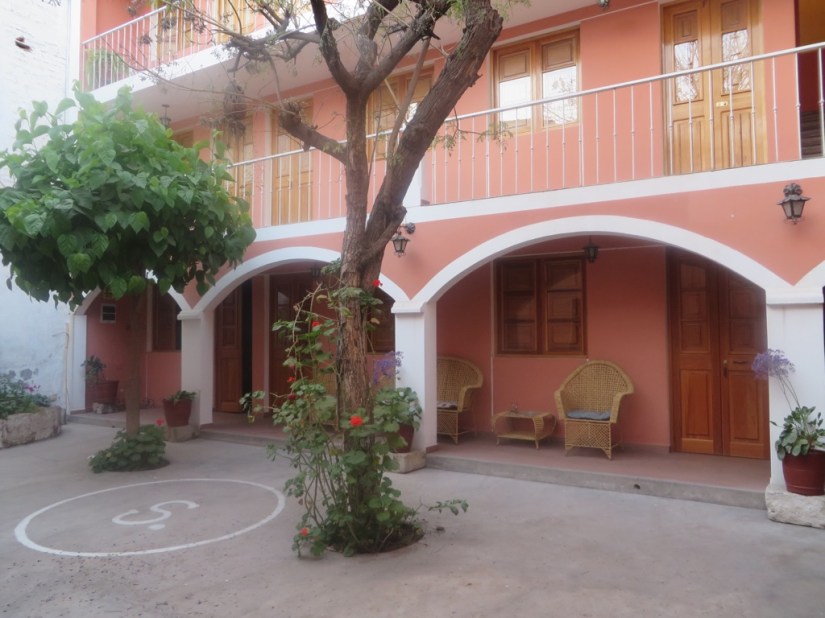
We stayed in a colonial style posada, with rooms set around two courtyards. S marks the spot to stand in case of an earthquake!

95065937-9E00-46CE-8933-8C87313F16065E22CF67-1B32-41DA-8A44-38C57909F86B

Having cooked on previous trips, we couldn’t miss the chance in Peru, so went for a class that we shared with 5 other travellers to South America. We shared the veg prep …

82AF6AE5-B496-4558-B6A9-EDAB7246FEAF

… then cooked in a couple of groups, with Chris cooking his very own veggie version.

A99AD13D-A01C-47EC-A409-CF9D6E69B7803FAE7EC6-938F-4A82-910B-D34756CEE56C

We started with a salad called soltero andino, a bit like a tomato salsa with cooked broad beans, giant corn kernels and cheese dressed with lime juice, and were encouraged to garnish with flair.

DC203E8E-A44C-4FAE-A9DE-8D1FDC4C9628

This was followed by rocoto relleno or chillis stuffed with either a diced meat filling with raisins and chilli or diced vegetables in the same sauce, topped with a slice of cheese. The accompaniment was pastel de papa, a kind of potato dauphinoise with a soufflé topping sprinkled with fennel.

9BC3E368-A866-4831-A63E-5089BF0AA0E6

Everything was all delicious, and we intend trying as close an approximation as we can manage once we get home. We also had chicha morada, a soft drink made from purple maize flavoured with spices which was lovely and lucuma ice cream which contains a bright orange local fruit and was far too sweet for me.

We also visited the Monastery of Santa Catalina, the most important religious building in Peru which was begun in 1579 and housed 200 nuns and 300 servants. It was converted to a museum in 1970 when the remaining 30 nuns moved to a new building within the complex following earthquake damage.

5CEA3484-4D07-416B-AE86-10C9782CF761

Sister Ana lived her life in the monastery till her death in 1686 and was beatified in 1985.

863BFDF4-1E91-4F86-B33F-18C945E9D447

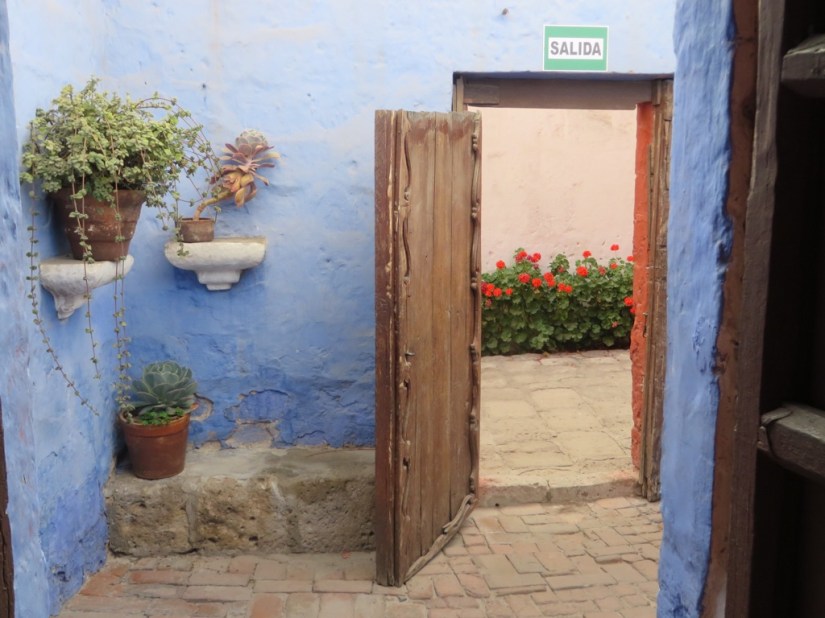
The afternoon sun really brought out the colours of the walls, and at every turn there was another geranium and another photo.

EF45EF16-CBED-4D46-A4B9-151671EC0BA2BF15B579-414A-485F-99DA-494062D10F14B5E6EC5A-942B-456A-923C-EC44D7F44DFADFD2E9C9-B00D-4A69-B829-DC6B284DE6BF8AD01276-ABD8-4314-A37B-BCC35ABD01DD7F1C4728-9426-4FFF-A534-EBE5B27AF289DABA03DB-E3F9-4DCF-A908-6CB9B58BF2F306BDE8EB-6433-48A8-A7DA-5331842C3BDF

One our last night we followed the sound of fireworks and music and found ourselves at a celebration outside a church with a band playing Andean music with panpipes, competing with a brass combo in the courtyard which seemed to start up whenever there was a gap! We were made welcome and plied with pisco punch and sweet biscuits as we listened to the music … not the first time we’ve gate crashed a party on our travels! We had a lovely dinner on a balcony overlooking the main square of roast pork and elderberry sauce for me and a potato, tomato and chilli salad for Chris, while watching the world go by.

65AB572C-0630-444F-AA0C-DE81E02BB97D5A8E3CA1-0510-4648-9FDA-7C9189A9810C

Early start in the morning, on a minibus over the Andes.


Nasca … The Hummingbird & The Spider

889CB15D-898A-4617-A5F0-6E214730F1D2We drove through desert that got rougher and rockier as we reached the foothills of the Andes, including areas where the road had been blasted through the rock. The views were stark but amazing. We arrived in the afternoon, and only had to walk over the road to our hotel. We took a turn round the town, and sat in the square, watching people taking their afternoon walk.

22AF0C1B-5567-4EE4-8EFE-7BD76103D6AB

The upcoming elections are nationwide for regional presidents and mayors, and each of the candidates had a van driving round town playing loud music and advertising their cause.

BA7E0FF3-7591-4FA2-8DA0-A32BCD587FF9

Up early, having taken travel sickness tablets as recommended, just in case, and a very small breakfast, we went on a flight to see the Nasca Lines, drawings of animals, geometric figures and birds ranging up to 300m in length, scratched onto the arid crust of the desert and preserved for some 2000 years owing to a complete lack of rain. They were made by the Nasca Culture between 400 and 650 AD by removing surface stones and piling them onto the paler soil revealed below. The flight was a bit erratic, with the plane turning to ensure all 5 passengers saw all the formations, which were harder to spot than we had expected, but we saw them all even though we only managed a couple of photos.

9DBA58B9-23E0-437E-96CD-9EDFC1ADF38F6FE42F9B-C67B-450A-AC01-048A3156E03B

Theories abound as to their purpose but nobody knows for sure. The geometric ones could indicate the flow of water or be connected to rituals to summon water. The spiders, birds, and plants could be fertility symbols. Other possible explanations include irrigation schemes or giant astronomical calendars.
So here are Hummingbird …

889CB15D-898A-4617-A5F0-6E214730F1D2

… Spider …

AA67F796-E5A8-4FDE-9B0F-B840CBA36611

…The Tree and Hands by viewing tower …

1808DB7F-3432-4FD9-BAC7-68B161BC9136

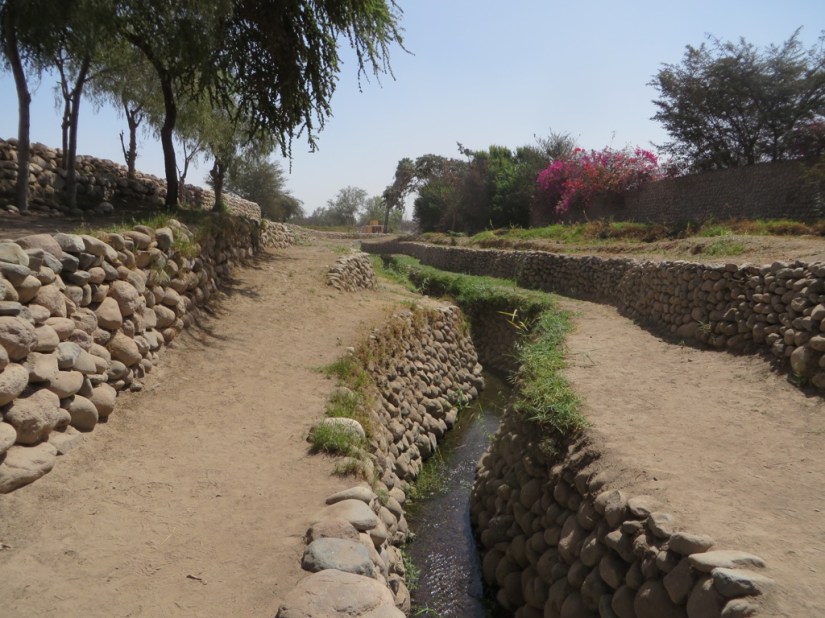
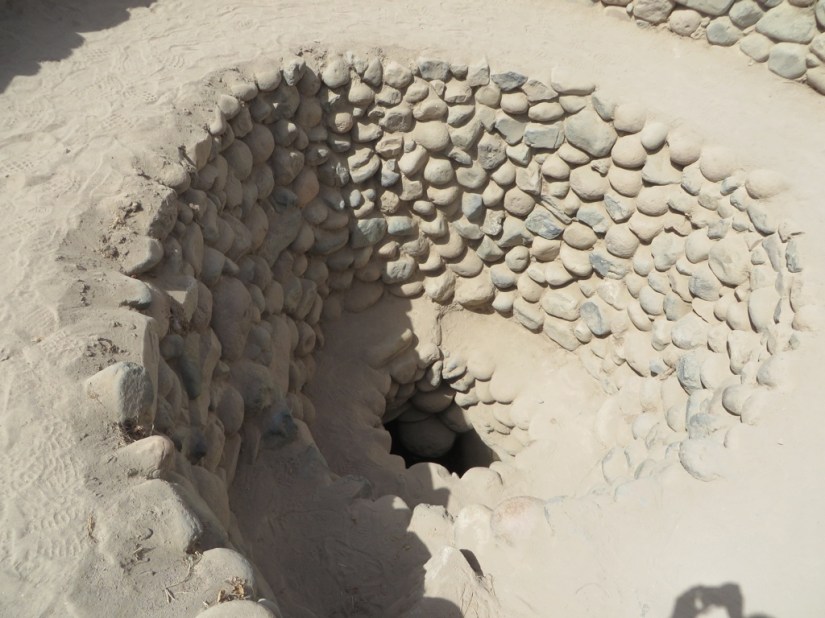
… and Astronaut.FD8D43C1-0E95-4D85-BD88-613B83C58D00Nasca in Quechua means “place tormented by droughts”. Although there are rivers, they only flow with water from the mountains in the rainy season. However the Nasca worked out that the water table is closer to the surface in the valleys and were able to construct aqueducts to take advantage of this so they could access water year round. We visited one of the aqueducts at Cantelloc, which runs underground to prevent evaporation, then towards the end runs on the surface with the sides lined with boulders, and then into a reservoir, which can be opened to irrigate the land.
BAEF4D3B-9D72-49B9-996F-8A88EA7BEEF8

Along the length are viewing windows, with a spiral path to enable access to maintain and clean the channels, and are still used by the local farmers.

52D422D5-505A-4251-88FB-344ABD2A1C2BEE0DF70D-8FAA-4E05-8683-9820E1BFA01C

We then stopped at Las Agujas or the Needles, where it is possible to see a Nasca formed trapezoid shape on the ground at close quarters. It lines up with the underground Cantelloc aqueduct, so there is some evidence for the water theory for at least some of the Nasca lines.

8341B7D4-5C62-4828-A405-0B4B652E3219

We also visited the Chauchilla Cemetery from the time of the Nasca Culture. Many tombs have been robbed over the years, but there are several excavated graves here where mummies from other graves have been placed to show how they were buried, in a foetal position, dressed and wrapped in beautifully woven mantles then cloth into a funerary bundle.

32391CE1-713D-4239-83F5-E9FE0939F0C75523466D-9631-4191-92B5-8DEDF35D4190

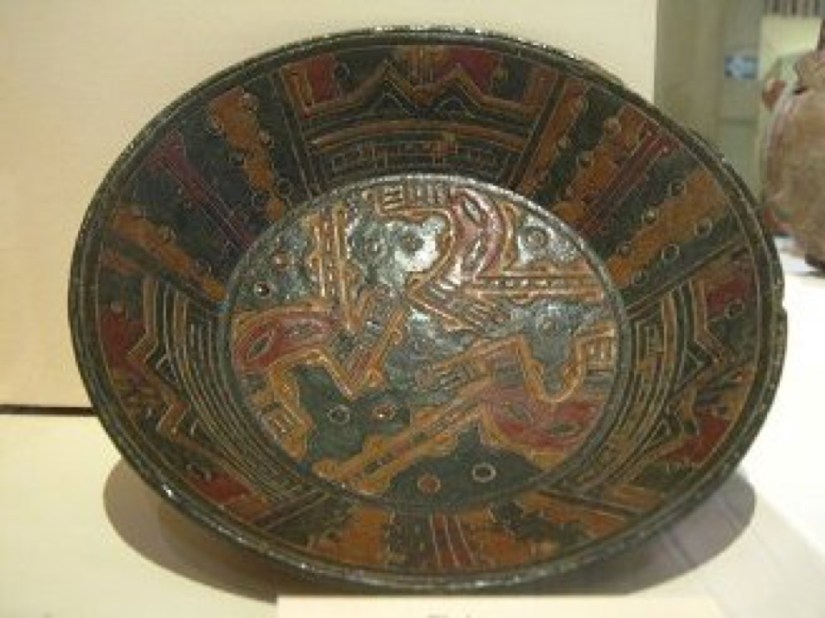
They were surrounded by pottery and other everyday items for use in the afterlife, like this double spouted drinking vessel and vase we saw in Museo Larco in Lima.

3DE605EE-1267-4D0E-BE1A-E102915ADE85

On the way back, the visibility improved a little and we took a picture of the Cerro Blanco sand dune, the tallest in the world at 2070m, and popular destination for extreme sand boarders.

986A61E4-9B1F-460D-9878-BD79193CA122

We stopped at Caxamarca, the Inca administrative centre for the region and home of the Inca representative. Part of the stone walls have been excavated and some of the adobe work reconstructed, showing a long corridor and part of a circular tower. There would also have been a palace, and steps to a temple of the sun. It is sad that a road has been built right through the middle of the site, just as at Huaca Pucllana in Lima … economics speaking louder that conservation.

EA7FDB31-7C95-46BF-85D5-30DBD4A8E32B0A1848A0-2D16-4ED6-9124-F2C50C52A021

Chatting to our guide on the way back, he explained about the huts we saw from the plane in the morning, saying they were occupied by squatters, who erect a hut on unclaimed desert, then after a couple of years they can claim the land and sell it on, all the while living in a cosy home on Main Street.

B818A99A-9C73-4D81-A248-0EC35CD6AC83

Apparently this is a common practise throughout South America. While talking about buildings, many consist of one storey with the floor for the storey above providing the roof and the steel reinforcing rods sticking up like aerials.

5AB8F223-81CC-4C0A-9F28-DDADCE5E6558

This is because they only pay tax on what is finished, and houses get added to over a period of years. Then there are the earthquakes, with the tectonic plates moving 2.5cm a year, there are regular tremors, with occasion large earthquakes like in Pisco in 2007 and Nasca in 1996, and reconstruction takes time. Add to that the desert dust and the fact it rarely rains in the parts of Peru we have seen so far, and you will understand when I say large areas are very much like building sites!

We drove back and chilled in the hotel until our final Cruz del Sur coach, this time 9hrs to Arequipa departing at 10pm, sweet dreams!

Ica … Lagoon & Dunes

9C2686EB-A200-44D0-9976-93B6EA512A1AWe got a taxi to our hotel on the outskirts of Ica in Huacachina, but it was dark, so we didn’t fully appreciate the size and majesty of the sand dunes till the morning. If you were asked to picture a erfect oasis in your mind, Huacachina wouldn’t be far off! The story goes that a princess stripped off her clothes to bathe and when she saw a male hunter watching her through her mirror, she dropped it and it became the lagoon. In the 1940’s it became a smart resort, but later the subterranean water source became more erratic. Now it is supplemented with water from artesian wells, and still retains its 1940’s charm and size.

B5FFF26C-E272-4356-8B7A-CEC30CCF6EA3A66E0702-E005-4375-B7FA-01FB12AA81C2

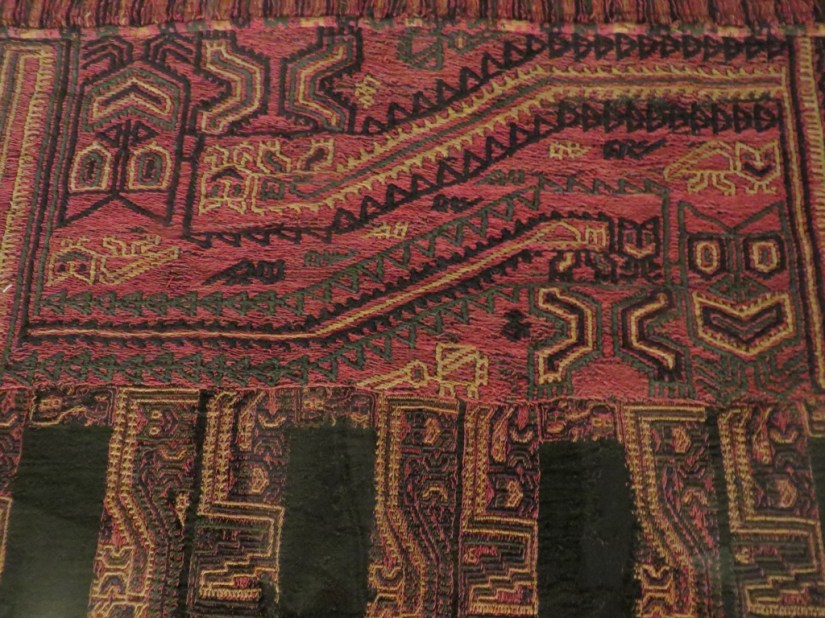
We took a taxi to Ica and looked round the museum with its slightly gory displays of mummies which had been found buried in the sand and been preserved due to the dry climate. There were also elongated skulls from the Paracas and pre-Inca cultures which suggest ritual deformation and others skulls also showing trepanning, a kind of early brain surgery to relieve internal pressure. Much of the pottery and textiles have been removed from burial sites, including this Paracas mantle, with a typical motif of two opposed felines, with feet of birds and the body of a serpent. The dish also has similar motifs.

3F0A4573-4A3C-47FB-AC97-1832B8A5E2A62C2B4E33-43D7-4056-B6CE-AD05ABE92878

Afterwards we took a turn round the Plaza de Armas or main square, with a modern central memorial to their independence from the Spanish.

A6E6E22F-C805-4621-9C5C-DB0507CFCD97

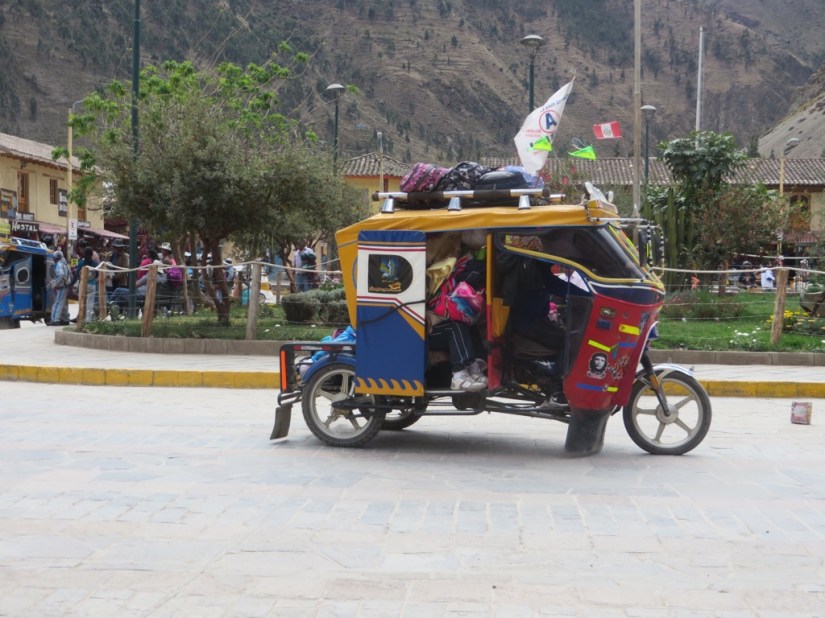
With the ochre walls and Spanish style, the square could just have easily been in Mexico! All around is the tooting of the little tico taxis, three-wheelers like tuk-tuks, and we took one away from the busy city back to the tranquility of the oasis.

260C6110-F192-4BA8-8770-D76A4C7154A3

The day had really warmed up, in fact Ica is the first town south of Lima where it can almost be guaranteed to be sunny every day, so we sat by the pool, watching the breeze lift sand from the top of the sand dune in eddies …

008B9FD4-5F25-47BD-A259-8AF8FB26A9DF

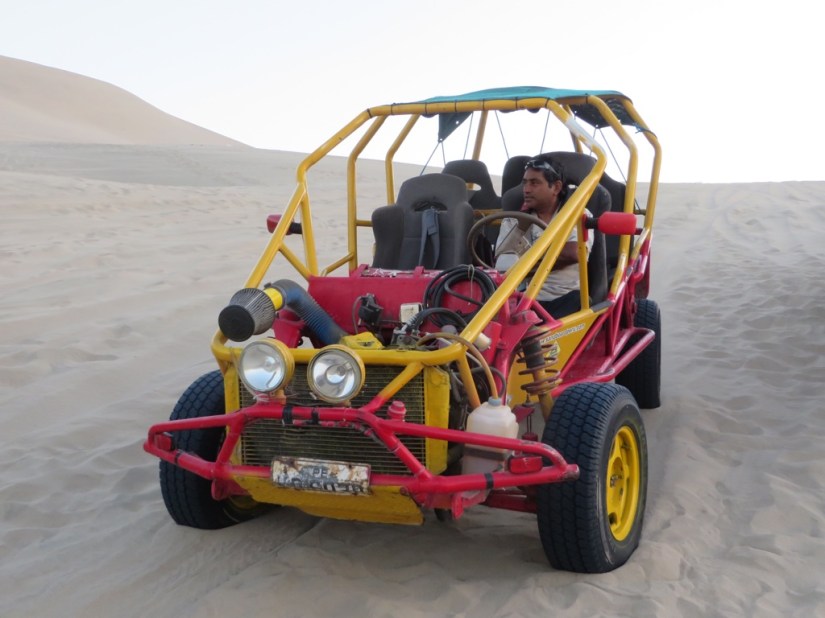
The tranquility was broken by the revving of dune buggies, ready for the afternoon run. We weren’t sure if this was quite for us, and opted to take a little buggy on our own rather than a shared one with a lot of over excited teenagers who are here for the thrill.

D9AD6B46-8F25-4E7F-B201-5E89429C96FD

The engine was very noisy as the buggy climbed the dunes at the back of the lagoon and we stopped to take pictures.

706D4166-9915-476E-A132-1B8477A9D7A3

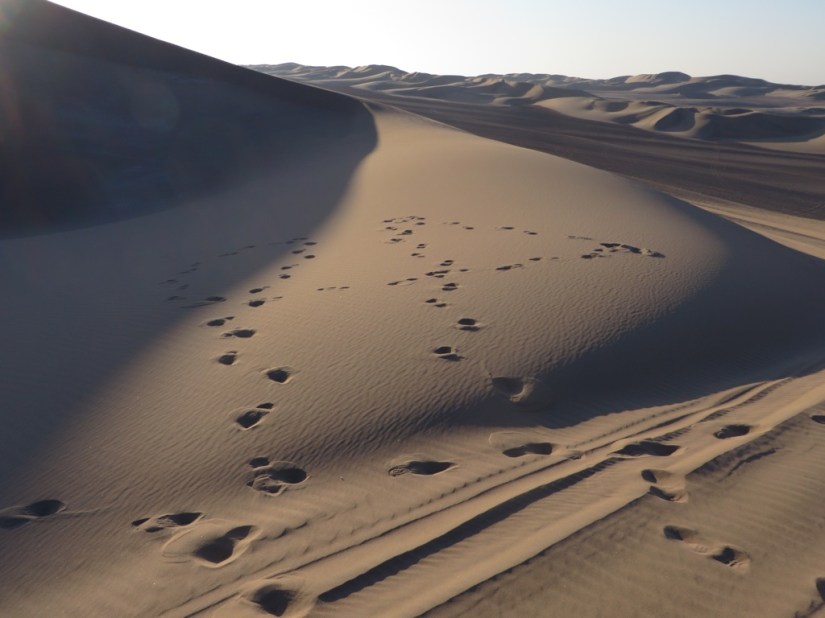
The temptation is to run round in the virgin sand leaving footprints, just like in snow … so I did! We set off again, and it was very exciting driving down the dunes, like a roller coaster.

34613BD4-1405-42EB-A44E-215F2064A1DA

We stopped at the top of a dune and the driver got the sandboards out and showed us what to do. We went down on our tummies, and it starts slowly, but gets really fast! The buggy collects you at the bottom, then we went up for another go, and Chris was surprised when I managed to go a foot further than him, so I get to be Sandboard Champ!

006075A0-0A67-430B-B426-C7EF4FB76EA119D8285F-0B39-479C-8740-368A98166344

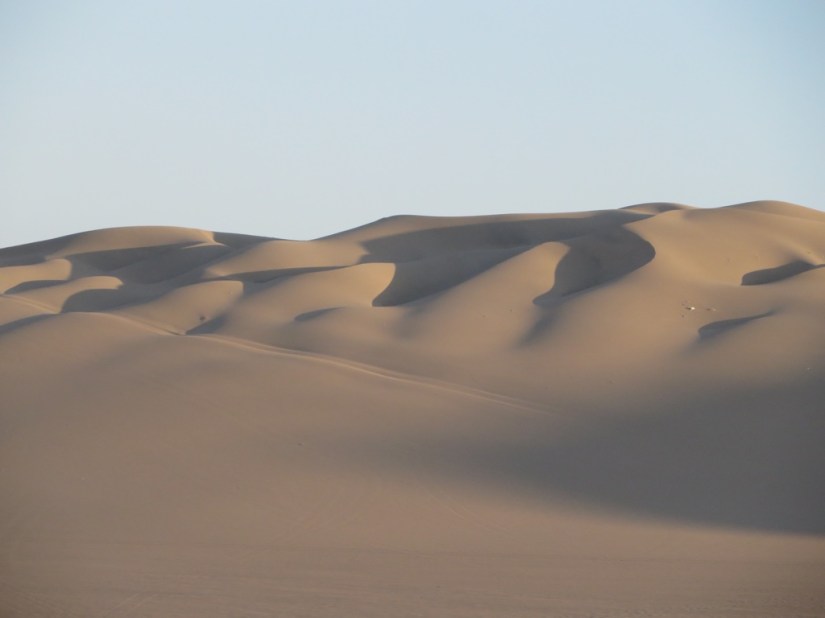
The views across the dunes were quite stunning like an endless sea of sand and shadow as far as the eye could see, darkening as the sun set.

95A4DEBD-7AB1-456A-ABBC-A2A94D61051F

Next day, with just a few hours left, we went to Tacoma Bodega, the oldest vineyard in South America, beginning as an Augustine Monastery in 1540 and then owned privately since 1889 by the same family. Tacoma is a Quechua word meaning “black duck that walks from side to side”.

DAA22514-2DD0-4F99-B2C0-273B79DD8231

The vineyard is still irrigated by the Achirana Canal, which was built by the Inca Pachacutec as a gift to the daughter of a local chieftain. It took 40,000 men 10 days, and brings water 4000m from the Andes to transform the desert to a fertile valley. Clearly a romantic, Pachacutec named it Achirana or “that which flows cleanly towards that which is beautiful”. We were shown round and had a tasting, and came away with a bottle of Gran Tinto.

A681EC55-B05D-4135-B09B-5018294964AE

Back on the Cruz del Sur coach for another short hop, this time to Nasca.