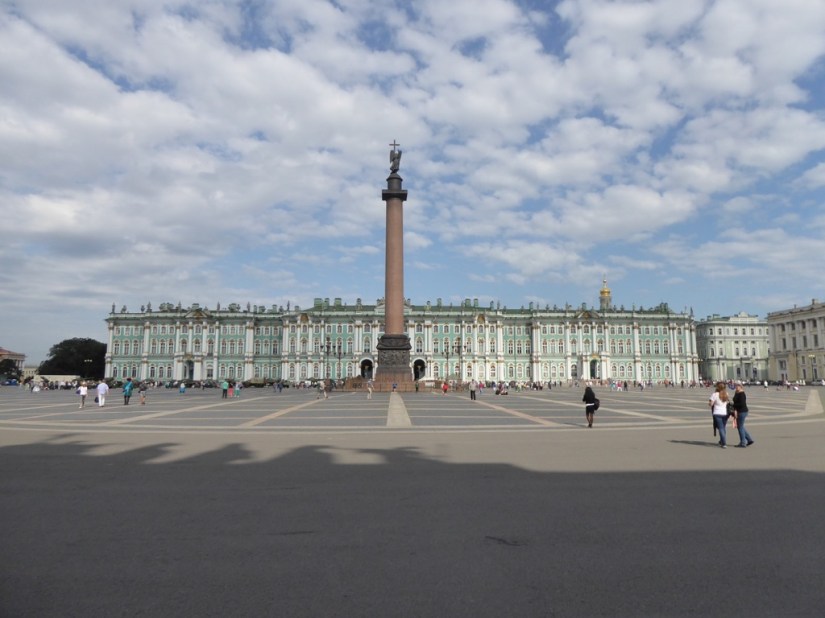
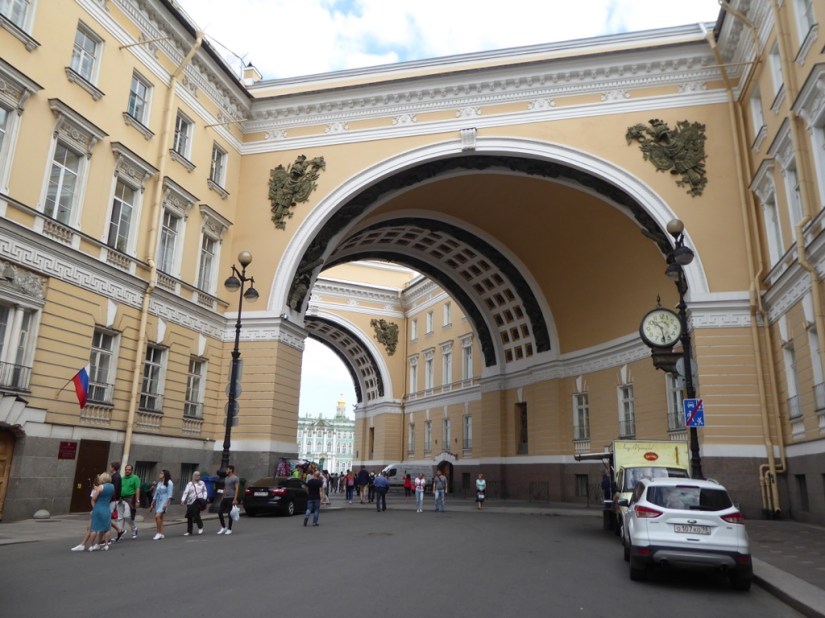
We entered the immense Palace Square through the triumphal arch and the Winter Palace was before us, begun by Rastrelli for Empress Anna then added to first by Empress Elizabeth and then Catherine the Great until it was a palace fit to be the official residence of the imperial family.
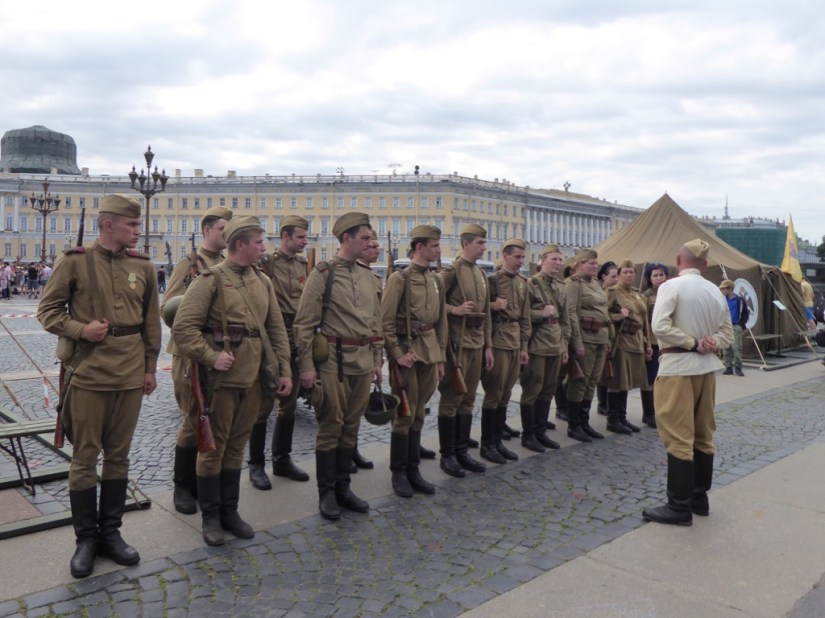
The troops were on parade 1945 style …

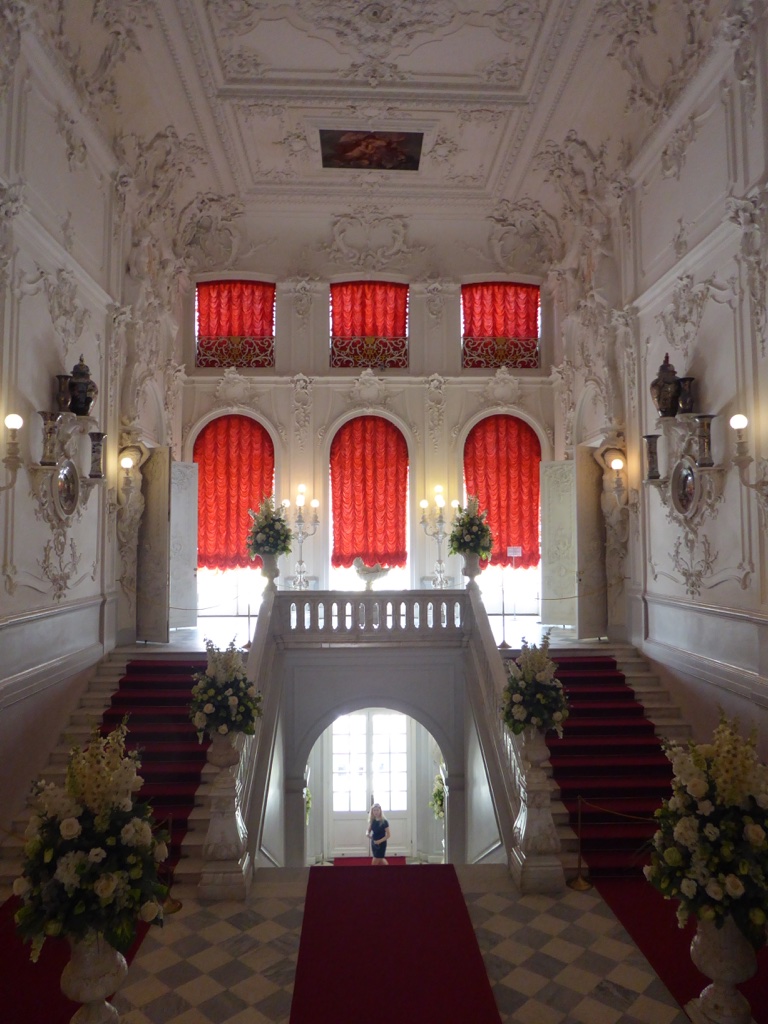
We collected our pre-booked tickets, luckily missing the huge queue again and headed inside up the Jordan Staircase, so called as the imperial family used it to descend to the Neva on the 6th January annually to celebrate Christ’s baptisim in the River Jordan. Talk about stunning …!

Next came the Imperial Apartments …

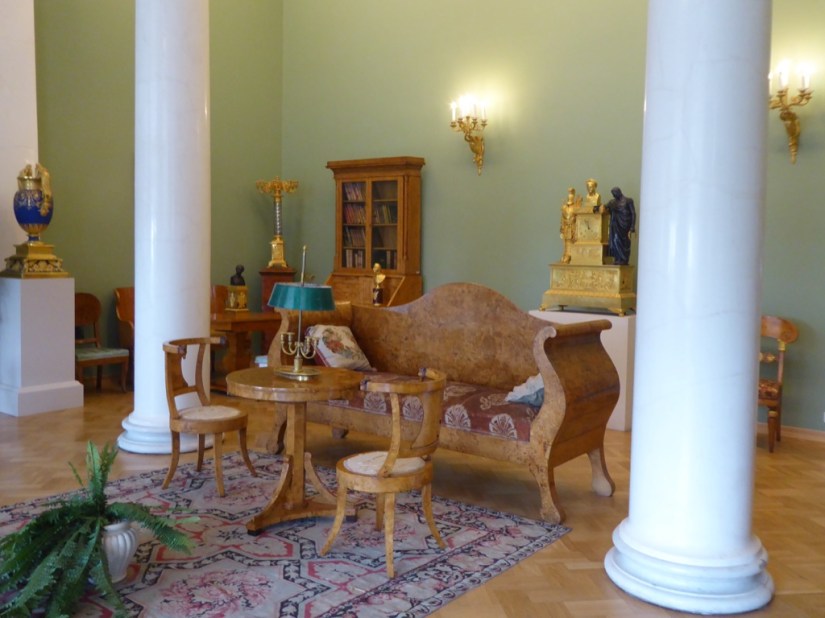
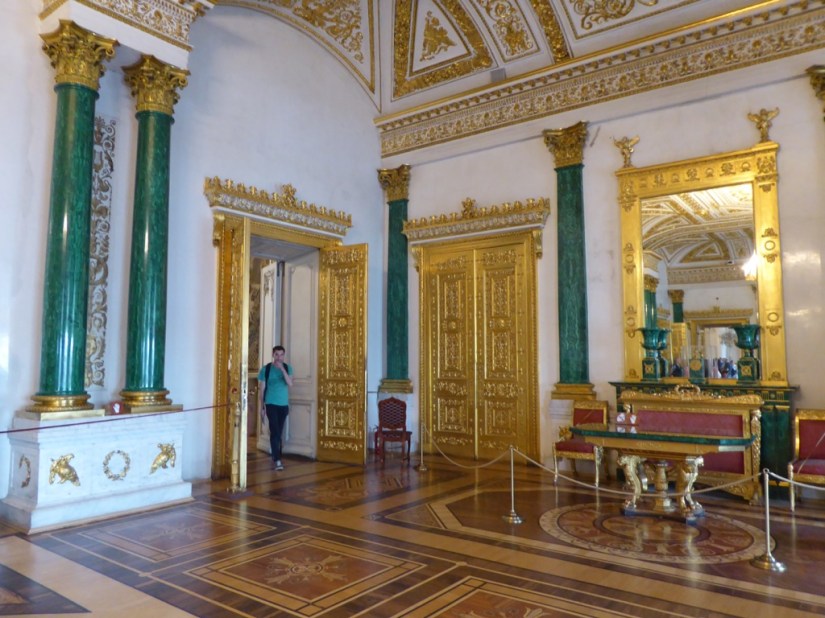
… including the splendid Malachite Hall …
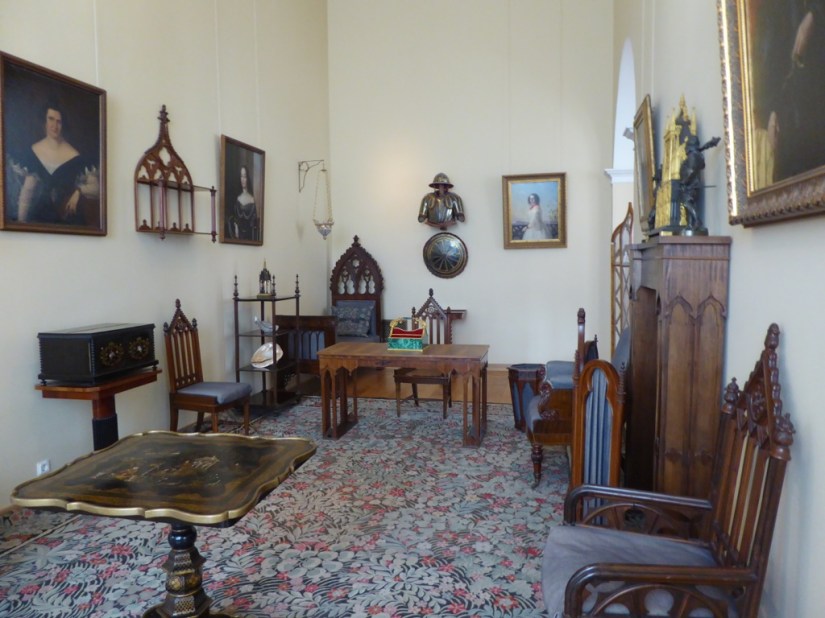
… Gothic Library …

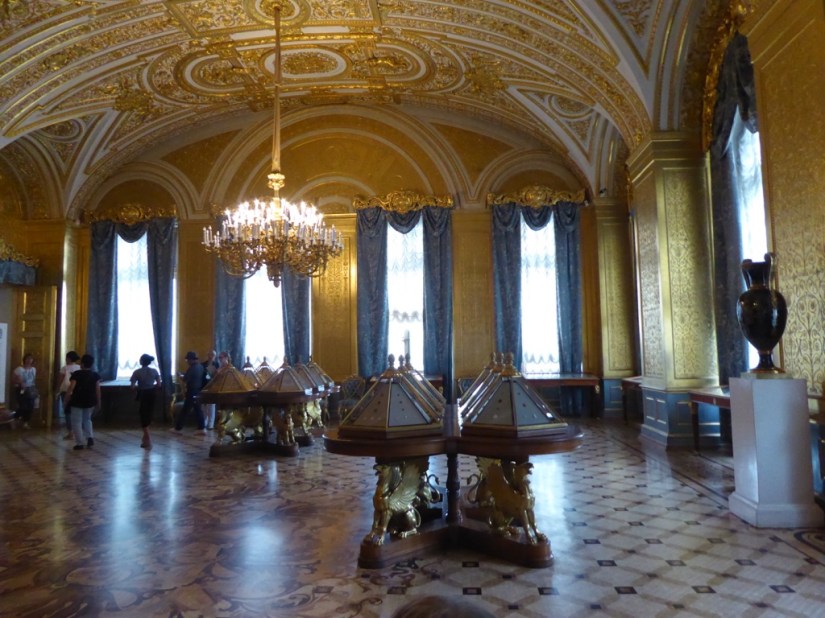
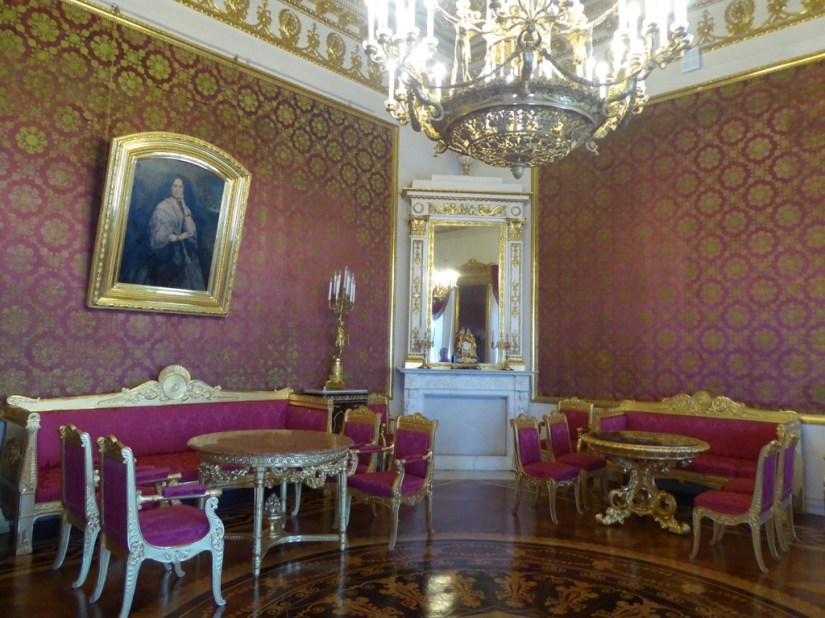
… and Golden Drawing Room
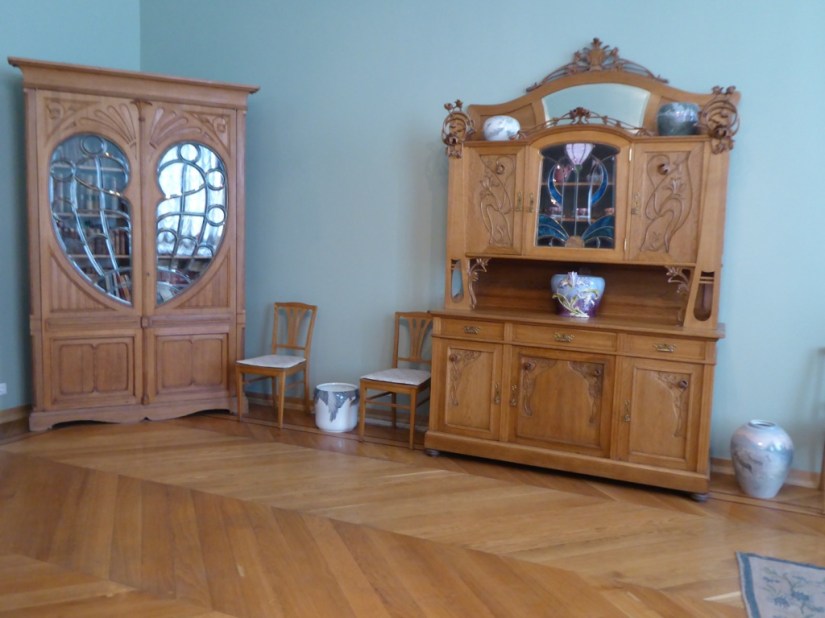
… the Boudoir

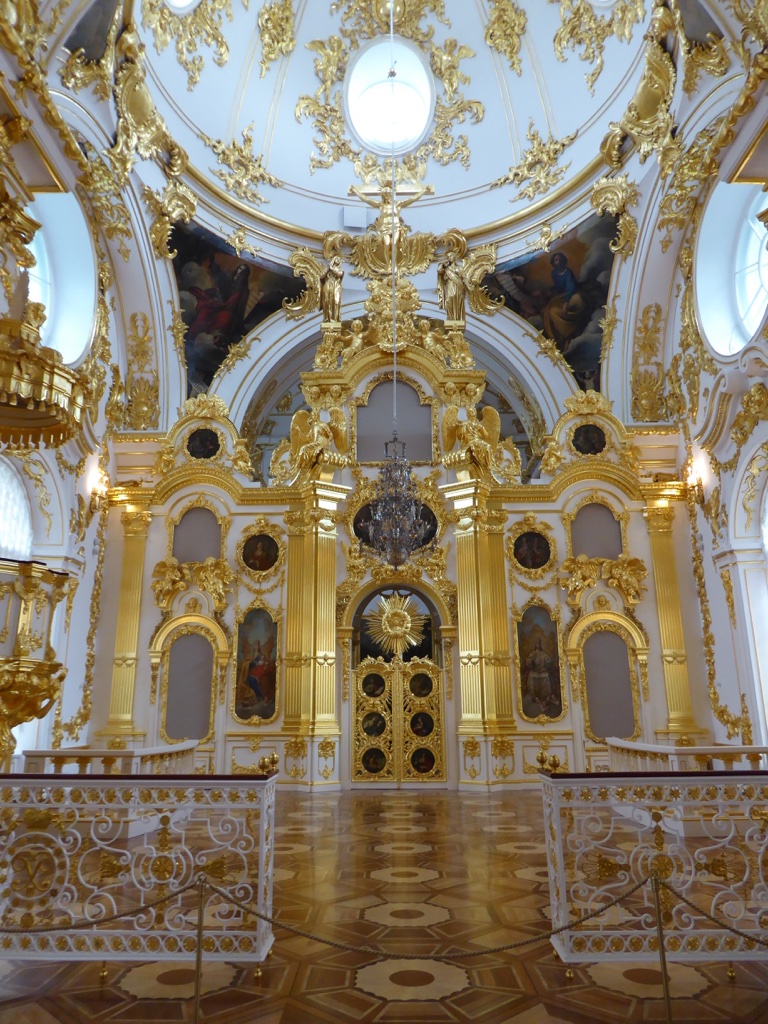
Then the state rooms including the Great Church …
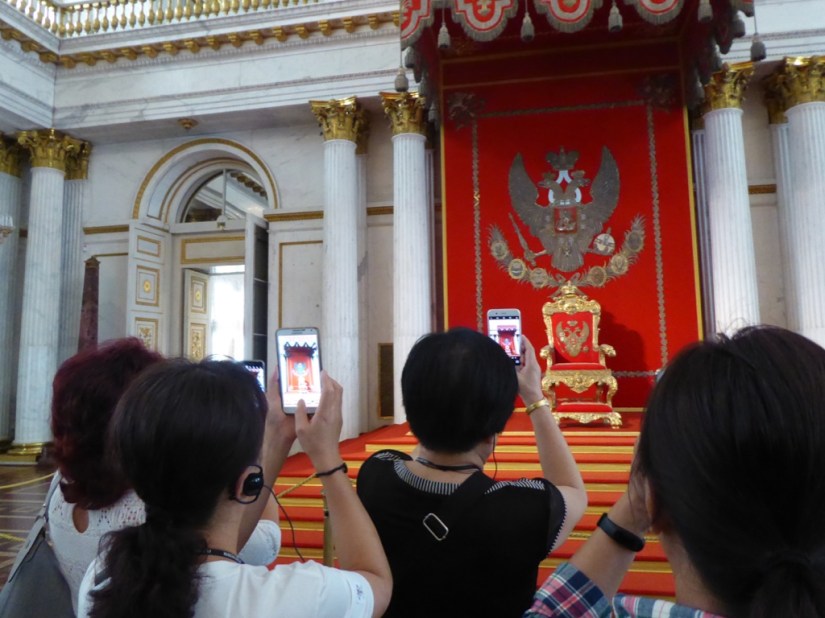
… St George’s Hall with a red throne …
… and the amazing Pavilion Hall with its moorish confection of gilt and glass as well as a huge mosaic on the floor and hanging garden outside.


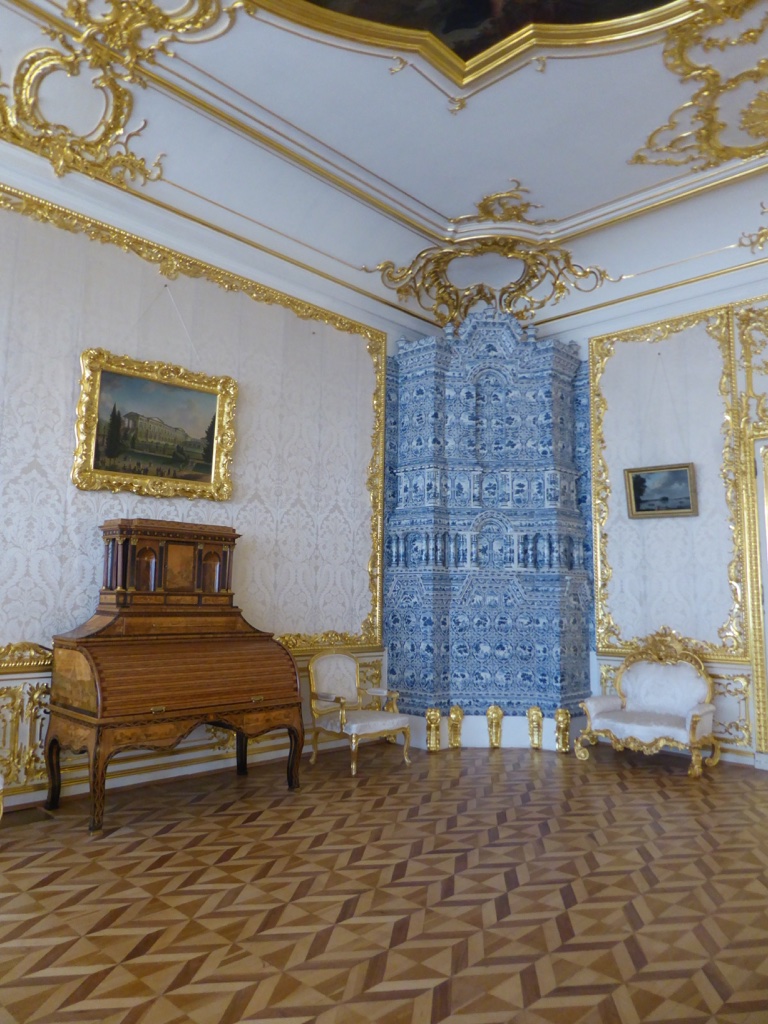
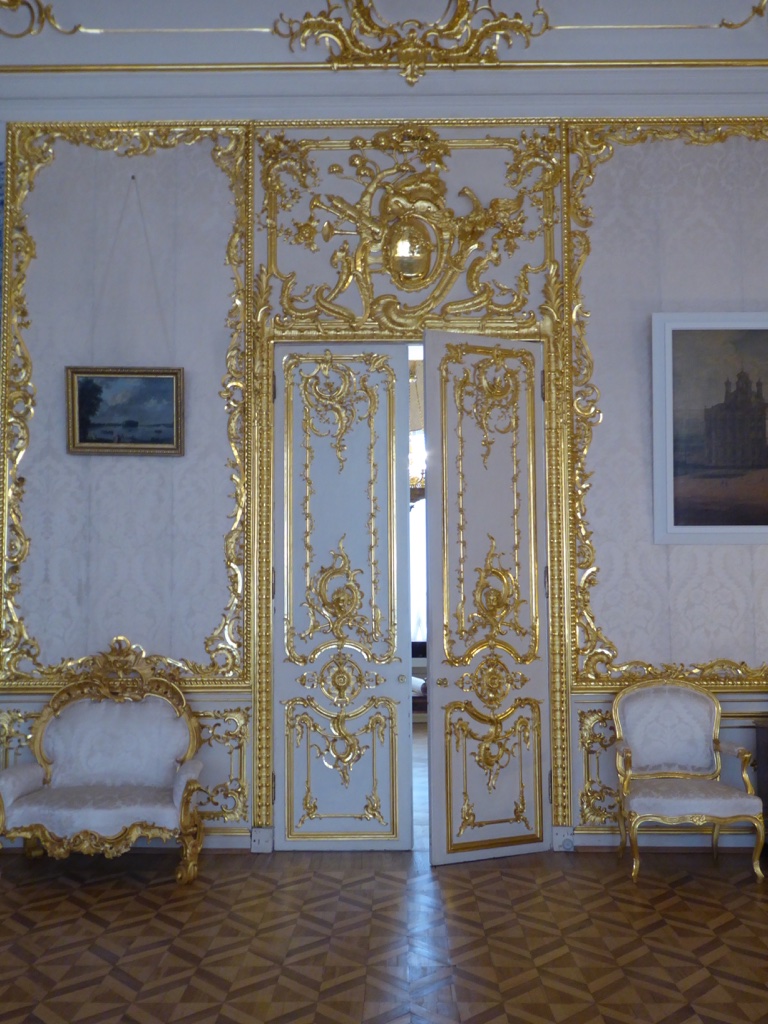
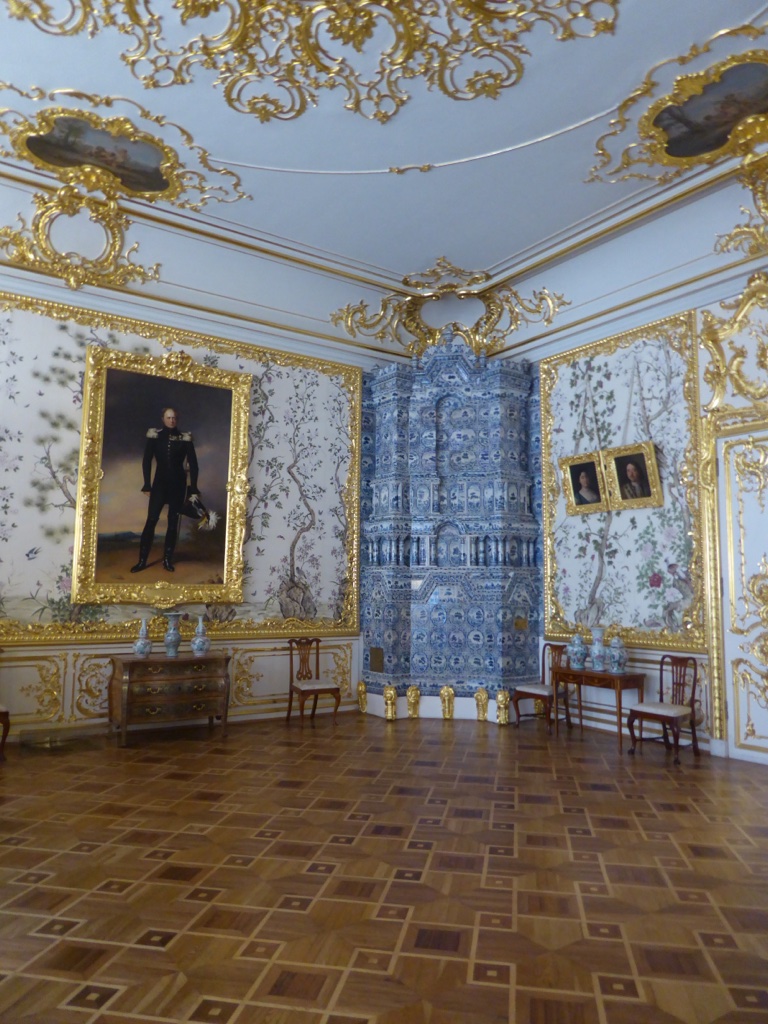
 Must also mention with everything else there was to see, the fabulous array of parquet flooring in every room, with every pattern imaginable …


and also the babushkas sitting in every room, keeping an eye on things.

This was only a fraction of what the Hermitage has to offer – we just picked the swankiest staterooms, and barely looked at the art collections, but we had been on our feet for three hours and so headed out to the courtyard.


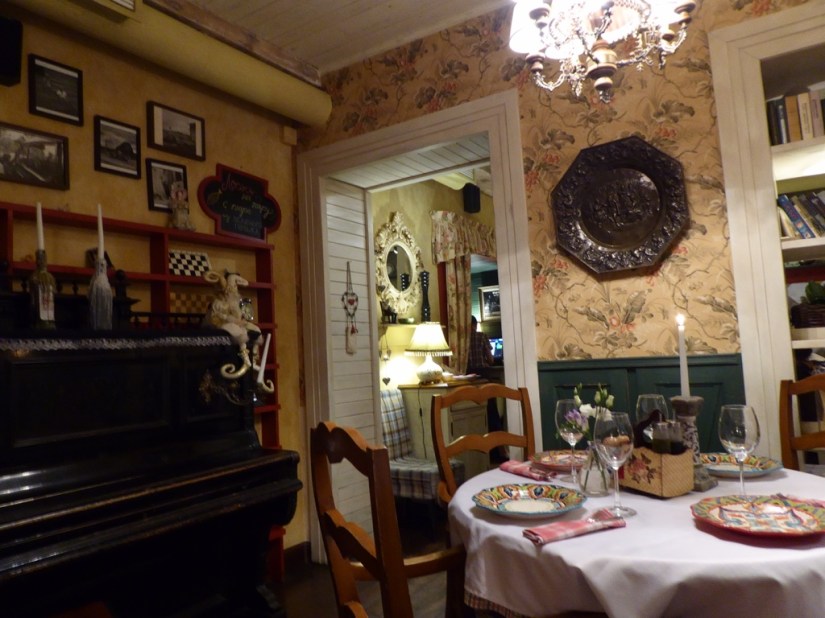
We found a cosy Russian country restaurant for some lunch and a rest just round the corner.


The afternoon was The Hermitage part two, in other words the newly converted General Staff Building which now contains extensive Impressionist and Post- Impressionist art collections. We really liked the stylish atrium spaces and stairs but the rest of the museum felt a bit strange in its semi-circular building.


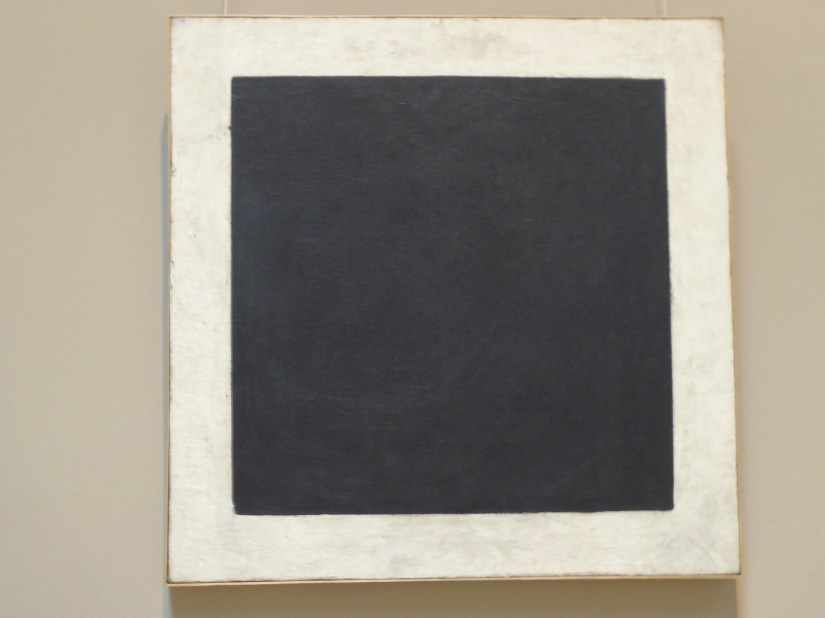
As for the paintings … well there were lots of Gauguin and Van Gogh and some Monet but no water lilies. Then there were a couple of Russian avant garde – a Kandinsky and a very Black Square by Malevitch.

Finally, there were loads of Picasso and Matisse. I think it was a case of museum wilt as few of the paintings drew our attention, but I liked this one by Charles Hoffbauer

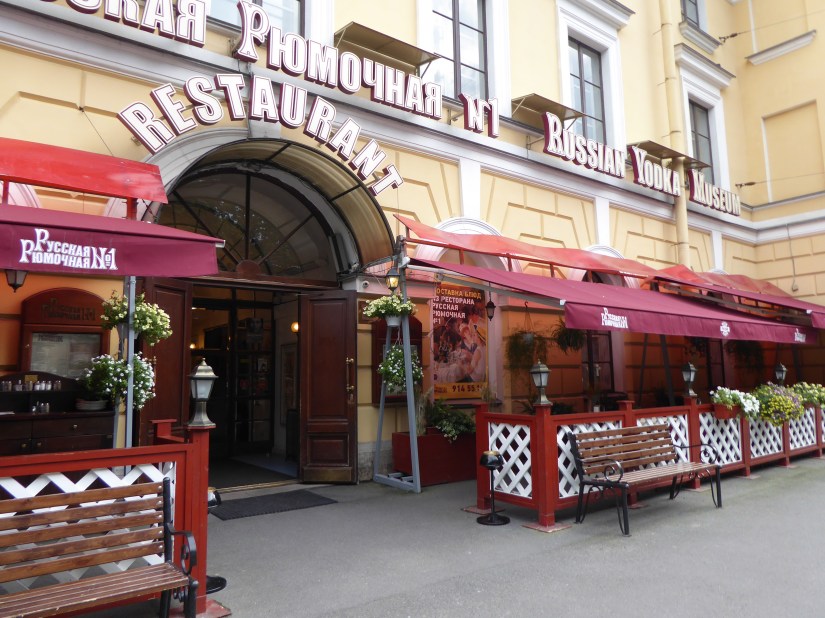
After we rested our weary feet, we popped in to the Russian Vodka Museum where we were shown round by an engaging guide who explained the exhibits and gave a run down on the history of vodka and some of the customs that have grown up round Russia’s national drink.
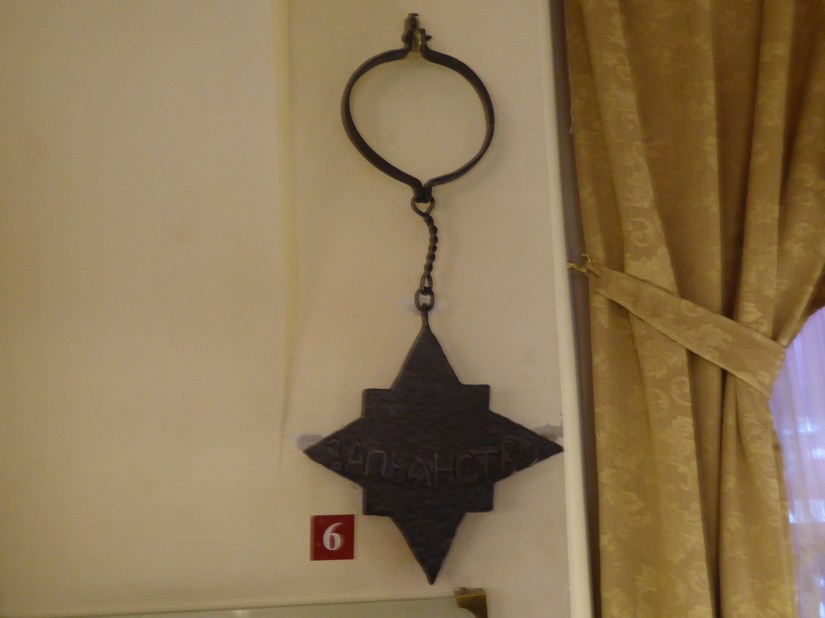
It began as bread wine, distilled by monks in Moscow in the C15th and remained fairly low in alcohol. In Peter the Great’s time, he punished people for lateness by making them drink a tot – about a two pint tot – in penance, but at the same time, devised a badge of shame, weighing some 7kg that had to be worn for round the neck for a week for being drunk.
The first official use of the word vodka (coming from vada meaning water) was when Empress Elizabeth licensed vodka distilleries in 1751 and a century later it was established as the drink of choice for Russians, becoming more popular a few years later as the monopoly was removed and it was affordable by all. The classic recipe for vodka of 40% alcohol to water mixture was patented in 1894 by Mendeleyev, the inventor of the periodic table. Vodka hasn’t always been available however as during WWI prohibition was introduced by Tsar Nicholas and never have the Russian people required as much medicinal spirit! Again in the 1980s, Gorbachov carried out an anti-alcohol campaign with posters saying NO to a small glass of vodka. Olga said most Russians said no, make mine a double!

Today, if someone buys and new car or house it is considered good luck to put the keys in a glass of vodka and drinking it, dating from soldiers doing the same with their war medals. Our tour ended with a tasting and little Russian snacks to soak up the liquor. I’m pleased I tried, but I’m not a very discerning spirits drinker, and to me it tasted the same as any clear spirit drunk neat so they won’t be making a convert of me, although the vodka flavoured with chilli and honey was more interesting!
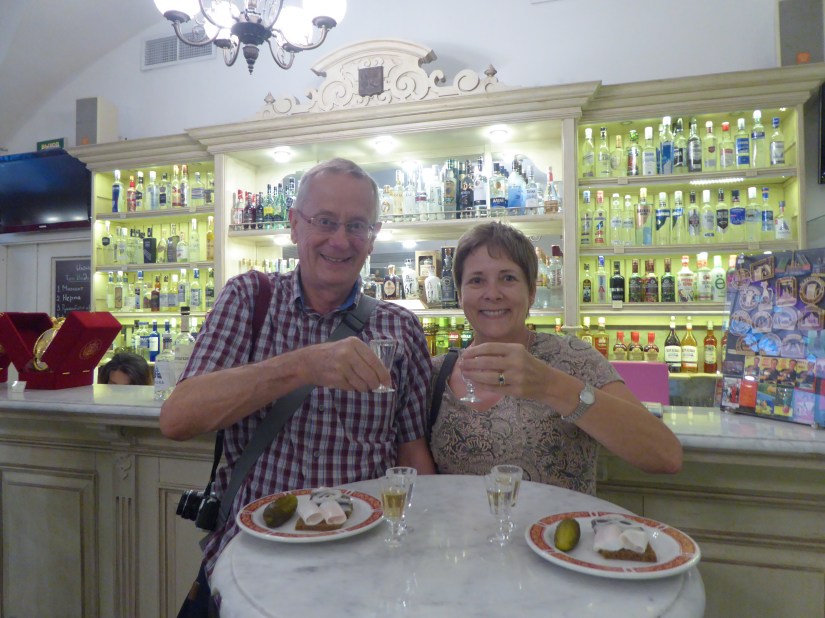


We returned to Gosti for dinner, and found everyone on party mood, celebrating the restaurant’s 6th birthday. We had another lovely dinner including little herring pate toasts, beef stroganov and aubergine Parmesan.


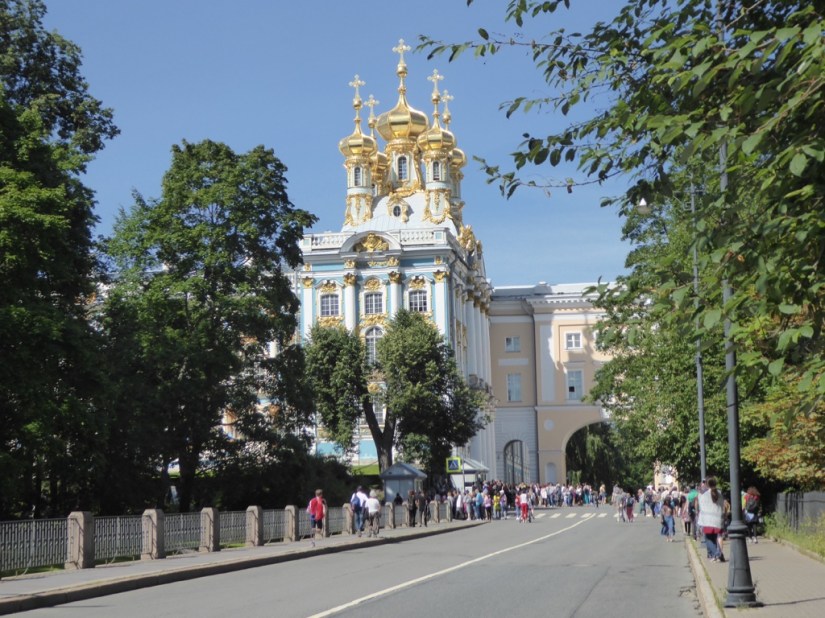
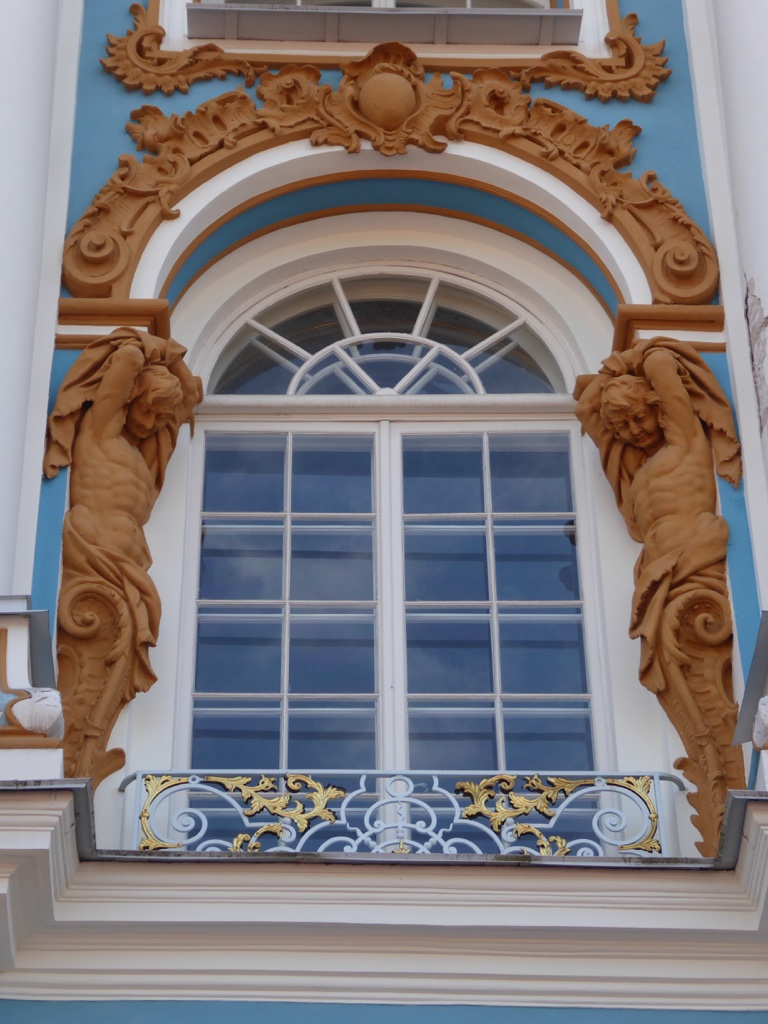
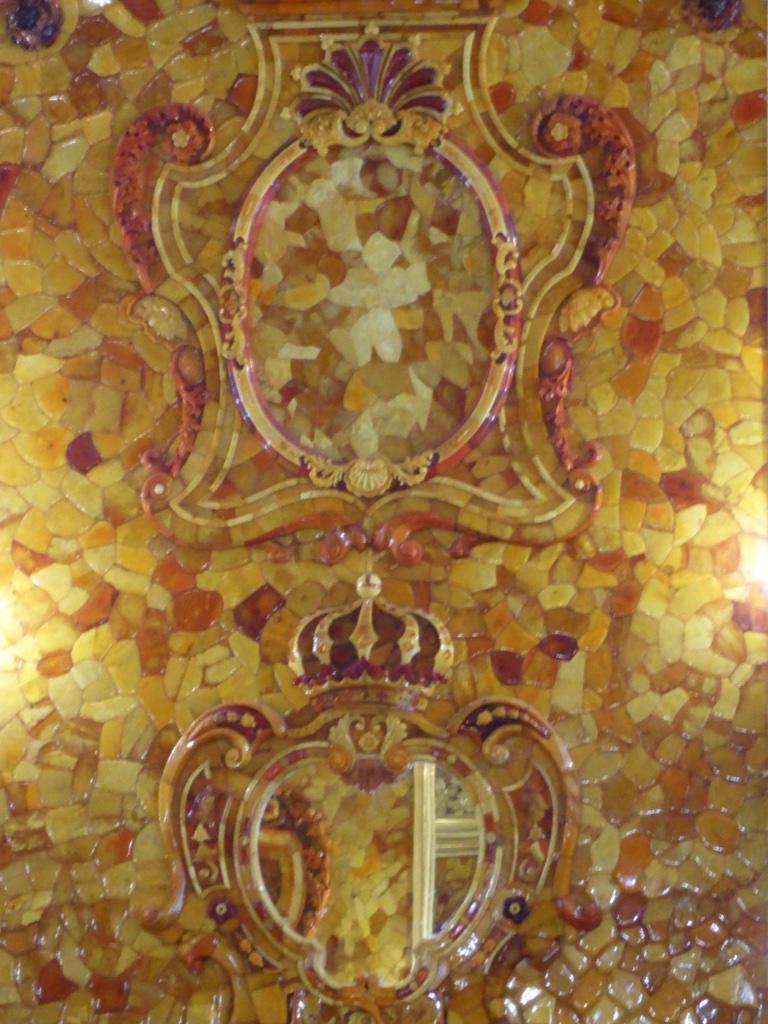
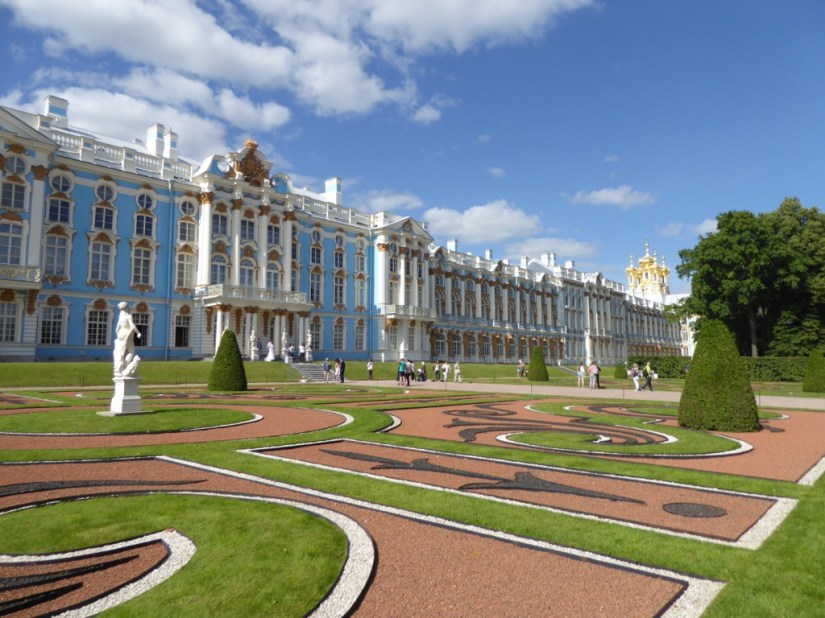
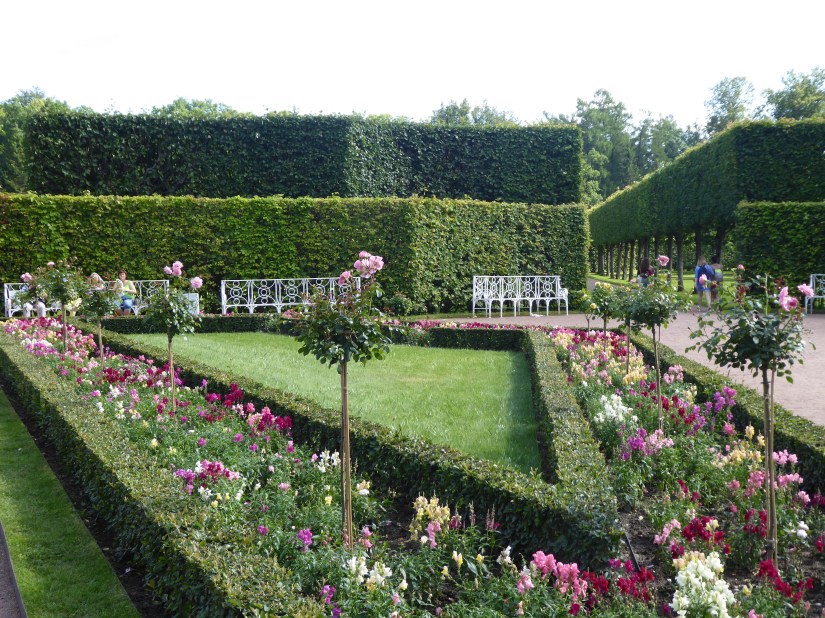
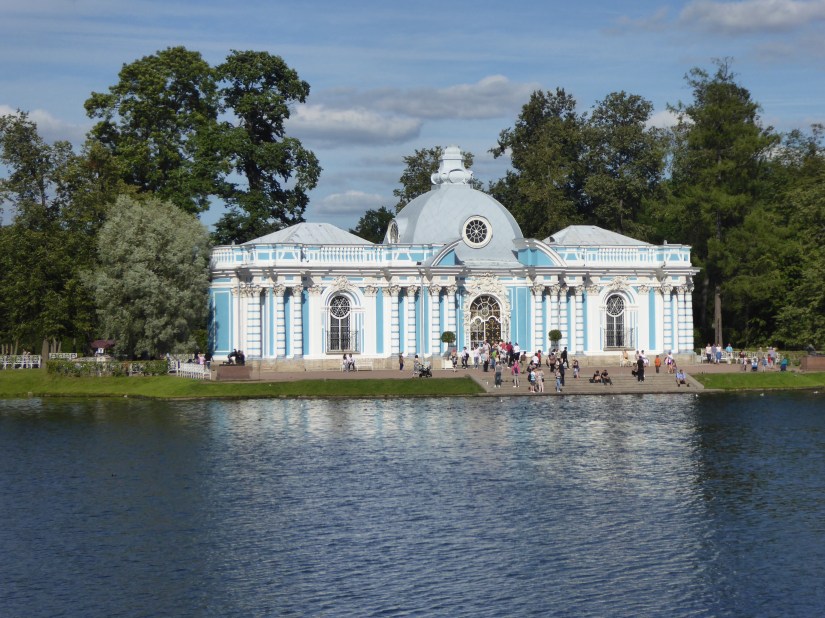
 Another beautiful day and we spent it at the huge imperial estate called Tsarskoye Tselo or the Tsars Village. We look the metro then the bus for 30 minutes out of the city, passed huge numbers of apartment blocks surrounded by countryside.












 We slept well and awoke to sunshine and blue skies and a breakfast of oats, toast and excellent coffee served in our room.












 Off Travelling Together