
Having taken the train back to Rome, we made our way towards the Vatican City, home to the Pope since 1376 and also an independent sovereign state since 1929. We are staying just close by at B&B RomAnticaRoma, where we have a very comfortable studio room and vouchers for breakfast at a cafe a couple of doors down where they have a great choice of croissants!


Needing to stretch our legs and having only visited Hadrian’s retirement villa yesterday, this afternoon we head to his mausoleum. His ashes are long gone as is the original building, but we saw the central area where he had been interred. The building is now Castel Sant’Angelo, renamed by Pope Gregory in C6, after a radiant silhouette of an angel sheathing a flaming sword was seen in the sky which brought to an end a particularly bad bout of the plague. Since then, there have been six statues of Michael the Archangel on the roof – the first was wooden and was lost, replaced by a marble one which was destroyed in a siege. The third was marble with bronze wings which were hit by lightening, the fourth was bronze and melted down for cannon balls, the fifth is on the terrace, sadly relegated when the sixth was put on the roof in 1956, but I my view far nicer.


We climbed up to the ramparts and onto the roof which gave great views of the city.


There is a covered corridor called the Passeto di Borgo connecting it to St Peter’s Basilica and there are several sets of state rooms of different ages that have housed popes who have taken refuge here and we spotted a portrait of Hadrian himself.


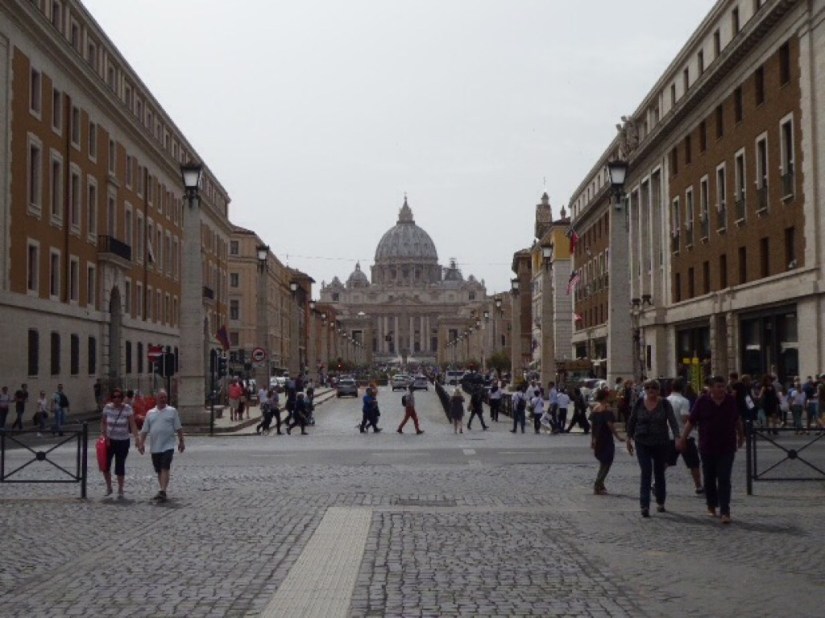
The afternoon had clouded over but we could see St Peter’s just a short walk away and went to have a look and even saw a marching band. We also saw the huge number of people waiting to enter and we resolved to get up early one morning to avoid the queue, and also thought our photos might be better with a clear sky …


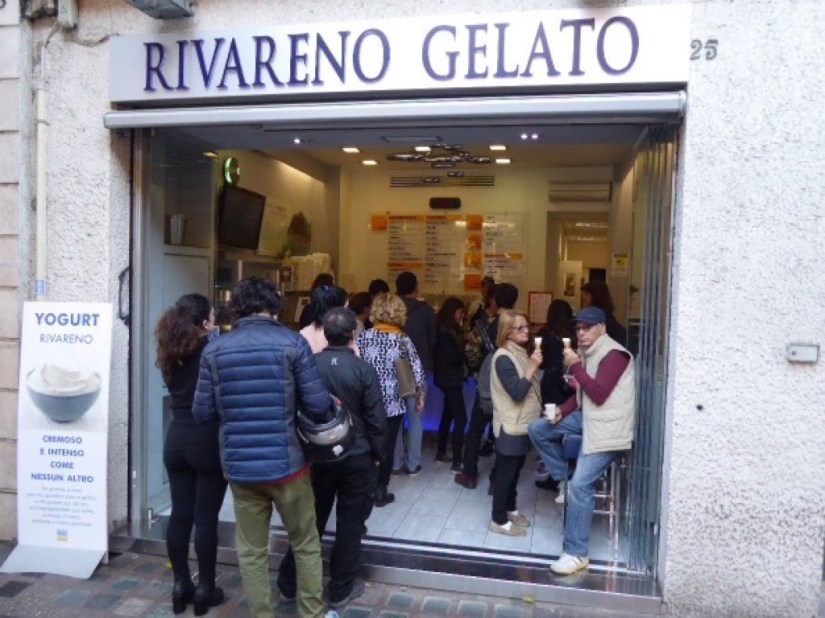
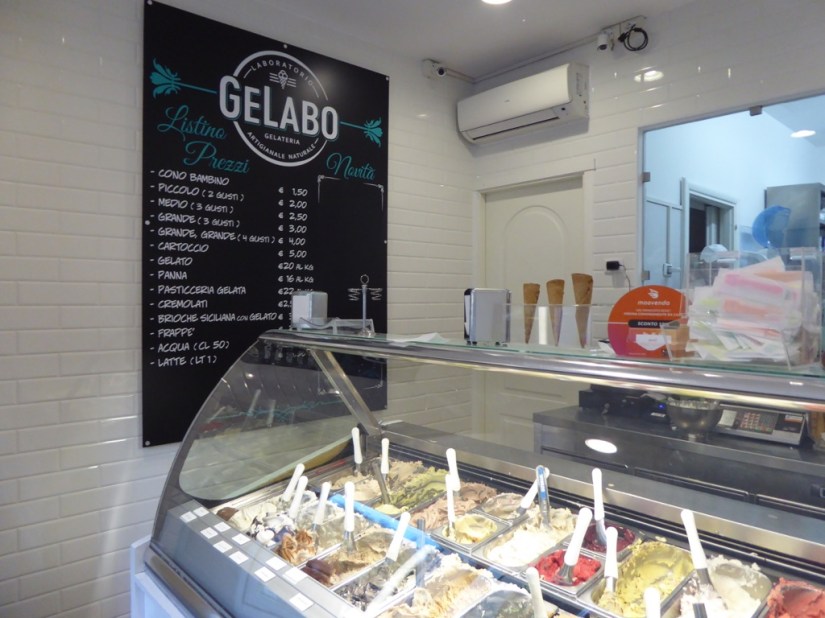
Another afternoon, another gelato – this time gelato by Claudio Torce who pioneered the natural gelato movement in Rome. My passion fruit and raspberry cone was Jewel coloured and delicious, while Chris continues in his search for the best coffee and pistachio gelato in Rome.

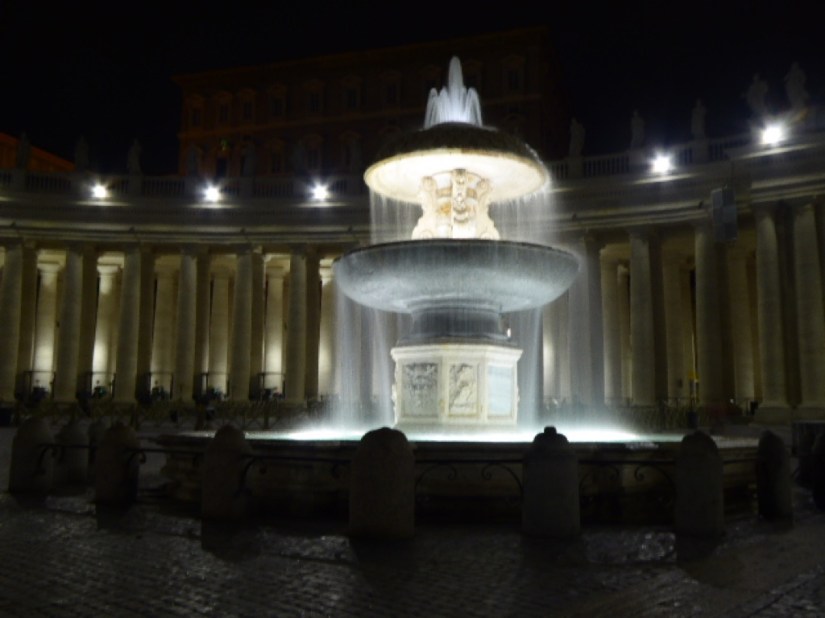
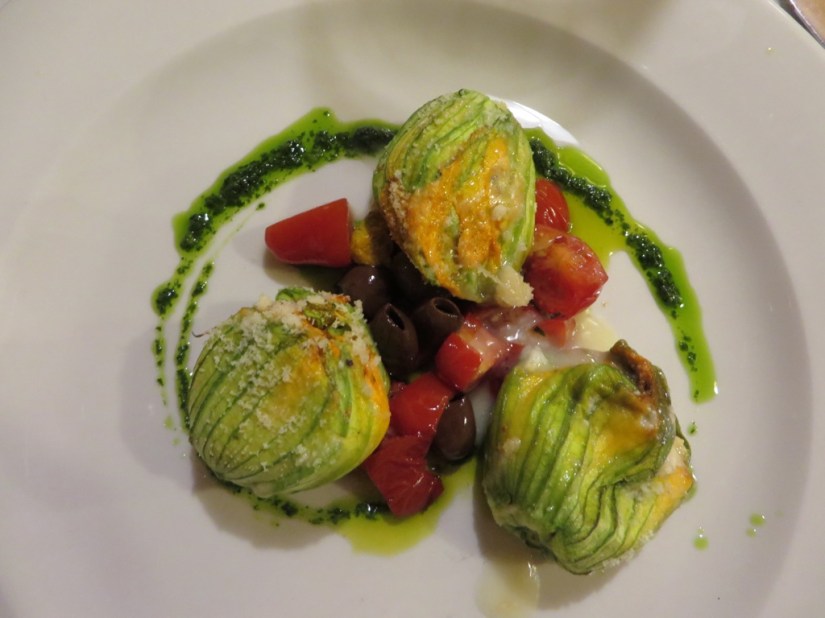
We also checked out some local restaurants and ended up having dinner at Ristorante Cantina 26, possibly the only restaurant in Rome serving vegan dishes as well as a regular menu, which meant Chris had an option of a main course which wasn’t pizza or pasta! The food was excellent – courgette flowers stuffed with anchovies then fettuccine with sea bass and artichokes for me and artichokes, pumpkin and cinnamon risotto and then tofu in tomato sauce for Chris and a lovely bottle of local white wine. We thought we would get a little exercise after dinner and walked to St Peter’s square to see it lit up at night. While we were there, a group of several hundred people processed into the square singing, knelt and prayed, then got up and left. It was very moving.

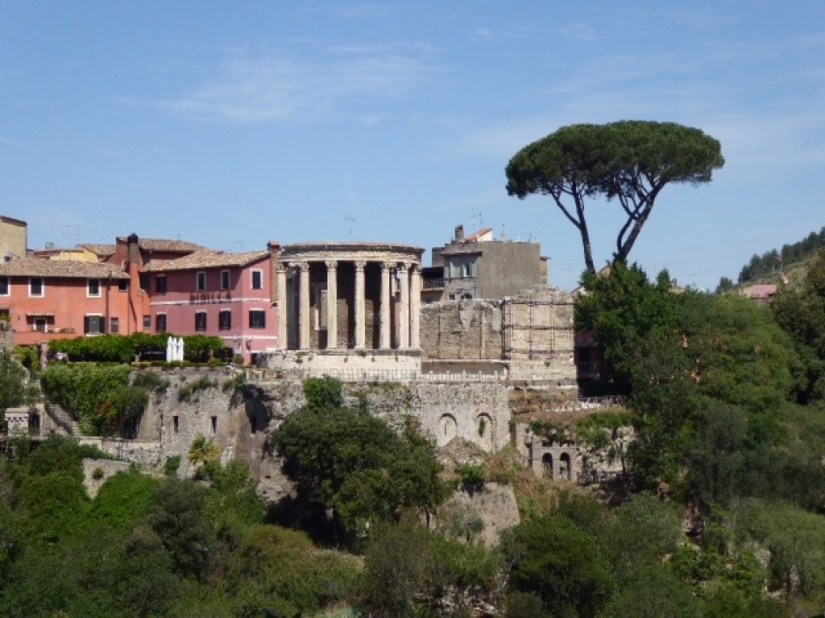


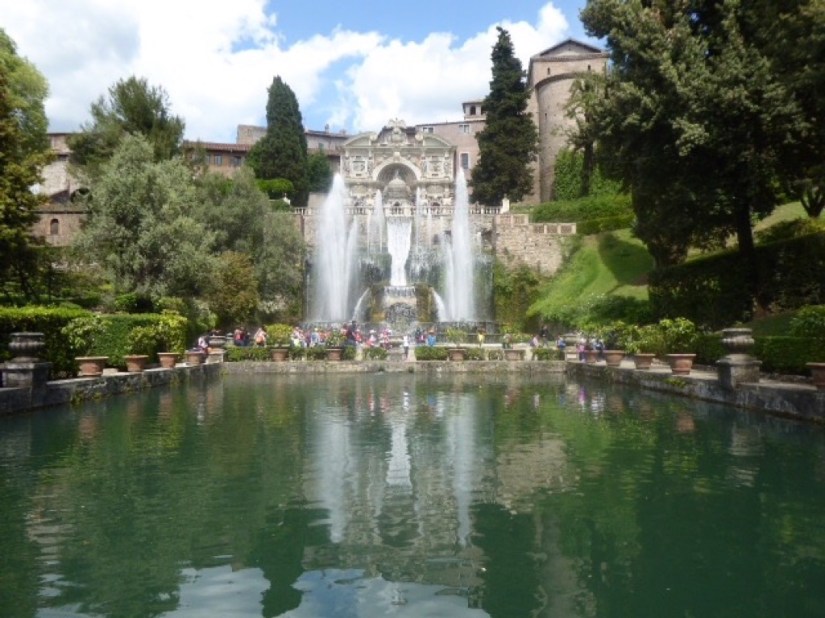
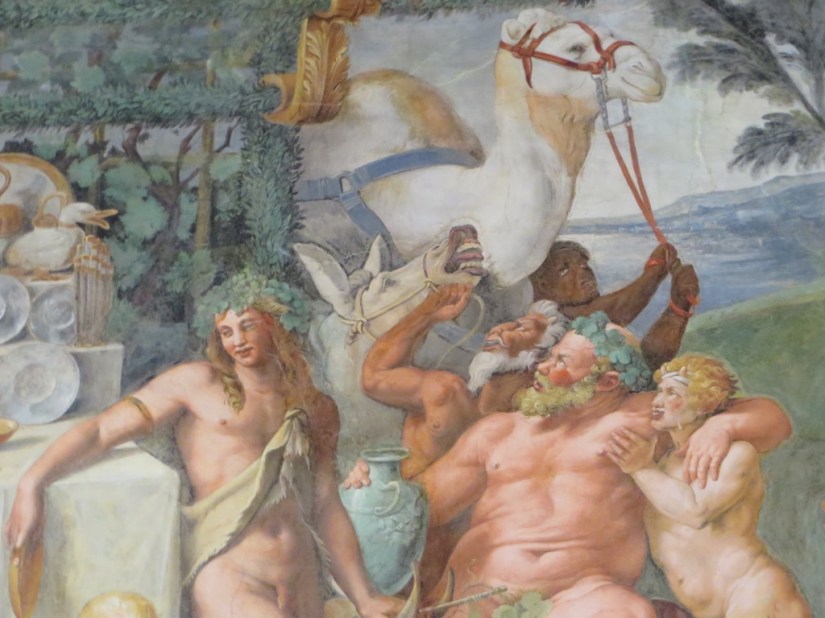
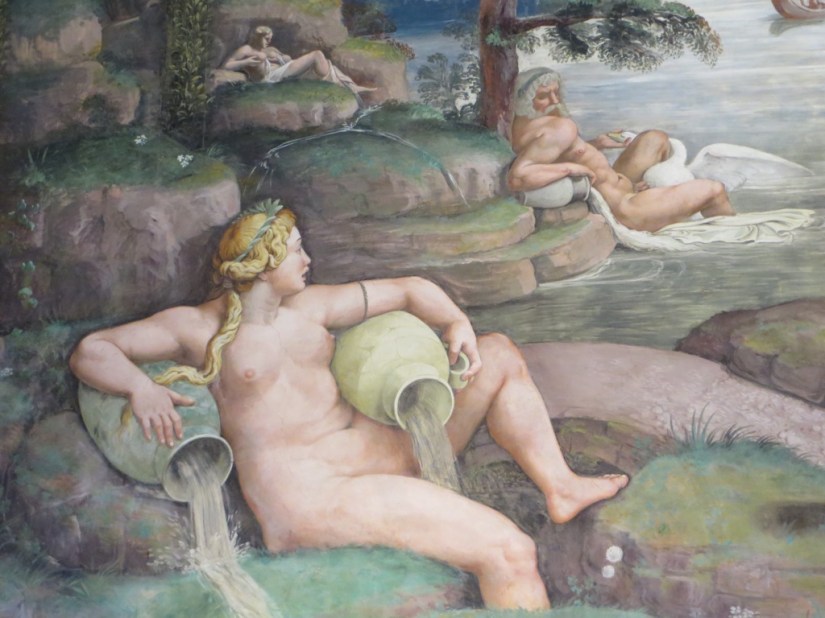
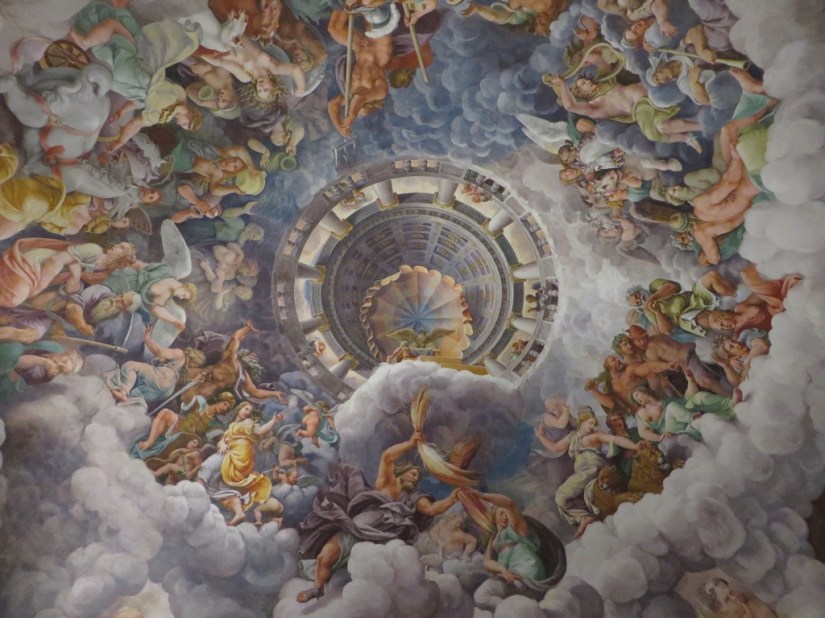
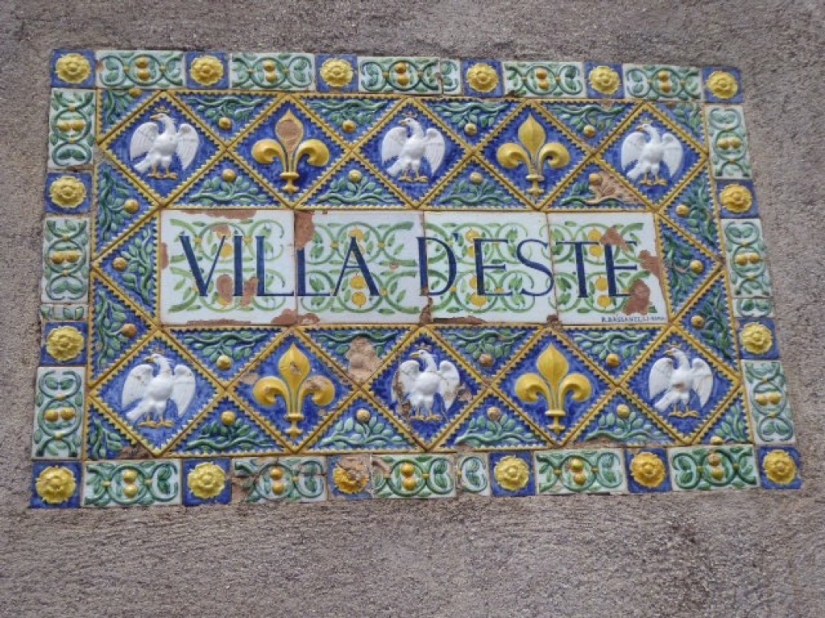 The villa itself contains a number of Mannerist frescos, but most people come for the gardens, which descend from the villa in a succession of terraces with some amazing fountains along the way.


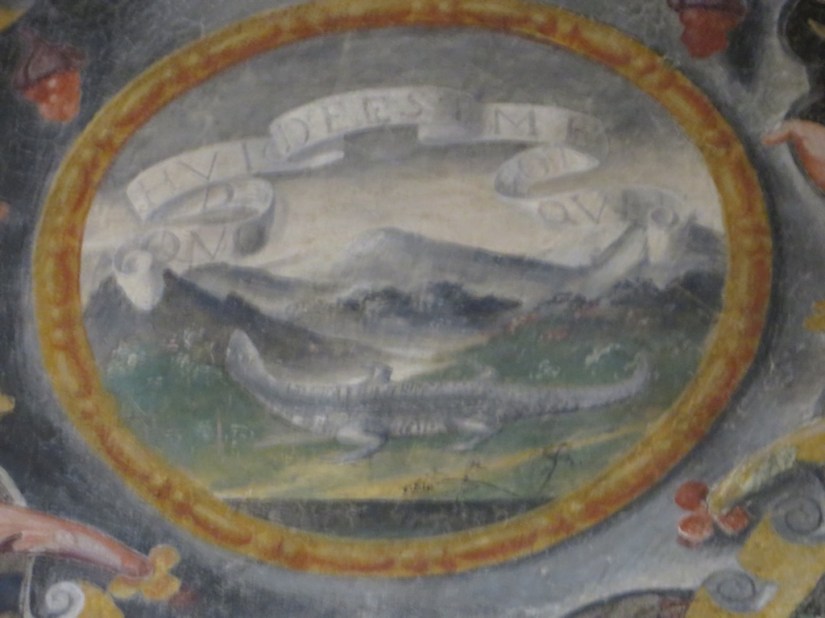
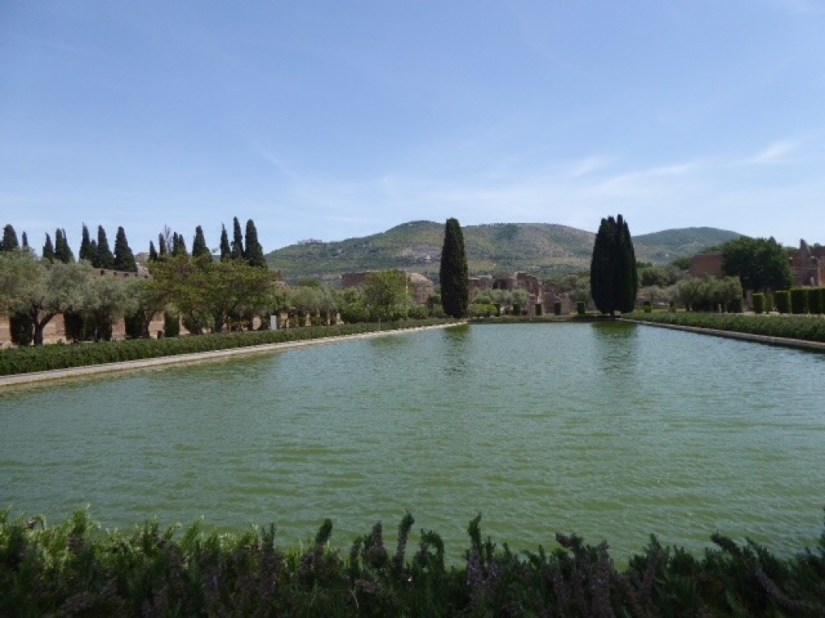 The Canopus was another huge pool with a banqueting area, complete with statuary and a crocodile.


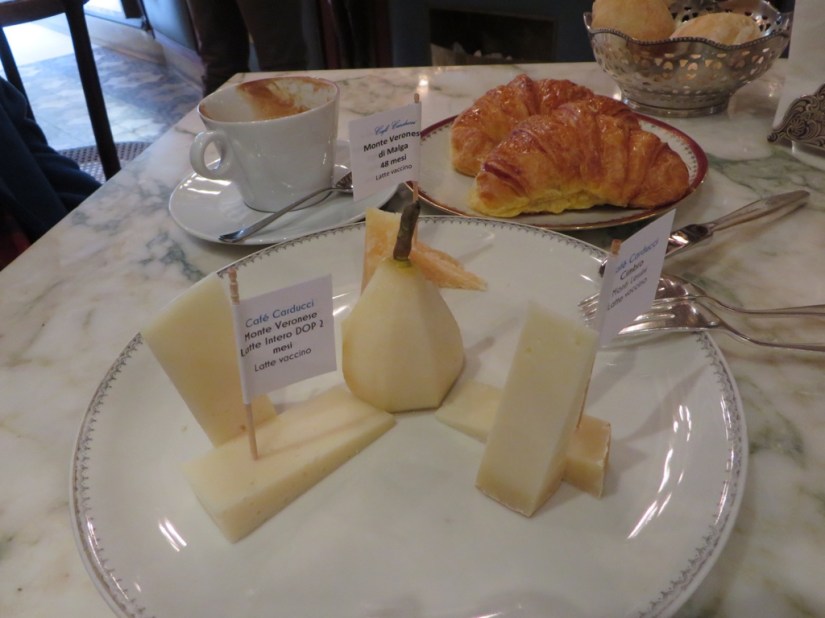
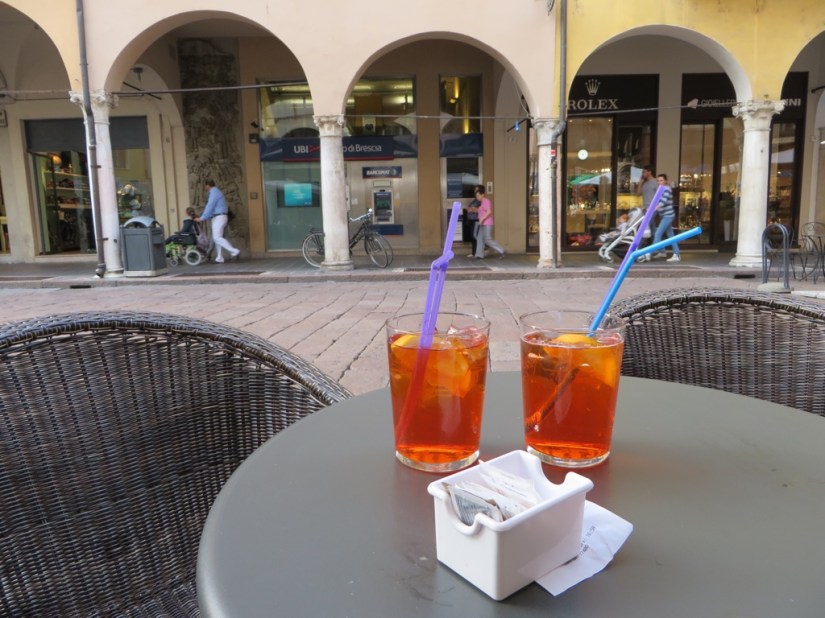
 Early evening and we went for an Aperol spritz and some cheese to nibble on before dinner at Vino Tinto, a small local restaurant serving rich Roman food. We ordered far too much – a pasta dish each, both with asparagus but one with tomatoes and the other with porcini and truffle then Chris followed with smoked cheese and porcini and I had pork with truffles and walnuts – we rolled home!

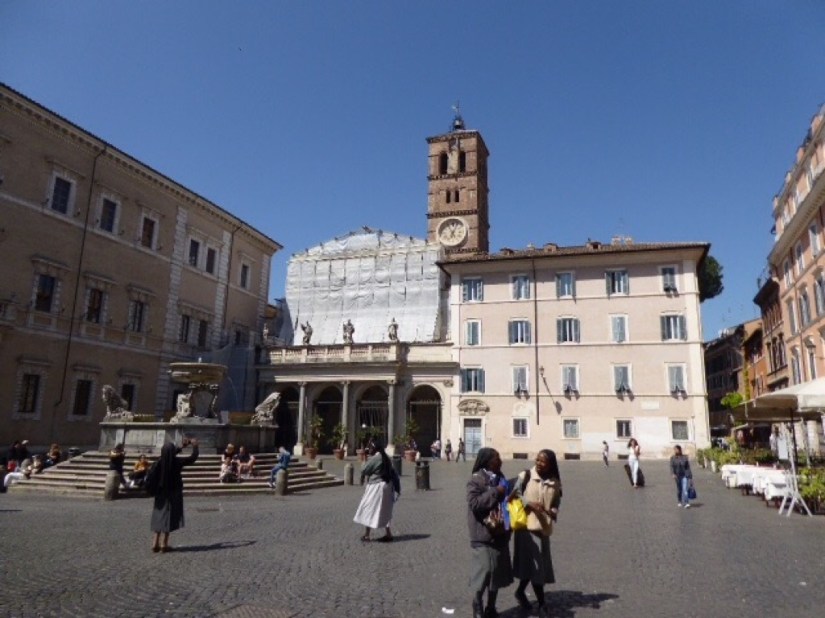
 Trastevere maintains its character thanks to its narrow cobbled streets lined by ancient houses and feels more like a small town in the countryside than a suburb of Rome.


 Nearby is the C16 Villa Farnesina, a summer villa built for Agostini Chigi, the richest man in Rome, as a retreat from the city where he lived with his lover and entertained lavishly. He encouraged guests to throw the silver dishes into the river at parties but his servants secretly collected them with nets draped under the windows!
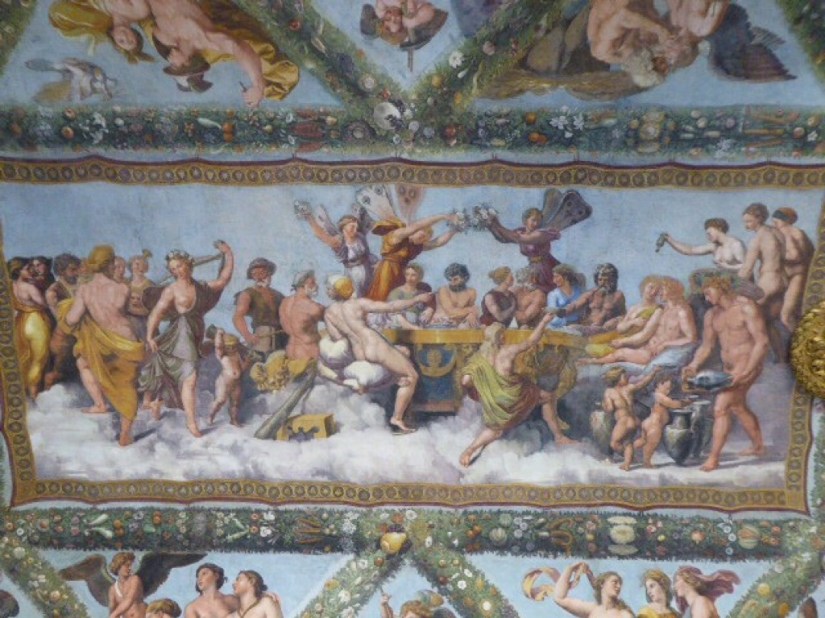
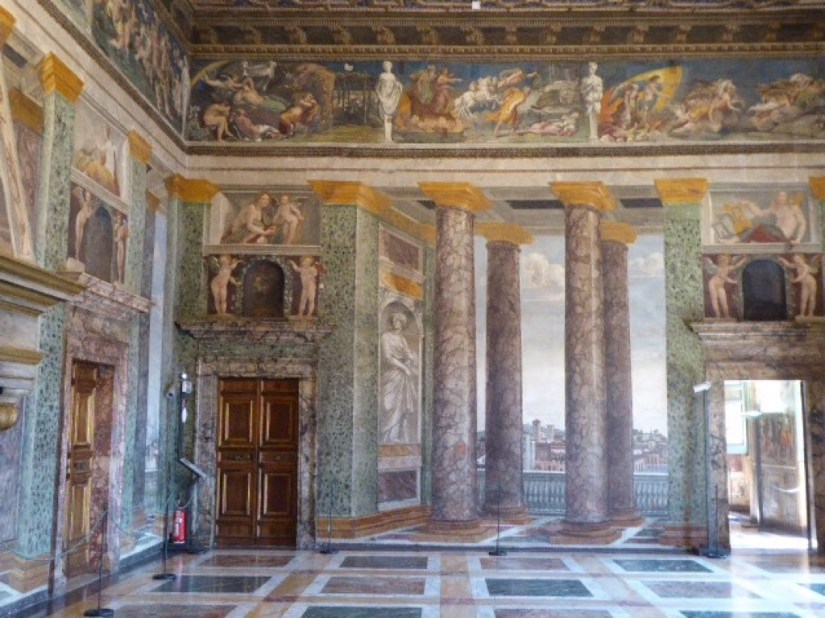
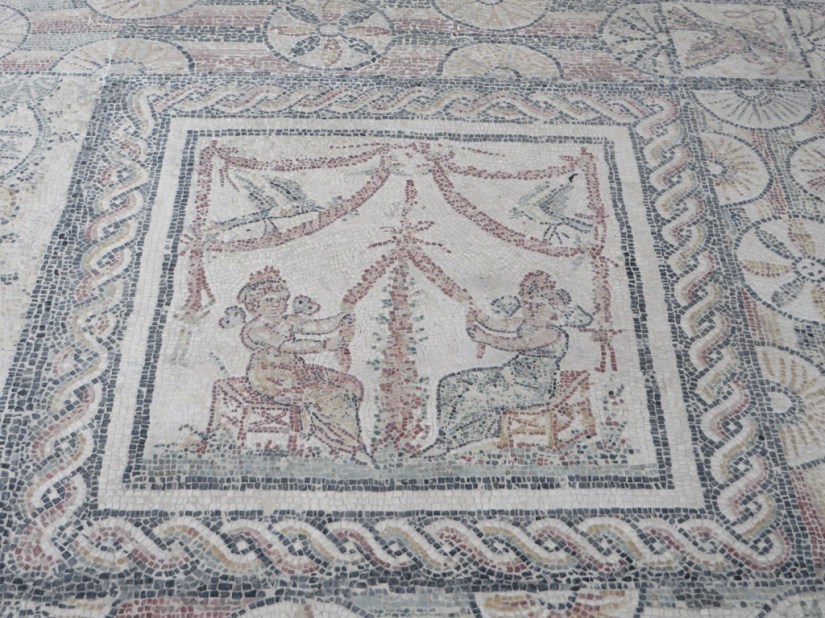
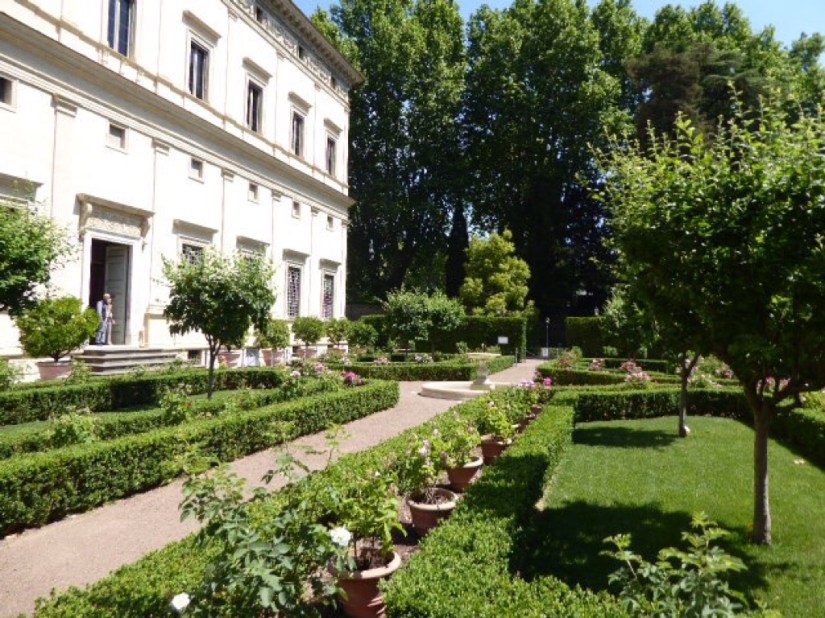 He commissioned fabulous frescos in many of the rooms including the Galatea fresco painted by Raphael depicting a sea nymph on her dolphin-drawn scallop shell chariot, and Cupid and Psyche surrounded by fabulous garlands with fruit and vegetables and the Sala Delle Prospettive where trompe-l’oeil balconies appear to give views over Rome.
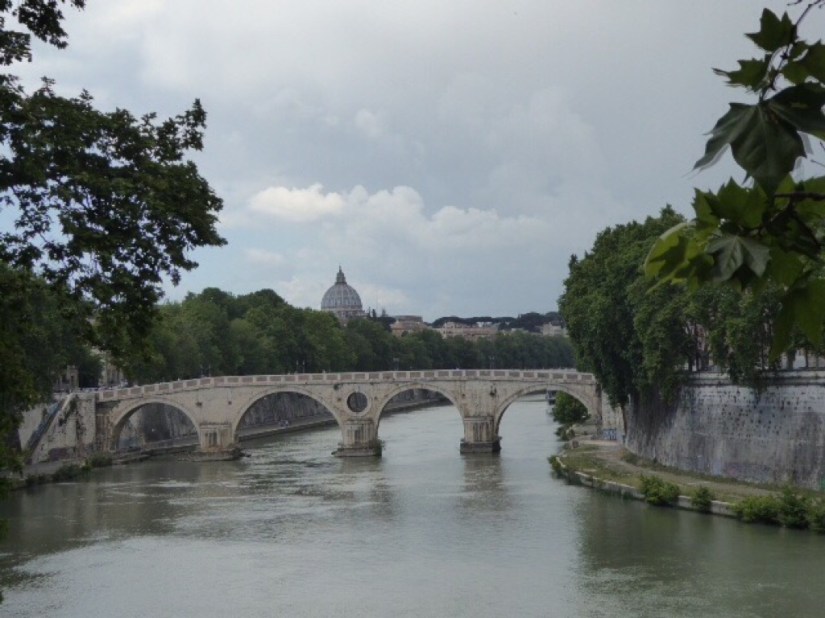
 Here’s a view of the pretty Ponte Sisto with St Peter’s in the distance.
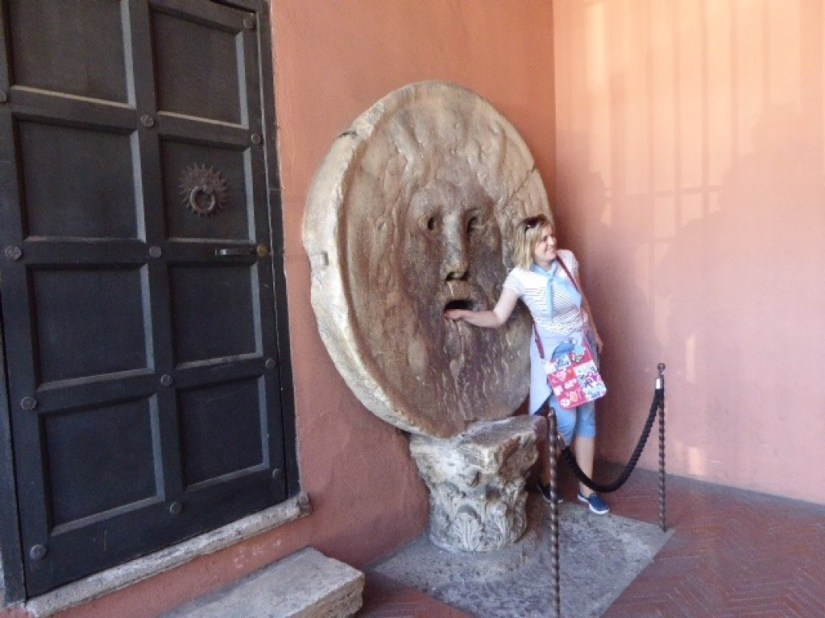
 Following in the footsteps of Audrey Hepburn and Gregory Peck in Roman Holiday, stopped at the Bocca della Verita or Mouth of Truth, an enormous Roman drain cover which was said to swallow the hand of anyone who did not tell the truth. There was a huge queue of people waiting to test their honesty, so I snapped someone else’s moment of truth!
 We climbed up to the Capitoline Hill, which in the days of imperial Rome, was the spiritual and political centre and the name comes from Capit mundi, or head of the world, and passed between the statues of Castor and Pollux.
 The Piazza dei Campidoglio was redesigned by Michelangelo for Pope Paul III who wanted a symbol of the new Rome to impress Charles V. The site was difficult as the buildings did not face each other squarely, and the whole site sloped. Michelangelo remodelled the palazzi, and designed an egg-shaped design on the pavement which draws the eye to the central statue of Marcus Aurelius, transforming the piazza into a harmonious space despite being trapezoid. The thing that surprised me most was that in Rome where everything is bigger than you expect, this was actually smaller!
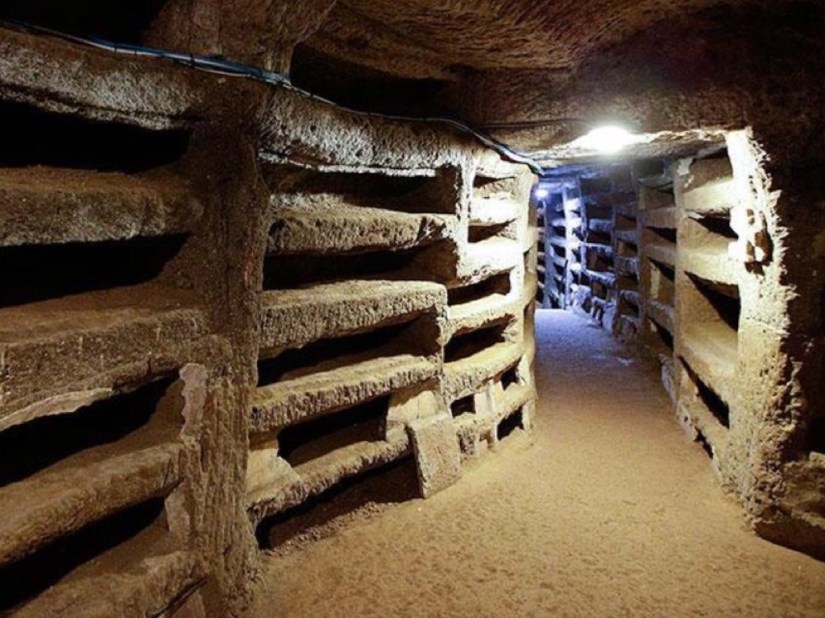
 We ended the afternoon at the Catacombes de Priscilla, far less busy than those along the Appian Way and more interestingly open! There are some 13km of tunnels on three levels, dug into the soft tufa rock between the 5th and 9th centuries. After that they were forgotten till they were rediscovered in the C16. Many tombs had been looted and there are no bones remaining in the section we visited, but rows of body sized cavities one above the other in the soft brown rock on each side of the tunnels.
 High humidity has destroyed most of the fresco but scraps remain, including Mary and Jesus, the Magi and the Good Shepherd.














 Chris has been looking forward to the highlight of his trip … a Sunday afternoon football match between Hellas Verona and Lazio, a team from Rome. It was typically Italian football with nudges, trips, dives, hacking, drama and handbags! The score was 1-2, Hellas Verona woz robbed! I’ve not been to a match with such good singing and banner waving before … quite atmospheric. Tunes included YNWA, When the Saints, The Red Flag, Que Sera Sera and our very own God Save the Queen, no doubt all with different words! Chris read a Tim Parks book about a season when he followed Hellas Verona to every game, and every character and emotion described at those games, were present at our game!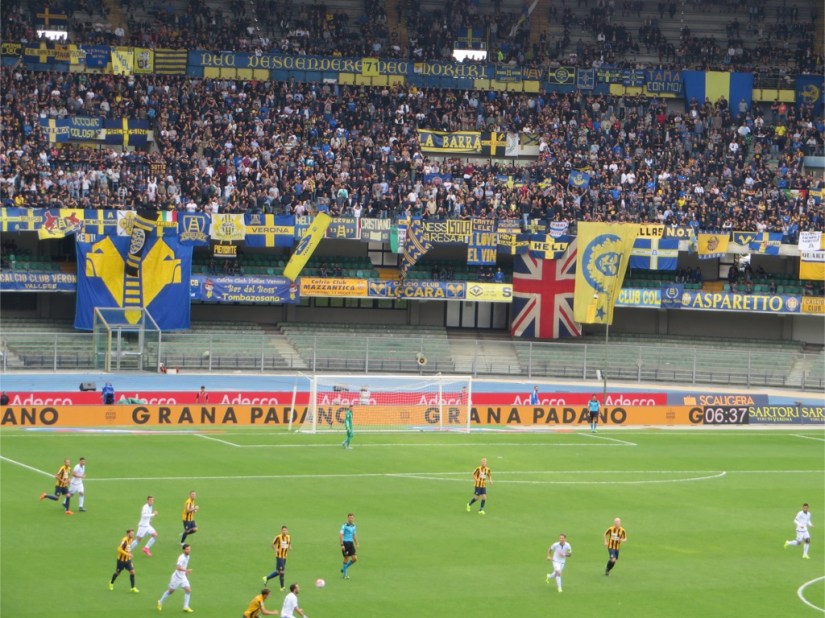



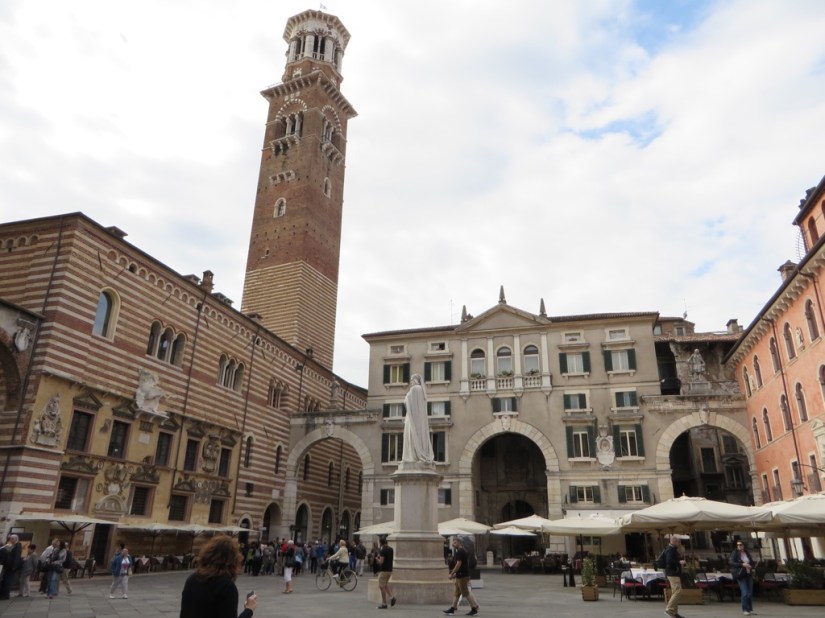


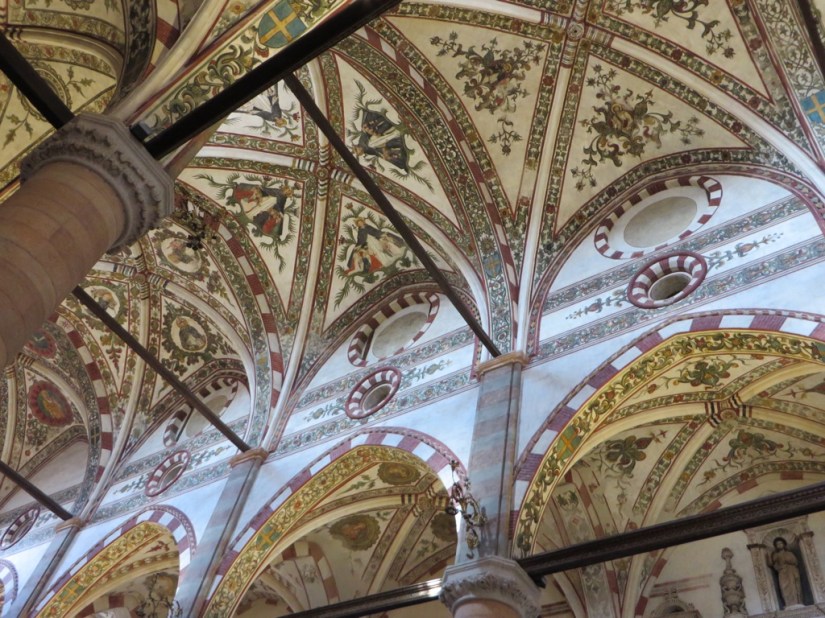

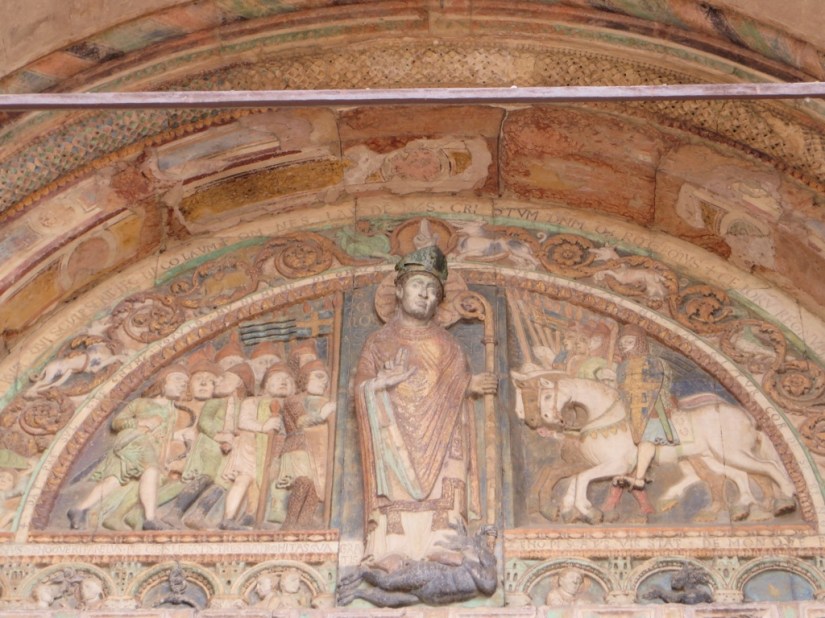

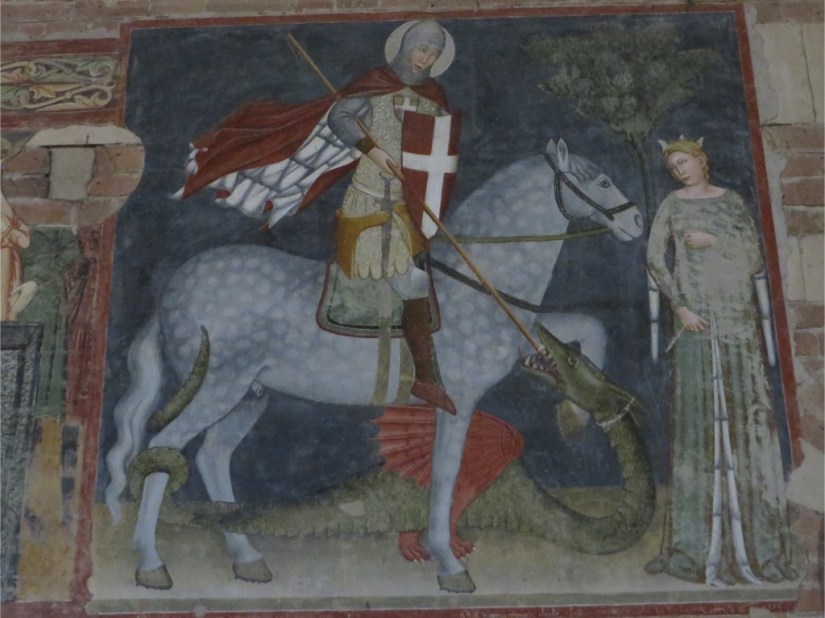



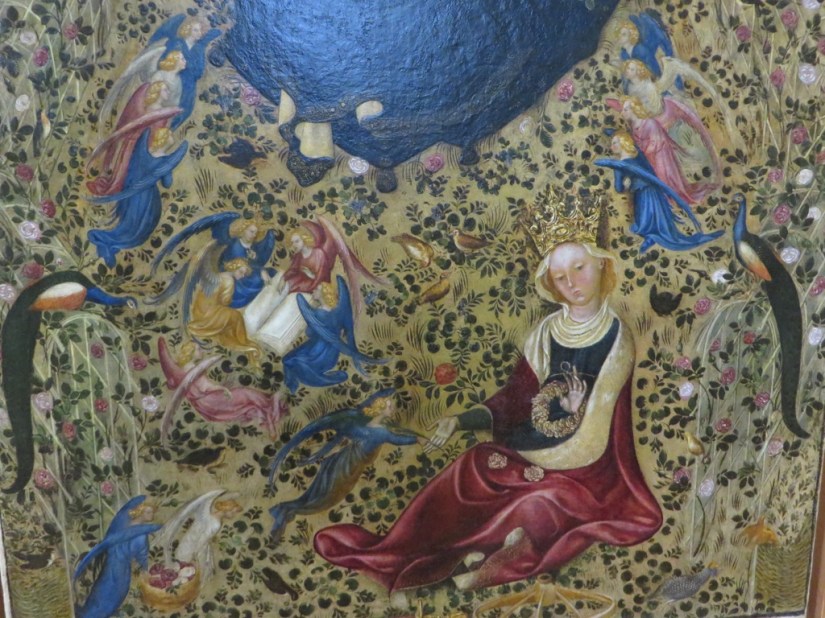

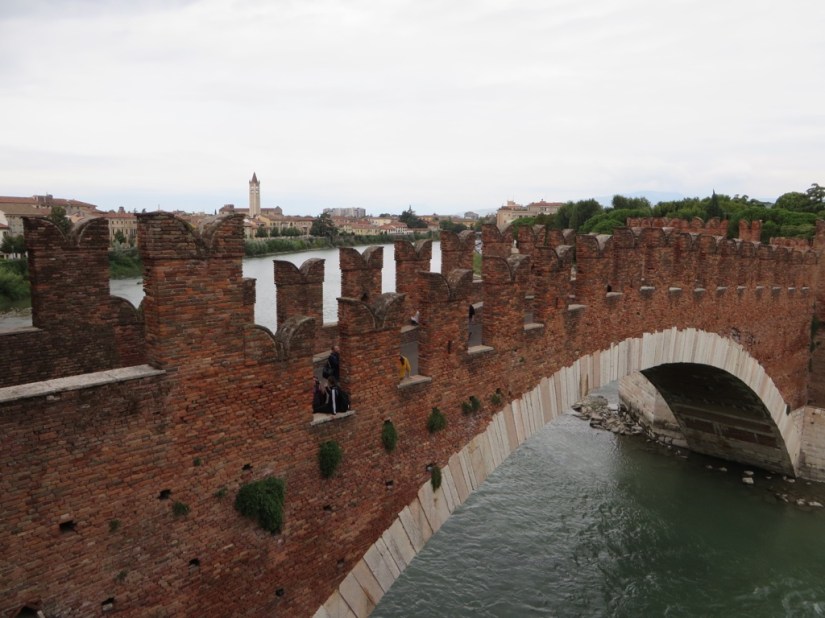


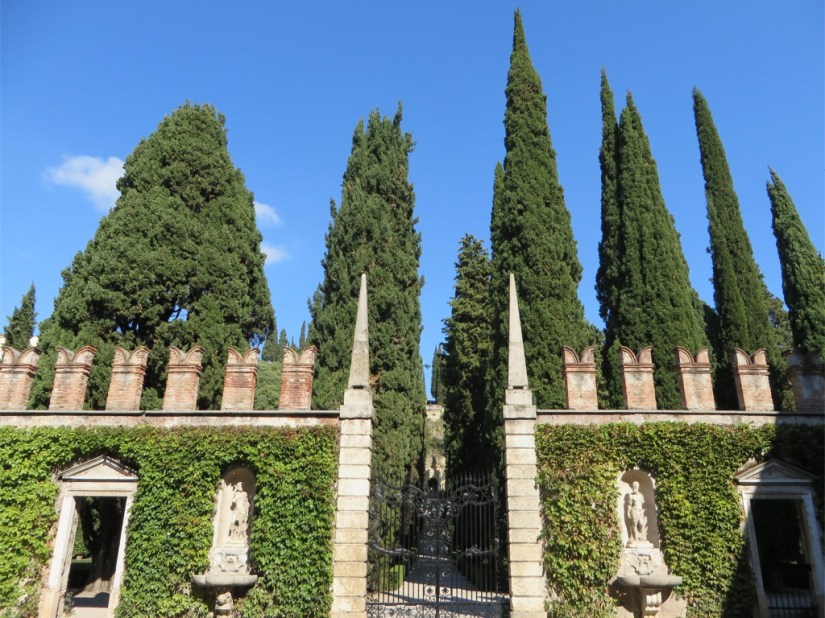










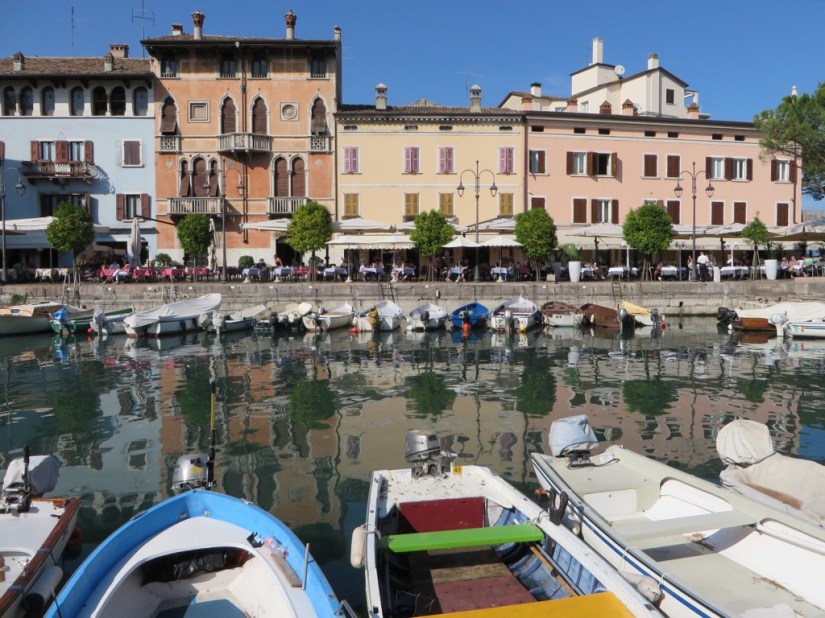
 Desenzano has been a popular holiday destination since Roman times, and remains so today, with a street of very chic and expensive shops and lots of restaurants and cafes. It was a bit overcast when we arrived and there had been a storm the day before.


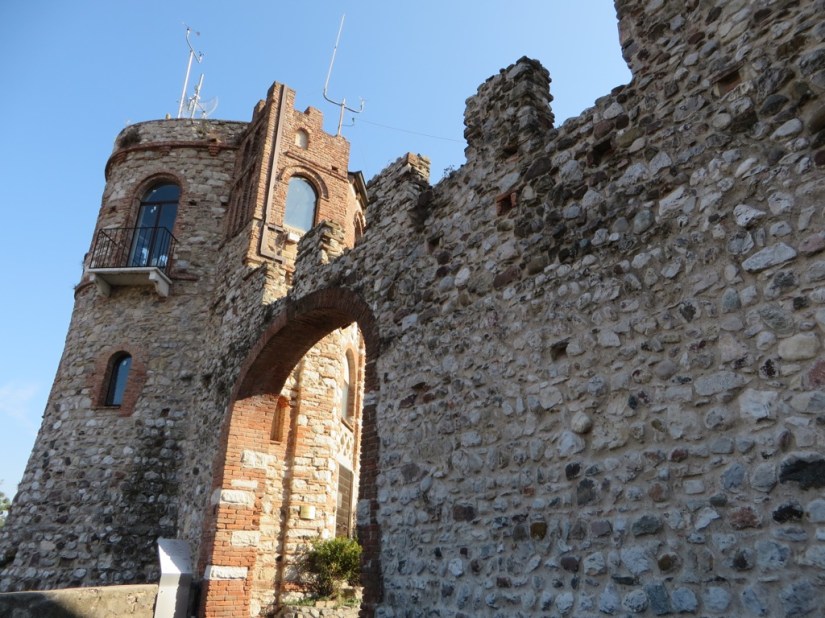
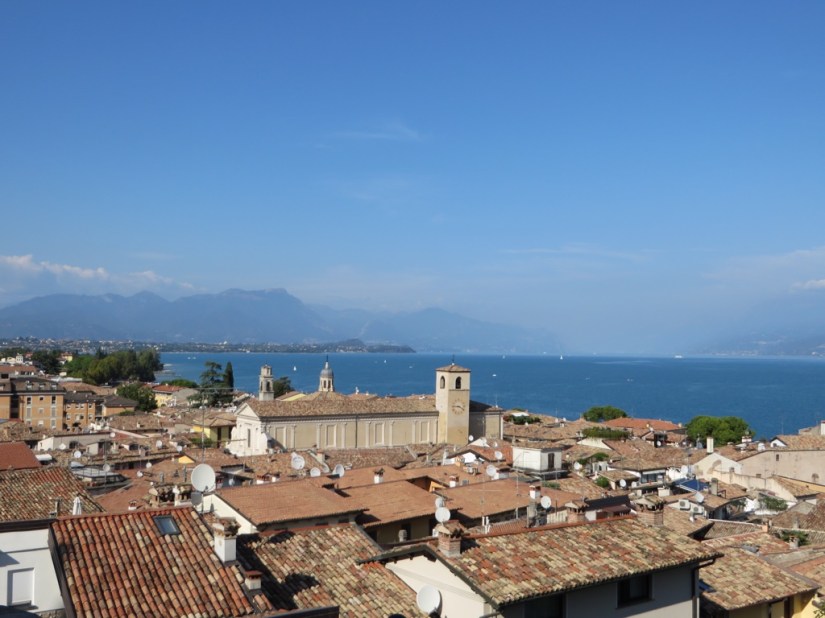


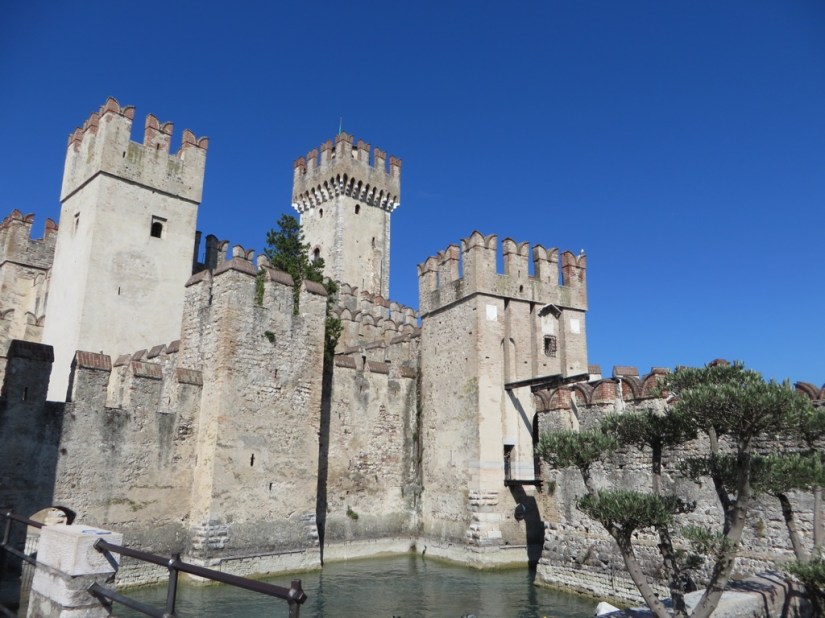
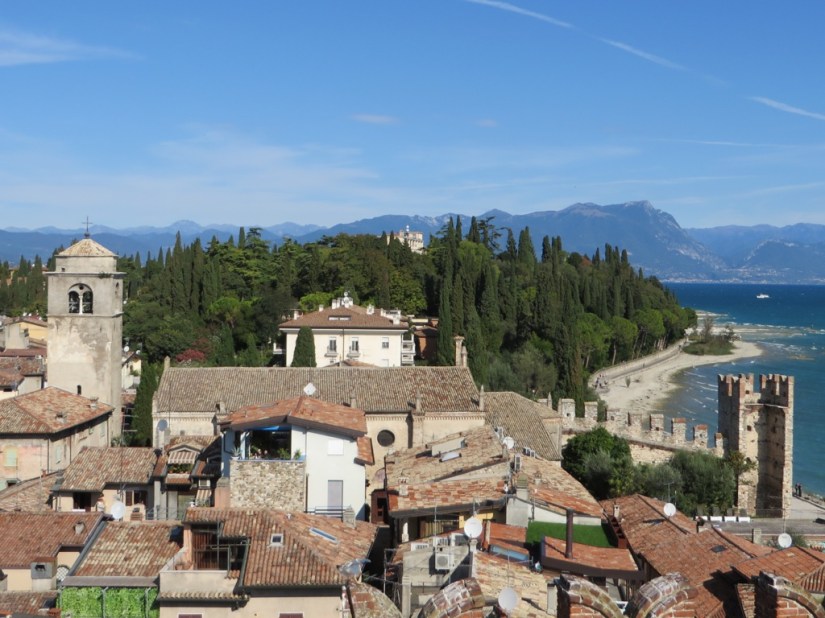 The small historical centre gets choked with tourists, browsing in shops and consuming ridiculously large cones of gelato so we escaped and went past the little Chiesa Di San Pietro with a fresco of the crucifixion …








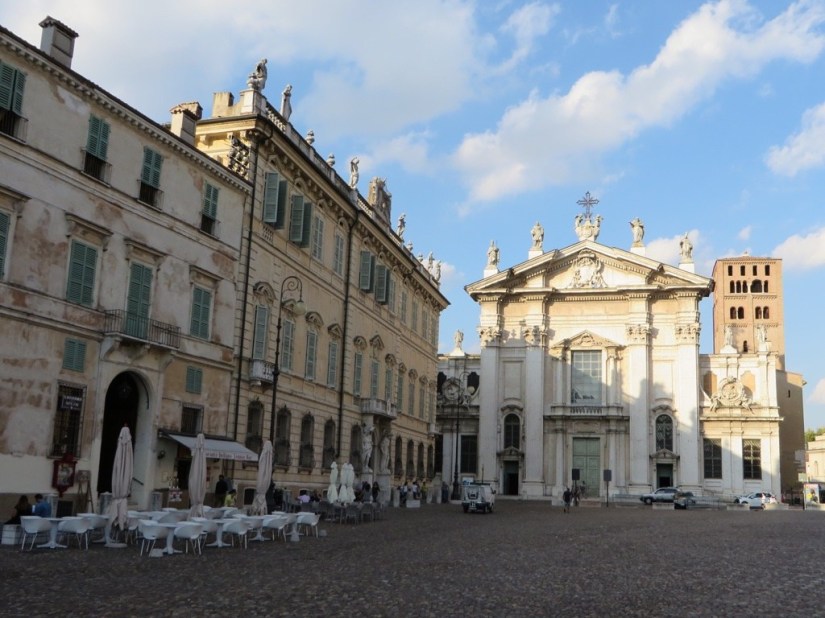
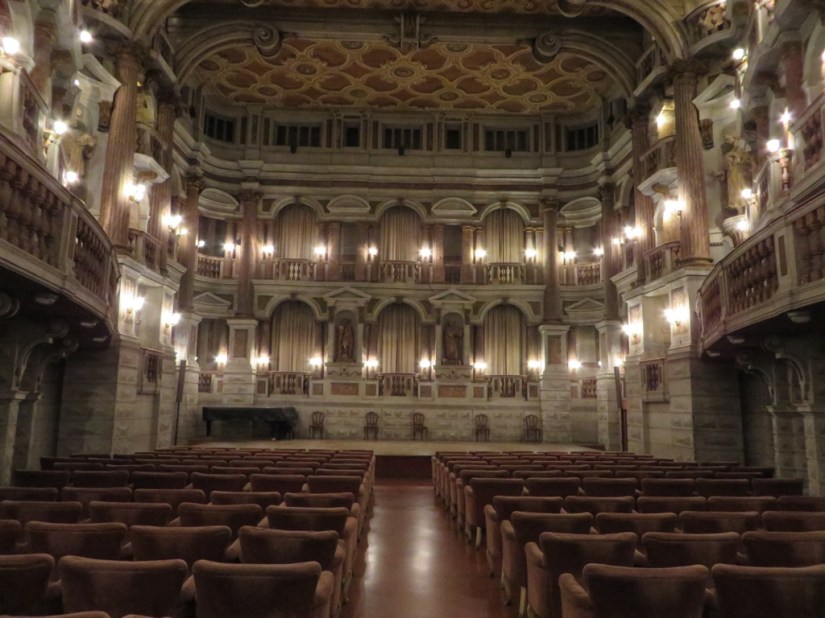
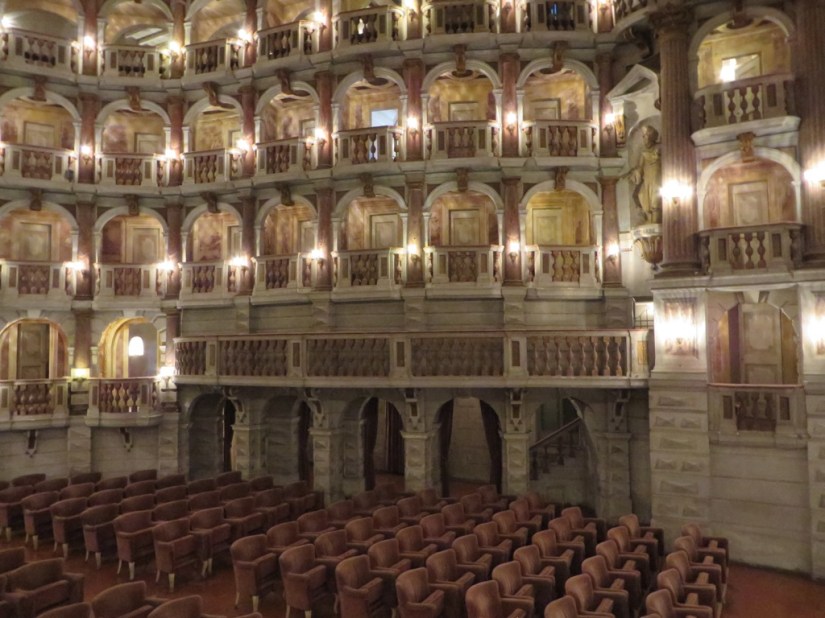
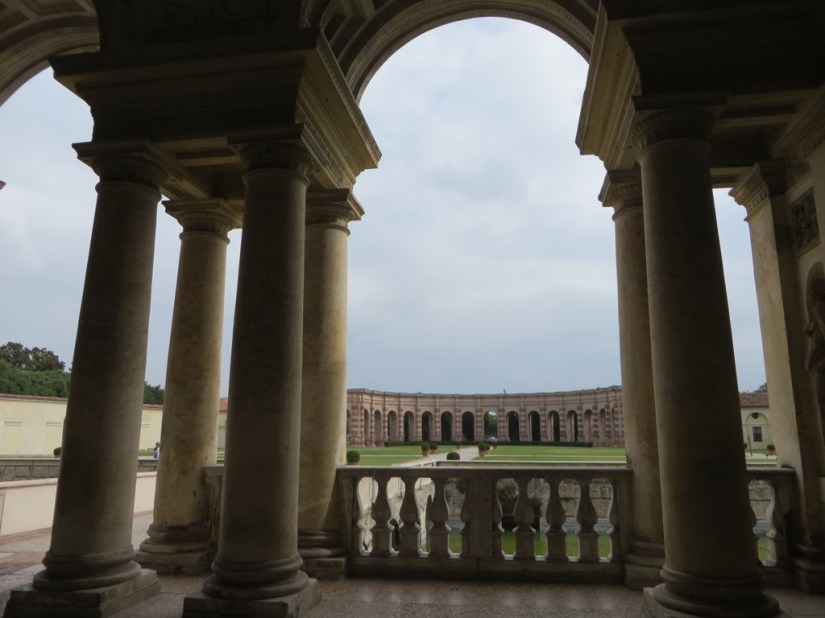
 Mantova is a very appealing and walkable town, with four interlocking piazzas in the centre surrounded by civic buildings and churches. Unfortunately an earthquake in 2012 resulted in damage to some buildings which are still under repair.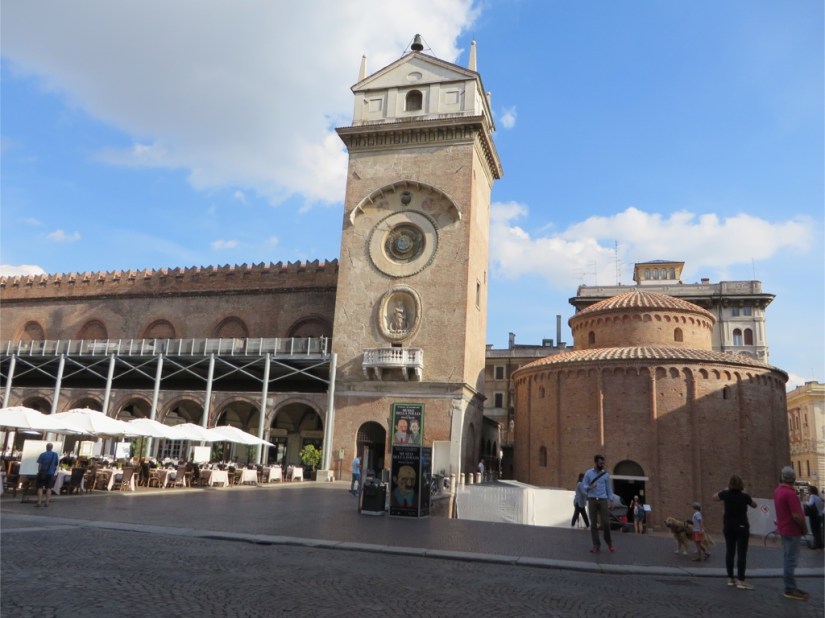
















 Off Travelling Together