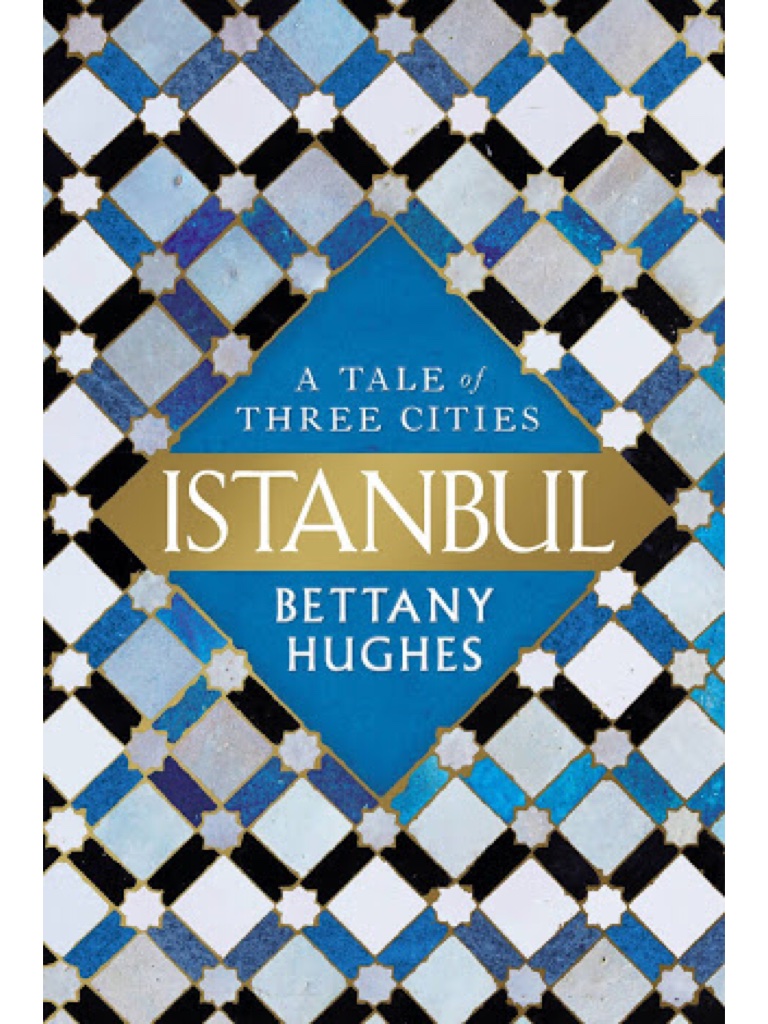
 I had to put this cover at the top because I liked it best … but more about the elephant later.
I always like to do a little background reading when we travel and I had high hopes with Istanbul: A Tale of Three Cities by Bethany Hughes. Unfortunately it proved to be just too epic, and I got disheartened before I even got through the prologue. (A tip I’ve since been given is if it’s too challenging to read, try the audio version … which would also be good for bus journeys … )
Instead, I sought out something slightly more readable if less worthy and began The Aviary Gate by Kate Hickson, a fictional tale of Celia Lamprey, taken into slavery by pirates in C15th and sold into the sultan’s harem in Constantinople.

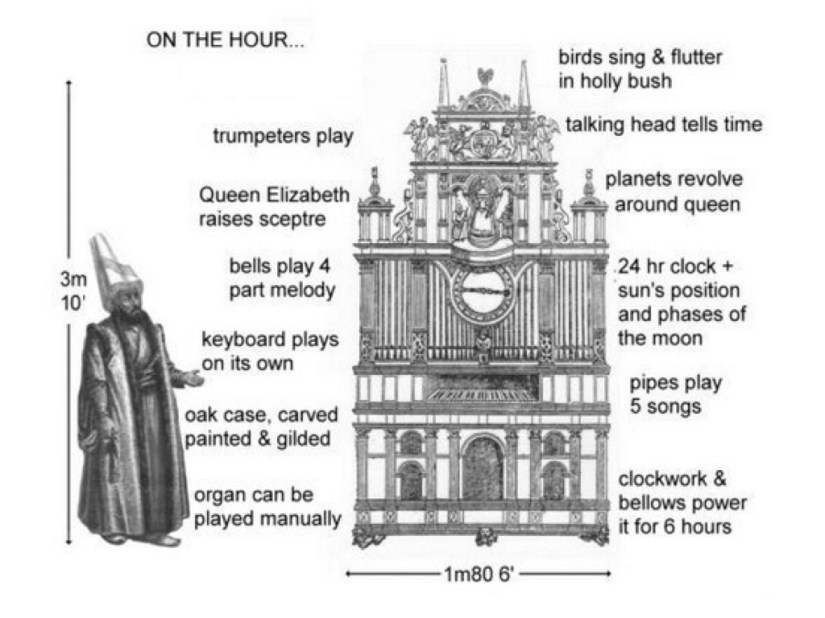
The descriptions of life and events in the harem were certainly evocative and the story romped along. It mentioned the arrival of a hugely elaborate and richly decorated automatic organ with chiming clock, sent as a present by Queen Elizabeth I to Sultan Mehmet III of Turkey and being curious, I wondered if any part of the story was based on fact. In an interview, Kate Hickson said Thomas Dallam, the organ builder, kept a diary of his trip to Turkey which she read in a library in Istanbul and this became the basis for her tale.
The diary has since been modernised by John Mole and published as The Sultan’s Organ, and while much of the book dealt with the difficult journey there and back, the account his time in Constantinople and the presentation to the Sultan was very detailed and interesting.

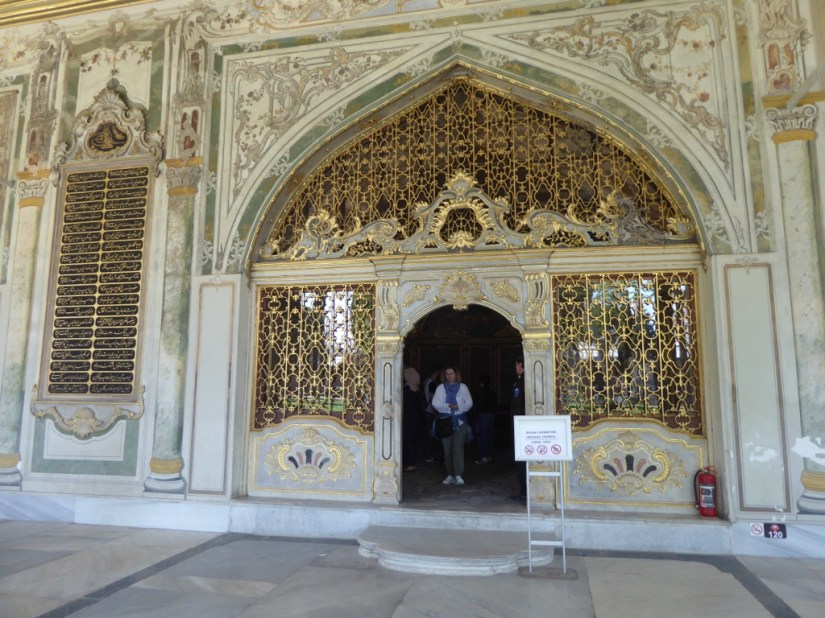
It also mentioned that he saw women of the harem through a grille in a wall while setting up the machine …
 … and this detail became important to the story of the Aviary Gate. I felt as if I’d already been on an adventure and I hadn’t left home yet!
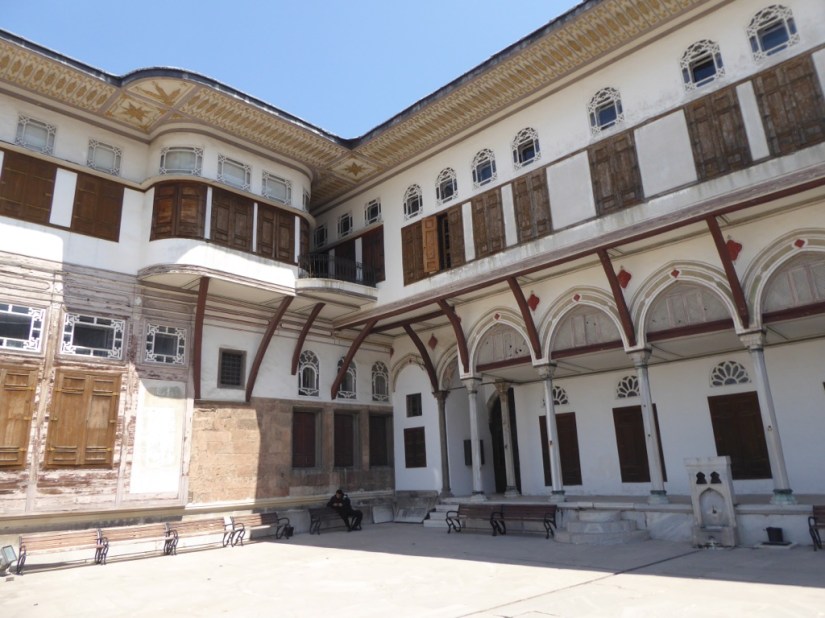
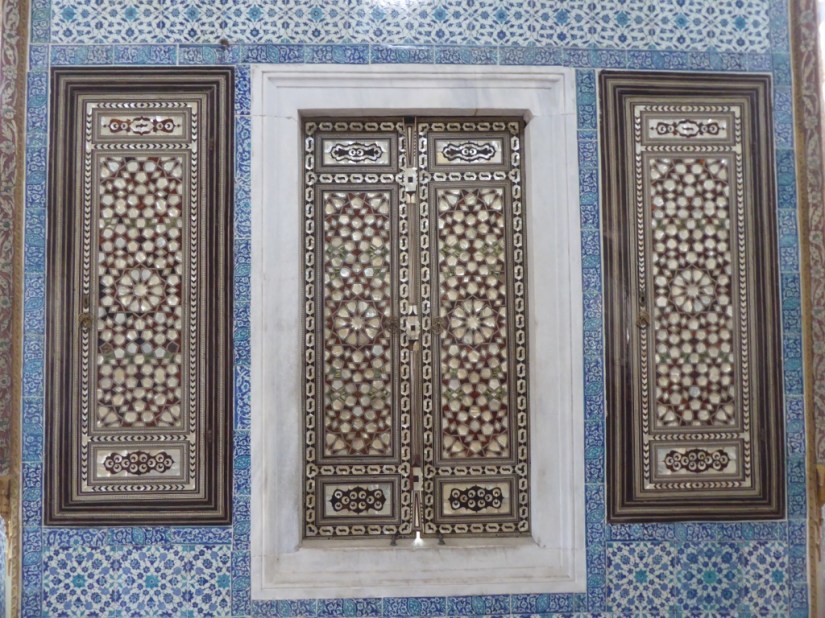
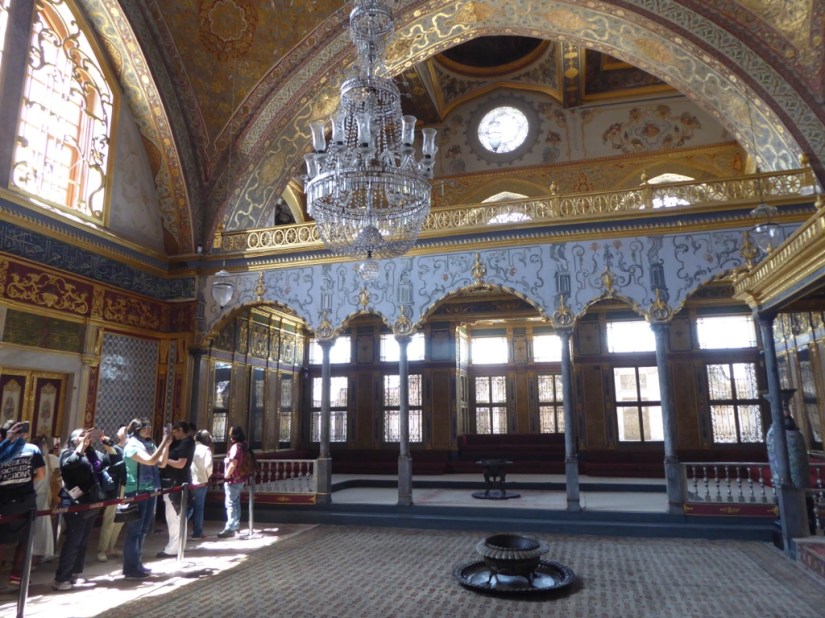
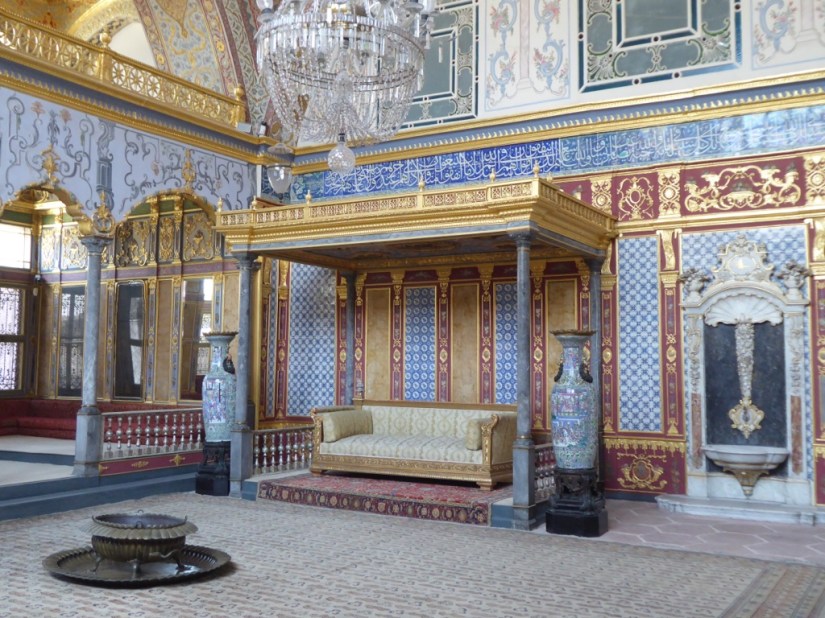
Having visited the Harem of the Topkapi Palace, where the entrance and courtyard are likely to have changed little, it was evocative to see the very place the story was set, and we even departed through The Aviary Gate.


There is definitely something about the secrecy of the Ottoman Court and its intrigues which attract writers, and Elif Shafak, the most widely read female writer in Turkey has also set a tale there – The Architects Apprentice.
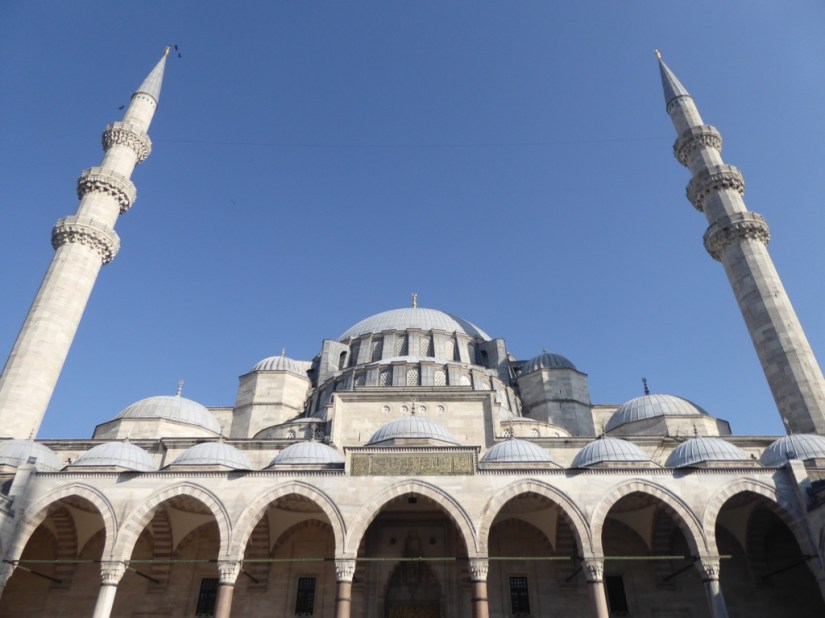
This is another tale about a gift, this time a white elephant and a young boy who begins as a stowaway, then a mahout and finally an apprentice to the real-life Mimar Sinan, the Ottoman architect who built some of the finest buildings in the world including the Suleymaniye Mosque.

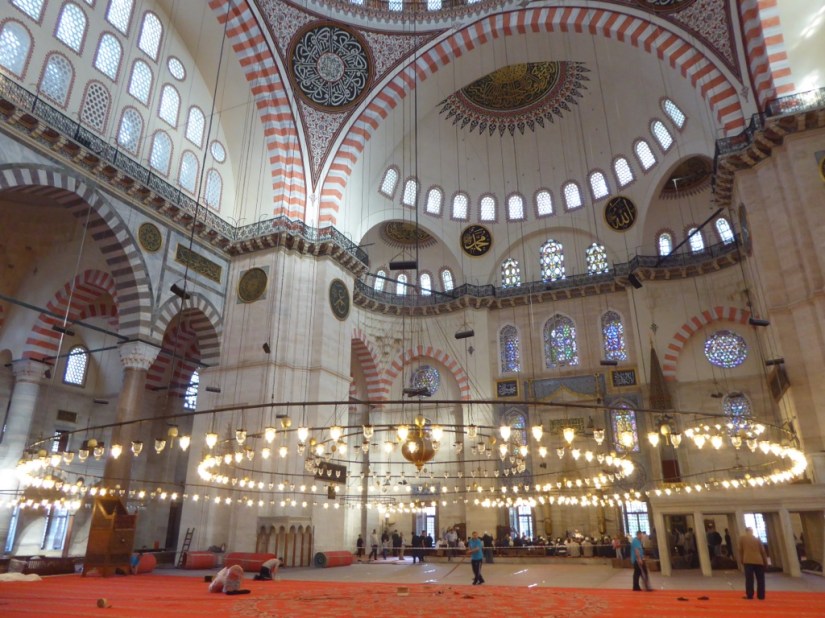
It spans the rule of three sultans – Suleymaniye, Selim II and Murad III and very appealingly weaves the fictional part of Jahan and his elephant Chota with the historical events of the time – definitely a winner!
Moving forwards in time, The Sultans Seal, is a tale of murder in nineteenth-century Istanbul which captures the political and social upheavals of the waning Ottoman Empire as Kamil Pasha, a magistrate in the new secular courts, sets out to find the killer.

More skulduggery and intrigue but also comments on the social differences between the Europeans living in Istanbul and the Ottomans and the more modern Ottomans who wanted to bridge the gap.
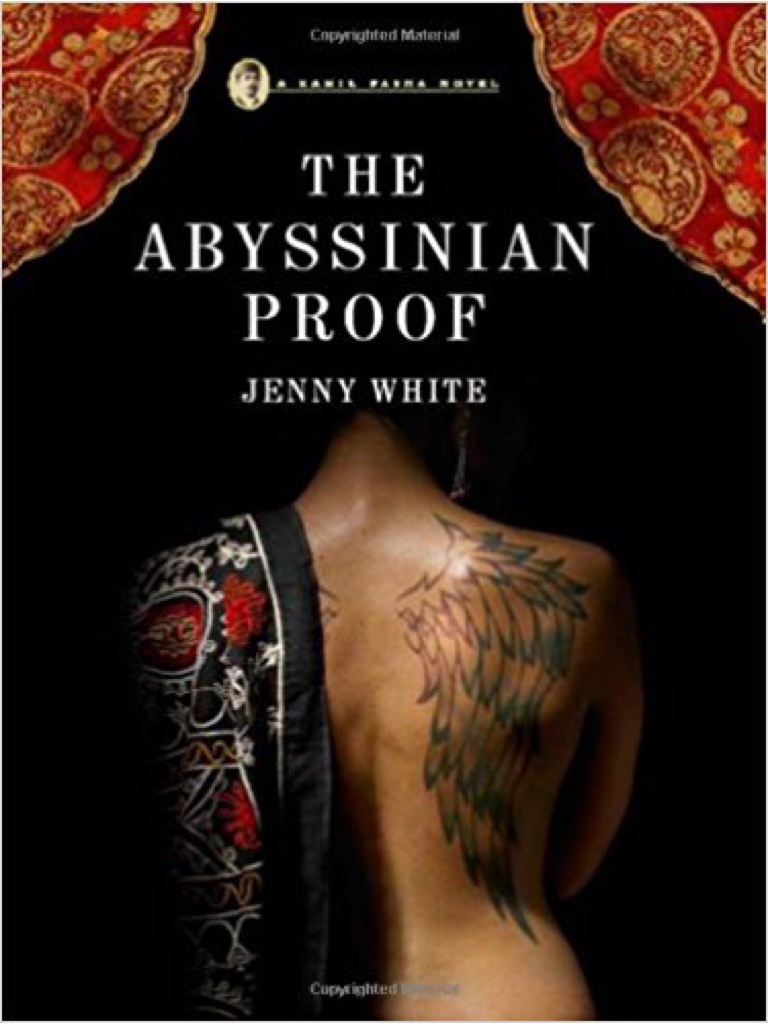
Hooked, I turned to The Abyssinian Proof, a conspiracy to steal an ancient reliquary which sets Kamil Pasha investigating again.
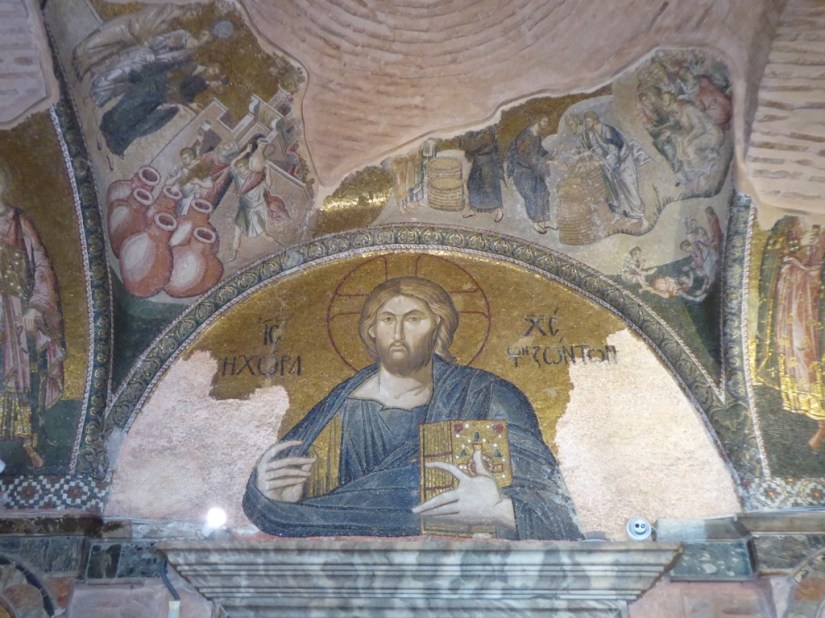
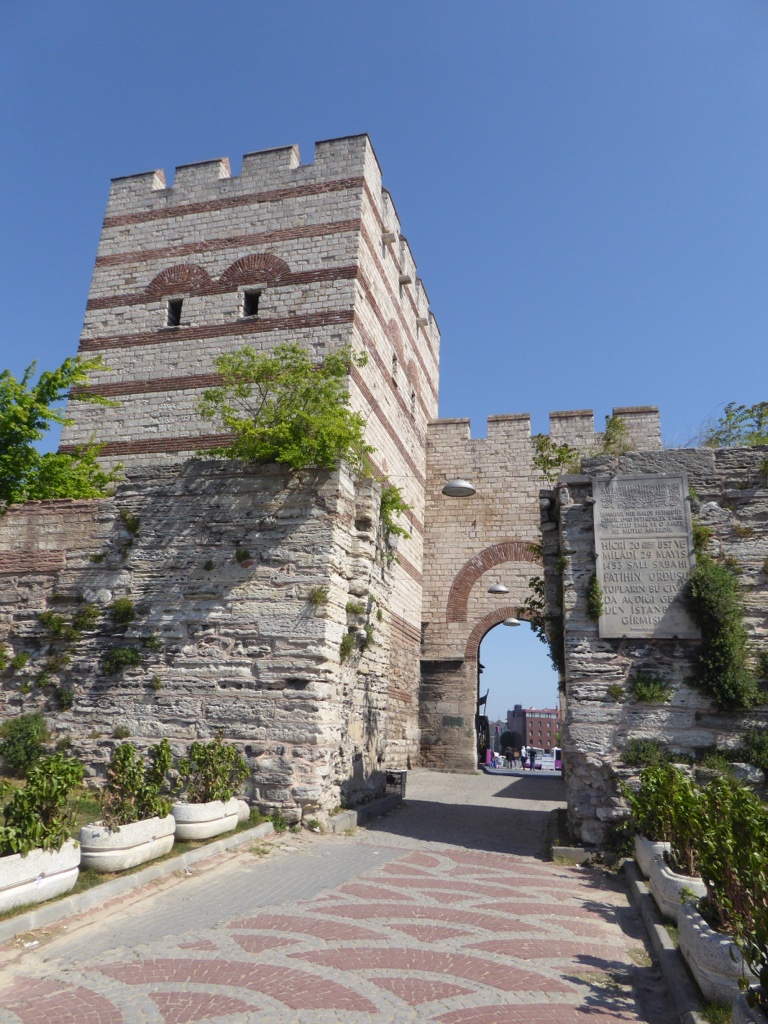
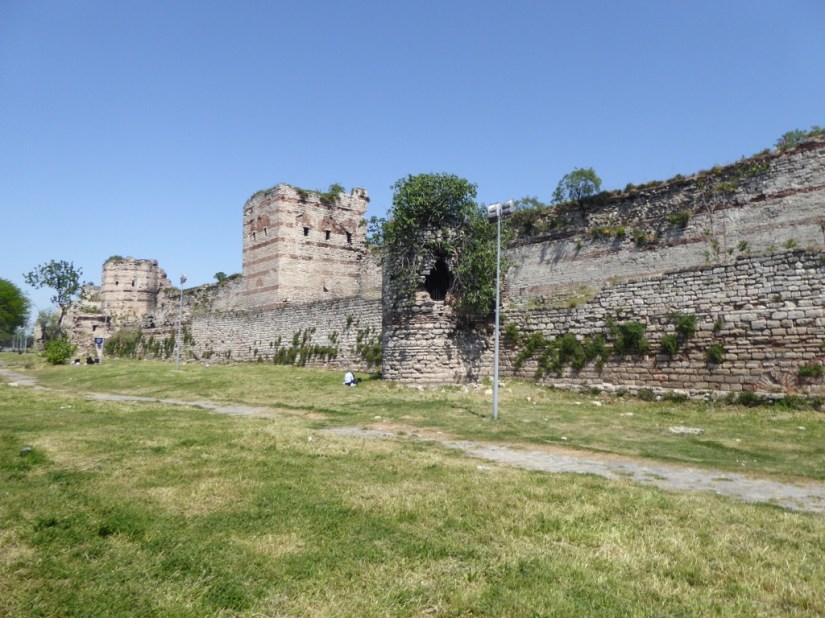
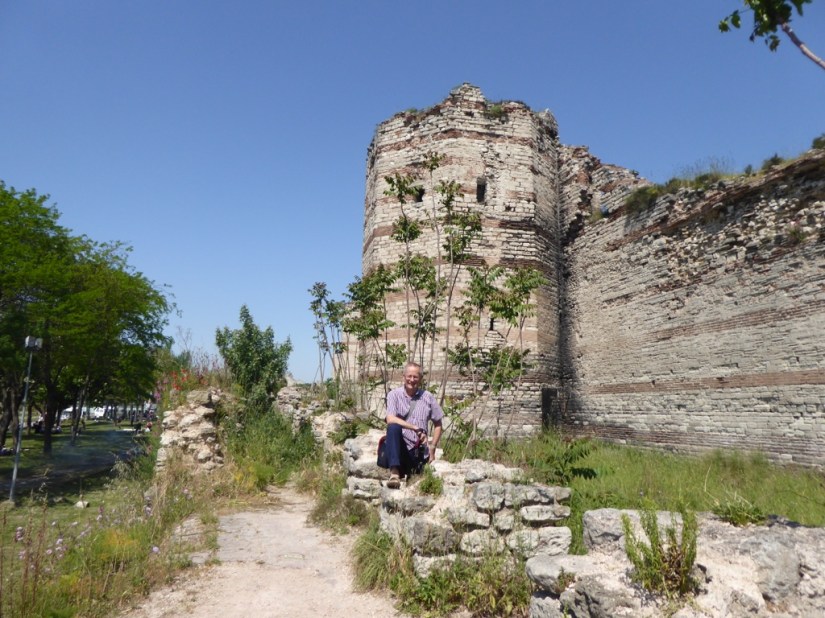
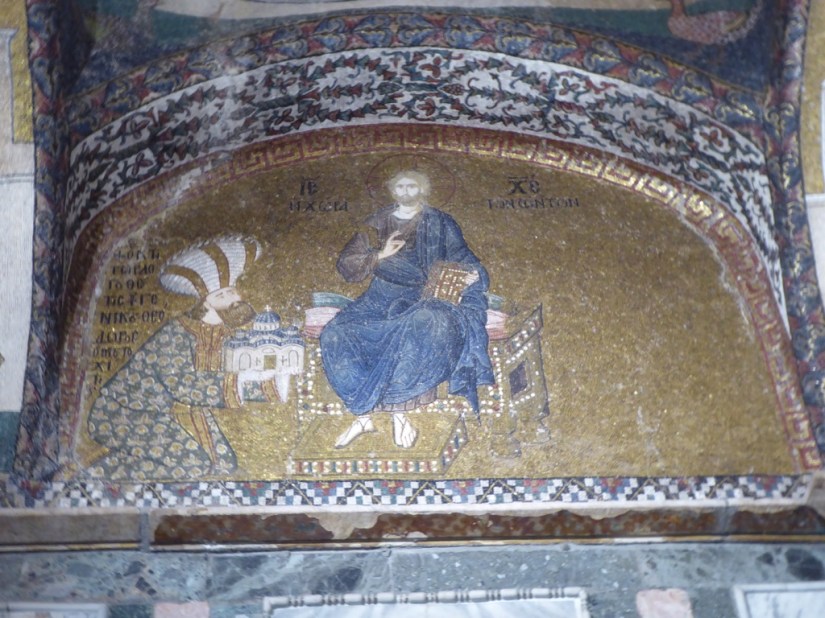
In the opening chapter, there is a flashback to 1453 when Constantinople fell to the Ottomans with Christians fleeing the city through passages in the underground cisterns which we visited , carrying the reliquary from St Saviour in Chora Church, which we also visited and running from a breach in the land walls!

Anyway, must go and finish the story lying in the sun, overlooking the warm Aegean Sea!
Just a final thought … the Cave of Zeus is nearby … maybe I should read some Greek myths next … or even download an audio version and listen on the plane home … now that’s a plan!
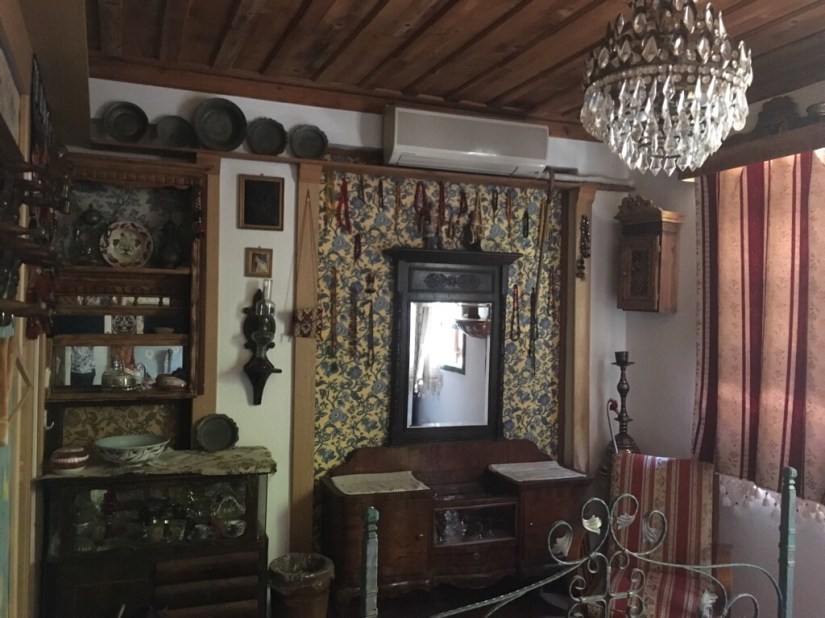
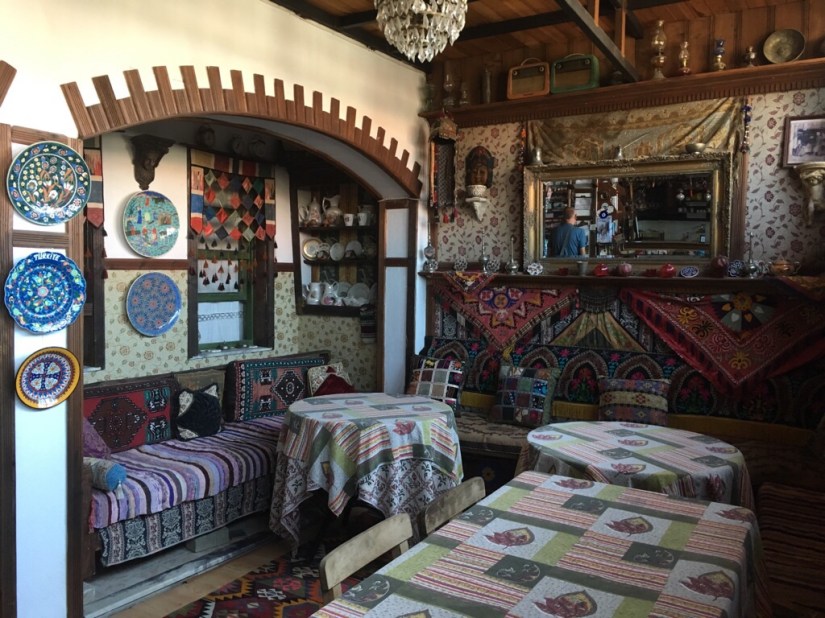
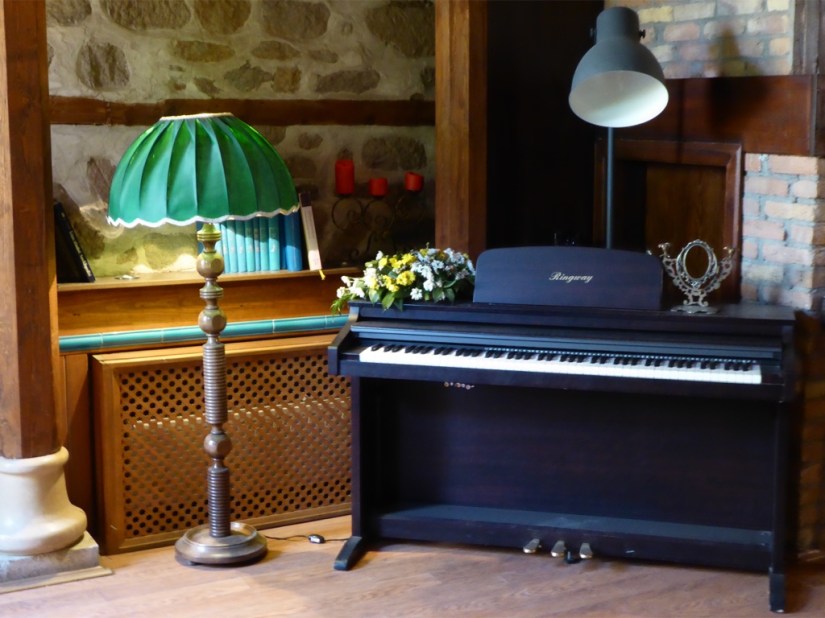
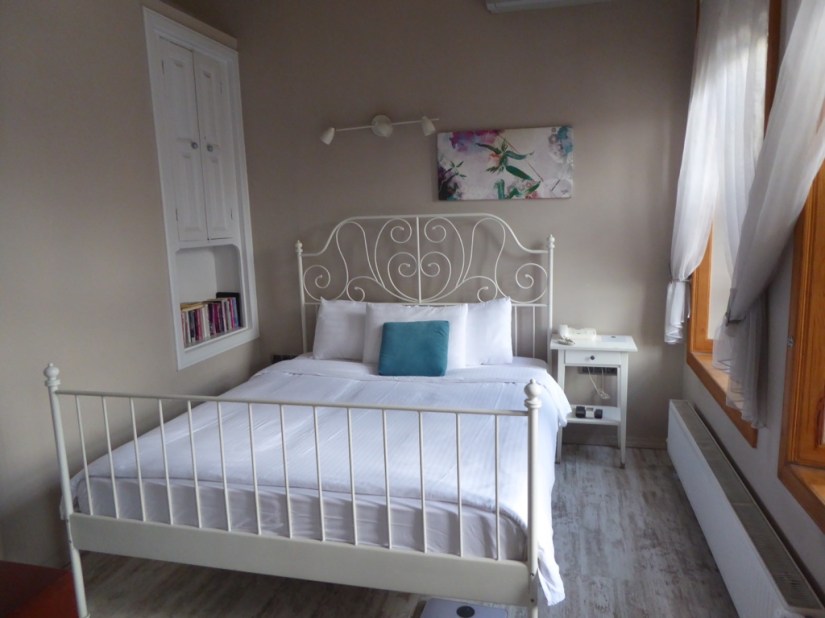
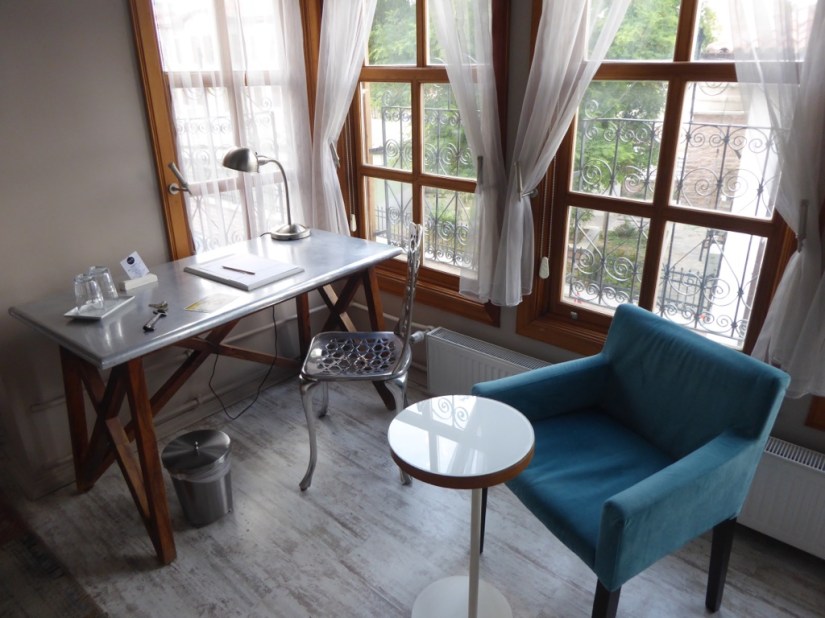
 Our direct bus arrived after lunch and a short walk brought us to Homeros Pension, decorated in a cosy Turkish style with lovely fabrics and traditional ornaments and a roof terrace with views towards the sea.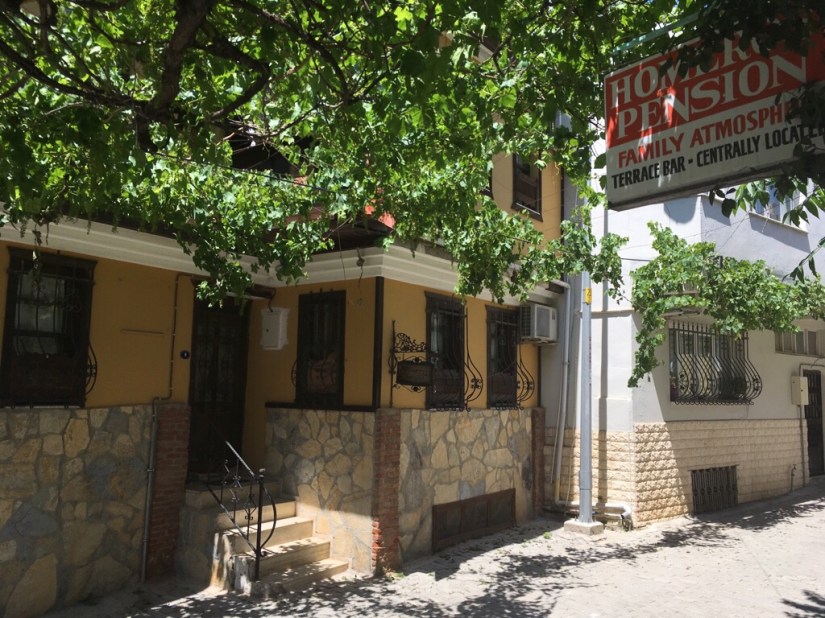


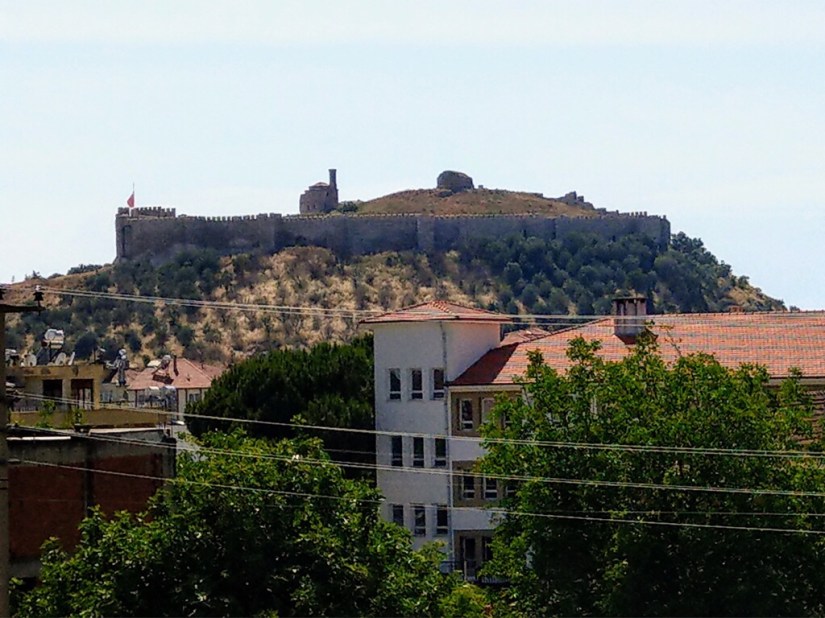
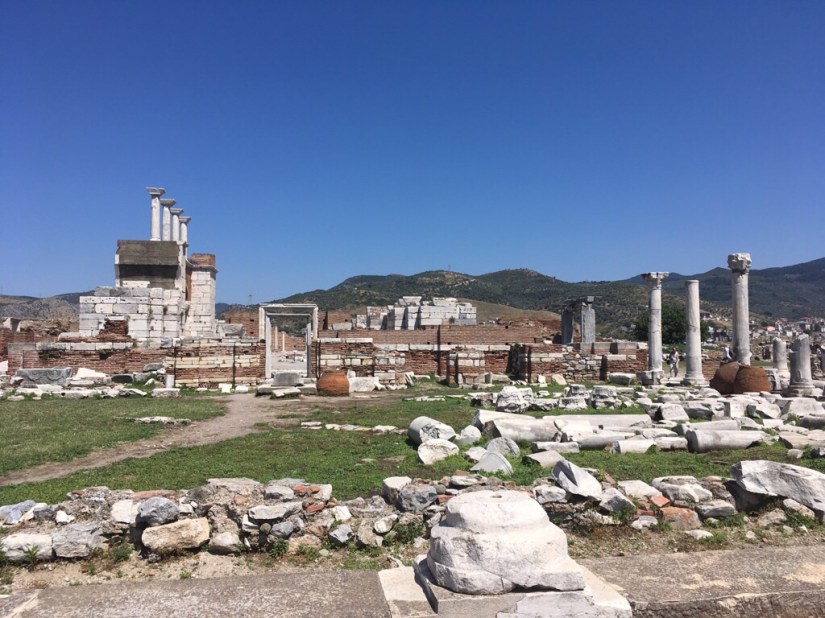
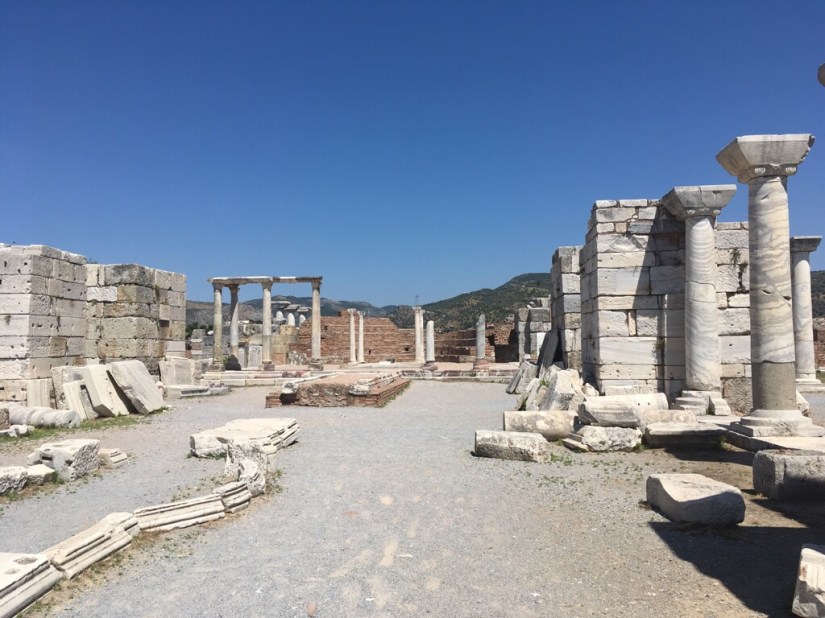


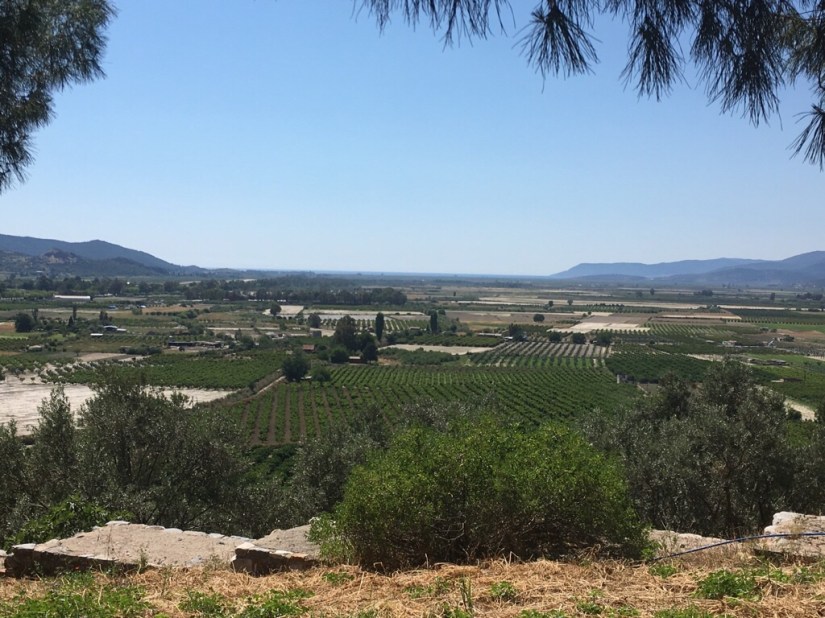
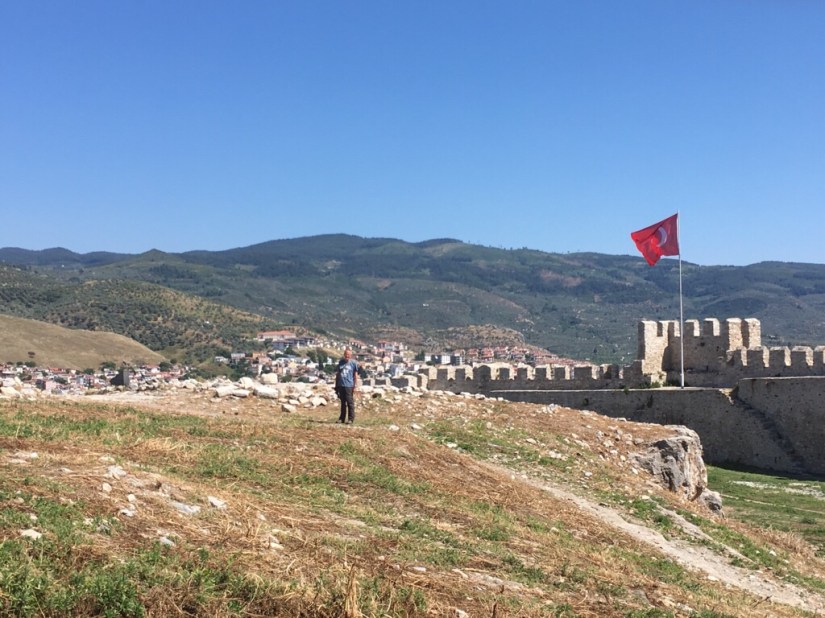
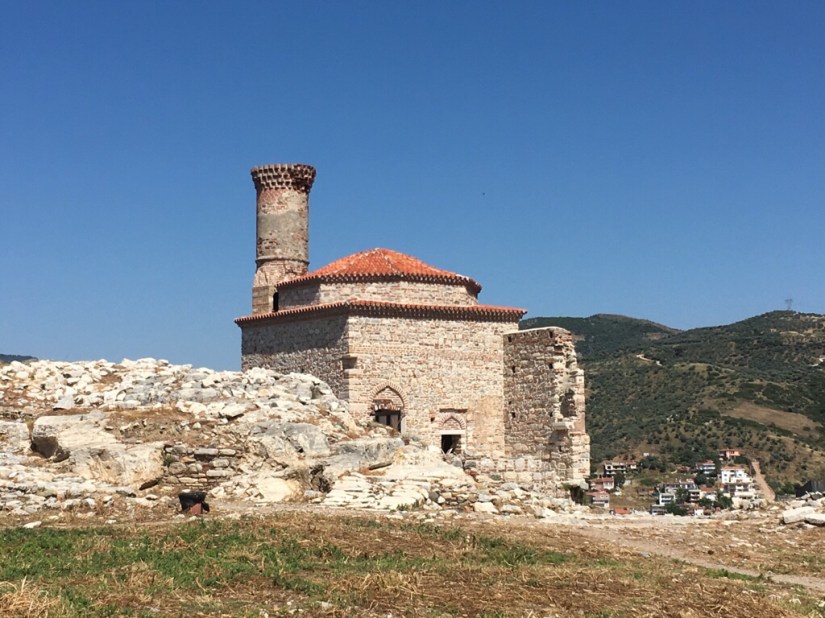
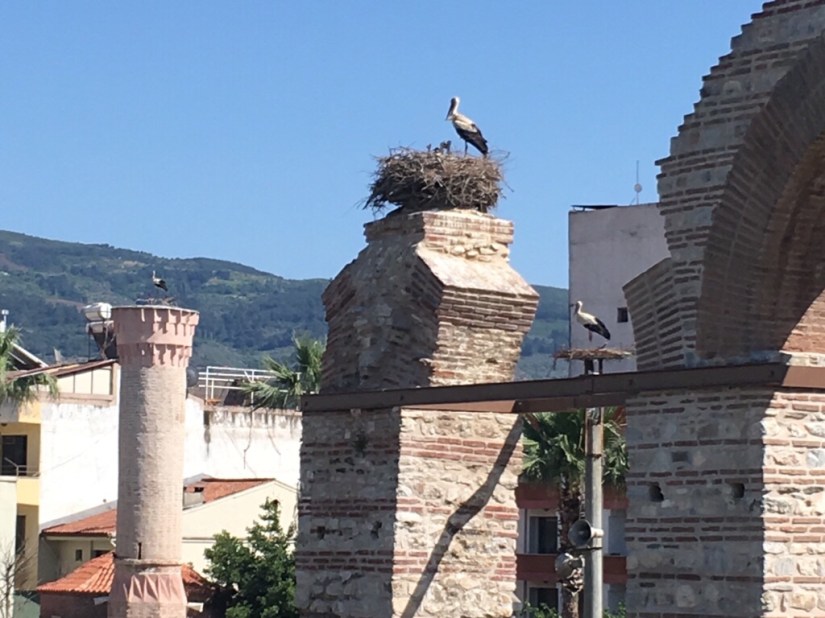


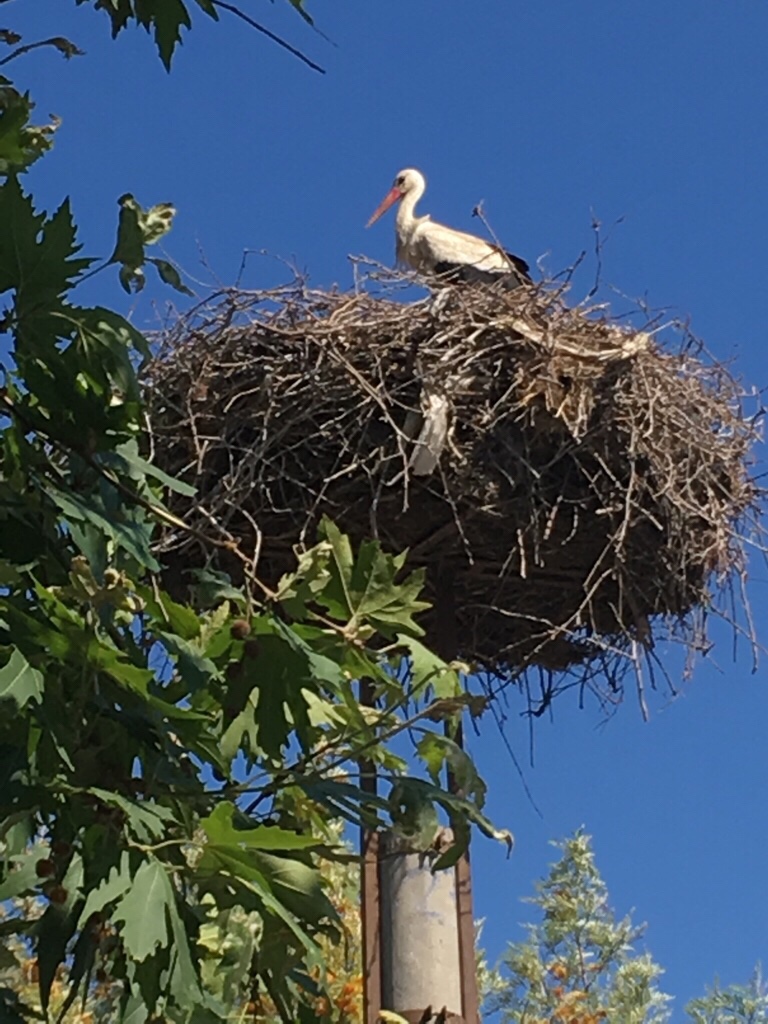
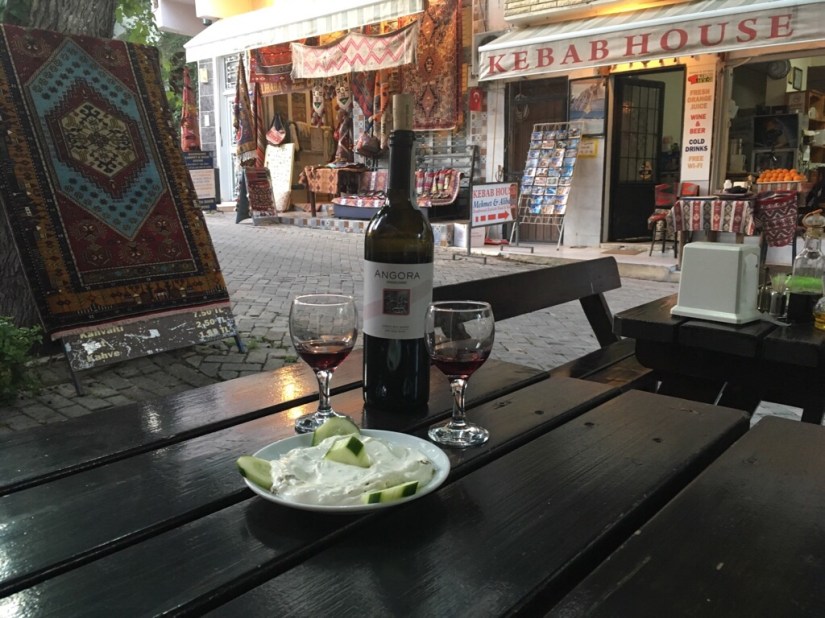

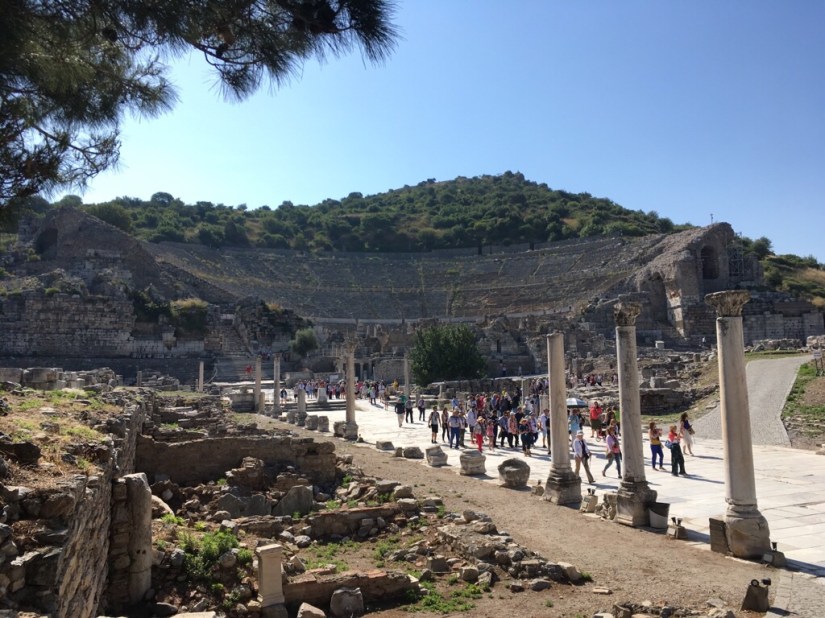
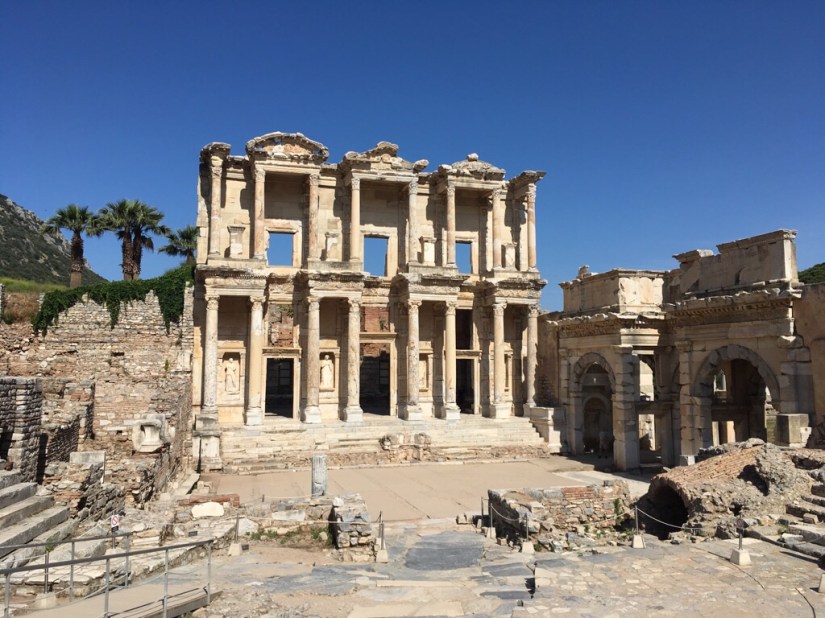
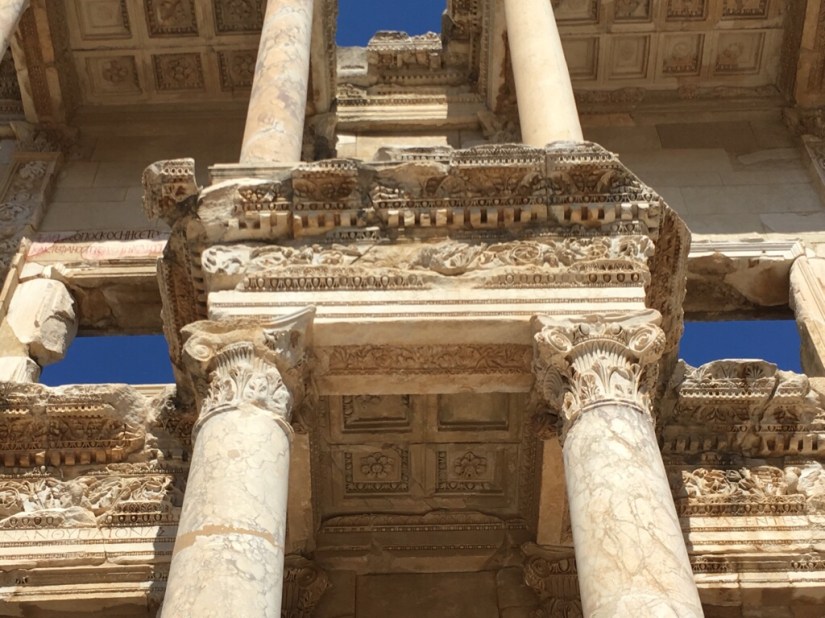


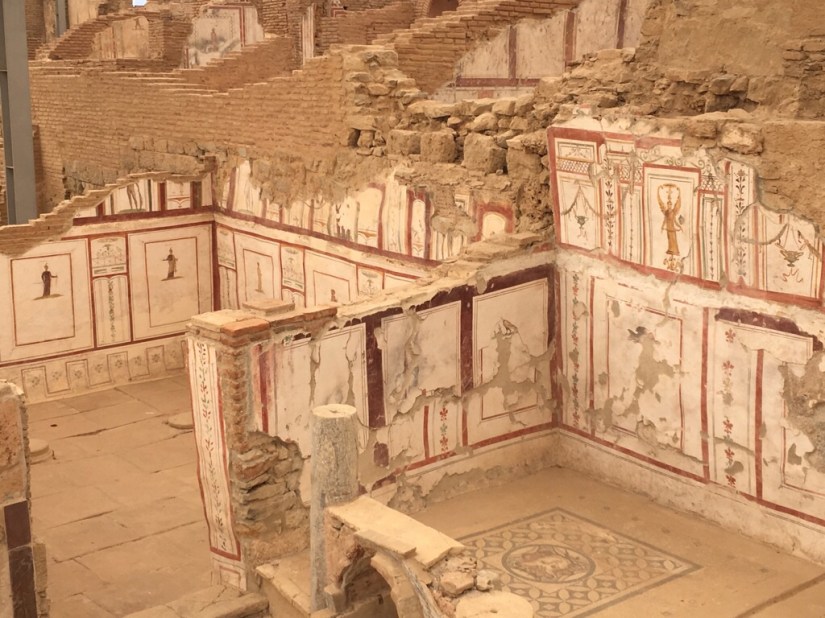


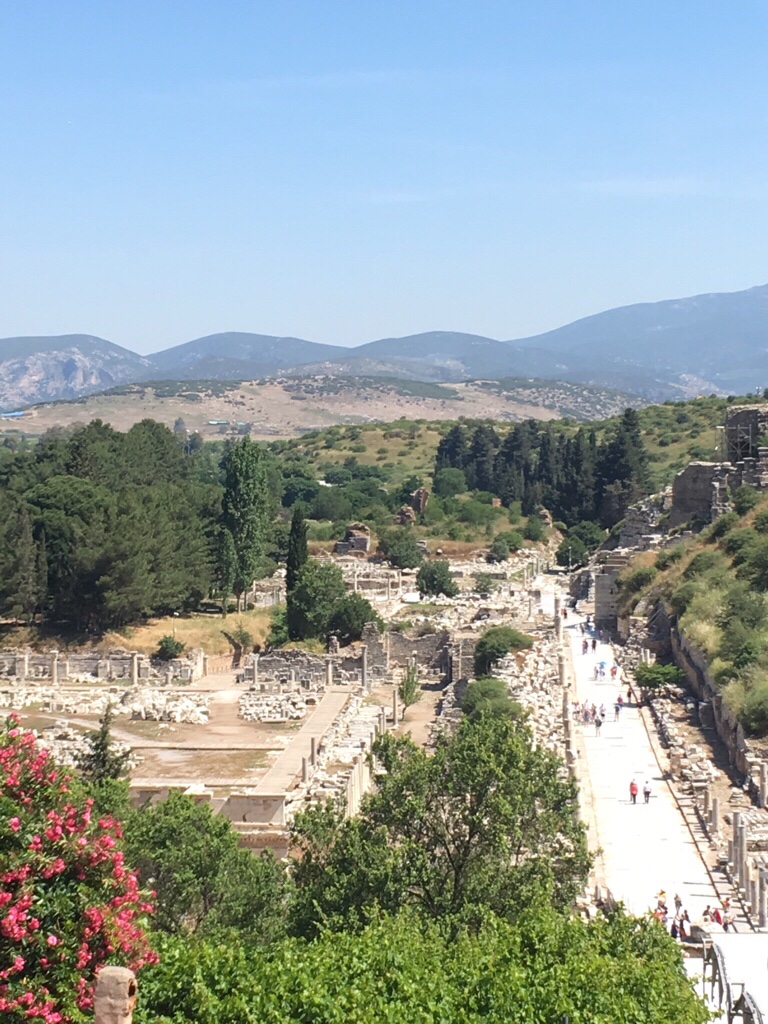


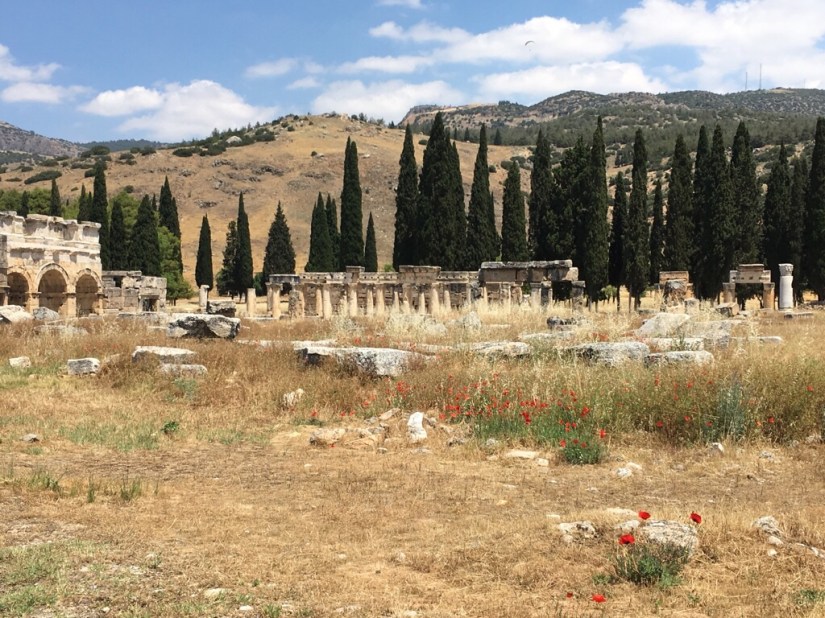
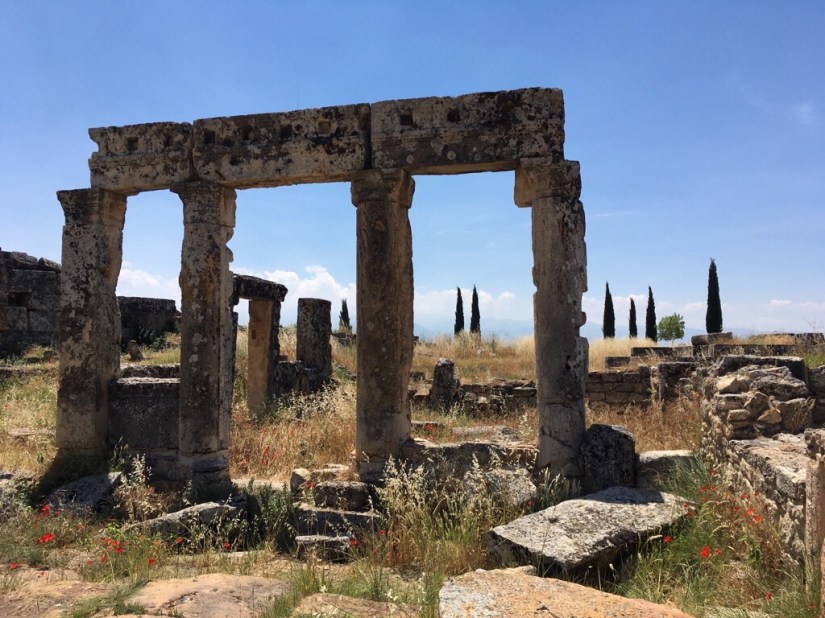
 … the remains of the gymnasium …










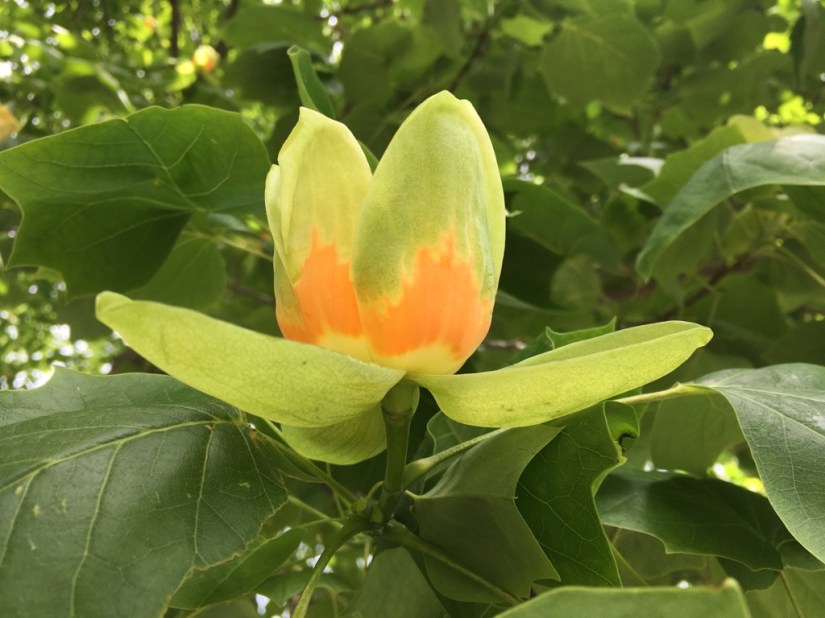
 It seems that sometimes the buses run on Turkish time, which is fine, it gave us time to sit overlooking the lake drinking tea. I also noticed a tree with really pretty tulip-like flowers … and guess what … it’s called a tulip tree!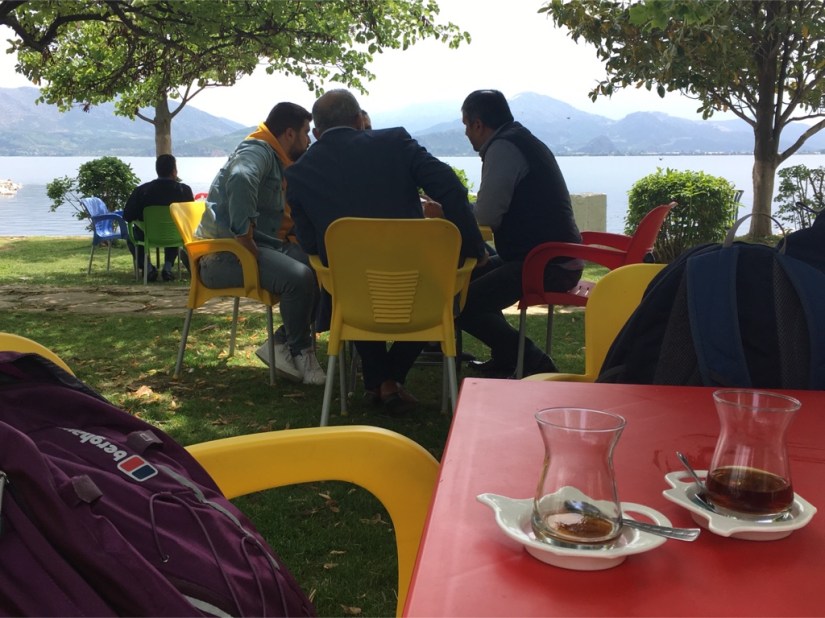









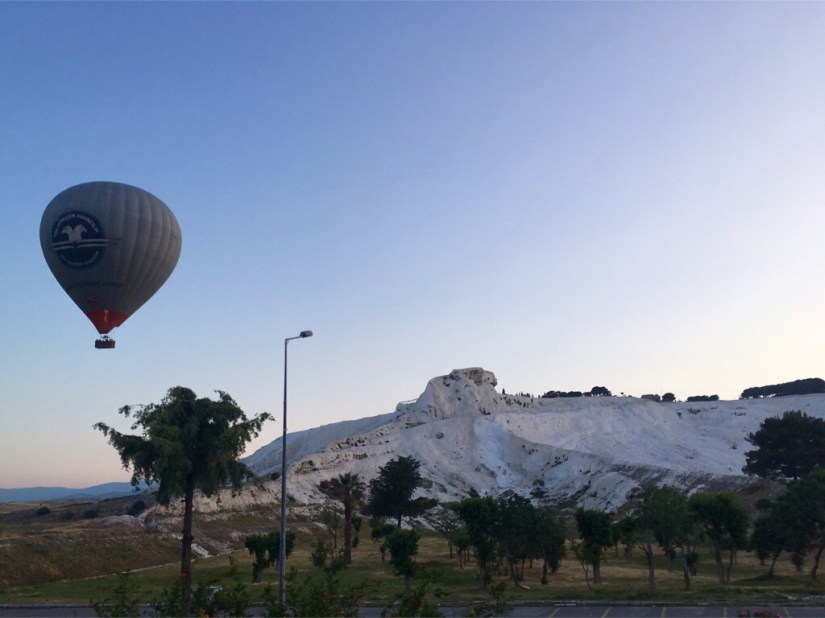 By 10.30 we had crossed the road, paid for our ticket and started the climb.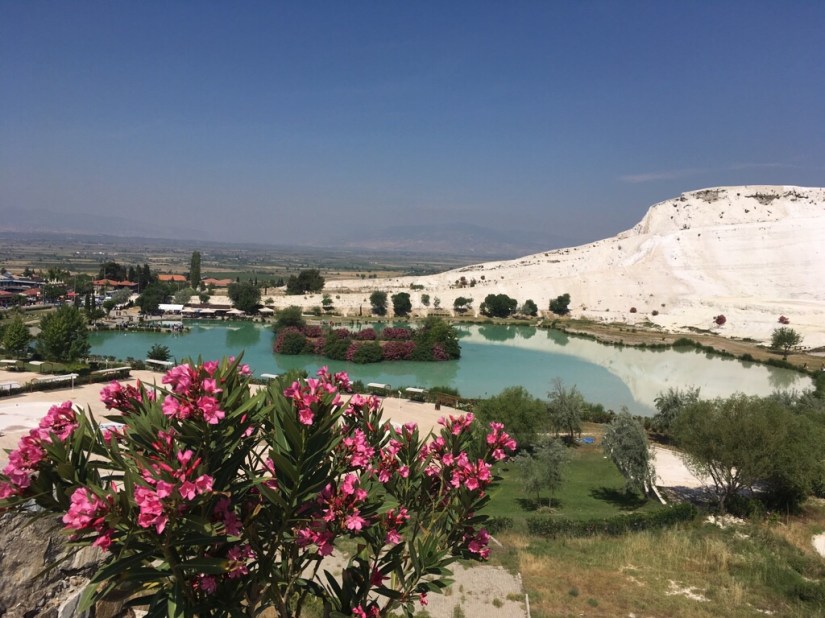


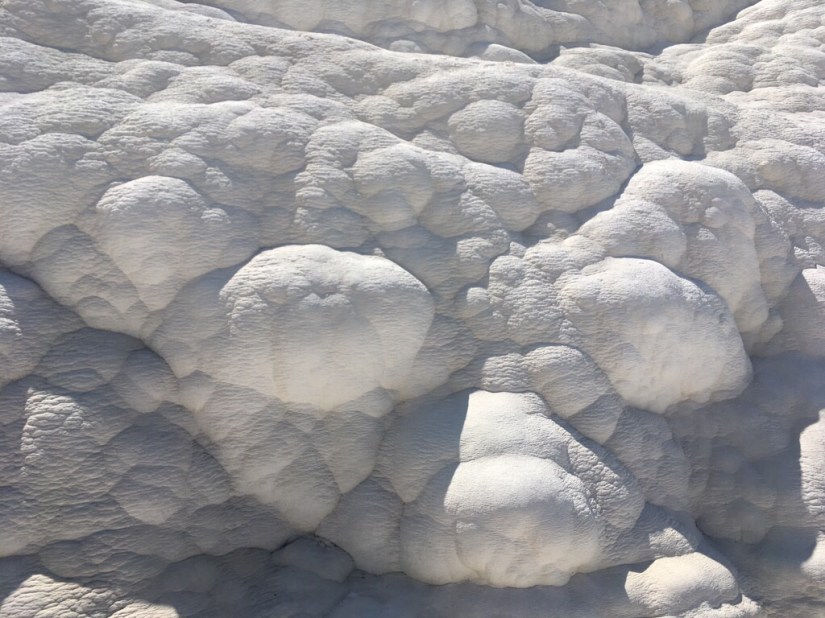


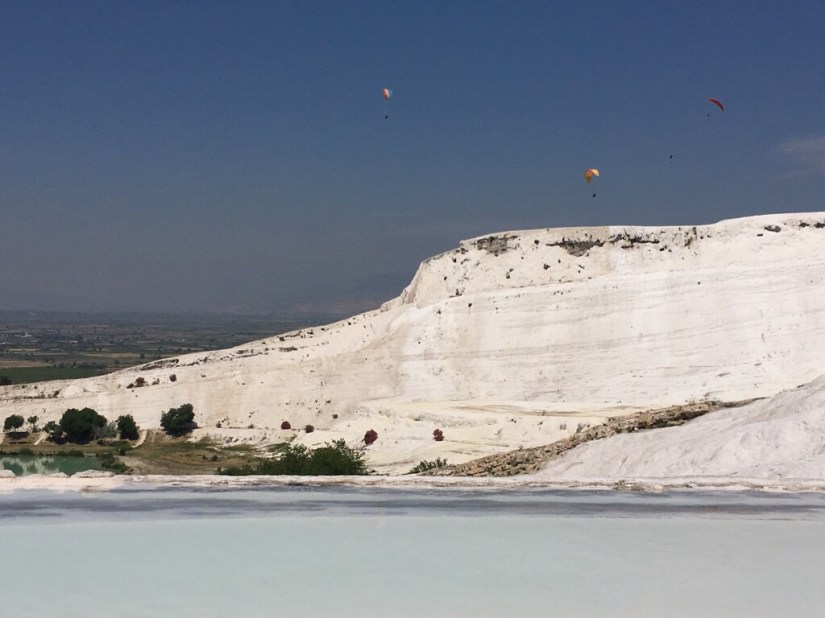
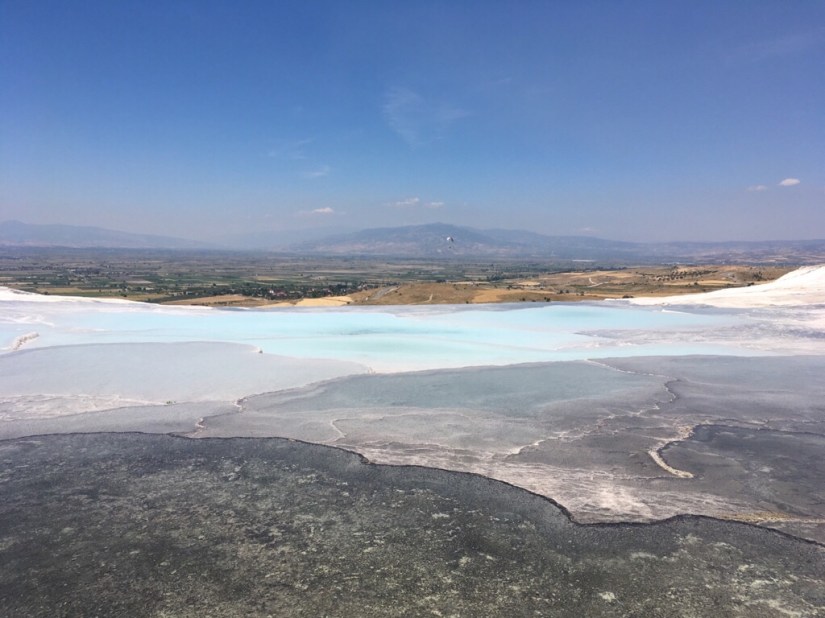

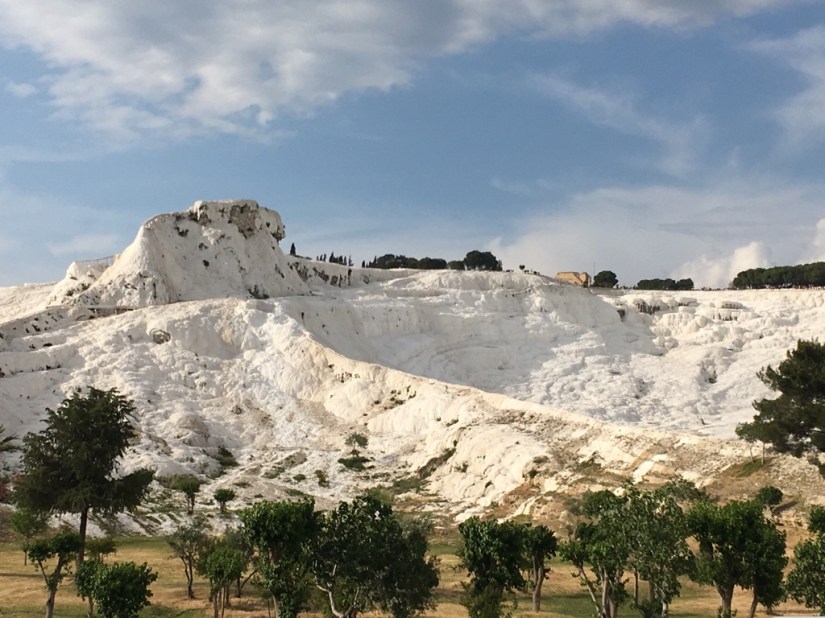
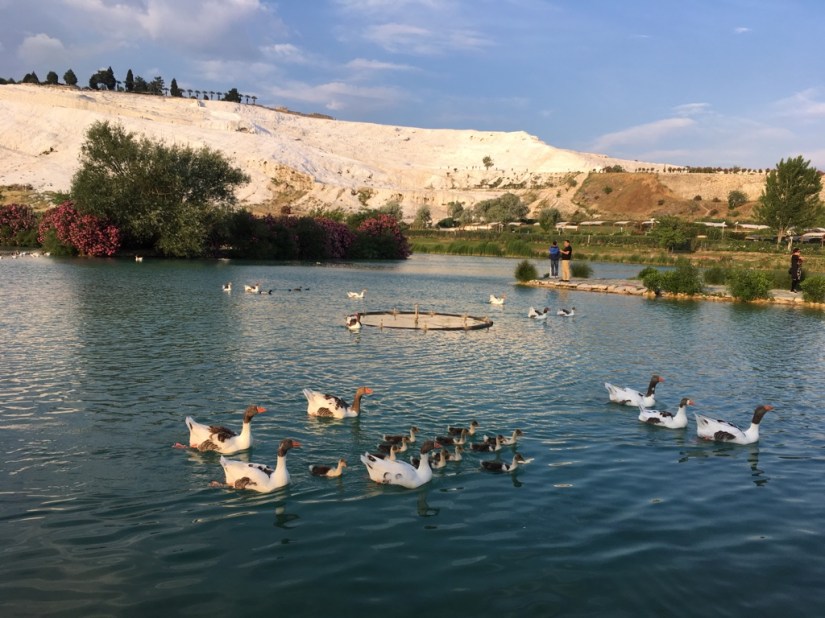
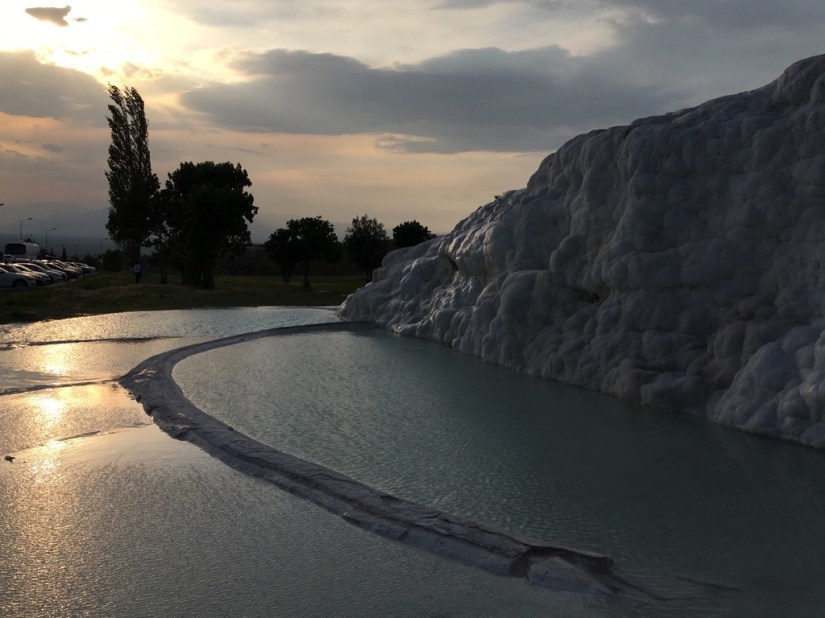
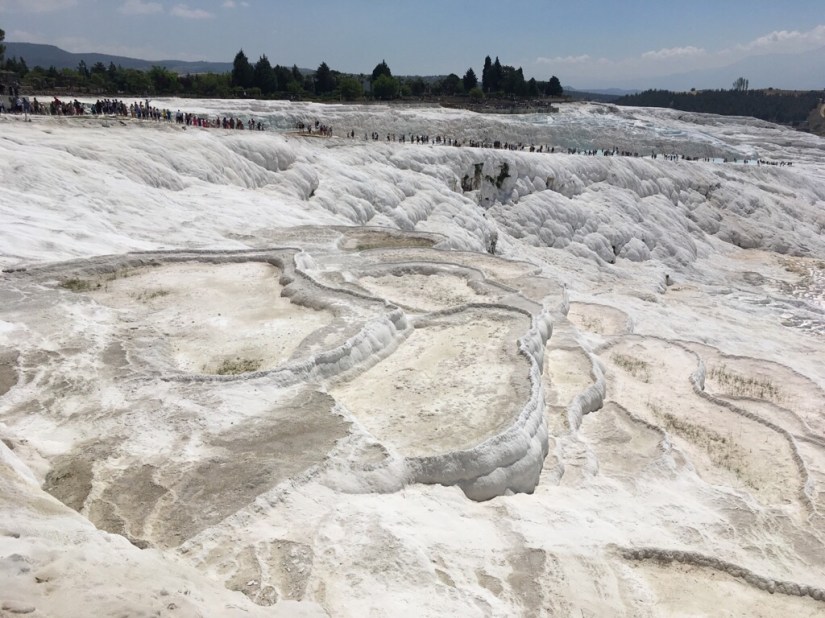
 When we reached the top and started to explore, we realised how extensive the pools were. Most could not be walked on and some contained water and were a lovely blue colour …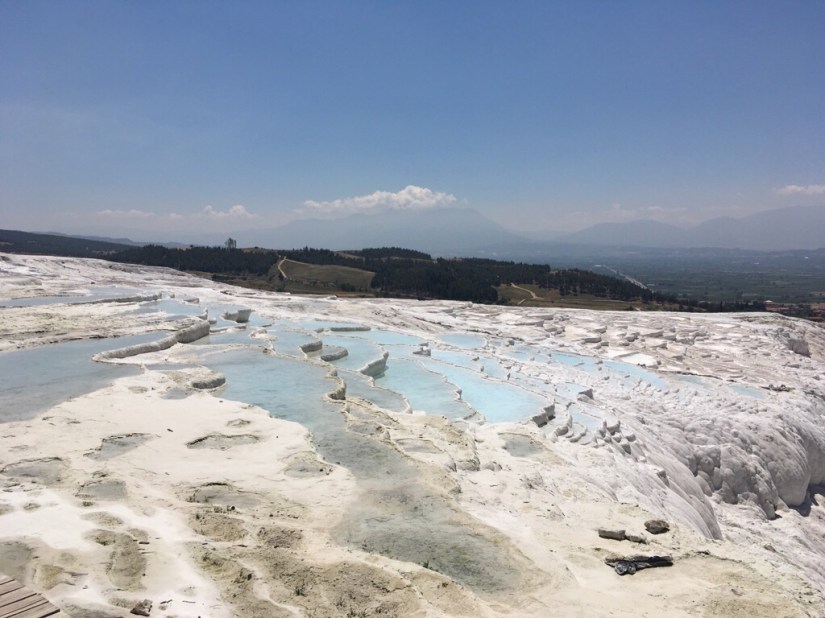




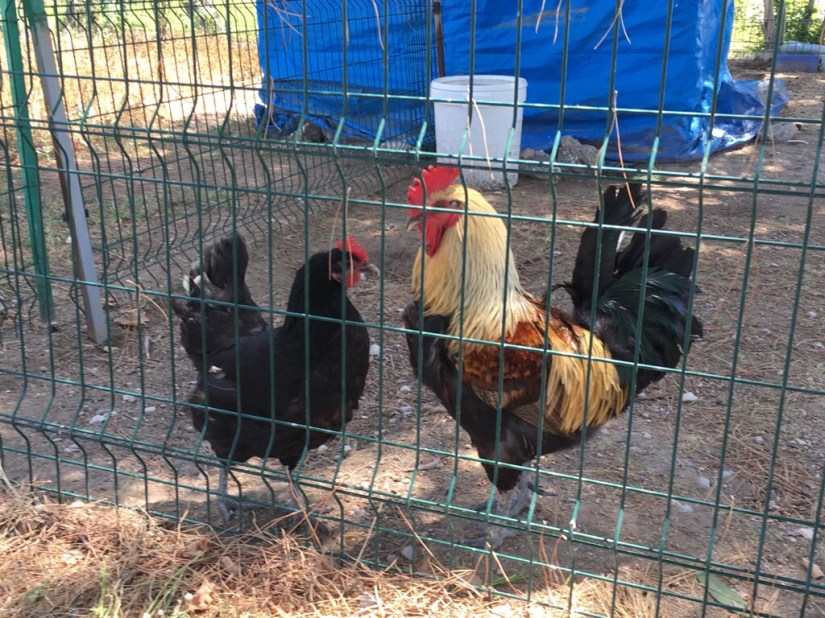
 You might well wonder why we not only came across a large rooster in front of the museum …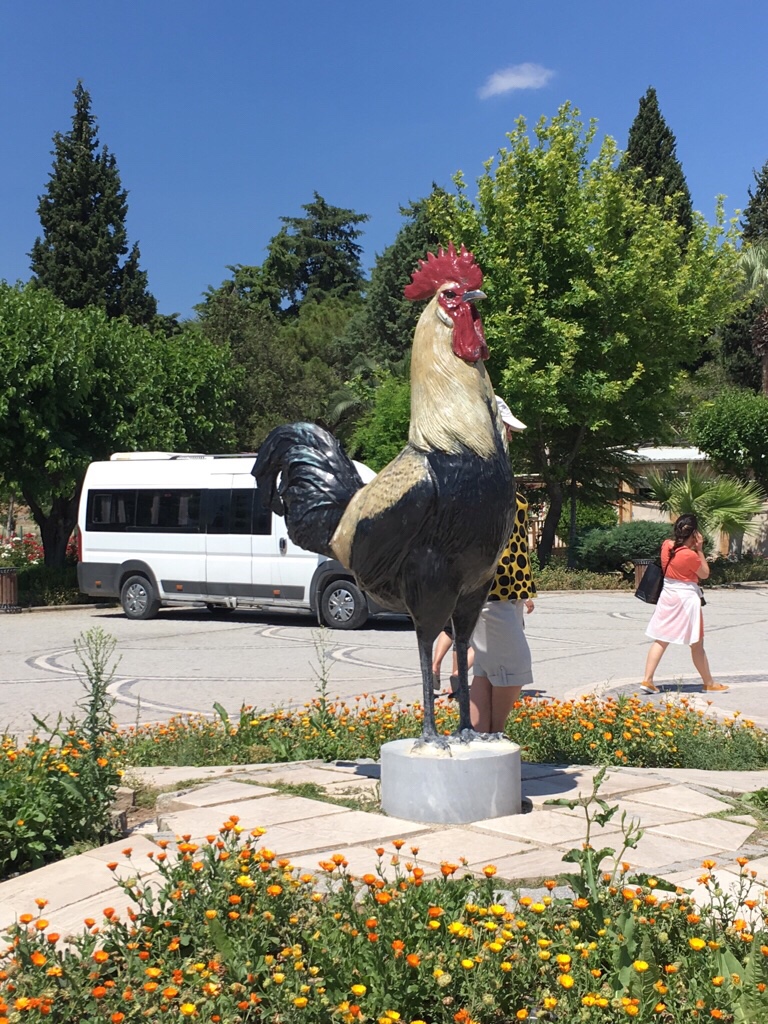


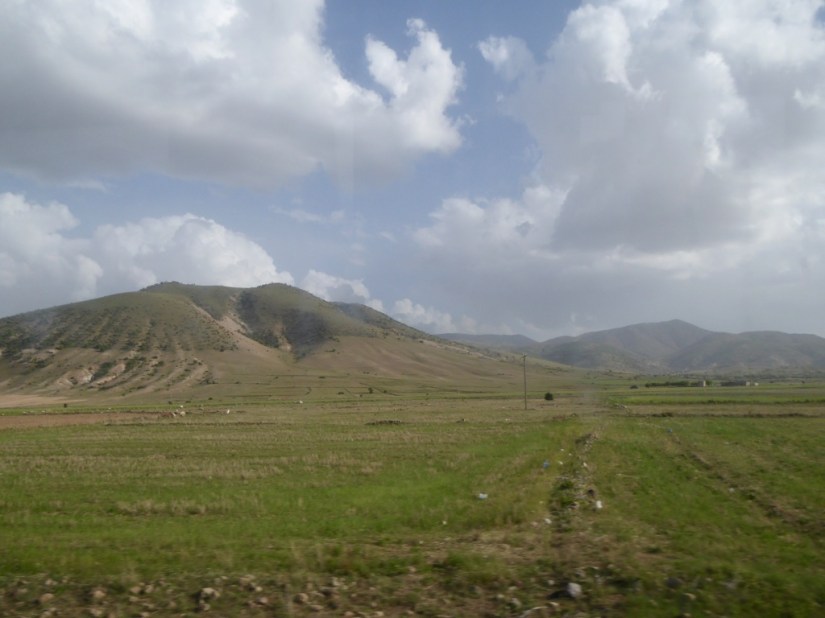
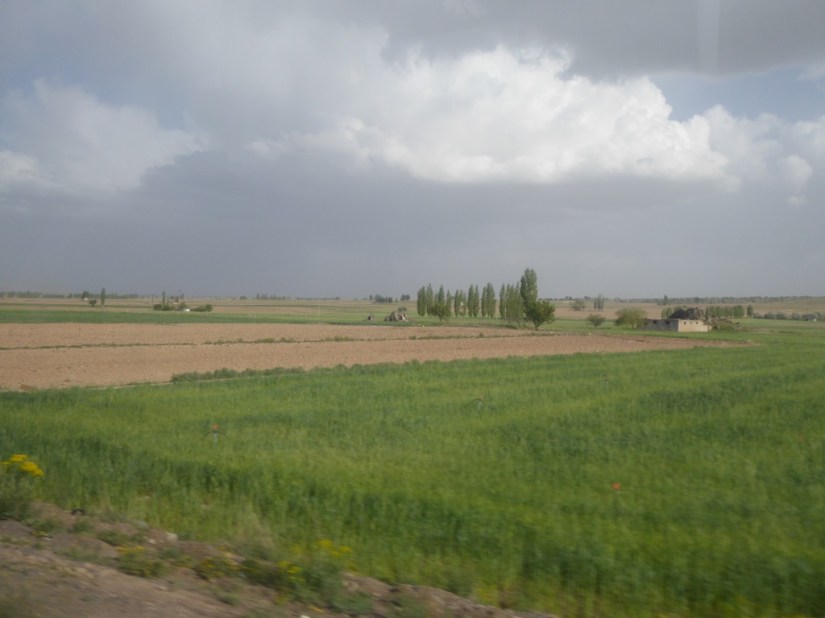
 Another four hour bus ride, this time with slightly more varied countryside. I feel queasy if I read on a bus, so instead listened to a great series of podcasts about the history of Istanbul to pass the time.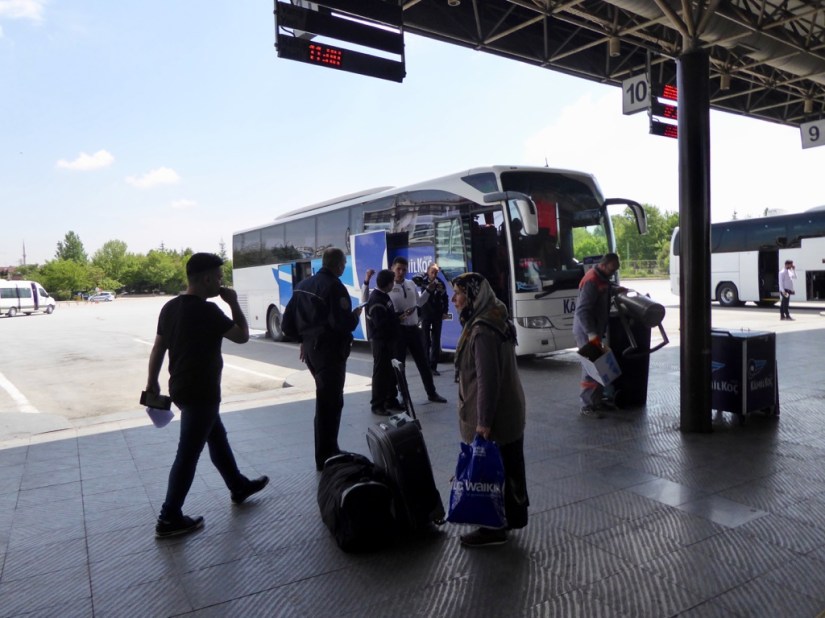


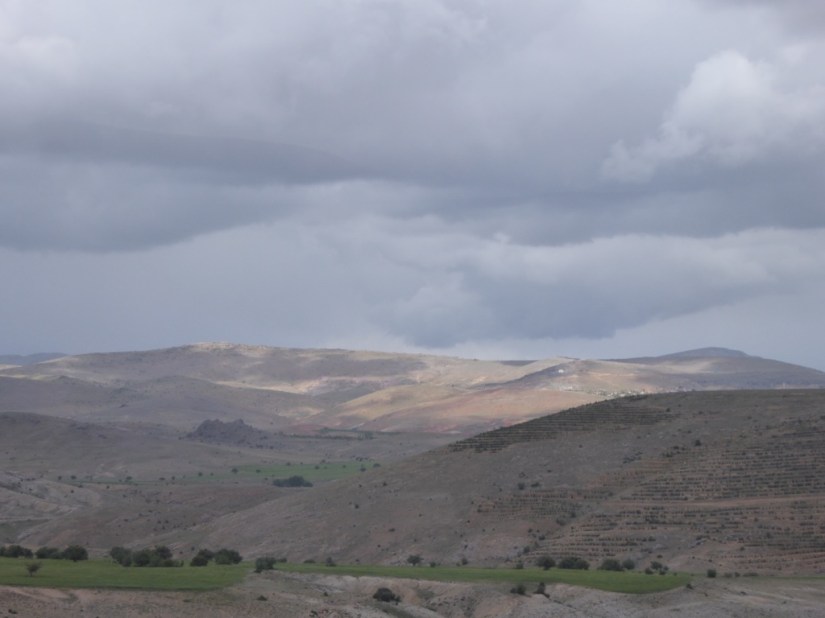

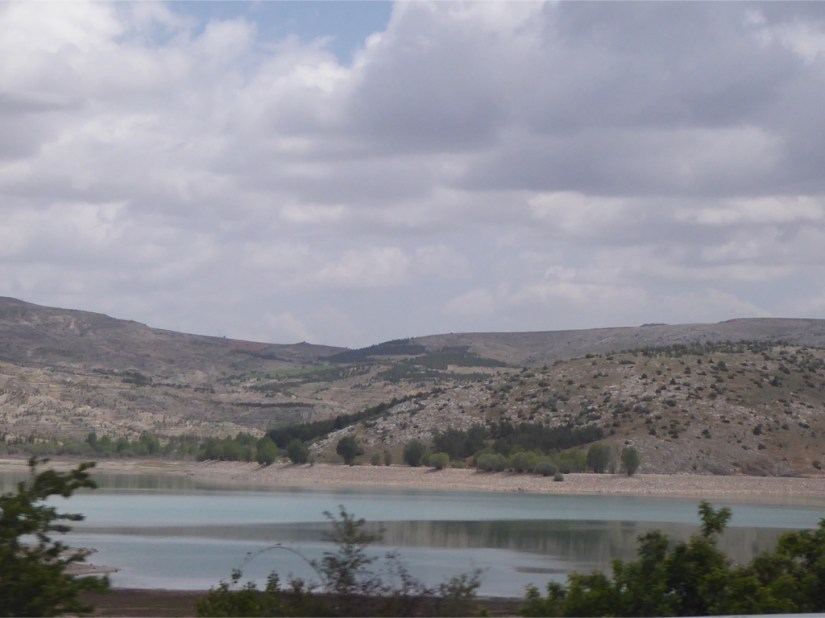
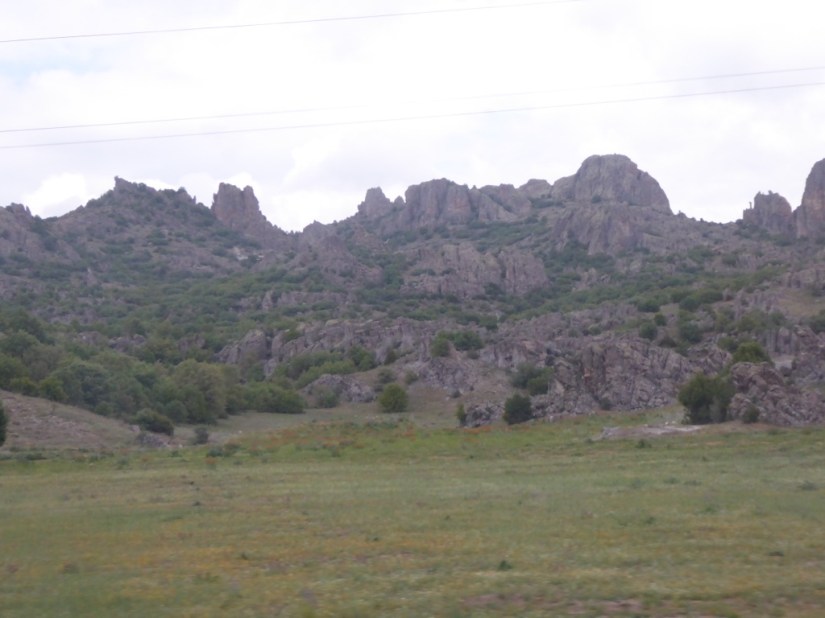


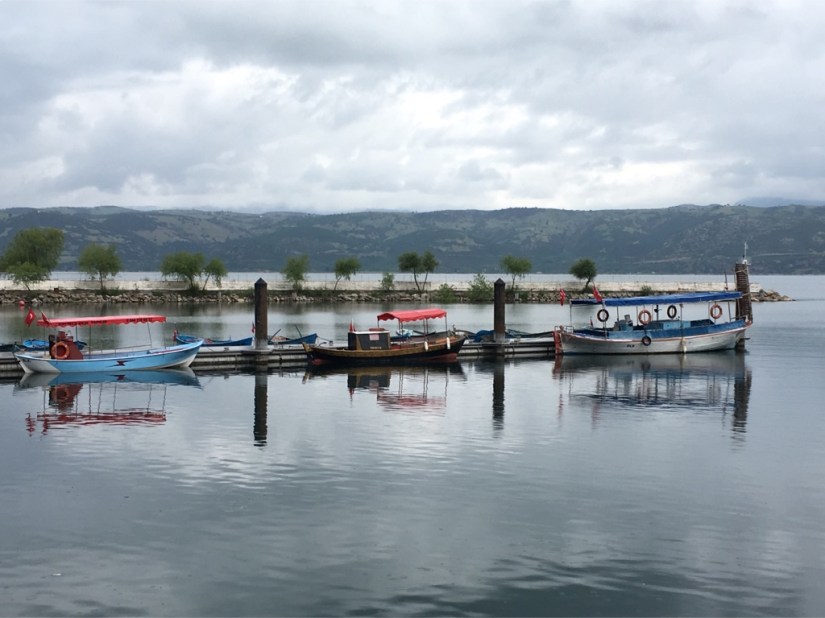

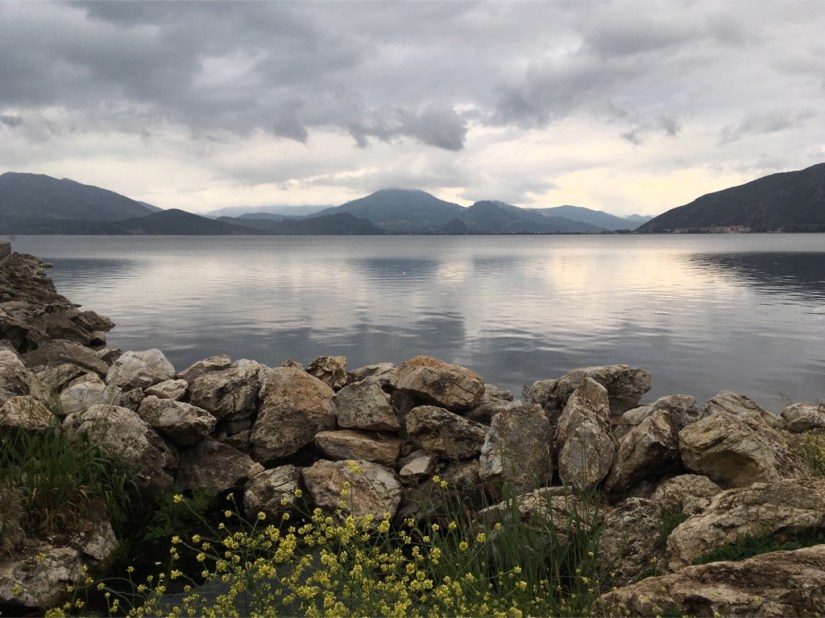

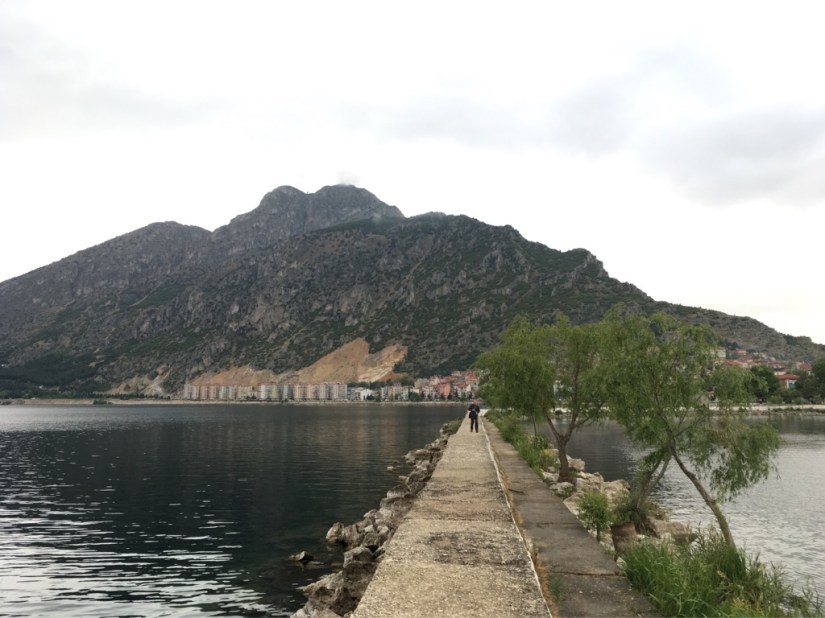
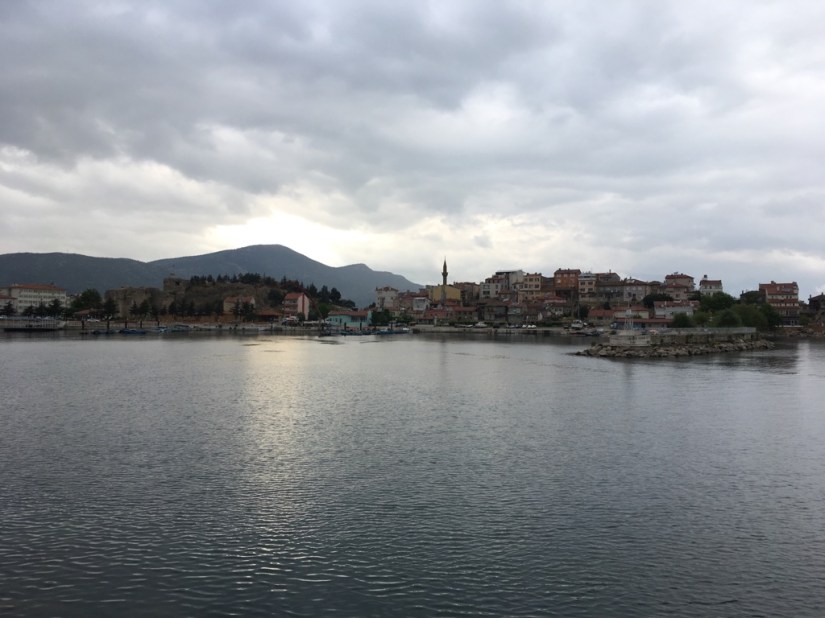


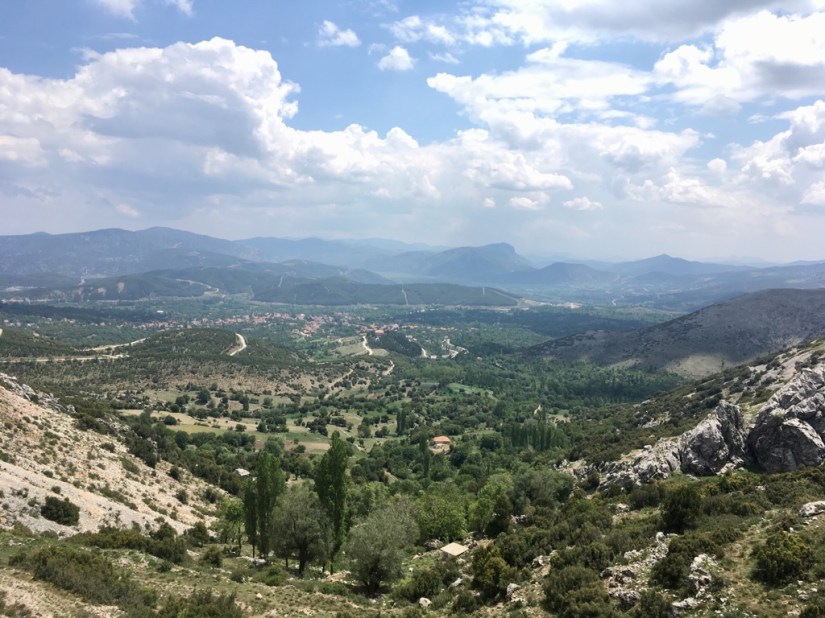
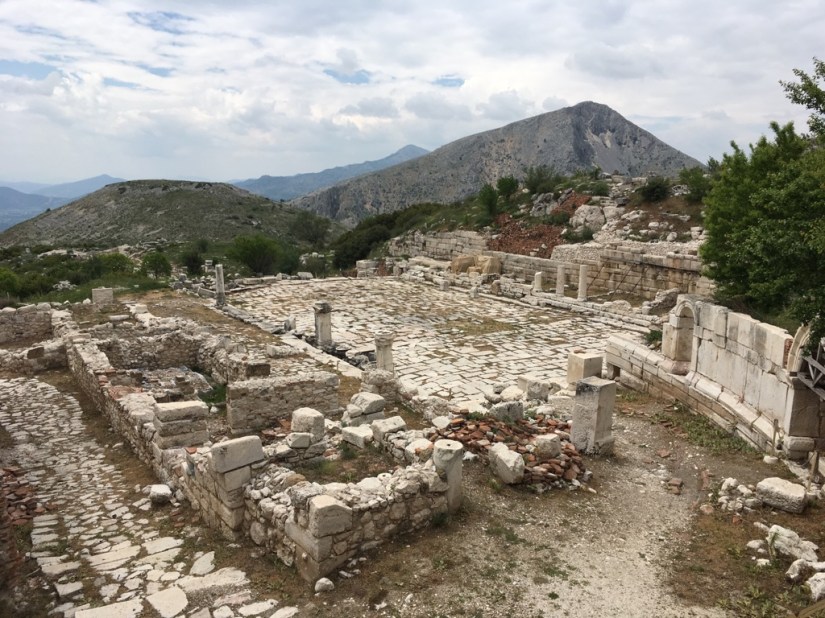
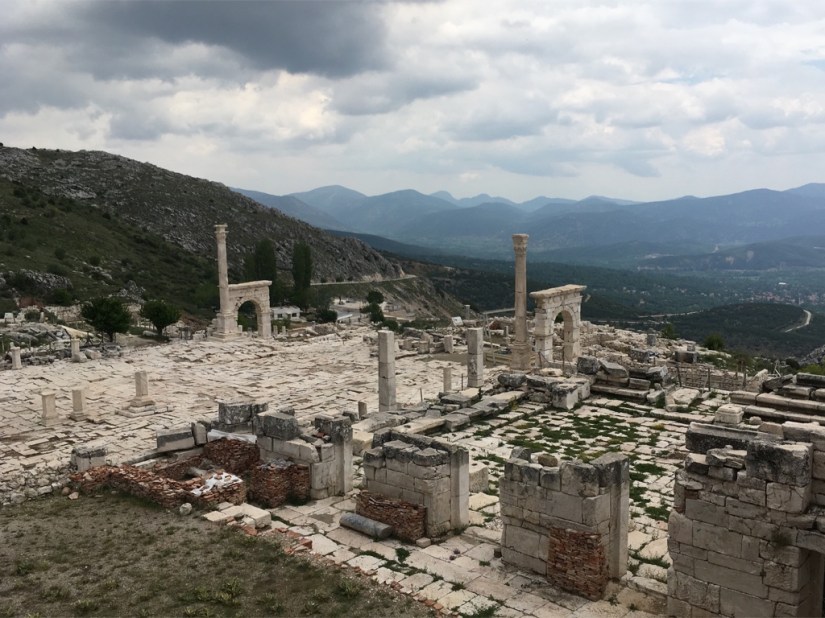

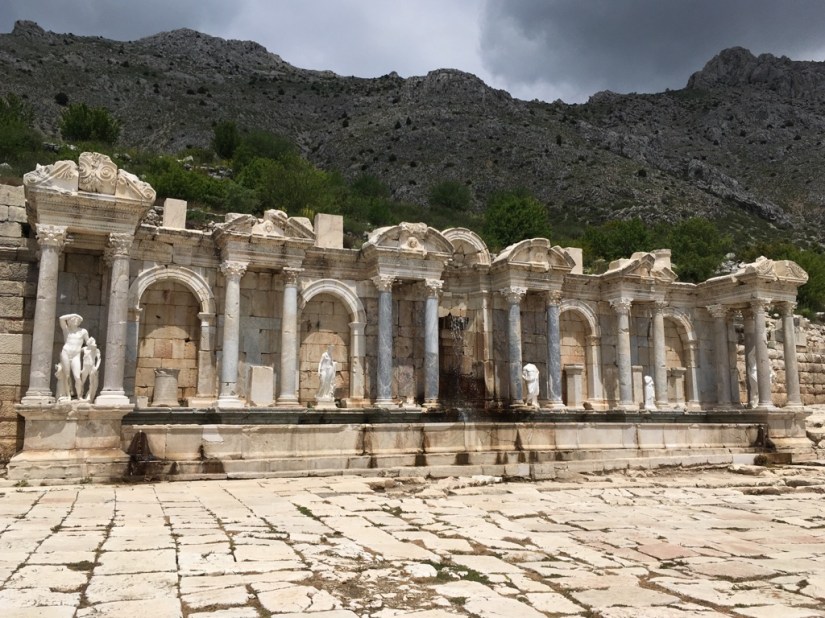

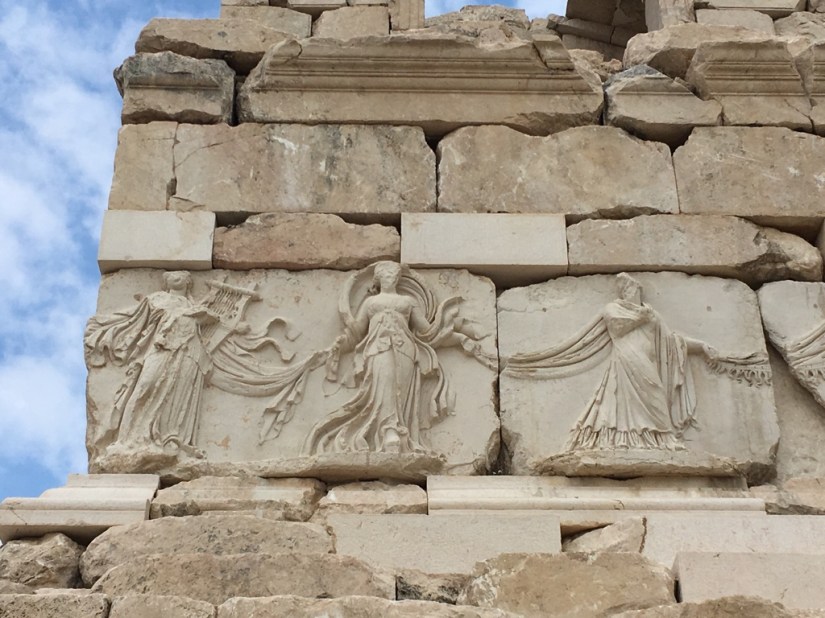


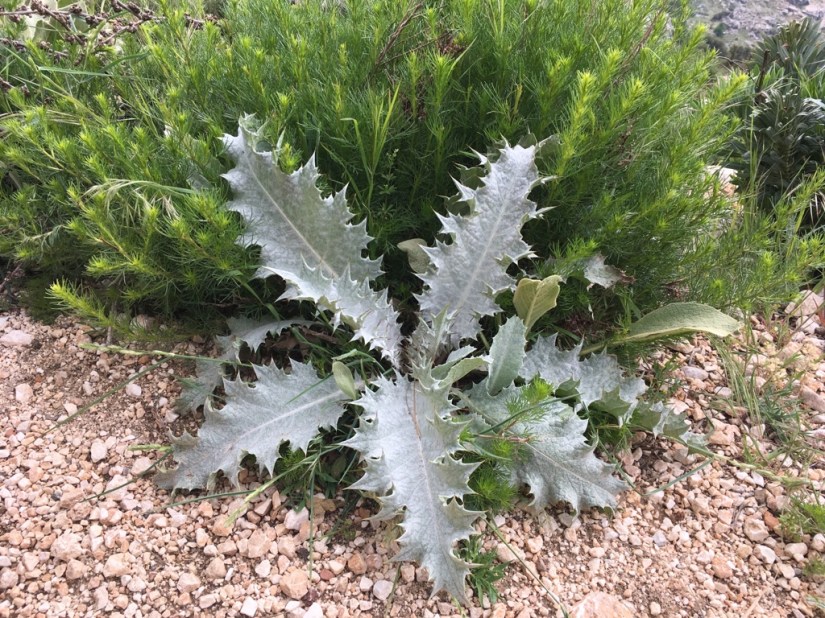


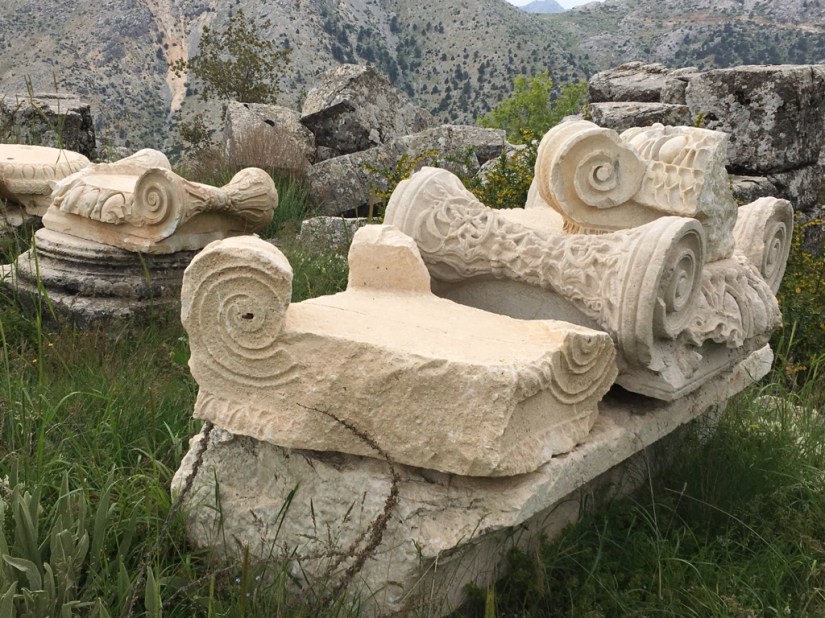
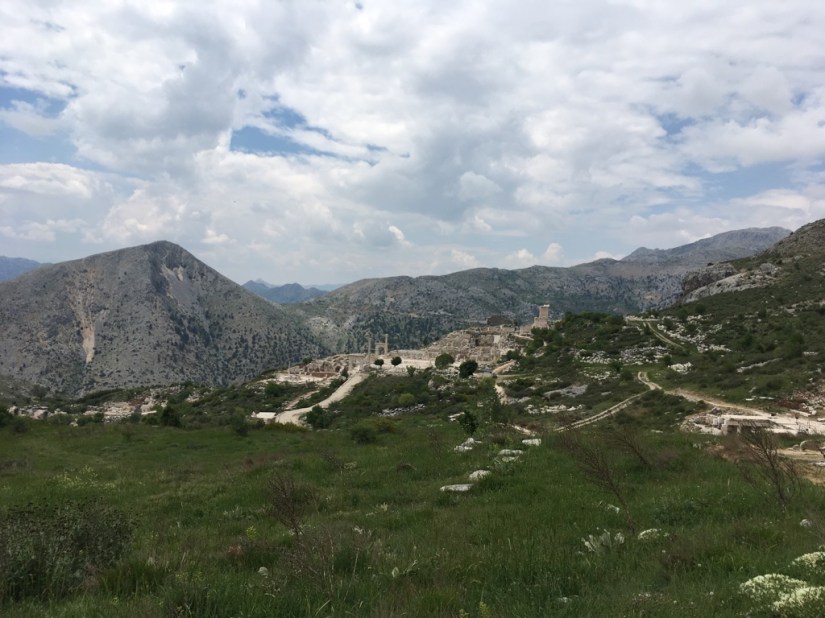
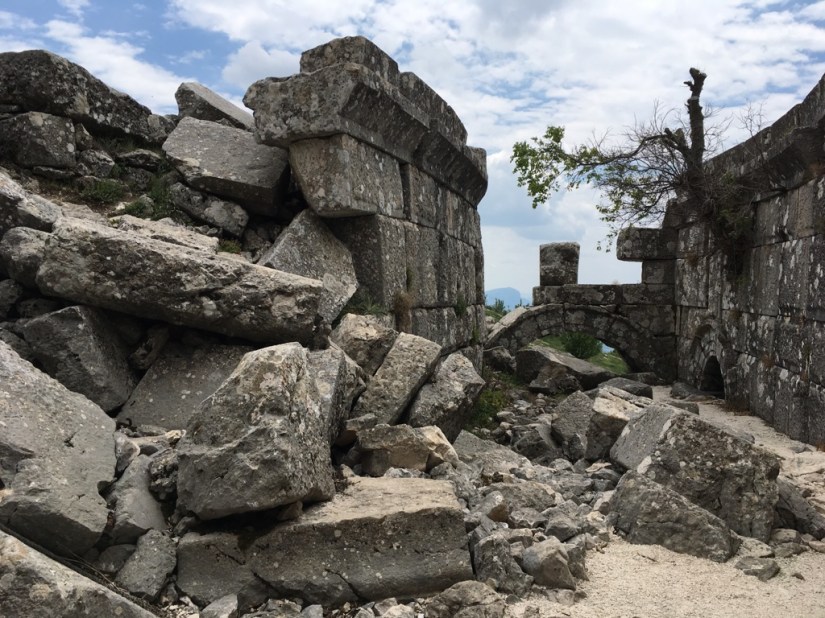


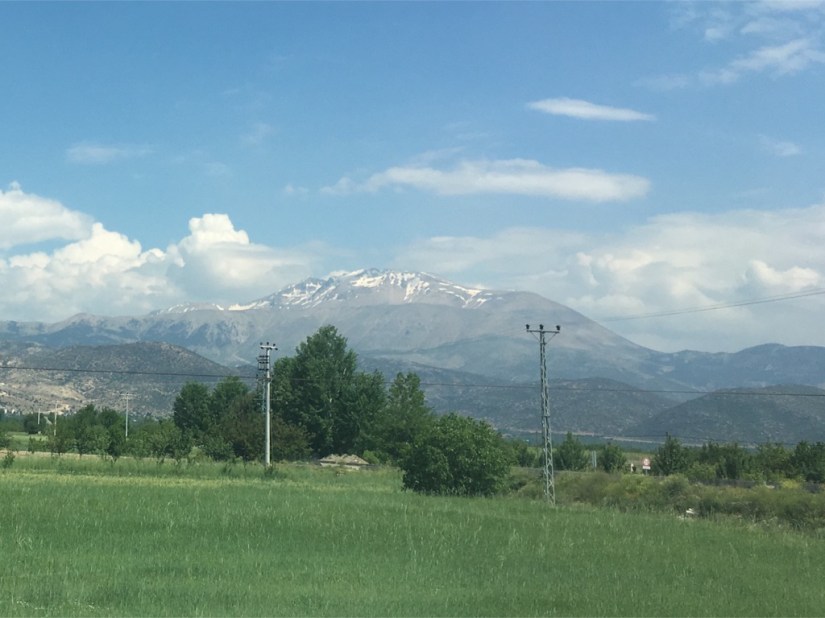
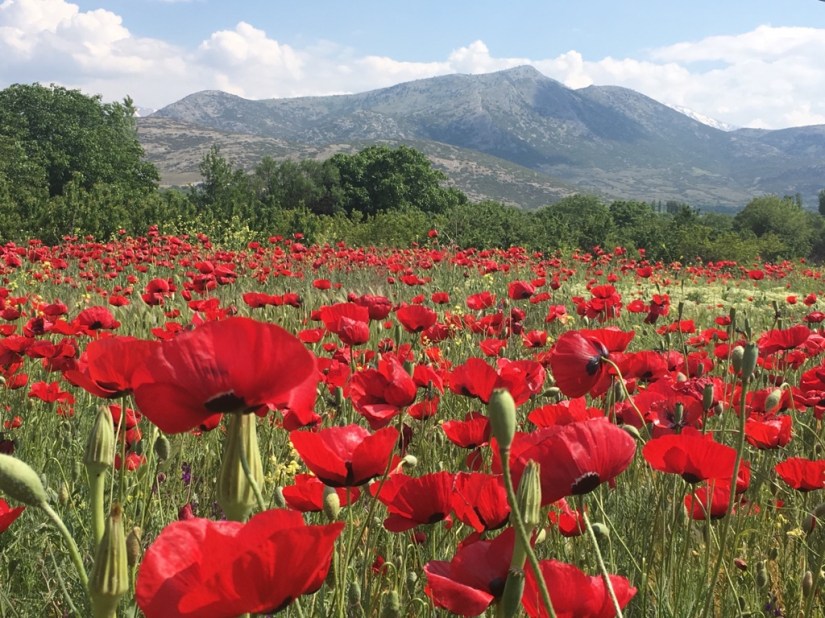
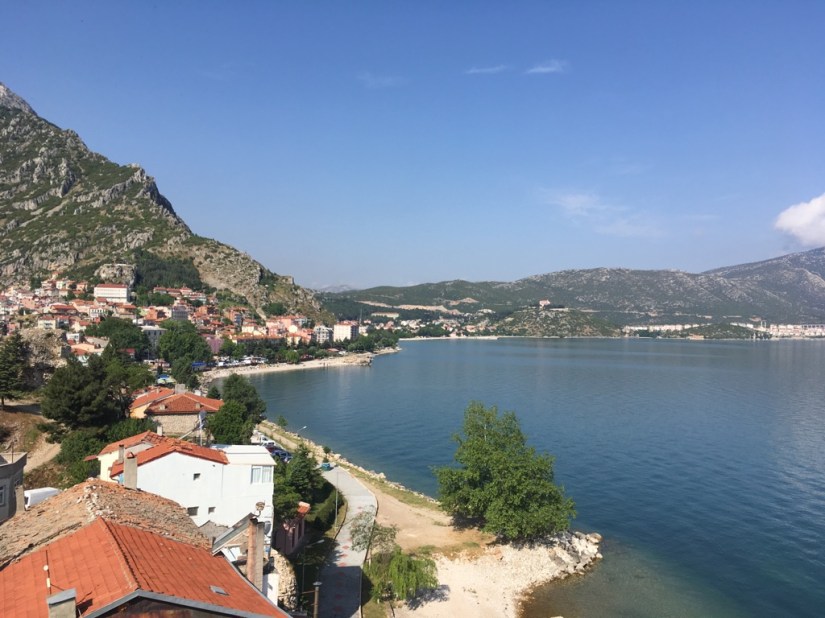

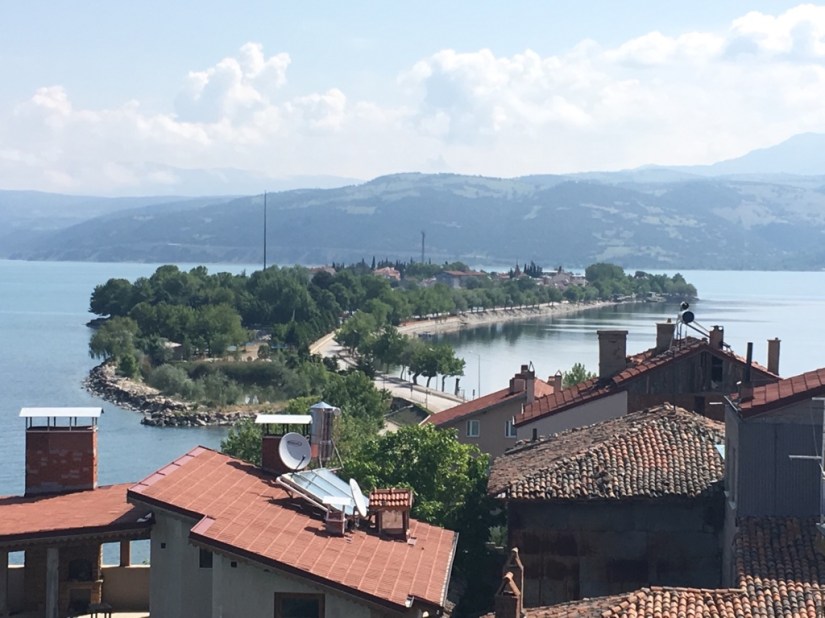

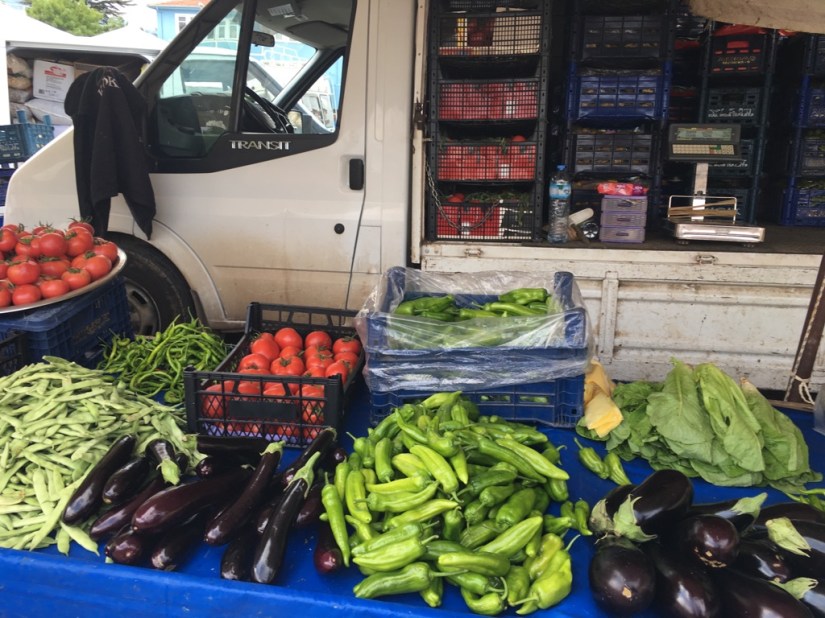

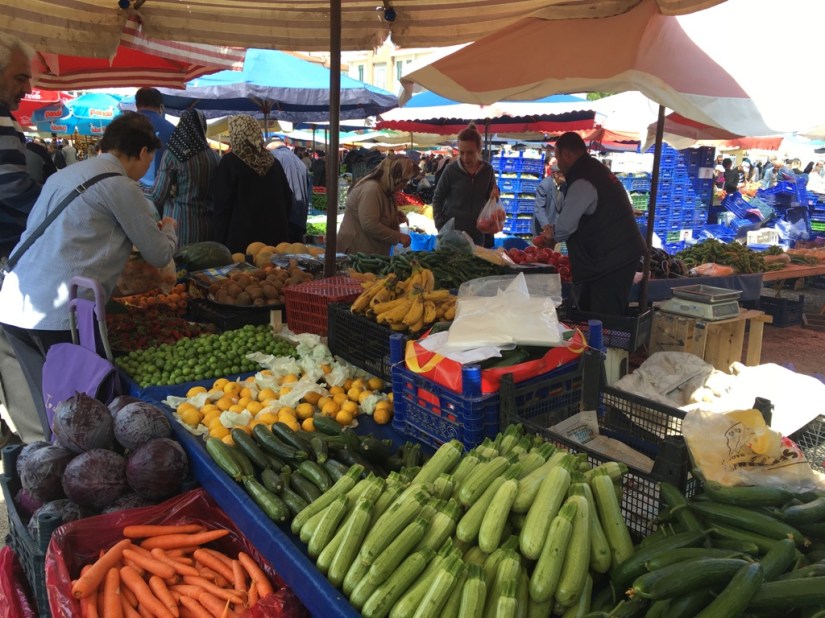
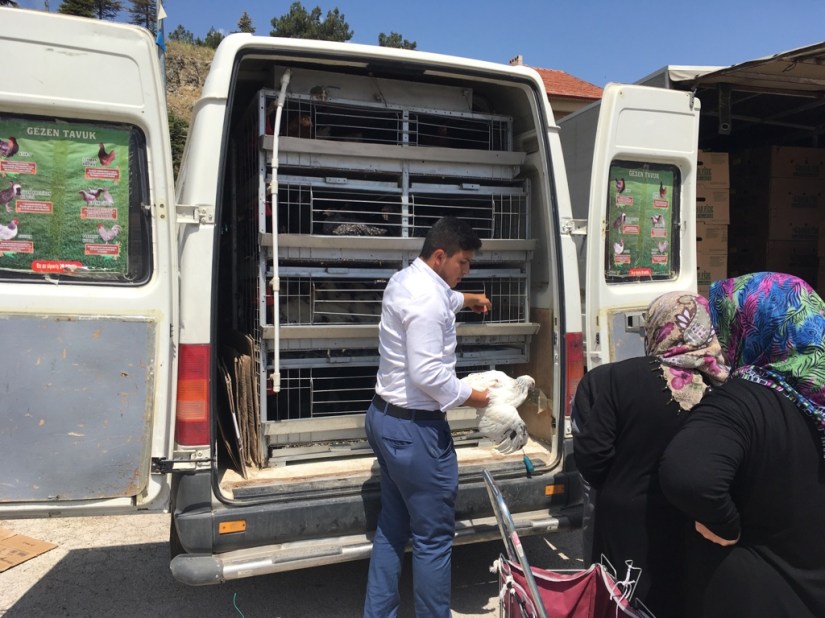
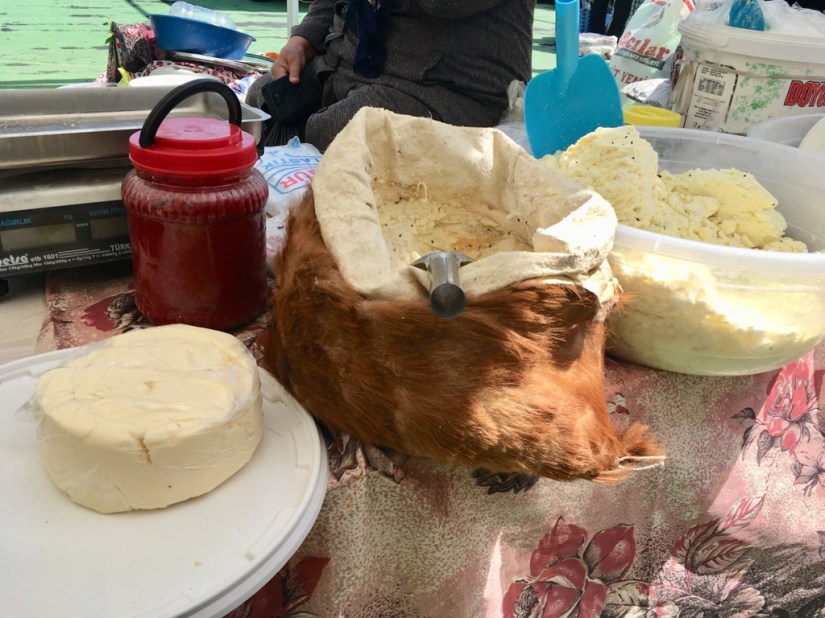







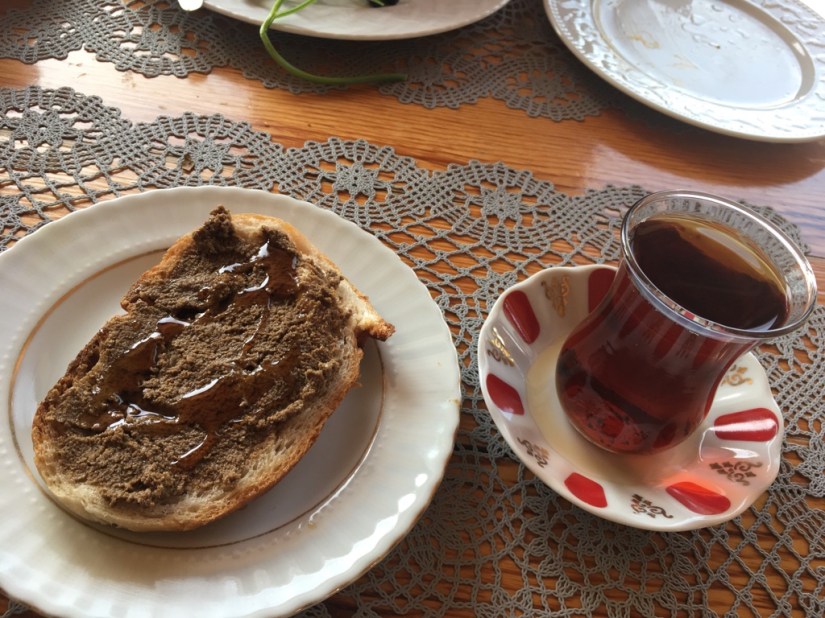
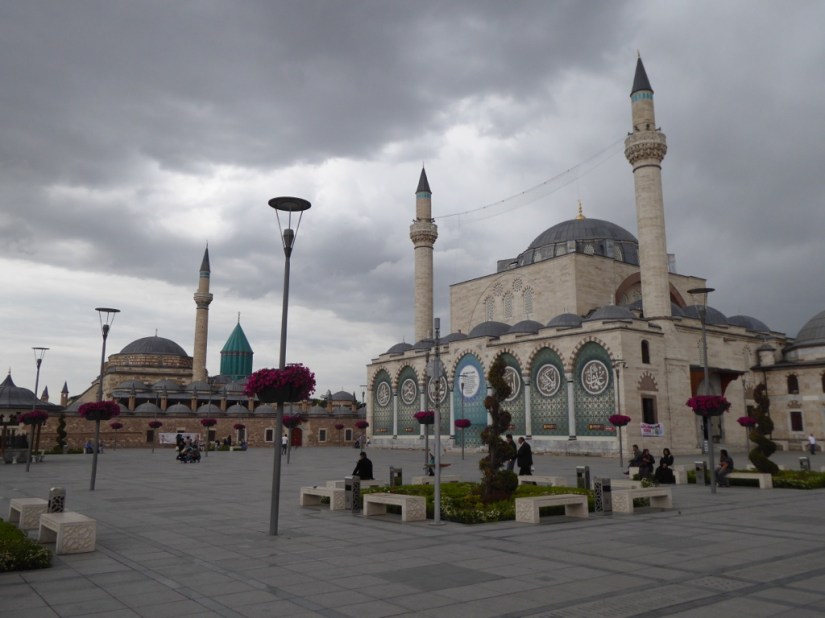 It seems you can take a bus to almost anyway in Turkey from an otogar or bus station!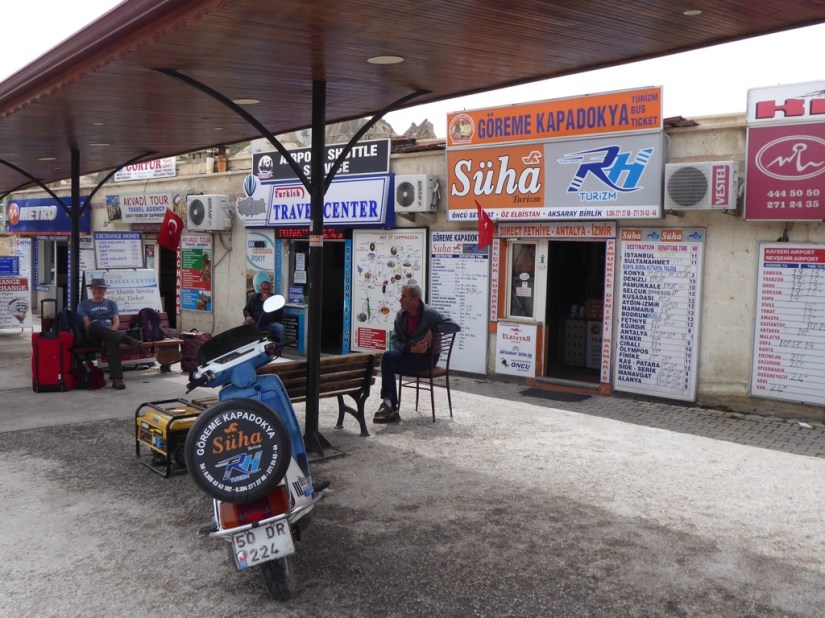


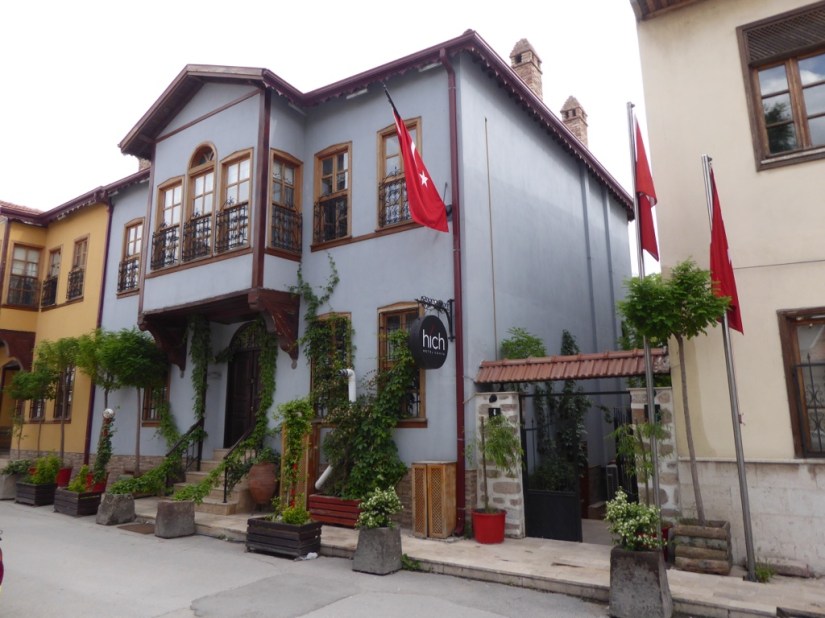







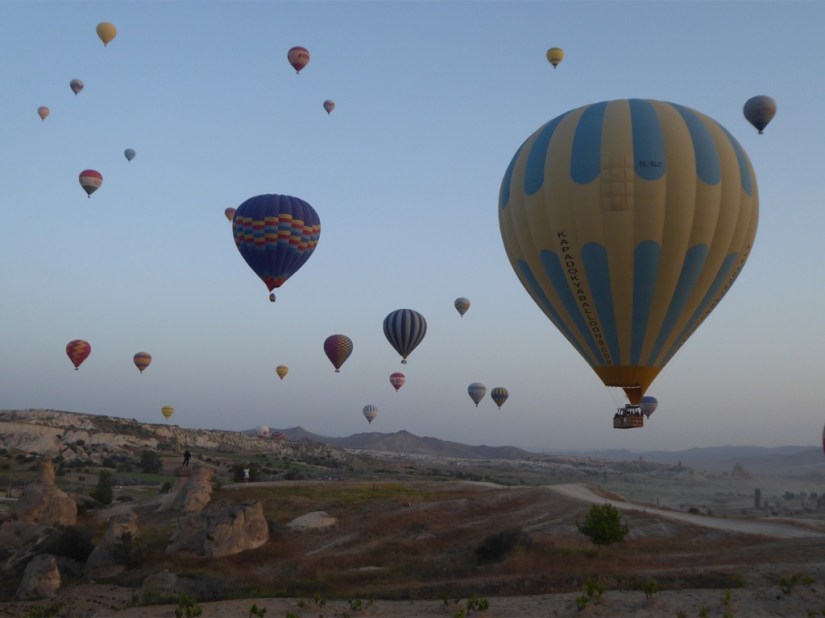
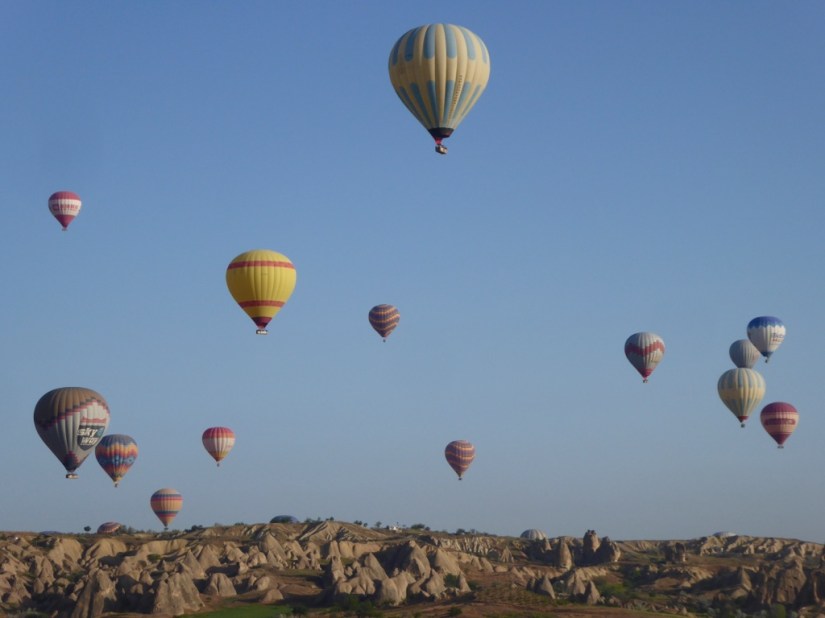
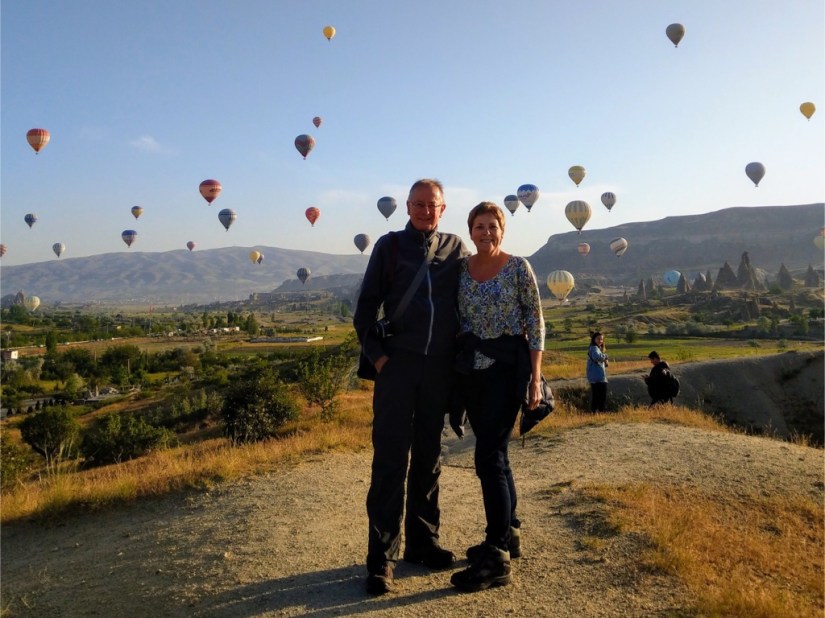
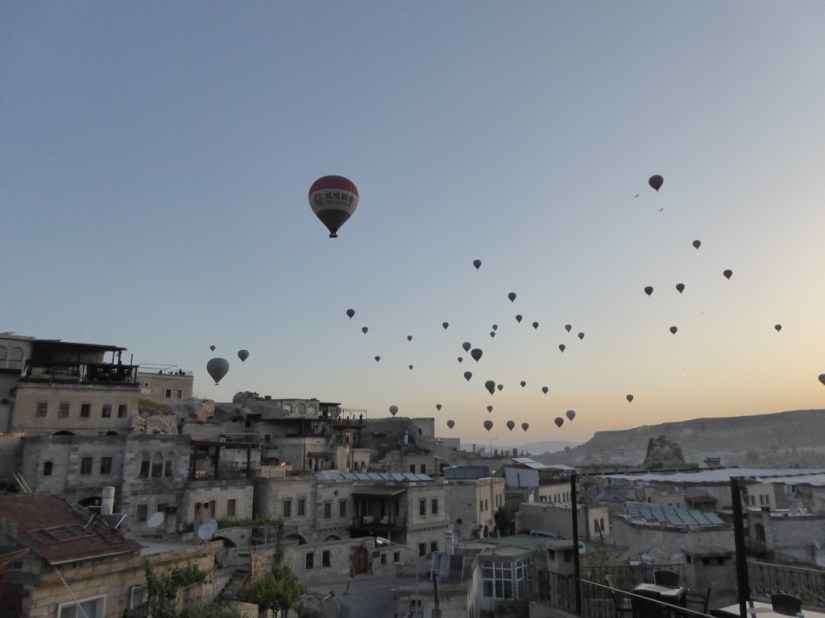
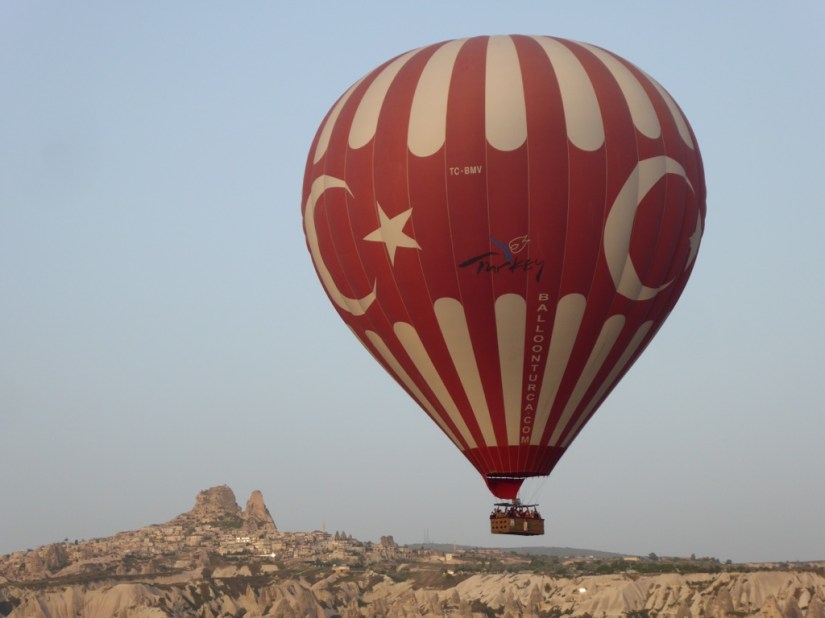 As already mentioned, balloon flights here are big business and when the weather doesn’t play ball, there can be a couple of days of cancelled flights.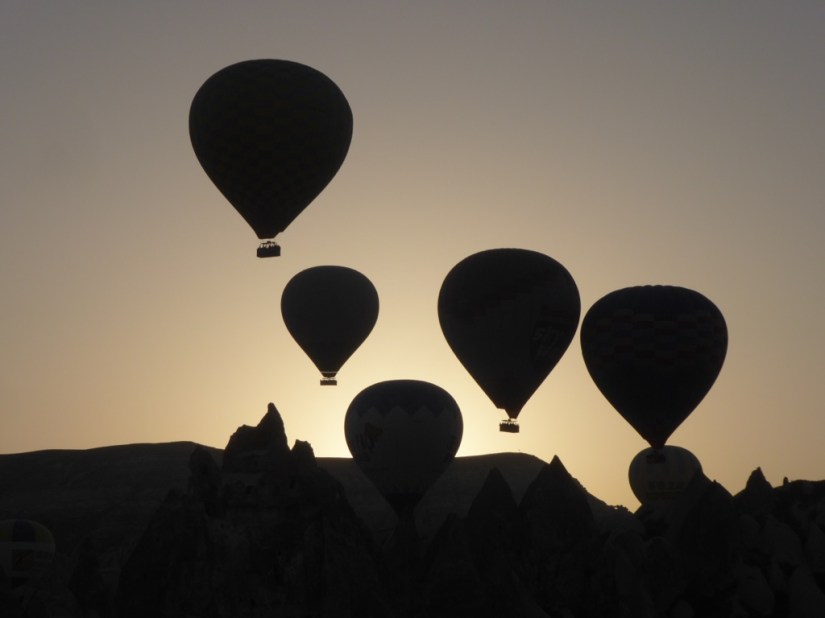


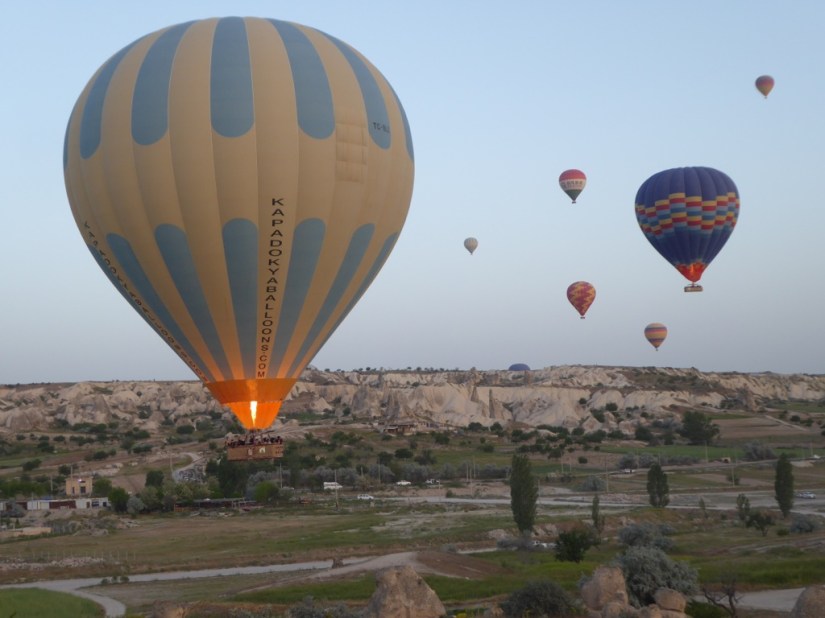


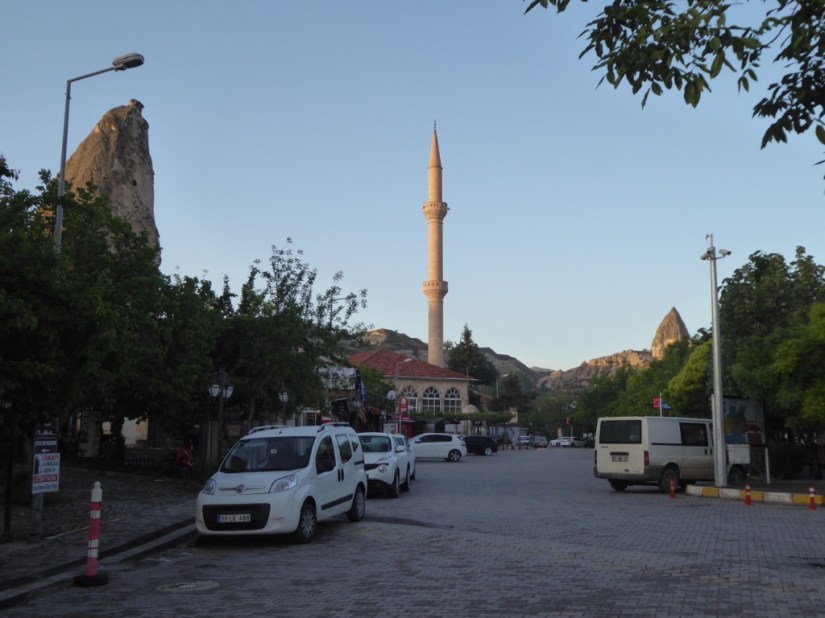


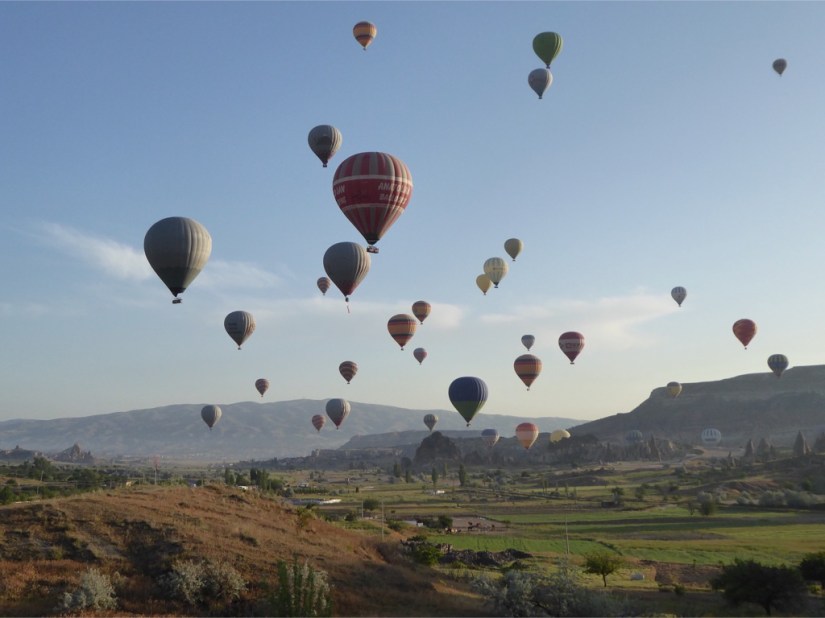


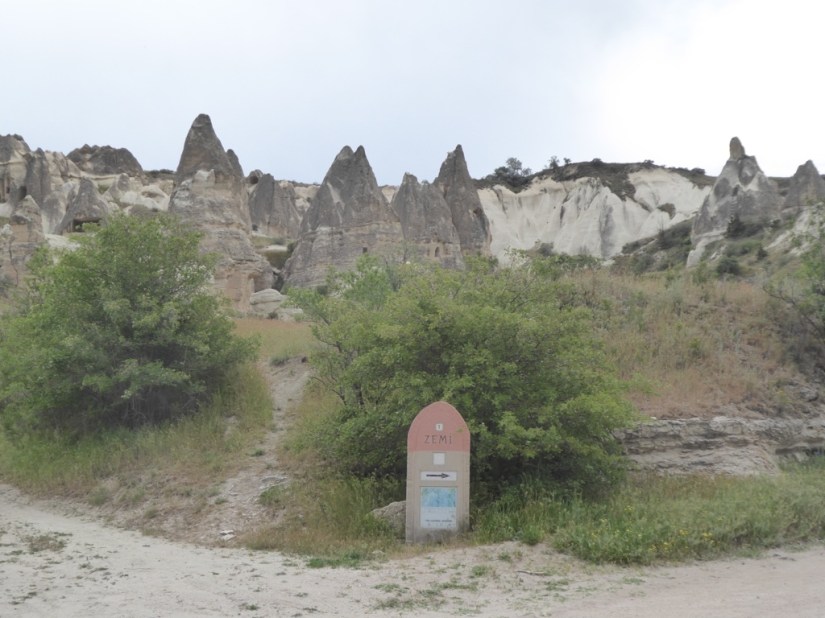
 We had planned a kind of circular route which began by walking from Göreme through Pigeon Valley which we had seen from the Panorama the day before. It was green and tranquil and we only met a few walkers and a group of cyclists along the way.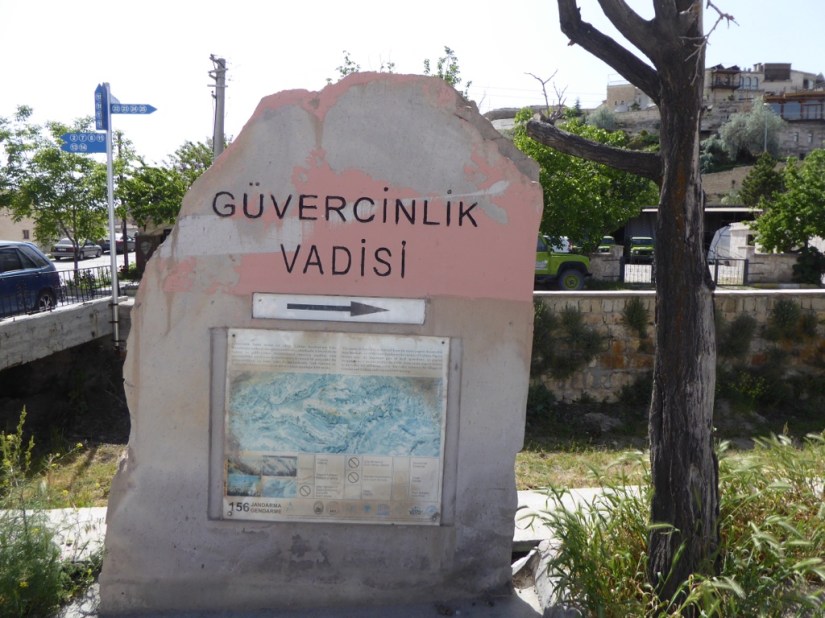
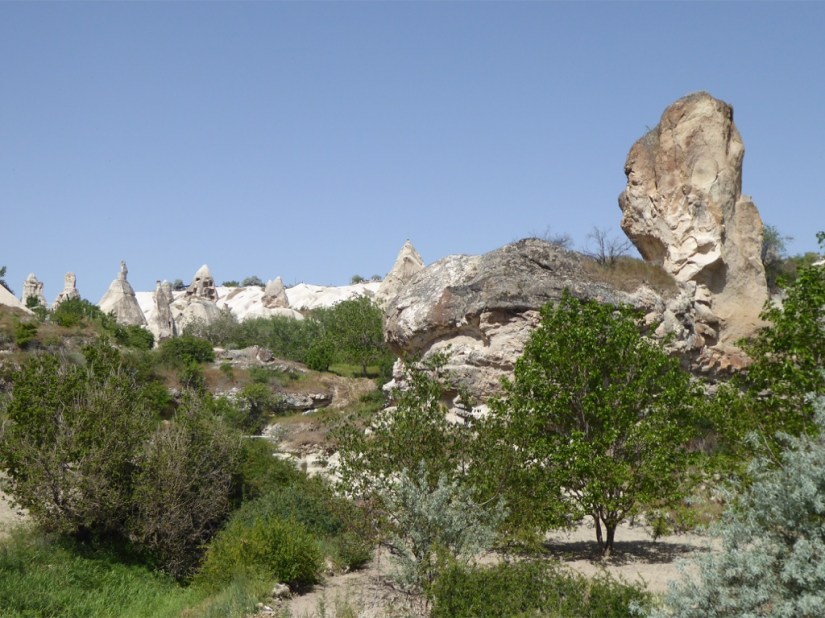
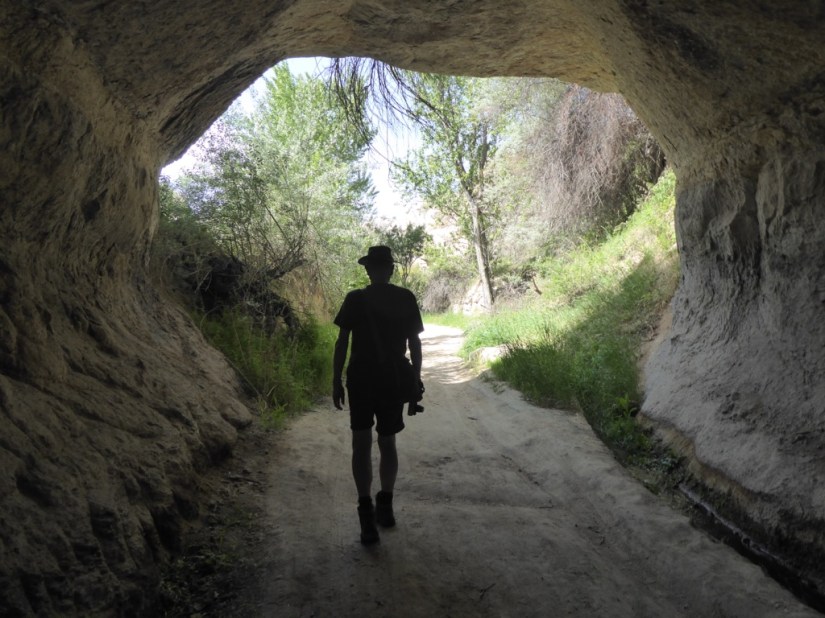


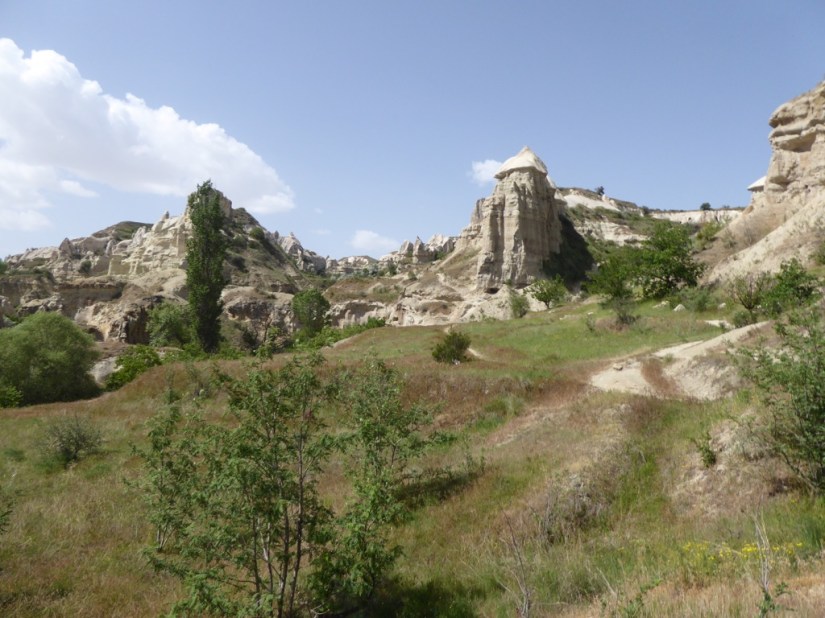
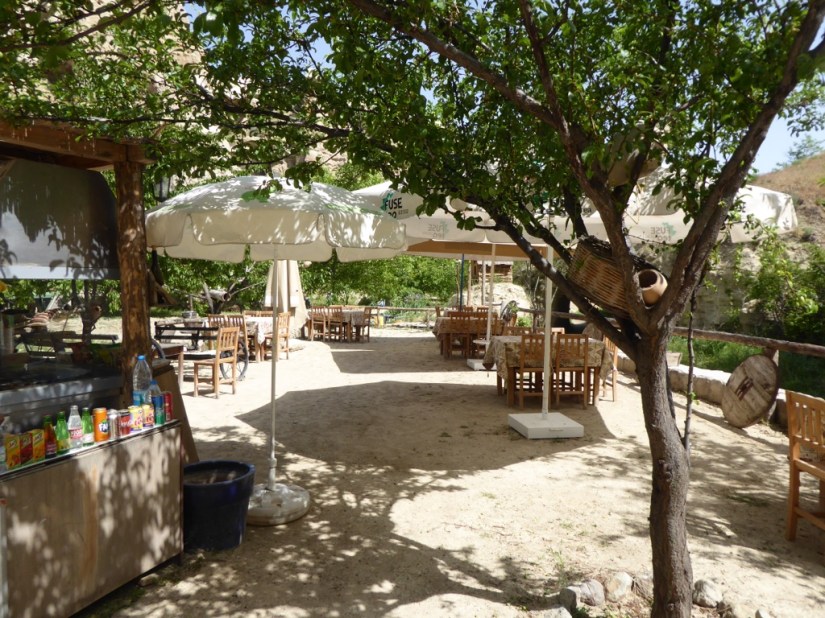
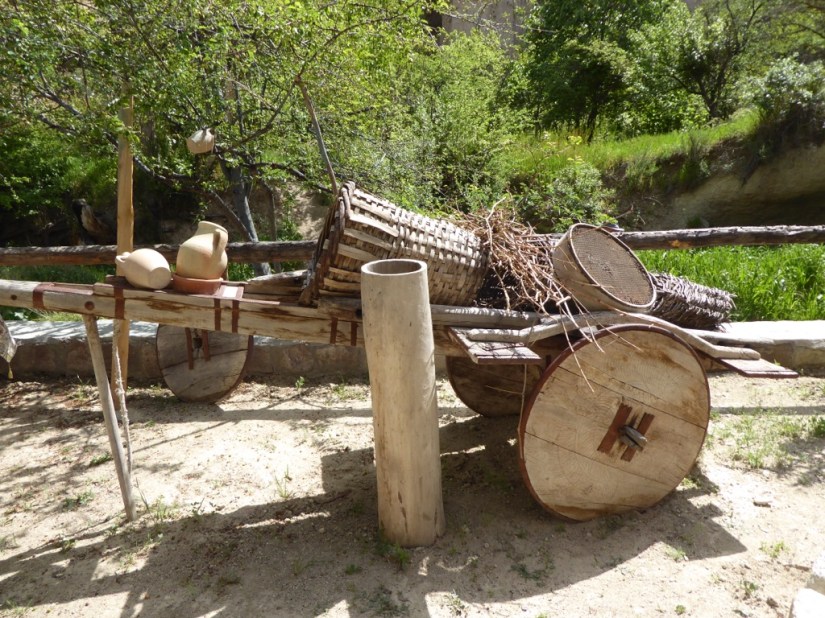
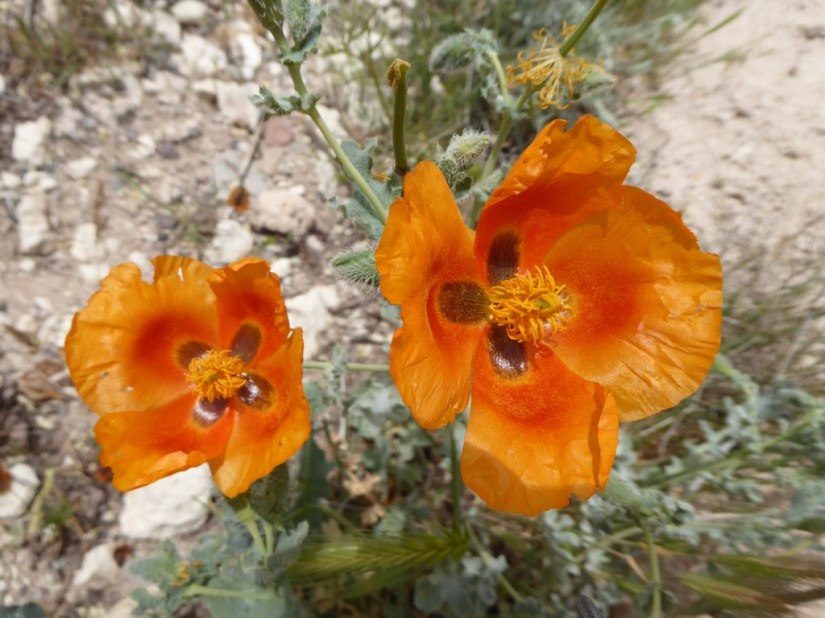

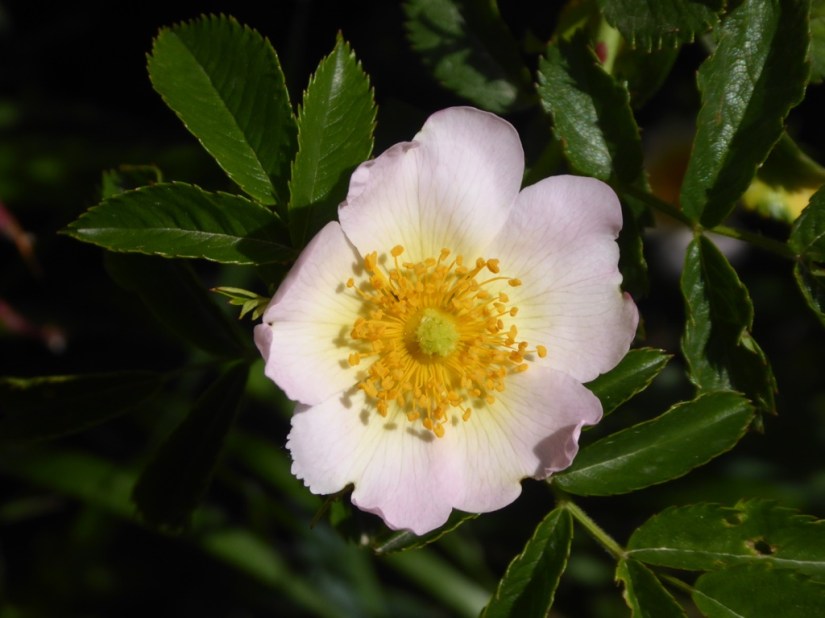


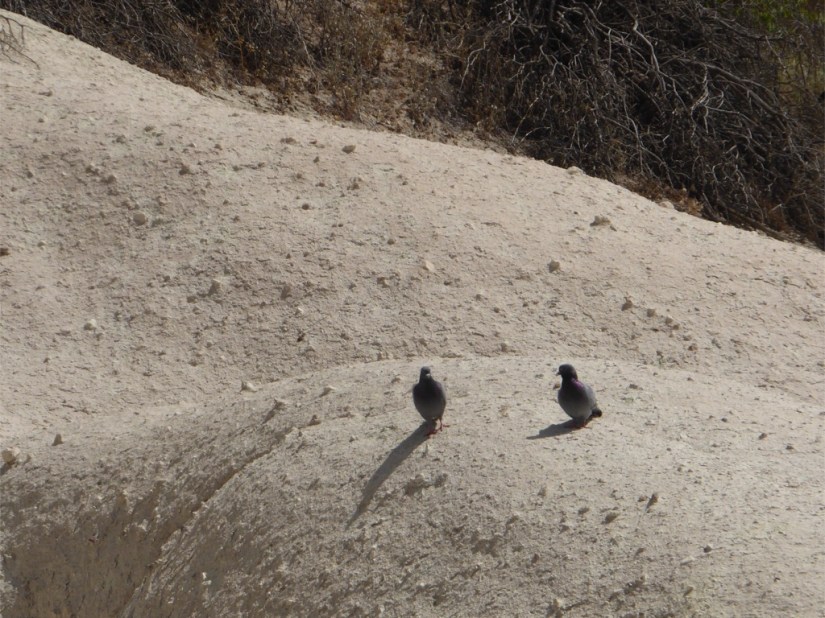
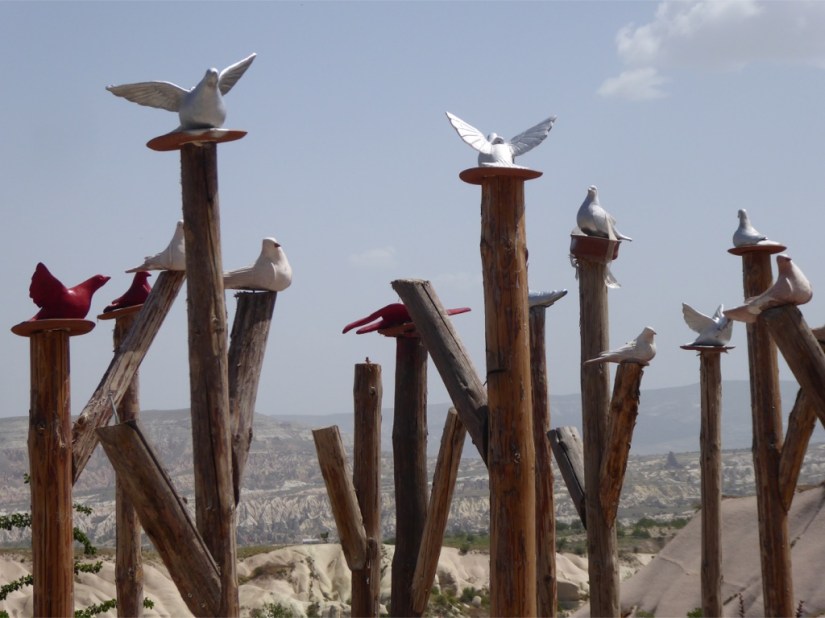

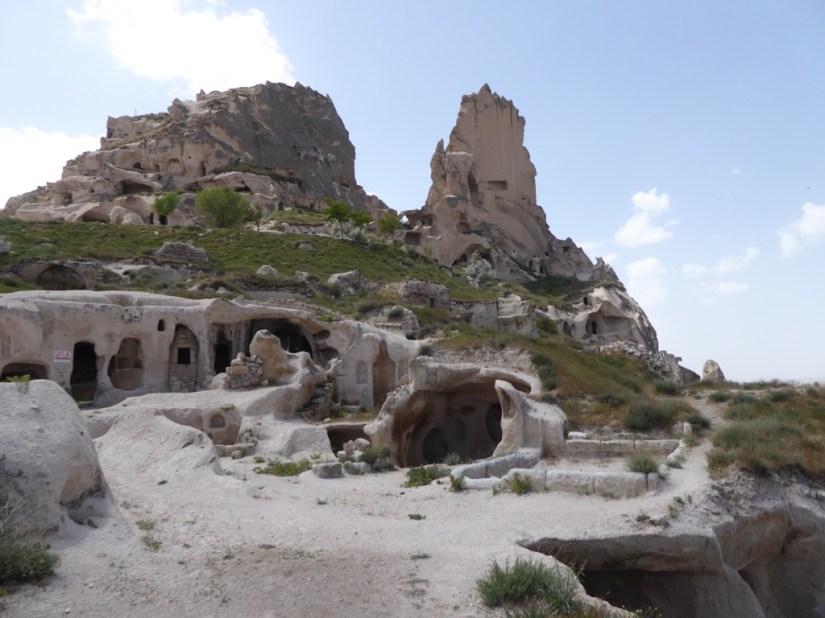


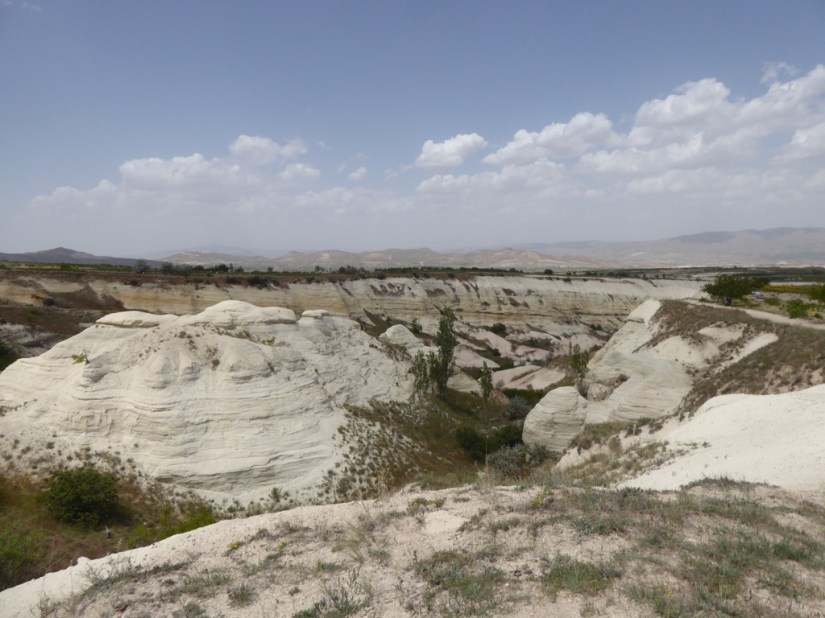

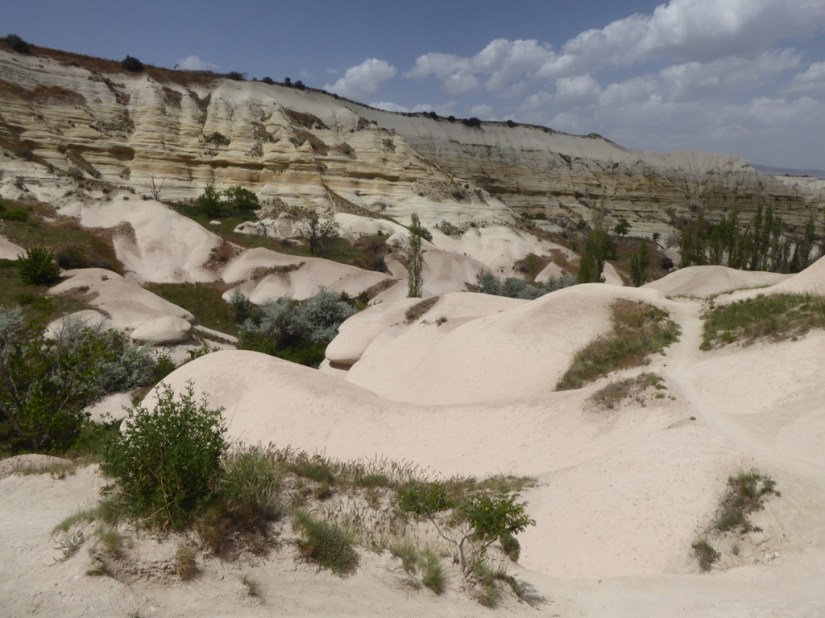


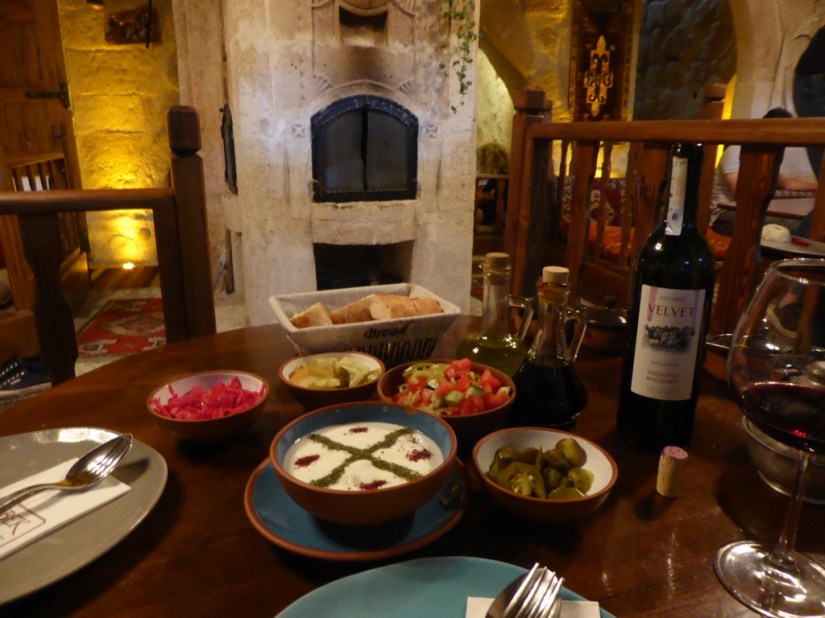
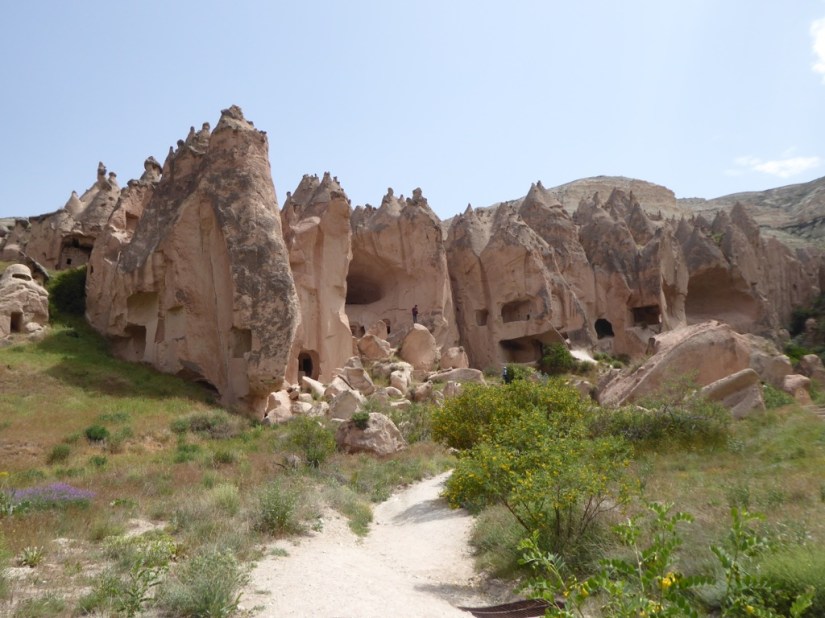

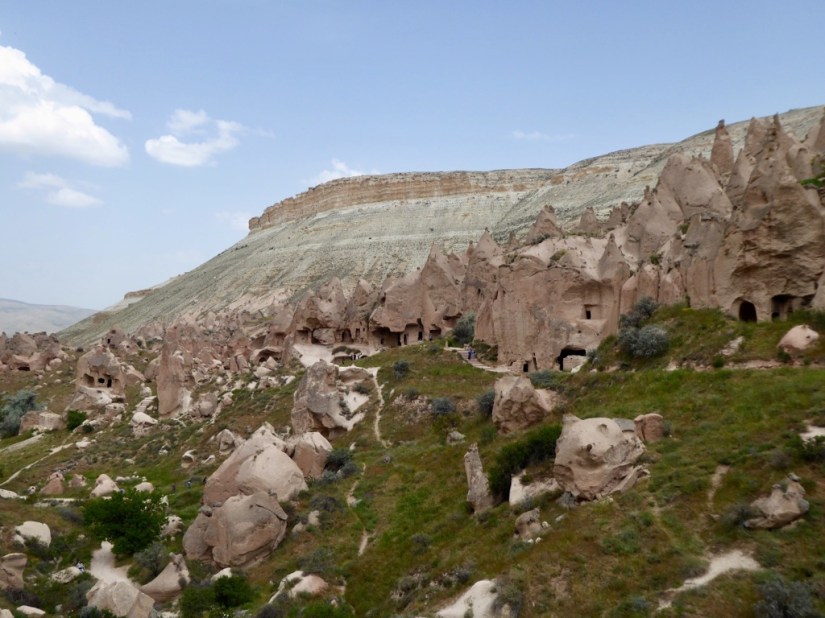


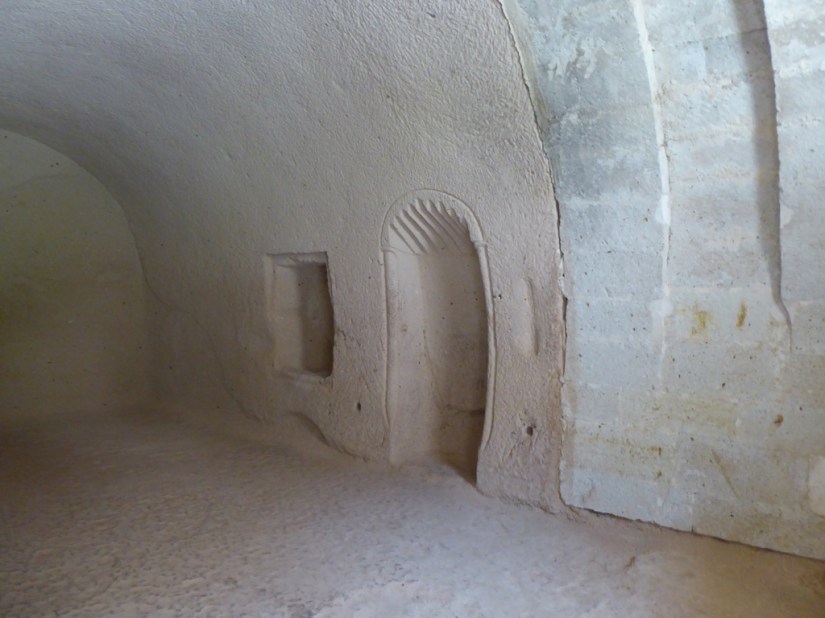

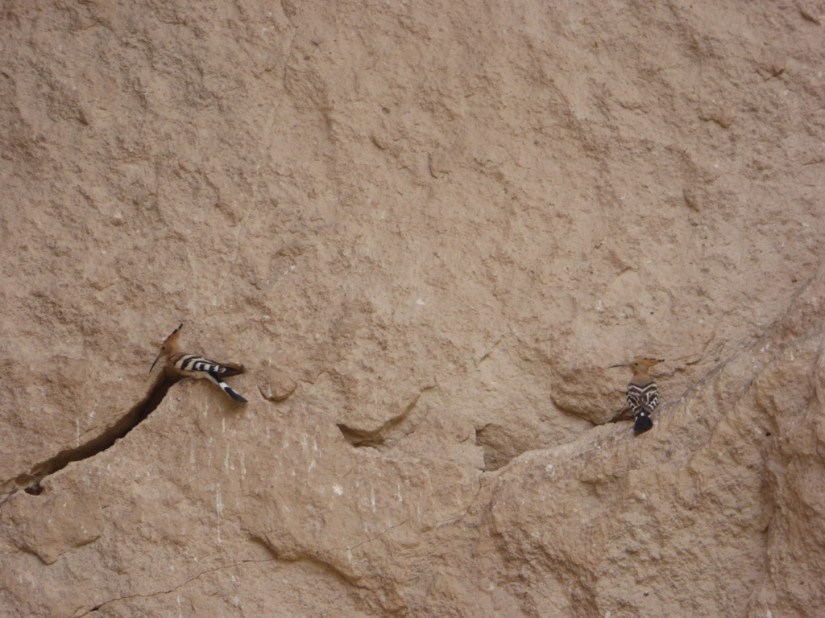

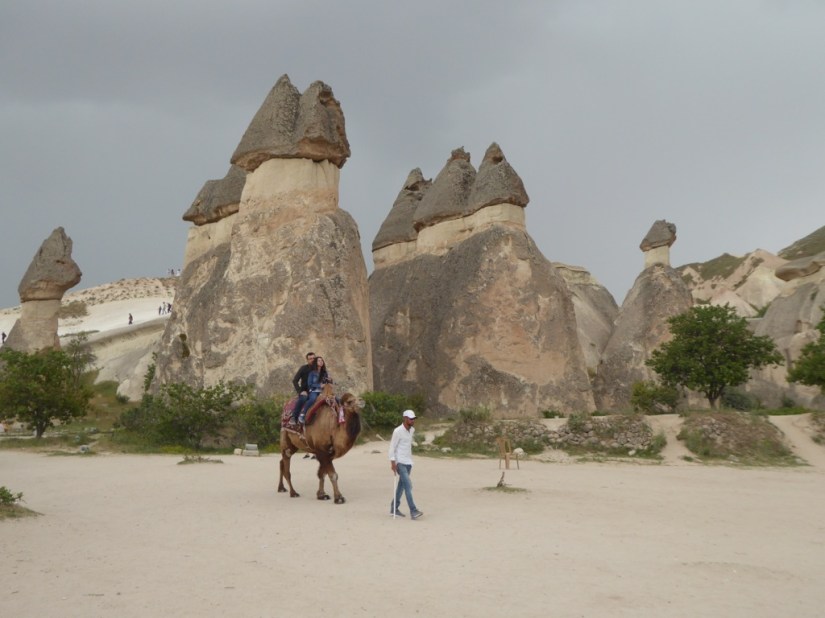
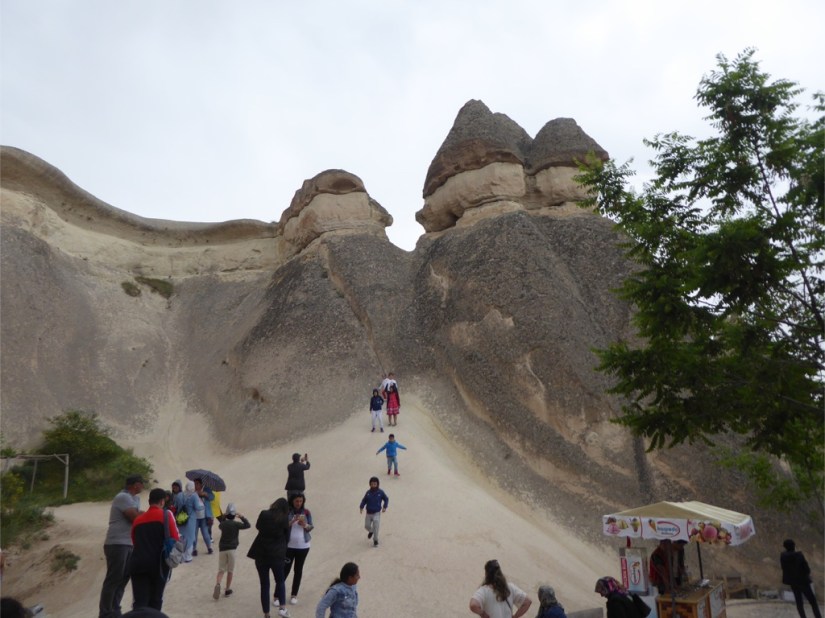


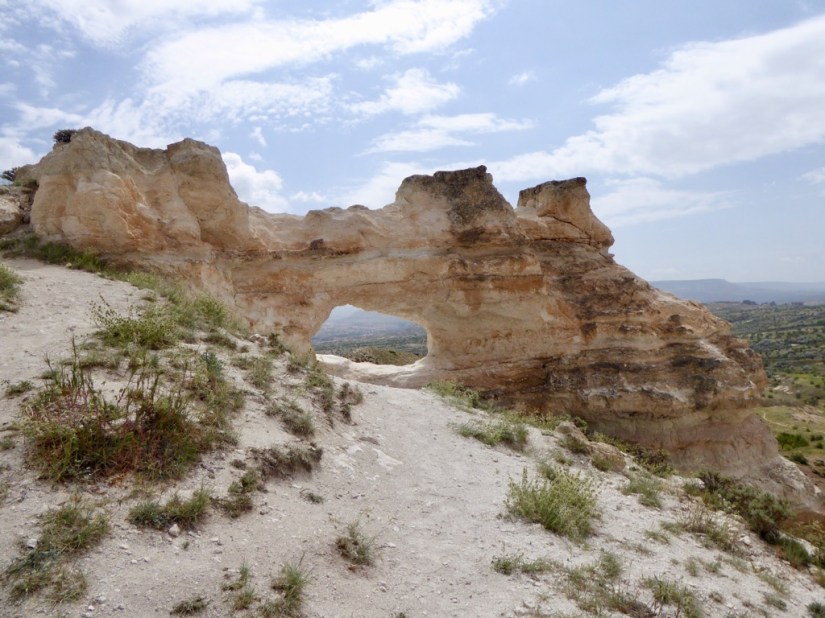
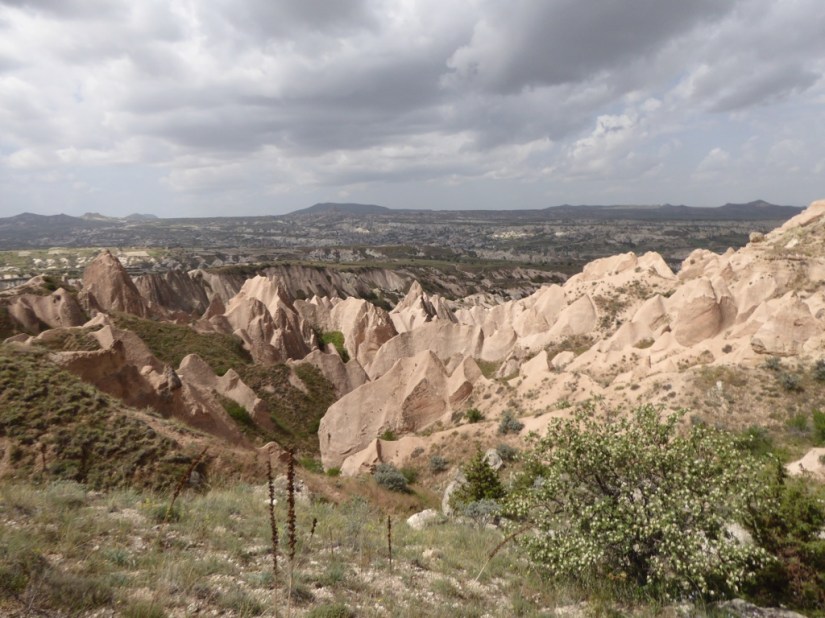


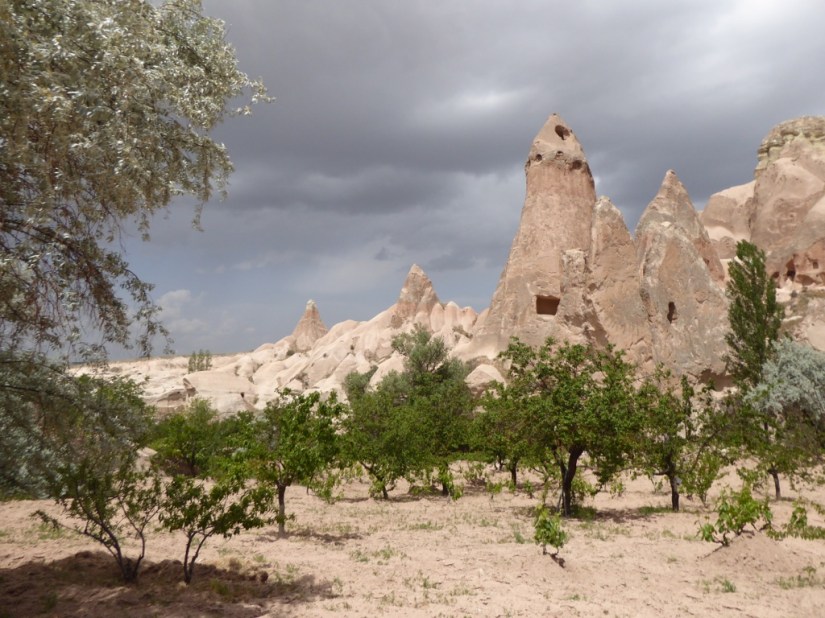

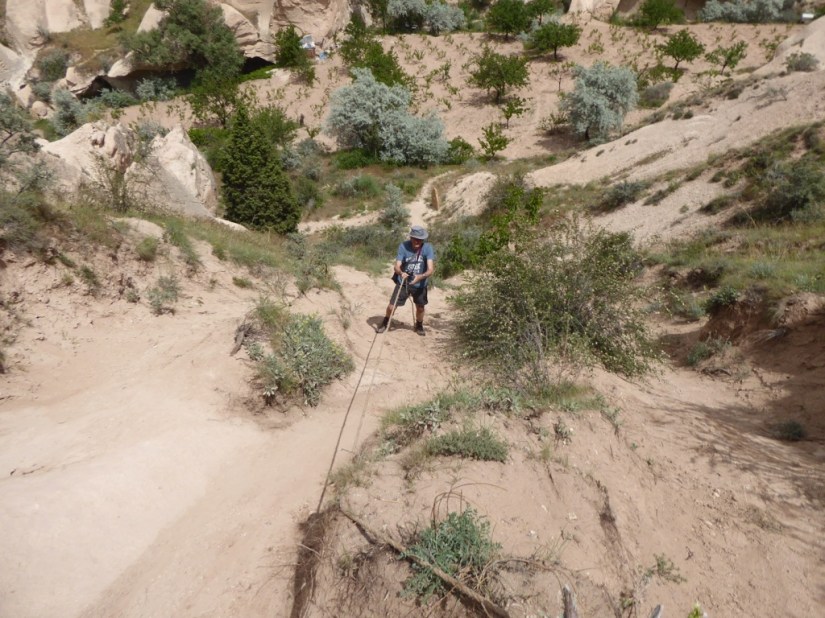

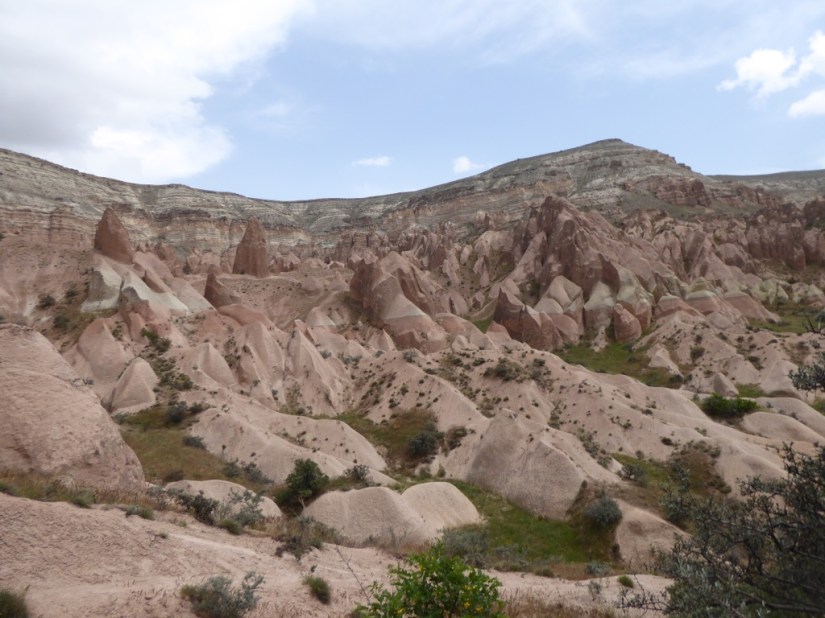
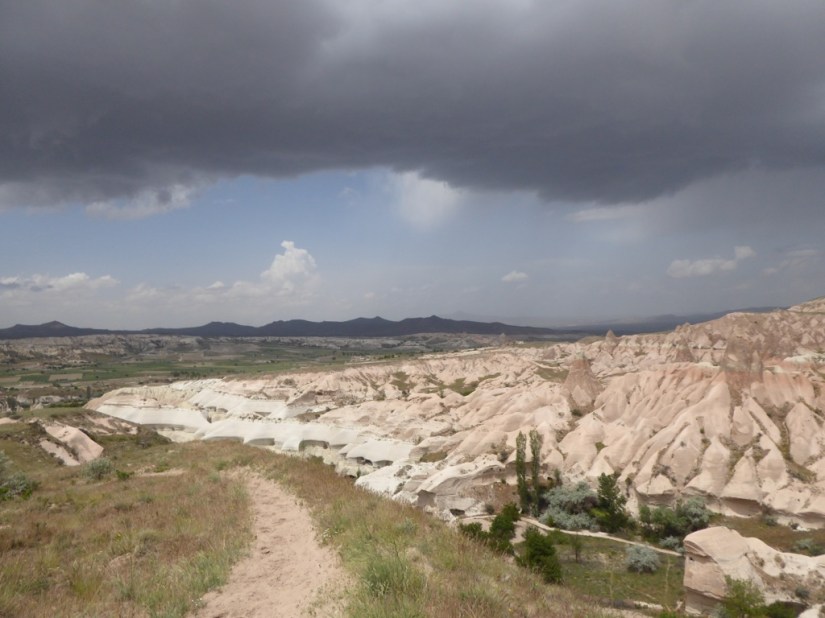
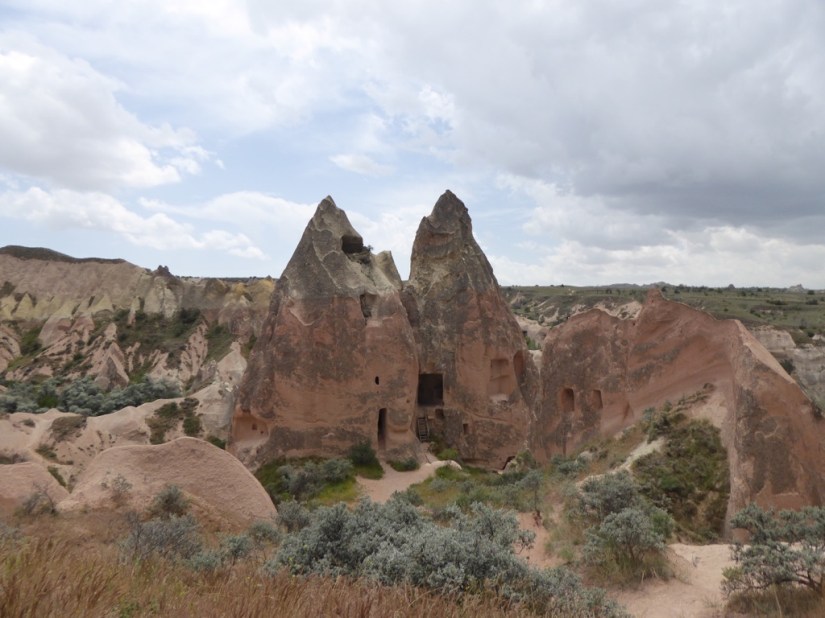
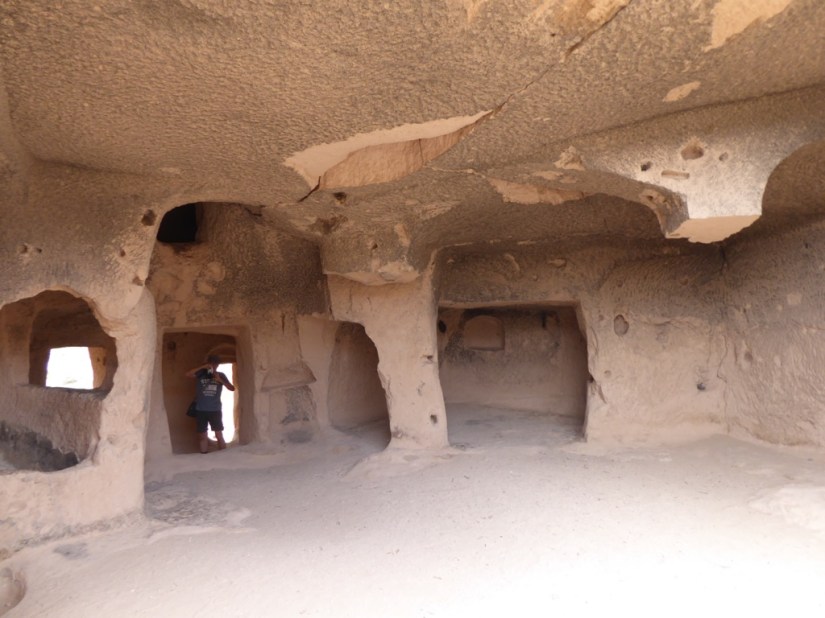

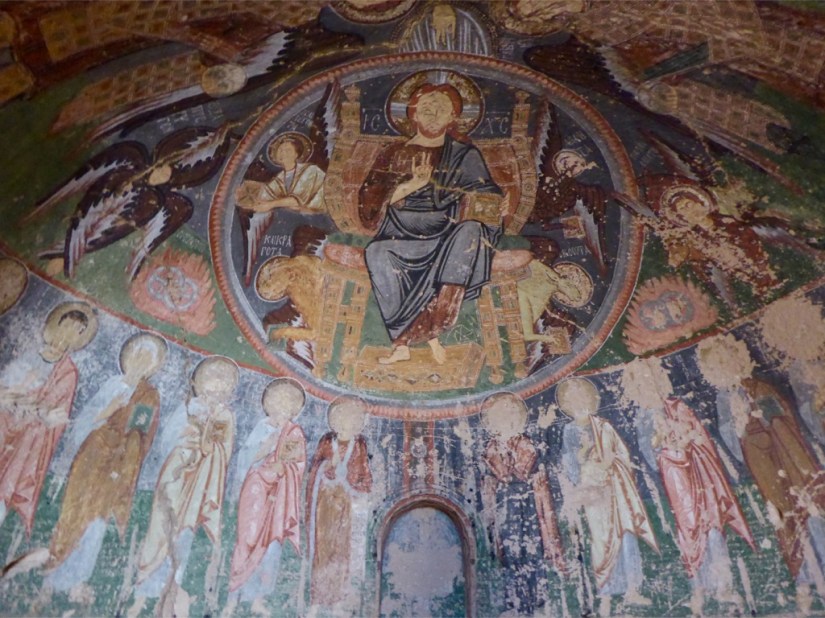


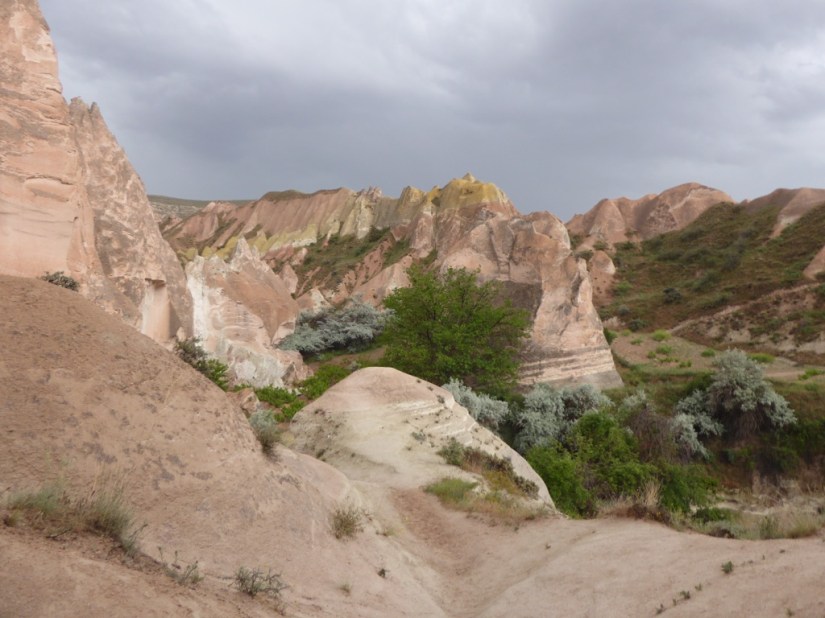
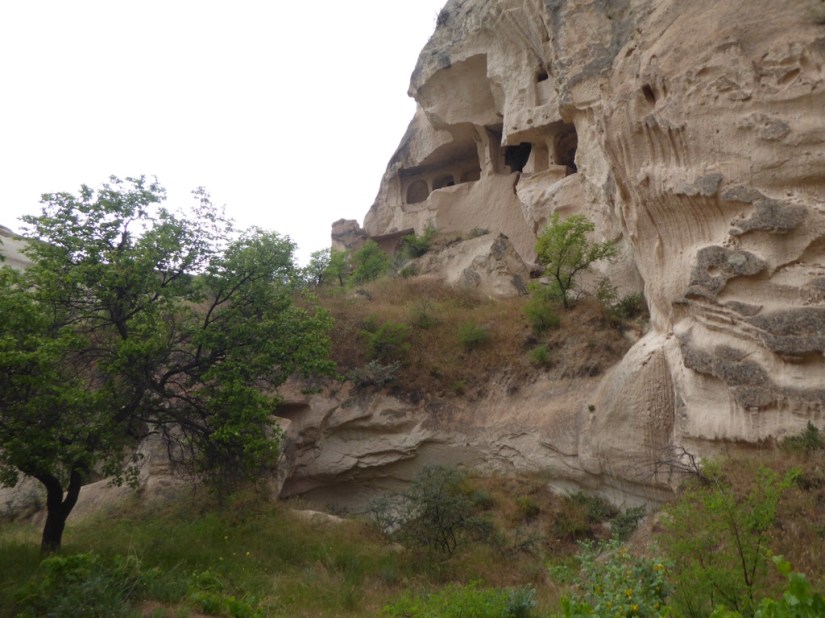
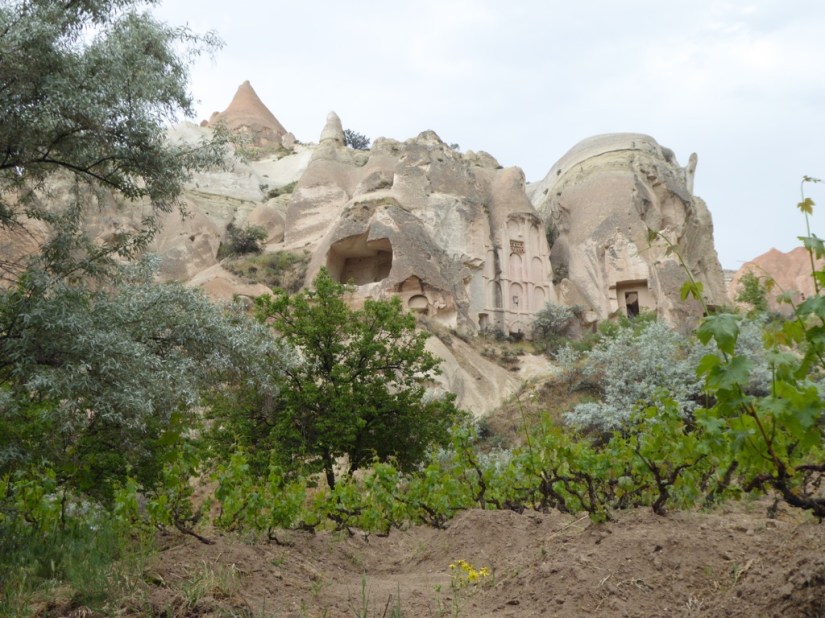

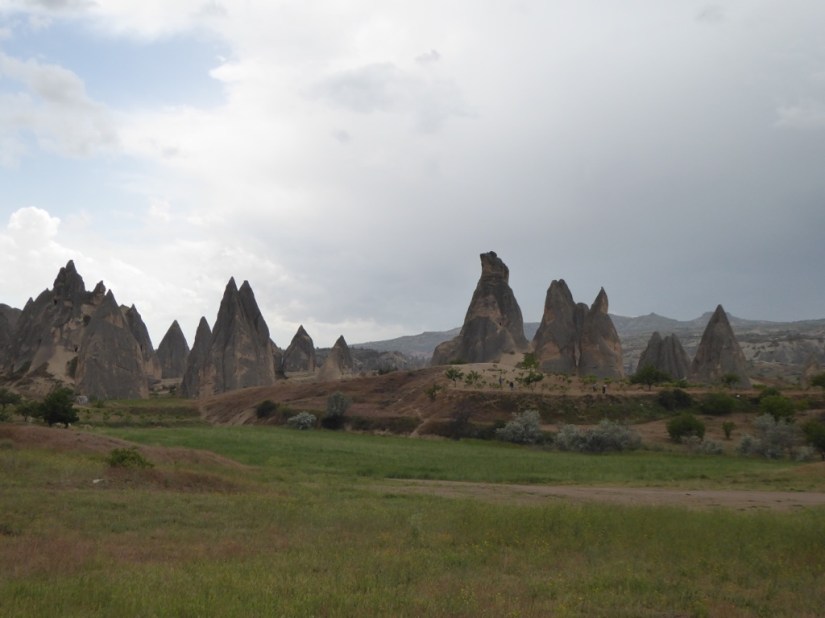



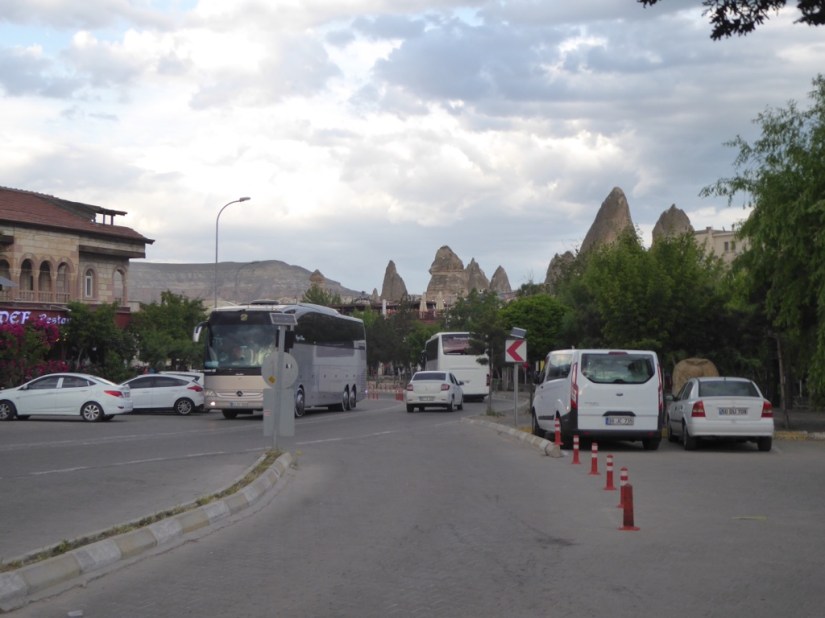
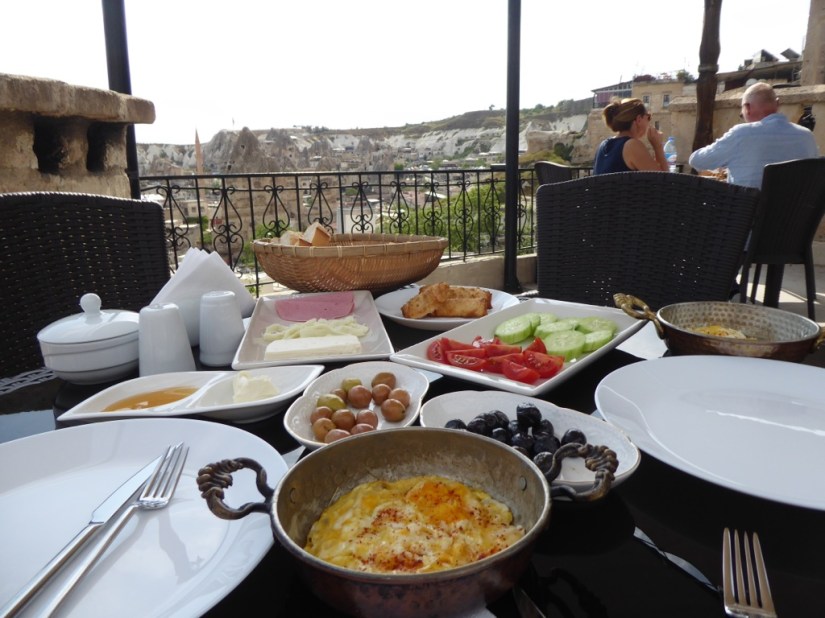
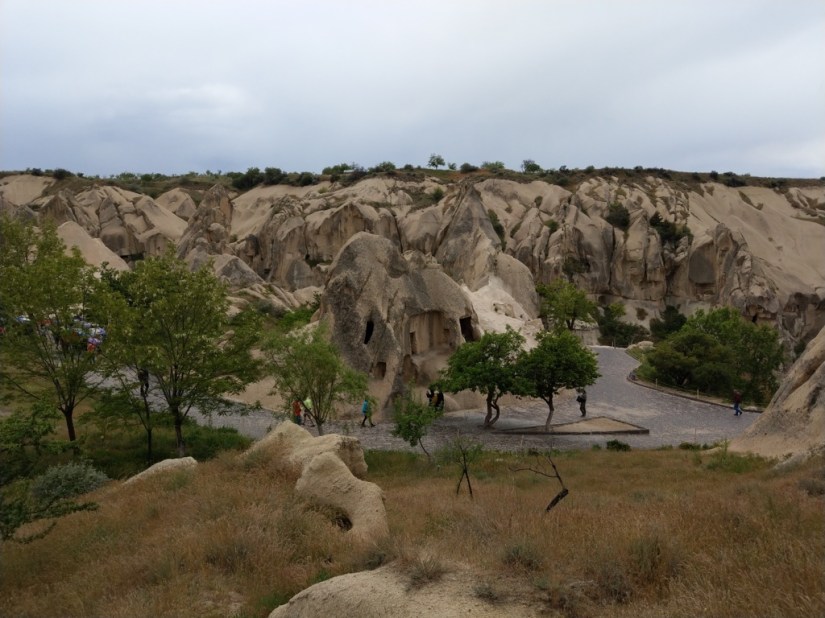
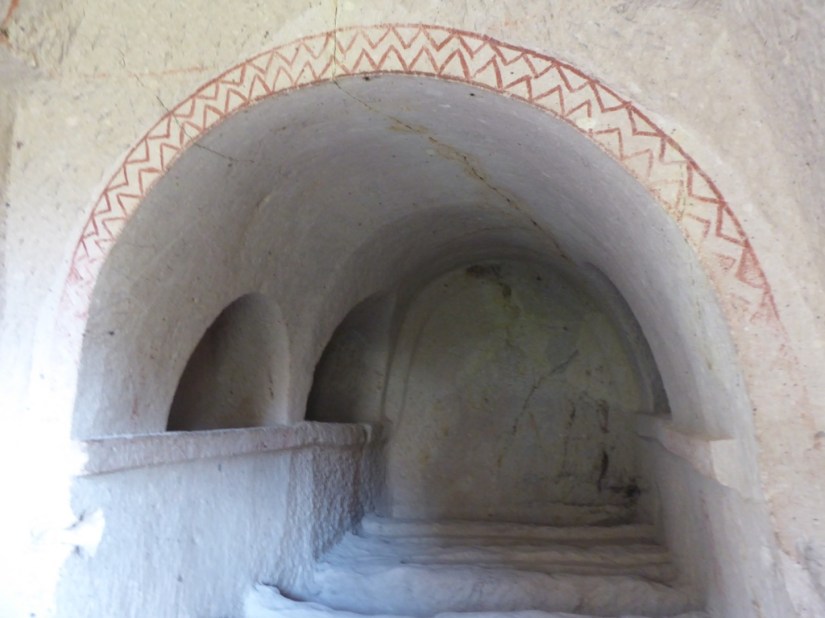
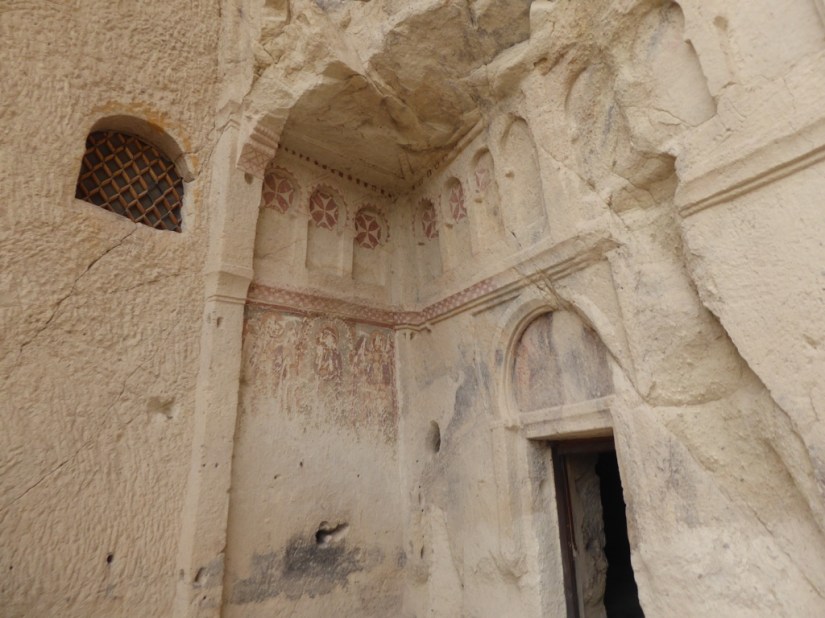
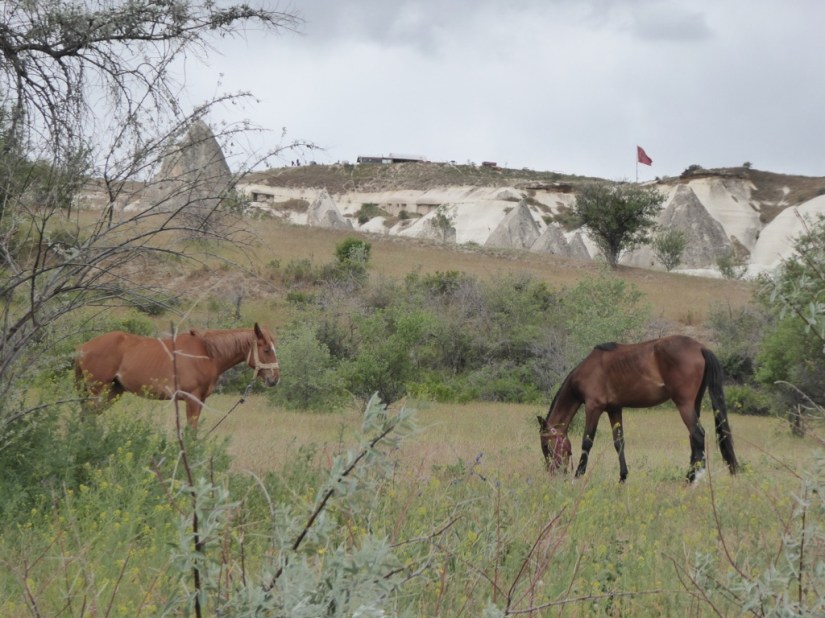
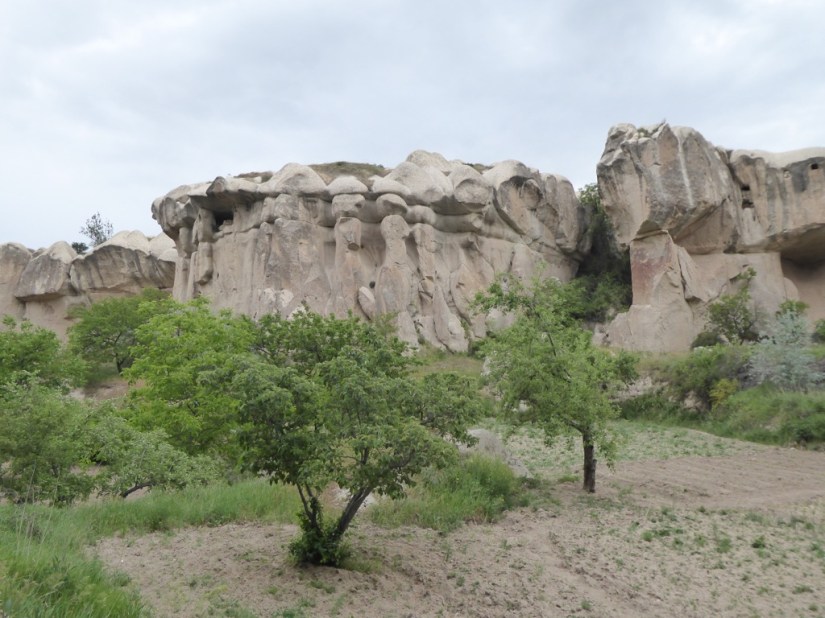
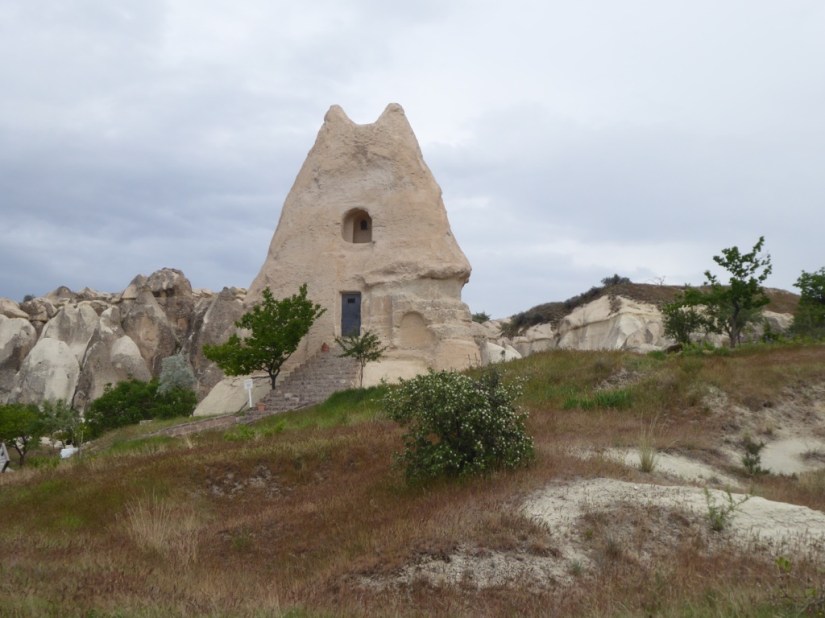
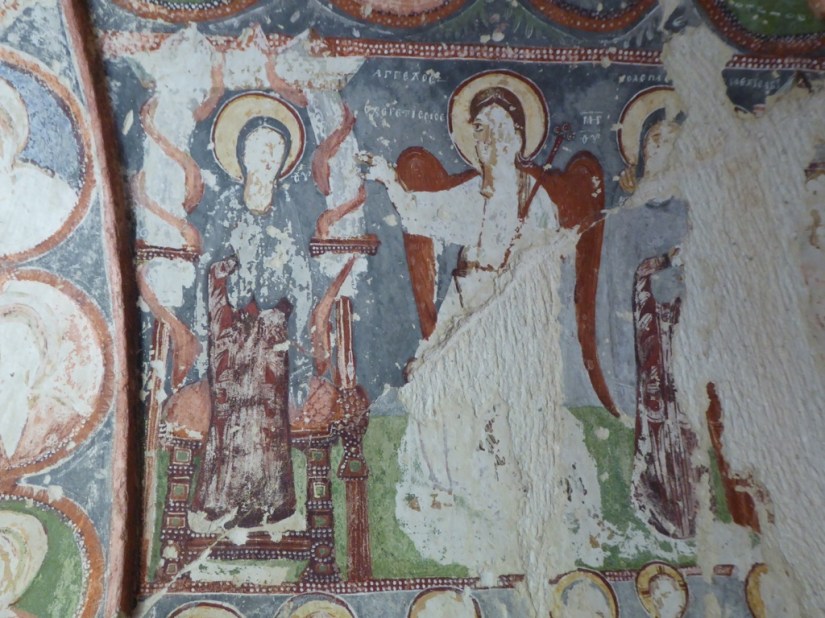
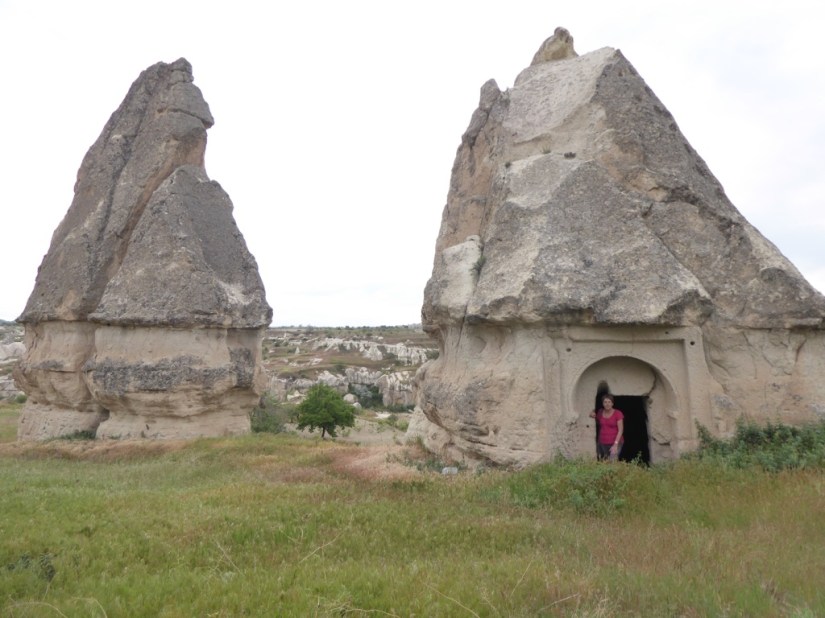
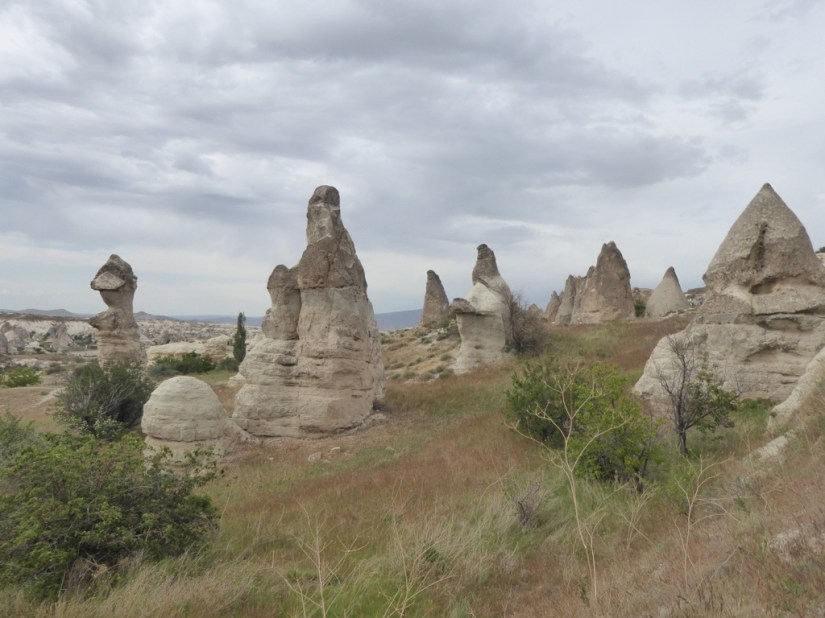
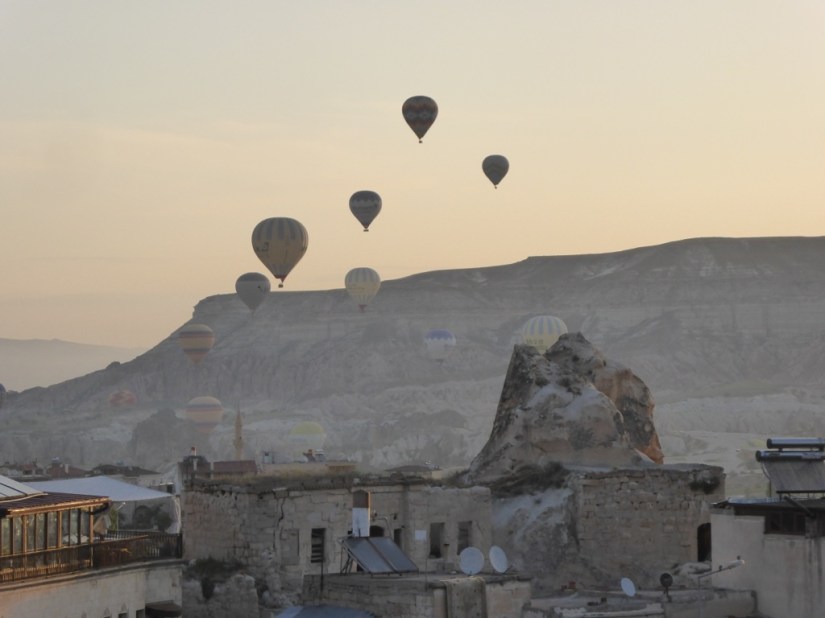
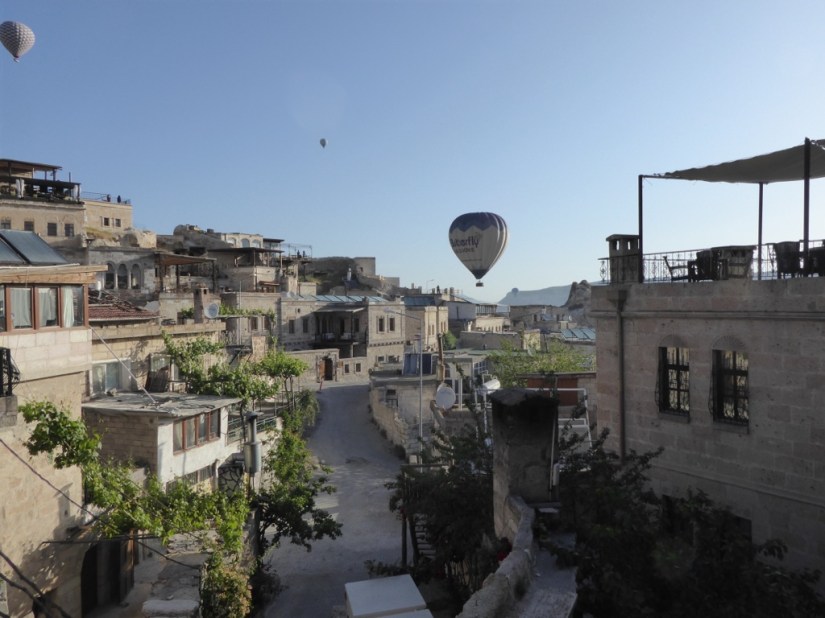
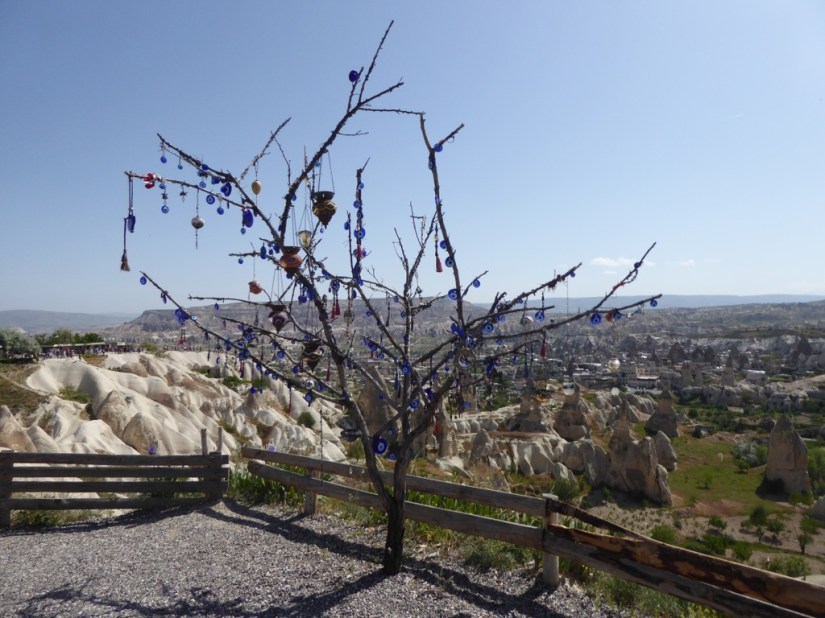
 Here we are in Cappadocia, which means “Land of Beautiful Horses” in Persian and where the landscape is often described as moonlike, with dramatic expanses of soft volcanic rock, shaped by erosion into towers, cones, valleys, and caves. In addition, people have shaped the soft stone further, leaving cave dwellings, rock-cut churches and even underground cities.




















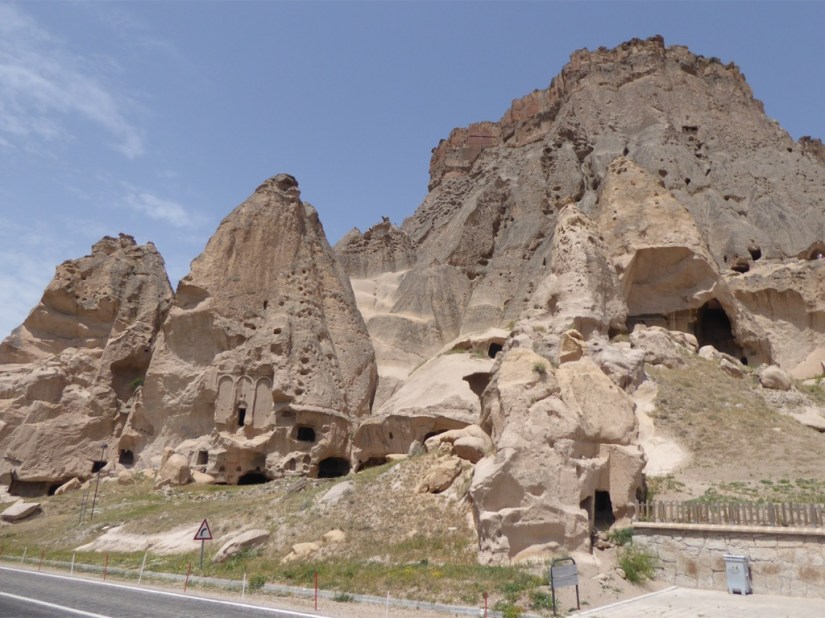


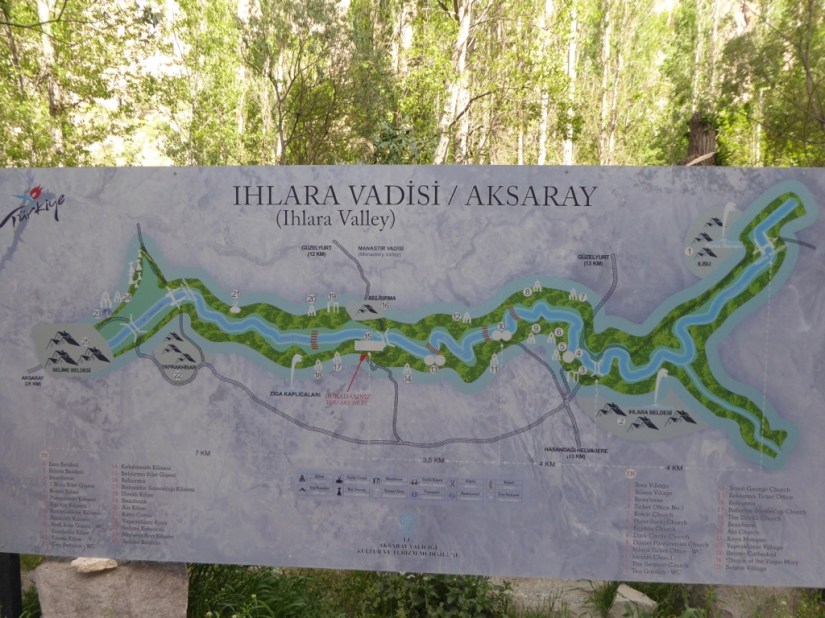


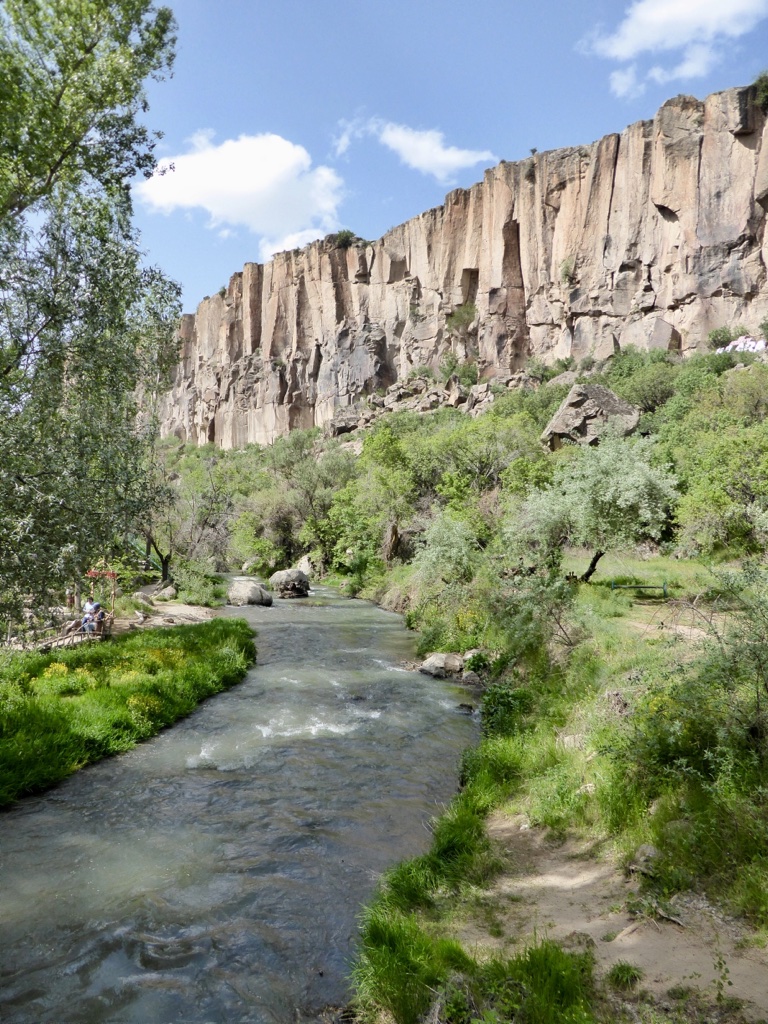
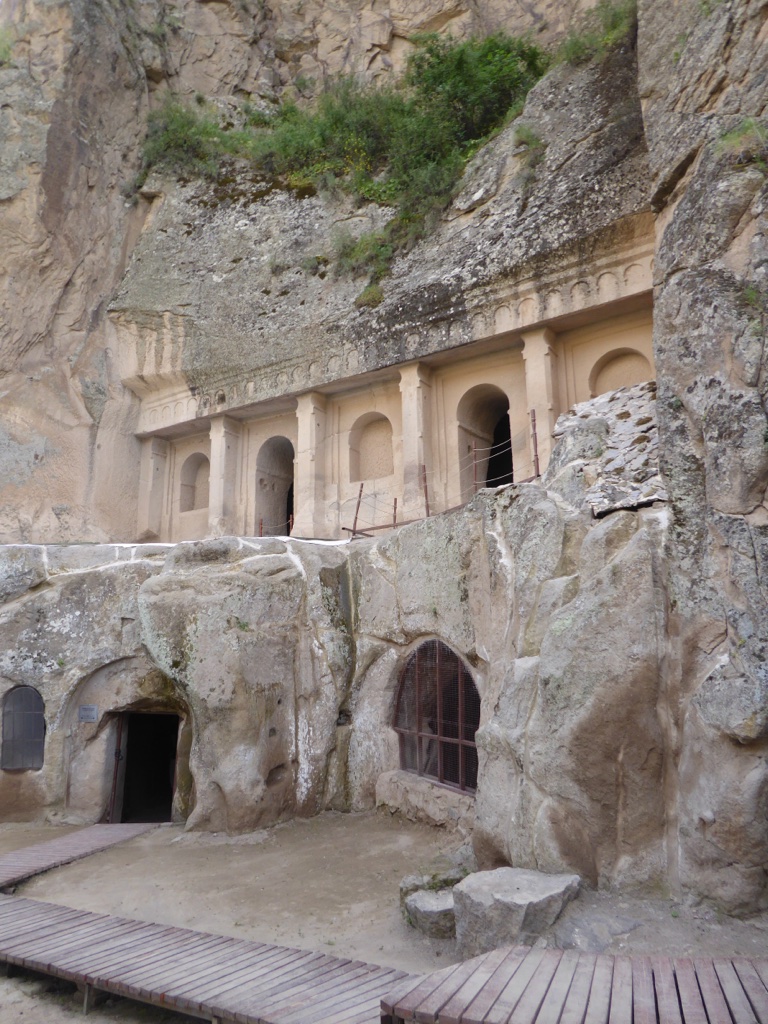


 Our final stop was a quick look at Nar Gölü, a crater lake that was formed when a volcano blew its top some time in the not too distant geological past. Hot sulfurous water still bubbles up and is meant to be good for curing skin problems but we didn’t get close enough to find out!

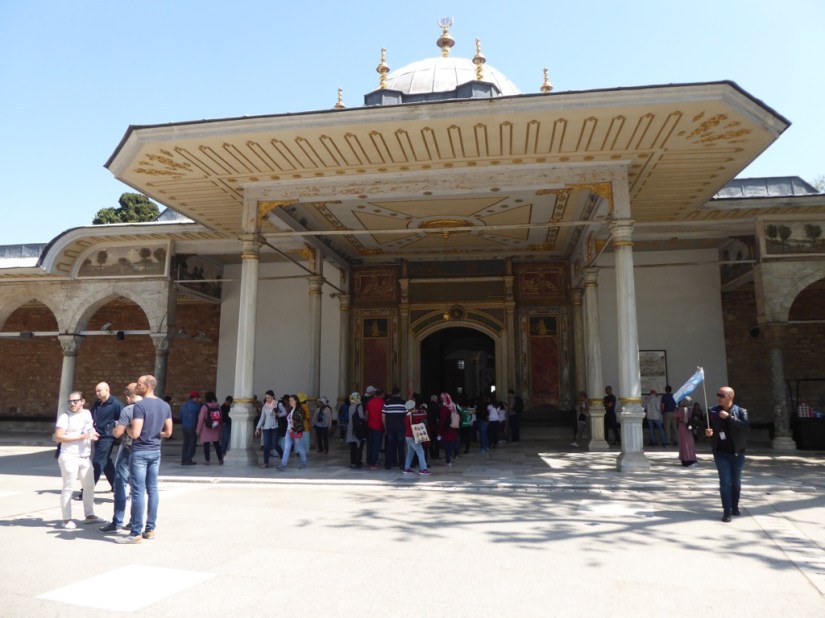
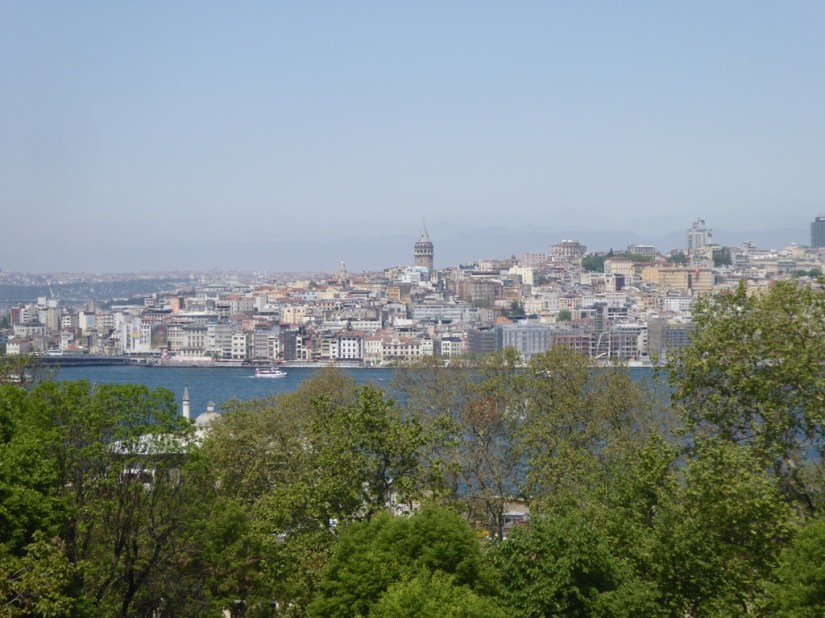
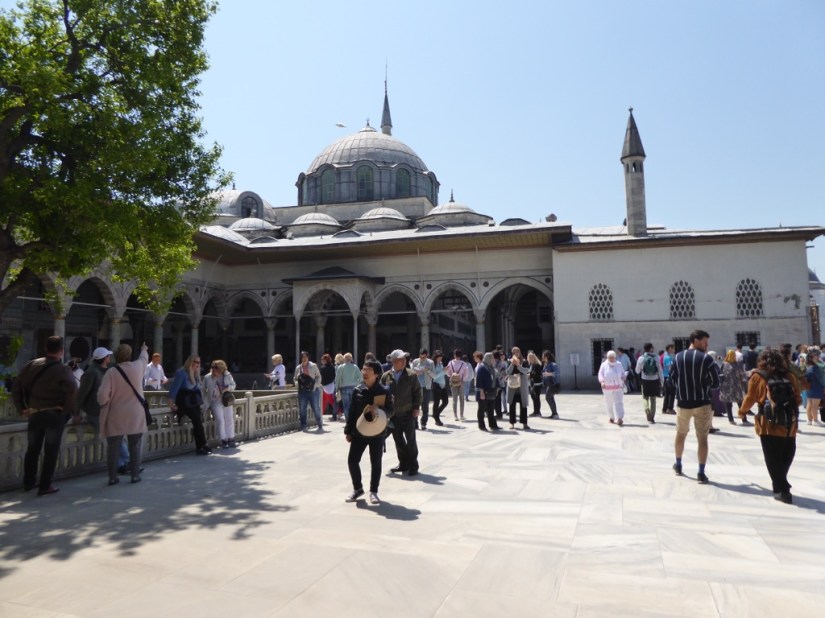
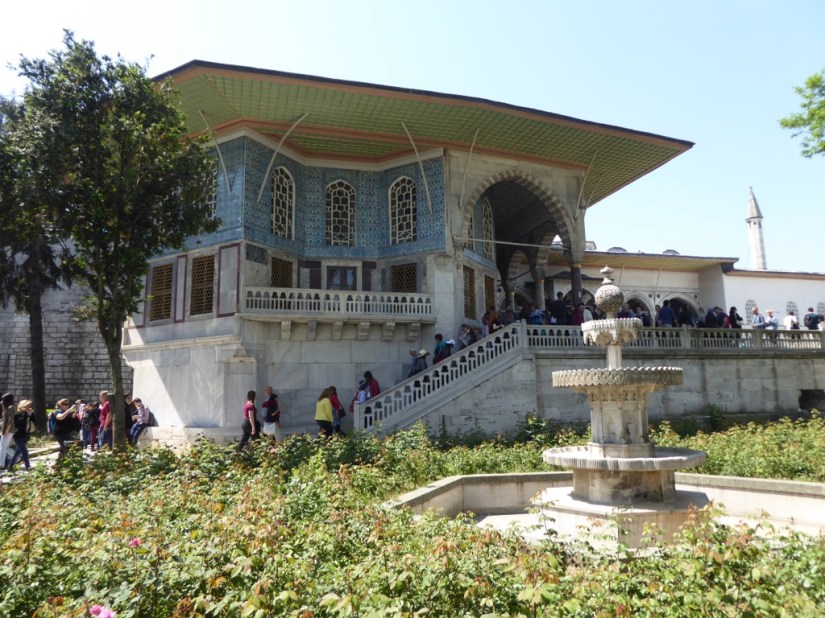 We have saved our last day in Istanbul to visit the Tokapi Palace and arrived at the first imperial gate at 9.45 … a little later than we had planned.





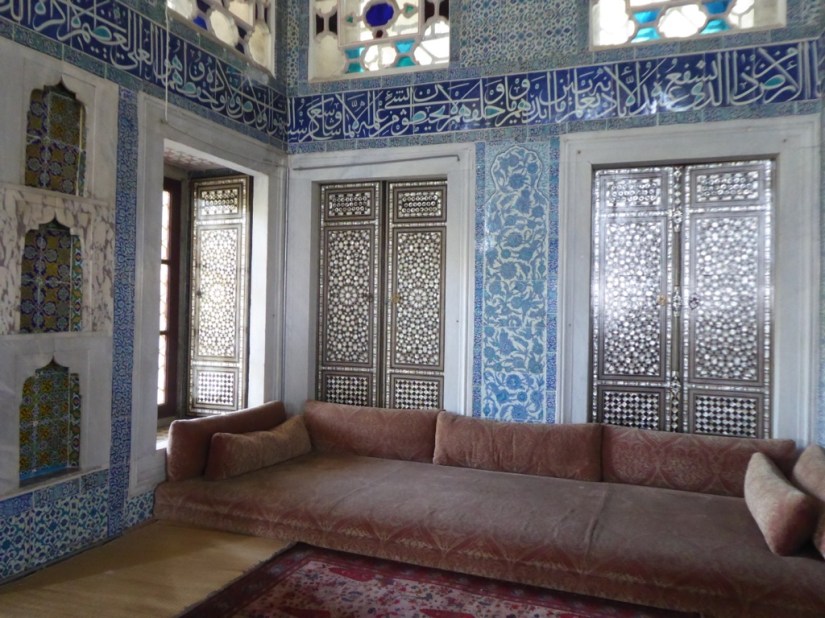
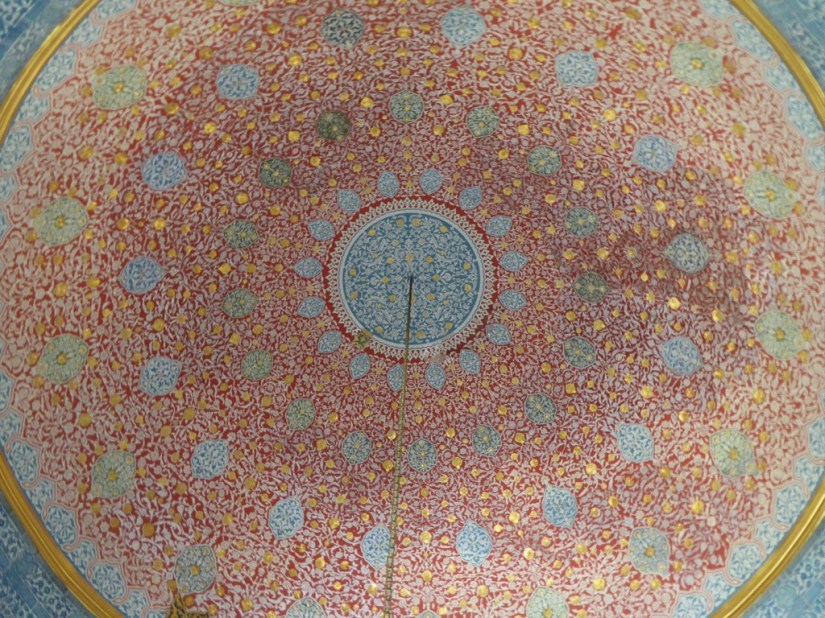
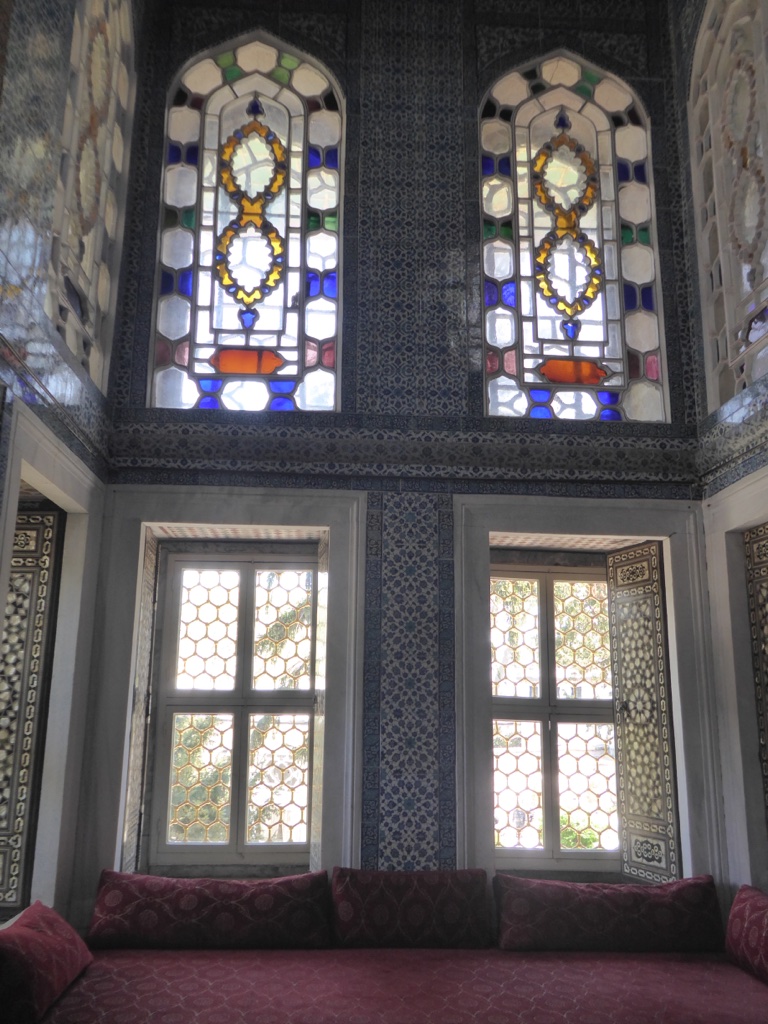
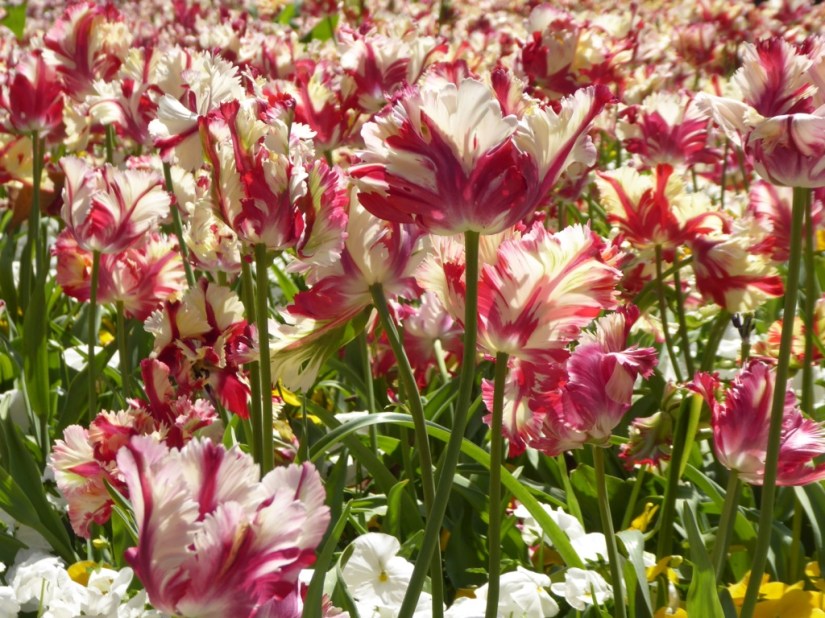 A couple of stunning pavilions were saved to last, covered in beautiful tiling and sitting in the shady gardens …



























 Off Travelling Together