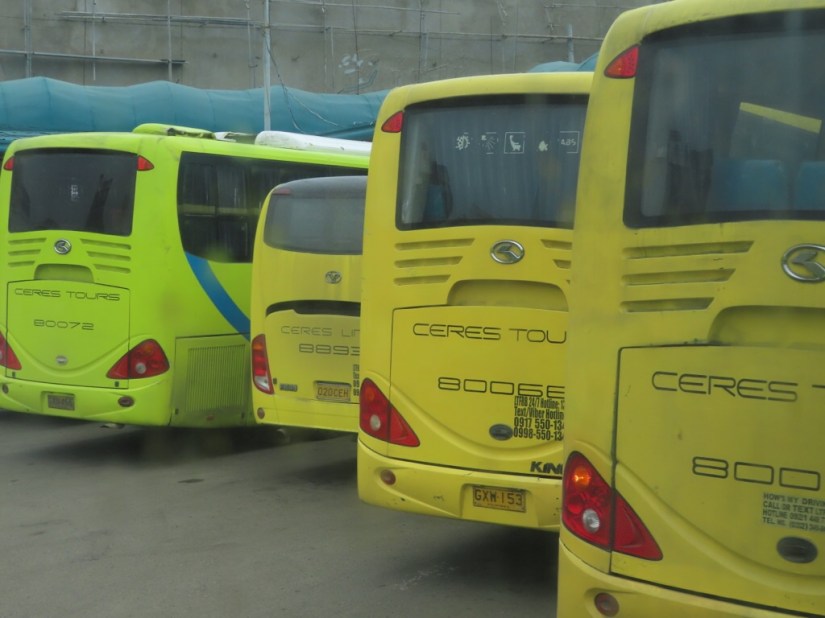
 We took the Ceres Bus … a proper AC coach, not a jeepney … 100km south along the coast road to Dalaguete. Transport is slow in the Philippines, where the roads are narrow and very busy with scooters, tricycles, jeepneys and lorries and it took three hours. Joanna had generously shared her cold as she left, so I was feeling pretty rough all trip.
We arrived at The Beachhouse, conveniently just beside the bus stop, and checked in to a little oasis. Tim and Ann made us very welcome to their small resort with four luxury rooms overlooking a swimming pool and the sea.
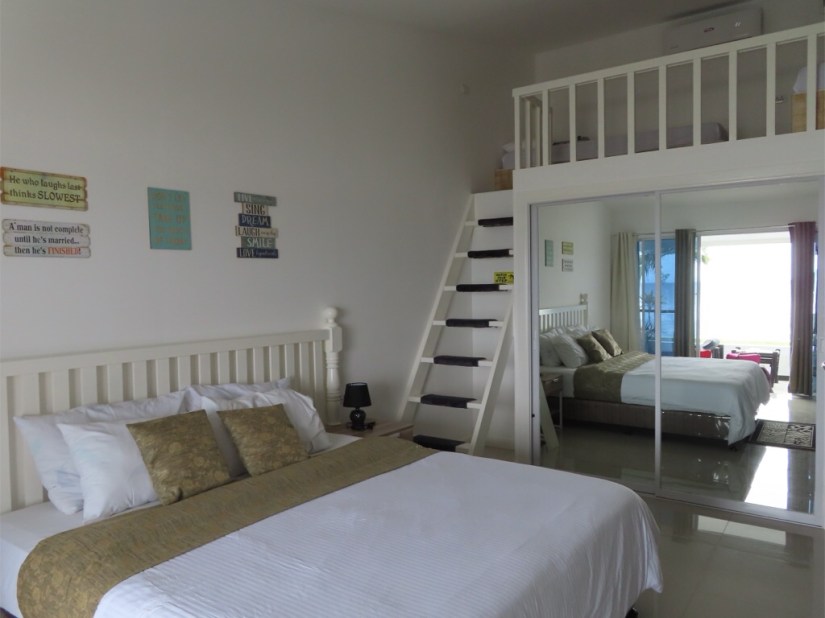

We walked down the road for some lunch and a comfort pizza made me feel ready for a nap. I couldn’t have been in a better spot to feel under the weather with a comfy bed and a cool room. I mustered for dinner, which was good as reports of the excellent food here had encouraged us to book! Sweet and sour fish for me and a veggie curry for Chris, a few hands of Uno and Dobble and early to bed.

In the morning we heard news about a volcano which had erupted just south of Manila so it was lucky Joanna had flown the day before and missed it. Apparently it is the smallest volcano in the Philippines and hasn’t erupted for 80 years.
https://www.bbc.co.uk/news/world-asia-51083515
I was feeling a bit better but still not ready to do any more than sit under an umbrella, dip in the pool, walk out for a salad lunch, return for a nap … then have another lovely dinner – this time spicy shrimp and chop suey.
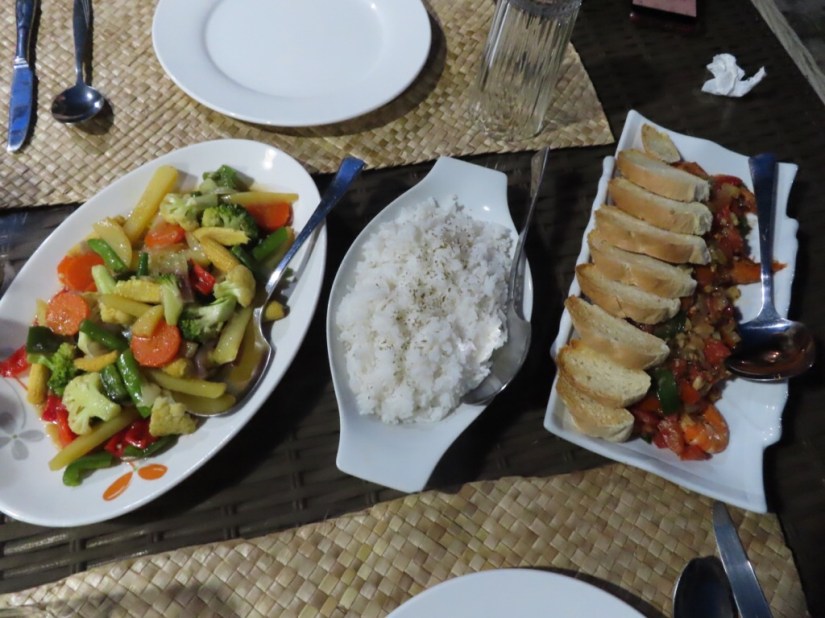
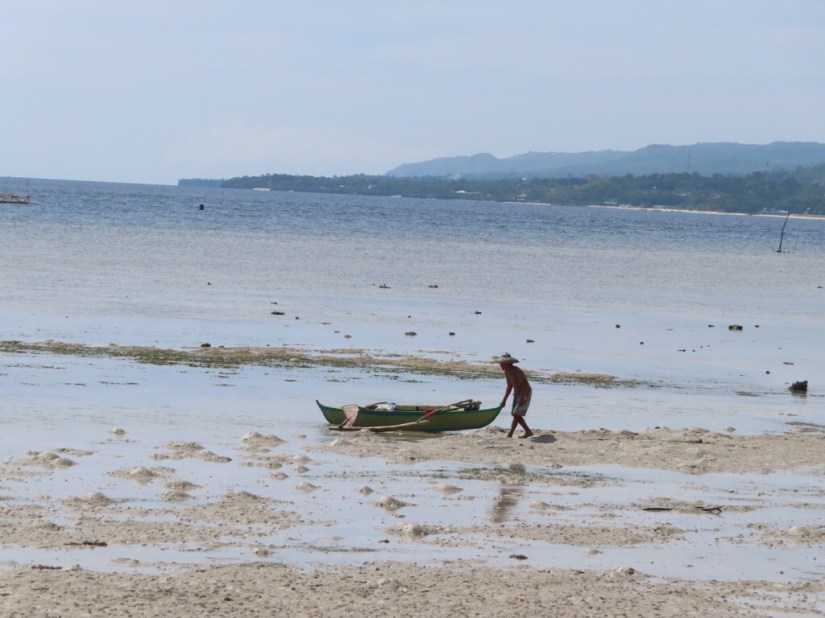
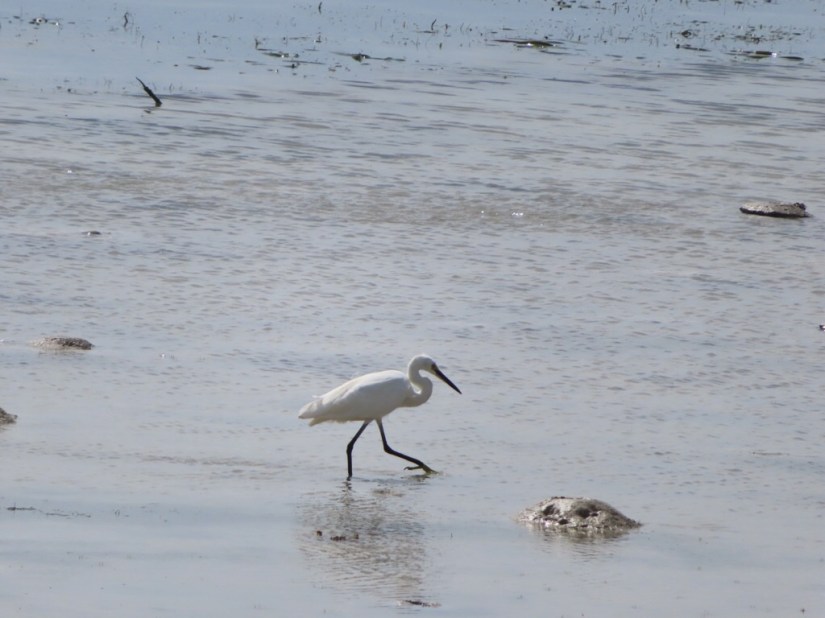
But we did take a few photos …



On our last day here we thought we better do something, so Tim arranged for habal habal drivers to take us into the mountains for the day. We had first done this in Thailand a couple of years ago and a motorbike with driver for rent seems quite the norm in Asia. We reasoned it was probably safer and less trouble with an experienced local rider than hiring our own moped.

The four Russian visitors also staying at The Beachhouse joined us, so a ride out of six bikes headed inland.
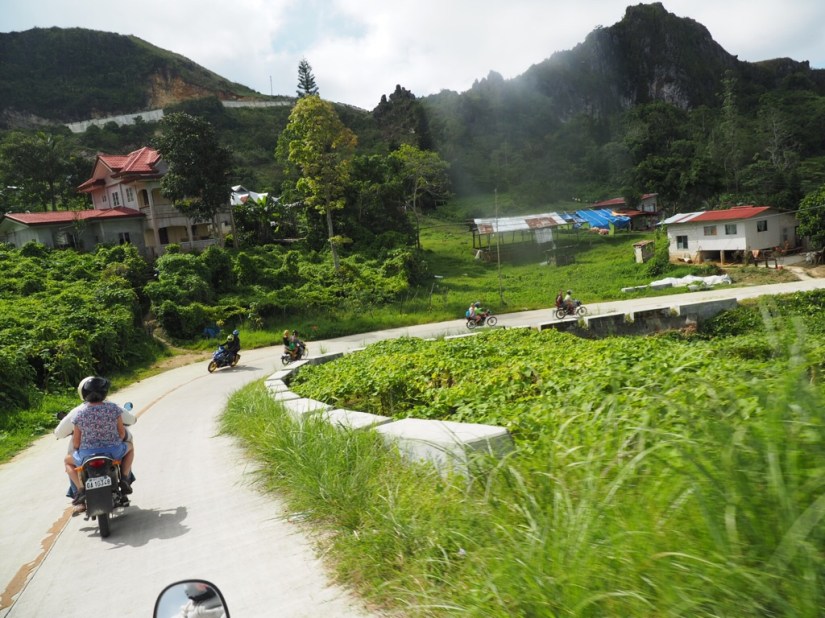
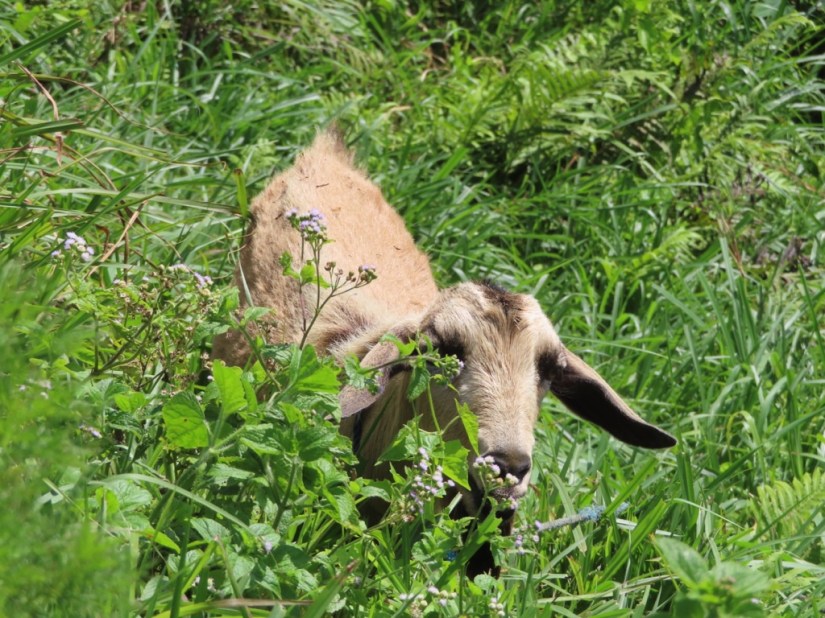
Having climbed steadily upwards, passing farms, lush undergrowth and a couple of villages, we stopped to take photos …


… then continued to Cambais Falls where a couple of local guides, James and Carlos offered to guide us to the best swimming spot.


We walked a while until we reached the higher waterfall ….

… some chose to jump in from the cliff! Chris stayed to take photos and I clambered down and entered the water more sedately. It was really lovely – clear, cool and just our small group there.
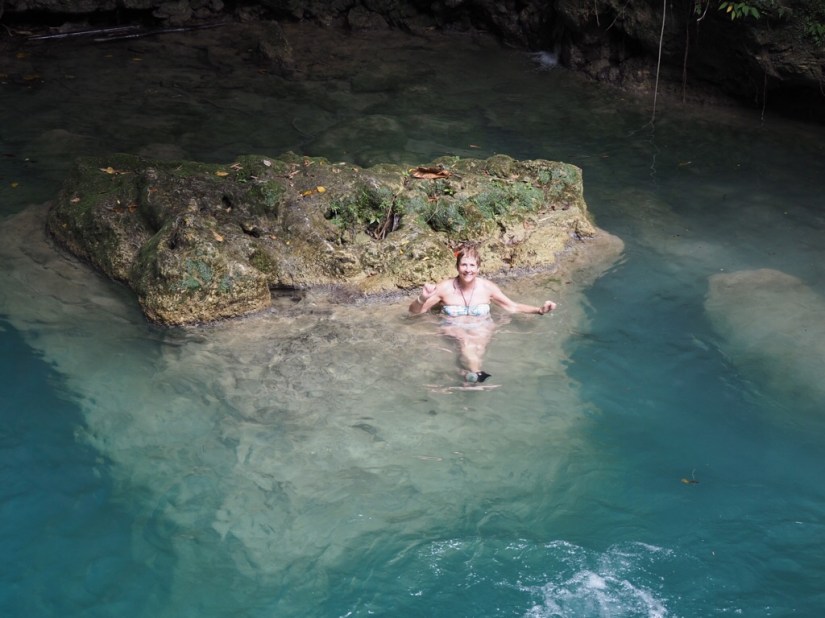

Our guides helped carry bags so we could concentrate on making our way safely – the Filipinos all seem related to mountain goats! We made our way to the lower pool, where there was a waterfall we could swim behind.
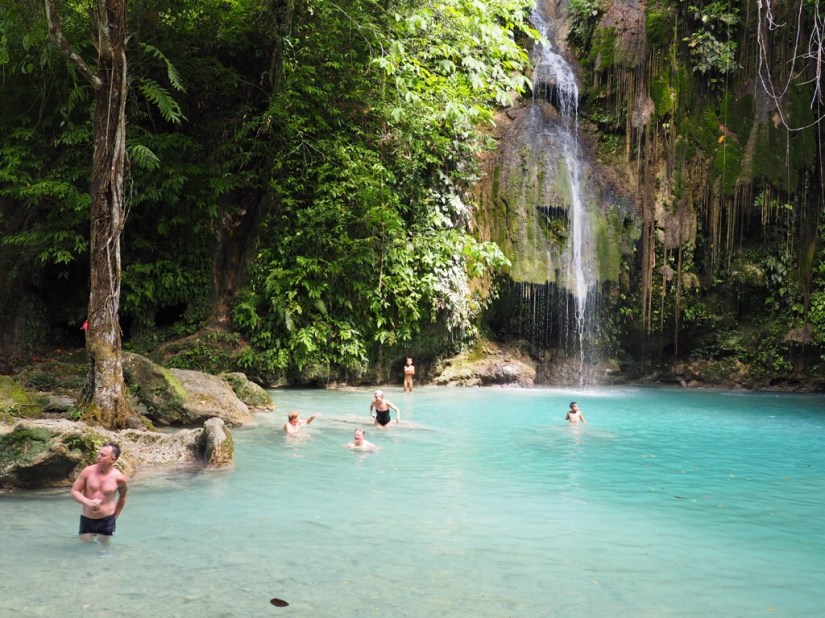

It was a great experience, and as another group arrived, we packed up and returned to the bikes.

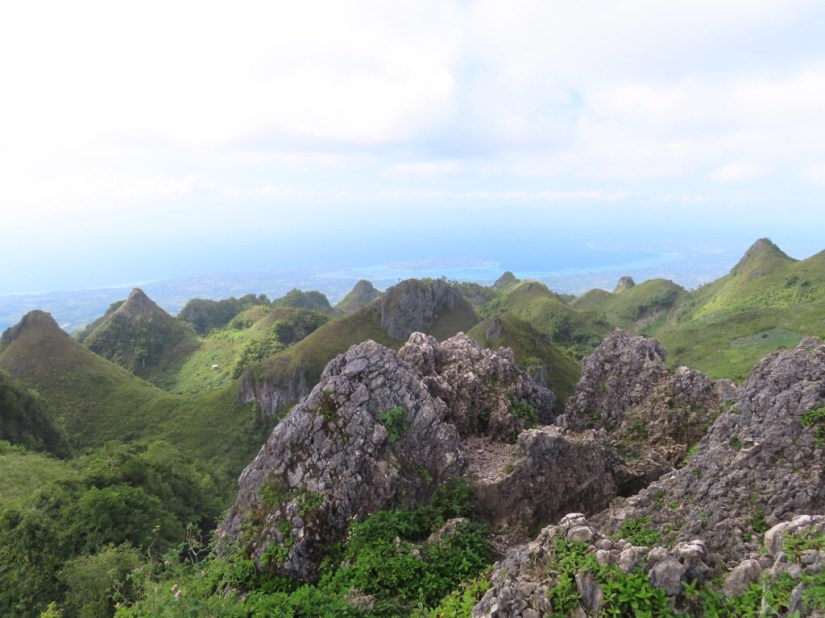
Next stop was Osmena Peak, and it became obvious that there wasn’t anything particularly special about the Chocolate Hills in Bohol – there are limestone hills and outcrops everywhere … and some a lot less crowded!


The lower slopes of the peak were being cultivated for vegetables …


… and it took around 20 mins to get to the top where we rested, enjoyed the view and ate snacks, then took photos of the view northwards towards Moalboal and Zaragosa Island …
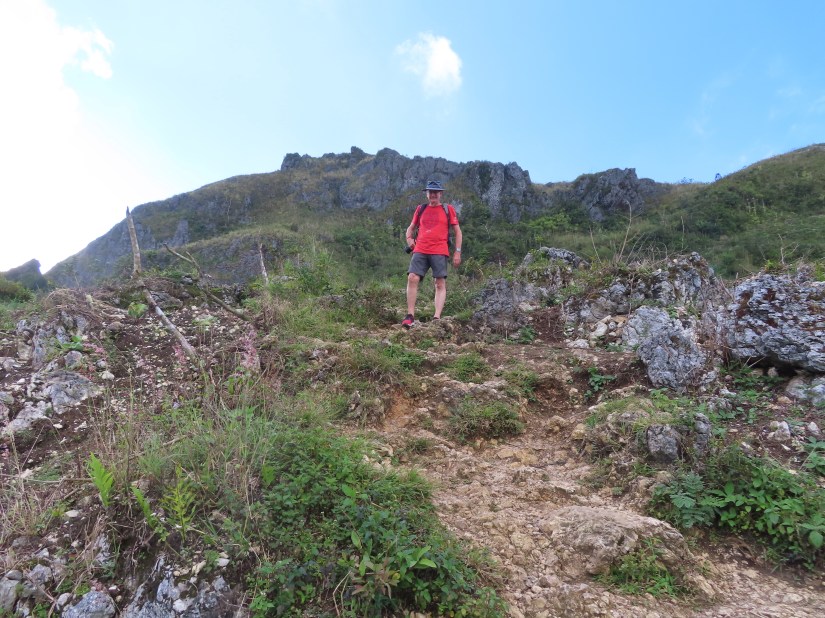

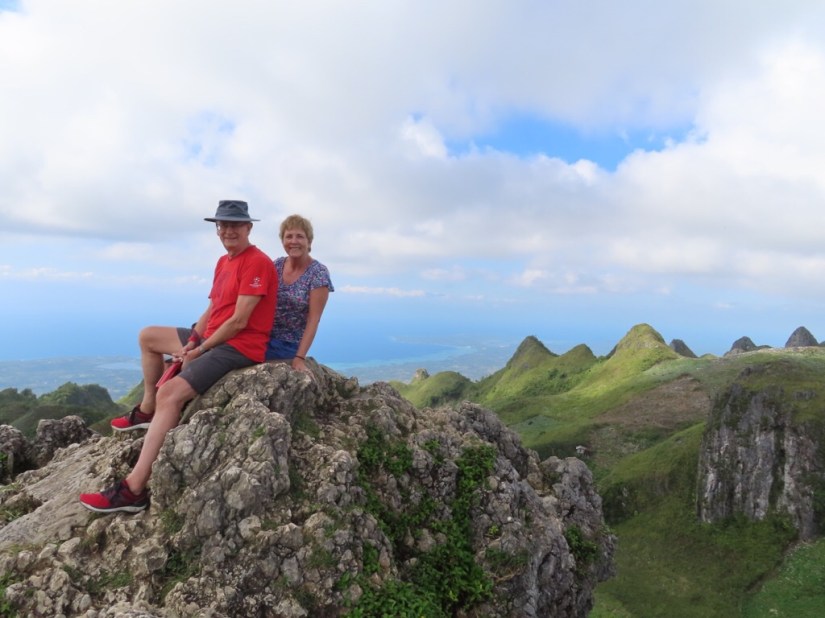
… and the other way as well!
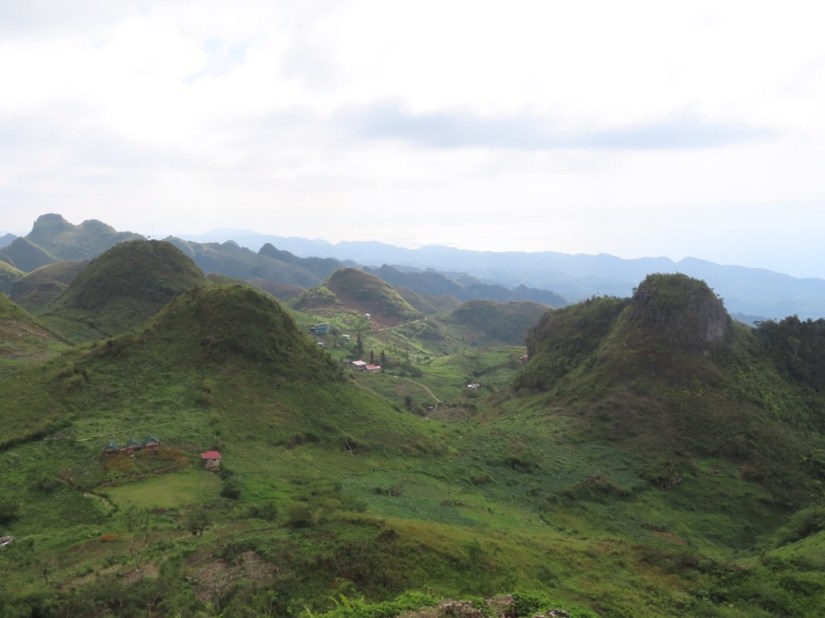
 Back at the road, we passed roosters on their perches …
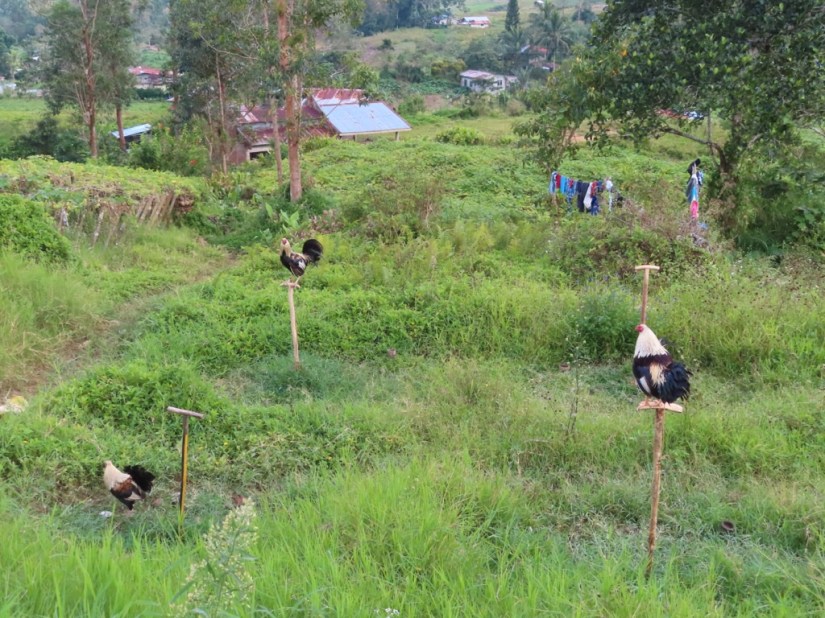
… and having been talking about cockfighting with Tim the previous day, we weren’t surprised to see a bit of a practise bout going on …

Everywhere we have stayed, even in Cebu City, we woke to the sound of roosters. Having been here a little longer, we now know why – they are bred for fighting. Cockfighting is legal and a national obsession among all levels of society with some 2500 stadiums across the country and some 30 million roosters being killed each year. It has an ancient history here and was mentioned in the report of Magellan’s voyage of discovery of the Philippines in 1521. Fighting roosters are specially bred for their aggressiveness and usually fed better food like grain or minced meat. The rich even have veterinarians and trainers to build up the muscles of the birds. Having said that, with blades attached to their legs, Filipino roosters usually only live to fight one or two matches before death or injuries retire them from the sport. For the Filipinos, cockfighting is a form of entertainment to relieve the stress of life, but the betting also draws them in, a chance for a quick peso, or if the wining bird is yours, a way of earning money when jobs are scarce. We even passed the local stadium on the way back, and no, we won’t be going!
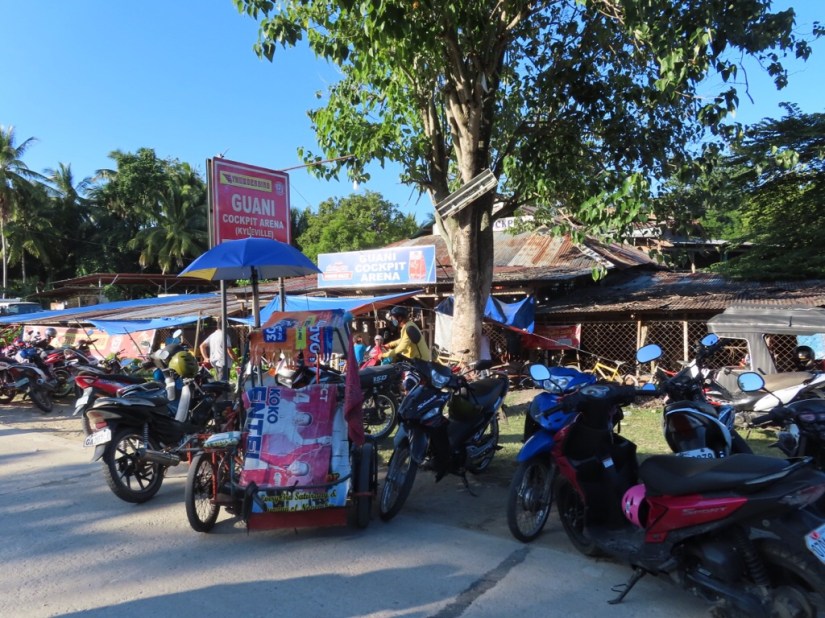
A dip in the pool, a pretty sunset and pizza and pasta night has brought our stay at The Beachhouse to an end and tomorrow we get back on the Ceres Bus and go further south …

 Off Travelling Together