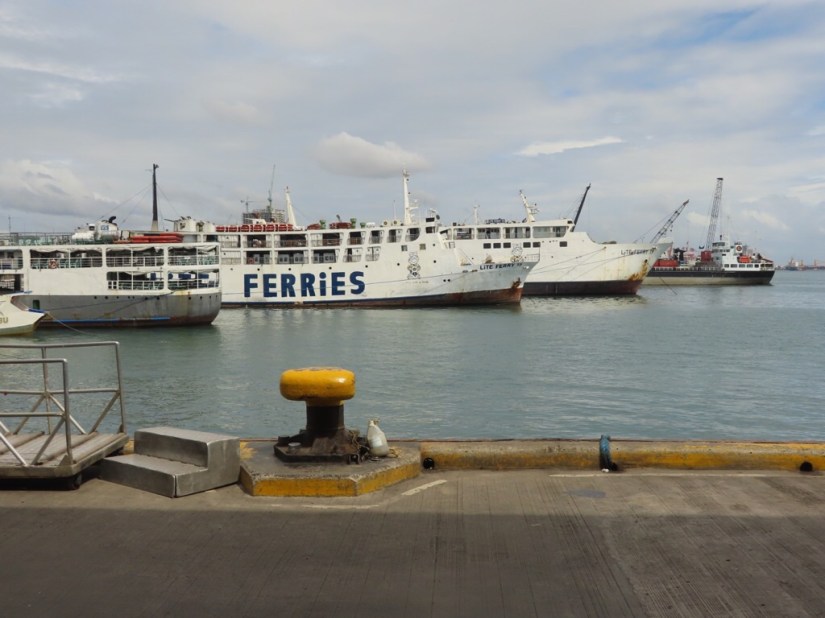
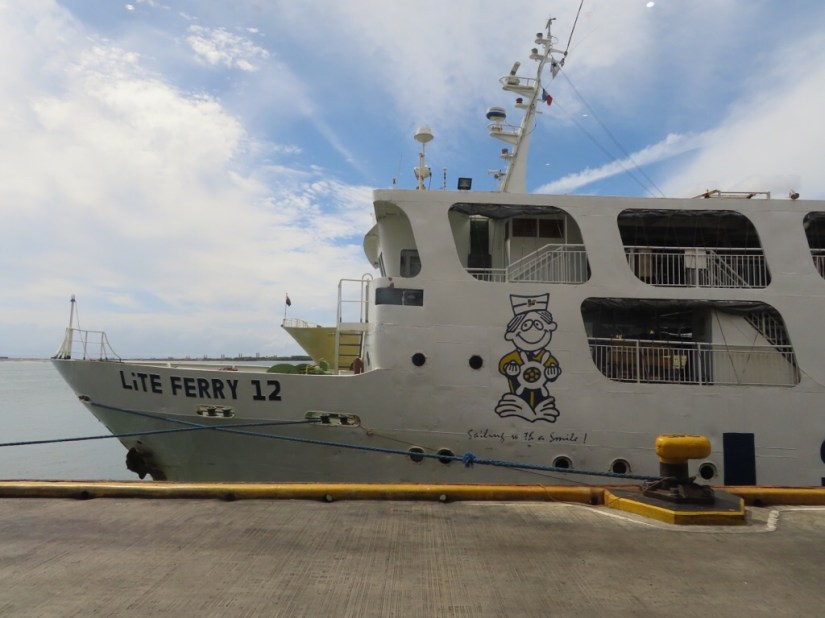
 The only time I’ve worn a fleece this trip, was on the air conditioned ferry, so this time we opted for economy instead, not realising that this meant sitting outside at the back!

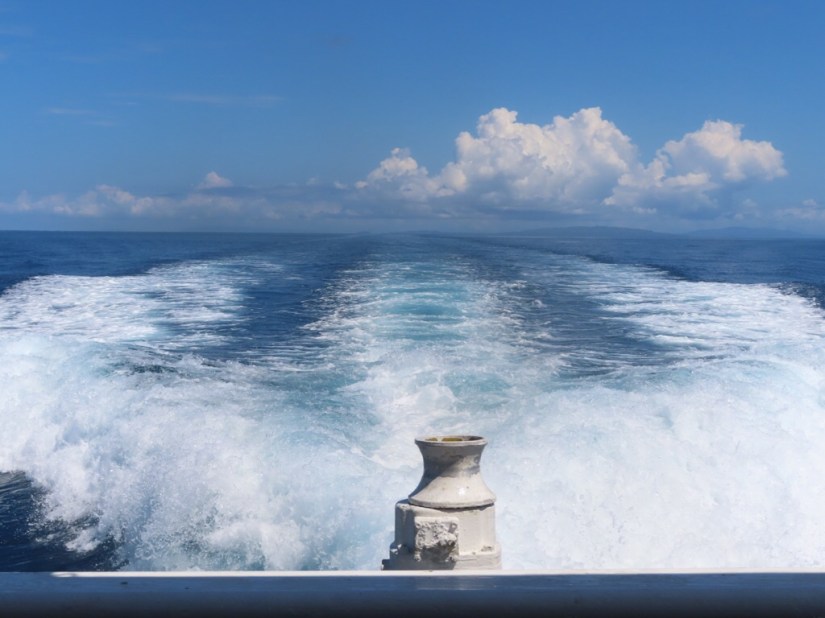
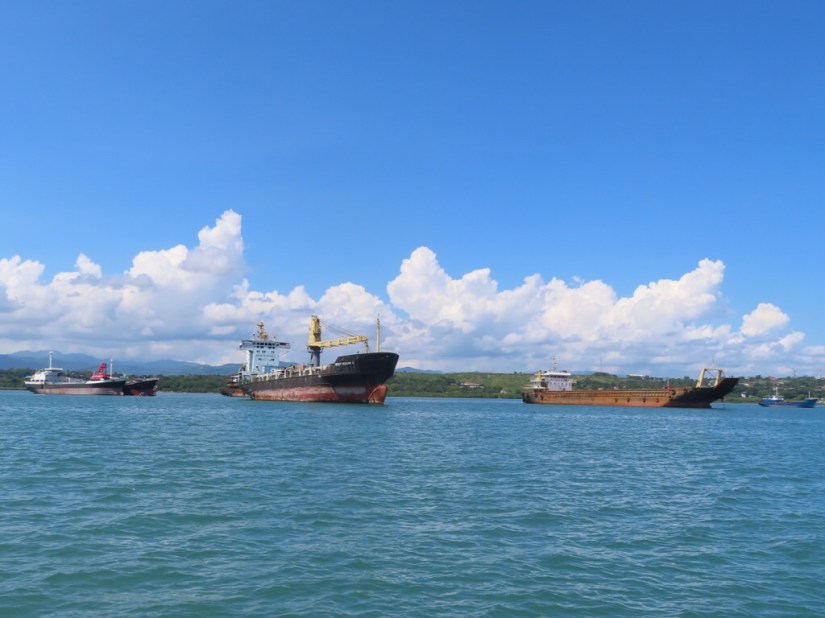
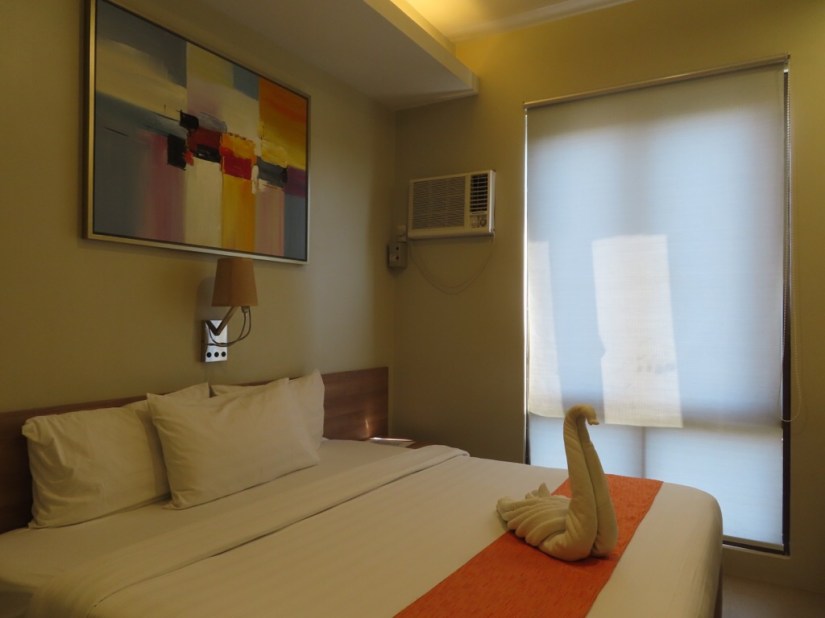
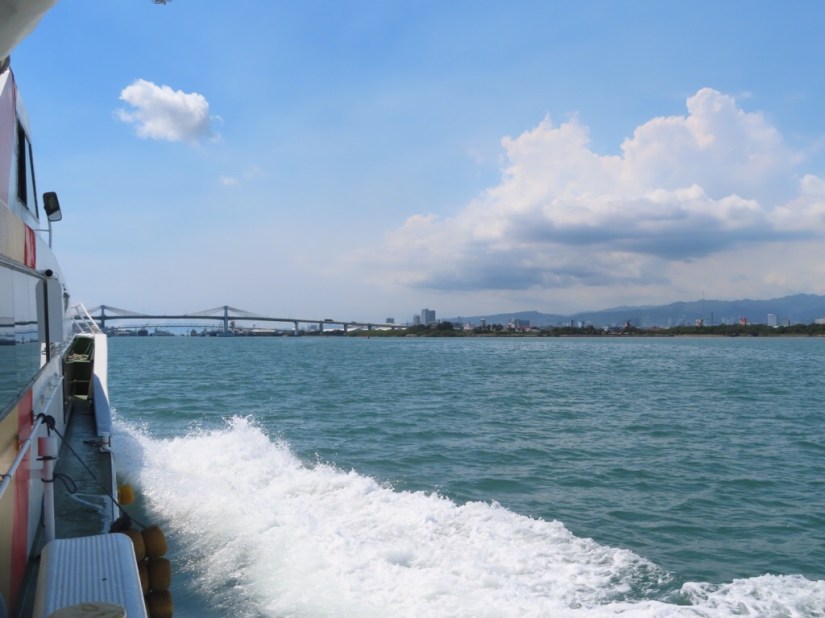 It would have been fine, but Chris was sitting right by the engine exhaust so ended up standing at the back, and while the spray wasn’t noticeable, we arrived almost caked in salt, so took a shower as soon as we arrived at ABC Hotel.

History hasn’t played a particularly big part in this trip so far as apart from some churches, there are few historical sites. Now we are back in Cebu city there are a few more so this seems the best time to mention the history of the Philippines … another area missed completely in my school education! I knew before we came it was Christian … a legacy of the Spanish … that it was called The Philippines after King Philip of Spain … and Imelda Marcos had a lot of shoes … but that was about it.
So most Filipinos are descended from Malay settlers, who were influenced by nearby Hindu kingdoms and trade with the Chinese and then Arab traders who brought Islam to the islands.
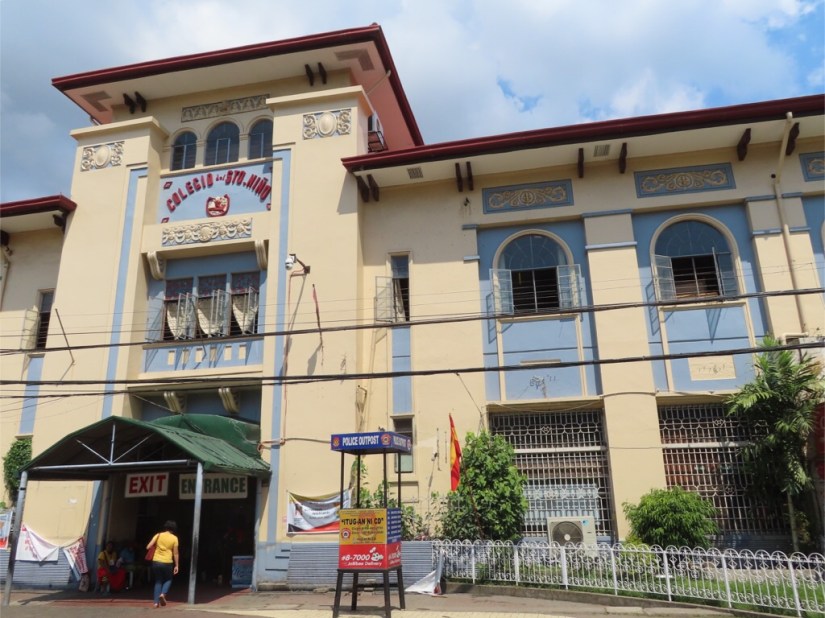
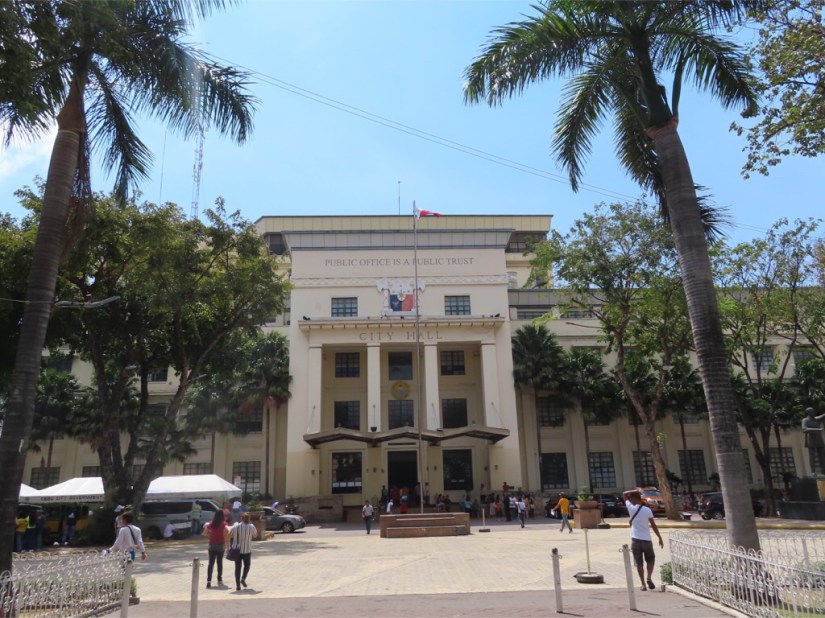
In 1521 Ferdinand Magellan sailed across the Pacific, landed in the Philippines and planted a wooden cross to claim them for Spain. The original cross was believed to have miraculous healing powers so they started chipping bits off, so it was encased in another wooden cross made from tindalo, although rumours say the original cross was destroyed or disappeared after the death of Magellan. Either way, it’s a symbol that marks the birth of Christianity in the land and is housed in Plaza Sugbo, between the Colegio Santo Nino and City Hall in a stone rotunda.

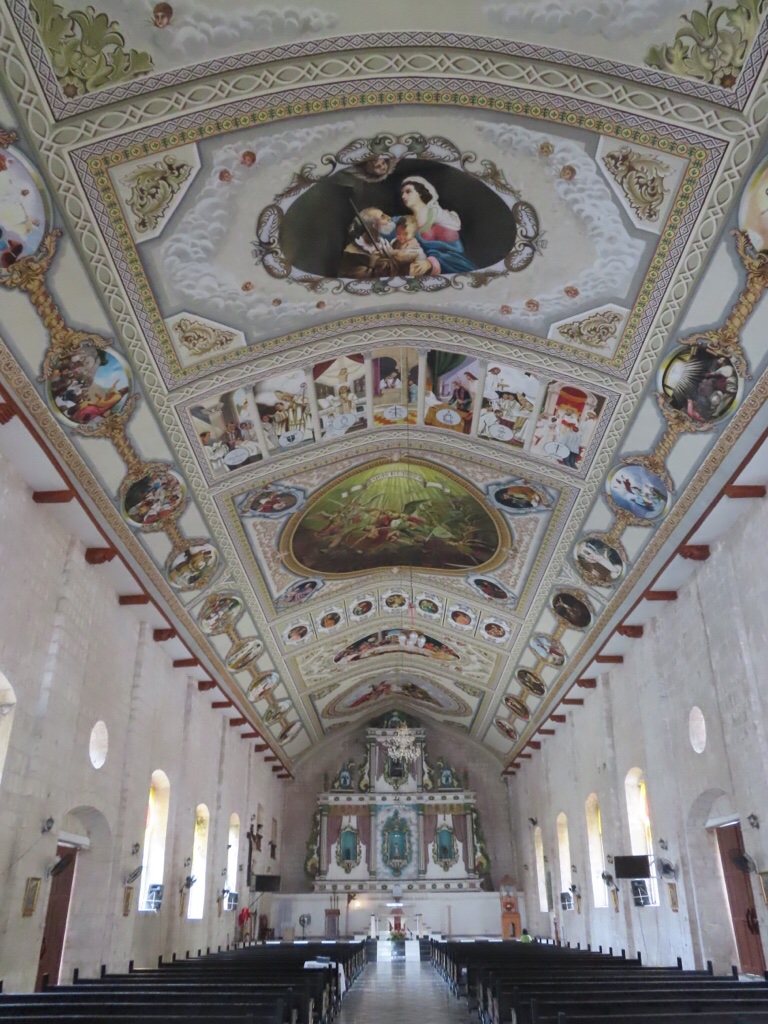
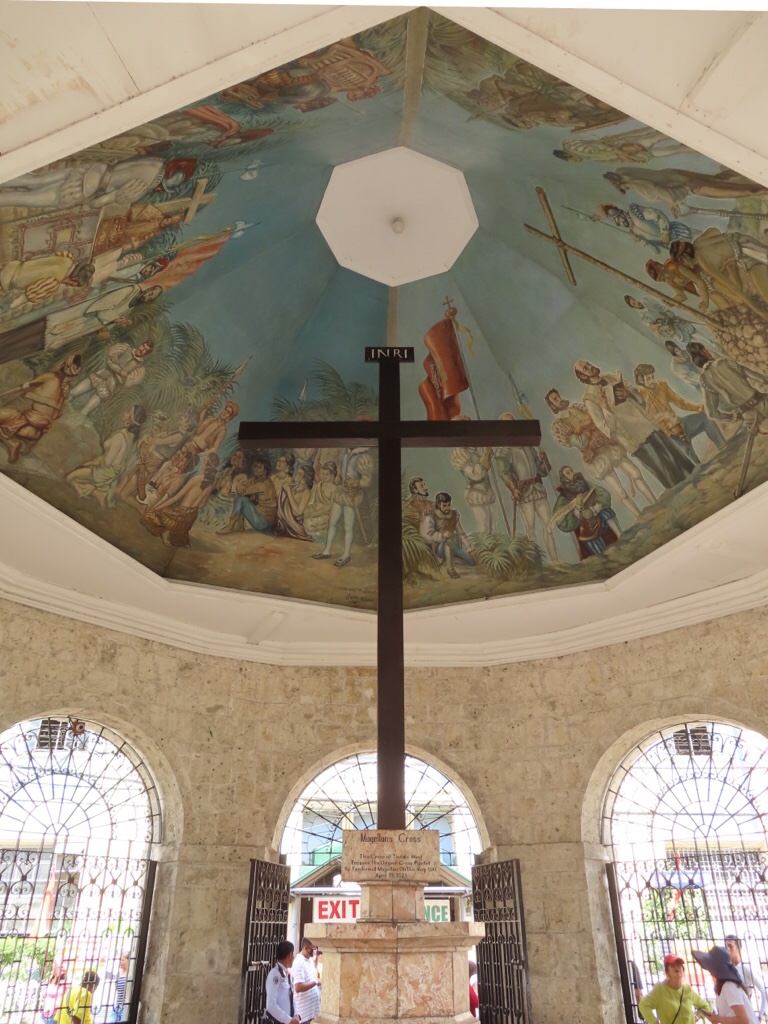 The ceiling is painted with scenes showing the arrival of Magellan and the planting of the cross …

… and the subsequent baptism of King Humabon of Cebu, his Queen Juana and their subjects …

… and here’s a statue of Humabon.

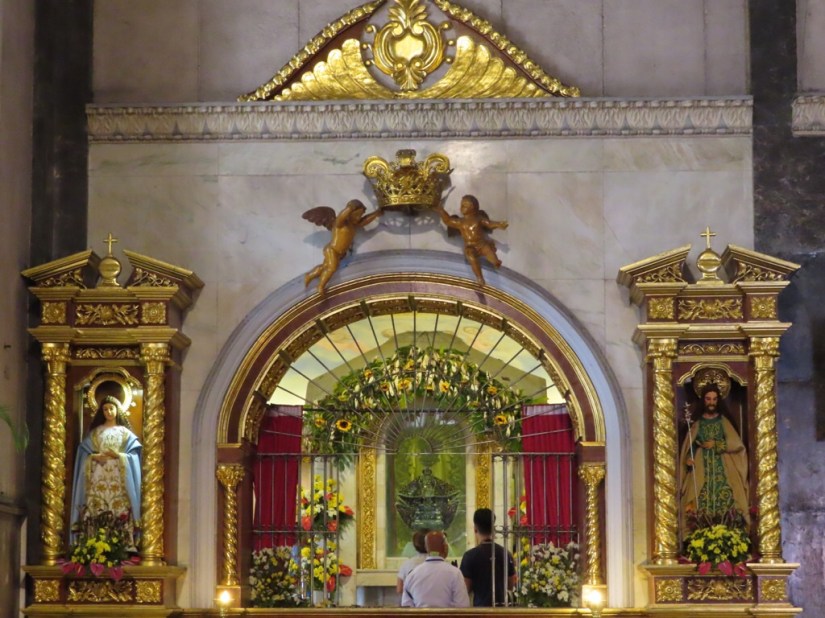
The most famous religious icon in the Philippines, the statue of Santo Nino, is said to have been given to Queen Juana by Magellan after her baptism and is kept in the oldest church in the country, the Basilica Del Santo Nino founded in 1565.
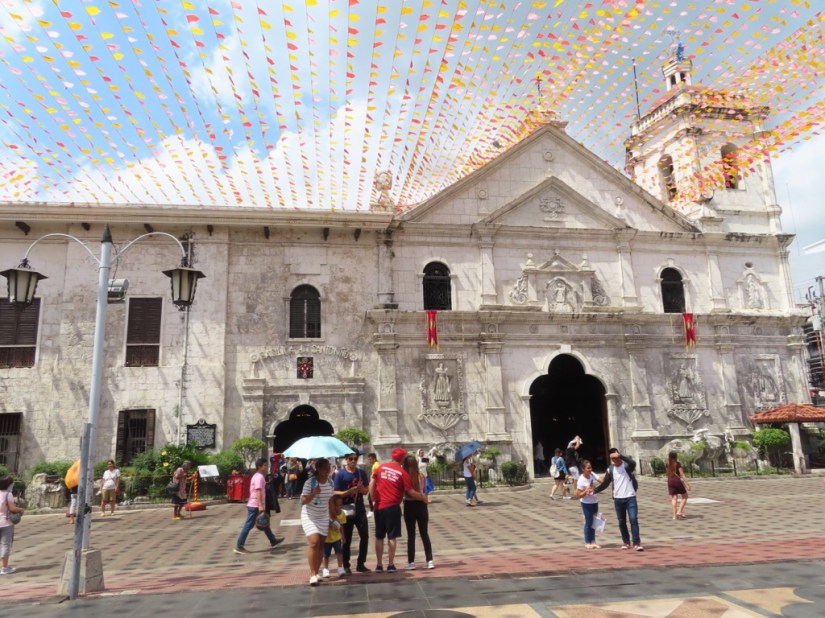

We took photos from afar as the devotees filed past the statue.
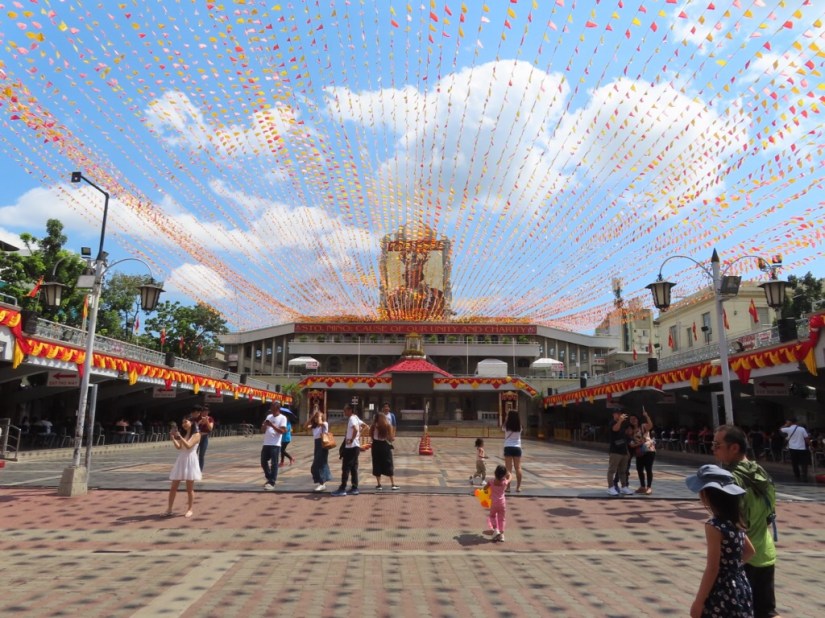
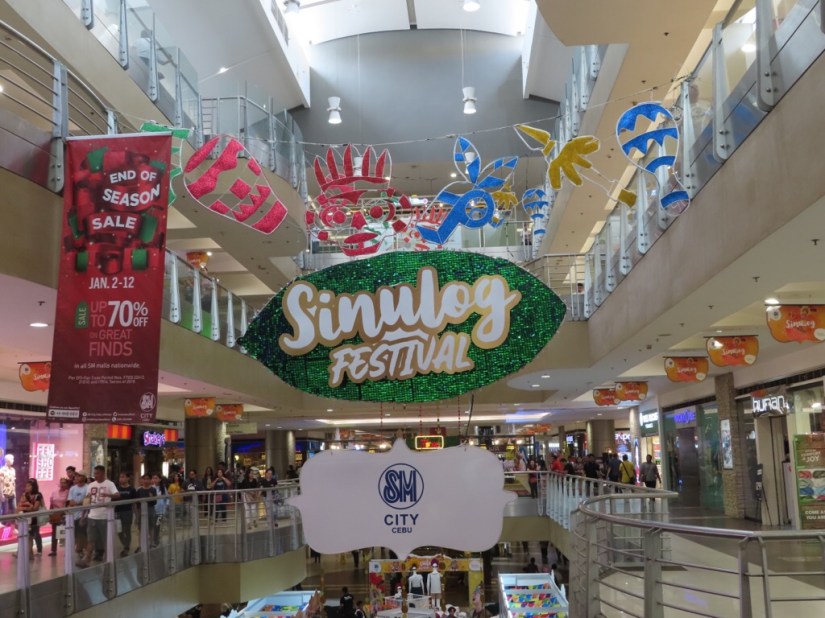
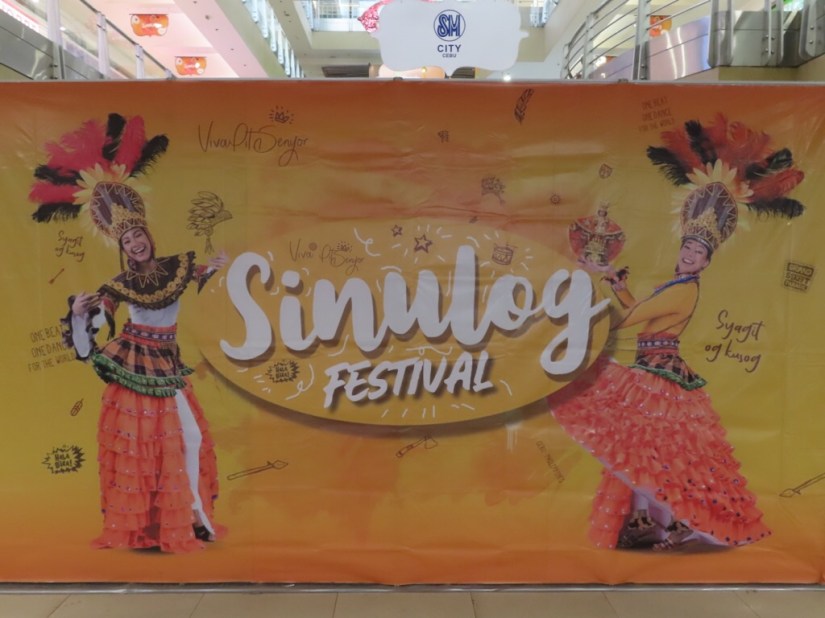
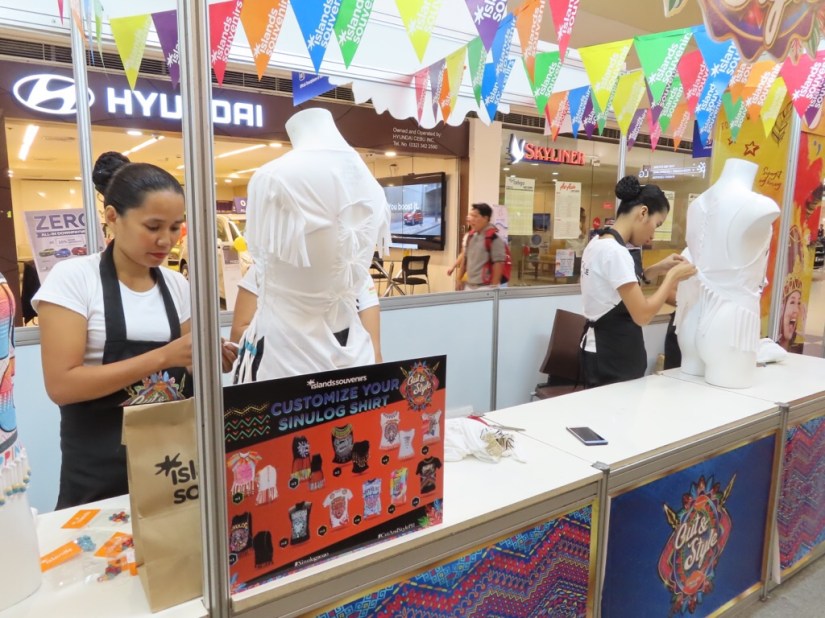
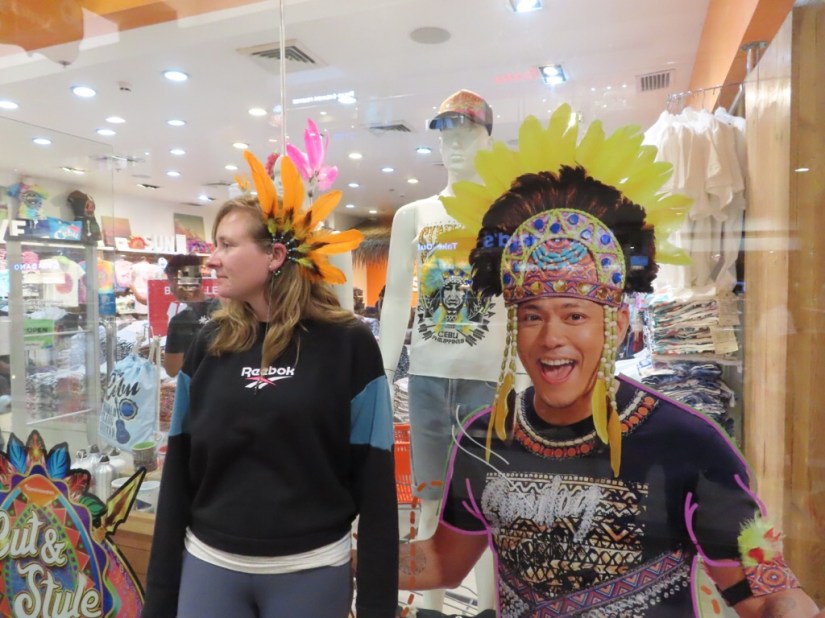
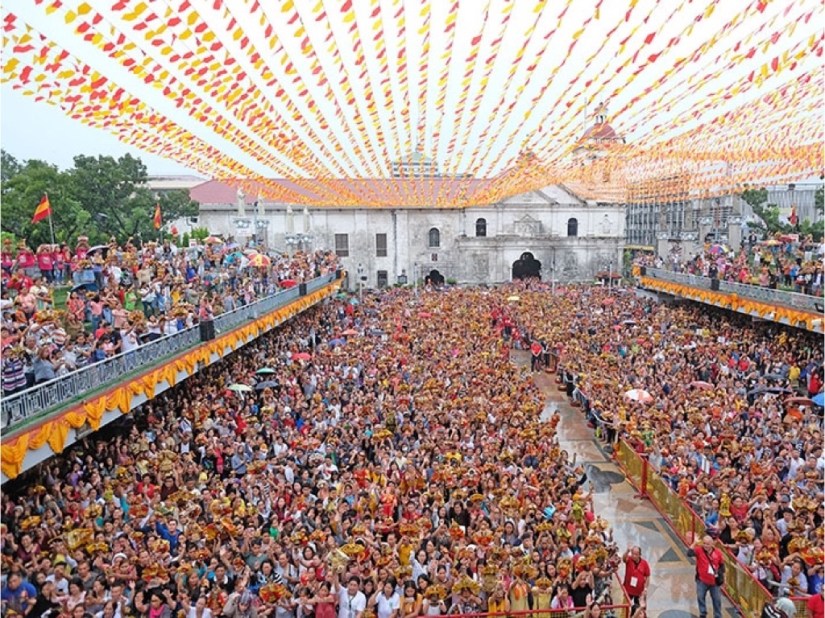
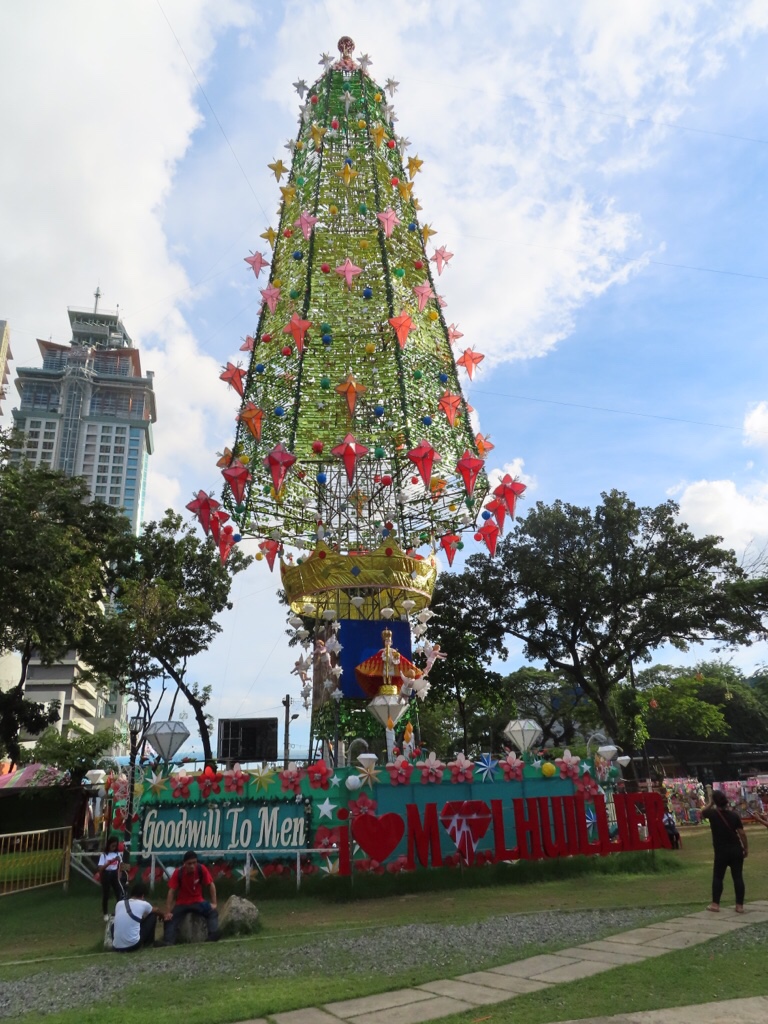
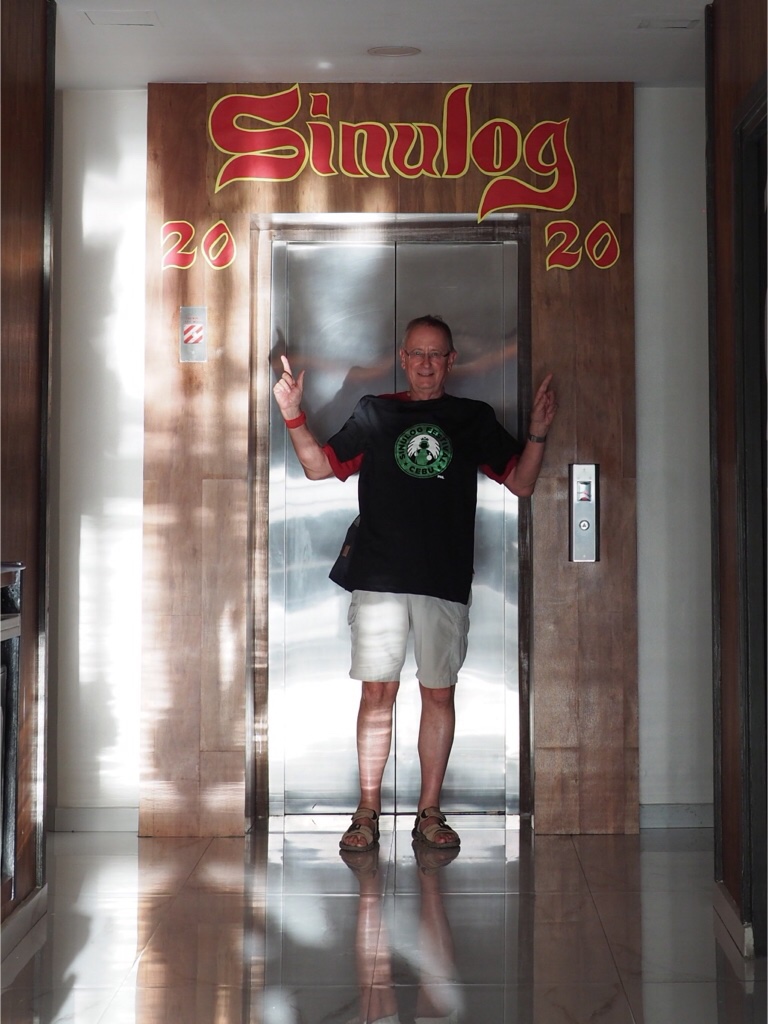
 We had a pretty good idea what it looked like up close as there were images all over the city in the run up to Sinulog, the festival honouring Santo Nino and there were still decorations remaining from the festivities last weekend.
Magellan had hoped to make Humabon a puppet ruler on behalf of the Spanish crown and demanded the other chiefs to submit. Lapu Lapu refused so Magellan led a force to crush him but Magellan was killed and the Spanish conquest was put on hold.
Miguel López de Legazpi arrived in 1565, established the first permanent settlement in Cebu and built Fort San Pedro and here he is outside.

Originally it was made of wood …
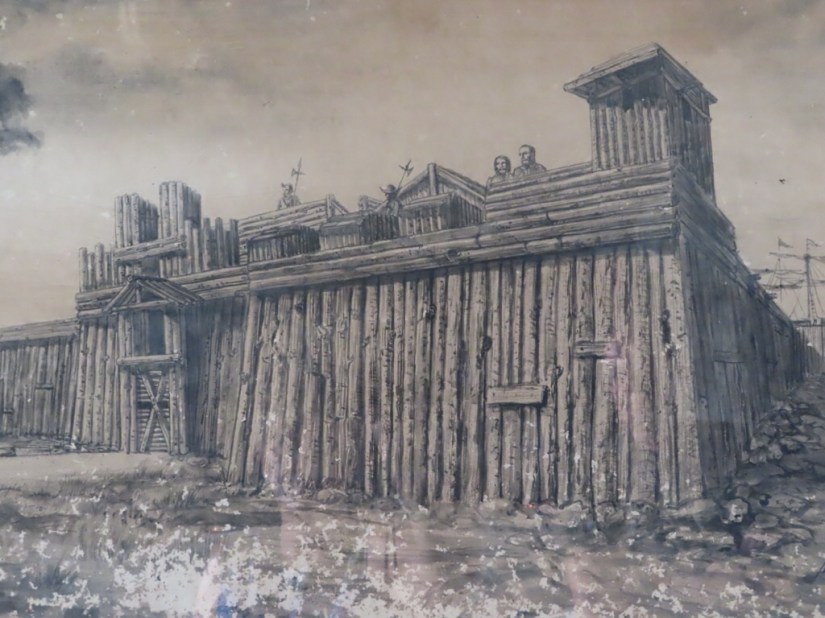
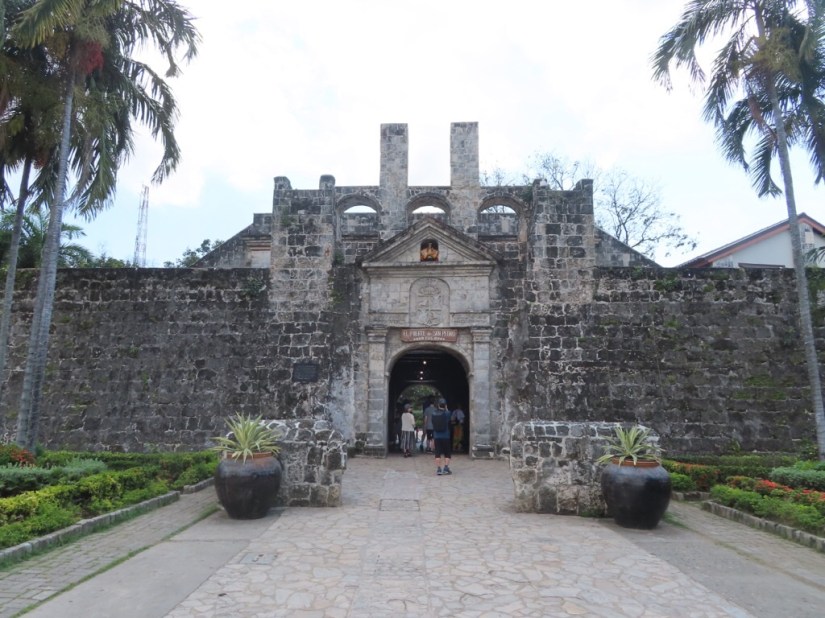
… but was replaced in the C17th with a stone fort to repel Muslim raiders. Today’s fort was built in 1738 and is the oldest triangular bastion fort in the country, still with most of its cannon.


Much of the archipelago came under Spanish rule, creating the first unified political structure known as the Philippines and introduced the code of law but also a feudal system with Spaniards owning vast estates worked by Filipinos. Along with conquistadors went friars who converted the Filipinos to Catholicism. The friars also built schools and universities including the oldest modern university in Asia.
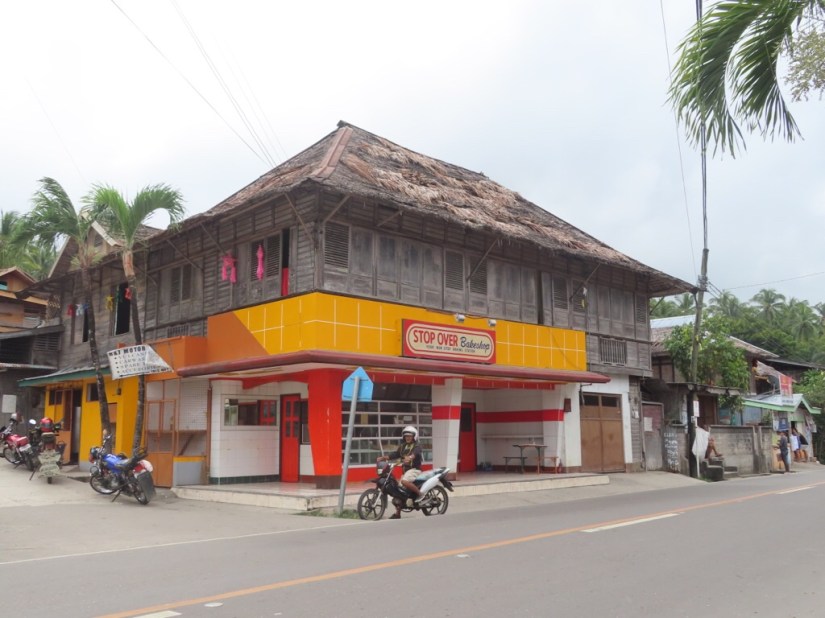
We headed to The Parian, the area of Cebu which contained the residences of the most prominent families in Cebu during the Spanish Period. It also used to be the center of trade, the word “parian” being derived from the word “pari-pari” meaning to barter or trade. There are still a real mix of buildings in this old quarter.
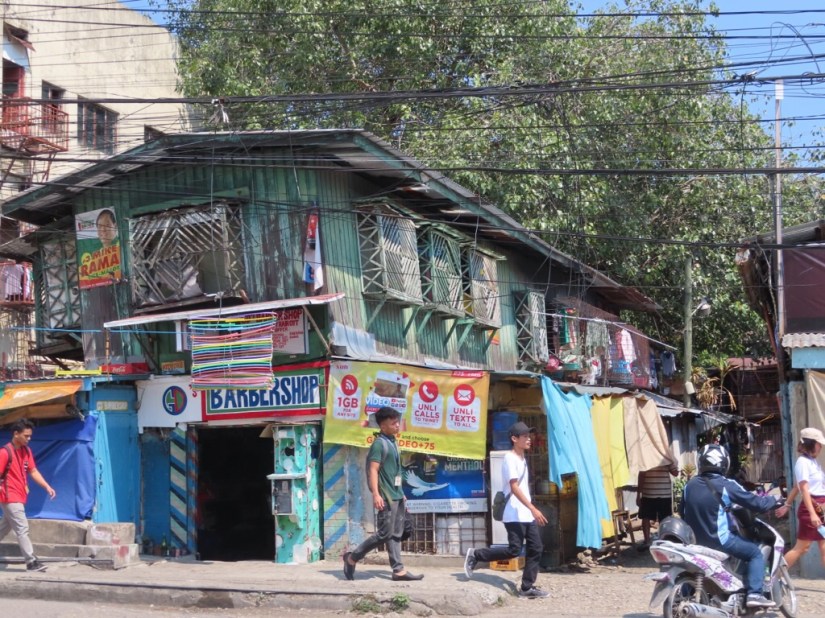
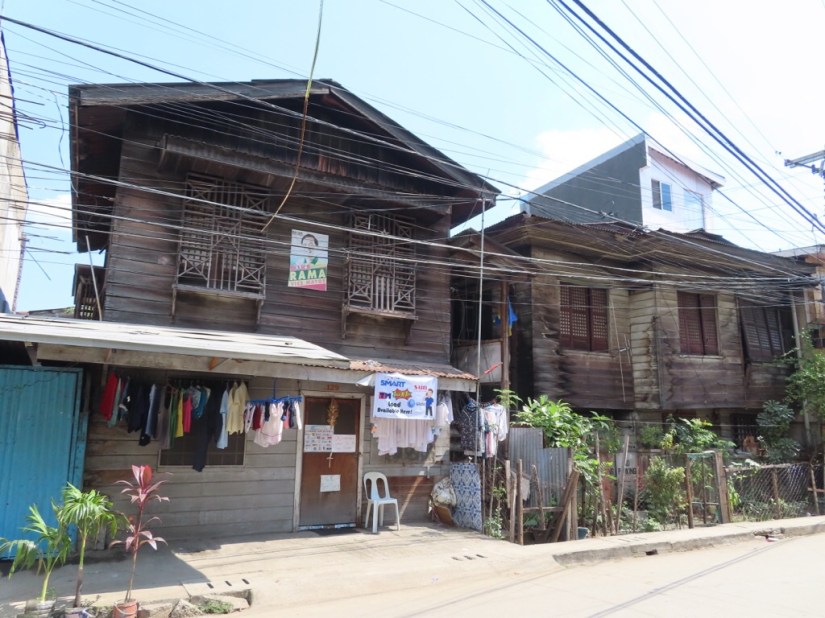


We learnt about life in Cebu at that time, how the Chinese were welcomed into the city to trade as long as they converted to Christianity and adopted Westernised names and how over time intermarriage between Filipino, Spanish and Chinese established communities of Mestizos meaning mixed blood. The Spanish colony in the Philippines brought prosperity for the rich who profited from the galleon trade with goods such as silk, porcelain and lacquer imported to the Philippines from China then on to Mexico.
The Yap-Sandiego Heritage House was built at the end of the C17th and is one of the oldest homes in Cebu. It is owned by a descendant of the original residents and is rather dark, and filled with dusty antiques and religious items.


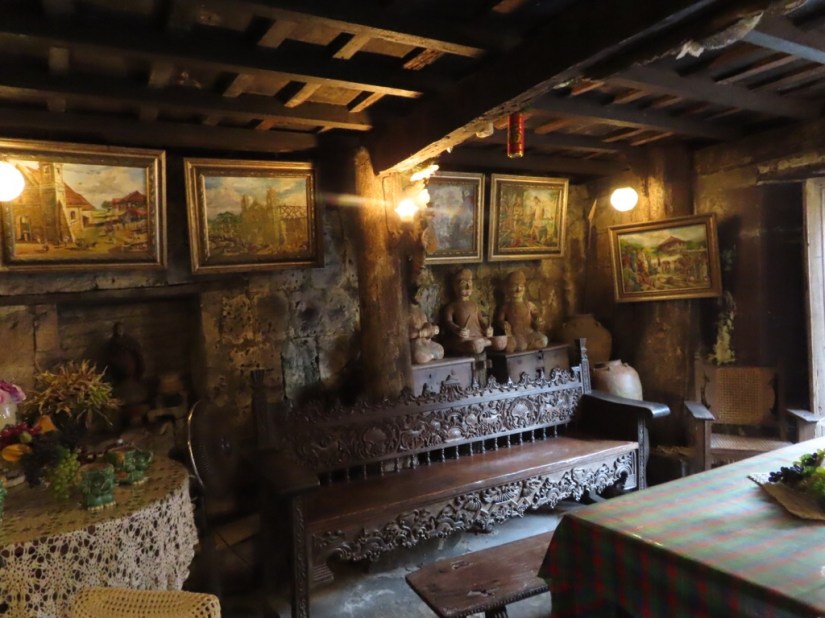


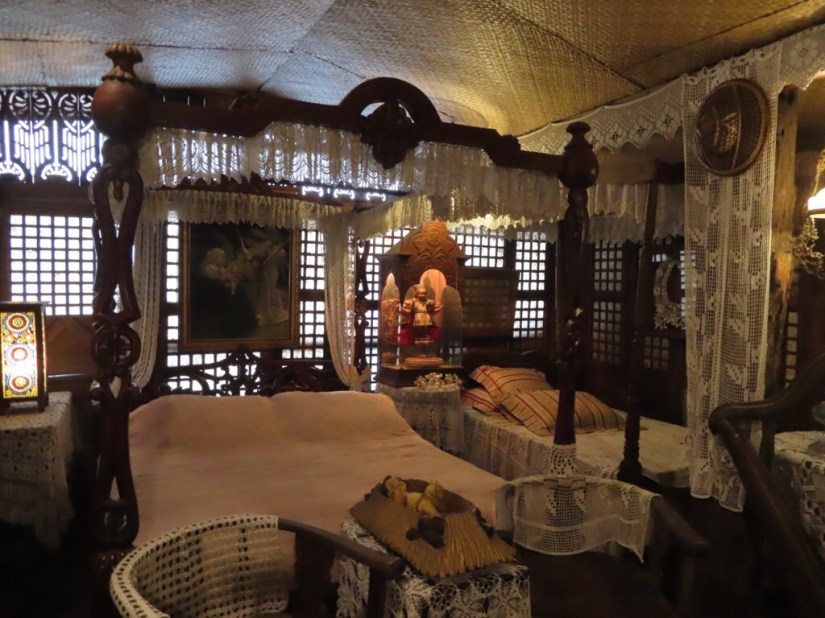
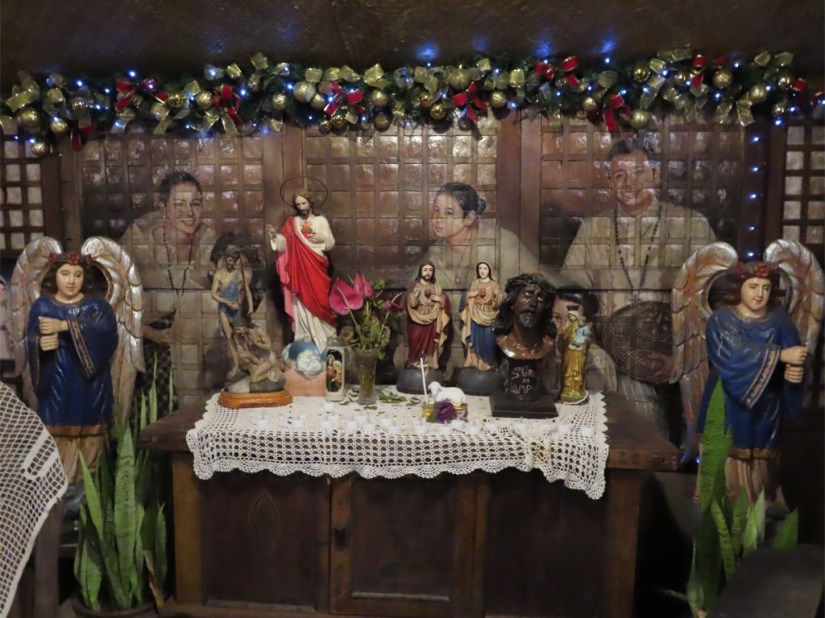

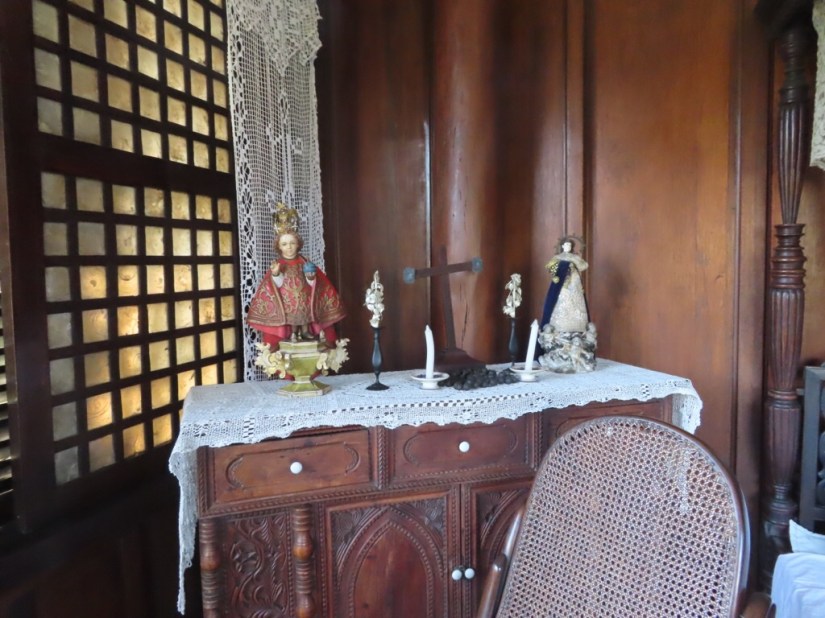
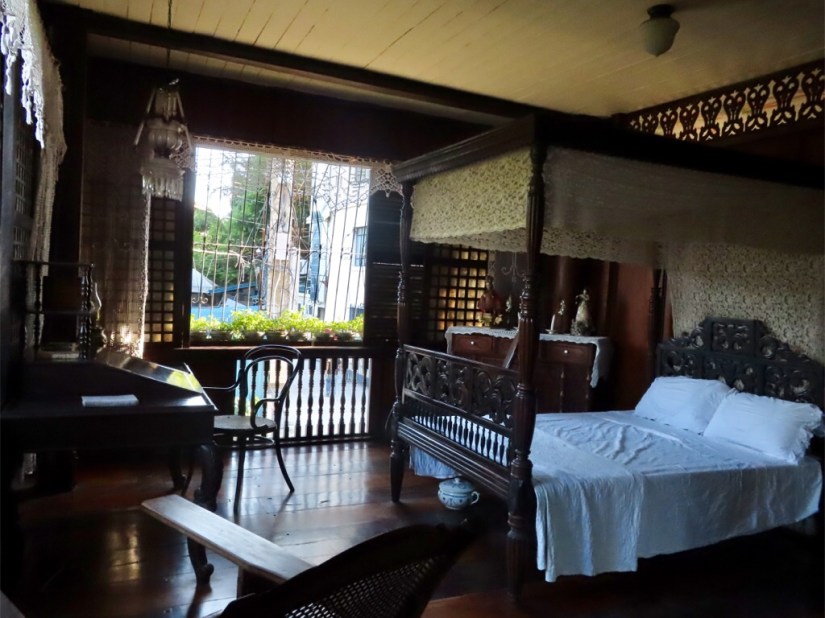
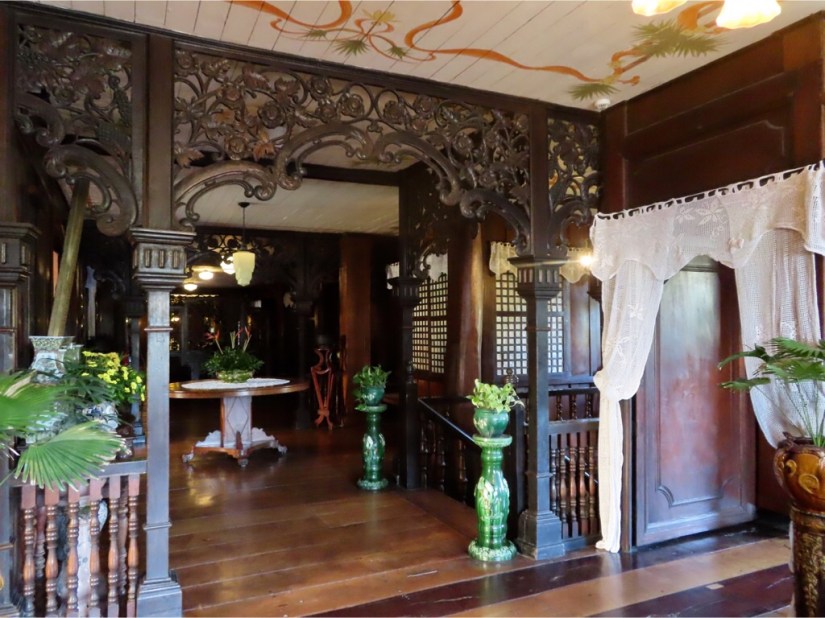
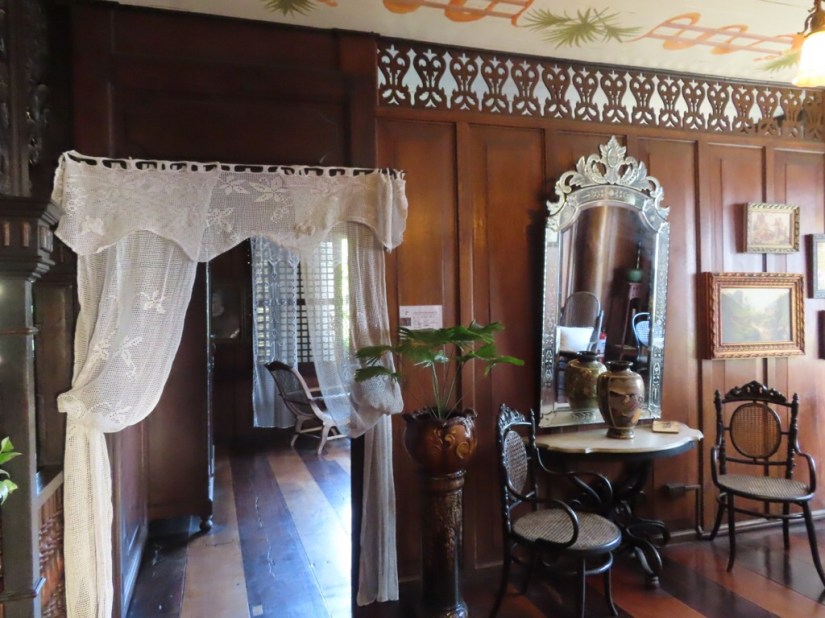
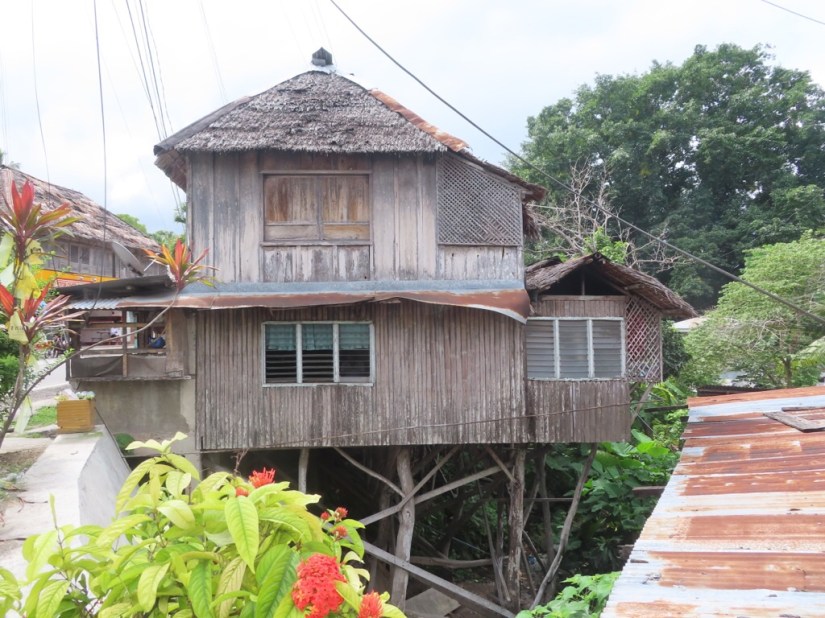
The Casa Gorordo was built in 1850s by a wealthy merchant and was once owned by the first Filipino Bishop of Cebu. It is an interesting mix of Spanish and native building techniques with lower walls of coral stone and the upper floor of hardwood fixed with wooden pegs. The interior gives an idea how the rich lived but also shows how the house was kept cool by large windows, an open-plan interior with only curtains rather than doors and pierced woodwork to allow air circulation.



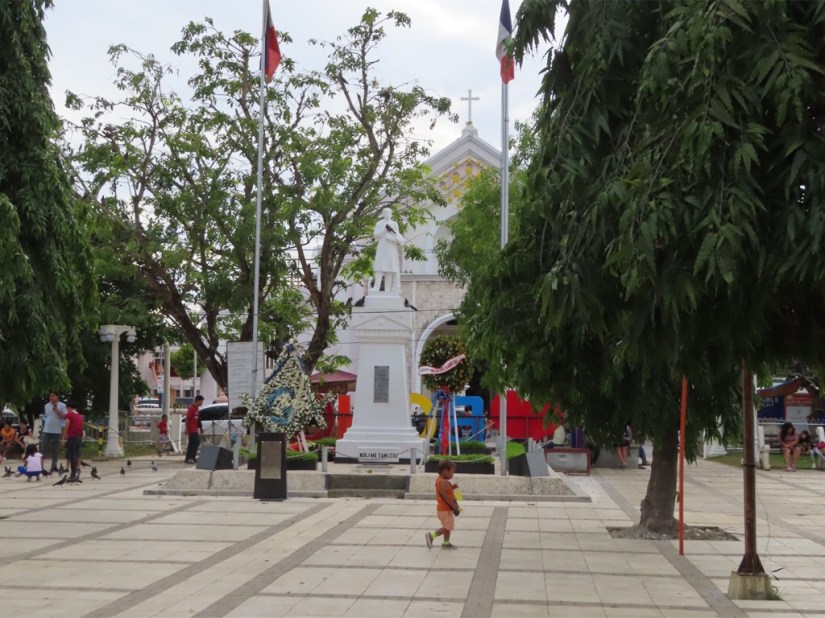
Towards the end of the C19th, nationalist feeling started to grow and José Rizal, the most celebrated intellectual and radical ilustrado of the era, wrote the novels ‘Noli Me Tángere’ and ‘El filibusterismo’ which greatly inspired the movement for independence. He also founded a movement called Liga Filipina, which called for reform rather than revolution and as a result Rizal was arrested and exiled. Meanwhile Andres Bonifacio formed a more extreme organisation called the Katipunan and began a revolution. Rizal was accused of supporting the revolution, although he did not and he was executed and remains a national hero with his statue in every town.
Just to confuse matters, in 1898 war broke out between the USA and Spain and the Americans defeated the Spanish fleet in Manila Bay. Meanwhile Filipino revolutionaries had surrounded Manila. Their leader, Emilio Aguinaldo declared the Philippines independent, however as part of the peace treaty Spain ceded the Philippines to the USA. The Filipino-American War between the revolutionary force and the American troops lasted until 1902 when Aguinaldo was captured.
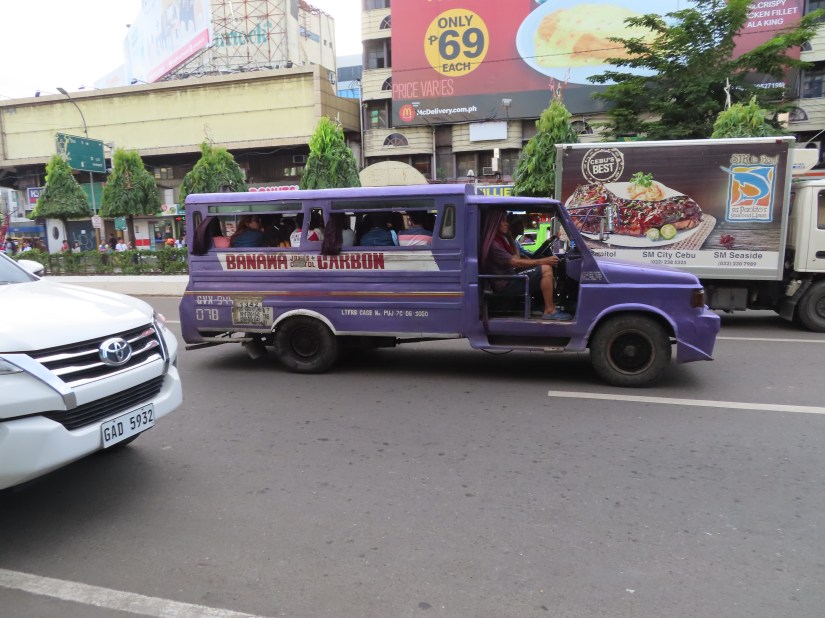
The US policy in The Philippines was one of ‘beneficial assimilation’ with an aim to educate, establish American ethics and prepare the country to rule itself as a democracy. Filipinos learned to behave, dress and eat like Americans, sing American songs and speak American English. They also got their love of basketball and the iconic jeepneys but we did find the very polite greeting of Ma’am slightly dated and it began to grate after just a day or two, however well meant.
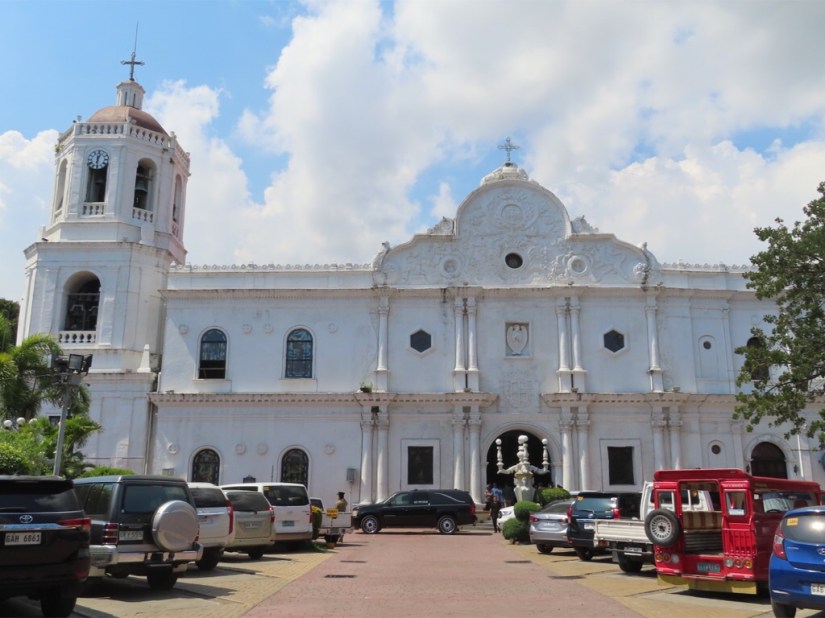
Japan occupied the Philippines during WWII and very few historical buildings remain, and although the original C16th baroque Cathedral was destroyed it has been rebuilt.

In 1946 The Philippines became independent and I realise there has been more history since, including that famous shoe collection, but this seems a good place to stop.
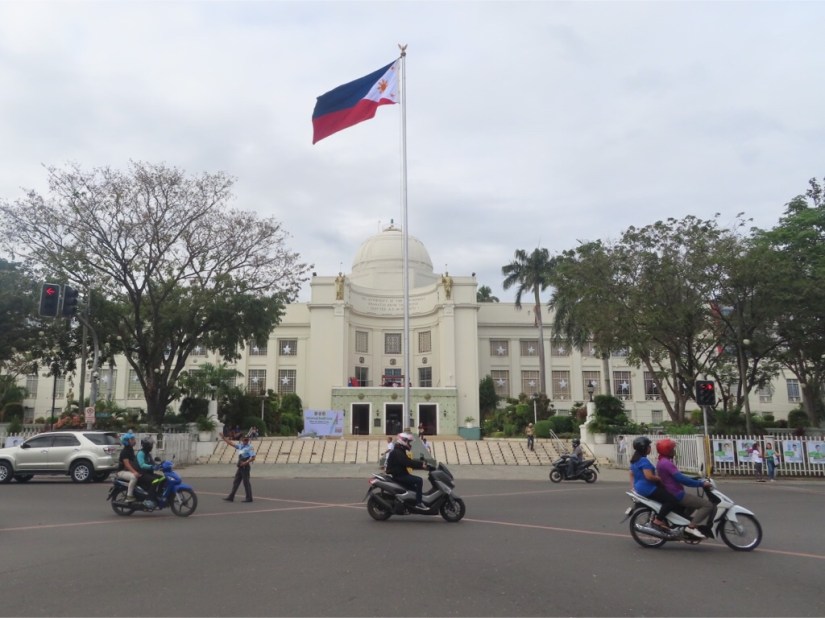
The most modern monument here is The Heritage of Cebu Monument, a huge sculpture in the round unveiled in 2000, showing significant and symbolic events in the history of Cebu.


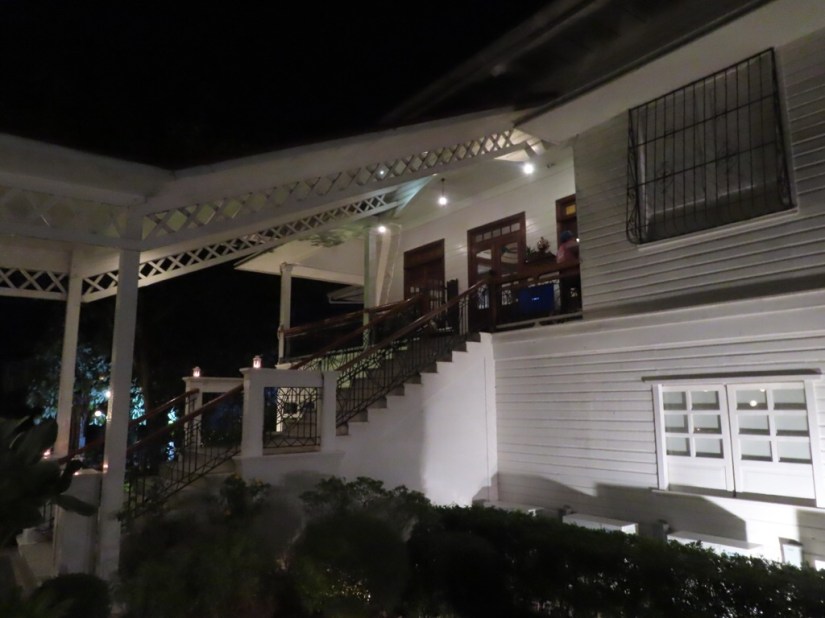
Keeping the history theme going, we went to Circa 1900 for dinner, a fine dining restaurant in a beautiful colonial period house, with great service, the best veggie choices Chris has seen all trip and delicious lechon for me!
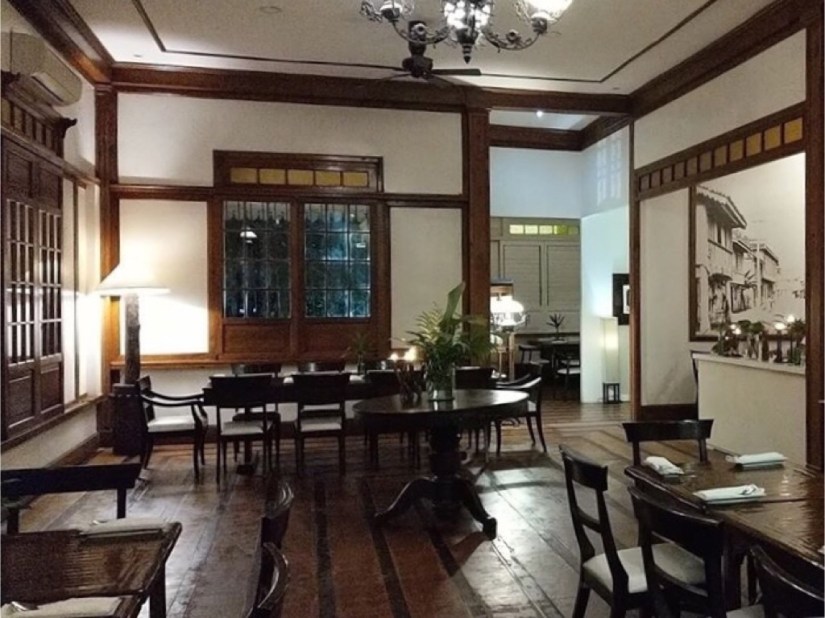
Talking food, it has been generally ok with a lots of pork dishes as well as fish and veg for me, but the veggie options became rather monotonous for Chris who has been starting every day with an omelette and resorting to pasta and pizza or more than one occasion! It’s been hard to really work out what is typical Filipino cuisine as there seems to be such a melting-pot with influences from all over. There is definitely a sweet and salty thing going on and also anything that helps preserve food like using vinegar in adobo stews and dried fish as flavouring. The kalamansi or Philippines lime is a small juicy citrus fruit and is everywhere, in marinades, dipping sauces, drinks and to squeeze over grilled food and even papaya! Grilled meat or fish served with rice is common, but there are also stews and stir fries like pinakbet – steamed veg with a local fish sauce (veggies beware), kare-kare – a stew with peanut sauce, humba – a pork stew with black beans and soy, tinola – chicken and veg in a ginger broth, sinigang – stew cooked in a sour broth, chop suey made of stir fried veg with soy sauce and Filipino style curry with coconut milk but not very spicy.
On our last night we had an early dinner at Zubuchon, mainly as there was a branch round the corner from our hotel, but also as it seemed a fitting end to the trip, especially as they also offer ensaladang talong, a grilled eggplant salad.
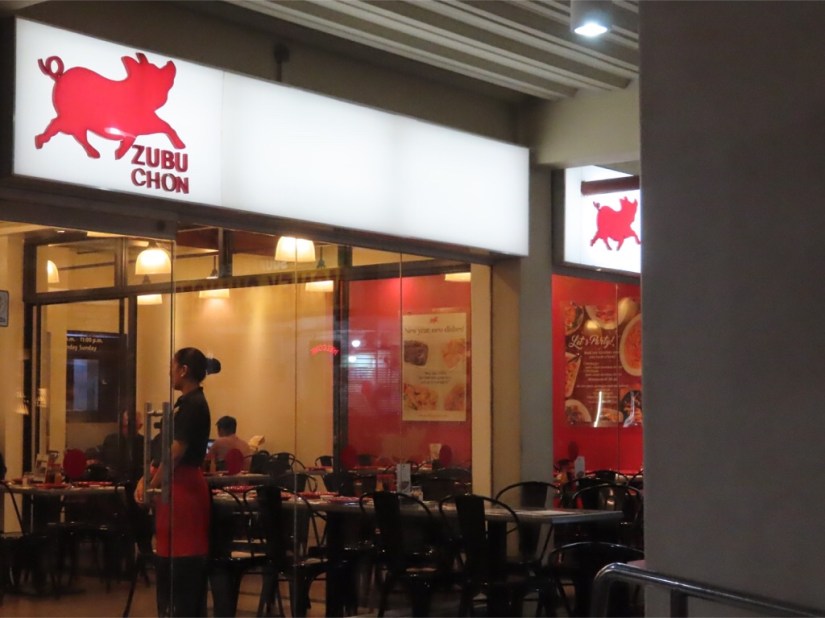

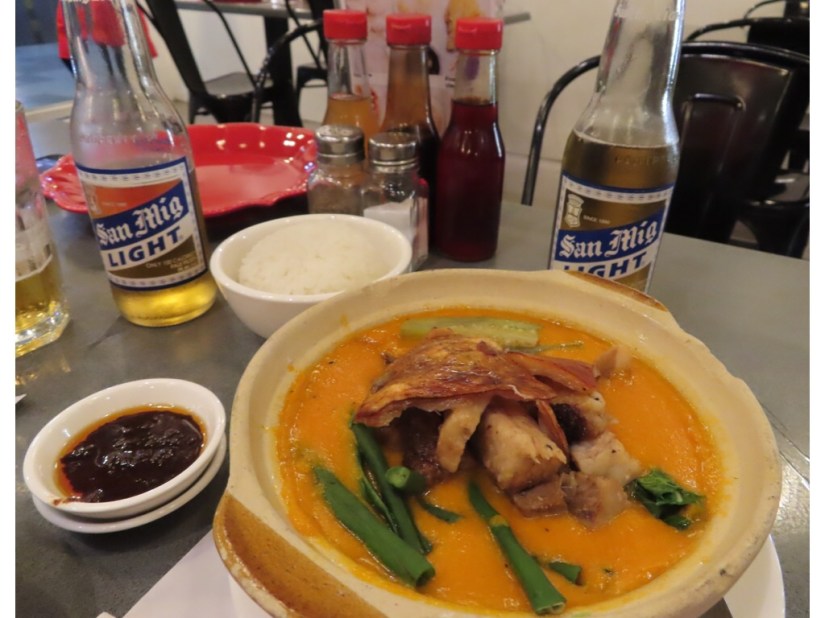
With the temperature rising and the humidity becoming more apparent, we are actually looking forward to going home tomorrow.
Finally,
- The Filipino people are very friendly and we’ve been made very welcome but there are a lot of them and poverty is noticeable everywhere, especially in the towns. Despite this, it is the cleanest Asian country we’ve visited.
- The pollution in towns from jeepneys and scooters is dreadful
- Attempts at plastic reduction and recycling are noticeable and impressive
- Travelling around was surprisingly easy and transport is cheap
- The only place we didn’t hear cockerels crowing was in our 5th floor room in Cebu City
- We’ve had a great trip and it would have been worth it for the snorkelling alone, but there was so much more
- Our final island count is 9 … but out of 7,641 that still leaves scope for a return visit one day!
 Having said our goodbyes to Tim and Ann, we walked out of their gate and the Ceres Bus was there … largely luck as the timetable is just a concept … and while there are several buses an hour, this one was going exactly where we wanted! The only downside was that it was possibly the oldest, most cranky bus still in service! Nonetheless, having followed the coast road, we arrived at Bato Port a couple of hours later.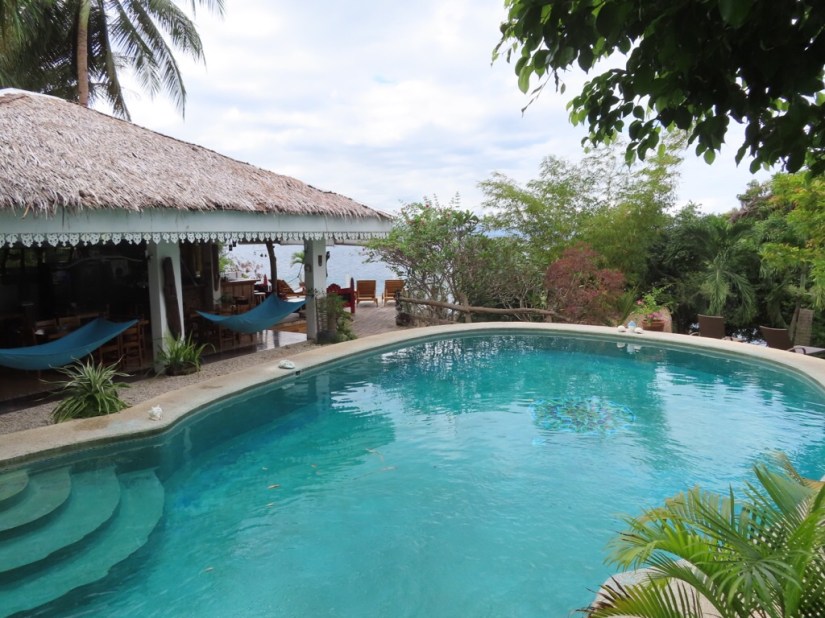












 I mentioned recycling, and we are so pleased to see these huge refillable containers for water.
 There is one in the hotel we can use to refill our bottles. But we have never seen a water vending machine before … costing just a few pesos to fill a litre bottle.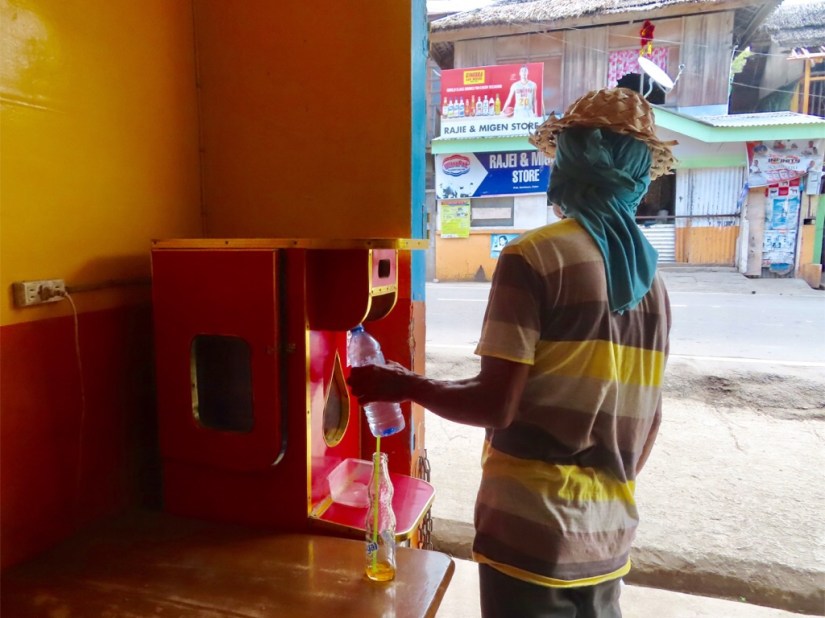

 Tomorrow we move on and get to clock up 2 more islands …
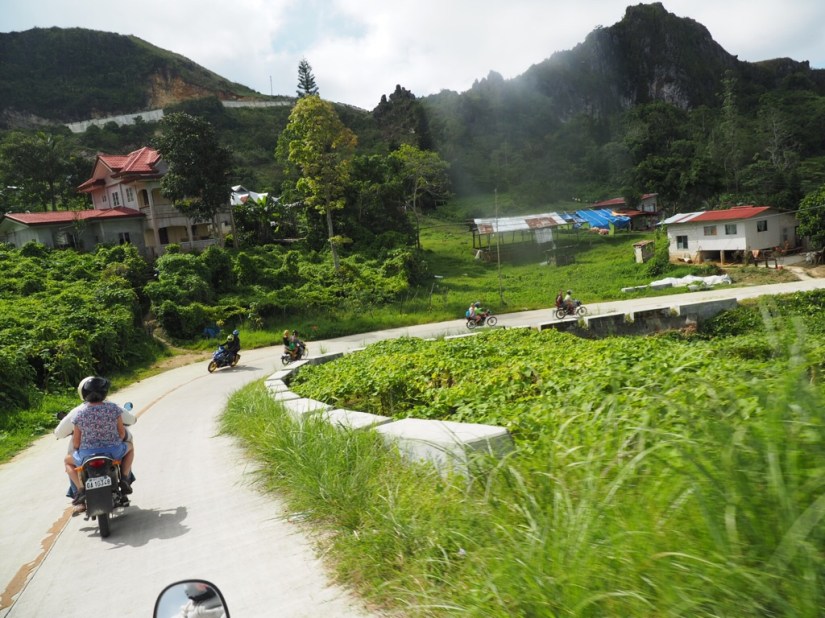
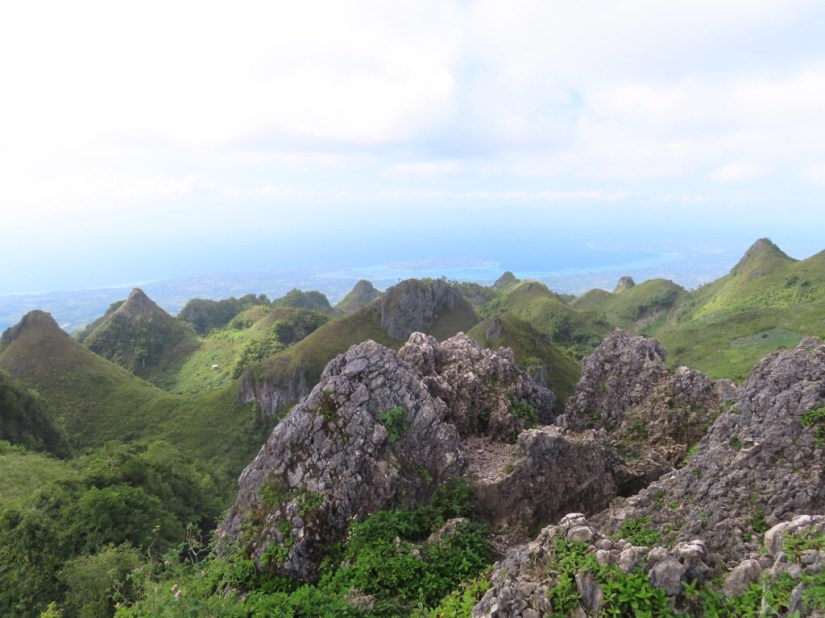 We took the Ceres Bus … a proper AC coach, not a jeepney … 100km south along the coast road to Dalaguete. Transport is slow in the Philippines, where the roads are narrow and very busy with scooters, tricycles, jeepneys and lorries and it took three hours. Joanna had generously shared her cold as she left, so I was feeling pretty rough all trip.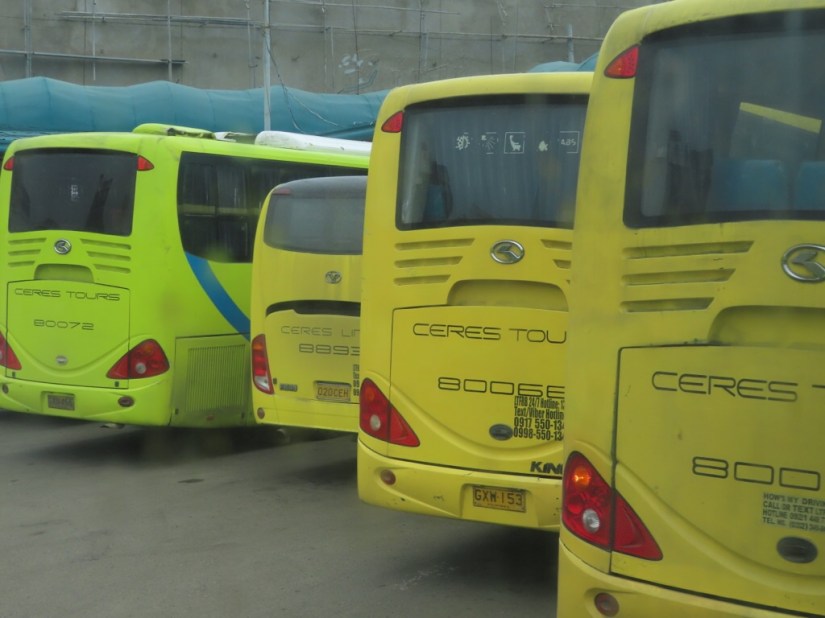













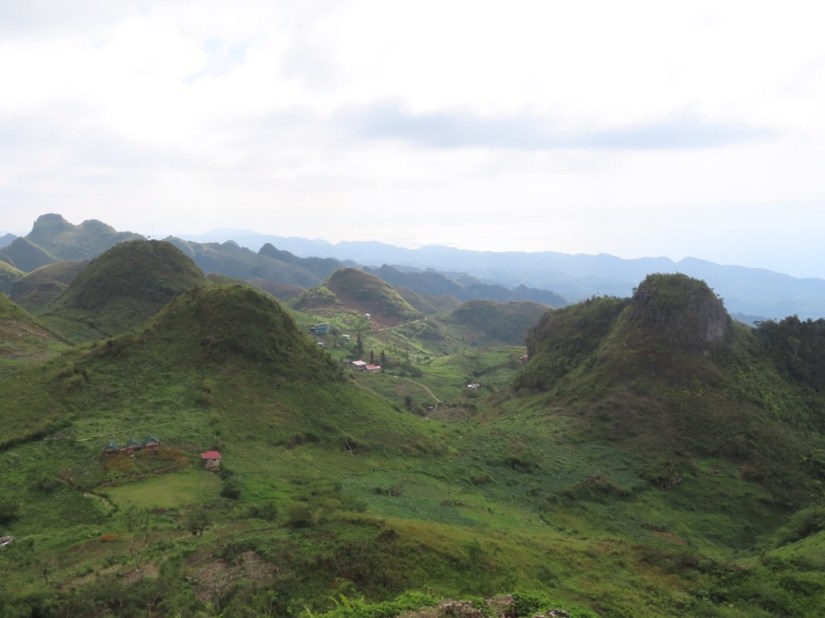
 Back at the road, we passed roosters on their perches …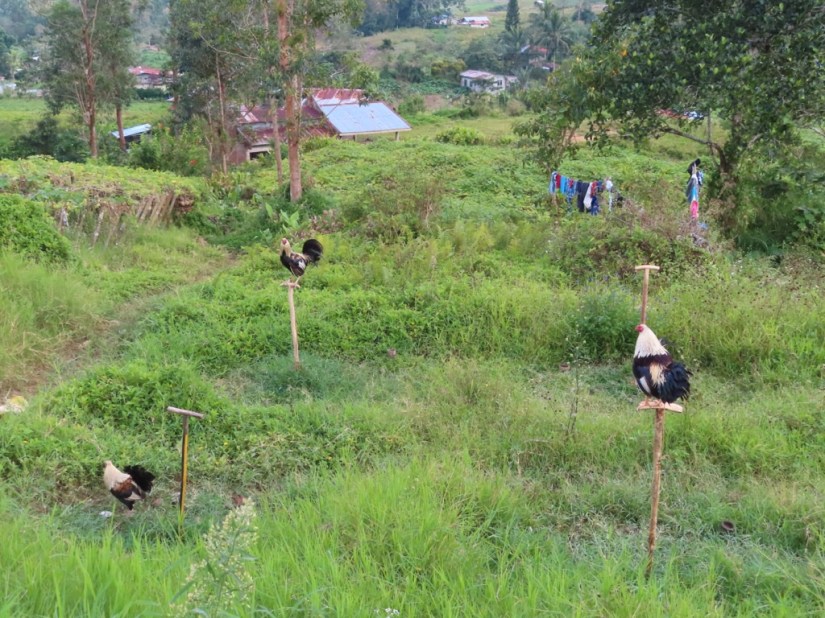

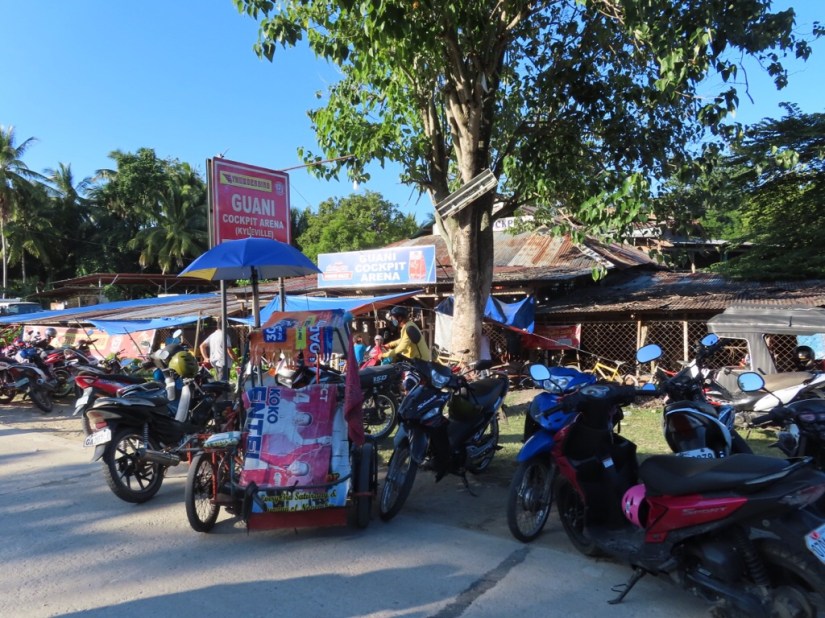













 … and a few more jeepneys.





 Off Travelling Together