
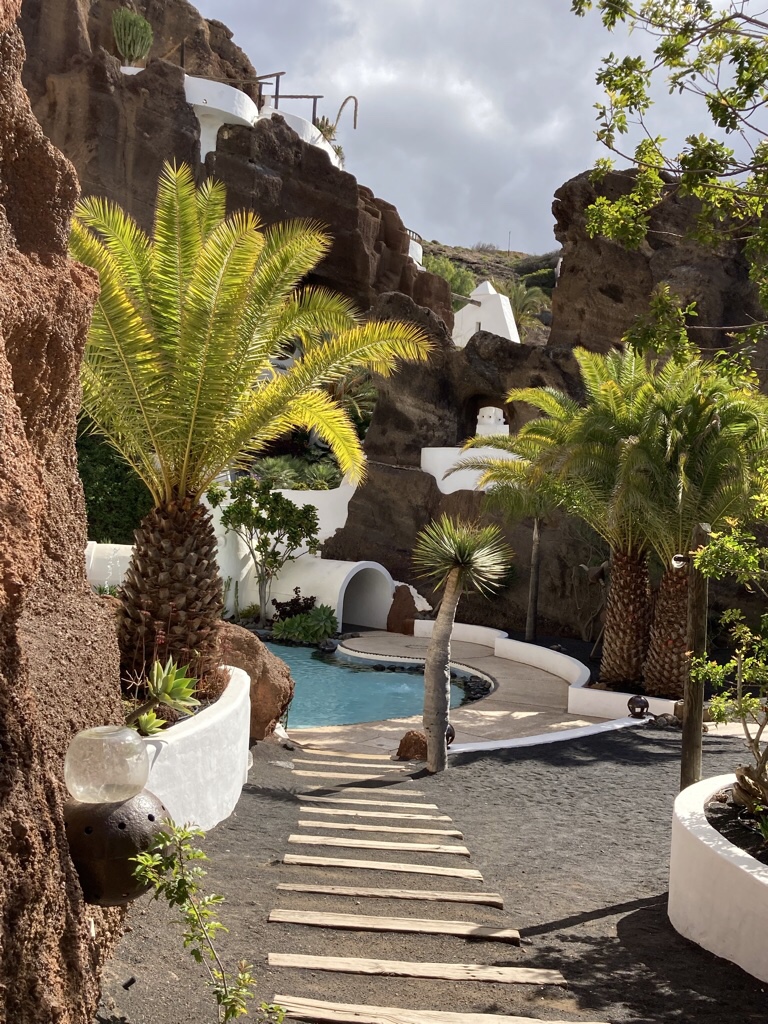
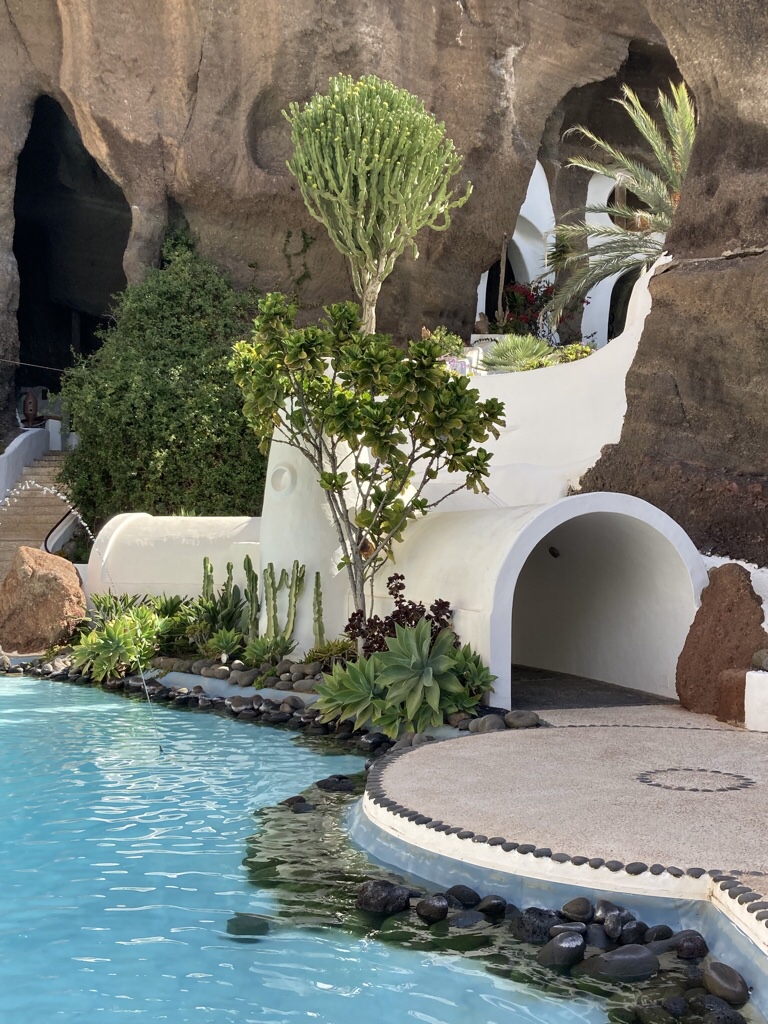
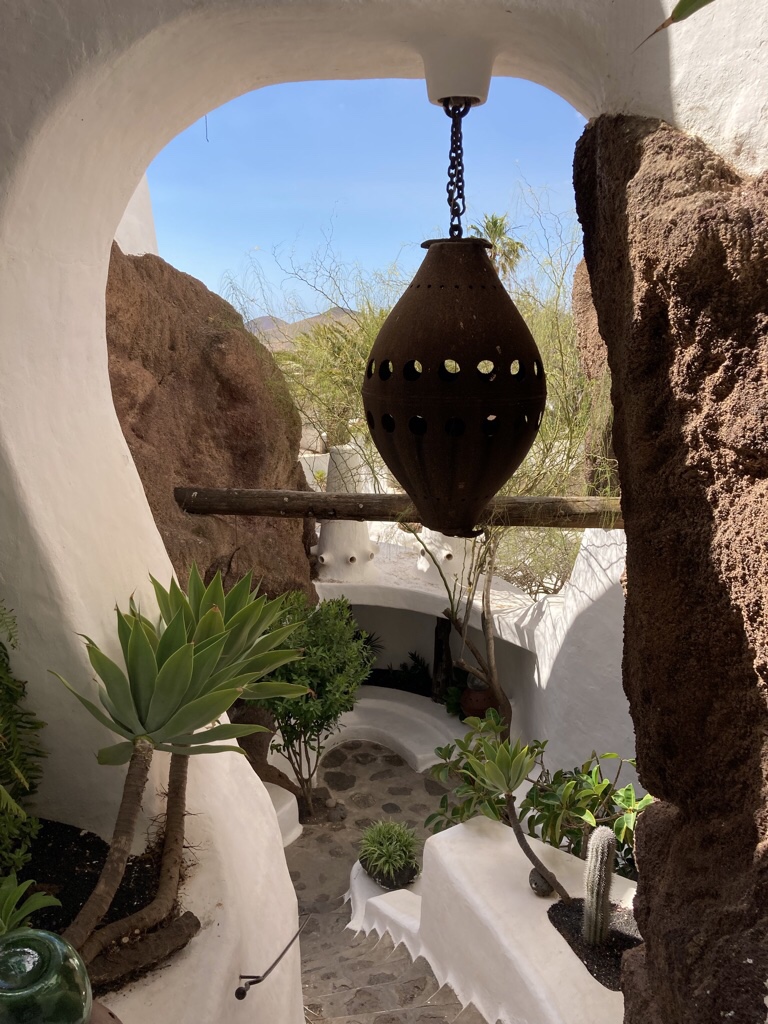
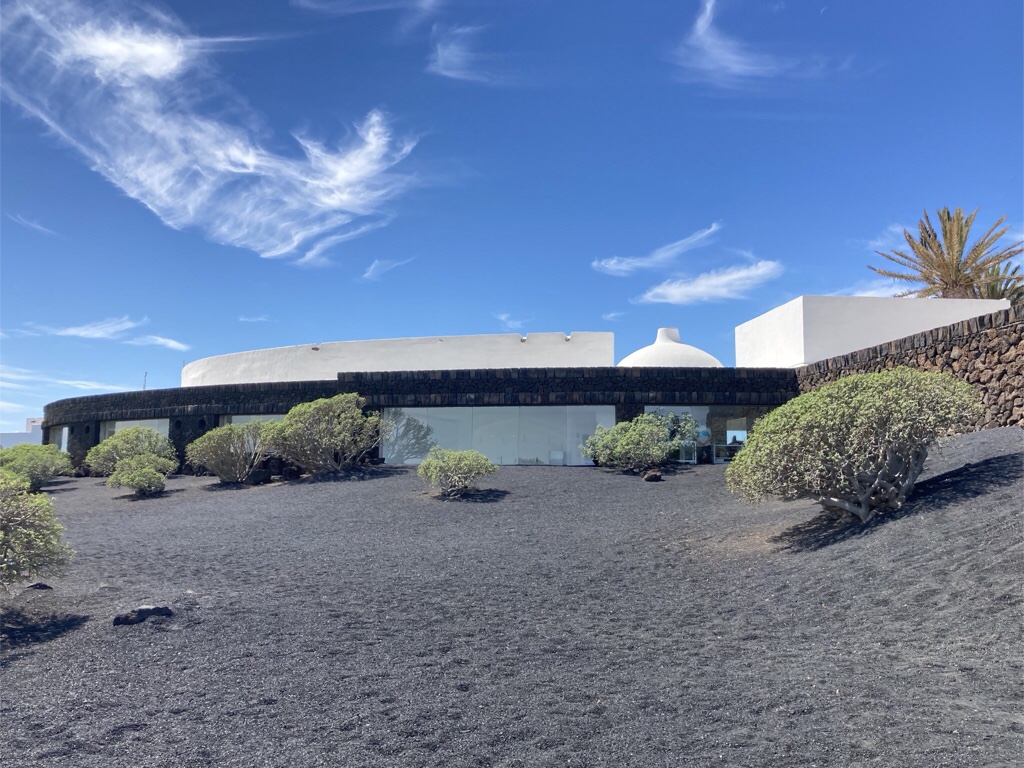
The next day we returned northwards, this time to see Famara at sea level, but made some stops along the way. Firstly LagOmar, a house originally conceived by Manrique, then designed by Jesús Soto for the British developer Sam Benady with an architectural vision that evoked images of the arabian nights stories.

The story goes that when Omar Sharif came to film The Mysterious Island, he fell in love with the house and bought it on the spot, but Sharif was soon to lost the property to champion bridge player and former owner San Benady in a game of cards.

In 1989 architects Dominik von Boettinger from Germany and Beatriz van Hoff from Uruguay bought the house and developed it further into an arts space with bar and restaurant and it was first opened to the public in 1997. We walked round the labyrinth of caves cut into a volcanic quarry which contrasted starkly to the smooth white curves of the architecture.



Next up was the old capital where we stopped for a lunch of tortilla and salad at El Chiringuito, and I enjoyed a clara in the sun, and will tell you how it got its name.

Lanzarote is named for Lancelotto Manocello, a Genoese Navigator who arrived in 1312 and rediscovered the Canary Islands for the Europeans. There were various marauding expeditions over the next century, either to enslave the local Guanche natives or to plunder other resources so when the Norman privateer, Jean de Bethencourt began the conquest of the islands for the Spanish in 1402, he found the depleted population on Lanzarote happy to sign a pact in return for protection from pirates. His nephew Maciot de Bethencourt, married the Guanche Princess, Teguise, and to found the town of the same name, which became the capital until the C19th. We stopped in Teguise centered on the plaza and the pretty Inglesia de San Miguel.

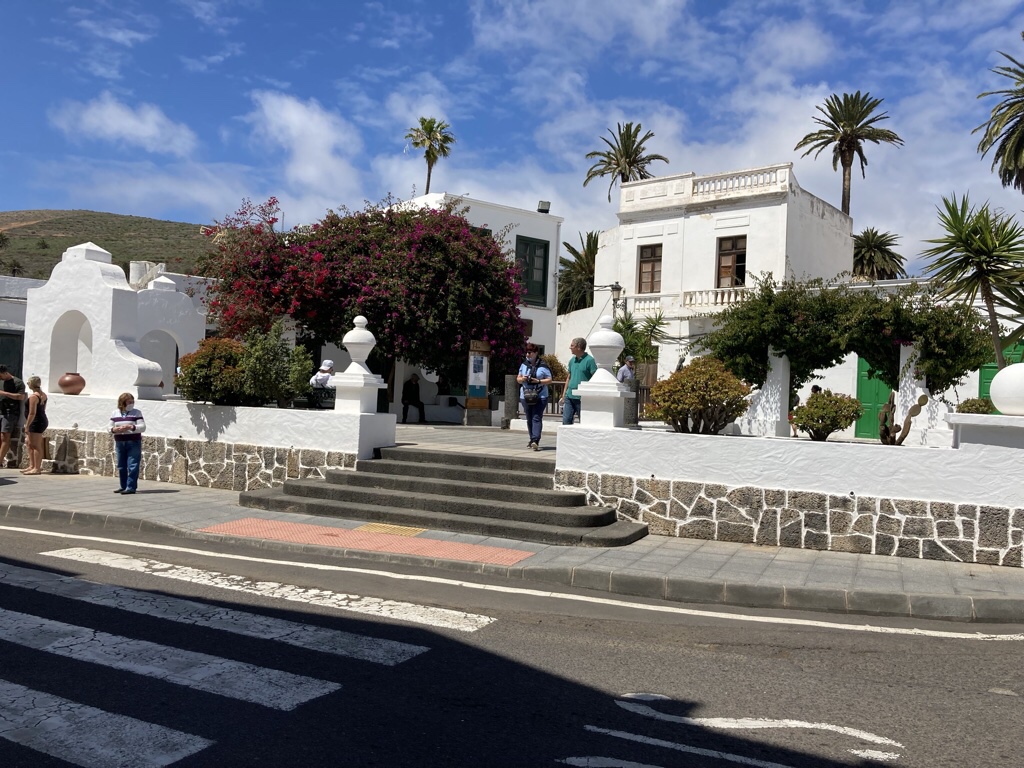
Important buildings can be spotted by their use of wood for railings and balconies, a status symbol on an island without trees and it was a pleasure to take a wander round the streets.


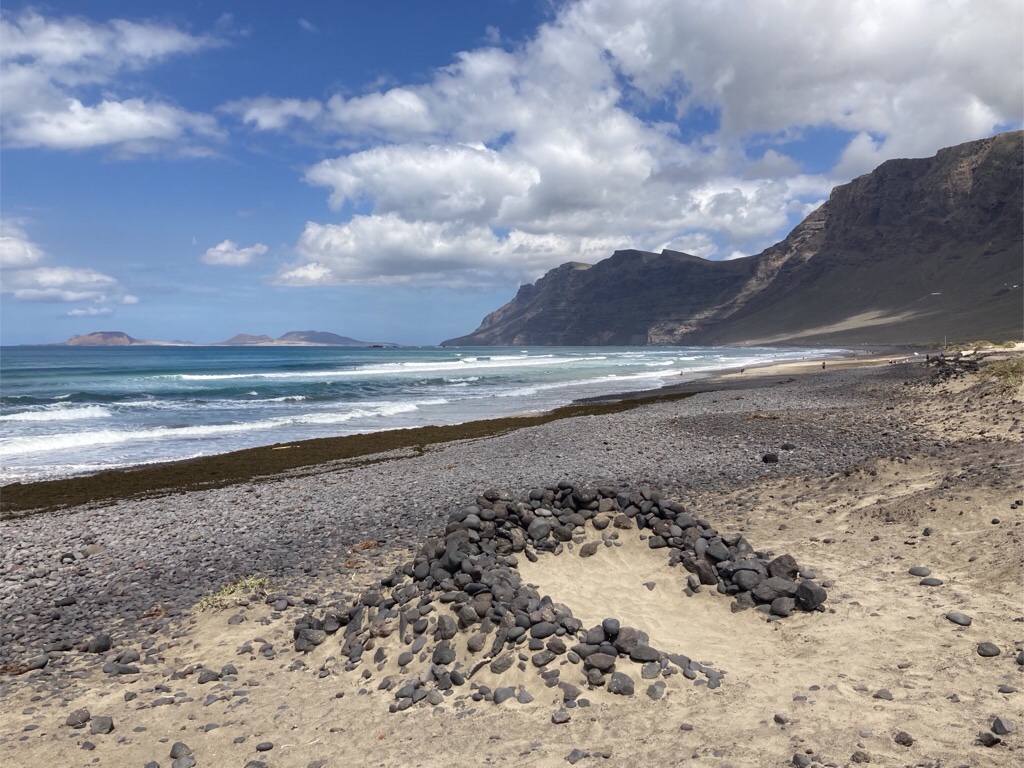
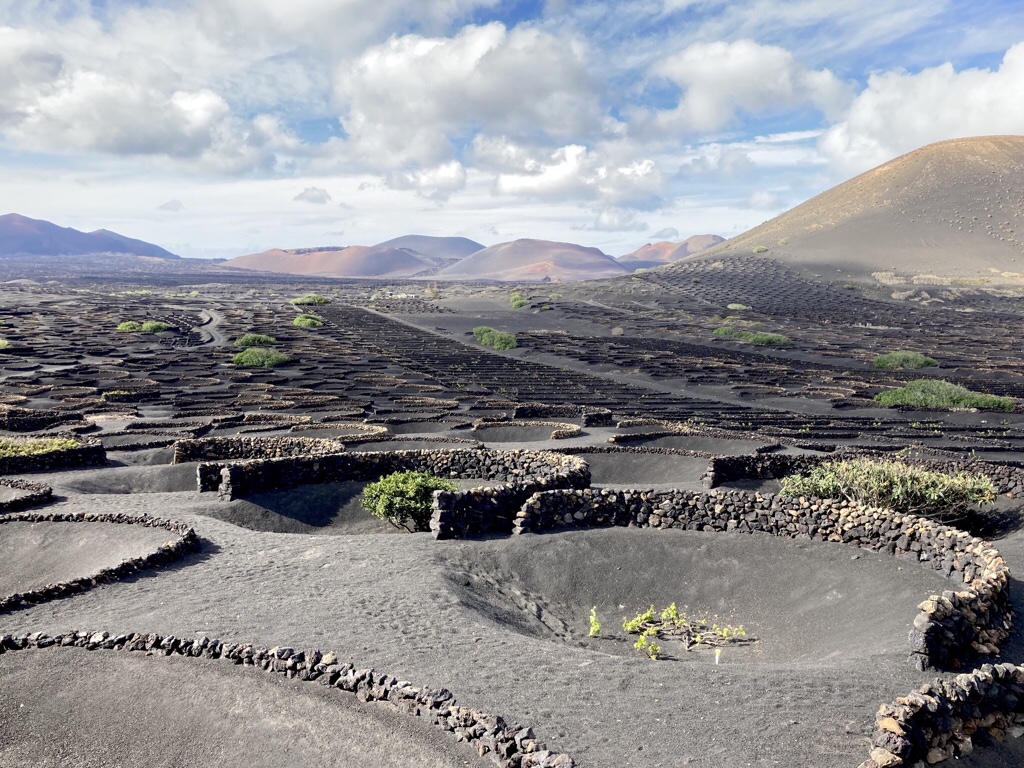
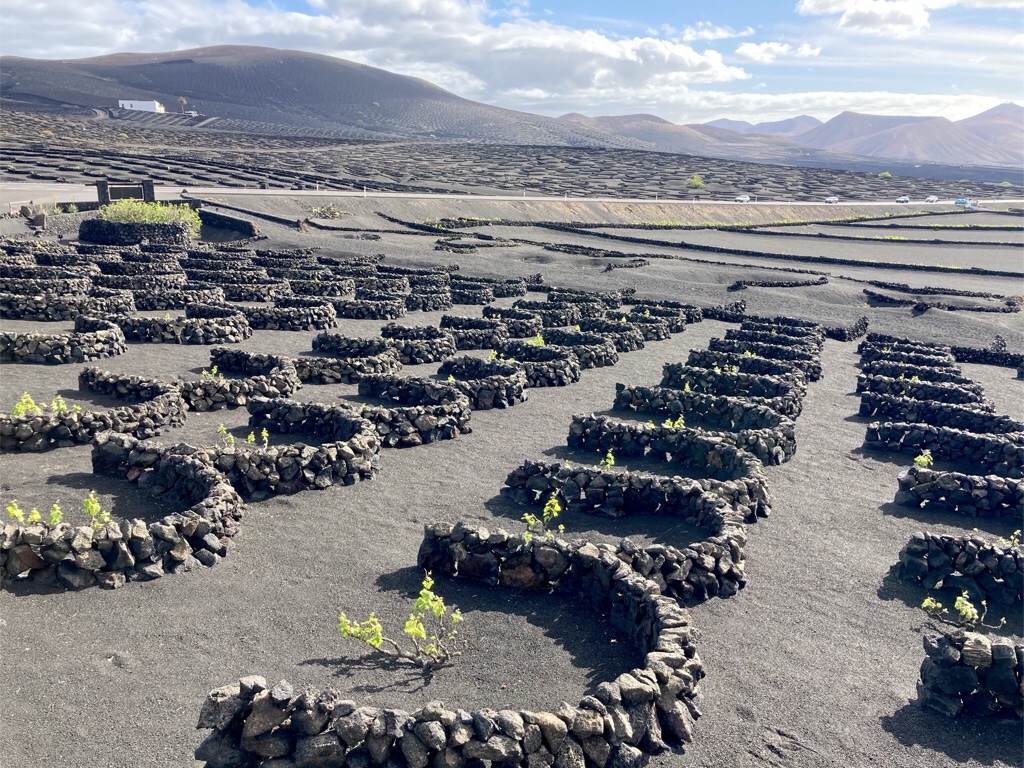
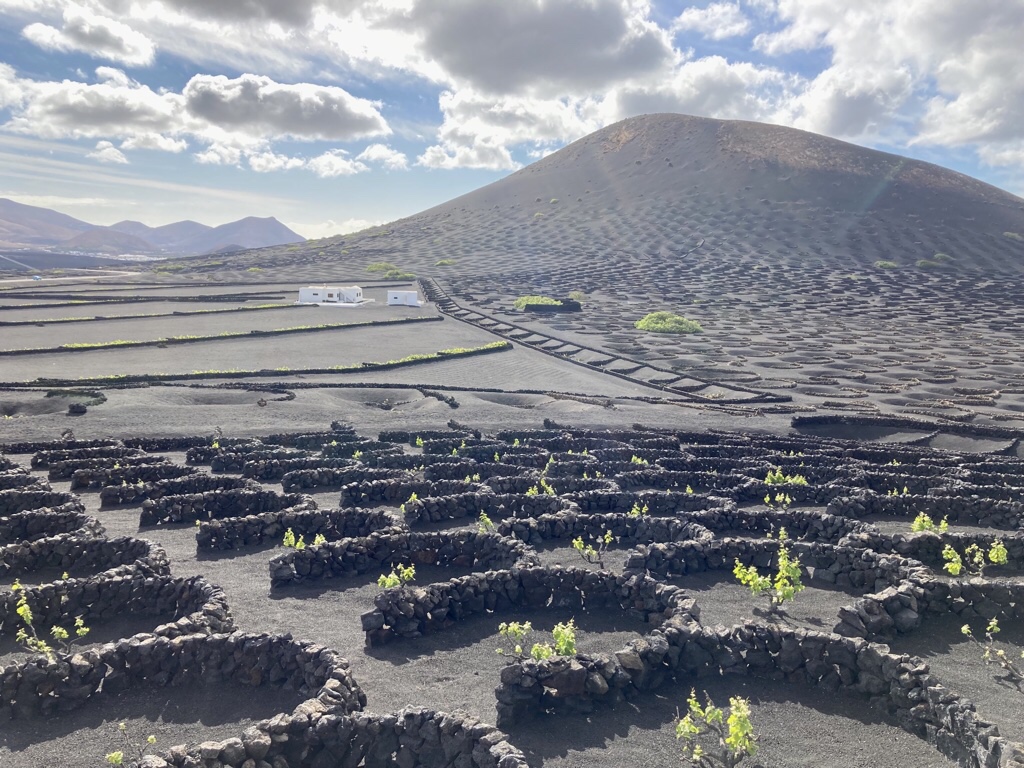
Time for a walk, so we stretched our legs along the beach at Famara which sits at the base of those huge 600m cliffs. The beach is windy and the waves make it popular with surfers. Those curved dry stone walls seen at the vineyards have been pressed into service here too making natural wind breaks for eager sun worshippers.

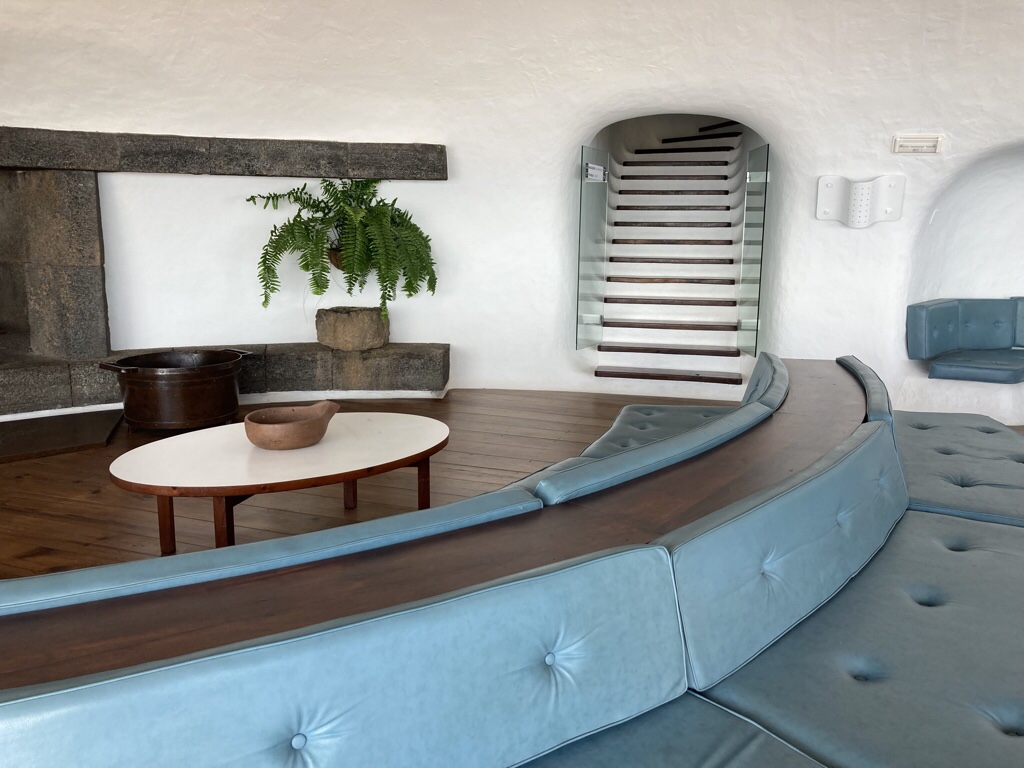
Our final stop on the way back was Volcano House, the house Manrique built in 1968, built on the surface of a dome of lava from the 1730-1736 eruptions. The upper floor is large and airy, modern with traditional features …

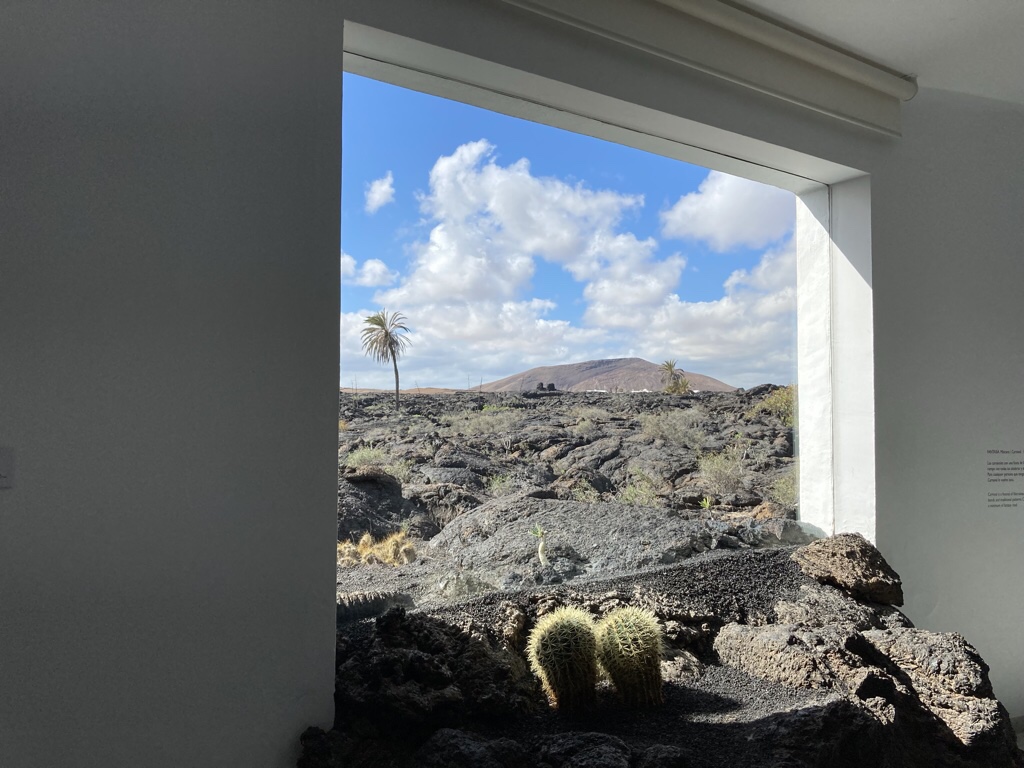
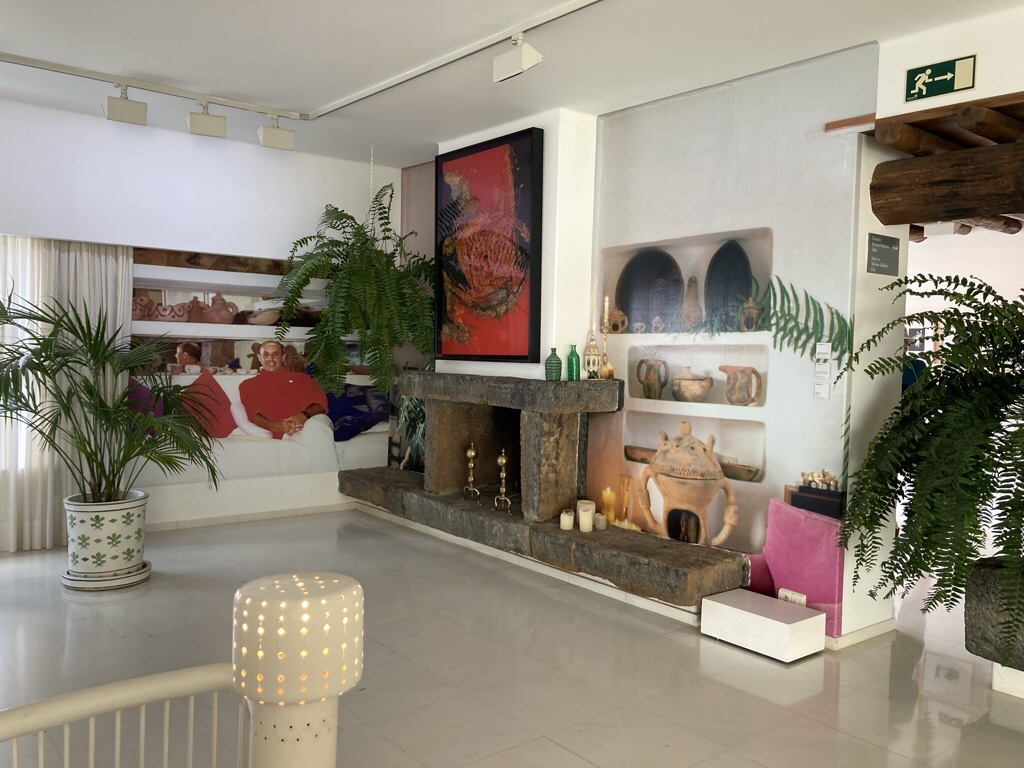
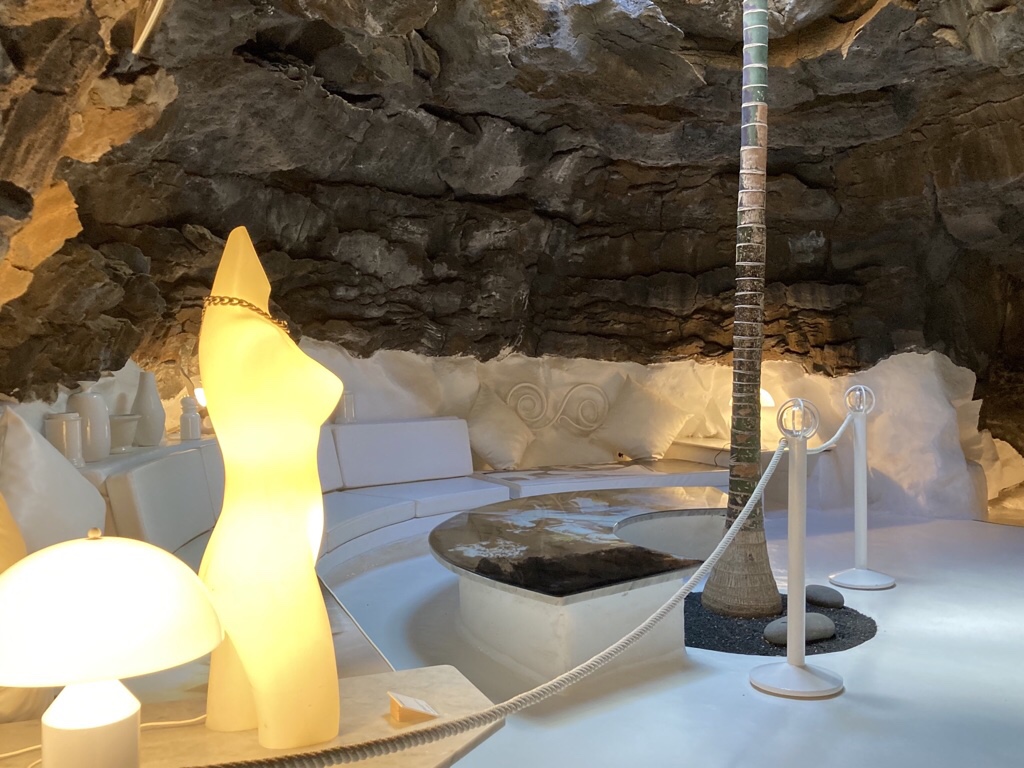
… but the lower level is built around five natural volcanic bubbles interconnected by tunnels excavated in the lava. The stylish design and flashes of orange definitely look pure 1970’s and with retro enjoying a comeback, it looks just as on trend today!


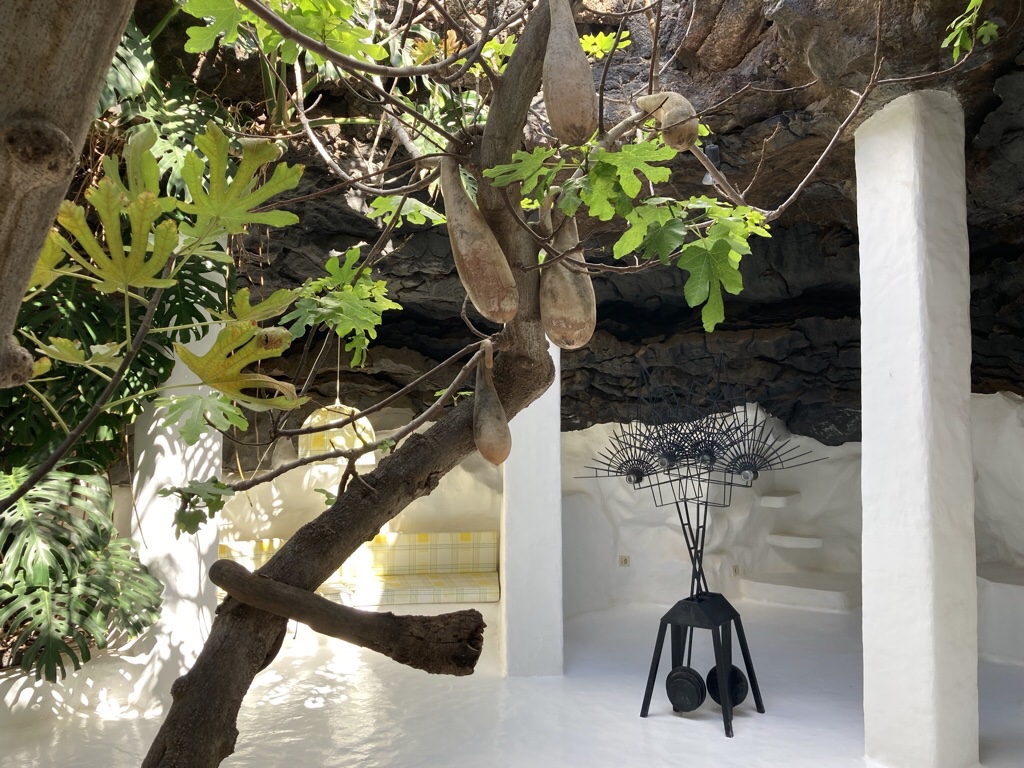


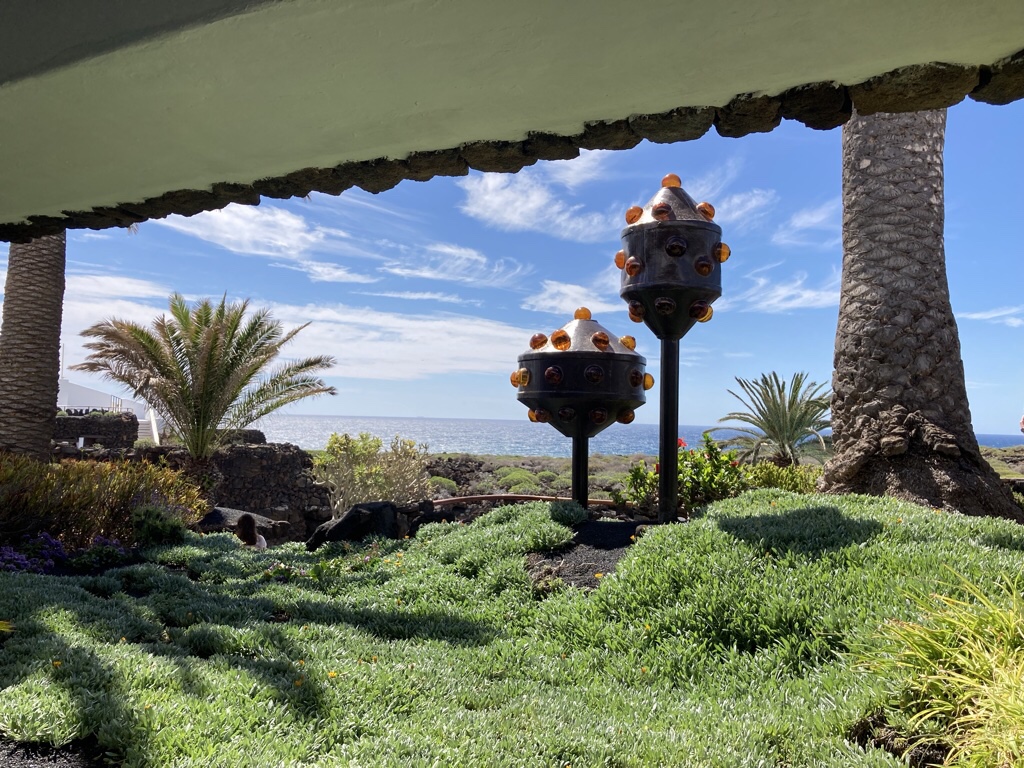
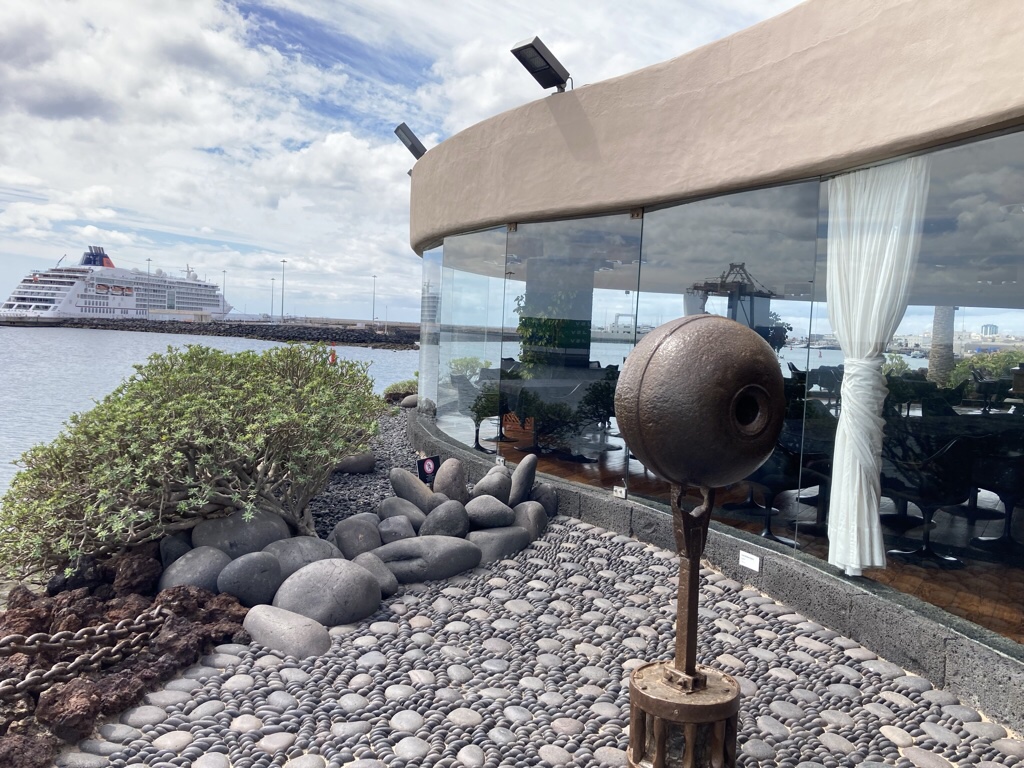
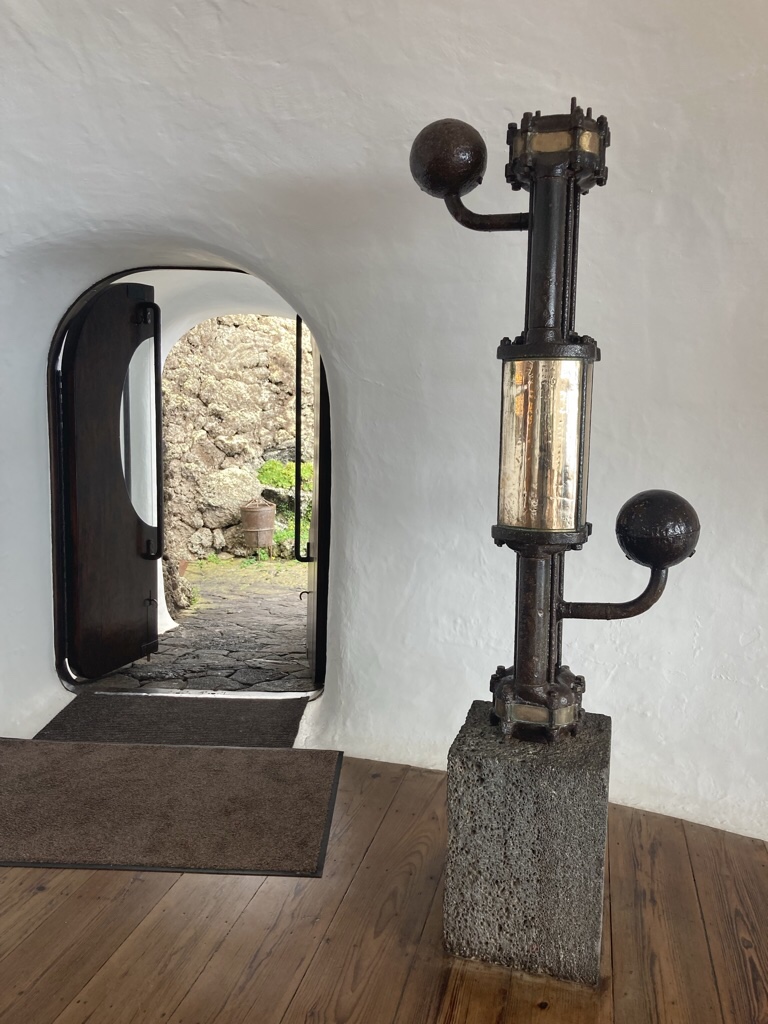
Manrique had a thing about wind toys which evolved from his attempt to create something to replace the island’s disappearing windmills. These two were outside Volcano House …


… and he placed this one on a roundabout in Arrieta in 1992.
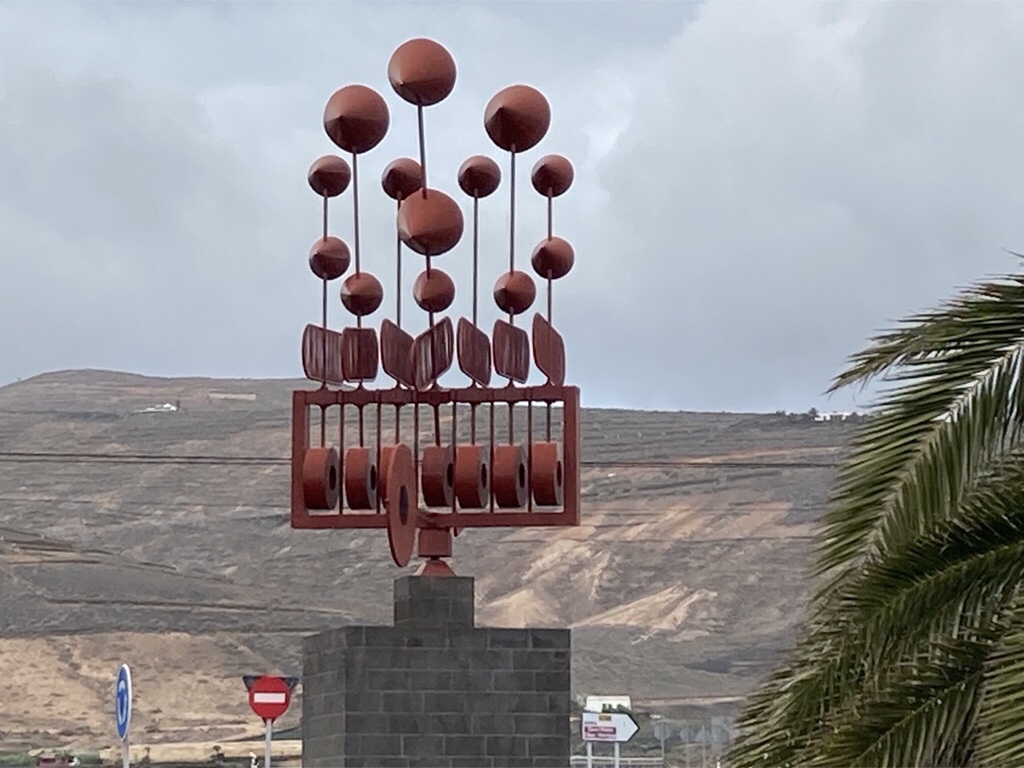
This one called Fobos was erected by CACT in Tahiche, on the same roundabout where he met his death in a car accident.

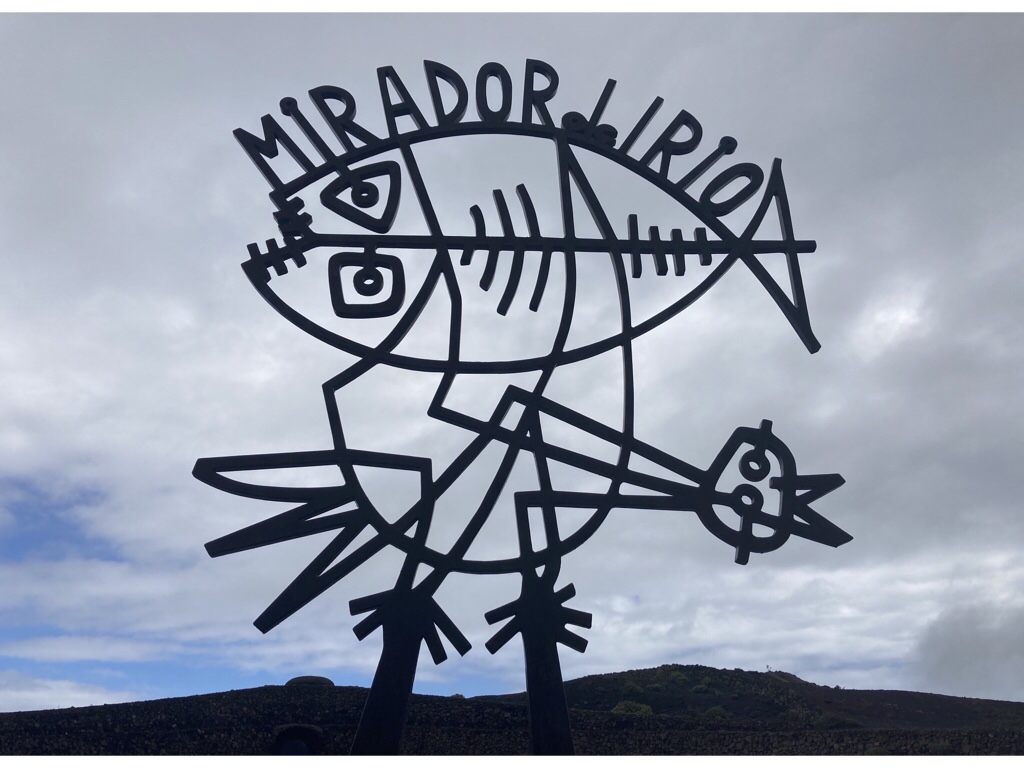
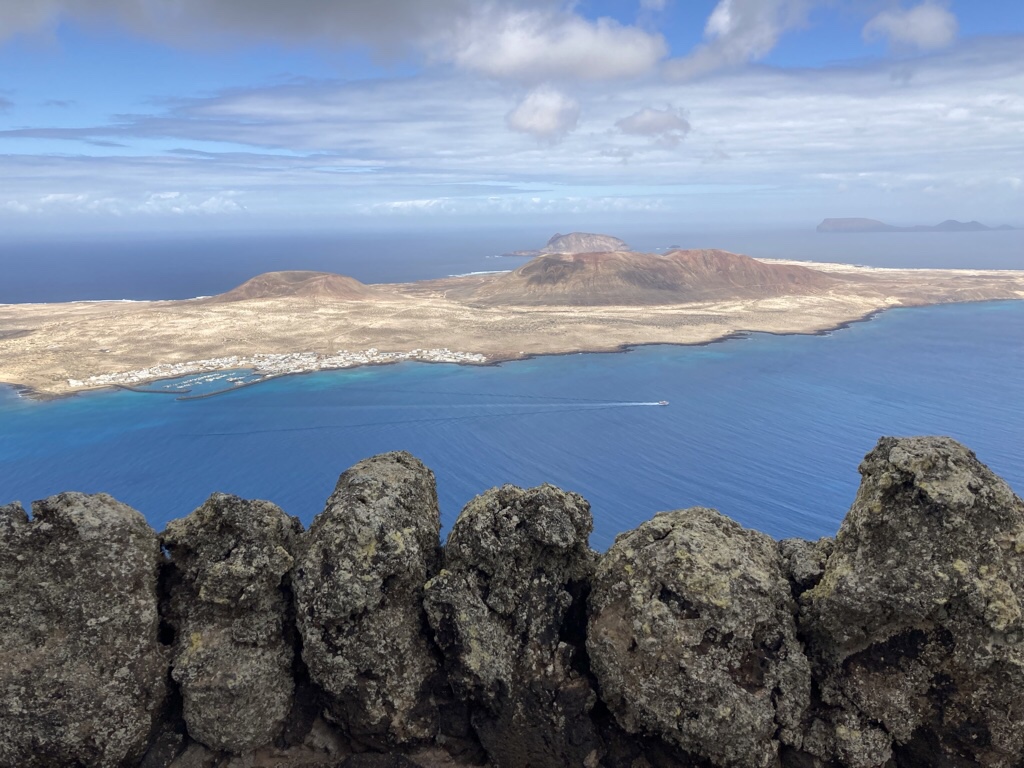
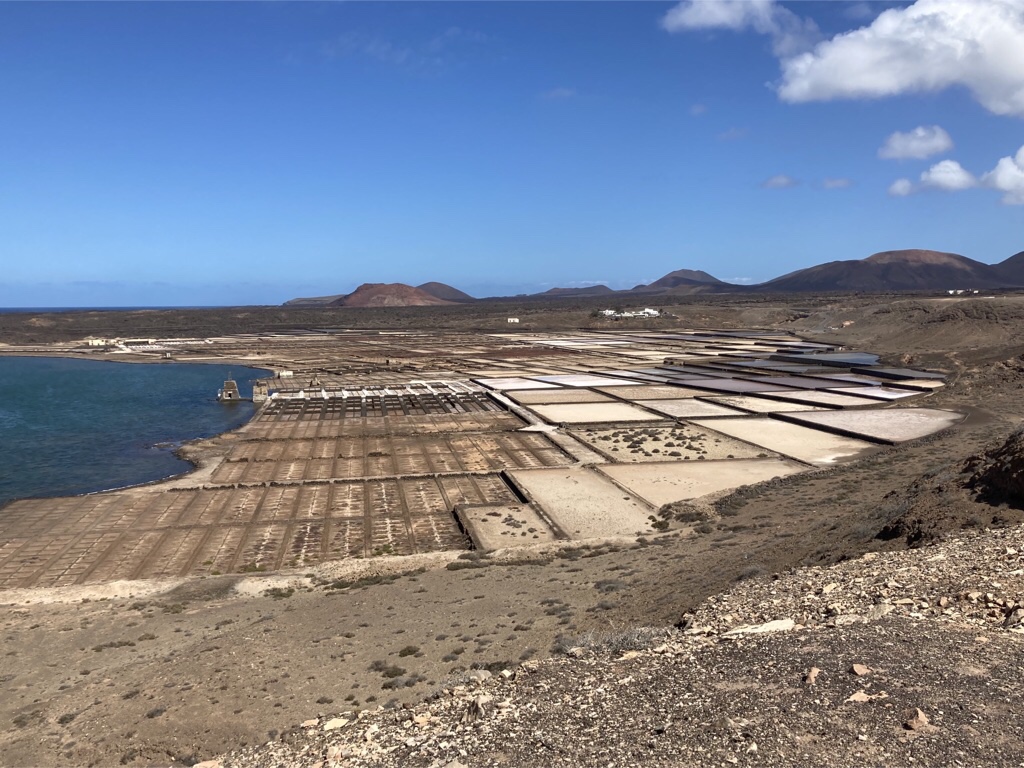
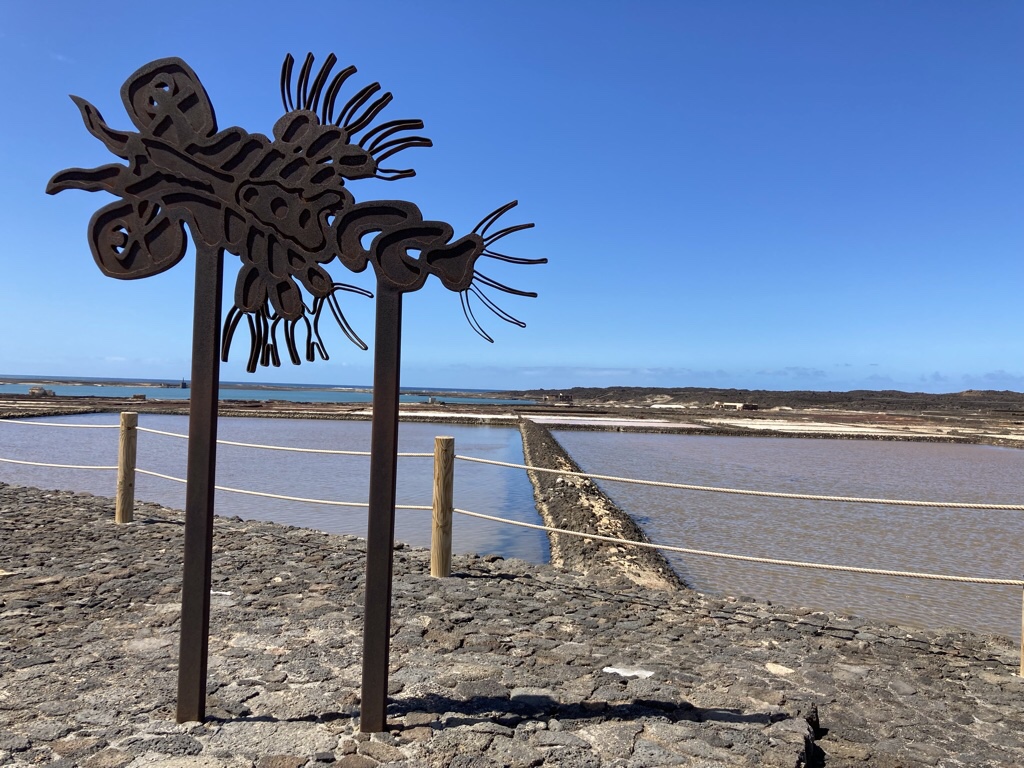
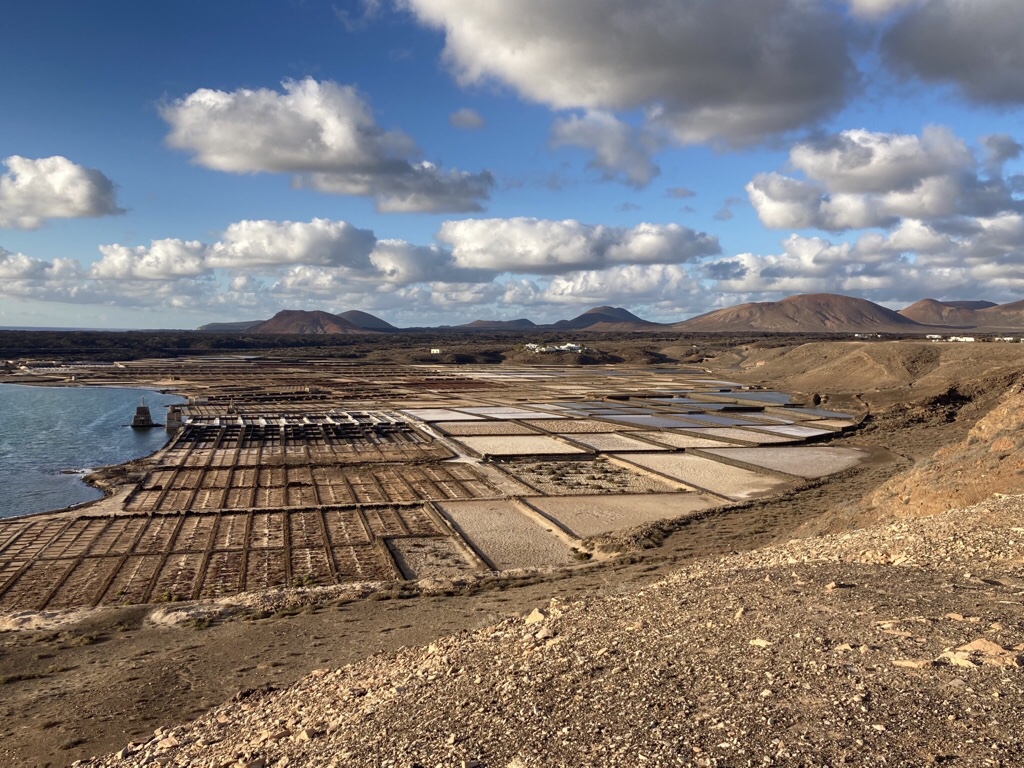
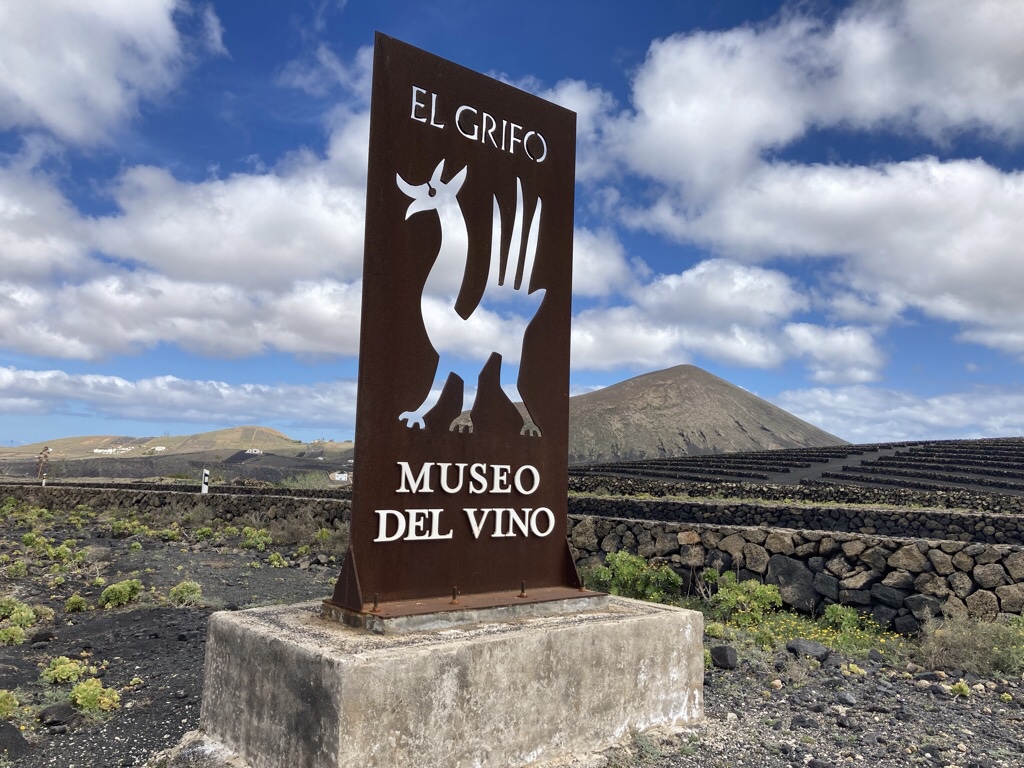
Manrique also designed a number of signs on the island, some of which we’ve already seen like El Diablo in Timanfaya and the logos for El Grifo Bodega, Canarian Salinas and Mirador Rio … and the last couple are coming up!

We headed coastwards to the first tourist attraction opened on Lanzarote, The Cuevas de Los Verdes which are part of a 6km long lava tube which formed about 4,000 years ago when the Montaña La Corona erupted. They are caused by the surface lava cooling and hardening while the lava inside continues to flow leaving a tube behind. The caves have been used for centuries for locals to hide from invaders but in 1964 a 2km pathway was opened up. With no natural light, it has been lit to show off the caves to their best effect, thanks to the skill of Jesus Soto. There is even a secret attraction, but we were sworn to secrecy so you will need to visit for yourself!


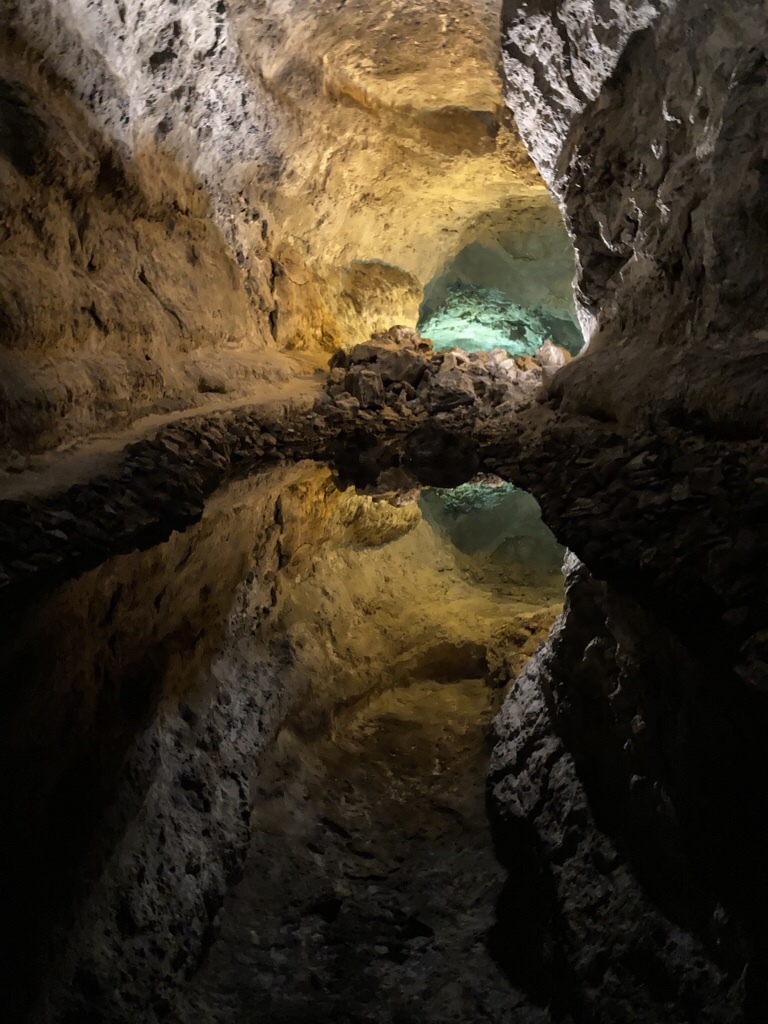
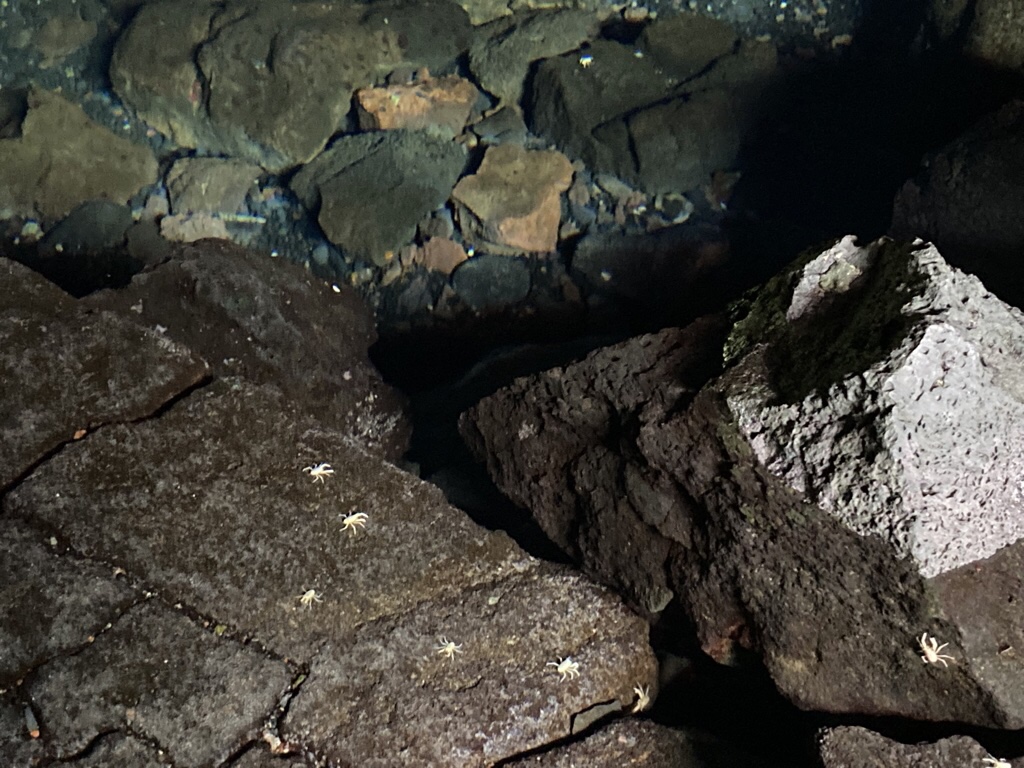
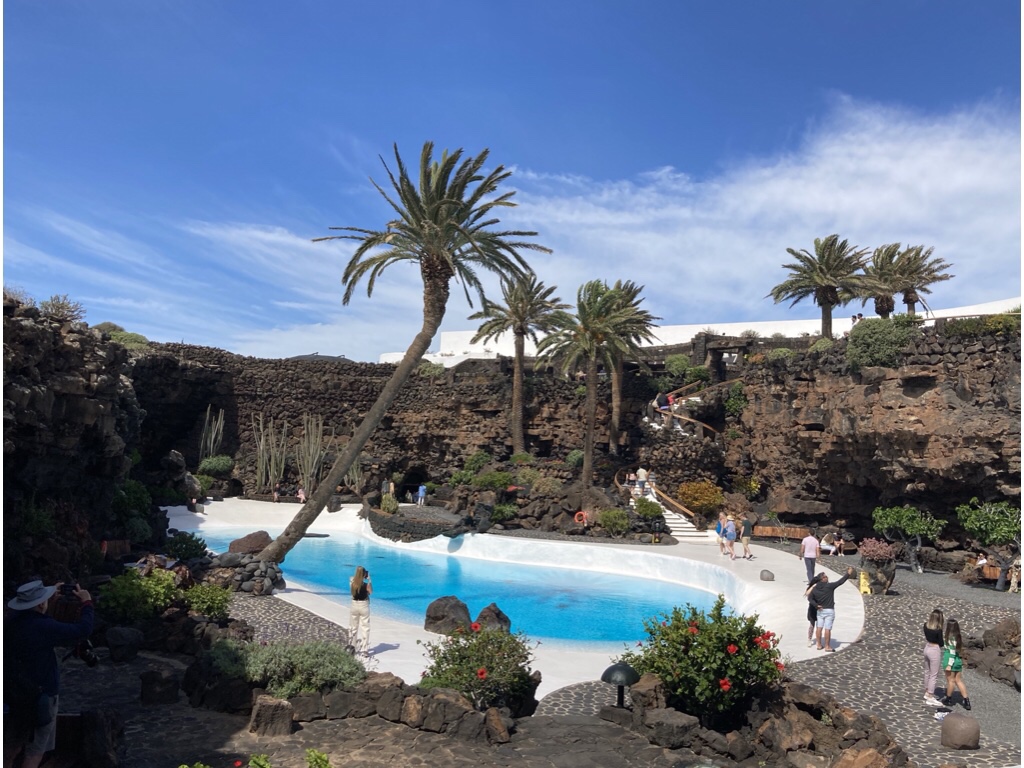
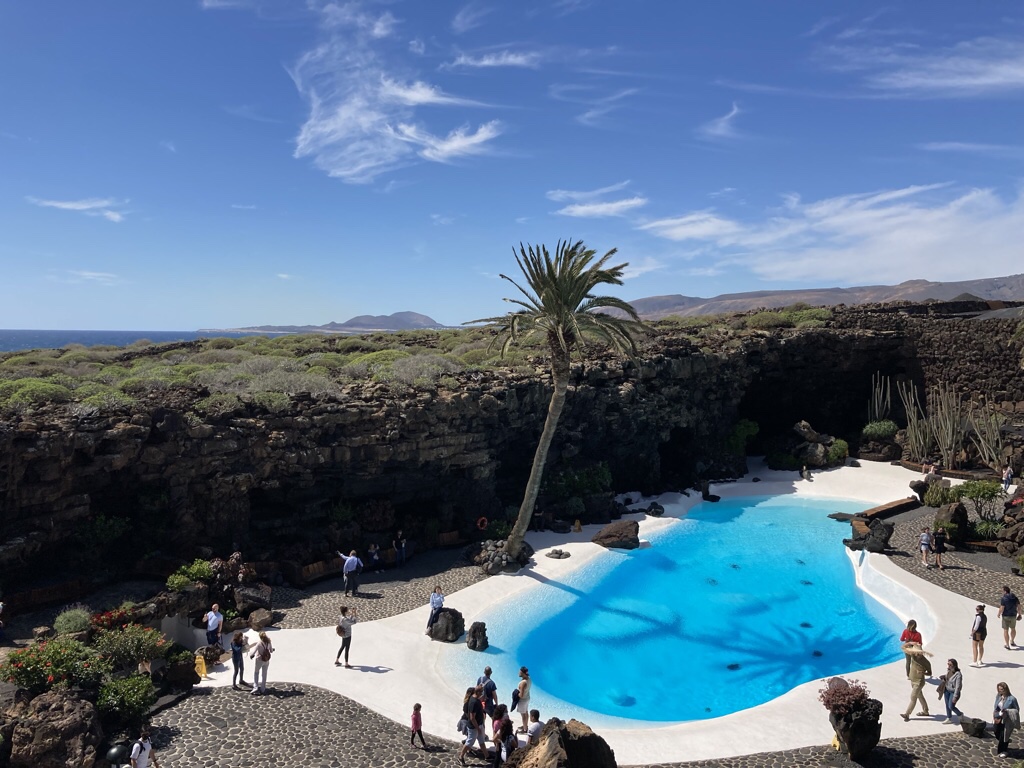
Just down the road is Jameos de Agua, where Manrique has transformed caves and collapsed lava tubes into an artistic showpiece where the natural beauty can be admired. The natural lake has extremely clear water and is home to a species of blind albino crabs known as Jameitos which are only found on Lanzarote.
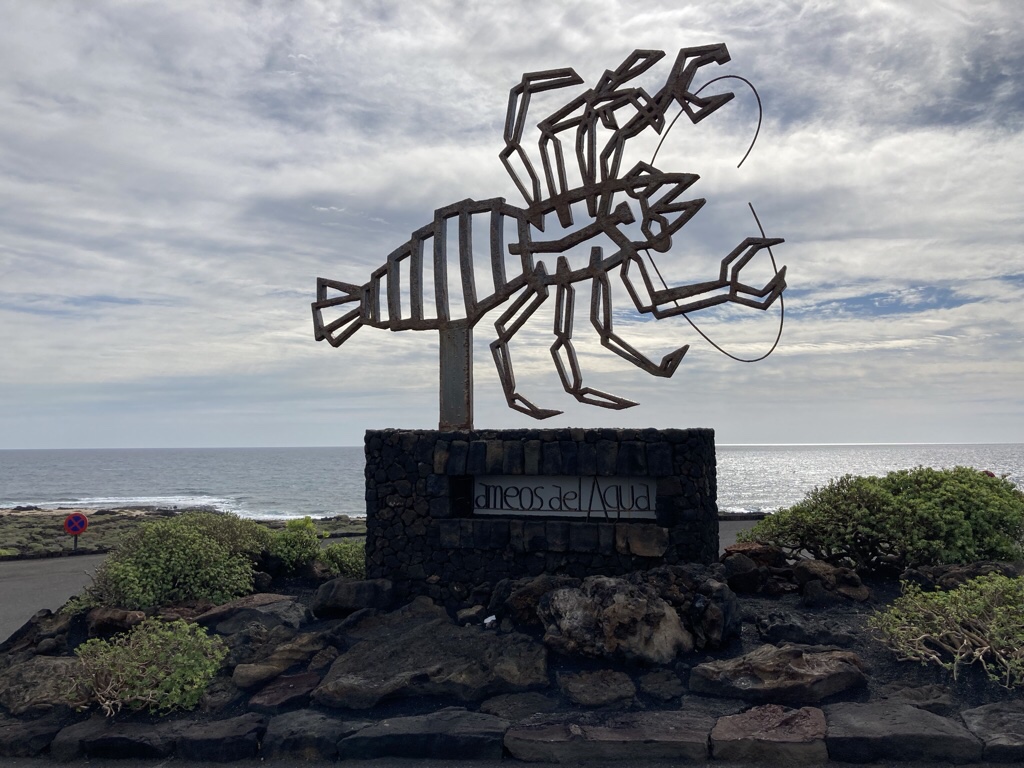


Beyond the cave are gardens, another pool and an exhibition space, cleverly combining both traditional and modern styles.



Jameos must really come into its own on Fridays as the caves open for party night with an evening of drinks, dinner, a classical music concert by the lake then a DJ and dancing till midnight.
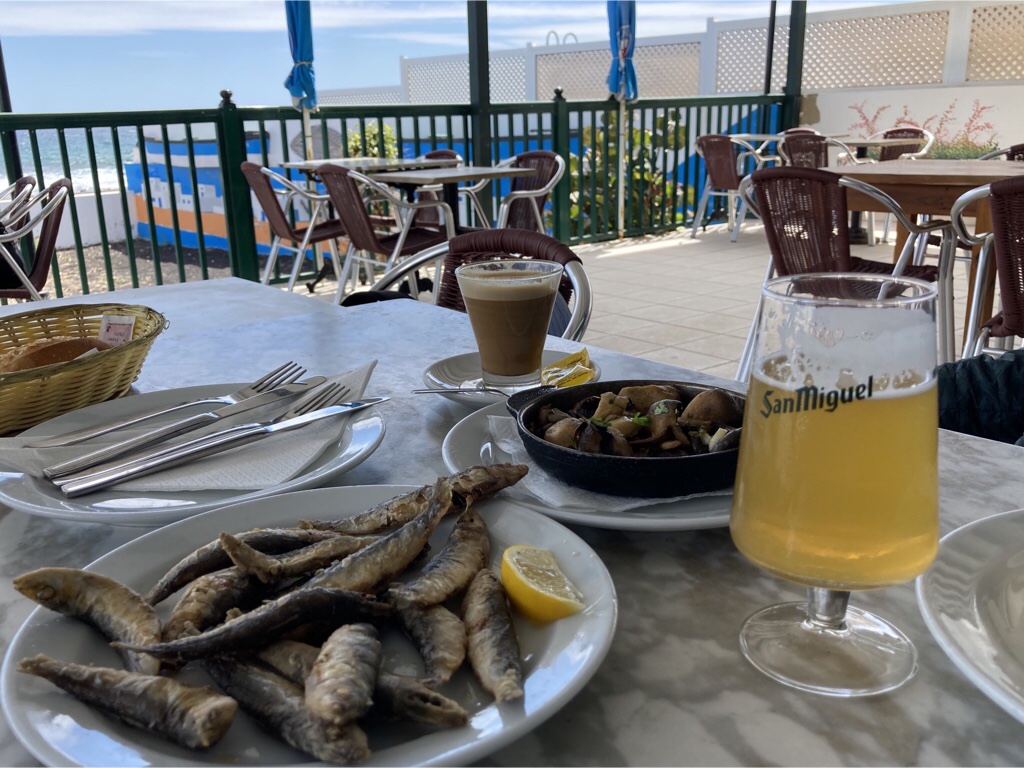
A stop at Punta Mujeres on the way back was perfect for a sardine lunch by the sea.
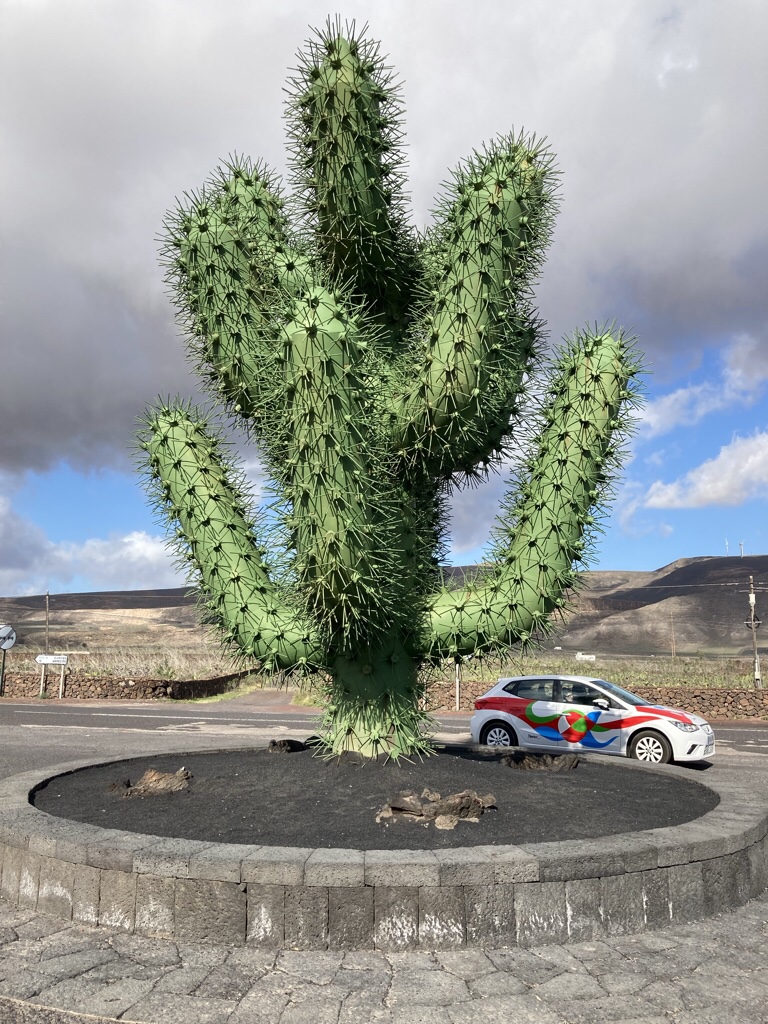
We visited The Cactus Garden on our last day, welcomed by this crazy green sculpture outside!
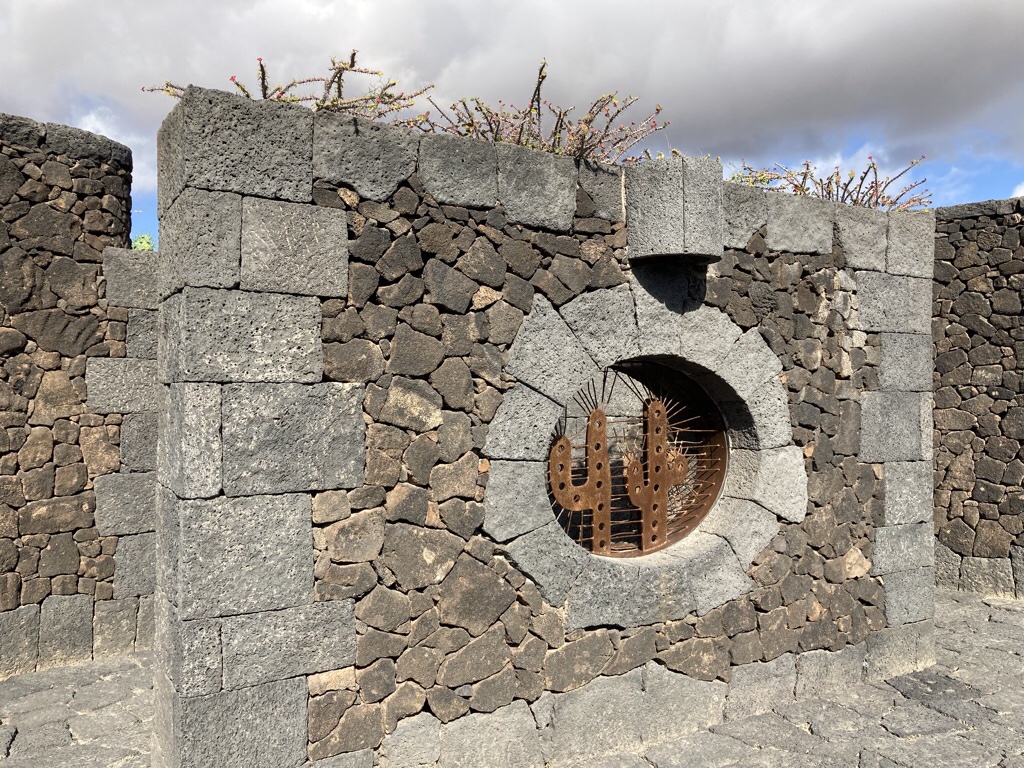
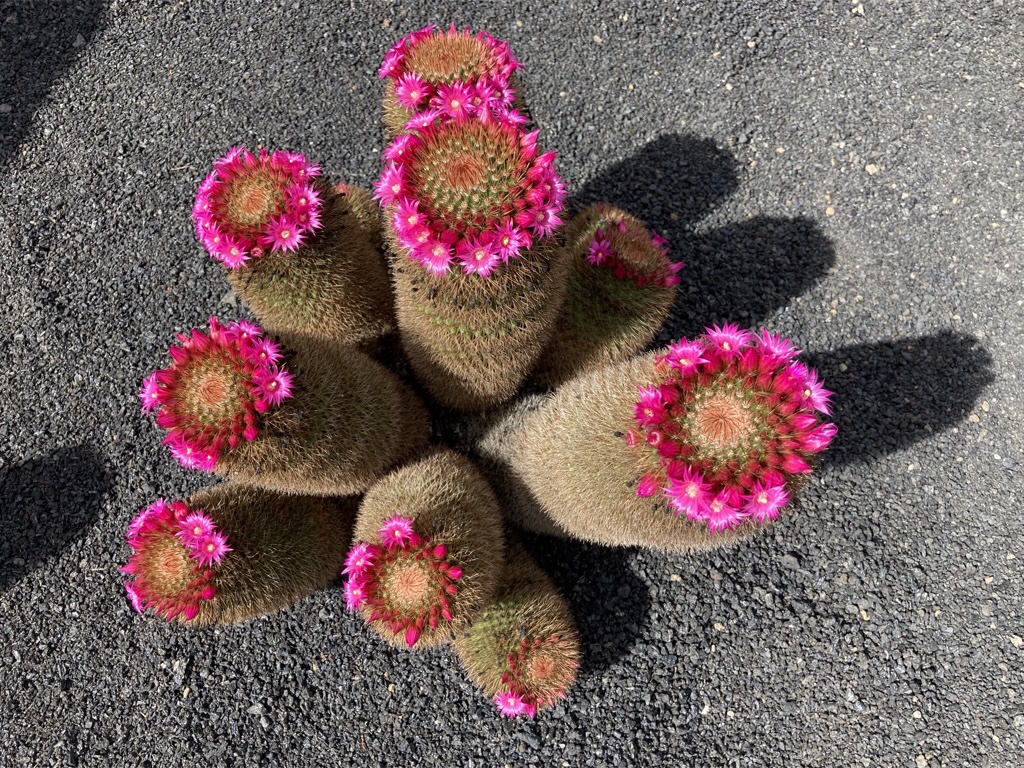
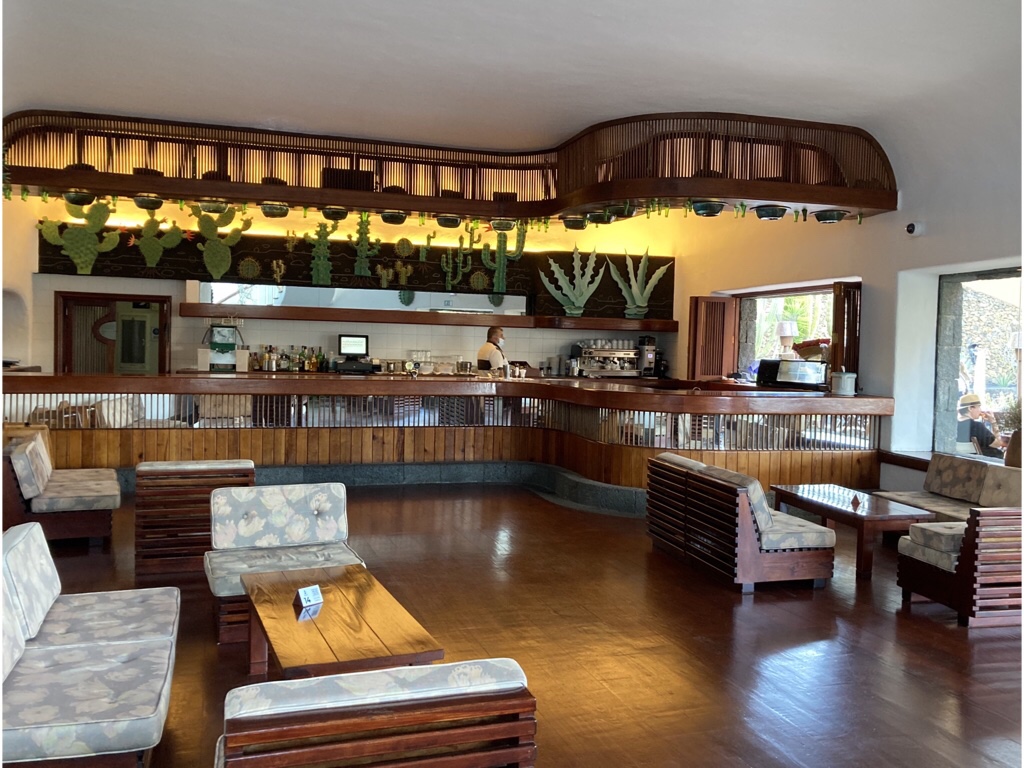
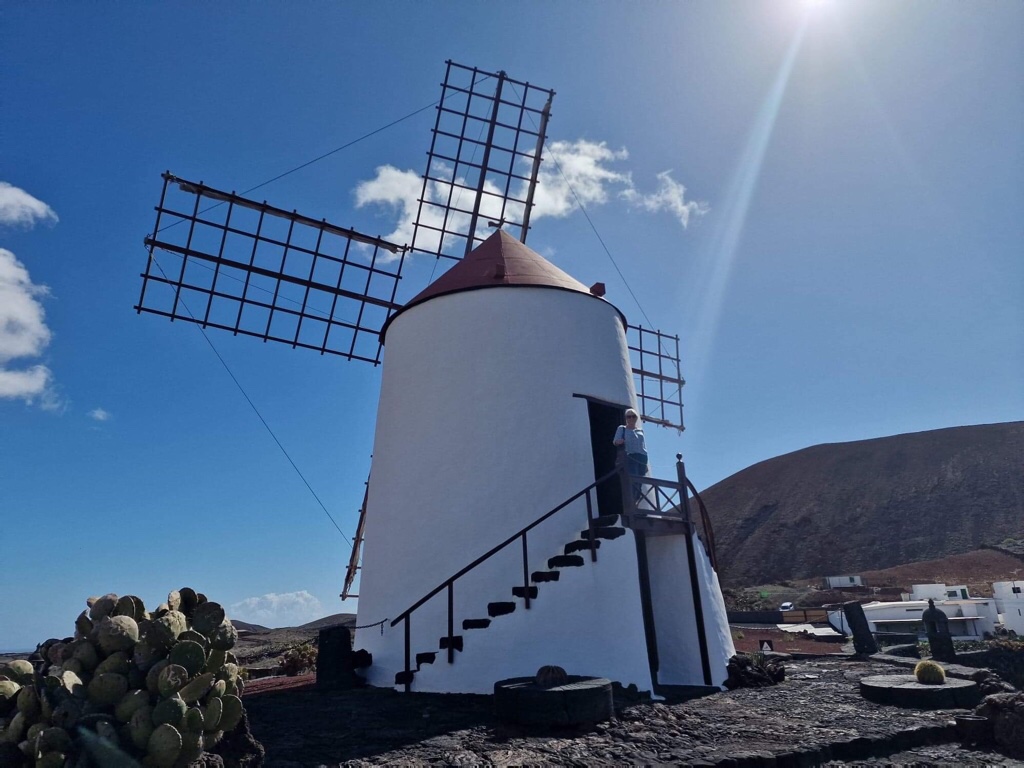
The cacti came in all shapes and sizes from all over the world. The architecture had all the features we had come to expect – volcanic rock, white curving walls, stylish metalwork, carved wood, a spiral staircase, lots of lush green plants, pools of water and huge windows all to enhance the star of the show … the landscape.







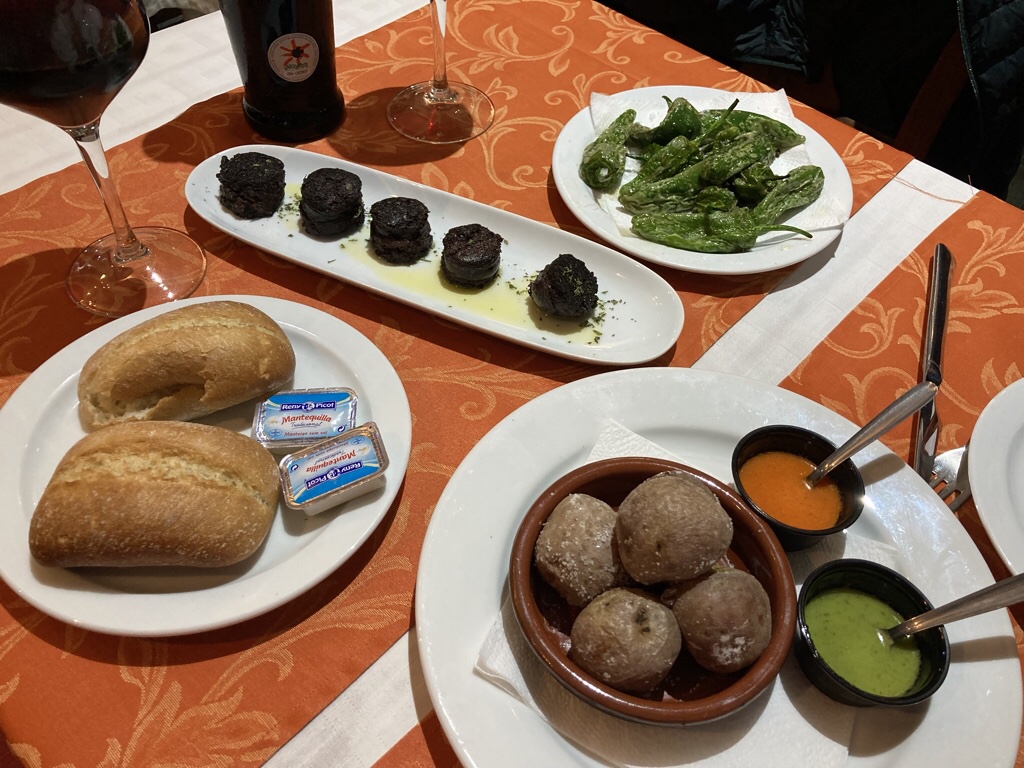
We ended as we’d started eating tapas with canary potatoes with mojo sauce and a lovely bottle of local wine grown in the volcanic soil, followed by a glass of Ron Miel or honey rum which finishes every dinner here beautifully.
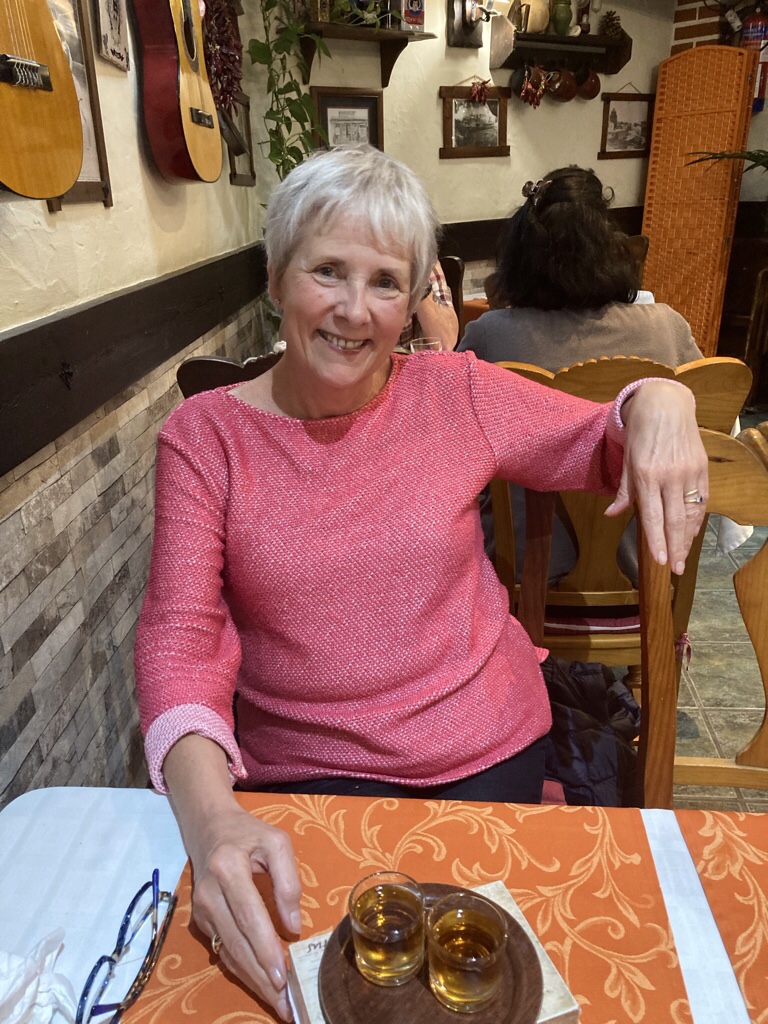
So to sum up, we thought finding vegetarian food might prove difficult, which it was, and we were warned that Lanzarote can be windy, which it was, but the striking landscape couldn’t help but impress and together with the amazing work of César Manrique and bright sunny days far warmer than at home, Lanzarote has certainly ticked all the boxes for us.
Gracias y adiós Lanzarote!










































 Off Travelling Together