 Greeks, Phoenicians, Romans, Byzantines, Arabs, Normans and the Spanish …. they have all spent time in Sicily and left their mark on the architecture, customs, food and language and here we are in Palermo, gateway to the melting pot, ready to explore.
Welcomed by brilliant sunshine and blue sky, the day proceeded to warm us gently. Raffaella welcomed us into her home where she has been running B&B Piccola Sicilia for ten years and showed us our lovely room with balcony and mountain view.

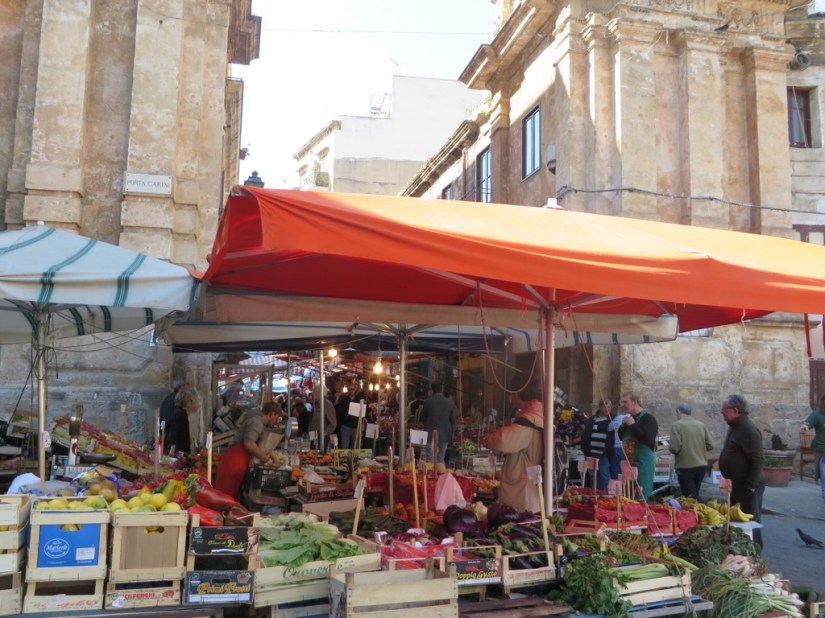
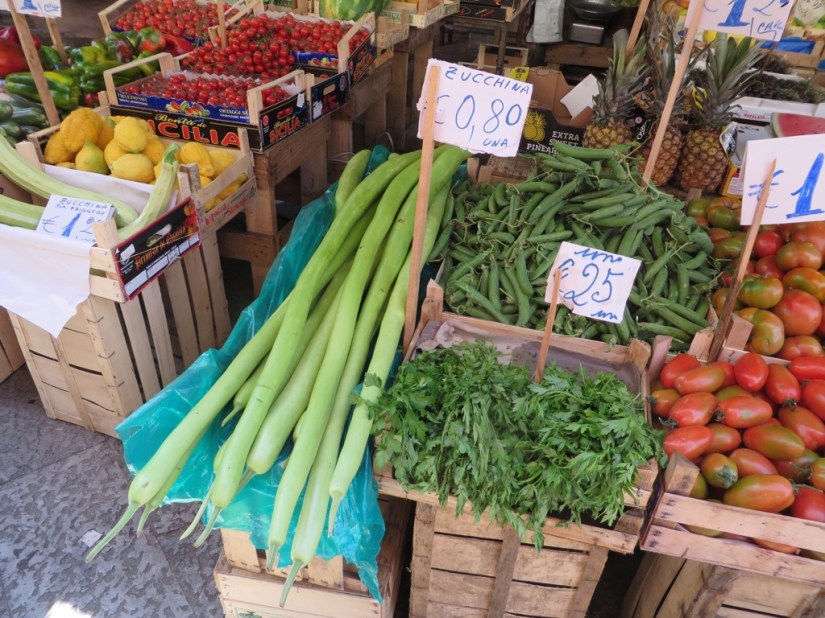
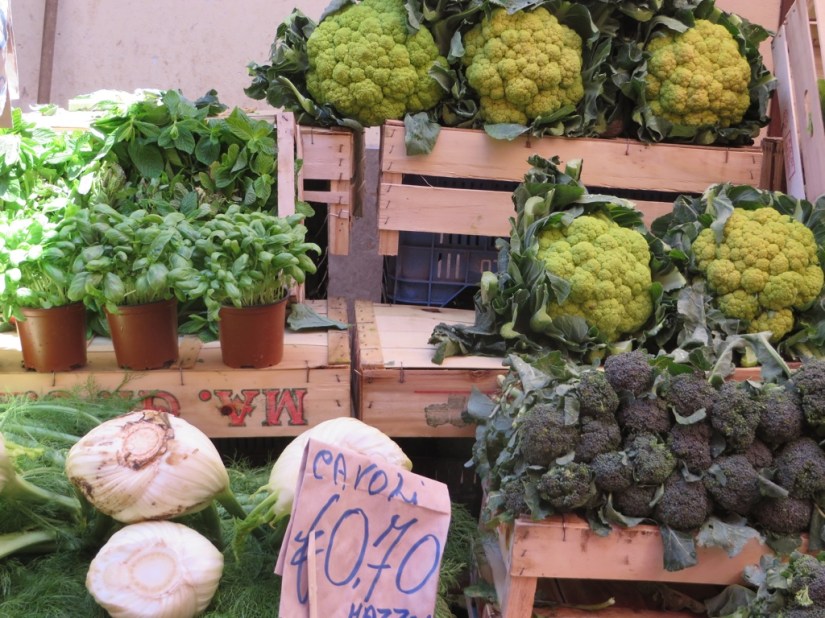
Setting off in search of lunch through the Capo market, we saw stall upon stall piled high with glistening fresh fish or luscious fruit and vegetables interspersed with sellers of cheap shoes and kitchen equipment.
We then passed the Quattro Canti or Four Corners which is the crossroads marking the heart of historic centre of Palermo.
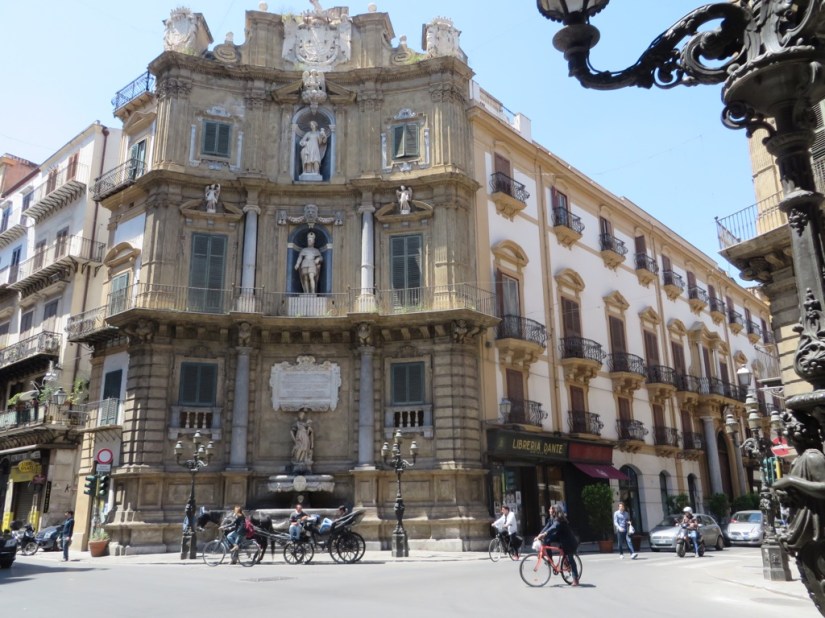
The sculptures on the four facades illustrate the four seasons, the four Spanish kings of Sicily, and the four patronesses of the city. Woe betide anyone foolish enough to try to cross here as the traffic is ferocious. Finally we reached the Antica Focacceria di San Francesco as recommended by Rafaella for Sicilian specialities.
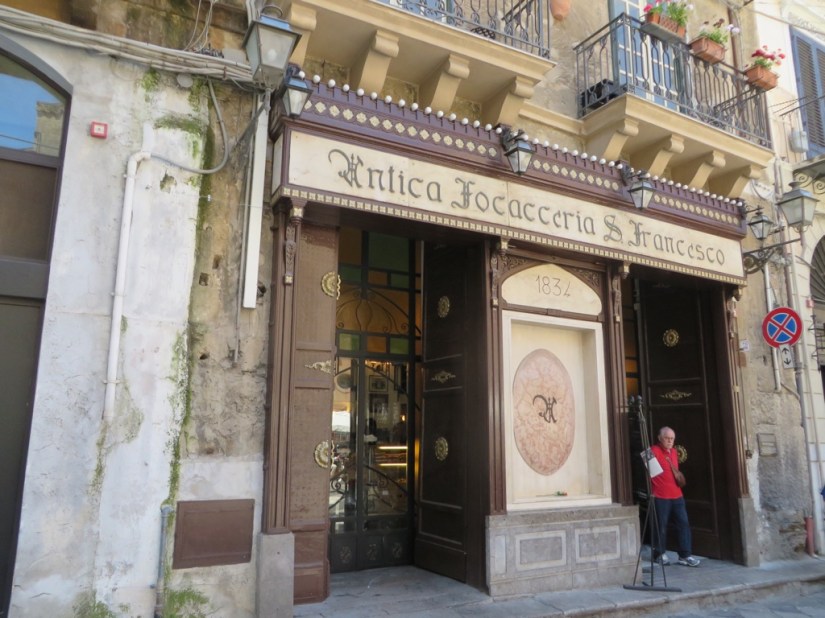
Not being brave enough to try the pani ca’meusa or spleen roll, a culinary gem introduced by the Jews in Palermo …
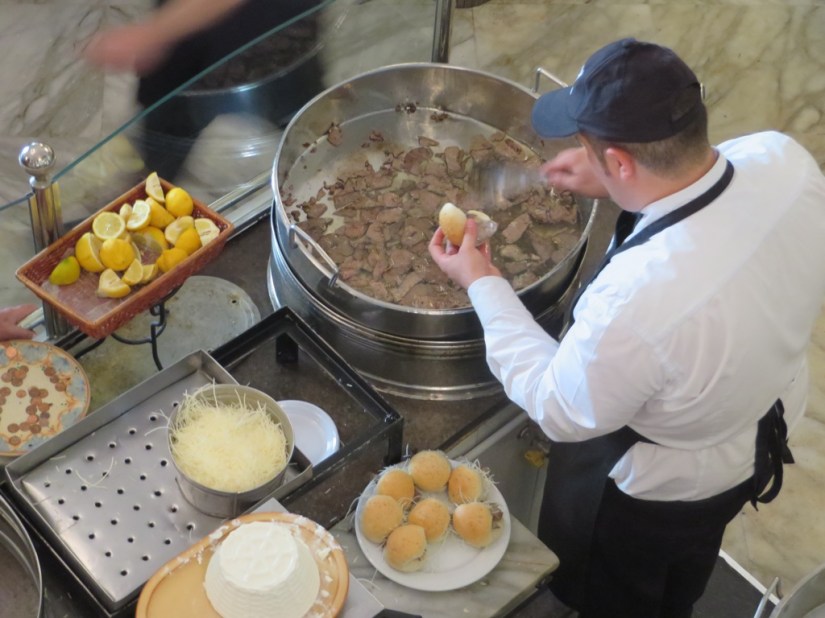
… I instead joined Chris in pane e panelle, Palermo’s answer to the chip butty, a chickpea fritter flavoured with parsley and lemon in a soft roll which was surprisingly tasty, together with a delicious side of caponata, an aubergine stew in sweet and sour sauce.

That afternoon we visited Palazzo Chiaramonte Steri and were shown round by a student studying anthropology who volunteers as a guide. She told us how it was built by the Chiaramonte family, who also commissioned a huge wooden ceiling in the main hall, with its beams decorated with bible stories, mythology and chivalric stories. The Spanish made it their palace and and it was then the base of The Spanish Inquisition. The Spanish were here some 400 years and there are many Spanish words adopted into the Sicilian language. Food continued to be on our mind though, as the main reason for our visit was to see a modern painting by Renato Guttuso of another of Palermo’s markets, La Vucciria, painted in 1974.
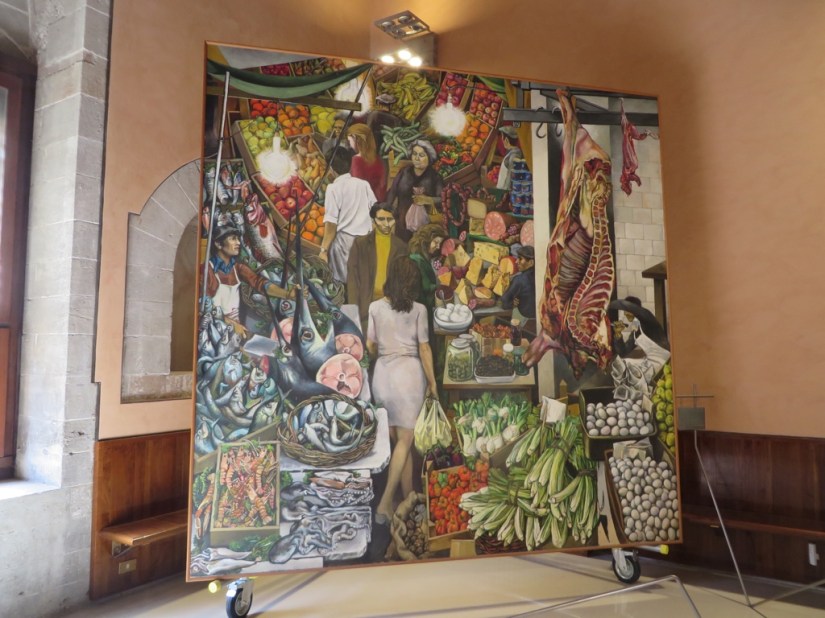
Vucciria means confusion in Sicilian, and there is hustle and bustle and pushing and shouting everywhere. Nothing much has changed in Palermo’s markets as you can still see electric lights dangling, swordfish heads on display as well as ample piles of every kind of produce. We were told maybe Guttuso has painted himself as the central character, while the women dressed in the Italian colours of red, green and white were posed by his mistress, and his wife is carrying the shopping. It is also suggested that the butcher covering his face represents the mafia, and the fishmonger surrounded by fish represents the people.



On the way back we passed the Duomo …

… the Chiesa San Dominico …

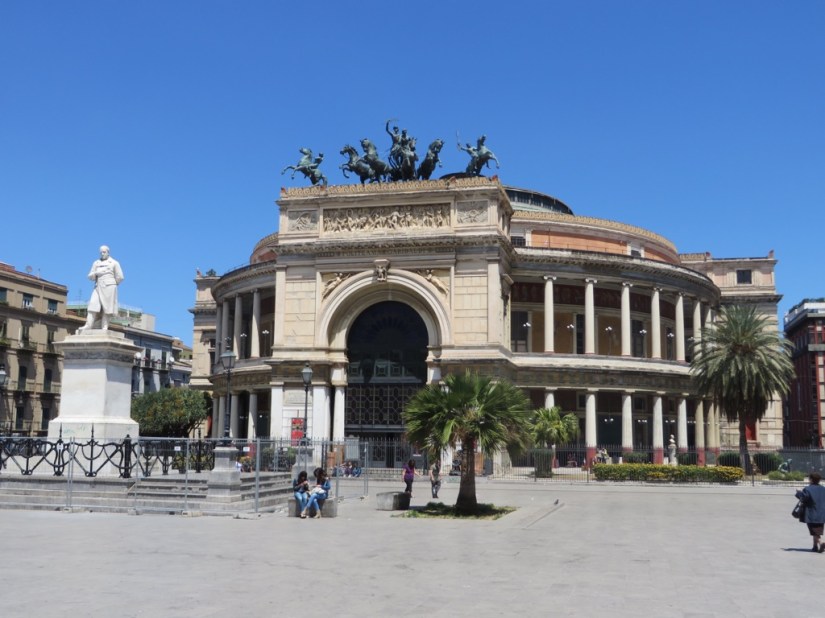
… and the Teatro Politeama with Garibaldi looking on …
… before watching the boats bobbing in the marina at Le Cala.

We returned to Capo market in the evening to Trattoria Supra I Mura where Chris had mozzarella salad and spaghetti pomadoro I had polpetti del sarde, little sardine balls served in a sweet and sour onion sauce then a fabulous seafood pasta.
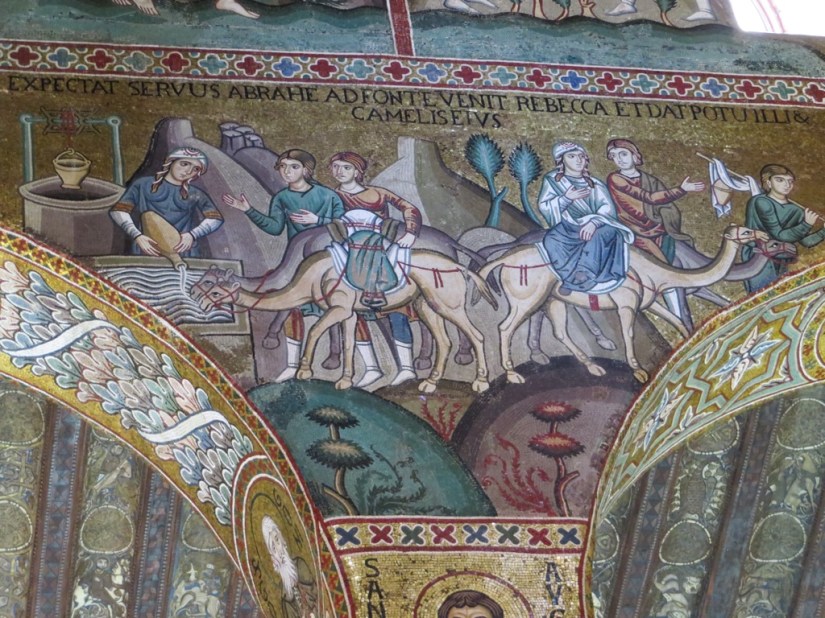
As for the rest of our time in Palermo, one highlight was Palazzo dei Normanni built by Roger II. I find it hard to keep a straight face taking about a king and hero called Roger as he sounds like a character from Blackadder, nonetheless, Roger II was the greatest Sicilian-Norman ruler who transformed Sicily from an Arab outpost into a Christian Kingdom, and Palermo into a splendid and cultured city. The jewel is the Cappella Palentina, built as his private chapel with a ceiling of wooden stalactites made by Arab woodcarvers, and walls covered with mosaics by Byzantine craftsmen. It is like a jewelled casket with every surface shimmering with light and telling all the stories from the bible including Rebecca and the Camels and Noah’s Ark.

We also looked round the royal apartments, and saw Roger’s own chamber, decorated with more mosaics, but this time of nature and hunting.
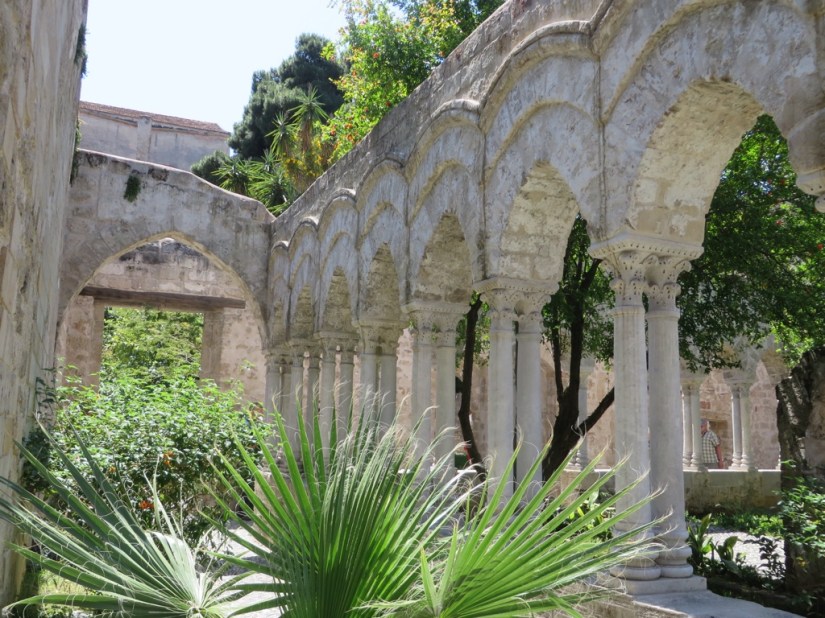
Then came a couple examples of Arabo-Norman architecture, San Giovanni degli Eremiti, set in lush gardens, which were it not for the Norman bell tower, it would seem like a mosque with its five red domes.

It was a cool and tranquil spot to spend a few minutes among the citrus trees.
Close by were Chiesa di San Cataldo, this time with three red domes, and a plain undecorated but atmospheric interior …
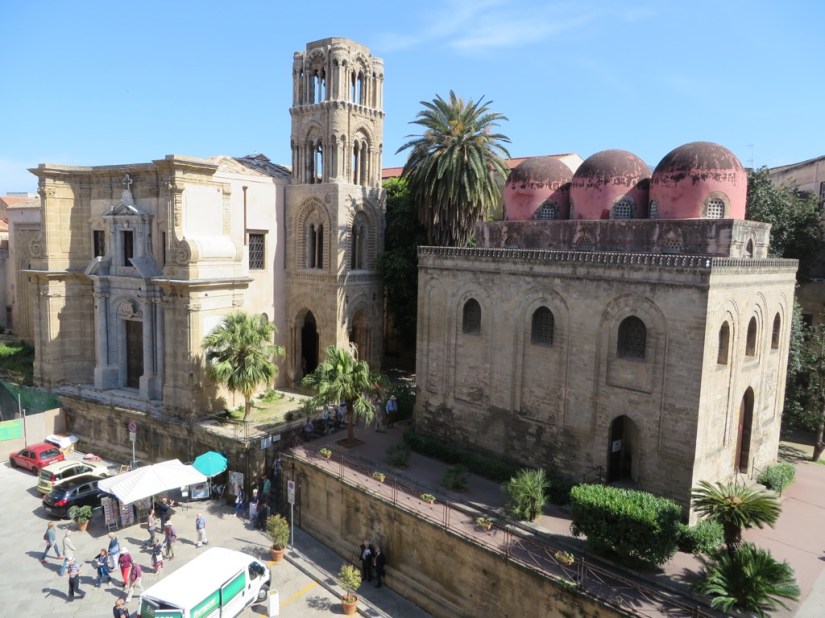
… and Chiesa della Martorana next door which has fared slightly differently. This church also began as a Norman church, this time beautifully decorated with more stunning Byzantine mosaics …

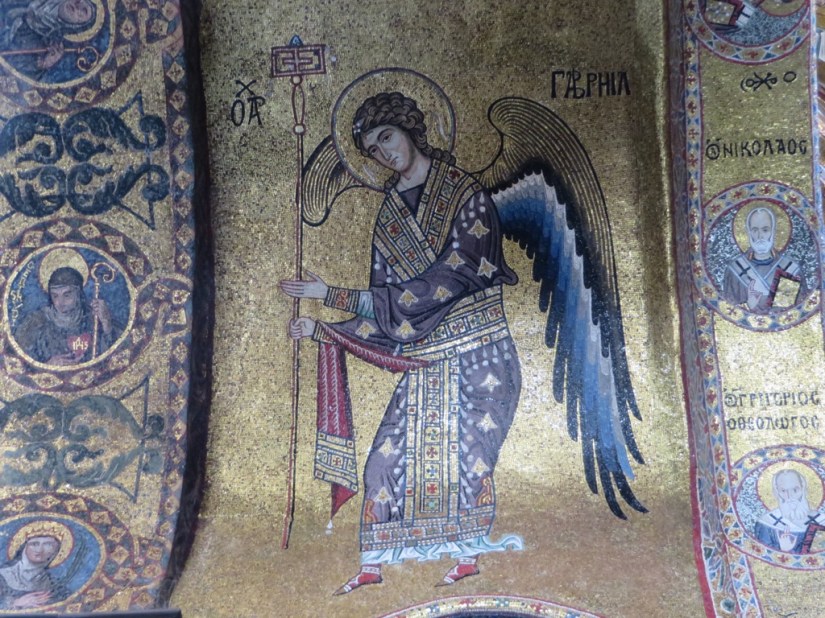

… including the only image of Roger II.

The story doesn’t end there though as it was later given a baroque facade, and the interior extended and decorated in the baroque style with stucco and painting.

Some building like the Oratorios of Santa Dominico …

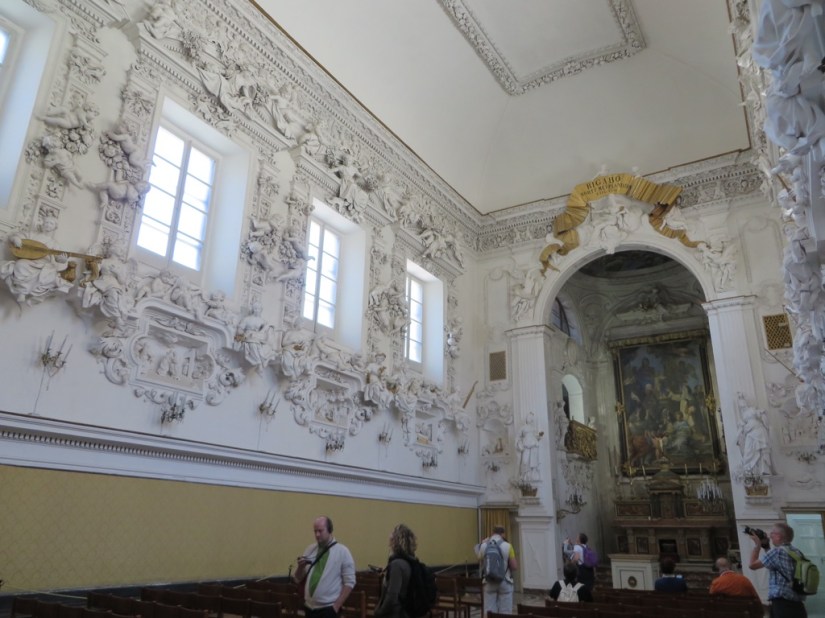
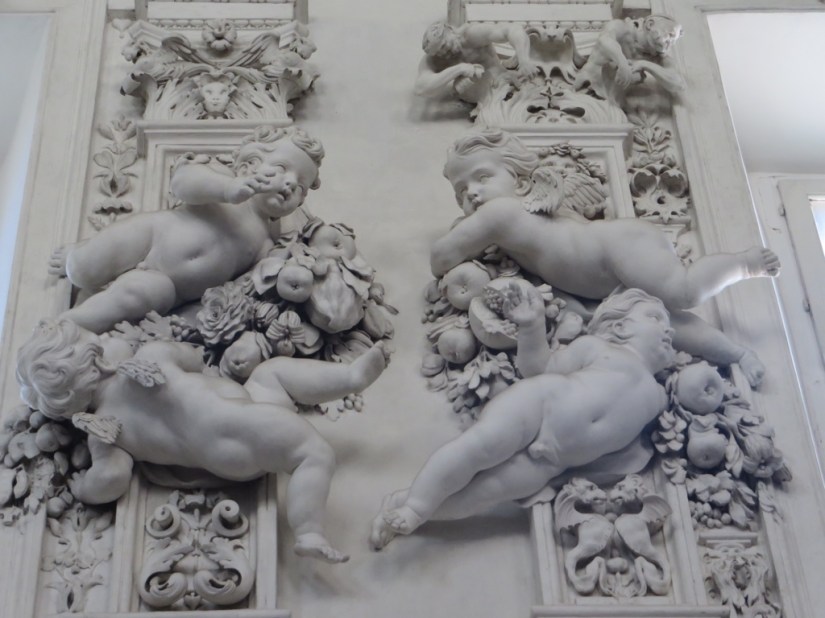
… and San Cita were built in the Baroque style from the start, designed by Giacomo Serpotta. We preferred Santa Cita where the cherubs and angels seem to romp with abandon, and the stucco figures look down as if the visitors are the show and they are the audience!

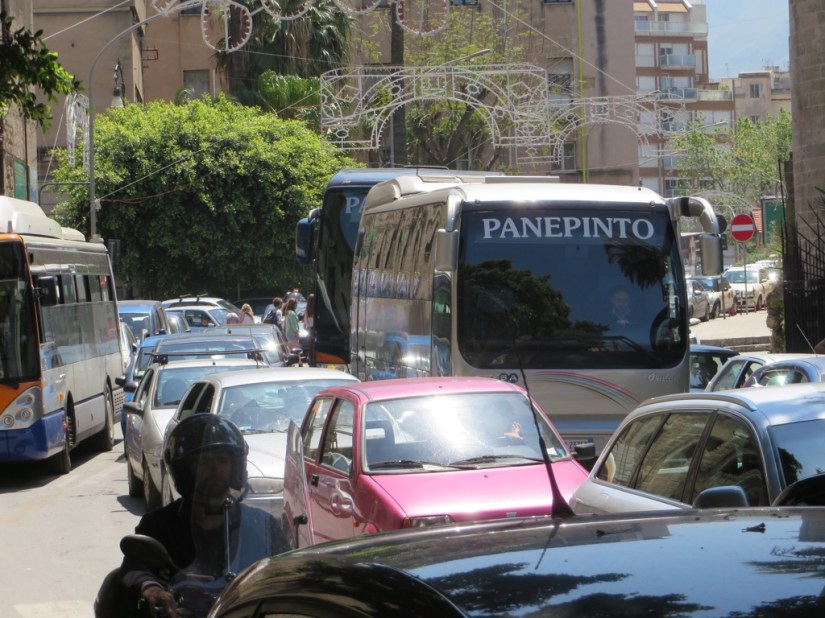
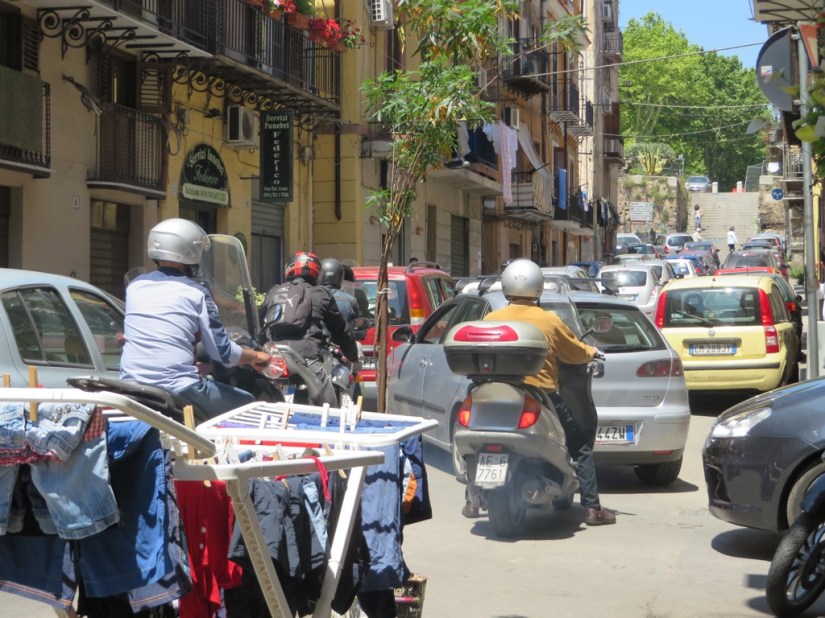
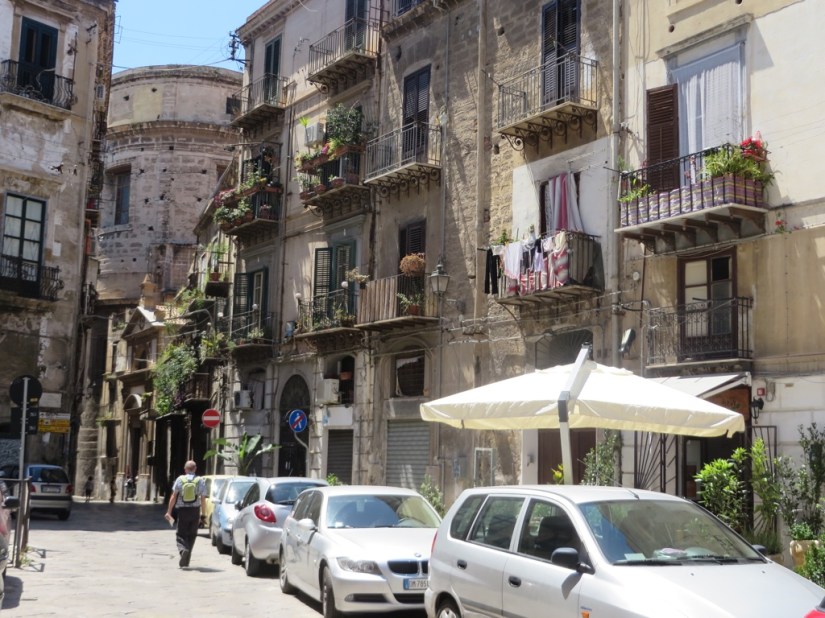
None of this tells of the miles we feel we have walked, which is certainly quicker than driving after seeing the traffic jams, and safer too looking at the state of the cars. The back streets show another side of Palermo, not always as shiny as the shops on Via Roma.




On Saturday afternoon, we set off on the bus to Stadio Renzo Barbera with our tickets to see a football match between Palermo and Lanciano. We had already seen the pink banners all round the city advertising the home team who have been doing very well this season and have won promotion to Serie A for next year.
 Unfortunately, as Chris went to get his wallet for ID for the tickets, he found it missing and we suspect in the crush to enter the grounds, it found a new owner. Rather than watch the match and worry, we spent the next hour with the Carabinieri reporting our loss, then returned to the B&B to cancel the cards. We are not disheartened, they didn’t win, it was just a draw, reports Chris bravely!
Our last night here we ate in a restaurant serving classic dishes with a modern twist. Forgot to snap the starter, but here is our pasta!


Going to pick the car up tomorrow and our soggiorno continues …
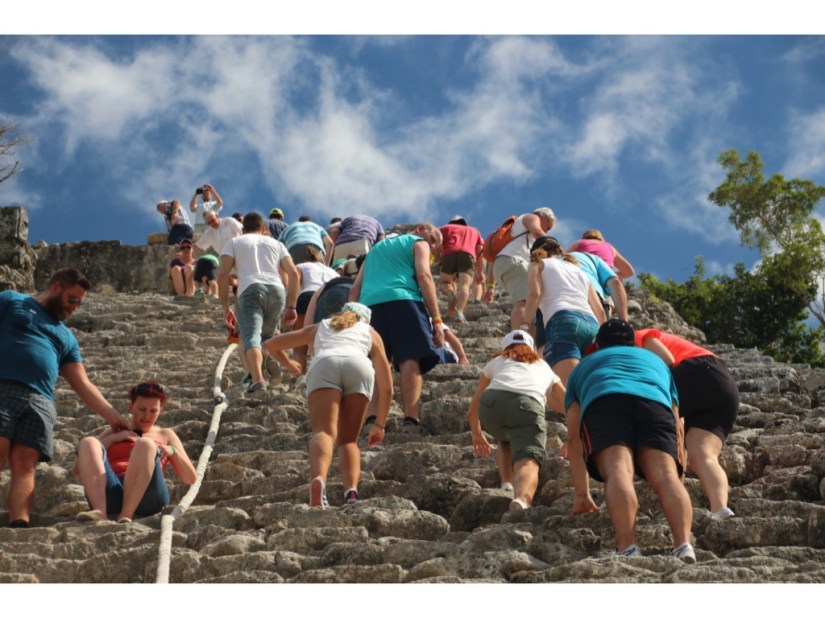
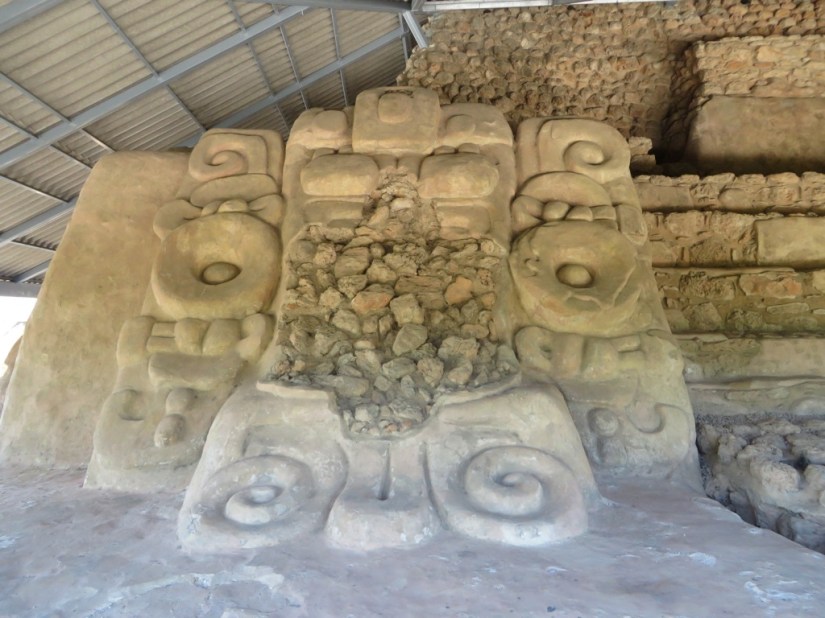
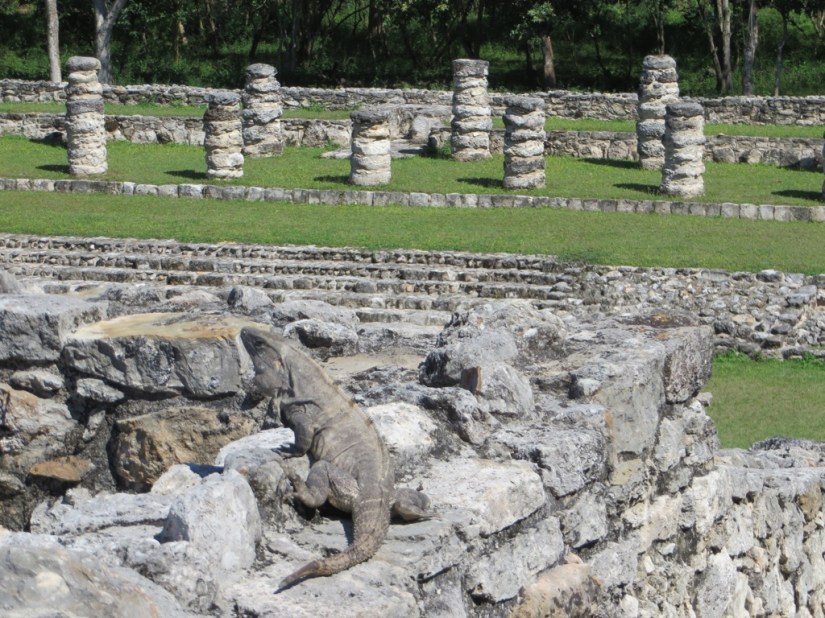
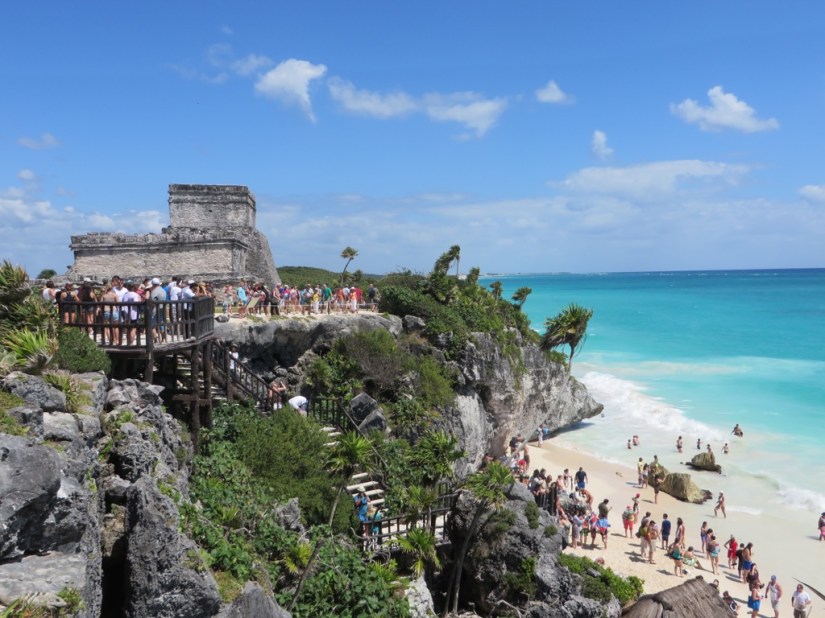 The driving in Yucatan remains pretty boring, not much to see and straight stretches of road, so we made a welcome stop en route at Muyil ruins, just within the Sian Ka’an Biosphere, some 1.3m acres of protected tropical forest, mangrove swamp and marine environment. The Castillo would have been used as a lighthouse for Mayan hunters in canoes returning across the lagoon, and is decorated with a pair of herons keeping watch over the jungle.




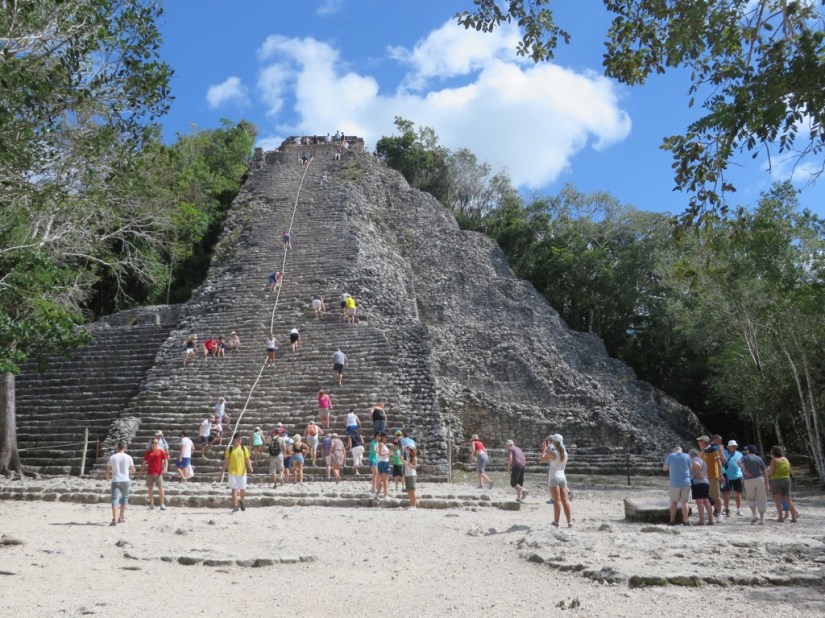
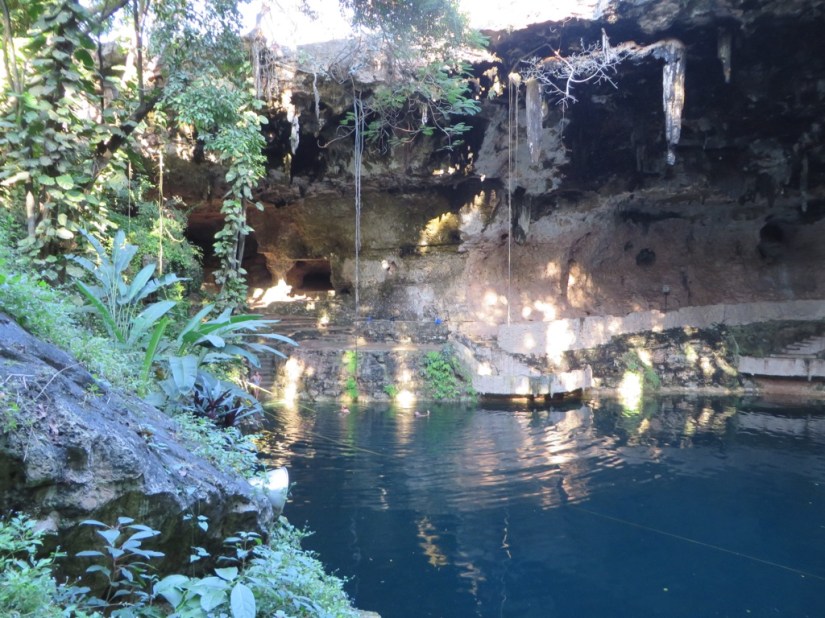
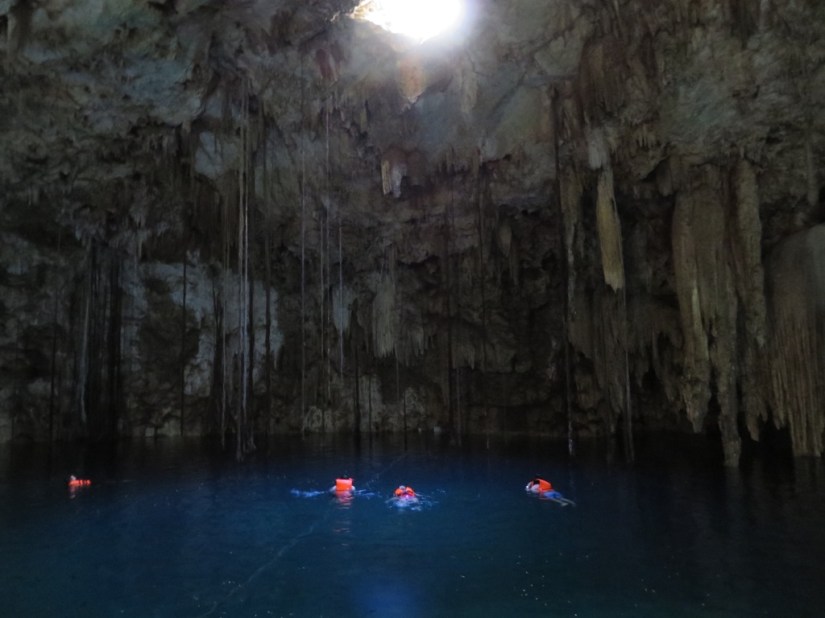
 We also stopped at Grand Cenote for a cool down on the way back to Tulum, due to its location the most expensive we’ve visited, and I still couldn’t tempt Chris in.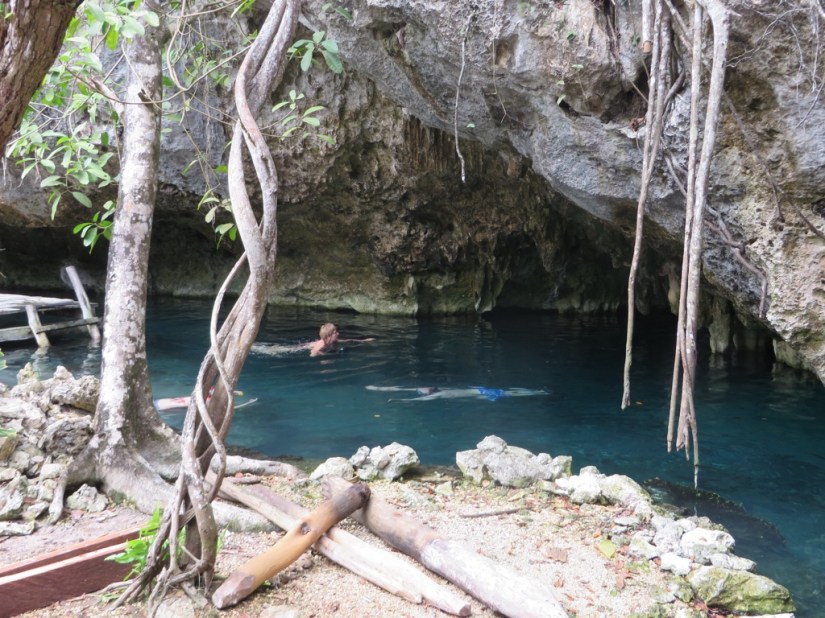


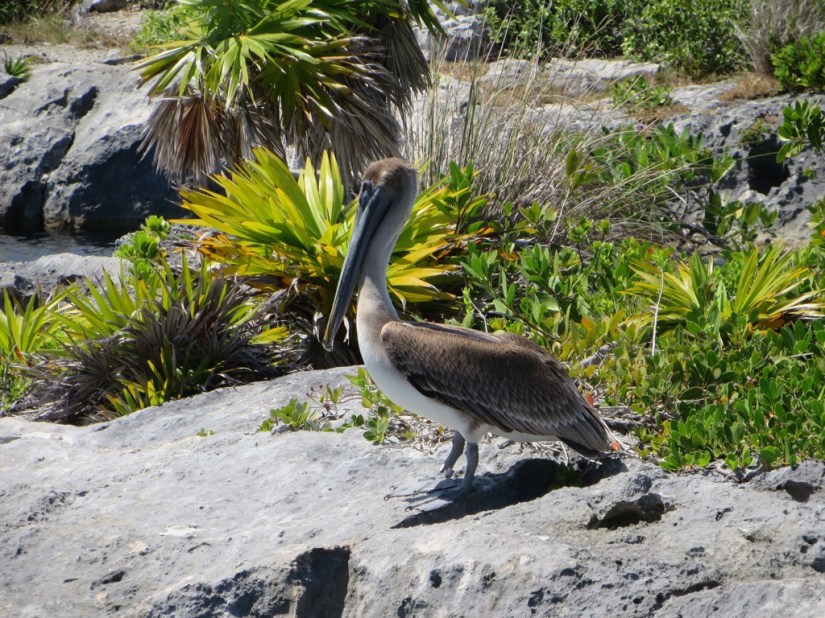

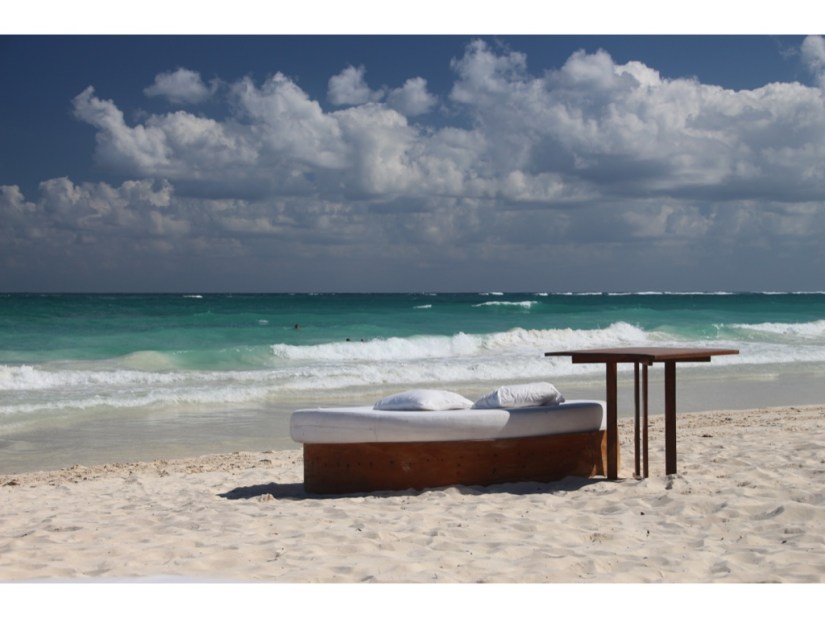
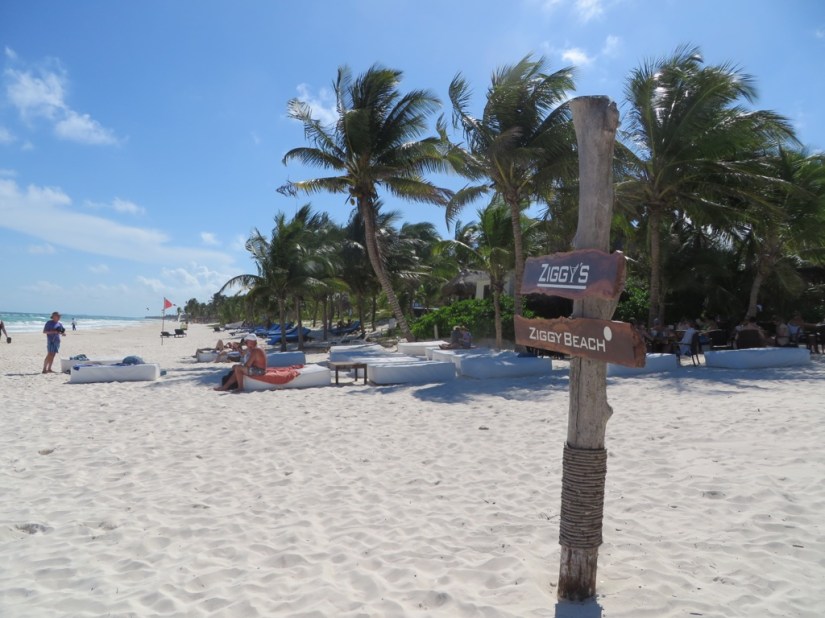


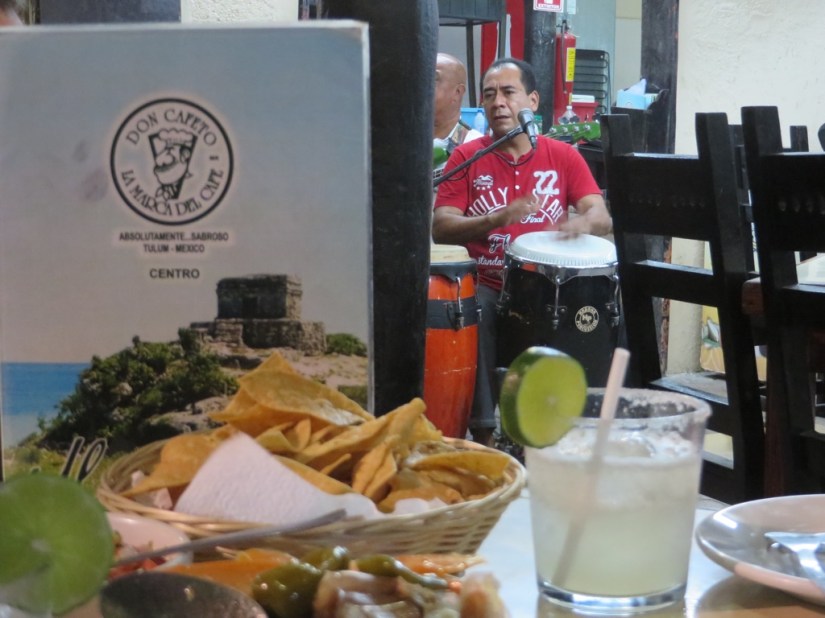
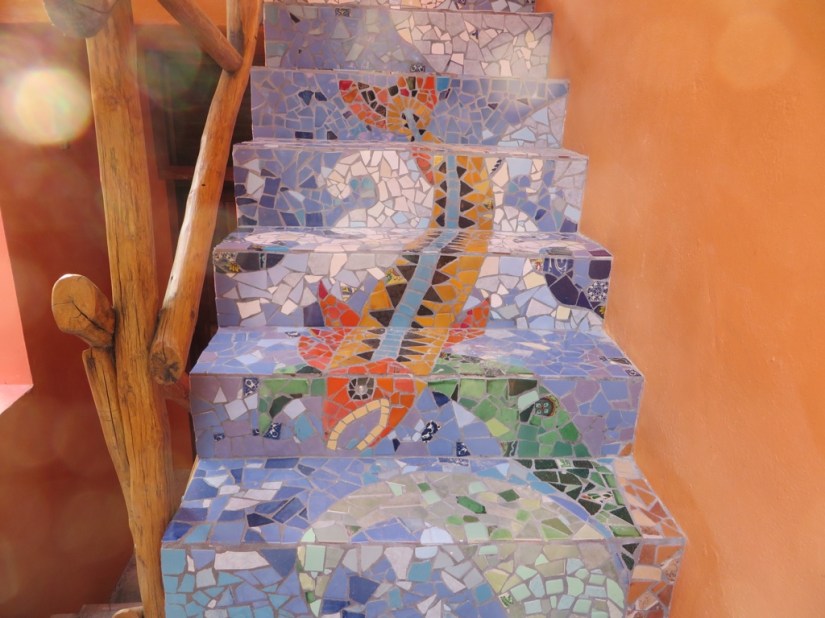
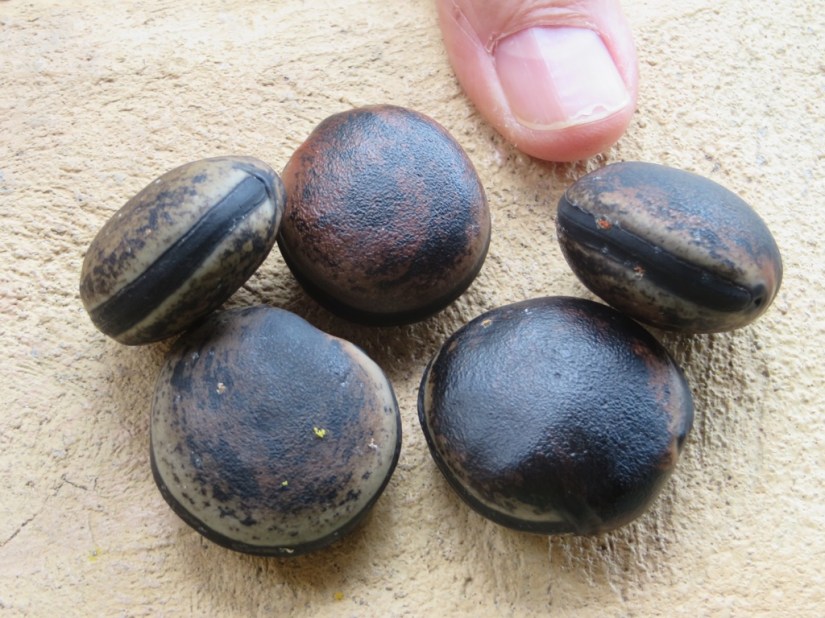 It was a long straight road to get here, punctuated by a few towns, several topes and the odd pothole. Just over five hours later we reached El Placer, miles from anywhere, just a small collection of beach houses, one of which is Mayan Beach Garden. This whole area was affected by Hurricane Dean in August 2007, the most powerful Atlantic storm to hit land since 1988 with winds in excess of 165 miles per hour. There was a huge amount of damage, but you wouldn’t know it now. We have another lovely room, with coconut palms outside our windows and a sea view. There are some lovely mosaics done by Marcia all over the property which give it real character…







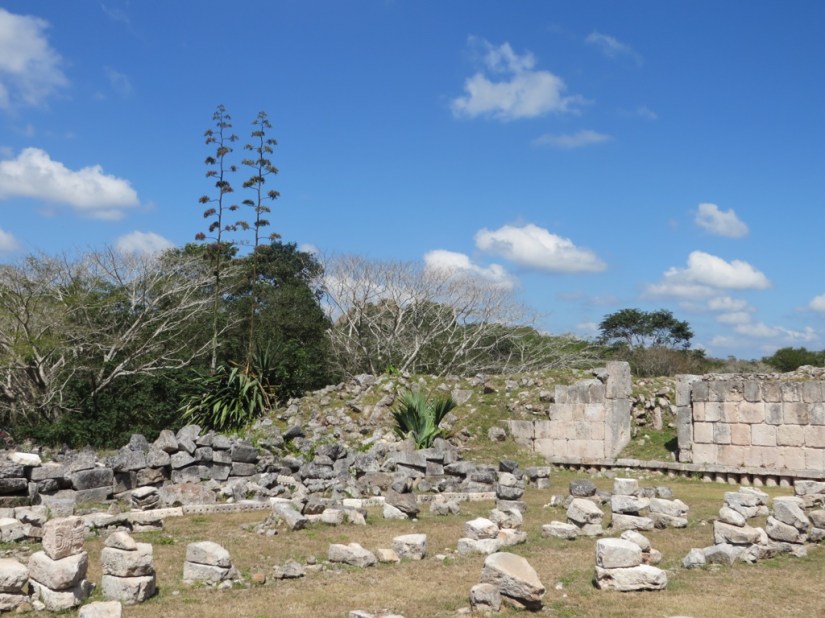
 We drove to Santa Elena today, past small villages, derelict henequen plantations and ruins at Oxkintok where we stopped to stretch our legs. Driving through small villages some people are still living in Mayan huts with walls made from a lattice of sticks, stuck together with mud and grass, with a roof made from palm fronds.


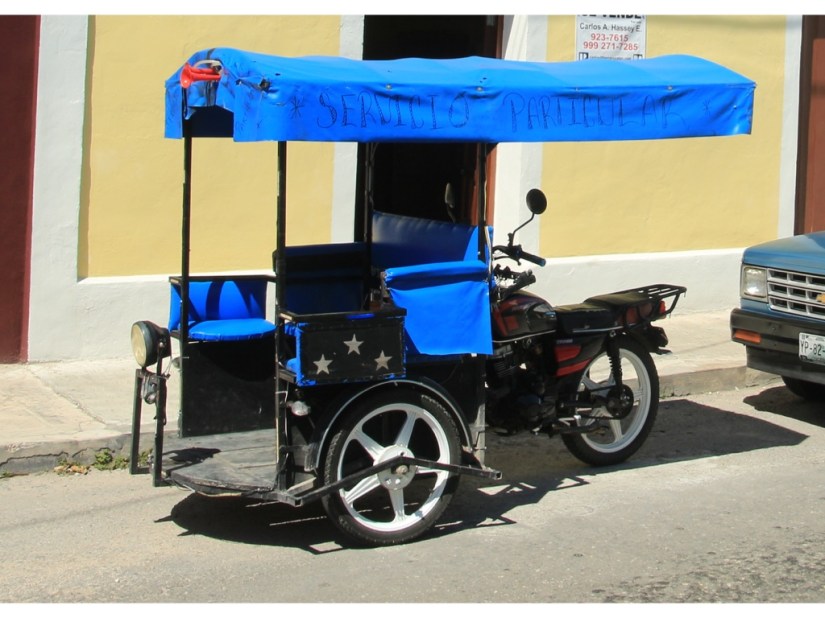

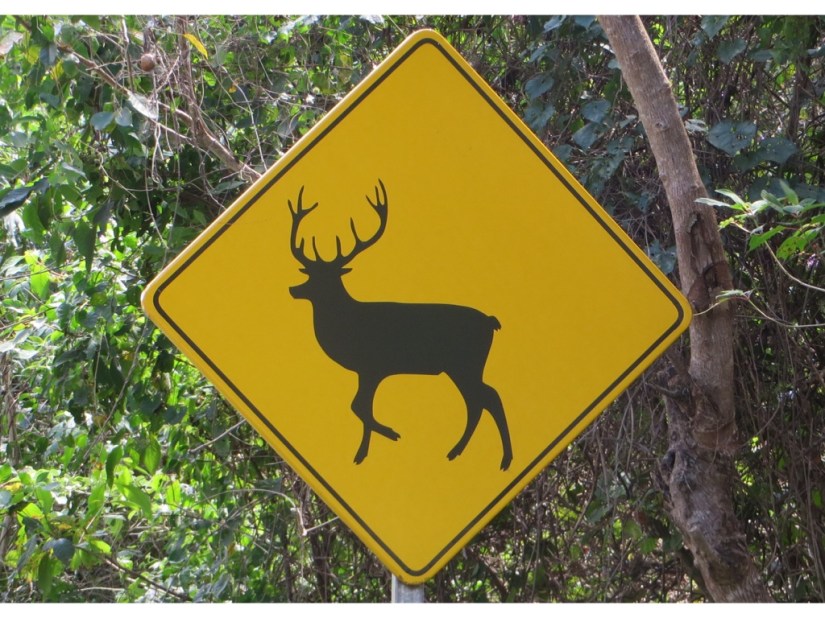
 The problem is you get lulled into a bit of a trance, so after a trip to the market we are now accompanied by Trova and Salsa to keep the driver awake! This is handy, as on the approach to each town and village there Iare usually slow down signs and topes signs for the speed humps and some are even painted, but others come completely without sign or warning and can remove the undercarriage of your car instantly!









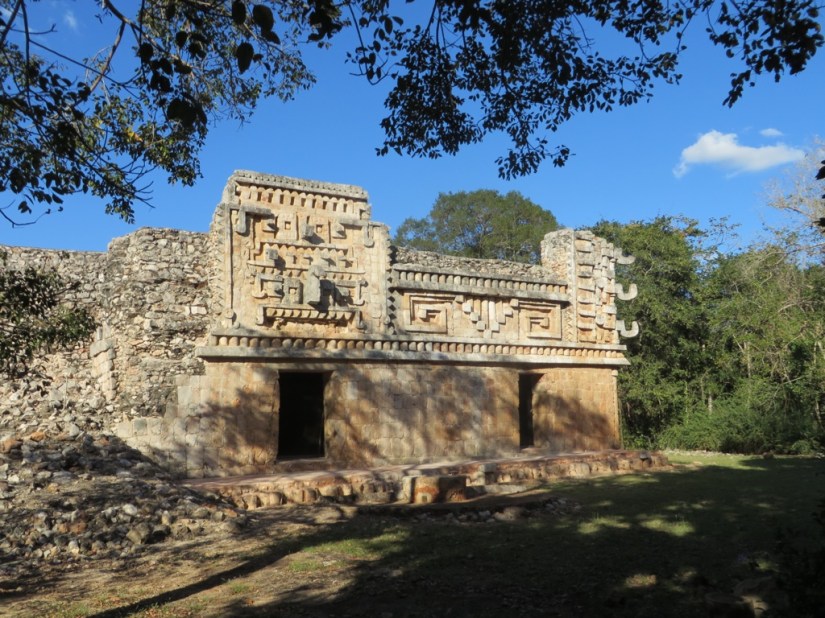
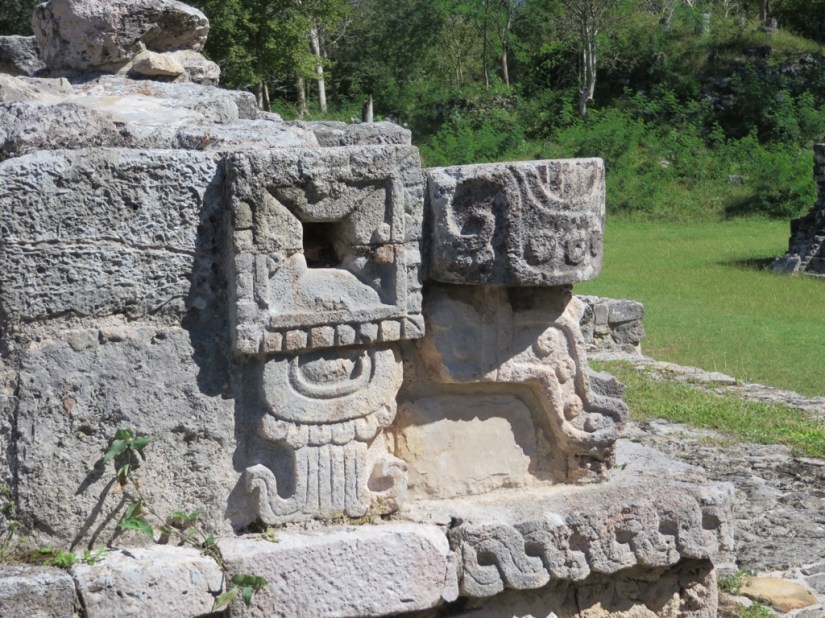
 There was a quadrangle with impressively decorated facades, a carving of a feathered rattlesnake with a warrior’s head emerging from its jaws …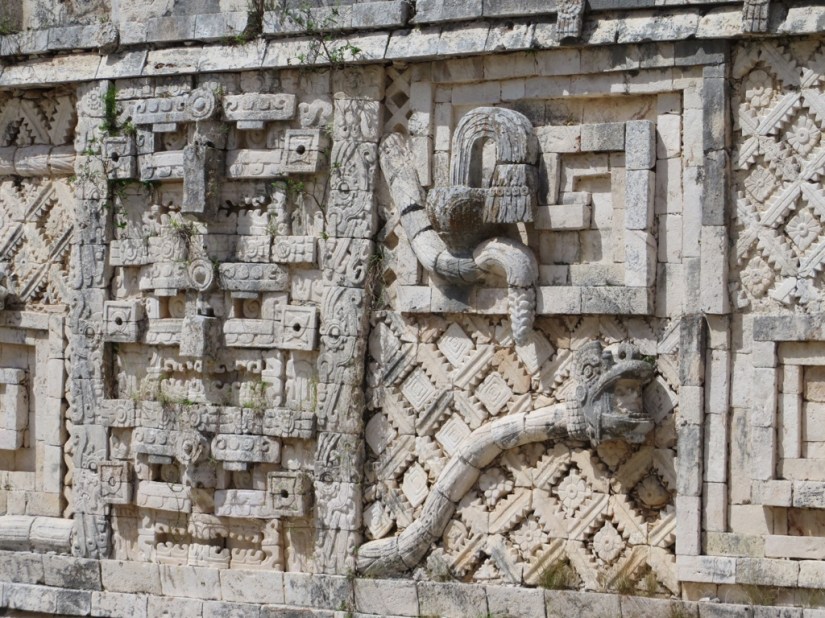

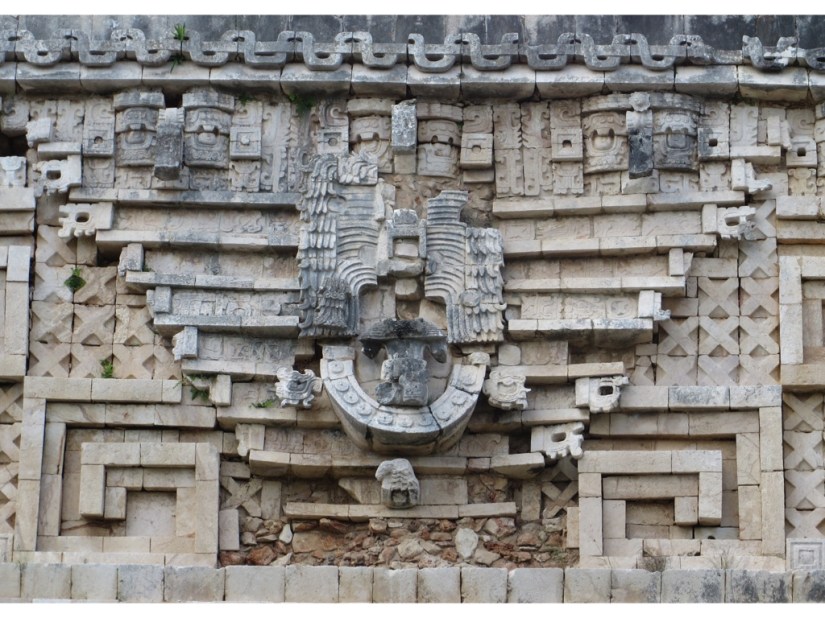
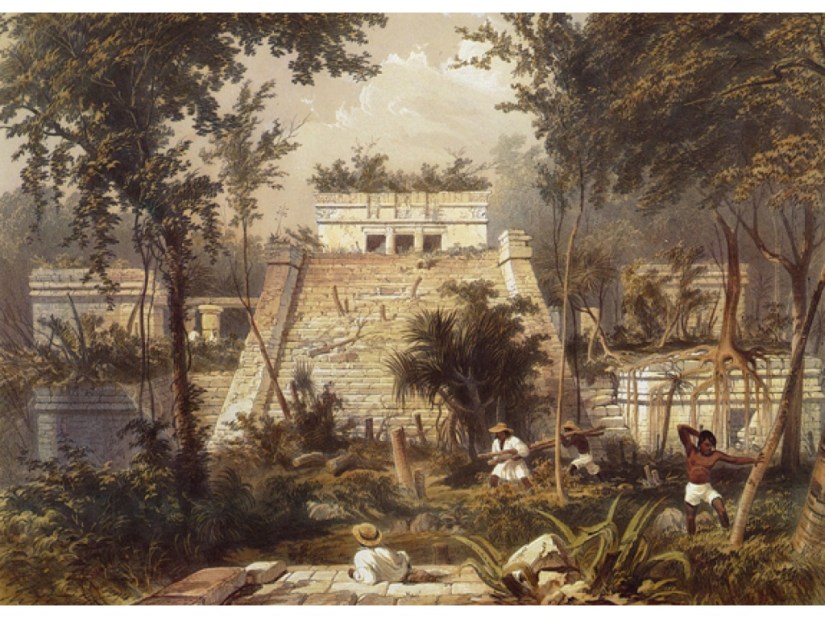
 The central section shows an intact regal headdress adorning the head of a seated person now missing, which also featured in Catherwood’s prints, and there seems little difference today.








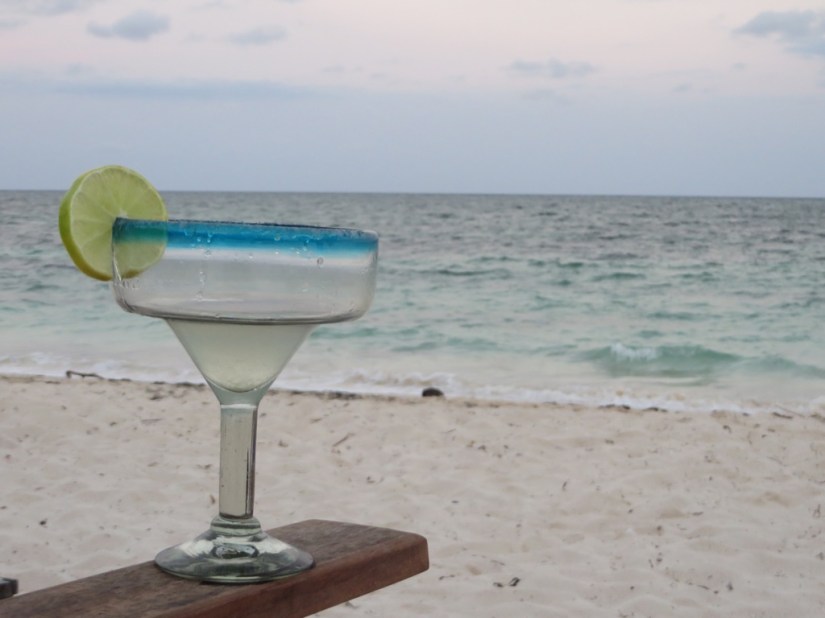
 We have come to the beach on the opposite side of the Yucatan Peninsular, washed by the warm Gulf of Mexico, for a couple of days relaxation. We are staying in Casita Flora at Casa de la Celeste Vida in the quiet fishing village of Celestun, with the beach just steps away, in fact the nicest way back from town … having bought groceries for lunch.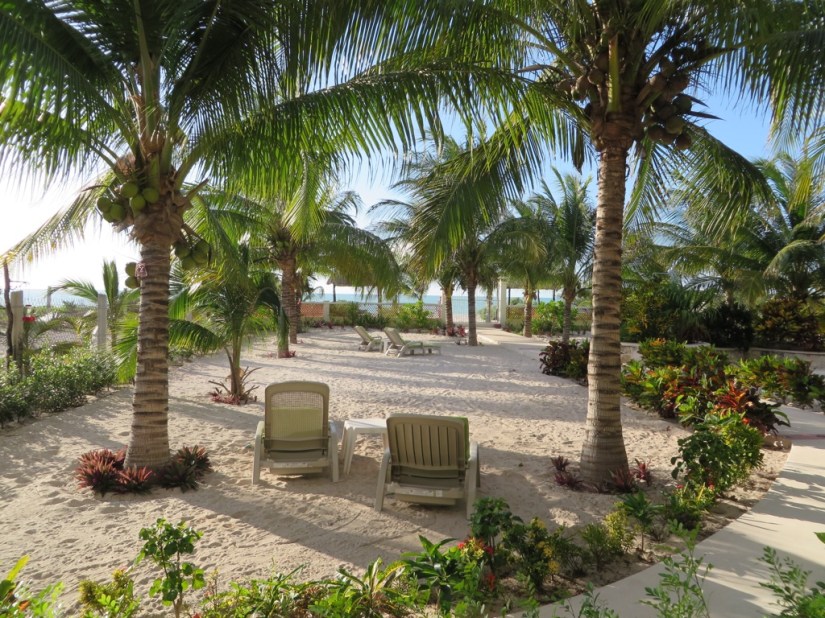
 Celestun is quite pink … at every turn there seems to be pink going on!


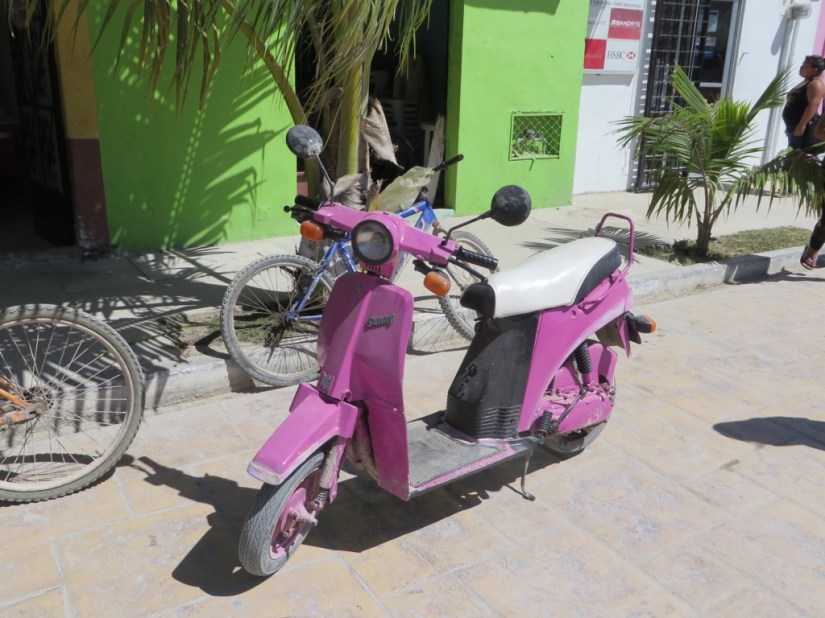

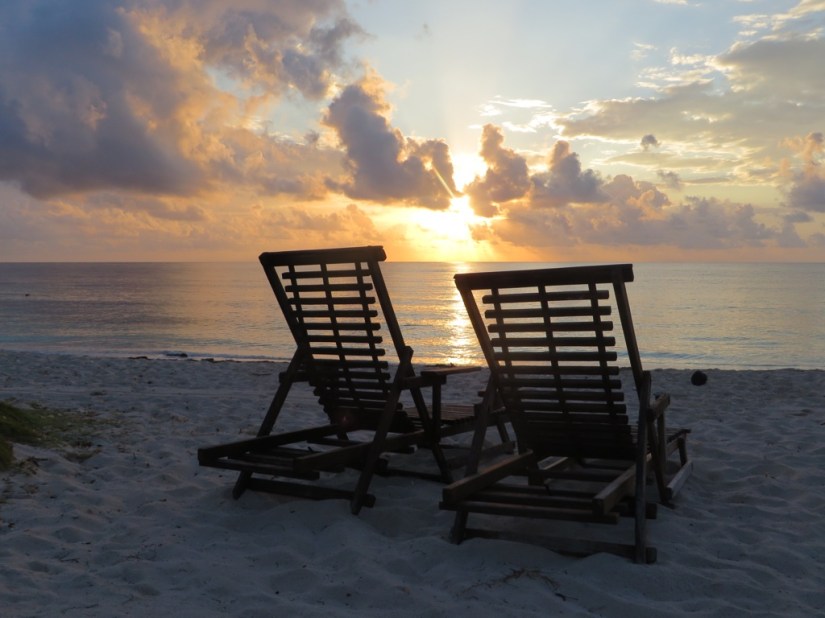
 Also, watching the sunset, but it sneaks up quite fast and the first couple of days we were a bit late …


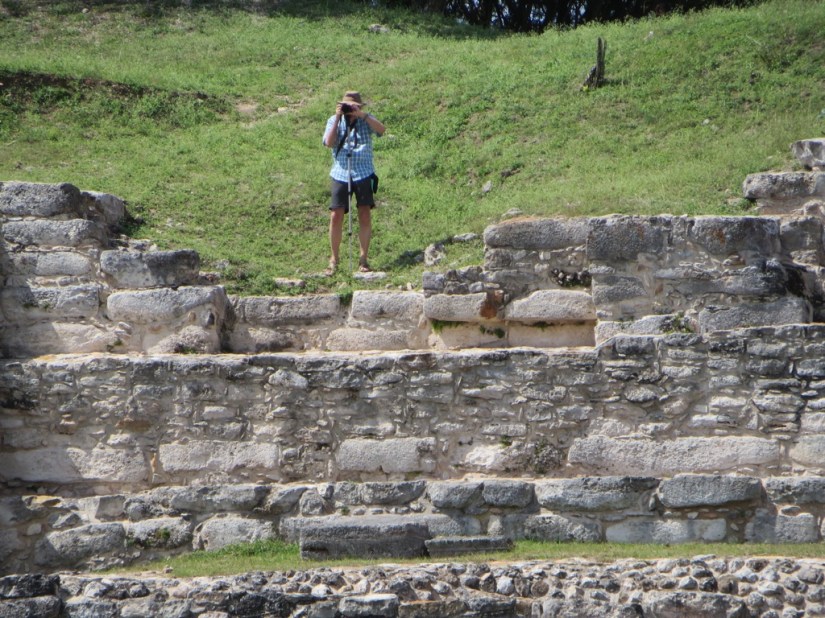
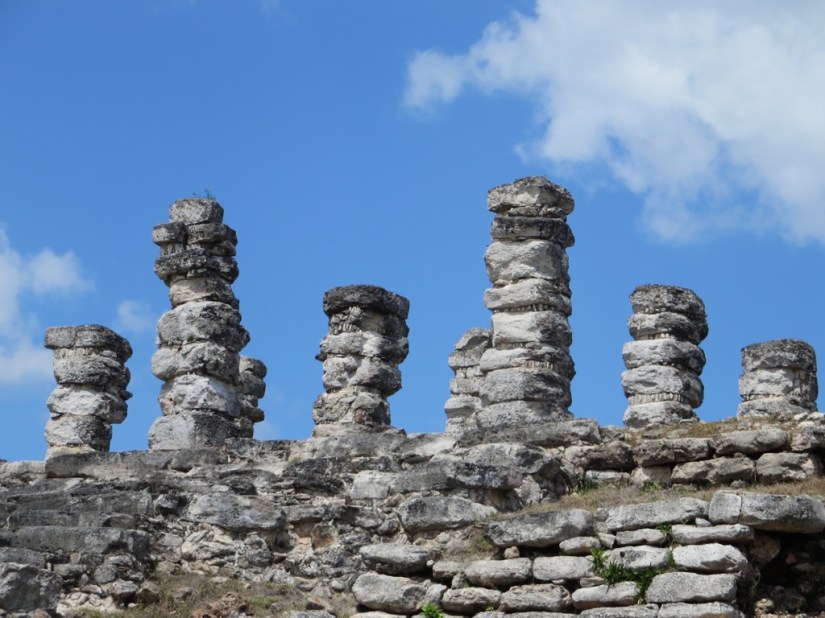
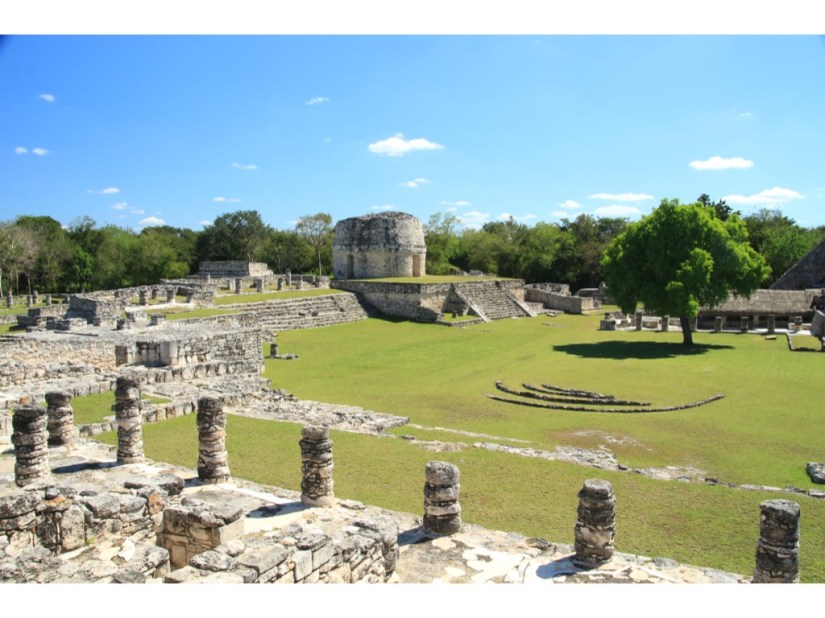
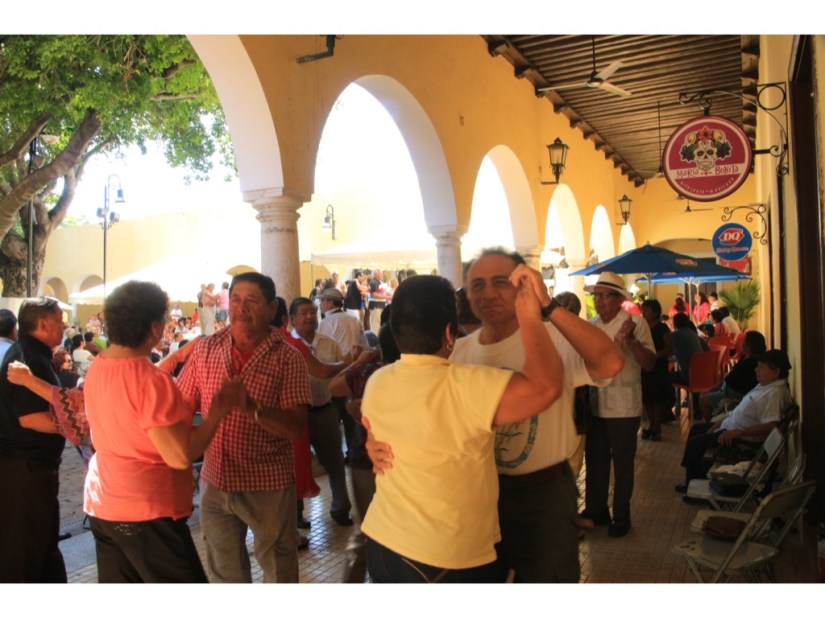 The Mayans built raised paved roads called sacbeob, or white ways, as they were covered in limestone stucco, so they were easier to see at night when travel was cooler. One started in Puerto Morelos, went through Izamal then Ake and ended at Merida, 13m wide and some 300km, with parts remaining. We took the highway however, and stopped at Ake, where there are three buildings surrounding the main plaza, and lots of outer ruins too. The Building of Columns is the most impressive, and would probably have had a roof, and we wandered around almost on our own in the sunshine taking pictures.

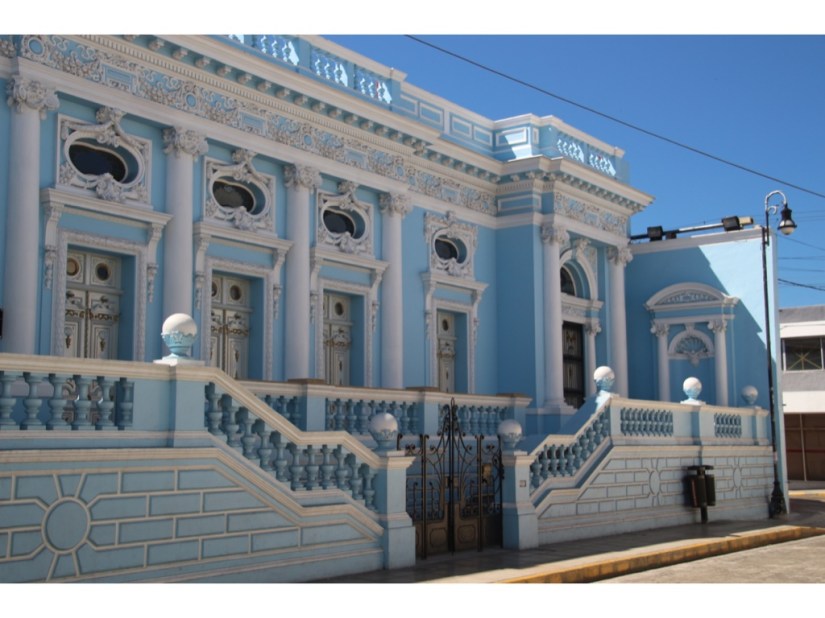
 Paseo de Montejo is an elegant boulevard lined with magnificent mansions including Casa Montes Molina, bought in 1915, still owned by the family and kept as a museum of that era, a showcase for European style.












 I had fish rubbed with a achiote, a local spice paste with orange annatto seeds, garlic and cloves, then baked in banana leaves, so good I had it twice!






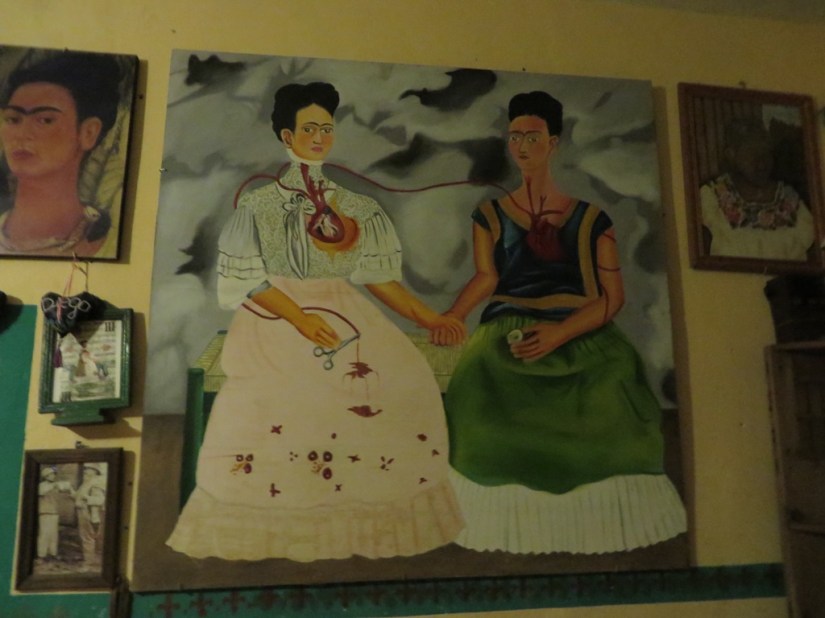
 We had dinner as Casa Frida afterwards, which deserves a mention for the bright and cheery decor, another homage to Frida Kahlo, together with cosy courtyard, the fabulous food, possibly our best meal yet … and Coco. I had a poblano chile stuffed with ground beef, apple, pear and plantain covered with a cream and walnut sauce, and Chris had tortillas stuffed with cheese and covered with delicious mole – the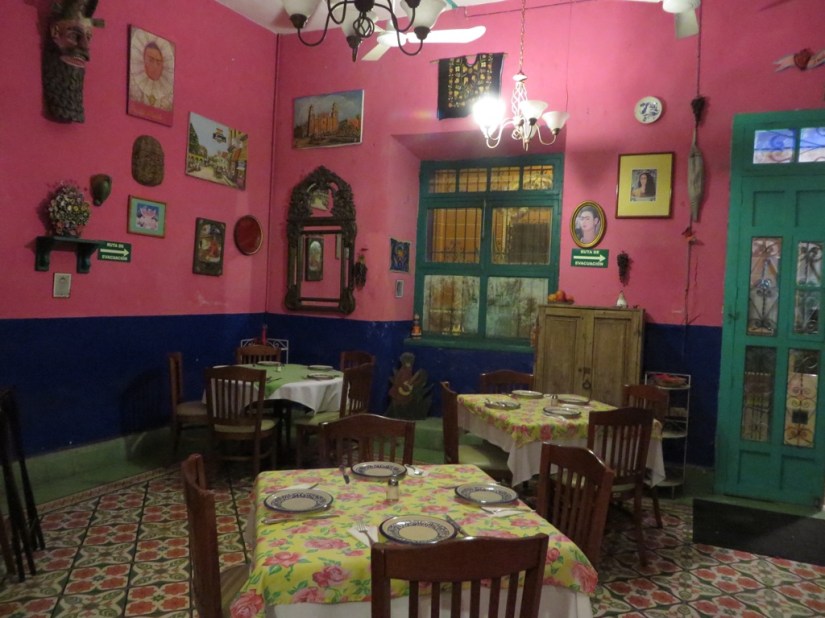

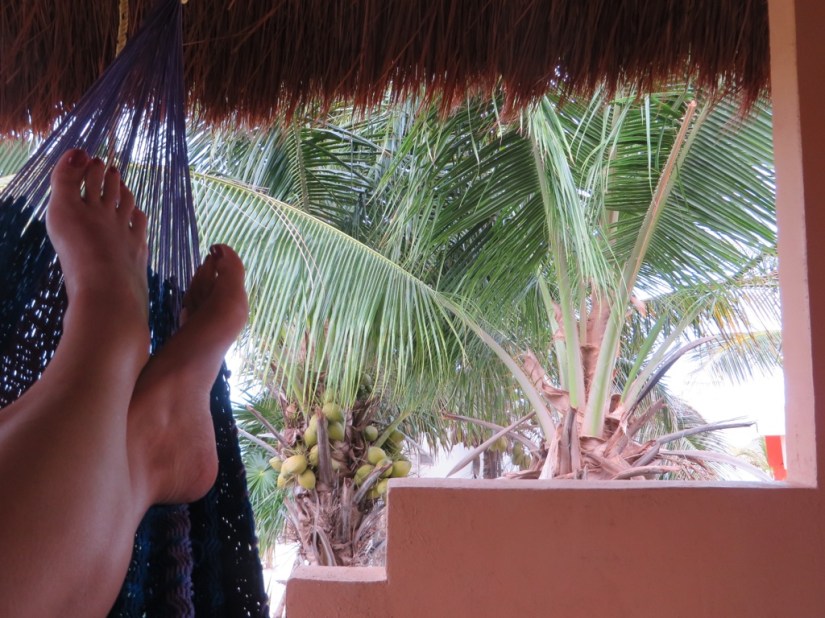
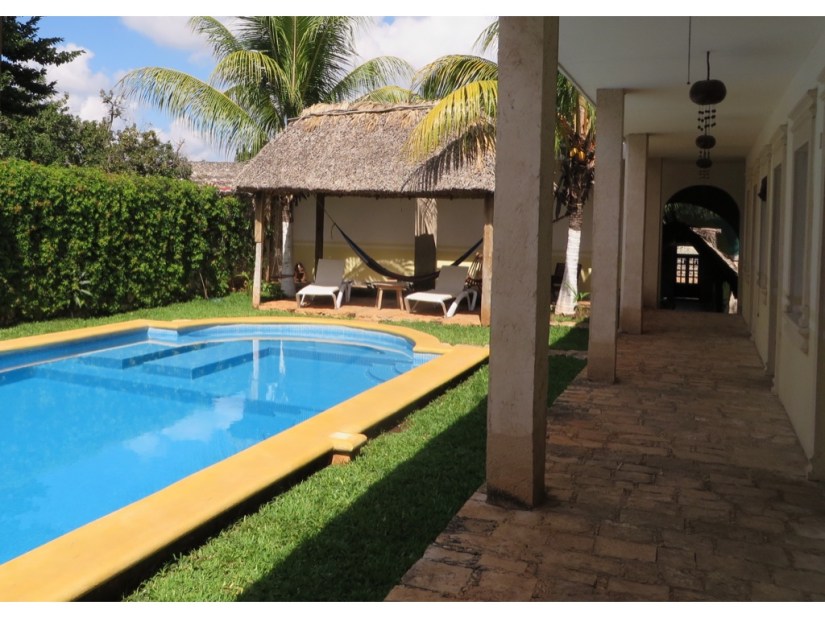
 We were just approaching Izamal and the heavens opened with thunder and lightning to boot. By the time we arrived the rain had stopped, and once we had checked in to Hotel Macanche, the sun was out again. The hotel stands in a tropical garden, complete with cenote style pool and our jungle room is very pretty, in a blue bungalow in the gardens with a hammock.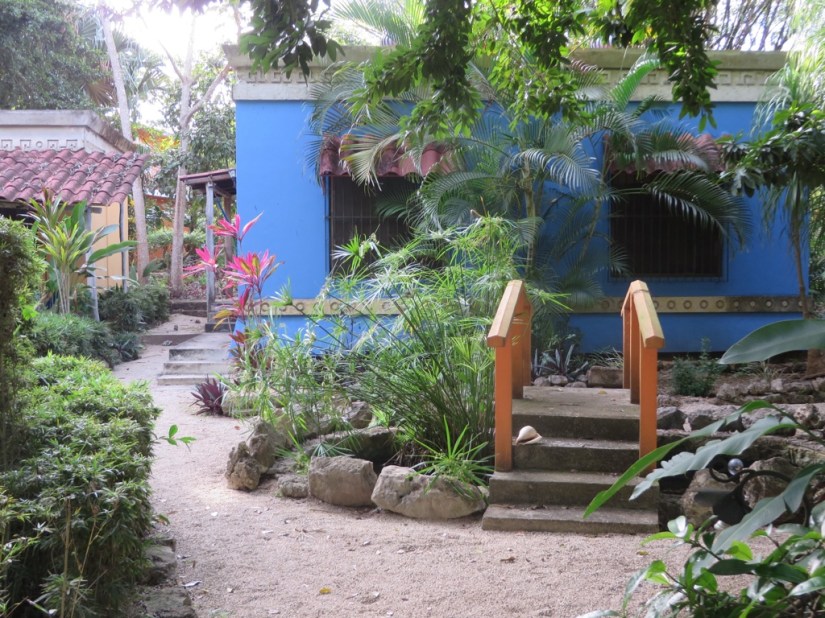

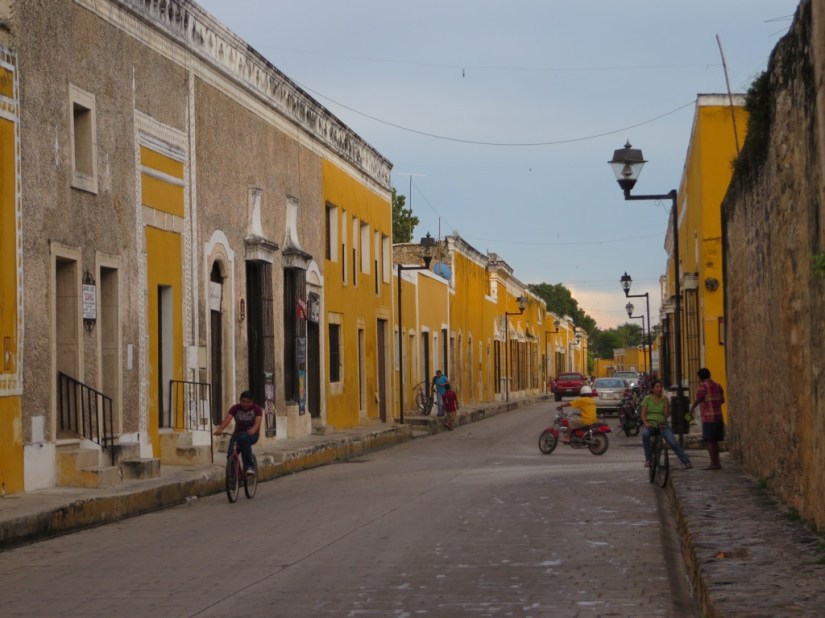


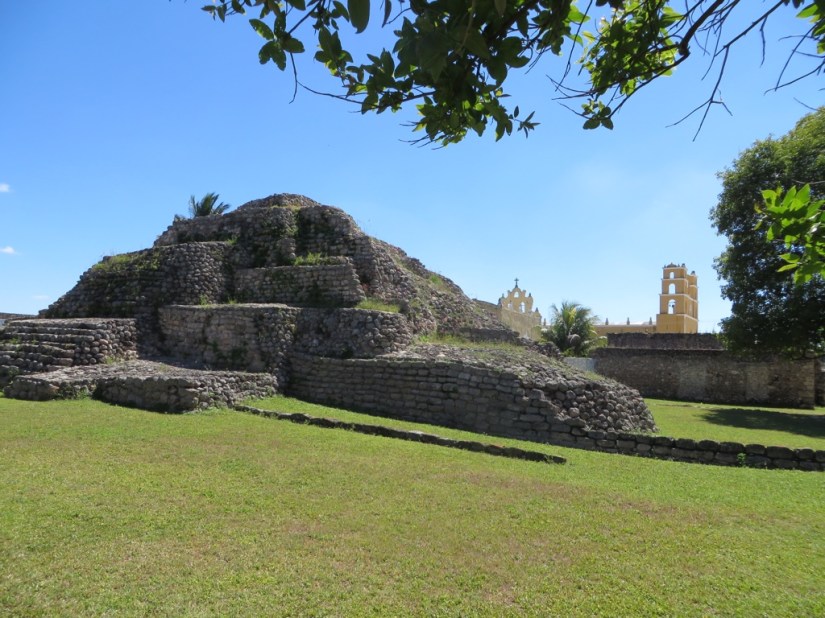
 Franciscans decided to make their religious centre here in 1552, so lopped off the top of a pyramid and built the Convento de San Antonio de Padua on top. It has become an important place of pilgrimage in Yucatan after several presumed miracles and even Pope John Paul II gave the Virgin a silver crown when he visited.
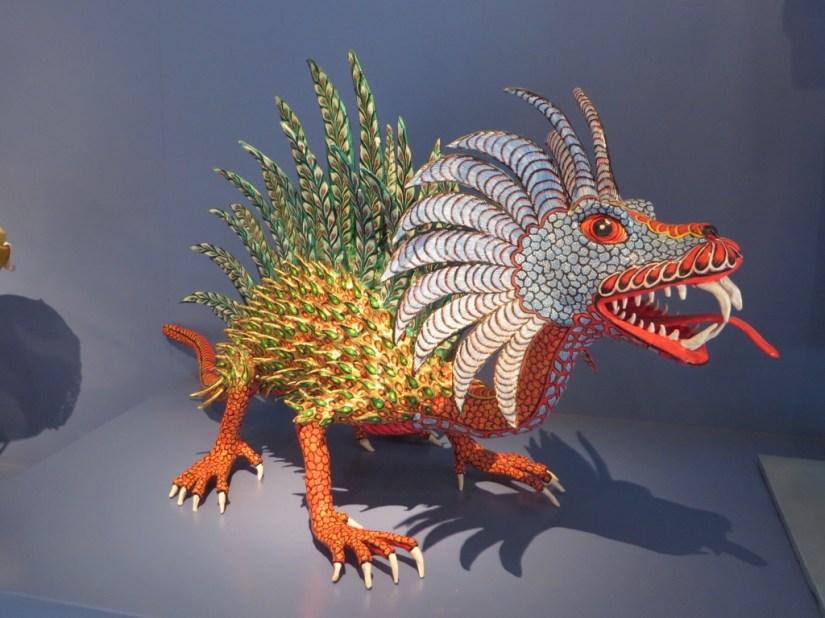

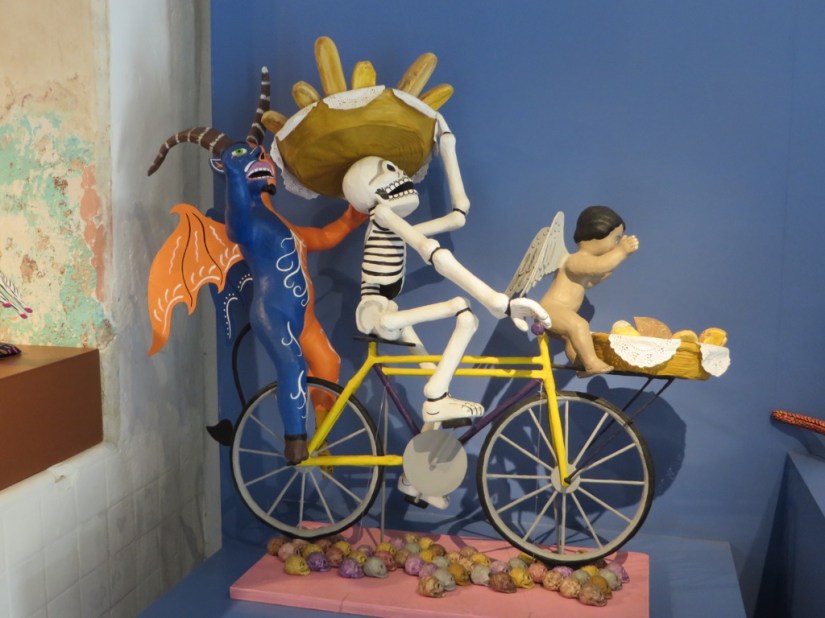



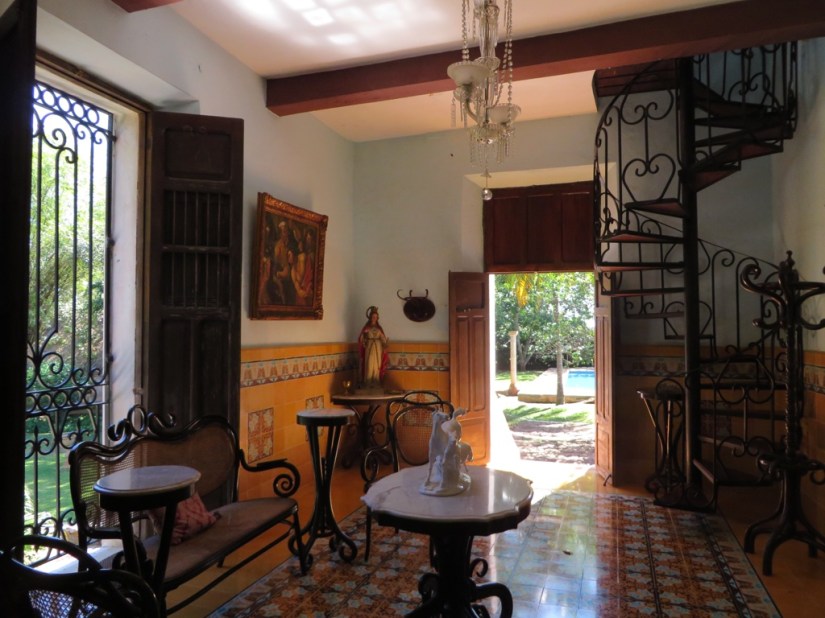
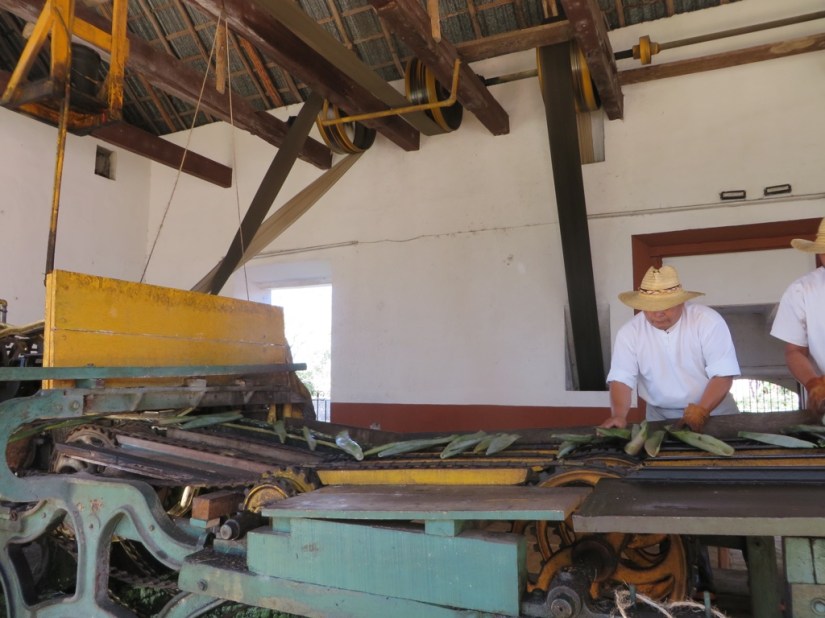
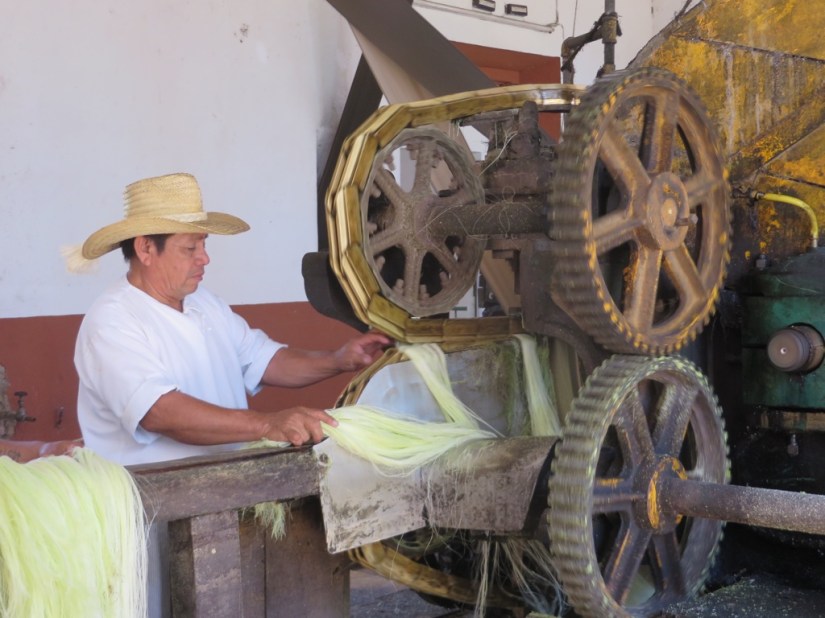
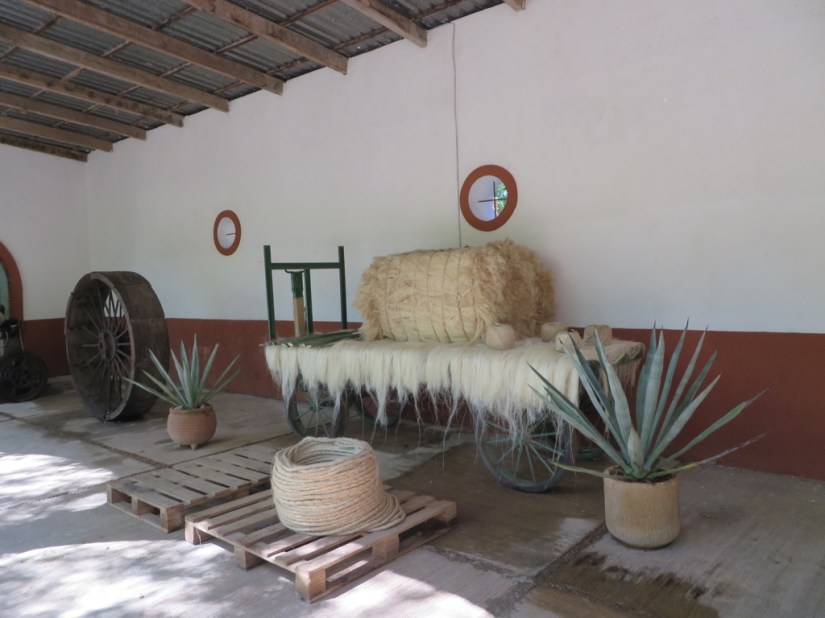
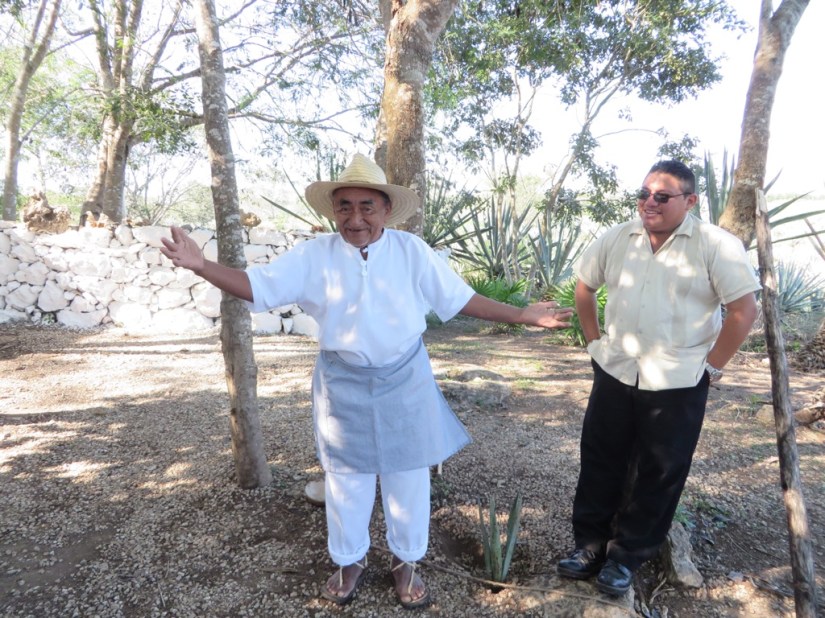
 There are many haciendas dotted round the countryside, built when the Spanish took on vast landholdings. The heyday was the end of the 19th century when the henequen boom brought great wealth. Henequen is a type of agave cactus that produces fibres that can be made into rope, known in England as sisal after the port in the Yucatan in was shipped from. The market for ‘green gold’ collapsed in the 1940’s with the advent of nylon, and most haciendas are either ruins or have been converted into hotels. We visited Hacienda Sotuta de Peon, which was bought as a ruin 1985, but is now a living museum, with a restored hacienda 1880’s style …


 We drove about an hour, and stopped at the Grutas de Balankanche, caverns leading to an underground altar to the rain god Chac, where a huge rock formation resembling a ceiba tree or Mayan tree of life is surrounded by original Mayan offerings in pots.
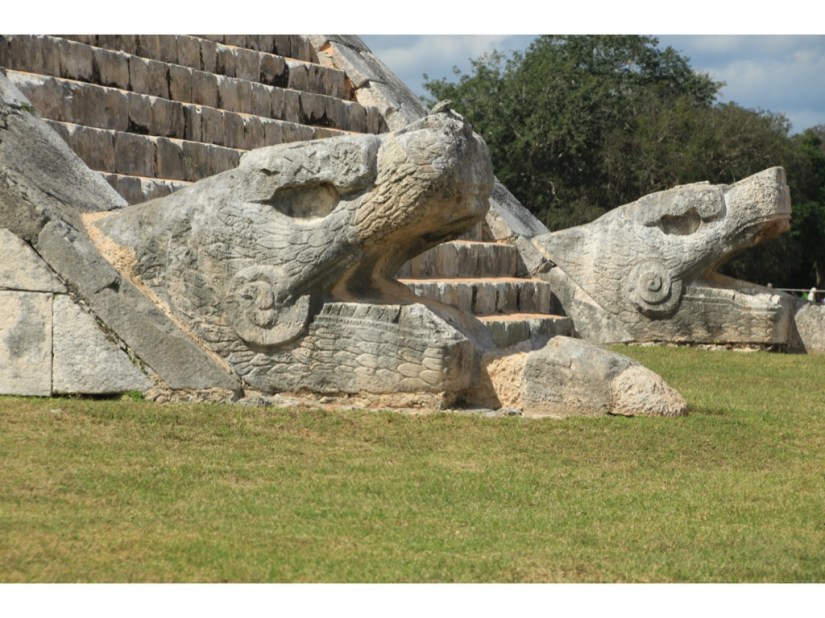

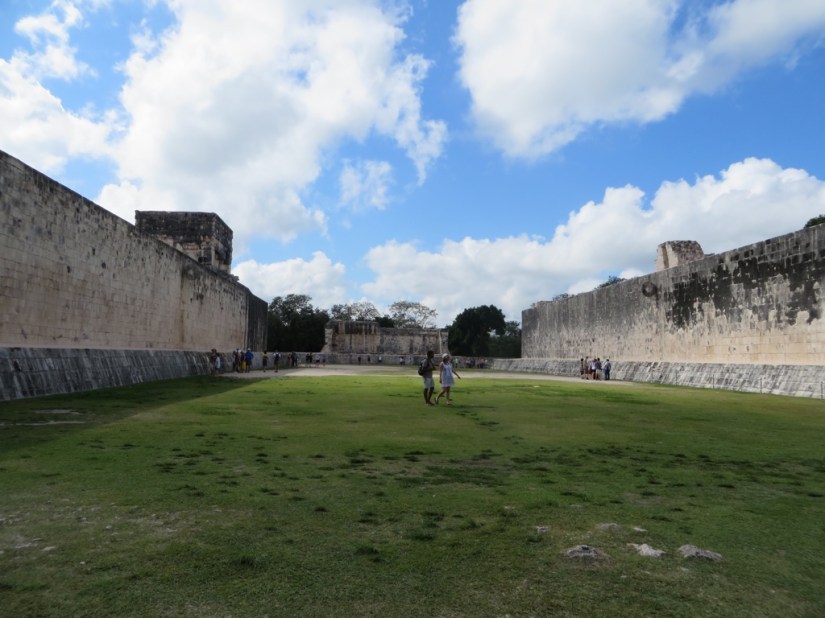


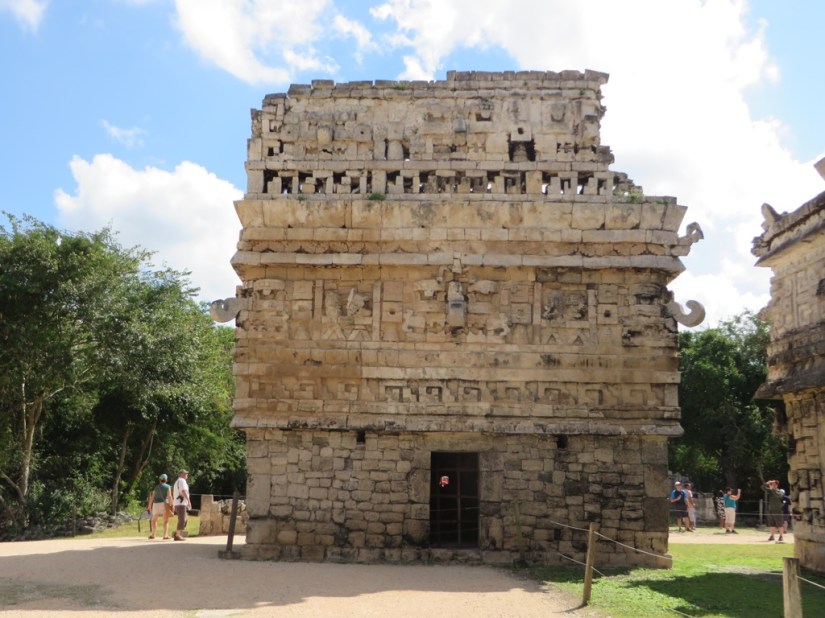 We can certainly see why 1.2 million tourists visit each year and thought the site was very well organised, although we still had to run the gauntlet of the souvenir sellers on our way out!
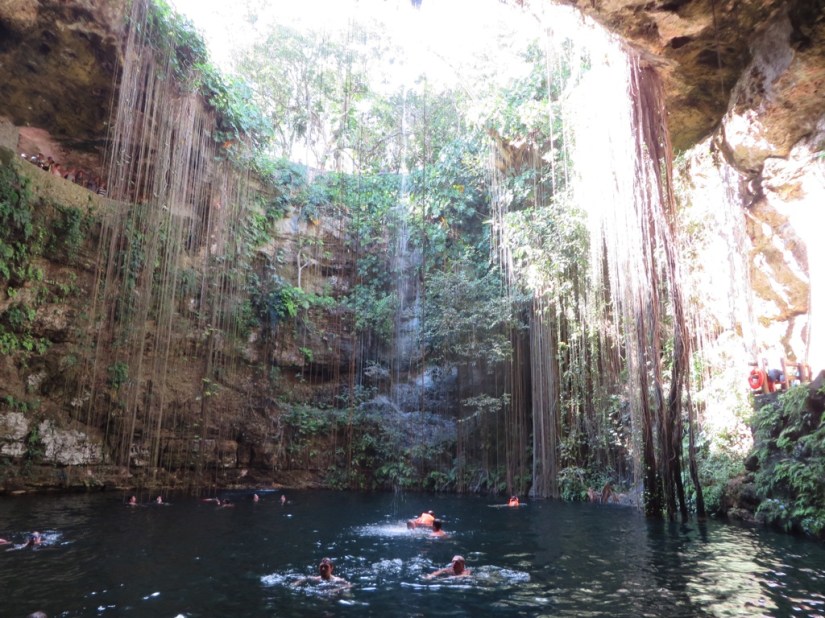
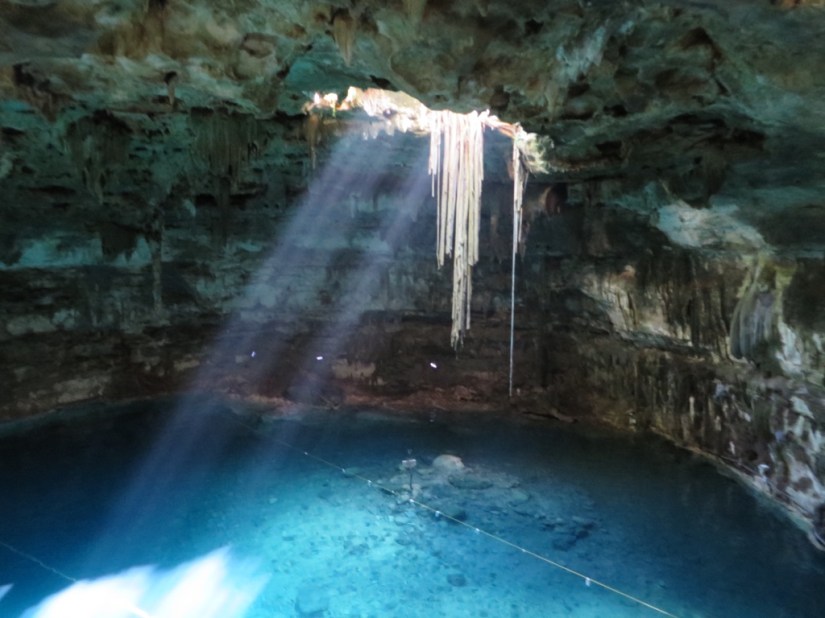
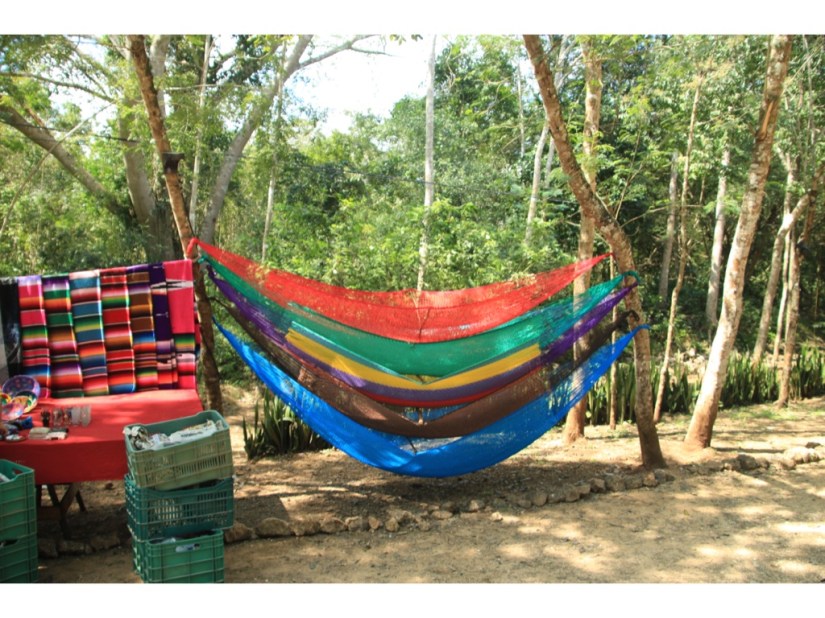 Finally a quick visit to Cenote Yokdzonot for lunch and a swim revitalised us. What particularly made us want to visit here is that the Cenote was developed by the community as a sustainable project to provide employment to the village. Please put it on your visit list as it was a joy to visit.
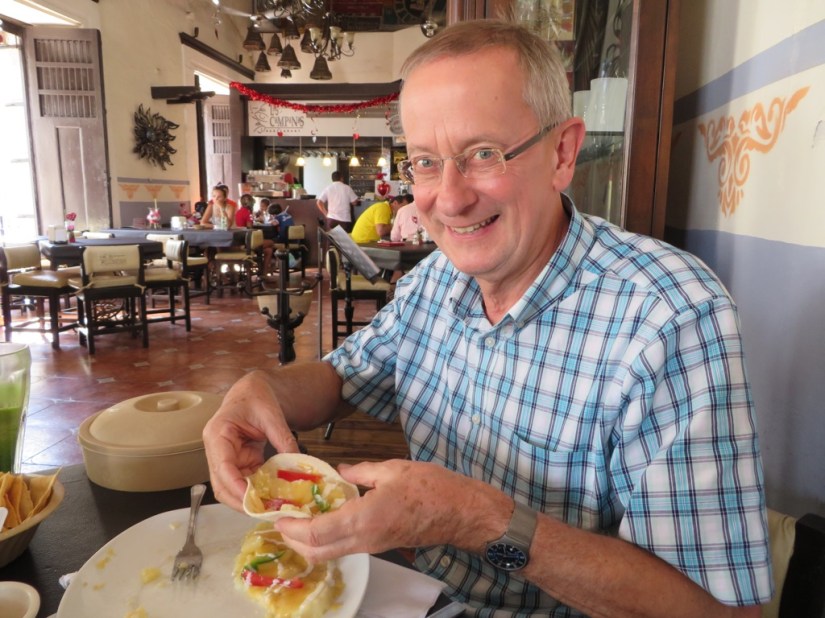
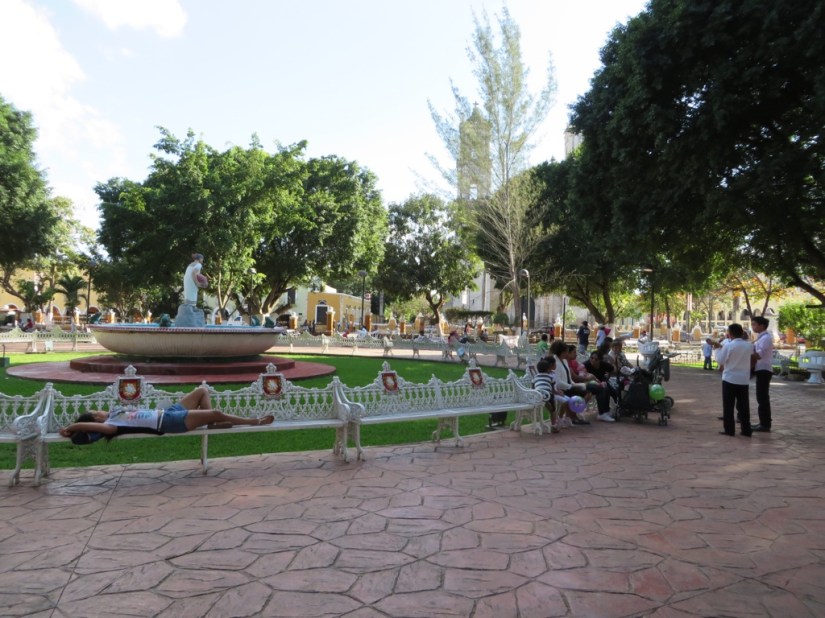
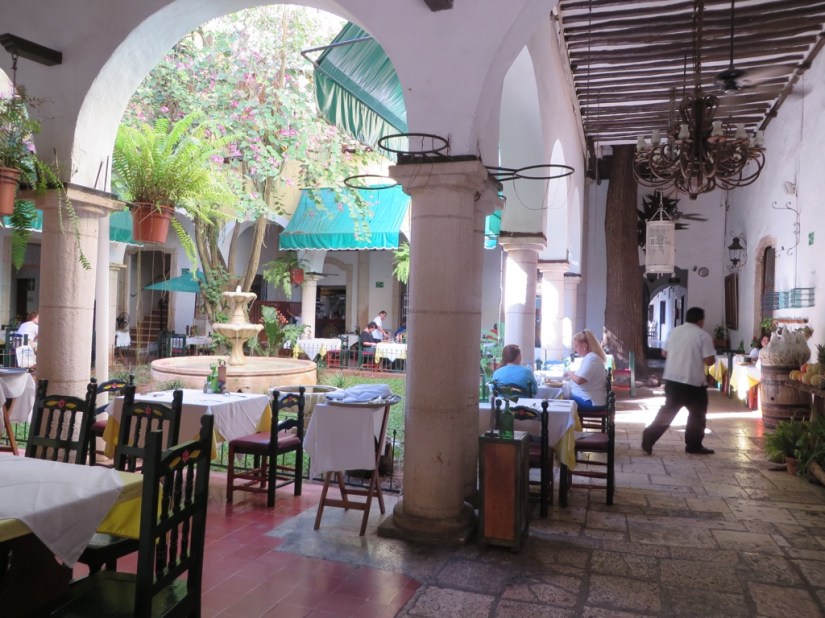
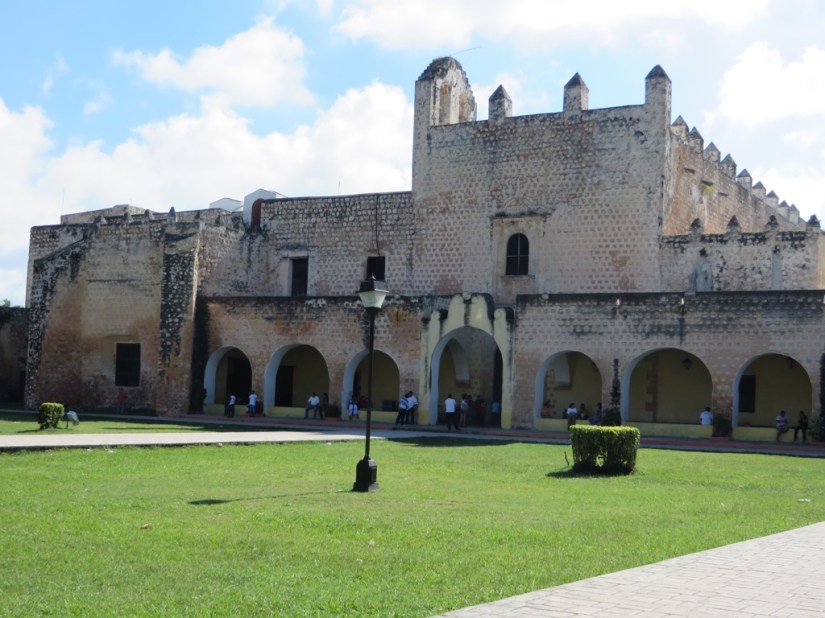
 Apparently the best thing about today is the 5-1 score (Liverpool beat Arsenal) but I’m sure there will be other treats in store! We were heading to Valladolid, also known as the Sultaness of the East for her importance in trade in the peninsular, via the toll road, some 140km of almost straight Romanesque road with only a handful of other vehicles, and a great coffee stop halfway. It is also famed for an anti-hacendado statement from Mayan rebels which was the chispa or spark which ignited the 1910 revolution. We had lunch in Las Campanas, named for the bells from an old temple that still hang from the ceiling. Never one to shy from a challenge, in true Popeye style, Chris opted for the Agua de Chaya (spinach water) which fortunately came out more like a sweetened spinach smoothie rather than the cooking water from yesterday’s veg, while I ducked the challenge and had iced tea. Chris followed on with a chip butty Mexican style … garlic and cheese potatoes in tortillas!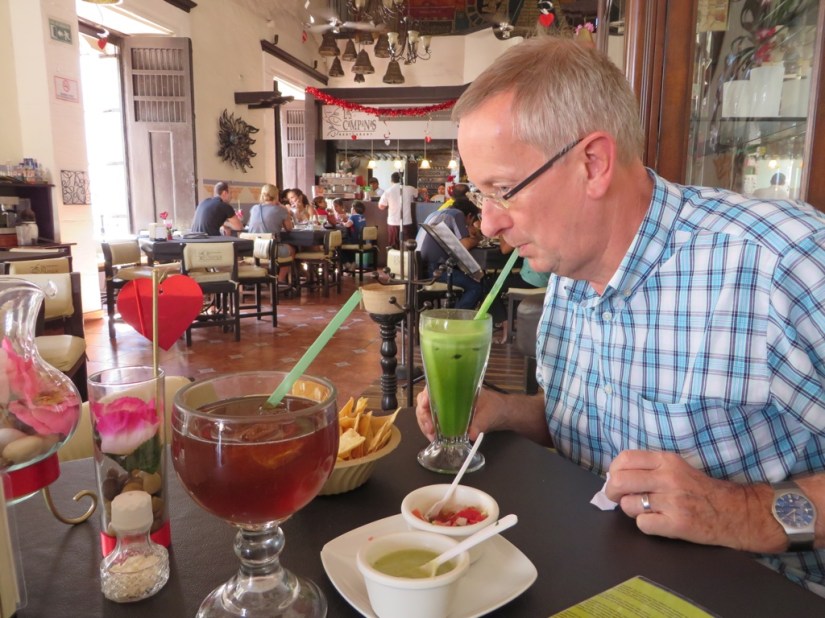




 We wandered into a couple of the old colonial buildings which now house museums and restaurants …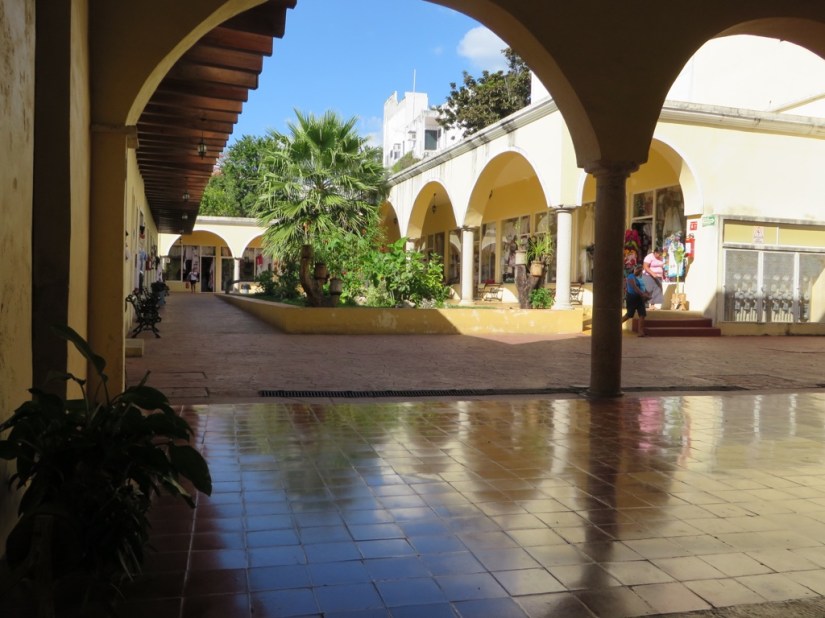



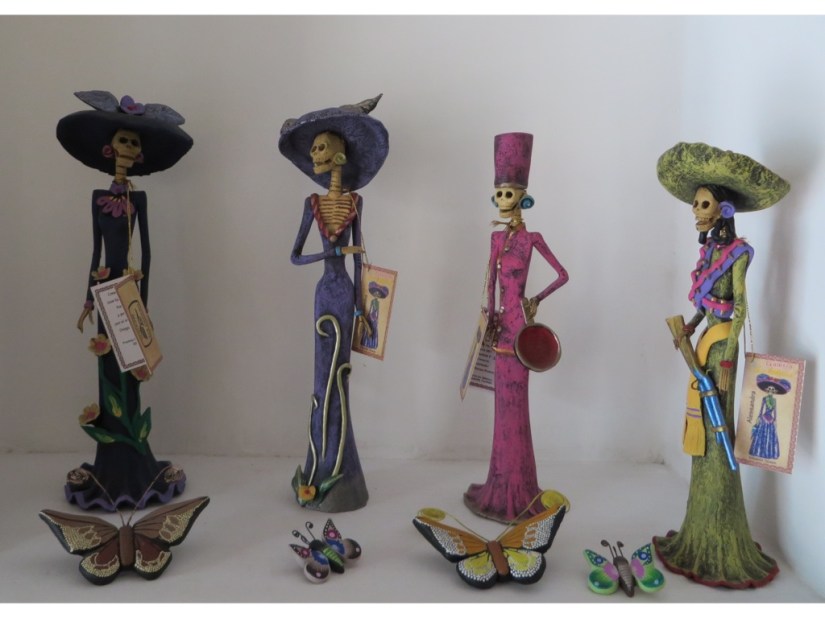
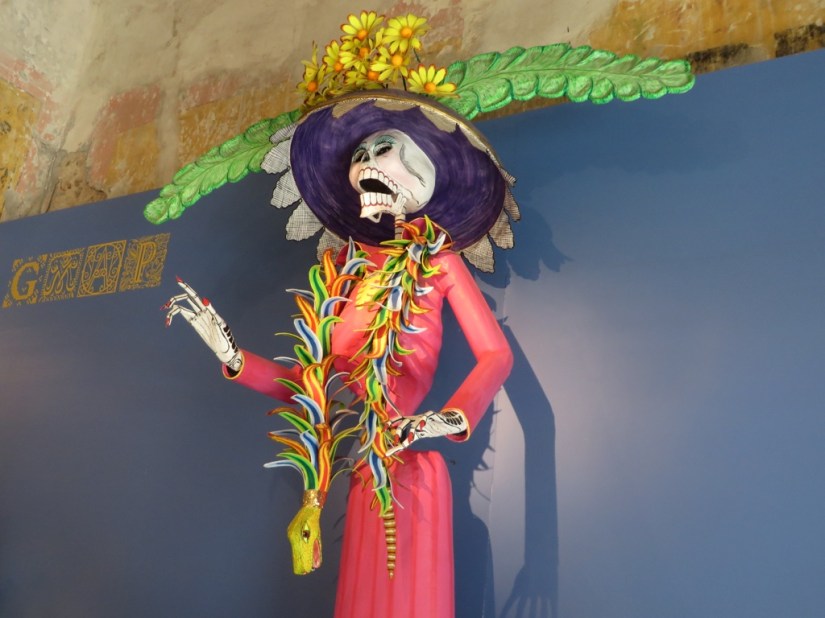
 The image was taken up by Diego Rivera in his mural Dream of a Sunday Afternoon in the Alameda Central showing Catrina together with famous people from Mexican history, and she has become a popular modern icon of the Day of the Dead.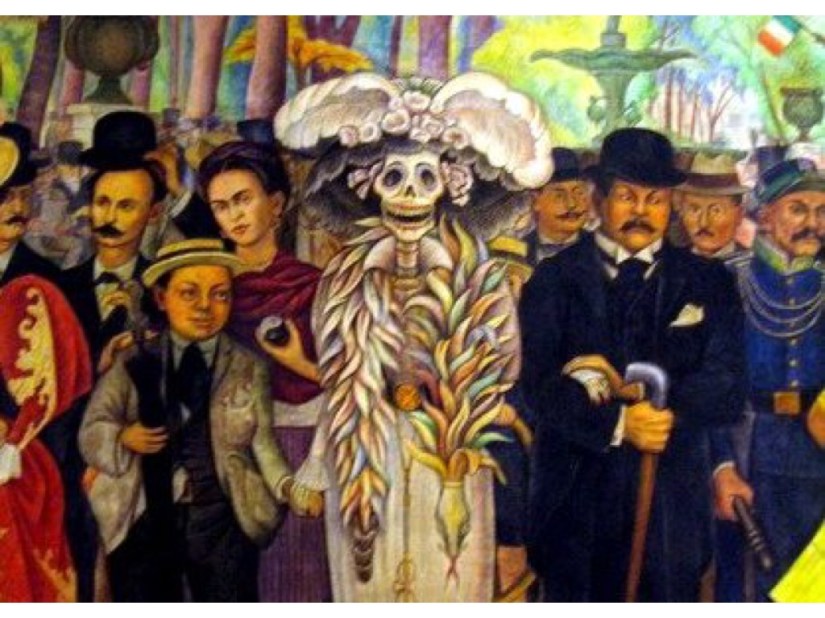














 Off Travelling Together