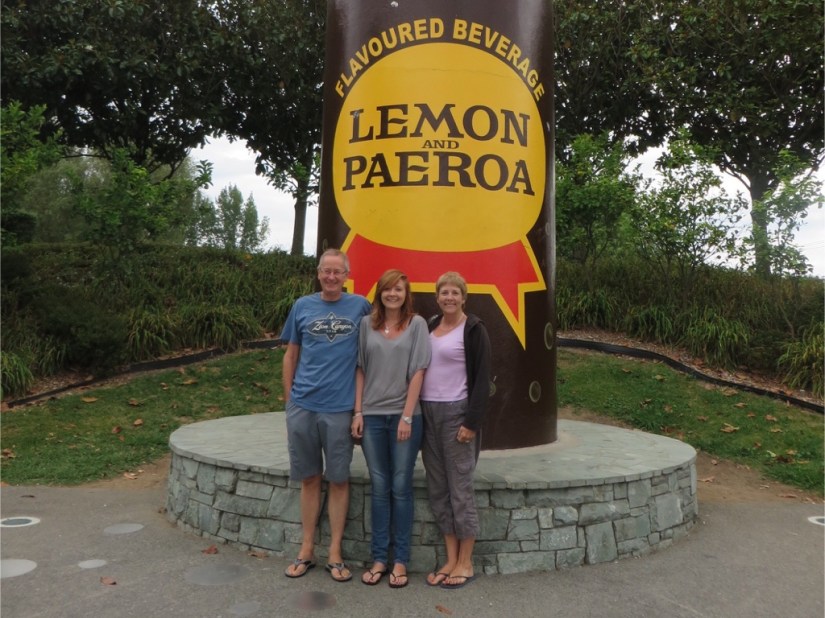
When a mineral spring was discovered in Paeroa in 1904, the water was bottled for its health benefits, but fairly soon lemon was added and Lemon & Paeroa, the iconic soft drink of New Zealand was born and we spotted the big brown bottle as we drove through town. We’ve since tried some, lemony and a bit sweet and Joanna thinks it tastes like Refreshers …
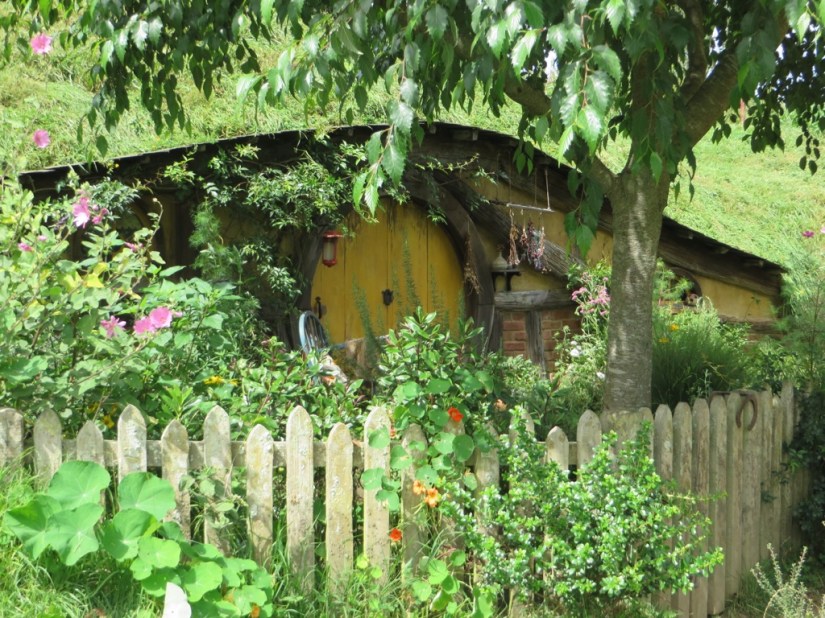
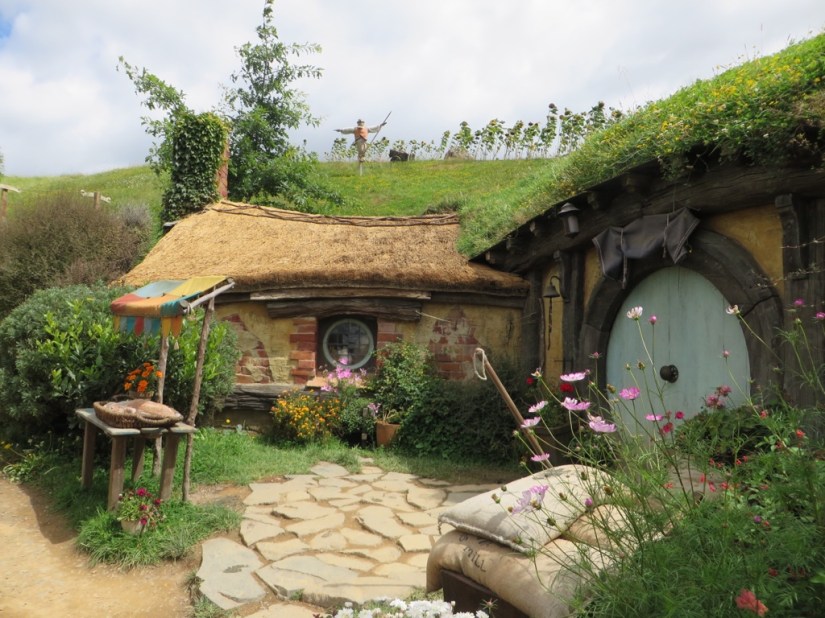
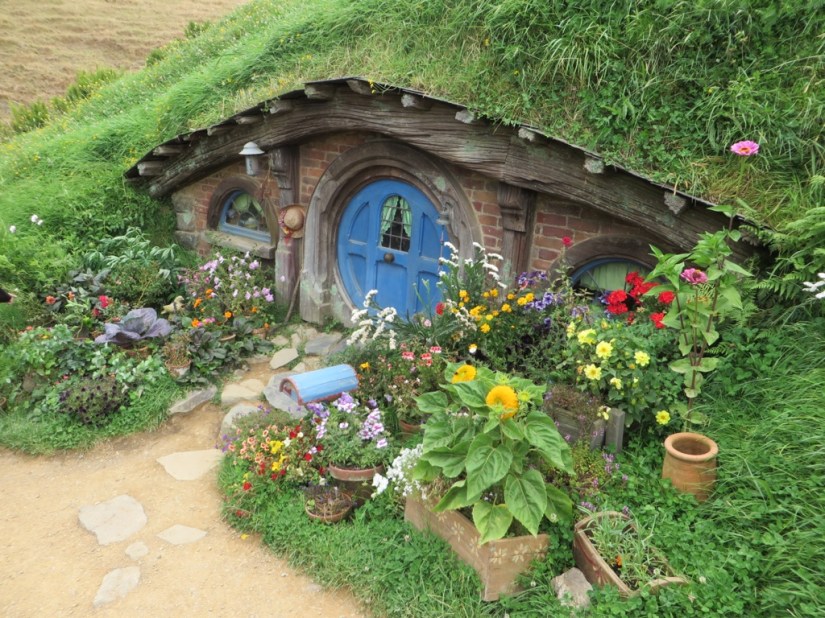
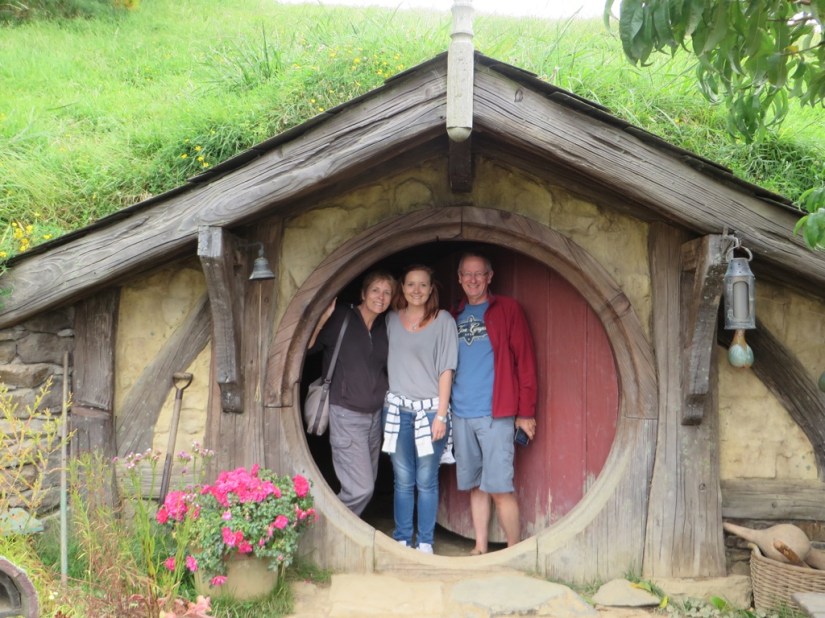
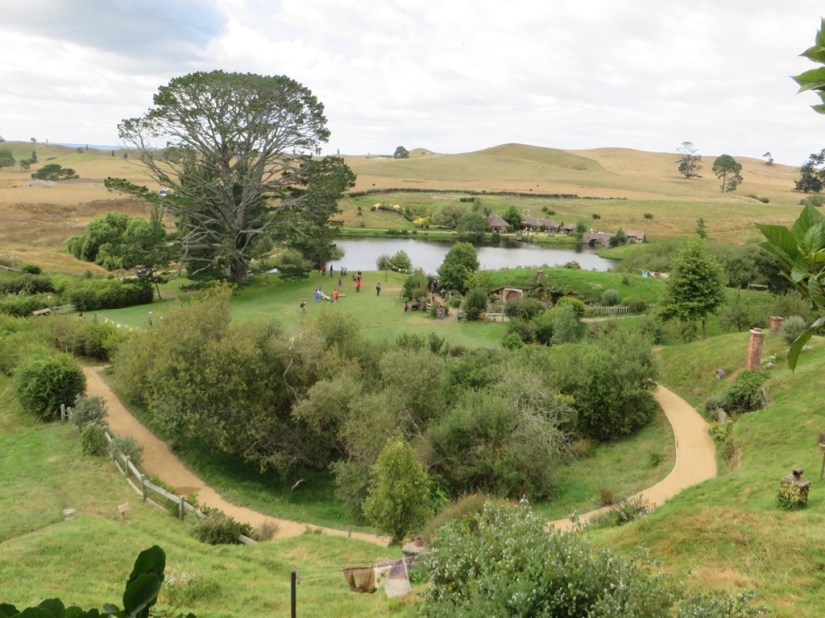
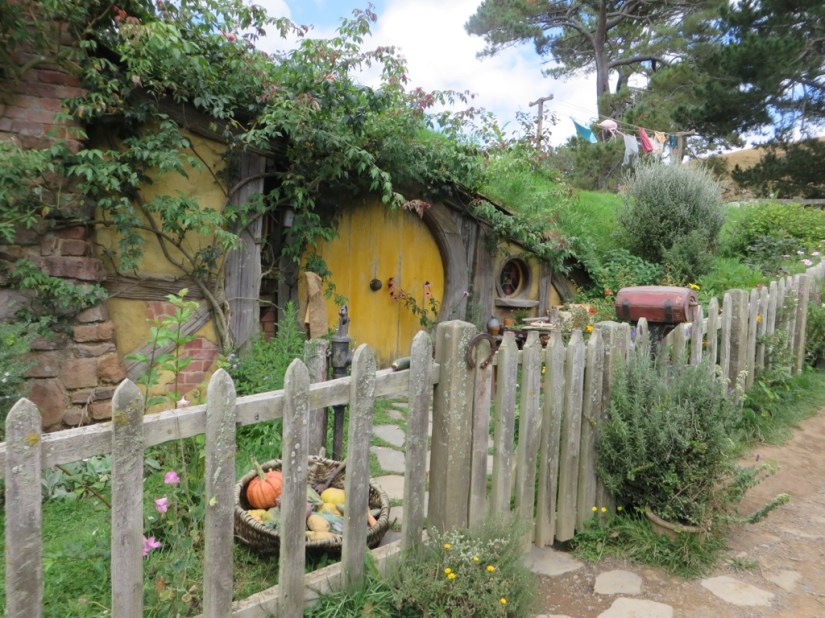
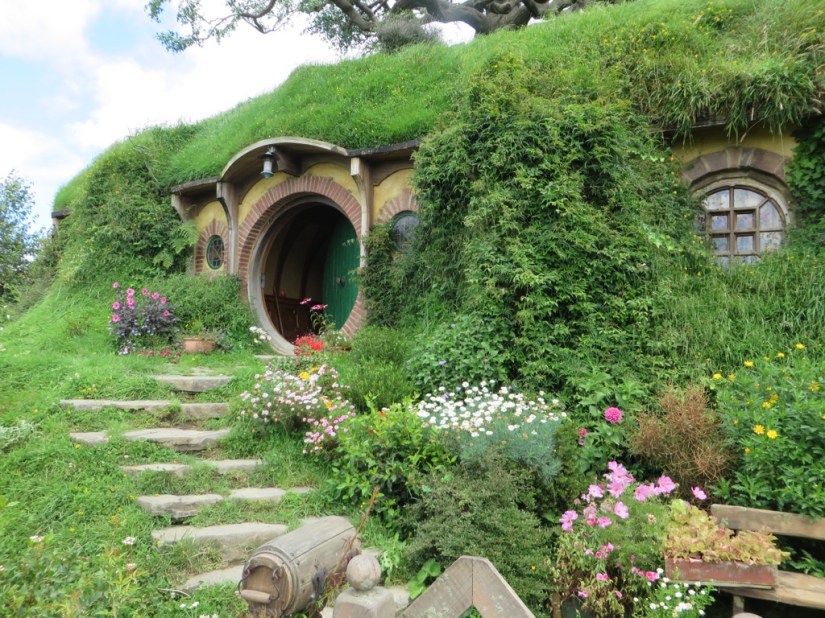
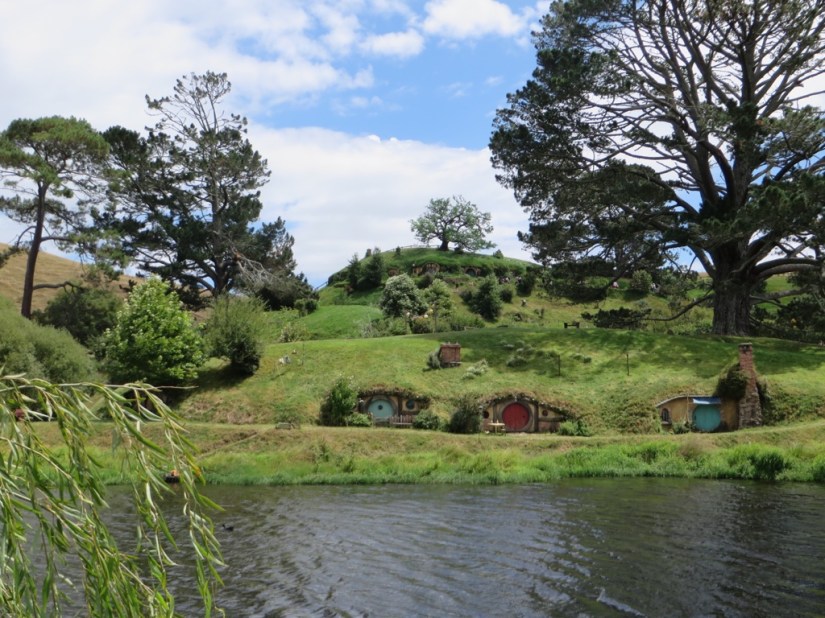
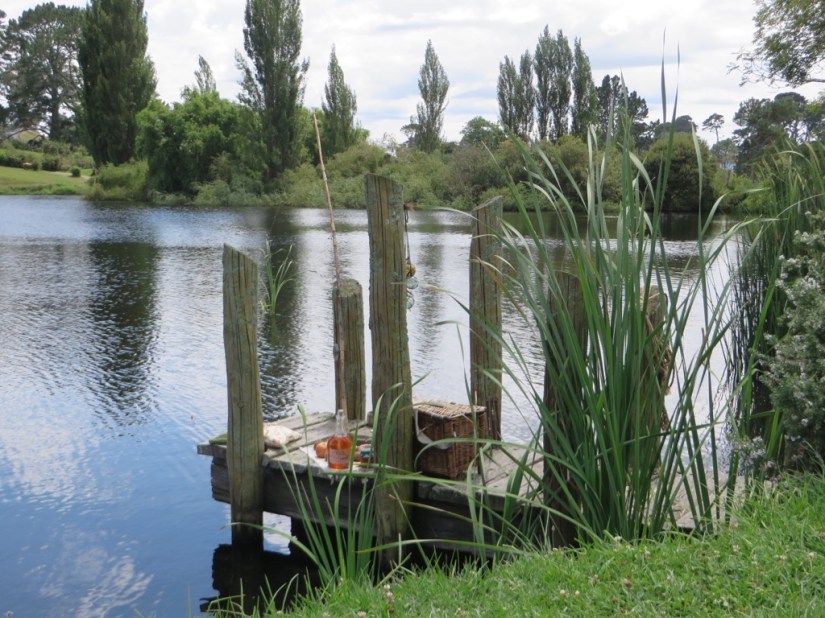
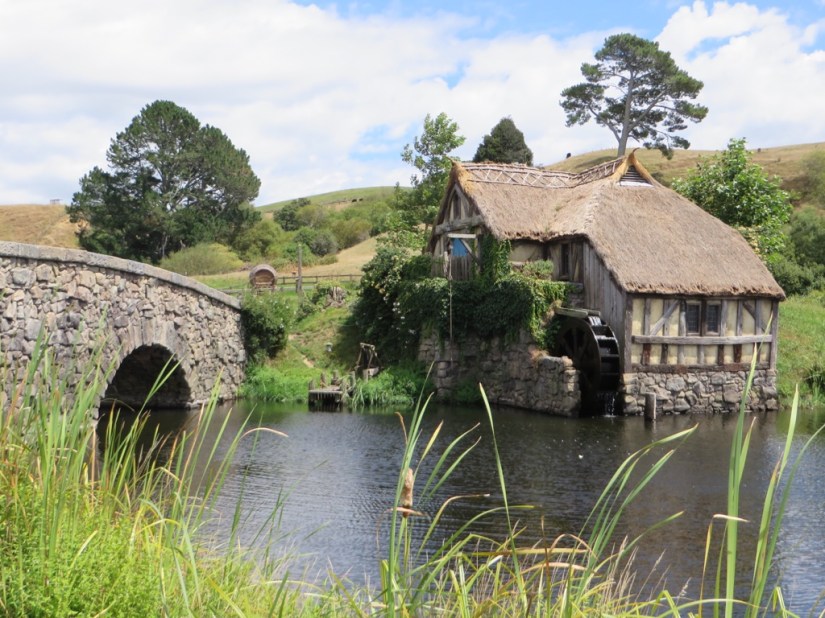
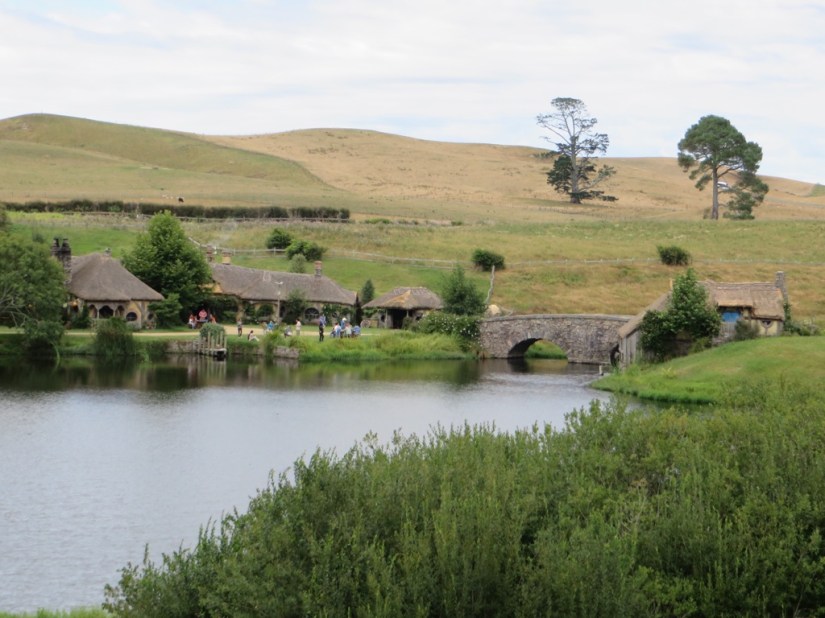
Onwards then to The Shire and Hobbiton. Situated in the middle of a 1250 acre sheep and cattle farm owned by the Alexander family, the original set for Lord of the Rings was temporary, but was rebuilt for the Hobbit to be an ongoing attraction. And oh so many hobbit holes! Each one was different, beautifully presented with natural planting and thoughtful props that made it look like those hobbits had just popped out to market or the Green Dragon for a drink. In fact some 44 holes in all, and different sizes so when they film they can pick the right size hole depending on who is filmed in front, a short hobbit or tall Gandalf.
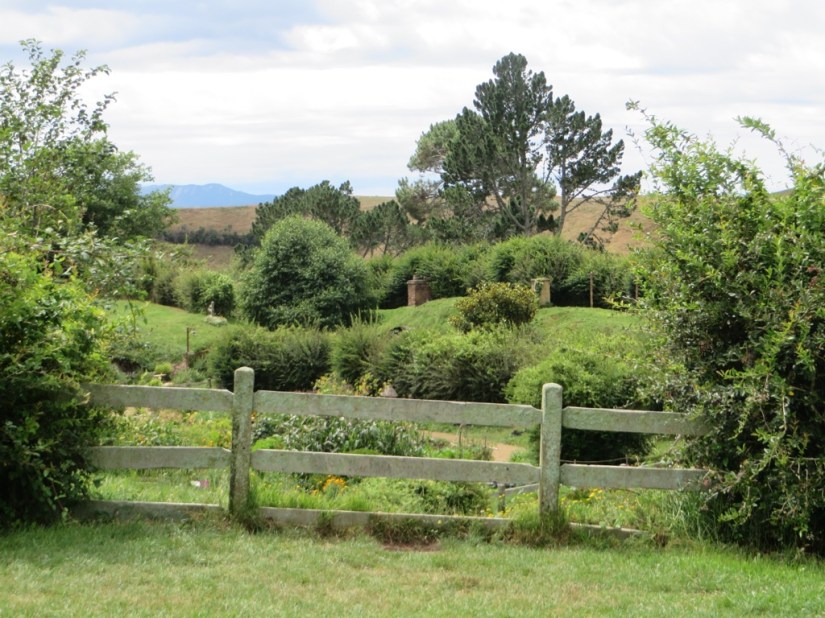
We wandered round for a couple of hours seeing the fence that Bilbo set off over with his contract saying he was off on an adventure …
…the party tree for Bilbo’s eleventieth birthday …
… Sam’s home, seen at the end of LOTR …
… and of course Bag End, home to Bilbo and Frodo.
The tree above Bag End was real for LOTR, but present tree is steel and silicon with individual leaves attached, which had to be sprayed as the leaves were the wrong colour.
We ended at The Green Dragon, which has been given an interior so it can be used for weddings, where we were offered a mug of beer or cider, especially brewed locally or Hobbiton, and very nice it was too.
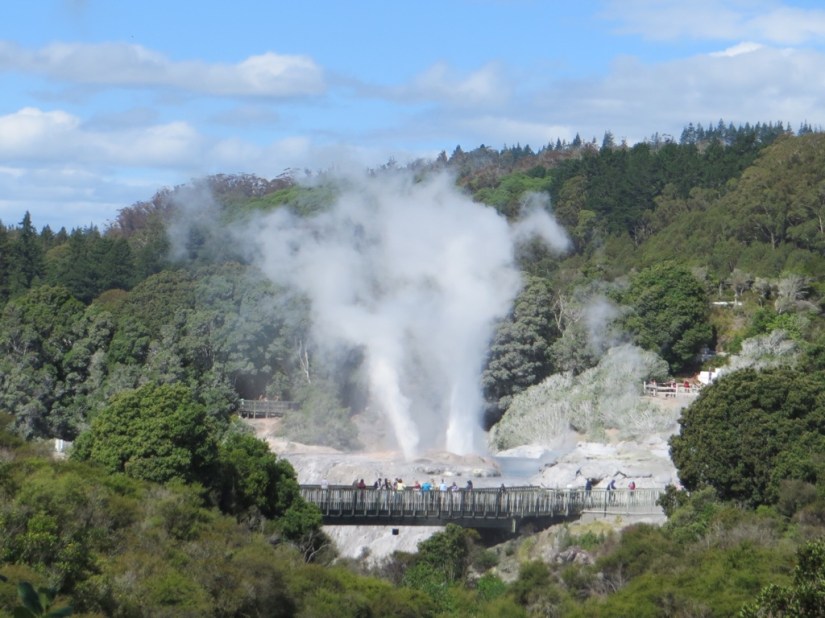
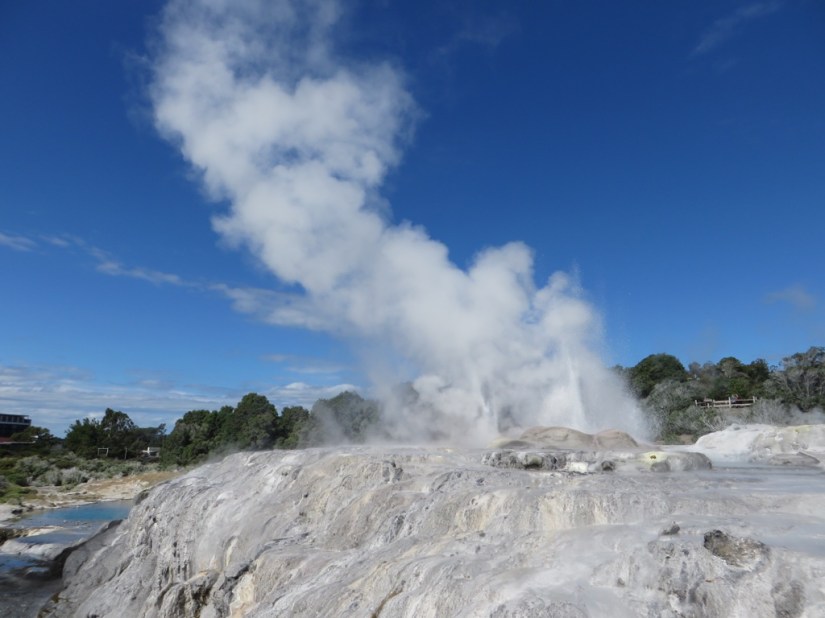
Continuing south, we drove through the plain ahead, full of flat grassy pasture and grazing cows. until we reached Rotorua, which marks the start of the Taupo Volcanic Zone. Our first stop was Te Puia where we joined an excellent guided tour and learnt about their star attraction, the Pohutu Geyser which erupts once or twice an hour up to 30m high.
Geysers have several chambers below the surface containing hot water, steam and gases and when the water heats up and the pressure rises, she blows! There was also a kiwi house, but they were all asleep …. not surprising since they are nocturnal.
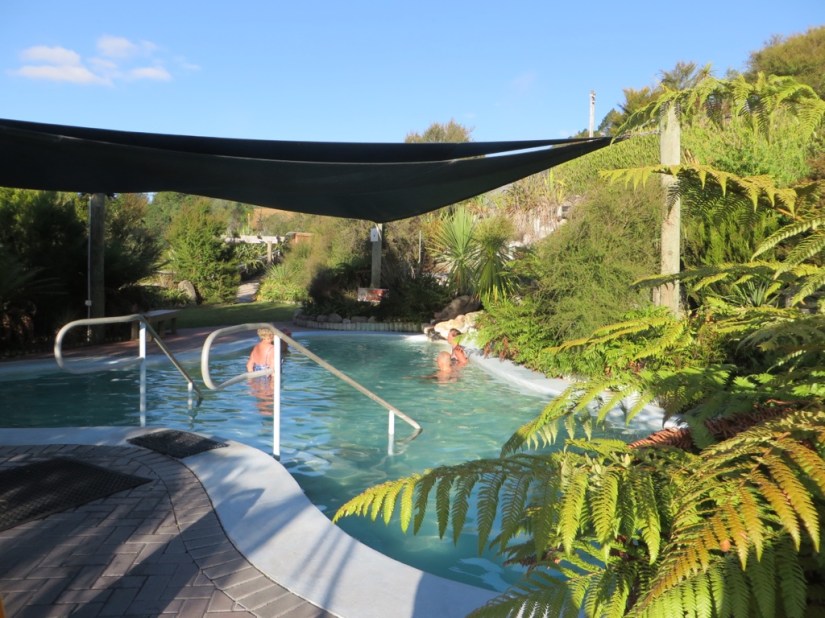
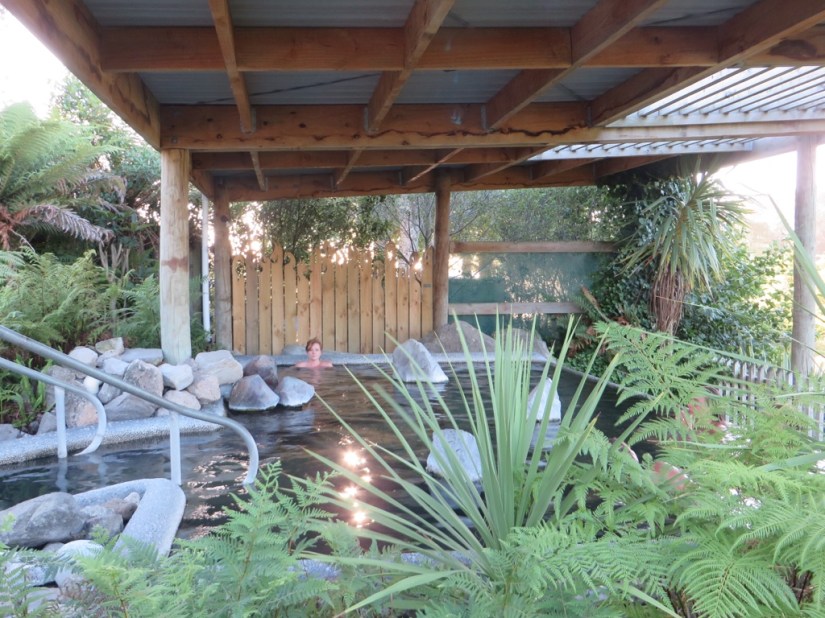
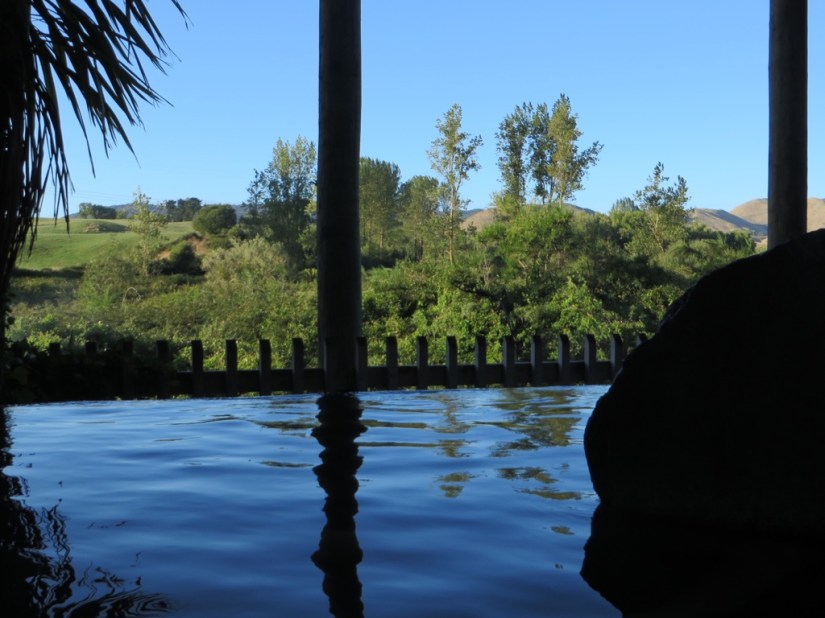
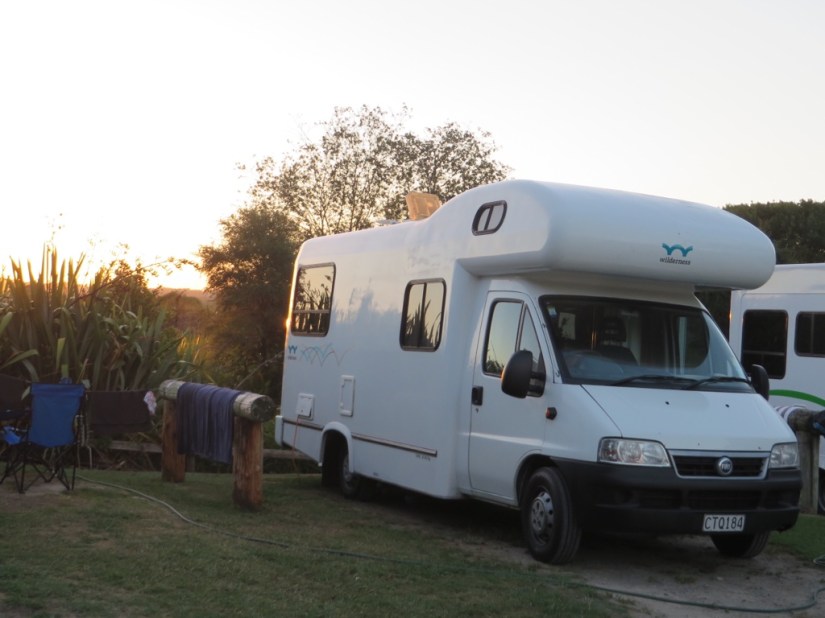
Next stop was our campsite for the night at Waikite Thermal Pools (Wai-water, kite-clear) where as campers we were able to luxuriate in the hot pools both on arrival and again before breakfast.
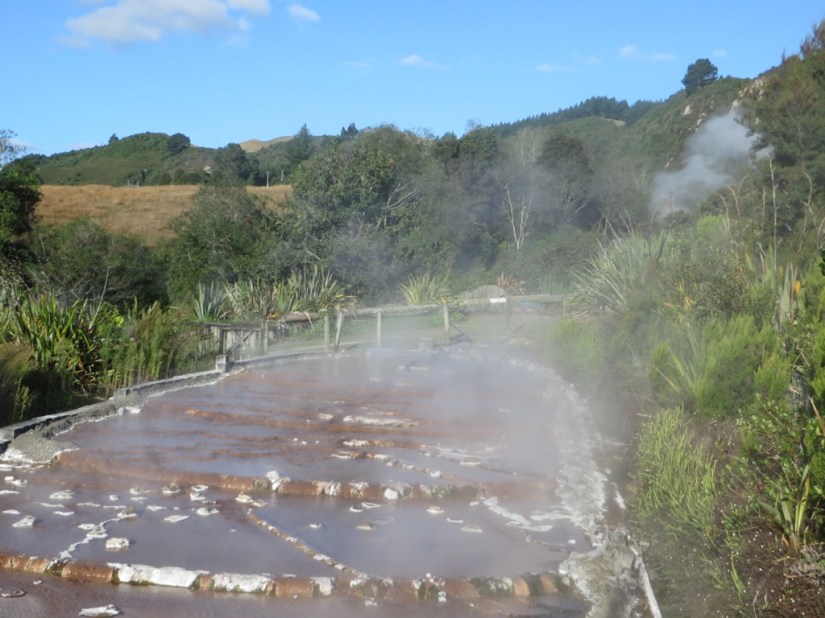
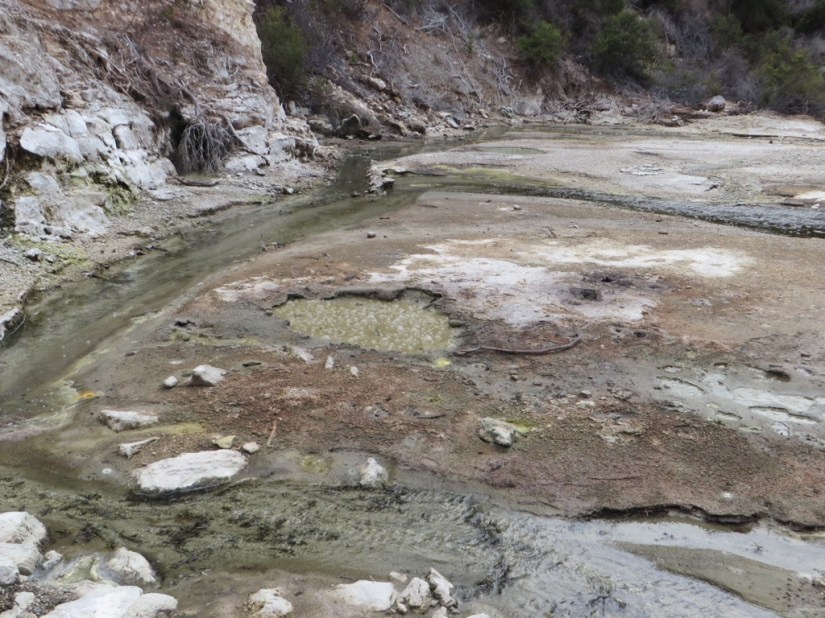
The water bubbles up from a spring at around boiling point, and the minerals dissolved in the water make these lily pad type deposits of silica and calcite. Some of the water is diverted over cascades to cool it slightly before it is fed into the various pools with great views over the countryside. The pools are community run having been built in 1972 by the local people contributing 4000 hours of labour to the project.
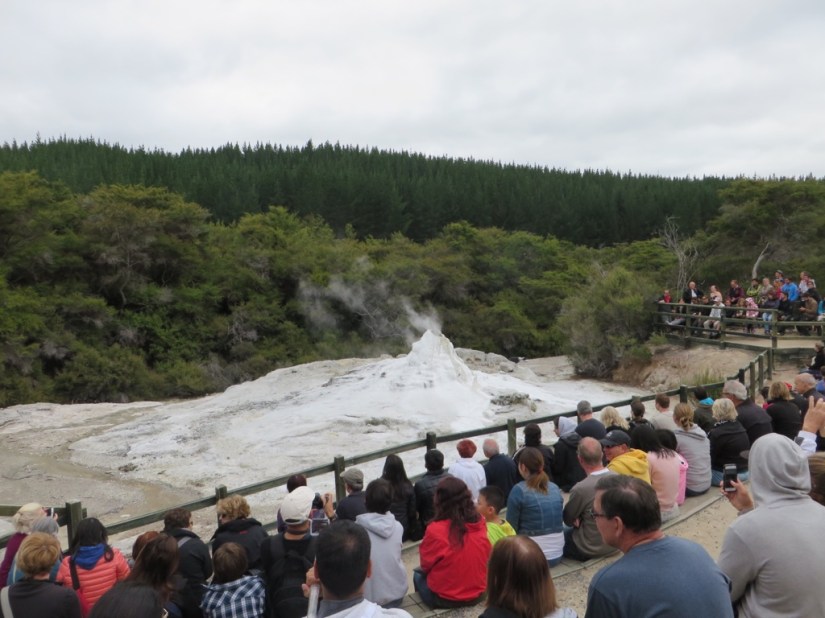
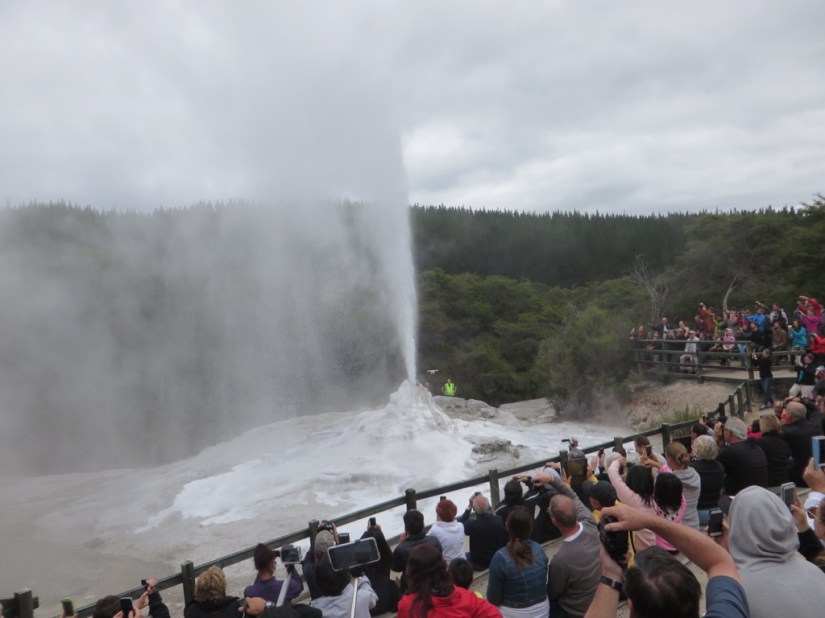
Next morning, we had a 10.15 appointment with Lady Knox, the geyser at Waiotapu. It was discovered by inmates at the open prison around 1900, who used the hot water pools for washing and laundry, and they were surprised at how suddenly the geyser spurted once detergent in the water reduced the water pressure. They have been getting the geyser to erupt on time for visitors since 1903!
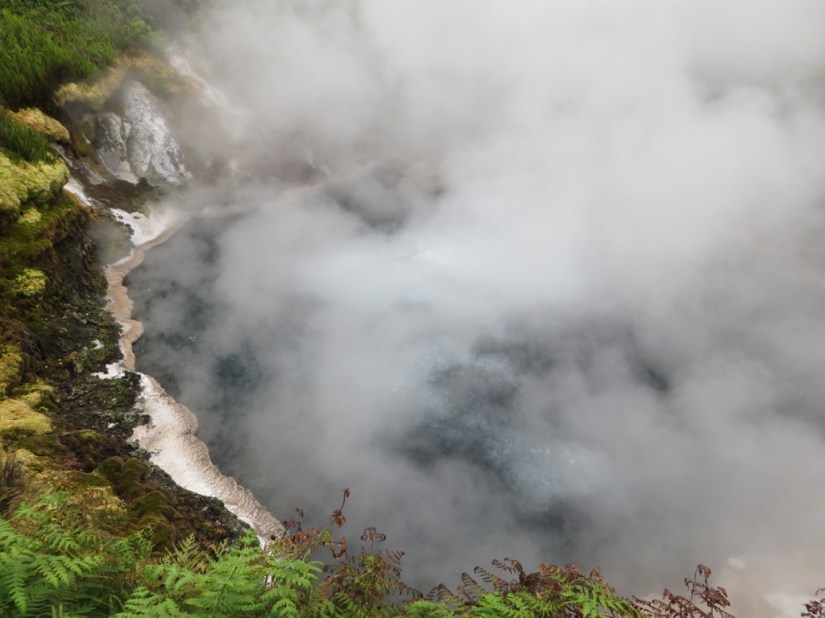
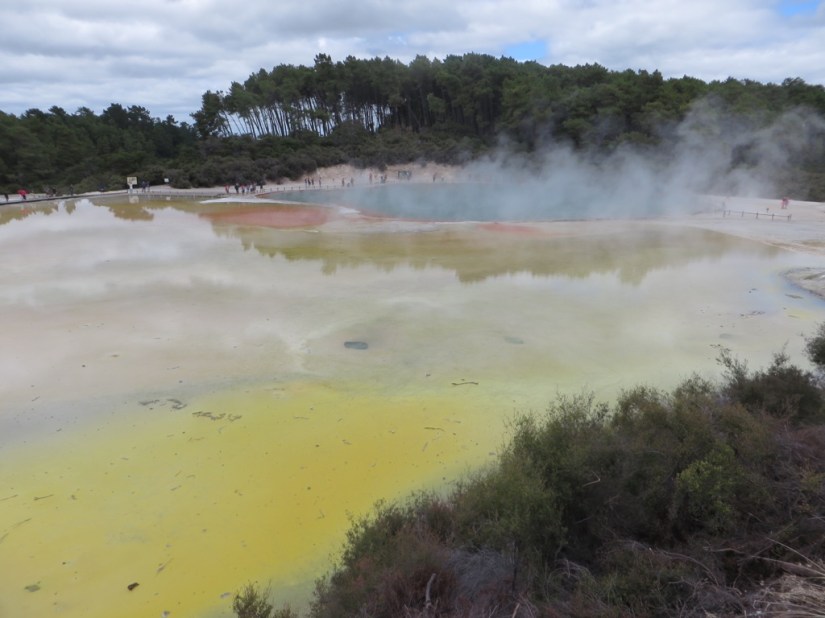
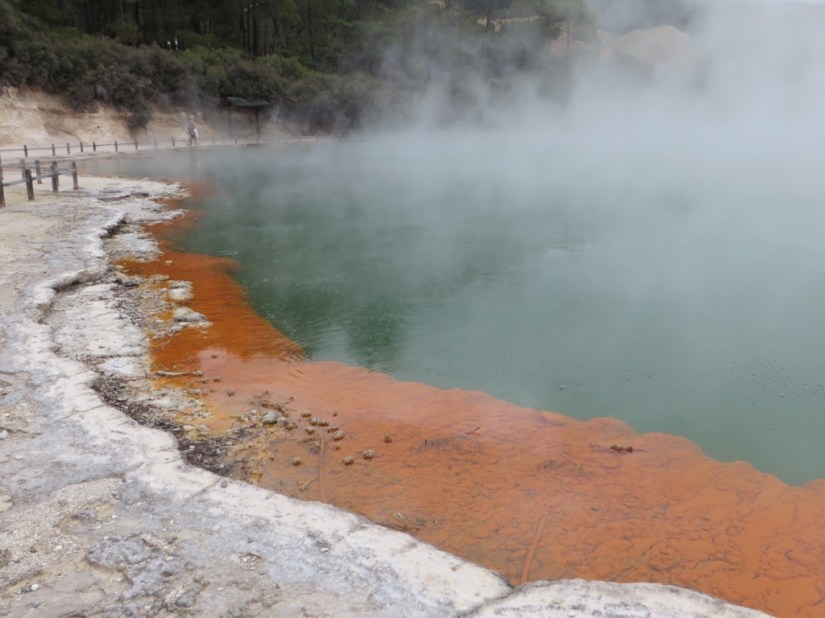
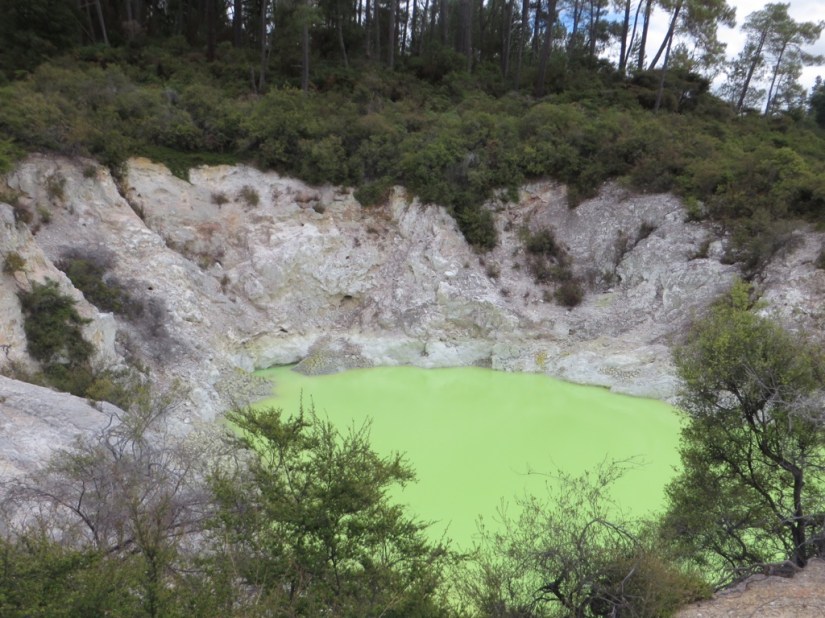
We actually enjoyed the rest of the park more, following the path passed various hot pools, some with bubbling water and others amazing colours from the various metal oxides present in the water.
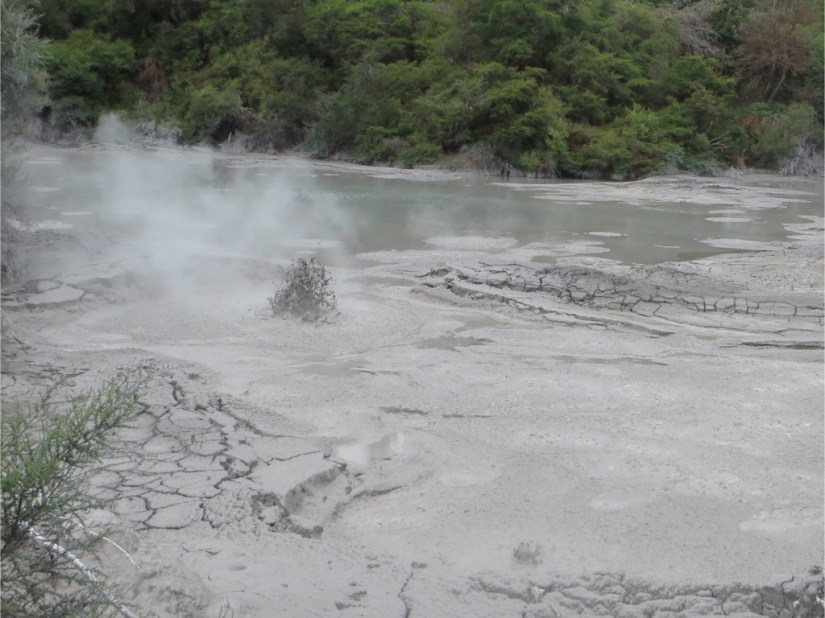
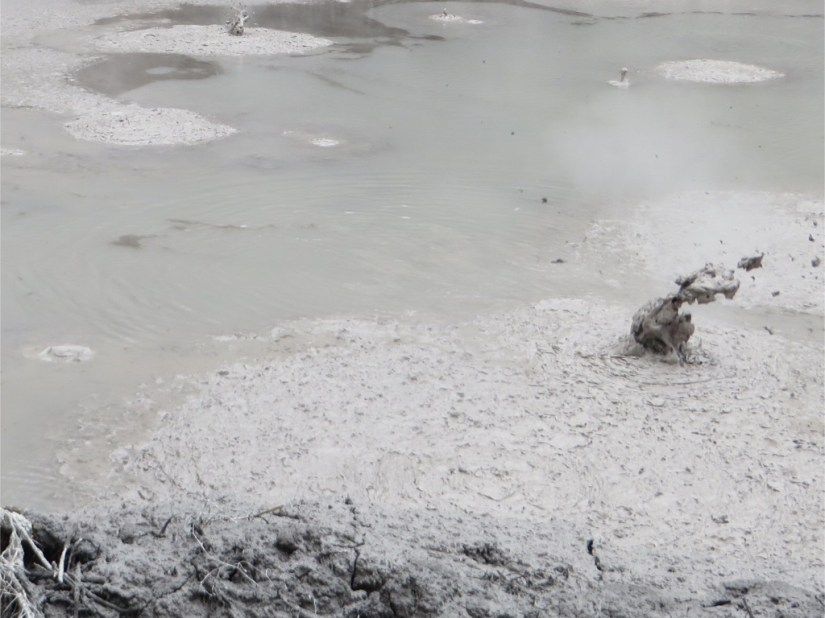
There were also mud pools … but you will have to imagine the thick gloopy mud spurting and splodging all over the surface because trying to catch it effectively in a photo was really hard!
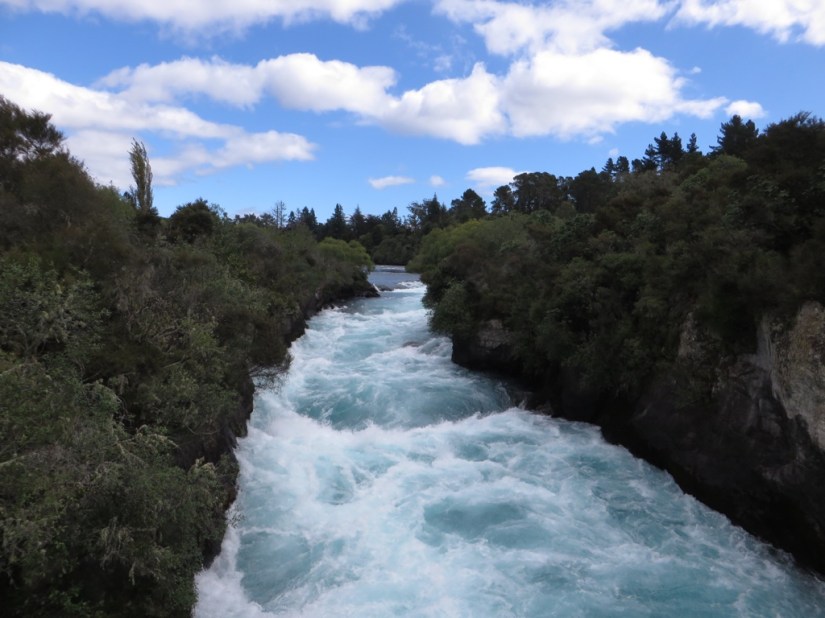
200,000 litres of water drop 9 metres over Huka Falls every second, as New Zealand’s longest river, The Waikato, leaves Lake Taupo. It also provides 15% of the country’s power.
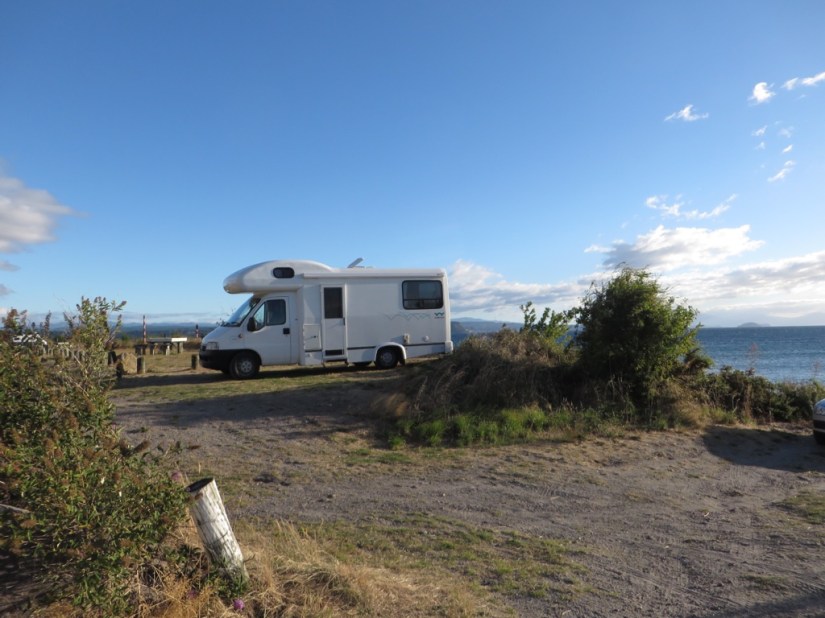
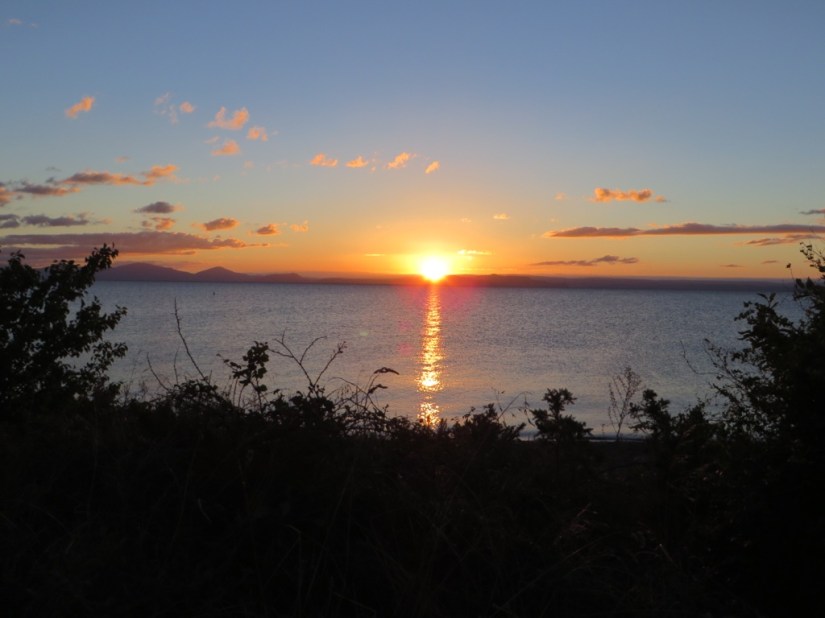
Five Mile Amenity Area on the shore of Lake Taupo provided our second freedom camping spot where we cooked up green lipped mussels and were treated to a lovely sunset.
We visited several places involved in the Coromandel gold rush at the end of the 19C
Thames, originally called Grahamstown, had the largest population in New Zealand, with gold production topping £1m at its peak. It also had 20,000 people and over 120 pubs and we visited the Goldmine Experience to find out more.
The gold here is not found in chunky nuggets, but as the finest particles mixed with the rock in quartz reefs in the rock. The rock must be dug out, ground to a powder by water/steam driven hammers called stampers, then mixed with mercury and washed over gold collecting blankets. The gold was then removed from the mercury either by heating or using cyanide. In its heyday, Thames had stamper batteries running 24hrs 6 days a week, and the noise and vibration was just a part of life. There are still a few small mining operations left here, but the largest locally is an opencast mine in Waihi which is very controversial.
The Martha Mine in Waihi began in 1878, but really took off in 1894 when the use of cyanide made the process more viable. There were 7 vertical shafts with 175kms of tunnels on 15 levels, and stamper batteries here too to process the ore. When underground mining stopped in1952 as the gold price had dropped and the mine was no viable, 5.6m ounces of gold and 38m ounces of silver had been mined. Extraction began again in 1987 using an open pit approach due to close around 2020 and be converted to a recreational lake. Proposals to start tunnel mining again under the town are already opposed by residents.
The Cornish Pumphouse, similar in design to those used in Cornish tin mines, once used to pump water from the mine, stands above the town as a symbol of its mining history.
Karangahake Gorge produced 60% of New Zealand’s gold during its heyday, some 4m ounces of gold being extracted from 1m tons of ore, however reserves were limited and most of the mines closed by the 1930s. The Gorge was ravaged by mining, with polluted waters, and bare hillsides, but today is very different, with leafy walkways and information boards explaining the history, however recently a mining company has been granted permits, and there is much local objection to mining the mountain for gold once more.
We spent the night just down the river and are off to see Hobbiton tomorrow!
As we drove up the west coast of the Coramandel Peninsular through Thames and on to the town of Coromandel, the road hugged the coast with another pretty bay after each headland, one called Thornton Bay. We then cut inland, over the peninsula to Whitianga.
Our next stop is Hahei Holiday Resort complete with all mod cons and our pitch overlooking the sea and Mahurangi Island.
This was our base for three nights as we enjoyed the warm sunny weather, explored the nearby coast and continued to cook up home fare on our 2-ring cooker
One day we left the beach at Hahei …
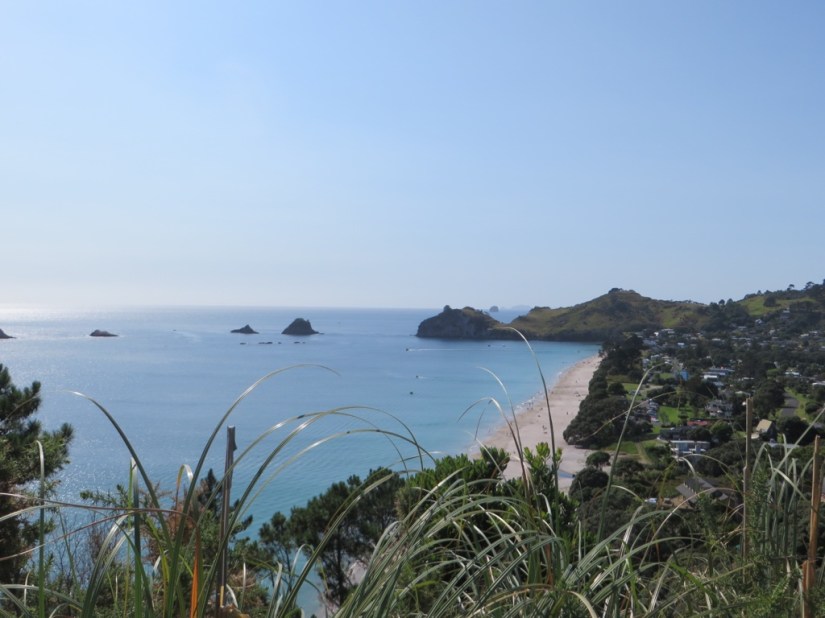
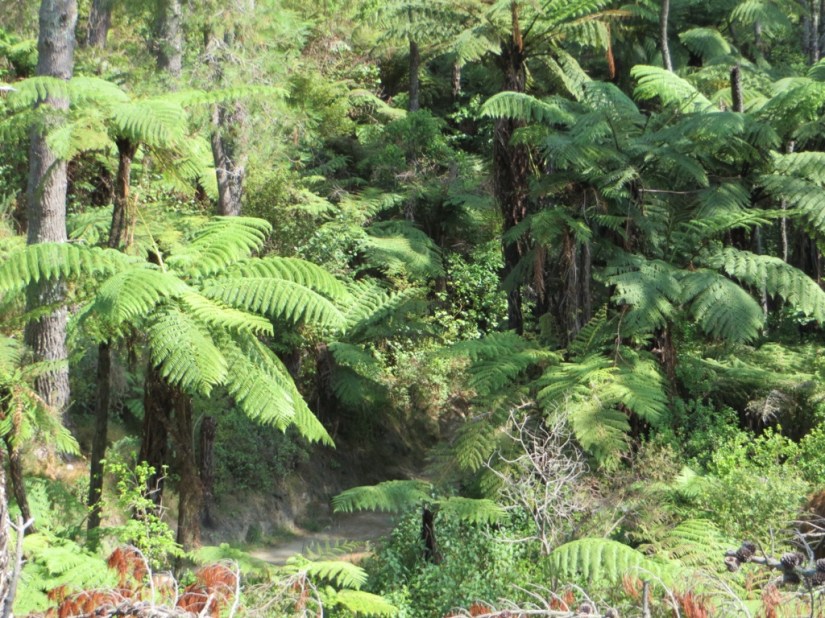
… and climbed up over the headland, under a canopy of tree ferns, with great views out to sea and of Stingray Bay below.
We descended into Mare’s Leg Cove …
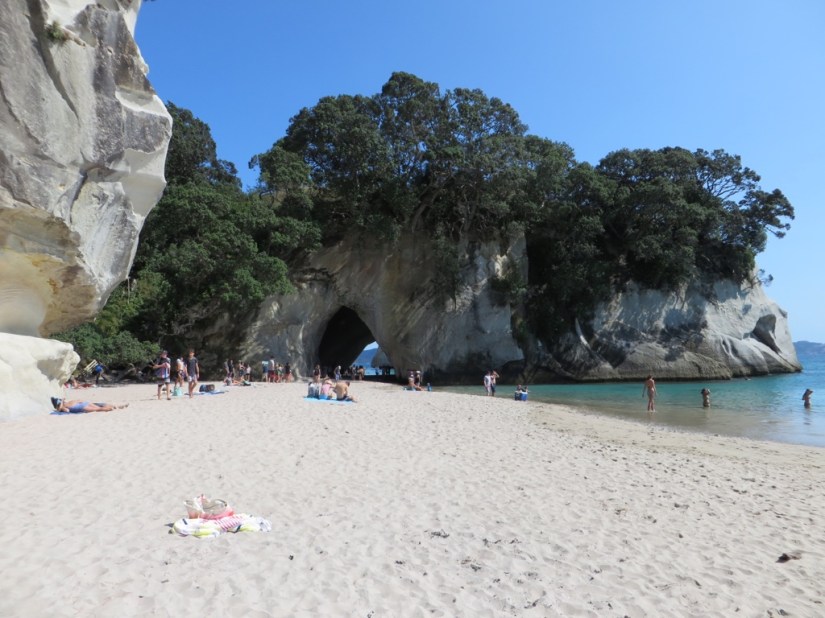
… and through the impressive rock arch to Cathedral Cove where we swam to cool off, then returned by water taxi.
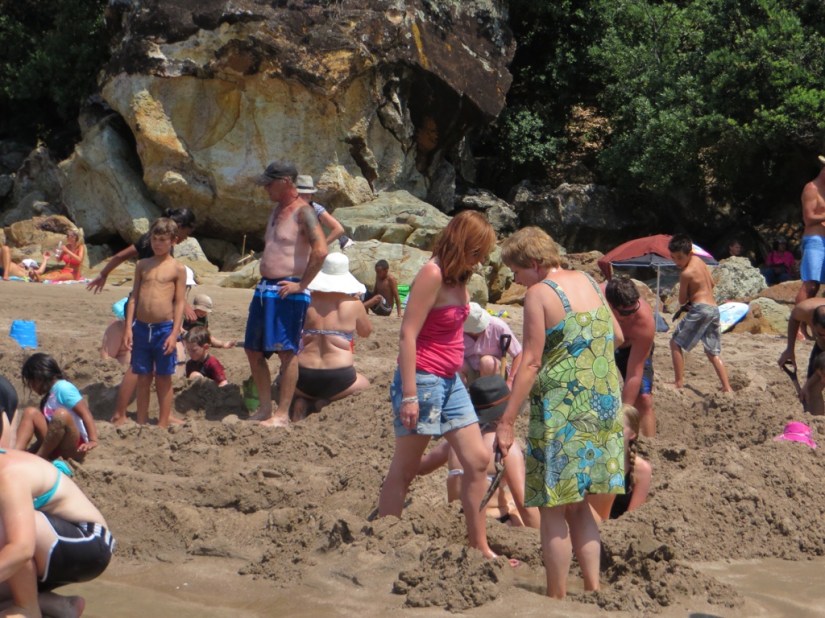
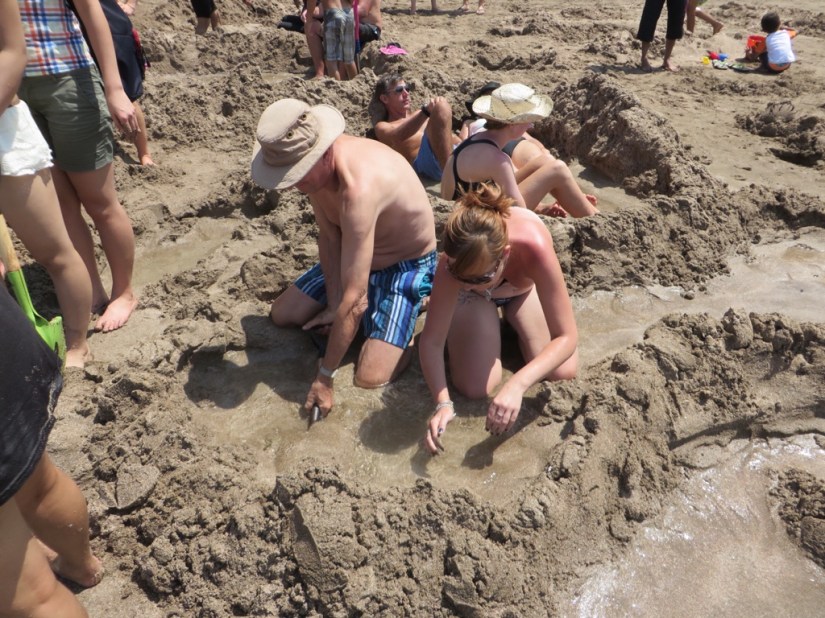
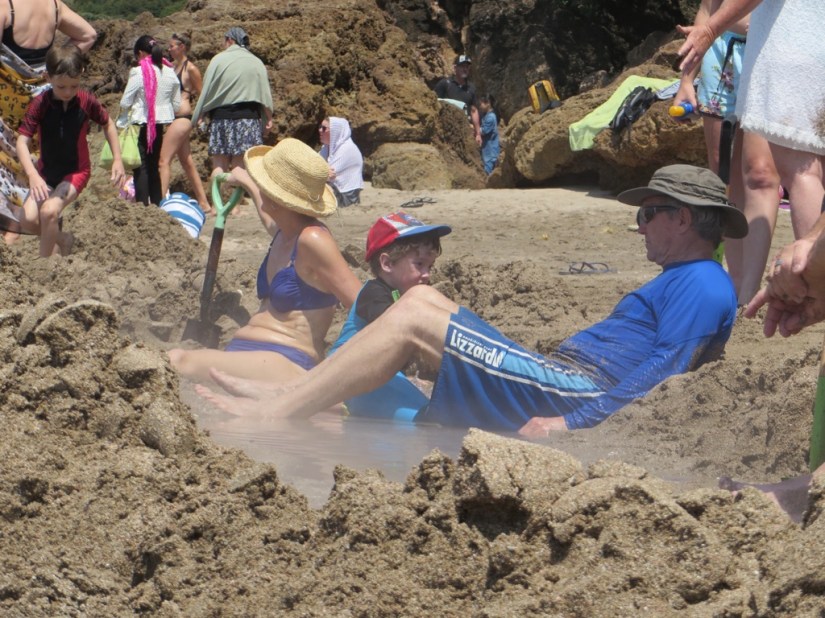
Having checked out the tide tables, later we headed off to Hot Water Beach, probably the most touristy ‘hot spot’ on the Coromandel Peninsula! Hot springs bubble up through the sand a couple of hours each side of low tide and you can bring a shovel and dig your own personal spa to enjoy the experience. When we mentioned to Wilderness we were coming this way, they kindly gave us a shovel returned by previous travellers. We arrived early and started digging, but it soon got really busy, everyone thoroughly enjoying the unique experience. In some places, especially at one end of our spa, the water seeping in was too hot to sit in, and as we watched we saw steam rising elsewhere.
Our last excursion was in the footsteps of Captain Cook, as just along the coast at Cooks Beach he effectively claimed New Zealand for King George III in 1769, and remained anchored here for 12 days to observe the transit of Mercury which established the exact position of this new land.
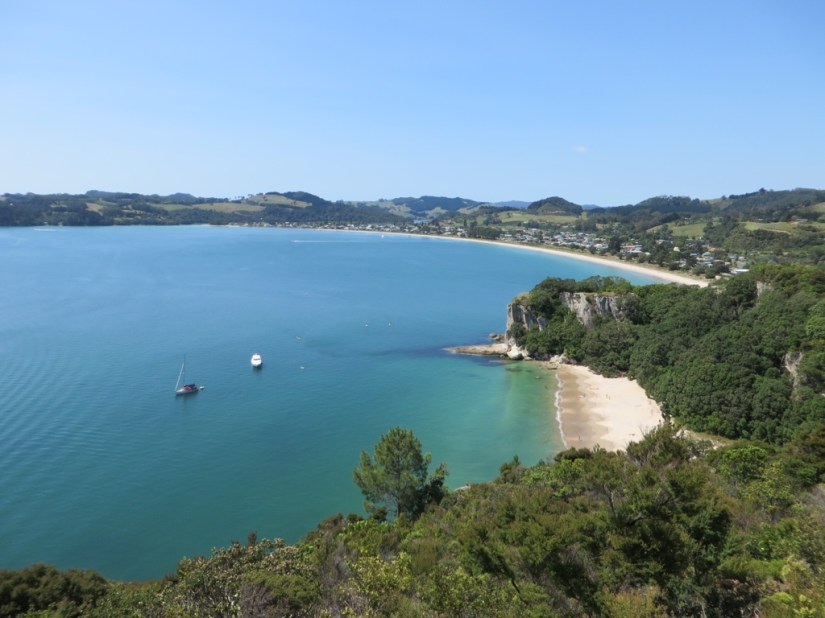
The nearby Shakespeare Lookout provided a great view, although any suggestion the cliff matched the Bard’s profile seems a little far-fetched.
From the top we saw Lonely Bay, a secluded sandy spot great for a cooling swim after our walk.
On the way back we saw a sign helpfully pointing us in the right direction, just in case!
Late afternoon was spent chilling on Hahei beach, and it was time to be thinking of moving on in the morning towards gold country.
We arrived at Wilderness at 10am and the friendly and efficient staff went through the paperwork and showed us round our campervan … our home for the next ten days. We unpacked our stuff into the ample storage on board then did a run to the supermarket to stock up. A slight hitch, in that one of the rear storage locks outside the vehicle was faulty, and while we made sandwiches and had lunch, they replaced it with a new lock.
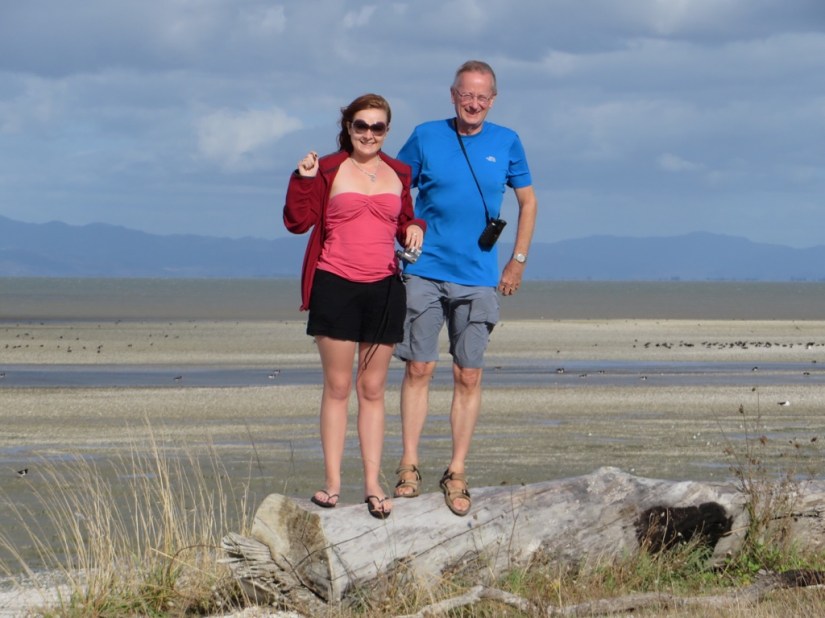
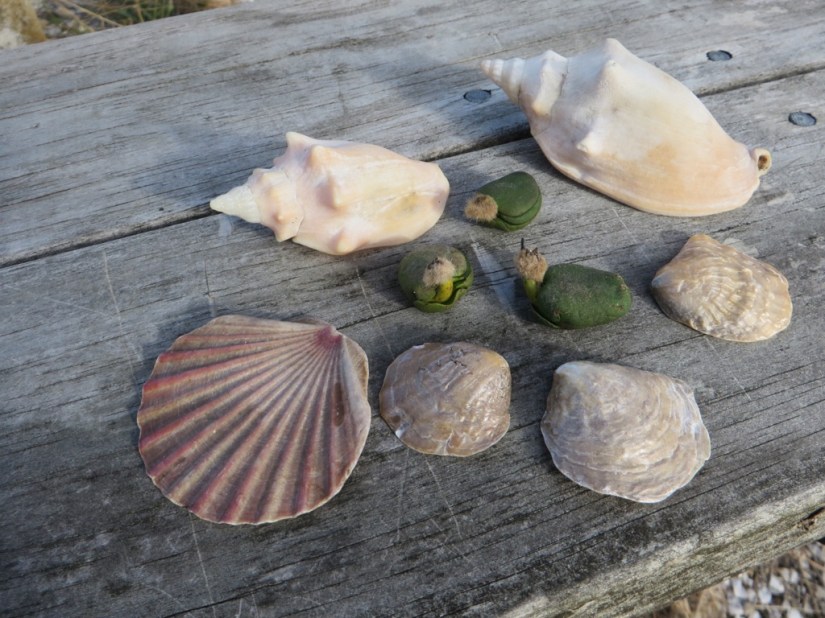
Finally we were able to hit the road and we were off. Our first stop was just 100km away at Ray’s Rest in Miranda, a freedom camping spot overlooking the Firth of Thames with the Coramandel Peninsula in the distance. A few campers had already arrived, and we chose our spot and made a cuppa. The tide came in as we walked along the shore, watching the birds and collecting shells and also sea beans similar to those we had seen in Mexico, but sprouting. The wind started picking up.
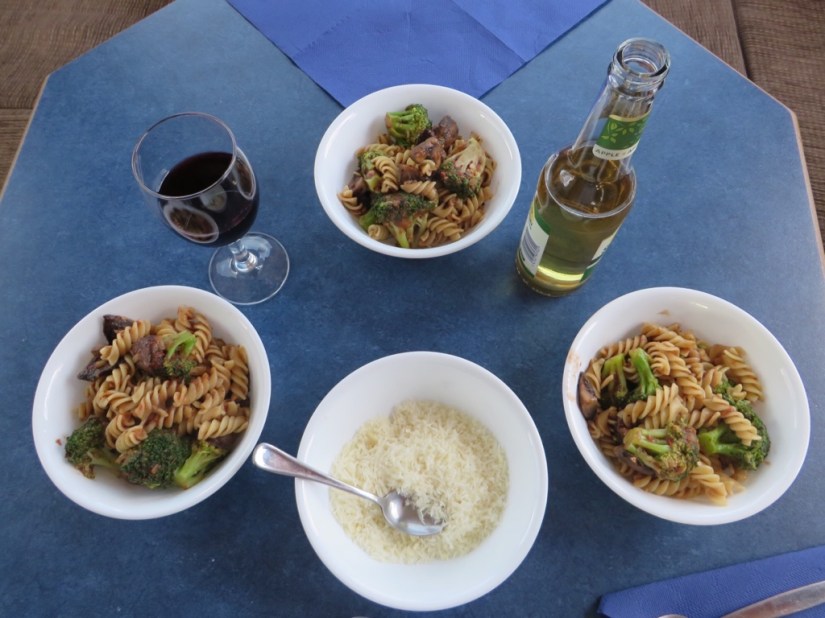
Our first culinary adventure was pasta with broccoli and a jar of Dolmio sauce with added mushrooms and was delicious.
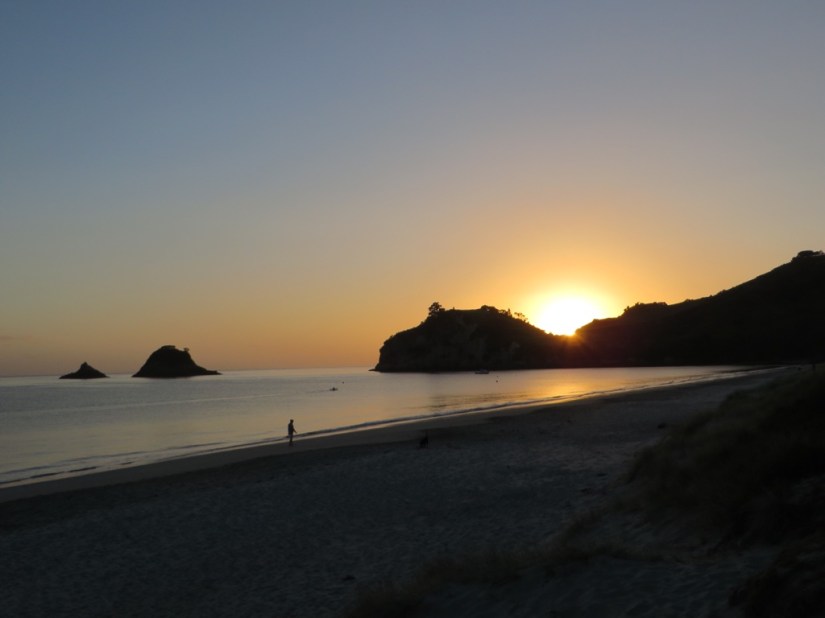
The sun set …
… and it got dark about 9 and we turned on the battery light to finish playing our game, and were tucked up in bed by 10. We could hear the water lapping and the wind seemed to howl most of the night and we could feel it moving the camper from side to side. Joanna wondered if we might have floated out into the firth … but when we awoke in the morning all was well!
More tea, and we watched the sun rise, and the squall begin. The rainbow appeared and we retreated to the dry of the van.
Kia Ora or welcome to Aotearoa, Land of the Long White Cloud … New Zealand.
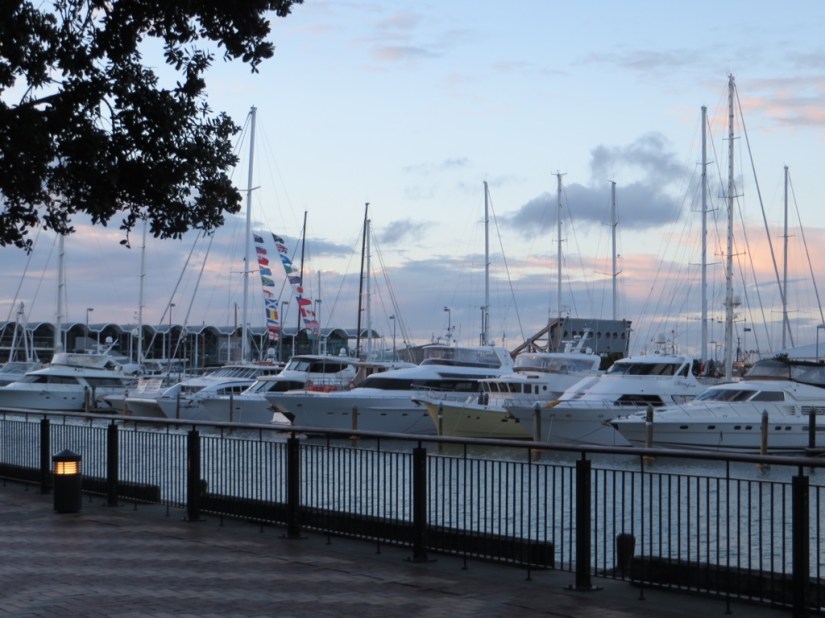
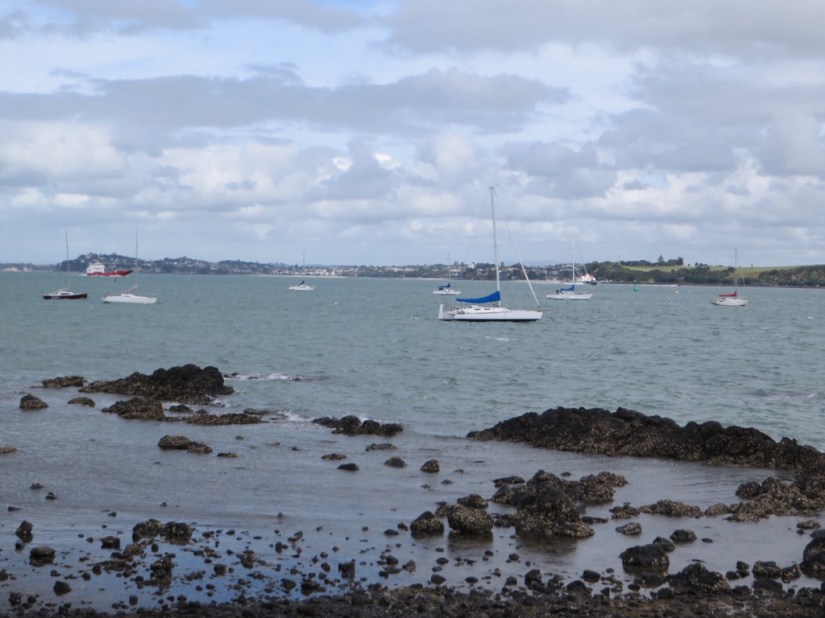
We arrived in Auckland, the world’s largest Polynesian city, but one of the least populated with just 1.5m inhabitants in an area twice the size of London. With just two days here, it’s going to be a whistle-stop tour! On our first evening we walked down Queen Street to the harbour, and had dinner in an Italian restaurant watching the sunset.
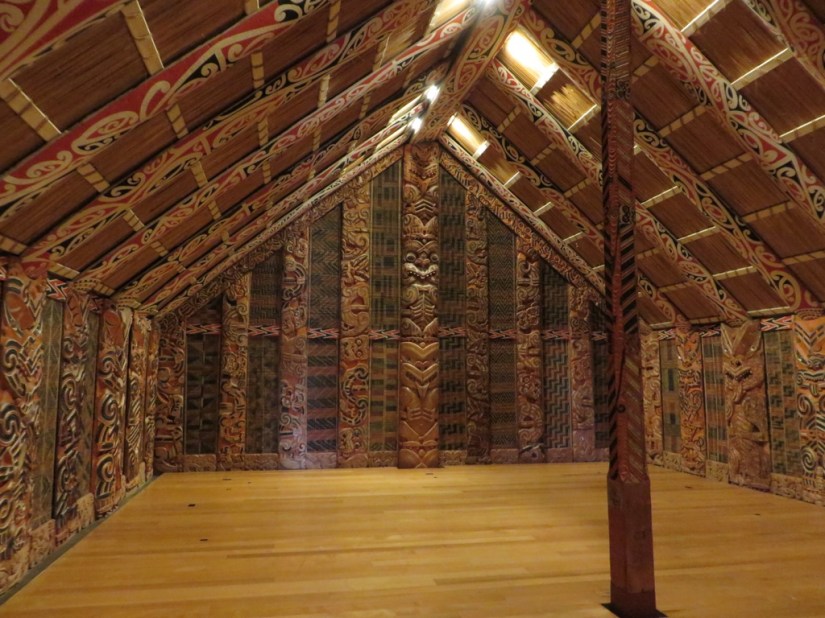
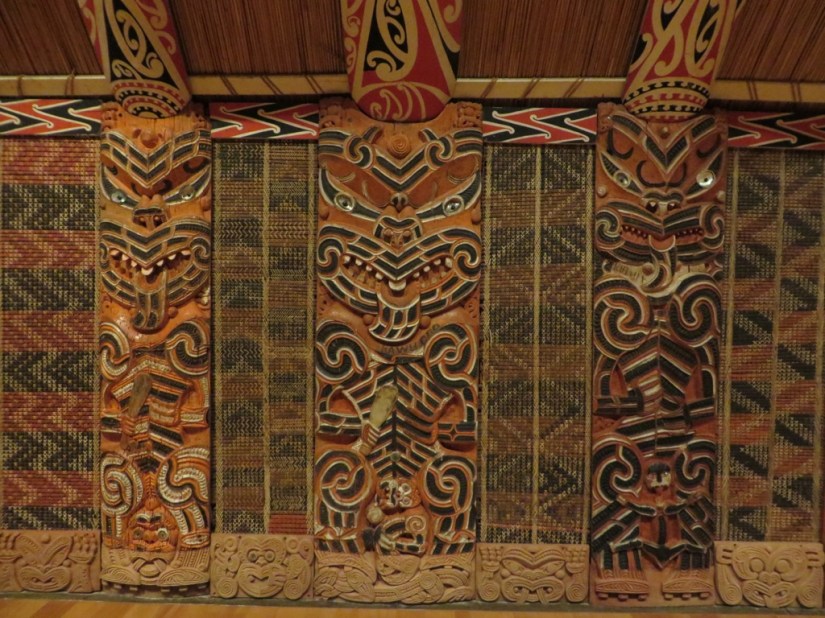
Next day, we started with a little orientation at the Auckland Museum, visiting the Maori Room which was filled with carved wood of all sorts, a 25m long war canoe designed to seat 100 warriors, Hotunui, a reconstructed meeting house and lots of carved panels and decorations.
We also learnt about volcanos which have shaped the country and went into a simulation of what could happen if a volcano erupted in Auckland Bay, which last happened 600 years ago forming Rangitoto Island, and which apparently could pretty well happen anytime … and I thought this was a relatively risk-free holiday as long as we avoided the bungy jumping!
A cultural show introduced us to the men’s haka a posture dance to display fitness, agility and ferocity made famous by the New Zealand All Blacks and the women’s poi dance, twirling weights on strings.
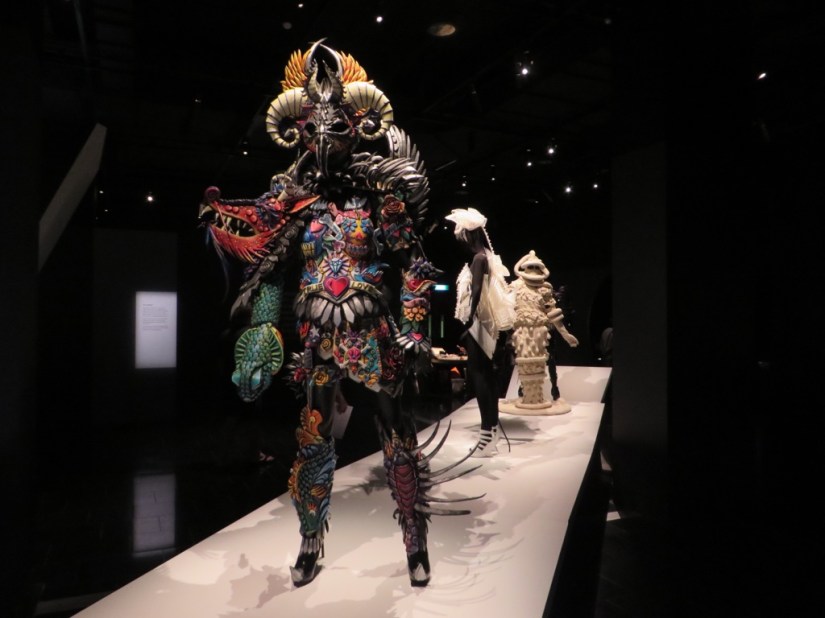
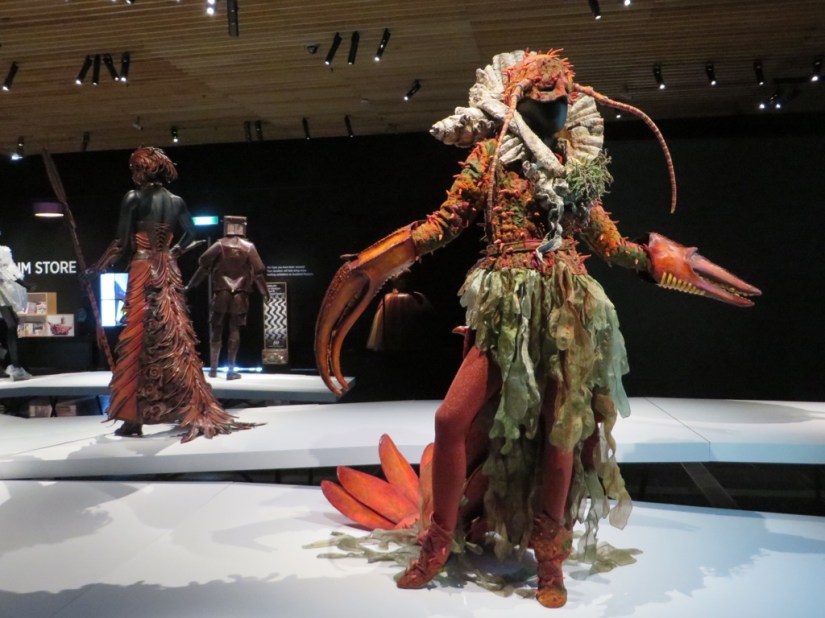
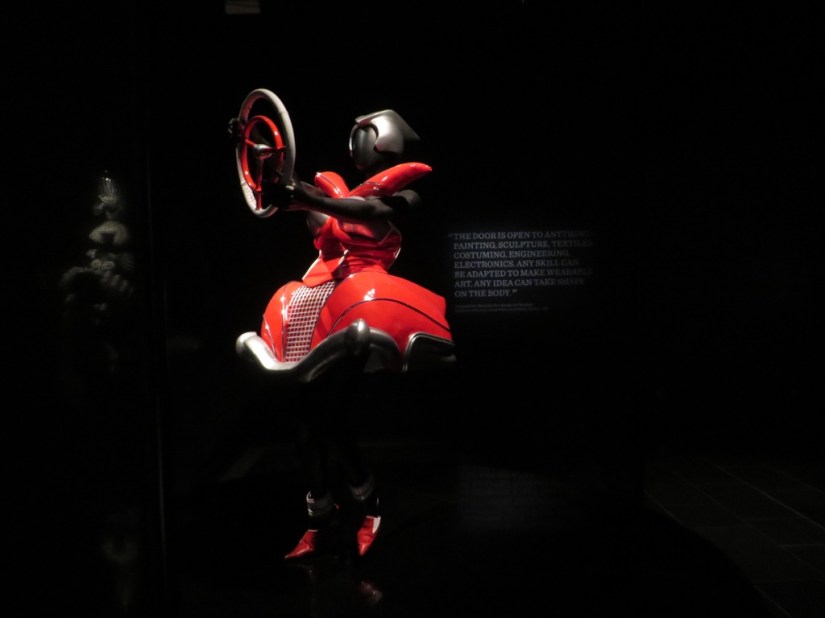
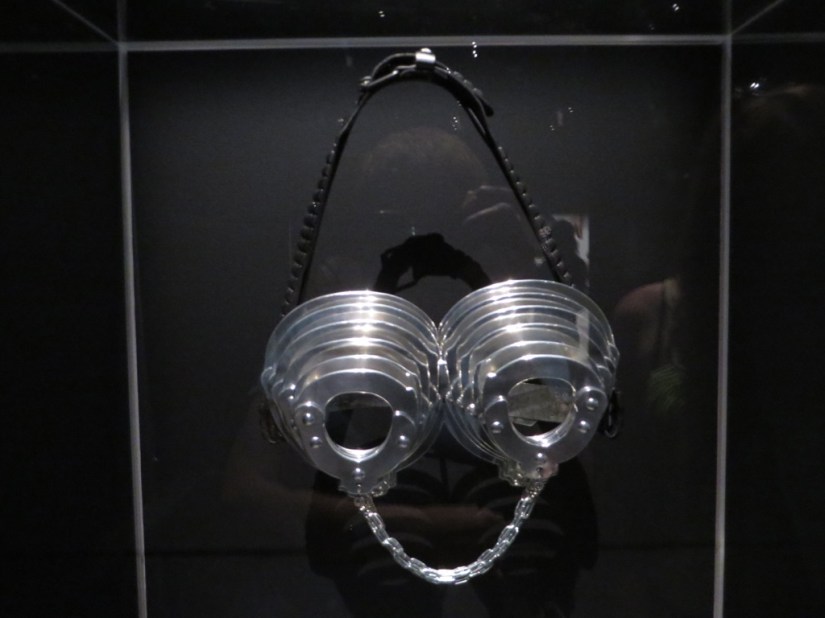
There was also an completely unexpected extra … a display of WOW costumes which took our breath away with their innovation and style. WOW – The World of Wearable Art, was started in 1987 in Nelson to promote a small gallery by Dame Suzie Moncrieff who wanted to ‘get art off the walls and onto the body’ and started a competition. ‘The garments don’t have to be commercially viable. They don’t have to take themselves seriously. They just have to be wearable.’ Since then it has taken off big time with 170 finalists showing their costumes in a choreographed show over 12 nights for 50,000 people annually in Wellington. We might get to see more of this later in Nelson.
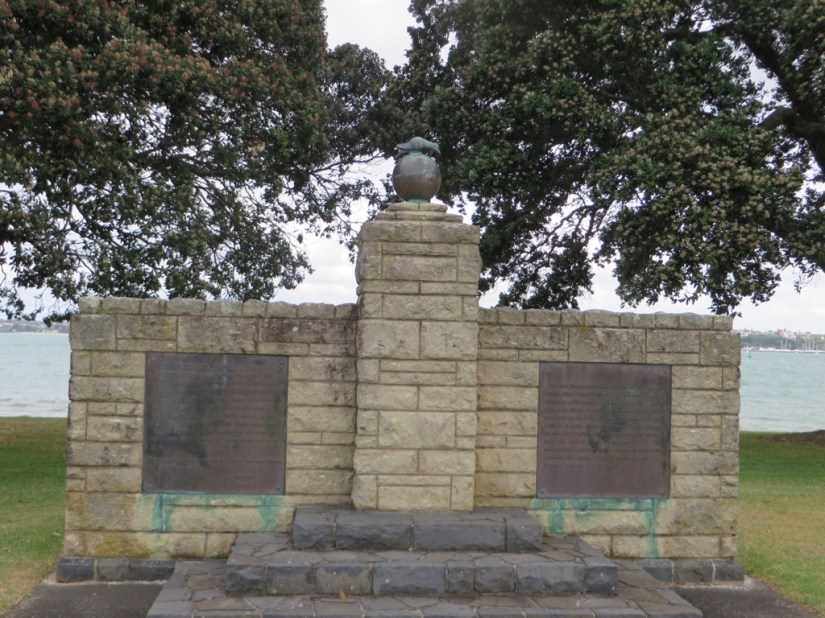
Later we took the 10 minute ferry across the bay to Devonport, where we saw a monument, with a bird on an orb representing the sacred bird image named Korotangi or Weeping Dove who accompanied the arrival of the Tainui Waka, the canoes that made up the first Maori fleet in 1350 from Hawaiiki, the legendary Polynesian source of the Maori, maybe the Society Islands or Cook Islands.
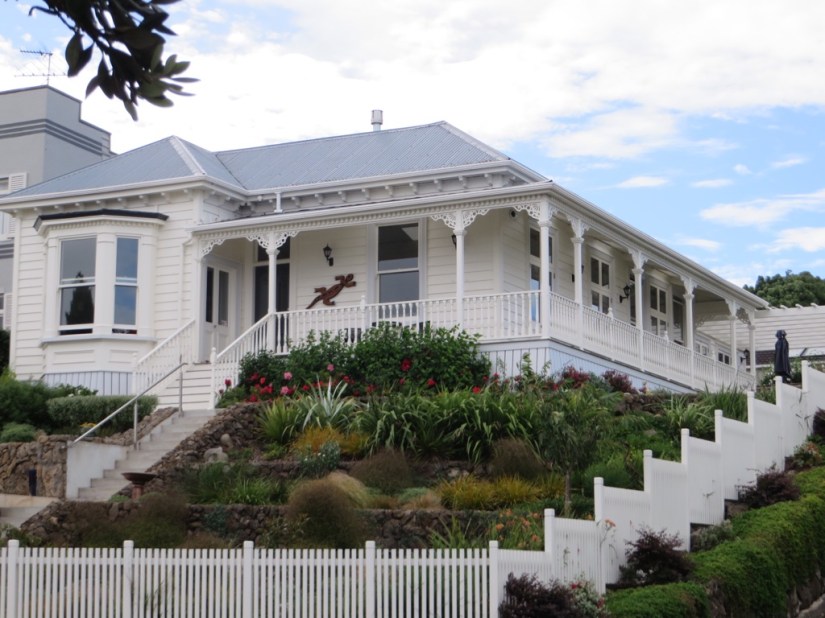
We walked along the foreshore with some pretty period cottages …
… and lava which had erupted from Mount Victoria, one of some 50 volcanos within 20km of Auckland alone.
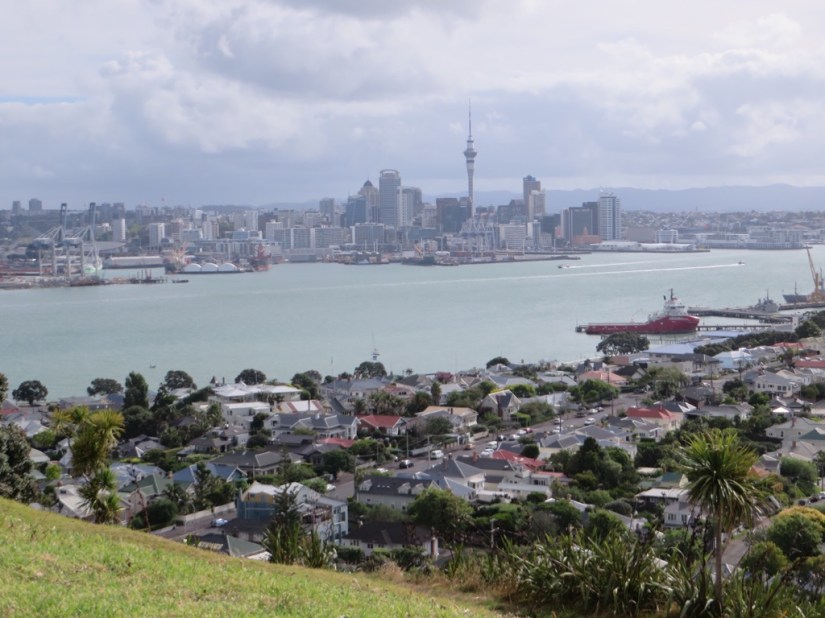
There was a great view from Mount Victoria back across the bay and back to the city.
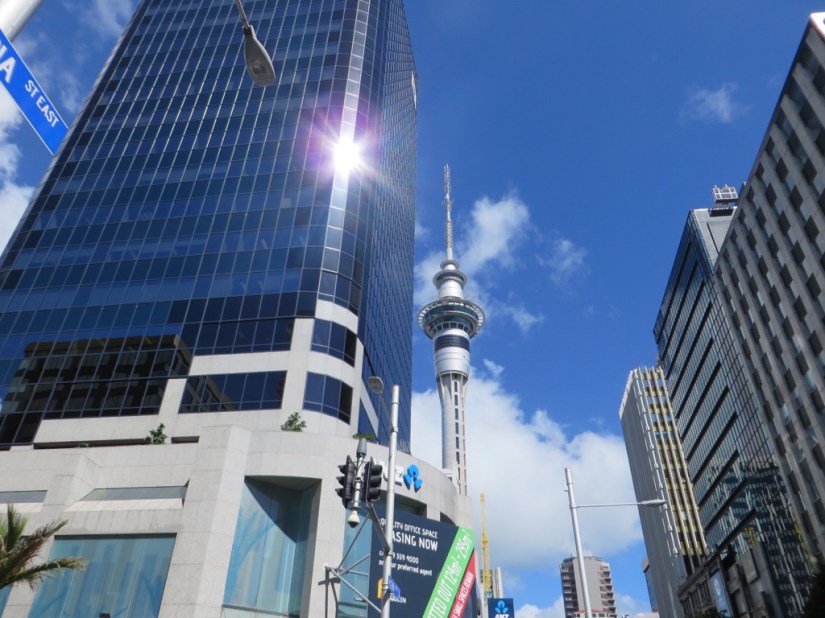
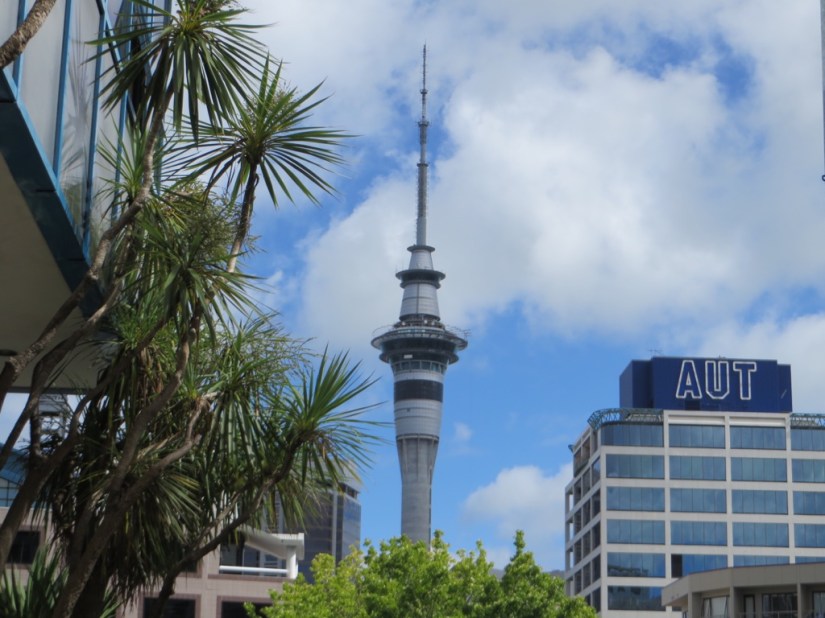
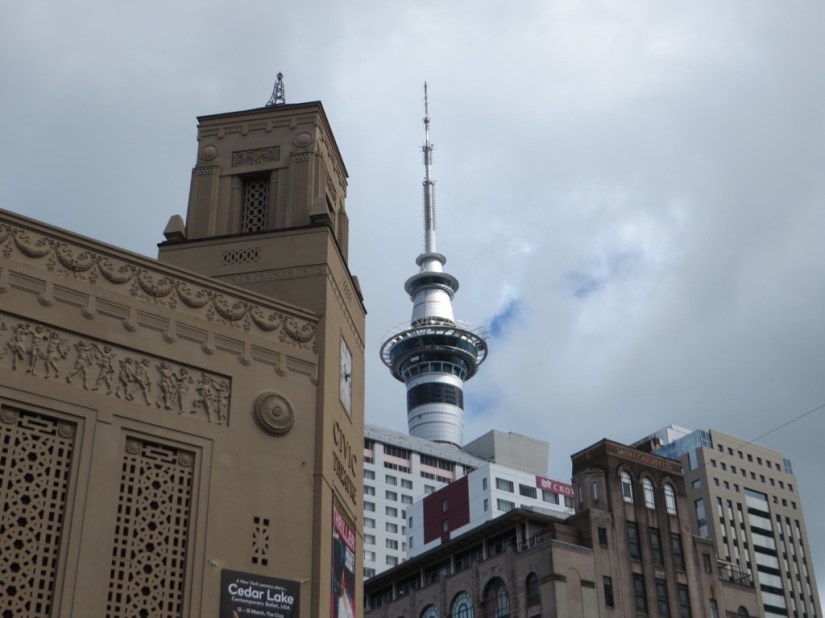
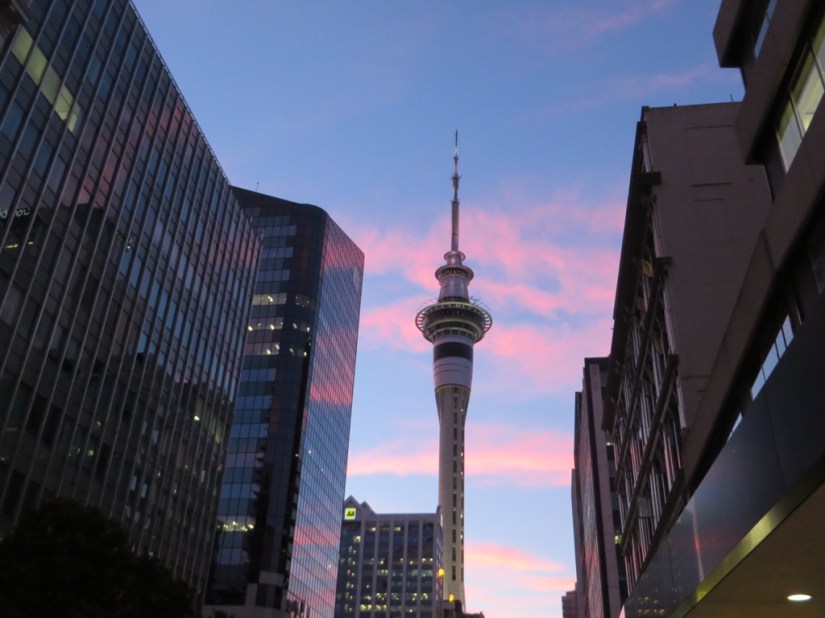
As we made our way round the city, the Skytower kept popping out between buildings. Built in the 1990s, at 328m it is just taller then Sydney’s Centrepoint and the Eiffel Tower. Part of the casino, it will also part you from your money if you wish to ascend – $25 for the lift, $125 for the Skywalk with no handrail and just a rope or $225 to jump off! We chose to keep our feet firmly on the ground and our dollars in our pockets rather than be tempted by an extreme start to the holiday!
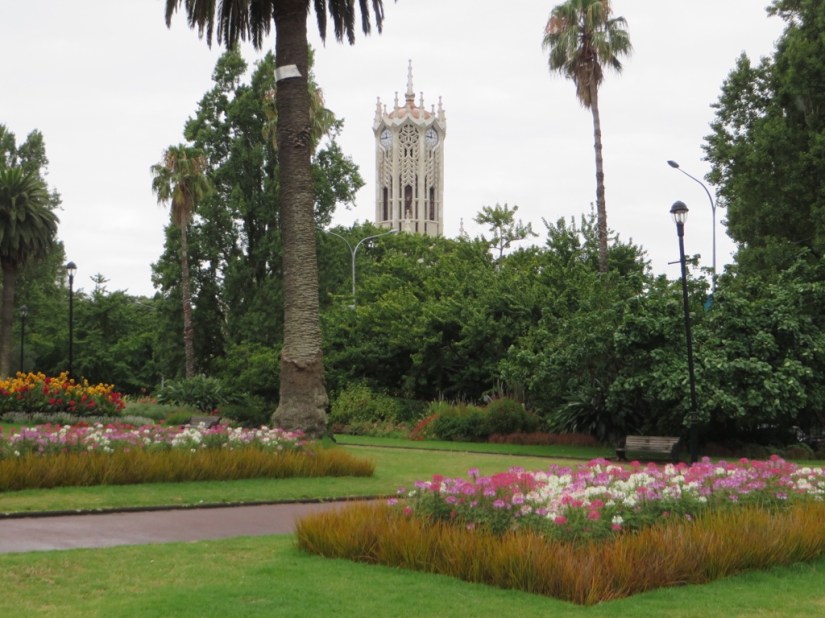
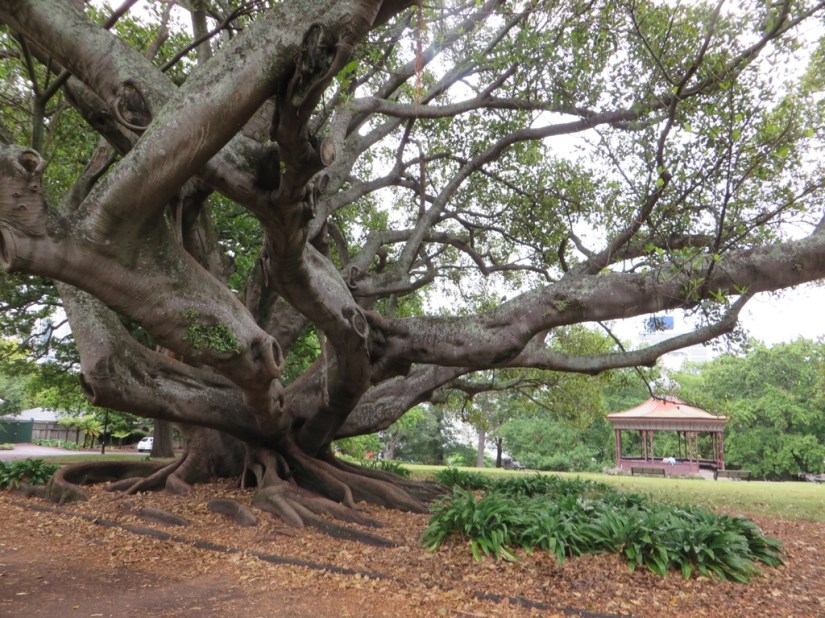
Another tower that caught our eye was the Clock Tower from the university rising above the very pretty Albert Park filled with flowers and huge trees.
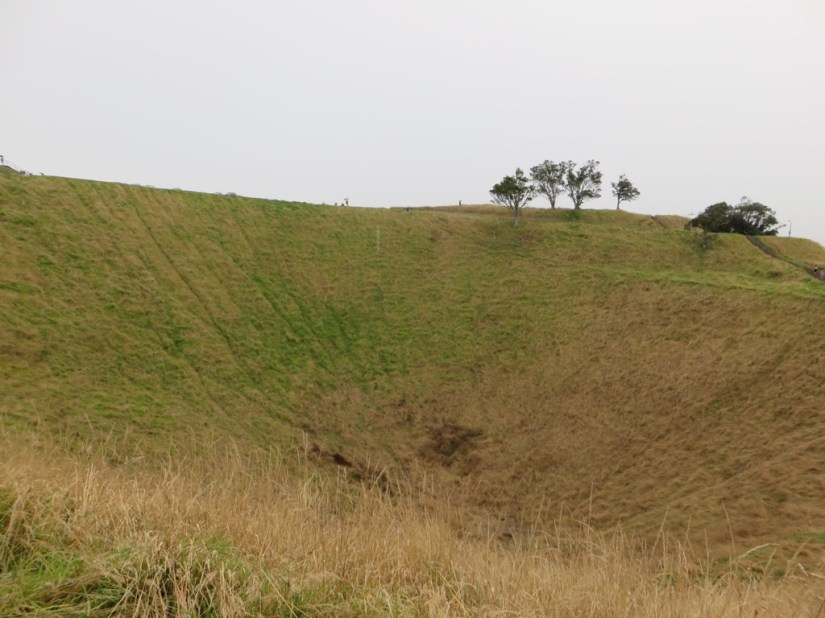
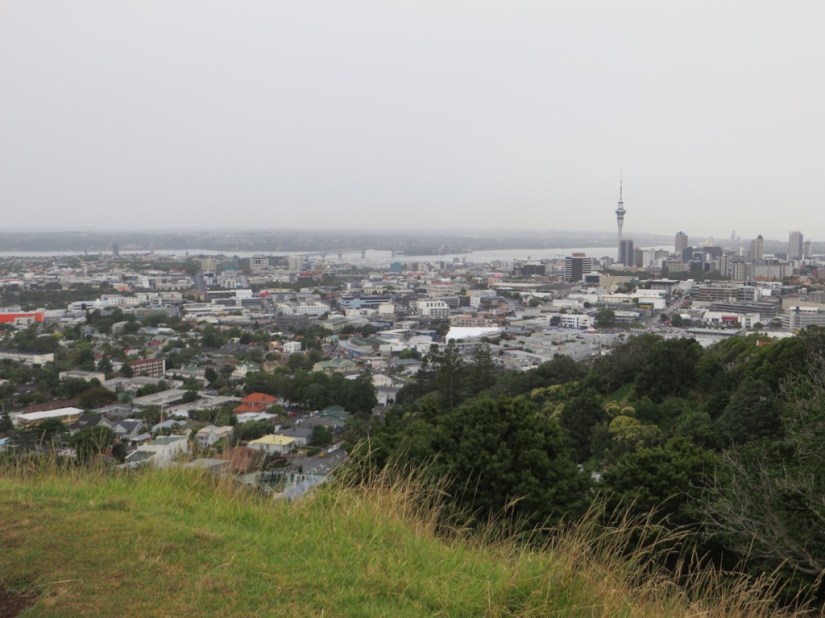
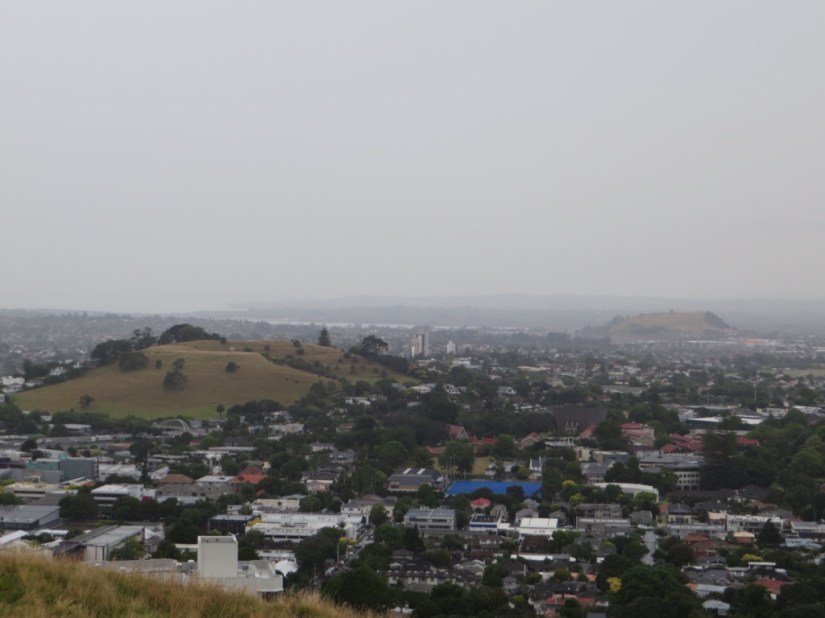
Day two and we started by climbing Mount Eden, the tallest volcano in Auckland at 196m. We walked round the grassy crater and could see the city and other volcanos as we scanned the vista.
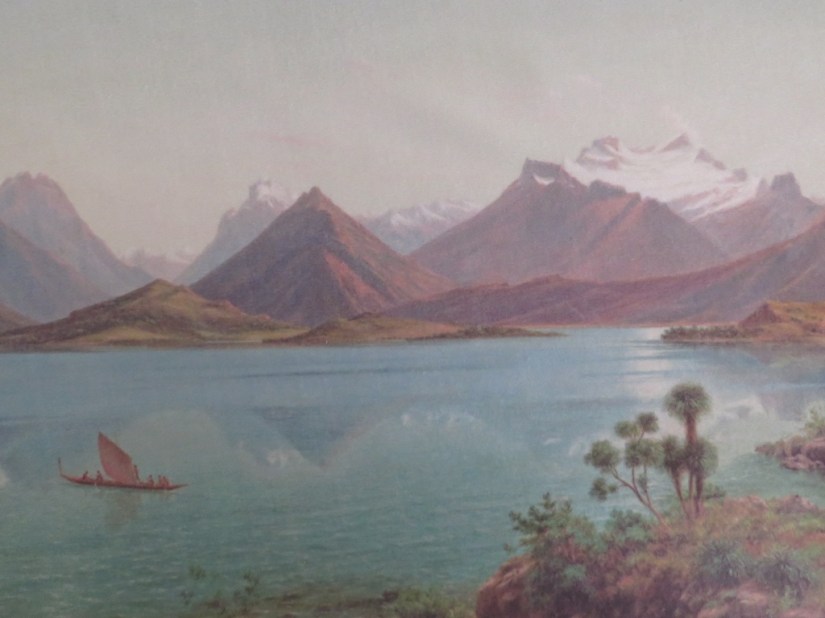
We went to the Auckland Art Gallery, hoping to see the earliest depictions of New Zealand and the Maori by Europeans and how that developed into works by New Zealand artists but that part was closed for re-hanging so the nearest I could get was a picture of Chris’s lens cloth from the shop showing a view of Lake Wakatipu painted by an Australian artist Eugene Bon Guerard during a visit in 1878.
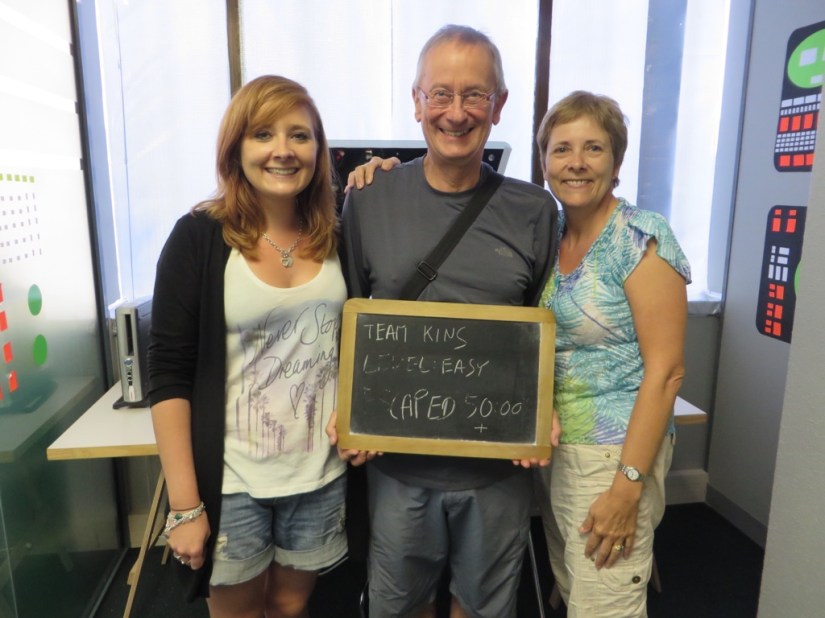
We spent the rest of the day being abducted by aliens then going on an odyssey through a sensory maze but we can’t tell you too much in case we spoil it for others! The first was an escape game run by Escape Masters where you have 50 minutes to find the code to open the door and escape from the scenario of your choice by solving brain games and puzzles as a team. We used up our three clues but did not manage to escape in time … luckily they let us continue for another 20 minutes until we achieved success! We all thoroughly enjoyed the experience and had a great time … shame we leave tomorrow without a chance of another go!
Later, we went through a maze with a different sensory experience in each of 13 rooms, very cleverly done causing slight apprehension in the dark bits but also delight and surprise.
Tomorrow we go and pick up our Wilderness campervan and leave Auckland for the next big adventure!
We’ve had a great month visiting family and managed to pack a whole lot in!
We went to Darling harbour in the city for lunch …
… spent a morning on the beach at Dee Why …
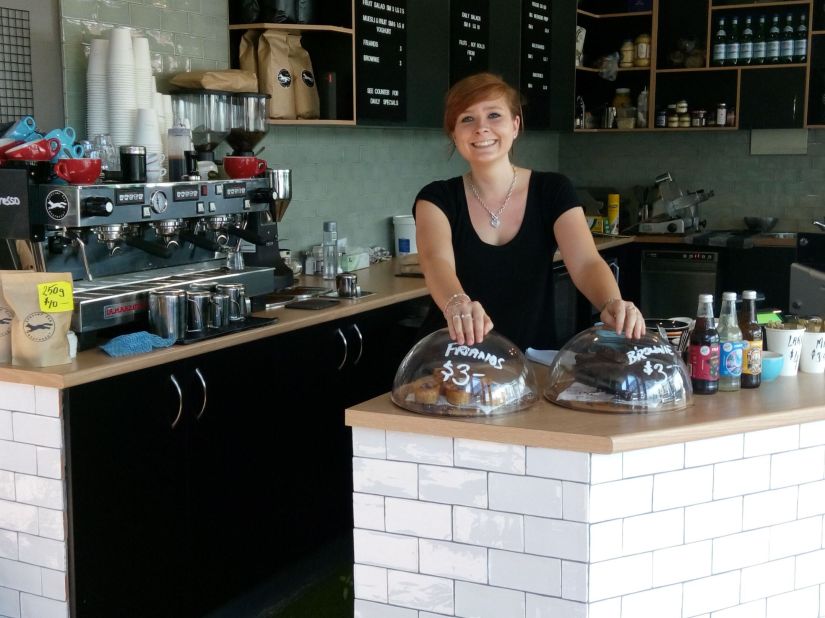
… and visited the cafe where Joanna was working.
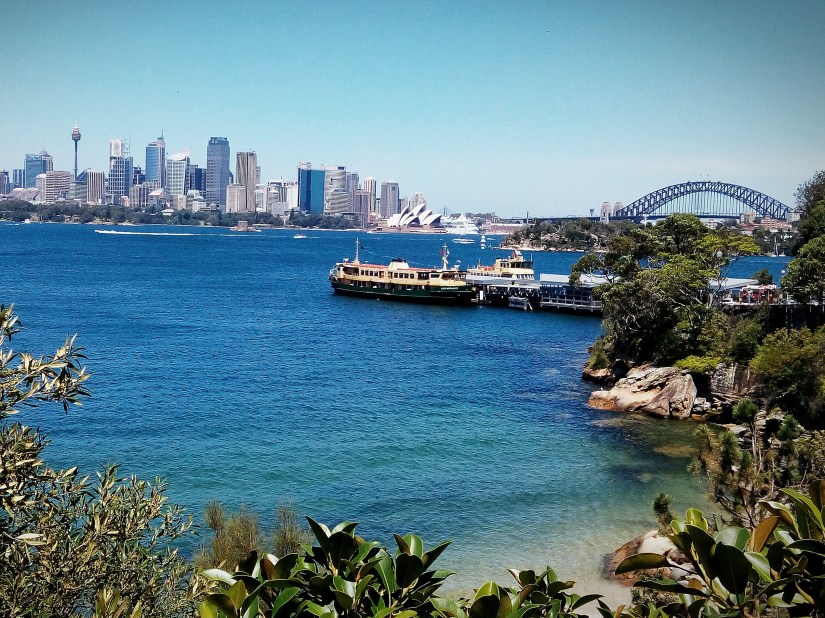
We also took a ferry from Circular Quay to Taronga and went for a bushwalk to Bradley Head with Jack and Jade.
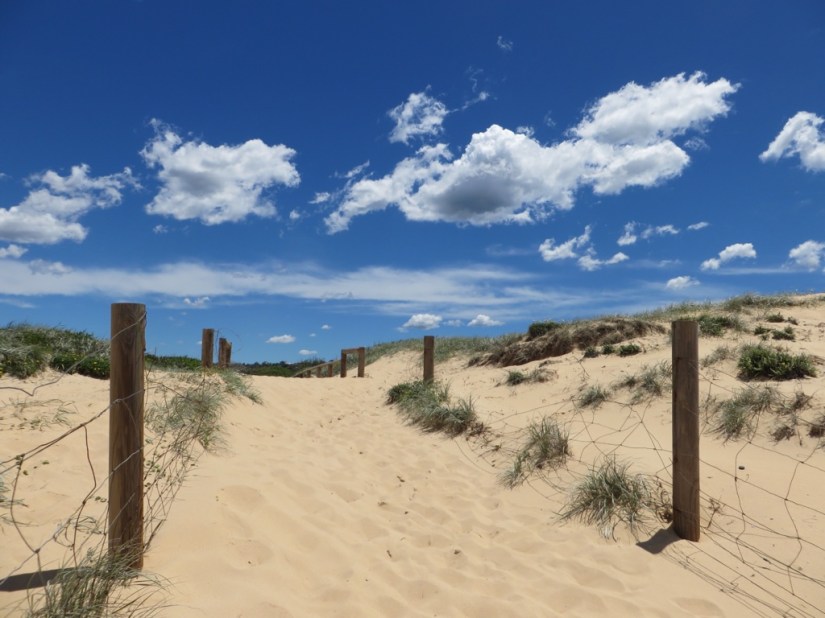
We spent a week camping at Shoalhaven Heads, a couple of hours south of Sydney, and at the far end of Seven Mile Beach. We took the scenic drive through national forest and along the coast. We were one of six families with a total of 13 youngsters in tow, and Chris and I had a bijou tent with an air mattress so it was almost glamping!
On one side was the stunning beach with lots of big waves but quite a strong undercurrent and rips …
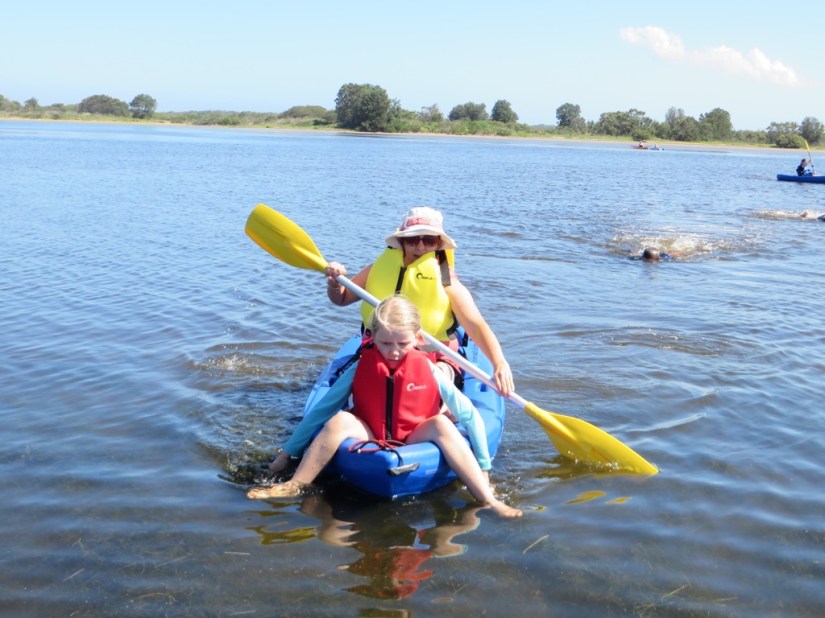
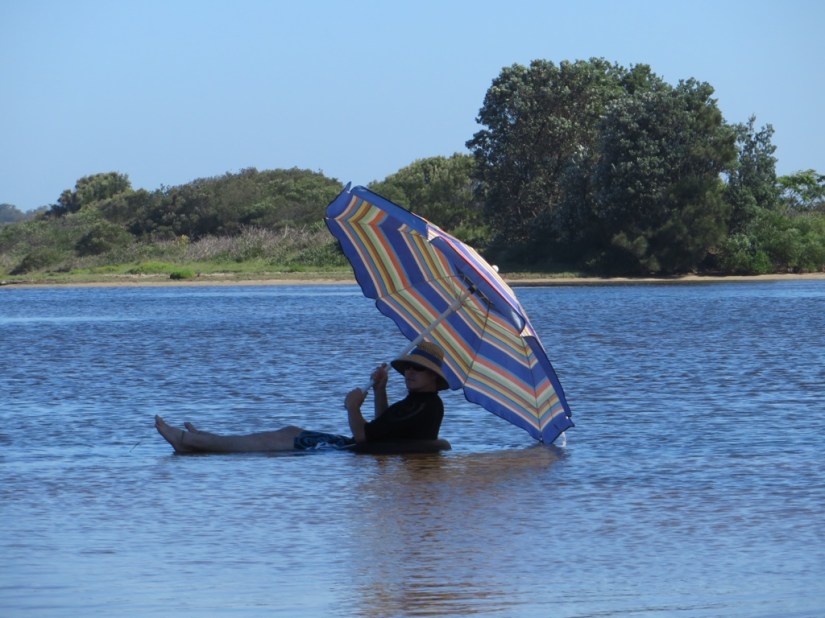
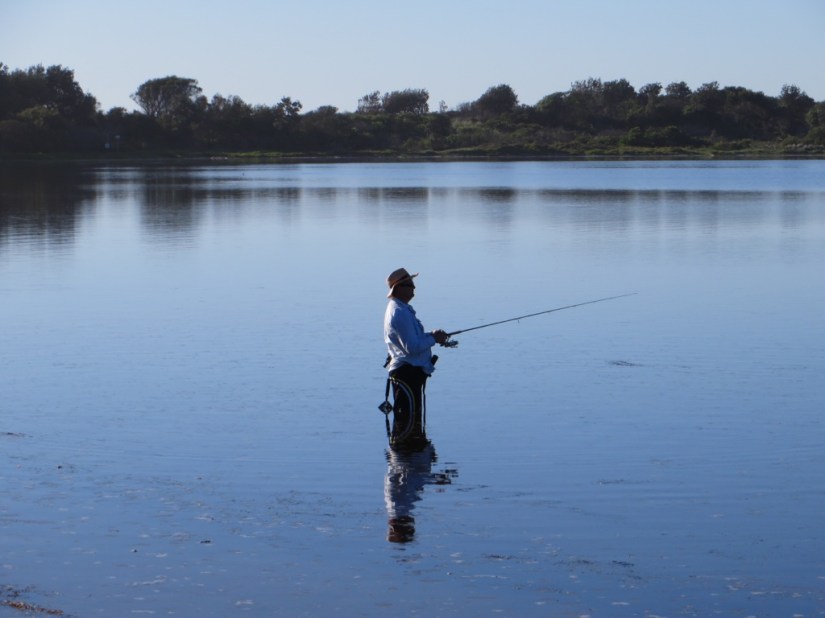
… and on the other the river mouth, ideal for fishing and messing about on the river.
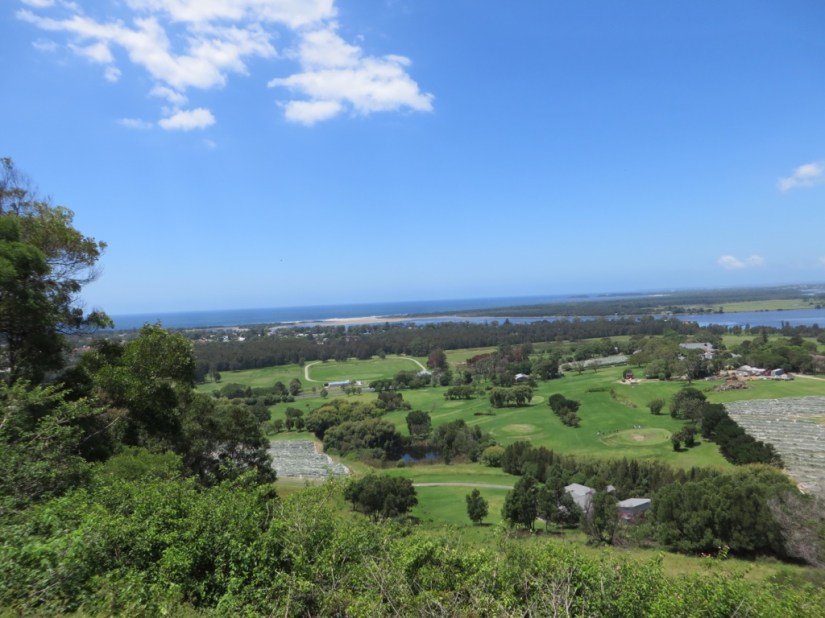
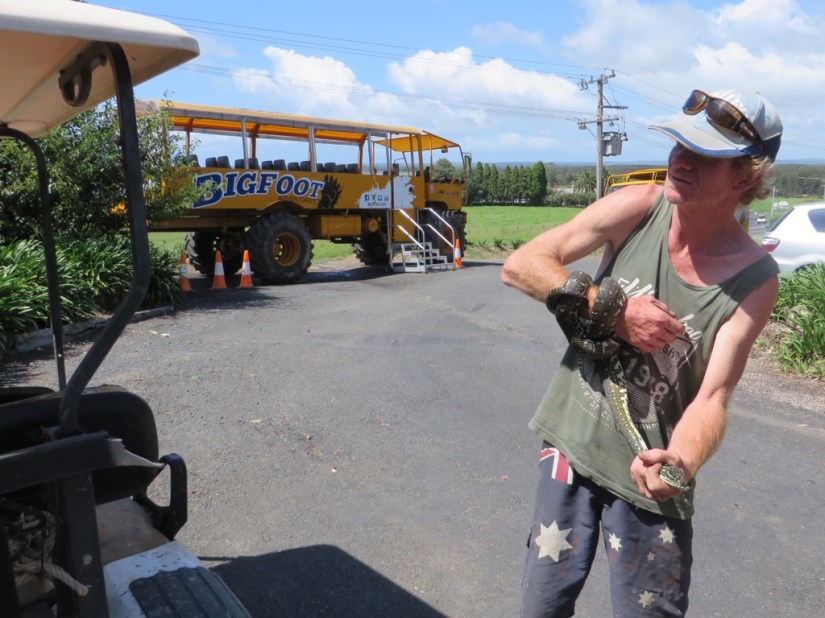
Just nearby is the Coolangatta Estate, the site of the first European settlement on the south coast of NSW and home to the Bigfoot Adventure, a 4WD tractor bus which took us to the top of Coolangatta Mountain giving great panoramas, not surprising as Coolangatta is from an aboriginal word meaning splendid view or good lookout.
We also saw a Diamond Back Python which was being relocated away from the golf course.
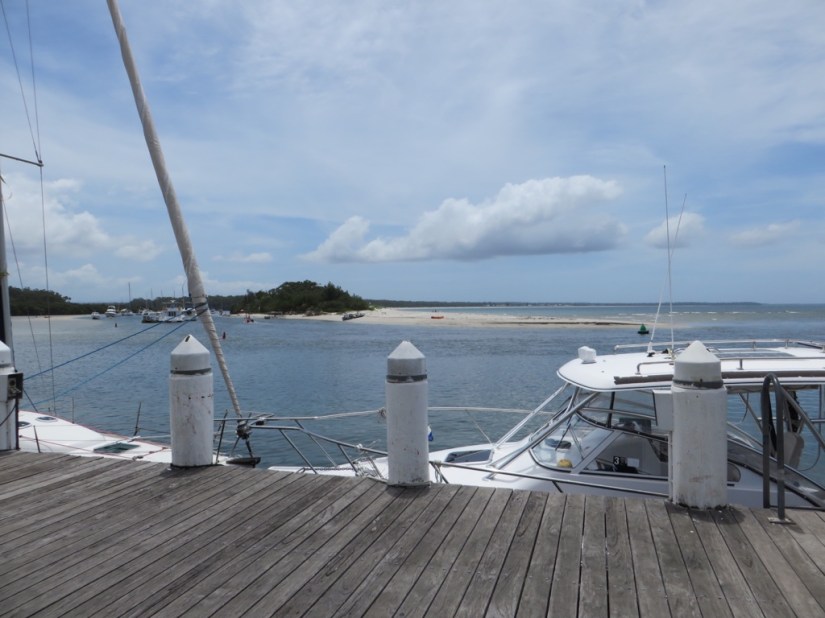
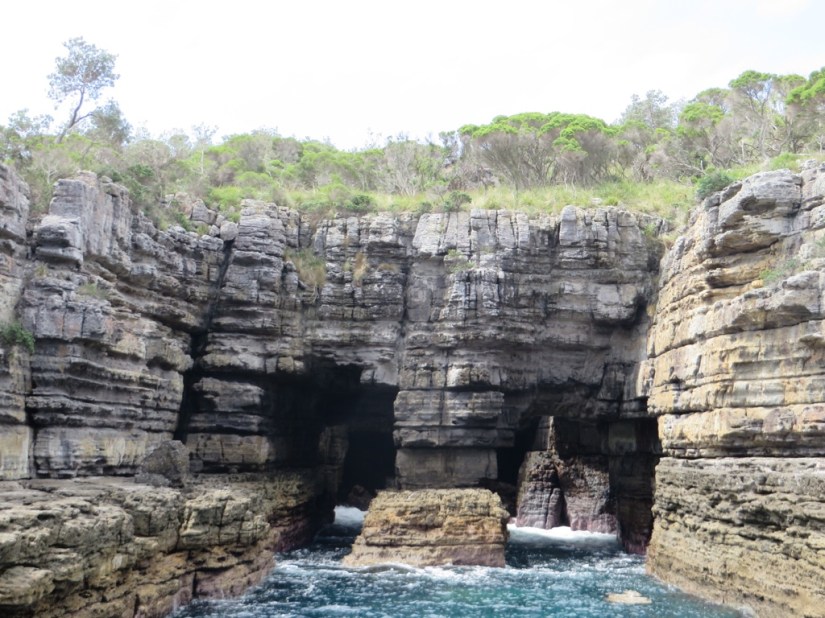
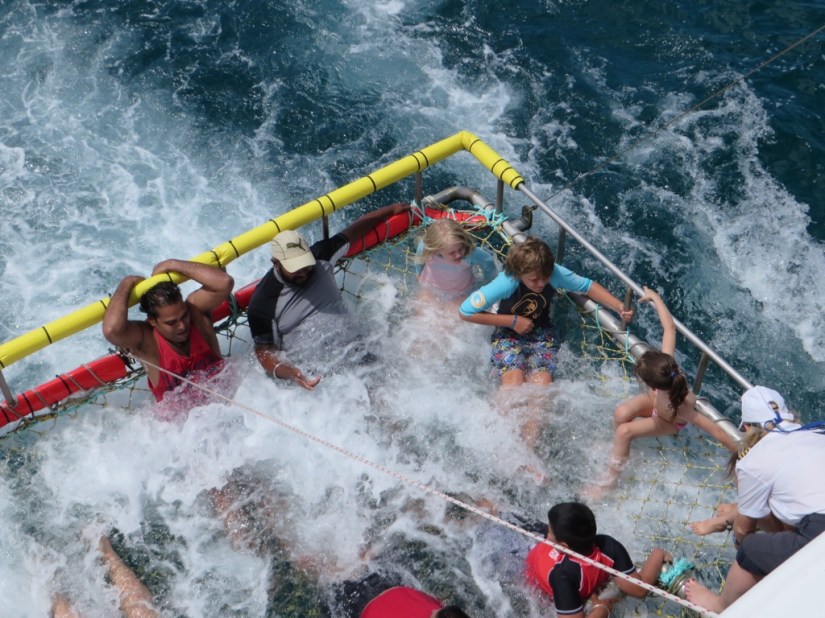
We went south to Huskisson and took a boat tour round Jervis Bay, out to Point Perpendicular, past beautiful sandy and almost deserted beaches and some stunning cliffs. We were lucky enough to see two pods of dolphins which was amazing, the first time I’ve seen wild dolphins, so graceful as they leapt out of the water. They also let down a boom net behind the boat for anyone who wanted to cool down.
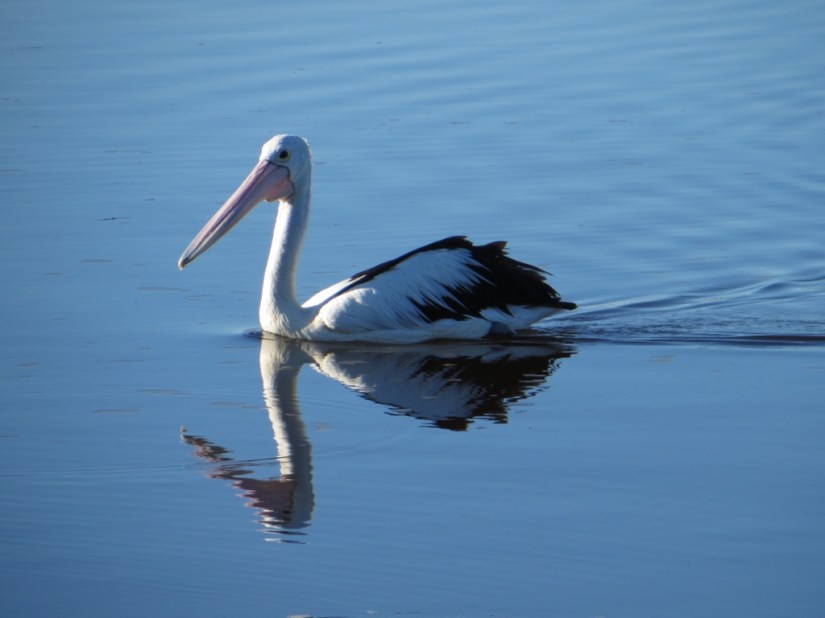
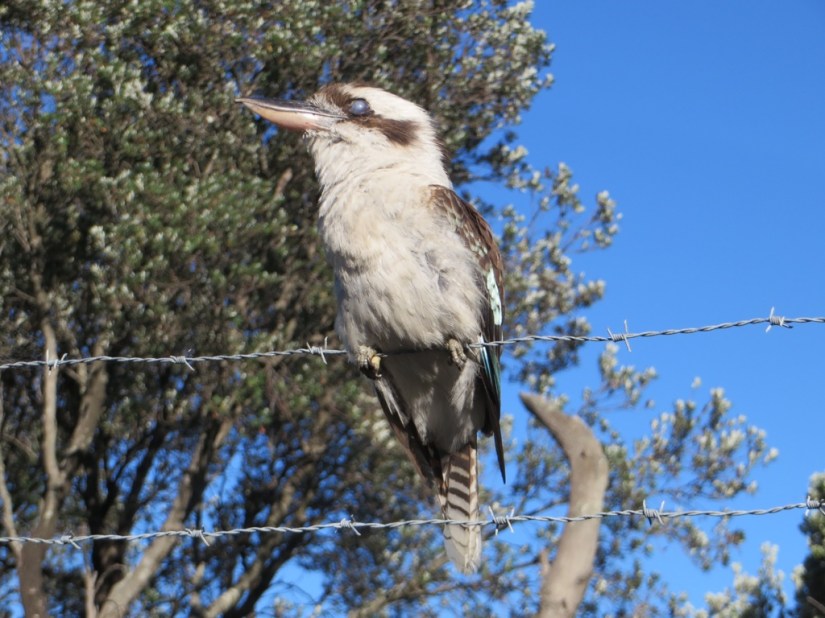
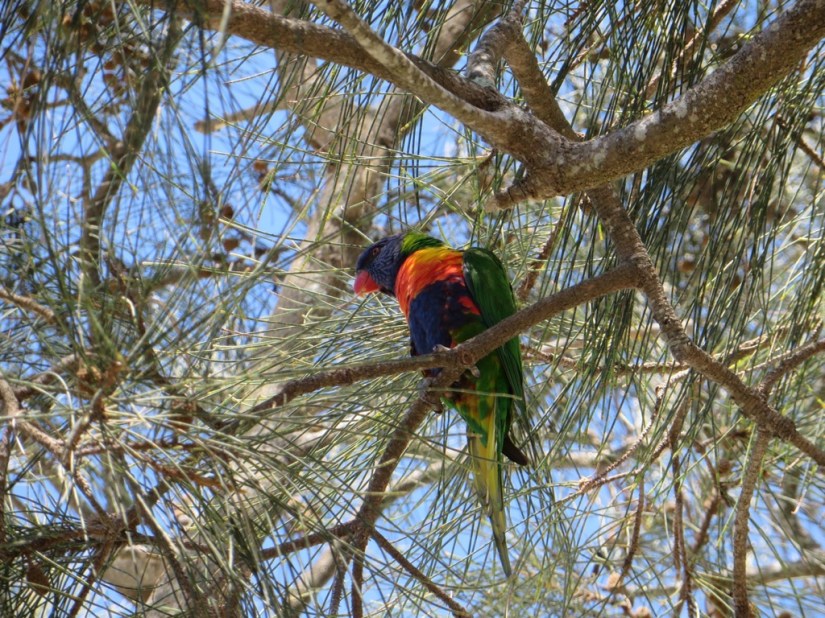
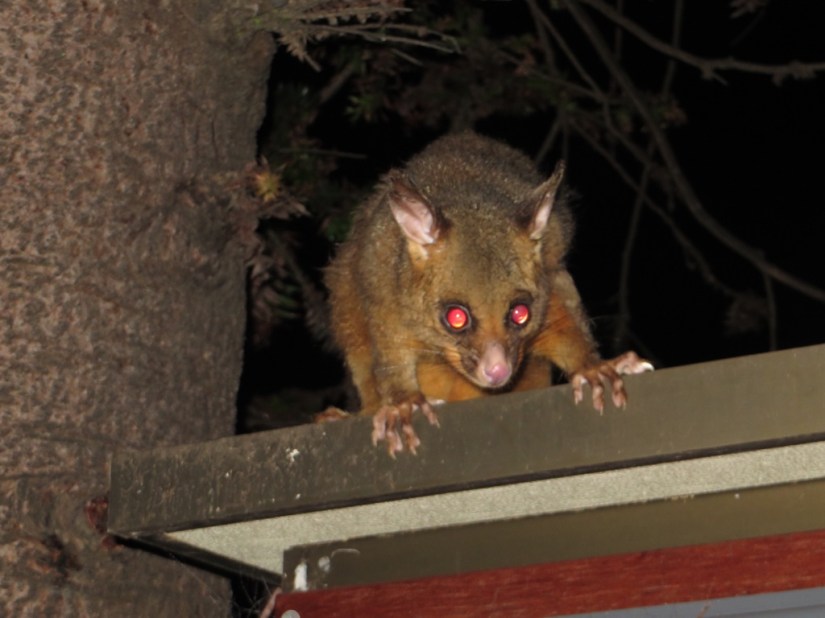
Chris started a daily photo comp with a few of the youngsters, which snowballed, with practically everyone joining in either as a competitor or a judge becoming a daily highlight and very competitive. Other highlights included the wildlife …
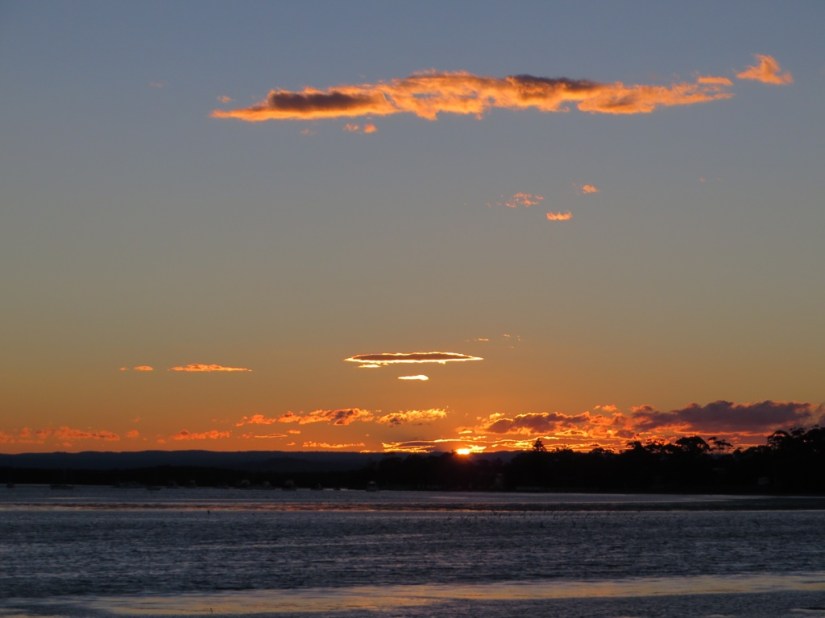
… the sunsets …
… and the doughnut eating contest!
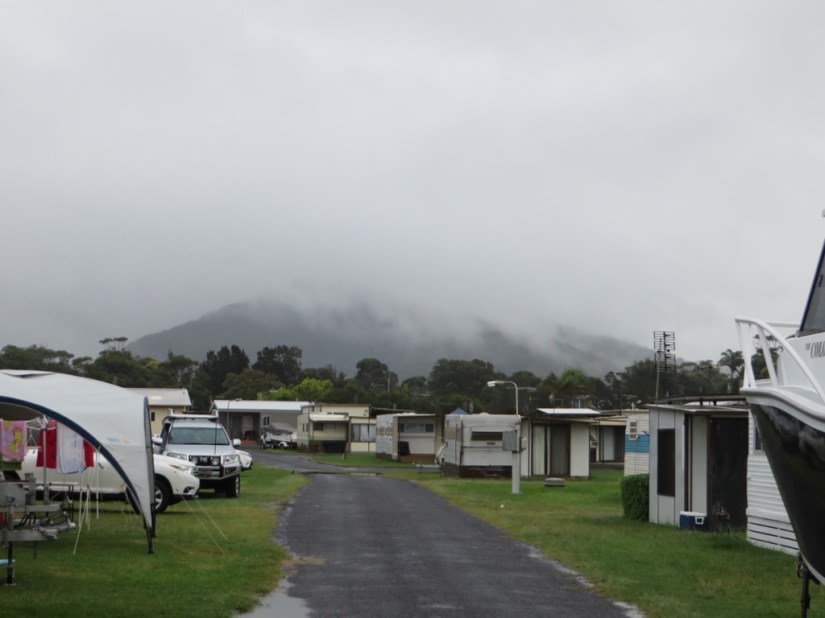
We had fabulous weather for the first 5 days with highs over 30 followed by some rain at night which tested our little tent, but all remained dry. The last 3 days were overcast but at least it was dry to pack up.
We really enjoyed the whole camping experience, especially being blessed with good weather and in such good company, but somehow doubt we will be camping any time soon in chilly drizzly England!
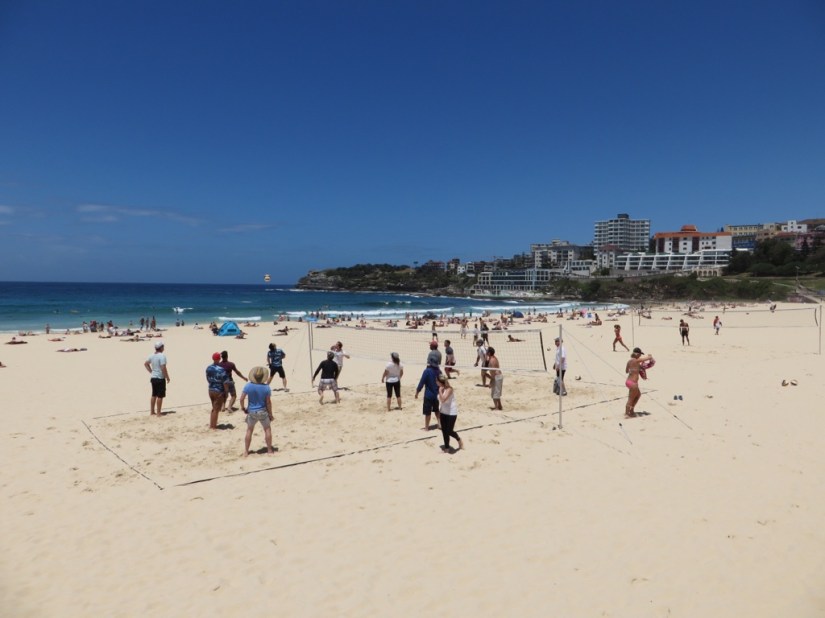
It was Chris’s birthday once we were back and we spent it visiting Bondi Beach then going for a delicious Asian Tapas meal in Cammeray with Jan and John.
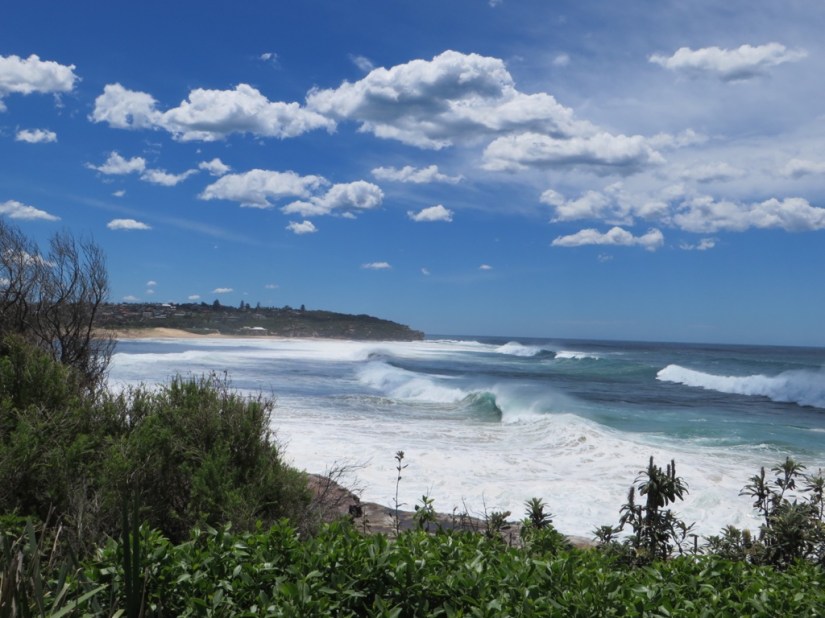
We also took some great pictures at Curl Curl on a day when the breakers were huge and the beach closed to swimmers.
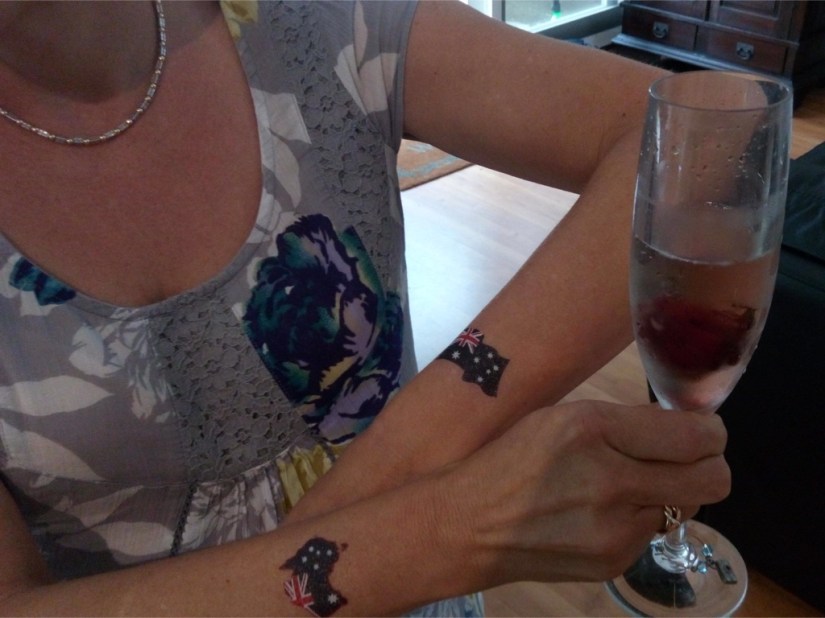
Australia Day arrived, and just like the British August Bank Holiday, good weather is certainly not guaranteed. Playing safe, we stayed at home, invited friends over and fired up the barby. The kids swam in the pool in the rain and later we sat in fleeces to keep the chill off but there were plenty of flags and party spirit!
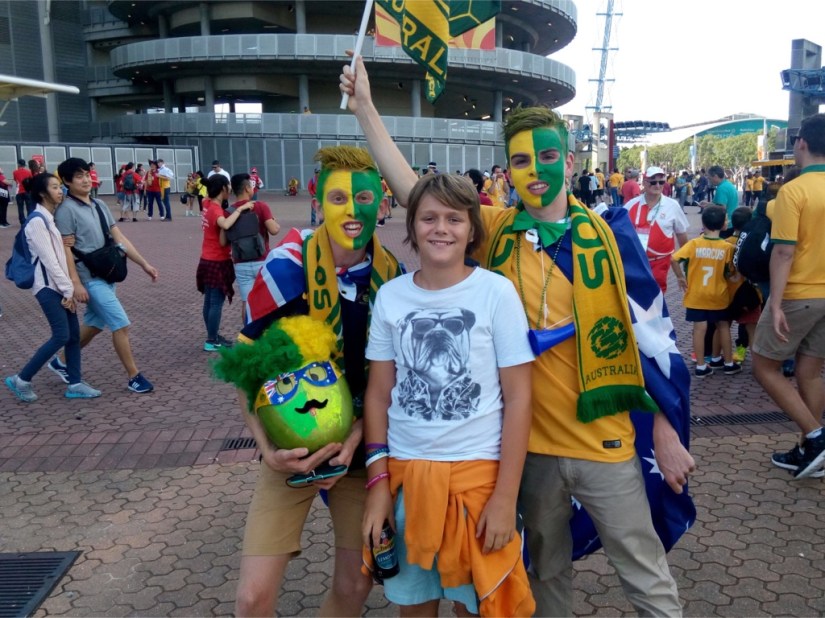
Chris bought tickets to the Asian Cup Final last October and was really pleased when Australia made it to the final. He and Jack went and had a great Aussie experience watching the Socceroos win 2:1 after a tense extra time. Boys came home after midnight tired but happy!
On our last day we went to Manly for lunch.
Afterwards it was time to pack for a morning flight to Auckland. It has been lovely to spend so much time with everyone and we are sad to say goodbye, but New Zealand beckons.
Having wished each other a Happy New Year while flying over Afghanistan, we arrived in Singapore on a warm but slightly grey New Year’s Day.
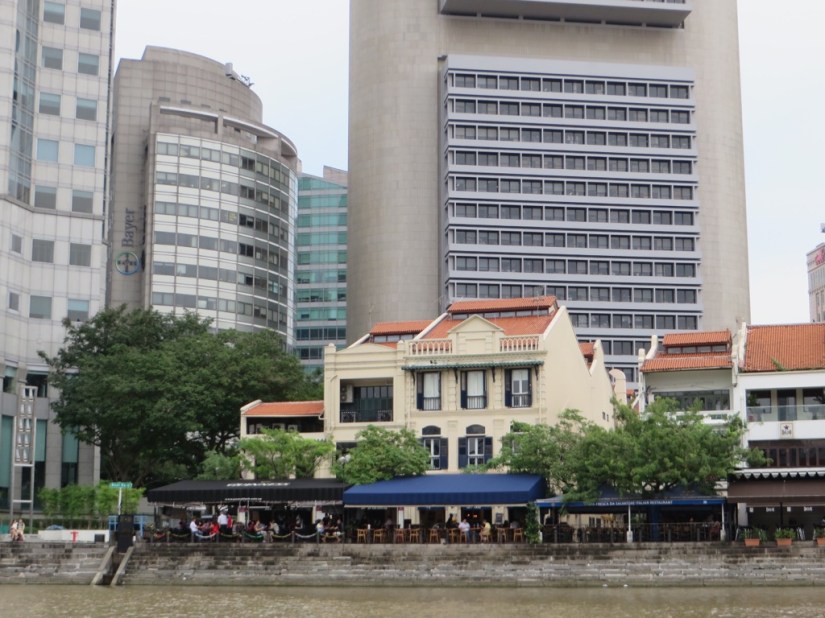
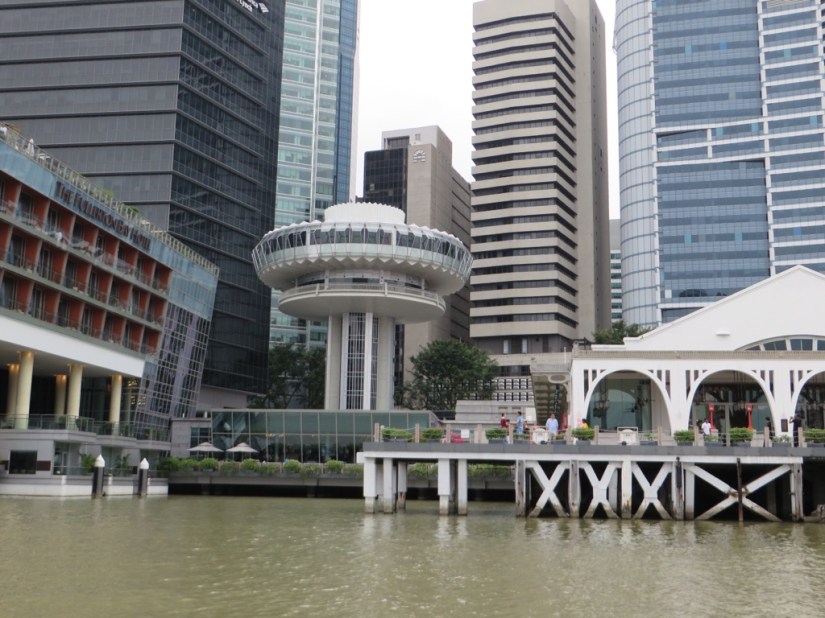
We started our sightseeing by making our way to Clarke Quay to catch a bumboat tour. The river was once the artery of Singapore, busy with boats carrying a myriad of goods including coffee, sugar and rice to the godowns or warehouses and remained a working river until the 1970s when a clean up campaign moved commercial traffic west. This ended the river’s vibrant history as a trade waterway, leaving newly cleaned waiters home only to tourist boats and the godowns of Clarke Quay and the Chinese shophouses of Boat Quay, now just restaurants with a river view.
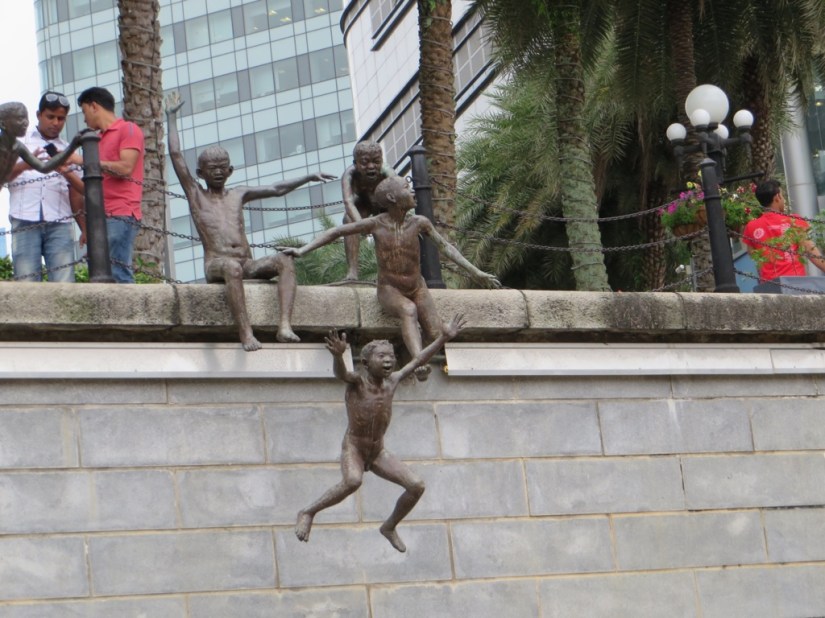
We continued past some lads going for a swim …
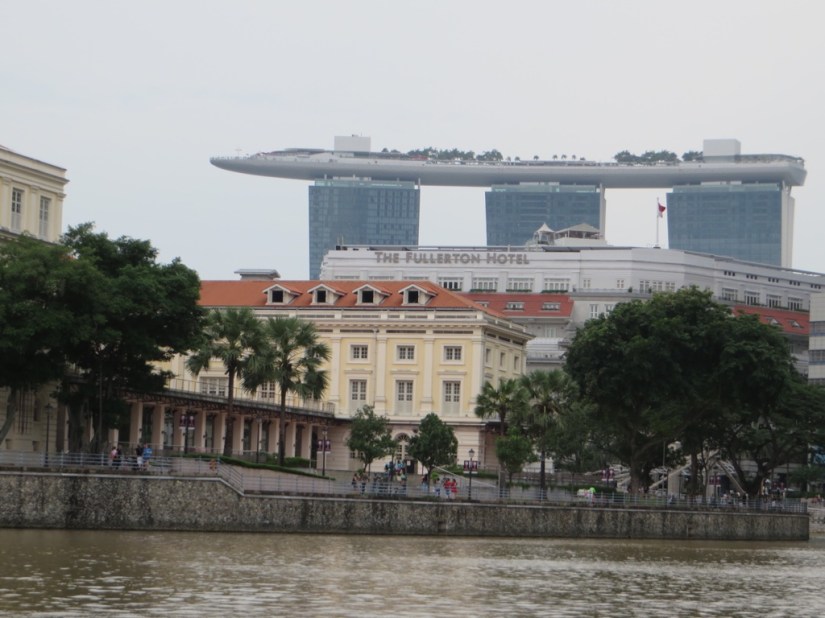
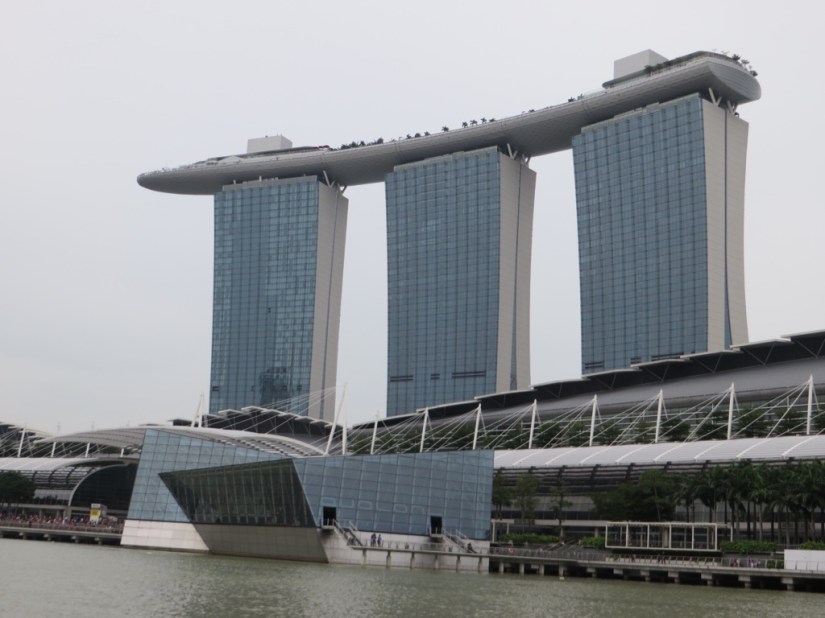
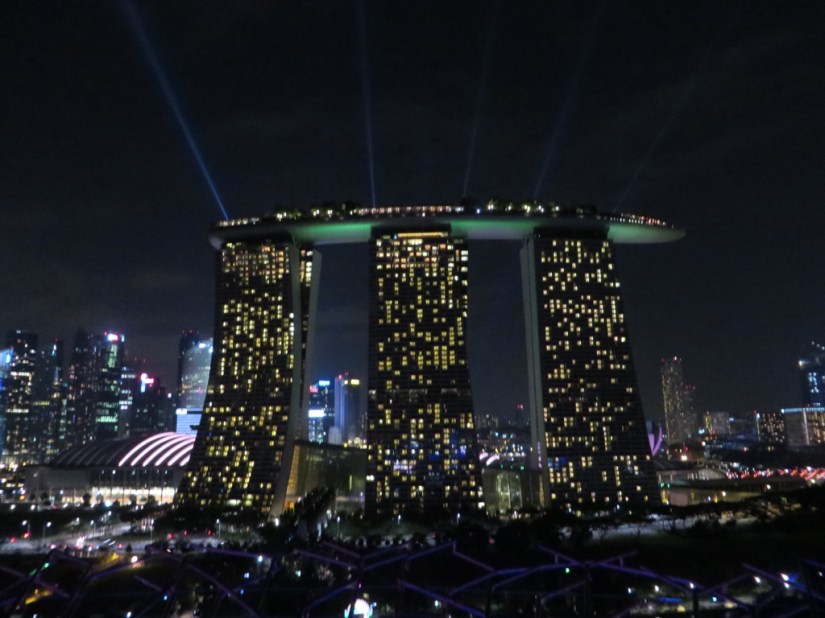
… on to Marina Bay, dominated by the new Marina Bay Sands Hotel looking like a ship stranded on top of three towers …
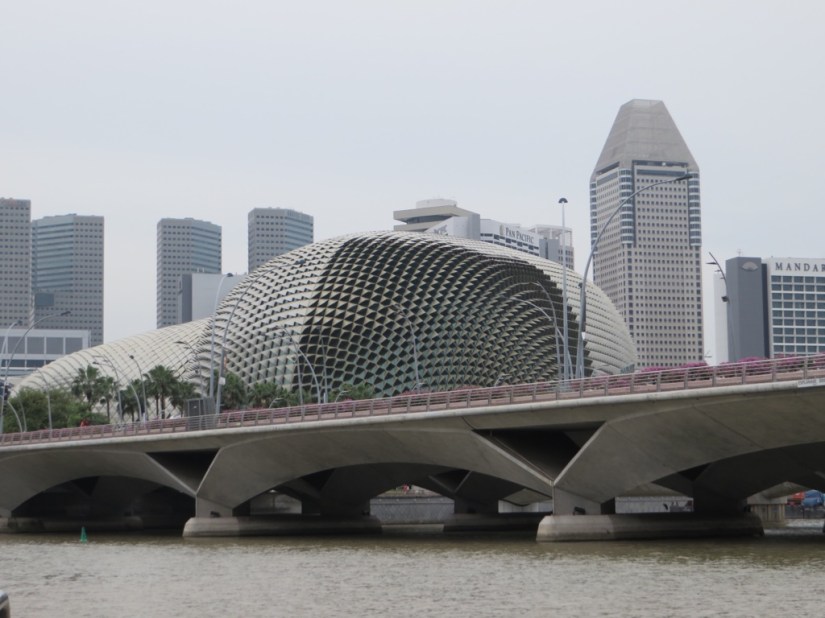
… the Esplanade Theatres affectionately called The Durians by the locals for their resemblance to this smelly fruit …
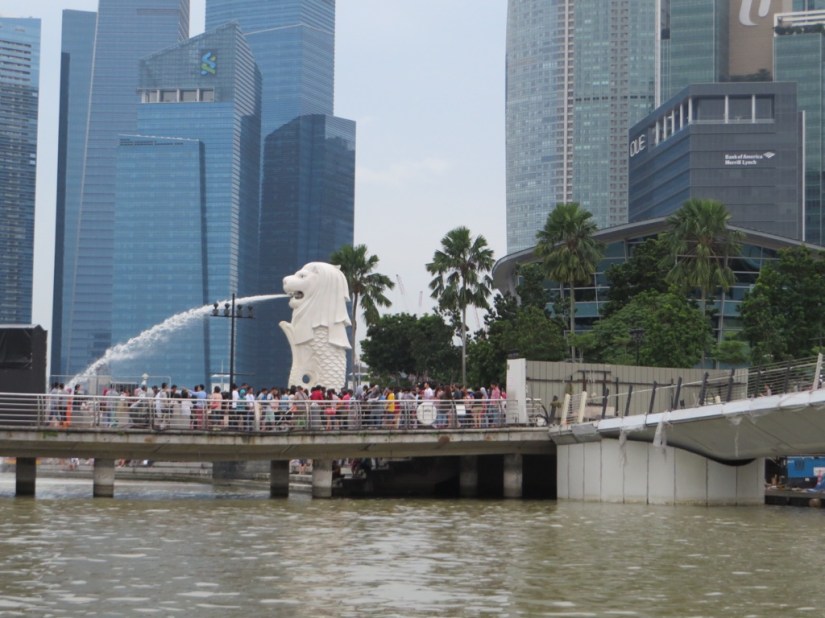
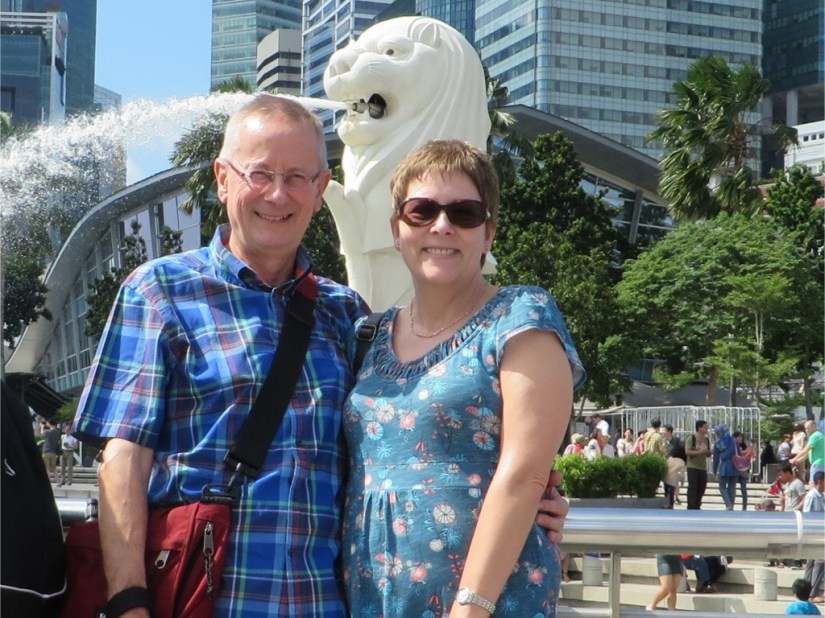
… and the Merlion, the half lion, half fish national symbol of Singapore.
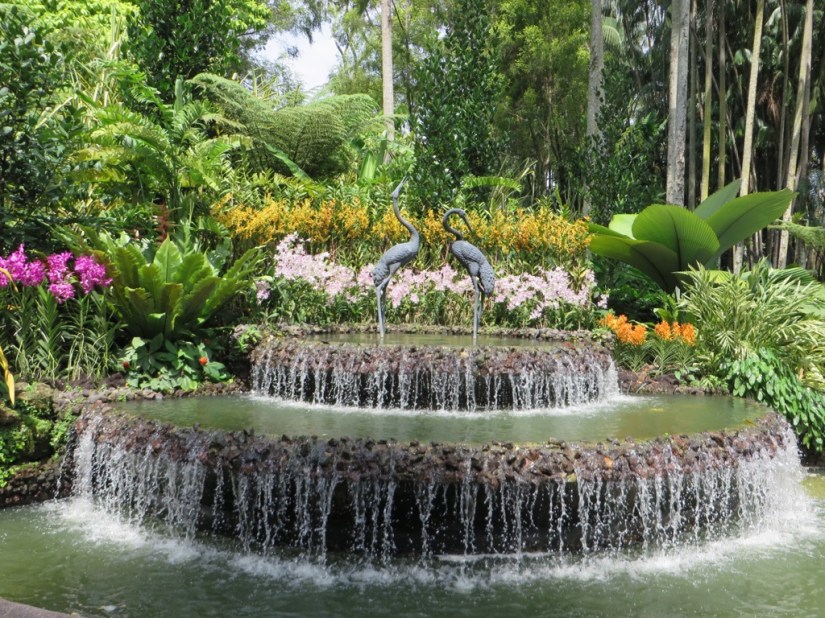
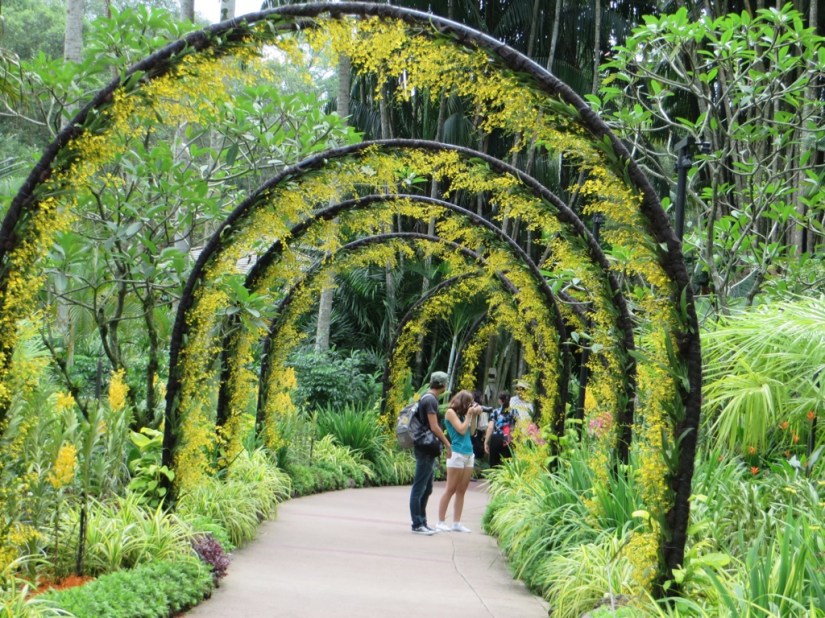
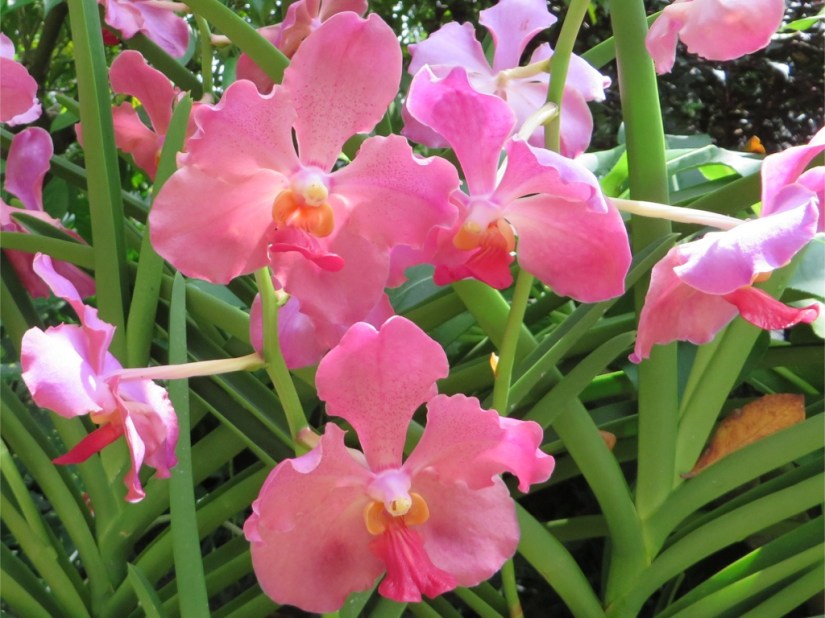
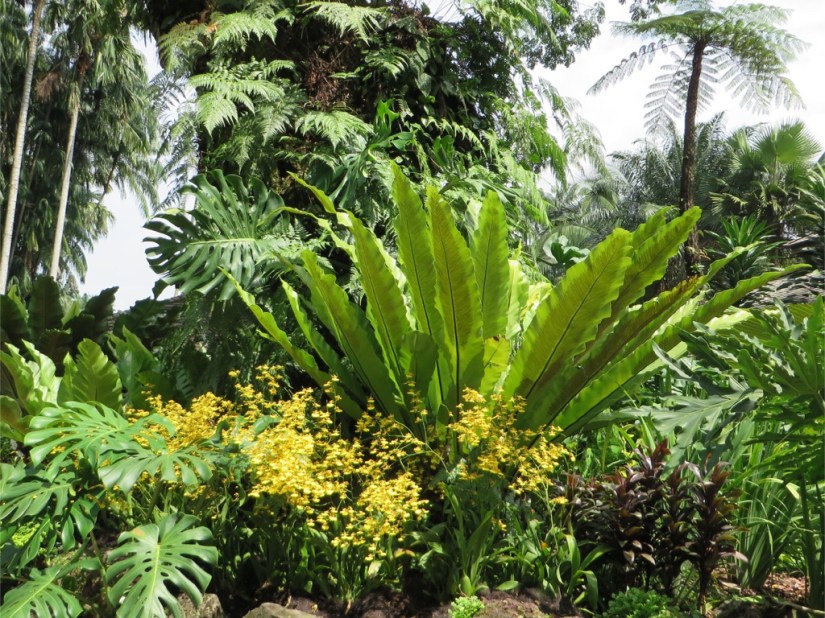
Skyscrapers I was expecting, and shopping malls and concrete, but I wasn’t expecting Singapore to be so green. There are trees lining many of the streets and lots of areas with grass, often shaded and providing a cool place to sit, and even gardens on the side of buildings! Then there are the parks, Fort Canning Park in the centre of the city and the immense Botanic Gardens to the north, where we spent all morning walking a couple of kms from one side to the other, and looking round the world’s largest collection of orchids which can be seen planted out in the gardens, rather than hidden in hothouses. There is also an area of rainforest which is part of the original vegetation that covered Singapore.
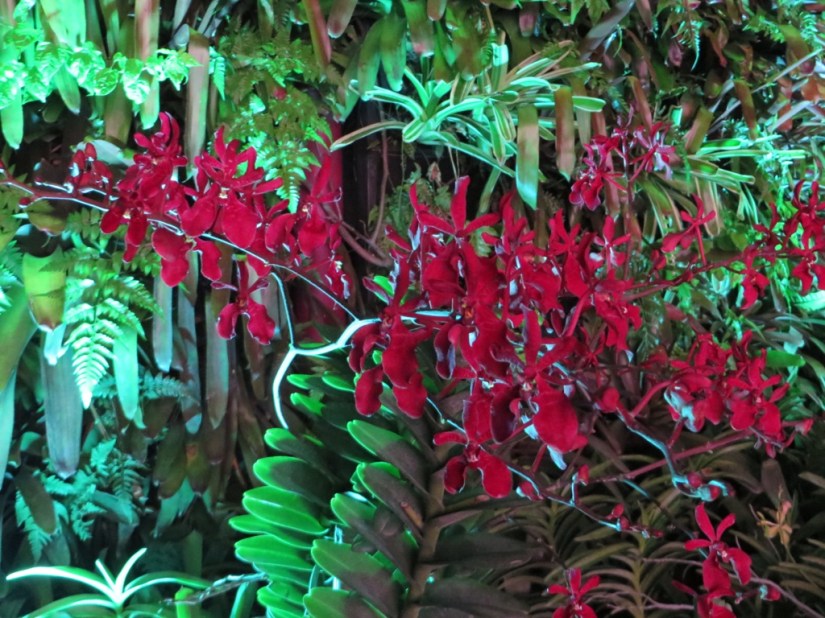
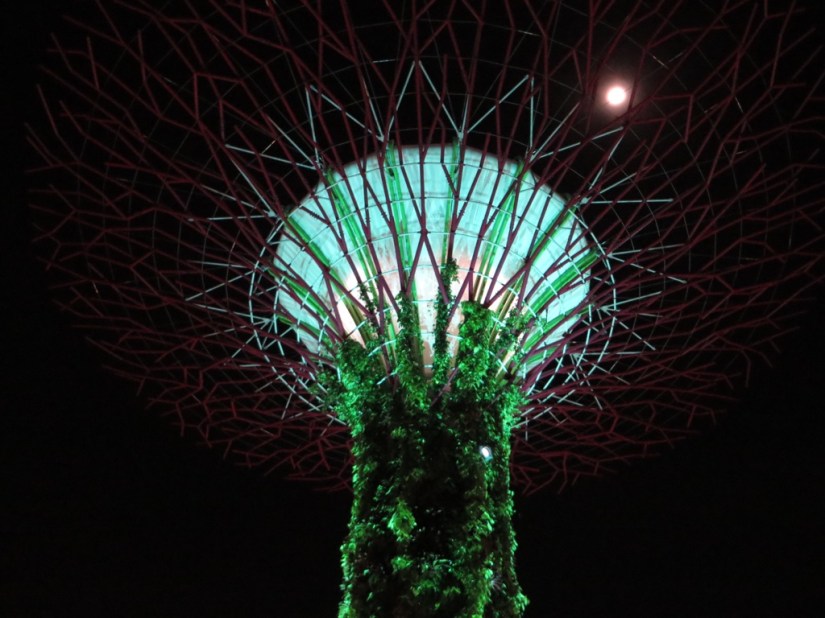
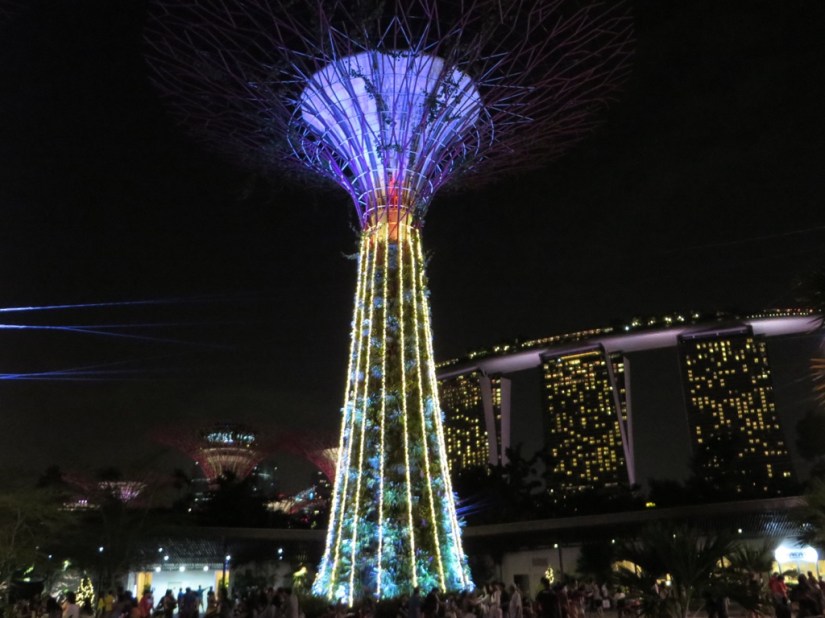
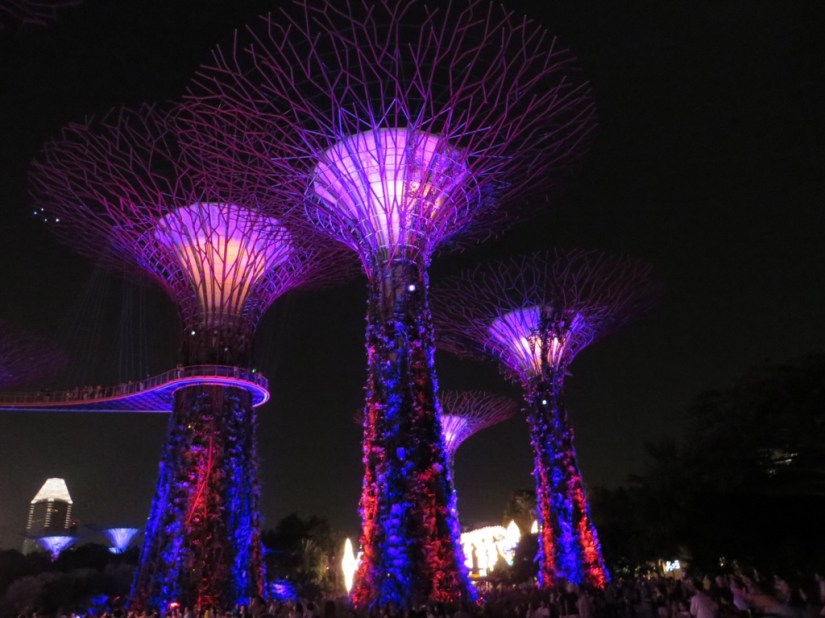
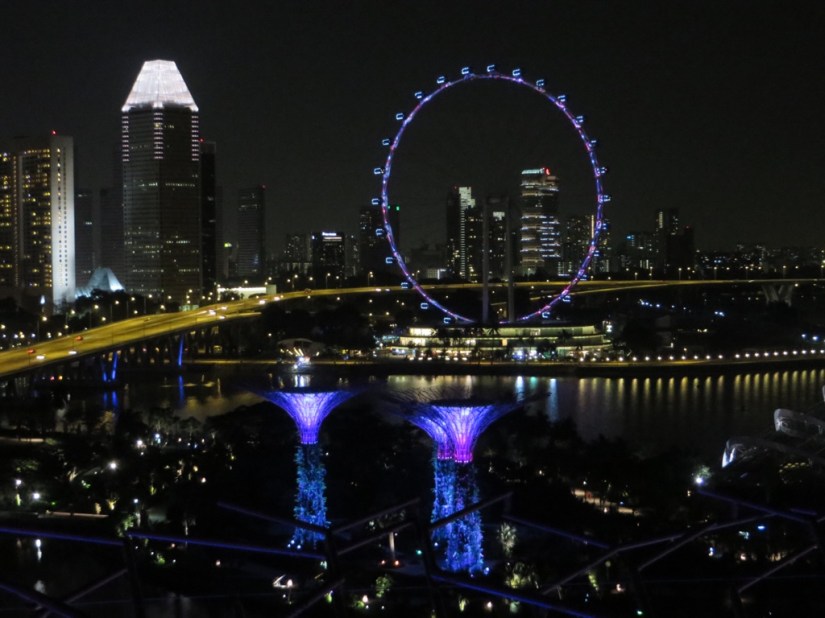
These parks are open from early in the morning till late at night, free and really well used with lots of families visiting and picnicing. The new Gardens by the Bay has a couple of huge domes filled with plants which we didn’t visit, but also Supertree Grove, containing giant tree sculptures planted with ferns and orchids which take centre stage for a free light show each evening.
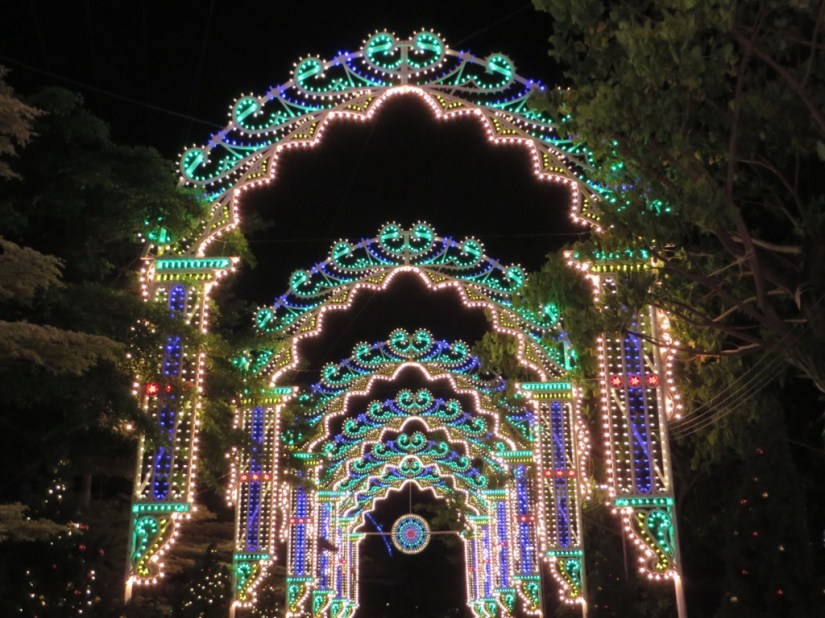
Everywhere is twinkly …
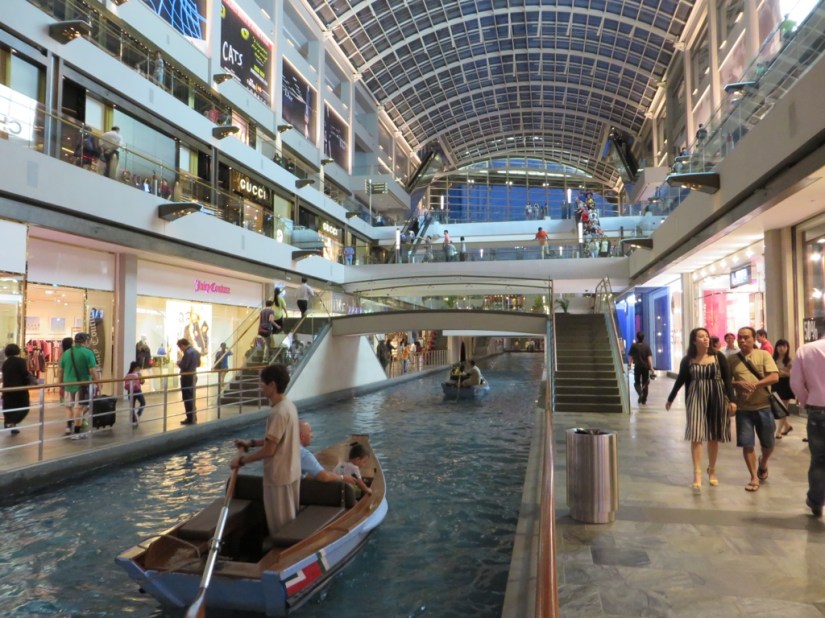
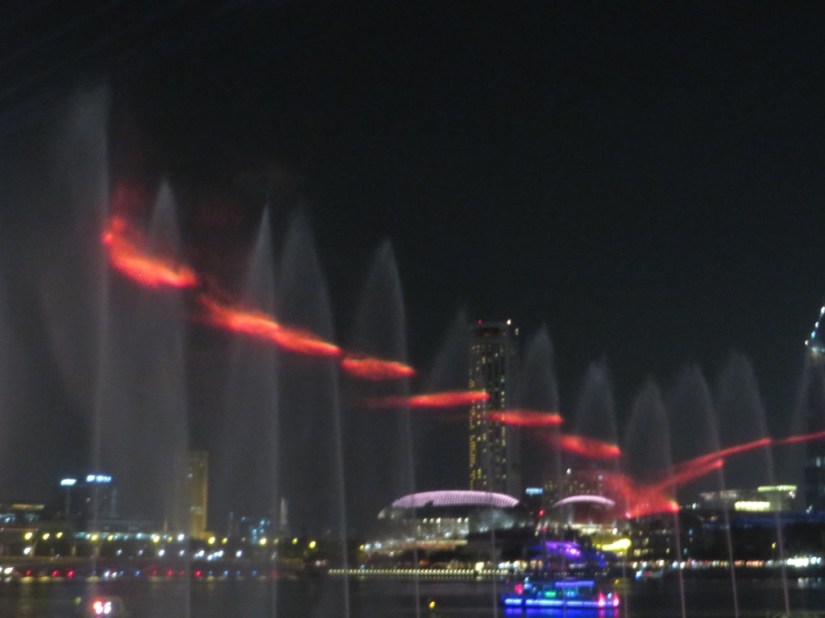
… and there is another free show at the Marina Sands complex and we walked through the huge shopping mall, complete with canal and sampan boat trips, to an outside area facing the bay where we watched Wonder Full, with images projected onto fountains.
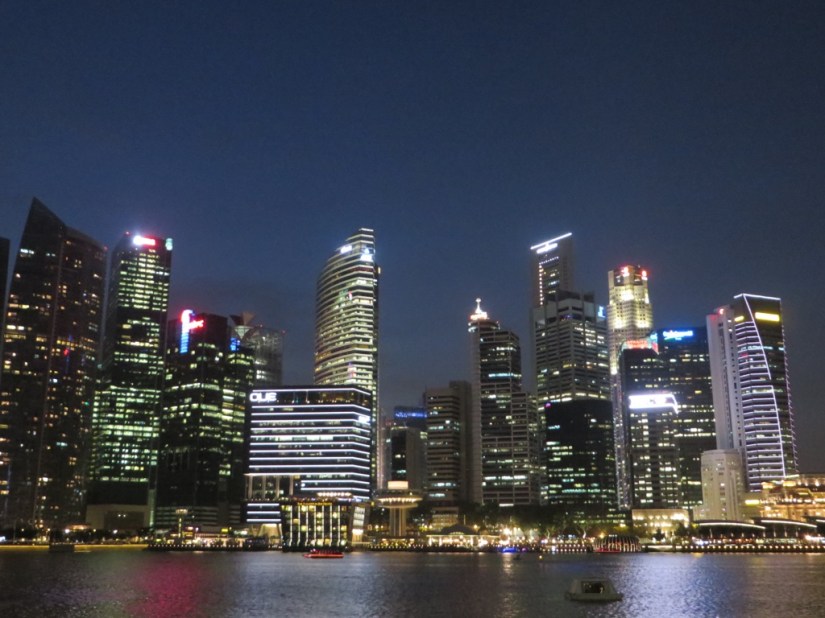
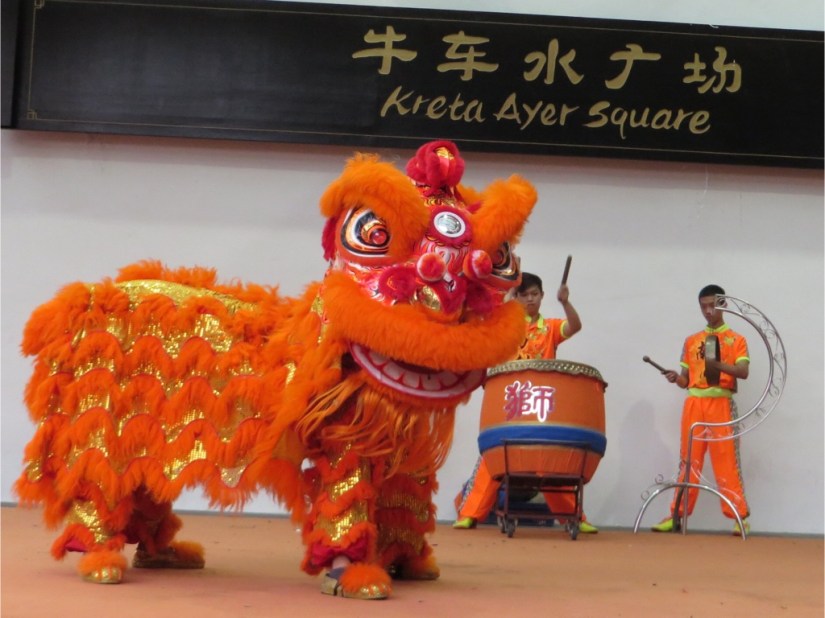
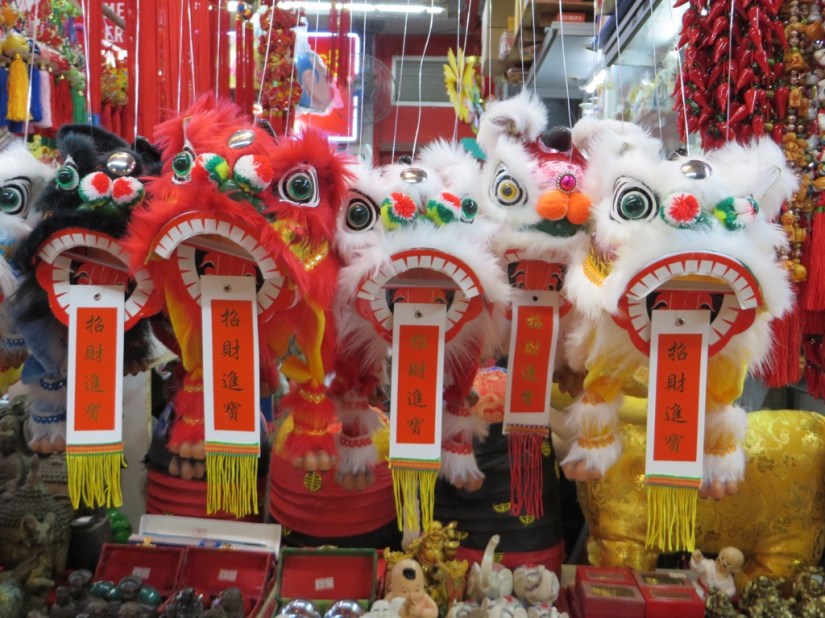
We have seen better, but the view across the bay with the skyscrapers of the Financial district behind was stunning. Chinatown has a display of drumming and lion dancing at the weekends, each lion containing two people who operate a wiggly tail, blinking eyes wagging ears and a mouth that opens and closes giving huge expression to their movement.
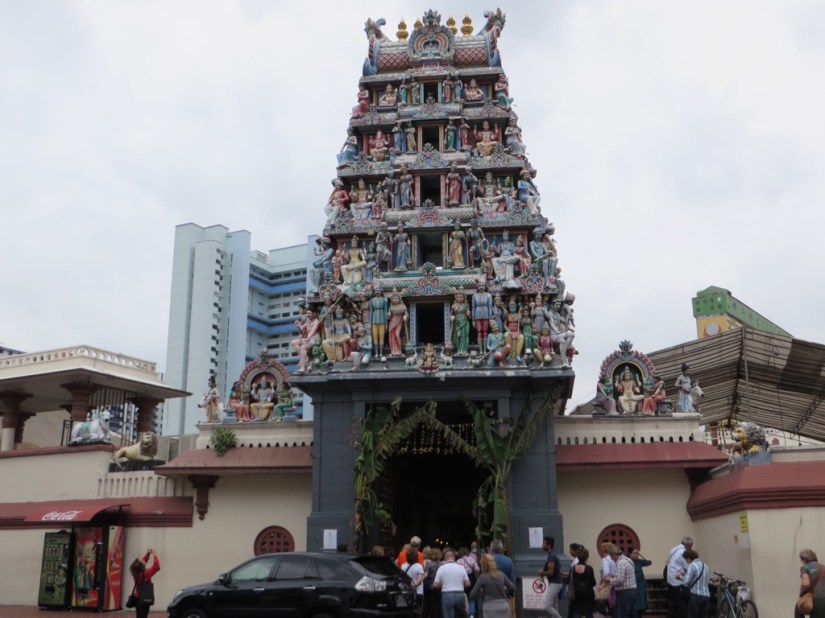
Malays, Chinese, Indians and Europeans all arrived in Singapore searching for work and commercial opportunities, and from the start, they settled in different areas of the city and we took a free bus tour provided by our hotel which helped us find our bearings and dropped us off in Chinatown. We passed the Sri Mariamman Temple, the oldest Hindu shrine founded by the Tamil pioneer who accompanied Raffles to Singapore …
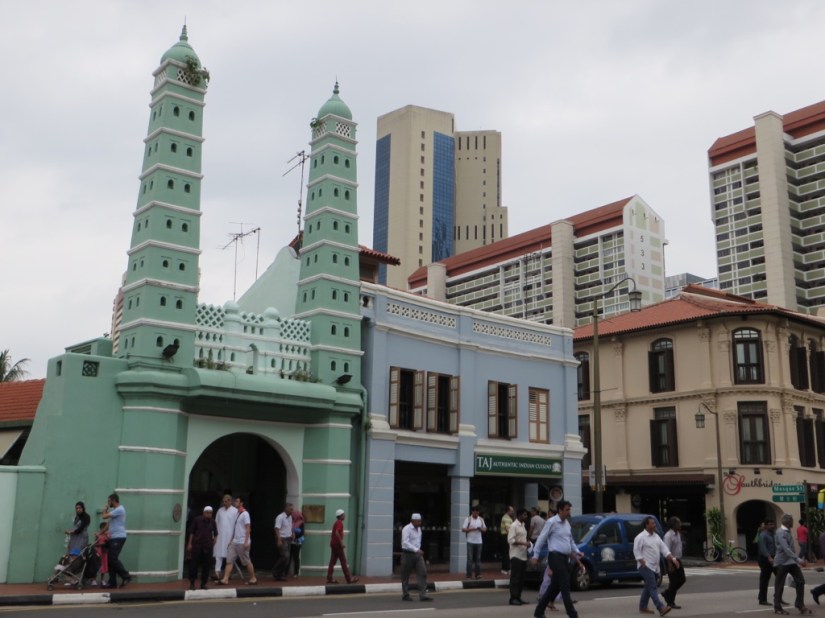
… and almost next door, the Jamae Mosque built by settlers from the Coromandel coast in Southern India.
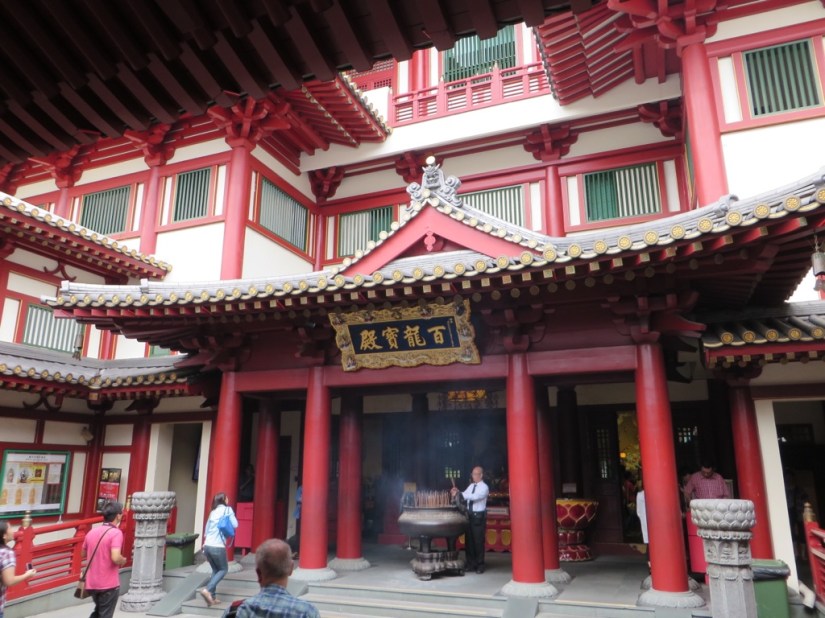
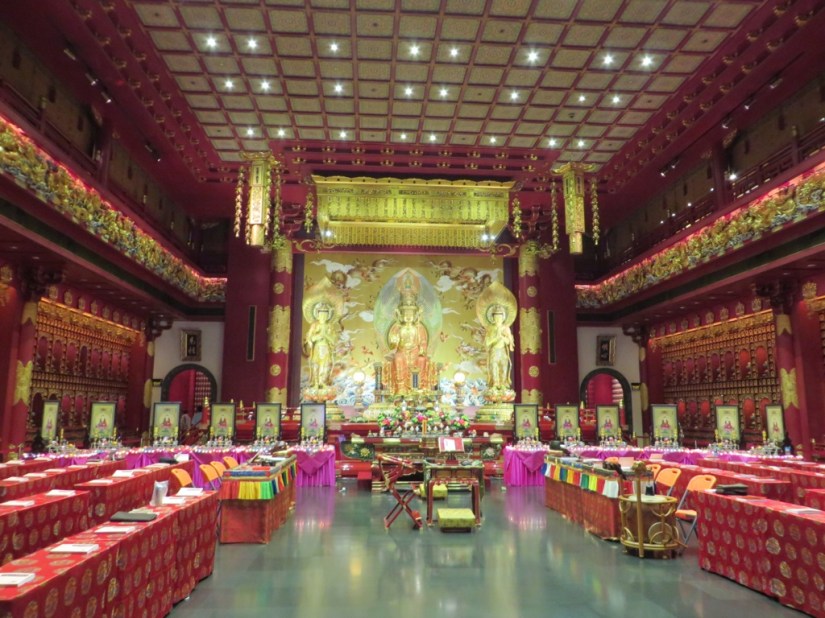
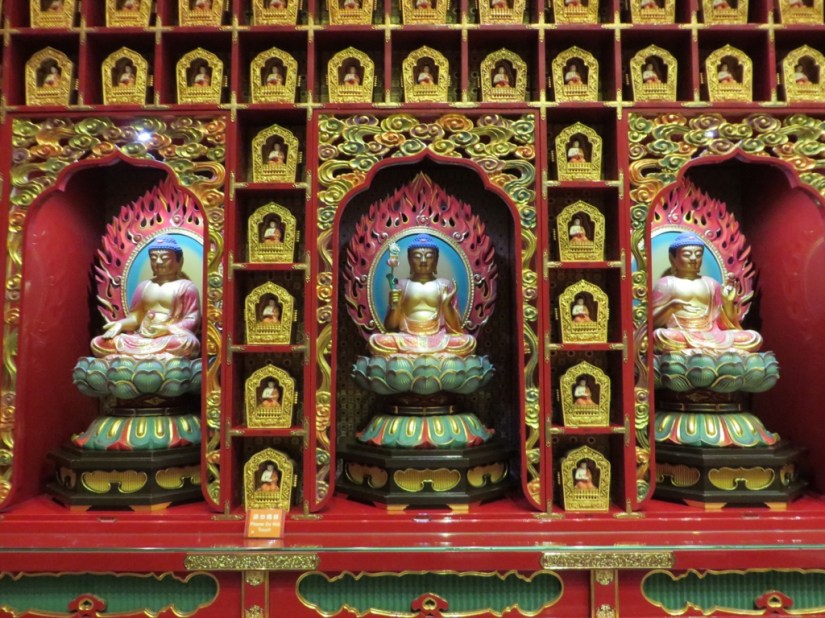
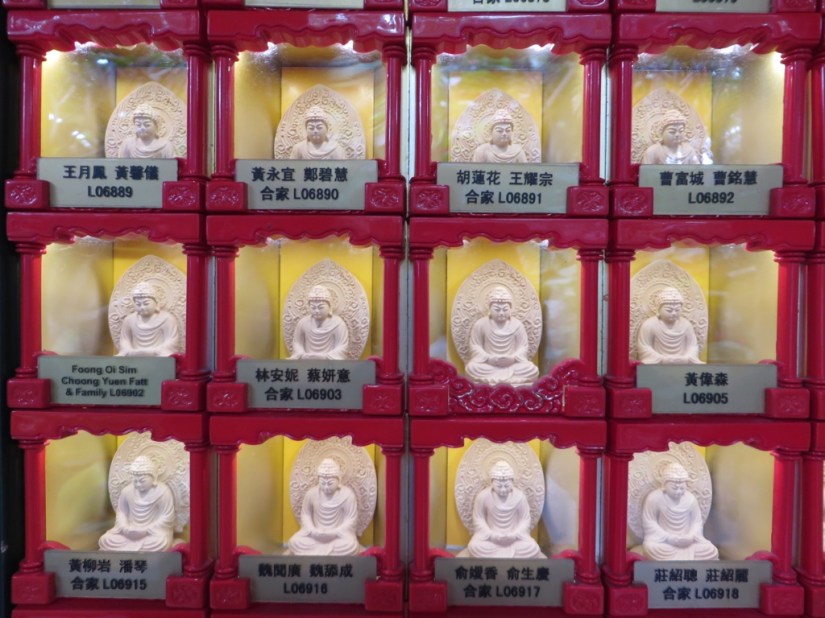
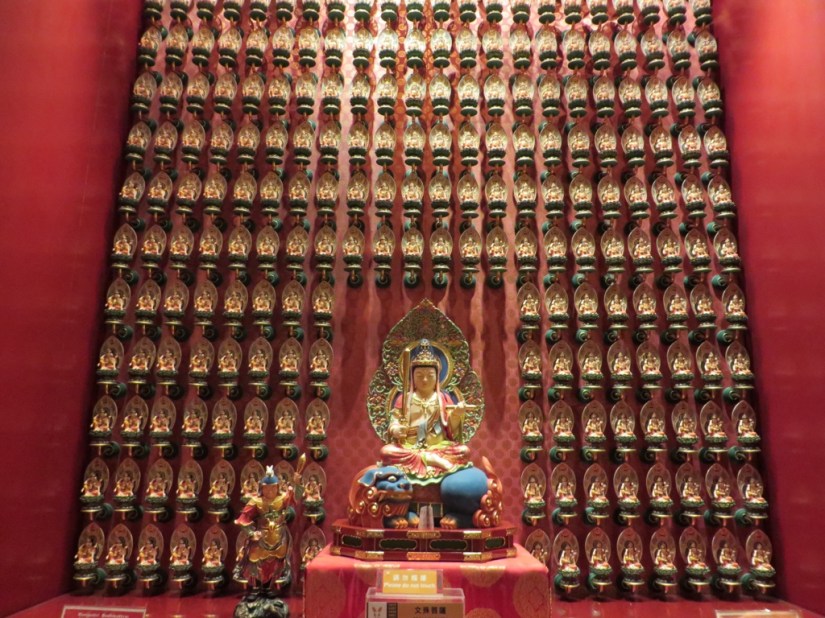
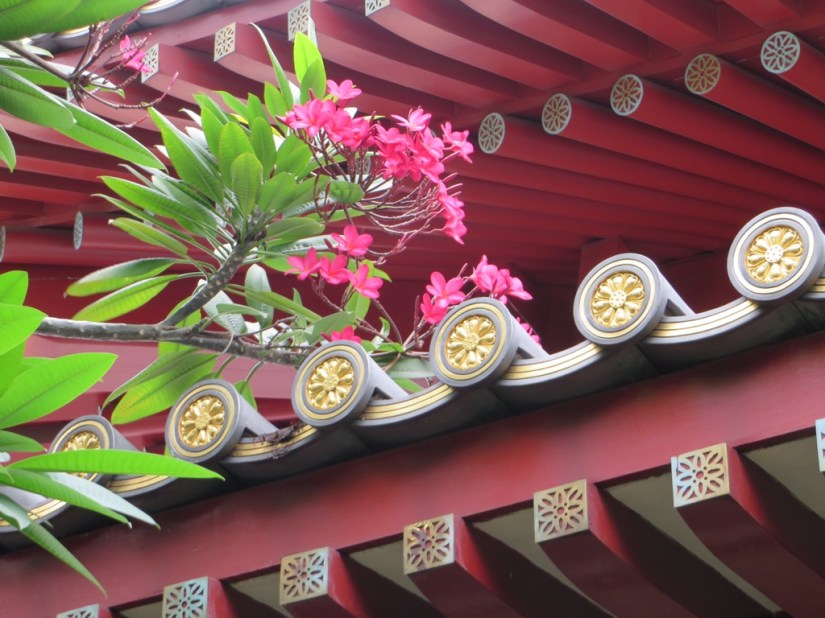
By far the newest and most ostentatious is The Buddha Tooth Relic Temple, built in 2007 to house a tooth of Buddha which was found in a collapsed stupa in a Burmese monastery and donated to Singapore by the abbot. The main hall contains a huge seated Buddha, but round the walls are more statues of Buddhas, surrounded by get more tiny Buddhas, each with a number. They are all available for adoption for a fee which will no doubt bring the donor good karma and recoup the £30m construction bill.
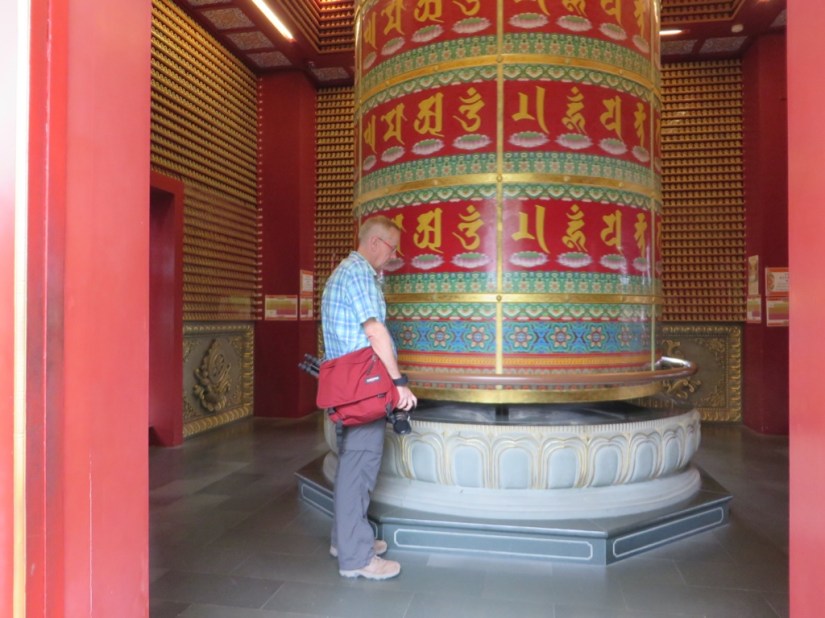
Upstairs is a stupa in its own chamber behind glass panels housing the tooth, together with lots more Buddhas, and finally the roof garden, with the Pavilion of 10,000 more Buddhas and a beautiful cloisonné prayer wheel.
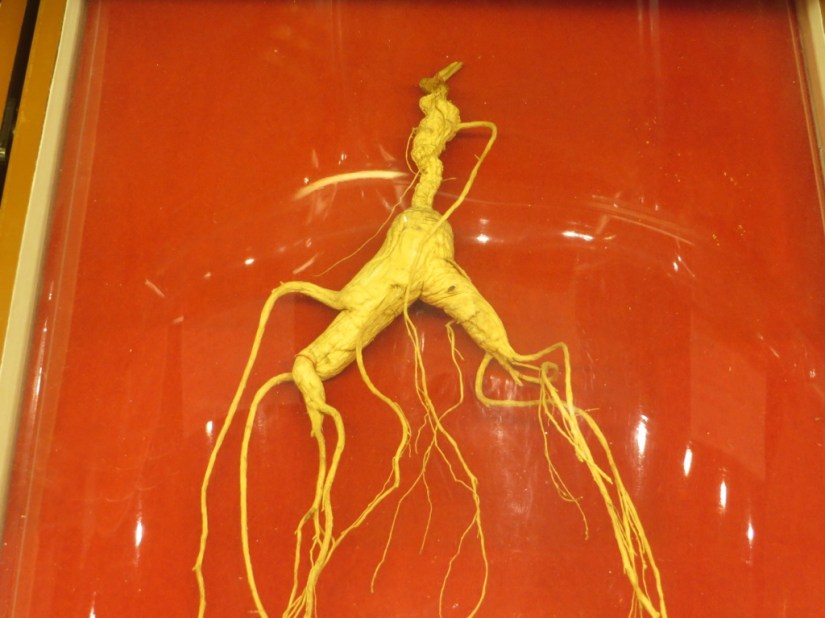
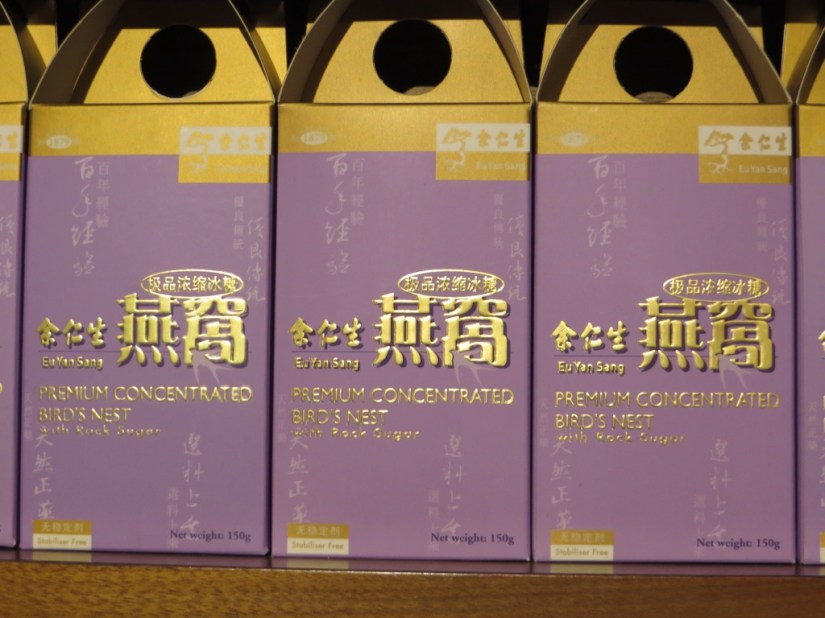
We popped into the Eu Yan Sang medical hall, one the oldest Chinese herbalists here, with the shop smelling like musty leaves, and selling everything from a piece of ginseng costing £9,000 to products made with the nests of swiftlets, specially collected for the purpose and cleaned, crushed up and infused for soup or tea to help to generally boost your health.
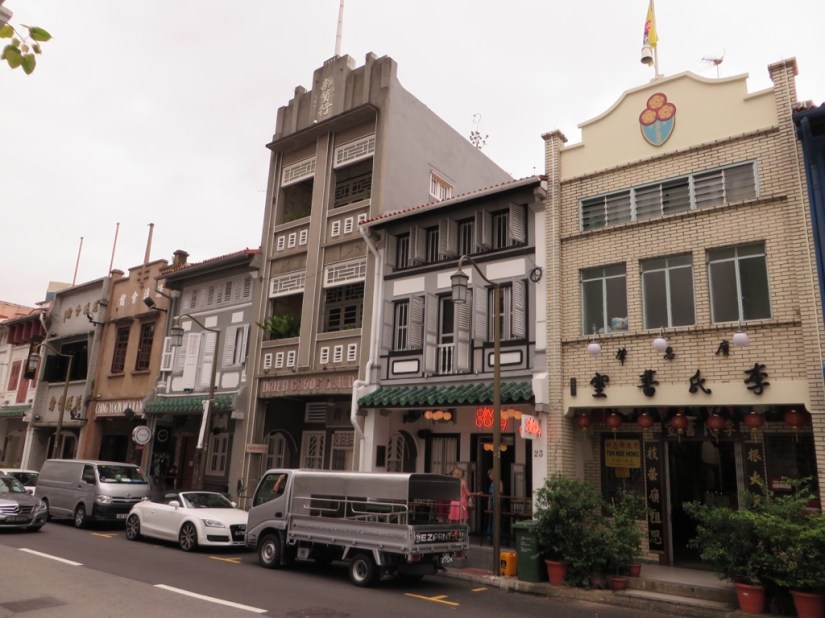
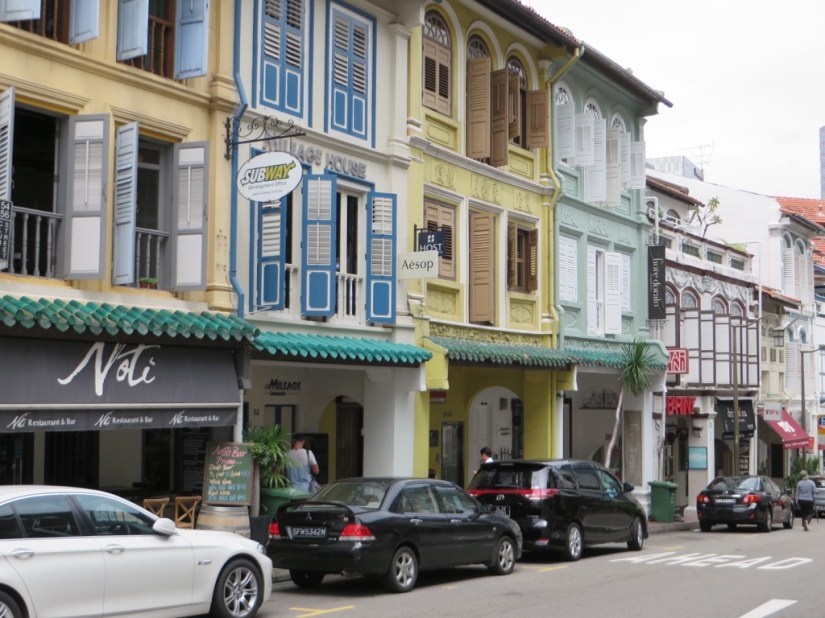
We passed lots of shophouses, most restored and now hotels and restaurants, but also some headquarters for clan or trade associations, looking more original.
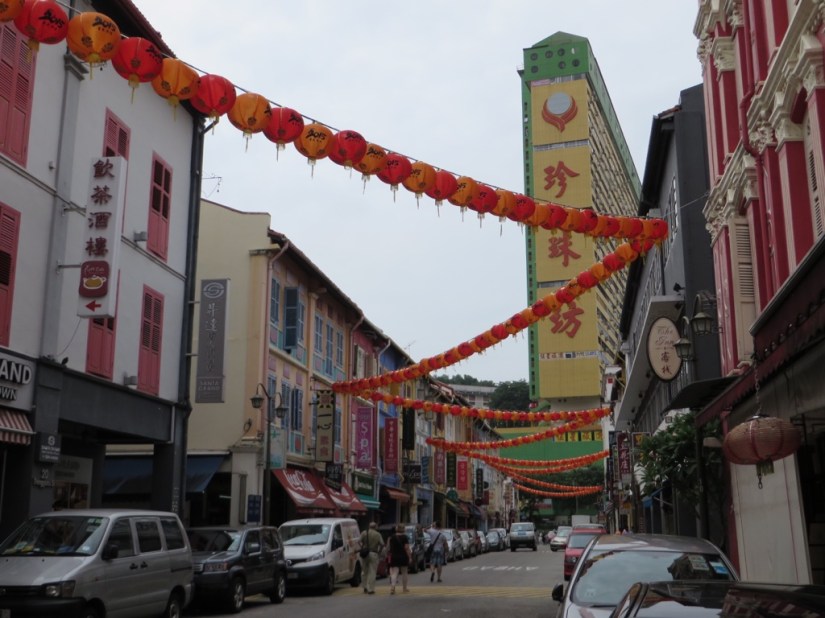
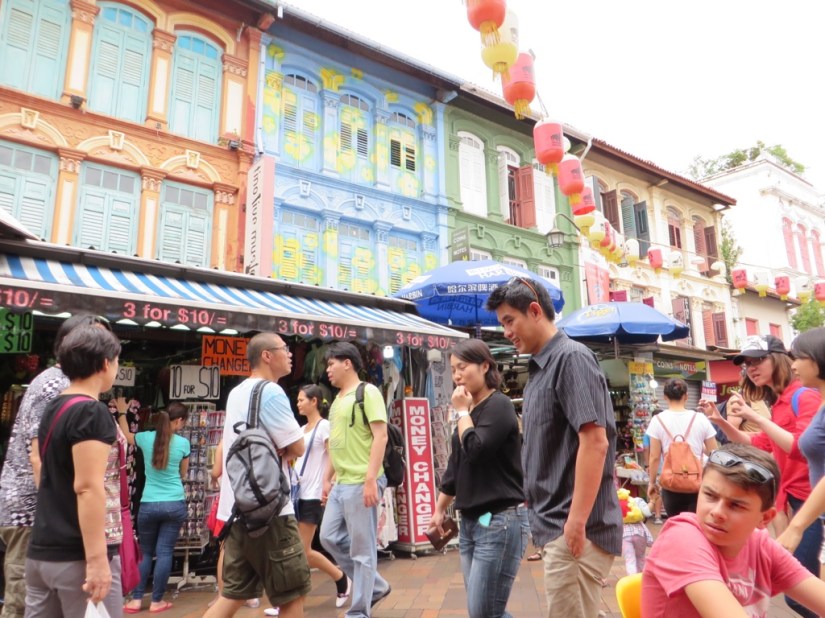
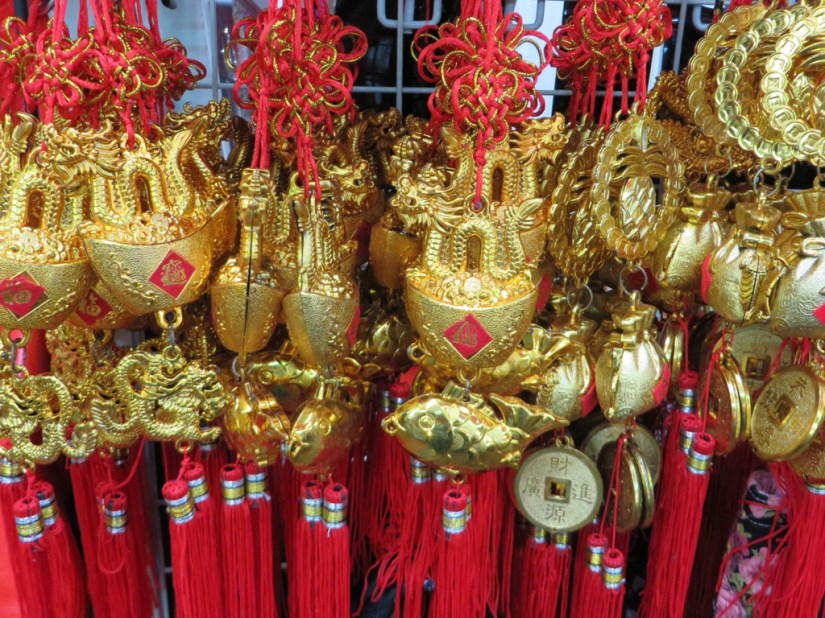
There were lanterns and bunting, Chinese signs and lots of souvenirs and the smell of BBQ pork and wafts of incense, typical of Chinatown everywhere.
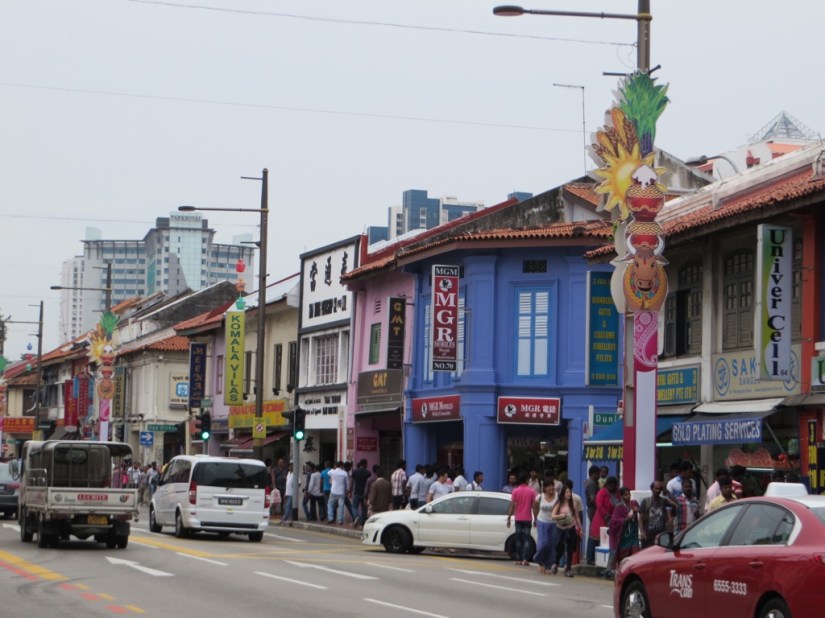
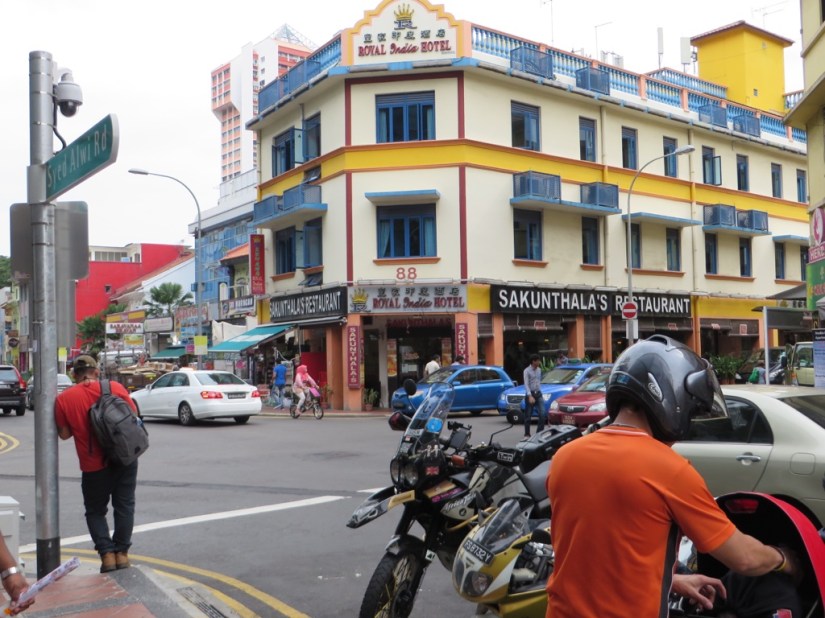
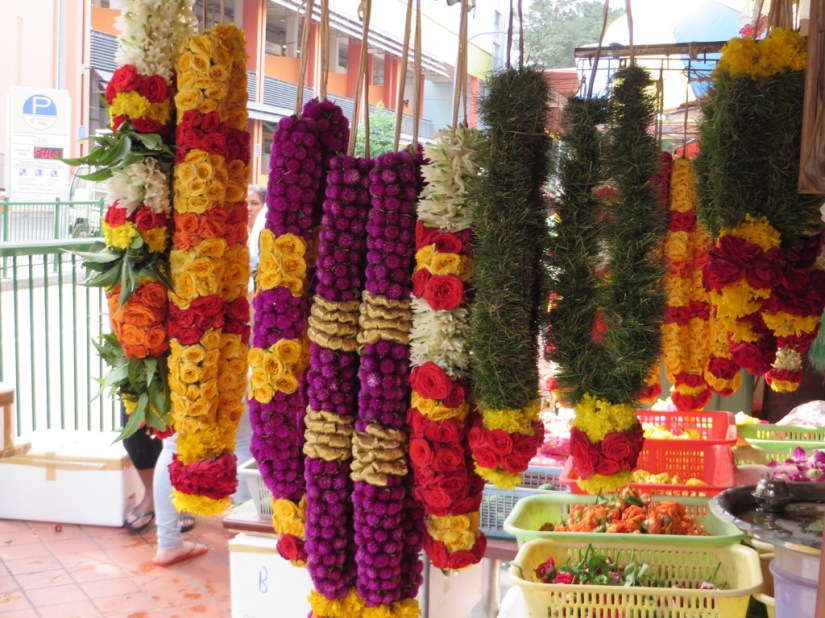
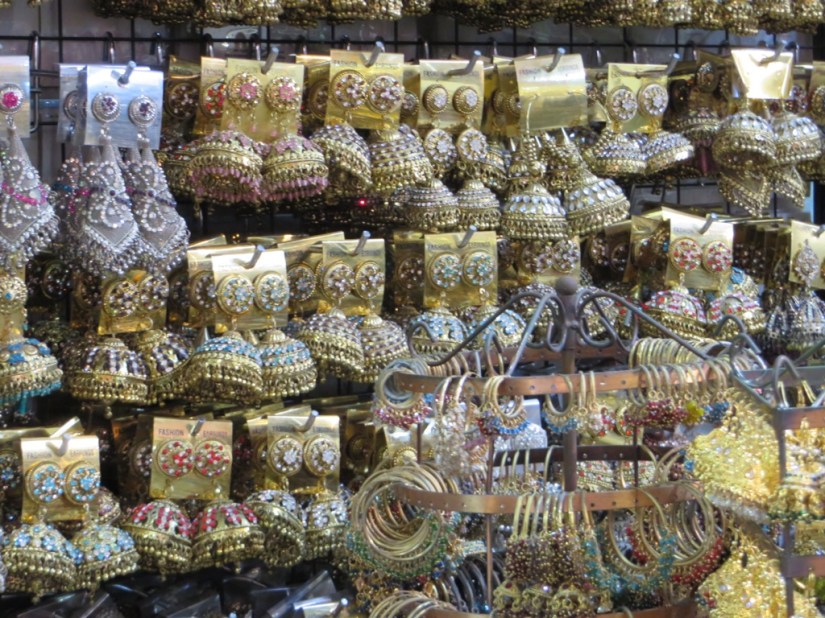
We stopped off in Little India and immediately there was the smell of flowers for temple offerings mixed with spices and the sound of Bollywood pounding out of a speaker. The snake charmers of old may no longer be here to entertain, there are no cows in the street and the pavements are free from rubbish, but it feels like India nonetheless.
Shopping is a major preoccupation in Singapore, and Orchard Road, named for the spice plantations originally in the area, is now a 2 kilometre stretch of shopping malls containing every shop imaginable, many of them famous designer brands and every one very large, very shiny and very smart, including Tangs, a store that has been on Orchard Road since 1950.
On our last day the sun came out and we revisited the Merlion, this time on foot, then crossed the river to see the statue of Stamford Raffles who arrived in 1819 and struck a treaty to set up a trading colony from which present day Singapore developed.
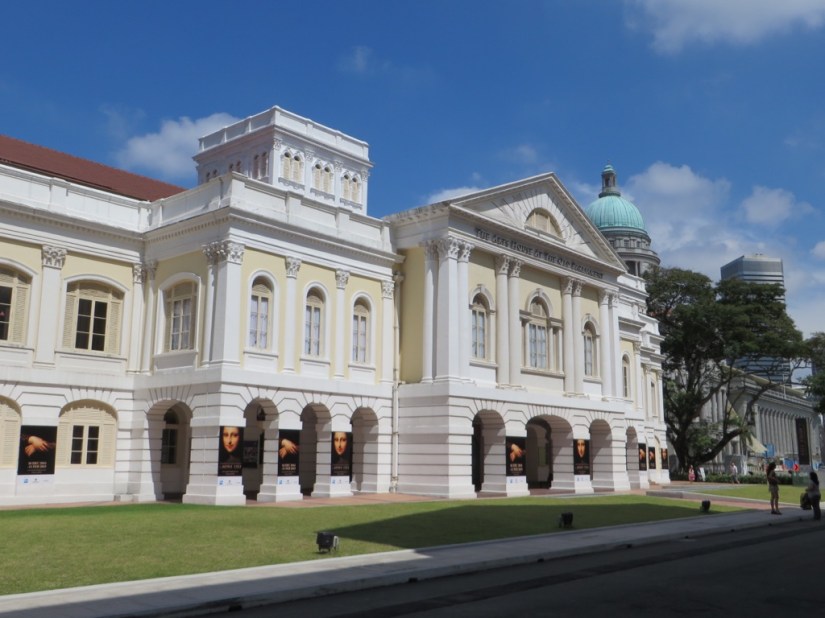
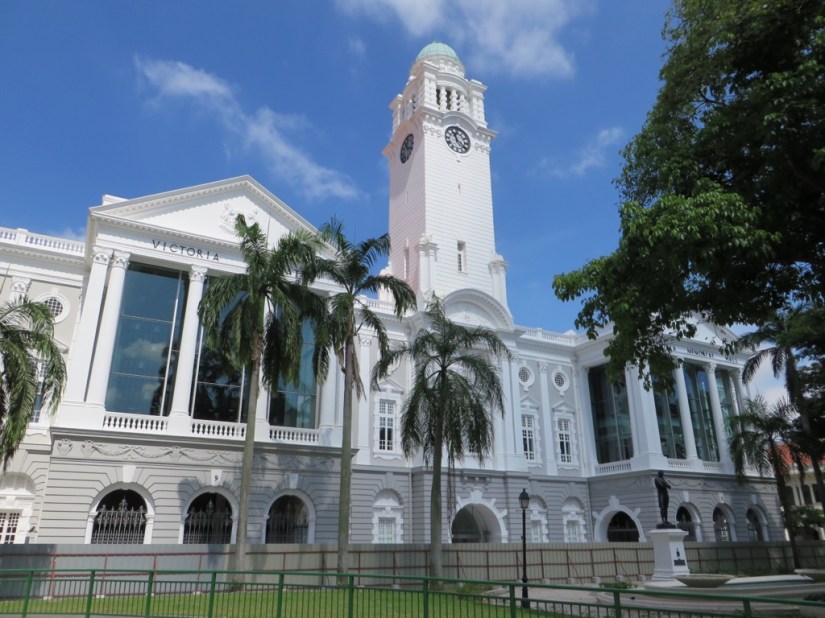
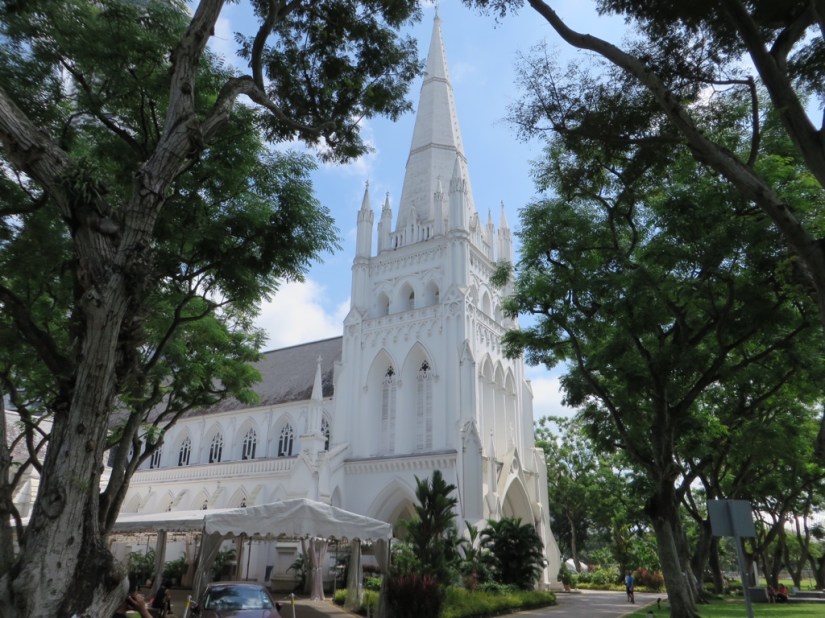
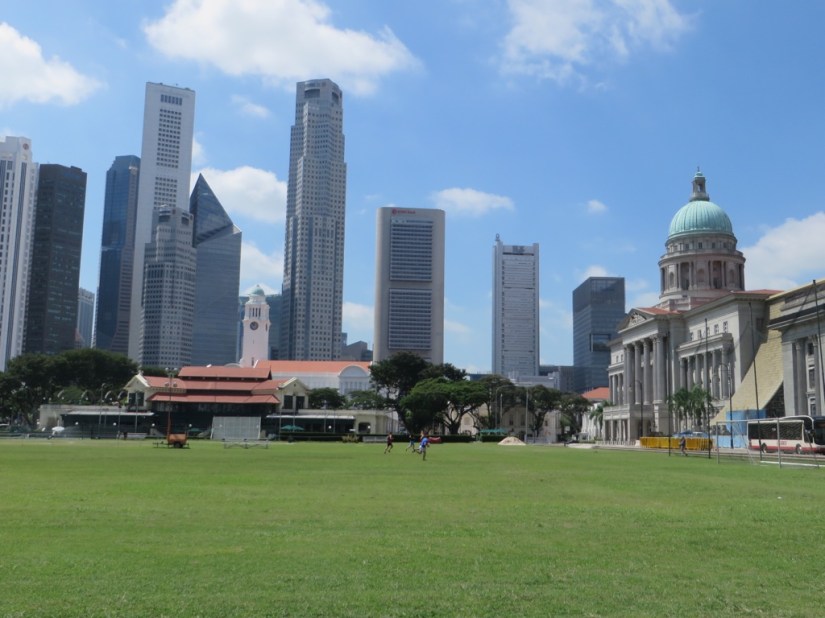
We saw some of the other colonial buildings …
Old Parliament BuildingVictoria TheatreSt Andrews CathedralThe Pedang
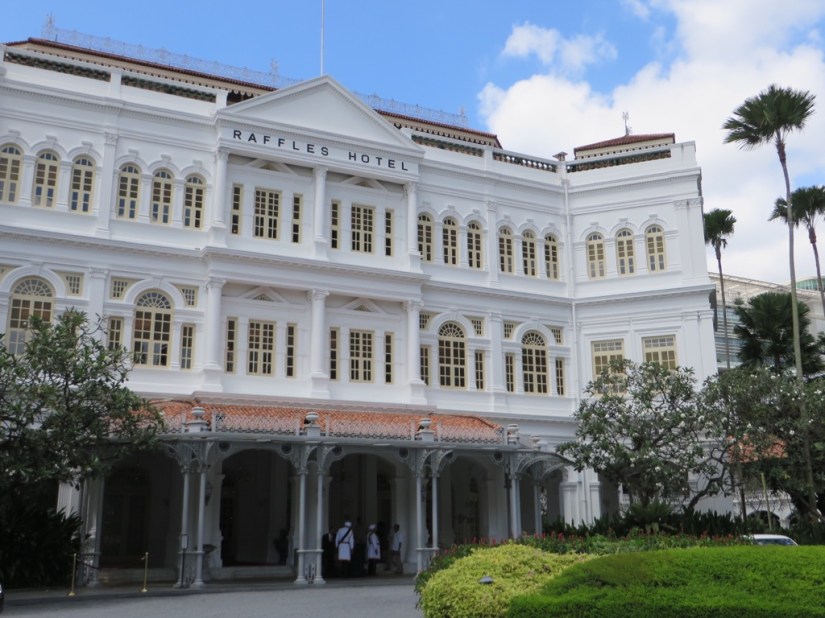
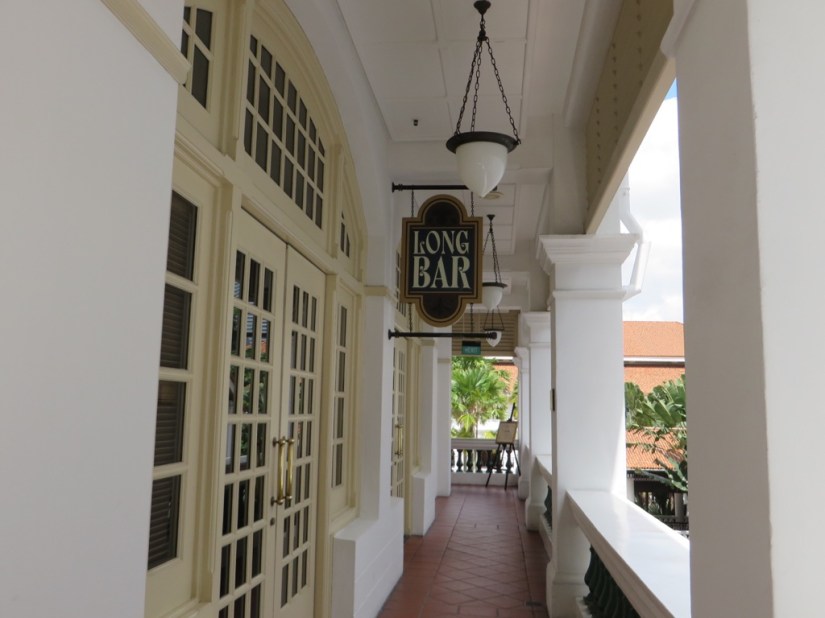
… ending with the Raffles Hotel, where the Long Bar was closed so we left without our Singapore Sling but some $60 better off!
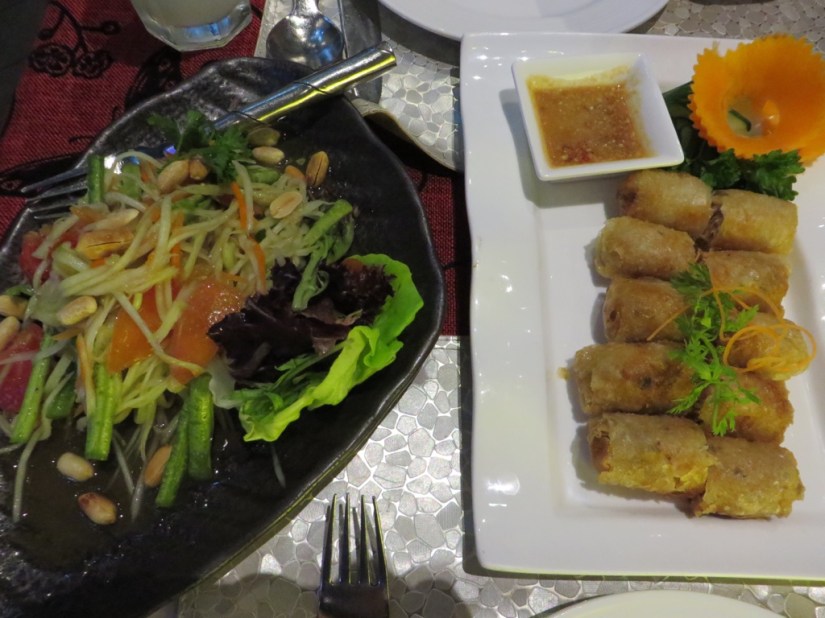
We’ve had a variety of food, starting with crispy spring rolls and green papaya salad at Indochine at the top of a Supertree watching as the sun set and the lights came on.
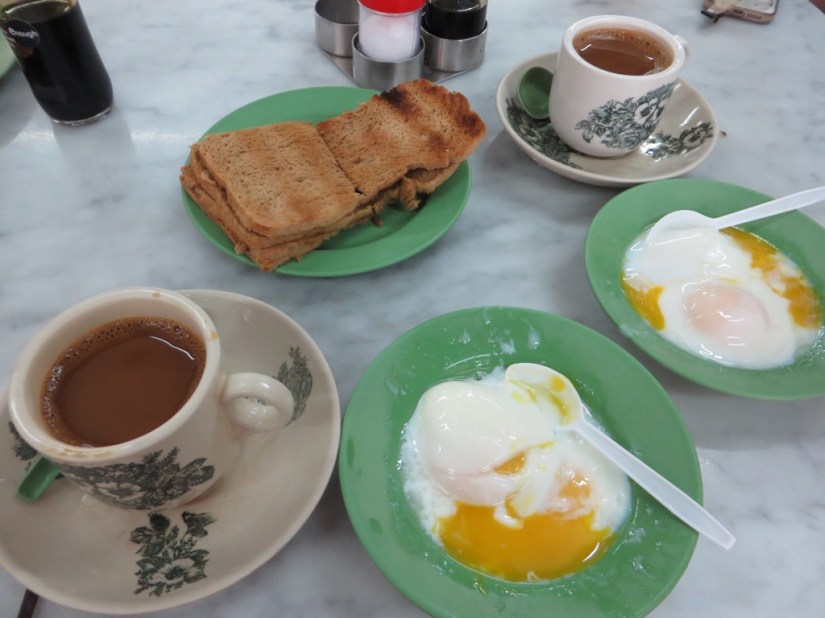
We visited the original Ya Kun Kaya kopitiam or coffee-shop, started in 1944 and still family run, to try kaya toast, a Singaporean delicacy. The kaya is a sweet paste made from coconut and eggs and is served with buttered toast or french toast, which are then dipped into a dish of soft boiled eggs. Always willing to try something new, needless to say we leapt in … the kaya was delicious, but we weren’t sure about serving it with eggs.
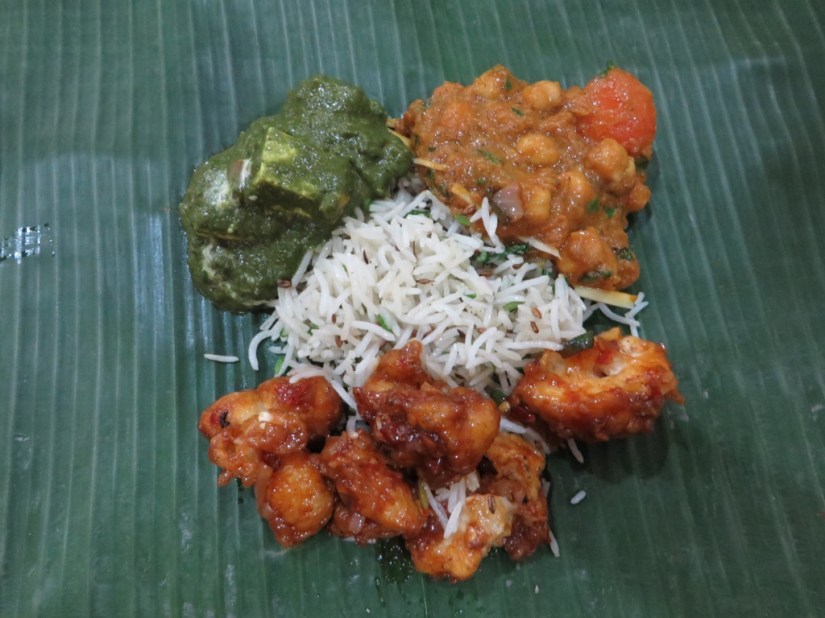
Chris found finding vegetarian fare a little limited apart from Indian and we had masala dosas for lunch in a little Southern Indian restaurant busy with locals for less than £2 each! We also went to Banana Leak Apolo where we had a mixture of vegetarian dishes which we ate off a banana leaf.
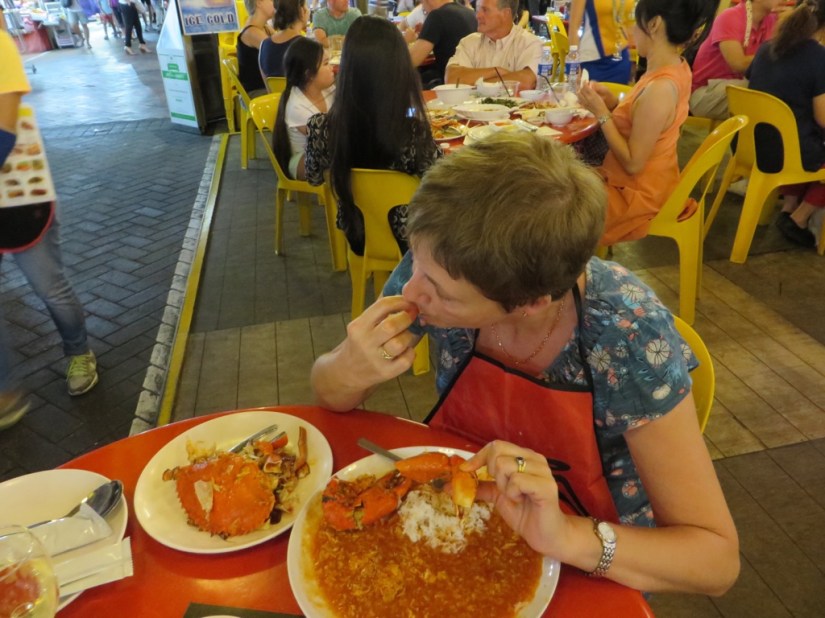
We’ve also stopped off at a couple of food halls for lunch where you can eat from anywhere in Asia, including the very popular chicken rice, a Hainanese dish of steamed chicken, rice, broth and greens with oyster sauce. The final treat was chilli crab, the national dish of Singapore, probably the messiest meal I’ve eaten, so I was pleased to be given an attractive bib!
The sauce was delicious as was the crab, but extracting it was quite labour intensive. Chris likes Tiger beer he tells me!
So what is Singapore like? Well it’s very clean and tidy, despite the fact they are building a new MRT line across the city and there are lots of areas of roadwork. Everyone is particularly courteous and helpful with English spoken everywhere. The customer service is so thoughtful such as when we collected our stored luggage to go to the airport we were offered a shower room and towels to freshen up and the man on the airport information desk followed me back to my seat some way down the concourse to make sure my free wifi code worked. All in all we had a great time and with so much more to see, I am sure we will return.
Next stop, visiting with family in Sydney, then more travels when we fly to Auckland on 2nd February.
Welcome to more of our travels! This will be our most epic trip so far … leaving on New Year’s Eve to go round the world in 101 days! So why call this a Kiwi Camper Caper you ask …
The trip begins with a family visit to Sydney, stopping in Singapore en route, followed by a seven week tour of New Zealand, then a couple of stops on the way home in the Cook Islands and Los Angeles … so while we are going round the world, New Zealand will be the star of the blog!
My daughter Joanna is joining us for the first couple of weeks touring the North Island, then we return her to Auckland to fly home, while we swap to a smaller camper to see a little more of the North Island, before travelling south.
It is around 2000km to drive from Cape Reinga in the north to The Bluff in the south, but we reckon we will cover around 6000km to see everything in between … – Coastline with beaches, bays and blowholes – Exotic fish, dolphins, whales and seals – Albatrosses, gannets and penguins, kiwi and kea – Mountains and volcanos, glaciers, icebergs and fjords – Limestone caves with glowworms – Geysers, mud pools and hot springs – Gorges, waterfalls and lakes – Maori history and culture – Art Deco buildings, historic houses, goldmines and railways – Vineyards and wineries – A World Cup Cricket match …. England – howzat! and maybe a Hobbit!
Not surprisingly, Lima was cloudy when we arrived and the air temperature was a bit of a shock going from 95 in the jungle to 60 in Lima. We planned a last night in Lima just in case there were flight delays leaving the jungle.
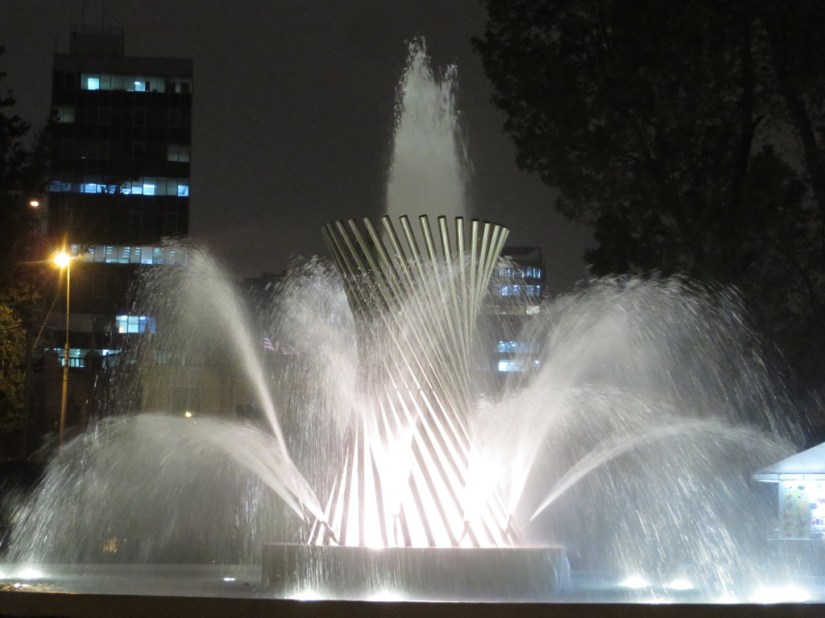
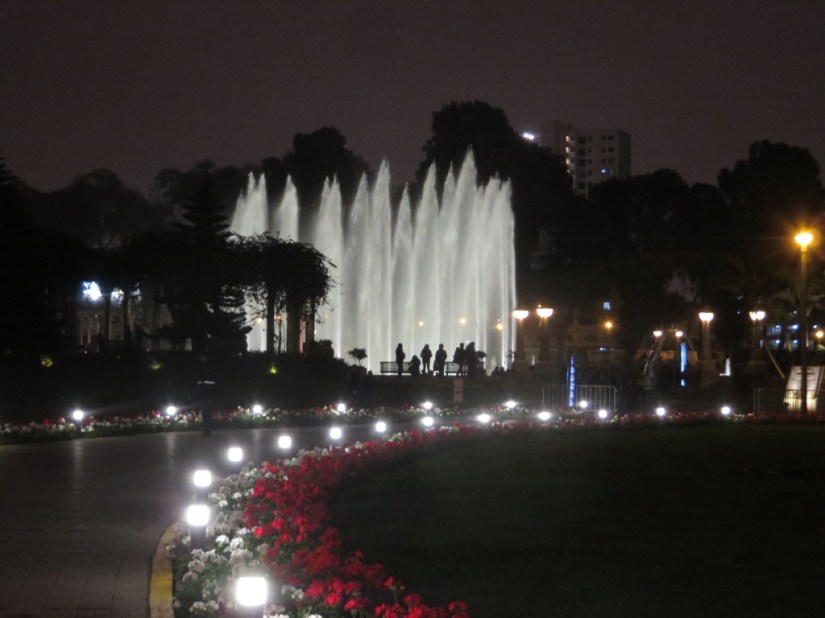
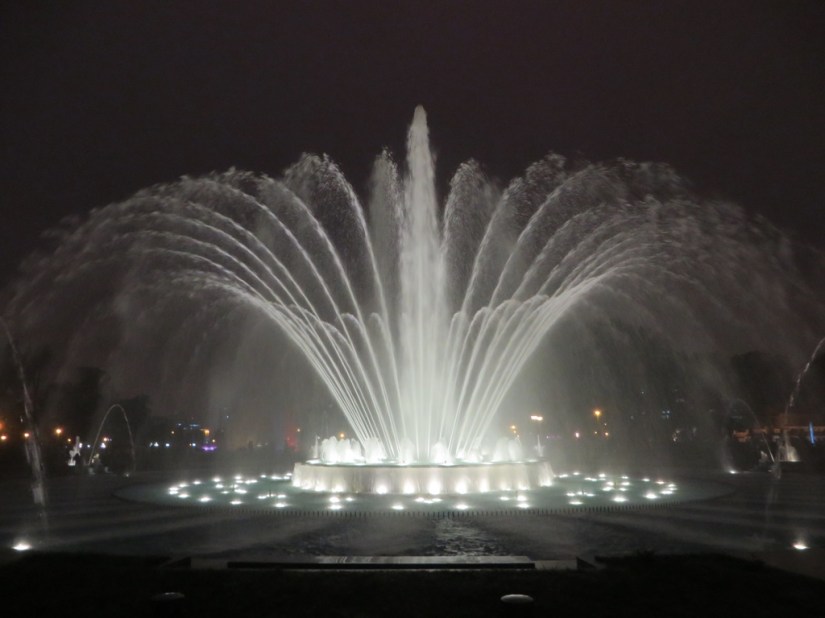
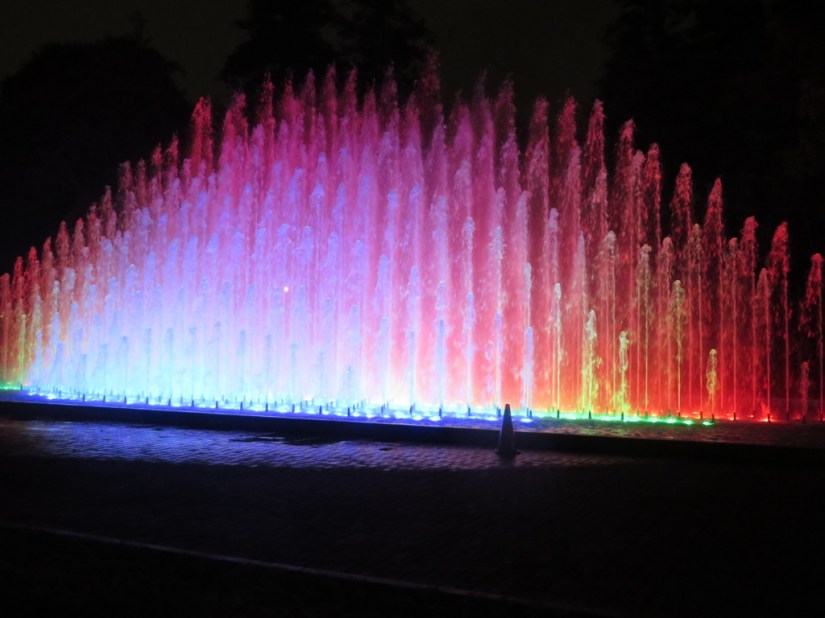
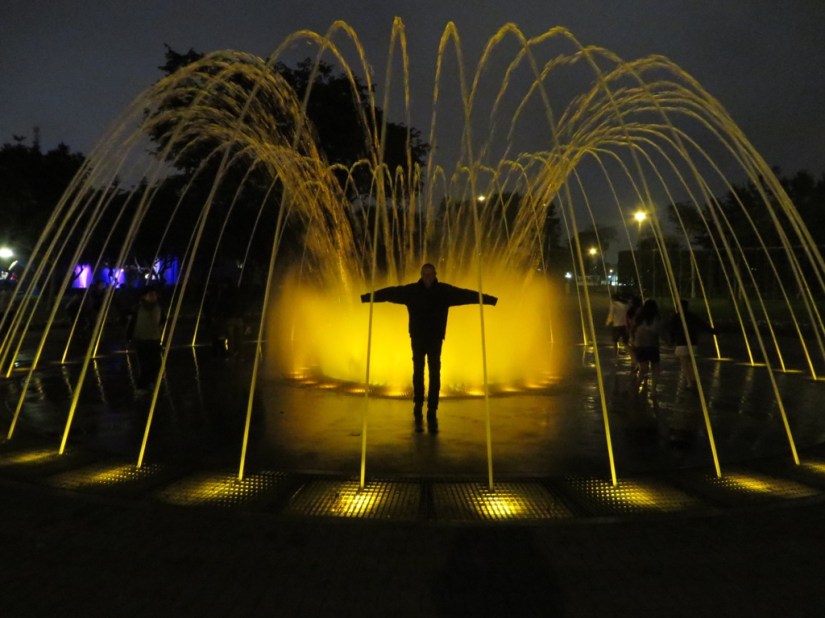
We had time to visit the Parque de la Reserva, where there are fountains, beautifully lit at night, with a musical laser light show played against one of the fountains every hour. Some you can walk between, taking care not to get wet as different jets start and stop, and a tunnel you can walk under.
We then returned to Huaca Pucllana, where we had our first lunch when we arrived in Lima almost a month ago. This time we sat outside overlooking the floodlit pyramid and raised our last pisco sours to our wonderful travels in Peru.
Hope all the postcards arrived safely and till the next time … adios!
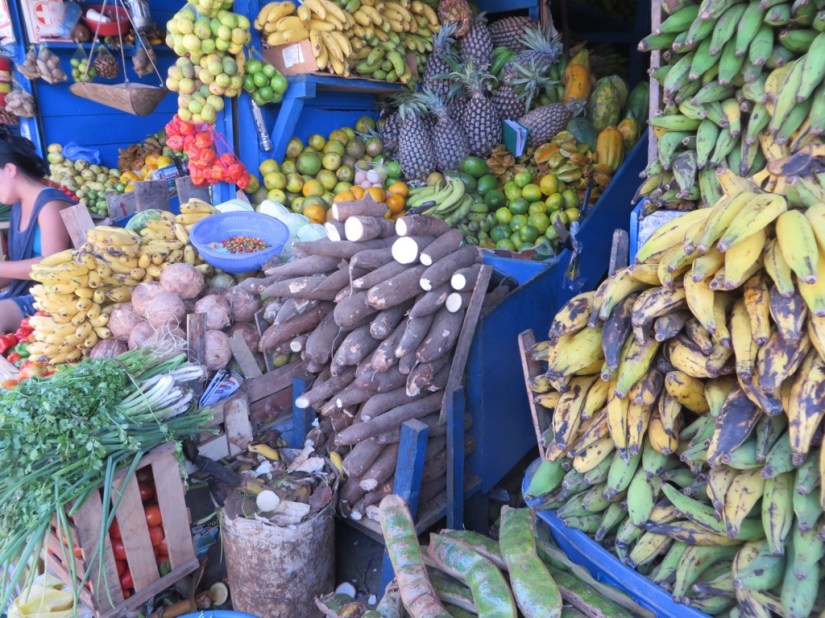
We flew in to Puerto Maldonaldo, had a quick tour of the town, particularly the market with a huge array of produce, had lunch wrapped up in a banana leaf, then travelled by bus and boat to Inotawa Lodge.
We are in a group with Suzanna and Twan from Holland and our guide is Victor. On the way we saw butterflies on a clay lick and a fabulous macaw.
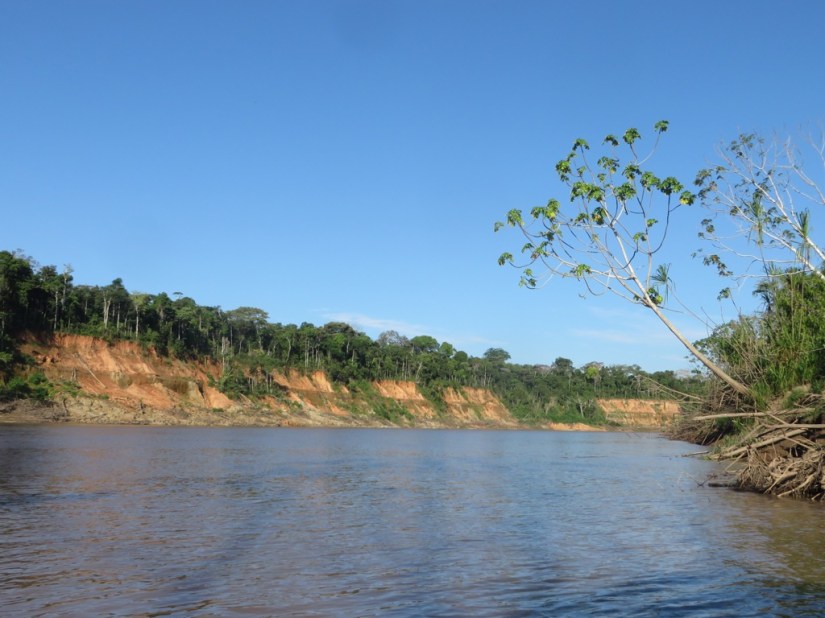
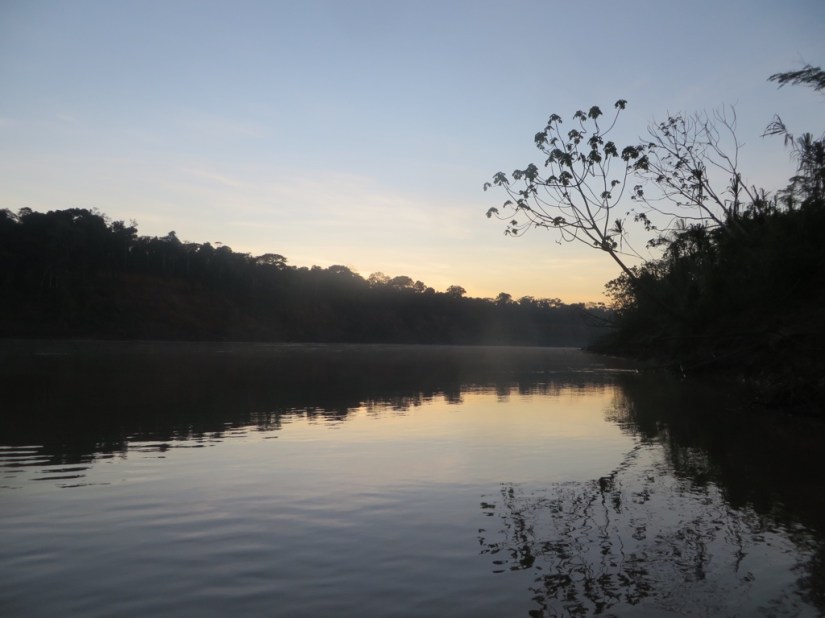
The Lodge is situated in the Amazon basin, beside the Rio de Tambopata, and while basic, is perfect for three days in the rainforest. We left the boat and climbed the bank to the Lodge.
We have a bungalow with bathroom, although the water is only cold and there is no power, just candles.
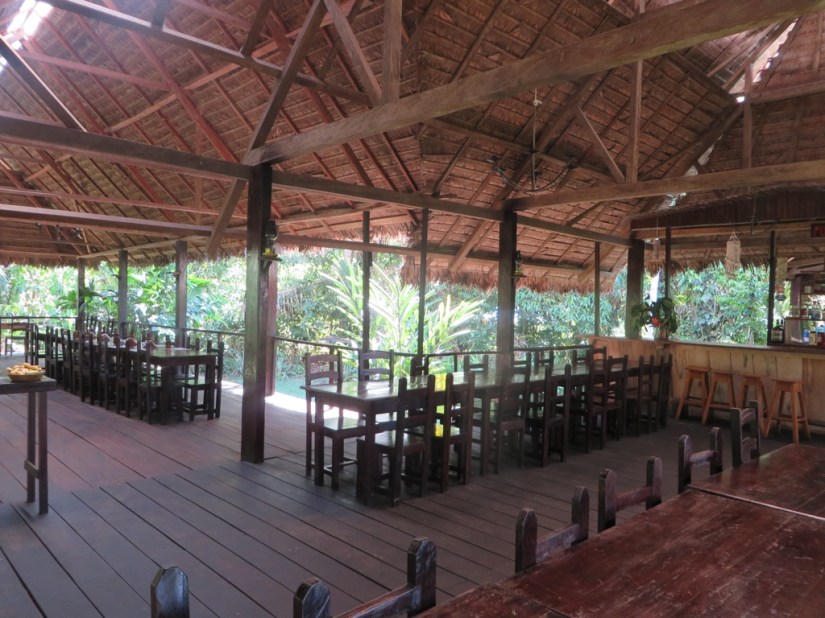
The main dining area is also candlelit at night, and everyone eats together. The food has been very good and included local delicacies such as cassava and plantain.
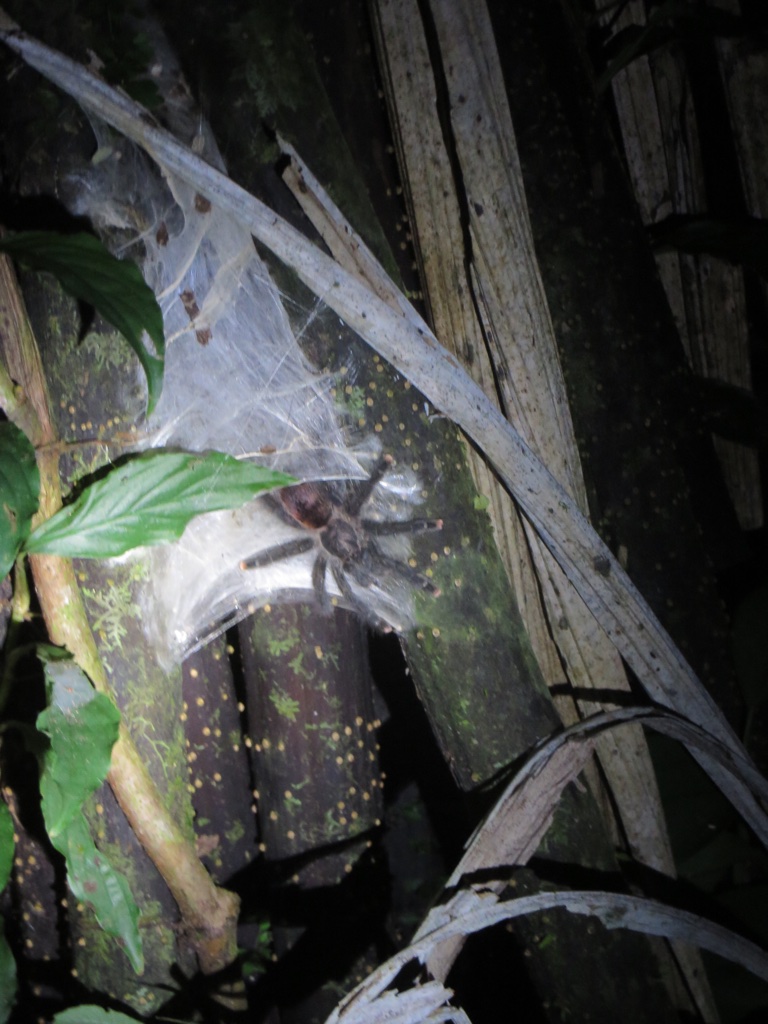
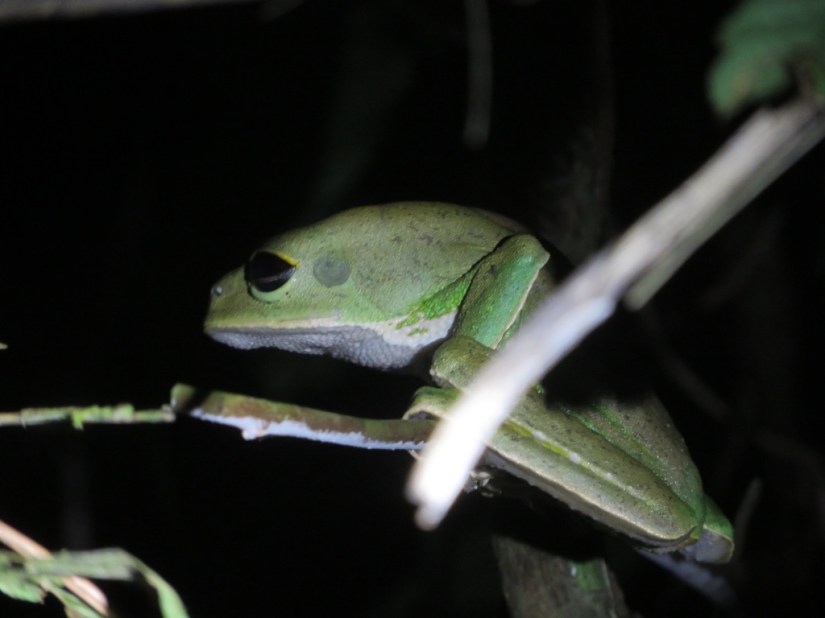
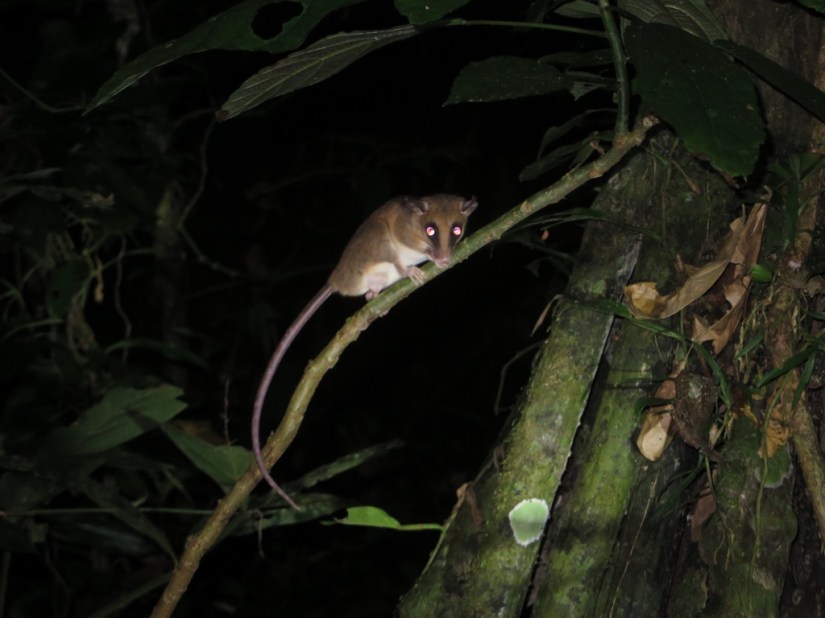
Once night fell, we went for a walk and saw lots of bugs, including a pink toed tarantula, a stick insect, a monkey tree frog and an opossum.
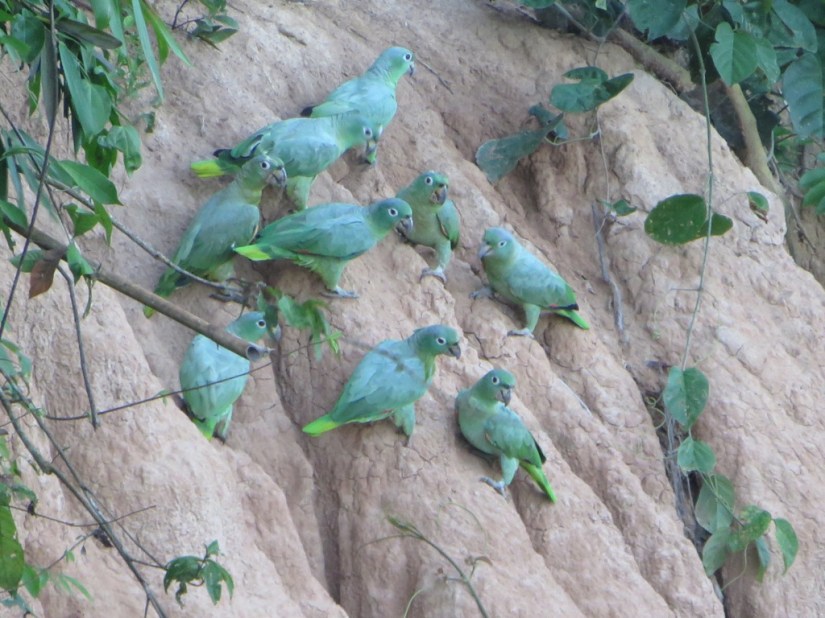
Next morning it was an early start to go by boat to the clay lick, hopefully to see macaws and parrots getting their regular dose of minerals from the clay. There were many birds, of different varieties, landing on a branch, checking it was safe, and going for a beakful! After putting on a grand show, many birds were sitting on a dead branch, and suddenly it broke and a cloud of green rose into the sky as they flew away.
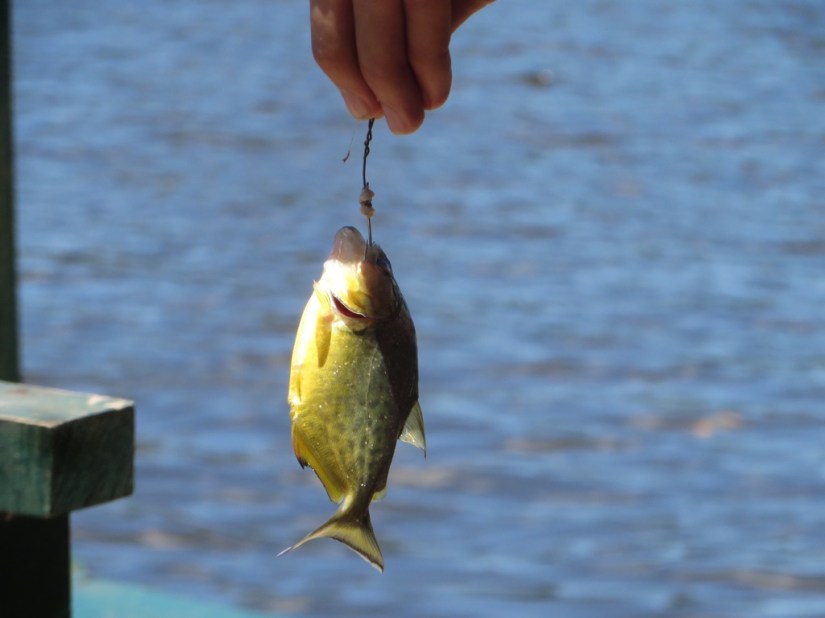
After breakfast we were off again, this time to Tres Chimbadas Lake, where we took a catamaran across the lake and tried piraña fishing with rods baited with bits of meat. We were joined by another couple so six of us were trying, and only Twan was successful. Some swam before returning for lunch, but it looked a bit murky to us!
There are lots of butterflies, all different colours, especially royal blue ones and red ones, but they are too shy for a photo. The howler monkeys have been heard and not seen, the Tito monkey was seen only briefly, but we finally caught a spider monkey.
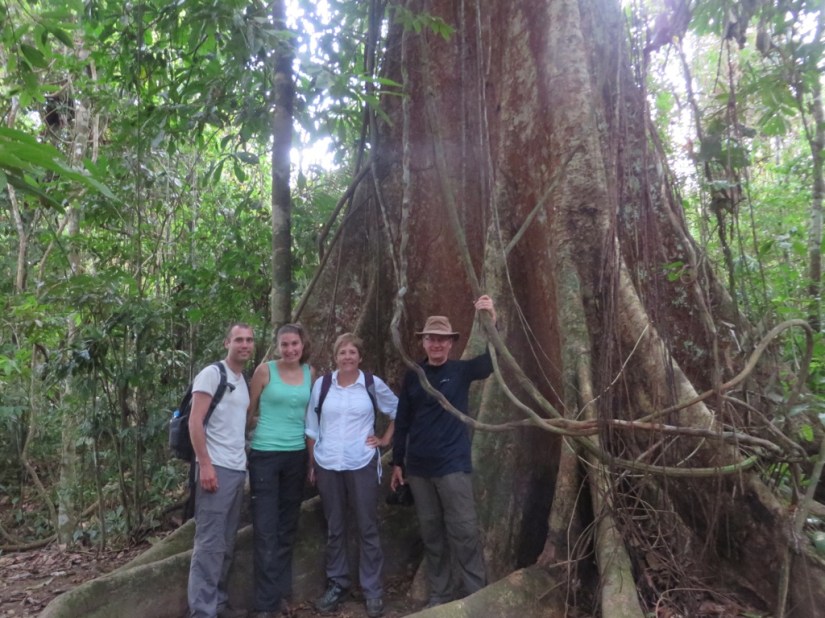
Also seen an owl that looks like a branch, fungus and a huge kapok tree.
The flowers here are just show offs and can’t wait to pose …
Later we went for a walk and Victor pointed out various spices like the garlic tree, ginger and turmeric as well as fruit in a plantation with several sorts of banana and plantain, star fruit, papaya, and citrus fruits. We were accompanied by the soulful three note whistle of of the Great Tinamou, a bird like a grouse, although we didn’t see it. As the light faded, cicadas took up the chorus raising a mighty racket as they tuned up their legs!
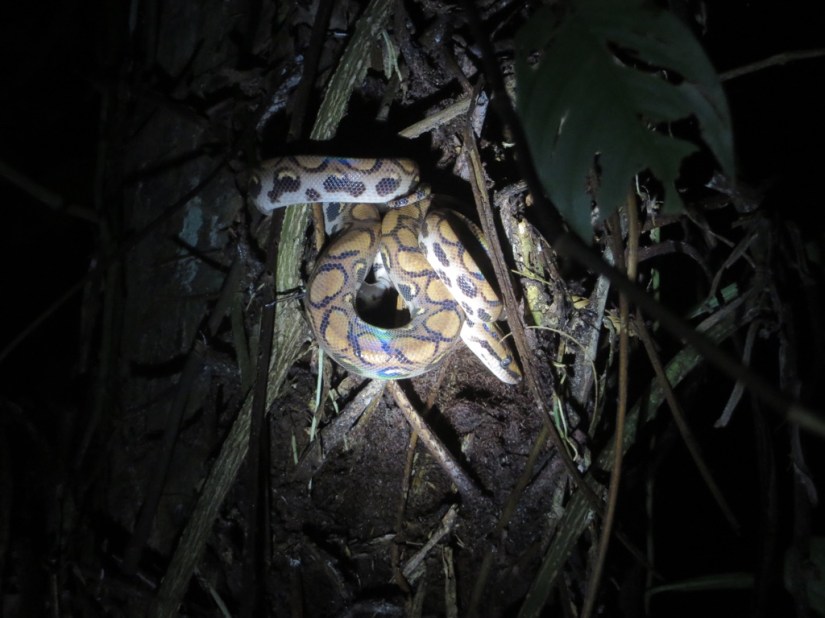
Once properly dark we went down to the river, and Suzanna spotted both a rainbow boa constrictor and a huge tarantula.
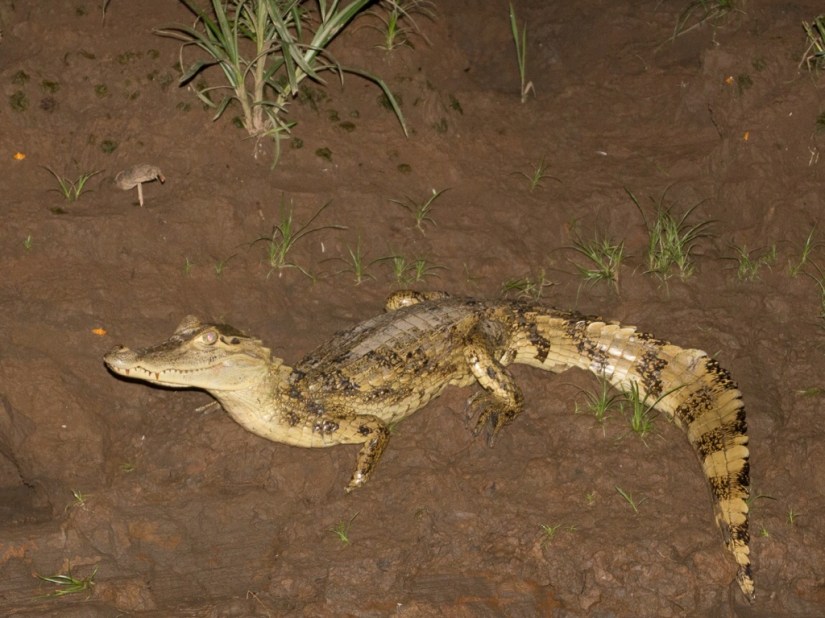
We went out in a boat to try to spot a cayman, and found a couple including one over a metre long.
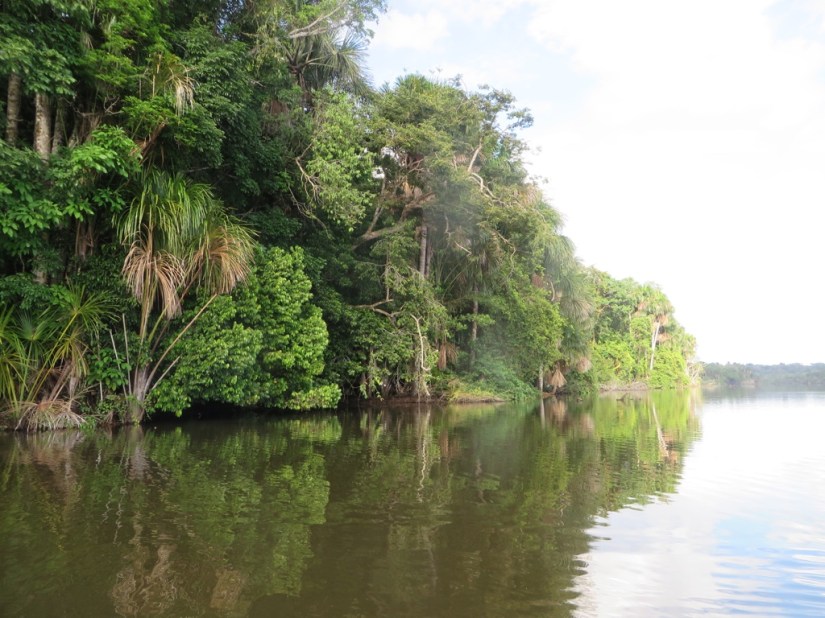
Next day and another early start to visit Lake Cocacocha in the hope of seeing giant river otters. We went by boat to the edge of the Tambopata National Reserve then walked 5km to the lake and took out a small boat, spotting cormorants and a hoatzin in the trees.
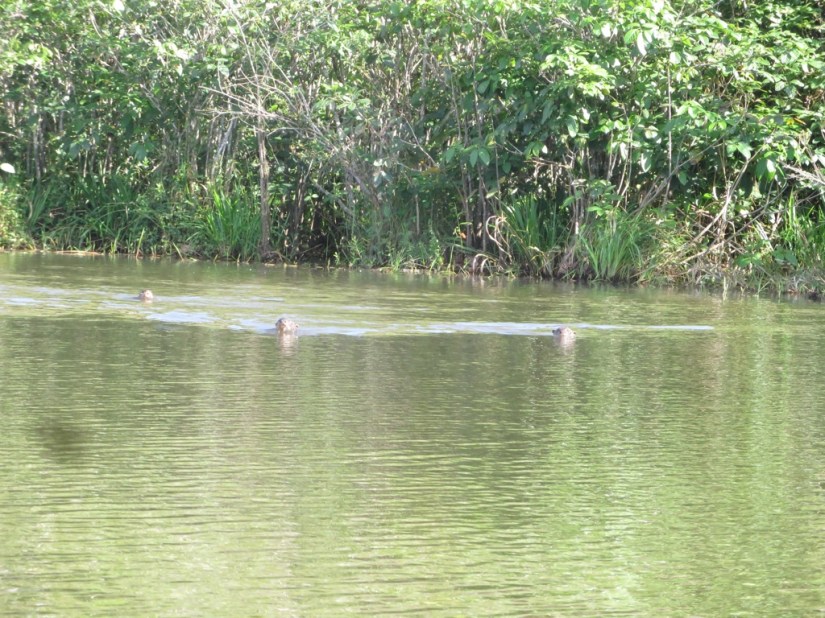
We had a brief rain shower then saw the otter family fishing for breakfast. There were 7 in all, and we watched them swimming and diving for fish.
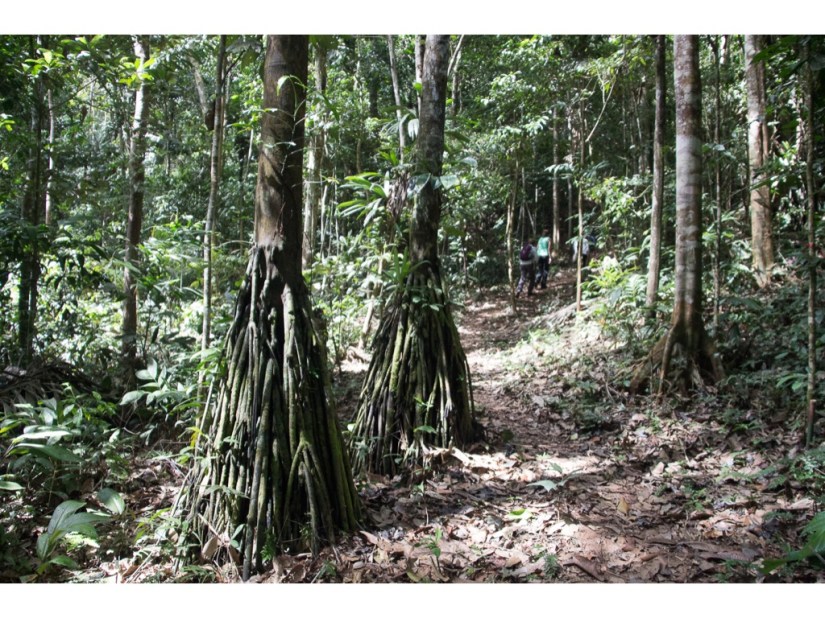
Then we returned … but that doesn’t quite explain what it was like. The path was narrow with roots and branches ready to attack the unwary but fortunately Victor was ready with his machete for any serious problems.
We crossed creeks on rickety bridges of cut logs and the path seemed to go on forever with jungly jungle all around.
The air was so humid it was just like being in a sauna, with no plunge pool for relief, and even after showering on our return, skin is soon sticky with sweat again.
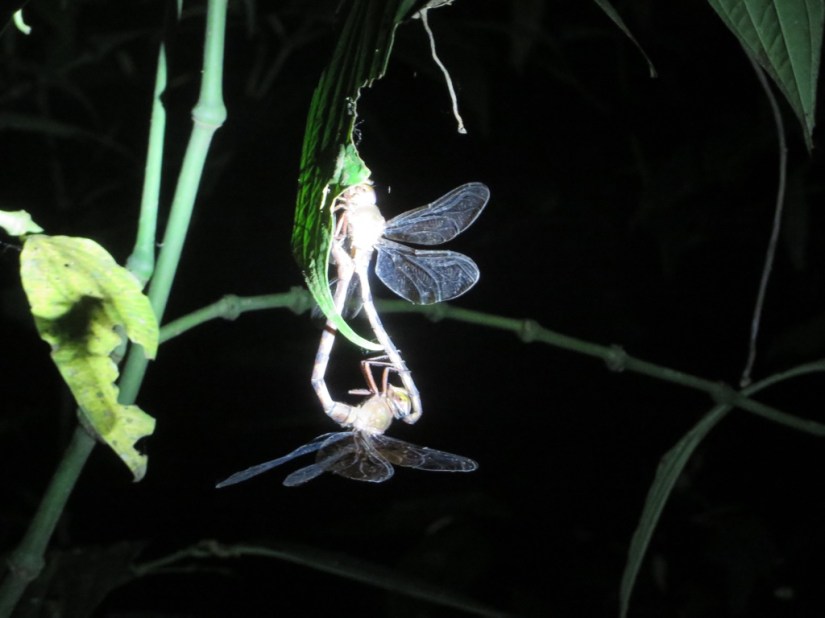
On our final nocturnal walk we saw lots of fire flies, mating dragonflies and really cute frog.
We have been incredibly lucky during our stay here. Firstly, although it is the dry season, it still rains several times a month, and has only done so at night so our ponchos remain unworn which is good as walks would have been harder with sticky mud underfoot. Secondly, we have seen all the wildlife we had hoped to see even if they didn’t all hang around for photos, and finally Victor our guide and Suzanna and Twan have been great company to share our adventure with.
We will be leaving in the morning, back to Puerto Maldonaldo, then a flight to Lima where we spend our last night in Peru.
 We visited several places involved in the Coromandel gold rush at the end of the 19C


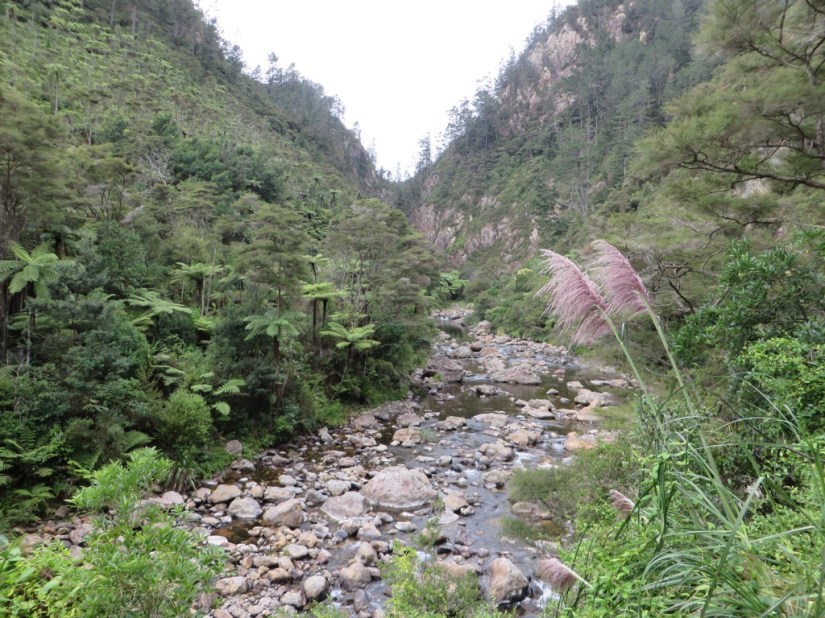


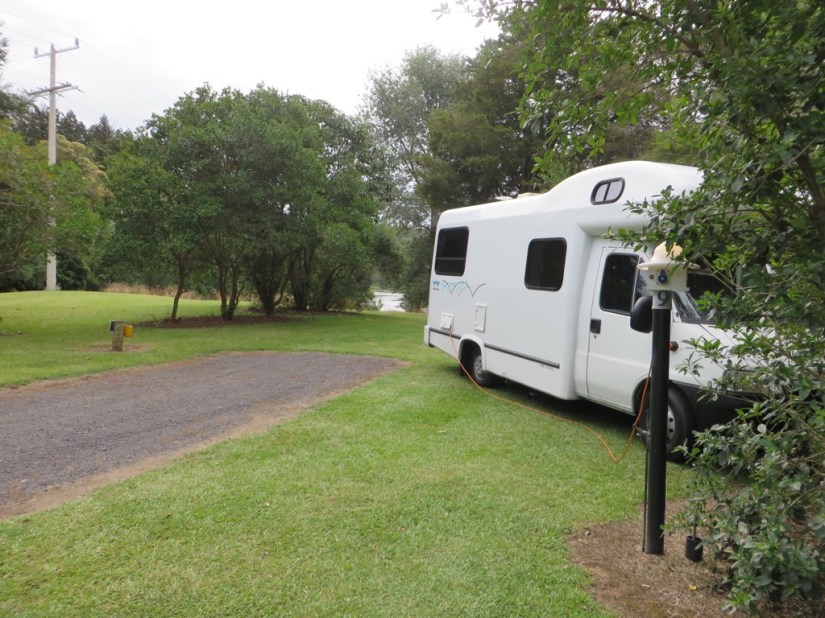

 As we drove up the west coast of the Coramandel Peninsular through Thames and on to the town of Coromandel, the road hugged the coast with another pretty bay after each headland, one called Thornton Bay. We then cut inland, over the peninsula to Whitianga.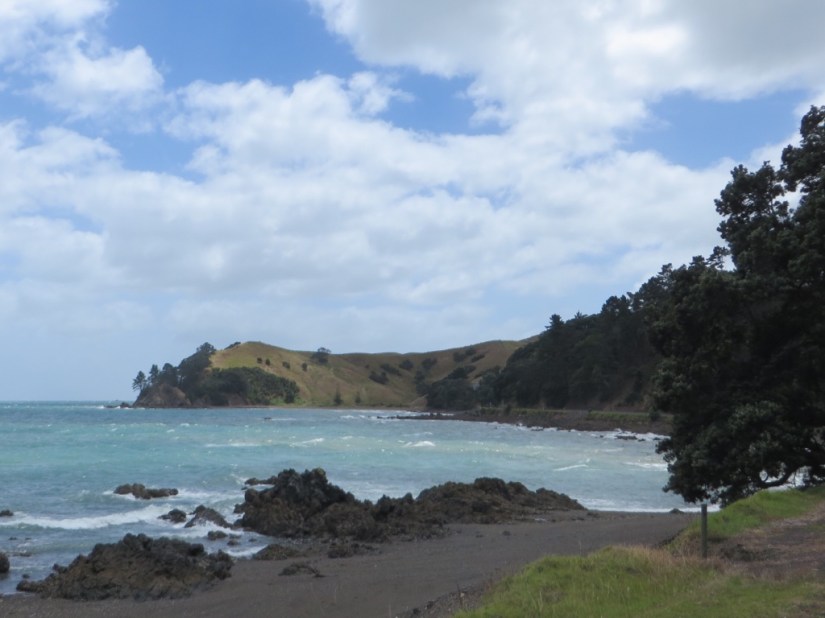
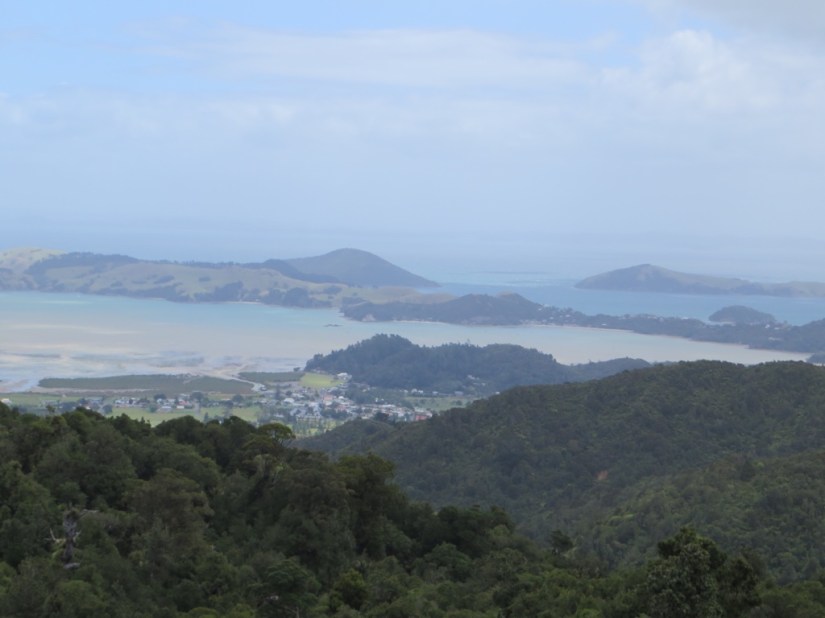


 This was our base for three nights as we enjoyed the warm sunny weather, explored the nearby coast and continued to cook up home fare on our 2-ring cooker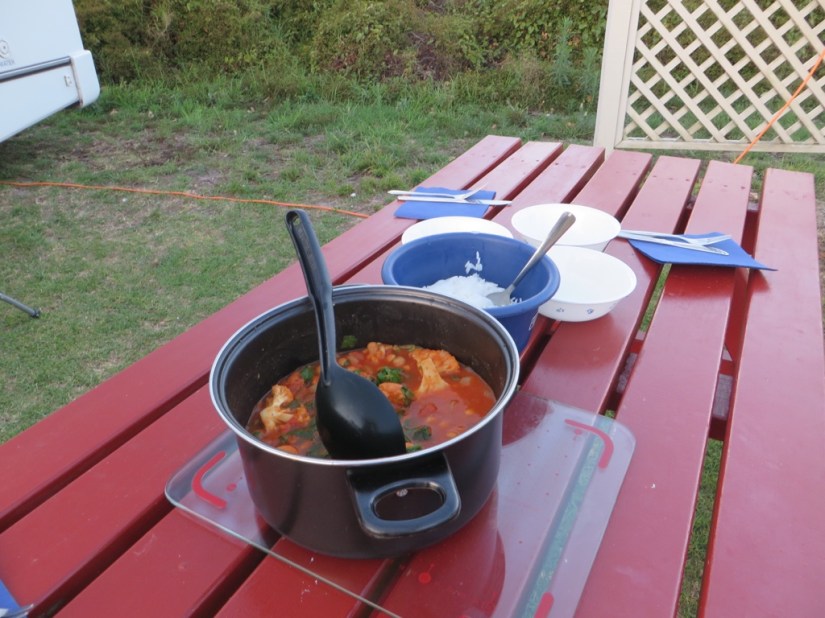









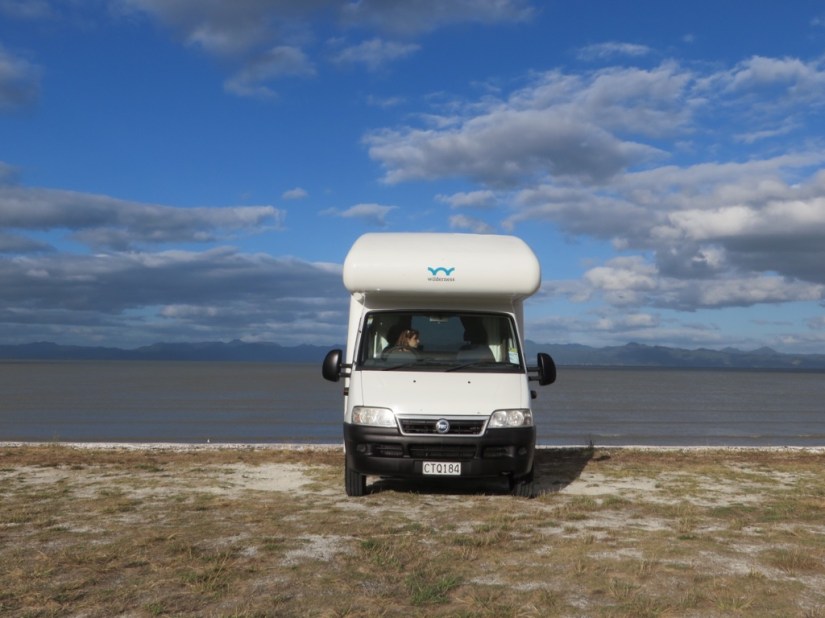 We arrived at Wilderness at 10am and the friendly and efficient staff went through the paperwork and showed us round our campervan … our home for the next ten days. We unpacked our stuff into the ample storage on board then did a run to the supermarket to stock up. A slight hitch, in that one of the rear storage locks outside the vehicle was faulty, and while we made sandwiches and had lunch, they replaced it with a new lock.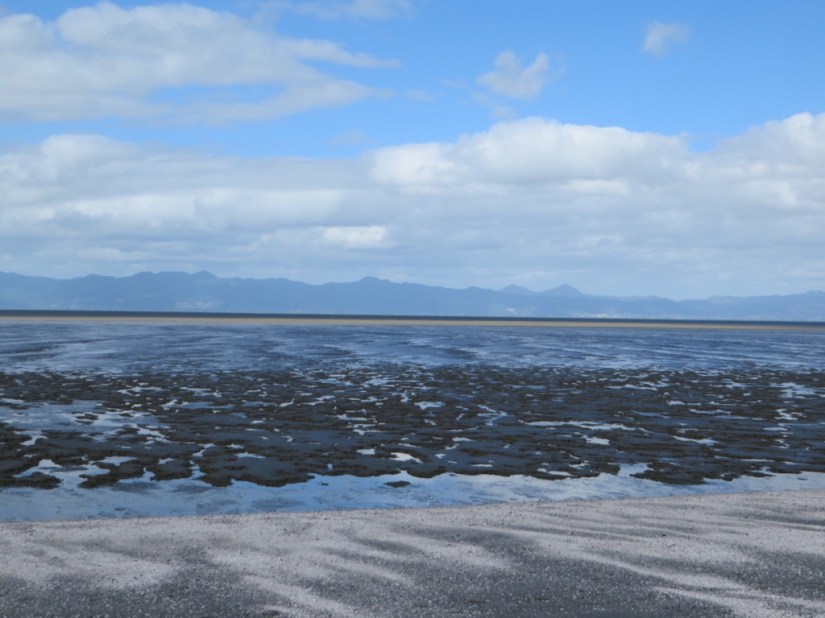


 Kia Ora or welcome to Aotearoa, Land of the Long White Cloud … New Zealand.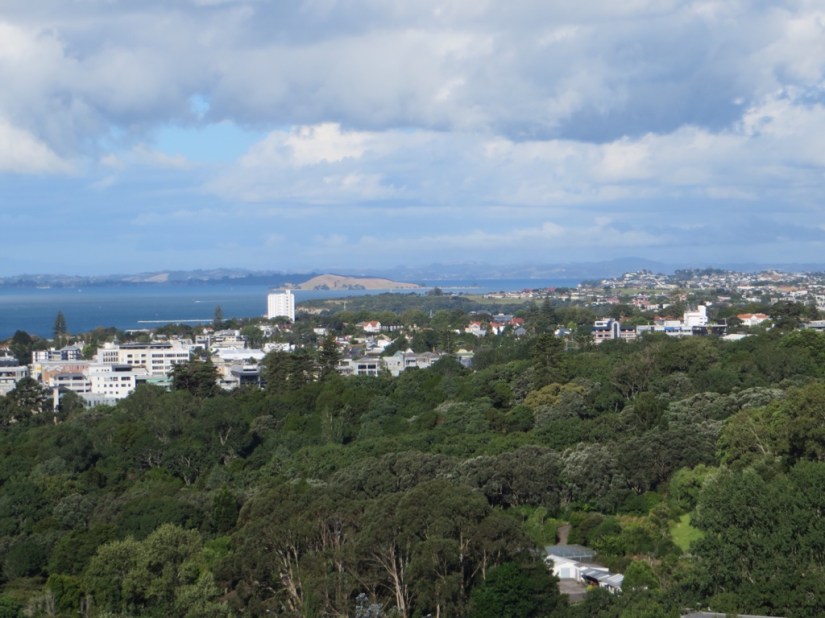
 We’ve had a great month visiting family and managed to pack a whole lot in!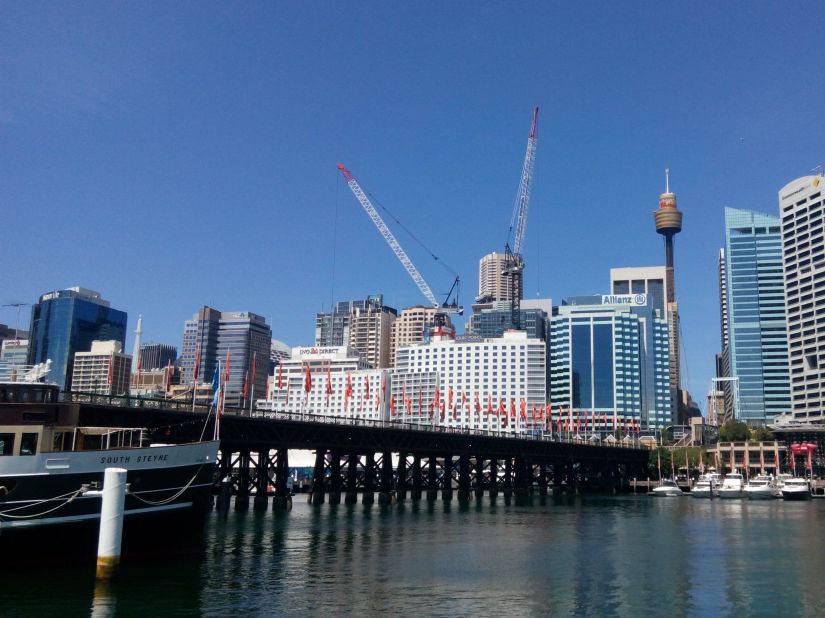


















 Having wished each other a Happy New Year while flying over Afghanistan, we arrived in Singapore on a warm but slightly grey New Year’s Day.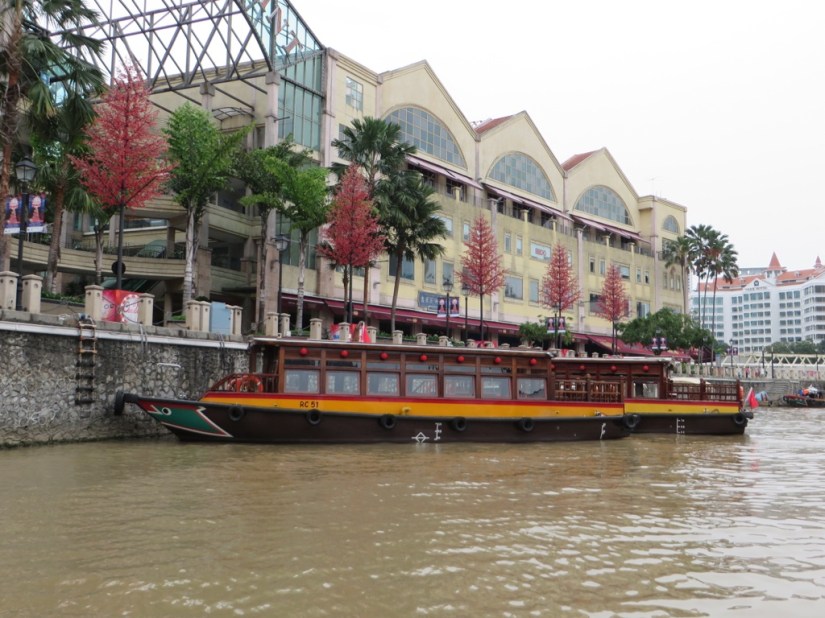
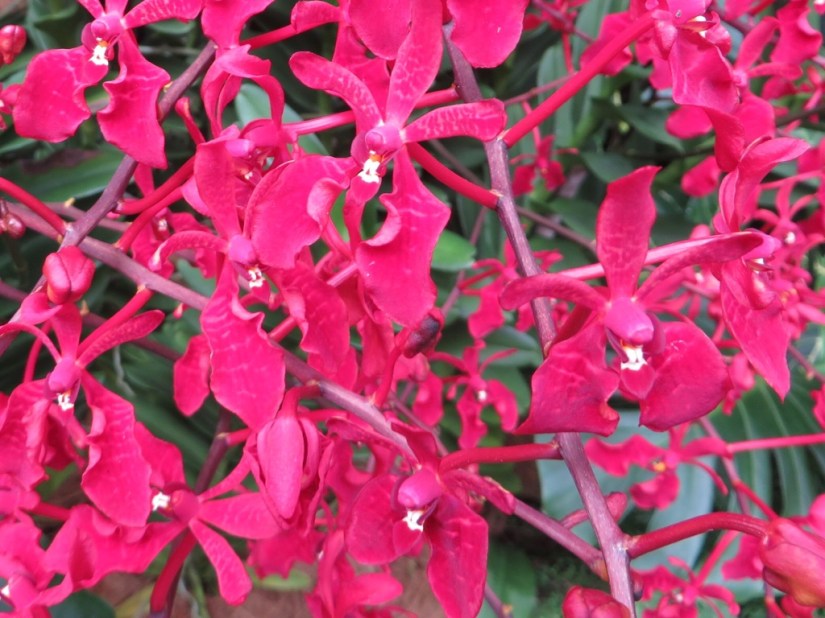
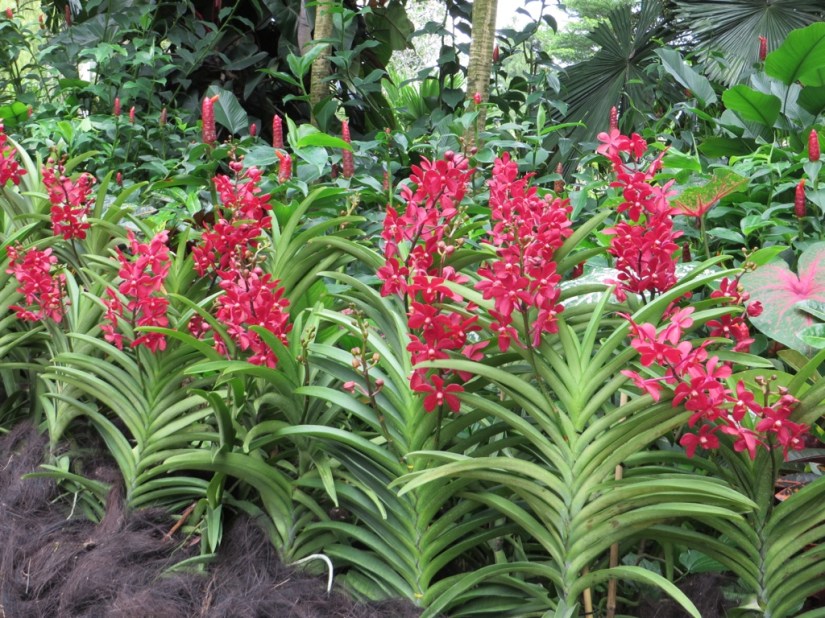
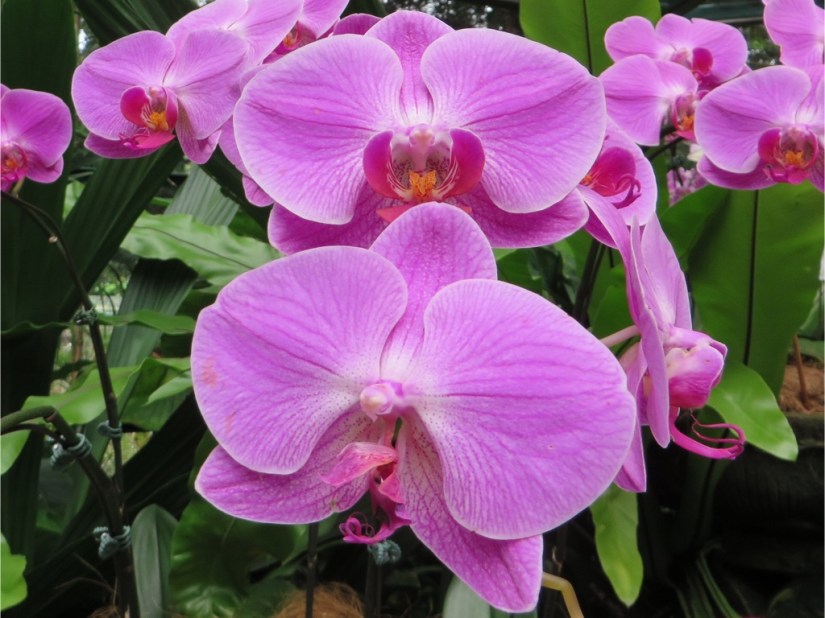
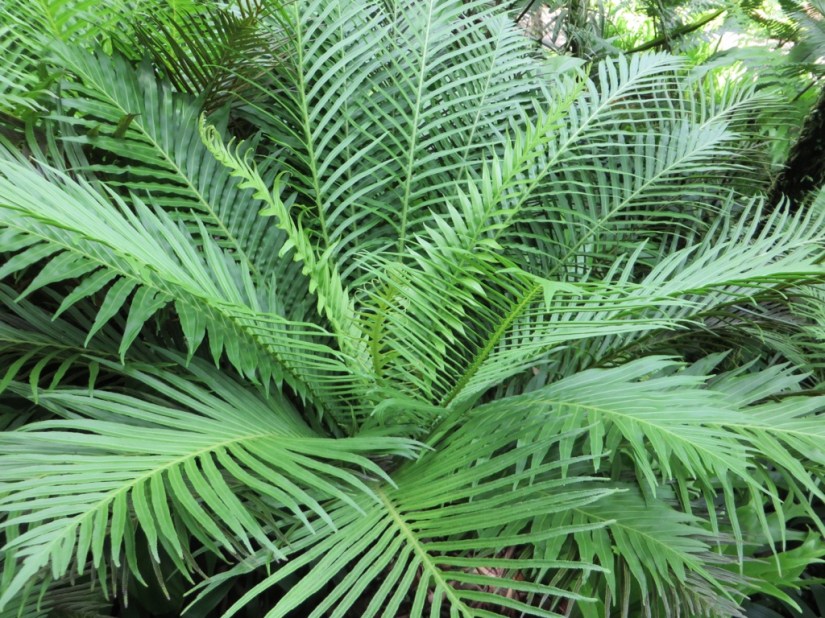
 These parks are open from early in the morning till late at night, free and really well used with lots of families visiting and picnicing. The new Gardens by the Bay has a couple of huge domes filled with plants which we didn’t visit, but also Supertree Grove, containing giant tree sculptures planted with ferns and orchids which take centre stage for a free light show each evening.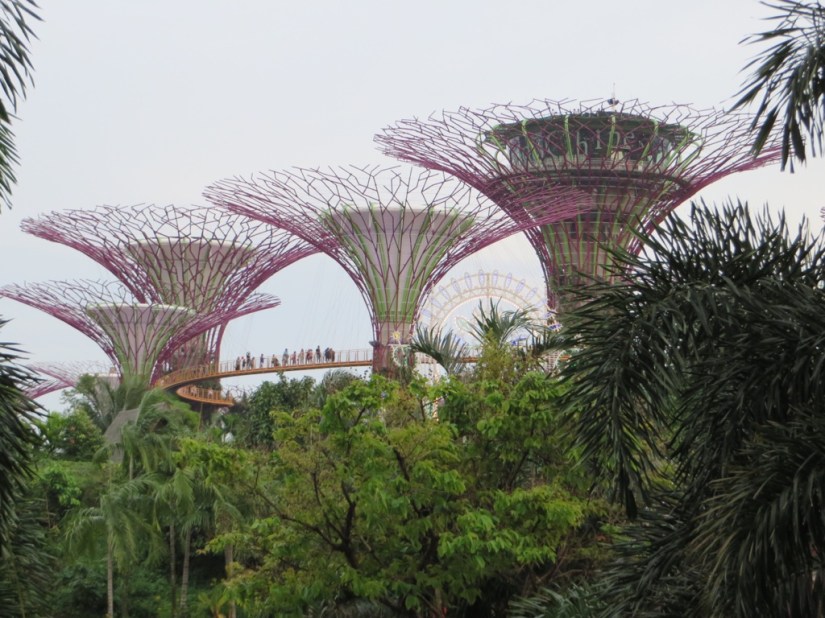

 Welcome to more of our travels! This will be our most epic trip so far … leaving on New Year’s Eve to go round the world in 101 days! So why call this a Kiwi Camper Caper you ask …
 Not surprisingly, Lima was cloudy when we arrived and the air temperature was a bit of a shock going from 95 in the jungle to 60 in Lima. We planned a last night in Lima just in case there were flight delays leaving the jungle.




 We flew in to Puerto Maldonaldo, had a quick tour of the town, particularly the market with a huge array of produce, had lunch wrapped up in a banana leaf, then travelled by bus and boat to Inotawa Lodge.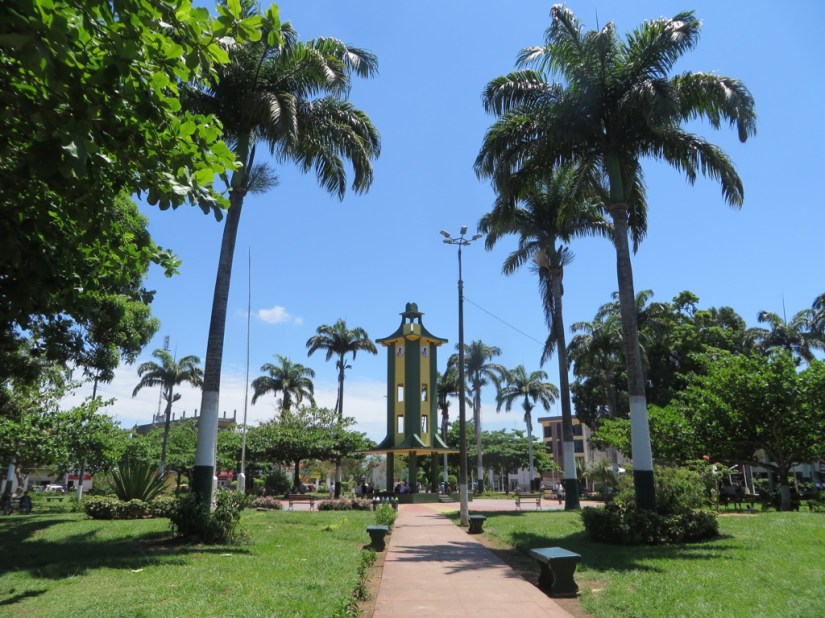








 After breakfast we were off again, this time to Tres Chimbadas Lake, where we took a catamaran across the lake and tried piraña fishing with rods baited with bits of meat. We were joined by another couple so six of us were trying, and only Twan was successful. Some swam before returning for lunch, but it looked a bit murky to us!








 Off Travelling Together