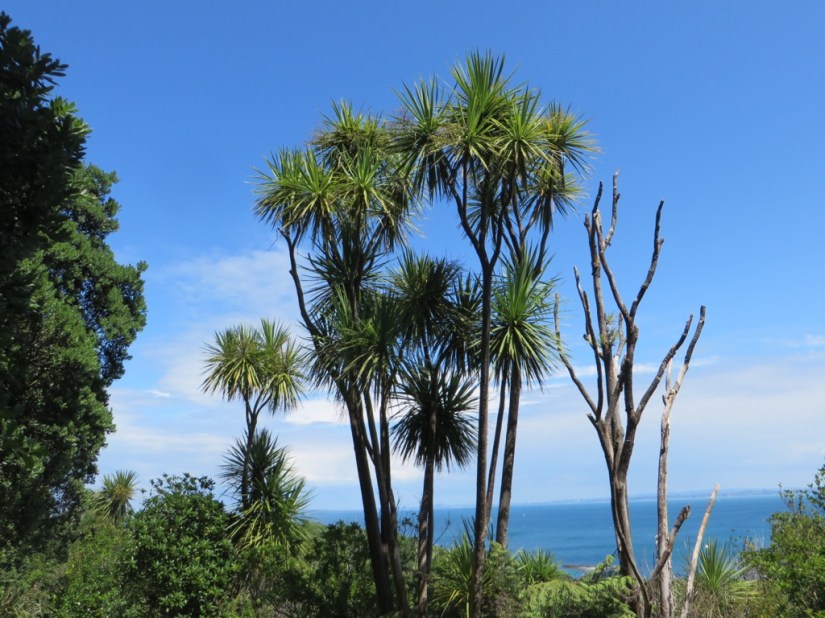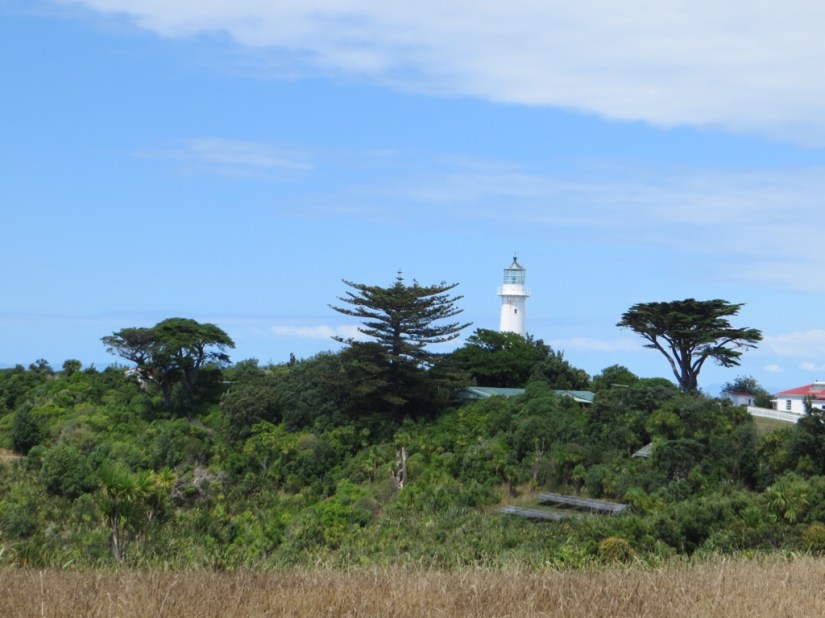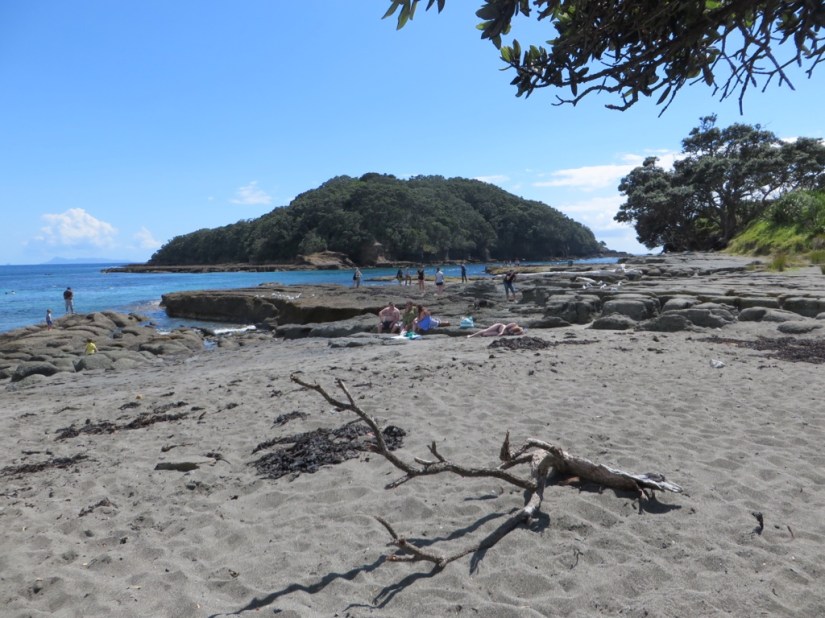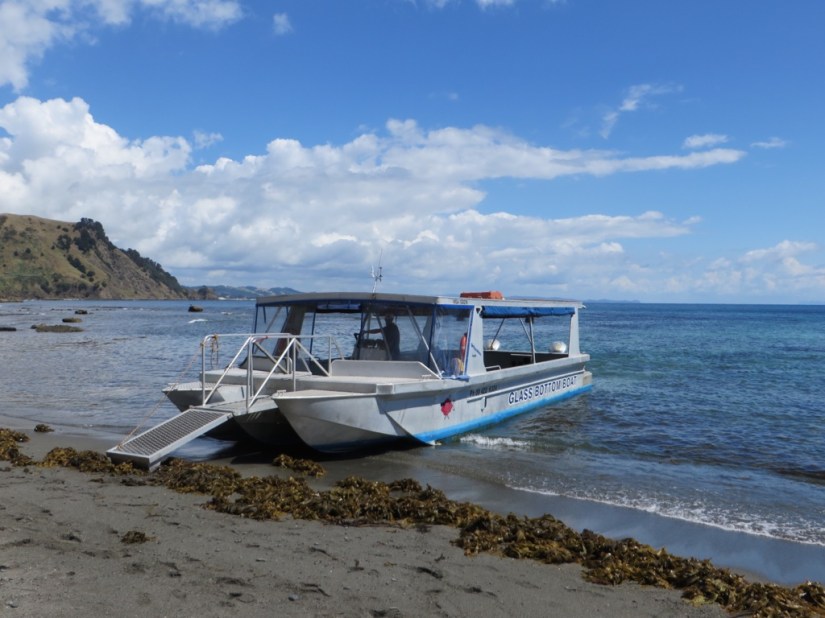
Cape Kidnappers and the Gannet Colony

812FDFA8-8A7D-45CA-94E7-B6D17642E71BWe reached Hawkes Bay, and drove to the headland beyond Napier.   When Cook was moored here, Maori traders noticed two Tahitian interpreters onboard, and believing them held against their will, ‘rescued one’ who promptly returned to the ship, and Cook then named the point Cape Kidnappers. We took a tractor ride down the beach with Gannet Beach Adventures, which was great fun and saved a long walk.
01A3CE37-2656-4C2B-9904-FE4537D2B214EB5D5F51-5F84-4B40-B26C-A45E17B3A060

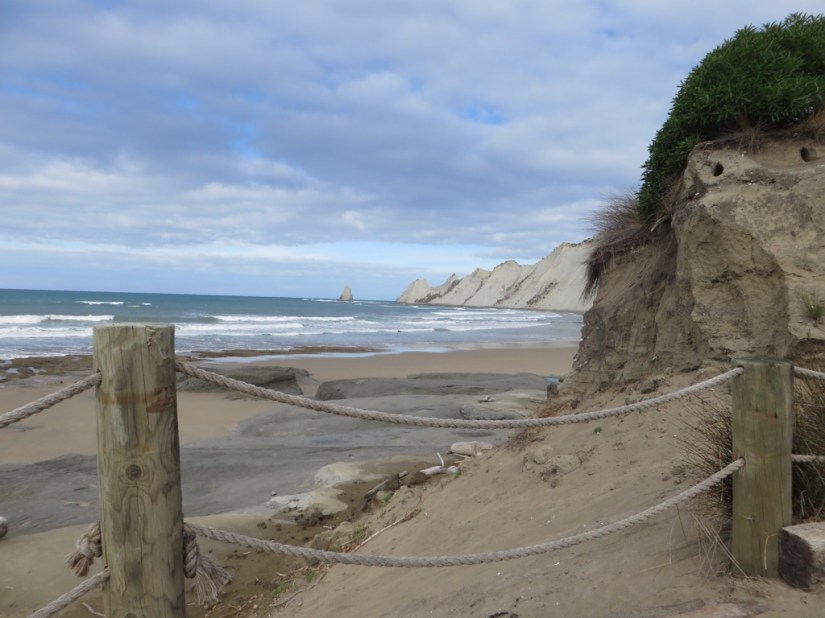
The cliffs show signs of all the geological activity with bands of different rocks, at different angles and with two very noticeable faults.

3681EAA6-955E-49D7-9496-C26C8DAC827C3D14BCB8-B9CB-4D5C-B435-D09096CB1D06

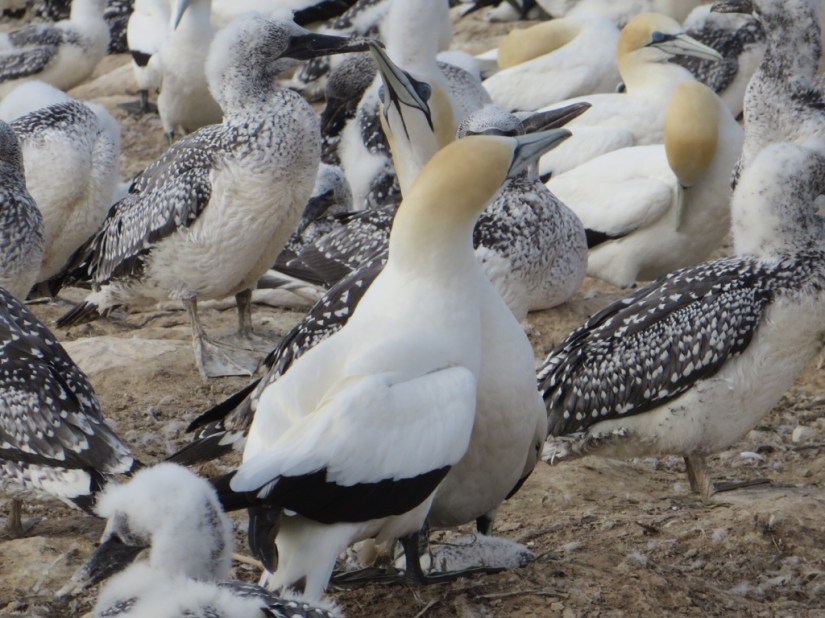
The Cape is home to a huge colony of gannets who nest here each year and we climbed up from the beach to the cliff top plateau to see them. The birds are black and naked when born, then grow snowy down which later is replaced with grey speckled feathers which they keep until their striking adult plumage with a gold coloured head and black trimmed wings and tail. They mate for life, living to around 25 and as one sits on the nest, the other goes for food, with a touching reunion ceremony each time they return. At four months old, they make a once in a lifetime flight 3000km to Australia, where they stay for a couple of years before returning to mate, however only 25% complete this feat safely.

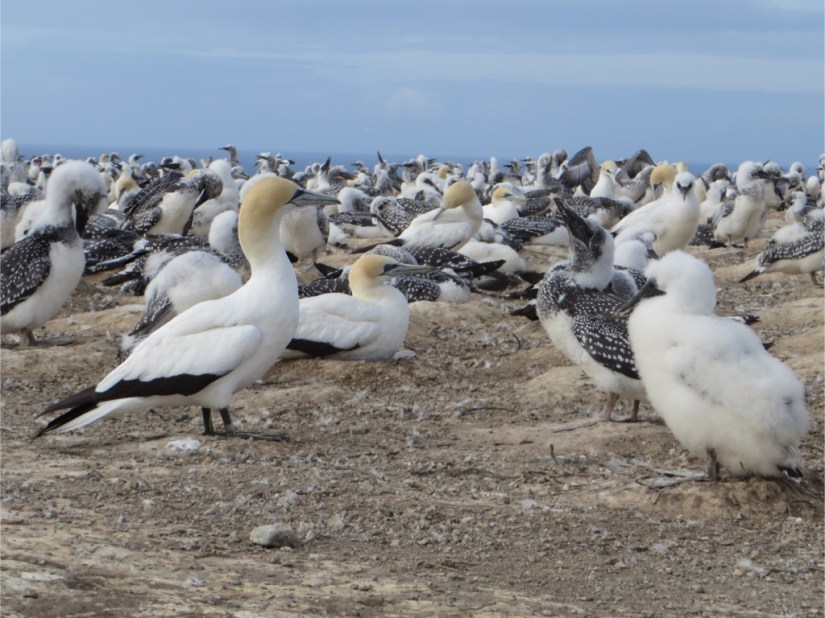
F4D0D7E7-DA67-415A-9EAE-7821E31D209AAE05A7A1-B187-4B10-9153-51F75116CA86A4FF974E-806E-4DC3-B150-E3692D877490

Hawke’s Bay is also renowned for its wine, and as we drove back we passed Clearview Winery where we picked up a bottle of Cape Kidnappers Merlot to try.

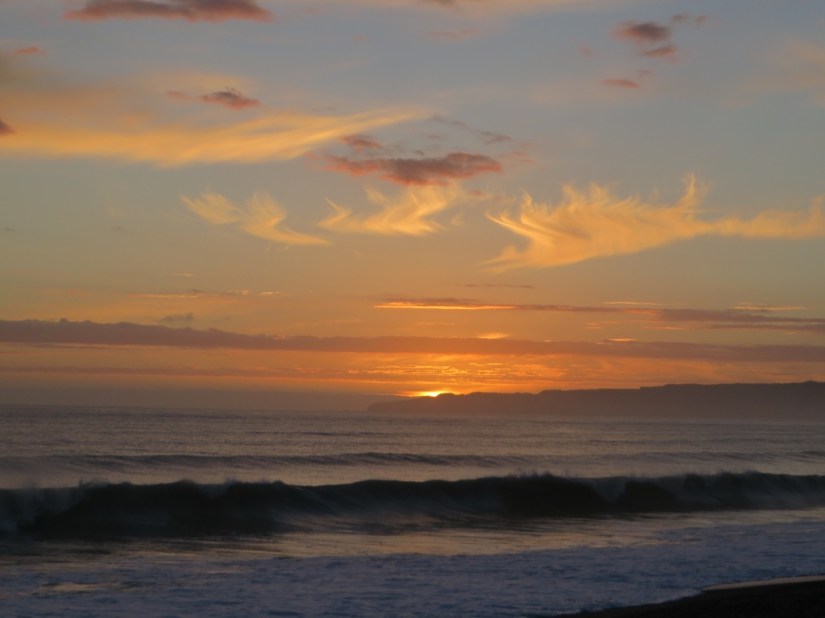
We spent the night at the Clifton Road Reserve, right beside the sea, listening to the huge waves breaking on the shingle beach.

74252937-254B-4916-8531-770710CE0719F6A89F4A-A037-4E94-B3C8-BAAAAE29736C

The sunrise was stunning, and motivated I had a birthday paddle … with all the foam it was like paddling in champagne!
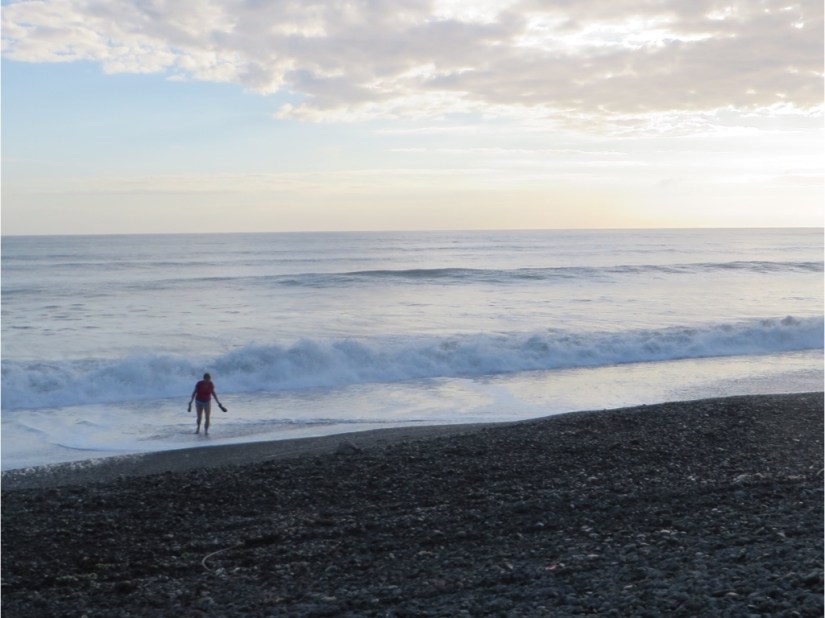
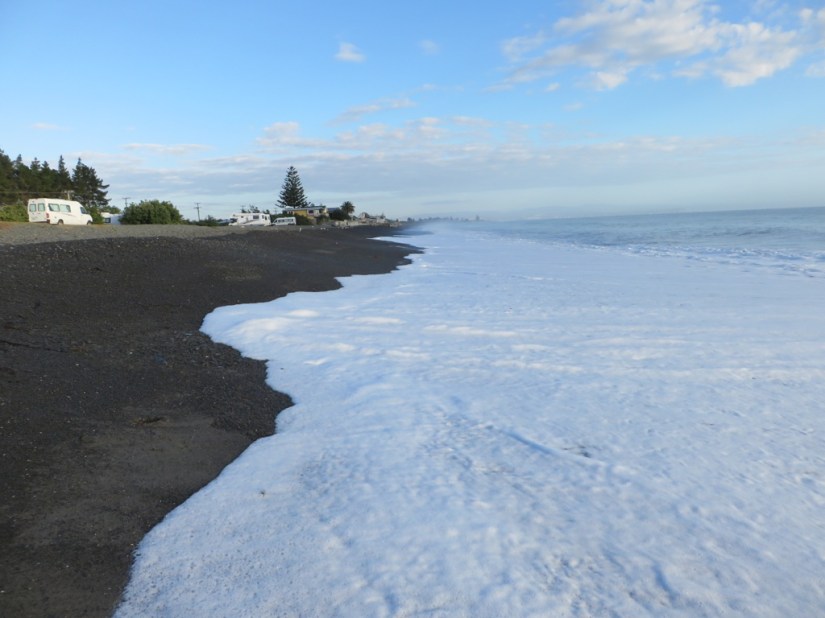
7763EA36-A4AE-4A32-AF4A-E2E9D3D1FA8425DD99A2-4CAC-4F6A-9963-BA458B14B5B2


The Middle Revisited

2496F2B2-1010-46A4-82DA-436A1DEEA672We left the Kauri Coast and had some 500km to our next destination, Hawke’s Bay. This took us across the centre of the North Island where we had done our two-week loop with Joanna, so we had already visited everything we were planning to see.
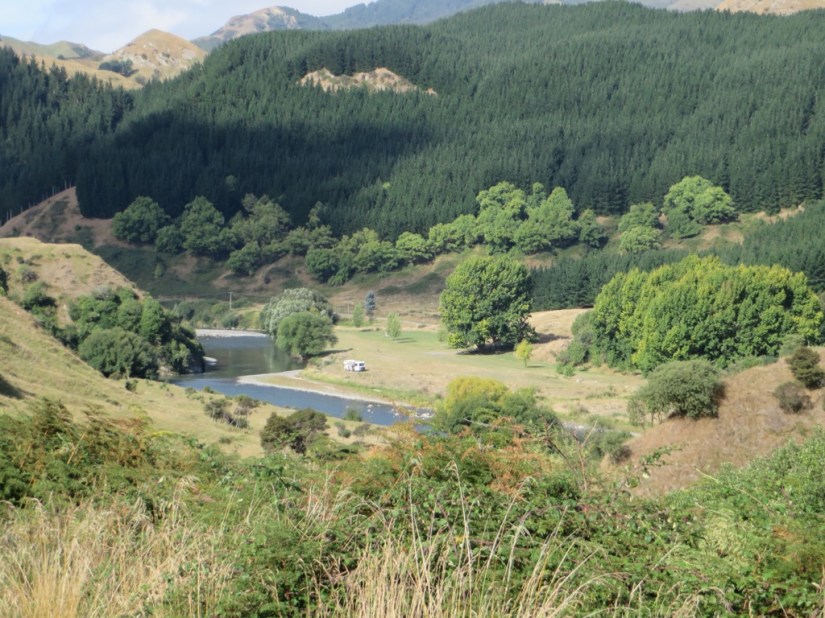
So a push South, through Auckland and on to Rays Rest at Miranda which was such a lovely camping spot, we stayed again, this time without the howling gale!

5B75C1F6-1835-4820-B3EB-E95C3B2FD9D449493D74-6ADC-41F1-9DFA-CF7AD44CFC62

Next past Rotorua and Taupo … and I think I forgot to mention how smelly it is with the sulphurous gases in the air.

A photo stop at Waipunga Falls then on to a little DOC campsite by Glen Falls, sharing with just a couple of other campers.

2496F2B2-1010-46A4-82DA-436A1DEEA672AD87D566-1BBF-4852-9665-0CAD1A58FC82CEA7B67E-E13E-4827-88F6-6D473B1E3AA163B31CC4-DE1B-4B4E-A001-E2DCE8B94840

Tomorrow Hawke’s Bay!


Kauri Coast. … Lots of Kauri but no Kiwi!

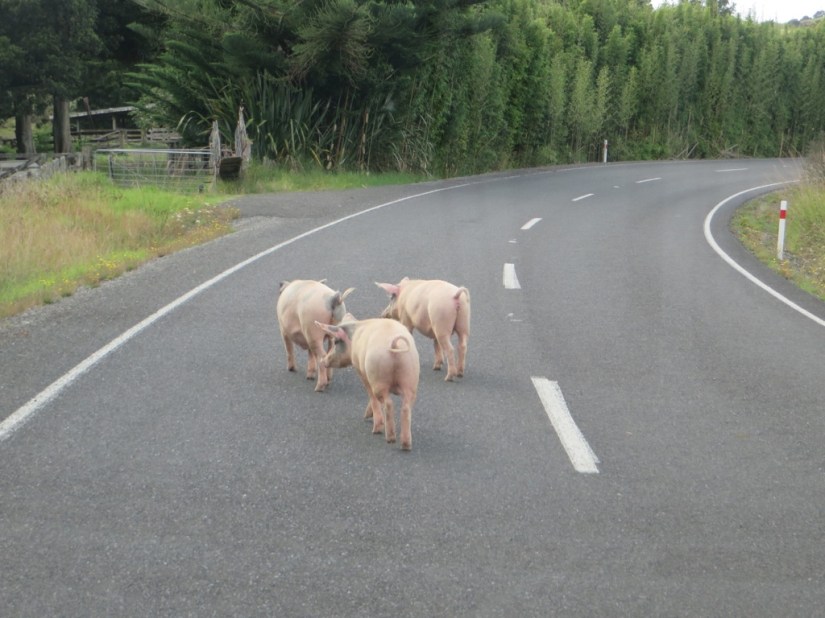
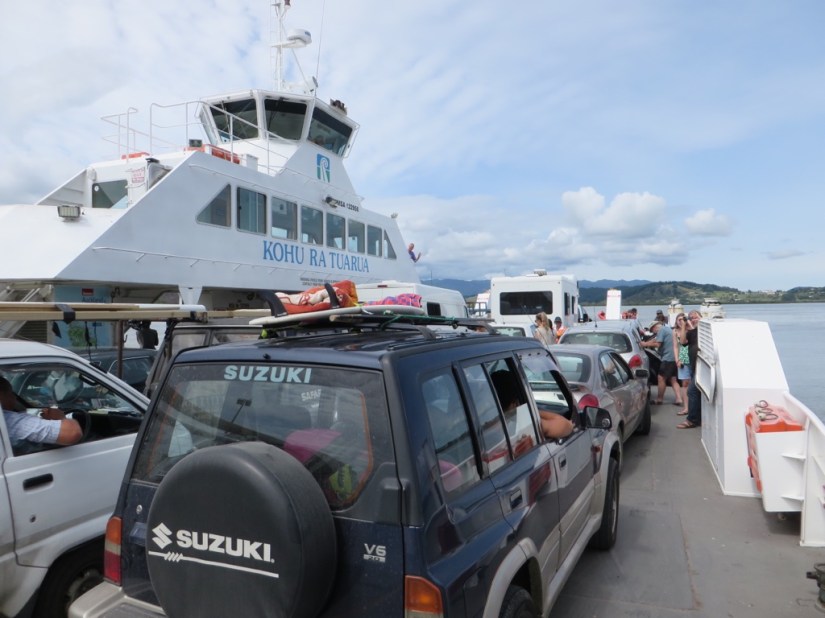
69772C3B-4542-4B92-96D7-A32552B94182If we hadn’t needed to slow up for the piggies … on their way to market perhaps … we wouldn’t have missed the ferry … never mind, just another opportunity for a cappuccino!
E7A86C01-0277-44F2-B531-04745BE53624

Finally, we took the Hokianga Ferry across the harbour to Rawene which can thank the timber mill here for its pretty weatherboard buildings, some perched on stilts over the water.

24EC0BB2-3051-4CB8-BD91-7B49DA32A43F

96D0A406-580F-4D0B-BDDA-01D08AC1EB9F

On through Opononi, which became famous in 1955 when a young bottle-nose dolphin came into the Hokianga Harbour. Opo became a sensation and attracted hoards of holidaymakers to see his antics in the bay, swimming and playing with the swimmers, but it did not end well as he was found dead, maybe from to much playing and not enough time spent catching food. The lady in the visitor centre remembers swimming with Opo as a young girl and we saw a video of his antics.

122E0DE4-56B0-433A-B0BF-132D9243D75A

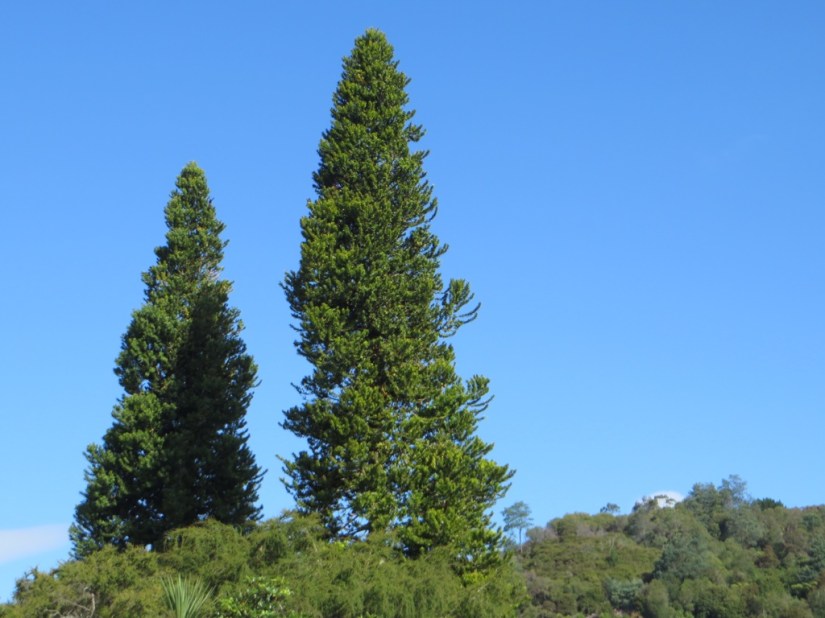
Soon we reached Waipoua Kauri Forest, which together with Trounson Kauri Park constitutes the last 100 sqkm of kauri forest that once covered the top half of North Island. The kauri is a type of pine and ranks with the sequoia as the world’s largest trees. It begins life as a conical looking pine, but pushes up through the tree canopy then looses its lower branches and just gets wider.

C36CA180-922C-4BA7-82E0-C517C29F74EEE5031BBE-6241-4EED-9ED7-A048C734C4A15FD4EFFA-0D32-4E05-AB77-7D32F91A4E32

We followed a couple of Boardwalk tracks through the forest to see a couple of the largest known living kauri trees, some 2000 years old, Tane Mahutu, God of the Forest with trunk height 17.68m, total height 51.5m and trunk girth 13.77m …

2817B3D1-8861-461C-9603-2BF97238FC3E

… and Te Matua Ngahere, Father of the Forest, slightly smaller …

C67F93D4-7A2E-4CB7-8519-7A6D3CE49290

… as well as a stand of four threes called the Four Sisters. Needless to say, the photos don’t do justice to the majesty of the trees.

69772C3B-4542-4B92-96D7-A32552B94182

The campsite we stayed at ran a guided night walk round Trounson Kauri Park in the hope of catching sight of a kiwi, NZ’s famous nocturnal bird, featured on shoe polish tins everywhere! Despite our best endeavours, after a couple of hours we called it a night and returned to camp … no kiwi spotting for us. The nearest we got was hearing a male and female call to each other and a lot of tramping around following a chap with a red light!

36C7B690-4A3E-41D1-856D-6856046F645859160506-B50B-450A-A94C-DCD713830E32

Next day we stopped at the Kauri Museum to learn more. The Maori used the kauri sparingly as with hand tools, working these huge trees was hard, but once the European loggers arrived with equipment, most of the trees had gone by the end of the 19C. Once the trees were cleared, the gum diggers moved in. The trees produce a resin to cover any scars and huge lumps form on the trees, which then fall off and get buried. Maori chewed the gum, made it into torches and used it for a tattoo pigment but the Europeans used in varnishes and linoleum and dug up all they could find for export. There were hundreds of photos showing logging, gum digging and the life of the workers. We also saw machinery used to process the wood in every way, examples of furniture, huge pieces of yellow polished gum and we could see how hard the life would have been, but what destruction it caused, and the trees are now gone.

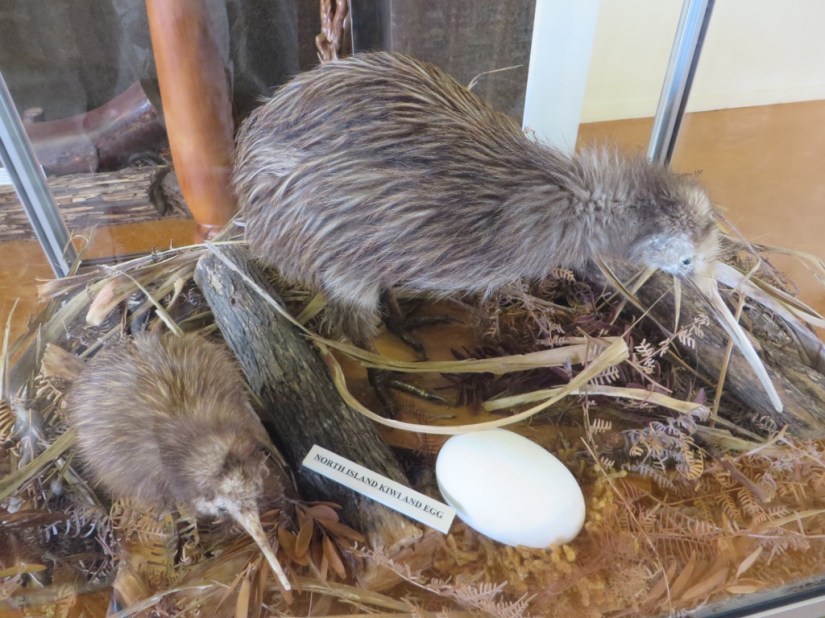
Oh and I guess this is as close as we’re likely to get to a kiwi!

3C69BCBE-55DA-4555-B7D8-107BA5DE6FCB


Cape Reinga and Ninety Mile Beach

3DF7B220-C9BA-488F-BCC5-0B568B8C1B1BOnwards and northwards we went, over our very own bridge …

19B611C2-8185-4819-B537-76911E9FFFBA.jpeg

… and just a couple of stops, in Whangaroa for lunch …

CB046B72-08C0-485F-822D-97DCA340B66F

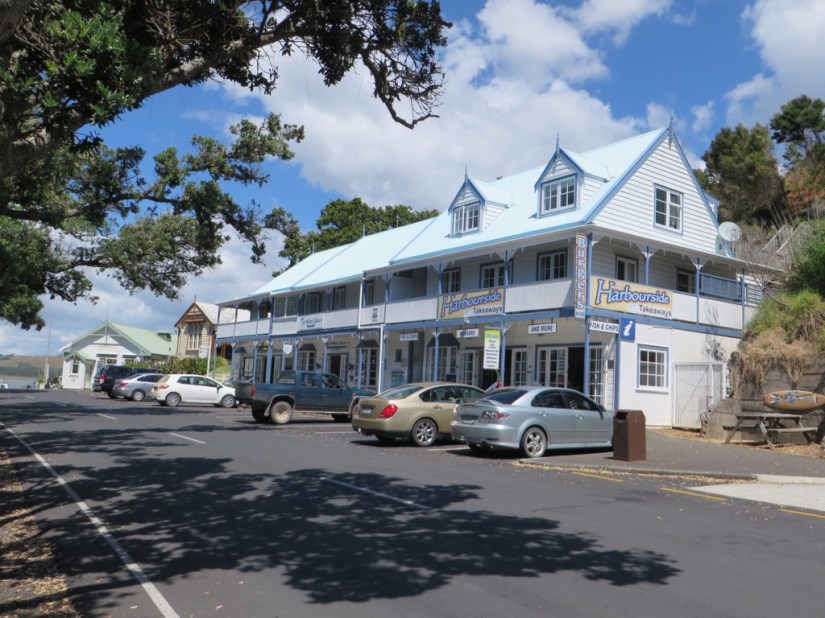
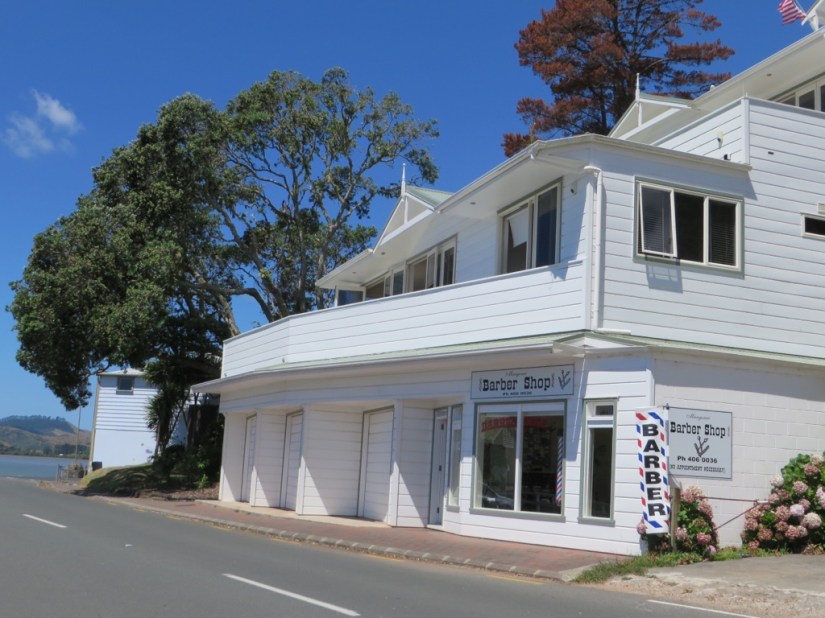
… and Mangonui where I bought a piece of smoked hapuku from the world famous fish shop for supper and Chris had a tidy at the most northern barbers in NZ.

EE6D13FB-9E89-4730-8A9A-B57DD112E65ED70BFC01-815D-47EC-A863-E80D334AD9A3602BD2AB-4518-4E46-AB25-64CBDB63721D7E935CD0-F1C7-4E4D-BEEC-0D7D4C44BE6A

Our campsite was at Ahipara, which is at the beginning of Ninety Mile Beach and we walked down and swam in the sea, then sat fascinated watching seagulls flying into the air and dropping clam shells from some 20ft down onto the sand again and again until the shell broke and they could eat the fish inside. The beach can be driven on (but not in hired campervans) so the next day we went by coach instead, giving Chris a day off from the driving, and getting our fix for a whizz down the beach too.

953D3BAA-C611-467A-BC3C-5302481EA118D7FFAC0E-687C-4A34-BDC6-35D5F29966C9FA2A129B-FBF6-4F11-AF88-8AAA5480E368

There was quite a drive, 130kms to Cape Reinga by the main road with just a couple of stops, and the sea hidden all the way by a strip of pine forest.

F626413D-F953-4DED-85FB-28D2ECF3810A

It is a very spiritual place for the Maori who call it Te Rerenga Wairua, the leaping place of the spirits. There is a rock with a kahika tree, which is the place where spirits of the departed descend to the water by steps made from the tree roots, then continue on their journey to Hawaiki, their spiritual home.

B1AD3437-7305-4F5F-9B34-4F8A230122FB

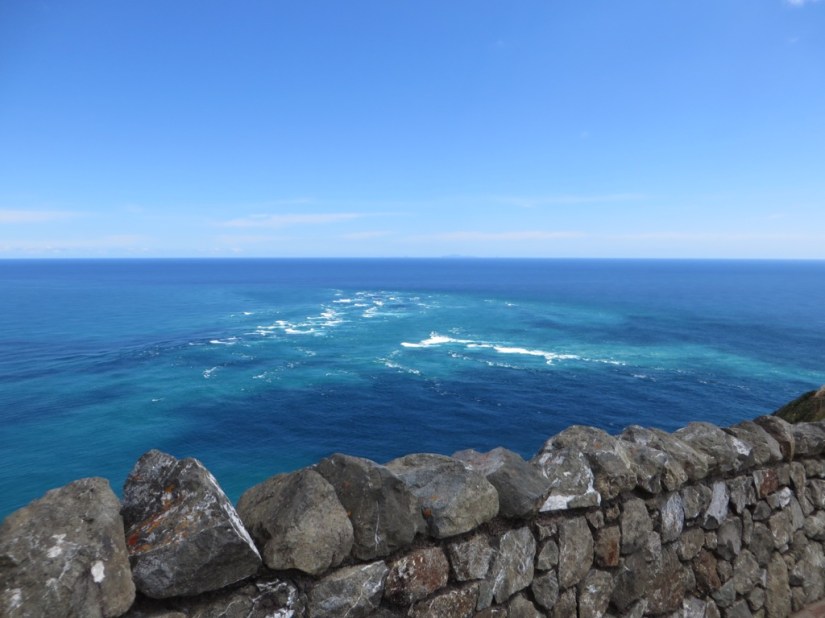
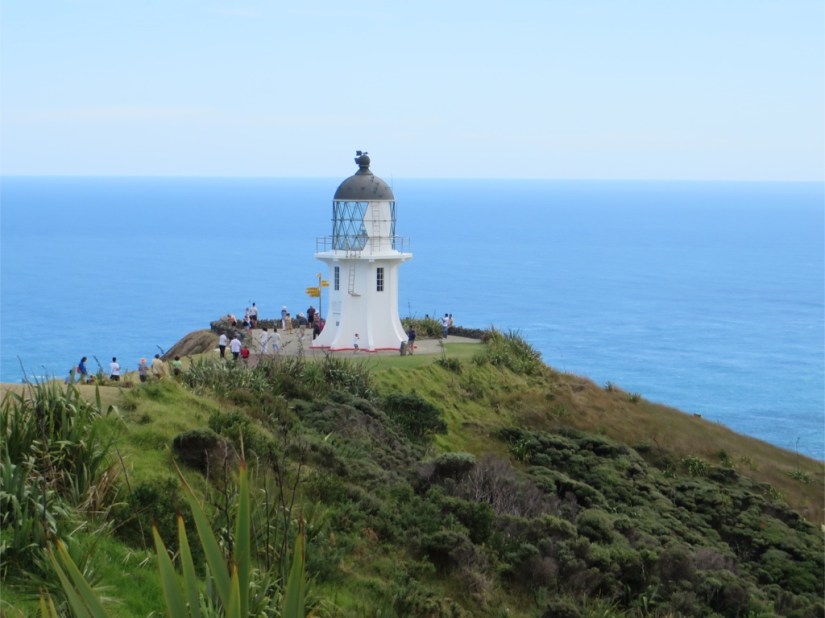
There is also a lighthouse looking down to where the waves of the Tasman Sea meet the swirling currents of the Pacific Ocean.

B2D59DC7-1B07-4AF6-BA54-6DE5C6B374D8

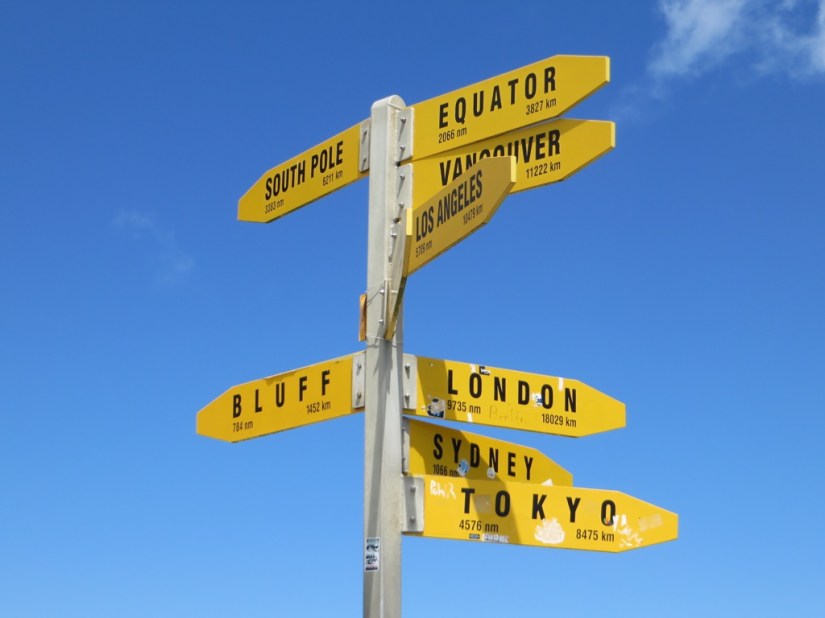
The phrase “From Cape Reinga to The Bluff” is frequently used within NZ to refer to the whole country, even if it’s not quite accurate, hence the signpost saying Bluff is 1452km.

B4D4985F-B3D7-4AD1-A2F2-FE27490F76AA

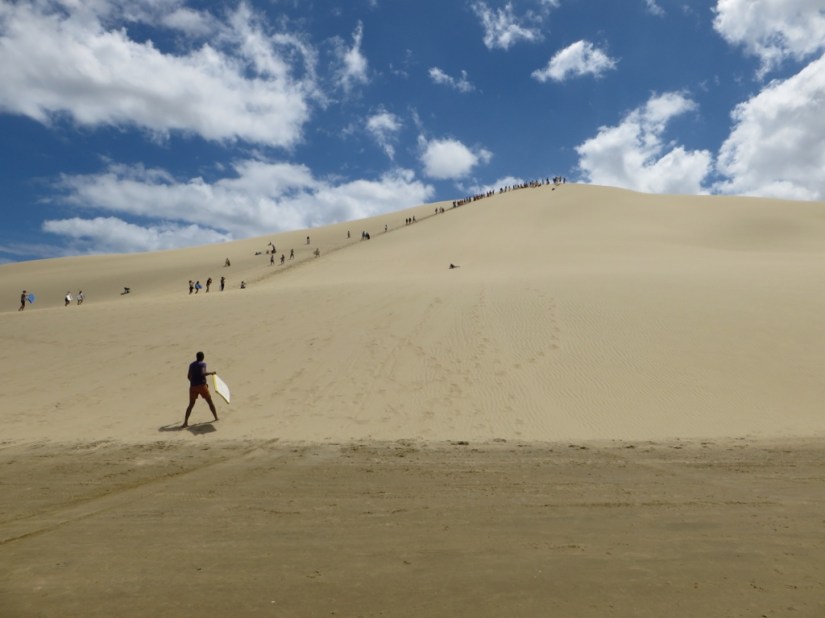
Next stop was the Te Paki Stream, where we climbed to the top of the sand dunes with our boogie boards and sandboarded down … great fun, I went further than Chris so the Peru sand boarding champ still reigns!

945BF453-5DFF-4666-80BE-BFC5852C6959

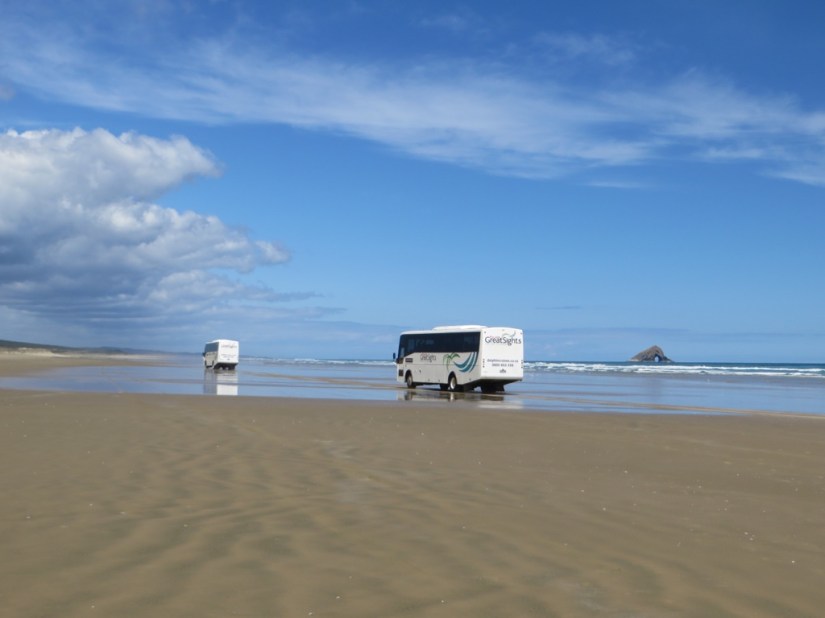
Back to the coach and we drove onto Ninety Mile Beach, which is officially part of the state highway system, for our return down the peninsula. We were surprised how smooth the ride was, better than any of the roads here so far, and even less traffic! We did feel a little diddled though as the beach is only 55 miles long! Apparently it got its name as a horse could travel 30 miles a day and the beach took three days to travel, but horses walk slower in the sand, so it was shorter than they thought!

3DF7B220-C9BA-488F-BCC5-0B568B8C1B1B

Well it’s a long drive south now so best get going …


Bay of Islands … Birth of a Nation

3FF42027-C9AD-4C25-9E56-0054A0E69442We set off from Paihia on our boat trip round the Bay of Islands and soon came across a pod of dolphins swimming back and forwards, in and out of the water. We had seen dolphins in Jervis Bay, but seeing them again here was a delight, especially as they seemed more playful, although just as hard to photograph!
89F159B6-B5B7-4480-9FBB-B1BCC6ABCBC1

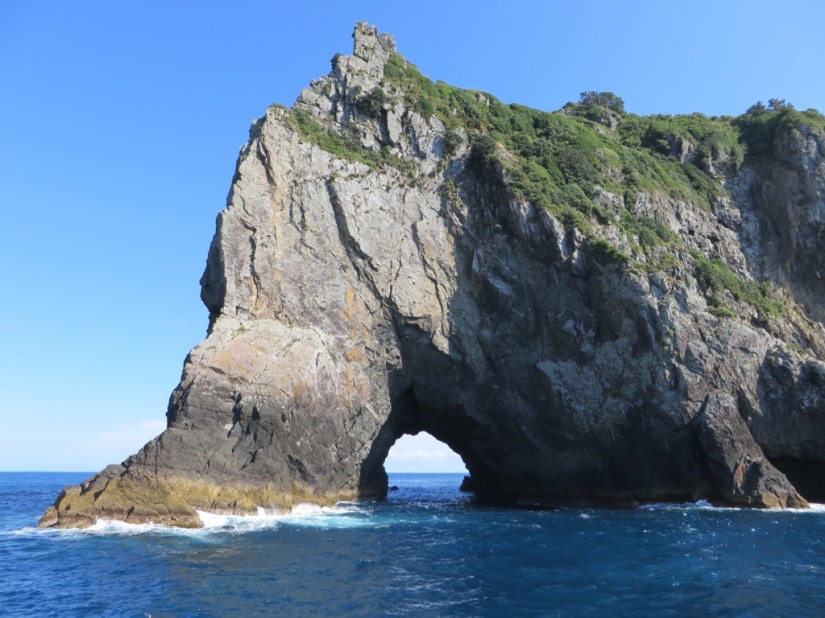
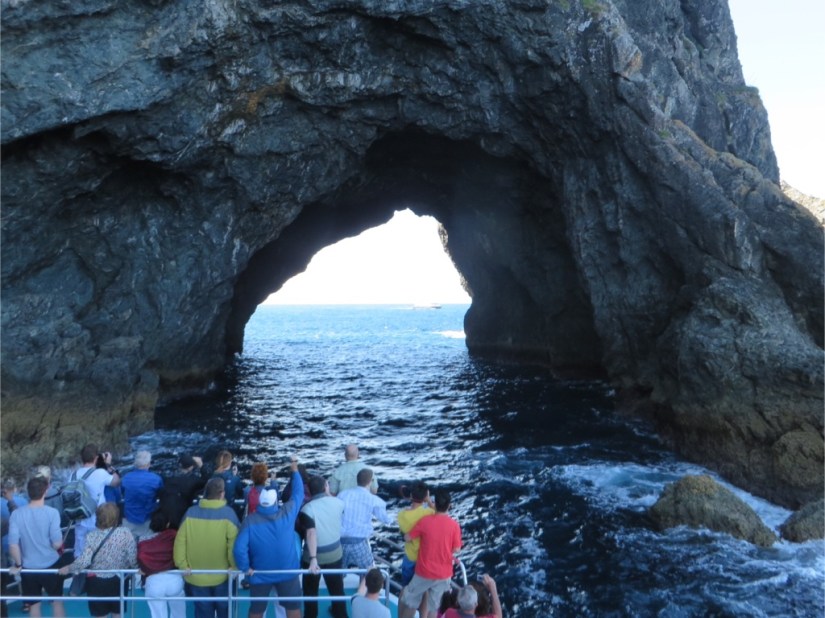
We continued across the bay as far as the Hole in Rock, which the skipper passed through to the delight of the passengers.

A4604CDC-DED2-49F1-85FE-3ACED9778A7C70288E50-C836-45F3-91EA-A2DCC2FEAD52

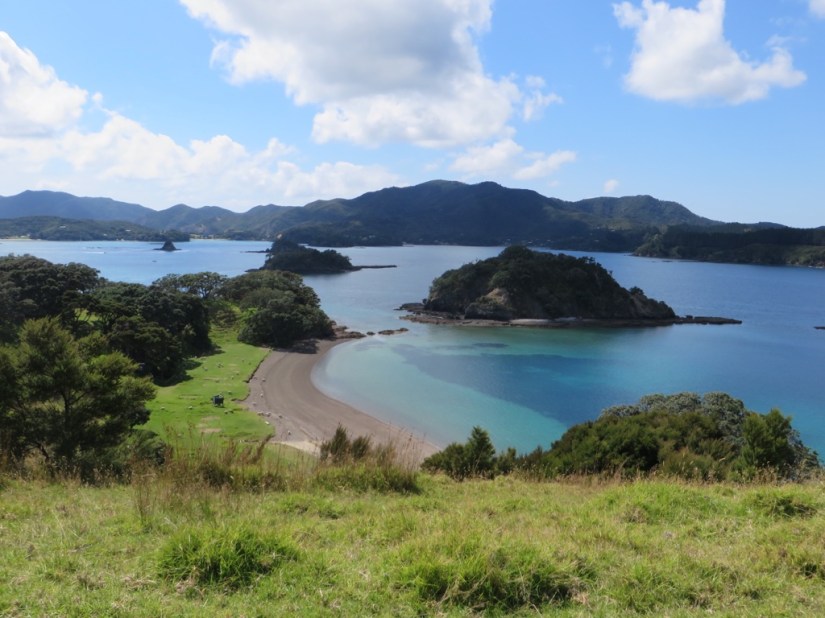
On our return, we stopped at Urupukapuka Island, where we climbed up above the wharf to a couple of viewpoints looking out over the bay, which apparently contains some 144 islands, although if it doesn’t have vegetation it’s just a rock!

C9858EEA-4ED4-47A3-9FC9-AFF2997E25C59D737C70-7131-4840-AD72-D1DDE3C07081C73C4DA3-B821-4F1D-90BE-EF40712562F8

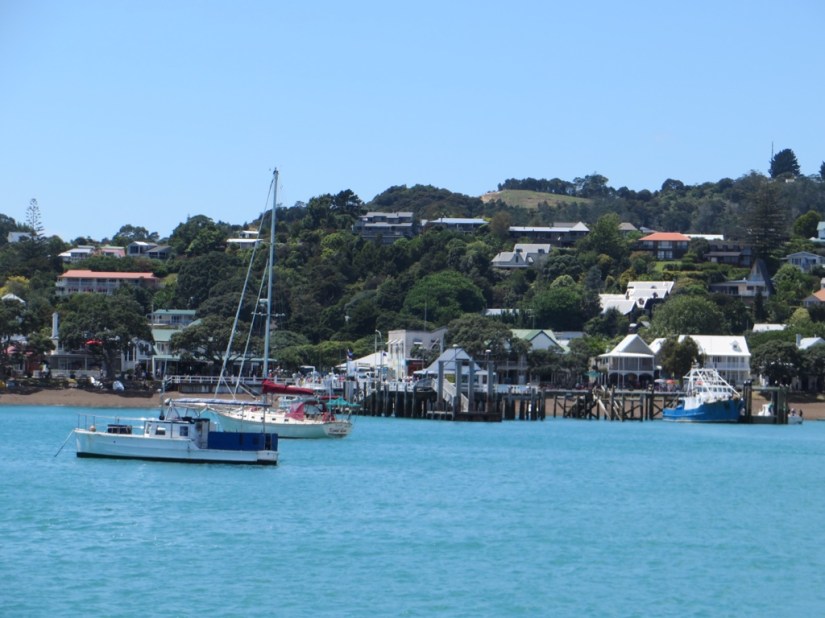
We left the boat at Russell so we could stop for a look round. When Cook arrived this was the Maori settlement of Kororareka, but by 1830 had developed into a swashbuckling town of whalers and traders with a reputation for being “The Hell Hole of the Pacific”. It was renamed Russell and made the first capital in 1840 when the Treaty of Waitanga was signed, but once the capital moved to Auckland it became something of a sleepy backwater. In the 1920s, American Western writer Zane Grey came to fish for marlin, and Russell is still a game fishing centre today.

DDC67446-A8C3-4899-8CFD-80505263208D1452B8AE-6E47-4BD4-BF10-55403594CF53

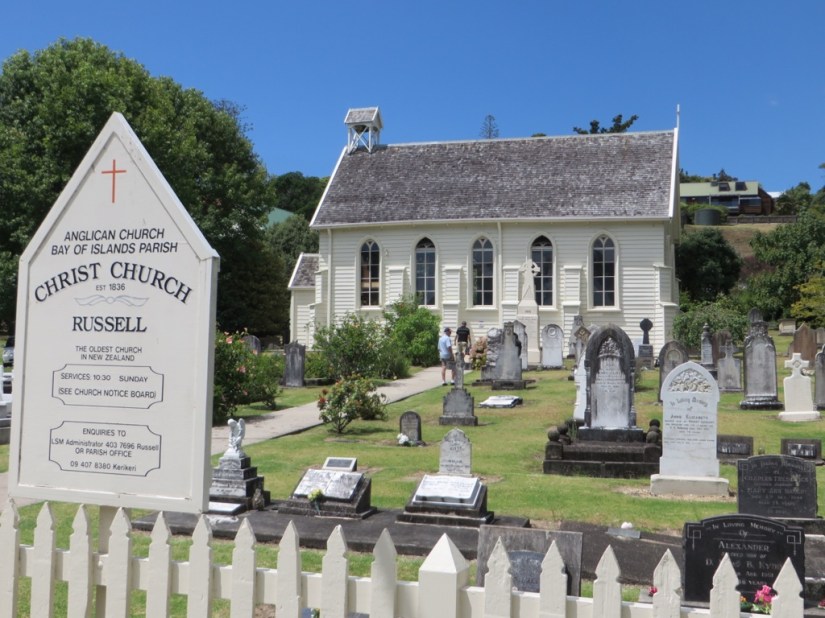
We saw the pretty Russell Church, claiming to the the oldest in NZ …

03C6A5B4-6B71-4F9E-BA5A-F735A7F910D0

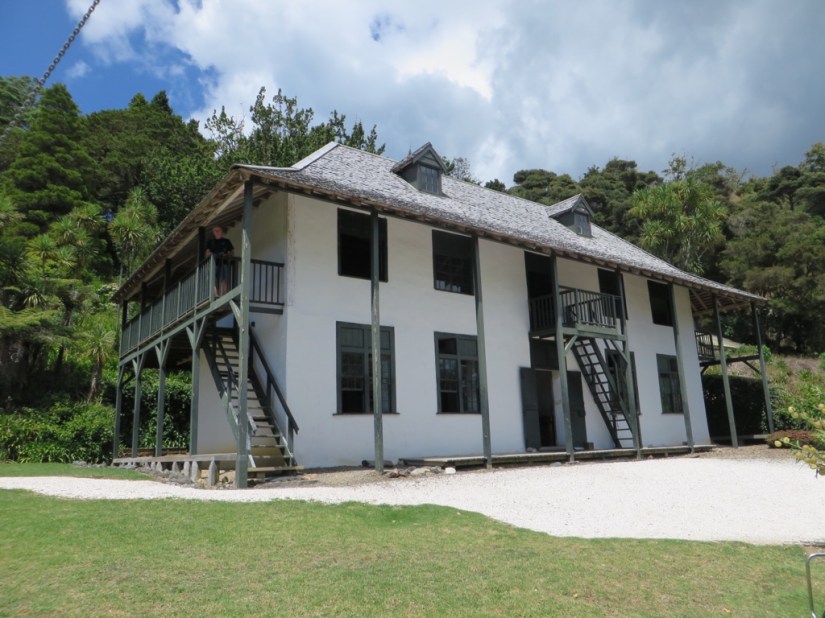
… and also the Pompallier Mission founded as a Marist printery where 40,000 religious books, many in Maori were made.

A249A5E5-244D-4B9E-9D80-CABDBBADC89F

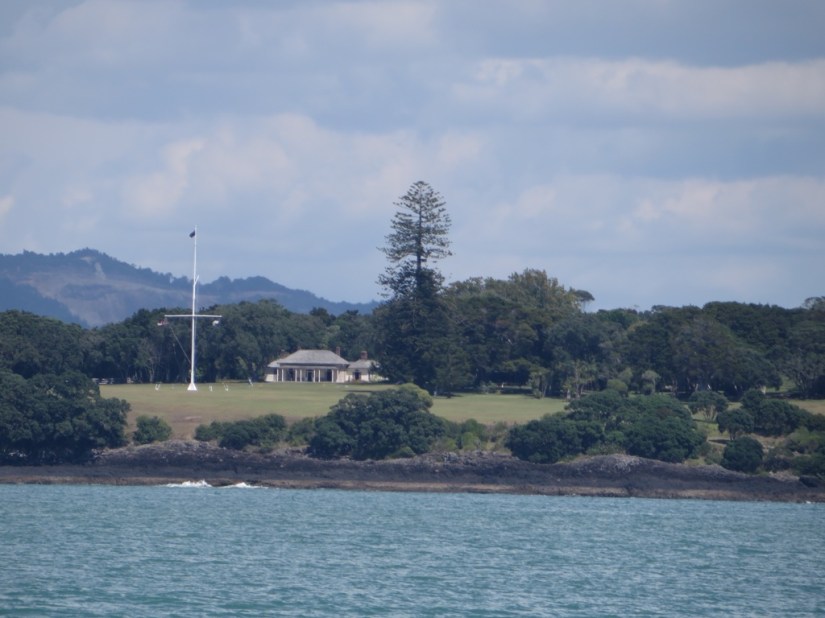
We returned to Paihia on the ferry and spotted The Treaty House at Waitangi on the way which is the most symbolic place for New Zealanders.

E62F49F1-C2CF-4C00-BDA9-0FAEA9AF3C66

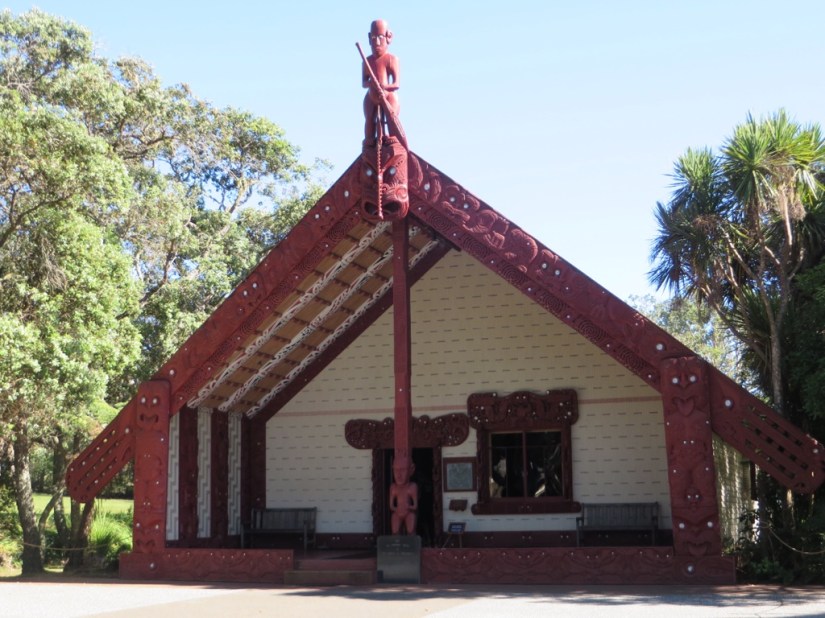
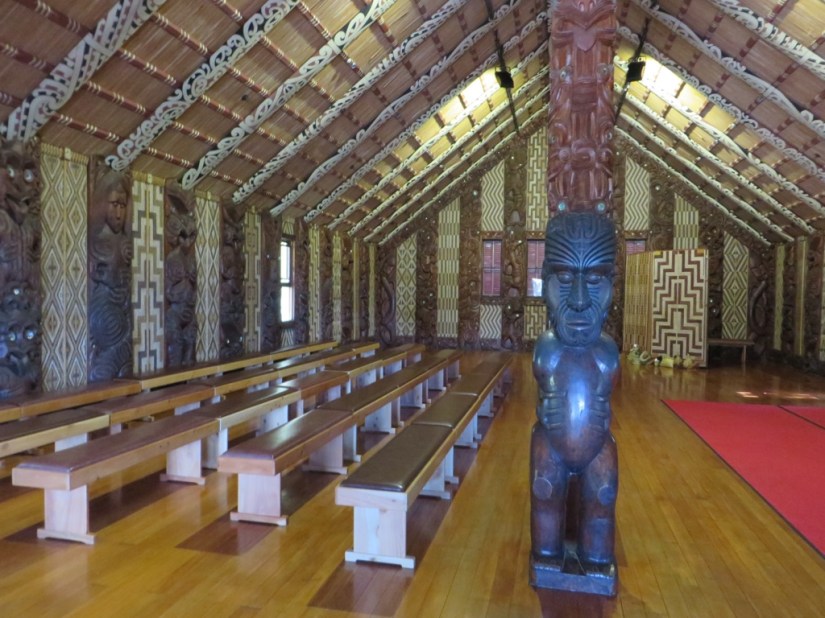
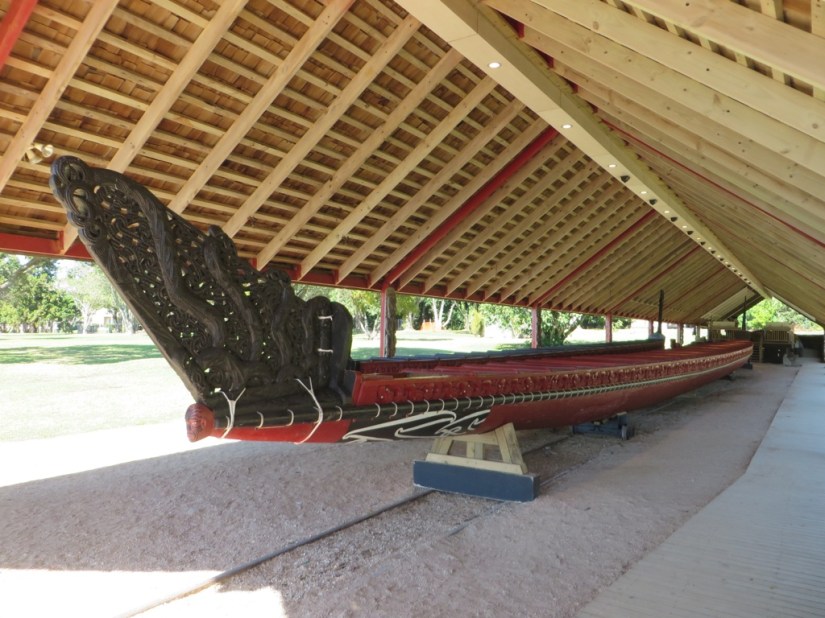
Waitangi was already a traditional meeting ground for Maori, so when a British Resident was appointed, his house was built here and in due course, the Treaty was signed here in 1840. The Waitangi Treaty is still New Zealand’s most important document, although with versions in both English and Maori which don’t quite mean the same thing to everyone, the interpretation continues to be challenged to this day. In 1940, the Meeting House was added to symbolise the partnership between Maori and the British Crown. There is also the largest ceremonial war canoe – at 35m long it needs 76 paddlers and is launched every 6 February to celebrate Waitangi Day.

24B3E28E-5696-4EA1-A61C-DFEAFF0902DBB8736624-AE6D-42B2-A17D-07C7E7F74EACEB7C17D9-8F27-4FD7-9775-CB1E63A1B03E

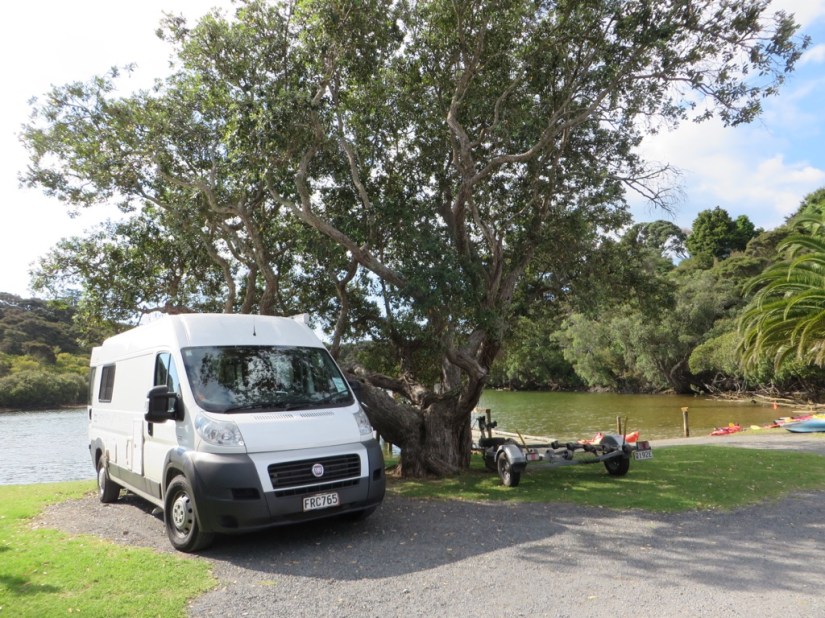
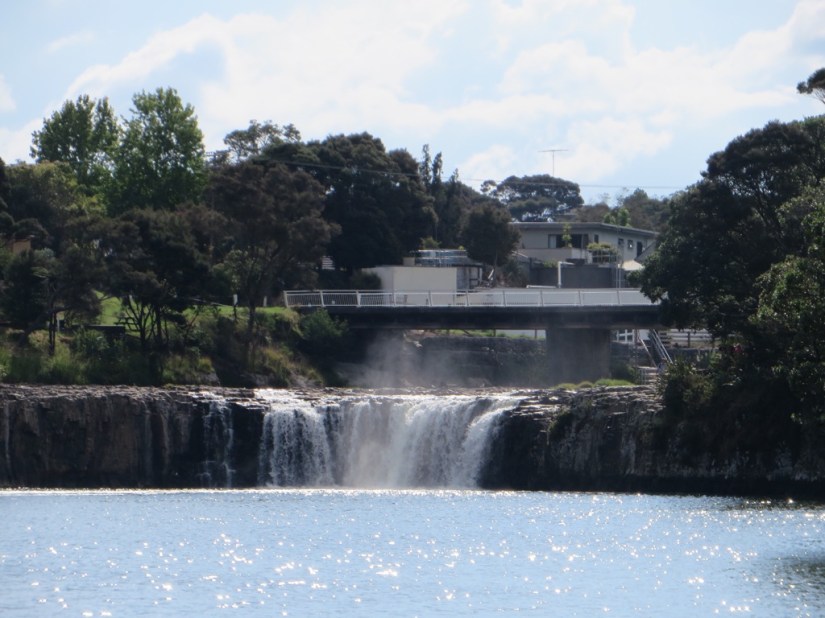
The campsite was pretty, on the water edge overlooking Haruru Falls.

8AAC279B-F767-4859-9737-2BDC37779B9F1B2490DC-118B-46F2-91EF-DB157E16AD5C

Further northwards tomorrow!


Kawakawa and the Arty Farty Loos

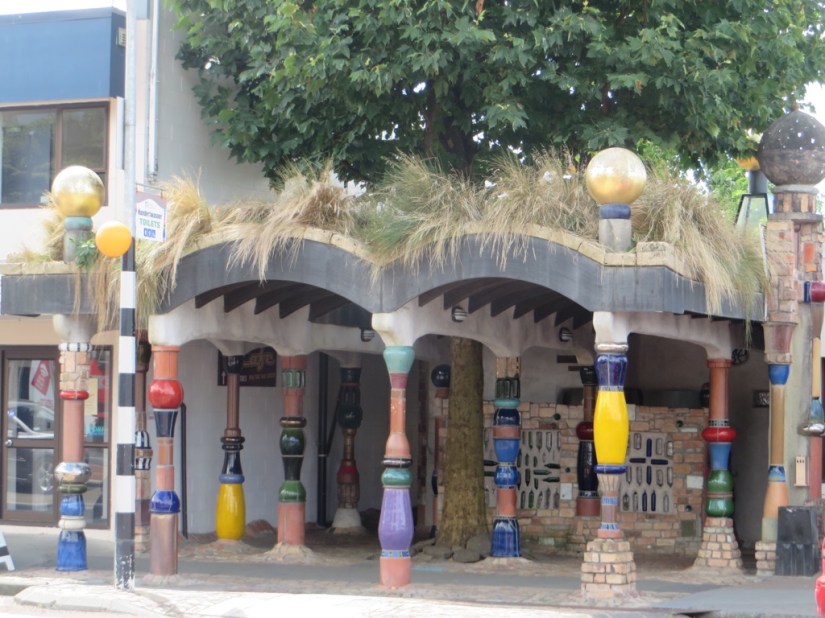
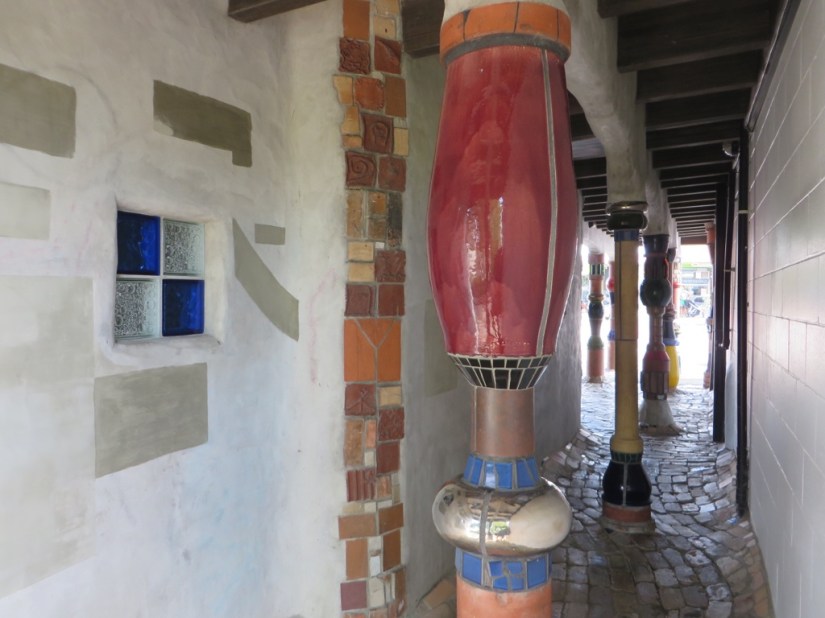
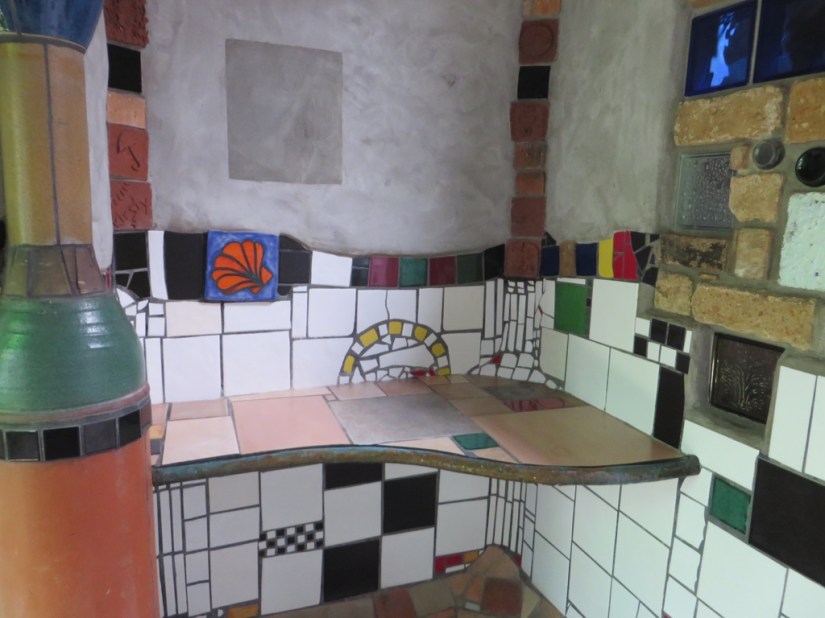
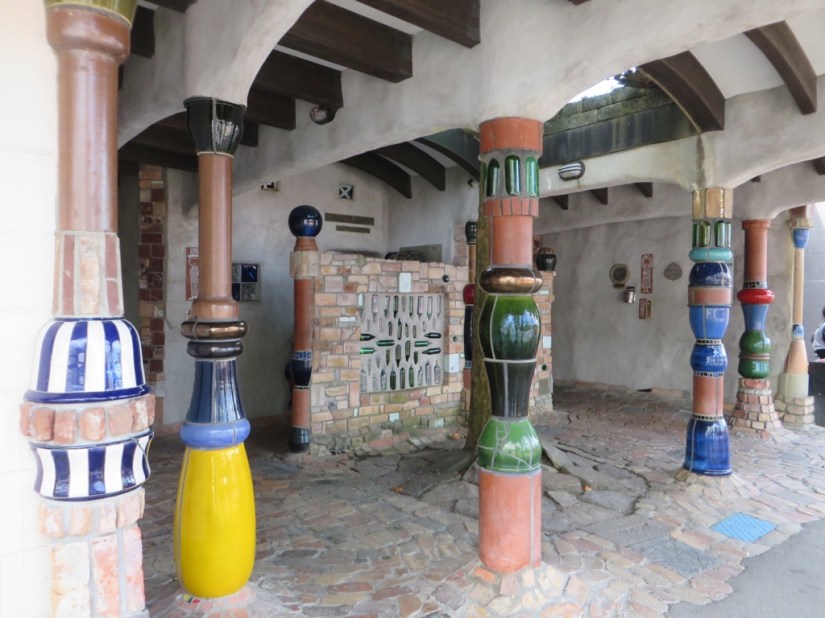
00915572-58EE-4D81-B075-6D40A0667195There aren’t many places that have their public toilets as their claim to fame, but Kawakawa is just that place! These works of art were created by Freidensreich Hundertwasser an Austrian painter, architect, ecologist and philosopher who made Kawakawa his home from 1975 till his death in 2001 where he realised his dream of living close to nature. He was largely self-sufficient using solar panels, a water wheel and biological water purification. The loos were his final commission, incorporating broken tiles, glass bottles and found objects into the design in a style reminiscent of Gaudi.

DF41E44A-F3C4-458C-AF1D-21BC615AE8D334F6D19F-B74F-4FAB-882B-8BD149AFA7E4E185DB81-372C-4AB4-B7CF-6527057D75CD38F8E8CB-9AD6-4E3C-9282-DAF1BF5FB8436A93E4A3-D607-4E20-9FE0-CF28E974C8DE

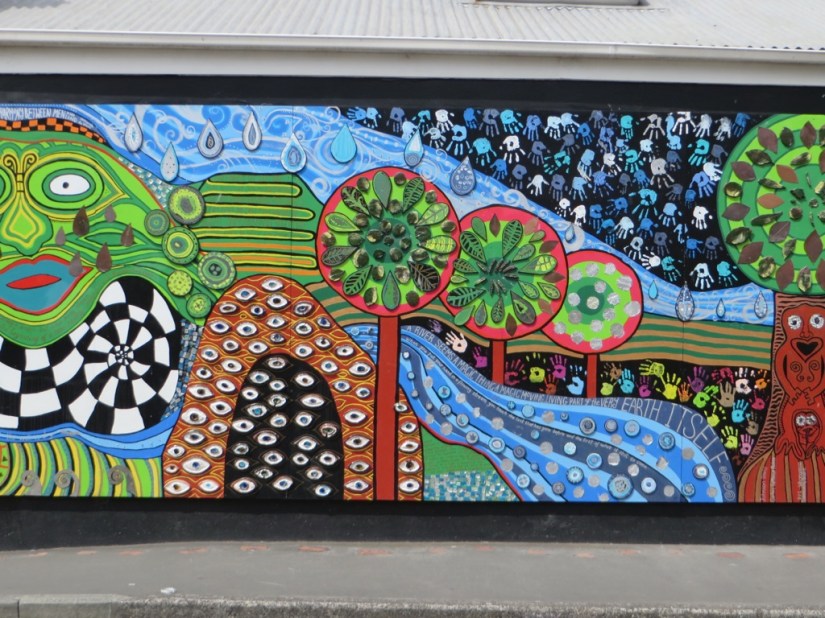
Since then, the town has capitalised on its fame, extending the theme throughout town!

583D945D-E3E5-4EE7-B80E-EAF5DDF7F9E9F8A5728D-7E8C-4BB0-B7A0-B6342ABE8AD7598EDFAD-AF60-4FAD-8C31-AB3A00170C5E349C606A-058B-4A10-8D36-F88A15B1ABFA

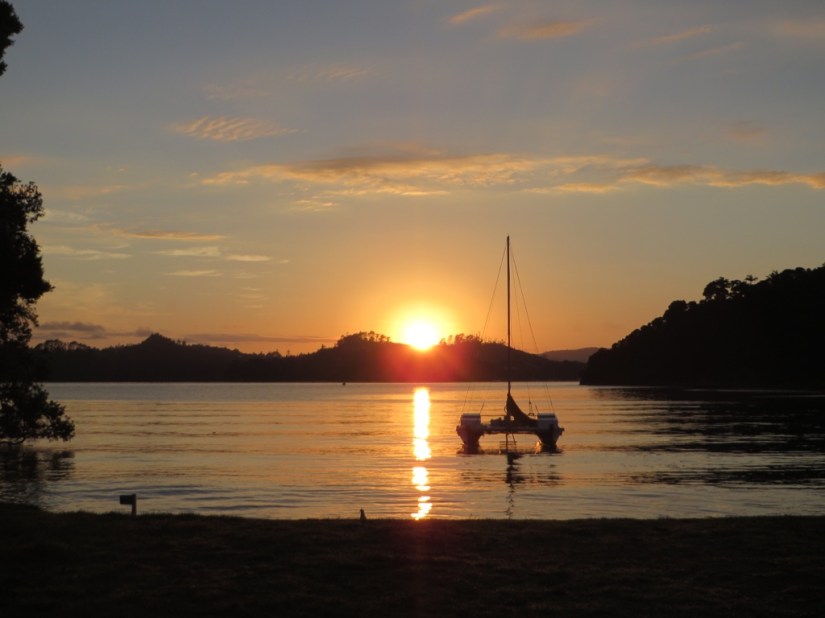
Having lingered long enough, and taken quite enough photos, we drive on to our campsite with a waterside pitch, a fabulous sunset and a good place to be for an early start for our boat trip.

7C67BBDE-D759-43A0-852F-251A6F9C3C3BC4D4A105-6179-44E6-86EC-C17D3E94D710


Whangarei and the Poorly Camper

AA4FA34D-79D4-4DF5-8B65-477F3CC11A45.jpegWe spent the rest of our day on a longer than expected drive to Whangarei so we can take our campervan to the menders. We have a leak in the bathroom, a water heater that isn’t heating and a kitchen drawer that we cannot shut as the latch has broken. Fortunately Wharengi is on our route and they can fit us in first thing in the morning, so we’ve booked into a holiday park in town, convenient but not the most picturesque, although there was a quirky camper!
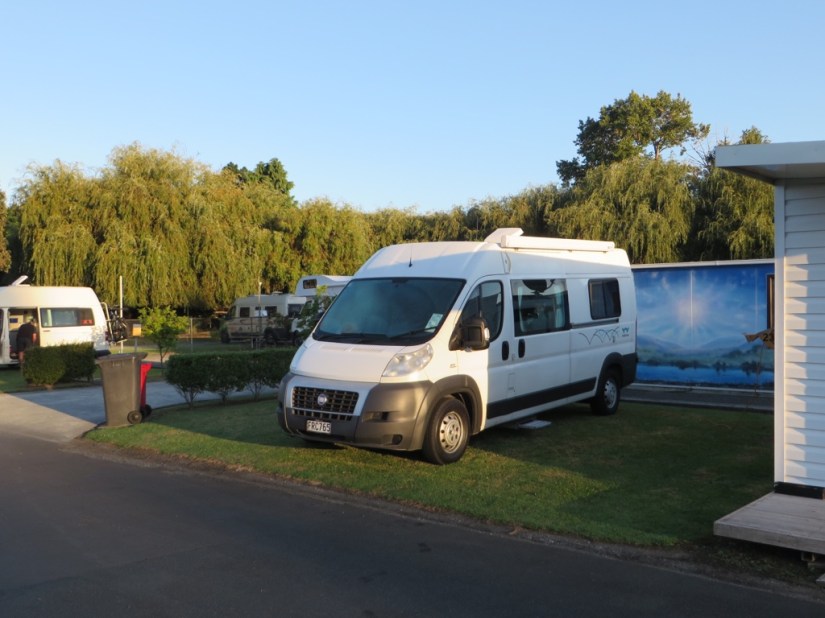
While Chris went to the menders, I hung out in McDonalds with a cup of tea to try and catch up with the blogs. The delay has been caused by a mixture of being technically challenged with the wifi signal, but also by having so much fun with Joanna being in New Zealand with us that there just wasn’t time!

1D83237B-9B7D-4A25-B623-3C370755C1530C50E691-EB48-4BEF-9187-475E478040B2

A couple of hours later, the campervan has a new toilet seal, working gas boiler and mended drawer, so stopping by Whangarei Falls for lunch, we then continue north!


Shakespear Regional Park and Tiritiri Matangi

A28CFA6E-DCF9-4330-AD68-24BD8ACC621CWe dropped Joanna off at Auckland airport, a little sad, but all of us with more adventures ahead. We returned to Wilderness to swap our larger 4-berth campervan for a smaller 2-berth model and had to squeeze all our stuff into smaller storage areas, but everything fitted fine, then we set off through Auckland, over the harbour bridge and North.

2C0A184E-3F18-411E-B148-3AB00A44E1E9

We drove to the end of the Whangaparoa Peninsula to Shakespear Regional Park, named after the family who used to farm here, which is now a pest free park surrounded by a fence to help birdlife. The public can visit during the day but have to leave at dusk unless camping, so it was very peaceful in the evening with just a handful of campers. We climbed up to the lookout for the views and after dinner caught the sunset a bit late.

6D10CDFF-D7F7-4583-BC96-5E0B597D87F8861A0D46-372C-4814-988D-7A1F468EE9EE60EC47C4-2C40-4711-AF4E-E2CC81DDE25BE8430356-71B4-400D-8340-6B9828A8DF9B

Next morning, we drove to the local wharf to catch the ferry to Tiritiri Matangi Island, but it was delayed by technical problems so we retired to the camper and made coffee! Finally we were able to leave for the short 20 minute crossing and were met by the ranger who allocated us Helen to guide us, tell us the history of the island and hopefully identify the birds for us.

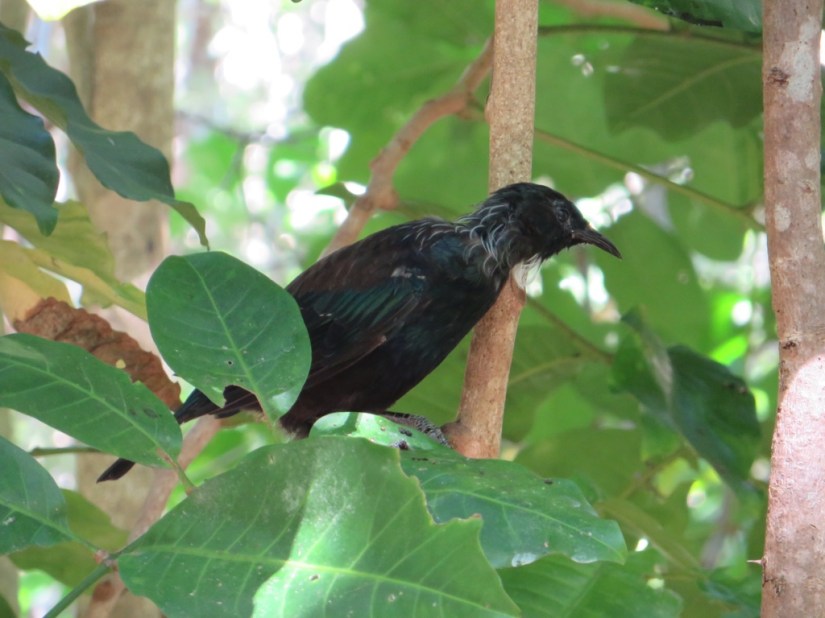
The island is far enough from the mainland to have been made pest free, and a sanctuary for rare examples of New Zealand’s birdlife who cannot survive with the rats and possums on the mainland. We saw several examples including the saddleback, fantail and stitch bird as well as others who stopped for a snap, the tui …

D3D9420E-B352-489D-9D0D-B771D1D5002D

… and the NZ pigeon …

688CA4A2-0698-47DE-A80A-1AB0F74A1815

… as well as the very rare, almost prehistoric looking taheke.

29FEA95B-0D13-45DA-B6C5-3CBE18B2629A

We also learnt about a couple of the common plants, the NZ flax, used by the Maori for all their fibre requirements from clothing and baskets to construction and later by Europeans for rope.

76F197CA-5C78-4E3D-937B-87FF86C5D56D

The cabbage tree, which looks about as unlike a cabbage as is possible, but was apparently cooked up by early settlers who claimed it tasted like cabbage.

6C86A78F-E8E5-4AFB-8B14-2F06F85C43BC

We sat by the lighthouse for our picnic then returned to the mainland.

900C6CF9-1626-47A4-80A8-494C91030C2A

That evening we were a little more prepared for the sunset, and saw Auckland in the distance lighting up.

12DFC060-3CD2-4B4D-813E-5EF94D87FF36634B00E0-2E19-4F95-B56B-EF3282E11409B32A67EB-D6A8-4297-B6B5-3FCDB91B6D0E

Next morning we drove up the coast to Goat Island, New Zealand’s first marine reserve for a trip in a glass bottom boat. Since 1975 the reserve has changed from an overfished bay overrun with sea urchins, to healthy waters with an underwater kelp forest filled with fish. We saw snapper with iridescent blue spots, striped moki, goat fish, and large eagle rays on the sandy bottom.

E8AAB81E-D6E8-47C1-A2B9-10FEEEE617730648B90E-4DE0-4BFC-A693-DFF032E2FFE5

Next stop … further north!


Waitomo Caves and the Magical Glowworms

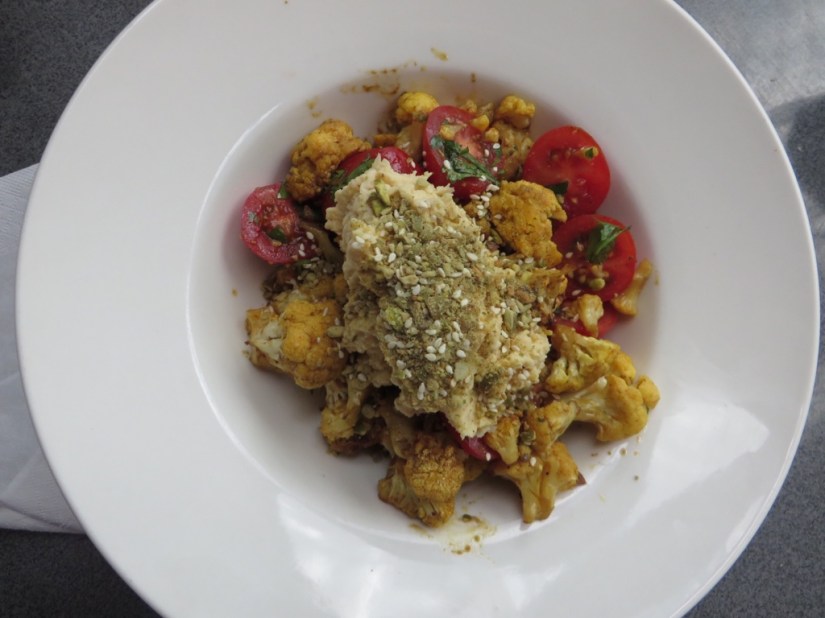
8E678442-7BE9-4D79-B3FE-E8A5BD389FDFWe arrived in Waitomo in time for a delicious lunch at Huhu, a place we heard about while soaking in a hot pool a few days earlier. We shared several dishes including a roasted cauliflower salad with humus and little risotto balls with tomato sauce and looked out over the hills from the balcony.
E56E84D9-3EE1-44E2-B594-31D13ADB953B27B1AED1-78FB-4107-AA00-88B8ADF408CB

Thinking we needed to walk it off a little, we headed for the Ruakuri bushwalk which follows the Waitomo stream on boardwalks through the woods to see a natural tunnel. Joanna and I managed to lose Chris who had lingered taking a photo and wandered off a different way to us, but fortunately we were all safely reunited in time for our tour of Waitomo Caves.

371E32D8-7C6A-4648-8044-E37857035D5C33D0C760-35C9-41CD-9E49-F85CBDA216E0

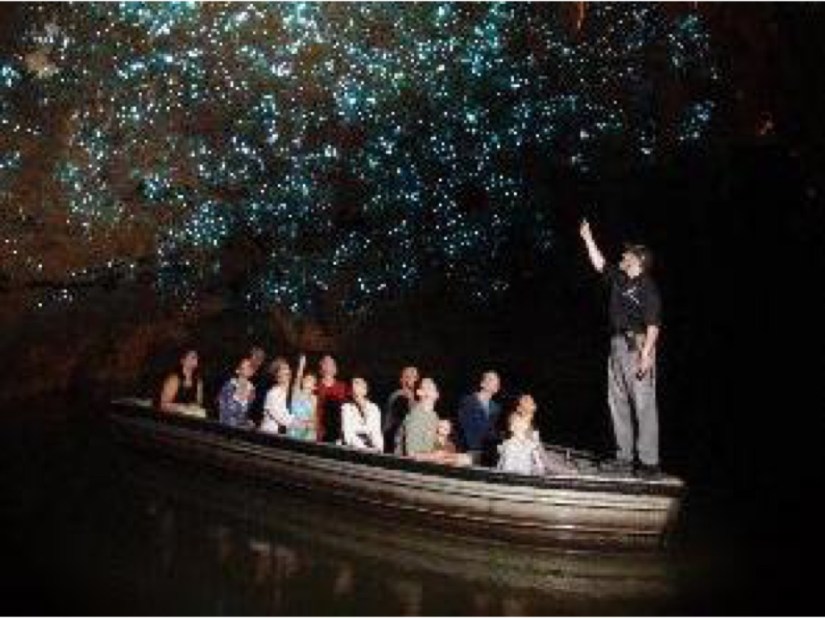
Waitomo has a huge labyrinth of limestone caves that have been shaped by water over millions of years forming sinkholes, potholes, natural bridges and underground caves. The most interesting part for us was that with a river running through the caves, it is the perfect habitat for arachnocampa luminosa, a glowworm unique to New Zealand. However, it’s not a worm at all, but the matchstick sized larval stage of a fungus gnat, related to a mosquito, which builds a nest on the cave ceiling, lets down several lines coated with a sticky mucus and then emits a chemical light to attract it’s prey, which gets stuck and eaten.

The Maori had known of the caves, but once they showed an English surveyor through, the secret was out, and the caves quickly attracted a steady stream of visitors. Interestingly, 90% of the staff at the caves are descended from the original chief who revealed the caves. We started on foot, making our way down through the caves, admiring stalagmites and stalagmites and learning the history, then boarded a boat in darkness which took us round the glowworm grotto. It was like looking up to a starry sky, with all the tiny twinkling lights and definitely a very magical experience.

24CFD1E4-517F-4B13-BEF6-32C910E4DCDB

We spent the night in a tiny campsite just down the road and had a bit of a party to celebrate our trip together. Joanna gave me a scrapbook she had made with mementos of all the places we had visited which is a lovely souvenir.

847919CD-71AA-48A5-AE98-97D1AE8FB9B6502BF7D4-625A-4AE6-9EA9-6377C18A0D85

Next stop, Auckland airport.


Tramping round Tongariro National Park

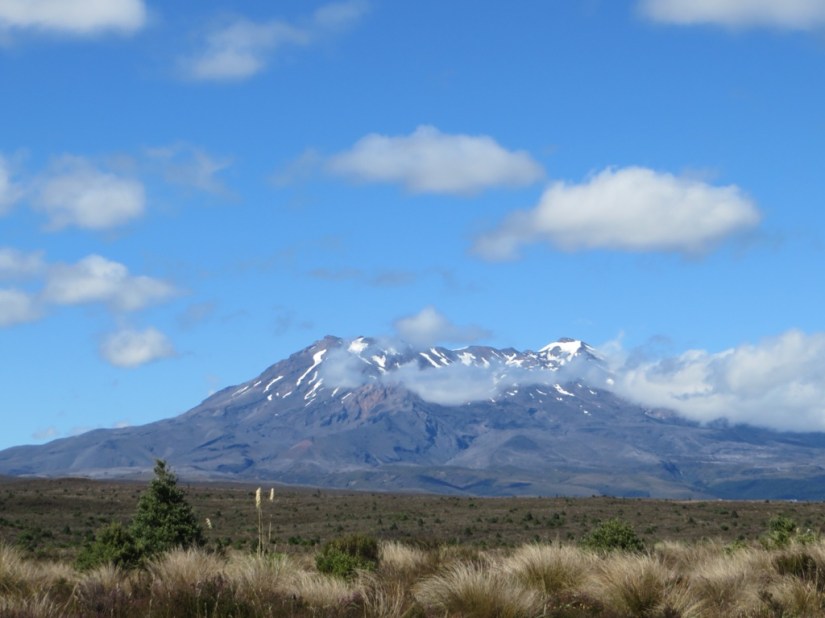
DA921FAE-BF45-449B-AD6D-320F762B7B3CIn the morning, we could see our destination through the window … more volcanos … Mount Ruapehu on the left, Mount Ngauruhoe (aka Mount Doom) in the middle, and Mount Tongariro, smoking, on the right.
419AFDB3-E327-43FD-8FEE-9C8FDC907CFB

Tramping is a uniquely Kiwi name for trekking, hiking or bushwalking, and strictly speaking, since we didn’t camp on our tramps, maybe they didn’t quite qualify, but our partial ascent of Mount Ruapehu felt very much like tramping to us!

72D1CA11-607C-448D-976D-67AAEFCF613F

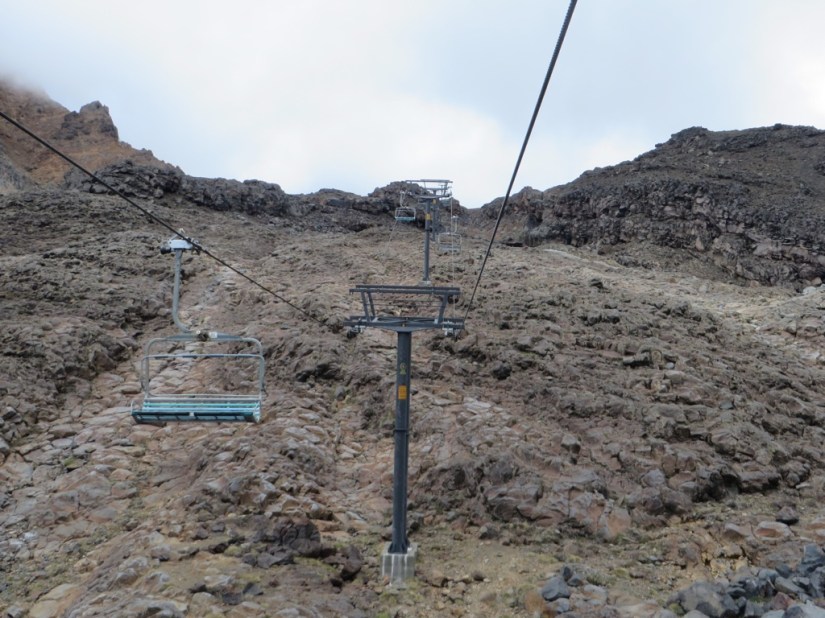
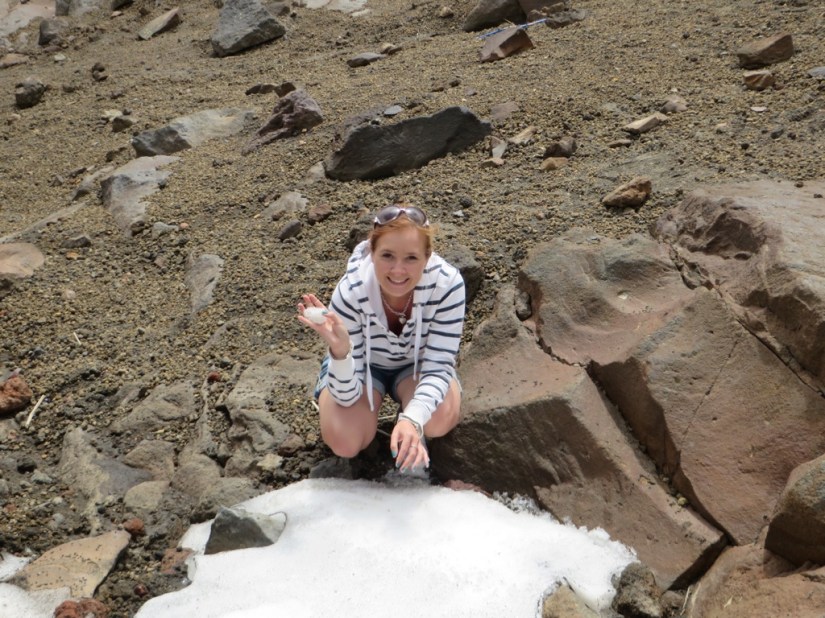
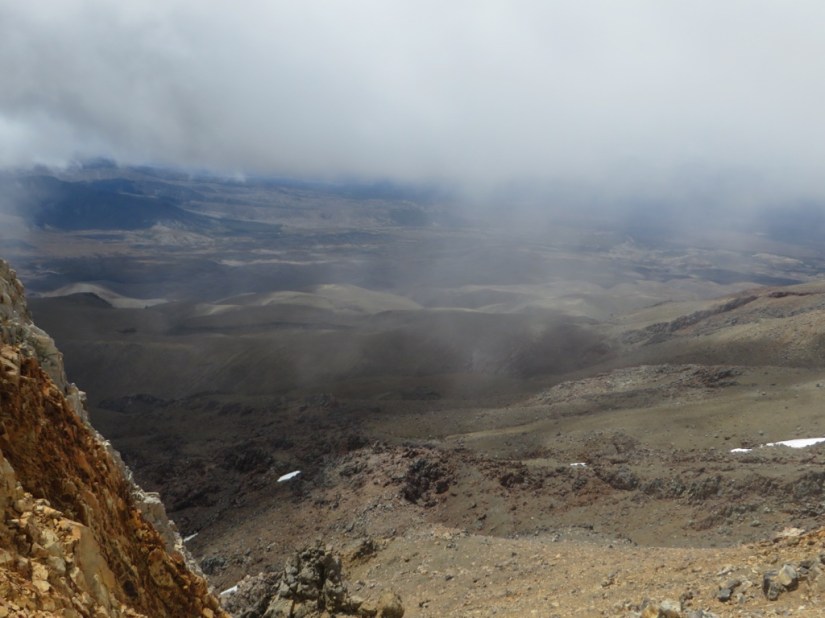
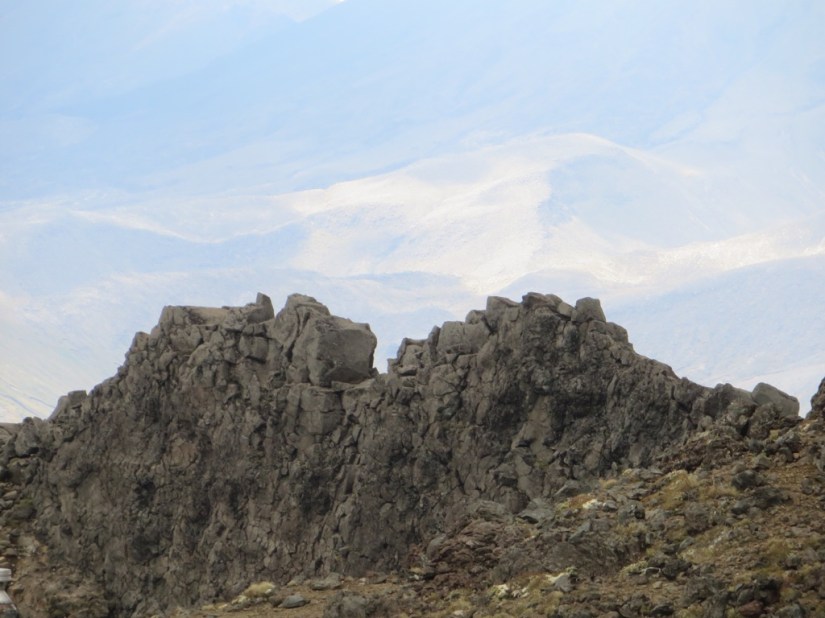
We took the chair lift up to 2020m then climbed another 280m on the Skyline Route, marked by poles, over rocky terrain and scree to a great panorama at the top of the ridge through the breaks in the cloud that had started to descend. The landscape is stark, no wonder it was chosen as Mordor in The Lord of the Rings and we could easily imagine a pack of marauding orcs crossing the plain.

D1305EFF-1E11-4D10-A70D-44F8150D186EA0A6BB90-4B61-4140-94D2-C66919F31231AB241B86-2B51-425D-8257-389B697D397DFDA603AC-0E21-43AE-B2E8-CFC09254F0B6D5FF9987-C31C-4131-9273-FFCCCB625FD7

On the way down, we saw Mead Wall where Gollum sneaked up on Frodo.

9DB872C1-CDE8-4E4B-817C-32417360F83E

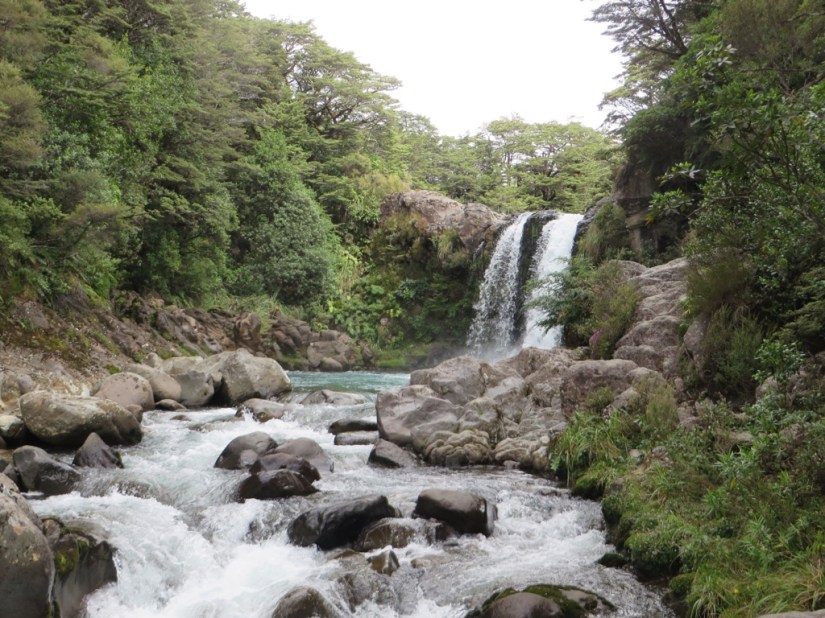
We also walked to the very pretty Tawhai Falls …

19AA6A6F-C119-4661-BC9D-E846259A4BC6

… nd took a longer walk to Taranaki Falls, where the Wairere stream plunges 20m over the end of an old lava flow.

3418458F-F1EE-4BFE-90D5-29BE250B23DFThe path crossed rocky scrub and heather and we were looking forward to good views of Mount Ngauruhoe, otherwise famous as Mount Doom from Lord the Rings, but cloud obscured the summit throughout.
We stayed in Whakapapa village, not at the imposing Chateau Tongariro …

607166AF-D8AF-4B81-A9D3-1589BD206830

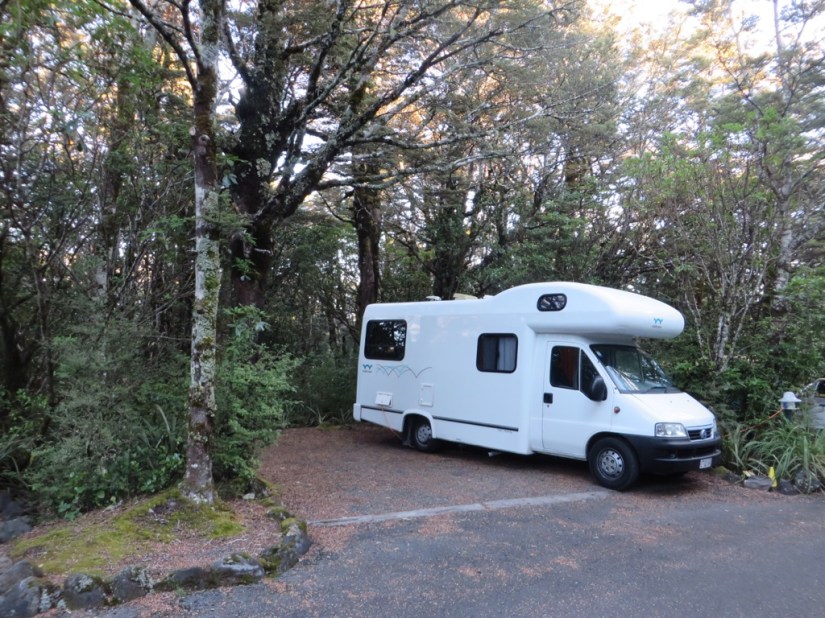
… but at the tiny holiday park set in beech trees.

89694A5C-8858-4DE8-BBFF-B812EFC84064

Just spending one night here, then making our way back north towards Auckland.