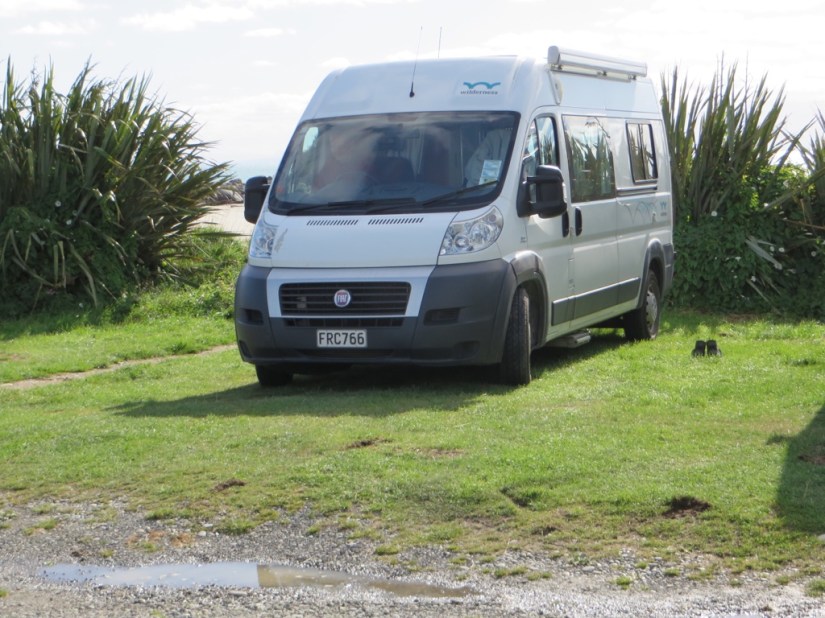
 We drove through the countryside, past grazing sheep and cattle, along straight roads down to the south coast. Our first view of the sea was at McCrackens Rest where we looked out to Te Waewae Bay, hoping to see Hector Dolphins, but were not lucky on this occasion. Further on we stopped at a free camping spot overlooking Monkey Island.

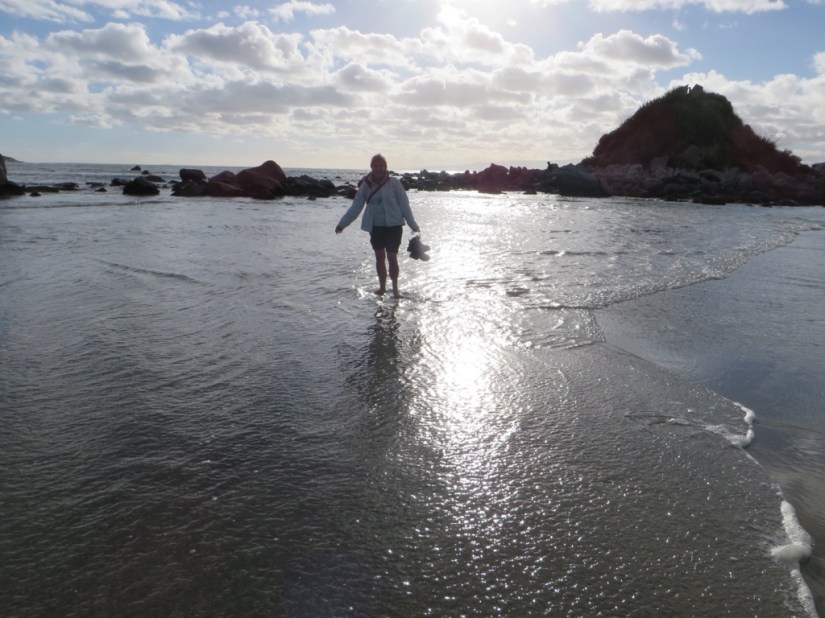
We sat on the beach with a cup of tea, then at low tide managed to reach the island, although we were a little caught short on the way back … maybe we shouldn’t monkey about with the tides!
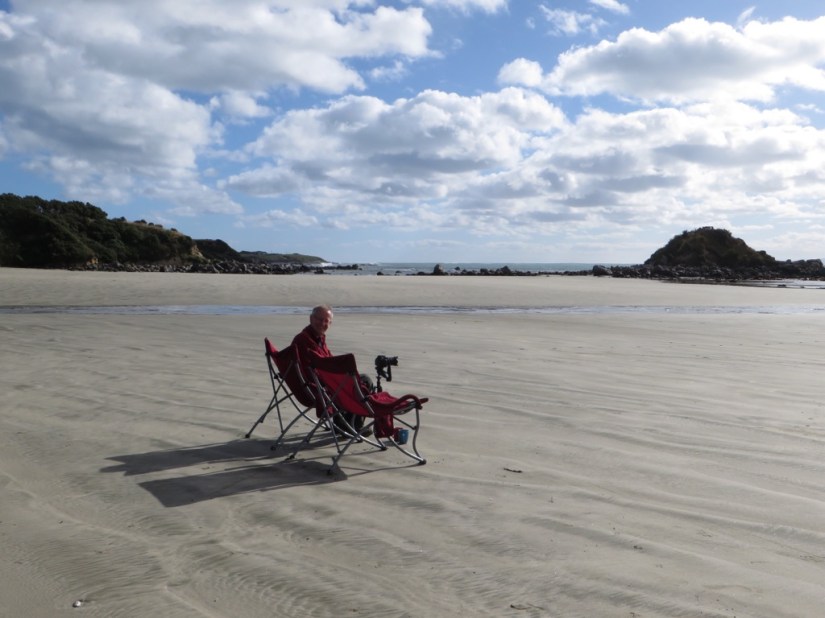
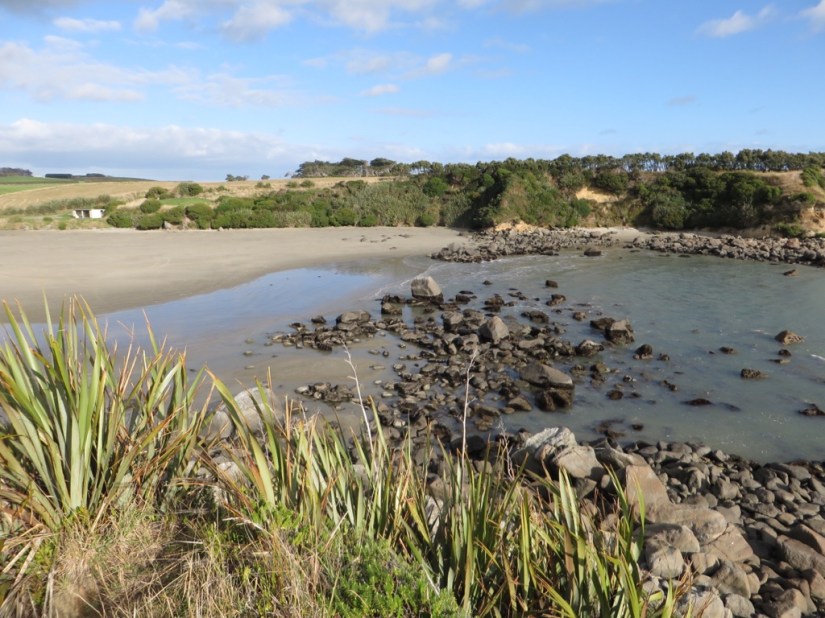
It was also great to be able to be out early evening without being worried by sandflies which have bitten us both, but as ever, Chris suffered worst. Another camper curry and sunset.

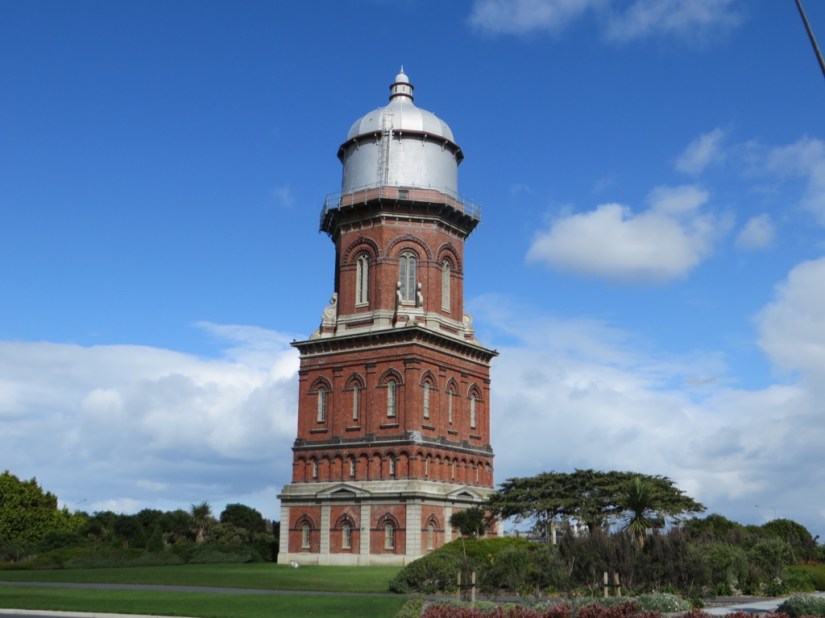
Next day we reached Invercargill, passing the water tower on the way into town, a stopping point for two reasons.
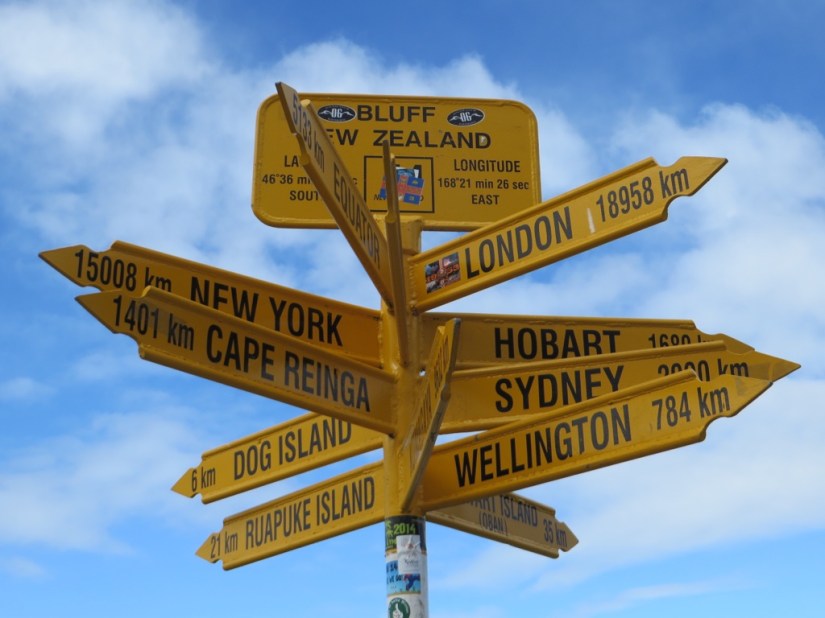
The first is that we had to go to Stirling Point in Bluff, another 27km further on down a peninsular to the end or beginning, depending on how you look at it, of the State Highway 1.

It also has a signpost to match the one at Cape Reinga, despite not quite being the most southerly point (just as CR isn’t quite the most northerly). We took a photo, but it seemed a rather an anticlimax.
Just then, a young girl came hiking round the corner to great excitement from her three friends waiting for her. They have all been here, from Holland, since October, and have hiked all the way from Cape Reinga, covering some 3000km in all and their sense of huge achievement was palpable. Travelling by campervan obviously just doesn’t give the same sense of achievement!

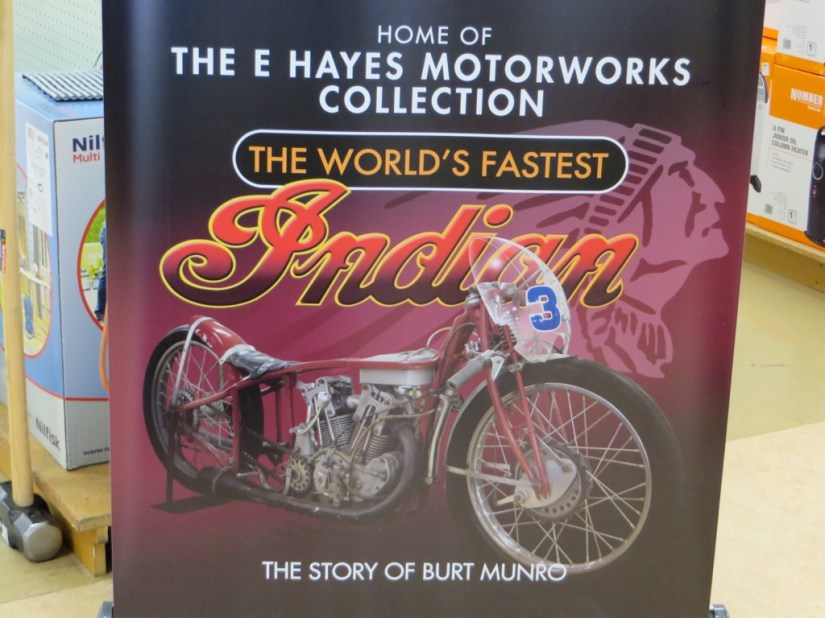
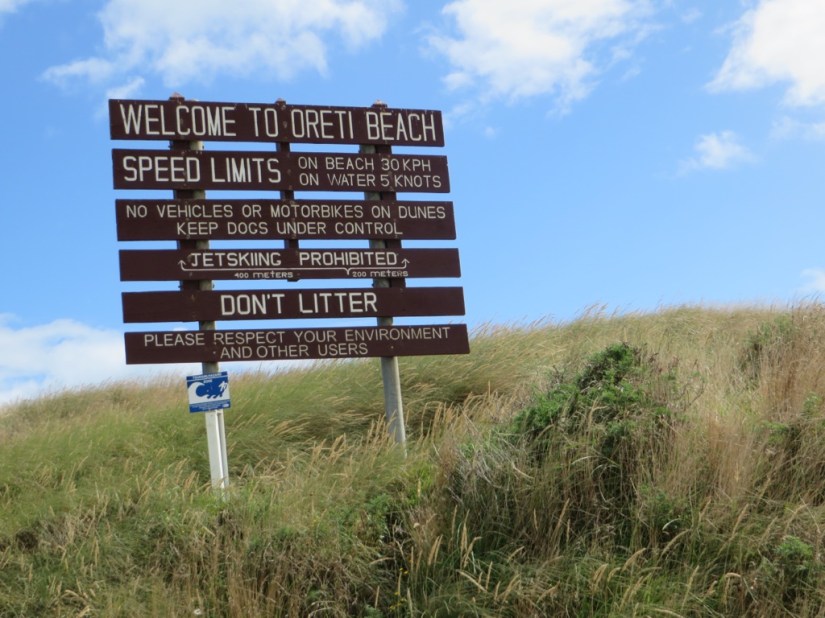
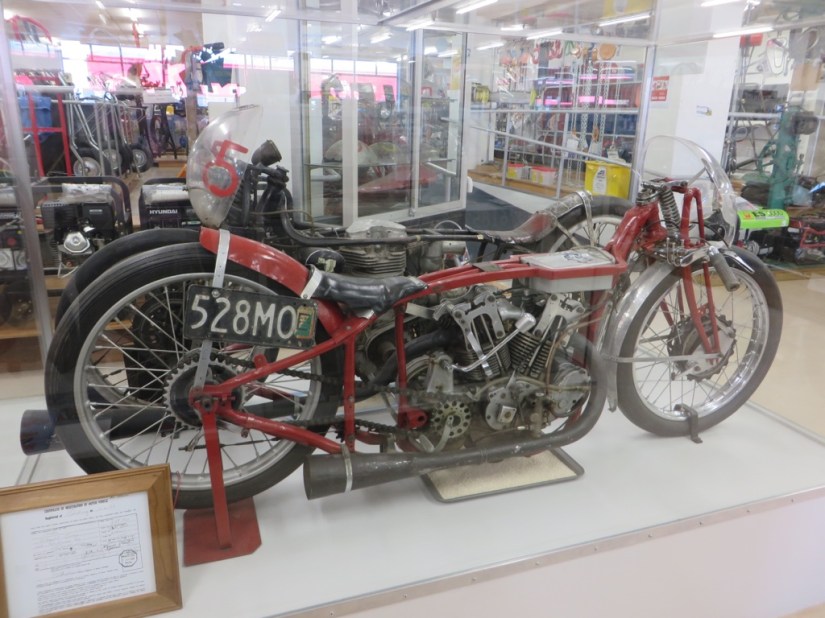
The other reason was to see a famous Indian Scout. Burt Munro is Invercargill’s local hero, a mechanic who in 1967 aged 68, went to the Bonneville Salt Flats in Utah and set the under 1000cc speed record of 183mph (which still stands) on a 1920 Indian Scout bike he had modified and tested locally on Oreti Beach.
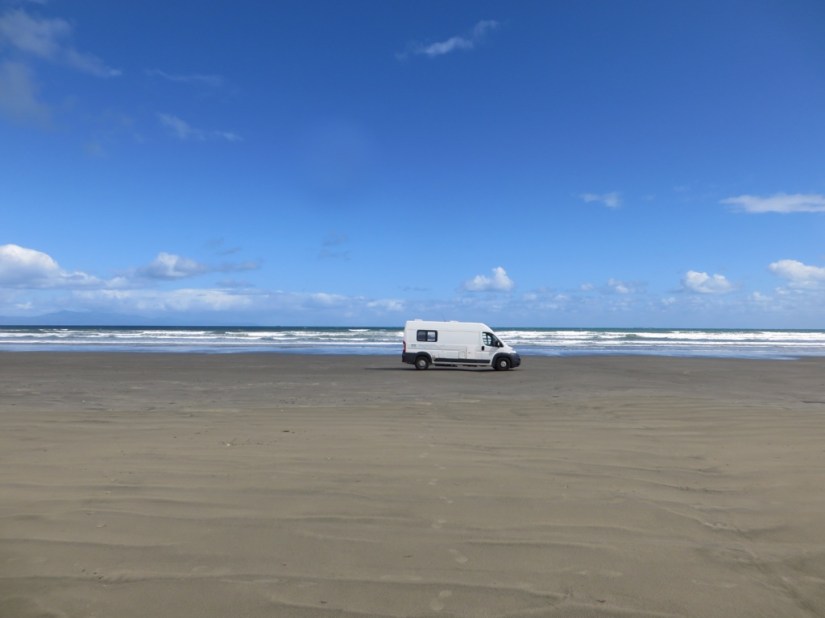
In The World’s Fastest Indian, Burt was portrayed by Anthony Hopkins and it inspired us to visit Oreti beach ourselves. The guidebook mentioned that driving on the sand, a regular pastime of the locals, negates rental agreements, so that won’t be our campervan on the sand then will it!
We also went to see a collection of Burt Munro memorabilia including his winning motorcycle in a family-run hardware shop in Invercargill. The bike is fitted inside a streamlined moulding for racing as shown in a statue to him in town.

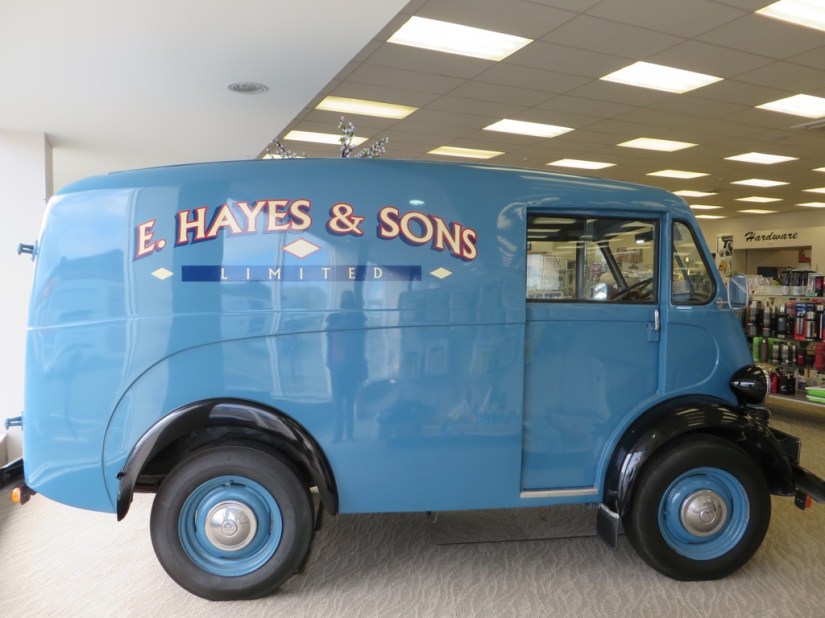
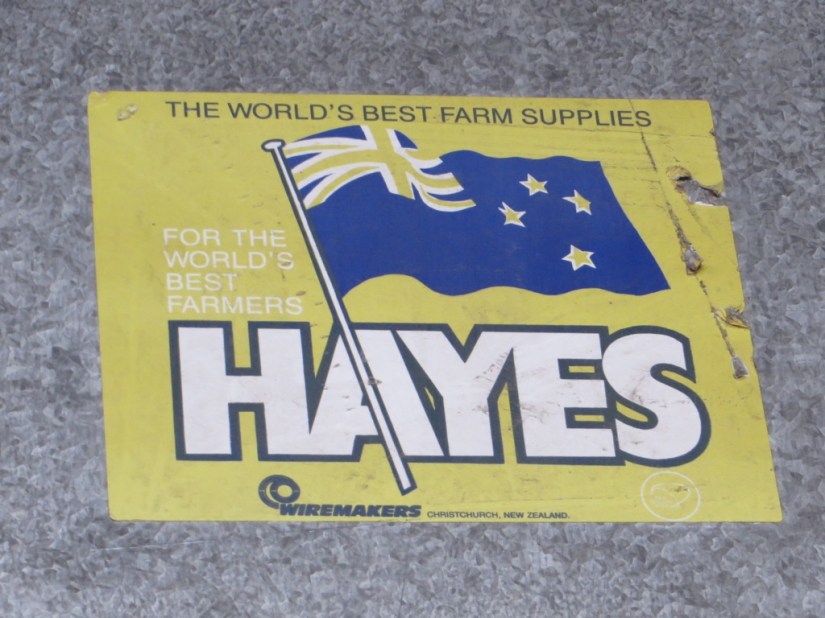
This company is called E Hayes! It was started by Ernest Hayes in the late 1800s who used his pioneering engineering skills to invent products like the Hayes permanent fence strainer, a product still manufactured today and used on nearly every farm in New Zealand … how exciting is that?

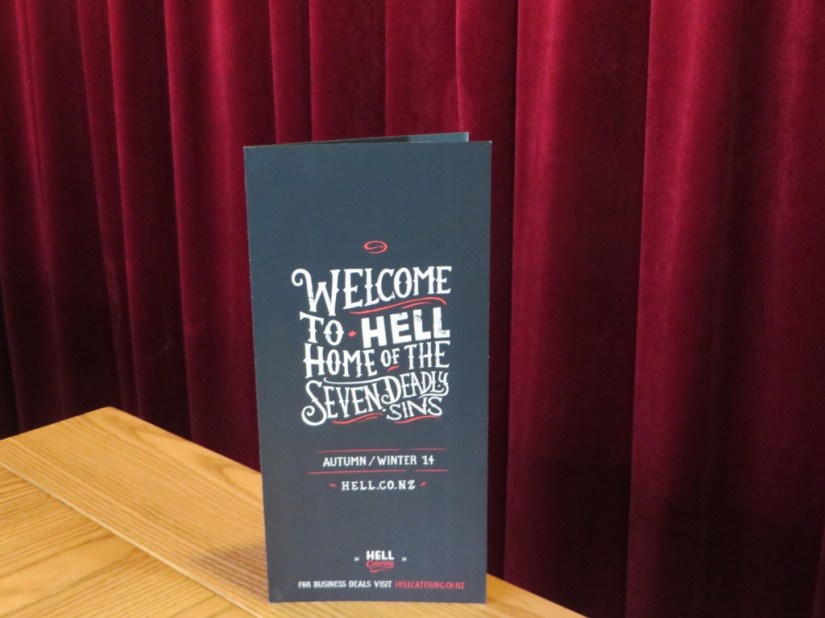
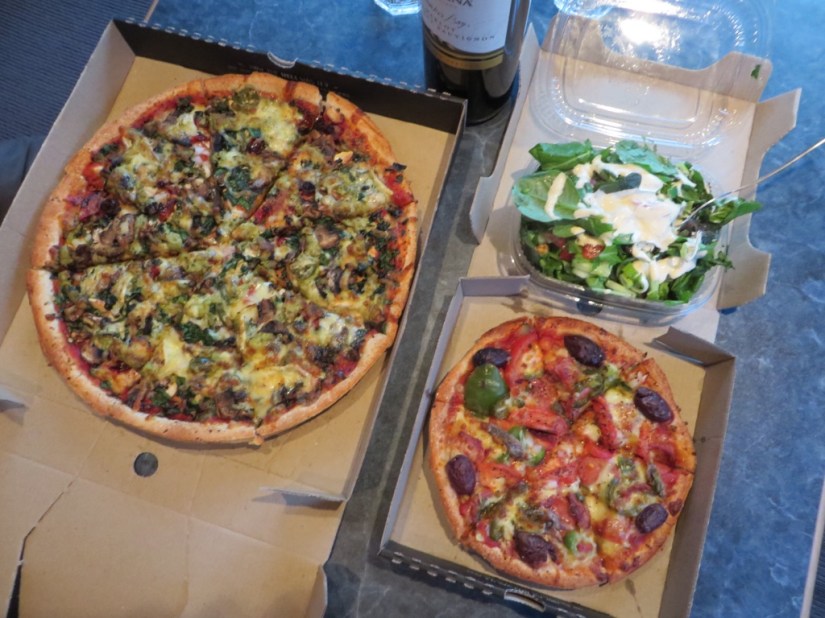
Our campsite was in town, easier to collect our Hell’s Pizza.

Tomorrow will will continue along the south coast, a region called the Catlins.
 After camping at Mossburn Country Farm, we continued to Te Anau … The Gateway to Fiordland.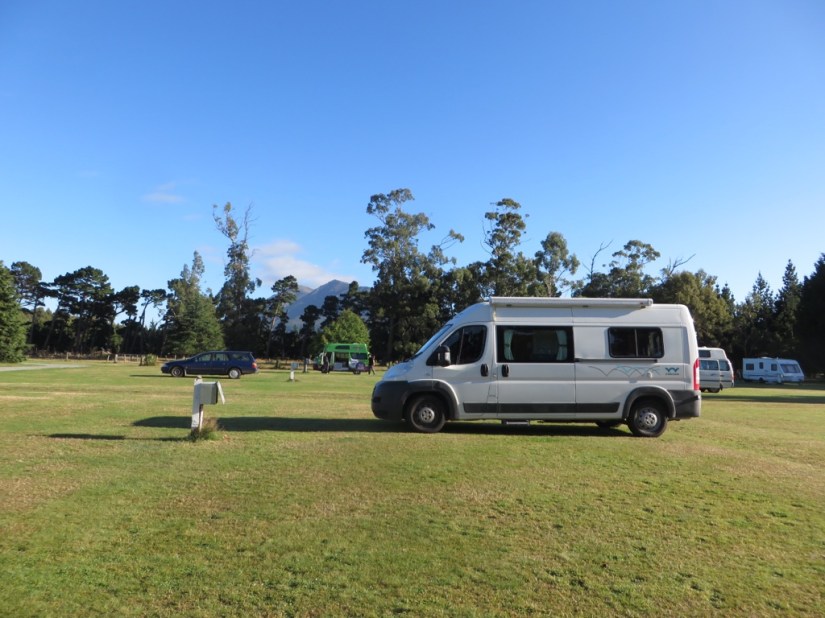
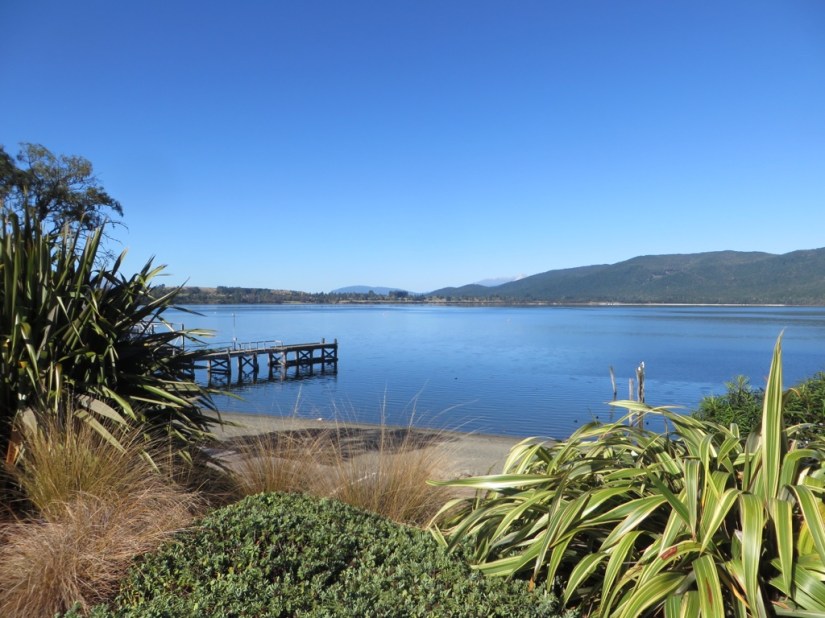

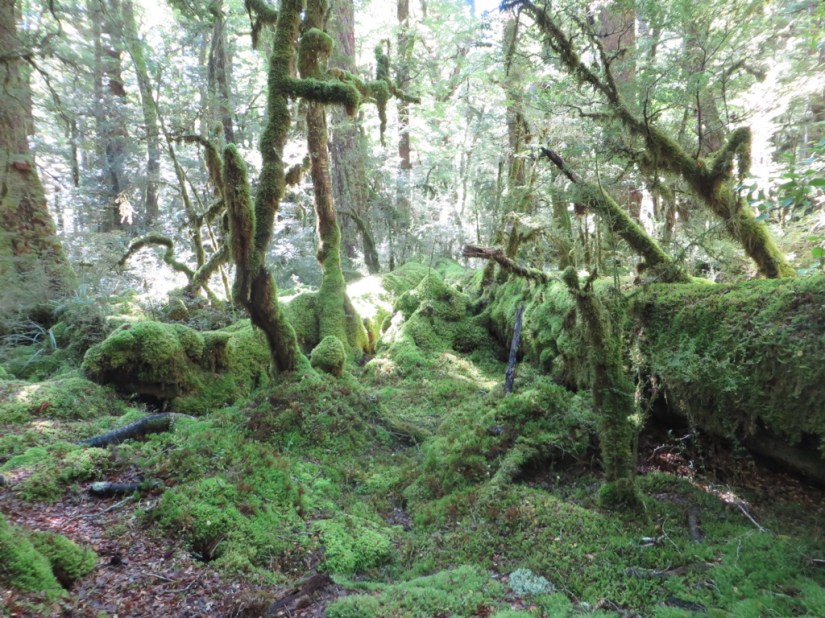

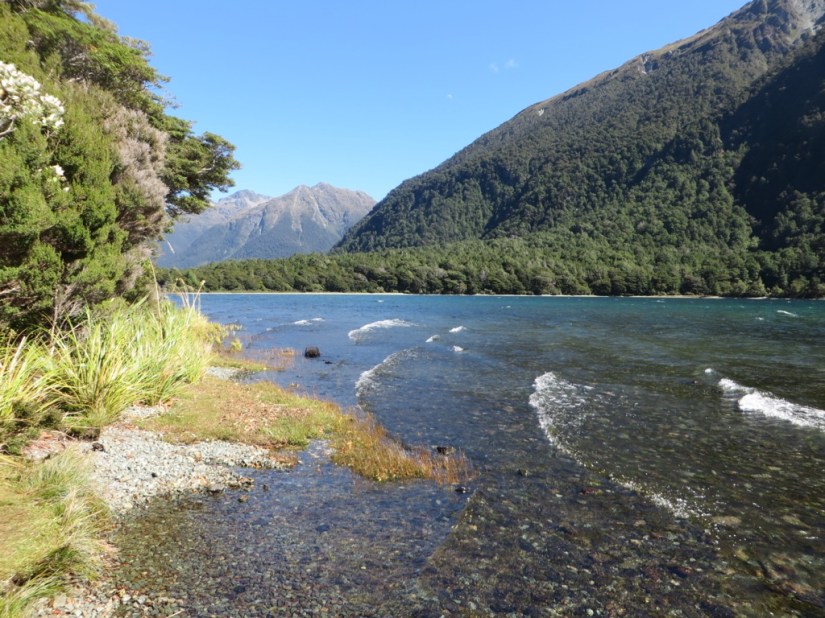


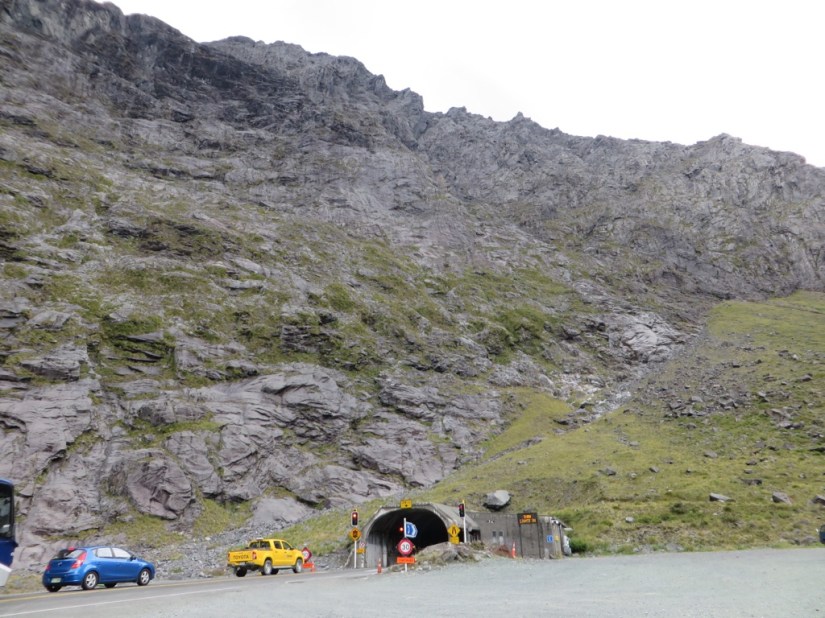


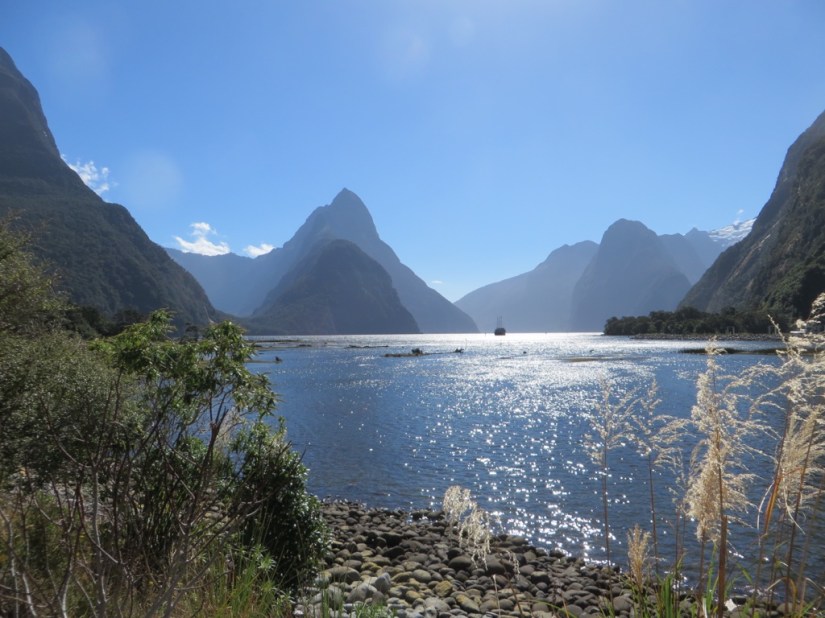

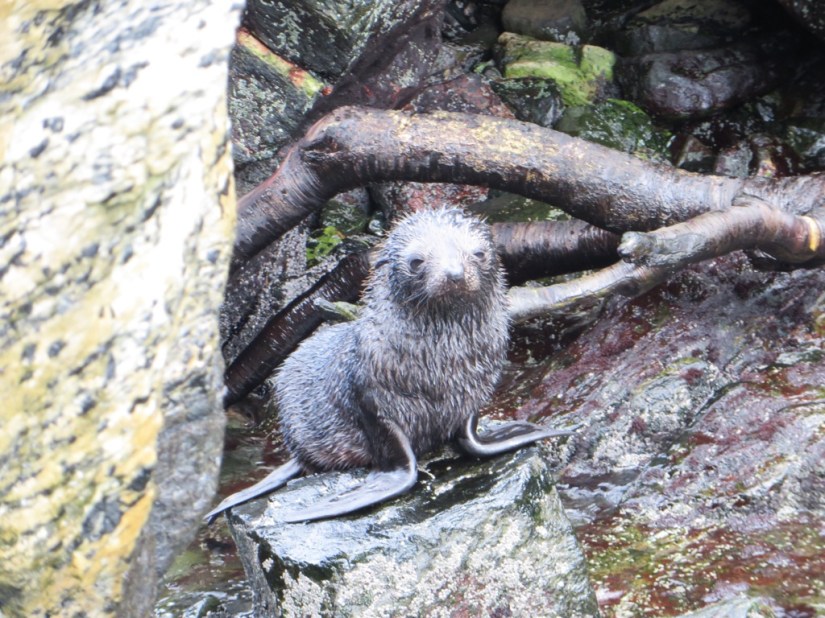

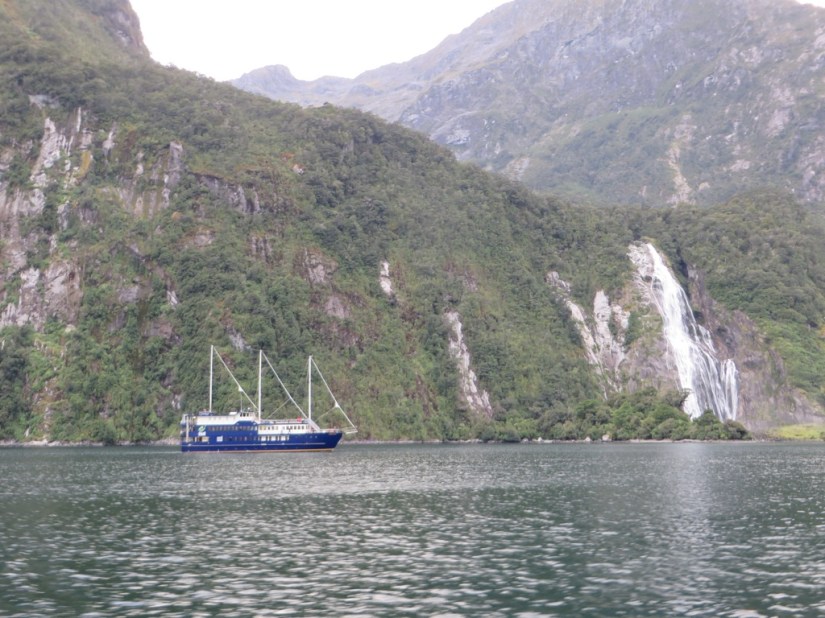








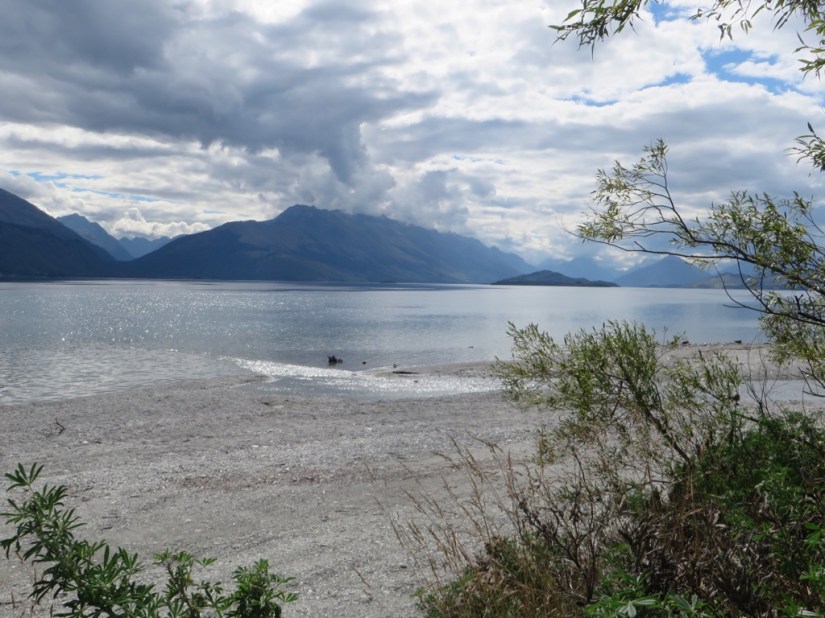
 So this is a tale of four lakes. We soon saw our first lake, a huge lake called Lake Wanaka, retreating into the distance in both directions.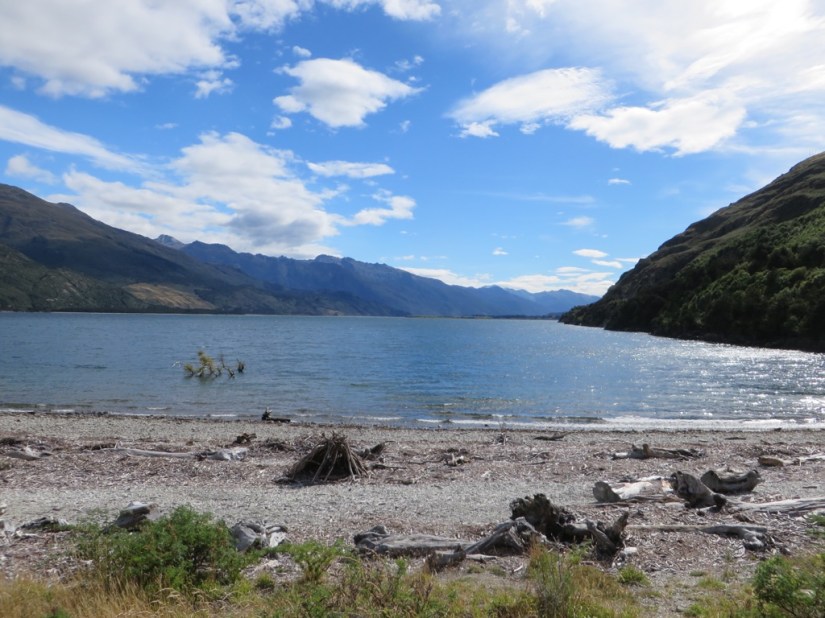










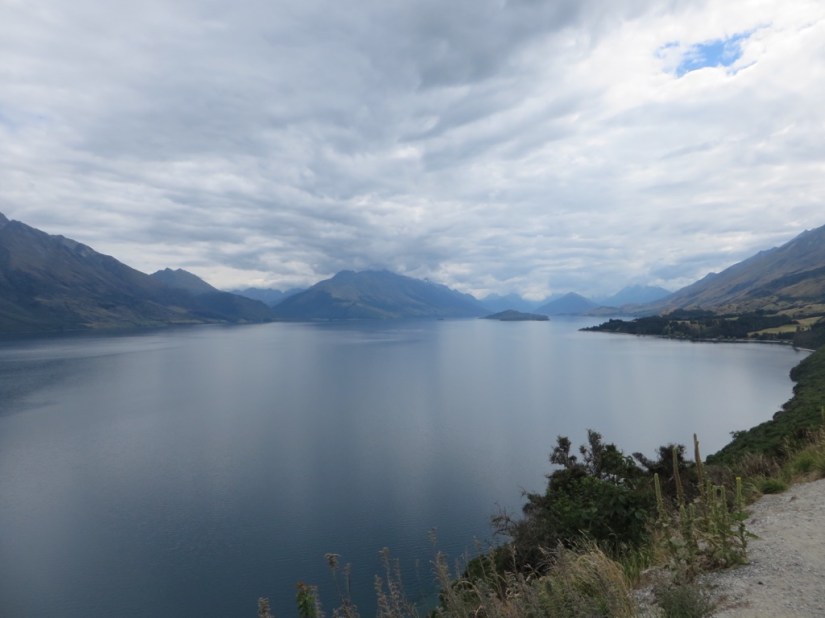
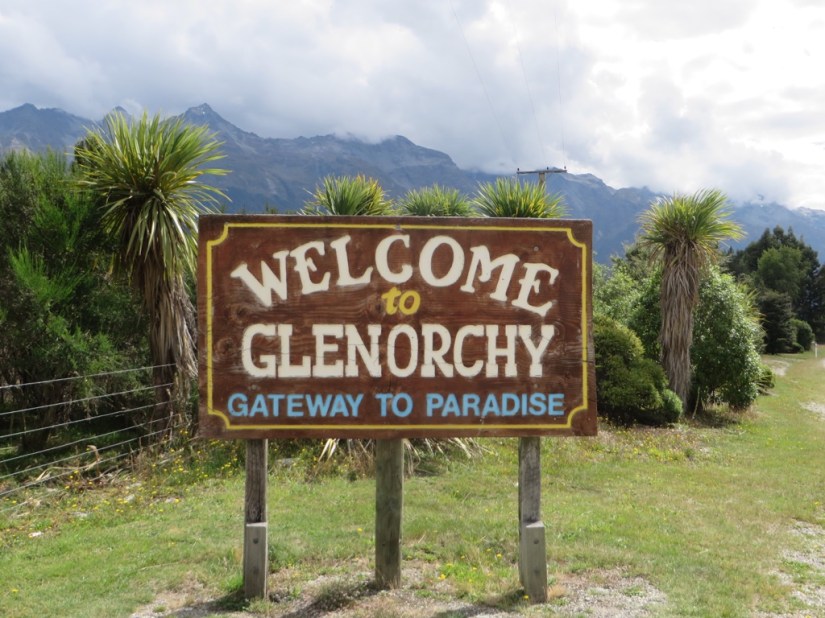
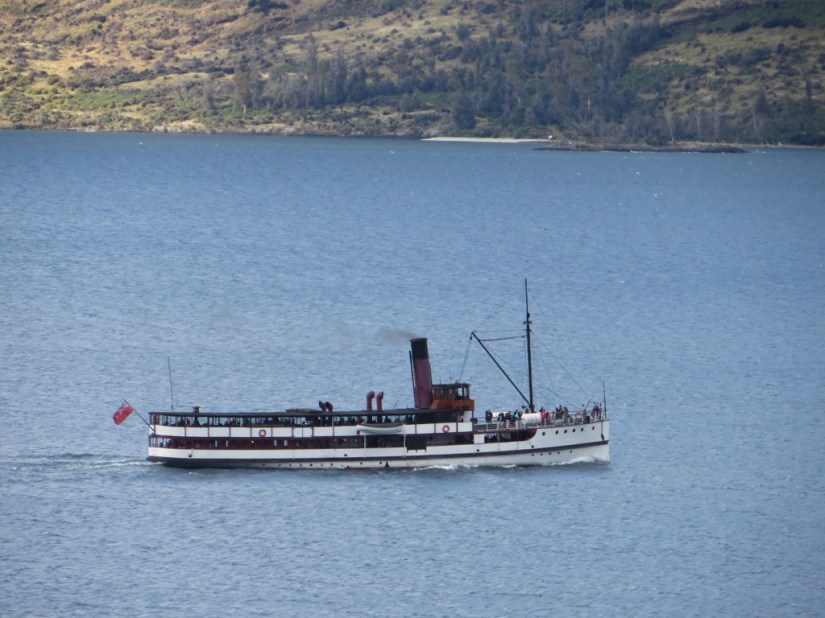
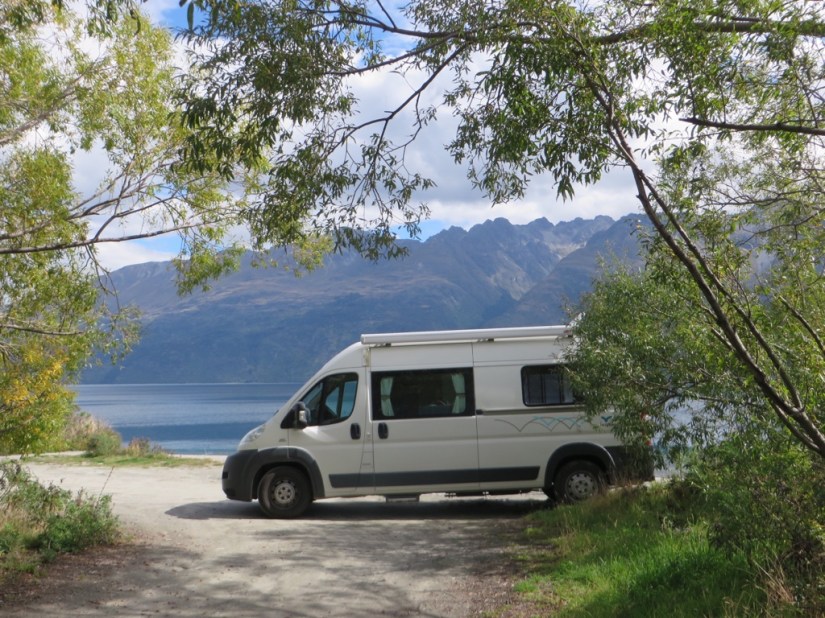

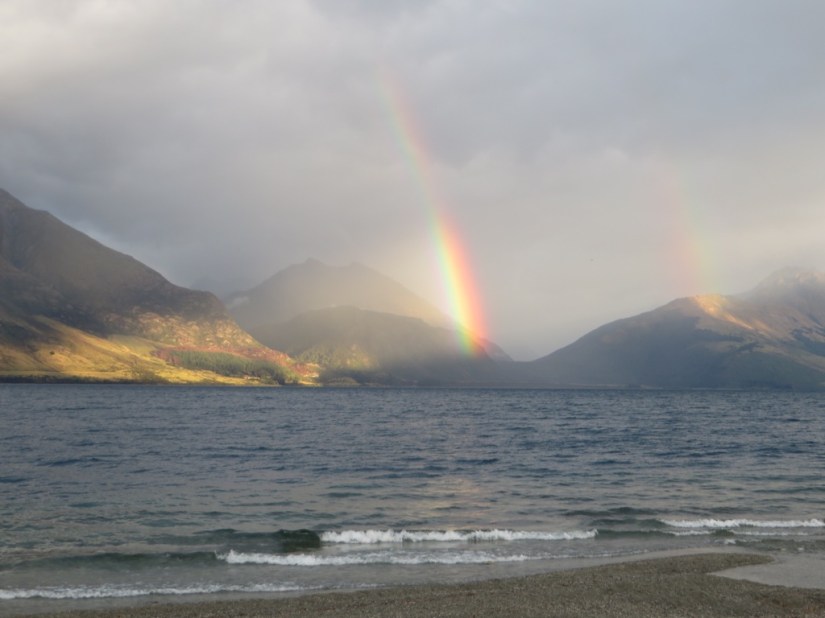

 We woke to more rain, not as windy as the night before but very wet! No signal so can’t check the forecast, but it looks set in for a while so we decide to drive to Hokitika where we should get a signal and check the weather and make a plan. On arrival the rain has stopped, although clouds hang heavy inland where we had been intending to go. The weather looks drier for the next two days so we decide to look round town then press on south to glacier country, having booked a helicopter flight over the glaciers at 10.30 tomorrow morning.
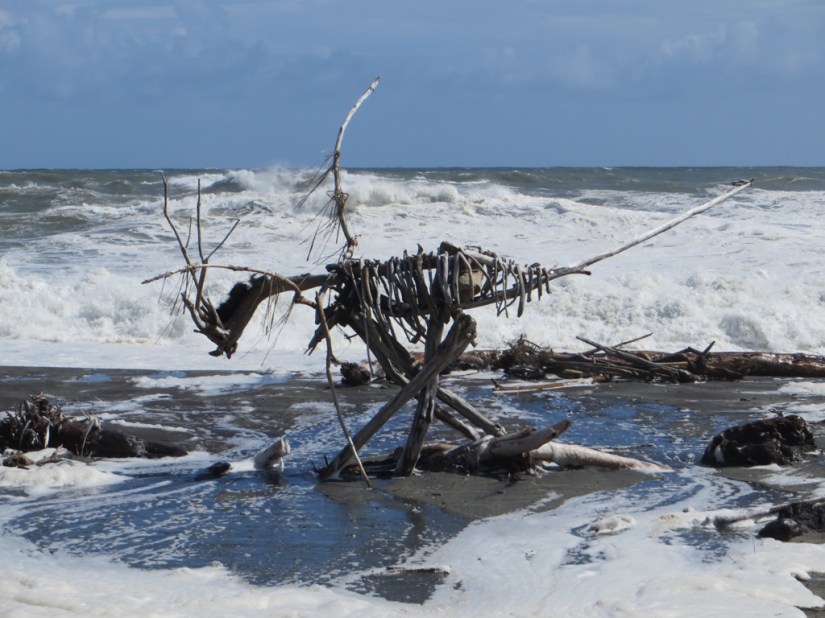
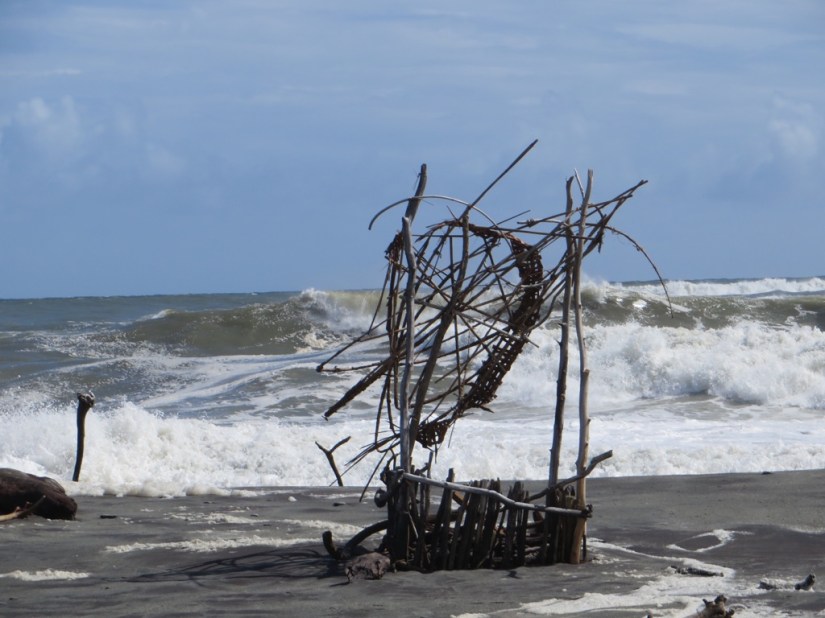
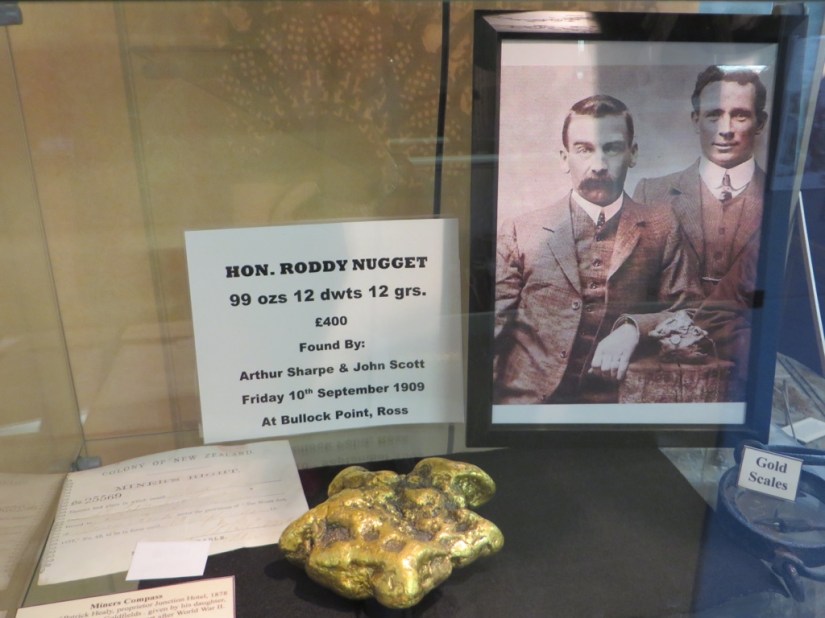
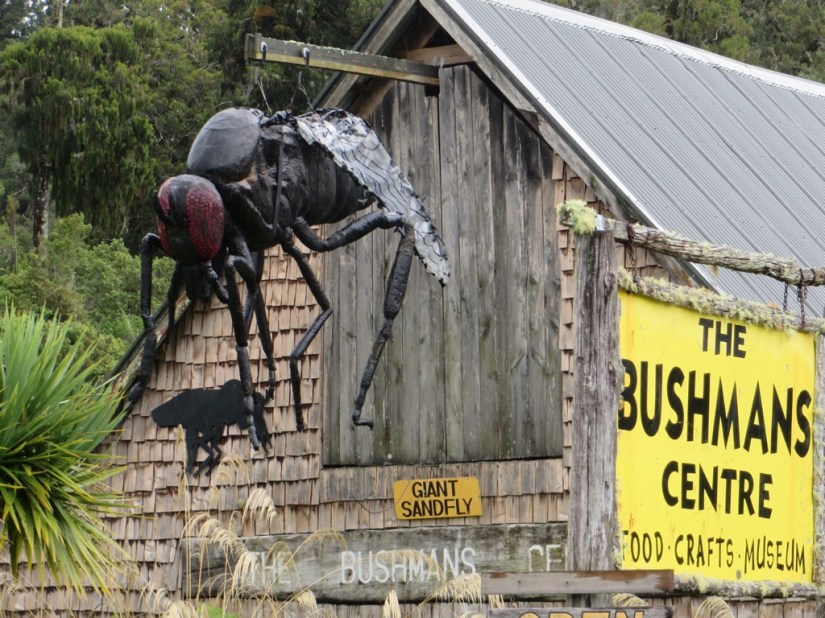
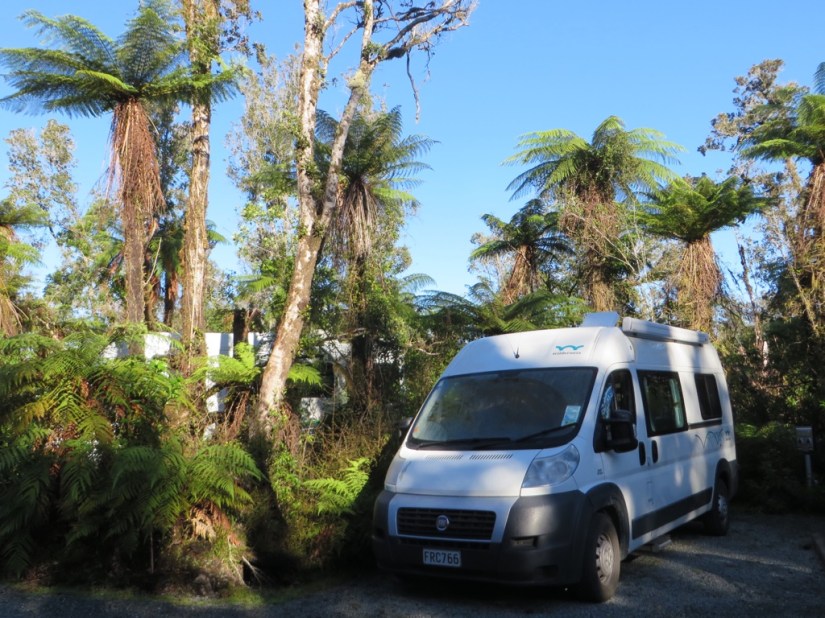
 We were so excited and while we waited for our flight we looked round town and saw lots of activities at the glaciers, all vying with one another trying to claim our tourist dollar!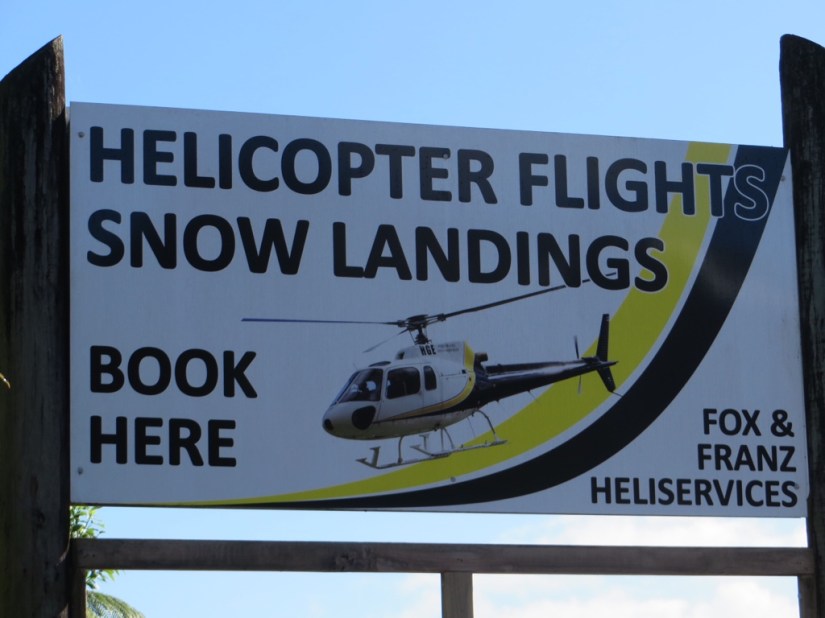


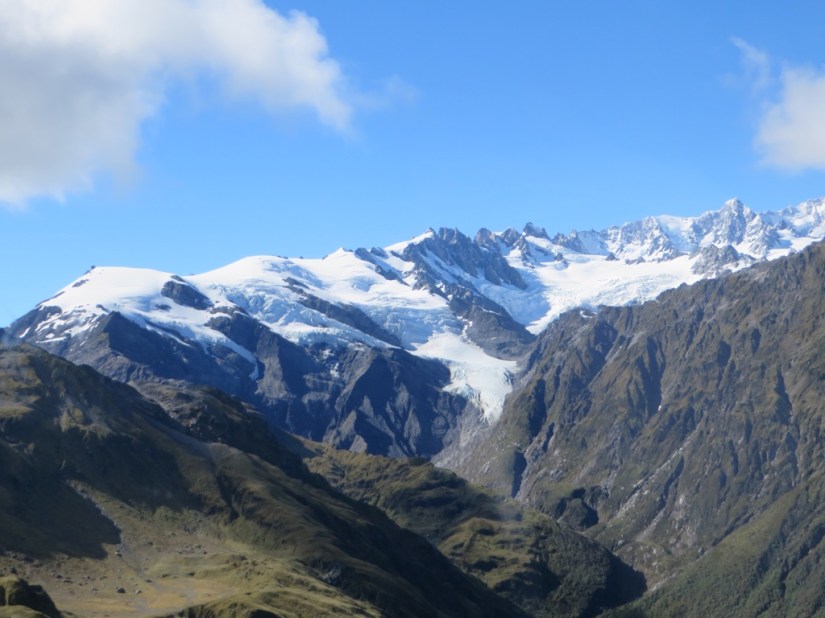

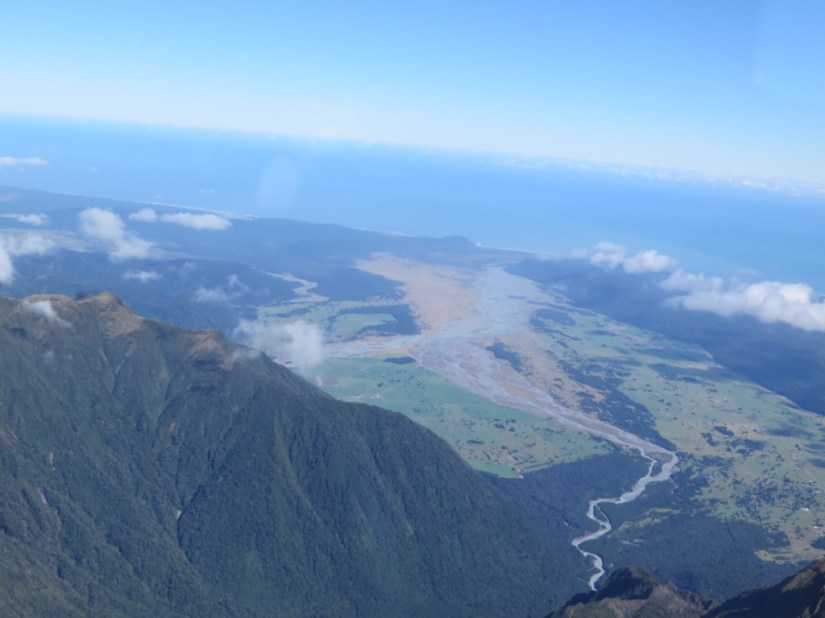
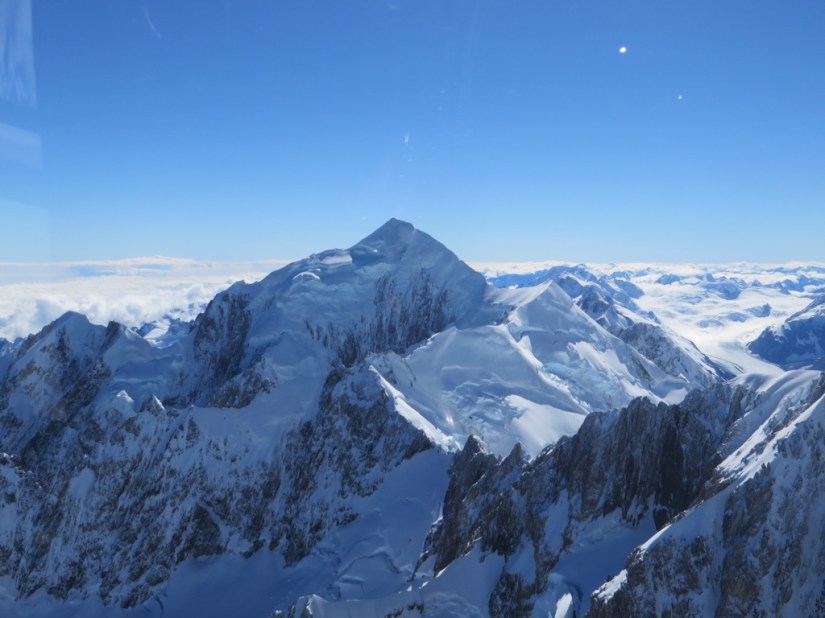
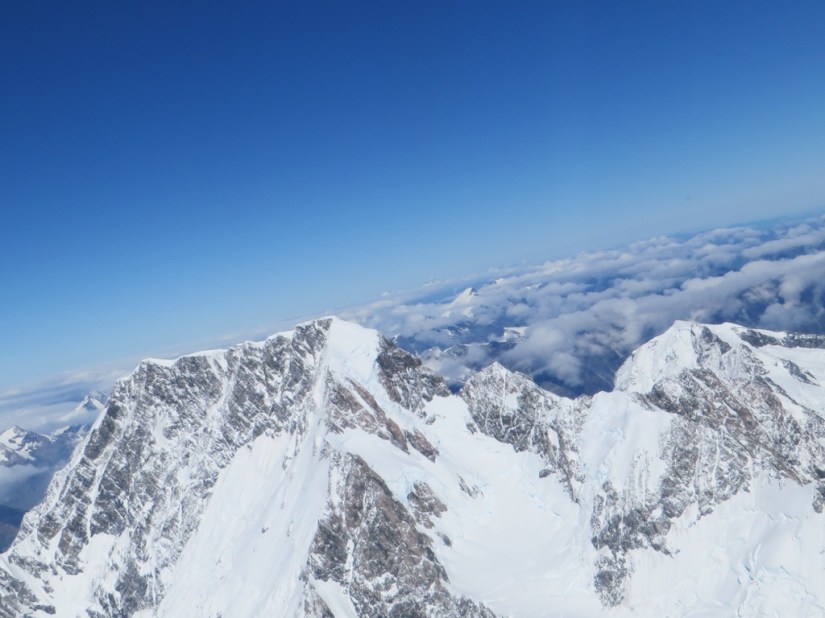


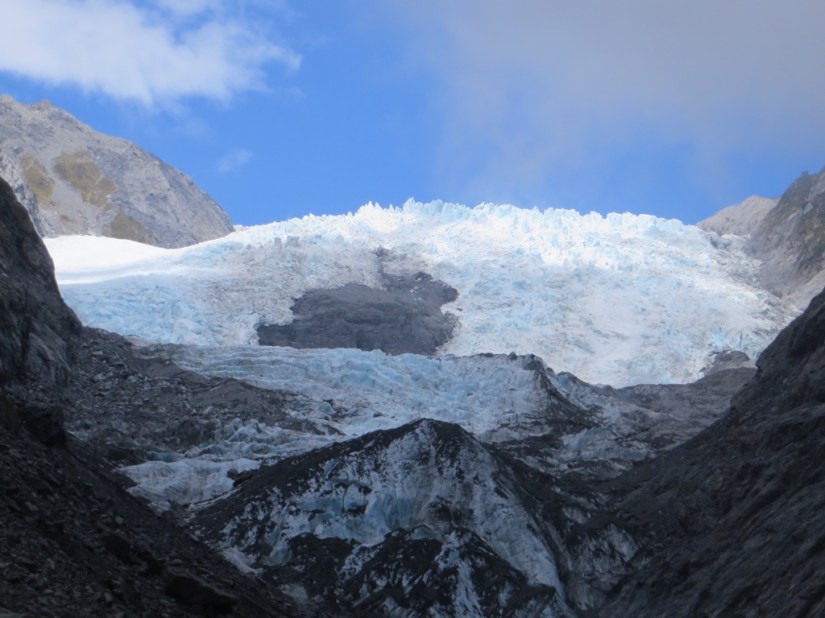



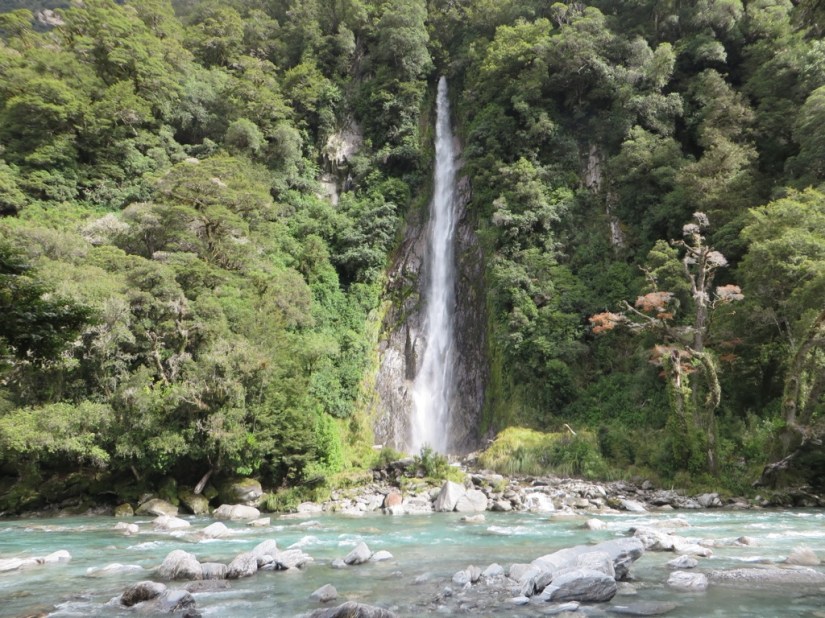
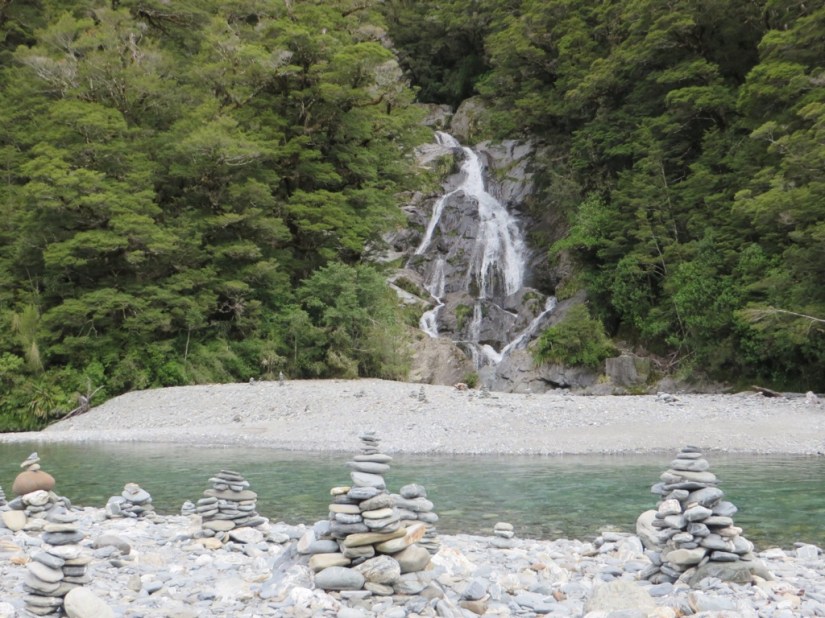
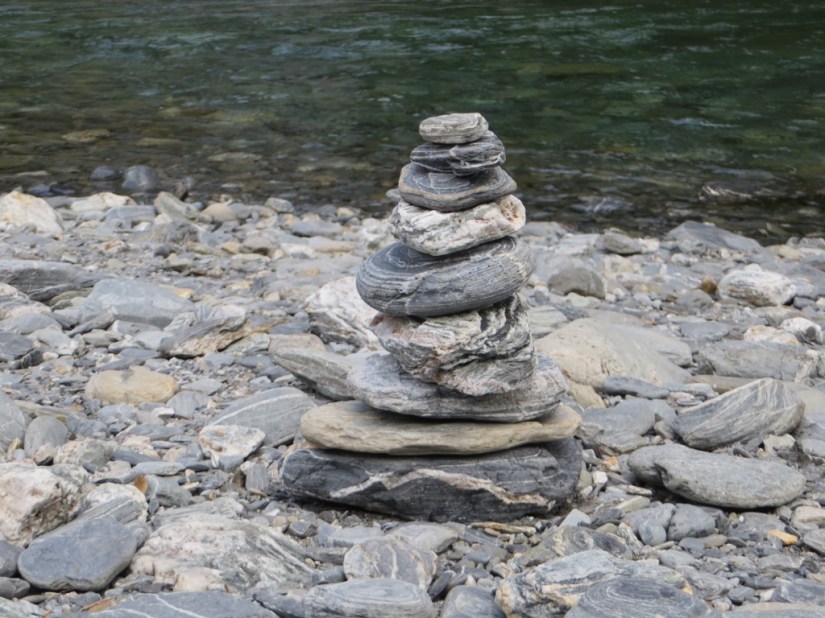
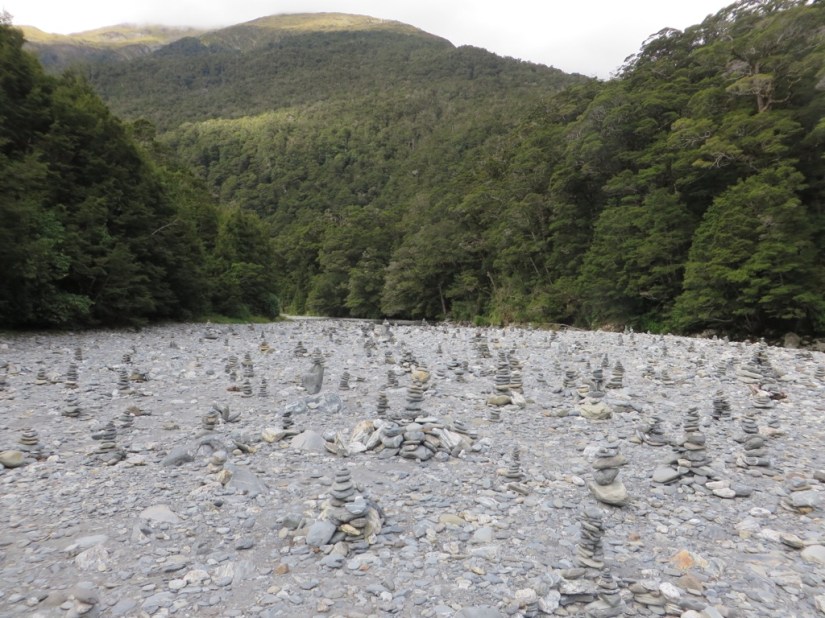

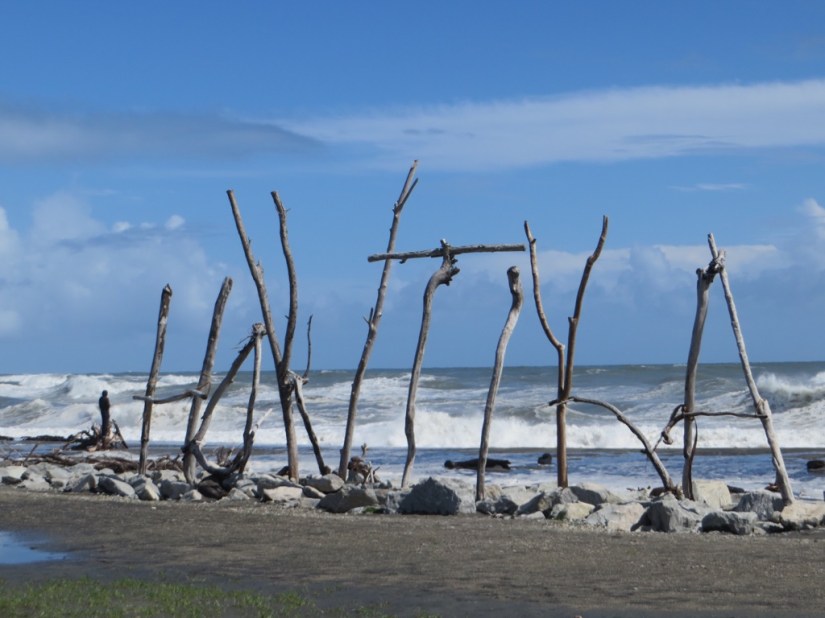
 The West Coast is a narrow strip around 30km wide between the sea and the Southern Alps and today we went to take a look at Arthur’s Pass, the most dramatic of the passes through the mountains. We continued down the coast with more rain and angry sea, then headed inland passing flooded fields, one with a farmer in a bright yellow bodysuit rescuing his stranded sheep.

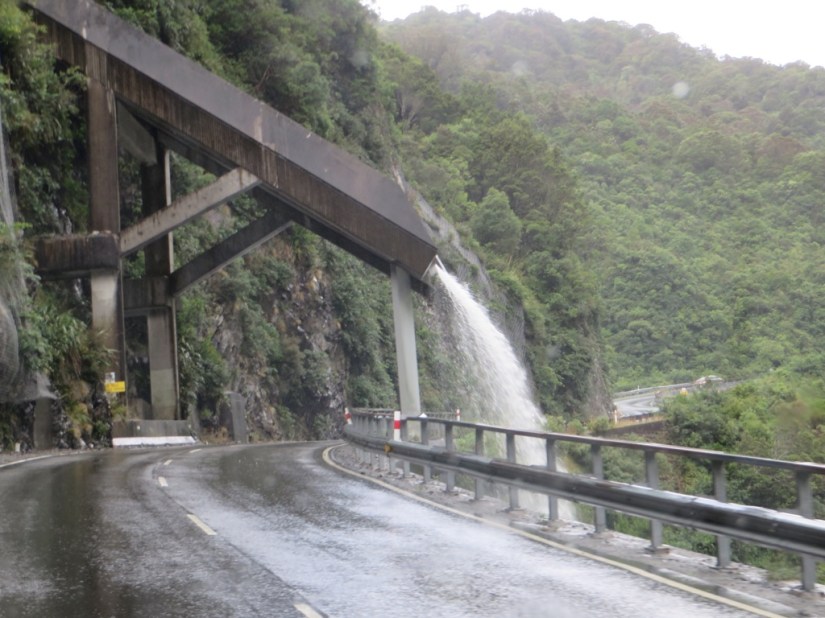


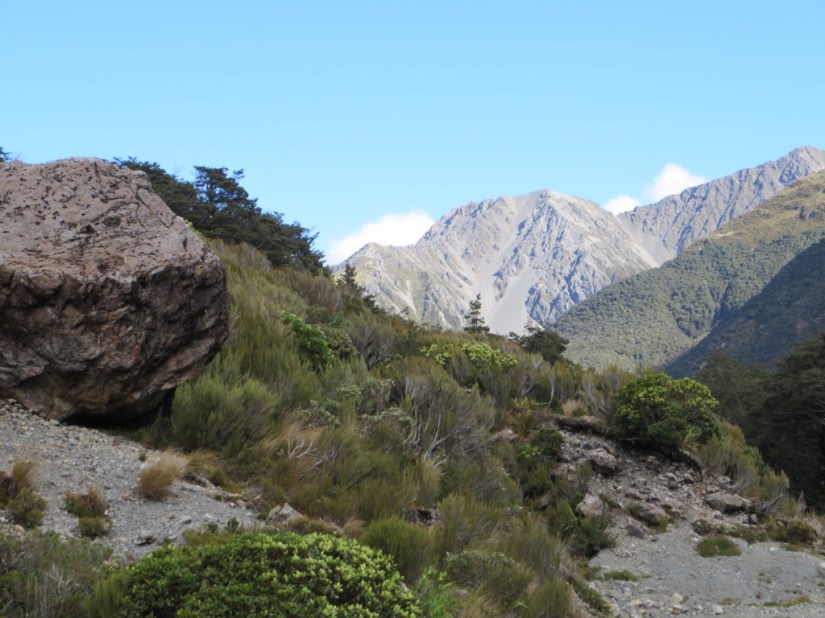
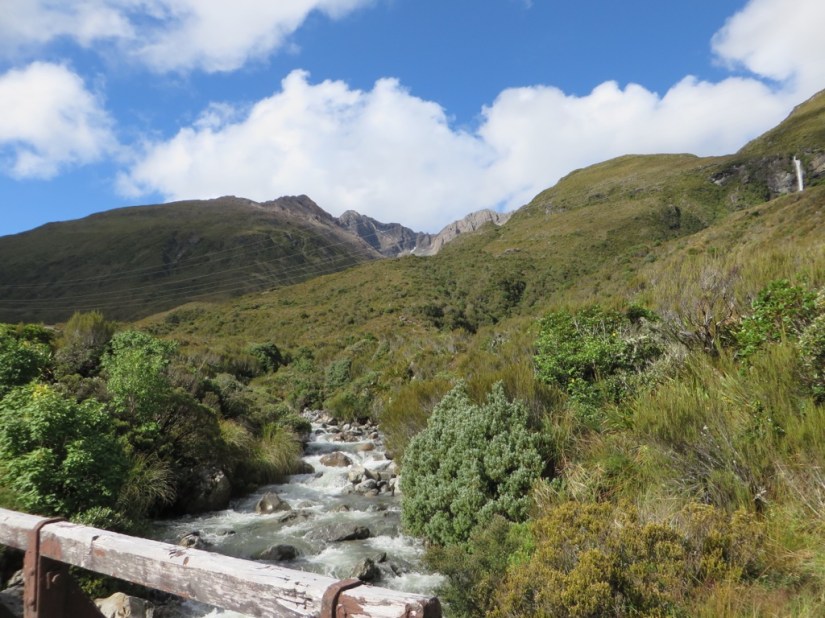
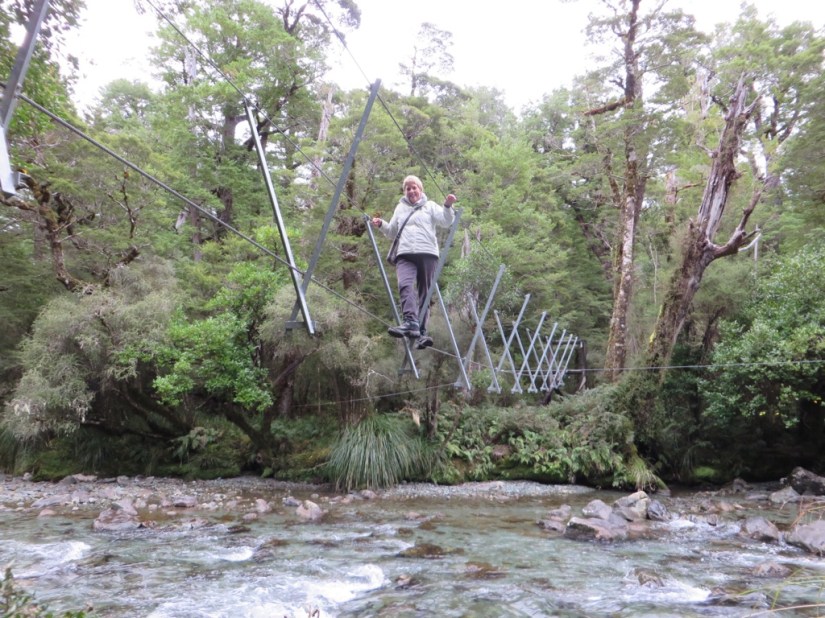
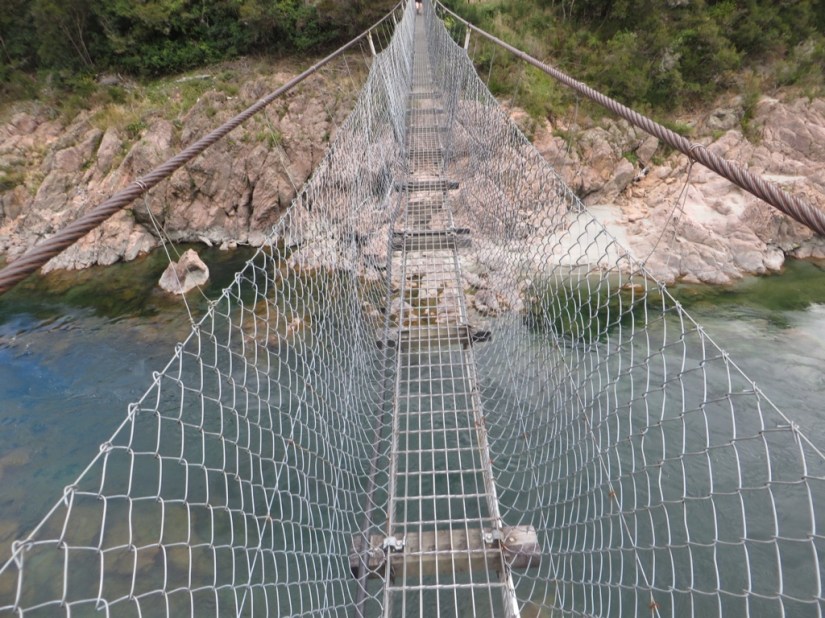
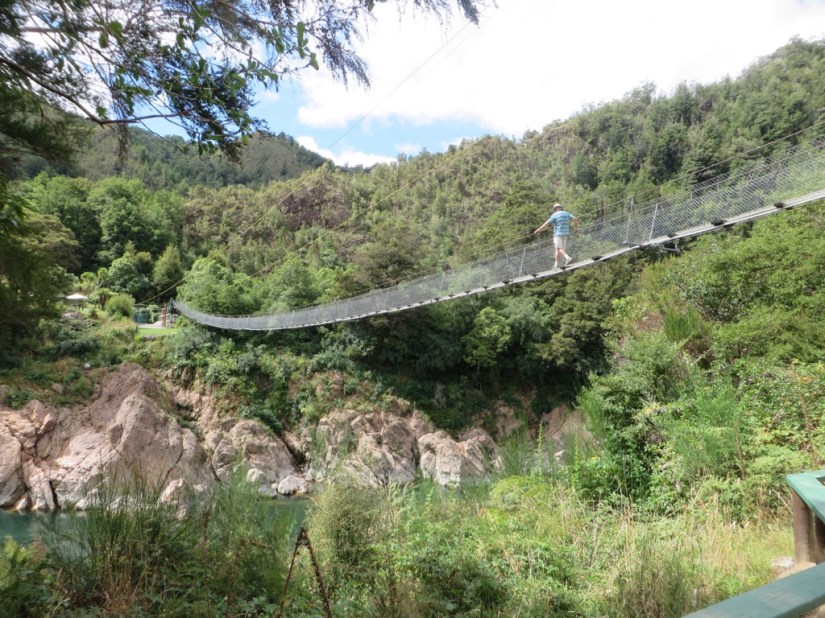
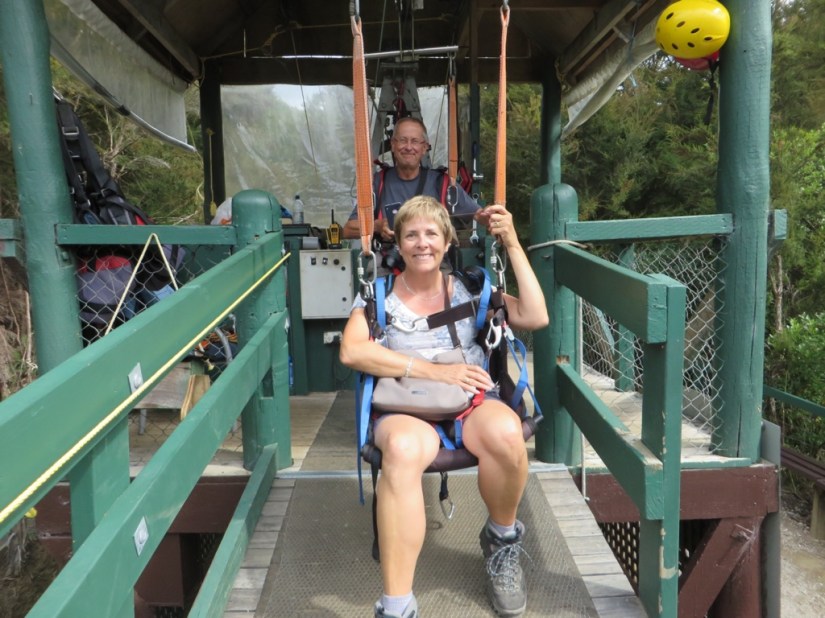
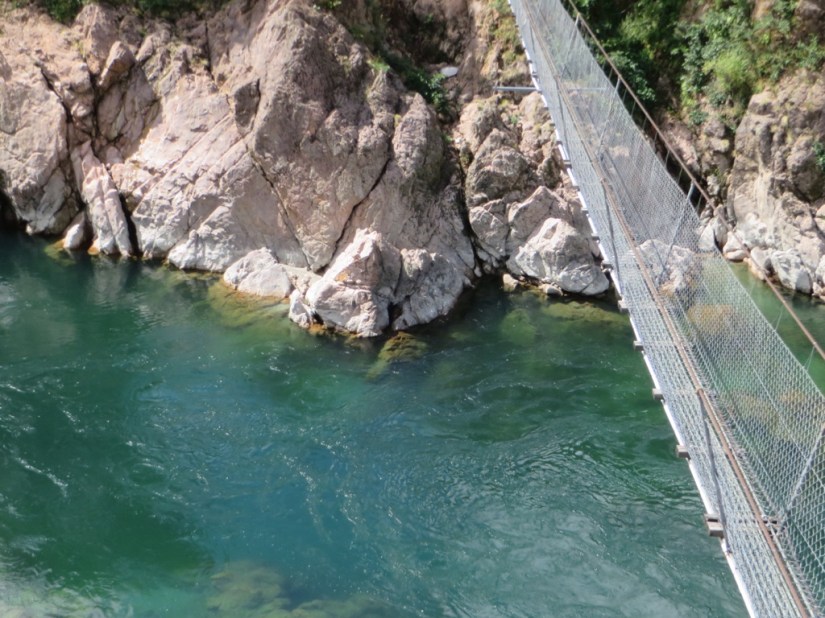
 The next bit of the trip is to drive down the west coast, hoping that luck will be on our side and we won’t be spending the whole time in torrential rainfall which can descend with tropical intensity for days at a time! So today we drove across and made one stop halfway at Buller Gorge, where we crossed New Zealand’s longest swing bridge, 110m, across the Buller river below. We went on a short bushwalk then returned on the 160m long zipwire which was fun!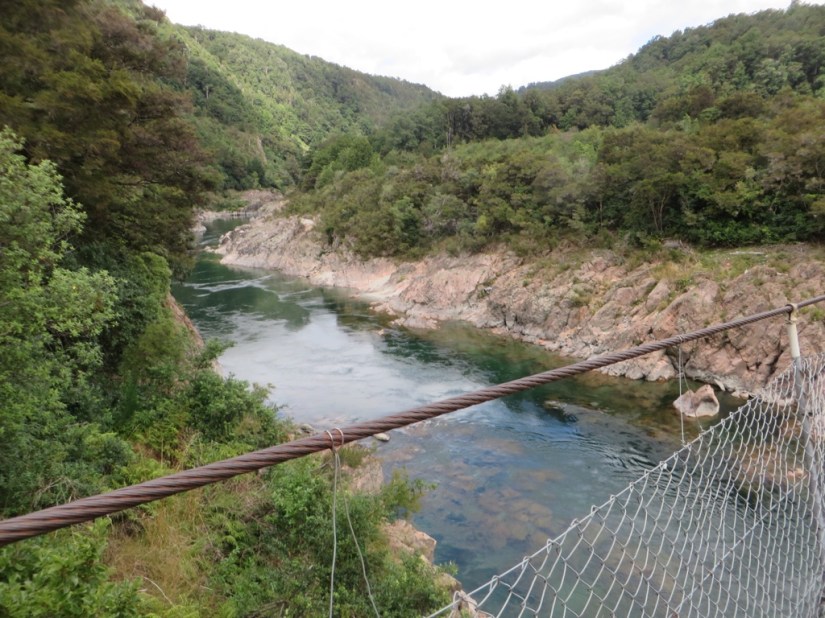


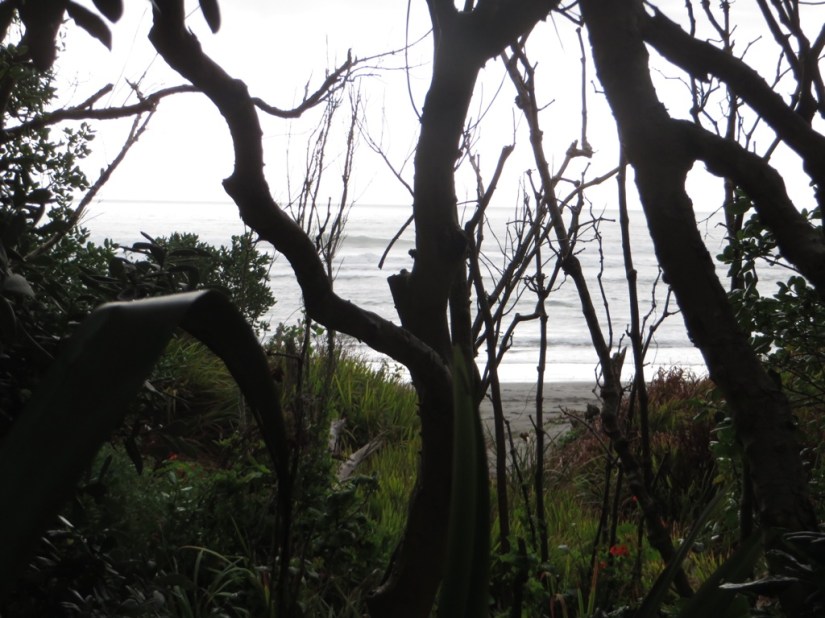

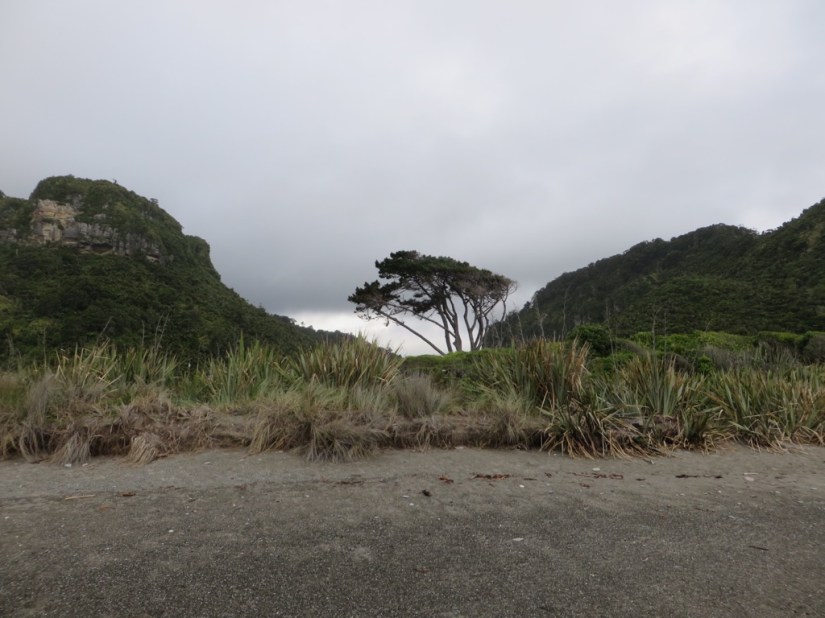

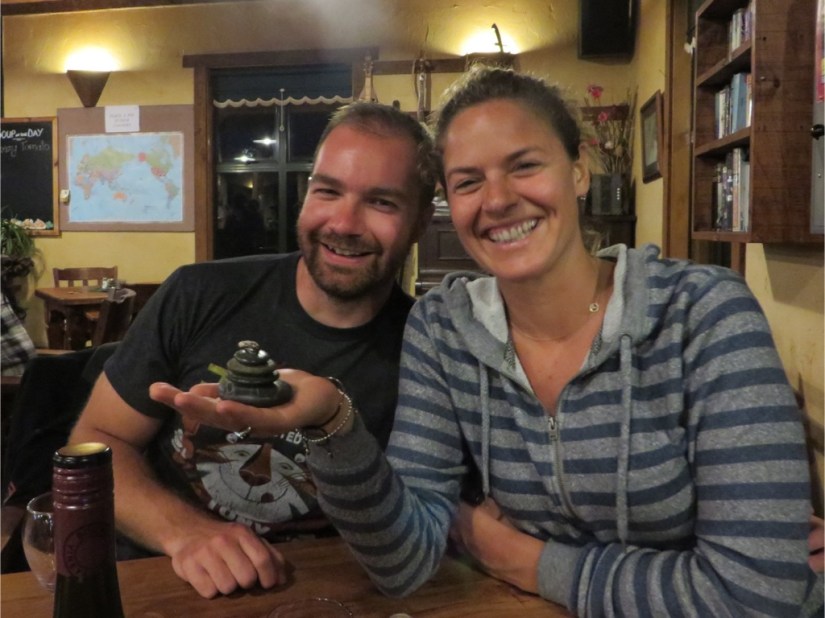
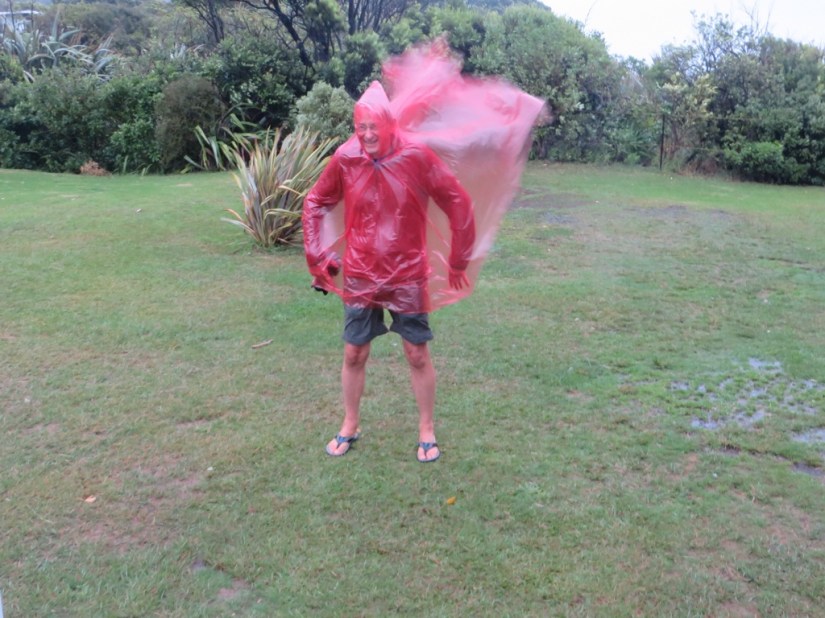
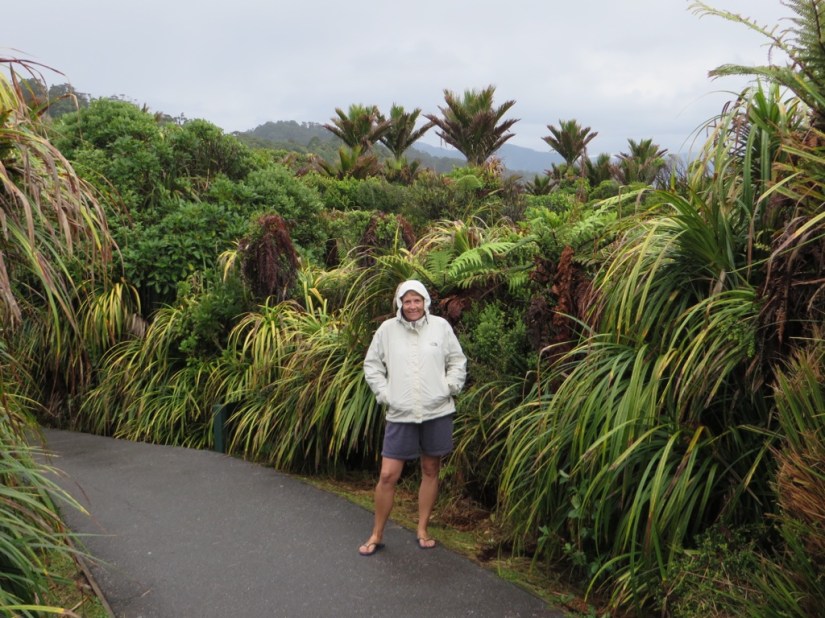


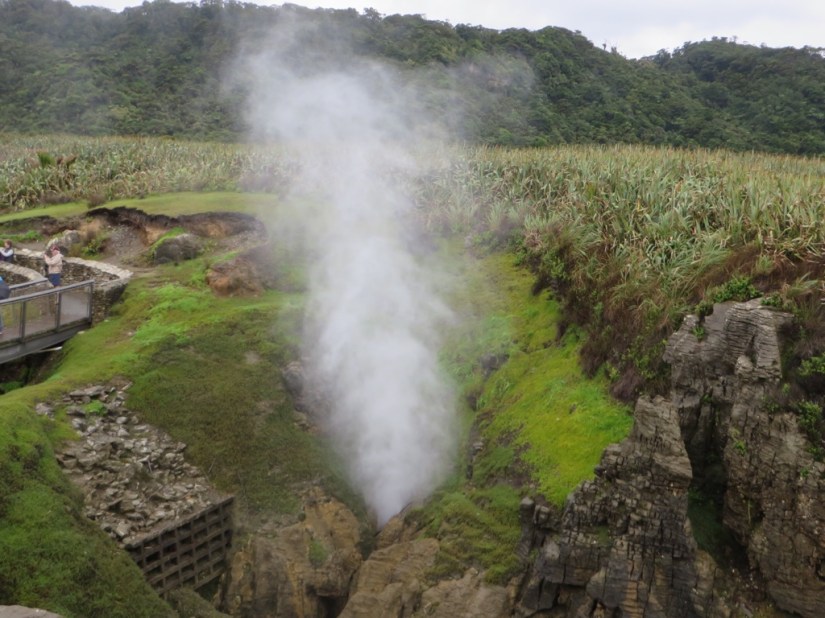
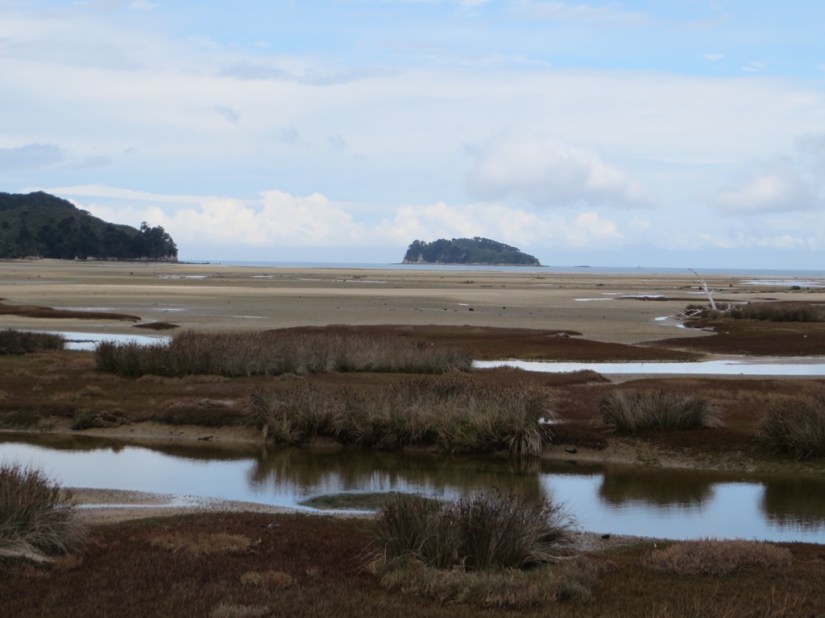
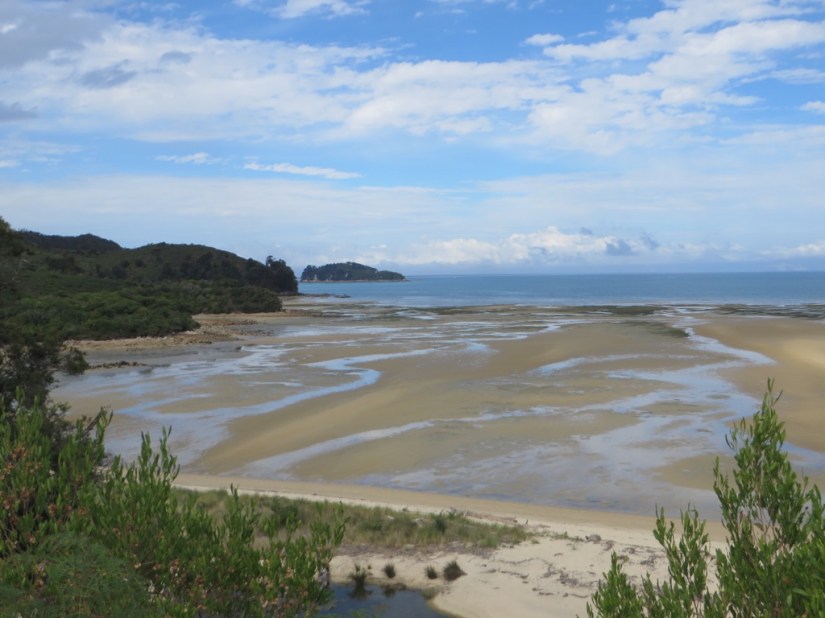
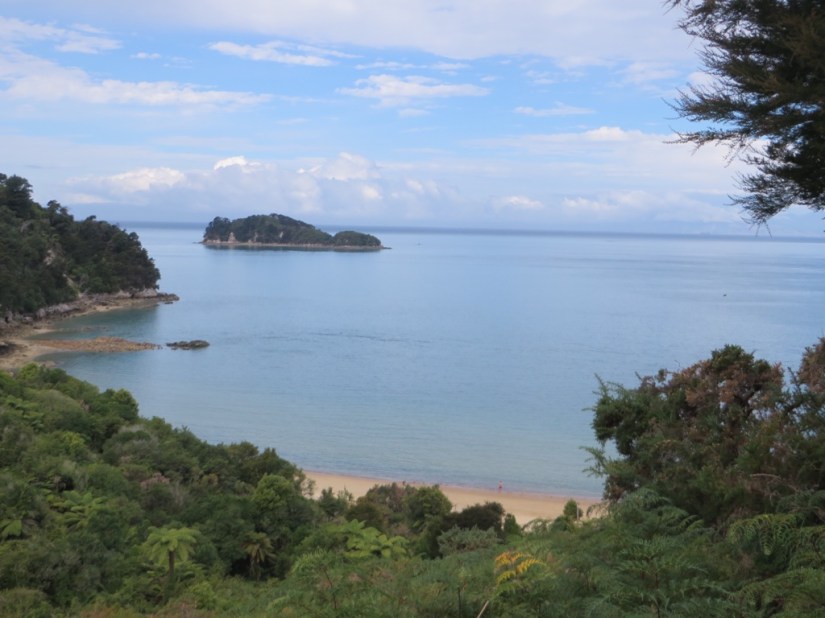
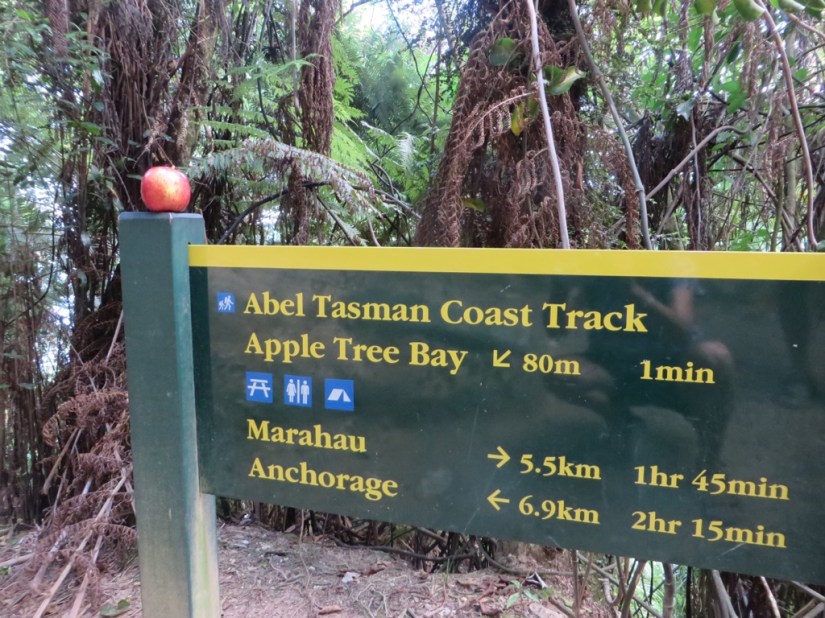
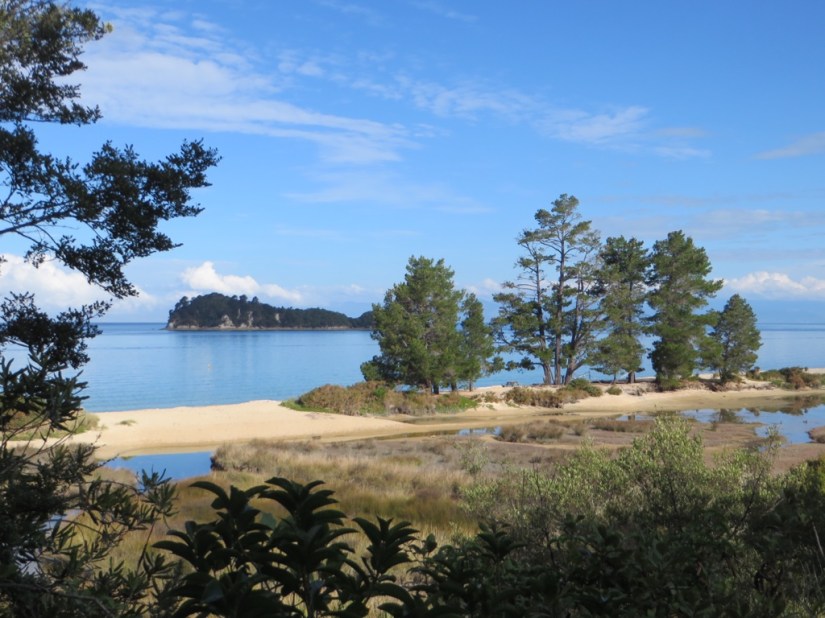 We had planned to stop a while in Nelson for a look or even tasting at a winery, but we had lost time with the van trouble again and had to choose, so continued through to Marahau at the entrance of Abel Tasman National Park where we camped at Old Macdonald’s Farm.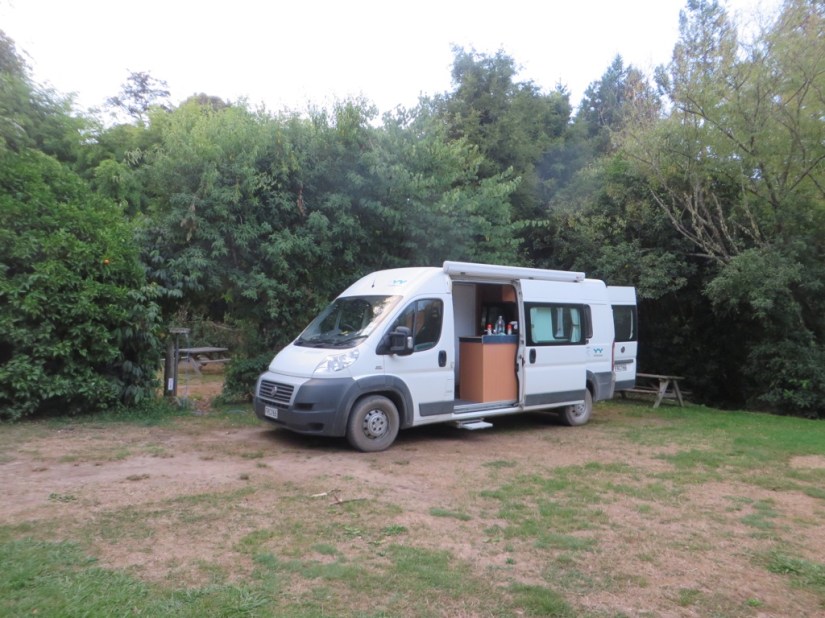
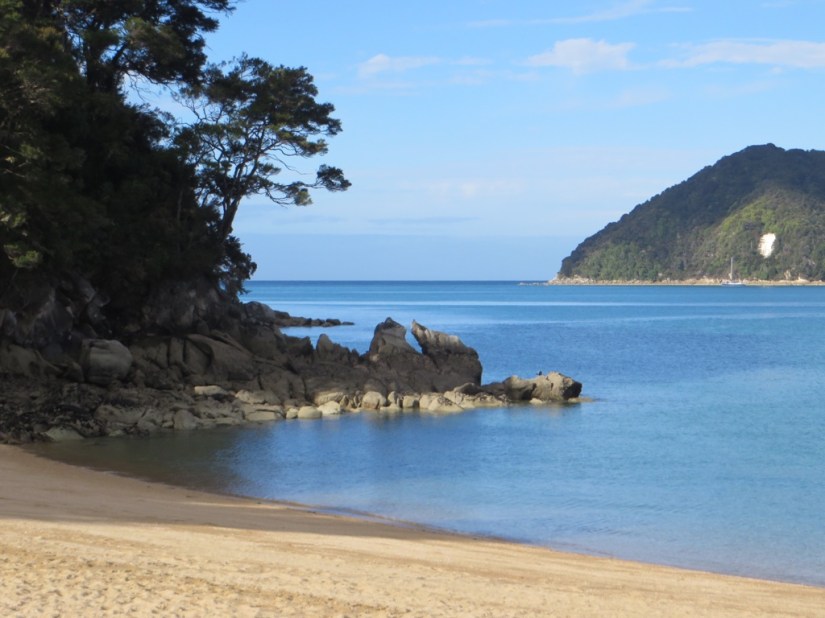
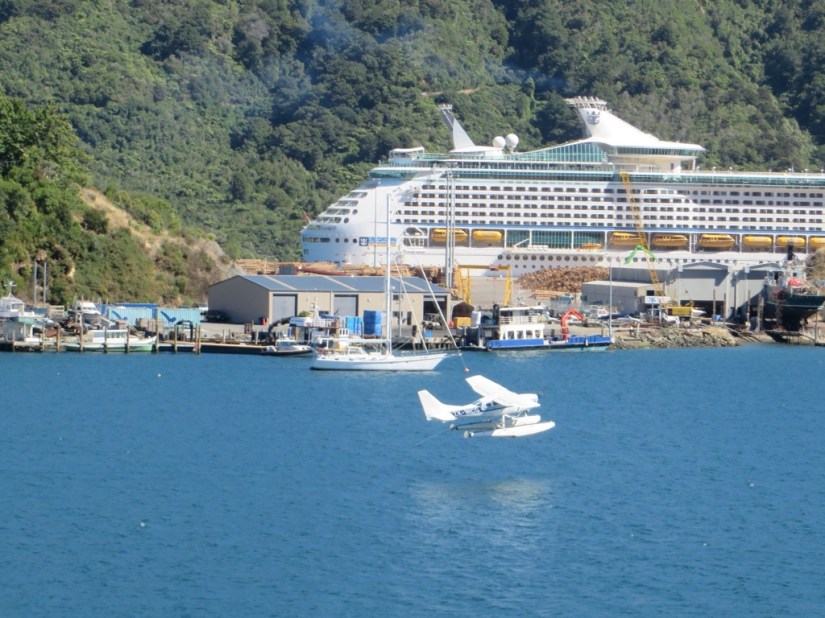
 We crossed on the family-run Bluebridge ferry and I can highly recommend their bacon and eggs for a good start to the day! Wellington harbour is huge so it seemed to take ages to clear land and head in the the Cook Strait, where we were accompanied by dolphins for a while. We were lucky to have a calm sunny day, and before long we had entered Queen Charlotte Sound and were making our way between forested headlands and inlets with bright blue water.
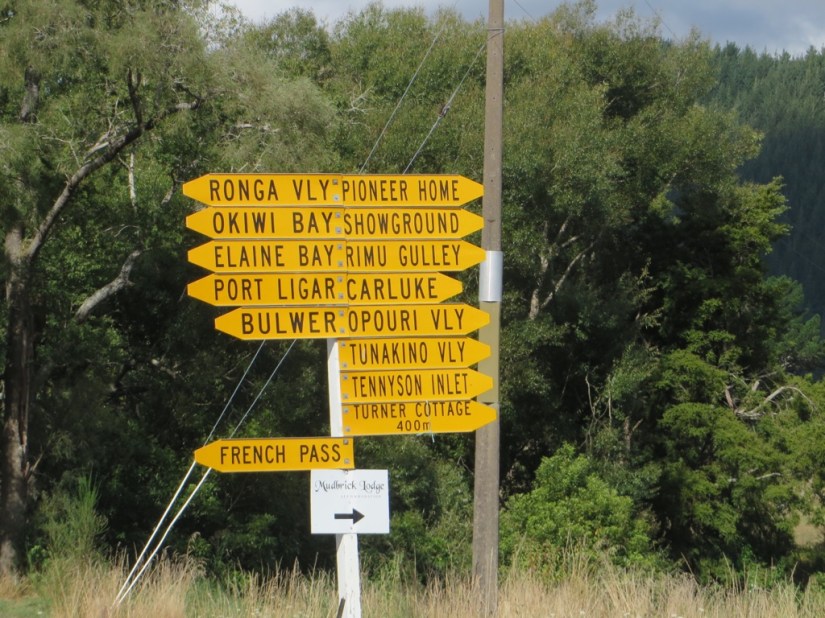

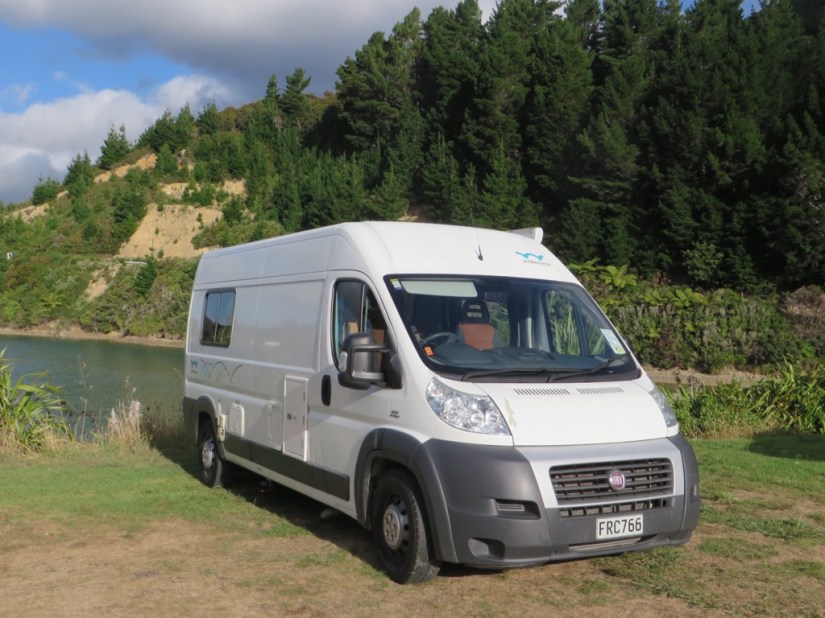


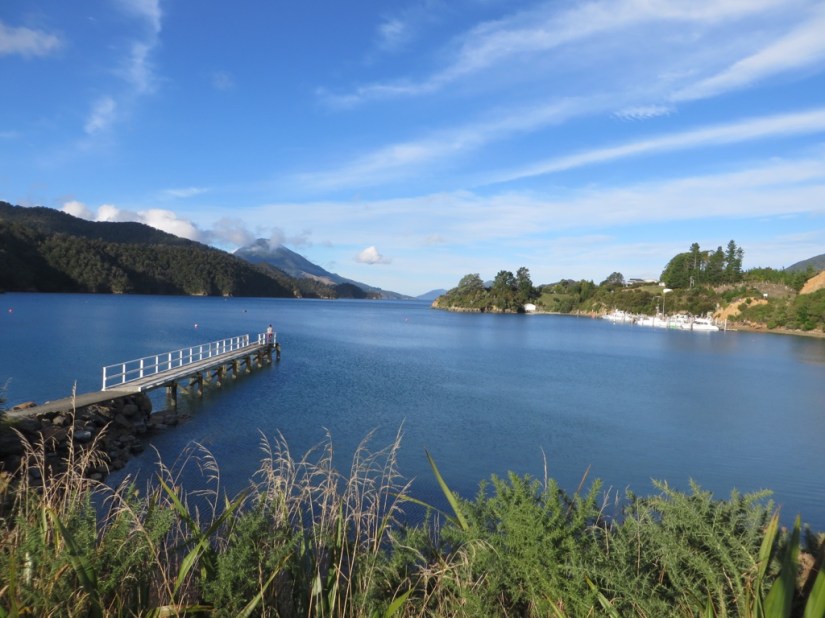
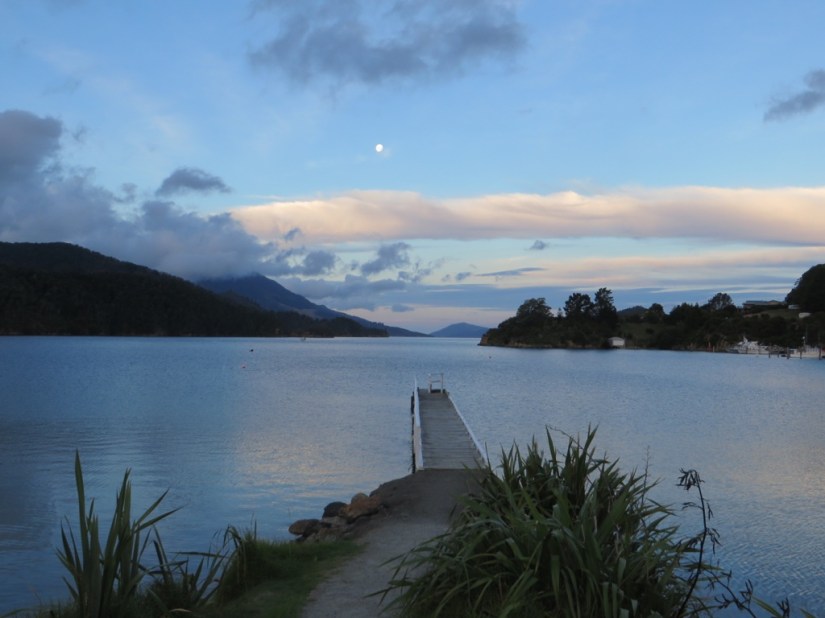

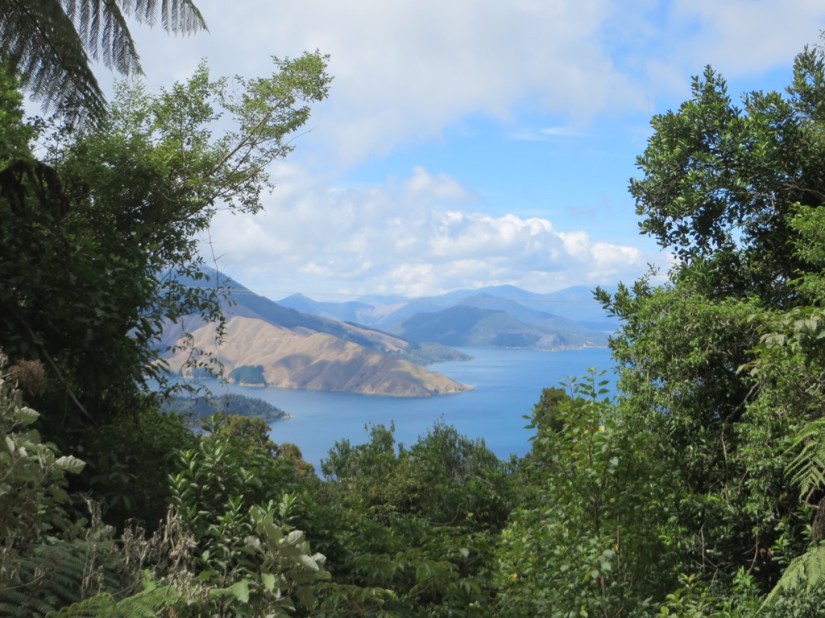
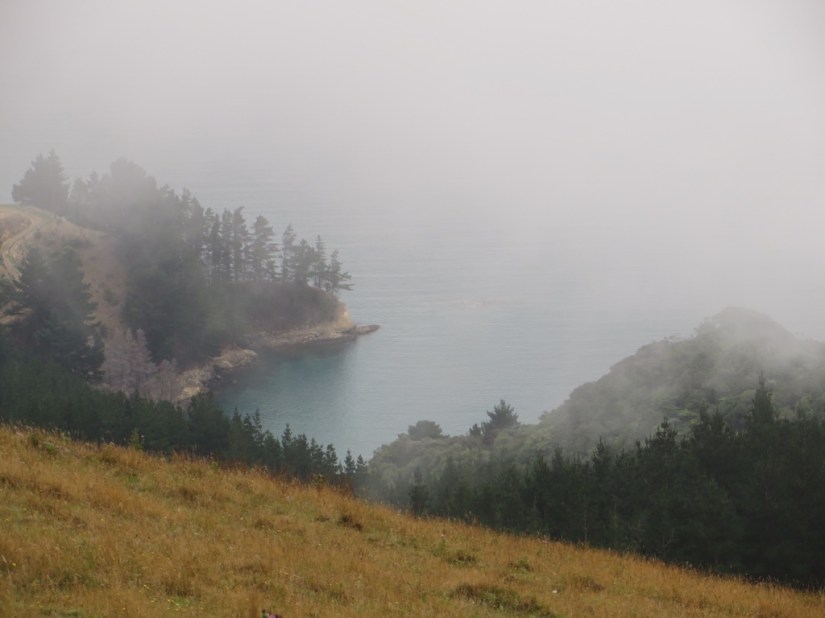
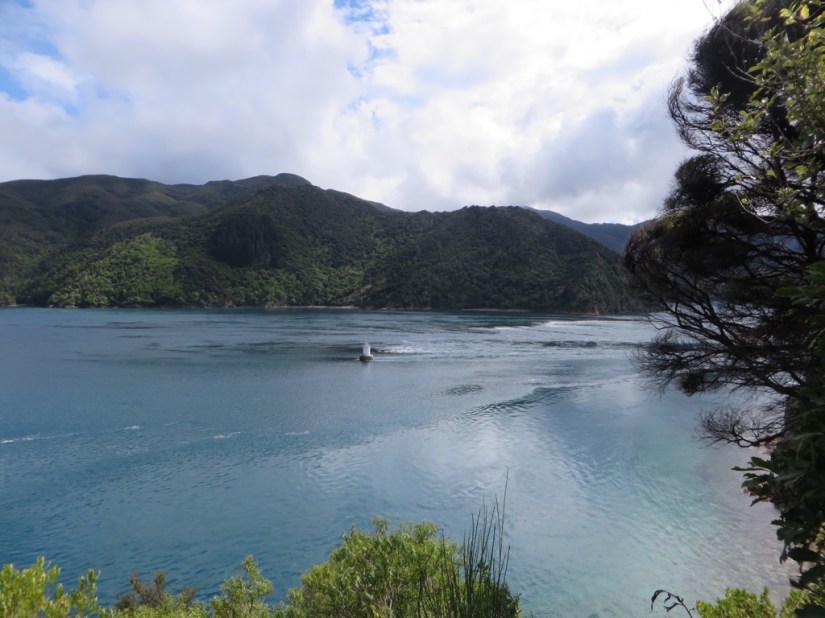 We walked to the lookout to take pictures and also saw a weka, the most common flightless native, a little like a kiwi but with shorter beak and not so shy!


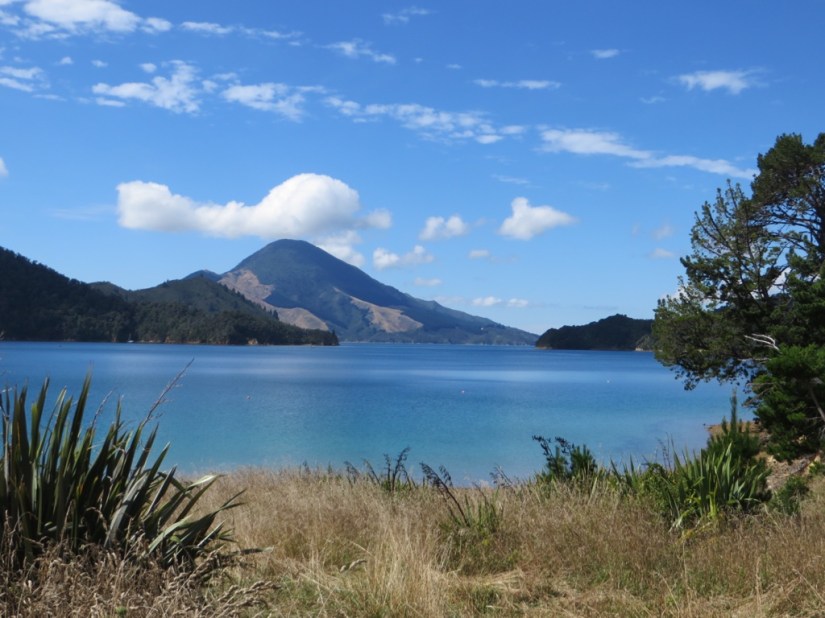

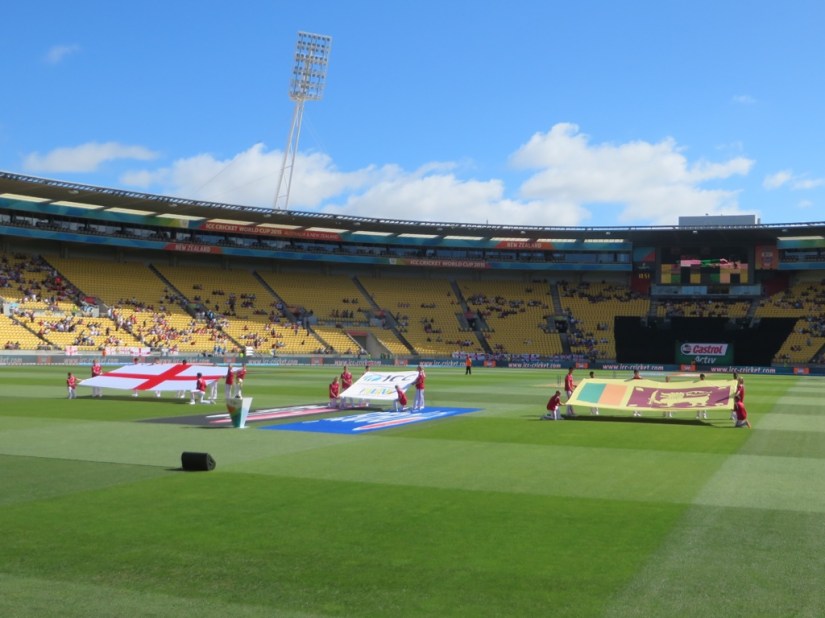 We spread the drive over two days, passing several small towns on route and stopping one night in Pahiatua on the way.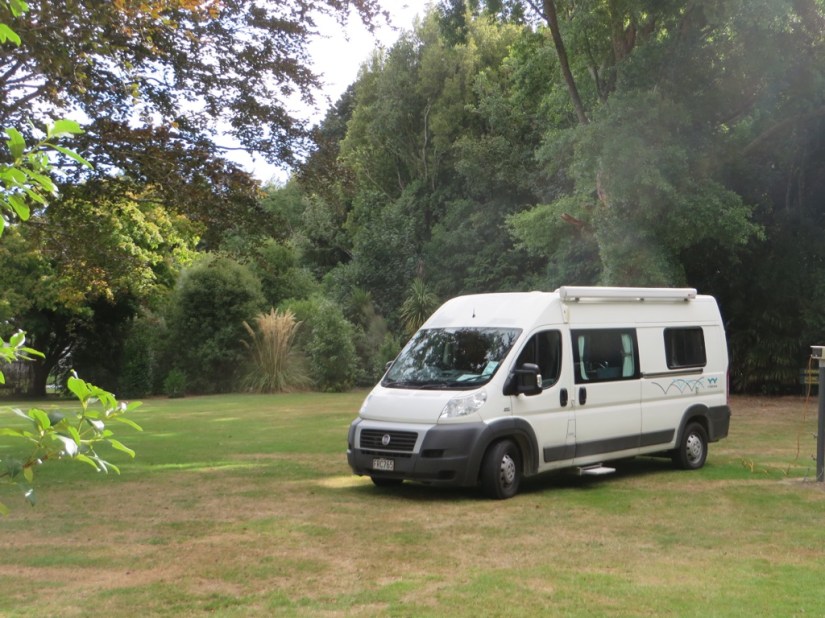

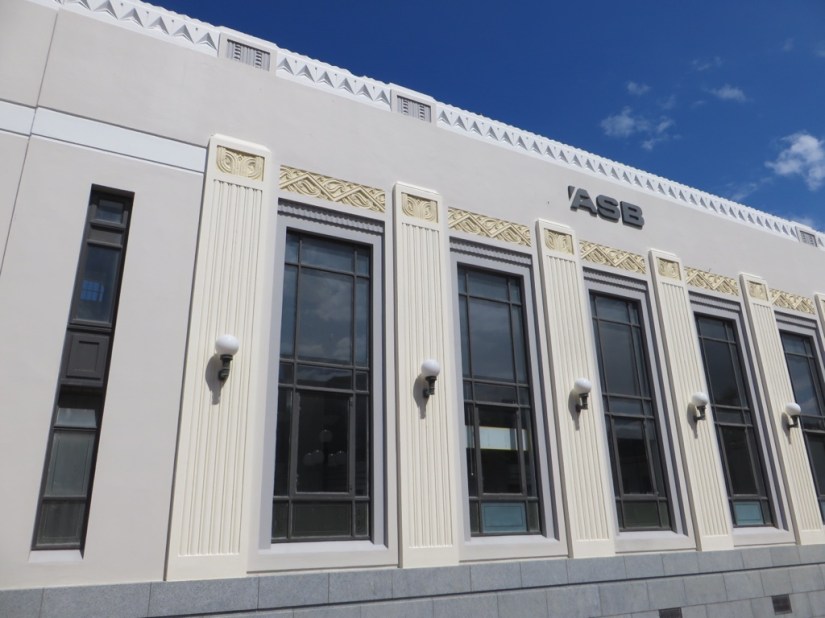
 Everything changed at 10.47 on the morning of 3 February 1931 when an earthquake of 7.9 on the Richter scale devastated Napier. The main quake was followed by aftershocks and a fire that consumed everything. 258 people died in the bay area, 162 in Napier alone. The land buckled, leaving 30 sq km some 2m higher and now no longer covered by the sea. Napier embraced the opportunity and planned a modern city of reinforced concrete drawing inspiration from Art Deco incorporating motifs such as fountains, chevrons and lightning flashes …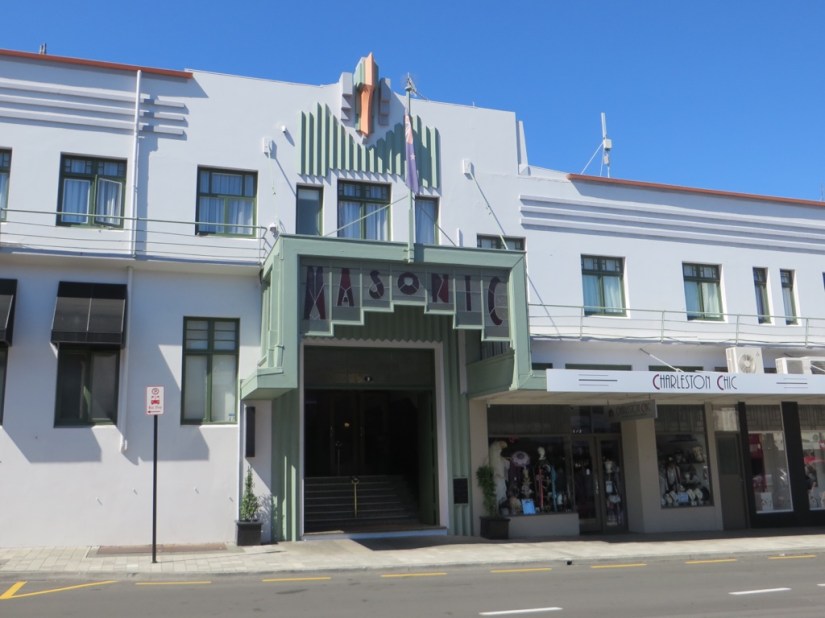




 Off Travelling Together