 Having confirmed our return to Fidel’s later in our trip, we set off early to catch our bus … but buses here obviously run on Cuban time so we waited a while. The bus was comfortable and we stopped at 104km from Havana at a rest stop for a lovely cup of cafe con leche, served with a short length of sugar cane … to stir or to suck, we weren’t sure, but we did both!
The roads were generally pretty good, but there were a couple of rough areas we had to slow down to negotiate. At a place called Australia, we passed the turn off to the Bay of Pigs, which was the site of a failed military invasion of Cuba by a CIA-sponsored paramilitary force in 1961, attempting to overthrow Fidel Castro. Some tourists visit to see the bay and the beach or to bird-watch in the nature reserve or scuba dive the coral reefs, but we decided to give this a miss.
Cienfuegos, often called The Pearl of the South because of the impressive beauty of its bay, was founded by French settlers who brought elegance to its architecture. The city became wealthy trading sugar, coffee and tobacco grown all around and is still doing well today thanks to its shipyard, thermoelectric plant and petrochemical hub.
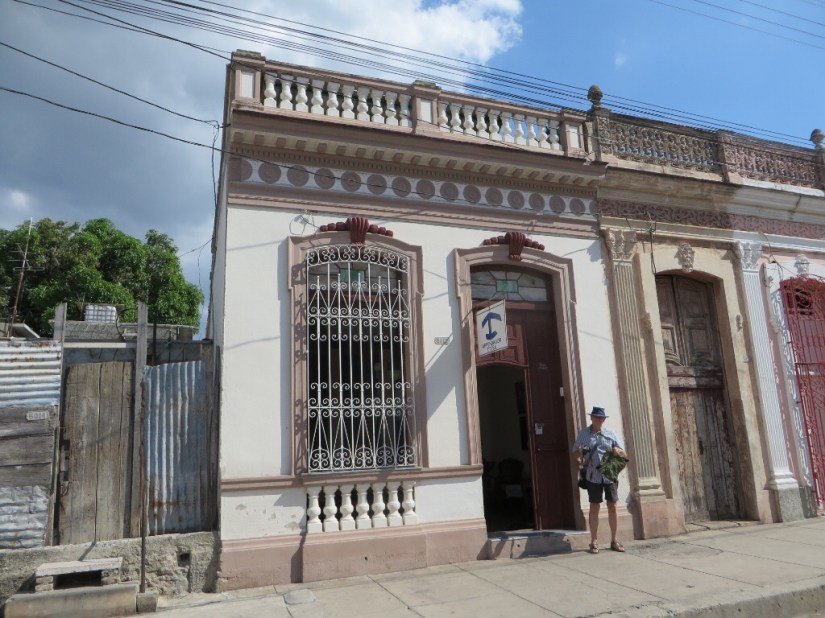
There wasn’t much traffic so we made good time and were met in Cienfuegos by Olga, with our name on a board … to ensure we reached her casa safely and were not sidetracked by tricking jineteros into staying elsewhere! The casa is lovely, and typical of many of the houses here. We guess it’s originally C19 with plenty of original features as an estate agent would say!
 The front room is kept as a kind of front parlour …
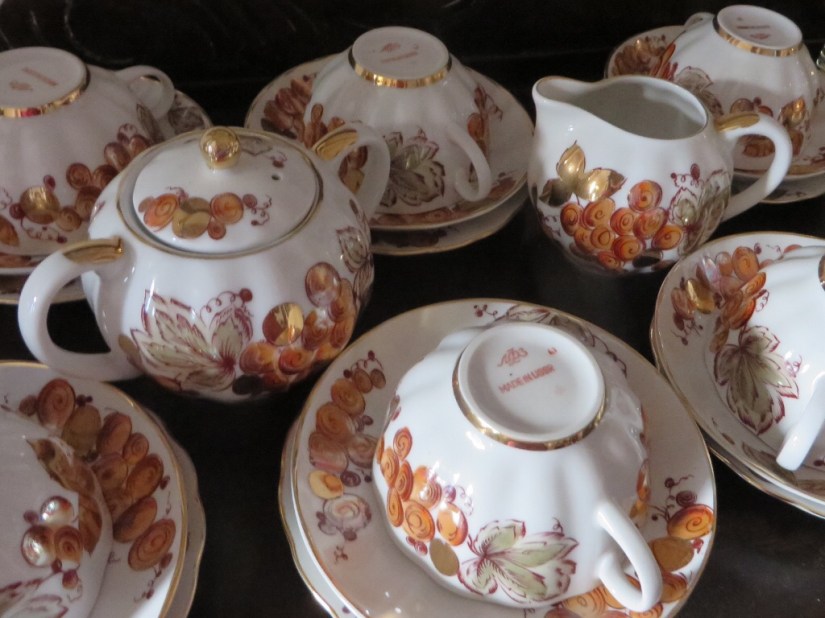
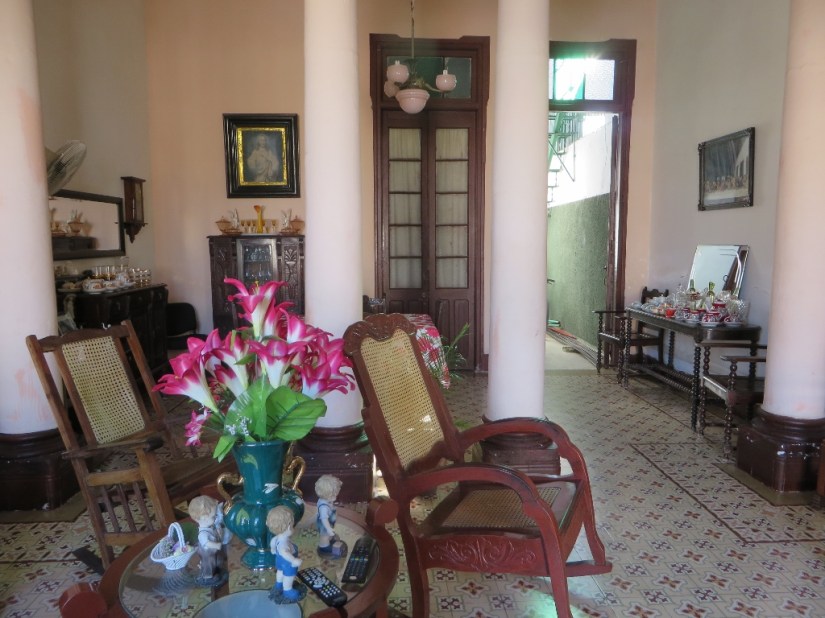 … with several tea sets from the USSR and other china proudly displayed.

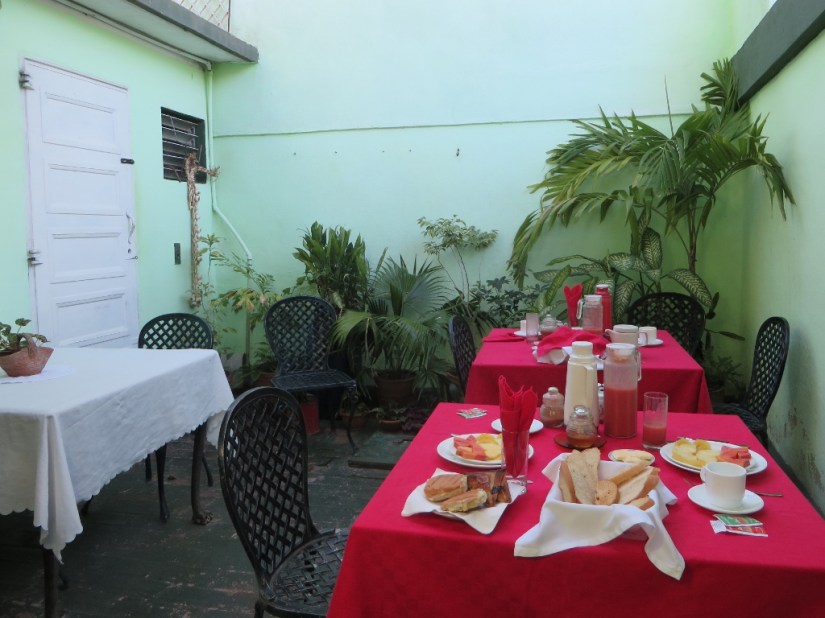
Then there is a passage running down one side, open to the sky, beside what are now 3 B&B rooms, but would probably have been living rooms originally, running back to the kitchen and an outside courtyard.
Above there are more rooms where the family live and then the roof space with tables and chairs.

 Our room has AC but it’s not that hot and the room is ventilated with high windows with bars for security.
 Olga’s English is far better than our Spanish, which was great as she managed to organise all we wanted to see and do without resort to a tour operator and we are all for local enterprise! We spent the afternoon exploring in town. First stop, to buy a wifi card CUC$2 for an hour and try and get online … well the telephone company had no cards and said to try Hotel La Union opposite …
 … the hotel suggested the telephone company … the hotel doorman said there was a local chico in the bar opposite who would probably sell us a card for CUC$3 … which he did and we thought it a result … until we visited the public wifi spot in Parque Marti, logged on with the card and spent 30 minutes hanging and getting nowhere … not the chico’s fault I hasten to add, just the system is so overloaded … maybe tomorrow! There is no private wifi in Cuban homes, just a system of public access wifi in selected places in each town, so demand is high.

We wandered round Parque Marti …
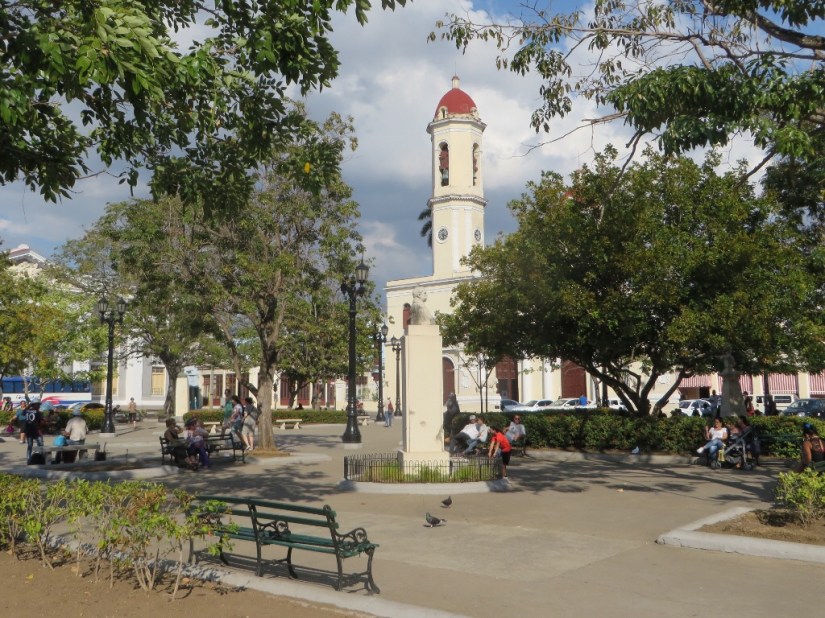
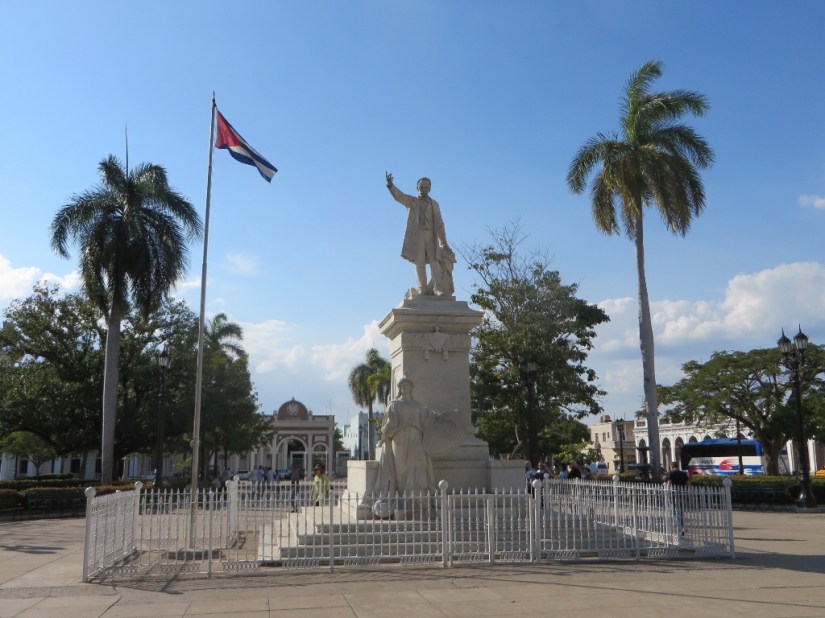
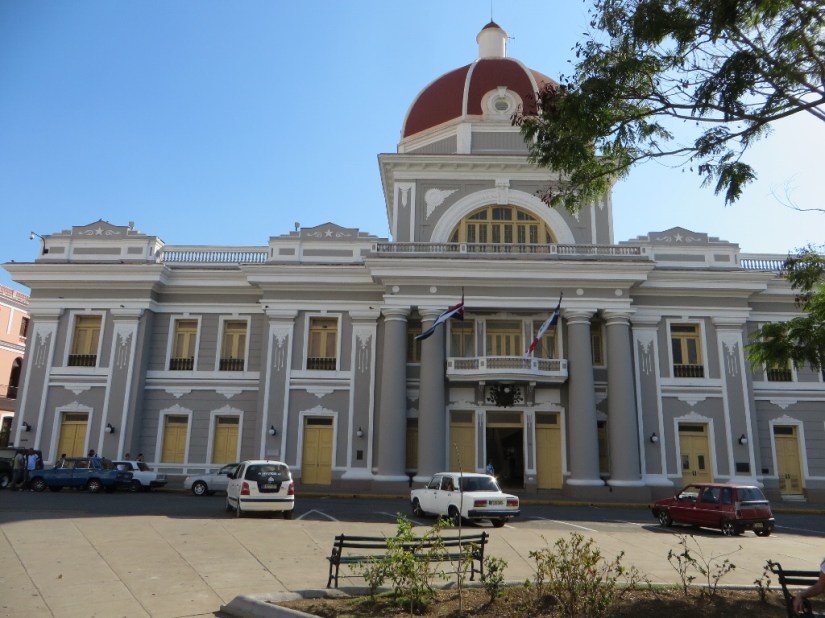
… admired the government building and Palacio Ferrer …
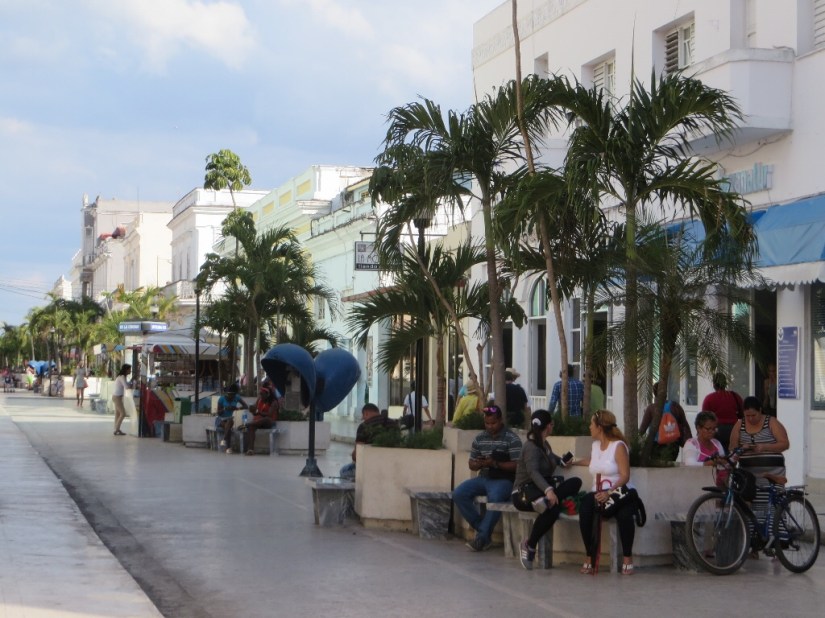
then headed down El Boulevard, a bustling pedestrianised street with shops aplenty, but not a huge amount for sale, along a street with a craft market …


… and on to the bay.
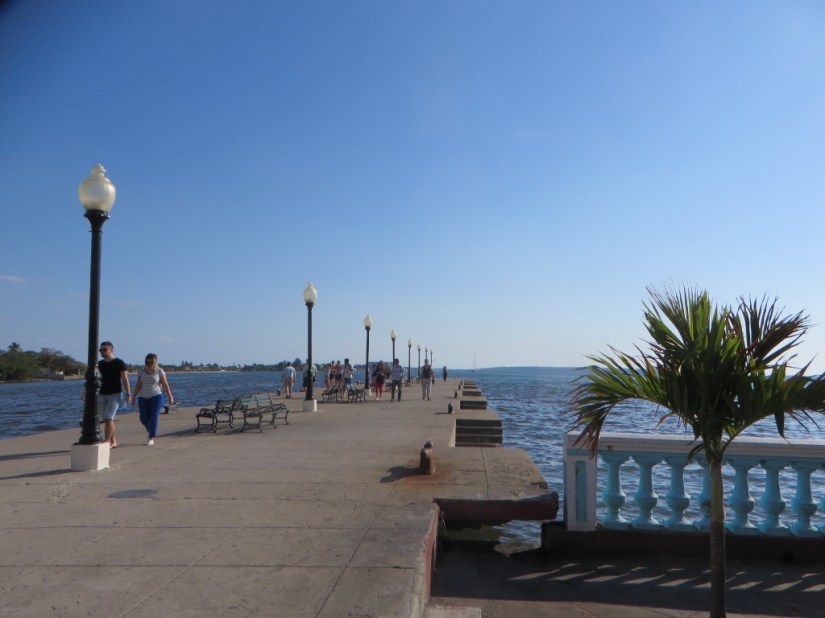

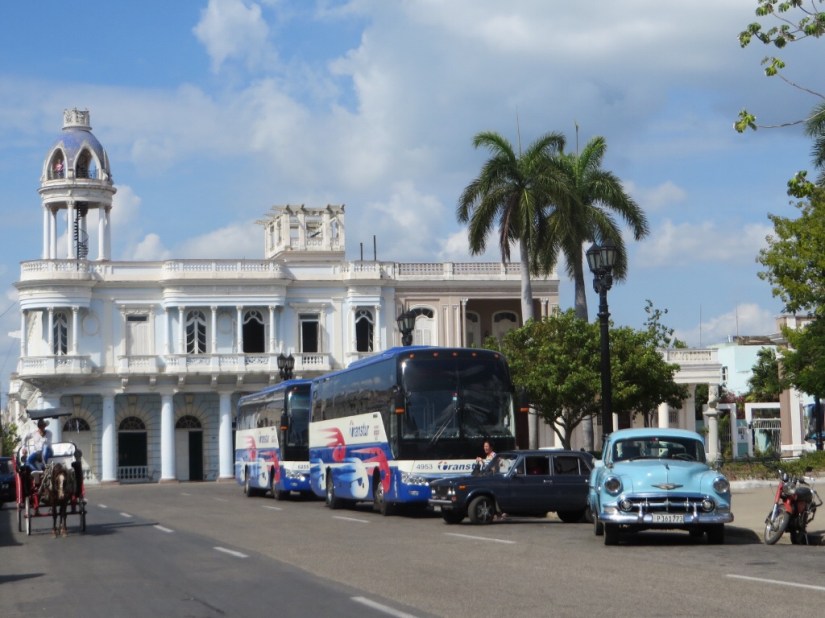 More exercise followed with the 2km walk along the Malecon to Punta Gorda, a peninsular jutting into Cienfuegos bay …


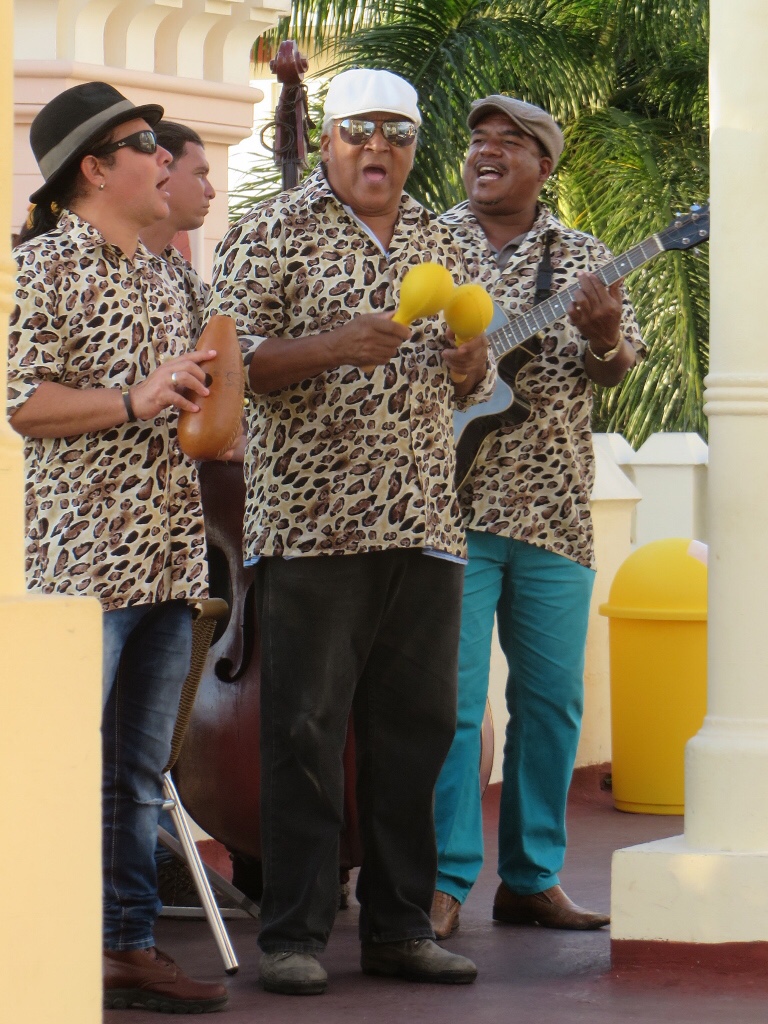
… and we then sat in the roof bar of the Palacio de Valle, a Neo-Moorish confection of cupolas and arches, listening to salsa and son from the band, Perla del Sur, drinking mojitos and watching the sun go down!

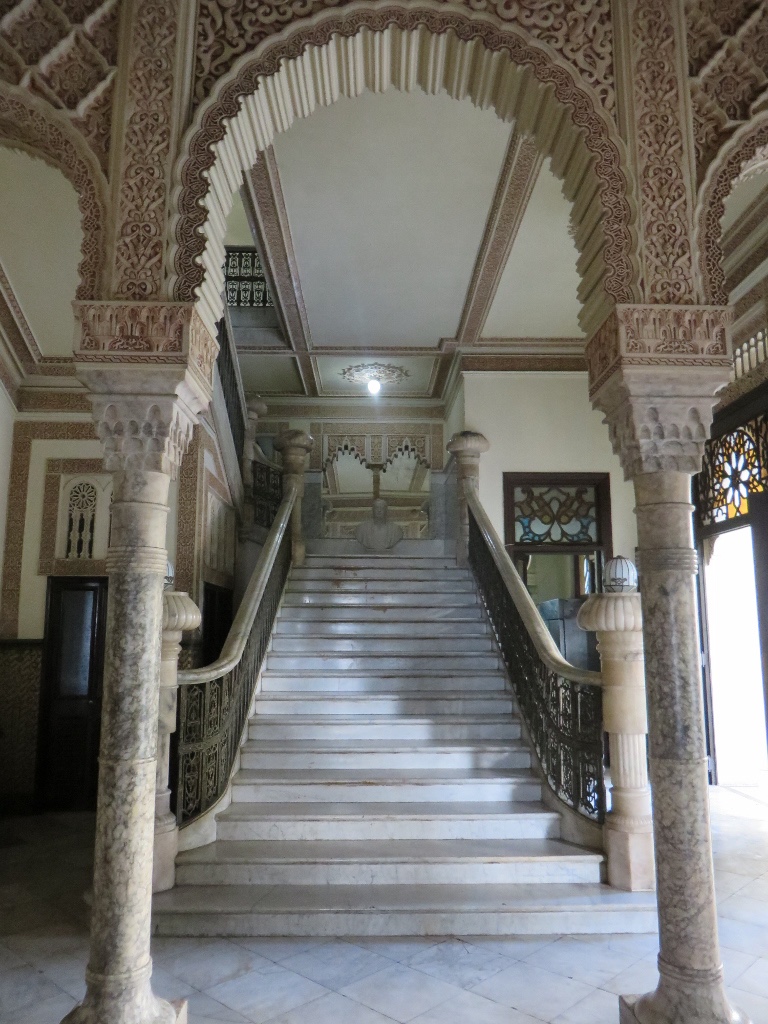
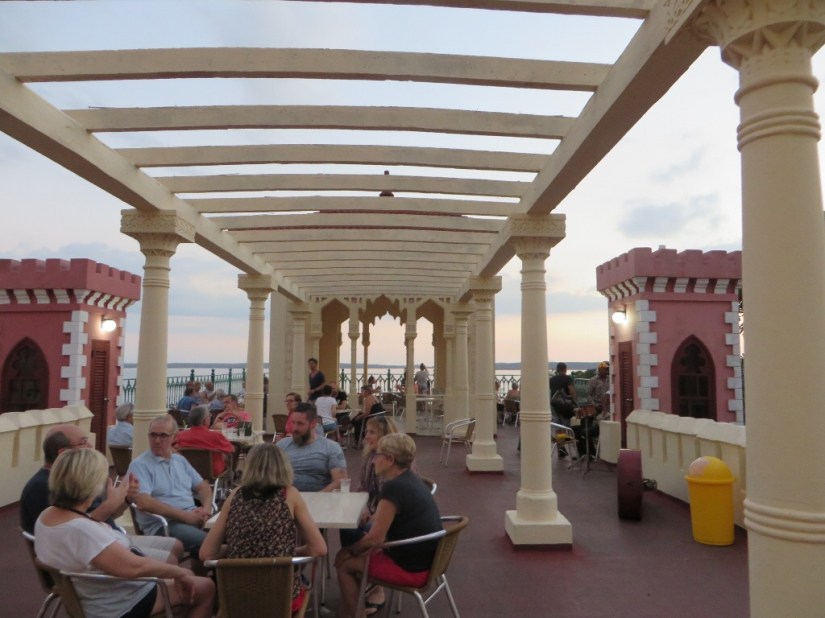


We took a cranky old blue Chevy back to the casa were we were served a delicious dinner of bean soup, then stuffed eggs for Chris and grilled swordfish for me with rice and salad and flan de huevos which is similar to creme caramel for dessert. After winning several games of uno it was time for bed.
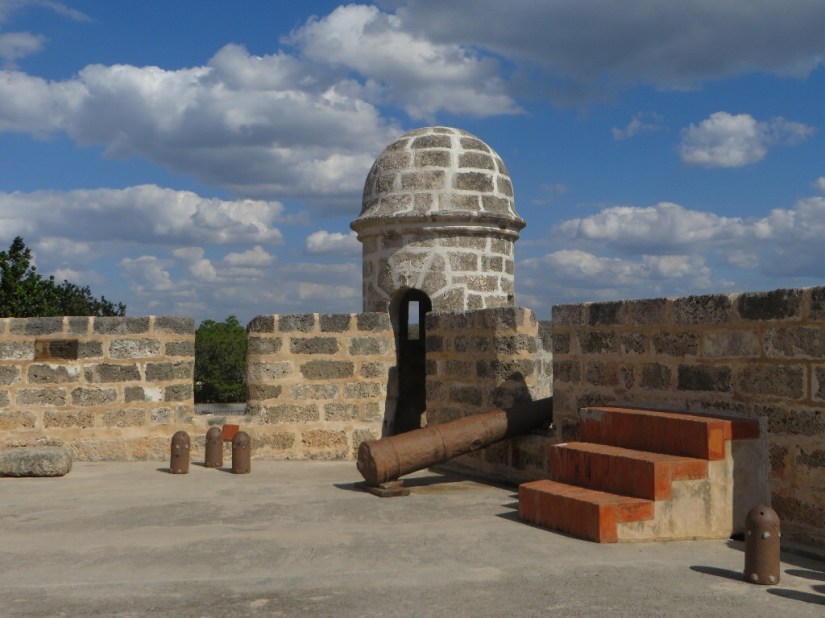
We took several trips out of town over the next few days, firstly by local ferry across the bay to a C17 Spanish fortress called Castillo de Jagua. Olga said we should get there early to ensure a seat for the hour crossing, so we followed her advice, paid a CUC$ each and got the last couple of seats on a boat that ended up packed to the gunnels!

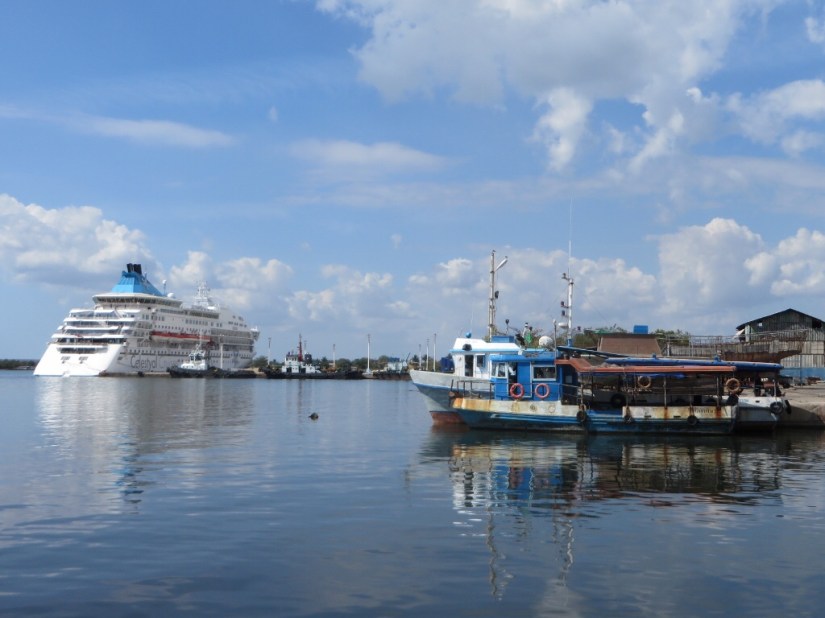

 We chatted to the Portuguese girl sitting beside us as the ferry made its way across the bay and passed several small cays to the fort.
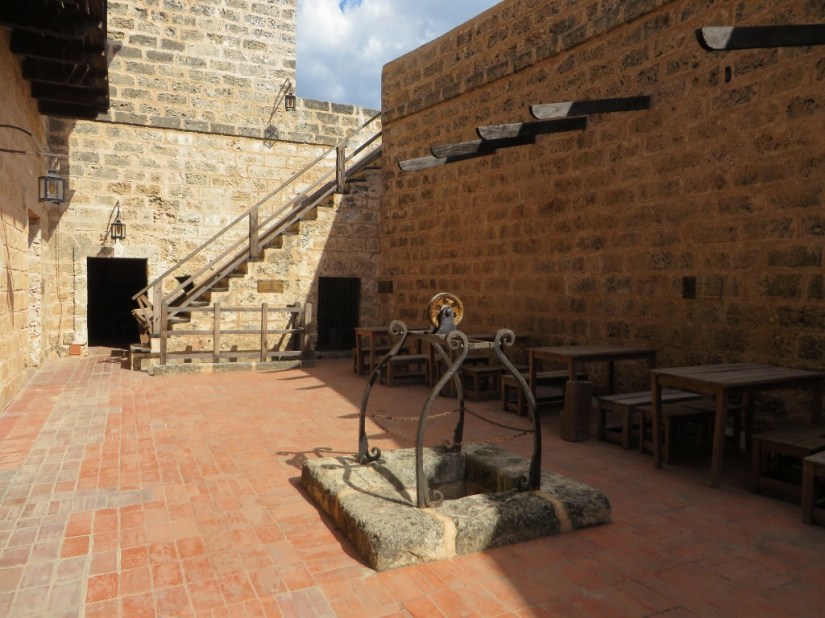
All the information in the fort was in Spanish, but we took some great snaps of the fort, the view and also the surroundings …
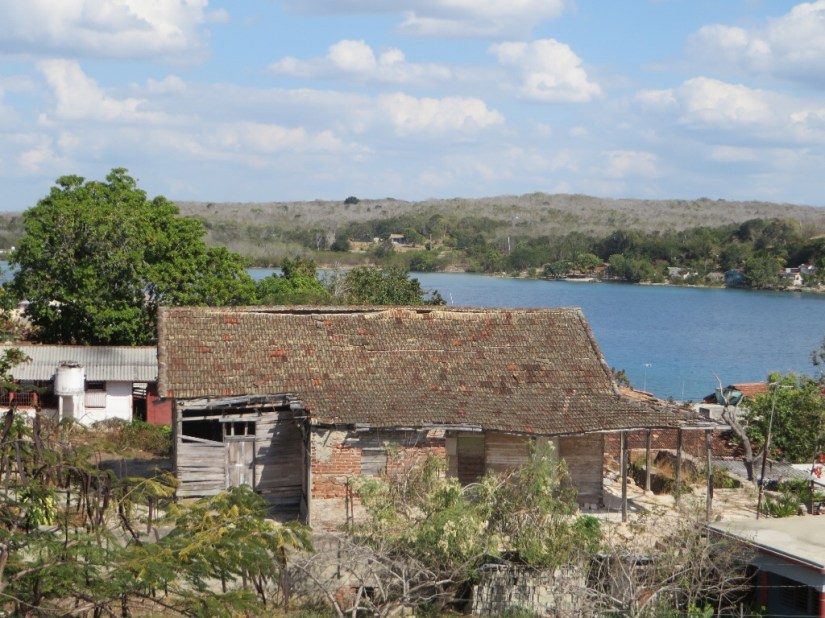
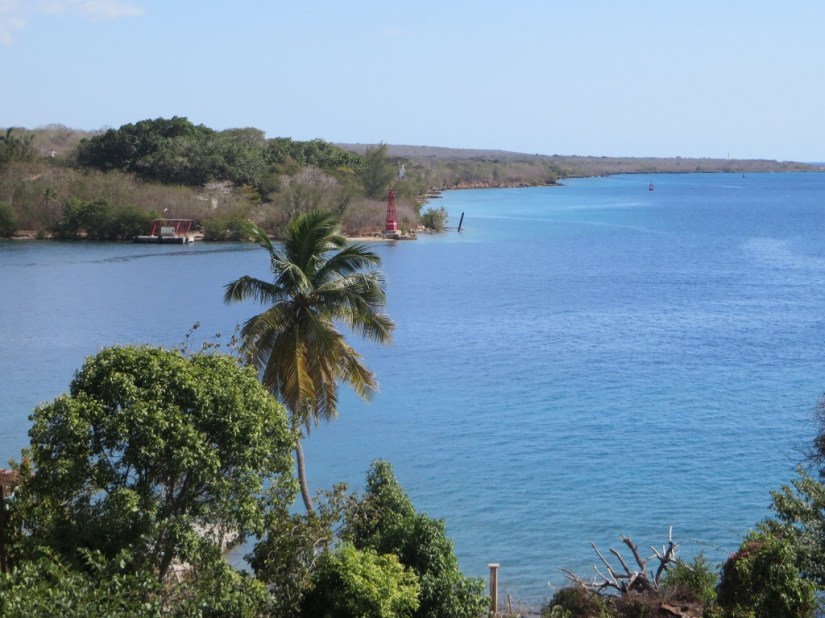



… then found a little cafe called the Pelican where we had beer and sandwiches before catching the ferry back.
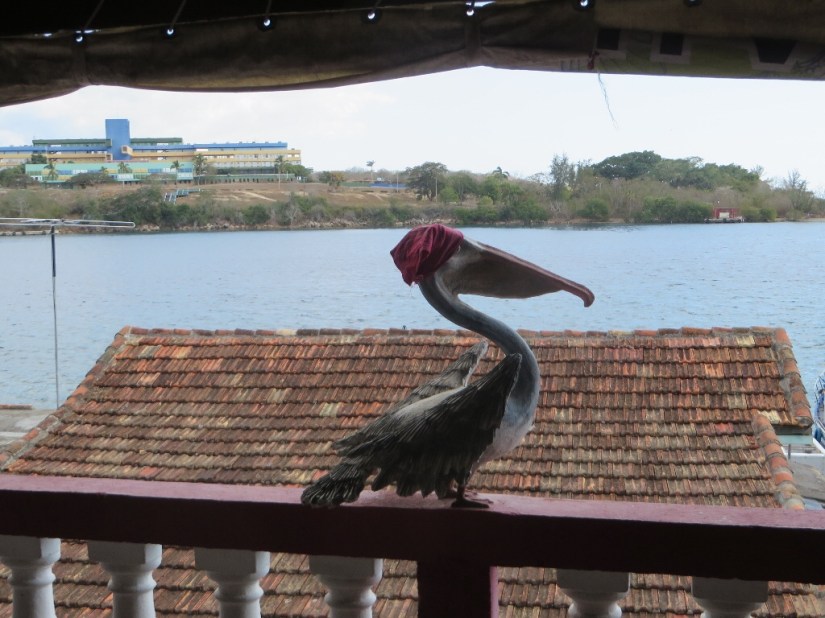
Our return was more comfortable as there was plenty of space and we were able to enjoy the views on the way.


Another trip was to the Jardin Botanicio, about 15km away. We had organised the taxi through Olga and we were delighted when a battered blue Cadillac turned up to take us out!

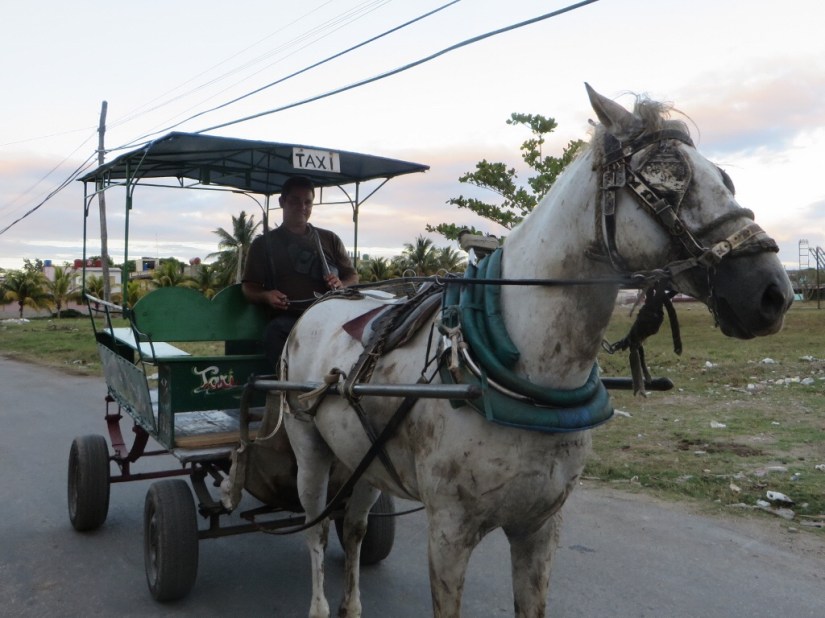
 The drive through the outskirts of the city and then the countryside to the garden was interesting. As we moved out of the old town the Spanish colonial architecture was replaced by concrete blocks of flats from the Communist era. It became obvious that the picturesque horse-drawn carts that take tourists down the Malecon are actually essential transportation for local people who need to get home from the bus stop on the main road. We saw livestock grazing, crops growing and men riding horses checking out the fields. Many people were hanging about junctions, hoping to hitch a lift to their destination. We arrived at the garden, paid our entrance and drove up to the cafe, then followed the rough tracks round for 90 minutes or so and saw huge stands of bamboo, palms and even a furry tree!

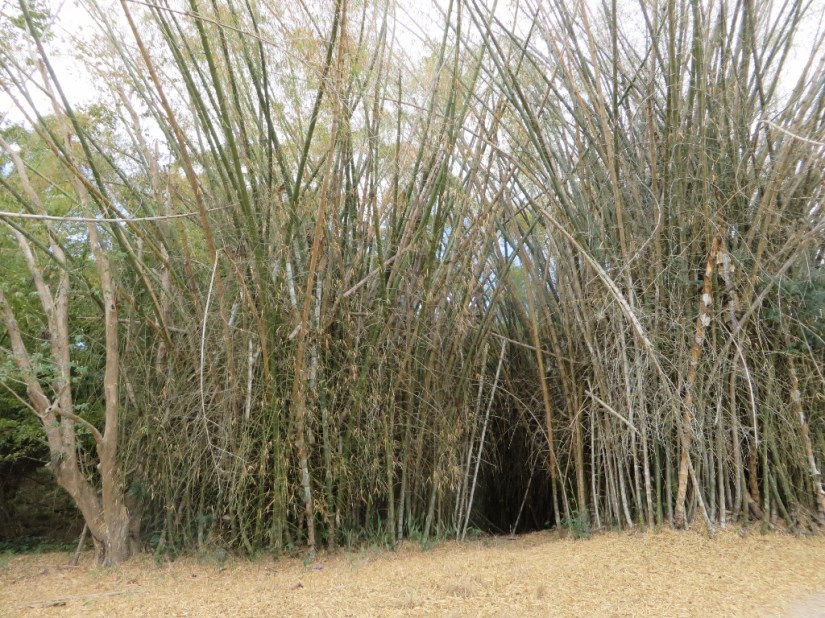
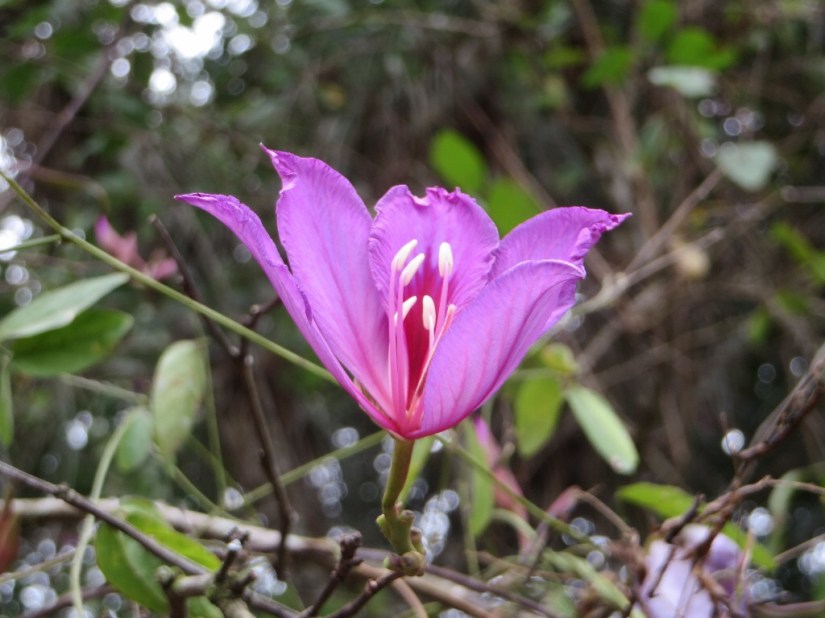
 So it certainly isn’t Kew or Wisley and we don’t know how the garden was started, but it has the largest collection of tropical plants in Cuba and despite having had minimal maintenance for some years, we saw lots of exotic flowers.


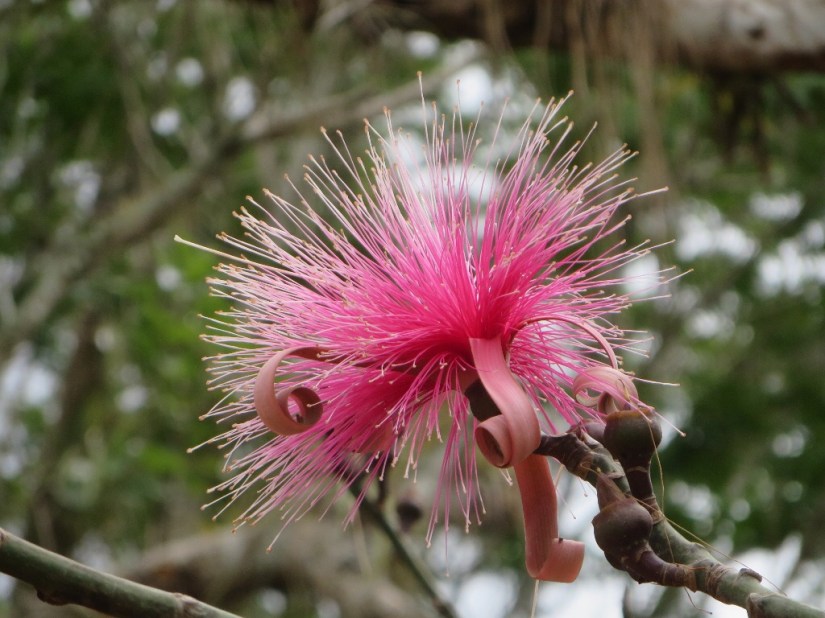
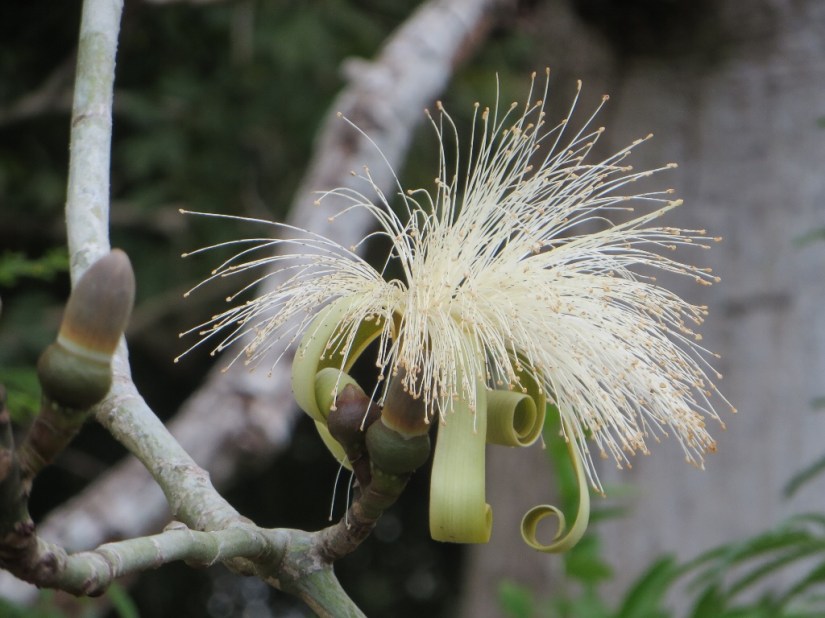
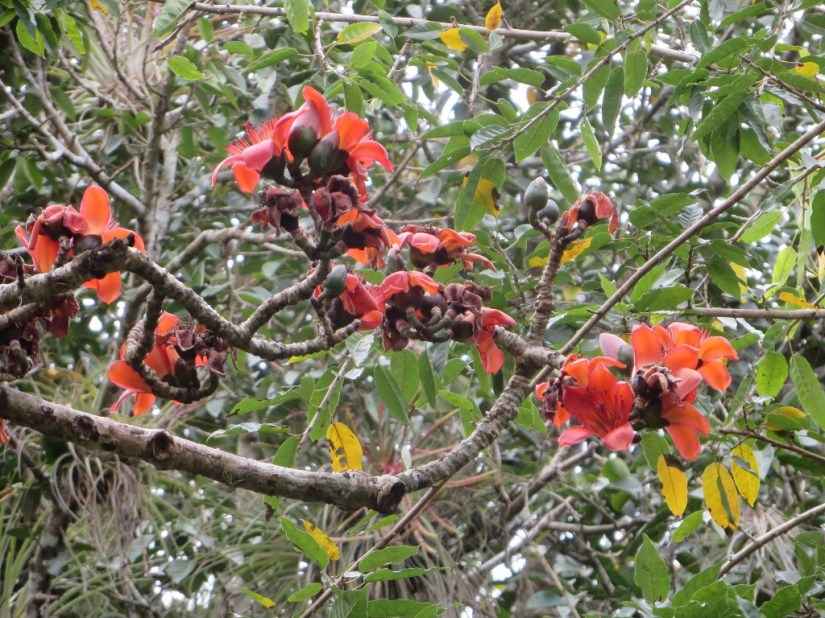
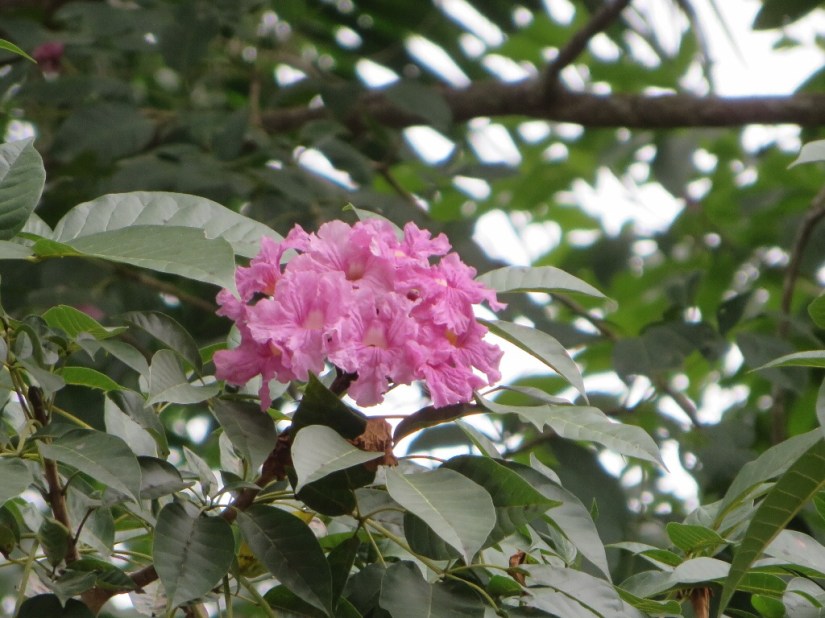
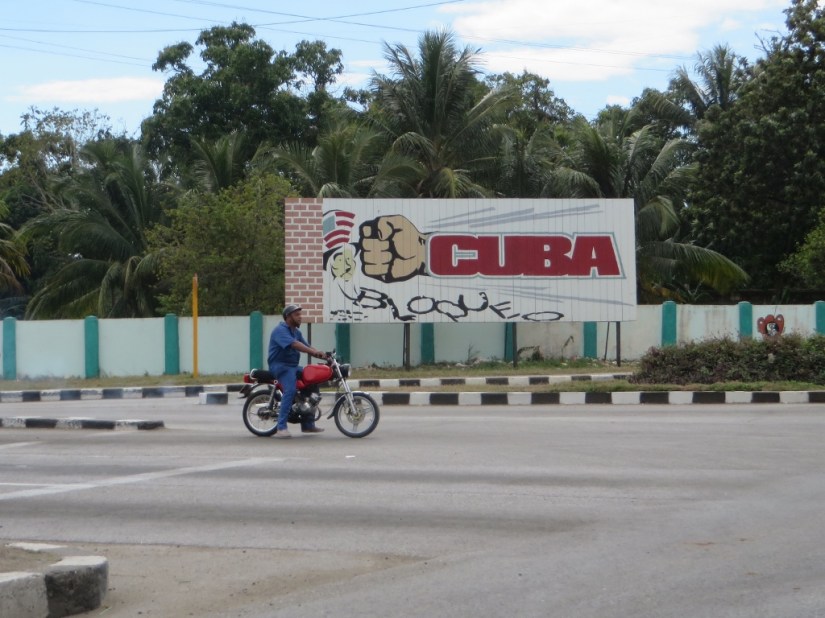
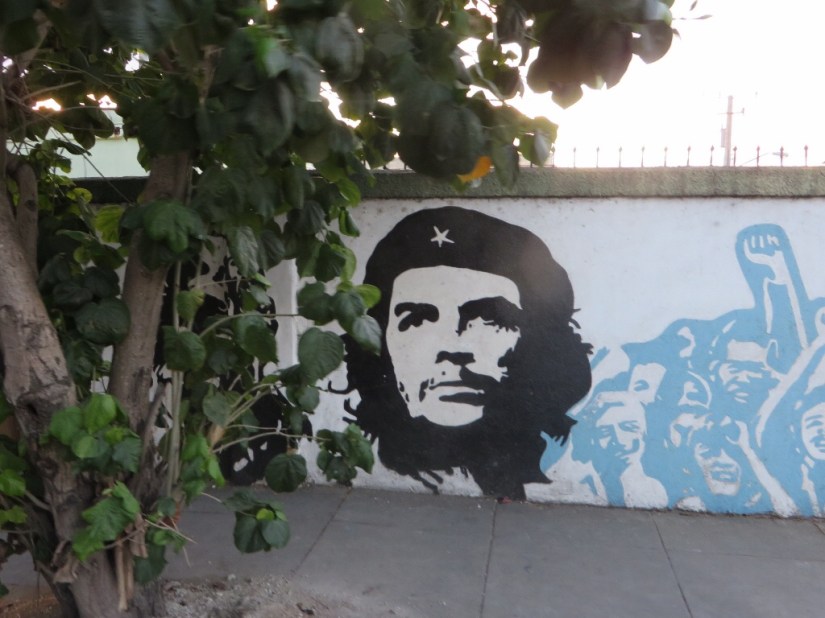
 While out and about, we’ve come across quite a lot of revolution propaganda which is unlikely to be around for much longer … but what we haven’t seen is any product advertising for anything, which is quite refreshing.


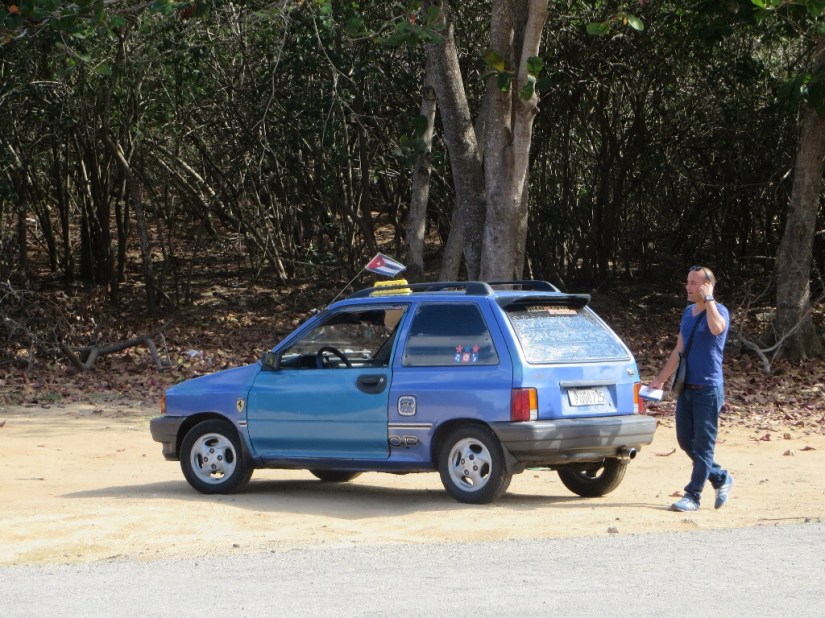
 Finally, we spent a day at Playa Rancho Luna, just 20 minutes away. We aren’t quite sure how the taxi lottery works but today we won a souped up Kia which had a speedo that remained on zero … whatever the speed! The beach wasn’t huge and we began by being concerned that it was a bit overcast, but the sun was so hot when it was out, it was probably a good thing! We had a walk and admired the Sierra del Escambray mountains …


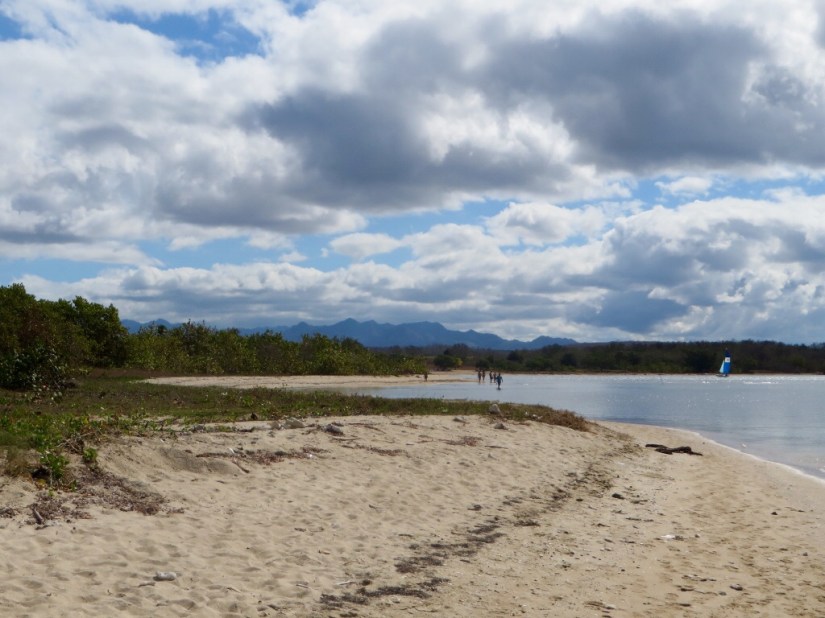
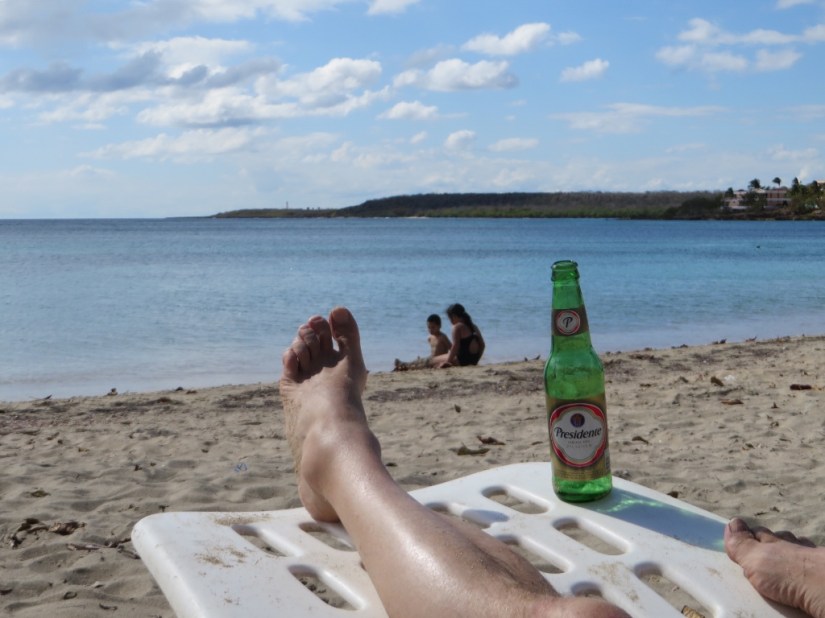
… lay on the beach watching the people going by and the children playing, had a swim and a beer and it was time to go!

We didn’t have time to visit is Santa Clara an hour away, the final resting place of Che Guevara, a much-loved hero of the 1958 revolution. It was a toss up between all we have seen here and a memorial and museum … and El Che didn’t win!
Just to let you know we have tried to log on to the wifi in the plaza several times, using up a whole hour of credit with nothing to show for it, so will wait and see if we have more joy in Trinidad. Would be nice to let Joanna know we are here and Chris is itching to know how by many goals Liverpool beat Chelsea …!
Must also mention the food as we had another great meal at the casa and also had dinner at a couple of paladars, the first called Las Mamparas, located in house just like Olga’s, where we both had fabulous paella and beer for CUC$15. On our last evening we returned, by horse-drawn cart, to the roof bar of the Palacio de Valle for sunset and a mojito, then went on to the Finca del Mar for dinner, which was actually more like a regular restaurant than a paladar.


We had stuffed peppers, a chickpea dish, some fried fish for me, rice, beans in a soup and salad with a bottle of Chilean Merlot which was all very lovely, together with twinkly lights in a courtyard and a fountain! All in all a lovely end to our time in Cienfuegos, as tomorrow we move on.

 We took a quick turn round the block to stretch our legs and the evening was positively balmy after England. We returned for a home cooked dinner of pumpkin and eggs for Chris and marinated and grilled pork for me, served with salad and plantain fritters called tostones. We also had beans and rice called moros y cristianos – the black bean for the Moors and the white rice for the Christians and washed it all down with a beer. After our long day, we called it a night and dropped off to sleep listening to live music coming from the bar over the road.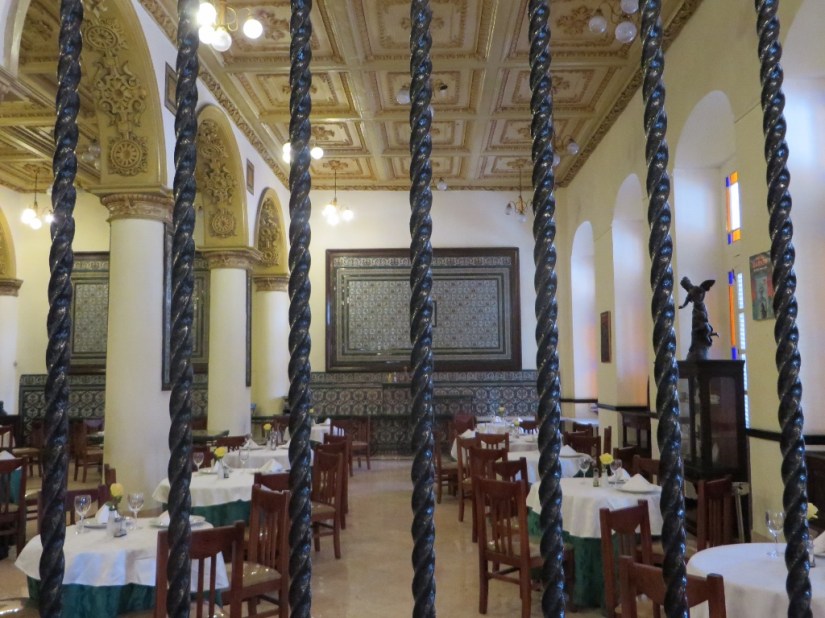
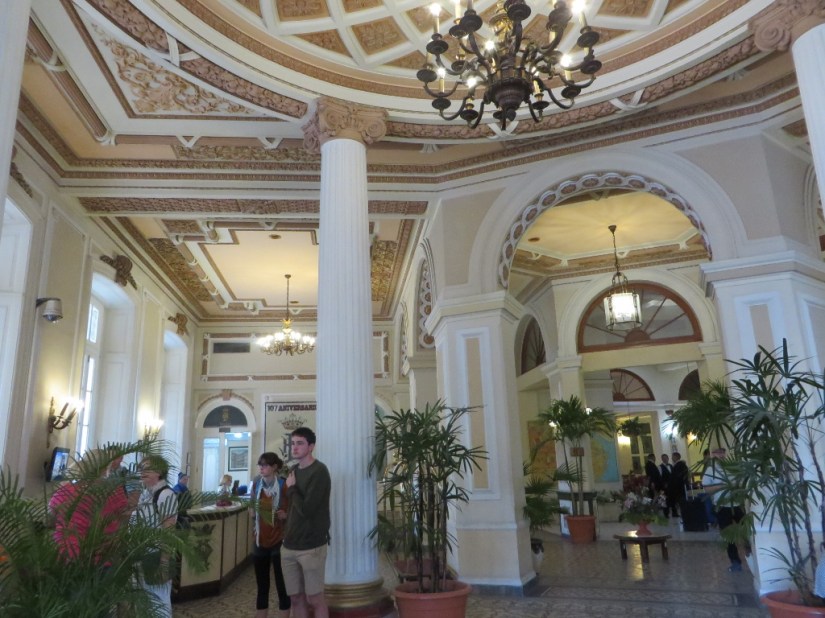


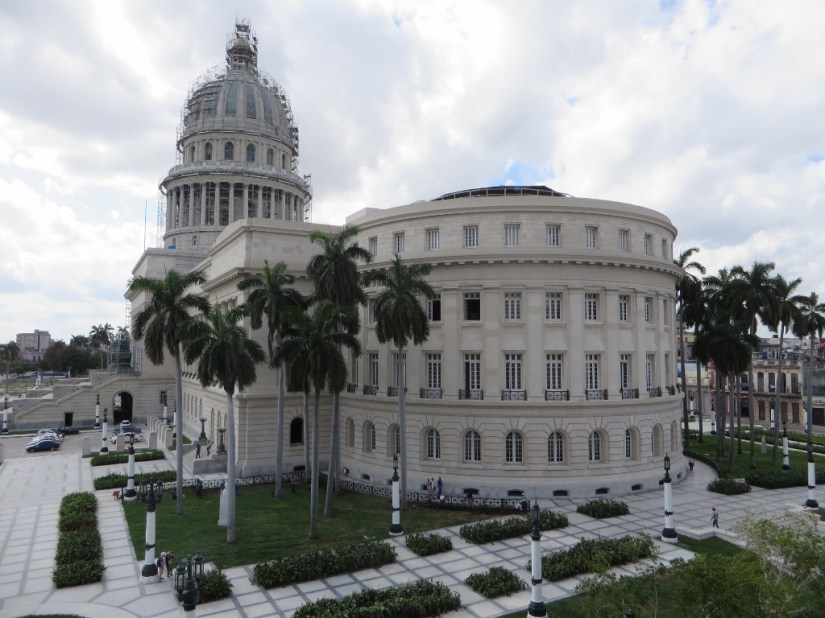

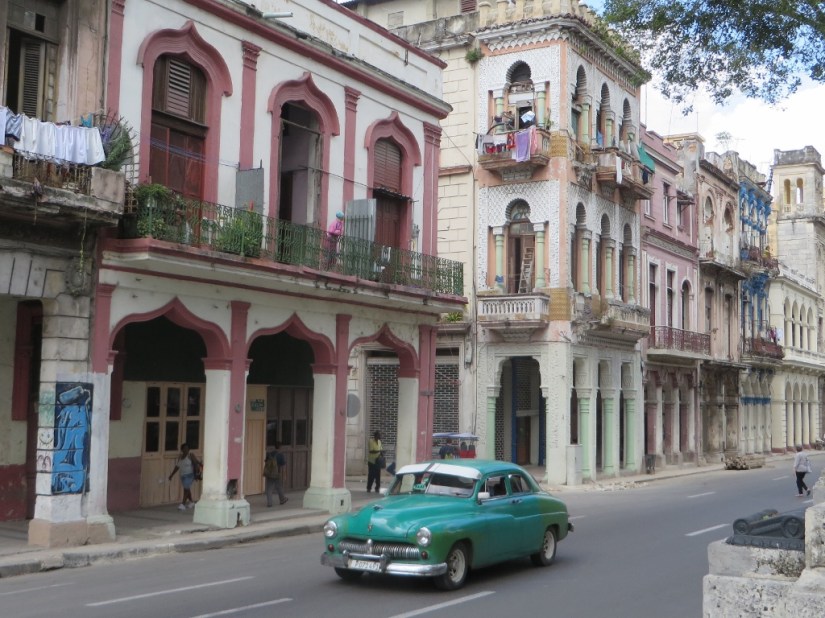

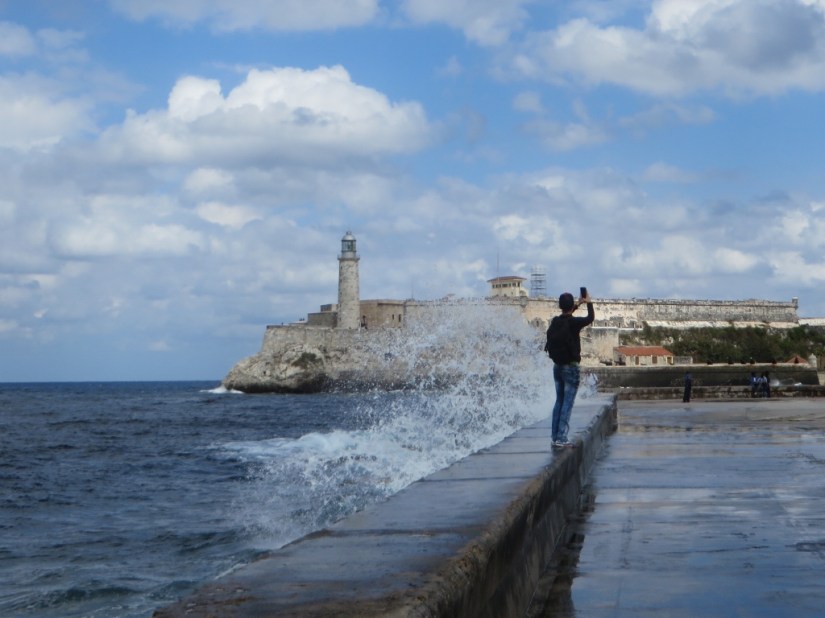
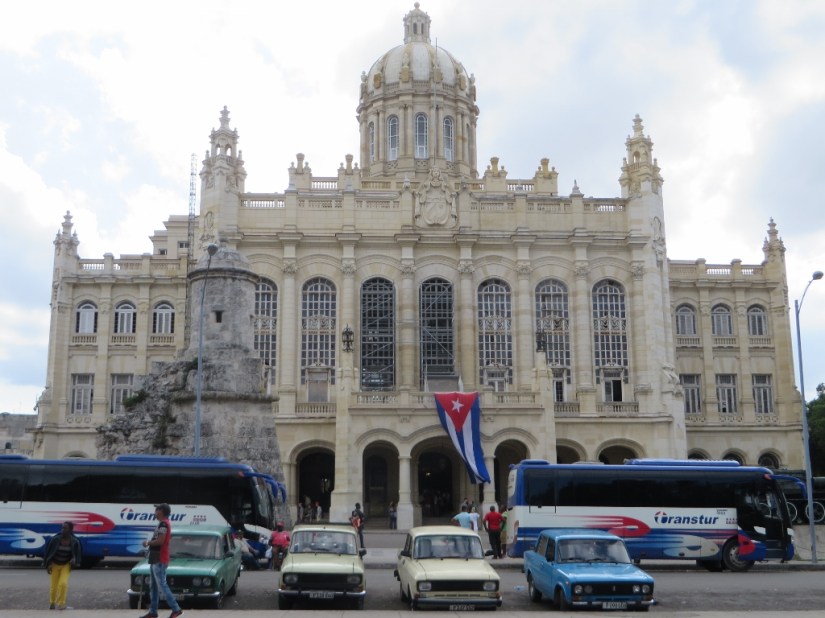
 We walked round the displays which were almost entirely in Spanish, with the odd caption in English. There was one small part about the reforms made after the revolution which looked like it had been newly curated and was ok, but for the rest, there were a lot of black and white photos of men in fatigues with guns, battle plans and various personal bits and pieces. There are still sprays of bullet holes in the courtyard …

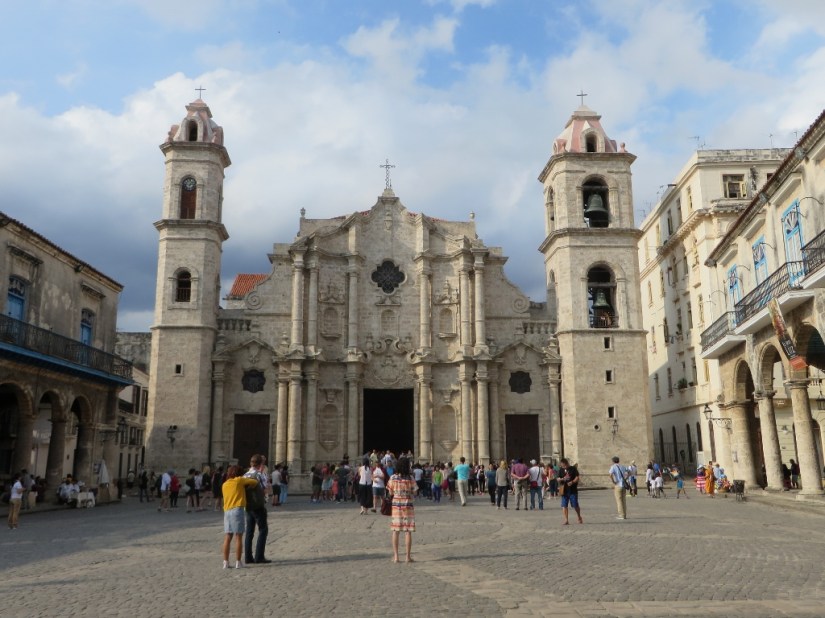


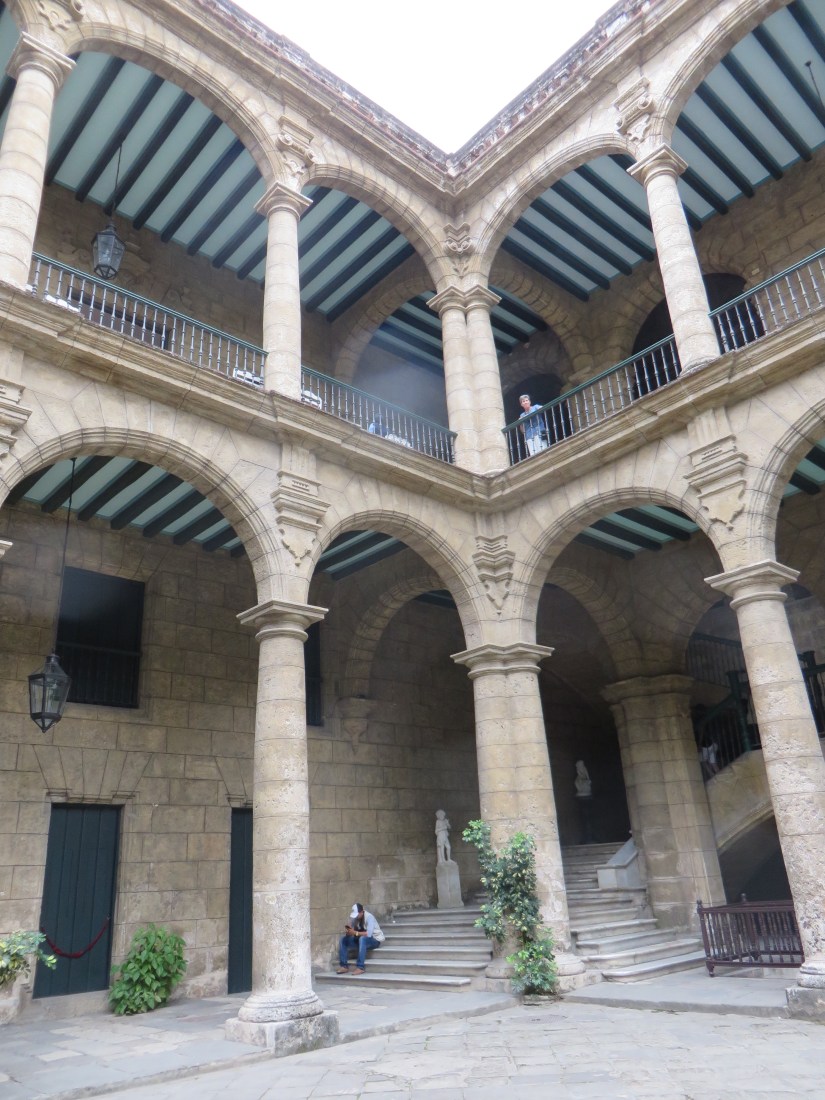
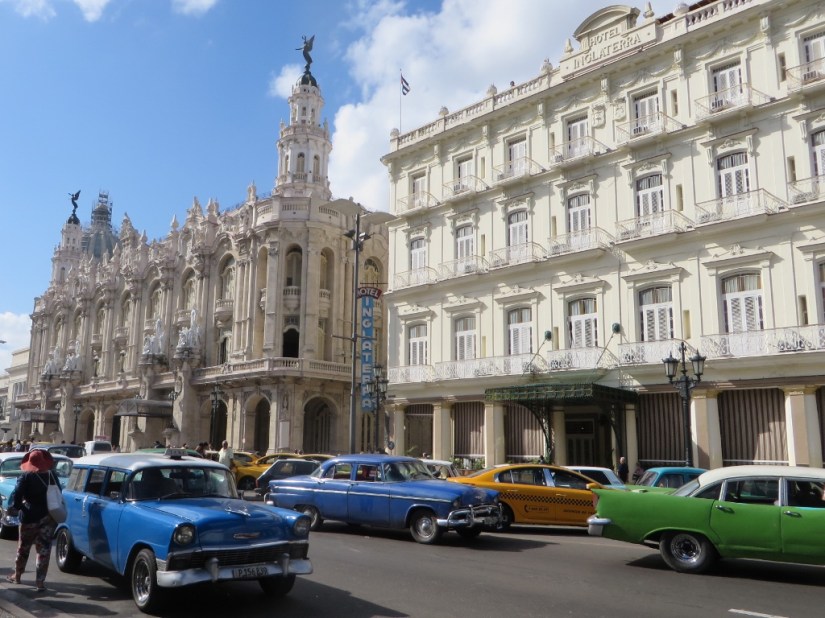
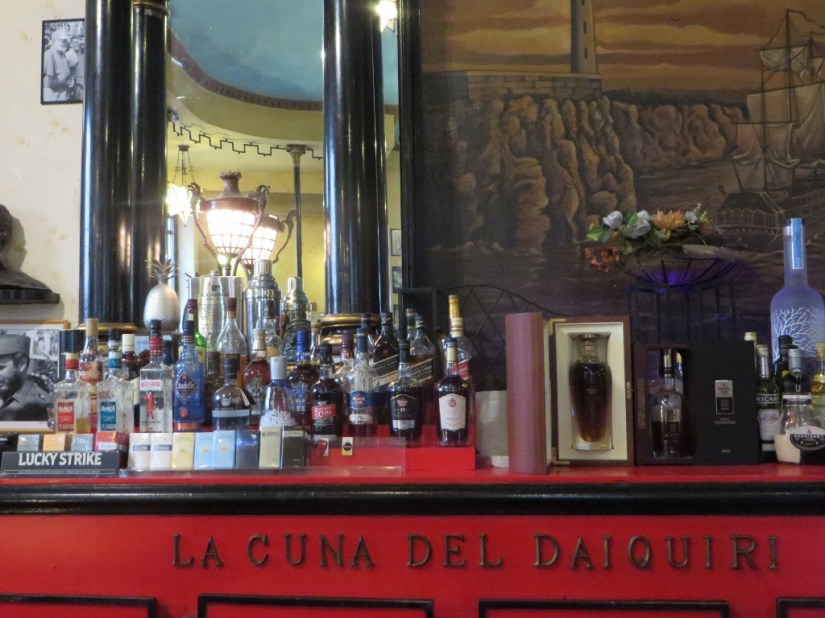
 We decided we had walked far enough and since we were conveniently passing El Floridita, home of the Cuban daiquiri and famous Hemingway haunt, we thought we’d try one out.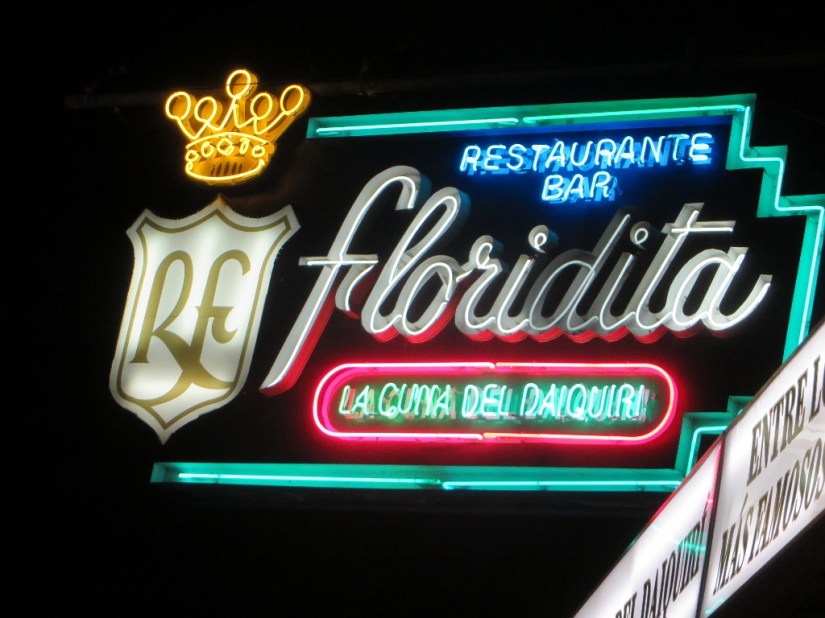


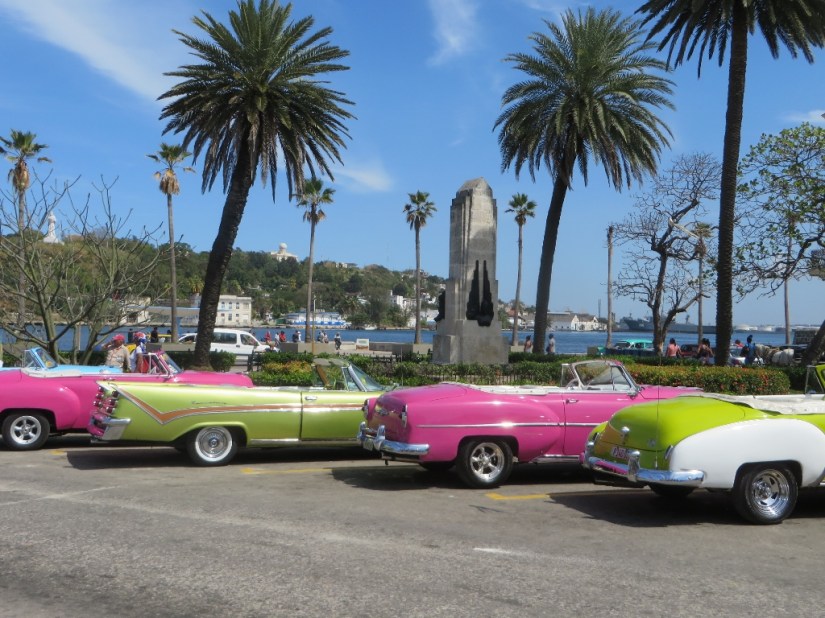 Everybody’s talking about visiting Cuba now, while it is still possible to step back in time to see the faded glamour of pre-revolution Havana and an island where little has changed since Castro swept to power in 1959. Reforms brought in by Raul Castro when he became president in 2008 and restoration of diplomatic ties with the US in 2015 mean times are definitely changing and we are eager to catch this moment before it passes and Cuba becomes modern and shiny like everywhere else.
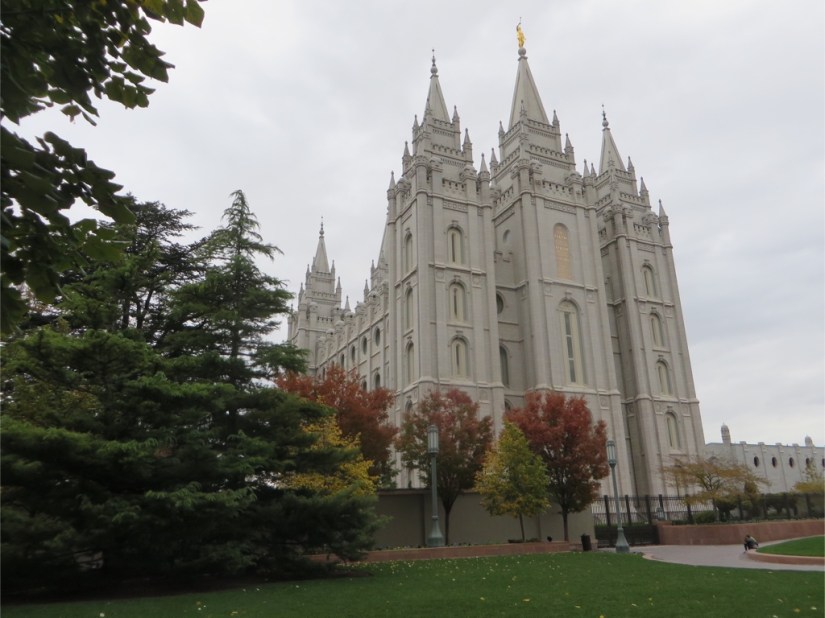 We stopped in Salt Lake City and headed to Temple Square, the headquarters of The Church of Jesus Christ of Latter-Day Saints or Mormons for a quick look. At the centre is the huge Salt Lake Temple begun in 1853 and built over 40 years by pioneers, which we found out more about in the visitor centre as we weren’t allowed in. There were also assembly buildings, a huge office block, a centre for family genealogy and a tabernacle where we heard an organ recital.

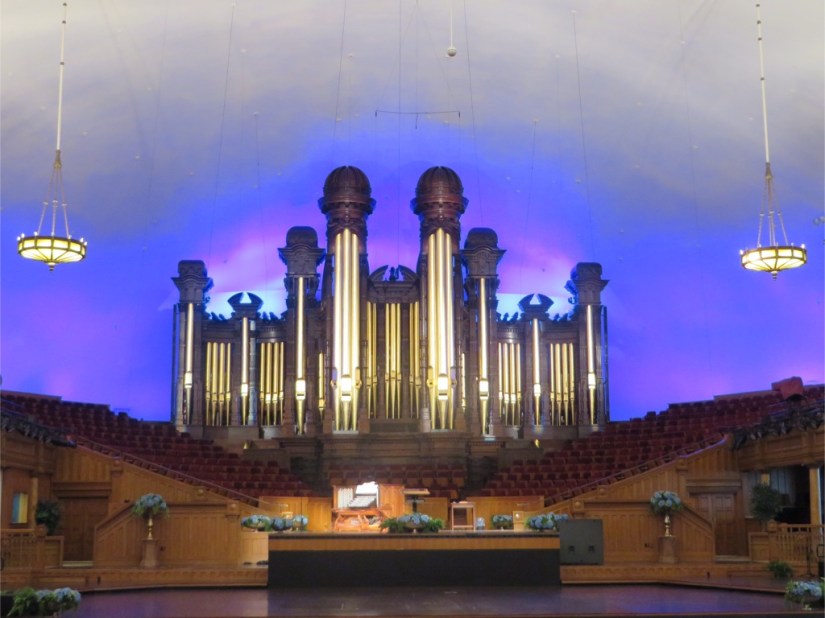
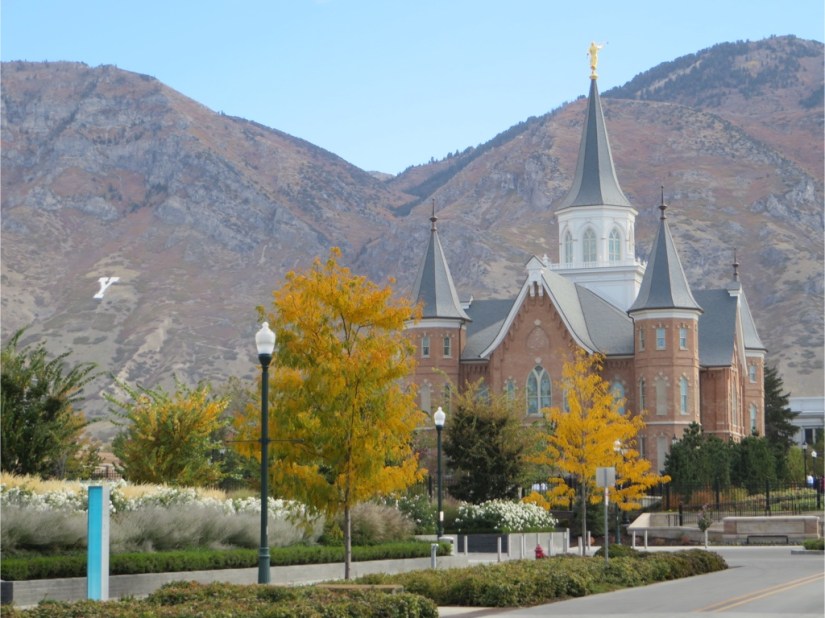
 Originally, our plan was to return to Salt Lake City have a look round, and celebrate our wedding anniversary with a boat trip on the Great Salt Lake. Our wedding reception was held on a boat on the Thames and we have celebrated on the water ever since … no craft too small! We then found out that water levels in the lake have been very low, especially at the end of the season so decided to come to Provo and booked a sunset cruise on a sailboat on Utah Lake instead. Just before we came away, we found out that Utah Lake was closed due to an algal bloom causing health risks … Hopefully all is not lost … read on …



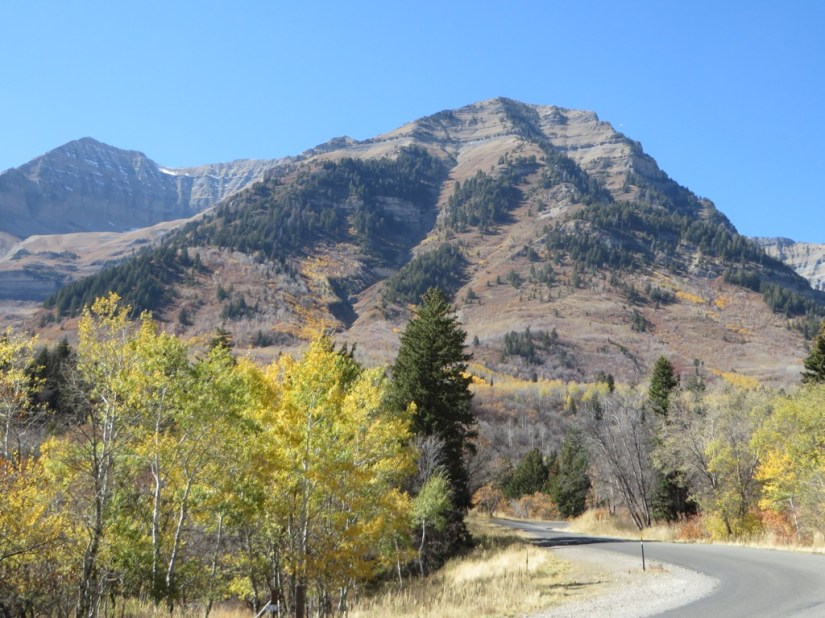
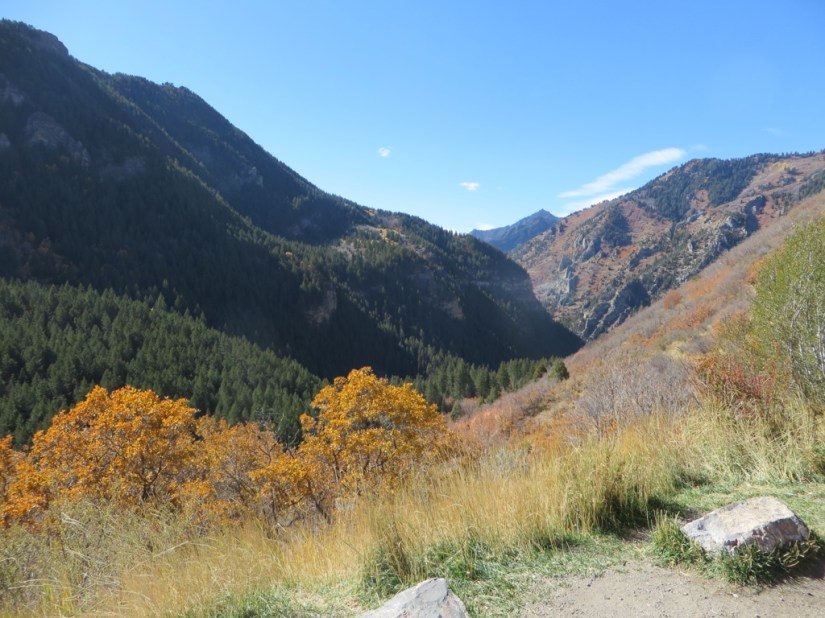
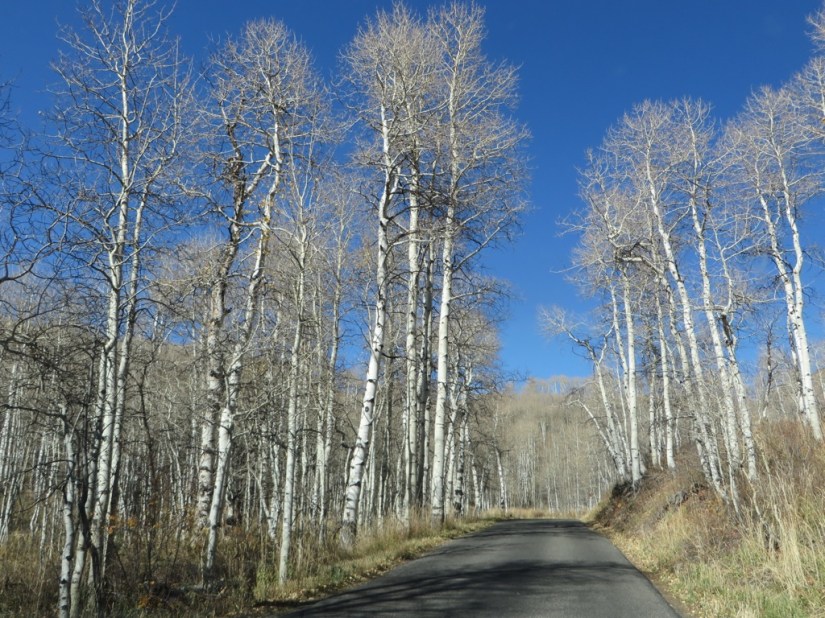


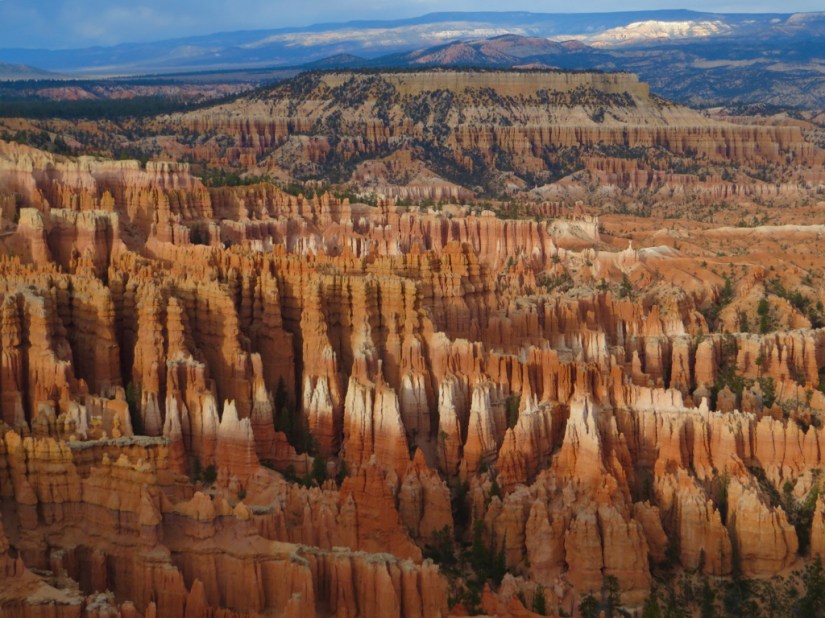 Heading north, we passed a sign that said Mystic River Zipline – 10 miles. After a while, I asked Chris what he thought about having a go, and he said it was 7 miles further! We stopped and were rigged out with harnesses and taken up the trail to the first tower with a 800ft line … it was great, really whizzy, and you twist round and see all the lovely autumn colour on the trees covering the hillside! The second tower had a pair of lines so we could race … although I think it was a dead heat … great fun!


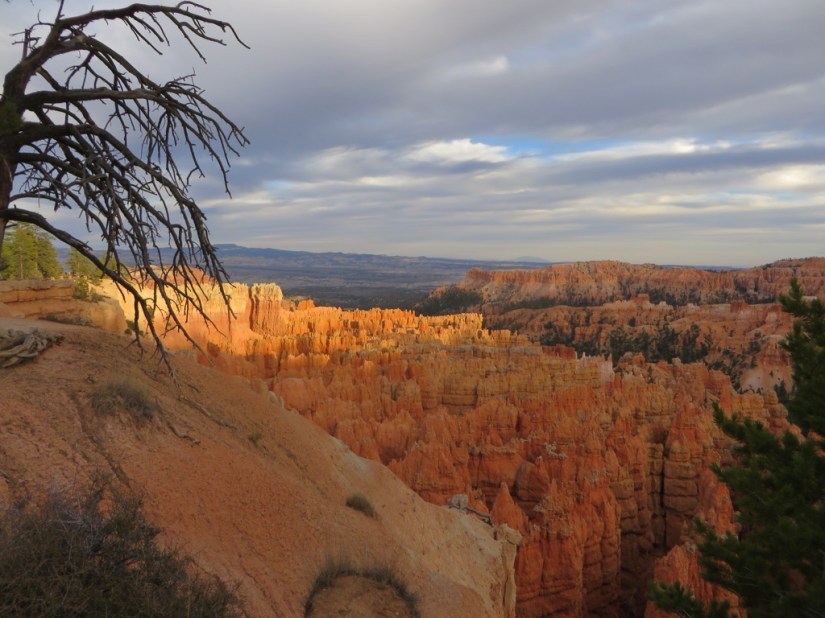


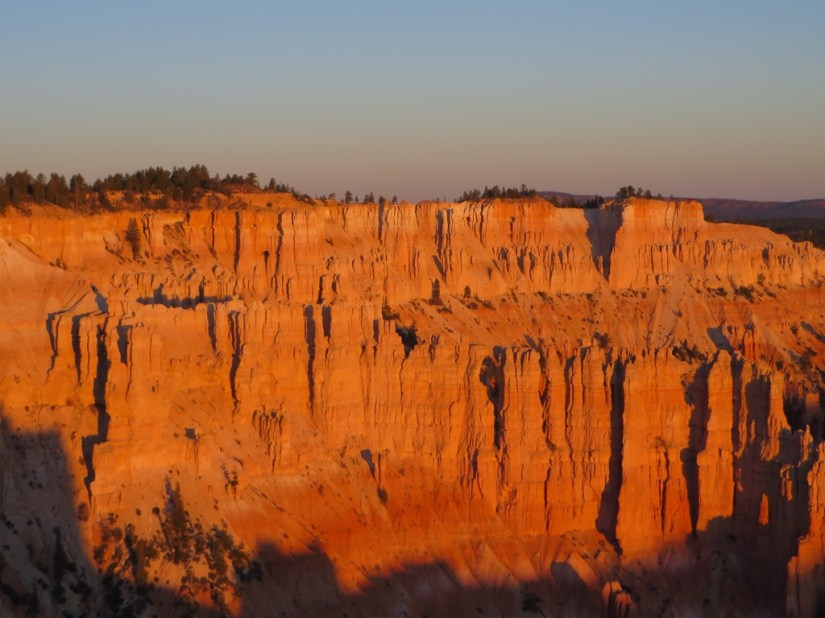


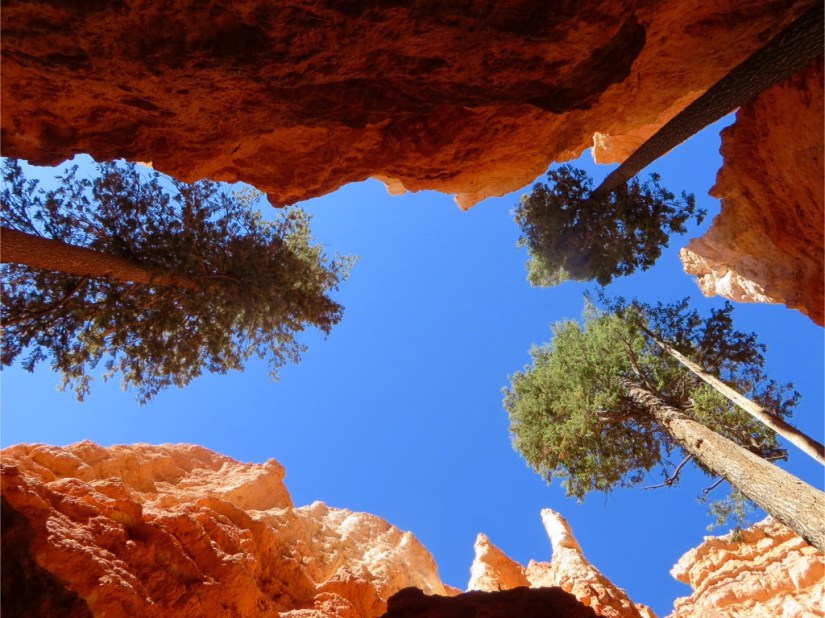


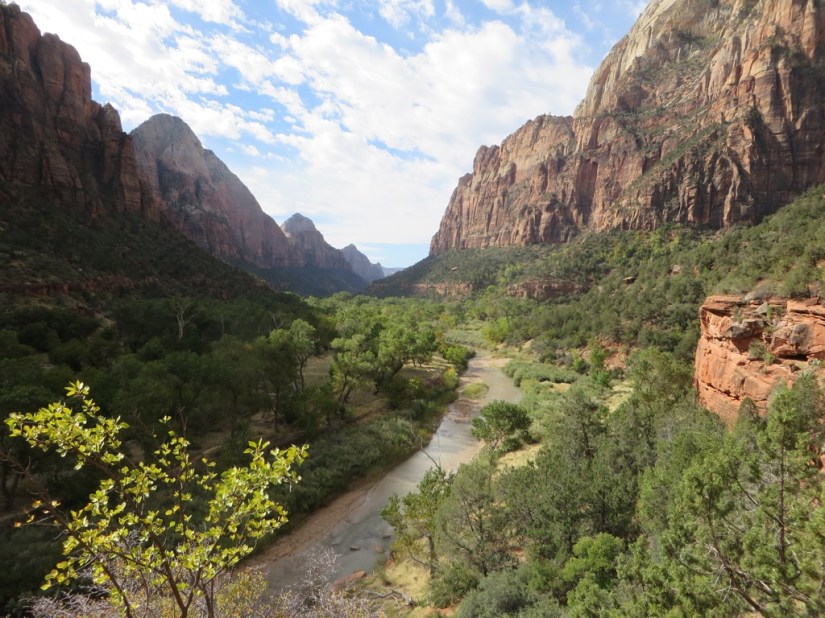 We drove a couple of hours to Springdale, pretty much three years and a week after our last visit, when we found out our planned Utah Trail was not going to go to plan! However it’s a great opportunity to return to Under the Eaves B&B and enjoy the warm Southwestern hospitality of our hosts Mark and Joe.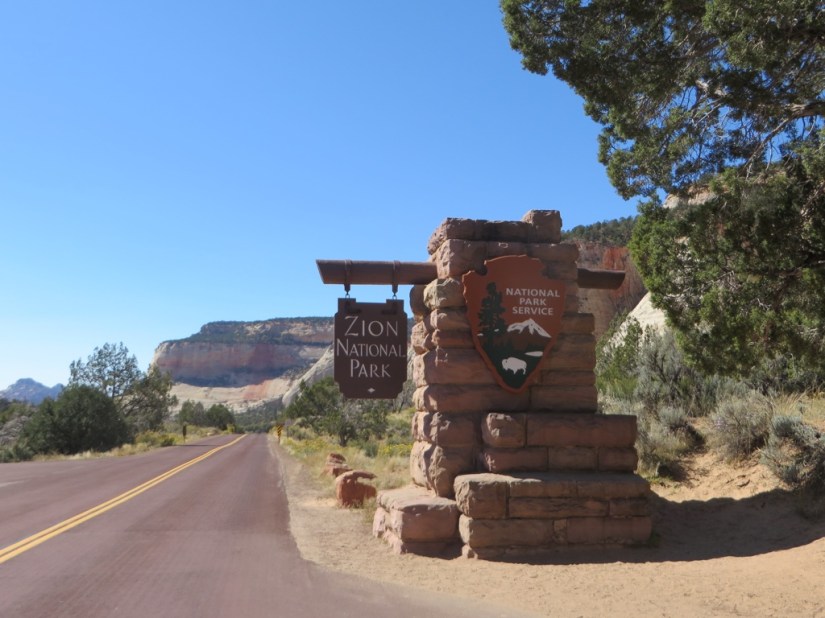
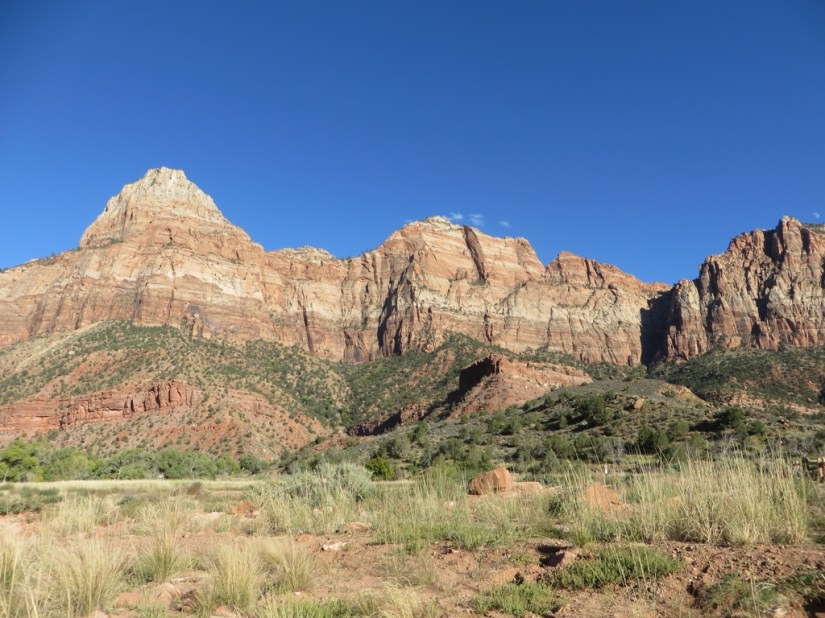


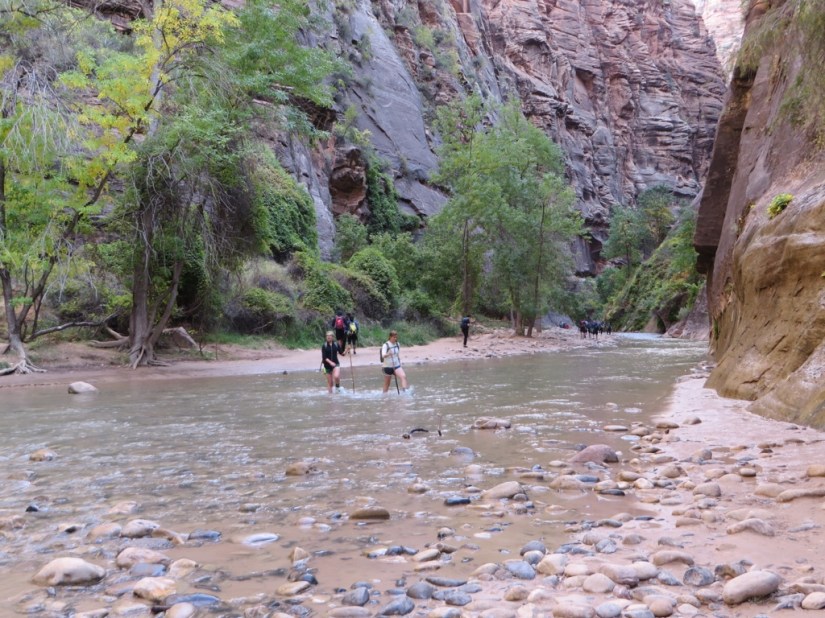


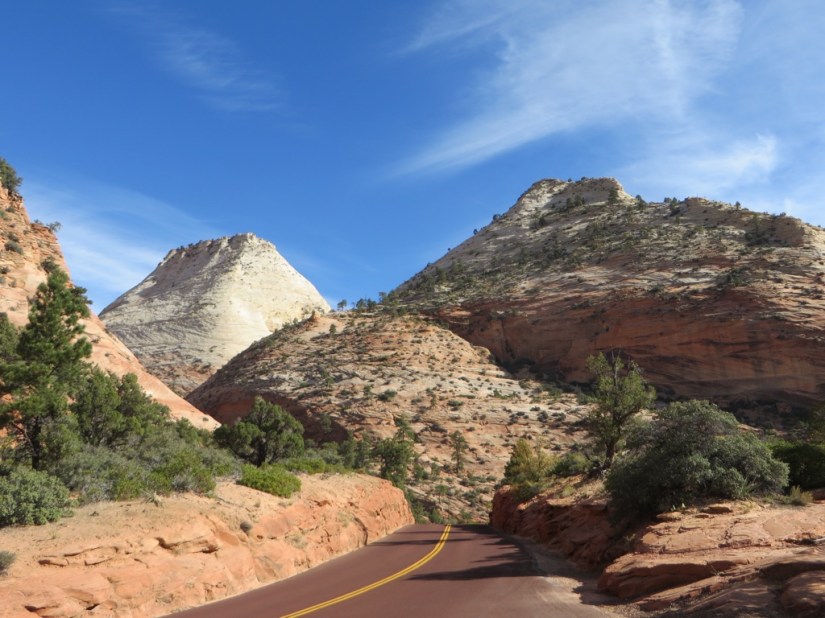


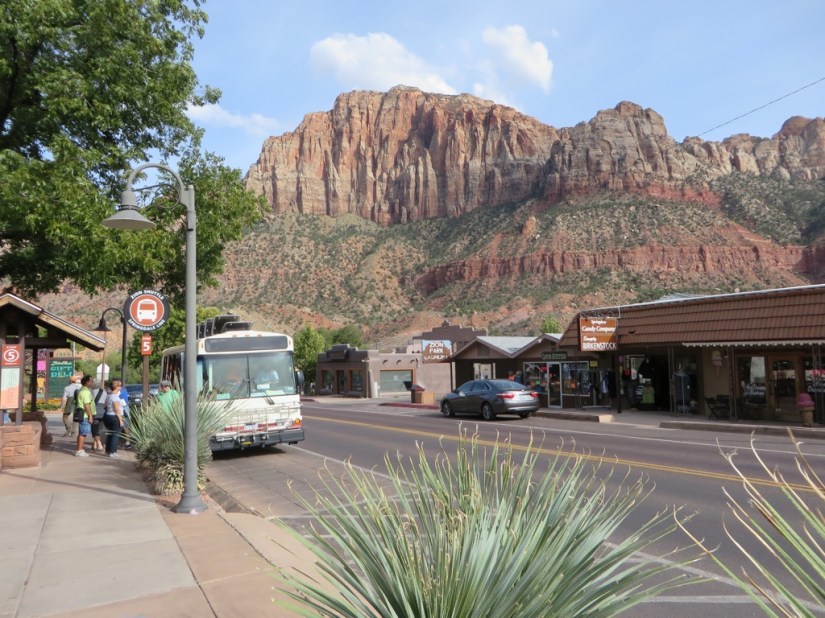
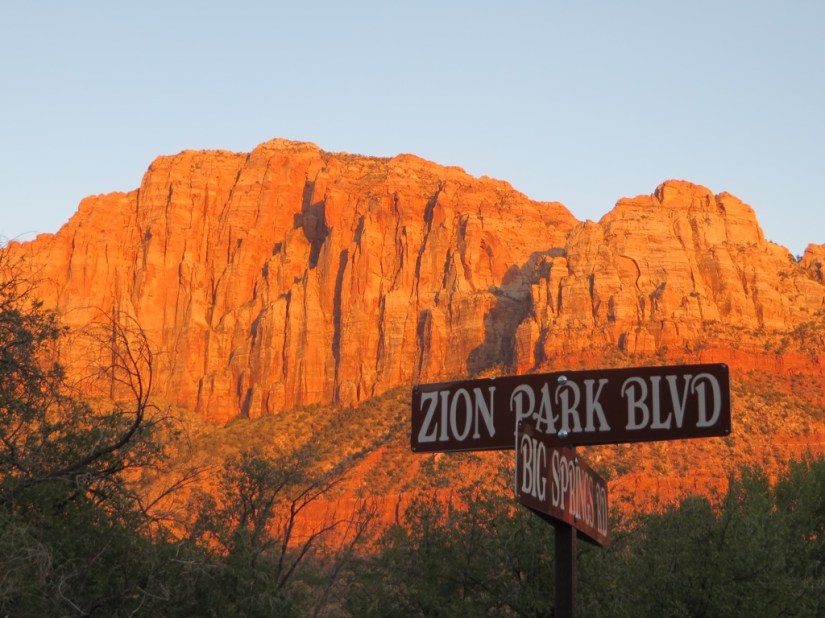


 Moving on, we drove a couple of hours north to Page. On our first trip, we had planned to visit the Grand Canyon and Page but when we rescheduled, we missed these places off with the canyon being closed and went further south to Phoenix and Sedona.


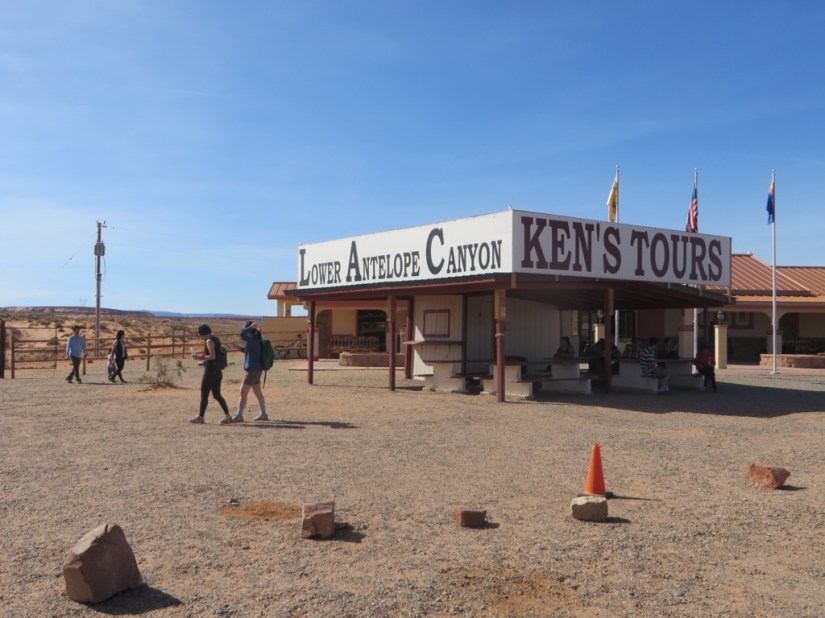



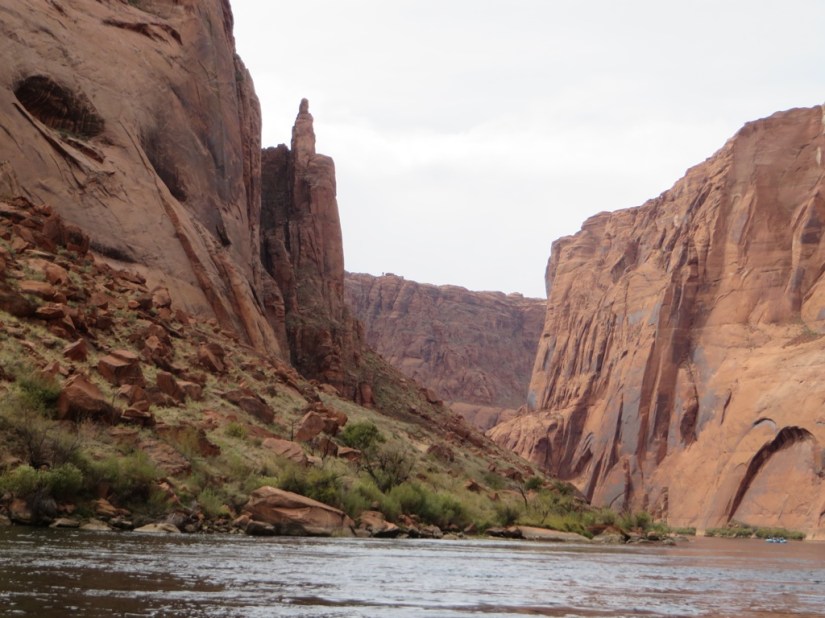


 Leaving Cortez, we deliberately picked Highway 163 so we could drive through the stunning Monument Valley once more.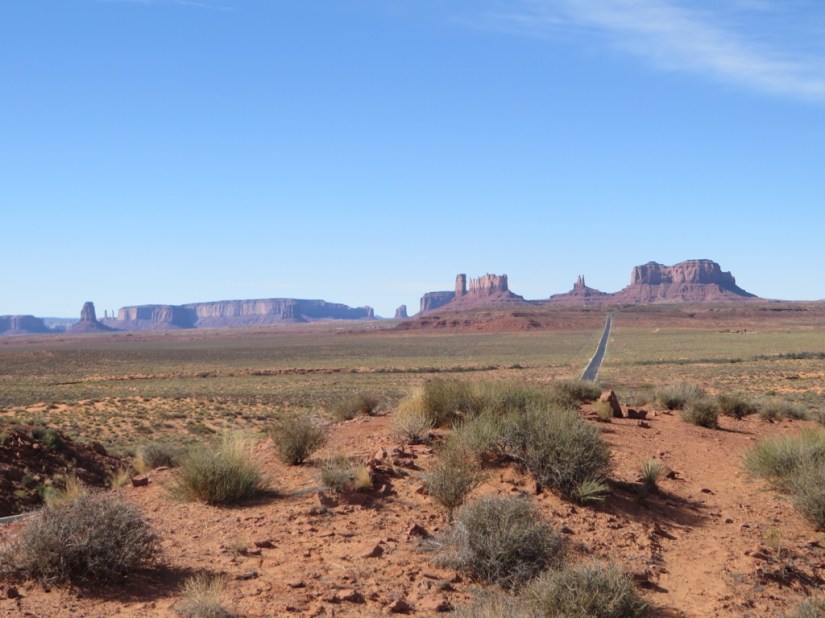
 Our drive also took us from Ute tribal lands, passed Hopi lands and across the Navejo Nation and into our sixth and final state – Arizona. We stopped for coffee at the Blue Coffee Pot and were surprised to be told ‘we were alright’ when we came to pay. Confused, we hovered, and a girl came over and said the coffee was on the house. Feeling surprised but a little uncomfortable we left money in the tip pot!


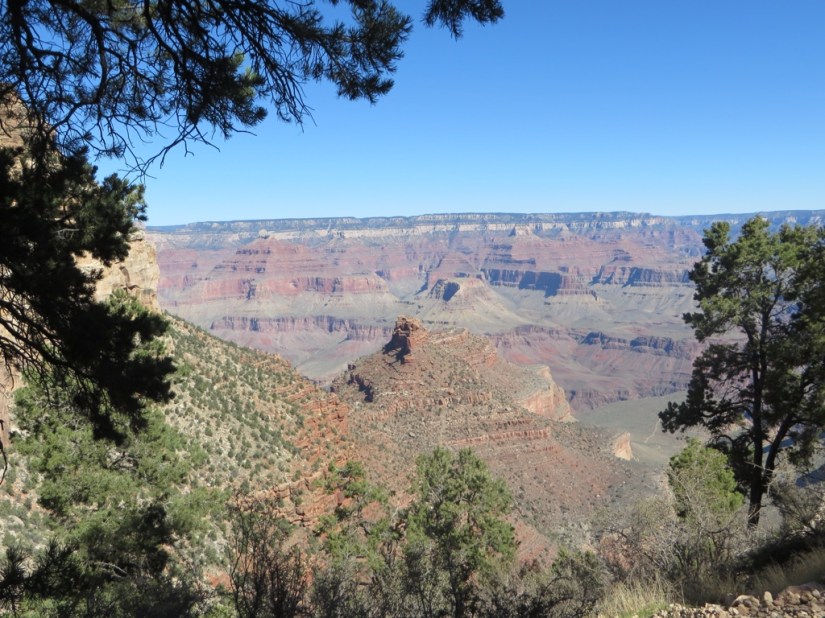


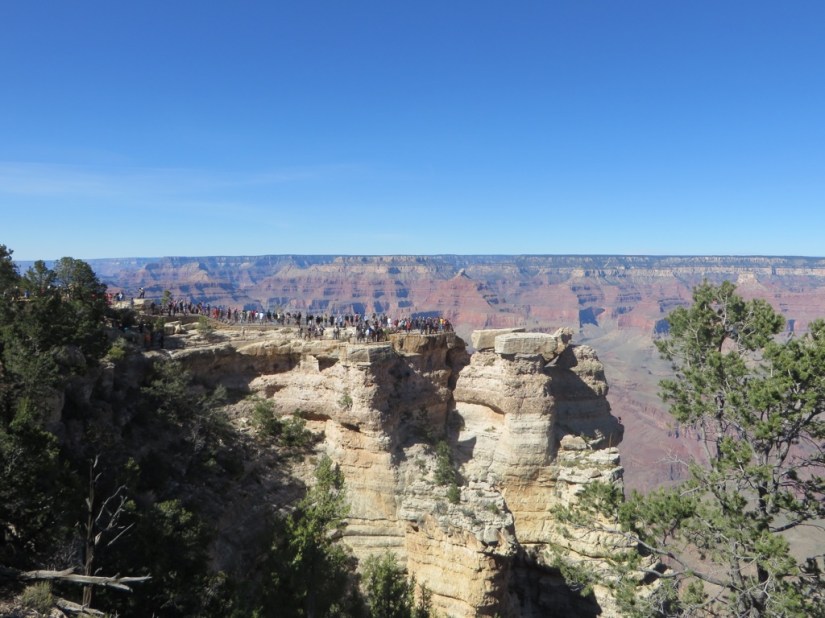


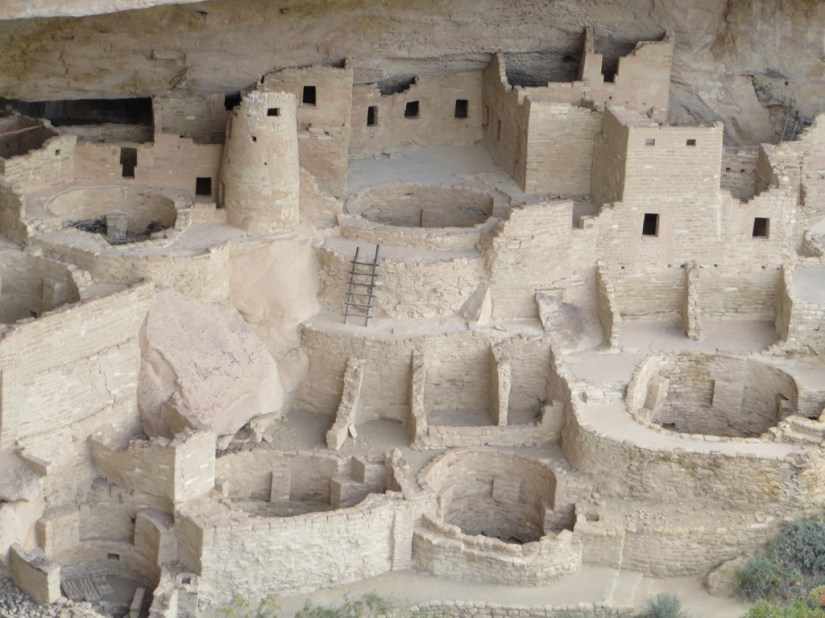
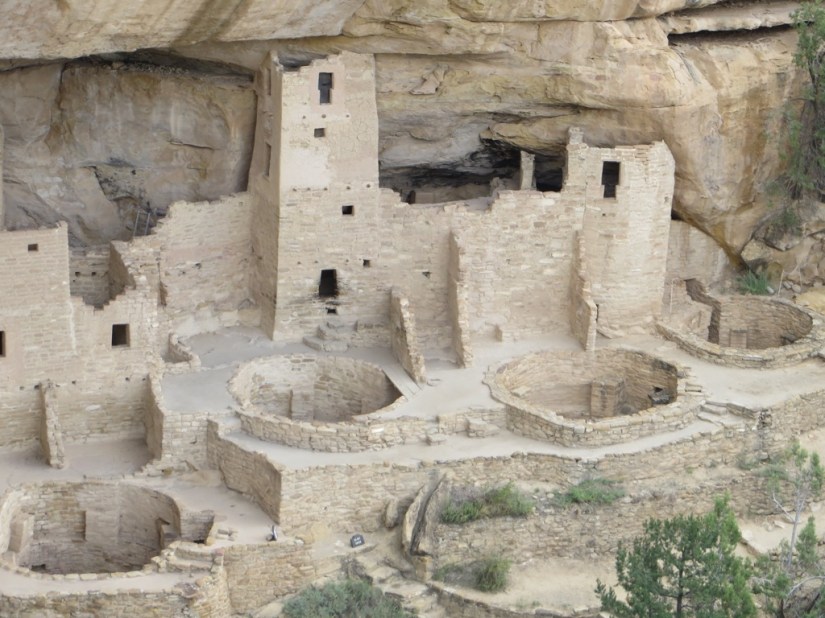
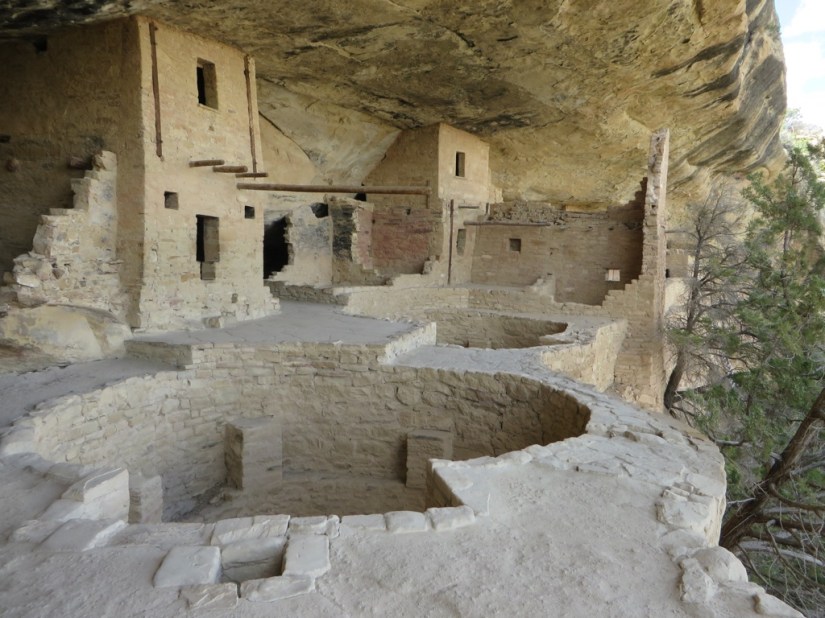
 The focus of the next few days is to find out about the Ancestral Pueblo people who started hunting and gathering in the south west 10,000 years ago, and later began to farm the area. Most of the surviving buildings in the area were built in the C13, and then everyone left.








 Off Travelling Together