
From humble beginnings as a trading post, Moscow’s strategic importance enabled it to blossom into an economic centre and become a regional capital early in the C13th. Then came the Golden Horde, an army of nomadic tribesmen led by the grandson of Genghis Khan, whose domination demanded tribute and allegiance. Muscovite officials became tax collectors for the Mongols, and Moscow slowly prospered both economically and politically, consolidating various Slav states. By 1480, Prince Ivan III’s army was strong enough to refuse to pay tribute any longer and the yoke was broken. Ivan III was crowned ‘Ruler of all Russia’, earning him the name Ivan the Great. His grandson, Ivan IV was crowned Tsar of all the Russias and was known as Grozny, which usually gets translated as Terrible, but Formidable is closer. While his military victories helped tranform Russia into a multiethnic state, medical treatments gradually sent him insane and the last years of his reign proved ruinous. Russia entered a period of anarchy, chaos and famine known in Russia as ‘The Time Of Troubles’ which were brought to an end by the beginning of the Romanov dynasty, but Moscow took a back seat when the capital moved to St Petersburg.

Moving on a century, Moscow was rebuilt following Tsar Alexander I’s victory over Napoleon complete with a Triumphal Arch and an economic boom changed the city’s fortunes. Almost a century more and revolution arrived. After the Bolshevik coup in 1917, Lenin moved the capital back to Moscow and the abdicated Tsar Nicholas II and his family were shot. A civil war between the Bolsheviks Red Army and the White Army continued for six years culminating in the formation of the USSR but this brought an economic crisis that took its toll on the city and also on Lenin who died in 1924.

Stalin manouvered himself into the top job, launching a reign of terror, with an industrialisation campaign, collectivisation of the countryside and a new urban plan for Moscow with historic buildings destroyed, broad thoroughfares built and the metro begun.

Stalin’s death brought Khrushchev then Brezhnev and the Cold War when the Soviet Union competed with the USA in the arms and space race. Gorbachev brought change with perestroika and glasnost and this eventually brought the end of the USSR in 1991.

Yeltsin was the first president of the Russian Federation, followed by Putin and during this time, Moscow has weathered economic crises and political transitions, and more recently a focus on making the city a better place to live so we are looking forward to our visit.


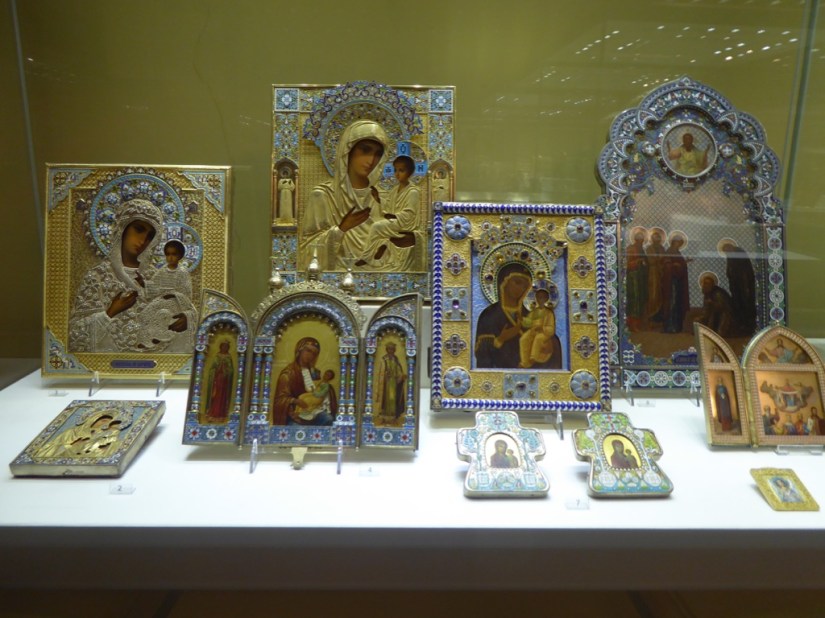
 Disappointed that we didn’t see the Russian Museum yesterday, we decided to make it our first stop today, stopping en route to get a picture of the Church of the Saviour on the Spilled Blood with blue sky for the top of the post! Focusing solely on Russian art, the collection begins with icons from C10th and here are a couple we liked best like including the Life of St George. Icons were first painted as a spiritual exercise for monks and to aid the veneration of the holy subjects they depict. Some believe they can bring luck or grant wishes. The latter icons have been influenced by European art and gain a naturalistic look and perspective like The Trinity.


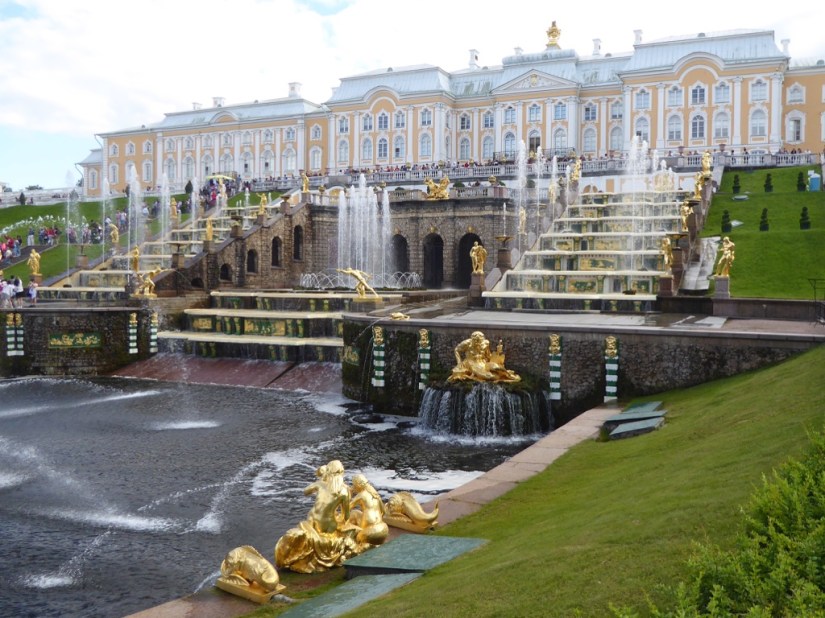


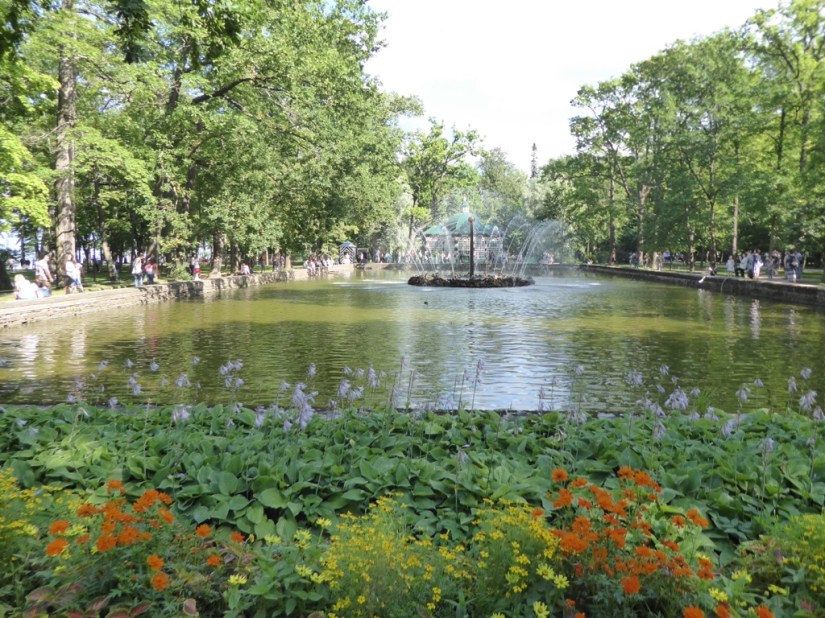
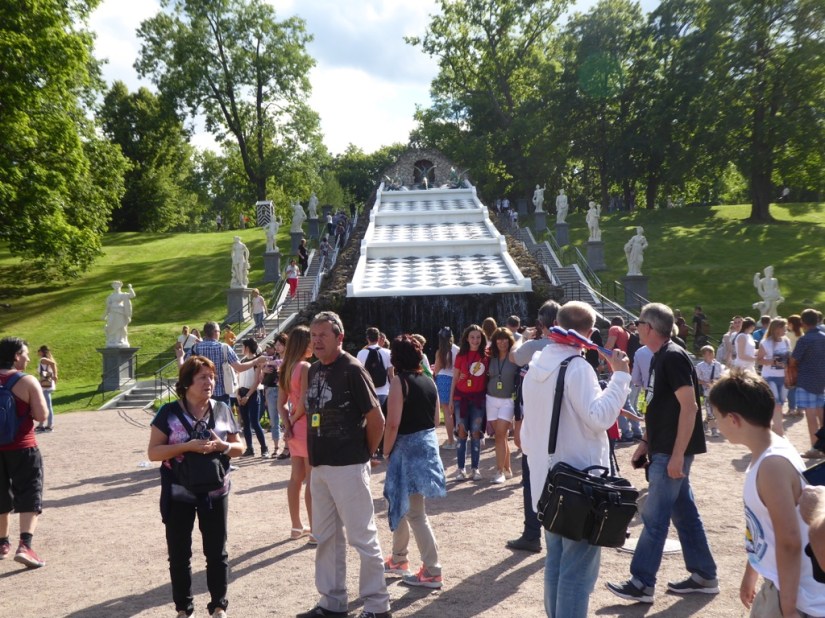


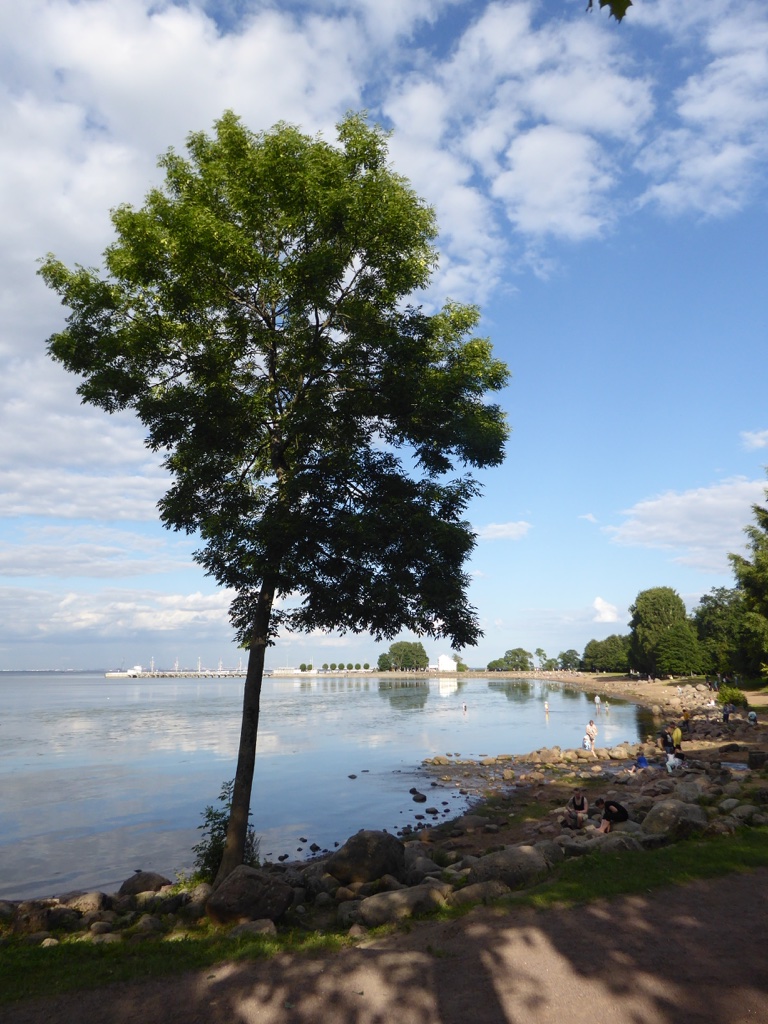









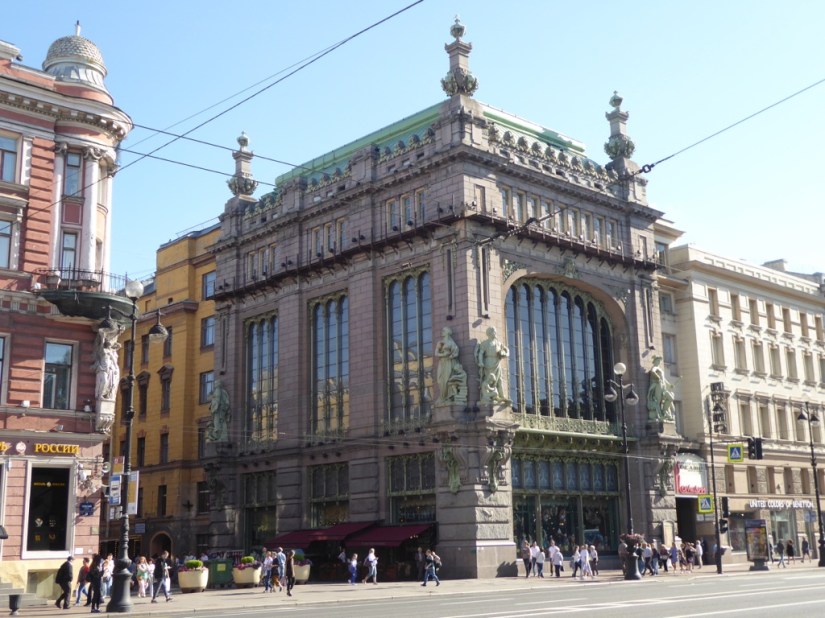




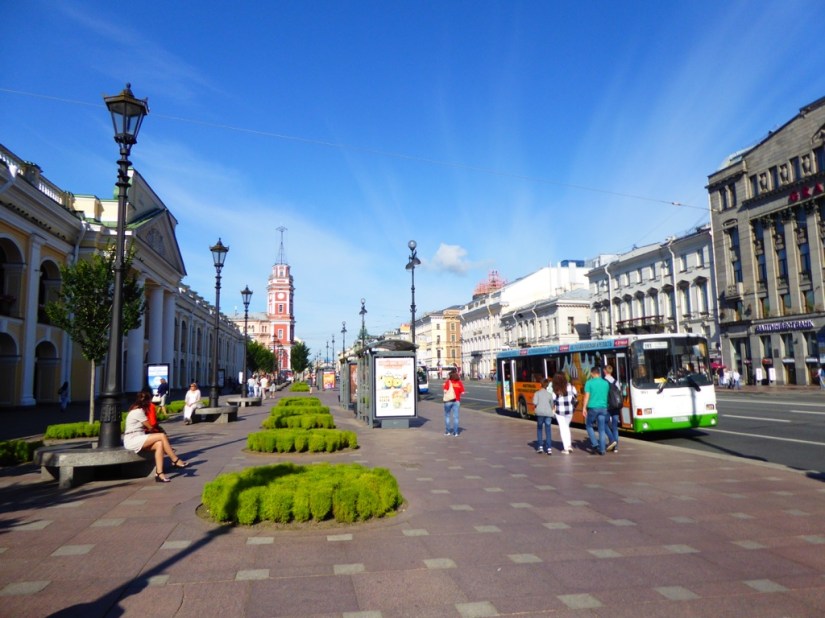

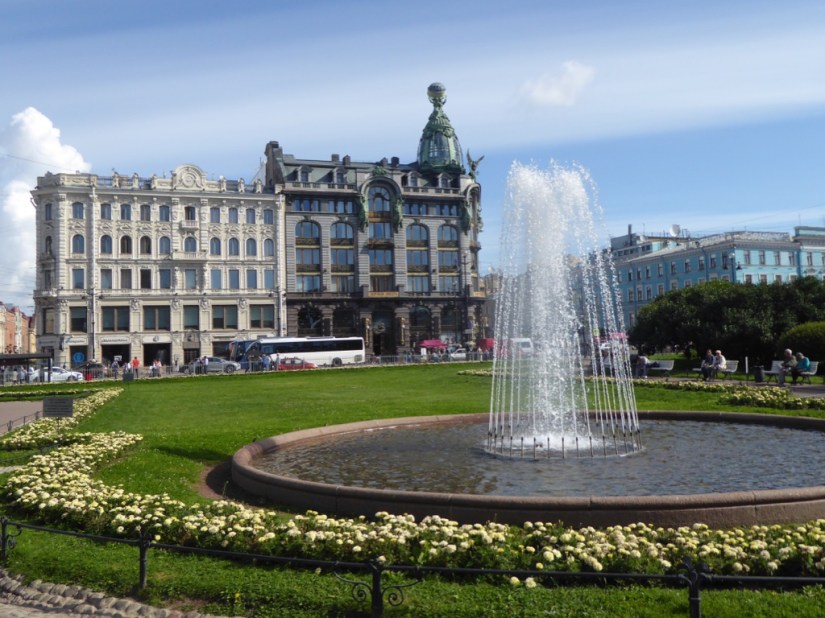


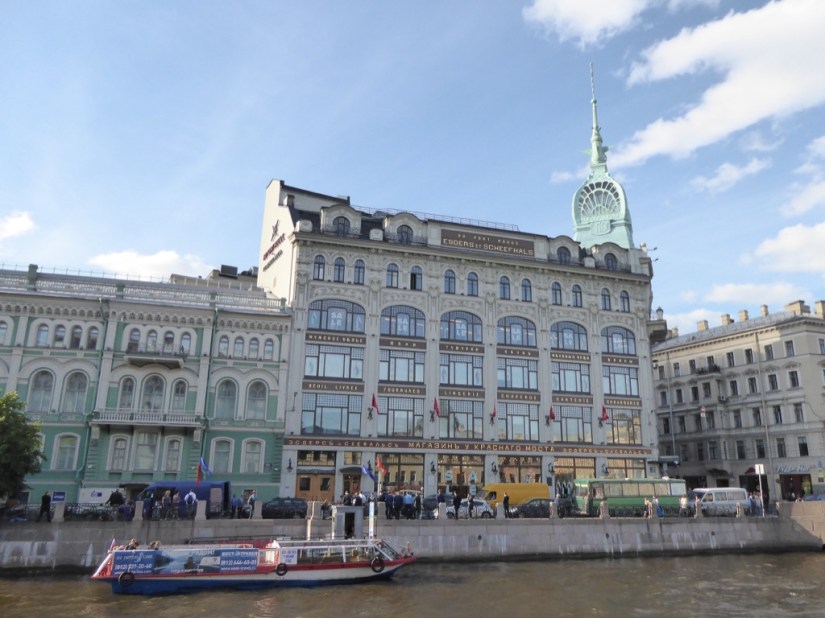


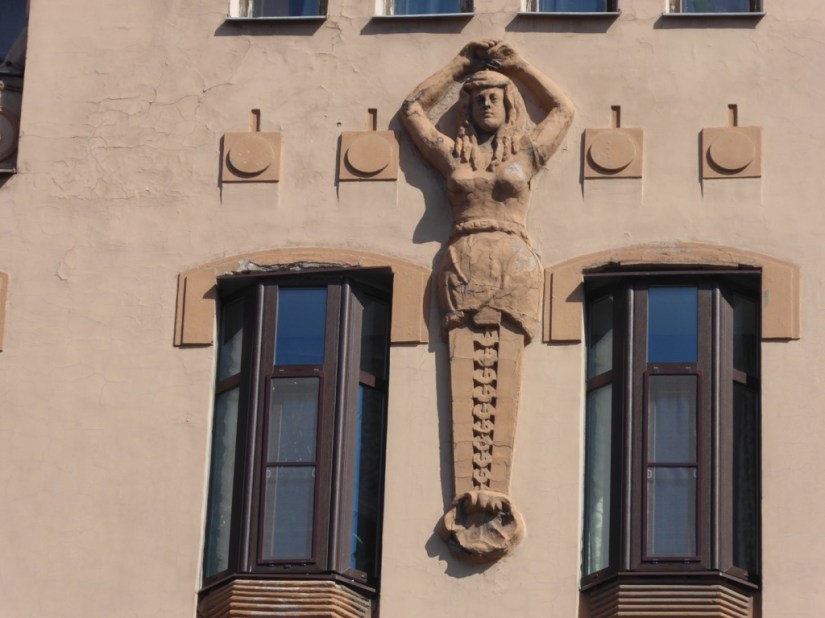


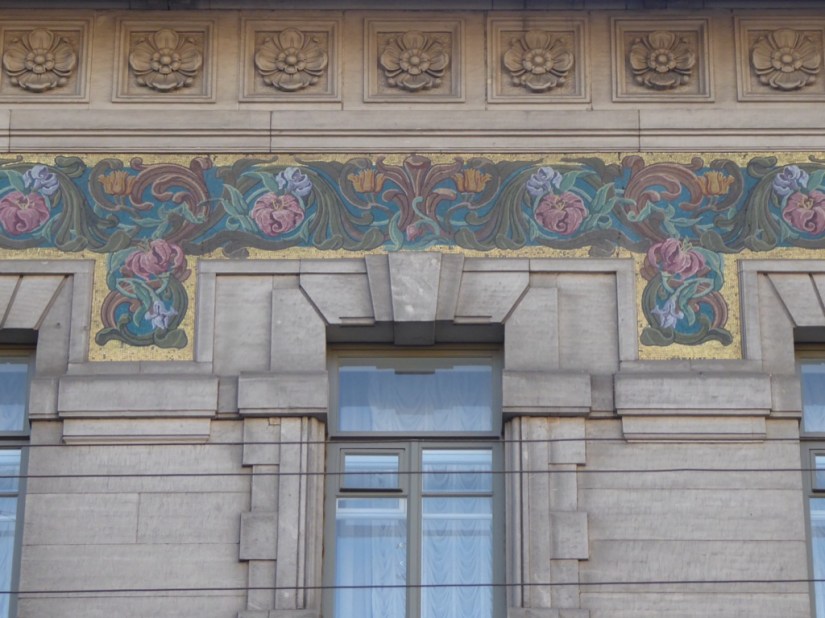 Back to our walk, Bankovsky most, billed as the prettiest bridge in town, unfortunately had its golden-winged griffins covered for restoration.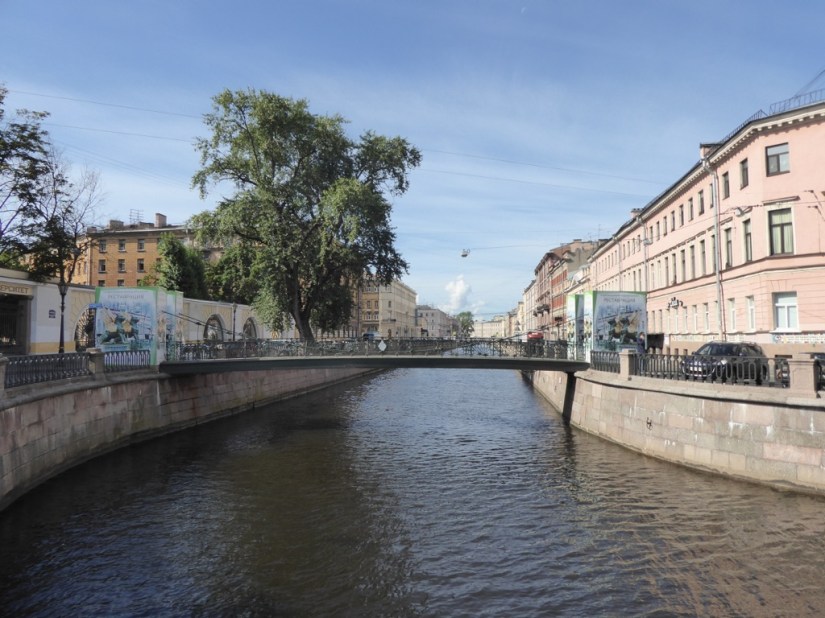



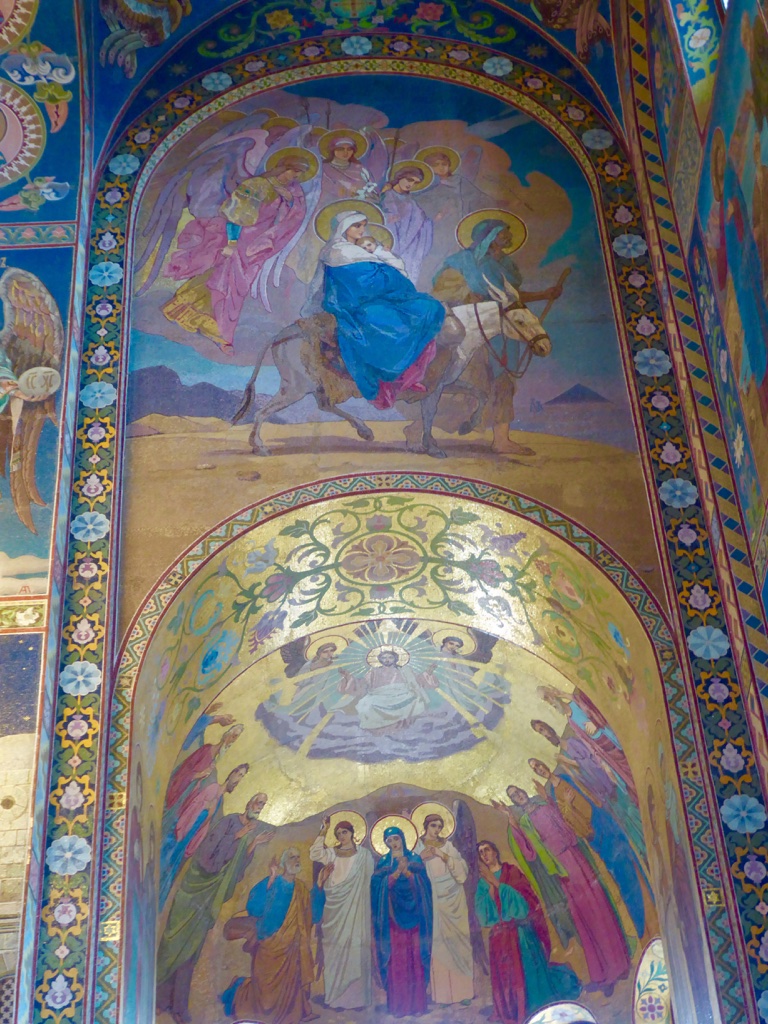


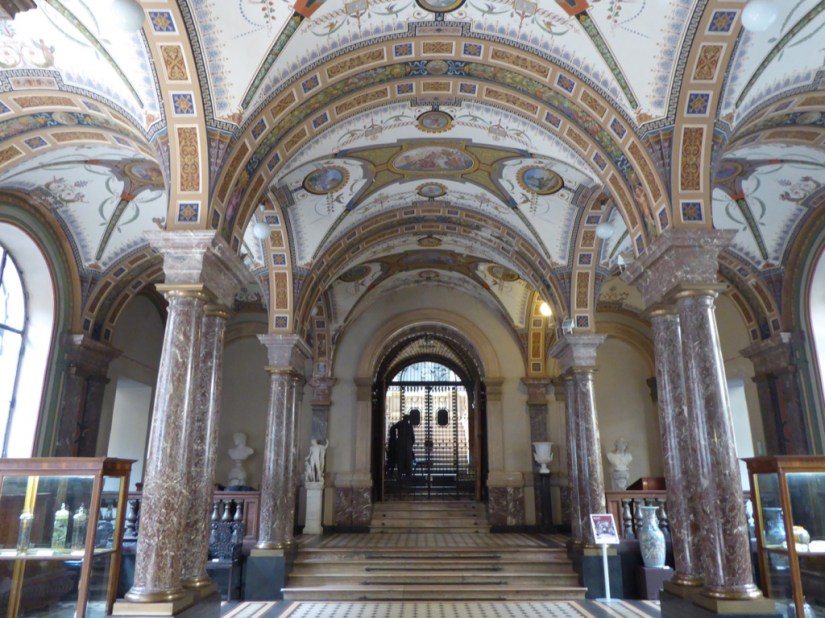
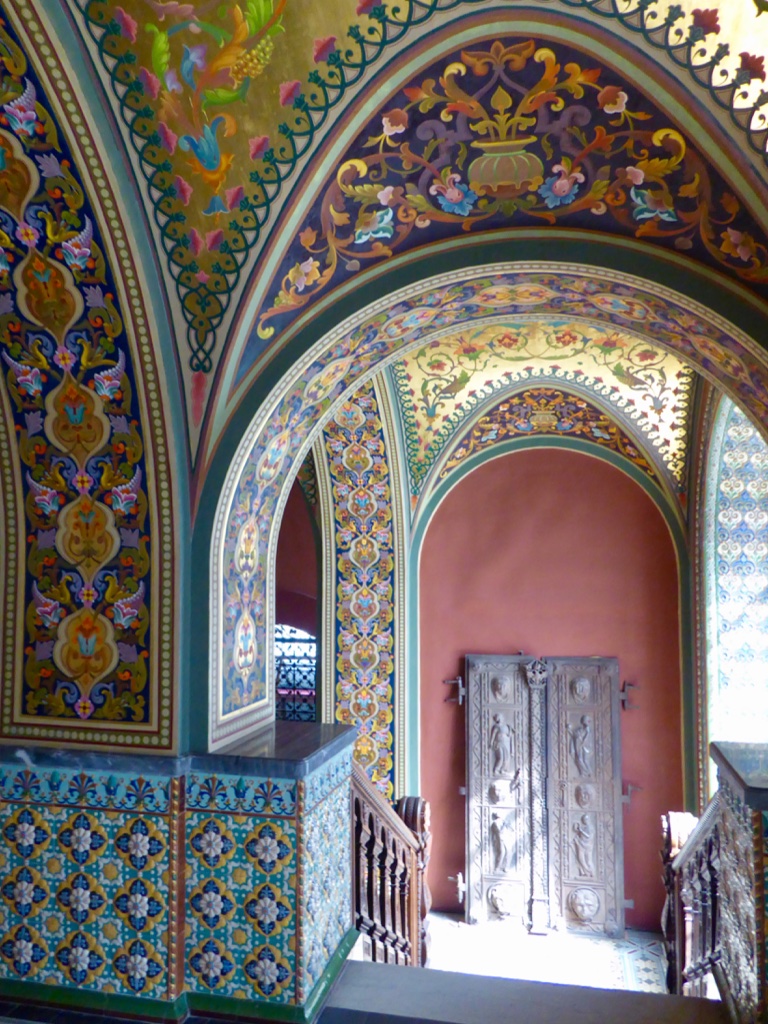


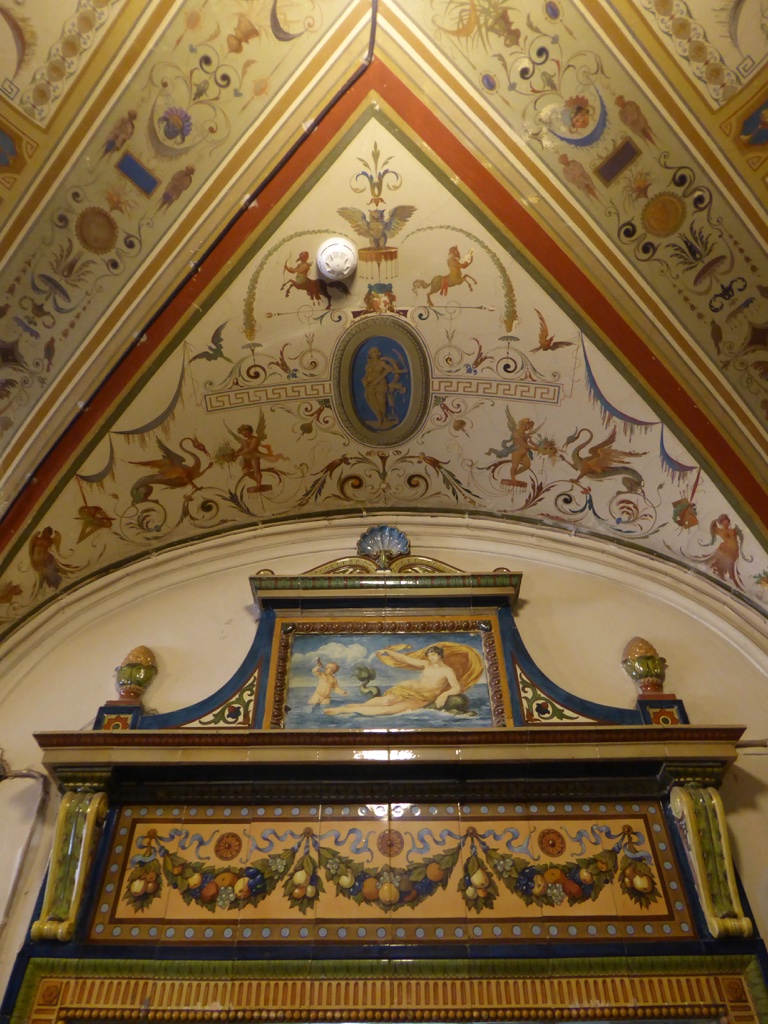
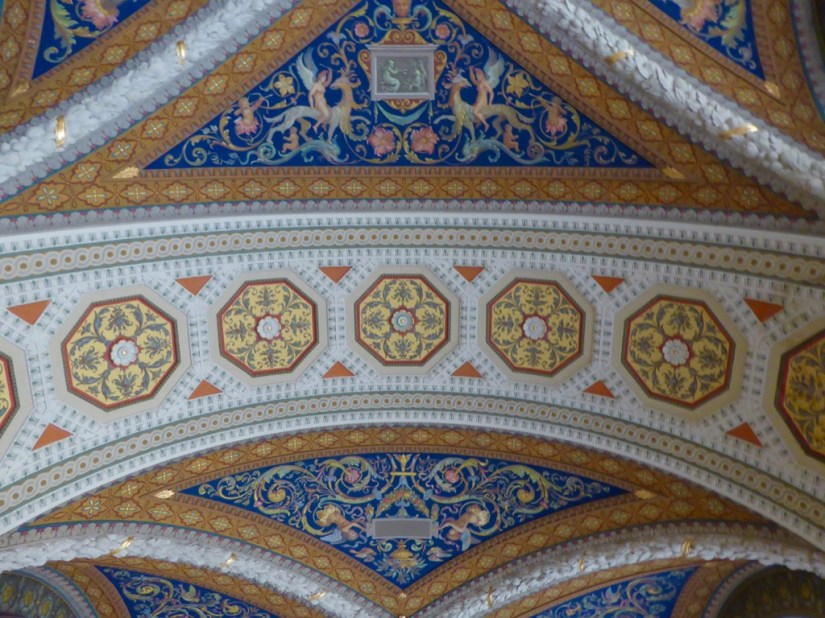


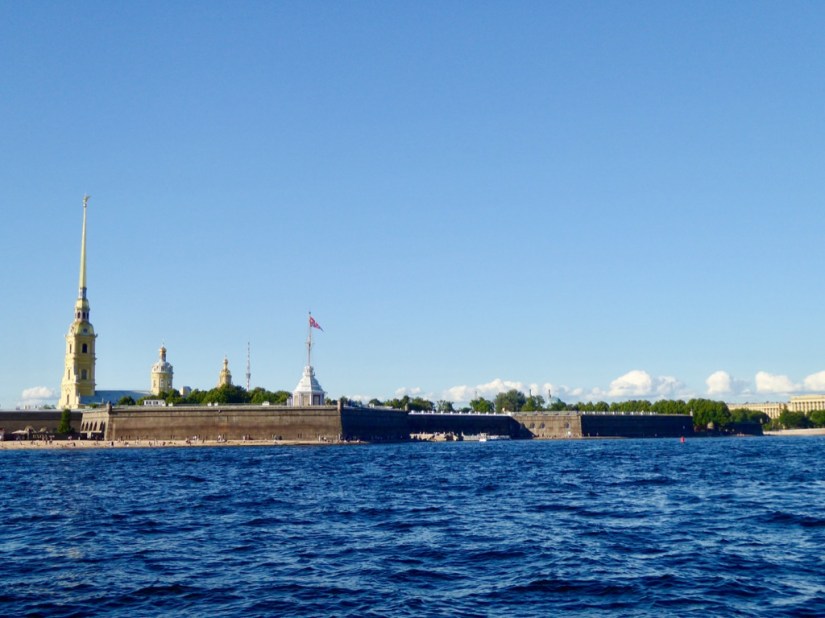
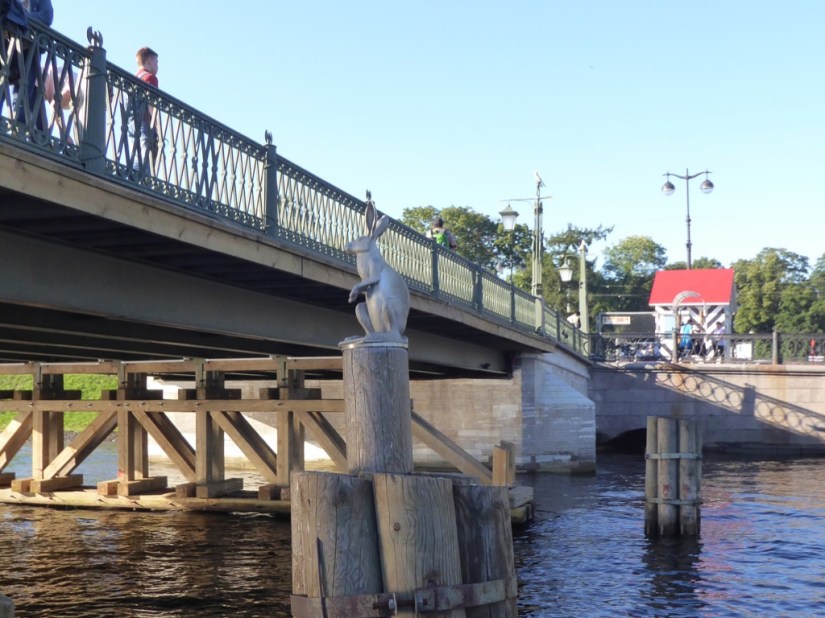


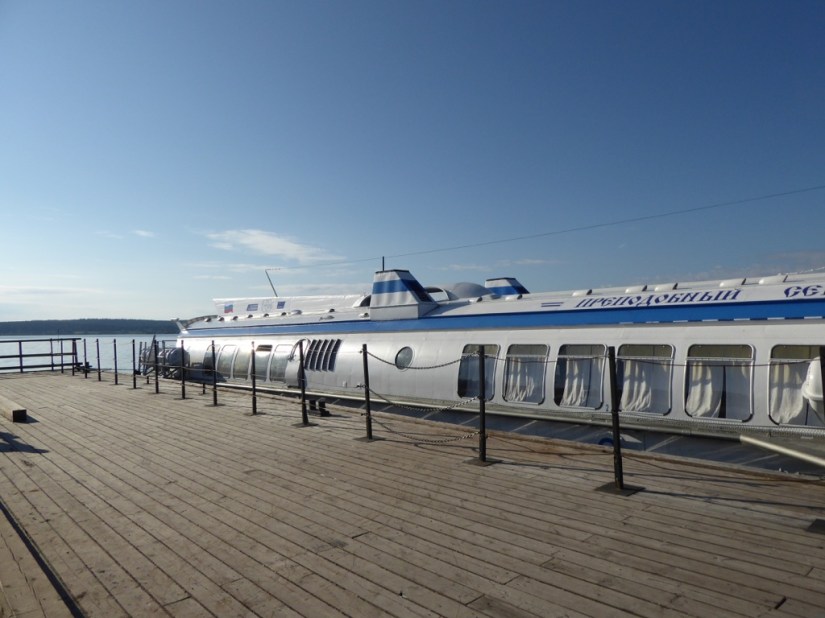
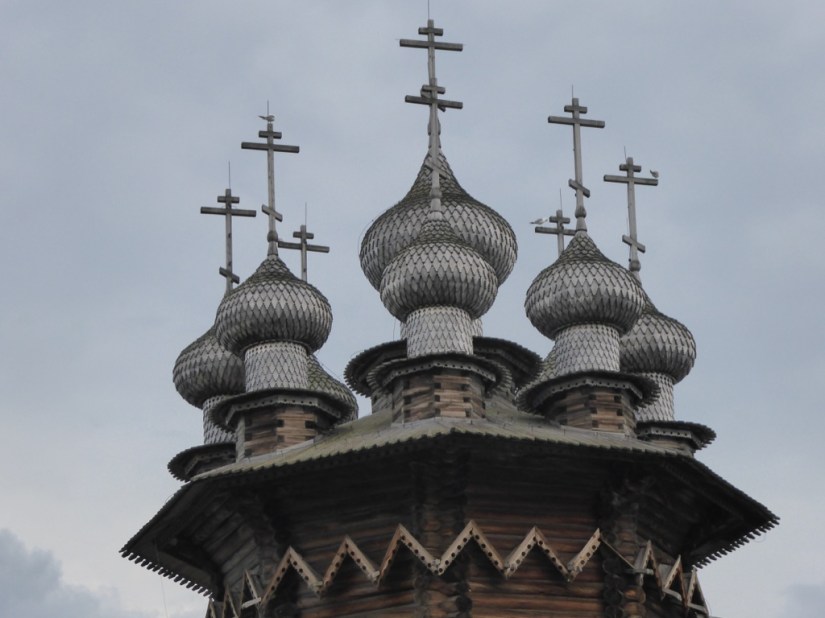 There was a slight last minute rescheduling for the next couple of days due to a broken hydrofoil which meant we still managed to do all we wanted, but had to catch the ridiculously early 7am bus next day, well before most sensible people were up! There had been thunder and lightening in the night, which I’d slept through and lots of rain and the morning was grey and damp.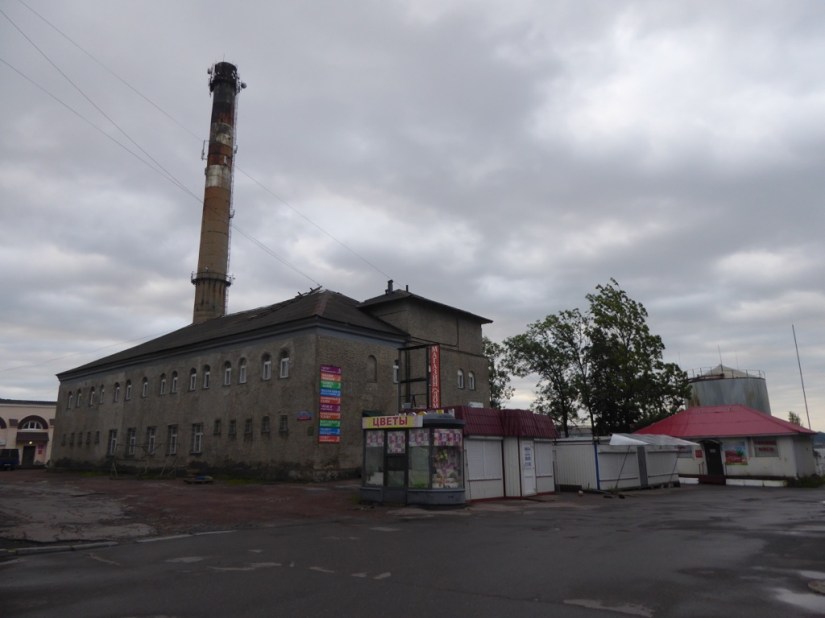


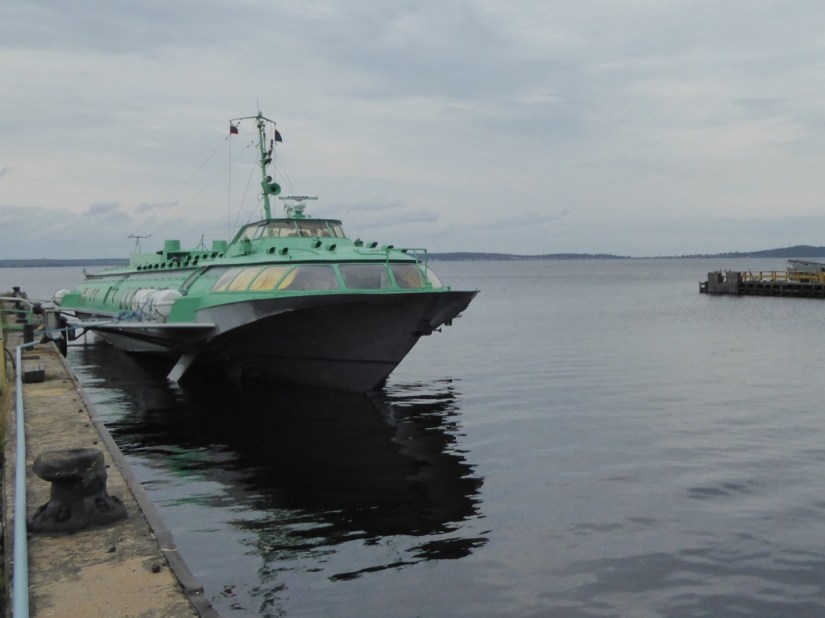
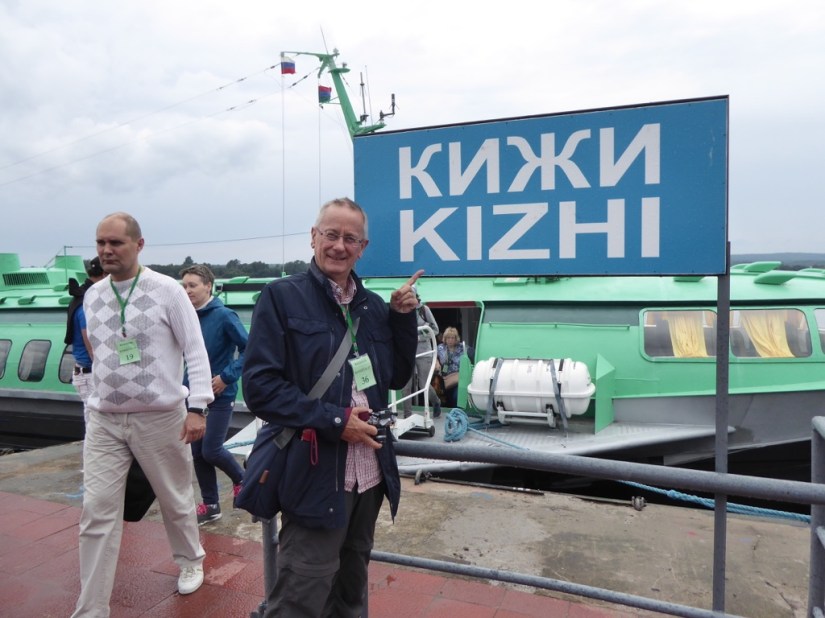


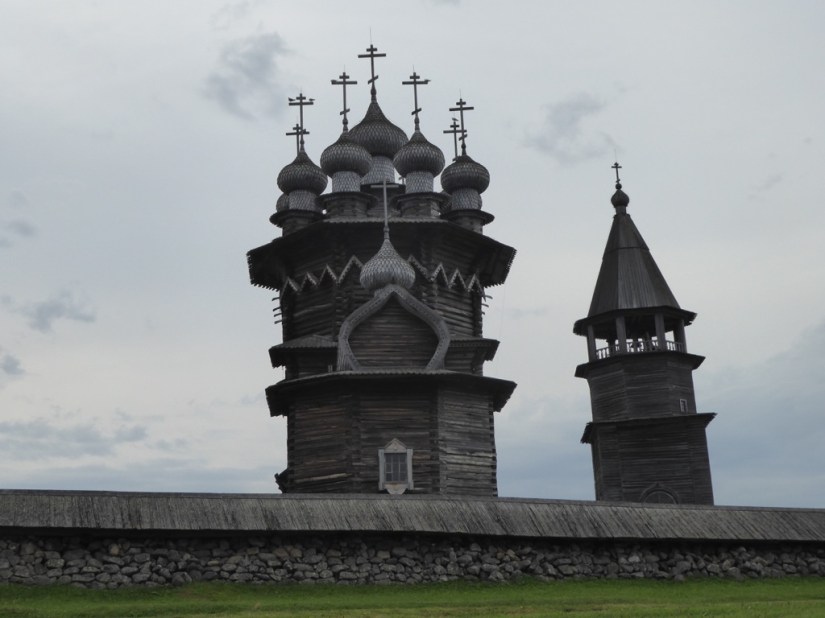

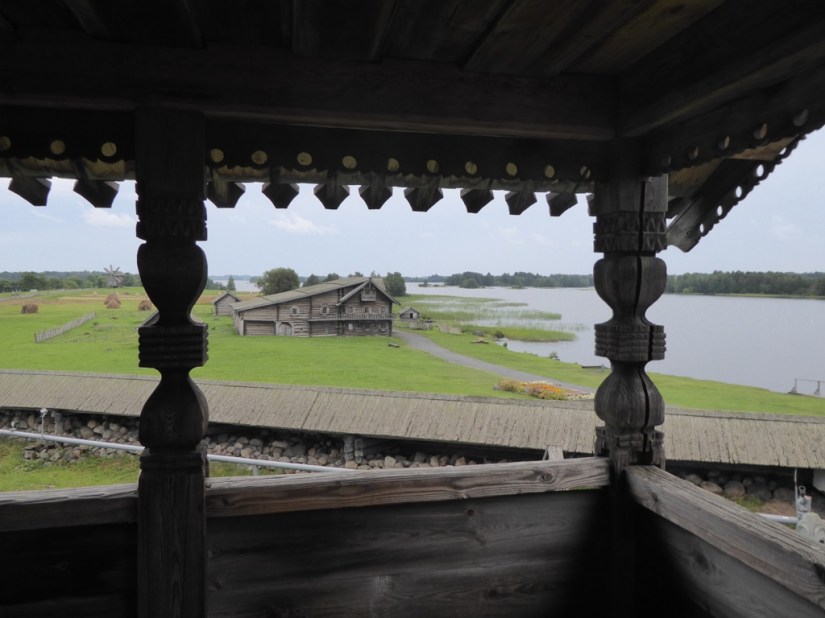
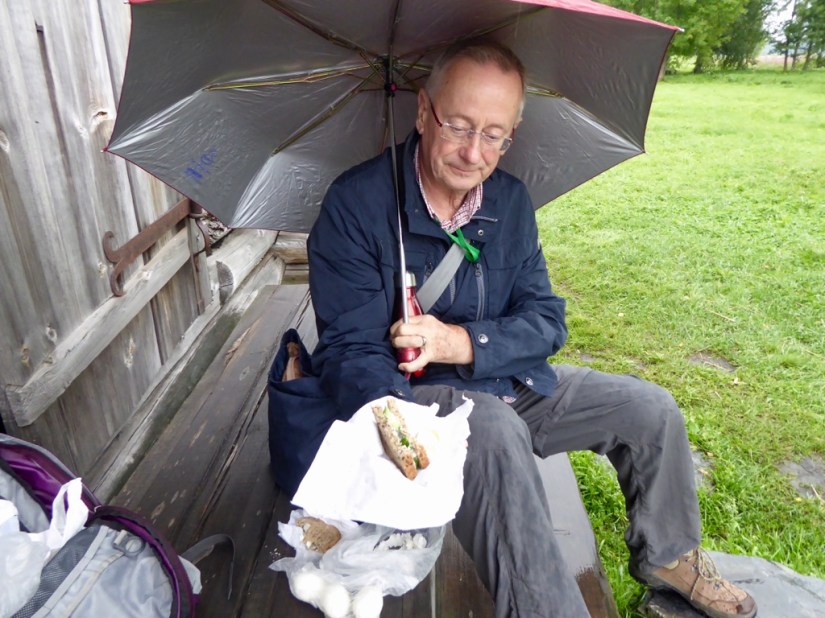
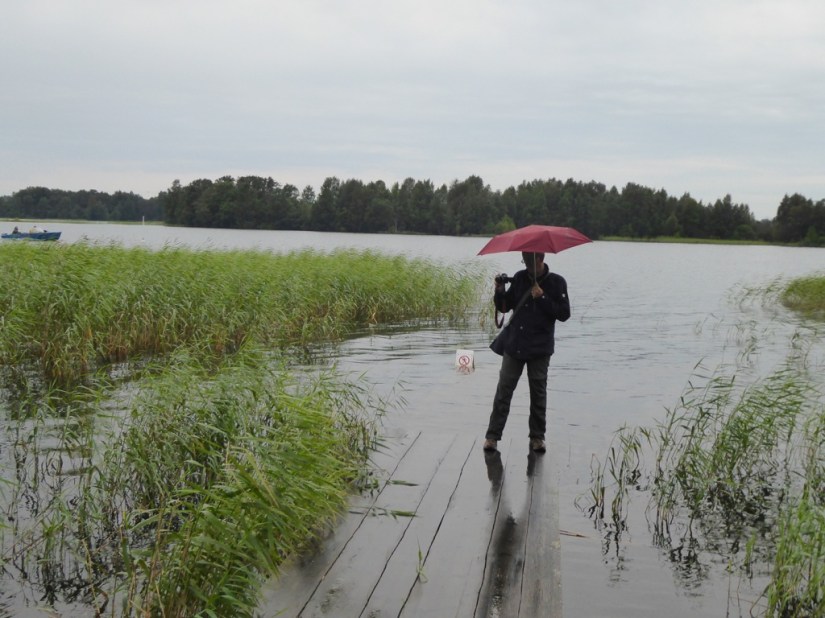


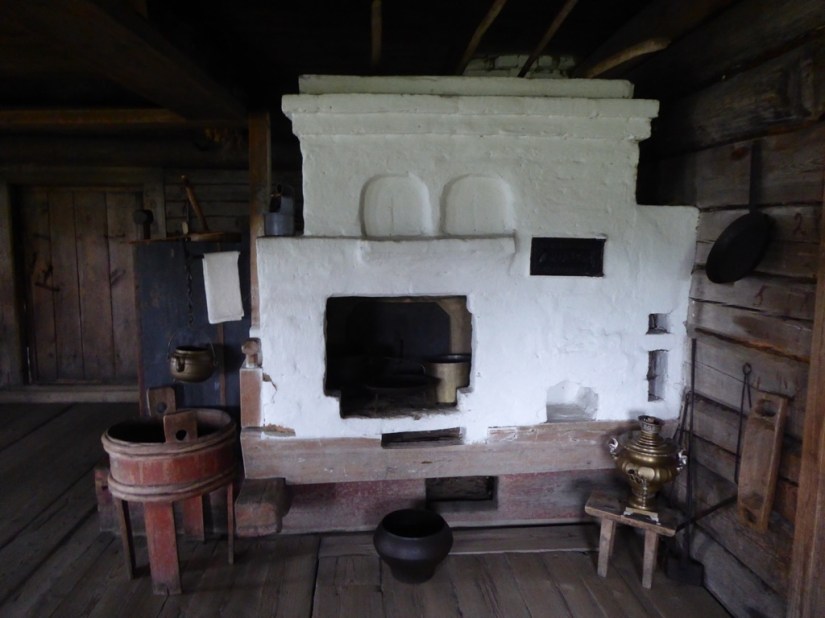

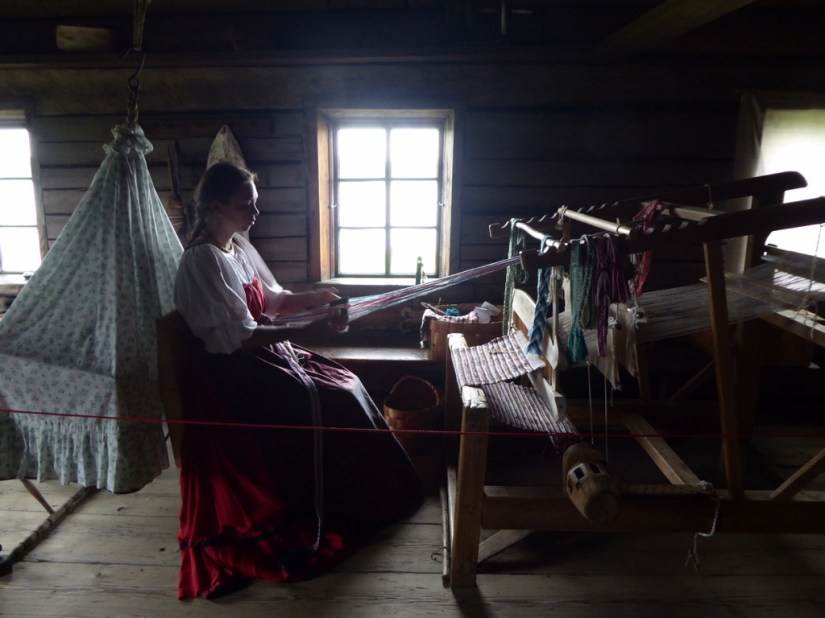


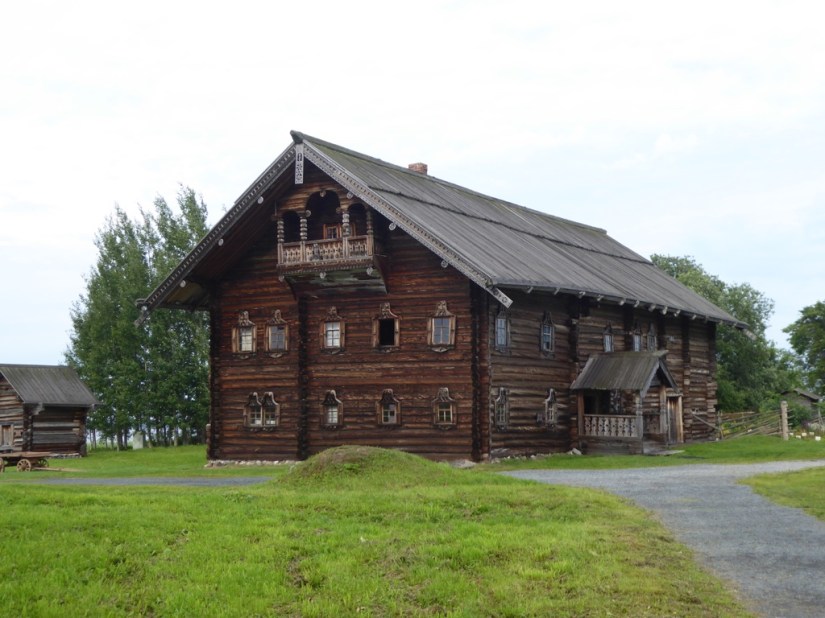


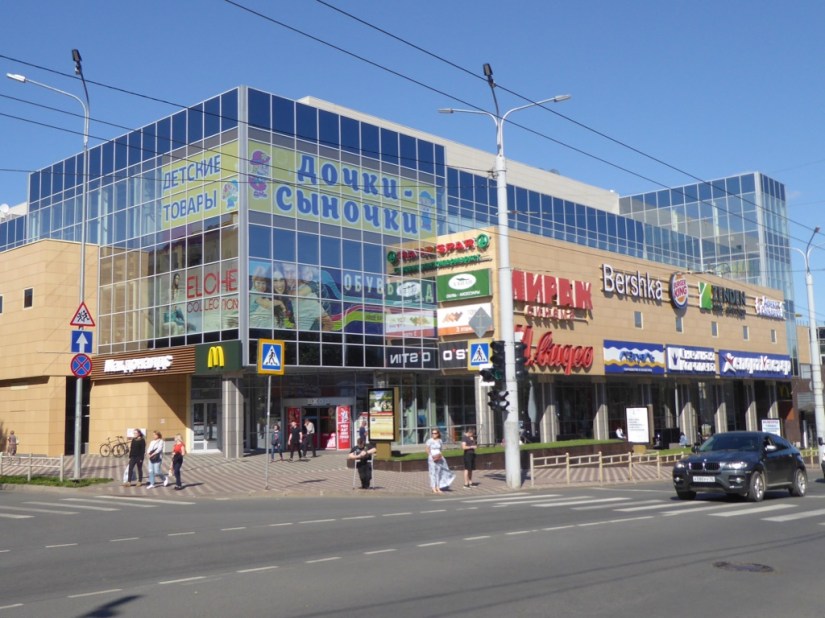
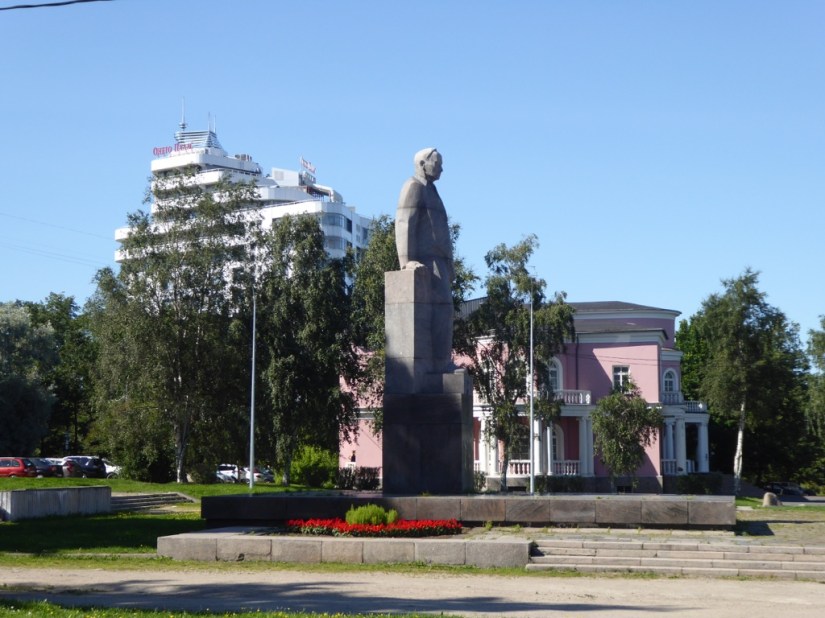
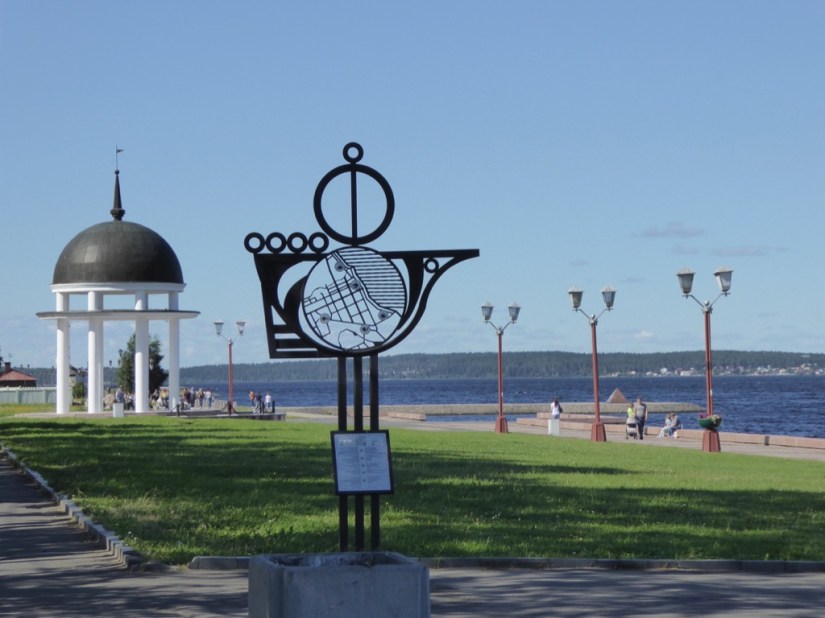


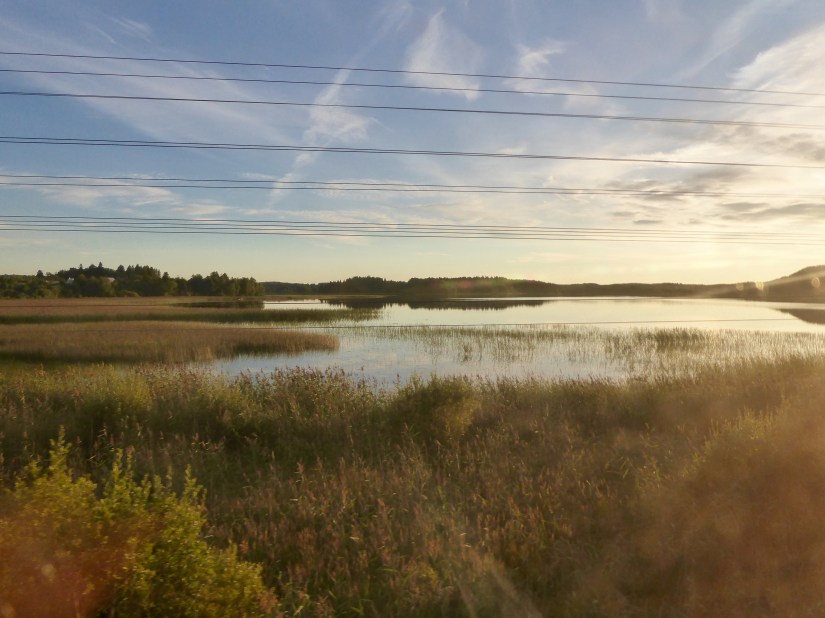
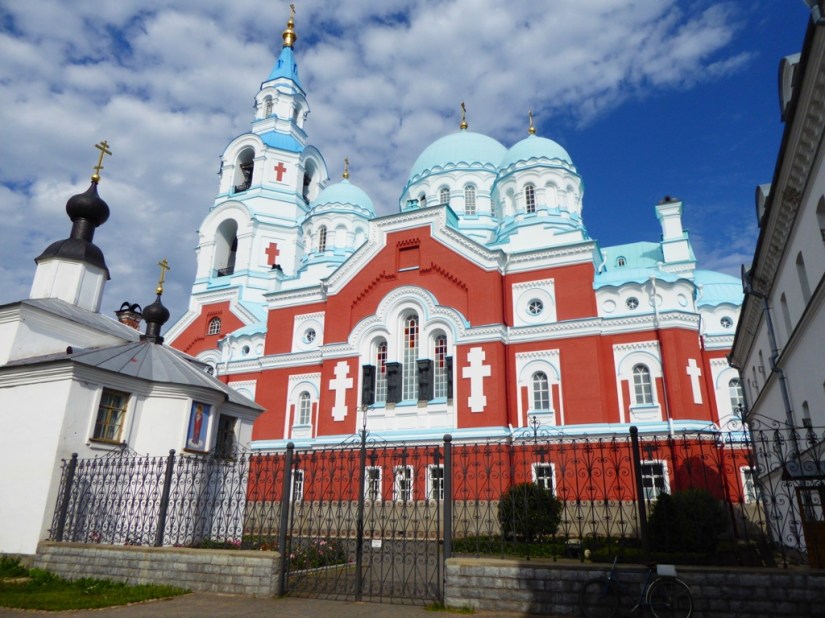 We are now heading north to the Republic of Karelia, a land of lots of trees and over 60,000 lakes. Karelians are Finnic people with their lands stretching into Finland and their own culture and cuisine including Karelian pasties.


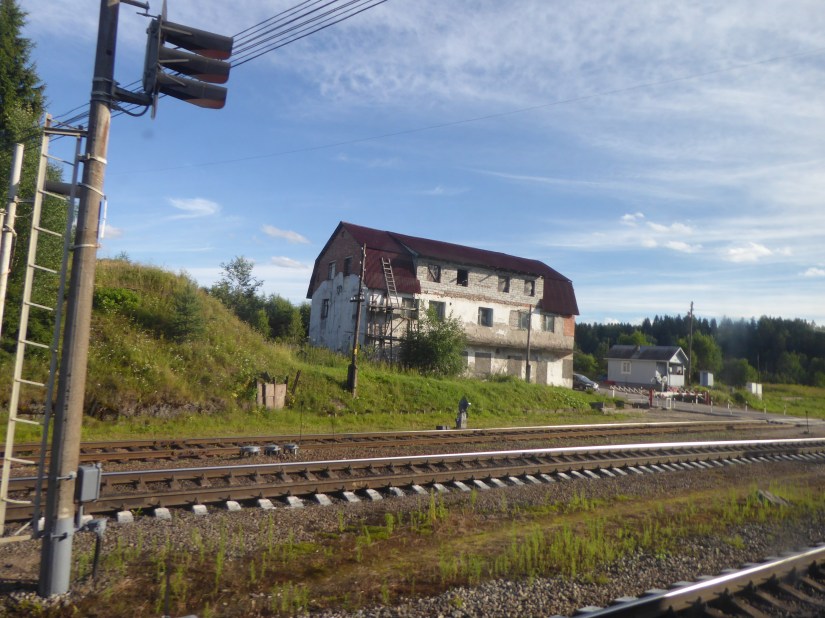
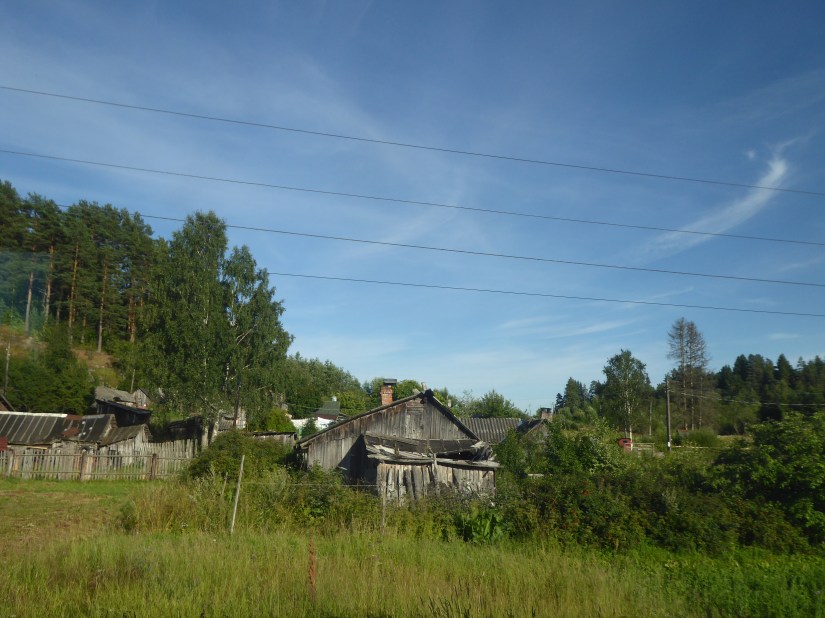



























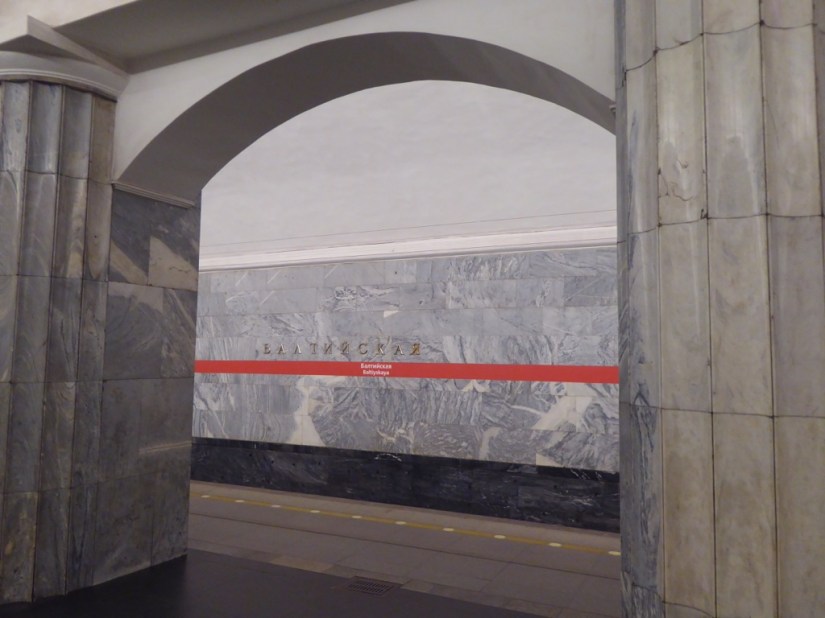

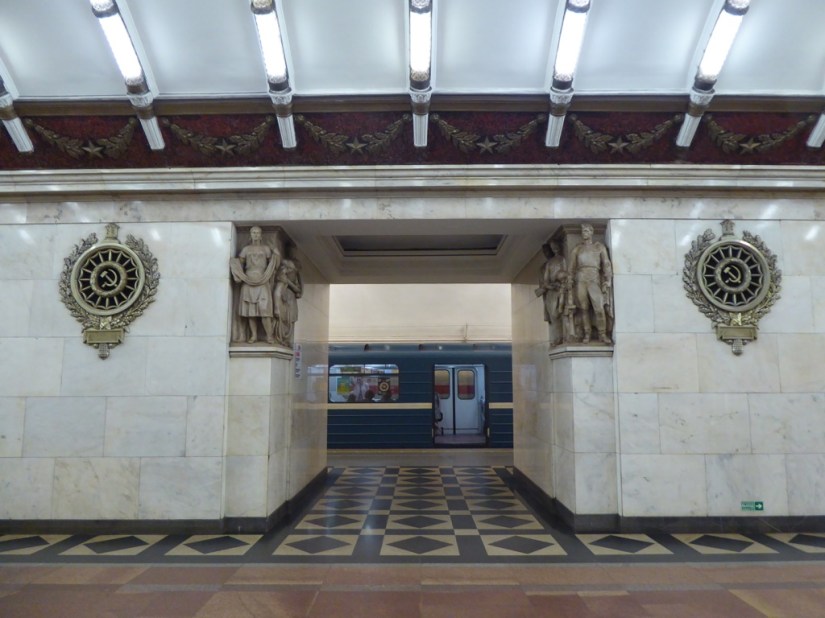


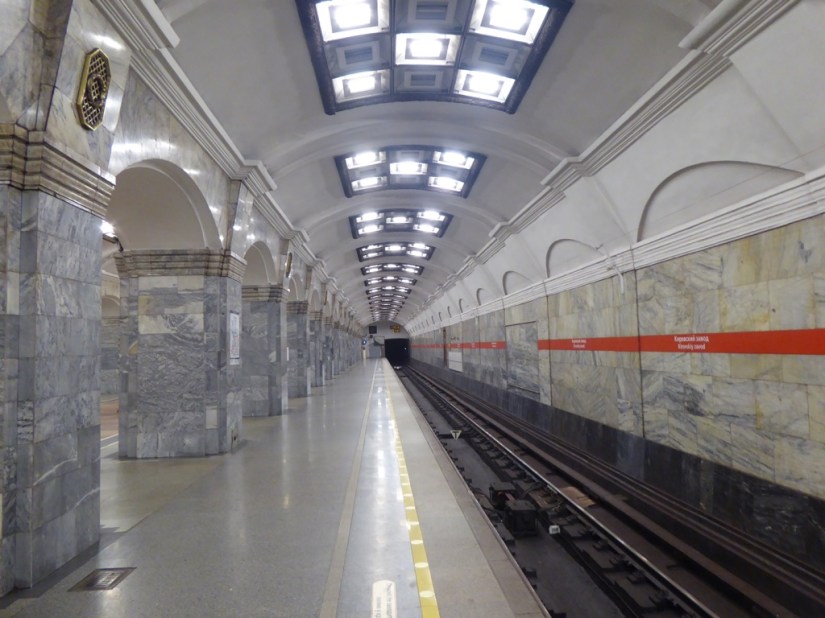


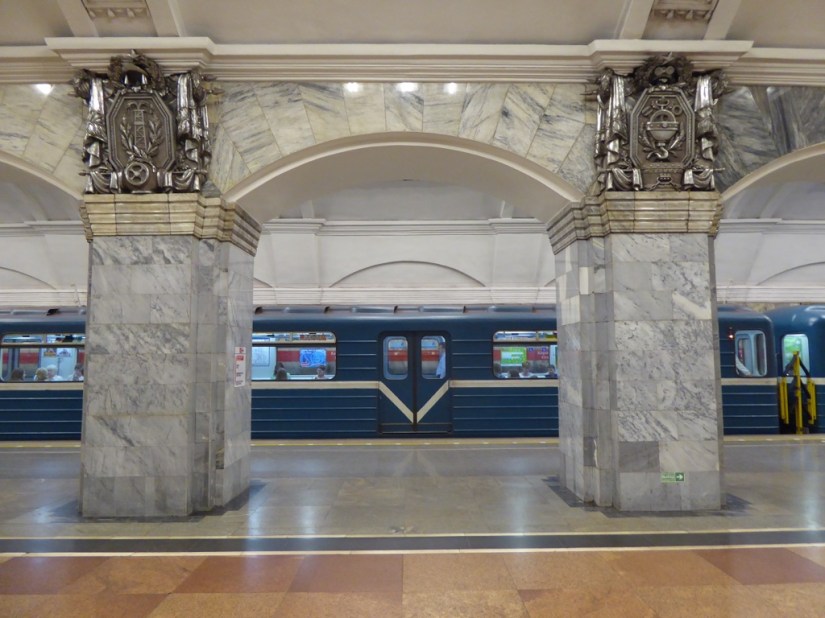

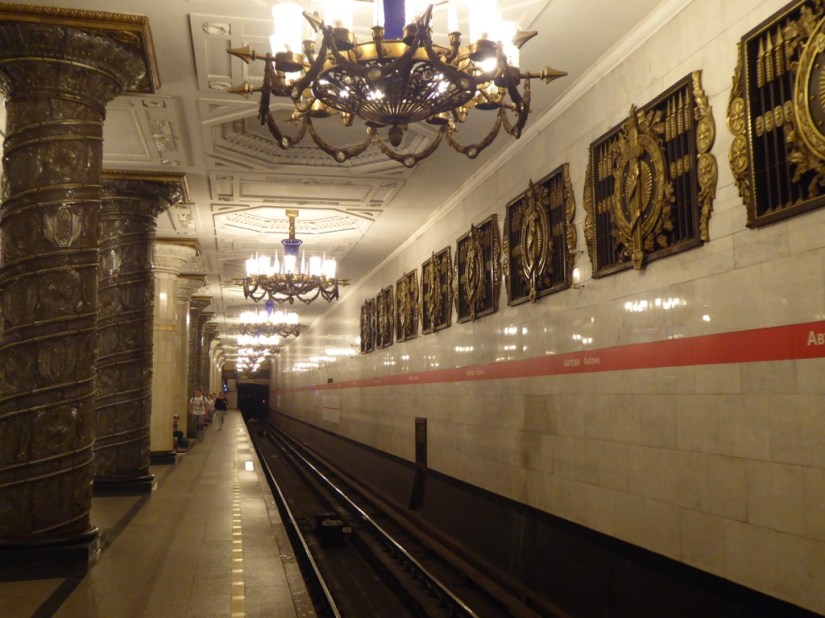


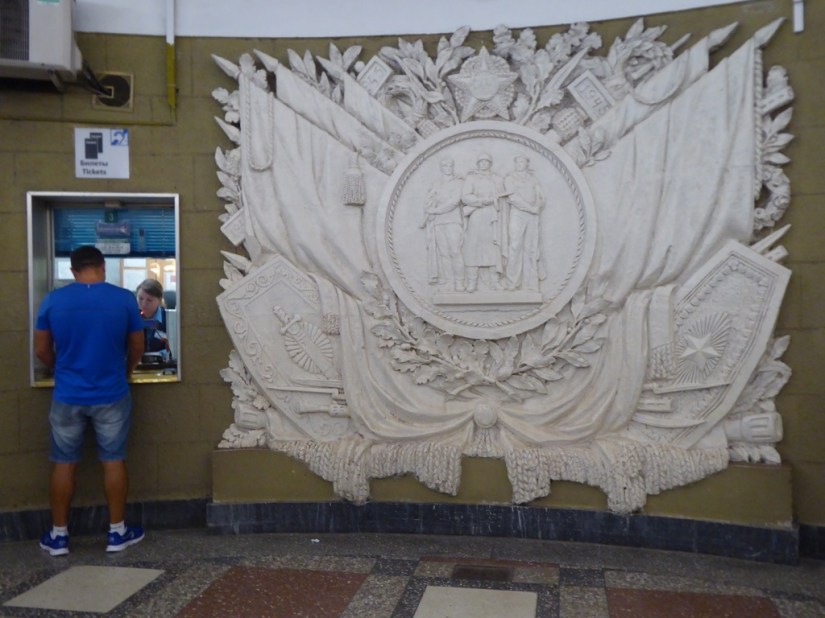
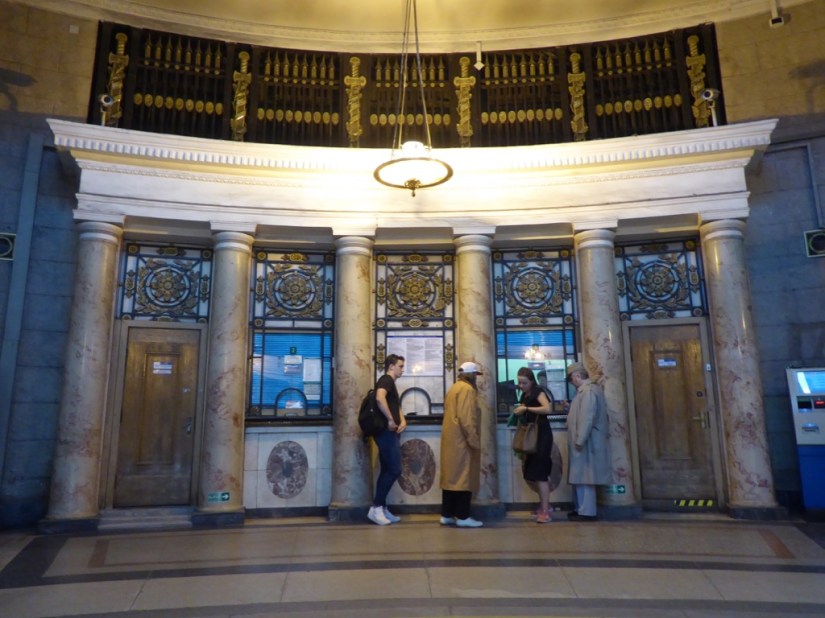
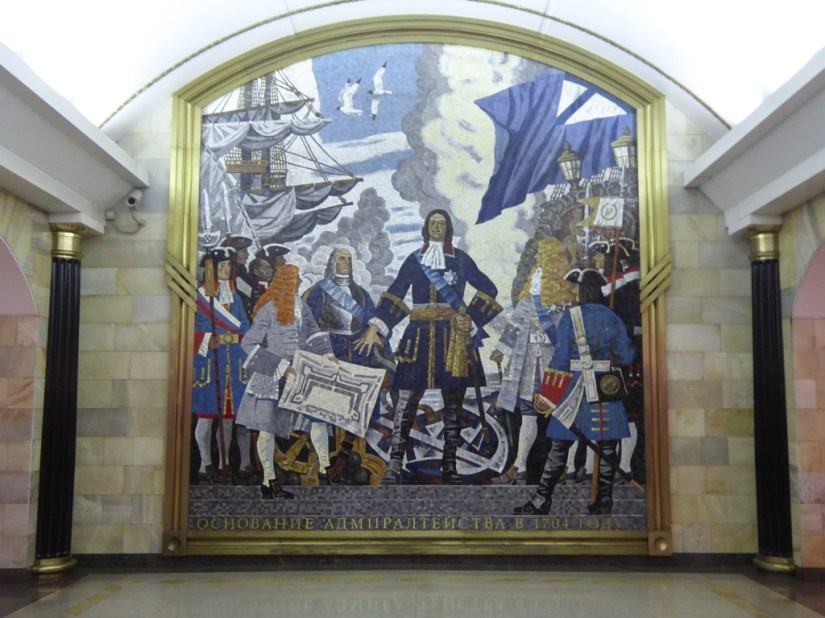
 The Romanovs had ruled for over 200 years and increased the Russian Empire but they still relied on autocracy and when serfdom was finally abolished in 1862, the serfs ended up worse off than before and moved to the cities to work in factories where conditions were terrible. Disillusionment brought revolt, starting with the People’s Will who assassinated Alexander II with a grenade in the street in St Petersburg in 1881.
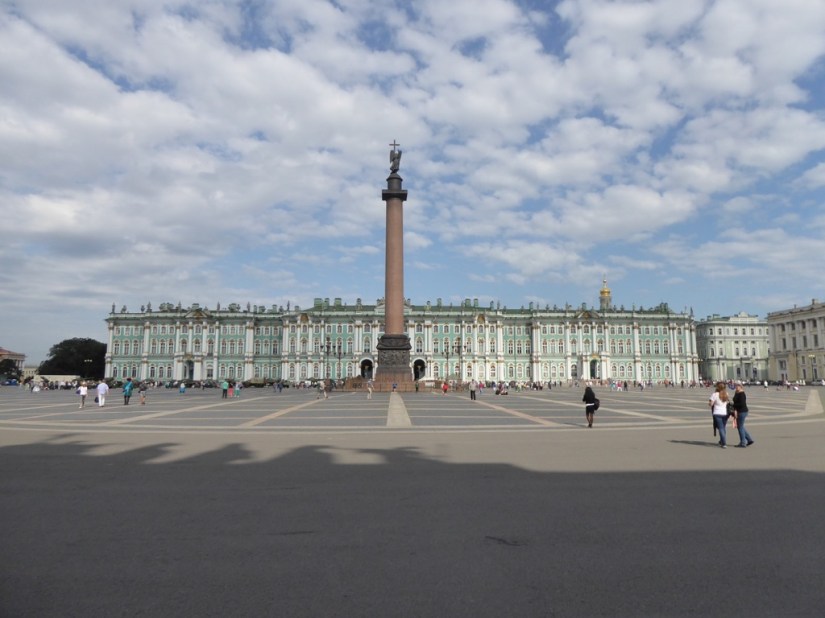
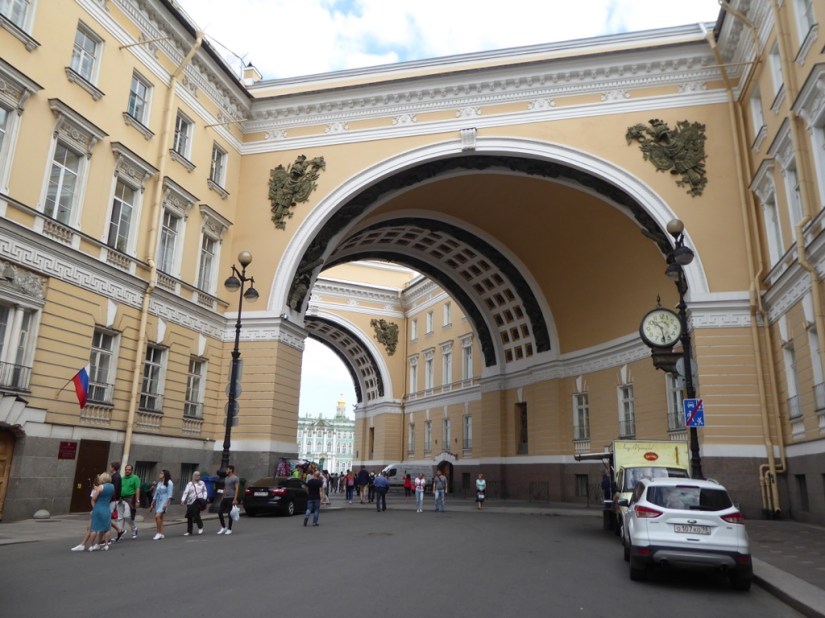
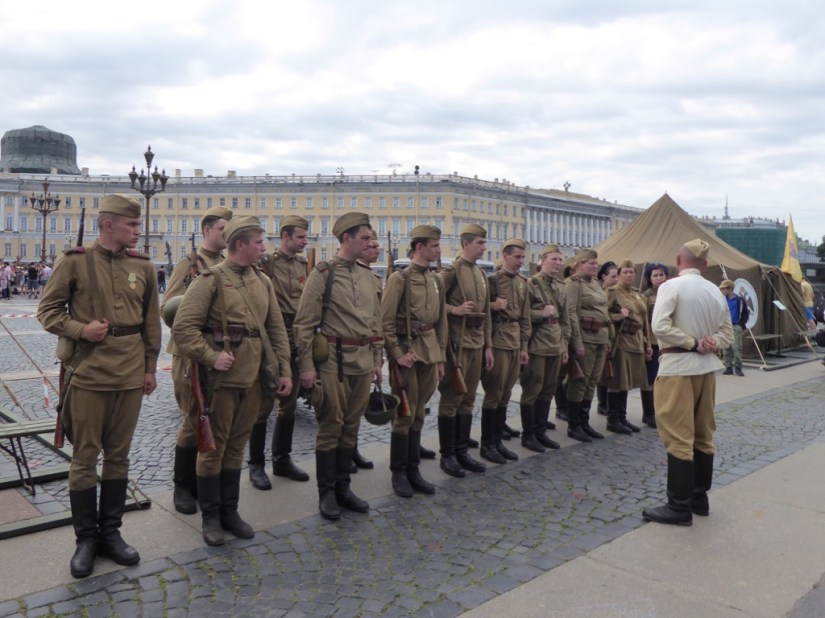


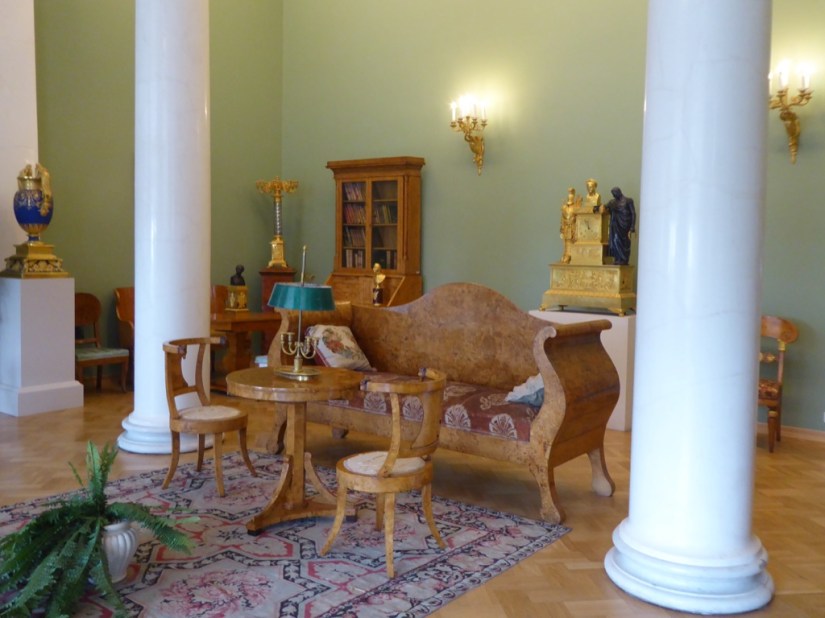
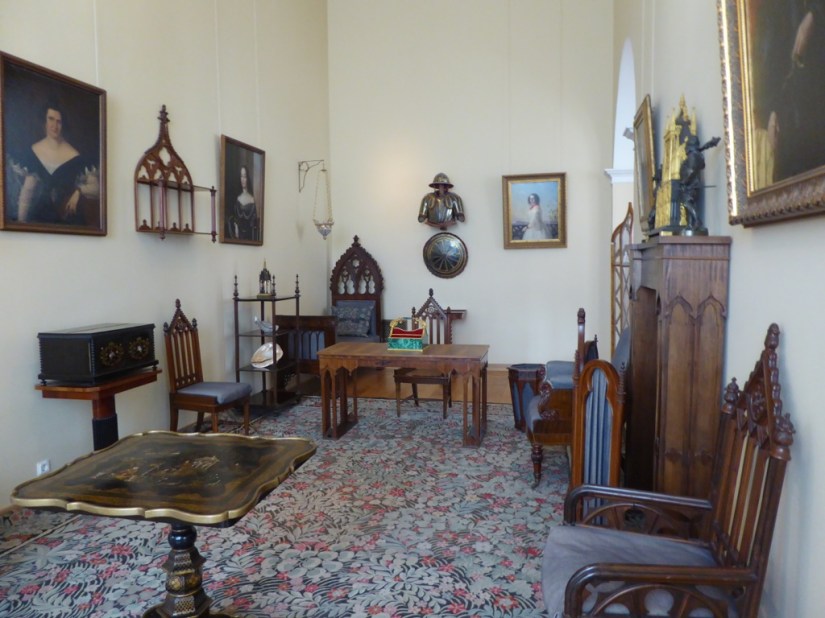
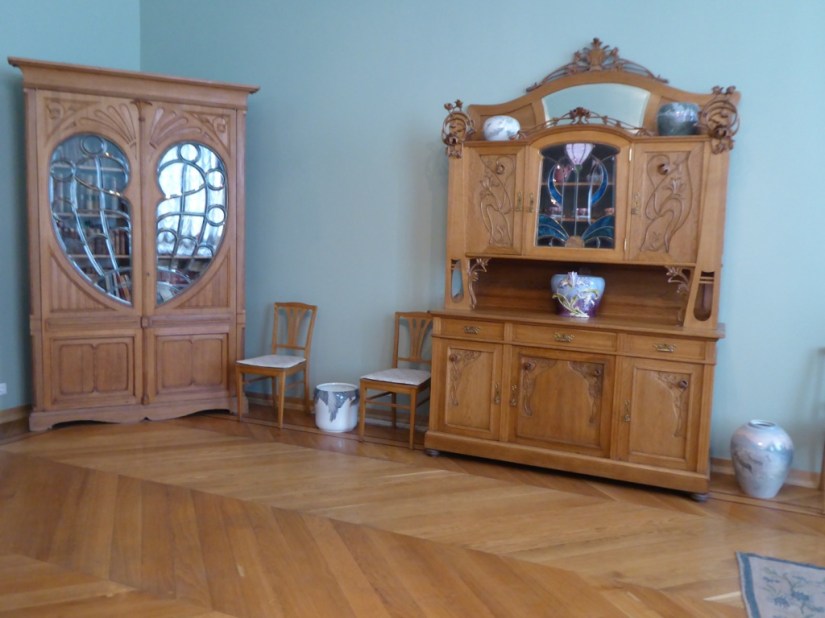
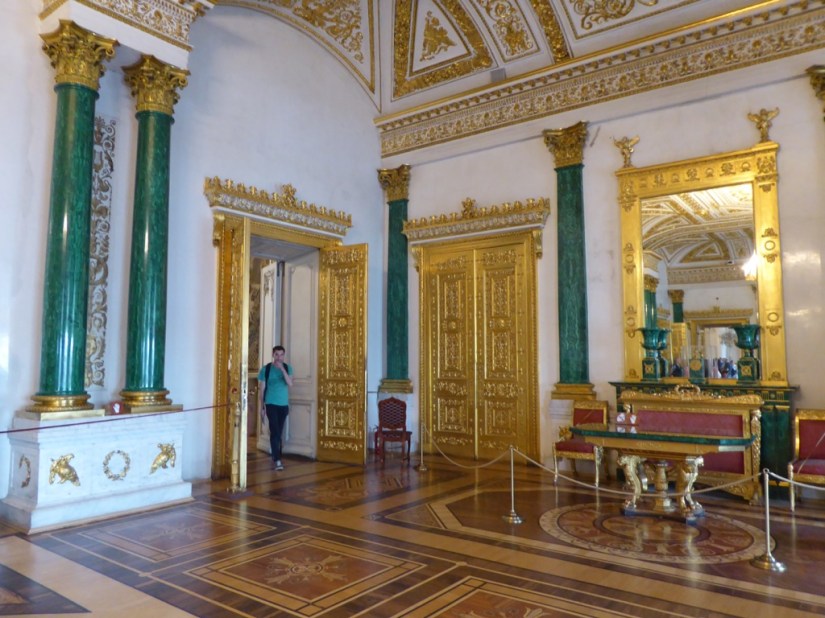

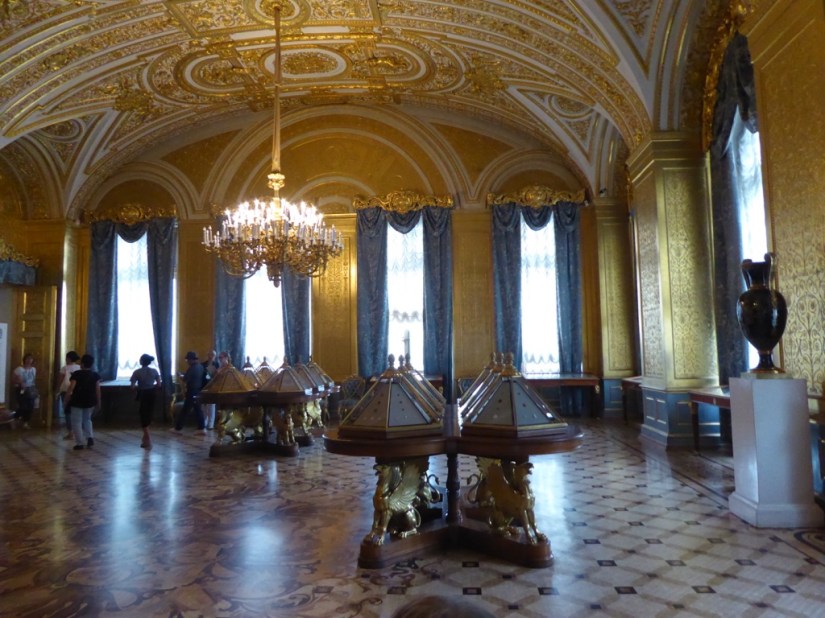

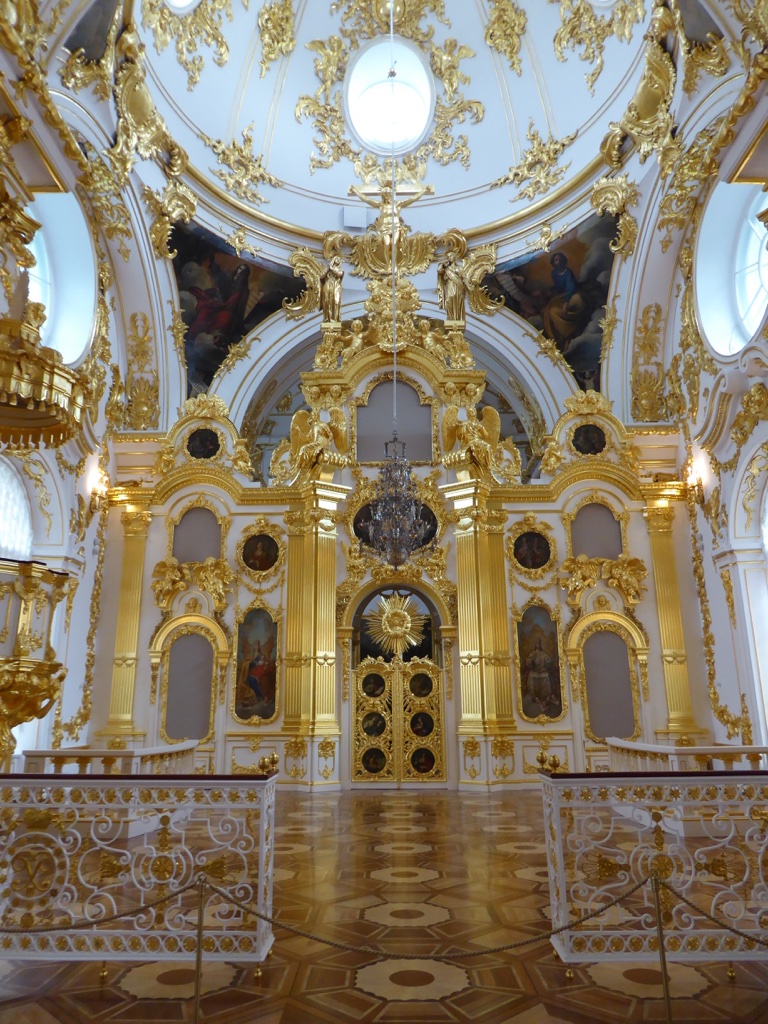
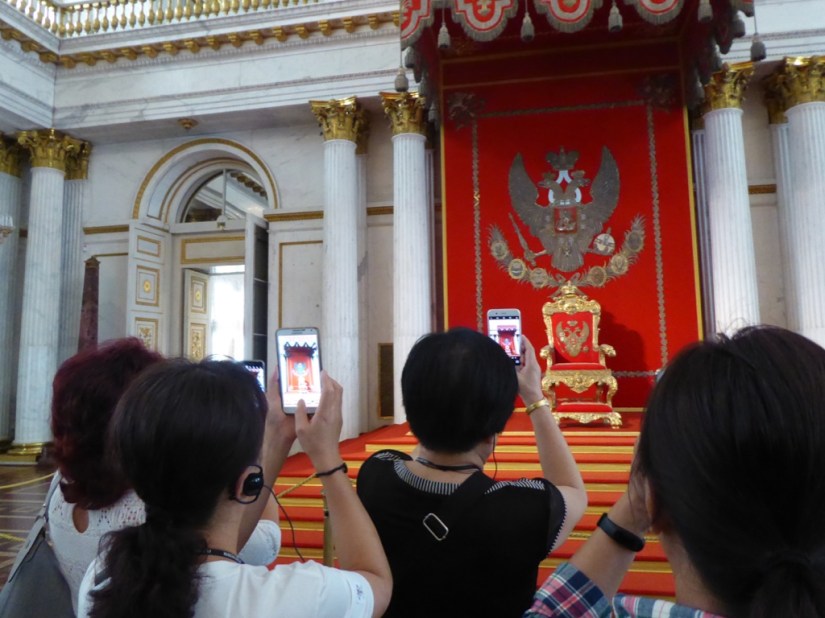


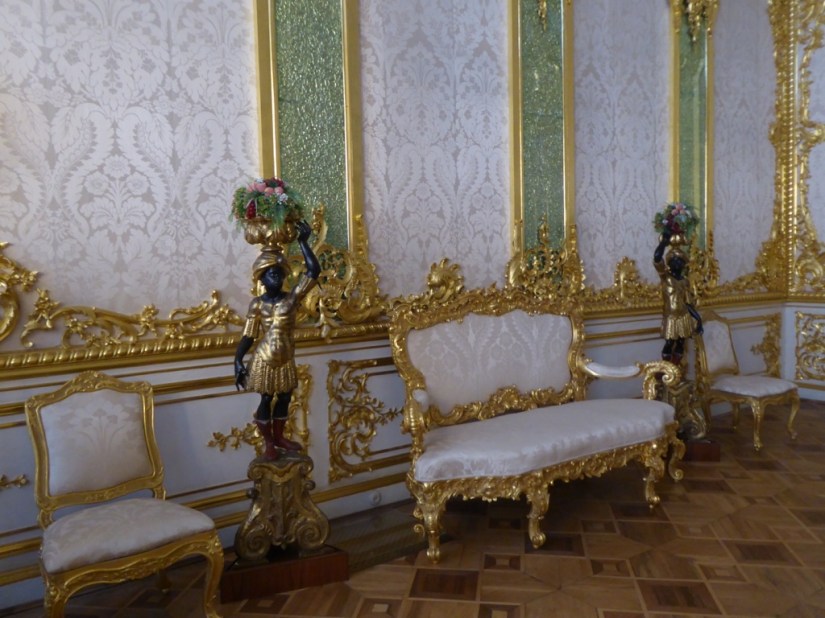
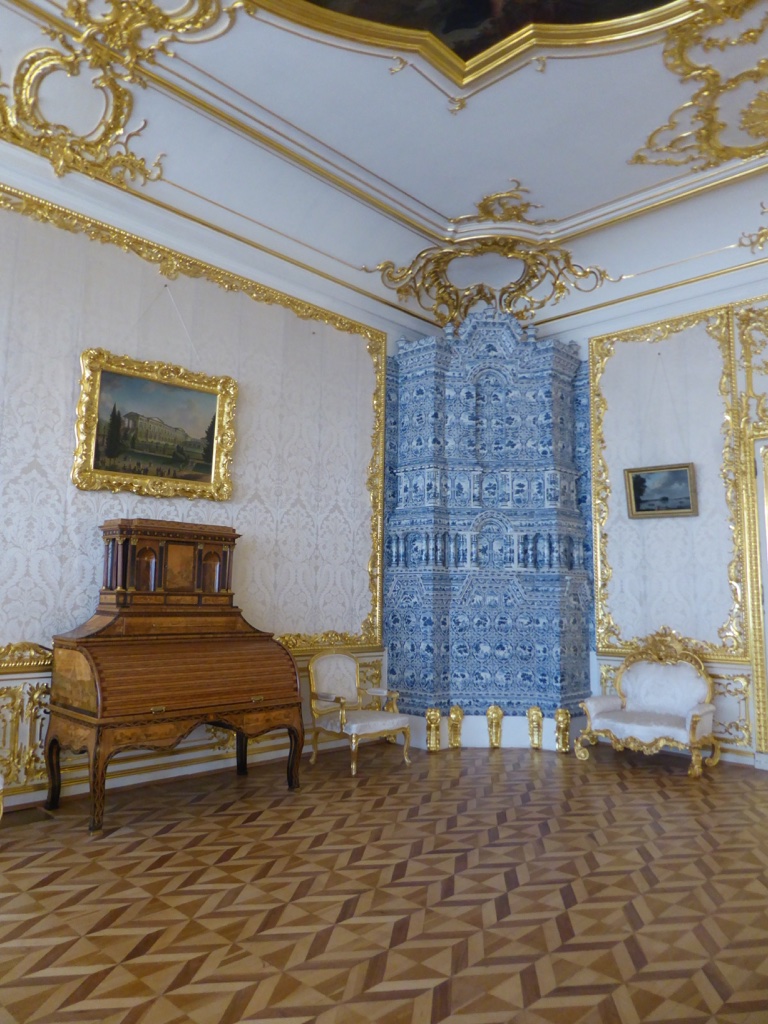
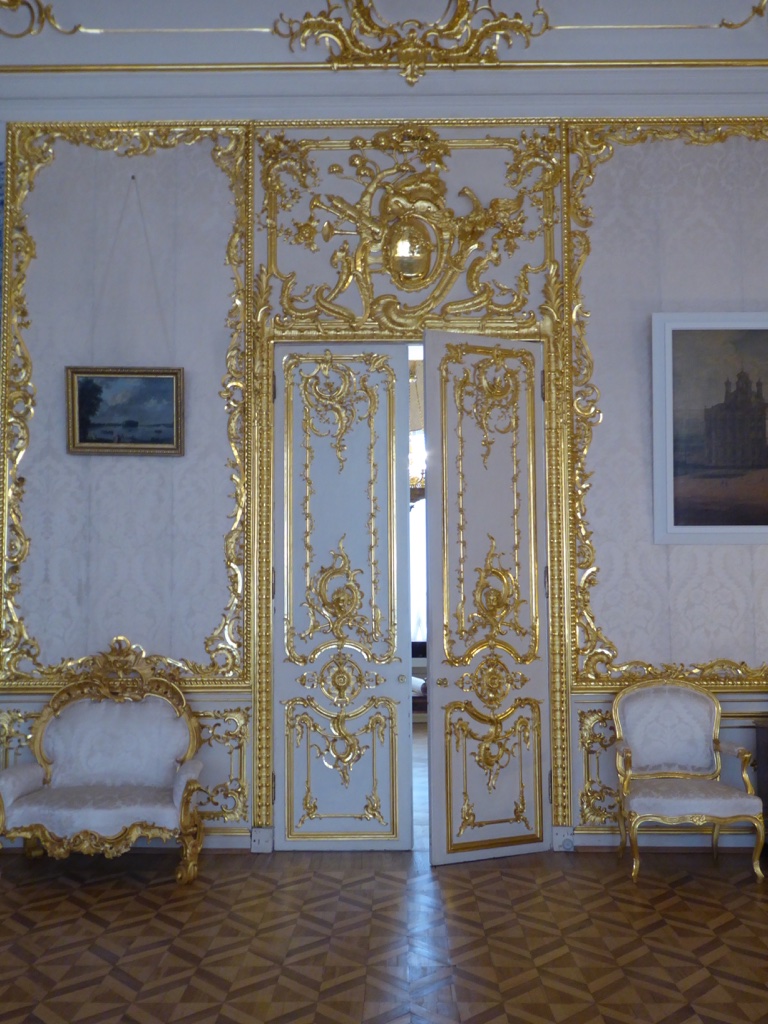
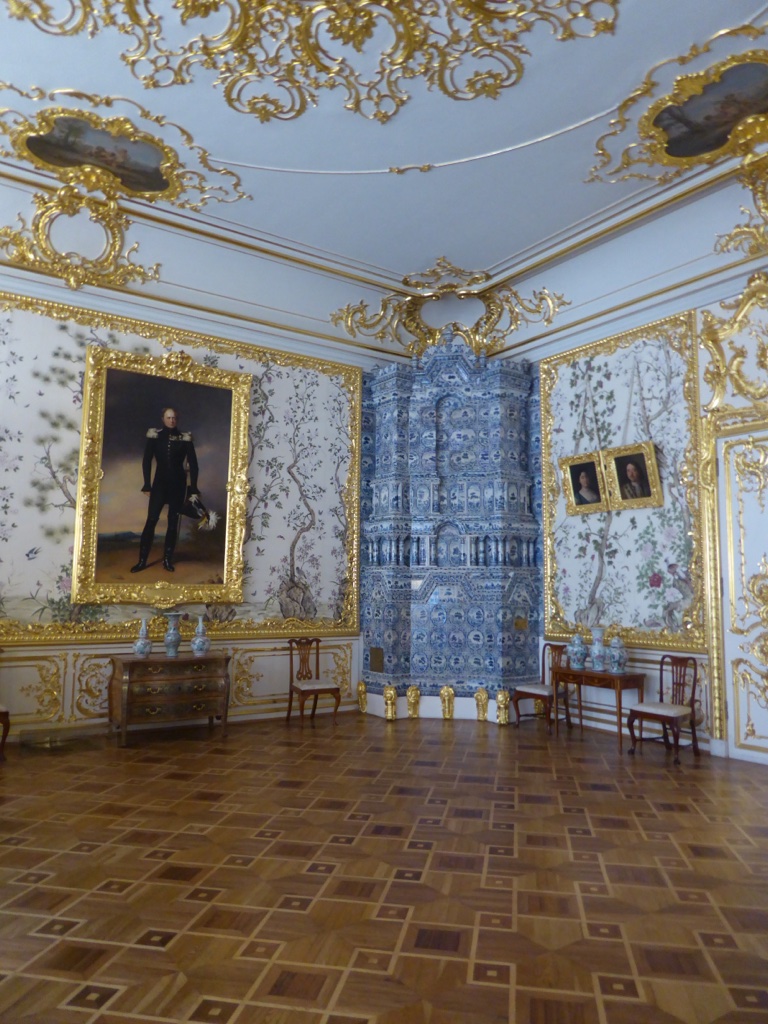
 Must also mention with everything else there was to see, the fabulous array of parquet flooring in every room, with every pattern imaginable …






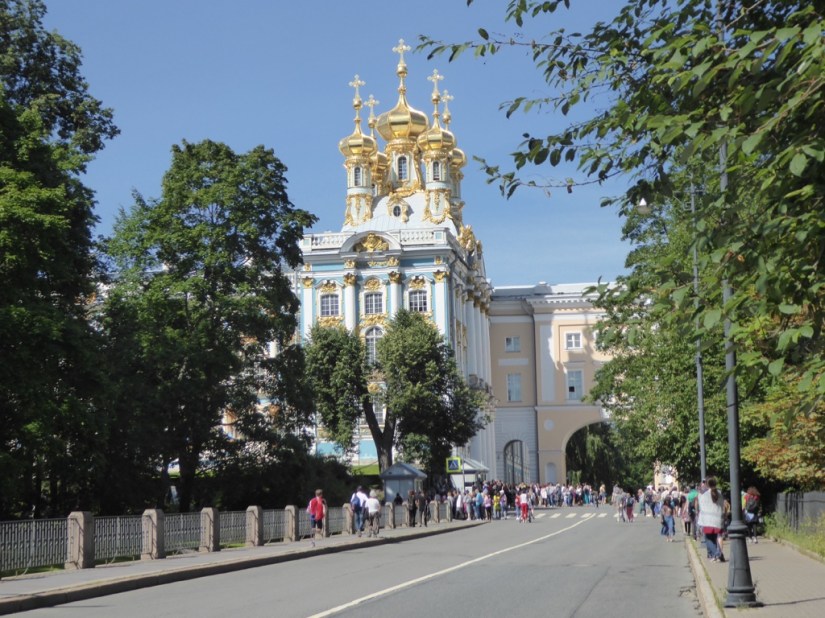
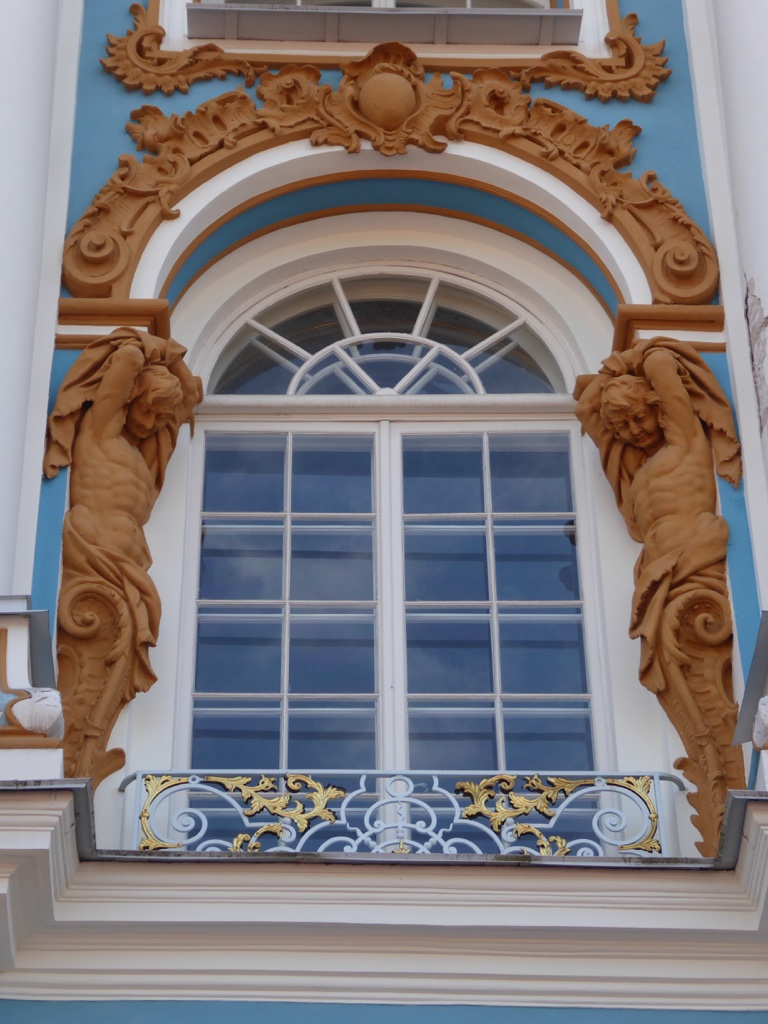
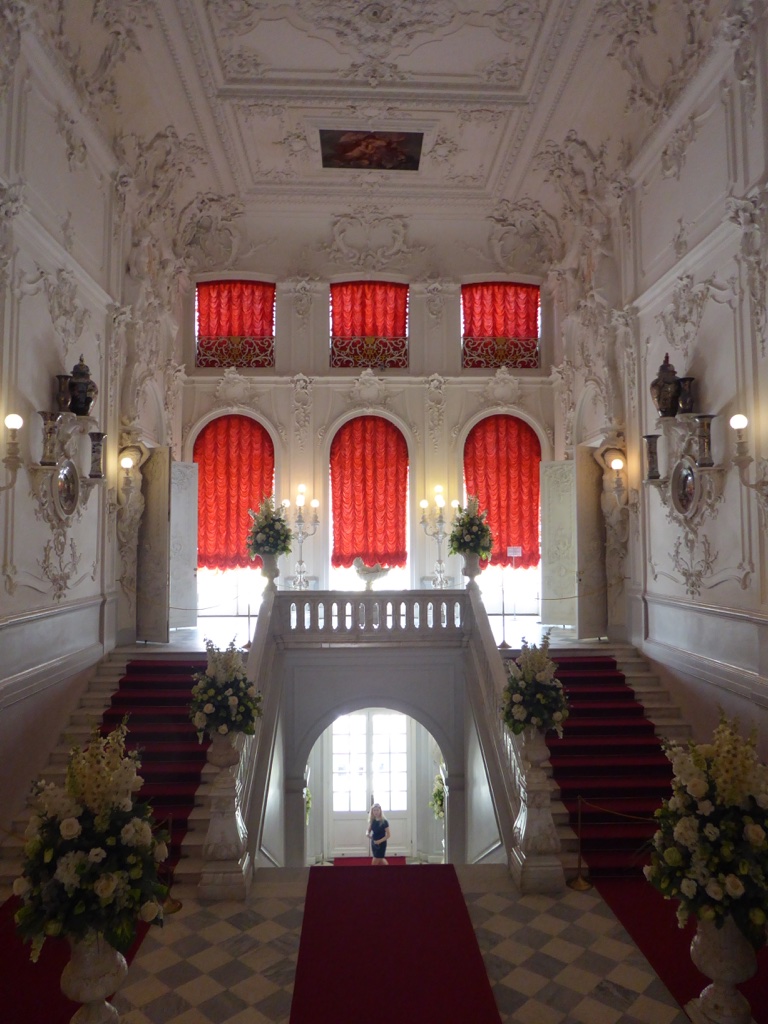
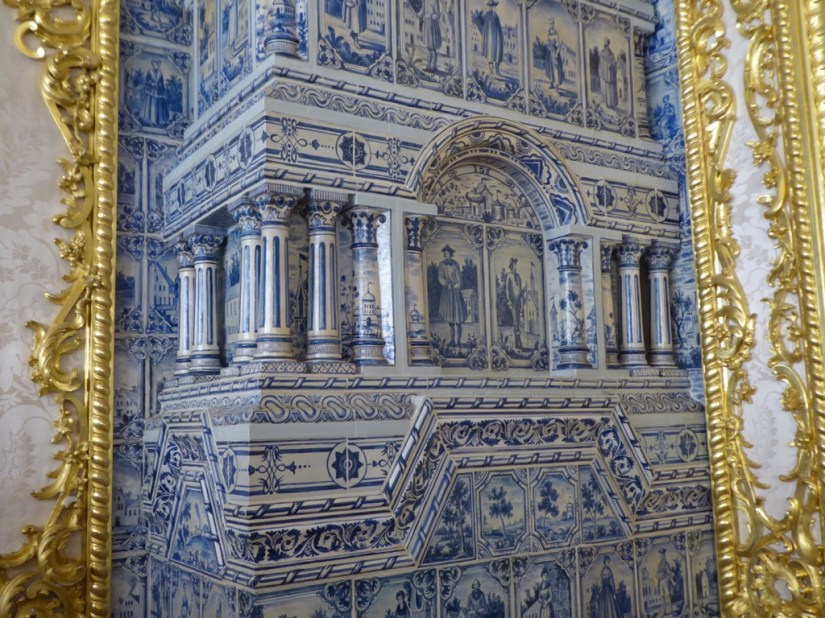
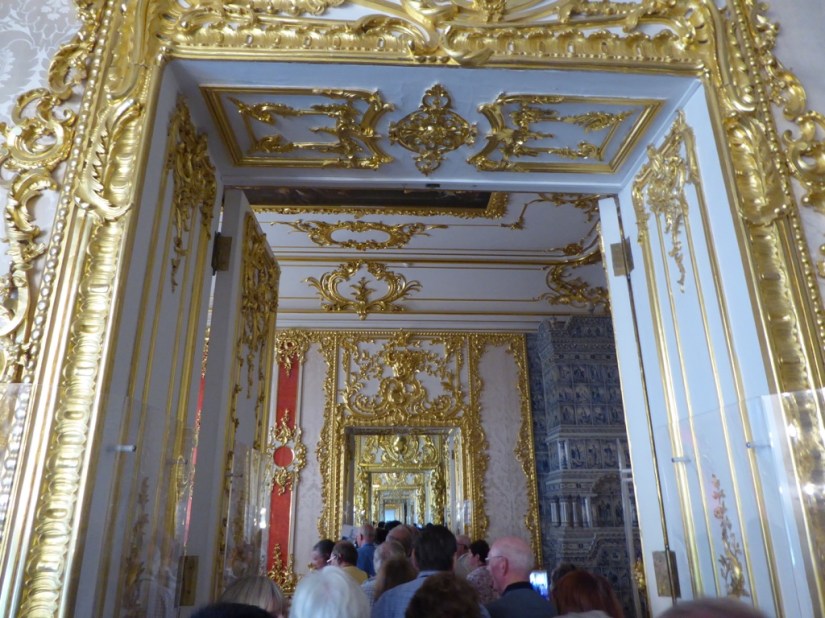
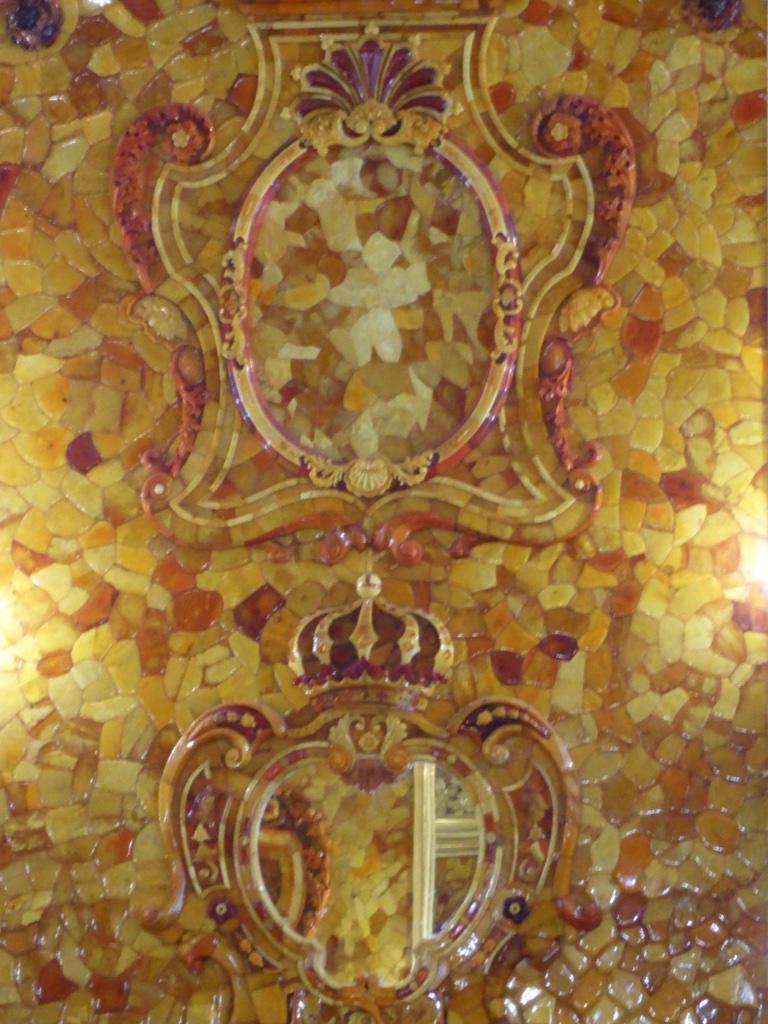
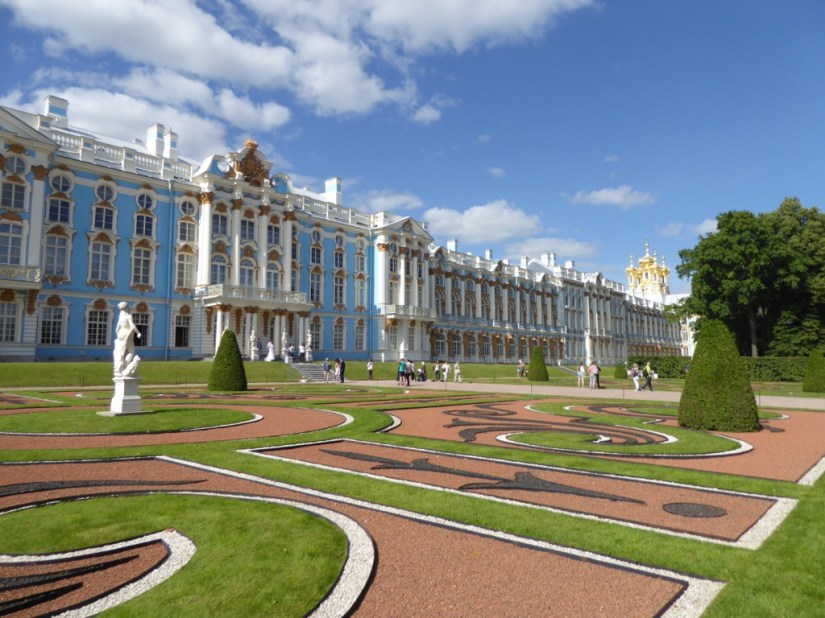
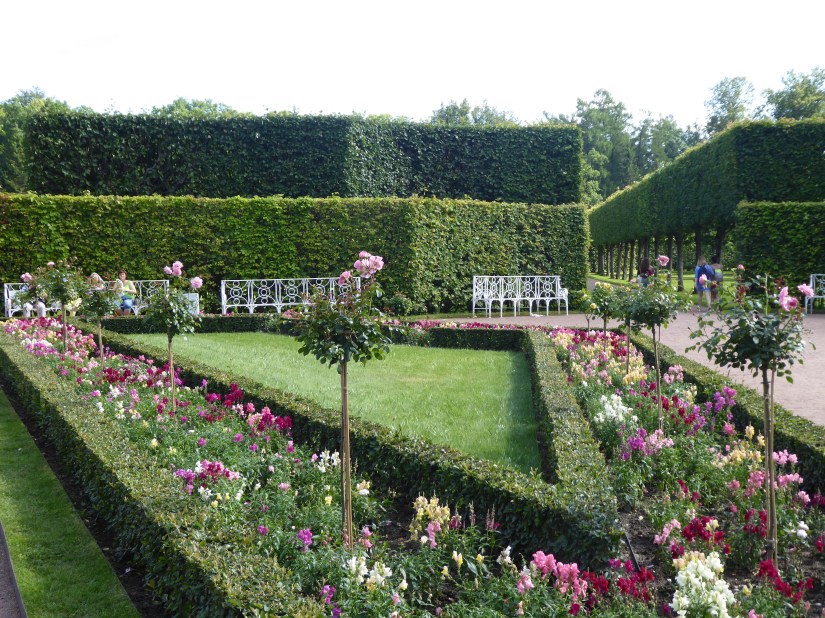
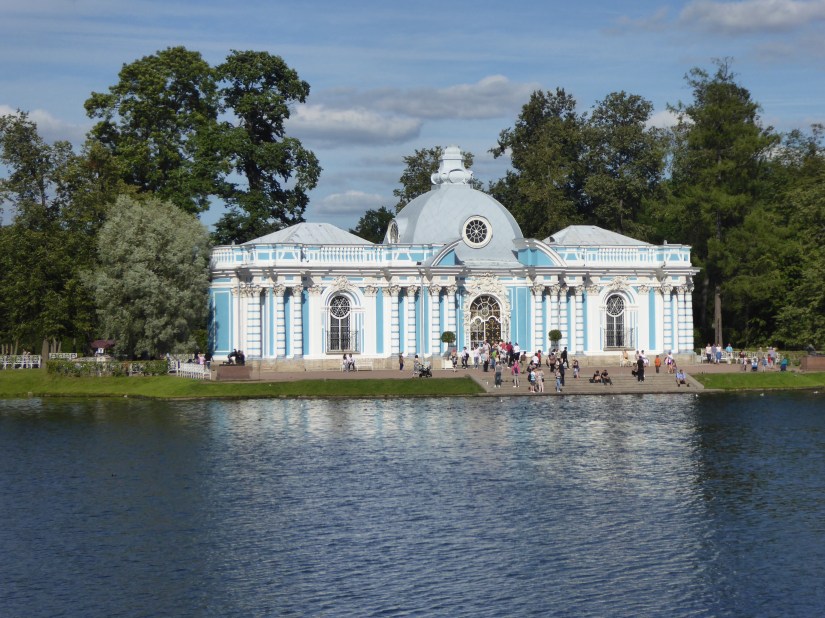
 Another beautiful day and we spent it at the huge imperial estate called Tsarskoye Tselo or the Tsars Village. We look the metro then the bus for 30 minutes out of the city, passed huge numbers of apartment blocks surrounded by countryside.












 Off Travelling Together