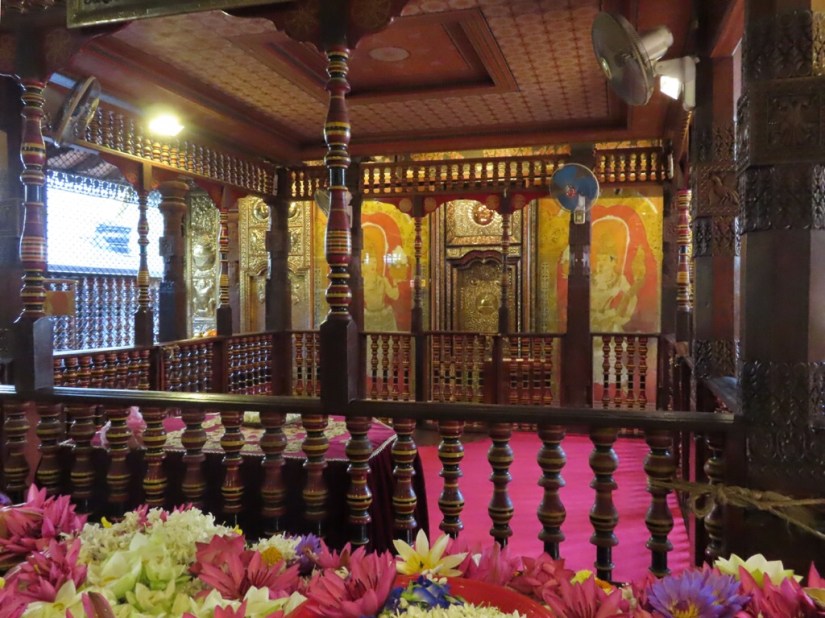
 We decided to take a chance on the local bus but got a tuk-tuk to the bus station so we could guarantee seats and get our luggage stowed. The journey took about 4hrs, but the seats were comfy enough and the open windows and door gave a breeze. There were cheerful tunes playing all the way, and every time we braked, a row of shrines at the front lit with flashing lights! Hawkers got on, sold their wares and got off at the next stop but before long there was little standing room left. And the price of the ticket … 203 rupees each or 88p!
 So as I said, the Sinhalese established a new capital further south, well they actually tried out several places finally ending up in Kotte near Colombo … meanwhile the Tamils made a capital in Jaffna in the north… and then a member of the Kotte royal family established a third kingdom in Kandy. It remained the last independent bastion of the Sinhalese long after the rest of the island had fallen to the Portuguese and then Dutch. When the British arrived, and due to the cruelty of the last king of Kandy, the Kandyan chiefs handed over sovereignty in 1815 in return for their laws and customs being preserved. A later Kandyan rebellion was subdued and Kandy became an important centre for British rule and trade. Since Independence in 1948, Kandy has thrived as Sri Lanka’s second city and cultural capital.
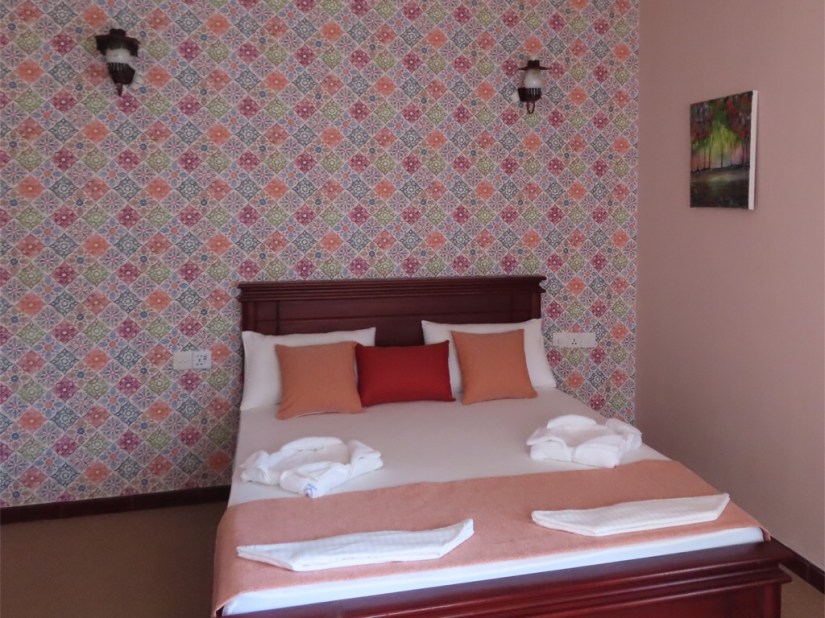
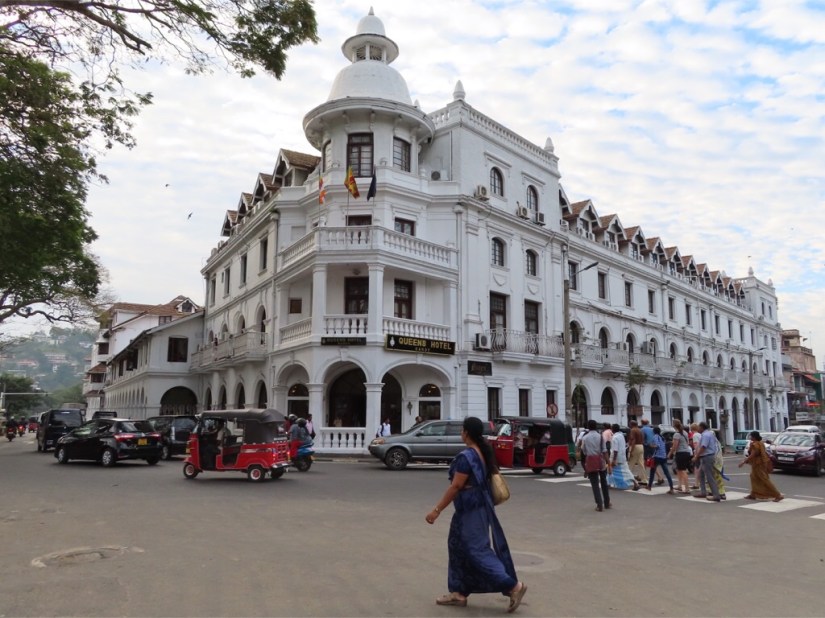
So we are staying at Blinkbonnie Inn, a 20 minute walk up out of Kandy which is ideal as the streets seem constantly gridlocked with traffic and its good to be out of the noise and bustle, and we have a great view from our balcony.


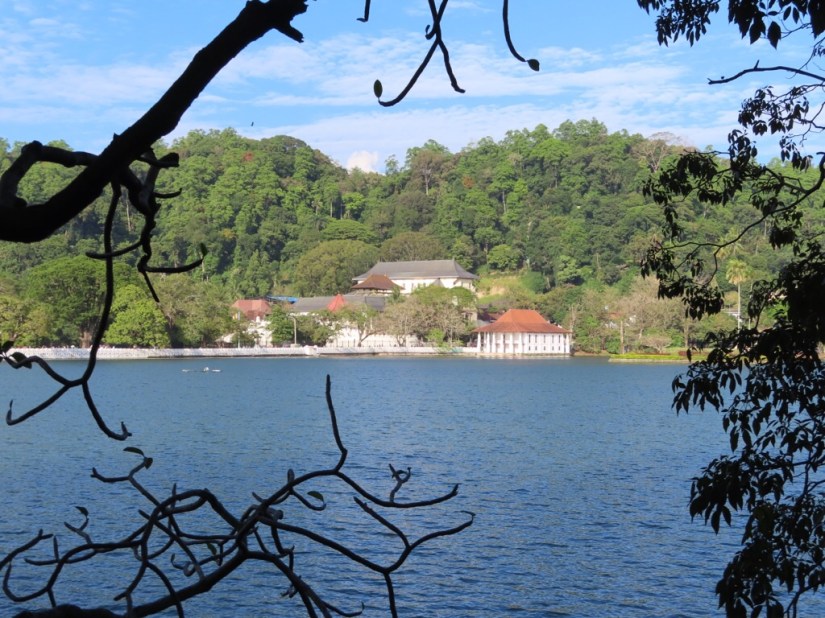
The first afternoon we took a walk passed the viewpoint …

… round Royal Palace Park, containing of all things a Japanese howitzer captured in Myanmar in WWII and presented to the city by Lord Mountbatten …

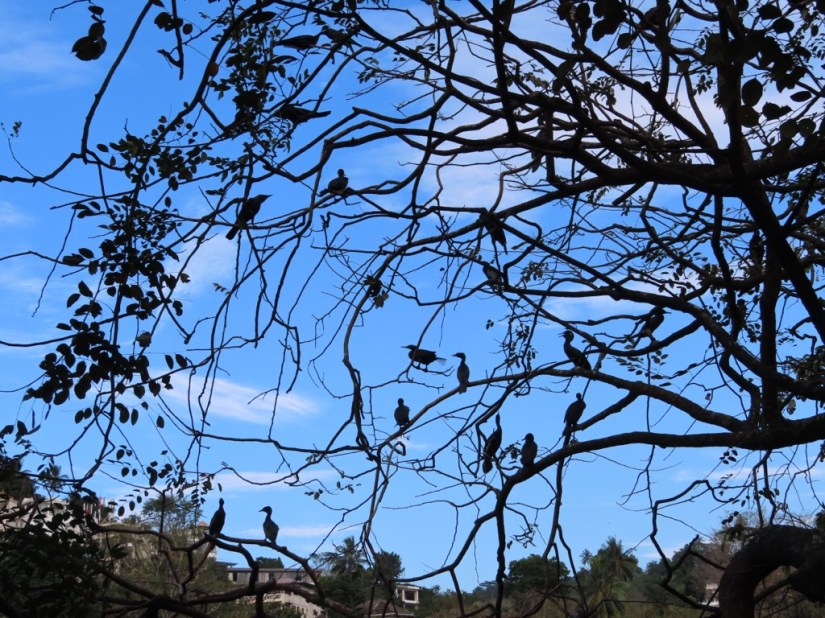
… then down and round Kandy Lake to get our bearings, before having dinner in the guesthouse.

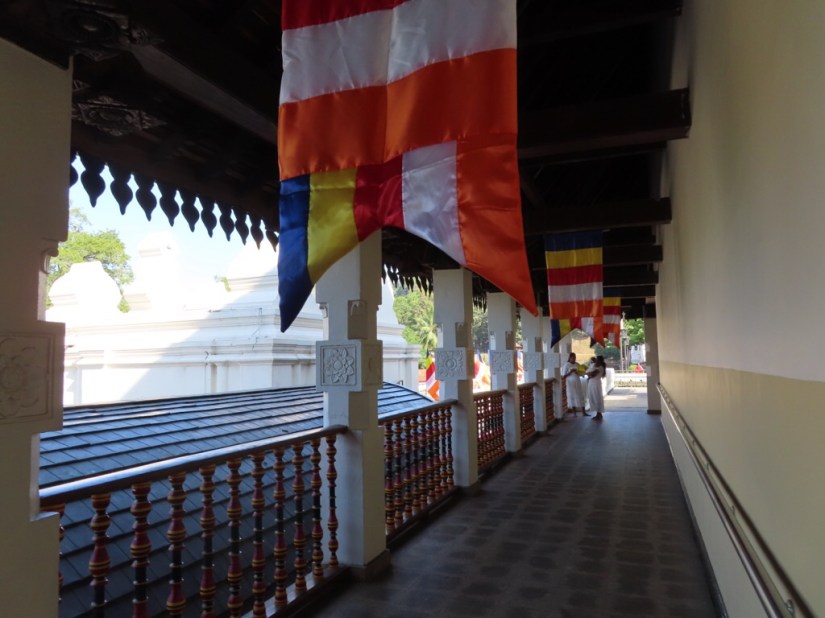
Next morning we made an early start so we could get to the Temple of the Tooth in time for the 9.30 puja (prayers and offerings) ceremony. We bought our ticket, checked our shoes and made our way to the Recitation Hall on the 1st floor and at just after 9.00 there was already a queue of people waiting for the ceremony, but the Hall wasn’t too busy.



Let me tell you about the tooth, which was saved from the fire when the Buddha was cremated, and was smuggled into Sri Lanka in the hair of a princess. It resided wherever the capital was, so moved about a bit, was briefly captured by the South Indian army and taken back to India, but was reclaimed shortly afterwards. The Tooth came to assume political importance as a unique relic but also a symbol of Sri Lankan sovereignty. The Portuguese captured what was claimed to be the Tooth, but either it wasn’t or it miraculously flew back to Sri Lanka. Either way, it arrived in Kandy in 1592, was installed in a specially built temple and became the focus of the huge Esala Perahera. This lavish 10 day festival is held around July culminating in the procession when the Tooth is carried through the city by an elephant. The exact nature and authenticity of the Tooth is unclear as reports from Europeans who saw it in the past suggest it was far larger than a human tooth, but I guess that is rather beside the point, and in fact for security, only a replica is now used in the procession.
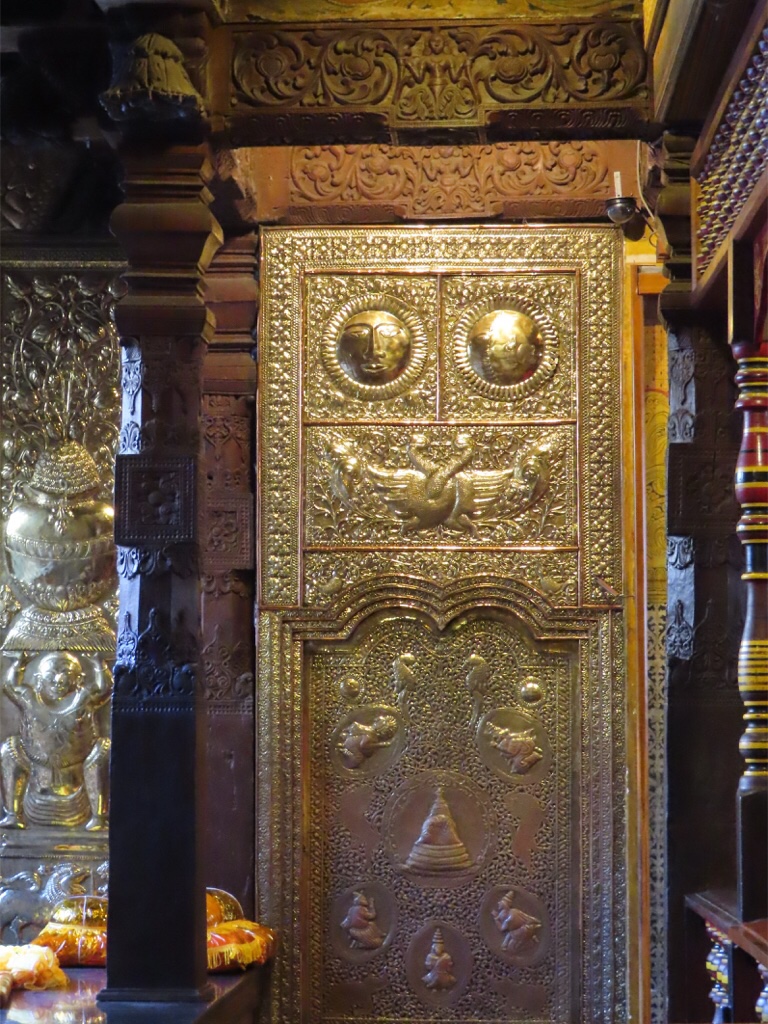
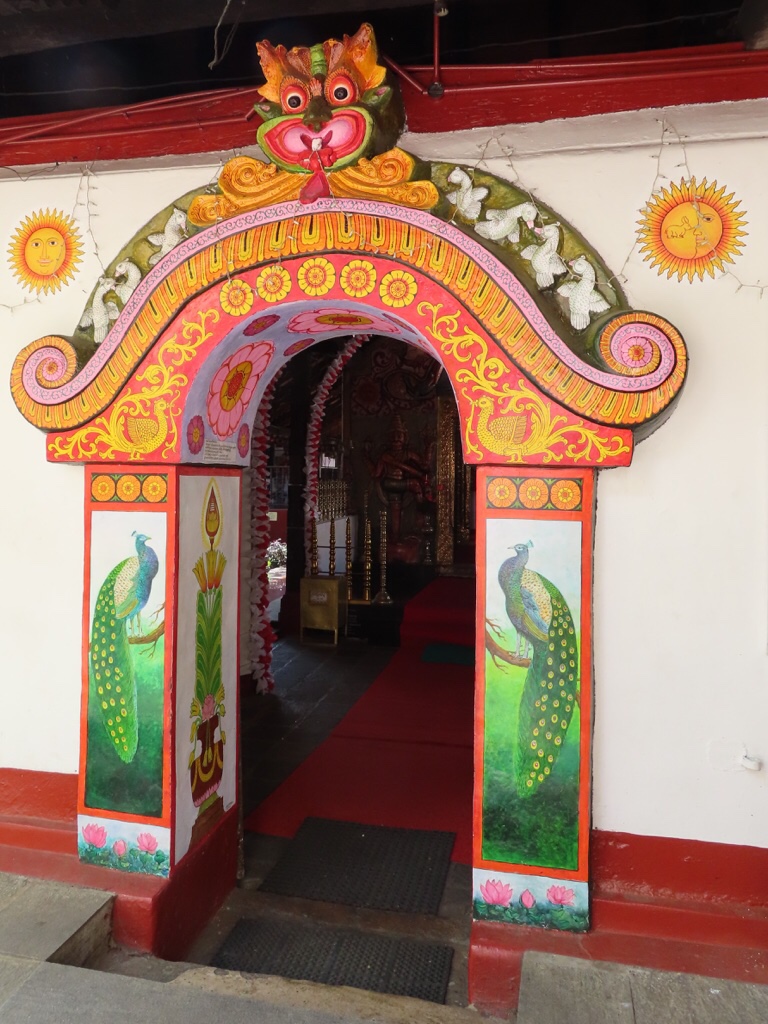
The present temple dates from C18th and this is the entrance to the Chamber with an ornate doorway embossed with suns, moons, entwined geese and dwarfs holding urns of plenty. We waited and when the puja began, we could hear drumming from downstairs, and the door were opened. The queue slowly filed by to get a glimpse of the stunning casket containing the tooth and leaving offerings.



We made our way downstairs past the never ending queue …

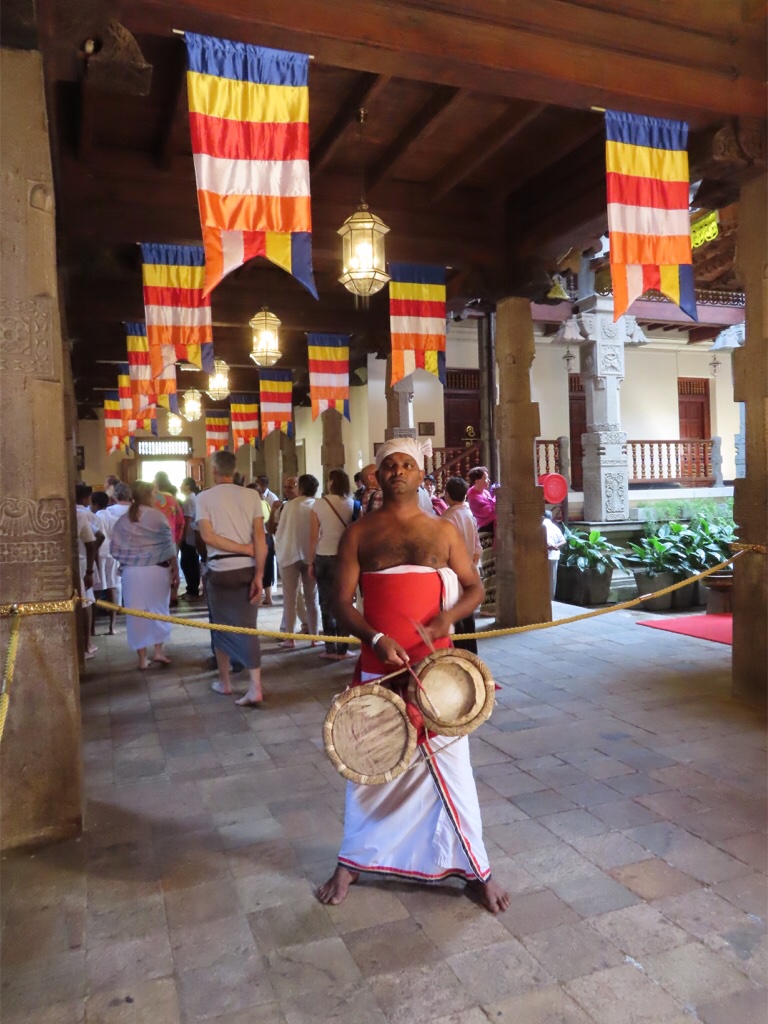
… to see the drummers …

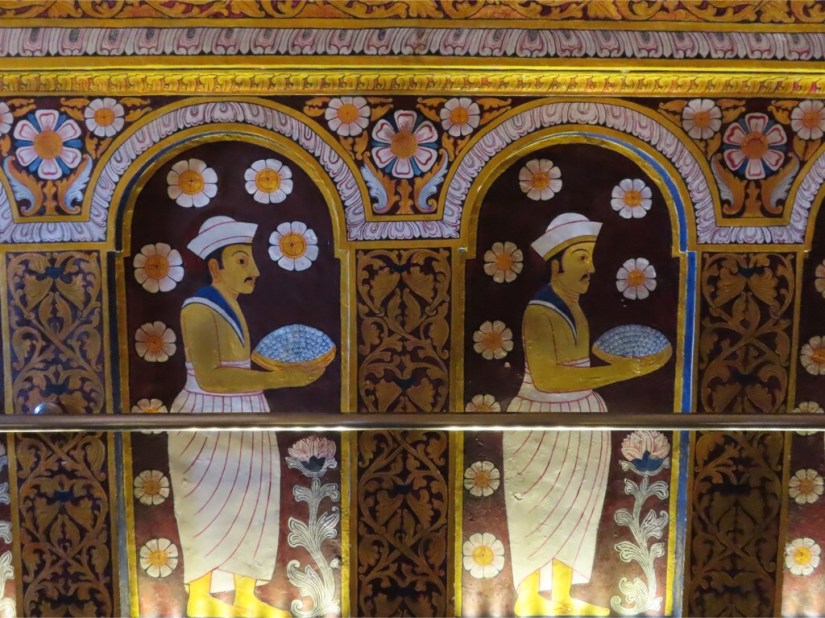
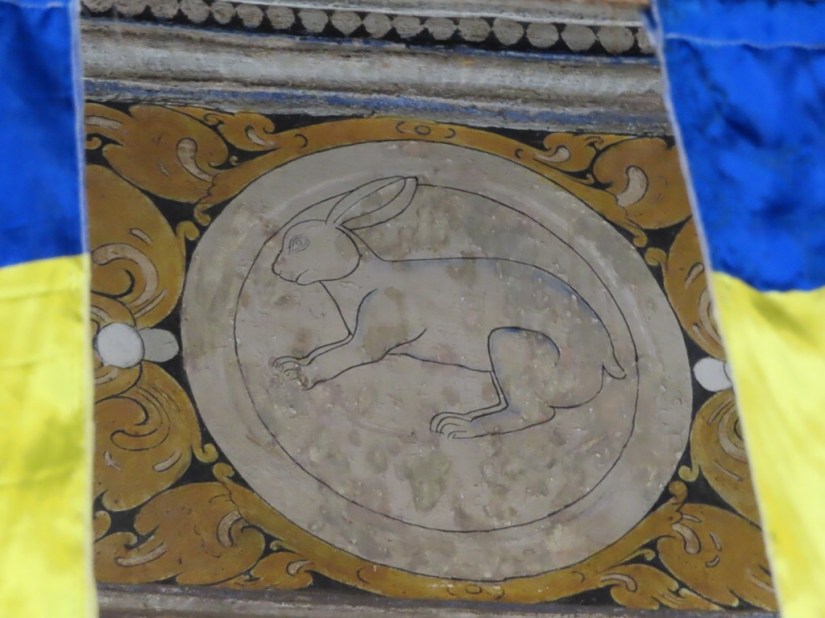
… and to admire the outside of the shrine decorated with elephant tusks, murals, a moonstone and hares in the moon which represent self-sacrifice.
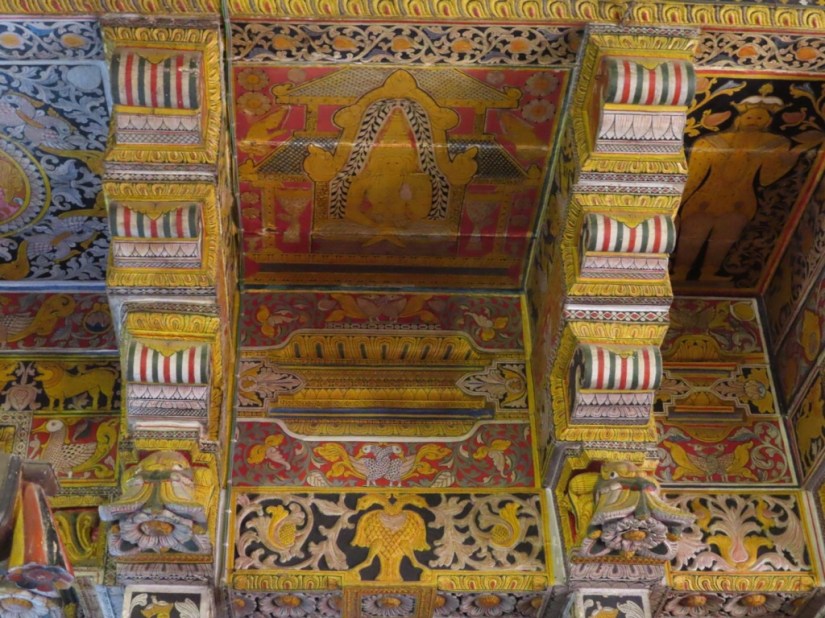


Next was the New Shrine Room contains Buddhas from round the world …


… and the Audience Hall dating from 1784 and a couple of museums.


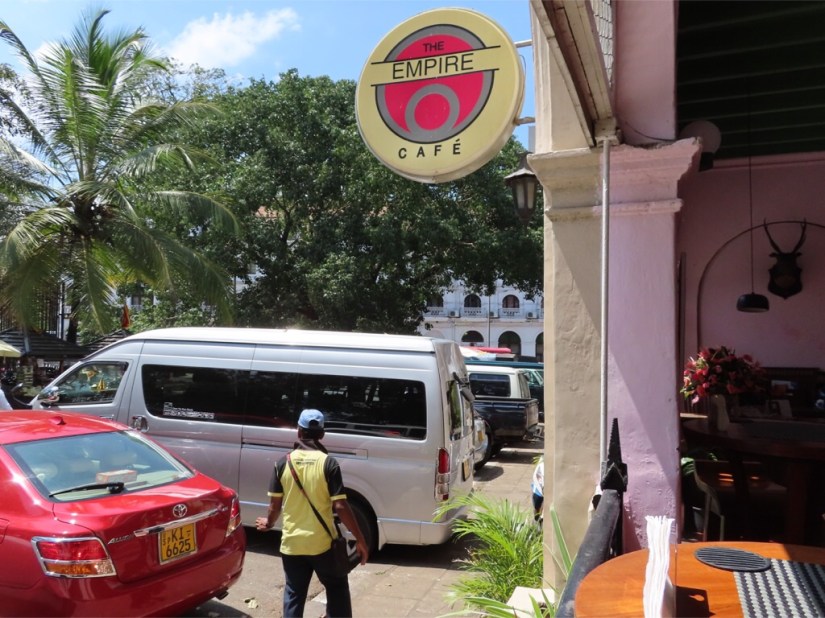
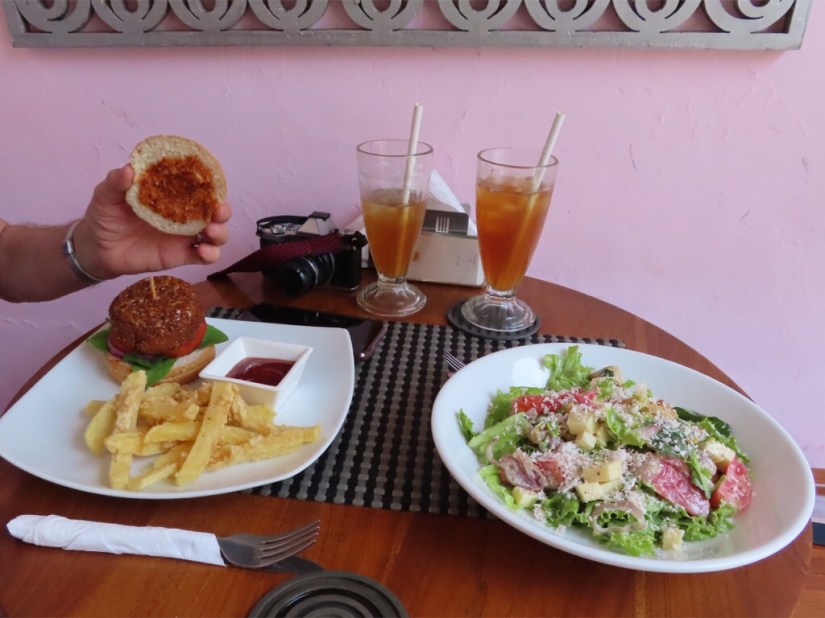
Making our way out and collecting our shoes, we headed for a seat on the breezy verandah of the Empire Cafe to indulge in a change from curried fare! I chose the Empire Salad with gotukola (pennywort), basil, lettuce, grated coconut, tomato, caramelised onion, nuggets of paneer, and golden Vada I (dhal fritters) with mustard and coconut milk dressing … and Chris opted for the Kingdom burger and fries with ginger iced tea … perfect fusion for those missing familiar food!



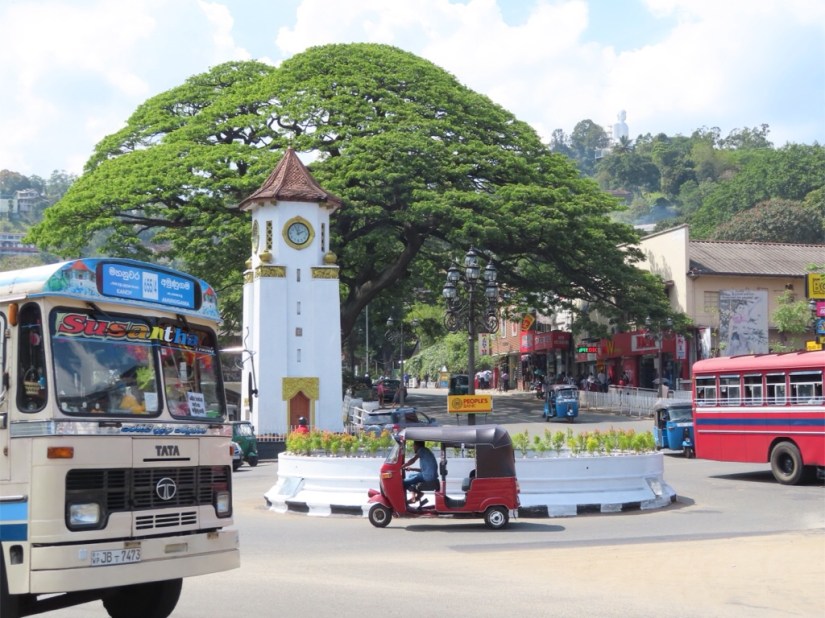
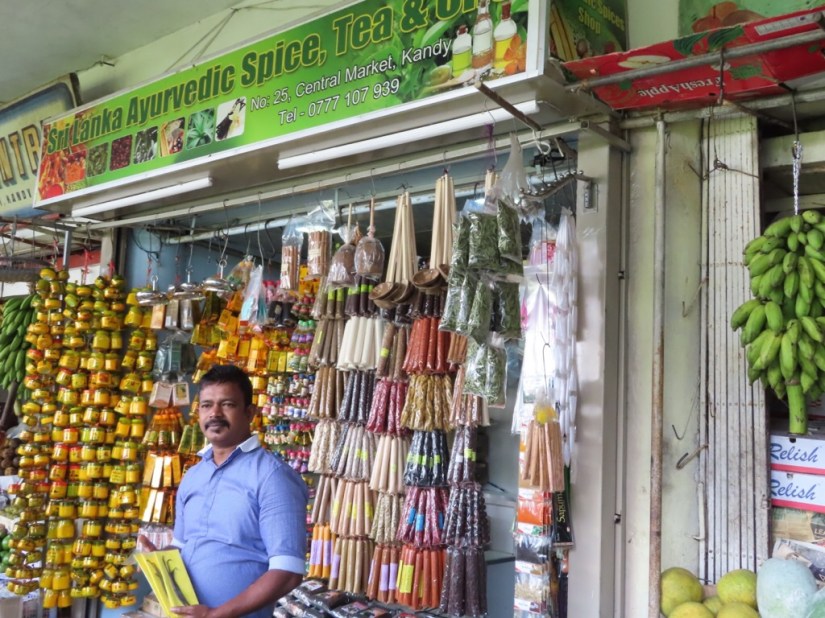
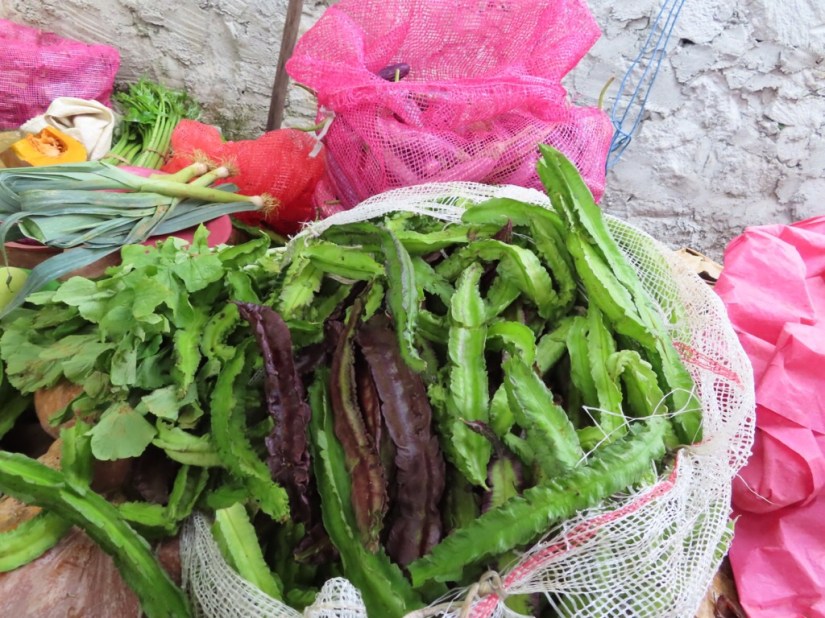
Refreshed, we went to the Central Market for a look, but only purchased some snacks. We’ve noticed very British looking cake in several places … it must be popular here …


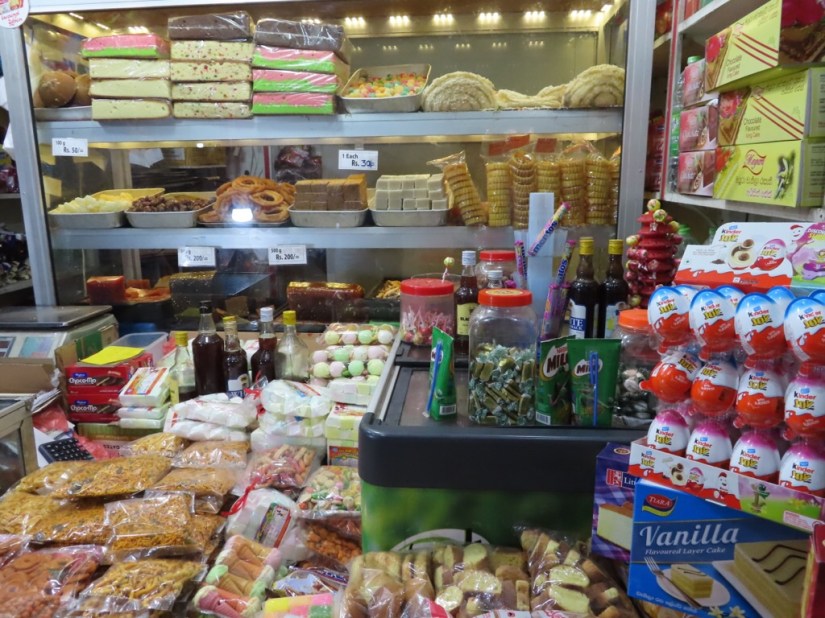

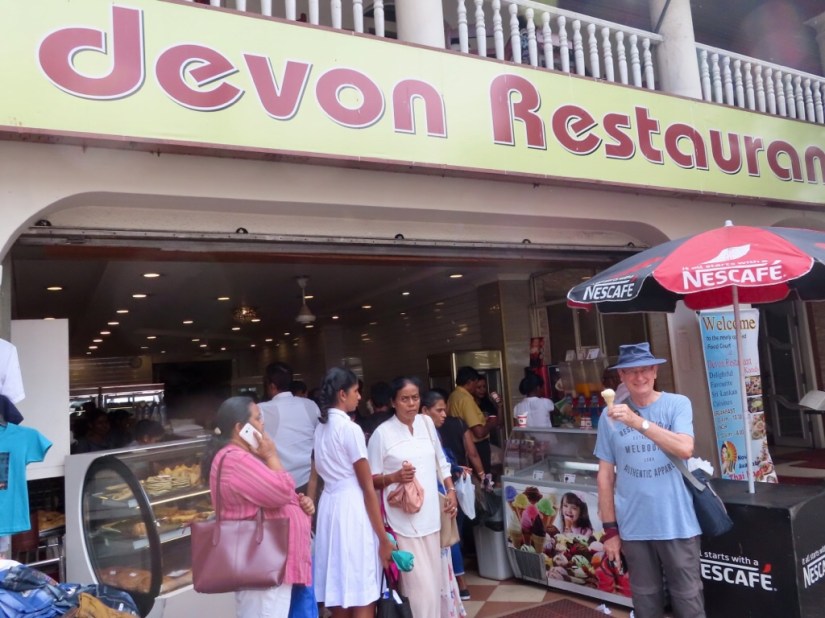
… and we even came across some Devon ice cream … very yummy at 22p each!
Kandy lies under the protection of four gods, each honoured by a temple or devale and we went to have a look. Fortunately they were all close by, and show how Hindu and Buddhist beliefs blend together here as the temples seems to be a mix of both.
We entered Kararagama Devale between a pair of newly painted peacocks, and is the most Hindu, even with Bramin priests but their is a shrine to Buddha at the back.


Rain began to threaten as we entered the area containing the last three Devales, each with several shrines and we became confused as to which was which … so here are some images …

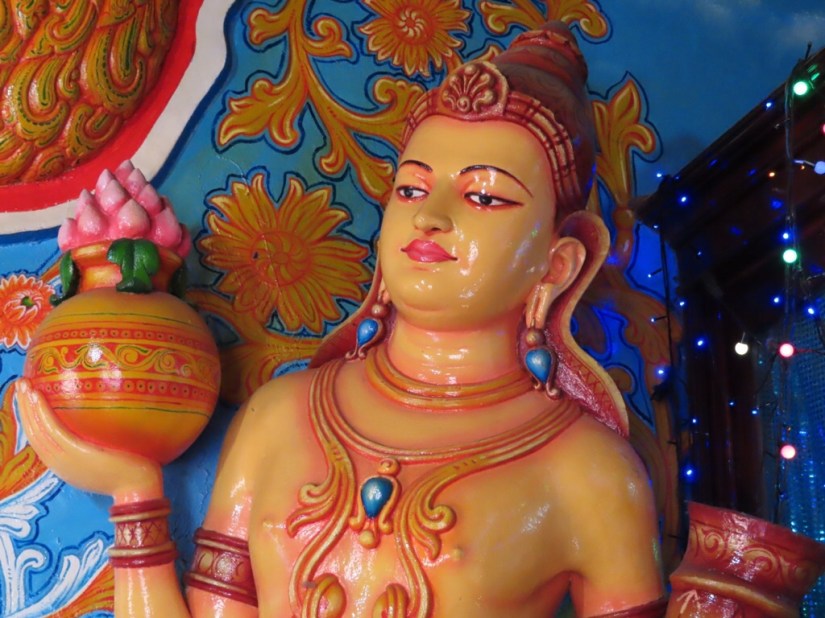
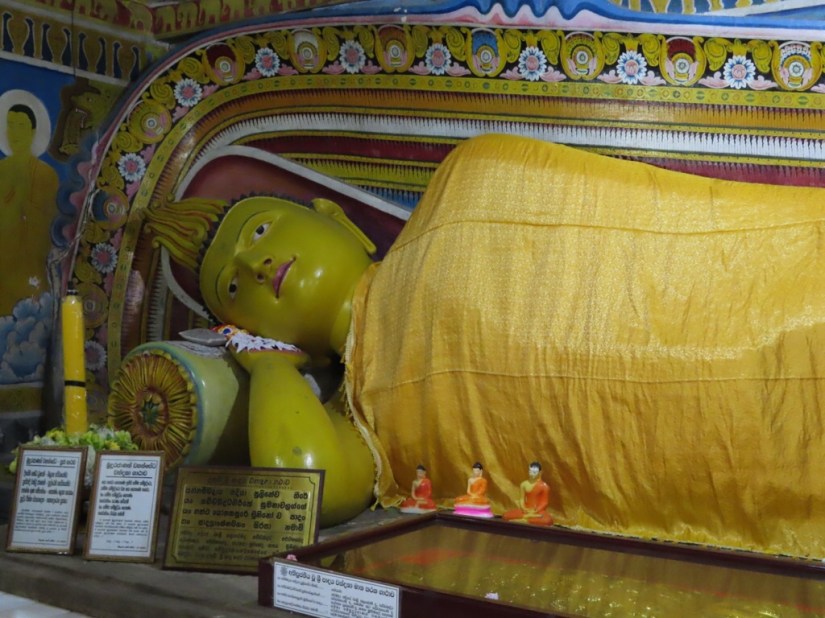


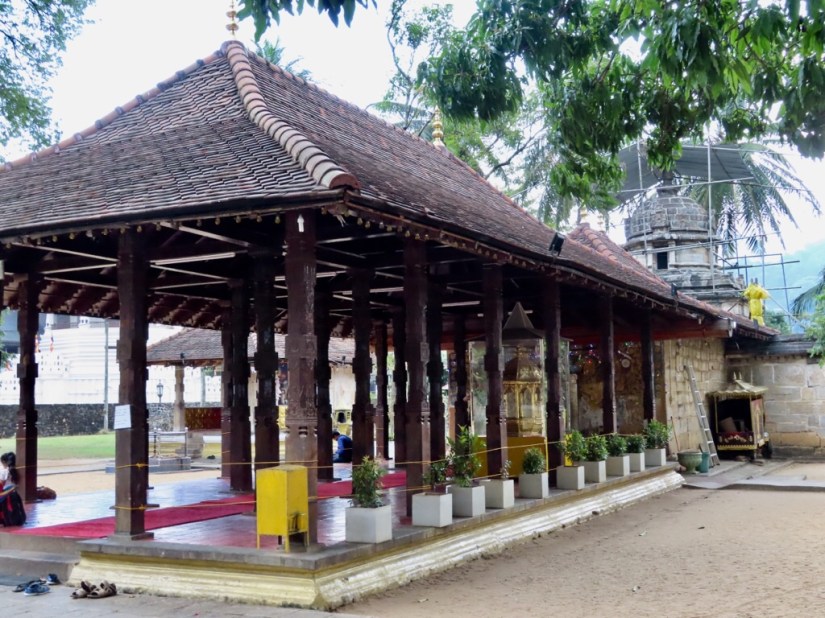


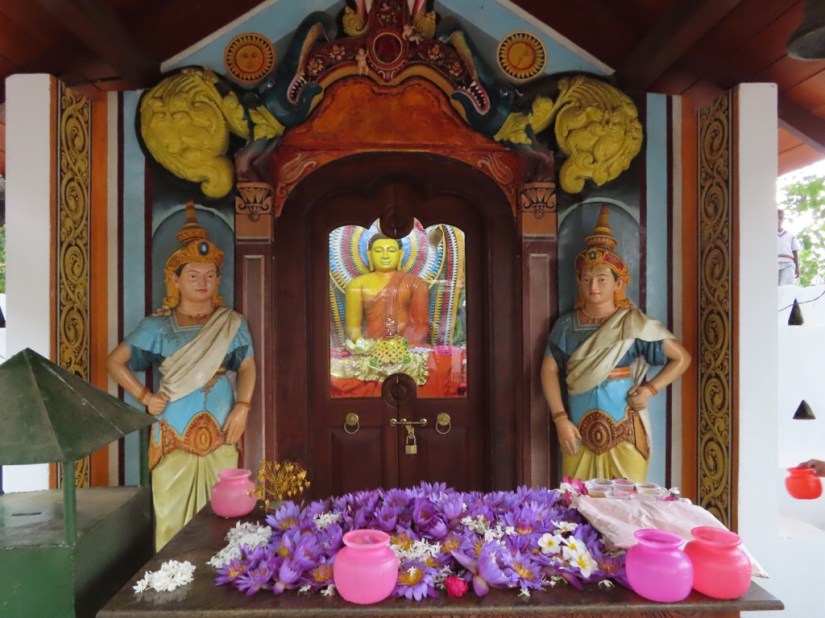
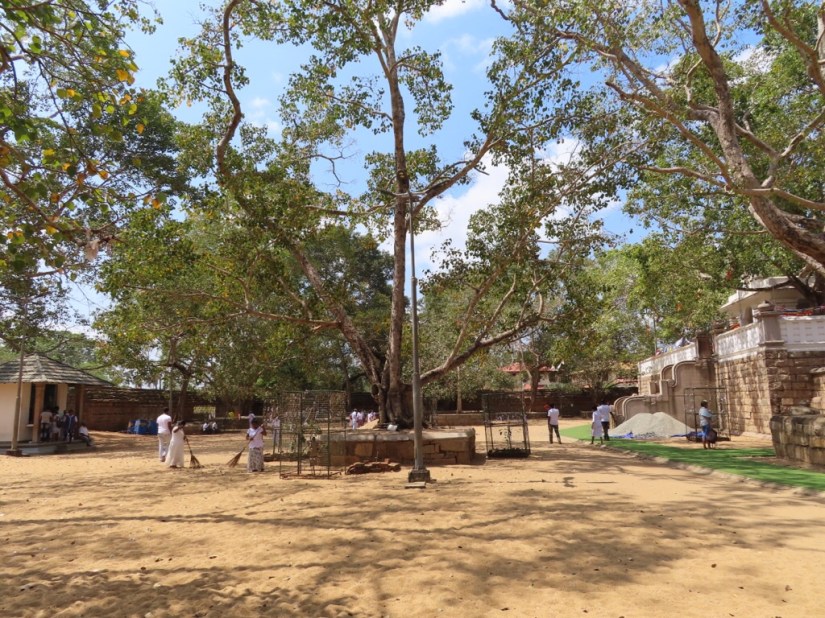
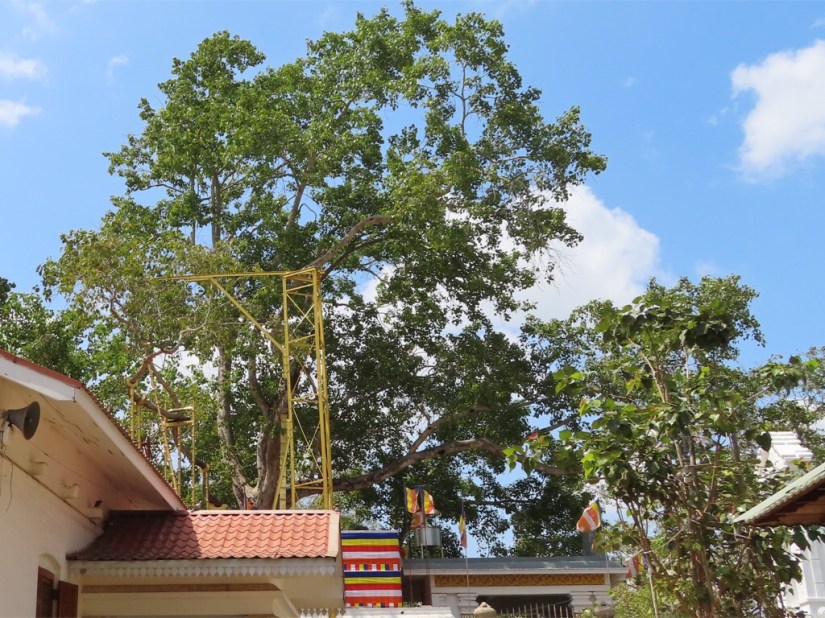
The most poignant was visiting the last bo tree and finding a monk chanting prayers as people came with offerings bowls of water to water the tree …
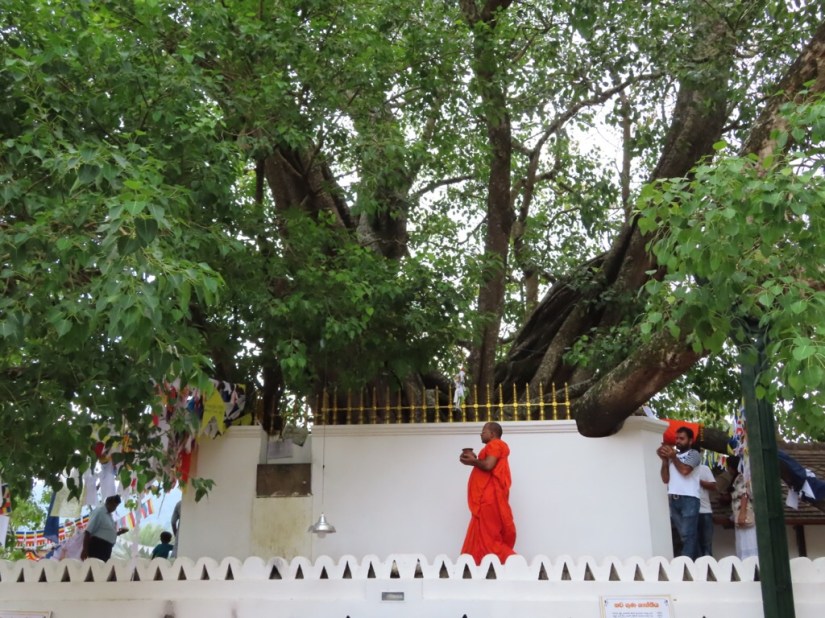
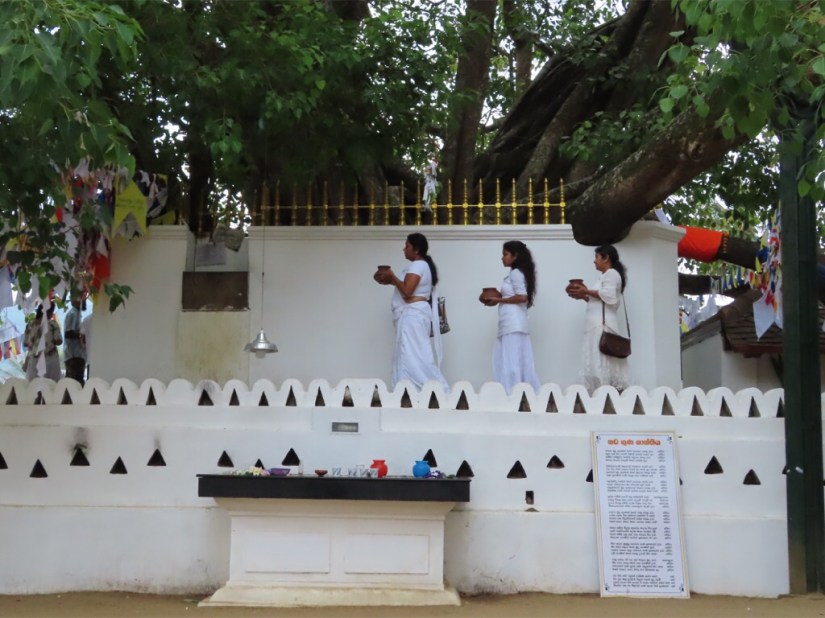
We almost bit off more than we could chew with today’s sightseeing so are looking forward to a slower day tomorrow!
 Travelling again by tuk-tuk, our first stop was at a small roadside shrine to Ganesh, where our driver picked a stem with a few leaves and left it with some coins as an offering for a safe journey. Next stop was an ayurvedic herbal garden where Chris bought some red oil which he hopes will work wonders on his dodgy ankle. We were lucky enough to see a mother with two baby elephants as we passed the edge of Minnetiya Tank in the National Park …







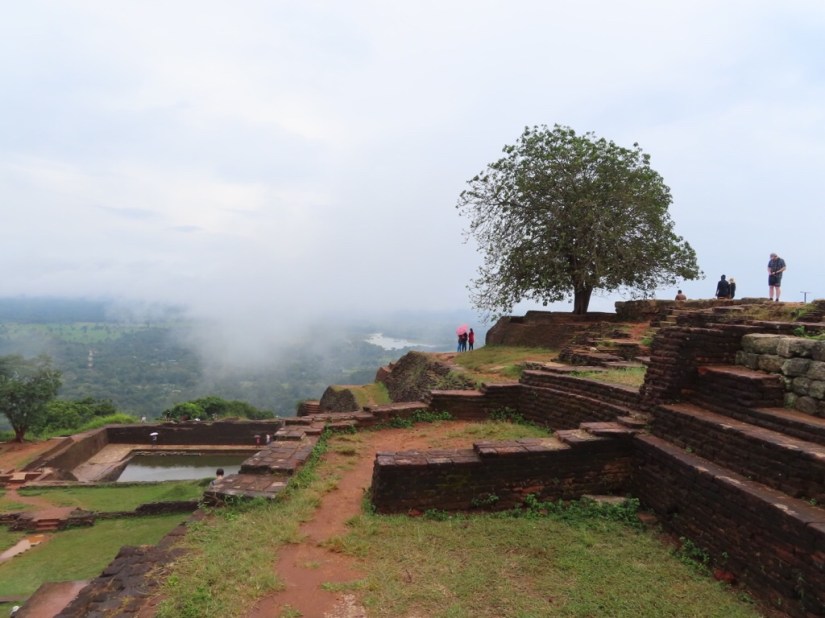
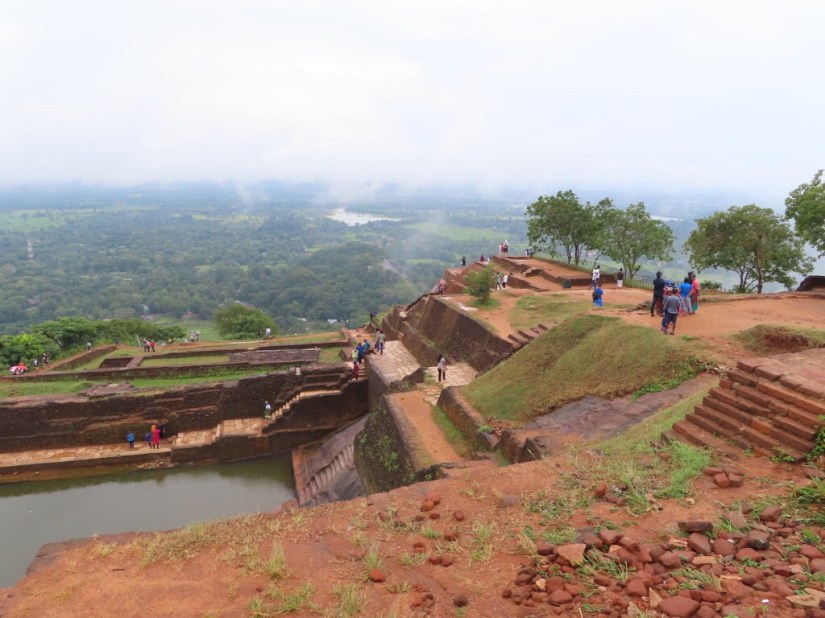
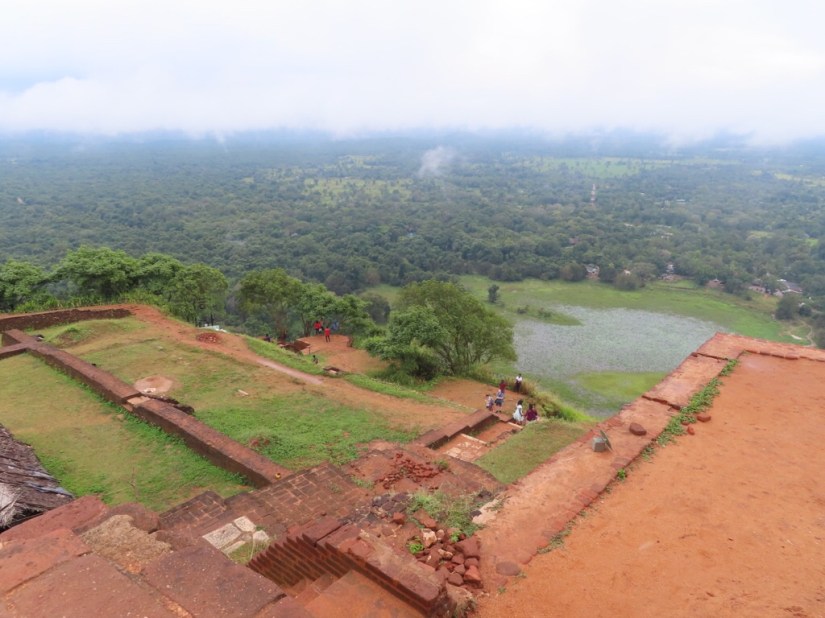
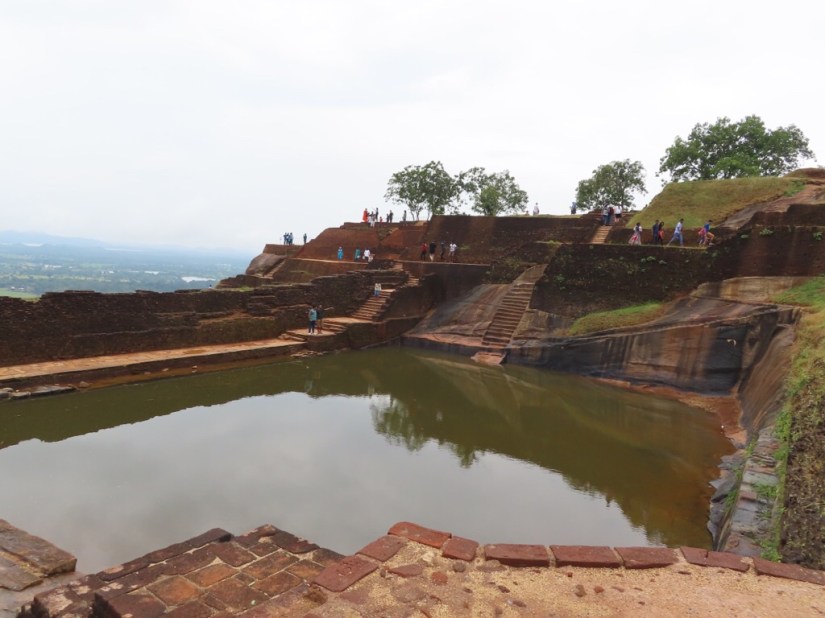
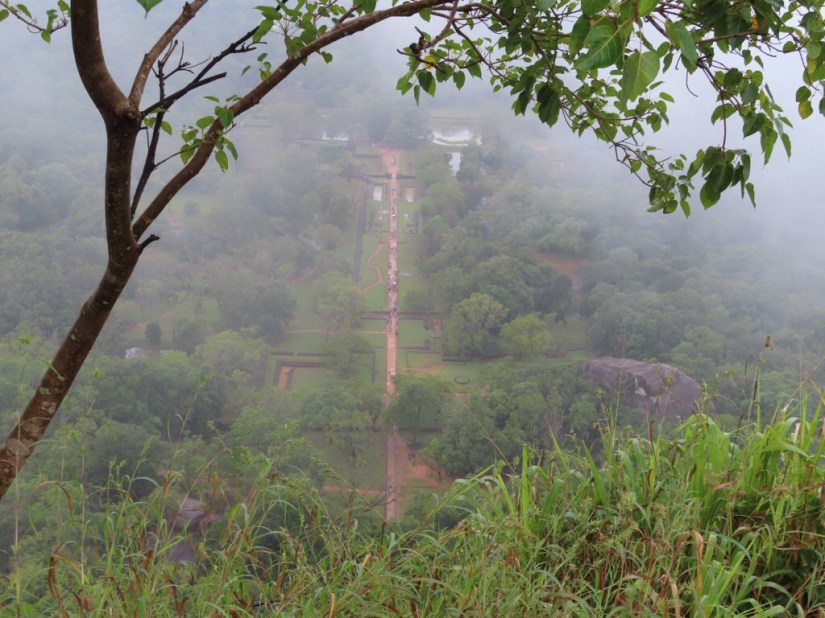
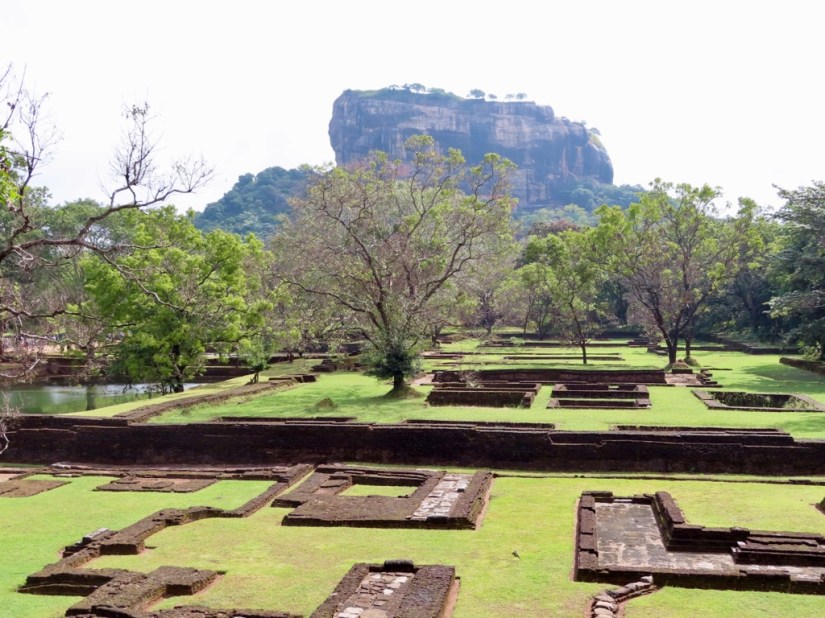
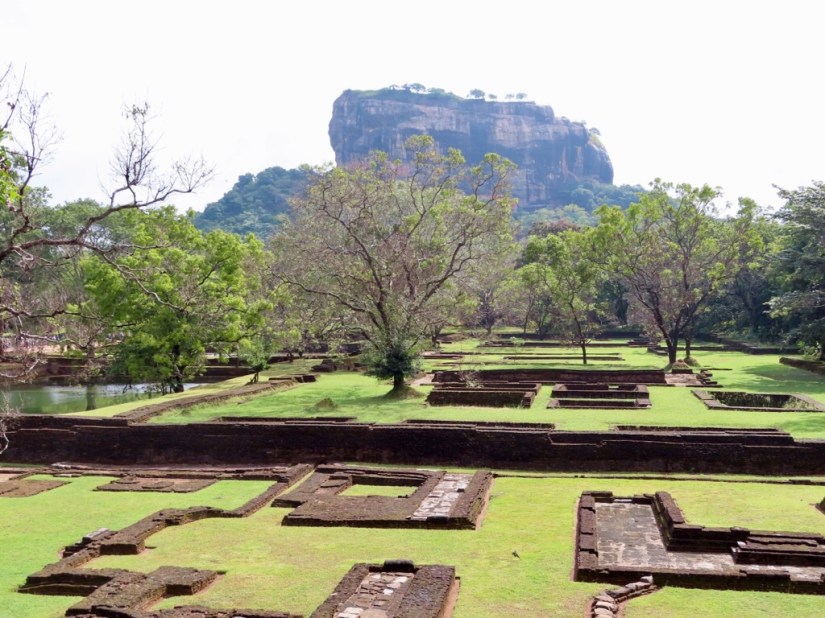 Sigiriya is built on a huge rocky outcrop towering 200m above the countryside. There was a power struggle between the two sons of Dhatusena of Anuradhapura in the C5th. Kassapa, the lesser son, drove his brother Mogallana into exile in India, killed his father then built a combination of pleasure palace and fortress on the top of the rock, copying the legendary abode of Kubera the god of wealth, and a city below, all in seven years. A few years later Mogallana returned with an army of Tamil mercenaries. Despite the benefits of his unassailable fortress, Kassapa rode out boldly on an elephant at the head of his troops, his elephant bolted, his troops fell back and facing capture Kassapa killed himself. Mogallana handed Sigiriya back to the monks who abandoned the site in the C12th.
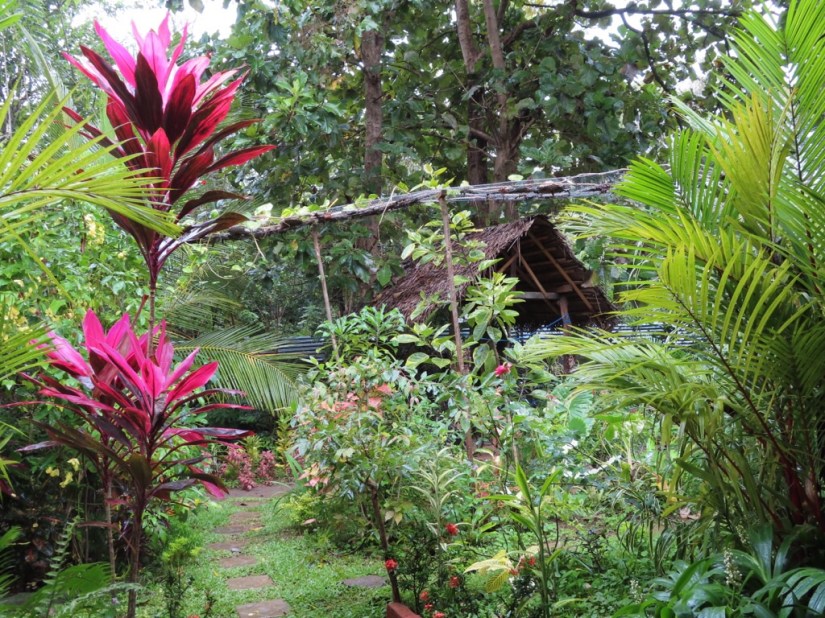
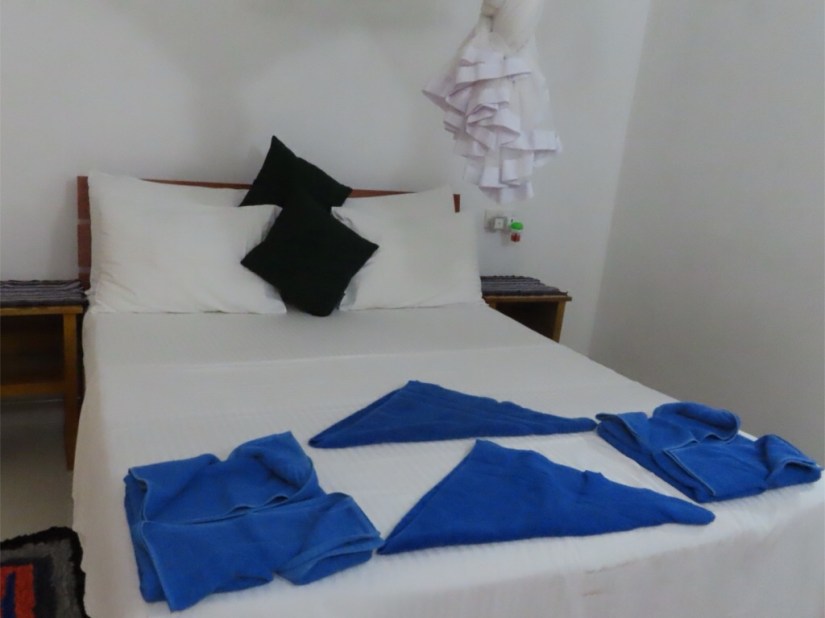 Later, we decided to take a chance on the weather, as there had been several short but heavy downpours, and asked for a tuk-tuk. By the time it arrived the rain had started again but it stopped as we reached the Pidurangala Temple.
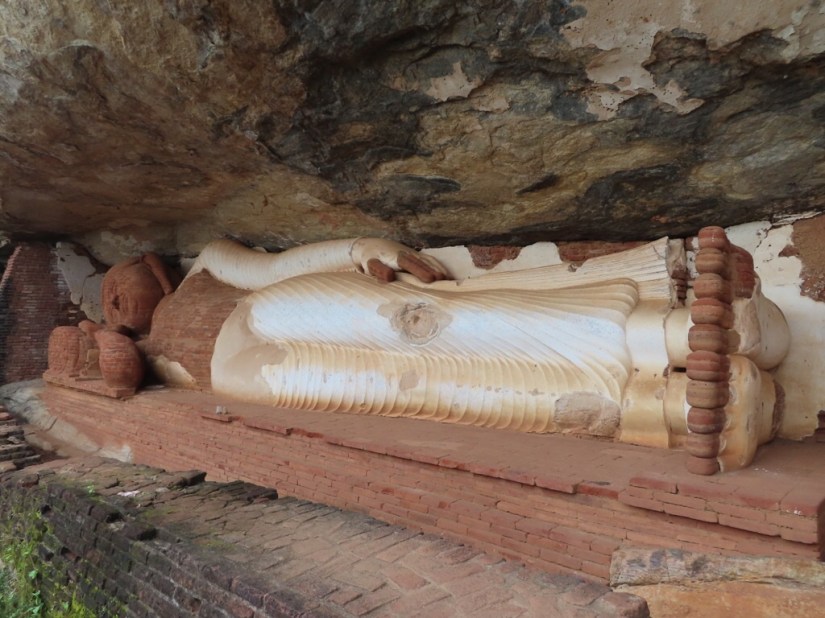
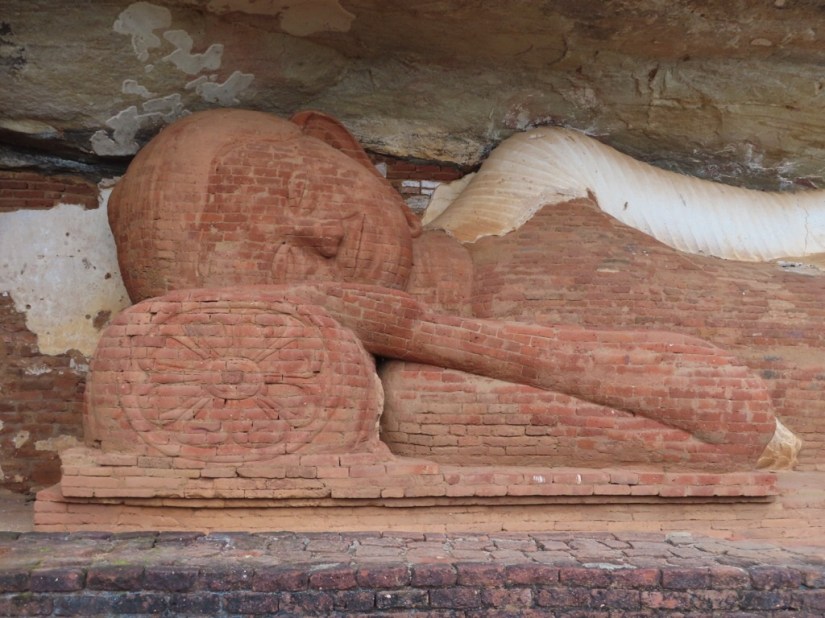
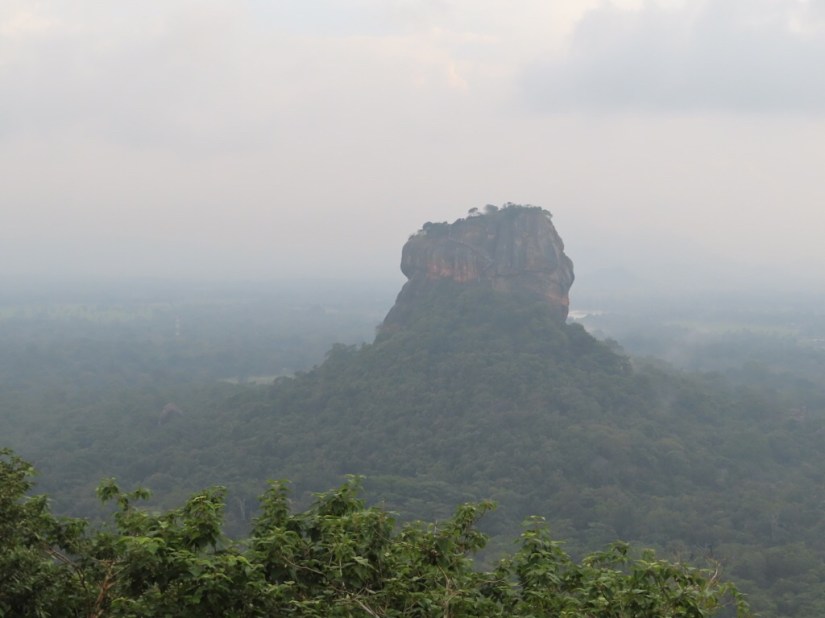
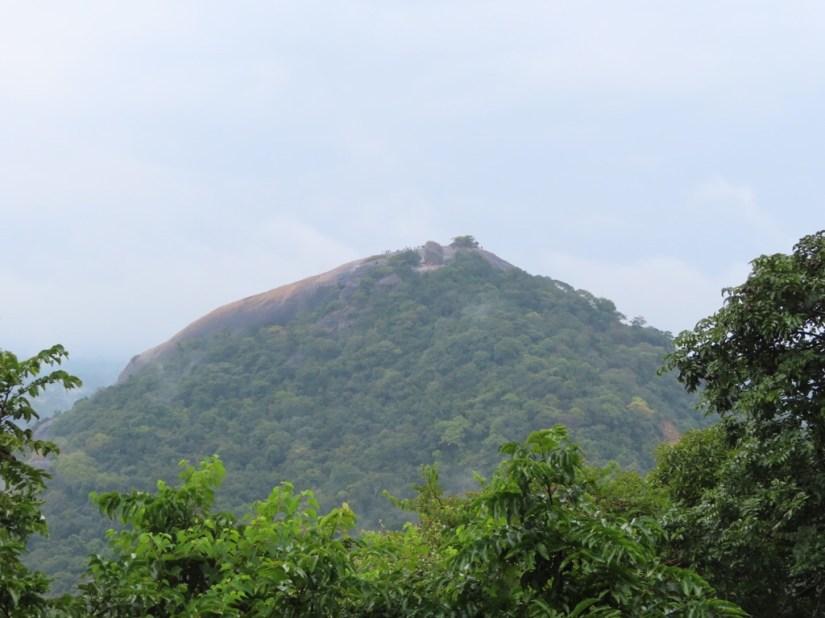
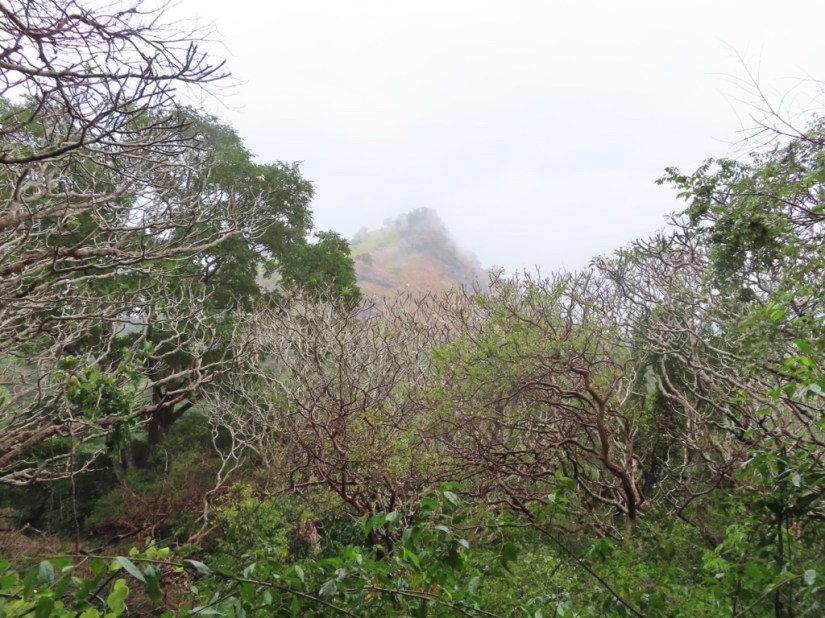
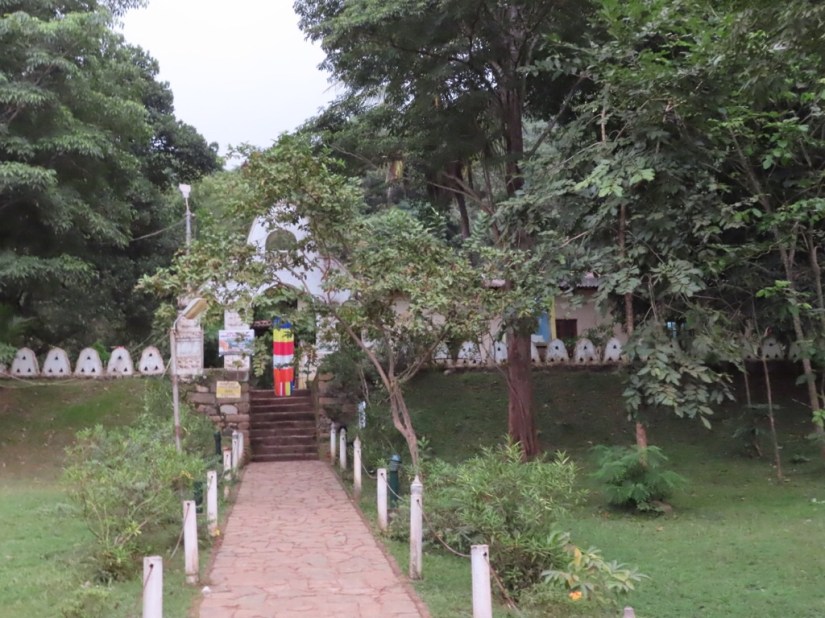 The story says that monks living in Sigiriya were given land to rebuild here when the citadel was built, and the main reason for visiting was to get a great view of Sigiriya. We entered the temple area at the bottom then started a steep climb which began as stairs up as far as a reclining Buddha under an overhang …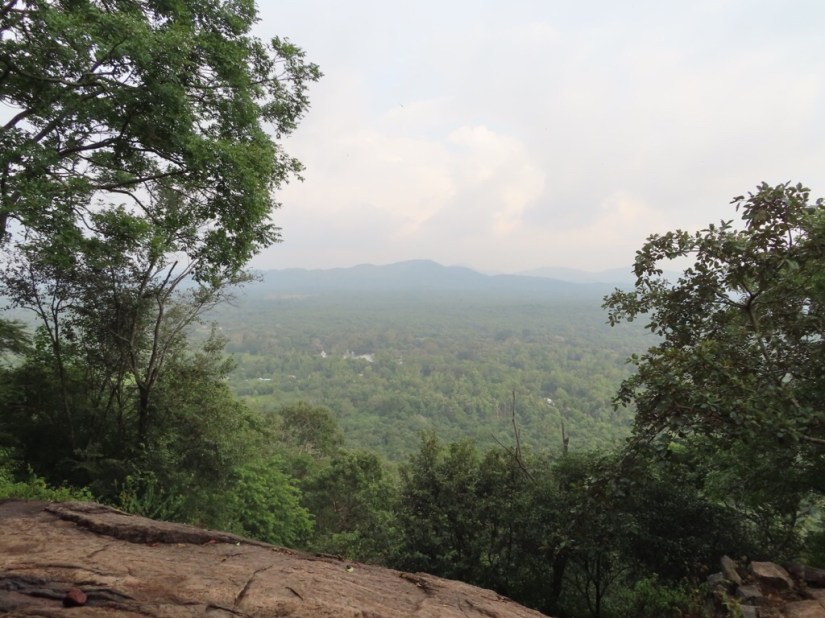
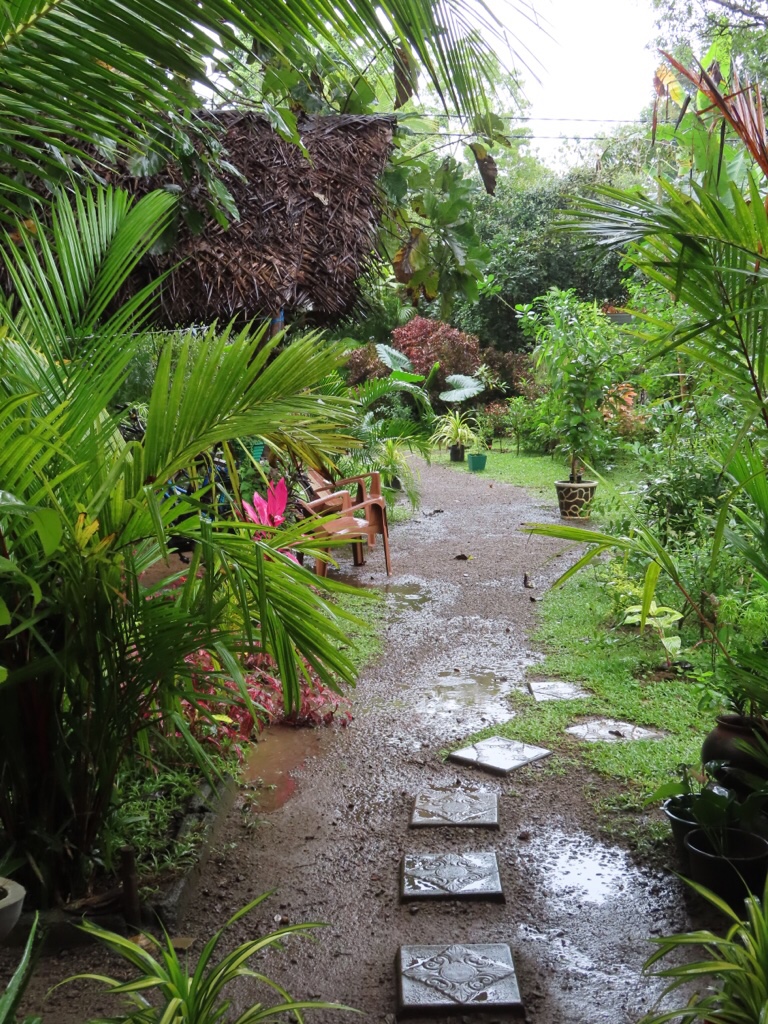 We waited and as soon as it stopped at 9.30 set out to climb Sigiriya, and took this on the way!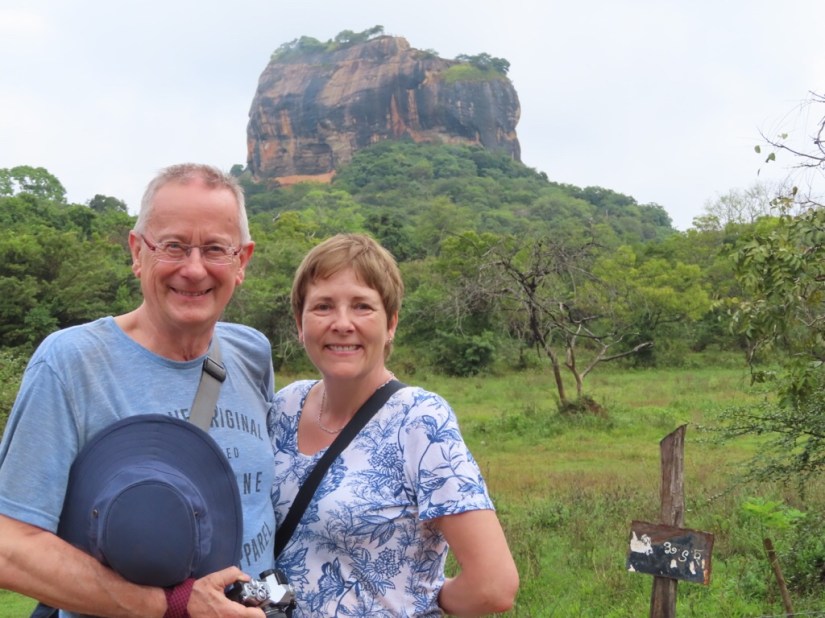
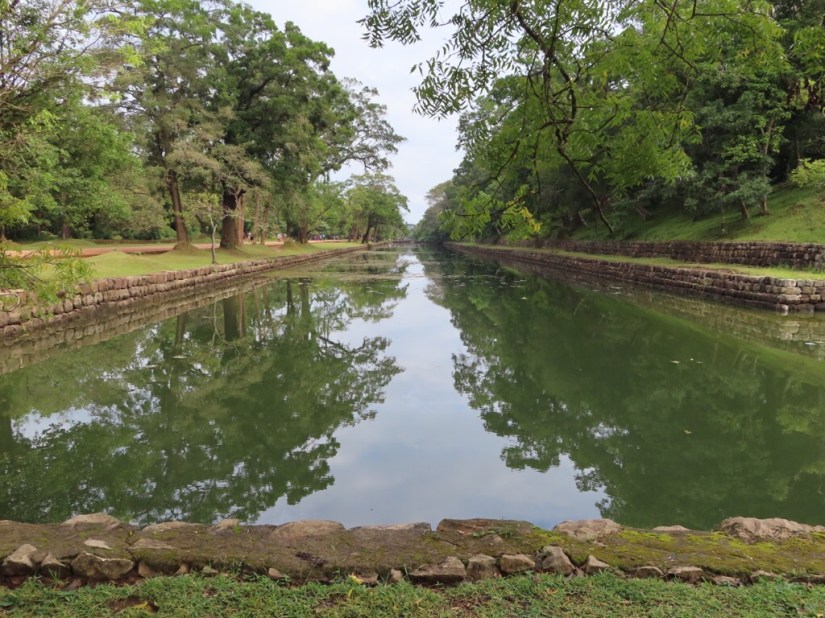
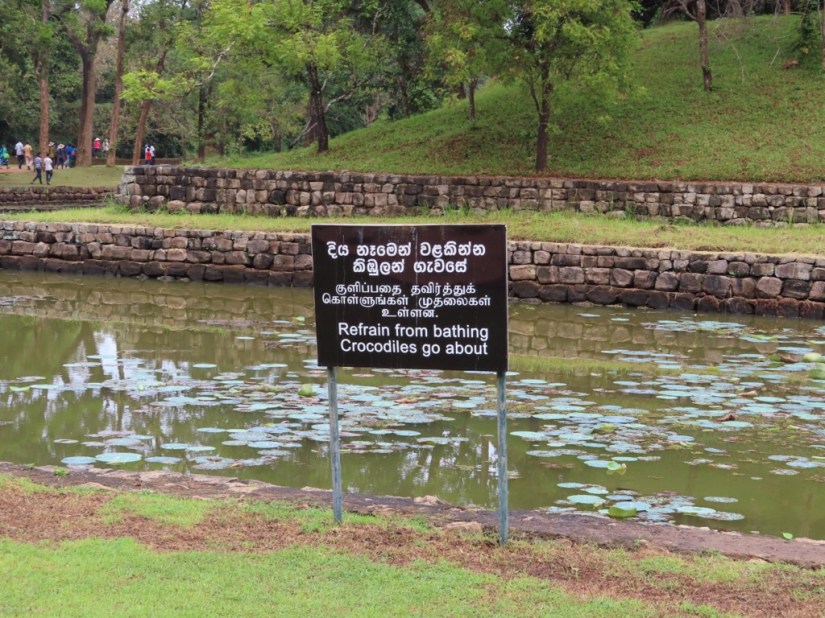
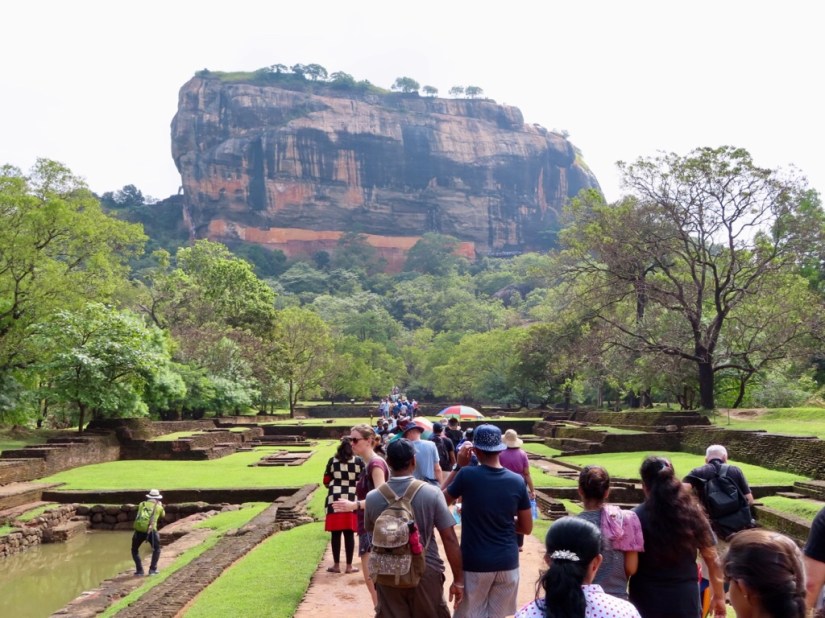 Apparently the fountains work on a simple pressure and gravity system and still work!
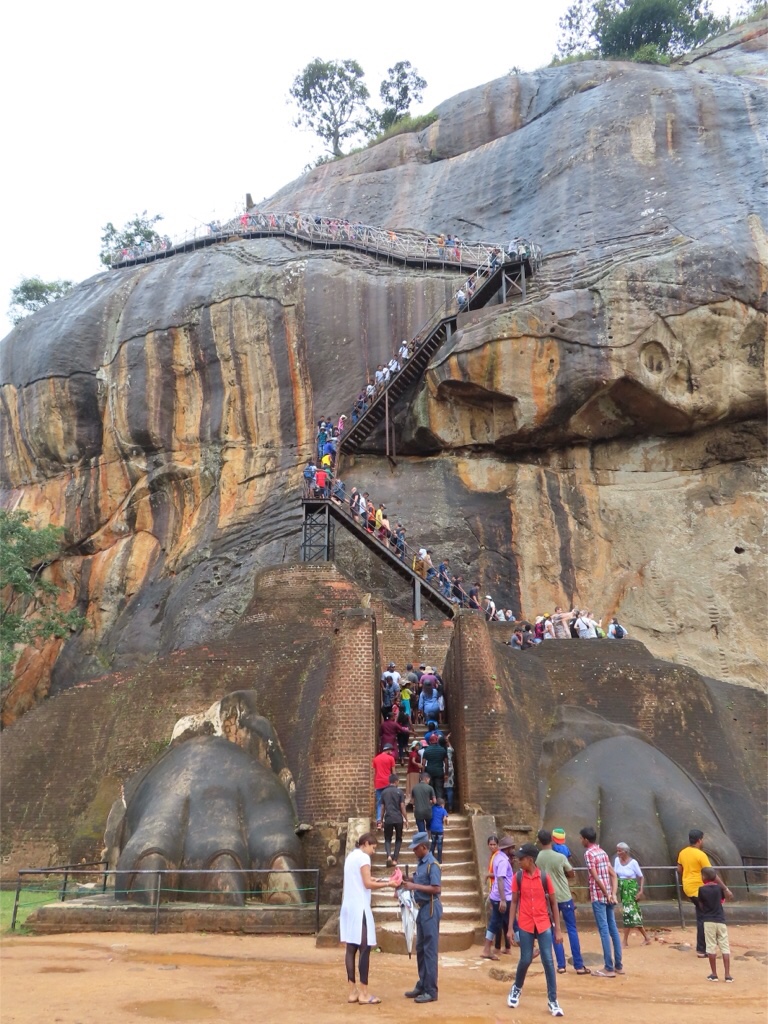
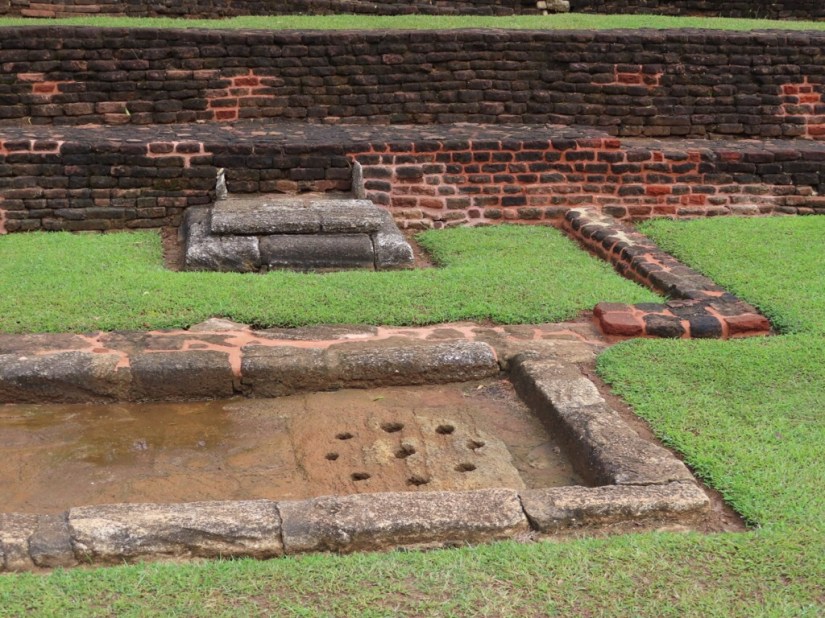 When I planned the trip, I noticed it said to avoid visiting on the weekend or holidays as it gets very busy, which is why we were here on a Monday, but we hadn’t realised it was 71st National day of Sri Lanka, celebrating their independence, or that the whole of Sri Lanka would be coming for a day out!
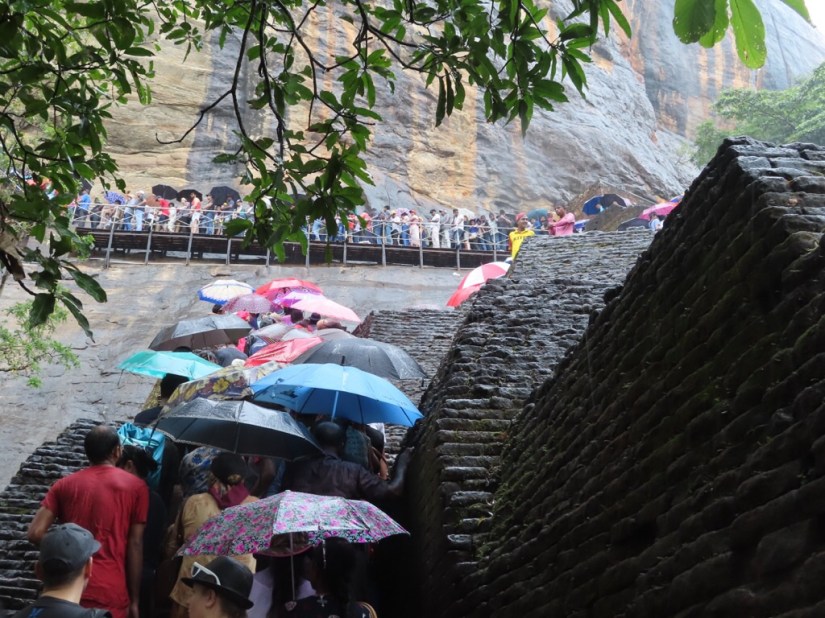 We edged upwards, step at a time, and the rain fell. 90 minutes later we reached a flat stretch, and finally the rain stopped.
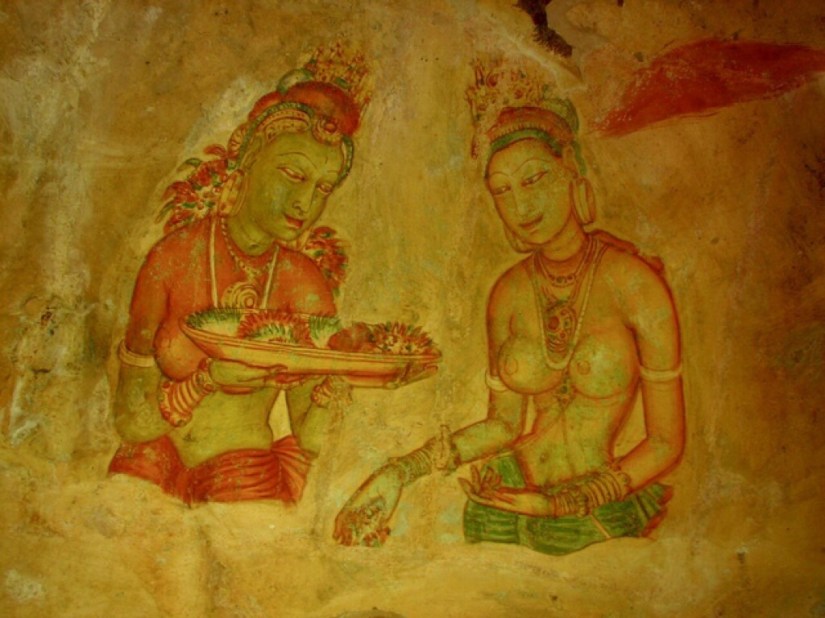
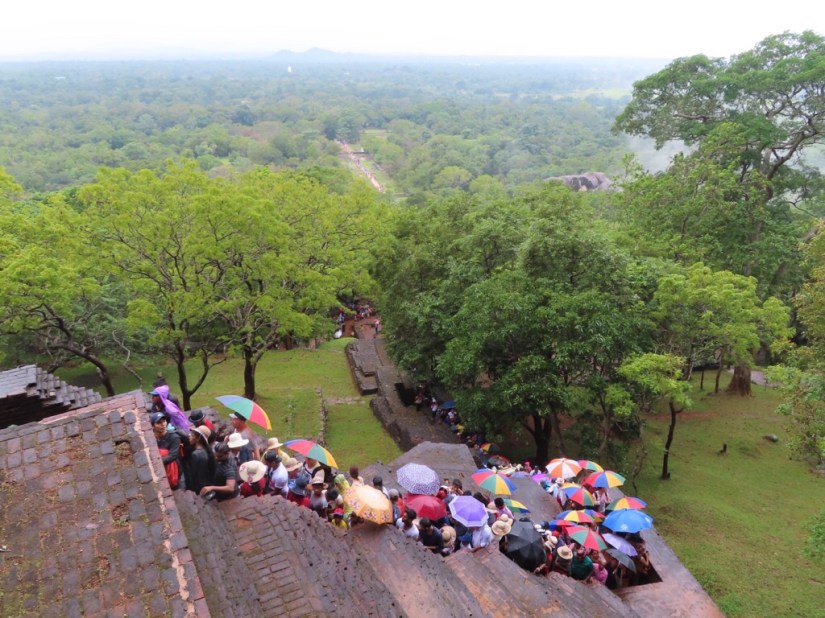 The bottleneck was caused by a couple of spiral stairways to and from a cave with Sri Lanka’s most famous frescoes – The Sigiriya Damsels. There were once as many as 500 covering a huge area but now just 21 remain and photos were not allowed, enforced by strict guards, so I found these online.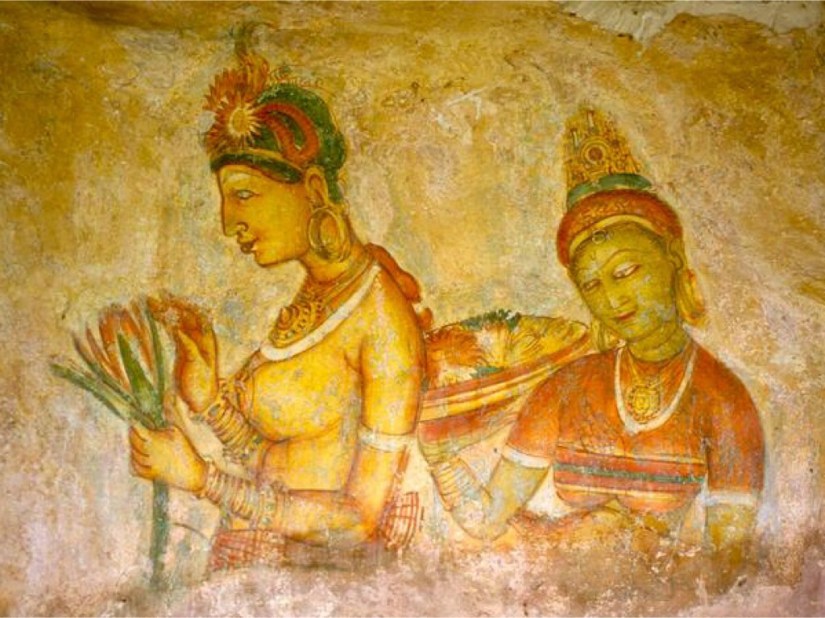
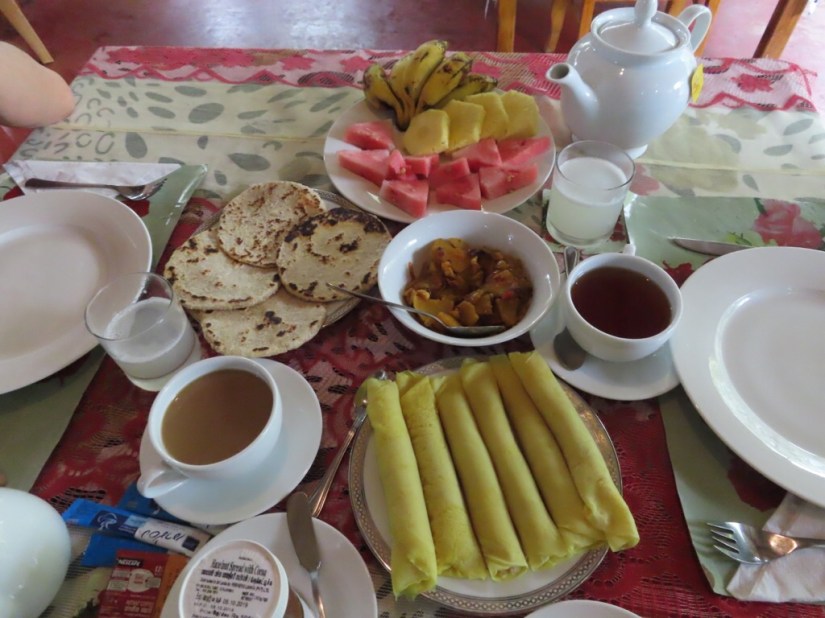
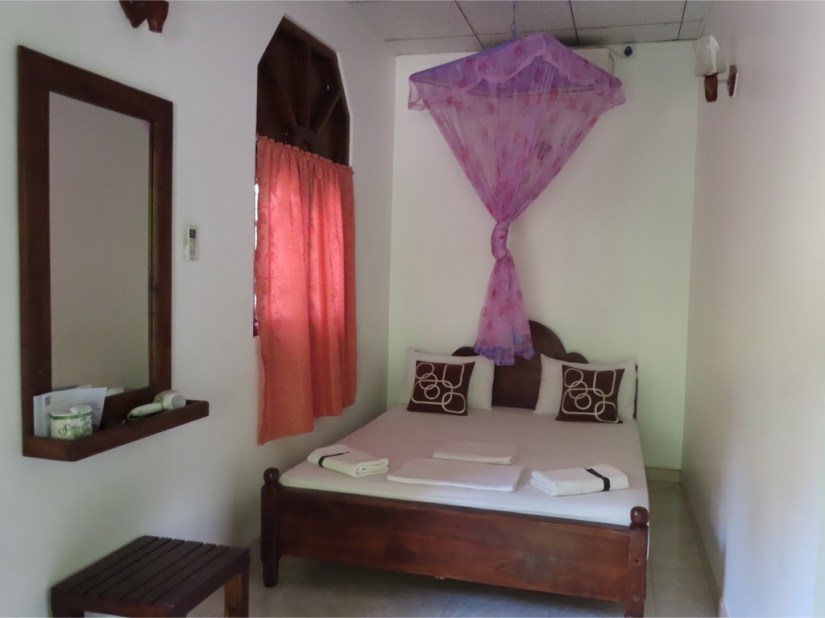
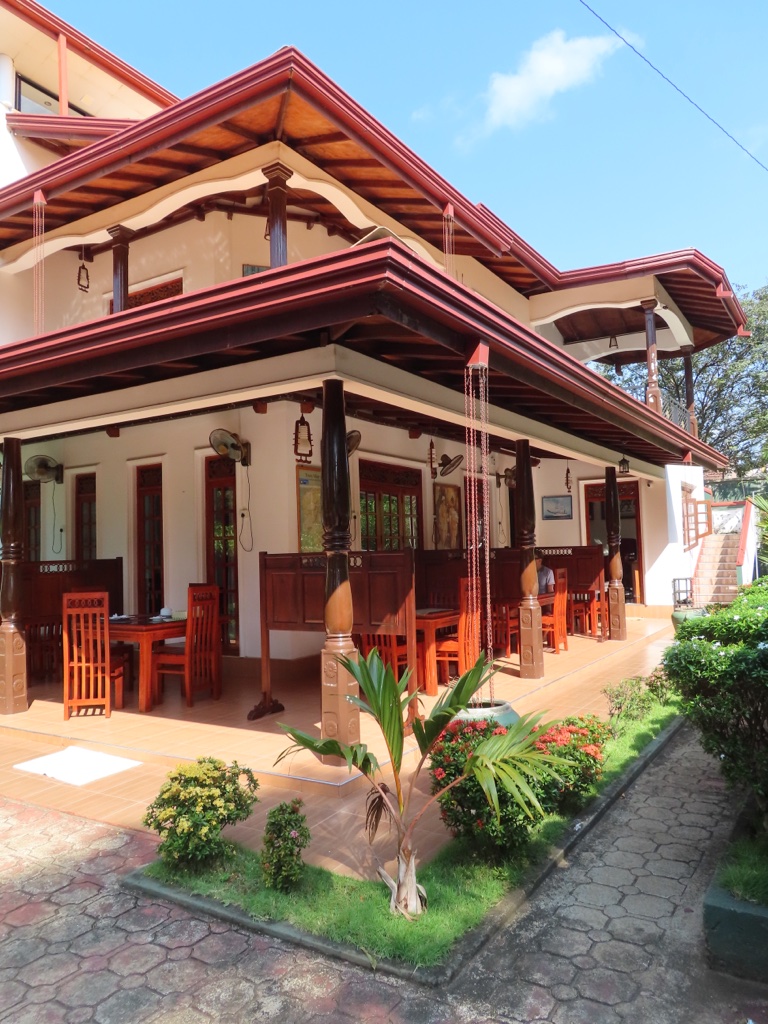
 Arriving in the afternoon, we checked in to the Golden Rainbow Guesthouse …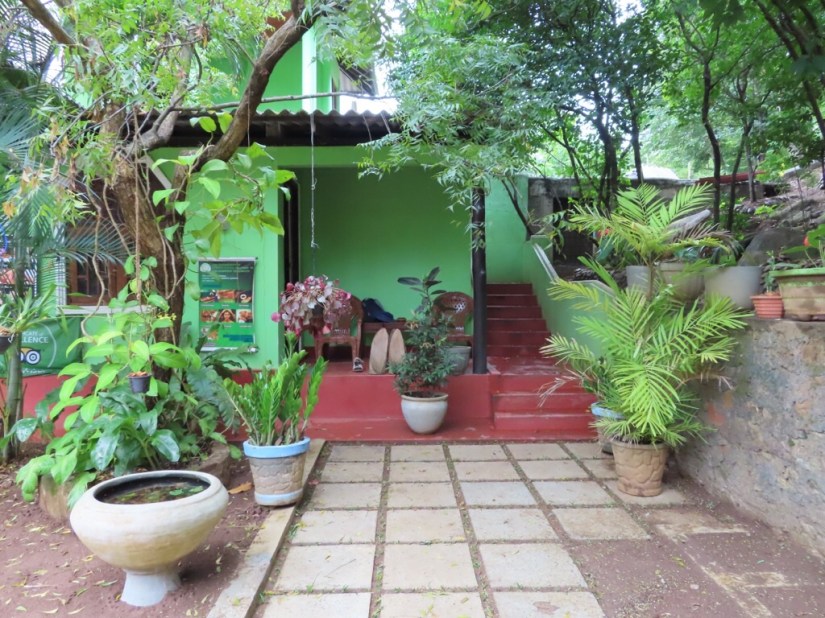
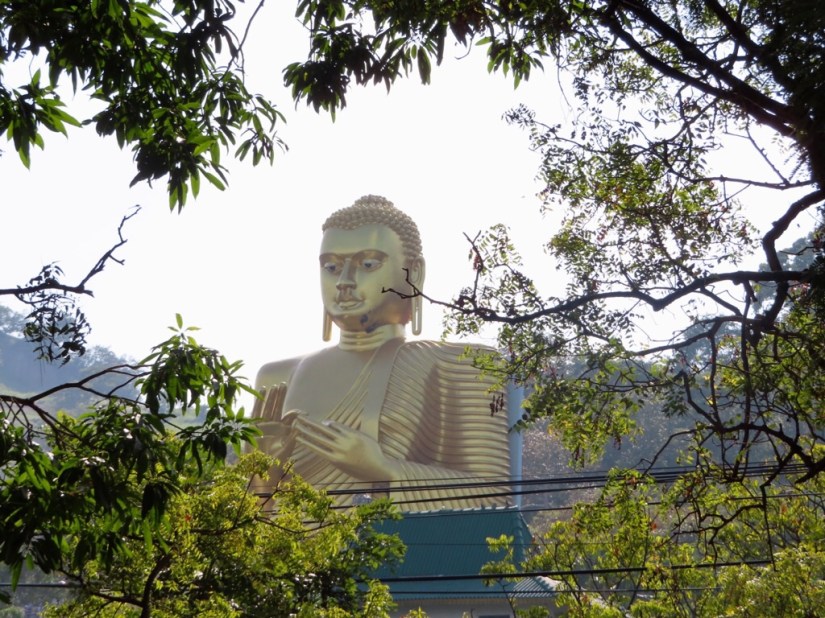
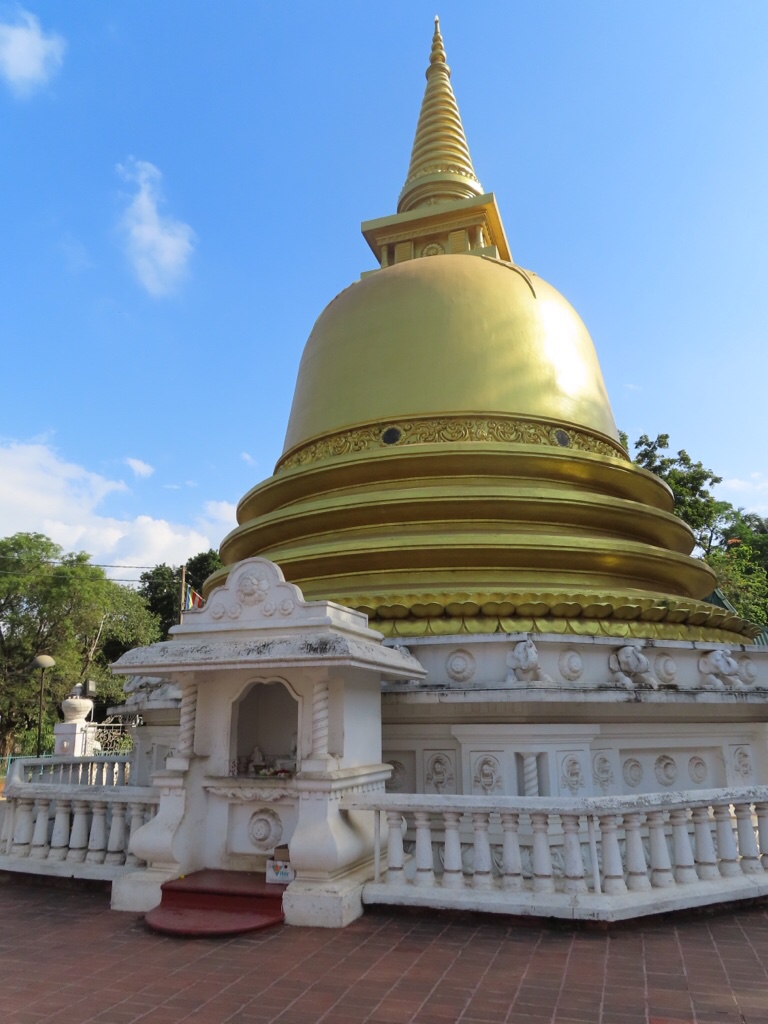
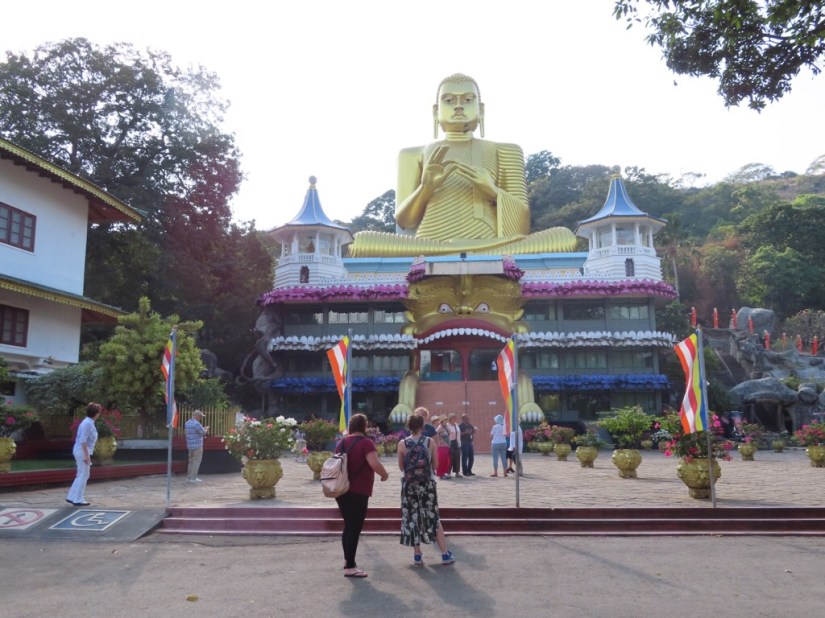

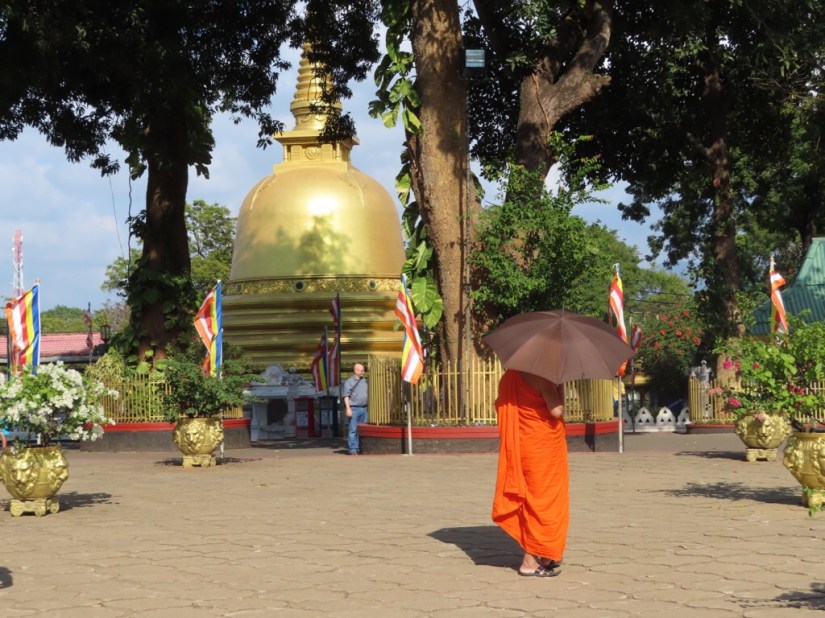
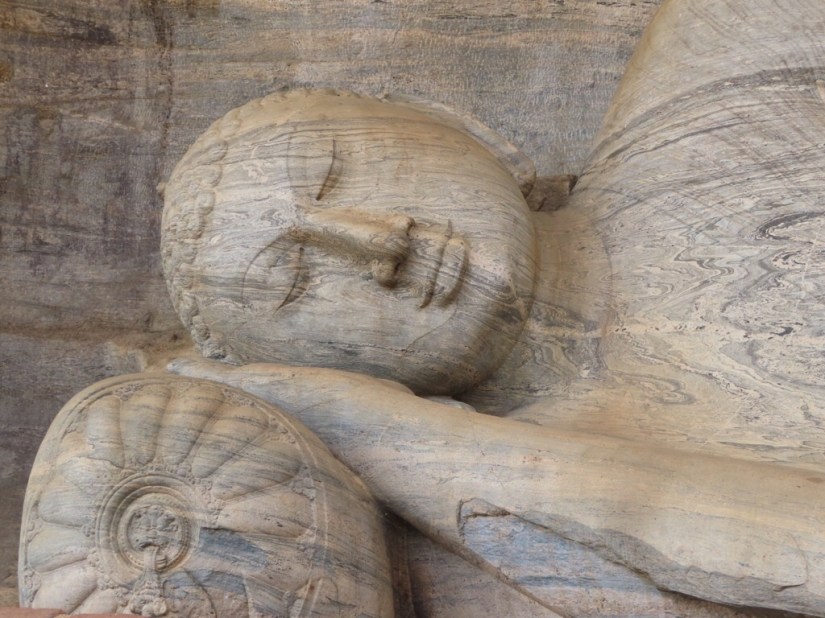
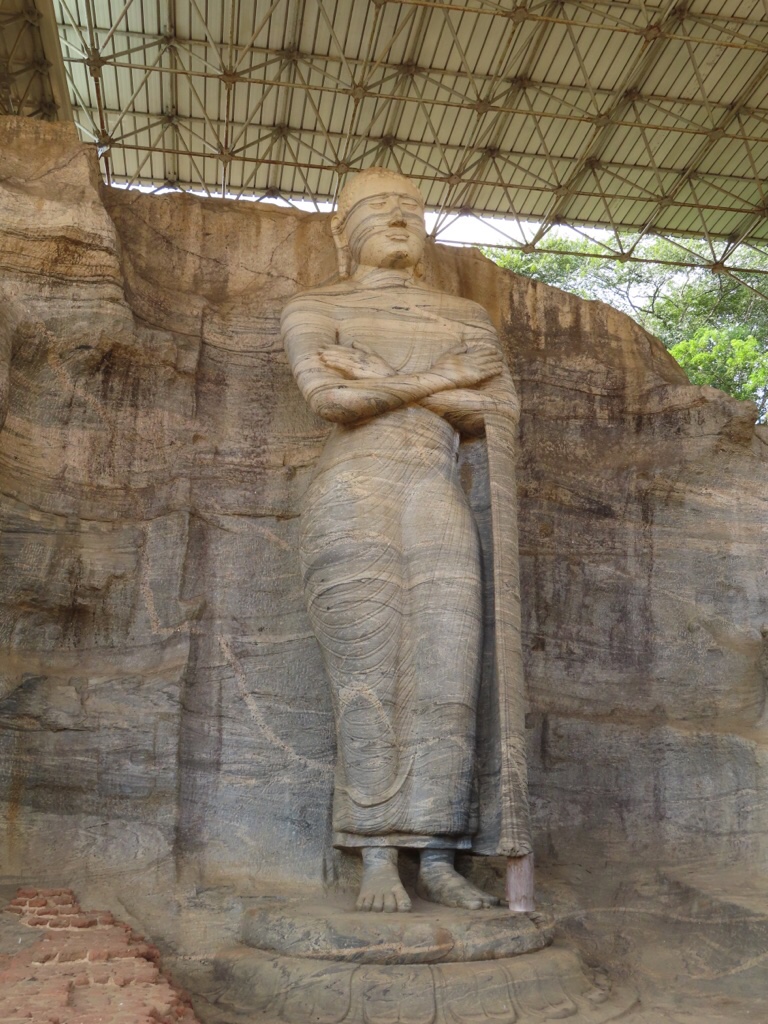
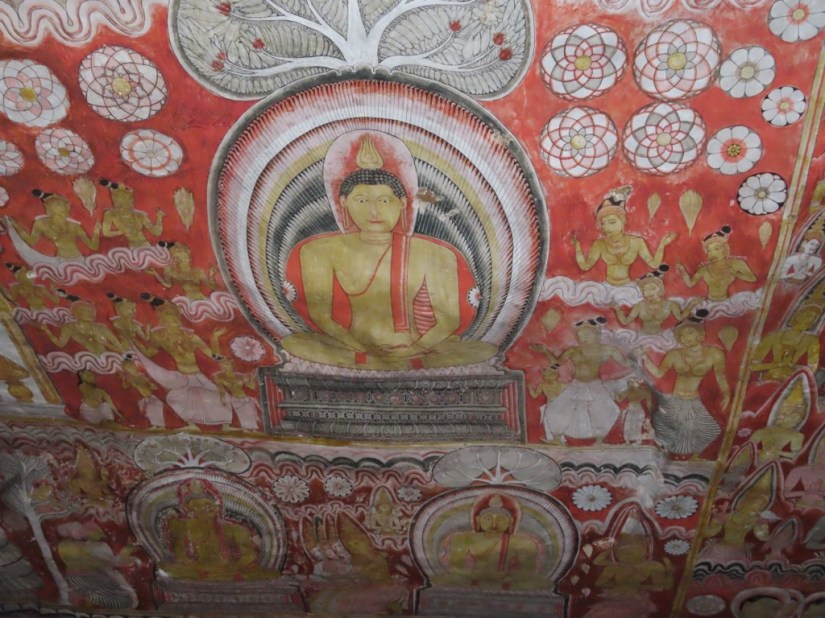
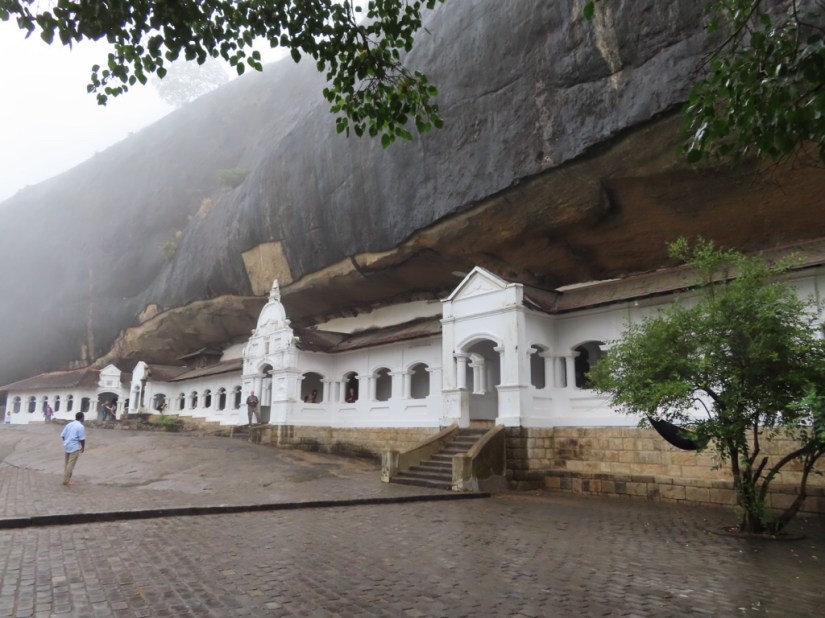
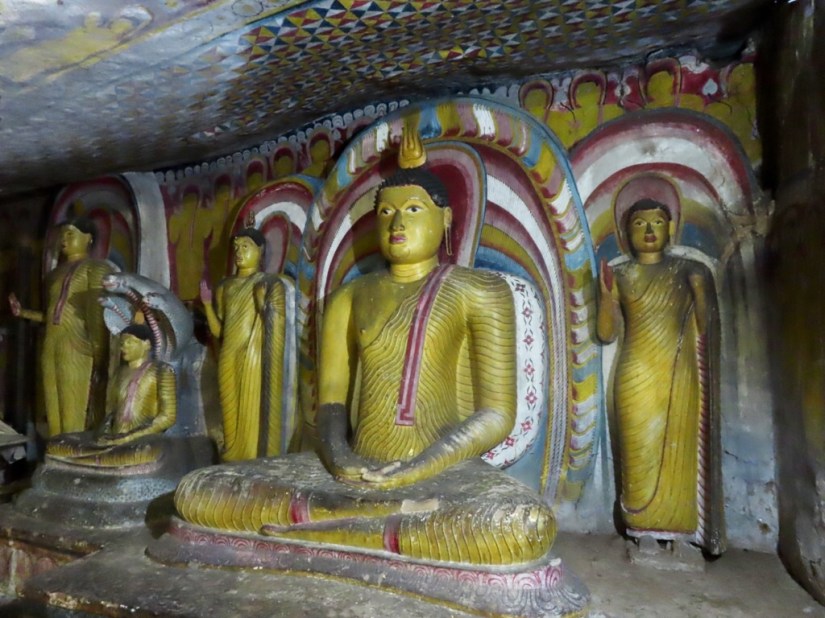
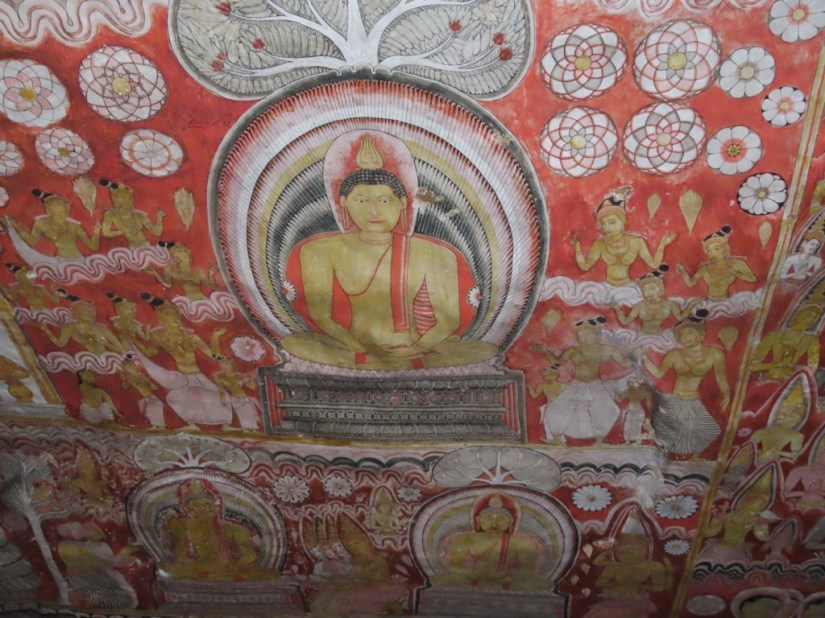
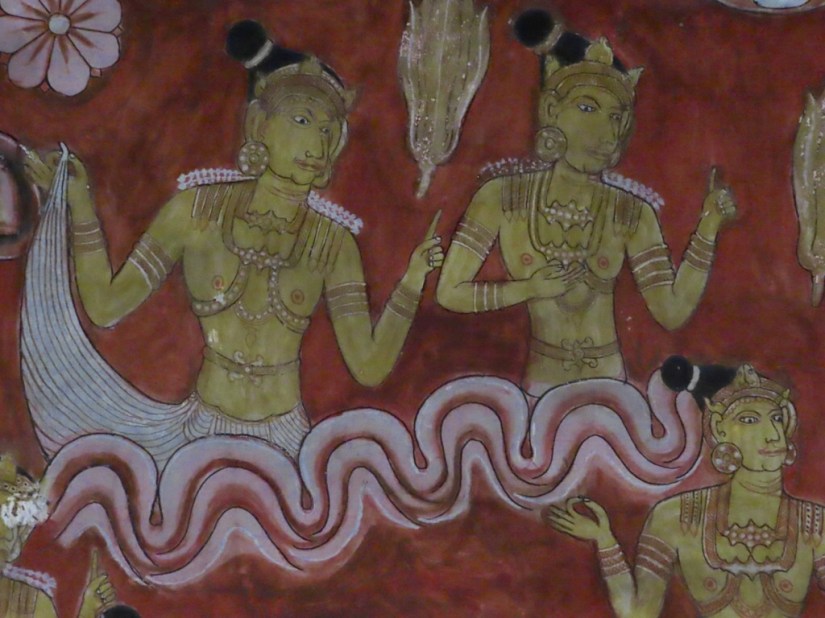
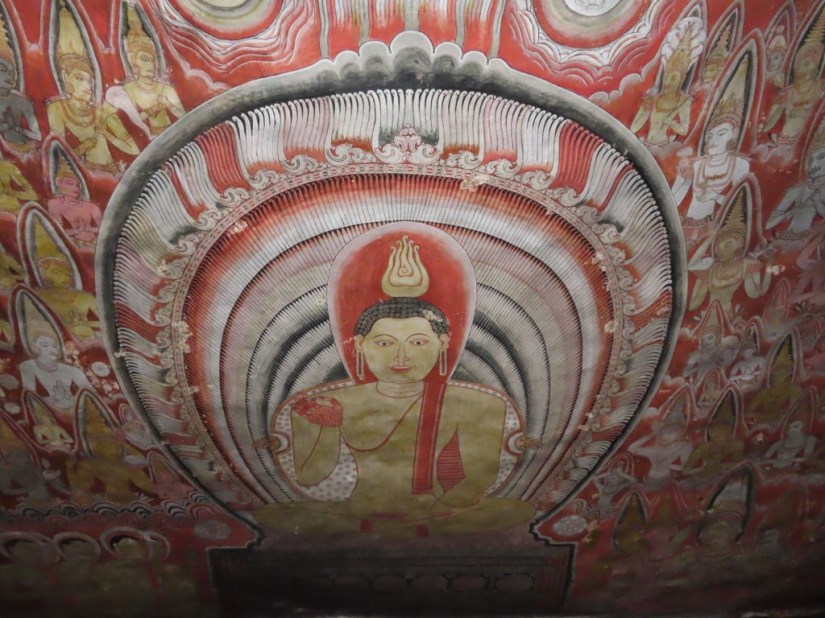
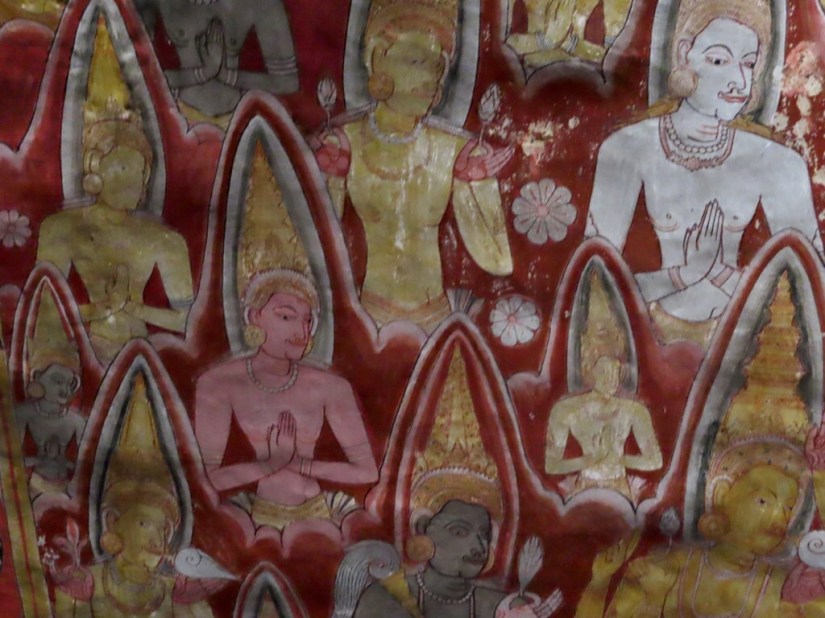
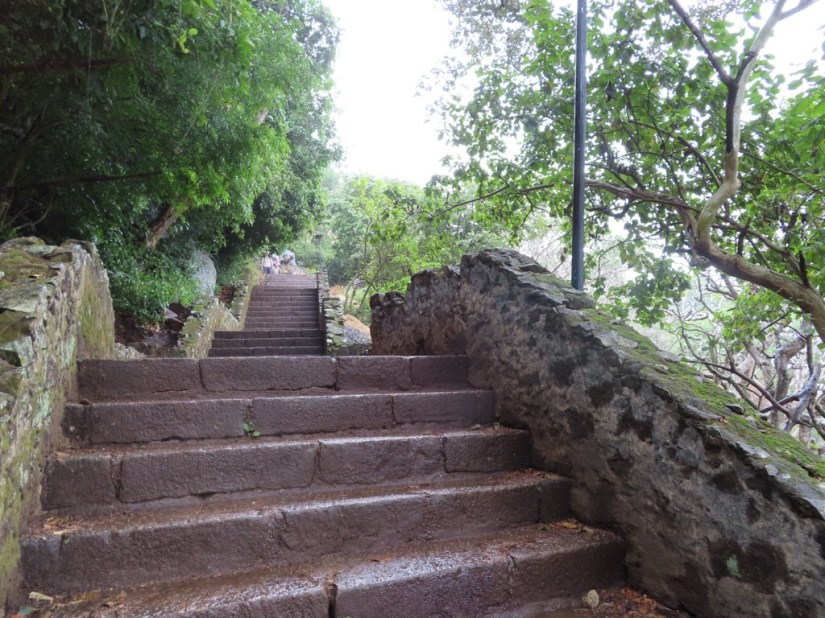 The caves are built into a huge granite outcrop which rises 160m above the countryside. Just five months after becoming king in 103BC, Vattagamini lost his throne to Tamil invaders and took refuge in these caves for 14 years. On regaining his throne, he had the temples constructed in gratitude for his shelter. Later kings embellished, restored and repainted the temples regularly as the paint faded. There are five caves of varying sizes, containing a mixture of standing, seated and reclining Buddhas and decorated with the best murals in Sri Lanka.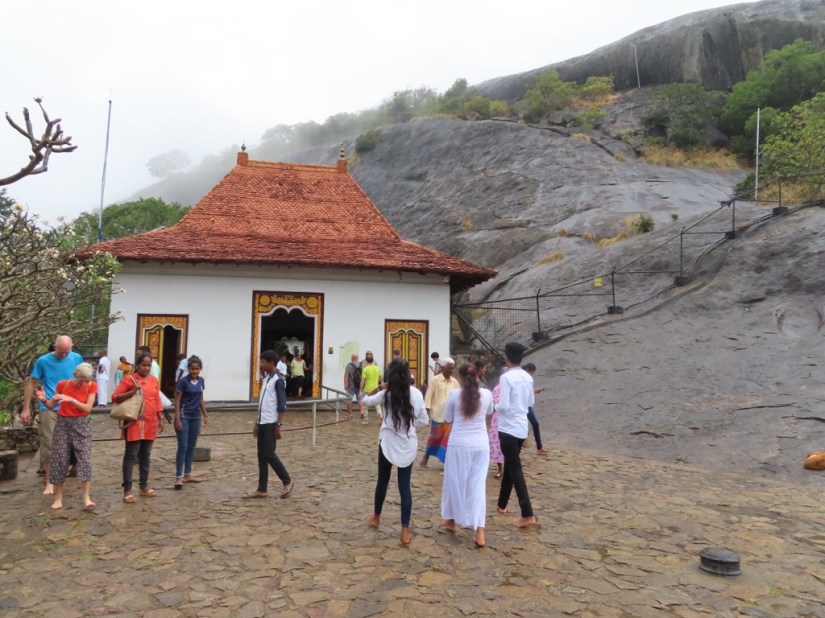
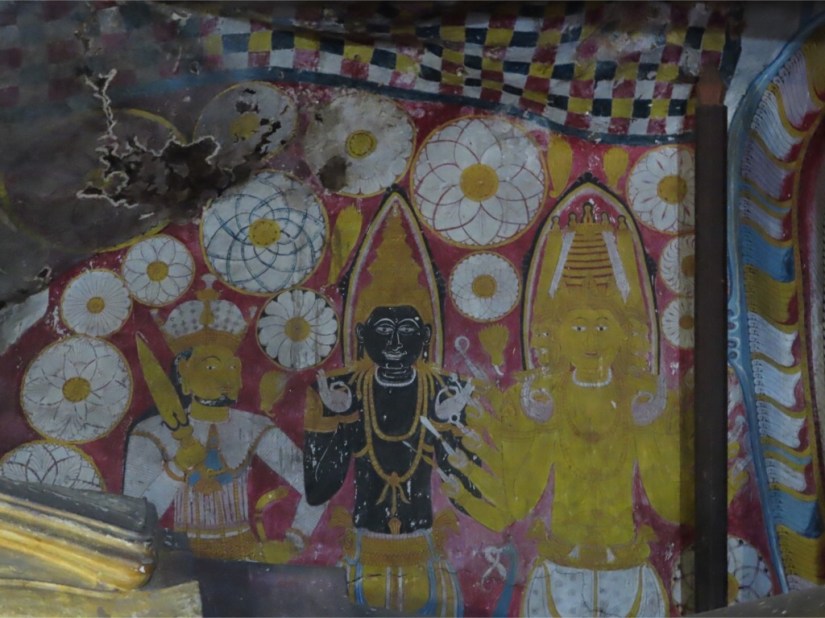
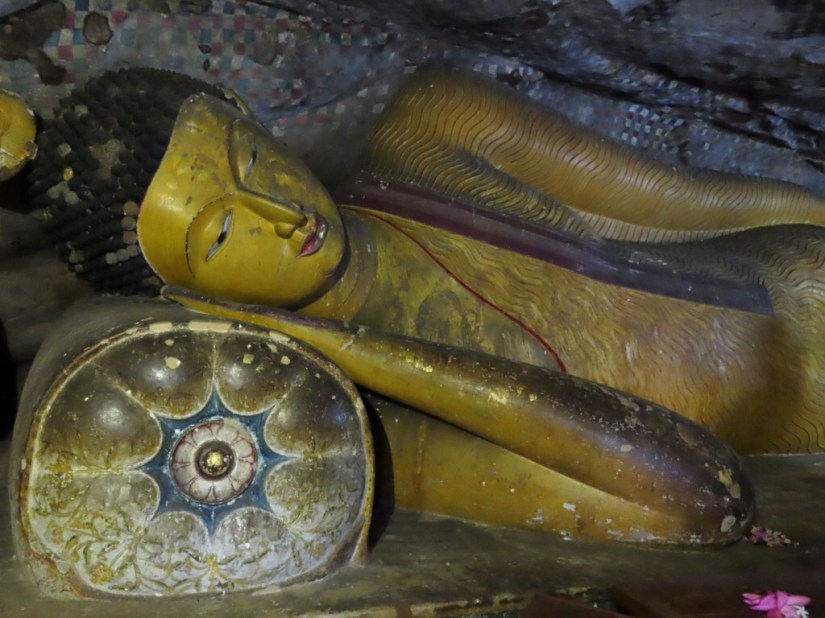
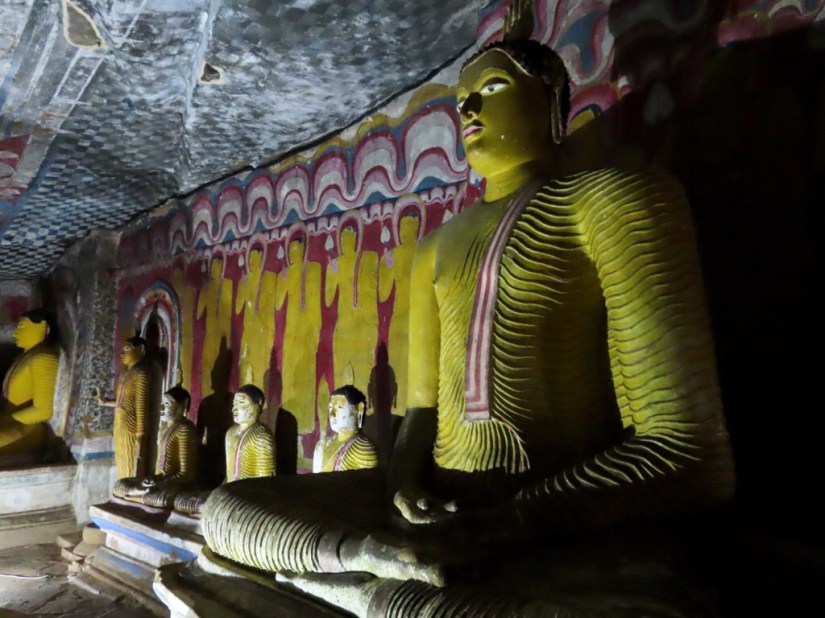

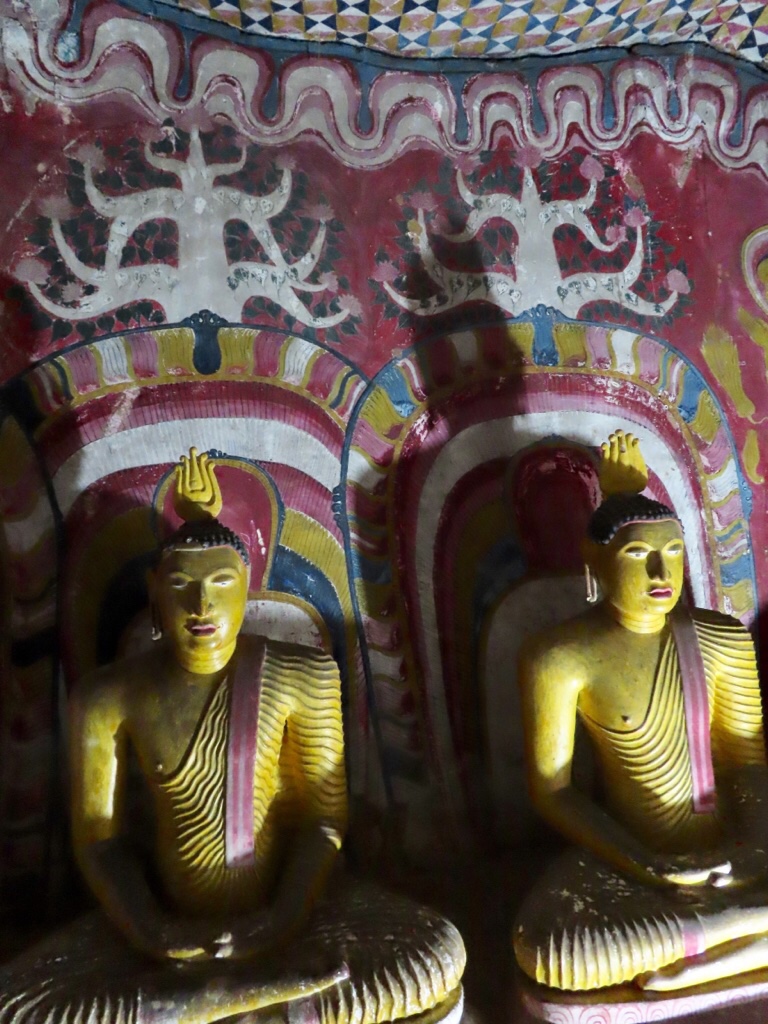
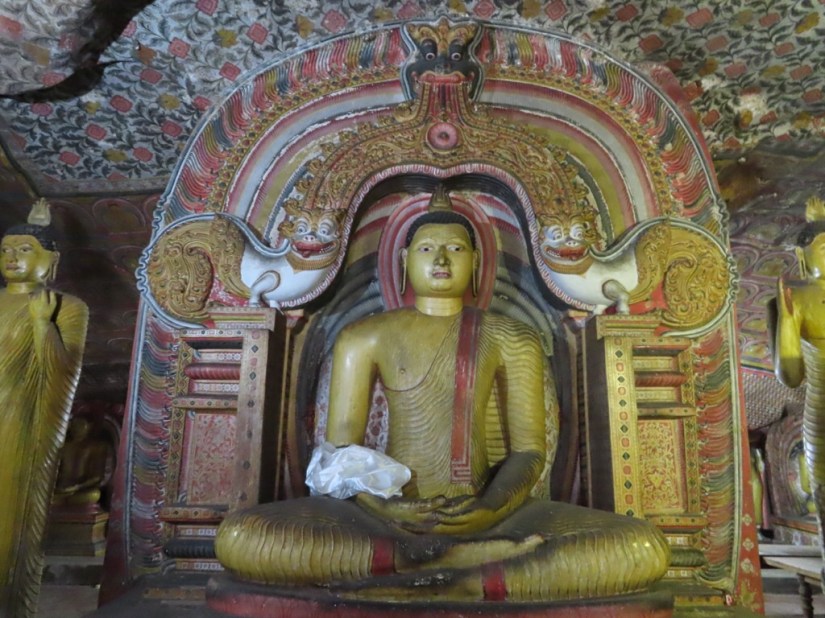
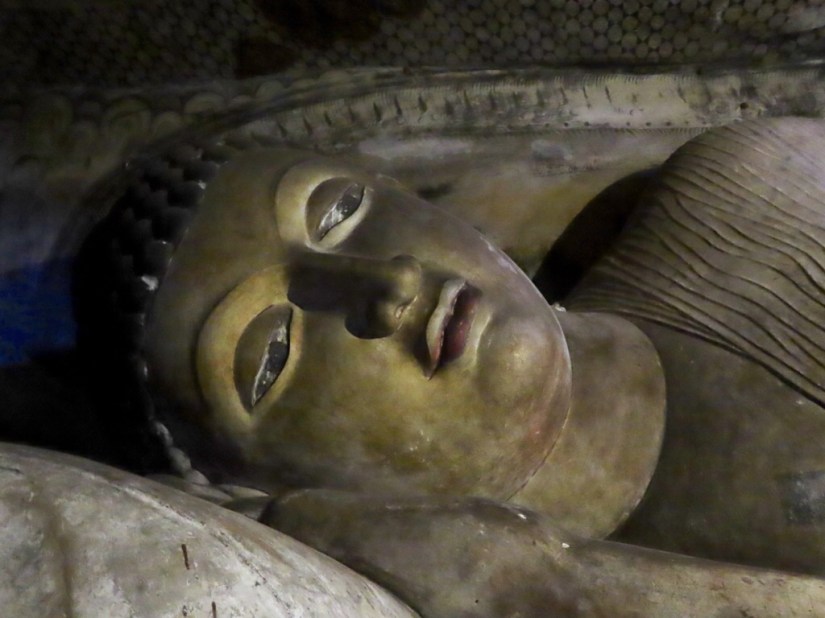
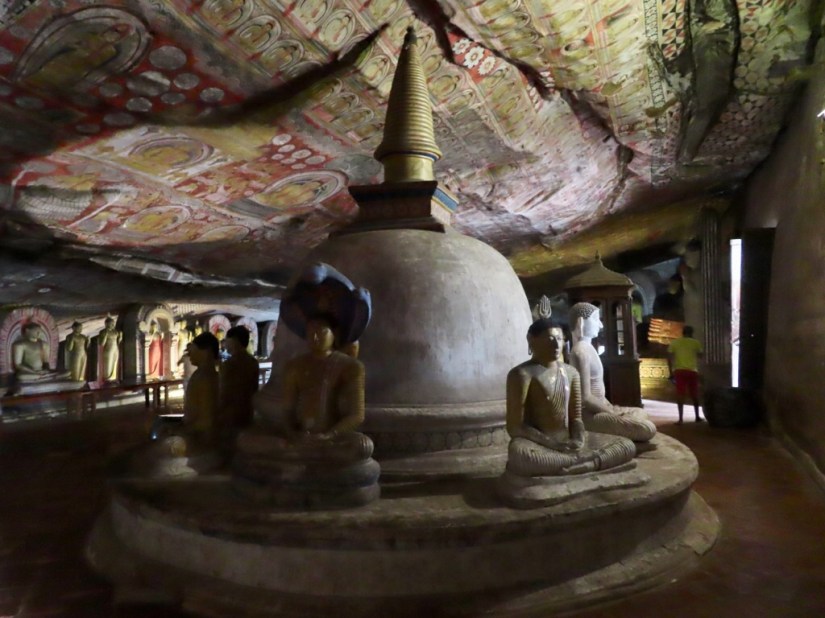
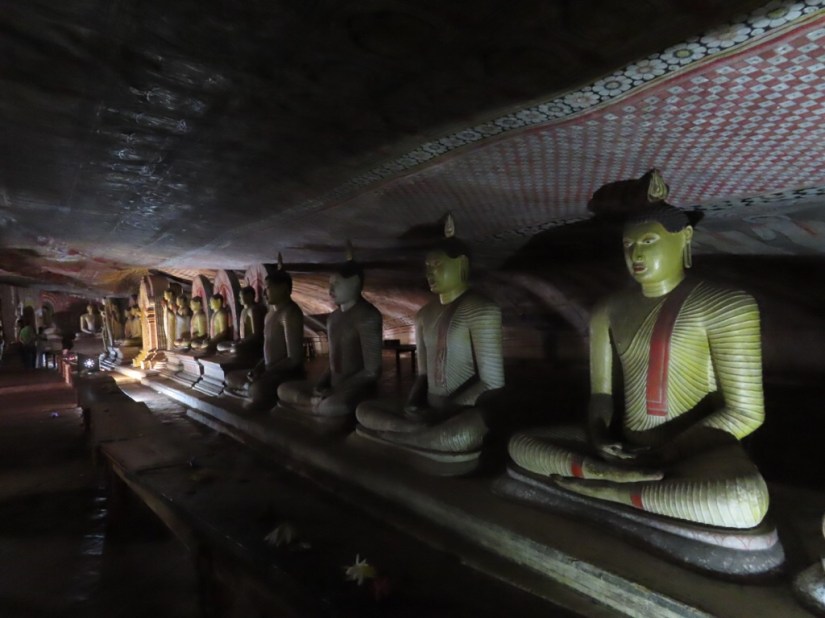
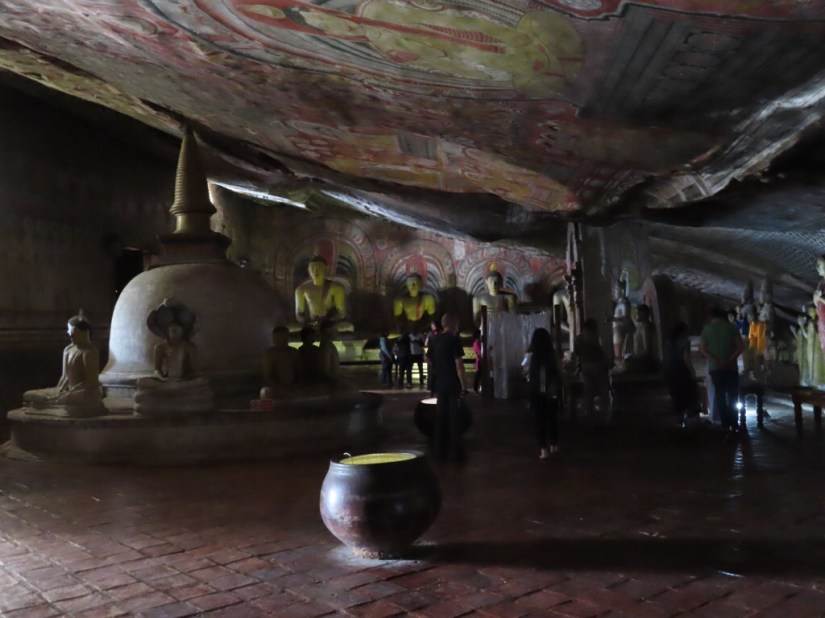
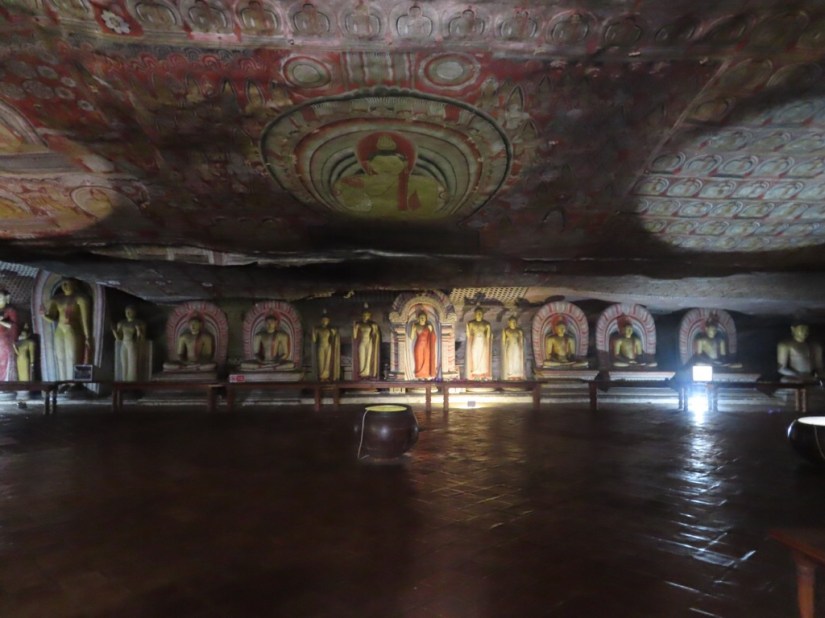
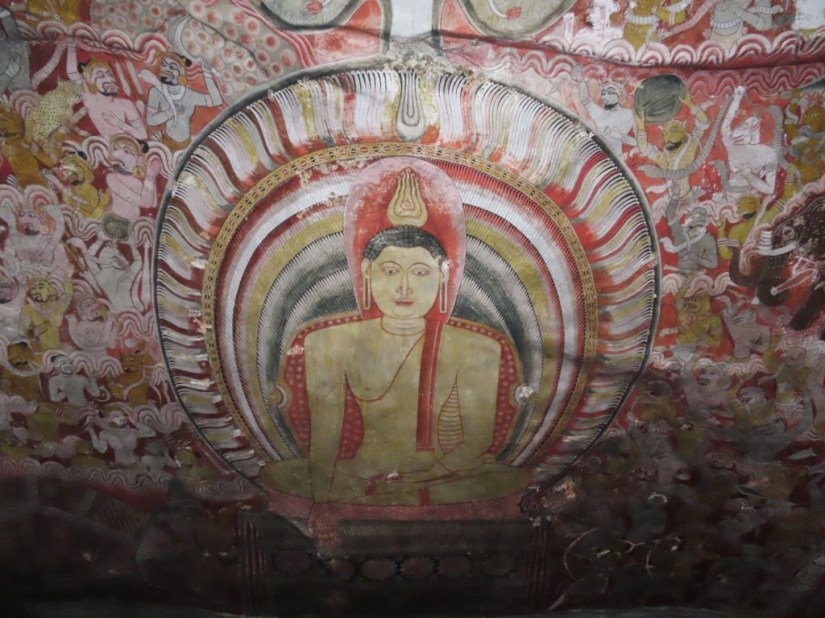
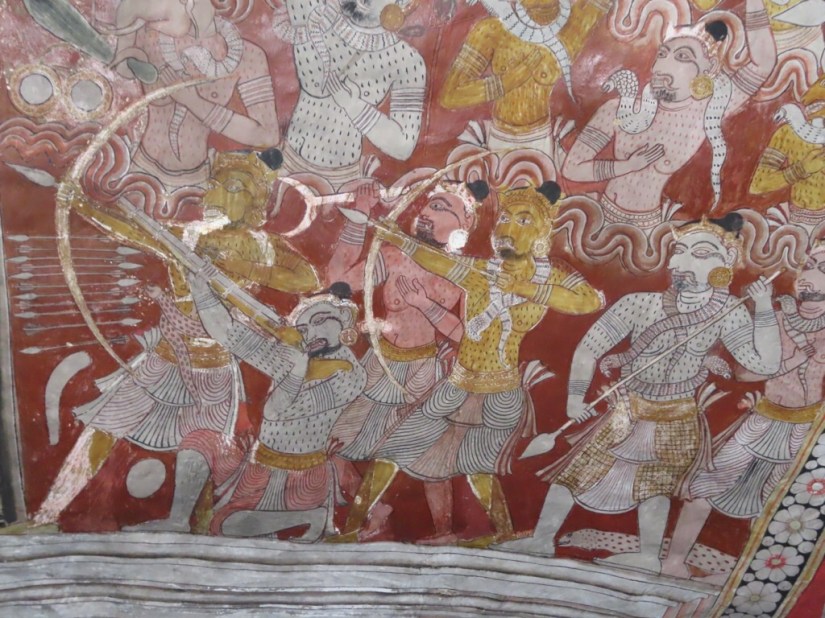
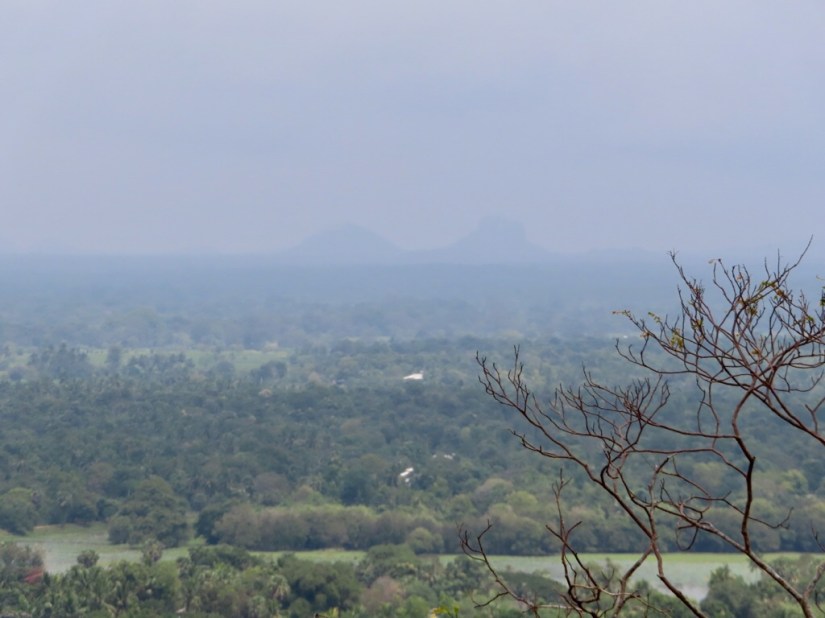
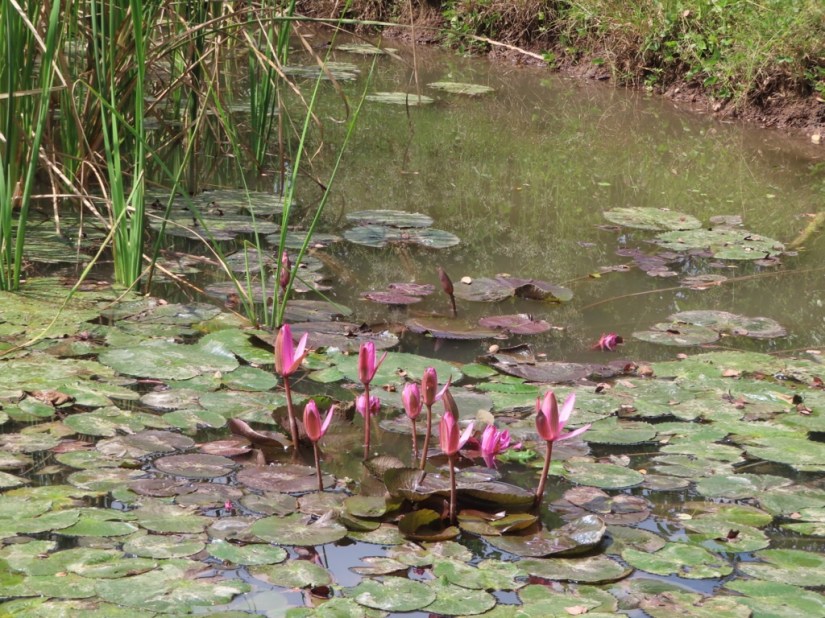
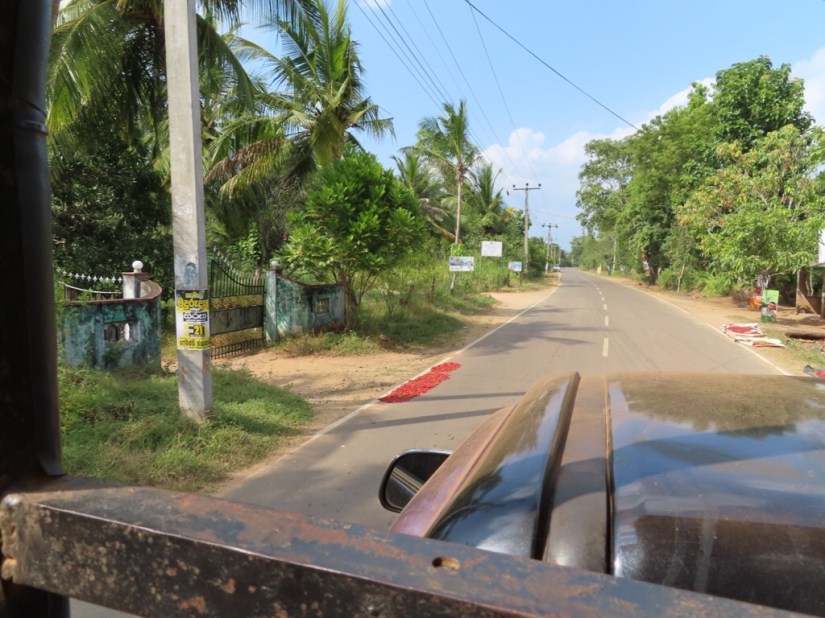
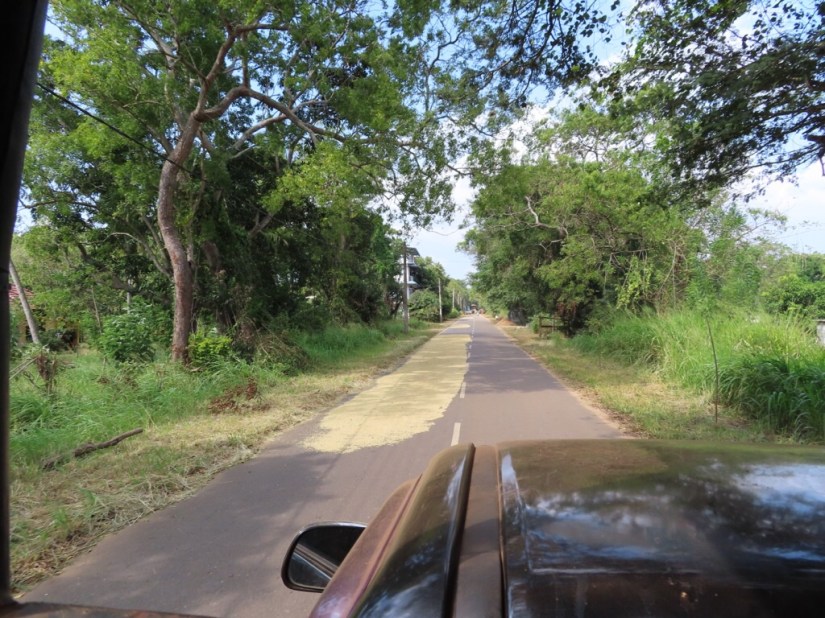
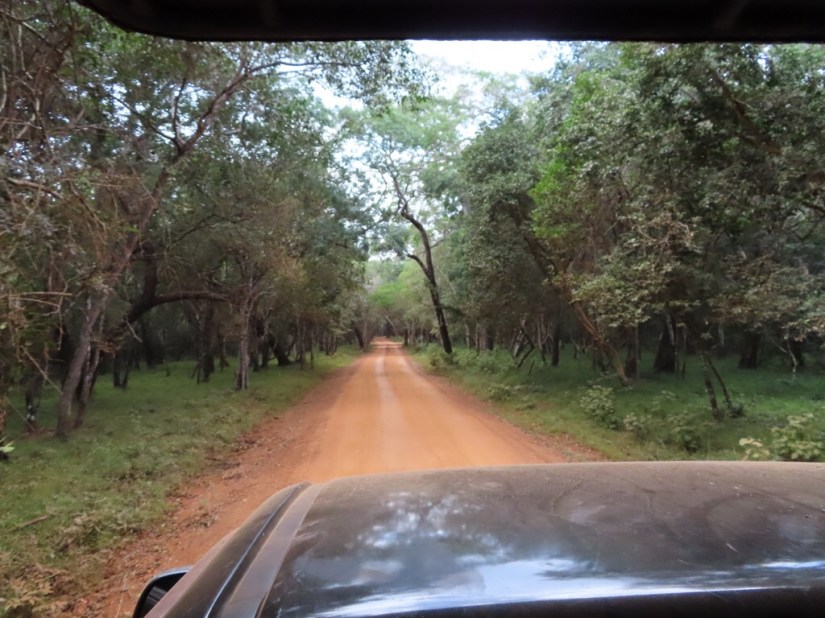
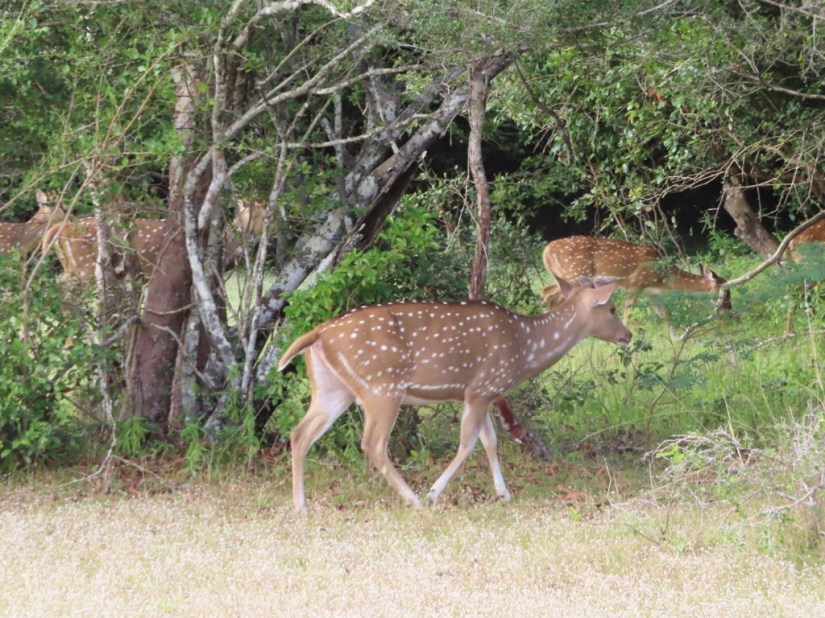
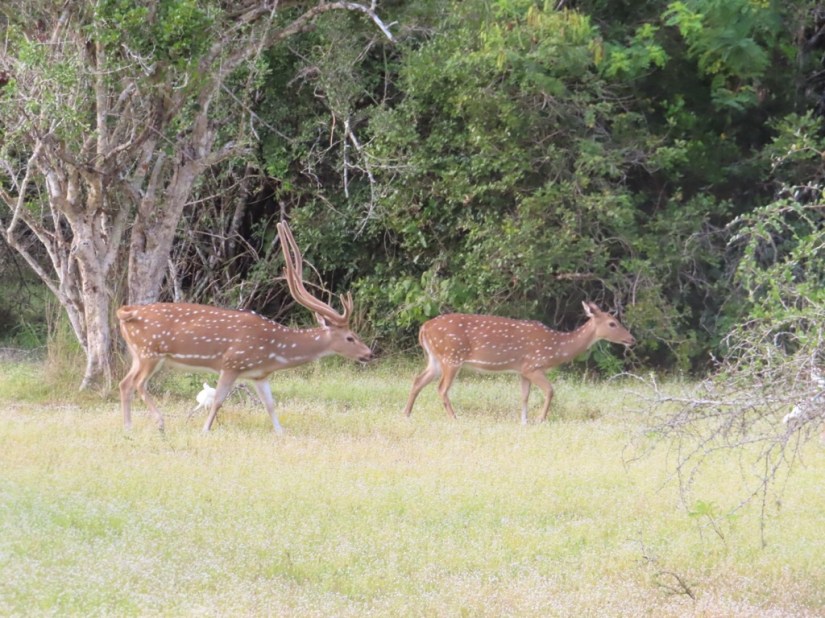
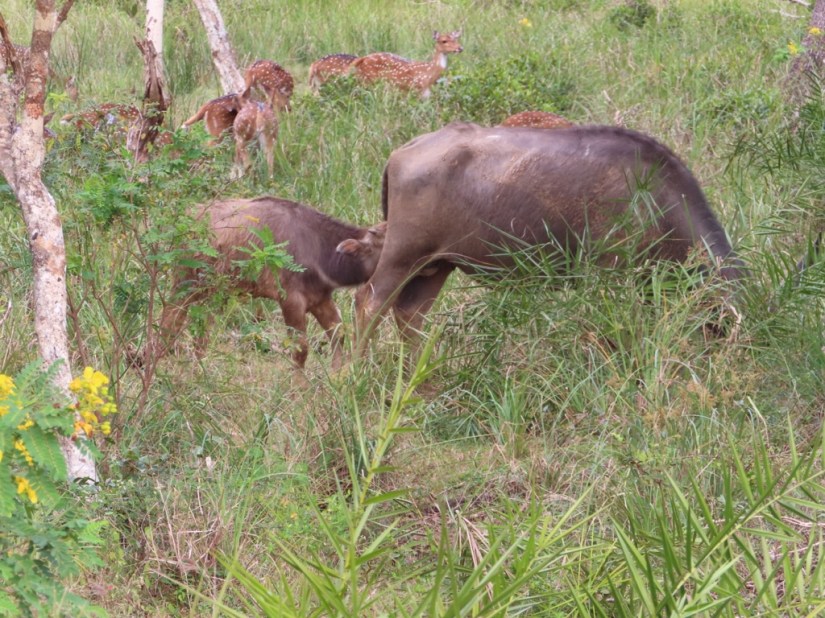
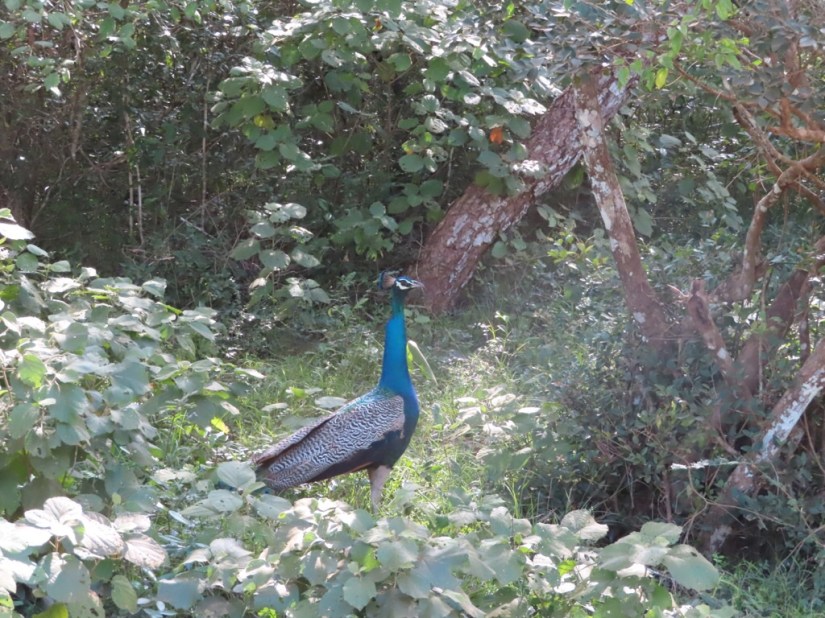
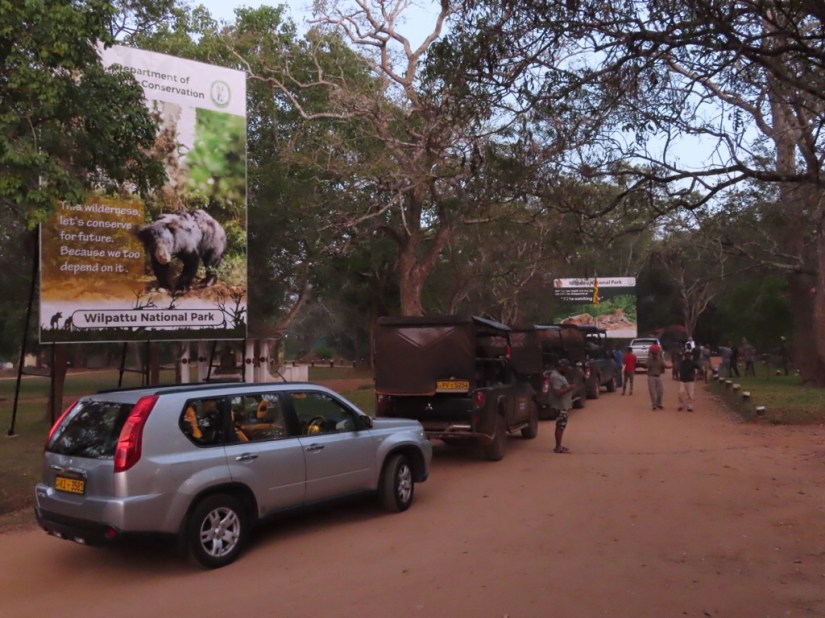
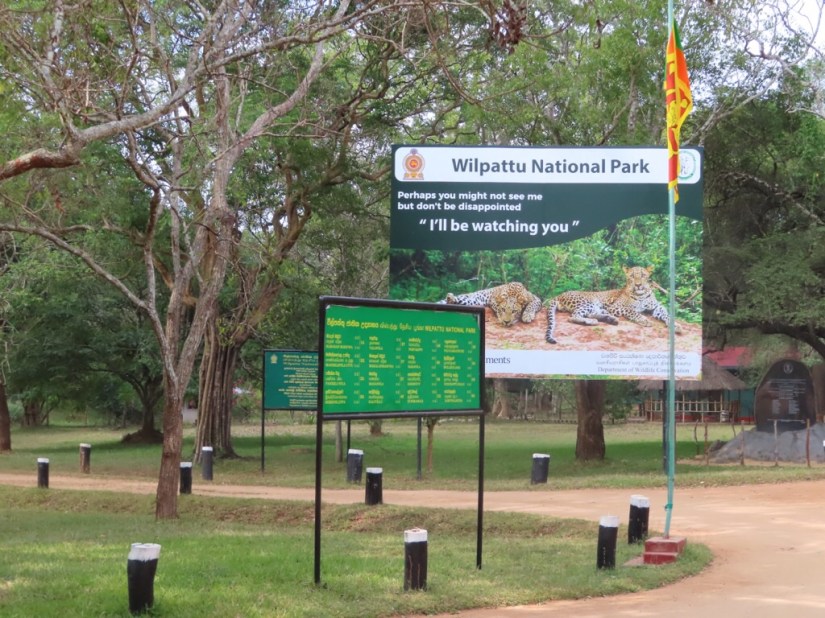
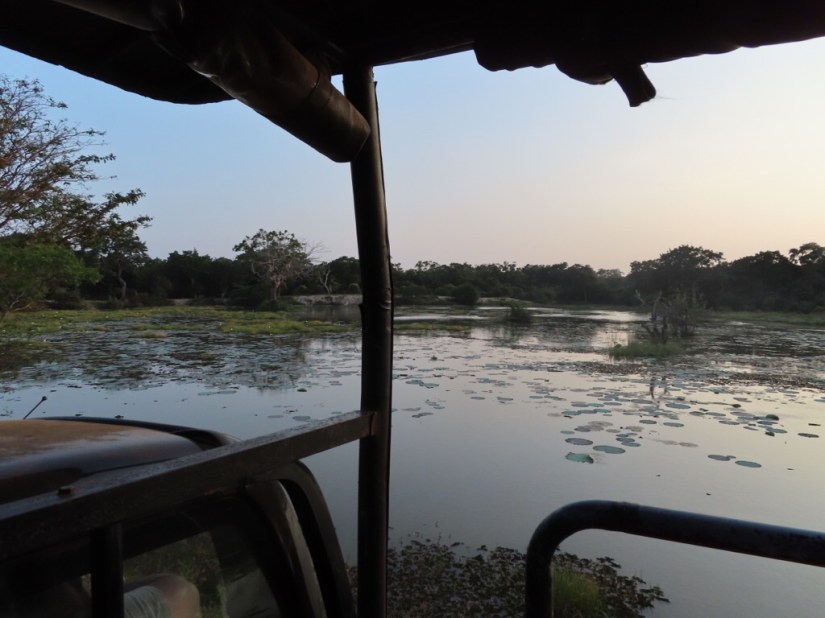 We arrived at Wilpattu National Park late morning after a short drive west. We are staying at a tented camp run by Big Game Camps and were shown to our cute little tent with all mod cons – power, lighting, a double bed, and bathroom with loo and shower.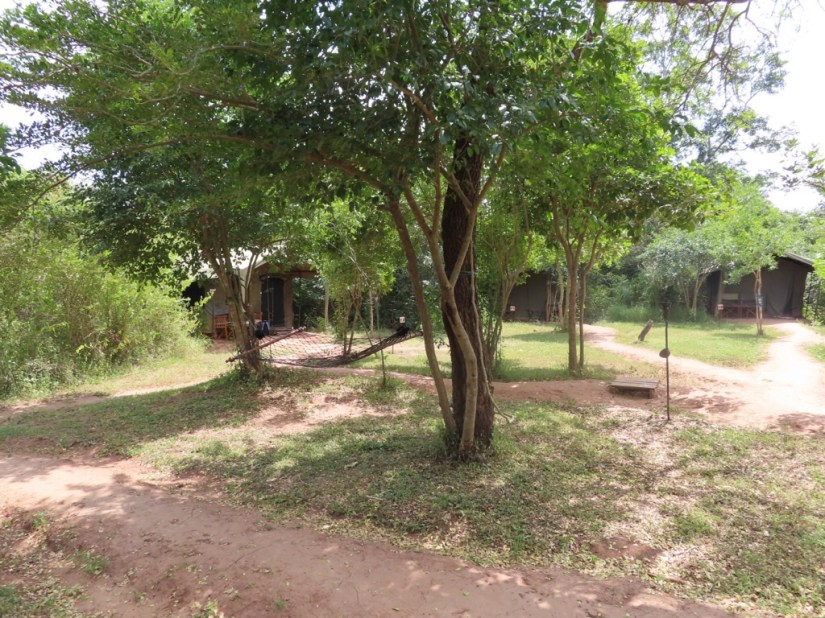

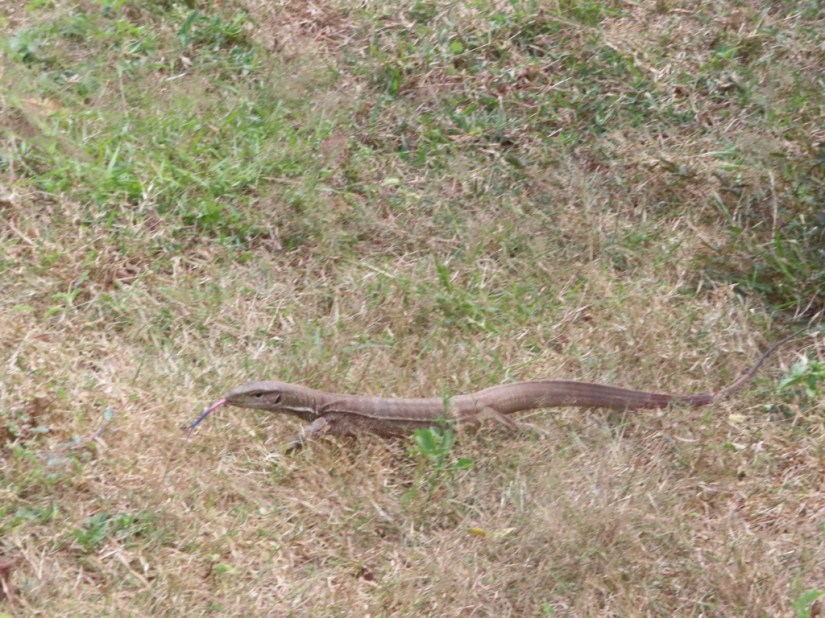
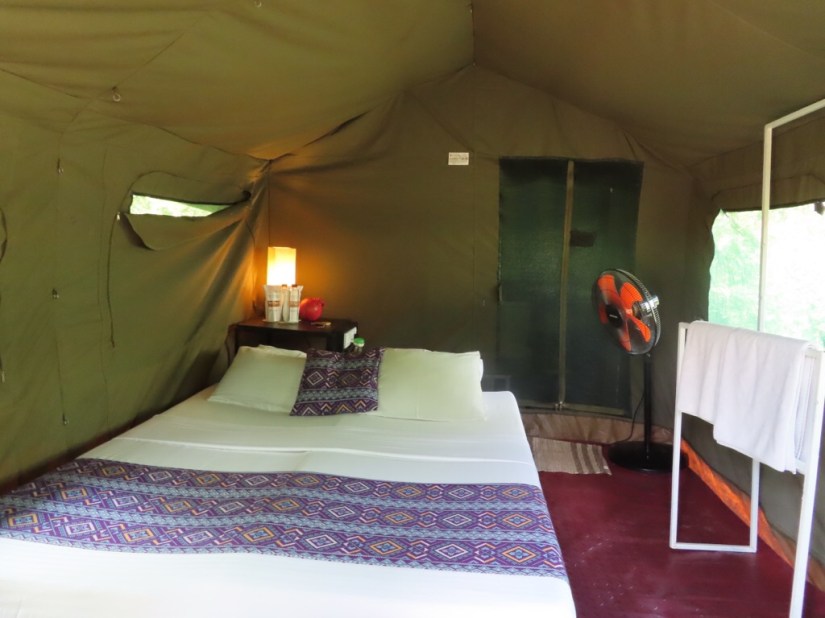 We were warned to keep the sleeping compartment zipped up at all times and soon found out why when we saw a lizard sneaking about!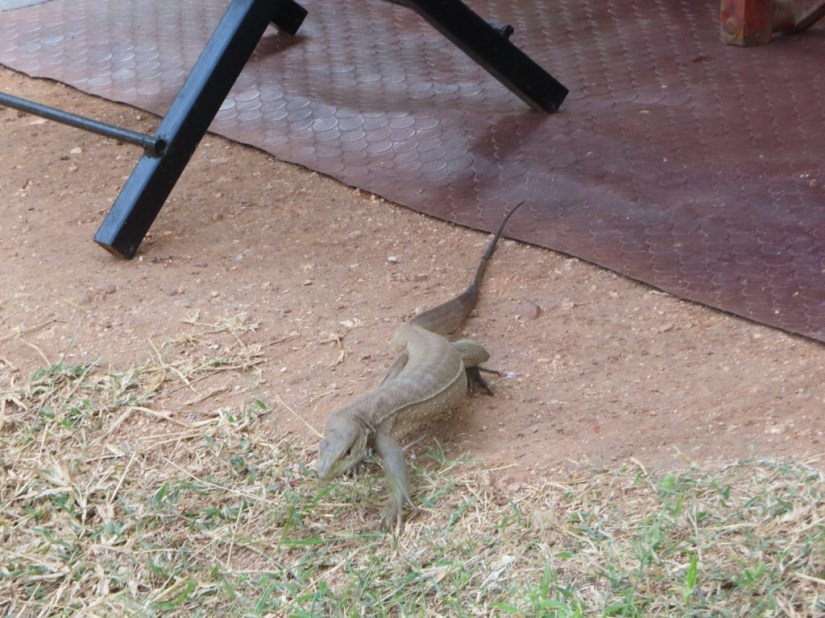
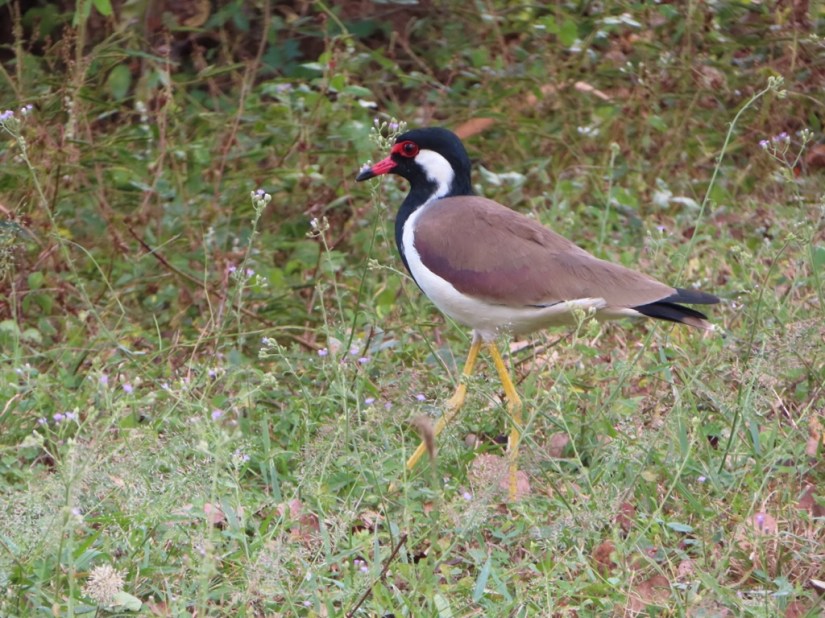
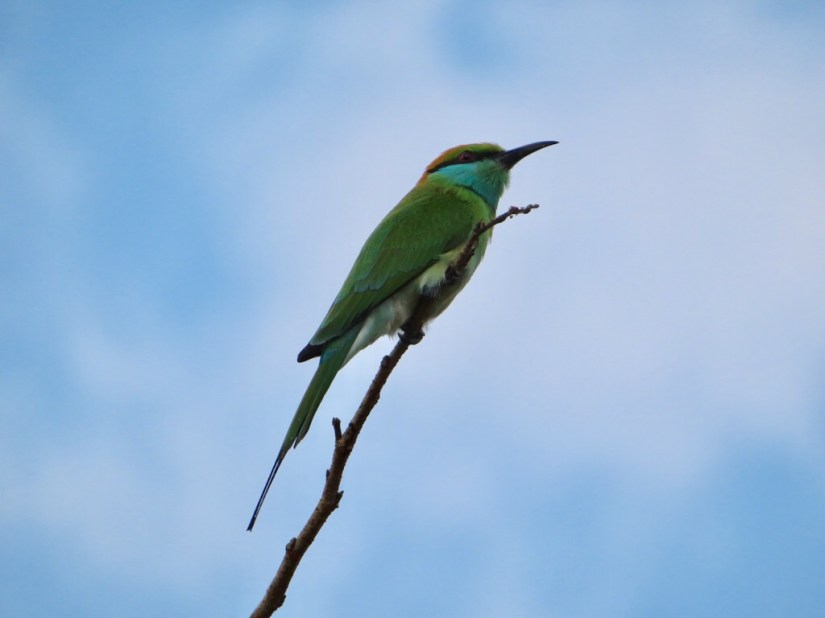
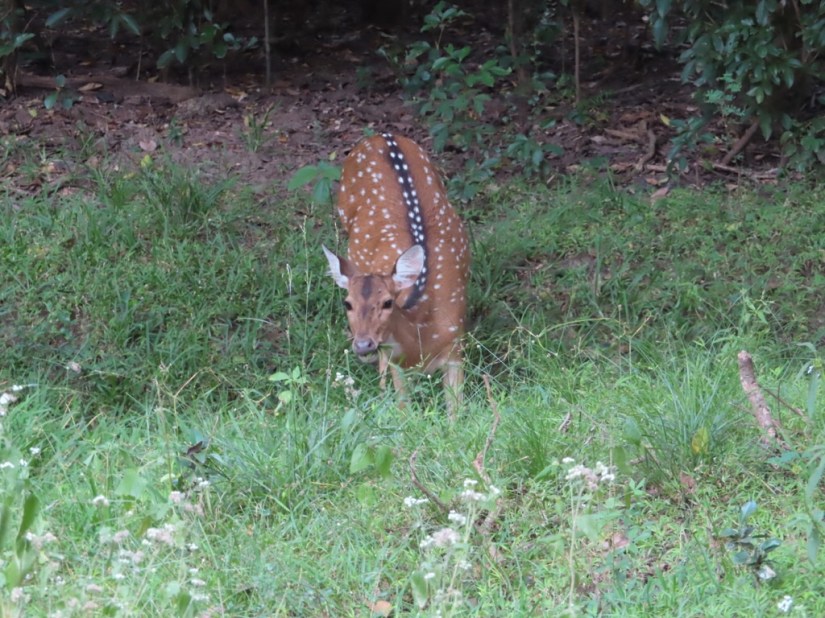
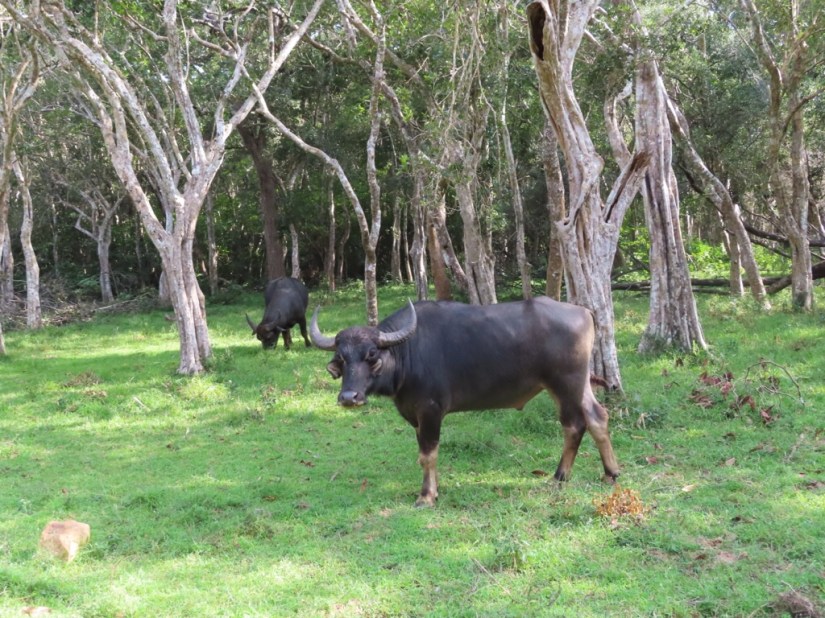
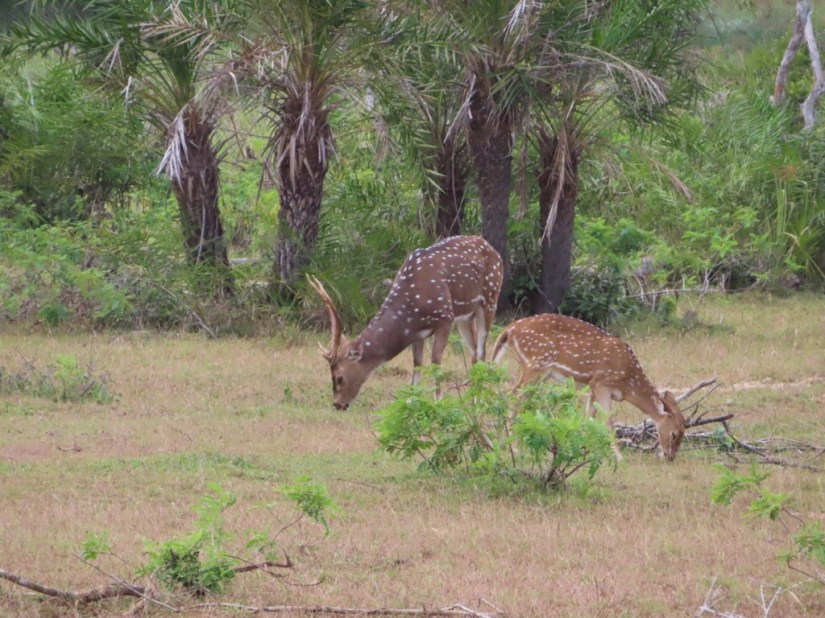
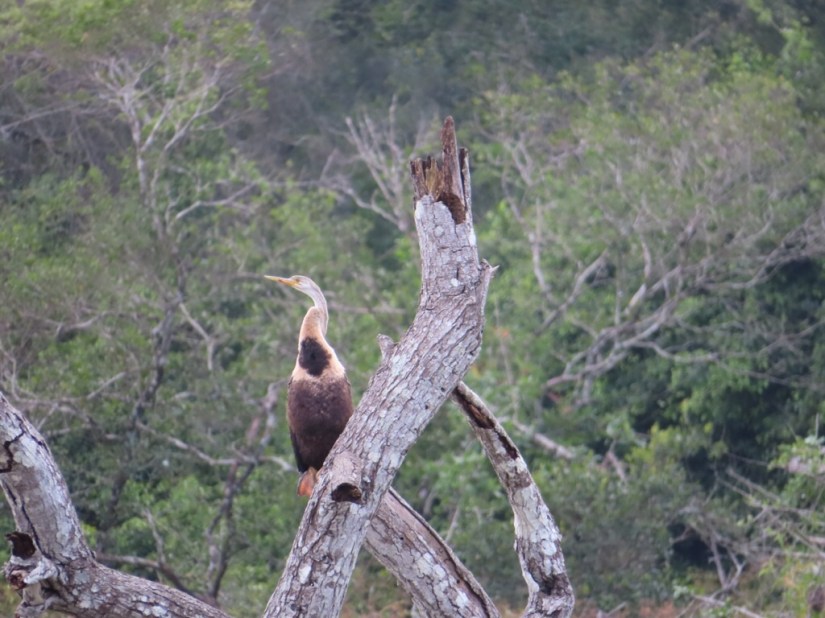

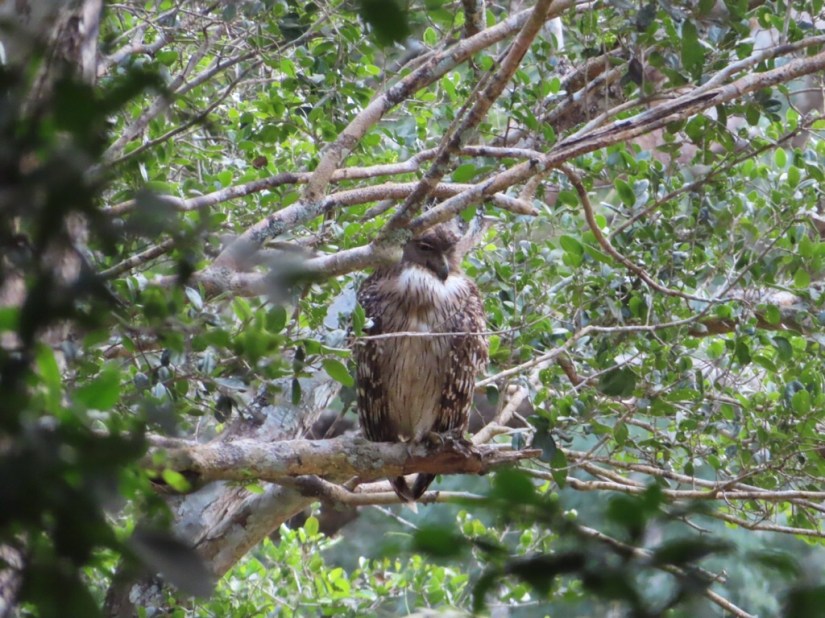
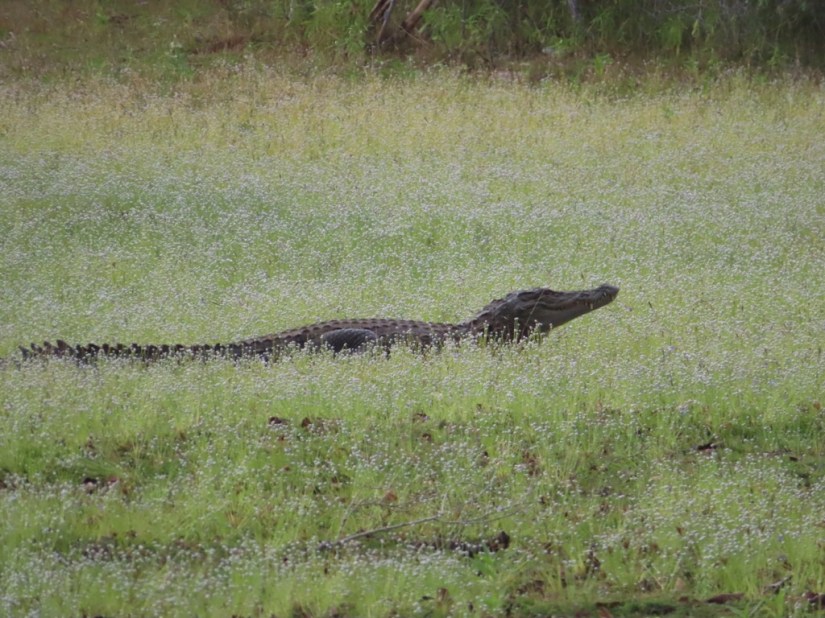
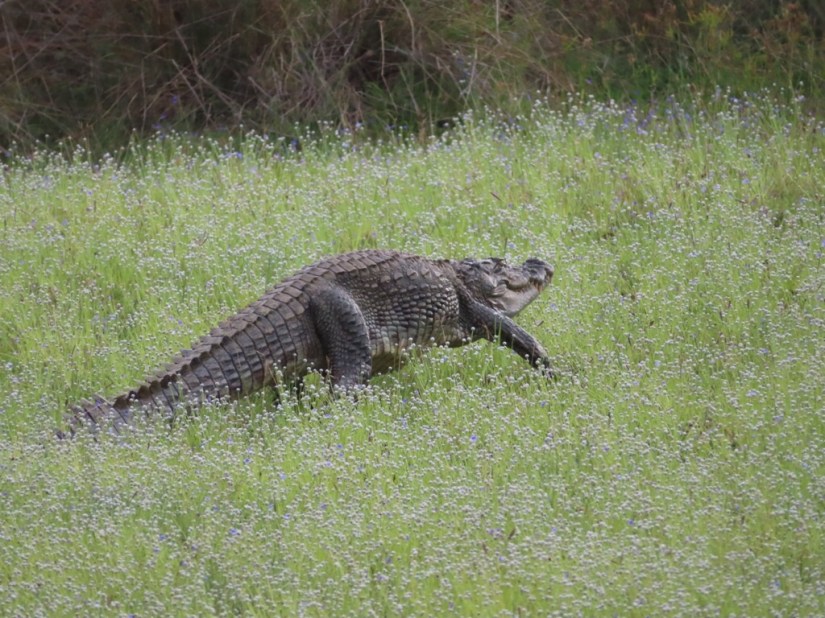
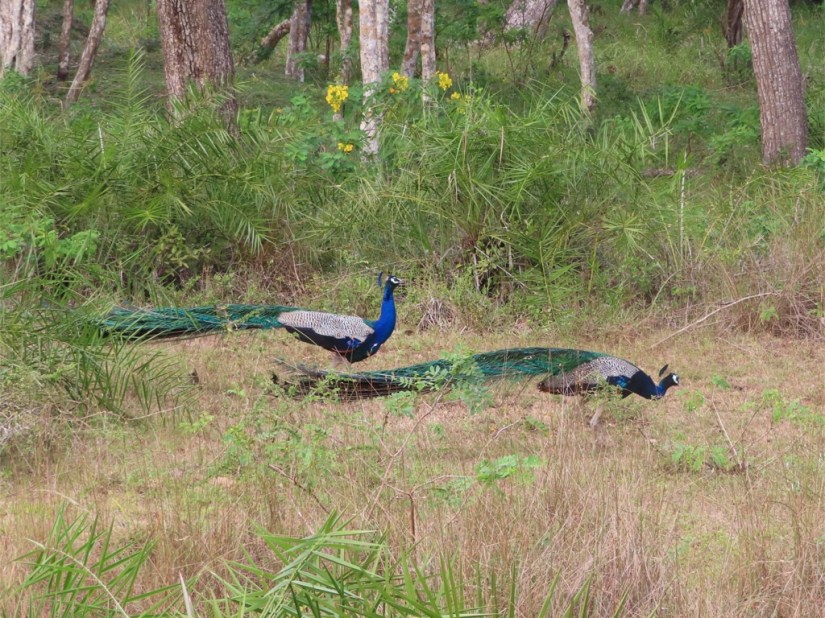
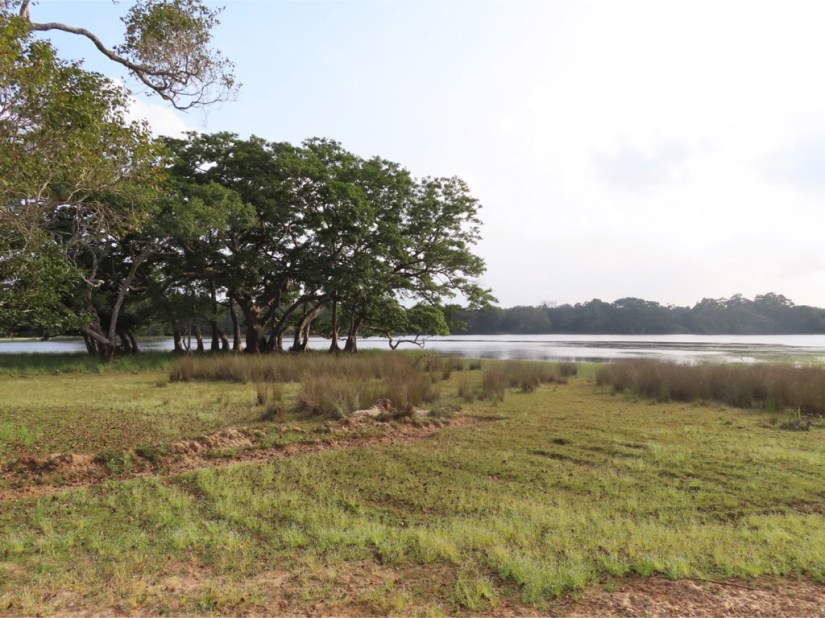
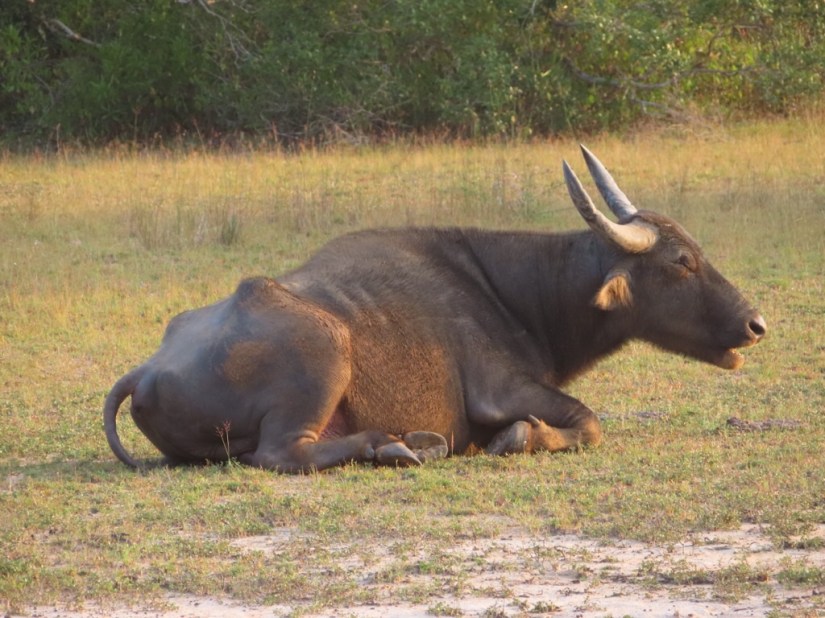
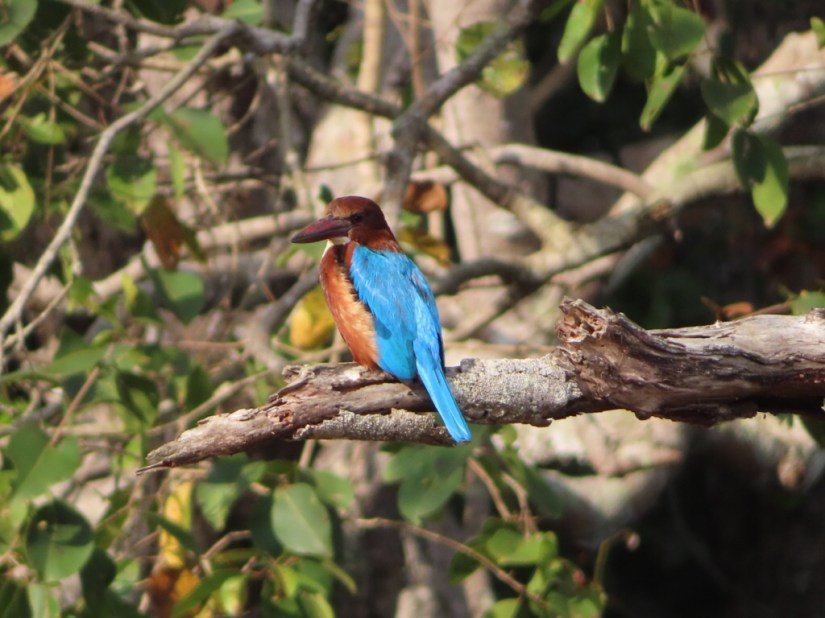
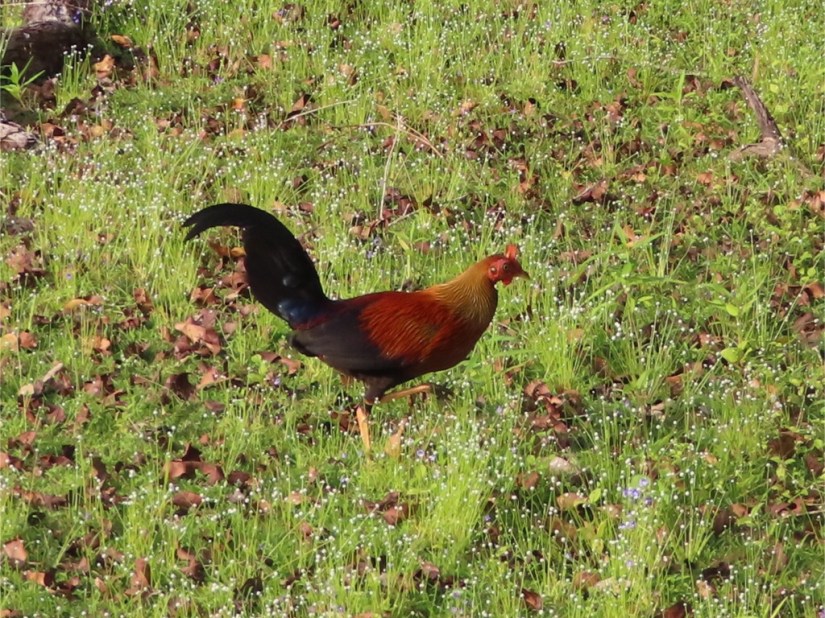
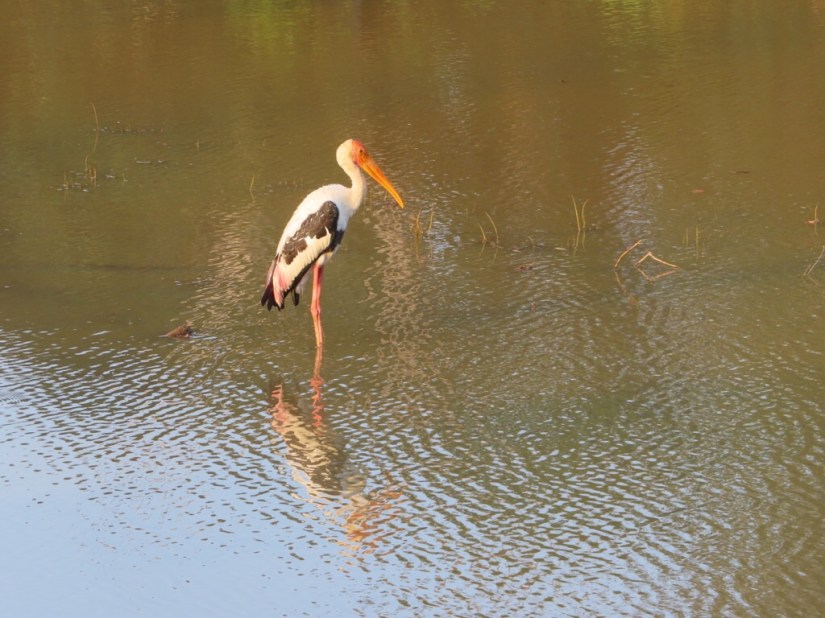
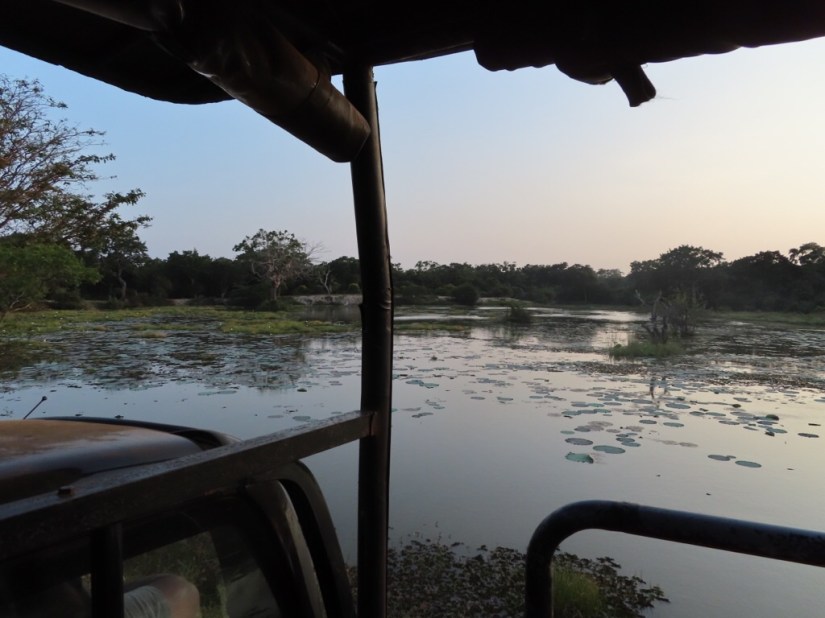
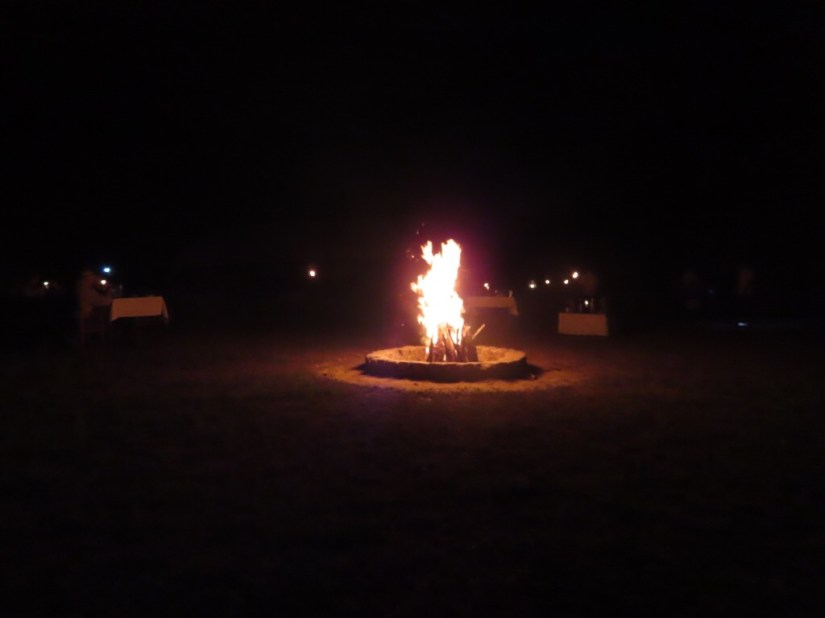
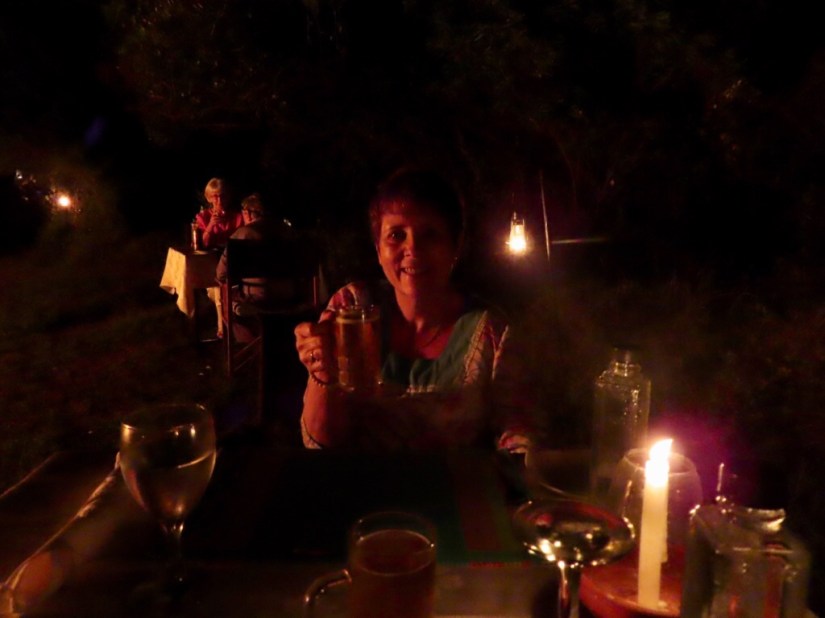
 The shower was excellent, if cold, and was followed by dinner by candlelight round a bonfire and an early night.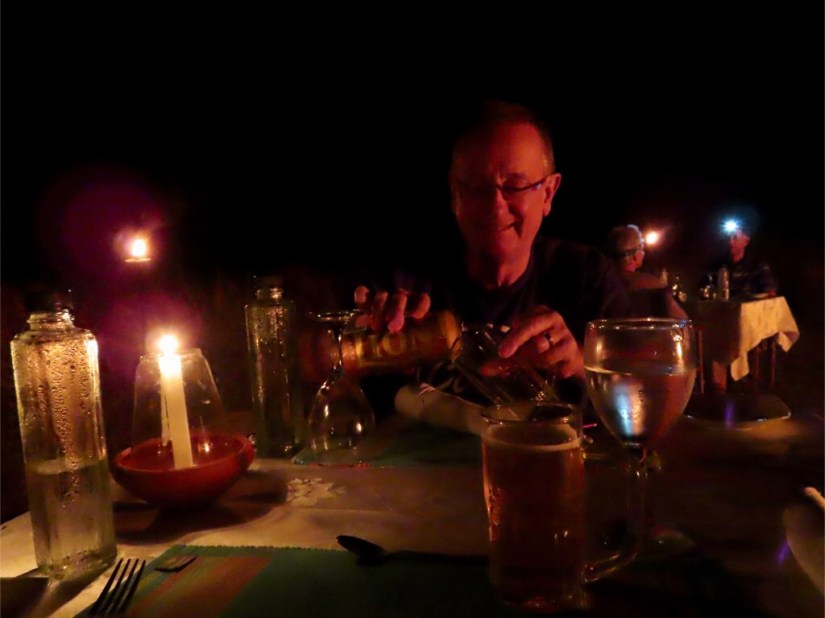
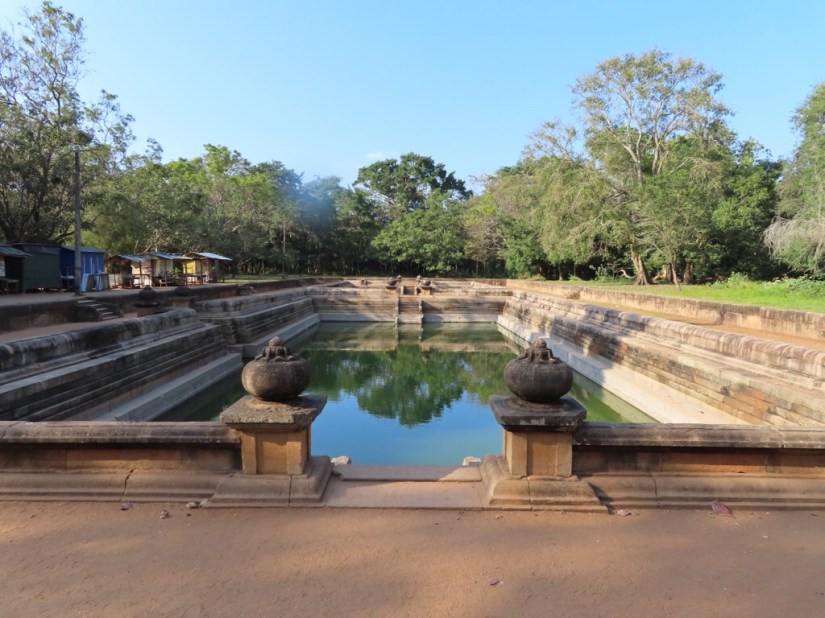
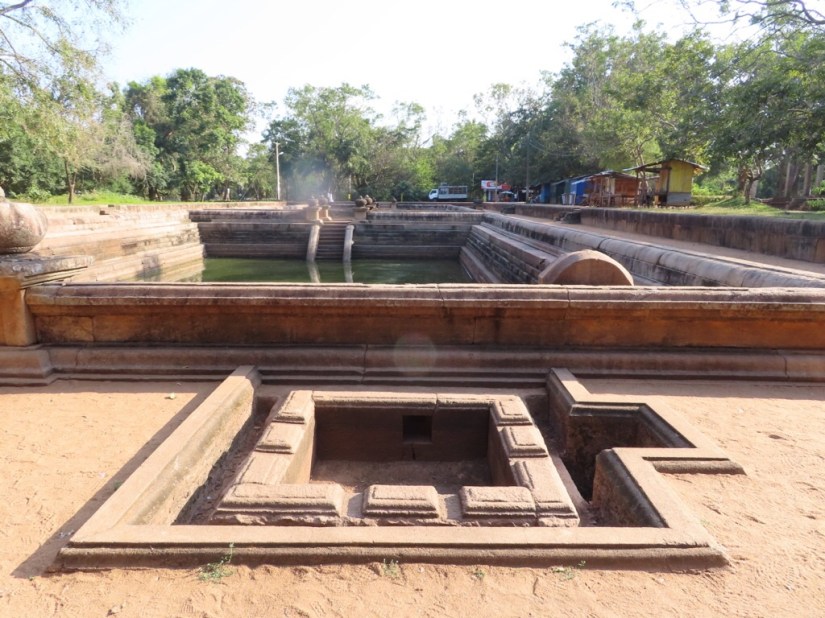
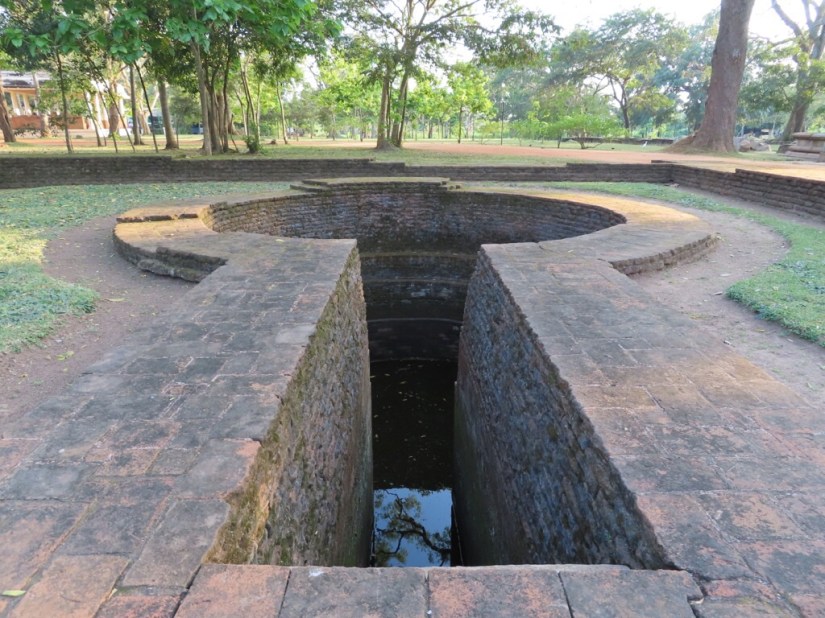
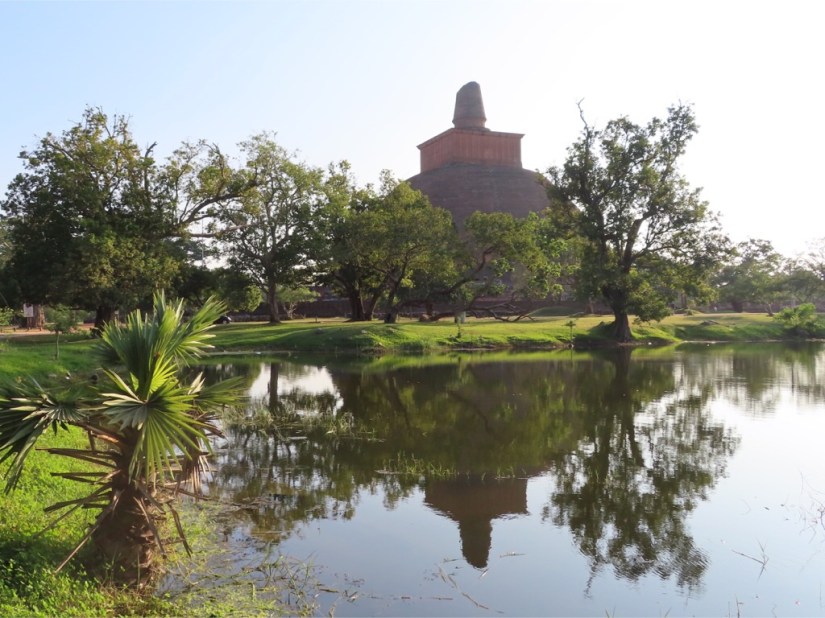 The Sinhalese became masters in hydraulic engineering which enabled them to capture the monsoon rains then transport and use them where needed during the dry season. Successive kings built a huge number of tanks or reservoirs all over the country and linking irrigation systems which turned the northern plains into an enormous rice bowl, capable growing two crops a year and feeding the civilisation that developed. Parakramabahu the Great said that ‘not one drop of water must flow into the ocean without serving the purposes of man’.
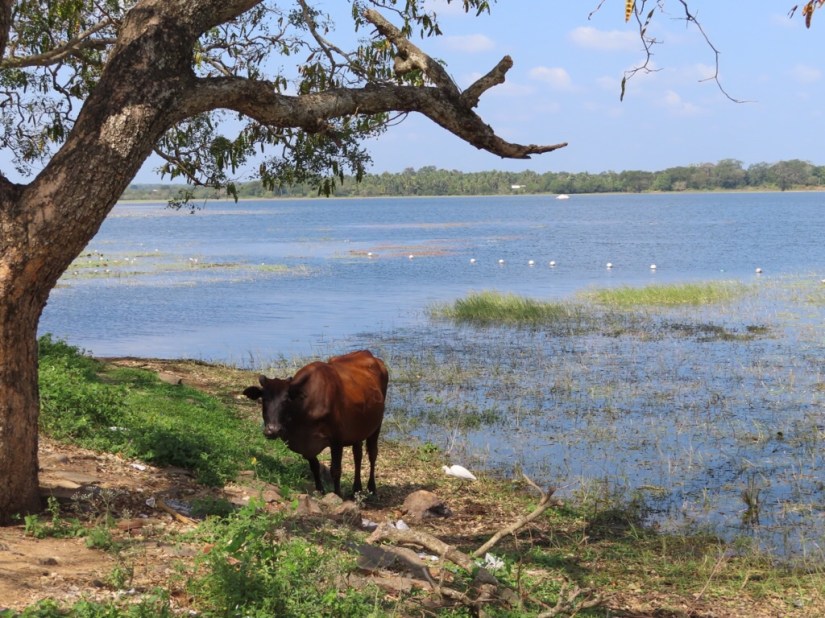
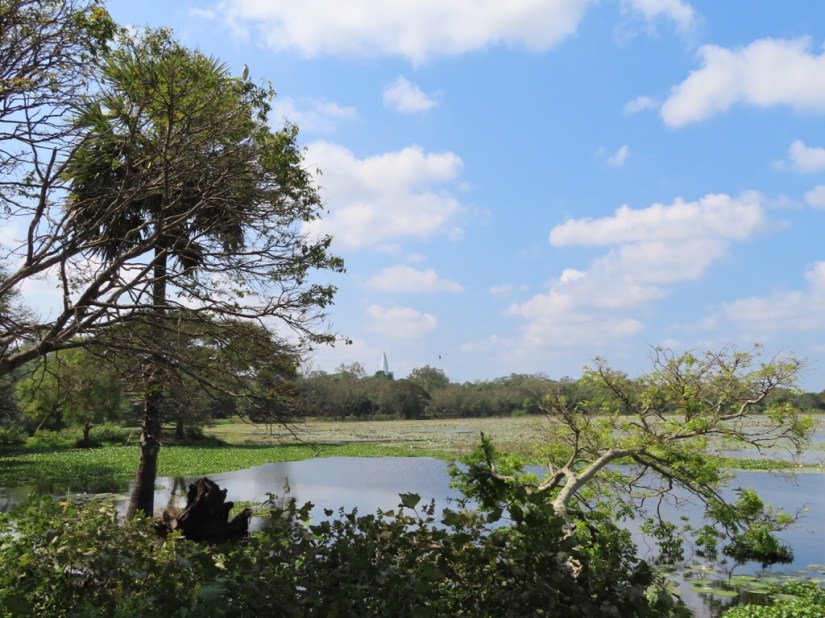
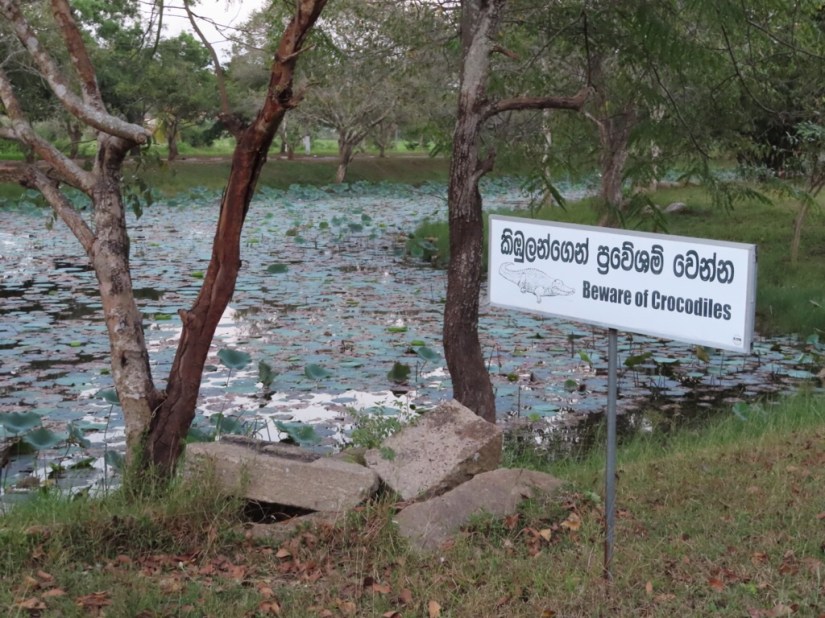 … and here is Nuwara Wewa, the largest of the three tanks, or reservoirs in Anuradhapura made by King Valagamba in the first century BC. King Dhatusena later constructed the Jaya Ganga canal, almost 90km long, and maintaining a steady gradient of six inches to the mile delivering water to Anuradhapura from the huge Kala Wela tank.
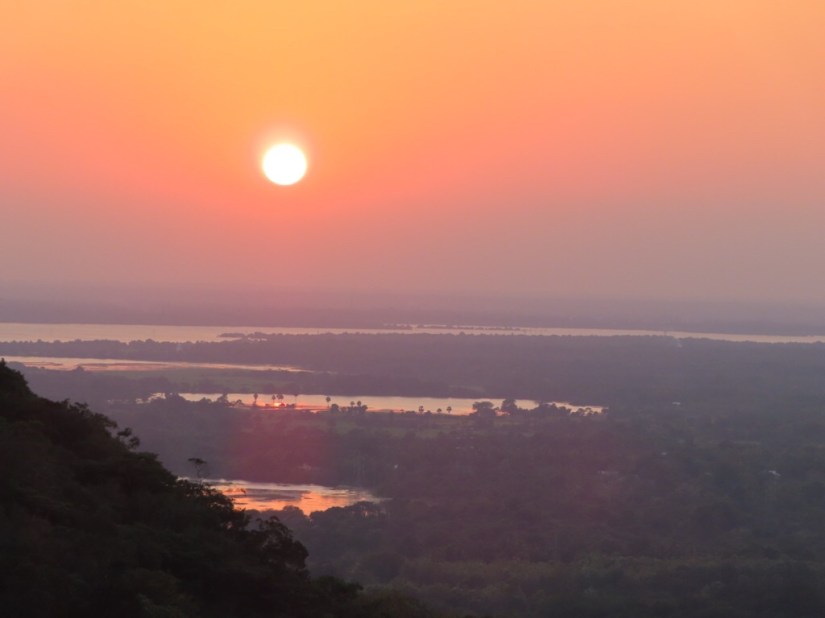









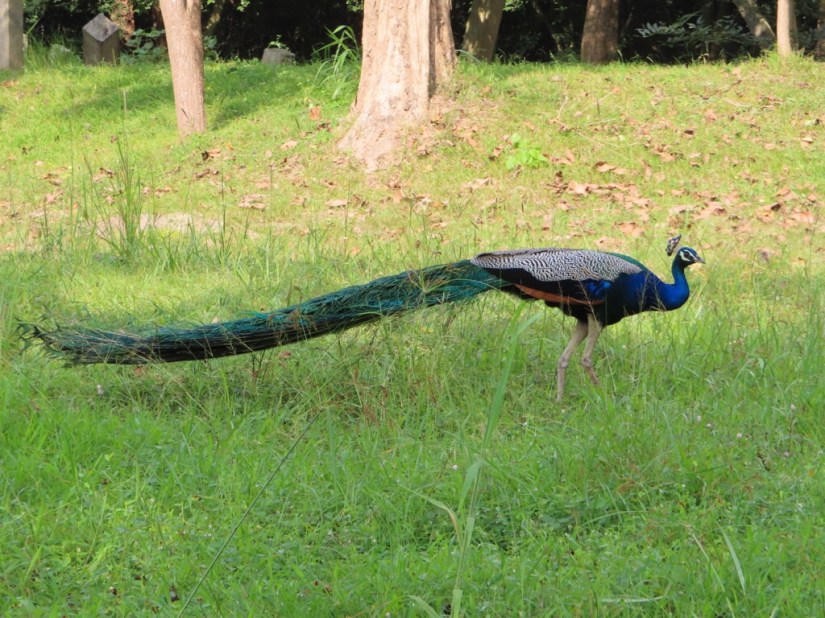

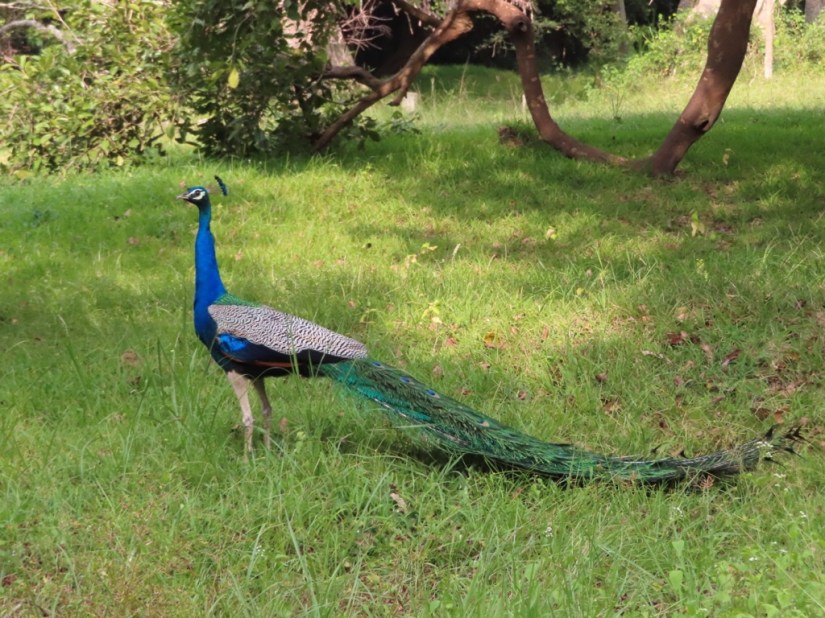


 As we left, I spotted a flash of colour and saw this pretty pair … apparently blue-tailed bee-eaters.





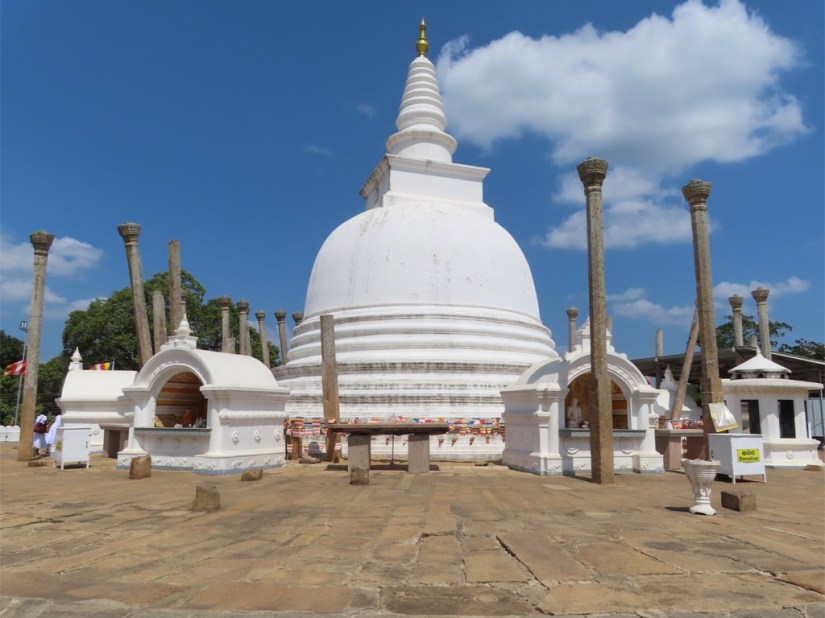
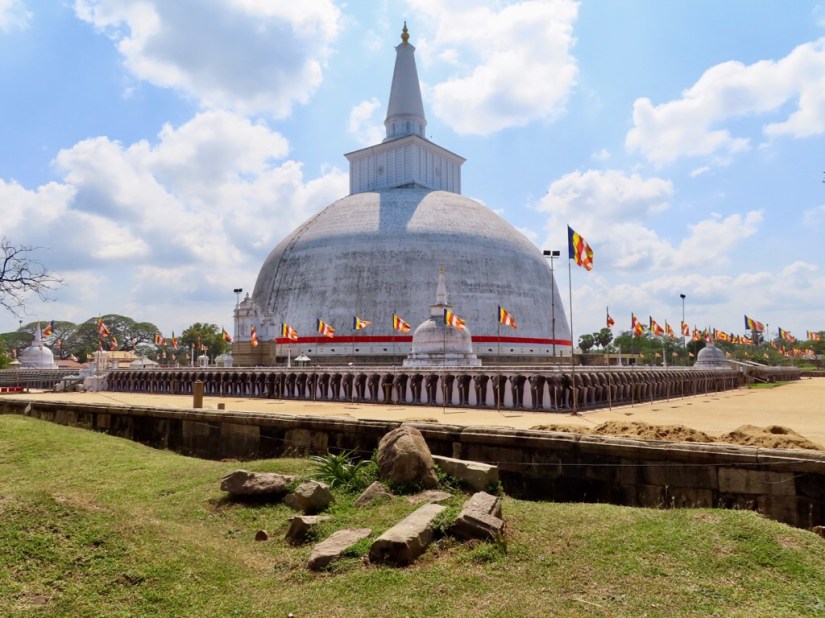
 The history of Sri Lanka revolves round two groups of immigrant people – those from North India who became the Sinhalese and those from the south who became Tamils. There is much controversy as to who got here first, who has rights to what and what it means to be Sri Lankan. So let’s start with Anuradhapura, the first major Sinhalese kingdom, which began around 377BC, becoming one of the greatest cities of its age for almost a millennium before being destroyed by Indian invaders in 933. Following the introduction of Buddhism, it developed into one of the largest monastic cities with some 10,000 monks and many monasteries. The kings of Anuradhapura ruled over a golden age of Singalese culture and the dagobas erected were huge architectural feats, surpassed only by the Great Pyramids at Giza.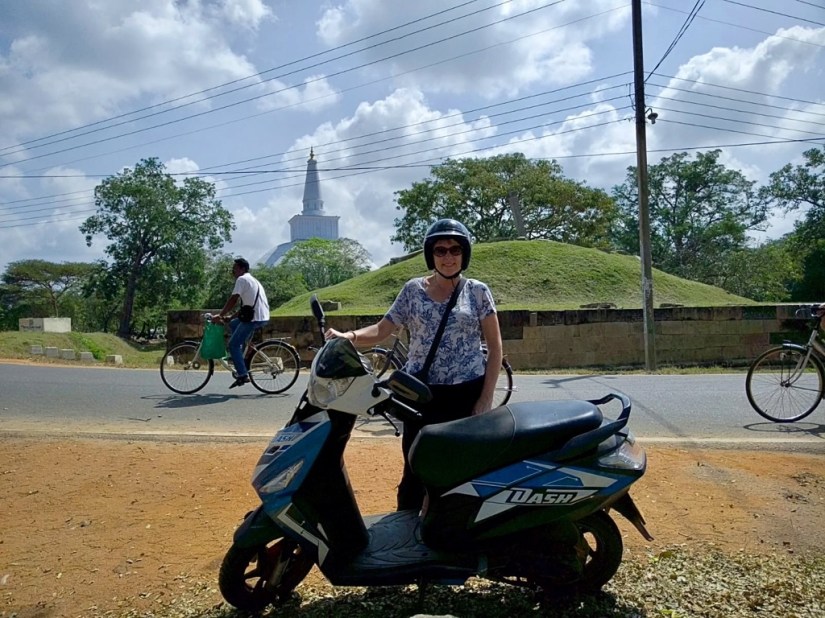








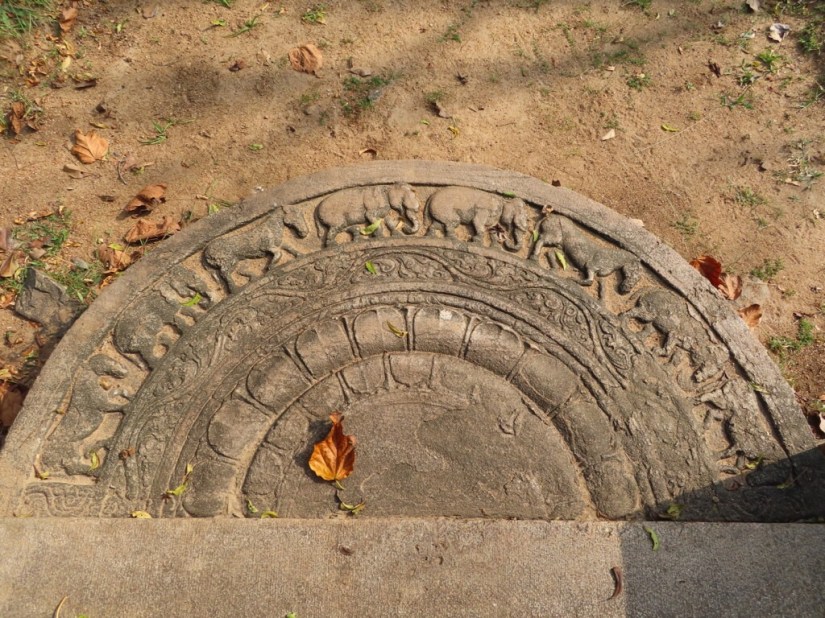
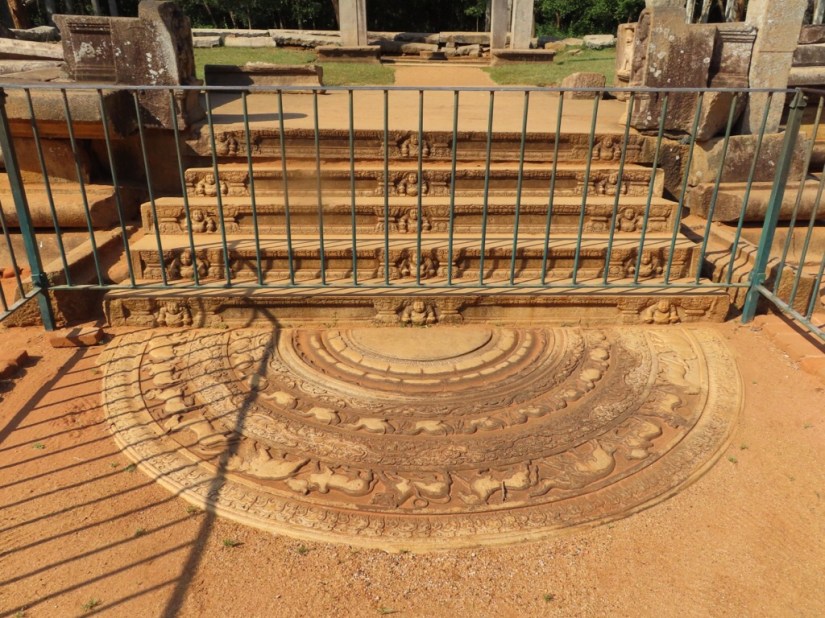 The moonstone is a semi circular stone at the entrance to shrines meant to concentrate the mind of the worshipper before entering. This one clearly shows all the main features – flames on the outside to purify, the four Buddhist animals – the elephant for birth, the horse for old age, the lion for illness and the bull for death, vines for attachment to life, geese for purity and a lotus at the centre as the symbol for Buddha and nirvana.

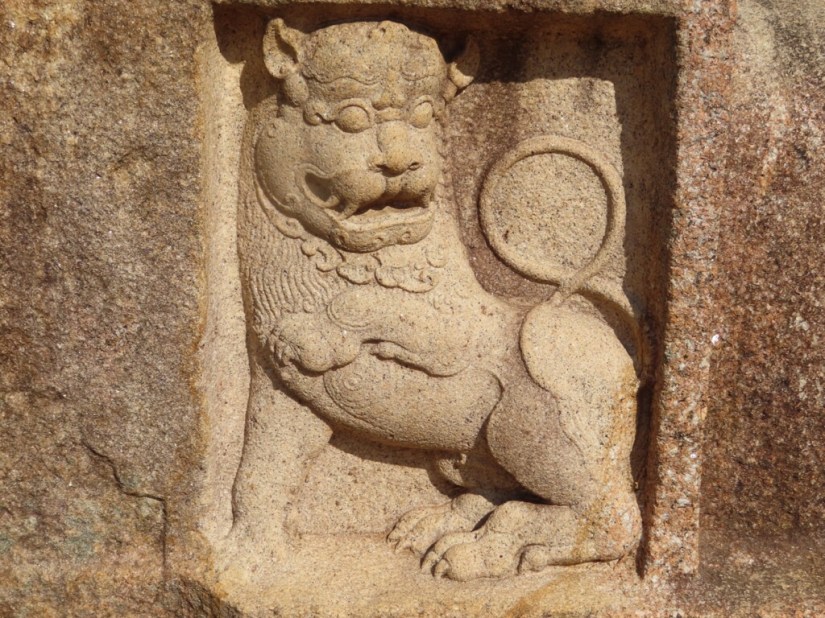
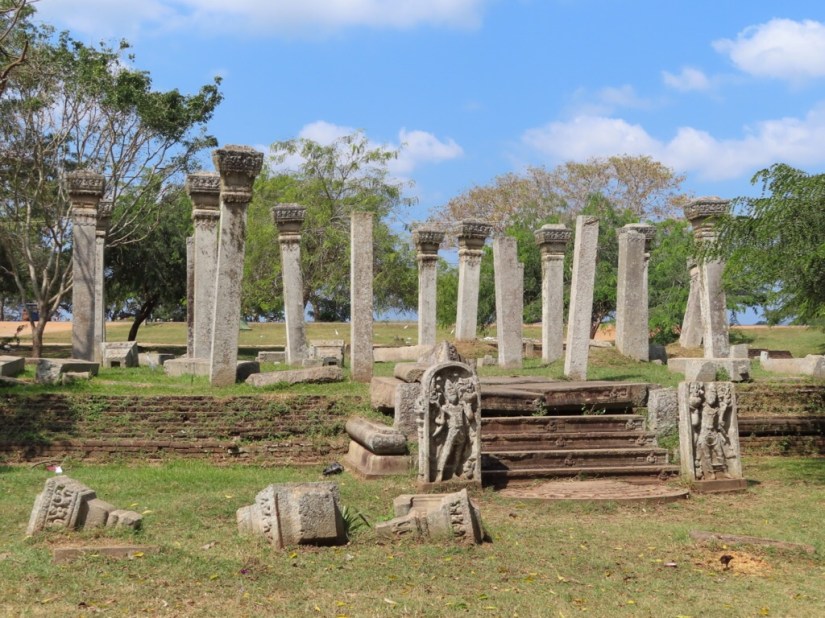


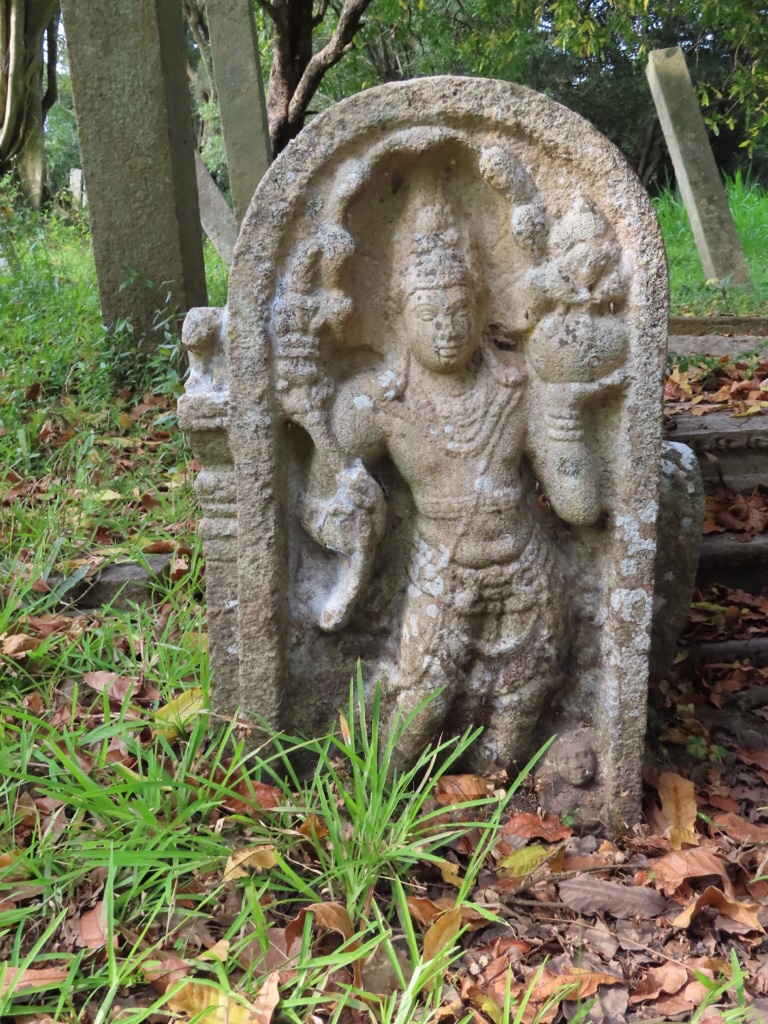
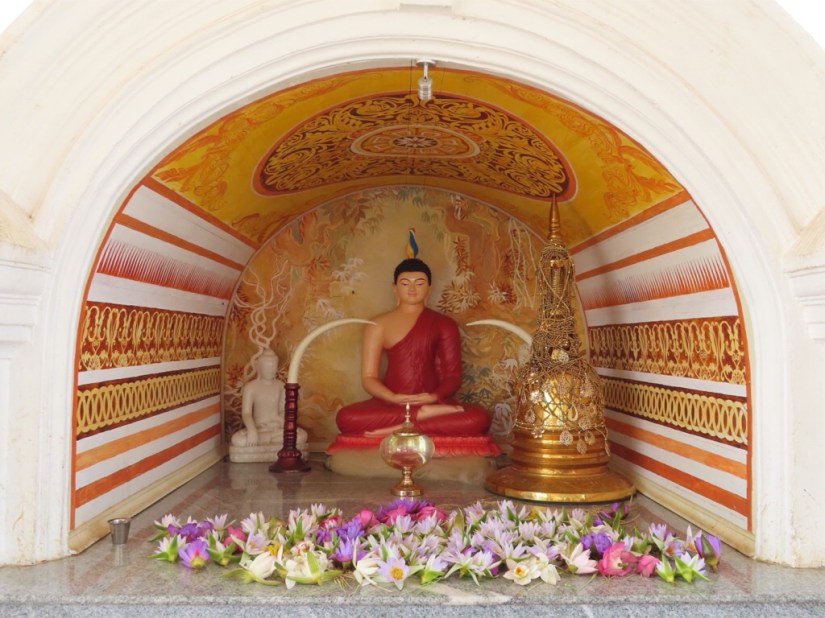
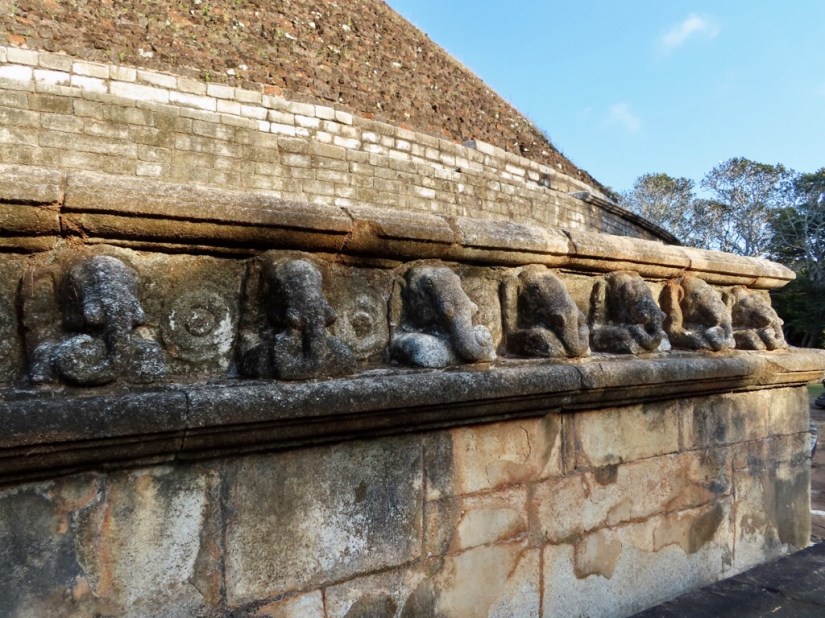
 There were some carvings of bathing elephants, and a man with a horse, and a gilded shrine with a moonstone at the entrance.


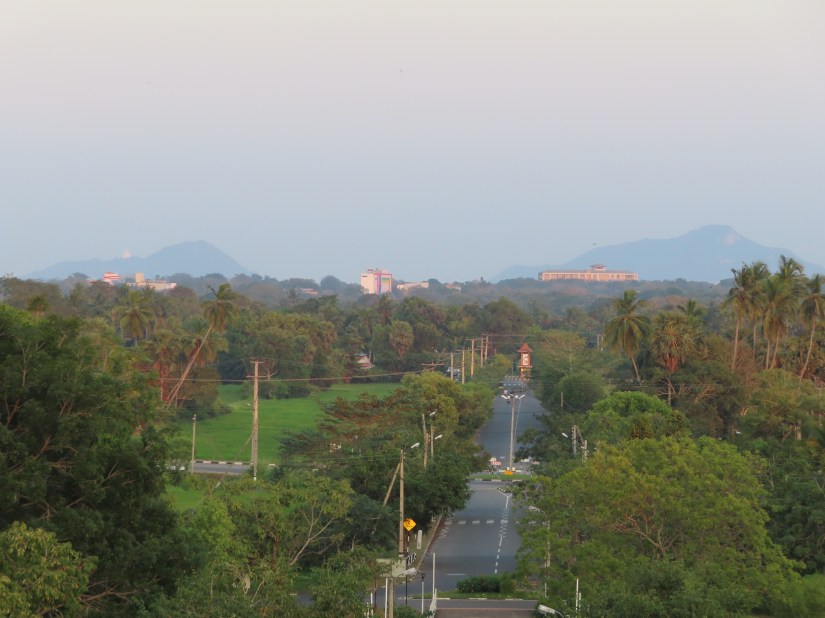 … and also the Sandahiru Seya or Triumphant Stupa, a new dagoba begun in 2014 to commemorate the soldiers who died fighting the LTTE … also known as the Tamil Tigers … times don’t change …
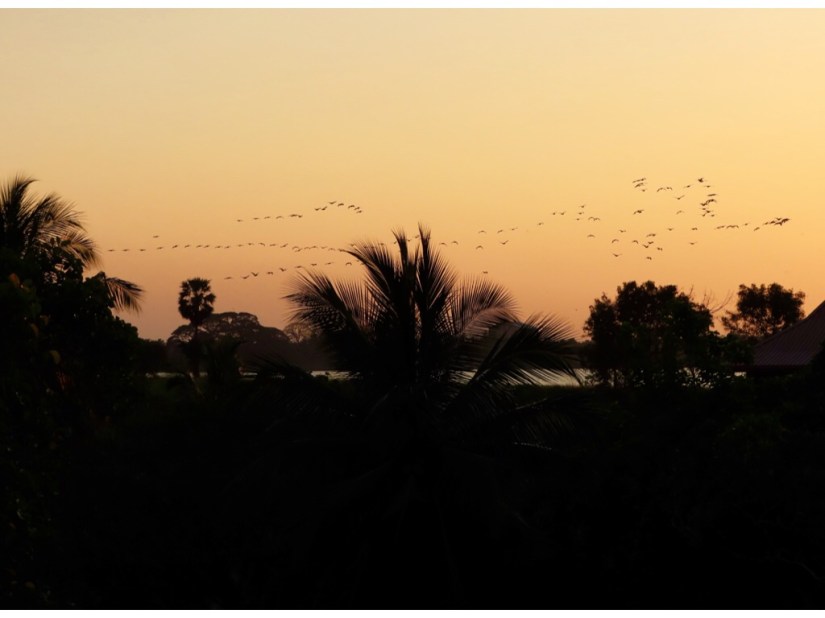
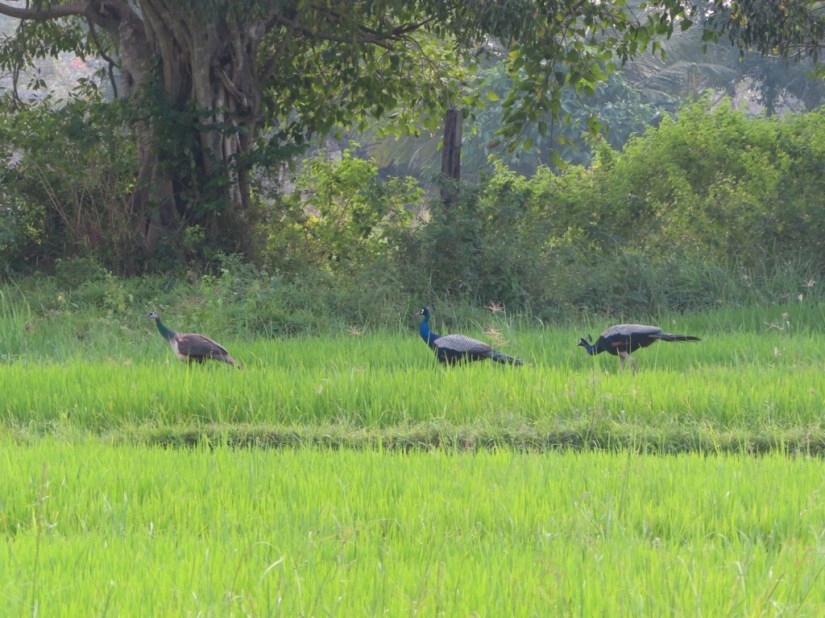
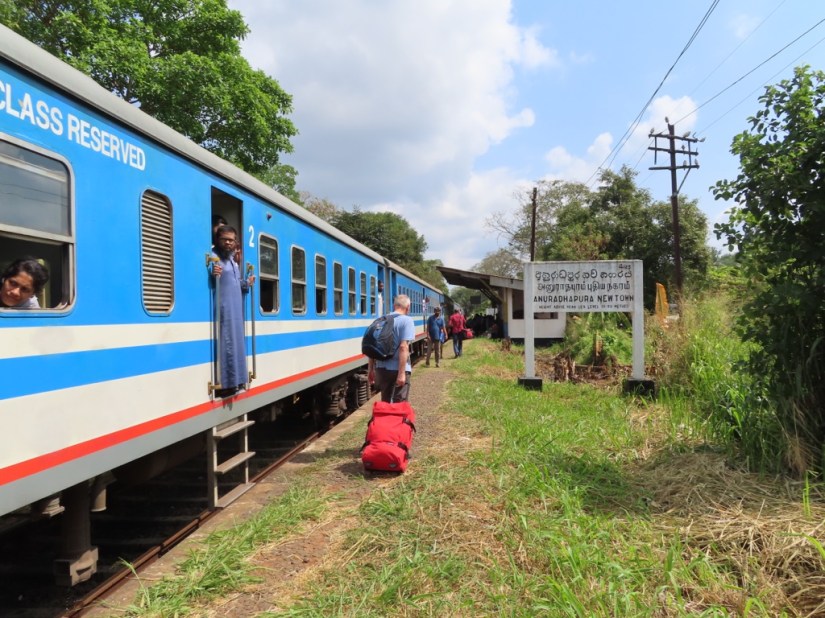
 We travelled 125 miles north in 4.5 hours in reserved 1st class seats with and electric fan on the ceiling and open windows providing the AC! We passed a lot of rice paddies, with patches of woodland, the odd stand of palm trees or bananas and a scattering of cows, egrets and one peacock.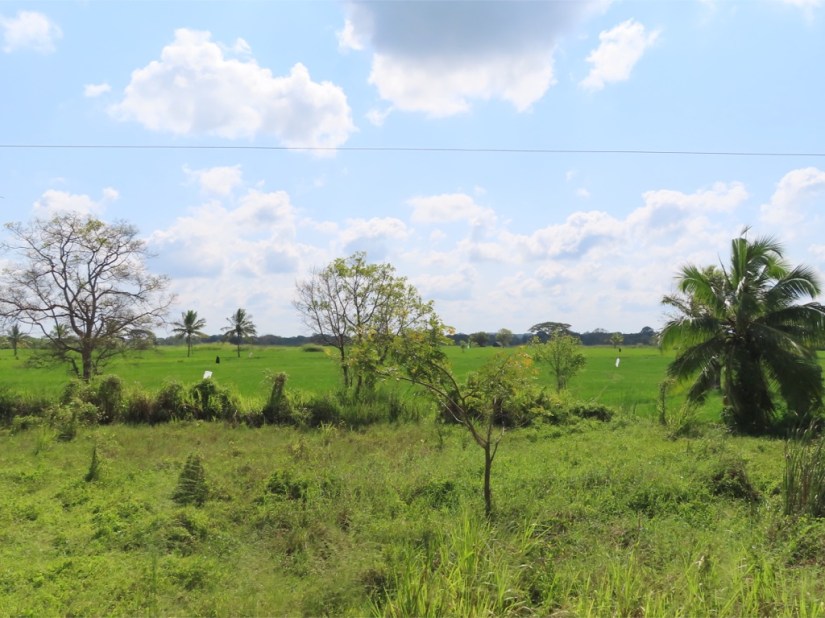

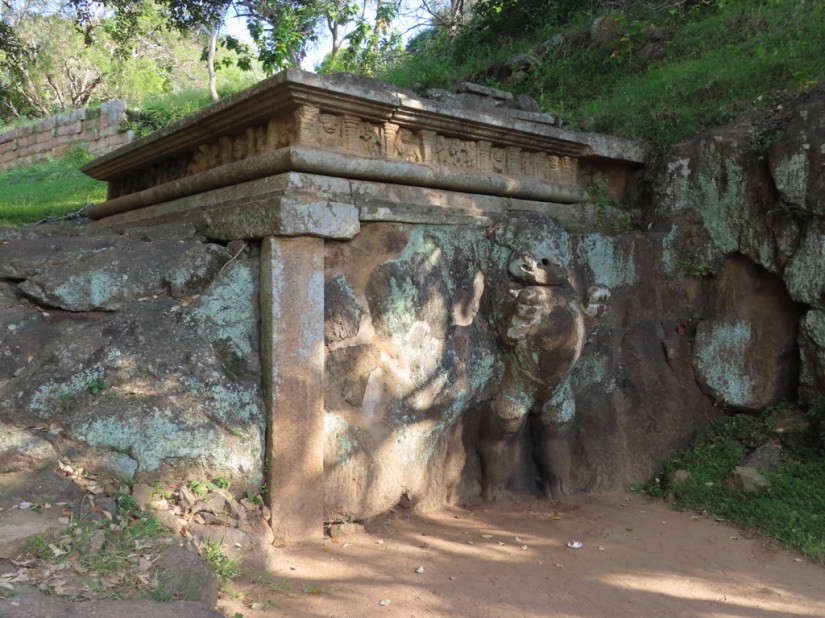
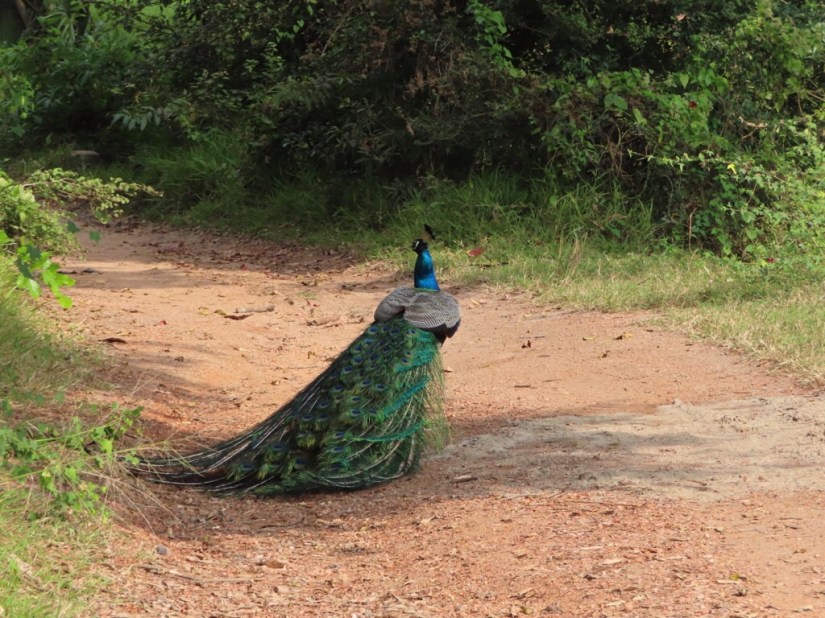
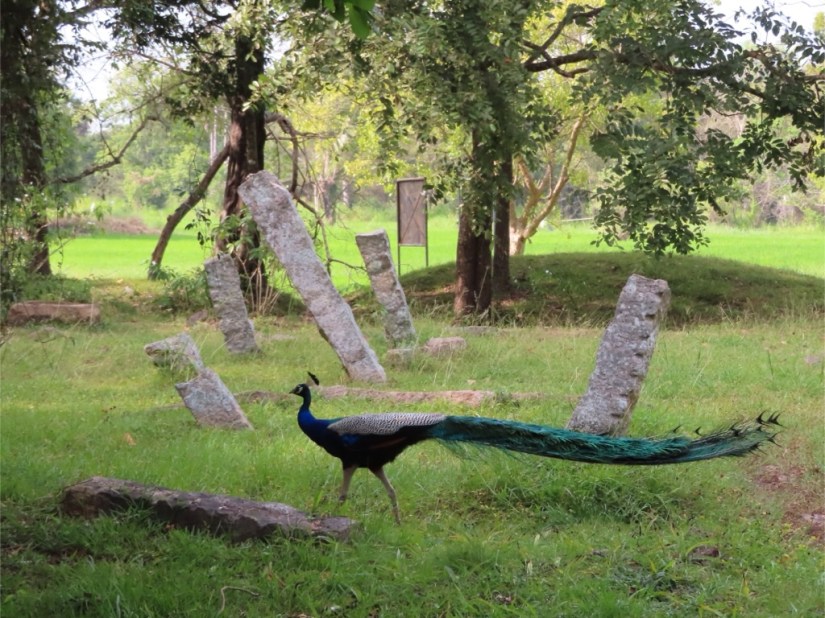
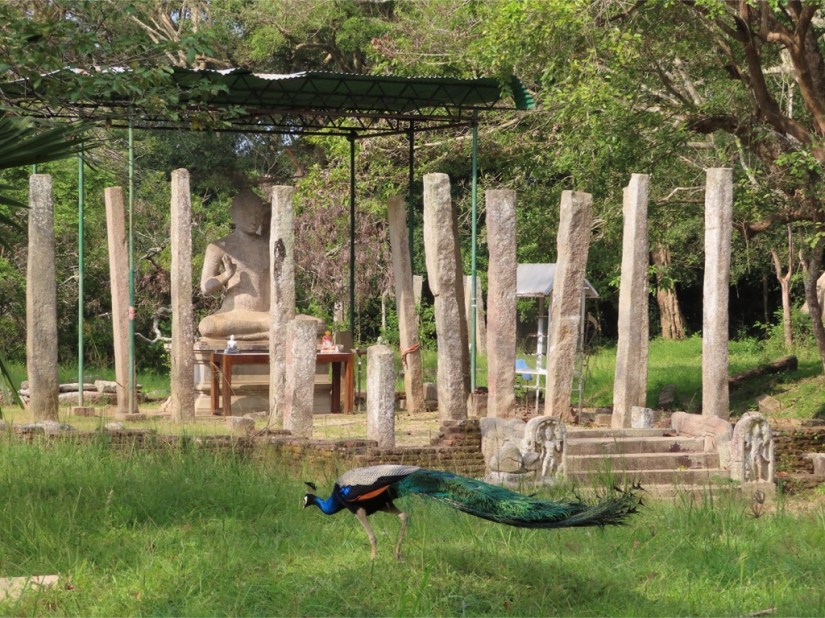
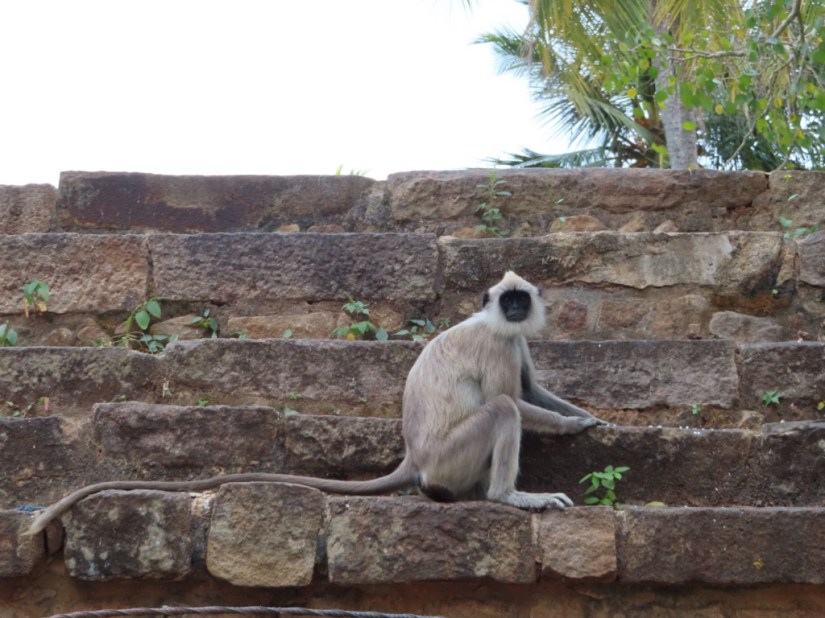
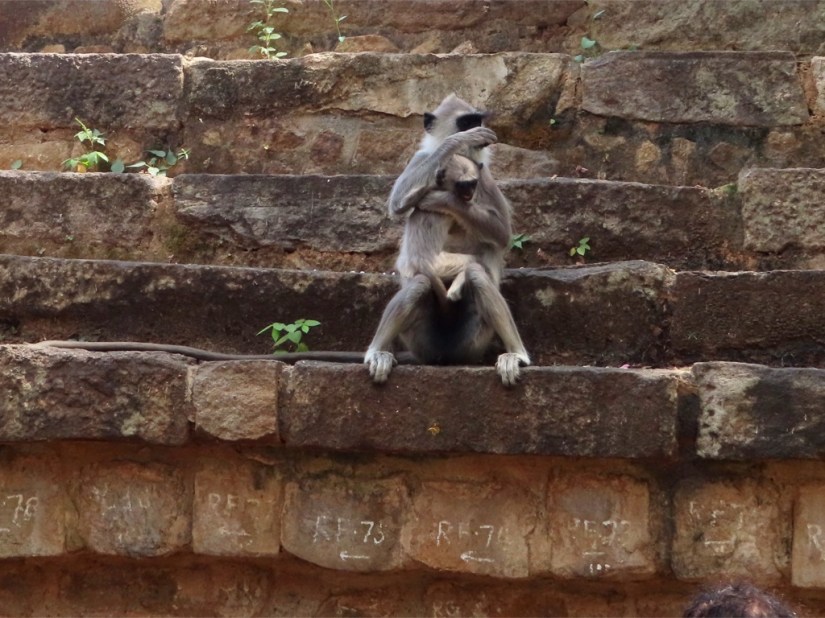
 … wildlife between the ruins …





 We arrived at Katunayake International airport and took the express bus for around an hour to Colombo central bus stand then a tuk-tuk to our hotel in the historic Fort district. We are just here for one night, and have to leave even earlier in the morning than planned, with our train leaving at 06.35.
 … then walked to the railway station to collect our tickets, overshadowed by the Lotus Tower soaring above.




 Another chilly January in England but fortunately we are off to warmer climes …
 Off Travelling Together