A trip to Yaxchilan and Bonampak had been on our wishlist, but I wasn’t sure we’d be up for the trek. Chatting to someone who had been a few days ago changed my mind and then a leaflet was thrust into my hand when we arrived in Palenque!
So why go … what’s to see? Yaxchilan was one of the most powerful Maya states along the Usumacinta River and is visited for its jungle location and detailed stonework while Bonampak, has the finest examples of classic Mayan murals.
The minibus collected us at 5.30 and drove for a couple of hours through the sunrise then stopped for a breakfast of eggs, bread, fruit and coffee to keep us going.
Yaxchilan is set on a horseshoe shaped section of land, surrounded by the Usumacinta River on three sides and deep within the Lacandon rainforest …
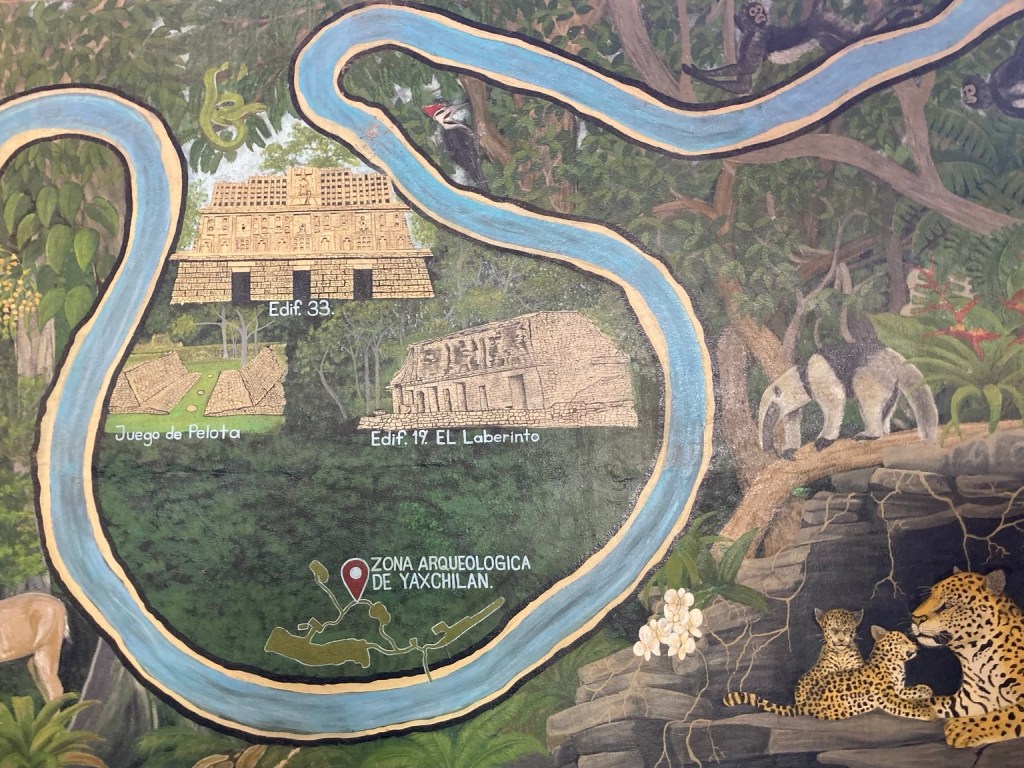
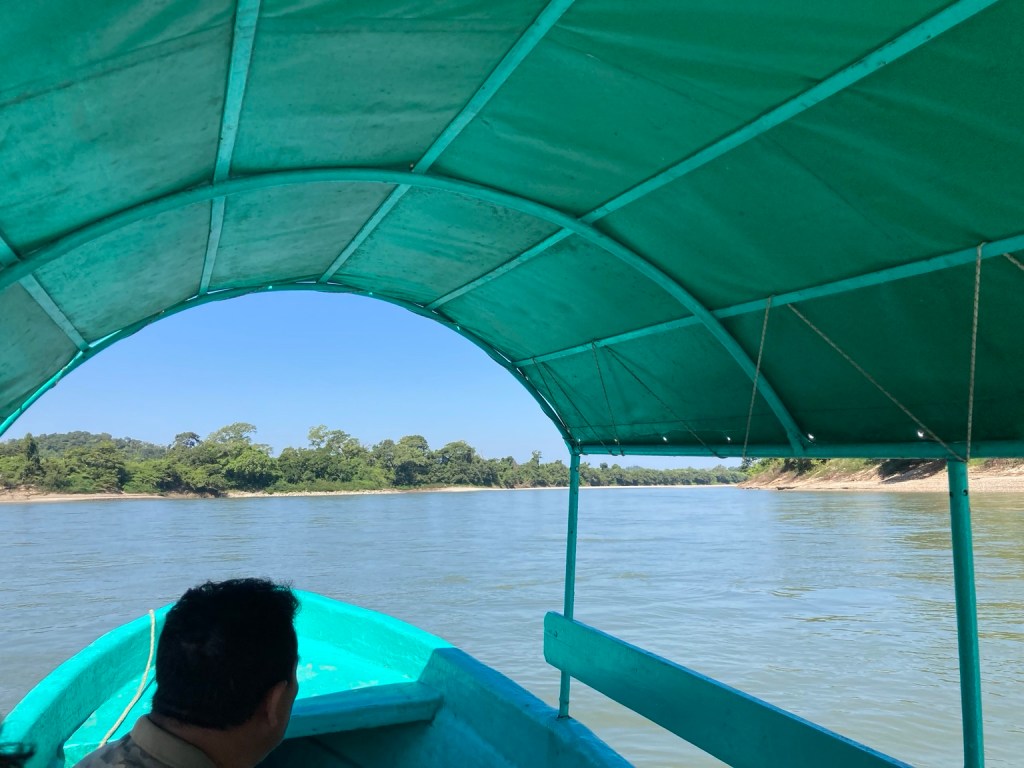
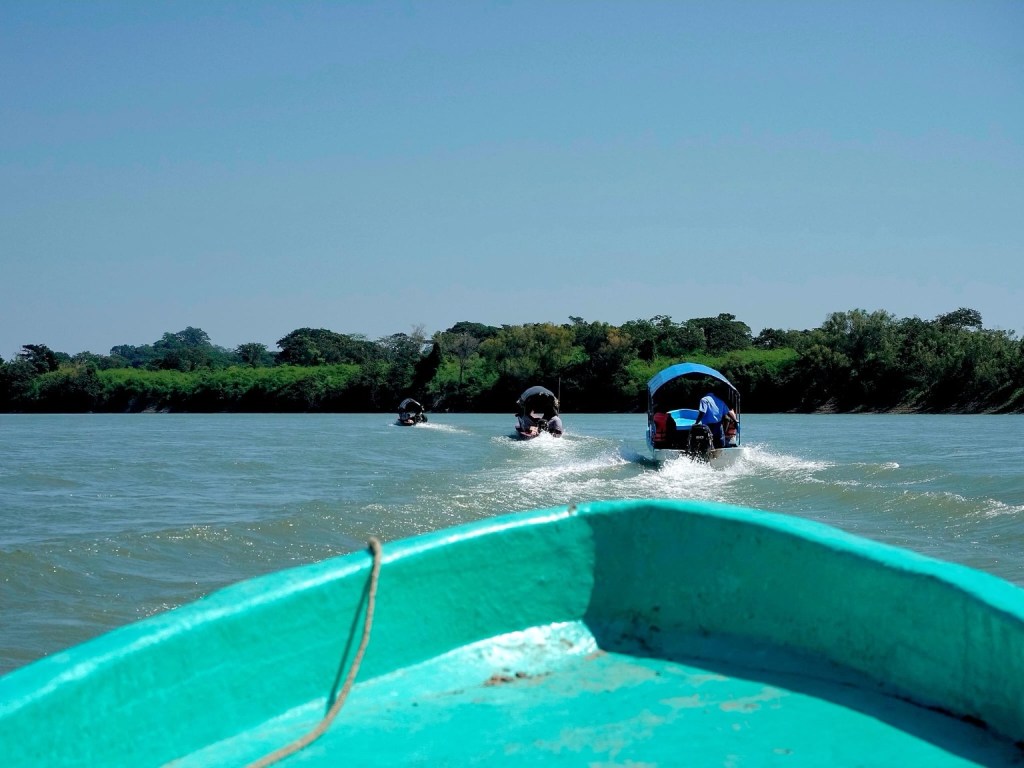
… and the only way to reach it is by long boat or lancha.
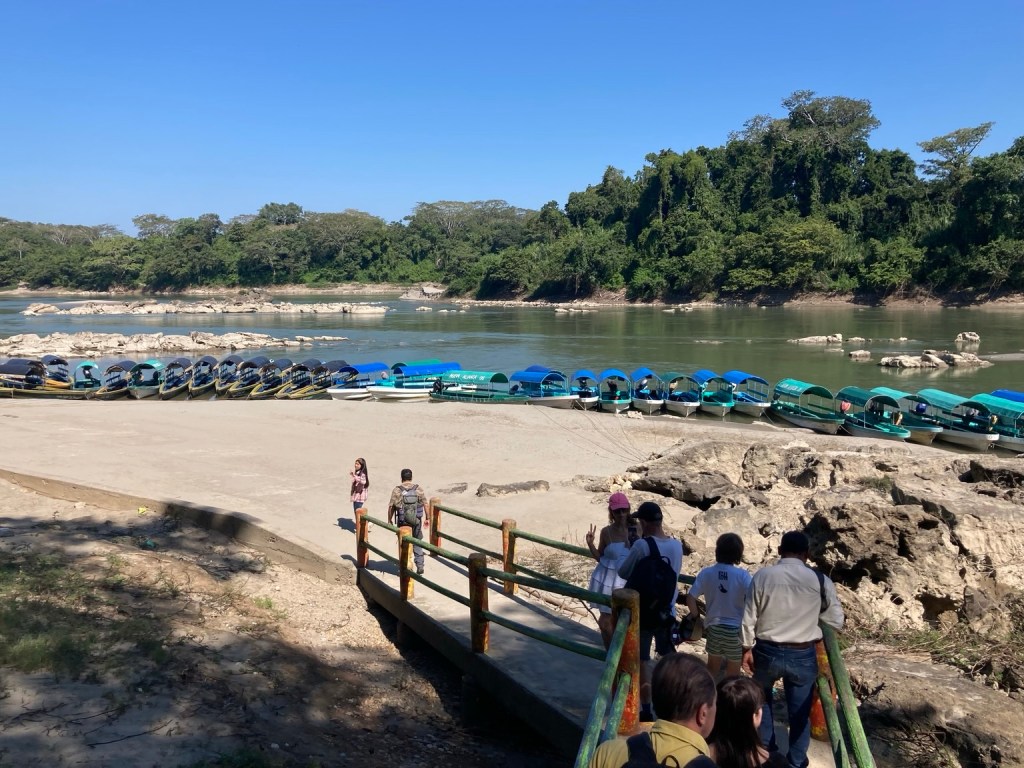
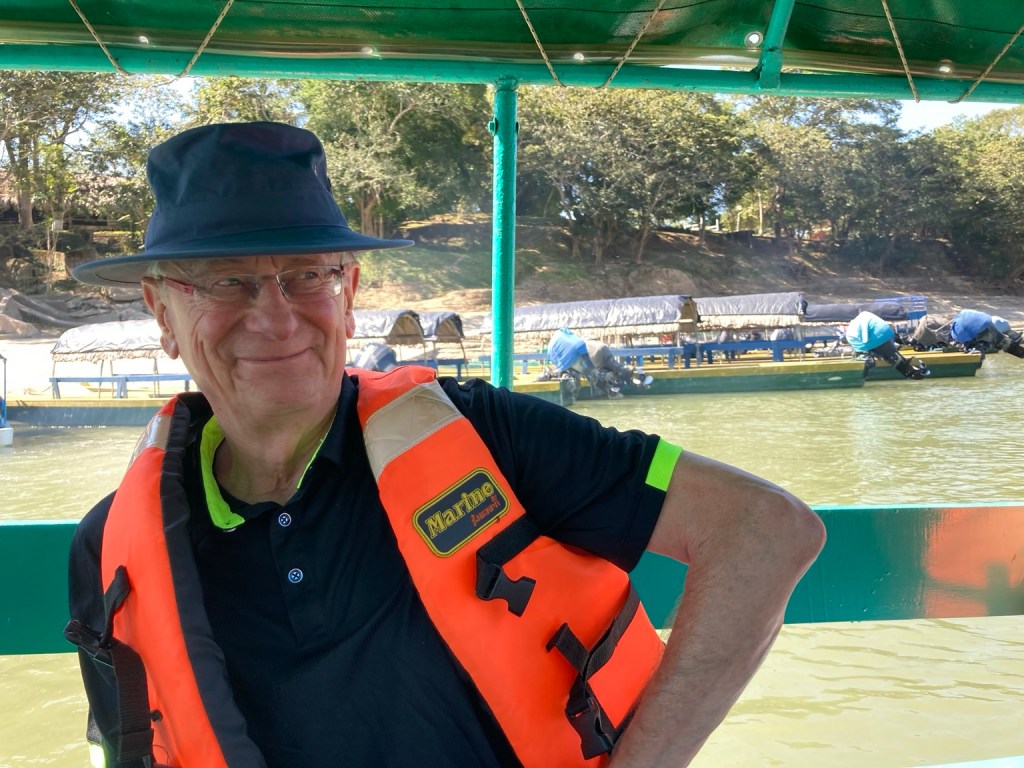
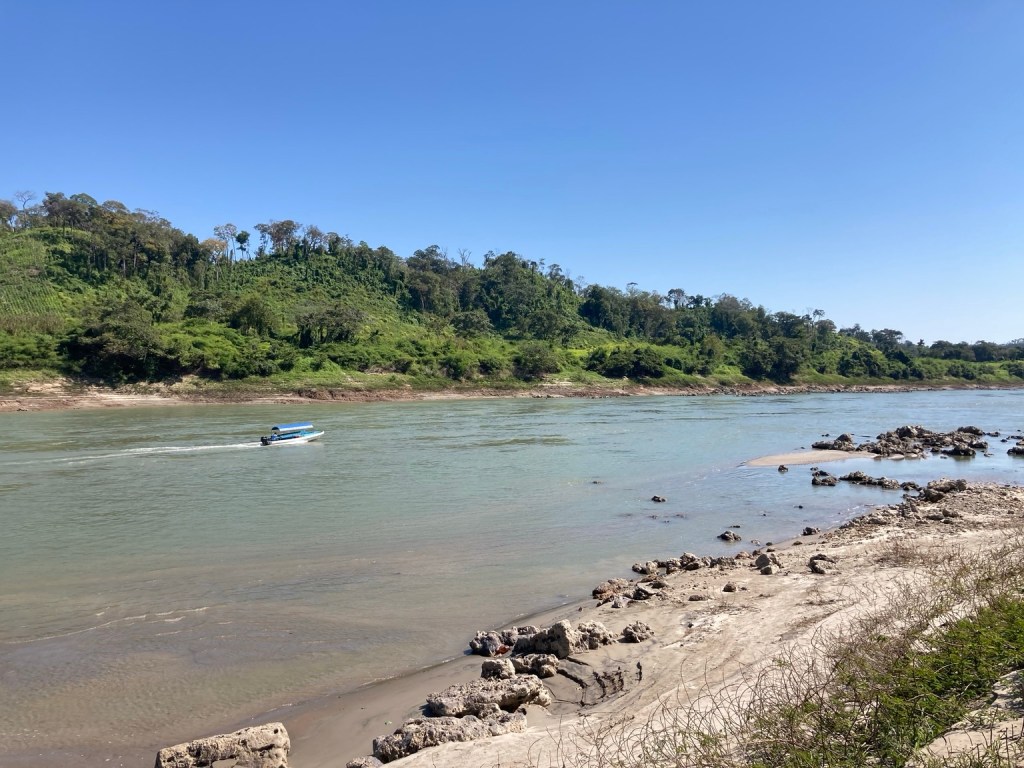
The boat sped along for around 40 minutes with Guatemala on the far bank, and since we crossed the mid point, Guatemala can be added to our destinations visited!
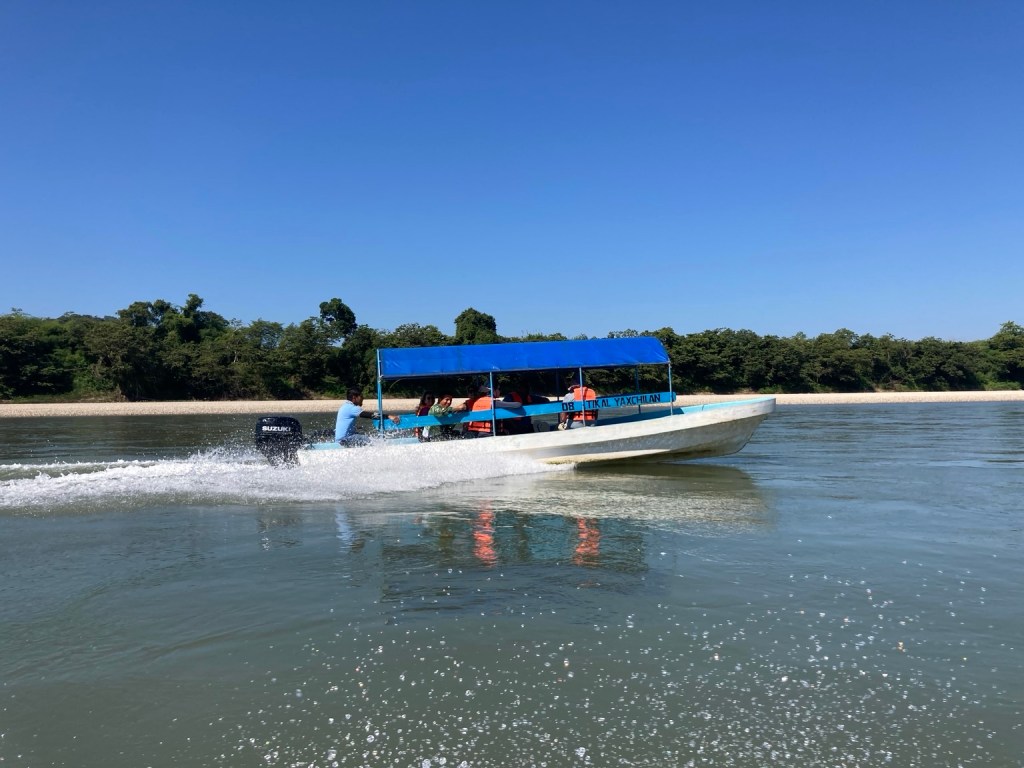
The six English speakers in our group shared a local guide who told us Yaxchilan reached its zenith between 600-800AD under Itzamnaaj B’alam II, or Shield Jaguar II and his son Yaxun B’alam IV or Bird Jaguar IV and these rulers commissioned the major structures we were going to see.
We entered through a building called The Labyrinth, which contains three levels with multiple doors, passageways and stairs interconnecting the rooms within.
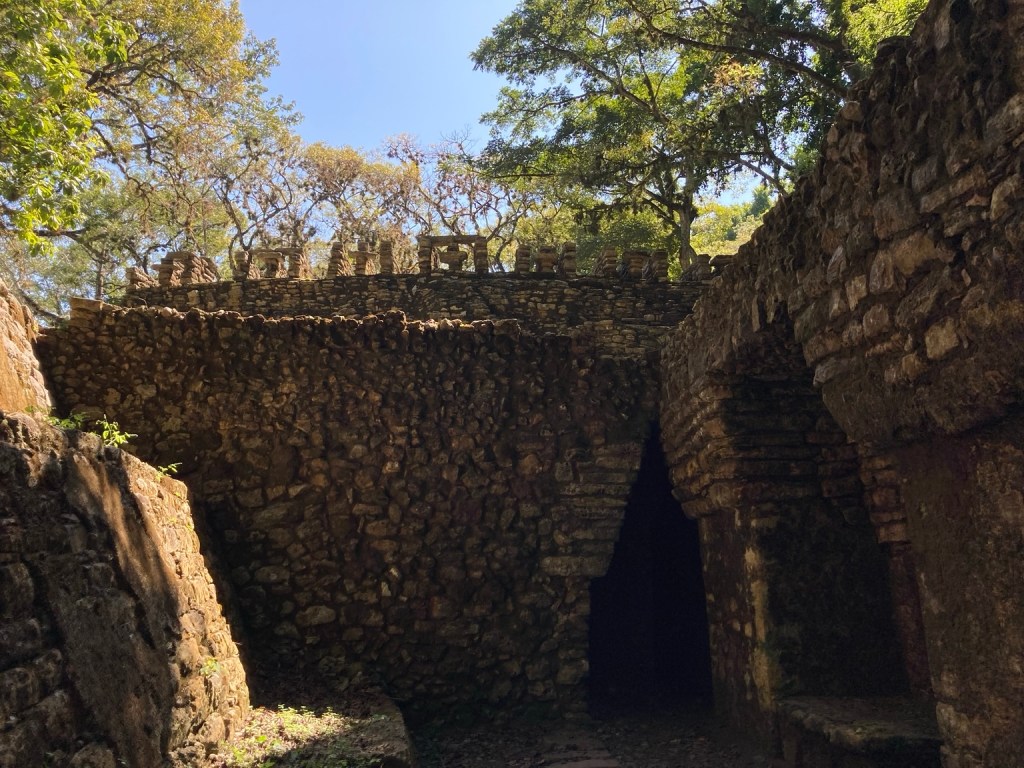
We spotted bats and a large spider living inside ..
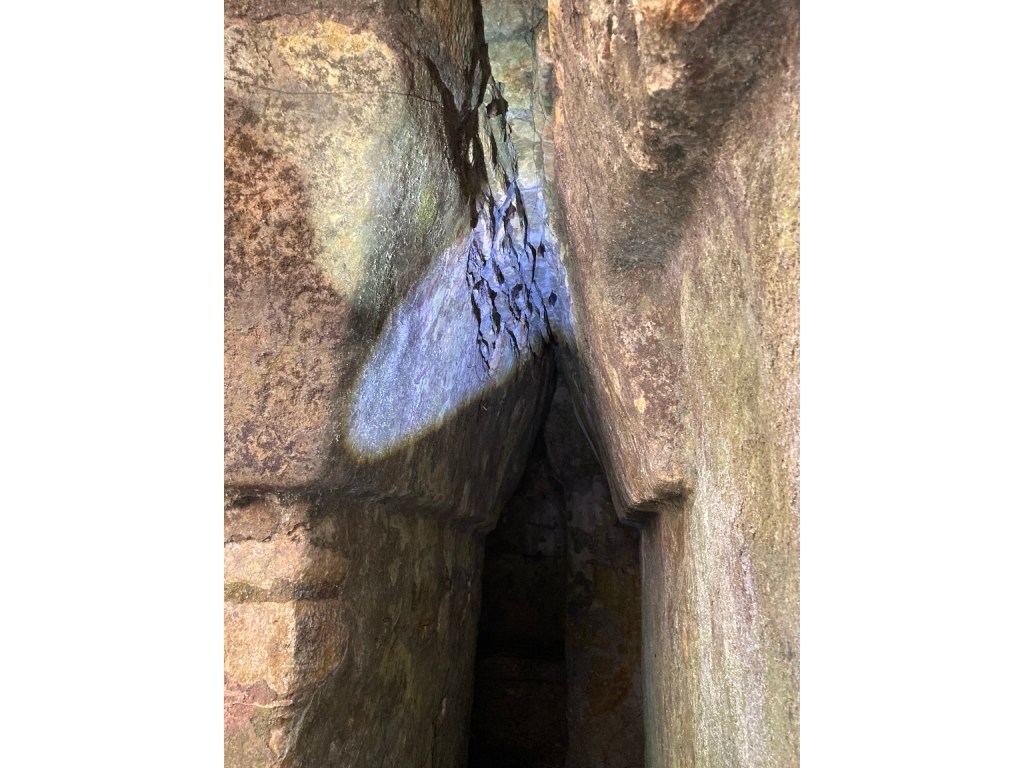
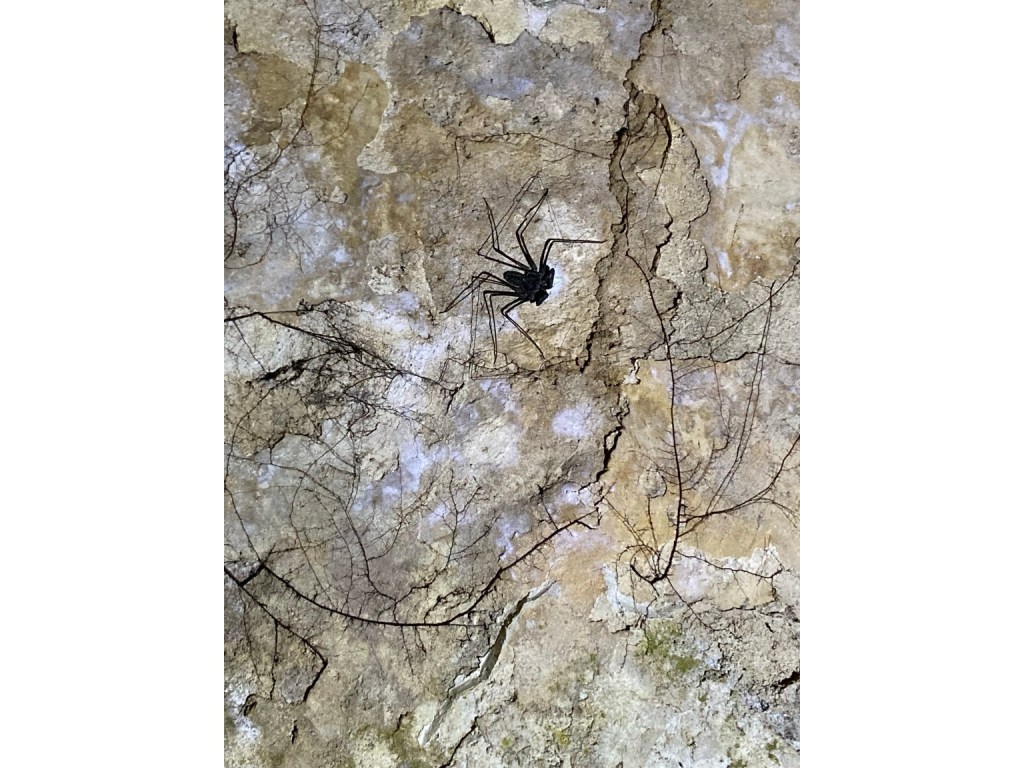
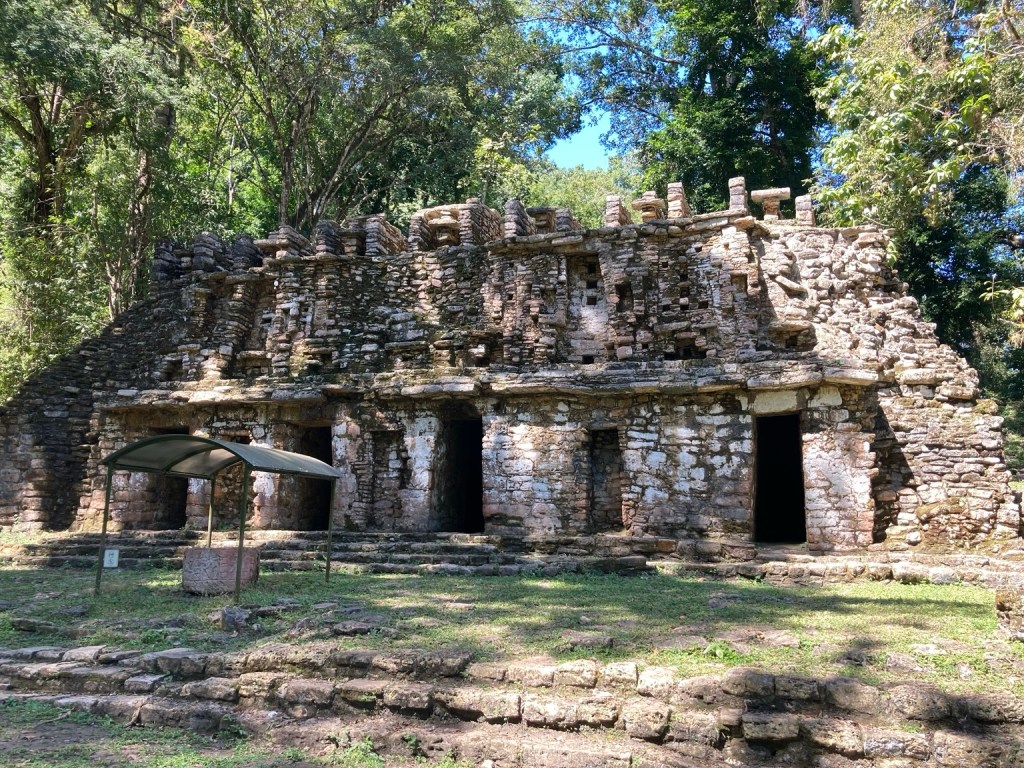
… so were pleased to reach the sunshine … and here is the Labyrinth from the plaza.
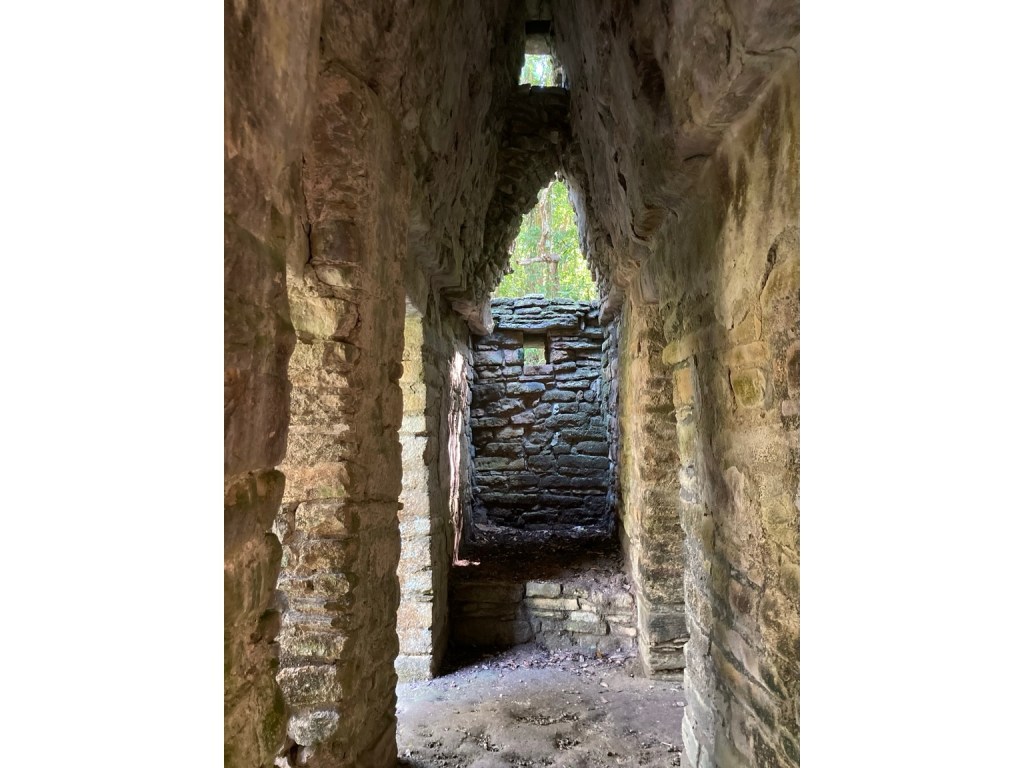
Mayan buildings use the corbel arch to achieve high-ceilinged structures with heavy stone, but it does have limitations. Thick walls, narrow rooms, and restricted space as can be seen here, but certainly durable.
There are lots of buildings half hidden by the foliage …
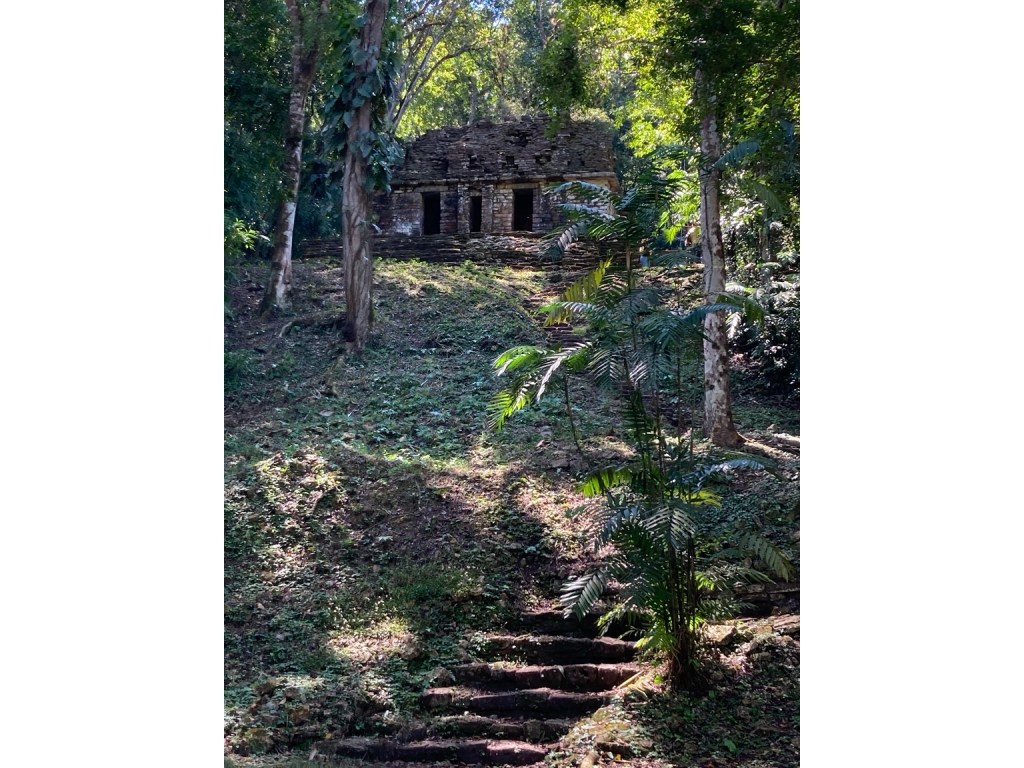
… and we approached this one from the rear.
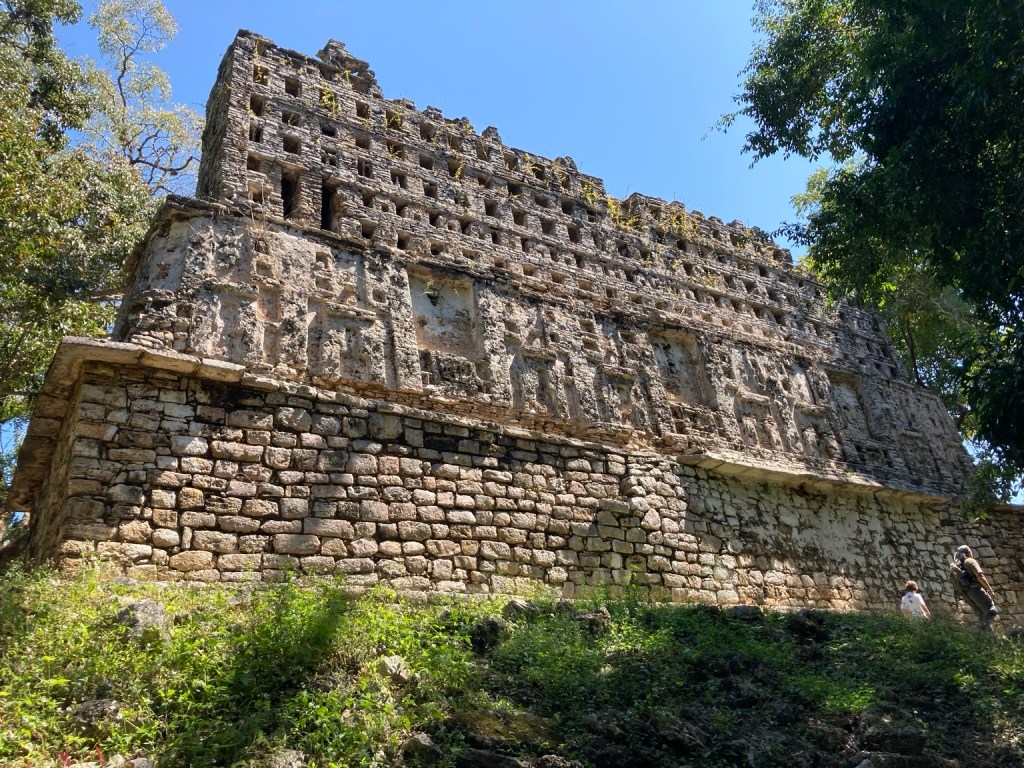

We climbed up and walked round to the front of the building called Structure 33, the most impressive on the site.
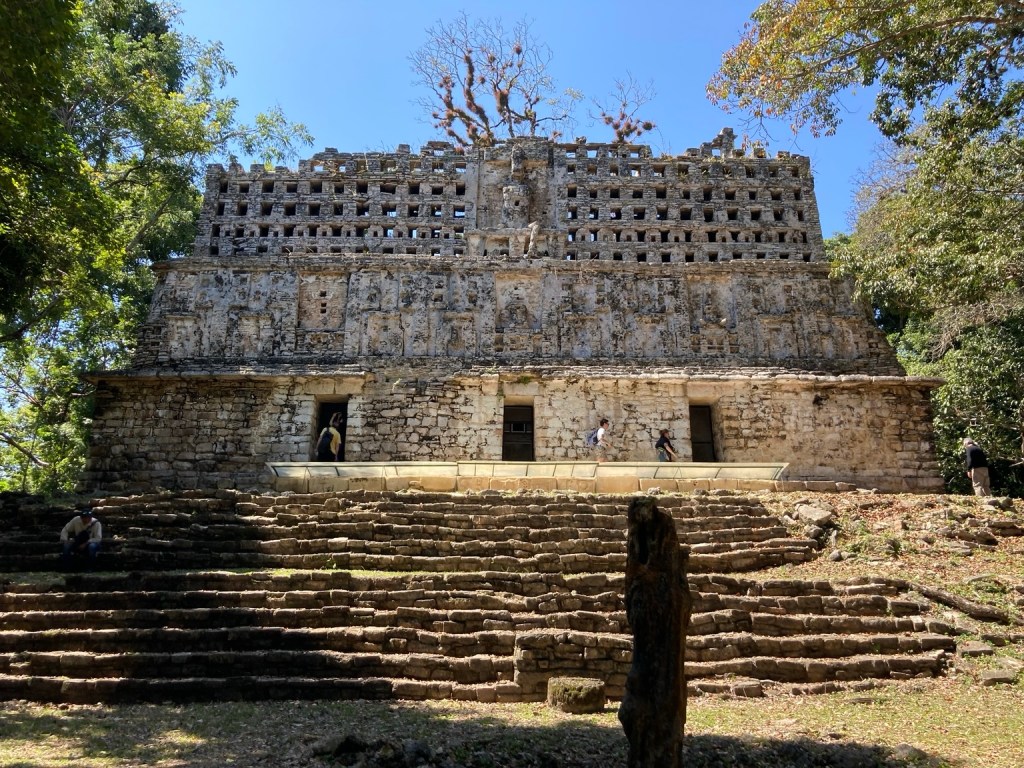
Pierced stone structures called roof combs features on several buildings here, a decorative effect to add height and prestige. At the center of the roofcomb was once a gigantic figure of Bird Jaguar wearing an enormous headdress, although it is difficult to make out now.
There were several things to look at. Firstly the risers to the steps at the front featuring reliefs of the ball game – the first shows Bird Jaguar IV’s father, Shield Jaguar II playing ball …
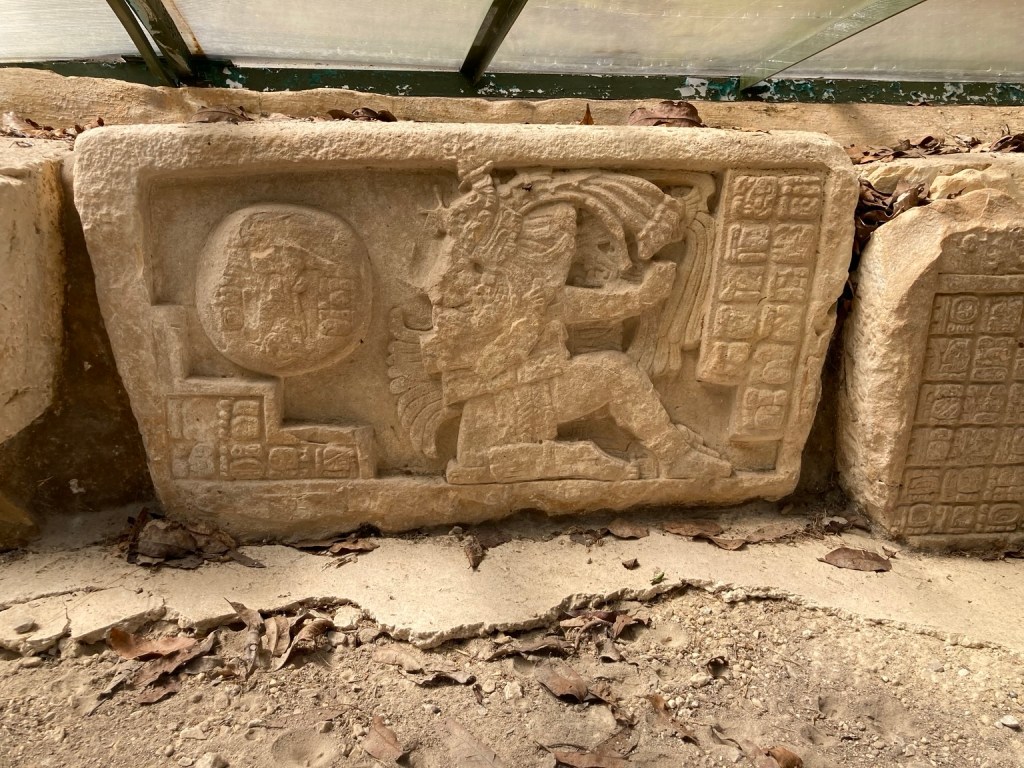
… and this one is the largest, and shows Bird Jaguar IV in his first ballgame, remembering that this is not really a game, more a sacred ritual.
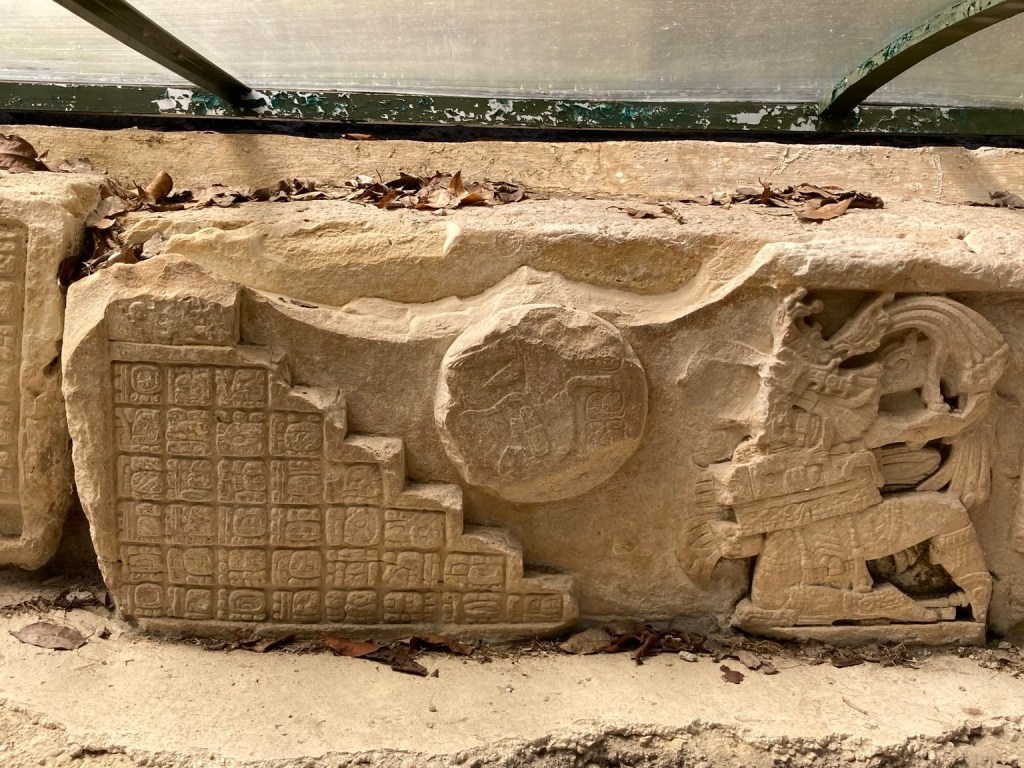
The underside of the doorway lintels are carved, each showing Bird Jaguar IV in a dance ritual. The first commemorates his accession to the throne, wearing a wild headdress and with his wife, the Lady Great Skull behind him.
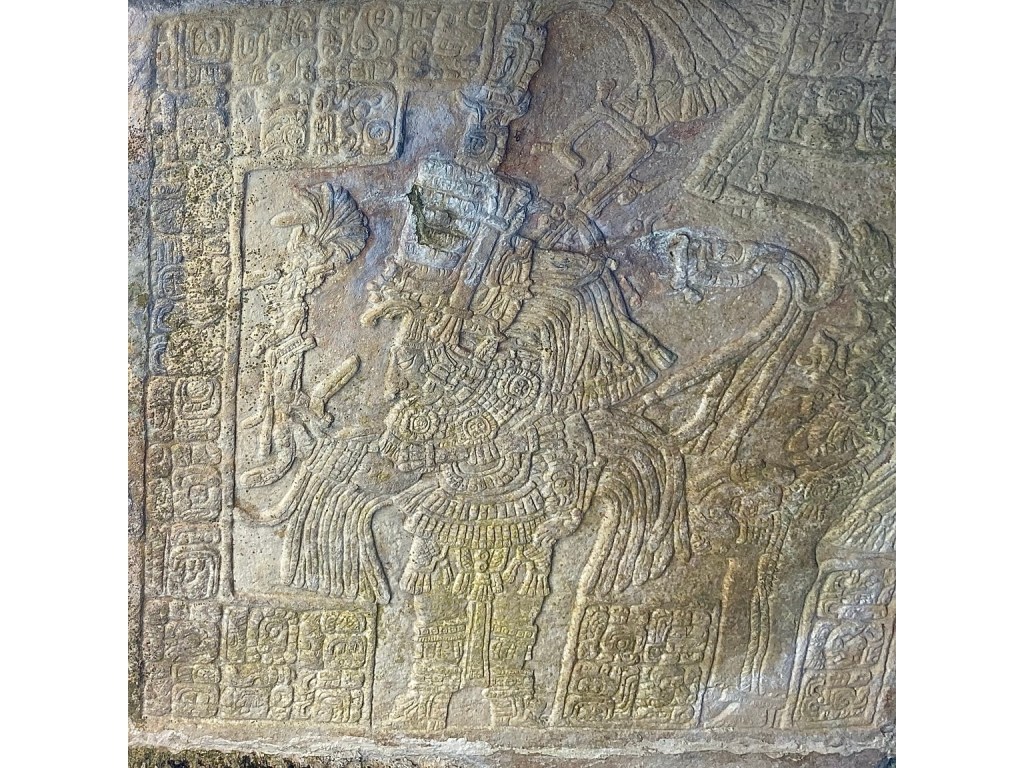
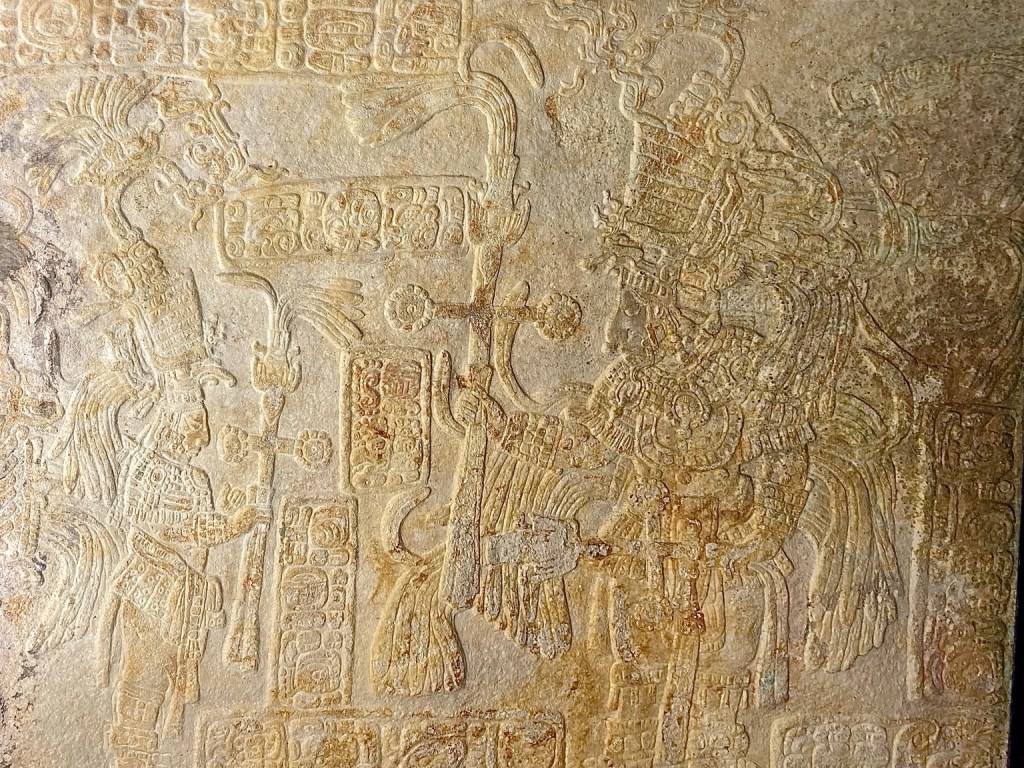
The central one shows the end of five years on the throne, dancing with his son. They both hold Mayan crosses with curved ends.
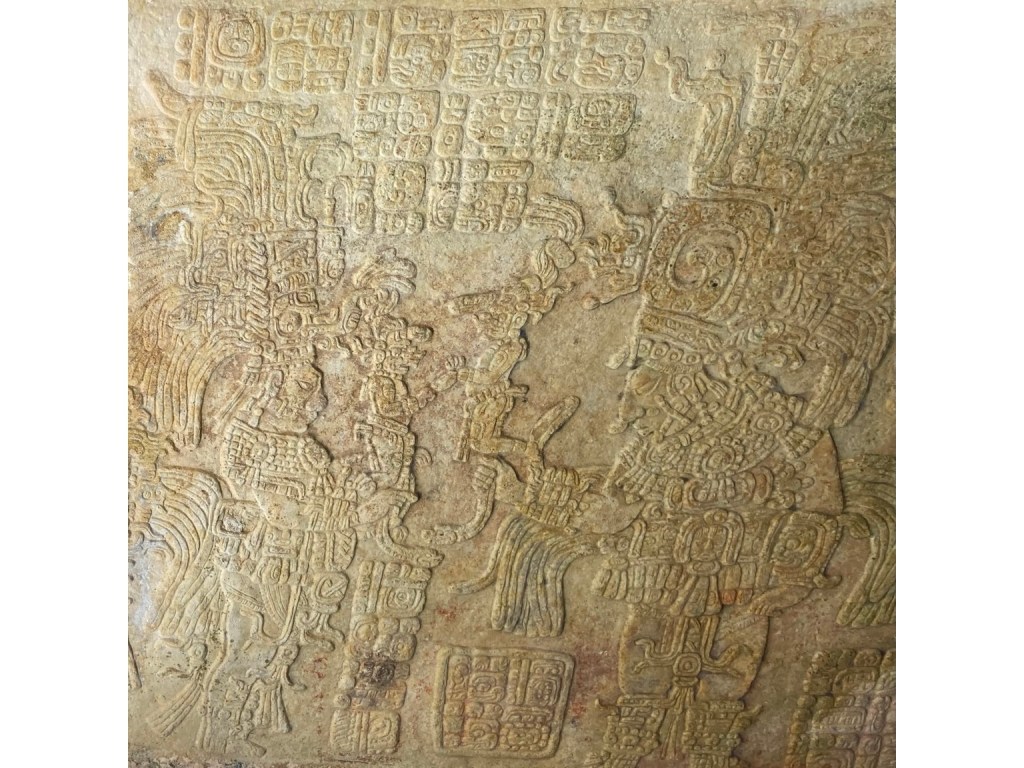
In the last Bird Jaguar IV wears a headdress composed of a giant coil of spotted material, snakeskin or a roll of stuffed jaguar pelt and commemorates a year on the throne.
All the time we had been at the site, we had heard the distant sound of howler monkeys accompanying our visit and now a group of spider monkeys were spotted in the canopy and Chris snapped this one.
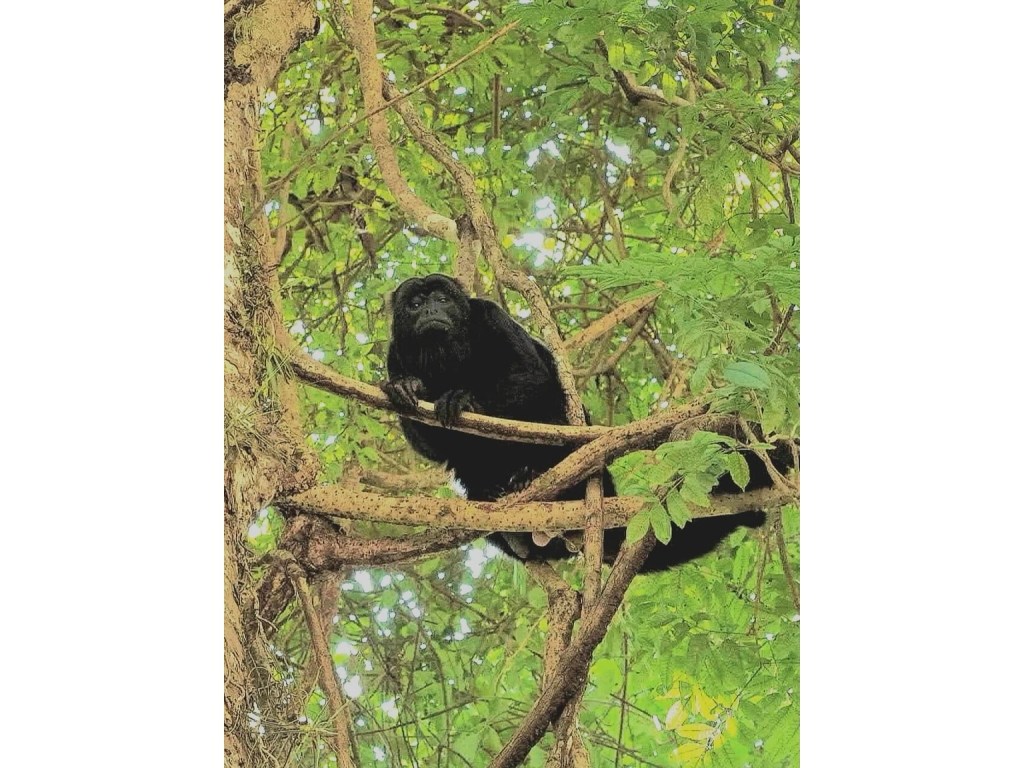
The bellowing of the howler monkeys came closer and began to echo all round us for some time, but we didn’t spot a single one!
To listen, click here.
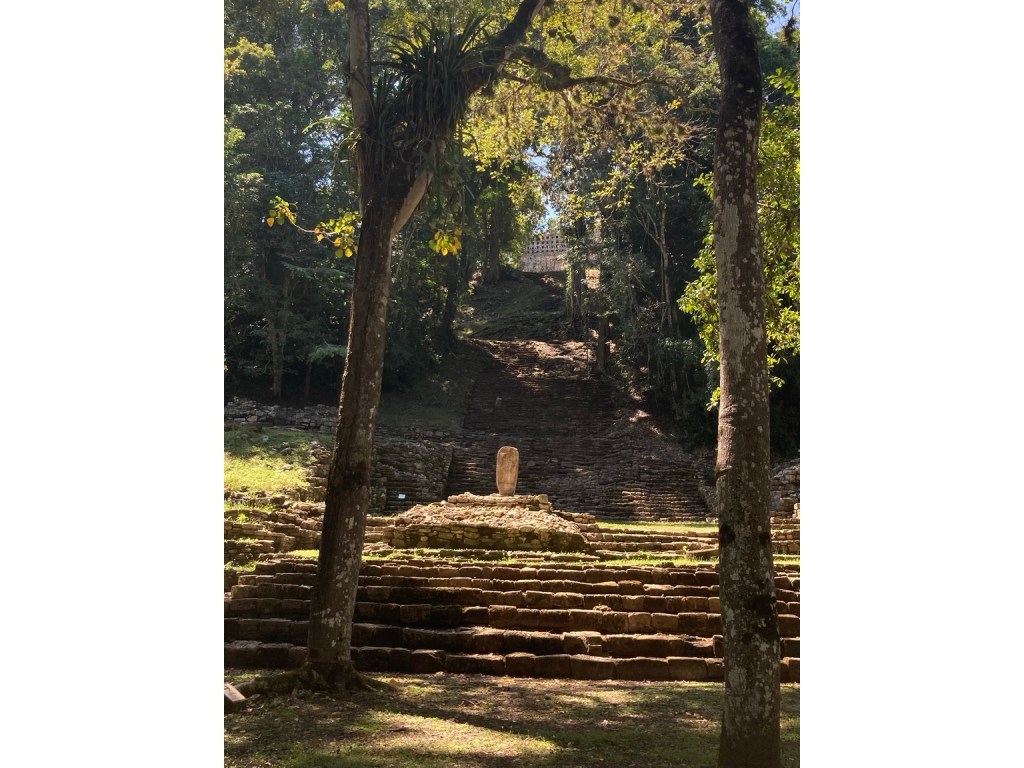
We descended back to the great plaza and looked back, and imagined how imposing the building must have been with fewer trees.
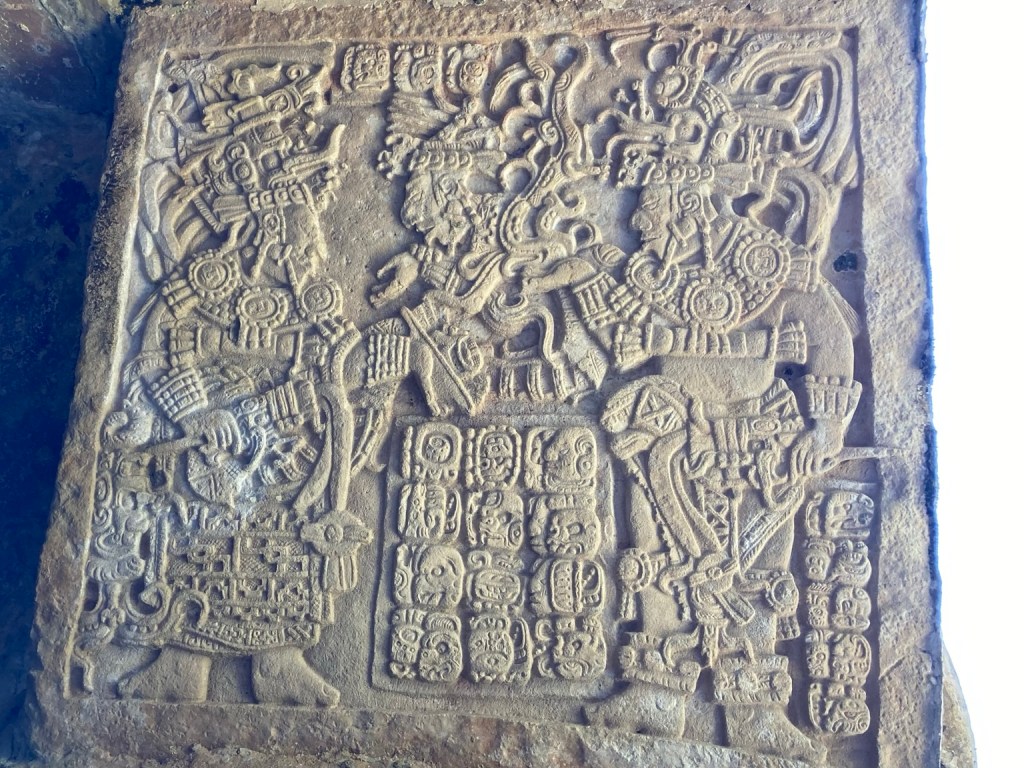
Other highlights include this lintel with a well defined relief of Lord and Lady Great Skull and a ritual-induced vision of a snake creature. Several lintels have also been removed from the site, some to Mexico City and three in the British Museum.
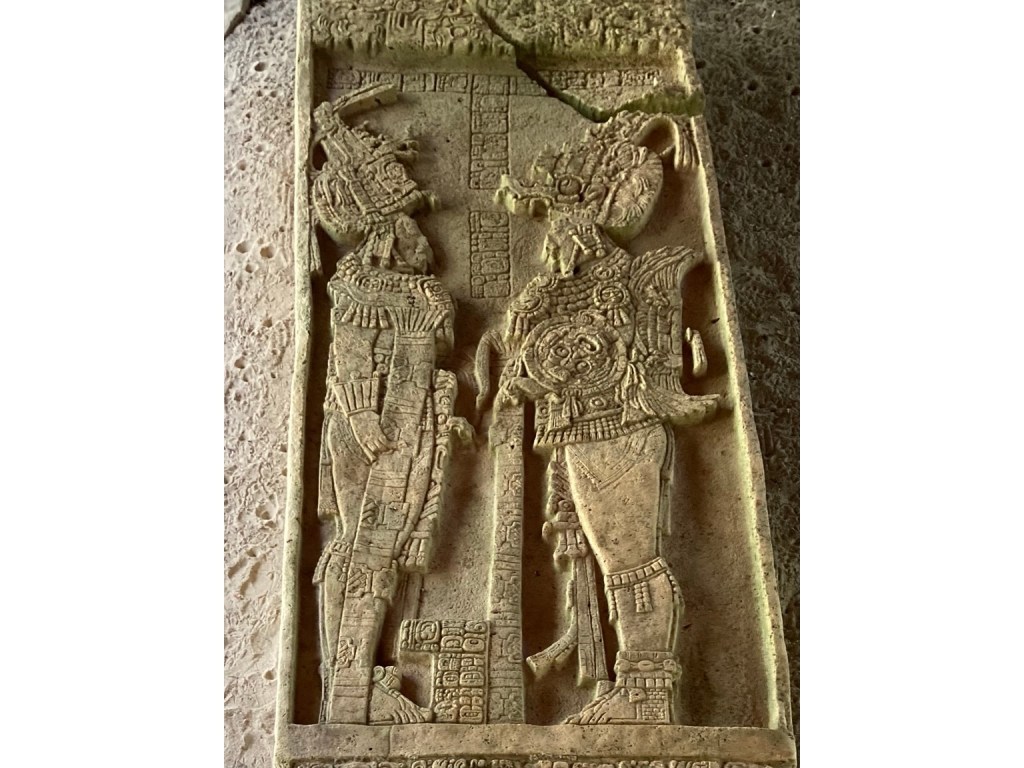
The site also has a number of stele and the clearest was destined for Mexico City, but somehow never went. Interestingly, it is a monument of political propaganda as it shows the transfer of power from Shield Jaguar I to Bird Jaguar IV, an event which never happened, but made to legitimise his rule.
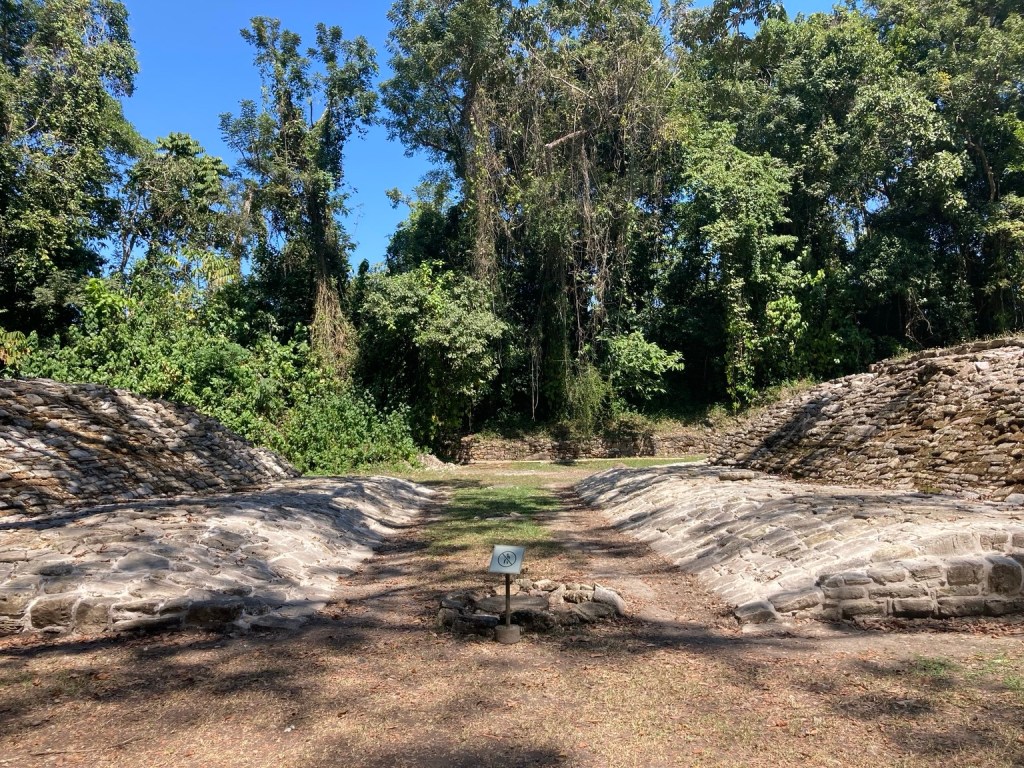
Finally, we walked back past the ball court …
… and down to the river for our return trip …
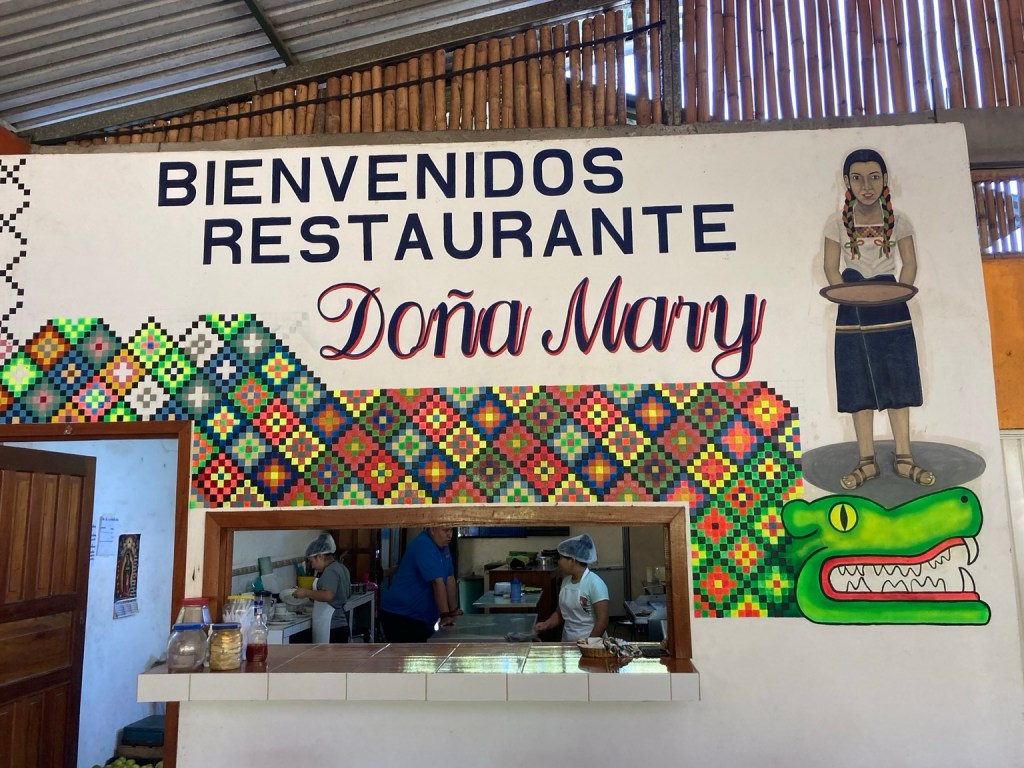
Donna Mary provided a very good lunch before our visit to Bonampak which was on our way back.
This whole area is the homeland of the Lacandon people, the same indigenous community that the owners of Casa Na Balam in San Cristabel had worked with. The Lacandon continue to be guardians of the forest and we transferred to their transport for the last stretch to Bonampak. We walked through the forest into the grand plaza with several buildings ahead, but the only interesting one was the building under a cover to the right with three rooms.
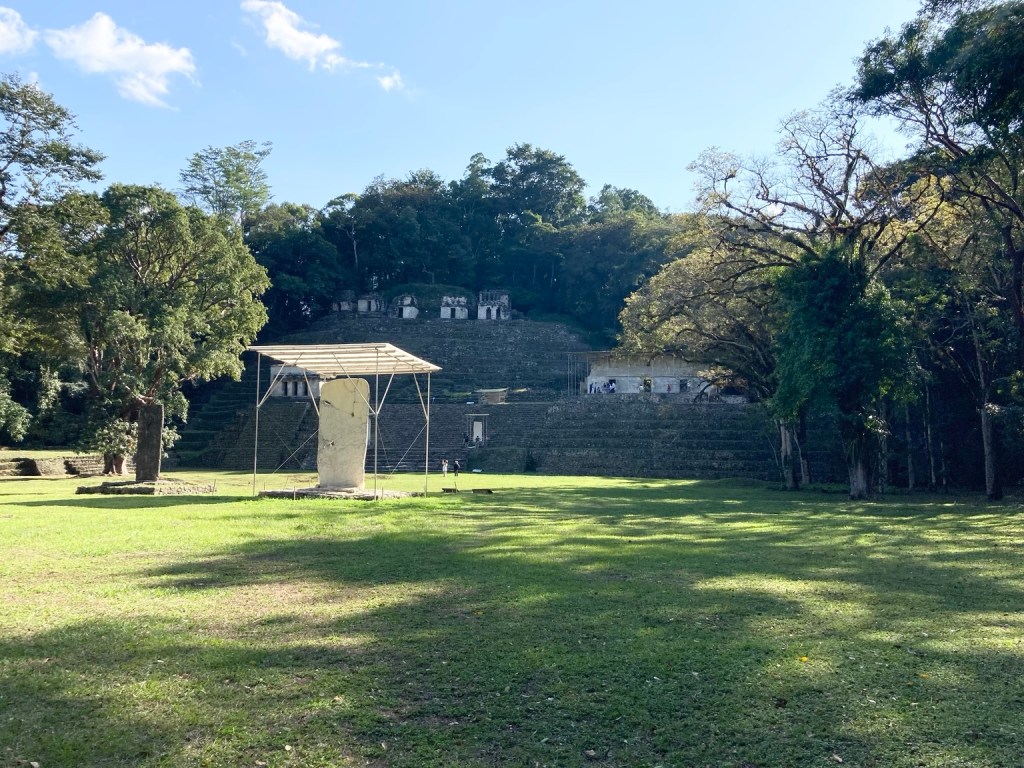
Bonempak had become a satellite of Yaxchilan by 600AD and king Shield Jaguar III oversaw the accession to the throne of Chan Muwaan II at Bonampak and hired Yaxchilano artisans to commemorate it in murals.
It seems that a trick of nature is responsible for the survival of these murals as over time, calcium rich water seeped into the building and deposited a coating of crystallised calcite to seal the fresh colours beneath. Specialists in the 1980’s, meticulously removed this layer and stabilised the murals but there is a twist to the tale. Apparently good was not enough, and visitors subsequently sprayed kerosene on the images to brighten them for photos, until it was realised it was causing damage!
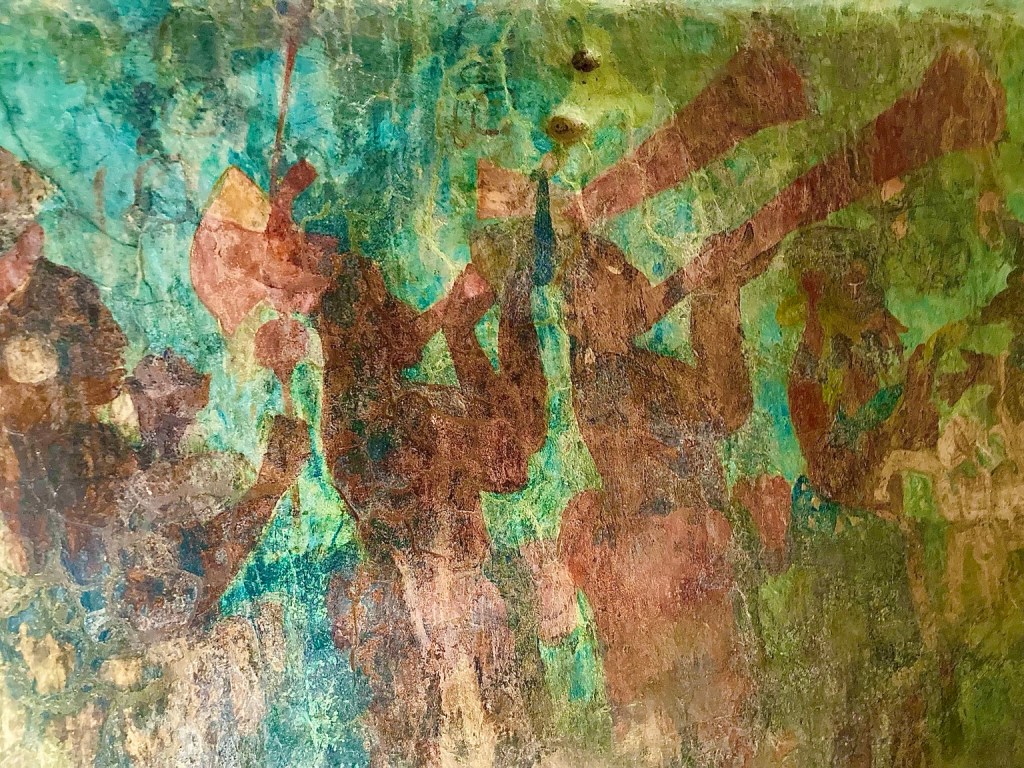
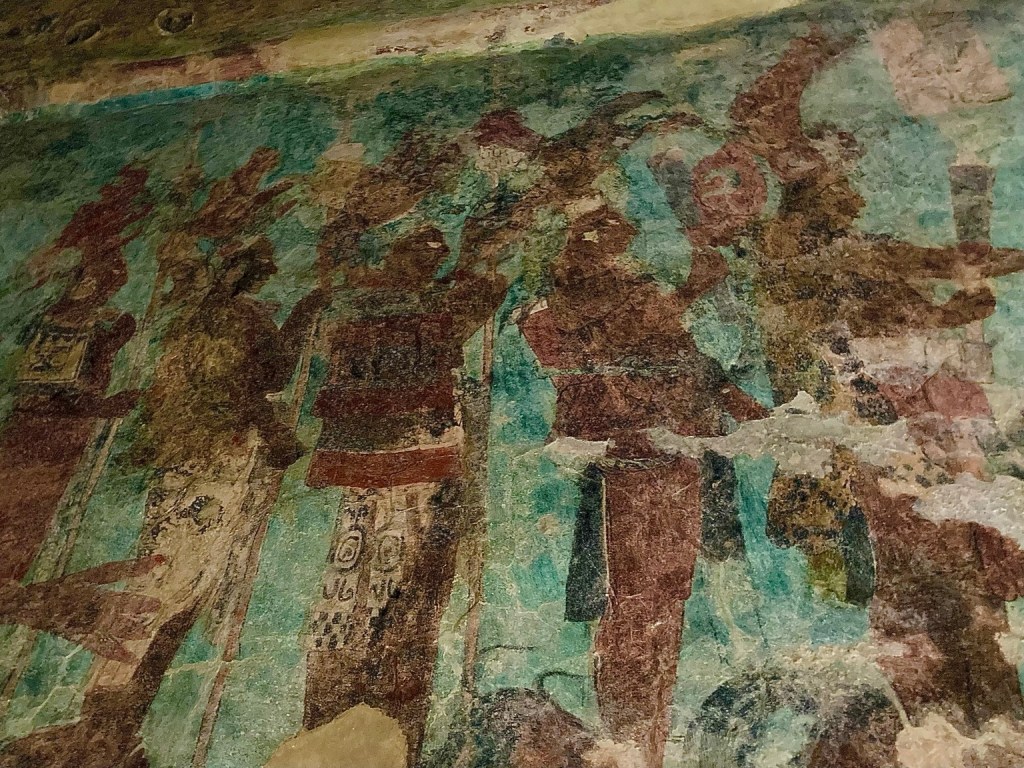
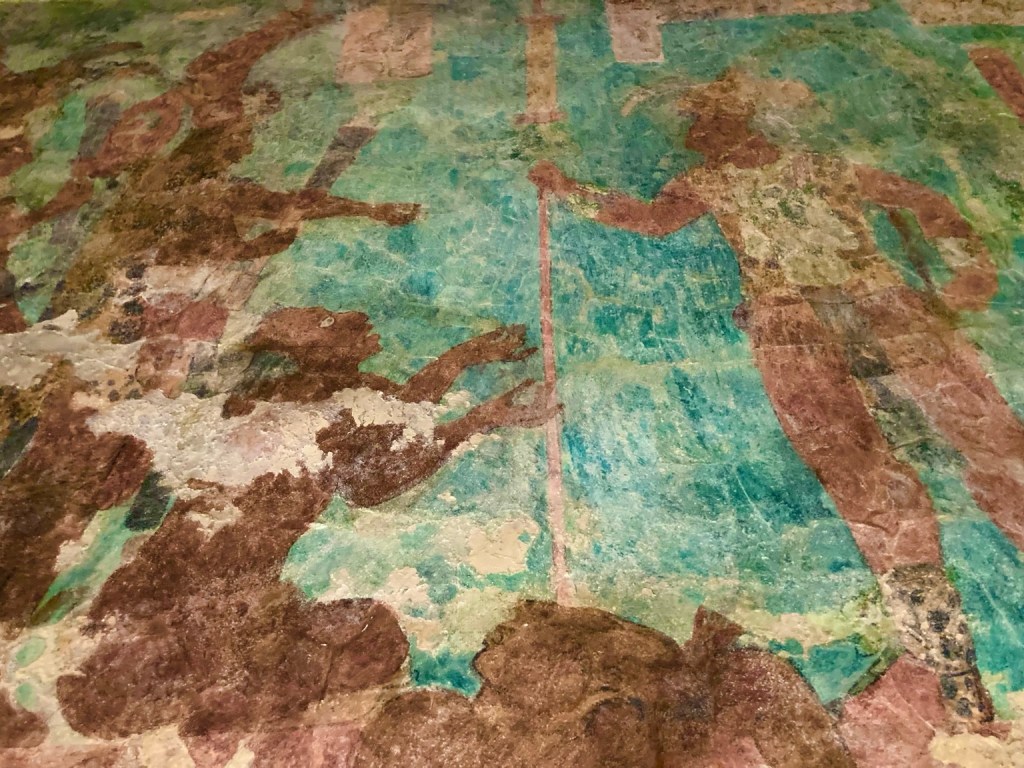
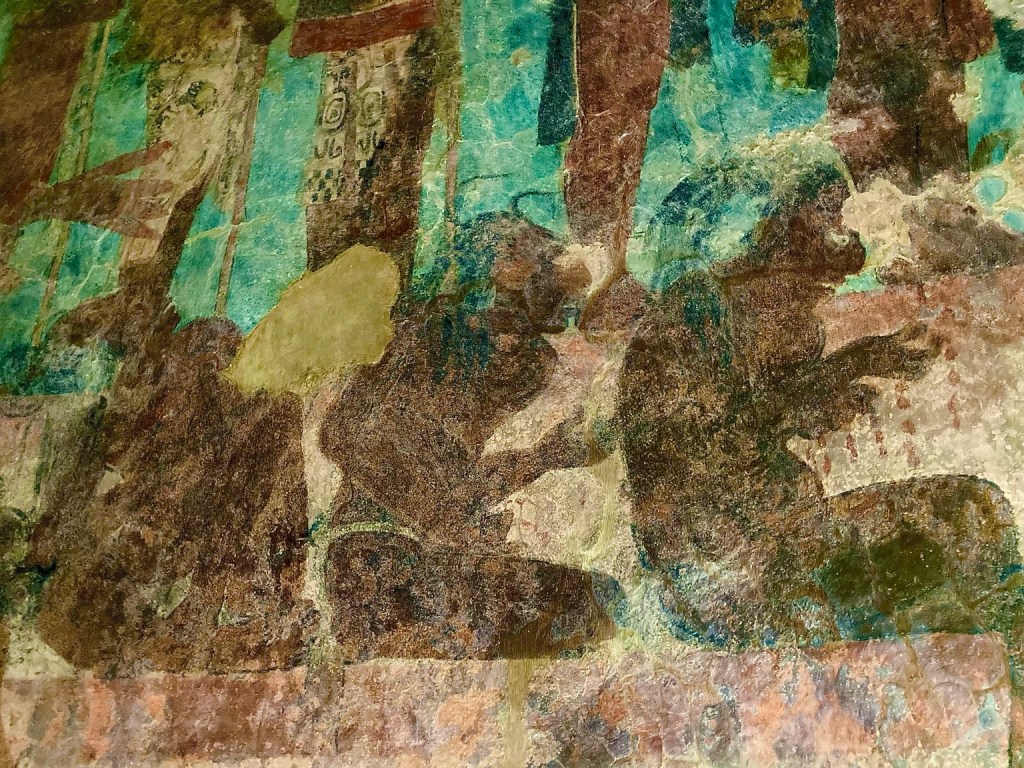
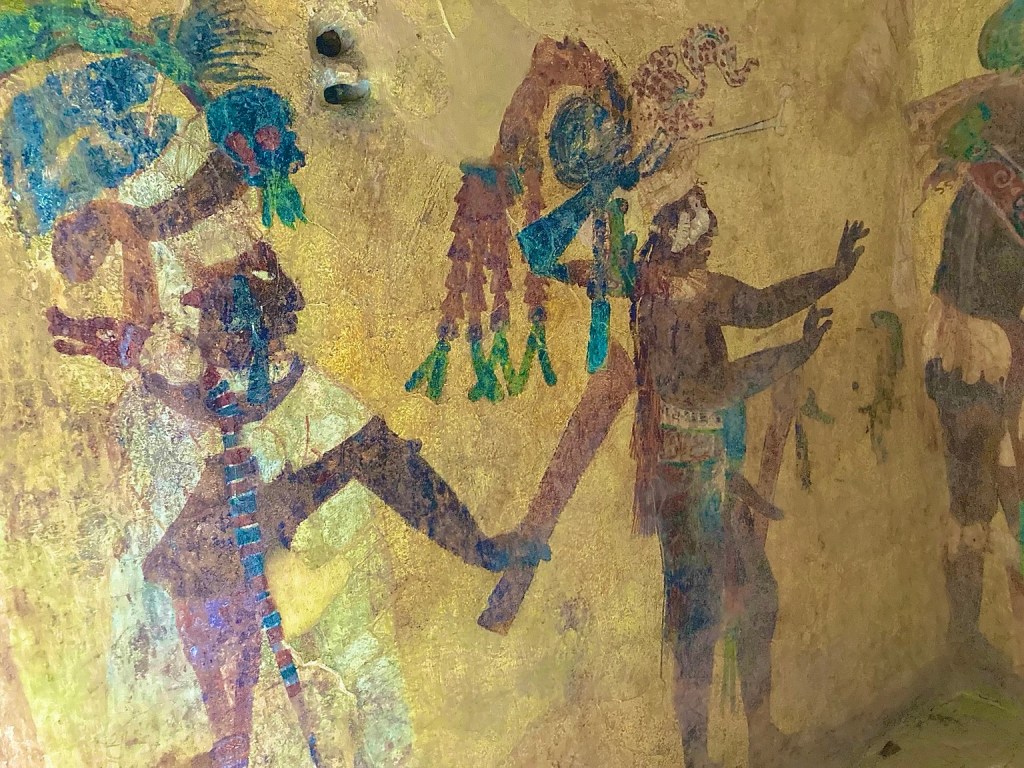
While parts of the painting are vivid and clear, others are worn or damaged and I’ve pumped the colours to make the images easier to see. I’m just including the parts that I could identify easiest, so here goes.
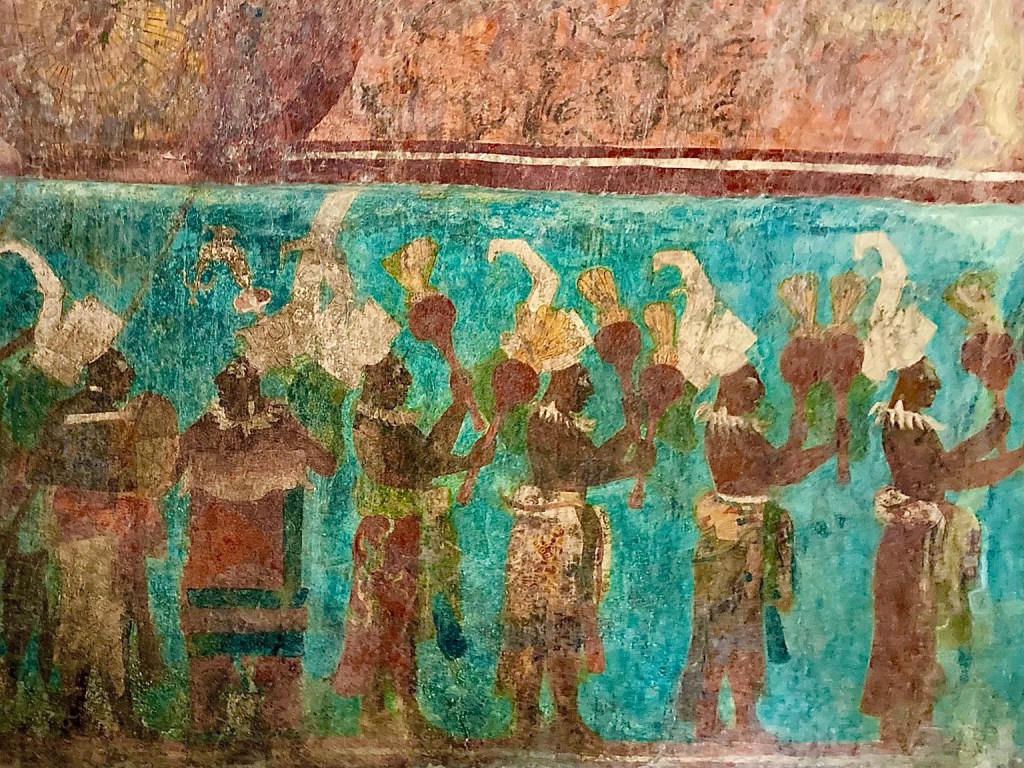
The first room shows tribute and was the most colourful with this parade of percussionists who play turtle carapaces, drums & large gourd rattles …
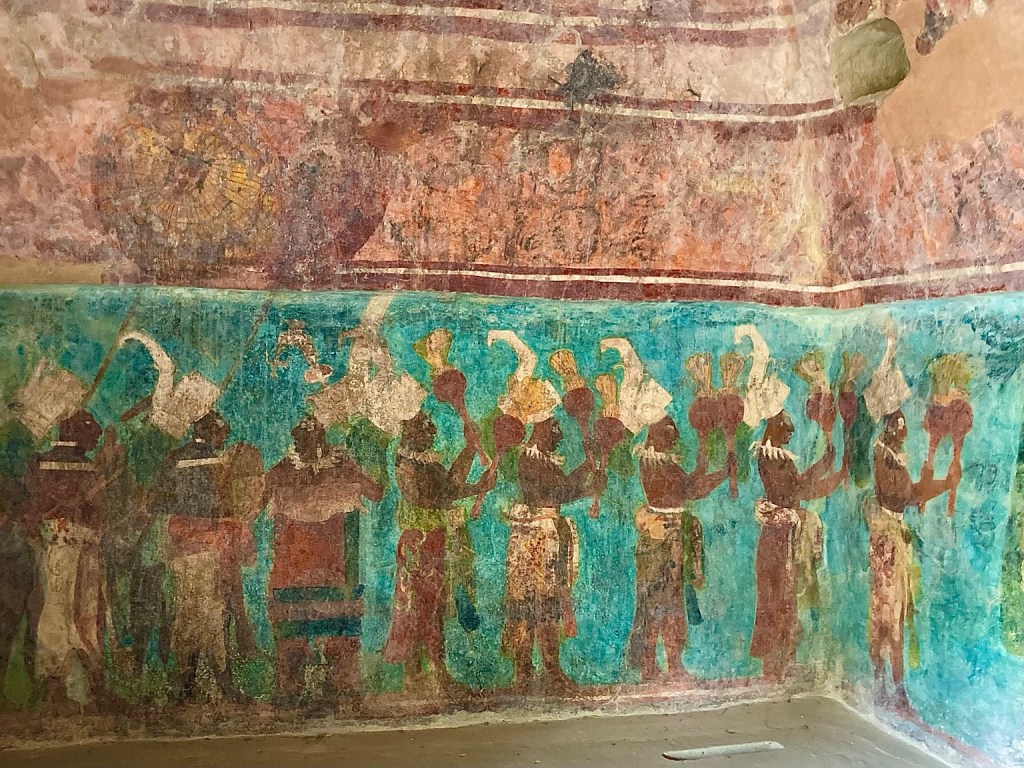
… and trumpeters.
There is also an image of Chaan Muan II, presenting his new son and heir to the nobles of his court, each dressed in fine fabrics and wearing precious spondylus shells.
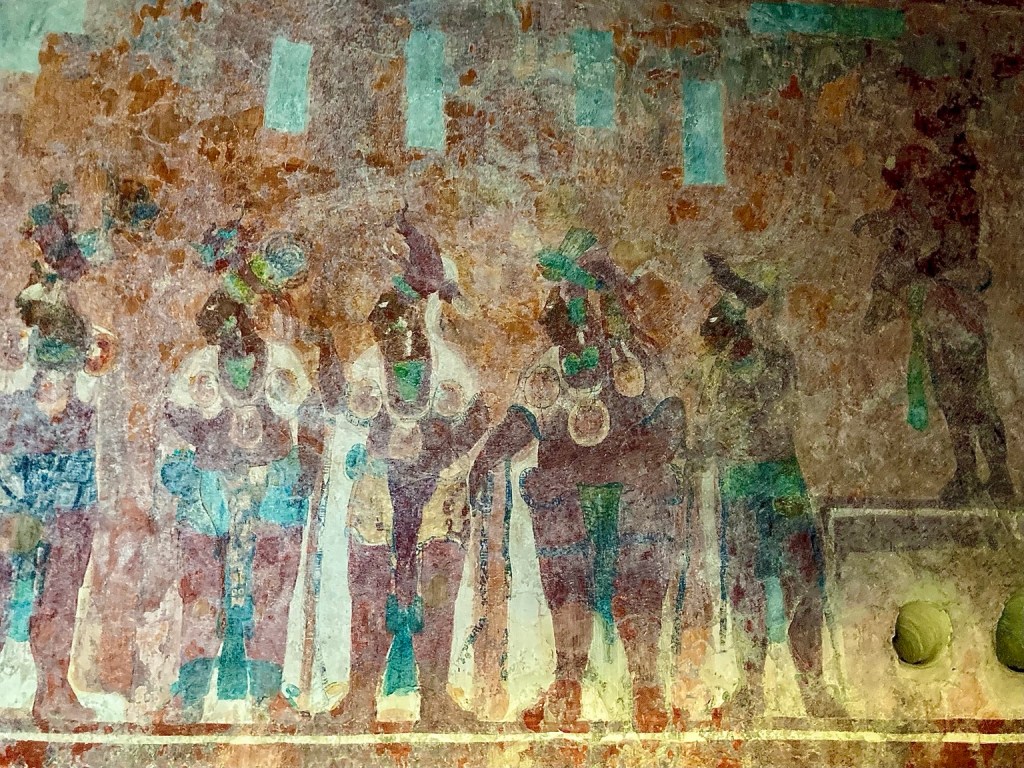
The next room was difficult to make out with chaos of battle and damage, but here is a line of lords after the battle wearing more decorated fabrics …
… a triumphant Chaan Muan with his pleading prisoners …
… and others with blood dripping from the hands where their nails have been ripped out!
Finally, the celebration with dancing wearing huge headdresses …
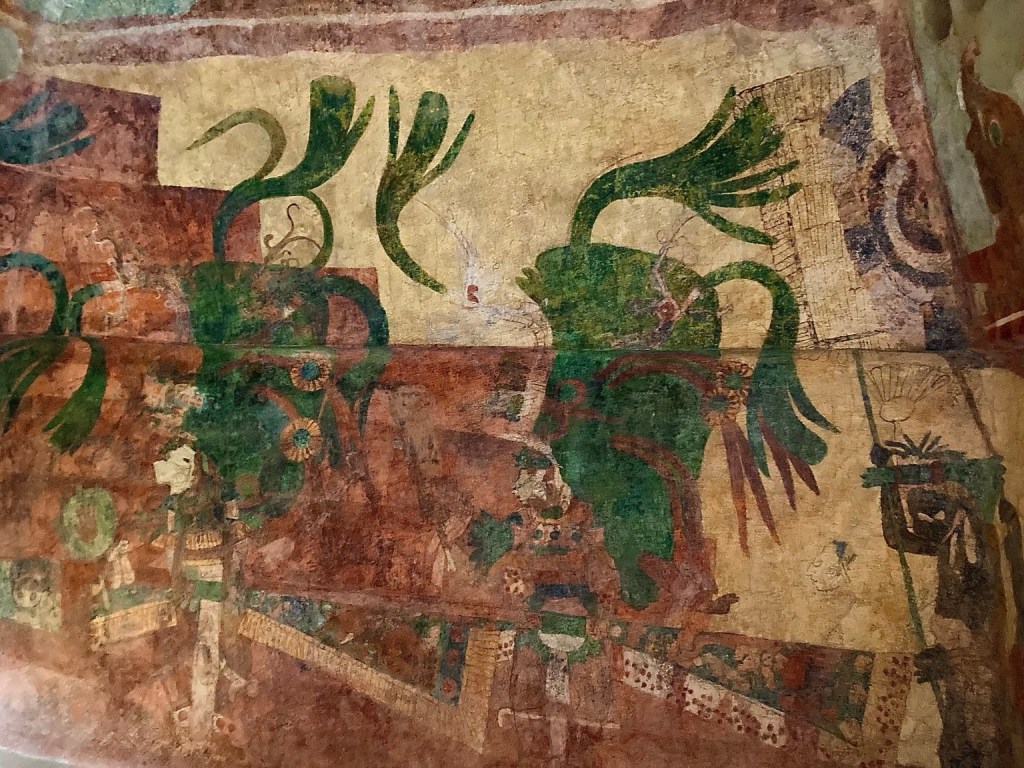
… a fanfare …
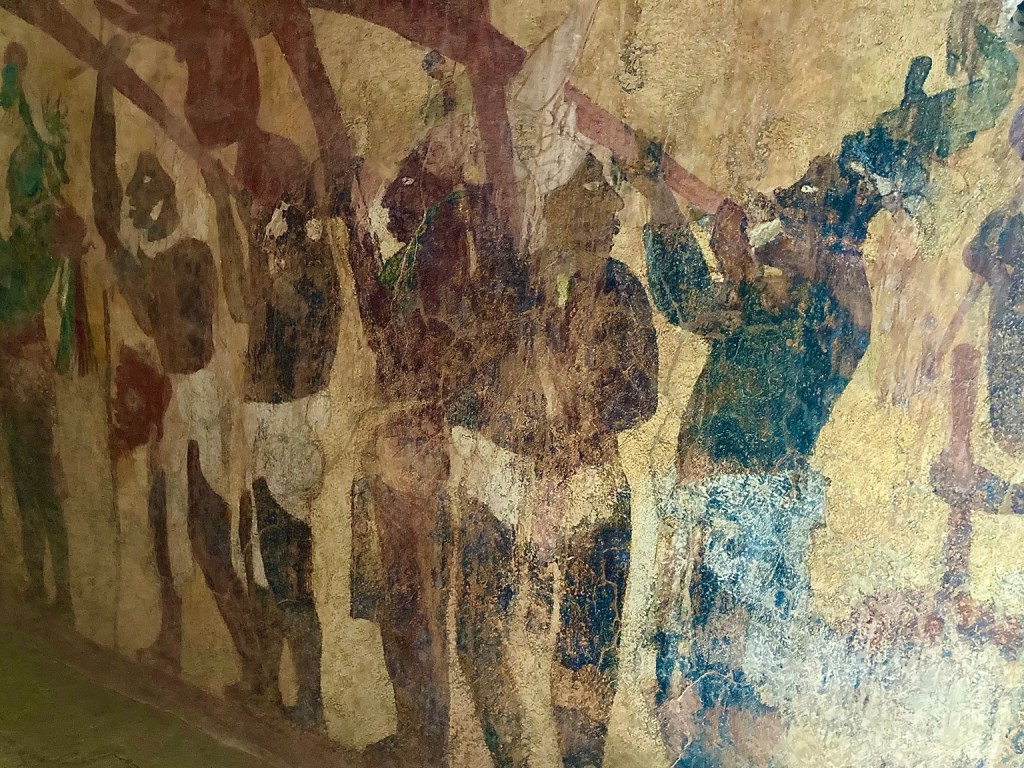
… but also ritual blood letting.
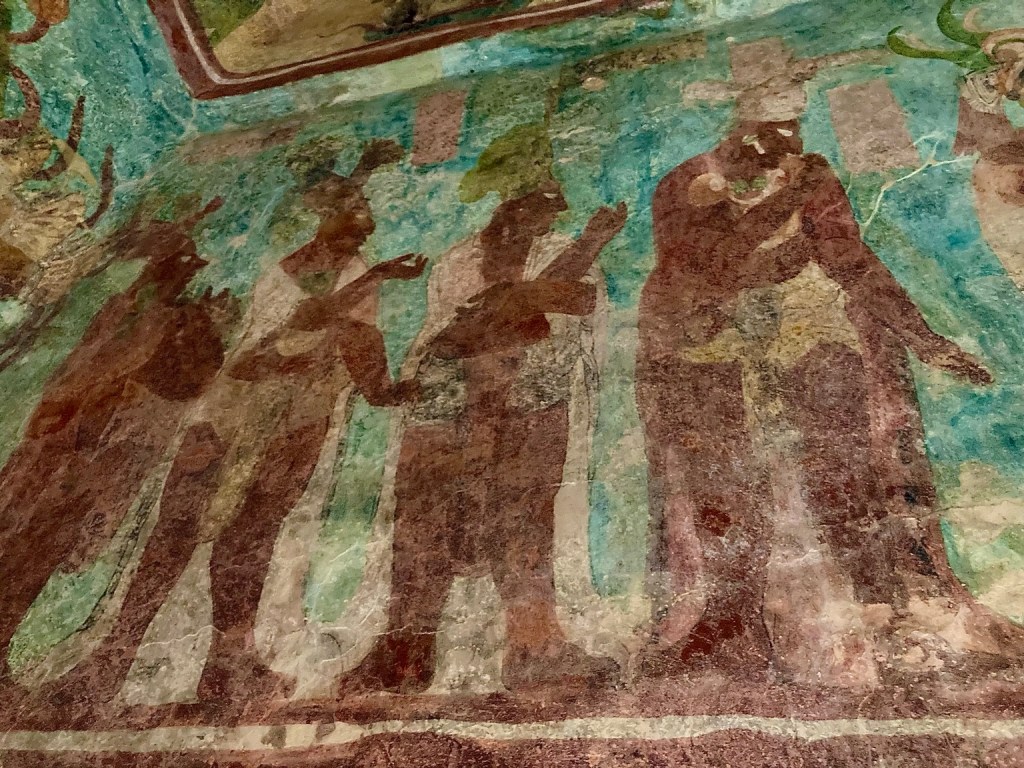
Afterwards, I found this excellent article by Richard Quinn which details later research and how infrared and other photography techniques have been used to enhance the images for better understanding and it’s definitely worth a look.
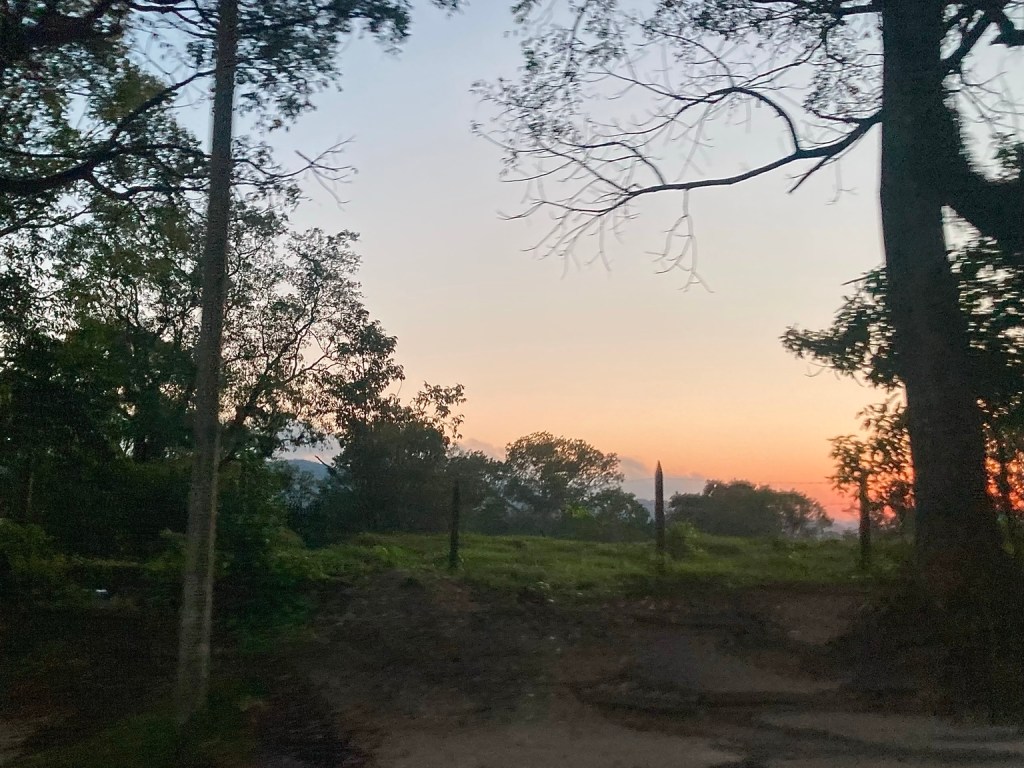
We walked back to the bus, and then had a long drive back to Palenque, seeing the sun set on the way … and arriving at 8pm.
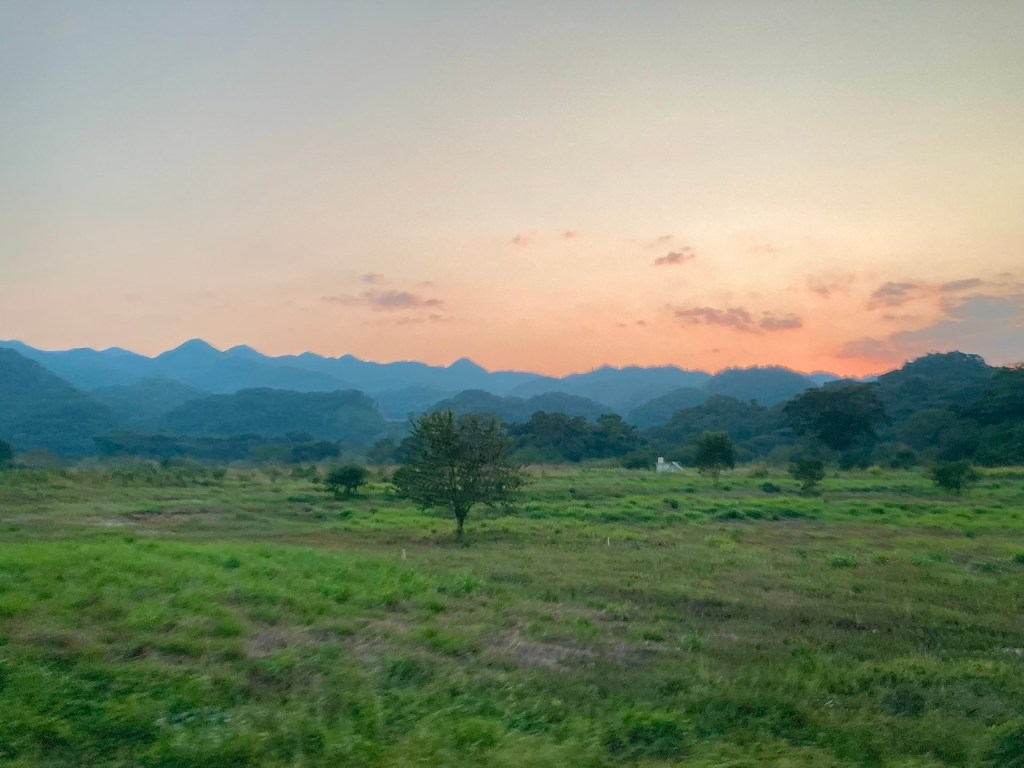
It was a very long day but well planned and the driving was excellent, especially as it was all on a minor road through small settlements and villages and each is protected with a tope or speed bump either side. They are barely visible and rarely signposted and our driver slowed for every one!
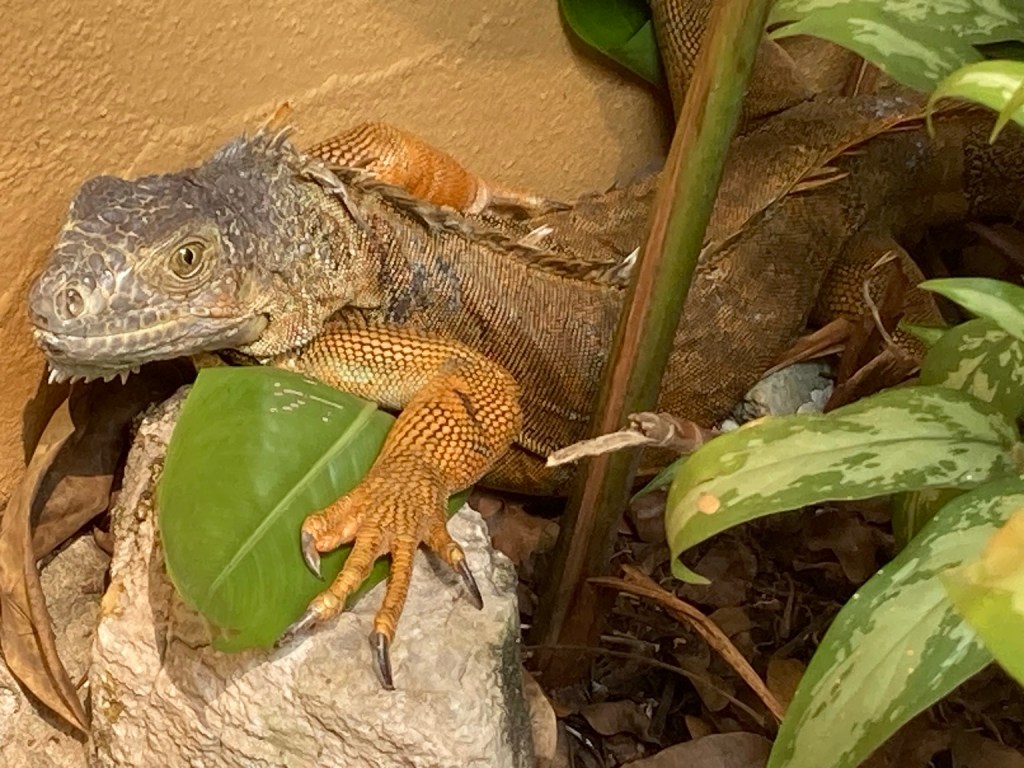
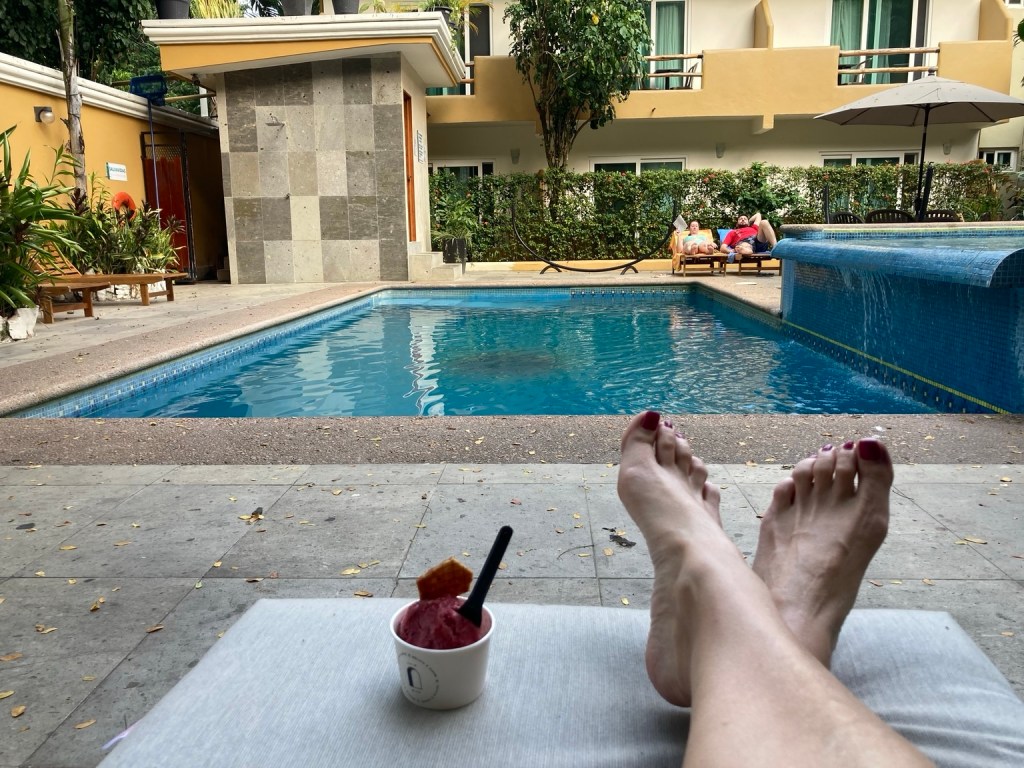
The rest of our time in Palenque was the R&R we had planned, a whole day in the hotel, brunch, sitting by the pool, watching this little chap …
… a dip, an ice cream and dinner and the following morning was similar as we didn’t get on our final bus until lunchtime.
Mind you, it wasn’t idle time as it was a chance to do a little laundry, but getting clothes to dry with high humidity is a challenge but the twisting in a towel trick has now been joined by utilising the hairdryer and the iron! Also, I became engrossed finding out more about the carvings and the murals we had seen and writing the Palenque posts of course.
Anyway, onwards and forward … but ironically backwards in time to the Olmecs
 Off Travelling Together