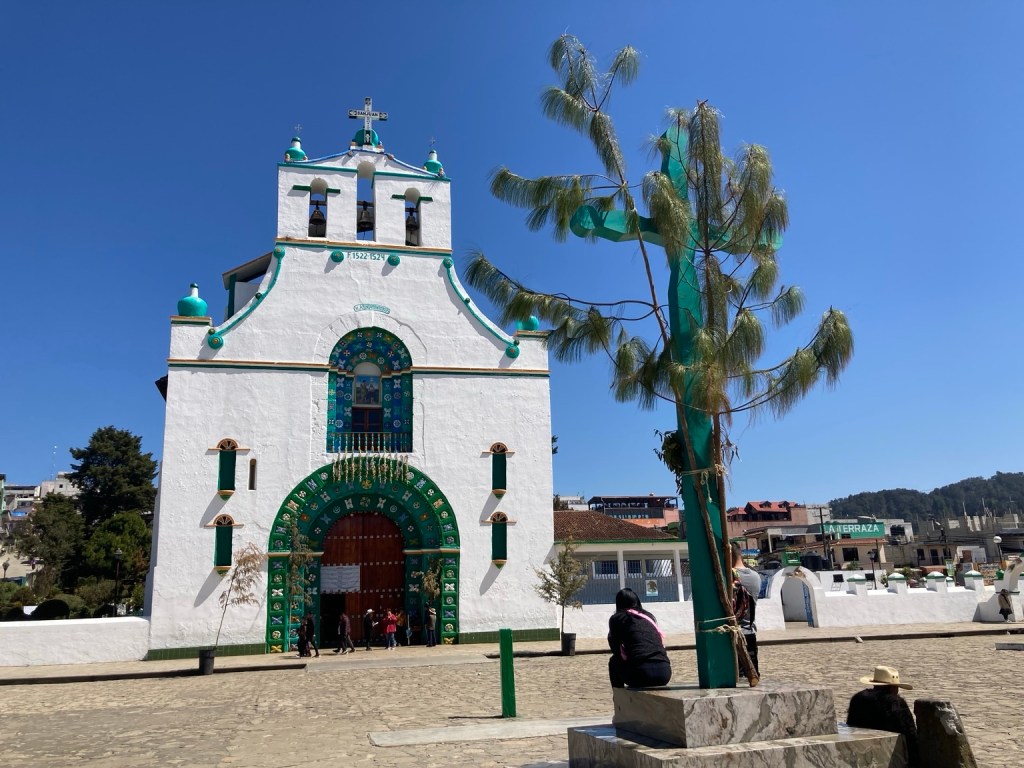
Of all the cultural tours to indigenous communities, Alex & Raoul’s tours are well respected locally and we were back by the cross in the Plaza de la Paz to meet Cesar at 9.30.
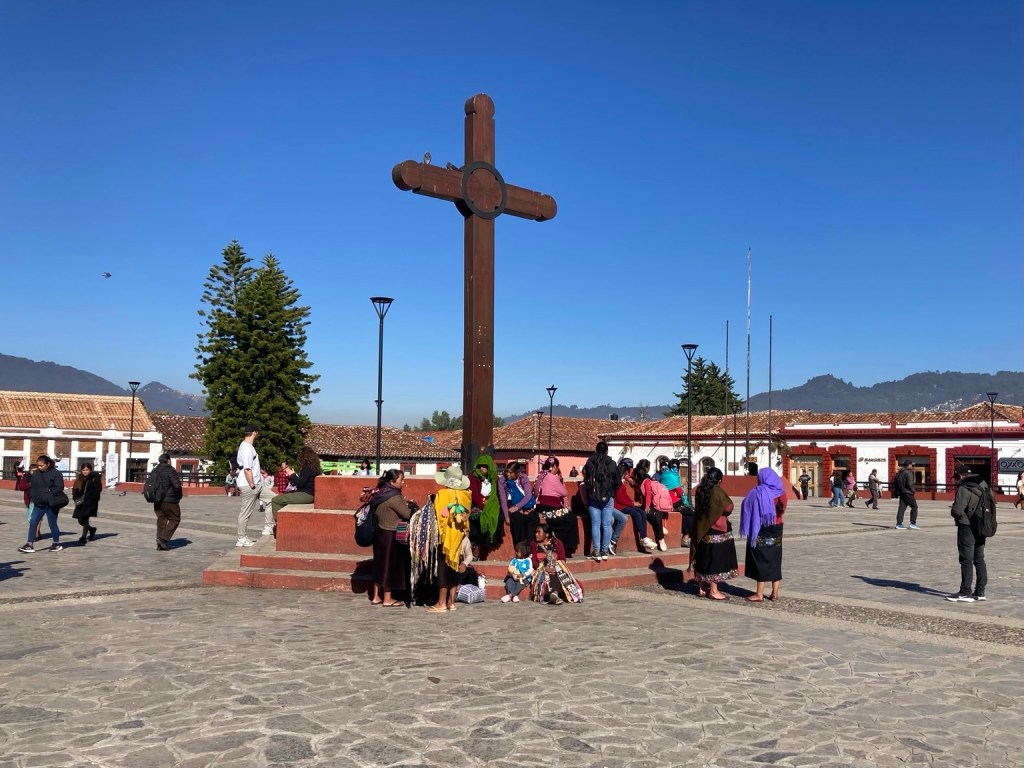
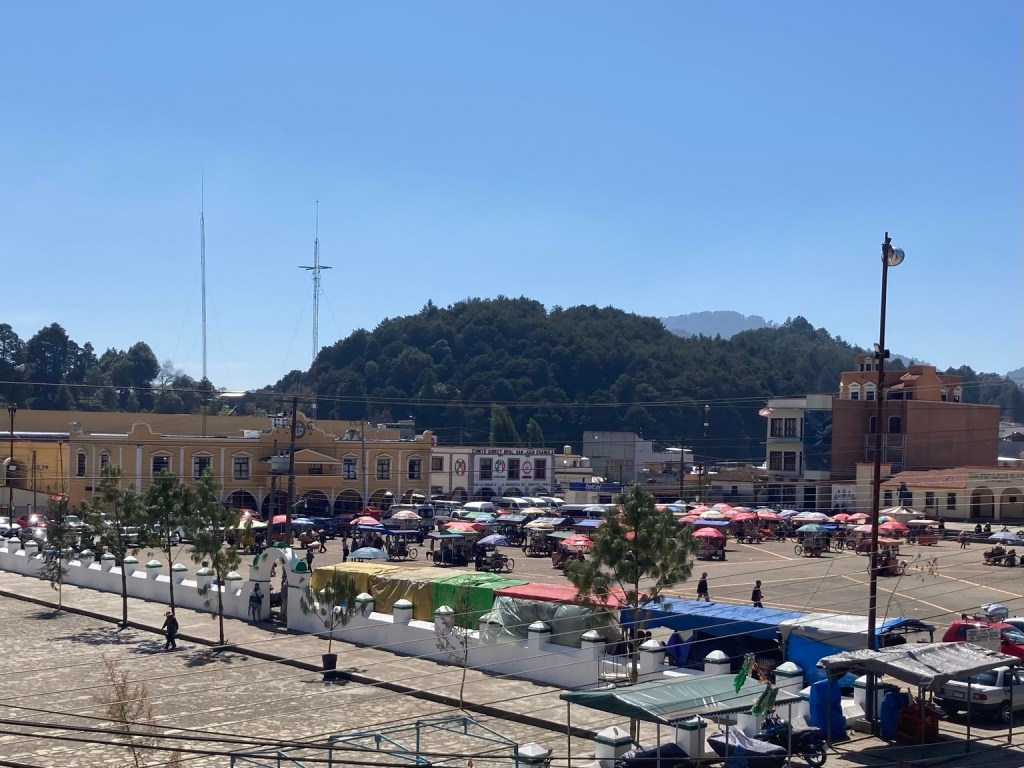
First we went to San Juan Chamula which is renowned for its distinct religious practices, where Catholic customs have mixed with indigenous culture to create a “traditionalist” Catholic belief.
Right at the beginning, we were told we could not take photos of people close up, any ritual or the inside of the church.
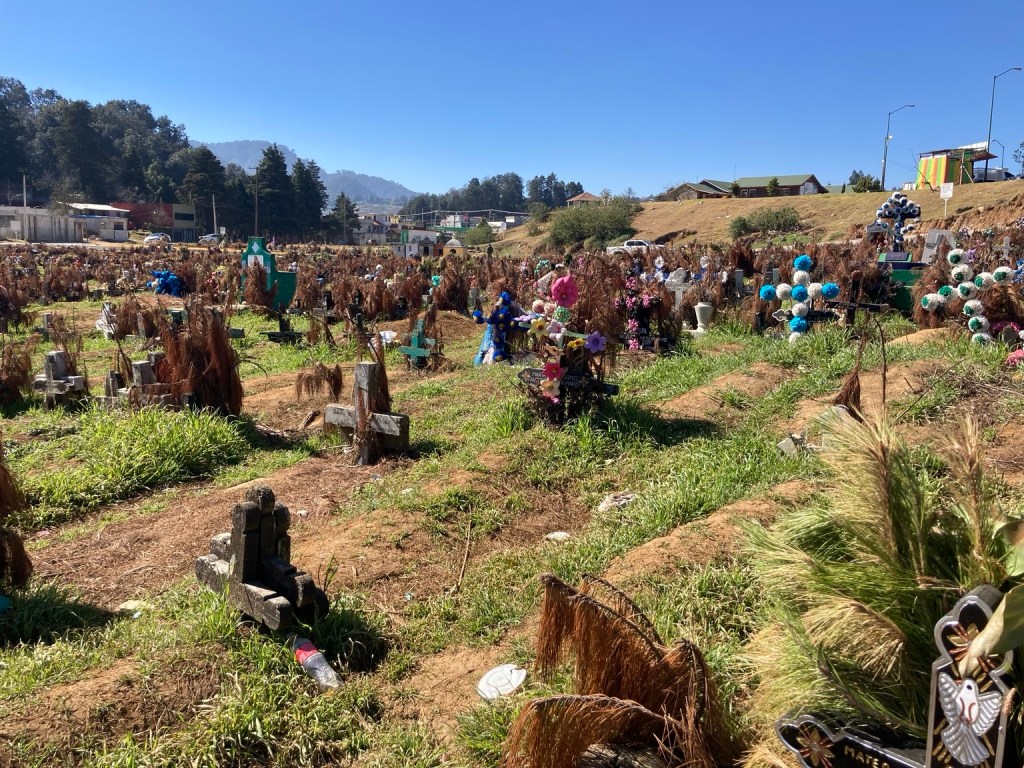
The town is situated between three sacred hills, but it has nothing pretty about it. In fact homes were made of traditional wattle-and-daub homes until the 1960s when concrete started to take over. The graveyard below was decorated with pine, plants and flowers left from Day of the Dead in November.
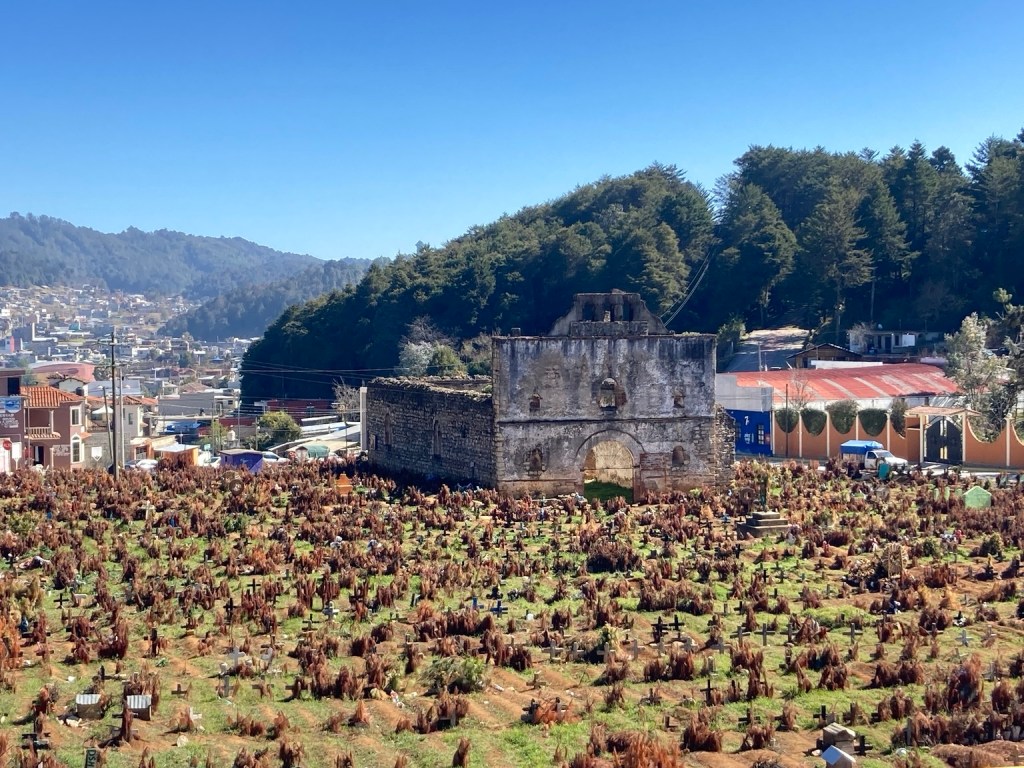
Graves are built up to continue to provide a good surface for the feast and offerings on this day.
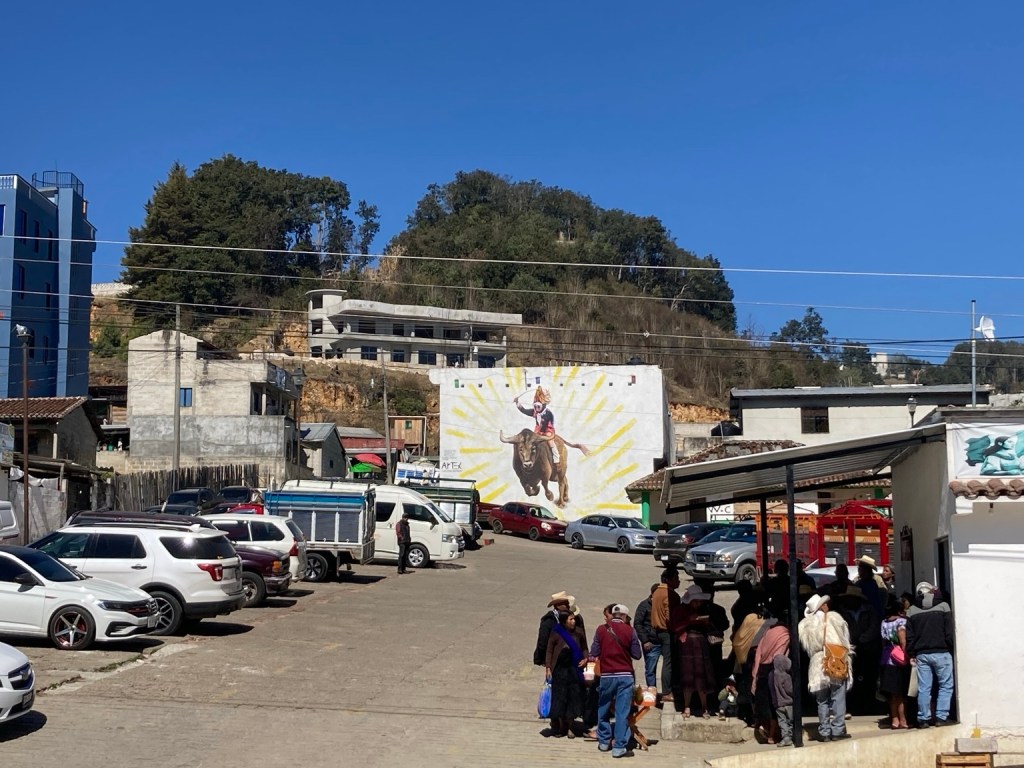
The Tzotzil people of San Juan Chamula live with a unique autonomous status with fierce independence. In order to be a resident of town, religious rules must be followed, enforced by their own police force. Chamula is divided into areas, each with a community leader who volunteers and serves for a year. We arrived at the changeover, celebrated with a big feast and the slaughter of a bull to feed all of his team who have helped him in his duties to the community. This is accompanied by music, fireworks and alcohol and all were wearing their traditional clothes. We saw one area where the bull had already been butchered and hung up in quarters, and another where this was in progress. Apparently people save up for years to have the money required to fund this as they are too busy to work and their responsibilities are extensive and expensive, as much as US$50k but they earn huge prestige for having stood. In another week, there will be more traditional rituals such as running with bulls and fire-walking.
We then visited the home of a spiritual leader who works with his wife to look after a shrine to a particular saint, set behind a panel covered in cut green foliage. Incense is burnt on the altar in braziers, candles burn in bull shaped holders and pox is sprinkled around in rituals three times a day. Other duties include replacing the foliage regularly, caring for the saints clothing, and carrying it in parades. Cesar suggested that savings of around US$20k would be needed to fund their service.
Finally, we visited this church, with a green cross outside adorned with pine, but not a Christian cross as it has rounded ends and represents the Maya tree of life.
Inside, the floor was covered in pine needles, there were no pews, and small groups of people sat on the floor each behind an array of white candles, representing food for the saints. Pox, the local spirit made from sugar cane, and also soft drinks are sprinkled on the ground in offering. Some people had eggs which are used to tell the future, a bit like tea leaves. We also saw several groups with a chicken which would be sacrificed by a shaman to absorb illnesses or negative energy from a person. Obviously we couldn’t stop or stare so only got a fleeting glance as we walked by.
Walking round, the heat from the candles and the smell of alcohol prevailed. Belief is firmly in the life on earth not the afterlife so prayers are offered to the saints for everyday things like food, good health and good fortune.
Once outside, we had a little free time to wander …
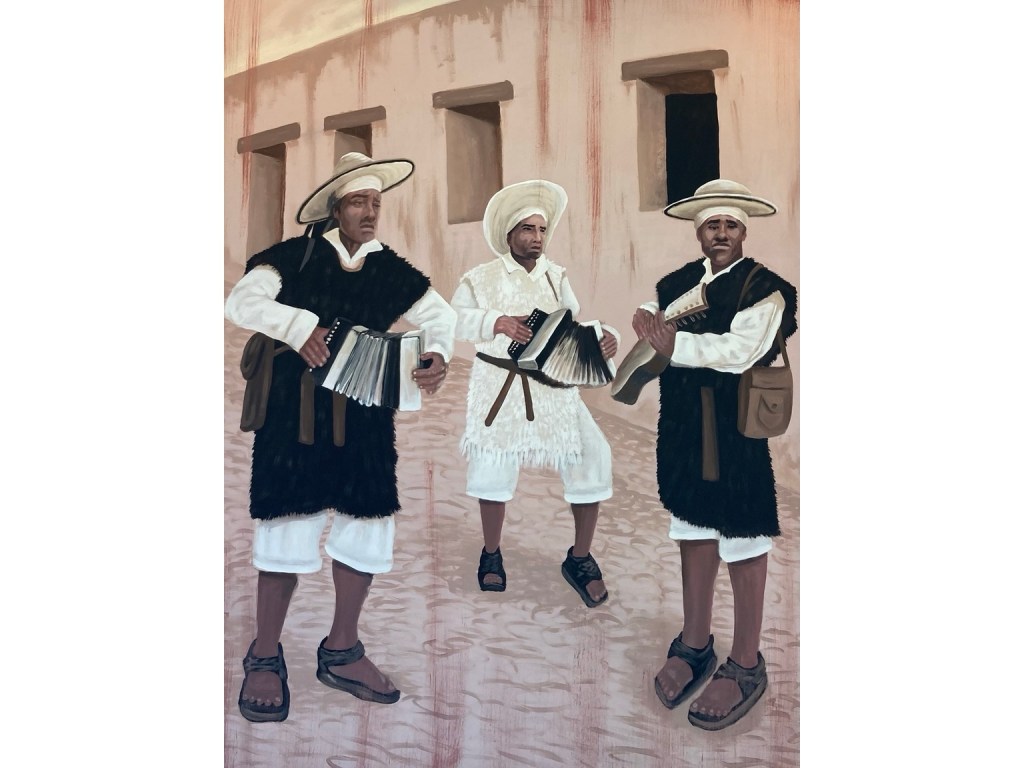
… and we went to a cafe for a drink and saw this picture of men in traditional dress.
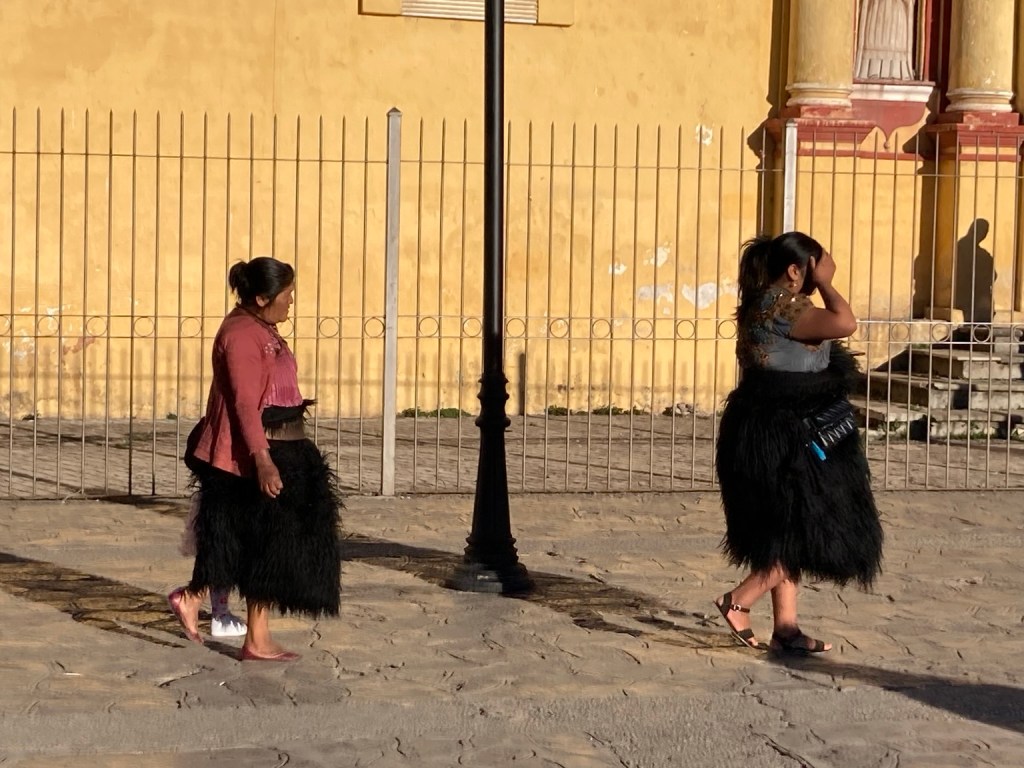
The women wear skirts that look like black sheepskin, but are actual woven wool with tufts of wool incorporated as it is woven, and I took this pic a couple of days later.
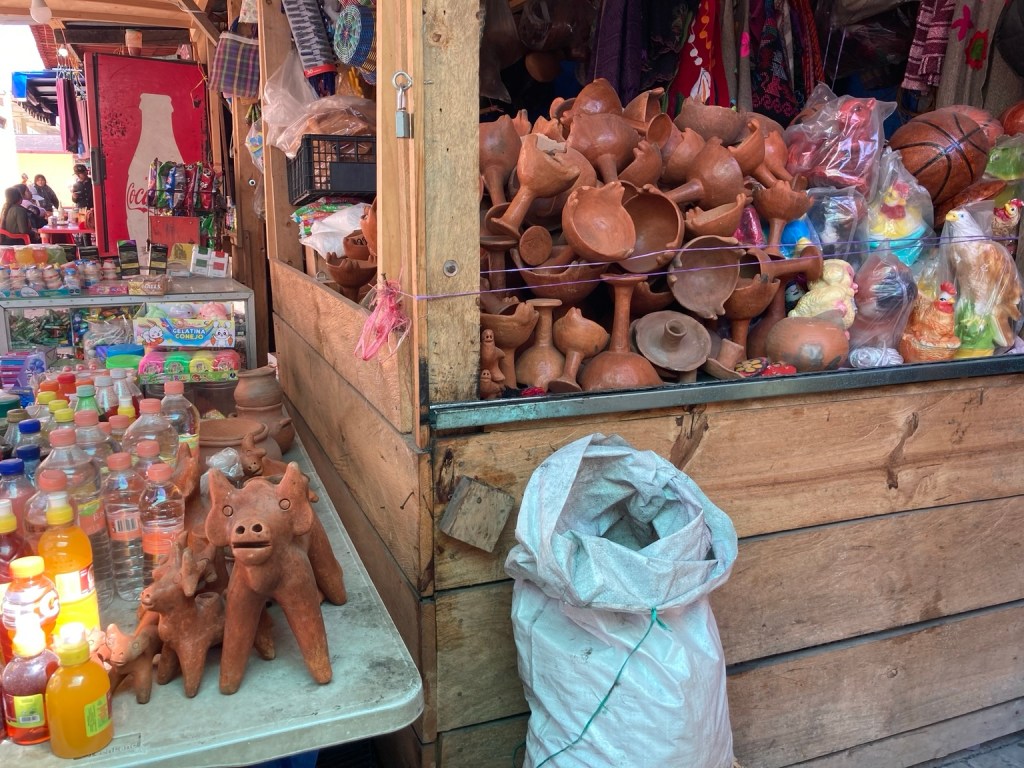
Wandering round, I spotted bull shaped candle holders and braziers like we saw in the shrine …
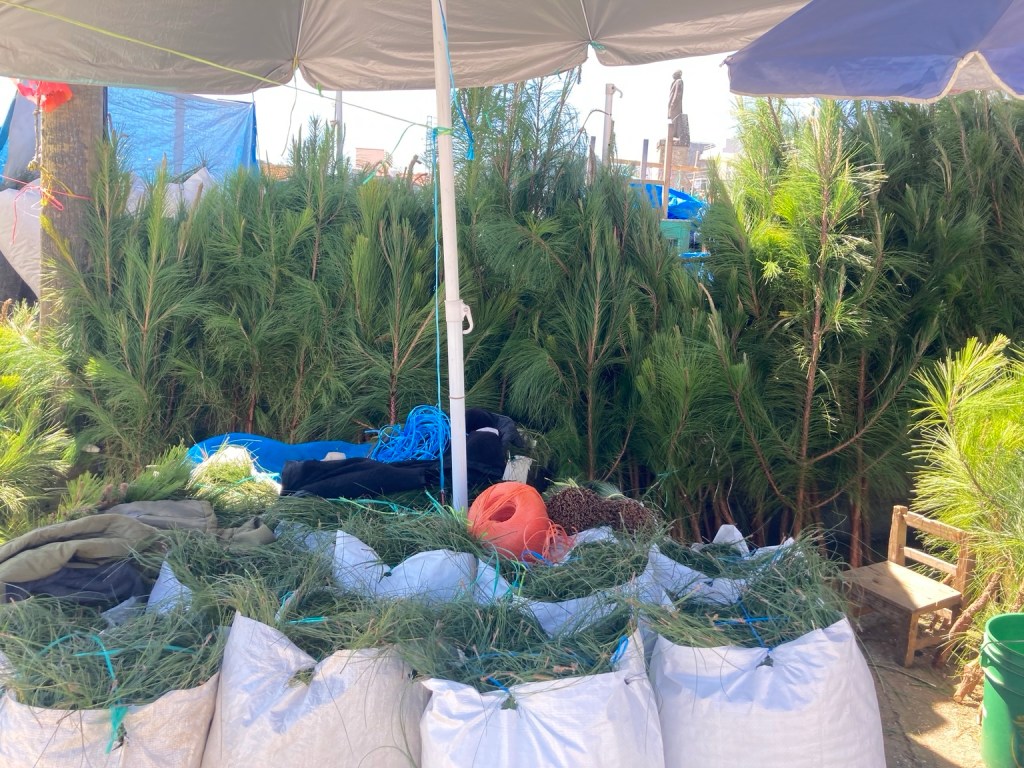
… pine foliage for sale …
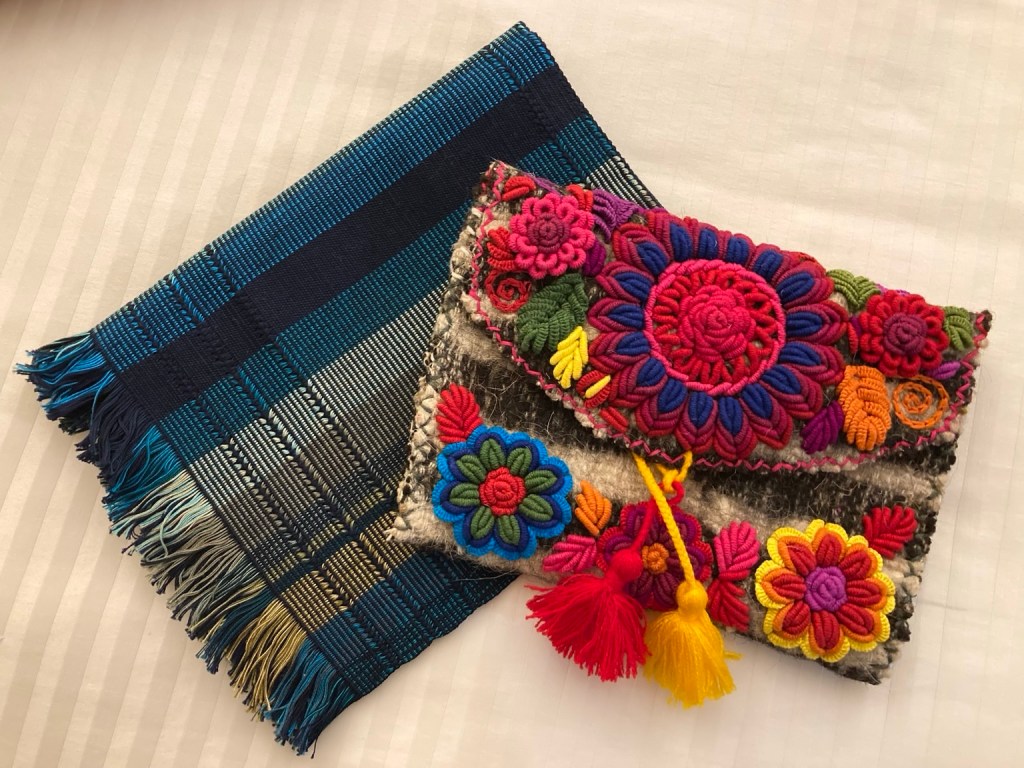
… and bought a pretty bag made of woven wool and embroidered in the market.
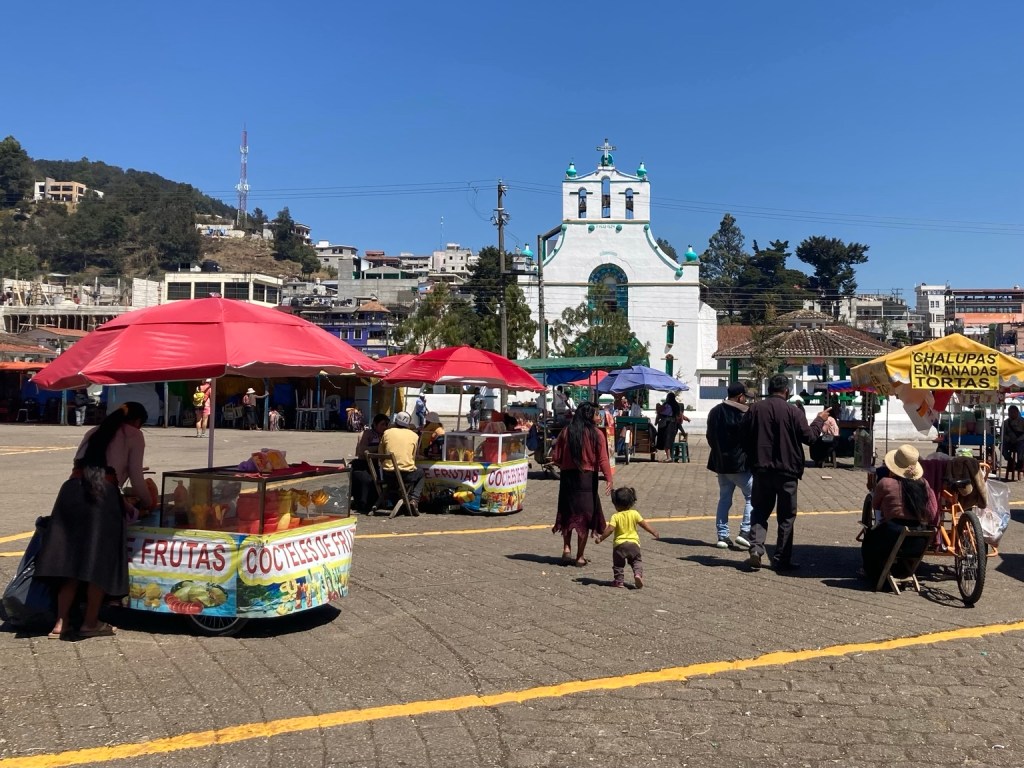
The mountainous geography of Chiapas means that many towns are separated by twisting roads and travel between them has been difficult which explains why the customs in the neighbouring town of Zinacantán are so different.
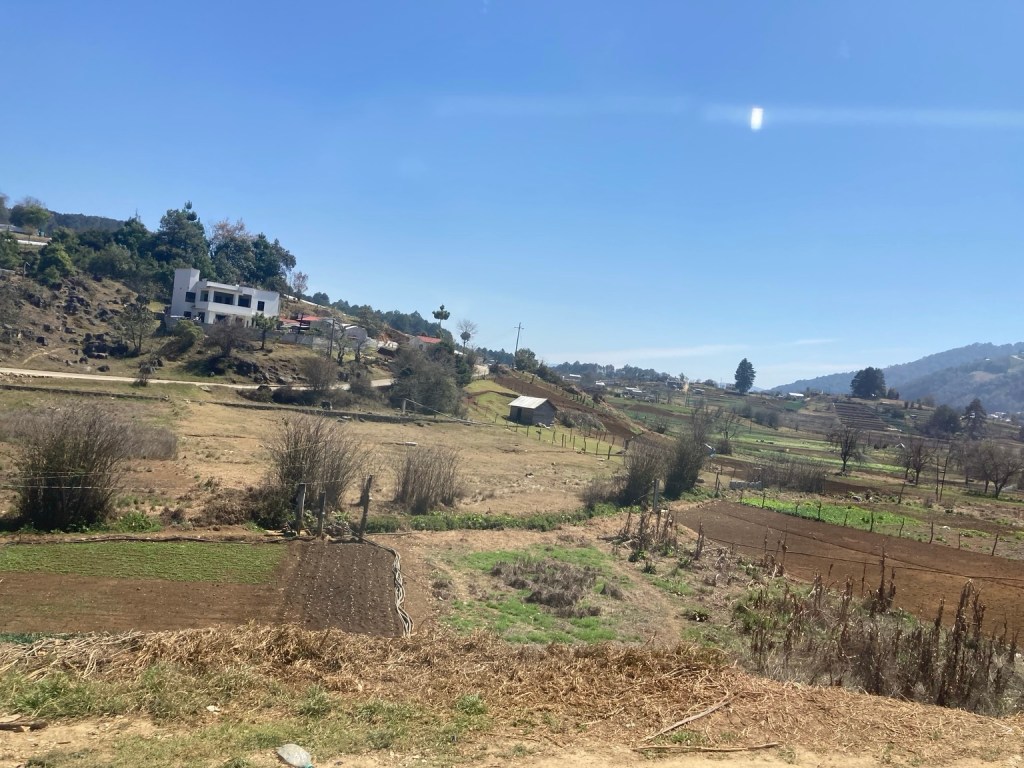
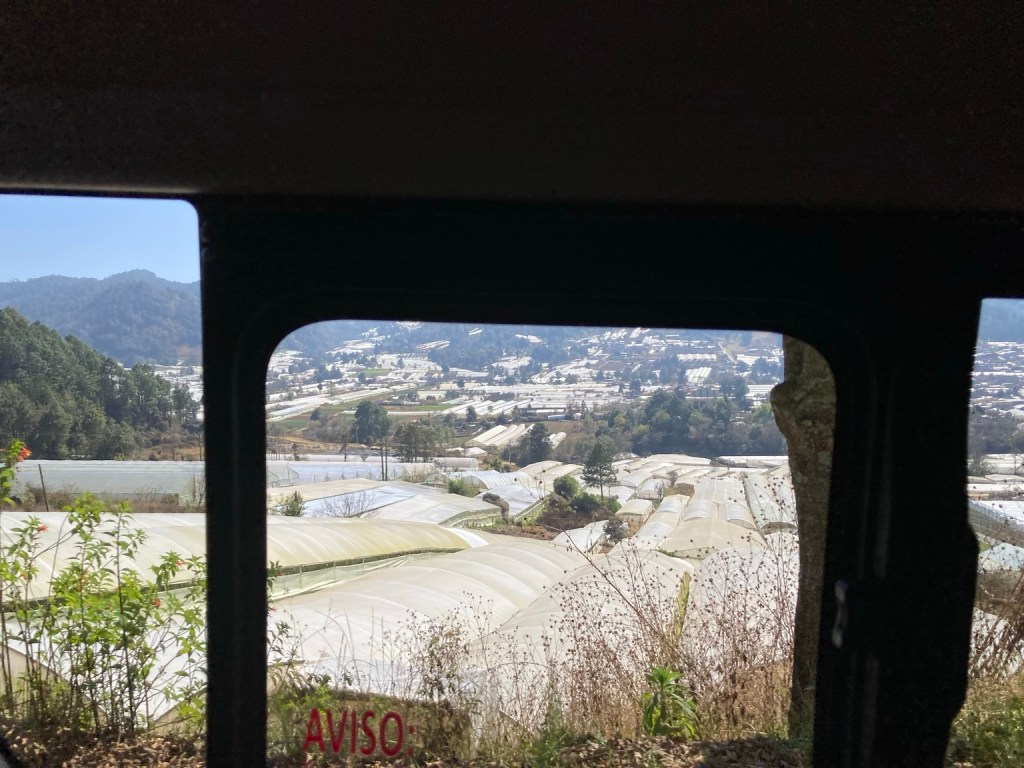
Known for its traditional clothing and skill with textiles, they also have a thriving flower growing industry using swathes of greenhouses which we saw from the bus.
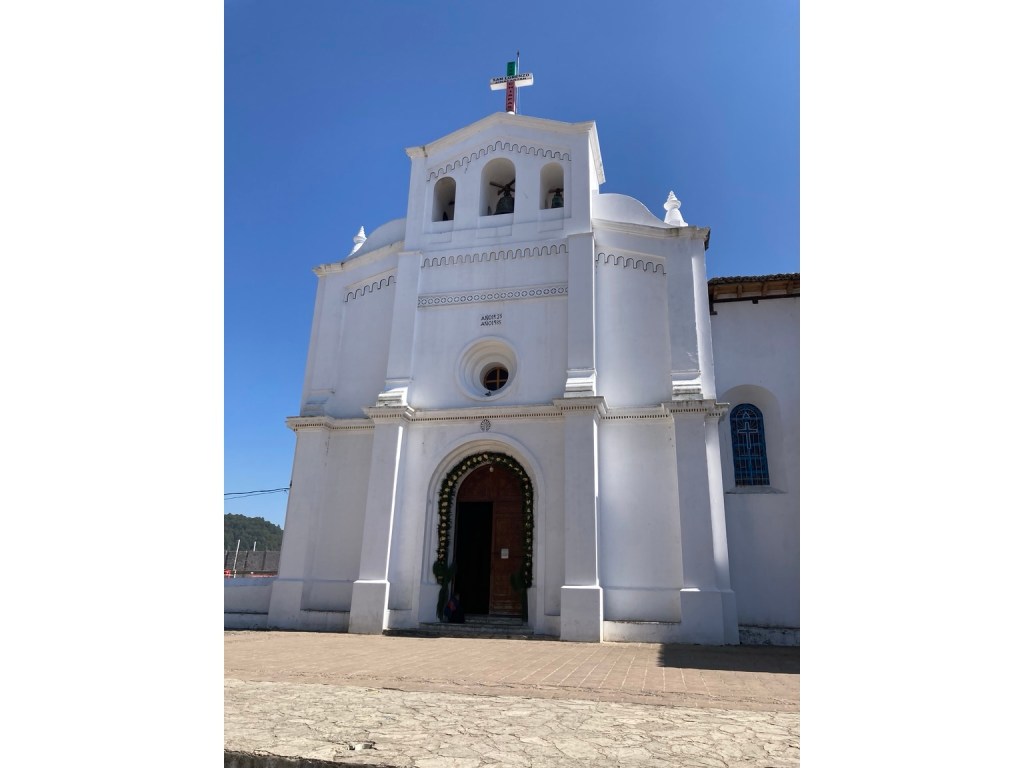
We were able to visit the church …
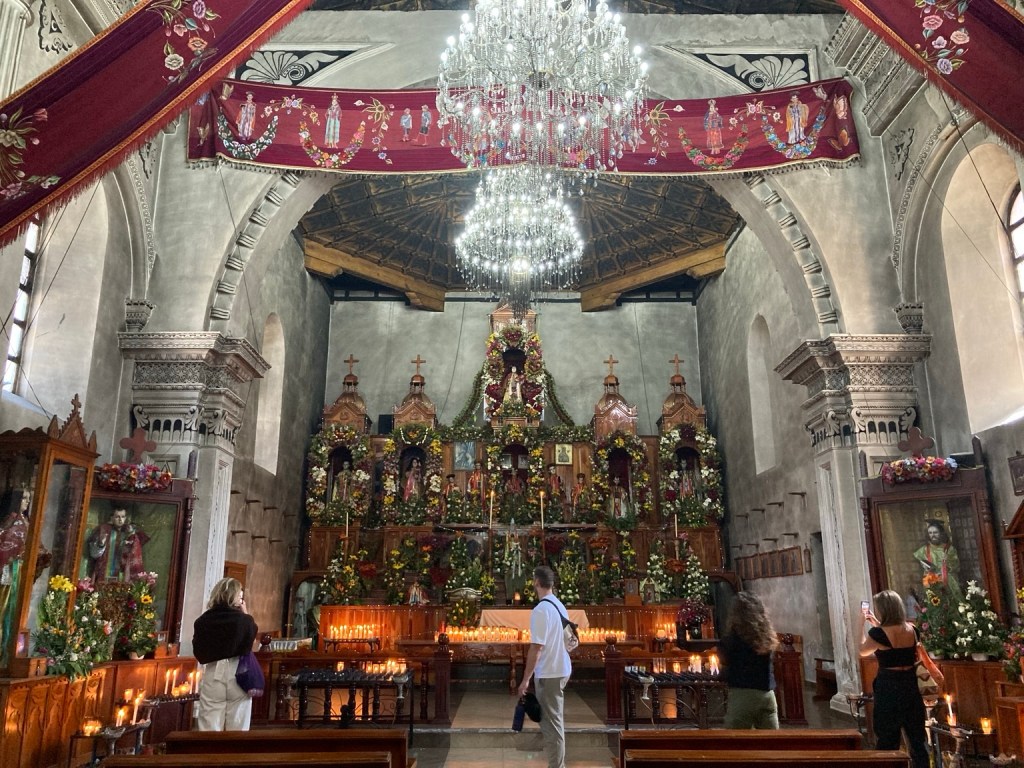
… and take pictures inside …
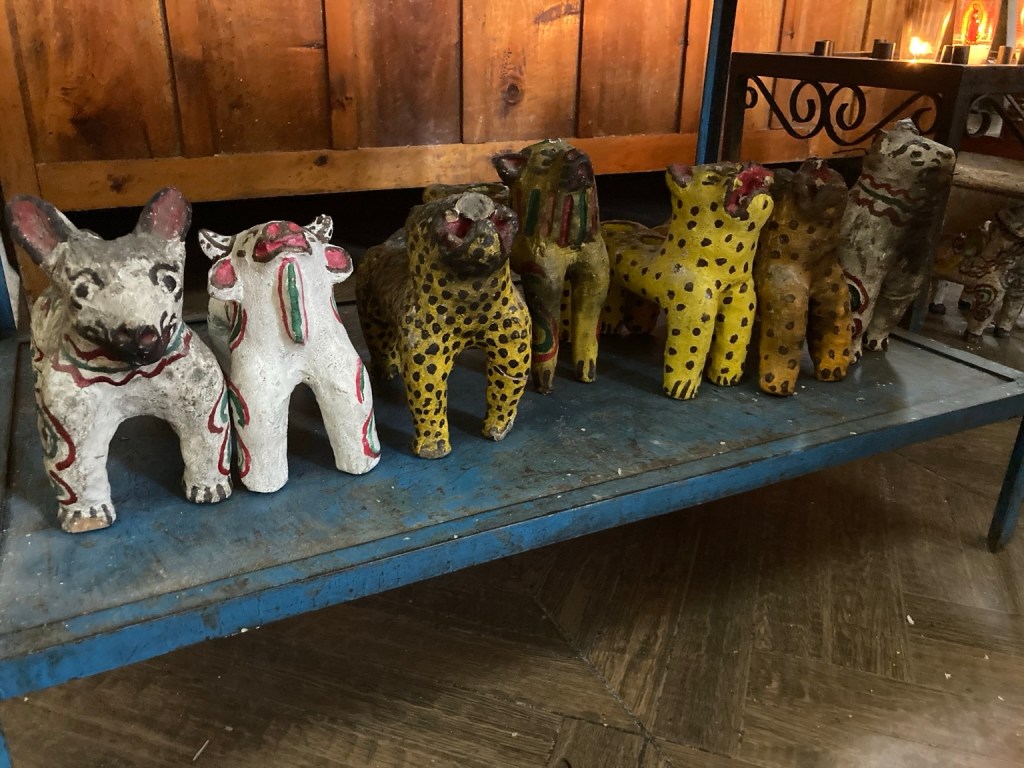
… and we saw that the candle holders were in the shape of a variety of animals.
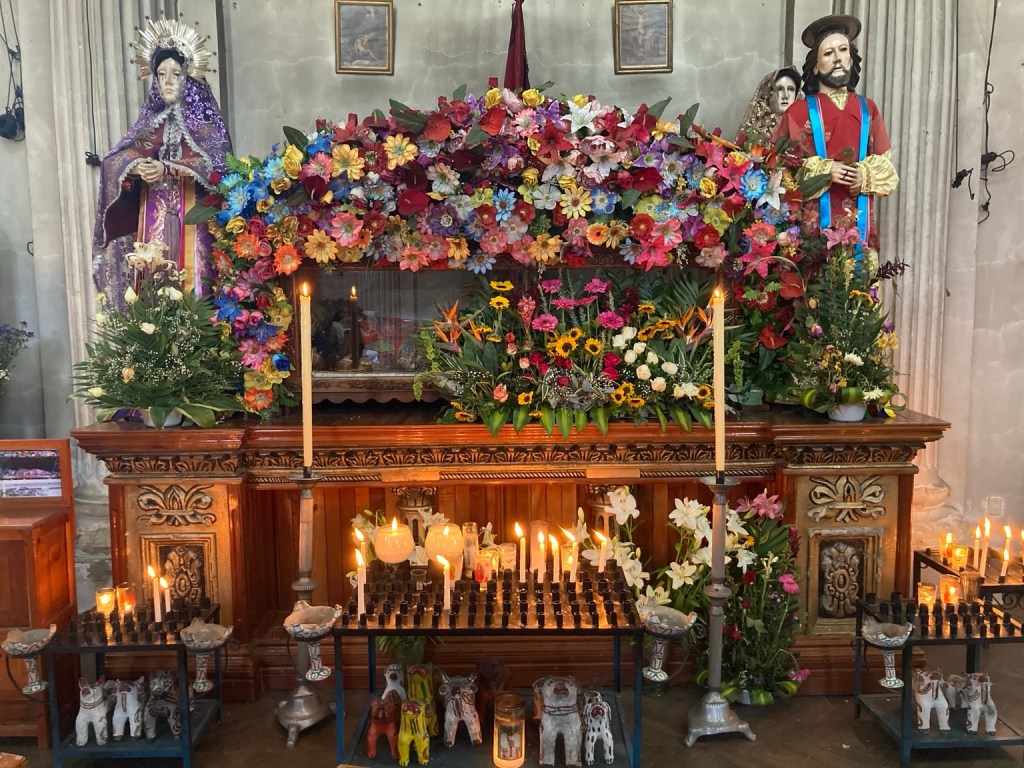
This is because the people here believe that everyone has an animal companion or chanul, which is central to their spiritual life and shares their soul.
Next, we visited a family of textile makers in their home. We were able to watch weaving using a backstrap loom …
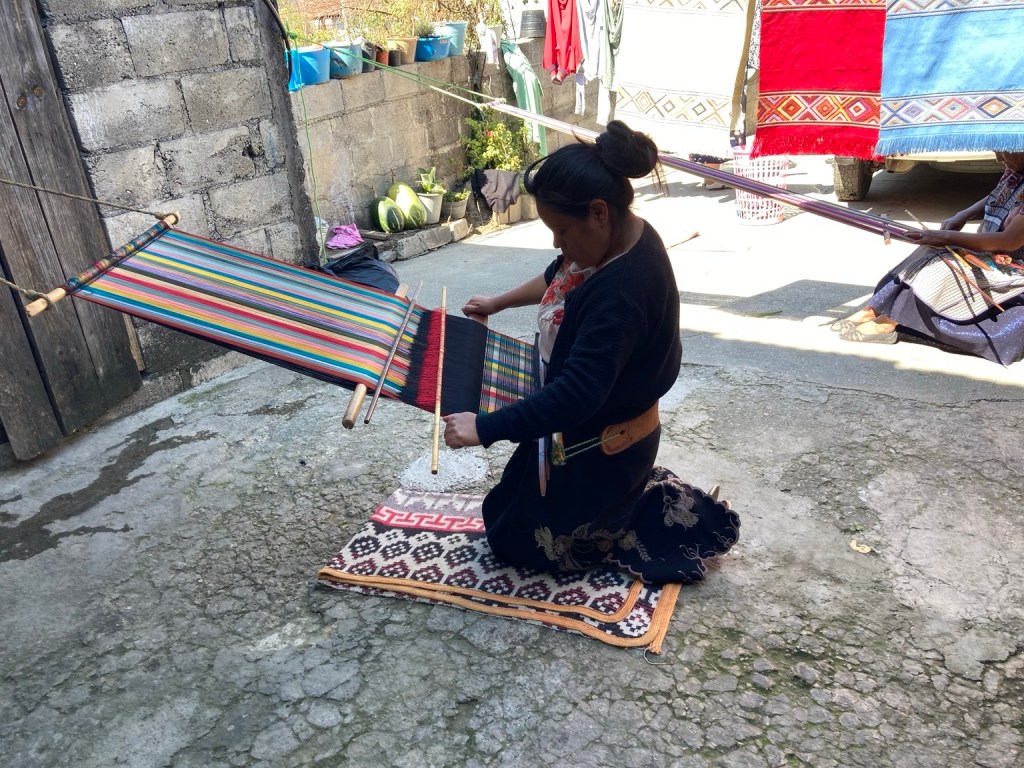
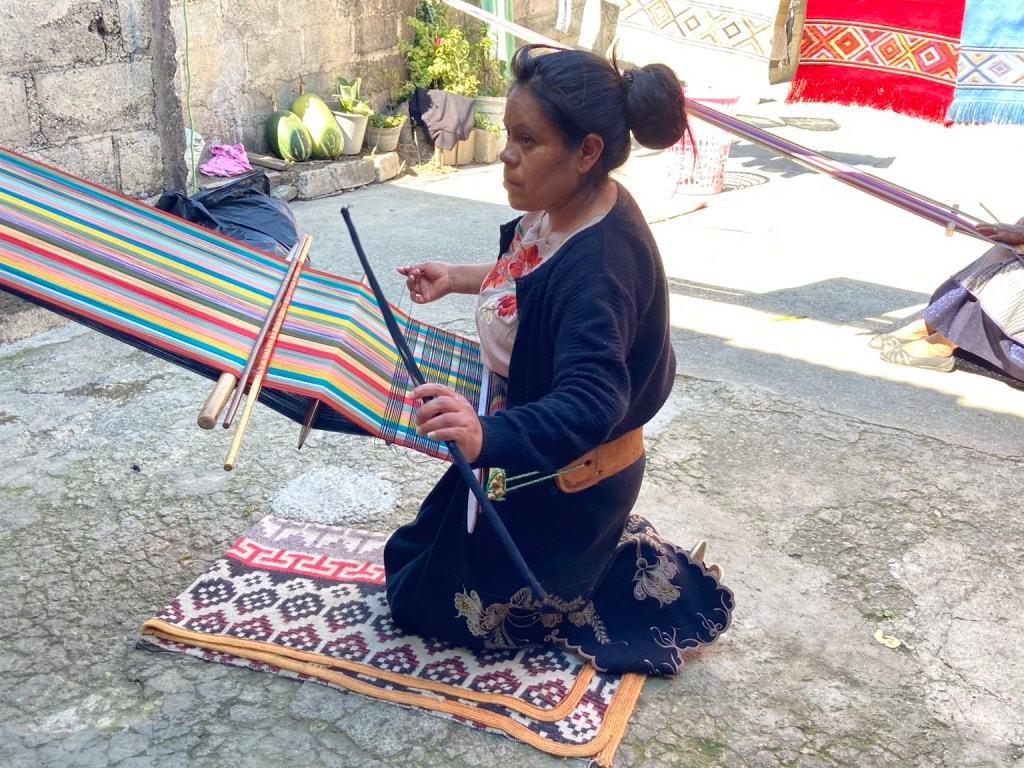
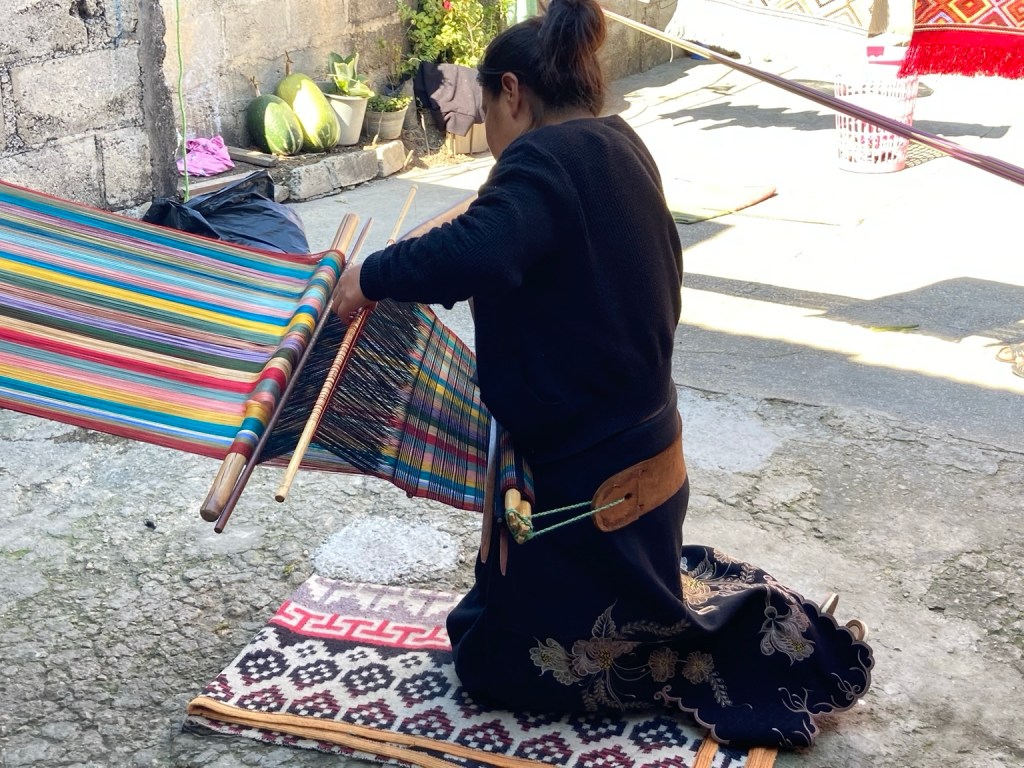
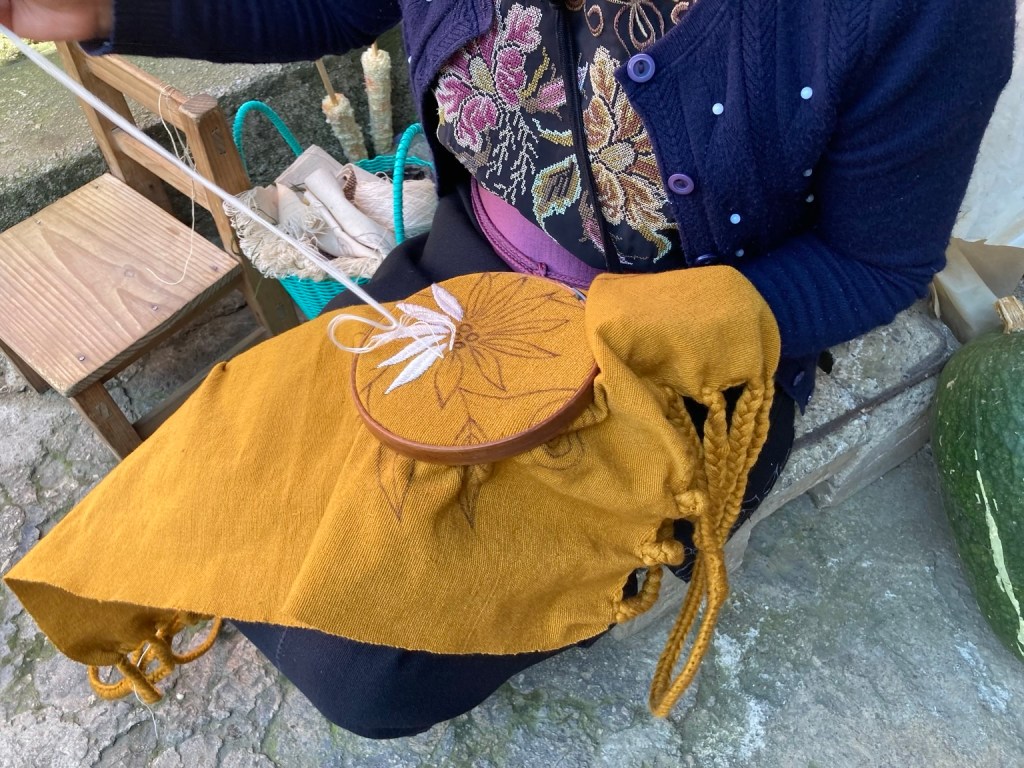
… and also see embroidery.
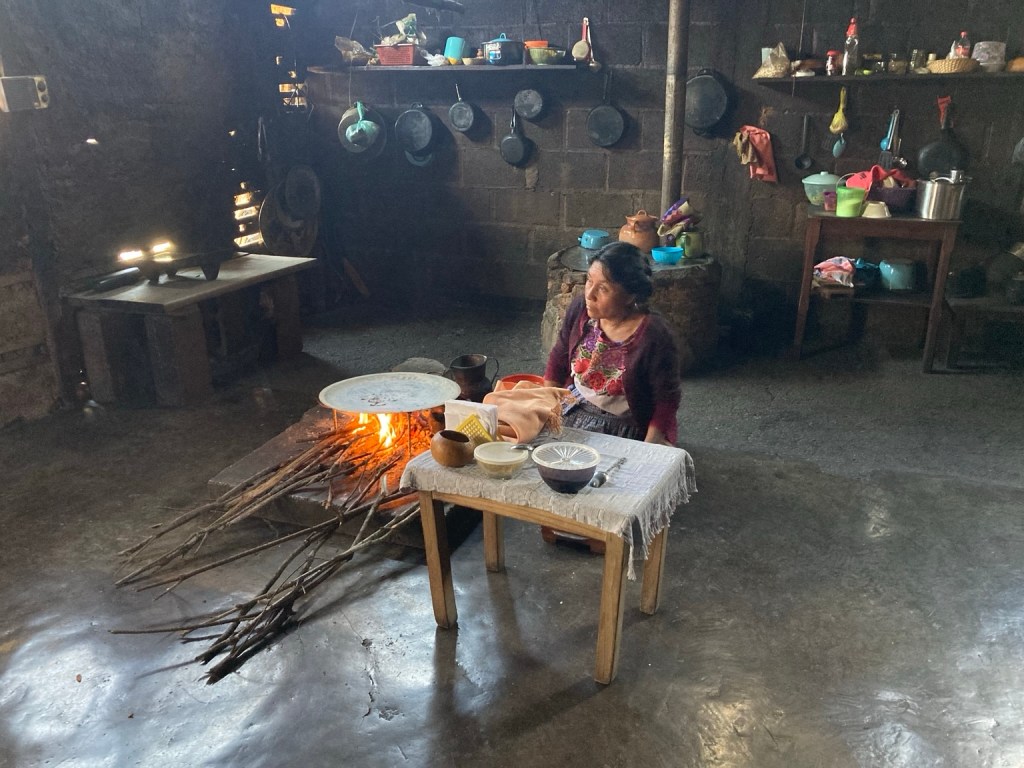
We also entered the kitchen and watched as the woman prepared and cooked a pile of tortillas for us to try …
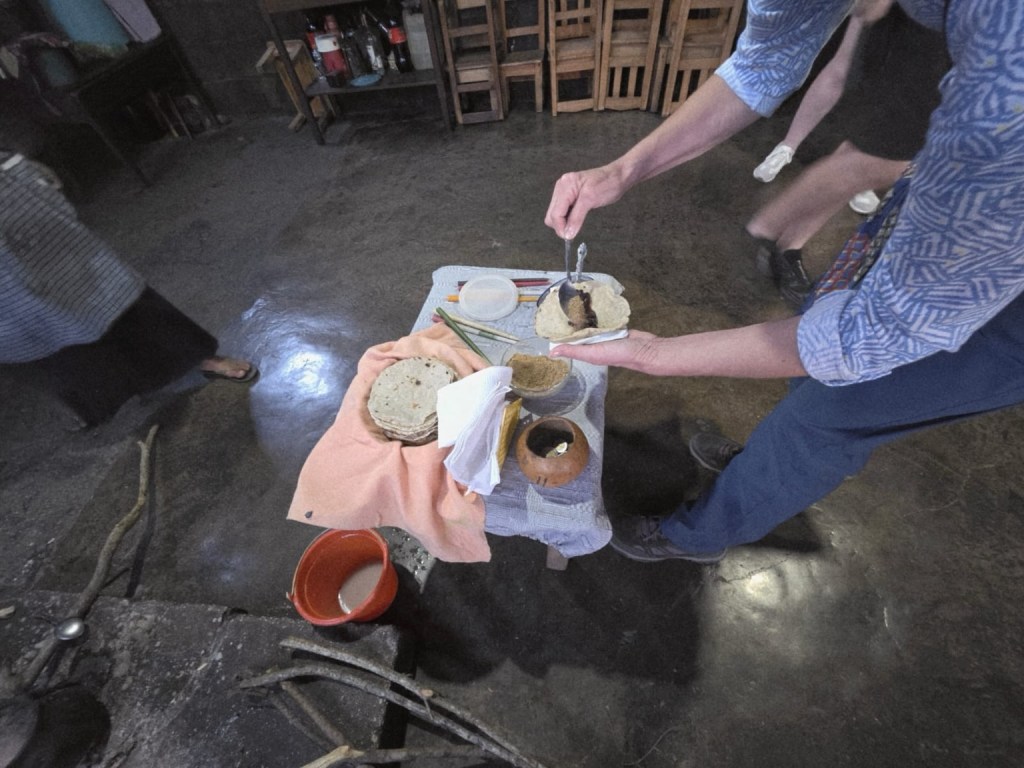
… with some black beans and sprinkled with roasted and ground pumpkin seeds which tasted a little like roasted peanuts.
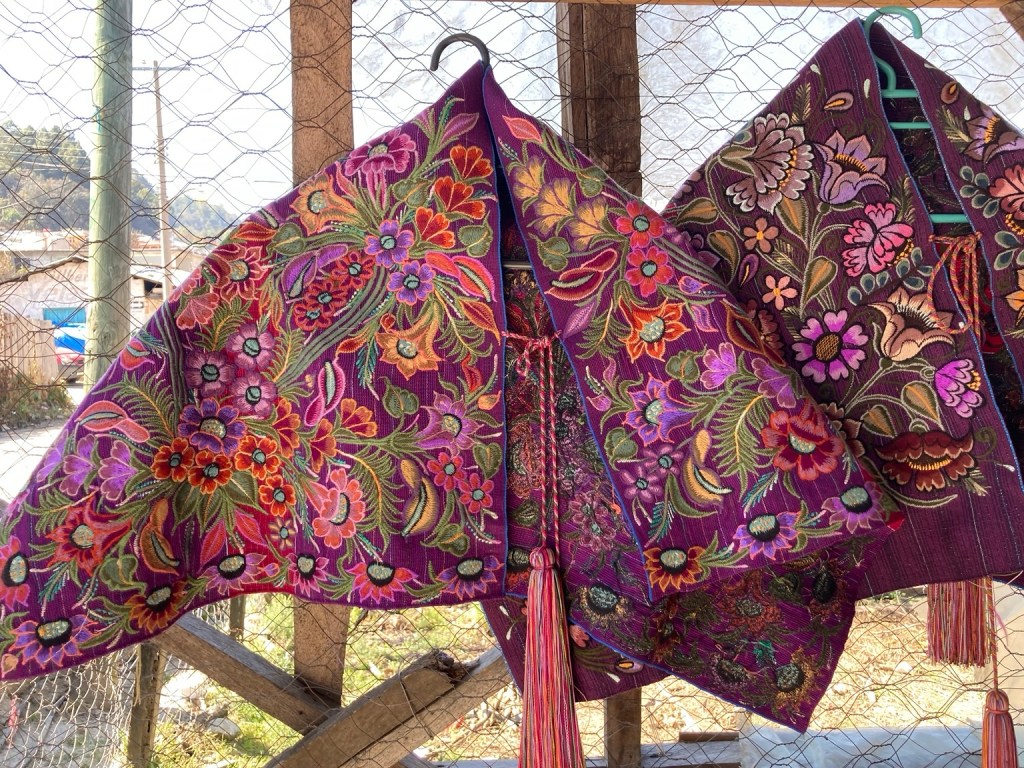
There was an opportunity to look at the items they had made including the traditional woman’s jacket …
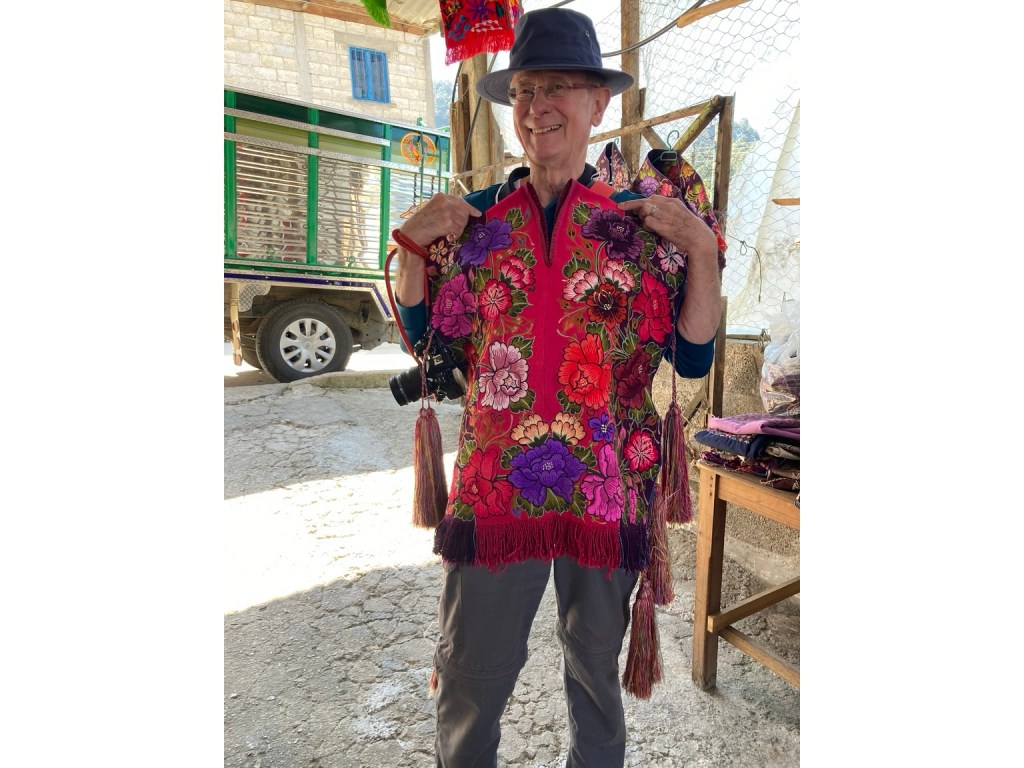
… the men’s jacket modelled by Chris …
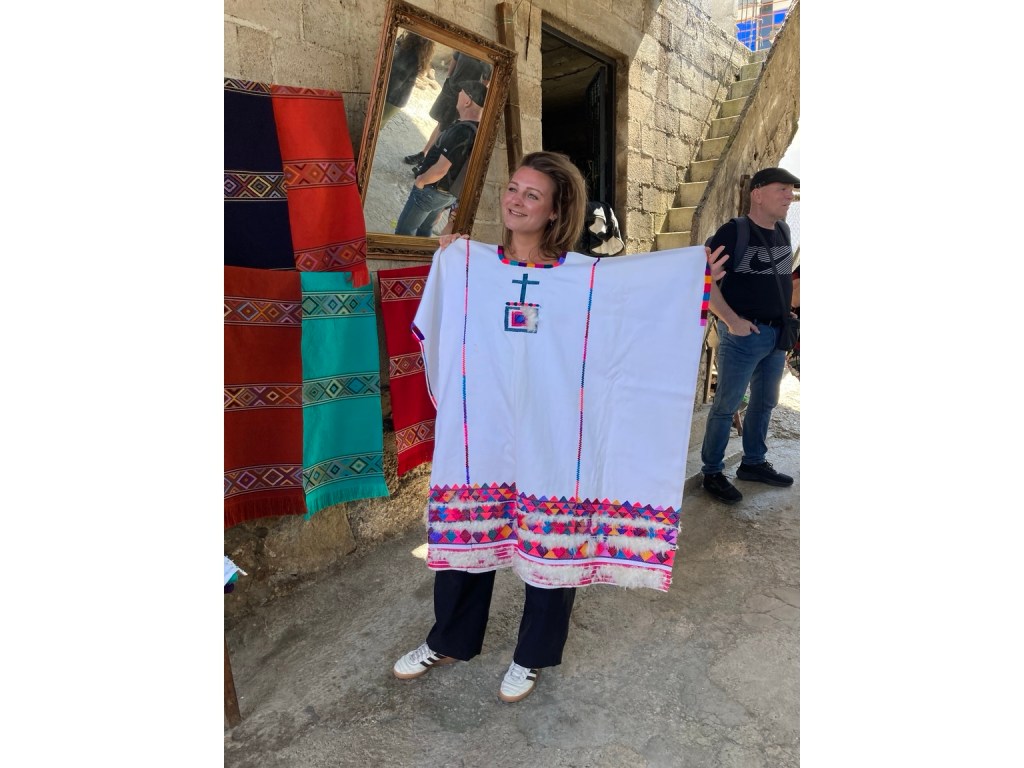
… a wedding dress …
… and scarves and runners for sale …
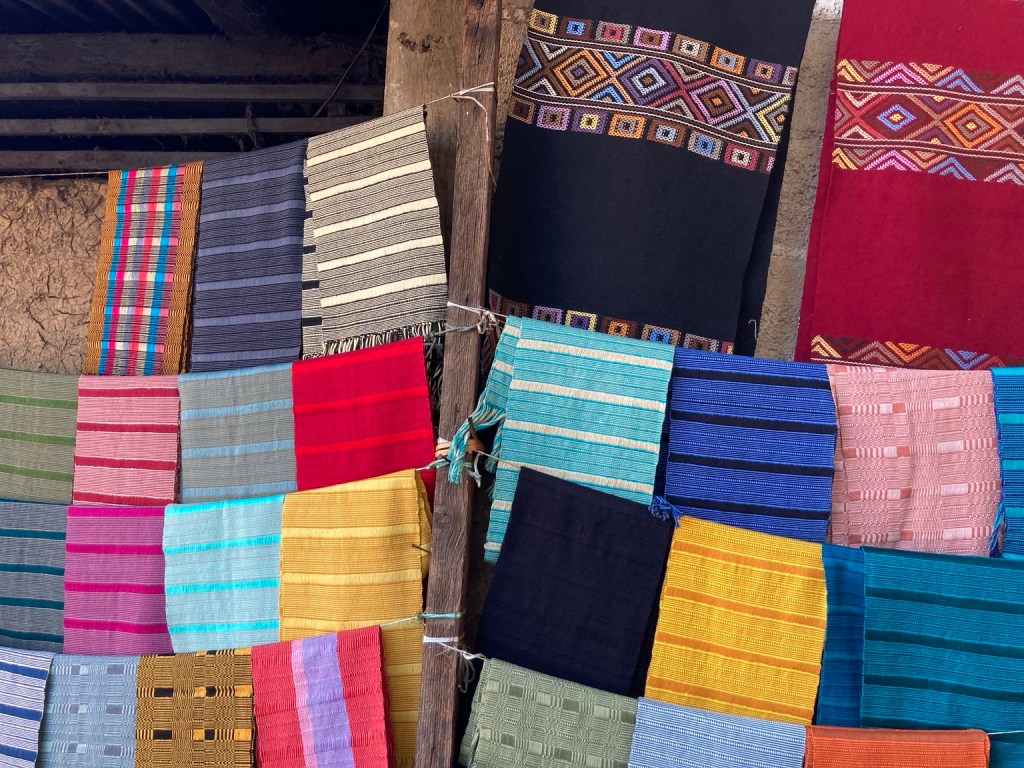
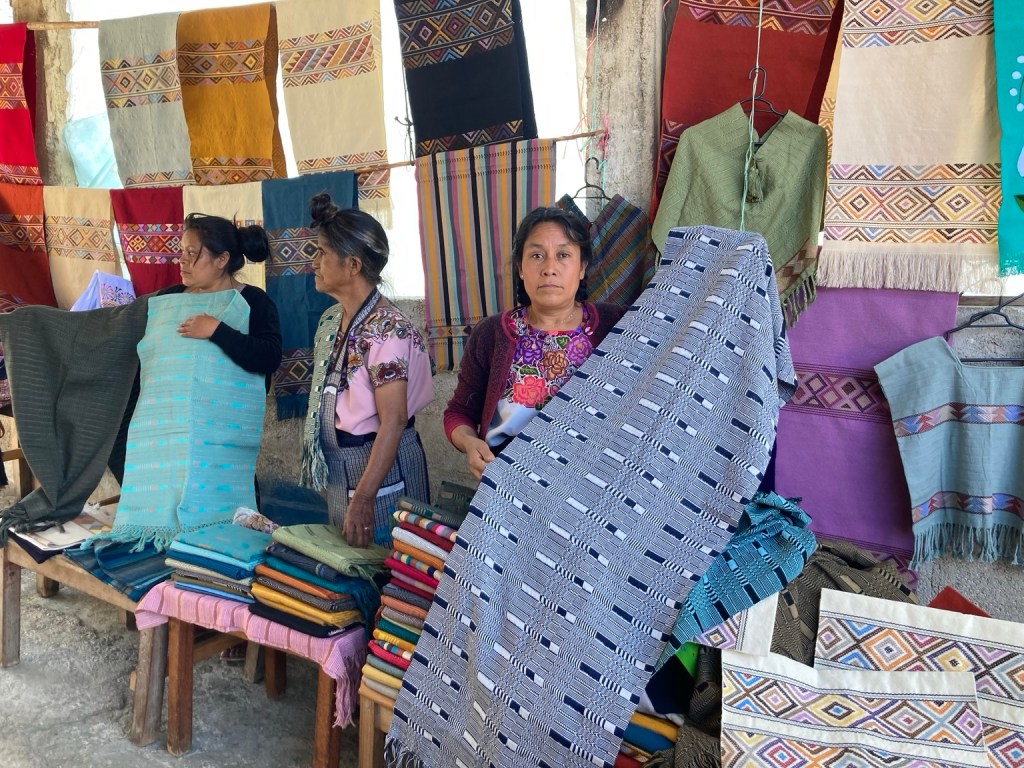
… and we bought a cloth to keep tortillas warm, or in our case, to line our bread basket!
This visit gave us a glimpse into a mystical world we would not expect to see in the 21st century and thanks to Cesar we understand a little of their way of life.
I was also delighted to have a few more Mexican memories to pack into the case!
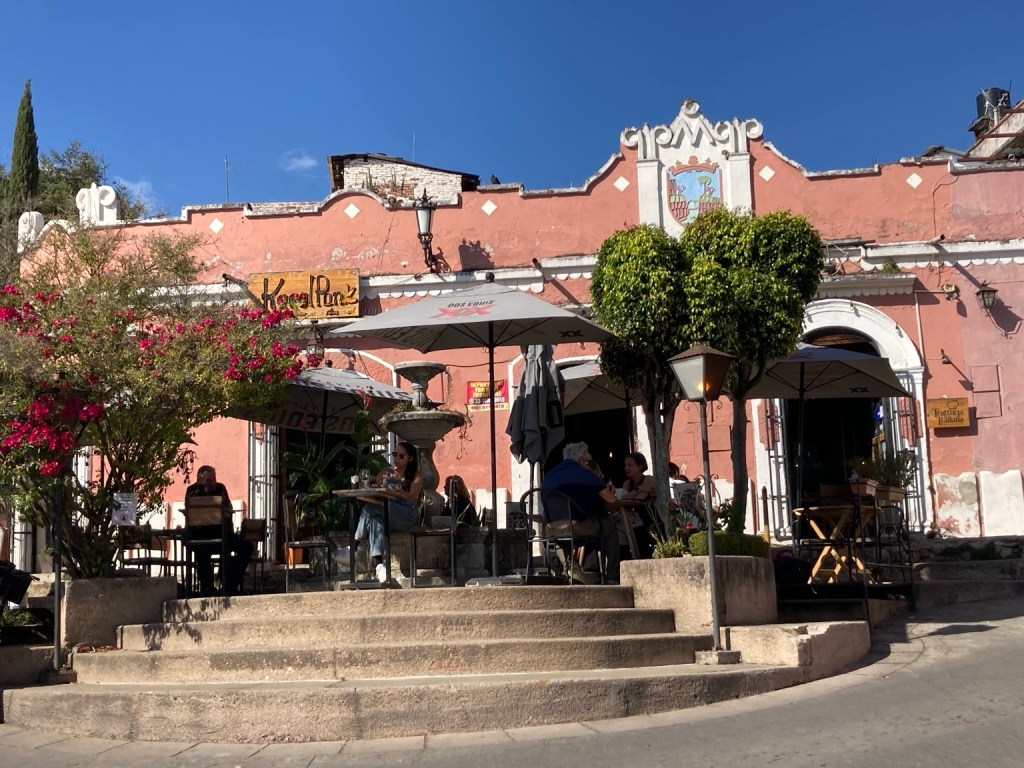
When we got back we chilled for a bit in a cafe …
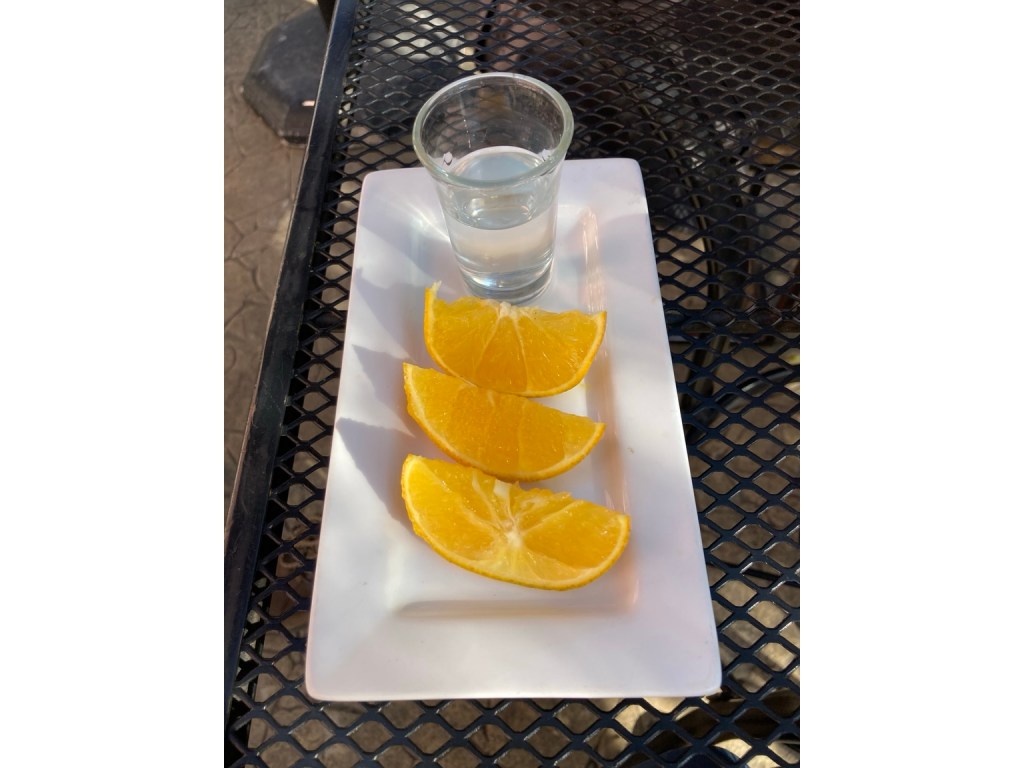
… and sampled some more pox …
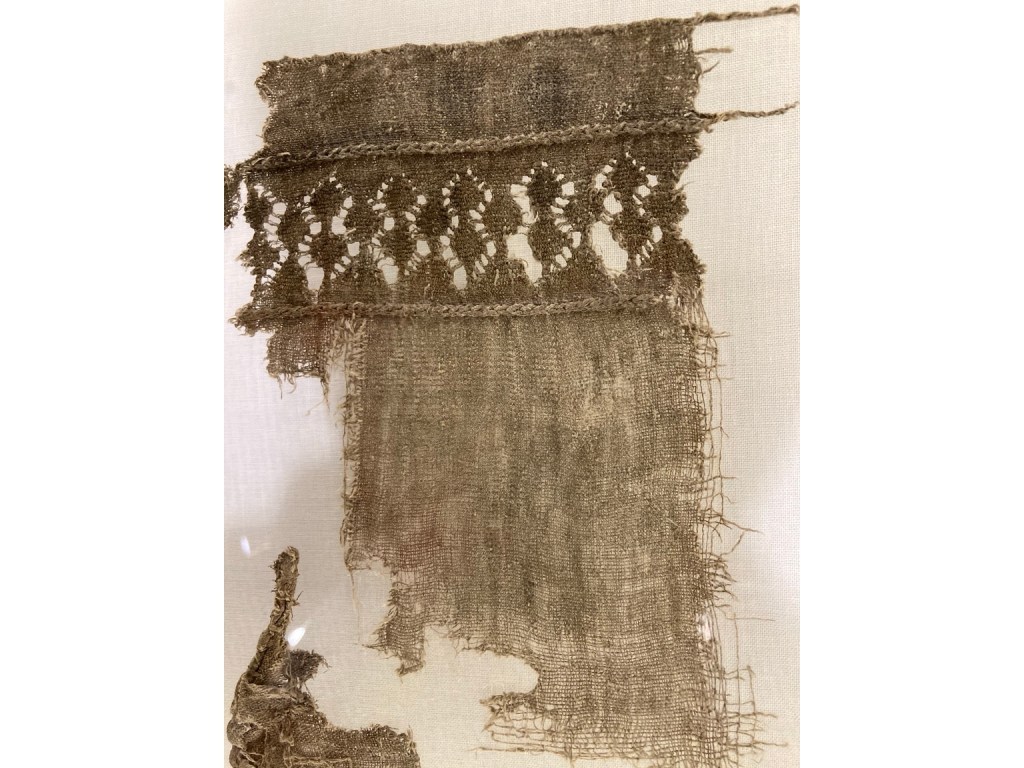
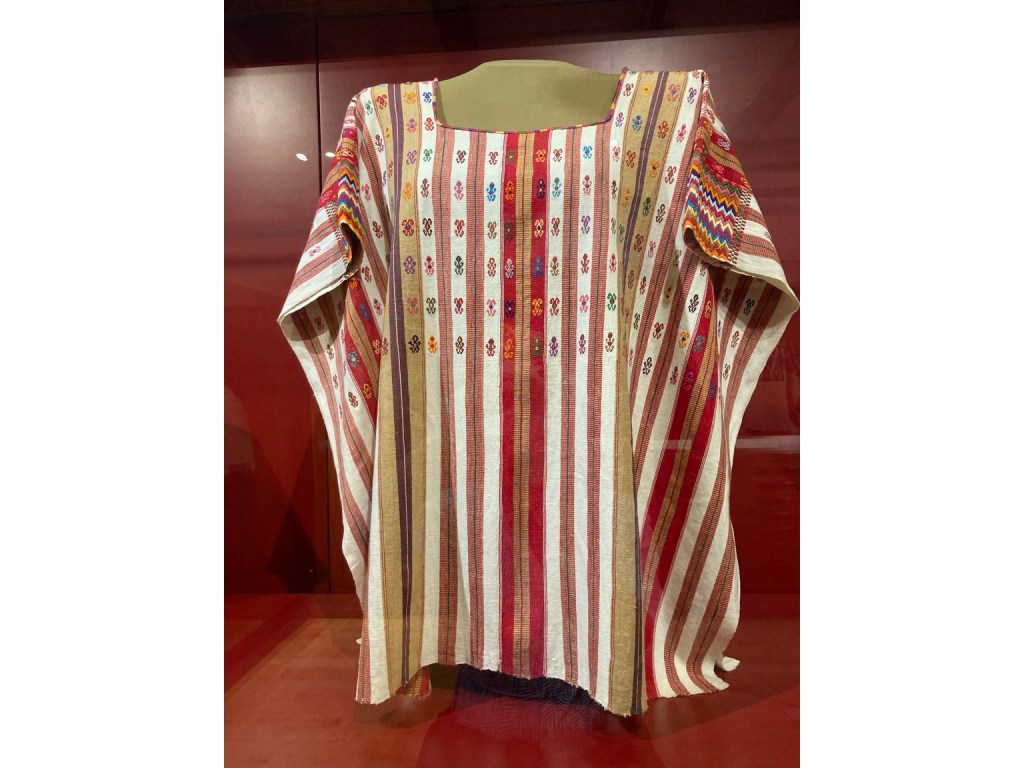
… before visiting the textile museum, where a piece of cloth has survived from 600-900AD which is pretty amazing.
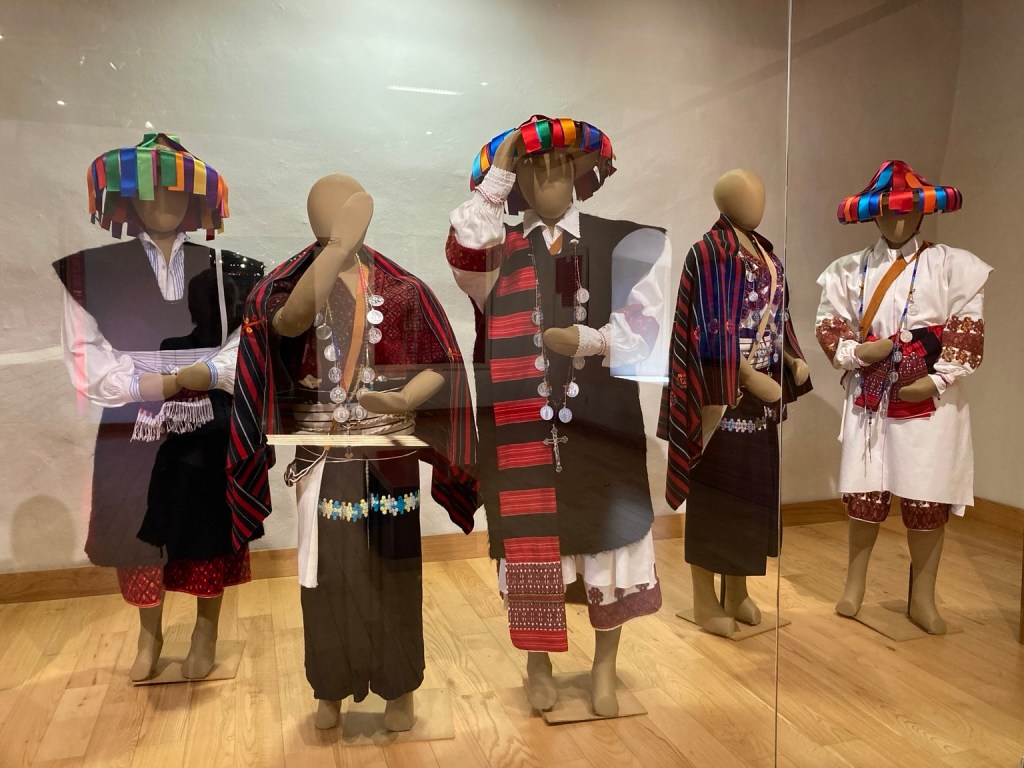
There were also leaders outfits from different communities …
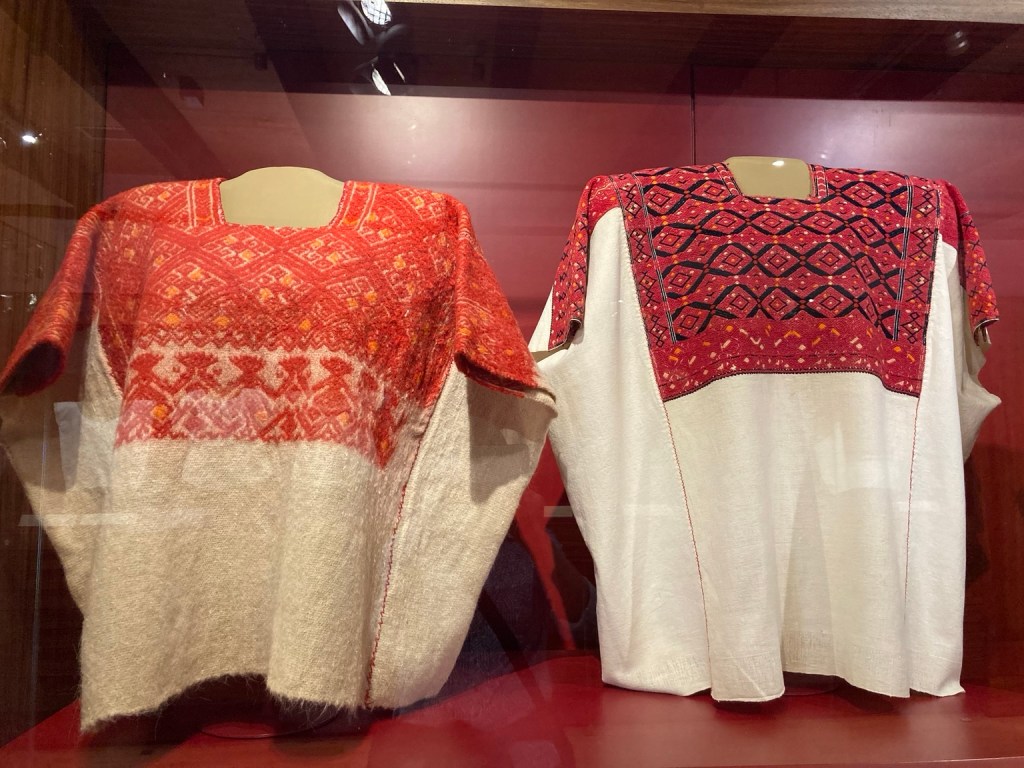
… and a huge selection of huipils, but here are just two local ones.
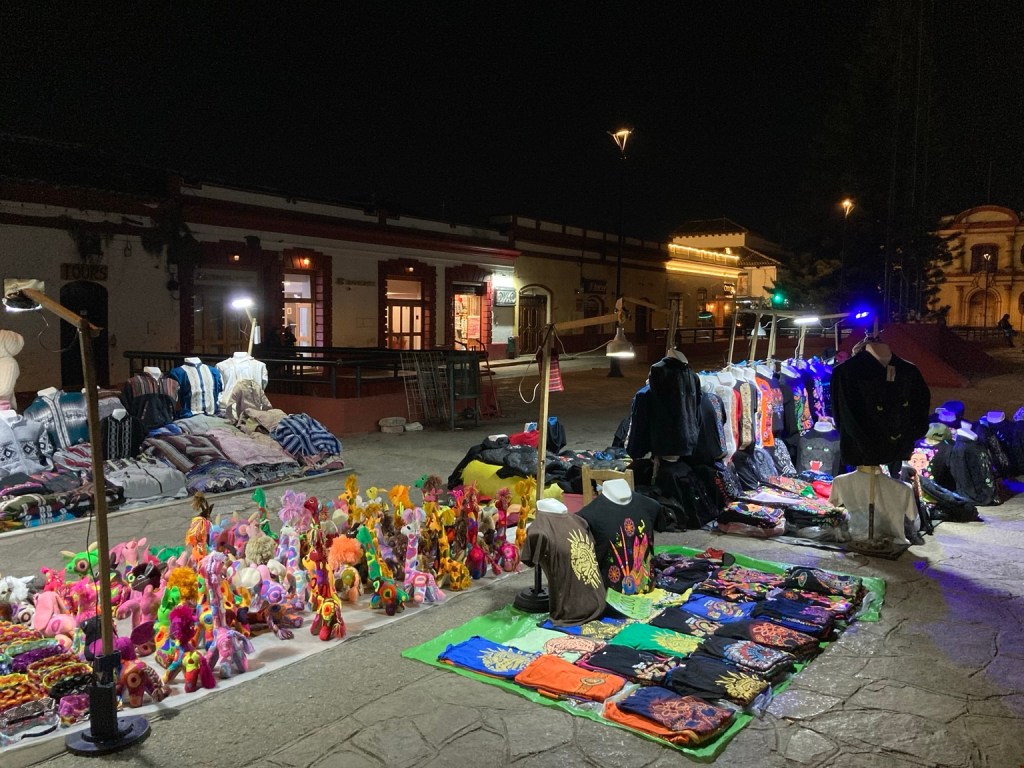
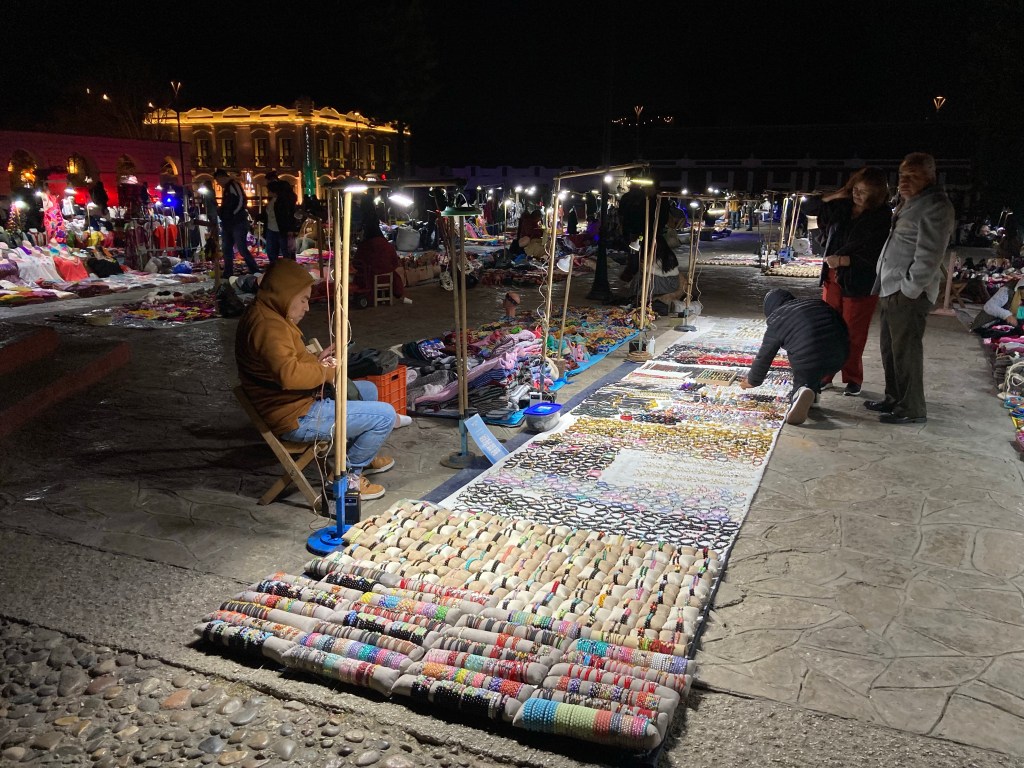
In the evening we walked through the night market, amazed at how all these people selling so much stuff could ever make a living.
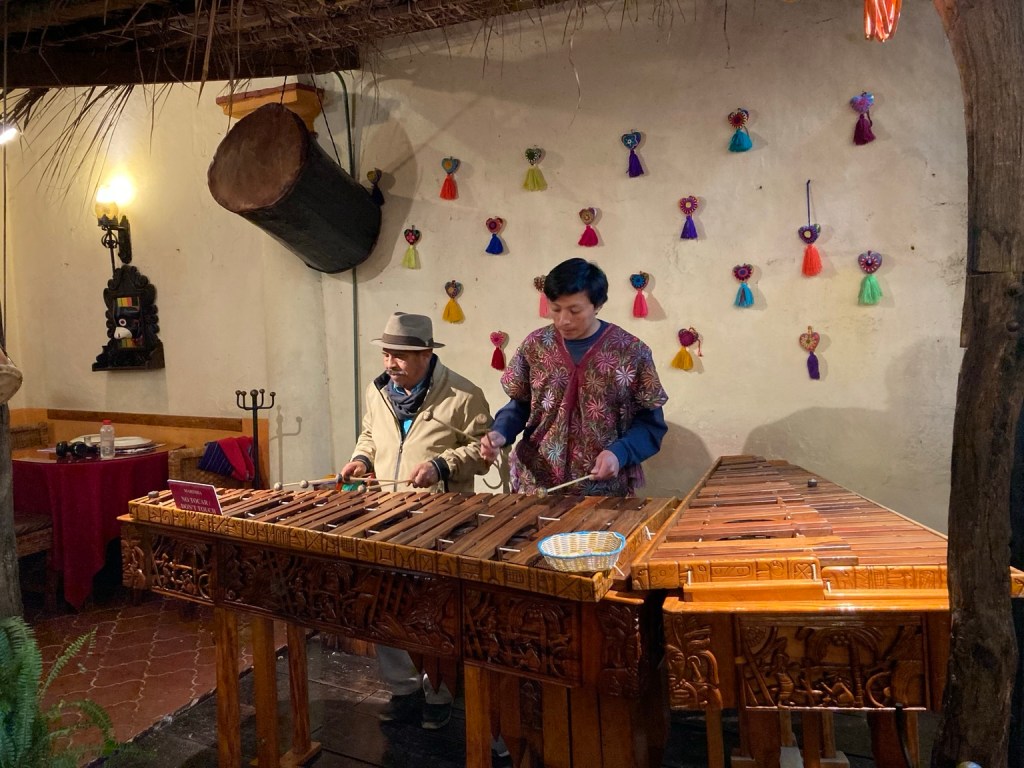
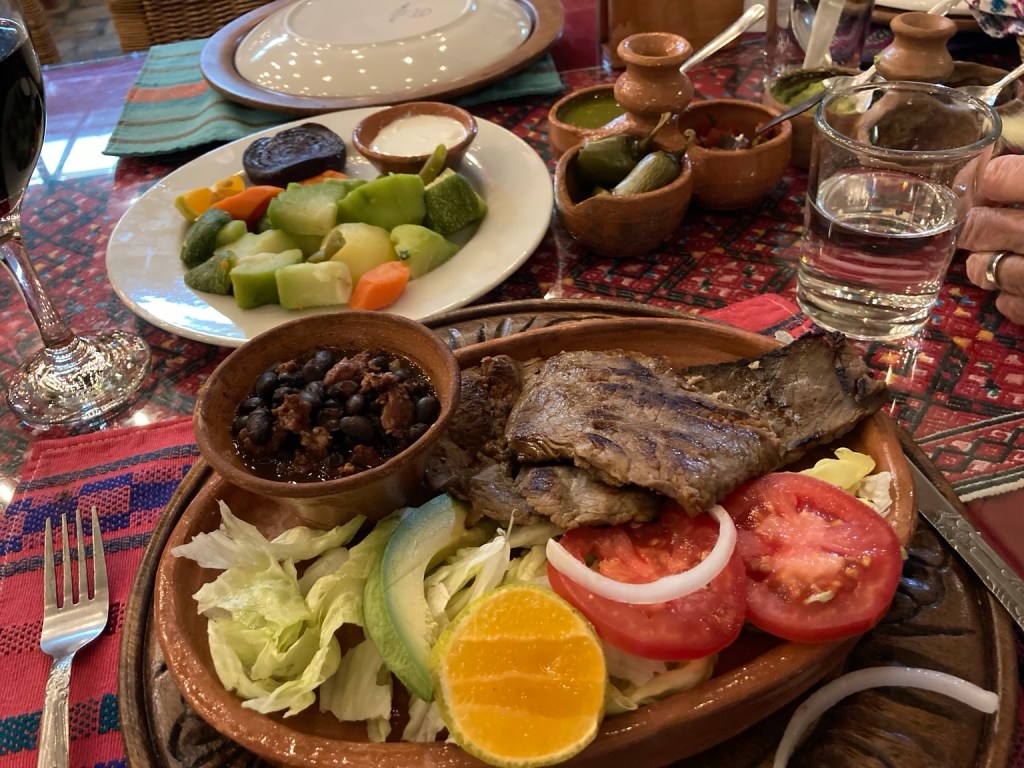
Dinner was at El Fogon de Jovel, where there were even tunes while we ate. We’ve been surprised at how quiet the town and restaurants have been, but apparently this a lull between the Xmas and Easter rushes.
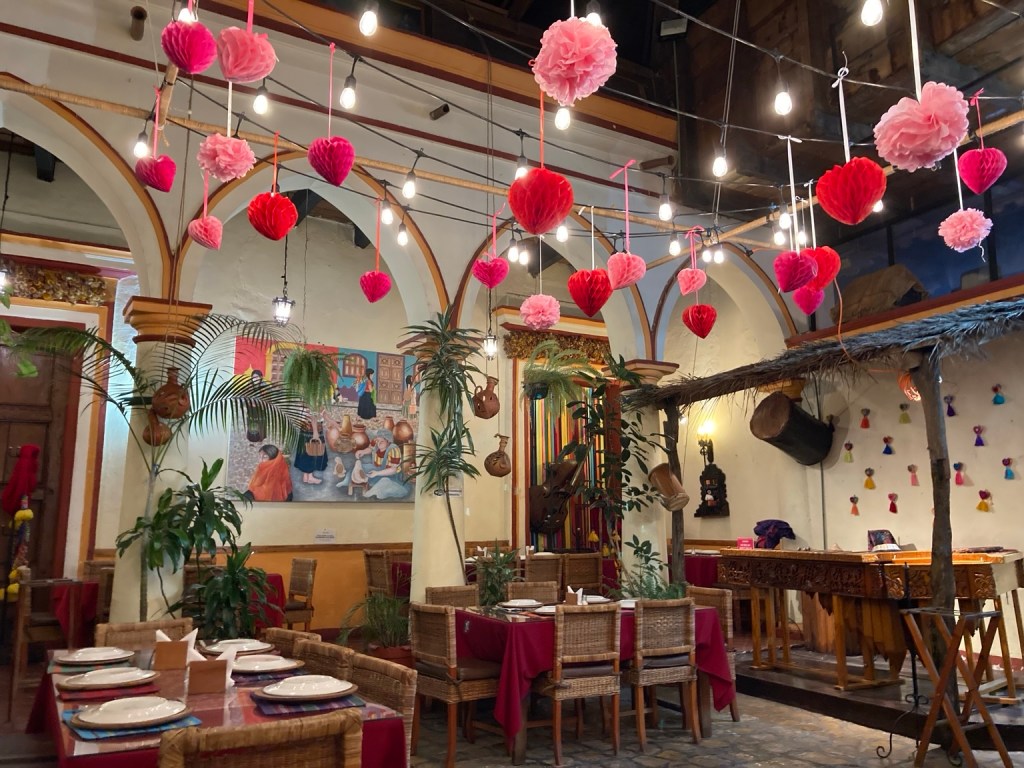
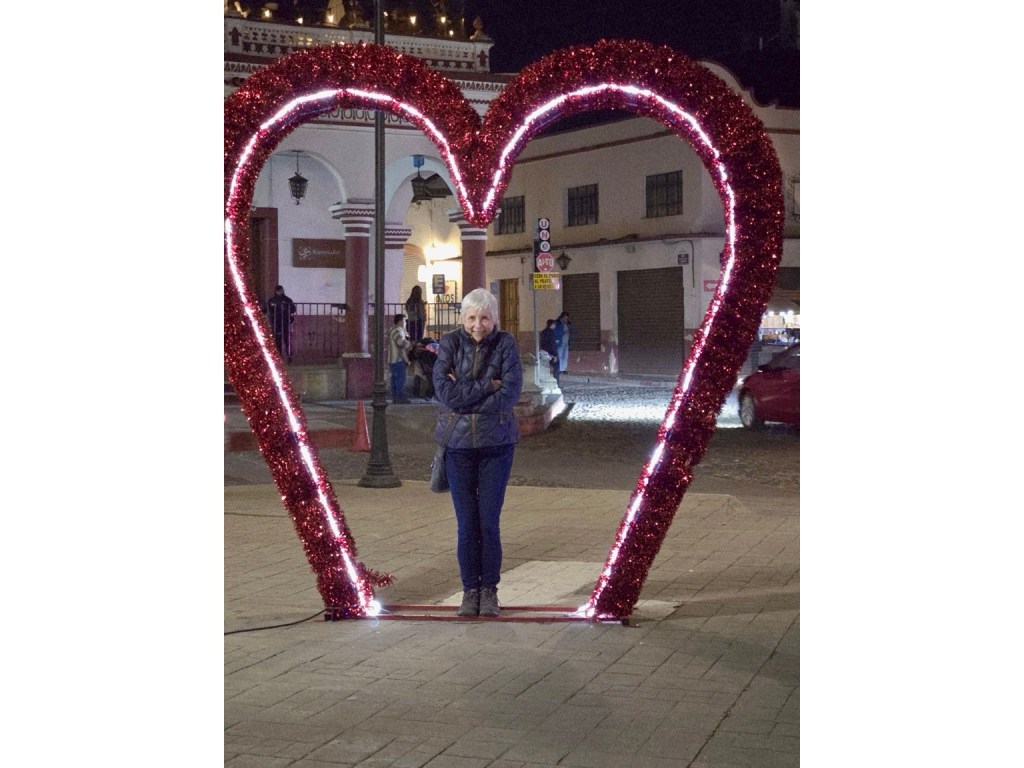
Of course, the next excuse for celebration is just in a couple of days …
 Off Travelling Together