It wasn’t my best night’s sleep, but it was also far from my worst! We stopped at a state border post around 6am and a man came in and briefly inspected the bus and we were on our way again. Got a couple of pics of the early morning …
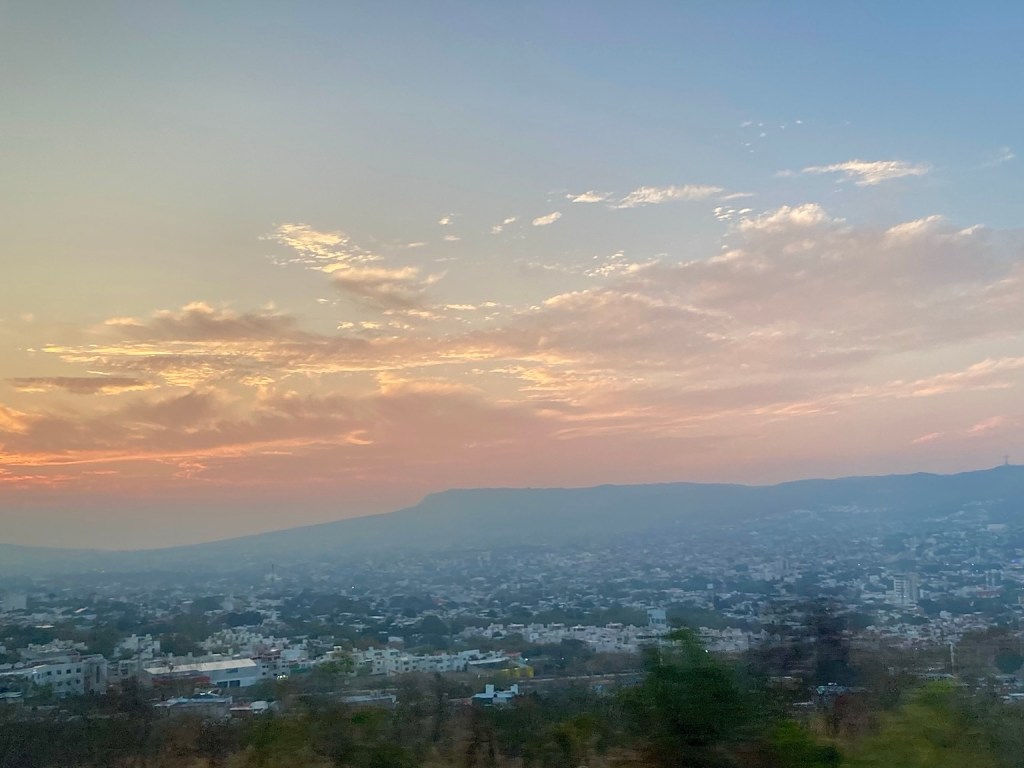
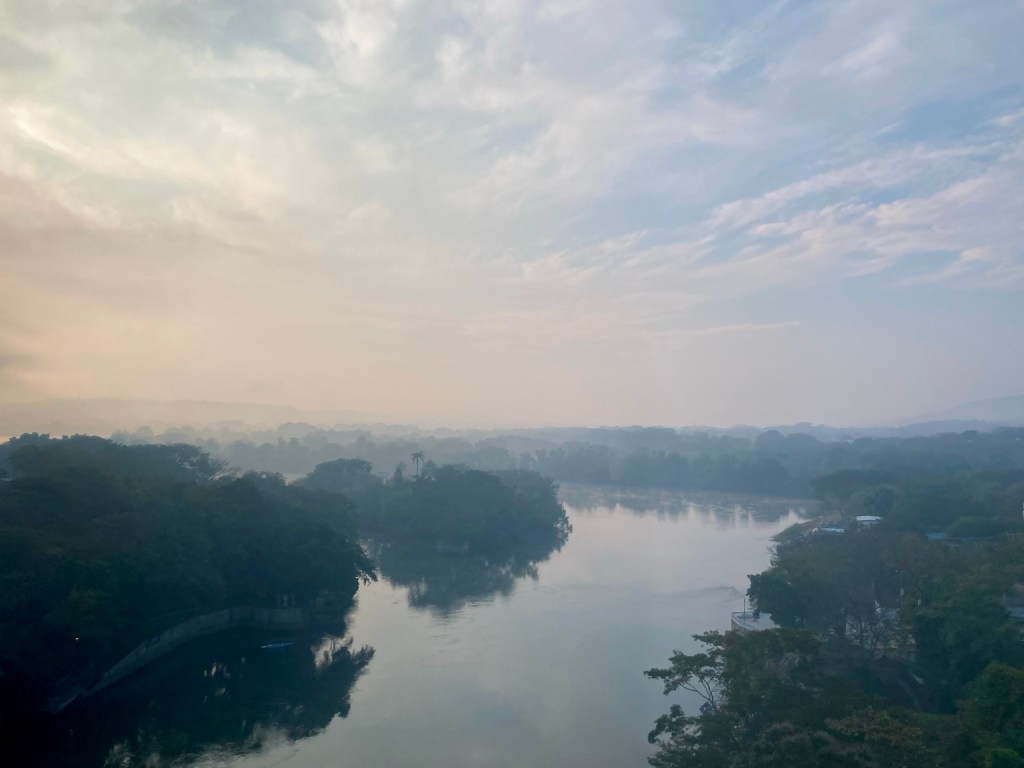
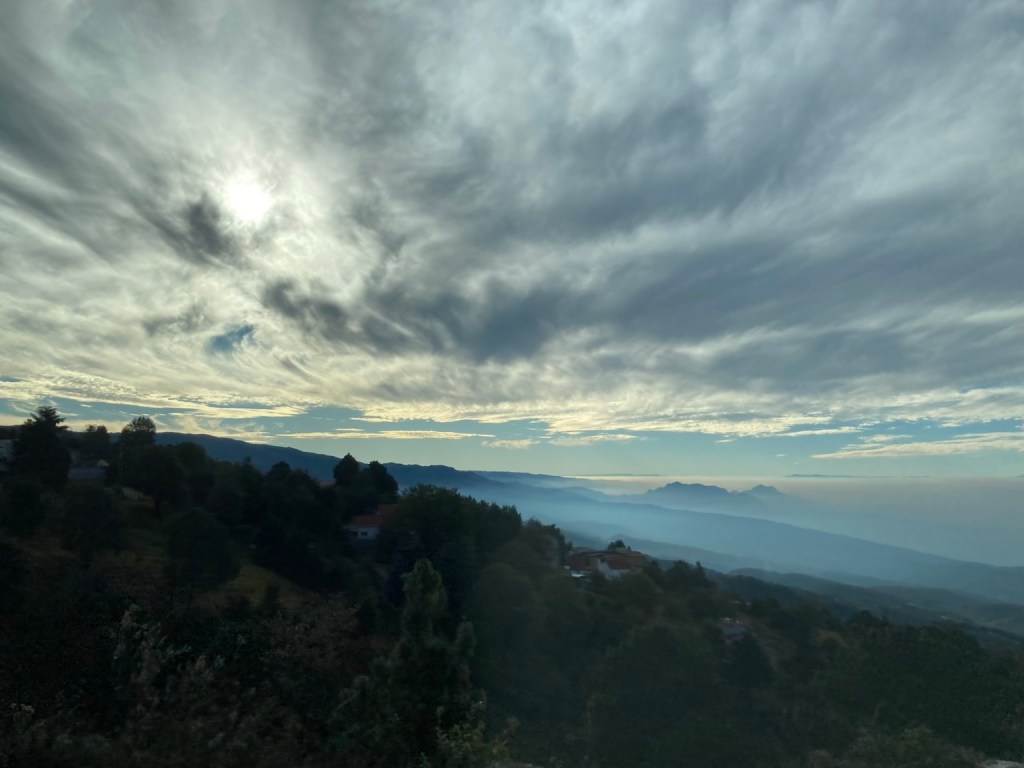
… and we arrived in San Cristobal De Casas right on time at 8.30. It was just a short walk to Hotel Posada de Real de Chiapas, a colonial Manor House set round a courtyard decorated with murals and textiles.
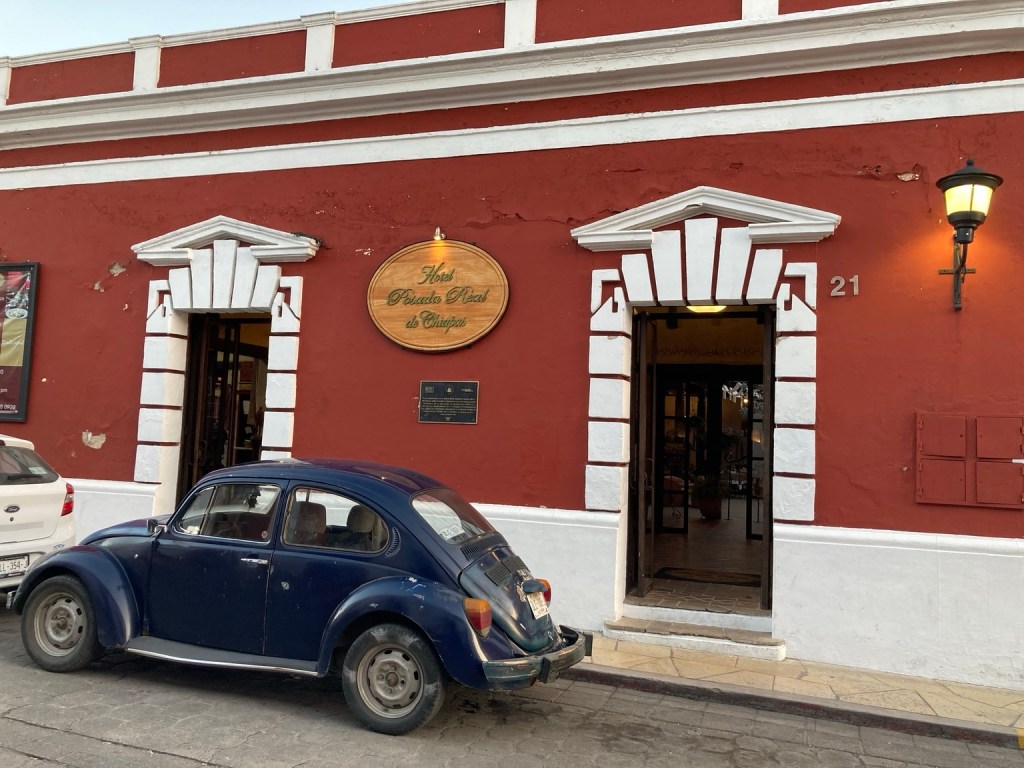
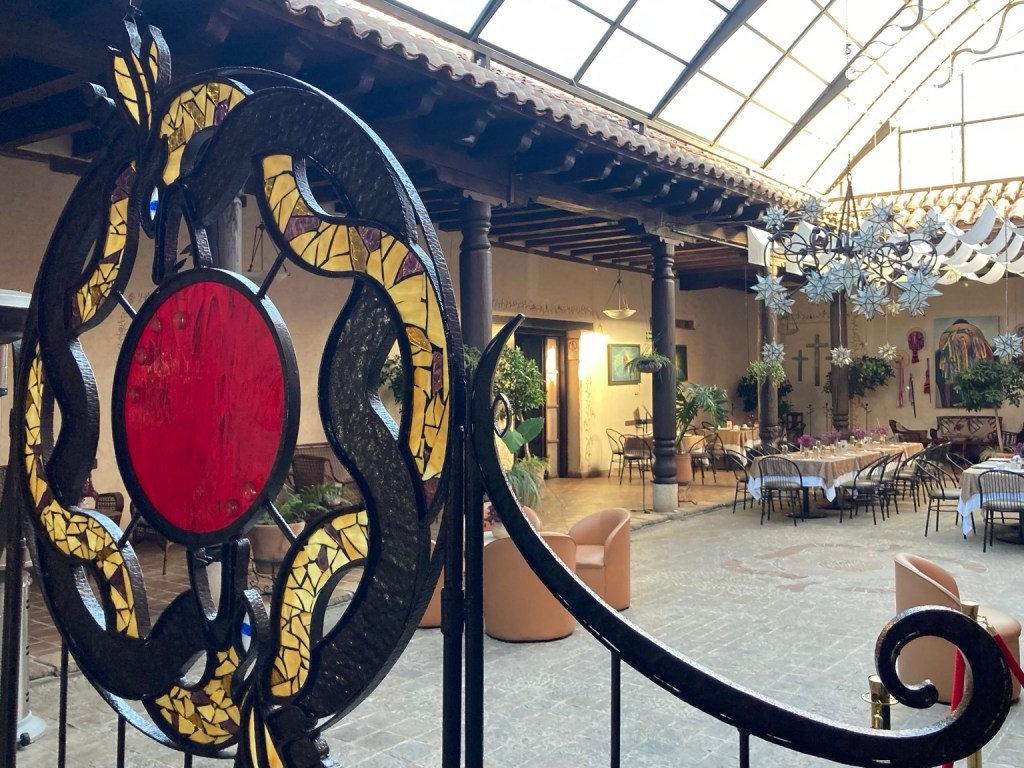
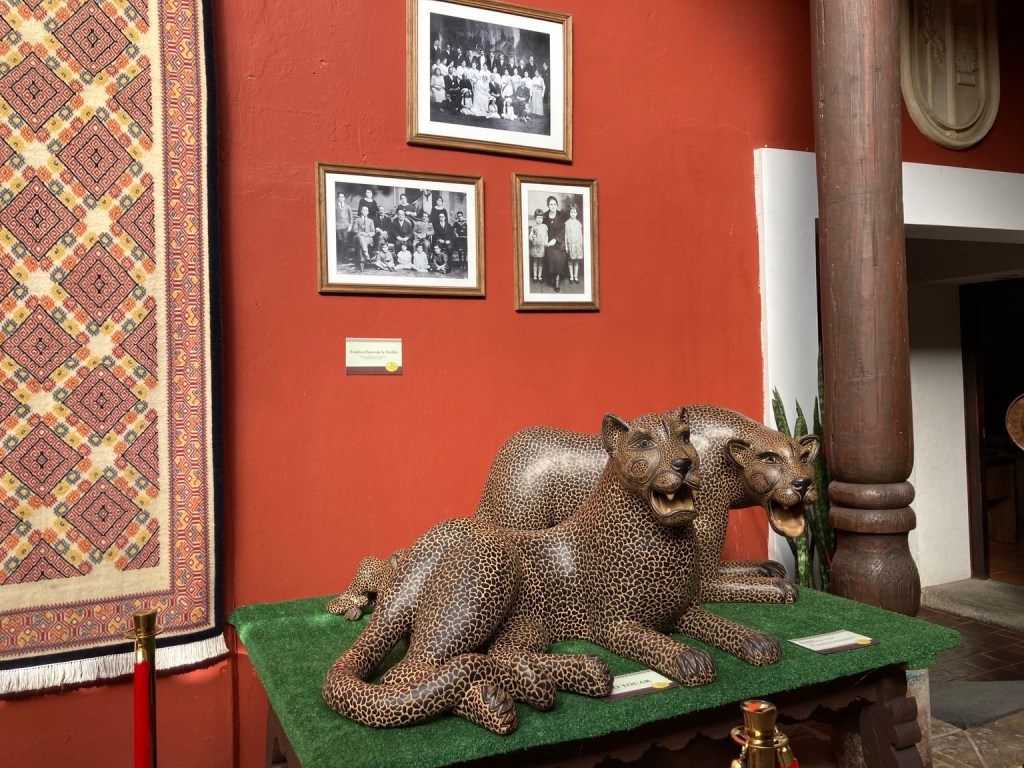
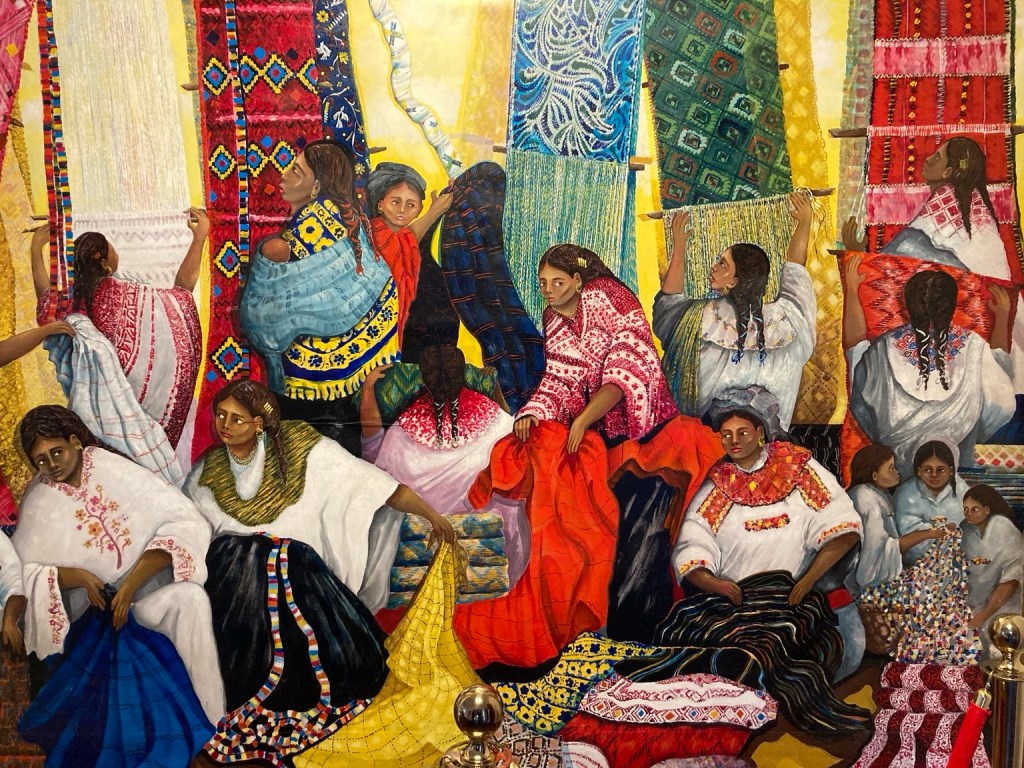
We left our luggage and had a coffee with some pastries we had bought in case we were peckish. We couldn’t check in properly till after lunch, so it was a perfect time to go on a walking tour of the town with Voy a Chiapas. We met at the cross in the middle of Plaza de la Paz right in front of the Catedral de San Cristóbal Mártir …
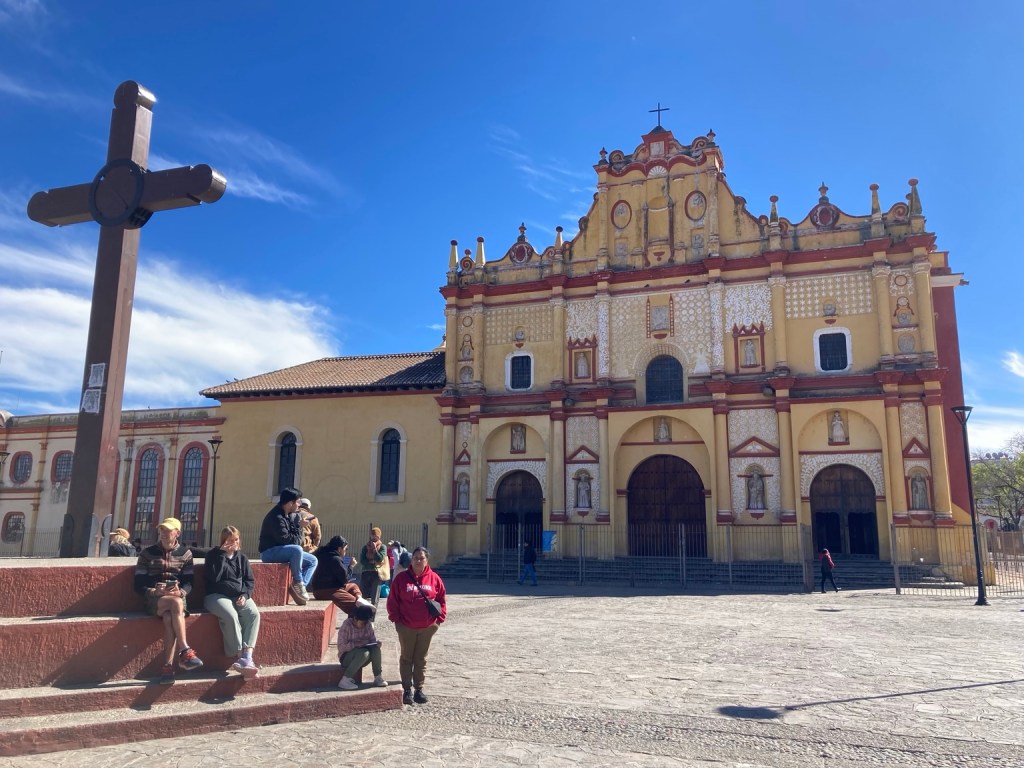
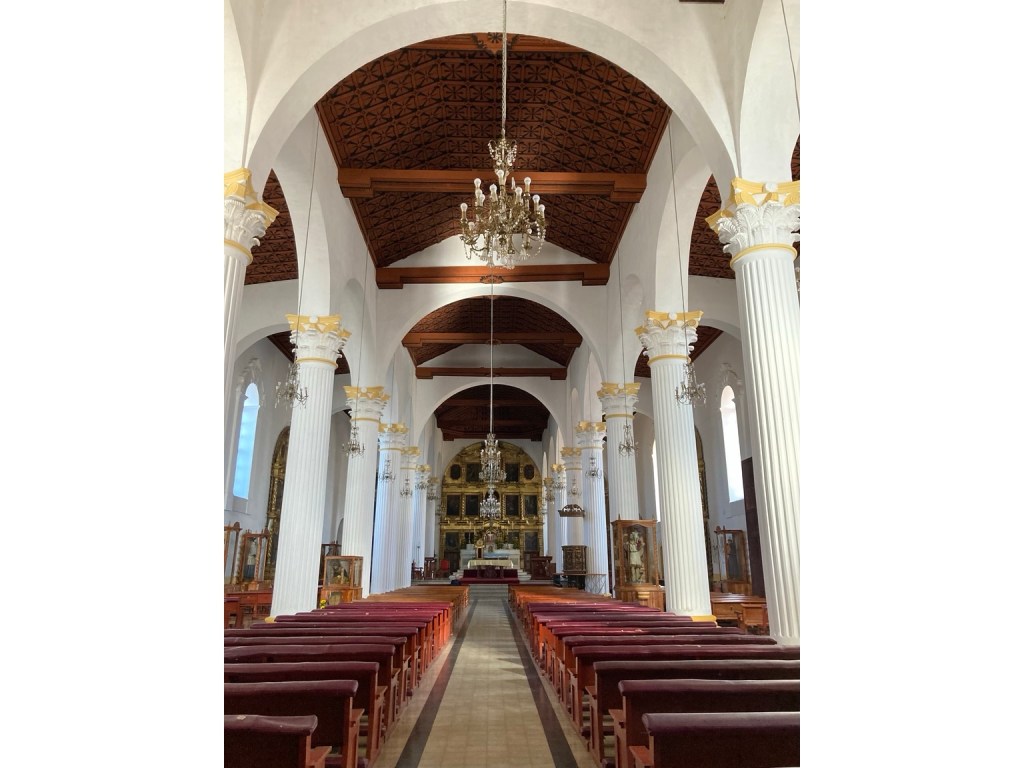
… and had a quick peek inside while we waited.
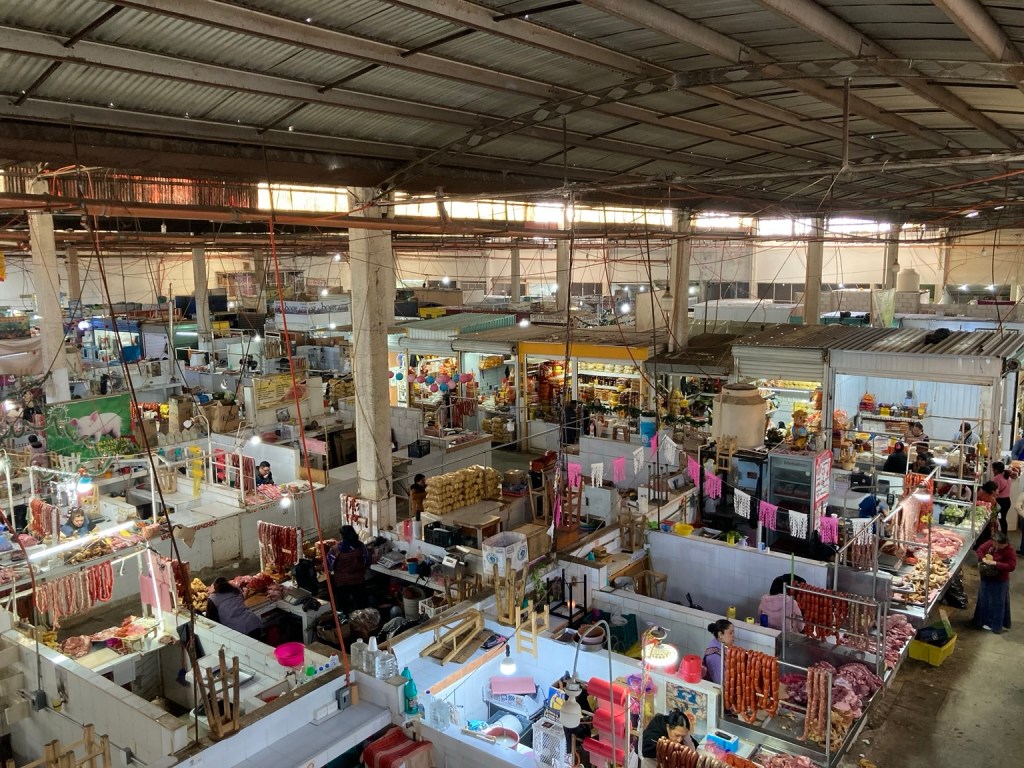
Our guide was Anna and we began by walking to the main market which is so large, it encompasses two churches! Here’s the market …
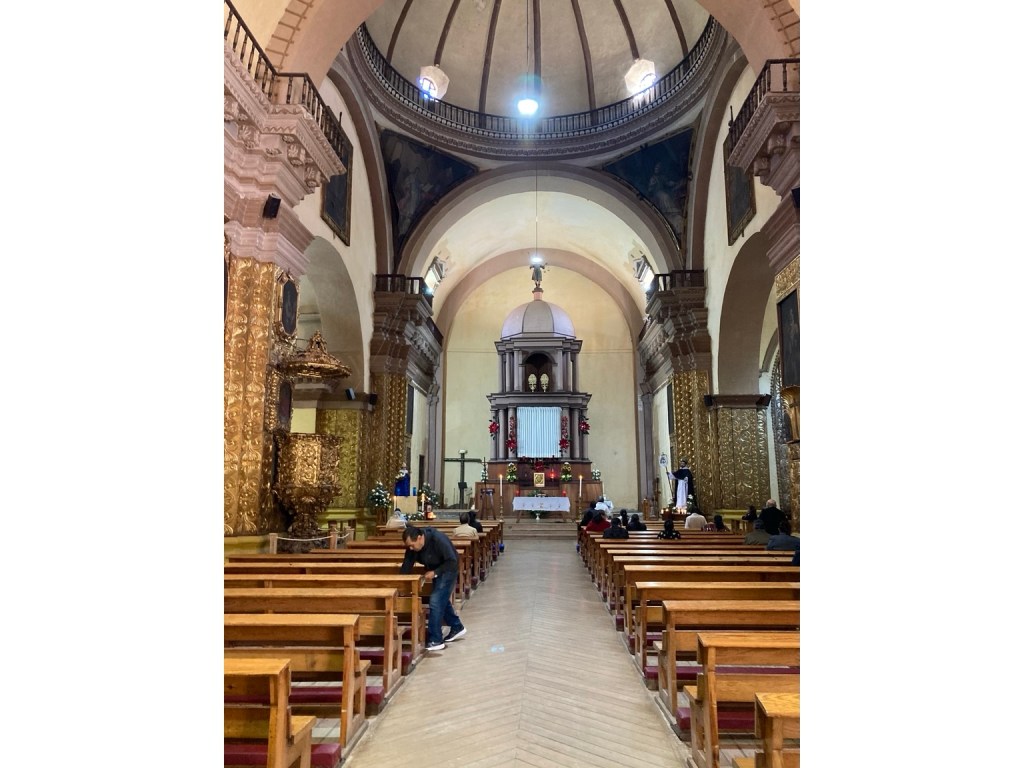
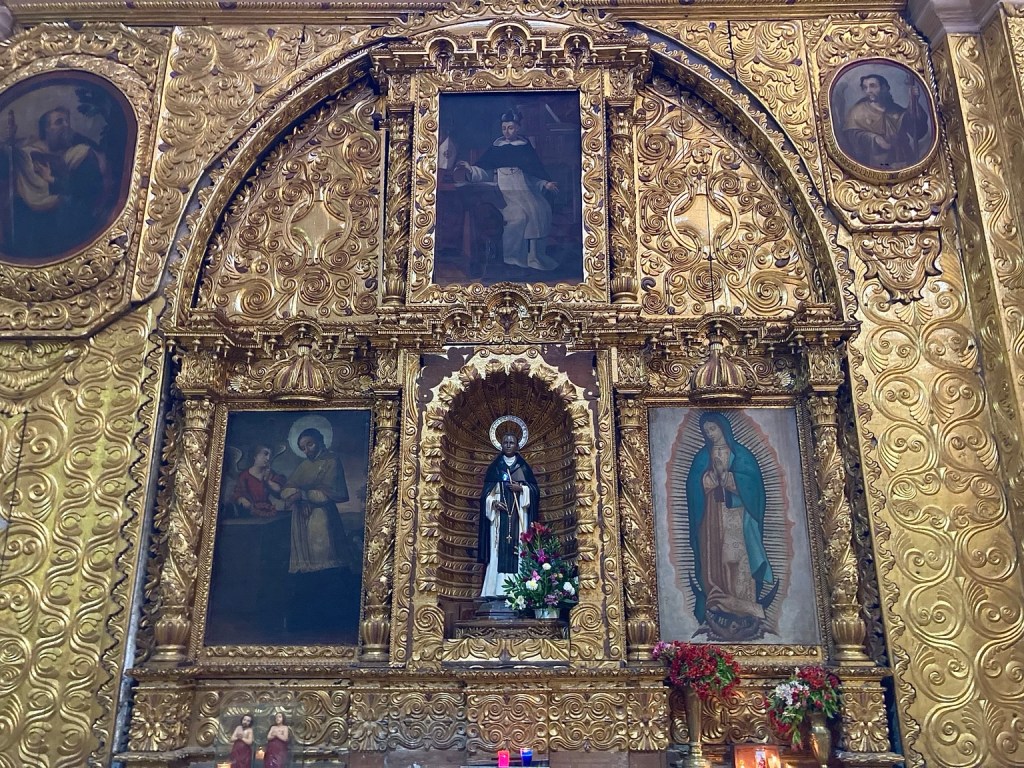
… and Church of Saint Domingo decorated with plenty of gold leaf.
Anna told us of the importance of the Lady of Guadalupe as a profound symbol of Mexican identity. She is always depicted as a woman of mixed Indigenous and European features and she wears a turquoise cape with a sunburst.
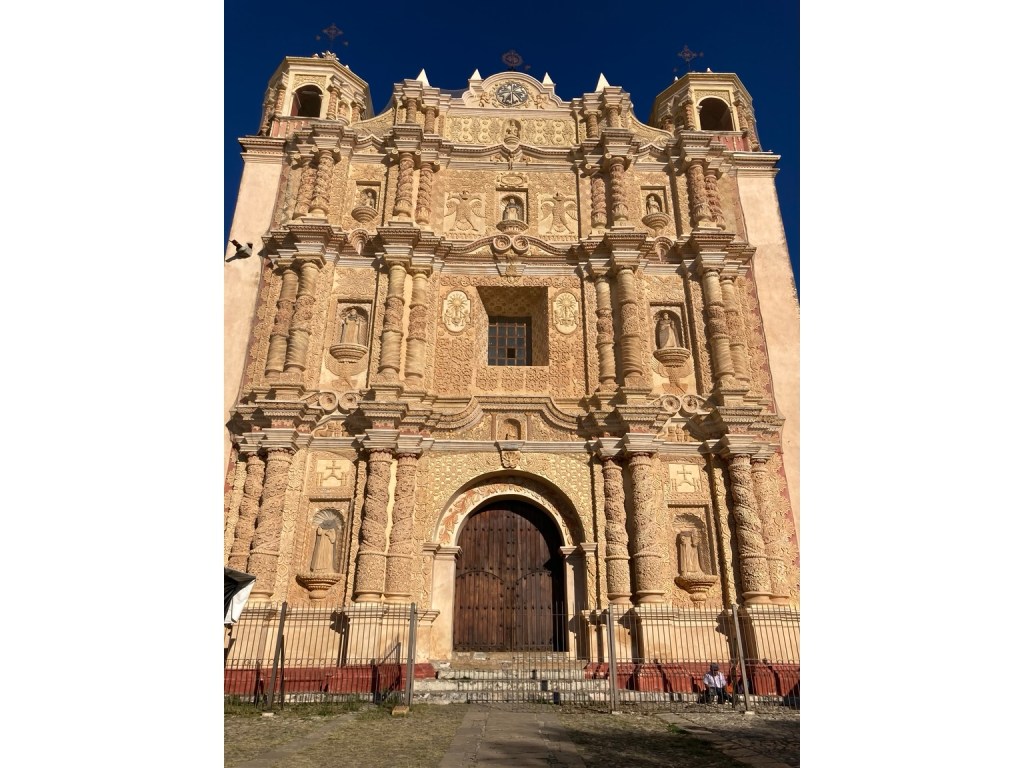
We actually returned to later to see the intricate carvings of the main facade lit with the afternoon sun.
As we walked through the Barrio del Cerrillo, Anna started to talk about Chiapas and San Cristobal. The town was begun by the Spanish as a military fort in 1528. Its elevation in the highlands means that it sees chilly nights and warm days, but temperatures are pretty constant all year. Chiapas, like Oaxaca has a large indigenous population with 12 distinct groups. Here they are directly descended from the ancient Maya civilisation, but each group has developed its own unique customs and culture.
Anna spoke strongly about the life and rights of indigenous people, particularly women, and spends time working with these groups and young people.
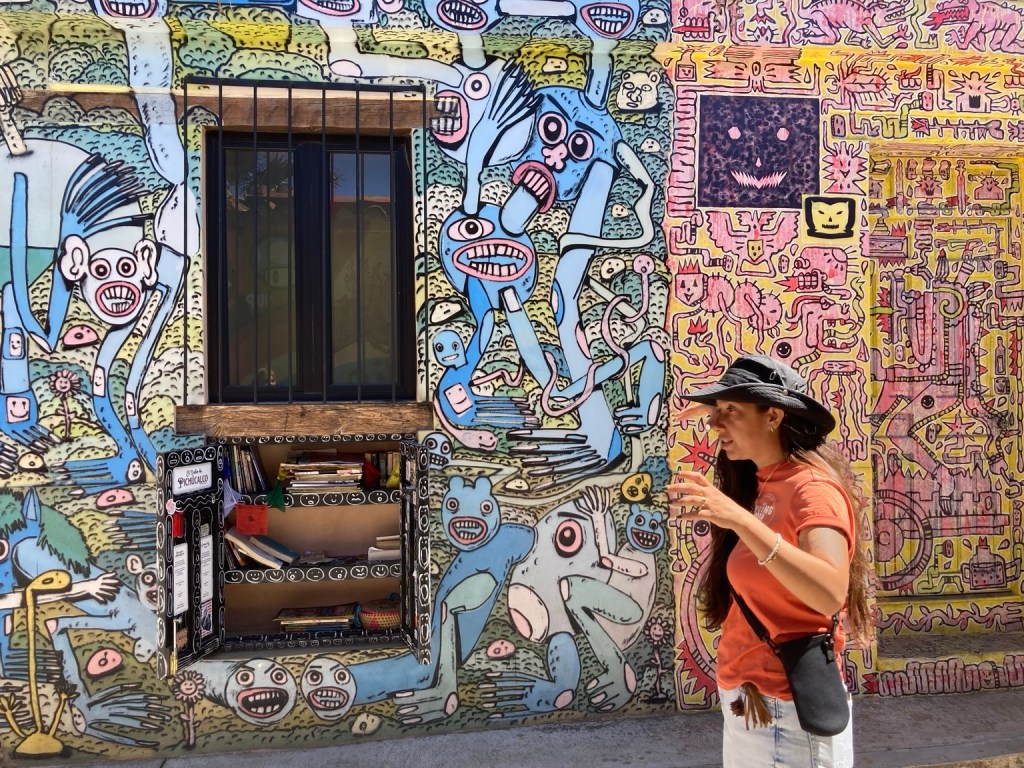
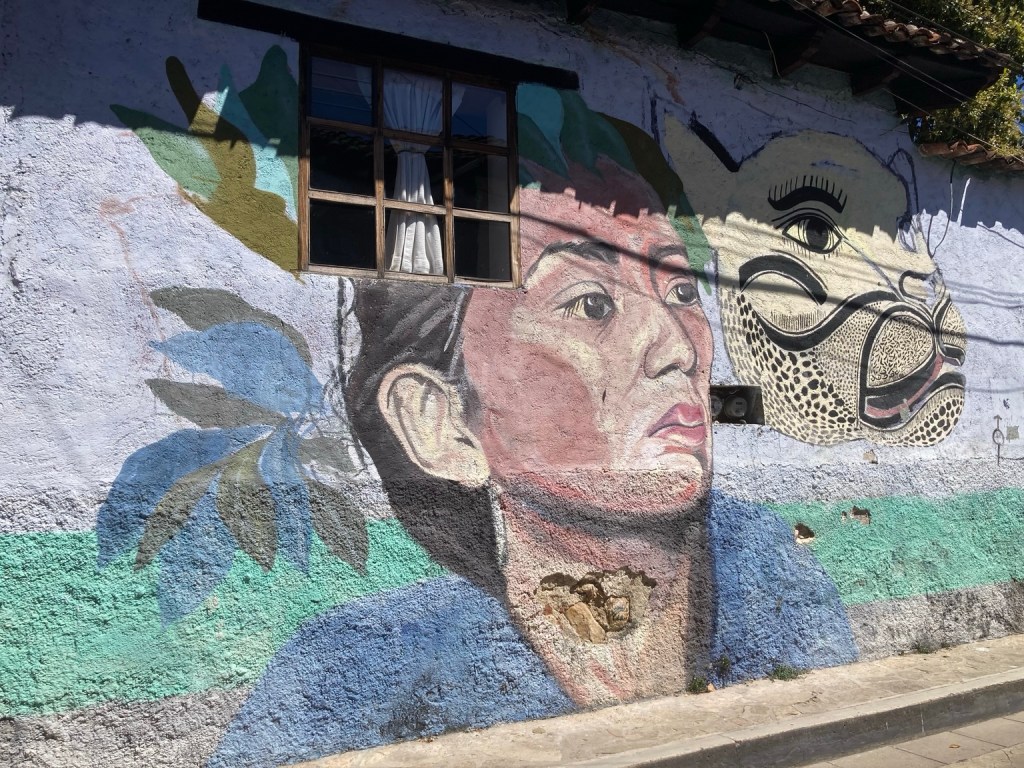
She mentioned the Zapatista uprising in Chiapas in 1994 led by indigenous people demanding equal rights. Several municipal capitals were taken, including San Cristóbal and after 12 days, civil pressure led to a ceasefire. Subsequently, indigenous rights were recognised in the Constitution, but indigenous people still don’t have proper access to education and without even being able to speak Spanish, are obviously at a disadvantage. These murals remember this time and the role women played …
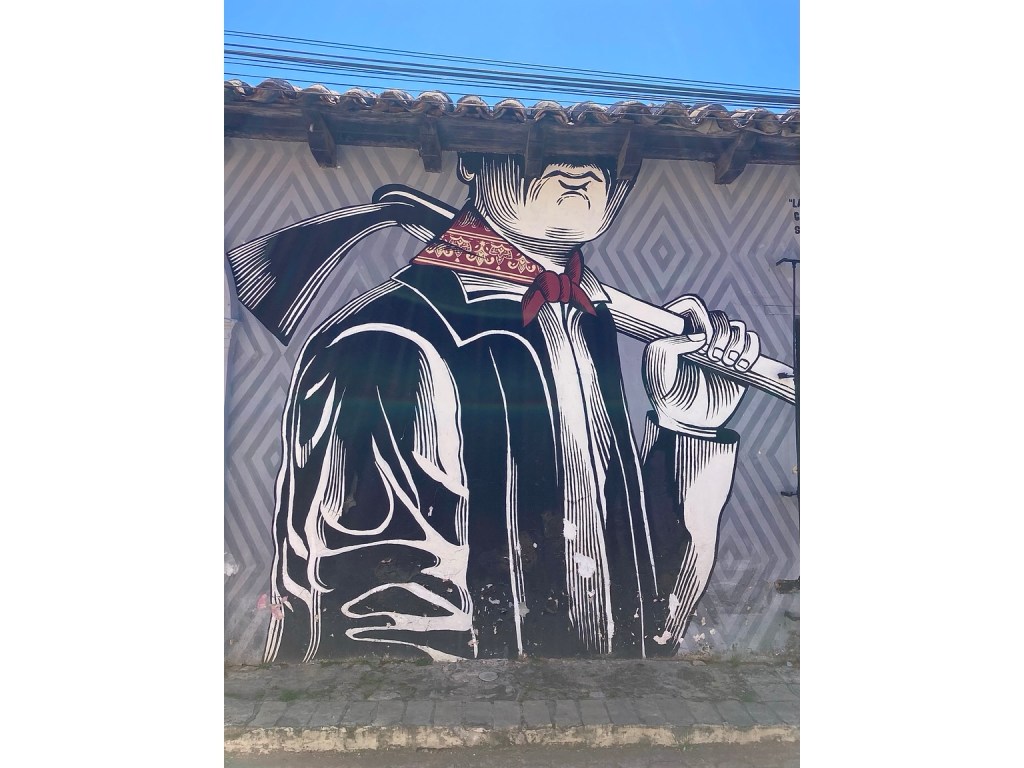
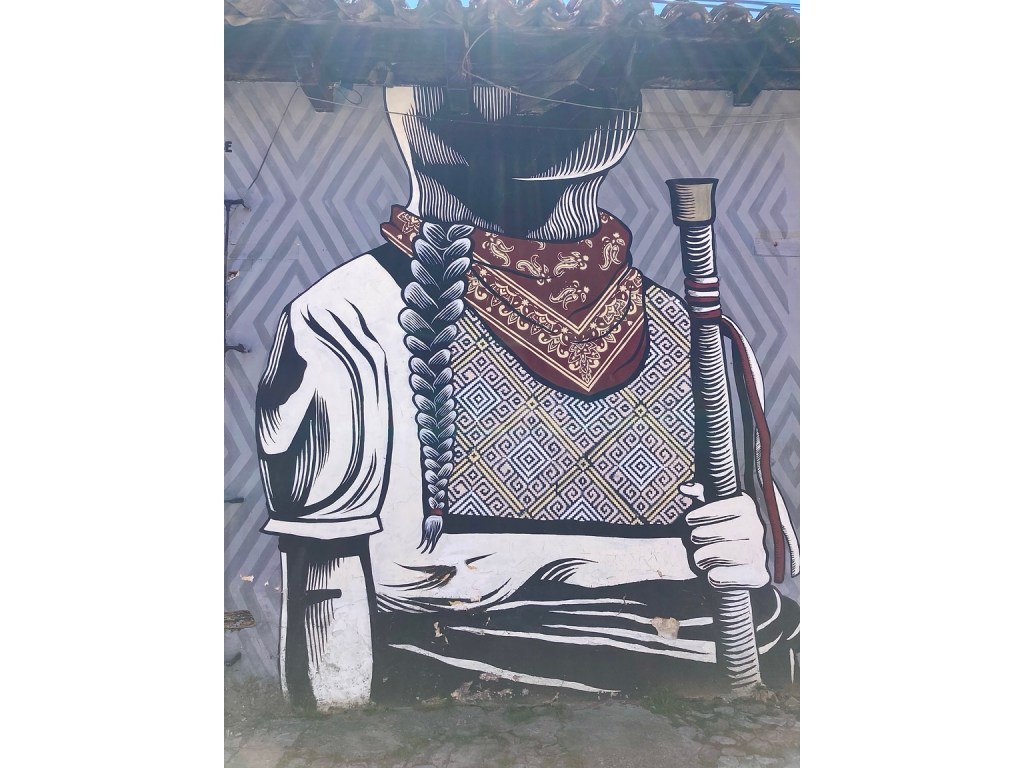
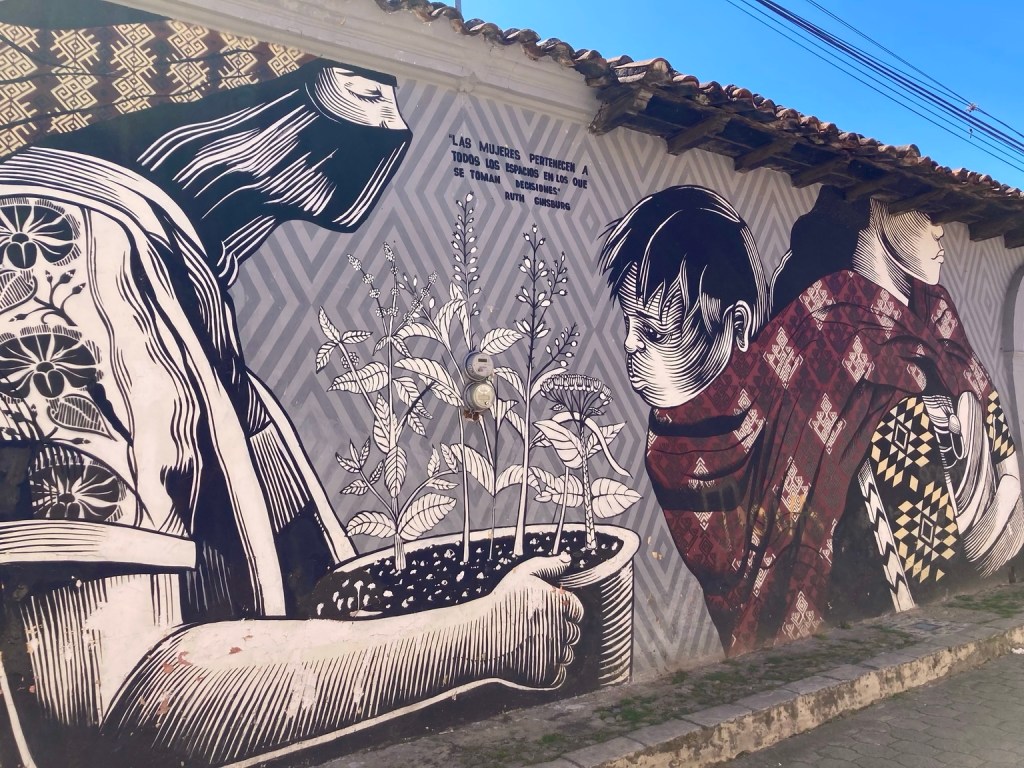
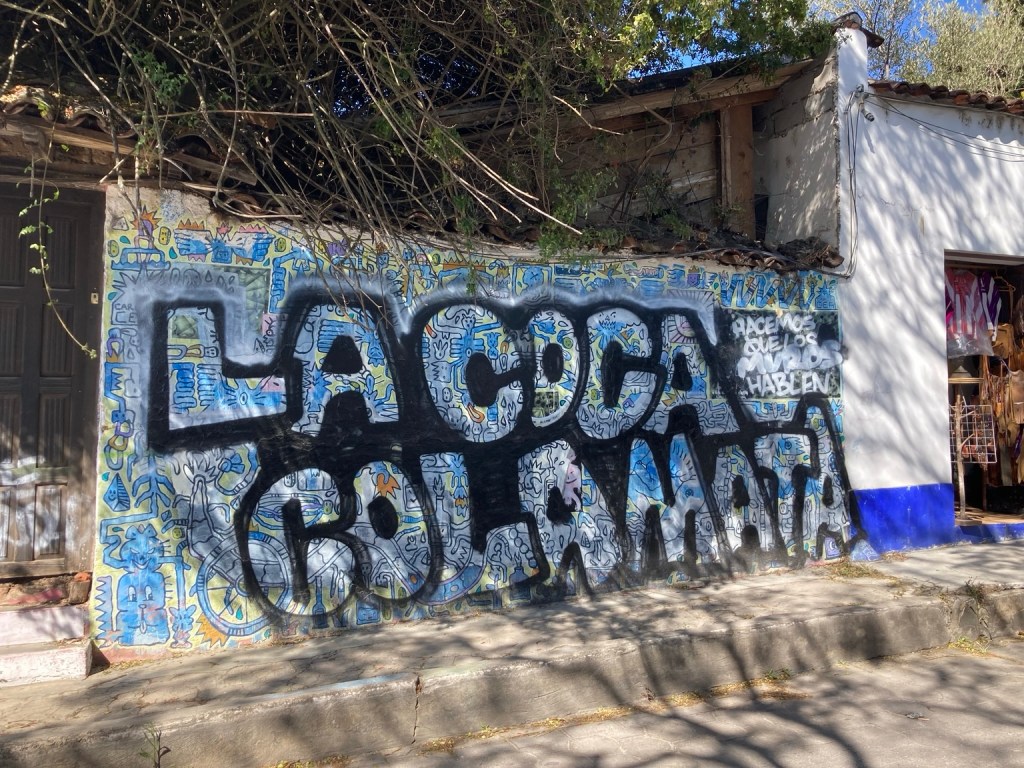
We saw several murals and stickers protesting against Cola-Cola which is deeply embedded here with the world’s highest consumption of over 2 litres a day each. Unsurprisingly, diabetes is a severe and increasing problem here.
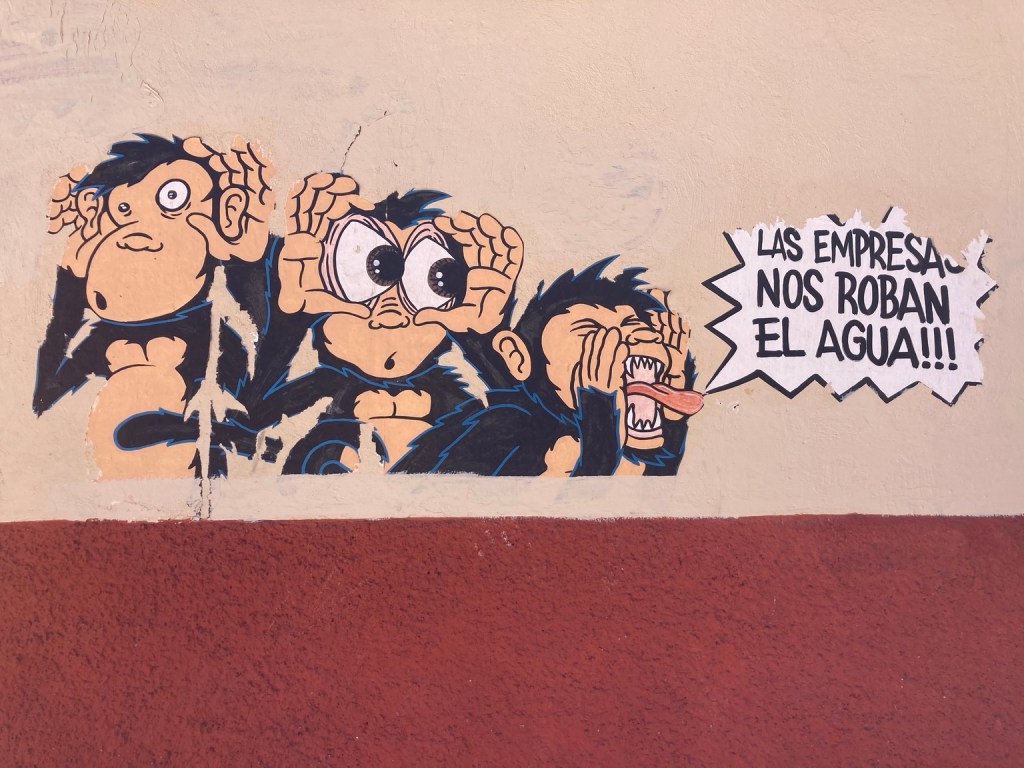
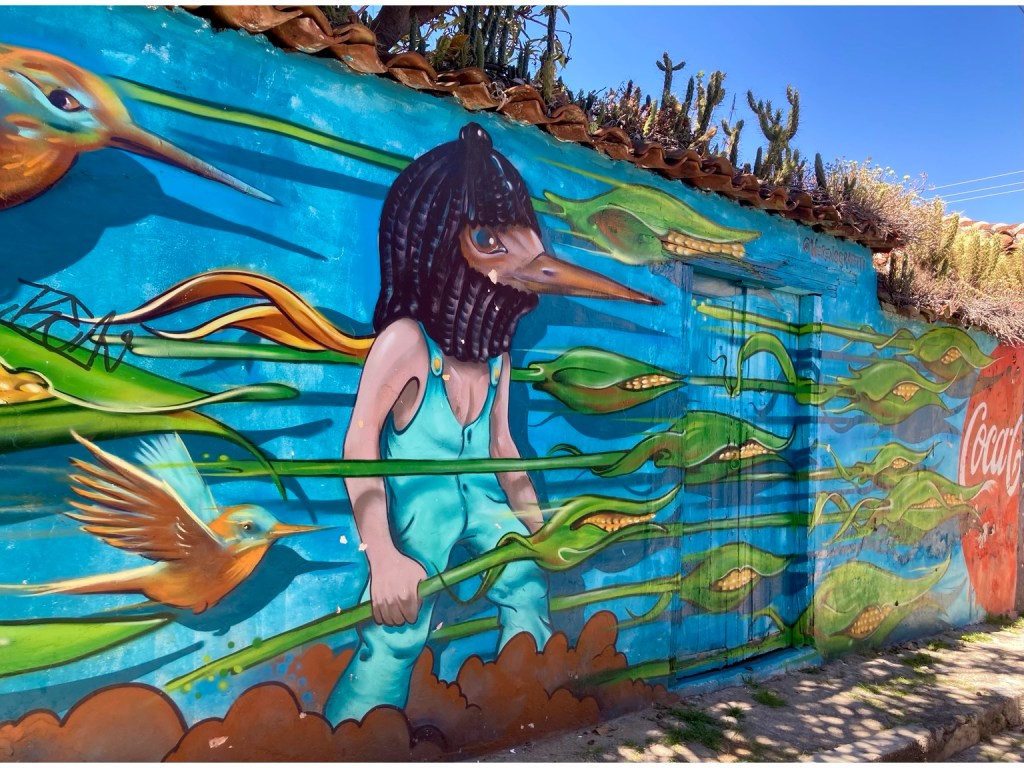
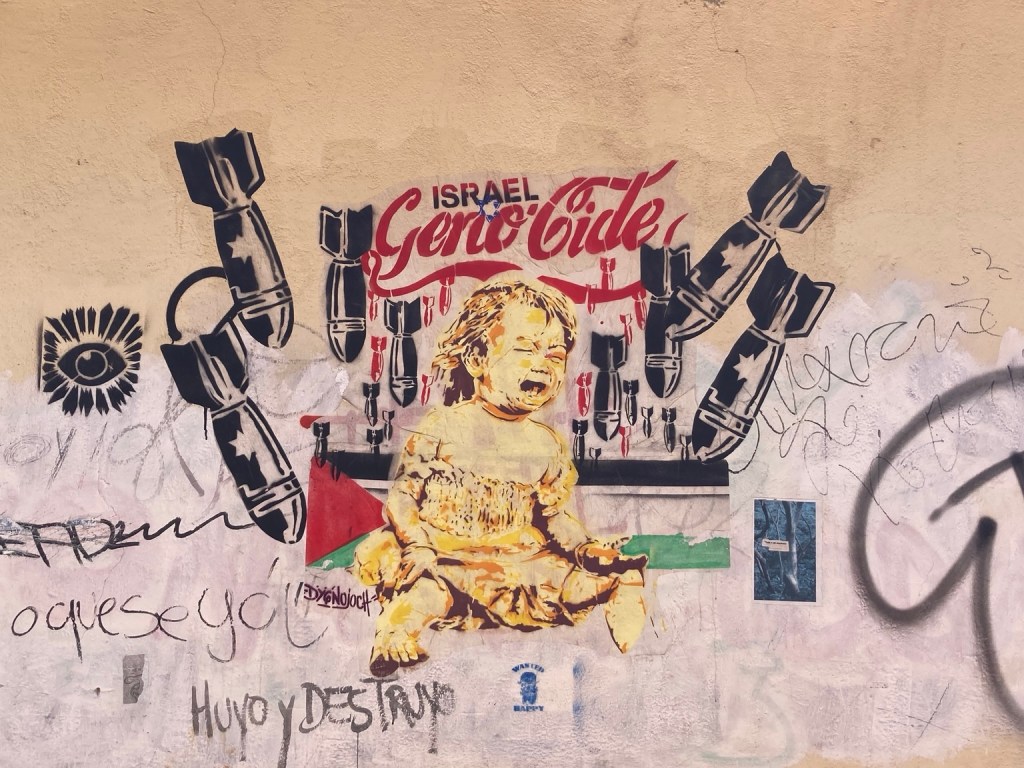
Their marketing in the 1960/70s made it a status symbol and a substitute for the traditional alcohol used in religious ceremonies.
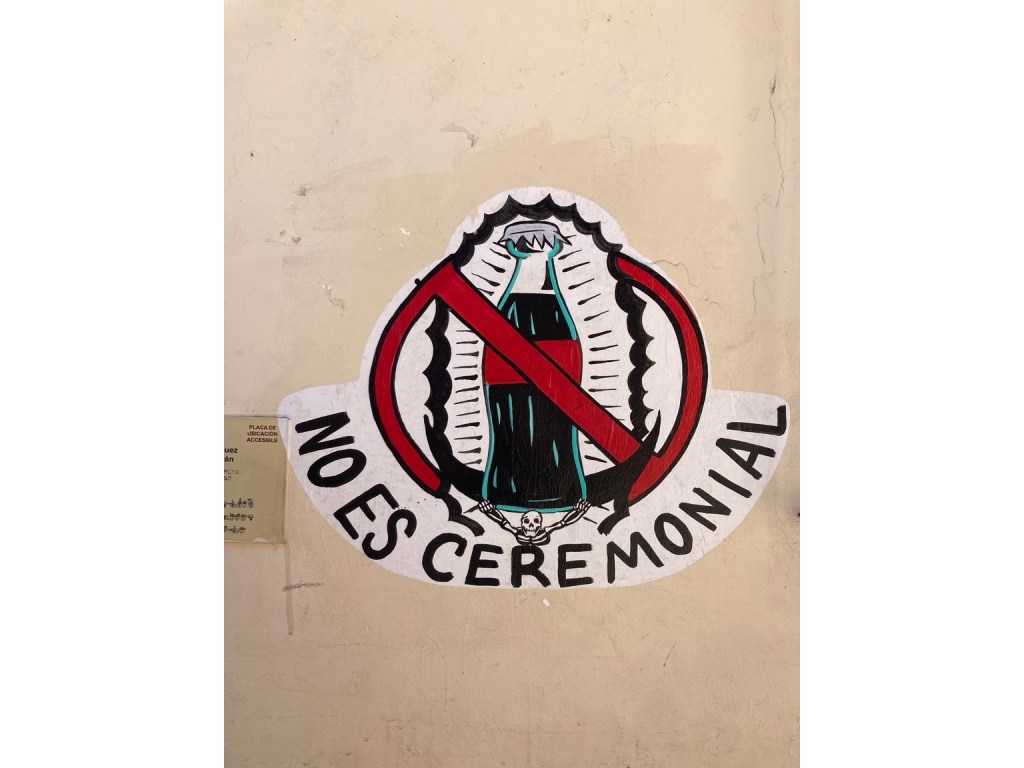
In addition, the local bottling plant opened in the 1990s operates under government concessions and consumes so much water it leads to local shortages … but it also employs 16,000 people creating yet another dependency.
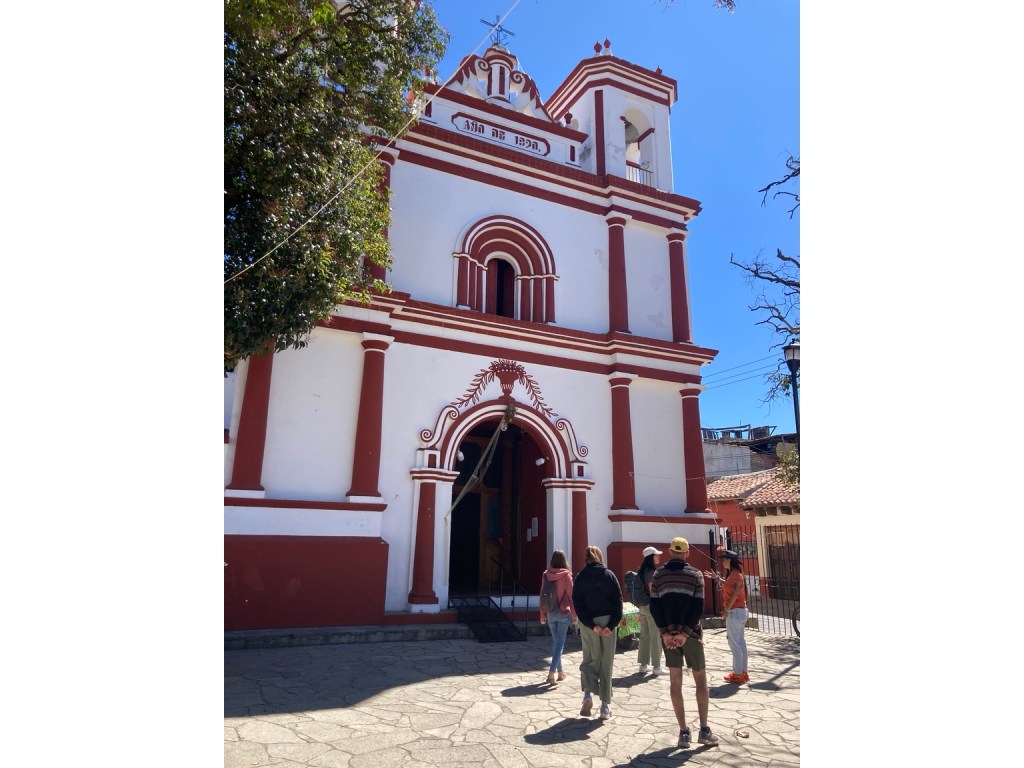
Making our way back, here is the church in the centre of the barrio …
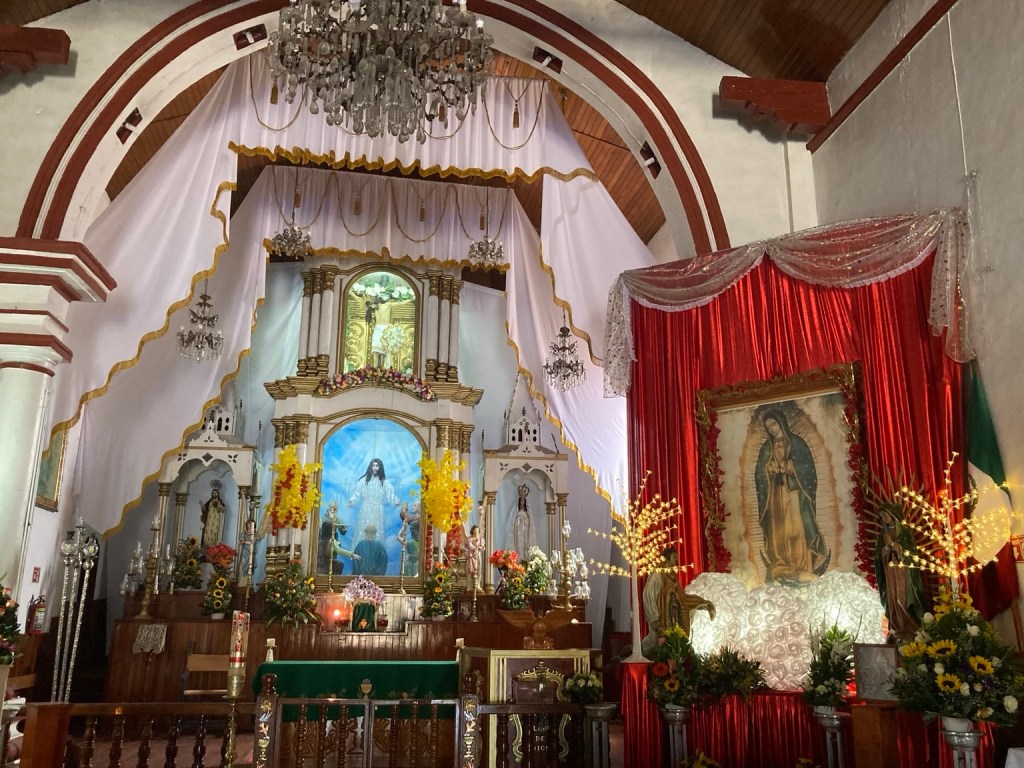
… and we finished at a cafe where we had a tasting of pox, pronounced “posh”, the local artisanal liquor distilled from fermented corn and sugarcane, often used in religious ceremonies.
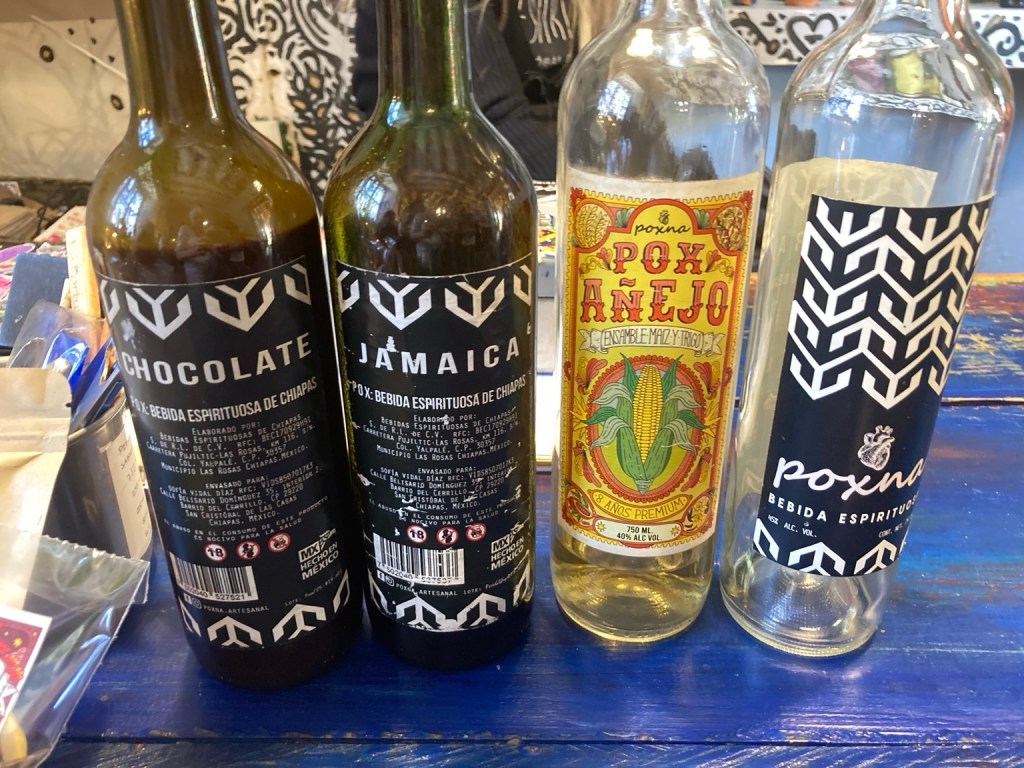
We tried it neat and also flavoured with hibiscus and chocolate!
Tzotzil is the indigenous Mayan language spoken in and around San Cris and we learnt that kolaval means thank you, but can also be used as a toast … so kolaval!
After the tour we meandered back, took some downtime and had a huge shock when our phones burst into life with a loud noise! It was an automatic seismic alarm due to continued activity with small quakes 3.0-4.0 reported locally. When we checked, the nearest was 95km away and they were too small to be of any consequence, but it’s worth noting that San Cris has had at least 4 quakes higher than 7.0 since 1900!
An early dinner and we were keen to get a good night’s sleep after our night on the bus.
 Off Travelling Together