
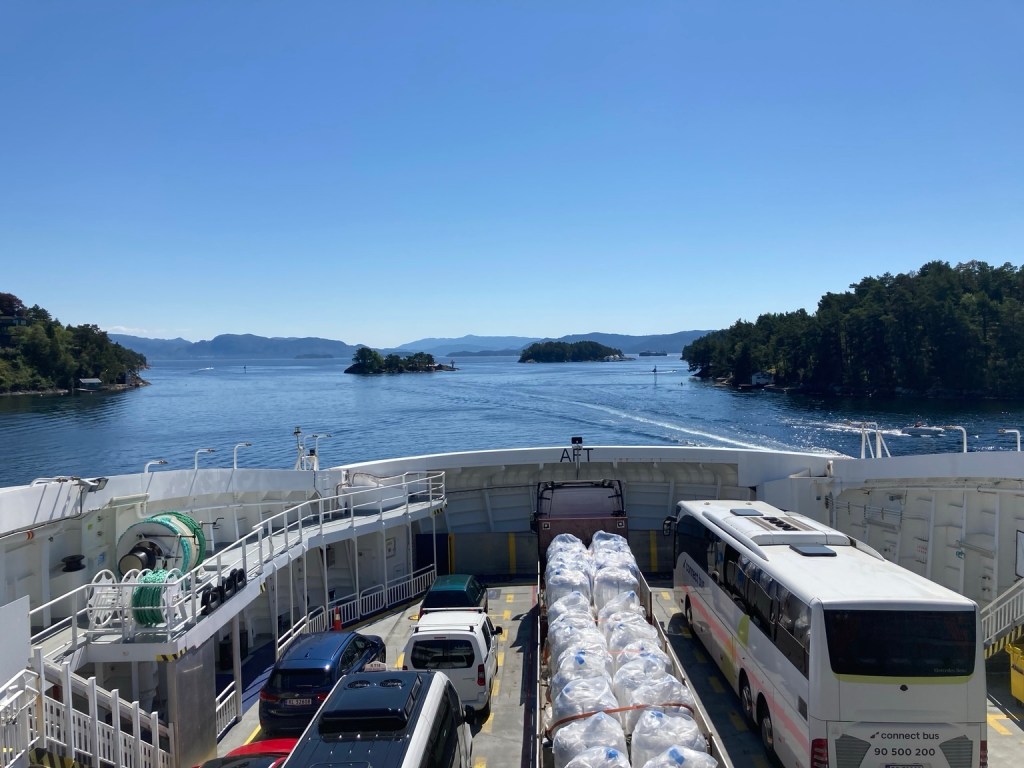
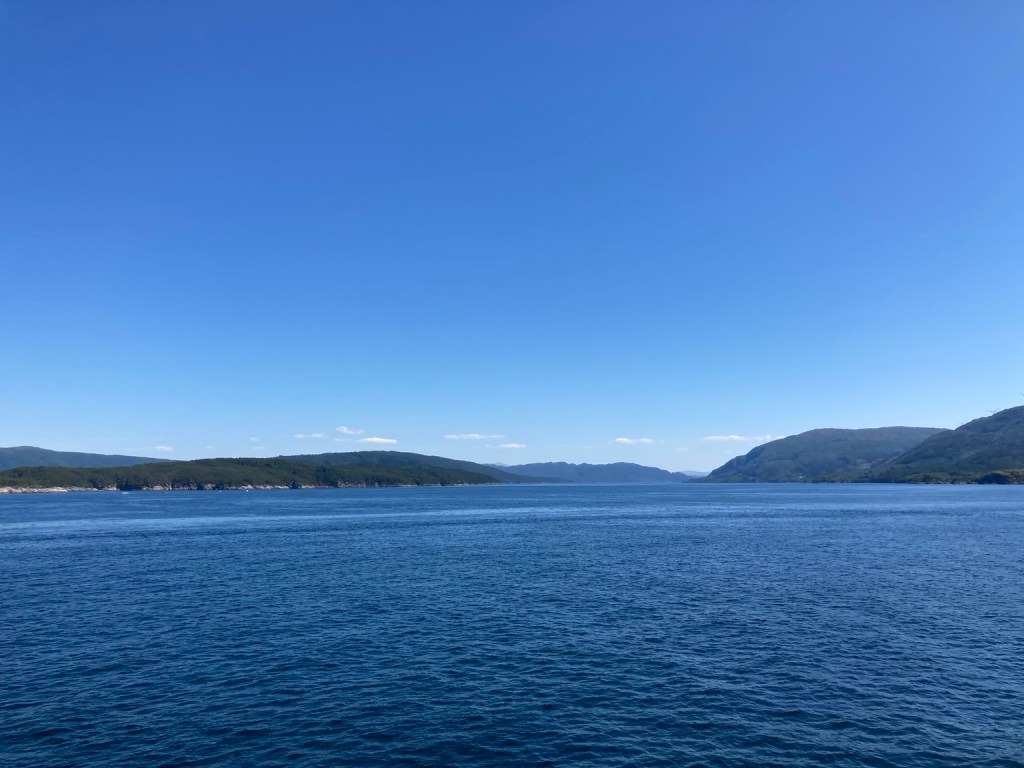
We travelled along Norway’s southwest coast by land and sea, including two ferry crossings and a submarine tunnel.
We stopped to see the Sverd I fjell monument commemorating the Battle of Hafrsfjord in 872, when King Harold Fairhair gathered all of Norway under one crown …

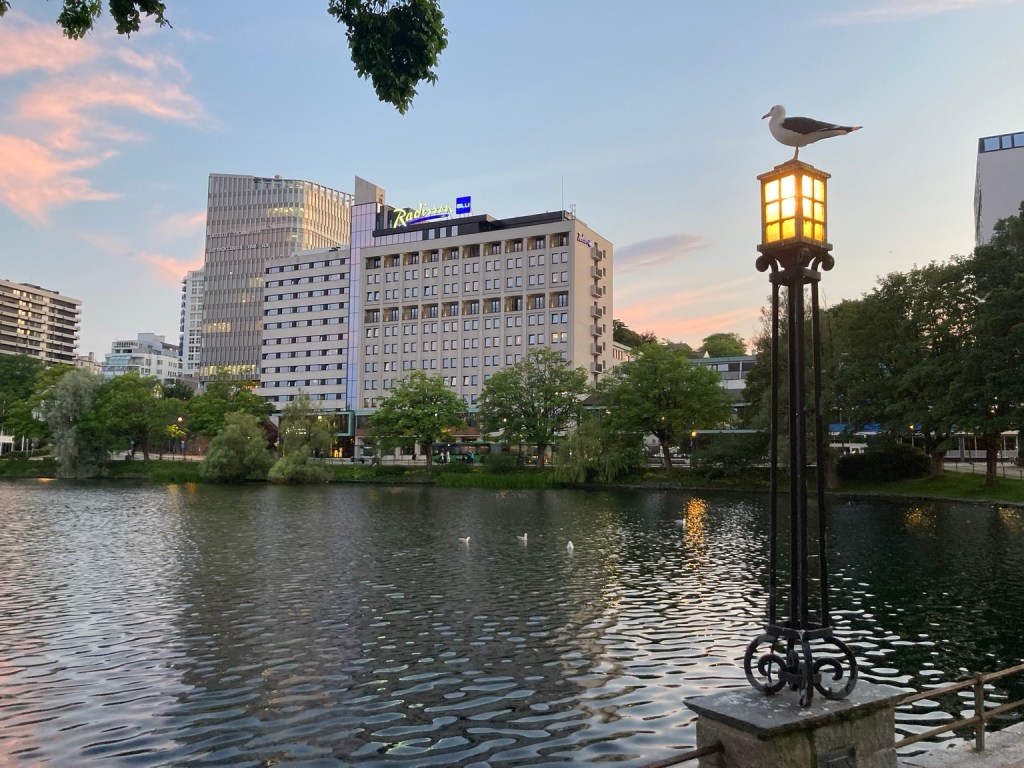
… and soon afterwards, we were checking into our hotel in Stavanger where we had a great view of the central lake or Breiavatnet.

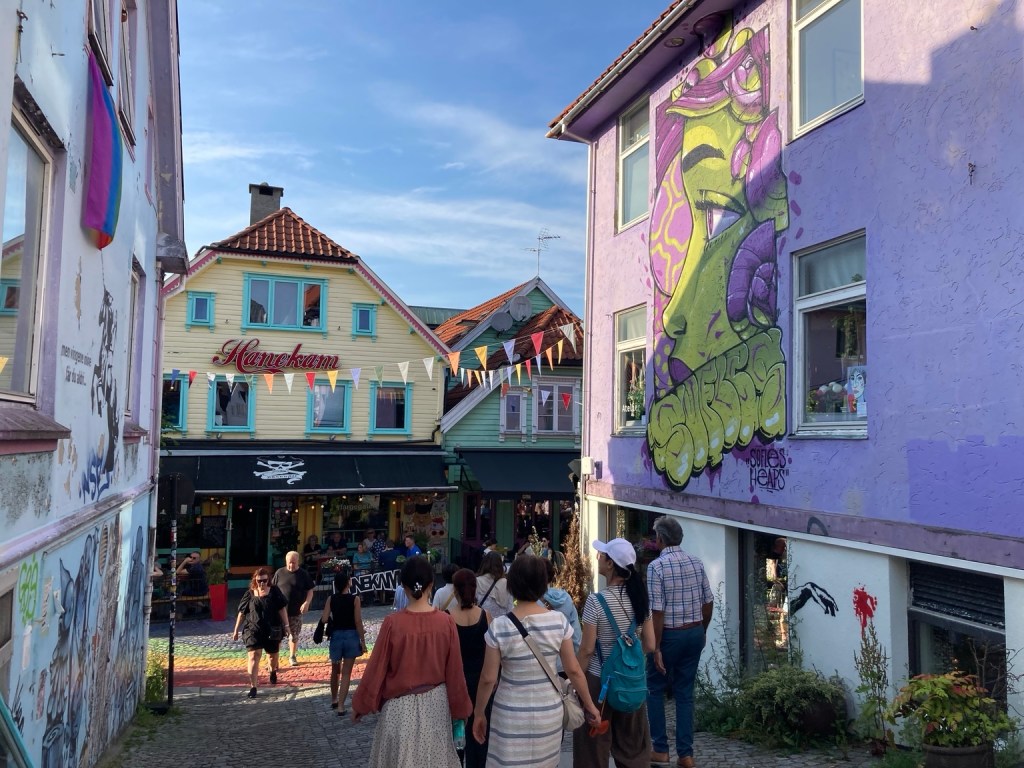
We had a brief guided walk through colourful backstreets dotted with restaurants and decorated by vibrant street art driven by an annual festival.



Reaching the harbour …
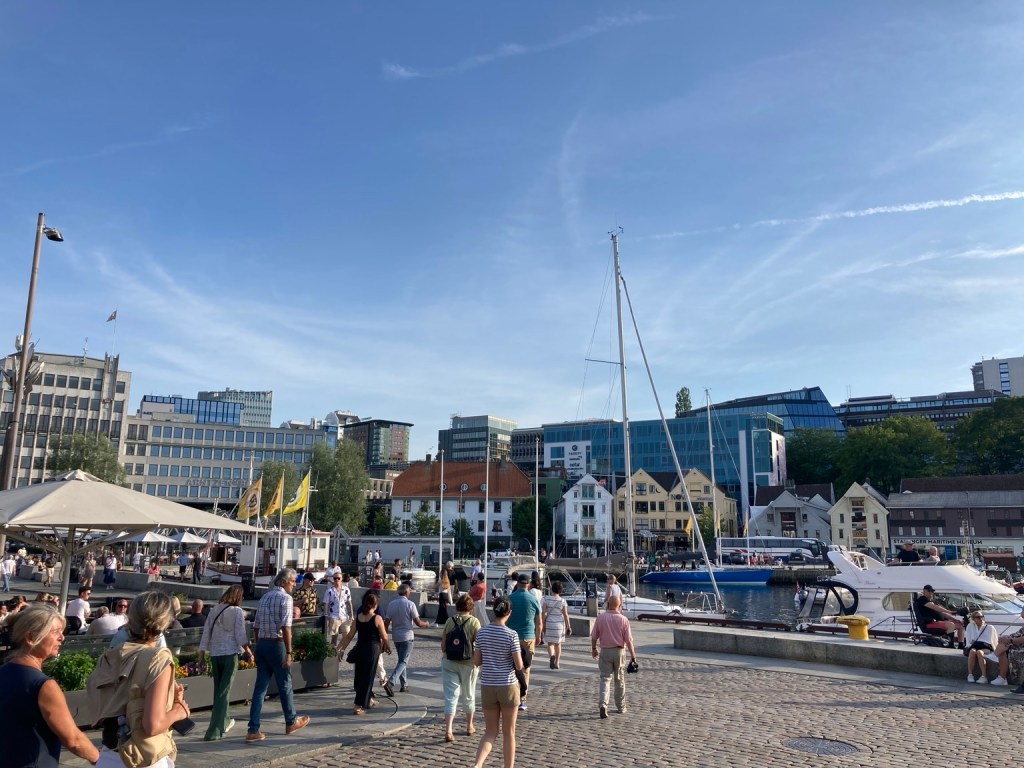
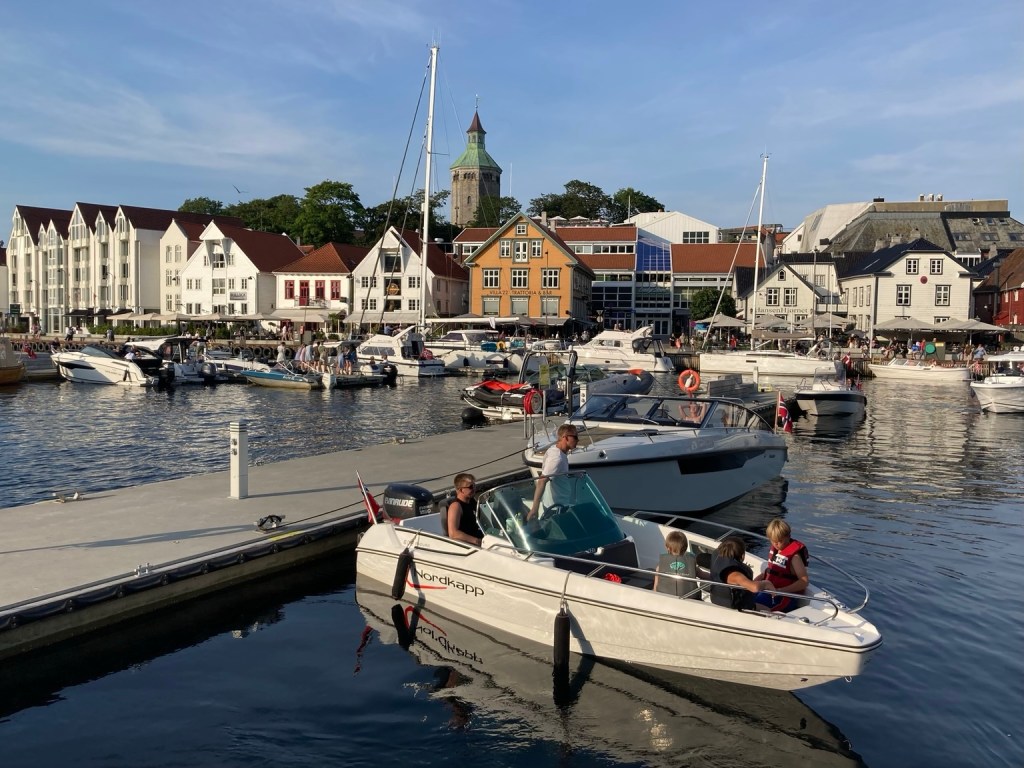
… there were wharves originally built to support the herring trade in the C19th, but now containing vibrant bars and restaurants.

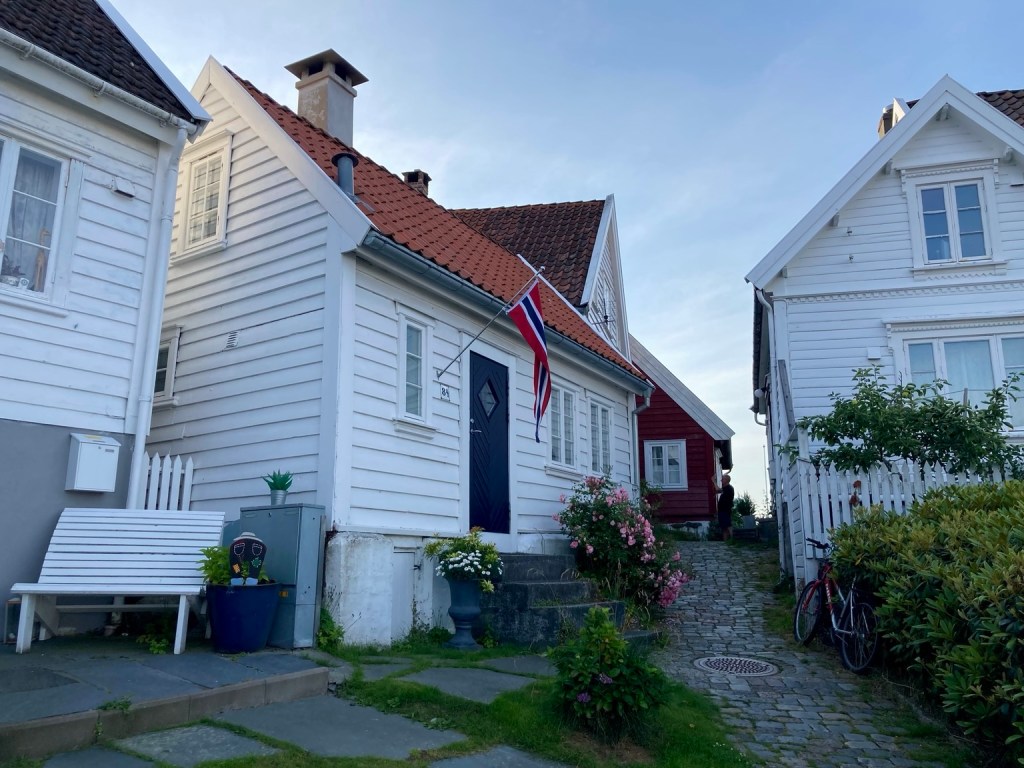
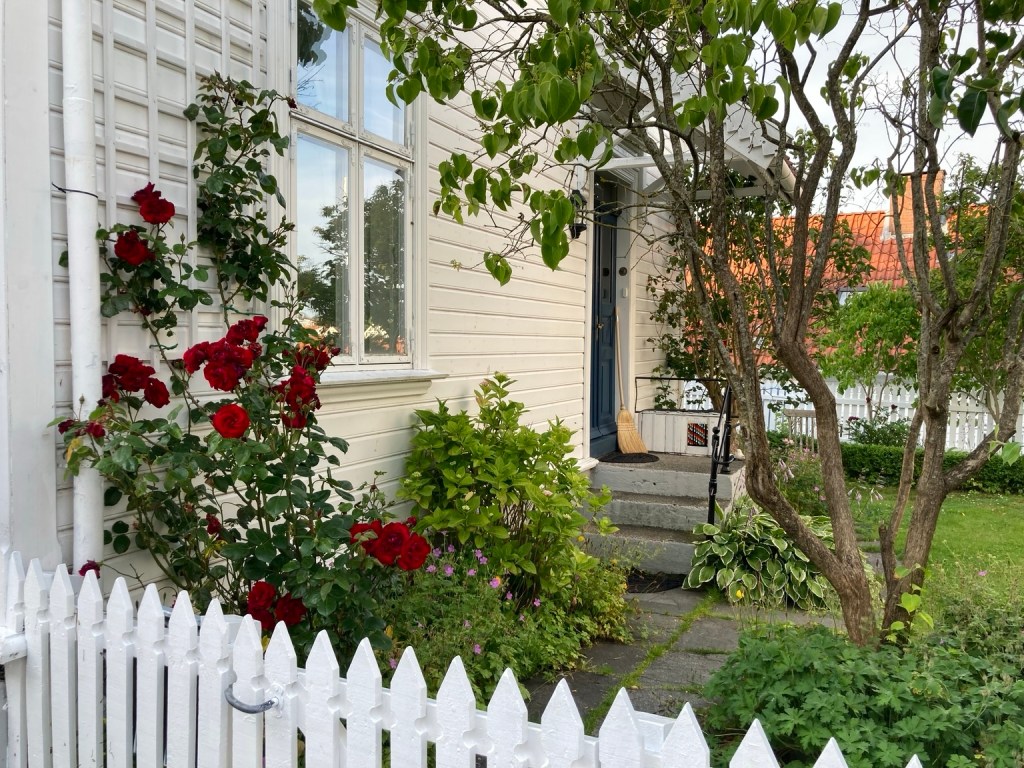
With an evening at leisure ahead, we enjoyed wandering through the lovely wooden houses of the old town where there was a photo round every corner.




Peckish, we stopped for dinner where we found great veggie options.
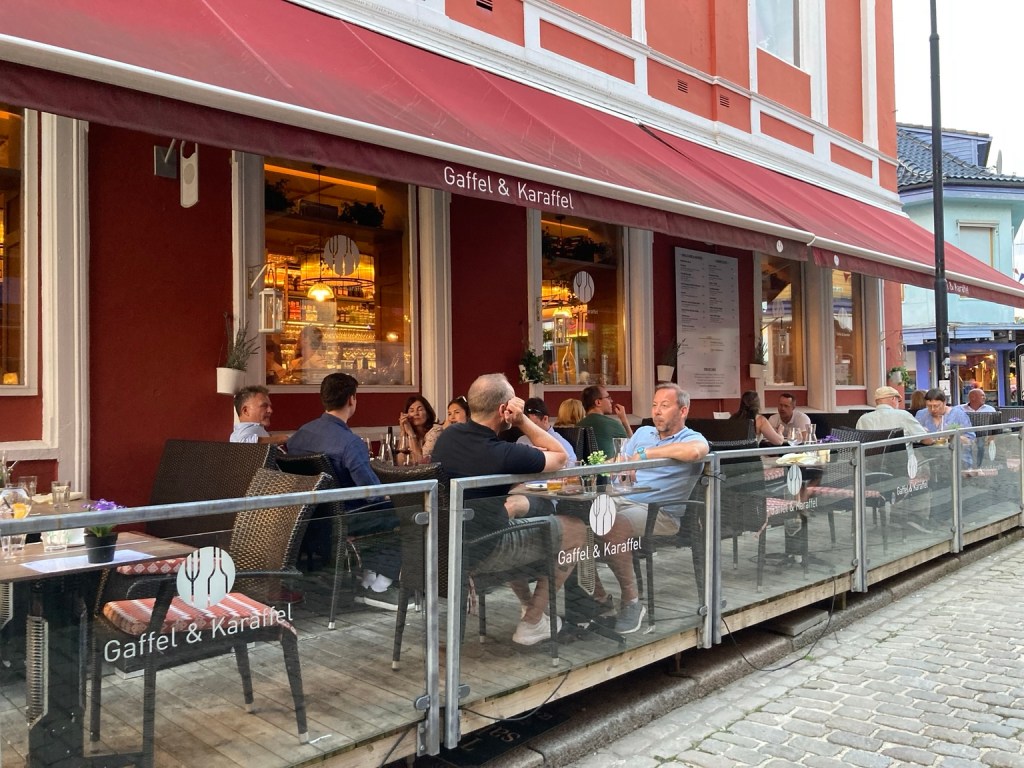
In fact, this was the first leisurely dinner of the trip, and we celebrated with drinks, mine an aquavit mule and for Chris a local beer.
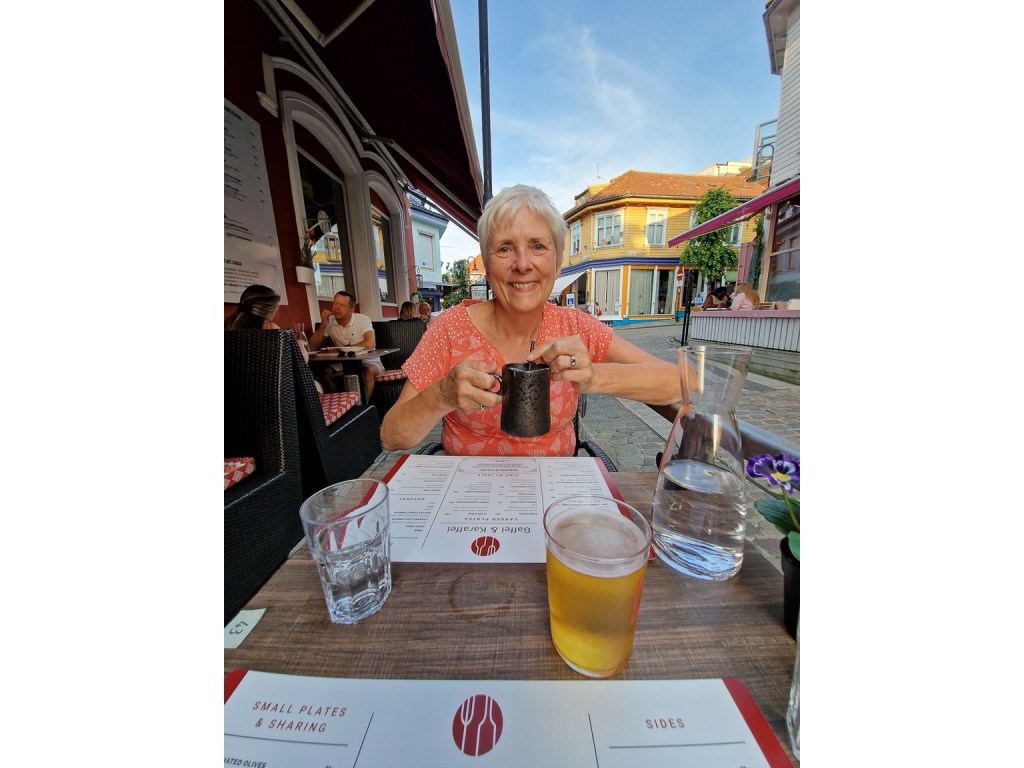
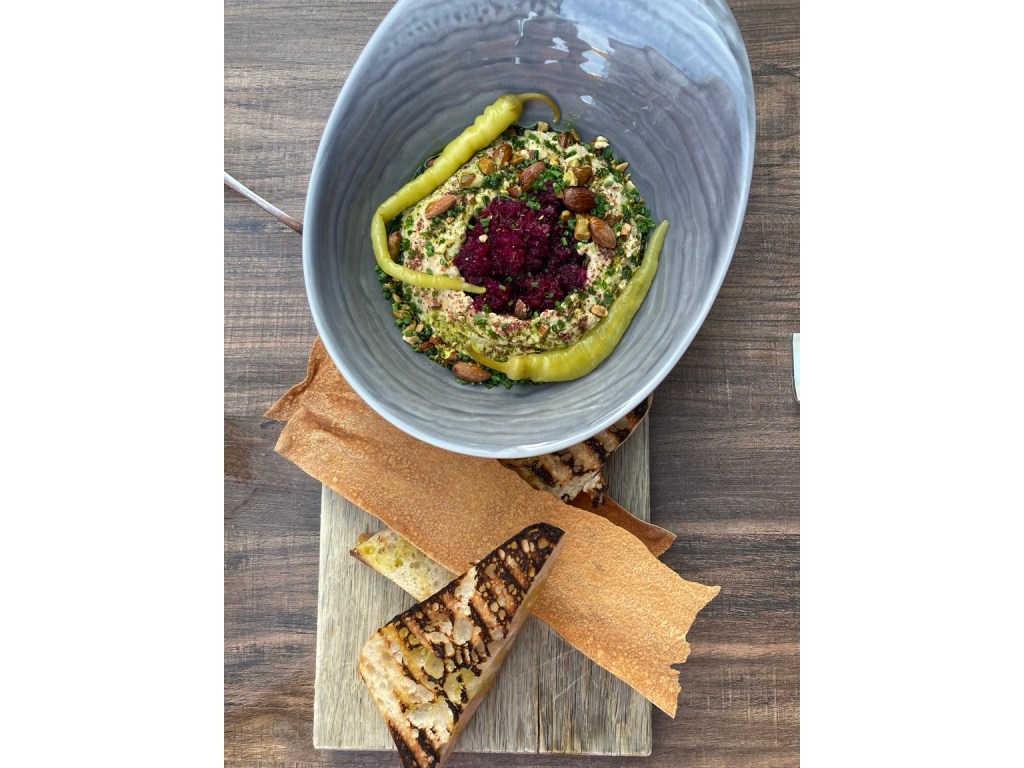
In Norway, the state endeavours to save the population from themselves by imposing huge tax levies on alcohol, having a state-owned alcohol monopoly called Vinmonopolet and banning advertising. In fact, even eating out is quite expensive, but having virtually ducked dinner the night before, we threw caution to the wind! We shared humous to start …
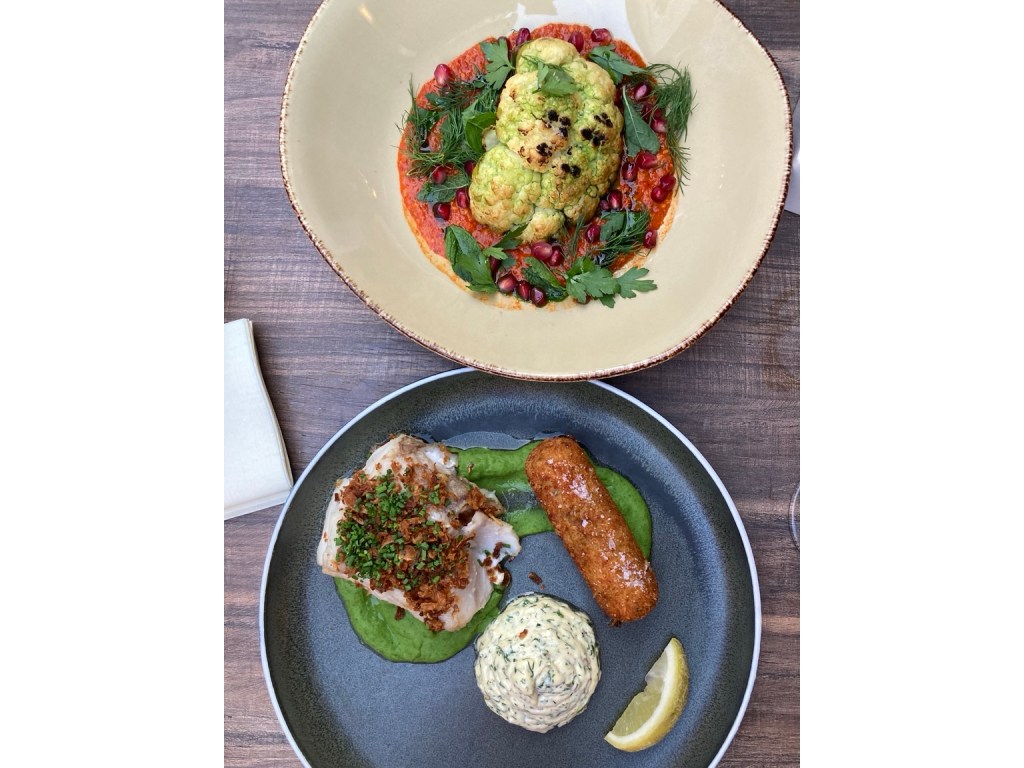
… and followed with roasted cauliflower with romanesco sauce for Chris and deconstructed fish & chips for me, with a glass of wine each, and while the bill might not be unusual in London, we thought it a tad steep.
On the way back we stopped at the Valberg tower built to keep watch for fires …
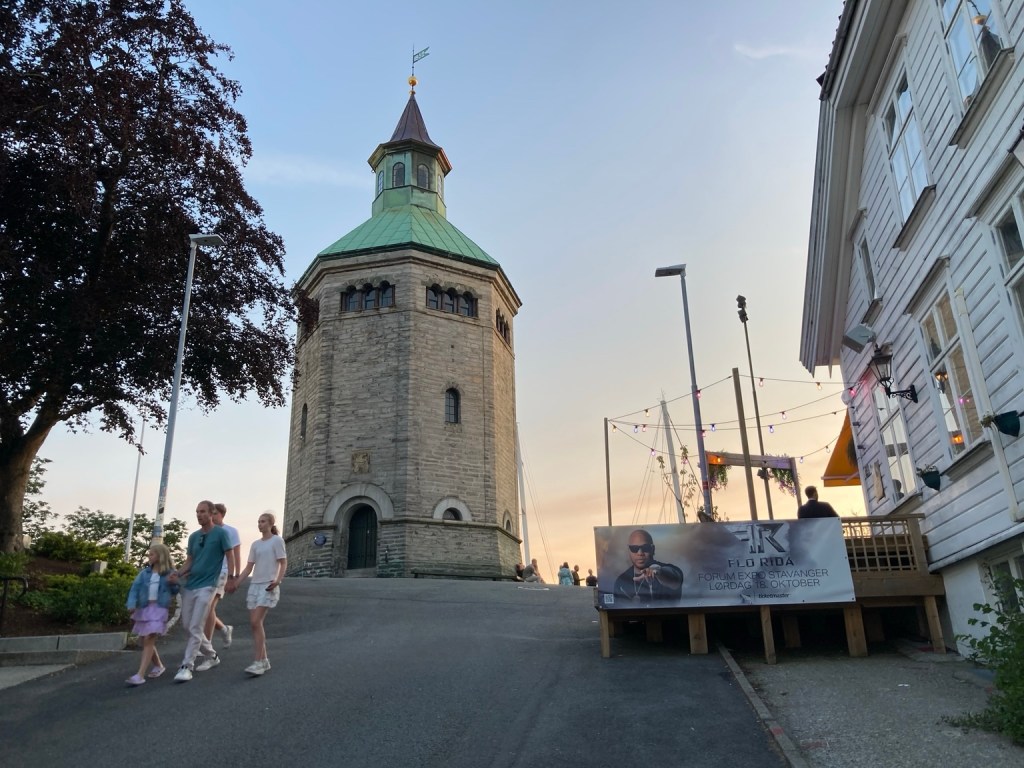
… and enjoyed the sunset …


… before walking back round the lake to our hotel.
Next day, we awoke to a grey morning.

It certainly meant that we saw the other side of Norway as we cruised through Lysefjord …
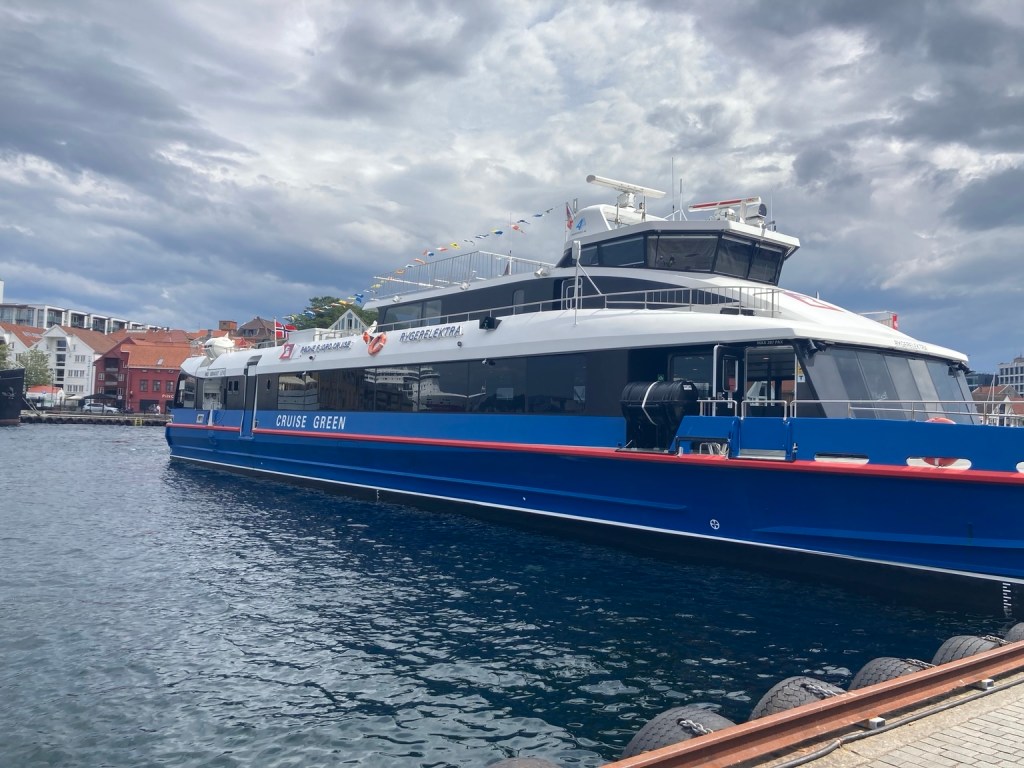


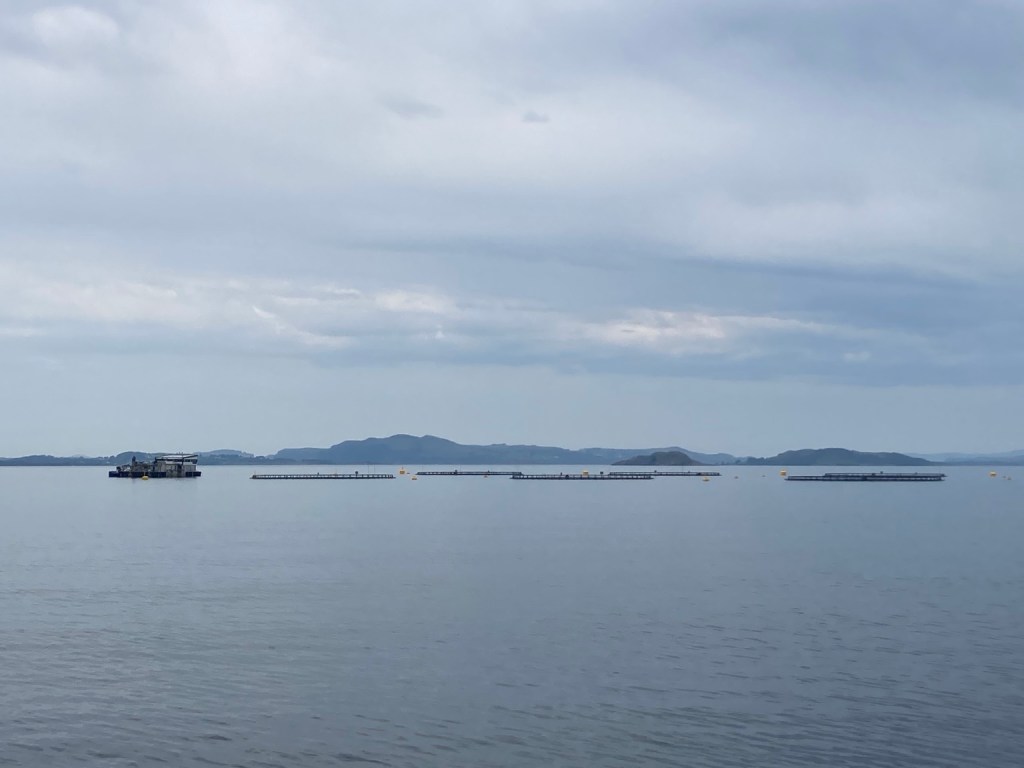
… past salmon farms …
… and into Lysefjord with sheer rock faces …
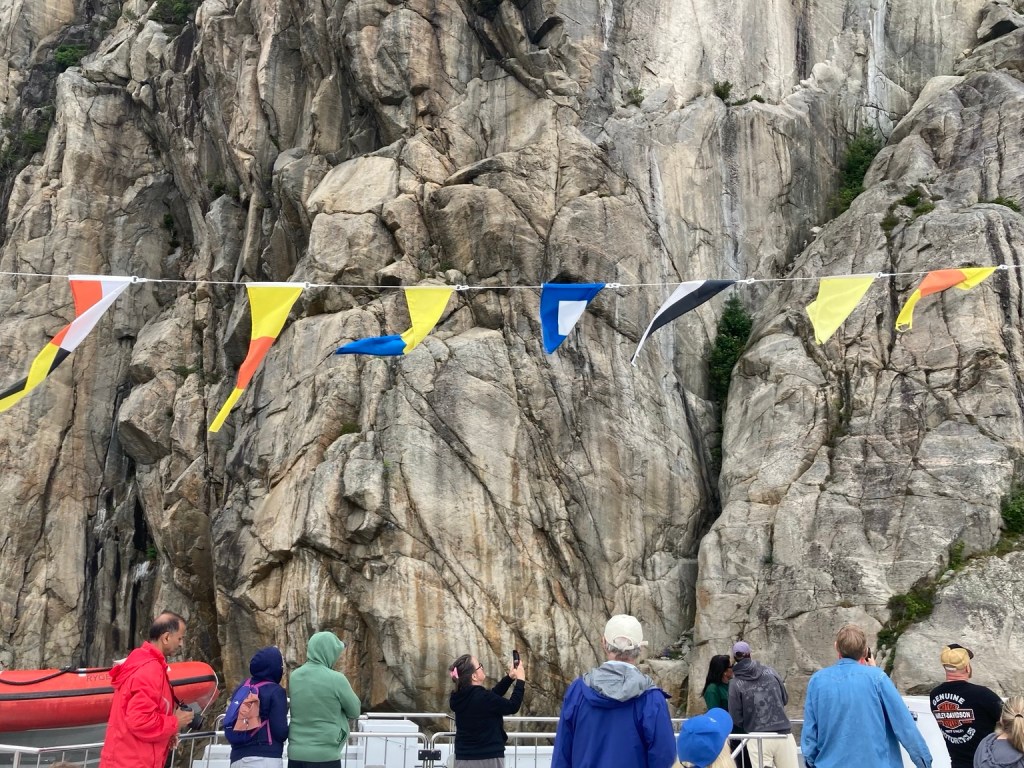
… a cave where vagabonds once sought refuge …

… and the 400m Hengjanefossen waterfall.

There was also Preikestolen or Pulpit Rock, a locally famed hiking destination which juts out dramatically over the fjord which we viewed from below.

Tiny people moving on the top could just be seen through a zoom lens and Chris had fun playing with the sliders on an image later!

Once back we had a break for lunch and spotted a couple of chaps keeping watch as we walked back from the harbour.
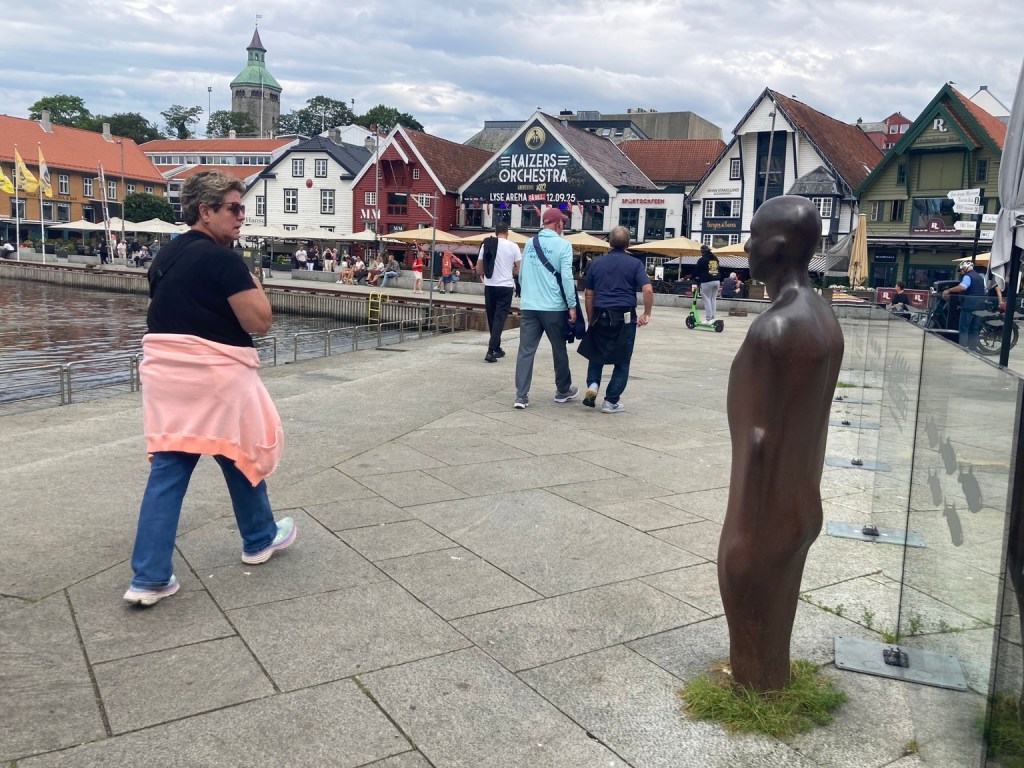

These are just two of the 23 figures installed throughout the town by Anthony Gormley as part of his art work called the Broken Column.
While we ate our sandwich, we reflected on how little we had heard about the most significant event in Norway’s history in the last 60 years. Oil was discovered in the Ekofisk field in 1969 and has completely changed the Norwegian economy, leading to the establishment of the Oil Fund which manages the revenue from petroleum activities and holds over US$1.9 trillion in assets. It is the world’s largest single sovereign wealth fund which translates to US$340,000 per Norwegian citizen and provides economic stability for Norway now and for future generations.
Today almost all this oil and gas is exported, and counter to this, and maybe as some form of compensation, Norway itself strides forward with green measures and targets. Electric vehicles abound – scooters, bikes, cars, trams and boats, with hydro responsible for almost all domestic energy supply. With longer in town, we could have visited the Norwegian Petroleum Museum, but it was not to be, but at least we spotted one oil rig!
Another afternoon drive brought us to the charming Revsnes Hotel, hugging the shore of Byglandsfjord.

It was already nearly time for dinner, but we were keen to walk out on the jetty and admire the view.


Spotting a handy little sandy beach, several of us had a quick dip …

… and the water was lovely!
Dinner was another buffet, but pretty good, and later we sat on the deck chatting and enjoying the view.

Back to Oslo tomorrow …
 Off Travelling Together