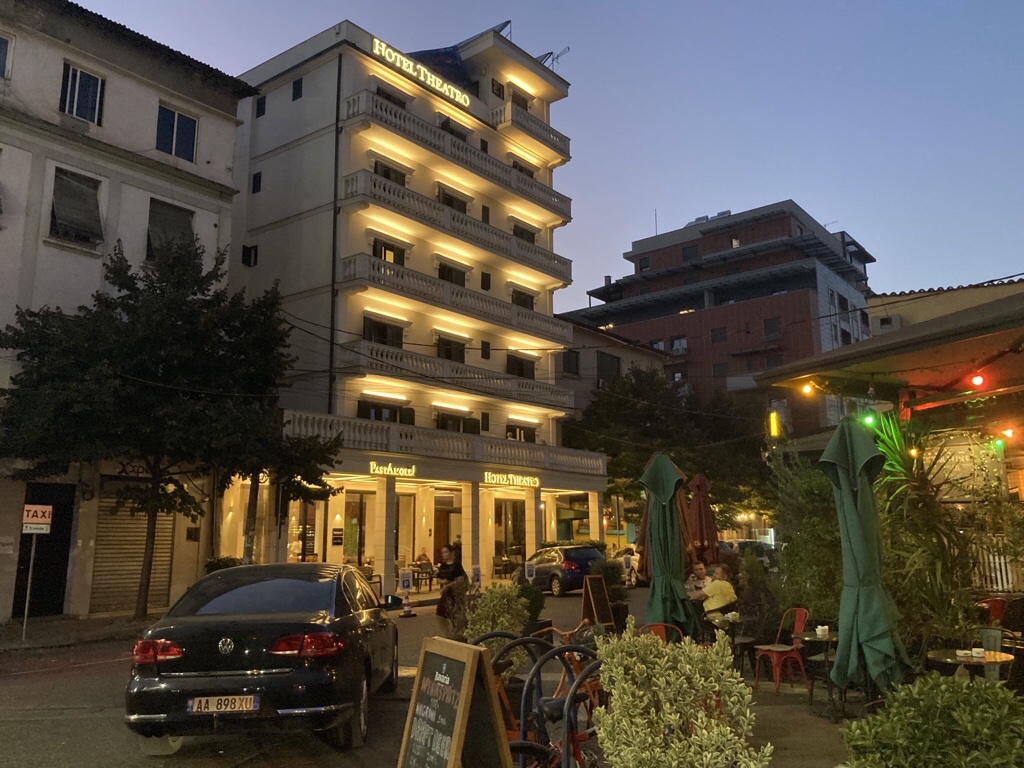
The sun set as we drove from the airport into the city of Tirana and we arrived at Hotel Theatro which is comfortable with welcoming staff speaking excellent English …
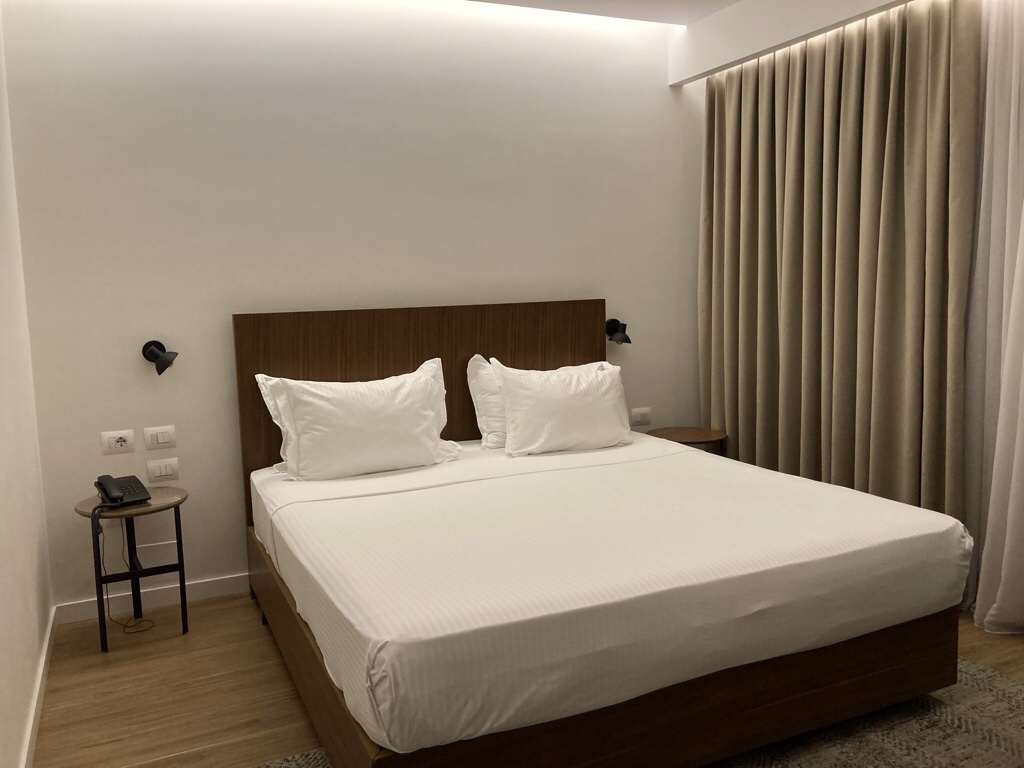
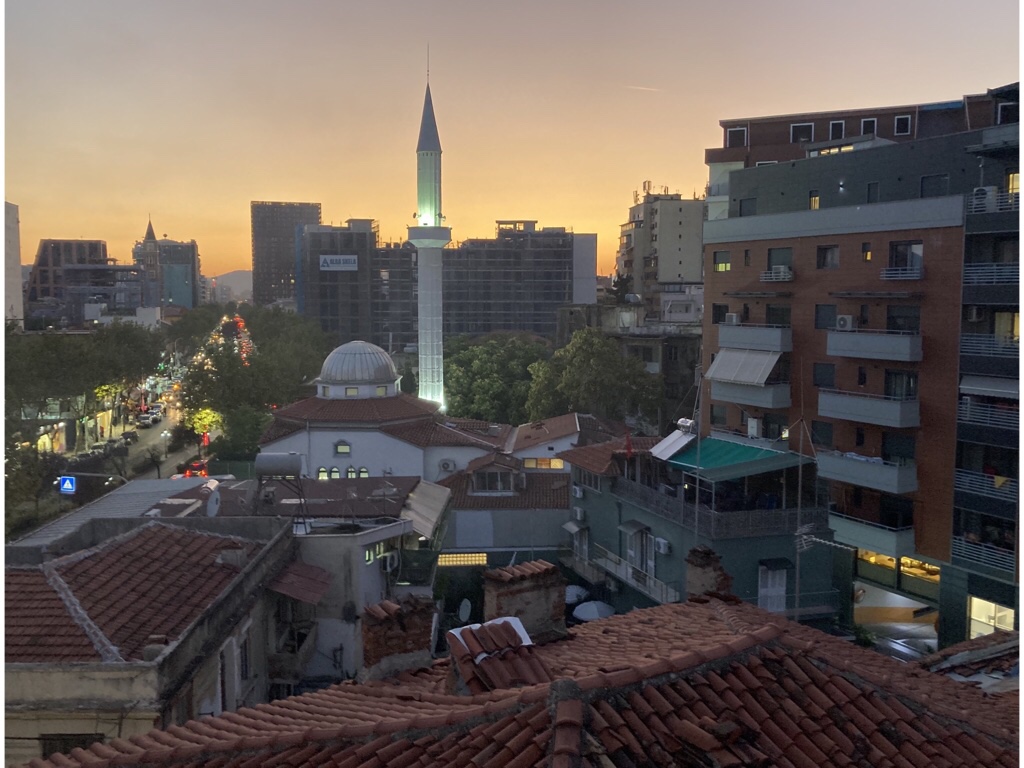
… and a balcony with a view of the local mosque and streets below.
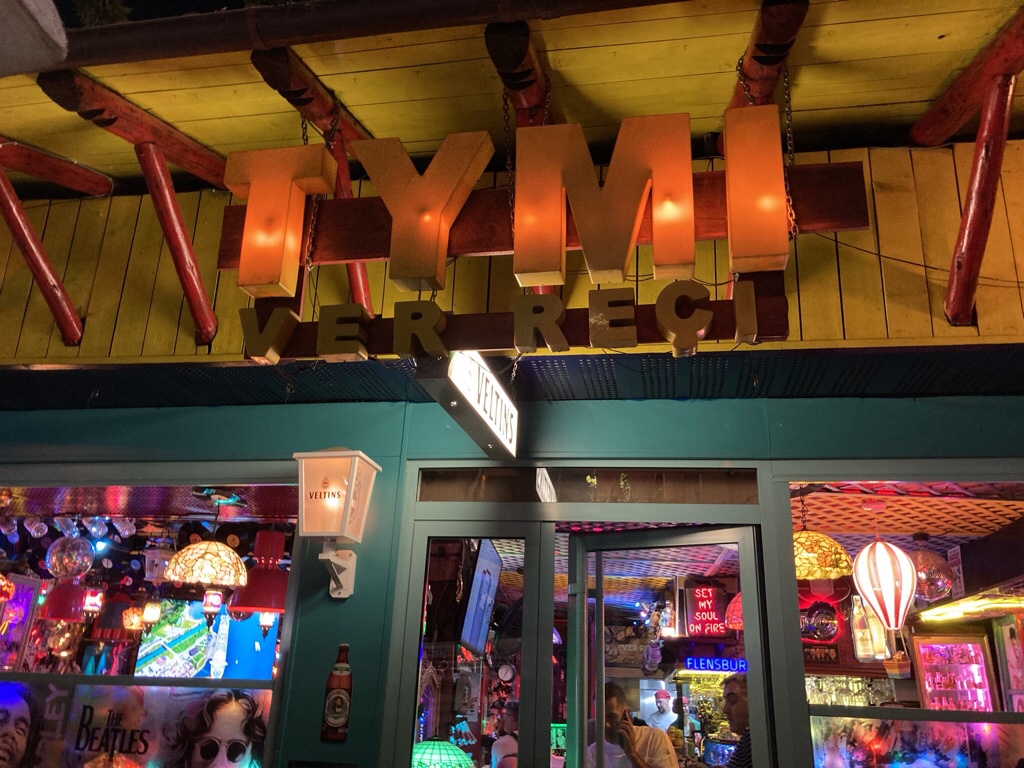
We walked round the corner to Tymi for dinner, a treasure box of musical and miscellaneous memorabilia offering mezze and grills.
After a good night’s sleep and an excellent breakfast, we met our our guide Saimir and driver Vladimir and together with our fellow travellers we make a band of 17.
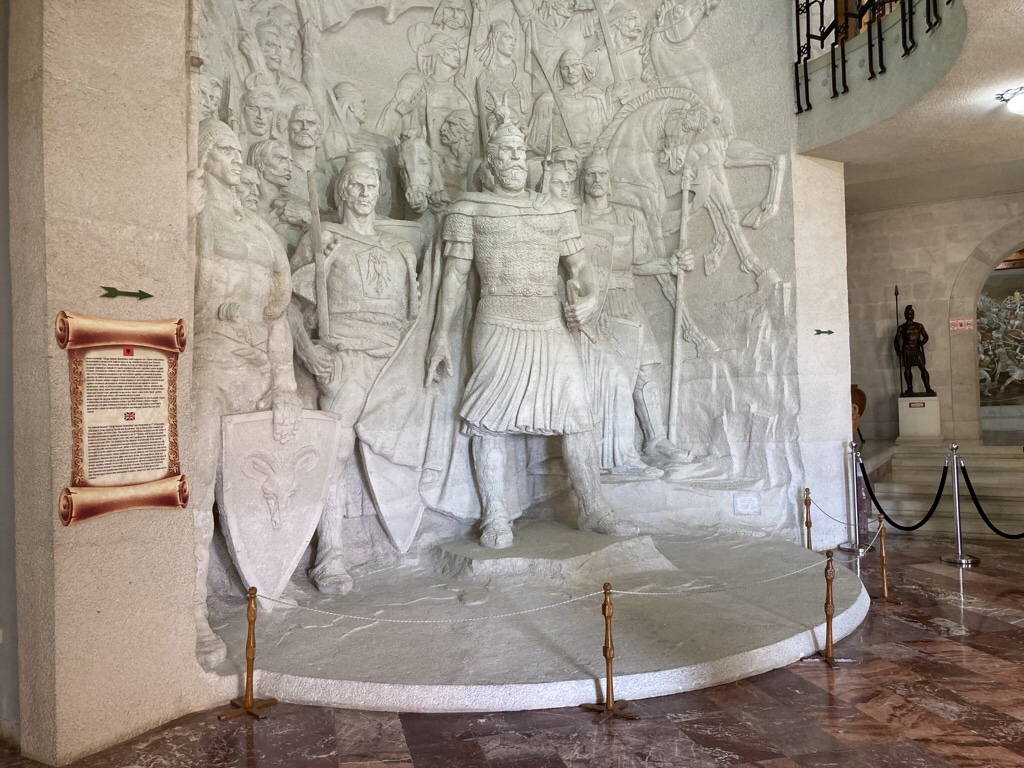
We began with three day trips from the city, the first north to Krujë, important for its part in the resistance against the Ottomans and home of Skanderbeg, the national hero, portrayed here with his warriors.
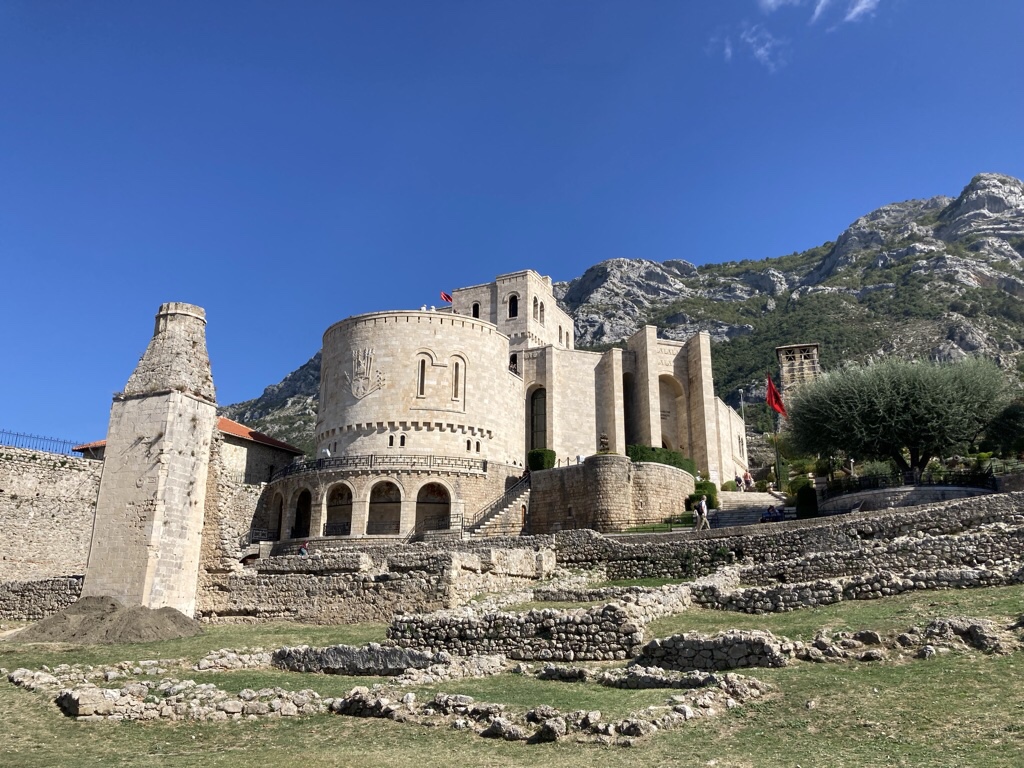
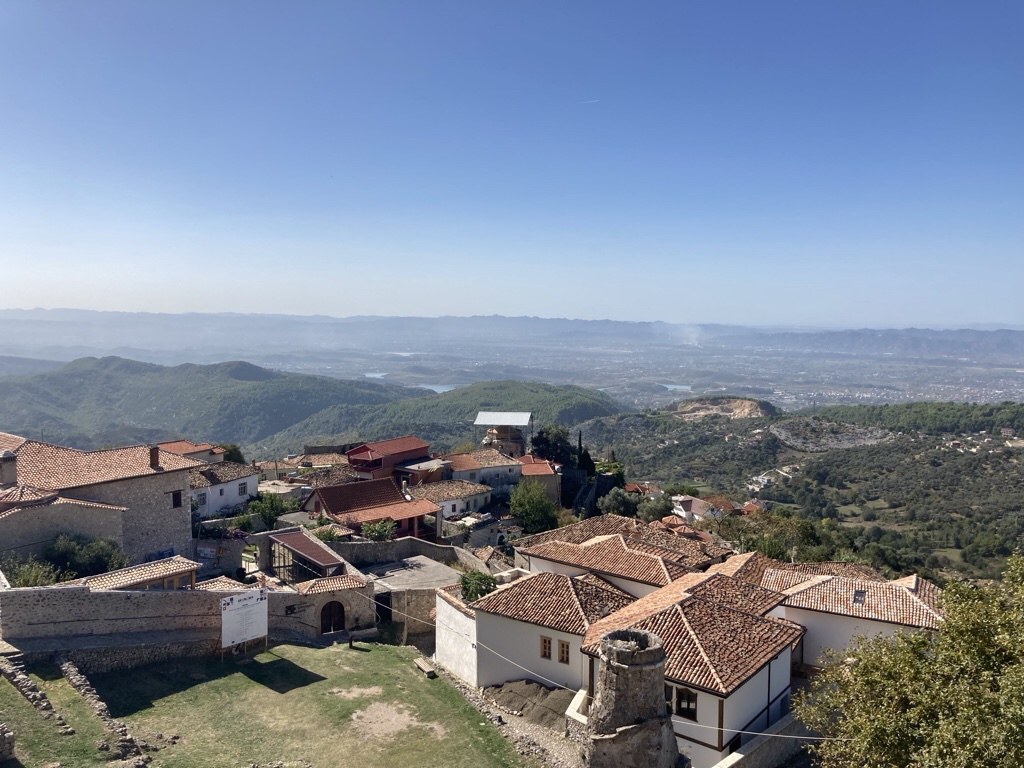
We visited the largely ruined castle which was once the headquarters of the resistance and offers views across the whole valley.
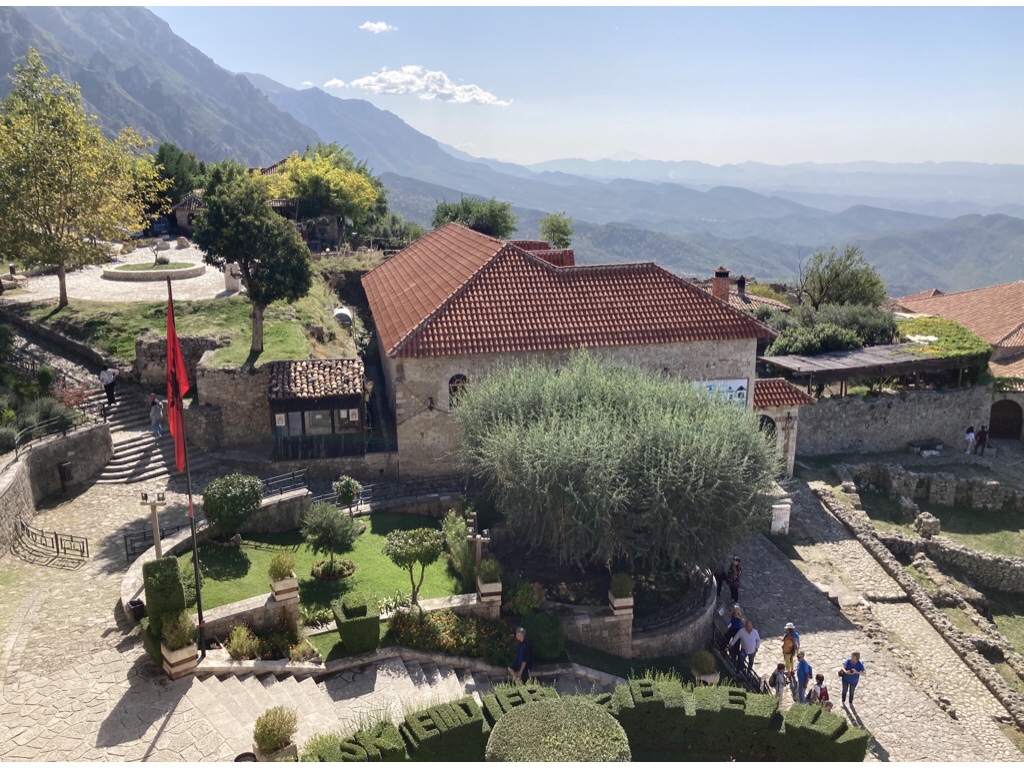
It contains an impressive new museum, built in the style of the castle, which tells the story of Skanderbeg and how he is remembered as an Albanian national hero and a symbol of the struggle of Christendom against the Ottoman Empire.
Gjergj Kastrioti was born into a noble Albanian family and went as a hostage into the Ottoman court where he was raised and educated then taken into the service of the Sultan. During 20 years of military service he was given the name Skanderbeg by the Ottomans, which compared his military prowess to that of Alexander the Great. In 1443, he deserted the Ottomans and returned to Albania where, with backing from the pope and other Italian states, he formed an alliance of Albanian principalities and waged a successful resistance against further Ottoman invasion until his death in 1479.
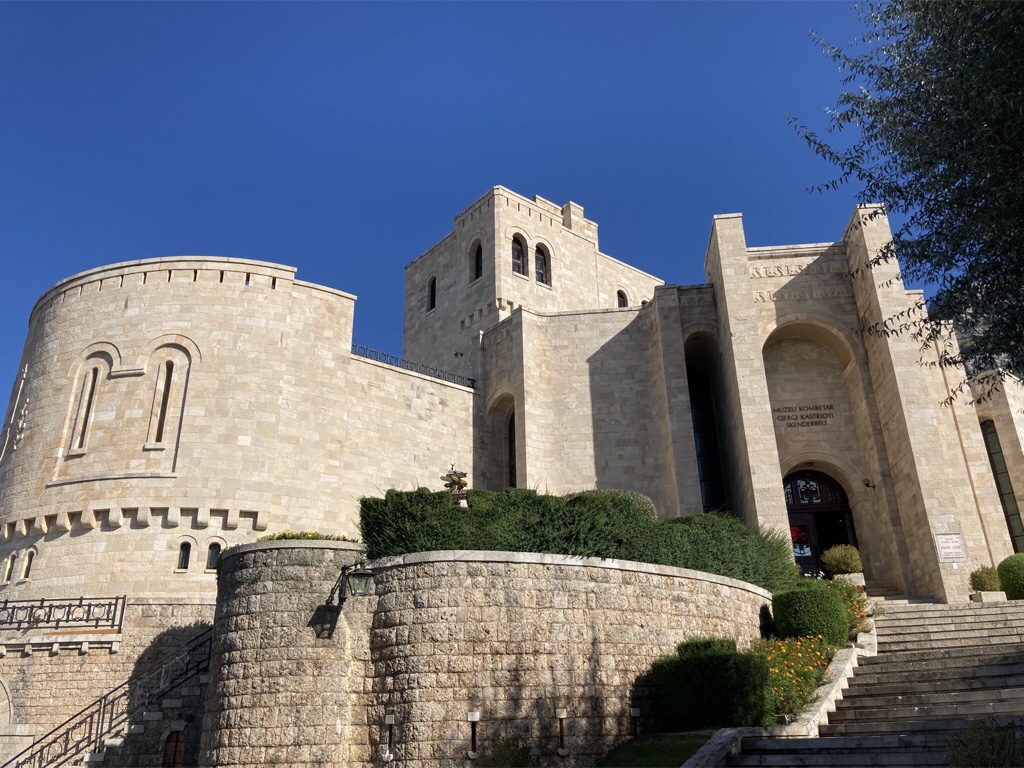
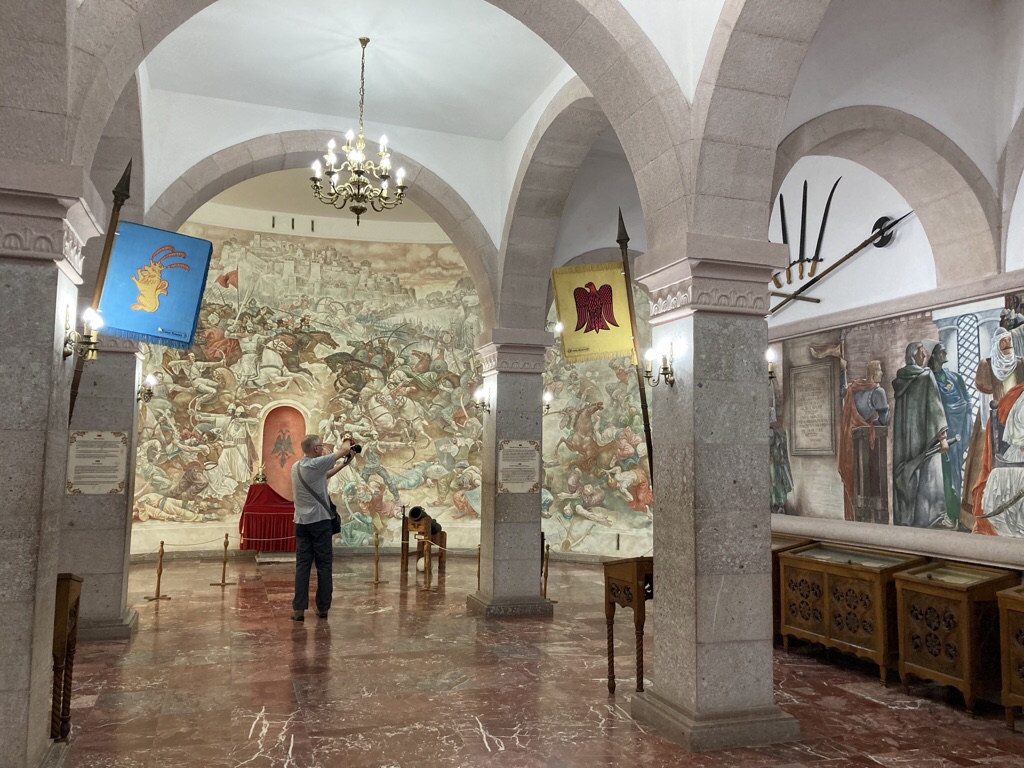
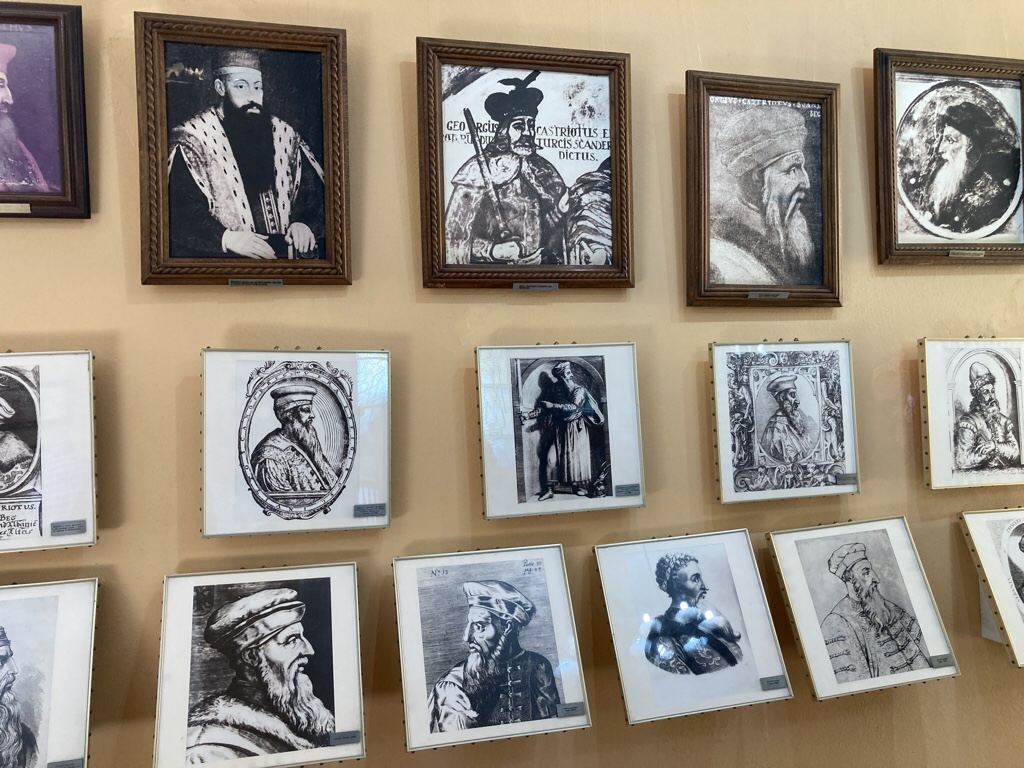
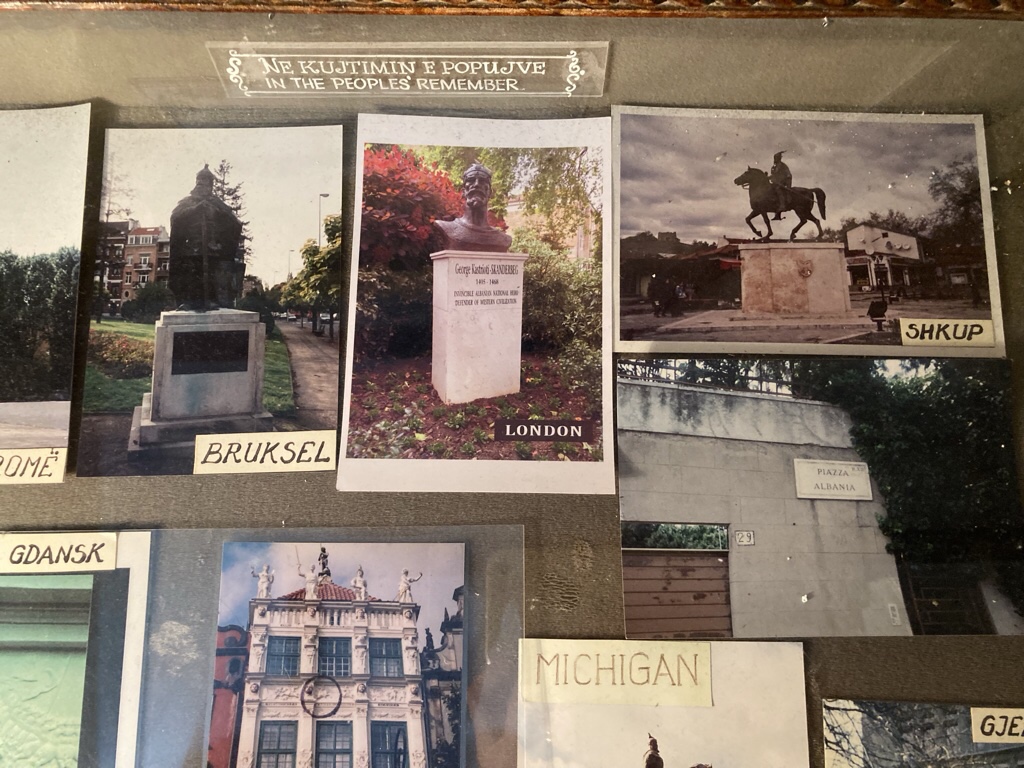
There are memorials to him worldwide, including London, and Vivaldi even wrote an opera about him.
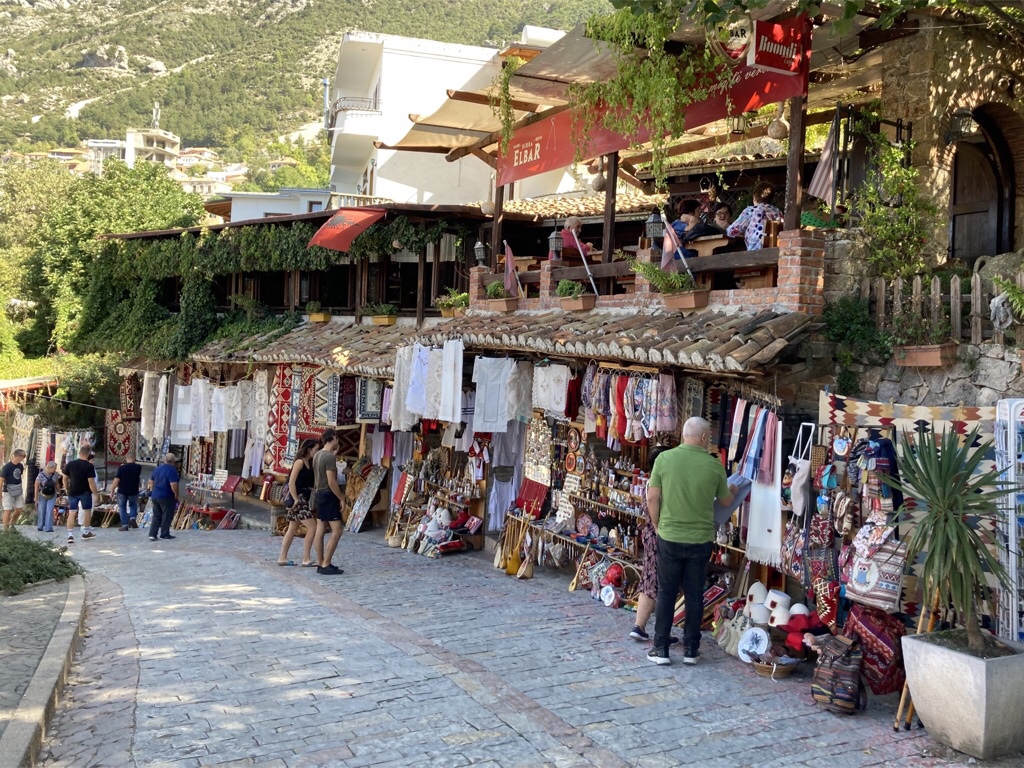
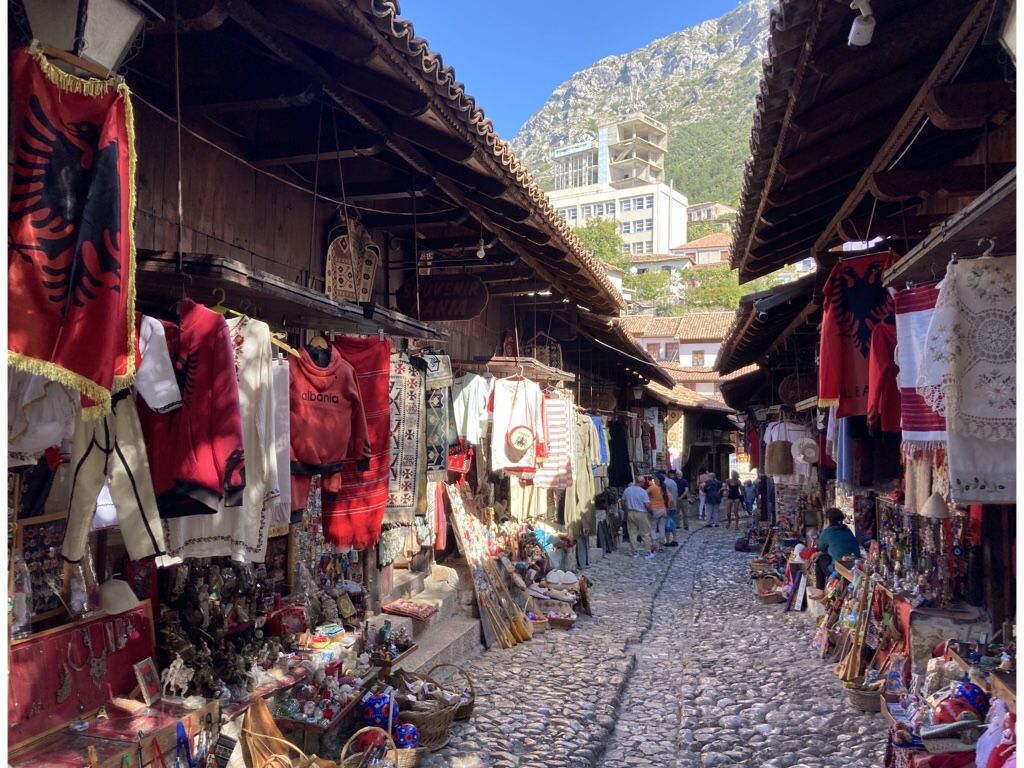
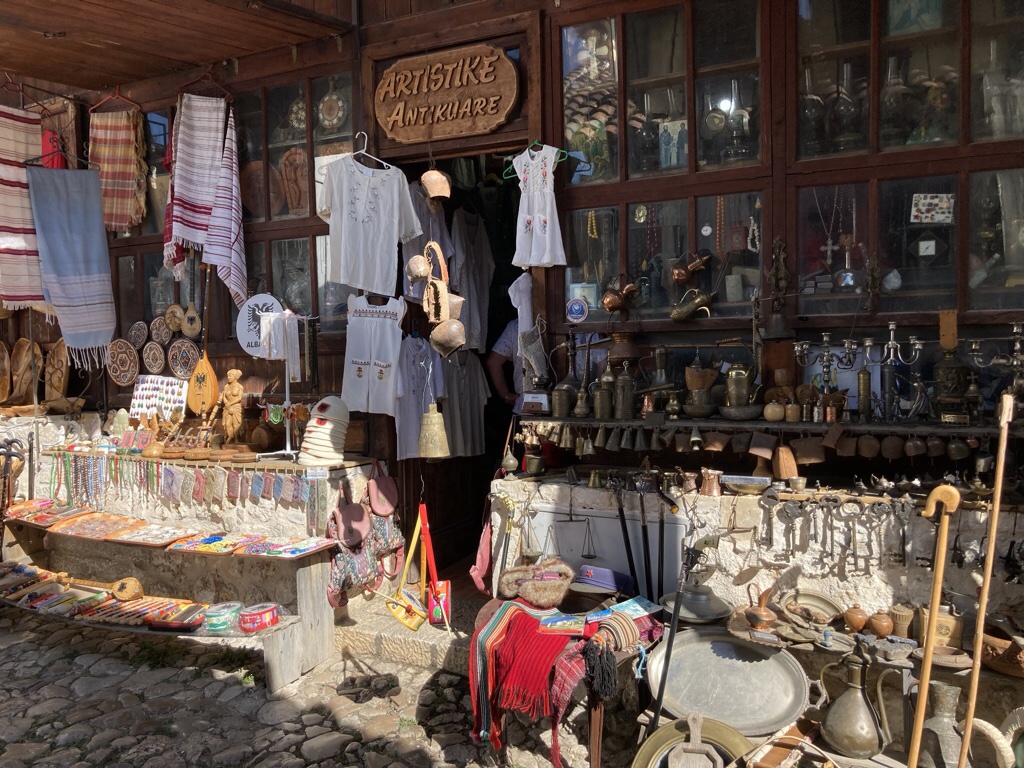
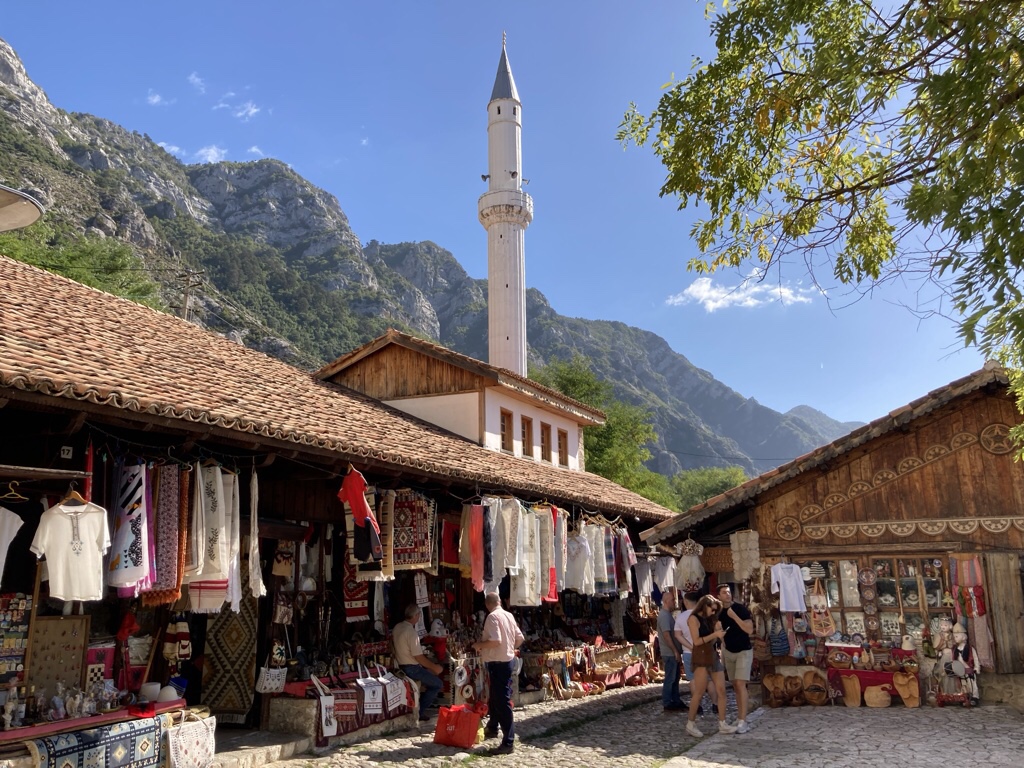
We also wandered through the old bazaar, now a maze of souvenir and antique shops …
… before heading to the port city of Durrës for lunch.
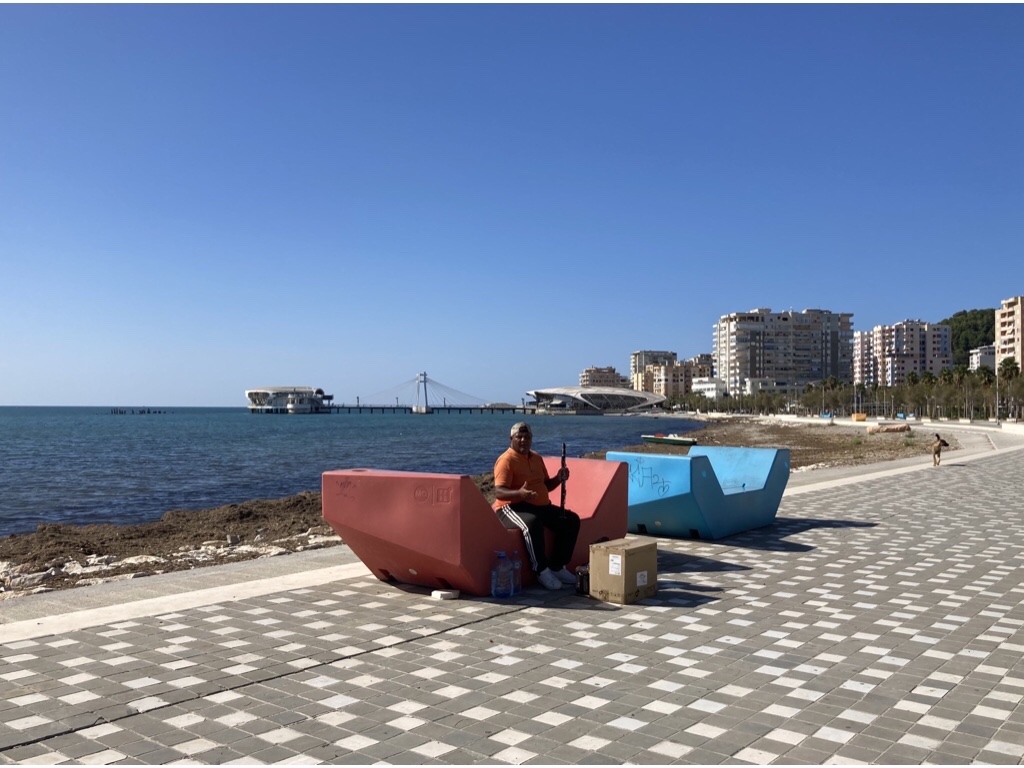
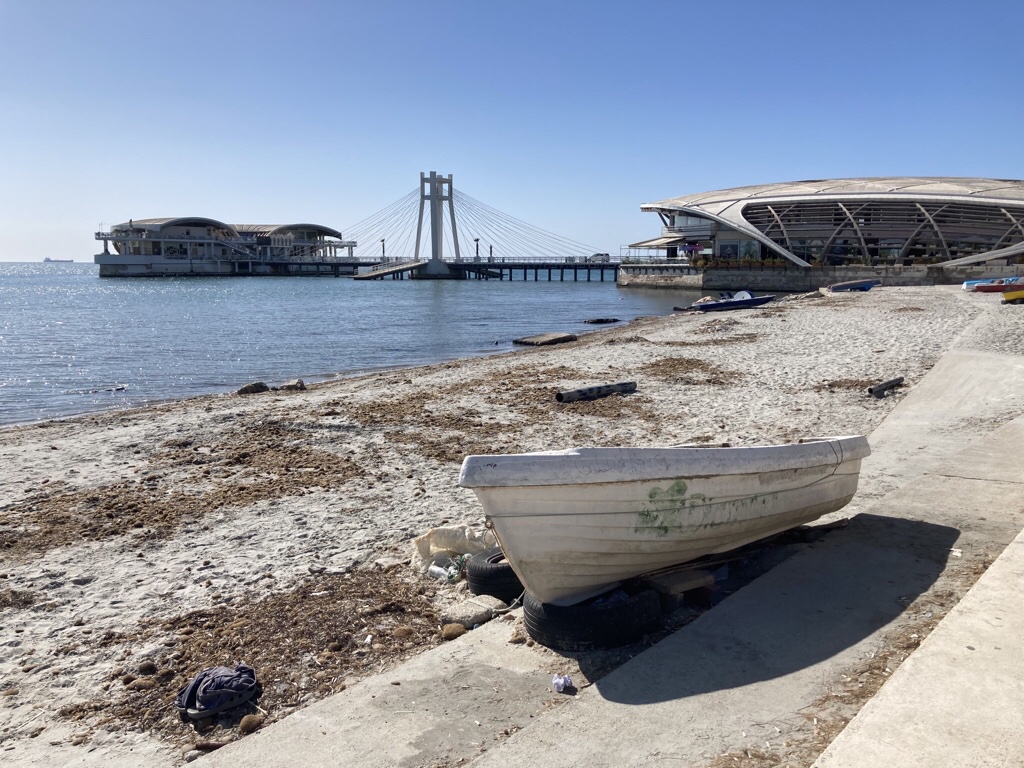
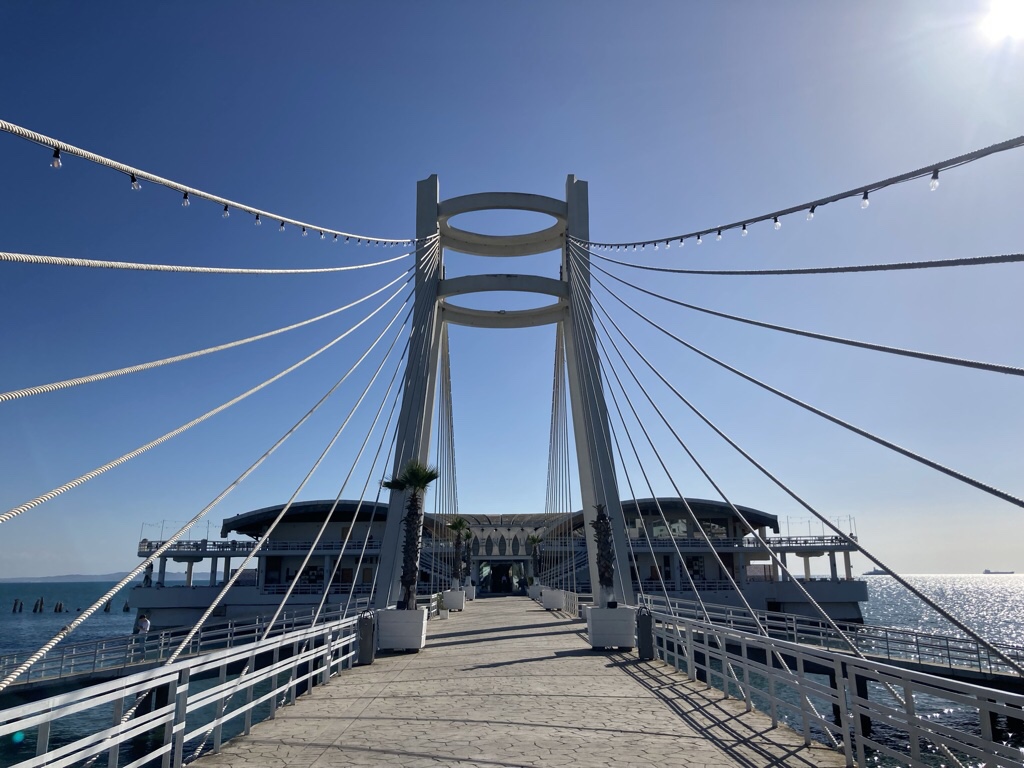
In medieval times, Durrës was an important ancient central mediterranean metropol and it has the largest Roman amphitheater in the Balkan region which has only been partially excavated …
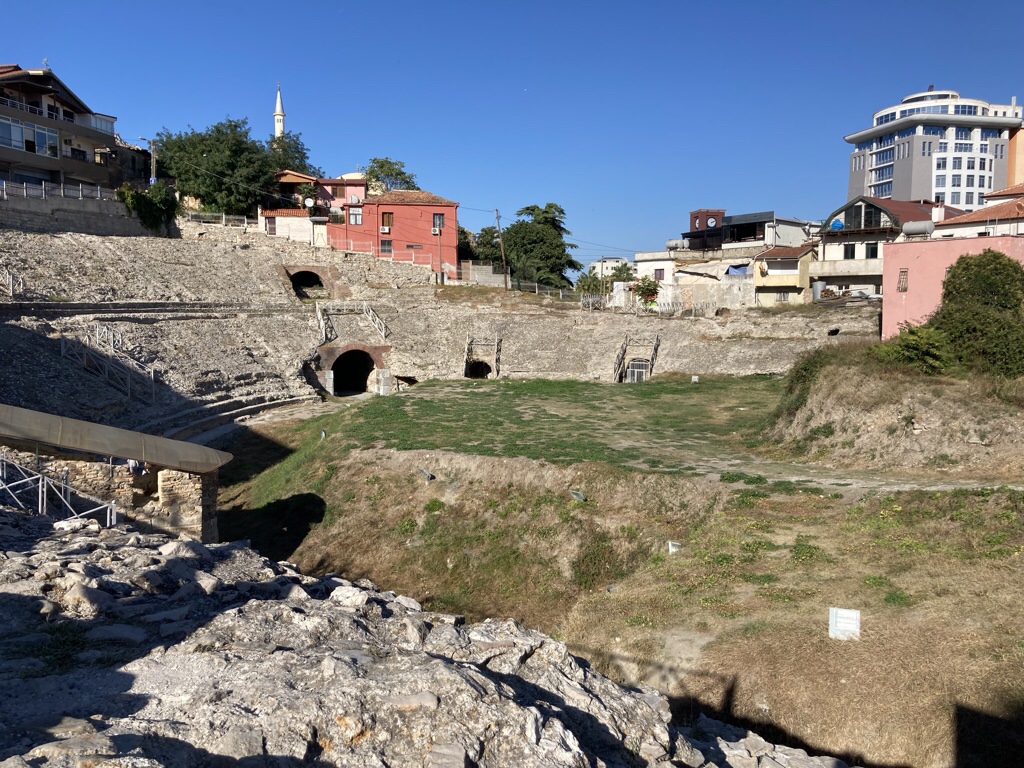
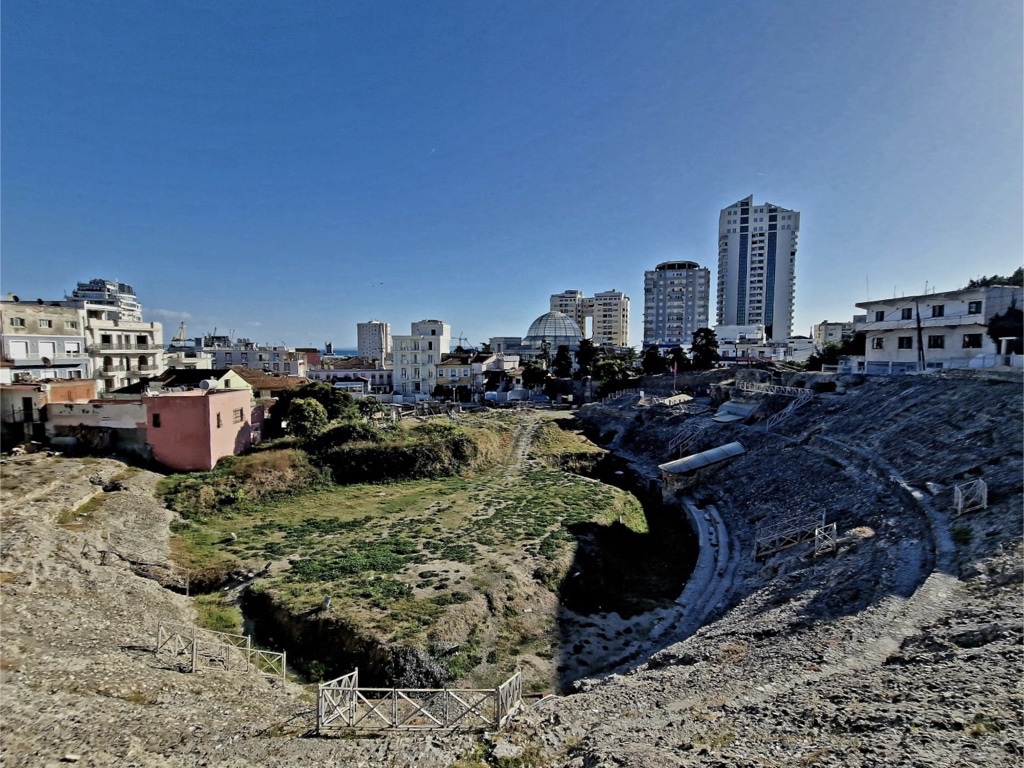
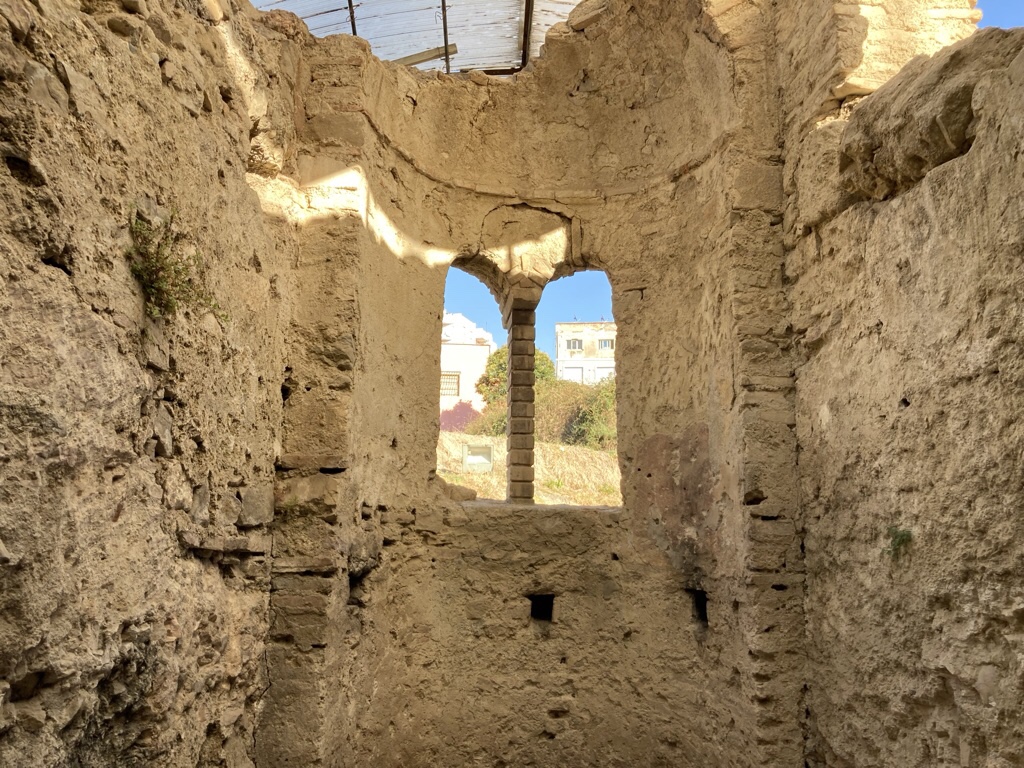
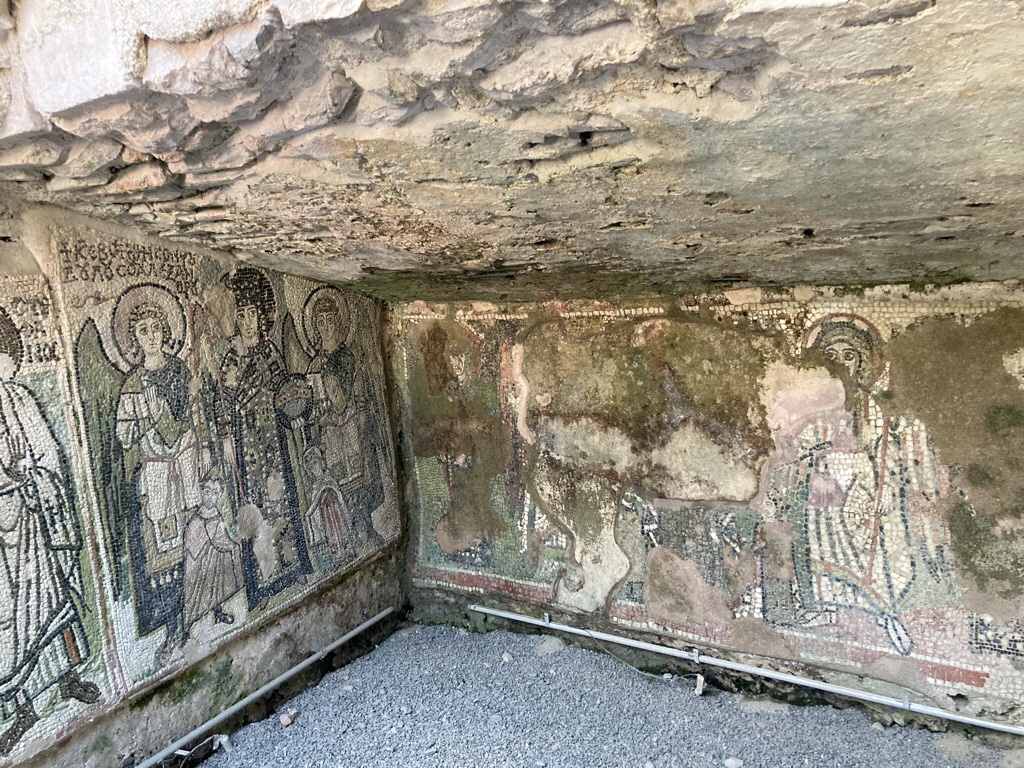
… containing a tiny ruined church and mosaics.
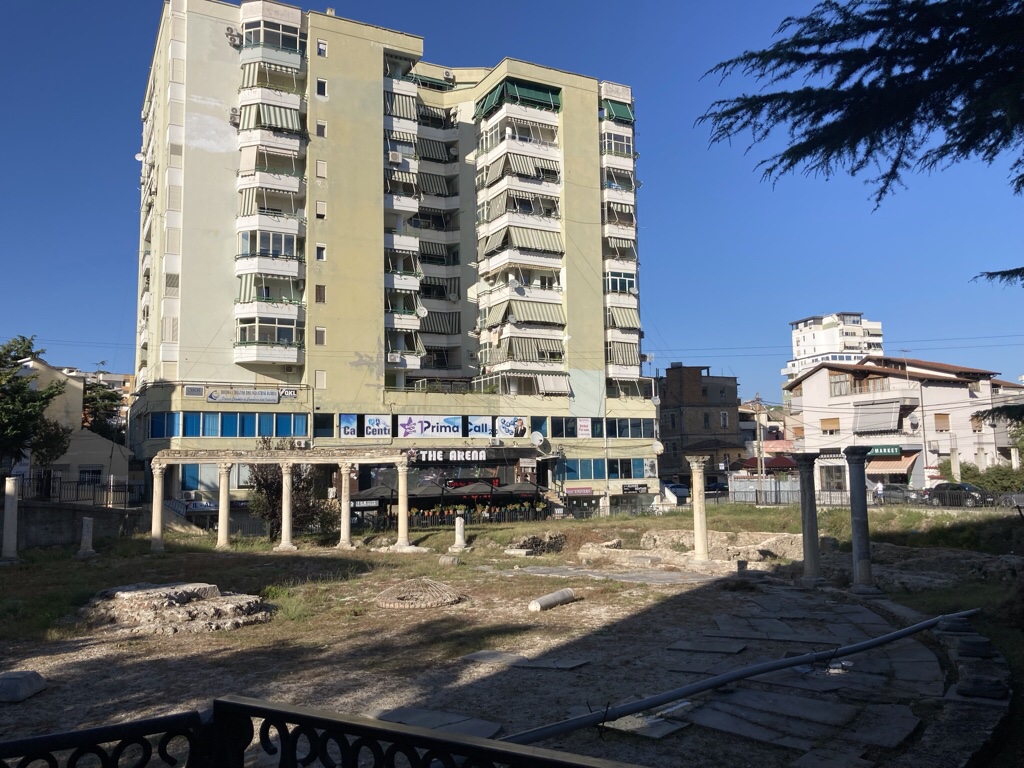
There was also the Roman forum …
… and the old Venetian tower, once part of the city walls.
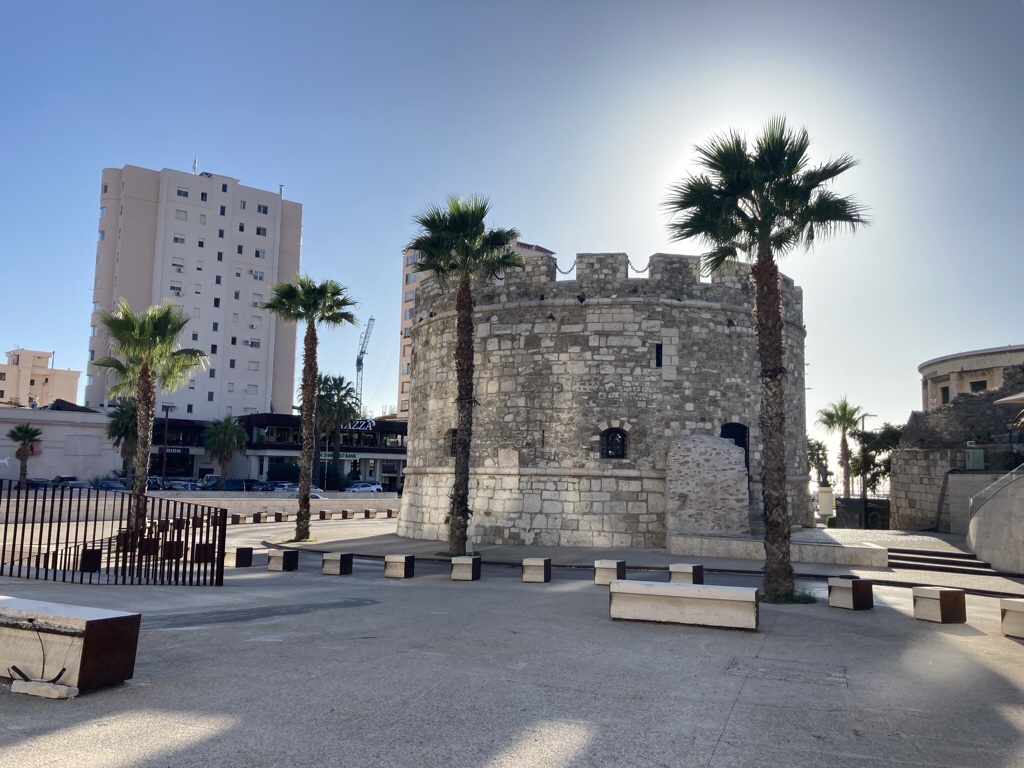
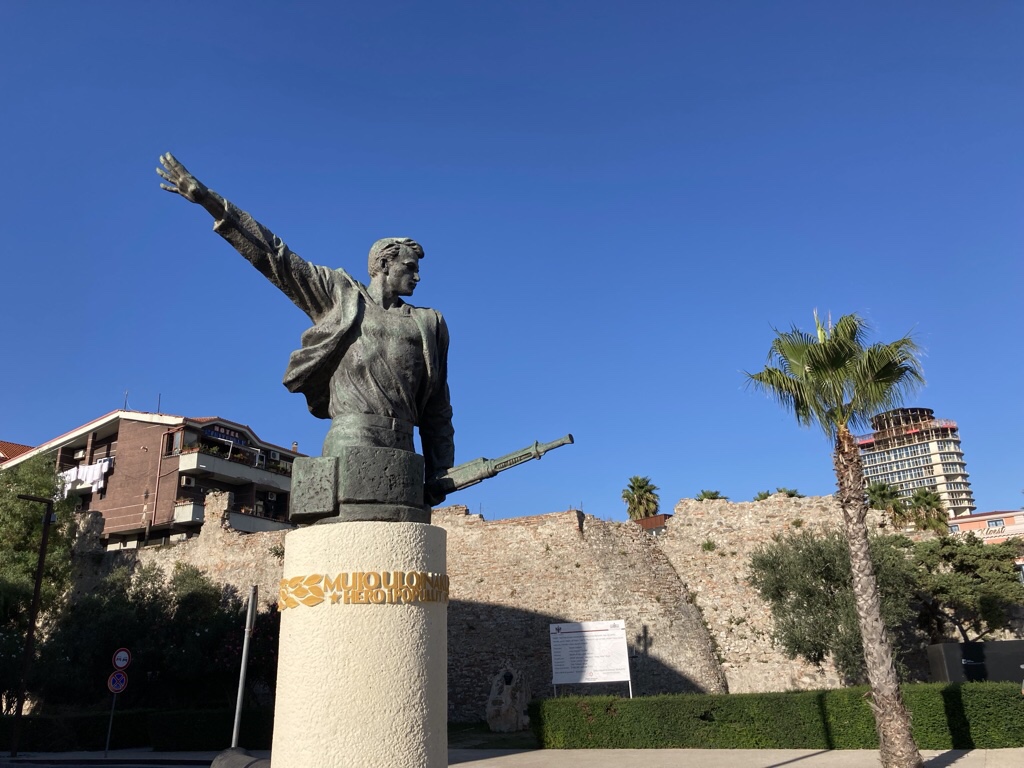
The traffic returning to the city is always heavy in rush hour, which gave us time to spot this lovely mural …
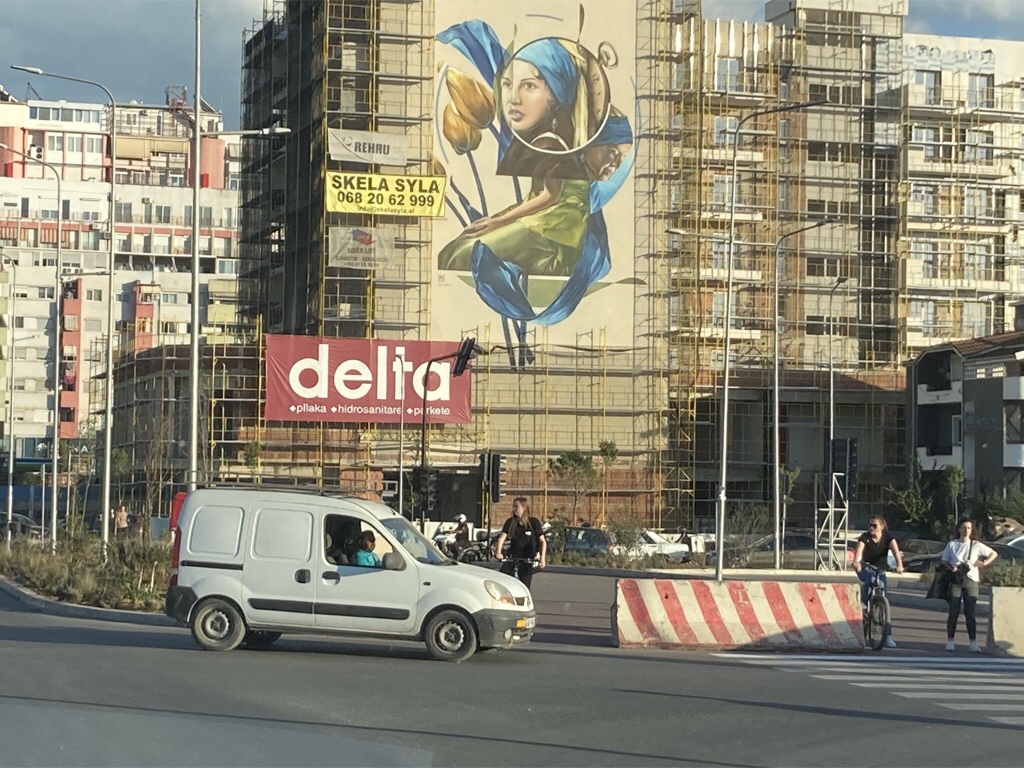
… and also a teddy bear, high up on this building, apparently put there as a good luck charm during the construction.
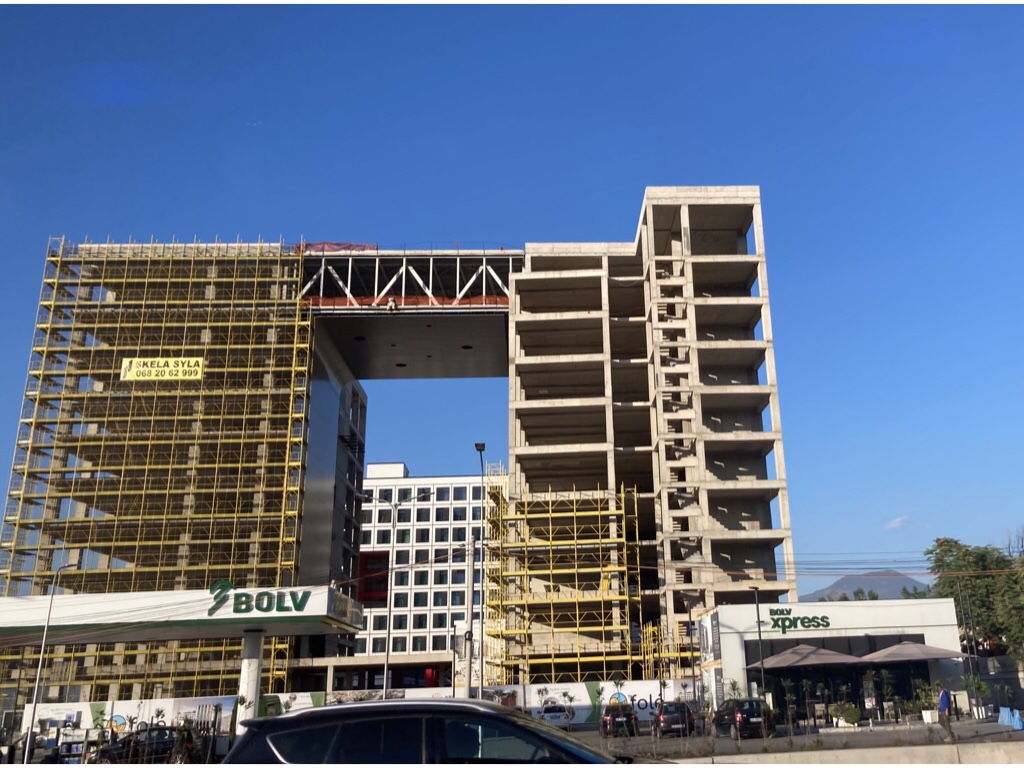
In the evening we walked through the local neighbourhood of Blloku went to the Era restaurant …
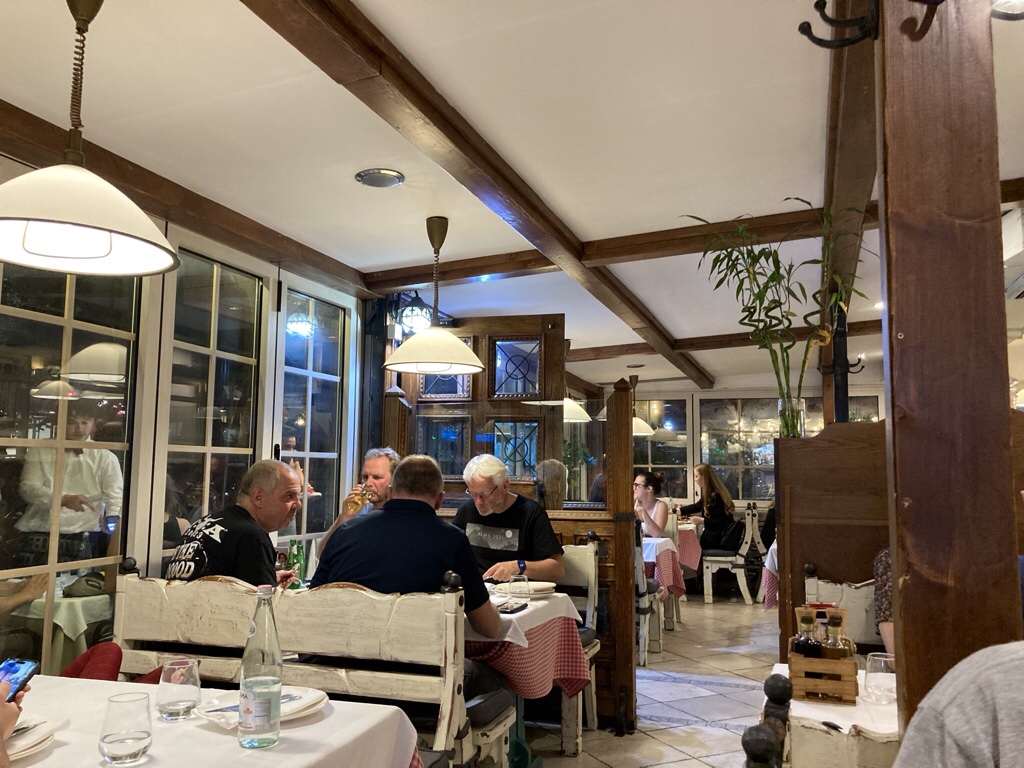
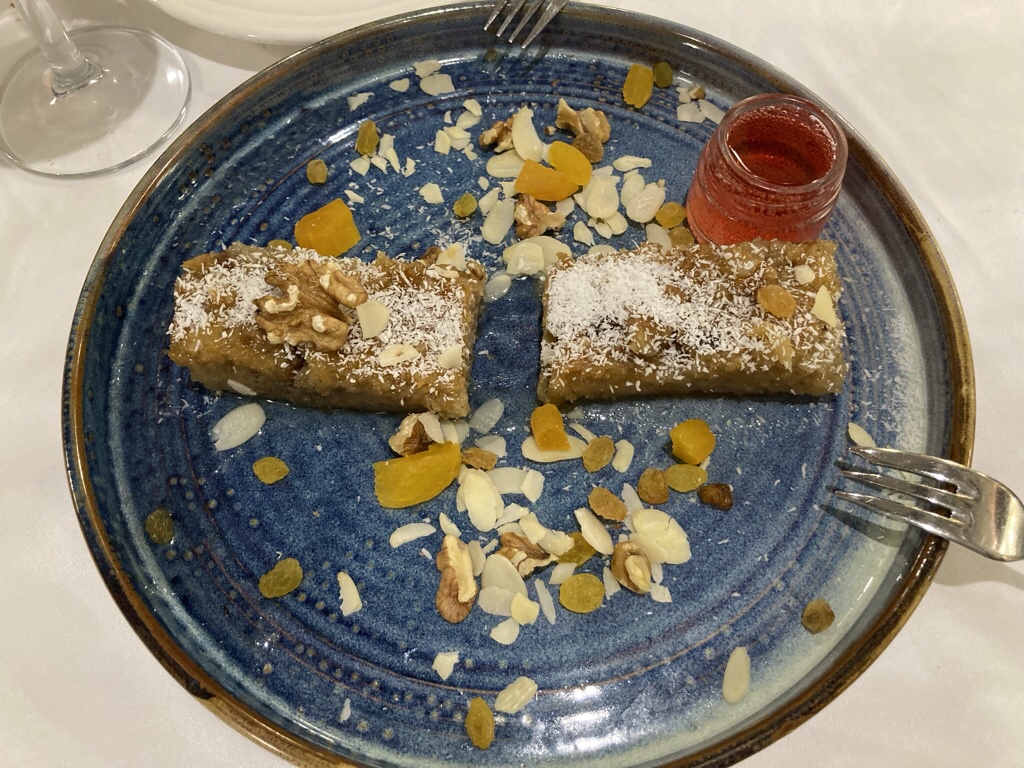
… where we had another selection of Albanian dishes including Lima beans cooked in a clay pot, tzaziki and cornbread made with greens, eggs and cheese before ending top with this lovely Kosovo pastry filled with nuts and dried fruit and soaked in syrup called Tespishte.
Throughout the day, Saimir has been slowly building up our knowledge of Albanian history and giving us an insight into life in Albania with far too much information to share, so here’s just one thought to end the day.
The Illyrians lived in this area 4000 years ago and near to Krujë are the ruins of Albanopolis, the capital of the Illyrian tribe Alban. They were mentioned by Ptolemy in the C1st AD and the land started to be called Albania.
 Off Travelling Together