 It was quite a long journey to get here … a ferry from Siquijor, via Bohol to Cebu, then a taxi to Danao where we stayed the night …


… before catching another ferry to The Camotes Islands.

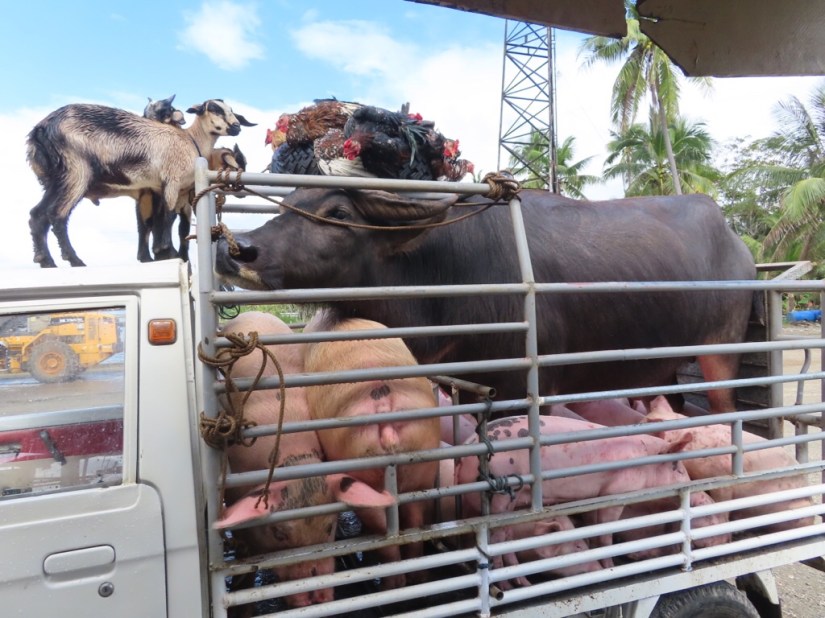
There was a large grey cloud hanging over our destination, but it didn’t stay long, and we missed the shower … but we did see these passengers awaiting the return crossing!

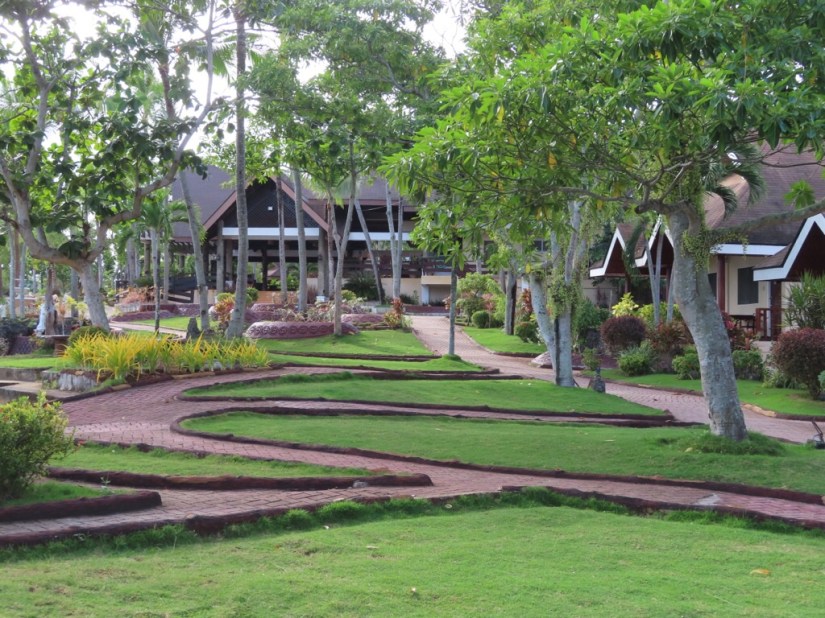
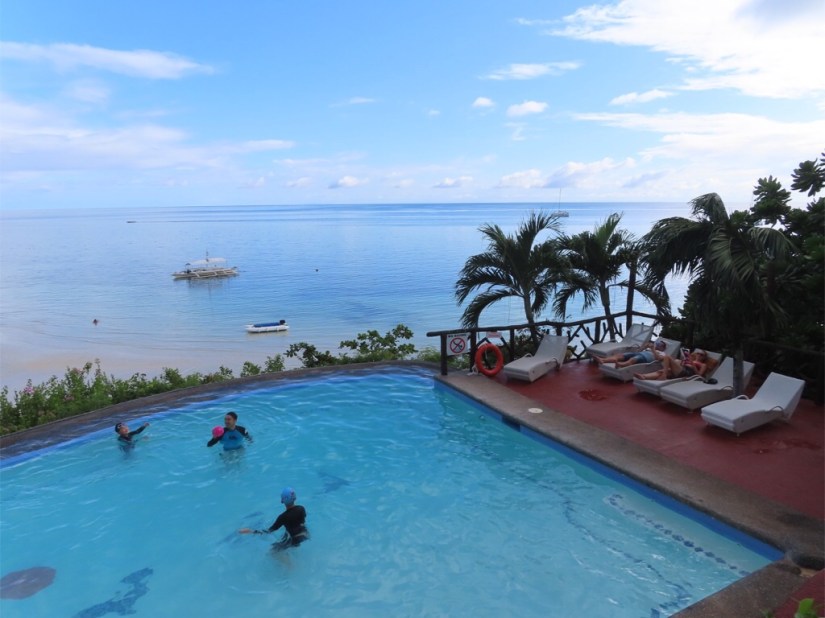
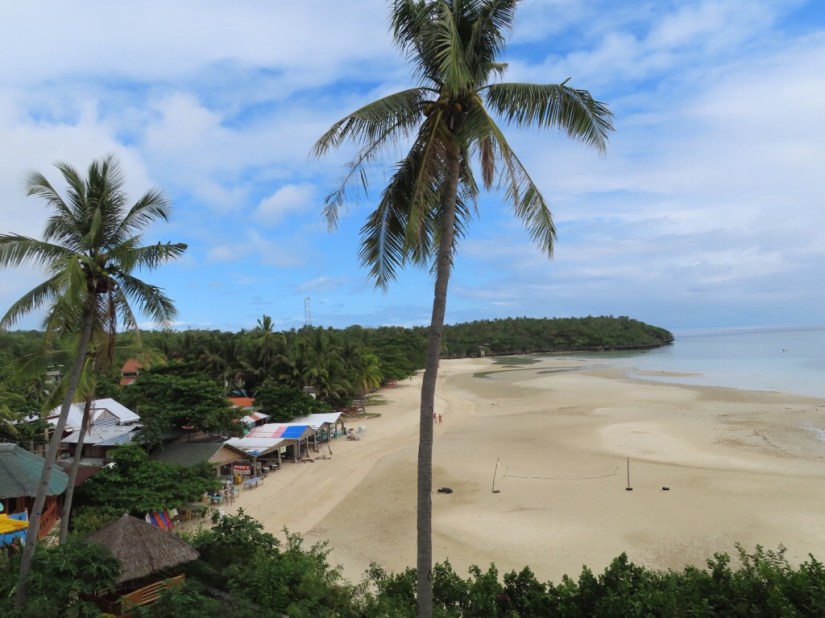
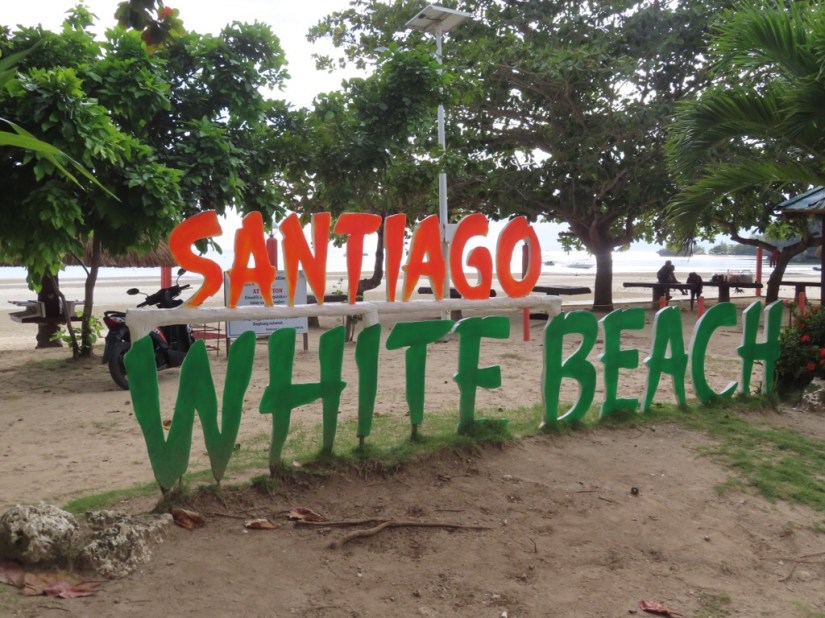
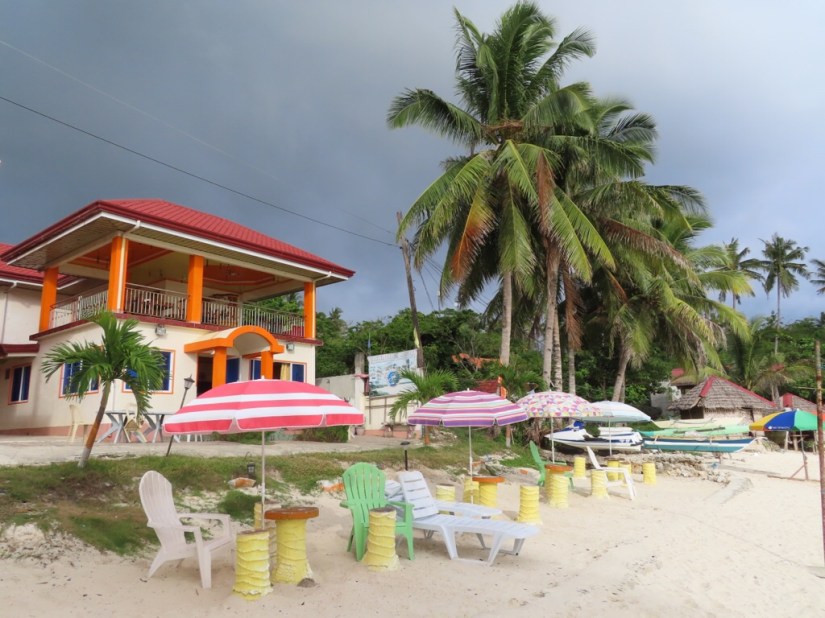
 The islands are named for the camotes or sweet potatoes which thrive on the rocky topsoil here. We arrived on Pacijan, the largest of the four islands and are staying at Santiago Bay Garden Resort, an older hotel built into the cliff overlooking the white sands of Santiago Bay with an interesting aesthetic which relies on painted concrete. We arrived on the Chinese New Year and there were lots of Filipino and Korean families there for the weekend, with the shallow waters of the bay ideal for small children.

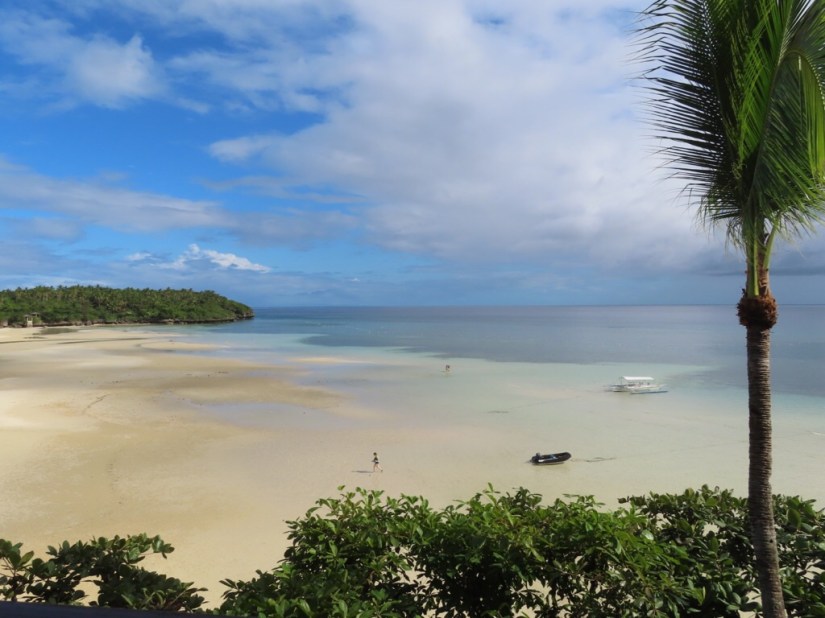

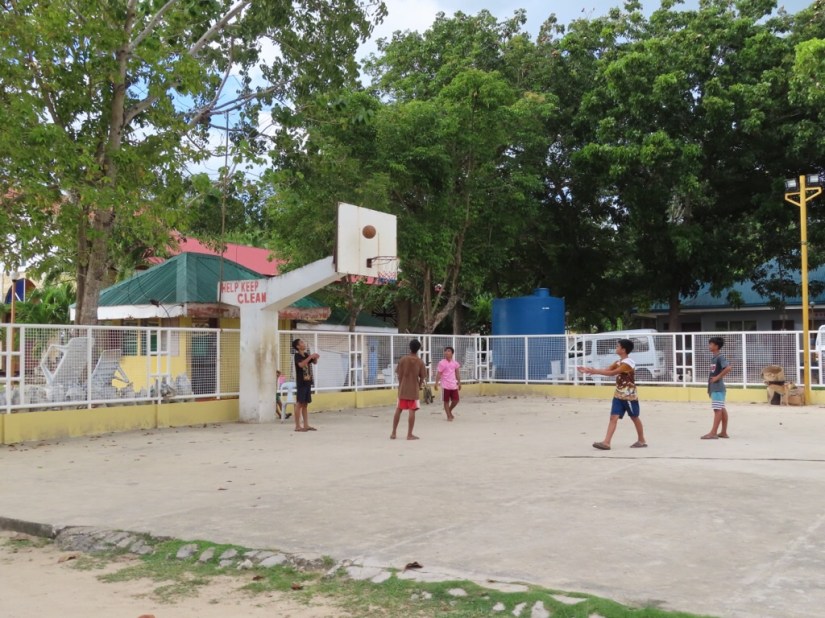
We wandered down the the beach, and round the small town behind, but the day remained a bit grey.





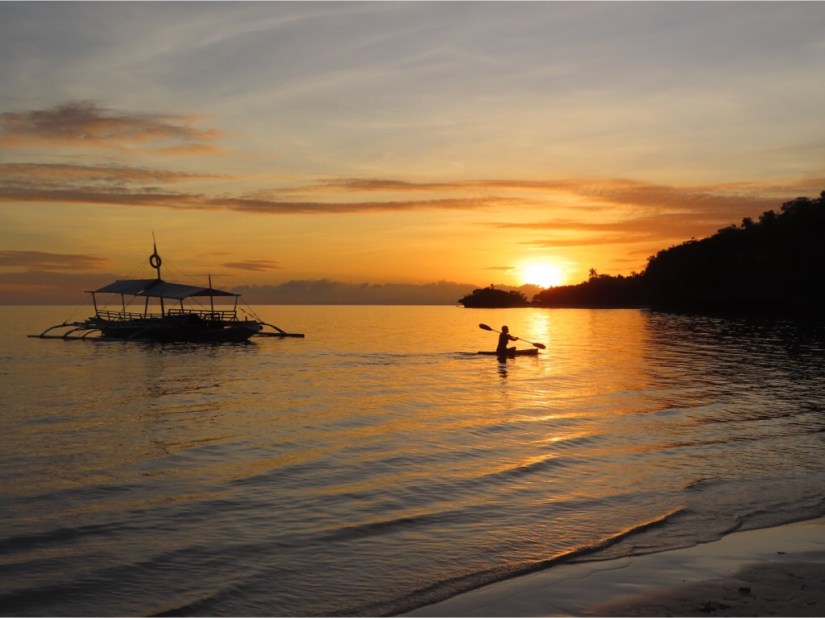
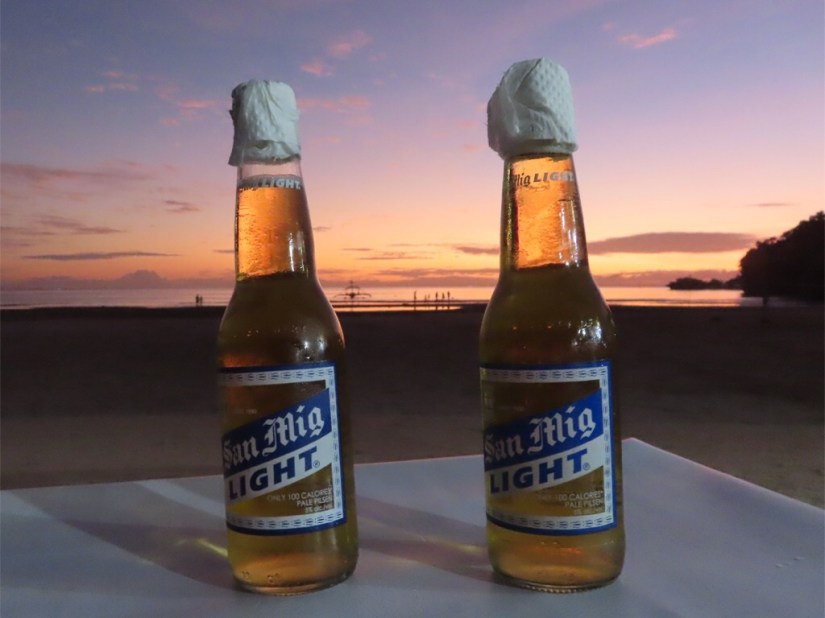
Sunset the next evening was a stunner though …



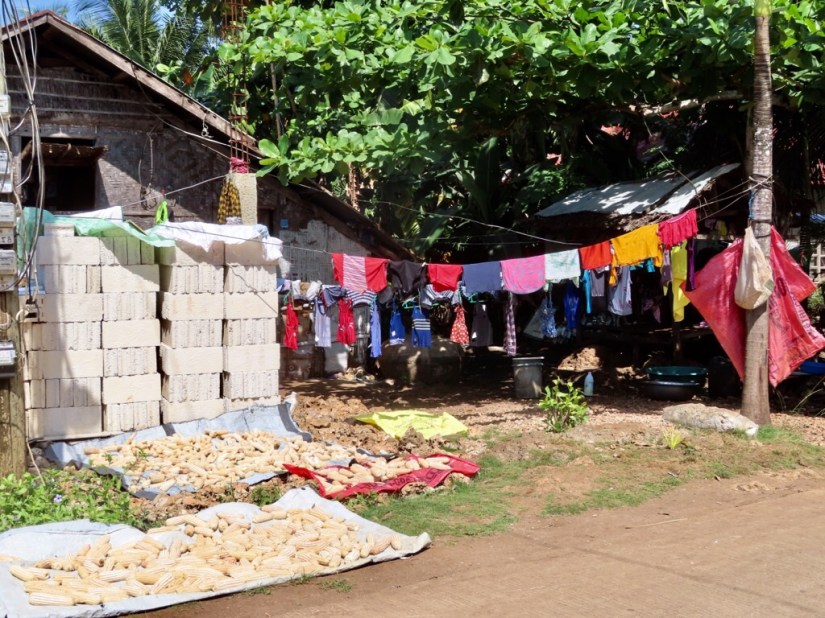
We hired another scooter for a couple of days to explore and realised that these islands are the most rural and least touristy of all we have visited. We passed smallholdings and farmland growing maize, vegetables, bananas, rice …
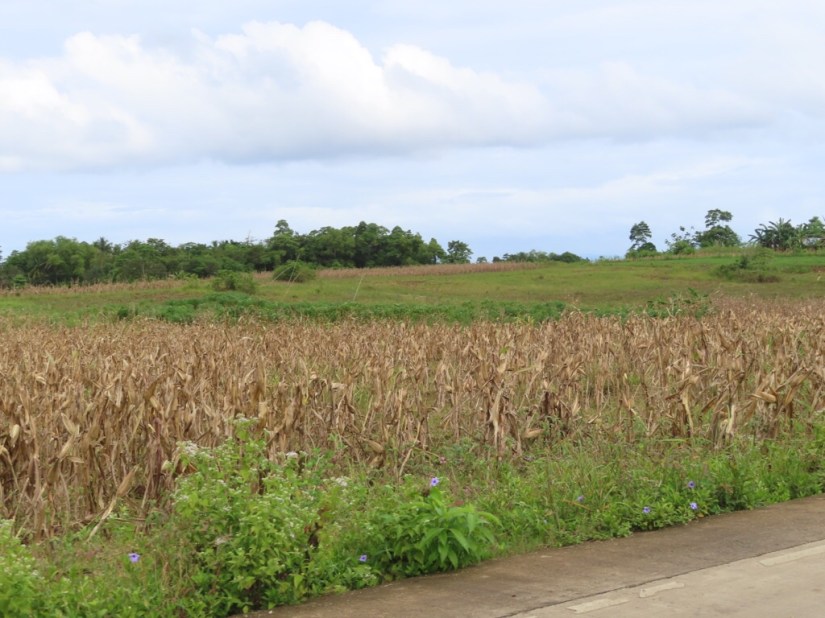
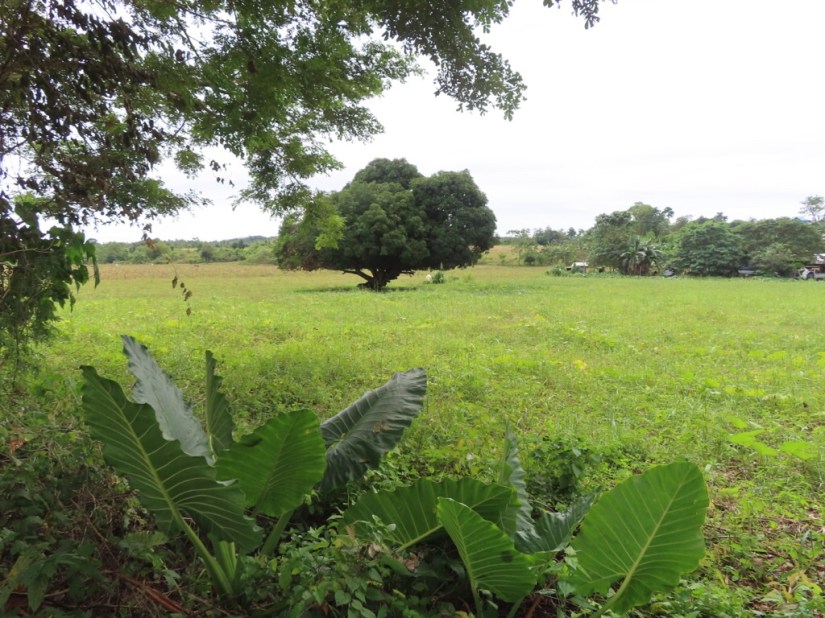
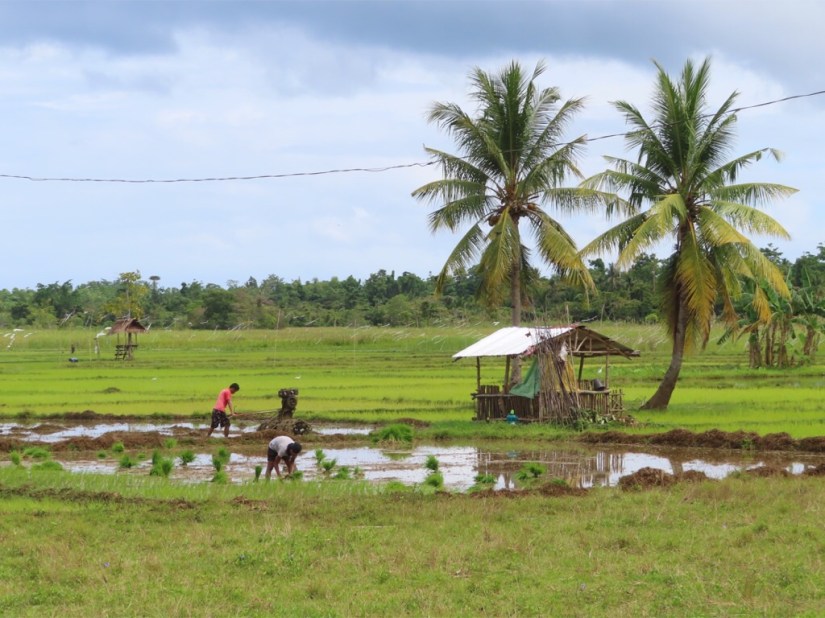
… and also camotes!

We even saw what looked like cacti, and while we mused briefly that maybe they make local tequila for those marguerites we’ve been drinking, we realised it was the wrong sort of cactus … and found out later they were growing dragon fruit.
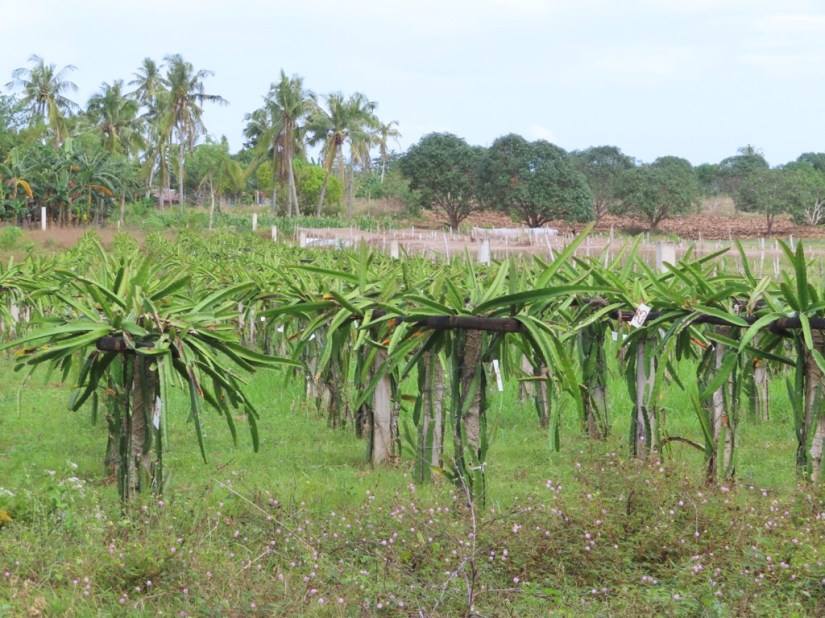
Just as an aside, during the time of Spanish rule, The Philippines were administered from the Spanish colony of Mexico and many grew rich on the galleon trade, exporting Chinese goods from Manila to Mexico and it is possible that the original alembic stills and the technology which enabled the distillation of mezcal came from Filipino immigrants to Mexico.
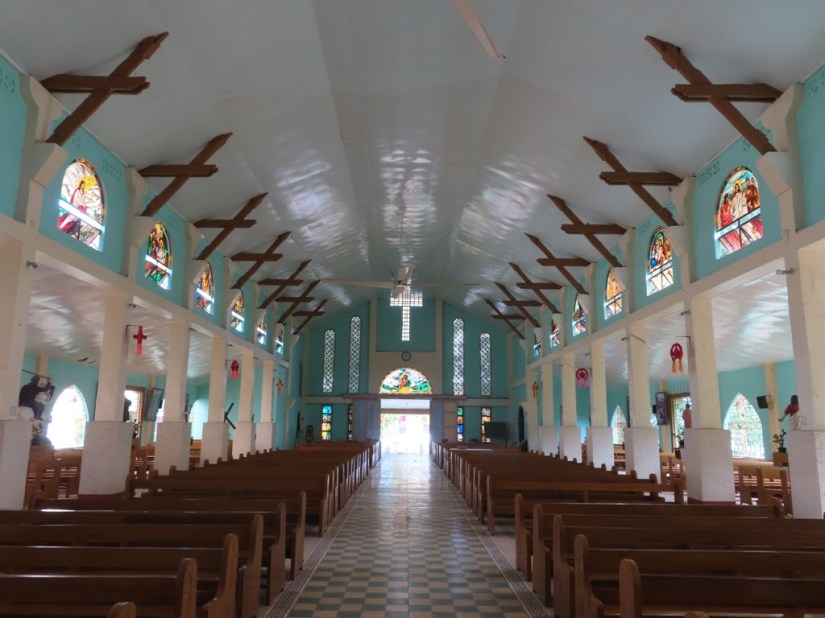
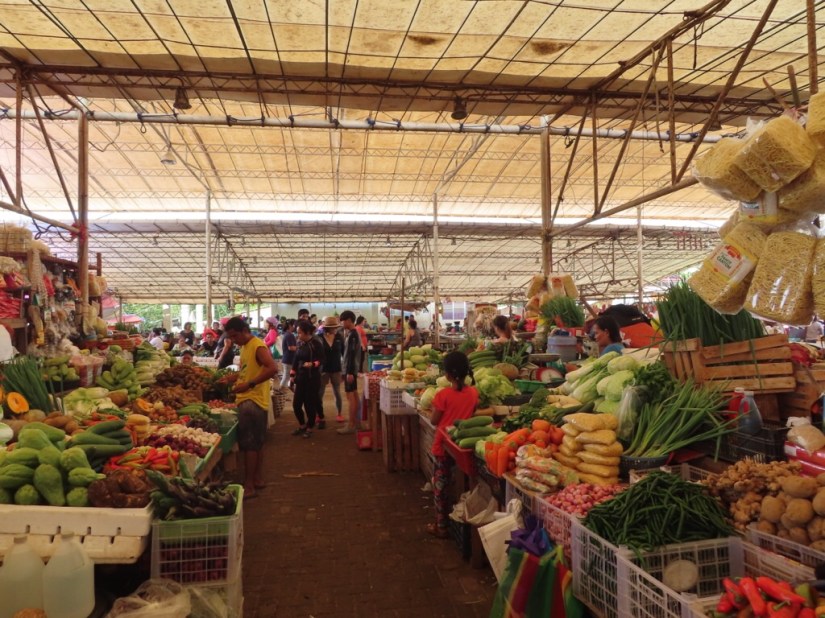
San Francisco is the main town on Pacijan and we stopped to look round the church and the market.

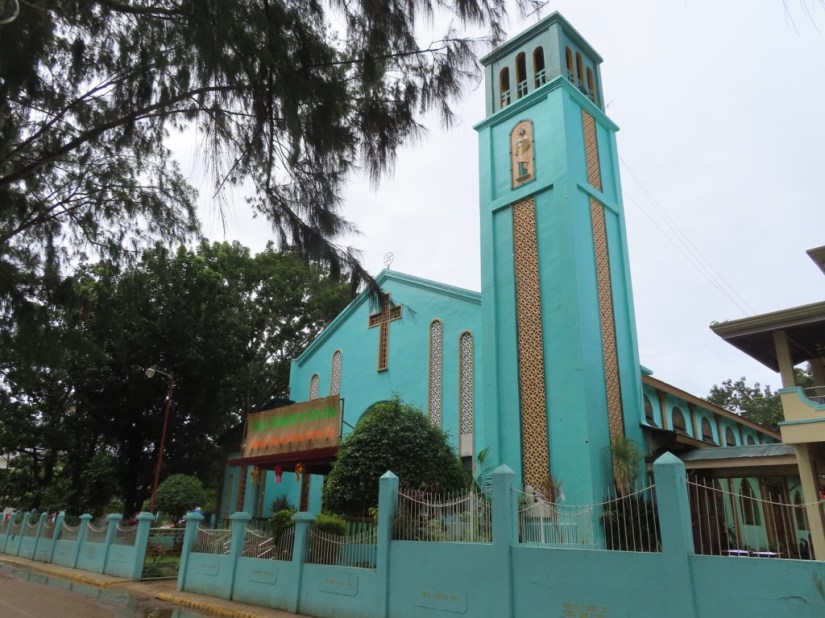

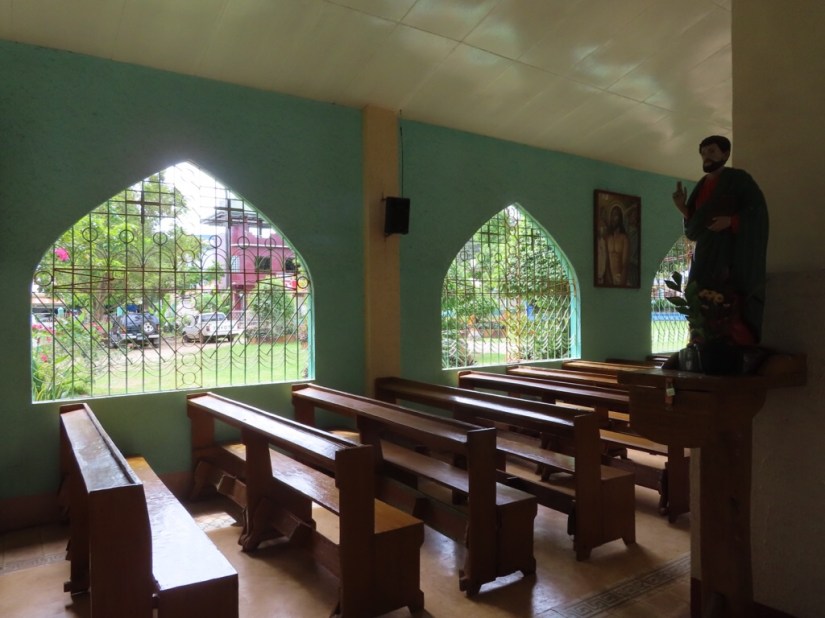
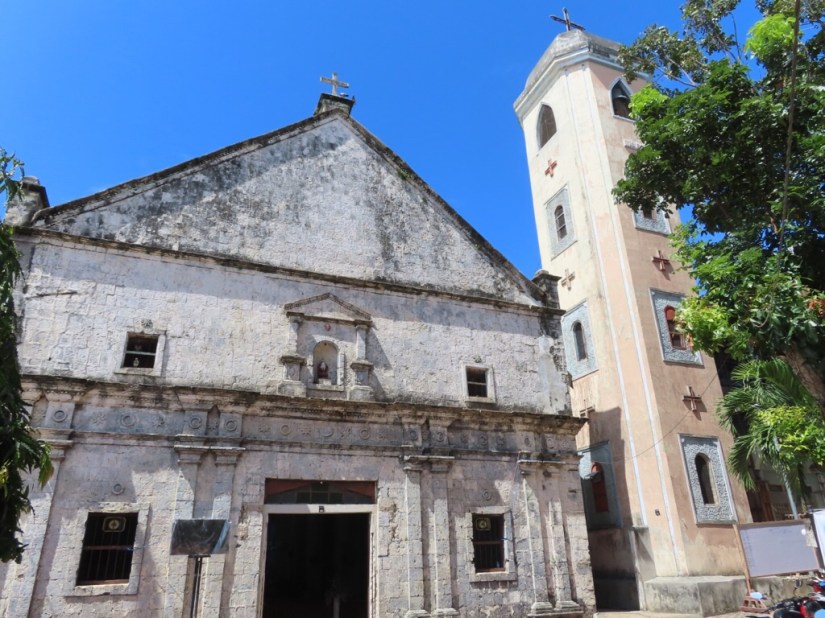
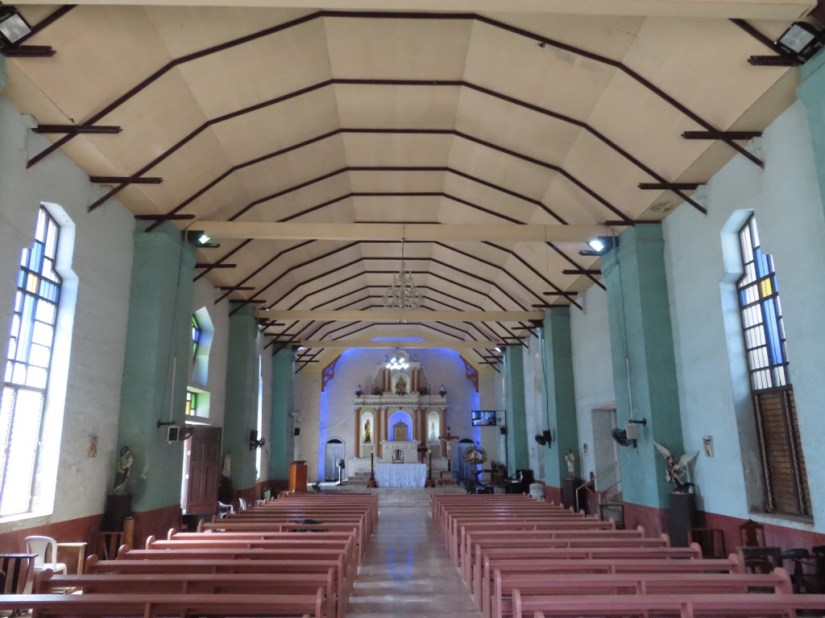
 We then crossed the 1.5km causeway surrounded on both sides with mangrove trees to the second island, Poro, home to Santo Niño de Cebu, the oldest church in The Camotes.


 We also headed north to Esperanza where we hired a boat to take us snorkelling.
 It took us all the way round the smallest of the islands, Tulang Dyot, meaning ‘Little Tulang’ which is certainly appropriate at less than 1 sqkm, stopping twice. Another great experience, lots of fish, as well as a blue striped sea snake and towards the end a jellyfish, which was a little scary after last time. At the second stop, there were huge shoals of tiny silver fish all around us, catching the light, as well as a large shoal of bigger fish much deeper.
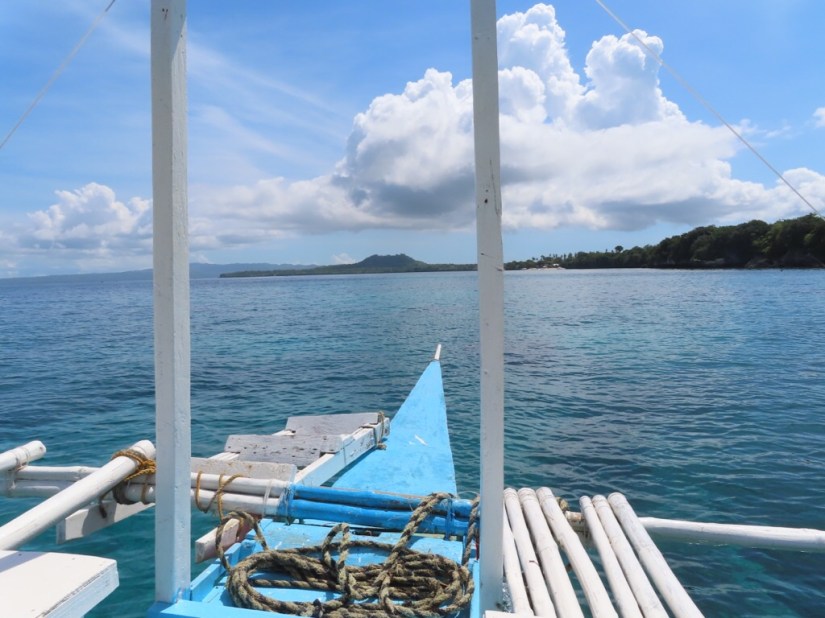 We stopped briefly at the beach at Tulang Dyot, but there wasn’t much there and it was too hot to linger.


The islands have several caves with stalagmites and stalactites as well as swimming holes, definitely just like the cenotes in Mexico, and we stopped at Timubo Cave, not maybe the most impressive, but also not touristy.
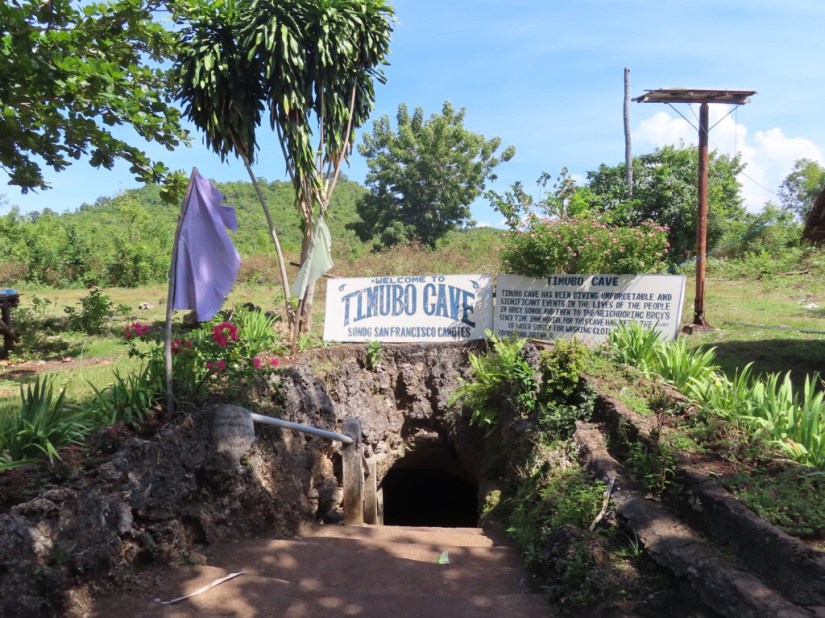 We were given hard hats and descended a number of concrete steps, took off our sandals to wade through some water, then reached the cave itself.
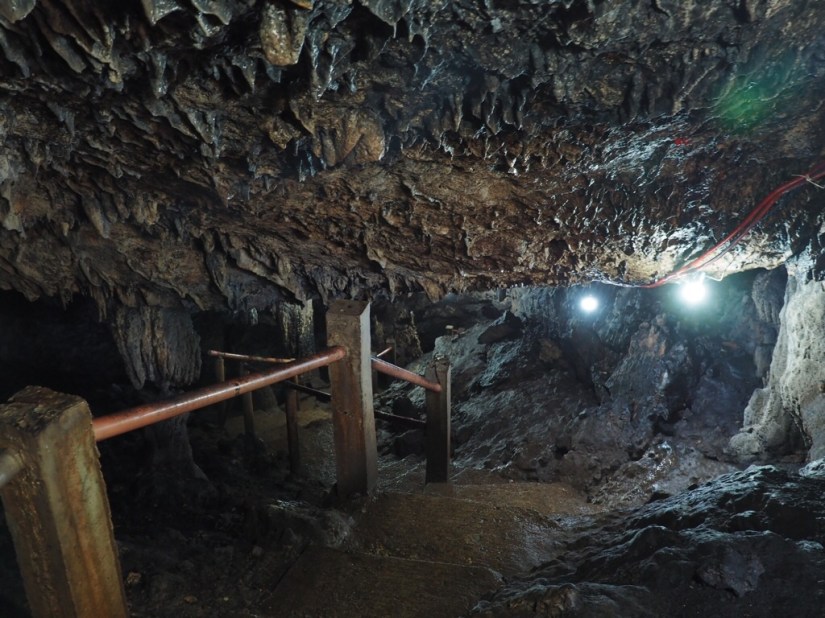

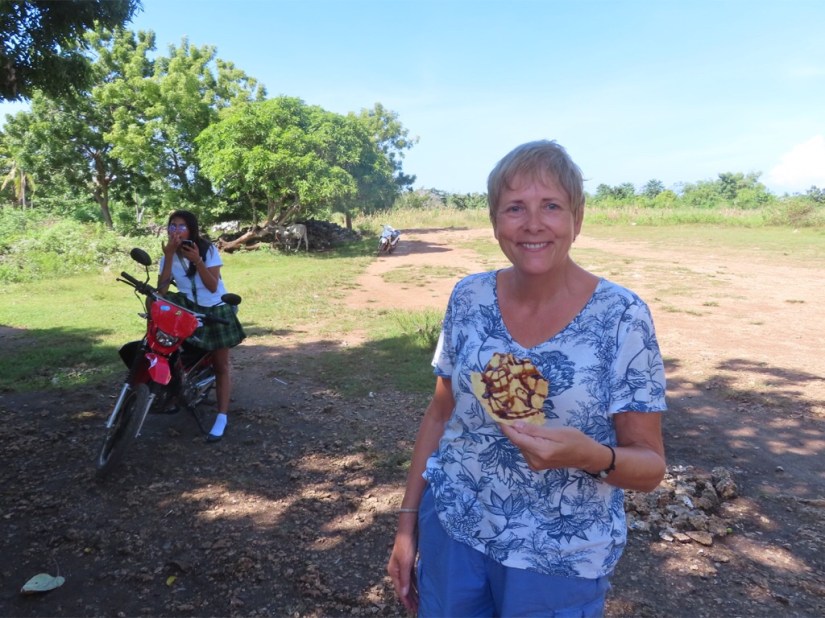
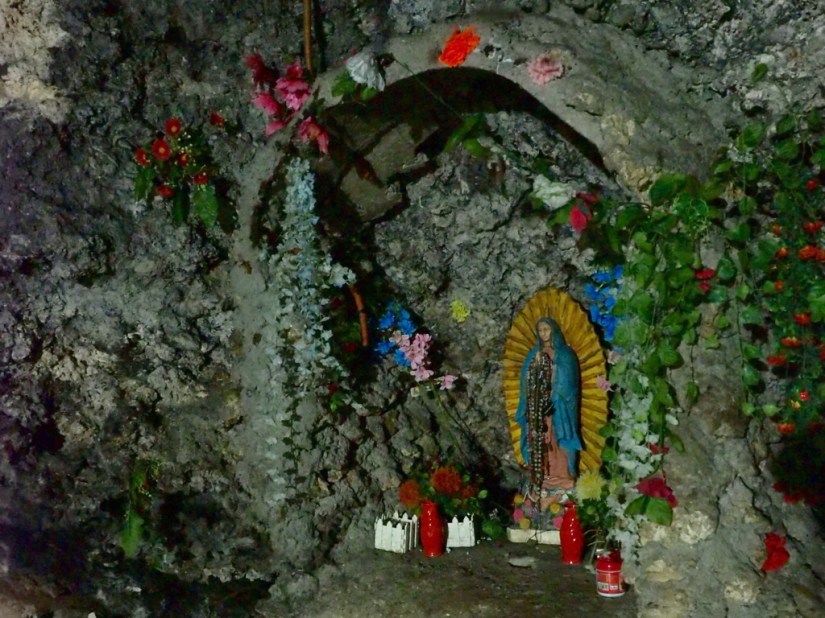 Unsurprisingly, Chris chose not to swim and I couldn’t resist! As we emerged, some schoolgirls were tucking into a post-school snack of a crispy disc with what looked like chocolate sauce, but was coconut syrup … yum!
Danao Lake is a large guitar shaped lake, containing two islets with a legend that explains these are the remains of Isyong and Isyang …

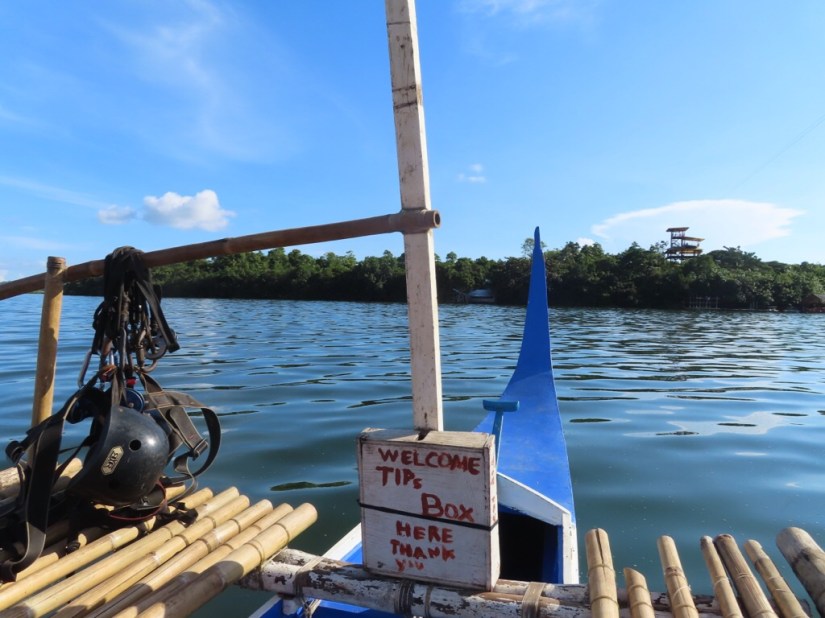
After a visit to the cafe, we explored further and decided to have a go on the zip-line. Having climbed to the top of the tower, Chris got fitted out first, and made the trip to the island in the middle of the lake. I was second and was surprised how sedate the ride was compared with the last zip-line in Bohol! We made our way back on a small boat.


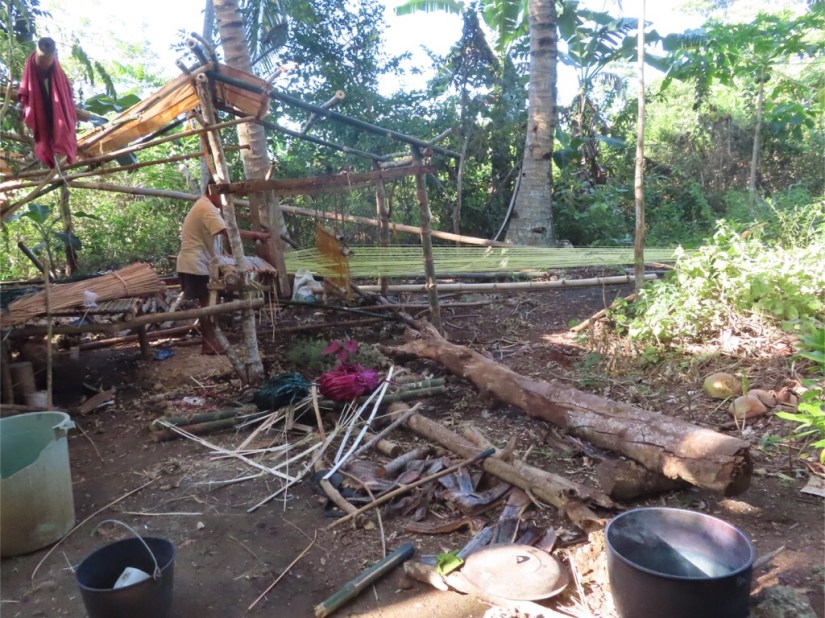
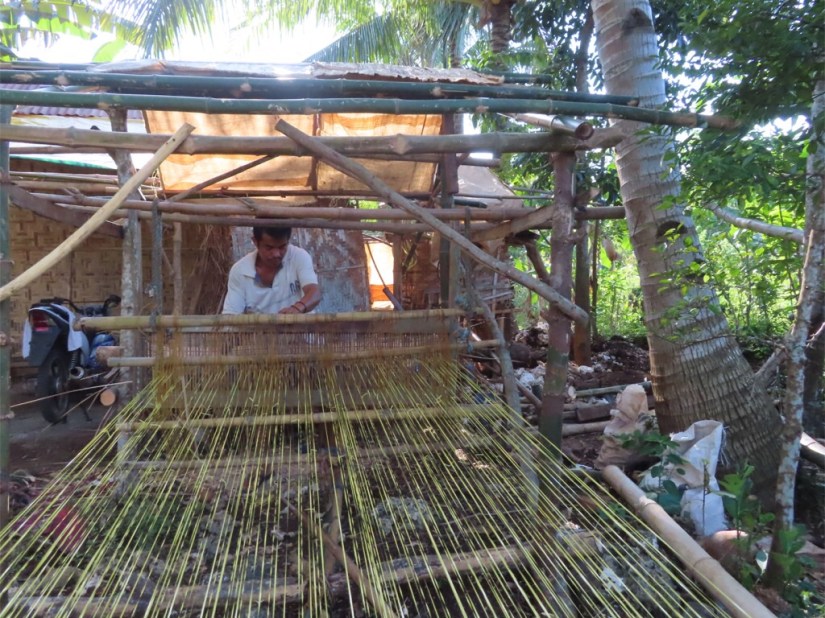
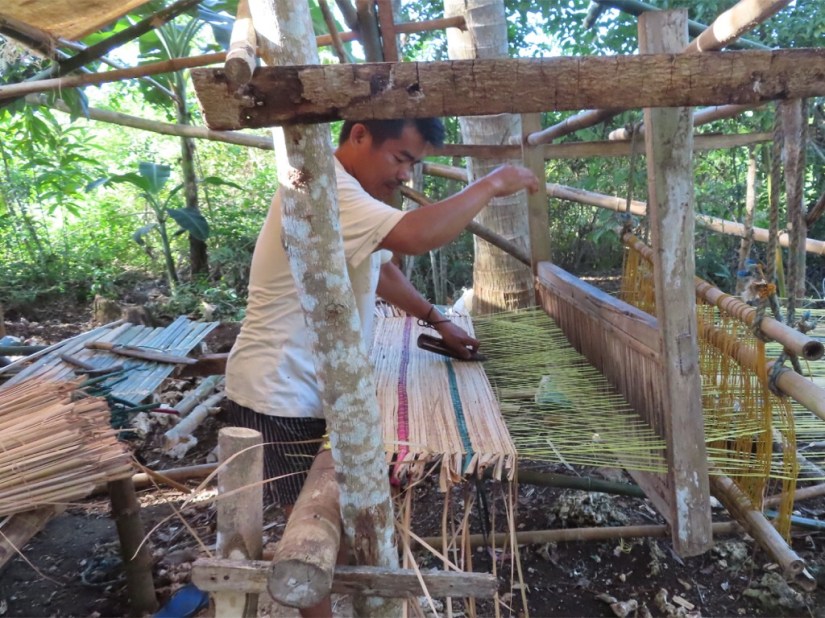
Weaving is still done locally, and we passed a chap with a loom in his yard. He had a dye pot on the fire and incorporated pink and green stripes into the mat and said he could make about a metre an hour.
With over 90% Christians in the Philippines, this remains the biggest legacy left by the Spanish. The only change has been a slight reduction in main stream Catholicism and an increase in a variety of other Christian churches and sects. We were surprised how many churches we passed of all denominations, including those of the Iglesias ni Cristo, an independent nontrinitarian Christian sect founded in the Philippines in 1914, and here are just a few …
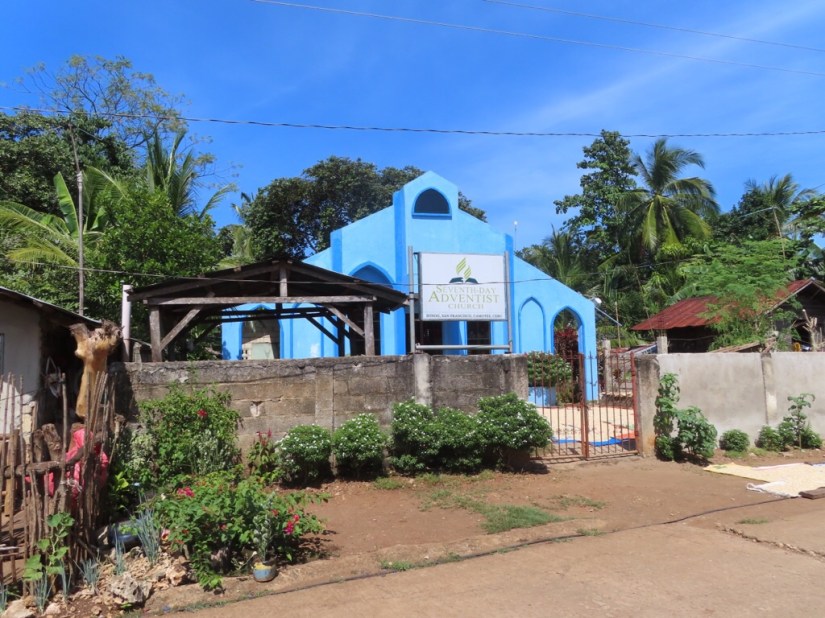


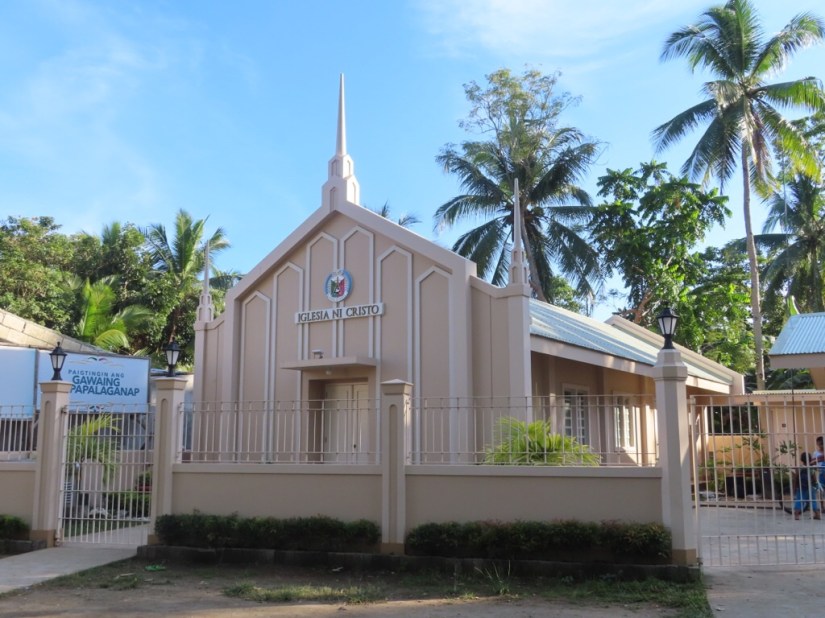
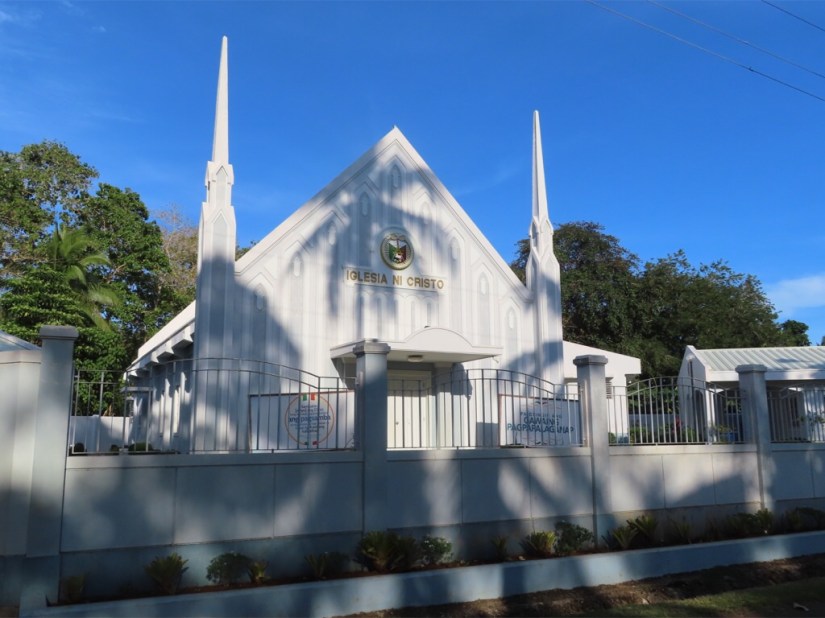
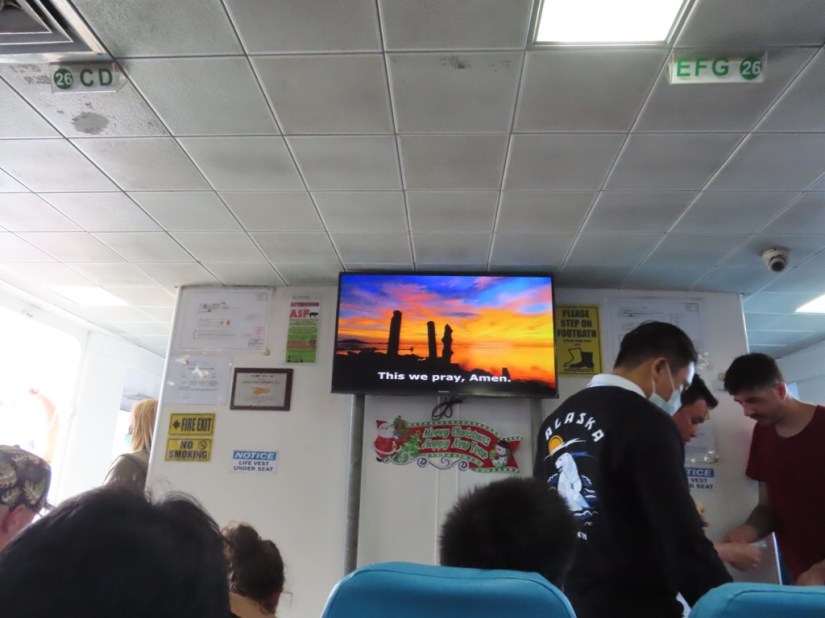
Faith is very noticeable in everyday life, everything from the bible quotes on the back of tricycles to the prayer said at the beginning of an Oceanjet crossing.

Here are some other snaps …

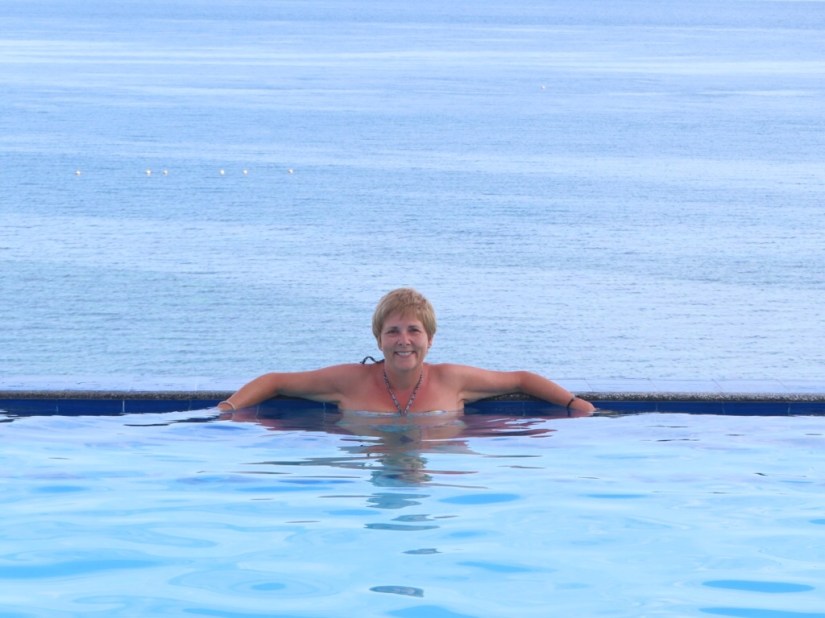
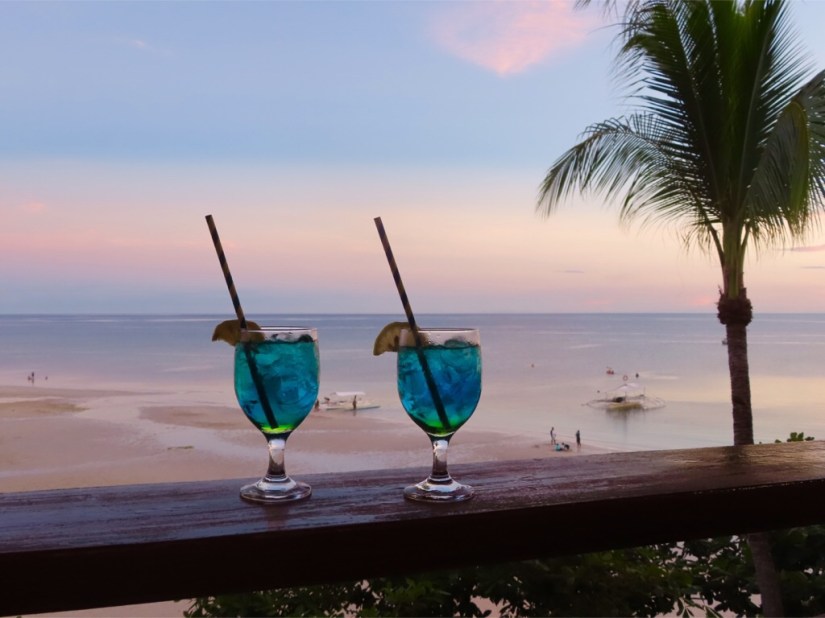
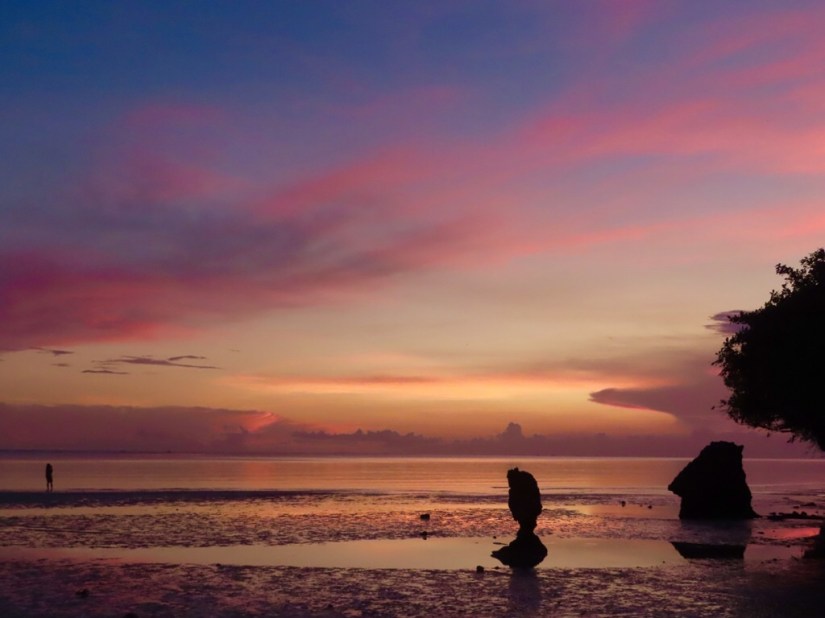
Out trip is coming to a close, but time for a final swim in the infinity pool, blue margaritas, sunset, dinner, card games and bed.
Tomorrow we return to Cebu City …
 Off Travelling Together