
With rain forecast later, we made an early start so we could walk to Clifton along the bank of the River Avon. We would have started along the Chocolate Path, named for the appearance of its paving slabs laid in 1906, but it is slowly crumbling into the canal and has been closed awaiting repairs.


On such a grey morning even the graffiti and brightly painted houses did little to lift the mood …

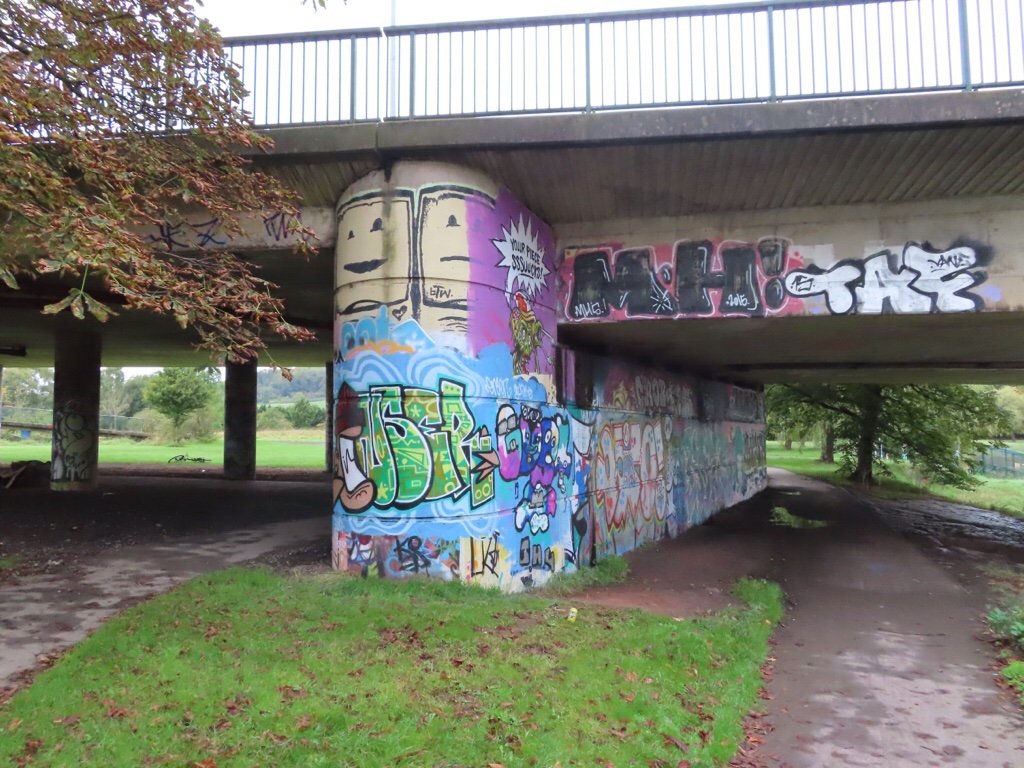
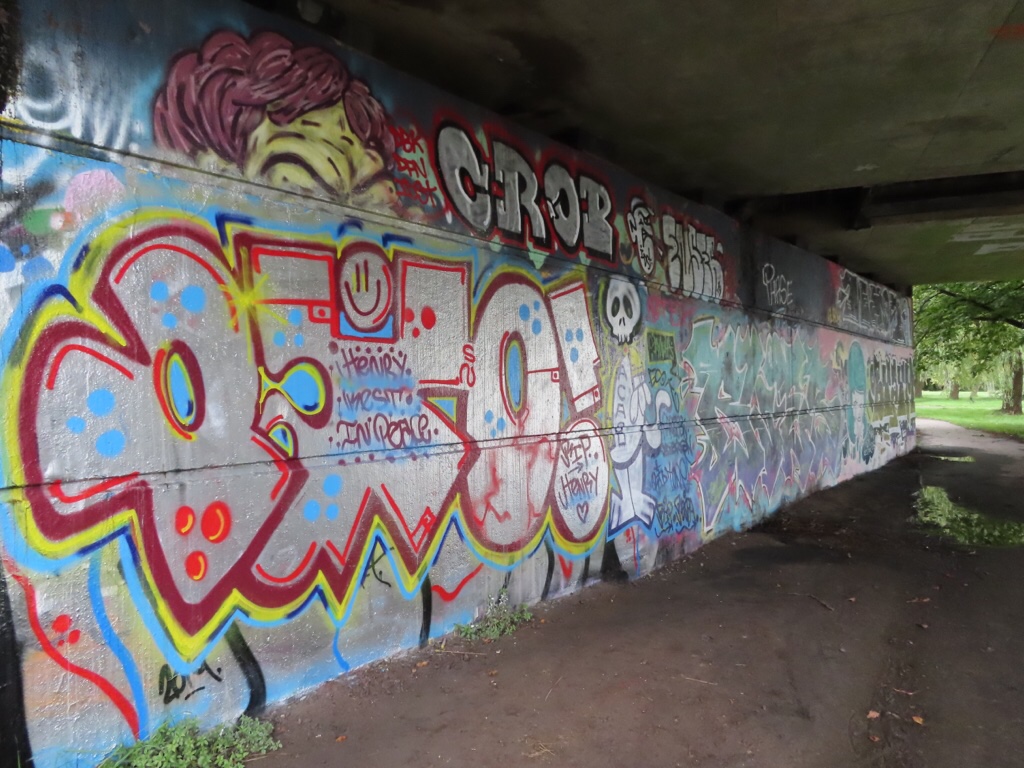
… but The Clifton Suspension Bridge came into view and still looked impressive.
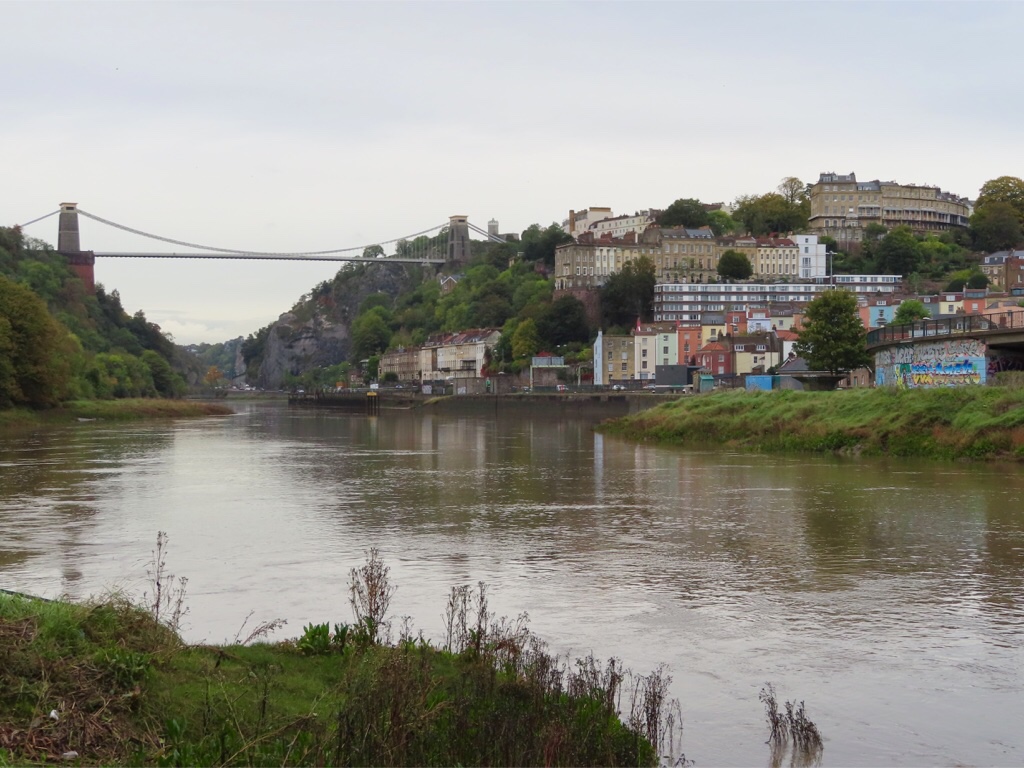
Looking across the river, we could see the area called Hotwells, named for the hot springs which bubble up through the rocks of the Avon Gorge. In the C18th, the spring was enclosed and its water pumped up into a new Hotwell House, which combined a pump room with lodgings in an attempt to compete with Bath. Elegant Georgian terraces were built as well as assembly rooms, hotels and lodging houses and Hotwells became crowded with nobility and gentry. Development up the green slopes of Clifton continued with much speculative property development, which was hit hard by the uncertainty of the war with France in 1793. By the time peace came, spas were giving way to seaside resorts as fashionable retreats, but Clifton developed into a perfect suburb for the rich merchants of the city and could even be reached by the Clifton Rocks Railway, a funicular railway built in a tunnel through the cliffs.
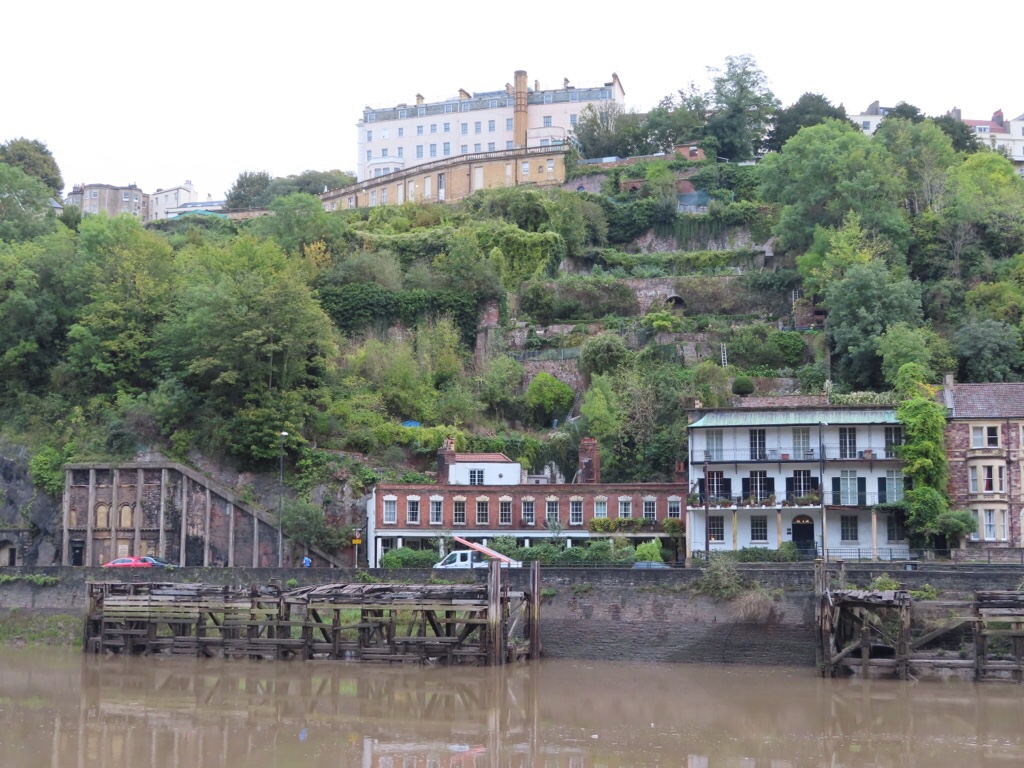
It started drizzling as we took the footpath up through Leigh Woods to the visitor centre by the bridge.


Having read about its construction, it’s surprising that this symbol of Bristol got completed at all. The idea of building a bridge across the Avon Gorge originated in 1753 but it was difficult to find a design which would fit the budget and even once Brunel’s design was chosen, there were delays, cost cuts and changes which meant the planned Egyptian style towers and sphinxes were omitted. It wasn’t completed till after Brunel’s death and was finally opened in 1864. It has always been a toll bridge, with a charge of £1 per car and was also the location of the first ever bungee jump by members of the Oxford University Dangerous Sports Club 1979.

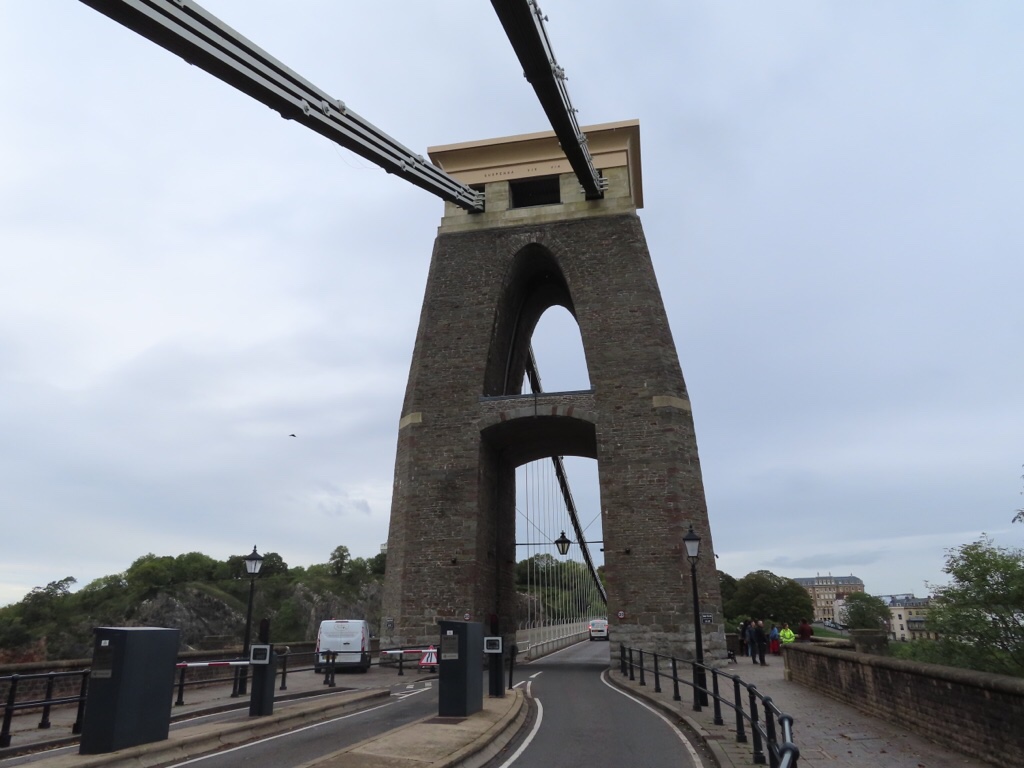
We walked across, looked back to the city and continued to the observatory which we had seen from the other side but the camera obscura was not working on such a grey day and we had no great ambition to climb down through the cliff to the Giants cave below. After a couple of snaps, a coffee and a chance encounter, we continued into Clifton.


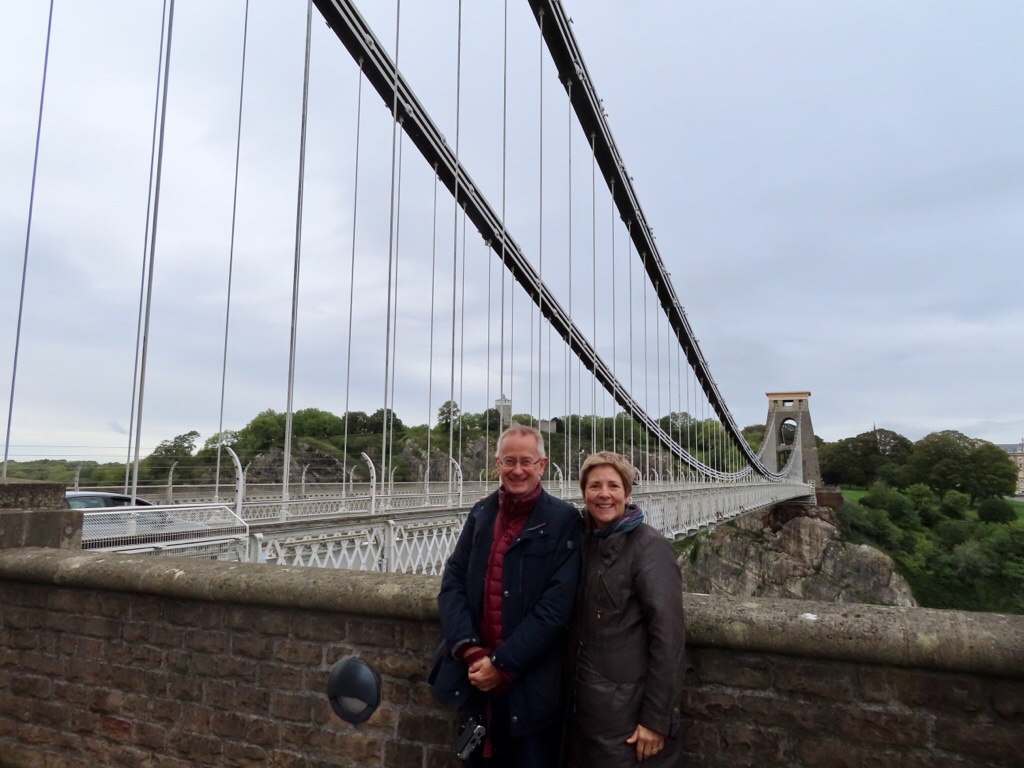
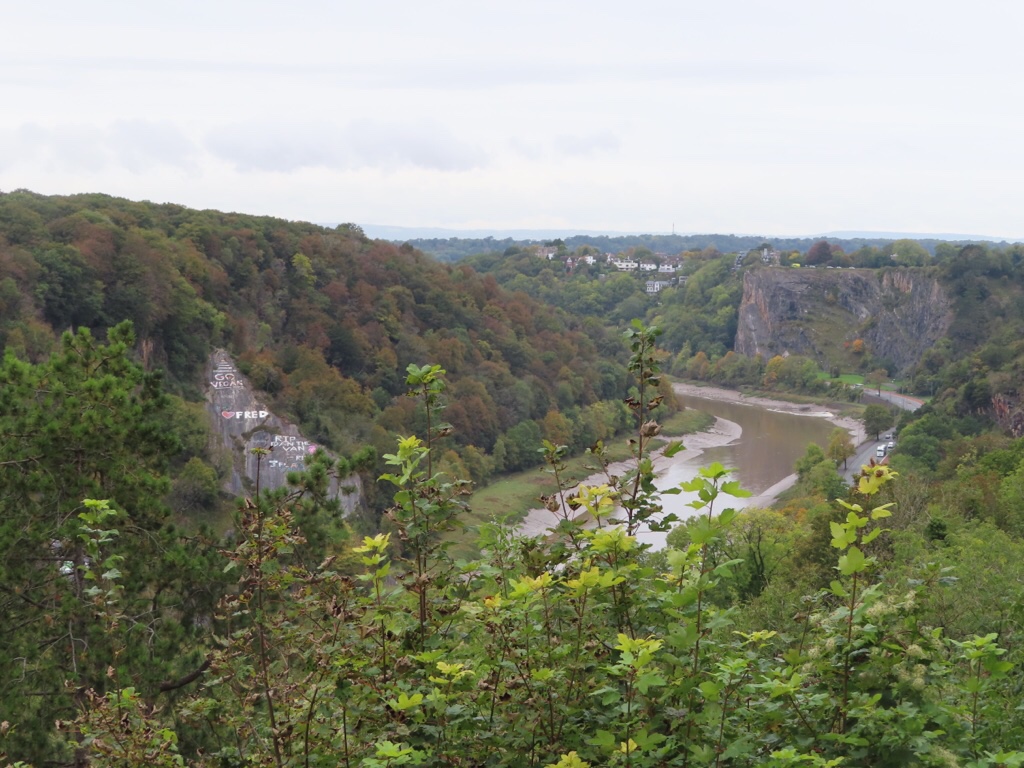

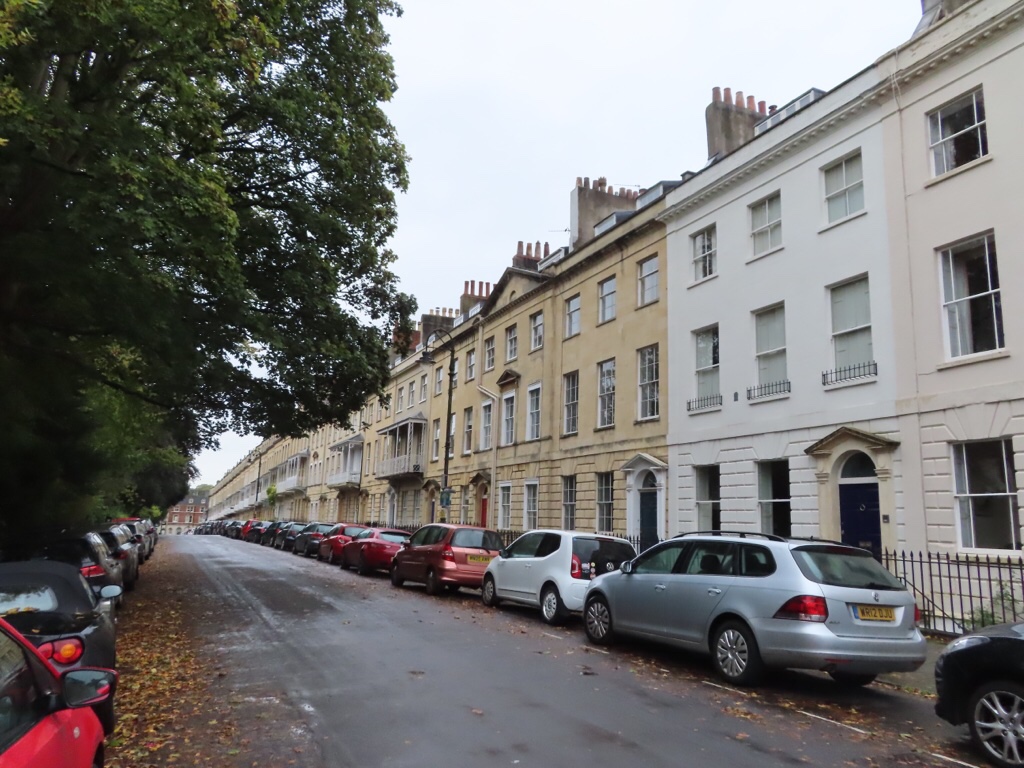
I’m sure it would have been far more appealing on a dry day, and while we did take a look at a couple of the elegant streets and terraces …
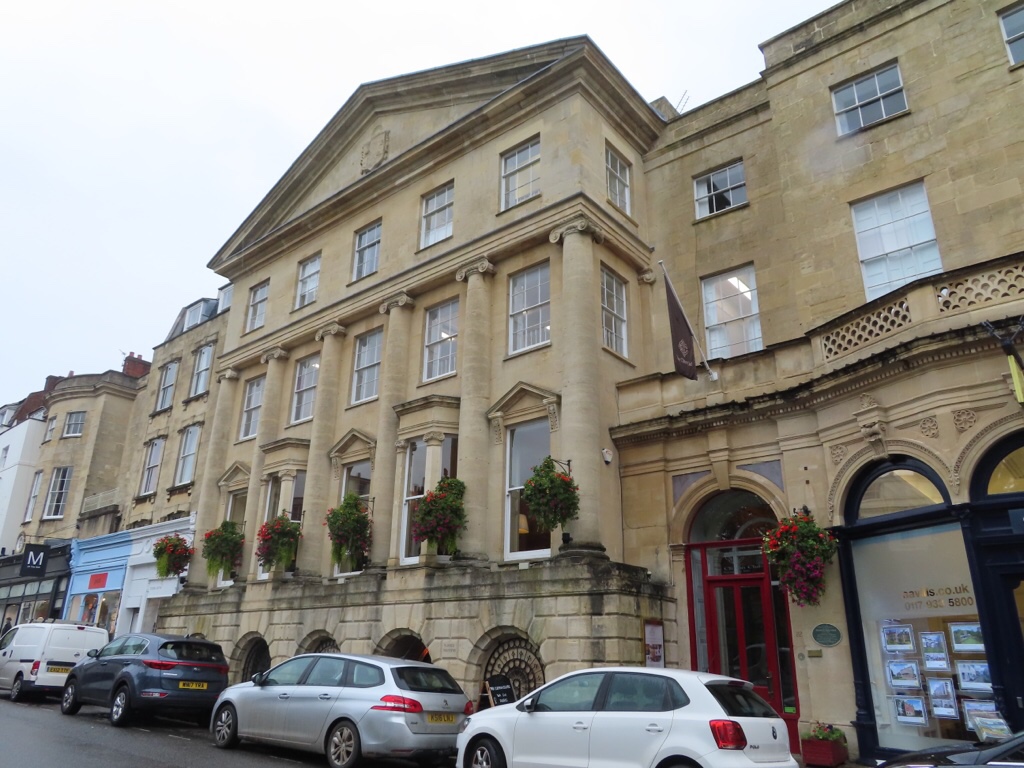

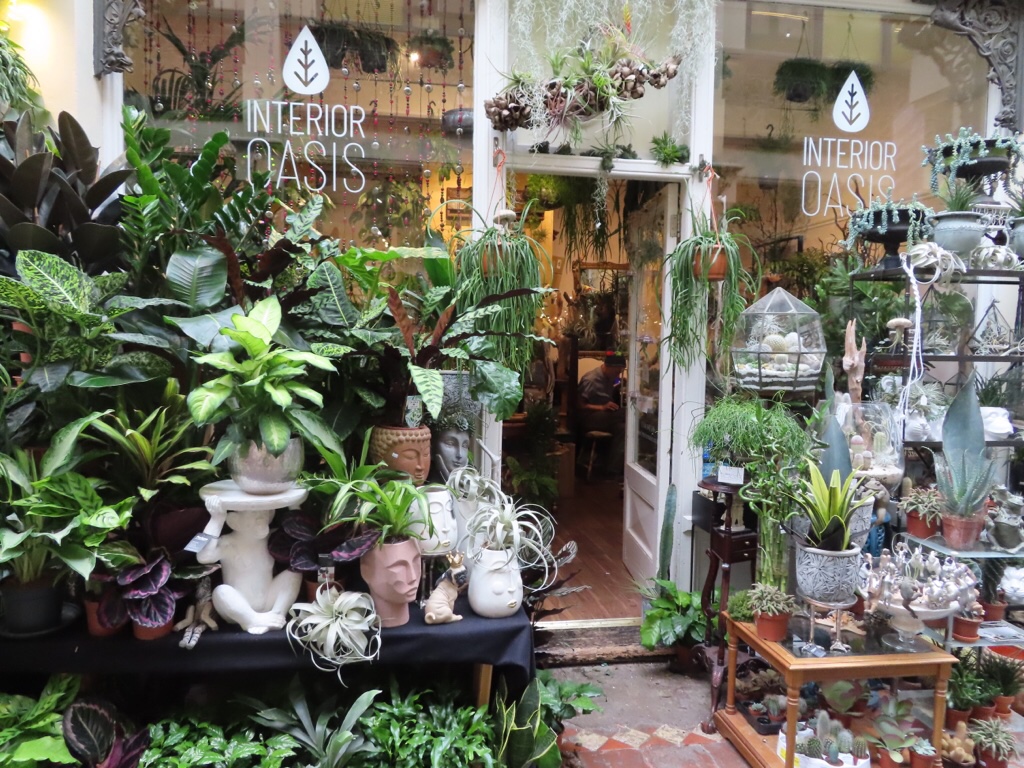
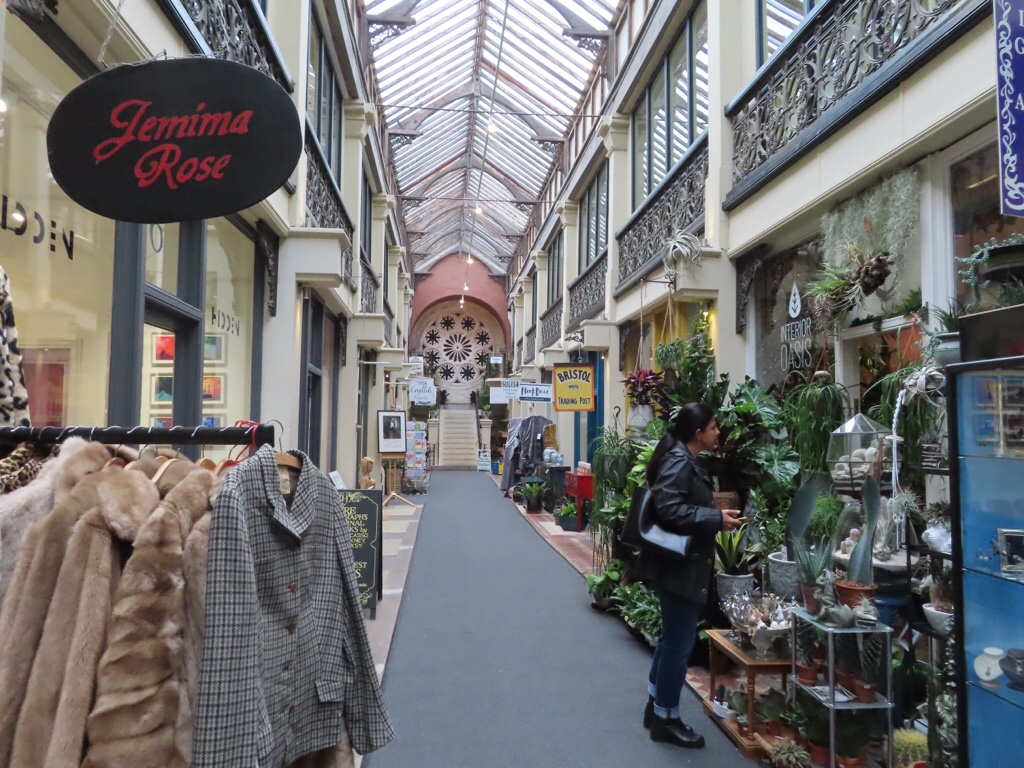
… and also the Clifton Arcade, it was all a bit damp.


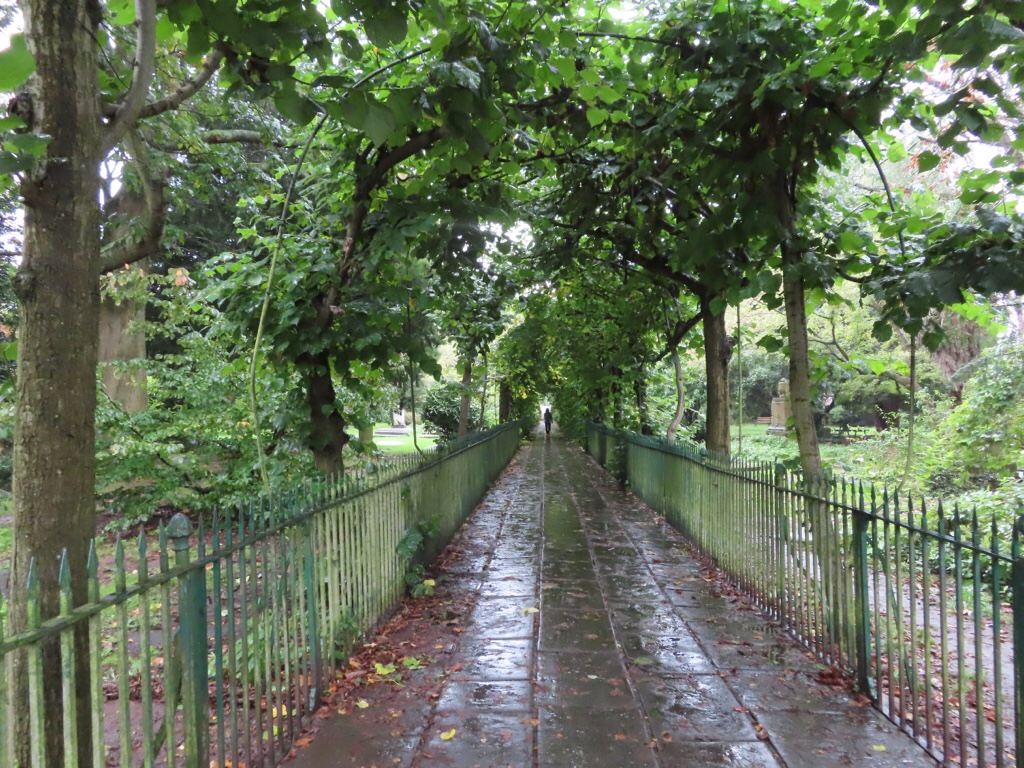
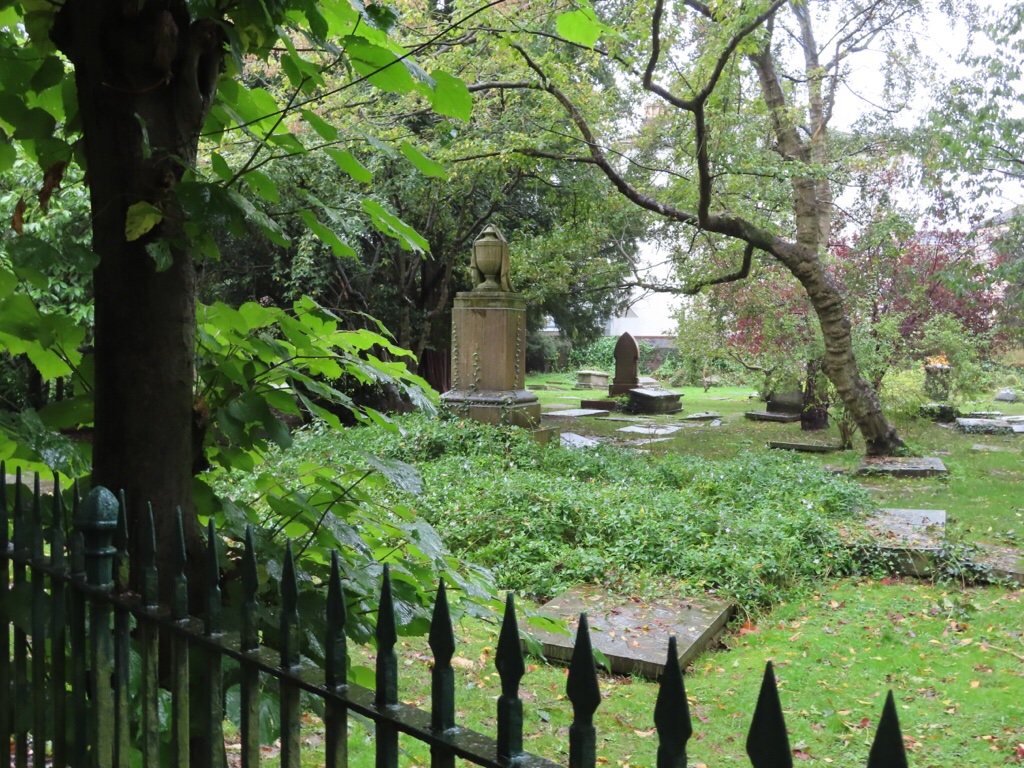
I had been reading Birdcage Walk by Helen Dunmore to immerse myself in Bristol, named for a footpath through a graveyard where one of the gravestones leads the reader into a story of the very speculative property development I mentioned earlier woven together with radical activists … so of course we had to check it out and it was certainly very atmospheric, especially in the rain!
At this point enough was enough, and rather than taking our time admiring more architecture and checking out the coloured houses of Hotwells, we took the most direct route back to the city, followed by a small ferry that takes passengers across the river for £1 and took refuge in the SS Great Britain.
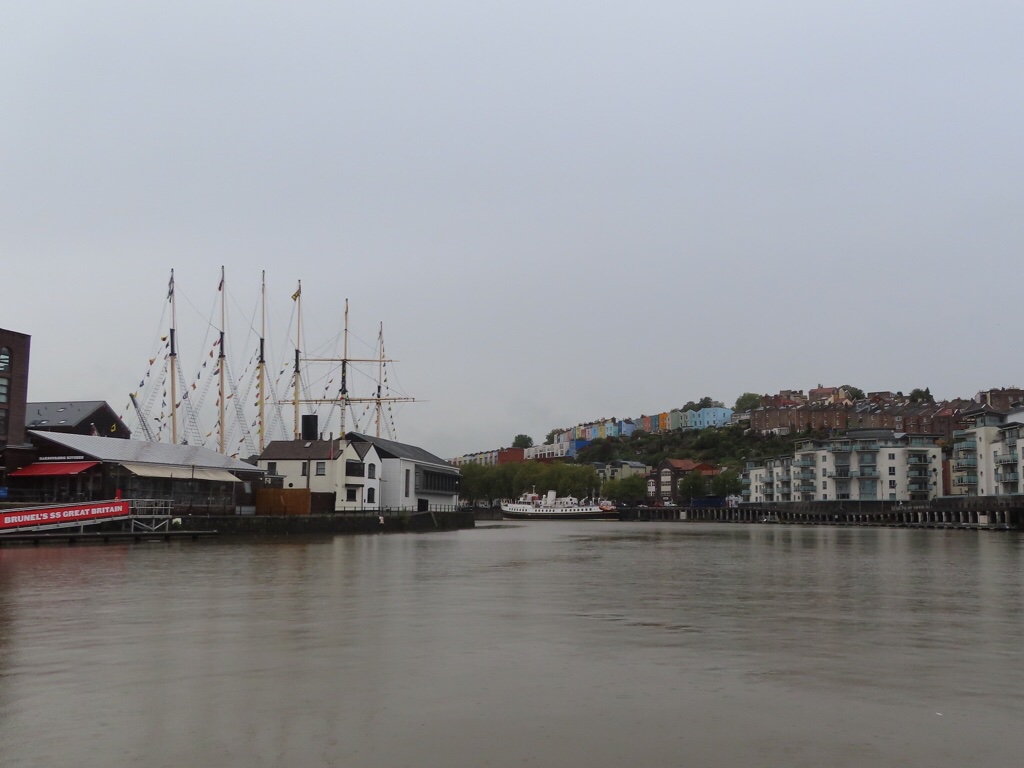
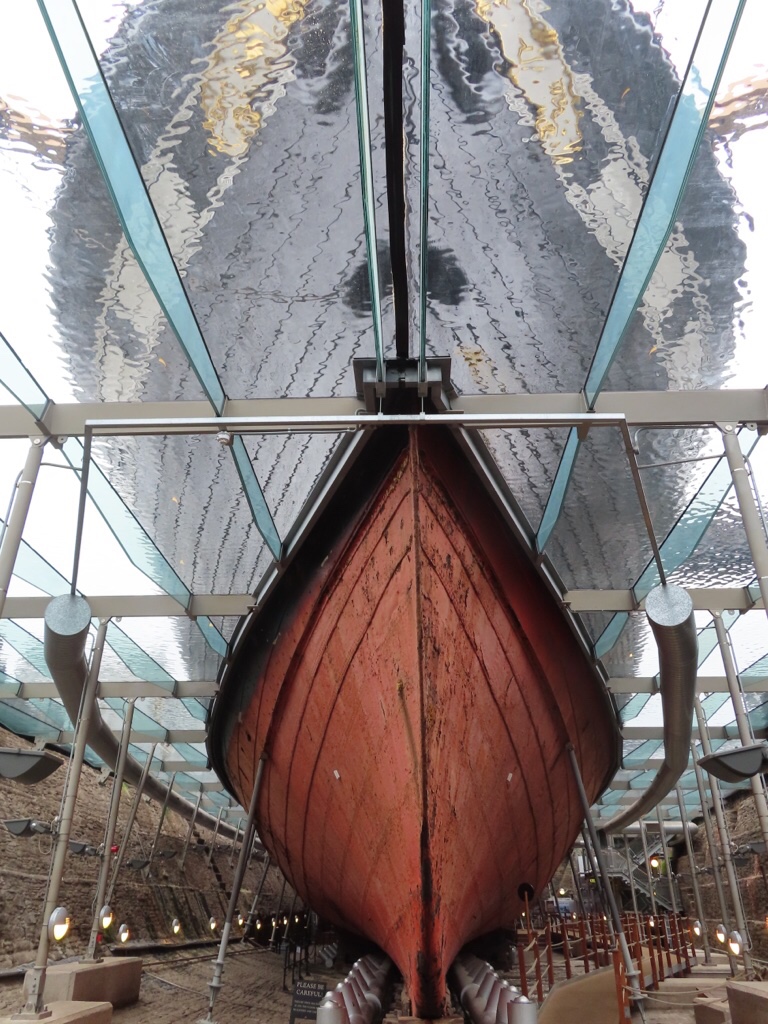
She was designed by Brunel and built in 1843, the first iron-hulled, propeller-driven ship to cross the Atlantic to New York. Subsequently she was fitted with an extra deck and made voyages to Australia, then was used for freight and did a stint carrying troops during the Crimean war. At the end of her life she was sunk as offshore storage in the Falklands before being rescued in 1970 and returned to the same dry dock she was built in and preserved. She stands giving the impression she is in water …
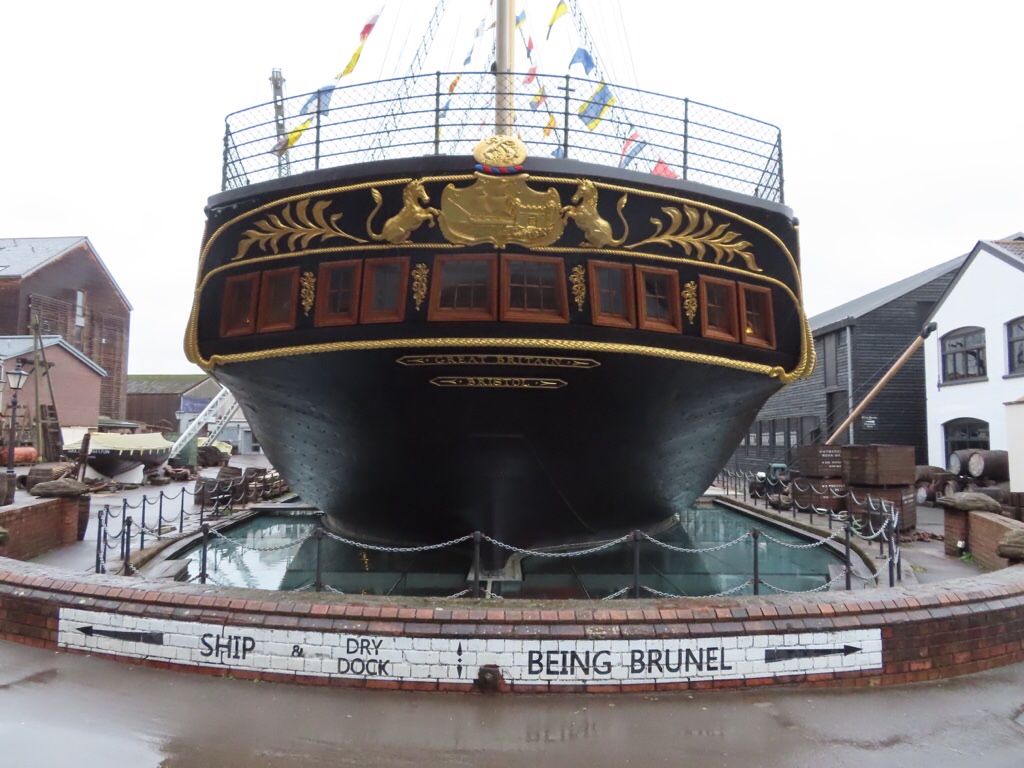
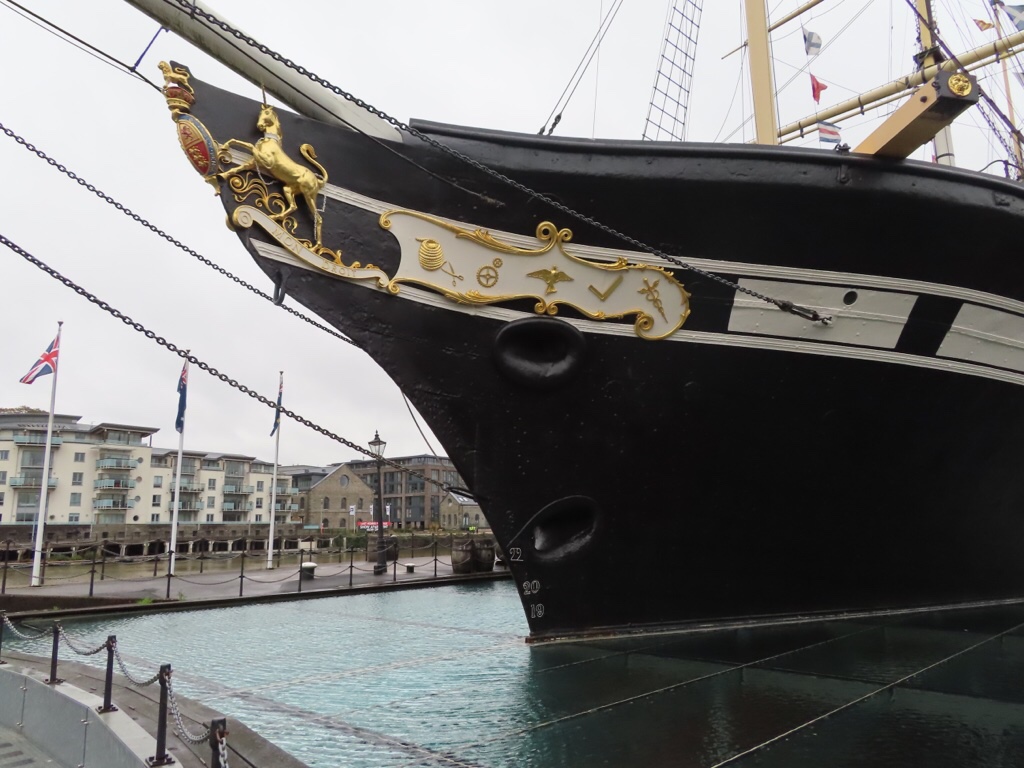
… but the truth can be seen below in the dry dock which contains warm air to prevent the hull from rusting further.

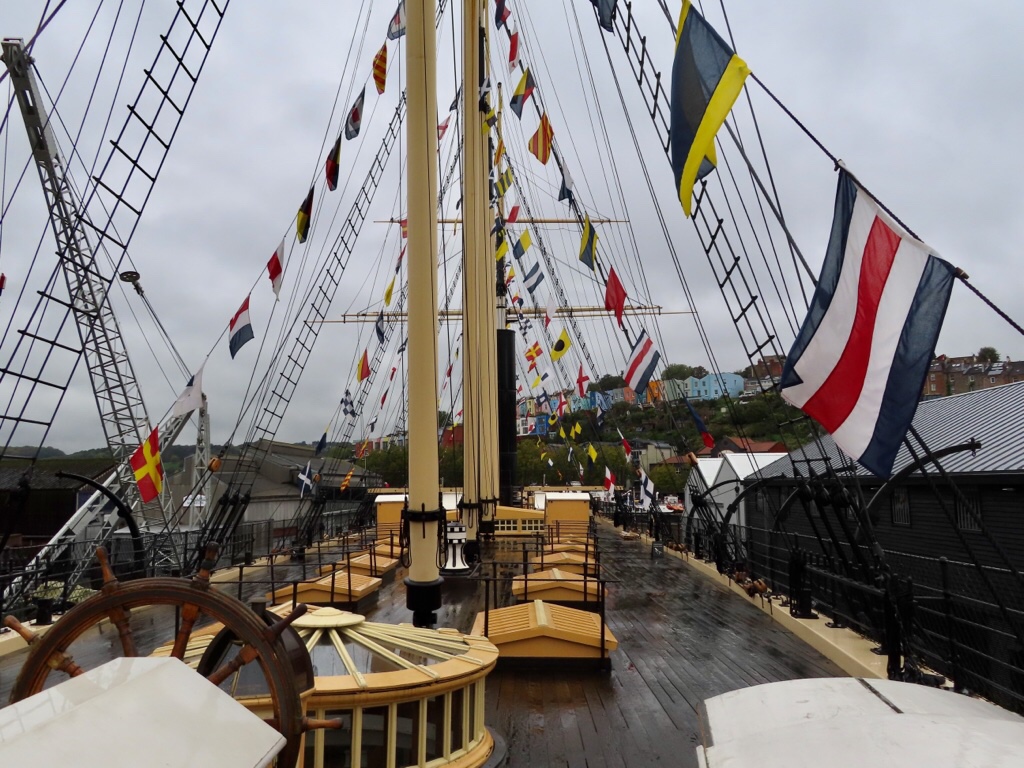
From the main deck she looks very smart …
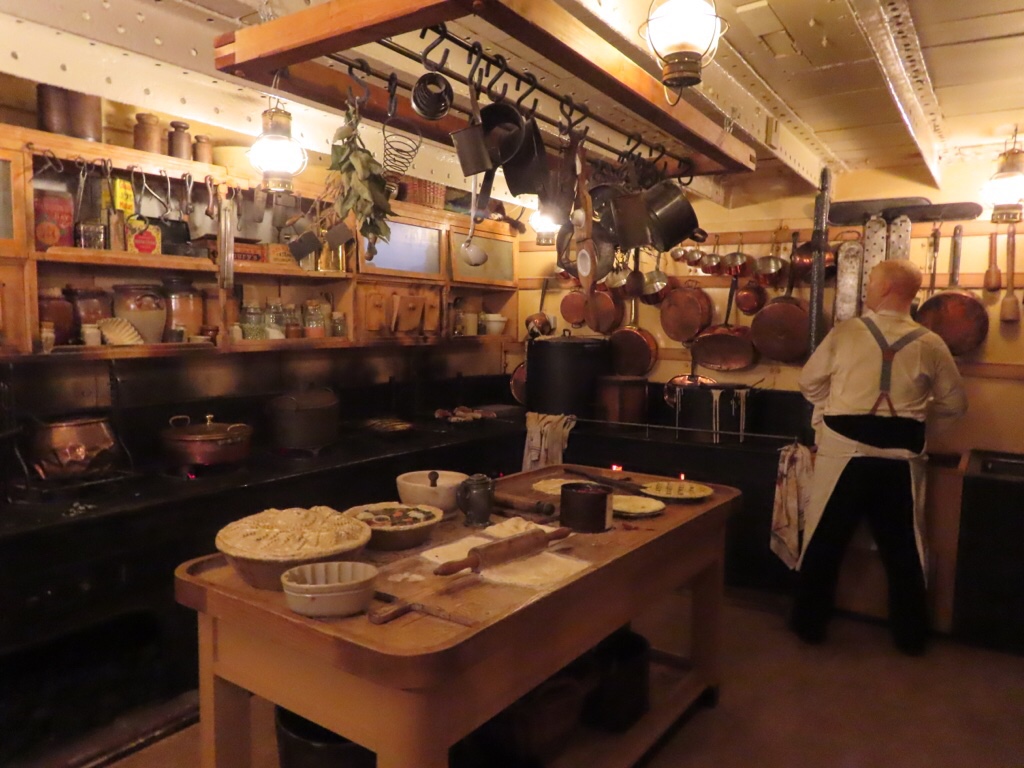
… and inside she has been partially refitted to show how she would have looked when first built complete with rats in the galley and rattling lids on the boiling stew!
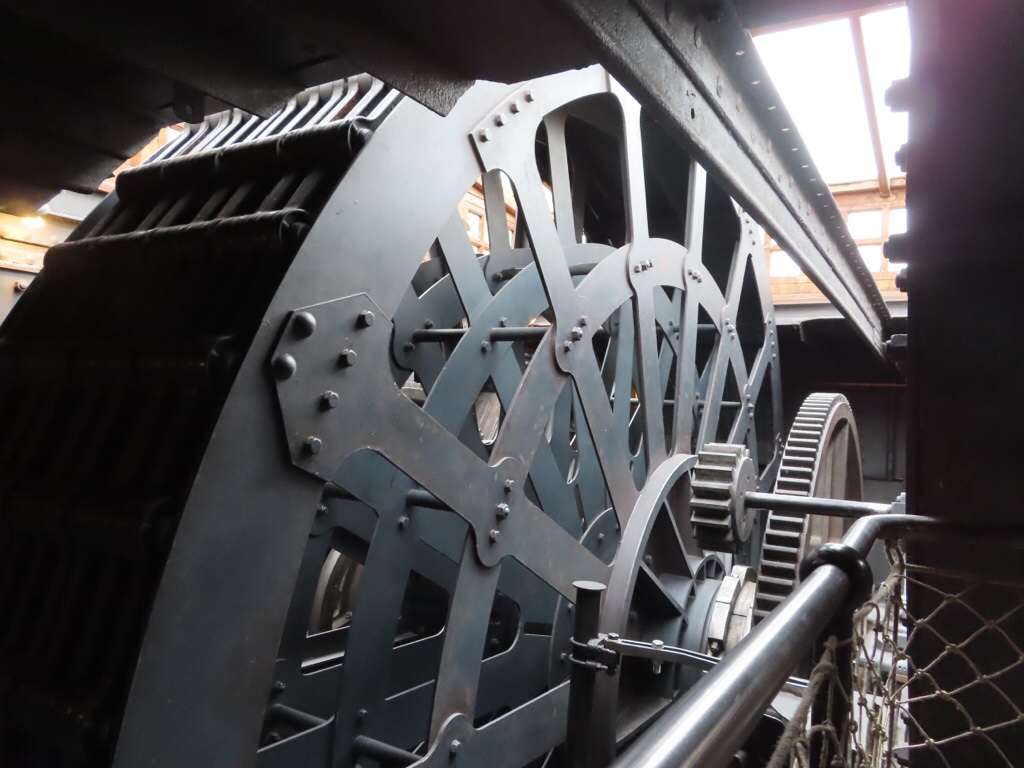


This was a great way to spend a wet afternoon and there was so much more including letters and diaries from passengers, details of the engineering design and how they have preserved her … good job our ticket enables to return for another visit!
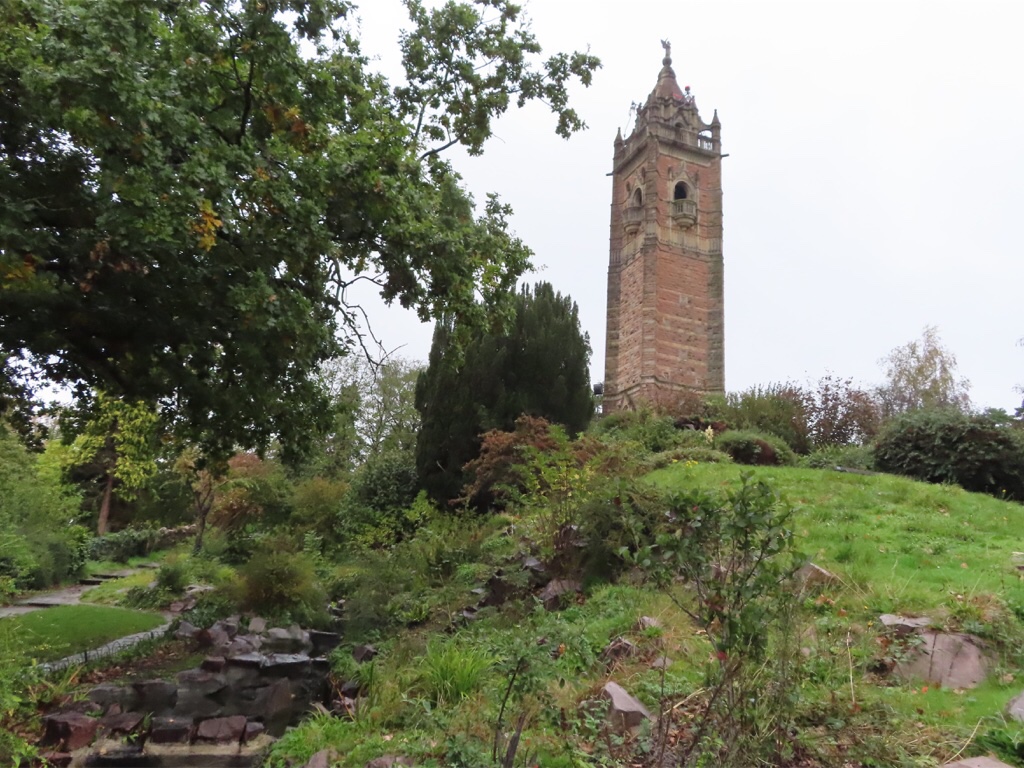
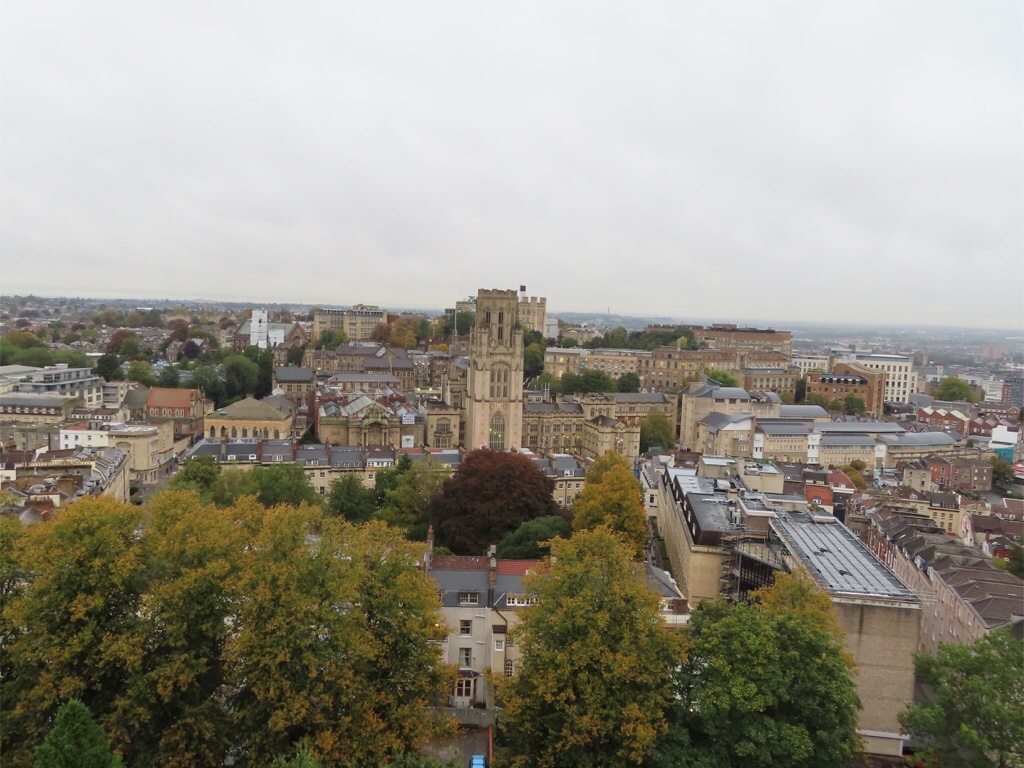
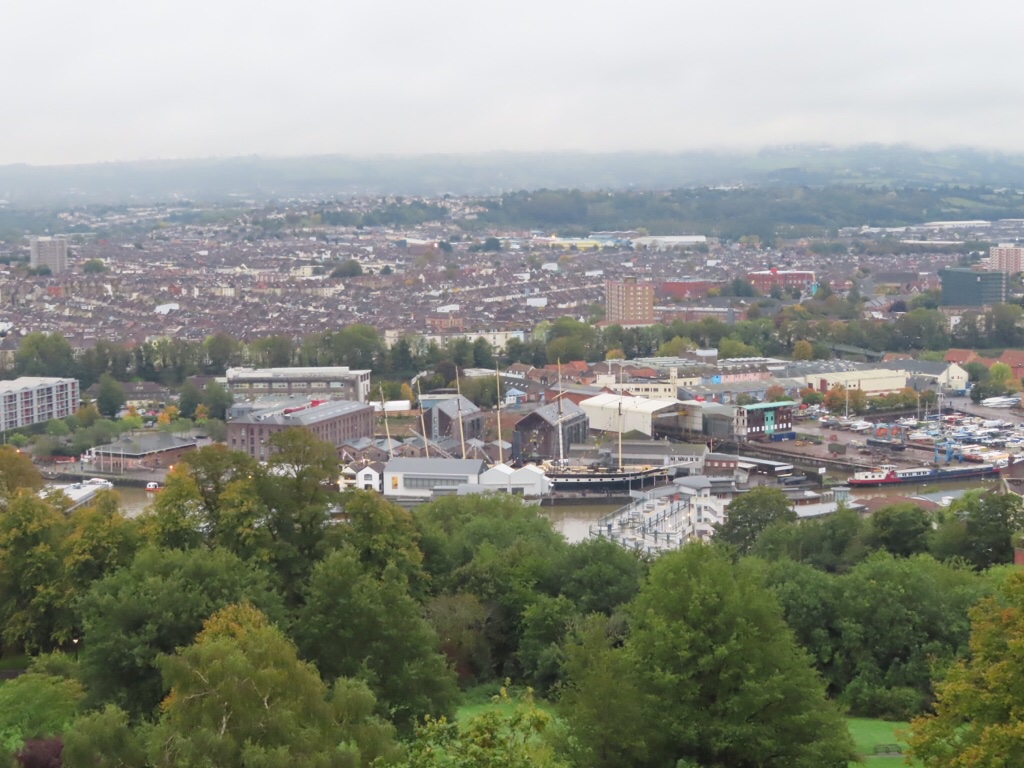
Just when we felt quite ready to call it a day, we set off back into the city to meet our niece Abi. Walking through Brandon Park, I climbed Cabot Tower but only got murky views.
A Sri Lankan restaurant called the Coconut Tree was a great choice for dinner and we caught up on news, chatting about all we had seen and what she was up to over white wine, hoppers and curry.
 Off Travelling Together