
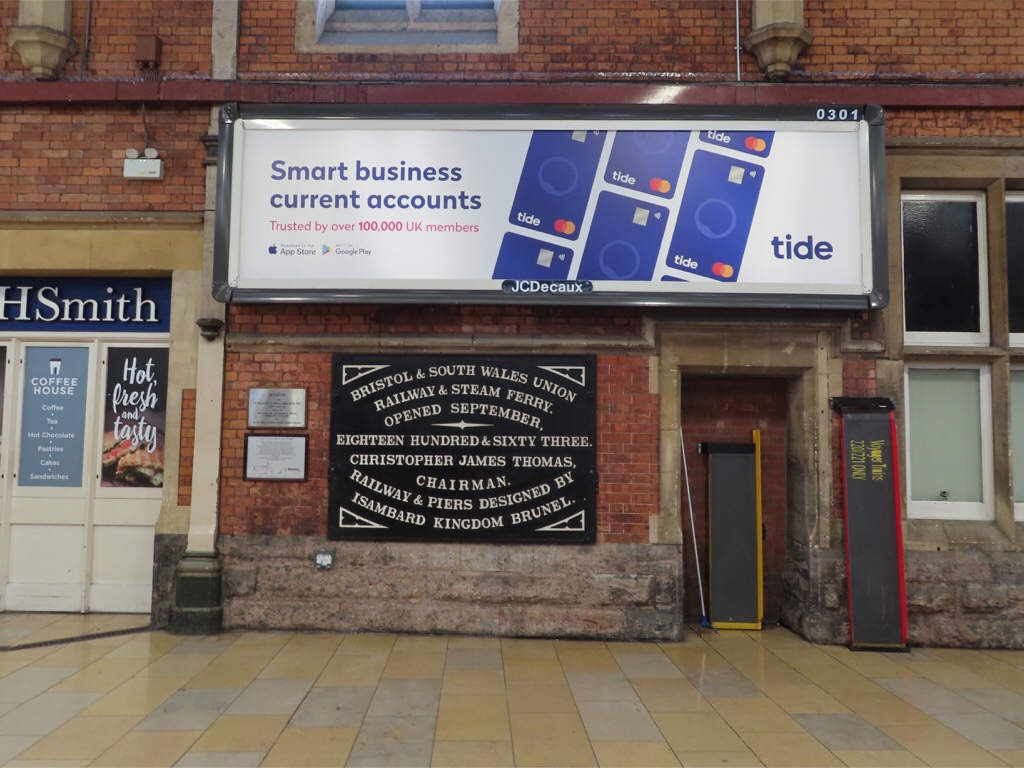
We arrived, like many visitors since 1840, on a Great Western Train at Temple Meads Station designed by Isambard Kingdom Brunel.

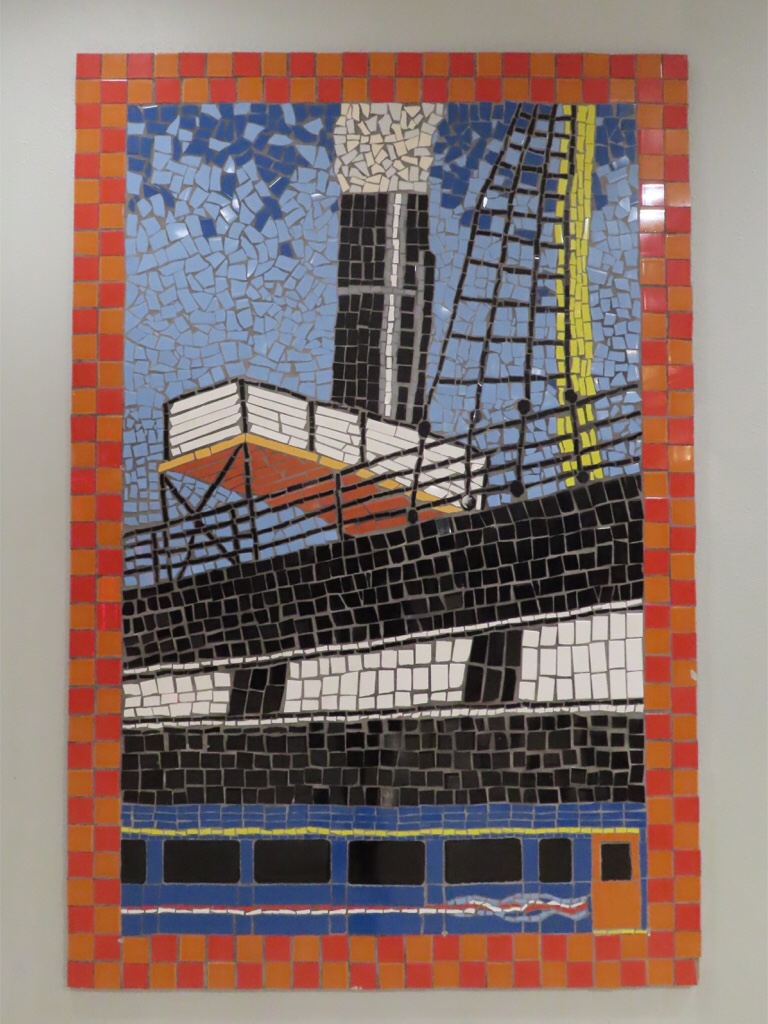
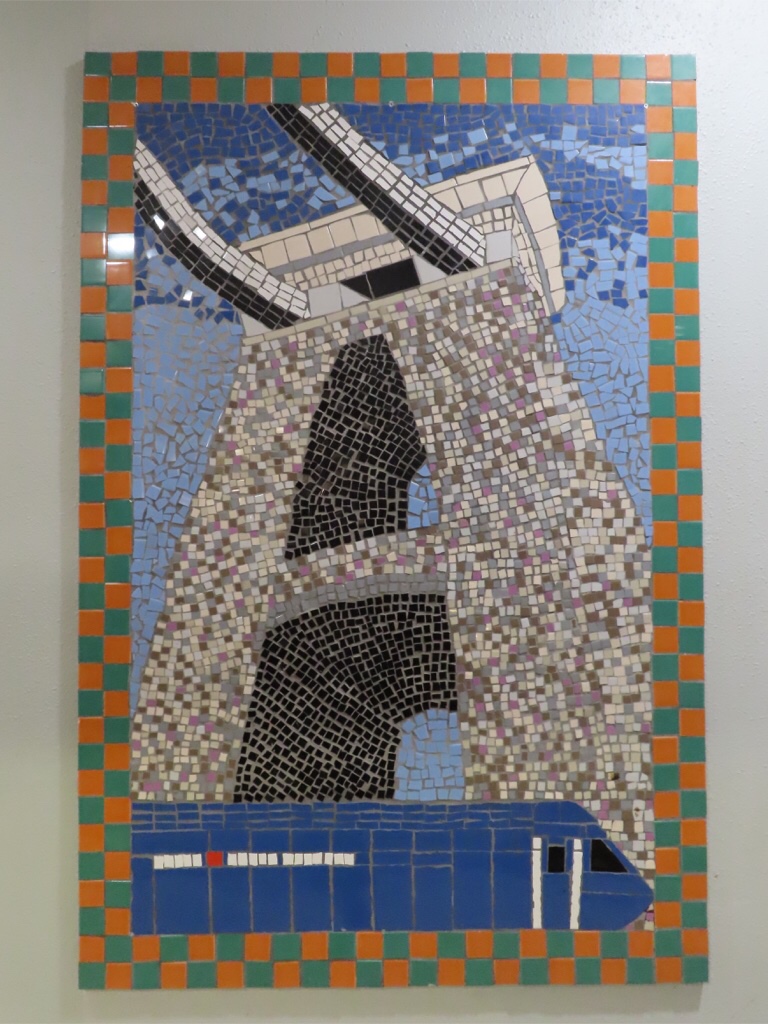
There were a couple of cheery mosaics, even though the day was rather grey.
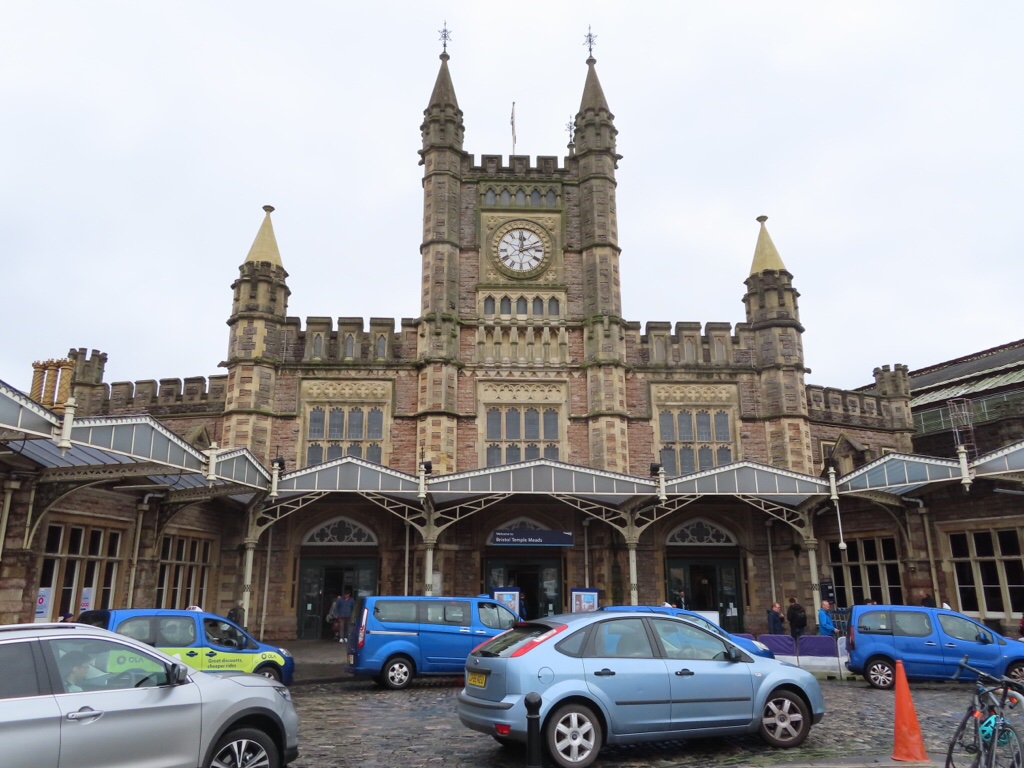
The terminus soon needed expanding so here is the new Gothic station from 1870 …
… and here is Brunel’s Old Station building across the forecourt.
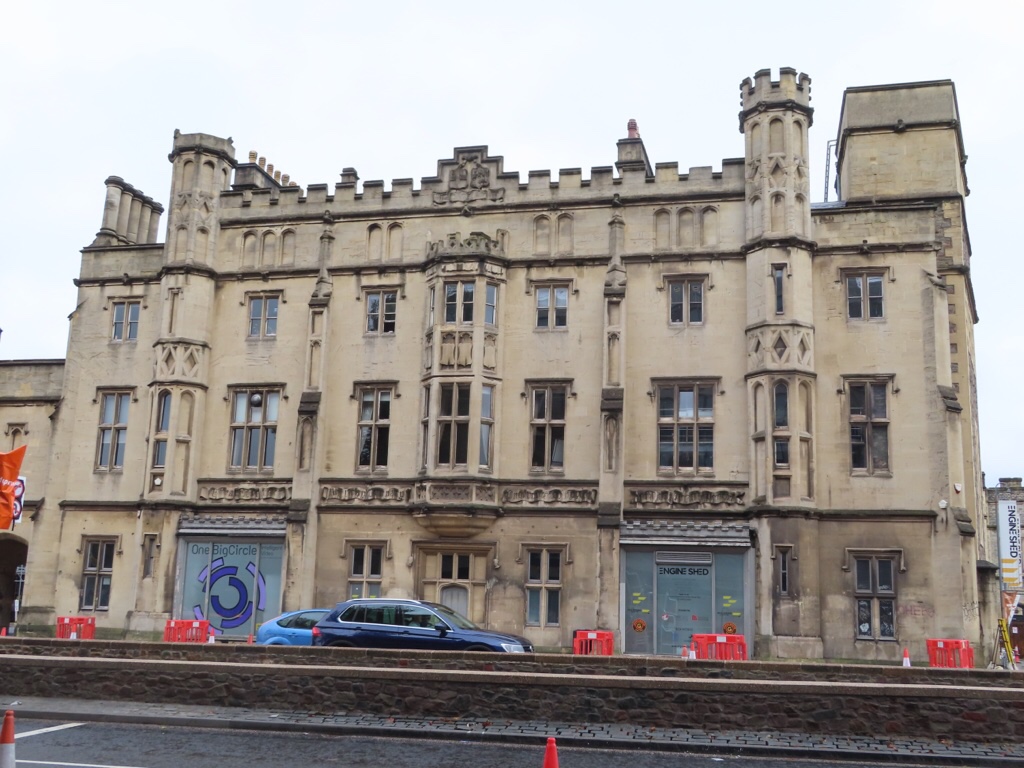
We are staying a short walk away in Southville, at the cute and cosy Ibrox Hotel where we left our luggage before heading out for lunch.

Bristol has a long maritime history so we thought we would start with the harbour. A short walk brought us to Spike Island which was created in 1809 when the Floating Harbour was constructed. Previously, the high tidal range meant that ships moored in the harbour would be aground at low tide and tip to one side so if everything was not stowed away ‘Ship Shape and Bristol Fashion’ cargo could be spoiled. The Floating Harbour was a lock system which trapped water in the city’s central harbour and allowed ships and boats to stay afloat without being affected by the changing tides.
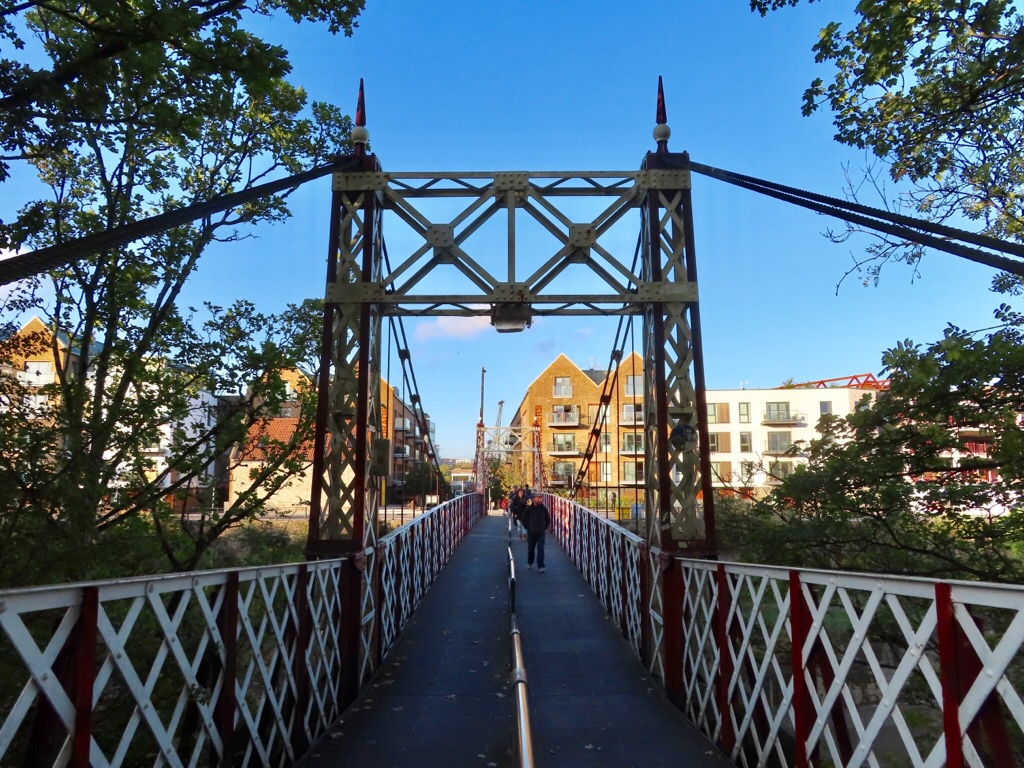
Gaol Ferry Bridge crosses New Cut to Wapping Wharf which was once home to the Victorian prison, but is now a regenerated area of cafes and shops.


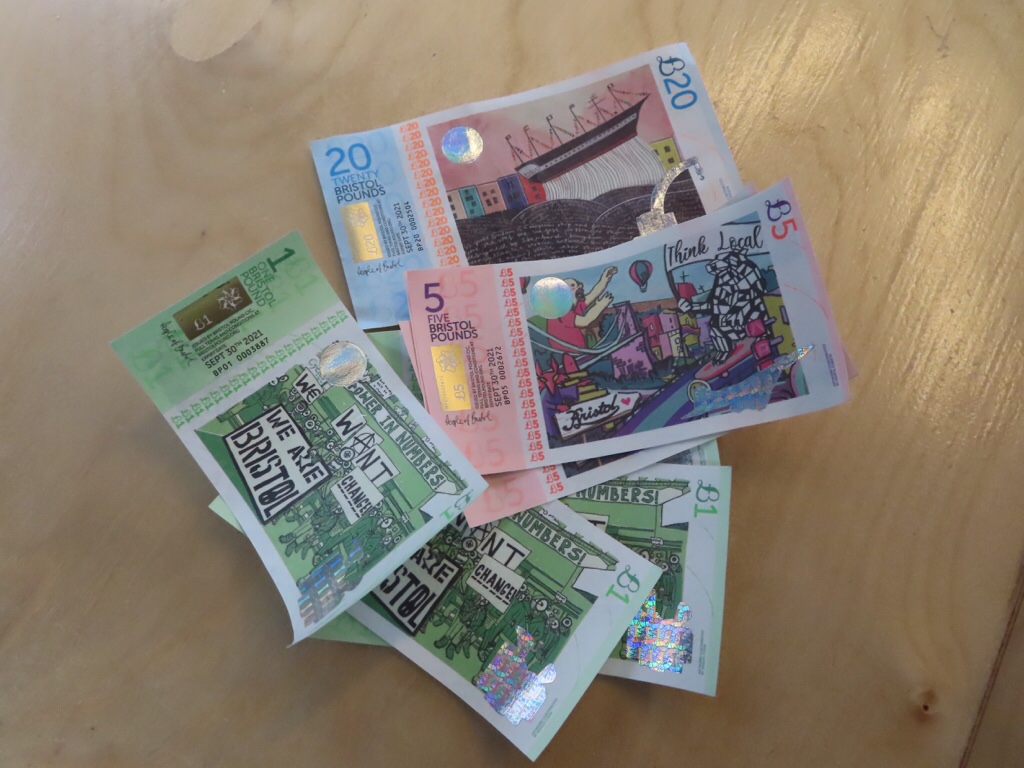
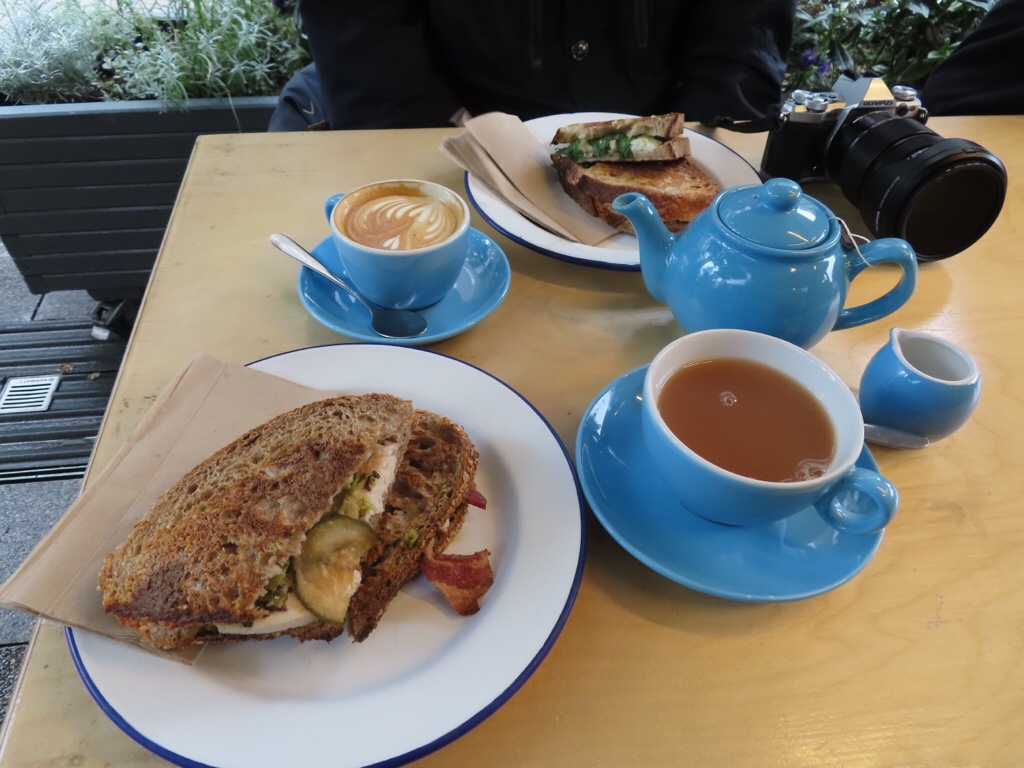
In Little Victories, to Chris’s amazement, we were able to change some money into Bristol Pounds, a community currency that began in 2012 and is used in various shops and cafes in the city. Having spent a few minutes admiring the notes, with their striking designs of Bristol including the suspension bridge, coloured houses, hot air balloons, ships and Concorde we spent a few on a couple of toasties for lunch.
Yesterday in the newspaper, we saw a photo of a sound and light installation in Bristol so went to have a look. It was in the Redcliff Caves, man-made caves, originally dug to provide sand for glass and pottery making extending for over an acre under the city. ‘We are Warriors’ marks 100 years since the first women were allowed to vote and on the way in, we each made a tiny light with a battery and bulb stuck together with tape, then added them to the array of lights inside the caves. It was very atmospheric, especially with the slightly eerie soundtrack. Unfortunately it was too dark to get a photo we could share … you had to be there!
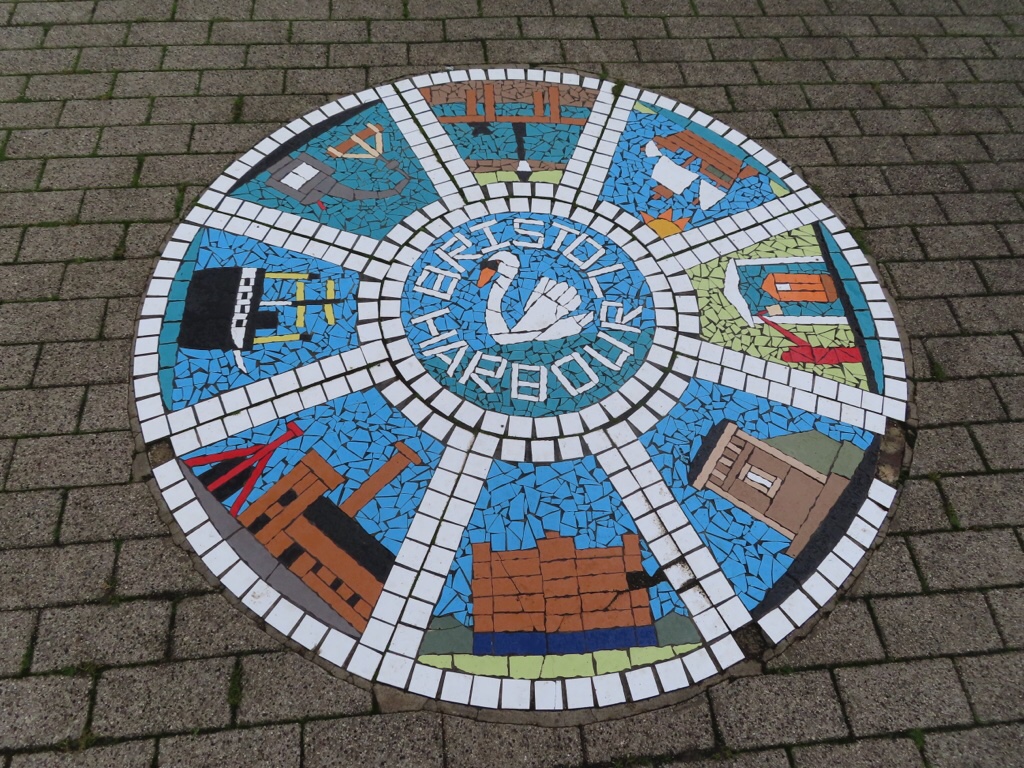
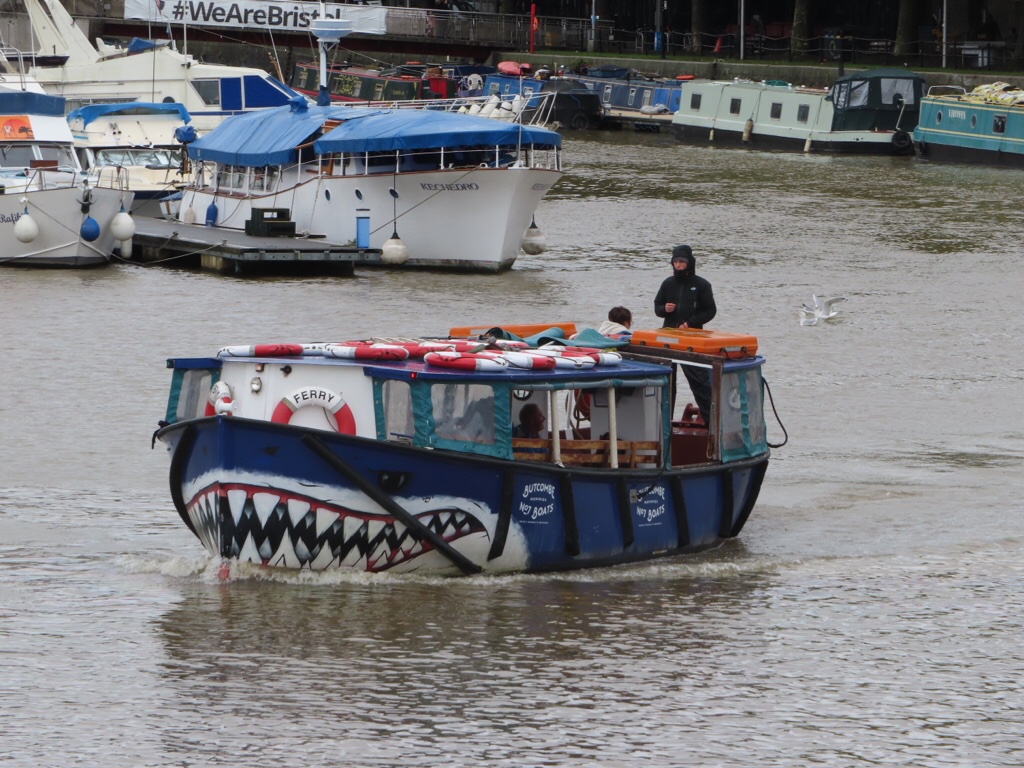
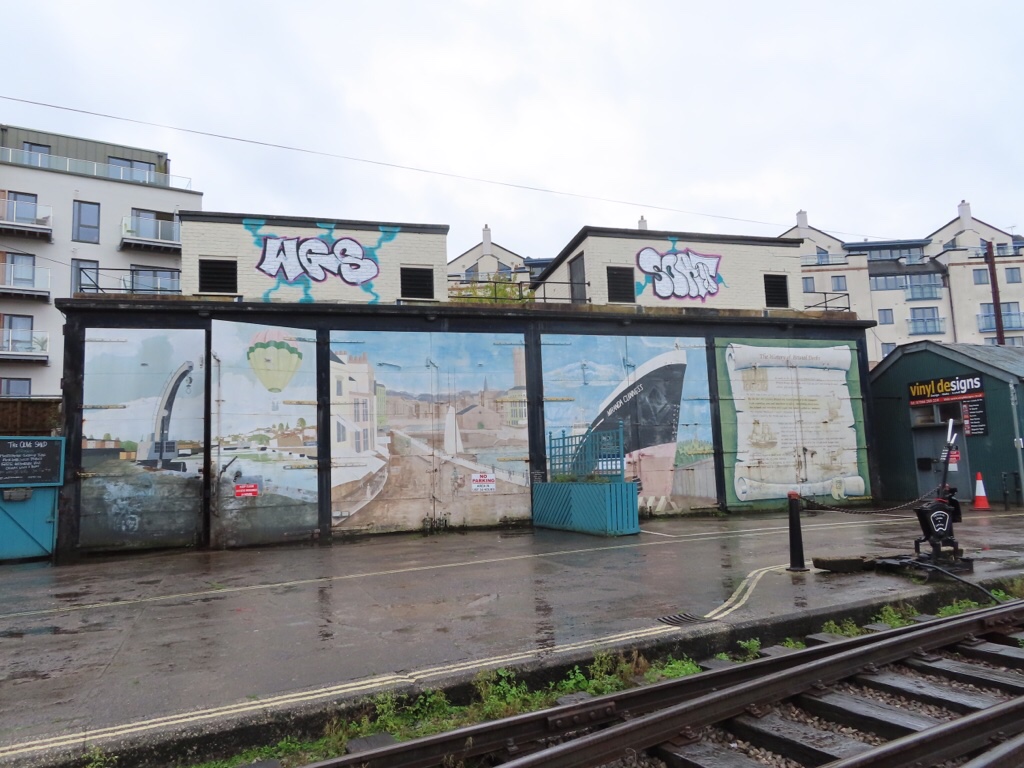
We got several views of the harbour on the way back …
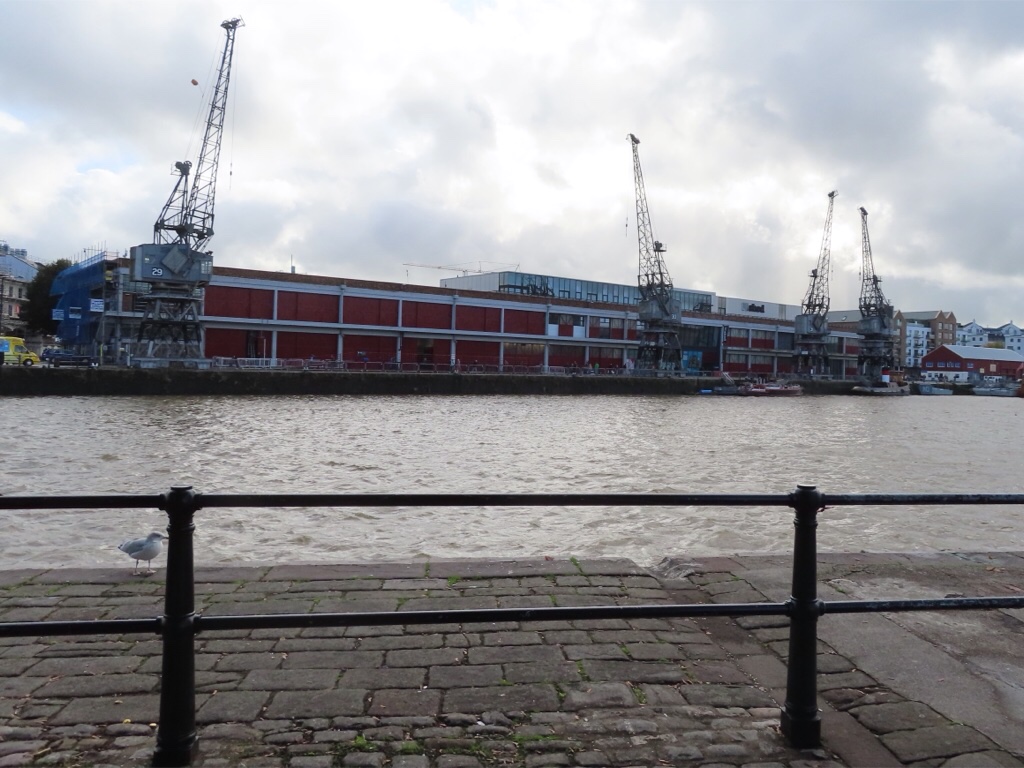
…including four huge electric cranes dating from the 1950’s when there were over 40 in the docks …
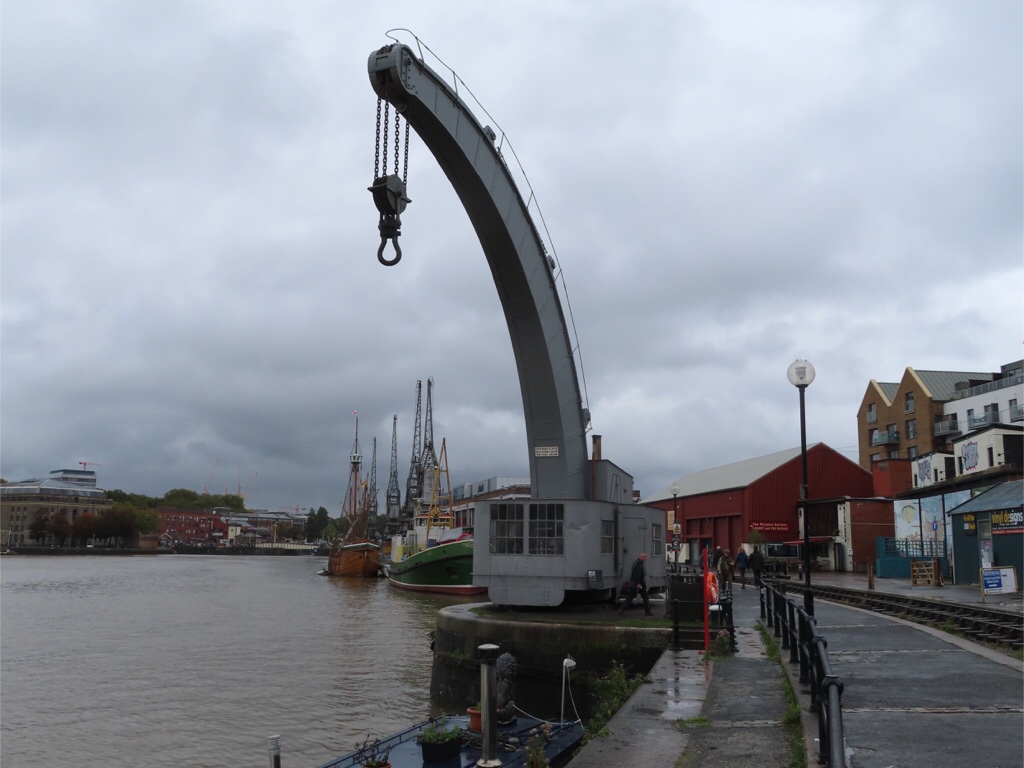
… and the striking banana-shaped crane is the Fairbairn Steam crane which could lift loads of 35 tons.
Next stop was M Shed, a really interesting museum all about the life and times of Bristol. It seemed to cover everything from voyages of discovery and trade to the development of technology and the arts. It was the wealth from the trade of tobacco, sugar and slaves which made Bristol prosper and funded the elegant buildings of Bristol such as Temple Meads Station, the Georgian houses in Clifton, the Suspension bridge, as well as many buildings in centre of the city which were lost to bombing in WWII.
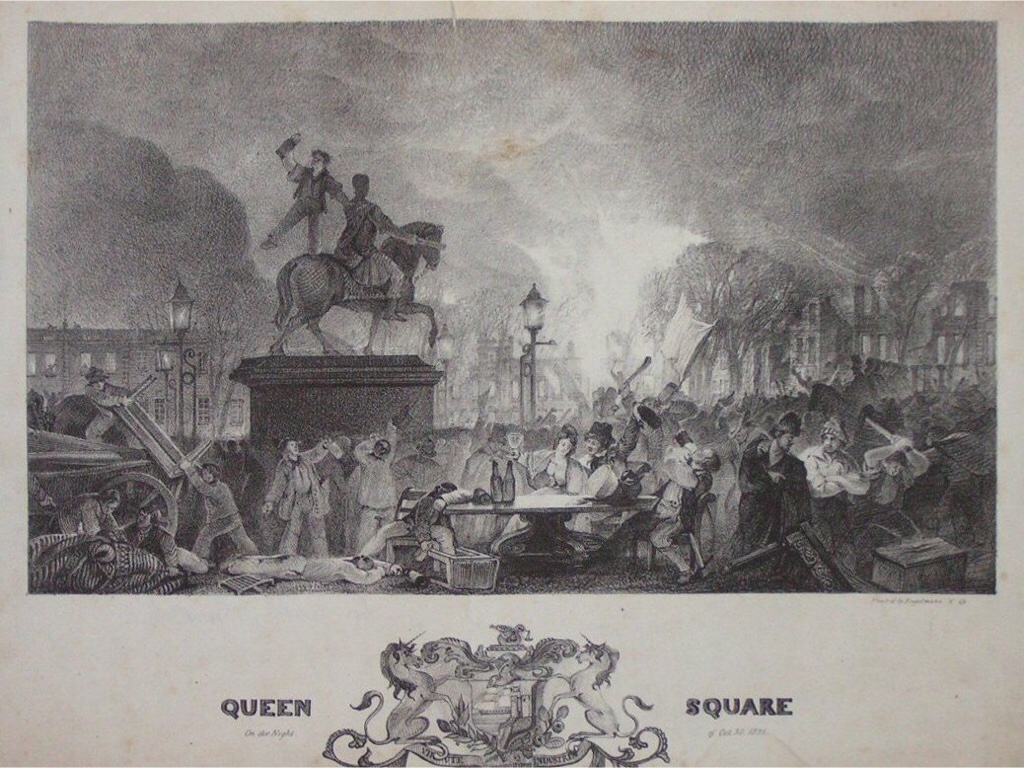
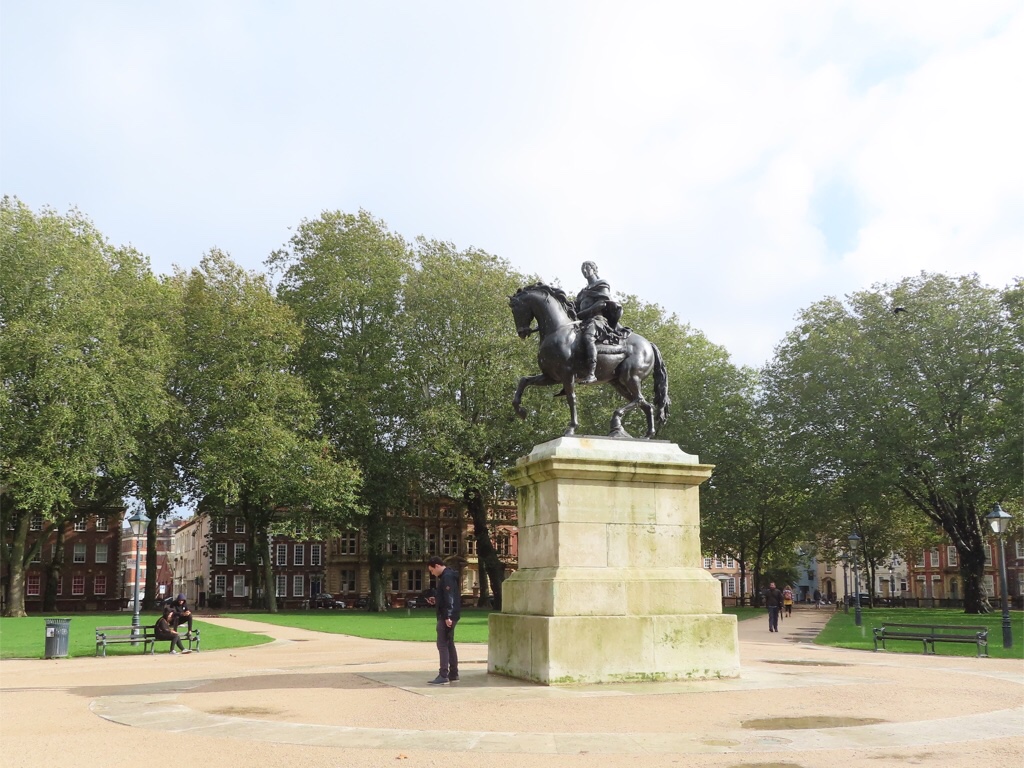
Bristol has also long boasted a proud history of civil insurrection. During the C18th there were riots over bread, wage cuts for weavers and, most frequently, toll-booths. In 1831, Queen Square was once the scene of some of the worst rioting in Britain. The Bristol Riots broke out after the House of Lords the rejected the second Reform Bill which would have given greater representation in the House of Commons, shown here in a lithograph from the time as well as how it looks today.
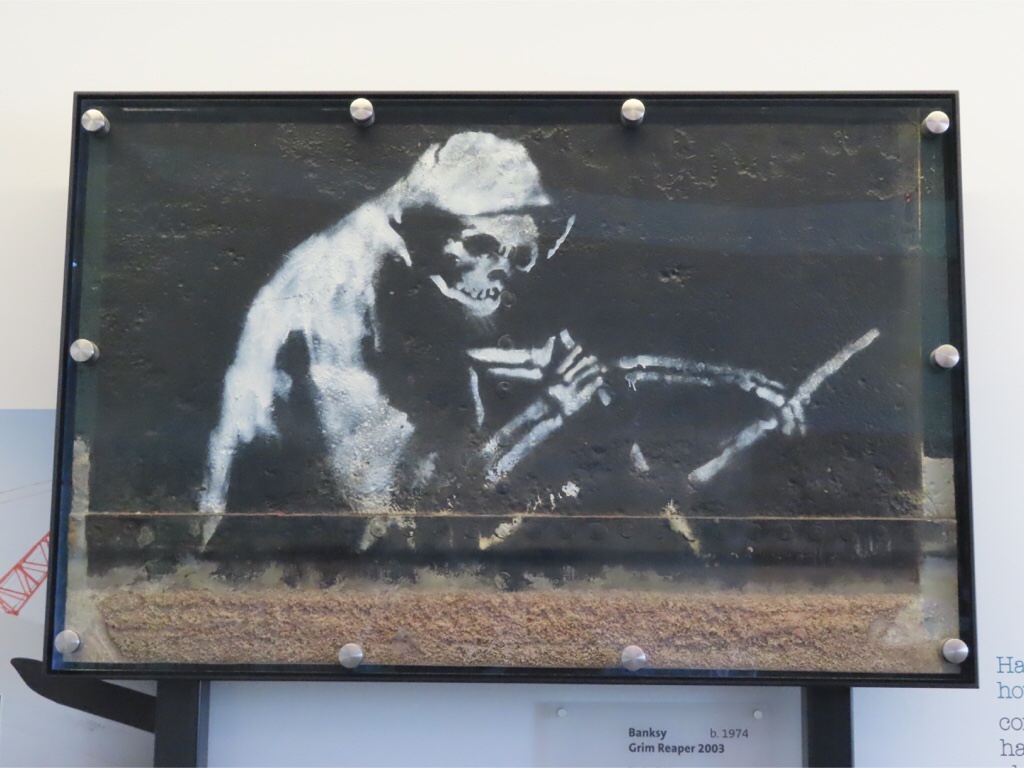
One area where dissent and art come together is the street art for which Bristol has become famous, especially being the home town of Banksy – the anonymous graffiti artist well known for his satirical and anti-establishment street art. There are quite a few pics around the city and the first is here – the Grim Reaper, which was originally painted on the side of the Thekla Social boat moored in Bristol harbour but later removed to protect it from damage. Bristol City Council has a formal street-art policy which seeks to define and support the display of public art and give the public a vote as to whether it should be preserved or scrubbed clean following a hugely popular Banksy’s exhibition in the Bristol Museum in 2009. There is also the Upfest festival which has been running for 10 years and draws artists and visitors from far and wide. We will be seeing a lot more examples as we wander round the city.
Bristol is the home of Aardman Animations, makers of Wallace & Gromit and Chicken Run and an exhibition showed the process of film making using using stop-motion clay animation techniques with their last film Early Man as an example. It was fascinating to see what a labour of love it must be and how time consuming just to achieve a short sequence of film. We will certainly be looking out for the Shaun the Sheep Movie: Farmageddon which will be in a cinema near us at the end of October.

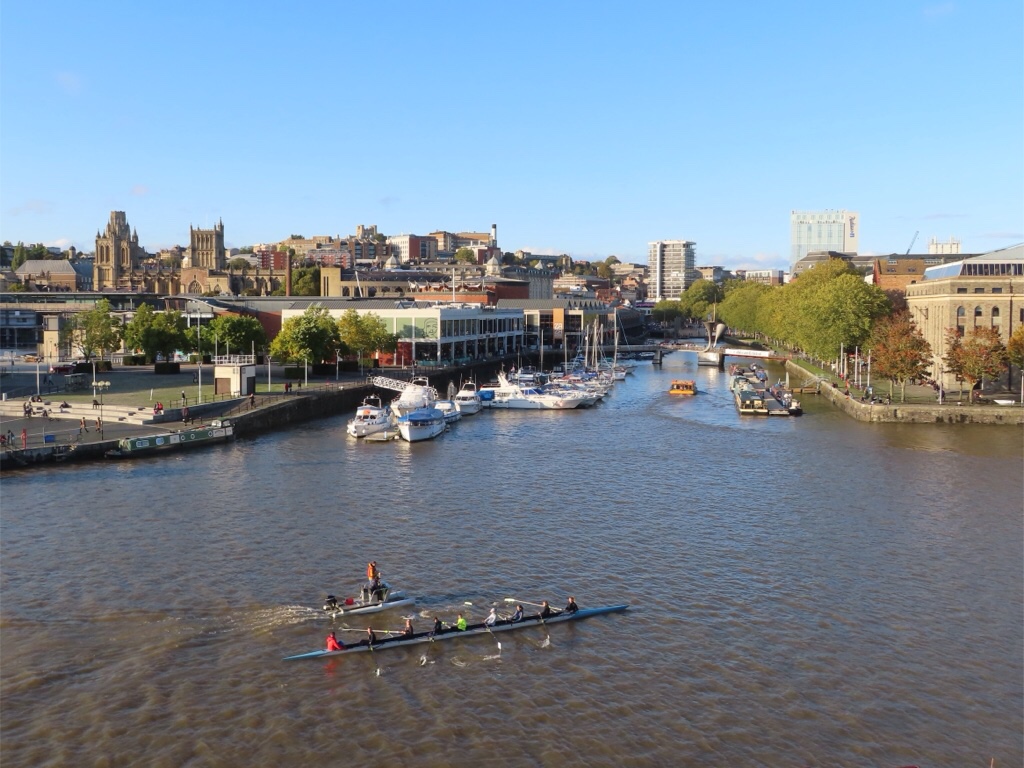
While we were inside, the sky had cleared and we were able to take a couple of great pics of the harbour in late afternoon sunshine, before heading back for a rest and dinner at Ganesha down the road in Bedminster where we munched dosas and veggie curry.
 Off Travelling Together