
The natural environment and beauty of this peninsula is protected by the Parco Regionale di Portofino and access to the rocky coastline is by footpaths and boats alone. We have chosen to stay in Camogli and will be using this as a base to explore take a day trip to the city of Genova and also visit Portofino itself, another picturesque fishing village which has become fashionable with the yacht-set.
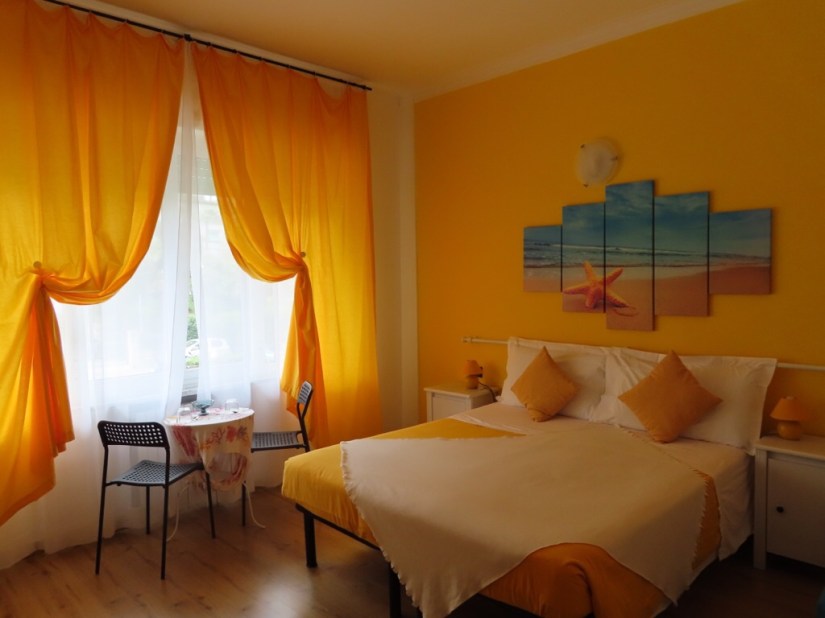
Arriving by train, we checked in at Stella Marina and settled into another cheery room, then went exploring.
A short walk brought us to the front and we found Camogli to be similar to Vernazza … but bigger! The esplanade is very elegant as it sweeps round the bay, fronted by huge seven or eight storey buildings in the traditional warm yellows and oranges of the region, a reminder of the town’s glorious past.
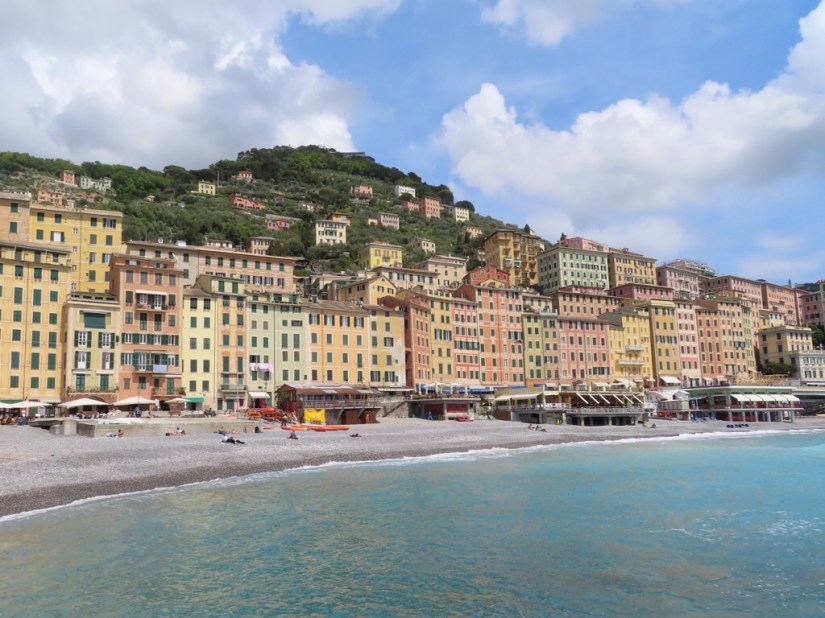
From the Middle Ages to the coming of steam ships, Camogli was a bustling seaport known as the ‘city of a thousand white sails’ with the fleet being rented out to anyone who could pay, hence they fought at the Battle of Trafalgar for Napoleon. The ship owners were among the most powerful of Europe’s merchants in the C19th and one source of their wealth was the founding of the first maritime insurance against loss of freight and ships.
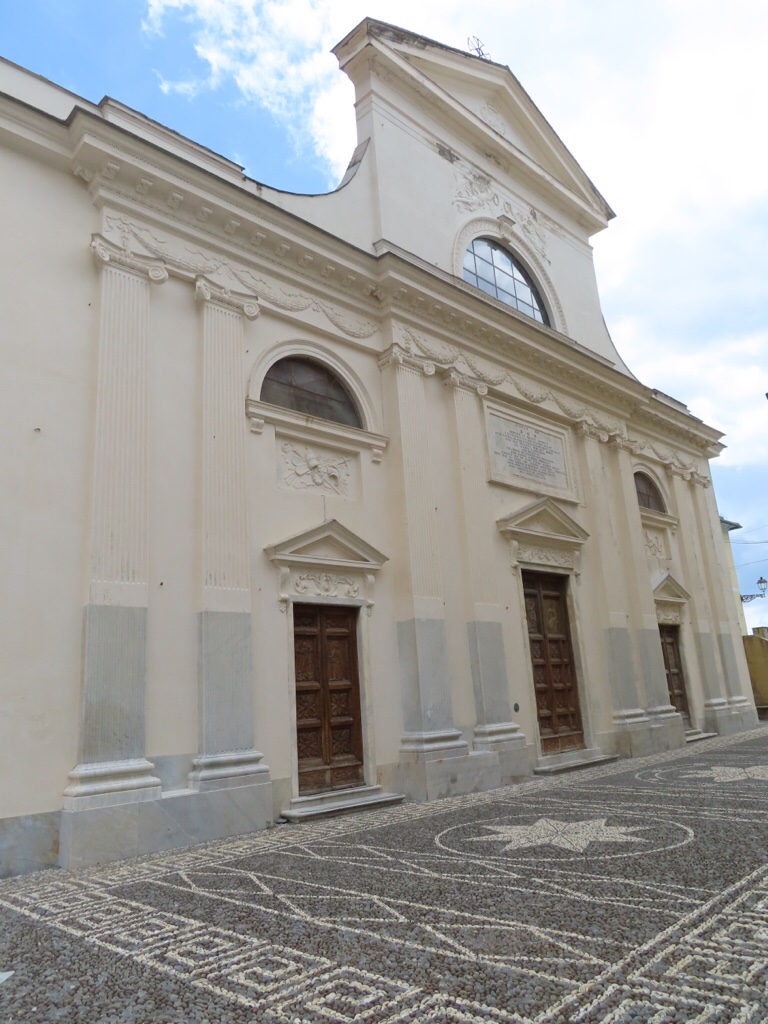
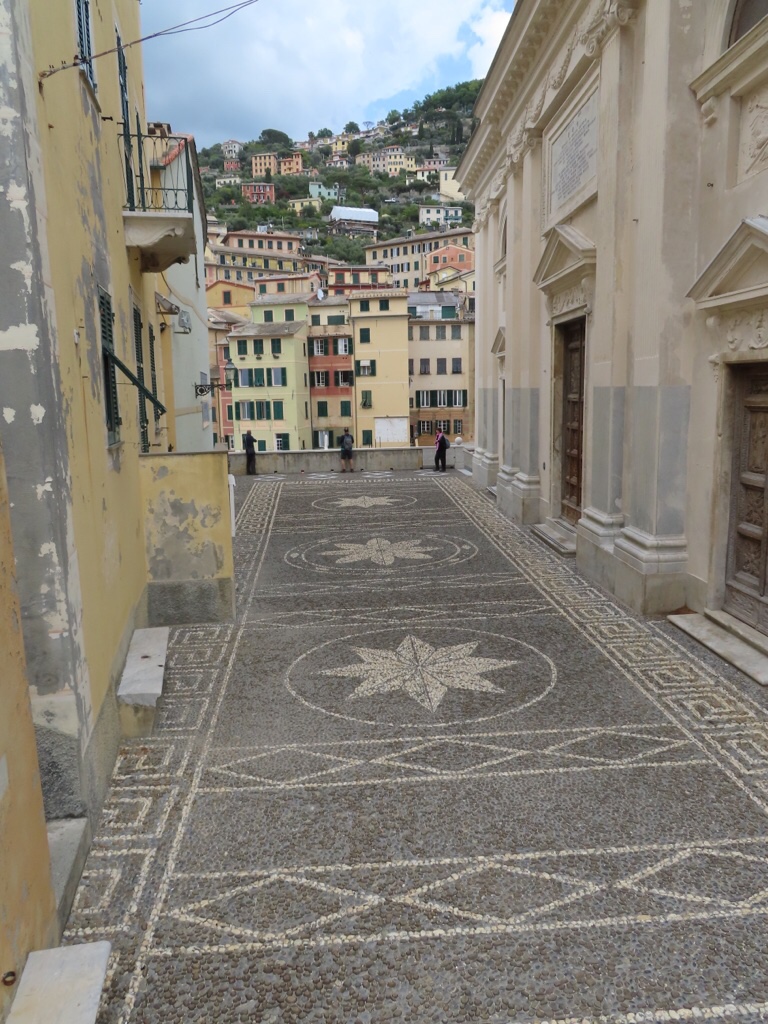
We sat outside in the sun and had some lunch then went to explore the medieval centre, dominated by the C12 Basilica Di Santa Maria Assunta. It had a typical Ligurian pebbled courtyard and a surprisingly ornate interior, but was once the chapel for Castello Dragonara, built to defend the town from Saracens.

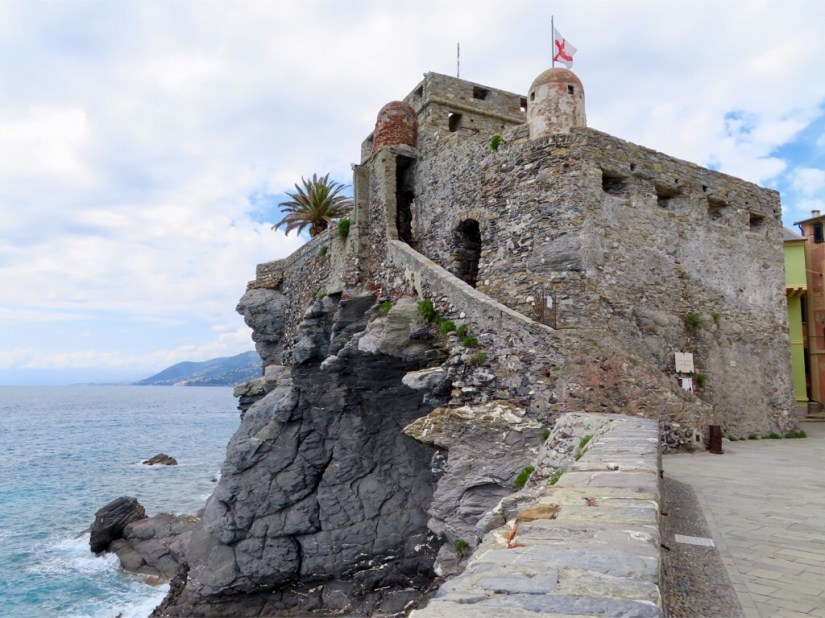
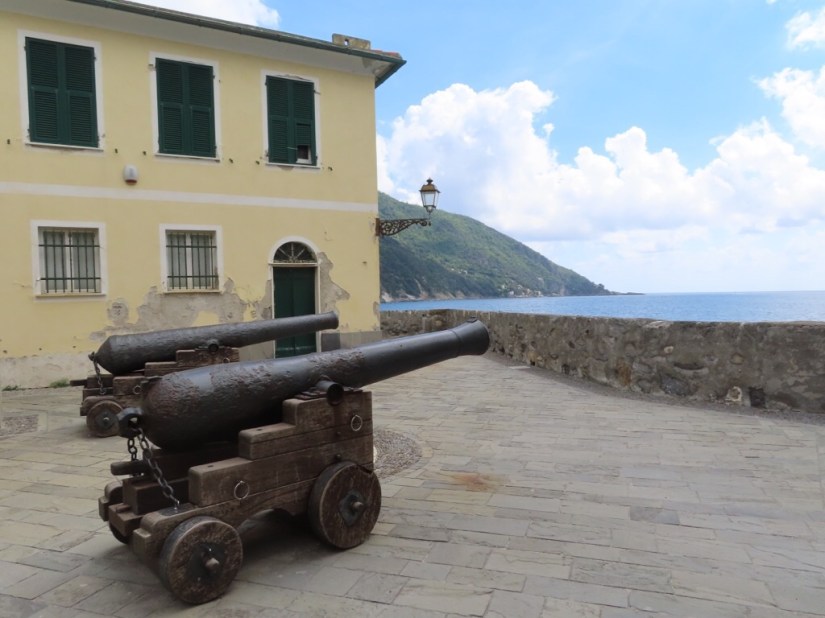
As we wandered round, there were several signs of preparations for the Sagra del Pesce this weekend, when huge amounts of fish are fried in a 4m wide pan, the biggest in Italy. This festival began in 1952 to commemorate a night in WWII when the town were starving as German mines prevented the fishermen going to sea, but the situation was so dire they prayed to San Fortunato and went anyway, bringing back a massive catch. There will be much celebration, with fireworks, and here is the pan!
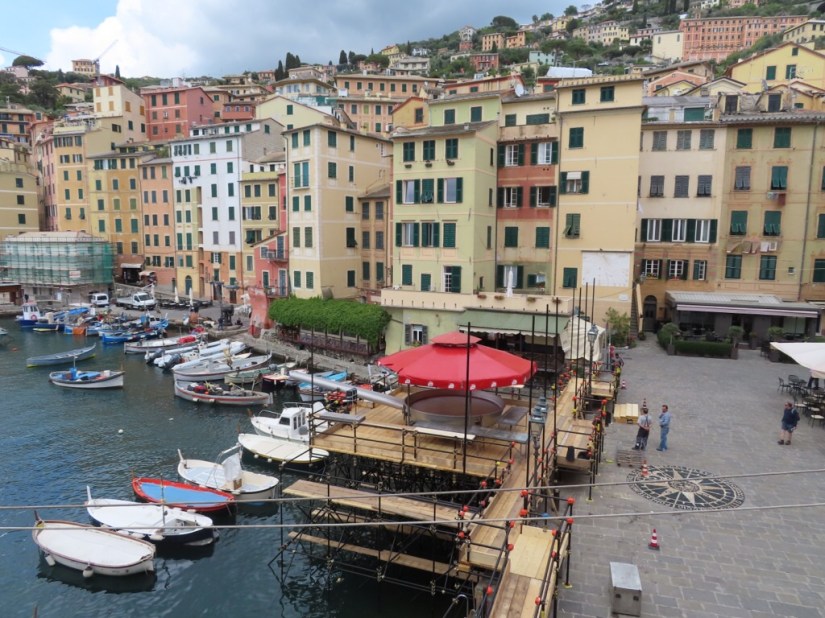
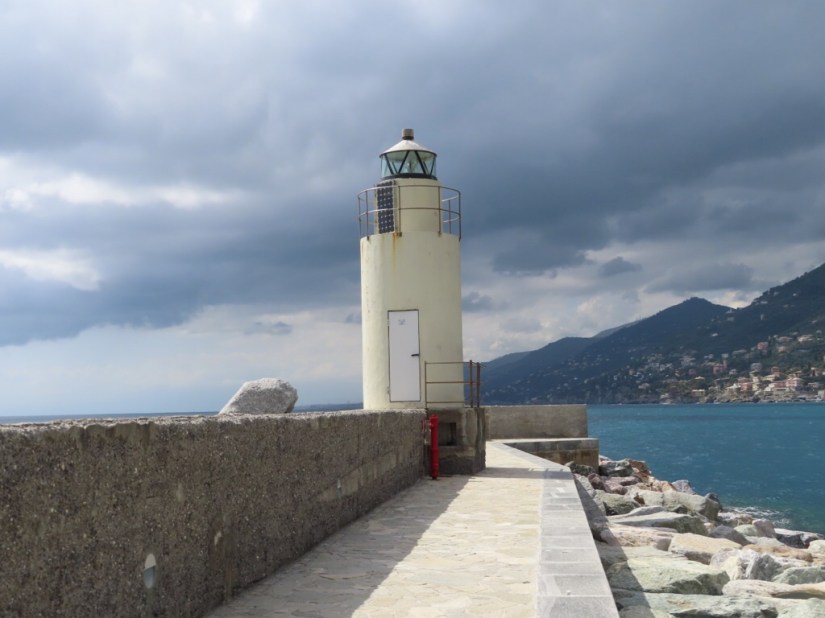
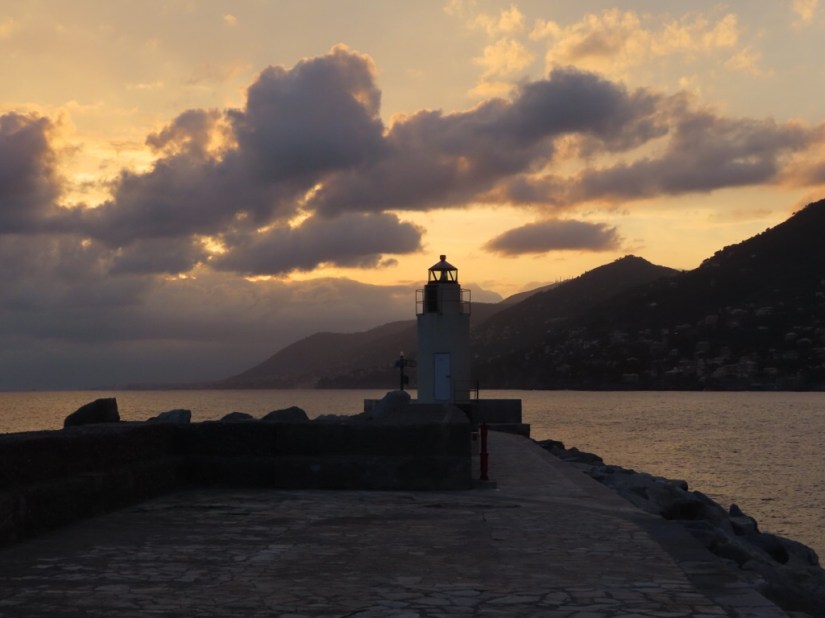
Beyond, was the harbour and lighthouse.

The town also has their Dragun Boat, made from an old lifeboat in 1968 by a group of friends to keep alive the nobility of navigation, which has become a symbol of Camogli and takes part in various folk events all along the Italian Riviera and abroad.

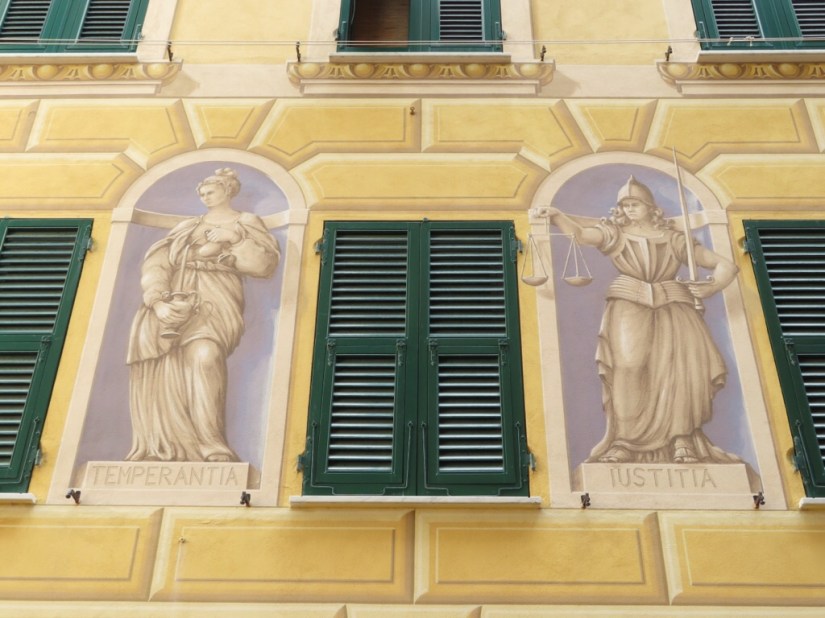
Looking closer at the facades, we realised how clever the painting was as most of the architectural features were trompe l’oeil!




We returned later for an aperol and to catch the last of the sun as it lit up the colourful houses and then set and ate dinner in a little Trattoria beside the B&B.


 Off Travelling Together