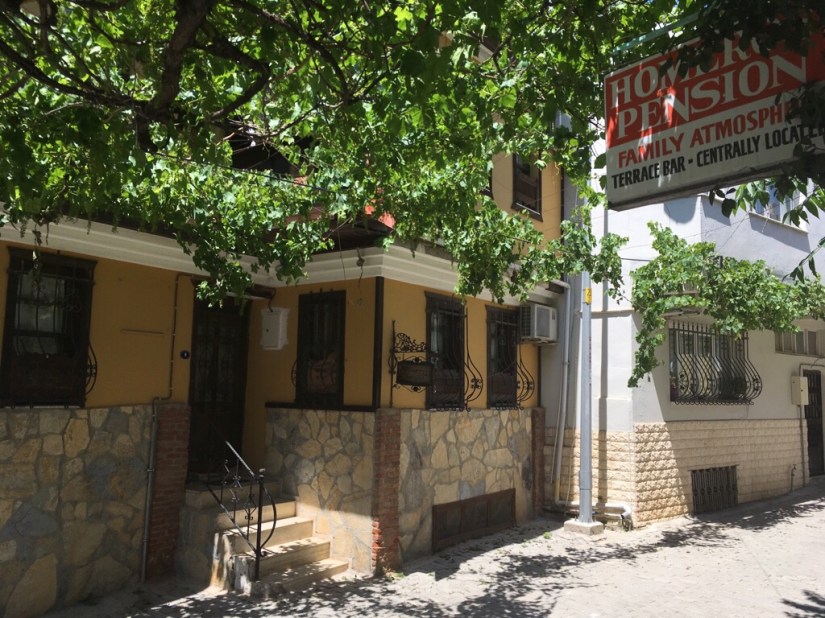
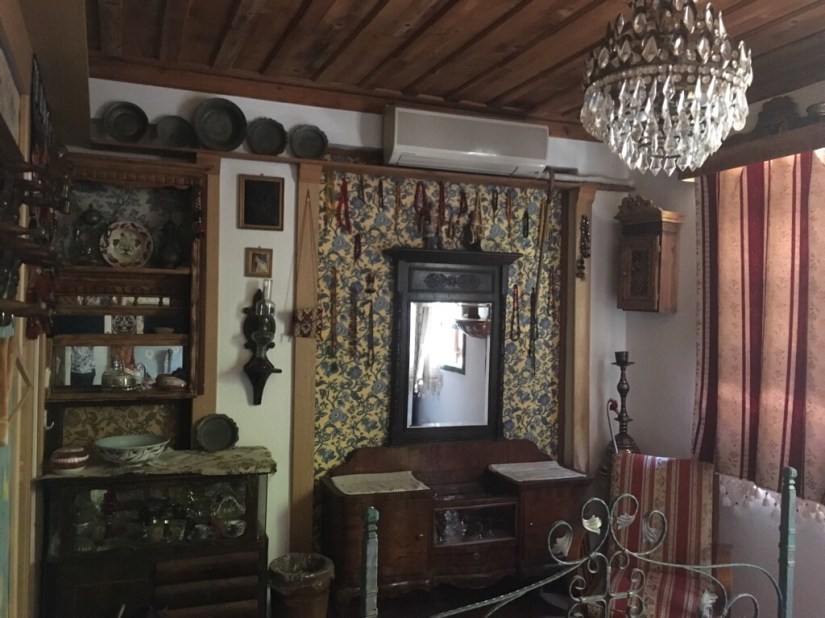
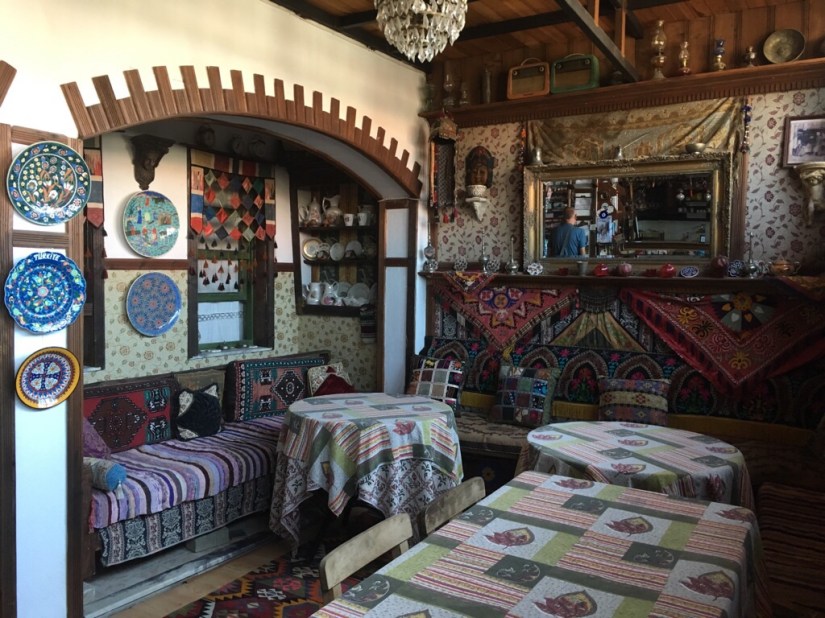
 Our direct bus arrived after lunch and a short walk brought us to Homeros Pension, decorated in a cosy Turkish style with lovely fabrics and traditional ornaments and a roof terrace with views towards the sea.


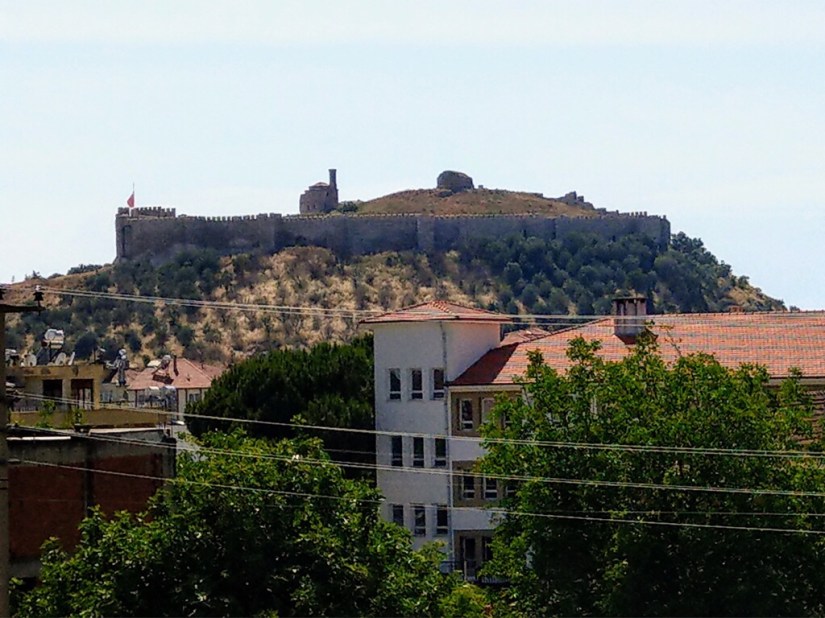
We went for a wander to stretch our legs and headed to Ayosoluk Hill, the famed burial place of St John the Evangelist.
He came to Ephesus and wrote the Book of Ephesians to the local Christian community before dying in 100AD.
In the C6th, Emperor Justinian built one of Byzantium’s largest and most ornate basilicas here, but we won’t be admiring it as it was destroyed by Tamerlane’s Mongols in 1402. Instead there are ruins, some re-erected colonnades and a slab marking the site of the tomb.
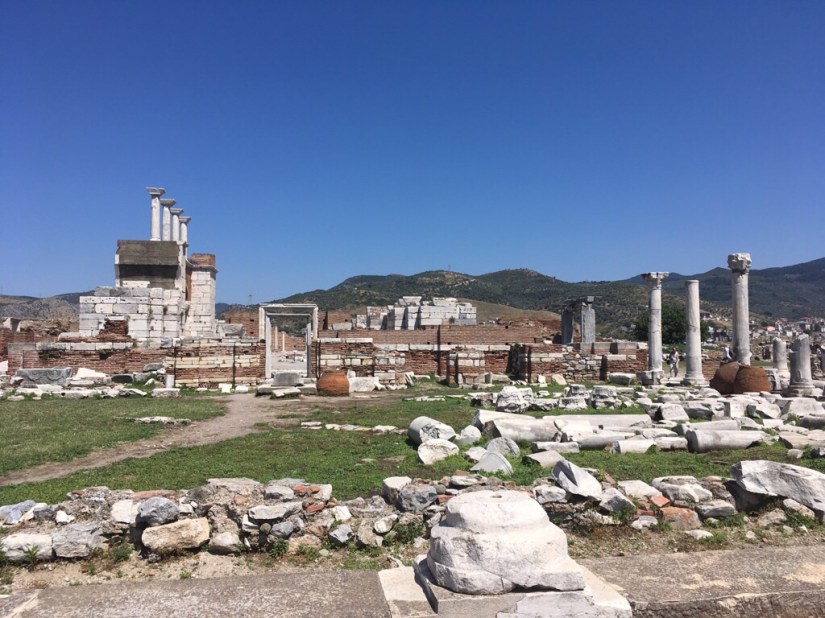
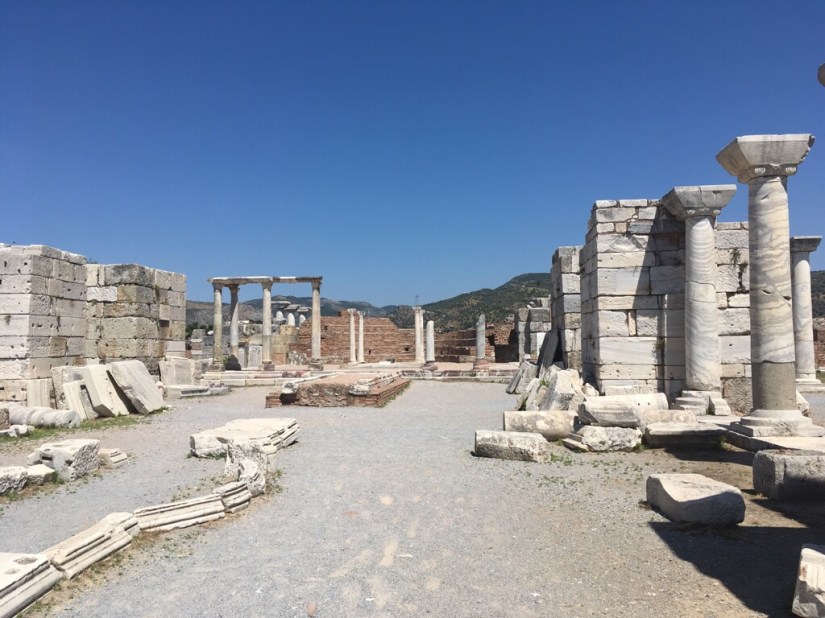

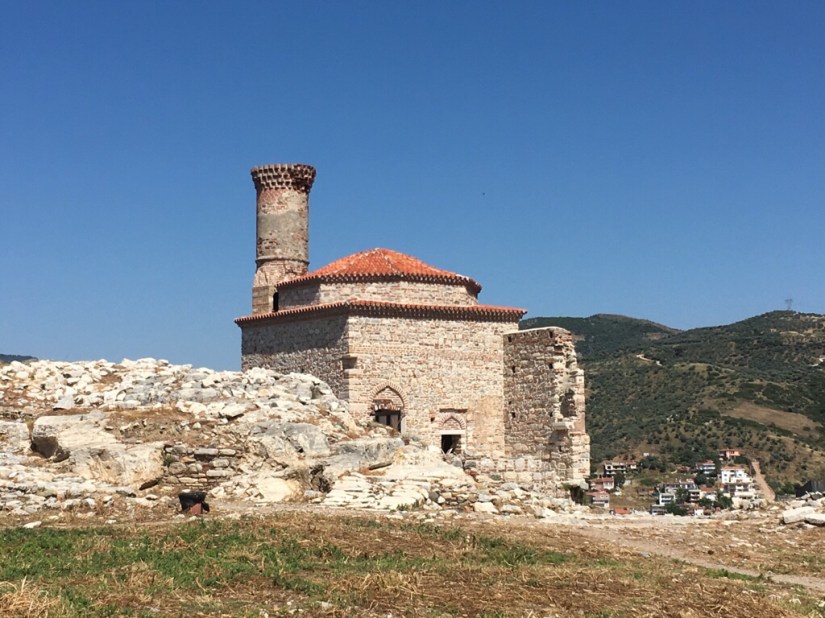
We climbed up to the recently restored Byzantine castle which contained a mosque within the walls added by the Ottomans.

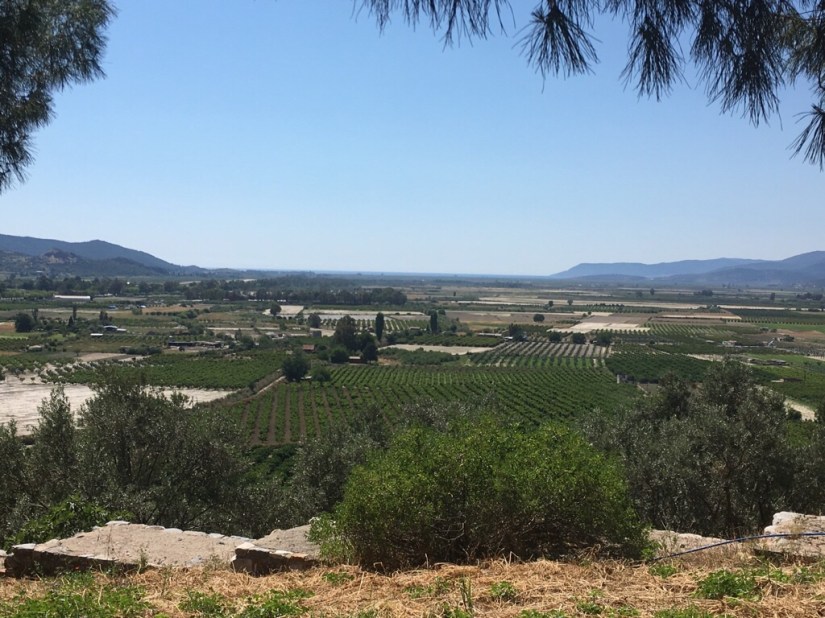
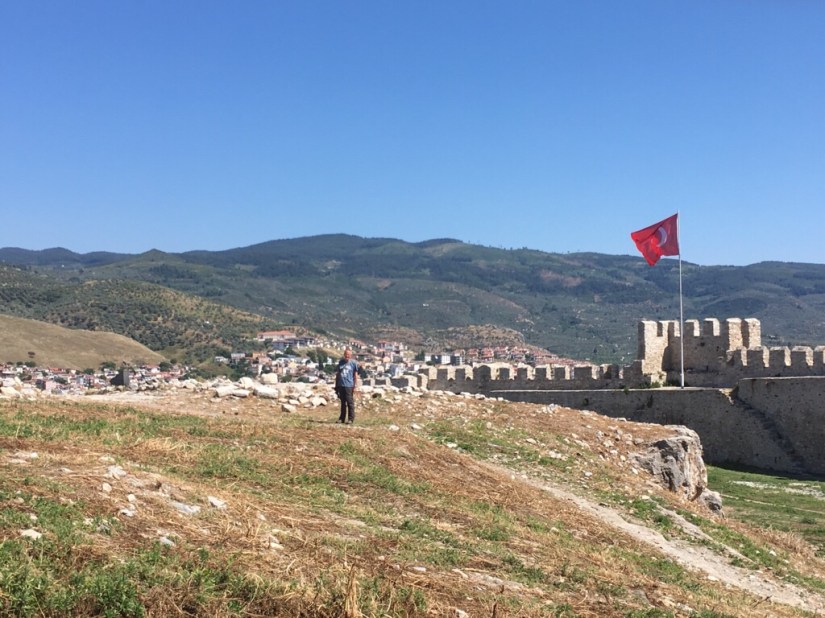
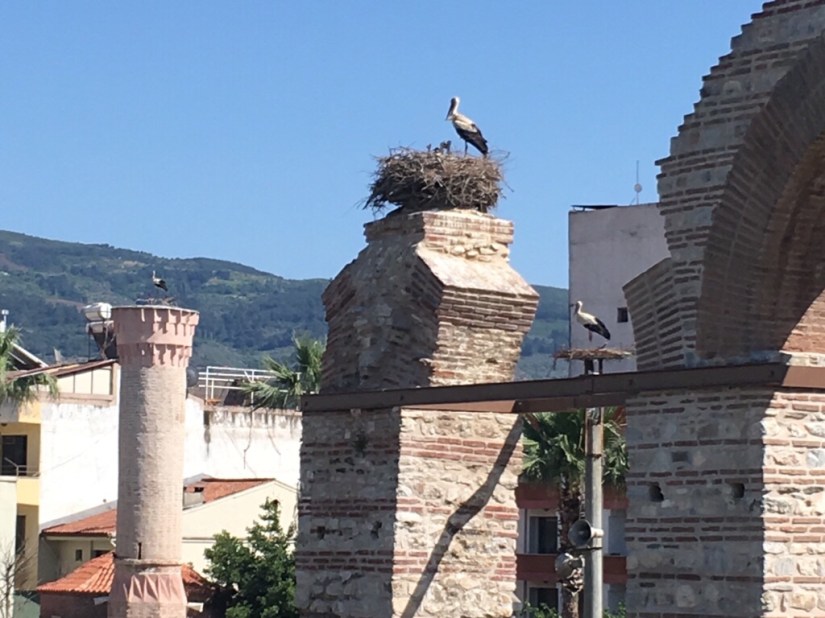
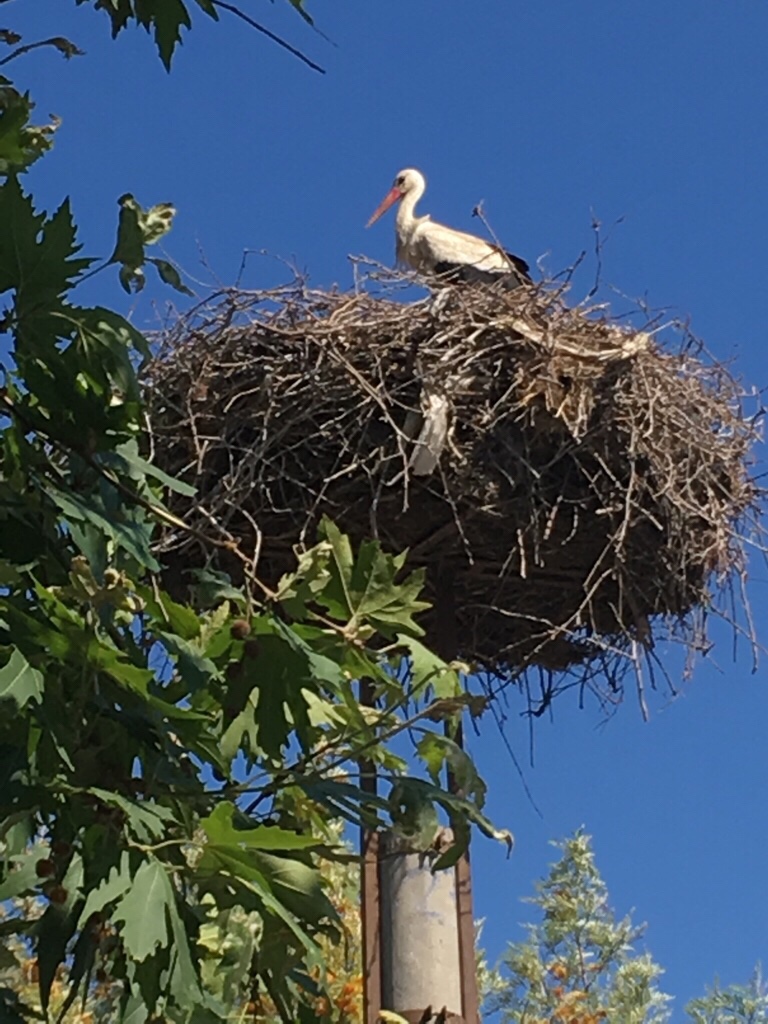
As we returned to the town Chris spotted storks nesting on various high spots … the aquaduct ruins, a disused minaret and even a lamp post.


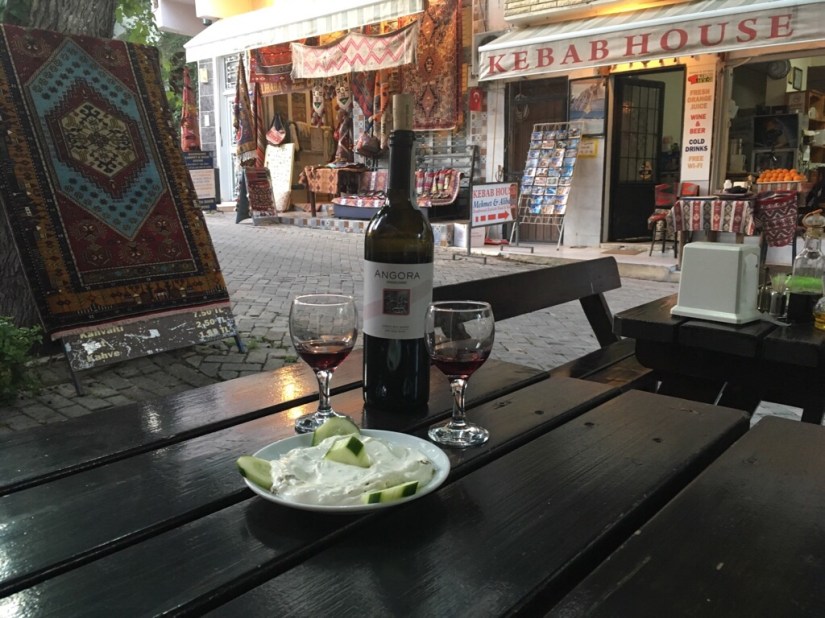
Mehmet did us proud for dinner at his kebab house.
Next day, fortified with a delicious breakfast we set off to Ephesus, called Efes by the Turkish.

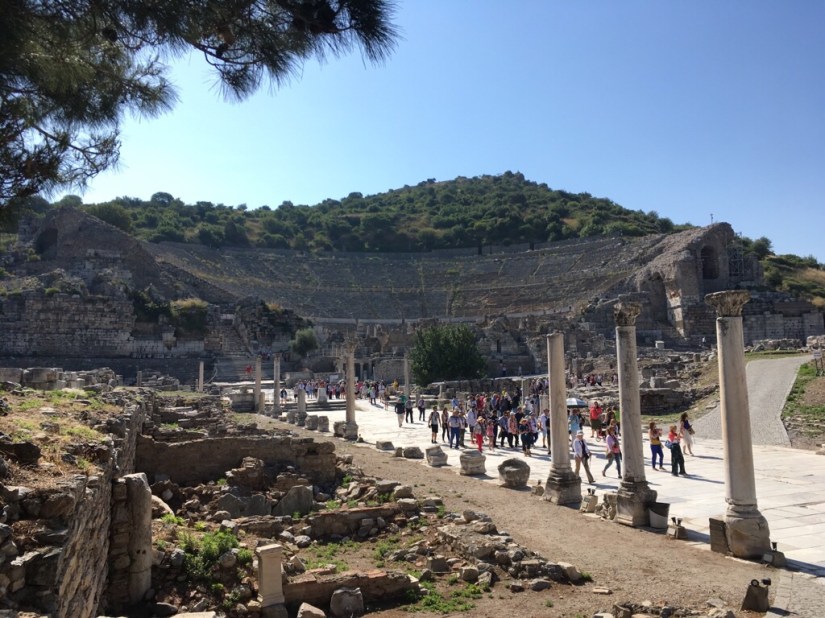
Just 10 minutes down the road by dolmus, we counted over 40 coaches already in the car park, and we hoped it wouldn’t be too busy as we caught our first glimpse of the theatre.
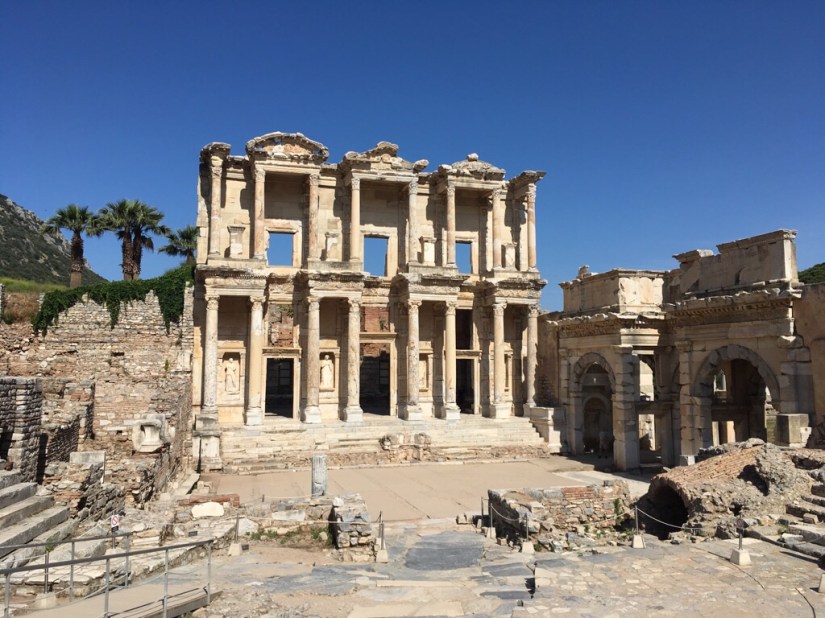
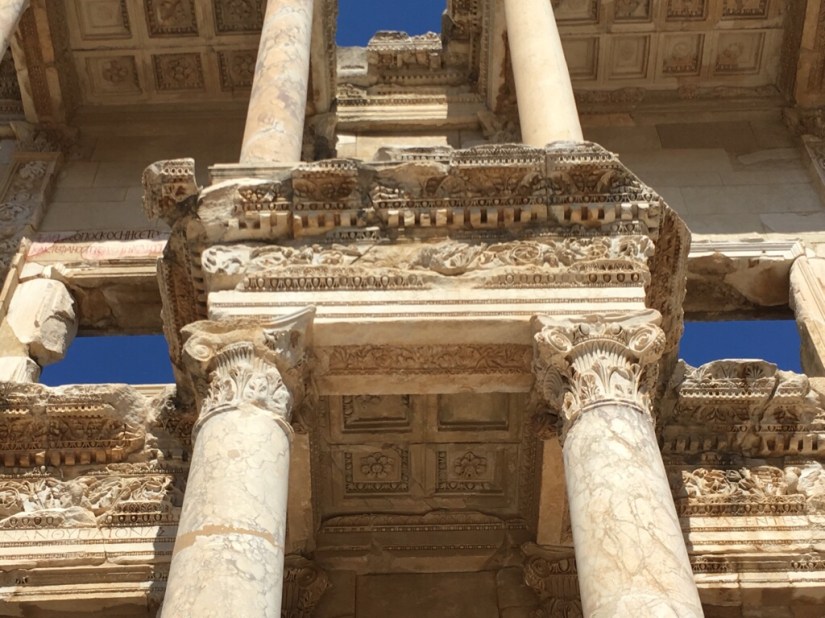
We headed to the main attraction – the Celsus Library – which adorns all the postcards. It was restored by Austrian archaeologists in the 1970s and the original statues of the four virtues are in Vienna. It was built as a memorial to Celsus Polemaenus who is still entombed in the wall. The facade is very impressive and surprisingly complete. Inside 12,000 scrolls were stored in galleries … and all were burnt by the Goths in 262AD.

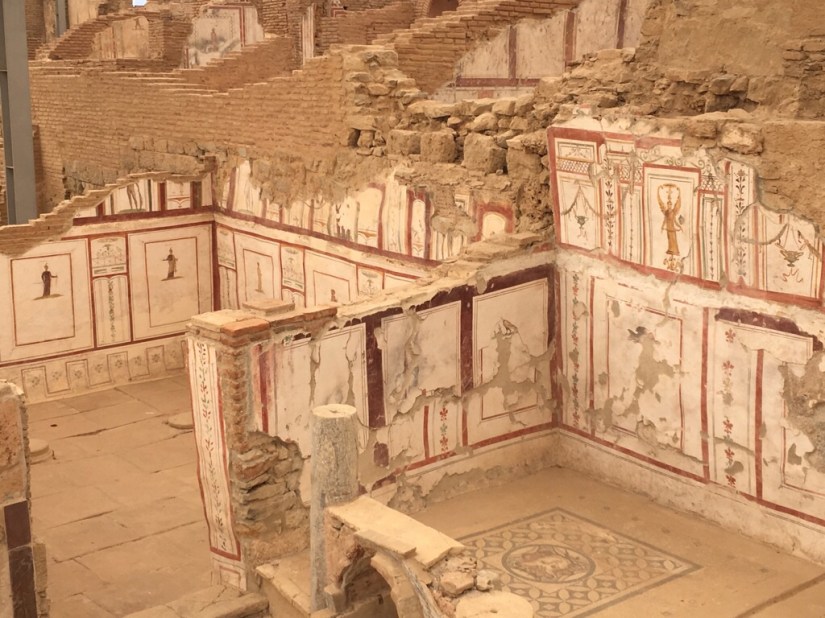
Next we looked at a covered excavation of terraced houses from an elevated walkway. There were 62 rooms and we could see the room layouts, mosaic floors and frescoes on the wall …




… and as we left got a bird’s eye view of the site.
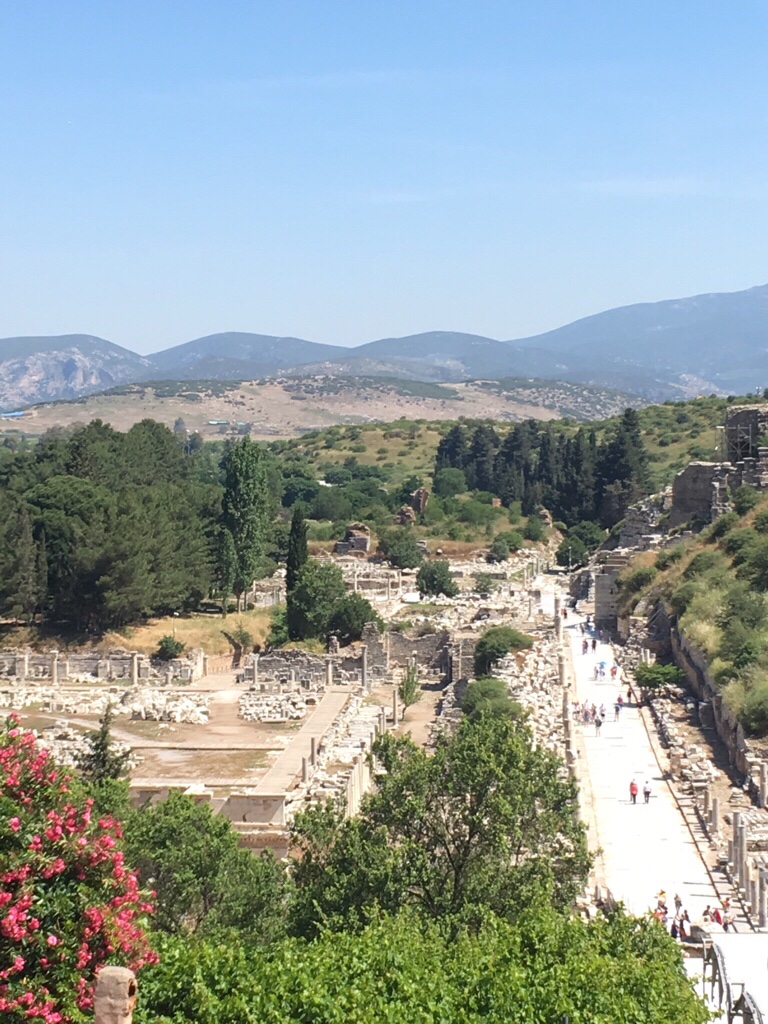
By now it was starting to get hot and crowded. We walked to the north of the site then turned and slowly returned to the start. Legend says Ephesus was founded in 1000 BC by Androcles who brought the worship of Artemis with him from Athens. Over time, visitors included Alexander the Great, Julius Caesar, and Emperors Trajan and Hadrian.
There is a paved street running down most of the site, with ruins either side …


… the Gate of Hercules with the hero wrapped in a lion skin …

… the Temple of Hadrian with plaster reliefs of originals in the museum …

… public latrines …
 … the remains of the gymnasium …

… and the rather large but and brutally restored theatre where St Paul preached and was booed!

Many people visit as it is well known and near the seaside and the library and terrace houses are well worth seeing, but we far preferred our visits to Sagalassos and Aphrodisias and are pleased we made the effort to see them.
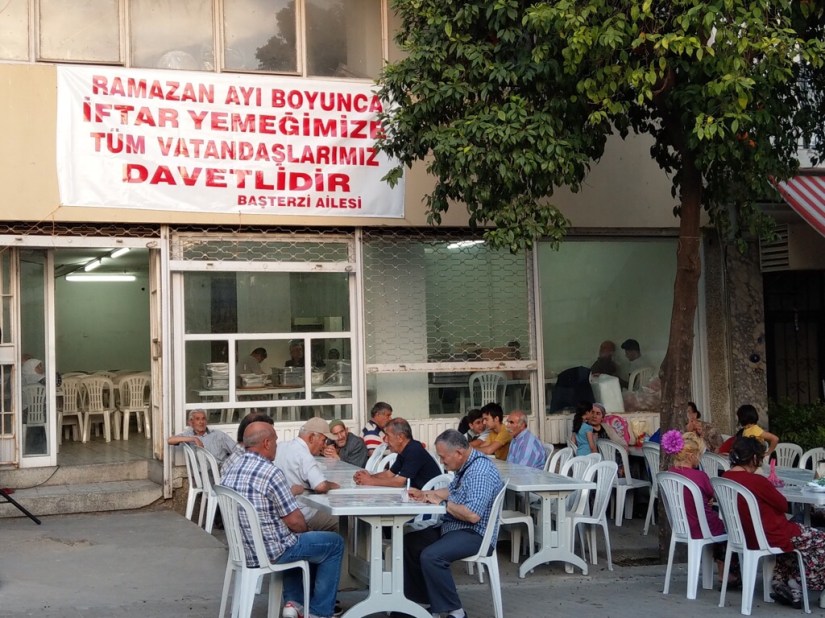
Another day dawns and today is the first day of Ramadan, called Ramazan here in Turkey, when Muslims fast for 30 days between sunrise and sunset. Fasting means letting nothing pass the lips, so no food or drink or smoking and for the strictly observant no envelope licking or swimming either. Very early this morning we heard the night drummer who walked down our road making a lot of noise to make sure people are awake for Sahur, the early morning meal to be eaten before sunrise, which is at 5.45. Then at sunset, which is about 8.15, they have a light meal called Iftar including pide bread, pickles and olives, with a more elaborate meal later. It will be interesting to see if we notice any evidence of Ramazan.
We took a turn round the Ephesus Museum which contained many of the finds from the site including metal and pottery items and statuary. Most interesting were the two statues of Artemis found at Ephesus dating from the C1st and C2nd BC.
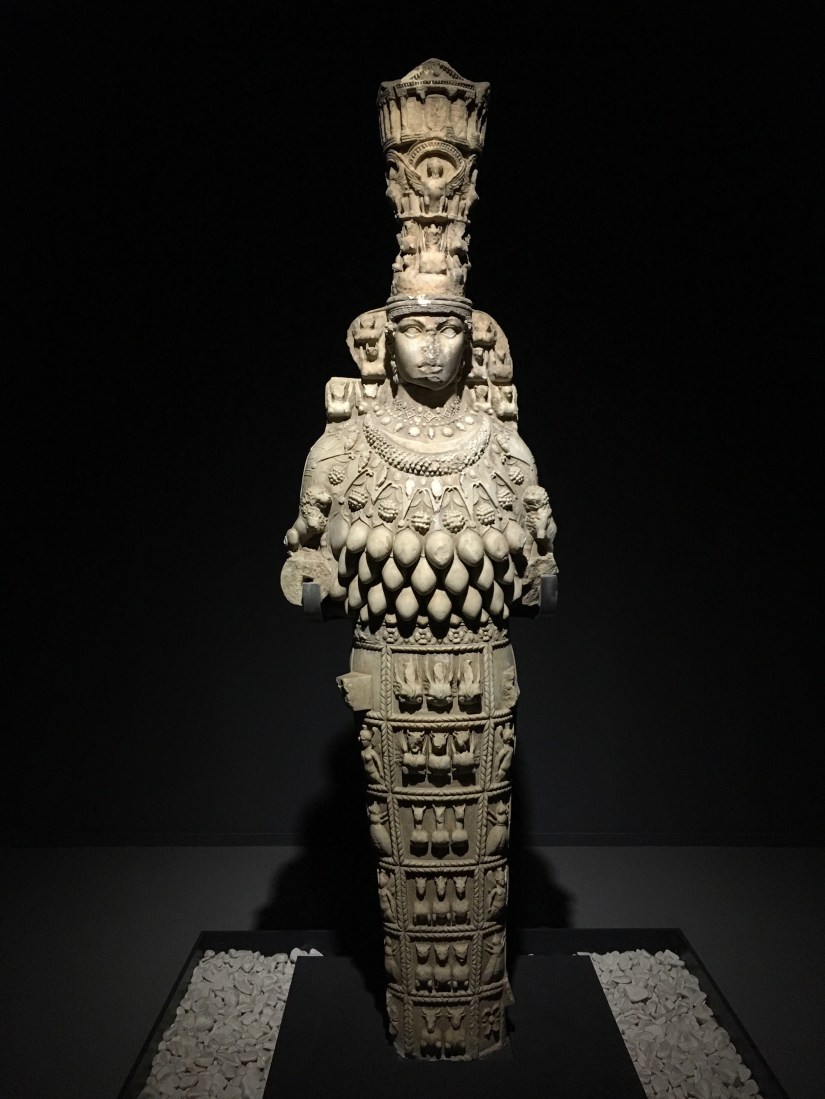

So these are quite surprising, not the woman with a quiver of arrows that many might associate with the Greek goddess of the hunt, the moon and chastity. These seem to be based on an older local form such as this pre-Greek goddess called Cybele.
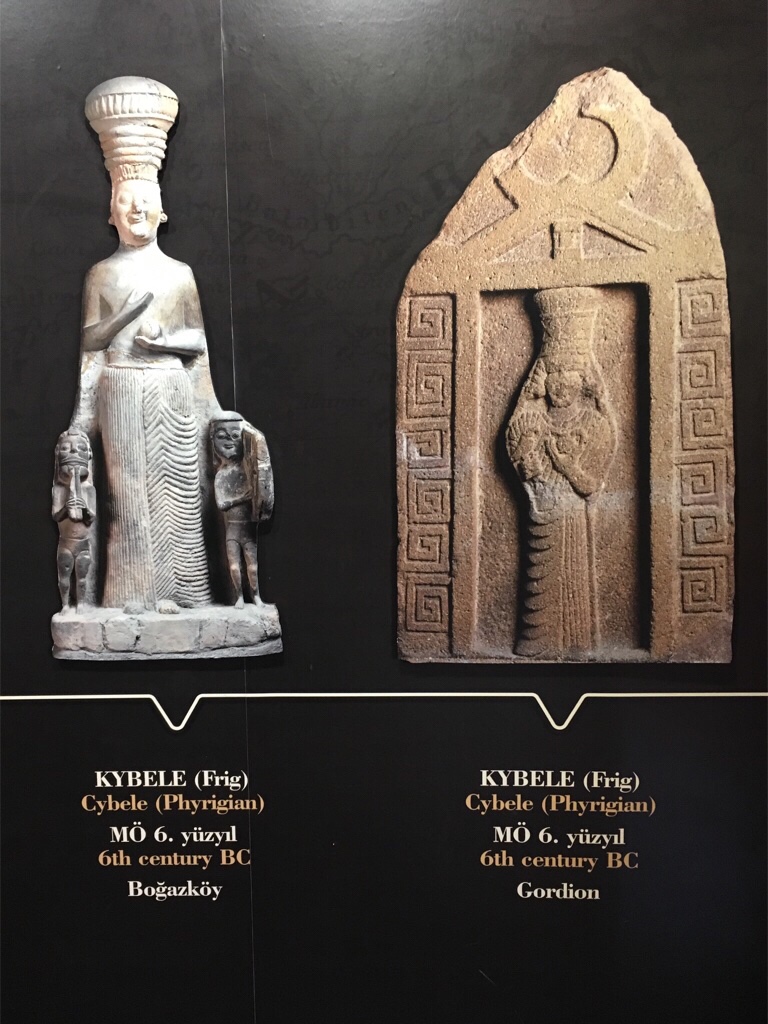
As for the spherical objects … no one knows, its all guesswork … breasts, gourds, bulls testicles … take your pick!
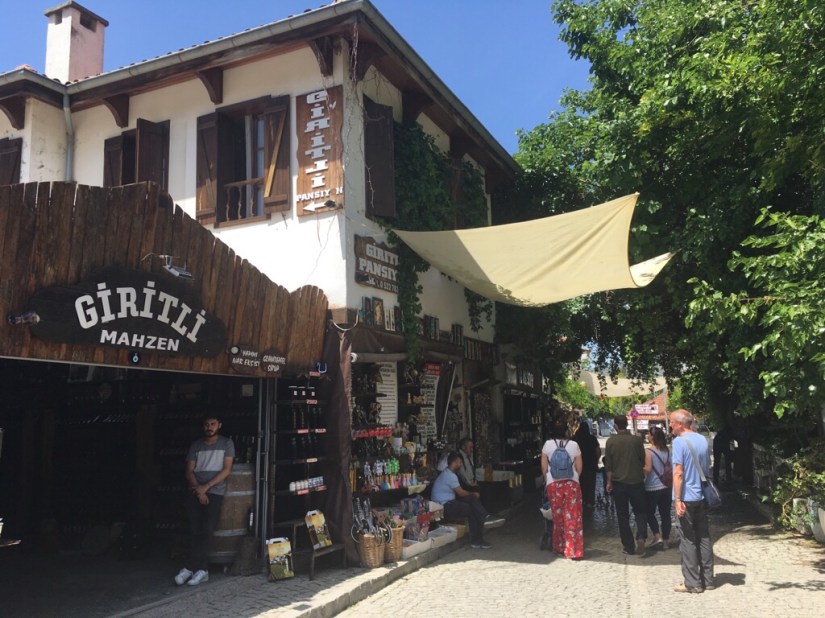
Having soaked up enough culture, we took the dolmus to the hill village of Sirince. It is advertised as traditional, evocative and idyllic and surrounded by orchards and vineyards. The reality is maybe a little less idyllic and more touristy but it wasn’t too busy and we had a look round.
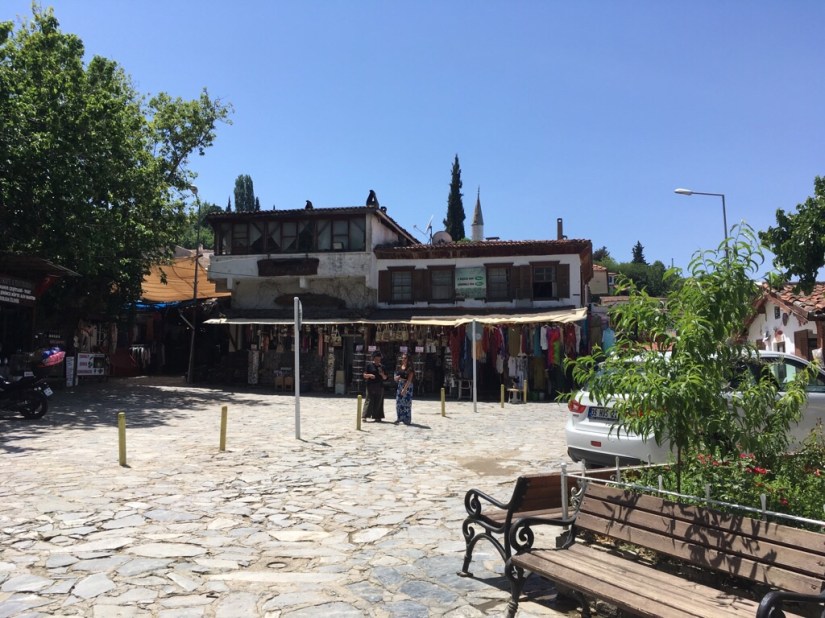
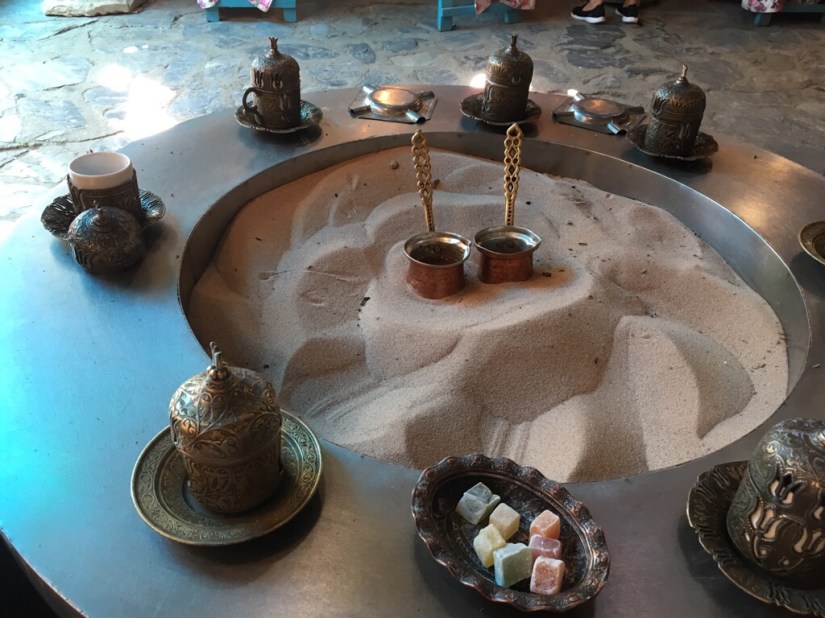
We stopped for coffee where we sat round a table containing hot sand on which the coffee was heated … not something we had seen before … very tasty …

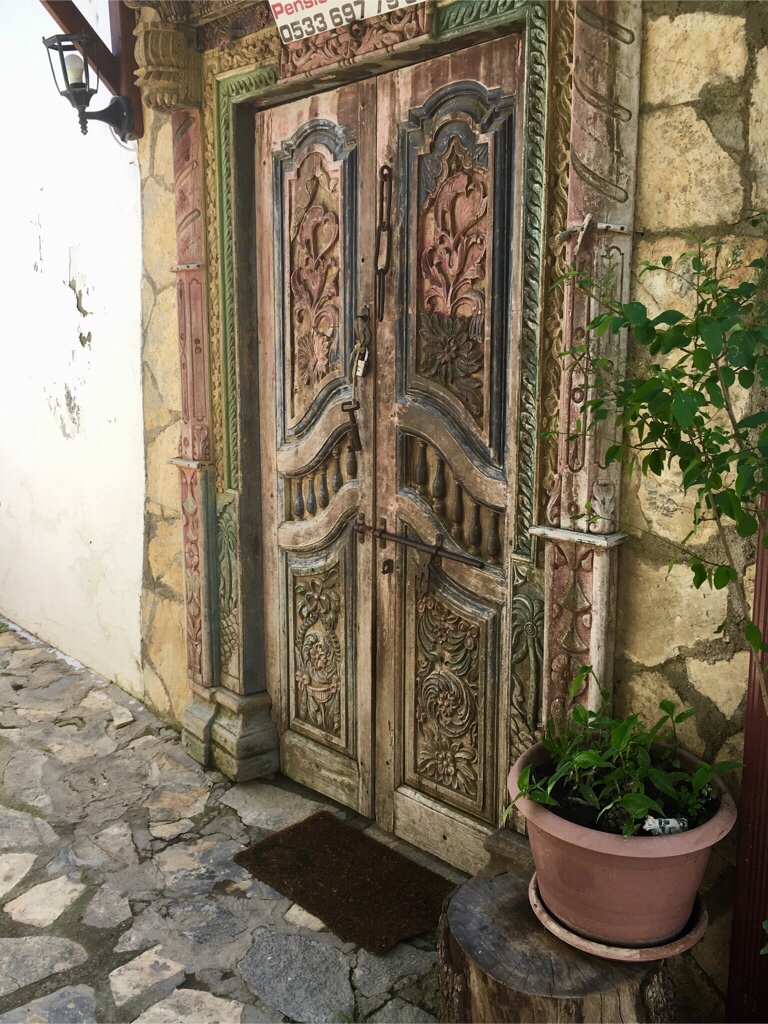
… wandered round the back streets …



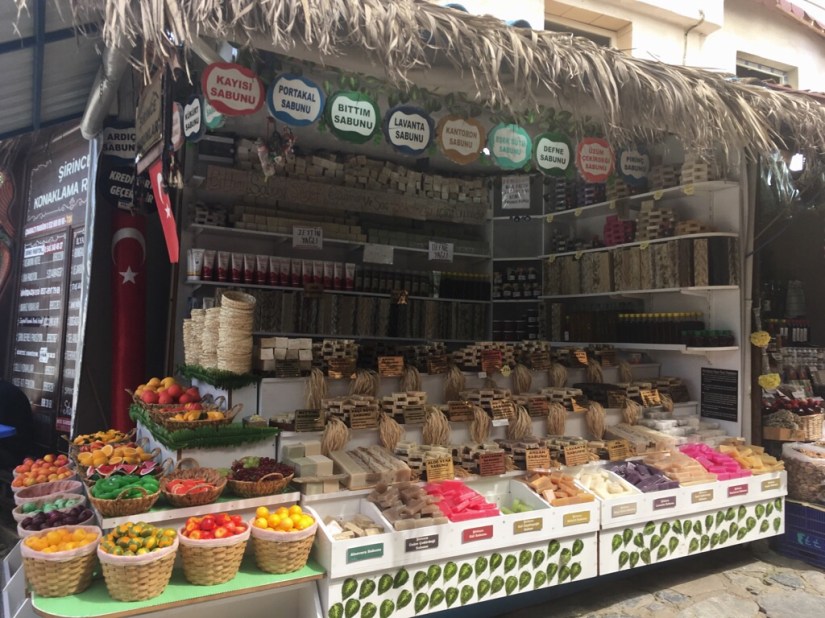
… and round the shops buying rose jam and pomegranate molasses to take home.

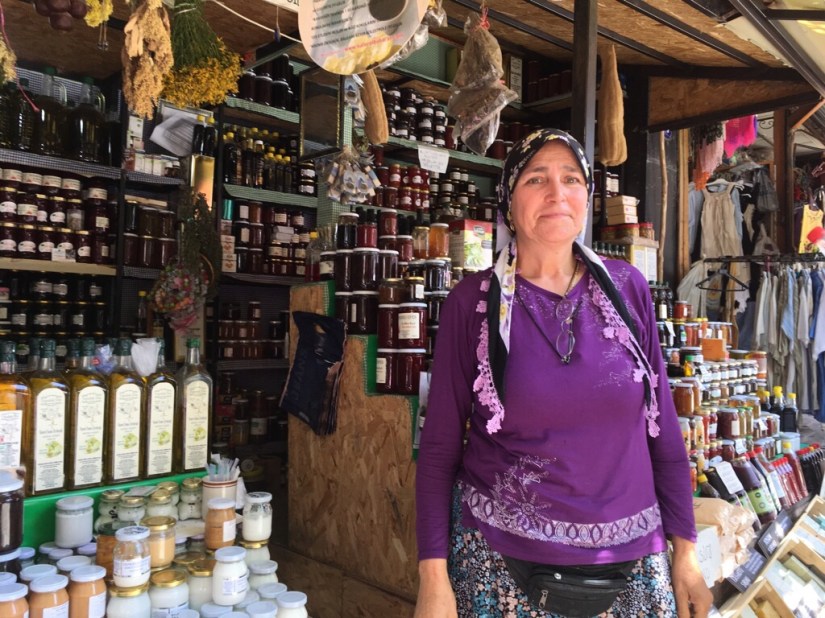
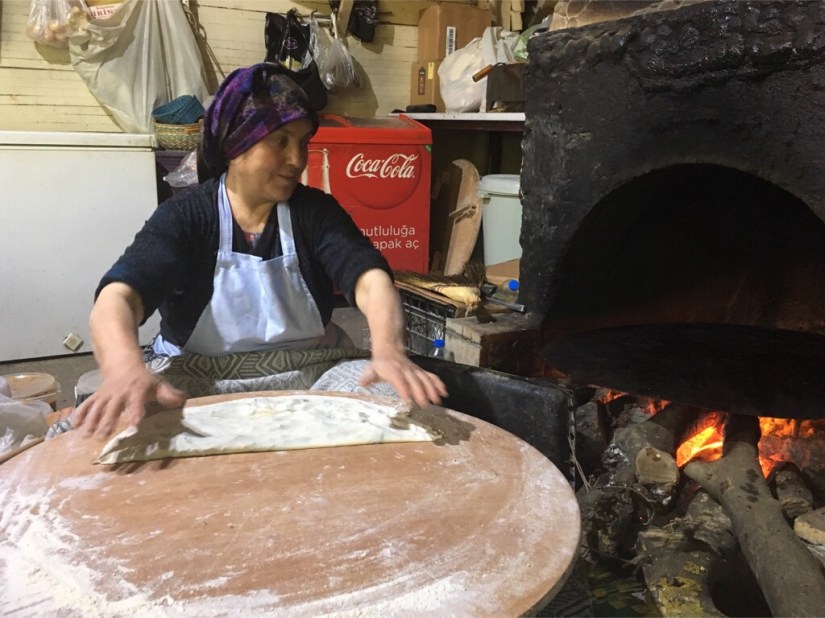
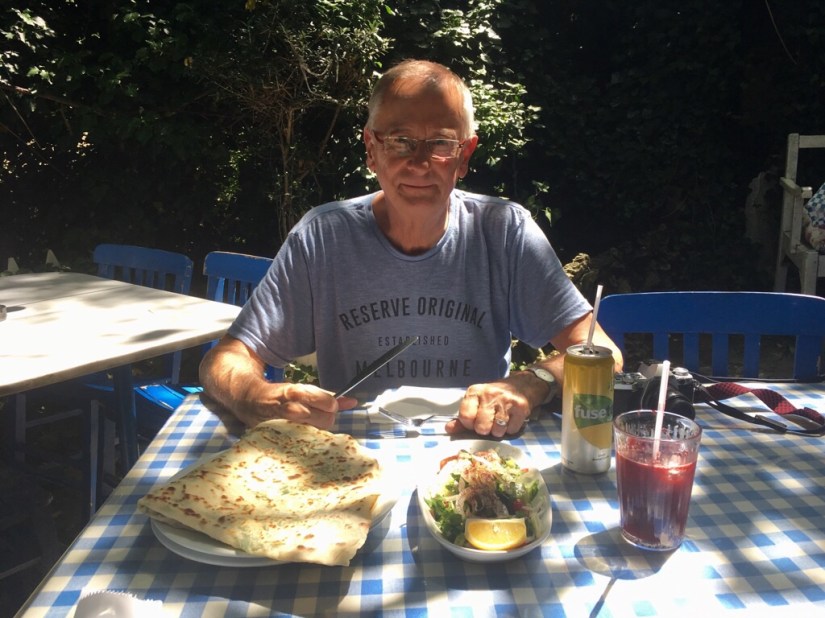
Later, thinking again of our tummies, we found a shady spot serving gozleme, a thin flat bread filled with cheese and spinach and mulberry juice to drink.

So what has kept catching our eye here … by the side of the road, heading through town, some fast, some slow, one with a roof, often with attachments? This is my scoop just today, and I didn’t snap them all … tractors!


We took a turn round town before dinner and noticed a closed for Ramazan sign …

… there seemed to be fewer people sipping tea and a bit further we saw a sign offering a free Iftar meal and people waiting patiently for sunset.
We had dinner in the square with a view of the fountain.

Tomorrow we move on … to the beach!
 Off Travelling Together