
From humble beginnings as a trading post, Moscow’s strategic importance enabled it to blossom into an economic centre and become a regional capital early in the C13th. Then came the Golden Horde, an army of nomadic tribesmen led by the grandson of Genghis Khan, whose domination demanded tribute and allegiance. Muscovite officials became tax collectors for the Mongols, and Moscow slowly prospered both economically and politically, consolidating various Slav states. By 1480, Prince Ivan III’s army was strong enough to refuse to pay tribute any longer and the yoke was broken. Ivan III was crowned ‘Ruler of all Russia’, earning him the name Ivan the Great. His grandson, Ivan IV was crowned Tsar of all the Russias and was known as Grozny, which usually gets translated as Terrible, but Formidable is closer. While his military victories helped tranform Russia into a multiethnic state, medical treatments gradually sent him insane and the last years of his reign proved ruinous. Russia entered a period of anarchy, chaos and famine known in Russia as ‘The Time Of Troubles’ which were brought to an end by the beginning of the Romanov dynasty, but Moscow took a back seat when the capital moved to St Petersburg.

Moving on a century, Moscow was rebuilt following Tsar Alexander I’s victory over Napoleon complete with a Triumphal Arch and an economic boom changed the city’s fortunes. Almost a century more and revolution arrived. After the Bolshevik coup in 1917, Lenin moved the capital back to Moscow and the abdicated Tsar Nicholas II and his family were shot. A civil war between the Bolsheviks Red Army and the White Army continued for six years culminating in the formation of the USSR but this brought an economic crisis that took its toll on the city and also on Lenin who died in 1924.

Stalin manouvered himself into the top job, launching a reign of terror, with an industrialisation campaign, collectivisation of the countryside and a new urban plan for Moscow with historic buildings destroyed, broad thoroughfares built and the metro begun.

Stalin’s death brought Khrushchev then Brezhnev and the Cold War when the Soviet Union competed with the USA in the arms and space race. Gorbachev brought change with perestroika and glasnost and this eventually brought the end of the USSR in 1991.

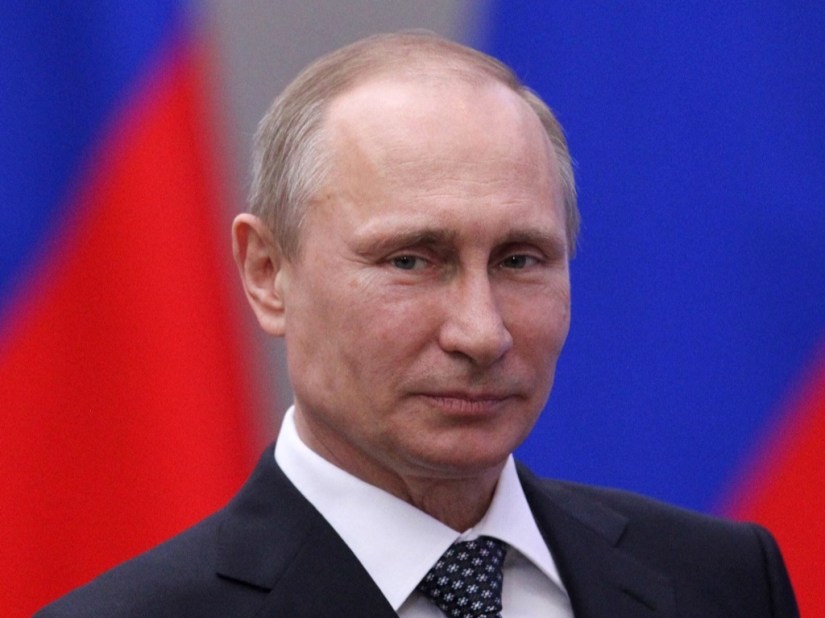
Yeltsin was the first president of the Russian Federation, followed by Putin and during this time, Moscow has weathered economic crises and political transitions, and more recently a focus on making the city a better place to live so we are looking forward to our visit.
 Off Travelling Together