
The Scrovegni Chapel is Padova’s most famous sight with its remarkable cycle of frescoes completed in 1305 by Giotto. It was commissioned by Enrica degli Scrovegni, a wealthy banker, as a private chapel once attached to his family’s palazzo. The fresco cycle details the life of the Virgin Mary and Christ and has been acknowledged by many to be one of the most important fresco cycles in the world. To help preserve the chapel, each group of 25 has to wait in an air-locked room watching a video while the climate equalises and then has just 15 minutes to admire the chapel before being asked to leave. I thought this would be a real rush, but actually it was plenty of time and we were able to move around freely, following the pictures of the bible stories like a cartoon book. The detail and realism of the frescos was amazing, they were in very good condition for over 700 years old and the colours were really bright. I’d love to say I’d taken some pics but no pics allowed so I’ve lifted these two from the Internet.


Other frescos in Padova included the Baptistry by Menabuoi with a lovely view of Paradise on the ceiling and the Oratorio do San Giorgio telling the stories of St George, St Lucy and St Catherine albeit with a sorry end for both the ladies.
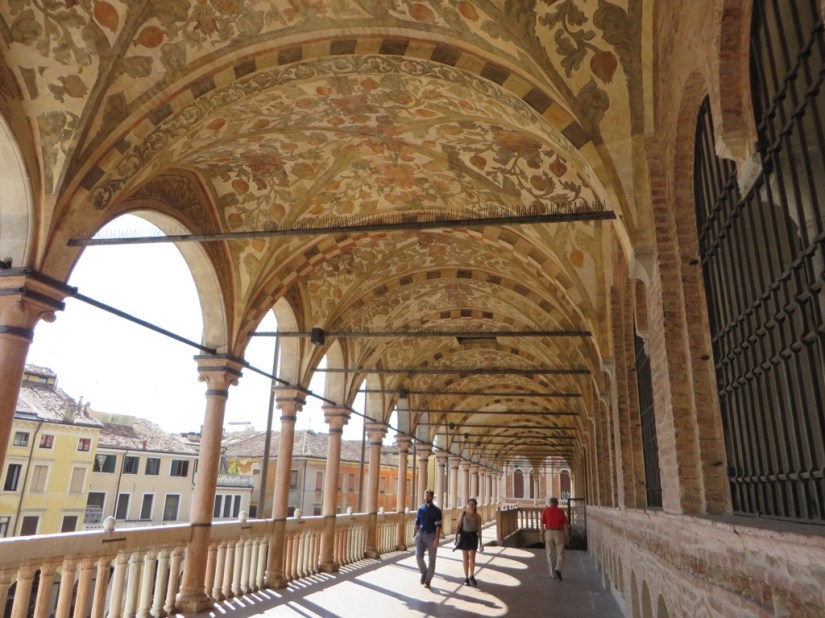
The Palazzo della Ragione sits in the heart of the city, between Piazzas Erbe and Frutti. The upstairs is one huge room which was originally frescoed by Giotto, including a blue starry sky, however these were destroyed by fire in 1420 and were replaced by an amazing 333 panel astrological cycle by Miretto. There is also a large wooden horse which was made for a joust in 1466 and a black stone which could be sat on with bare buttocks by a bankrupt to have his debts discharged … not sure that would catch on now … or would it?




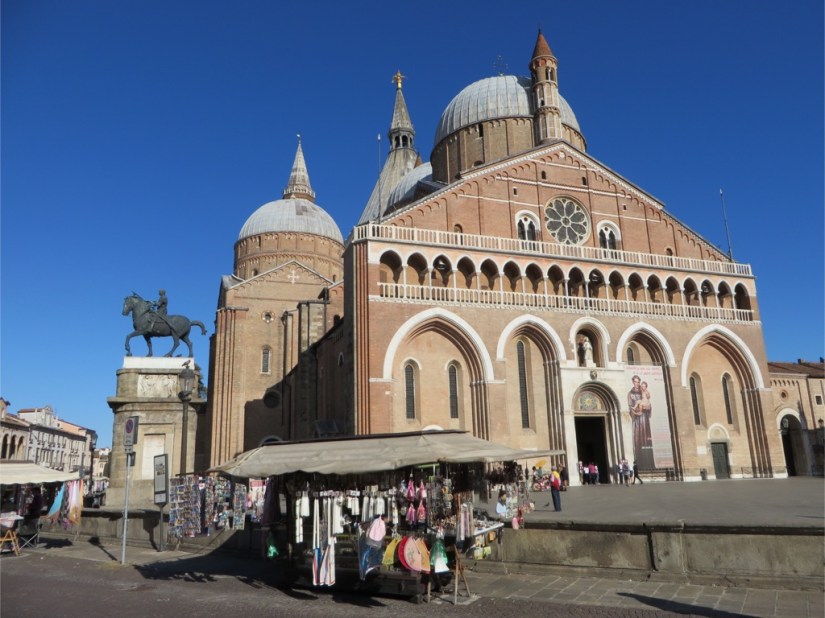
The Piazza del Santo is overshadowed by the huge basilica dedicated to St Anthony decorated with minarets and domes outside and Romanesque and Gothic styles inside. Pilgrims still visit and we queued with the faithful to see the amazing relief sculpture panels showing the life of St Anthony round his tomb and the miracles he had performed. Outside is Donatello’s monument to Gattamelata, The Honeyed Cat, as the condottiere Erasamo da Narni was known. It is the earliest large bronze sculpture of the Renaissance but basically just a man on a horse!
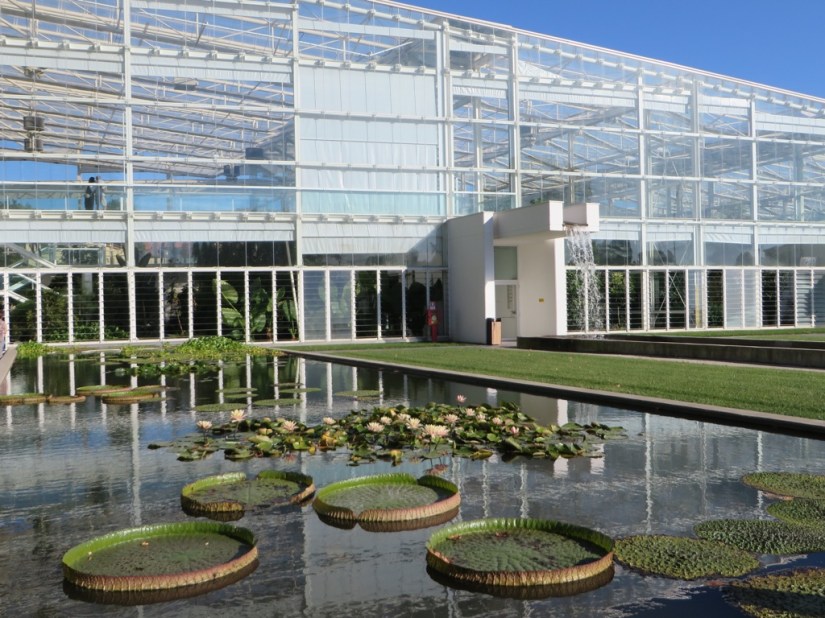
 Padova’s garden is the Orto Botanico del Padova, which was founded as the garden of curative herbs attached to the University’s faculty of medicine and still contains an important collection of rare plants. It also has the recently built Garden of Diversity with tropical and temperate greehouses containing plants from round the world. It was relaxing to wander round among the plants having spent the day in the town.

Close by is another green space, the Prato della Valle, which follows the oval plan of the extinct Roman amphitheatre – a grassy island surrounded by a canal with four bridges and statues of 78 local worthies. Fortunately we had a chance to take pictures without the white vans and market stalls which had been there all weekend.

Time to catch the tram to the station and a train back to Verona, then south out of The Veneto to Mantova in Lombardy.
 Off Travelling Together