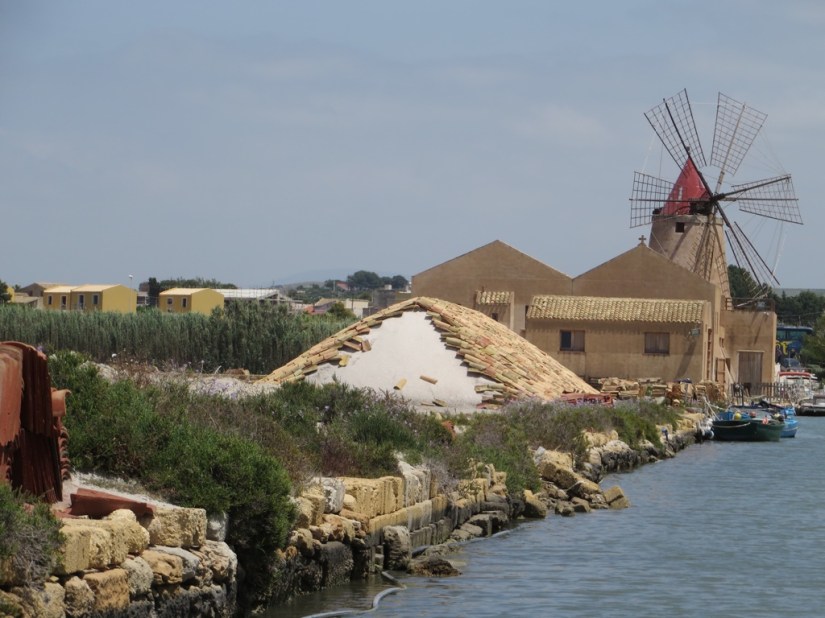
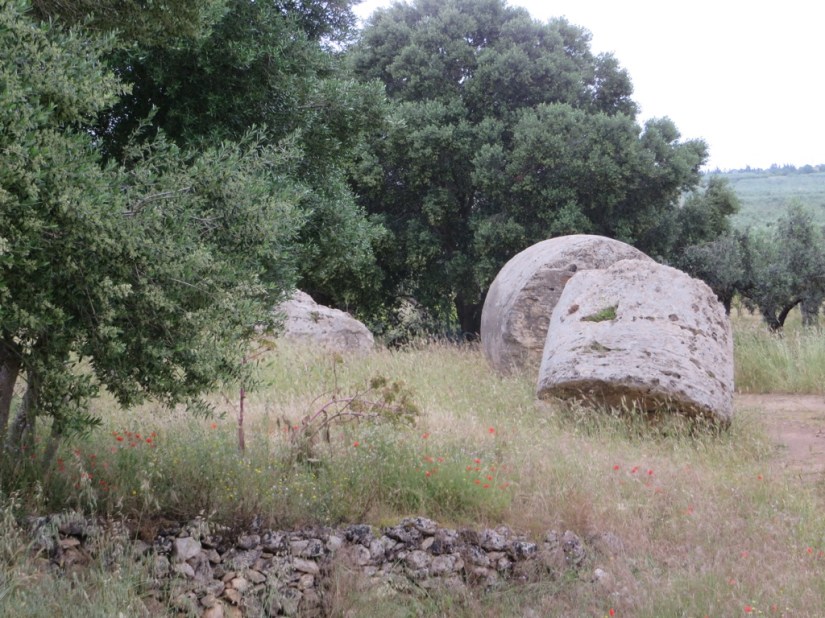
 Unfortunately another grey day as we left and drove to the Cave di Cusa, the quarry which was used for stone for Selininte temples and abandoned after the city was sacked. It still has partly cut columns, which stand as they were left.

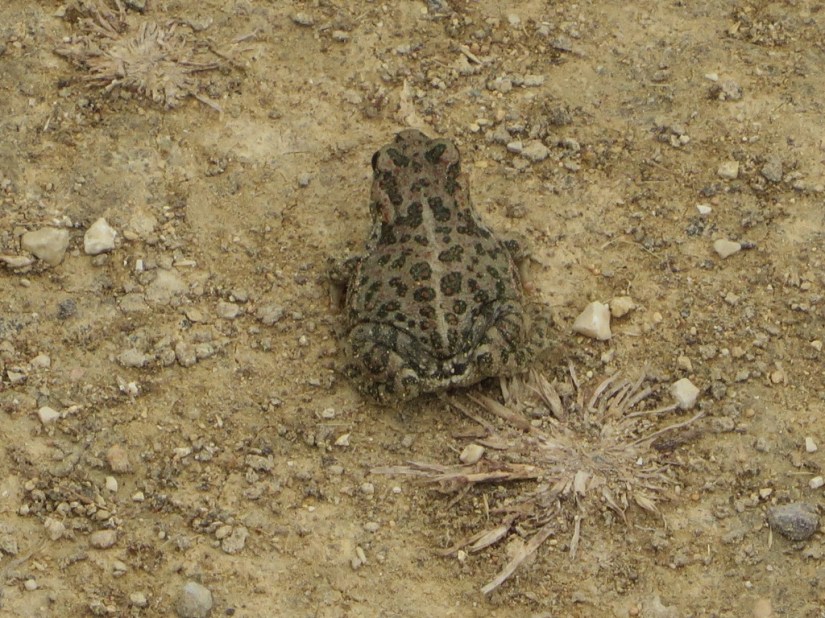
Walking along the path, we saw tiny frogs the size of the end of my thumb, hopping left and right, obviously able to feel the vibration of our steps, and trying to avoid us.
We continued to Mazara del Vallone, the most important of Sicily’s Moorish towns, but couldn’t get our bearings. Fortunately we bumped into Giovanna who kindly offered to take us to Piazza San Veneranda in her car. She expertly manoeuvred her little Lancia through the narrow backstreets with true Italian flair. She gave us a flyer – she is standing for councillor in the local elections next week – and we would vote for her!

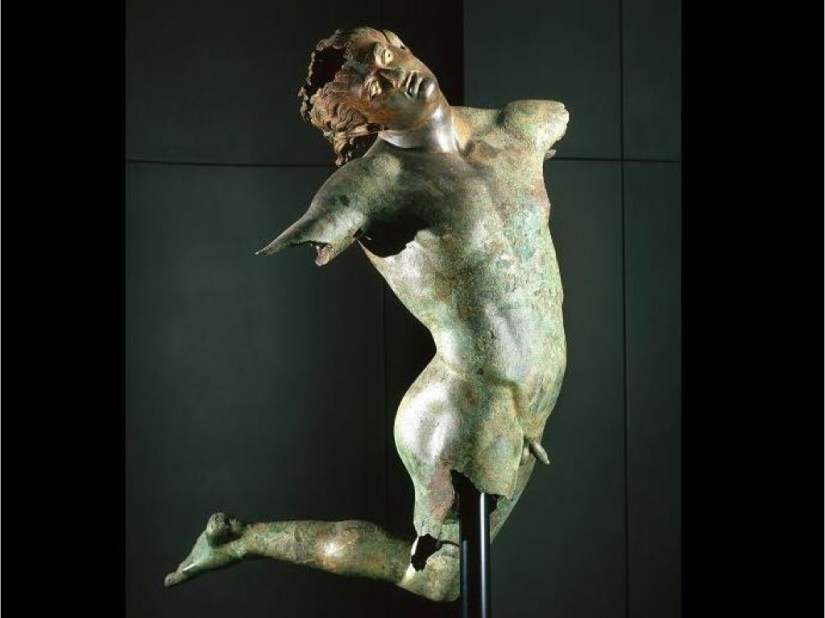
The main reason to visit was to see the Greek bronze Dancing Satyr. Firstly just a leg was found by fishermen, then a year later a torso. It spent 4 years being restored and is now on display in an old church. Unfortunately no photos allowed so Wiki comes to the rescue again! The satyr is depicted in mid-leap, head thrown back ecstatically and back arched, his hair swinging with the movement of his head and in remarkably good condition for having been at the bottom of the sea. It’s exact age is uncertain but at least 2000 years!
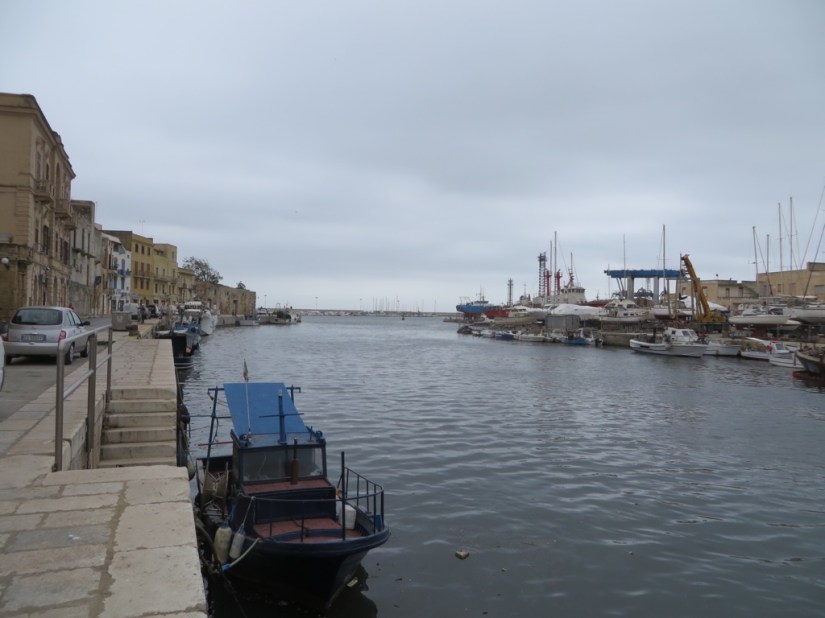
We had a wander round the town …
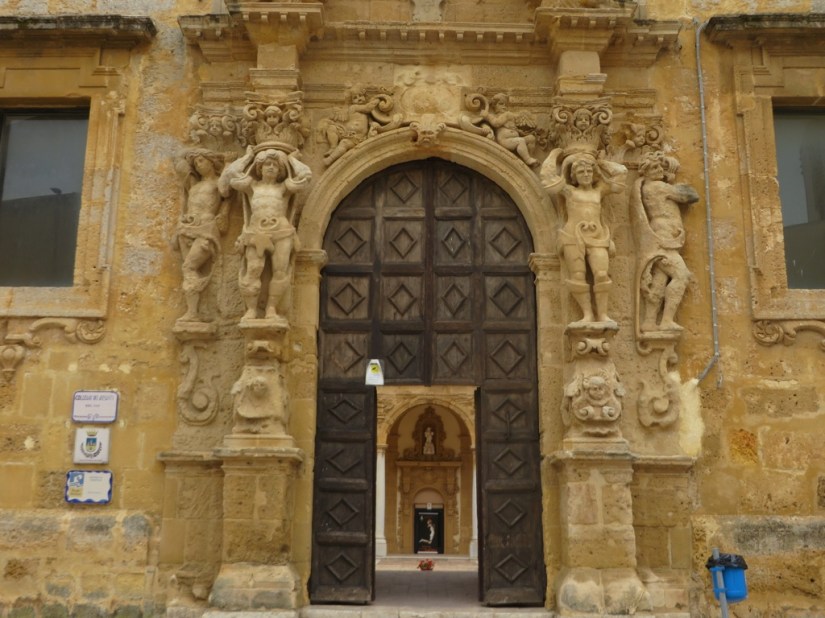

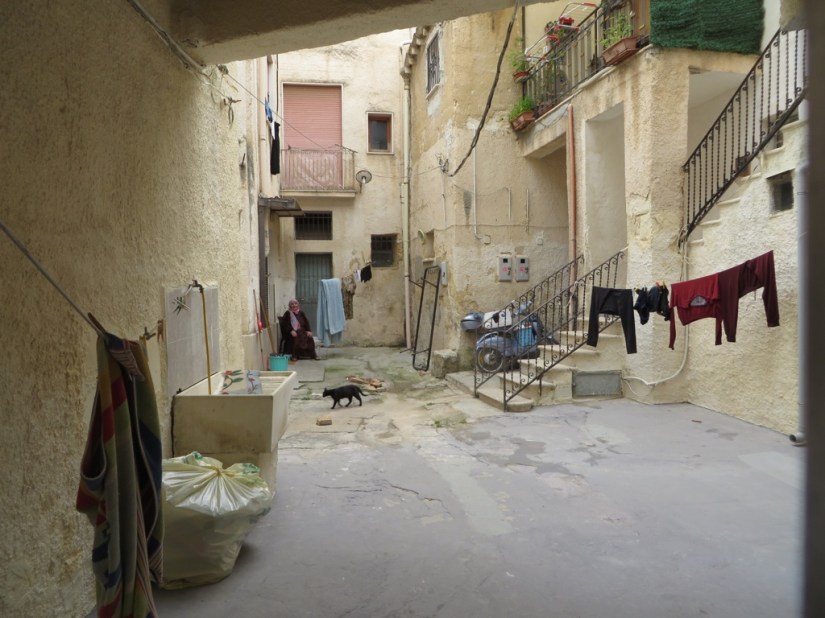
Including the Tunisian quarter with its narrow alleys and courtyards …
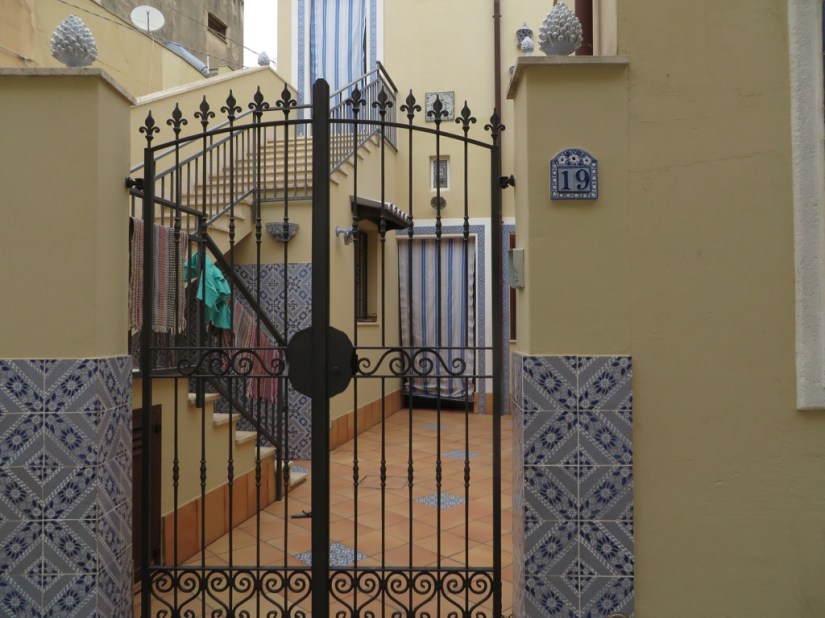
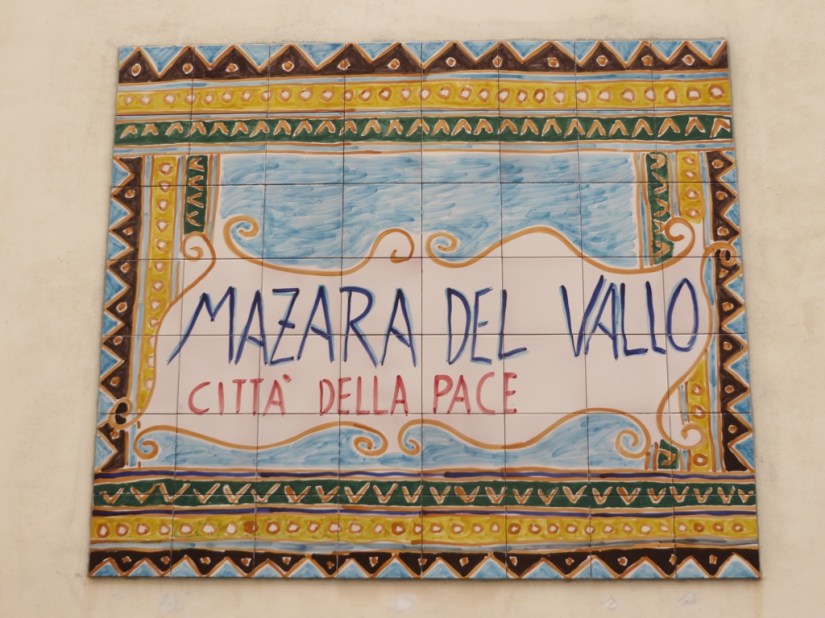
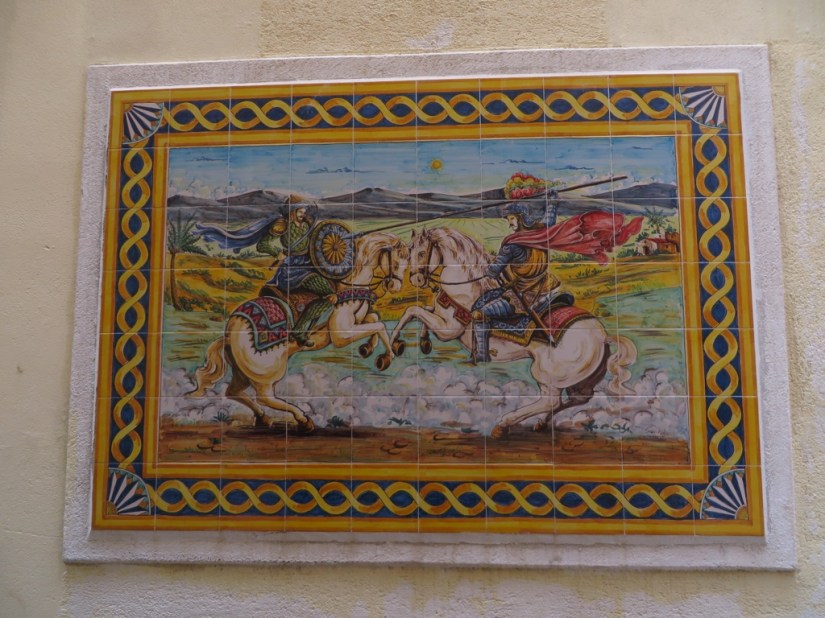
And also brightly coloured tiled plaques.

Next stop Marsala, named by the Arabs Marsah-al-Allah, the port of God. After a long period of poverty, Marsala became home to a prosperous wine trade, developed by entrepeneurs at the end of the eighteenth century, led by one John Woodhouse, from Liverpool, who exported the fortified wine, marsala. Marsala’s fame continued when Garibaldi landed here with his expedition of a thousand on 11 May 1860, entering through the gateway now called the Porta Garibaldi, making it the first city of a united Italy.

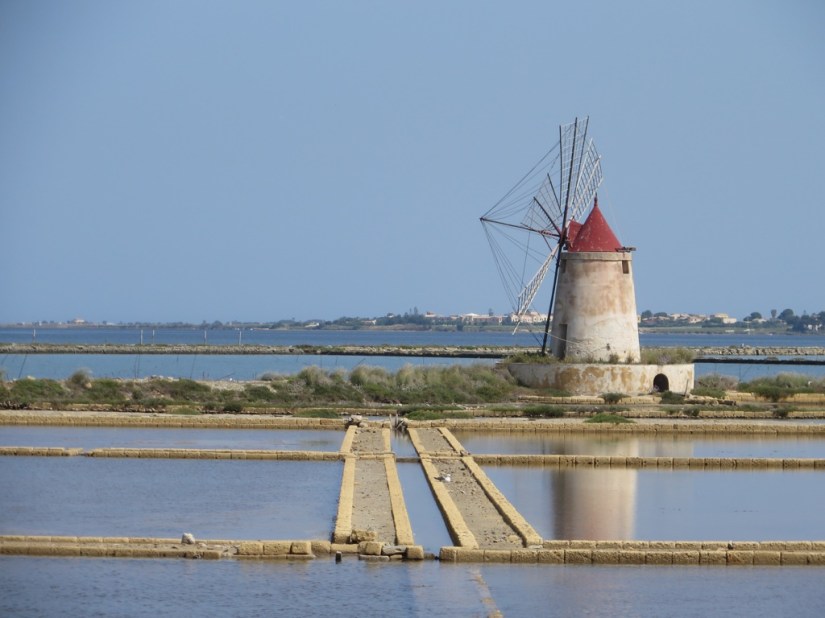
We are staying with Celsa in her lovely B&B in a 400 year old building in the centro storico called Il Profumo del Sale, the scent of salt, apt as the coastline here is lined with salt flats and windmills that once pumped water and ground salt. There were also piles of salt protected covered by terracotta tiles.

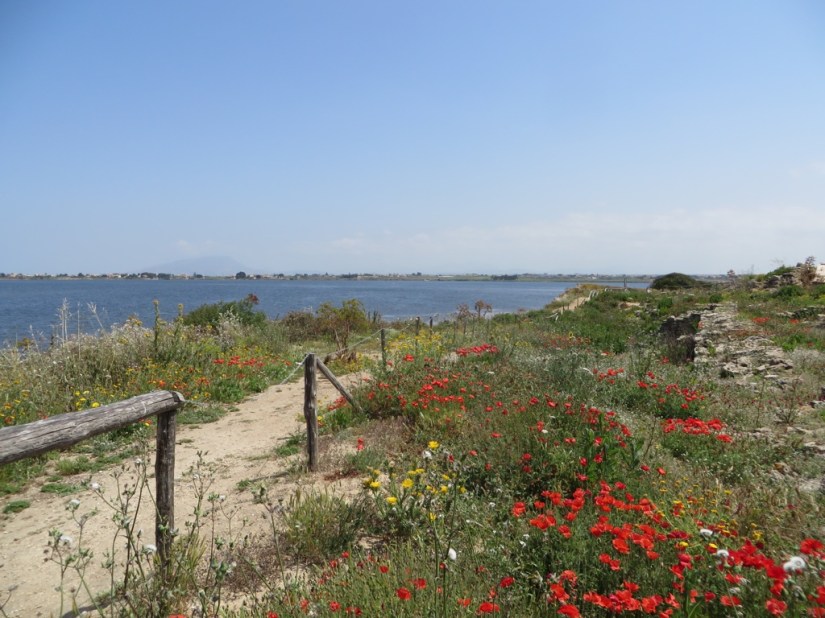
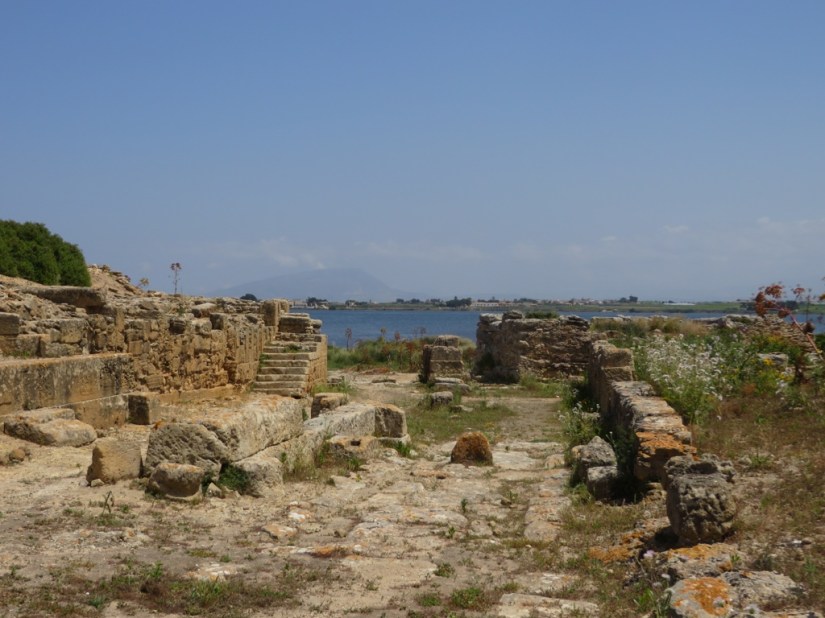
We visited the ruins of Mozia, an ancient Phoenician town, situated on the island of San Pantaleo, and reached by a short ferry ride. There is a museum with lots of bits of pot, but also funeral stele with women in triangular skirts, terracotta masks, a collection of ancient beads and a marble statue, the Youth of Mozia dating to the 5C BC.
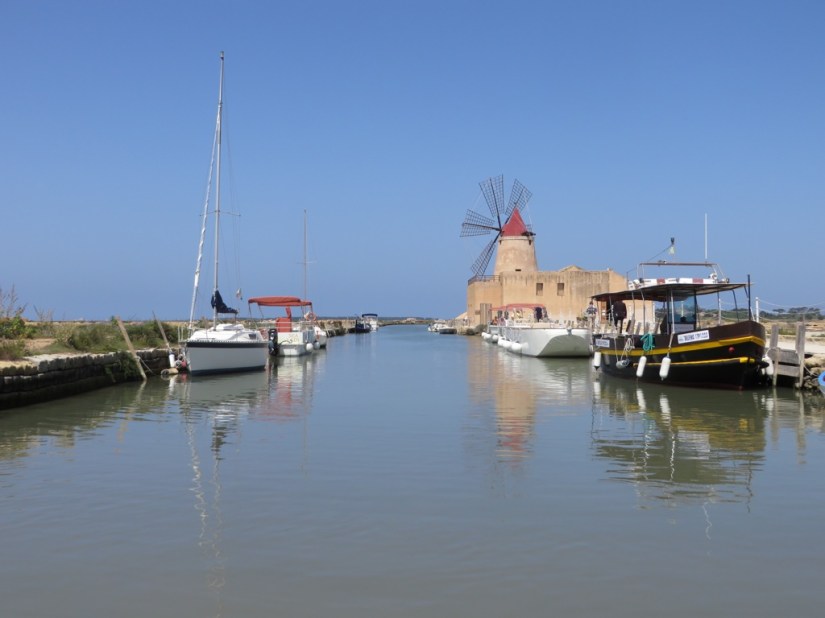

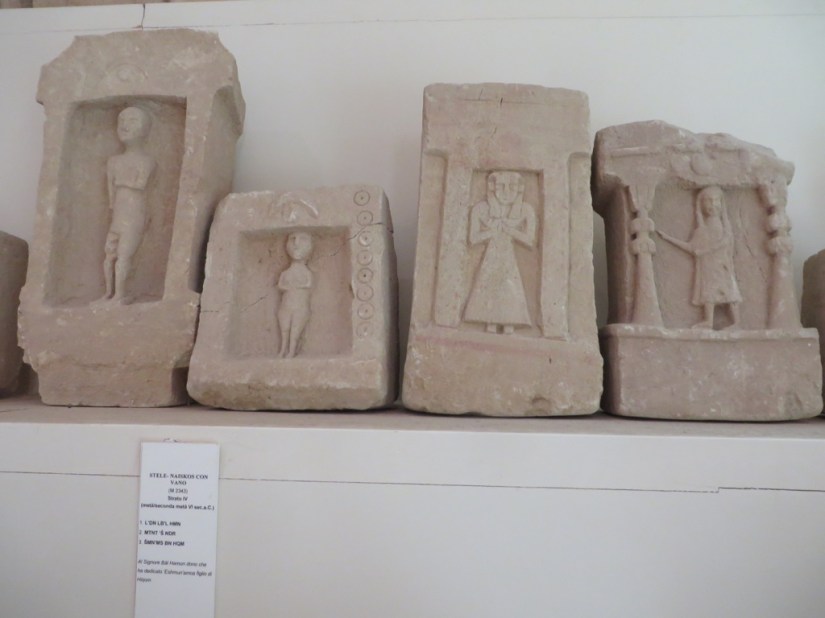
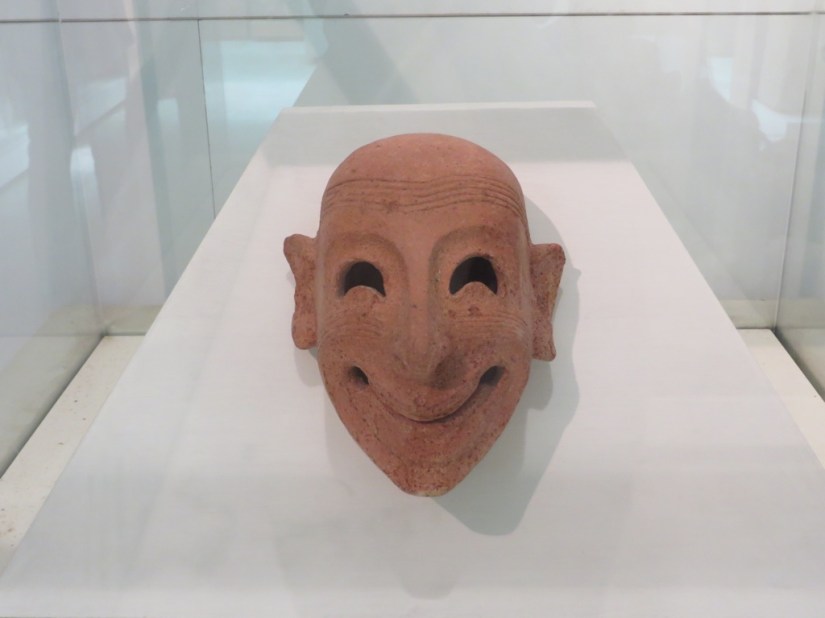
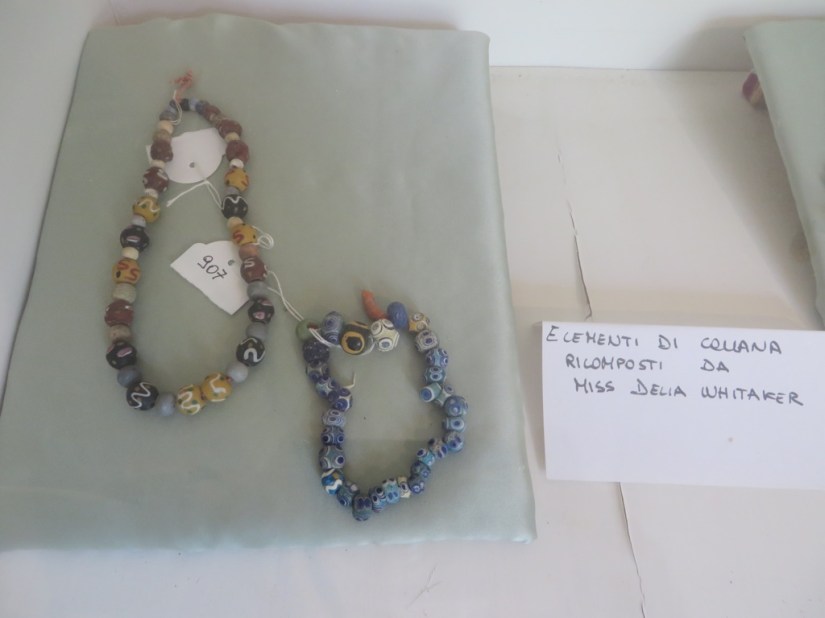
We wandered round the island which was lovely as the day was sunny, but the ruins were less than inspiring.
Later we went on a tour of the Donnafugata winery, including the amazing cellar below. Danila showed us round and shared her enthusiasm and knowledge, telling us about the history of the family, the grapes used and the different wines made. We then had a tasting and decided to make room in our suitcase for a small bottle of a moscato dessert wine called Kabir, whose grapes are grown on the volcanic island of Pantelleria quite close to Africa. Thank you Danila for such an enjoyable visit.


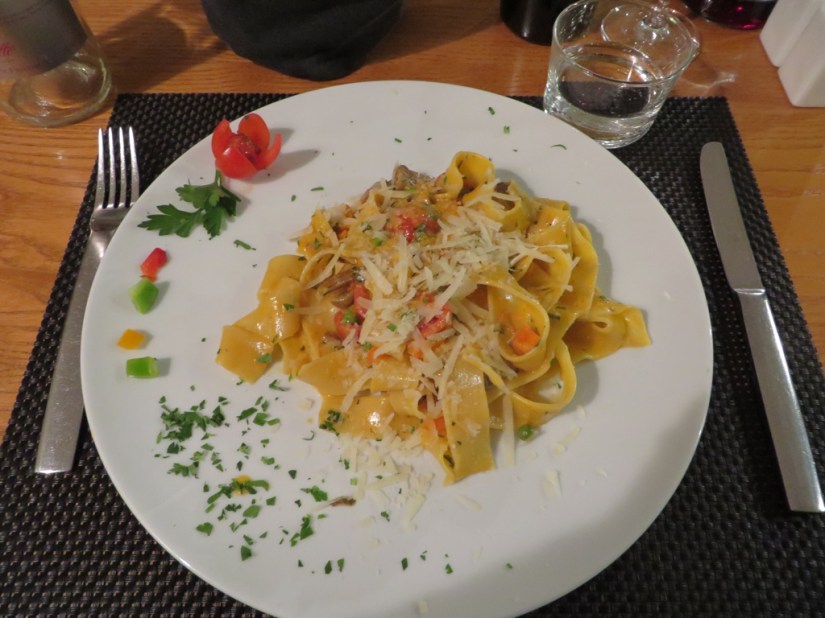
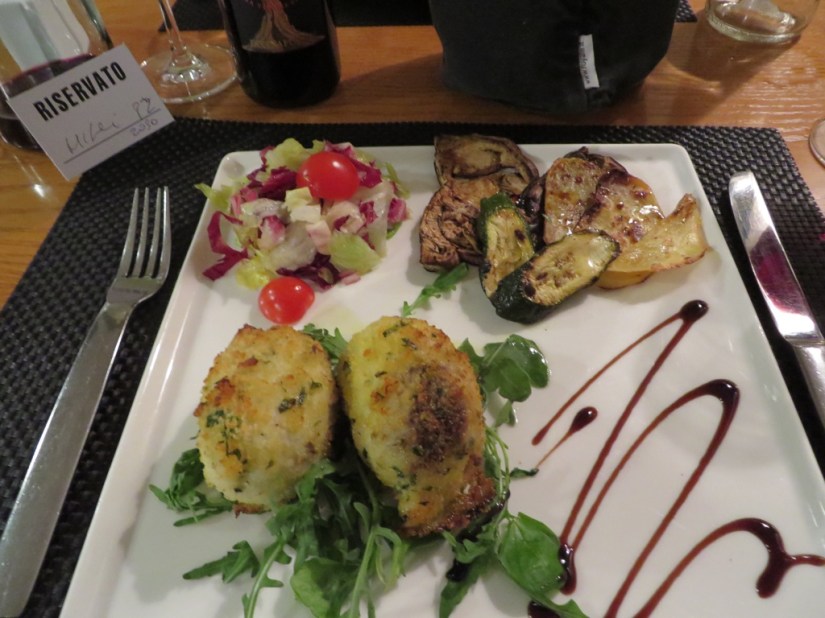
Just to catch up with the fabulous food lately, there was a lovely meal at Osteria San Lorenzo starting with an amazing antipasti buffet, then followed by greengrocer pasta for Chris and swordfish involtini for me and also at Assud including free water which is unheard of in Italy and excellent swordfish rigatoni for me.
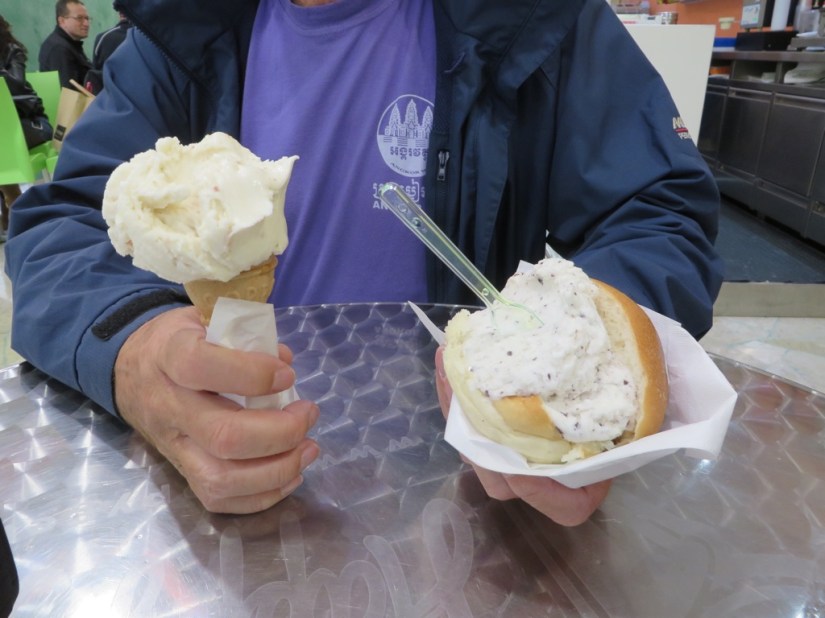
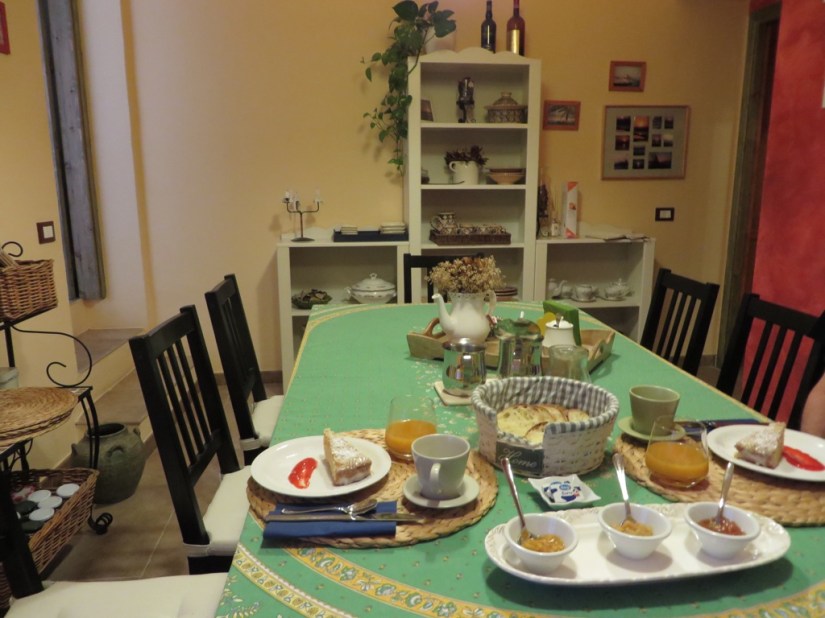
We finally managed to photograph some gelato before we ate it … shown here Sicilian style in a brioche and also our breakfast!
We said goodbye to Celsa and were given a bag of sea salt perfumed with cinnamon as a souvenir … thank you!
Onwards now along the salt road!
 Off Travelling Together